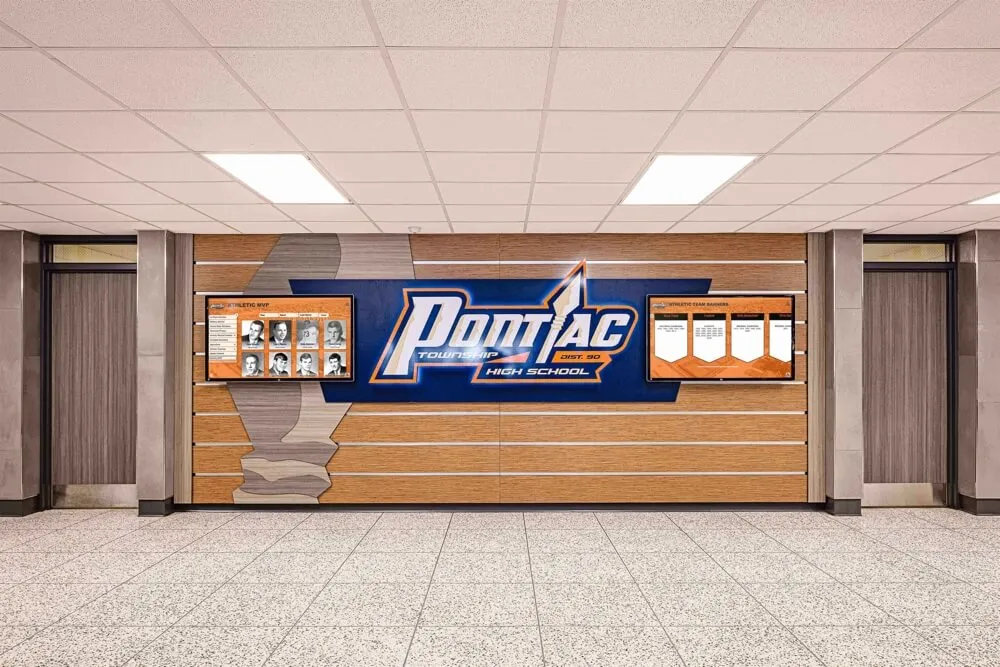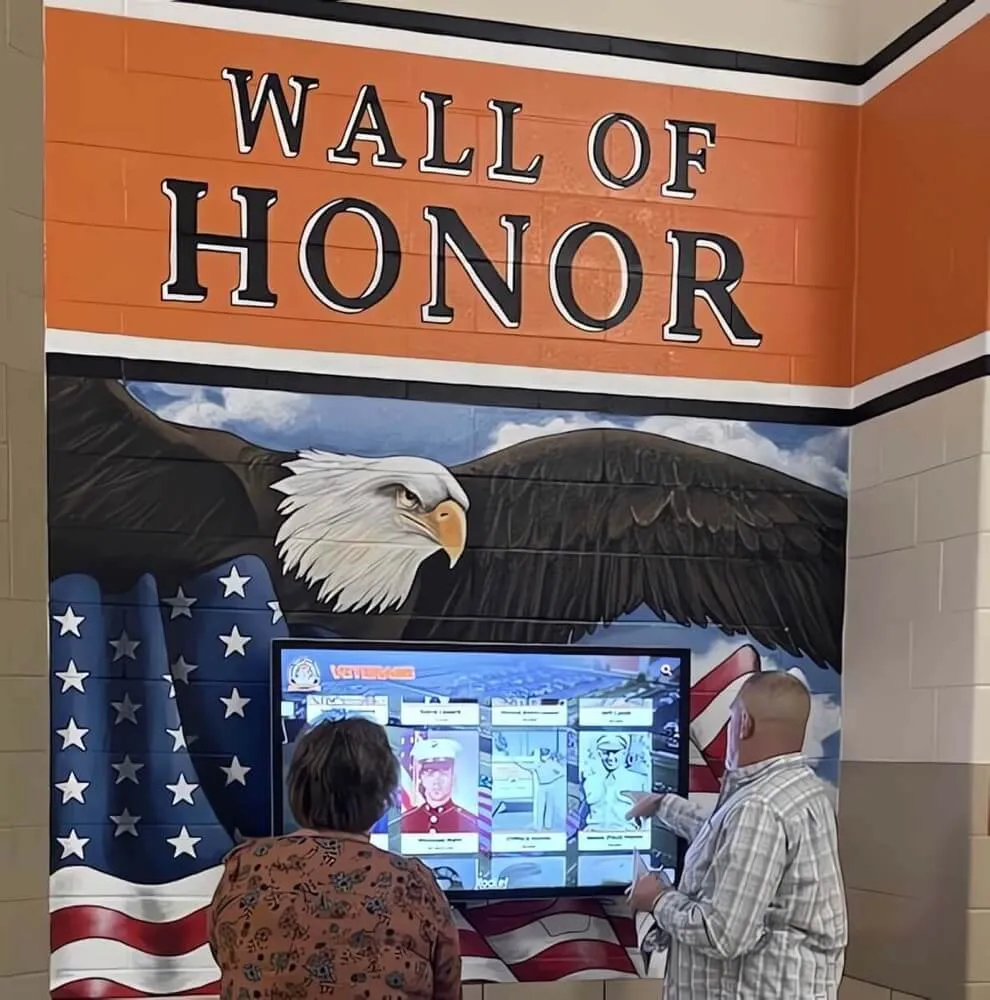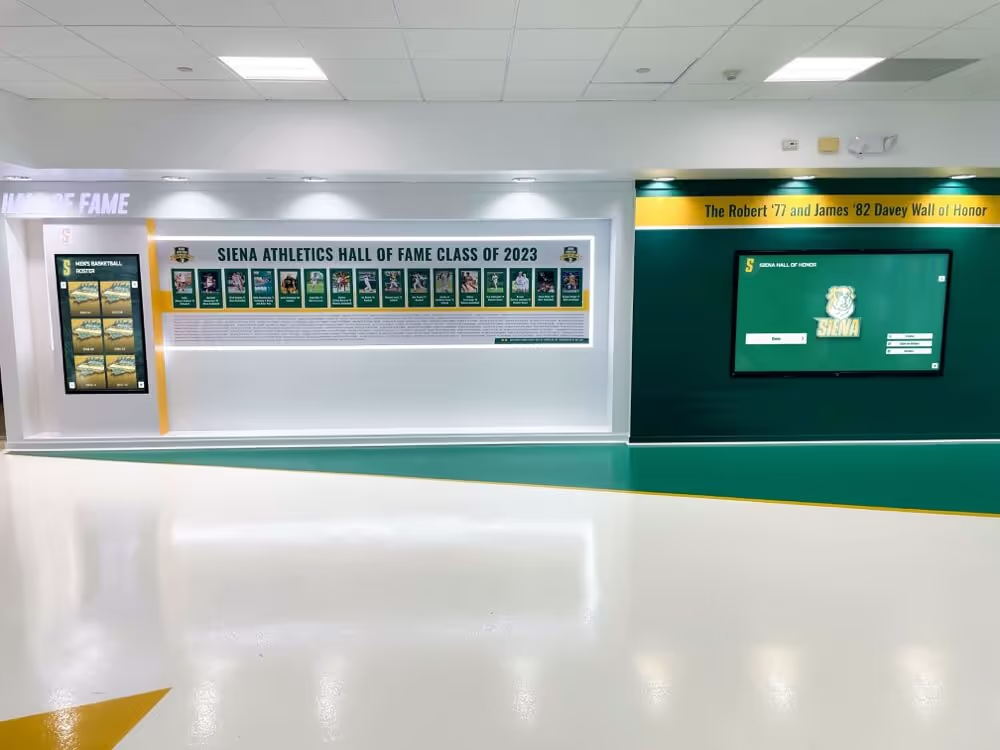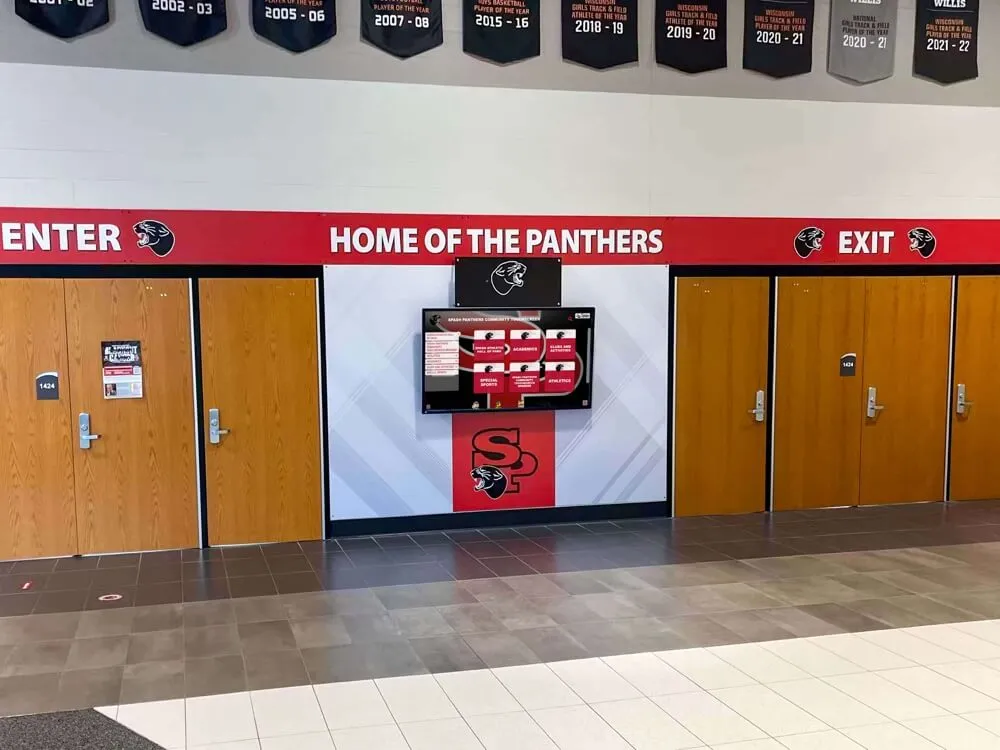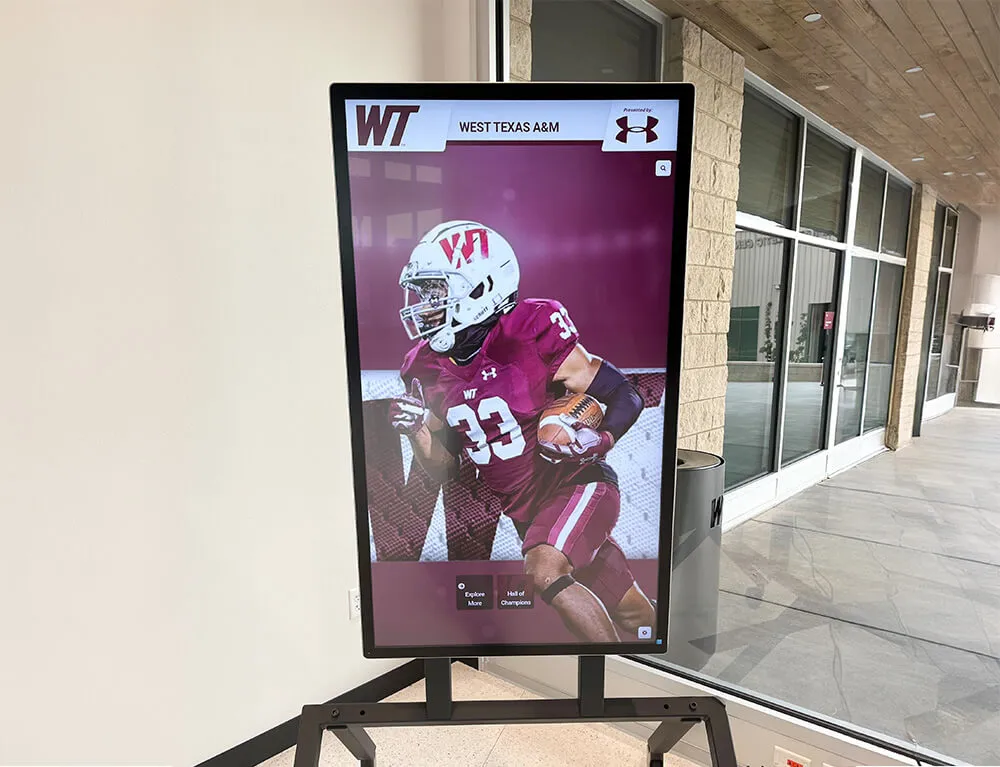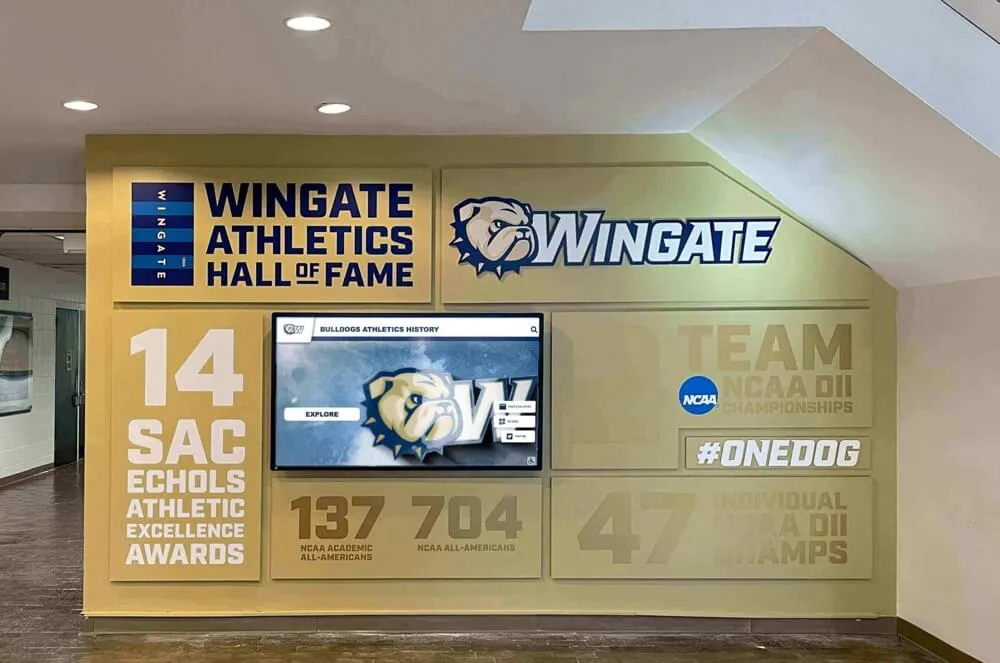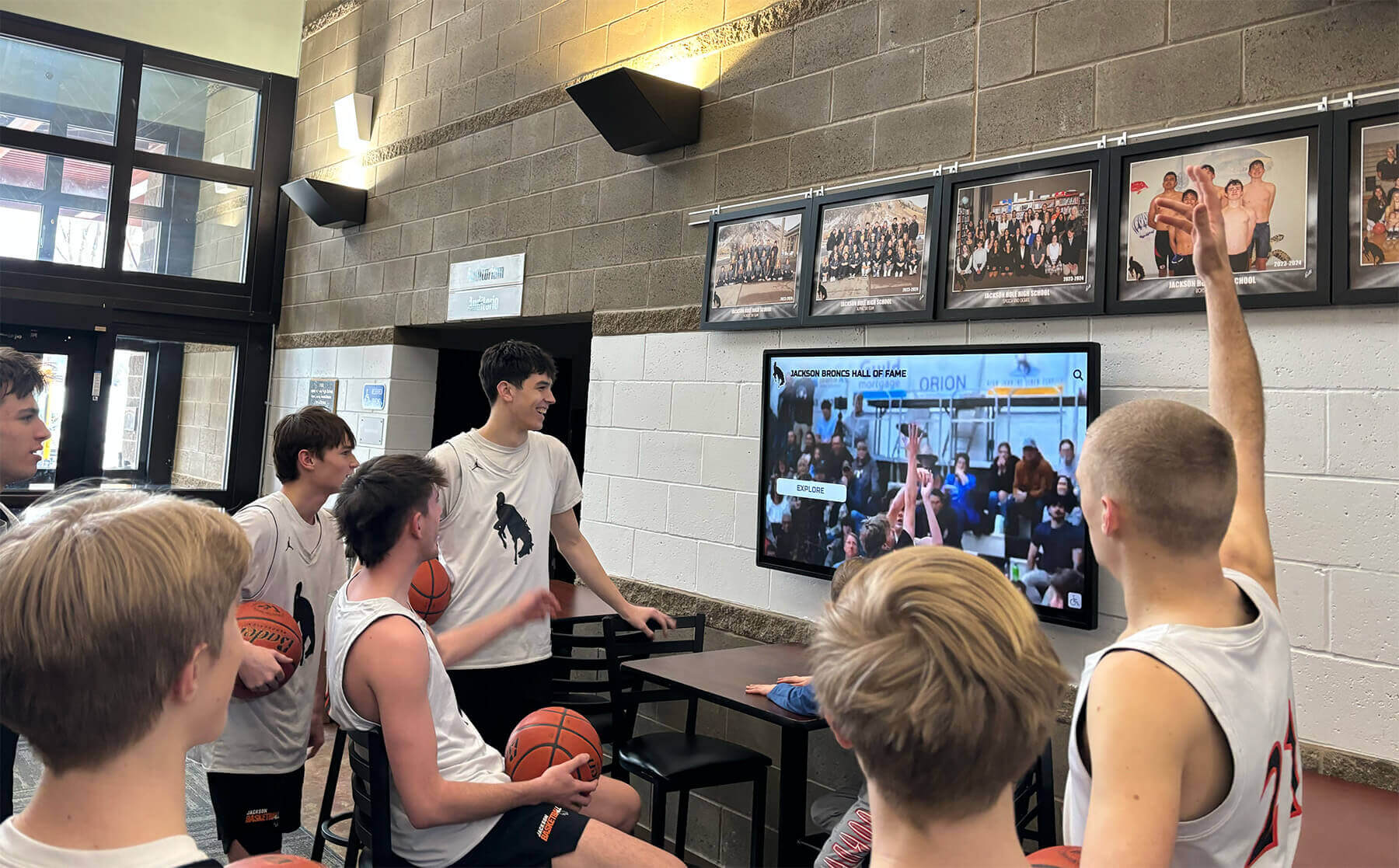




Schools contain countless stories worth sharing—from the chemistry lab where students discover scientific principles to the rehearsal space where theater productions come together, the athletic facilities where teams prepare for competition, and the offices where staff work behind the scenes making education possible. Each day generates dozens of moments that define the school experience, yet most of these stories remain invisible to the broader community.
Traditional communication methods struggle to capture the full richness of school life. Newsletters feature selected events weeks after they happen, bulletin boards display limited photos in a few locations, and website galleries require active searching by interested viewers. By the time information reaches families and alumni, the moment has passed and engagement opportunities fade.
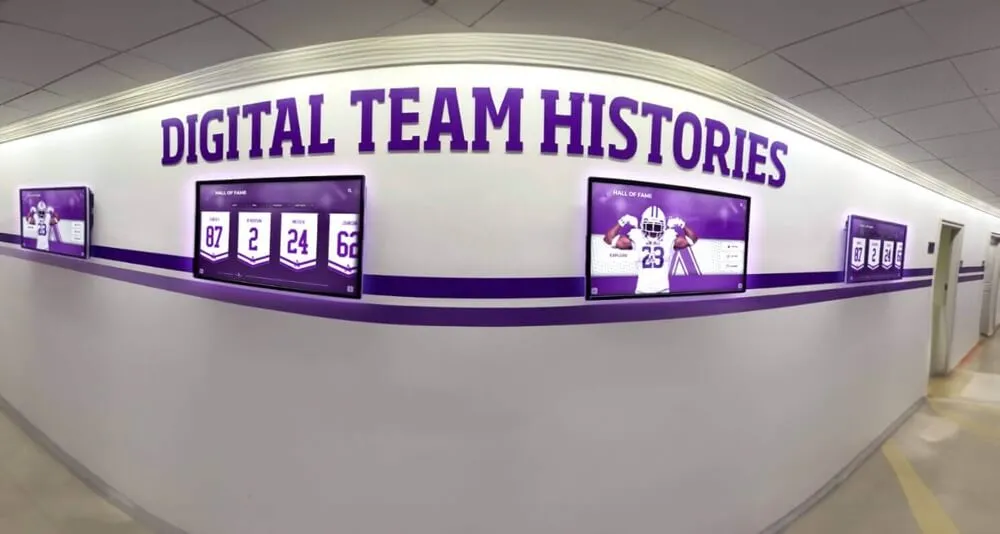
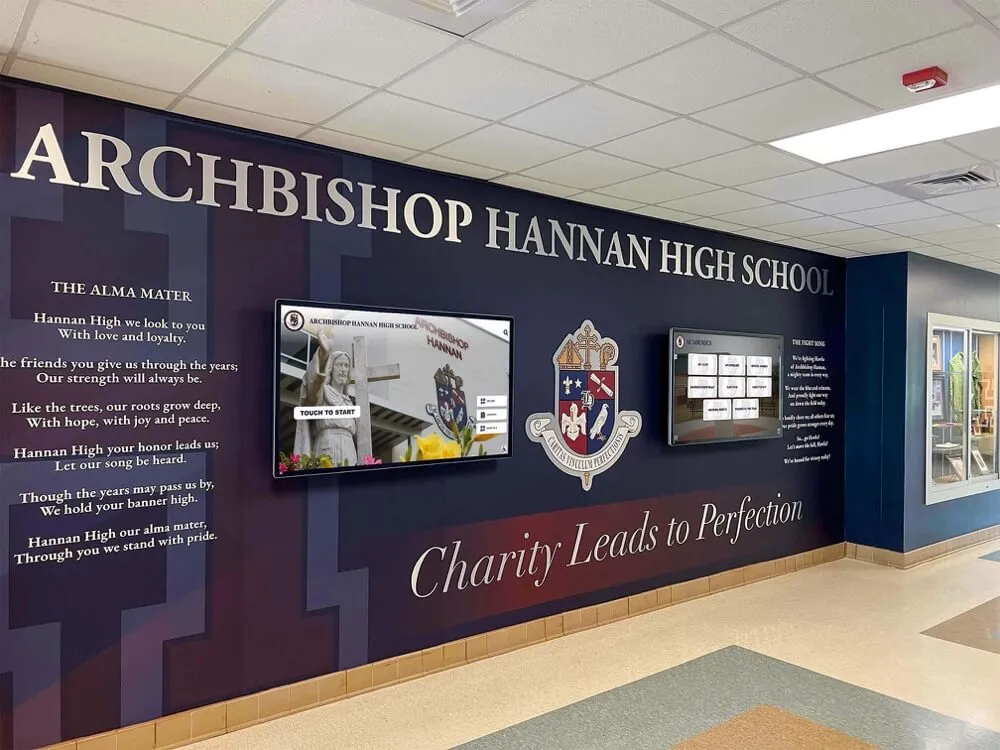
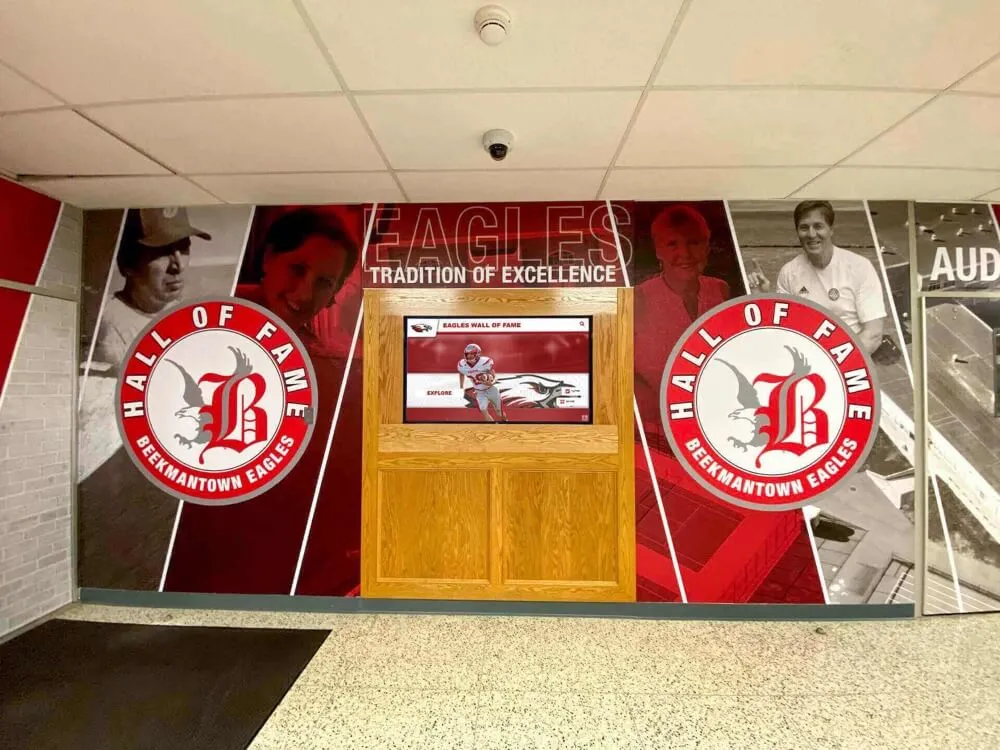
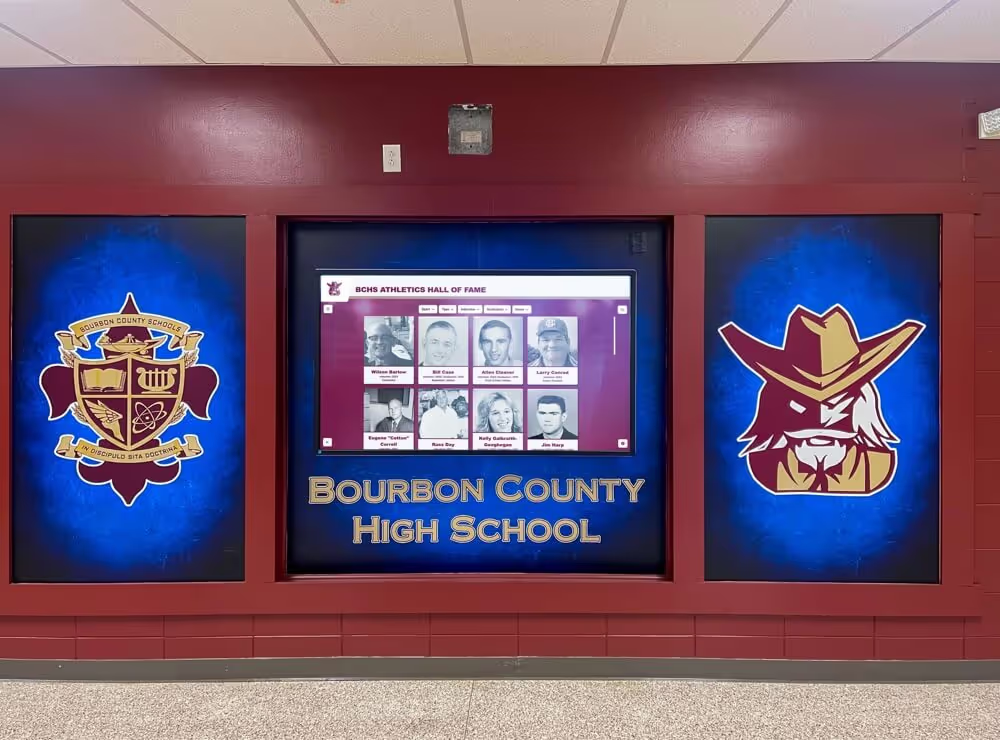
This guide explores how schools can use digital recognition displays to bring “a day in the life” experiences to their communities through dynamic photo galleries documenting events throughout the year, interactive historical timelines preserving institutional evolution, and engaging profiles revealing the people and stories behind daily operations. These digital storytelling approaches help schools commemorate their legacy, build institutional pride, and serve as meaningful resources for prospective families exploring what makes each school special.
The Value of Sharing Daily School Life
Before implementing digital displays for storytelling, schools should understand why sharing daily experiences, history, and community profiles matters for institutional identity and engagement.
Building Community Connection and Pride
Schools function as communities with shared experiences, traditions, and values. When schools systematically document and share daily life, they strengthen the bonds connecting current students, families, staff, and alumni.
Creating Shared Understanding
Many community members see only narrow slices of school operations. Parents experience morning drop-off and evening activities. Students know their classrooms and extracurriculars. Alumni remember their own era. Digital displays presenting comprehensive views of school life help everyone understand the full scope of educational experiences happening daily.
Photo galleries showing diverse activities—science labs, art classes, athletic practices, club meetings, performances, and community service—reveal the breadth of opportunities available and help families appreciate the complete educational environment their school provides.
Strengthening Institutional Identity
Schools with strong identities where community members feel genuine connections to institutional mission and values benefit from better enrollment, higher retention, stronger alumni engagement, and more robust fundraising. Consistent storytelling through digital displays reinforces institutional identity by showing values in action through real examples, connecting traditions from past to present, demonstrating educational philosophy through daily implementation, and celebrating diversity of experiences and achievements.
Research in organizational communication consistently shows that institutions sharing authentic stories about their work build stronger stakeholder relationships than those relying solely on formal messaging and marketing materials.

Digital displays capture student attention with timely content showing their peers in action, creating engagement impossible with static displays
Supporting Prospective Family Decision-Making
Families evaluating schools seek authentic understanding of daily student experiences, school culture, and educational quality. Digital displays presenting real school life provide valuable insights that formal tours and brochures cannot fully communicate.
Demonstrating Educational Approach
Prospective families want to understand how schools translate mission statements and marketing language into daily educational experiences. Photo galleries and profiles documenting actual teaching and learning help families see project-based learning in action, collaborative work environments, hands-on science investigations, arts integration across curriculum, technology use supporting learning, and individualized attention to student needs.
These authentic glimpses into daily operations provide evidence that schools deliver the educational experiences they promise, building confidence in institutional quality and fit for individual students.
Revealing School Culture and Climate
School culture significantly impacts student success and satisfaction. Families visiting campuses try to assess whether environments will support their children’s growth and happiness. Digital displays help by presenting student interactions and relationships, diversity and inclusion in daily practice, celebrations and traditions bringing community together, support systems and resources available, and the general atmosphere and energy of school spaces.
When families see students genuinely engaged, teachers clearly invested, and communities authentically supportive, they develop confidence in school culture that formal tours may not fully convey.
Preserving Institutional Memory and Legacy
Schools accumulate rich histories spanning decades or centuries. Digital displays enable systematic preservation and sharing of institutional heritage that might otherwise remain inaccessible in storage boxes and old yearbooks.
Connecting Past and Present
Historical timelines documenting institutional evolution help current community members understand how their school developed its identity, traditions, and programs. Students discover that the rivalry game they attend has sixty-year history, the building they occupy was constructed during a major expansion, and the traditions they participate in connect them to thousands of alumni.
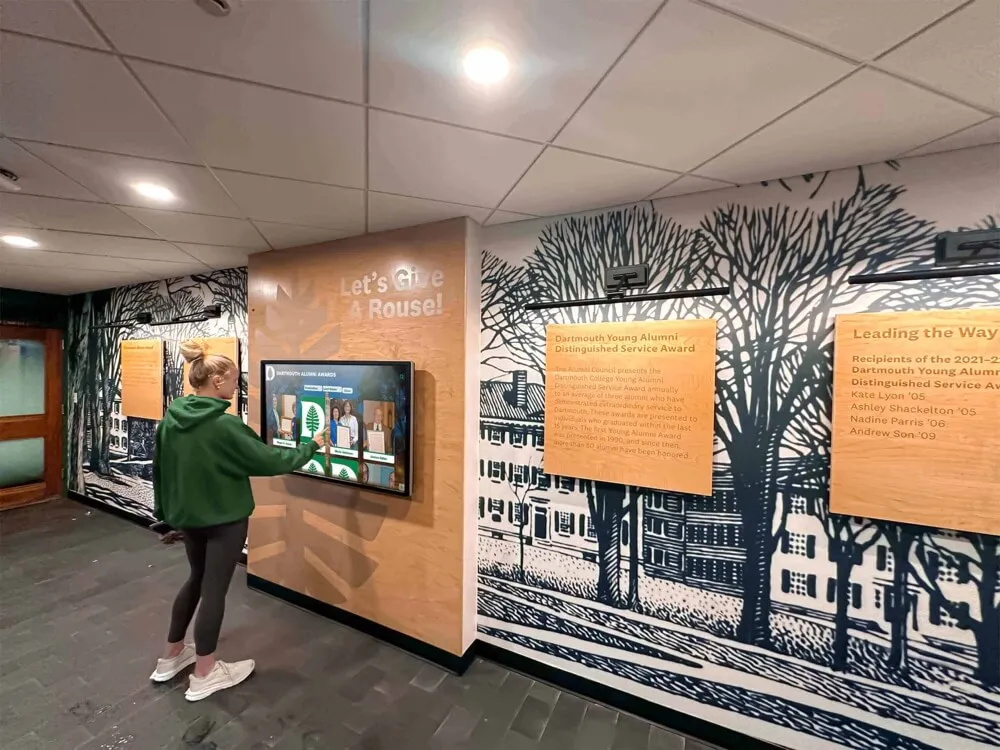
Interactive historical displays enable community members to explore institutional heritage at their own pace, discovering connections to their experiences
Honoring Contributions and Achievements
Every school depends on countless individuals whose contributions deserve recognition—dedicated teachers who shaped thousands of students, administrators who guided institutional development, volunteers who supported programs, and alumni who achieved excellence in diverse fields. Digital profile systems enable schools to honor these contributions comprehensively rather than limiting recognition to the few who fit in physical trophy cases.
Similar to how historical timeline displays preserve school heritage, comprehensive digital recognition systems ensure that institutional memory remains accessible for current and future generations.
Engaging Alumni and Building Lasting Connections
Alumni engagement drives fundraising success, mentorship programs, and institutional advocacy. Schools sharing ongoing stories about current operations maintain alumni interest and emotional connections long after graduation.
Maintaining Awareness and Interest
Alumni often lose touch with their schools because they lack convenient ways to stay connected to daily operations and evolution. Digital displays accessible through web platforms let alumni explore current student achievements, see facility improvements since their graduation, discover how programs have evolved, and maintain familiarity with institutional development even from distant locations.
Regular content updates presenting active school life remind alumni why they value their educational experiences and encourage continued engagement with institutional success.
Creating Engagement Opportunities
Photo galleries and profiles create natural touchpoints for alumni interaction. Former athletes watch highlight reels from current teams, past theater participants see current productions, and graduates discover teachers they remember still working at the school. These moments of recognition and nostalgia strengthen emotional bonds and create openings for deeper engagement through mentorship programs, donor cultivation, and community building.
Schools implementing comprehensive alumni engagement strategies use digital storytelling as foundational tools connecting institutional heritage to current operations.
Photo Galleries: Capturing Events Throughout the Year
Digital displays enable schools to present comprehensive photo documentation of the diverse activities, events, and experiences defining school life across the entire academic year.
Strategic Event Photography and Documentation
Effective photo galleries require systematic approaches to documenting school activities rather than sporadic photography based on convenience or availability.
Thorough Coverage Planning
Schools contain far more noteworthy activities than any single person witnesses. Systematic documentation requires planning that ensures diverse coverage across athletic competitions and practices, performing arts rehearsals and performances, academic classes and projects, club meetings and activities, special events and assemblies, community service projects, social events and traditions, and behind-the-scenes operations.
Many schools create photography schedules assigning responsibility for documenting different areas—athletic directors photograph sporting events, activities coordinators capture club activities, department chairs document academic programs, and communications staff cover major school-wide events. This distributed approach ensures comprehensive coverage without overwhelming any single person.
Student Photography Programs
Engaging students in documentation serves multiple purposes—developing their technical and creative skills, ensuring peer perspectives in photo documentation, providing student work opportunities, and capturing informal moments professionals might miss. Student photography programs or yearbook teams often produce the most authentic documentation of student life because they access spaces and moments adults cannot easily photograph.
Schools implementing student photography initiatives provide training in composition and technical skills, clear guidelines about appropriate photography, equipment access or device policies, and systems for reviewing and curating student-captured content before public display.
Quality Standards and Technical Considerations
While comprehensive coverage matters more than perfect photography, maintaining reasonable quality standards ensures professional appearance. Basic photography guidelines include adequate lighting avoiding dark or poorly exposed images, clear focus on subjects rather than blurry action shots, appropriate framing showing context without excessive empty space, respectful composition portraying subjects positively, and sufficient resolution for display on large screens without pixelation.
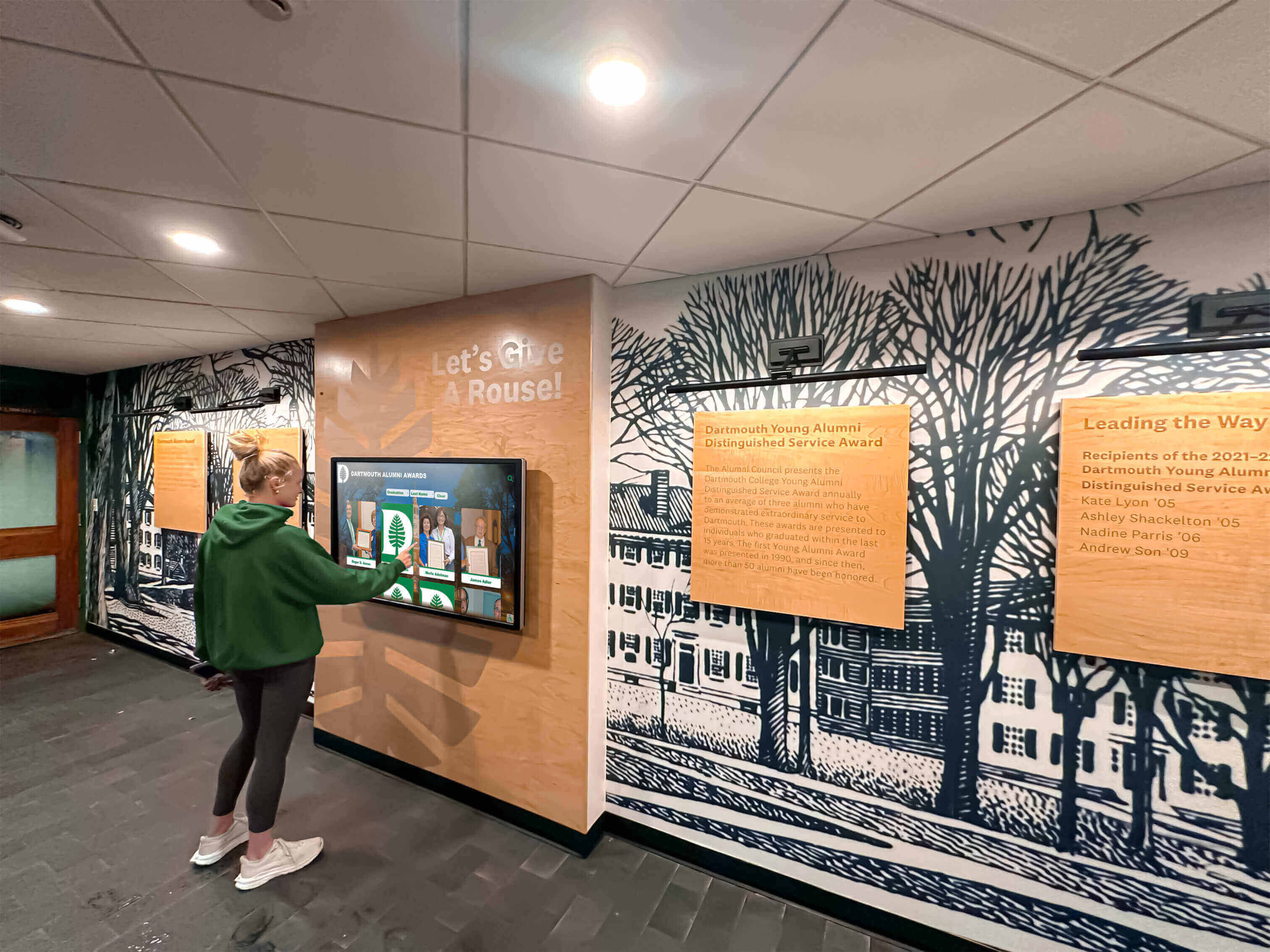
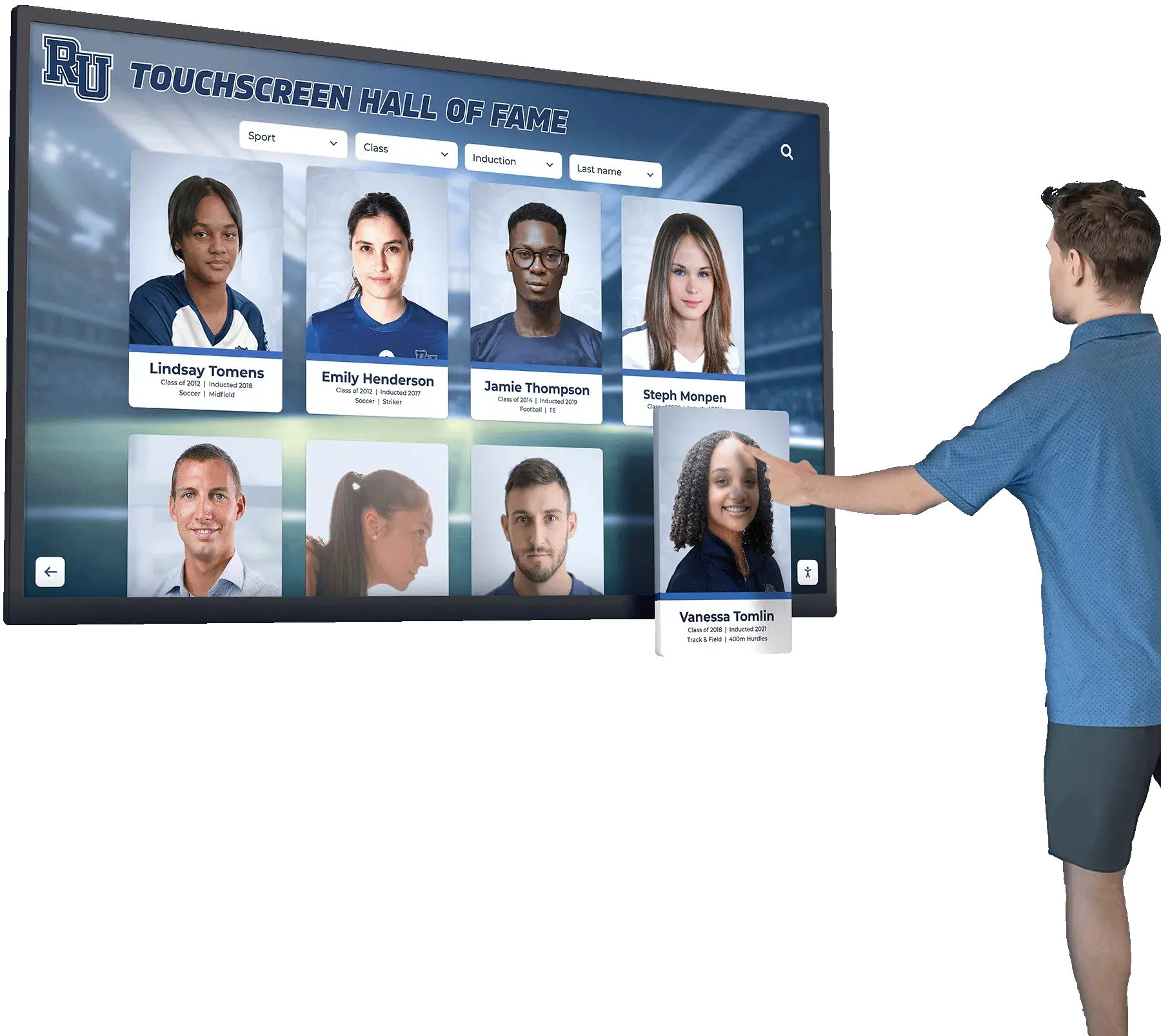
Student-friendly interfaces encourage exploration of photo galleries showing peers in various activities, building community awareness and pride
Organizing Photo Content for Discovery
Raw photo collections require organization enabling viewers to discover content matching their interests rather than overwhelming them with unstructured image libraries.
Categorical Organization Structures
Effective photo galleries provide multiple discovery paths letting viewers navigate by sport or activity type, date or time period, grade level or age group, location or facility, and specific events or occasions. This multi-dimensional organization ensures that parents can find their children’s activities, alumni can explore their former programs, and prospective families can investigate areas matching their interests.
Search and Filtering Capabilities
Beyond browsing categories, search functionality helps viewers find specific content quickly. Quality digital display platforms support searches by name finding individuals across all photos, event title locating specific games or performances, date range showing all activities during particular periods, keyword tags describing photo content, and location identifying where activities occurred.
Schools implementing comprehensive photo archive systems report significant engagement when community members can easily find themselves, their children, or their areas of interest within large collections.
Timeline and Calendar Presentations
Chronological organization helps viewers understand the rhythm of school years and discover activities during specific periods. Timeline interfaces showing photo thumbnails arranged by date, calendar views highlighting days with events and photos, seasonal organization grouping fall, winter, and spring activities, and academic year comparisons showing year-over-year changes provide intuitive navigation matching how people think about school experiences.
Dynamic Content Management and Updates
Static photo displays become outdated quickly. Digital systems enable ongoing updates keeping content fresh and relevant throughout the year.
Timely Photo Publication
Maximum engagement occurs when photos appear while events remain fresh in community awareness. Publishing game photos the following morning, posting performance images during show runs, and distributing academic project documentation within days maintains excitement and relevance that delays of weeks or months eliminate.
Cloud-based content management systems allow authorized staff to upload photos from any device immediately after events, schedule publication for specific times maintaining consistent update cadence, batch upload collections efficiently rather than one photo at a time, and update multiple displays simultaneously ensuring consistency across campus.
Rotating Featured Content
While comprehensive archives preserve all documentation, featuring selected content on home screens draws attention to timely or significant activities. Automated rotation displaying recent uploads with newest content, curated spotlights focusing on particular programs or achievements, seasonal features matching current activities, and anniversary throwbacks connecting current events to historical moments create dynamic experiences encouraging regular engagement with display systems.
Archive Preservation and Access
Beyond featuring current content, comprehensive archive systems ensure historical photos remain accessible indefinitely. Organizations should maintain permanent storage of all photos preventing accidental deletion, logical organization enabling future discovery, metadata preservation documenting when and where photos were taken, and migration planning ensuring photos survive platform changes and technology evolution.
Schools implementing thorough documentation realize that today’s photos become tomorrow’s historical archives, creating resources that increase in value over time as they document institutional evolution and provide nostalgia touchpoints for future alumni.
Privacy, Permissions, and Ethical Considerations
Comprehensive photo documentation requires careful attention to privacy, permissions, and ethical photography practices respecting student and family preferences.
Photo Permission Policies
Schools should establish clear policies determining who may be photographed and how images may be used. Standard practices include annual permission forms asking families to opt in or out, ability to restrict specific uses while allowing others, processes for handling permission changes mid-year, and systems flagging individuals with photo restrictions.
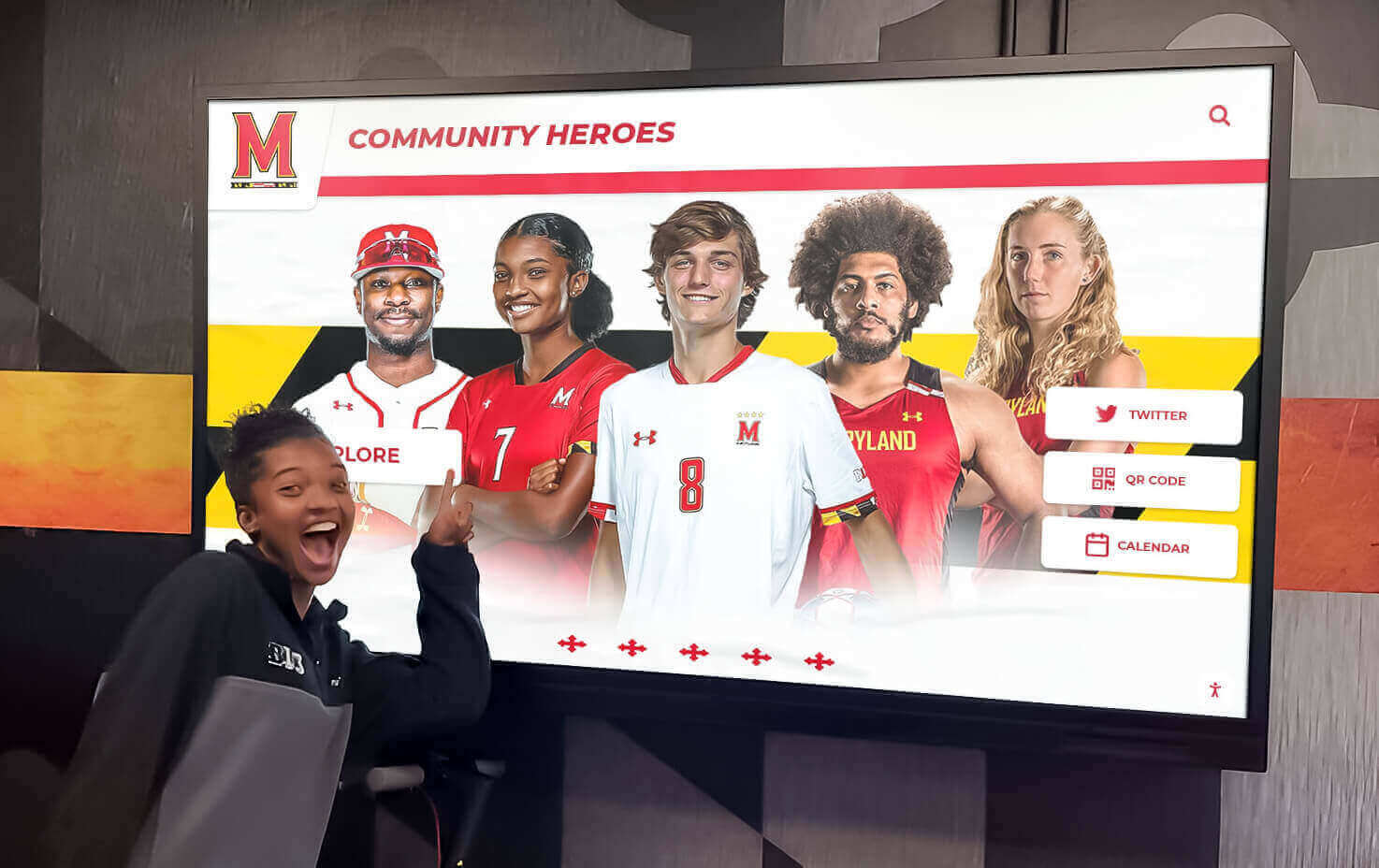
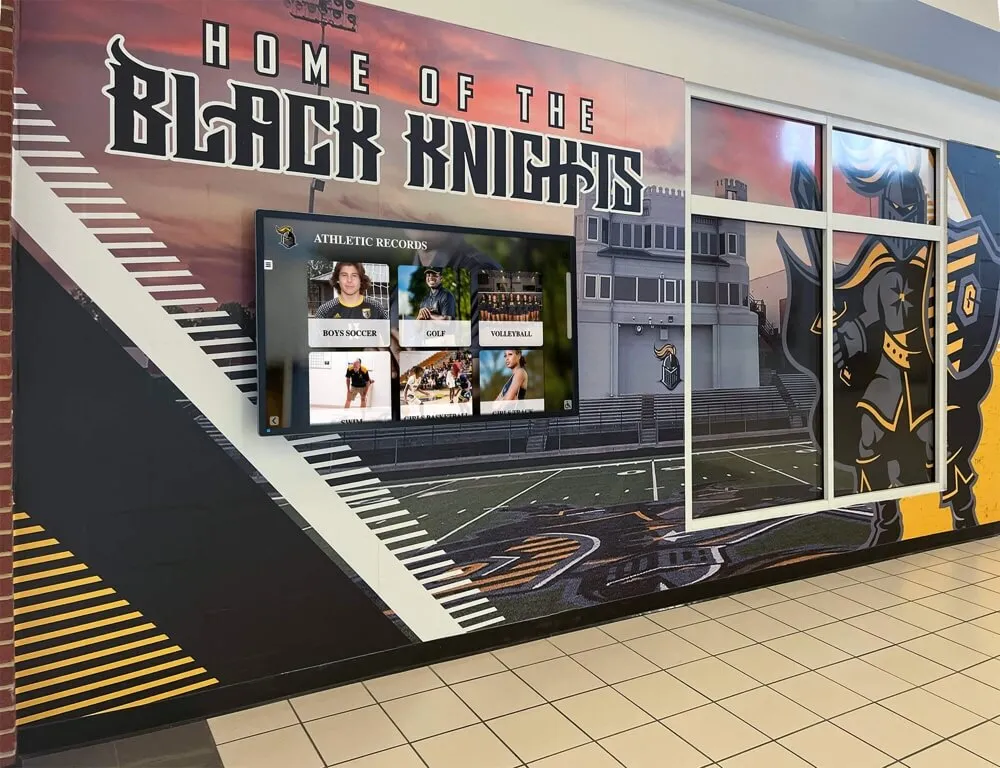
Recognition displays celebrate student achievements while respecting privacy through careful management of photo permissions and display policies
Inclusive and Respectful Photography
Photo documentation should represent the full diversity of school communities and activities rather than overrepresenting popular programs or visible achievements. Intentional photography ensures coverage across all sports not just well-known teams, academic activities beyond competition winners, diverse students representing full community demographics, support staff and behind-the-scenes contributors, and varied activities from major events to daily classroom moments.
Regular review of photo collections helps schools identify gaps in representation and adjust photography priorities ensuring inclusive documentation.
Historical Timelines: Preserving and Sharing Institutional Heritage
Beyond current events, digital displays enable schools to preserve and present comprehensive institutional histories connecting present operations to decades of heritage and tradition.
Developing Comprehensive School History Content
Building meaningful historical timelines requires systematic research and content development bringing institutional heritage to life through stories, photos, and contextual information.
Historical Research and Source Identification
Most schools possess more historical documentation than they realize, stored in various locations and formats. Comprehensive timeline development begins with identifying available sources including yearbook archives documenting students and activities across decades, board minutes and administrative records preserving decision documentation, newspaper archives recording how community viewed the school, photograph collections in both institutional and personal holdings, facilities records documenting building construction and renovations, and interviews with long-tenured staff and older alumni preserving oral history.
Schools often discover remarkable materials through community outreach—alumni contribute photos never before seen by the institution, former staff share stories missing from official records, and local historical societies hold documentation of community educational development.
Timeline Content Categories
Effective historical timelines document institutional evolution across multiple dimensions rather than creating simple lists of dates. Comprehensive categories include founding history and early development, leadership transitions and administrative evolution, facility construction and campus development, academic program additions and curriculum changes, athletic achievements and championship histories, traditions originating and evolving over time, student life and cultural shifts across eras, and community relationships and partnerships.
This multi-dimensional approach ensures that different constituencies find personally meaningful content—athletes explore sports history, alumni discover their era’s distinctive characteristics, and prospective families understand institutional stability and evolution.
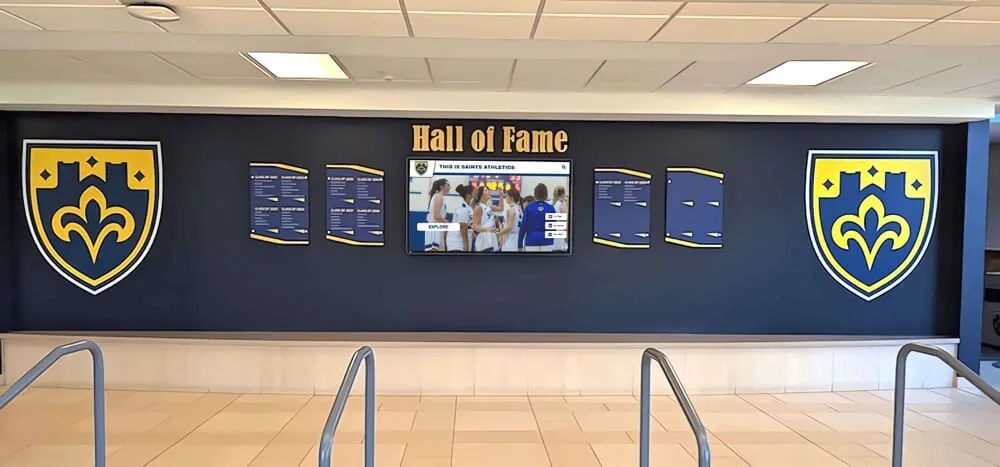
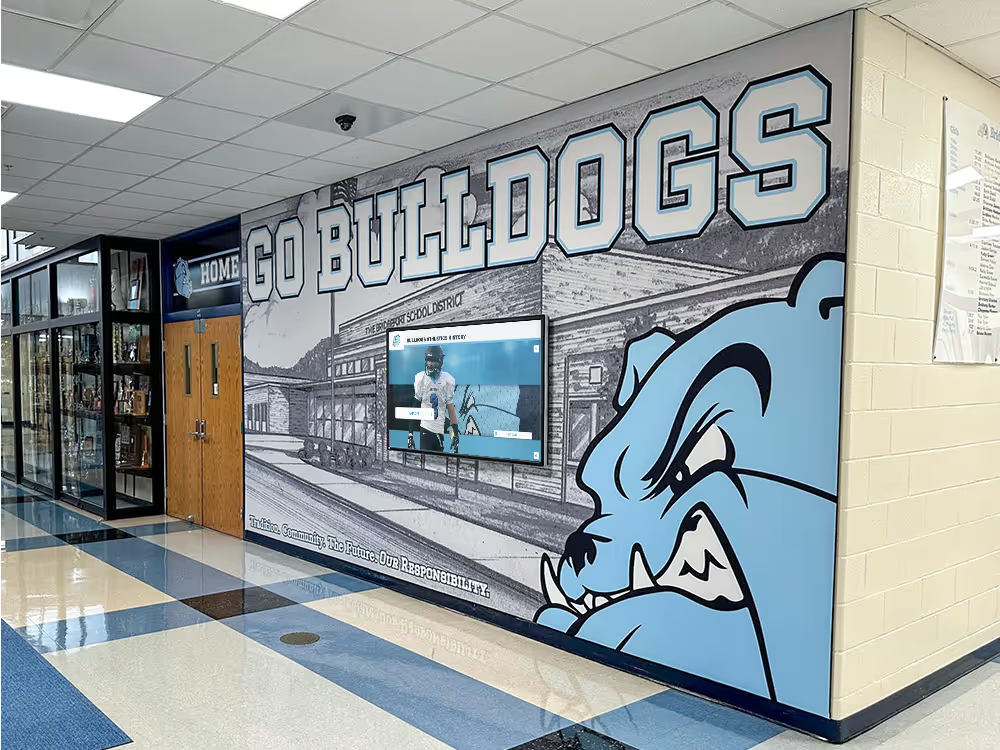
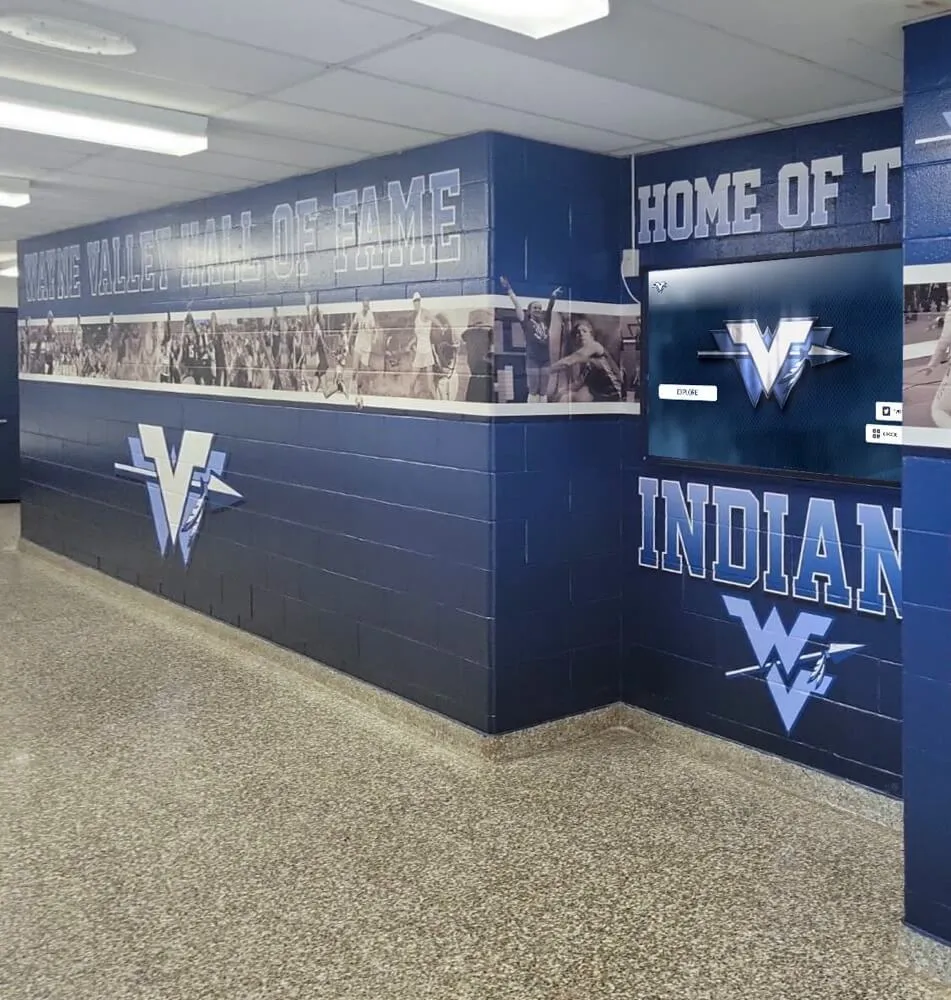
Comprehensive historical displays integrate traditional recognition elements with digital platforms providing unlimited documentation capacity
Creating Engaging Historical Narratives
Historical facts require storytelling that makes them meaningful and engaging. Effective historical content includes contextual explanation of why events mattered, biographical information about significant individuals, connections between related events creating narrative threads, comparison showing how things have changed over time, and anecdotes and personal stories bringing history to life.
Schools can transform dry chronological lists into compelling narratives that current students find interesting and alumni find nostalgic by focusing on stories rather than just dates.
Interactive Historical Timeline Features
Digital platforms enable historical exploration impossible with static displays, creating engaging experiences that encourage deep investigation of institutional heritage.
Chronological Navigation and Exploration
Interactive timelines let viewers explore history at their own pace through decade-based browsing documenting institutional evolution, year-by-year navigation for detailed investigation, era comparisons examining how different periods differed, anniversary features emphasizing milestone moments, and filtering by category displaying athletic or academic history independently.
This flexible navigation accommodates different exploration styles—some viewers systematically browse entire timelines while others jump directly to personally meaningful periods or events.
Multimedia Historical Documentation
Digital platforms support rich historical content impossible with traditional displays. Comprehensive systems include historical photograph galleries presenting buildings, students, and activities, scanned yearbook pages preserving complete documentation, historical video footage when available, scanned newspaper articles recording contemporary coverage, audio recordings of speeches or oral history interviews, and archived documents like programs, letters, and reports.
Schools implementing comprehensive digital history systems create true institutional archives accessible to current community members rather than remaining stored in inaccessible boxes.
Connecting Historical and Current Content
The most engaging timeline systems link historical heritage to current operations, helping viewers understand continuity and change. Connections include documenting current status of historical facilities, tracking how programs evolved from founding to present, recording tradition origins and how they’re practiced today, and following institutional values through changing implementation.
These connections help current students and families understand that they participate in ongoing stories rather than experiencing isolated moments disconnected from broader institutional narratives.
Historical Timeline Management and Growth
Historical timelines represent ongoing projects growing and improving over time rather than one-time completions.
Phased Implementation Approaches
Schools rarely need complete historical documentation before launching timeline displays. Practical implementation often follows phased approaches starting with major milestones and foundational history, expanding to thorough decade documentation, adding biographical profiles of significant individuals, incorporating multimedia content as materials are digitized, and continuously adding new content as current events become history.
This iterative approach lets schools launch meaningful timeline displays quickly while planning systematic expansion rather than delaying launches until perfect comprehensive documentation exists.
Community Contributions and Crowdsourcing
The best historical documentation often comes from community members who lived the experiences. Schools can systematically solicit contributions through alumni outreach requesting photos and stories, reunion programs encouraging historical sharing, former staff interviews preserving institutional memory, family contributions from multi-generational connections, and online submission portals making contribution convenient.
Many schools discover that community members eagerly contribute when they see that their materials will be preserved and shared through professional digital displays rather than remaining in personal collections.
Ongoing Historical Research
Historical understanding deepens with continued research. Schools should plan for ongoing timeline enhancement through summer research projects investigating specific eras, student history assignments contributing documentation, systematic yearbook digitization projects, newspaper archive searches for coverage, and verification and correction of previous documentation.
Quality timeline systems acknowledge that historical interpretation evolves and documentation improves over time, creating living archives rather than static museum displays.
Behind-the-Scenes Profiles: Humanizing School Operations
Beyond events and history, digital displays enable schools to share profiles and stories revealing the people and processes making education possible, creating personal connections that pure event coverage cannot achieve.
Showcasing Faculty and Staff
Teachers and staff form the foundation of educational experiences, yet students and families often know little about the professionals dedicating careers to their school community.
Teacher Profiles and Backgrounds
Comprehensive profiles help community members understand the people teaching their children. Meaningful teacher profiles include educational backgrounds and credentials, years of service and teaching experience, subject expertise and specializations, educational philosophy and approaches, extracurricular involvement and sponsorships, personal interests connecting to curriculum, and favorite teaching moments and student memories.
These profiles humanize teachers as individuals with passions and perspectives while demonstrating the professional expertise they bring to education. Parents gain confidence seeing teacher credentials and dedication. Students develop relationships learning about teacher interests. Alumni maintain connections remembering teachers who influenced their lives.
Support Staff Recognition
Schools function because of countless professionals working outside classrooms—administrators managing operations, counselors supporting student wellbeing, nurses ensuring health and safety, librarians curating resources, facilities staff maintaining buildings and grounds, food service professionals feeding students, transportation staff ensuring safe travel, and administrative assistants coordinating complex logistics. Digital profile systems enable recognition of these essential contributors whose work often remains invisible despite its critical importance.
Similar to comprehensive staff recognition programs, profile displays build appreciation for the full team making educational success possible.
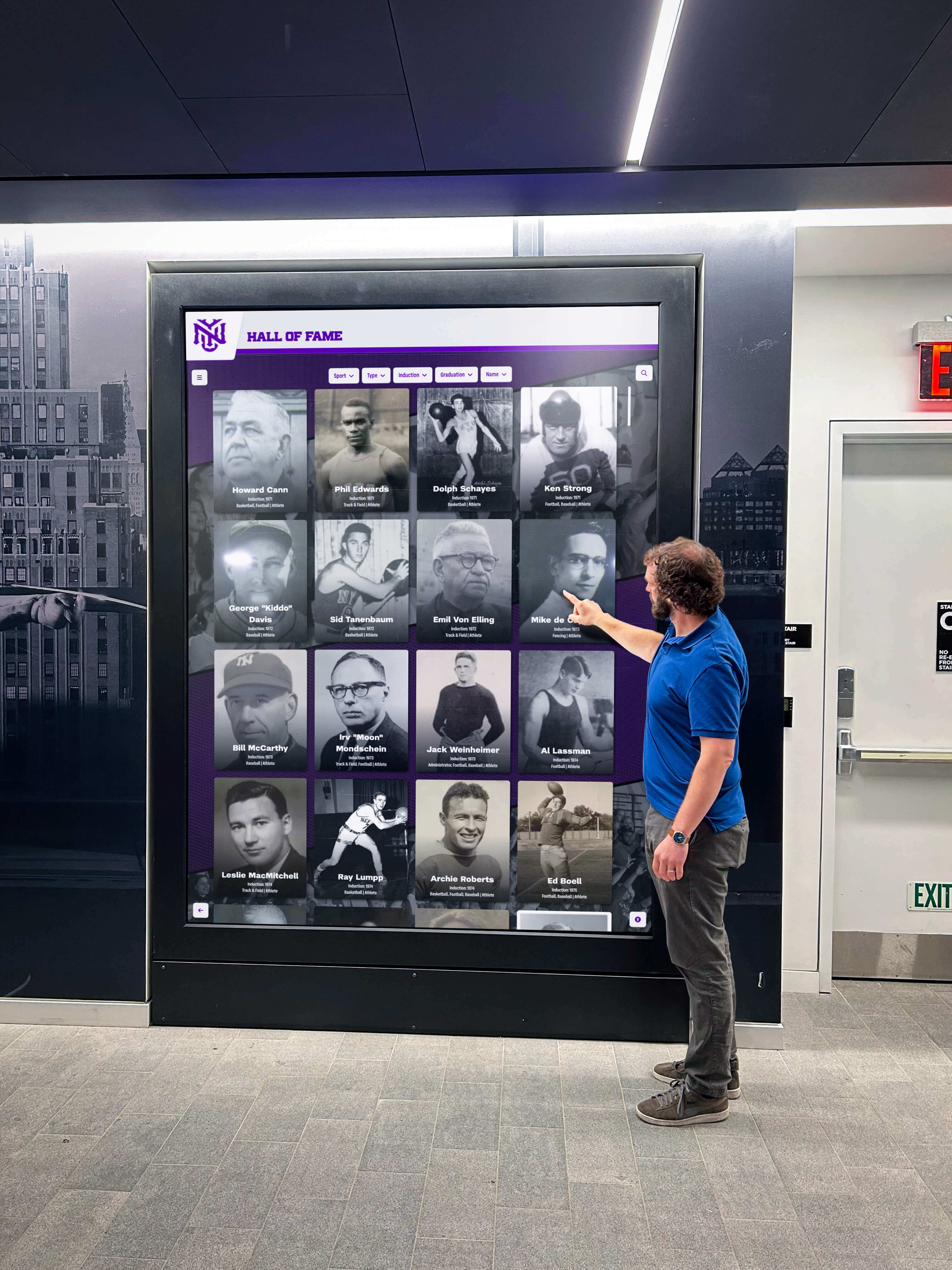
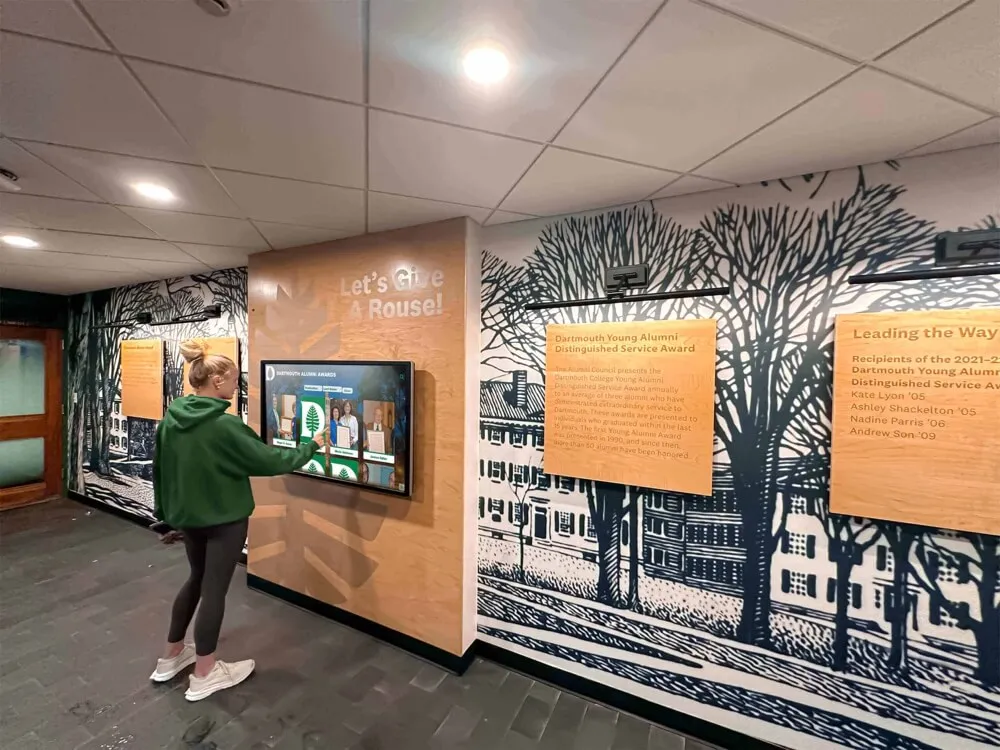
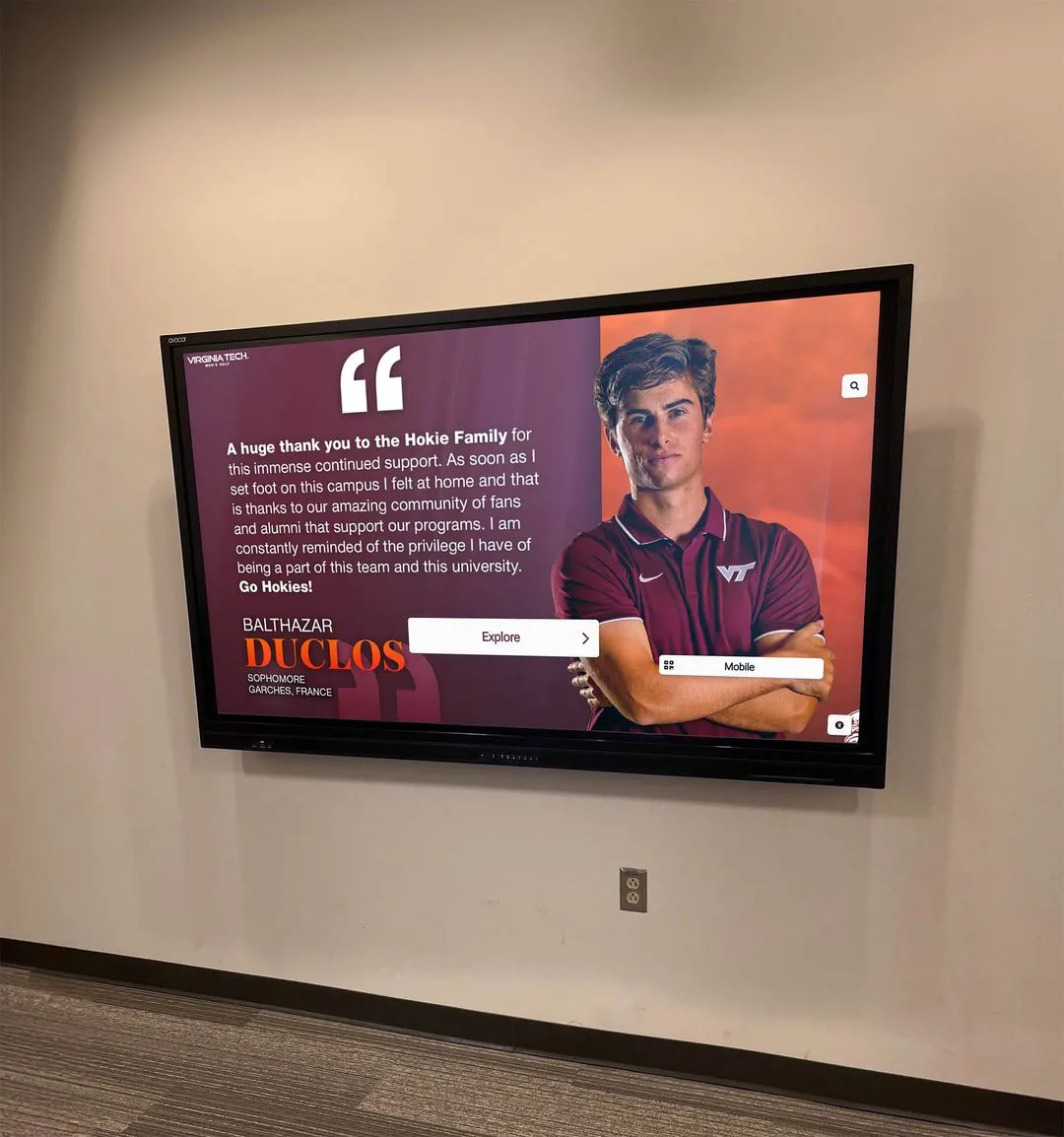
Interactive profile systems enable community members to discover stories and backgrounds of the people making their school community function
Student Leadership and Achievement Spotlights
While comprehensive achievement recognition celebrates broad participation, featured spotlights create deeper engagement by sharing fuller stories of student experiences and contributions.
Student Leader Profiles
Students serving in leadership roles model engagement and service for their peers. Profile spotlights can feature student government officers and class leaders, club presidents and organization heads, team captains across athletic programs, performing arts leads and section leaders, peer mentors and tutors, and community service coordinators.
Beyond listing positions, meaningful profiles share leadership philosophies and goals, challenges and how they address them, advice for future leaders, favorite memories and experiences, and personal backgrounds and interests. These profiles celebrate student leadership while providing mentorship and inspiration for younger students considering similar involvement.
Academic Achievement Features
Spotlight profiles can celebrate exceptional academic achievements through detailed stories rather than simple recognition lists. Examples include National Merit Scholar profiles sharing study approaches and interests, research project features explaining student investigations, competition winners describing preparation and experiences, perfect score achievers in standardized tests, and students overcoming challenges to achieve academic success.
These deeper features inspire other students by showing that achievements result from hard work and effective strategies rather than simply innate ability.
Alumni Success Stories and Career Journeys
Successful alumni demonstrate possibilities available to current students while maintaining connections between institutional heritage and present operations.
Alumni Career Profiles
Tracking and featuring alumni career success helps current students envision possibilities for their futures. Meaningful alumni profiles include current career and position, educational path from high school through higher education, key decisions and turning points in career development, how high school experiences influenced their direction, skills and preparation that proved valuable, advice for current students in similar interests, and willingness to mentor or connect with students.
These profiles serve multiple purposes—inspiring current students considering careers, demonstrating educational quality to prospective families, creating engagement touchpoints for alumni relations, and building mentor networks connecting students with graduates in relevant fields.
Multi-Generational Family Stories
Schools often serve multiple generations of families, creating powerful legacy connections. Profile features celebrating multi-generational attendance show family members across decades, document how school experiences compared across eras, explore why families choose to return, and highlight contributions spanning generations.
These stories particularly resonate during admissions tours, demonstrating institutional stability and quality that inspires multi-generational loyalty.
Process Documentation: How Things Work
Behind-the-scenes process documentation satisfies curiosity about school operations while building appreciation for the complexity of educational institutions.
Facility Operations and Maintenance
Most students and families never consider the work required to maintain functional, clean, safe school facilities. Process documentation can feature how athletic fields are maintained through seasons, strategies for managing heating, cooling, and ventilation in large buildings, food service operations feeding hundreds daily, technology infrastructure supporting digital learning, and facility transformation for different events and uses.
This documentation builds appreciation for support staff while satisfying genuine curiosity about school operations.
Program Development and Coordination
Schools coordinate countless programs and activities requiring significant behind-the-scenes planning. Process features can explain scheduling complexities for athletics and activities, how performances and events come together, processes for selecting and ordering curriculum materials, professional development for faculty, and safety protocols and emergency procedures.
Understanding operational complexity helps community members appreciate institutional sophistication and builds support for administrative functions that might otherwise seem unnecessary overhead.
Technology Platforms for Digital Display Implementation
Implementing comprehensive digital storytelling requires technology platforms specifically designed for educational recognition and communication needs.
Essential Platform Features
Schools evaluating digital display systems should prioritize features supporting diverse content types and management needs.
Content Management Accessibility
Multiple staff members need ability to contribute content efficiently. Quality platforms provide web-based interfaces accessible from any device, intuitive upload processes requiring no technical expertise, bulk upload capabilities for photo galleries, scheduling tools for automatic publication, approval workflows when appropriate, and permission systems controlling who can modify content.
If content management requires technical skills or campus presence, most staff won’t maintain systems consistently, leading to outdated displays that diminish rather than enhance school image.
Flexible Display Options
Comprehensive digital storytelling requires multiple display formats serving different purposes. Schools benefit from systems supporting large touchscreen kiosks in lobbies for interactive exploration, wall-mounted displays in hallways showing rotating content, web-based platforms accessible from any device, mobile-optimized experiences for smartphone access, and social media integration extending reach beyond campus.
Solutions like Rocket Alumni Solutions provide integrated platforms where content published once appears appropriately across touchscreen displays, web platforms, and mobile devices, eliminating redundant content entry across multiple systems.
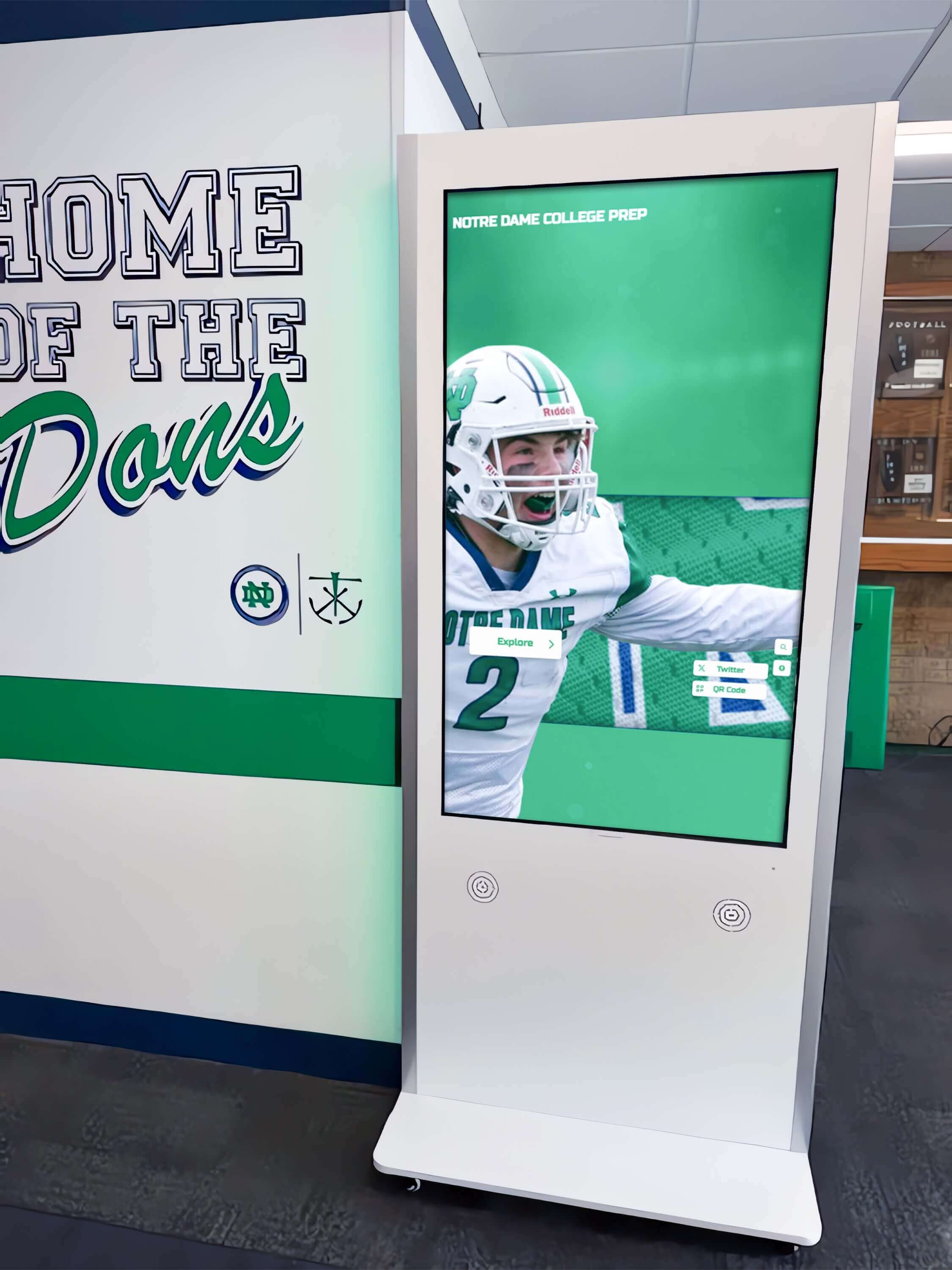
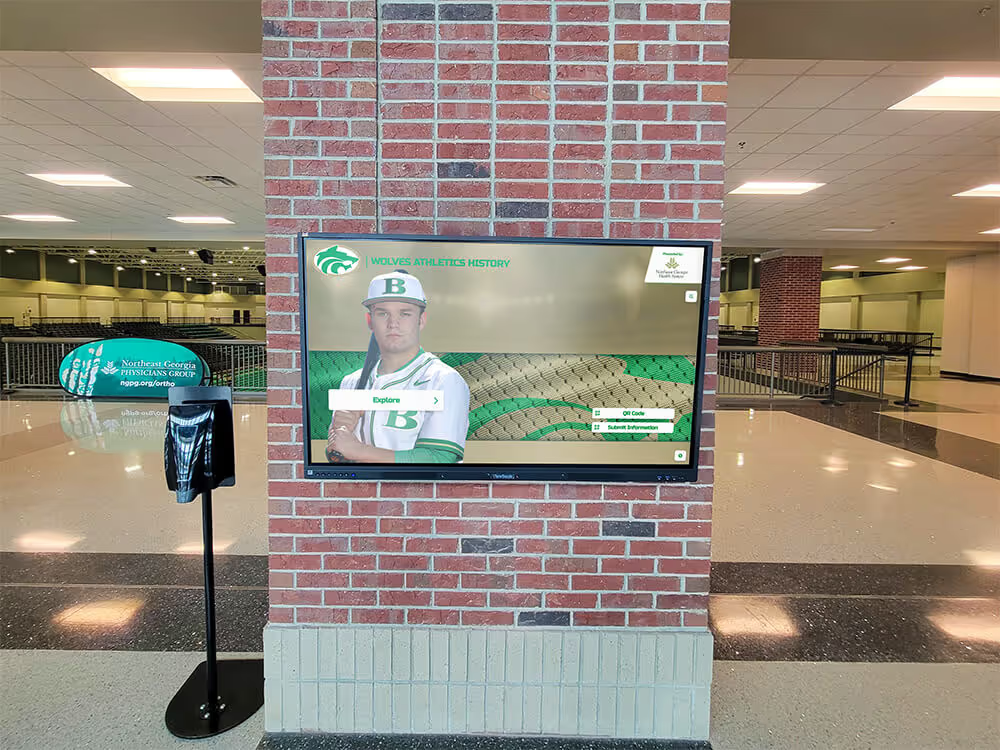
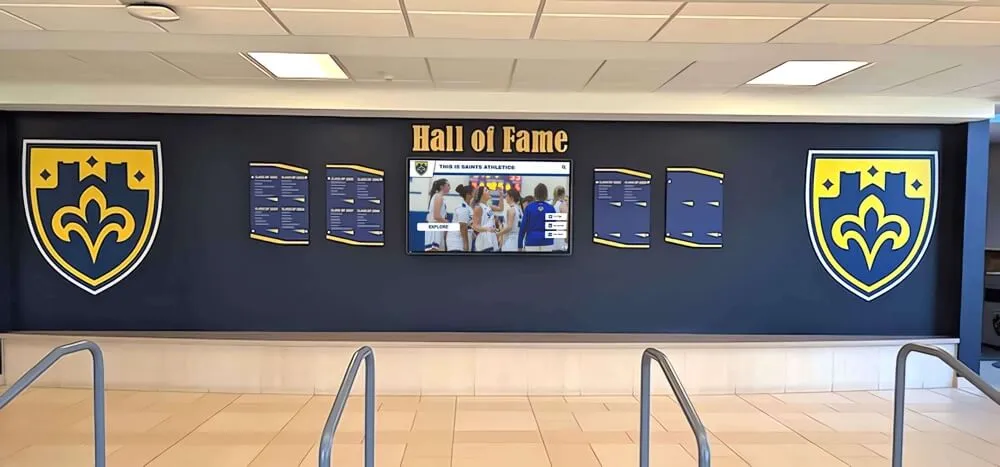
Professional touchscreen kiosks provide engaging interfaces for exploring photo galleries, historical timelines, and community profiles in high-traffic locations
Rich Media Support and Storage
Effective storytelling requires diverse content types. Platforms should support high-resolution photo galleries without file size limitations, video hosting and streaming without requiring external services, PDF document embedding for programs and publications, audio integration for interviews and recordings, and unlimited or very high storage capacity preventing difficult decisions about what to preserve.
Schools implementing comprehensive digital archives need platforms where storage costs don’t accumulate unpredictably as collections grow.
Search and Organization Tools
Large content collections require robust organization and discovery features. Essential capabilities include full-text search across all content, category-based organization and filtering, tagging systems for flexible classification, timeline and calendar views for chronological organization, and related content suggestions connecting relevant materials.
Without strong organization, valuable content becomes effectively inaccessible because community members cannot find it within large archives.
Implementation Considerations
Successful digital display implementation requires planning beyond simply purchasing technology.
Strategic Hardware Placement
Display locations significantly impact visibility and usage. High-traffic placement options include main entry lobbies where all visitors pass, athletic facility entrances serving athletes and spectators, cafeteria or commons areas where students gather, hallway corridors connecting buildings or wings, and library or media center spaces where students work.
Displays placed in low-traffic locations or areas where people don’t naturally pause receive minimal engagement regardless of content quality.
Network Infrastructure Requirements
Digital displays require reliable network connectivity for content updates and management. Schools should ensure adequate WiFi or ethernet connectivity at display locations, sufficient bandwidth for video streaming and updates, network security policies allowing necessary cloud connections, and backup internet connections preventing display downtime.
Technical staff should be involved in site selection ensuring chosen locations can support necessary infrastructure without extensive modifications.
Staff Training and Support
Technology succeeds only when people use it effectively. Implementation should include comprehensive training for content managers, documentation and quick reference guides, ongoing technical support from providers, periodic refresher training as systems evolve, and clear processes for requesting assistance.
Schools should identify primary and backup staff responsible for content management, ensuring continuity when personnel change.
Content Strategy and Management Best Practices
Technology platforms enable digital storytelling, but strategic content management determines whether systems remain vibrant and engaging or become neglected and outdated.
Establishing Regular Content Schedules
Consistent content updates maintain community interest and engagement far more effectively than sporadic large additions followed by long dormant periods.
Event Coverage Cadence
Schools should establish predictable patterns for event documentation and publication. Recommended practices include uploading photos within 24-48 hours after events while experiences remain fresh, maintaining weekly update minimums even during slower periods, planning major content pushes around key events and seasons, and using scheduled publication to maintain consistent display refresh.
Consistent updates train community members to check displays regularly rather than viewing them once and never returning because content never changes.
Historical Content Addition Plans
Historical timeline development requires sustained effort across months or years. Practical approaches include dedicated summer projects focusing on historical research when operational demands decrease, assigning specific eras to different research periods, systematic yearbook digitization working through archives chronologically, and opportunistic addition when community members contribute materials.
Setting concrete goals—like completing one decade’s comprehensive documentation per year—creates accountability and measures progress toward complete institutional timelines.
Profile Feature Rotation
Rather than attempting comprehensive profiles immediately, many schools implement rotating spotlight approaches featuring 2-3 staff members monthly across the year, highlighting different departments or programs quarterly, spotlighting alumni on milestone anniversaries, and updating student leader profiles at role transitions.
This approach maintains fresh content while distributing profile development across manageable increments.
Quality Control and Editorial Standards
Maintaining consistent quality ensures professional appearance and institutional credibility.
Photo Quality Standards
While comprehensive coverage matters more than perfect photography, basic quality thresholds include adequate lighting showing subjects clearly, appropriate focus on intended subjects, reasonable composition without distracting elements, respectful portrayal of all individuals, and sufficient resolution for large display screens.
Photos failing to meet basic standards should be excluded rather than diminishing overall presentation quality.
Writing Guidelines and Voice
Text content should maintain consistent institutional voice. Standard practices include writing in third person for profiles and descriptions, using active voice emphasizing actions and accomplishments, maintaining appropriate formality matching institutional culture, proofreading all content before publication, and checking facts and claims for accuracy.
Poor writing or obvious errors undermine institutional credibility even when underlying content is valuable.
Inclusive Representation Reviews
Regular content audits ensure balanced representation across school community. Reviews should check for coverage across all sports and activities not just high-profile programs, diverse student representation matching community demographics, faculty and staff recognition beyond classroom teachers, varied achievement types beyond competition winners, and male and female student balance in featured content.
Systematic review helps identify gaps in coverage enabling corrective action rather than letting representation skew toward most visible or popular programs.
Measuring Impact and Engagement
Understanding how community members engage with digital displays helps refine content strategy and demonstrate value to stakeholders.
Quantitative Engagement Metrics
Digital platforms provide detailed usage data including touchscreen interaction counts and session duration, web platform traffic and page views, most-viewed content identifying popular topics, search queries showing what interests viewers, and geographic distribution of web visitors.
Schools typically observe significant engagement—touchscreen displays in lobbies average 30-100+ interactions daily, web platforms attract thousands of annual sessions, and individual photo galleries generate hundreds or thousands of views when content features popular activities.
Qualitative Feedback Collection
Usage statistics reveal what community members view but not how they value content. Schools should systematically gather qualitative feedback through brief surveys at displays or online, comment options allowing direct feedback, focus groups discussing display value and suggested improvements, informal observation of how people interact with displays, and tracking unsolicited compliments or appreciation.
Positive feedback provides testimonials supporting continued investment while constructive criticism guides improvements.
Administrative and Advancement Benefits
Beyond direct engagement, schools should monitor whether digital displays contribute to broader institutional goals including admissions tour incorporation and prospective family feedback, alumni engagement metrics and giving correlations, media coverage mentioning recognition displays, community perception of school image and quality, and staff satisfaction with recognition programs.
These broader impacts often justify digital display investments even beyond direct community engagement value.
Getting Started: Practical Implementation Roadmap
Schools interested in implementing digital displays for event galleries, historical timelines, and community profiles should follow systematic approaches ensuring successful launches.
Phase 1: Planning and Goal Definition
Clarify Primary Purposes
Schools should identify specific goals digital displays will address. Common objectives include improving communication with current families, strengthening alumni engagement and fundraising, supporting admissions and enrollment efforts, preserving institutional history before it’s lost, building school pride and community identity, and recognizing broader range of achievements and contributors.
Clear goals guide decisions about content priorities, platform selection, and success measurement.
Assess Available Content and Resources
Inventory existing materials and identify gaps requiring development. Review available historical photos and documentation, current event photography capabilities and coverage, profile information about faculty and alumni, staff capacity for content management, technical infrastructure and support, and budget availability for hardware and software.
Realistic assessment prevents overly ambitious plans exceeding available resources while identifying quick wins and longer-term development needs.
Phase 2: Technology Selection and Installation
Evaluate Platform Options
Schools should compare digital display platforms based on content management accessibility for non-technical staff, support for diverse media types needed, flexibility supporting multiple display formats, storage capacity and limitations, technical support quality and availability, and total cost including hardware, software, and ongoing fees.
Comprehensive solutions like Rocket Alumni Solutions designed specifically for educational recognition typically prove more effective than attempting to adapt generic digital signage platforms lacking features for photo galleries, searchable profiles, and historical timelines.
Plan Hardware Installation
Work with facilities and technical staff to identify optimal display locations, confirm network infrastructure adequacy, plan mounting and installation logistics, address power requirements, and schedule installation minimizing disruption.
Professional installation ensures reliable operation and polished appearance appropriate for institutional image.
Phase 3: Initial Content Development
Prioritize Quick-Win Content
Rather than attempting comprehensive content immediately, focus on high-value, achievable content enabling timely launch. Quick wins often include recent event photos from current academic year, essential historical milestones and timeline foundation, profiles for select current staff and leaders, and featured current student achievements.
Launching with meaningful baseline content generates momentum and demonstrates value while allowing systematic expansion over subsequent months and years.
Establish Content Collection Processes
Implement systems ensuring ongoing content flow through clear photography responsibilities across departments, simple upload processes staff can manage independently, scheduled content review and publication cadence, and community contribution methods for historical materials.
Sustainable systems prevent displays from becoming static after initial enthusiasm fades.
Phase 4: Launch and Promotion
Plan Formal Unveiling
Generate awareness and excitement through launch event inviting community members, media coverage of new recognition displays, alumni communication highlighting historical content, student education about new resources, and social media promotion extending reach.
Strong launch builds initial engagement establishing patterns of regular display interaction.
Integrate into School Operations
Ensure displays become natural parts of school life through admissions tour incorporation, new family orientation reference, student assignments using historical resources, regular staff content contribution, and alumni engagement programs featuring digital archives.
Integration into existing operations sustains attention and usage beyond initial novelty period.
Phase 5: Ongoing Management and Expansion
Maintain Consistent Content Flow
Establish sustainable update patterns through weekly event photo additions maintaining freshness, monthly historical content expansion building archives, quarterly profile feature rotations, and annual comprehensive content reviews.
Consistent management prevents displays from stagnating and diminishing in value.
Systematically Expand Content
Continue developing comprehensive coverage through methodical historical research projects, expanding profile coverage across community, developing new content categories addressing gaps, and enhancing existing content with additional depth.
Schools that view digital displays as ongoing projects rather than one-time installations realize the greatest long-term value as content richness grows continuously.
Maximizing Value: Integration with Broader Institutional Goals
Digital displays for storytelling provide maximum value when integrated with broader institutional strategies rather than operating as isolated technology projects.
Supporting Admissions and Enrollment
Prospective families evaluating schools seek authentic understanding of student experiences, educational quality, and community culture. Digital displays support enrollment by providing evidence of vibrant school life during tours, offering online exploration before campus visits, demonstrating investment in modern technology and communication, showcasing educational approach through real examples, and revealing school culture through authentic daily documentation.
Admissions staff should intentionally incorporate display interaction into tour routes and online information sessions.
Enhancing Alumni Relations and Fundraising
Alumni engagement drives fundraising success, mentorship programs, and institutional advocacy. Digital storytelling supports advancement by maintaining awareness of school evolution and current operations, creating nostalgia and emotional connection touchpoints, enabling easy sharing with networks extending reach, recognizing contributions and building appreciation, and providing content for alumni communications and campaigns.
Schools implementing comprehensive alumni recognition programs often use digital displays as central platforms connecting historical heritage to current community engagement.
Building Community Pride and Identity
Strong institutional identity where community members feel genuine connections to school mission and values benefits enrollment, retention, engagement, and advocacy. Digital displays strengthen identity by consistently reinforcing values through real examples, celebrating diverse achievements across the community, connecting present operations to historical traditions, making institutional heritage accessible and relevant, and creating shared community experiences and references.
Regular community exposure to school stories builds pride that translates to tangible institutional benefits.
Providing Educational Resources
Beyond community engagement, digital displays serve educational functions including developing historical research skills through timeline projects, teaching digital literacy through platform interaction, supporting social-emotional learning through profile exploration, creating service learning opportunities through content contribution, and connecting curriculum to institutional and local history.
Teachers can leverage digital display content as teaching resources rather than viewing them purely as communication tools.
Conclusion: Bringing School Life to Your Community
Every school contains countless stories worth sharing—the daily moments defining student experiences, the institutional heritage connecting present to past, and the people whose dedication makes education possible. Digital recognition displays transform these stories from scattered documentation into comprehensive, accessible, engaging experiences that build community, support institutional goals, and preserve legacy.
The strategies explored in this guide provide frameworks for schools at any stage of digital storytelling implementation—from initial planning through content development, technology selection, launch, and sustainable management. Whether your school seeks to improve family communication, strengthen alumni engagement, support enrollment efforts, or simply preserve heritage before it’s lost, systematic digital display implementation creates lasting value.
Getting started requires defining clear goals matching your institutional needs, assessing available content and resources realistically, selecting platforms supporting your storytelling vision, developing prioritized content providing quick wins, and establishing sustainable management processes ensuring long-term success.
Schools that invest in comprehensive digital storytelling create powerful connections between community members and institutional identity, ensure that achievements and heritage receive the recognition they deserve, and build practical advantages in admissions, advancement, and community relations. The technology enables storytelling at scale, but the real power comes from sharing authentic experiences that reveal what makes each school community special.
Your school’s daily life—the classroom moments, athletic competitions, performances, achievements, traditions, and countless individual stories—deserves documentation and sharing that honors its significance while engaging contemporary audiences through modern, interactive experiences. Digital recognition displays make comprehensive storytelling achievable, creating resources that increase in value as content grows and connections deepen.
Ready to transform how your school shares its story? Explore comprehensive digital recognition solutions designed specifically for educational institutions to showcase events, preserve history, and celebrate community through engaging photo galleries, interactive timelines, and meaningful profiles.