



Career and Technical Education (CTE) programs prepare millions of students for high-demand careers through hands-on learning, industry certifications, and real-world skill development. Yet many schools struggle to effectively showcase the remarkable achievements happening within their CTE programs—from students earning industry certifications before graduation to partnerships with leading employers, innovative project-based learning, and graduates launching successful careers.
Traditional recognition methods fail to capture the dynamic, multifaceted nature of CTE education. Bulletin boards become cluttered and outdated, physical trophy cases offer limited space for showcasing diverse accomplishments, and printed materials can’t demonstrate the hands-on skills students develop or the cutting-edge technology they master. Meanwhile, prospective students remain unaware of exciting career pathways available through CTE programs, and community partners don’t fully appreciate the caliber of workforce-ready graduates these programs produce.
This comprehensive guide explores how digital touchscreen displays specifically designed for CTE program recognition transform vocational and technical education spaces into engaging showcases that celebrate student achievement, attract new program participants, strengthen industry partnerships, and elevate the status of career technical education within school communities.
Career technical education represents one of the fastest-growing areas in American education, with enrollment increasing annually and outcomes data demonstrating significant benefits for participating students. According to recent research from the American Institutes for Research, students participating in CTE programs show statistically significant positive impacts on academic achievement, high school completion, employability skills, and college readiness. Yet despite these impressive outcomes, many CTE programs remain under-recognized within their schools and communities.

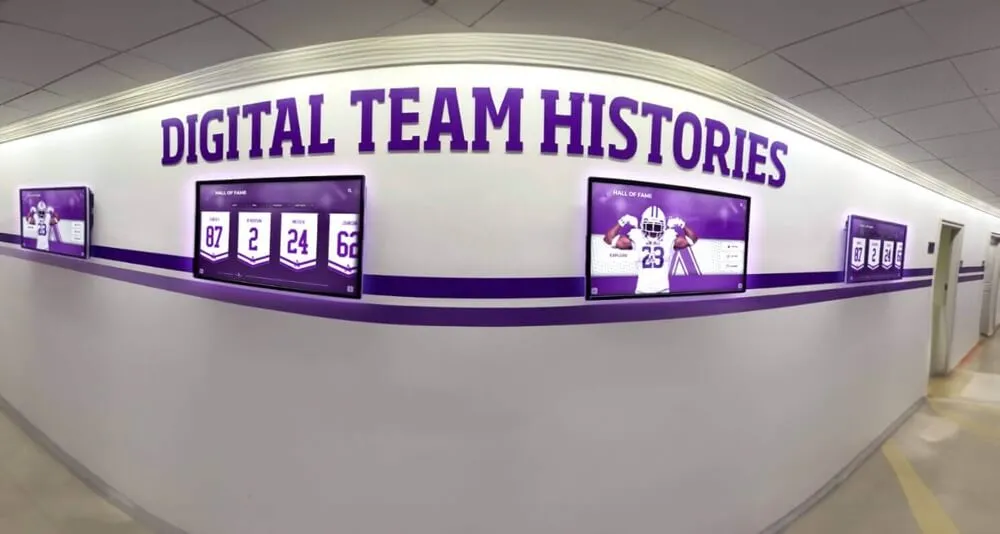
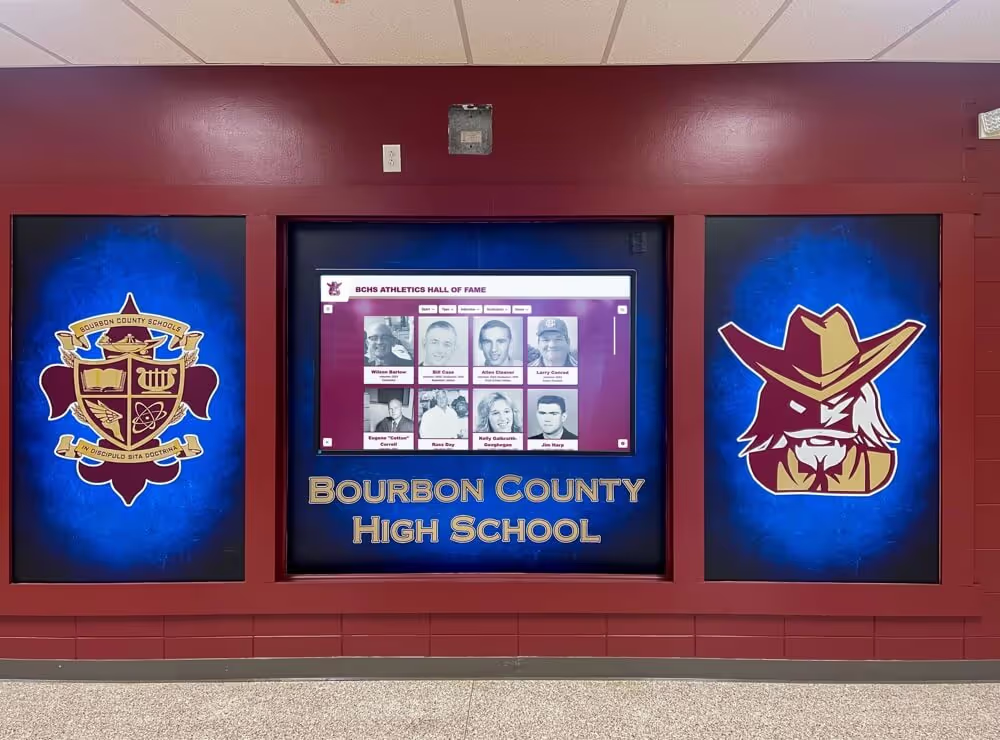
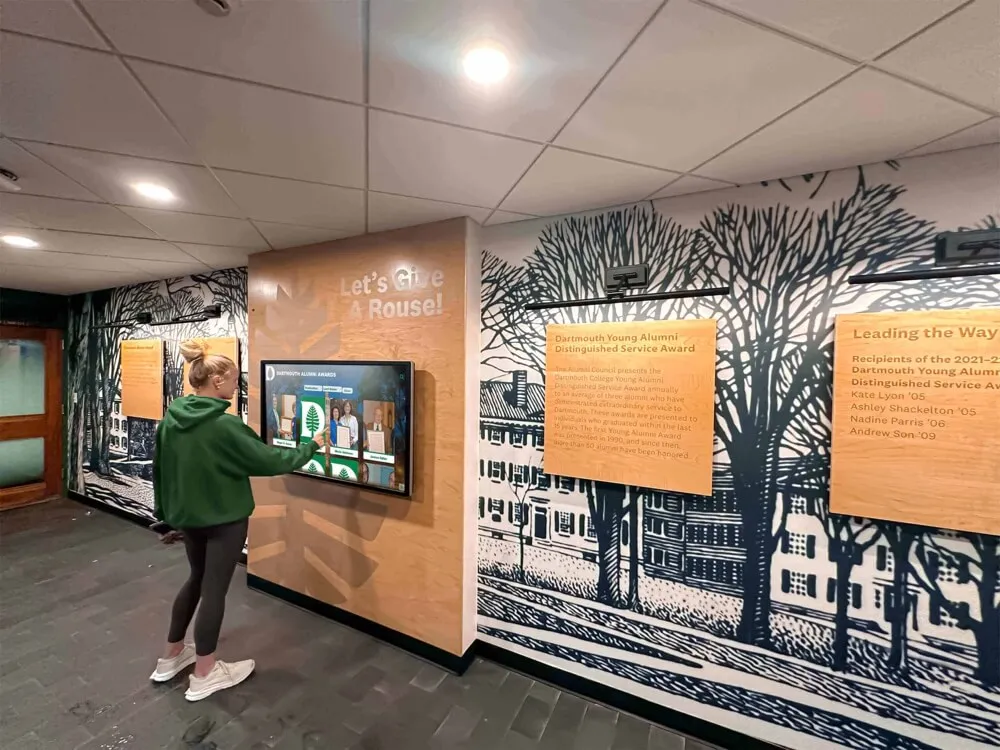
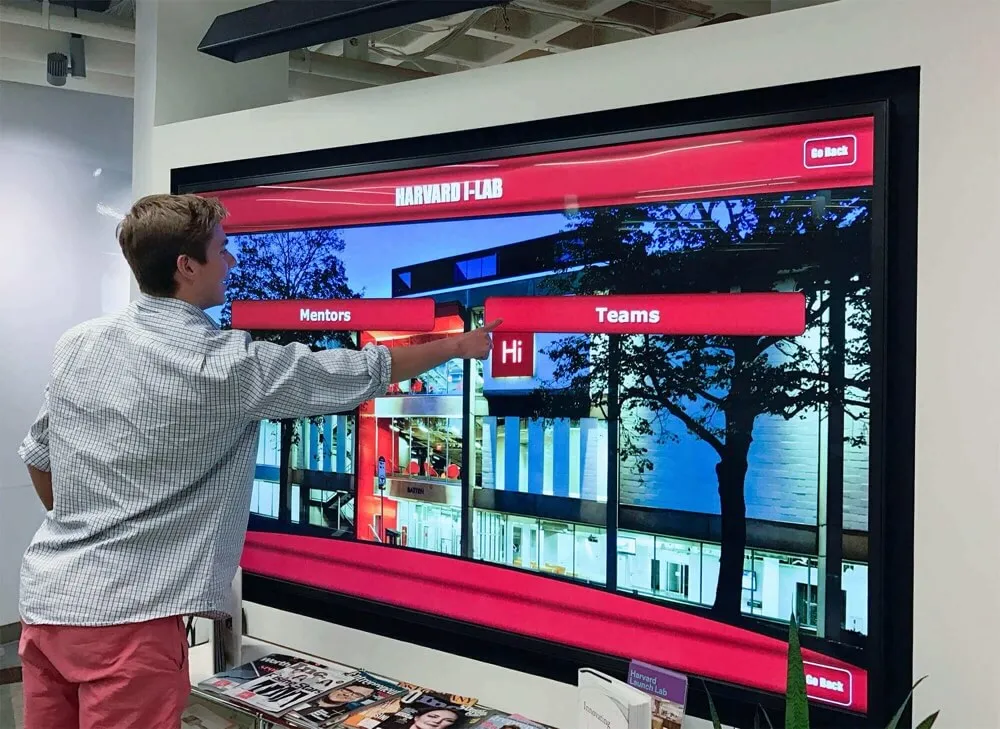
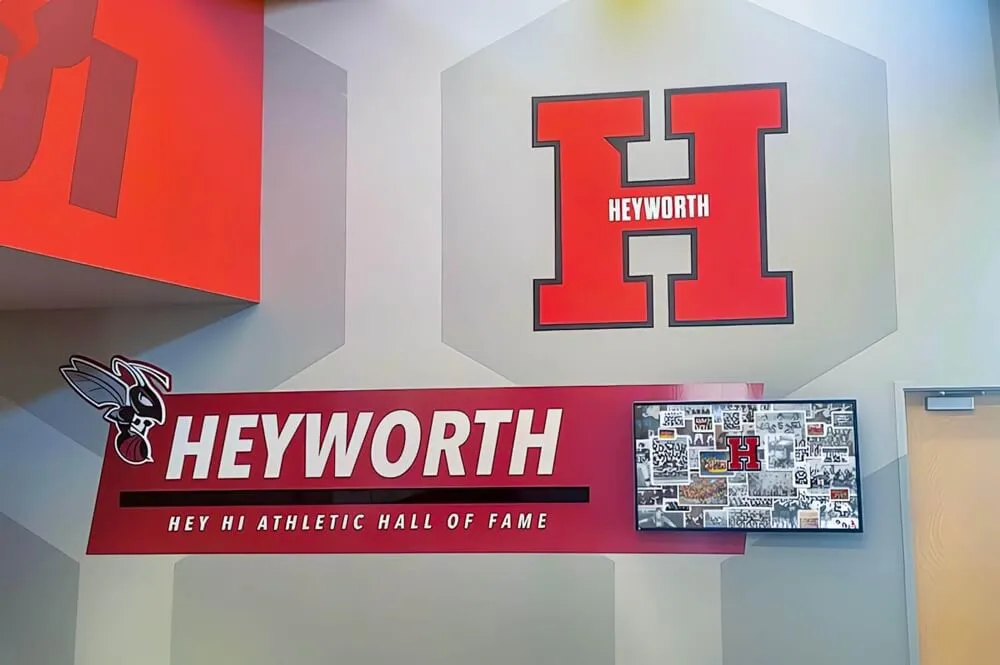
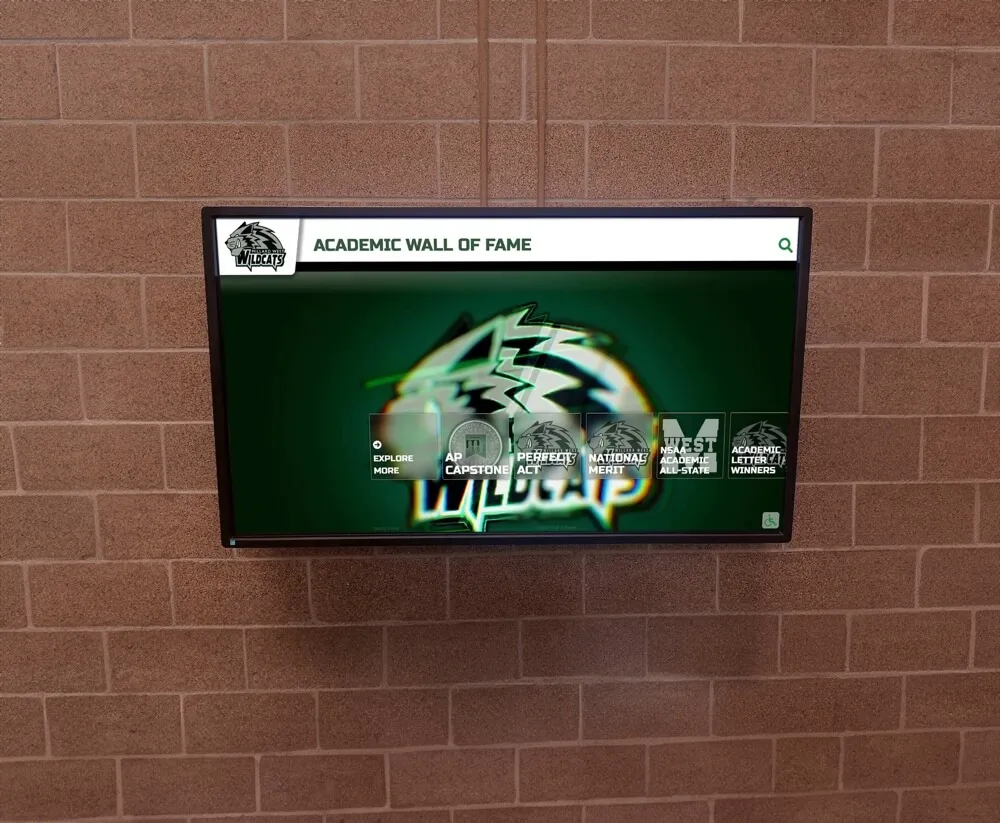
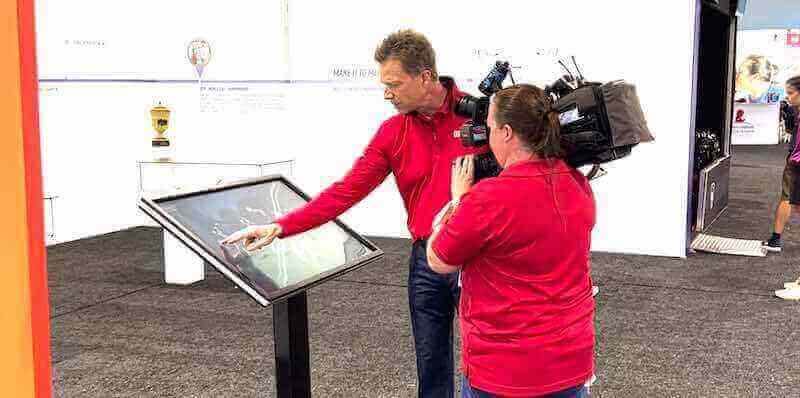
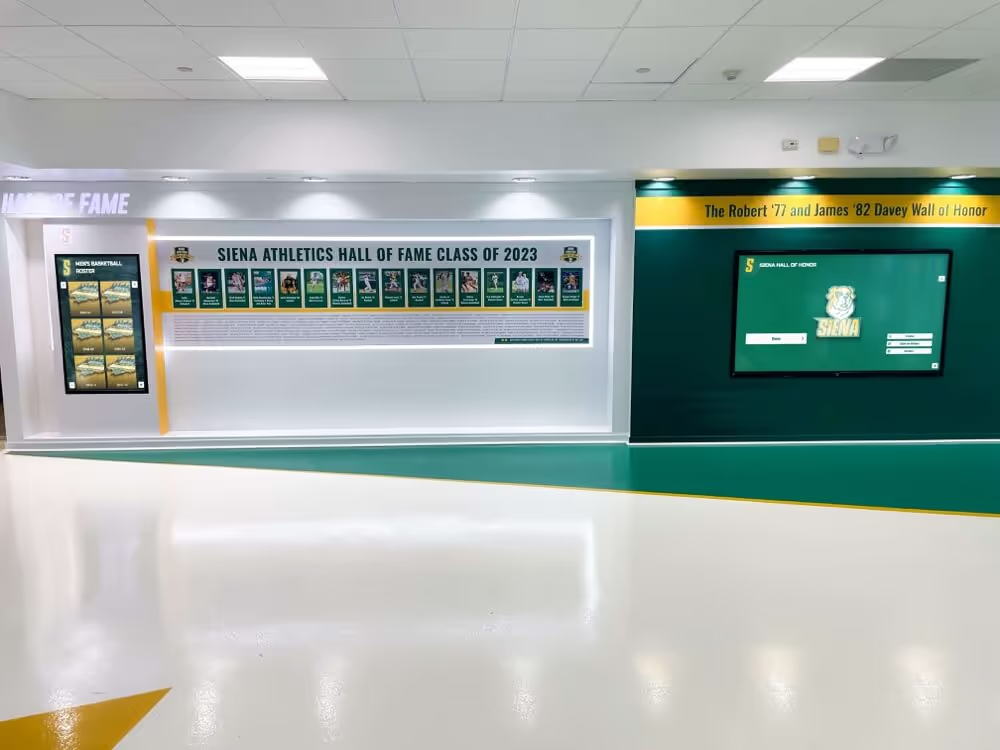
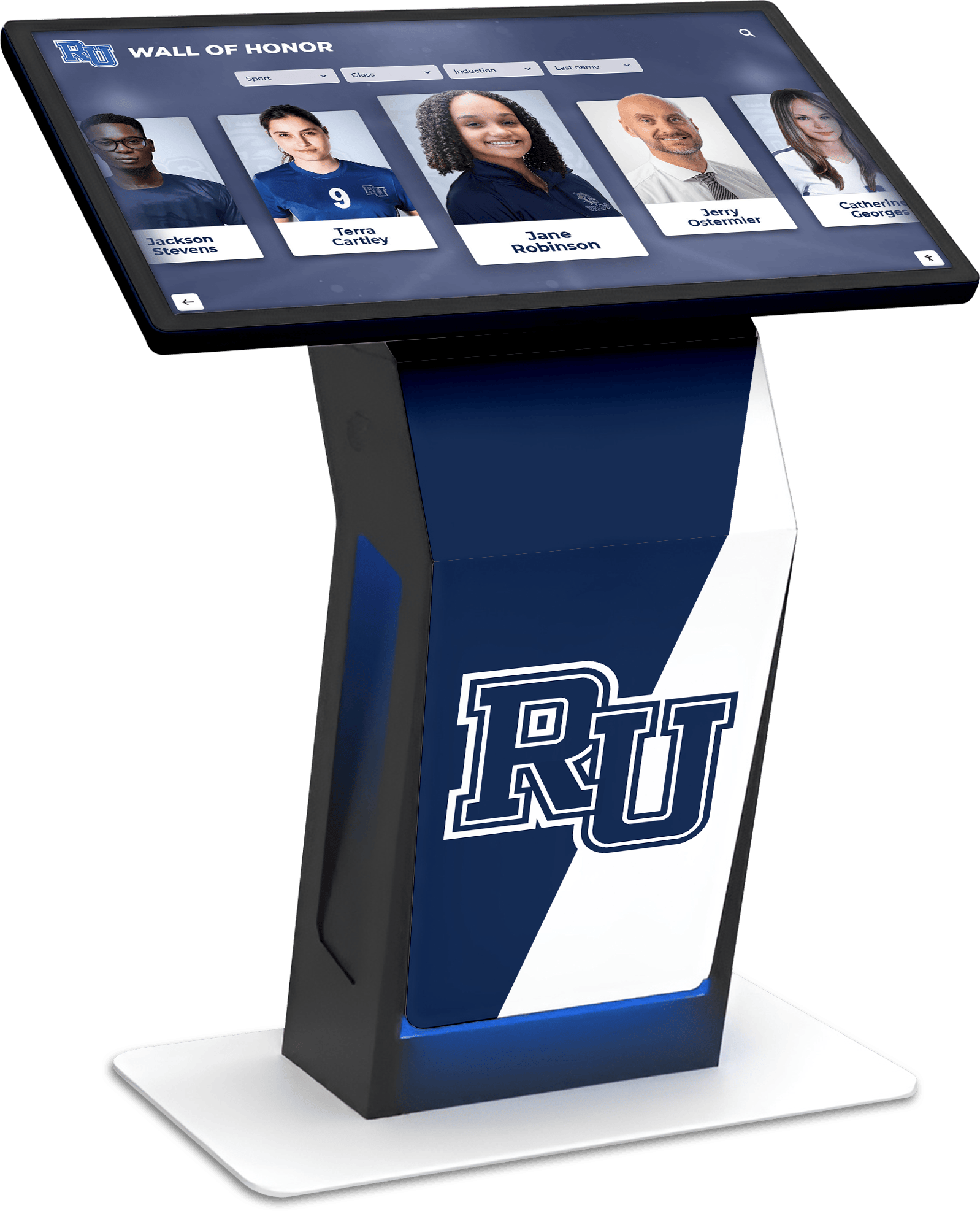
Modern touchscreen displays elevate CTE program visibility and create professional showcases celebrating career technical education excellence
The Growing Importance of Career Technical Education
Understanding CTE’s expanding role in education helps schools recognize the need for enhanced program visibility and recognition.
CTE Program Growth and Student Outcomes
Career and technical education has experienced remarkable expansion in recent years:
Enrollment Trends According to the National Center for Education Statistics, nearly 85 percent of public and private high school graduates earned at least one credit in a CTE course. Enrollment continues growing as students and families increasingly recognize the value of career-focused education alongside traditional academic pathways.
Graduation and Academic Success Research demonstrates CTE’s positive impact on student success:
- High school graduation rates for CTE concentrators reach 92% in states like Minnesota
- CTE participation shows statistically significant positive impacts on academic achievement
- Students completing CTE programs demonstrate enhanced employability skills
- College readiness indicators improve among CTE participants
- No negative academic impacts have been identified from CTE participation
Employment and Career Outcomes Post-graduation success rates validate CTE program effectiveness:
- 86% of postsecondary CTE completers secure employment within two quarters of graduation
- Students who participated in CTE programs in high school are more likely to be employed after graduation than similar classmates who did not participate
- The U.S. Department of Education identifies 30 million jobs paying median earnings of $55,000 or more that don’t require bachelor’s degrees
- Industry certification completions continue increasing, with Florida reporting over 235,000 students earning industry certificates before high school graduation in 2023
Learn about comprehensive student recognition approaches in academic recognition programs.
The Recognition Gap in CTE Programs
Despite impressive outcomes, CTE programs often receive insufficient recognition:
Visibility Challenges
- CTE facilities frequently located away from main school buildings
- Technical achievements less understood than traditional academic metrics
- Industry partnerships and certifications invisible to broader school community
- Student projects and hands-on work difficult to showcase effectively
- Limited awareness of career pathways and opportunities available
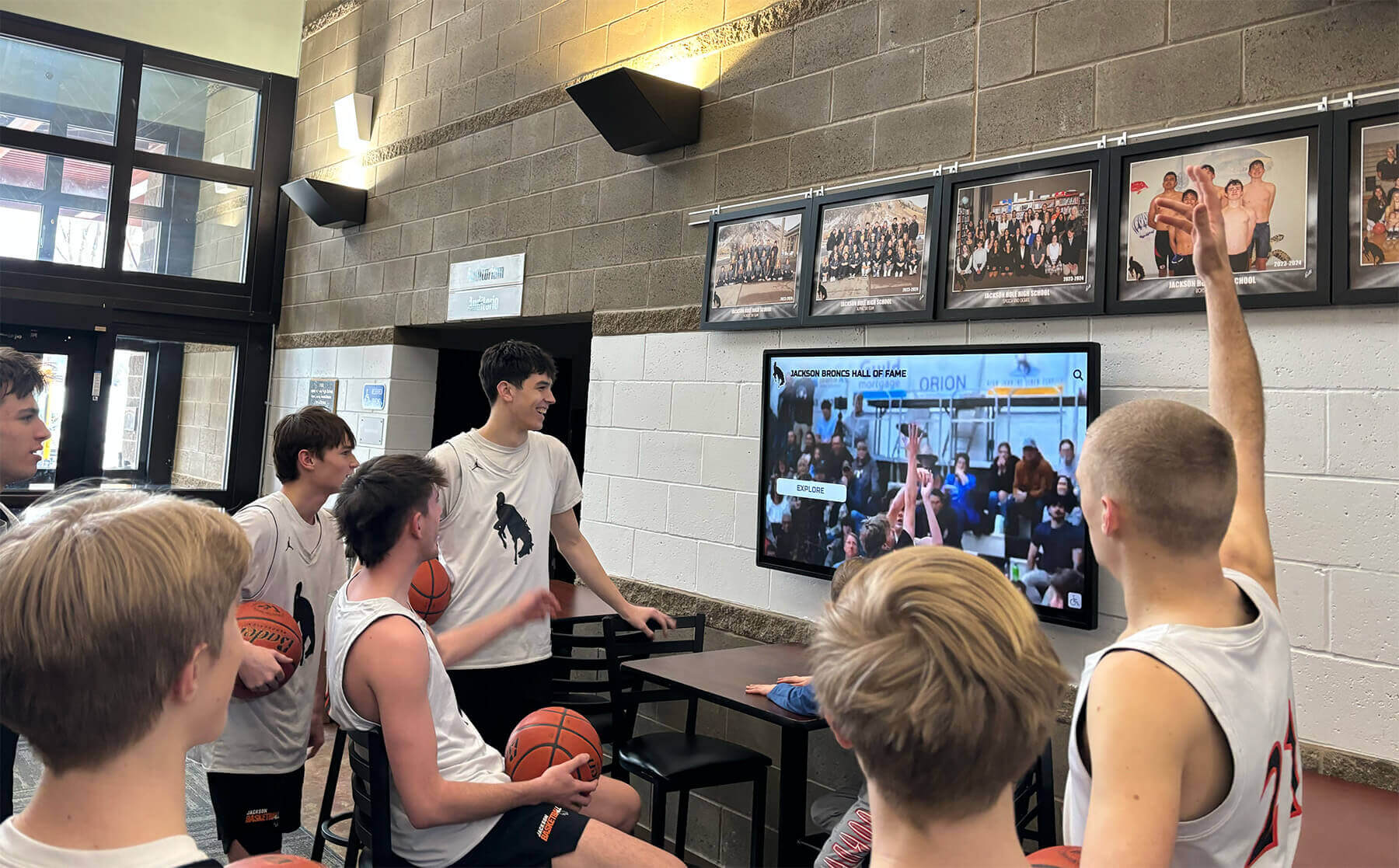
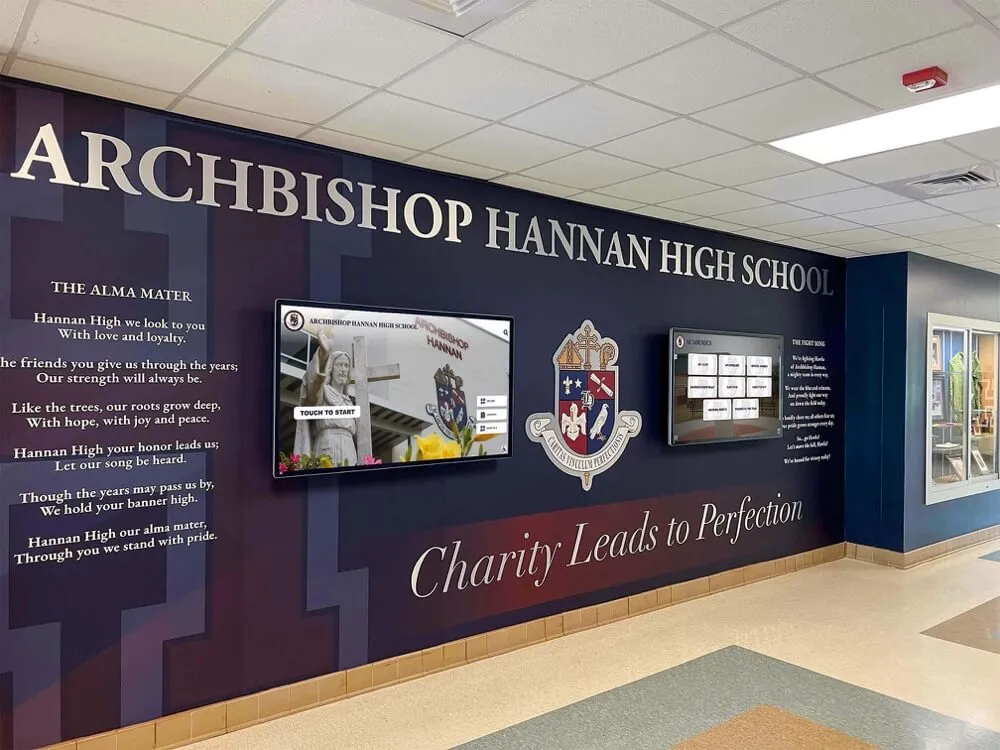
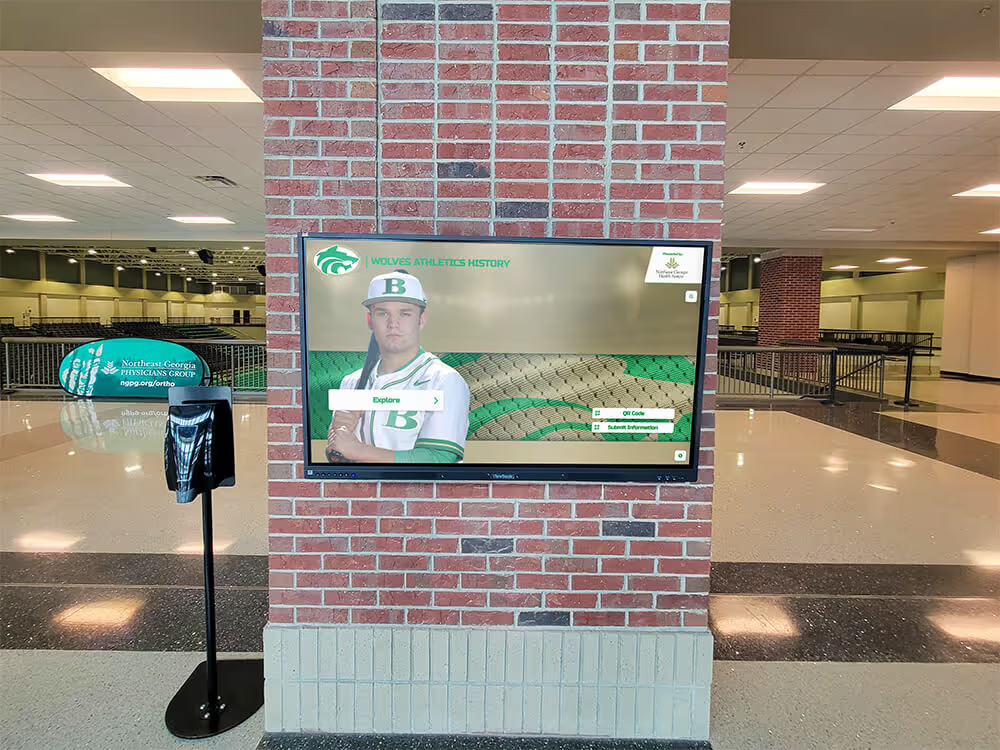
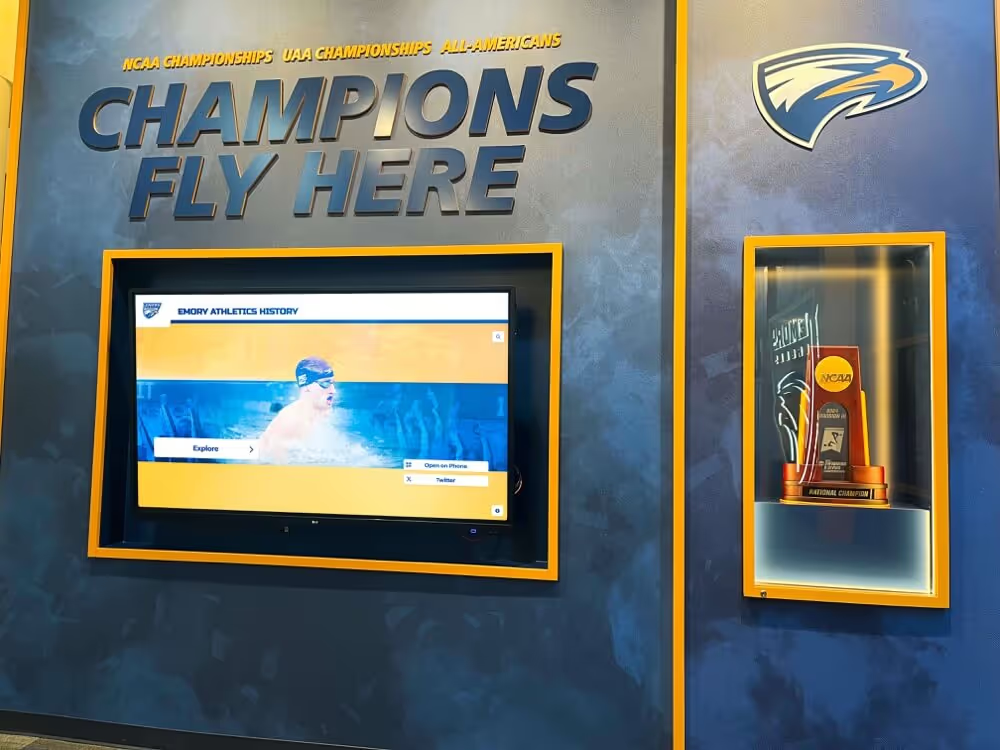
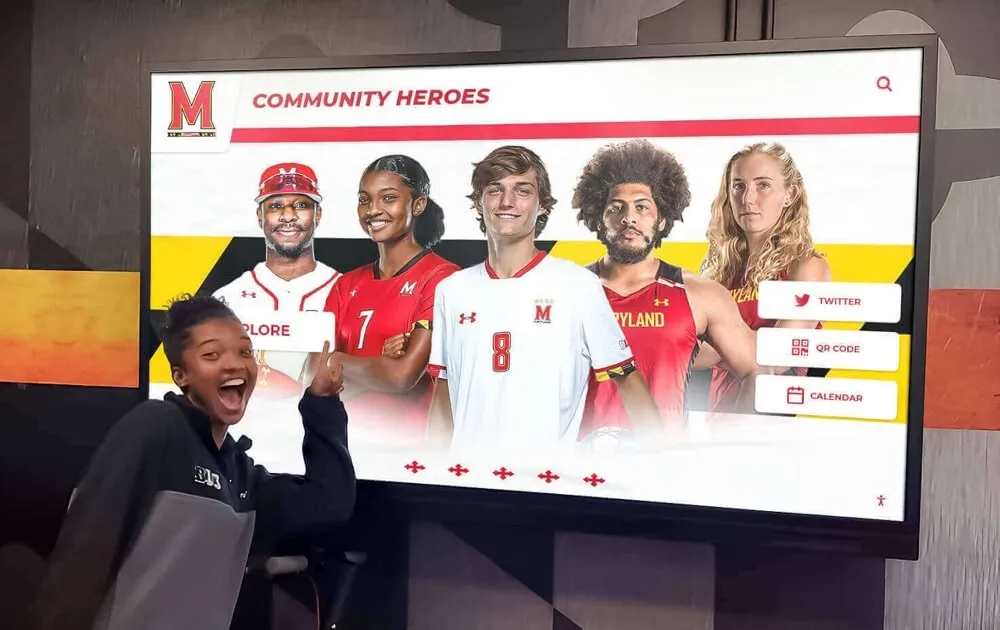
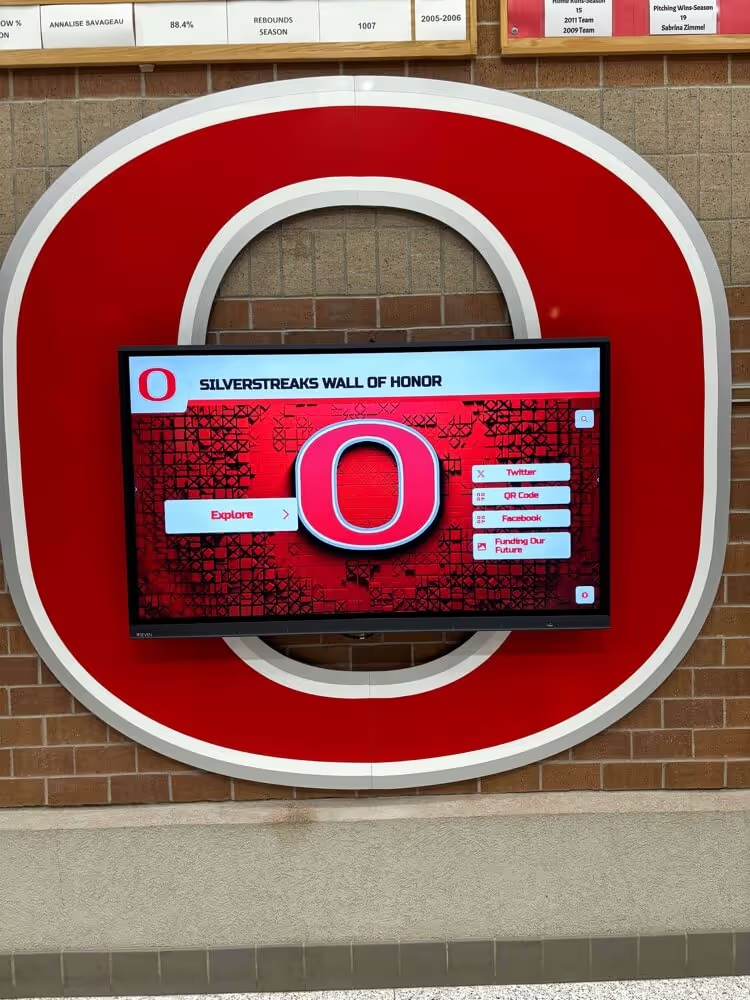
Interactive displays create engagement opportunities that traditional static recognition cannot match
Status Perception Issues Career technical education historically faced misperceptions positioning it as a lesser alternative to college-preparatory academics. Modern CTE programs integrate rigorous academics with technical skills, prepare students for both immediate employment and postsecondary education, and address critical workforce needs. However, these programs require enhanced visibility to overcome outdated stereotypes and attract students who would benefit from career-focused pathways.
Recruitment and Awareness Limitations Traditional CTE program marketing approaches struggle to reach prospective students:
- Course catalogs provide limited insight into program experiences
- Career fairs offer brief exposure without depth
- Website descriptions fail to convey hands-on learning excitement
- Prospective students lack understanding of diverse career pathways
- Parents remain unaware of employment outcomes and earning potential
Enhanced recognition addressing these challenges positions CTE programs appropriately within educational offerings while ensuring students make informed decisions about their academic and career paths.
Why Digital Touchscreen Displays Transform CTE Program Recognition
Interactive digital displays specifically designed for career technical education solve fundamental limitations of traditional recognition approaches.
Comprehensive Program Showcase Capabilities
Digital touchscreen systems accommodate the multifaceted nature of CTE programs:
Multiple Achievement Categories Single displays showcase unlimited accomplishments:
- Industry certifications earned by program and year
- Student project portfolios with photos and descriptions
- Competition achievements and awards
- Internship and work-based learning placements
- Employment outcomes and career successes
- Advisory committee and industry partnerships
- Equipment and facility investments
- Curriculum development and program evolution
Traditional static displays force difficult choices about which achievements receive limited space. Digital platforms eliminate these constraints, ensuring comprehensive recognition across all dimensions of CTE excellence.
Career Pathway Documentation Digital displays effectively communicate educational and career progressions:
- Course sequences from introductory through advanced levels
- Articulation agreements with postsecondary institutions
- Industry certification pathways and requirements
- Employment opportunities and salary expectations
- Alumni career trajectories showing long-term outcomes
- Continuing education options and connections
This career pathway visibility helps prospective students understand complete educational journeys and make informed program selections aligned with their interests and goals. Explore pathway documentation in student achievement showcase approaches.
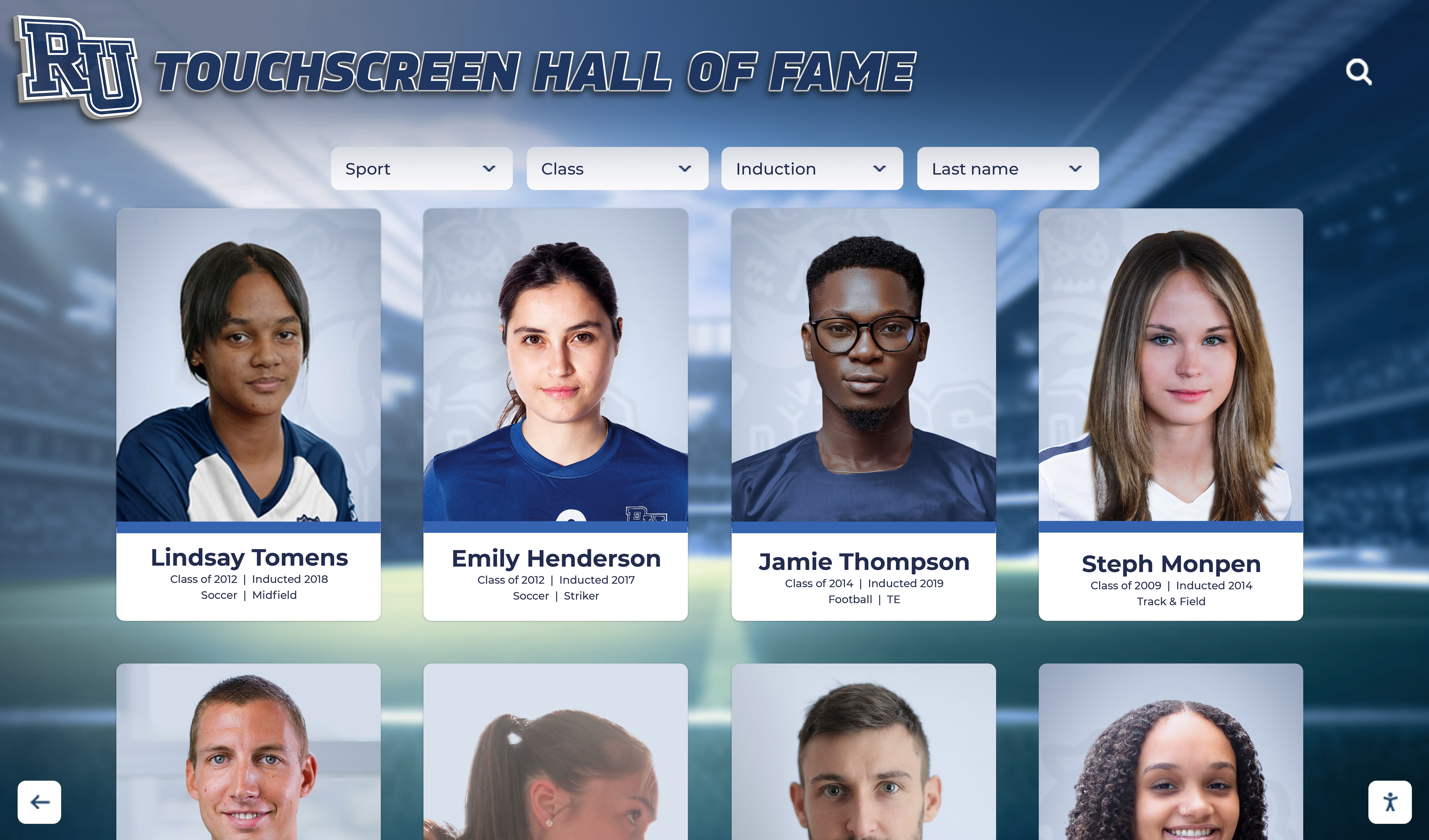
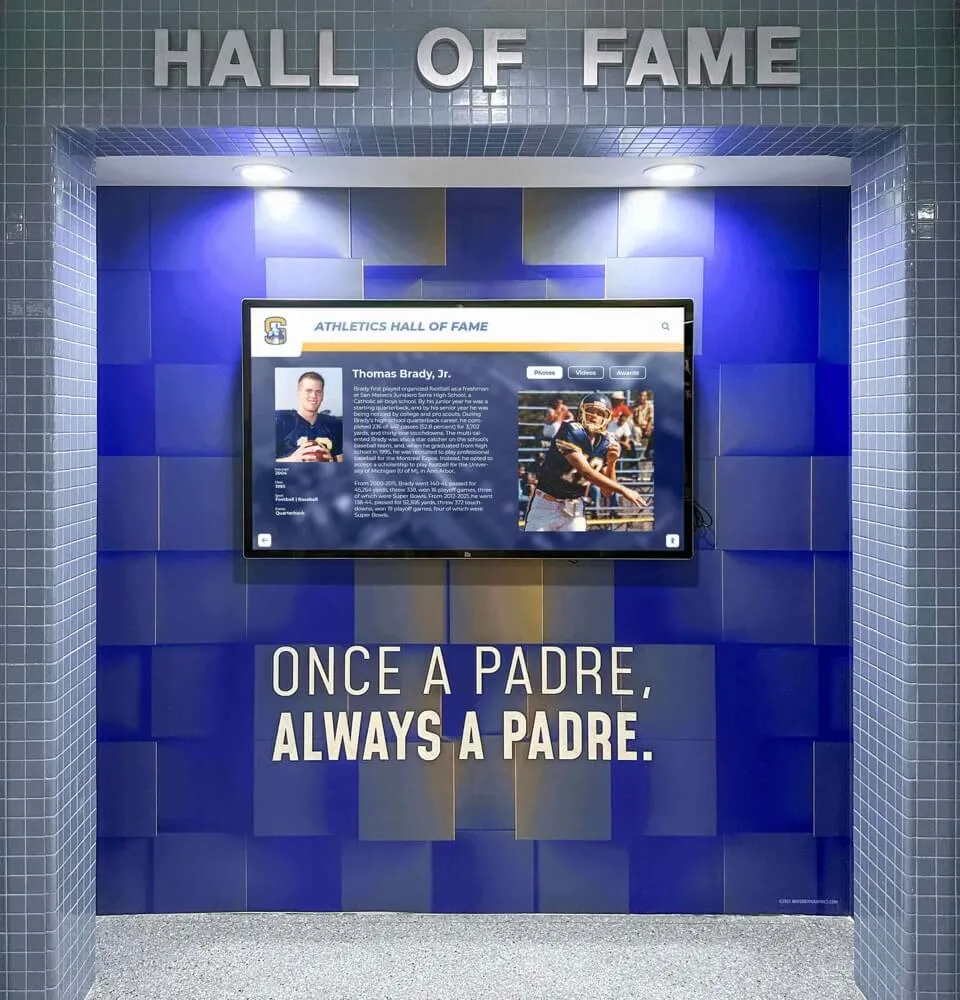
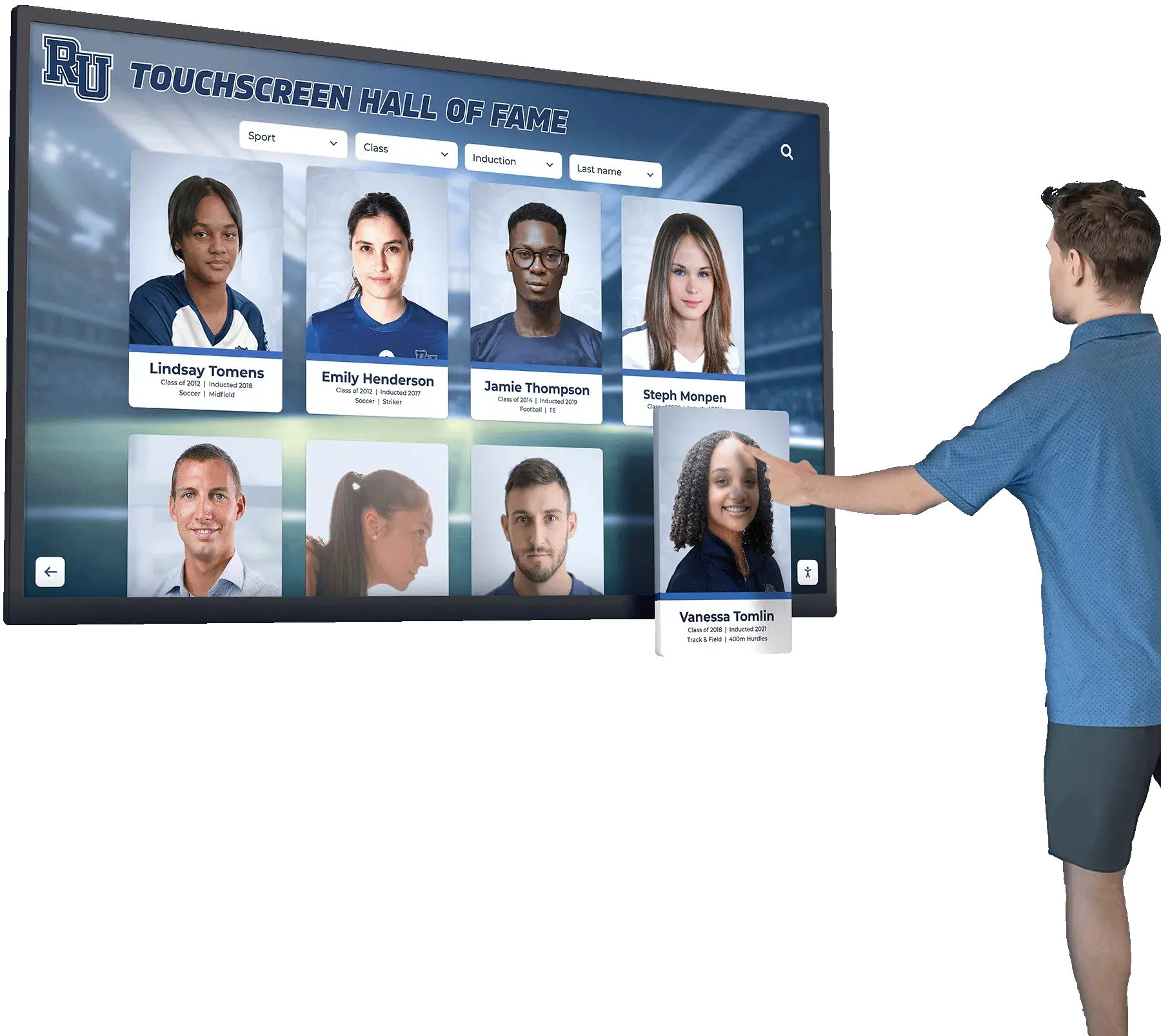
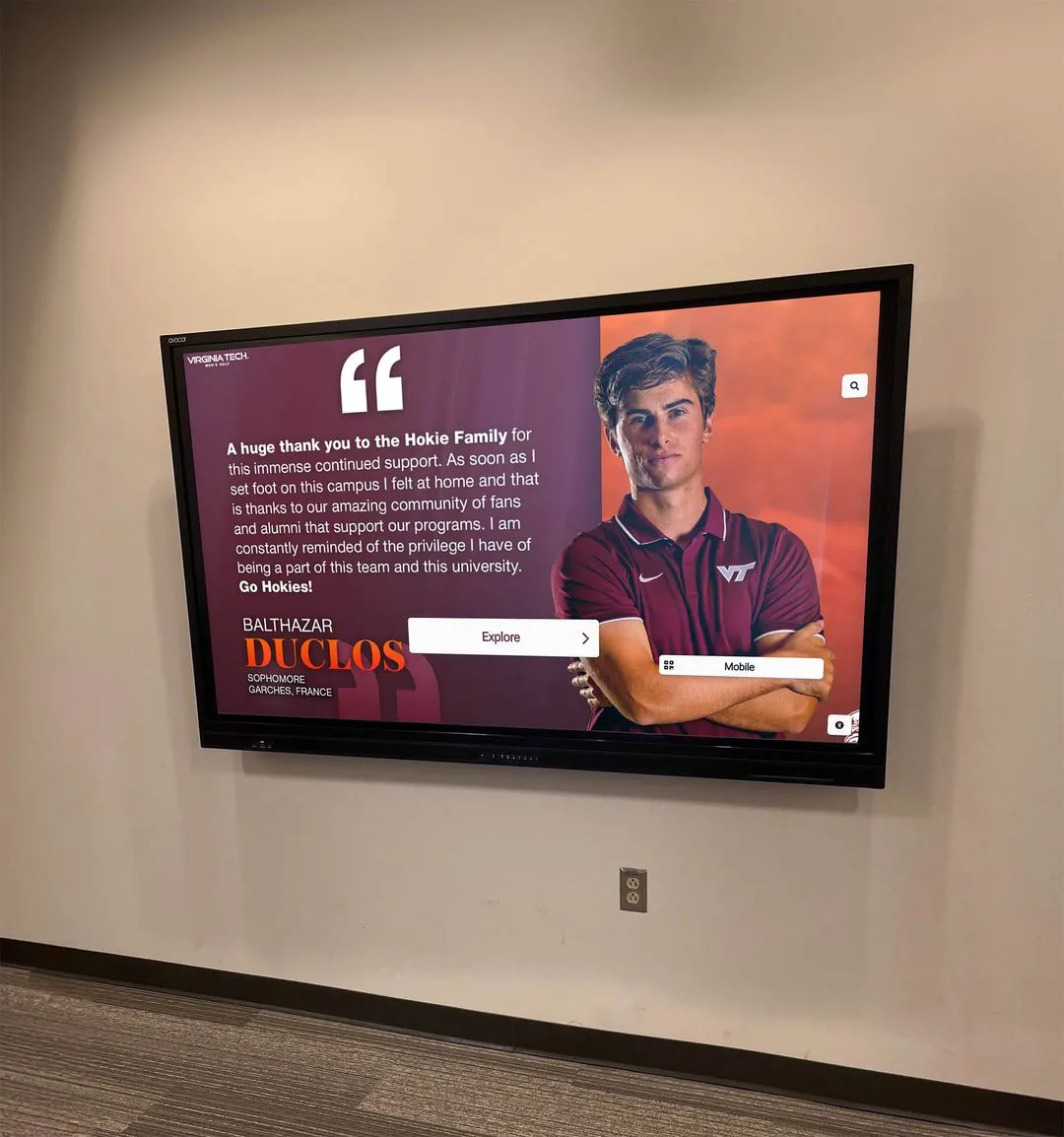
Standardized profile formats showcase individual student achievements while maintaining professional presentation
Industry Partnership and Employer Engagement
Digital displays strengthen relationships with business and industry partners:
Visible Partnership Recognition Showcase employer engagement creating mutual benefits:
- Advisory committee member profiles and contributions
- Equipment donations and facility support
- Internship and apprenticeship host employers
- Guest speakers and industry mentors
- Scholarship providers and program supporters
- Hiring partners and employment outcomes
- Sponsorship recognition for competitions and events
This visibility demonstrates appreciation for industry support while encouraging additional partnership development. Employers see concrete evidence of their impact on student outcomes, strengthening long-term relationships essential for effective CTE programs.
Workforce Development Communication Digital platforms effectively communicate CTE’s workforce preparation role:
- Graduate employment data showing placement rates
- Employer testimonials about graduate preparedness
- Workforce shortage areas addressed by programs
- Economic impact of CTE on local communities
- Industry credential attainment and value
- Skills gap solutions provided by programs
Learn about industry partnership recognition in corporate sponsorship recognition approaches.
Student Engagement and Motivation
Interactive touchscreen displays create engagement experiences that traditional static recognition cannot achieve:
Personal Achievement Exploration Students interact with content showcasing their accomplishments:
- Searchable directories finding individual profiles
- Personal achievement pages documenting certifications and projects
- Project portfolios with photos, videos, and descriptions
- Skill progression tracking across multiple years
- Comparison with program standards and requirements
- Goal-setting tools identifying next certifications and milestones
This self-directed exploration creates ownership of learning journeys and motivation to pursue additional certifications and advanced skill development.
Career Inspiration and Goal-Setting Prospective students explore career possibilities:
- Career pathway overviews with job descriptions
- Salary expectations and employment statistics
- Alumni profiles showing diverse career outcomes
- Day-in-the-life videos of various occupations
- Educational requirements for different career levels
- Local and regional employment opportunities
Research indicates students exploring interactive career information spend an average of 7-8 minutes actively engaging with content compared to 45 seconds viewing static materials—a tenfold increase in meaningful career exploration time.
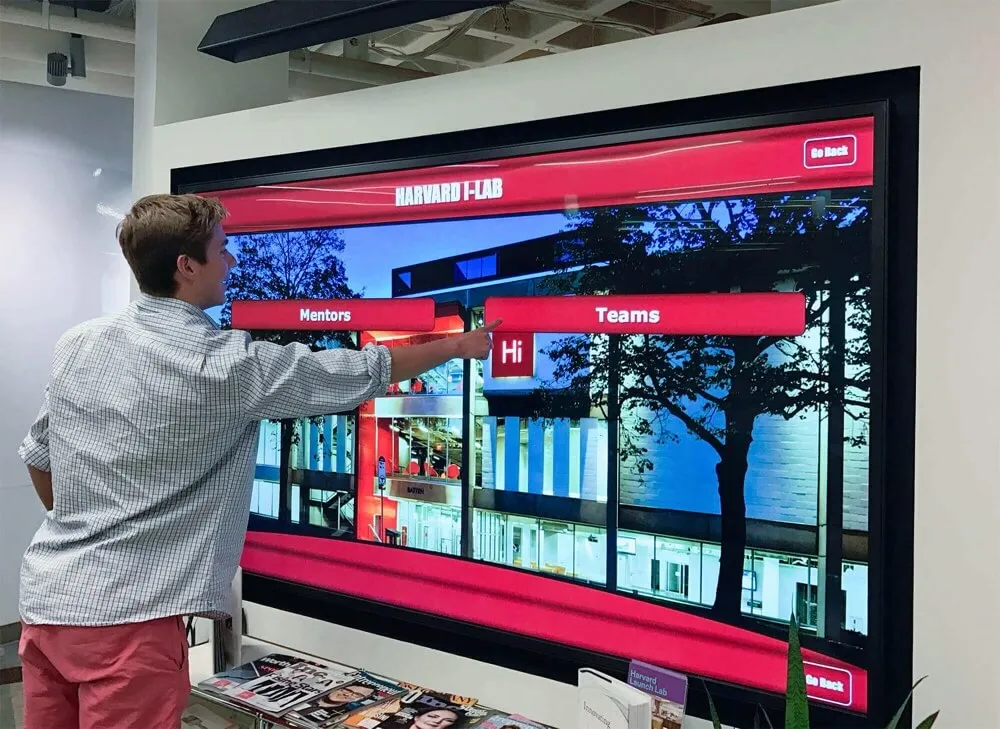
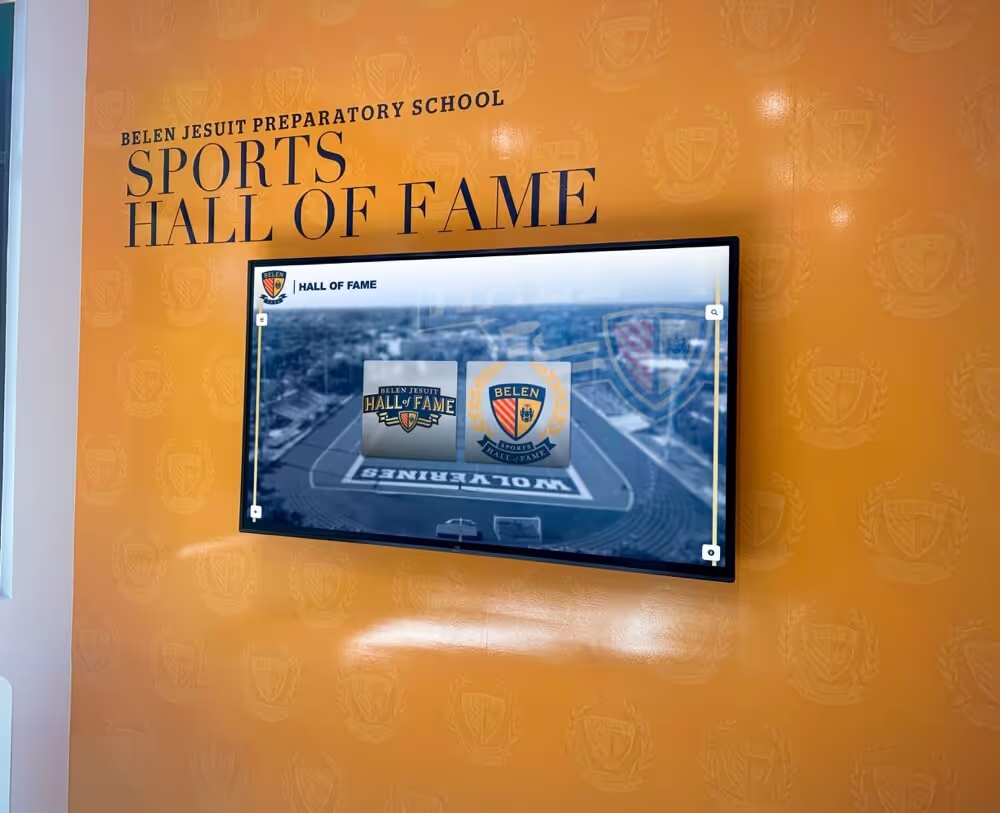
Intuitive interfaces enable self-directed exploration of programs, pathways, and achievement opportunities
Dynamic Content and Easy Updates
Digital platforms eliminate maintenance challenges plaguing traditional CTE recognition:
Real-Time Content Management Cloud-based systems enable efficient updates:
- Remote management from any internet-connected device
- Instant updates when students earn new certifications
- Scheduled content publishing for semester changes
- Bulk import capabilities for annual data updates
- Role-based permissions allowing instructor access
- Mobile-responsive administration interfaces
CTE coordinators report 80-90% reduction in time spent maintaining recognition displays after implementing digital systems compared to updating physical bulletin boards and trophy cases throughout the school year.
Multimedia Integration Digital displays support rich content showcasing technical skills:
- Embedded videos of student projects and demonstrations
- Photo galleries documenting hands-on learning experiences
- Virtual facility tours showing specialized equipment
- Competition highlight reels and presentations
- Employer testimonial videos
- Student interview and reflection recordings
This multimedia capability brings CTE experiences to life in ways static text and photos cannot achieve, helping audiences truly understand the sophisticated technical work students perform.
Essential Content Categories for CTE Digital Displays
Comprehensive CTE recognition encompasses multiple achievement dimensions and program elements.
Student Certifications and Credentials
Industry certifications represent concrete workforce preparation accomplishments deserving prominent recognition:
Certification Achievement Documentation
- Individual student certification lists showing dates and issuing organizations
- Certification pathways demonstrating prerequisite progression
- Industry certification value including employment advantages and salary impacts
- Program-wide certification statistics showing annual completions
- Comparison with state and national certification averages
- Certification preparation resources and examination information
Industry Credential Types Different CTE programs offer specialized certifications:
- Manufacturing and Engineering: OSHA safety certifications, welding credentials, CAD certifications, quality control credentials
- Healthcare: CNA, CPR/First Aid, phlebotomy, medical terminology certifications
- Information Technology: CompTIA A+, Network+, Security+, Microsoft certifications, programming credentials
- Business and Marketing: Microsoft Office Specialist, accounting certifications, digital marketing credentials
- Automotive: ASE certifications, collision repair credentials, emissions inspector licenses
- Cosmetology: State licensing board certifications, specialized technique credentials
- Culinary Arts: ServSafe food handler and manager certifications, specialized cuisine credentials
Explore certification recognition in student STEM projects and competitions.

Individual profiles document complete achievement records including certifications, projects, and awards
Student Projects and Hands-On Work
Project-based learning represents the heart of CTE education deserving comprehensive showcase:
Project Portfolio Development Document student work across program areas:
- Manufacturing Projects: Fabricated parts, machined components, welding projects, engineering designs
- Construction Projects: Building models, architectural drawings, renovation work, carpentry projects
- Culinary Creations: Competition dishes, special event catering, menu development, technique demonstrations
- Automotive Repairs: Restoration projects, diagnostic work, performance modifications, system repairs
- Healthcare Simulations: Patient care scenarios, medical procedure demonstrations, health education materials
- Technology Development: Software applications, websites, network implementations, cybersecurity projects
- Business Ventures: Entrepreneurship projects, marketing campaigns, financial analyses, business plans
- Design Work: Graphic design portfolios, fashion designs, interior design projects, multimedia productions
Documentation Components Effective project recognition includes:
- High-quality photographs showing work from multiple angles
- Video demonstrations of projects in use or operation
- Written descriptions of project requirements and processes
- Skills demonstrated and certifications applied
- Industry standards met through project completion
- Challenges overcome and problem-solving approaches
- Reflection from students about learning experiences
Competition Achievements and Awards
CTE competitions provide opportunities for students to demonstrate skills against rigorous standards:
SkillsUSA Competitions Recognize local, state, and national competition achievements:
- Medal placements and finalist recognition
- Competition categories and technical skill areas
- Team and individual achievement documentation
- Leadership conference participation
- Community service projects and hours
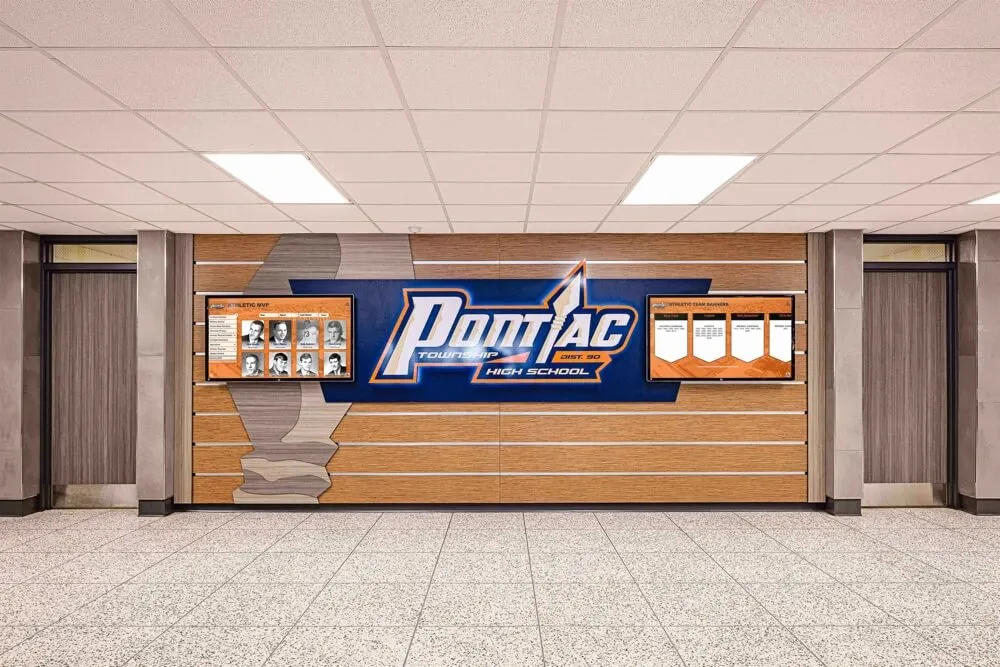
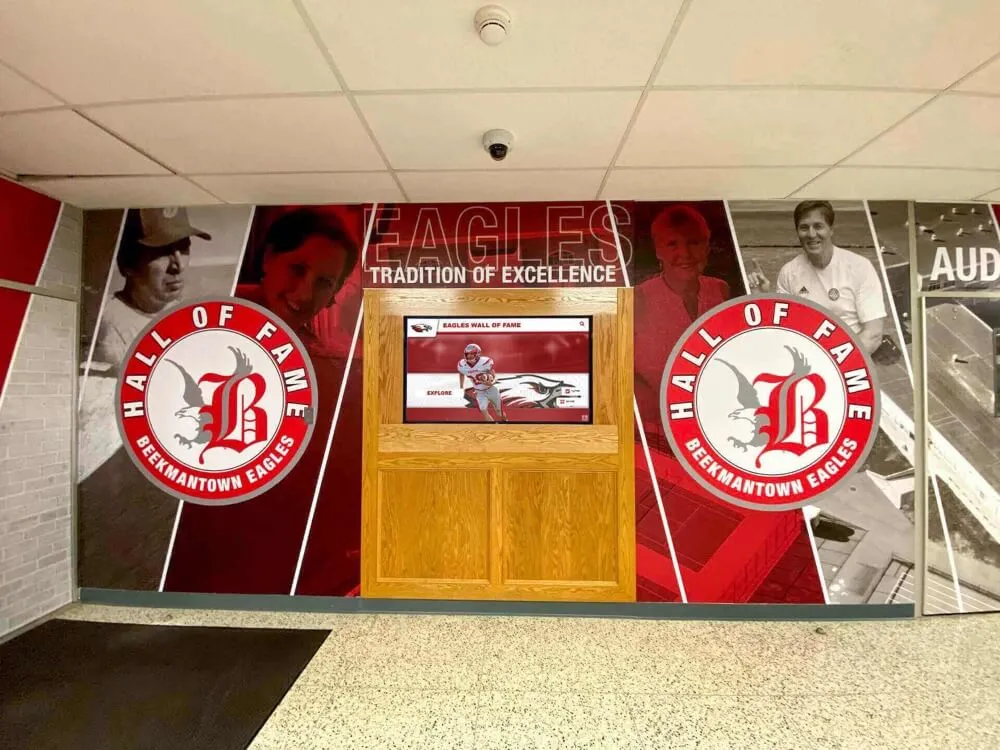
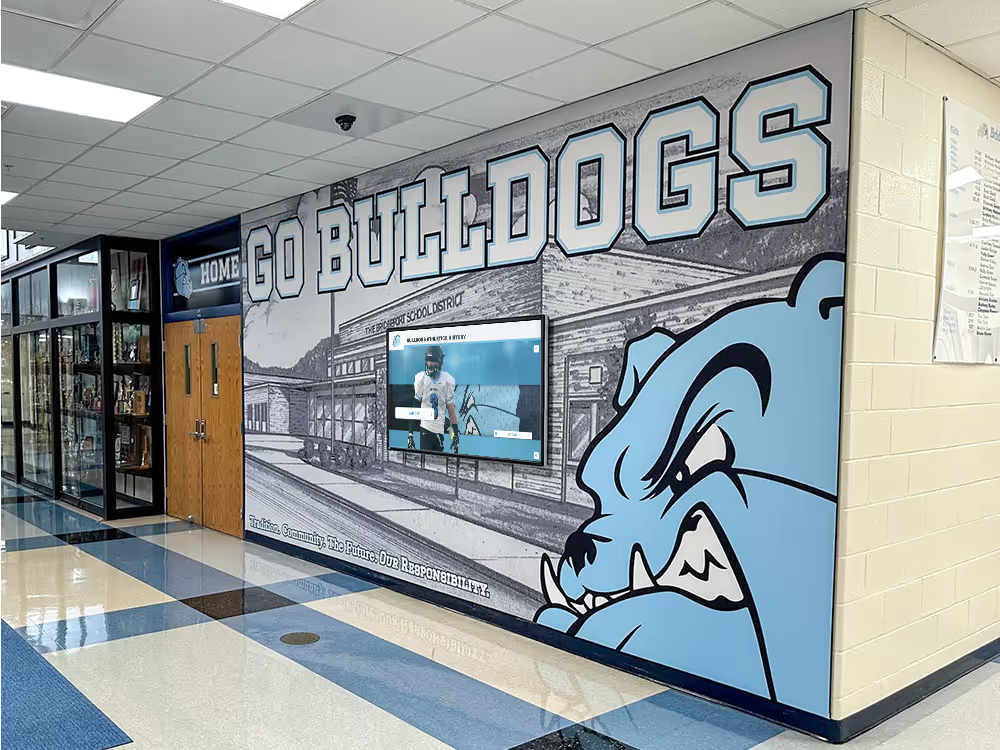
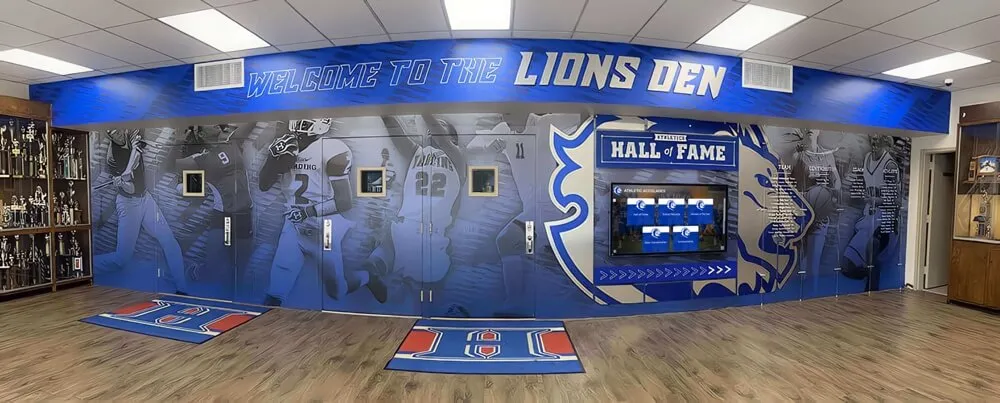
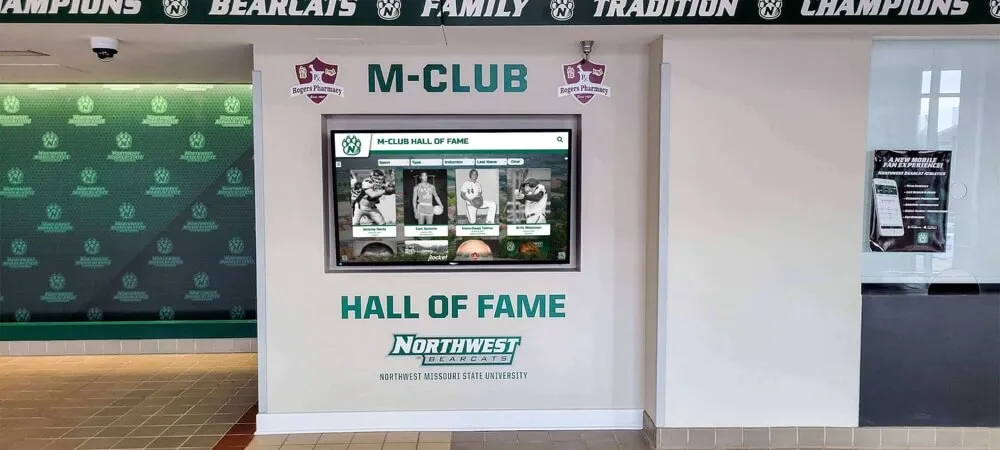
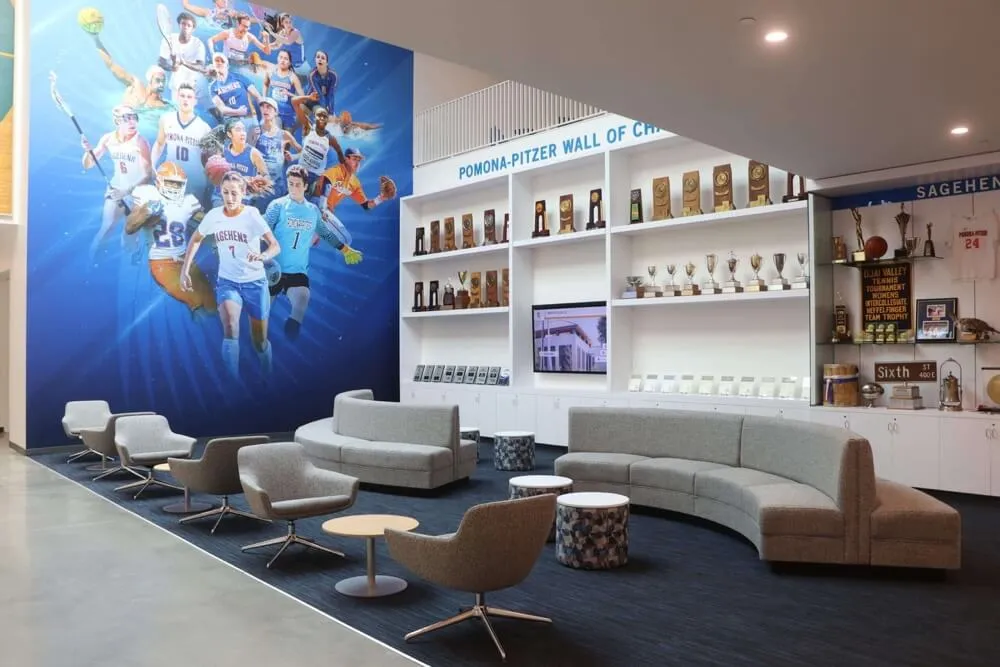
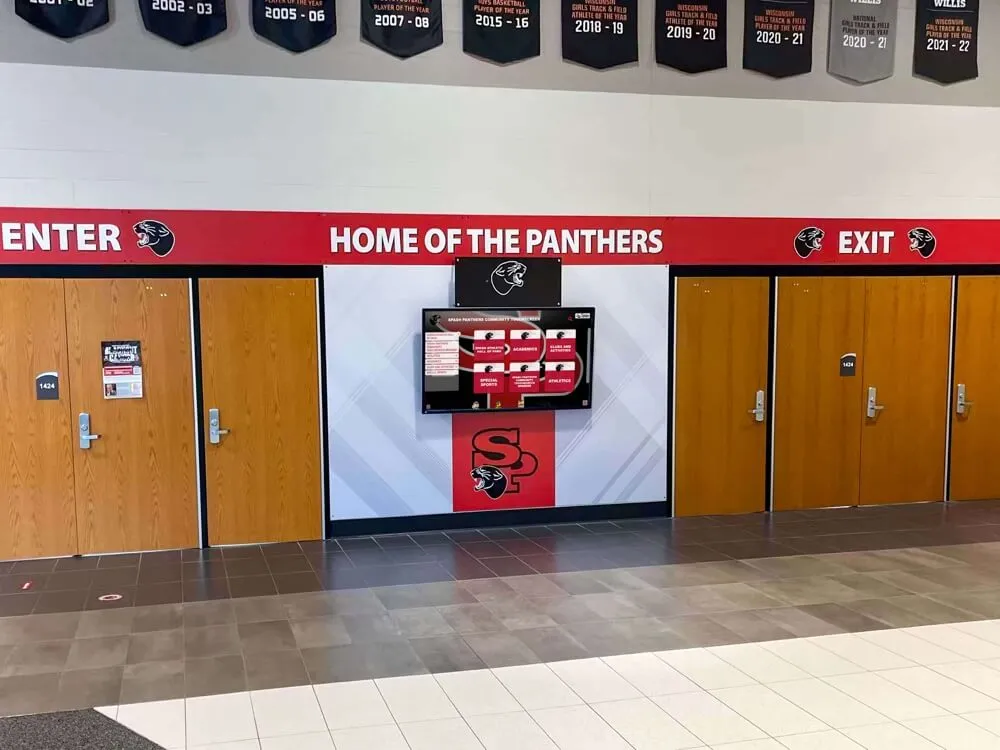
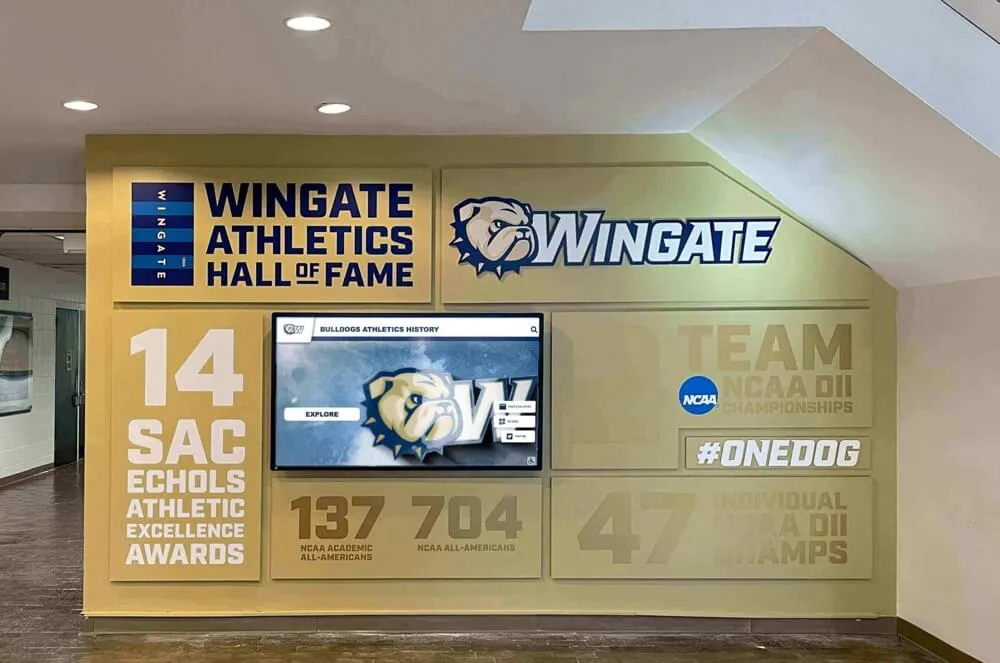
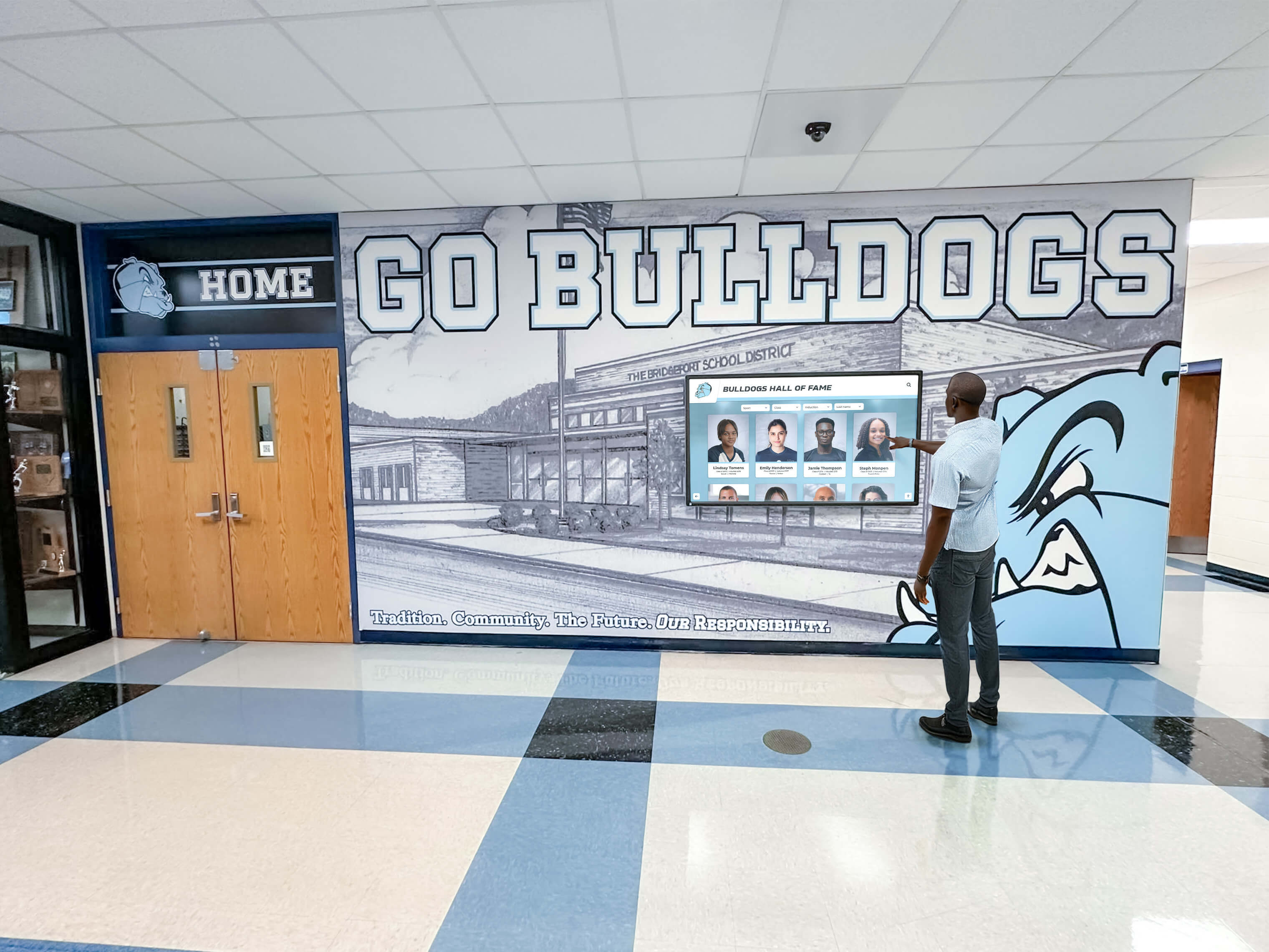
Strategic hallway placement ensures CTE achievements receive visibility comparable to other programs
Business Professionals of America (BPA) Document business and technology student competition success:
- Accounting, finance, and business operations competitions
- Technology application and programming challenges
- Marketing and communications events
- Leadership and professional development recognition
DECA Competition Recognition Celebrate marketing and business competition achievements:
- Case study competition results
- Business plan competition recognition
- Marketing campaign development
- Professional selling and presentation competitions
- International Career Development Conference participation
Technology Student Association (TSA) Honor engineering and technology competition success:
- Engineering design and problem-solving competitions
- Technology application challenges
- STEM research presentations
- Leadership positions and chapter excellence
- National conference achievements
Learn about competition recognition in esports conference championships approaches applicable to CTE competitions.
Work-Based Learning and Internships
Real-world work experiences represent critical CTE components deserving recognition:
Internship Documentation Showcase student workplace experiences:
- Host employer profiles and business information
- Internship position descriptions and responsibilities
- Duration and hours completed
- Skills developed and applied in workplace
- Supervisor feedback and evaluations
- Career pathway connections
Apprenticeship Programs Recognize students participating in registered apprenticeships:
- Sponsoring employer and union partnerships
- Apprenticeship occupation and trade
- Program duration and completion requirements
- Wages and progressive increases
- Related technical instruction components
- Journey-level credentials earned
Cooperative Education Recognition Document co-op placements combining classroom instruction with paid employment:
- Employer partners and industries
- Occupational areas and positions
- Academic credit earned through employment
- Skill competencies demonstrated
- Career readiness development
- Post-graduation employment transitions
Career Outcomes and Alumni Success
Graduate employment and continuing education outcomes validate program effectiveness:
Employment Placement Documentation Track and showcase graduate career success:
- Employment rates by program area
- Average starting wages by occupation
- Employer types and industries
- Job titles and position descriptions
- Geographic location of employment
- Career advancement over time
Postsecondary Education Continuation Document students pursuing additional education:
- College enrollment rates for CTE completers
- Institutions attended and programs of study
- Credit articulation and advanced standing
- Dual credit and concurrent enrollment completion
- Associate and bachelor degree completion
- Technical college and certification programs
Learn about alumni tracking in alumni where are they now spotlight programs.
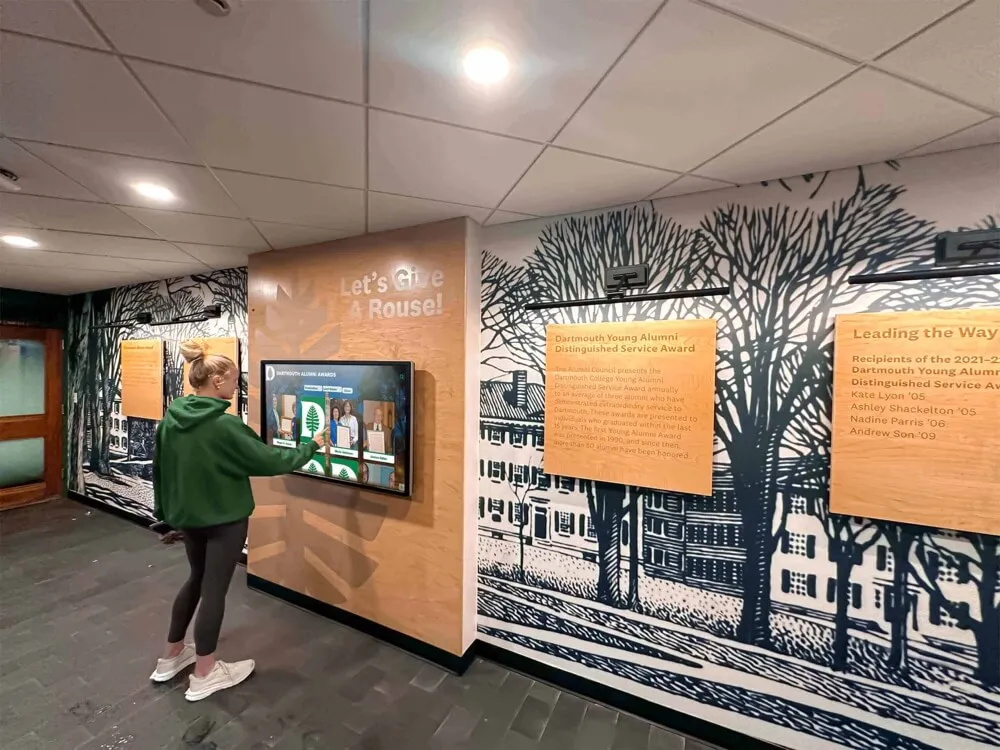
Alumni career outcomes provide powerful evidence of program effectiveness and inspire current students
Implementation Strategies for CTE Digital Displays
Successful deployment requires systematic planning addressing technical, content, and operational considerations.
Needs Assessment and Goal Definition
Begin with comprehensive evaluation of current recognition approaches and desired outcomes:
Current State Analysis
- Inventory existing CTE recognition materials and displays
- Identify pain points in maintaining current systems
- Document which achievements currently receive visibility
- Survey CTE instructors about recognition limitations
- Analyze available spaces within CTE facilities
- Review budget allocations for program marketing and recognition
Objective Clarification Define specific goals for enhanced recognition:
- Increased program enrollment and awareness
- Enhanced industry partner engagement and support
- Improved student motivation and achievement
- Elevated CTE program status within school community
- Comprehensive documentation of program outcomes
- Streamlined recognition maintenance processes
Resource Assessment Evaluate available resources and constraints:
- Budget for hardware, software, and installation
- Physical locations suitable for display placement
- Network connectivity and technical infrastructure
- Staff capacity for content development and management
- Timeline for implementation aligned with program cycles
- Ongoing operational support and maintenance resources
Hardware Selection and Installation
Choose appropriate equipment matching CTE facility needs and budget:
Display Types and Specifications Commercial-grade touchscreen systems for educational environments:
- 55-65 inch displays: Suitable for smaller CTE classrooms and labs
- 75-86 inch displays: Ideal for main CTE building lobbies and common areas
- Ultra-high resolution: 4K and beyond ensuring crisp text and vibrant media
- Commercial durability: Rated for extended operation in high-traffic spaces
- Multi-touch capability: Responsive interaction supporting intuitive navigation
- Anti-glare coatings: Maintaining visibility in facilities with varied lighting
Installation Configurations Multiple mounting approaches serve different spaces:
Floor-Standing Kiosks Self-contained units providing professional presentation:
- All-in-one systems including display, computer, and enclosure
- ADA-compliant heights ensuring accessibility
- Durable construction for active CTE environments
- Integrated cable management
- Portability enabling event use
- Secure enclosures protecting equipment
Wall-Mounted Systems Space-efficient installations on existing walls:
- Low-profile mounting in hallways and corridors
- Recessed options for integrated appearance
- Portrait or landscape orientation flexibility
- Protective glass preventing damage
- Professional mounting hardware
Learn about touchscreen technology in touchscreen software guide.
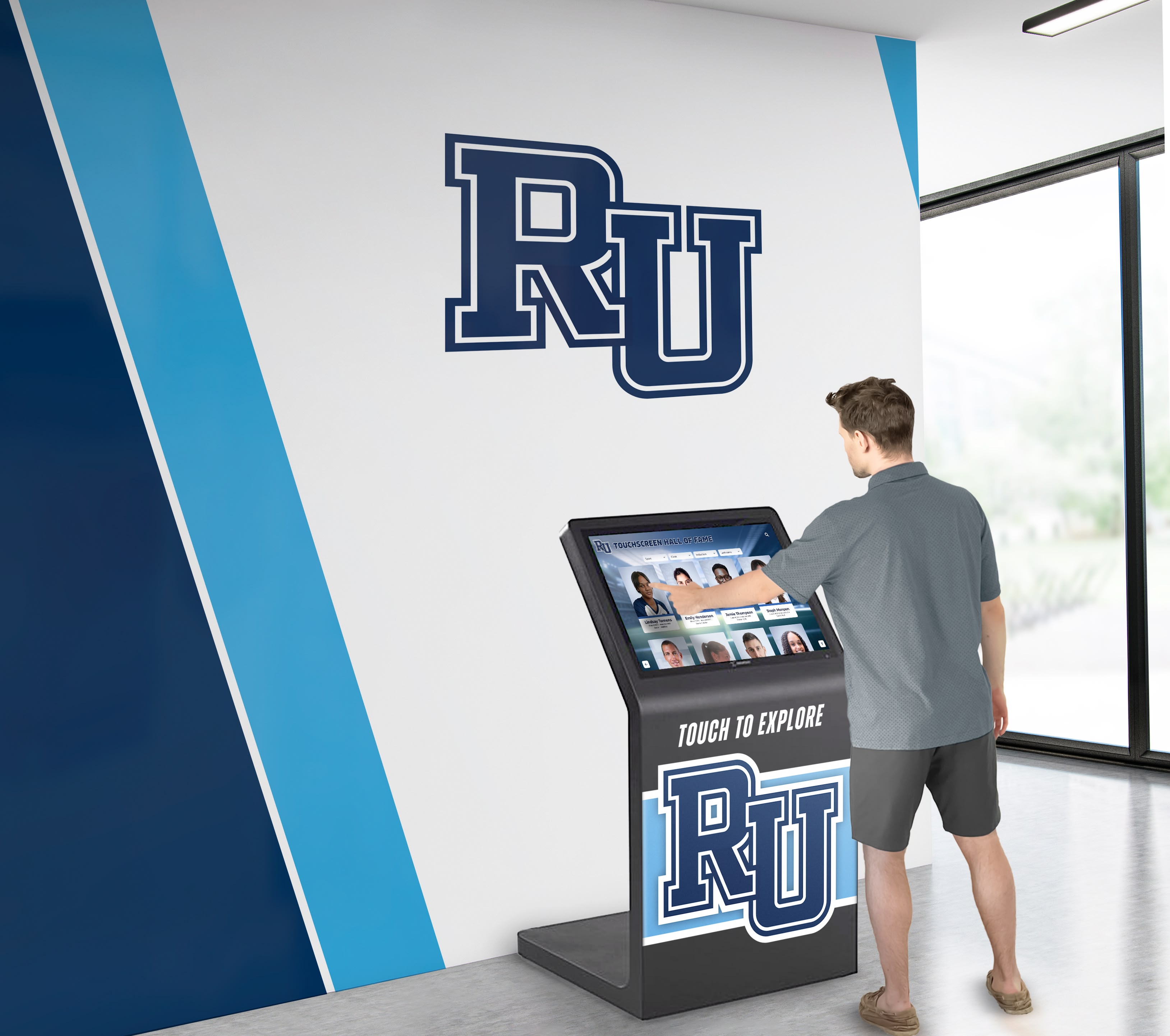
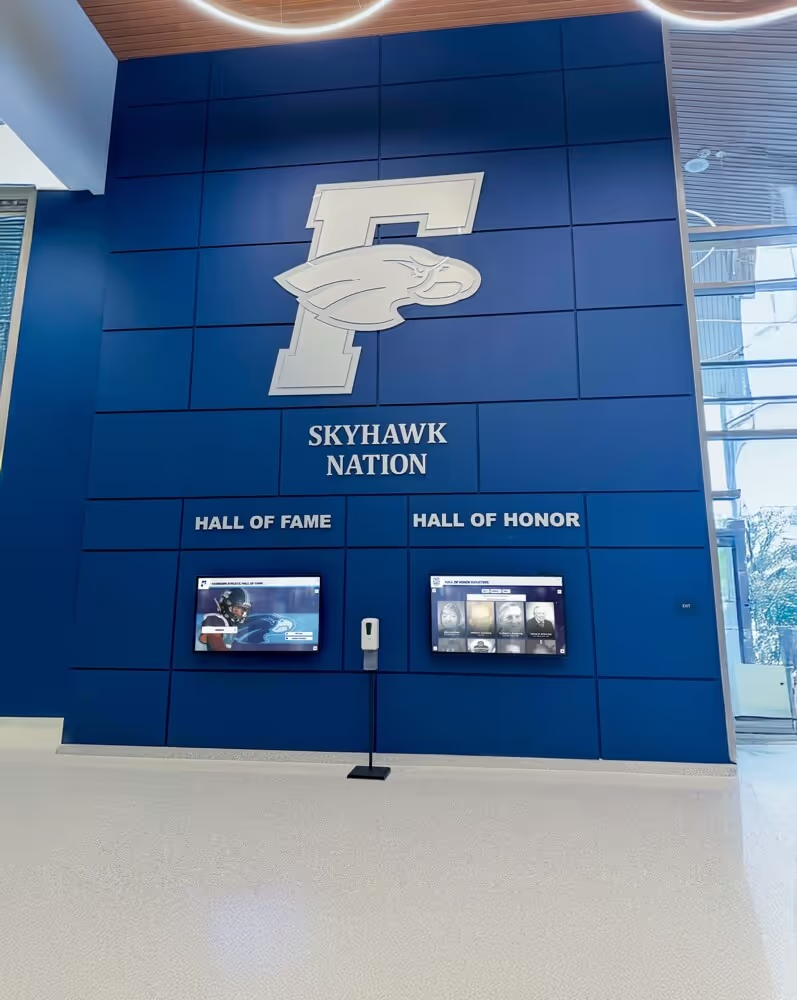
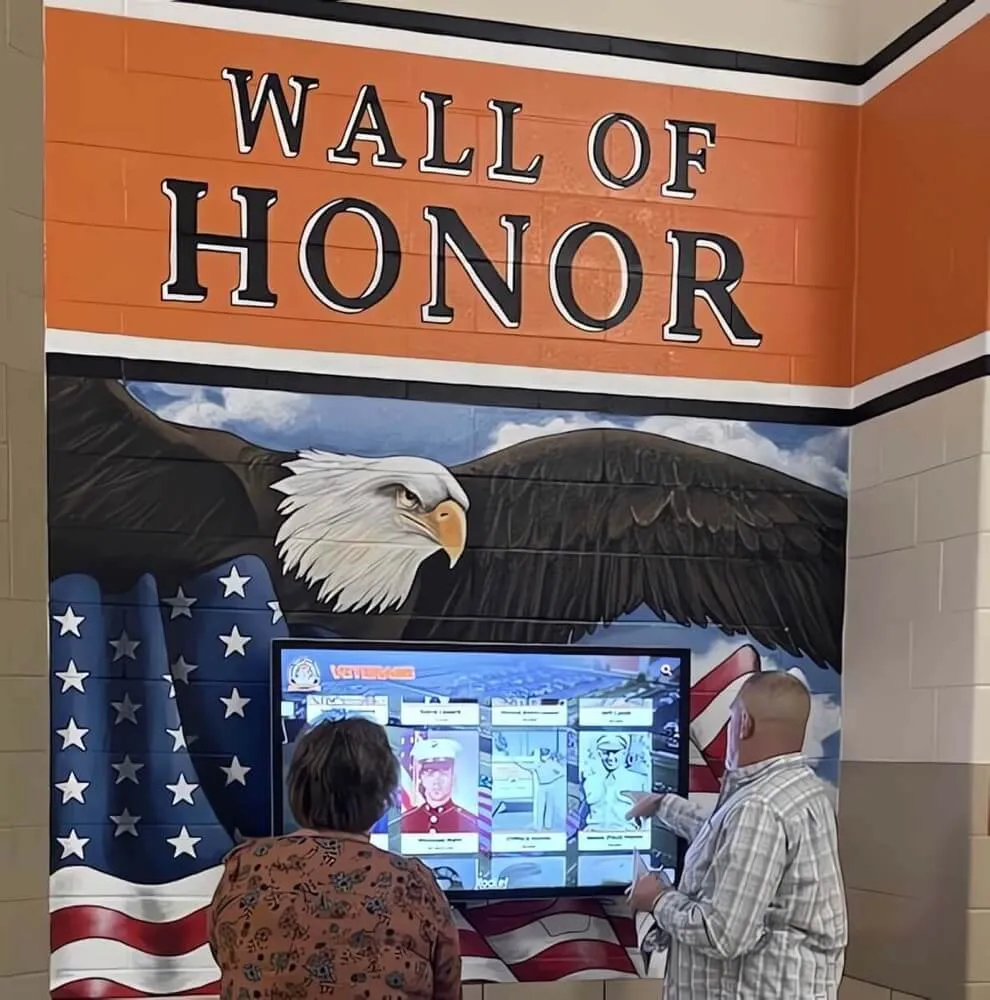
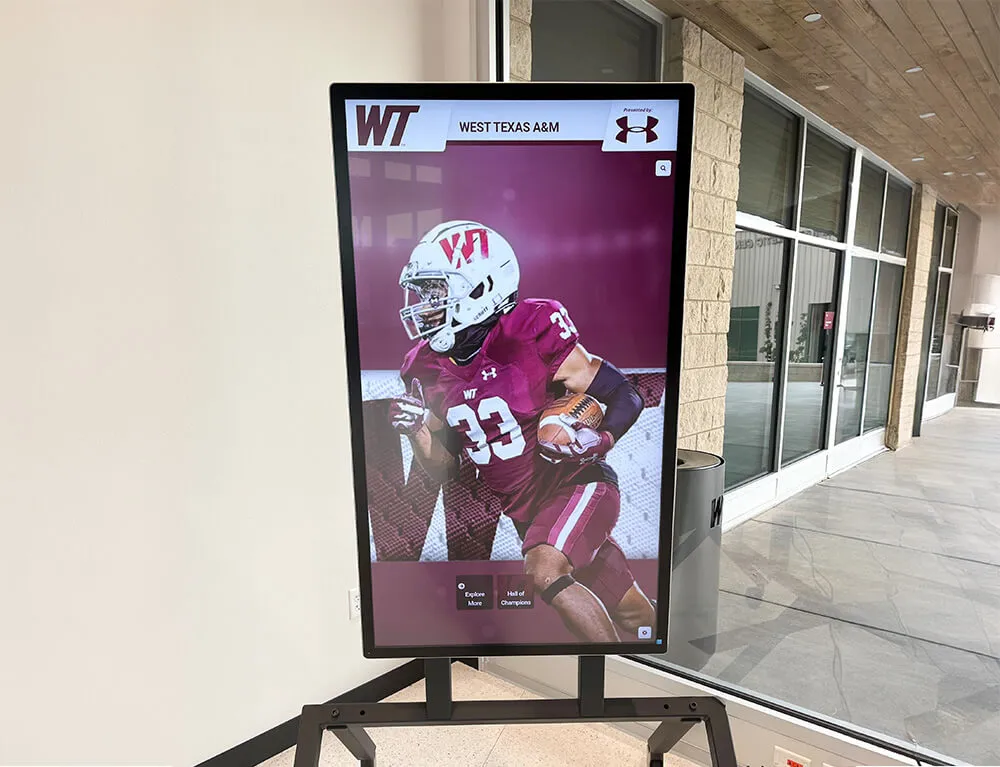
Floor-standing kiosks provide professional, accessible interfaces in CTE building lobbies and common areas
Software Platform Selection
Content management systems specifically designed for educational recognition streamline implementation and ongoing maintenance:
Essential Platform Capabilities Evaluate systems based on necessary features:
Content Management Requirements
- Intuitive interfaces enabling non-technical instructor updates
- Pre-built templates for common CTE content categories
- Bulk import tools for student rosters and achievement data
- Photo and video optimization and management
- Scheduled publishing aligned with program calendars
- Mobile-responsive administration accessible from tablets and smartphones
CTE-Specific Features
- Certification tracking and documentation
- Project portfolio management with multimedia support
- Career pathway visualization and exploration tools
- Industry partner recognition and management
- Competition achievement tracking
- Employment outcome documentation
- Articulation agreement and credit transfer information
Search and Navigation
- Full-text search finding students, projects, and certifications
- Filtering by program area, year, achievement type, and certification
- Featured content rotation highlighting recent accomplishments
- Quick access to frequently requested information
- Related content suggestions connecting similar achievements
- QR code generation linking physical spaces to digital content
Solutions like Rocket Alumni Solutions provide comprehensive platforms purpose-built for educational recognition, eliminating the need to adapt generic digital signage software or build custom systems from scratch.
Strategic Placement Within CTE Facilities
Location determines visibility and engagement with recognition displays:
Primary Placement Locations High-traffic areas maximizing exposure:
CTE Building Lobbies Main entrances create first impressions for visitors:
- Visibility during prospective student tours and visits
- Exposure during parent information nights
- Accessibility for community partners and employers
- Display during advisory committee meetings
- Showcase during school board visits and community events
Shared Common Areas Spaces where students congregate between classes:
- Daily exposure for all CTE program students
- Casual exploration opportunities during breaks
- Peer recognition and motivation
- Informal career exploration and discovery
- Student gathering and discussion points
Program-Specific Labs and Classrooms Targeted displays within specific CTE areas:
- Manufacturing and engineering lab entrances
- Healthcare simulation centers
- Culinary arts and hospitality spaces
- Automotive service facilities
- Information technology labs
- Business and marketing classrooms
Learn about effective placement in digital displays that inspire school pride.
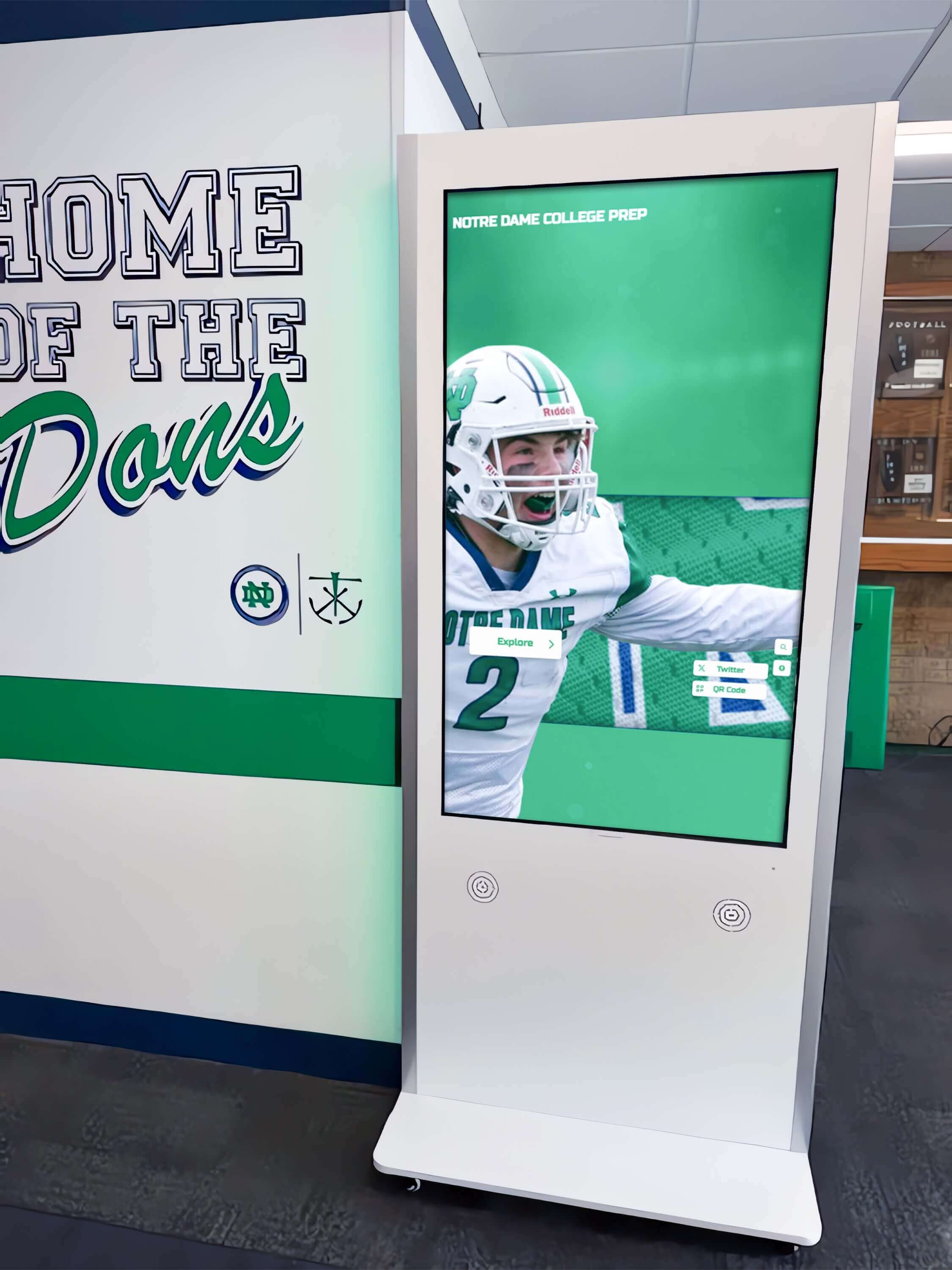
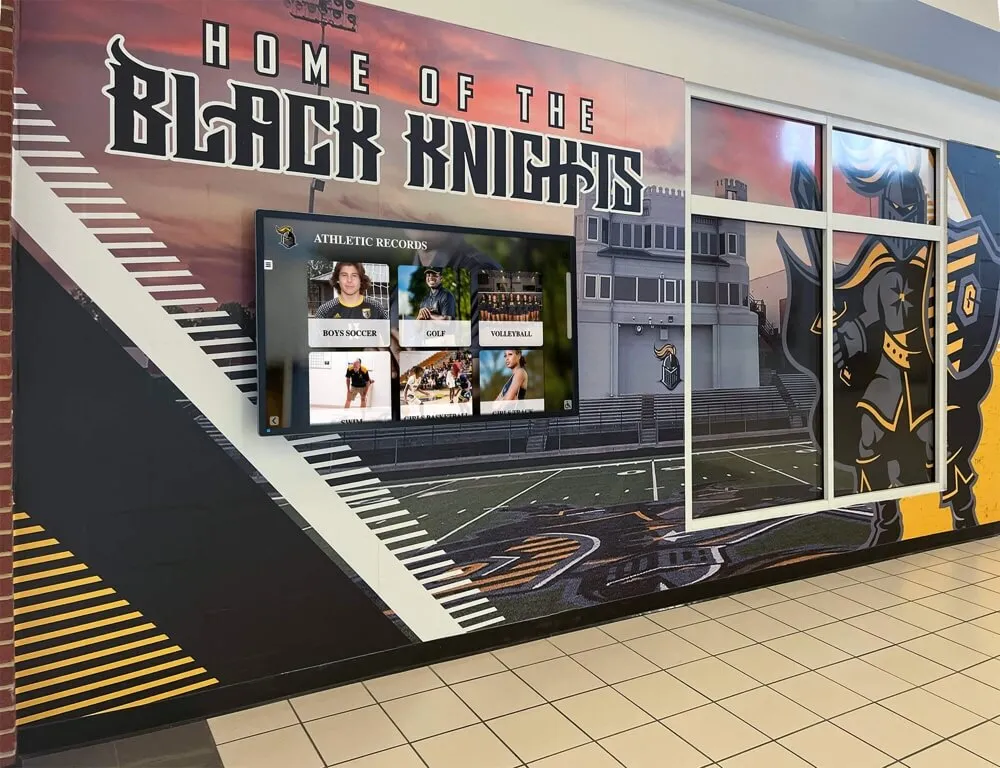
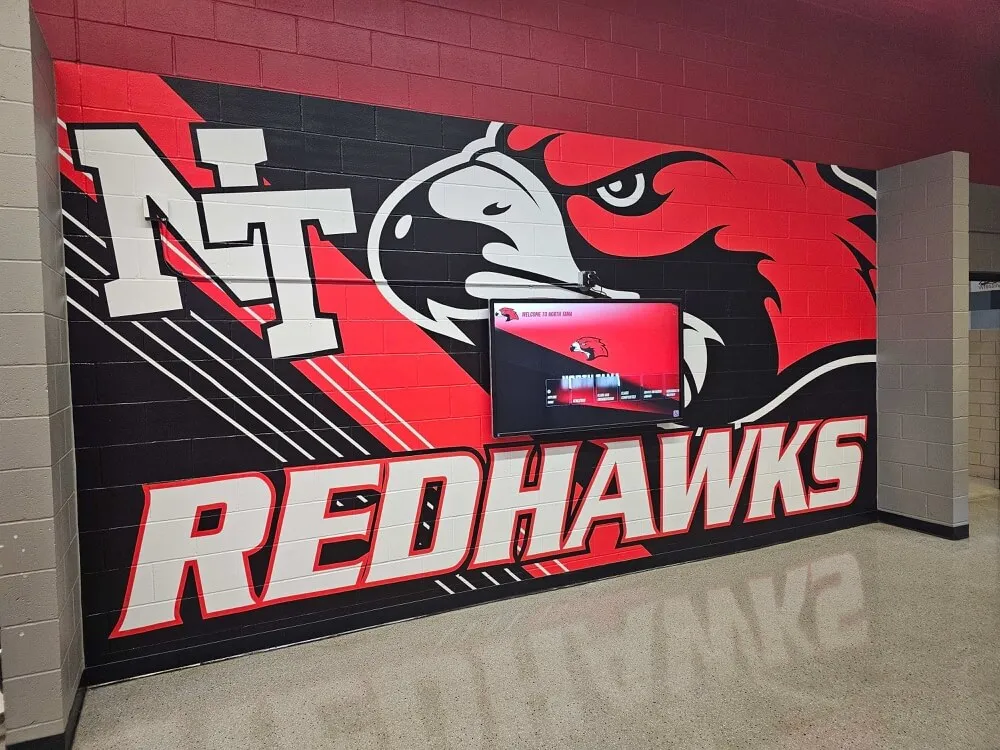
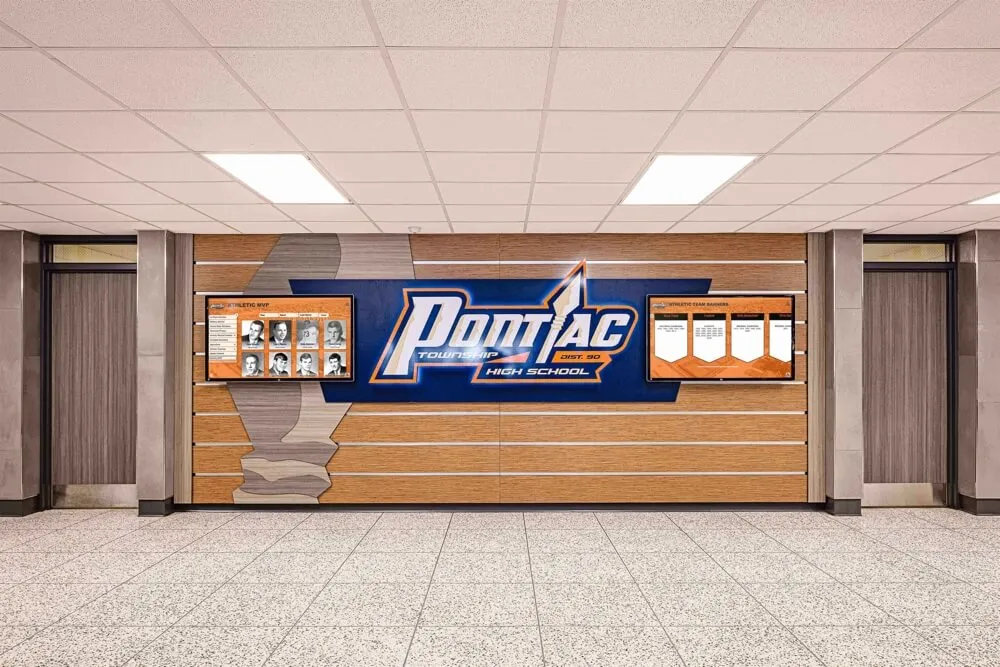
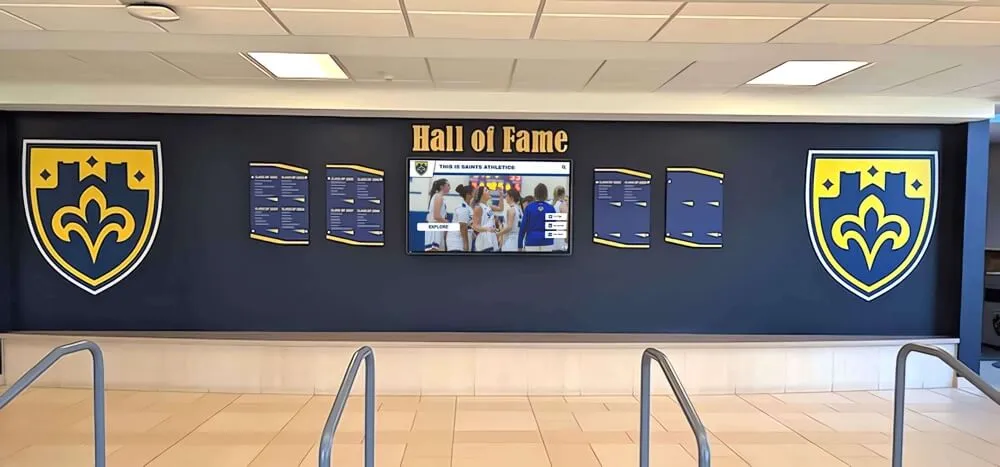
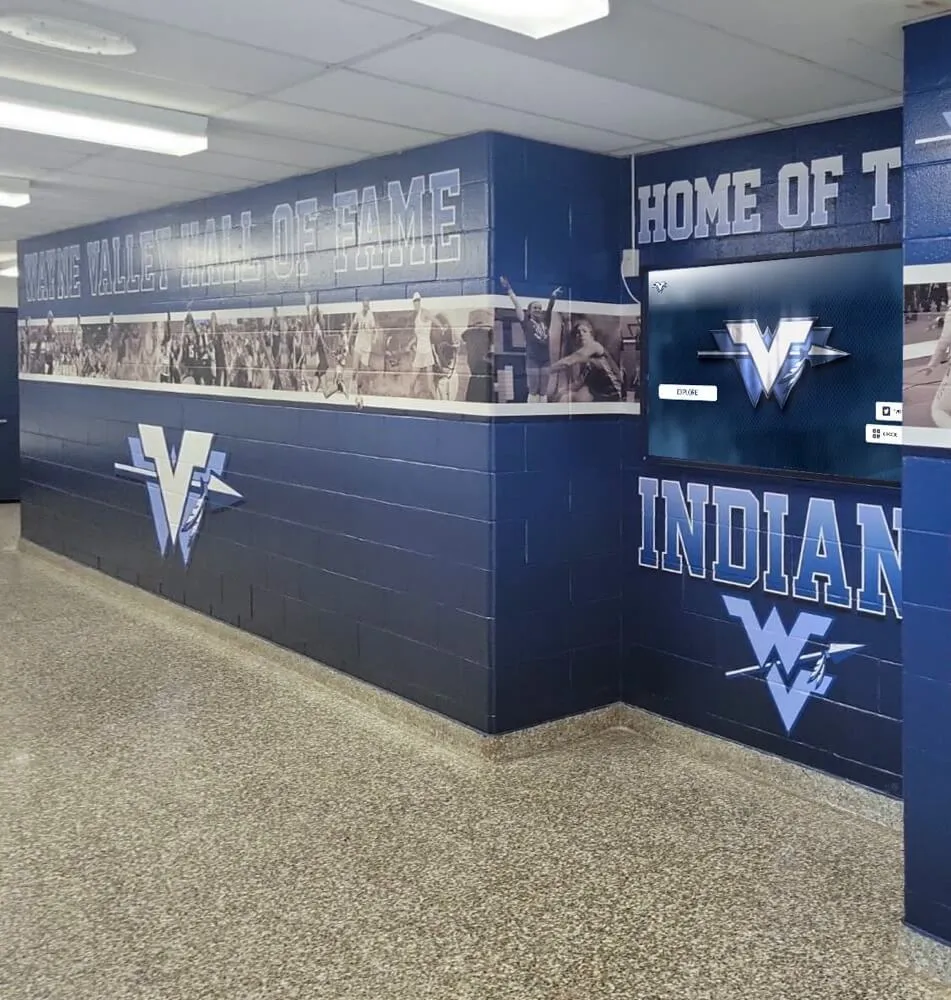
Hallway installations capture audiences moving between spaces while utilizing otherwise underused wall areas
Content Development and Management Workflow
Sustainable recognition requires systematic approaches to creating and maintaining content:
Initial Content Development
Building comprehensive CTE recognition foundations:
Historical Achievement Documentation Gathering existing program information:
- Review certification records and credential documentation
- Collect student project photos and descriptions
- Research competition achievements and award histories
- Document employment outcomes for recent graduates
- Compile industry partnership information
- Digitize physical awards and recognition materials
- Interview instructors about notable student achievements
Data Organization and Standardization Creating consistent content formats:
- Standardize naming conventions for students and programs
- Establish photo quality standards and specifications
- Create templates for different content types
- Develop certification documentation formats
- Organize files with clear metadata and categorization
- Prioritize content for initial launch
- Document sources for all information included
Ongoing Maintenance Workflows
Establishing sustainable update processes:
Certification and Credential Updates Real-time recognition of new achievements:
- Instructor submission processes when students earn certifications
- Verification procedures confirming credential authenticity
- Immediate display updates celebrating new accomplishments
- Social media integration announcing certifications
- Recognition ceremonies honoring certificate recipients
Project Portfolio Development Systematic documentation of student work:
- Photography guidelines for consistent project documentation
- Student reflection prompts capturing learning experiences
- Instructor review and approval workflows
- Seasonal updates aligned with project completion timelines
- Featured project rotations highlighting exemplary work
Competition Achievement Recognition Timely updates following competitive events:
- Coach submission forms for competition results
- Photo and award documentation requirements
- Medal and placement verification processes
- Team roster and individual achiever recognition
- Historical competition tracking across multiple years
Learn about content management in keeping digital recognition content fresh.
Regular content updates ensure recognition displays remain current, relevant, and engaging for audiences
Maximizing Impact Through Strategic Communication
Effective recognition extends beyond displays themselves to comprehensive communication strategies:
Internal School Communication
Elevating CTE program visibility within school communities:
Student Awareness Campaigns Reaching prospective CTE participants:
- Presentation at middle school and high school orientation programs
- Digital display installations in main school buildings showcasing CTE opportunities
- Morning announcement features highlighting CTE achievements
- Social media campaigns celebrating CTE student success
- School website integration linking to CTE recognition platforms
- QR codes throughout campus connecting to digital displays
Parent and Family Engagement Communicating CTE value to families:
- Information sessions showcasing career pathways and outcomes
- Recognition event invitations celebrating student achievements
- Email announcements when students earn certifications
- Newsletter features highlighting employment outcomes
- Open house events in CTE facilities with display tours
Staff and Administrator Education Building understanding across school leadership:
- Professional development on CTE program value and outcomes
- Counselor training on career pathways and certification opportunities
- Administrator tours of CTE facilities highlighting recognition displays
- Data sharing demonstrating CTE impact on school performance
- Integration of CTE achievements in school-wide recognition programs
External Community Engagement
Extending CTE recognition beyond campus boundaries:
Industry Partner Communication Strengthening employer relationships:
- Recognition display access for advisory committee meetings
- Featured content highlighting specific industry partnerships
- Success stories shared through business organization channels
- Invitation to recognition ceremonies and showcase events
- Annual reports distributed to partners showing program outcomes
Community Awareness Building Elevating public understanding of CTE:
- Local media coverage of significant achievements
- Community newspaper features on student success
- Chamber of commerce presentations on workforce development
- Service organization visits to CTE facilities
- Economic development agency partnerships
- Rotary club and business group presentations
Prospective Student Recruitment Attracting students to CTE programs:
- Middle school career exploration events
- Campus tour integration of recognition displays
- Virtual tours accessible online for remote viewing
- Recruitment materials featuring display screenshots
- Student ambassador programs leveraging recognition content
- Feeder school visits promoting CTE opportunities
Explore recruitment strategies in student engagement approaches.
Measuring Success and Return on Investment
Systematic assessment demonstrates digital recognition impact and justifies ongoing investment:
Enrollment and Participation Metrics
Tracking program growth and student engagement:
Program Enrollment Changes
- Year-over-year enrollment trends in CTE programs
- First-choice program placement rates
- Retention rates from introductory to advanced courses
- Multi-year program completion statistics
- Comparison of enrollment before and after display implementation
Student Awareness Indicators
- Career pathway knowledge among prospective students
- Parent understanding of CTE opportunities
- Counselor recommendations for CTE program participation
- Tour participant feedback on recognition displays
- Student self-reported awareness of certification opportunities
Achievement and Outcome Improvements
Documenting enhanced student performance:
Certification and Credential Attainment
- Industry certification rates by program and year
- Number of certifications per student completer
- Pass rates on certification examinations
- Comparison with state and national averages
- Advanced certification pursuit beyond minimum requirements
Competition Success
- Local, state, and national competition participation
- Medal and award achievement rates
- Year-over-year improvement in competitive results
- Student motivation for competition participation
- Team development and leadership growth
Employment and Education Outcomes
- Graduate employment placement rates
- Starting wage improvements
- Postsecondary enrollment in related fields
- Credit articulation and advanced placement
- Career pathway alignment between training and employment
Engagement and Satisfaction Indicators
Measuring stakeholder response to recognition systems:
Display Interaction Analytics Platform data tracking usage patterns:
- Daily, weekly, and monthly interaction counts
- Average session duration and page views
- Most frequently accessed content categories
- Search terms revealing user interests
- Peak usage times and seasonal patterns
- Geographic distribution of web-based viewers
Stakeholder Feedback Qualitative assessment of recognition impact:
- Student surveys on program awareness and motivation
- Parent perception of CTE program quality
- Instructor satisfaction with recognition maintenance
- Industry partner feedback on program visibility
- Administrator assessment of community engagement
- Prospective student tour feedback
Cost-Benefit Analysis Demonstrating return on investment:
- Enrollment increases generating additional program funding
- Staff time savings on recognition maintenance
- Industry partnership expansion and support
- Enhanced fundraising and grant success
- Improved facility utilization through enrollment growth
- Community awareness and program reputation enhancement
Special Considerations for CTE Recognition
Career technical education recognition involves unique considerations requiring thoughtful approach:
Equity and Access
Ensuring comprehensive student recognition:
Diverse Achievement Recognition CTE programs serve students with varied abilities and starting points:
- Recognition opportunities for students at all skill levels
- Skill progression and improvement acknowledgment
- Effort-based recognition valuing persistence
- Character development alongside technical competence
- Participation acknowledgment encouraging continued engagement
- Multiple pathway recognition avoiding narrow definitions of success
Accessibility Compliance Digital displays must accommodate all users:
- ADA-compliant physical mounting and interaction heights
- Screen reader compatibility for visual accessibility
- High-contrast viewing modes for low vision users
- Adjustable text sizes for readability
- Multilingual content serving diverse populations
- Mobile device access extending beyond physical displays
Learn about accessibility in digital wall of fame accessibility.
Privacy and Safety Considerations
Protecting student information and maintaining appropriate content:
Student Privacy Protection Adhering to educational privacy regulations:
- FERPA compliance for student information sharing
- Parent permission processes for photos and videos
- Controlled personal information disclosure
- Privacy settings for sensitive content
- Graduation and removal policies
- Secure content management with appropriate access controls
Age-Appropriate Recognition Maintaining suitable content for educational settings:
- Content review and approval workflows
- Appropriate project documentation
- Professional language and descriptions
- Suitable image selection and presentation
- Clear content standards and guidelines
Integration With Career Readiness Initiatives
Connecting CTE recognition with broader career development:
College and Career Counseling Recognition displays supporting guidance services:
- Career pathway exploration during counseling sessions
- Portfolio development for college applications
- Certification documentation for resumes
- Employment outcome data informing student planning
- Alumni success stories demonstrating possibilities
Work-Based Learning Coordination Recognition supporting workplace experience programs:
- Employer partner visibility encouraging participation
- Internship host recognition attracting new partners
- Student work documentation demonstrating readiness
- Workplace competency tracking and certification
- Career coach and coordinator resource tools
Explore career readiness recognition in senior college decision displays.
Advanced Features and Future Capabilities
Emerging technologies will enhance CTE recognition effectiveness:
Industry 4.0 Integration
Next-generation systems incorporating workplace technologies:
Real-Time Industry Data Connecting recognition to workforce trends:
- Employment demand data by occupation
- Salary trend information and projections
- Skill requirement evolution in industries
- Certification value in job markets
- Regional economic development priorities
- Emerging career opportunities
Skills Framework Alignment Mapping achievements to competency standards:
- Industry skill standard documentation
- Career cluster competency frameworks
- Academic and technical skill integration
- Employability and professional skill tracking
- Credential stackability and progression pathways
Enhanced Multimedia Capabilities
Advanced content types bringing CTE experiences to life:
Virtual Reality Integration Immersive career exploration experiences:
- 360-degree facility tours showing equipment and spaces
- Virtual job shadowing experiences
- Equipment operation demonstrations
- Day-in-the-life career simulations
- Safety training and procedure documentation
Augmented Reality Features Overlay digital content on physical environments:
- QR code triggered project demonstrations
- Equipment identification and operation guides
- Career pathway visualization in physical spaces
- Interactive project portfolio viewing
- Mobile-enhanced recognition experiences

Next-generation displays will incorporate advanced technologies creating increasingly immersive recognition and career exploration experiences
Conclusion: Elevating CTE Through Modern Recognition
Career and technical education prepares students for high-demand careers, provides pathways to family-sustaining wages, and addresses critical workforce needs. These programs deserve recognition systems matching the sophistication of the technical skills they develop and the impressive outcomes they achieve. Digital touchscreen displays specifically designed for CTE program recognition transform vocational facilities into engaging showcases that celebrate student achievement, communicate program value, and inspire the next generation of skilled professionals.
The benefits of digital CTE recognition are substantial: comprehensive achievement documentation eliminating space constraints, dynamic multimedia content bringing projects and skills to life, interactive exploration creating meaningful career discovery, and streamlined maintenance reducing instructor burden. Schools implementing these systems report increased program enrollment, enhanced industry partnerships, improved student motivation, and elevated CTE program status within school communities.
Transform Your CTE Program Recognition
Discover how interactive touchscreen displays can showcase student certifications, projects, and career pathways while building community support for career technical education.
Explore CTE Recognition SolutionsAs career and technical education continues expanding with growing enrollment, increased state investment, and mounting evidence of positive student outcomes, recognition systems within CTE facilities should leverage modern technology creating experiences that resonate with digital-native students. Digital touchscreen solutions provide the comprehensive capabilities CTE programs need to honor student achievement, communicate career possibilities, and demonstrate the critical workforce preparation role these programs fulfill.
Every industry certification represents mastered technical competencies and enhanced employment prospects. Every completed project demonstrates problem-solving abilities and real-world skill application. Every graduate entering the workforce or continuing education validates program effectiveness. Digital touchscreen displays ensure these achievements receive the prominent, accessible, and engaging recognition they deserve—elevating career technical education to its rightful place as a vital pathway to student success and economic prosperity.
Ready to showcase your CTE program excellence? Explore digital recognition display solutions or discover student achievement celebration approaches transforming how schools recognize career technical education.