Cross country awards represent powerful opportunities to celebrate individual perseverance, recognize diverse achievement across varied talent levels, honor team culture in a uniquely individual sport, and build program tradition that inspires future runners toward excellence. Unlike many team sports where recognition naturally concentrates on scoring leaders and defensive standouts, cross country demands thoughtful award structures acknowledging that every athlete contributes meaningfully regardless of varsity placement or personal record times.
Yet coaches, athletic directors, and booster club leaders frequently approach cross country recognition with uncertainty about how to balance performance-based awards with effort recognition, celebrate top finishers without overlooking back-of-the-pack contributors, design meaningful categories for programs with widely varying competitive levels, and preserve achievements permanently beyond single banquet evenings when physical trophies disappear into closets.
This comprehensive guide explores creative cross country awards ideas that honor runners across all performance dimensions—from fastest times and championship medalists to most improved athletes and mental toughness warriors. Whether planning your end-of-season banquet or building sustainable recognition traditions, these strategies help you celebrate every runner meaningfully while strengthening program identity across seasons.
Well-planned cross country awards accomplish multiple objectives simultaneously—providing meaningful recognition for individual dedication and seasonal effort, creating balanced celebration that honors diverse contributions from varsity scorers to developmental freshmen, establishing tradition through consistent annual categories runners aspire to earn, and building permanent documentation ensuring accomplishments remain visible long after graduation.

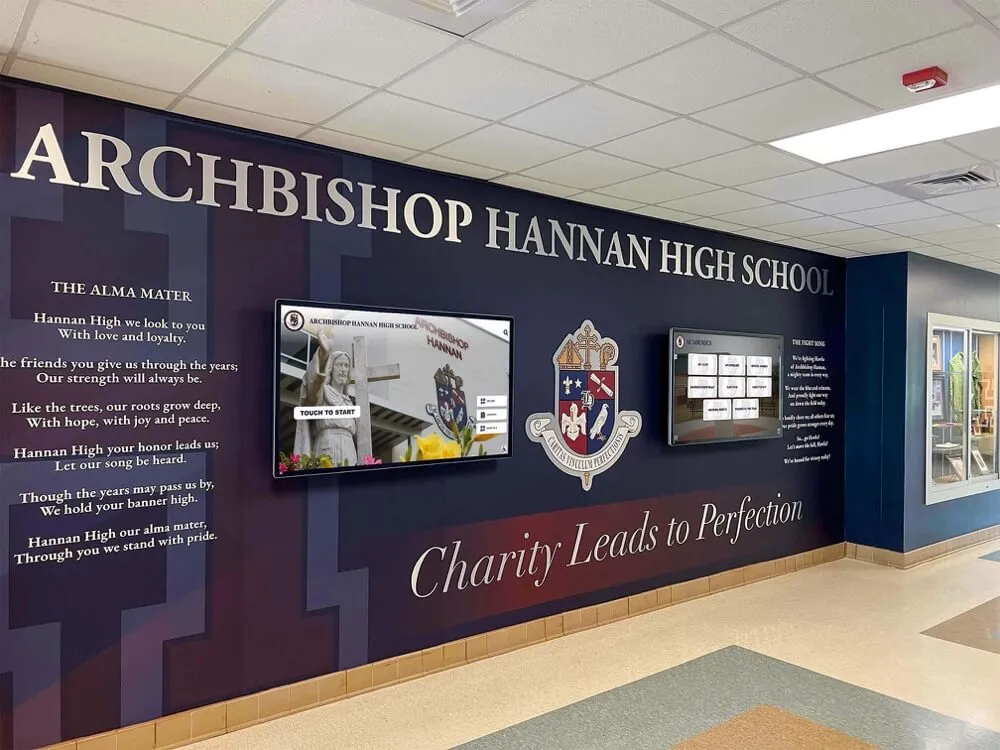
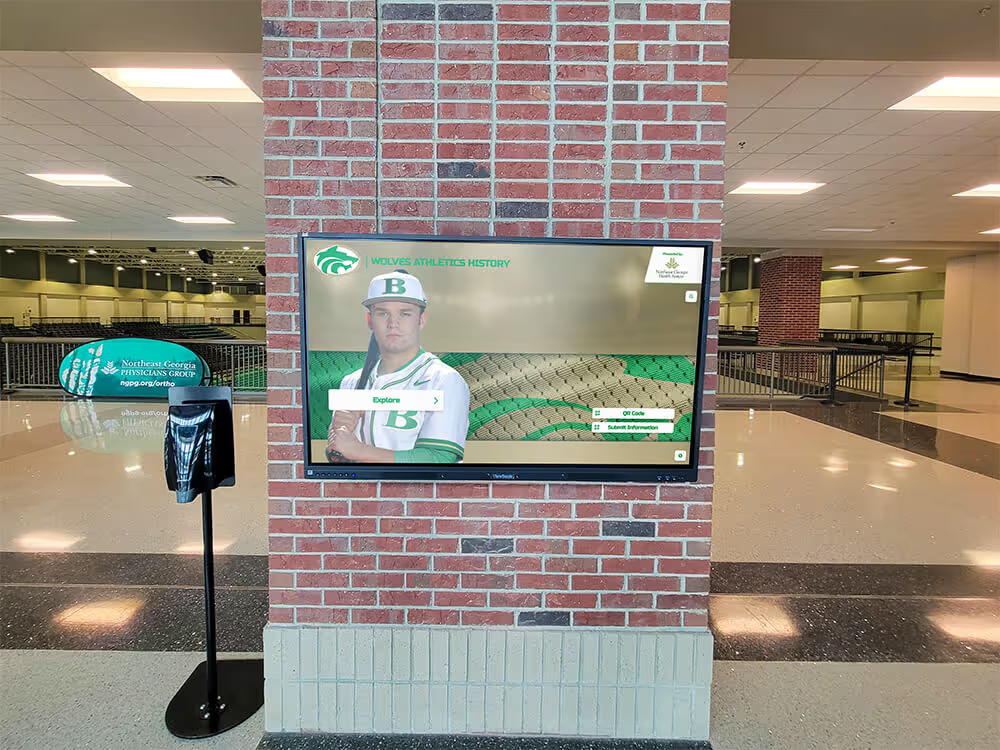
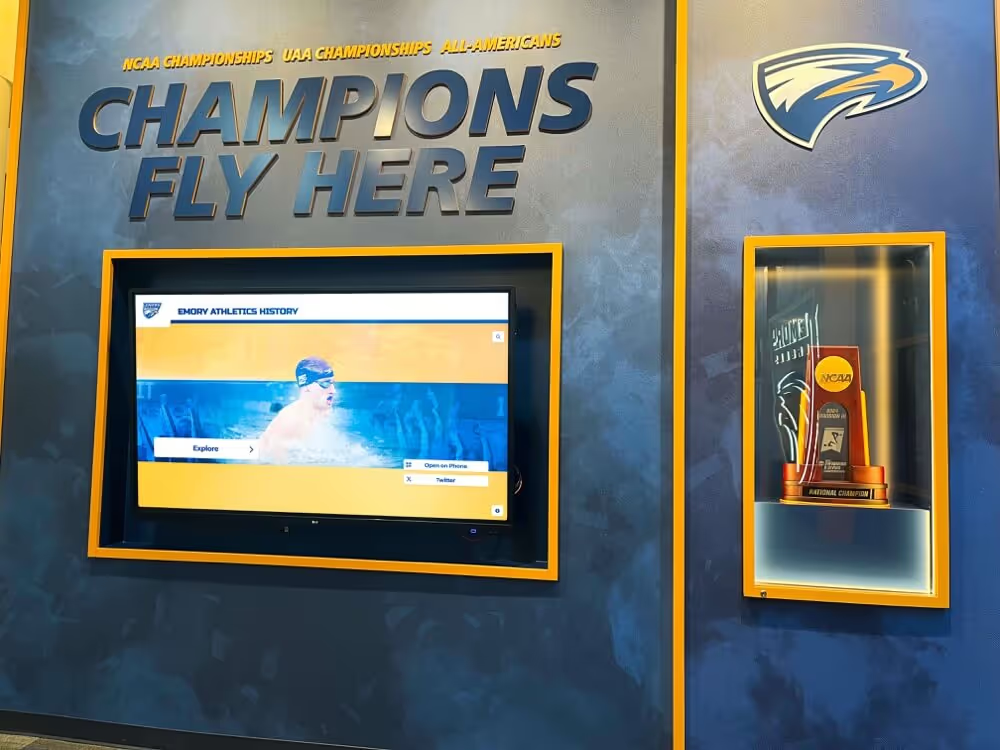
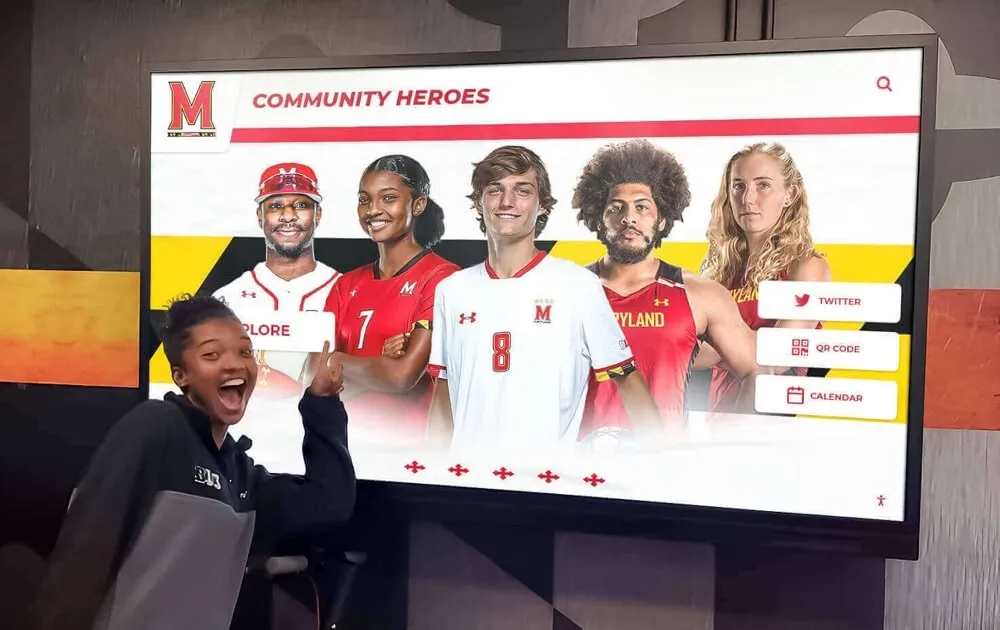
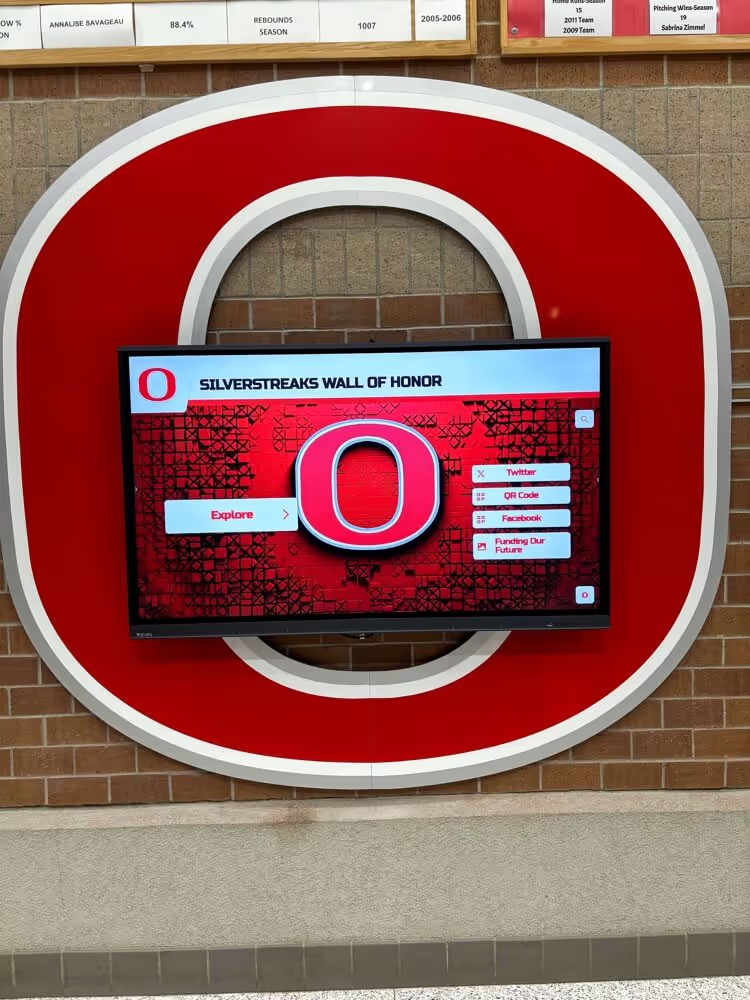
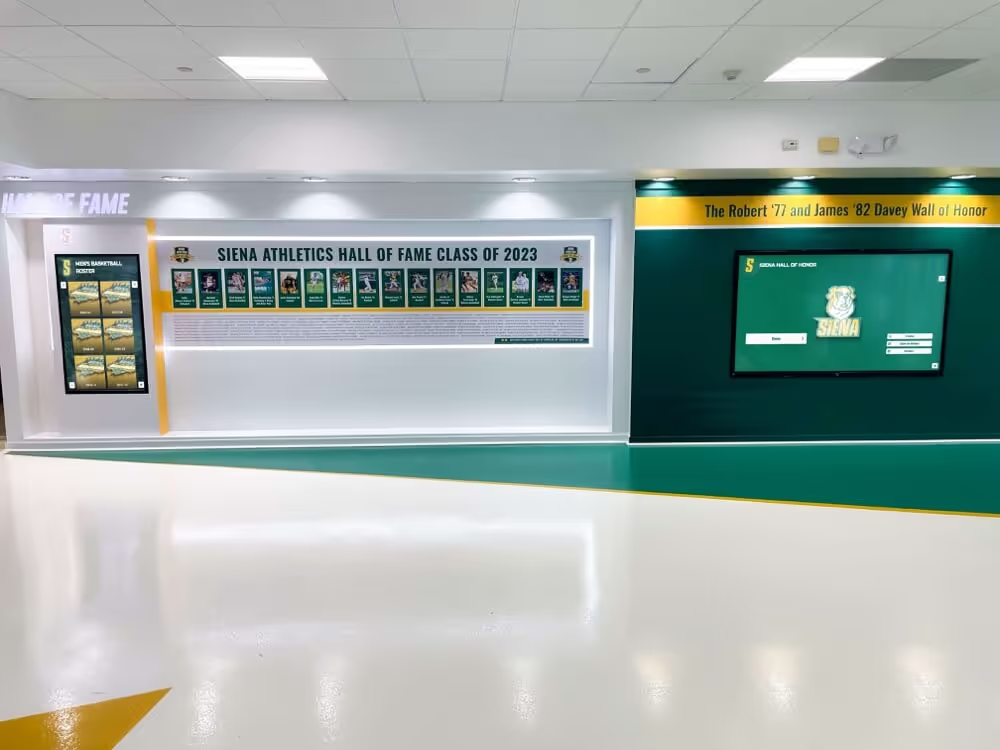
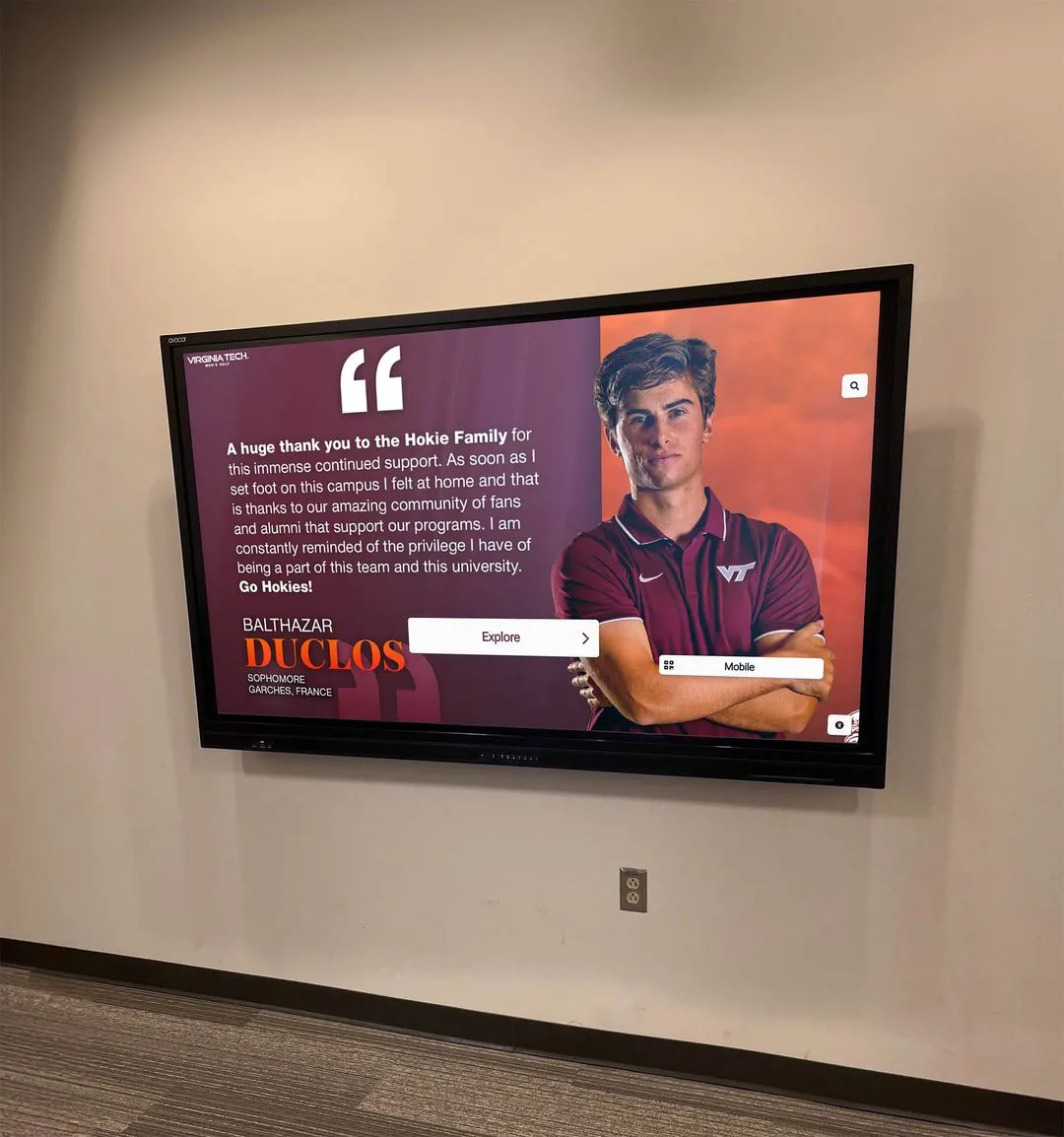
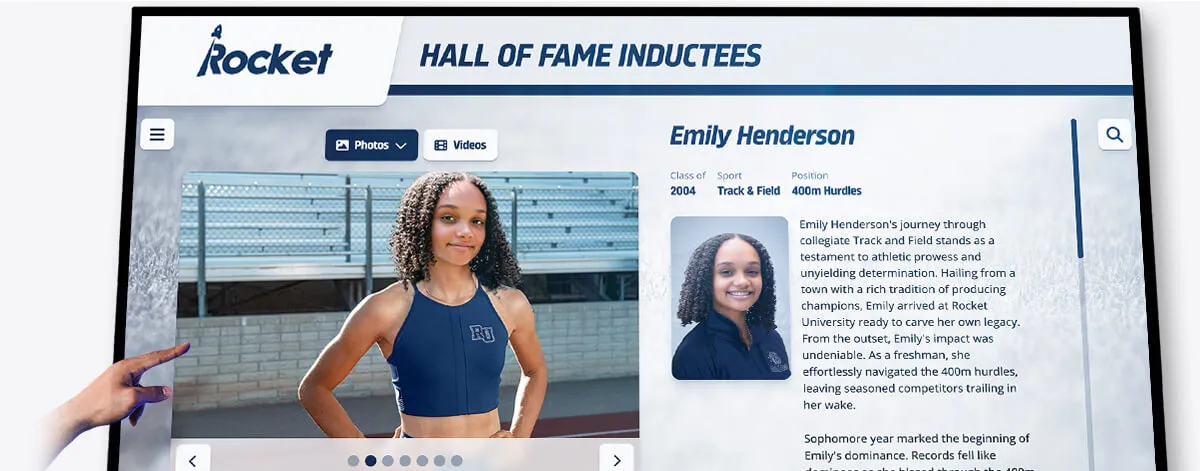
Modern recognition systems preserve cross country awards and runner achievements permanently, extending celebration beyond single banquet events while building program tradition
Understanding Cross Country’s Unique Recognition Challenges
Before diving into specific award categories, understanding what makes cross country recognition distinct from other sports ensures your program addresses the unique dynamics of distance running culture.
The Individual-Within-Team Dynamic
Cross country occupies unusual territory in high school athletics:
Simultaneously Individual and Team Sport Every race functions as both personal competition and team scoring event:
- Individual finishing position determines personal achievement and pride
- Top five (or seven) finishers’ placements calculate team scoring
- Non-scoring runners still impact team dynamics and training culture
- Personal records matter as much as team placement for many athletes
- Mental competition happens internally as much as against opponents
Traditional team sports awards translate imperfectly to cross country—MVP recognition feels strange when the sport lacks positions, assists, or defensive statistics. The “most valuable” runner might be your fourth finisher who consistently fills scoring gaps rather than your individual champion.
Wide Performance Disparity Within Single Teams Cross country rosters often include dramatically different athlete types:
- Elite runners competing for individual championships and college recruitment
- Solid contributors consistently placing in scoring positions
- Developmental runners improving throughout seasons but never scoring
- First-time distance runners learning to push through discomfort
- Multi-sport athletes running cross country for conditioning
Award structures must acknowledge all these runner categories without diminishing excellence or marginalizing participation.
Objective Performance Measurement Unlike subjective sports requiring judgment calls:
- Finish times provide indisputable performance metrics
- Course-to-course comparison enables contextual analysis
- Personal record (PR) improvement quantifies individual growth
- Historical program records establish achievement standards
- Season progression charts document development trajectories
This objectivity creates opportunities for data-driven recognition while requiring thoughtful interpretation—a 21-minute 5K represents elite performance at some programs and participation-level achievement at others.
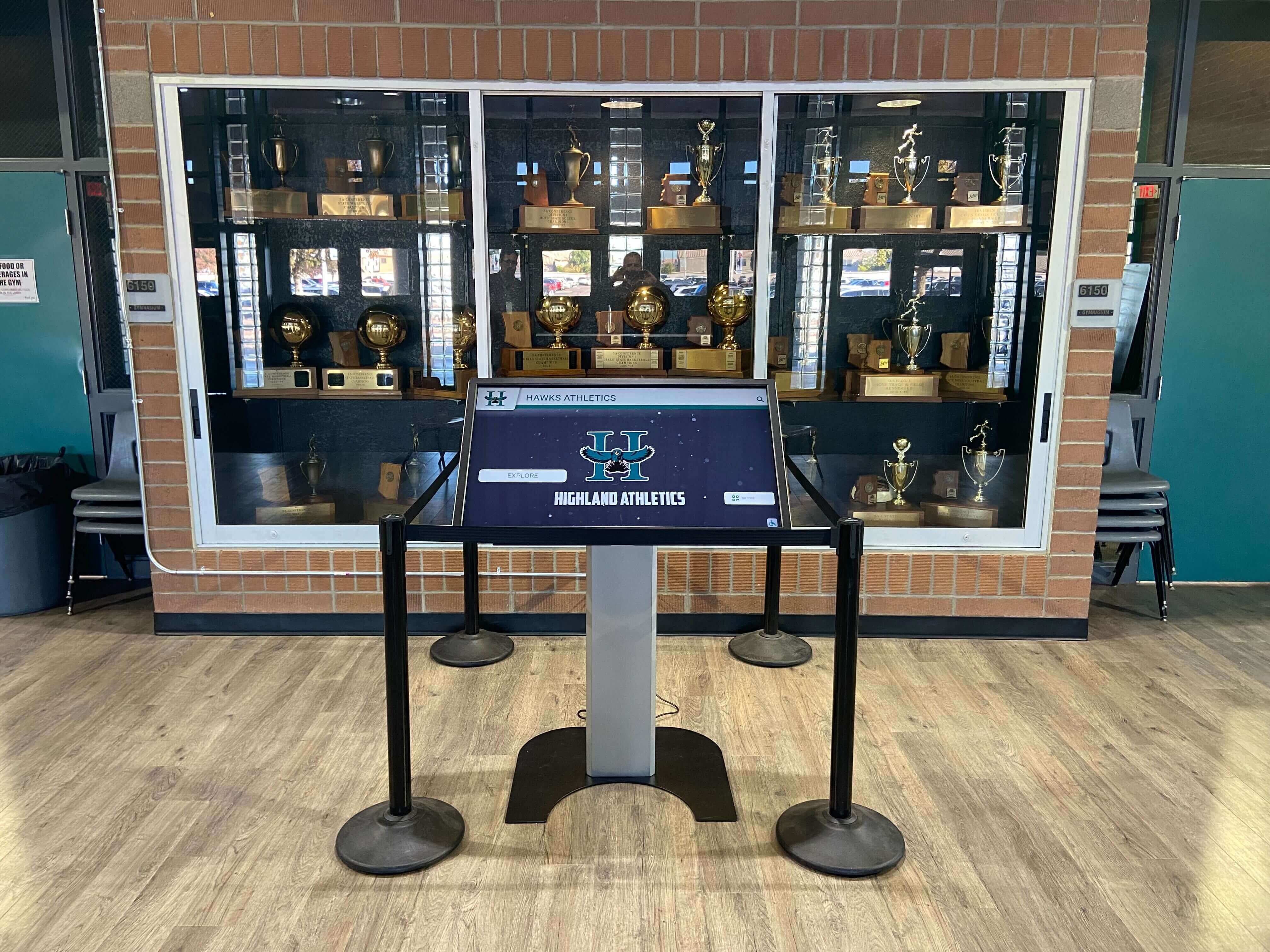
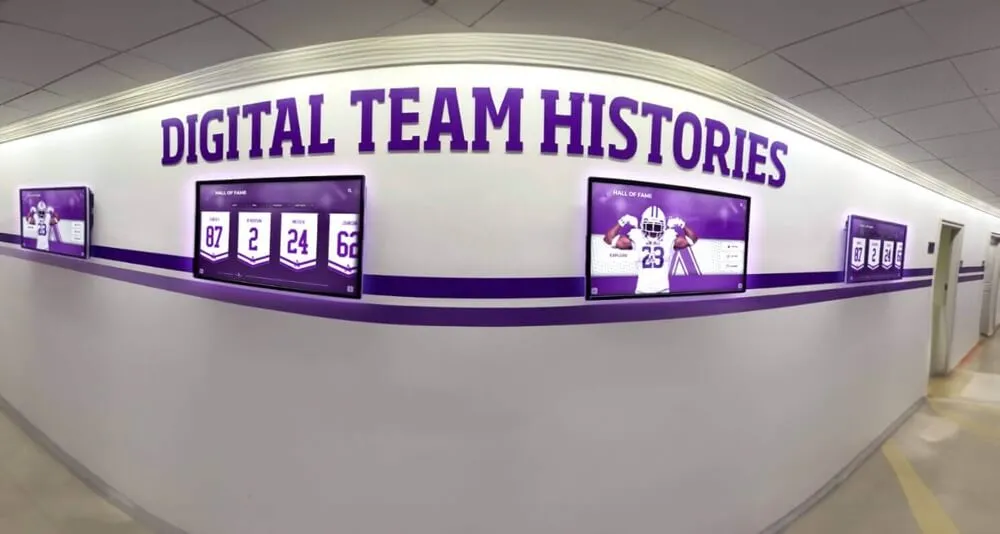
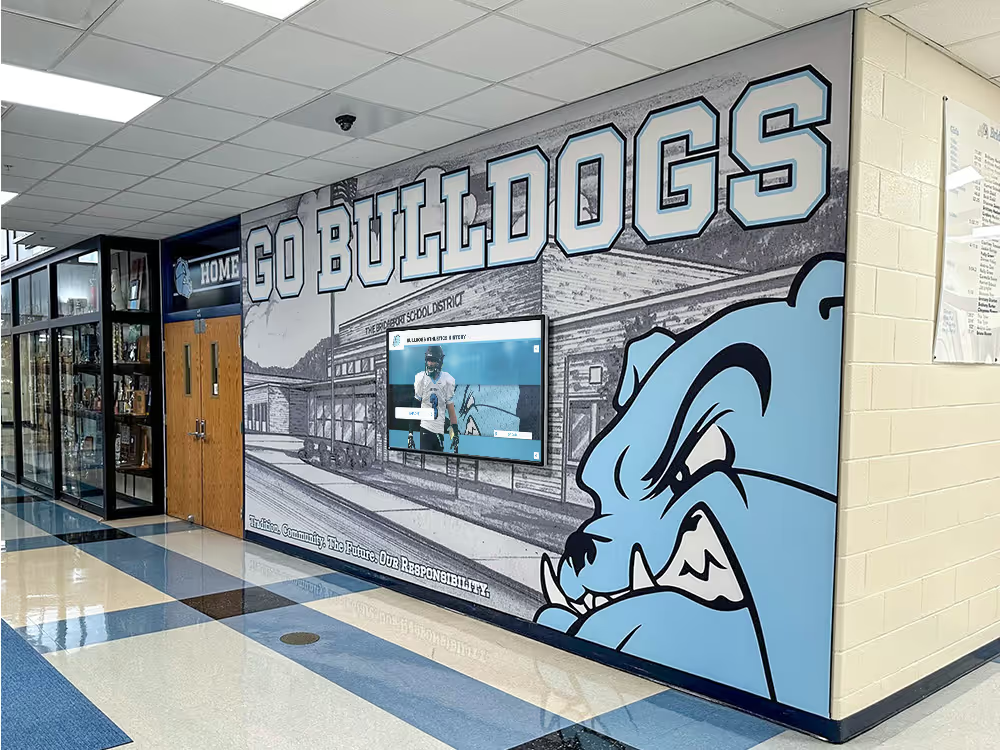
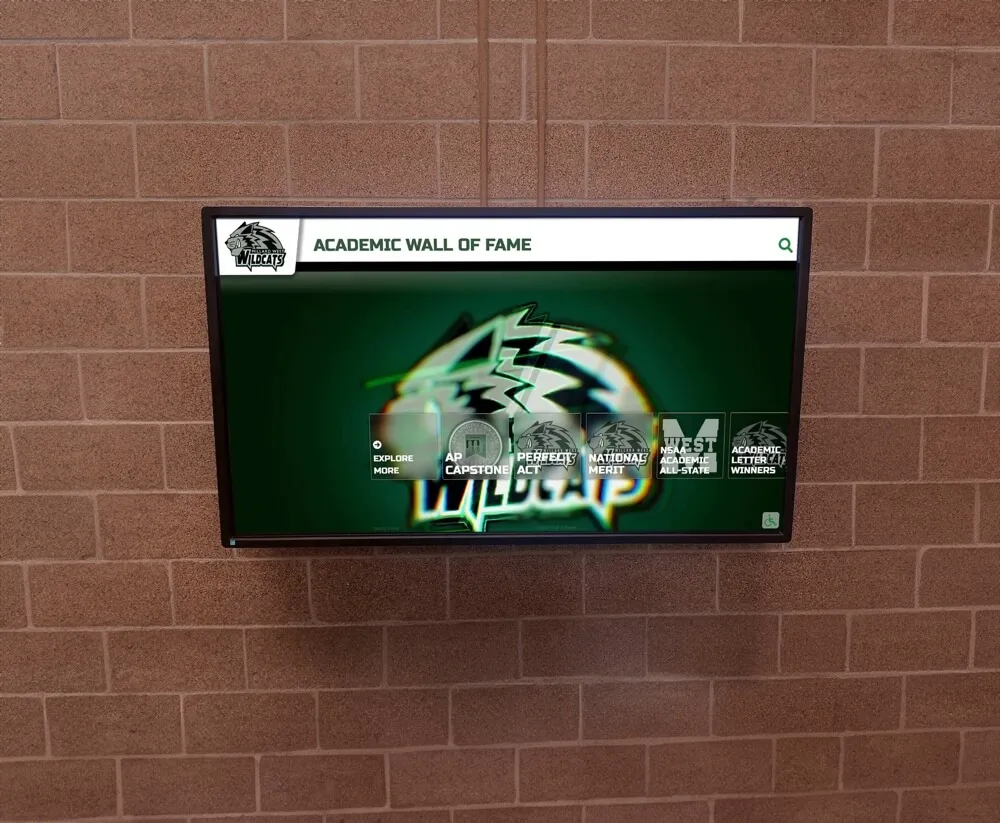
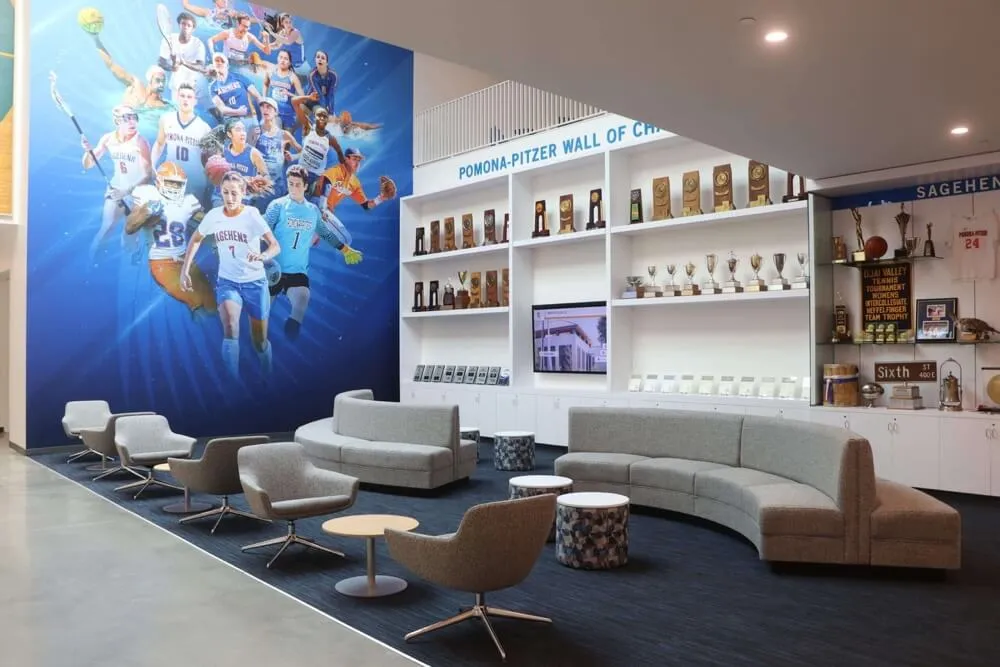
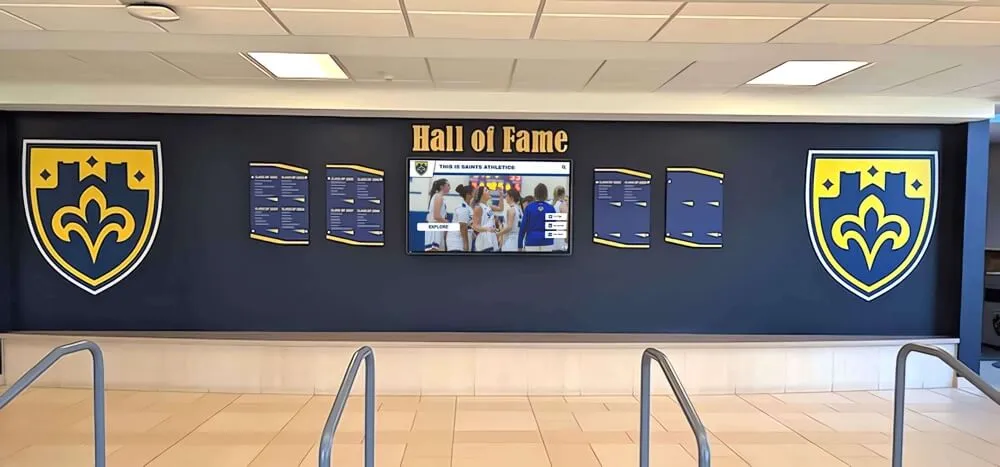
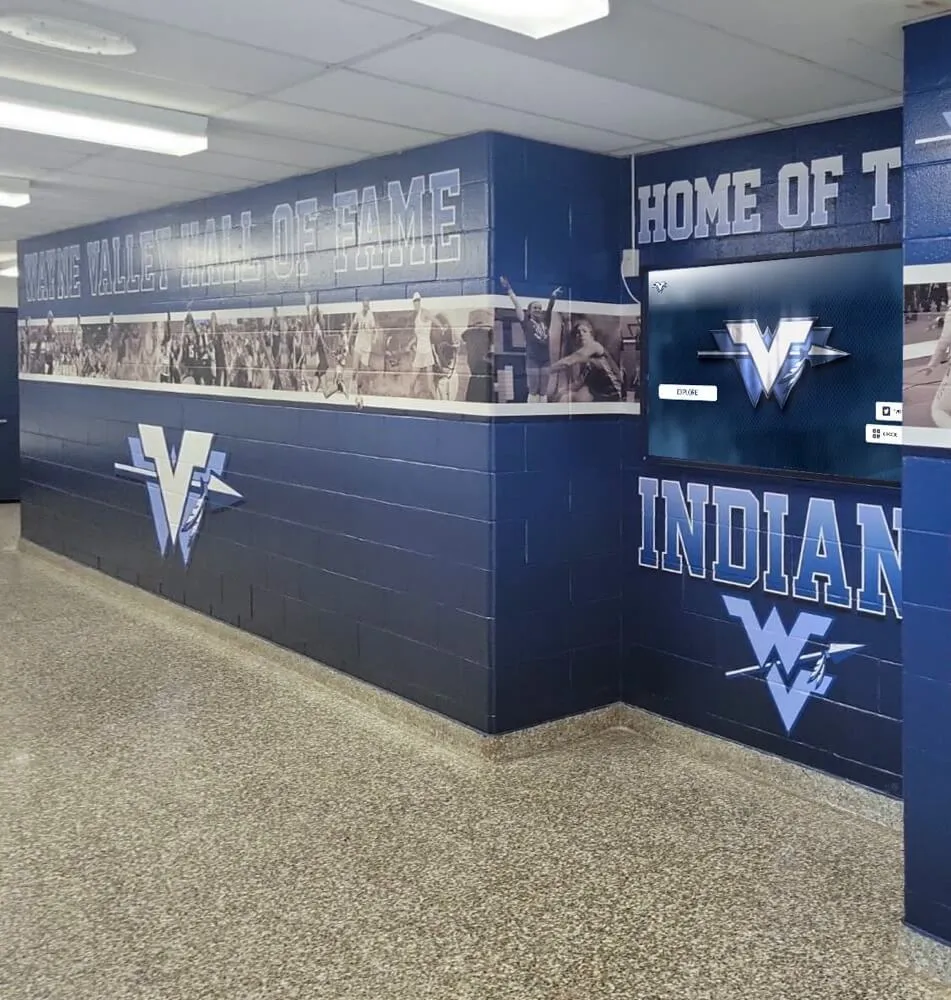
Digital recognition systems integrate naturally with traditional trophy displays, providing unlimited capacity for comprehensive cross country awards documentation
Season-Long Progression Emphasis Cross country rewards consistent improvement:
- Opening invitational times rarely predict end-of-season performance
- Training adaptations require weeks to manifest in race results
- Peak performance typically arrives for championship meets
- Summer training foundation determines seasonal ceiling
- Mental toughness develops across multiple race experiences
Recognition should celebrate this developmental arc rather than focusing exclusively on final performance outcomes.
Balancing Speed with Character
Every cross country program faces fundamental questions about what to honor:
Pure Speed vs. Relative Improvement Should awards primarily recognize fastest finishers or greatest development? Programs often need both approaches—speed-based awards honoring absolute excellence while improvement categories acknowledge dedication and progress regardless of starting ability level.
Individual Excellence vs. Team Contribution How do you balance celebrating the individual state qualifier with honoring the fifth scorer whose consistent mid-pack performances secured team championships? Comprehensive award structures ensure both receive appropriate recognition.
Competitive Achievement vs. Program Culture Beyond race results, cross country programs value intangibles like training dedication, positive attitude, mental toughness through adversity, and leadership supporting younger runners. Character-based awards acknowledge these critical but unmeasurable contributions.
Explore comprehensive approaches to athletic recognition in youth sports awards programs that complement cross country-specific categories.
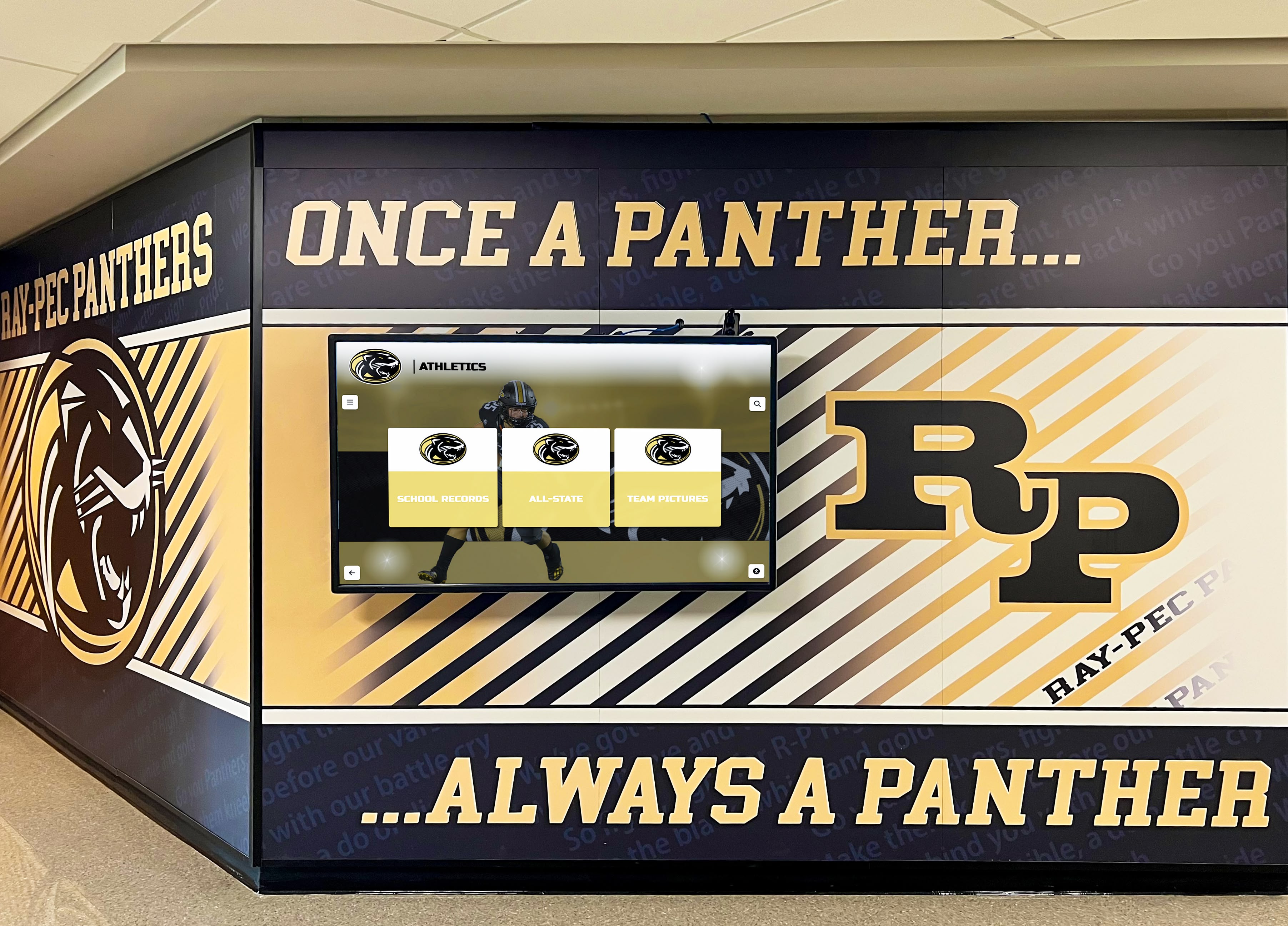
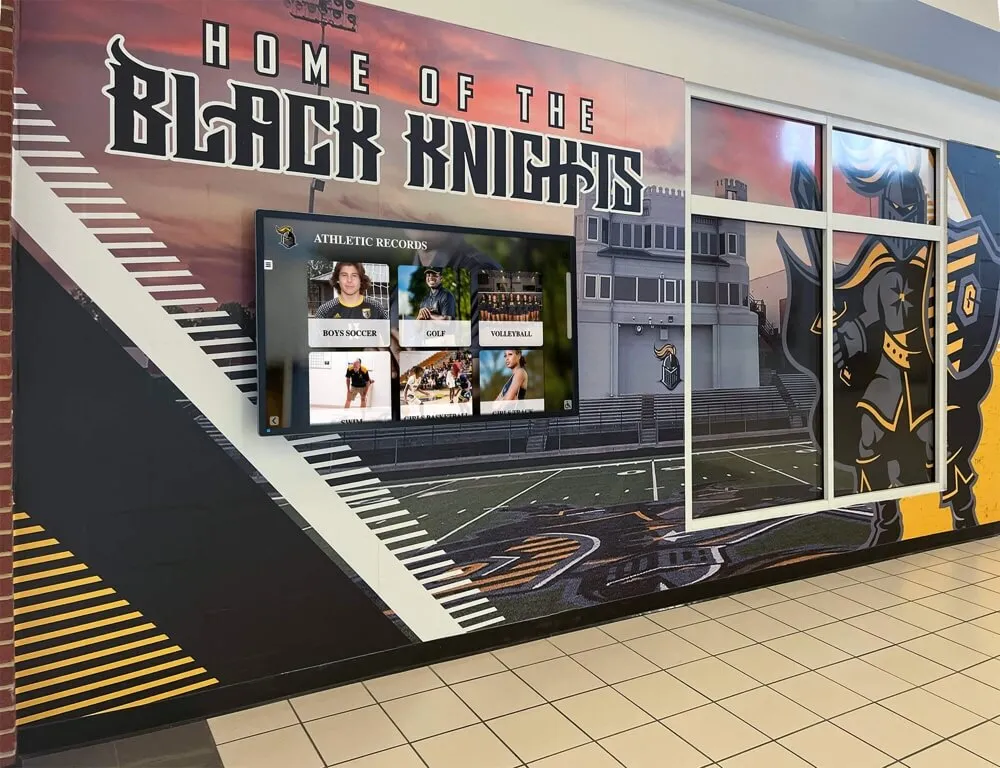
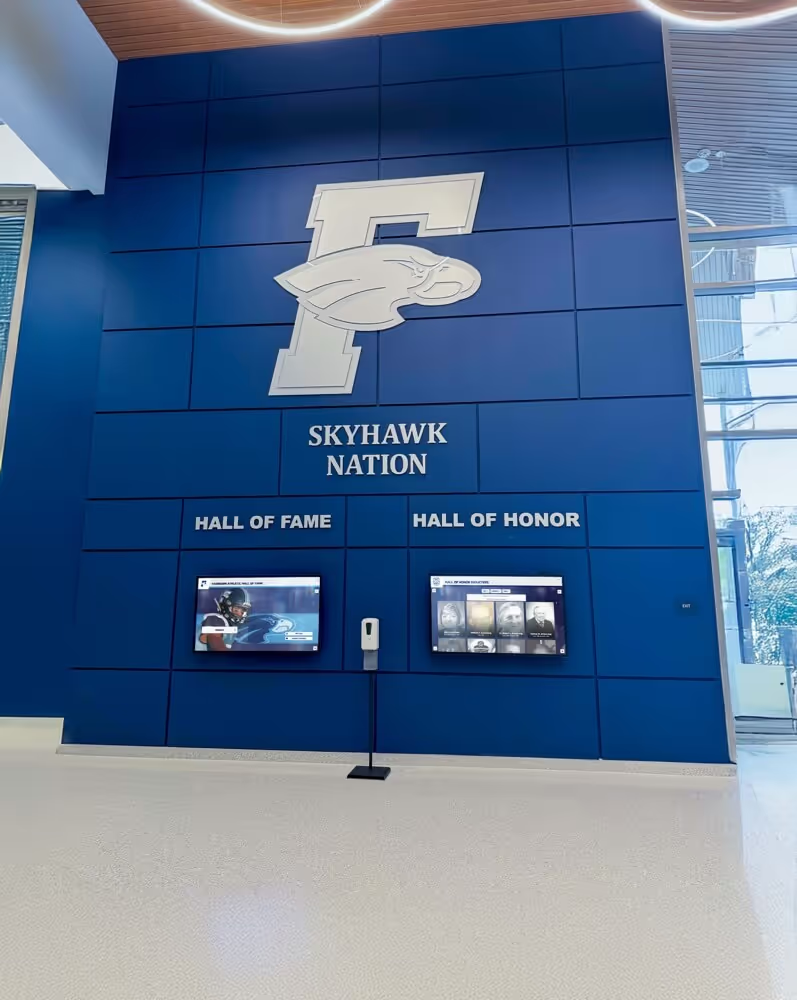
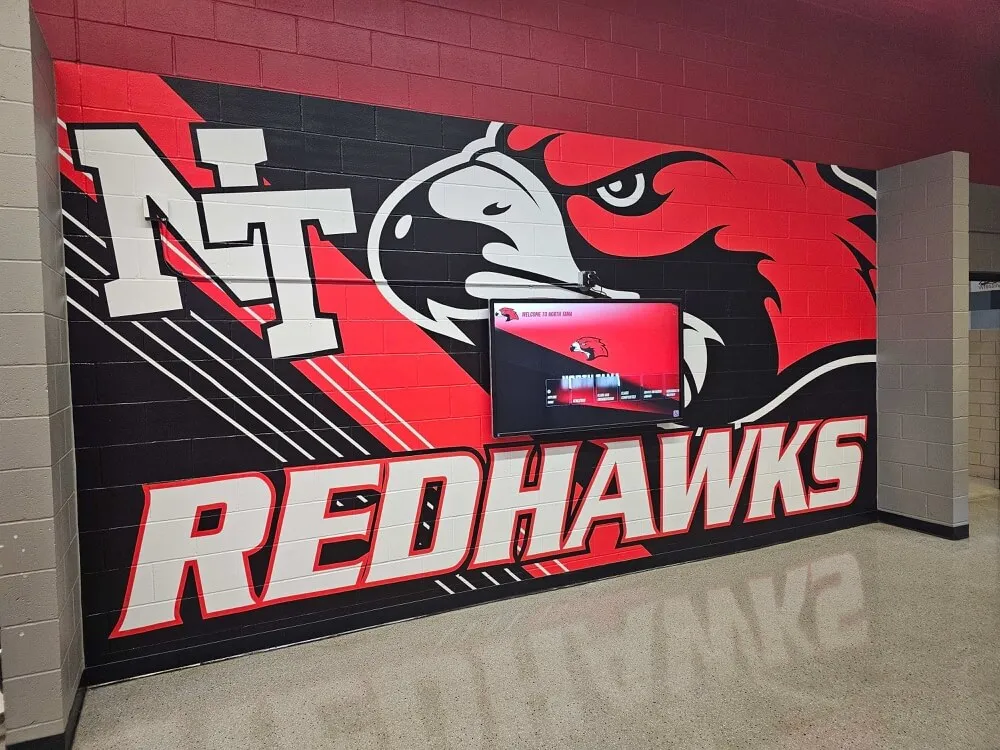
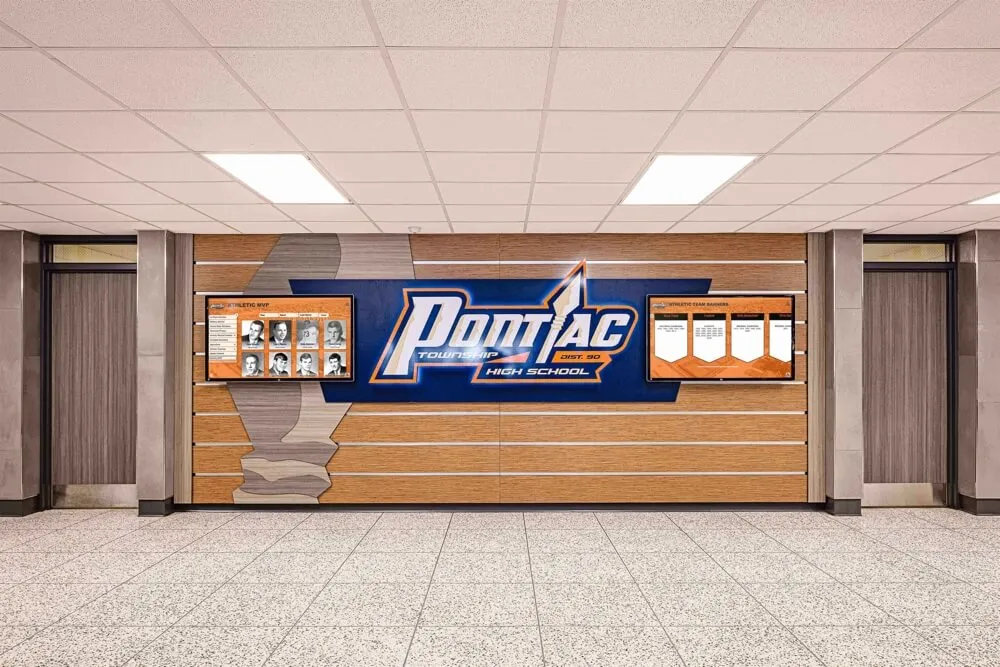
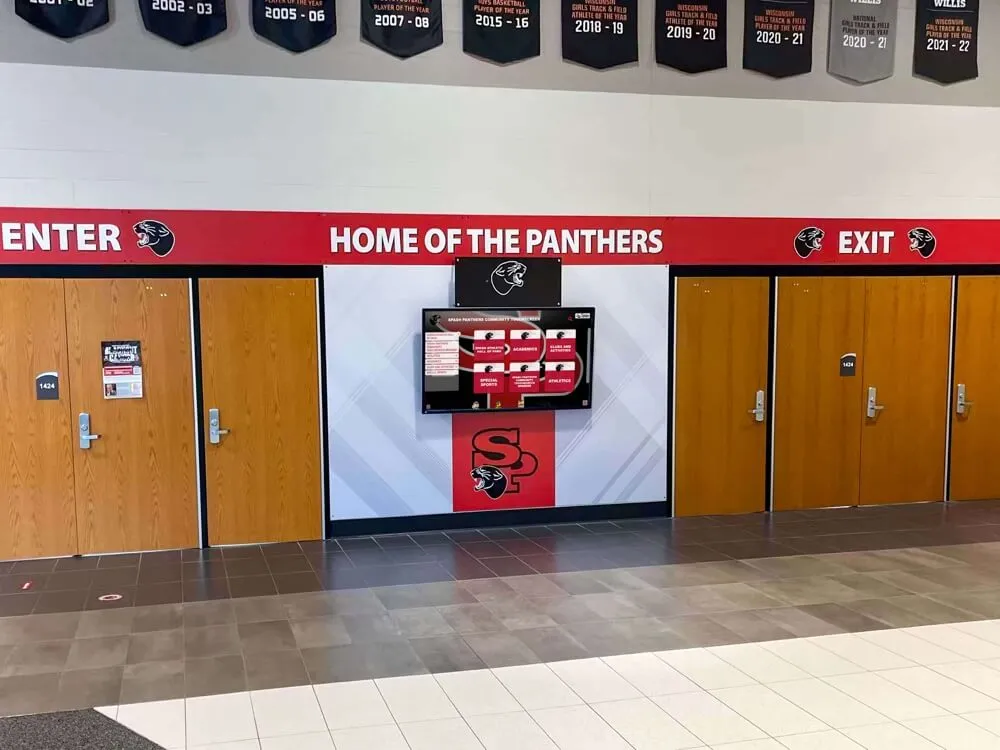
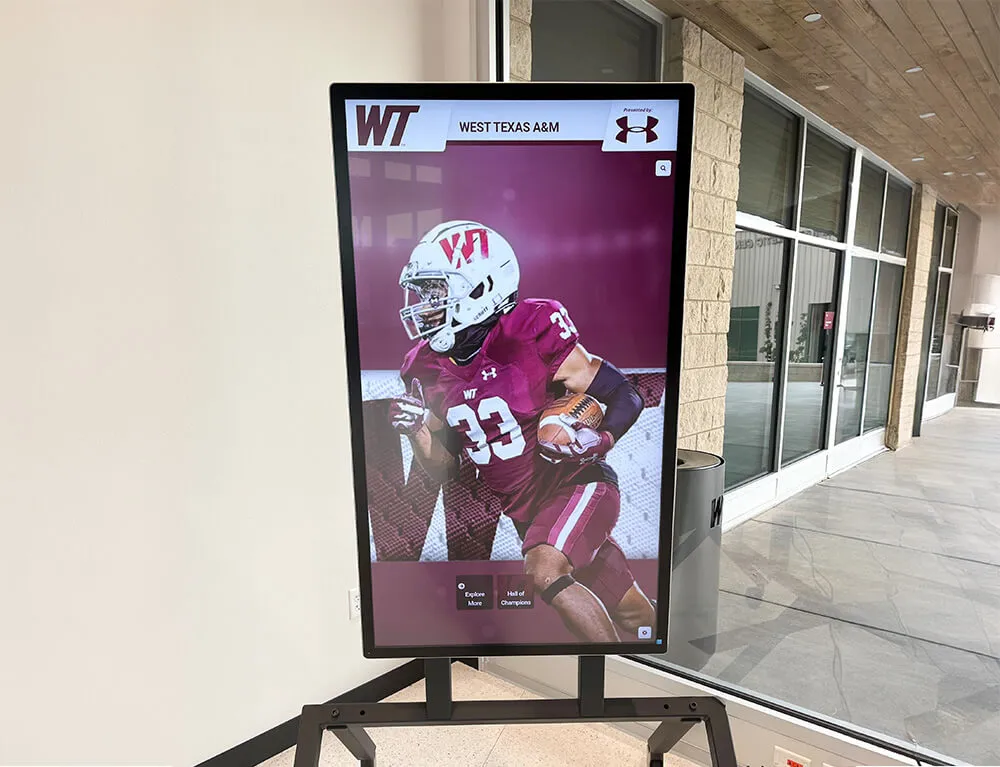
Strategic recognition placement in athletic facilities ensures cross country achievements receive daily visibility while inspiring current and future runners
Performance-Based Cross Country Awards
Traditional recognition celebrating competitive excellence and measurable achievement.
Individual Performance Awards
Speed-based categories honoring fastest finishers:
Fastest Runner / Top Finisher Award Recognizing seasonal excellence:
- Fastest average time across all meets (minimum participation threshold)
- Best single race performance at championship or invitational
- Lowest place-sum across entire season
- Separate male and female recognition in co-ed programs
- Consider weighting conference and championship races higher
Some programs award separate recognition for fastest varsity runner versus fastest overall (including JV), ensuring younger athletes receive acknowledgment even when they haven’t secured varsity positions.
Personal Record (PR) Champion Celebrating individual breakthrough:
- Greatest time improvement from season opening to final race
- Most PRs achieved throughout season (requires tracking all meet performances)
- Largest single-race PR drop
- Most consecutive races with PR achievements
- PR percentage improvement relative to starting fitness level
PR recognition proves particularly meaningful for mid-pack and developmental runners who may never win races but achieve significant personal improvement deserving celebration.
Conference/League Recognition External validation acknowledgment:
- All-conference team selections (typically top 15-20 finishers)
- All-league first team, second team, and honorable mention
- Conference champion or runner-up acknowledgment
- League meet scorer recognition
- Conference record performances
State/Regional Qualifiers Championship advancement celebration:
- State meet qualifiers (individual or team)
- Regional championship participants
- State placing and medalist recognition
- School record performances at championship events
- Individual awards earned at postseason competitions
Learn about preserving championship achievements through athletic hall of fame systems that extend beyond annual banquets.
Team Performance Awards
Collective achievement recognition:
Top Scorer / Scoring Position Awards Honoring consistent team contributors:
- First through fifth (or seventh) scorer recognition for each significant meet
- Most frequent varsity scorer throughout season
- Average team placement position across all meets
- Displacement runner acknowledgment (sixth/seventh finisher who pushes team scoring)
- Clutch scoring in championship meets
Team Captain Award Leadership acknowledgment:
- Seasonal captains selected by coaches or athletes
- Vocal leadership during practices and meets
- Mentorship of younger or struggling runners
- Positive influence on team culture and training environment
- Setting pace and work ethic standards
Anchor Award / Fifth Scorer Recognition Celebrating critical team position:
- Most consistent fifth scorer (the make-or-break position)
- Runners whose placement most frequently determined team success
- Steady contributors who reliably finished in scoring positions
- Recognition that team championships often hinge on this position
- Validation for runners who may not be fastest but prove most valuable
Pack Running Award Tactical racing acknowledgment:
- Runners who consistently finished near teammates (tight pack)
- Demonstrating team racing strategy over individual placement
- Following race plans supporting team scoring objectives
- Willingness to sacrifice personal place for team advantage
- Embodying “run as one” mentality
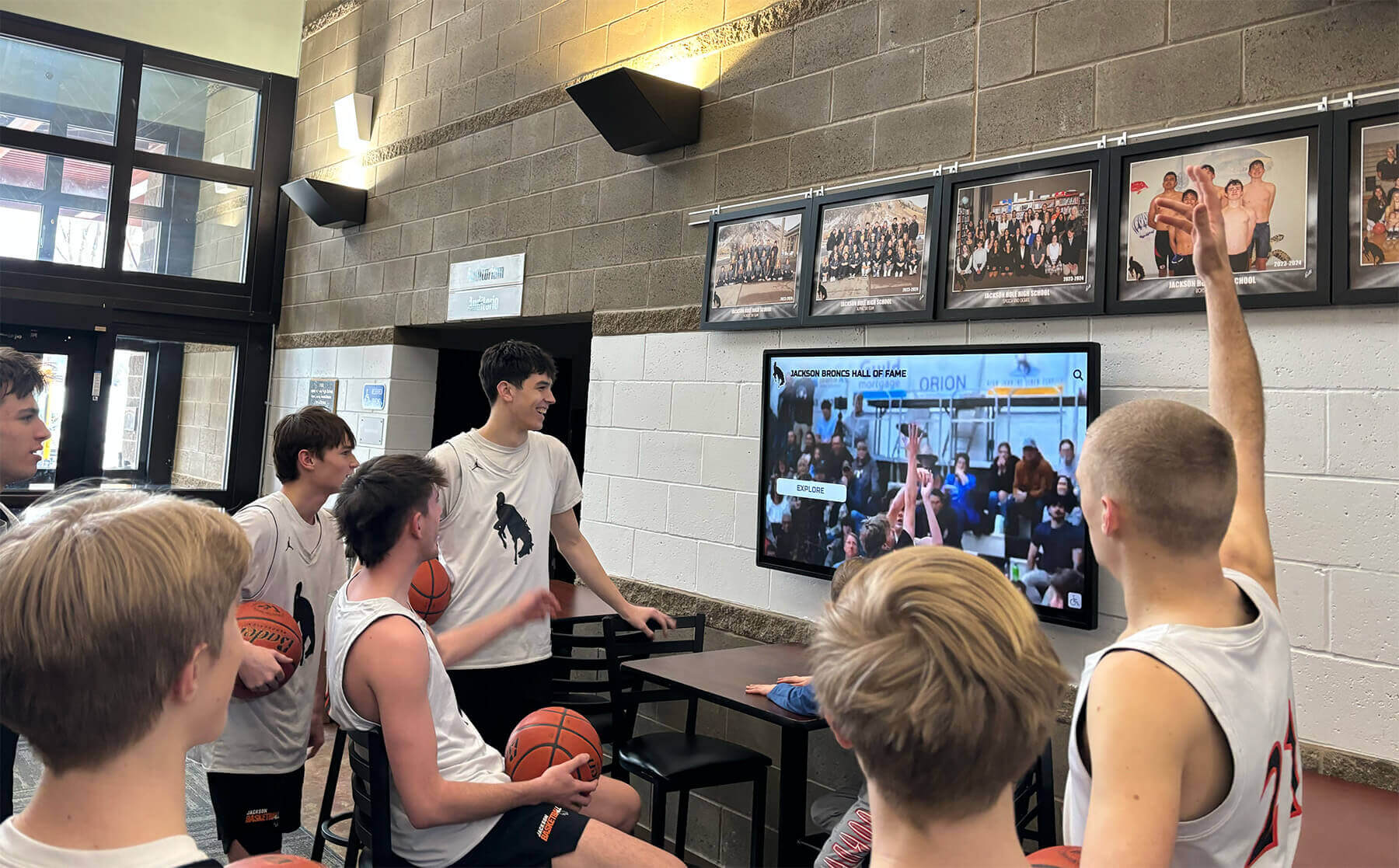
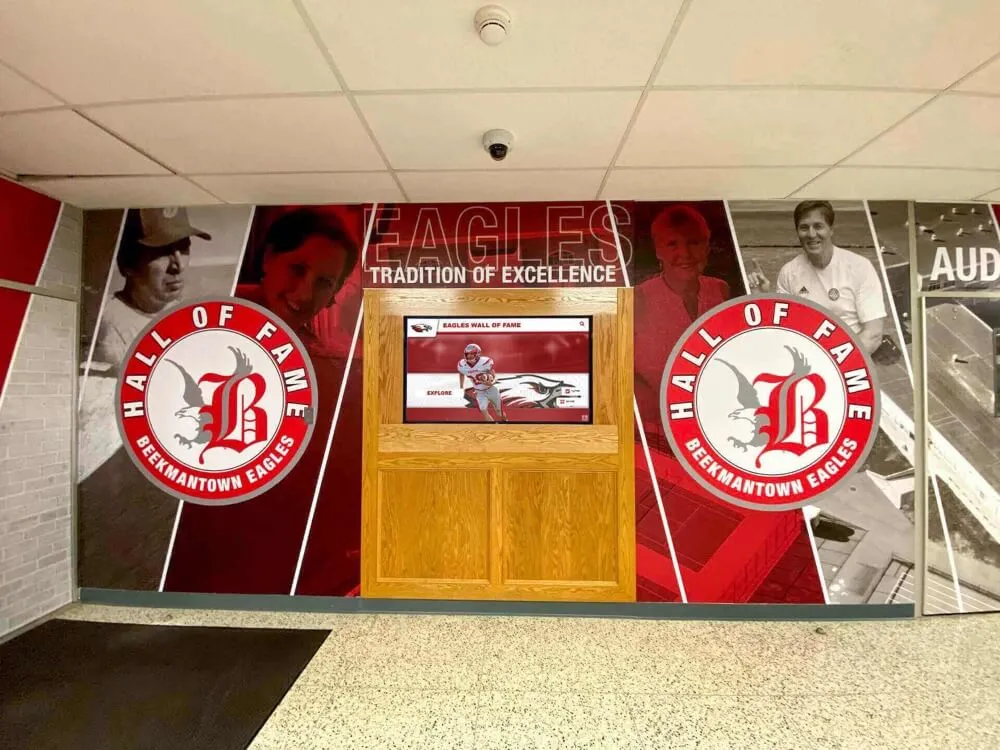
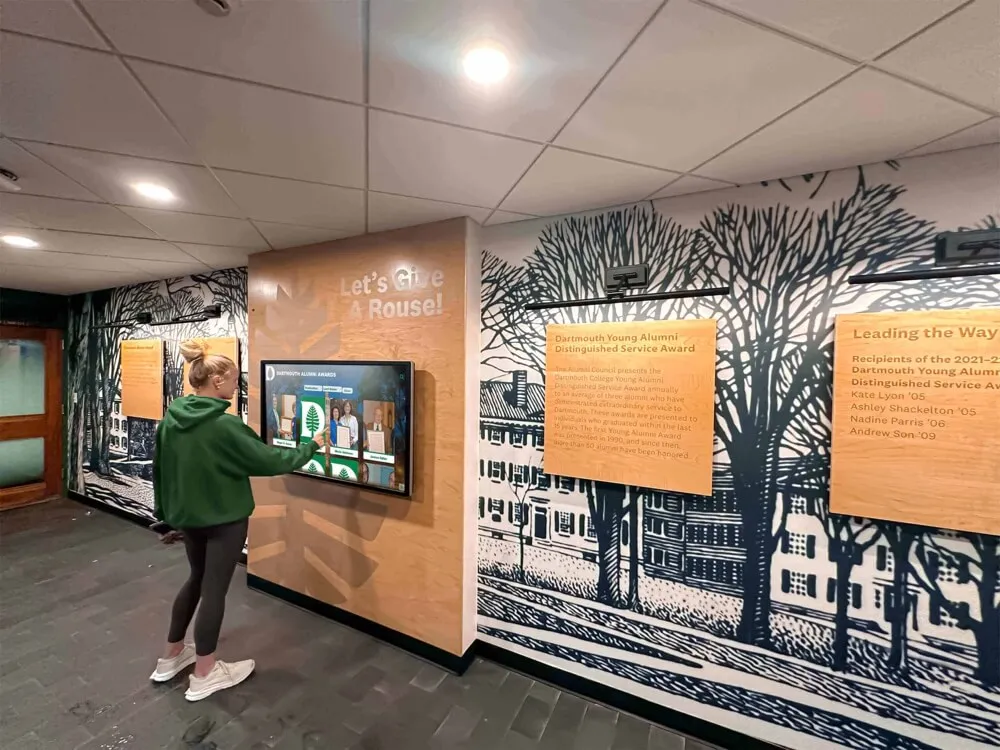
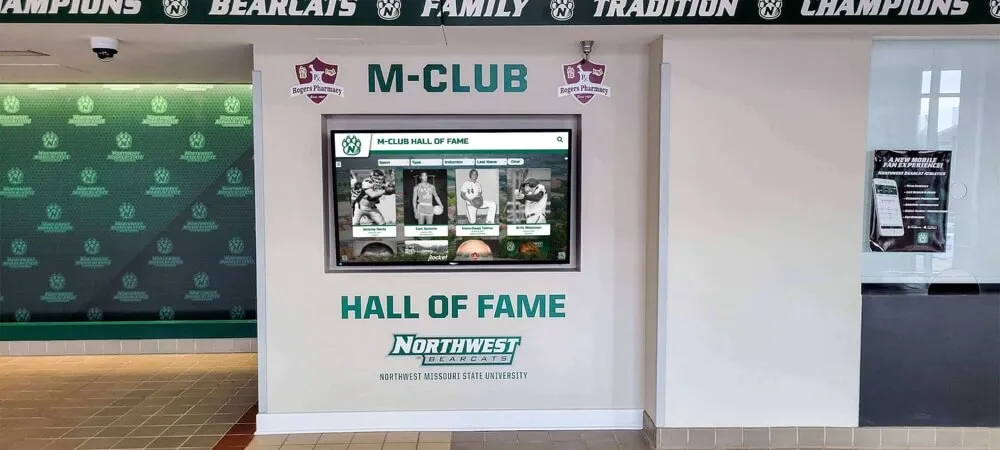
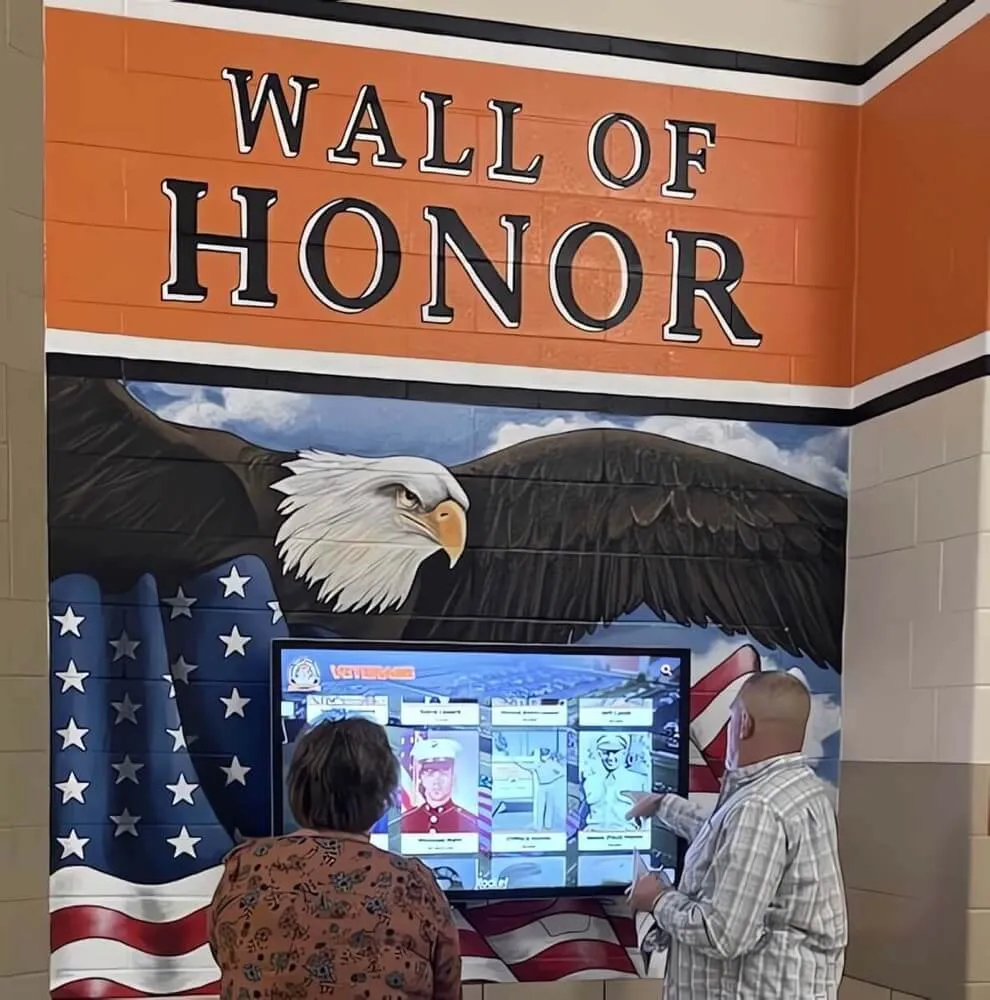
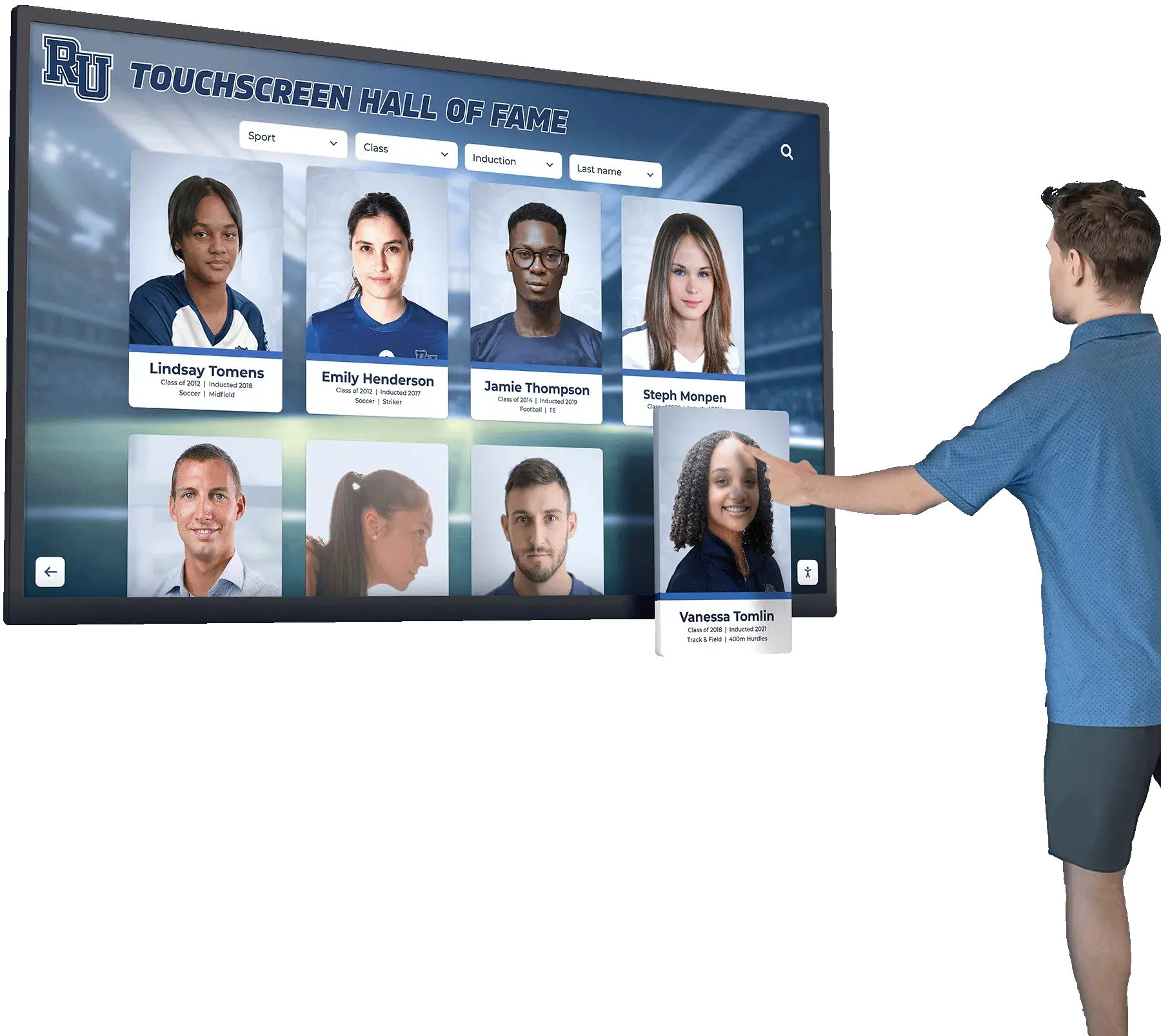
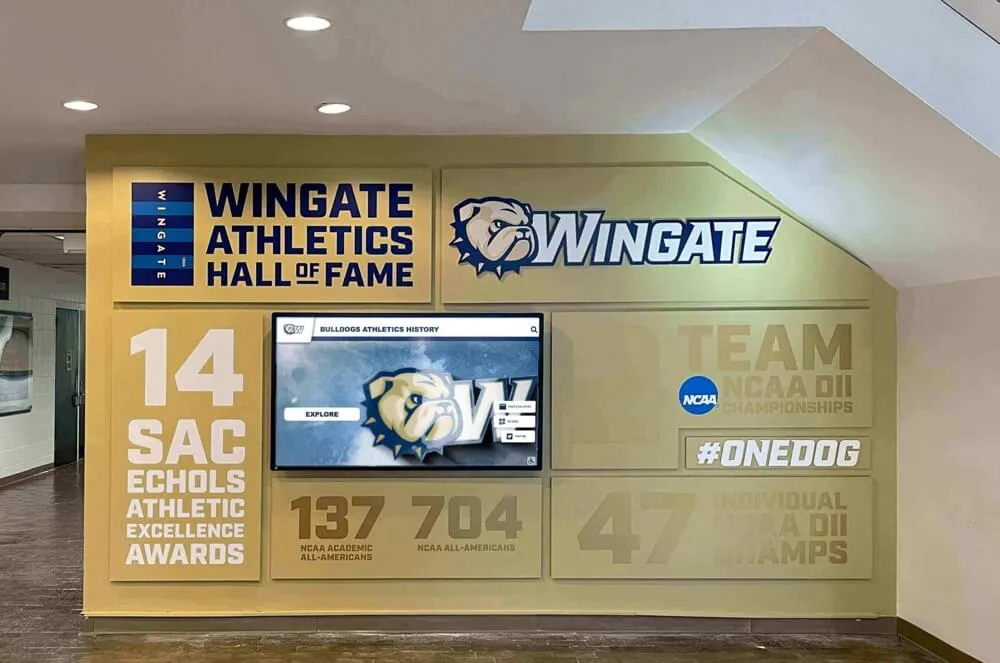
Interactive displays enable year-round engagement with cross country awards and achievements, extending recognition beyond annual banquet ceremonies
Course-Specific and Invitational Awards
Recognizing performance contexts:
Home Course Champion Local performance excellence:
- Fastest time on team’s home training course
- Most victories at home invitationals
- Home course record holder acknowledgment
- Intimate knowledge and mastery of familiar terrain
- Pride in representing home community
Invitational Excellence Competitive meet achievement:
- Best finish at major invitational competitions
- Most top-10 or top-25 finishes across season
- Breakthrough performance at prestigious meet
- Medalist recognition from significant invitationals
- Consistent excellence across varied competition levels
Toughest Course Performance Mental and physical toughness:
- Best performance relative to field at most challenging course
- Handling hills, weather, and difficult terrain successfully
- Resilience racing in adverse conditions
- Demonstrating racing adaptability
- Grit pushing through uncomfortable racing environments
Improvement and Development Awards
Recognition celebrating growth, dedication, and progression regardless of absolute speed.
Improvement-Based Recognition
Honoring developmental achievement:
Most Improved Runner Greatest seasonal progression:
- Largest time improvement from opening meet to championship season
- Percentage-based improvement calculation (ensures fairness across ability levels)
- Separate male/female recognition
- Position advancement from early to late season
- Transformation from non-scorer to consistent contributor
Calculate improvement percentage as: [(Opening Time - Final Time) / Opening Time] × 100. This ensures a runner dropping from 22:00 to 20:00 receives proportionally similar recognition as an elite dropping from 16:00 to 15:00.
Breakthrough Performance Award Quantum leap achievement:
- Single race where runner dramatically exceeded previous performance
- Unexpected breakthrough qualifying for state or scoring position
- Massive PR indicating training adaptation
- Overcoming plateau with significant time drop
- Inspirational performance motivating teammates
Freshman Standout First-year excellence:
- Most impressive freshman runner (competitive achievement)
- Greatest freshman improvement through season
- Freshman who most quickly adapted to program demands
- Future program leadership potential
- Building foundation for four-year excellence
Returning Runner Development Multi-season growth:
- Greatest year-to-year improvement for returning athletes
- Sophomore, junior, or senior progression acknowledgment
- Long-term commitment to development
- Off-season training dedication manifesting in results
- Career trajectory toward peak senior performance
Learn comprehensive approaches to recognizing achievement across experience levels in track and field awards ideas applicable to distance running programs.
Training Dedication Recognition
Effort-based awards:
Training Warrior Award Practice excellence:
- Perfect or near-perfect practice attendance
- Consistent effort in daily training regardless of race outcomes
- Quality workout execution
- Summer training dedication before seasonal start
- Embracing difficult workouts with positive attitude
Mileage King/Queen Volume achievement:
- Highest training mileage logged throughout season
- Consistent long run completion
- Building aerobic base through sustained volume
- Durability staying healthy through high mileage
- Old-school dedication to accumulation
Workout Excellence Quality session achievement:
- Best average performance in tempo runs
- Interval workout consistency and improvement
- Hill repeat toughness
- Speed work adaptation
- Training performance predicting race success
Summer Training Award Pre-season foundation:
- Most dedicated summer mileage base
- Consistency through off-season preparation
- Arriving at season start in excellent condition
- Self-directed training discipline
- Delayed gratification building for fall success
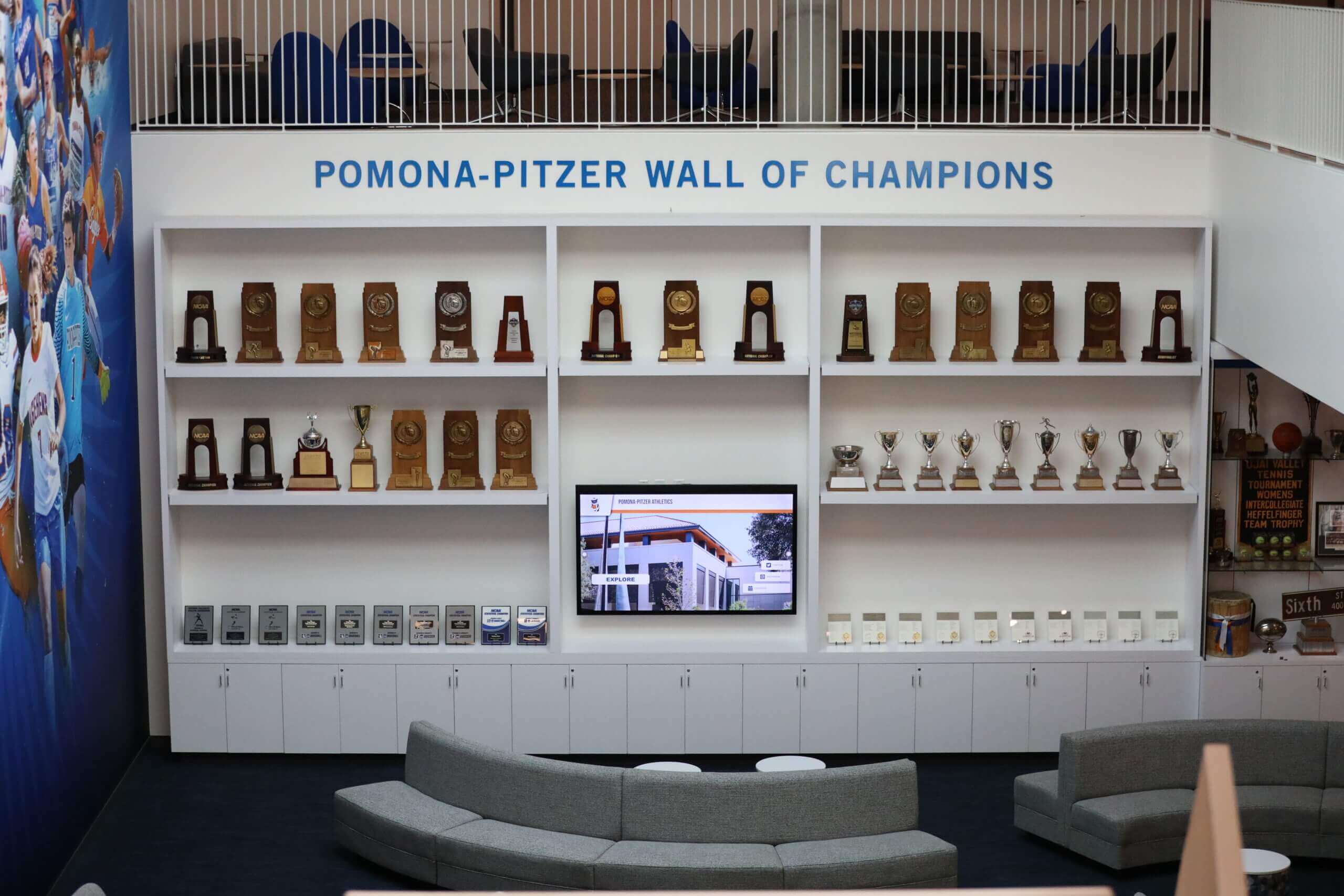
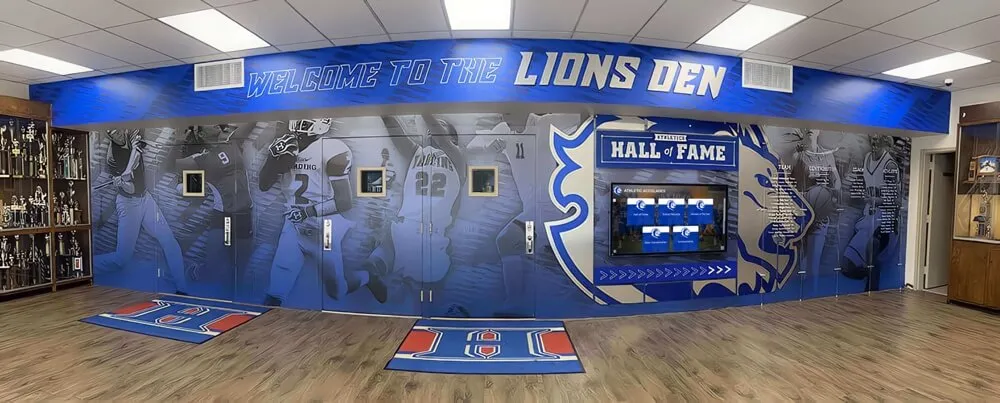
Recognition spaces create compelling contexts for cross country banquet programming while preserving achievements across program history
Character and Mental Toughness Awards
Recognition extending beyond physical performance to acknowledge intangibles defining cross country excellence.
Mental Strength Recognition
Psychological resilience awards:
Grit Award / Mental Toughness Psychological perseverance:
- Consistently finishing races strong despite discomfort
- Racing through pain and fatigue without quitting
- Overcoming mid-race challenges and low moments
- Demonstrating competitive spirit when results don’t come easily
- Never-give-up mentality inspiring teammates
Cross country uniquely demands sustained discomfort tolerance—unlike sports with breaks, distance runners hurt continuously for 15-20+ minutes. Mental toughness recognition validates this distinctive psychological demand.
Comeback Award Adversity resilience:
- Returning from injury to competitive form
- Overcoming setbacks or disappointing early-season results
- Pushing through illness or personal challenges
- Maintaining commitment during difficult stretches
- Demonstrating long-term perspective and persistence
Positive Attitude Award Spirit and enthusiasm:
- Consistently uplifting attitude at practice and meets
- Encouraging teammates during difficult workouts
- Maintaining optimism through team struggles
- Enthusiasm making hard training more enjoyable
- Embodying love of running regardless of results
Pain Cave Survivor Embracing discomfort:
- Willingness to push into extremely uncomfortable racing zones
- Tolerating lactate threshold suffering during workouts
- Finishing races with nothing left (complete effort expenditure)
- Understanding that excellence requires suffering acceptance
- Making peace with discomfort as growth requirement
Leadership and Program Culture
Character-based recognition:
Team Leader Award Influence beyond results:
- Vocal leadership during practices and warm-ups
- Peer motivation and encouragement
- Bridging gaps between faster and slower runners
- Creating inclusive, supportive team environment
- Mentoring younger athletes through challenging transitions
Sportsmanship Award Competitive character:
- Gracious winner and resilient loser
- Respect for competitors and officials
- Helping struggling teammates and opponents
- Representing program positively at all meets
- Understanding that character matters as much as results
Program Ambassador Community representation:
- Positive representation at competitions and travel
- Academic excellence alongside athletic achievement
- Community engagement and service
- Social media presence reflecting program values
- Recruiting assistant through positive advocacy
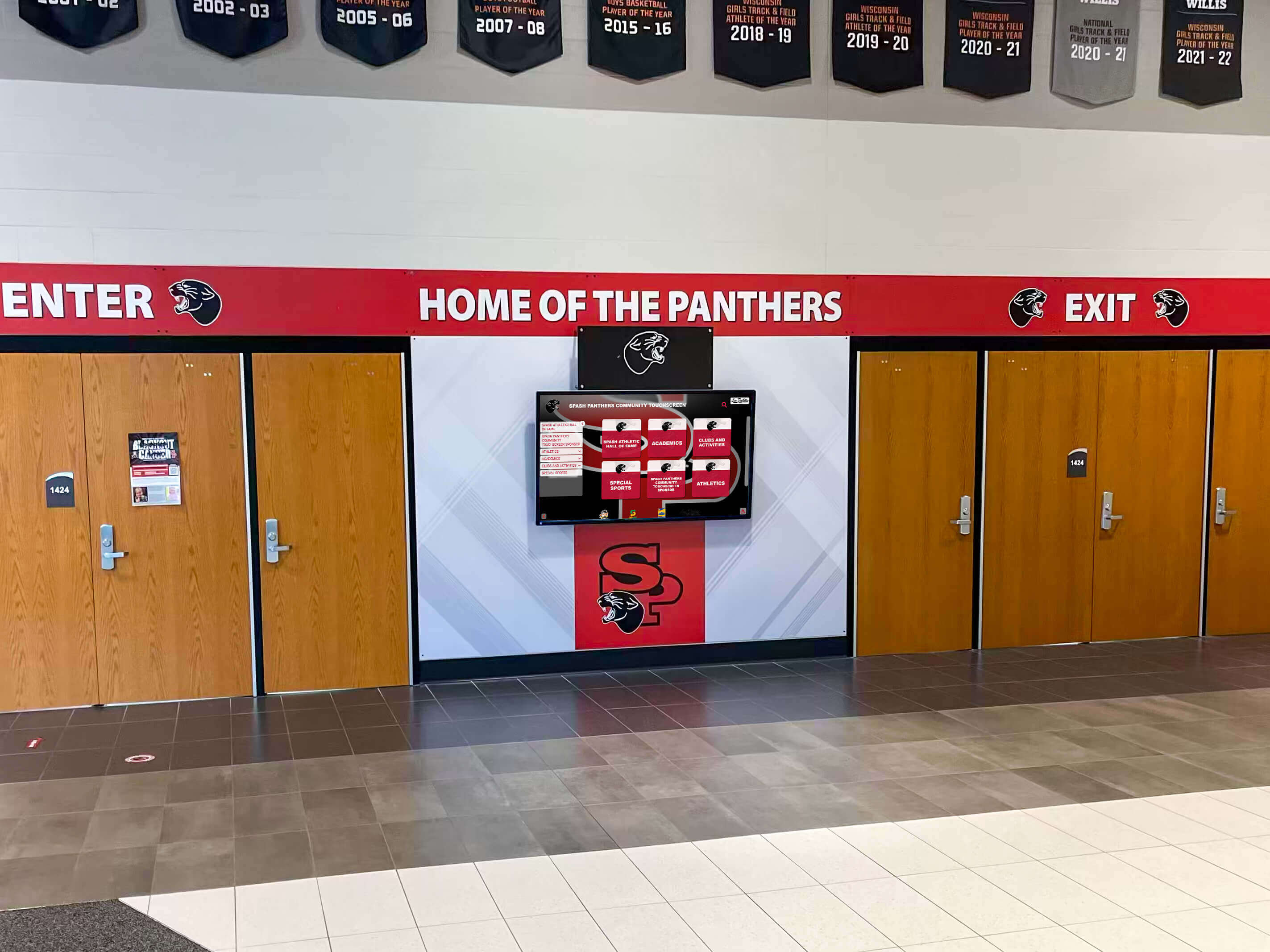
Entrance placement ensures cross country recognition welcomes visitors while demonstrating program excellence to prospective runners and families
Best Teammate Award Peer-selected recognition:
- Voted by team members for best teammate qualities
- Selfless support of others’ success
- Reliable, encouraging presence
- Friendship and camaraderie building
- Team-first mentality over individual glory
This peer-selected award often proves most meaningful to recipients—validation from teammates who train together daily carries special significance.
Explore comprehensive approaches to team culture development in building school pride guides applicable to running programs.
Creative and Fun Cross Country Awards
Unique categories reflecting running culture and program personality.
Running-Specific Categories
Sport-specific acknowledgment:
Kick Award Final sprint excellence:
- Strongest finishing speed in final 400m or 800m
- Most competitors passed in closing stretch
- Tactical racing and energy conservation
- Speed maintenance when others fade
- Competitive instinct when races tighten
Hills Warrior Terrain-specific strength:
- Best performance on hilly courses relative to personal ability
- Hill workout excellence during training
- Maintaining pace on challenging elevation changes
- Upper body strength and form maintenance climbing
- Relishing rather than dreading hill challenges
Pre-Race Ritual Award Fun personality recognition:
- Most elaborate or entertaining warm-up routine
- Unique pre-race music or motivation approach
- Superstitious routines providing comfort
- Entertainment value for teammates
- Lighthearted award adding fun to banquet
Best Race Face Lighthearted photo recognition:
- Most intense or entertaining facial expression in race photos
- Displaying competitive suffering dramatically
- Memorable race photo capturing personality
- Fan-favorite image from season
- Adding humor to celebration
Program Tradition and Contribution
Unique acknowledgment categories:
Varsity Milestone Award Achievement thresholds:
- Breaking specific time barriers (sub-18:00, sub-20:00 5K, etc.)
- 100-mile season threshold
- 50-race career participation
- Four-year varsity letter
- School record achievements
Course Record Holder Historical achievement:
- Breaking longstanding program records
- Fastest time on specific courses
- Multiple record-breaking performances
- Establishing new standards for future runners
- Legacy achievement inspiring successors
Iron Runner Award Durability and consistency:
- Racing in every meet (perfect attendance)
- Multi-sport distance runner (cross country and track)
- Four consecutive seasons without injury
- Reliable, healthy presence
- Physical resilience through training demands
Perfect Form Award Technical excellence:
- Most efficient running mechanics
- Beautiful stride and posture
- Minimal wasted motion
- Textbook running form
- Aesthetic running embodying proper technique
Learn about comprehensive end-of-season recognition in athletic banquet planning guides applicable to cross country programs.
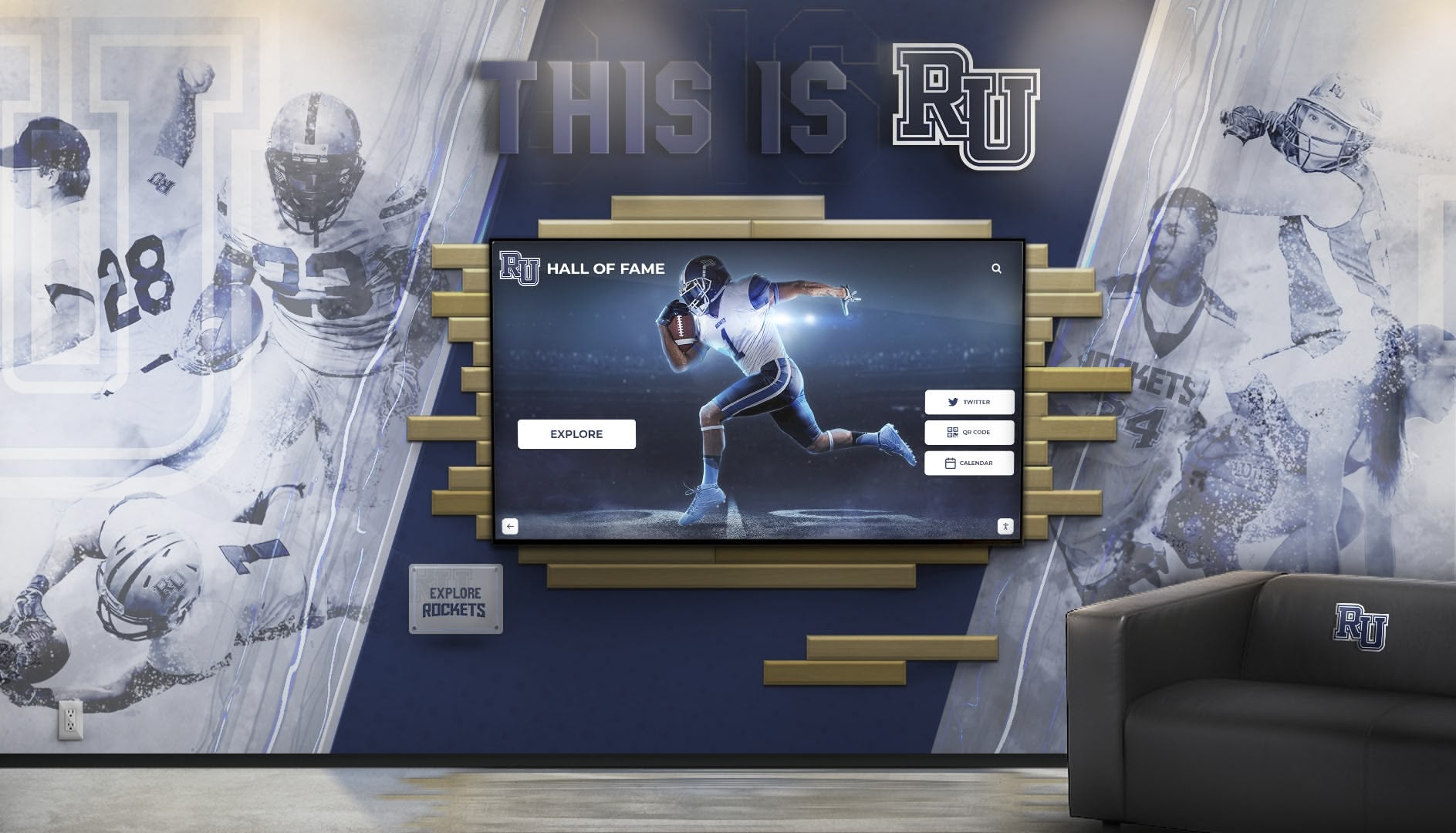
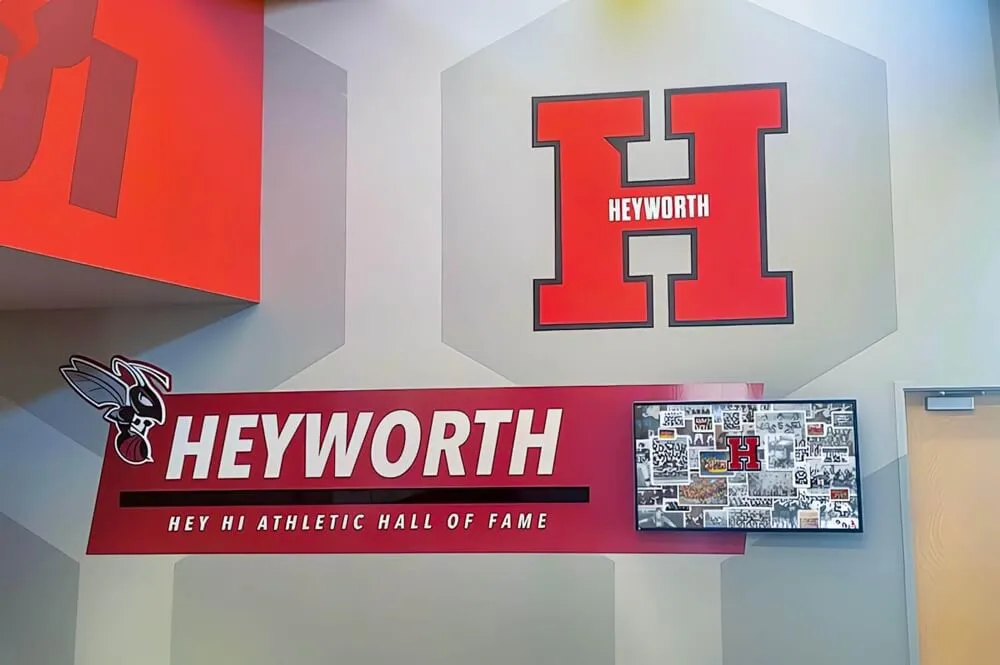
Permanent recognition installations provide year-round celebration of achievements first honored at seasonal banquets
Gender-Specific Considerations and Co-Ed Programs
Addressing unique dynamics of girls’ and boys’ cross country programs.
Girls’ Cross Country Recognition
Female runner-specific acknowledgment:
Breaking Barriers for Young Women Cross country provides unique opportunities for female athletes:
- Individual sport empowerment without position limitations
- Objective performance metrics eliminating subjective evaluation
- Body-positive culture valuing diverse athletic builds
- Leadership development in female-dominated team environment
- College recruitment pathways through running excellence
Recognition should celebrate these dimensions—awards honoring leadership development, resilience through challenges, and empowerment through achievement prove particularly meaningful in girls’ programs.
Addressing Unique Challenges Female runners face specific obstacles:
- RED-S (Relative Energy Deficiency in Sport) awareness
- Balancing training with nutritional health
- Managing menstrual cycle impacts on performance
- Body image pressures in individual sport
- Multi-sport demands and scheduling conflicts
Character awards acknowledging healthy approaches to training, balanced perspectives on performance, and resilience through female-specific challenges provide valuable recognition beyond pure speed.
Boys’ Cross Country Recognition
Male runner-specific dynamics:
Competitive Culture Management Boys’ programs often emphasize:
- Pack mentality and team racing strategy
- Competitive training environment
- Physical toughness and discomfort tolerance
- Volume-based training approaches
- Race-day intensity and aggressive tactics
Awards celebrating team-first racing, tactical discipline, and supportive competition (pushing teammates to excellence while supporting their success) reinforce healthy competitive culture.
Multi-Sport Balance Male distance runners frequently participate in multiple sports:
- Cross country + basketball or soccer
- Fall running competing with football commitments
- Spring track alongside baseball or lacrosse
- Balancing training demands across activities
- Specialization versus diversification decisions
Recognition honoring multi-sport contributions while acknowledging cross country dedication validates runners navigating competing athletic interests.
Co-Ed Team Recognition
Combined program considerations:
Parallel Award Structures Most co-ed programs maintain separate but equivalent recognition:
- Identical award categories for male and female teams
- Gender-specific fastest runner and improvement awards
- Separate varsity team scoring position recognition
- Parallel leadership and character awards
- Ensuring equal attention and celebration
Combined Team Awards Some categories work across genders:
- Combined team scoring or dual meet success
- Unified program culture and spirit awards
- Cross-gender mentorship recognition
- Program ambassadors representing both teams
- Shared training group excellence
Avoiding Gender Bias in Recognition Ensure equitable celebration:
- Equal speaking time and program length for both teams
- Balanced award prestige and trophy quality
- Equivalent coach emphasis and enthusiasm
- Fair resource allocation for recognition materials
- Identical permanent documentation for male and female achievements
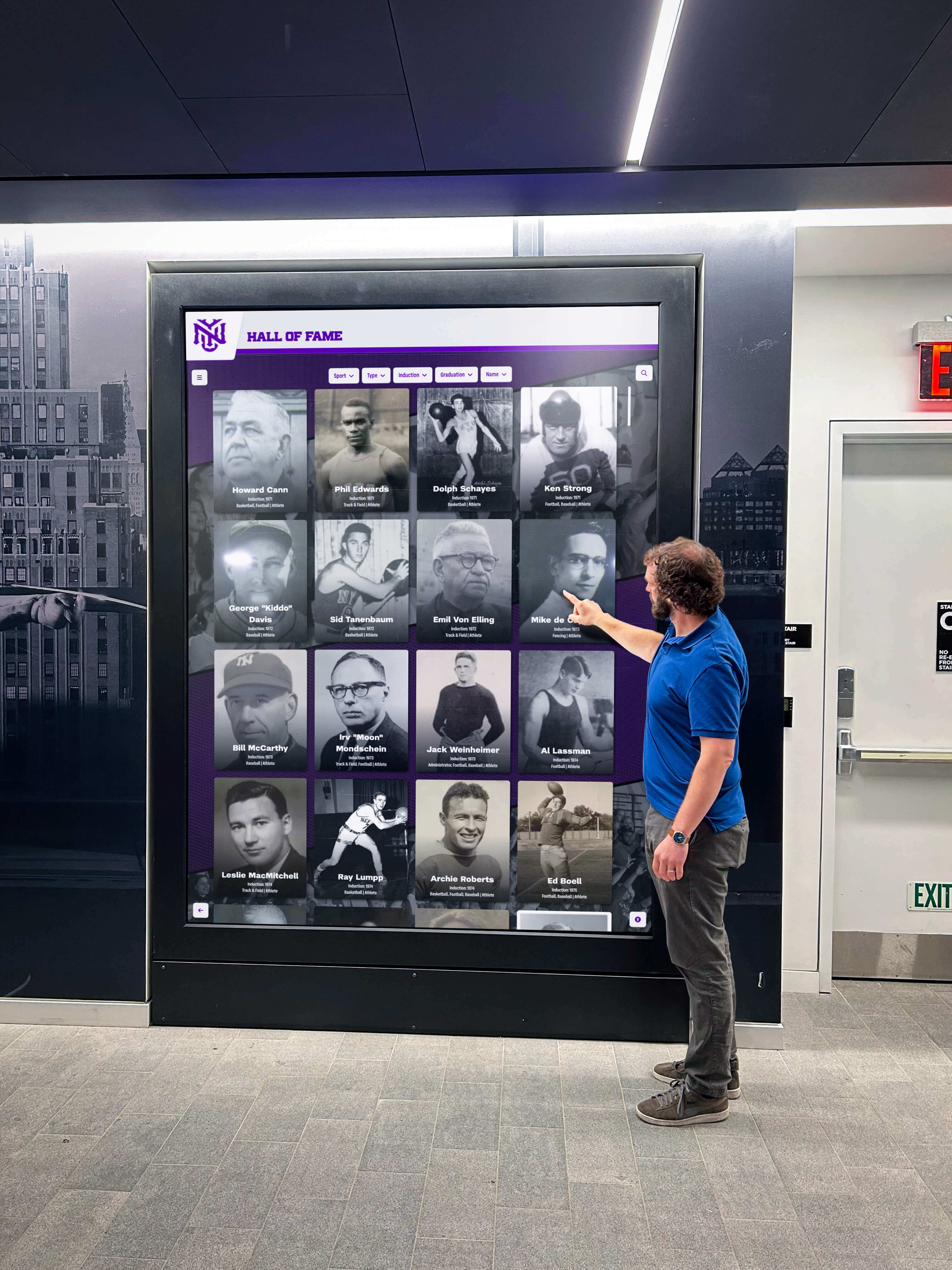
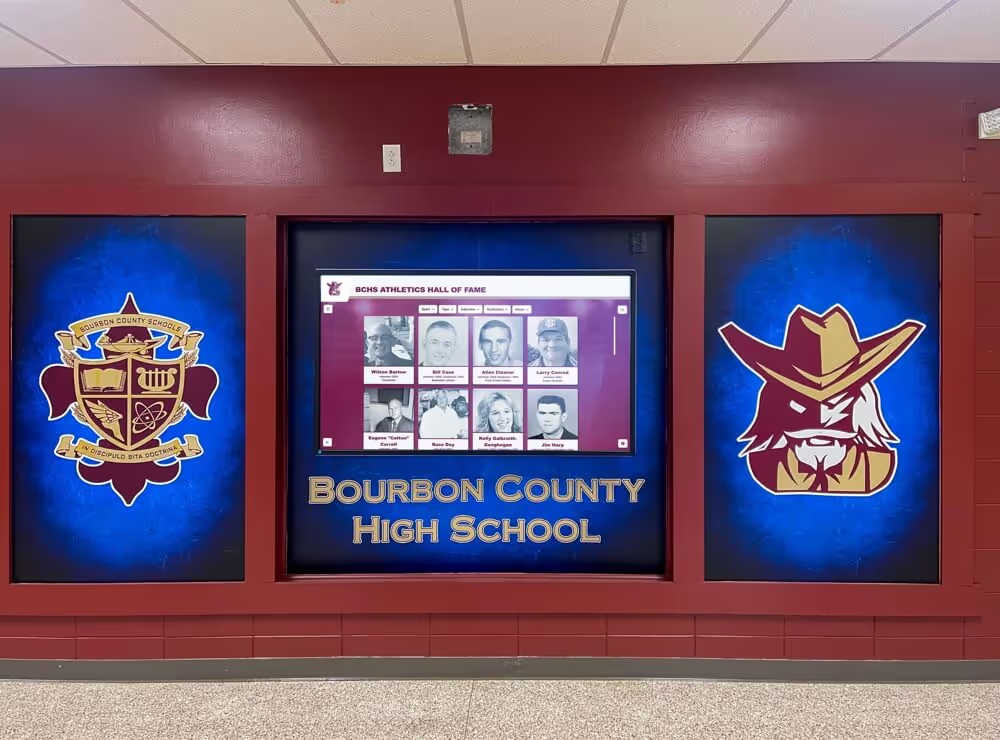
Touchscreen systems enable interactive exploration of cross country awards and runner achievements impossible with static trophy displays
Level-Specific Recognition: JV, Freshman, and Developmental Runners
Ensuring comprehensive acknowledgment beyond varsity scorers.
Junior Varsity Awards
Sub-varsity recognition:
JV Excellence Celebrating non-varsity achievement:
- Fastest JV runner throughout season
- Most improved JV athlete
- JV race winners and consistent performers
- Preparing for future varsity contribution
- Building confidence and competitive identity
Many eventual varsity stars spend freshman or sophomore seasons on JV—recognition during developmental years maintains motivation and validates effort before varsity emergence.
Promotion Recognition Movement between levels:
- JV to varsity advancement mid-season
- Consistent performance earning varsity race opportunities
- Narrowing gap with varsity runners
- Demonstrating readiness for higher competition
- Trajectory toward future scoring positions
JV Leadership Sub-varsity team building:
- Senior or upperclass JV runners supporting younger athletes
- Mentorship and encouragement during JV races
- Building positive culture at all program levels
- Maintaining motivation despite not making varsity
- Program loyalty and team-first commitment
Freshman Recognition
First-year specific awards:
Freshman Adaptation Transition acknowledgment:
- Successfully navigating jump from middle school to high school racing
- Handling increased training volume and intensity
- Mental adjustment to longer race distances (typically 5K vs. 2-mile)
- Integrating into team culture and expectations
- Building foundation for four-year career
Future Stars Developmental trajectory:
- Freshman showing elite potential
- Rapid early-season improvement suggesting high ceiling
- Natural talent combined with coachability
- Projected impact on future team success
- Investment in long-term program building
Ensuring Comprehensive Recognition
Inclusive celebration strategies:
Everyone Receives Something Participation validation:
- All athletes receive at least participation certificate or memento
- Diverse award categories ensuring broad recognition opportunities
- Character and contribution awards beyond pure speed
- Team-wide acknowledgment before individual honors
- Inclusive culture where effort receives validation
Balancing Excellence and Effort Recognition spectrum:
- Pinnacle awards celebrating elite achievement
- Mid-level awards honoring consistent contribution
- Improvement awards acknowledging development regardless of absolute speed
- Character awards valuing intangibles
- Ensuring no athlete feels overlooked or undervalued
Programs should aim for roughly 40-60% of roster receiving formal individual recognition beyond participation certificates—sufficient to feel meaningful while maintaining award significance.
Discover comprehensive student achievement recognition approaches in academic recognition programs that complement athletic honors.
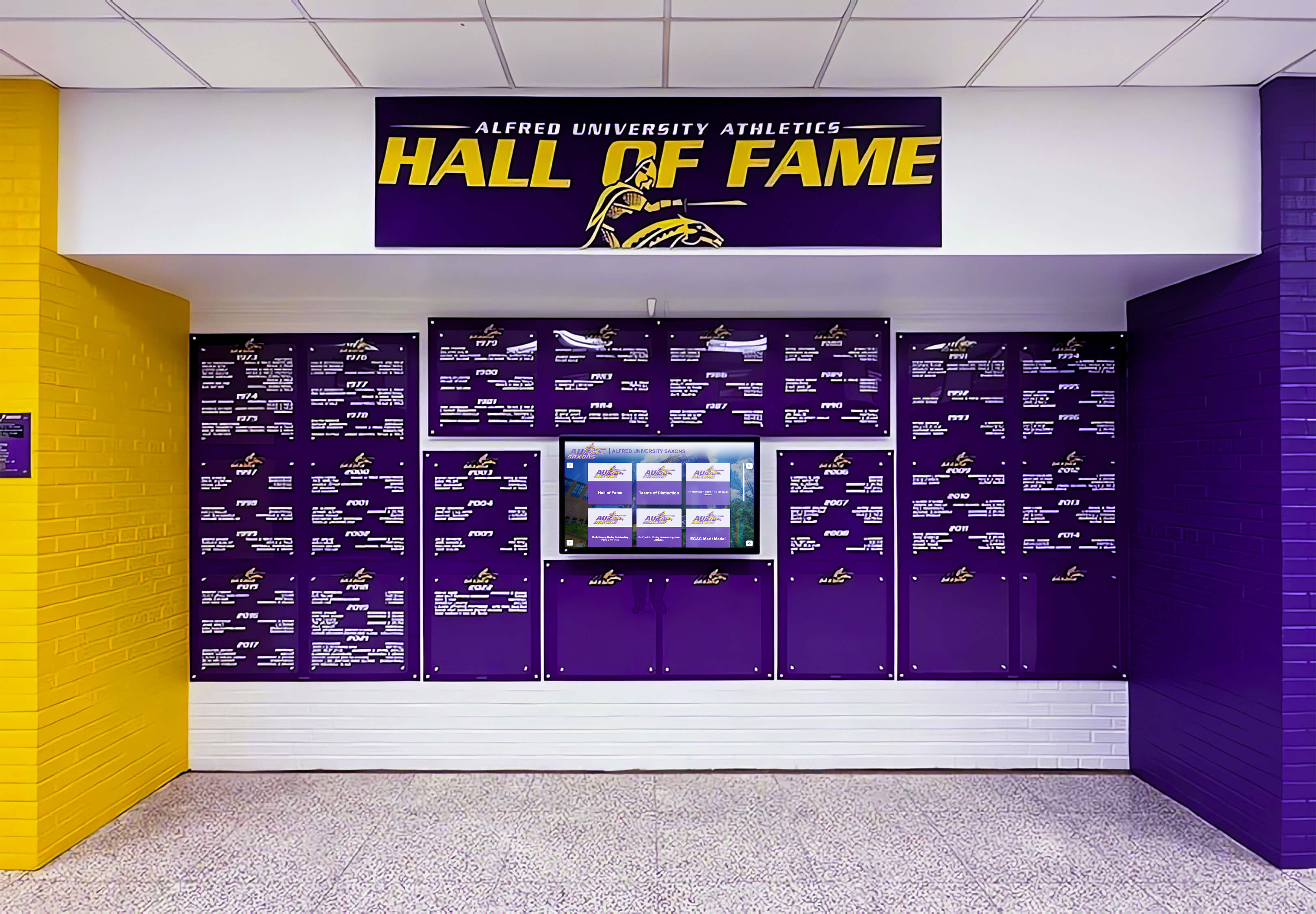
University cross country recognition integrates institutional identity while celebrating comprehensive achievement across award categories and performance levels
Physical Awards and Recognition Materials
Award presentation formats and documentation options.
Traditional Physical Recognition
Tangible items runners display:
Trophies and Plaques Classic recognition formats:
- Individual trophies for major awards (MVP, fastest runner, etc.)
- Plaques with personalized engraving
- Sport-specific running figure toppers
- Quality materials reflecting achievement significance
- Varying sizes based on award hierarchy
Typical costs range from $15-75 depending on size and quality—programs often invest more in pinnacle awards while using certificates for comprehensive recognition.
Medals and Ribbons Race-day style recognition:
- Custom medals for award winners
- Ribbon or fabric medals reminiscent of race finishes
- Inexpensive but meaningful tangible recognition
- Easy storage and display for athletes
- Collecting multiple medals across career
Certificates Cost-effective documentation:
- Professional printed certificates with program branding
- Individual achievement descriptions
- Coach signatures and official documentation
- Frameable quality for bedroom or office display
- Digital versions for college applications and portfolios
Personalized Items Unique recognition:
- Engraved water bottles or training accessories
- Custom running socks with achievement details
- Photo frames with race images
- T-shirts or apparel commemorating achievements
- Race bibs from significant performances mounted and framed
Digital Recognition Integration
Modern documentation approaches:
Digital Achievement Profiles Web-based recognition:
- Comprehensive runner profiles with season statistics
- Personal record progressions tracked across career
- Race results and meet performances documented
- Photo galleries from competitions and training
- Video clips of finish line moments and breakthrough races
QR Code Integration Bridging physical and digital:
- Physical awards with QR codes linking to detailed digital profiles
- Banquet programs connecting to multimedia content
- Trophy case displays extending recognition beyond engraved text
- Enabling comprehensive storytelling impossible on physical plaques
- Future accessibility years after graduation
Social Media Recognition Online celebration:
- Award announcement posts celebrating winners
- Season highlight videos featuring recipients
- Instagram stories and Facebook features
- Program newsletter articles
- Alumni network sharing and engagement
Solutions like Rocket Alumni Solutions provide comprehensive digital recognition platforms preserving cross country awards permanently while solving the space and visibility limitations of traditional trophy cases.
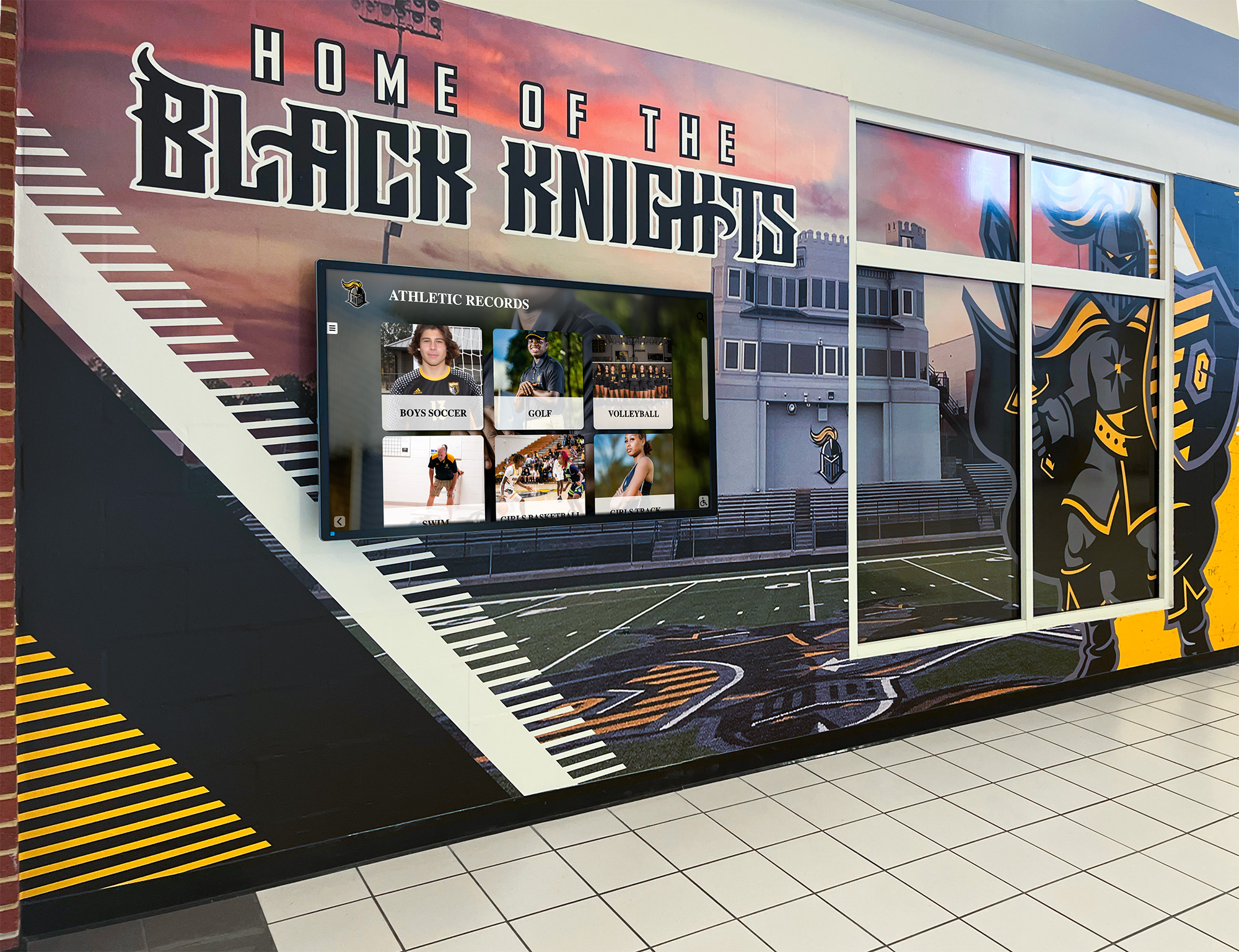
Permanent recognition installations provide year-round celebration of cross country achievements first honored at seasonal banquets
Banquet Planning and Award Presentation
Creating memorable celebration experiences for runners and families.
Cross Country Banquet Timing
Scheduling considerations:
Fall Season Conclusion Late autumn scheduling:
- November banquets following state championships
- Avoiding Thanksgiving holiday conflicts
- Weather appropriate for indoor venues
- Academic calendar considerations before final exams
- Senior athlete availability before winter sports begin
Combined vs. Separate Events Team structure decisions:
- Combined boys’ and girls’ programs creating efficient single event
- Separate gender-specific banquets allowing deeper focus
- All-athletics banquets including cross country with other fall sports
- Budget and resource efficiency considerations
- Program culture and tradition factors
Effective Ceremony Structure
Banquet programming flow:
Opening and Season Recap (15 minutes) Setting context:
- Coach welcome and season overview
- Team achievements and meet highlights
- Conference and championship results
- Record performances and milestones
- Video montage of season moments
Team Recognition (20-25 minutes) Collective celebration:
- Varsity letter presentation
- All-conference and all-state announcements
- Team photo and roster acknowledgment
- JV and freshman team recognition
- Manager and support staff appreciation
Individual Award Presentations (30-40 minutes) Personal recognition:
- Performance awards first (fastest, top scorers)
- Improvement and development awards next
- Character and leadership recognition
- Creative and fun awards providing variety
- Senior-specific recognition and tributes
Senior Recognition (15-20 minutes) Graduating athlete honor:
- Individual senior acknowledgment and career highlights
- Senior speeches or reflections (2-3 minutes each)
- Tribute video celebrating senior class
- Family appreciation and parent recognition
- Symbolic leadership transition to returning runners
Total program typically runs 90-110 minutes maintaining engagement while providing comprehensive recognition.
Learn detailed planning strategies in athletic banquet guides applicable to cross country programs.
Making Recognition Personal
Meaningful presentation approaches:
Storytelling with Awards Context beyond names:
- Brief achievement descriptions explaining award significance
- Specific race examples or training moments
- Coach observations about recipient’s impact
- Statistics supporting performance recognition
- Personal anecdotes humanizing achievements
Avoid simply reading names—two-minute storytelling per major award creates emotional connection and maintains audience engagement.
Runner Voice Brief recipient remarks:
- Major award winners given opportunity for 1-2 minute comments
- Thanking teammates, coaches, and families
- Sharing favorite memory or race experience
- Advice for younger runners
- Adding personal touch to ceremony
Photo Documentation Capturing moments:
- Professional photographer at banquet
- Recipient photos with coaches and awards
- Team photos by graduating year
- Candid celebration moments
- Social media and program archives content
Quality documentation enables sharing, marketing, and permanent recognition—making photography as important as physical awards.

Modern recognition systems preserve banquet awards and season achievements permanently, extending celebration impact beyond single evening events
Preserving Cross Country Recognition Permanently
Traditional trophy case limitations and modern solutions.
The Challenge with Traditional Displays
Physical recognition constraints:
Space Limitations Trophy cases fill quickly:
- Limited shelf space for years of accumulated awards
- Difficult decisions about removing historical recognition
- Hidden trophies stacked behind front-row displays
- Storage eliminating visibility and recognition purpose
- Maintenance challenges as materials deteriorate
Static Information Minimal context:
- Name, year, and award title only
- No race times, performance progression, or achievement stories
- Missing biographical information about runners
- No connection to race photos or finish line videos
- Passive viewing without exploration capability
Accessibility Constraints Geographic limitations:
- Physical campus location only
- No access for alumni living away from school
- Limited visibility during facility closures
- Zero sharing capability with extended networks
- Missed engagement with dispersed running community
Digital Recognition Advantages
Modern platform capabilities:
Unlimited Recognition Capacity Comprehensive documentation:
- Single touchscreen displays hundreds of runner profiles
- Every award across all seasons documented
- No removal of historical recognition required
- Equal visibility for all achievement levels
- Scalable system growing with program accomplishments
Rich Multimedia Storytelling Enhanced profiles:
- Runner pages with season statistics and career progression
- Race results showing improvement trajectories
- Photo galleries from meets throughout seasons
- Video highlights of finish lines and breakthrough races
- Personal records and milestone achievements tracked
Enhanced Accessibility Anywhere, anytime access:
- Web-based exploration from any device worldwide
- Alumni viewing achievements years after graduation
- Mobile optimization for smartphone access
- Social sharing extending recognition reach
- 24/7 availability regardless of school hours
Sustainable Management Easy administration:
- Cloud-based platforms enabling remote updates
- Intuitive interfaces requiring no technical expertise
- Annual additions taking minutes rather than hours
- Instant corrections without physical replacement
- Automated backup preserving information permanently
Comprehensive recognition platforms enable balanced approaches—selective physical awards for banquet presentation complemented by complete digital documentation ensuring every recipient receives permanent, accessible acknowledgment.
Explore digital recognition options in athletic hall of fame guides applicable to cross country programs.
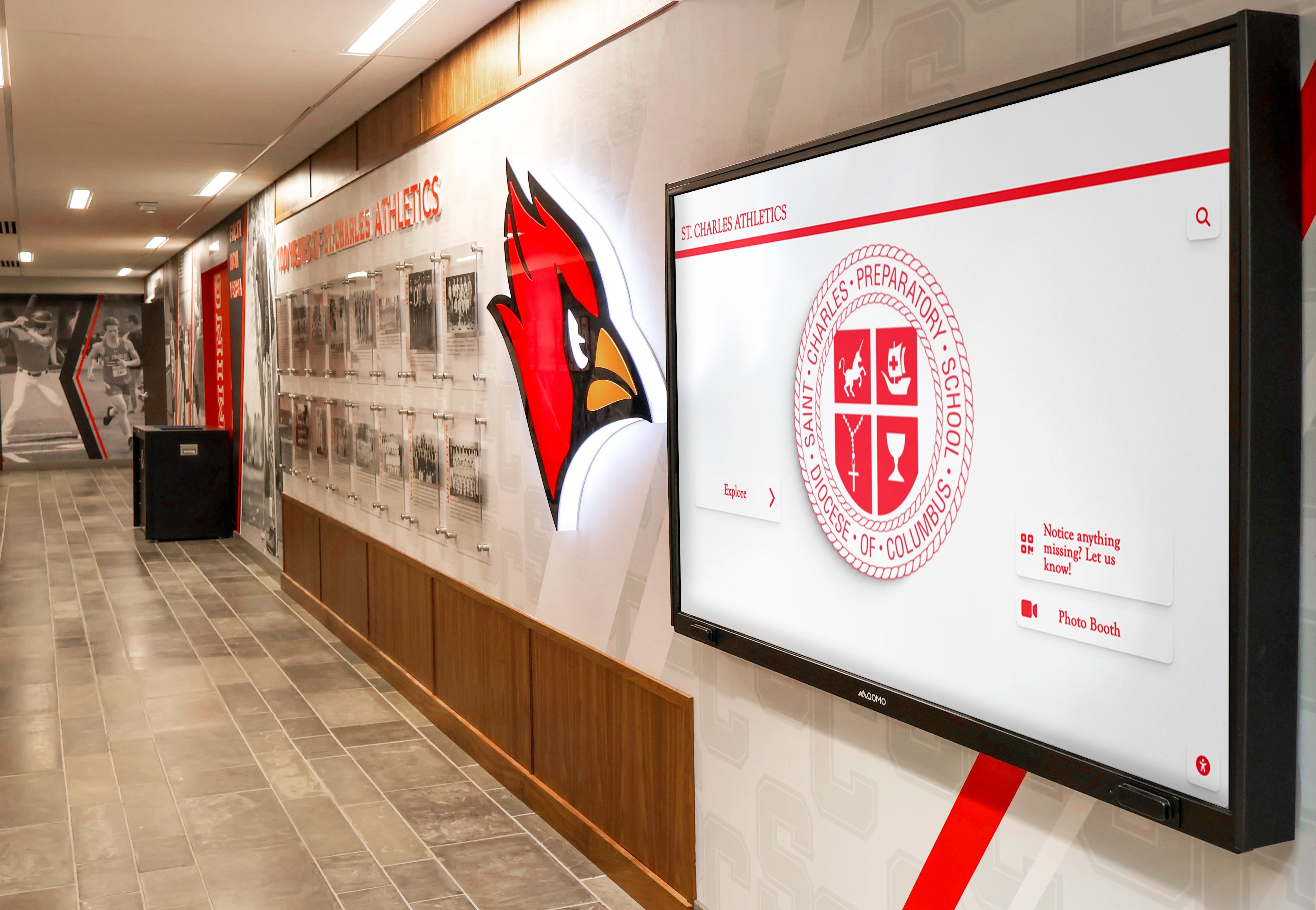
Hallway placement ensures cross country recognition receives consistent visibility while building program pride and tradition
Building Cross Country Program Culture Through Recognition
Creating traditions that strengthen identity and inspire excellence.
Establishing Award Traditions
Consistent annual recognition:
Named Awards After Program Legends Historical connections:
- MVP award honoring legendary runner or coach
- Fastest runner award named after school record holder
- Character awards commemorating program builders
- Creating continuity across generations
- Inspiring current runners through historical legacy
Program Record Board Historical achievement tracking:
- All-time fastest times by gender and course type
- Year-by-year award recipient lists
- State qualifiers and championship performers
- Conference champions and all-league selections
- Retired “numbers” (times) for transcendent performances
Senior Legacy Projects Tradition transmission:
- Graduating seniors selecting awards for returning runners
- Senior wisdom sharing and advice to younger athletes
- Captains passing symbolic items to future leaders
- Alumni mentorship connections
- Continuous program culture development
Connecting Awards to Program Values
Alignment with core principles:
Emphasizing Process Over Results Developmental focus:
- Improvement recognition alongside performance awards
- Training dedication valued equally with race outcomes
- Character emphasis beyond competitive success
- Long-term perspective over single season
- Growth mindset celebration
Celebrating Team Before Individuals Collective achievement:
- Team awards and championships presented first
- Scoring position recognition emphasizing team contribution
- Pack running and tactical team racing acknowledgment
- Supporting cast validation alongside stars
- Program identity transcending individual glory
Inspiring Future Excellence Motivation and aspiration:
- Award criteria clearly communicated early in seasons
- Recognition pathways for diverse contributions
- Accessible standards motivating pursuit
- Historical context showing program tradition
- Current runners seeing themselves in alumni achievements
Learn about comprehensive approaches to school culture through school pride building strategies applicable to athletic programs.
Leveraging Recognition for Recruitment
Program marketing through achievement:
Showcasing Excellence Tradition Attracting quality runners:
- Recognition displays demonstrating program history
- Alumni success stories inspiring prospective athletes
- Award categories showing program values
- Digital platforms accessible to exploring families
- Championship achievements validating competitive quality
Creating Aspirational Environment Culture visibility:
- Current athlete profiles showing development pathways
- Improvement trajectories demonstrating coaching effectiveness
- Character recognition emphasizing supportive culture
- Multi-year commitment celebration
- Evidence that program invests in runner growth
Alumni Engagement and Support Long-term community:
- Digital access enabling lifelong connection
- Alumni features tracking post-graduation success
- Reunion programming incorporating recognition
- Mentorship opportunities between generations
- Giving back inspired by meaningful experiences
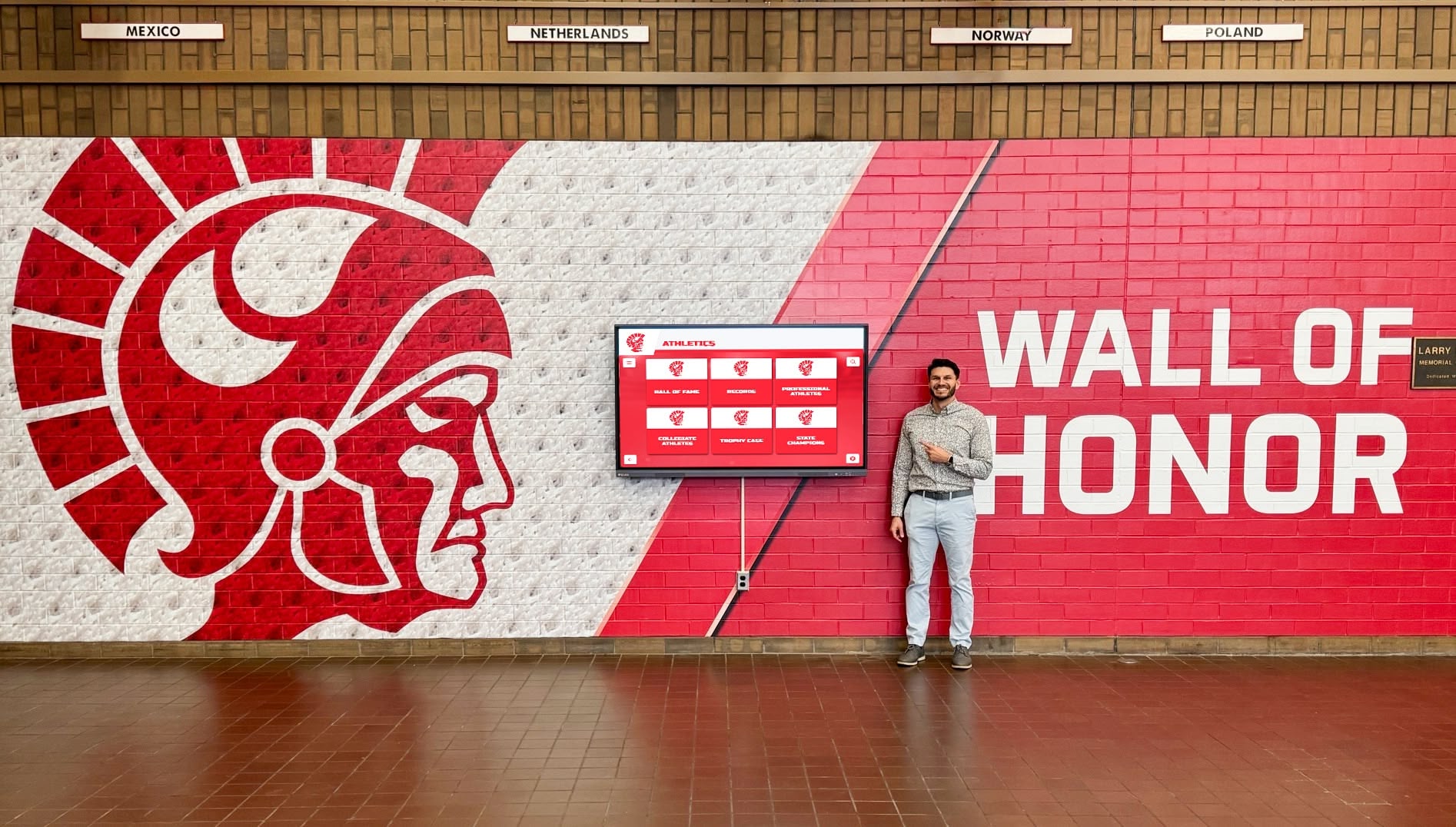
Interactive recognition displays in high-traffic areas ensure daily visibility while enabling exploration of complete achievement histories
Conclusion: Honoring Every Runner’s Journey
Cross country awards represent critical opportunities to celebrate individual perseverance through challenging training and races, recognize diverse contributions across performance levels and roster positions, honor team success built through collective scoring and shared suffering, and build program culture that inspires future runners toward excellence. Yet traditional recognition approaches often fail to deliver lasting impact—awards concentrate on fastest finishers while overlooking mid-pack contributors, physical trophies disappear into closets as space runs out, and recognition becomes inaccessible years after runners graduate.
The strategies explored in this guide provide frameworks for cross country recognition that overcomes historical limitations while celebrating excellence comprehensively. From performance-based awards honoring speed and scoring positions to improvement recognition celebrating development regardless of absolute times, from mental toughness awards acknowledging unique psychological demands to creative categories reflecting running culture, from thoughtful banquet ceremony design to permanent digital documentation solving visibility challenges, these approaches transform cross country awards from routine end-of-season formality to meaningful celebration woven throughout program identity.
Preserve Your Cross Country Excellence Permanently
Discover how digital recognition solutions help cross country programs celebrate every runner, award, and achievement through comprehensive platforms providing unlimited capacity, engaging interactive exploration, and permanent documentation ensuring no accomplishment disappears from program memory.
With intuitive content management enabling coaches without technical backgrounds, multimedia capabilities bringing achievements to life through race photos and finish videos, and web integration extending recognition beyond physical facilities, modern platforms solve the fundamental challenges limiting traditional trophy case recognition approaches.
Explore Cross Country Recognition Solutions to see how permanent documentation preserves your complete awards history while creating engaging experiences traditional physical recognition cannot deliver.
Implementation begins with thoughtful planning—defining award categories aligned with program values and competitive level, establishing clear selection criteria ensuring fairness and transparency, designing engaging ceremonies maintaining family interest while honoring achievements comprehensively, and creating systematic documentation preserving accomplishments permanently through digital platforms eliminating space and visibility constraints.
Modern recognition platforms eliminate the fundamental challenges plaguing traditional physical displays. Rather than removing historical awards to accommodate current season recognition or limiting documentation to trophy case capacity, digital systems document comprehensive achievement across unlimited runners, seasons, and award categories—ensuring every recognized athlete receives permanent acknowledgment extending throughout their lives while building program tradition visible to current teams, prospective runners, and broader communities.
Your runners’ achievements—competitive excellence through personal records and team scoring, mental toughness through race suffering, improvement through dedicated training, leadership development supporting teammates, and sustained commitment across seasons—deserve recognition systems providing lasting celebration rather than temporary acknowledgment disappearing after brief banquet evenings. Through balanced award selection, engaging ceremony programming, meaningful selection processes, and permanent digital documentation, you can create cross country recognition that honors every contribution while building the positive, motivating program culture where runners thrive and traditions flourish.
Start today by reviewing your upcoming season timeline and banquet planning needs, gathering input from coaches, runners, and families about recognition priorities, exploring award categories appropriate for your program and competitive level, and investigating recognition platforms enabling permanent documentation traditional approaches cannot provide. Every cross country runner deserves recognition enduring beyond their racing days—modern solutions make that achievable reality.
Ready to enhance your cross country awards program? Explore comprehensive sports recognition approaches that inform award selection, or discover wrestling awards ideas and track and field recognition strategies applicable across distance running programs building comprehensive recognition traditions.