Every school has a unique story to tell, yet too many yearbooks end up looking virtually identical—generic themes, predictable layouts, and cookie-cutter page designs that fail to capture the authentic personality of the students and community they’re meant to represent. The most memorable yearbooks break free from these constraints with creative yearbook ideas that transform standard publications into cherished keepsakes students actually want to revisit years after graduation.
The difference between a yearbook that gets briefly reviewed then shelved forever and one that becomes a treasured possession often comes down to creative execution. When yearbook teams embrace innovative themes, experiment with unconventional layouts, and tell their school’s story through authentic visual storytelling, they create publications that resonate emotionally with students while documenting institutional heritage in meaningful ways.
Today’s creative yearbook ideas extend far beyond the printed page. Forward-thinking schools design yearbook content that serves multiple purposes—appearing in digital recognition displays throughout campus, integrating with online archives accessible to alumni worldwide, and generating social media content that extends engagement throughout the school year rather than limiting it to a single distribution day.
This comprehensive guide explores creative yearbook ideas spanning theme development, layout innovation, photography approaches, and content strategies that make yearbooks stand out. Whether you’re advising a yearbook program at a small elementary school or managing production for a large high school with hundreds of pages, these inspiring ideas provide actionable strategies for creating publications that truly matter to your community.

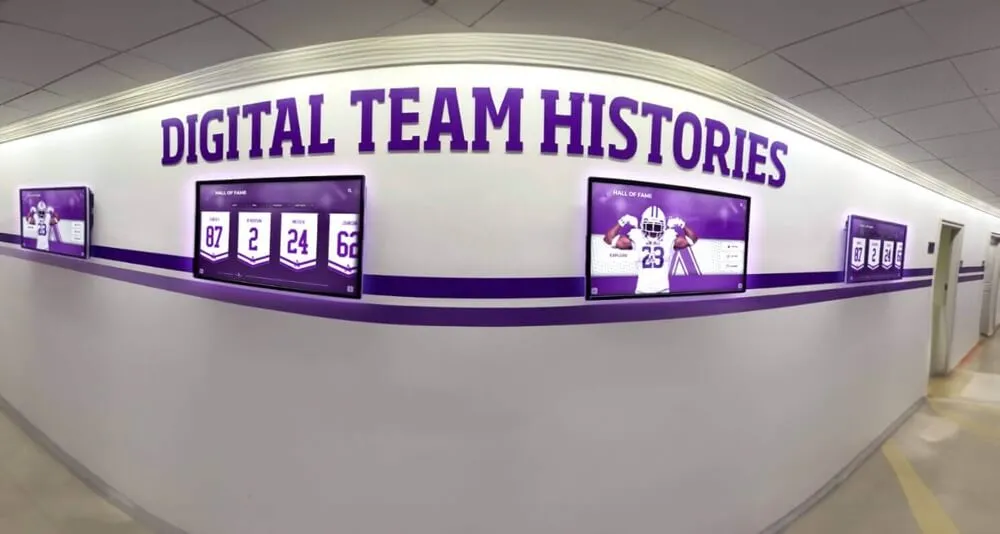
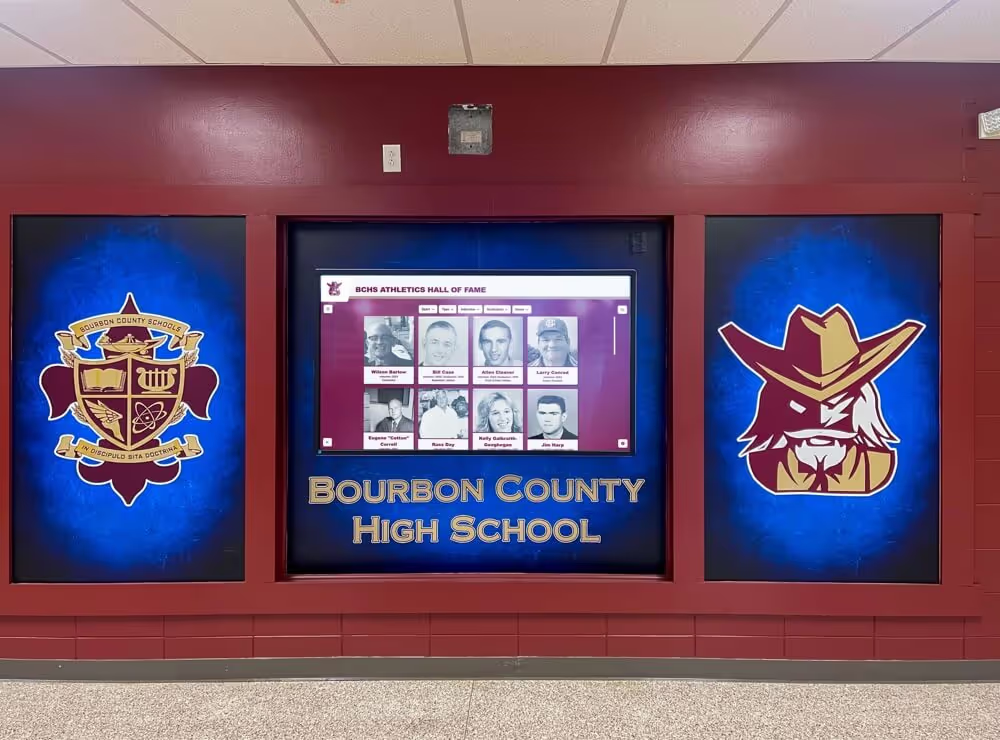
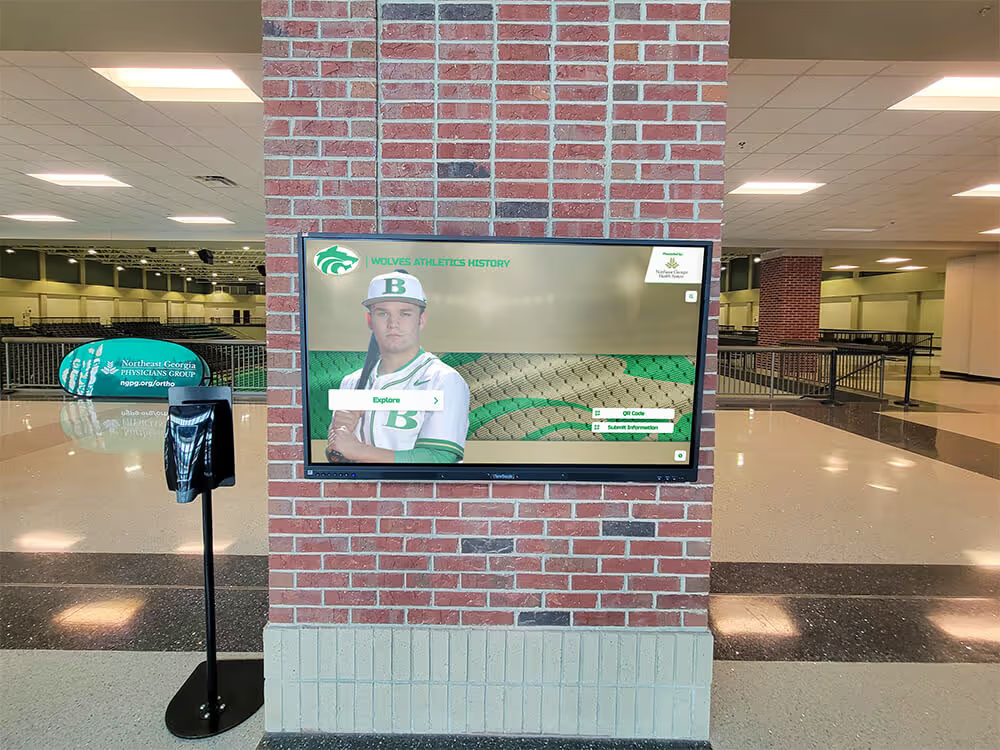
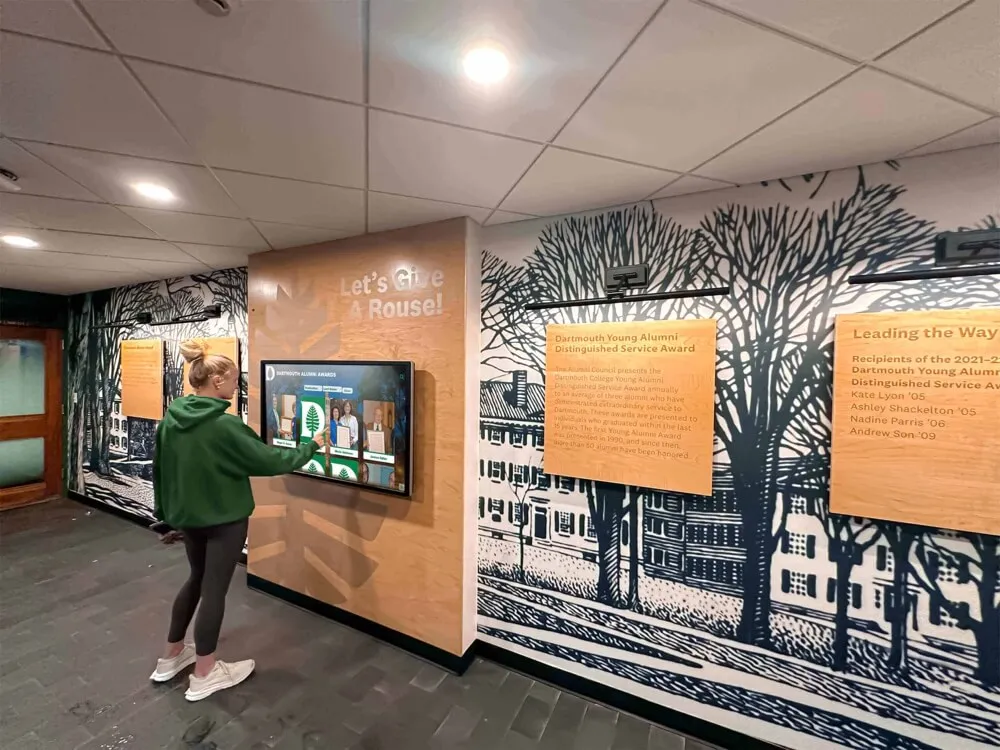
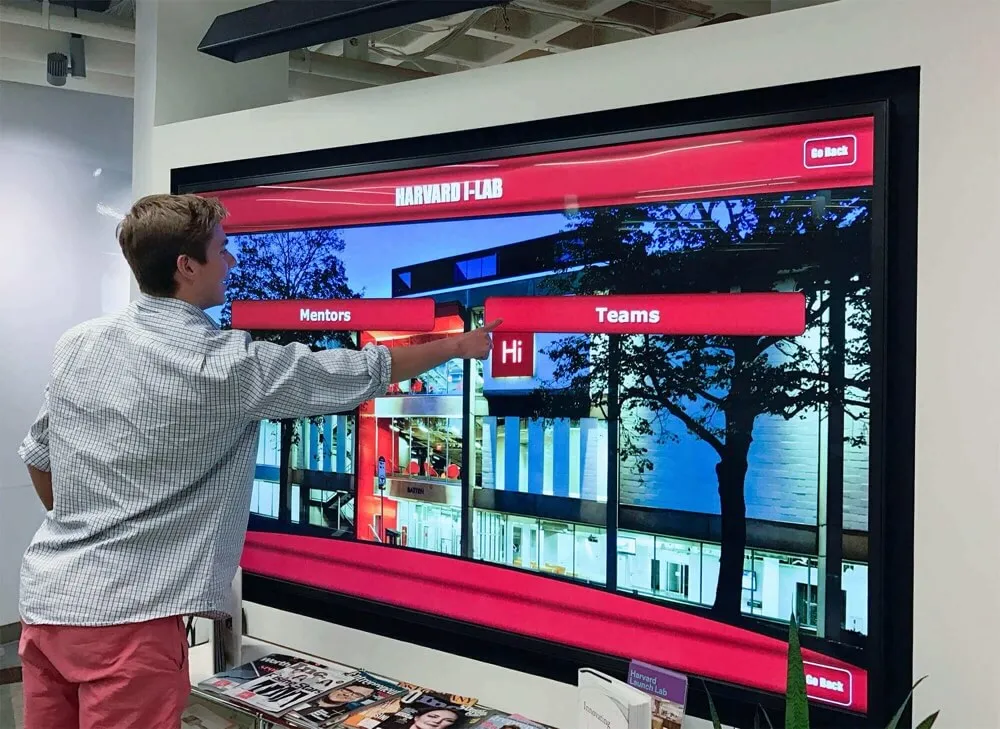
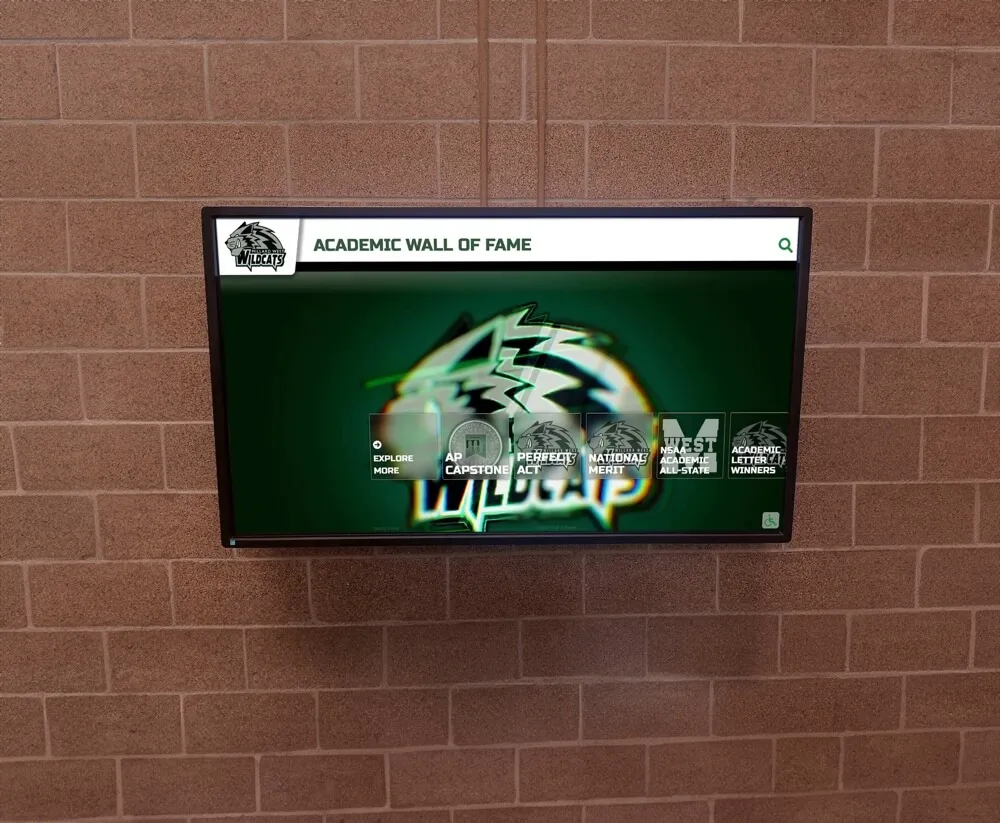
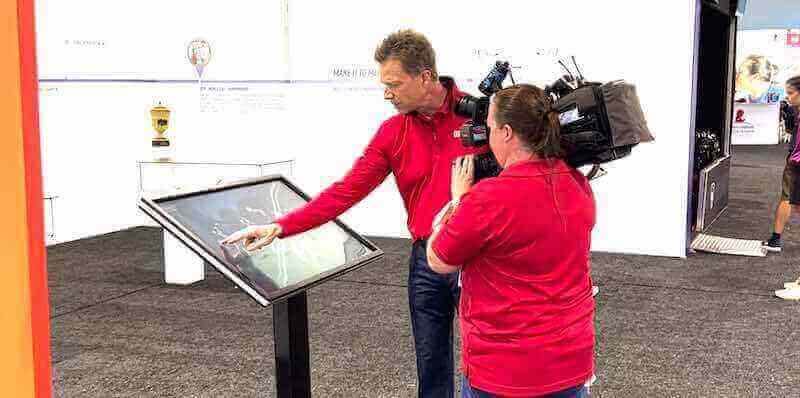
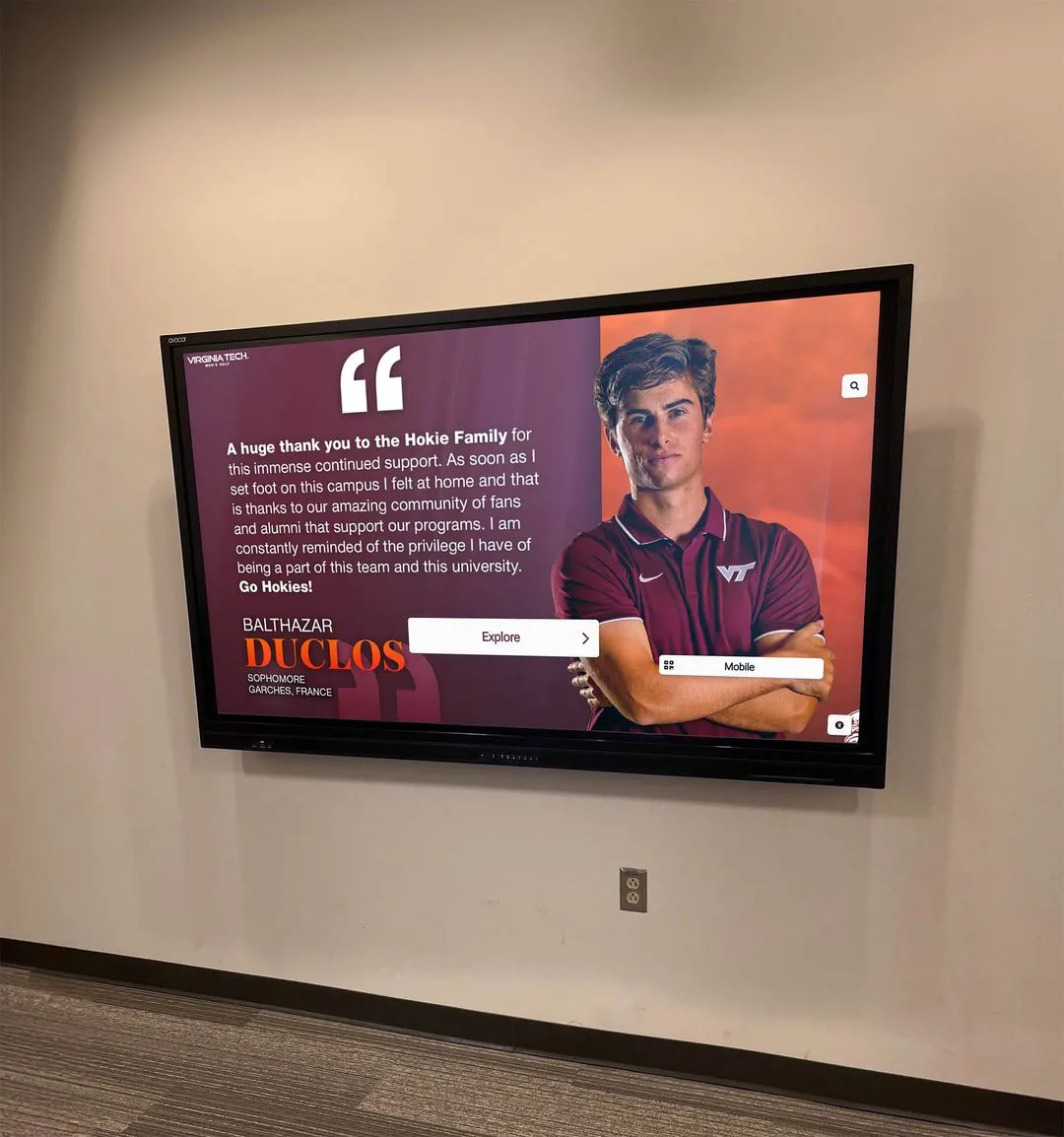

Modern creative yearbook ideas consider how content appears across multiple platforms—from printed books to interactive digital displays that engage students and alumni year-round
Authentic Theme Development That Reflects Your School’s Personality
Generic yearbook themes like “Journey,” “Legacy,” or “Memories” appear in countless yearbooks precisely because they’re safe, familiar, and applicable to any school anywhere. The problem? They create no emotional connection to your specific school community and provide little creative direction for design teams.
Mining Your School’s Unique Identity for Theme Inspiration
The strongest creative yearbook ideas emerge from authentic characteristics that make your school distinctively yours rather than borrowing concepts that could apply equally well to any institution:
Location and Geography
Schools in specific locations possess built-in thematic potential. Coastal schools might explore ocean or maritime themes with wave patterns, nautical elements, and beach photography woven throughout. Mountain communities could embrace elevation metaphors with peak imagery and topographical design elements. Urban schools might incorporate city architecture, skyline silhouettes, and metropolitan energy into visual systems. Rural agricultural areas could celebrate seasonal cycles, growth metaphors, and connection to land.
When school athletic programs celebrate regional identity through team names and traditions, yearbooks can extend these connections into comprehensive thematic frameworks.
Mascot and School Traditions
Rather than simply reproducing your mascot logo throughout pages, creative interpretations build entire thematic systems around mascot characteristics. A school with eagle mascots might explore flight, perspective, vision, or freedom themes with aerial photography, bird’s-eye-view layouts, and soaring visual metaphors. Wolf mascots suggest pack mentality, loyalty, and community strength—concepts translatable into collaborative student features and interconnected design elements.
Architectural and Historical Features
Distinctive campus buildings, historical founding stories, or architectural elements provide thematic inspiration. A school with iconic bell tower might use time, moments, and sound as organizing concepts. Institutions founded by specific individuals or movements can explore those foundational values through contemporary student lens.
Timely Themes Connected to Specific School Years
Creative yearbook ideas sometimes emerge from events defining particular school years rather than forcing generic concepts onto unique circumstances:
Milestone Anniversary Years
Schools celebrating 50th, 100th, or other significant anniversaries naturally build themes around heritage, tradition evolution, and multi-generational connections. Historical comparisons showing “then and now” provide endless creative possibilities—matching historical yearbook pages with contemporary equivalents, interviewing alumni about changes since their student years, or documenting how campus has physically transformed over decades.
These anniversary themes work particularly well when schools implement digital archiving systems that make historical yearbook content accessible for comparison and context.
Major Campus Changes or Achievements
Years featuring new facility construction, significant academic achievements, championship victories, or major program launches create natural thematic frameworks. A school completing major renovation might explore transformation, growth, or building themes. State championship seasons provide celebration and excellence concepts extending beyond athletics into academic and artistic achievements.
Cultural Moments and Student Movements
While avoiding divisive political content, yearbooks can acknowledge significant cultural moments shaping student experience—technology adoption transforming learning, environmental initiatives changing campus practices, or social movements influencing school culture. These contemporary themes ensure yearbooks feel authentically connected to their specific moment in time rather than generic and timeless in ways that become forgettable.
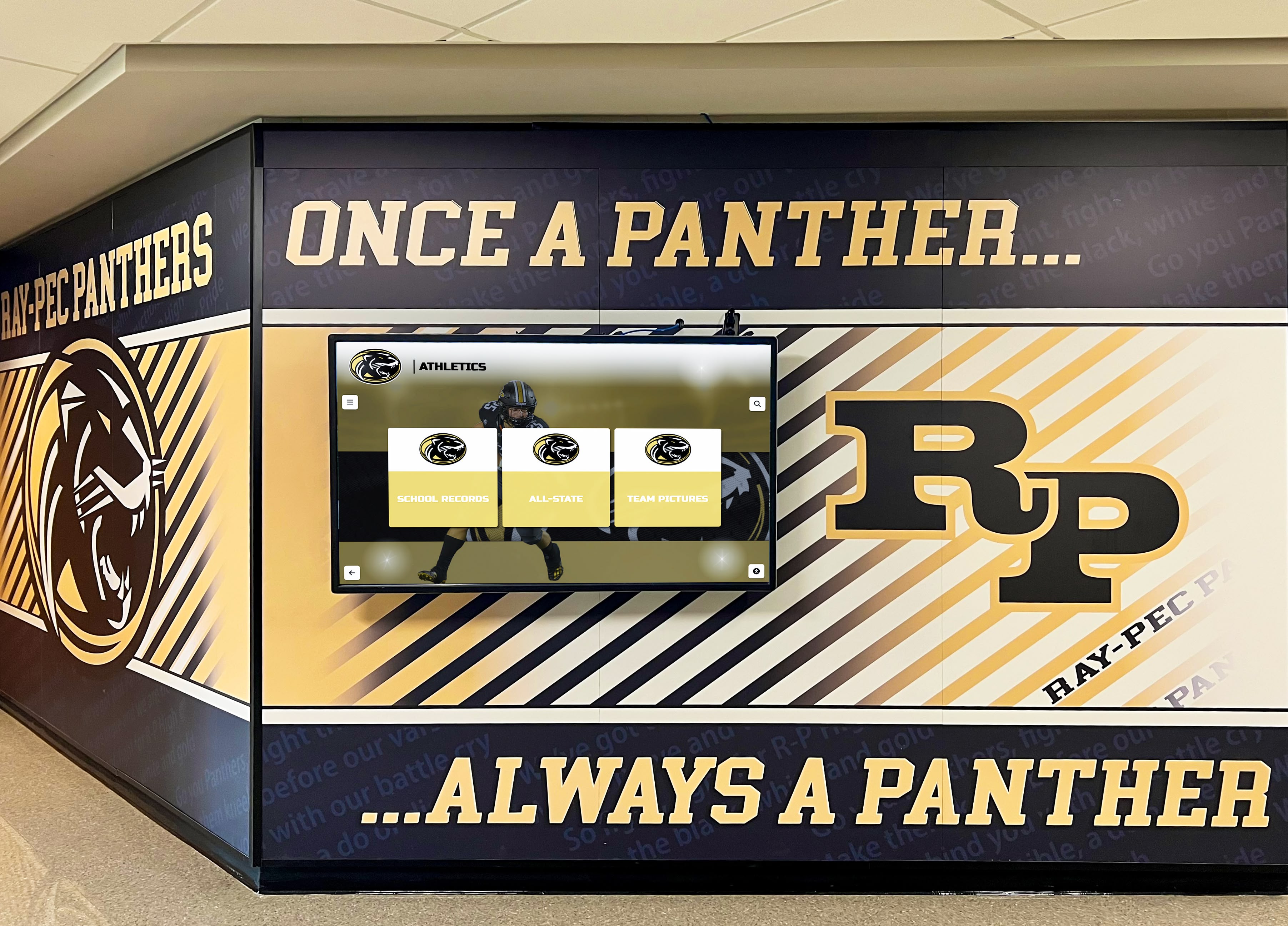
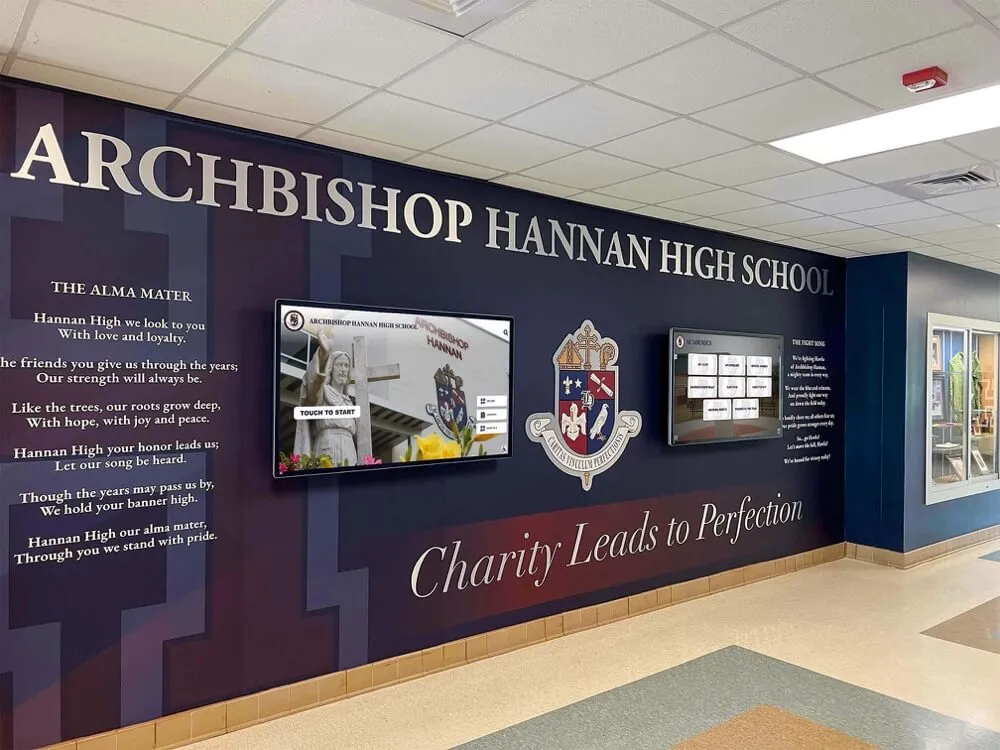
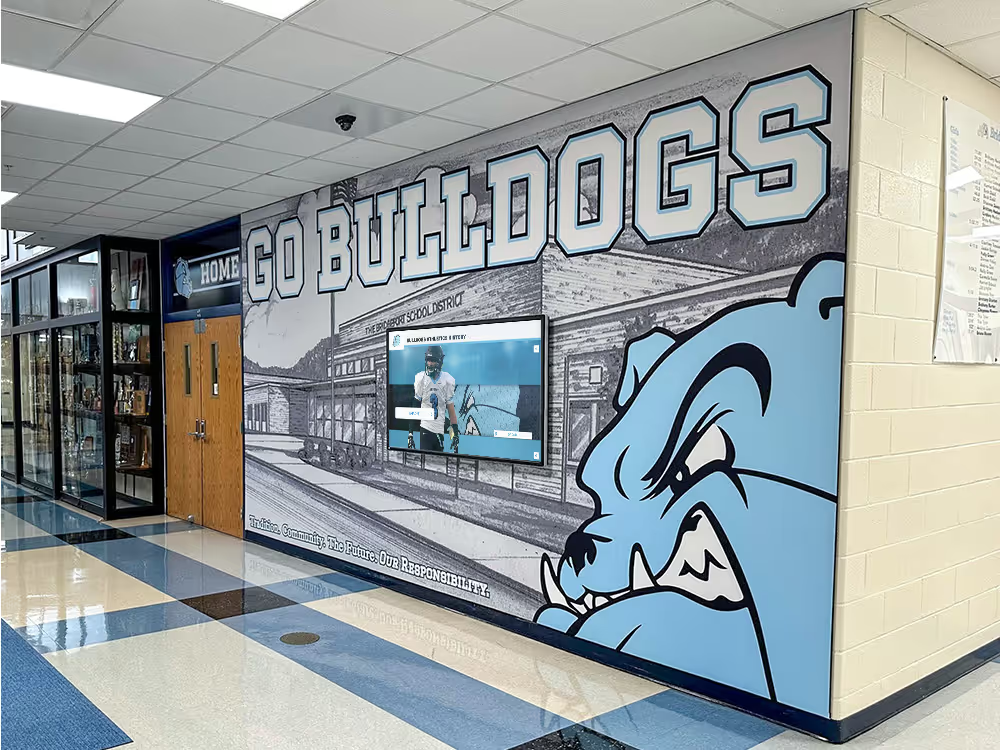
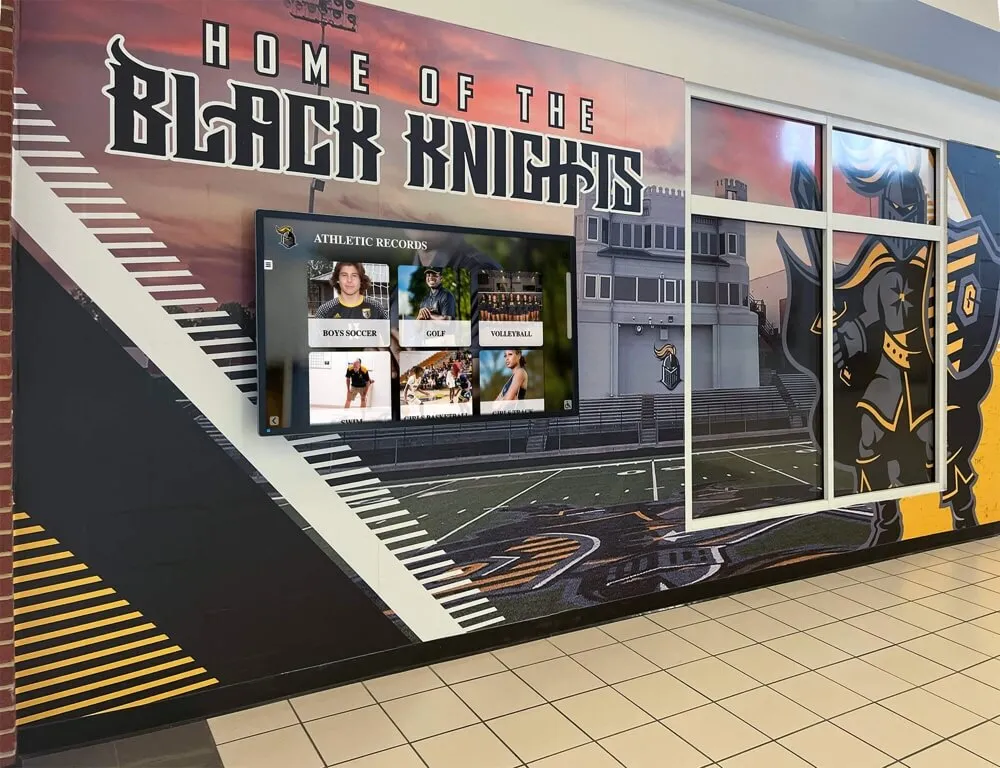
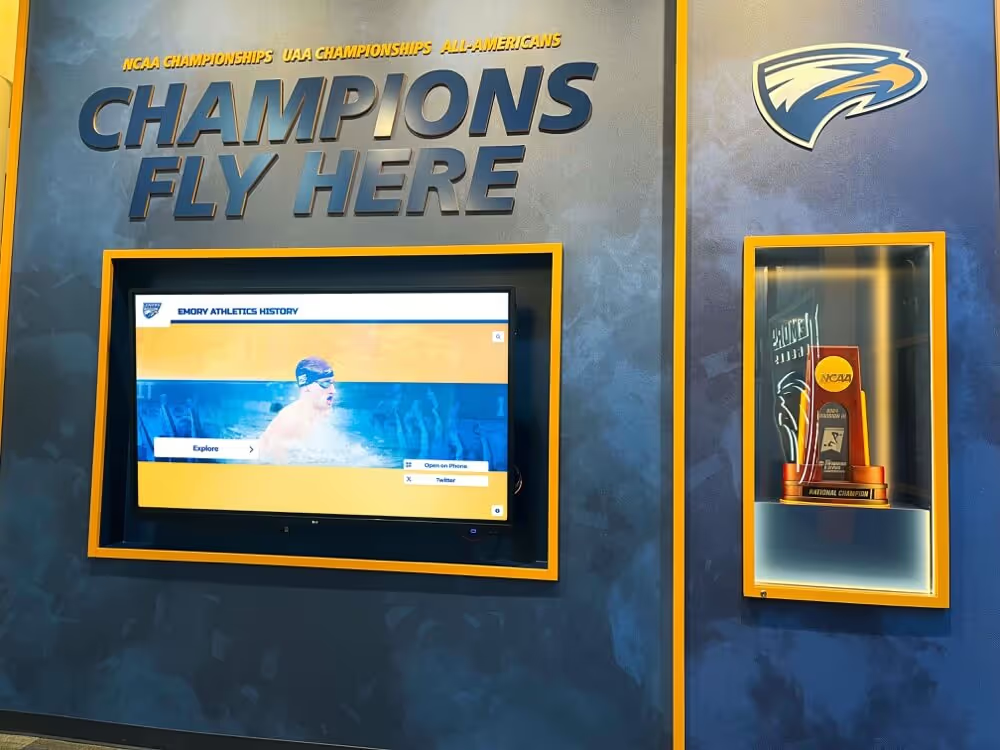
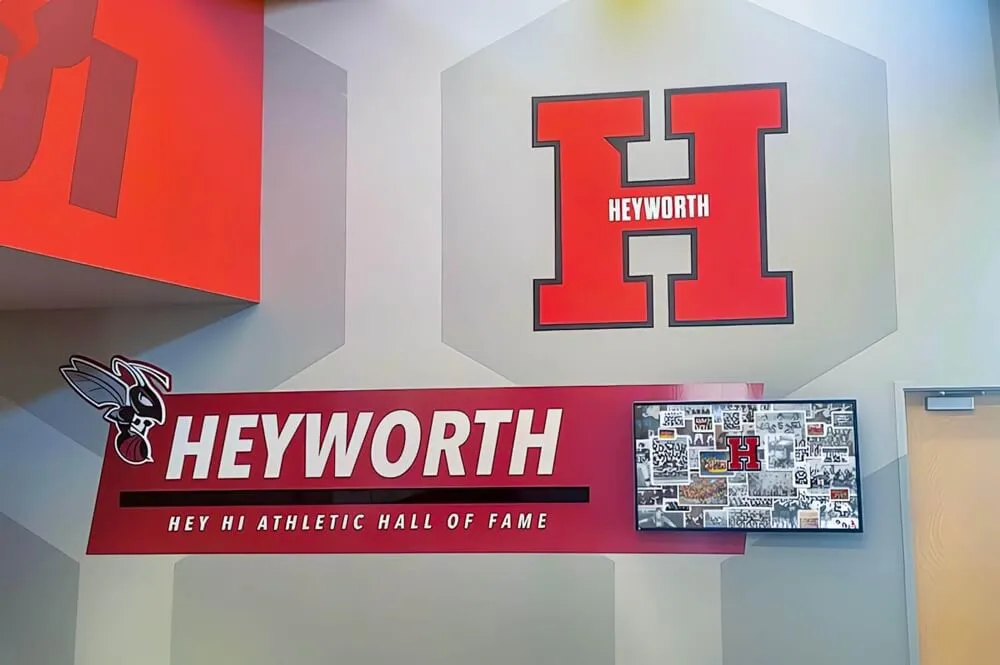
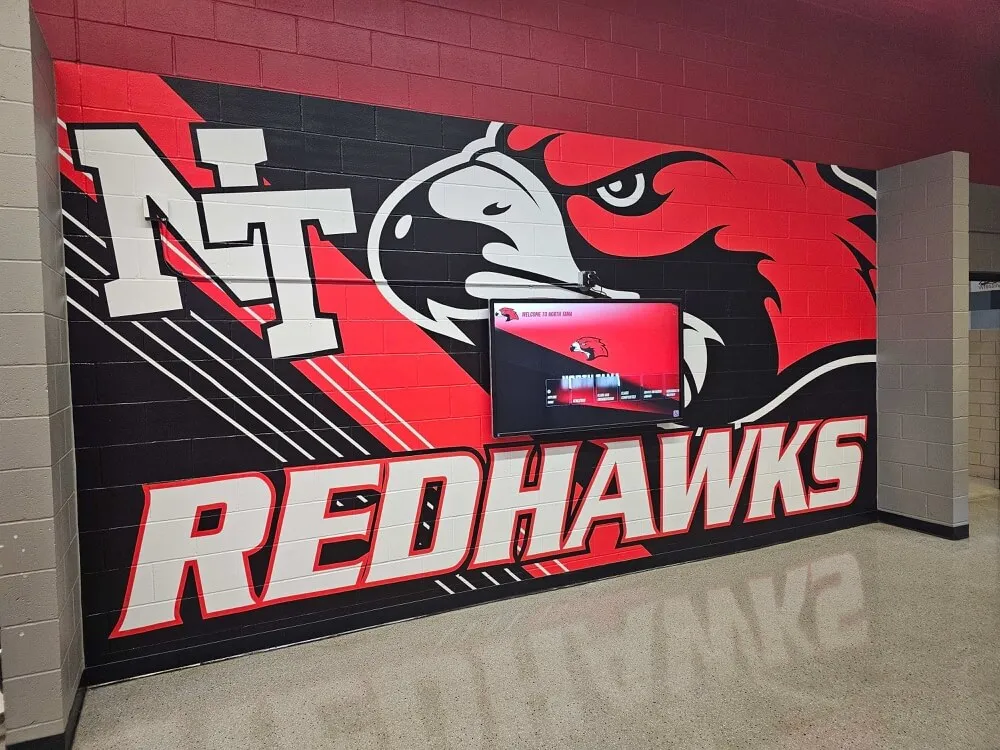
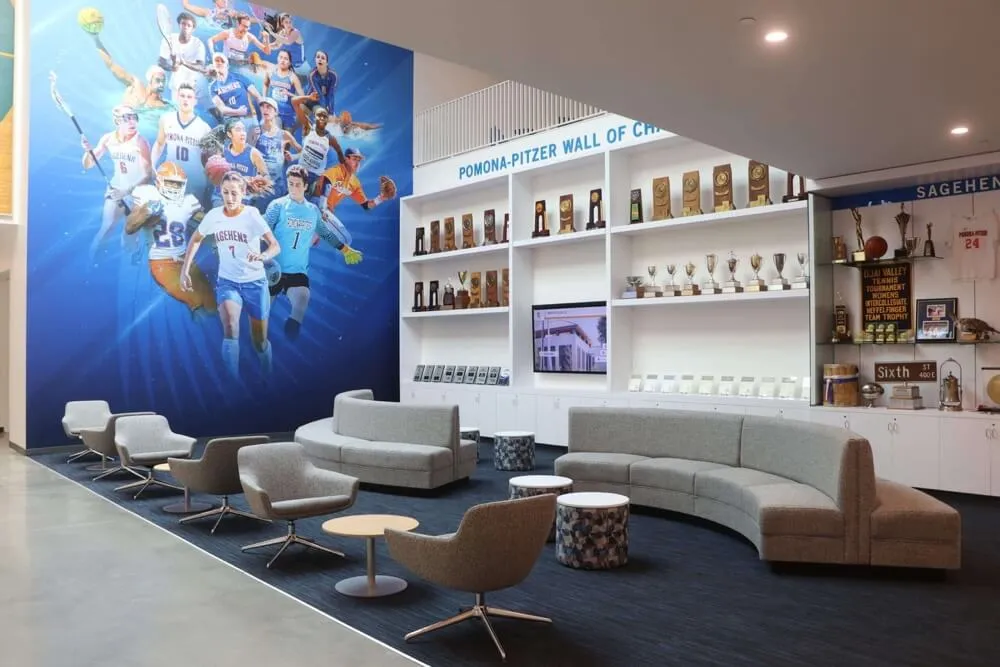
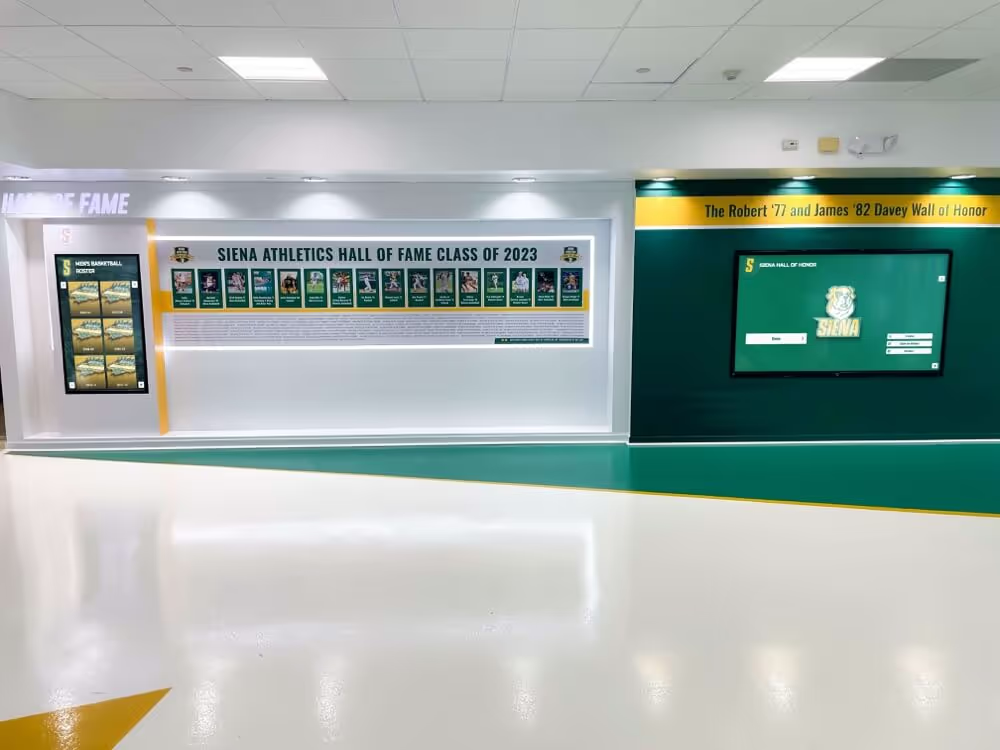
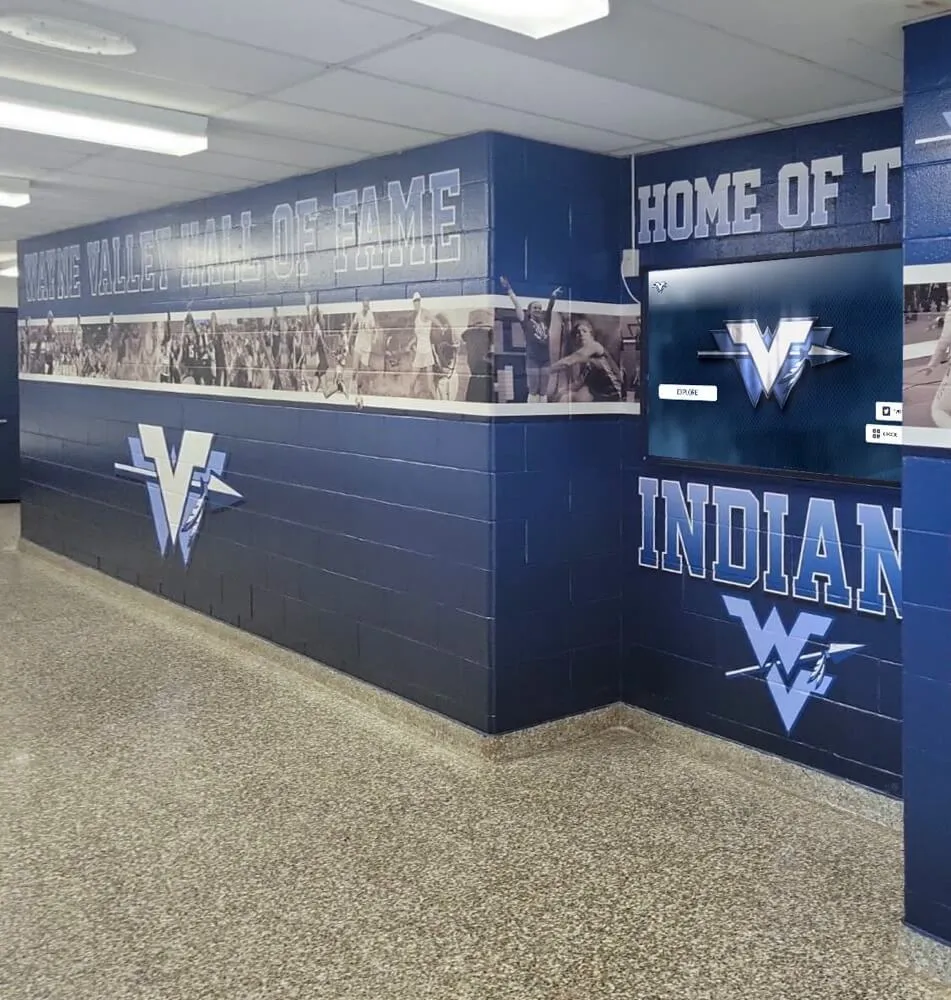
Creative yearbook themes extend beyond printed pages into campus displays that celebrate student achievement and school identity throughout facilities
Innovative Layout Designs That Break Traditional Molds
Beyond theme selection, creative yearbook ideas manifest through layout innovation that breaks free from predictable grid-based designs that make yearbooks feel institutional rather than engaging.
Magazine-Style Editorial Layouts
Professional magazine design offers endless inspiration for yearbook pages that prioritize visual storytelling over formulaic documentation:
Full-Bleed Photography and Dramatic Cropping
Instead of confining all photos within safe margins, creative layouts use full-bleed images that extend to page edges, creating immersive visual experiences. Dramatic cropping focuses attention on specific elements—tight crops on expressive faces, unexpected angles revealing fresh perspectives, or extreme wide shots establishing environmental context.
Layered Visual Hierarchies
Rather than treating all page elements equally, sophisticated layouts create clear hierarchies directing reader attention through intentional design. Dominant hero images anchor spreads while smaller supporting photos provide context. Oversized typography creates dramatic focal points. White space guides eye movement between elements.
Modular Design Systems
Instead of forcing all content into identical templates, creative yearbooks develop flexible modular systems offering varied combinations of standardized elements. These systems maintain visual cohesion while enabling page-to-page variety that keeps readers engaged through diverse spreads rather than monotonous repetition.
Asymmetrical and Dynamic Compositions
Traditional yearbook design favors symmetry and balance feeling safe but often static. Creative approaches embrace asymmetry and visual tension creating energy and movement:
Diagonal Elements and Angular Compositions
Diagonal lines create visual dynamism that horizontal and vertical arrangements lack. Angled photo placement, diagonal text blocks, and slanted graphic elements guide eye movement and inject energy into layouts.
Unexpected White Space Usage
Rather than filling every available inch with content, strategic white space creates sophistication and emphasis. Large empty areas make remaining elements feel important and give layouts breathing room preventing visual claustrophobia.
Overlapping and Layered Elements
While maintaining text legibility, overlapping photos, graphics, and text blocks create depth and visual interest. Transparency effects, strategic layering, and intentional overlap suggest connections between elements and add professional polish.
When schools design yearbook content with recognition displays in mind, these dynamic layouts translate beautifully to digital screens throughout campus facilities.
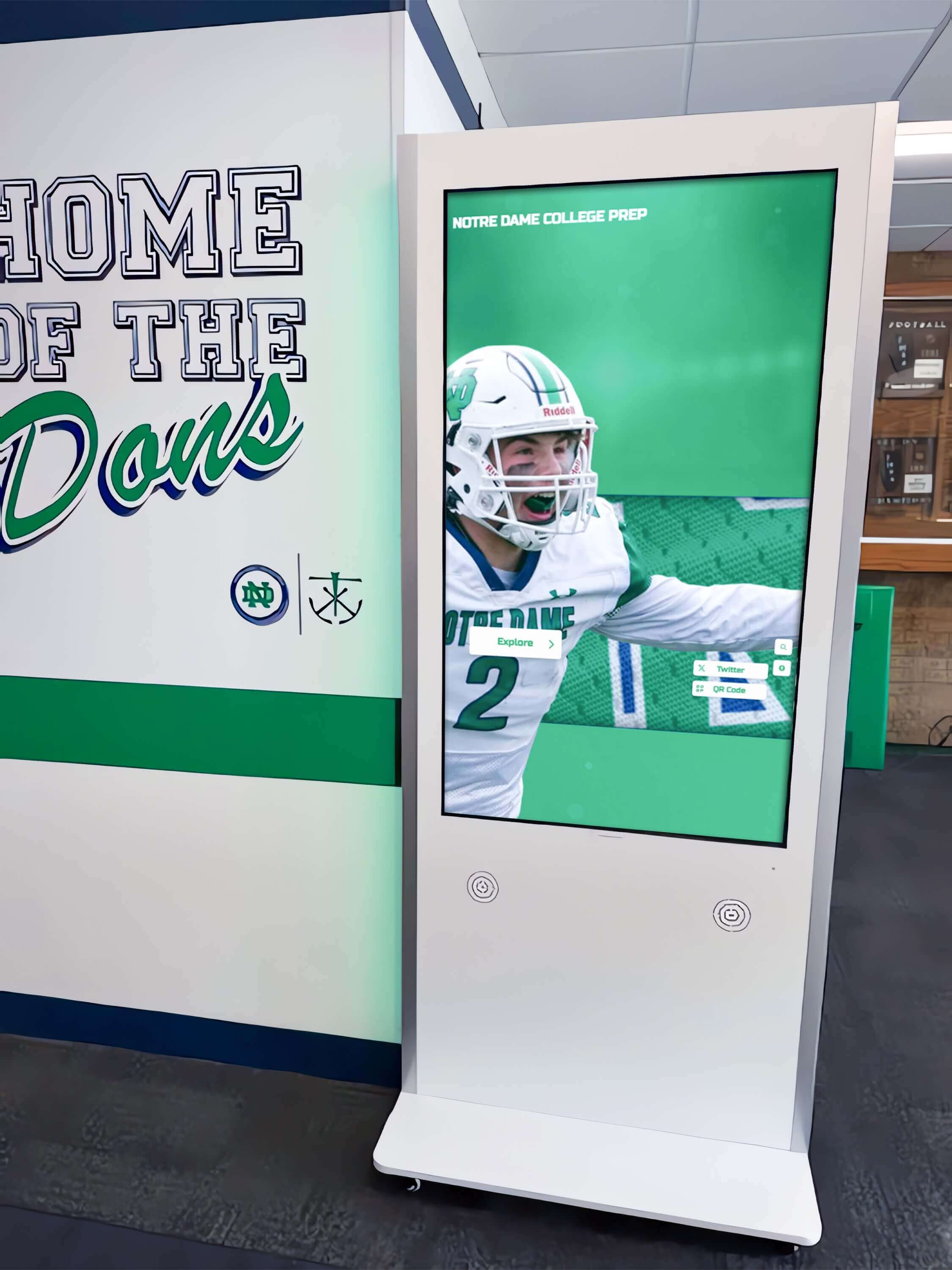
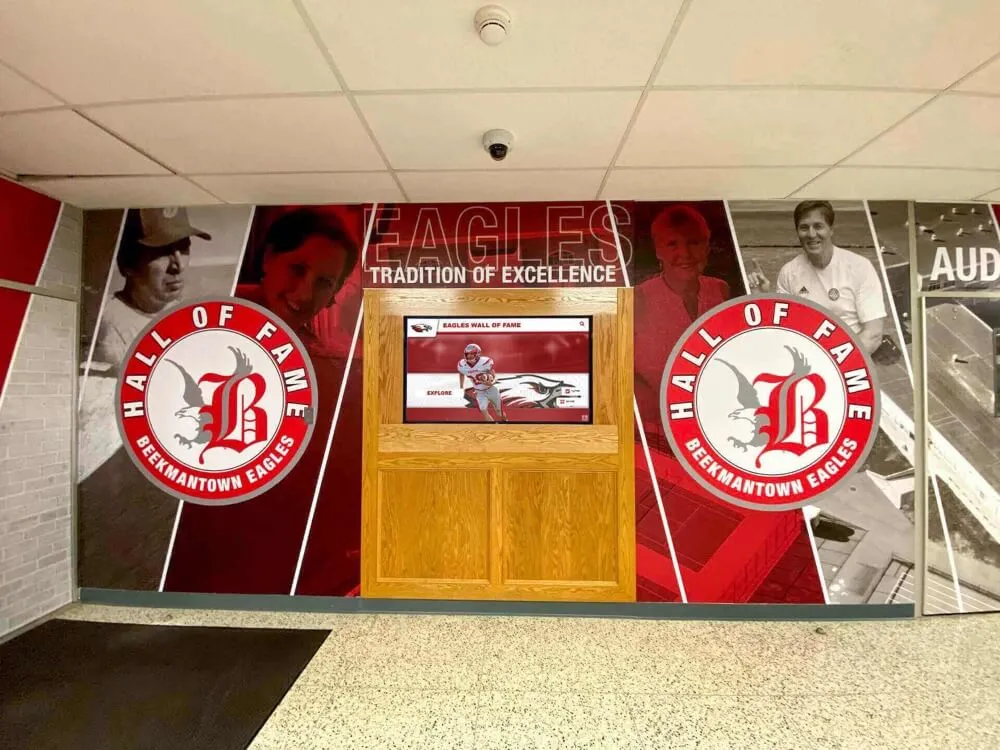
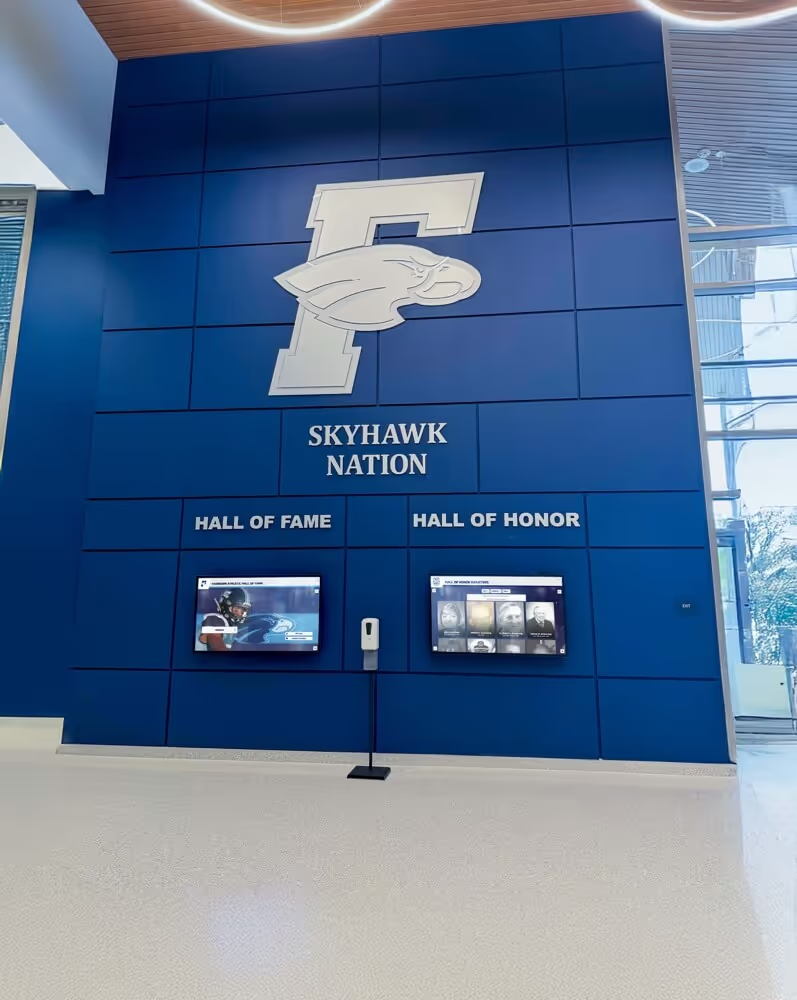
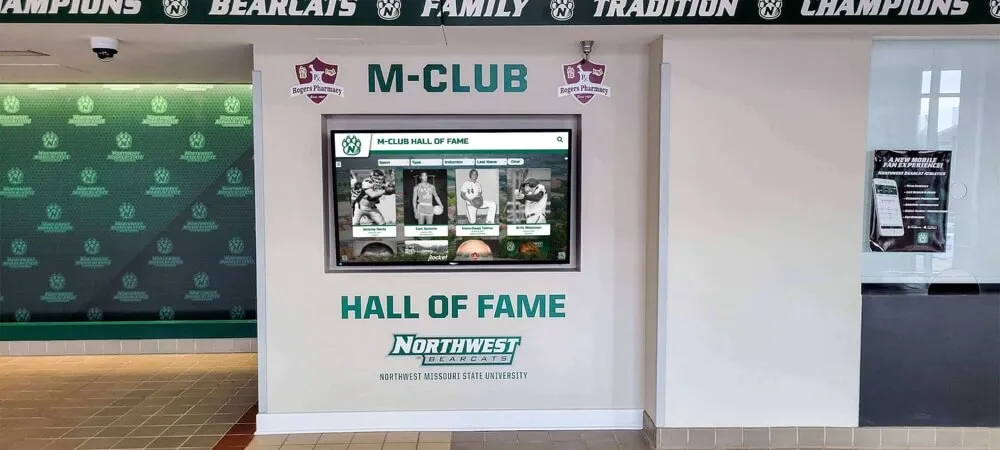
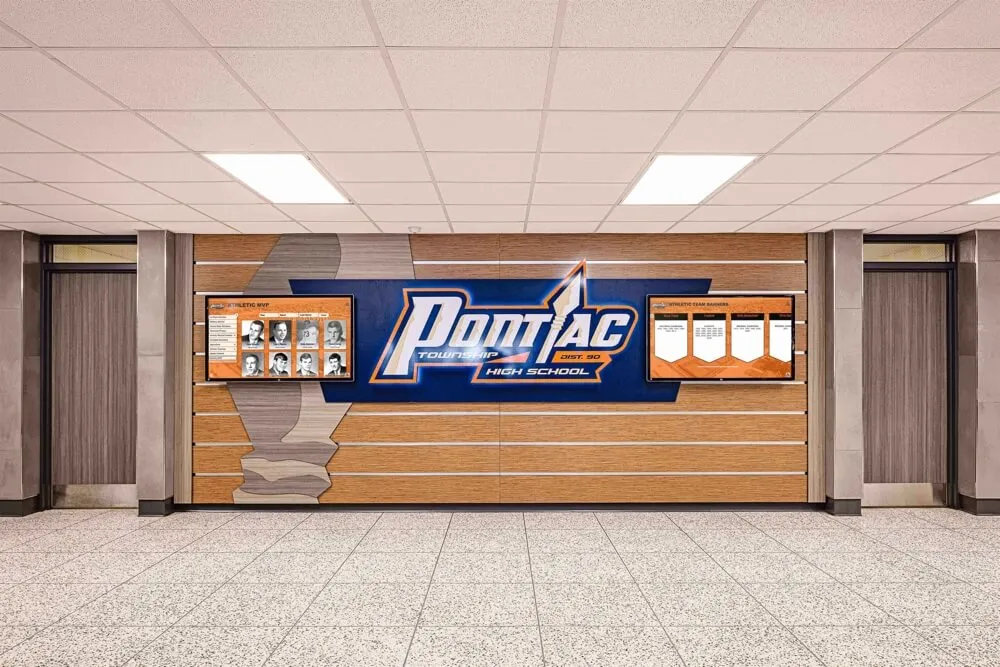
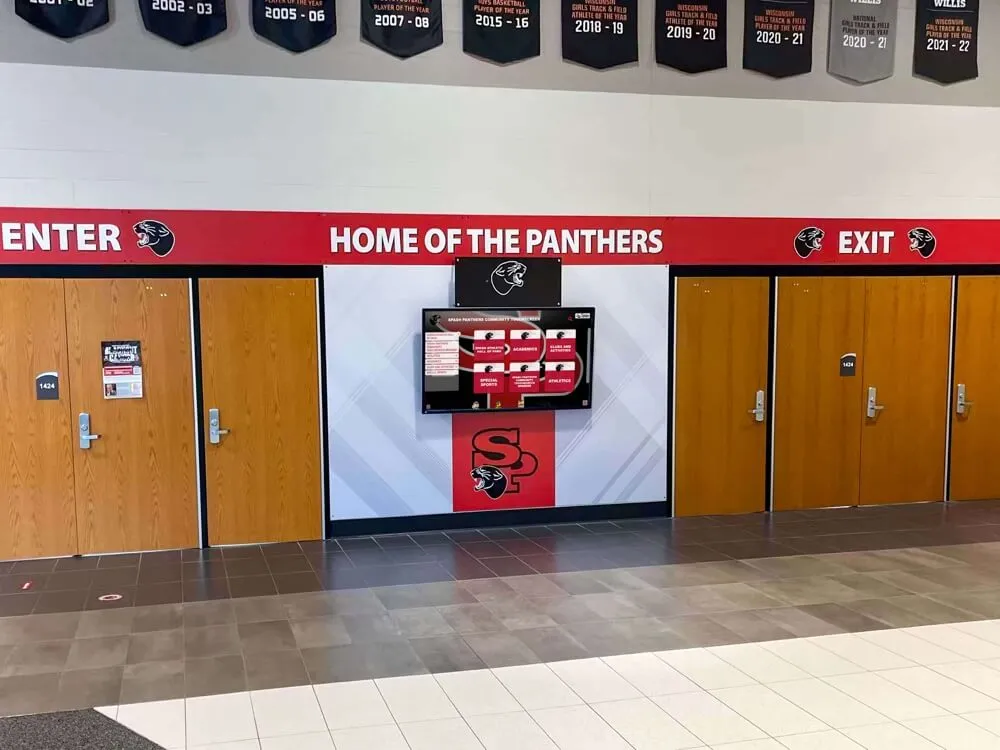
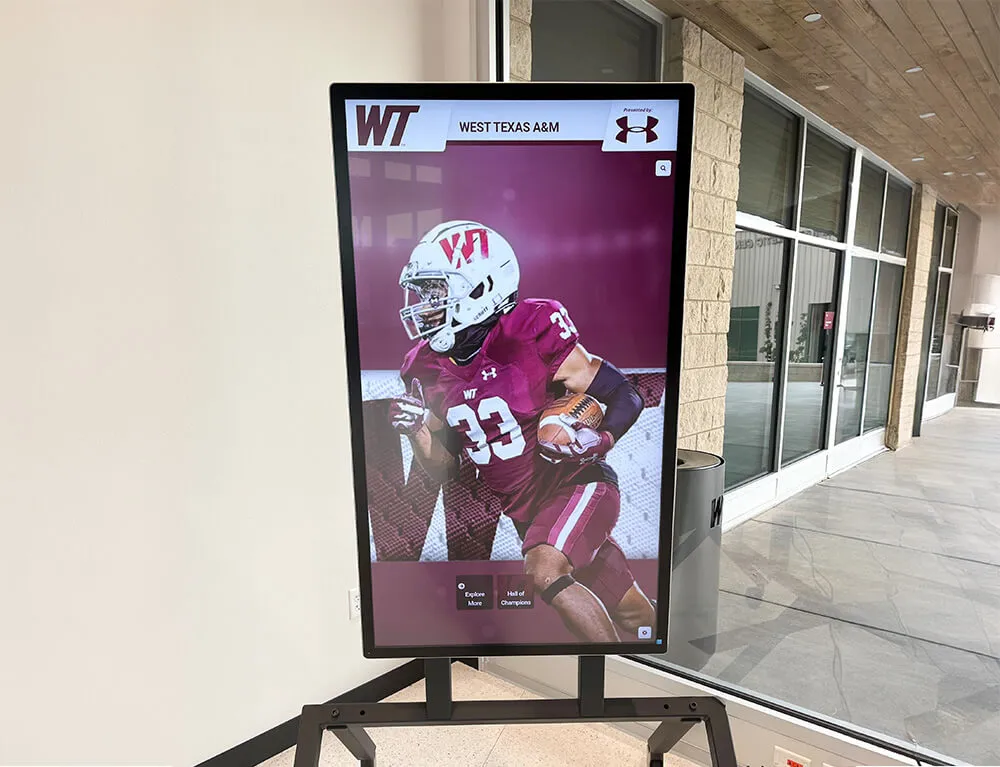
Innovative yearbook layouts adapt seamlessly to digital kiosk displays, creating engaging experiences beyond traditional printed pages
Authentic Photography Approaches That Capture Real School Life
Generic yearbook photography—stiff formal portraits, forced smile candids, and staged group shots—creates visual monotony regardless of how creative your layouts or themes might be. Photography innovation separates memorable yearbooks from forgettable ones.
Documentary Photojournalism Style
The most authentic creative yearbook ideas embrace photojournalistic approaches capturing genuine moments rather than manufactured tableaus:
Genuine Emotion and Unposed Moments
Instead of asking subjects to “say cheese,” skilled yearbook photographers anticipate and capture authentic reactions—genuine laughter during lunch conversations, intense concentration during competitions, quiet contemplation between classes, and spontaneous celebration after victories. These unscripted moments communicate emotional truth formal portraits rarely achieve.
Environmental Context and Storytelling
Rather than isolating subjects against neutral backgrounds, environmental portraits show people in meaningful contexts that reveal personality and activity. Athletes photographed in action during practice, artists surrounded by their work, musicians captured during rehearsal, or students documented in favorite campus locations all tell richer stories than decontextualized studio portraits.
Photo Sequences and Narrative Progression
Single photographs freeze individual moments, but photo sequences document complete narratives. A spread showing theatrical production might include series of images documenting auditions, rehearsals, costume preparation, backstage tension, performance highlights, and curtain call celebration—telling comprehensive stories rather than offering isolated glimpses.
Creative Portrait Innovation
While yearbooks require portrait documentation, creative approaches transform necessary formal images from obligatory checkbox into artistic expression:
Student-Directed Portrait Sessions
Progressive yearbook programs give students agency in how they’re photographed—choosing locations meaningful to them, incorporating props reflecting interests or achievements, selecting poses feeling authentic rather than forced, and even participating in lighting and composition decisions. This collaborative approach creates portraits reflecting genuine personality rather than institutional uniformity.
Personality-Driven Backgrounds and Settings
Instead of identical backgrounds for all portraits, varied locations add visual interest and individual expression. Academic achievers might photograph in libraries or laboratories. Athletes could pose near fields or courts. Artists work well surrounded by creative tools and projects. These contextual choices make portraits more memorable and meaningful.
Schools implementing comprehensive recognition programs benefit from portrait photography that works equally well in printed yearbooks and digital displays throughout campus.
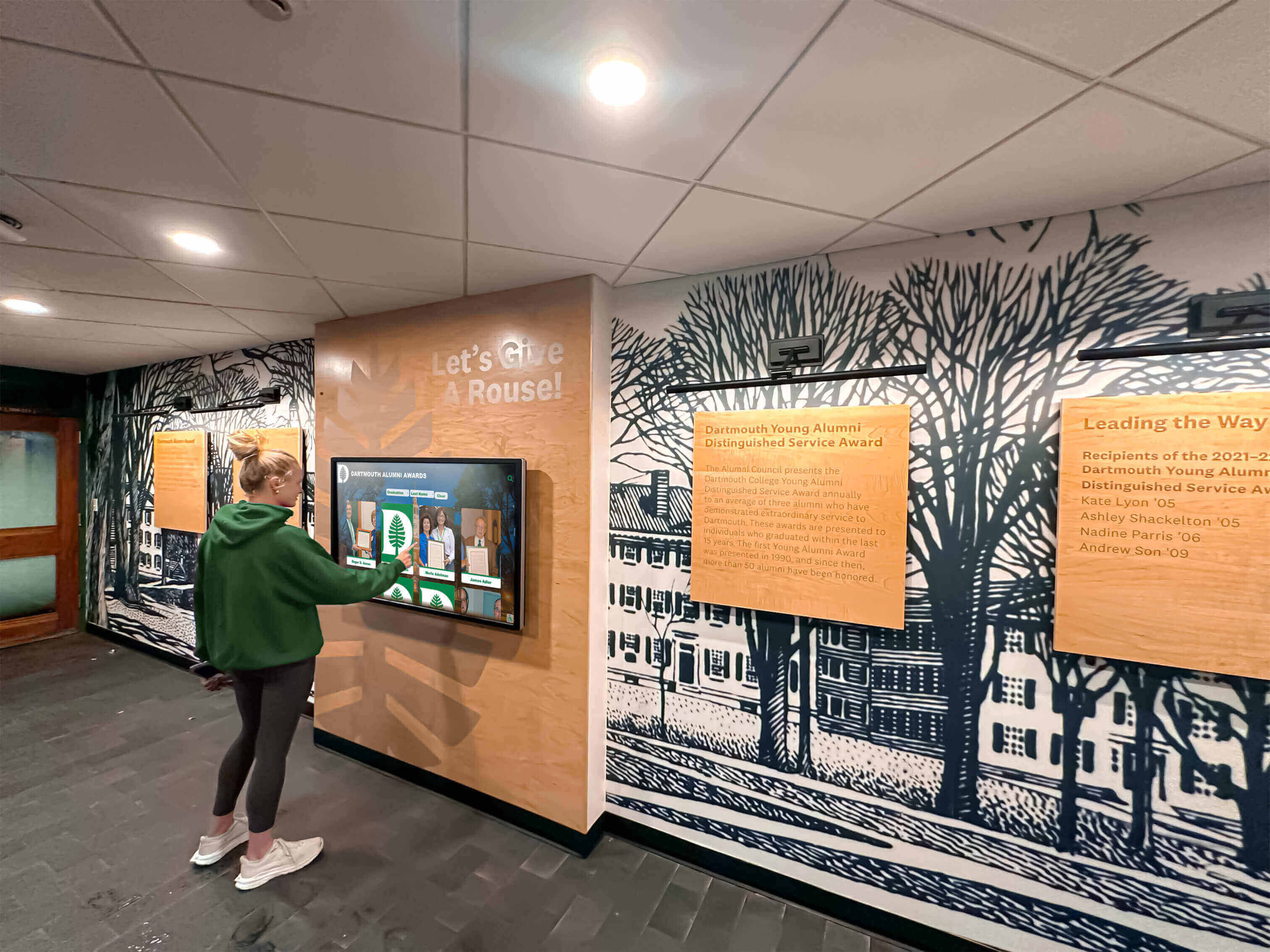
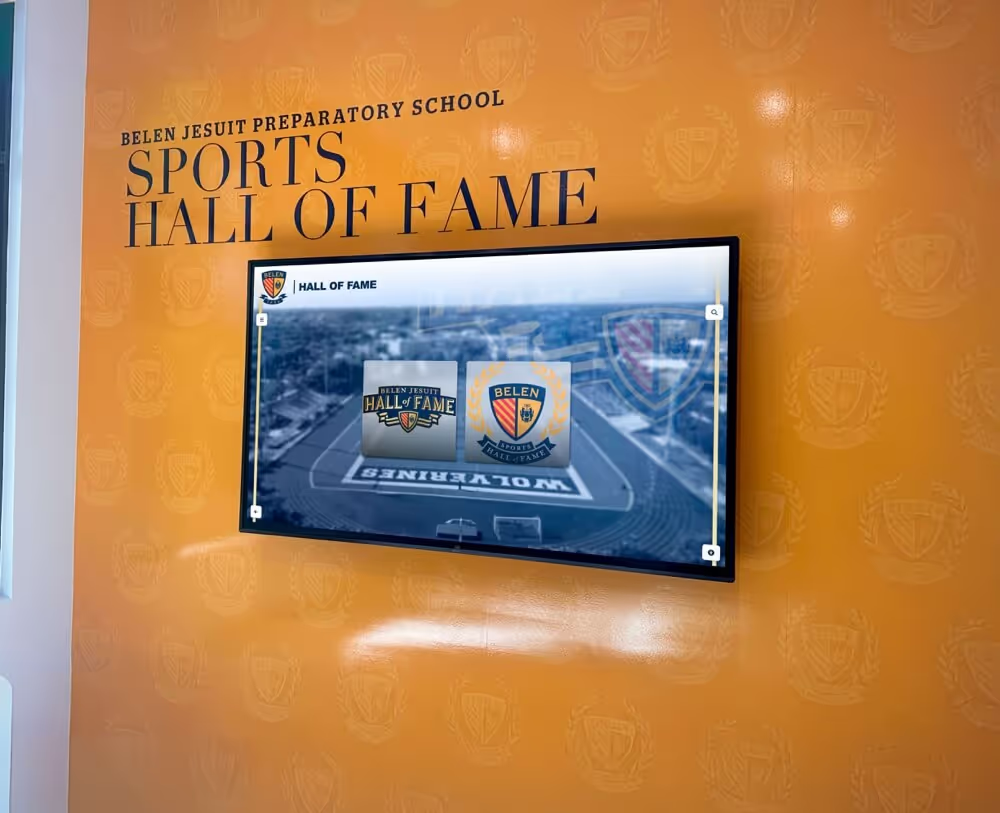
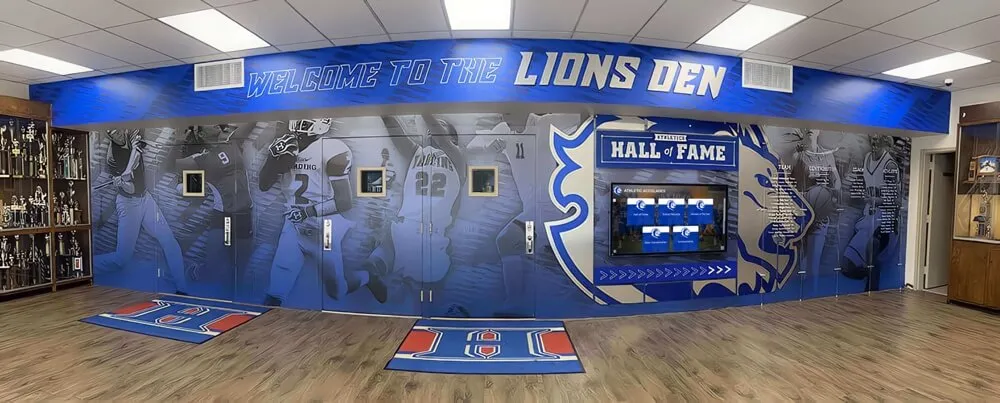
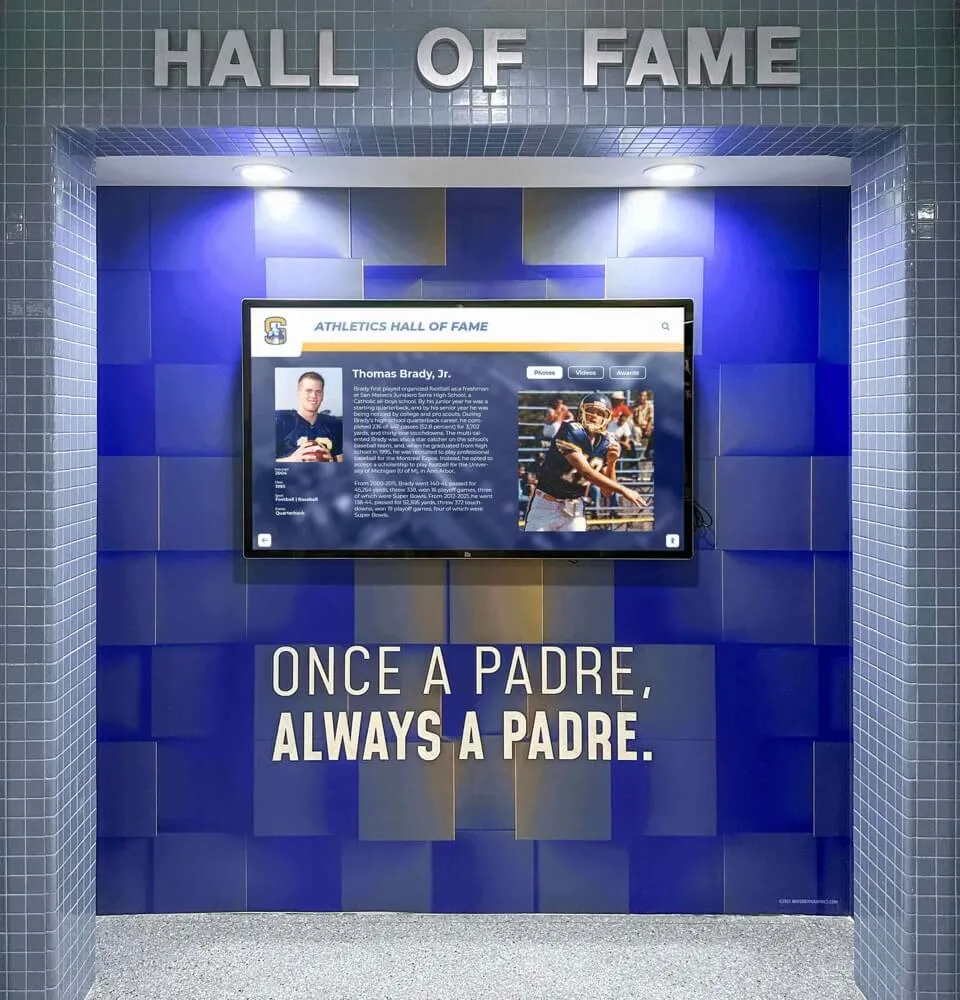
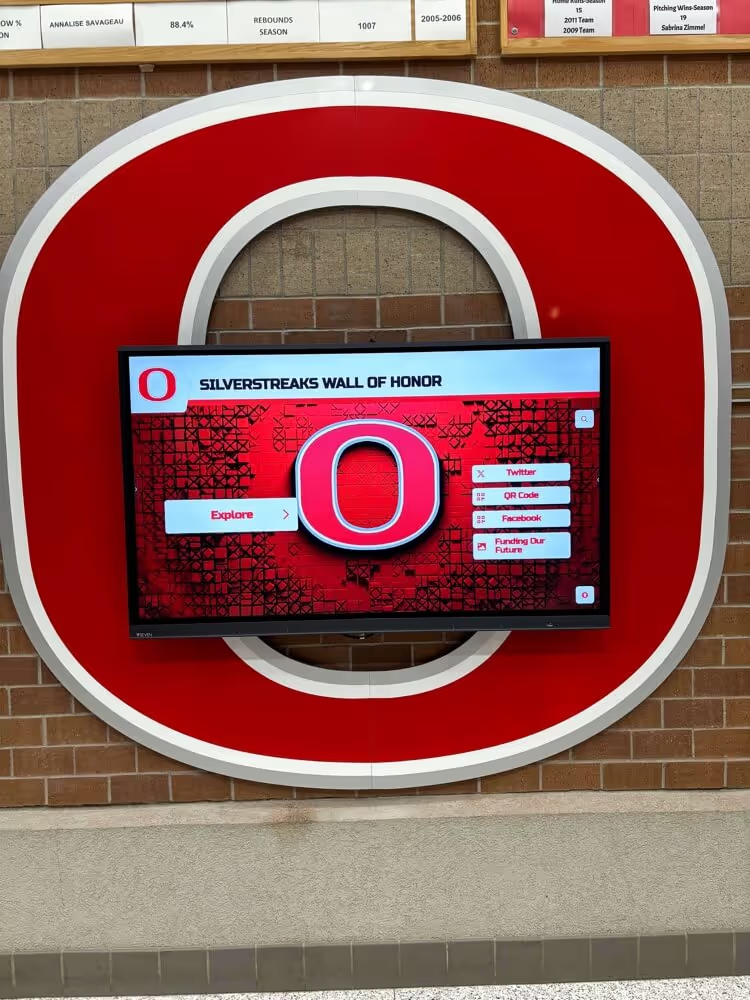
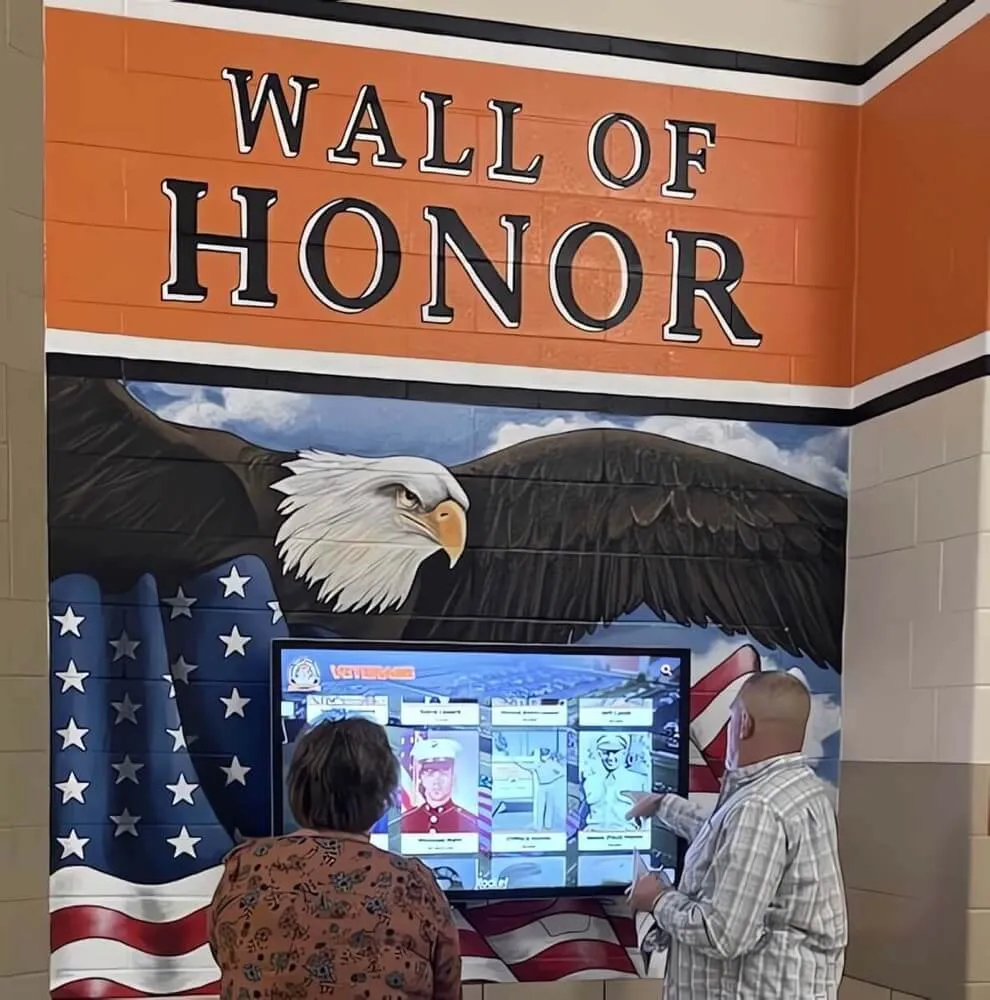
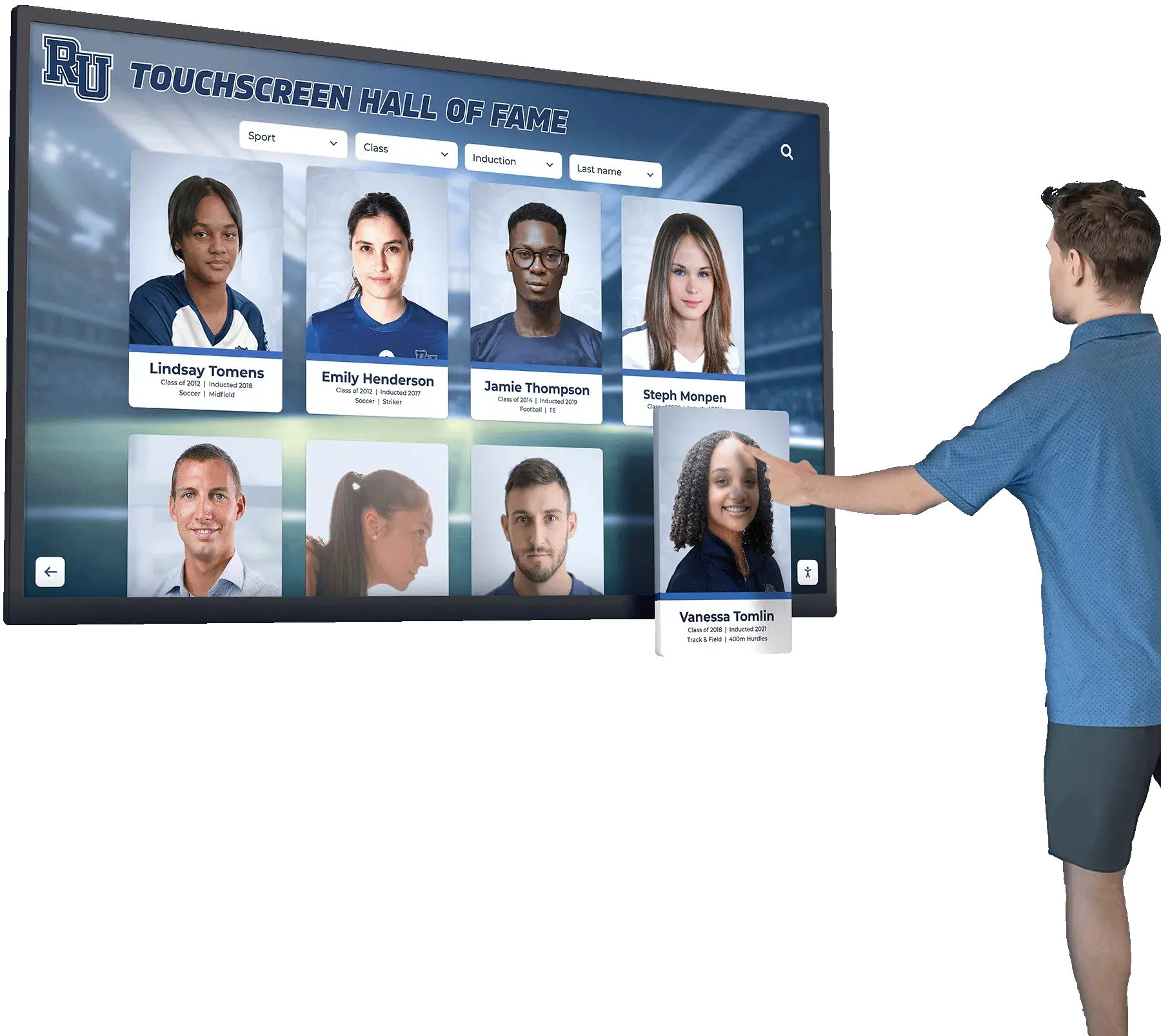
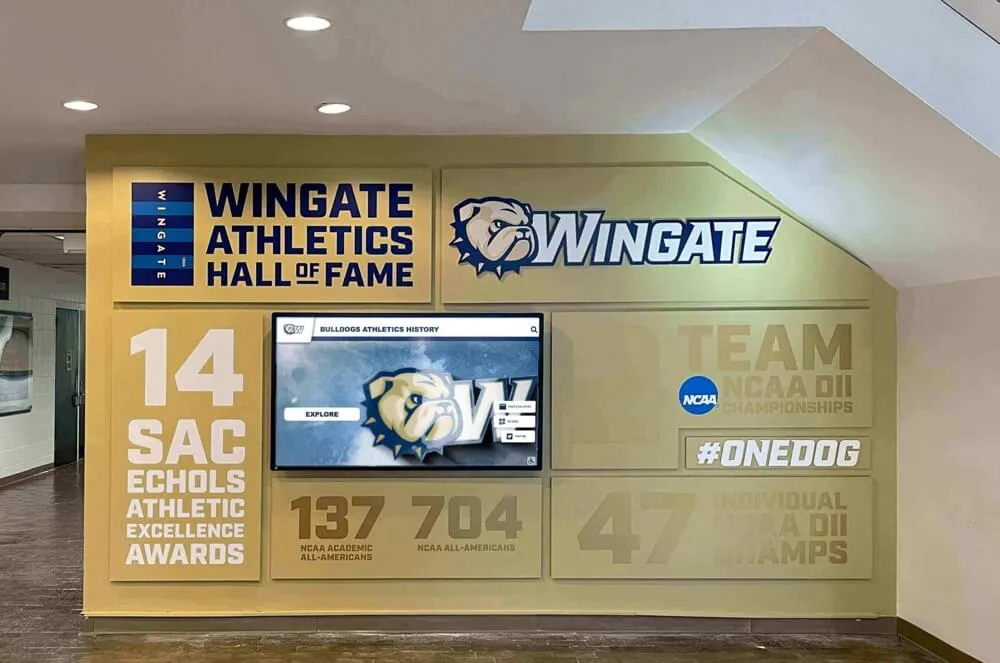
Portrait photography designed for creative yearbook use translates effectively to interactive digital platforms that engage students and alumni with institutional heritage
Inclusive Coverage That Represents Complete School Communities
Generic yearbooks over-represent high-profile athletics while under-documenting academic achievements, arts programs, vocational education, and everyday classroom experiences where most students actually spend their time. Creative yearbook ideas prioritize inclusive coverage ensuring every student sees themselves represented meaningfully.
Balanced Activity and Interest Coverage
Comprehensive yearbooks document the full breadth of school life rather than gravitating toward familiar, photogenic events receiving attention by default:
Academic Excellence and Intellectual Achievement
Science fair participants, debate champions, academic competition teams, National Merit scholars, and outstanding classroom work deserve equal prominence to athletic achievements. Creative spreads featuring academic pursuits with same energy and design treatment as sports sections demonstrate institutional values beyond just physical competition.
Arts and Creative Expression
Visual arts, performing arts, music programs, creative writing, and multimedia productions receive comprehensive coverage including rehearsal process documentation, artist interviews exploring creative approaches, finished work showcases, and behind-the-scenes preparation revealing how productions develop.
Career and Technical Education
Vocational programs, career technical education, internships, and applied learning experiences document preparation for life beyond school. Students learning welding, automotive repair, culinary arts, healthcare assistance, or construction trades deserve the same recognition as college-prep academic tracks.
Service and Community Engagement
Volunteer activities, service learning projects, community partnerships, and student activism demonstrate civic engagement and character development. Documenting these experiences acknowledges that education extends beyond academic content into character formation and social responsibility.
When schools establish meaningful recognition programs across all achievement areas, yearbooks naturally reflect this comprehensive celebration of student excellence.
Representation and Authentic Visibility
Inclusive yearbooks ensure diverse students see authentic representation throughout publications rather than token appearances:
Varied Body Types and Abilities
Photography and featured content include students with varied physical characteristics, abilities, and presentations. Adaptive sports, inclusive activities, and universal design elements receive visibility demonstrating institutional commitment to authentic belonging.
Cultural and Identity Group Representation
Affinity groups, cultural celebrations, heritage months, and identity-based organizations receive coverage highlighting how diverse communities contribute to overall school culture. These features document authentic student experience rather than presenting homogeneous institutional image.
Non-Traditional Family Structures
When featuring families and guardians, inclusive language and imagery acknowledge varied family structures students actually experience—single parents, grandparents as primary guardians, same-sex parents, foster families, and chosen family configurations deserve representation reflecting contemporary reality.
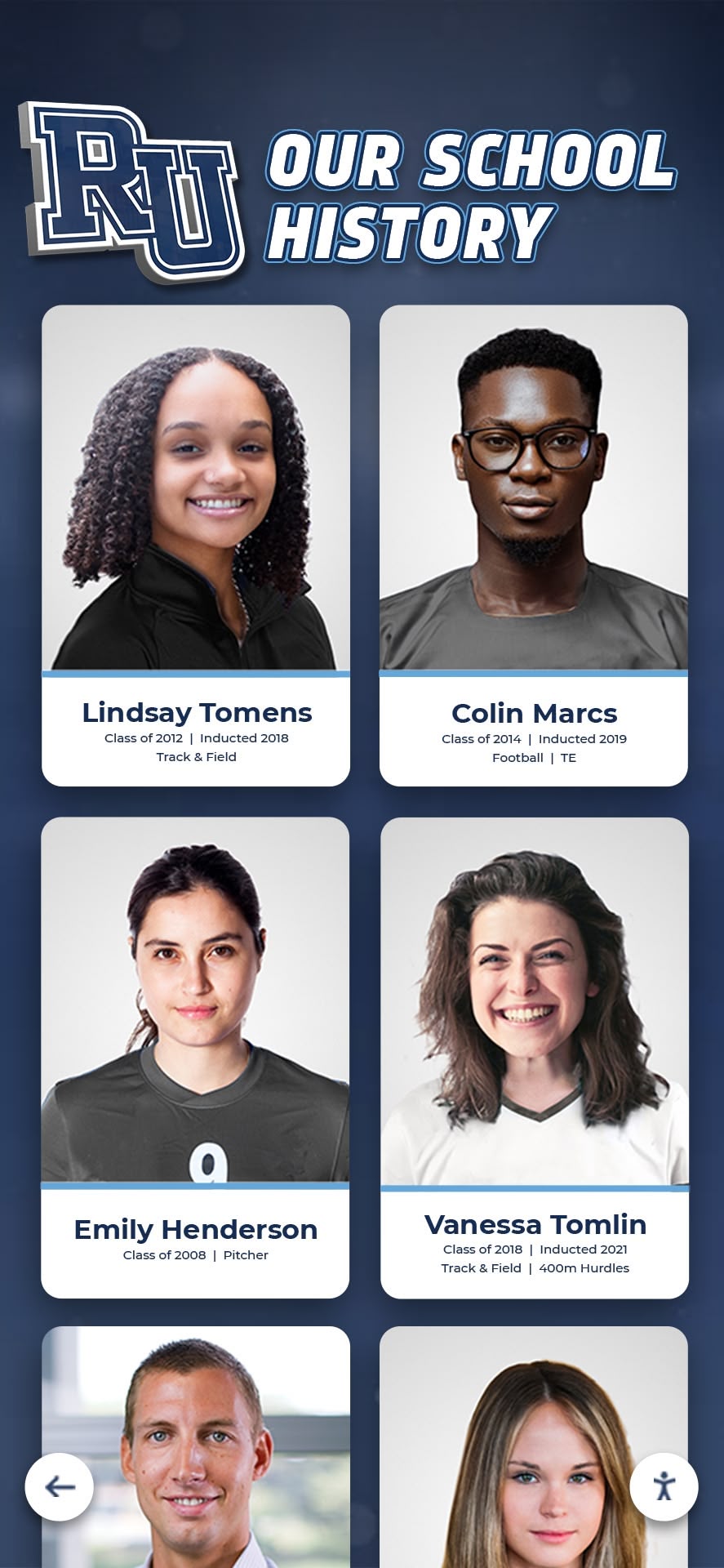
Inclusive yearbook coverage creates comprehensive visual archives documenting diverse student experiences and achievements across all programs and activities
Interactive and Digital Integration Ideas
Creative yearbook ideas increasingly blur boundaries between print and digital experiences, leveraging technology to extend engagement beyond physical books:
QR Codes and Extended Digital Content
Strategically placed QR codes transform static printed pages into portals accessing extended digital content impossible to include in physical volumes:
Video Content and Multimedia
QR codes link to performance videos, athletic highlights, interview recordings, time-lapse project documentation, virtual campus tours, and multimedia storytelling extending beyond what static photographs can communicate. Schools create dedicated yearbook video channels hosting this extended content accessible indefinitely.
Photo Galleries and Additional Images
While printed pages accommodate limited photographs, digital galleries linked through QR codes showcase hundreds of additional candid shots, alternative angles, and bonus content. These extended galleries ensure more students appear in yearbook documentation even when limited page count restricts print inclusions.
Interactive Timelines and Data Visualizations
Complex information like sports statistics, academic achievement data, or school year timelines work better as interactive digital experiences than static print graphics. QR codes connect readers to explorable data visualizations, sortable databases, and interactive timelines providing deeper context.
Augmented Reality Enhancements
Cutting-edge yearbooks experiment with augmented reality technologies activating when students view pages through smartphone applications:
Animated Portraits and Photos
AR technology brings printed portraits to life with brief video clips, animated effects, or 3D presentations when viewed through camera apps. These enhancements delight students while documenting personality and movement static photographs cannot capture.
Virtual Content Overlays
AR applications overlay additional information, graphics, or contextual content onto printed pages—revealing hidden easter eggs, displaying supplementary data, or adding commemorative elements. These hidden features encourage repeated engagement and exploration.
Students familiar with engaging pep rally activities appreciate interactive yearbook elements that bring similar energy to documentation and memory preservation.
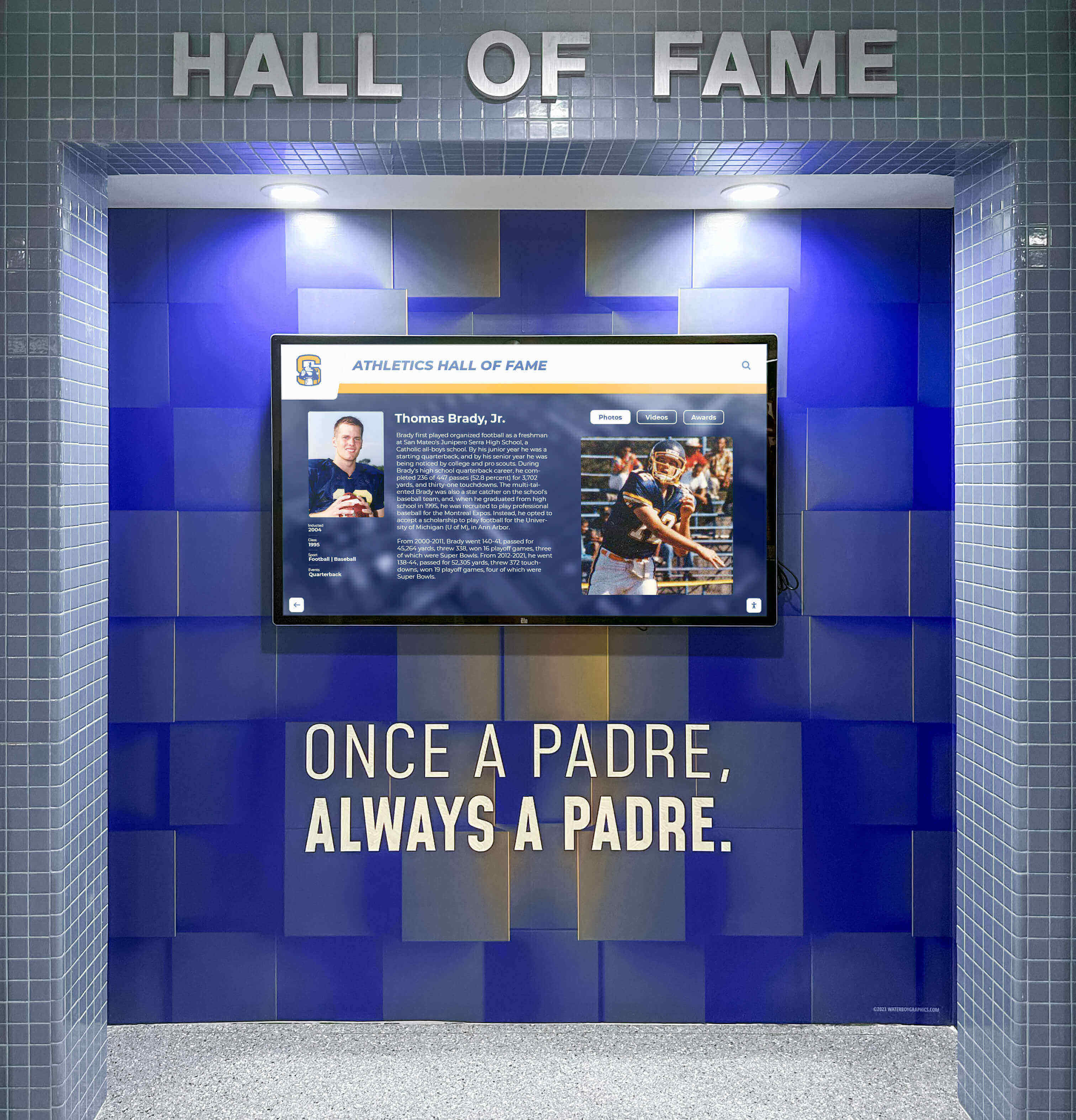
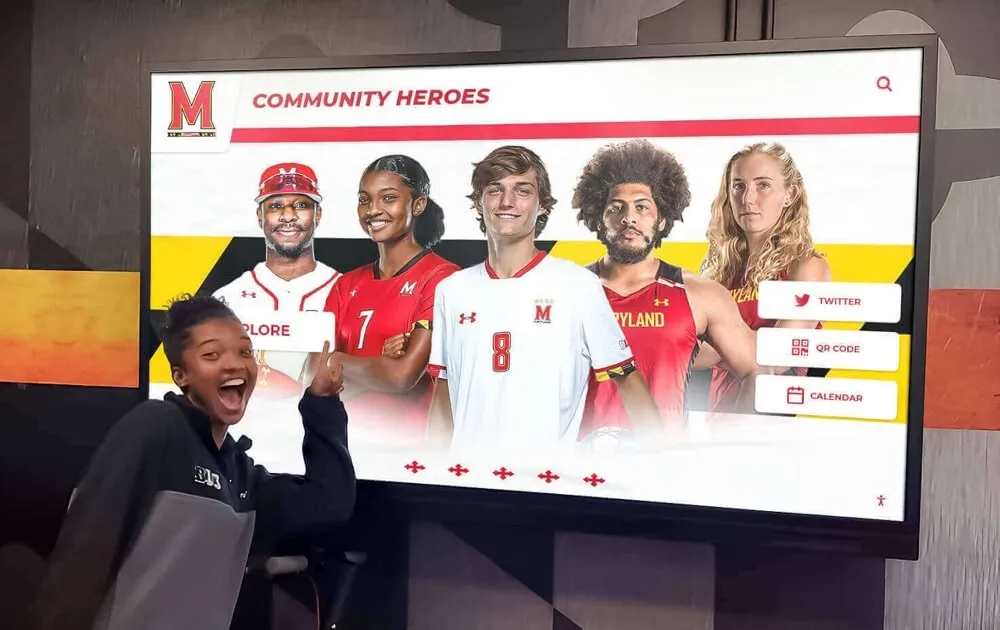
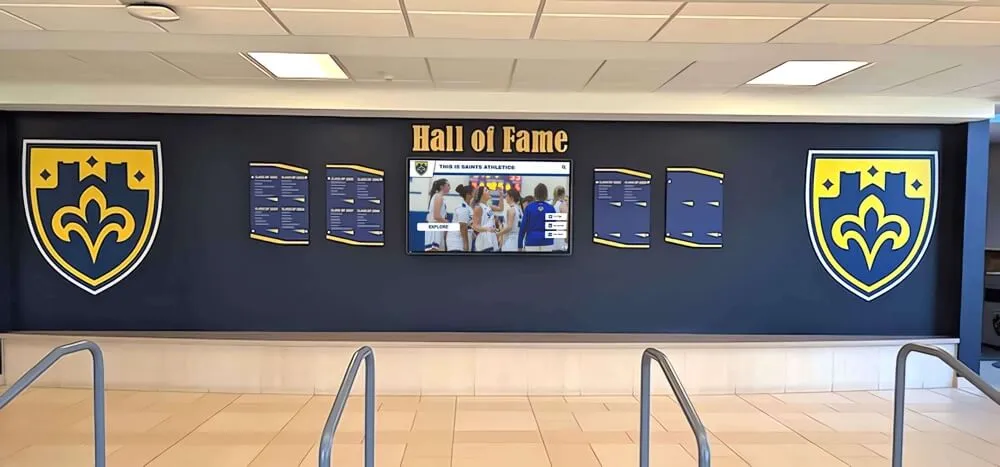
Digital integration enables yearbook content to appear throughout campus on recognition displays, extending visibility and engagement year-round rather than limiting access to printed volumes
Student-Generated Content and Collaborative Creation
Traditional yearbook production involves small staff teams creating all content, but creative approaches incorporate broader student participation transforming yearbooks into truly collaborative community projects:
Crowdsourced Photography and Candid Submissions
Rather than relying exclusively on yearbook photographers, programs establish photo submission portals enabling entire student body to contribute:
Digital Submission Platforms
Cloud-based submission systems let students upload photos from their own phones capturing moments yearbook staff might miss—lunch table conversations, hallway interactions, after-school hangouts, weekend activities, and spontaneous celebrations. Moderation processes ensure appropriate content while dramatically expanding documentation scope.
Student Photography Challenges
Themed photography assignments challenge entire student body to submit images reflecting specific prompts—“best school spirit moment,” “academic excellence in action,” “friendship and community,” or “campus beauty spots.” These challenges generate hundreds of submissions providing fresh perspectives and ensuring broader participation.
Student-Written Features and Perspectives
Beyond staff-created articles, collaborative yearbooks incorporate diverse student voices:
Senior Perspectives and Reflections
Rather than generic “senior will and testament” templates, yearbooks feature authentic senior-written reflections on high school experience, advice for younger students, memorable moments, and personal growth narratives. These first-person accounts create emotional resonance generic third-person descriptions cannot achieve.
Student Interviews and Profiles
Students interview peers about activities, achievements, interests, and experiences, creating peer-to-peer documentation that captures authentic language and perspective. These student-created profiles often reveal personality and insight professional journalism approaches miss.
Creative Writing and Artistic Contributions
Poetry, short fiction, artistic illustrations, and creative expressions related to school experience add literary and artistic dimensions transforming yearbooks from pure documentation into creative publications showcasing student talent across mediums.
Schools fostering school pride and identity benefit when yearbooks become collaborative community projects rather than products created by isolated small teams.
Typography and Graphic Design Innovation
Creative yearbook ideas extend beyond photography and layout into typography and graphic treatments that establish strong visual identities:
Custom Typography Systems
Rather than defaulting to standard fonts available in all software, distinctive yearbooks develop custom typography approaches:
Hand-Lettering and Custom Type Treatments
Hand-drawn titles, custom lettering for section headers, and unique typographic treatments create distinctive personality impossible to achieve with standard fonts. Student artists contribute original lettering reflecting school identity and creative spirit.
Bold Display Typography
Oversized typography creates drama and visual interest—enormous headlines dominating spreads, letter-based page numbers integrated into layouts, and type-as-graphic-element approaches where words become visual rather than merely textual.
Thoughtful Font Pairing Systems
Rather than using single font throughout or random font combinations creating visual chaos, sophisticated typography pairs complementary fonts—distinctive display fonts for headlines combined with highly readable body text, contrasting weights creating hierarchy, and consistent pairing systems maintaining cohesion across varied pages.
Graphic Elements and Visual Motifs
Beyond text and photography, graphic treatments add polish and personality:
Thematic Graphic Systems
Repeating graphic elements supporting overall themes—wave patterns for coastal schools, geometric designs for STEM-focused institutions, organic flowing shapes for arts schools, or angular dynamic elements for athletic programs. These motifs appear throughout yearbooks creating subconscious visual cohesion.
Color Palette Strategies
While school colors provide natural starting points, creative color systems extend beyond basic color blocking. Sophisticated approaches include primary school colors for brand consistency, secondary accent colors adding variety and visual interest, neutral foundations preventing color overwhelm, section-specific color coding aiding navigation, and intentional black-and-white photography providing sophisticated contrast.
Infographics and Data Visualization
Instead of text-heavy statistical presentations, creative infographics communicate data visually—achievement statistics, demographic information, event attendance, budget allocations, or historical comparisons presented through engaging charts, graphs, and visual data displays.
Section-Specific Creative Approaches
Different yearbook sections present unique creative opportunities:
Student Portrait Sections Reimagined
Beyond standard portrait grids, creative approaches add personality to obligatory documentation:
Personality Questions and Quick Facts
Rather than names alone, portraits include brief personality revelations—favorite quotes, future plans, hidden talents, or quirky facts personalizing each individual beyond visual documentation.
Creative Portrait Arrangements
Instead of strict alphabetical grids, creative arrangements group students by shared interests, activities, friend groups, or random pairings creating unexpected juxtapositions and conversation starters.
Alternative Portrait Options
Progressive programs offer portrait alternatives accommodating students uncomfortable with traditional photography—illustrated portraits, profile silhouettes, creative self-representations, or text-based profiles for students declining photographic inclusion while still appearing in documentation.
Sports and Athletics Coverage Innovation
Athletic sections often dominate yearbook coverage, so creative approaches prevent staleness:
Beyond Action Shots and Team Composites
While game action and team photos remain important, creative athletics coverage includes training and preparation documentation, behind-the-scenes teammate interactions, detailed statistical visualizations, coach and athlete interviews, injury recovery stories, manager and support staff features, and multi-year athlete progression series.
Individual Athlete Spotlights
Rather than featuring only varsity stars, inclusive coverage highlights athletes across all levels—freshmen making contributions, players who never start but exemplify dedication, managers and trainers enabling team success, and athletes overcoming challenges demonstrating character.
Schools implementing team bonding initiatives create yearbook-worthy content documenting relationships and culture beyond just competition results.
Faculty and Staff Features That Show Personality
Generic faculty portraits and lists make teachers feel interchangeable. Creative approaches reveal personality:
“Teacher Superlatives” and Fun Facts
Beyond credentials and subjects taught, features revealing teacher personalities—hidden talents, hobbies, surprising backgrounds, pet peeves, favorite student moments, or lighthearted awards voted by students.
Teacher-Student Connection Stories
Features highlighting mentorship relationships, impactful advice teachers offered, or transformative moments when educators made meaningful differences in student lives. These stories honor educator impact beyond academic instruction.
Day in the Life Features
Documentary-style features following teachers, administrators, custodians, cafeteria staff, or other personnel through typical days, revealing behind-the-scenes work making school function and humanizing adults students see daily but may not truly know.
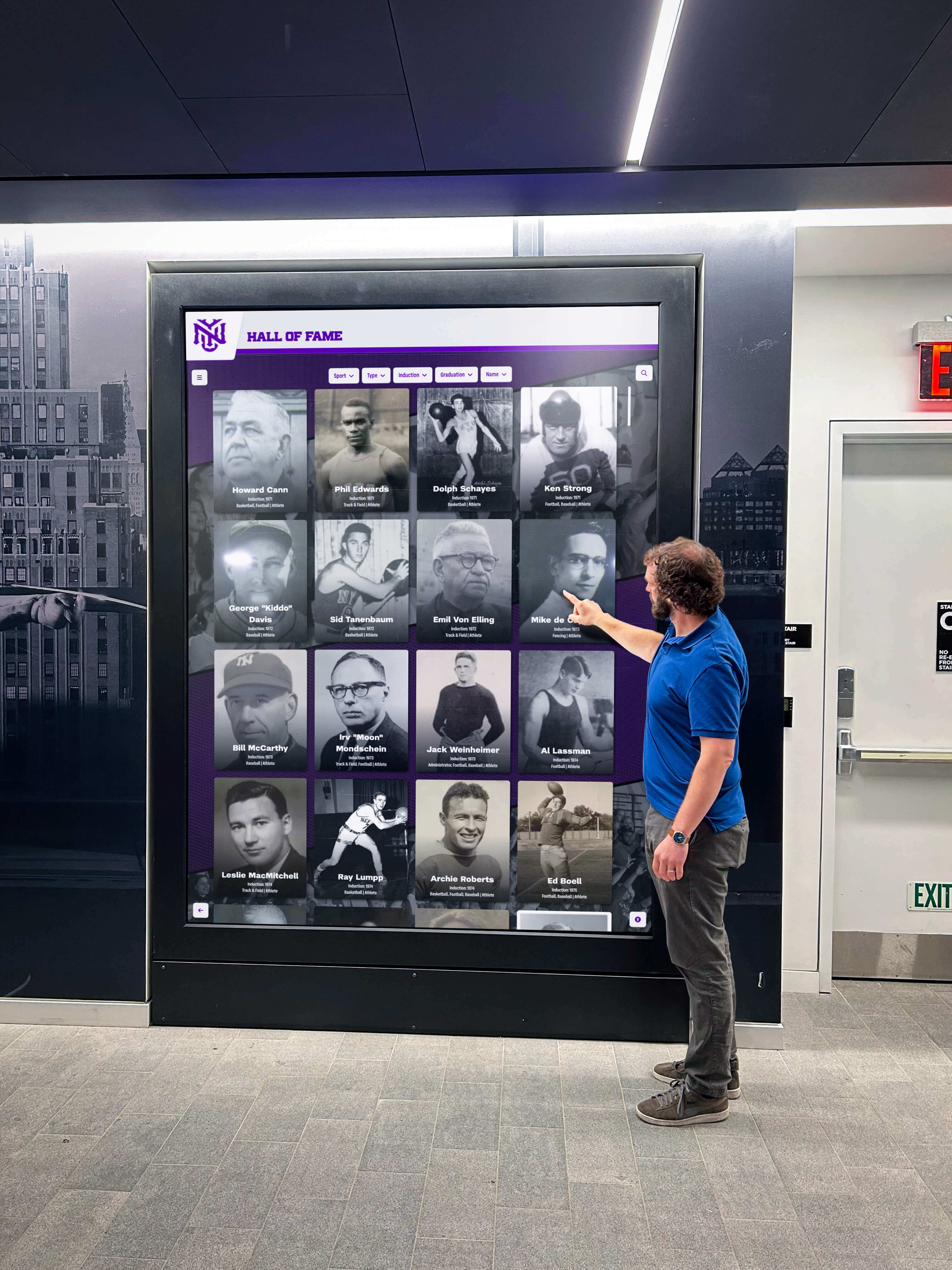
Creative yearbook content serves multiple purposes—from printed documentation to digital displays engaging visitors and community members with school stories and achievements
Budget-Conscious Creative Solutions
Creative yearbook ideas don’t require unlimited budgets. Many innovations use existing resources more creatively rather than demanding expensive upgrades:
Low-Cost Design Innovations
Maximizing Standard Publisher Templates
Even when using publisher-provided templates for budget reasons, creative customization adds distinctiveness—modifying color schemes to reflect school identity, adjusting margins and spacing creating unique proportions, strategically incorporating white space preventing template-generic appearance, and mixing template elements in unexpected combinations.
Strategic Upgrade Investment
Rather than upgrading everything, focus premium spending on high-impact elements—feature spreads receiving special paper stock or printing treatments, cover design investing in distinctive materials or finishing, or key section dividers using enhanced production techniques while maintaining standard approaches for remaining pages.
Free and Low-Cost Creative Resources
Student Talent and Skills
The most underutilized yearbook resource is existing student talent—student artists creating custom illustrations and graphics, student photographers expanding coverage beyond yearbook staff, student writers contributing features and articles, and student designers learning software and contributing layout work.
Free Design Resources and Tools
Abundant free resources support creative production—Google Fonts providing diverse typography options, Creative Commons imagery supplementing original photography, Canva and free design platforms offering graphic creation tools, and royalty-free music for digital video content.
Community Partnerships
Local professionals often donate services or expertise supporting school programs—graphic designers offering consultation, photographers providing training, printing companies supplying discounted services, and alumni professionals mentoring student teams.
Implementation Strategy for Creative Yearbook Ideas
Understanding creative possibilities matters little without strategic implementation approaches:
Building Creative Teams and Culture
Recruiting Diverse Staff Talents
Effective yearbook programs recruit broadly rather than limiting participation to traditional journalist students—artists contributing visual creativity, photographers expanding documentation capacity, writers adding diverse voices, technology enthusiasts managing digital integration, and business-minded students handling sales and budget management.
Professional Development and Skill Building
Creative yearbook production requires ongoing skill development—attending yearbook workshops and conferences, online training for software and techniques, mentorship from professional designers or journalists, and progressive skill-building across multiple years enabling advanced work.
Encouraging Creative Risk-Taking
Innovation requires permission to experiment and occasionally fail. Supportive advisers encourage creative attempts, celebrate ambitious efforts even when results fall short, provide constructive feedback strengthening future work, and gradually expand creative freedom as teams demonstrate capability.
Timeline and Production Planning
Front-Loading Creative Development
Rather than treating design as afterthought, creative yearbooks invest substantial early planning—theme development and visual system design before content creation begins, style guides establishing consistent standards, comprehensive photography shot lists ensuring coverage, and detailed page plans preventing last-minute scrambling.
Iterative Review and Revision
Quality results from multiple revision rounds rather than single creation efforts. Structured review processes include regular checkpoint reviews throughout production, peer critique sessions strengthening designs, external feedback from administrators and community members, and systematic revision addressing identified weaknesses.
Buffer Time for Innovation
Tight deadlines discourage creative experimentation. Realistic timelines incorporate buffer time for trying new approaches, revising unsuccessful attempts, and polishing sophisticated designs requiring extra effort beyond basic documentation.
Transform Yearbook Content Into Lasting Recognition and Engagement
The most creative yearbook programs recognize that exceptional content serves purposes far beyond single-year documentation. When designed with digital integration and long-term preservation in mind, yearbook photography, profiles, and stories become valuable institutional assets feeding interactive touchscreen displays, searchable alumni archives, social media engagement, and comprehensive recognition systems that celebrate achievement and strengthen school culture year-round.
Whether you’re reimagining yearbook programs with innovative themes and designs, building digital display systems showcasing student achievement, or creating integrated recognition platforms connecting print and digital experiences, modern solutions combine outstanding creative execution with powerful technology designed specifically for educational institutions.
Explore Integrated Yearbook and Recognition Solutions to discover how touchscreen display systems, digital yearbook platforms, and comprehensive recognition solutions work together to preserve memories while creating engaging experiences that students, alumni, and communities value for generations.
Bringing Creative Yearbook Ideas to Life in Your School
The gap between ordinary yearbooks and extraordinary publications rarely comes down to budget limitations or professional expertise. Instead, the most memorable yearbooks result from intentional creative thinking, authentic storytelling, and commitment to documenting school experience in ways that resonate emotionally with students while preserving institutional heritage meaningfully.
Creative yearbook ideas explored throughout this guide—authentic themes reflecting unique school identity, innovative layouts breaking traditional molds, photojournalistic approaches capturing genuine moments, inclusive coverage representing complete communities, digital integration extending beyond printed pages, collaborative creation involving broader student participation, and sophisticated design establishing distinctive visual identity—all remain accessible to programs at any resource level willing to think differently about yearbook purpose and execution.
Implementation begins with fundamental shifts in how yearbook programs approach their mission. Rather than viewing yearbooks primarily as obligatory documentation fulfilling tradition, creative programs recognize yearbooks as powerful storytelling vehicles, community engagement platforms, institutional memory preservation, and student voice amplification. This reframing opens creative possibilities that purely functional documentation approaches never discover.
Start by examining your current yearbook against creative possibilities explored here. Identify specific areas where conventional approaches could evolve into more authentic, engaging, or innovative alternatives. Rather than attempting comprehensive transformation immediately, select two or three creative strategies implementing this year while planning additional evolution for future volumes.
Build teams embracing diverse talents and perspectives rather than limiting participation to traditional journalist students. Invest in skill development through training, workshops, and progressive learning enabling increasingly sophisticated work. Create cultures encouraging creative risk-taking where ambitious experiments receive support even when results occasionally fall short of vision.
Design with multiple applications in mind—not just printed pages but digital displays throughout campus, online archives accessible worldwide, and social media content engaging broader communities. When yearbook photography and content serve multiple institutional purposes beyond single-year documentation, investment justification becomes easier and strategic value multiplies.
Most importantly, center authentic student experience throughout creative development. The themes, layouts, photography, and content strategies that resonate most powerfully emerge from genuine student perspectives rather than adult assumptions about what students should value. When yearbook programs genuinely listen to and empower student voices, creativity flourishes in ways predetermined approaches never achieve.
Your school’s story deserves telling in distinctive ways that honor what makes your community unique while creating lasting value students treasure for decades. The creative yearbook ideas that matter most aren’t necessarily the flashiest or most technically sophisticated—they’re the ones authentically capturing and celebrating the specific students, traditions, achievements, and moments defining your institution’s character during the particular year documented.
Ready to transform your yearbook program with creative approaches that engage students, celebrate community, and preserve heritage in meaningful ways? Discover how integrated solutions combining outstanding design with modern technology create yearbook experiences that matter at Rocket Alumni Solutions.