The modern workplace demands more than bulletin boards and printed memos. Corporate digital signage has emerged as a transformative technology that revolutionizes how organizations communicate internally, recognize employee achievements, engage visitors, and build thriving workplace cultures. From lobby displays that create impressive first impressions to employee recognition walls that celebrate team contributions, digital signage addresses the communication challenges that traditional methods simply cannot solve.
Organizations implementing corporate digital signage report significant improvements in employee engagement, communication effectiveness, and workplace satisfaction. Unlike static posters that become invisible background noise or email announcements buried in overflowing inboxes, dynamic digital displays capture attention, deliver timely information, and create memorable experiences that resonate with employees and visitors alike.
Whether you’re a facilities manager upgrading workplace environments, an HR professional seeking better employee engagement strategies, a corporate communications director managing information flow across multiple locations, or an executive leadership team committed to strengthening organizational culture, corporate digital signage offers practical solutions that deliver measurable results. This comprehensive guide explores how modern organizations leverage digital displays to transform workplace communication, implement effective recognition programs, create compelling visitor experiences, and build the engaged, motivated workplace cultures that drive business success.
Companies implementing comprehensive corporate digital signage systems consistently report 30-40% improvements in internal communication reach, 25-35% increases in employee engagement scores, and significantly enhanced visitor satisfaction—demonstrating clear returns on technology investments while strengthening workplace culture and organizational identity.

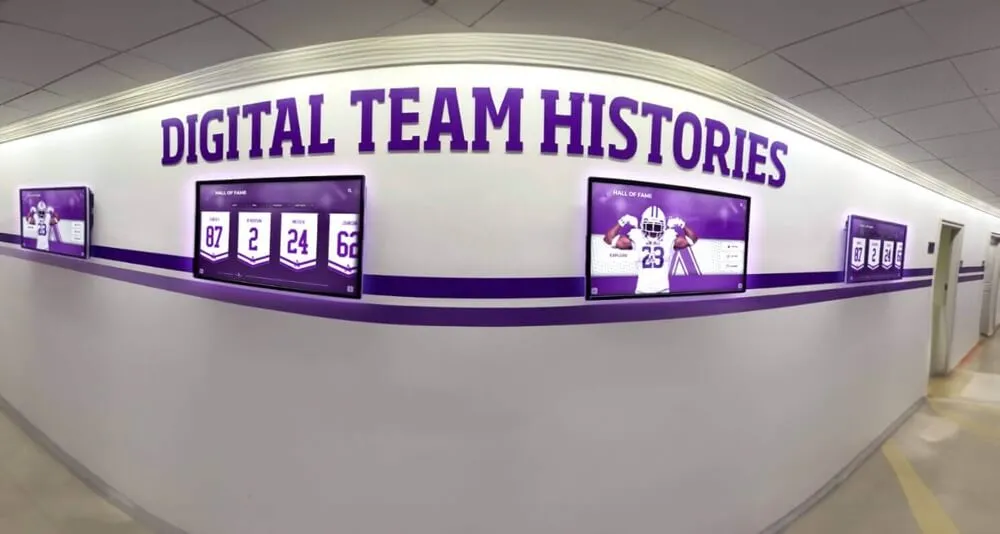
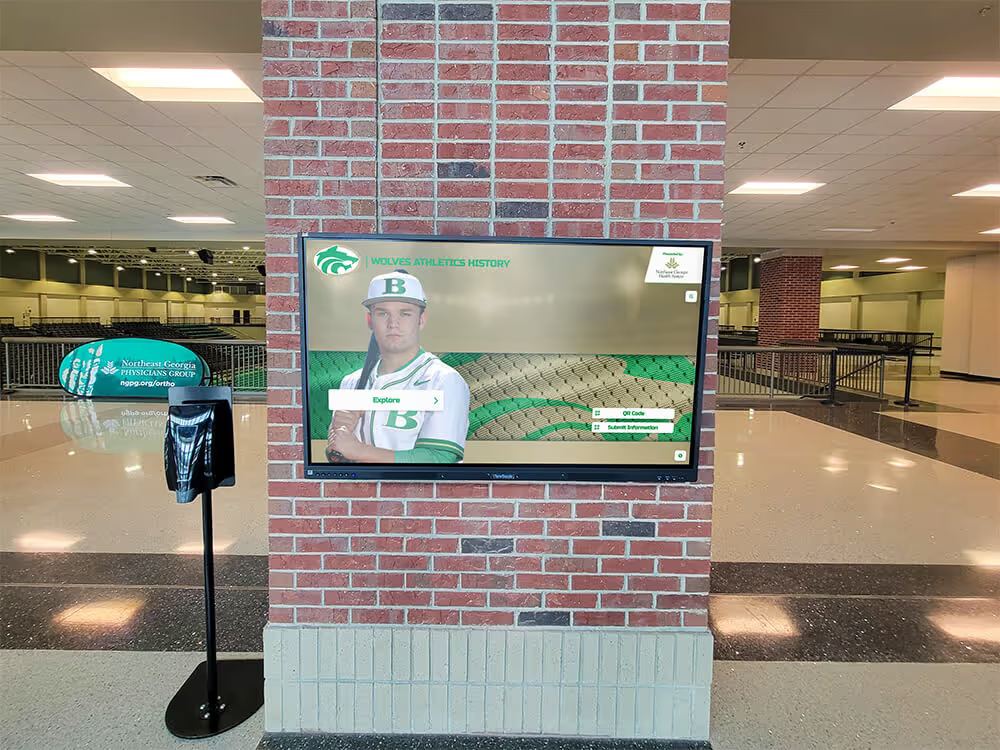
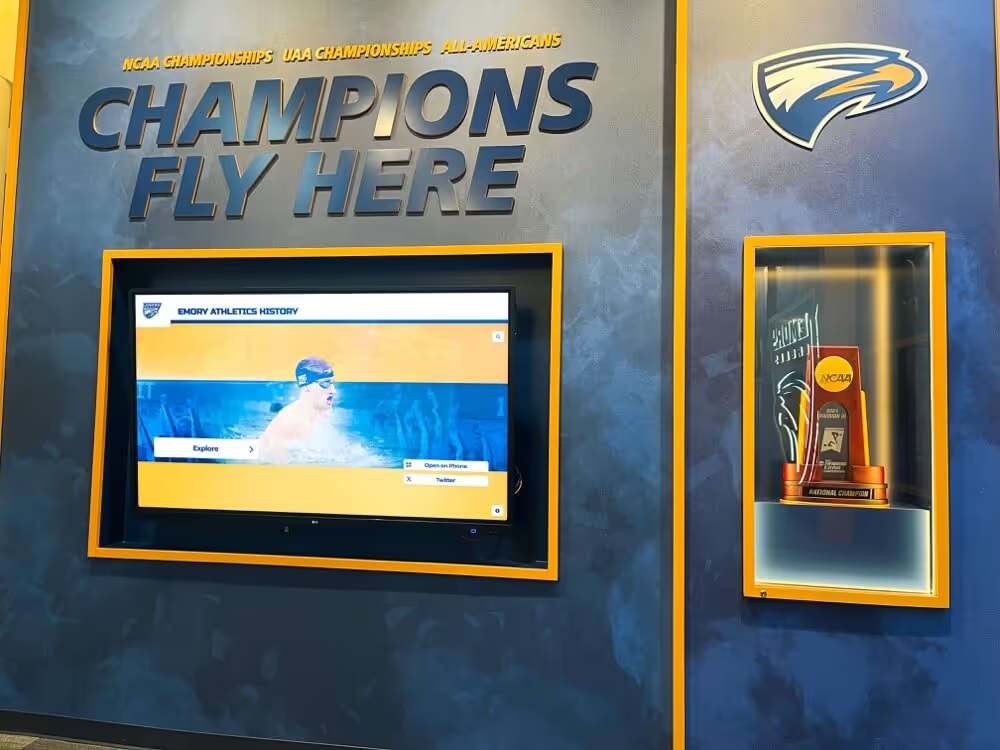
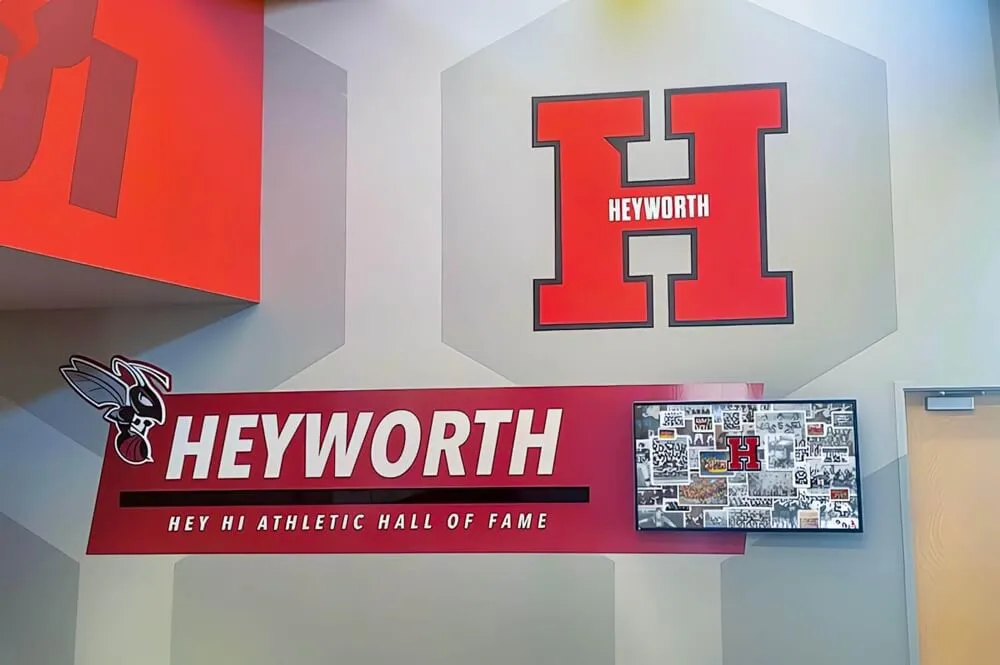
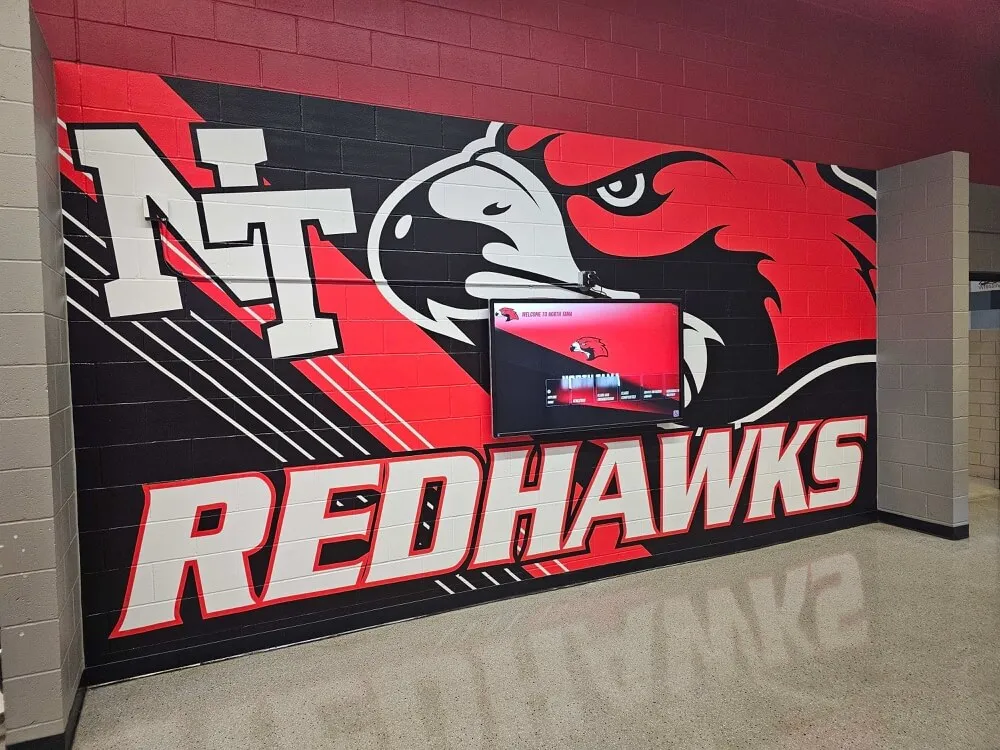
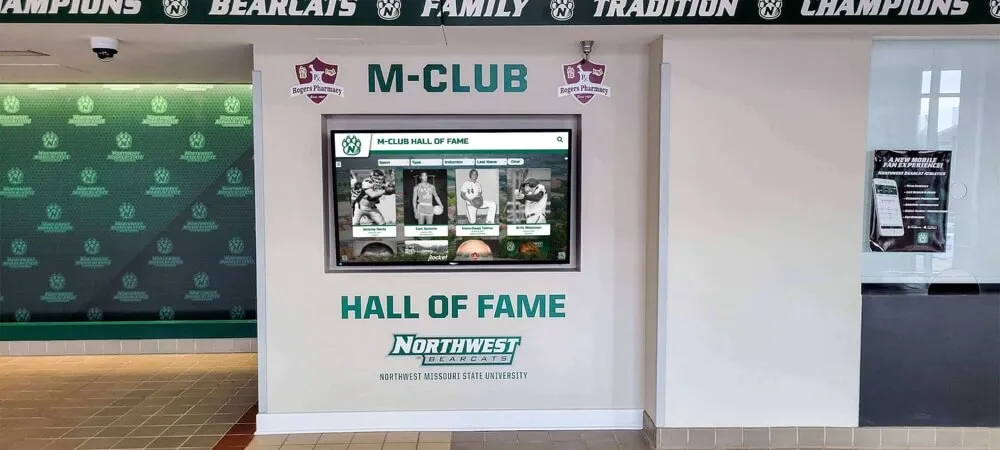
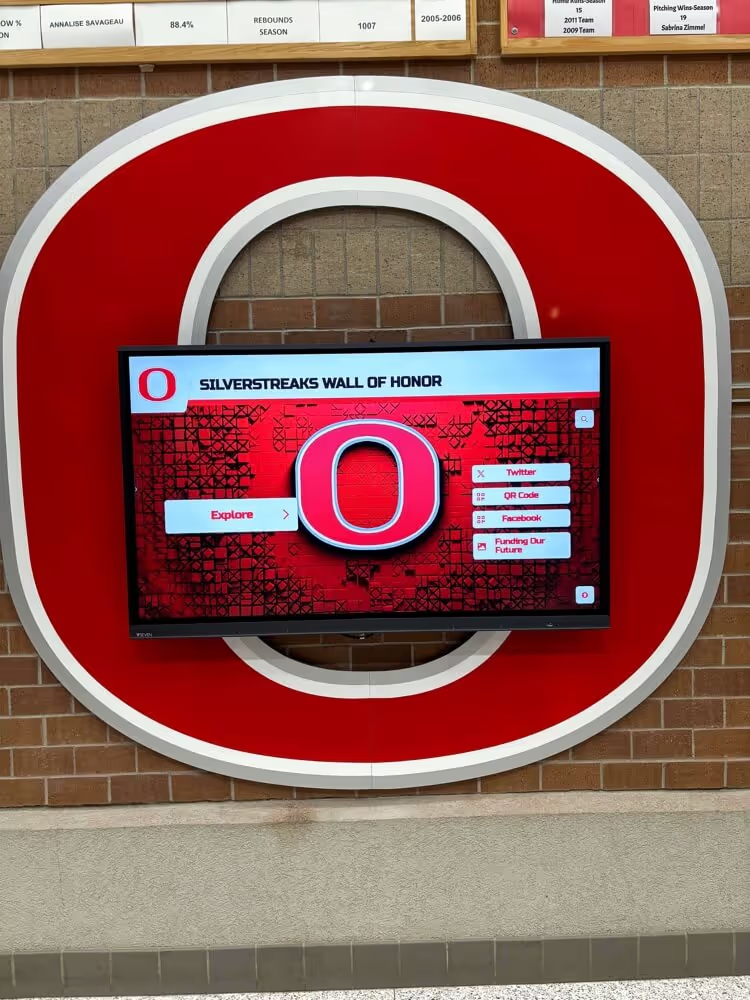
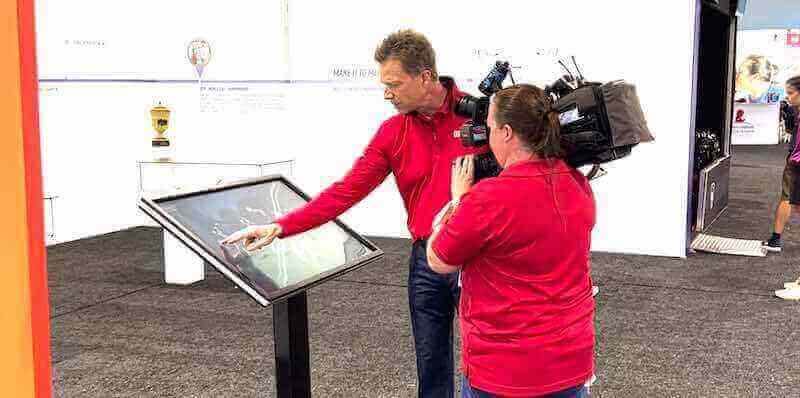
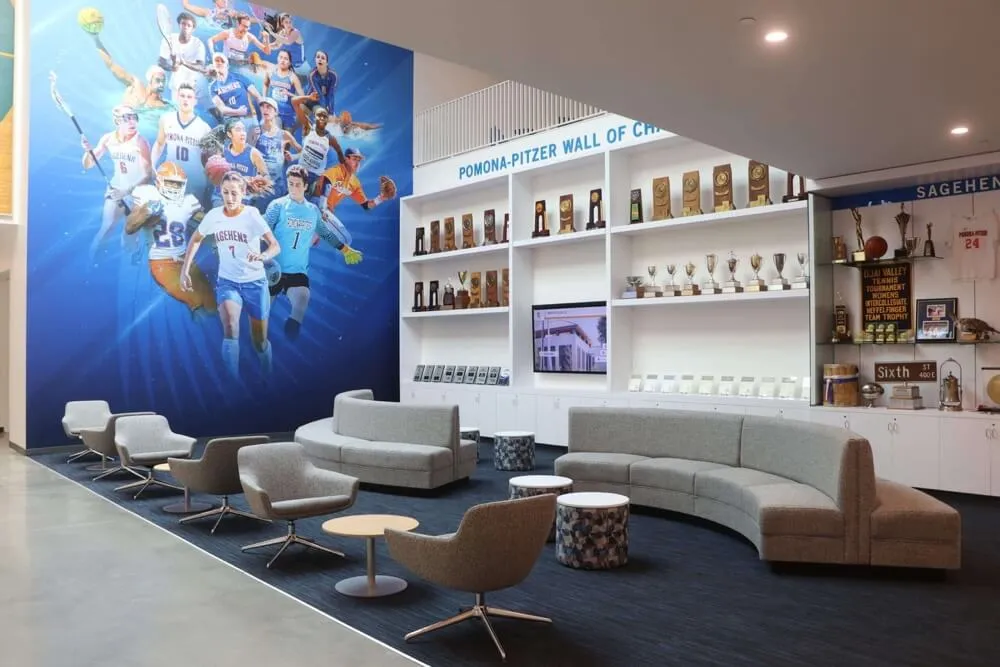
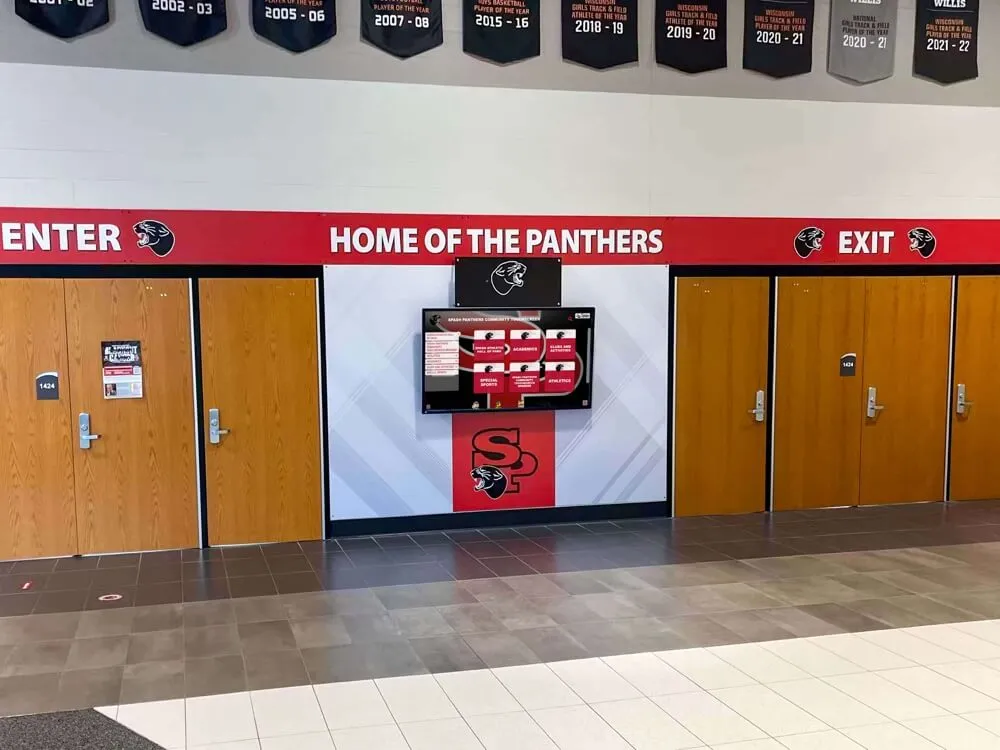
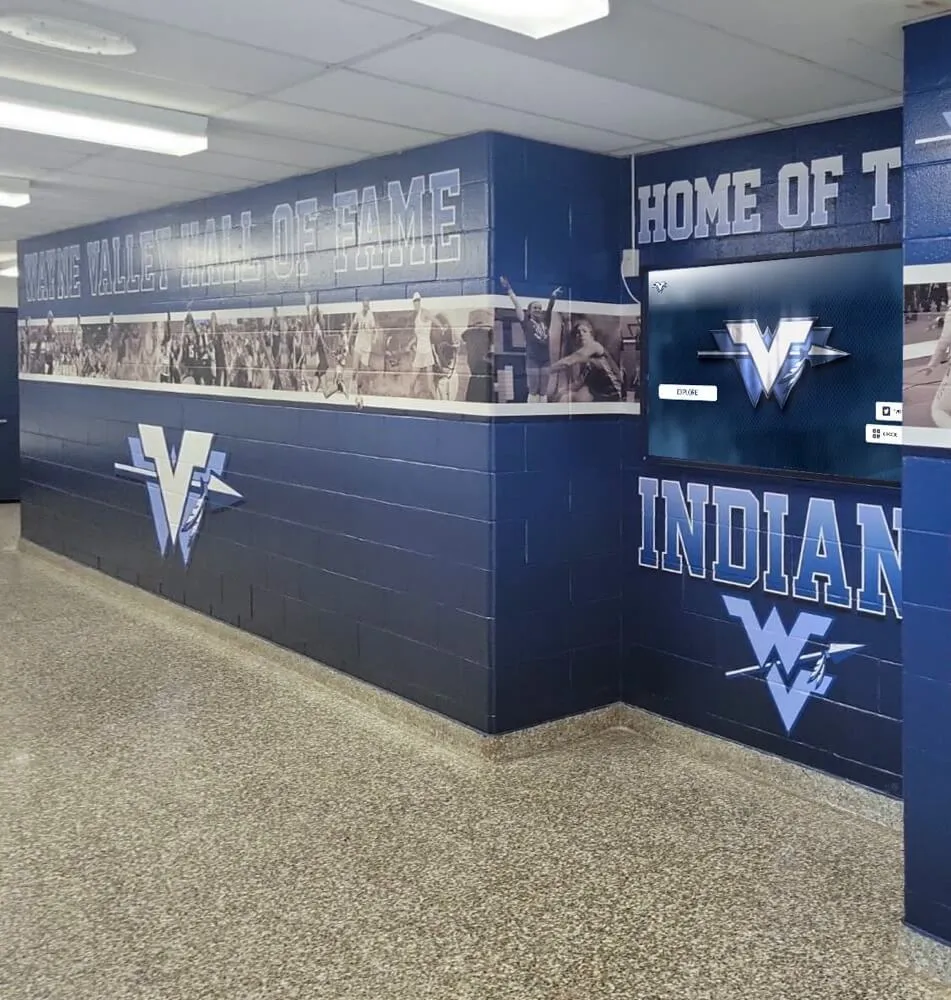
Modern corporate digital signage creates interactive experiences that engage employees and visitors while showcasing organizational excellence
Understanding Corporate Digital Signage: Purpose and Strategic Value
Corporate digital signage encompasses the technology, content, and strategies organizations use to communicate information through electronic displays positioned throughout workplace environments. These systems range from simple information screens in break rooms to sophisticated interactive touchscreen installations in lobbies, comprehensive recognition walls celebrating employee achievements, wayfinding displays guiding visitors through facilities, and data dashboards visualizing real-time business metrics.
The Business Case for Corporate Digital Signage
Communication Efficiency and Reach
Traditional workplace communication methods face inherent limitations. Email messages get lost in crowded inboxes, printed posters quickly become outdated, and intranet announcements require employees to actively seek information they may not know exists. Corporate digital signage solves these challenges by delivering information where employees naturally gather—break rooms, lobbies, hallways, and common areas—ensuring critical messages reach wider audiences without requiring individual seeking behavior.
Digital displays enable instantaneous updates across all locations when information changes, eliminating the printing and distribution delays that plague traditional communication. When emergency information needs immediate dissemination, policy updates require announcement, or organizational news demands sharing, digital signage delivers consistent messaging across entire organizations within minutes rather than days.
Employee Engagement and Recognition
Organizations that systematically recognize employee contributions dramatically outperform competitors in retention, productivity, and workplace satisfaction. Yet traditional recognition methods—annual awards ceremonies, physical plaques, or occasional manager acknowledgments—fail to create the consistent, visible appreciation that builds engaged workplace cultures.
Corporate digital signage transforms employee recognition by providing unlimited capacity to honor every deserving team member, enabling rich multimedia profiles with photos and achievement stories, creating searchable databases where anyone can explore colleague accomplishments, and maintaining perpetual visibility rather than brief ceremony acknowledgments quickly forgotten. Organizations implementing comprehensive employee recognition programs through digital displays report measurable improvements in retention rates and employee satisfaction compared to traditional recognition approaches.
Visitor Experience and Brand Impression
First impressions matter tremendously in corporate environments. When clients visit facilities, prospective employees interview, business partners meet executives, or stakeholders tour operations, their initial experiences shape perceptions about organizational professionalism, technological sophistication, and cultural values. Corporate digital signage in lobbies and reception areas creates impressive welcoming experiences while communicating organizational identity through company overviews, achievement showcases, employee spotlights, and values demonstrations.
Modern lobby installations function as active engagement tools rather than passive displays, enabling visitors to explore organizational information independently through intuitive touchscreen interfaces. This self-directed discovery creates memorable experiences while reducing receptionist burden answering repetitive questions about directions, meeting rooms, company background, or facility information.
Corporate vs. Educational Digital Signage
While the underlying technology remains consistent, corporate digital signage applications differ meaningfully from educational implementations:
Content Focus Differences:
- Corporate environments emphasize company news, employee recognition, business metrics, visitor information, and professional development
- Educational contexts highlight student achievements, athletic records, academic calendars, and alumni connections
- Corporate signage maintains professional tone appropriate for business audiences
- Educational signage celebrates school spirit and institutional tradition
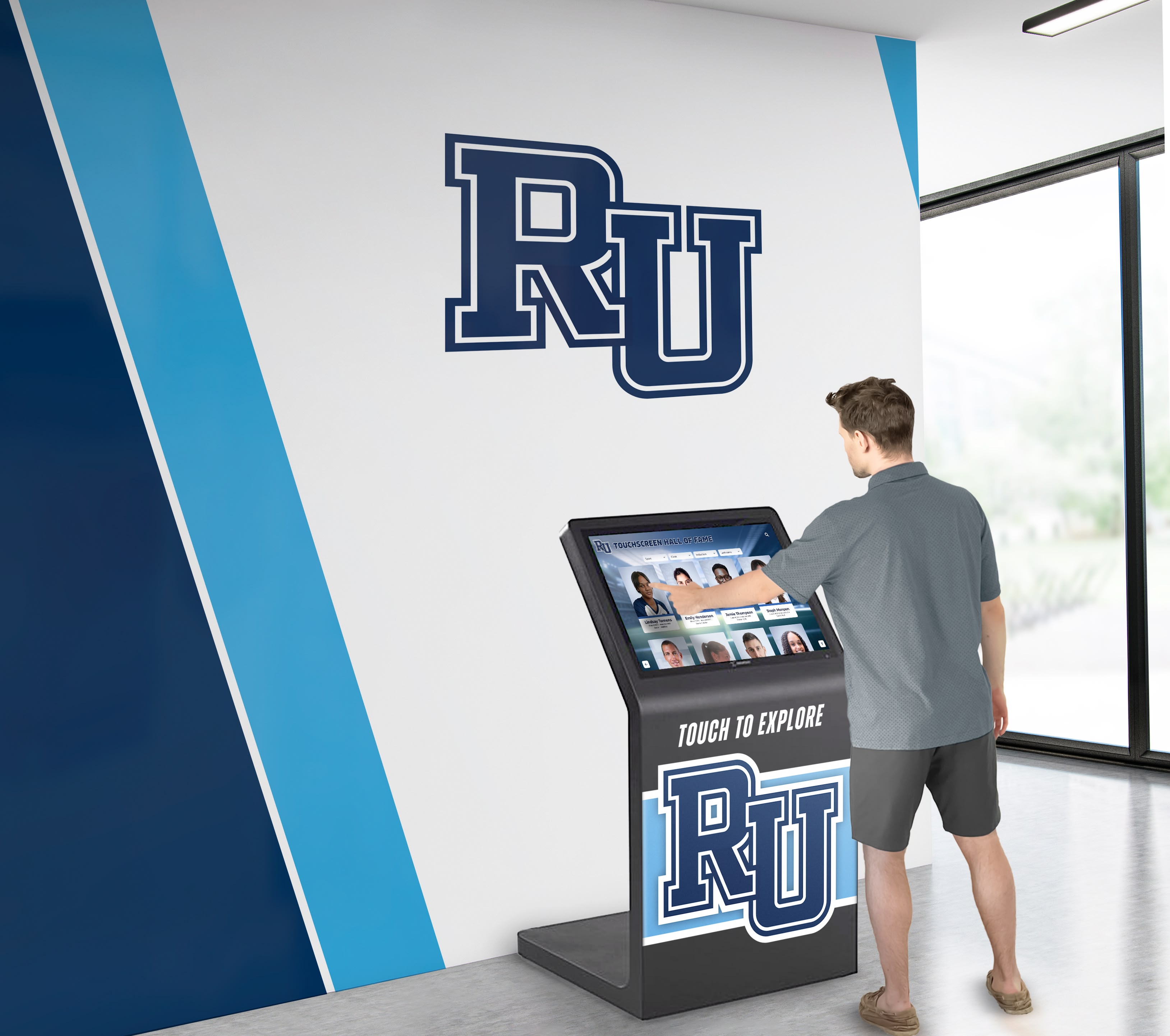
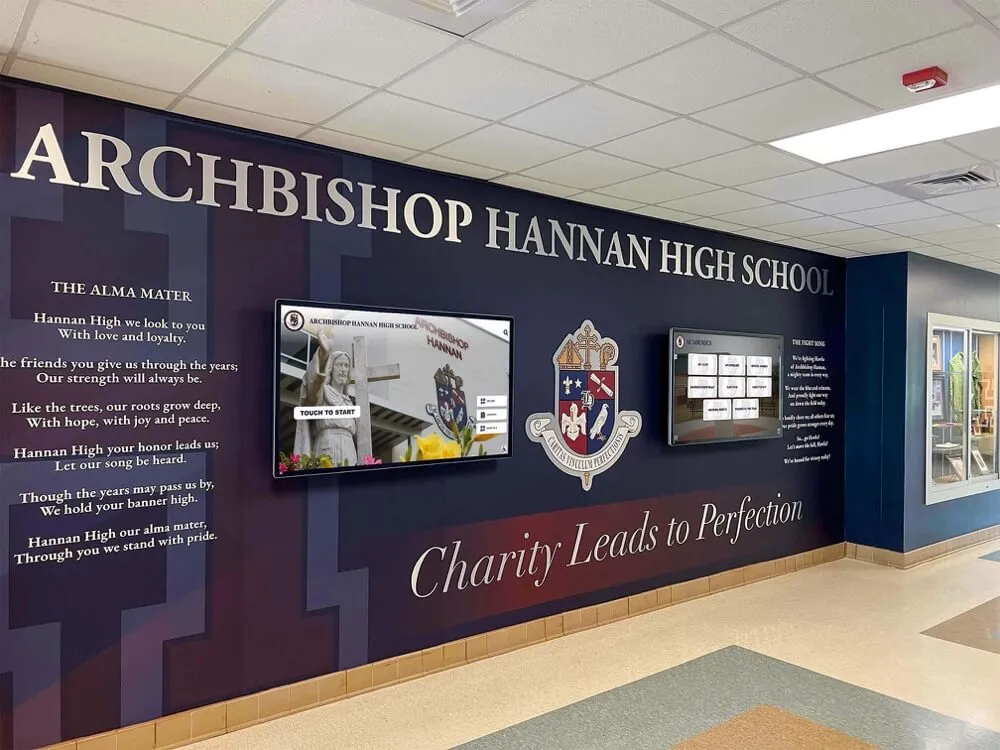
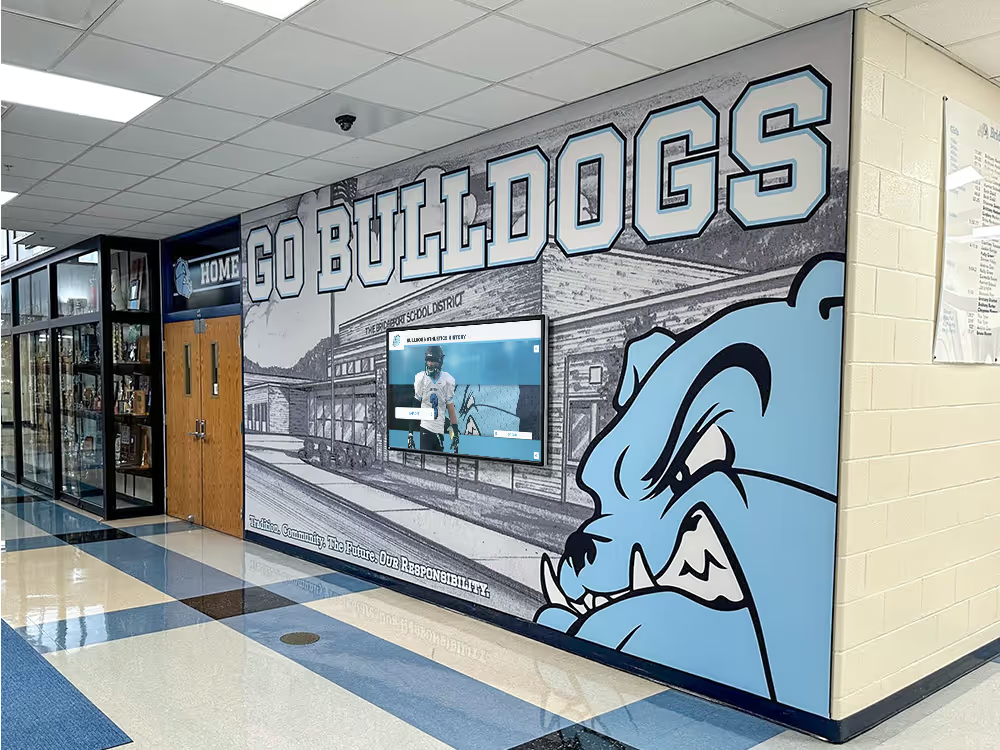
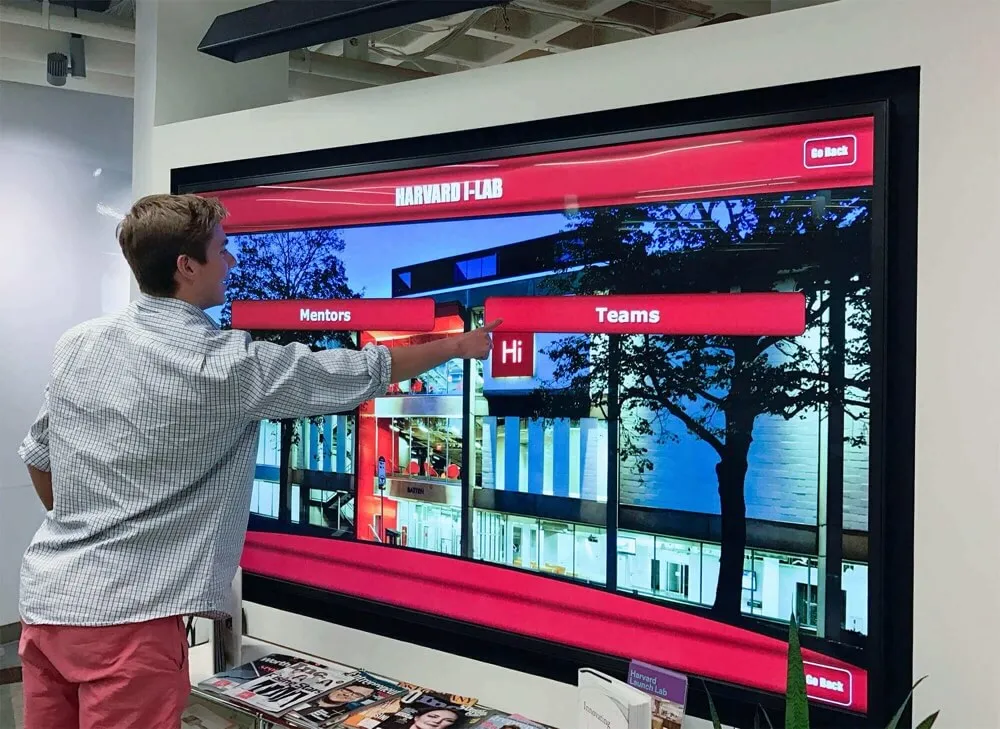
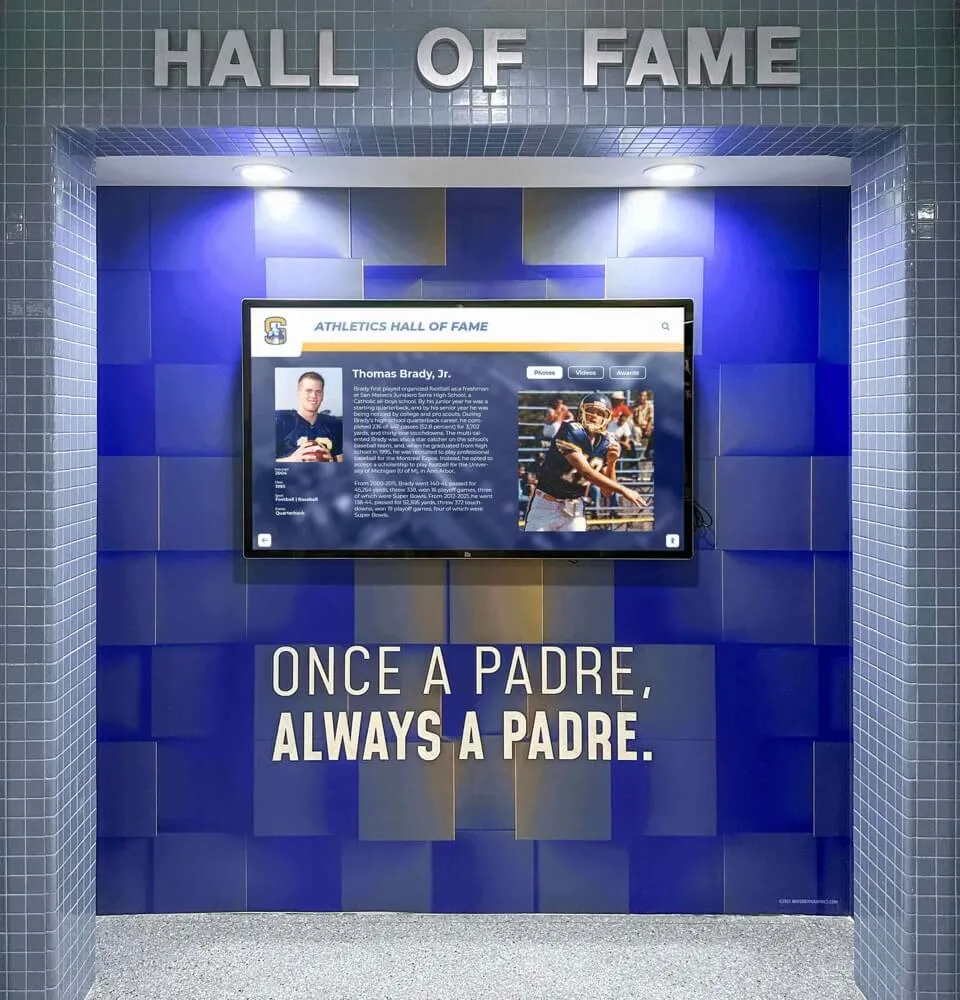
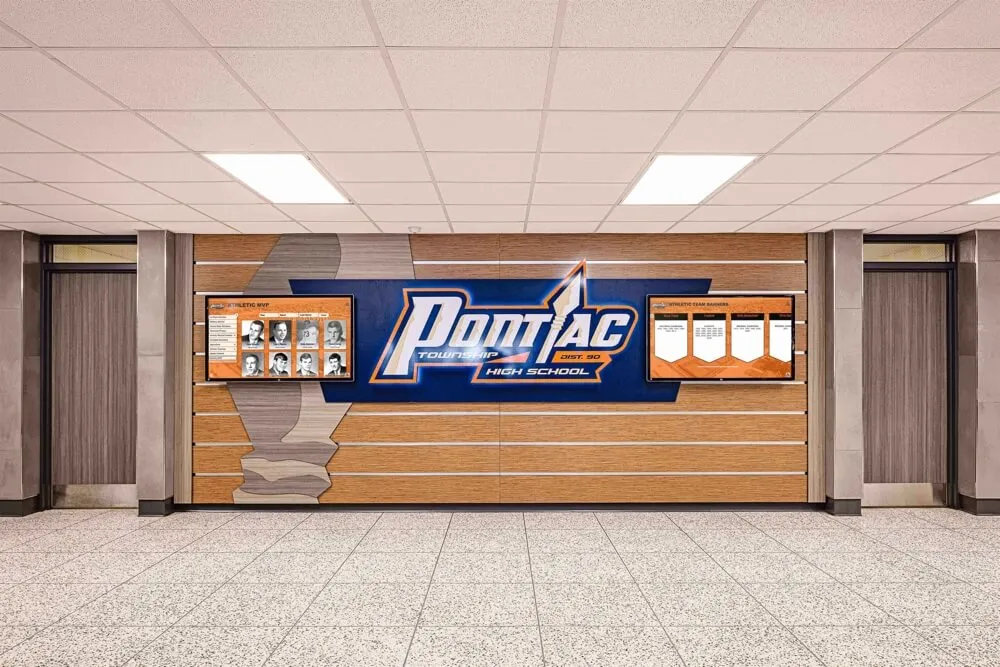
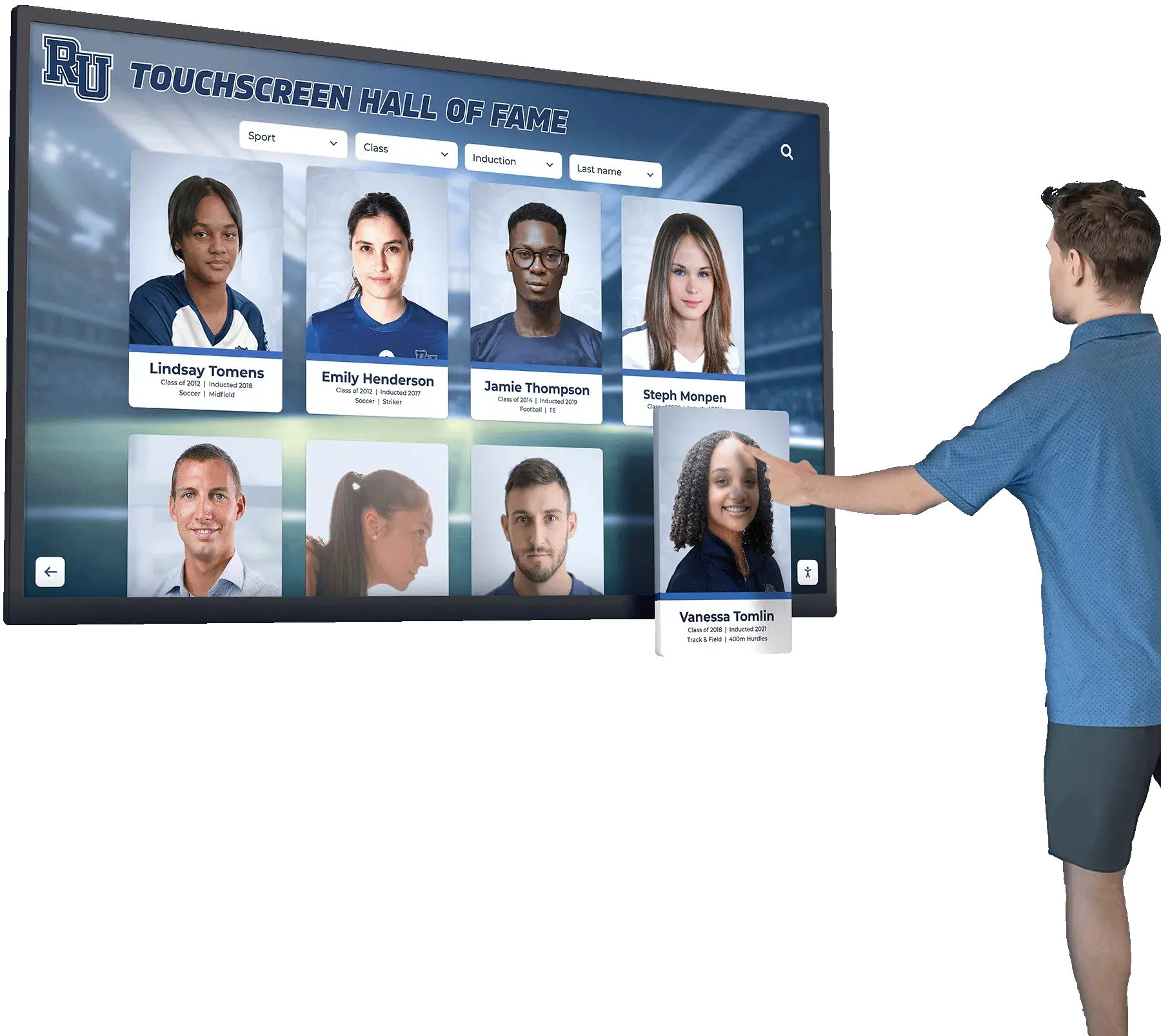
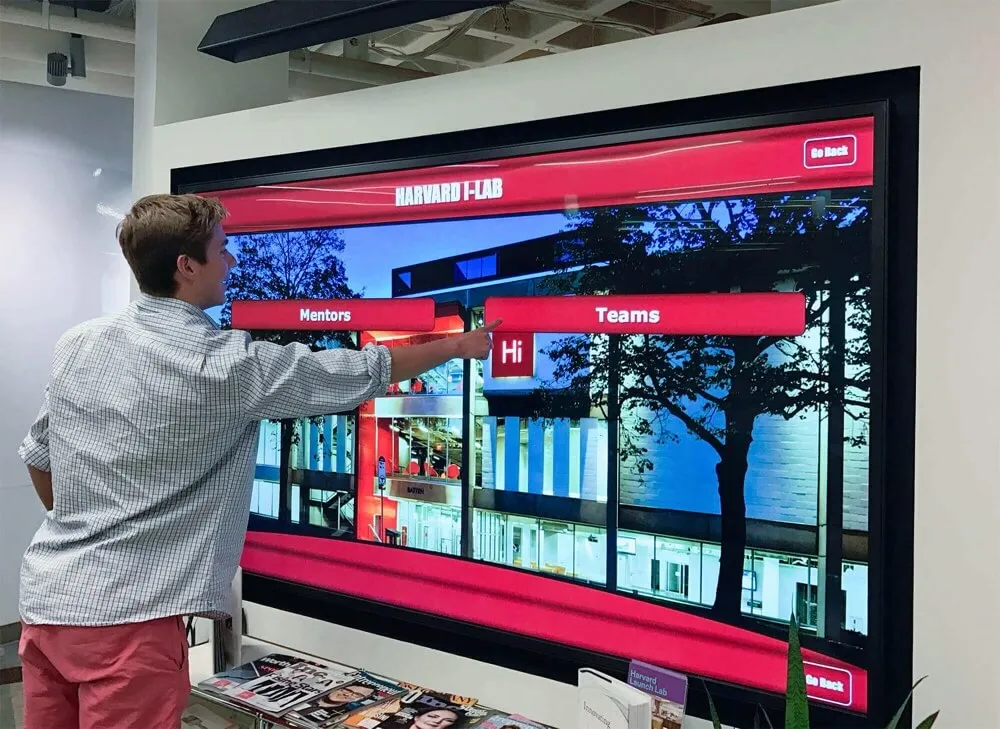
Intuitive interfaces enable all visitors to explore organizational information and discover achievements independently
Audience Considerations:
Corporate digital signage must balance internal employee needs with external audience impressions. Lobby displays should impress visiting clients while serving as employee information hubs. Conference room signage coordinates meetings while showcasing company culture to prospective partners. Break room displays inform employees about benefits and programs while celebrating team achievements. This dual-purpose nature requires thoughtful planning ensuring content serves multiple audiences appropriately without overwhelming viewers or diluting messaging effectiveness.
Types of Corporate Digital Signage Applications
Strategic organizations implement diverse display types serving distinct purposes throughout workplace environments:
Employee Recognition Displays
Celebrating Achievements and Building Culture
Employee recognition represents one of the most impactful corporate digital signage applications. Traditional recognition plaques eventually fill available wall space, forcing difficult decisions about which achievements warrant permanent acknowledgment. Digital systems eliminate these constraints through unlimited capacity accommodating comprehensive employee databases, searchable interfaces enabling instant name-based discovery, multimedia profiles with photographs and biographical narratives, and flexible categorization by department, achievement type, or time period.
Recognition display formats include interactive touchscreen walls enabling exploration of employee profiles and accomplishments, rotating slideshows celebrating recent milestones and anniversaries, leaderboards showcasing sales performance or project completions, service anniversary acknowledgments honoring tenure and loyalty, innovation awards celebrating creative problem-solving, and team spotlights rotating featured departments and collaborative successes.
Recognition visibility matters tremendously for building workplace culture. When employees see their contributions acknowledged publicly through prominent displays, they develop stronger organizational commitment, experience validation reinforcing continued excellence, feel appreciated beyond transactional compensation, and model desired behaviors for colleagues observing what receives recognition. Solutions like Rocket Alumni Solutions provide platforms originally designed for educational recognition that adapt seamlessly to corporate environments, offering searchable employee databases, multimedia profiles, unlimited capacity, and intuitive interfaces requiring minimal training.
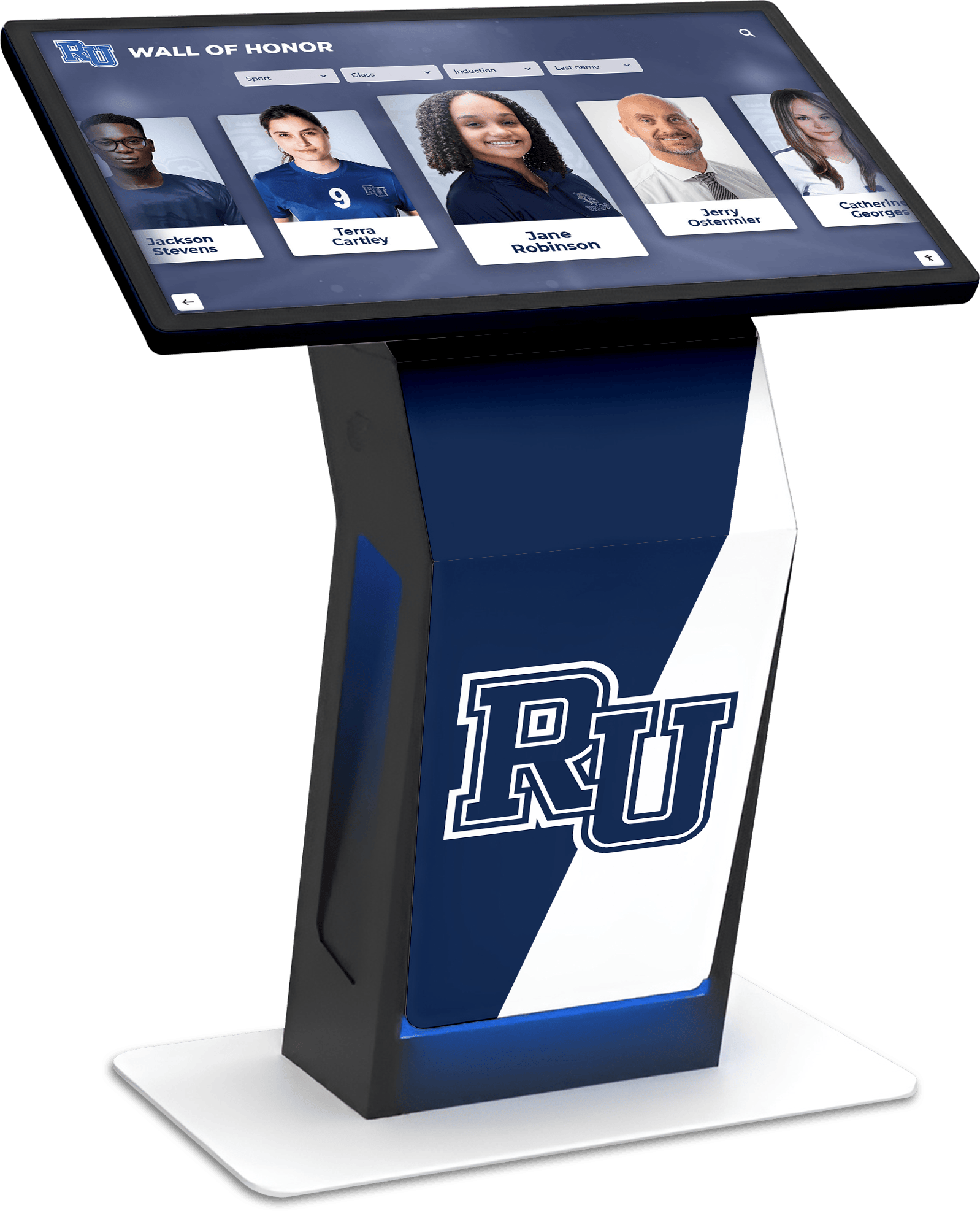
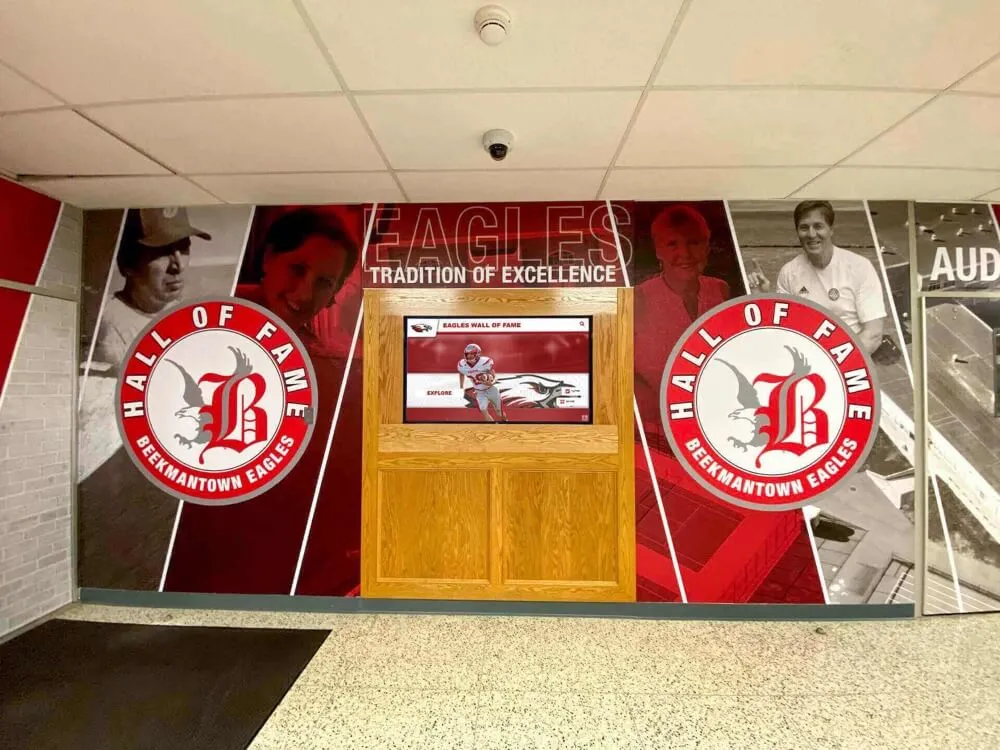
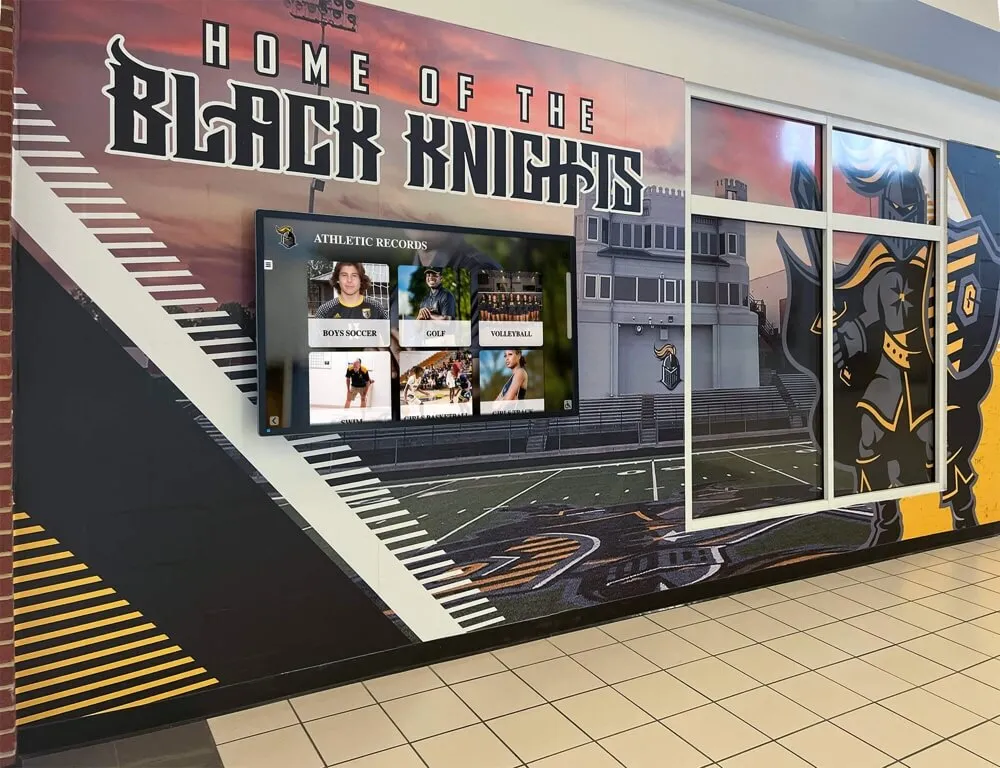
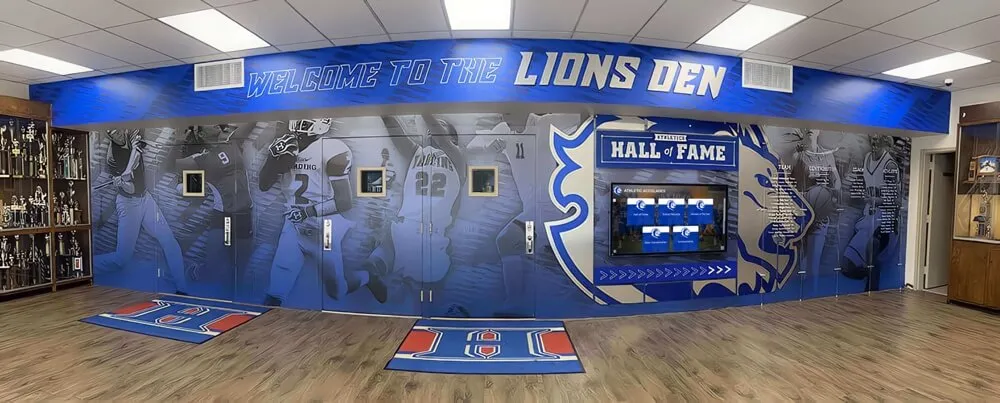
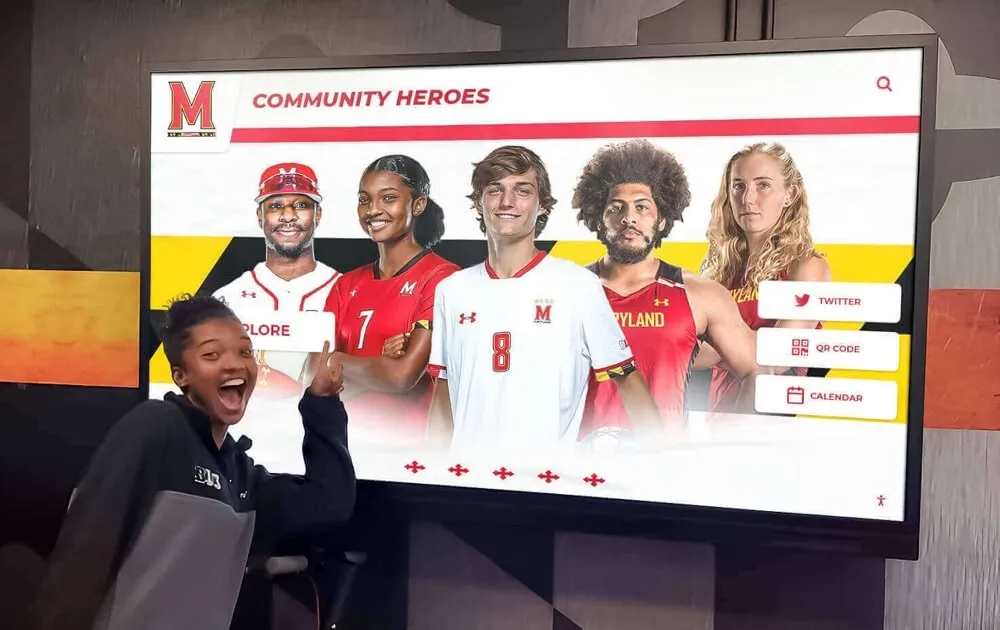
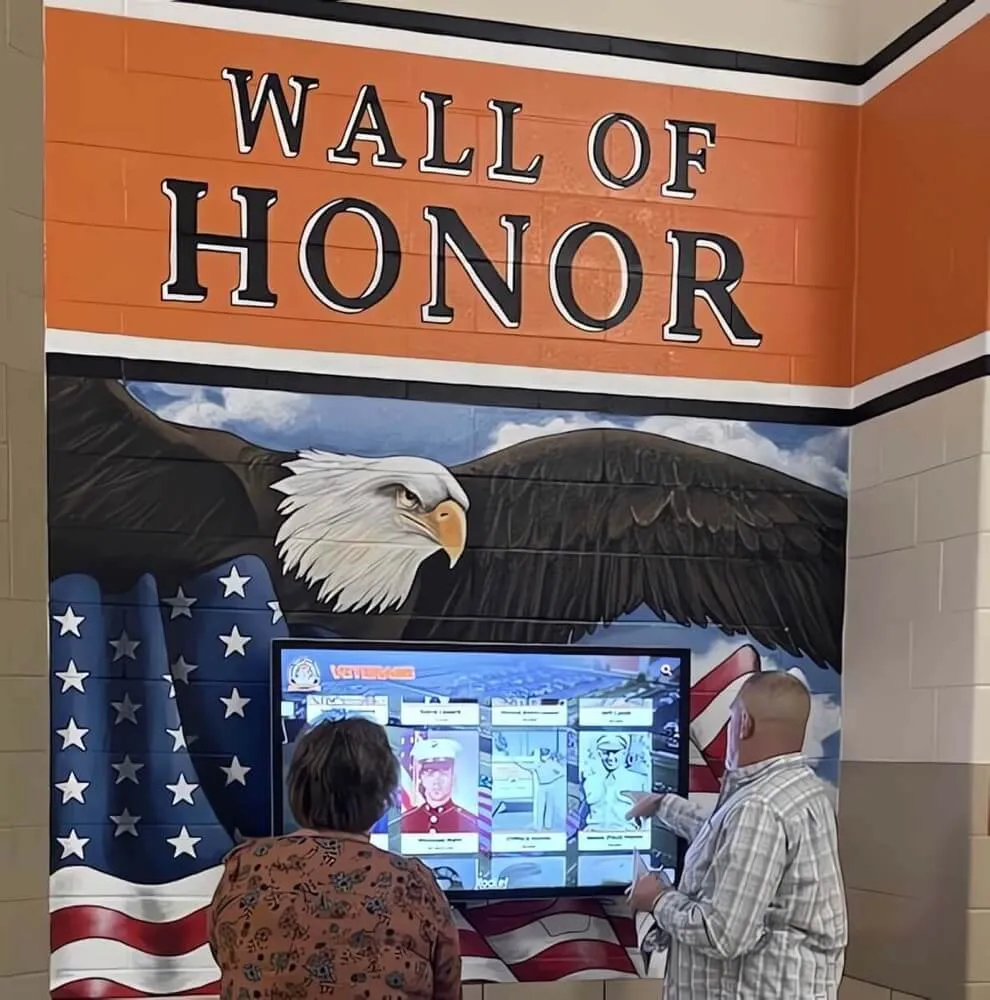
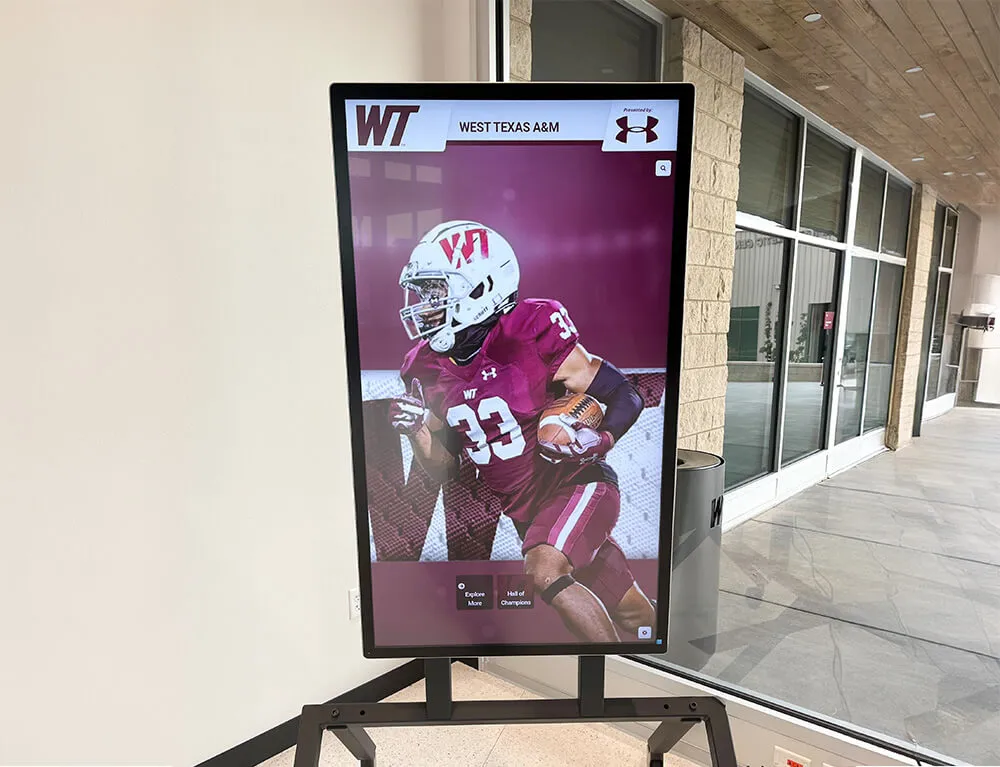
Purpose-built recognition kiosks provide elegant, searchable platforms celebrating employees across all departments and diverse achievement types
Implementation Best Practices:
Effective employee recognition displays require systematic content management including regular updates maintaining freshness and relevance (at least monthly additions), diverse achievement types ensuring all departments receive acknowledgment, professional employee photography collected through HR processes or events, filtering capabilities by department or achievement type, integration with HR systems enabling automated milestone recognition, and analytics tracking engagement patterns and most-viewed profiles.
Organizations implementing digital trophy case concepts from athletic contexts demonstrate recognition principles directly adaptable to corporate achievement showcases celebrating business milestones, sales accomplishments, innovation awards, and team excellence.
Lobby and Reception Displays
Creating Memorable First Impressions
Corporate lobby digital signage serves critical dual purposes—welcoming visitors while reinforcing brand identity and organizational culture:
Lobby Display Content:
- Branded welcome messages greeting visitors professionally with company identity
- Company overview videos showcasing services, culture, values, and mission
- Client testimonials and case studies building credibility with prospective partners
- Award recognition demonstrating industry leadership and excellence
- Real-time news feeds showing company announcements and achievements
- Employee spotlights humanizing organization through team member profiles
- Interactive directories helping visitors navigate facilities independently
- Meeting room schedules coordinating conference space usage and availability
Effective lobby displays balance visual appeal with practical utility. Overly promotional content appears self-serving, while purely functional wayfinding misses opportunities to showcase organizational excellence. The most successful installations integrate multiple content types—mixing practical visitor information with compelling storytelling that communicates organizational identity authentically.
Design Considerations:
- Large-format displays (55-75 inches) creating impressive visual presence appropriate for lobbies
- High-quality video content reflecting professional standards and production values
- Sound considerations in reception environments (typically muted or subtle ambient audio)
- Content rotation preventing repetitive experiences for frequent visitors
- Brand consistency with corporate identity standards and visual guidelines
- Interactive elements enabling self-directed exploration and wayfinding
- ADA accessibility ensuring universal visitor access regardless of abilities
Internal Communication Displays
Keeping Teams Informed and Aligned
Break rooms, hallways, elevator lobbies, and common areas benefit from communication-focused signage delivering organizational information where employees naturally gather:
Communication Content Types:
- Company news and announcements reaching all employees efficiently across shifts
- HR updates about benefits, programs, policies, and workplace initiatives
- Safety information, emergency procedures, and compliance reminders
- Event calendars promoting upcoming activities, deadlines, and important dates
- Training opportunities encouraging professional development and skill building
- Wellness program information supporting employee health and wellbeing initiatives
- Volunteer opportunities connecting teams with community service activities
- Social committee updates about team-building activities and workplace events
Digital signage solves persistent communication challenges in corporate environments. Email fatigue causes important announcements to be overlooked in crowded inboxes. Printed posters become outdated quickly while creating visual clutter. Intranet systems require active information seeking that employees may not know to perform. Strategically-placed displays catch attention naturally as employees move through facilities, ensuring critical information reaches wider audiences without requiring individual seeking behavior.
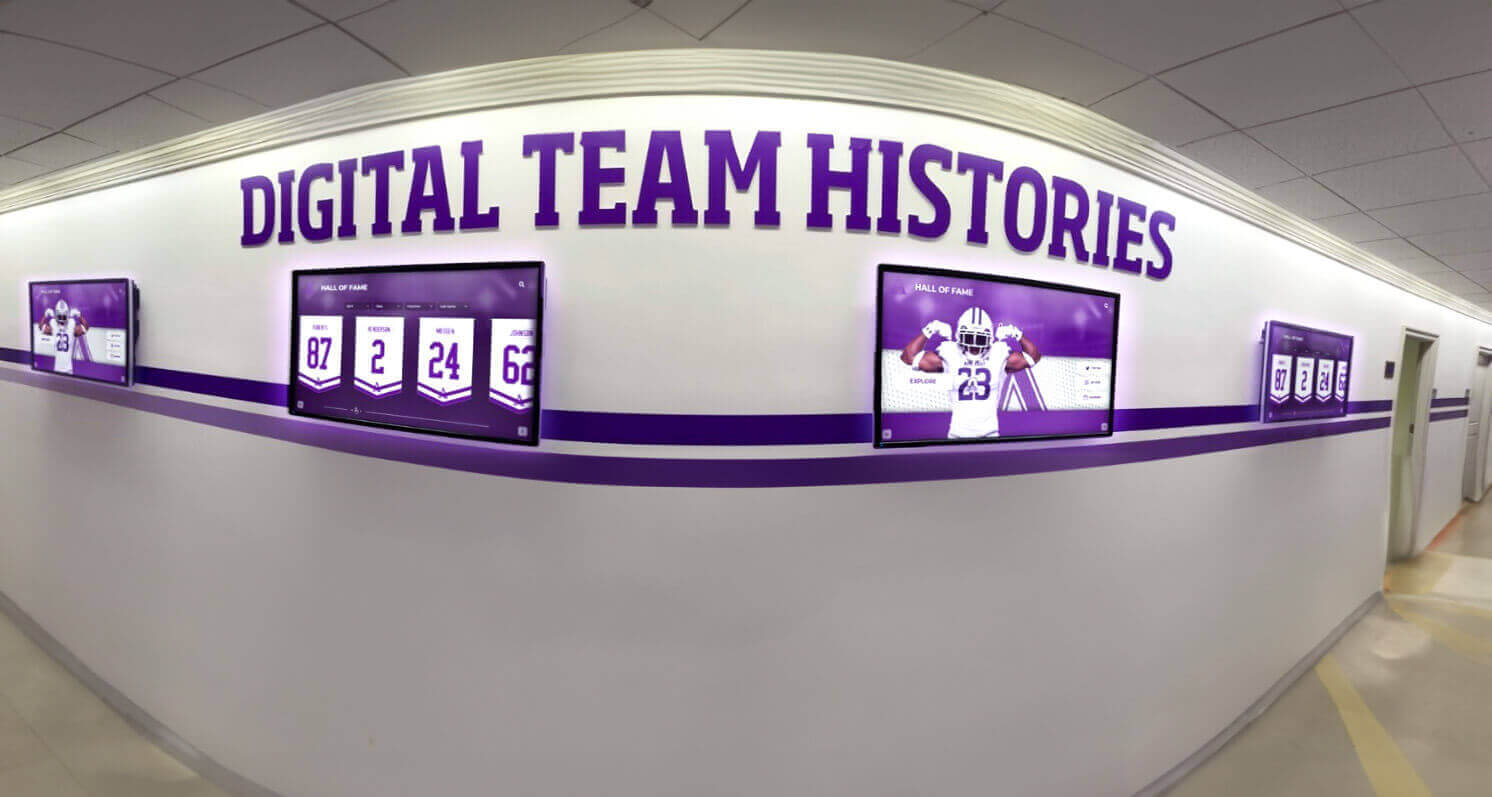
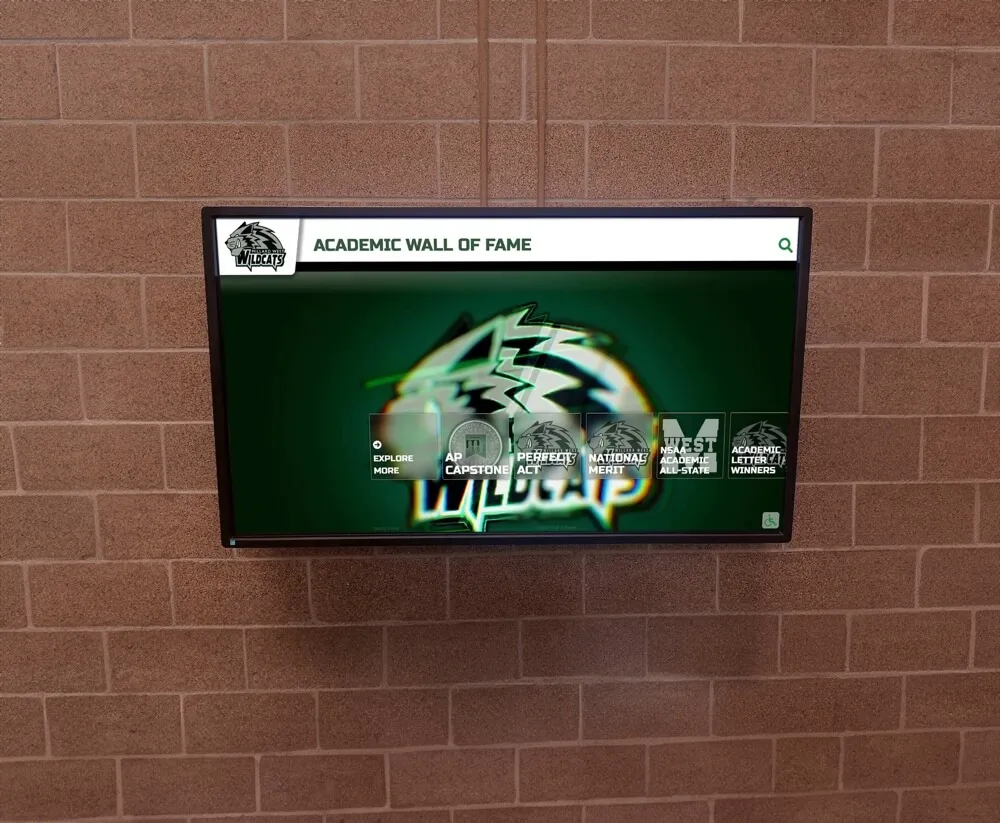
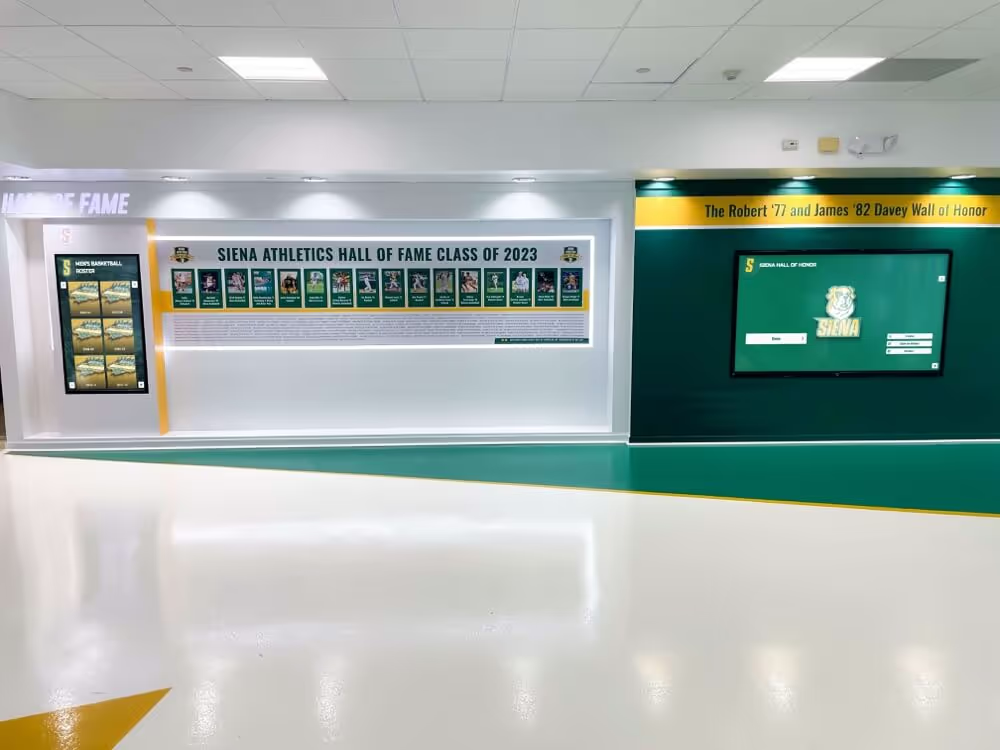
Multiple coordinated displays create comprehensive communication environments reaching employees throughout facilities with consistent messaging
Strategic Placement:
- Break rooms where employees gather naturally during downtime and meal breaks
- Elevator lobbies capturing attention during brief waiting periods between floors
- Cafeteria areas with extended viewing time during lunch and break periods
- High-traffic hallways connecting frequently-used spaces and departments
- Reception areas near time clocks where employees begin and end shifts
- Conference room entrances displaying meeting schedules and room availability
Conference Room and Meeting Displays
Coordinating Spaces and Enhancing Productivity
Meeting room signage improves space utilization and meeting efficiency through:
Meeting Display Functions:
- Real-time room availability and scheduling system integration
- Meeting details showing organizer, participants, and purpose information
- Reservation systems enabling on-the-spot room booking for impromptu meetings
- Wayfinding assistance helping visitors locate correct meeting spaces
- Welcome messages greeting specific meeting participants professionally
- Presentation support displaying meeting agendas or relevant materials
- Time management showing remaining meeting duration preventing overruns
- Company branding reinforcing professional environment for client meetings
Conference room displays prevent double-bookings that disrupt schedules, reduce scheduling confusion and wasted time searching for available space, help visitors navigate to correct locations within complex facilities, create professional impressions for client meetings and external presentations, and improve space utilization through transparent availability visibility. Integration with calendar systems (Microsoft Outlook, Google Calendar, etc.) enables automated updates ensuring displayed information remains current without manual content management burden.
Data Dashboard Displays
Visualizing Metrics and Performance
Many corporate environments benefit from real-time data visualization keeping teams informed and aligned:
Dashboard Content Types:
- Sales metrics, revenue tracking, and quota attainment progress
- Project status, milestone completion, and development timelines
- Customer satisfaction scores, support metrics, and feedback summaries
- Production metrics, quality indicators, and operational efficiency
- Financial performance, budget tracking, and goal progress visualization
- Help desk ticket volumes, response times, and resolution rates
- Social media engagement, brand mentions, and marketing reach
- Employee productivity metrics and departmental utilization rates
Dashboard displays work best when they visualize data that teams can influence through daily actions, update frequently enough to feel current and relevant, contextualize numbers through comparisons and historical trends, celebrate positive performance creating motivation and momentum, and avoid overwhelming viewers with excessive metrics causing information overload and disengagement.
Employee Recognition Through Corporate Digital Signage
Employee recognition deserves special focus given its significant impact on workplace culture, retention, and business outcomes:
Why Digital Recognition Outperforms Traditional Methods
Advantages Over Physical Plaques and Certificates
Traditional employee recognition faces inherent limitations that digital systems overcome comprehensively:
Physical Space Constraints:
- Traditional plaques require wall space that eventually exhausts capacity
- Adding recognized employees necessitates removing previous recipients or expensive wall expansion
- Limited capacity forces difficult decisions about recognition thresholds excluding deserving employees
- Static displays become invisible “wallpaper” that employees stop noticing over time
Digital Recognition Advantages:
- Unlimited capacity accommodating every deserving employee regardless of space constraints
- Easy updates adding new recognition without hardware changes or installation costs
- Search functionality enabling instant discovery of specific employees or achievements
- Rich multimedia profiles with photographs, videos, and detailed achievement narratives
- Multiple organizational views (by department, achievement type, tenure, or timeframe)
- Web integration extending recognition beyond physical workplace to remote employees
- Analytics showing engagement patterns, popular content, and recognition effectiveness
- Cost-effective scalability compared to per-plaque traditional expenses accumulating indefinitely

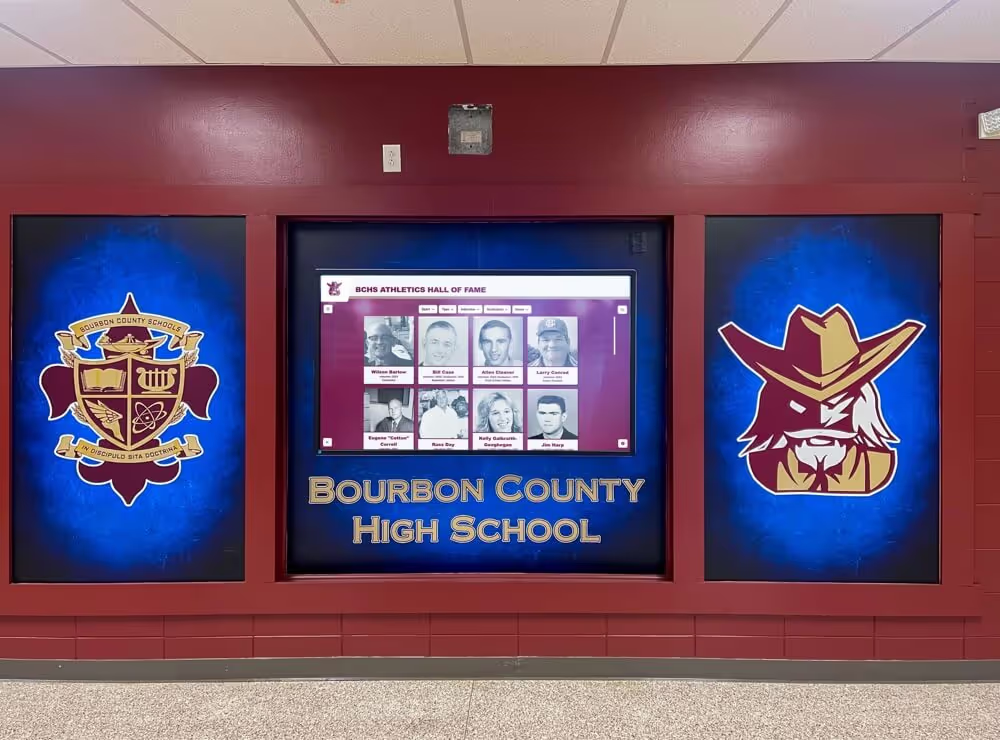
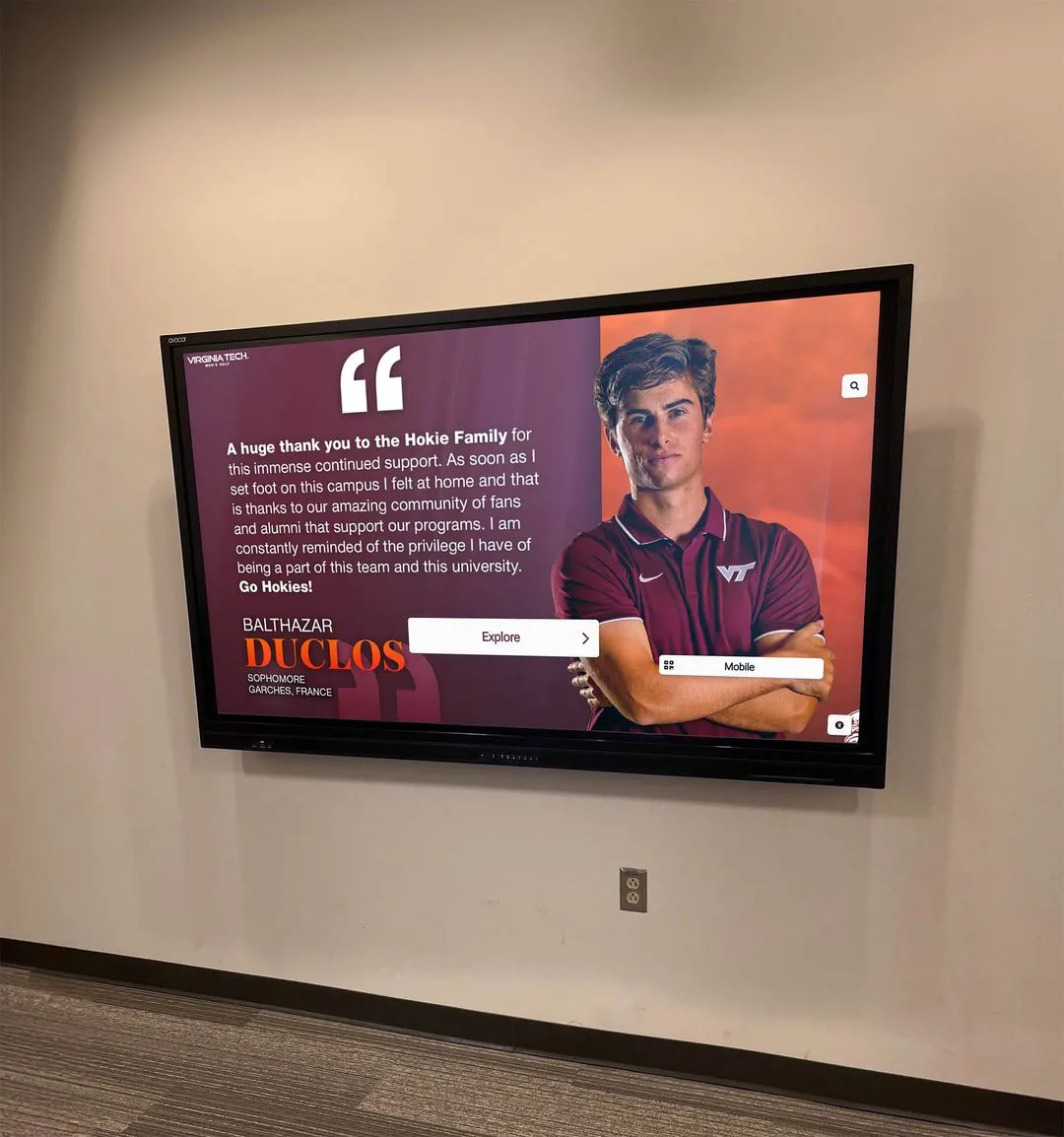
Detailed profiles transform basic acknowledgment into meaningful storytelling that honors complete employee contributions and career journeys
Creating Effective Employee Profiles
Content That Honors and Inspires
Recognition effectiveness depends significantly on content quality and storytelling depth:
Essential Profile Elements:
- High-quality professional photograph representing employee appropriately
- Full name and current job title with department affiliation
- Recognition achievement or award type with specific designation
- Achievement date and relevant context about accomplishment
- Department, location, and tenure information showing organizational commitment
- Brief biographical information connecting employee to company mission
Enhanced Storytelling Content:
- Narrative explaining achievement significance and business impact
- Employee quotes sharing perspective on recognition or career journey
- Career progression highlighting professional growth within organization
- Personal interests, community involvement, and life outside work
- Team testimonials from colleagues and managers providing peer perspectives
- Advice for others sharing wisdom and guidance inspiring teammates
Organizations implementing systematic profile collection processes report 60-75% employee participation in providing enhanced information when requests are simple, timely, and clearly explain how recognition benefits both individuals and workplace culture.
Recognition Program Structure
Categories and Cadence
Comprehensive recognition programs acknowledge diverse contributions through multiple categories:
Recognition Categories:
- Performance excellence exceeding goals, quotas, and organizational expectations
- Innovation and creative problem-solving advancing business capabilities
- Customer service excellence and client satisfaction improvements
- Teamwork and collaboration across departments breaking down silos
- Leadership and mentorship of colleagues developing future talent
- Service milestones celebrating tenure anniversaries and loyalty
- Safety records and incident-free performance protecting team wellbeing
- Professional development and skill acquisition supporting continuous learning
- Community service and volunteer engagement demonstrating corporate values
- Values demonstration embodying organizational culture through daily actions
Recognition Frequency:
- Real-time spot recognition for immediate acknowledgment of exceptional contributions
- Weekly team highlights celebrating recent accomplishments during staff meetings
- Monthly department awards recognizing sustained excellence and consistency
- Quarterly company-wide recognition during all-hands meetings and town halls
- Annual achievement awards honoring year’s most significant accomplishments
- Service anniversary recognition at 5, 10, 15, 20+ year milestones
Varied recognition frequency ensures acknowledgment remains fresh and relevant rather than becoming predictable annual exercises that employees anticipate with diminishing enthusiasm and engagement.
Creating Effective Visitor Experiences
Lobby Displays and Wayfinding Solutions
Visitor-facing corporate digital signage creates first impressions while solving practical navigation challenges:
Designing Welcoming Lobby Experiences
Balancing Information and Inspiration
Effective lobby displays accomplish multiple objectives simultaneously without overwhelming visitors:
Welcome and Orientation:
- Personalized greetings for scheduled visitors using calendar system integration
- General welcome messages for walk-in visitors creating professional first impressions
- Facility overview helping visitors understand organizational scale and scope
- Navigation assistance providing initial wayfinding guidance for complex facilities
- Check-in instructions explaining visitor procedures and security requirements
- WiFi credentials and guest network information facilitating connectivity
Organizational Storytelling:
- Company history timelines showing evolution, growth, and key milestones
- Mission and values statements communicating organizational purpose and culture
- Client success stories demonstrating impact, capabilities, and business outcomes
- Industry awards and recognition building credibility with visitors and prospects
- Team member spotlights humanizing organization through employee profiles
- Community involvement highlighting corporate citizenship and social responsibility
- Innovation showcases demonstrating forward-thinking approach and R&D investments
- Media coverage and press mentions validating organizational relevance and thought leadership
Organizations implementing interactive touchscreen displays for museums and galleries demonstrate engagement principles directly applicable to corporate lobby experiences—both contexts benefit from intuitive interfaces enabling self-directed exploration and discovery.
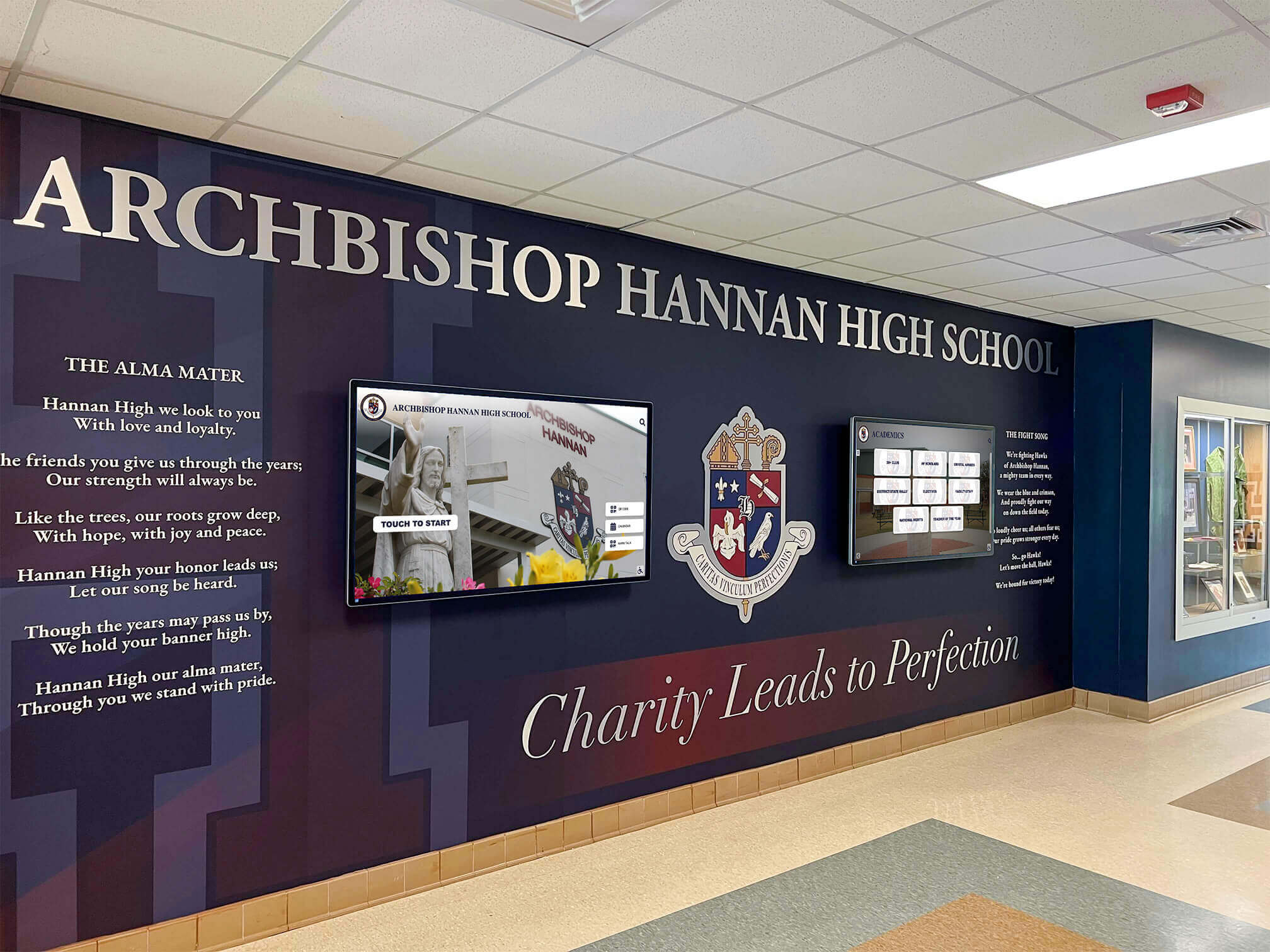
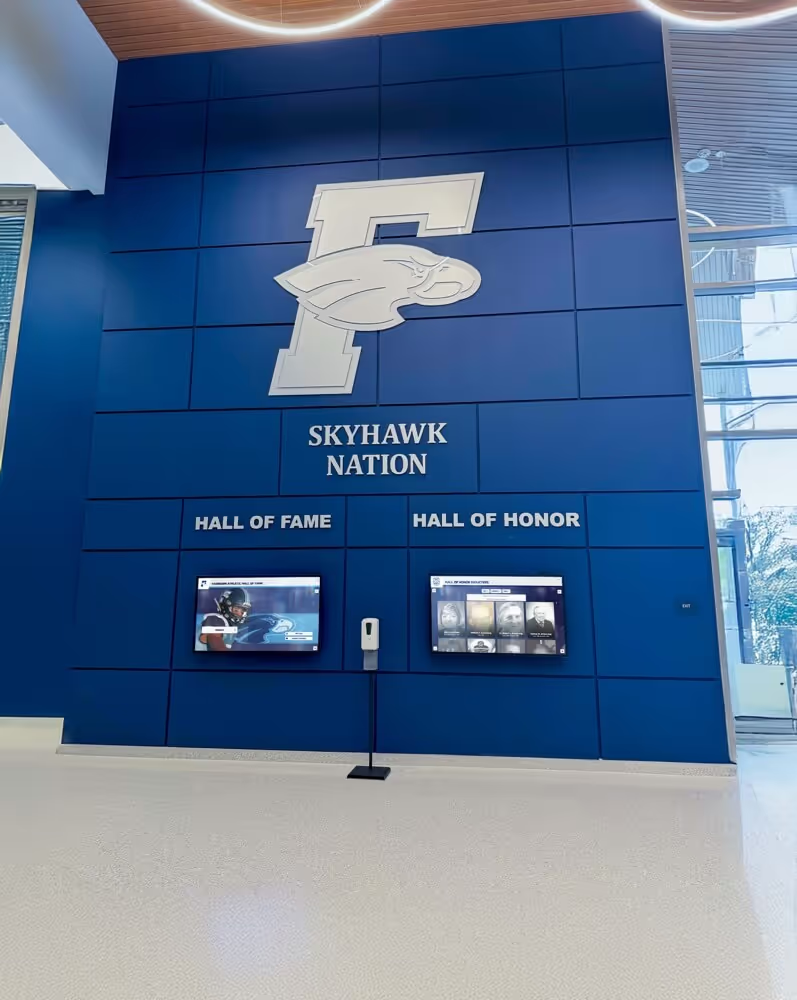
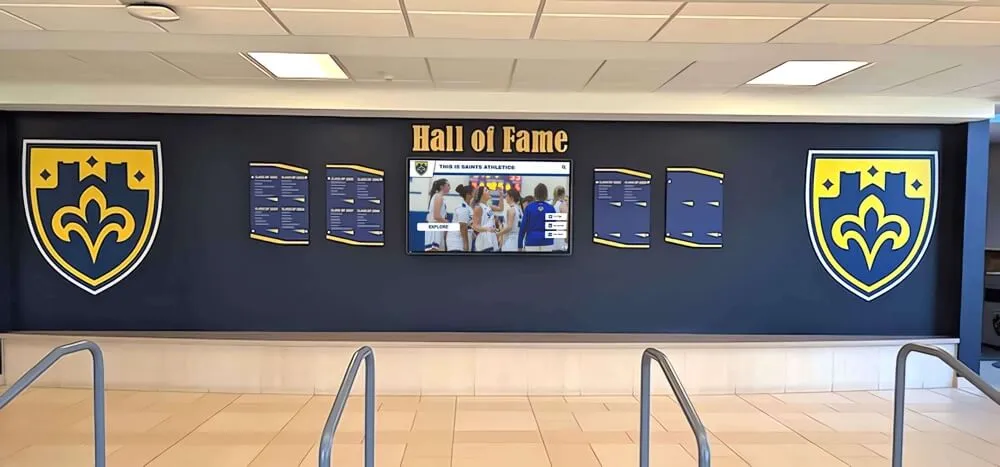
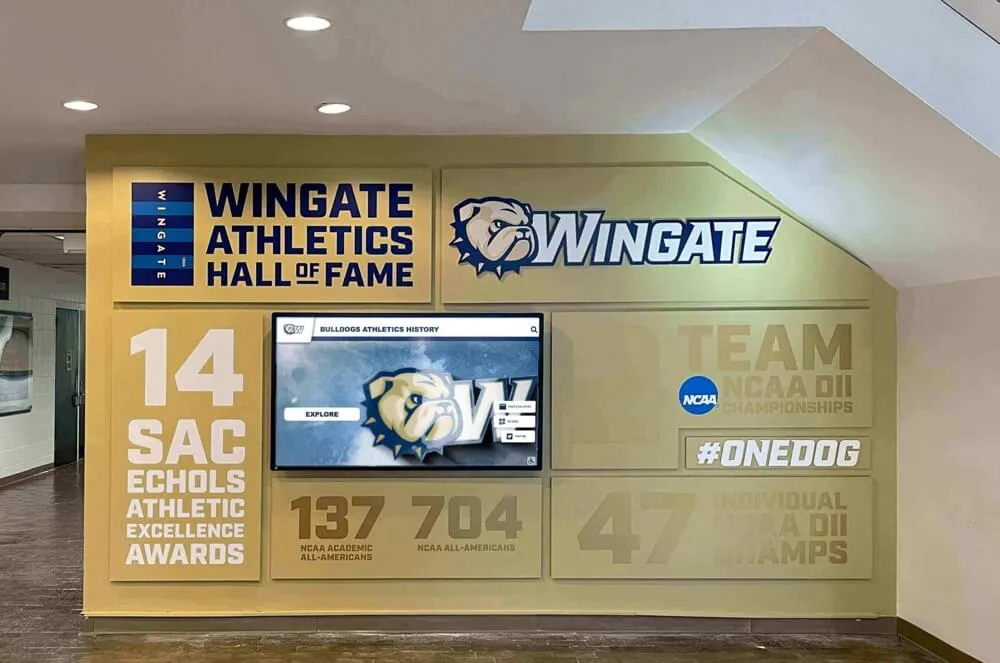
Thoughtfully integrated lobby displays complement architectural features while providing functional visitor information and organizational storytelling
Interactive Wayfinding Implementation
Helping Visitors Navigate Independently
Corporate campuses and multi-floor facilities benefit significantly from interactive wayfinding systems:
Wayfinding Features:
- Searchable building directories listing employees, departments, and common destinations
- Interactive floor maps with room numbers, facility labels, and landmark identification
- Turn-by-turn navigation instructions from current location to specified destination
- Accessibility routing for visitors with mobility considerations or special needs
- Amenity locations (restrooms, cafeterias, meeting rooms, parking areas, services)
- Visitor tracking capabilities for security and facility management purposes
- Multi-language support accommodating international visitors and diverse workforces
- QR codes enabling map transfer to personal mobile devices for continuous navigation
Strategic Wayfinding Placement:
- Main building entrances where visitors first enter facilities needing immediate orientation
- Elevator lobbies on each floor providing floor-specific information and navigation
- Corridor intersections where navigation decisions occur and direction confirmation needed
- Parking structure entrances helping visitors find building access points efficiently
- Visitor parking areas before visitors reach building entrances requiring pre-navigation
- Conference center entrances with meeting room directories and event schedules
Effective wayfinding reduces receptionist burden fielding repetitive navigation questions, minimizes visitor frustration and lateness to important meetings, creates professional impressions demonstrating technological sophistication, improves security through visitor awareness and optional tracking, and enables independent navigation reducing visitor anxiety in unfamiliar corporate environments.
Technology Selection and Implementation
Choosing the Right Corporate Digital Signage Solution
Successful implementation depends on appropriate technology selection matching organizational needs and capabilities:
Display Hardware Options
Screens, Kiosks, and Video Walls
Standalone Display Screens:
- 43-55" commercial displays: $2,000-4,000 (suitable for break rooms and hallways)
- 55-65" premium displays: $4,000-7,000 (impressive for lobbies and reception areas)
- 75-85" large-format displays: $7,000-15,000 (high-impact lobby installations and boardrooms)
- Commercial-grade components rated for continuous 24/7 operation unlike consumer TVs
- Minimum 1920x1080 resolution with 4K preferred for large displays ensuring clarity
- Landscape or portrait orientation based on content needs and installation location
Interactive Touchscreen Kiosks:
- 32-55" touchscreen displays: $4,000-8,000 including professional enclosure
- Floor-standing kiosks with elegant enclosures appropriate for corporate environments
- ADA-compliant mounting heights and tilt angles ensuring universal accessibility
- Tempered glass protecting screens in high-traffic areas from damage
- Cable management systems concealing connections maintaining professional appearance
- Optional payment integration for self-service applications like cafeteria ordering
Video Wall Installations:
- Multiple displays creating large-format canvas: $15,000-50,000+ depending on configuration
- Narrow bezel panels minimizing visual gaps between screens for seamless appearance
- Professional mounting systems ensuring precise alignment and stability
- Powerful graphics processors coordinating content distribution across displays
- Impressive visual impact for major lobbies and public spaces
- Complex installation requiring professional audiovisual integration expertise
Software Platform Selection
Content Management and Control
Purpose-Built Recognition Platforms:
Specialized software focusing on recognition and achievement display provides profile-based content management optimized for employee showcase, searchable databases with intuitive name-based discovery, pre-built templates designed specifically for corporate recognition, web integration extending acknowledgment worldwide beyond physical displays, comprehensive support from teams understanding recognition needs, and straightforward pricing appropriate for corporate budgets without hidden costs.
Best for organizations prioritizing employee recognition as primary use case, companies needing professional results without extensive internal design capacity, and programs requiring both physical displays and web-based acknowledgment for remote employees.
General Digital Signage Platforms:
Solutions like ScreenCloud, Rise Vision, Raydiant, or Yodeck offer broader capabilities including flexible content scheduling and rotation, comprehensive media libraries managing images and videos, remote updates accessible from any device anywhere, multi-display management coordinating content across locations, template libraries and basic design tools, and subscription pricing typically $500-2,500 annually per display.
Best for organizations needing displays serving multiple purposes beyond recognition, companies with internal design capacity creating custom content regularly, and programs with IT staff comfortable managing technology platforms independently.
Enterprise Communication Platforms:
Solutions like Microsoft SharePoint Digital Signage, Appspace, or Zoom Rooms integrate with existing enterprise systems providing seamless integration with corporate IT infrastructure and authentication, single sign-on using existing corporate credentials, data connections to business systems (calendars, databases, APIs, analytics), enterprise-grade security meeting compliance and privacy requirements, comprehensive support and training from established vendors, and higher pricing reflecting enterprise capabilities and support levels.
Best for large corporations with complex IT environments and integration requirements, organizations prioritizing system integration over implementation simplicity, and companies with IT resources supporting enterprise platforms across technology stack.
Installation and Deployment
Professional Implementation
Installation Considerations:
- Professional AV installation ensuring proper mounting, positioning, and cable management
- Network connectivity planning with wired Ethernet strongly preferred over WiFi for reliability
- Power requirements and electrical circuit planning ensuring adequate capacity
- Content management training for responsible staff members ensuring sustainable operation
- Testing and validation before official launch identifying and resolving issues
- Documentation including user guides and troubleshooting procedures for ongoing support
Phased Deployment Strategy:
- Pilot installation in single high-visibility location proving concept and gathering feedback
- Employee and visitor feedback collection refining content approach and effectiveness
- Expansion to additional locations based on pilot success and lessons learned
- Hardware and software standardization reducing complexity across installations
- Content template development and workflow establishment streamlining ongoing management
- Distributed administrator training if managing displays across multiple locations or buildings
Content Strategy and Management
Creating Engaging Corporate Digital Signage Content
Technology represents only half of successful implementation—compelling, well-managed content determines actual impact:
Content Planning Framework
Strategic Content Development
Content Categories and Allocation:
- Recognition and achievement: 30-40% (primary engagement driver building culture)
- Company news and updates: 20-30% (information delivery and alignment)
- Employee information (HR, benefits, training): 15-20% (practical utility and support)
- Culture and community content: 10-15% (workplace atmosphere and connection)
- Visitor information and wayfinding: 10-20% (external audience support varying by location)
- Emergency and safety information: 5-10% (critical communication reserve capability)
Content Rotation and Scheduling:
- Vary content throughout day maintaining freshness for employees seeing displays repeatedly
- Consider audience differences by location (lobby versus break room content needs)
- Schedule time-sensitive content appropriately (lunch specials during midday hours)
- Rotate recognition ensuring all departments receive visibility over time
- Refresh content regularly preventing staleness (weekly minimum updates recommended)
- Balance evergreen content with timely announcements requiring immediate visibility
Visual Design Principles
Creating Professional, Engaging Content
Design Best Practices:
- Consistent templates maintaining professional appearance across all content
- Brand color schemes reinforcing corporate identity and visual recognition
- Typography hierarchy establishing clear information structure and readability
- High-quality photography reflecting professional standards appropriate for brand
- Sufficient white space preventing cluttered, overwhelming layouts reducing comprehension
- Animation and motion graphics used purposefully not gratuitously distracting viewers
- Contrast ratios ensuring readability from typical viewing distances in each location
- Accessibility considerations including appropriate font sizes and color contrast ratios
Content Creation Resources:
- In-house design teams creating custom content matching exact brand standards
- Template libraries provided by signage software platforms reducing creation time
- Freelance designers for specialized projects or initial template development
- Stock photography and video sources providing professional assets affordably
- Employee-submitted photos and content with quality standards maintaining professionalism
- Automated content feeds from news sources, social media, or business systems
Content Governance and Workflow
Managing Content Creation and Approval
Governance Structure:
- Content ownership assigned by department or functional area ensuring accountability
- Approval workflows ensuring appropriate review before publication maintaining quality
- Quality standards maintaining professional appearance and accurate messaging
- Publication schedules coordinating content updates across departments
- Archive policies managing outdated content removal preventing stale information
- Emergency content protocols enabling rapid critical communication when necessary
Workflow Efficiency:
- Centralized content calendar tracking planned updates across all displays
- Template systems reducing creation effort for common recurring content types
- Contributor training ensuring quality and consistency across content creators
- Scheduled review meetings assessing content effectiveness and engagement
- Analytics informing content decisions based on actual viewer engagement data
- Feedback mechanisms gathering employee and visitor input for continuous improvement
Measuring Success and ROI
Demonstrating Corporate Digital Signage Value
Technology investments require justification through measurable outcomes and business impact:
Engagement Metrics
Quantifying Digital Signage Effectiveness
Analytics Capabilities:
- Viewer counts and session numbers showing total display engagement
- Average engagement duration revealing interest depth and content effectiveness
- Most-viewed content identifying compelling topics and successful formats
- Search queries on interactive displays showing information seeking patterns
- Time-of-day usage patterns informing optimal content scheduling
- Location-based metrics comparing display effectiveness across different facilities
Employee Engagement Indicators:
- Recognition program participation rates showing cultural adoption
- Survey feedback about communication effectiveness and content relevance
- Employee satisfaction scores in communication and culture dimensions
- Voluntary turnover rates comparing pre and post-implementation periods
- Internal communication metrics (intranet visits, email open rates) showing channel effectiveness
- Event attendance and program participation influenced by display promotion
Visitor Experience Metrics:
- Reception desk inquiries about navigation and information showing wayfinding effectiveness
- Meeting start punctuality improvements through better wayfinding reducing lateness
- Visitor satisfaction surveys specifically rating arrival experiences and navigation
- Sales conversion rates for prospects visiting facilities during decision processes
- Social media mentions of workplace visits and first impression experiences
Return on Investment Analysis
Calculating Corporate Digital Signage ROI
Hard Cost Savings:
- Printing and distribution costs eliminated through digital communication replacing paper
- Staff time savings from automated updates versus manual poster creation and distribution
- Reception desk efficiency improvements from reduced directional assistance needs
- Recruitment cost reductions through improved employer branding and workplace appeal
- Turnover cost savings from improved employee engagement and retention
Soft Value Creation:
- Employee morale and satisfaction improvements creating better workplace experience
- Workplace culture strengthening through recognition visibility and celebration
- Brand impression enhancements with visitors, clients, and prospective employees
- Communication reach and effectiveness gains ensuring messages reach all employees
- Innovation and idea sharing encouragement through visible recognition
- Community building and connection across distributed workforces and locations
Sample ROI Calculation:
Organization with 500 employees implementing $25,000 corporate digital signage system (hardware, software, installation):
- Printing cost savings: $3,000 annually
- Communication staff time savings: $5,000 annually
- Reduced turnover (1-2% improvement × $50,000 average replacement cost): $25,000-50,000 annually
- Improved productivity (conservative 1% from better communication): $15,000 annually
- Total annual benefit: $48,000-73,000
- Payback period: 4-6 months
This calculation excludes less quantifiable benefits like improved employer brand, enhanced visitor experiences, and stronger workplace culture—all contributing additional value beyond direct financial returns captured in conservative calculations.
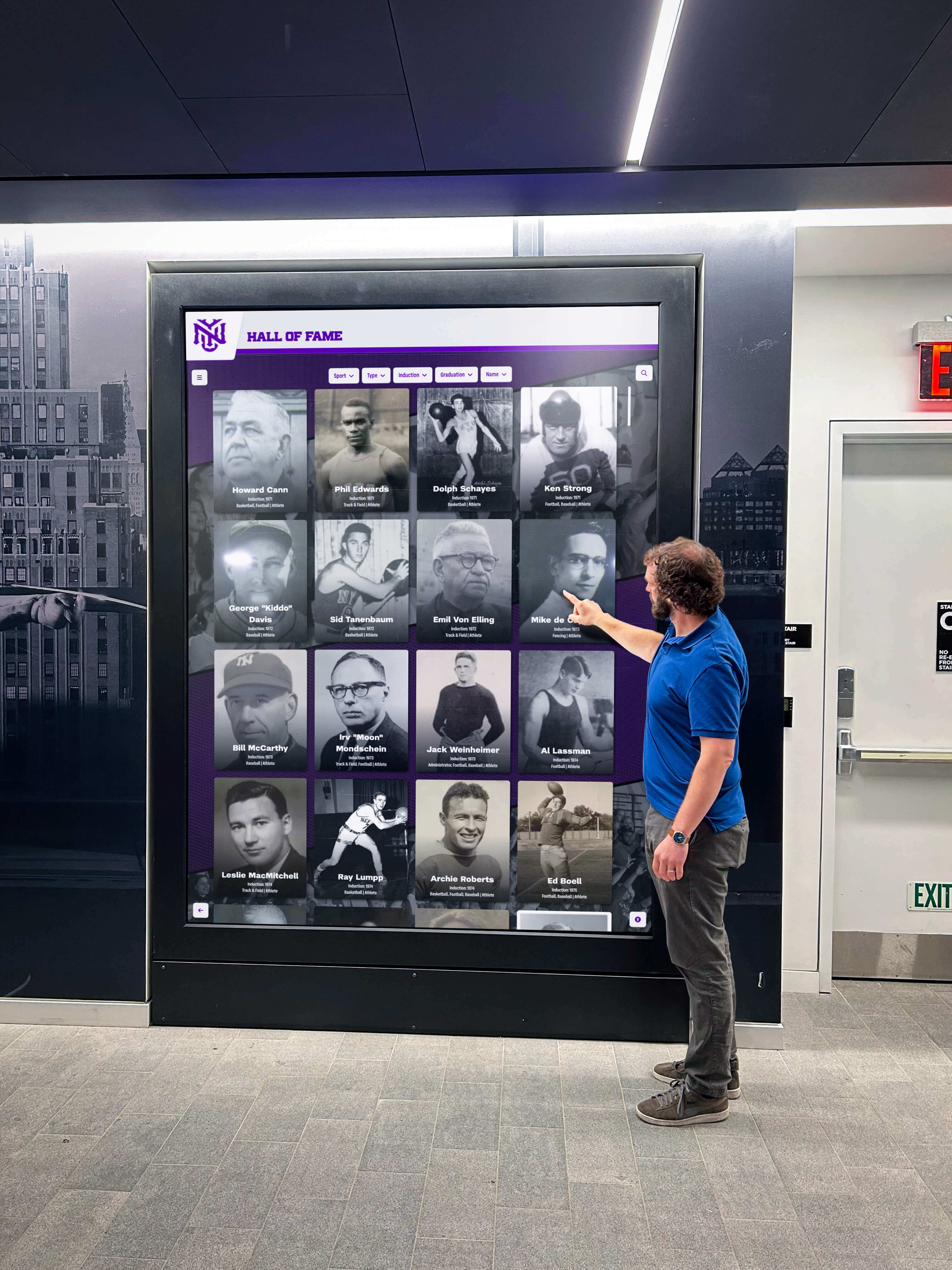
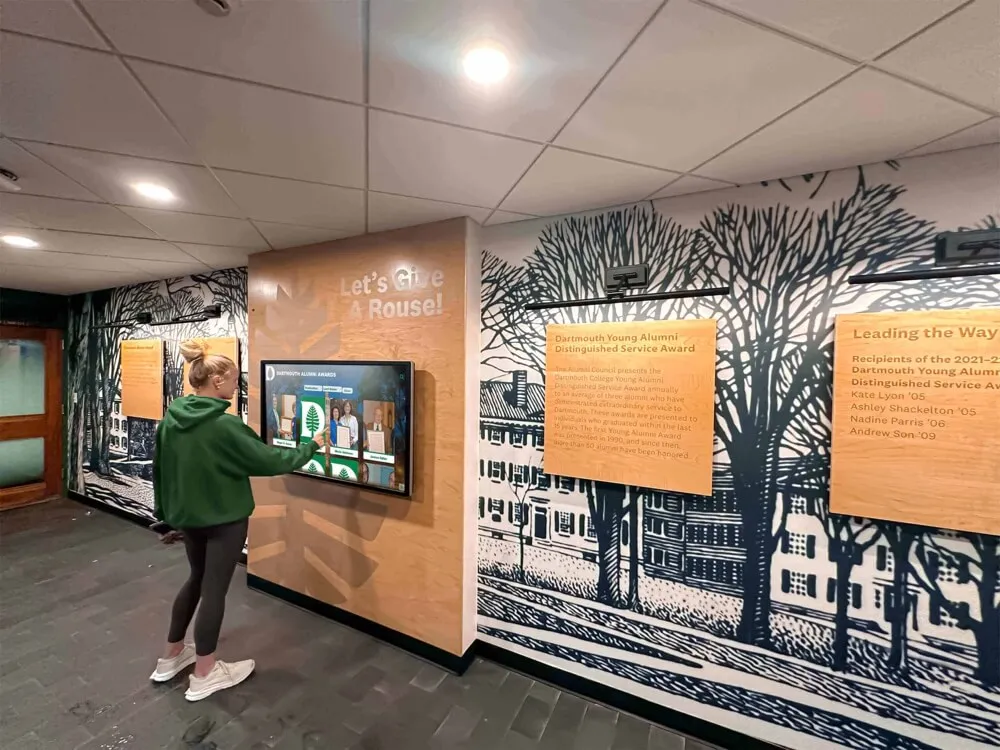
Interactive exploration encourages deeper engagement as visitors discover employee stories and organizational achievements creating memorable impressions
Best Practices for Corporate Digital Signage Success
Strategic Implementation Guidelines
Organizations achieving best results follow proven principles ensuring long-term success:
Start with Clear Objectives
Defining Success Before Implementation
Effective corporate digital signage begins with clear goal definition aligned to business needs:
Common Objectives:
- Improve internal communication effectiveness, reach, and employee awareness
- Enhance employee recognition programs building stronger workplace culture
- Create impressive visitor experiences in lobby and reception areas
- Streamline wayfinding and facility navigation reducing confusion
- Display real-time performance metrics and business dashboards
- Reduce communication costs through digital alternatives replacing printing
- Strengthen corporate brand consistency and visual identity
- Support change management and organizational initiatives requiring communication
Success Criteria:
- Specific metrics demonstrating measurable progress toward stated objectives
- Baseline measurements enabling meaningful before/after comparison
- Timeline expectations for implementation phases and expected results
- Stakeholder agreement on what constitutes program success
- Budget parameters guiding technology selection and vendor evaluation
Starting with defined objectives ensures technology selection, content strategy, and implementation approach align with actual organizational needs rather than pursuing digital signage simply because competitors have implemented systems or technology seems interesting.
Prioritize Content Over Technology
Focus on What Matters Most
Technology capabilities matter less than content quality and relevance to audiences:
Content-First Philosophy:
- Plan comprehensive content strategy before selecting specific hardware and software
- Ensure organizational capacity exists for sustainable content creation and management
- Assign clear responsibility for content development, updates, and quality maintenance
- Establish realistic refresh schedules sustainable long-term given available resources
- Test content concepts through mockups and prototypes before technology purchase
- Gather stakeholder feedback on content relevance and effectiveness before launch
- Invest appropriately in content creation resources (design tools, templates, training)
Impressive displays showing outdated, irrelevant, or poor-quality content fail regardless of technology sophistication or hardware expense. Conversely, modest displays showing compelling, timely, well-designed content succeed in engaging audiences and achieving communication objectives. Organizations should invest proportionally in both technology and content—a common guideline suggests 60% of budgets toward technology and 40% toward content creation and management capabilities.
Plan for Long-Term Content Management
Sustainability Beyond Initial Launch
Initial implementation enthusiasm fades without sustainable management approaches ensuring ongoing success:
Sustainable Operations:
- Dedicated staff time allocated specifically (not added to already-full plates without removing other responsibilities)
- Content creation workflows integrated systematically into existing business processes
- Automated content feeds where appropriate reducing manual effort and maintenance burden
- Regular review cycles ensuring content remains fresh, accurate, and relevant
- Budget allocation for ongoing operations beyond initial technology investment
- Training and documentation enabling smooth staff transitions without knowledge loss
- Executive sponsorship maintaining organizational priority and resource allocation
Organizations implementing digital recognition systems demonstrate that long-term success depends primarily on organizational commitment to content management rather than technology selection—lessons equally applicable to corporate digital signage regardless of primary use case.
Balance Multiple Audiences
Serving Internal and External Viewers
Corporate digital signage often serves diverse audiences with different information needs:
Audience Considerations:
- Employees seeking company information, recognition, and workplace updates
- Visitors requiring navigation assistance and organizational overview
- Clients and prospects forming impressions about organizational professionalism
- Executive leadership wanting performance metrics and strategic initiative visibility
- HR teams communicating programs, policies, and benefit information
- Facilities managers providing operational information and safety updates
Content Balance Strategies:
- Location-specific content addressing primary audience for each display installation
- Time-based scheduling showing different content for internal versus visitor hours
- Layered information with public-appropriate content at top level and employee-specific information in deeper interactive navigation layers
- Multiple displays in same location serving different purposes and audience needs
- Clear visual distinction between content types through consistent design templates
- Regular audience feedback ensuring content effectively serves intended needs
Ensure Accessibility for All Users
Universal Design Principles
Corporate digital signage should serve all employees and visitors regardless of abilities:
Accessibility Requirements:
- Sufficient color contrast meeting WCAG standards (minimum 4.5:1 ratio)
- Font sizes readable from typical viewing distances (minimum 24pt body text recommended)
- Mounting heights appropriate for wheelchair users on interactive displays (ADA compliance)
- Alternative text for images supporting screen readers in web-based systems
- Closed captions for video content ensuring accessibility for hearing impaired
- Simple language avoiding unnecessary complexity or excessive corporate jargon
- Keyboard navigation alternatives to touch interfaces where appropriate
- Audio alternatives for visual-only information where context requires
Accessible design benefits all users, not just those with disabilities—larger fonts improve readability for everyone regardless of vision capability, clear language reduces confusion for all audiences including those with varying language proficiency, and intuitive navigation helps users regardless of technical comfort or digital literacy levels.
Common Challenges and Solutions
Navigating Corporate Digital Signage Obstacles
Organizations encounter predictable challenges requiring strategic responses:
Content Staleness and Maintenance Burden
The Problem: Initial launch enthusiasm fades as daily operational demands take priority, content updates become irregular as responsible staff face competing priorities, displays show increasingly outdated information creating worse impressions than no signage, and signage becomes ignored “wallpaper” that employees and visitors stop noticing entirely.
Solutions:
- Automate content feeds where possible (news RSS, calendar integration, HR system data)
- Establish realistic update schedules matching actual organizational capacity and resources
- Create simple content templates dramatically reducing creation time and effort
- Distribute content responsibility across departments rather than centralizing burden
- Build content management into existing workflows and business processes
- Set calendar reminders for scheduled content reviews and necessary updates
- Measure engagement analytics systematically identifying which content types resonate
Employee Privacy Concerns
The Problem: Employees may feel uncomfortable with public recognition or display of their information, workplace photography raises privacy questions about consent and usage, personal information visibility creates potential security concerns, and recognition can be perceived as surveillance rather than genuine appreciation.
Solutions:
- Obtain explicit permission before featuring employees in any public content
- Provide clear opt-out mechanisms for recognition visibility respecting preferences
- Limit personal information to professional context (name, role, professional achievements)
- Use aggregate data in dashboards rather than individual performance tracking
- Communicate transparently about content types and intended usage
- Respect cultural differences regarding public recognition preferences
- Review all content with HR ensuring appropriate professional boundaries maintained
Technical Issues and Reliability
The Problem: Displays go offline showing black screens or error messages reducing professionalism, network connectivity issues prevent timely content updates, hardware failures create maintenance urgency and budget pressure, software updates cause unexpected compatibility problems, and limited IT support prioritizes “critical” systems over digital signage.
Solutions:
- Invest in commercial-grade hardware specifically rated for continuous 24/7 operation
- Establish redundant network connectivity where displays serve critical functions
- Implement monitoring systems automatically alerting administrators to offline displays
- Negotiate vendor support agreements including specific response time commitments
- Document clear troubleshooting procedures for common issues reducing resolution time
- Build productive relationships with IT department securing appropriate priority
- Plan hardware refresh cycles proactively replacing aging equipment before failure
Limited Viewer Engagement
The Problem: Employees ignore displays treating them as background noise not worthy of attention, interactive features go unused despite significant investment, content doesn’t effectively capture attention or interest, and displays fail to achieve intended communication or recognition objectives.
Solutions:
- Survey employees and visitors systematically about content preferences and information needs
- Test different content formats comparing engagement metrics across approaches
- Use motion graphics and animation purposefully to attract attention without distraction
- Rotate content frequently preventing repetitive experiences for regular viewers
- Feature personally-relevant information (department news, individual recognition, relevant metrics)
- Place displays strategically where natural viewing occurs (not competing with walking or task focus)
- Promote displays and interactive features actively through other communication channels
Future Trends in Corporate Digital Signage
Emerging Technologies and Approaches
Corporate digital signage continues evolving with advancing technology and changing workplace expectations:
Artificial Intelligence Integration
Next-Generation Capabilities
AI enhances digital signage effectiveness through multiple emerging applications:
- Content personalization adjusting displayed information based on viewer demographics, preferences, or roles
- Automated content creation assisting with writing, design, and template application
- Audience analytics using computer vision identifying viewer demographics and attention patterns
- Natural language interfaces enabling voice interaction with information displays
- Predictive maintenance identifying potential hardware failures before occurrence
- Content optimization recommendations based on engagement data analysis and patterns
Mobile Integration and Connected Experiences
Smartphone Connectivity
Mobile device integration extends digital signage capabilities beyond fixed installations:
- QR codes enabling content transfer from displays to personal devices for continued exploration
- Bluetooth beacon technology providing location-aware content personalization
- Mobile wayfinding apps providing continuous navigation assistance throughout facilities
- Personal calendar integration with meeting room displays showing personalized schedules
- Employee badge integration personalizing displayed content based on proximity
- Social sharing capabilities enabling employees to distribute recognition to external networks
Sustainability and Energy Efficiency
Environmental Responsibility
Organizations increasingly prioritize sustainable technology approaches:
- Energy-efficient LED displays dramatically reducing power consumption versus older technologies
- Automatic brightness adjustment based on ambient lighting reducing unnecessary energy use
- Scheduled operation turning displays off during unoccupied hours saving energy
- Paperless communication reducing printing waste and environmental impact
- Longer hardware lifecycles through commercial-grade components reducing electronic waste
- Responsible disposal and recycling programs for outdated equipment
Conclusion: Transforming Corporate Environments Through Digital Signage
Corporate digital signage represents far more than impressive screens displaying company logos—it functions as strategic infrastructure that enhances communication effectiveness, strengthens workplace culture, creates memorable experiences, and delivers measurable business outcomes. Organizations implementing comprehensive systems consistently report improved employee engagement, enhanced internal communication reach, stronger recognition culture, and more professional visitor impressions—results that justify technology investments while advancing organizational objectives across multiple dimensions.
The corporate digital signage applications explored throughout this guide demonstrate how versatile technology serves diverse business needs effectively. From interactive employee recognition displays celebrating team achievements to sophisticated lobby systems welcoming visitors while showcasing organizational excellence, digital signage creates engaging experiences impossible through traditional static communication methods constrained by space, cost, and flexibility limitations.
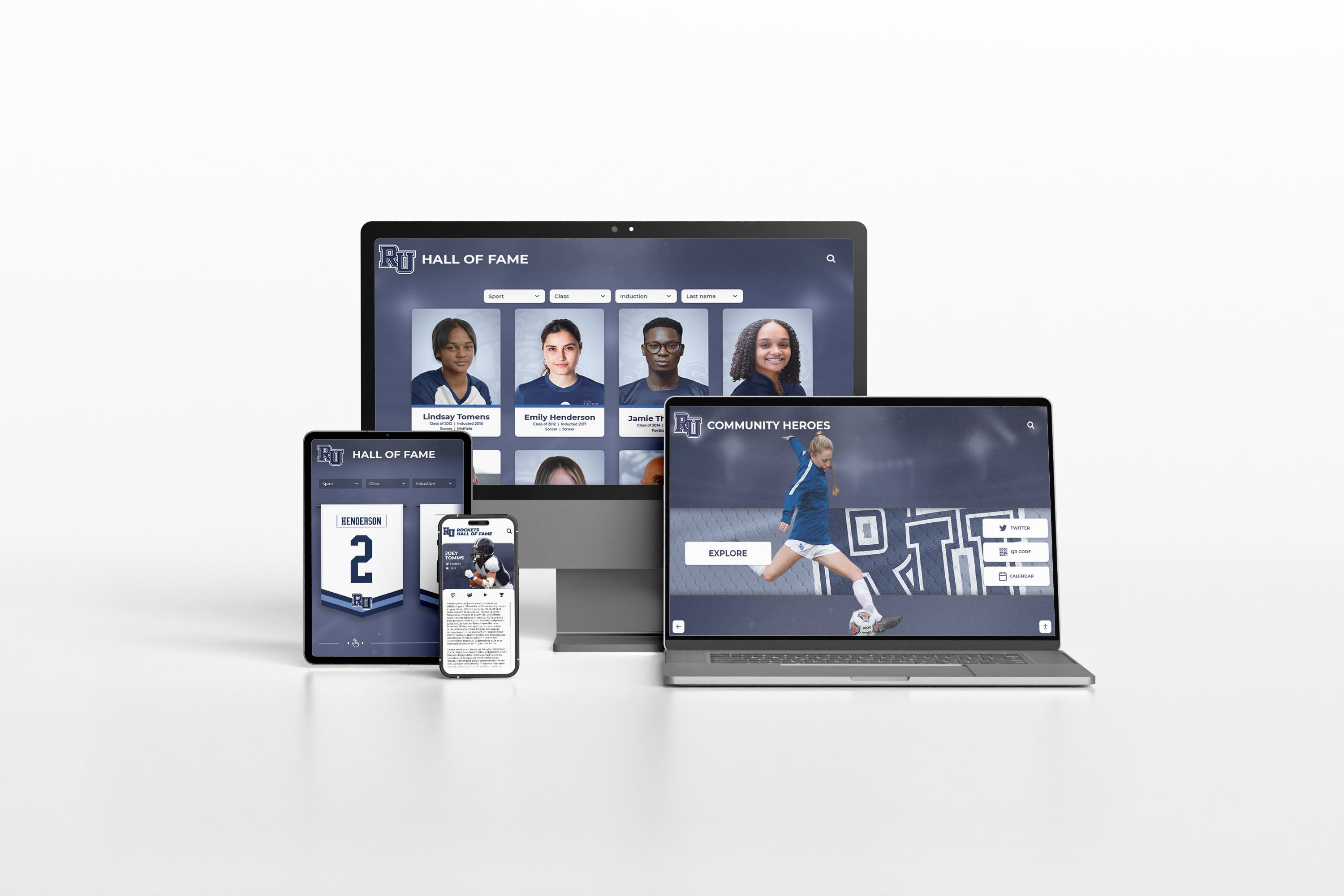
Web-based platforms extend corporate recognition and communication worldwide across all devices enabling remote access and continuous engagement
Success with corporate digital signage depends on clear objective definition aligned to business needs, appropriate technology selection matching organizational capacity and requirements, compelling content strategy prioritizing viewer engagement over technological impressiveness, sustainable management approaches ensuring long-term content freshness and relevance, and measurement systems demonstrating value while identifying continuous improvement opportunities. Organizations approaching implementation strategically while learning from proven best practices achieve significantly better outcomes than those pursuing technology opportunistically without thoughtful planning and resource allocation.
Whether launching your first corporate digital signage installation or expanding existing systems across multiple locations, the principles explored throughout this guide help organizations leverage technology effectively while avoiding common pitfalls that limit results and return on investment. Start by clarifying communication challenges and recognition needs through stakeholder consultation, identifying high-priority locations and applications based on business objectives, evaluating technology options carefully matching budget and technical requirements, planning comprehensive content strategy and management approach ensuring sustainability, piloting systems in single location proving value before broader expansion, and measuring outcomes systematically demonstrating ROI while gathering feedback for continuous improvement.
Organizations implementing building culture strategies through recognition and communication demonstrate principles directly applicable to corporate environments—both contexts benefit from systematic appreciation, consistent messaging, and visible celebration of achievements and organizational values creating engaged communities committed to collective success.
Transform Your Corporate Communication and Recognition
Discover how modern digital signage solutions can help your organization engage employees more effectively, create impressive visitor experiences, and build workplace culture centered on recognition and excellence.
Explore Corporate Digital Signage SolutionsEvery employee deserves recognition acknowledging their contributions and celebrating their commitment to organizational success. Every visitor merits professional experiences demonstrating organizational competence and sophistication. Every workplace benefits from efficient communication reaching all team members with timely, relevant information. With thoughtful planning, appropriate technology investment, and sustainable content management, corporate digital signage transforms these aspirations into engaging realities that strengthen workplace culture while advancing business objectives systematically and measurably.
Ready to begin? Explore comprehensive approaches in digital display solutions adaptable to corporate contexts, discover interactive touchscreen technologies powering modern corporate displays, or learn about digital archive platforms that preserve organizational memory while celebrating achievement and building cultures of excellence across corporate environments worldwide.