Walking across the graduation stage represents one of education’s most meaningful moments, and the colorful cords draped over graduates’ shoulders tell powerful stories about their journeys to that achievement. These honor cords—vibrant ropes woven from silk or rayon—signify academic excellence, leadership roles, organizational memberships, and special accomplishments that distinguish graduates among their peers. Each color carries specific meaning, transforming graduation regalia from uniform caps and gowns into personalized celebrations of individual achievement.
Yet many students, parents, and even educators struggle to understand the intricate system behind graduation cords. Questions arise constantly: What does a gold cord signify? How many cords can one student wear? Which achievements qualify for honor cord recognition? How do schools determine cord eligibility? The answers vary significantly across institutions, creating confusion during what should be clear celebration of accomplishment.
This comprehensive guide demystifies graduation cords by exploring their history and traditions, decoding the meanings behind popular cord colors, explaining how students earn these honors, and providing guidance on proper wearing etiquette. Whether you’re a student preparing for commencement, a parent supporting your graduate, or an educator designing recognition programs, you’ll discover everything needed to understand and appreciate these symbolic graduation accessories.
Graduation cords serve purposes extending beyond mere decoration—they provide immediate visual recognition of achievement, create tangible goals motivating students throughout educational journeys, and establish traditions connecting graduating classes across generations. Schools with comprehensive cord programs report that visible achievement recognition significantly enhances academic culture while giving families meaningful ways to celebrate specific accomplishments.

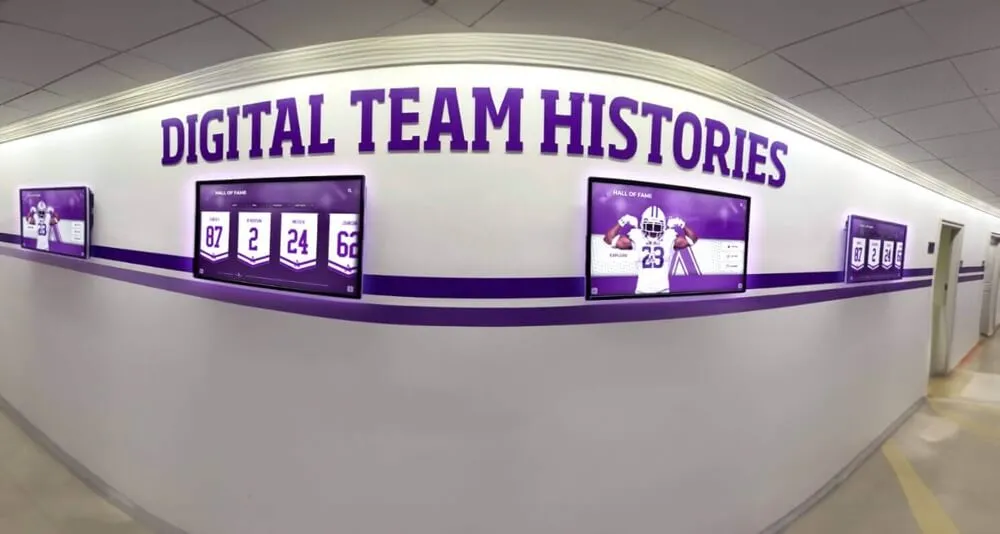
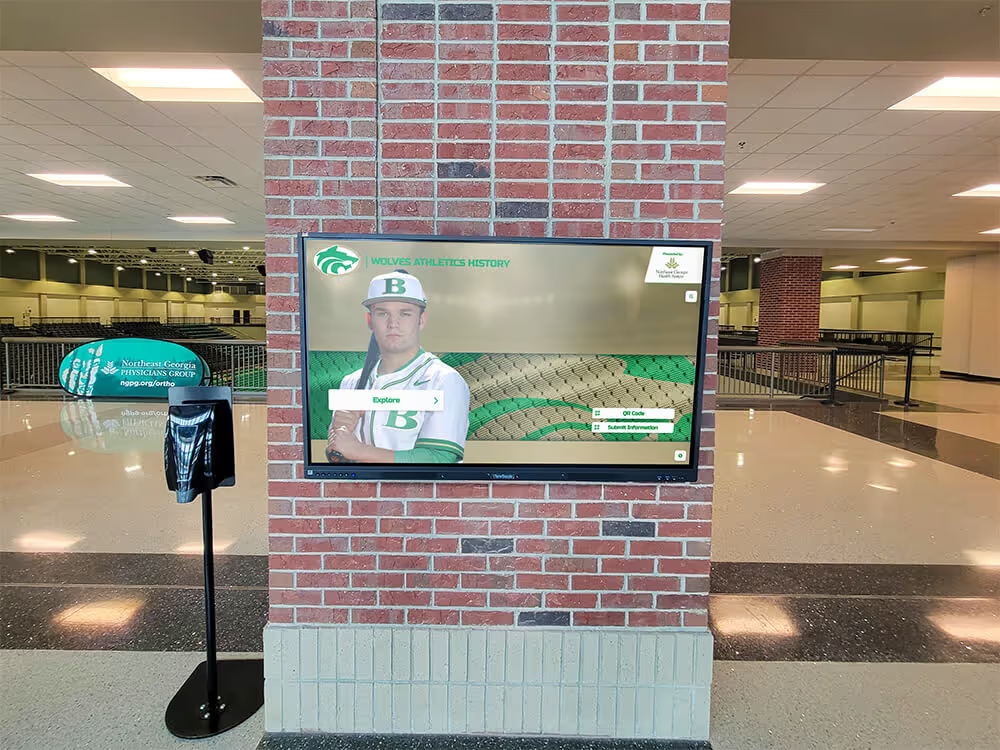
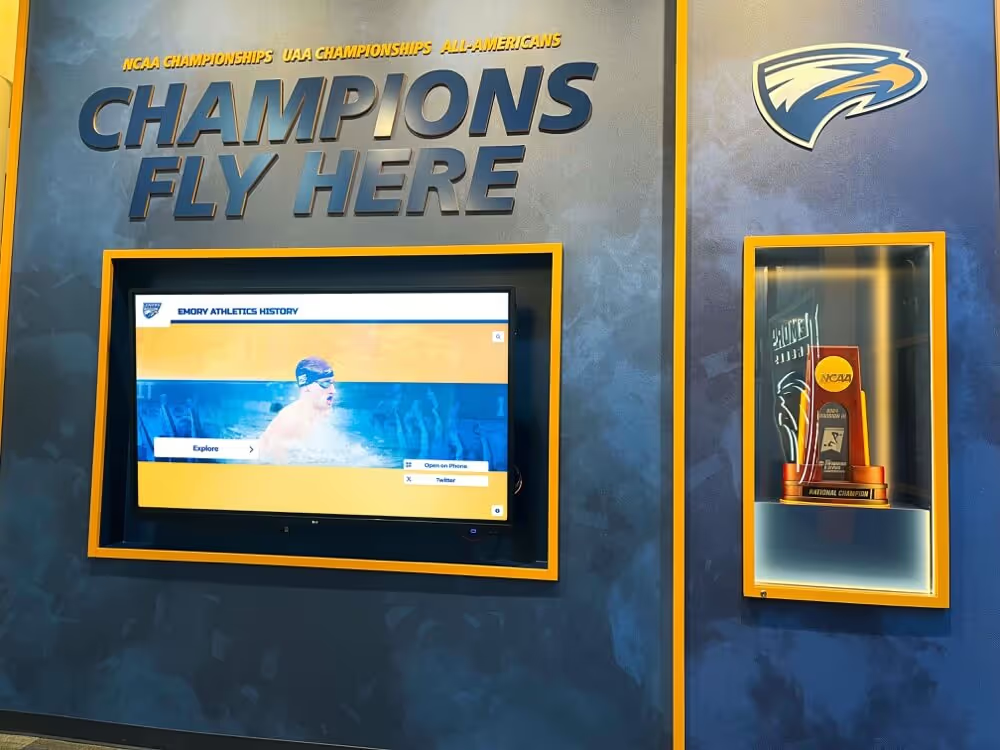
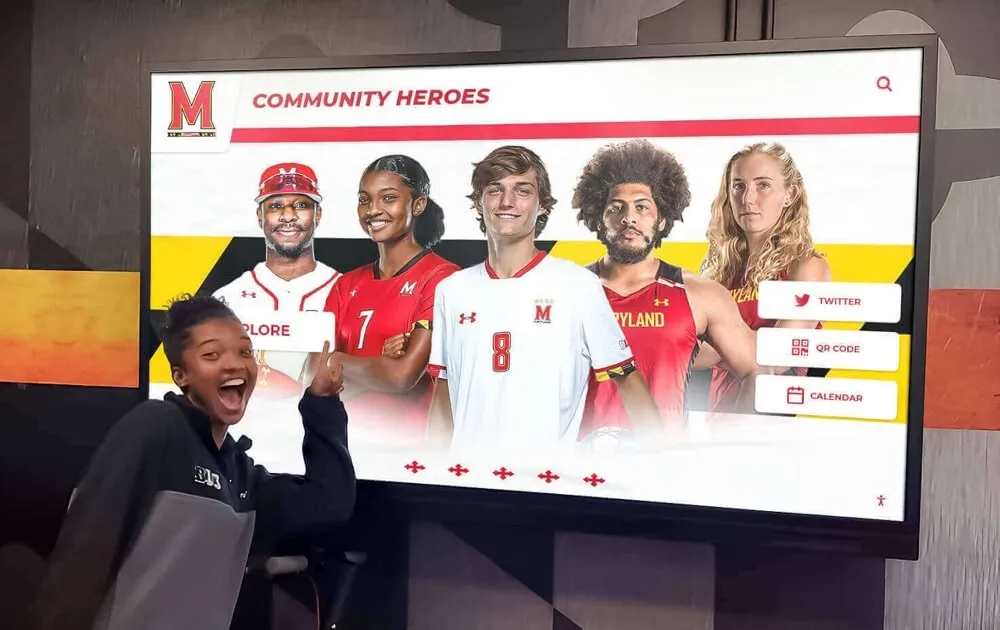
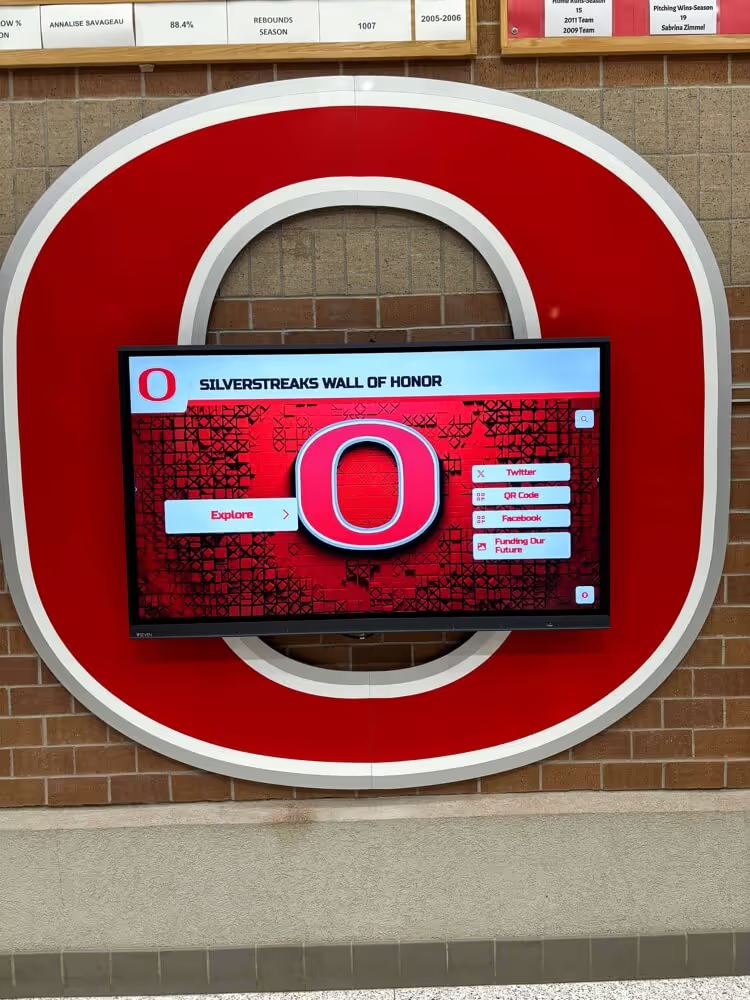
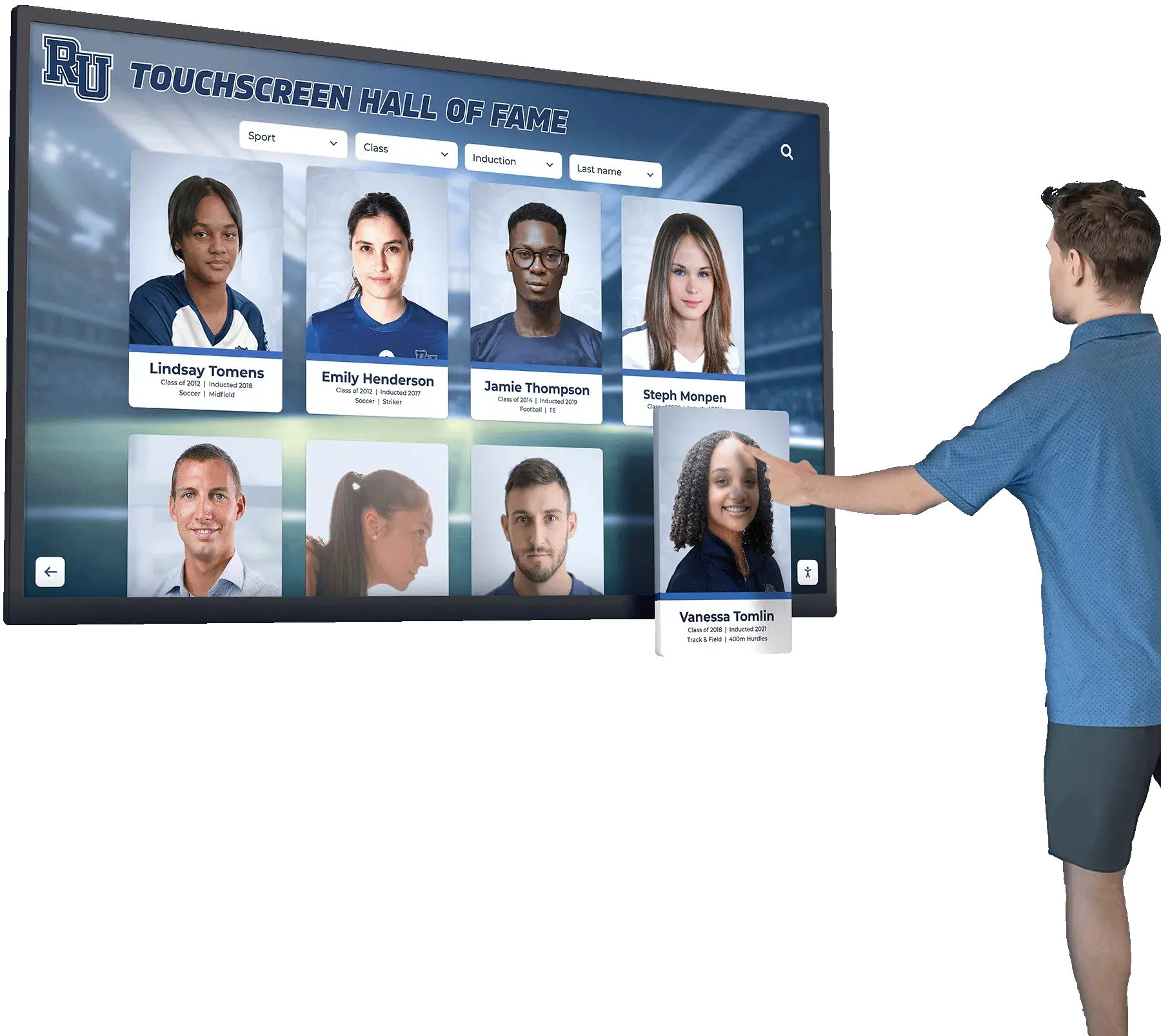
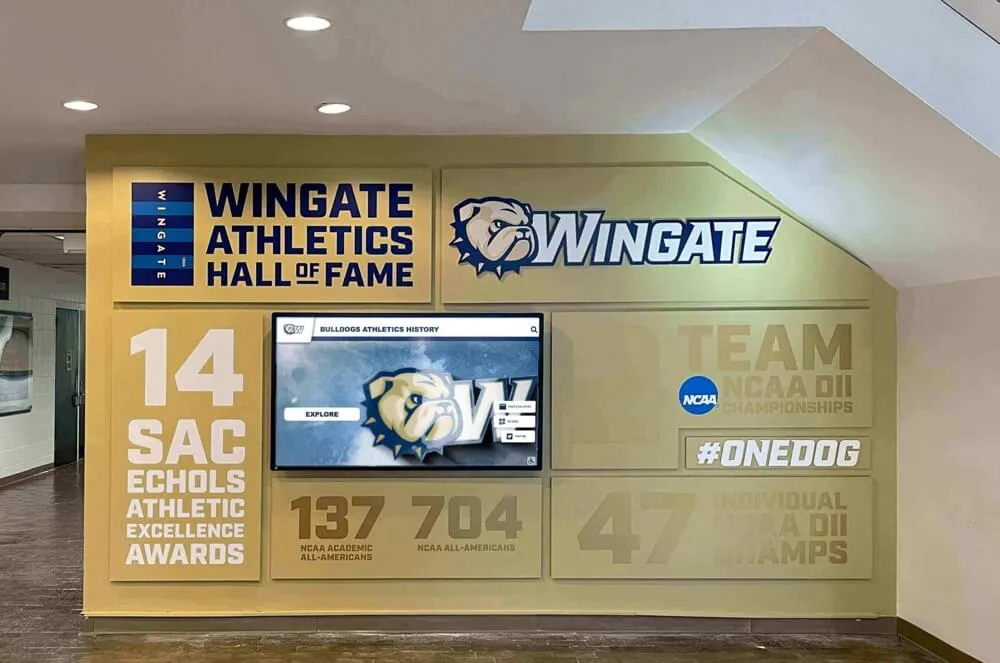
Modern schools celebrate academic achievements that earn graduation honors through comprehensive recognition systems documenting student excellence
Understanding Graduation Cords: History and Significance
Before exploring specific colors and meanings, understanding the historical context helps appreciate why these traditions persist.
The Origins of Academic Regalia
Academic dress traditions date back to medieval European universities:
Medieval University Traditions The foundation of modern graduation attire:
- Universities in 12th-century Europe required scholars to wear robes for warmth in unheated buildings
- Religious influences shaped early academic dress, as many scholars were clergy
- Distinctive colors and styles indicated academic rank and field of study
- Hoods eventually denoted degree types and institutional affiliations
- Academic traditions spread from Oxford and Cambridge to institutions worldwide
American Adaptations As universities developed in the United States:
- Colonial colleges adopted European academic dress customs
- Regional variations emerged reflecting institutional identities
- Honor cords developed as distinctly American additions to traditional regalia
- The 20th century saw standardization of some practices while maintaining local traditions
- Contemporary graduation ceremonies blend centuries-old customs with modern recognition systems
The Purpose and Meaning of Honor Cords
Graduation cords fulfill multiple valuable functions within commencement ceremonies:
Visual Achievement Recognition Immediate identification of excellence:
- Cords provide at-a-glance acknowledgment visible to audiences during processionals
- Family members can immediately identify their graduate’s accomplishments from seats
- Photography captures achievement symbolism in permanent graduation memories
- Multiple cords showcase diverse accomplishments across academic and co-curricular activities
- Color variety creates visual interest while celebrating different types of excellence
Motivational Impact Throughout Education Achievement goals guiding student efforts:
- Underclassmen observe cord traditions and set goals for their own graduation
- Visible honors create positive peer influence encouraging academic excellence
- Tangible recognition rewards sustained effort across multiple years
- Cord eligibility provides concrete benchmarks for achievement targets
- Recognition traditions build school culture valuing diverse accomplishments
Learn more about comprehensive academic recognition through National Honor Society digital recognition displays that celebrate student achievement.
Different Types of Graduation Cords
Not all graduation cords represent the same achievements:
Honor Cords Academic excellence recognition:
- GPA-based honor cords (cum laude, magna cum laude, summa cum laude)
- General honor roll recognition for consistent academic performance
- Subject-specific academic excellence in particular disciplines
- Academic competition achievements and scholarly distinctions
- Perfect attendance combined with academic standards
- Improvement and academic growth recognition
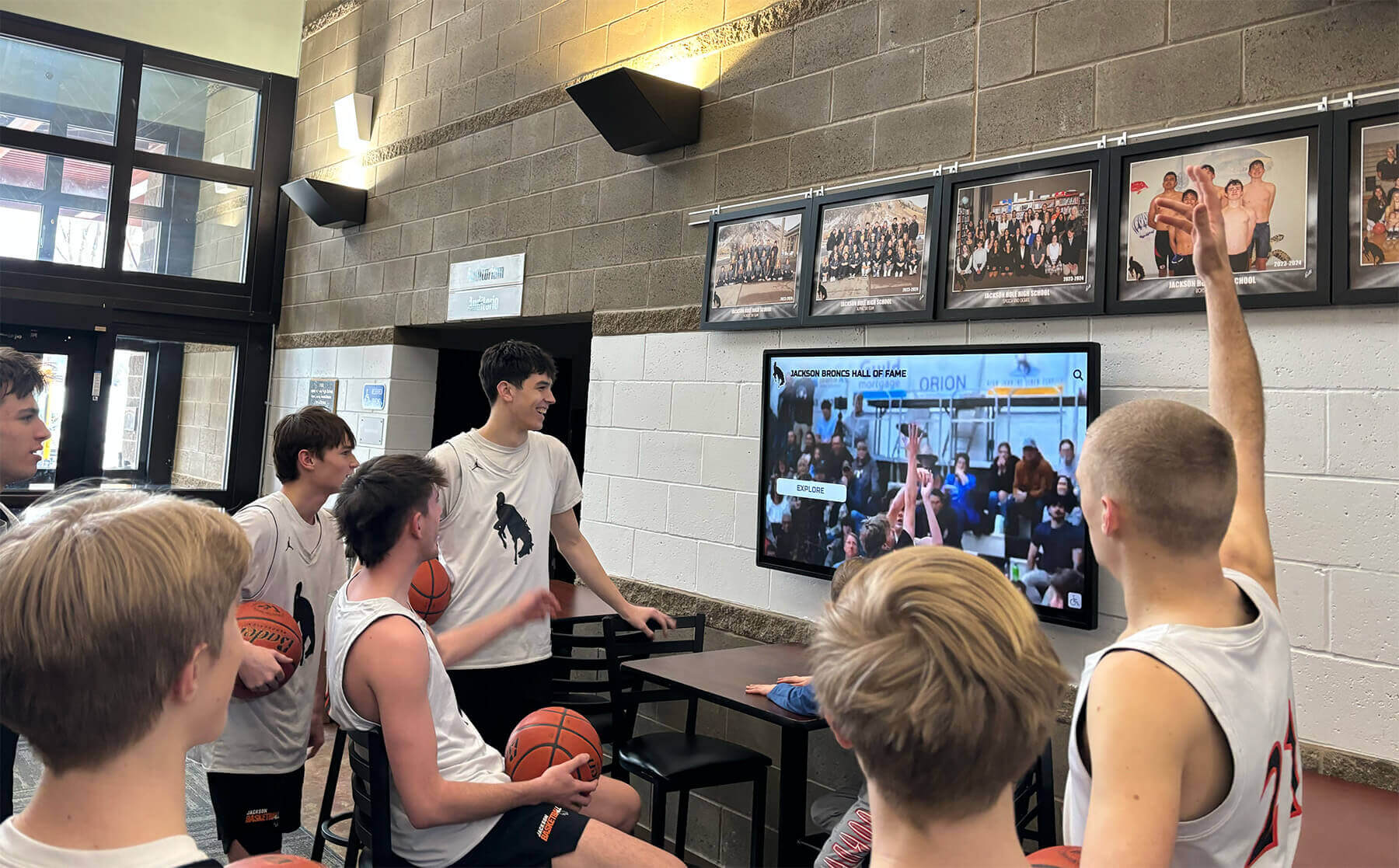
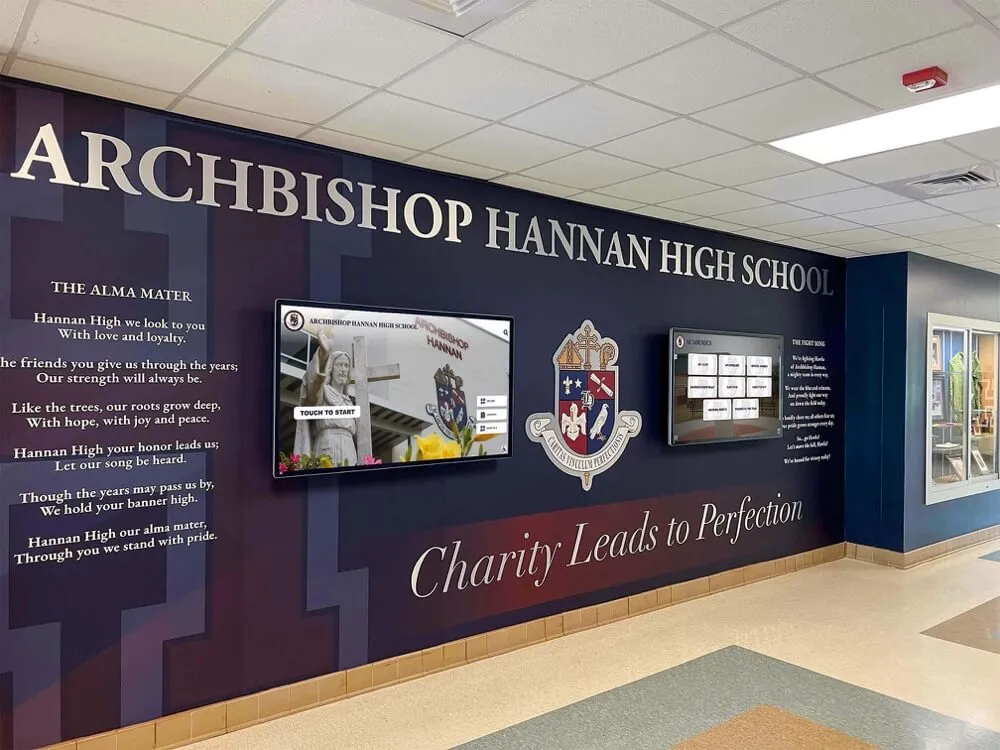
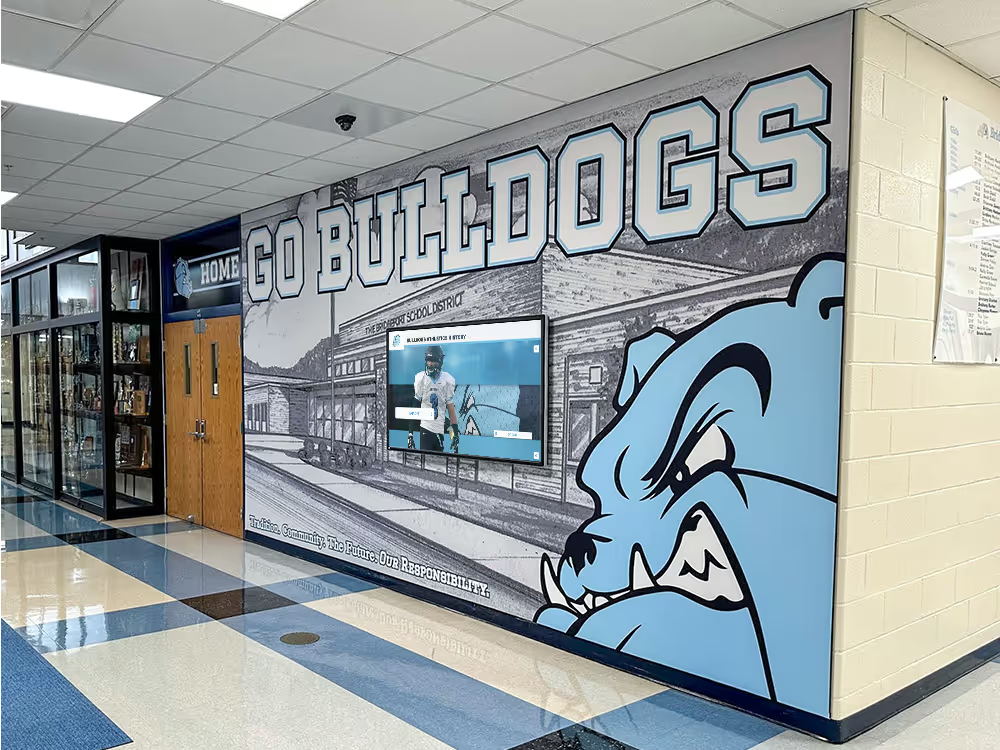
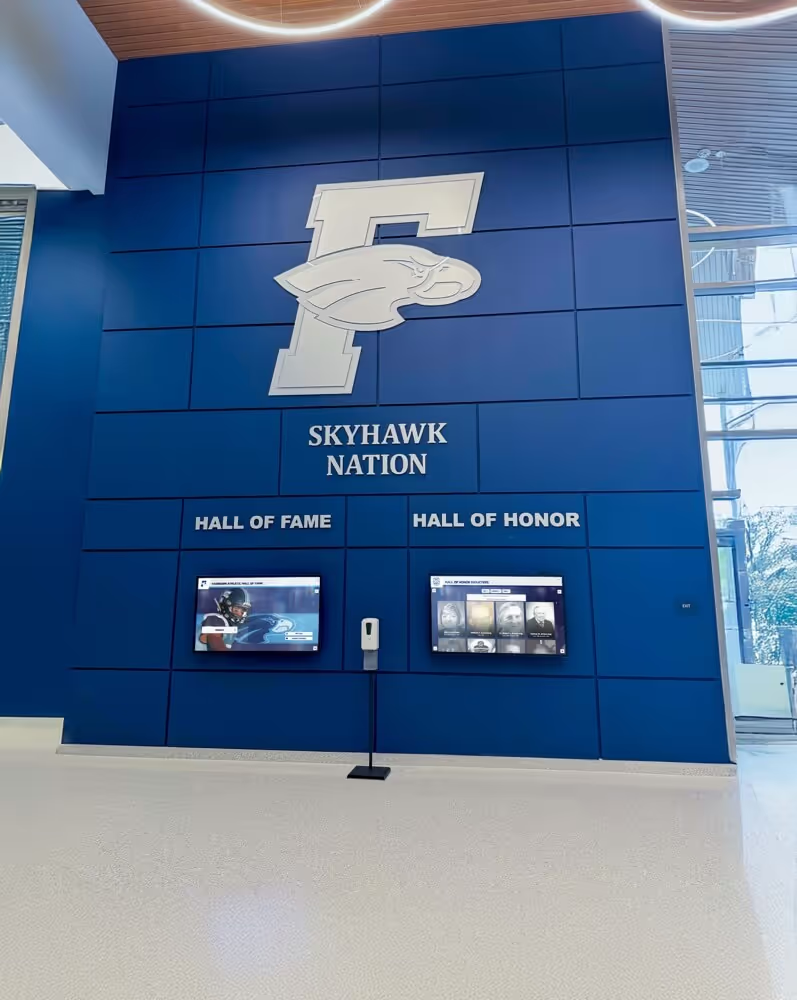
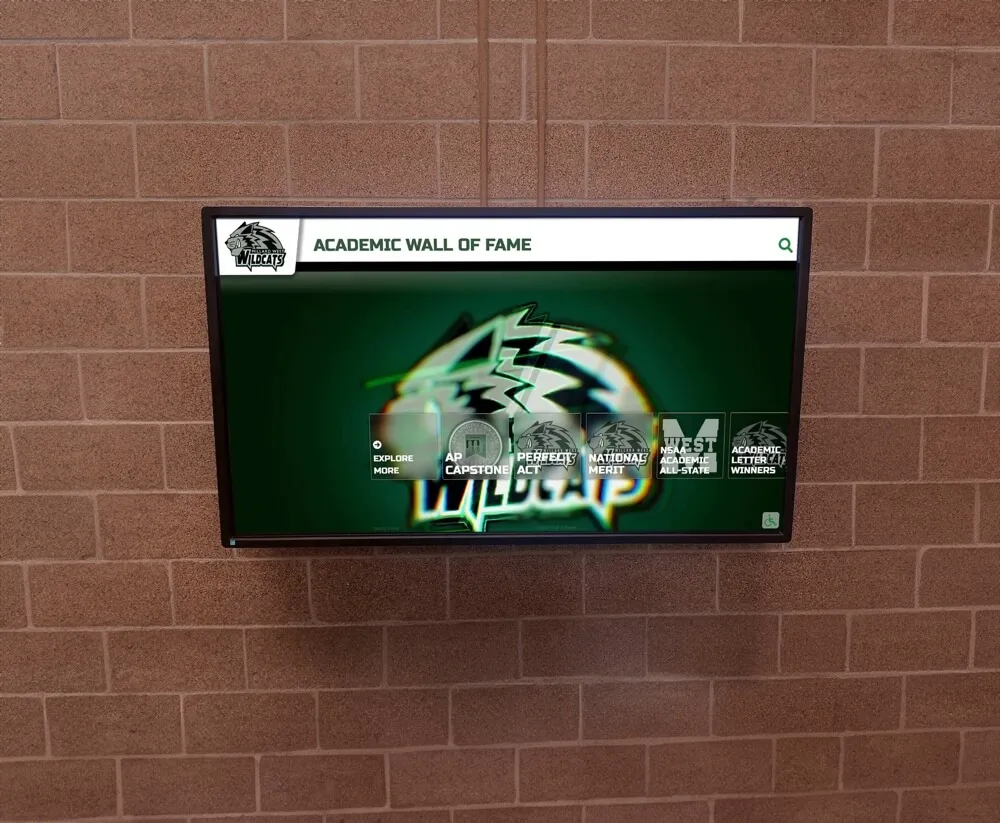
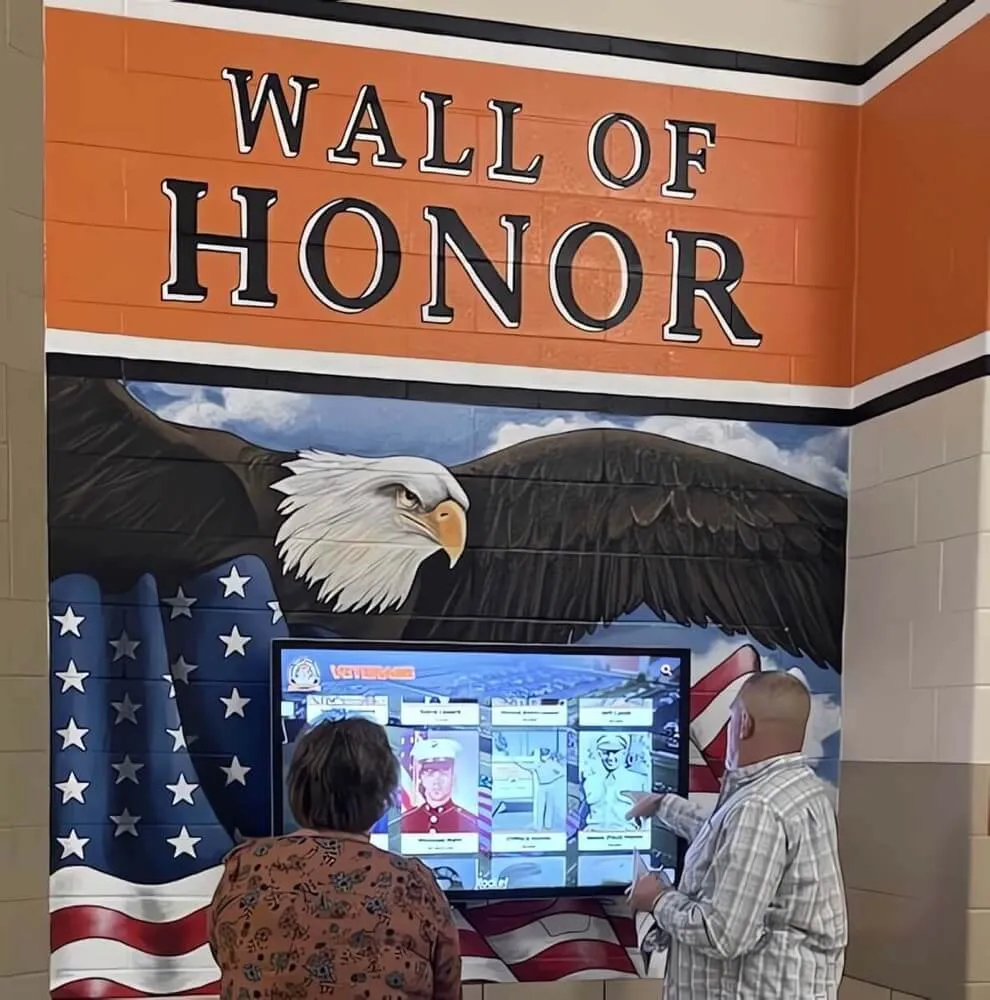
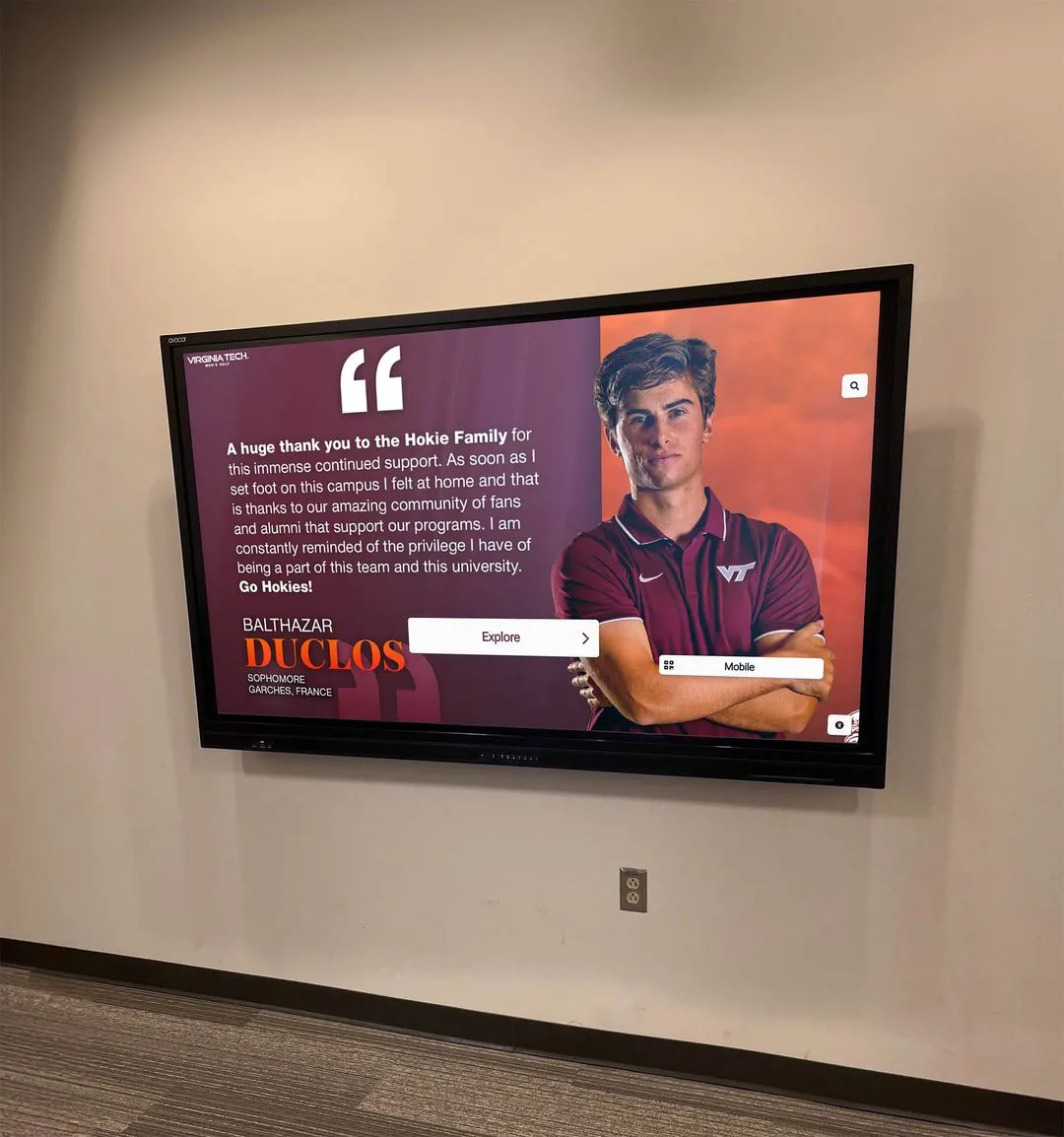
Digital recognition systems showcase achievement journeys leading to graduation honors, inspiring younger students
Organization and Society Cords Membership-based recognition:
- National Honor Society and honor society chapter affiliations
- Beta Club, Key Club, and service organization memberships
- Academic competition teams (Quiz Bowl, Science Olympiad, Debate)
- Career and technical education organization memberships (DECA, FBLA, HOSA)
- Fine arts honor societies for music, art, and theater excellence
- World language honor societies celebrating linguistic achievement
Leadership and Service Cords Co-curricular achievement recognition:
- Student government officers and representatives
- Class officers and committee leaders
- Peer mentoring and tutoring program participants
- Community service hour milestone achievements
- School ambassador and tour guide programs
- Special project leadership and coordination
Graduation Cord Colors and Their Meanings
Color symbolism forms the foundation of graduation cord recognition systems.
Standard Academic Honor Cord Colors
While variations exist, certain colors carry widely recognized academic meanings:
Gold Cords The most prestigious academic recognition:
- Traditionally represent high academic achievement and honor society membership
- Often awarded to summa cum laude graduates or highest GPA performers
- National Honor Society commonly uses gold cords
- Some schools reserve gold for valedictorians and salutatorians
- Gold symbolizes achievement, excellence, and scholarly success
White Cords Representing diverse accomplishments:
- Frequently designate humanities and liberal arts achievement
- May indicate English, literature, or writing excellence
- Some institutions use white for leadership recognition
- Occasionally represents service hours or volunteer accomplishments
- White symbolizes purity, new beginnings, and intellectual pursuit
Silver or Gray Cords Honors in specific areas:
- Often represent business, economics, or commerce programs
- May indicate technology or computer science achievement
- Some schools use silver for public speaking and debate excellence
- Can represent student government or civic engagement
- Silver symbolizes wisdom, integrity, and modern innovation

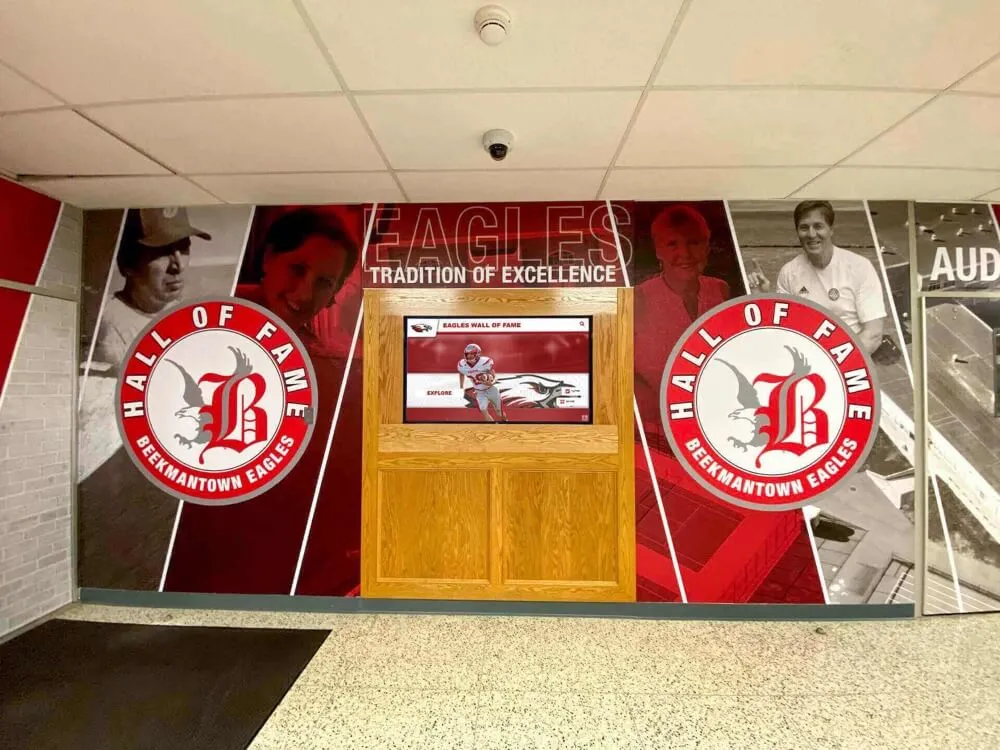
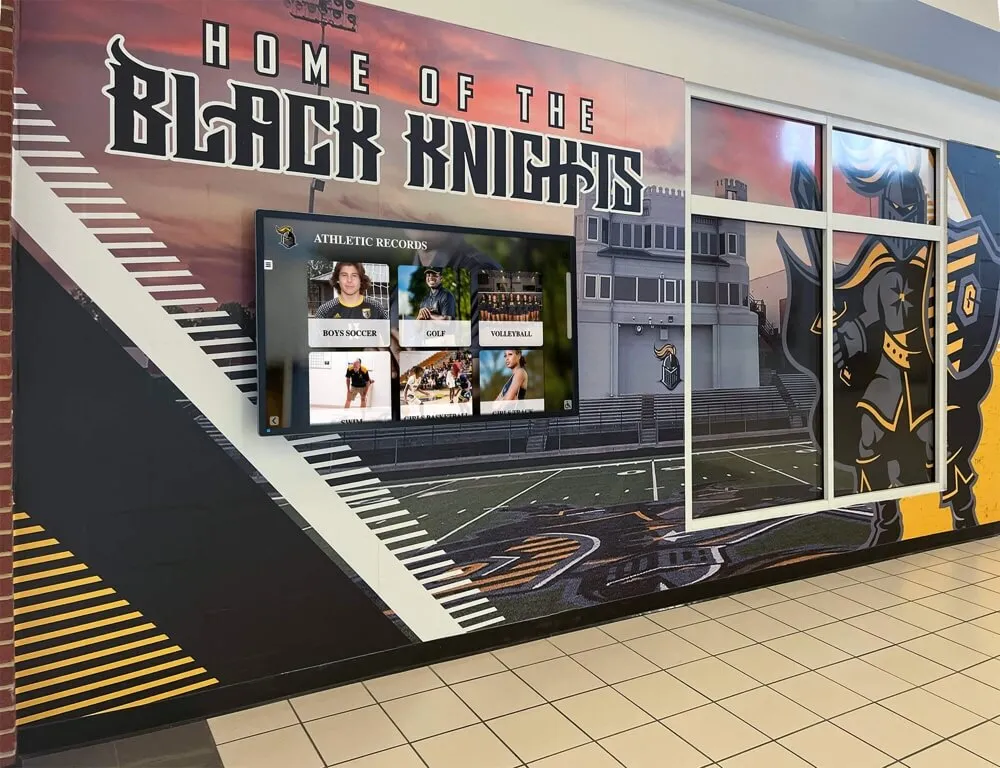
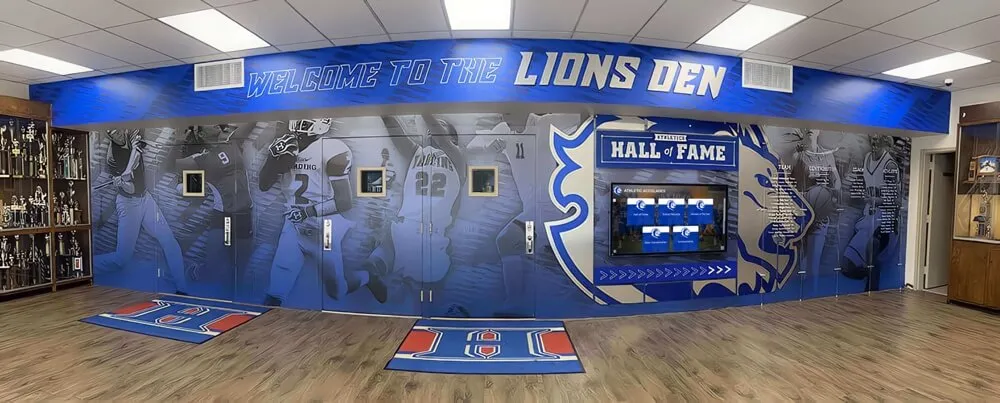
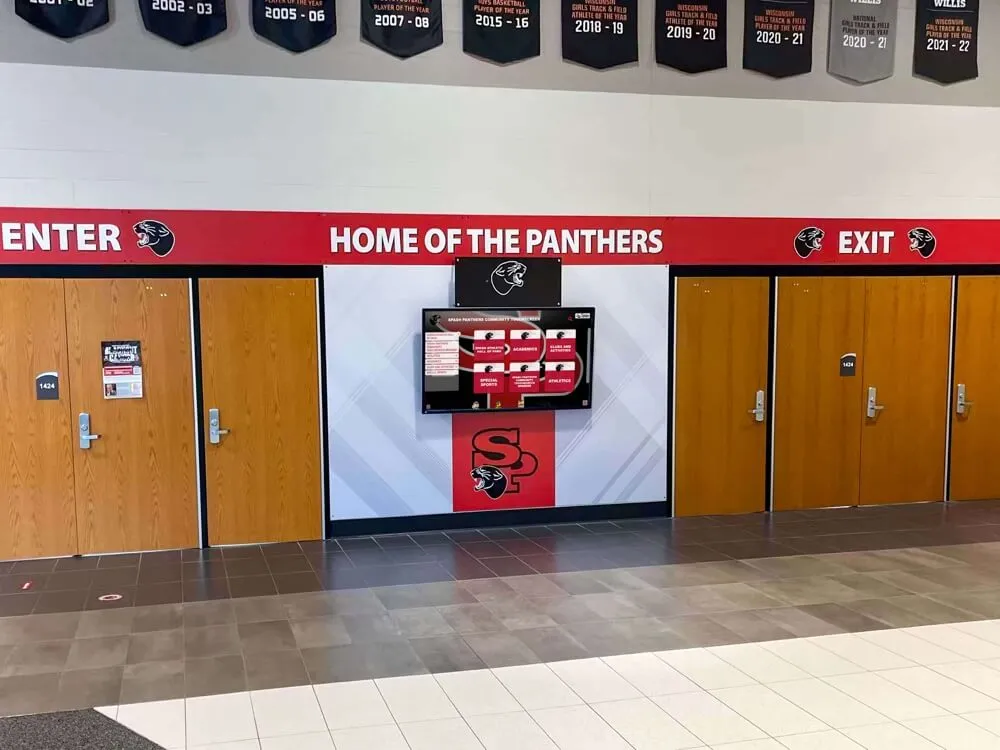
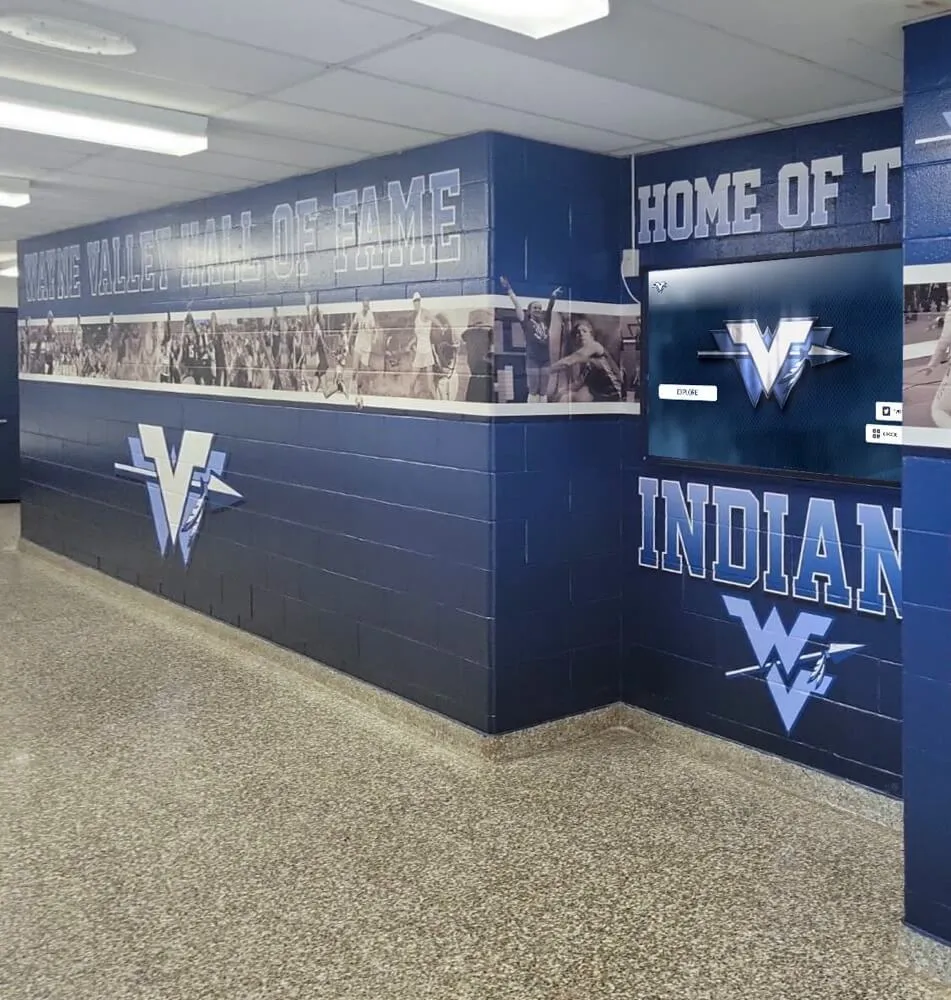
Schools document achievement journeys through recognition displays that preserve the stories behind graduation honors
Royal Blue Cords Academic and co-curricular recognition:
- Frequently designate philosophy, political science, or social studies excellence
- May represent specific academic honor societies
- Some institutions use blue for general academic achievement
- Can indicate participation in academic competitions
- Blue symbolizes loyalty, truth, and intellectual depth
Subject-Specific Graduation Cord Colors
Many schools assign colors representing particular academic disciplines:
STEM Subject Colors Science, technology, engineering, and mathematics recognition:
- Green cords: Natural sciences, biology, environmental science, medicine
- Maize/yellow cords: Mathematics, statistics, quantitative disciplines
- Orange cords: Engineering programs and applied sciences
- Purple cords: Some institutions use purple for psychology or social sciences
- Dark blue cords: Science honor societies and research achievements
Arts and Humanities Colors Creative and liberal arts recognition:
- Pink cords: Music performance, music education, or fine arts
- Brown cords: Philosophy, theology, religious studies
- Maroon cords: English literature, creative writing, journalism
- Lavender cords: Theater arts, drama, performing arts
- Cream/beige cords: Humanities combined programs
Professional and Technical Education Colors Career pathway recognition:
- Red cords: Communications, journalism, public relations
- Purple cords: Law, legal studies, government programs
- Olive green cords: Forestry, agriculture, environmental management
- Teal cords: Healthcare programs, nursing, medical assistance
- Black cords: Business administration, management, entrepreneurship
Explore comprehensive recognition approaches through academic recognition programs that honor diverse achievement.
Organizational and Honor Society Cord Colors
Specific organizations often prescribe particular cord colors:
National Honor Societies Established organization traditions:
- National Honor Society: Gold cords representing scholarship, service, leadership, character
- National Technical Honor Society: Red and white cords for career-technical excellence
- National Art Honor Society: Gold and blue cords for artistic achievement
- National English Honor Society: Purple and gold representing literary excellence
- Mu Alpha Theta: Pink and white cords for mathematics honor society
- Science National Honor Society: Blue and gold for scientific achievement
Service and Leadership Organizations Co-curricular achievement recognition:
- Key Club: Blue and gold cords representing service leadership
- Beta Club: Blue and gold for academic achievement and service
- DECA: Blue and white for business and marketing education
- HOSA: Maroon and white for health science careers
- FBLA: Blue and gold for business leadership
- Student Government: School-specific colors representing leadership
How Students Earn Graduation Cords
Understanding qualification processes helps students pursue meaningful goals.
Academic Achievement-Based Cords
GPA and performance criteria determine most honor cord eligibility:
Grade Point Average Requirements Quantitative achievement thresholds:
- Summa Cum Laude: Typically 3.9-4.0 unweighted GPA or top 5% of class
- Magna Cum Laude: Usually 3.7-3.89 GPA or top 10% of class
- Cum Laude: Generally 3.5-3.69 GPA or top 15% of class
- Honor Roll: Consistent achievement above 3.0-3.5 depending on institution
- Weighted vs. Unweighted: Schools may consider honors and AP coursework differently
- Cumulative Achievement: Most programs require sustained performance across all years
Subject-Specific Excellence Achievement in particular academic areas:
- Sustained high performance in specific subject sequences
- Department awards recognizing top students in disciplines
- Completion of advanced coursework (AP, IB, dual enrollment) with excellence
- Academic competition success at regional, state, or national levels
- Research projects and scholarly presentations
- Portfolio submissions demonstrating mastery in arts or technical subjects
Learn about recognizing top performers through high school valedictorian selection processes.
Membership and Participation-Based Cords
Organizational involvement qualifies students for recognition:
Honor Society Membership Selection-based achievement organizations:
- Application and selection processes evaluating academics, service, and character
- Sustained membership throughout high school years
- Active participation in society projects and initiatives
- Leadership roles within organizational structures
- Completion of required service hours and activities
- Good standing maintained through graduation
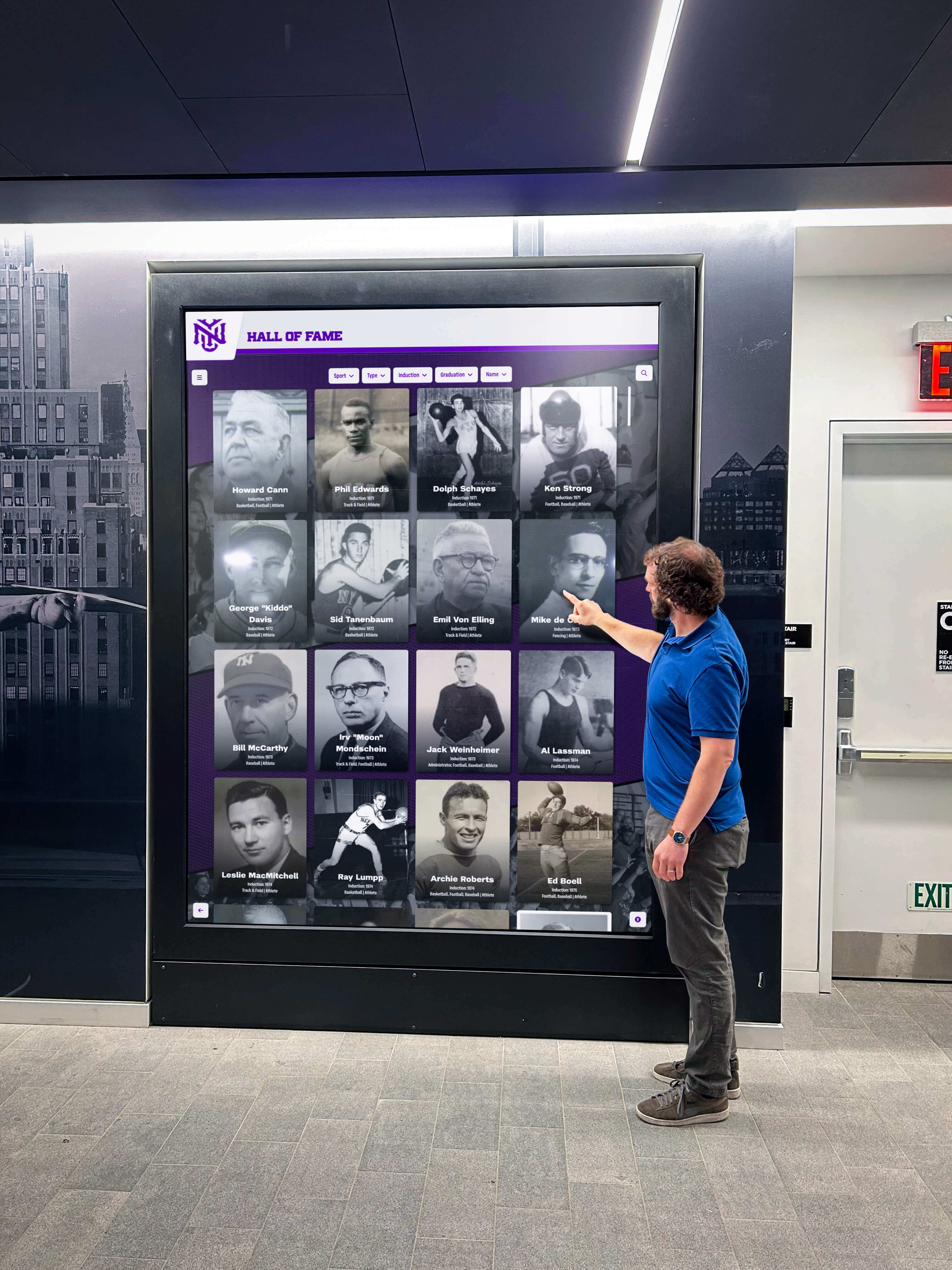
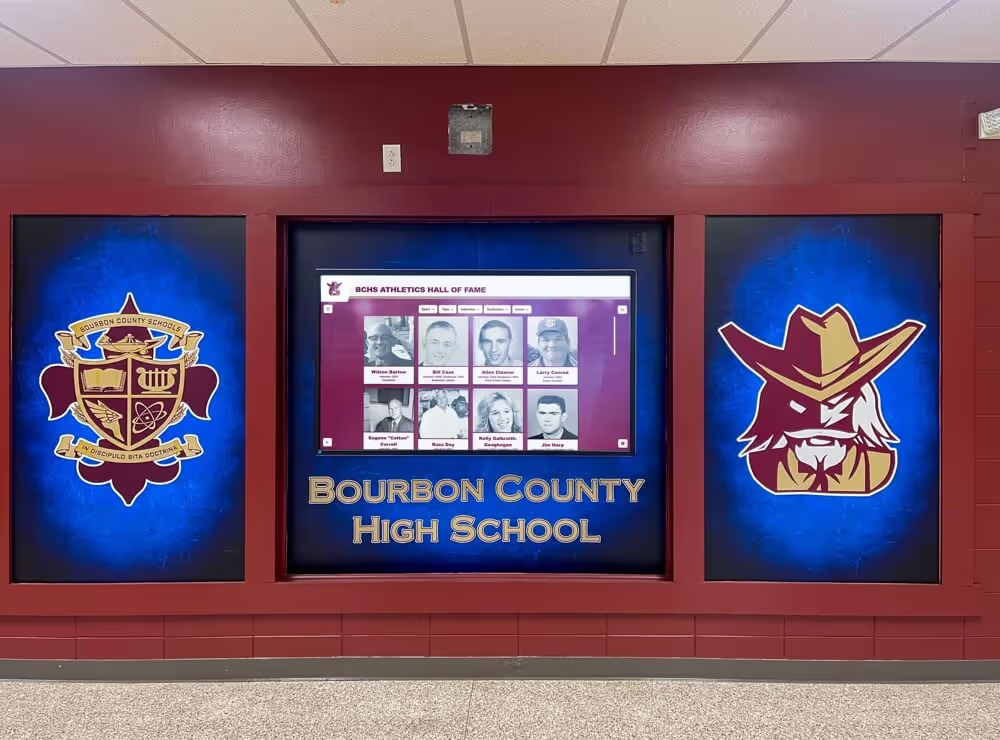
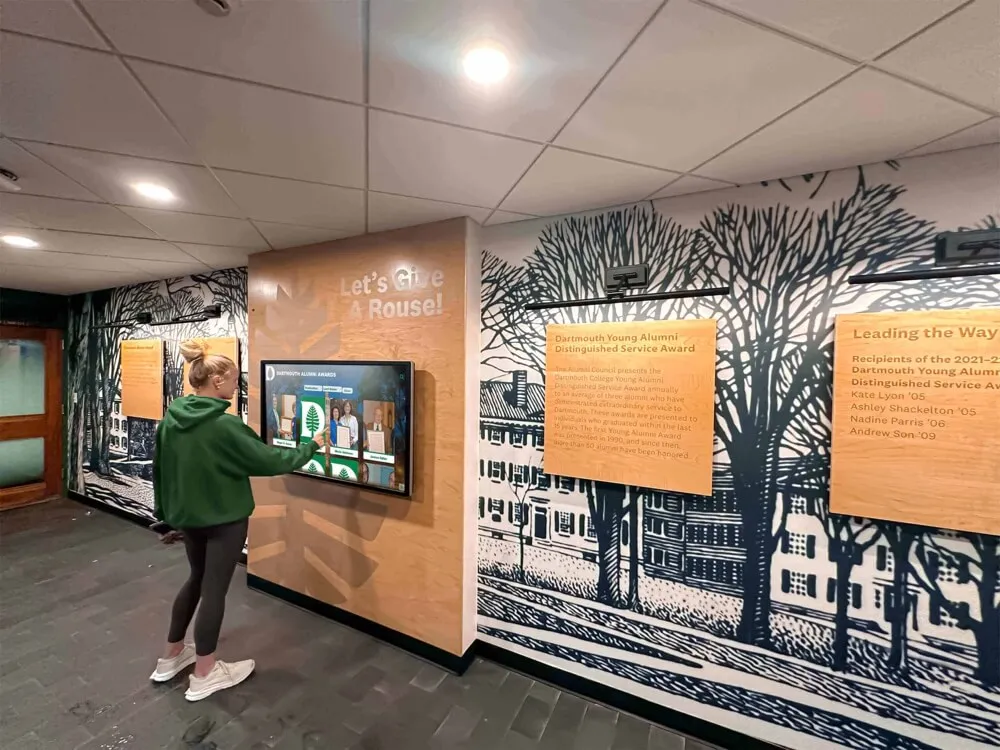
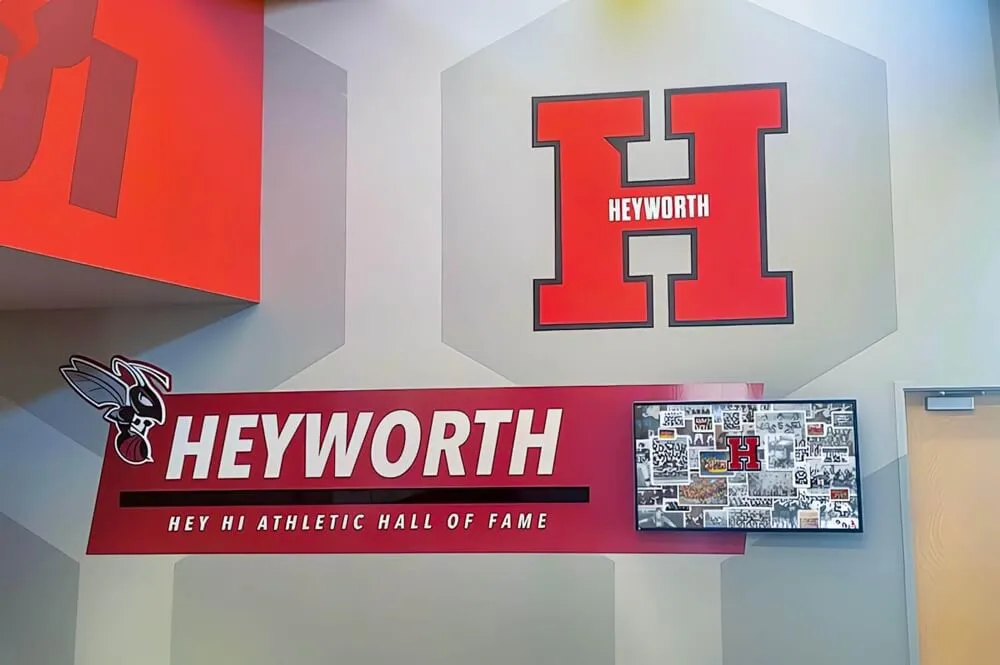
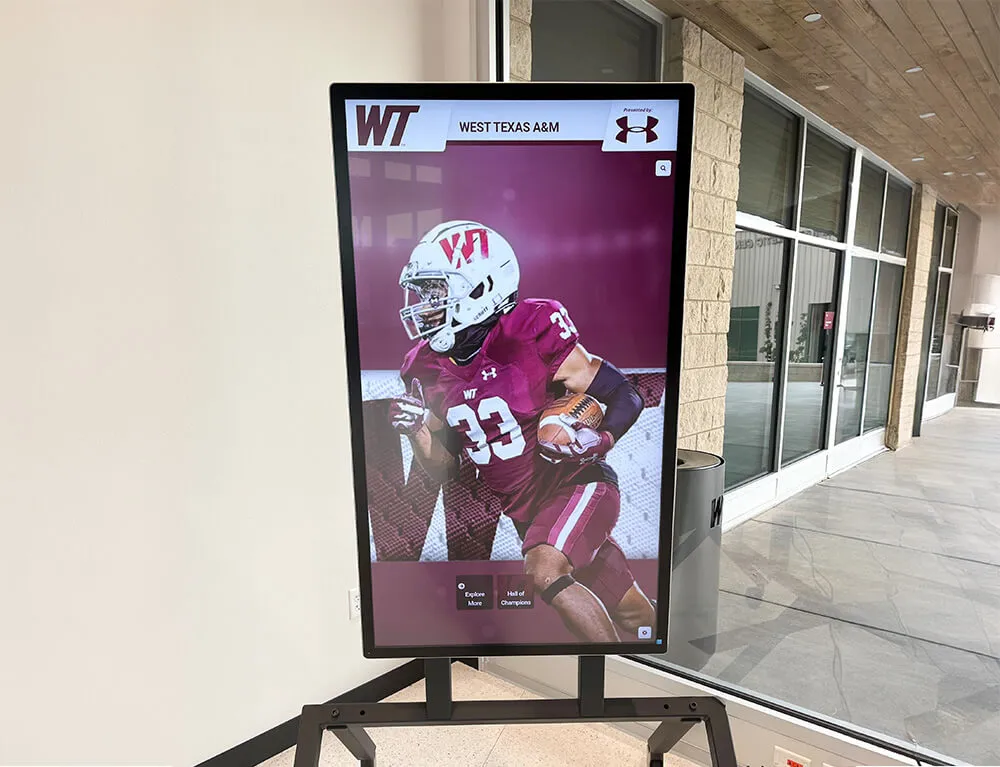
Interactive systems enable exploration of achievement stories and recognition traditions inspiring graduation honors
Service Hour Accumulation Community engagement recognition:
- Milestone service hour achievements (50, 100, 200+ hours)
- Verification and documentation of community service
- Quality and consistency of service engagement
- Diversity of service experiences and organizations
- Leadership within service projects and initiatives
- Long-term commitment to community betterment
Leadership Position Achievement Official role recognition:
- Elected student government positions and representatives
- Class officer roles (president, vice president, secretary, treasurer)
- Club and organization leadership positions
- Athletic team captaincy combined with academic standards
- Peer mentoring and tutoring program coordinators
- School ambassador and special program leadership
Special Achievement and Award-Based Cords
Unique accomplishments qualifying for cord recognition:
Competition and Contest Success Achievement in academic competitions:
- State or national qualification in academic contests
- Science fair regional, state, or national recognition
- Math competition medals and team achievements
- Speech and debate tournament success
- Writing contest and essay competition awards
- STEM challenge and robotics competition achievements
Scholarship and External Recognition Prestigious honor acknowledgment:
- National Merit Scholarship recognition (Semifinalist, Finalist, Winner)
- Presidential Scholar program acknowledgment
- State scholarship program recipients
- Significant competitive scholarship awards
- College Board National Recognition Programs
- Specialized field awards and honors
Discover comprehensive celebration approaches through graduation program templates and recognition planning.
Proper Etiquette for Wearing Graduation Cords
Understanding correct cord placement ensures appropriate recognition display.
How to Wear Honor Cords Correctly
Proper wearing enhances professional appearance:
Standard Cord Placement Correct positioning on graduation regalia:
- Cords drape around neck with tasseled ends hanging evenly in front
- Position cords on top of graduation gown but under any academic hood
- Both ends should hang at approximately equal length
- Cords rest on shoulders naturally without twisting
- Multiple cords arrange side-by-side rather than stacked
- Center cords on chest avoiding off-center placement
Wearing Multiple Cords Displaying diverse achievements:
- Students may wear all earned cords simultaneously
- No universal limit exists, though schools may establish guidelines
- Arrange cords in color order or by significance as preferred
- Maintain neat appearance without excessive bunching
- Consider combining very similar achievements into one cord if allowed
- Ensure all cords remain visible in photographs
What Goes Where in Academic Dress Complete regalia layering order:
- Graduation gown (base layer)
- Honor cords around neck
- Graduation stole or sash (if applicable)
- Academic hood (graduate programs)
- Graduation cap with tassel
- Medals and pins on gown front or lapel
Combining Cords with Other Graduation Accessories
Coordinating multiple recognition elements:
Cords vs. Stoles Understanding the differences:
- Cords: Rope-like accessories typically representing academic or organizational achievement
- Stoles: Fabric sashes worn over shoulders often indicating cultural heritage, religious affiliation, or military service
- Both may be worn simultaneously with stoles positioned over cords
- Stoles generally represent broader identity while cords indicate specific achievements
- Some organizations provide both cords and stoles for members
Medals and Pins Additional recognition elements:
- Valedictorian and salutatorian medals attach to gown front
- Honor society pins affix to gown lapels or collars
- Academic achievement medals hang around neck separate from cords
- Service organization pins may accompany corresponding cords
- Achievement medals complement rather than replace cord recognition
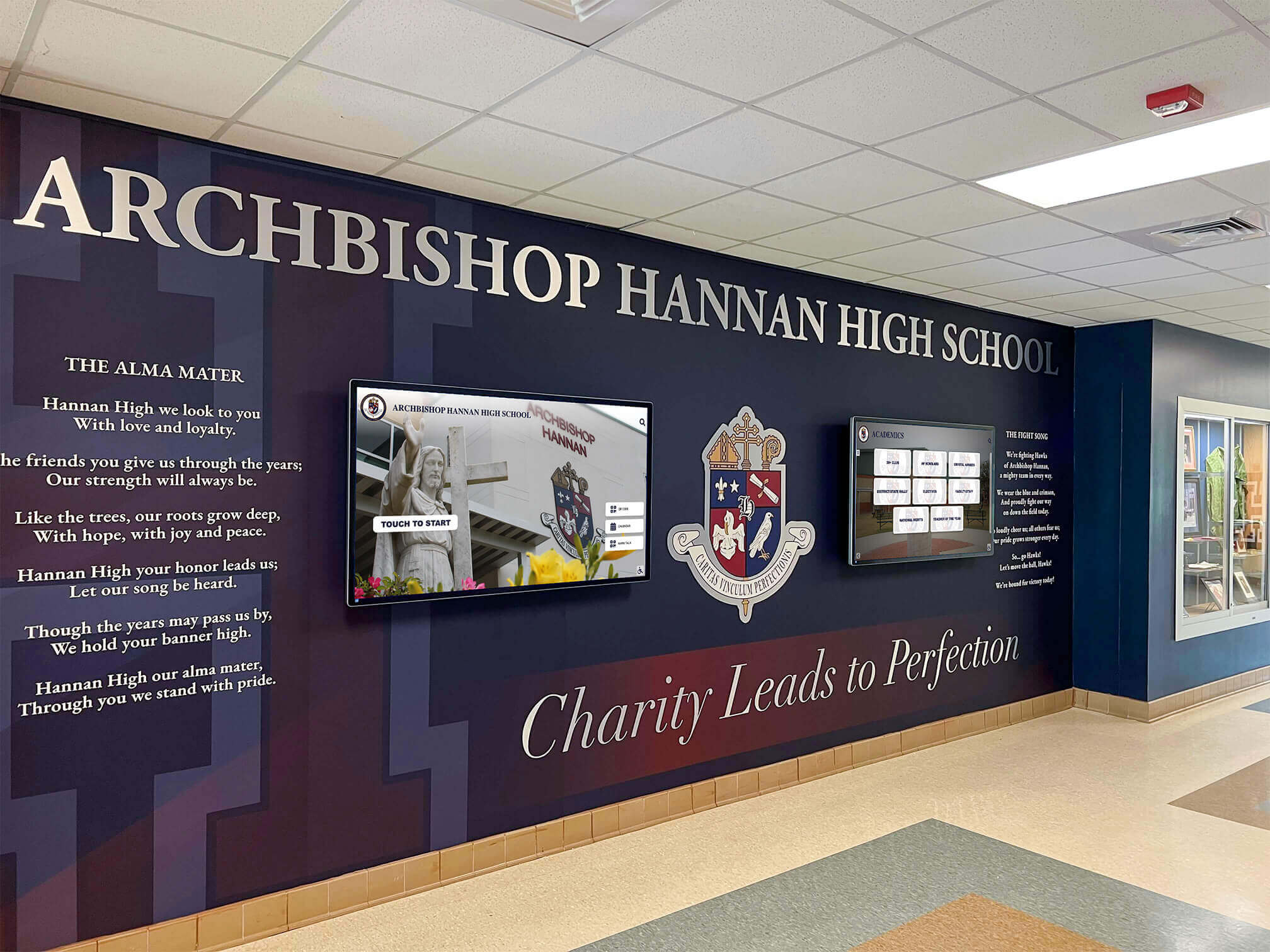
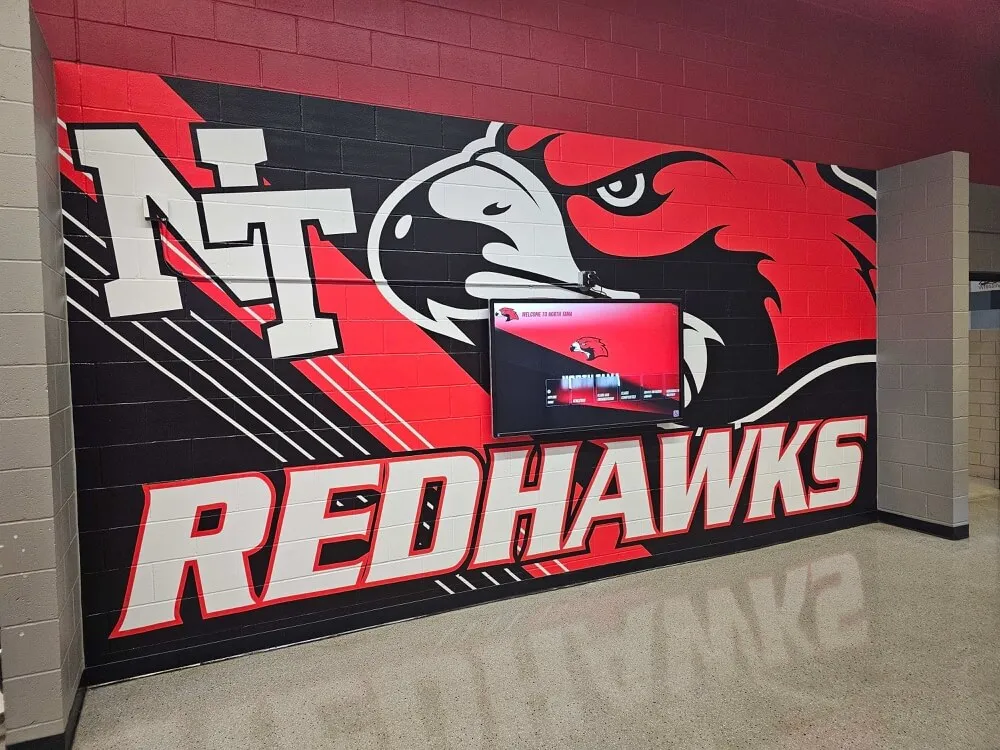
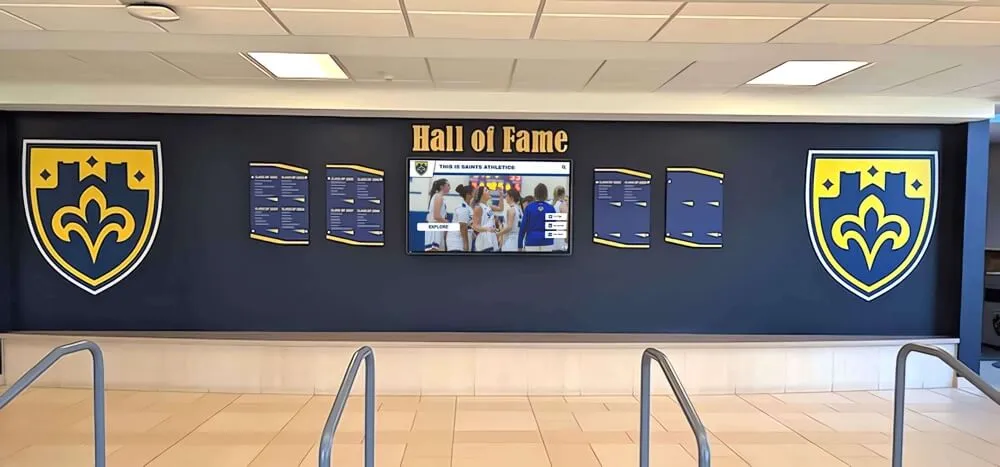
Schools integrate graduation achievement recognition throughout campus spaces, celebrating traditions leading to commencement honors
Cord Care and Preservation
Maintaining cords for lasting memories:
During Graduation Ceremonies Protecting cords throughout events:
- Avoid excessive handling that causes tangling or fraying
- Keep cords dry during outdoor ceremonies
- Straighten cords before processional for neat appearance
- Be mindful when sitting to prevent catching cords
- Remove cords carefully after ceremony to avoid damage
- Store immediately in protective containers after photos
Long-Term Preservation Keeping cords as keepsakes:
- Store in acid-free tissue paper preventing color fading
- Keep in cool, dry location away from direct sunlight
- Avoid compression that permanently creases cords
- Display in shadow boxes with other graduation memorabilia
- Include labels noting achievement represented by each color
- Consider photographing cords with explanatory descriptions for future reference
School Administration of Graduation Cord Programs
Educational institutions design and manage cord recognition systems.
Establishing Cord Criteria and Policies
Clear guidelines ensure fairness and consistency:
Defining Eligibility Requirements Setting appropriate standards:
- Specific GPA thresholds for various honor levels
- Credit hour minimums ensuring full-time enrollment
- Conduct requirements maintaining appropriate behavior standards
- Attendance expectations accompanying academic achievement
- Timeline requirements (when GPA is calculated, deadlines for applications)
- Documentation needed to verify organizational memberships
Creating Equitable Opportunities Ensuring inclusive recognition:
- Multiple achievement pathways beyond GPA alone
- Growth and improvement recognition alongside absolute performance
- Service and leadership opportunities available to all students
- Financial accessibility ensuring cost doesn’t prevent participation
- Clear communication of requirements to all students and families
- Appeals processes for special circumstances
Publishing Clear Policies Transparent communication:
- Student handbook sections detailing all cord opportunities
- School website pages explaining requirements and processes
- Annual reminders about deadlines and verification procedures
- Example scenarios helping students understand qualification
- Contact information for questions and clarifications
- Historical tradition explanations connecting current practices to school legacy
Explore comprehensive recognition approaches through donor recognition strategies applicable to achievement celebration.
Managing Cord Distribution and Verification
Administrative processes ensuring accuracy:
Verification Systems Confirming achievement claims:
- Automated GPA calculations from student information systems
- Cross-referencing organizational rosters with membership claims
- Faculty verification of subject-specific awards
- Service hour documentation review and approval
- Leadership position confirmation through advisors
- Final eligibility review before cord ordering
Ordering and Distribution Logistical coordination:
- Bulk ordering from reputable suppliers ensuring quality
- Color verification matching intended achievement meanings
- Quantity management accounting for verified eligible students
- Cost recovery systems (if applicable) or budget allocation
- Distribution timeline coordinating with graduation rehearsal
- Replacement systems for lost or damaged cords
Record Keeping Documentation for future reference:
- Lists of cord recipients by achievement type
- Archives showing which students received which recognitions
- Documentation for transcript notations and permanent records
- Historical data tracking participation trends over years
- Photographic records of recognition ceremonies
- Integration with digital recognition systems preserving achievement stories
Communicating Cord Significance
Helping audiences understand meaning:
Graduation Program Content Explaining recognition to ceremony attendees:
- Color key sections in programs listing cord meanings
- Brief explanations of major achievement categories
- Honor society and organization descriptions
- Statistical context (percentage of class earning honors)
- Historical tradition explanations connecting to school mission
- Acknowledgment of faculty and staff supporting student achievement
Digital and Physical Recognition Extensions Complementing graduation ceremonies:
- Pre-graduation recognition ceremonies for honor cord recipients
- Website features profiling achievement stories behind cords
- Social media celebration acknowledging cord recipients
- Digital displays throughout school year building toward graduation
- Physical recognition walls preserving graduating class achievements
- Alumni connections showing cord recipients throughout school history
Learn about preserving achievement stories through online high school digital archives.
Celebrating Beyond Graduation Day: Preserving Achievement Recognition
Graduation represents one moment, but achievement recognition can continue influencing communities.
Digital Recognition Display Solutions
Modern technology extends graduation honor visibility:
Interactive Touchscreen Systems Year-round achievement celebration:
- Graduating class profiles showcasing cord recipients and their accomplishments
- Searchable databases enabling families to find specific graduates
- Achievement categories detailing requirements and recipients for each honor
- Multi-year archives preserving graduation traditions across decades
- Photo galleries capturing graduation ceremonies and recognition moments
- Video content featuring graduate reflections and achievement stories
Schools implementing comprehensive recognition systems report that displaying graduation achievement throughout facilities creates aspirational cultures where younger students actively pursue honors they observe being celebrated.

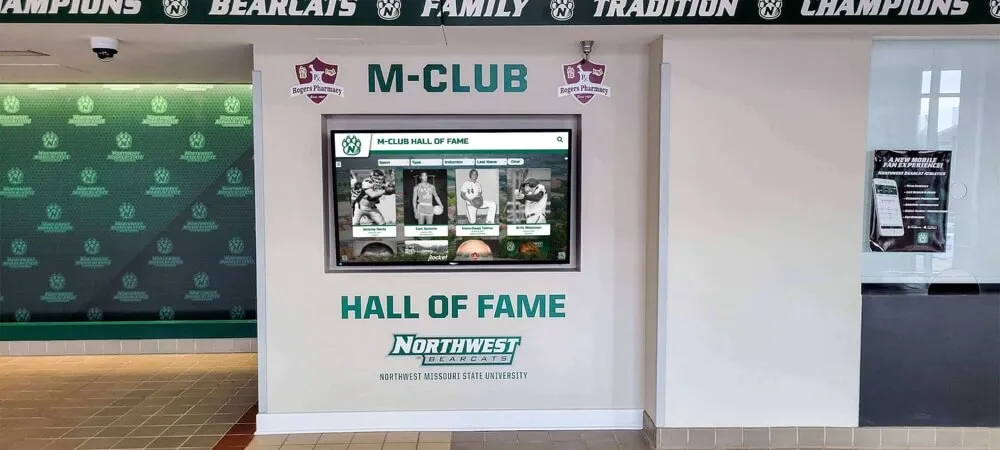
Permanent recognition installations preserve graduation honors as part of institutional tradition, inspiring future graduates
Web-Based Alumni Recognition Extending reach beyond campus:
- Graduating class pages featuring all cord recipients
- Achievement filters showing specific honor categories
- Biographical information connecting achievements to current pursuits
- Alumni networking enabling cord recipients to connect across years
- College acceptance and scholarship information contextualizing achievements
- “Where Are They Now” updates showing post-graduation success
Integrating Graduation Recognition with Broader Programs
Comprehensive celebration connecting achievements:
Pre-Graduation Recognition Events Honoring seniors throughout final year:
- Academic awards ceremonies acknowledging cord qualifications
- Honor society induction events leading to graduation recognition
- Senior awards nights celebrating diverse accomplishments
- National Honor Society candlelight ceremonies
- Scholarship recognition events highlighting academic success
- Senior breakfast or luncheon honoring graduating achievers
Physical Display Integration Campus-wide achievement celebration:
- Senior recognition walls featuring cord recipients
- Academic hallway displays showing achievement trajectories
- Library or commons area graduation achievement showcases
- Main entrance displays celebrating current graduating class
- Historical graduation archives showing traditions over decades
- Integration with broader alumni recognition systems
Discover comprehensive display approaches through digital class composites and interactive displays.
Creating Lasting Graduate Connections
Recognition supporting alumni engagement:
Alumni Network Building Leveraging shared achievement:
- Honor society alumni chapters and networks
- Academic achievement reunion gatherings
- Mentorship programs connecting cord recipients across generations
- Career networking based on shared academic backgrounds
- Giving campaigns appealing to achievement pride
- Legacy connections between graduates and current students
Continuing Achievement Stories Following graduates beyond commencement:
- College success tracking for cord recipients
- Career achievement updates from high achievers
- Graduate testimonials about how recognition influenced trajectories
- Distinguished alumni recognition for exceptional post-graduation accomplishment
- Scholarship establishment by successful cord recipient alumni
- Speaking opportunities for accomplished graduates inspiring current students
Solutions like Rocket Alumni Solutions provide comprehensive platforms managing graduation recognition, digital displays, and alumni engagement through unified systems—ensuring achievement celebration extends far beyond commencement ceremonies while building traditions connecting graduating classes across generations.
Graduation Cord Trends and Contemporary Considerations
Modern approaches adapt traditional recognition to current contexts.
Expanding Recognition Categories
Contemporary programs celebrate diverse excellence:
Non-Traditional Achievement Recognition Broader definition of accomplishment:
- Social-emotional learning and character development achievements
- Overcoming significant personal challenges or adversity
- Demonstrated growth and improvement across academic career
- Community impact through sustained service or activism
- Creative accomplishment in emerging fields and disciplines
- Global citizenship and cross-cultural competency
- Environmental stewardship and sustainability leadership
Inclusive Excellence Approaches Ensuring equitable opportunity:
- Multiple GPA calculation methods (weighted, unweighted, core subjects only)
- Portfolio-based recognition for non-traditional learning demonstrations
- Growth percentile achievements recognizing individual improvement
- Team achievement recognition valuing collaboration
- Multilingual competency and heritage language celebration
- First-generation college student acknowledgment
- Special circumstances recognition for students overcoming barriers
Sustainability and Ethical Considerations
Responsible recognition practices:
Environmental Consciousness Sustainable cord programs:
- Recycling and reuse programs accepting returned cords from graduates
- Eco-friendly cord materials and manufacturing processes
- Digital recognition supplementing or replacing physical cords
- Rental programs reducing waste from single-use cords
- Donation programs providing cords to students unable to purchase
- Reduced packaging and bulk ordering minimizing environmental impact
Equity and Access Removing financial barriers:
- School-provided cords for all eligible students at no cost
- Donation programs supporting students unable to afford regalia
- Transparent criteria ensuring achievement rather than resources determines eligibility
- Financial aid for graduation expenses including cords and regalia
- Opposition to pay-to-participate programs linking cords to fees
- Inclusive communication ensuring all families understand opportunities
Learn about comprehensive gathering spaces through alumni gathering area design that celebrates achievement.
Frequently Asked Questions About Graduation Cords
Common questions students and families ask:
General Cord Questions
Can you keep your graduation cords after the ceremony? Yes, graduation cords belong to students and serve as lasting keepsakes representing achievement. Many graduates preserve cords alongside diplomas, creating shadow boxes or displays commemorating graduation accomplishments. Some schools offer cord recycling programs, but participation remains voluntary.
How many cords can one student wear at graduation? No universal limit exists. Students may wear all earned cords simultaneously, though excessive numbers can become cumbersome. Most graduates wear between one and five cords, though highly accomplished students occasionally wear more. Schools may establish guidelines for practical and aesthetic reasons.
Do graduation cords cost money? Practices vary by institution. Some schools provide honor cords to eligible students at no cost as part of graduation recognition, viewing them as awards. Other schools require students to purchase cords through school bookstores or regalia suppliers. Organizational cords may come as membership benefits or require separate purchase.
What’s the difference between cords, stoles, and sashes? Cords are rope-like accessories representing specific achievements. Stoles are fabric accessories worn over shoulders often indicating cultural heritage, religious affiliation, or broad organizational membership. Sashes serve similar purposes to stoles. Students may wear combinations of these accessories if earned through appropriate achievements and affiliations.
Achievement and Eligibility Questions
What GPA do you need for honor cords? Requirements vary significantly across institutions. Common thresholds include 3.5 GPA for cum laude, 3.7 for magna cum laude, and 3.9 for summa cum laude, though some schools set different standards. Consult your specific school’s handbook or registrar for accurate requirements.
When is GPA calculated for cord eligibility? Most high schools calculate final GPA at the conclusion of the seventh semester (end of first semester senior year) or after fall semester grades. Some schools conduct final calculations after eighth semester completion. Check with your school counseling office for specific timelines and appeals processes if circumstances warrant consideration.
Can you earn cords in college? Yes, colleges and universities award honor cords following similar systems. Greek honor societies (Phi Beta Kappa, Phi Kappa Phi), departmental honors programs, leadership positions, and GPA achievements all qualify for cord recognition at college graduations. University requirements typically differ from high school standards.
Wearing and Care Questions
Which shoulder do cords go on? Cords drape around the neck with both ends hanging in front, not favoring either shoulder. They rest evenly across both shoulders with tasseled ends hanging symmetrically on the chest. Avoid positioning all cords on one side, which appears unbalanced.
Do cords go over or under the stole? Cords typically go under stoles in the layering order. The standard arrangement places the graduation gown as the base, honor cords on top of the gown, and stoles or sashes on top of cords. Academic hoods (for graduate degrees) would go on top of all other elements.
What do you do with graduation cords after graduation? Many graduates preserve cords as keepsakes alongside diplomas, photos, and other graduation memorabilia. Common preservation approaches include shadow boxes, framed displays with graduation photos, or storage with yearbooks and school memorabilia. Some graduates donate cords to schools for reuse by future students, though this remains optional.
Conclusion: Celebrating Achievement Through Meaningful Recognition
Graduation cords represent far more than colorful accessories enhancing commencement regalia—they embody years of dedication, symbolize diverse pathways to excellence, and create tangible recognition that students, families, and communities treasure. Understanding the rich traditions behind these honors, the specific meanings encoded in each color, and the achievements they represent transforms graduation ceremonies from uniform processions into celebrations of individual accomplishment within collective success.
The comprehensive systems explored throughout this guide—from traditional honor cords recognizing GPA excellence to organizational cords acknowledging service and leadership—demonstrate that meaningful recognition embraces multiple dimensions of student achievement. Schools creating equitable opportunities for cord recognition while maintaining meaningful standards build cultures where diverse excellence receives appropriate celebration.
Celebrate Graduation Achievement Year-Round
Discover how modern digital recognition solutions can preserve and showcase the accomplishments behind graduation cords, building traditions that inspire future students while honoring current graduates.
Explore Recognition SolutionsFor students pursuing graduation honors, understanding cord requirements early in academic careers provides clear targets guiding course selection, effort allocation, and extracurricular involvement. For educators designing recognition programs, transparent criteria combined with equitable opportunities ensure that cord systems motivate rather than discourage while celebrating authentic achievement across diverse student populations.
Digital recognition platforms extend graduation honor visibility far beyond commencement ceremonies—creating year-round celebration of achievement, preserving graduating class traditions across generations, and inspiring younger students who observe the recognition awaiting their future accomplishments. Schools implementing comprehensive systems report enhanced academic culture, increased student motivation, stronger family engagement, and traditions that define institutional identity for decades.
Whether you’re a student working toward honor cord eligibility, a parent supporting your graduate’s achievement journey, or an educator building recognition traditions, understanding the meaning and significance behind graduation cords enriches these powerful symbols of accomplishment. Every cord tells a story—of challenges overcome, excellence pursued, service rendered, or leadership demonstrated—and those stories deserve celebration befitting the dedication they represent.
Your achievements deserve recognition that honors the work behind them while inspiring continued excellence. With clear understanding of cord traditions, pursuit of meaningful goals, and celebration systems extending beyond graduation day, these colorful symbols become lasting testaments to what students accomplish when communities support and recognize diverse pathways to success.