Schools across the country face a common preservation challenge: decades of yearbooks documenting institutional history sit vulnerable in storage rooms while administrators seek reliable digitization partners who can transform these fragile archives into accessible digital collections. With dozens of scanning service providers claiming expertise in yearbook preservation, choosing the right partner requires understanding how quality standards, turnaround capabilities, and preservation protocols differ across providers—and what those differences mean for protecting irreplaceable institutional memories.
Professional yearbook scanning services vary dramatically in their approaches to digitization quality, project completion timelines, and archival preservation standards. The cheapest provider rarely delivers the best value when poor scan quality renders images unusable, missed pages create gaps in historical records, or inadequate handling damages original materials. Schools investing in digitization need frameworks for comparing service providers based on objective criteria that predict successful preservation outcomes.
This comprehensive comparison guide examines the key factors distinguishing professional yearbook scanning services—from resolution standards and color accuracy through turnaround time commitments, preservation handling protocols, and long-term digital storage solutions. Whether you’re digitizing five yearbooks or five decades of archives, understanding these comparison criteria ensures you select a provider capable of delivering quality results that preserve institutional heritage for generations.
Educational institutions implementing systematic yearbook digitization report significant improvements in alumni engagement, institutional memory preservation, and research accessibility—but these benefits depend entirely on selecting qualified service providers who meet professional archival standards.

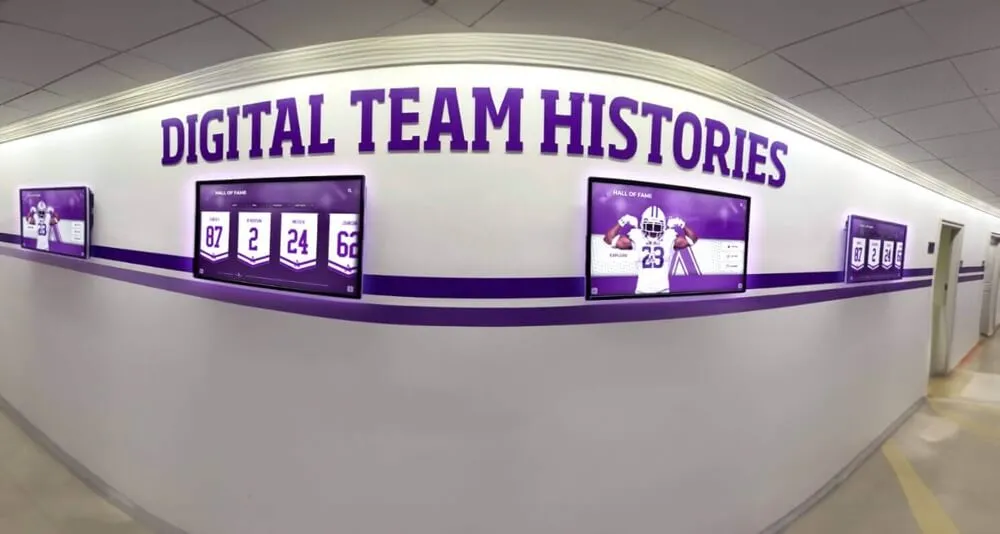
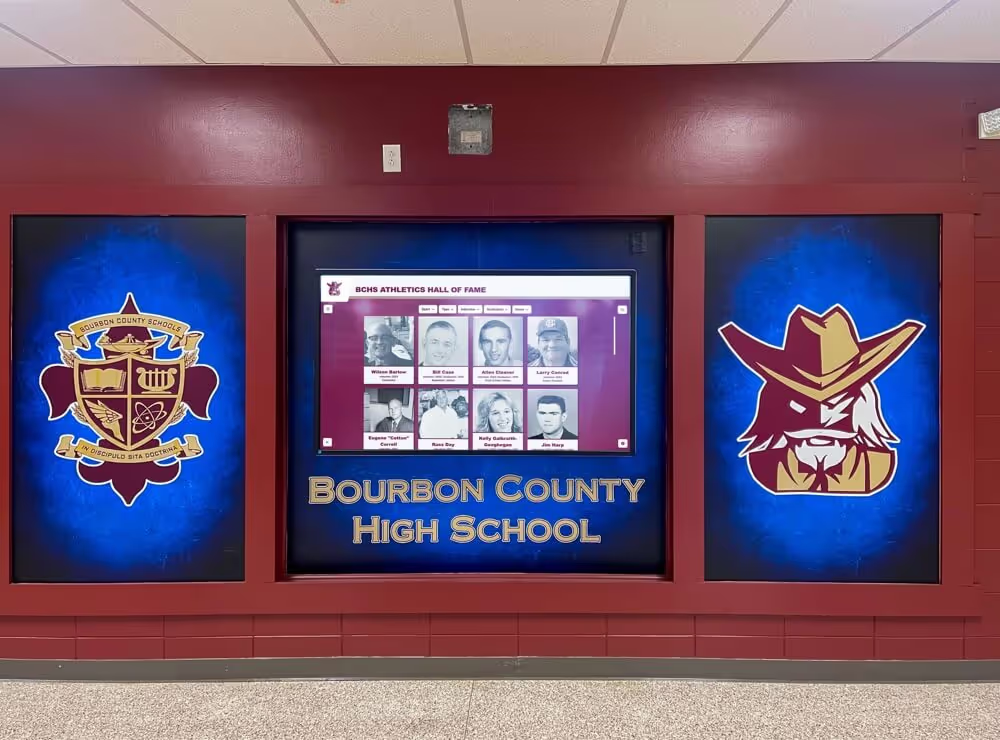
Quality yearbook scanning services create digital archives accessible to alumni worldwide, transforming static paper collections into engaging, searchable historical resources
Understanding Quality Standards in Yearbook Scanning Services
Quality represents the most critical comparison factor when evaluating yearbook scanning providers. Substandard scanning creates digital files that fail to preserve historical value, require expensive re-scanning, or prove unusable for intended purposes.
Resolution and Image Capture Standards
Minimum Resolution Requirements
Professional yearbook scanning services operate at minimum resolution thresholds ensuring adequate image quality for multiple use cases. Industry standards recommend 300-600 DPI (dots per inch) for standard yearbook pages, 600-800 DPI for preserving fine photo details, 1200+ DPI for archival-grade preservation projects, and variable resolution based on source material condition.
Lower-cost providers sometimes scan at 150-200 DPI, producing files adequate for basic viewing but inadequate when users zoom into individual photos, extract images for recognition displays, or attempt to print reproductions. Schools should verify minimum resolution guarantees in writing before contracting services.
Color Accuracy and Calibration
Accurate color reproduction preserves the visual authenticity of historical yearbooks. Professional services maintain calibrated equipment ensuring consistent color balance across all pages, accurate skin tone reproduction in portrait photos, faithful rendering of school colors in logos and designs, proper contrast maintaining text readability, and consistent results throughout multi-year projects.
Schools comparing services should request sample scans from their actual yearbooks, examining color accuracy against original materials. Significant color shifts, oversaturation, or unnatural skin tones indicate inadequate calibration processes.
Edge-to-Edge Coverage and Gutter Management
Bound yearbooks present technical challenges as pages curve into binding gutters, potentially obscuring text and images near page centers. Quality providers address this through specialized book scanning equipment minimizing gutter shadows, multiple scanning passes capturing complete page content, digital correction algorithms reducing binding distortion, and manual verification ensuring no content loss in critical areas.
Schools managing comprehensive digital archive programs require providers who demonstrate consistent edge-to-edge capture across varied yearbook binding styles.
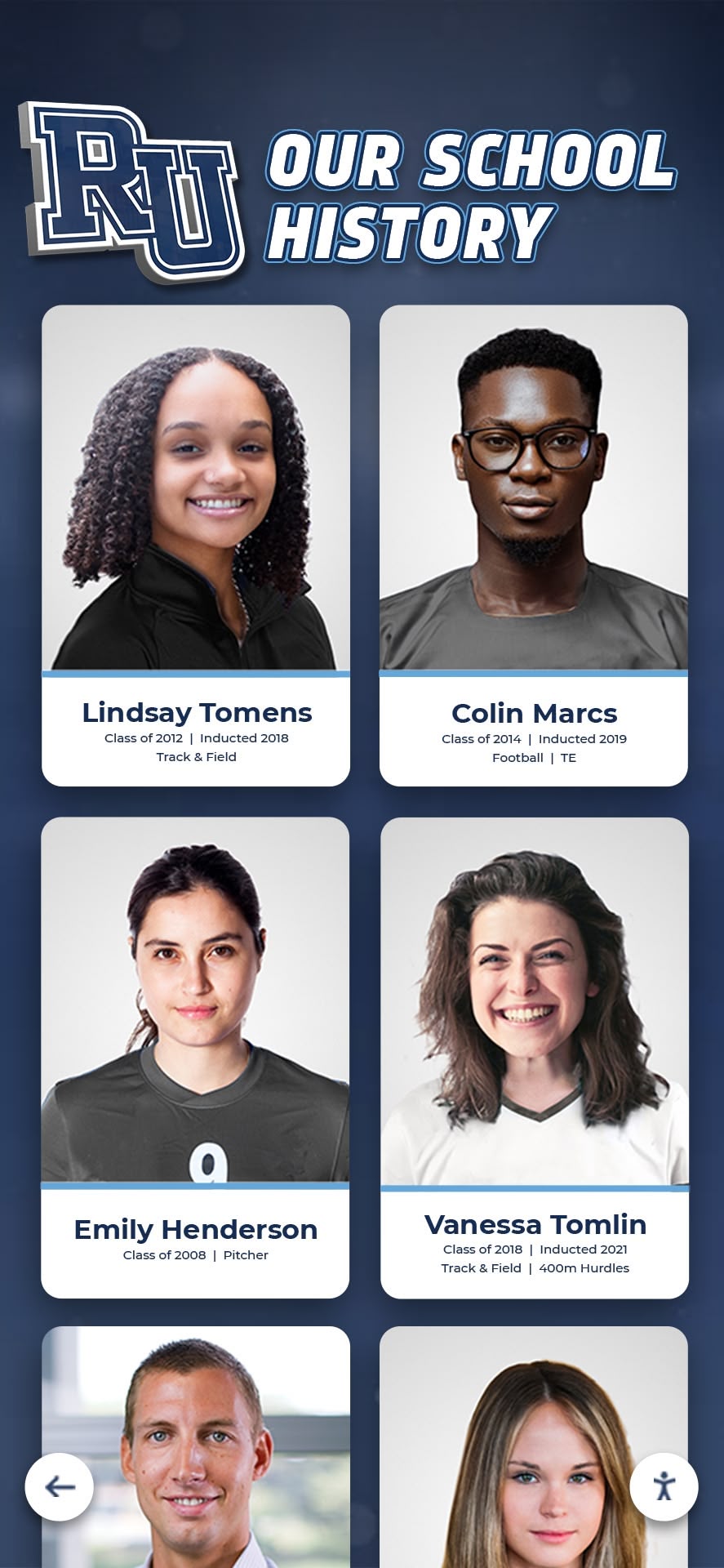
Professional scanning services capture individual yearbook portraits at resolutions that preserve facial details and photo quality suitable for modern digital displays and recognition systems
Optical Character Recognition (OCR) Capabilities
OCR Accuracy and Text Searchability
The ability to search digitized yearbooks by name transforms static archives into powerful research tools. Professional services provide OCR processing that converts printed text into searchable data, with accuracy rates varying significantly by provider:
Premium services achieve 95-99% accuracy on clean, typed text from 1990s-2000s yearbooks, 85-95% accuracy on older yearbooks with faded printing, 80-90% accuracy on decorative fonts and unusual layouts, and manual correction options for critical name indexes.
Budget providers sometimes skip OCR entirely or deliver poor accuracy that undermines searchability—a critical capability for alumni seeking classmates across multiple years.
Name Indexing and Metadata Creation
Advanced yearbook scanning services create structured metadata beyond basic OCR. This includes individual name extraction from class rosters, cross-referencing individuals across multiple yearbooks, activity and organization tagging enabling topical searches, graduation year and class section markers, and custom indexing fields matching institutional needs.
Schools planning to integrate digitized content with mobile-accessible team photo archives benefit significantly from providers offering comprehensive metadata services.
Comparing Turnaround Times and Project Management
Digitization project timelines impact how quickly schools can deploy digital archives and what staff resources get committed to project coordination.
Typical Project Timelines by Service Model
Mail-In Processing Services
Most yearbook scanning providers operate mail-in facilities where schools ship materials to centralized processing centers. Typical timelines include:
Small Projects (5-25 yearbooks): 2-4 weeks from receipt to delivery of digital files, 1-2 weeks shipping time each direction, total project duration of 4-8 weeks start to finish.
Medium Projects (25-75 yearbooks): 4-8 weeks processing time depending on volume, possible batching to manage workflow capacity, 6-12 week total timelines including shipping.
Large Projects (75+ yearbooks): 8-16 week processing timelines, staged processing breaking collections into batches, potential delays during peak demand seasons (typically summer months).
Schools should clarify whether quoted turnaround times begin when materials arrive at processing facilities or when projects get ordered—a distinction that can add weeks to actual completion dates.
On-Site Scanning Services
Providers offering on-site digitization work directly at school facilities using portable equipment. These services typically complete scanning in condensed timeframes—often 1-5 days of on-site work depending on collection size—but require advance scheduling that may push actual project starts by weeks or months depending on provider availability.
On-site services work well for schools unable to ship rare materials or institutions requiring immediate staff access to original yearbooks during digitization.
Expedited Processing Options
Many providers offer rush services for premium fees, reducing turnaround times by 50-75% compared to standard processing. Schools facing donor cultivation deadlines, anniversary celebrations, or time-sensitive alumni events may justify expedited costs.
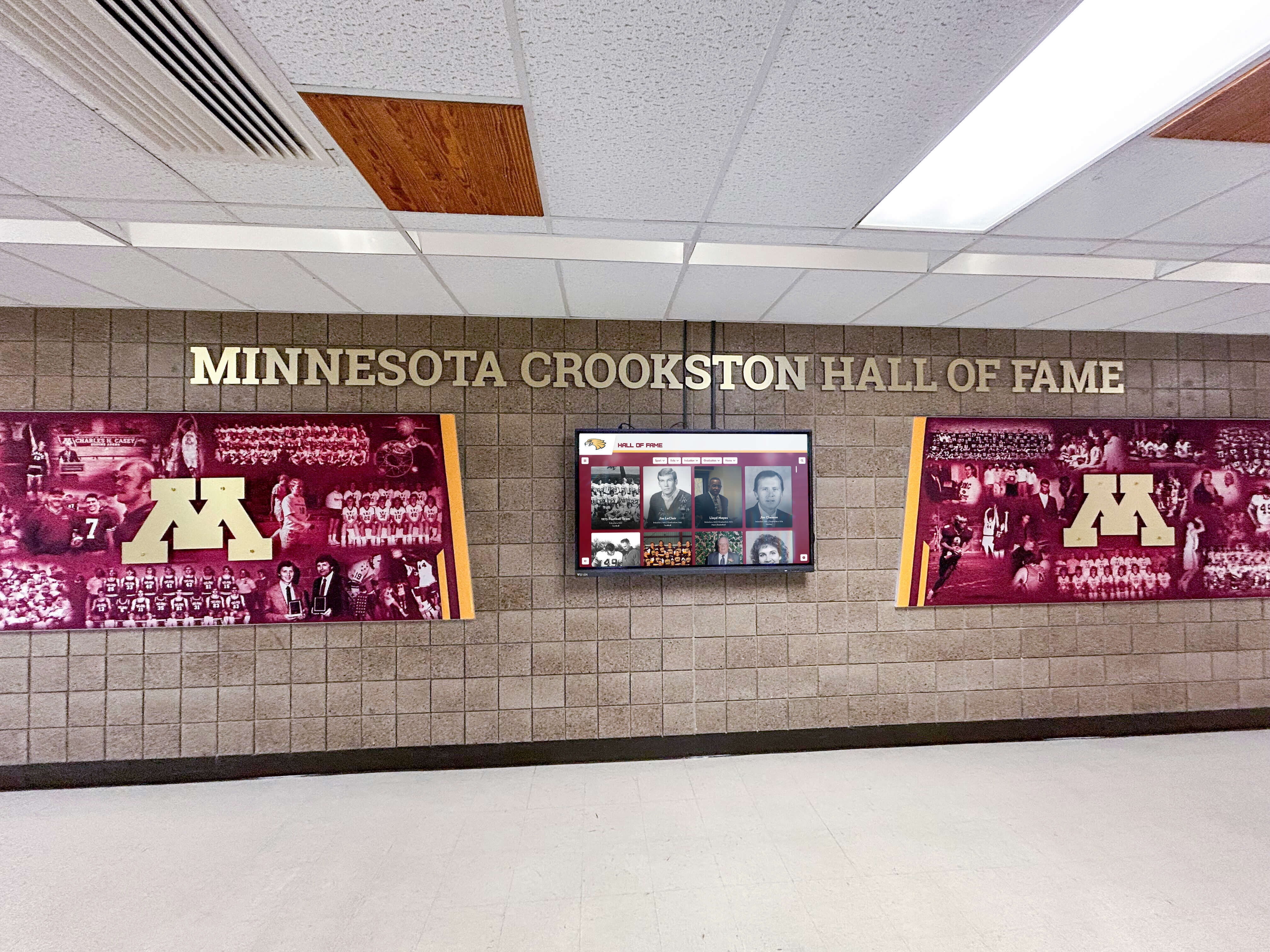
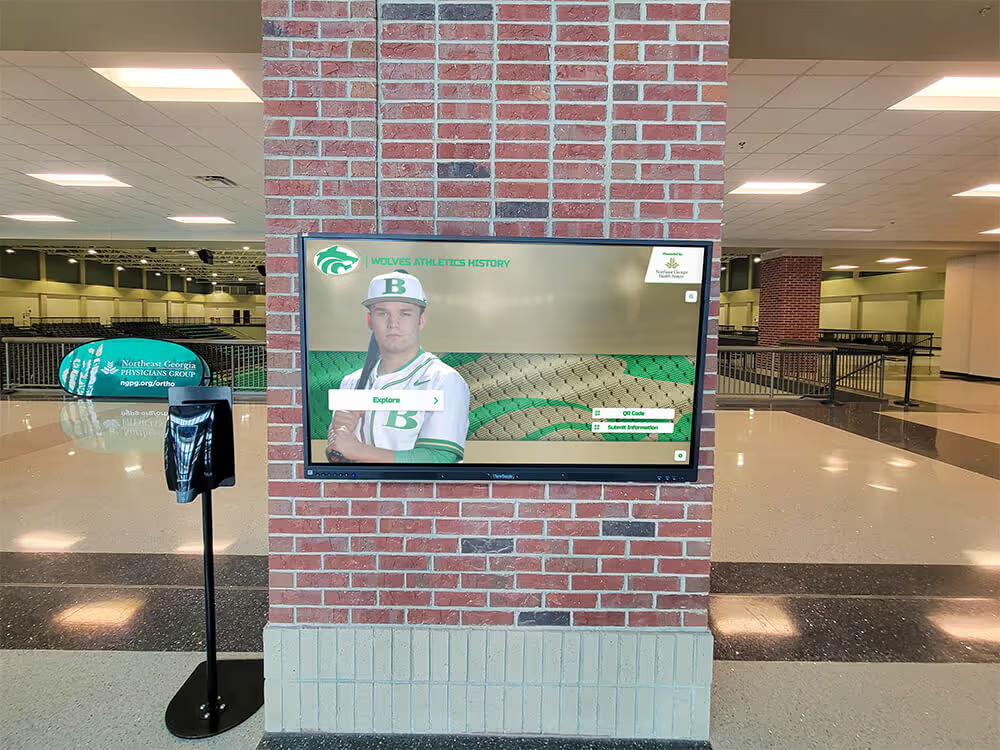
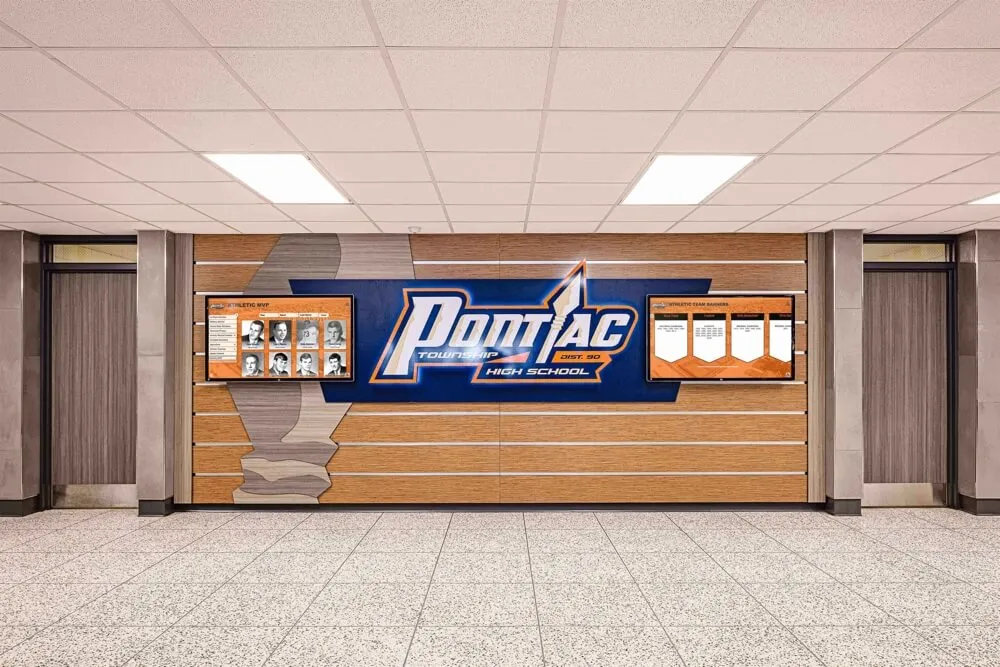
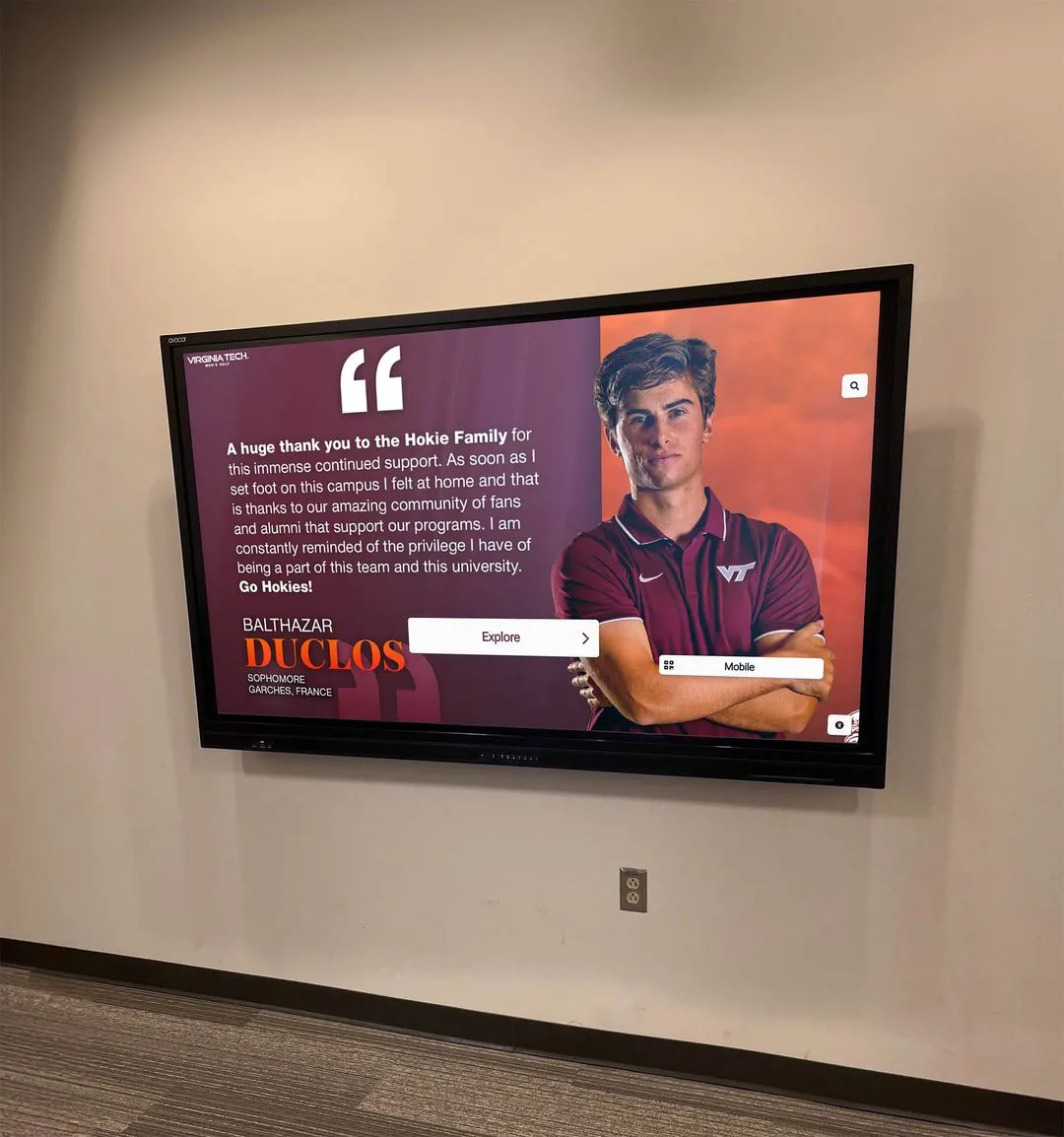
Schools partnering with quality scanning services can integrate digitized yearbook content into modern recognition displays, creating engaging presentations of institutional history
Project Communication and Tracking
Progress Reporting and Transparency
Professional service providers maintain clear communication throughout digitization projects through real-time online portals showing scanning progress, regular email updates at project milestones, dedicated project managers as single points of contact, and immediate notification of any issues requiring decisions.
Budget providers sometimes lack transparent tracking, leaving schools uncertain about project status until completion or encountering surprise delays without advance warning.
Quality Assurance Checkpoints
Reputable providers build verification steps into workflows, enabling schools to review sample scans before full processing continues, confirm page counts match original yearbook totals, verify OCR accuracy on representative pages, and approve final deliverables before original materials return.
These checkpoints prevent costly mistakes like missed pages or unacceptable quality requiring re-scanning.
Preservation Standards and Material Handling Protocols
How providers handle original yearbooks during scanning determines whether digitization preserves materials or causes damage defeating preservation goals.
Physical Material Handling Standards
Condition Assessment and Pre-Scanning Documentation
Professional archival services begin projects with systematic condition assessments documenting pre-existing damage, photographing yearbook conditions before processing, identifying volumes requiring special handling, and creating condition reports protecting both parties from liability disputes.
This documentation proves critical when handling 50+ year-old yearbooks with fragile bindings, detached pages, or brittleness requiring conservation expertise.
Binding Protection and Scanning Methods
Different yearbook binding styles require appropriate scanning approaches:
Perfect-bound yearbooks (glued spines) benefit from overhead book scanners that minimize spine stress, while spiral-bound yearbooks allow flat scanning without damage risk. Sewn hardcover volumes require careful opening angle limits preventing binding tears, and deteriorated bindings may necessitate page-by-page scanning after professional disbinding.
Quality providers maintain specialized equipment for each binding type and assess appropriate methods before processing rather than forcing all yearbooks through identical workflows regardless of condition.
Climate Control and Secure Storage
During processing periods—often several weeks—yearbooks remain in provider facilities requiring proper environmental controls. Professional services maintain temperature-controlled storage preventing heat or humidity damage, secure facilities protecting against theft or loss, organized tracking preventing misplacement, and full insurance coverage protecting institutional assets.
Schools comparing providers should verify climate control capabilities and insurance coverage limits, particularly when digitizing rare or irreplaceable volumes.
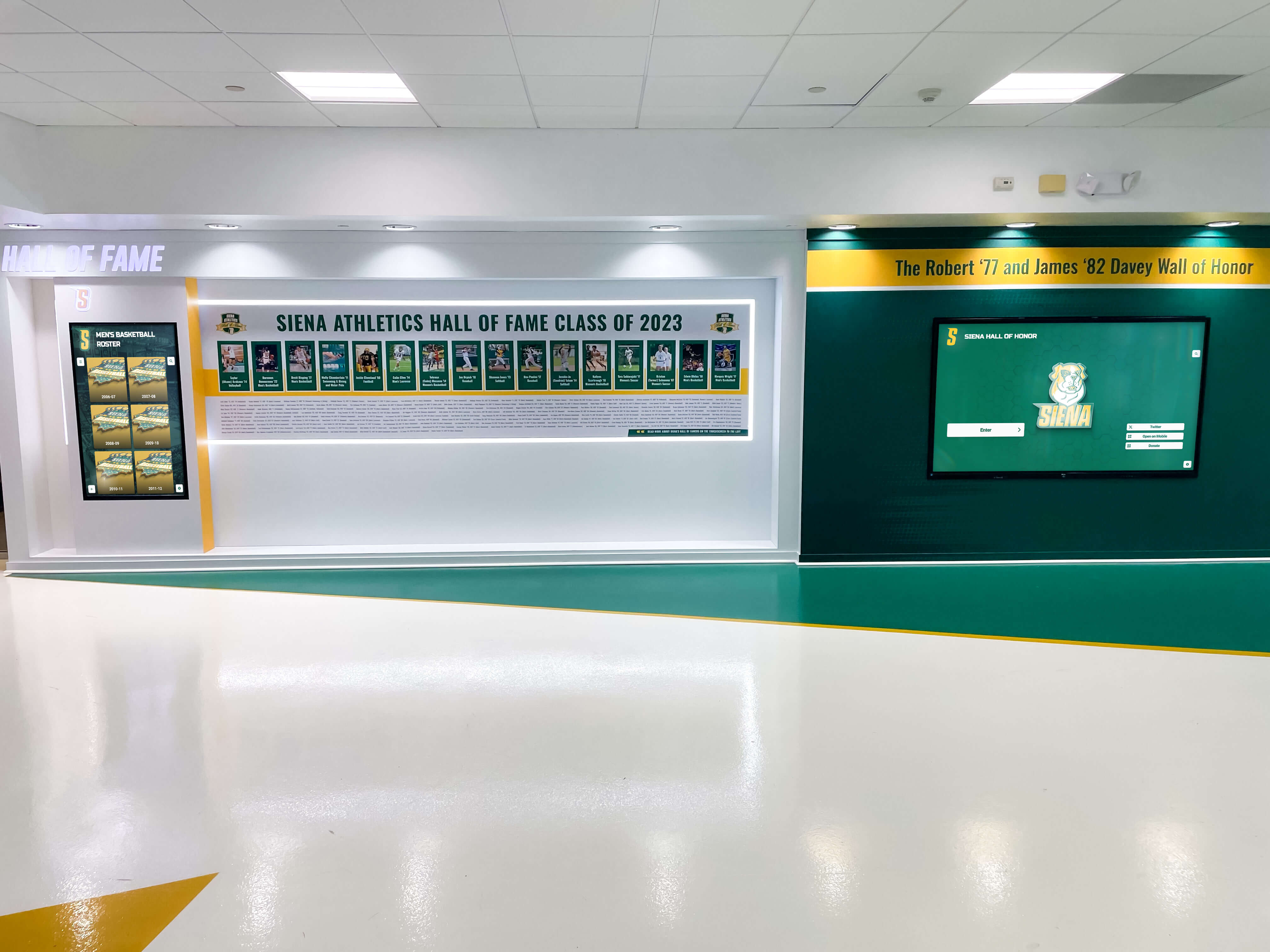
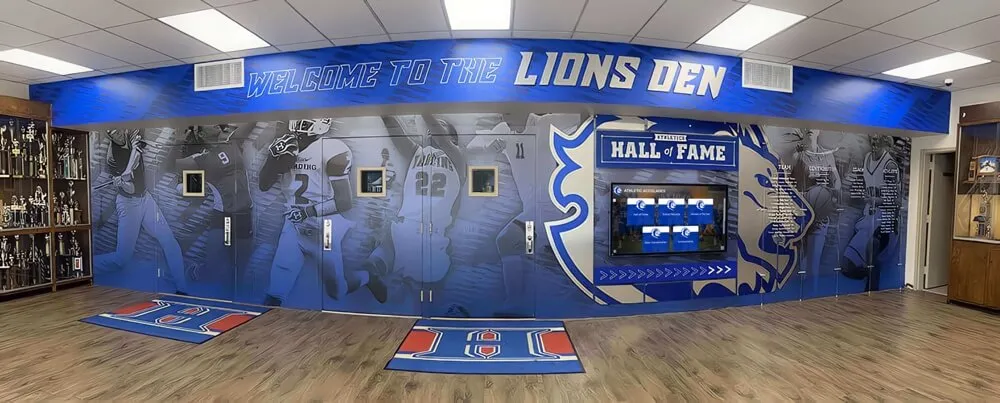
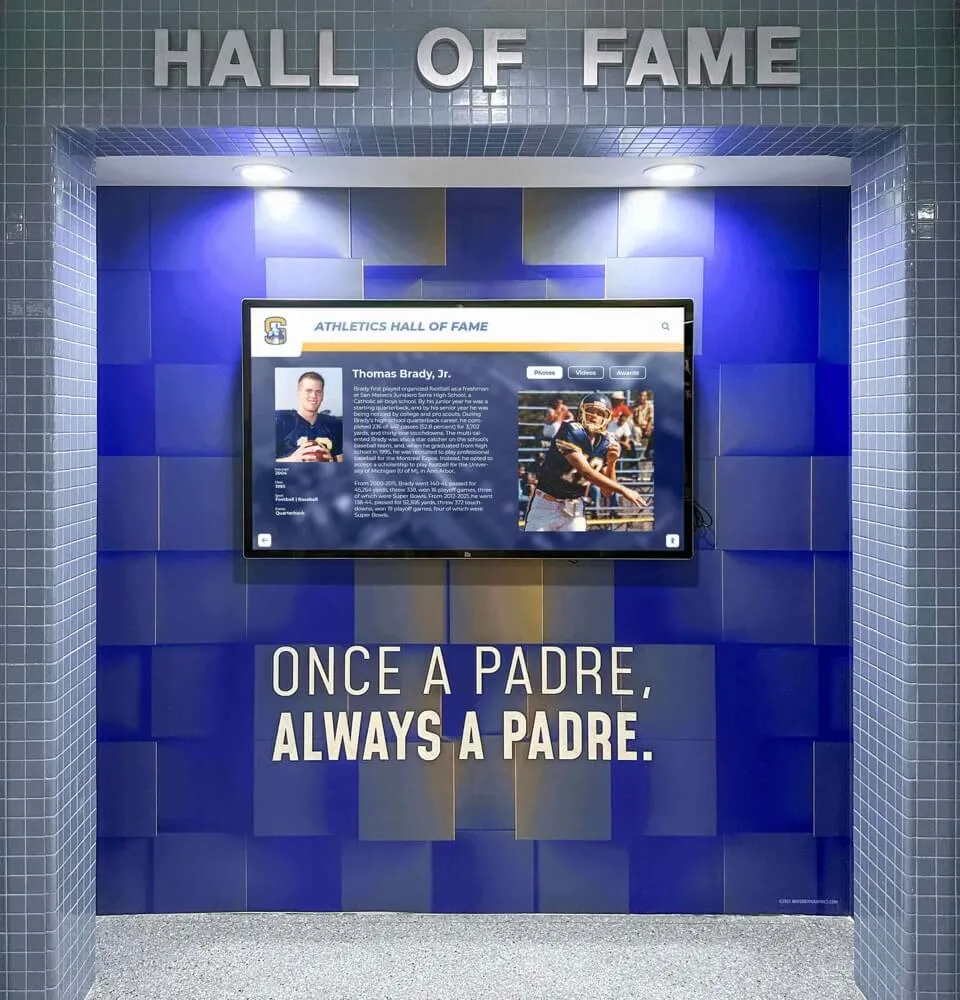
Professional yearbook scanning creates digital content suitable for integration with interactive displays that celebrate institutional heritage in contemporary formats
Long-Term Digital Preservation Standards
File Format and Archival Compliance
Professional digitization services deliver files in formats supporting long-term digital preservation:
Archival TIFFs provide uncompressed master files for permanent preservation storage, PDF/A formats meet international archival standards for document preservation, JPEG derivatives offer compressed versions for online access and sharing, and standardized metadata embedded in files enables proper long-term management.
Budget services sometimes deliver only compressed formats unsuitable for archival purposes, requiring costly re-scanning when institutions later need archival-grade masters.
Backup and Redundancy Protocols
Quality providers maintain systematic backup procedures during and after scanning projects including multiple backup copies on separate storage systems, verification checksums confirming file integrity, secure transfer protocols preventing corruption during delivery, and optional long-term cloud storage services.
Schools should clarify what happens to digital files after project completion—whether providers maintain backups, how long, and whether schools can access them if local copies get lost or corrupted.
Comparing Service Models: Dedicated Digitization vs. Integrated Display Solutions
Schools evaluating yearbook scanning services encounter two fundamentally different provider types with distinct value propositions.
Traditional Scanning Service Providers
Specialized Document Digitization Companies
Dedicated scanning services focus exclusively on converting physical materials to digital formats. These providers typically offer competitive per-page pricing through volume efficiency, specialized expertise in archival handling and preservation, industrial-grade equipment producing consistent quality, and established workflows managing large-scale projects.
Traditional digitization services deliver digital files—PDFs, TIFFs, or JPEGs—that schools then manage independently. This separation works well for institutions with established digital asset management systems and clear plans for utilizing digitized content.
Limitations of Scan-Only Services
Schools receiving digital yearbook files from traditional scanning services then face additional challenges including finding appropriate platforms for public access, creating searchable interfaces enabling name searches, managing long-term digital storage and backups, updating content as new yearbooks get produced, and finding engaging ways to showcase historical content.
These post-scanning requirements often involve additional vendors, ongoing costs, and technical complexities schools may underestimate when initially planning digitization projects.
Integrated Digital Display and Archiving Platforms
Rocket Alumni Solutions: Digitization Plus Interactive Access
Rocket Alumni Solutions represents a different service model—combining professional yearbook scanning with comprehensive digital display platforms that make scanned content immediately accessible and engaging.
Rather than simply delivering digital files, Rocket provides complete solutions including professional scanning of historical yearbook collections, interactive touchscreen displays showcasing digitized content in physical spaces, mobile-responsive web platforms enabling anywhere access, ongoing content management systems for adding new yearbooks annually, and sophisticated search capabilities finding individuals across decades.
This integrated approach solves the “what happens after scanning” challenge that traditional digitization services leave to schools. Historical yearbook content becomes immediately viewable through professional digital archive interfaces designed specifically for educational institutions.
Touchscreen Display Integration
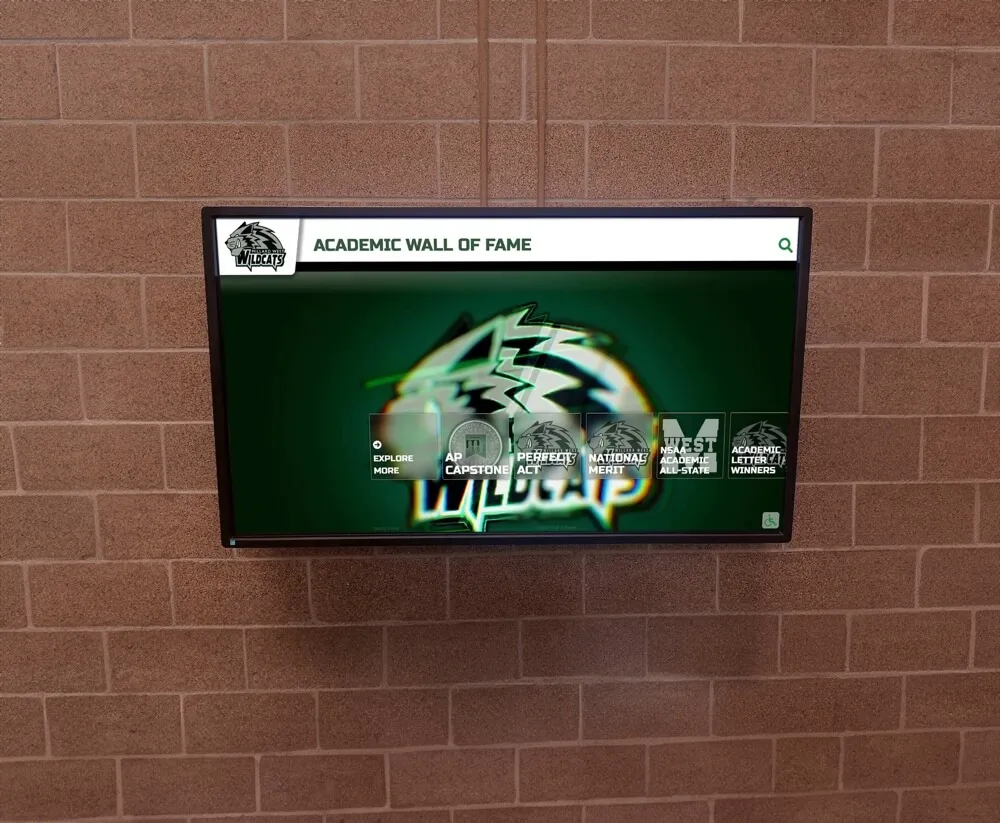
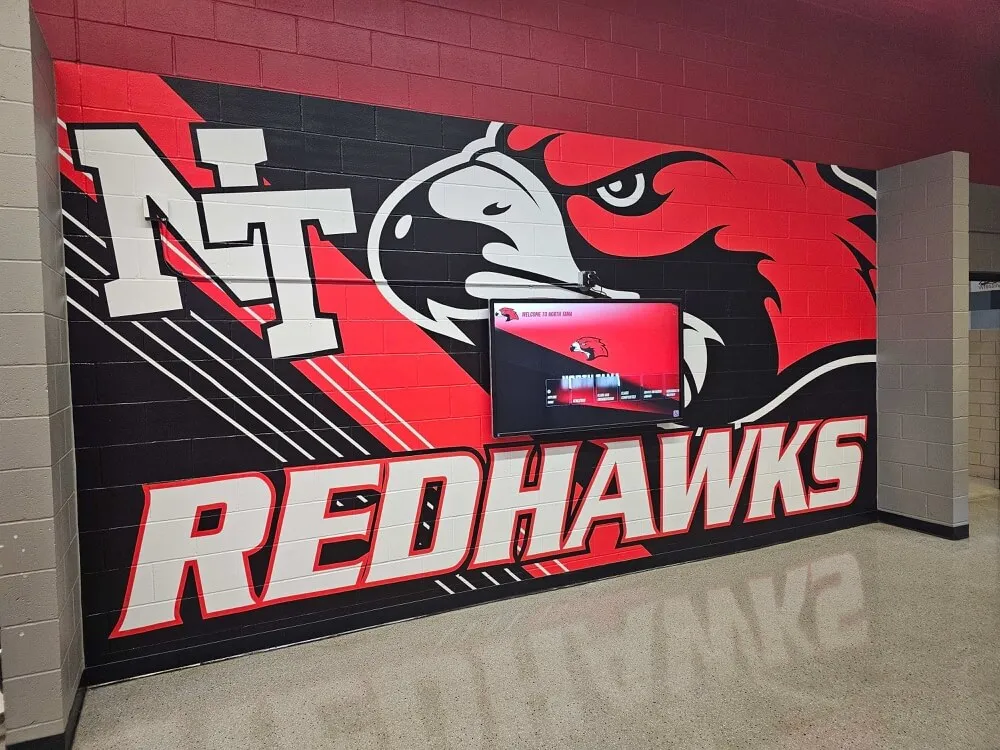
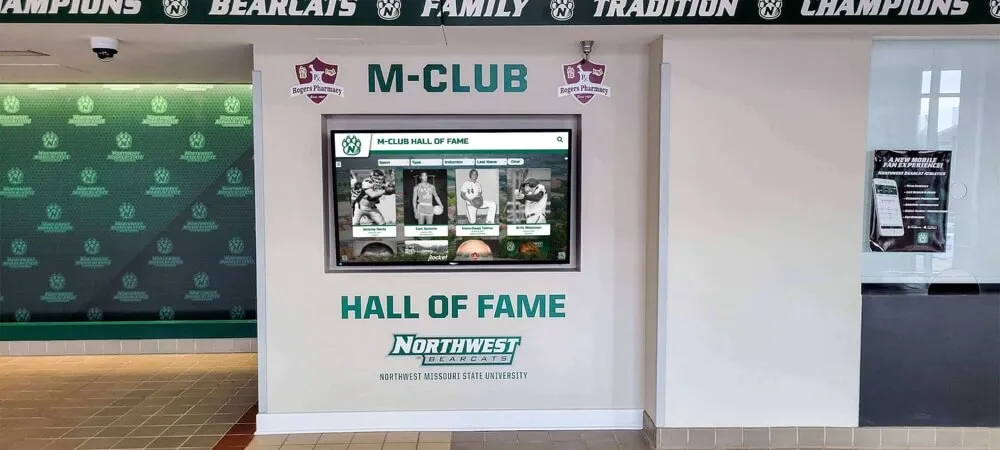
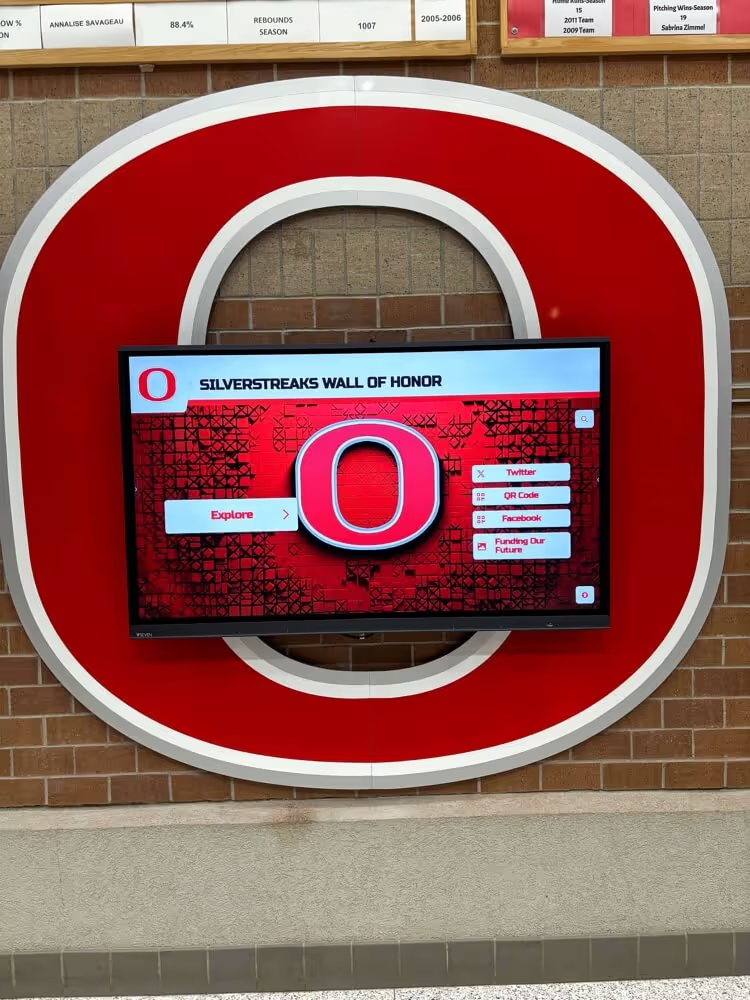
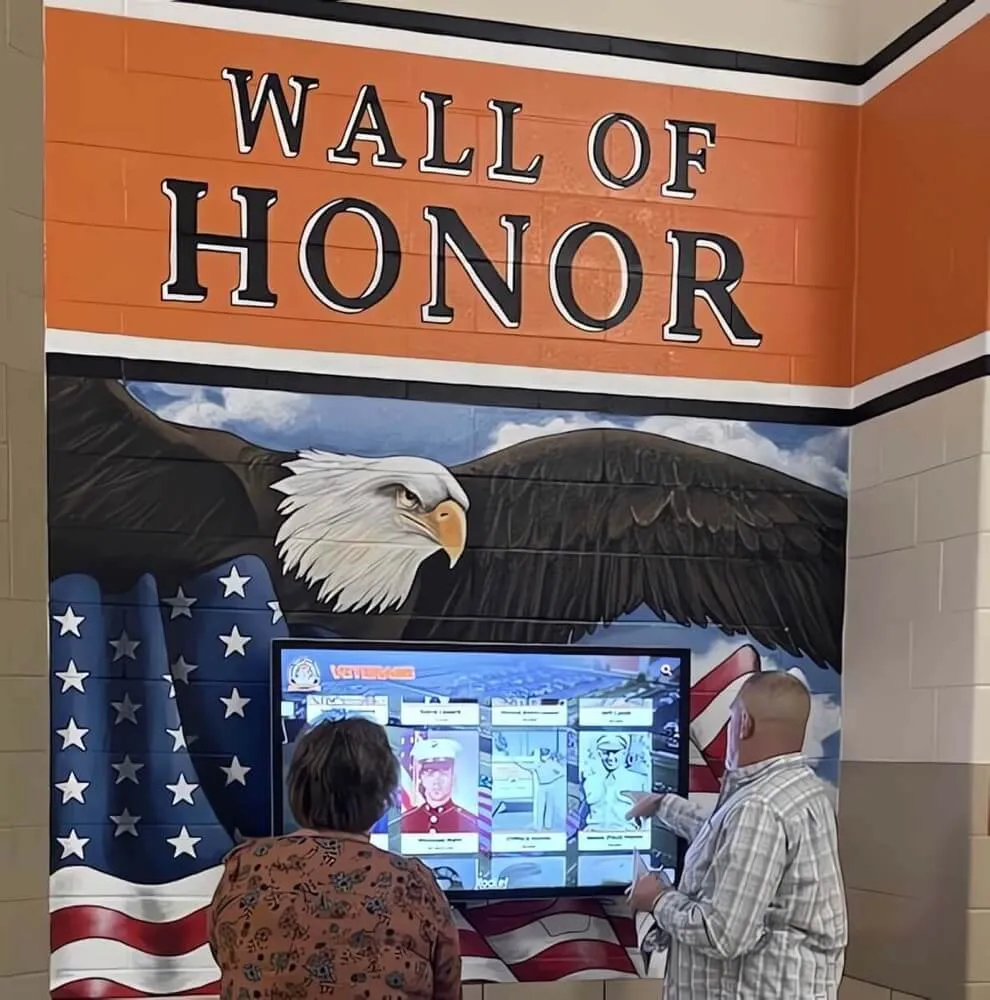
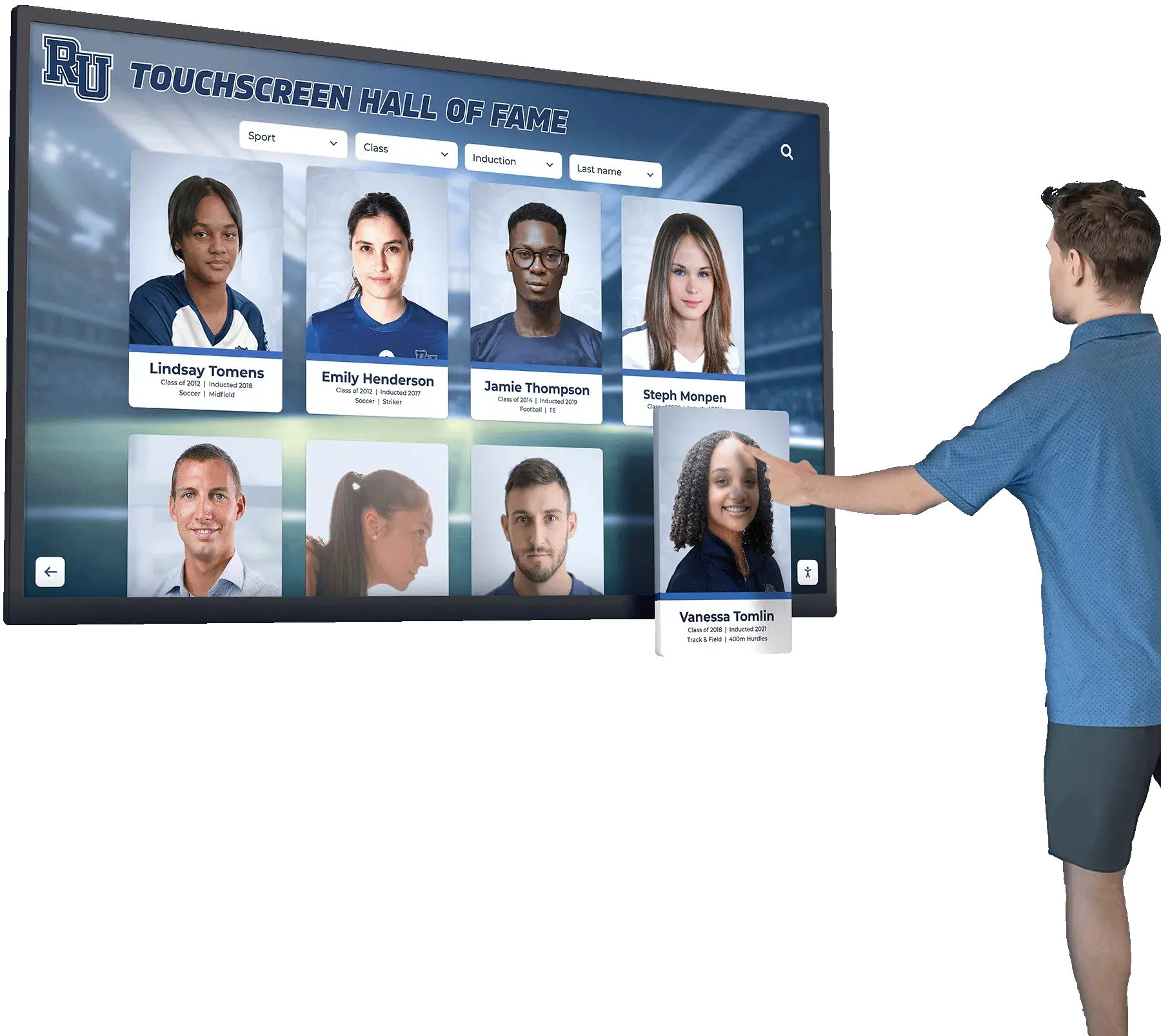
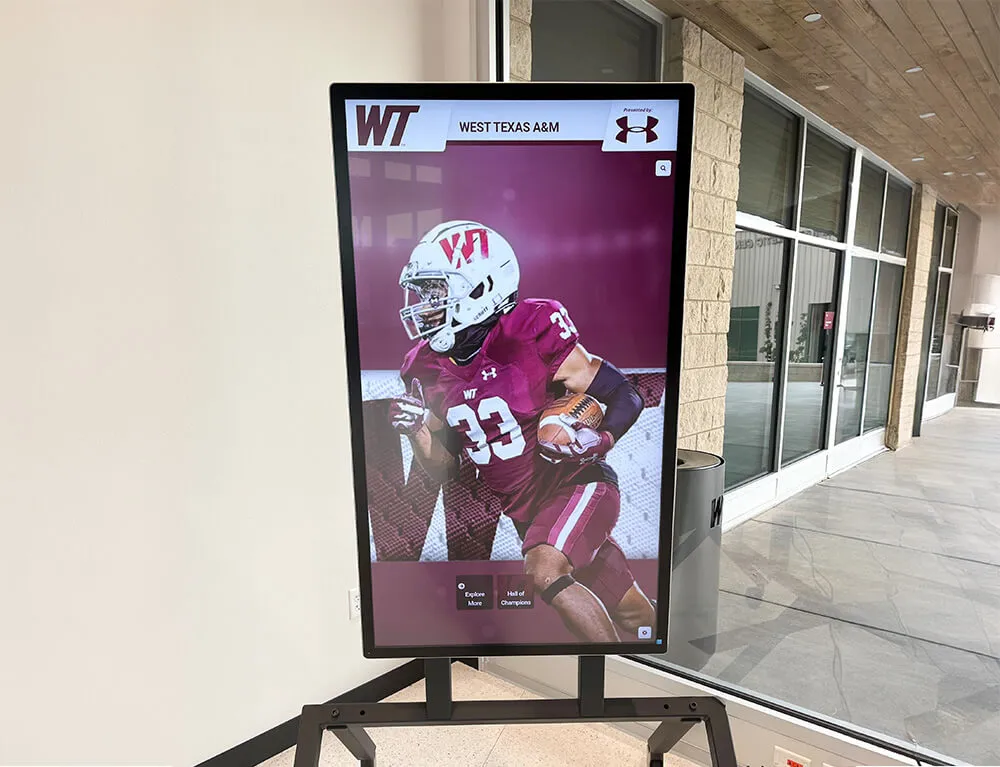
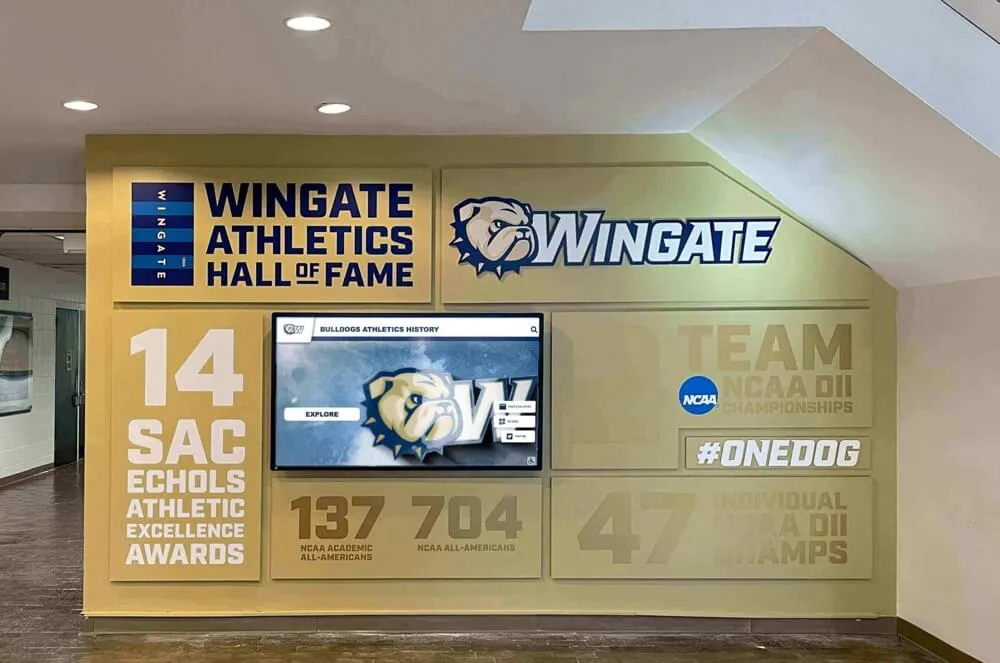
Rocket’s distinctive capability lies in transforming scanned yearbooks into interactive experiences through professionally designed touchscreen kiosks installed in school lobbies, athletic facilities, or alumni centers. These displays enable visitors to browse yearbook pages on large touchscreens, search for specific names across all digitized years, zoom into individual photos exploring fine details, and share discoveries instantly via mobile devices.
Schools implementing these systems report dramatically higher engagement compared to static PDF archives—current students explore institutional history during passing periods, visiting alumni gather around displays sharing memories, and reunions become more meaningful as attendees revisit their yearbook photos together.
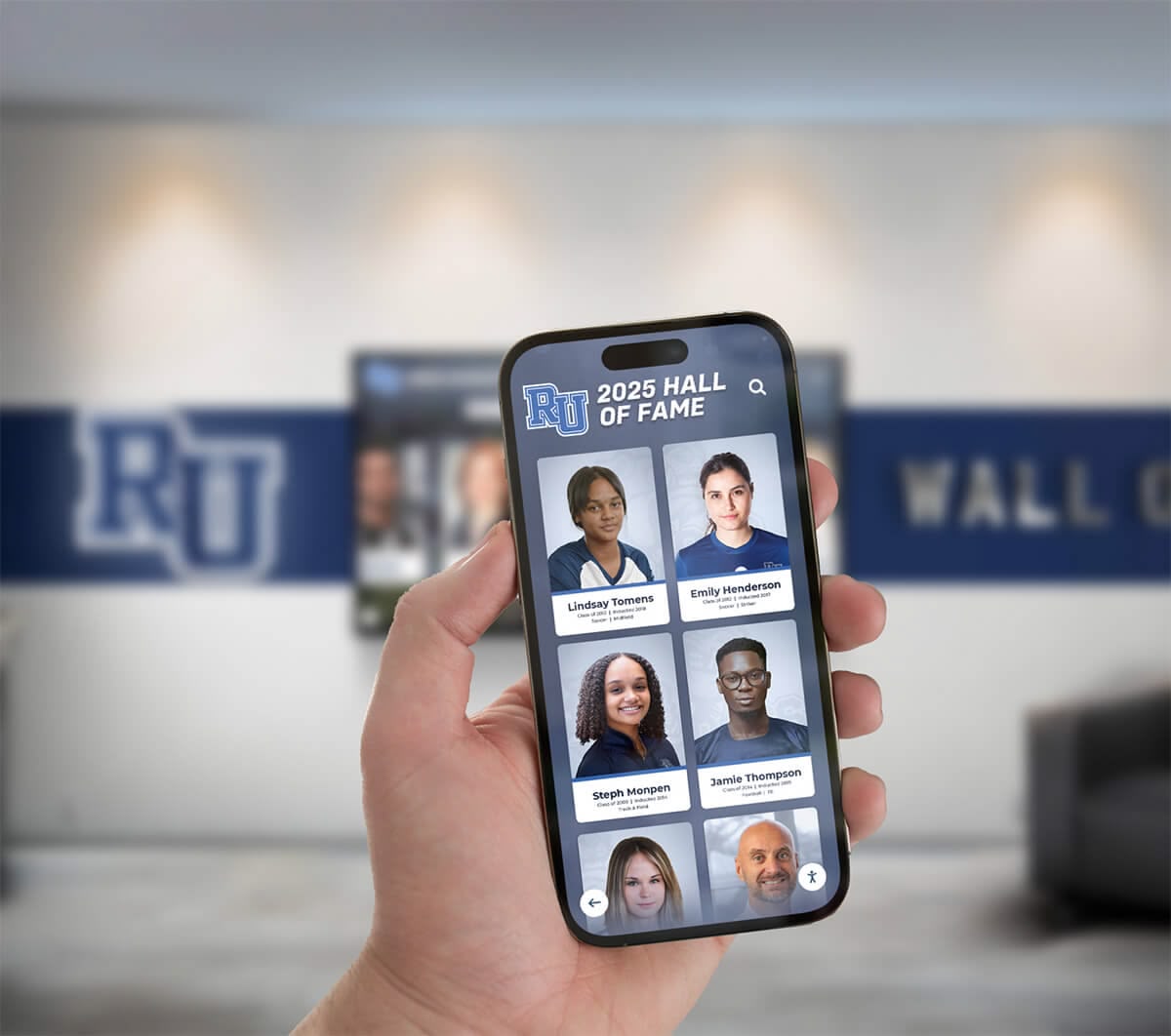
The same digitized content appears on mobile-responsive websites enabling remote access, extending engagement beyond physical campus visits while maintaining professional presentation quality.
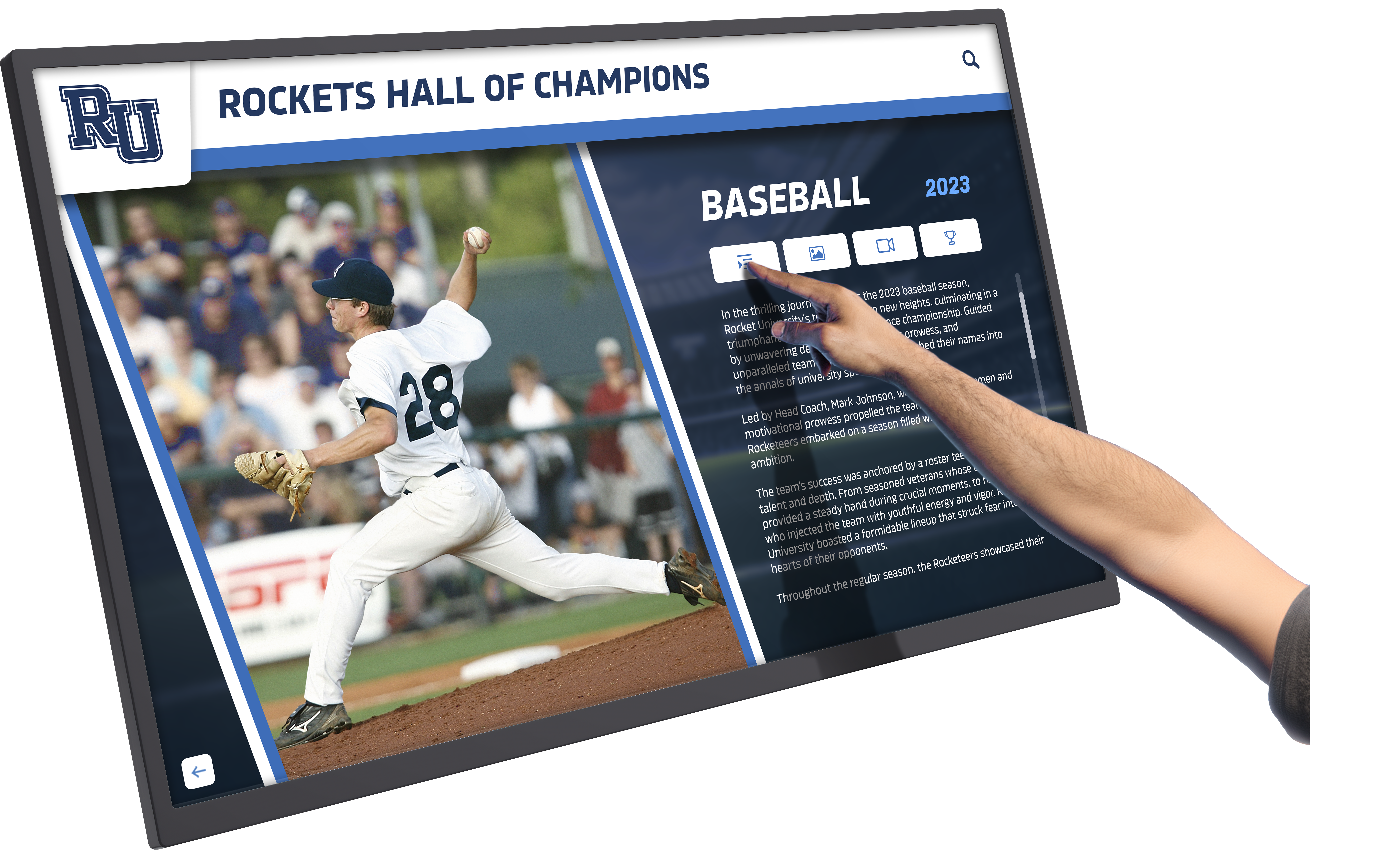
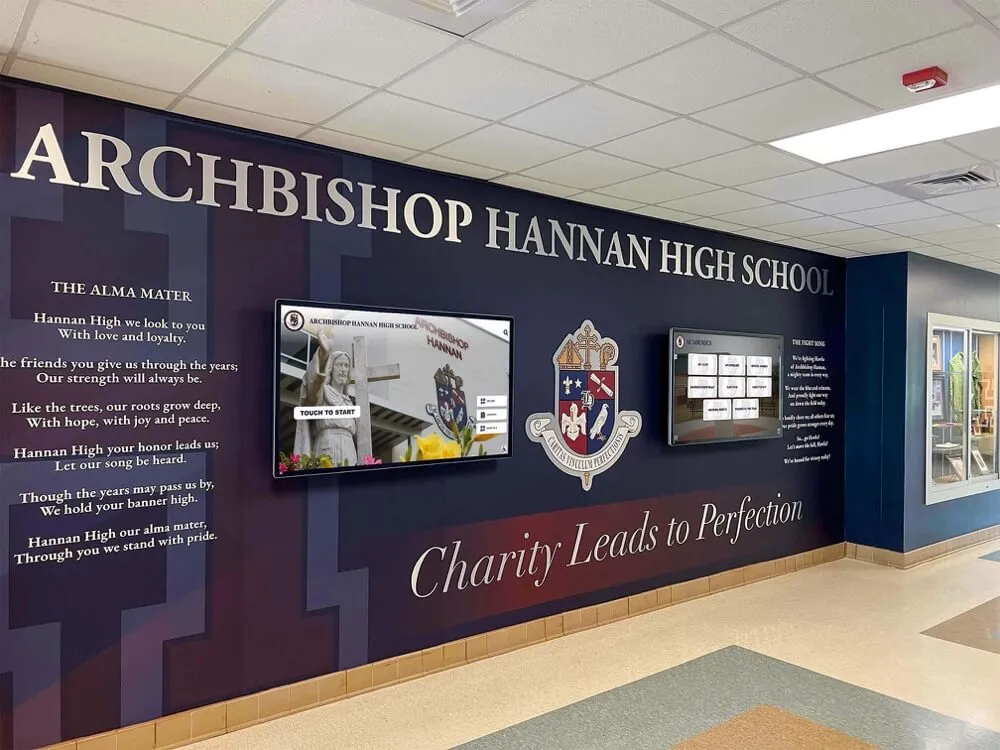
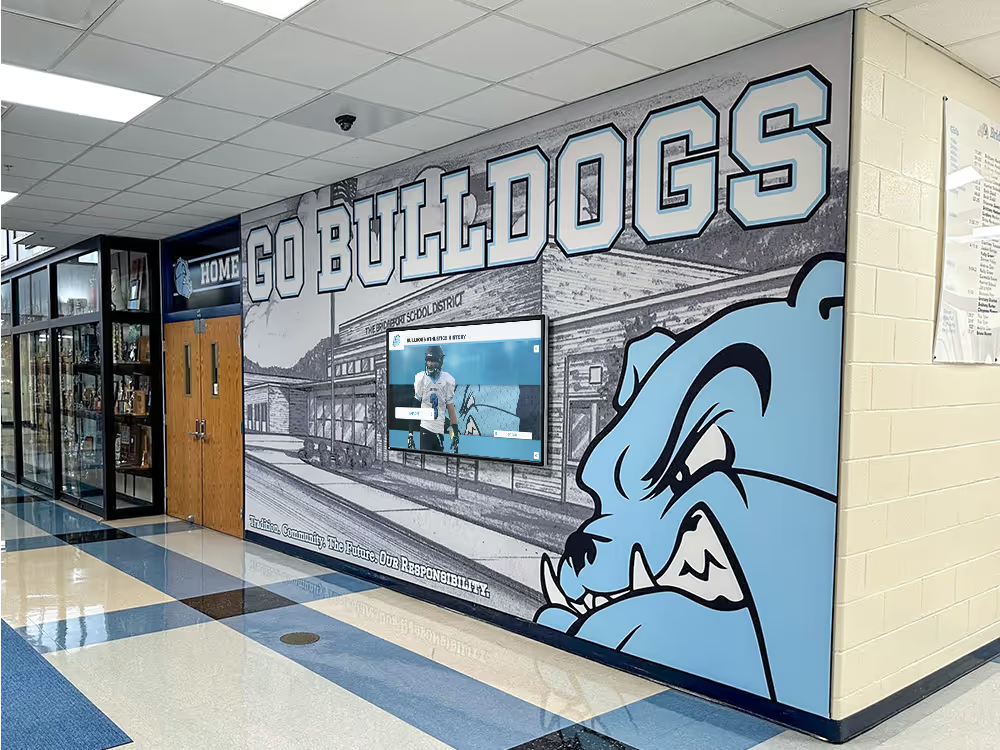
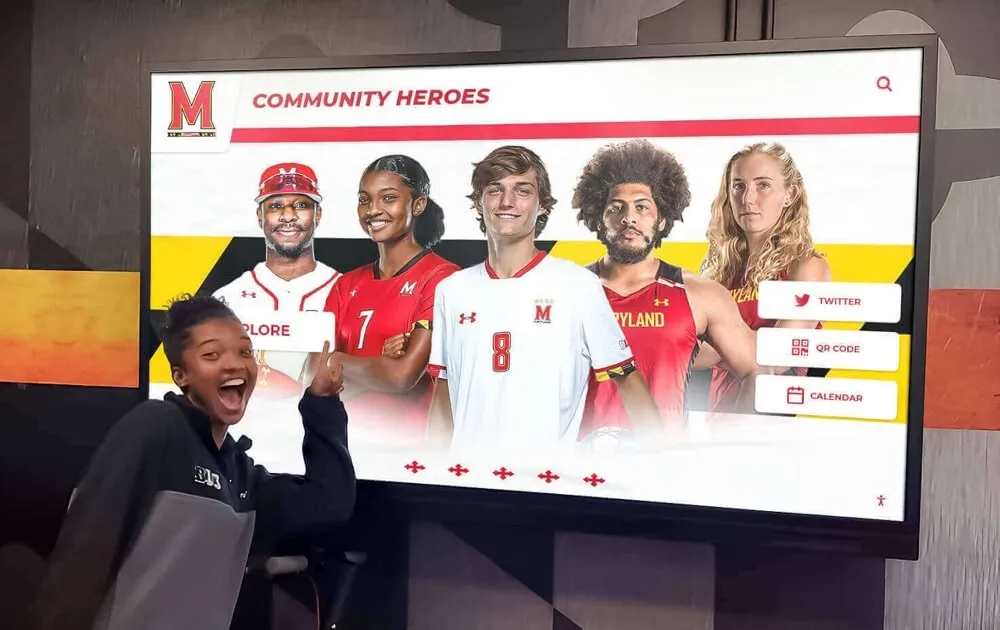
Integrated platforms transform scanned yearbooks into interactive touchscreen experiences that engage current students and visiting alumni far more effectively than static digital files
Content Management and Ongoing Updates
Unlike one-time scanning projects that leave schools managing digital files independently, integrated platforms like Rocket provide content management systems enabling annual updates as new yearbooks get produced, ongoing technical support and software updates, cloud-based storage eliminating local server requirements, and professional design services maintaining visual quality standards.
This ongoing relationship model suits schools seeking comprehensive solutions rather than simply outsourcing a one-time scanning project.
Comparative Total Cost Considerations
While integrated platforms typically require higher initial investments than scan-only services, total cost comparisons should account for several factors:
Traditional scanning services charge per-page fees (typically $0.15-$0.50 per page depending on specifications) but require schools to separately purchase digital asset management platforms, develop or contract web interfaces for public access, maintain server infrastructure or cloud storage subscriptions, and manage ongoing technical updates and security patches.
Integrated solutions like Rocket include these components in comprehensive packages where initial touchscreen hardware and installation costs get offset by included scanning services, all software and hosting gets provided without separate fees, professional content management eliminates technical staff requirements, and ongoing support prevents expensive troubleshooting or vendor coordination.
Schools comparing total 5-year costs often find integrated solutions competitive with or less expensive than traditional scanning plus independent management systems—while delivering significantly superior user experiences.
Evaluating Service Providers: Key Comparison Criteria
When comparing specific yearbook scanning service providers, schools should systematically evaluate multiple factors beyond basic pricing.
Technical Capability Assessment
Sample Scan Quality Review
Request sample scans from your actual yearbook collection before committing to large projects. Examine samples for resolution clarity when zooming into individual photos, accurate color reproduction matching original materials, clean edge-to-edge coverage without gutter shadows, readable text even in small fonts, and absence of artifacts or scanning errors.
Comparing samples from multiple providers reveals significant quality differences that pricing alone doesn’t indicate.
Equipment and Technology Questions
Ask potential providers about scanning equipment specifications, OCR software and typical accuracy rates, file format options and archival compliance, backup and data security protocols, and handling procedures for different binding types.
Professional providers answer these questions transparently while budget services may struggle to provide technical details.
Project Management and Communication
References and Past Client Experiences
Request references from educational institutions of similar size and scope. Contact references asking about adherence to quoted timelines, quality of final deliverables versus expectations, responsiveness when issues arose, and whether they would select the same provider again.
Schools that previously used a provider offer candid insights difficult to obtain from sales conversations.
Contract Terms and Guarantees
Review contract language addressing satisfaction guarantees or re-scanning policies, liability coverage for lost or damaged materials, project timeline commitments and remedies for delays, scope change procedures if issues arise, and data retention and deletion policies.
Clear contracts prevent disputes while vague agreements leave schools vulnerable when problems occur.
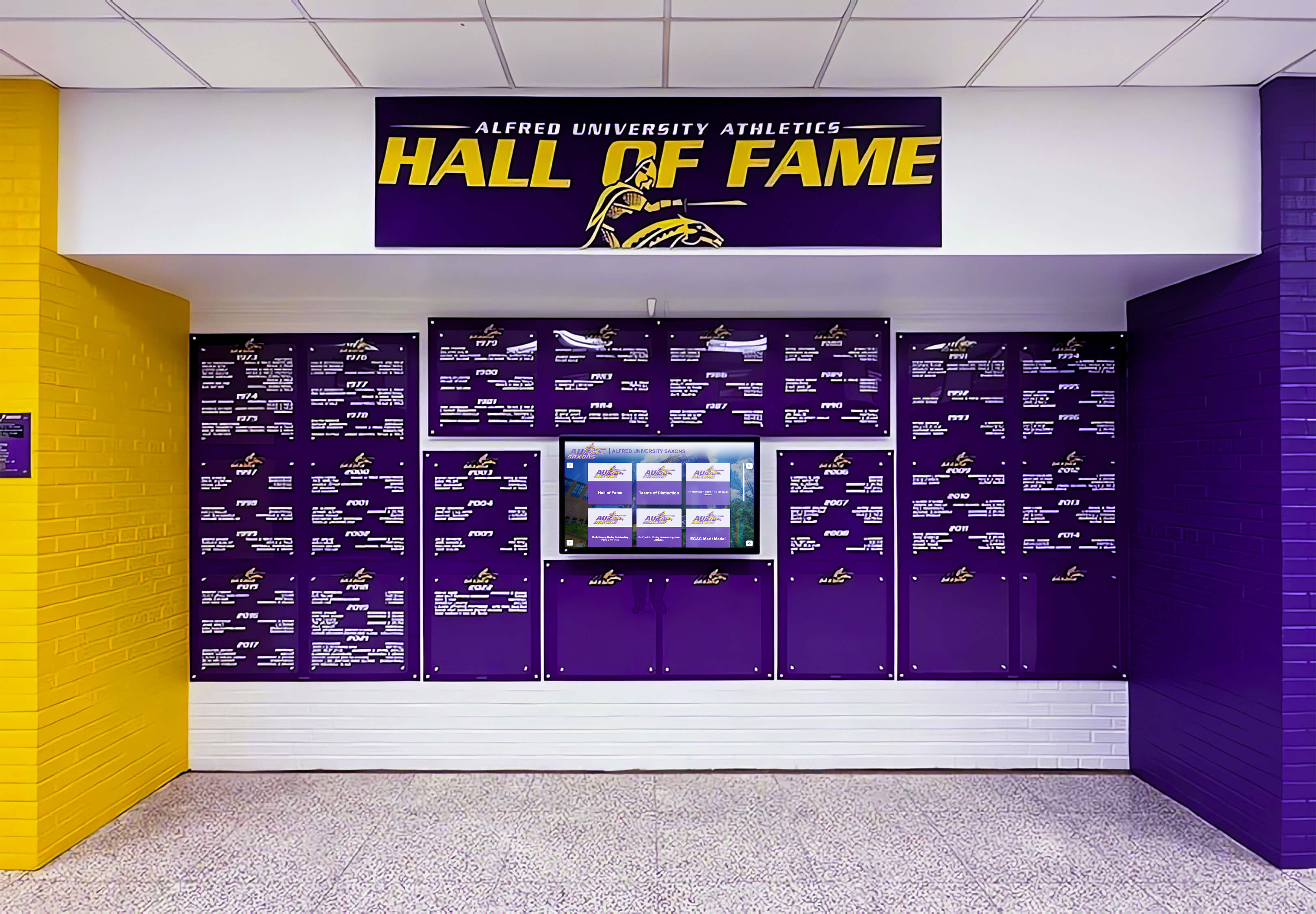
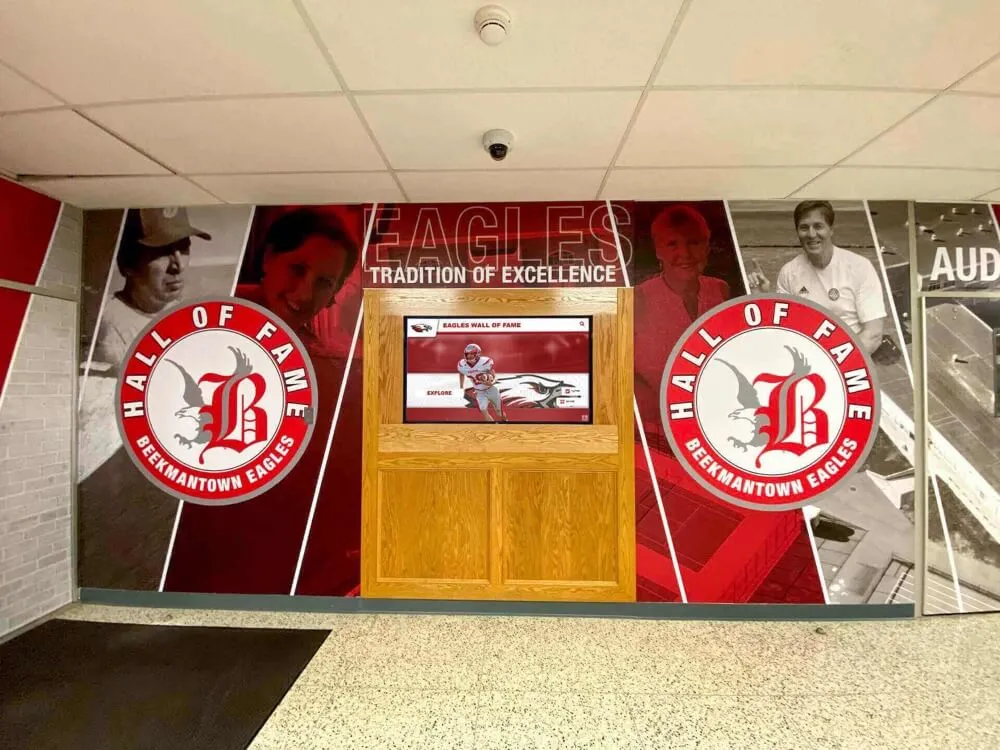
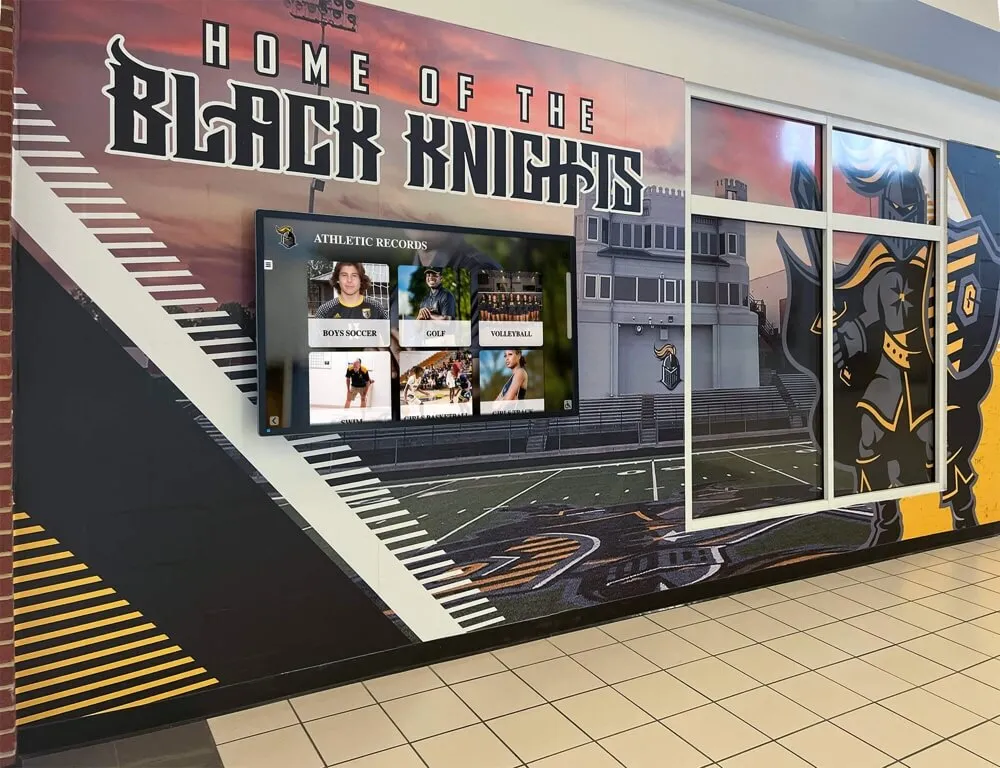
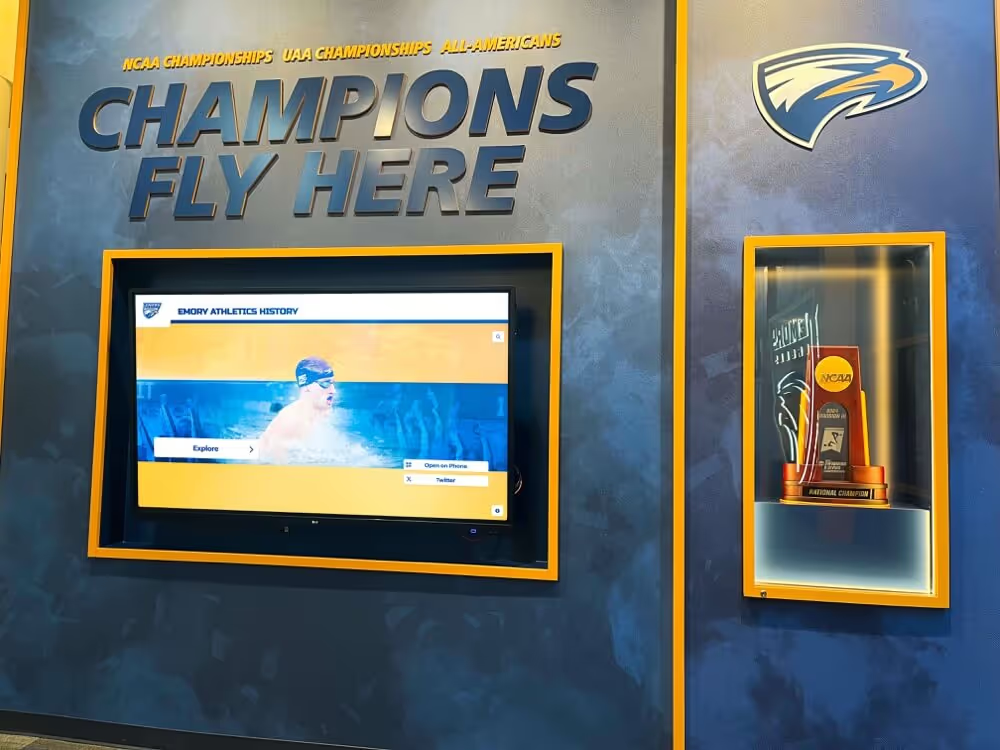
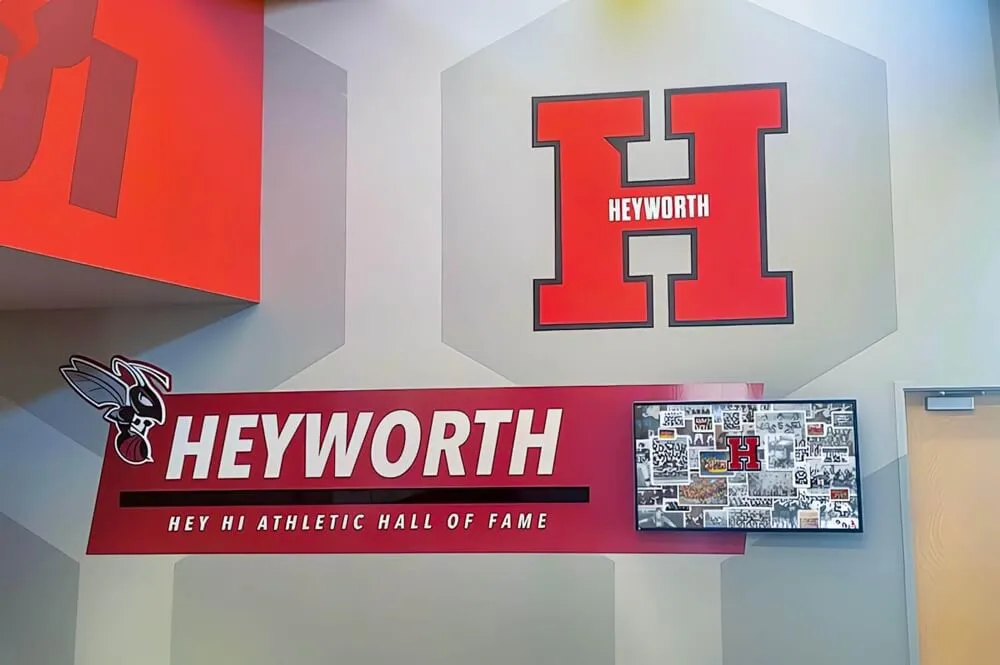
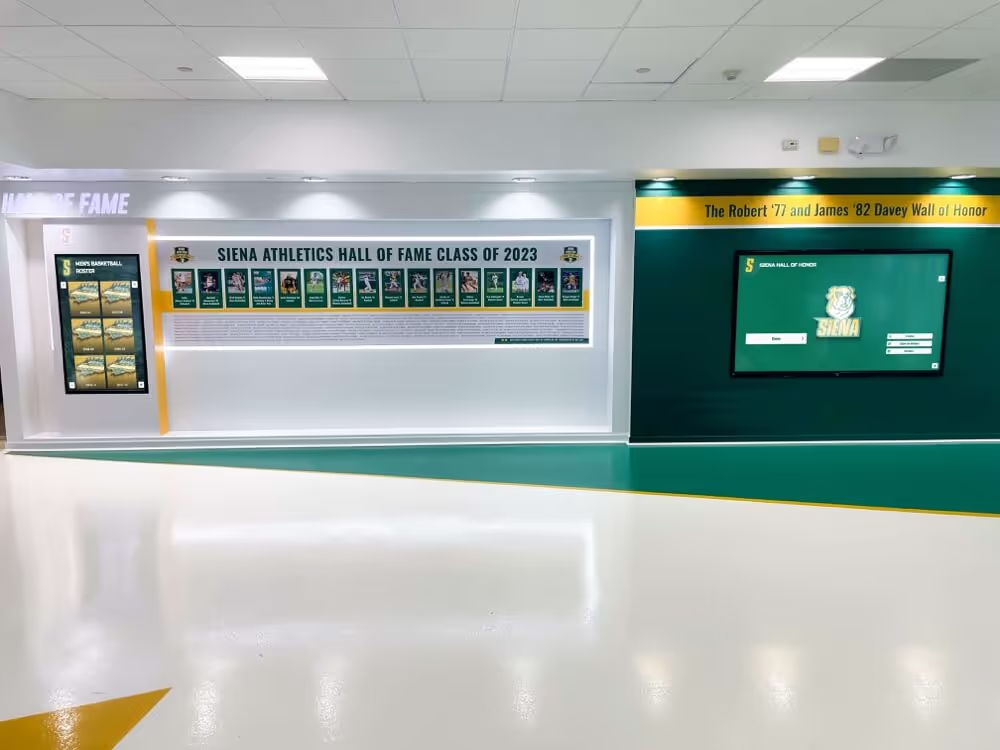
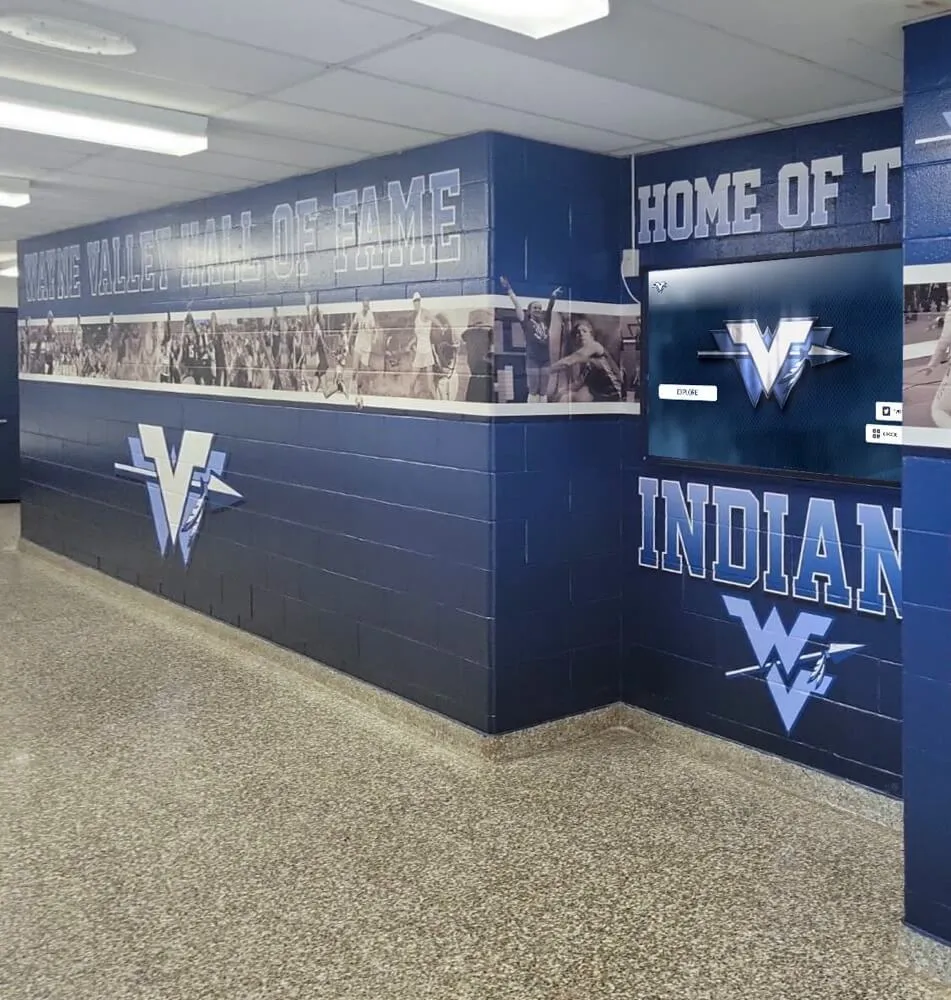
Quality digitization services enable schools to showcase historical yearbook content through professional recognition displays that celebrate institutional heritage and athletic traditions
Institutional Fit and Service Philosophy
Understanding Educational Institution Needs
Providers specializing in educational clients understand unique school requirements including FERPA privacy compliance for student records, budget constraints and grant funding timelines, academic calendar considerations affecting project timing, and sensitivity to institutional traditions and heritage.
General document scanning companies lack this educational context, potentially creating friction around scheduling, privacy, or cultural considerations.
Long-Term Partnership Potential
Consider whether providers offer ongoing relationships supporting annual yearbook additions, content updates as historical information changes, technical support as technology evolves, and additional services like white-glove customer support maintaining long-term system functionality.
One-time transaction providers disappear after project completion while partnership-oriented services continue supporting archives for decades.
Making the Comparison: Essential Questions to Ask Providers
Schools evaluating yearbook scanning services should pose specific questions revealing provider capabilities and service quality.
Quality and Technical Standards
- What minimum DPI resolution do you guarantee for yearbook pages and photographs?
- How do you ensure accurate color reproduction and what calibration standards do you follow?
- What OCR accuracy rates do you typically achieve on yearbooks from different decades?
- How do you handle binding gutters and ensure no page content gets lost?
- What file formats do you deliver and which meet archival preservation standards?
Turnaround and Project Management
- What is your typical turnaround time for [X number] yearbooks?
- How do you communicate project progress throughout digitization?
- What happens if you encounter damaged yearbooks or technical issues?
- Do you offer expedited processing and what premium does that require?
- When do project timelines begin—upon order or upon material receipt?
Preservation and Handling
- How do you assess yearbook condition before scanning?
- What equipment and techniques do you use for different binding types?
- How are materials stored during processing periods?
- What insurance coverage protects yearbooks while in your possession?
- What security and climate controls protect materials at your facility?
Delivery and Long-Term Management
- How are digital files delivered (physical media, cloud transfer, online portal)?
- What backup and redundancy protocols ensure file preservation?
- Do you retain digital copies and if so, for how long?
- What technical support do you provide after project completion?
- How do you handle updates if schools want to add new yearbooks annually?
Cost and Contract Terms
- What is your pricing structure (per page, per yearbook, project-based)?
- What services are included in base pricing versus optional add-ons?
- Are there minimum volume requirements or setup fees?
- What payment terms and schedules do you require?
- What guarantees or satisfaction policies protect schools if quality doesn’t meet expectations?
Comparing responses across multiple providers reveals which services offer transparent, professional operations versus those providing vague answers suggesting limited capabilities.
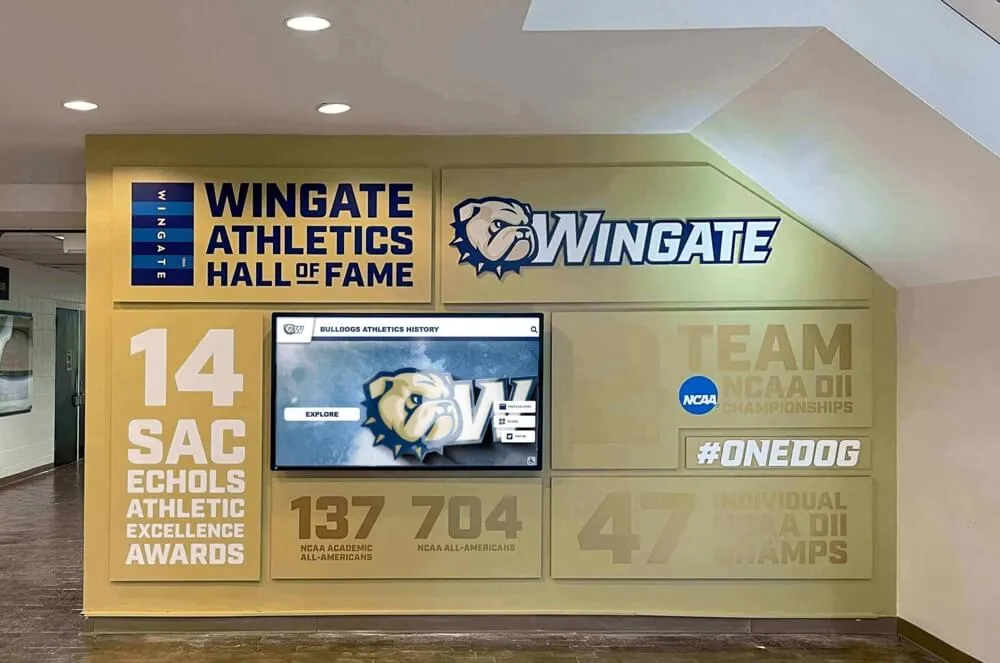
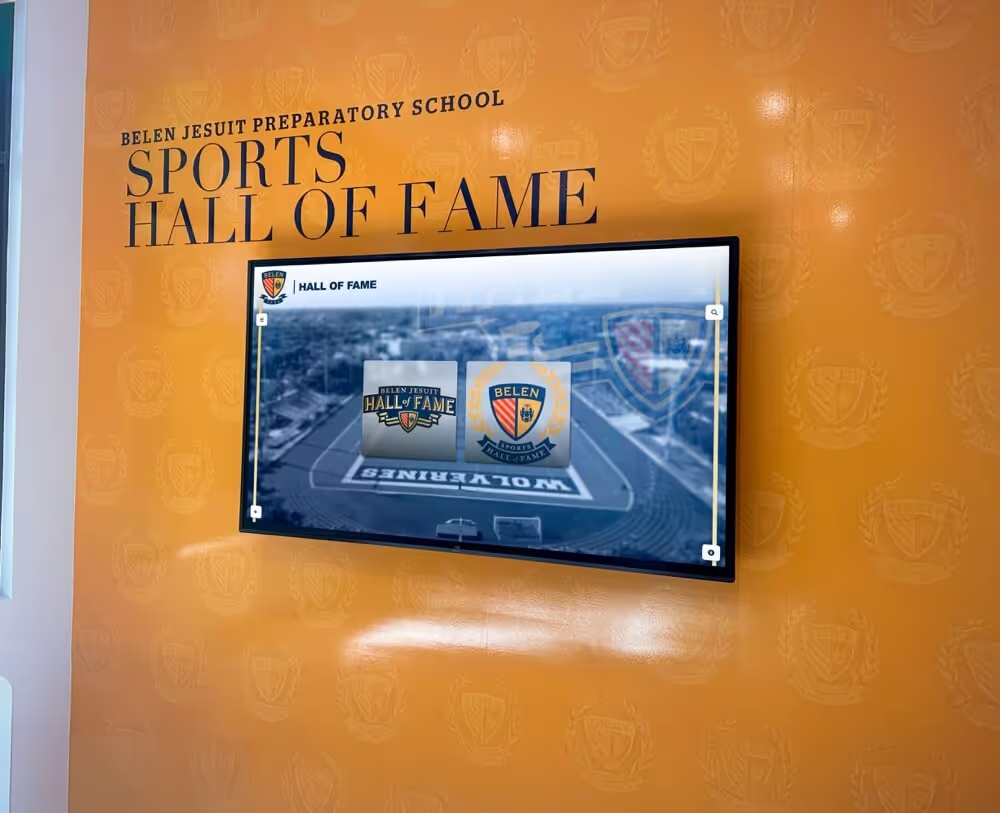
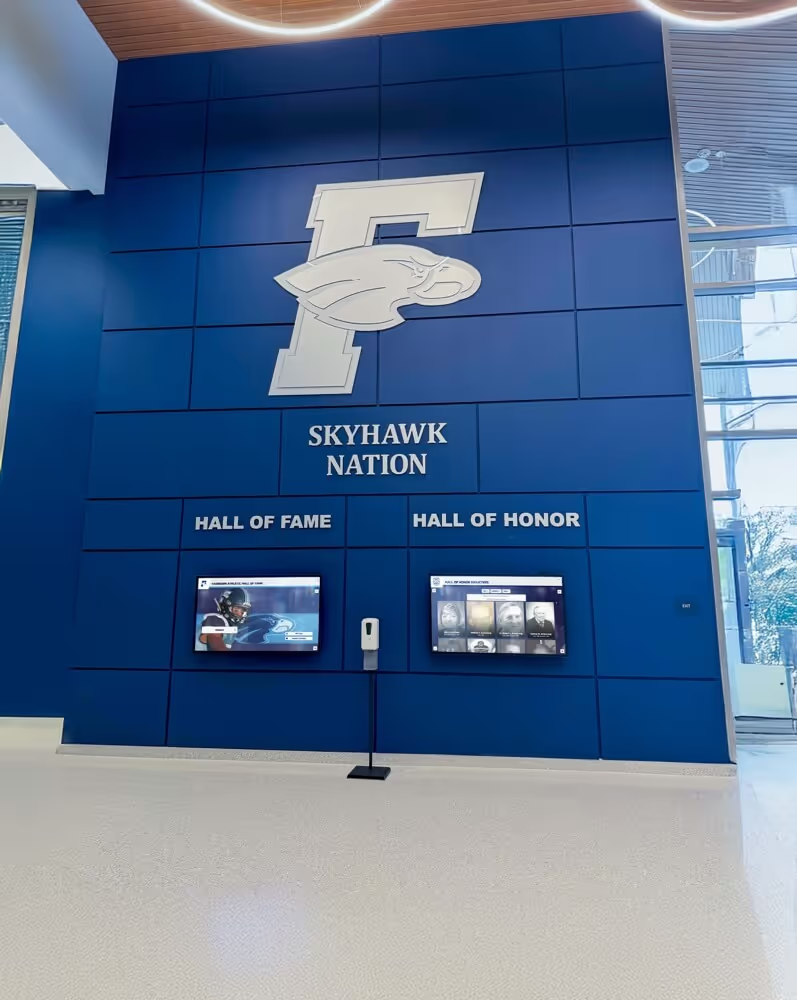
Schools selecting comprehensive digitization partners can integrate yearbook archives with athletic recognition displays, creating unified presentations of institutional achievement and heritage
Beyond Scanning: Maximizing Value from Digitized Yearbooks
The true value of yearbook digitization emerges not from creating digital files but from how schools deploy those assets to strengthen institutional connections and alumni engagement.
Strategic Uses for Digitized Yearbook Content
Alumni Engagement and Development
Development offices use digitized yearbook content for alumni outreach campaigns featuring classmate photos, donor recognition showcasing historical giving families, reunion planning providing customized yearbook pages, and legacy program marketing showing multi-generational families.
Schools report alumni engagement increases of 40-60% when historical yearbooks become easily accessible online, with particular impact on older alumni who remember pre-digital eras.
Student Historical Connection
Current students engage with institutional heritage when digitized yearbooks appear in accessible formats through interactive class composite displays showing decades of students, research projects exploring fashion and cultural trends, tradition documentation connecting current programs to historical origins, and family legacy recognition celebrating multi-generational attendance.
These connections build school pride and strengthen institutional culture in ways static archives never achieve.
Recognition and Celebration Programs
Digitized yearbooks support various recognition initiatives including athletic hall of fame displays featuring historical team photos, distinguished alumni showcases with young-adult yearbook portraits, memorial recognition honoring deceased community members, and anniversary celebrations highlighting specific graduating classes.
These applications demonstrate how digitization investments extend far beyond simple preservation into active institutional use.
Choosing Between Scanning Services and Integrated Platforms
Schools face a fundamental choice when planning yearbook digitization:
Choose Traditional Scanning Services When:
- Your institution has existing digital asset management infrastructure
- You have technical staff capable of managing digital files long-term
- You already maintain web platforms for public access
- Budget constraints prioritize lowest immediate costs
- You need only basic PDF access without interactive features
Choose Integrated Solutions Like Rocket Alumni Solutions When:
- You want turnkey solutions handling both digitization and public access
- Interactive touchscreen displays would enhance your physical spaces
- You lack technical staff for ongoing digital archive management
- Alumni engagement and institutional visibility justify comprehensive investment
- You value ongoing support relationships over one-time transactions
Many schools initially pursue traditional scanning for cost savings, only to later invest in display platforms and migration services when static PDFs prove inadequate for meaningful engagement—ultimately spending more than integrated solutions would have cost initially.
Implementation Success: Planning Your Yearbook Digitization Project
Regardless of which service model or provider you select, successful digitization projects share common planning elements.
Pre-Project Preparation
Inventory and Assessment
Before contacting service providers, complete a thorough collection inventory documenting yearbooks by year and condition, identifying volumes requiring special handling, noting any missing years in sequences, and determining priority order if phased digitization makes sense.
This inventory enables accurate quotes and prevents surprises during processing.
Budget and Funding Planning
Realistic budgets account for scanning costs (per-page fees or project quotes), shipping or on-site service travel costs, optional services like advanced OCR or name indexing, display platforms if pursuing integrated solutions, and ongoing storage or subscription fees.
Schools often pursue grant funding for digitization projects, particularly from alumni associations, foundations supporting institutional preservation, or technology improvement grants.
Vendor Selection Process
Request for Proposal Development
Formal RFP processes ensure consistent vendor comparisons by defining project scope and volume specifications, stating quality requirements and technical standards, establishing timeline expectations, requesting detailed cost breakdowns, and requiring references and sample work.
Well-structured RFPs yield proposals enabling objective comparisons rather than relying solely on sales conversations.
Sample Project Pilots
Consider starting with pilot projects scanning 5-10 yearbooks before committing to complete collections. Pilots reveal actual quality and service levels, identify potential issues before large-scale processing, enable cost-benefit assessment before major investment, and provide content for testing display platforms or public access interfaces.
Successful pilots build internal support while problematic pilots prevent costly mistakes.
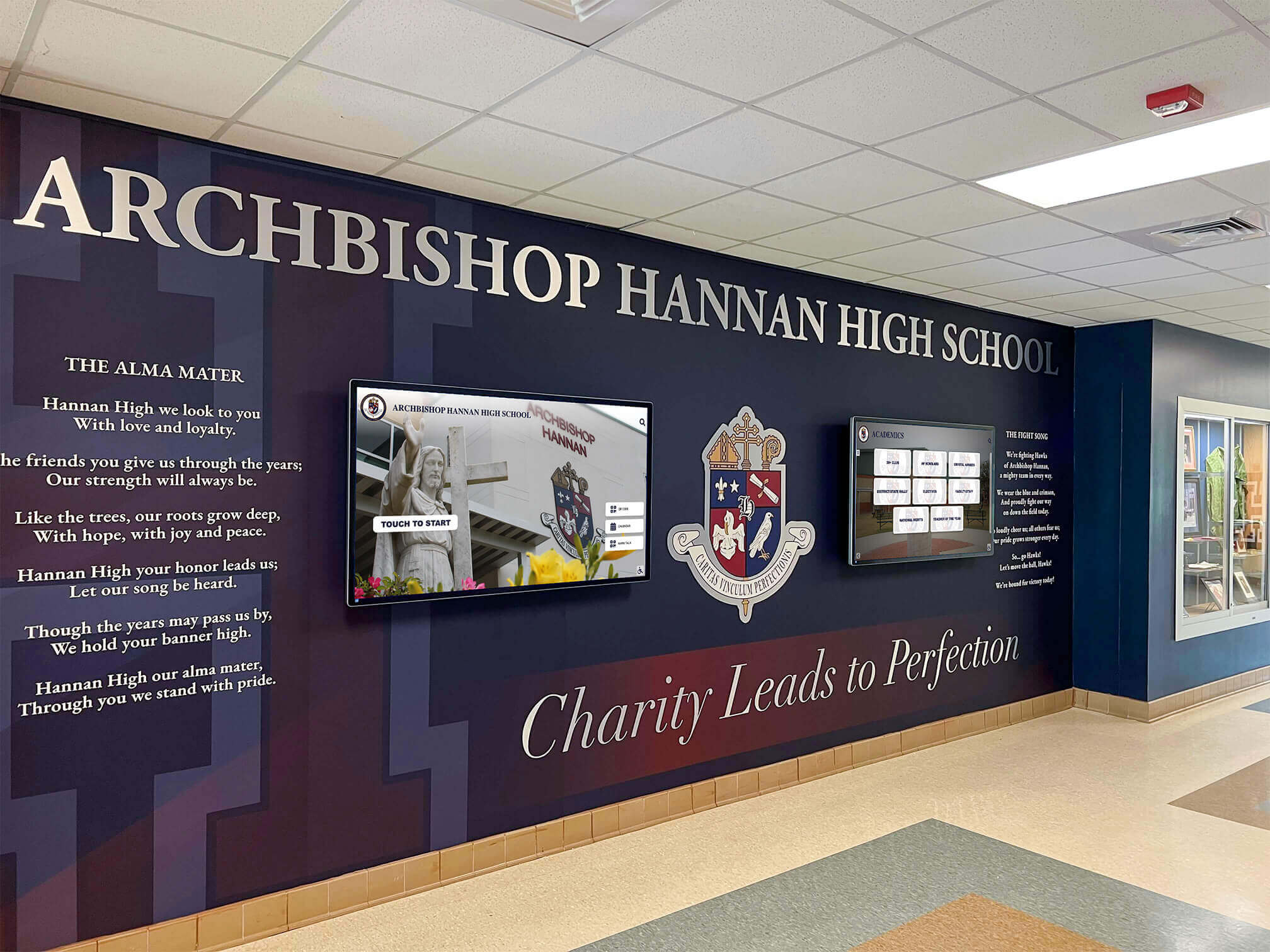
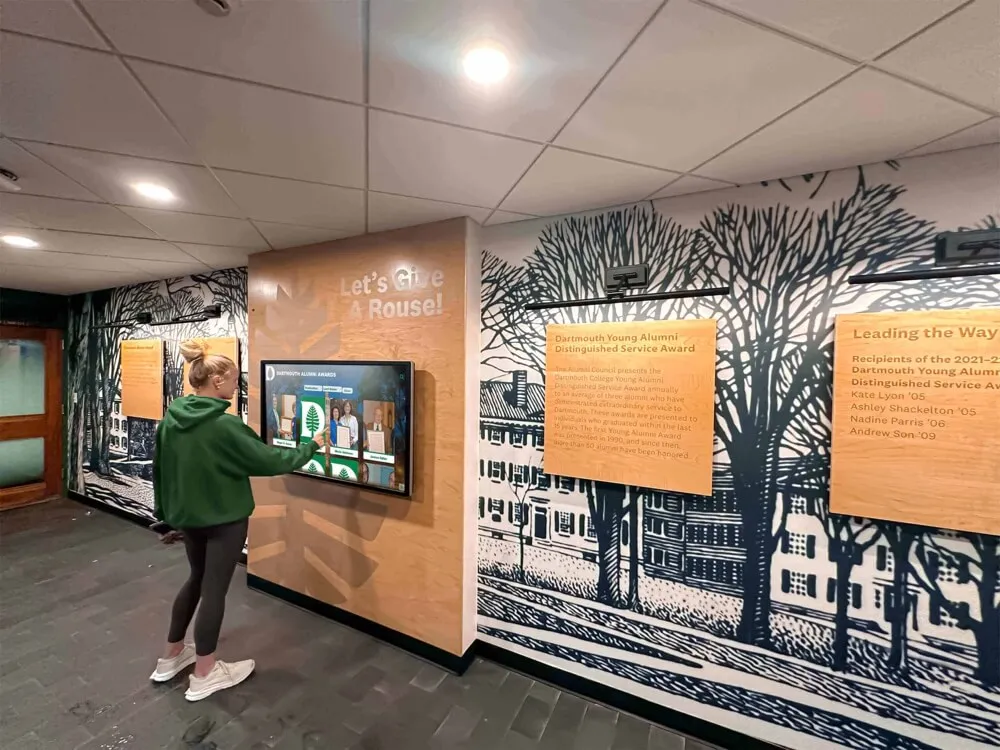
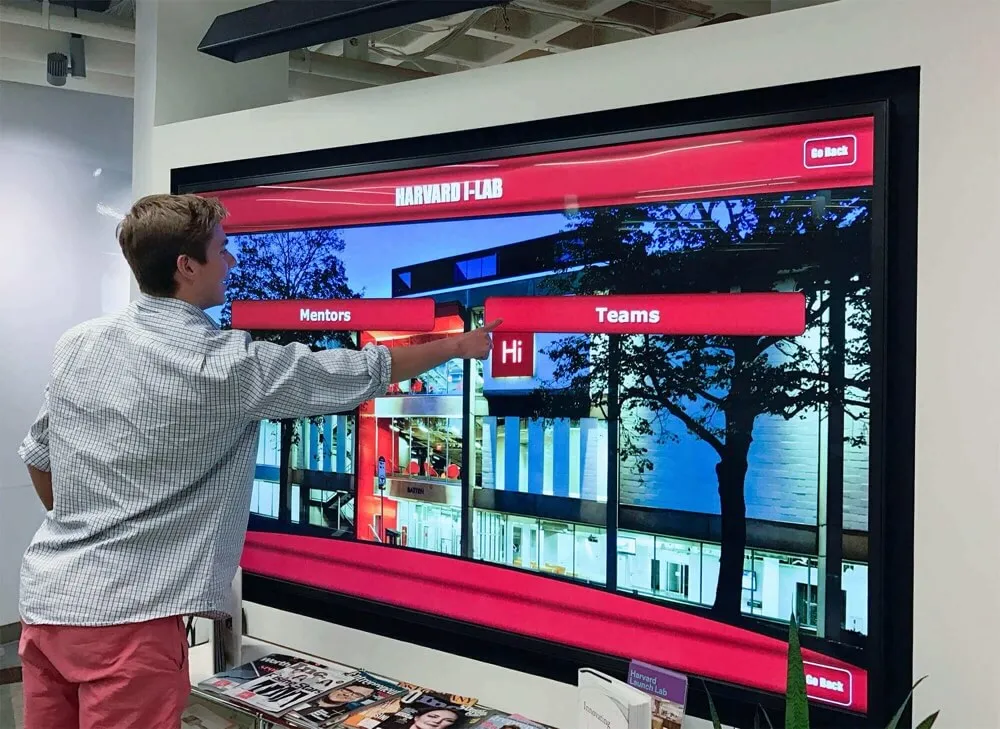
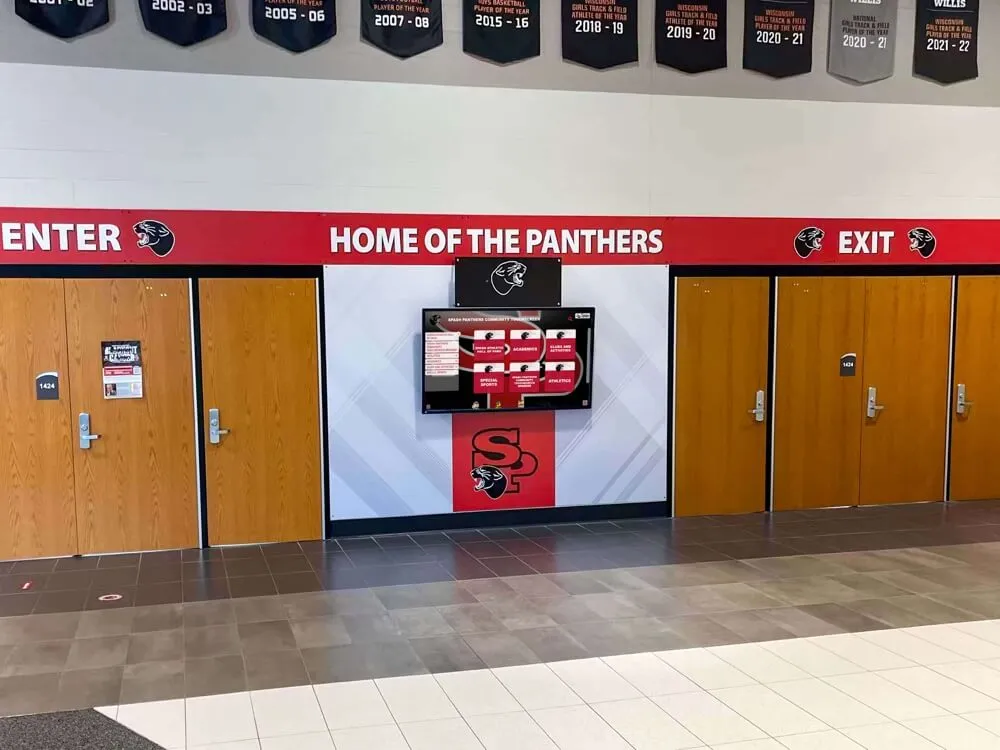
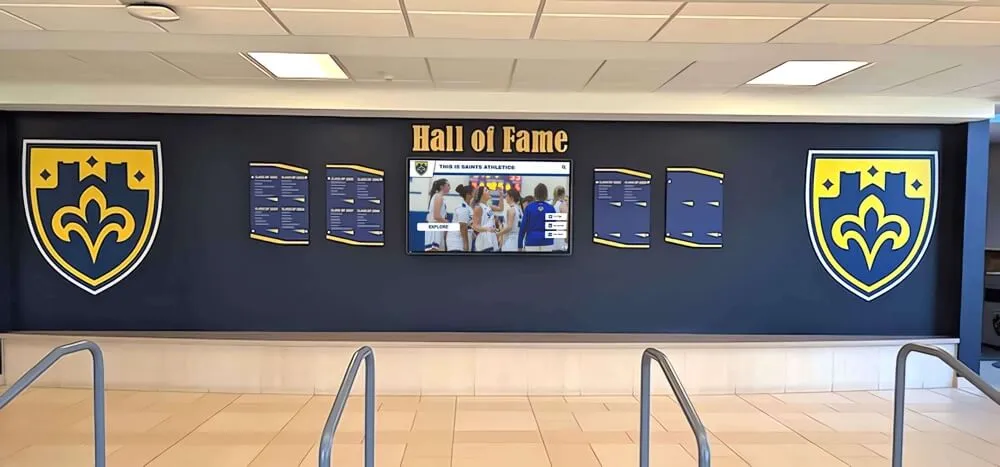
Schools implementing comprehensive digitization solutions create engaging lobby displays that celebrate institutional heritage, welcome visitors, and strengthen community connections
Post-Digitization Planning
Content Organization and Accessibility
Plan how digitized yearbooks will be organized and accessed including web hosting and access platforms, search capabilities enabling name and keyword searches, mobile optimization for smartphone access, privacy controls protecting student information, and integration with existing school websites or portals.
These decisions determine whether digitization investments actually improve access or simply create different storage problems.
Promotion and Community Engagement
Maximize ROI from digitization through announcement campaigns to alumni and community, launch events featuring touchscreen displays or archive access, integration with reunion programs and alumni events, social media promotion sharing historical photos, and donor recognition acknowledging digitization project sponsors.
Schools that actively promote digitized archives realize far greater engagement benefits than those simply completing technical projects without strategic communications.
Ongoing Maintenance and Updates
Establish processes for annual yearbook additions maintaining archive completeness, periodic content audits verifying link integrity and access, technical updates maintaining platform compatibility, and backup verification ensuring long-term preservation.
Digital archives require ongoing stewardship—completing initial digitization represents the beginning of long-term commitments rather than final achievements.
Conclusion: Selecting the Right Yearbook Scanning Service for Your Institution
Comparing school yearbook scanning services requires looking beyond simple per-page pricing to comprehensive evaluation of quality standards, turnaround capabilities, preservation protocols, and long-term value delivery. The cheapest provider rarely delivers the best results when poor quality requires re-scanning, inadequate handling damages irreplaceable materials, or lack of ongoing support leaves schools managing technical complexities without expertise.
Professional yearbook digitization represents significant institutional investments deserving careful provider evaluation. Schools succeeding with digitization projects systematically compare technical capabilities through sample scans, verify preservation standards protecting original materials, assess project management transparency and communication, evaluate total costs including post-scanning requirements, and consider long-term partnerships over one-time transactions.
The choice between traditional scanning services delivering digital files and integrated platforms combining scanning with display solutions depends on institutional capabilities, budget considerations, and strategic goals. Schools with technical expertise and existing infrastructure may benefit from unbundled scanning services, while institutions seeking comprehensive solutions that maximize alumni engagement and institutional visibility often find integrated platforms deliver superior total value despite higher initial investments.
Regardless of which approach and provider you select, successful yearbook digitization preserves irreplaceable institutional heritage while creating accessible digital archives that strengthen alumni connections, support student historical engagement, and celebrate the traditions connecting past, present, and future generations of your school community.
Ready to explore comprehensive yearbook digitization solutions that combine professional scanning with engaging touchscreen displays and mobile-accessible archives? Discover how Rocket Alumni Solutions transforms historical yearbook collections into interactive digital experiences that preserve institutional memory while strengthening community engagement for decades to come.