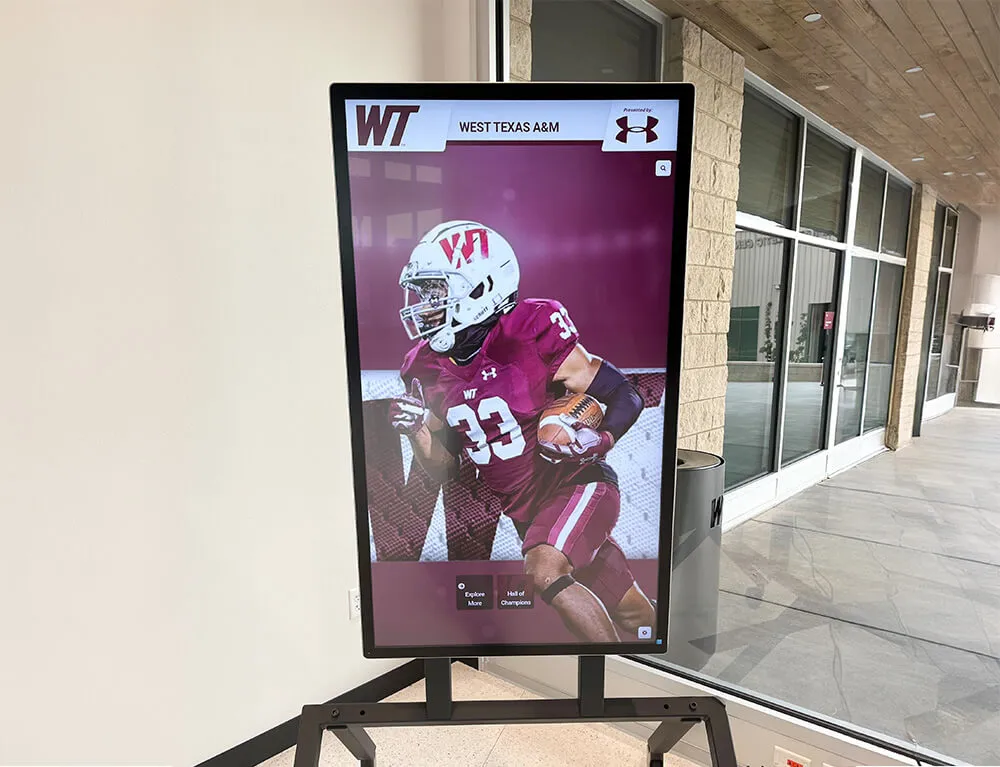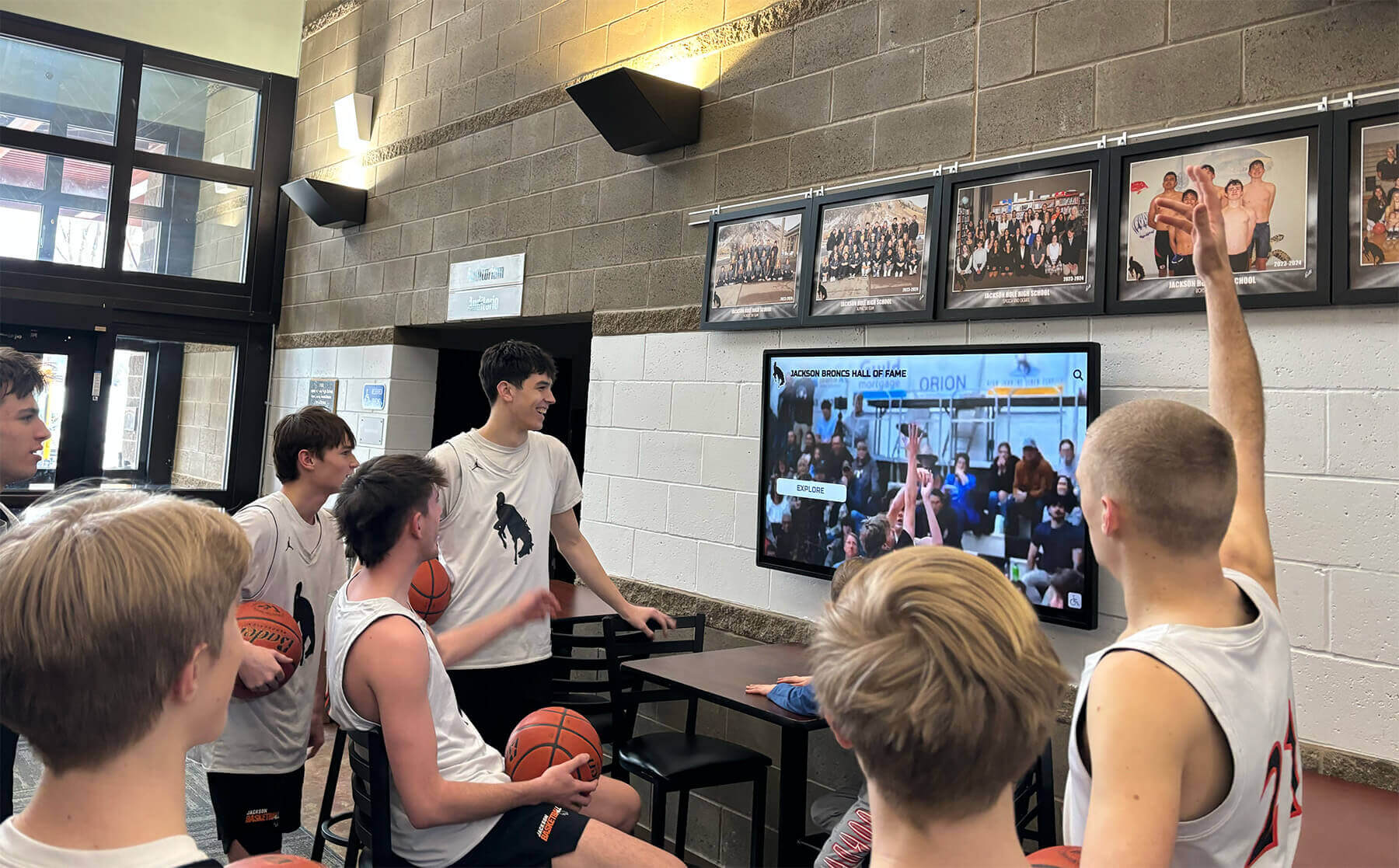
The commencement speaker can make or break a graduation ceremony. A compelling speaker transforms a routine credential-awarding event into an inspiring milestone celebration that graduates remember for decades. Yet behind every memorable commencement address lies a complex selection process balancing competing priorities: Should you invite a famous celebrity or choose someone with deep community ties? Do you select a distinguished alumnus or an inspiring public figure? How do you ensure the speaker resonates with your graduating class while honoring institutional values?
School administrators face these questions every graduation season while navigating committee dynamics, budget constraints, scheduling challenges, and diverse stakeholder expectations. The wrong choice leads to disengaged graduates scrolling through their phones, disappointed families, and missed opportunities to inspire the next chapter of students’ lives. The right choice creates shared moments that define your school’s culture while launching graduates with confidence and purpose.
This comprehensive guide explores the commencement speaker selection process from initial planning through final invitation—revealing how successful schools identify compelling speakers, evaluate candidates thoughtfully, manage logistics effectively, and create graduation ceremonies that honor achievement while inspiring future possibilities.
Research from educational institutions consistently demonstrates that graduates recall their commencement speakers’ messages years after graduation, often citing specific insights that influenced career decisions, personal values, or life philosophies. The speaker you select matters profoundly—not just for the ceremony itself, but for the lasting impact on graduates’ lives.

Graduation ceremonies create community moments celebrating achievement while inspiring graduates toward future possibilities
Why Commencement Speakers Matter
The Role of Speeches in Graduation Ceremonies
Commencement speakers serve multiple critical functions within graduation ceremonies that extend far beyond filling time while diplomas are prepared.
Creating Shared Memory and Meaning
Collective Milestone Recognition
The commencement address provides the linguistic and emotional framework through which graduates, families, and community members understand the significance of this transition:
- Meaning-making: Speakers help graduates interpret their educational journey’s significance
- Transition guidance: Addresses offer frameworks for navigating post-graduation uncertainty
- Community bonding: Shared listening experiences create cohesive class identity
- Inspiration and motivation: Compelling messages energize graduates facing challenges ahead
- Institutional values transmission: Speakers reinforce the principles guiding your school community
Lasting Impact on Graduate Identity:
Graduates consistently report that commencement speeches influenced their subsequent decisions. Effective speakers provide:
- Memorable quotes graduates reference throughout their lives
- Frameworks for understanding success, failure, and resilience
- Permission to pursue unconventional paths or ambitious dreams
- Validation of the work completed and preparation gained
- Confidence about navigating uncertain futures
Schools developing comprehensive recognition programs understand that graduation ceremonies represent the culmination of years of celebration, with the commencement speaker serving as the voice encapsulating this milestone’s meaning.
Reflecting Institutional Identity
Communicating School Values and Culture
Your commencement speaker selection reveals institutional priorities and values:
- Academic excellence emphasis: Scholars and intellectuals signal commitment to rigorous thinking
- Community connection: Local figures demonstrate rootedness in place and relationships
- Innovation focus: Entrepreneurs and creators suggest forward-thinking institutional culture
- Service orientation: Nonprofit leaders or activists highlight commitment to contribution
- Diversity commitment: Speaker identity demonstrates inclusive values and representation
- Alumni connection: Graduate speakers reinforce institutional loyalty and belonging
Stakeholder Expectations:
Different community members bring varied perspectives on appropriate speaker selection:
- Graduating students often prefer relatable figures from entertainment, sports, or recent graduates
- Parents typically value inspirational messages about character, resilience, and life wisdom
- Faculty members appreciate intellectually substantive addresses honoring academic achievement
- Administrators balance all constituencies while managing practical constraints
- Board members may prioritize institutional reputation enhancement and donor cultivation
- Community partners expect speakers reflecting shared values and regional identity

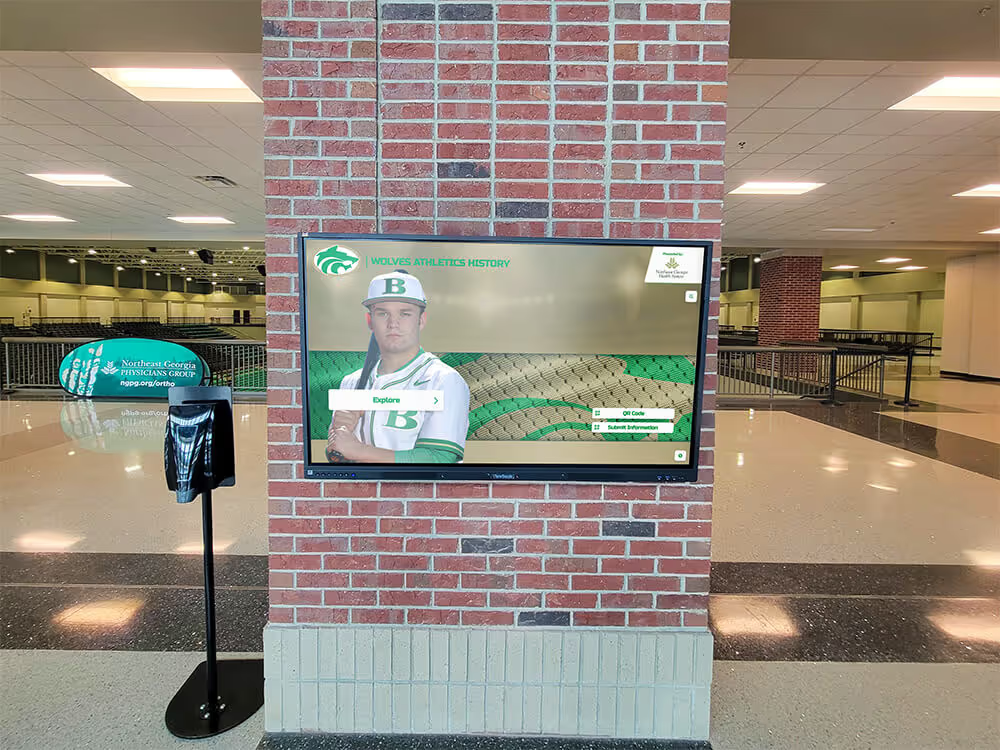
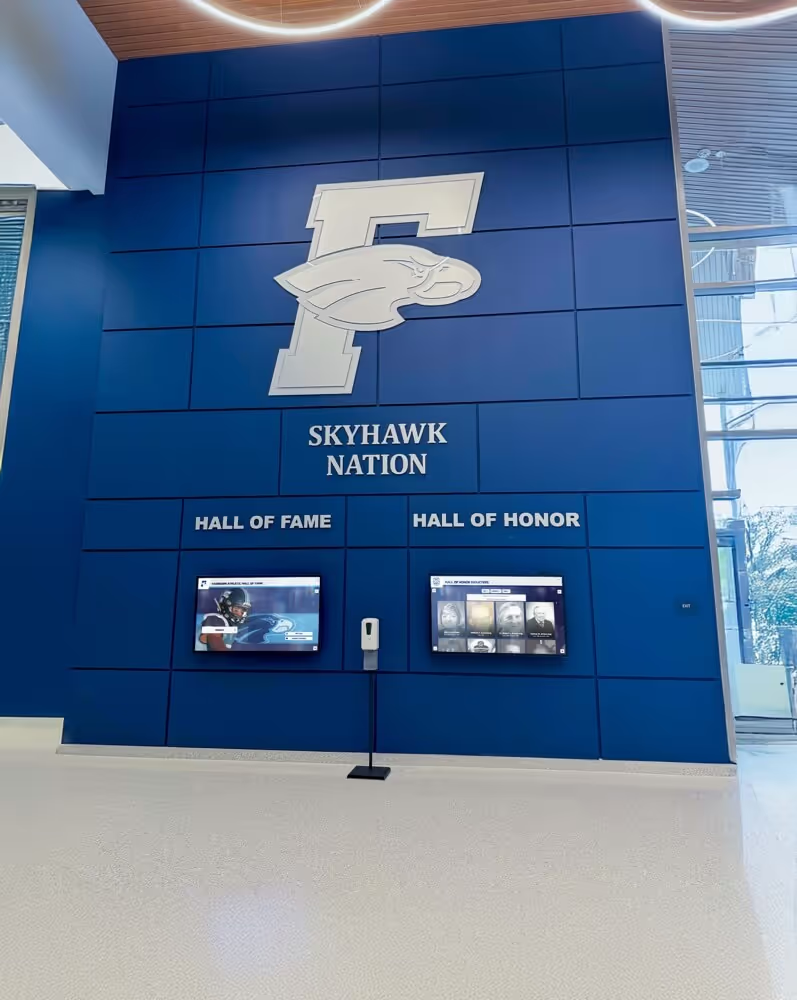
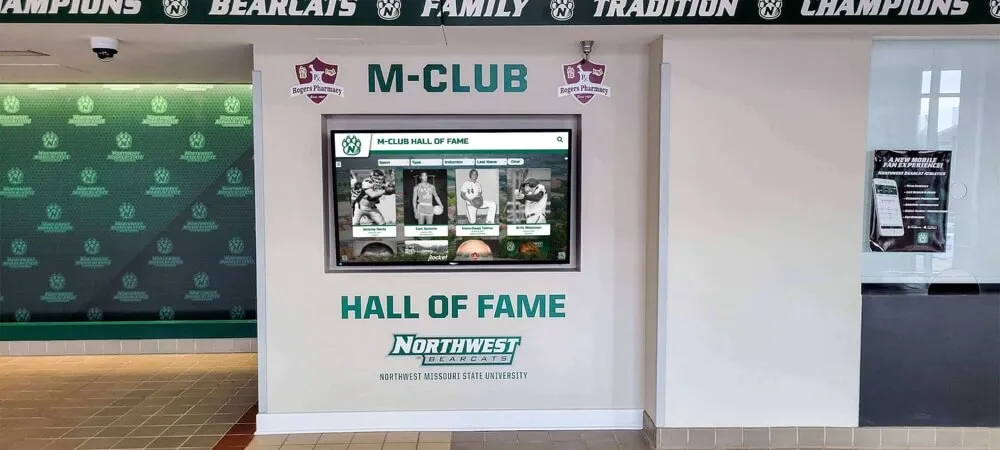
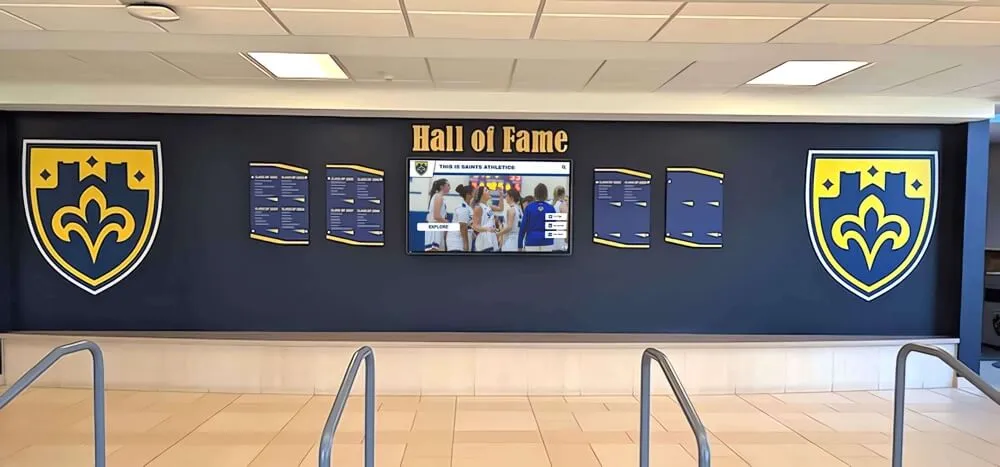
Schools create comprehensive recognition environments celebrating milestones while reinforcing institutional identity and values
Building School Legacy and Tradition
Creating Memorable Institutional History
Distinguished commencement speakers become part of your school’s permanent story:
- Alumni reminisce about speakers from their graduation years
- Current students anticipate graduation based on previous speakers’ quality
- Prospective families evaluate schools partly on graduation ceremony experiences
- Media coverage of prominent speakers enhances institutional reputation
- Recording and archiving speeches creates permanent educational resources
- Speaker series build tradition creating anticipation across graduating classes
Schools implementing modern digital recognition systems preserve commencement addresses alongside graduation photos and student achievements, creating permanent archives accessible to future alumni and community members.
Types of Commencement Speakers
Understanding Speaker Categories and Their Impact
Different speaker types offer distinct advantages and challenges for graduation ceremonies.
Distinguished Alumni
Graduates Who Achieved Success
Alumni speakers provide unique advantages connecting past and present:
Benefits of Alumni Speakers:
- Authentic understanding of school experience and culture
- Personal journey from graduate status to achievement
- Natural connection to current students sharing institutional identity
- Demonstrated proof that school preparation leads to success
- Often willing to speak without significant honorarium
- Deep investment in school’s continued excellence
- Ability to reference specific teachers, programs, or experiences
Ideal Alumni Speaker Characteristics:
- Sufficient time since graduation to achieve notable accomplishment (typically 10+ years)
- Compelling personal story demonstrating growth or overcoming challenges
- Professional achievement or contribution worthy of recognition
- Strong communication skills and public speaking ability
- Genuine desire to give back to school community
- Values and lifestyle consistent with institutional identity
- Availability during graduation season
Implementation Strategies:
Schools maintain alumni databases tracking graduate achievements, making speaker identification easier when graduation planning begins.
Celebrity and Public Figures
High-Profile External Speakers
Well-known personalities offer recognition value and excitement:
Advantages:
- Generate enthusiasm among students and families
- Attract media attention enhancing school visibility
- Create memorable experiences graduates discuss for years
- Potential for viral moments amplifying ceremony reach
- Draw larger audiences and community interest
- Enhance school’s prestige through association
Challenges:
- Significant costs including honorarium, travel, and security
- Limited availability during peak graduation season
- May lack personal connection to school or graduates
- Security and logistics complexity
- Speeches sometimes feel generic rather than customized
- Risk of overshadowing graduates themselves
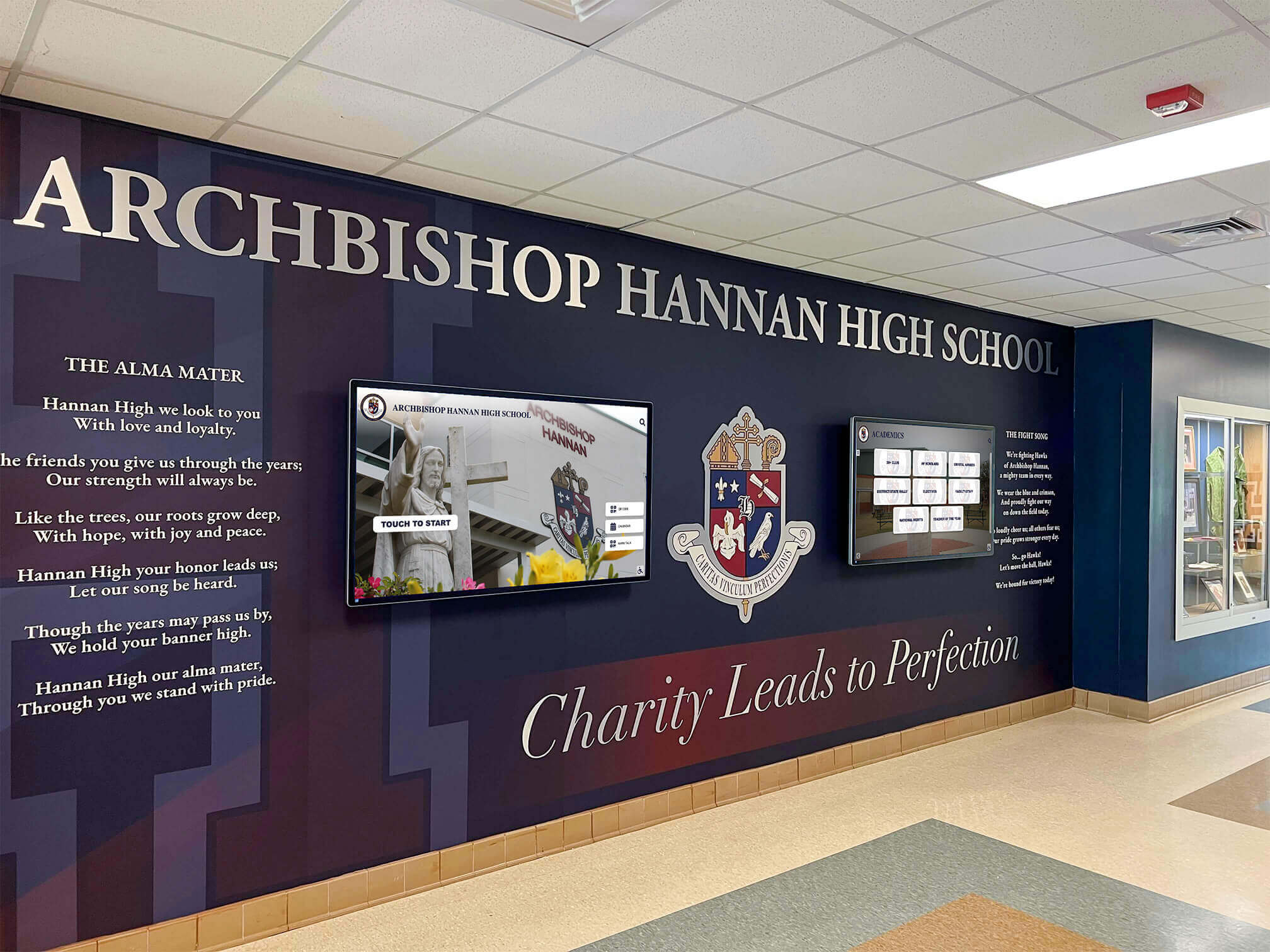
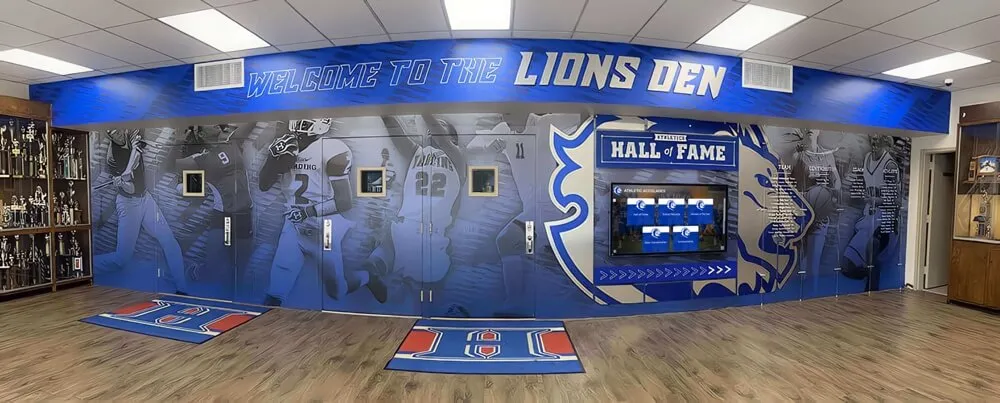
Recognition displays celebrate graduation speakers and ceremony highlights while preserving institutional history
Securing Celebrity Speakers:
- Begin outreach 12-18 months before graduation
- Work through professional representatives or speaker bureaus
- Provide compelling case for why speaker should engage
- Negotiate fees and requirements transparently
- Prepare for possibility of last-minute cancellations
- Have backup speakers identified
Academic and Intellectual Leaders
Scholars, Researchers, and Educational Leaders
Academic speakers honor educational achievement appropriately:
Ideal Academic Speakers:
- University presidents or provosts
- Renowned researchers in compelling fields
- Authors of influential books
- Leading thinkers in relevant disciplines
- Educational innovators and reformers
- Nobel laureates or major award recipients
Why Choose Academic Speakers:
- Intellectually substantive addresses worthy of graduation milestone
- Appropriate match for academic ceremony context
- Often provide thought-provoking perspectives on learning and growth
- Model continued intellectual curiosity beyond formal education
- Typically comfortable with ceremonial speaking contexts
- Generally available during academic calendar graduation season
Considerations:
- May lack name recognition exciting students
- Speaking style sometimes overly formal or abstract
- Best suited for intellectually engaged student populations
- Particularly appropriate for college/university commencements
- Works well when academic reputation is institutional priority
Community Leaders and Local Figures
Regional Influencers With Local Connection
Community-based speakers emphasize place and relationships:
Local Speaker Options:
- Business leaders from regional companies
- Nonprofit directors serving local communities
- Civic officials and government leaders
- Religious leaders from area congregations
- Coaches or athletic figures with community ties
- Artists or cultural figures prominent locally
- Entrepreneurs building regional businesses
Benefits of Local Speakers:
- Deep understanding of community context and values
- Personal relationships with families and students
- Likely to accept with minimal or no honorarium
- Readily available for planning meetings and logistics
- Messages tailored specifically to local circumstances
- Reinforces school’s community embeddedness
- Accessible for future school events and connections
Schools celebrating community connections through recognition displays often select commencement speakers reflecting this emphasis on place-based identity.
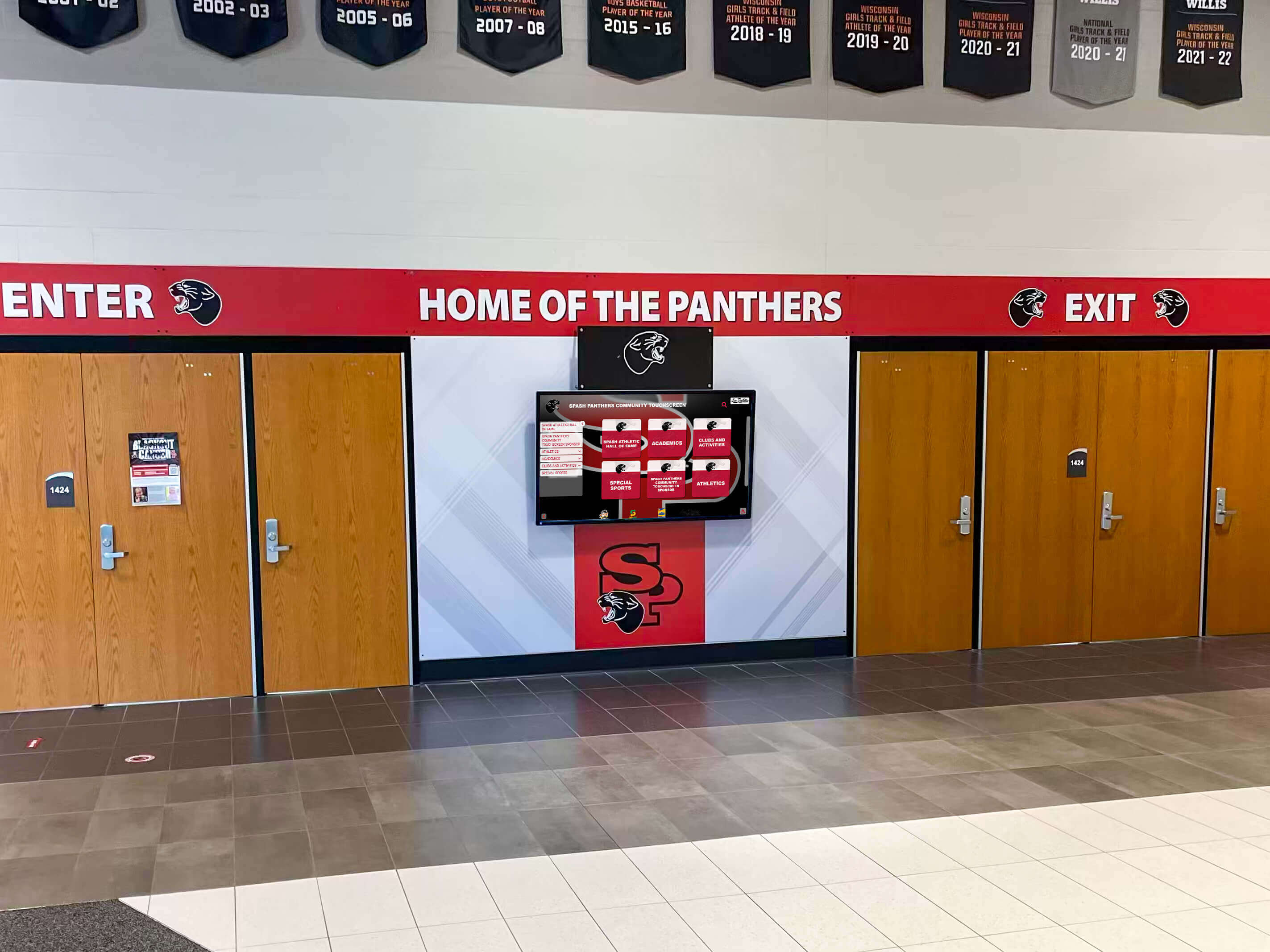
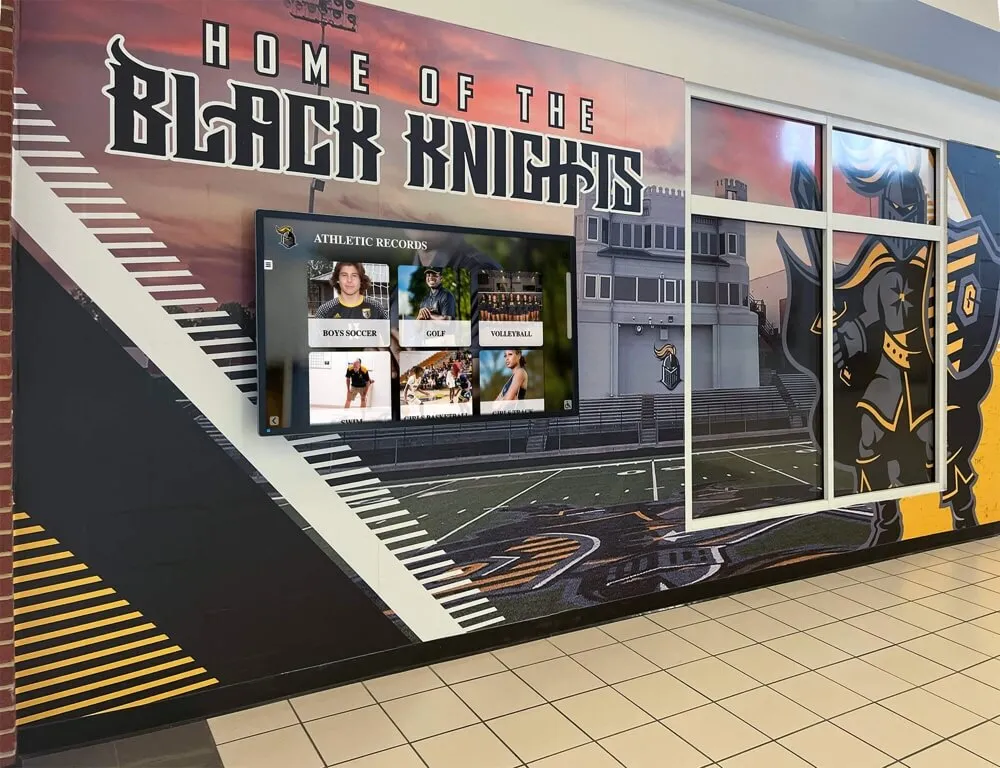
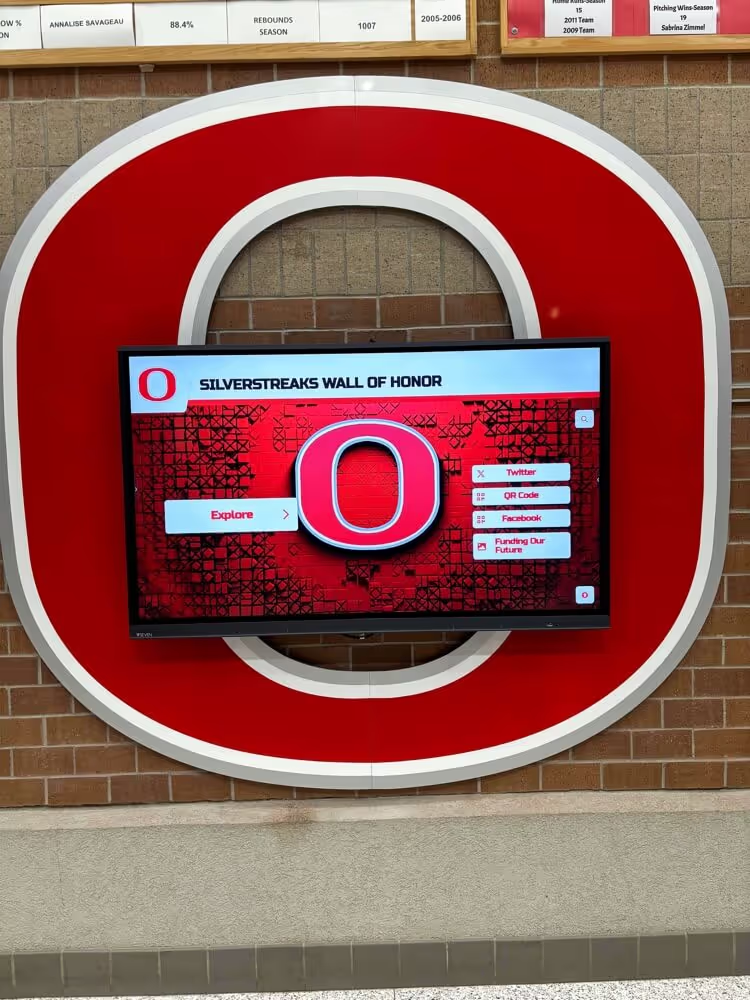
Strategic placement of recognition displays reinforces institutional values reflected in commencement speaker selection
Student Speakers
Valedictorian, Salutatorian, and Selected Graduates
Student speakers offer peer perspective and authentic voice:
Student Speaker Formats:
- Valedictorian address as primary student voice
- Multiple student speakers representing class diversity
- Panel format with several graduates sharing perspectives
- Competition-selected speaker from interested candidates
- Class president or student government leader
- Student selected by classmates through voting
Advantages:
- Authentic peer voice resonating with fellow graduates
- Cost-effective requiring no honorarium or travel
- References to specific shared experiences and inside jokes
- Demonstrates trust in students’ capability and wisdom
- Often more emotionally moving than external speakers
- Creates memorable opportunity for selected students
Supporting Student Speakers:
- Provide speech writing workshops and coaching
- Assign faculty mentor for content development
- Establish clear length and content guidelines
- Conduct rehearsals ensuring polished delivery
- Balance student voice with appropriate ceremony tone
- Consider multiple students rather than single representative
Many schools combine student speakers with external commencement speakers, allowing both peer perspective and external inspiration. Discover how senior recognition programs celebrate top students throughout the year, culminating in commencement speaking opportunities.
Faculty and Administrative Speakers
Internal Institutional Voices
School leaders sometimes serve as commencement speakers:
Internal Speaker Options:
- School principal or headmaster
- Long-tenured beloved teachers
- Retiring faculty members marking career conclusion
- Deans or department chairs with student relationships
- Athletic directors or coaches with broad influence
- School founders or long-serving administrators
When Internal Speakers Work:
- Smaller schools with strong internal community bonds
- Situations where external speaker budget unavailable
- Retirement or milestone celebration for beloved figure
- Budget reallocations necessitating internal solution
- Schools with charismatic leaders capable of inspiring addresses
- Intimate graduation ceremonies emphasizing community
Ensuring Effectiveness:
- Select speakers with genuine respect and affection from students
- Ensure fresh perspective beyond routine administrative announcements
- Provide time for thoughtful speech preparation
- Consider recording and preserving especially meaningful addresses
- Balance institutional messaging with personal inspiration
The Selection Committee Process
Organizing Effective Speaker Selection
Successful commencement speaker selection requires structured process balancing diverse perspectives.
Forming the Selection Committee
Committee Composition Considerations
Effective committees include diverse stakeholder representation:
Essential Committee Members:
- School administrators (principal, assistant principals)
- Senior class advisors with direct student relationships
- Selected faculty representing different departments
- Student representatives from graduating class
- Parent organization leadership
- Board of trustees or school board representative
- Alumni association representative (if applicable)
- Development office staff (if speaker selection relates to fundraising)
Committee Size: Aim for 7-12 members—large enough for diverse perspectives but small enough for efficient decision-making.
Defining Roles:
- Committee chair leading meetings and maintaining timeline
- Recording secretary documenting decisions and action items
- Research coordinators investigating potential speakers
- Outreach leads making initial speaker contacts
- Logistics coordinators managing practical arrangements
- Budget managers tracking financial considerations
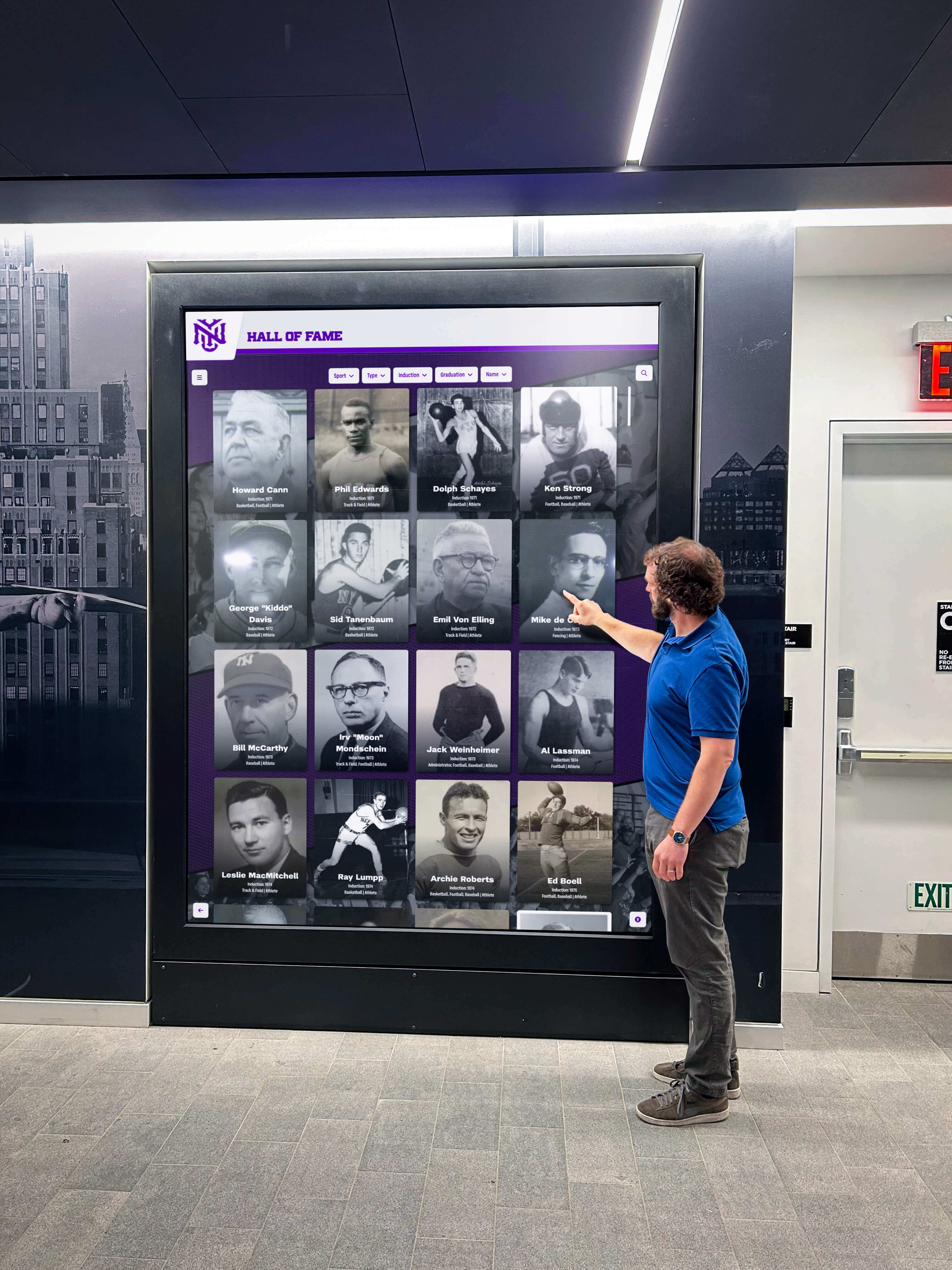
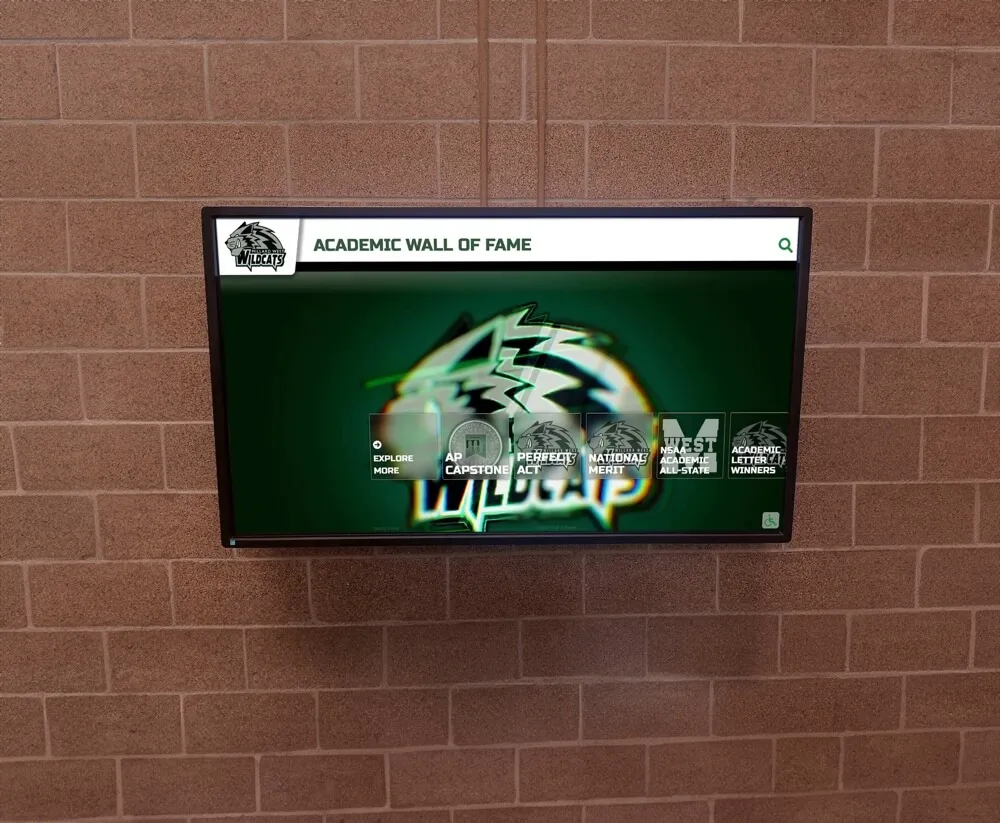
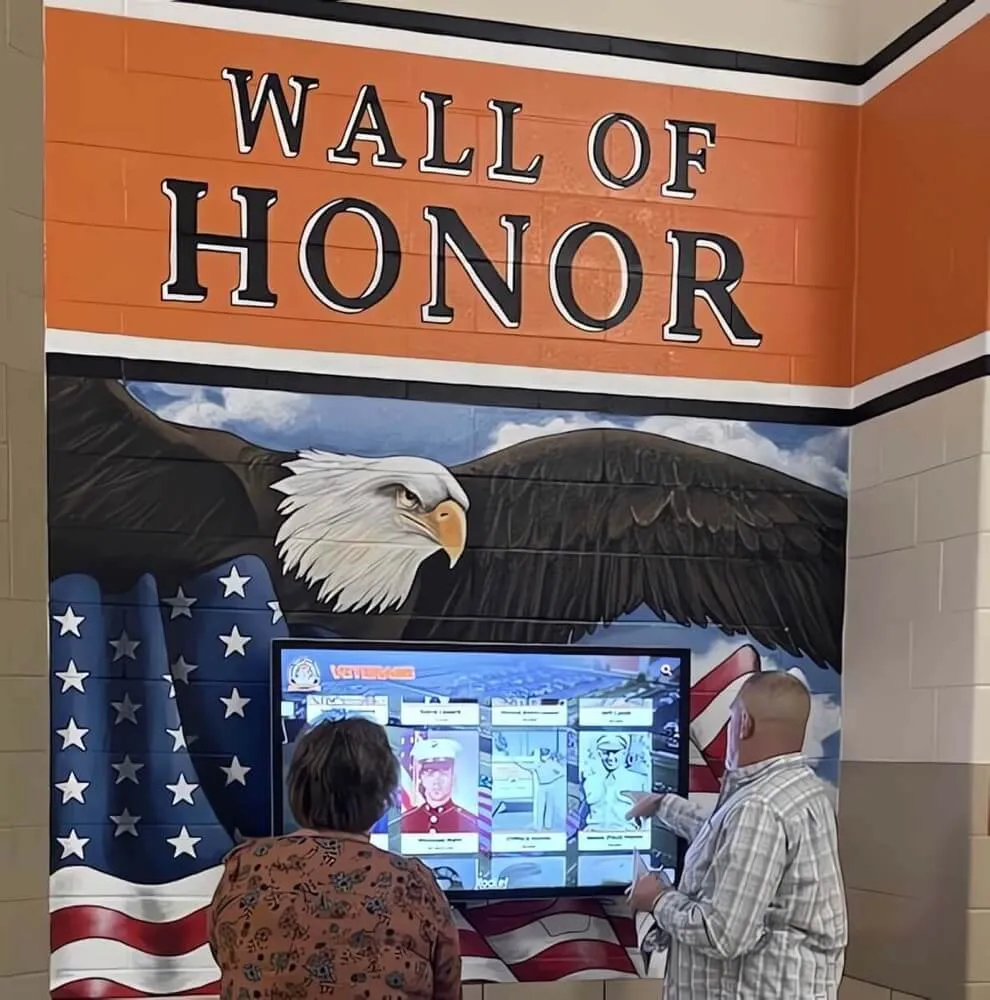
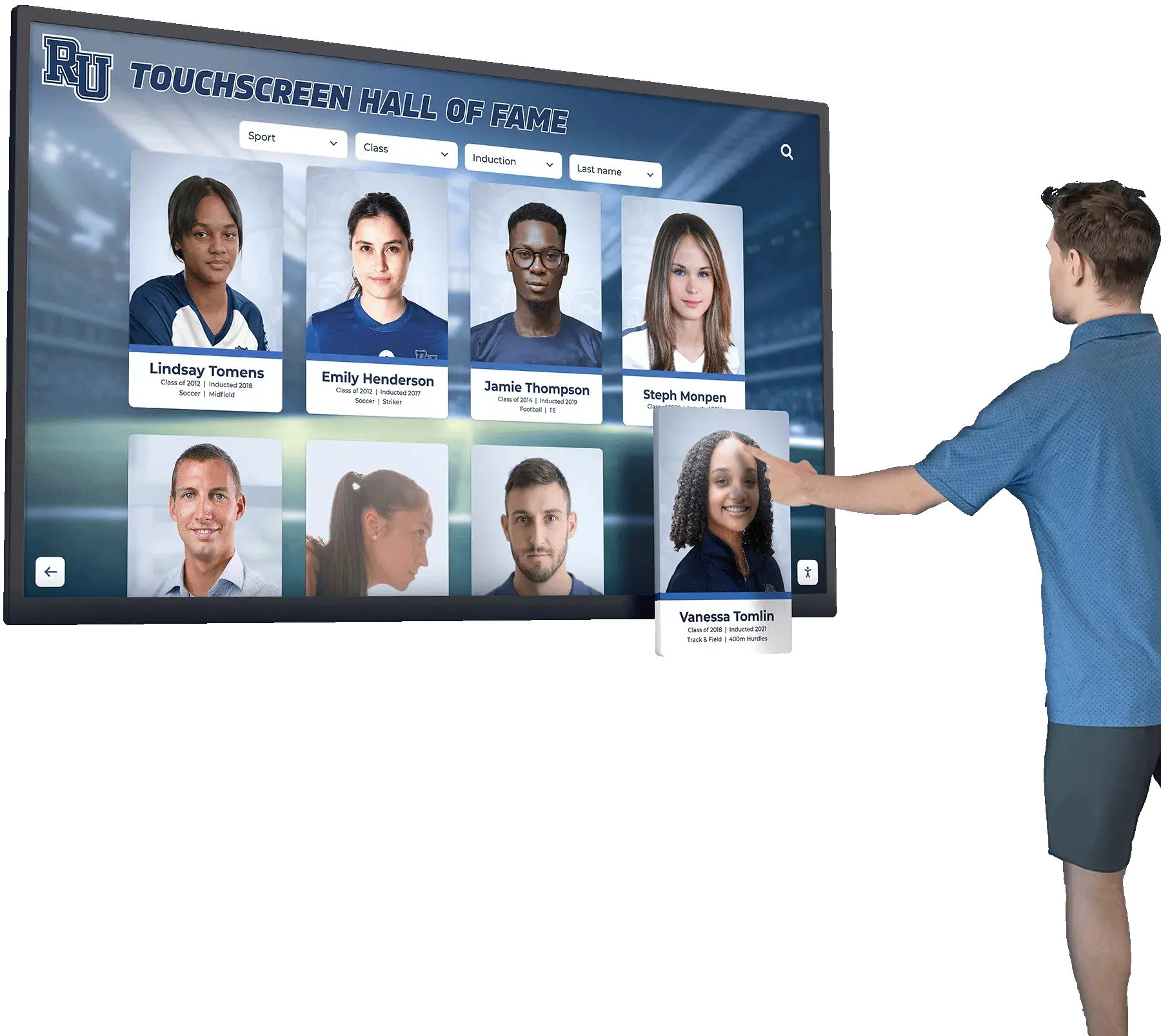
Interactive displays engage community members in exploring institutional history and graduation traditions
Establishing Selection Criteria
Creating Evaluation Framework
Clear criteria enable objective speaker assessment:
Core Selection Criteria:
Relevance to Graduate Experience:
- Connection to students’ interests, aspirations, or challenges
- Understanding of current graduate context and concerns
- Ability to address contemporary issues meaningfully
- Resonance with graduating class demographics and background
Speaking Ability and Presence:
- Demonstrated public speaking effectiveness
- Engaging delivery style maintaining audience attention
- Appropriate humor and emotional intelligence
- Ability to connect with diverse audiences
- Comfort with ceremonial contexts
Alignment With Institutional Values:
- Character and reputation consistent with school identity
- Life choices and public positions reflecting institutional mission
- Track record demonstrating values you want to reinforce
- Positive role model for graduating students
Practical Feasibility:
- Availability during graduation season
- Willingness to speak within budget constraints
- Geographic accessibility or willingness to travel
- Flexibility with ceremony timing and format
- Reasonable contract terms and requirements
Inspiration and Impact:
- Compelling personal story or journey
- Messages likely to resonate long after ceremony
- Ability to motivate action or reflection
- Balance between celebration and challenge
- Memorable delivery creating lasting impact
Weighting Criteria:
Consider assigning points to each criterion, enabling quantitative comparison across candidates:
- Relevance: 20 points
- Speaking ability: 20 points
- Values alignment: 20 points
- Practical feasibility: 20 points
- Inspiration potential: 20 points
Schools implementing comprehensive recognition approaches apply similar structured evaluation to recognition decisions across programs.
Timeline and Planning Schedule
Strategic Timeline for Speaker Selection
Working backward from graduation day ensures adequate time:
12-18 Months Before Graduation:
- Form selection committee
- Establish selection criteria and process
- Begin brainstorming potential speakers
- Conduct alumni database research
- Review previous years’ speakers for patterns
- Set preliminary budget parameters
9-12 Months Before:
- Compile comprehensive candidate list (20-30 options)
- Research candidates thoroughly
- Evaluate candidates against criteria
- Narrow to top 5-10 candidates
- Prioritize candidates into tiers
- Begin preliminary outreach to gauge interest
6-9 Months Before:
- Extend formal invitations to top-tier candidates
- Negotiate terms and logistics
- Secure signed agreement with selected speaker
- Announce speaker to school community
- Begin logistics planning (travel, accommodations, security)
3-6 Months Before:
- Coordinate with speaker on address content and expectations
- Finalize ceremony schedule around speech
- Plan speaker reception and recognition
- Coordinate media and communications strategy
- Brief speaker on class characteristics and school context
1-3 Months Before:
- Confirm all logistical details with speaker
- Conduct technical rehearsals if possible
- Prepare introduction and context for address
- Coordinate audio/visual requirements
- Plan photography and recording
- Brief speaker on ceremony flow and positioning
Week of Graduation:
- Final confirmation of all arrangements
- Meet with speaker for site orientation
- Conduct sound check and staging review
- Provide speaker with detailed schedule
- Brief on emergency protocols
Gathering Speaker Suggestions
Sourcing Candidate Ideas
Cast wide net for potential speakers:
Input Sources:
- Student surveys and voting
- Faculty and staff recommendations
- Parent organization suggestions
- Alumni association nominations
- Board member proposals
- Previous graduates’ suggestions
- Community partner recommendations
- Social media polls (carefully managed)
Recognition displays preserve graduation speaker messages alongside student achievements, creating permanent institutional memory
Brainstorming Strategies:
- Committee brainstorming sessions generating diverse options
- Review of graduation speakers at peer institutions
- Media monitoring identifying compelling public figures
- Speaker bureau research for professional speakers
- Alumni achievement tracking systems
- Community leader identification through local engagement
- Thematic approaches (year of innovation, service, resilience)
Documentation Process:
- Centralized list tracking all suggestions
- Background information on each candidate
- Connection to school (if any)
- Preliminary assessment of feasibility
- Contact information and representation details
- Previous speaking engagements (video if available)
Organizations implementing systematic community recognition approaches develop similar processes for identifying and honoring worthy contributors.
Evaluating Potential Speakers
Conducting Thorough Speaker Assessment
Careful evaluation prevents costly mistakes and disappointments.
Research and Background Investigation
Comprehensive Candidate Evaluation
Thorough research reveals critical information about potential speakers:
Essential Research Components:
Professional Background:
- Career history and current position
- Major accomplishments and recognition
- Published works or creative output
- Media appearances and interviews
- Professional reputation in their field
- Trajectory of success and influence
Public Speaking Experience:
- Previous commencement addresses (video review)
- Conference presentations or TED Talks
- Media interviews demonstrating communication style
- Podcast appearances revealing thinking depth
- Teaching or training experience
- Comfort with large audiences
Values and Controversy Assessment:
- Social media presence and positions
- Public statements on controversial issues
- Litigation or scandal history
- Reputation among peers and colleagues
- Alignment with institutional values
- Potential community objections or concerns
Connection to Institution:
- Alumni status or institutional relationship
- Familiarity with school type or mission
- Geographic connection to region
- Shared values or mission alignment
- Previous engagement with education
- Family connections to school
Practical Considerations:
- Typical speaking fees and requirements
- Geographic location and travel logistics
- Schedule flexibility during graduation season
- Responsiveness to outreach attempts
- Contract complexity and requirements
- Support team and entourage needs

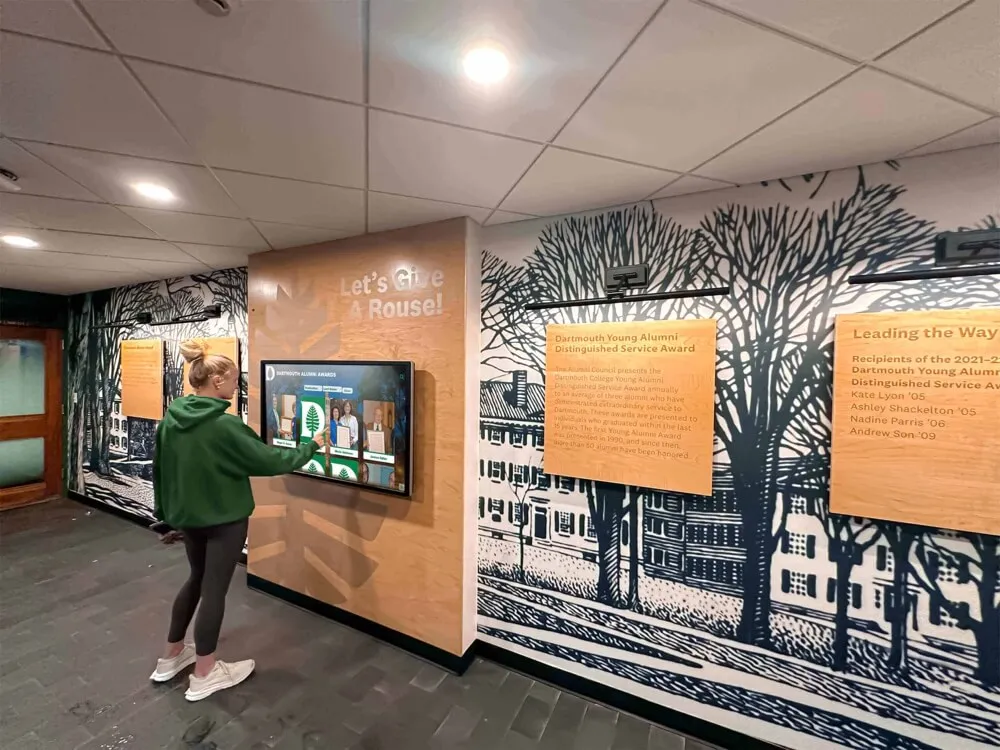
Interactive displays engage students while celebrating achievements and preserving graduation traditions
Watching Previous Speeches
Evaluating Speaking Style and Content
Video review provides invaluable speaker assessment:
What to Evaluate:
Content Quality:
- Depth and substance of message
- Originality versus clichéd advice
- Appropriate balance of humor and seriousness
- Personal story integration
- Actionable insights versus vague inspiration
- Customization to audience versus generic remarks
Delivery Effectiveness:
- Vocal variety and pacing
- Physical presence and movement
- Eye contact and audience engagement
- Natural versus scripted delivery
- Energy level and enthusiasm
- Ability to read and respond to audience
Appropriateness:
- Language and content suitable for diverse audiences
- Tone matching ceremonial context
- Length appropriate for graduation ceremony
- Respect for occasion’s significance
- Balance between entertaining and honoring graduates
Red Flags:
- Excessively self-promotional content
- Inappropriate humor or controversial statements
- Inability to connect with young adult audience
- Rambling or poorly organized remarks
- Disrespect for ceremony or institution
- Speeches that upstage graduates themselves
Schools implementing comprehensive event planning apply similar evaluation criteria across recognition ceremonies throughout the year.
Checking References and Recommendations
Validating Speaker Quality Through Others
Reference checks provide insider perspectives:
Reference Sources:
- Schools or organizations where candidate previously spoke
- Professional colleagues and peers
- Alumni from candidate’s institution
- Media contacts covering candidate’s work
- Speaker bureaus representing candidate
- Community members familiar with candidate
Key Questions for References:
- How would you describe the speaker’s effectiveness?
- Did the speech resonate with the audience?
- Were there any logistical challenges or concerns?
- How did the speaker handle preparation and communication?
- Would you invite this speaker again?
- Were there any unexpected issues or surprises?
- How did attendees respond afterward?
- Any advice for working with this speaker?
Documentation:
- Record reference feedback systematically
- Share reference information with committee
- Weight heavily in final decision-making
- Follow up on any concerns raised
- Confirm availability and continued appropriateness
Student Input and Feedback
Incorporating Graduate Perspectives
Student voice should influence speaker selection significantly:
Gathering Student Input:
- Senior class surveys about speaker preferences
- Student government recommendations
- Focus groups discussing ideal speaker characteristics
- Social media polls (carefully structured)
- Class meetings dedicating time to speaker discussion
- Student committee representation in formal process
Balancing Student Preferences:
- Students often prefer celebrity and entertainment figures
- Adults typically value substance over name recognition
- Compromise candidates appeal to multiple constituencies
- Education about speaker’s significance helps student acceptance
- Previous graduate feedback about what resonated long-term
- Explanation of selection rationale builds understanding
Managing Expectations:
- Transparent communication about selection process
- Explanation of budget and availability constraints
- Emphasis on creating memorable experience over securing famous names
- Student involvement building investment in eventual selection
- Recognition that speaker represents multiple constituencies
Recognition infrastructure celebrates graduation traditions while honoring institutional values reflected in speaker selection
Making the Invitation
Professional Outreach to Selected Speakers
Thoughtful invitation approach increases acceptance likelihood.
Crafting the Invitation
Compelling Initial Contact
Your invitation should honor the speaker while making compelling case:
Invitation Components:
Opening:
- Formal greeting acknowledging speaker’s accomplishments
- Clear identification of your institution and graduation date
- Specific invitation to serve as commencement speaker
- Explanation of why this particular speaker selected
School Context:
- Brief institutional history and mission
- Graduating class size and characteristics
- Notable school achievements or distinctiveness
- Community and regional context
- Any connection between speaker and school
Event Details:
- Graduation date, time, and location
- Ceremony length and format
- Audience size (graduates plus guests)
- Expected speech length (typically 15-20 minutes)
- Ceremony formality and cultural context
Why This Speaker:
- Specific reasons for selection
- How speaker’s experience relates to graduates
- Particular aspects of speaker’s journey that inspire
- Connection to institutional values or mission
- Impact you hope speaker will provide
Logistics and Compensation:
- Honorarium details (if applicable)
- Travel and accommodation arrangements
- Parking and entry procedures
- Rehearsal and timing expectations
- Media and recording permissions
- Reception and recognition plans
Next Steps:
- Response timeframe requested
- Contact person and information
- Materials available for speaker preparation
- Openness to questions or discussion
Following Up Professionally
Managing the Invitation Process
Systematic follow-up demonstrates professionalism:
Timeline for Follow-Up:
- Initial invitation sent via email and formal letter
- Allow 2-3 weeks for initial response
- Polite follow-up if no response within timeframe
- Phone call to representative or speaker if email unanswered
- Maximum of 2-3 follow-ups before moving to next candidate
- Gracious acceptance of declinations
Managing Negotiations:
- Flexibility within budget parameters
- Creative problem-solving for scheduling conflicts
- Willingness to adjust ceremony timing if possible
- Discussion of special requirements or needs
- Clear communication about constraints and non-negotiables
Securing Formal Agreement:
- Written contract specifying all terms
- Date, time, location, and expectations
- Compensation and expense reimbursement
- Intellectual property and recording rights
- Cancellation policies and procedures
- Contact information and communication protocol
Having Backup Options
Planning for Rejection or Cancellation
Always maintain alternative speaker options:
Backup Strategy:
- Rank candidates in priority order
- Maintain positive relationships with all finalists
- Don’t announce speaker until contract signed
- Keep runner-up candidates warm but honest
- Prepare contingency plan for last-minute cancellations
- Consider internal backup (administrator or faculty) as ultimate safety net
Handling Declinations Gracefully:
- Thank speaker for consideration
- Request suggestions of alternative speakers
- Maintain relationship for future opportunities
- Move quickly to next candidate
- Keep declinations confidential to protect next invitations
Schools maintaining comprehensive alumni networks can pivot quickly to alumni speakers if primary candidates become unavailable.
Budget Considerations
Managing Commencement Speaker Costs
Speaker selection must balance inspiration with financial reality.
Typical Speaker Costs
Understanding Fee Structures
Commencement speakers range from free to extremely expensive:
Fee Categories:
No-Cost Speakers:
- Alumni grateful to give back
- Local community leaders
- Faculty or administrators
- Parents or board members
- Regional figures honoring relationship
- Emerging professionals building reputation
Low-Cost Speakers ($0-$5,000):
- Local business leaders
- Regional nonprofit directors
- Recent alumni early in careers
- Academic speakers from nearby institutions
- Authors or thought leaders willing to accommodate
- Professional speakers with educational discount rates
Mid-Range Speakers ($5,000-$25,000):
- Established professional speakers
- Well-known regional figures
- Authors with national recognition
- Former politicians or government officials
- Minor celebrities with education interest
- Distinguished academics with speaking circuits
High-Cost Speakers ($25,000+):
- Major celebrities and entertainment figures
- Current politicians and high-profile leaders
- Bestselling authors and thought leaders
- Prominent athletes and coaches
- Business titans and entrepreneurs
- Nobel laureates and major award winners

Recognition displays celebrate institutional excellence while reflecting values prioritized in commencement speaker selection
Additional Costs Beyond Honorarium
Comprehensive Budget Planning
Speaker fees represent only portion of total costs:
Transportation:
- Airfare (often business or first class for prominent speakers)
- Ground transportation to/from airport
- Rental car or driver services
- Parking passes or reserved spaces
Accommodations:
- Hotel room (often premium suite for prominent speakers)
- Meals and incidentals
- Extended stays if travel schedule requires
- Accommodations for accompanying staff or family
Support Services:
- Security for high-profile speakers
- Audio/visual equipment rental or upgrades
- Professional photography and videography
- Speaker preparation materials and briefings
- Reception hosting and catering
- Recognition gifts and mementos
Administrative Costs:
- Speaker bureau fees (if applicable)
- Contract legal review
- Insurance or liability coverage
- Marketing and promotional materials
- Program printing featuring speaker
Total Budget Estimation:
- Add 30-50% to stated honorarium for true total cost
- High-profile speakers can easily exceed $50,000 all-in
- Budget planning should account for comprehensive costs
Fundraising for Speaker Costs
Creative Financing Strategies
Schools use diverse approaches to fund speakers:
Funding Sources:
Designated Funds:
- Commencement speaker endowment
- Annual budget allocation
- Senior class fundraising
- Parent organization contribution
- Alumni association sponsorship
- Board designated reserves
Donor Cultivation:
- Individual donor sponsorship (named speaker program)
- Corporate sponsorship from local businesses
- Foundation grants supporting educational programming
- Tribute or memorial funding (speaker in honor of someone)
- Challenge grants motivating community giving
- Crowdfunding campaigns involving broader community
Creative Alternatives:
- Sponsor covers costs in exchange for recognition
- Multiple smaller donors pooling resources
- Senior class fundraising events specifically for speaker
- Alumni reunion timing coordination with shared funding
- Virtual appearance reducing travel costs significantly
- Local speaker selection eliminating travel expenses
Schools implementing donor recognition displays often coordinate speaker funding with broader philanthropic recognition programs.
Preparing Your Speaker for Success
Supporting Effective Address Development
Invest in speaker preparation ensuring excellent delivery.
Providing School Context
Helping Speakers Understand Your Community
Customized speeches resonate more powerfully than generic remarks:
Information to Share:
Institutional Background:
- School history and founding story
- Mission, vision, and core values
- Notable traditions and cultural elements
- Recent achievements or milestones
- Community and regional context
- Unique characteristics distinguishing your school
Graduating Class Profile:
- Class size and demographics
- Notable achievements or characteristics
- Challenges overcome during school years
- Future plans (college, career, military, etc.)
- Shared experiences uniting class
- Inside references or meaningful moments
Ceremony Context:
- Ceremony location and setting
- Expected audience size and composition
- Other speakers and program elements
- Ceremony traditions and rituals
- Timing within broader graduation season
- Cultural or religious considerations
Suggested Themes:
- School motto or institutional values
- Current events affecting graduates
- Regional challenges or opportunities
- Career fields relevant to students
- Qualities you hope to inspire
Setting Expectations Clearly
Communicating Requirements and Guidelines
Clear expectations prevent misunderstandings:
Speech Parameters:
- Length: typically 15-20 minutes maximum
- Tone: inspirational but appropriate for all ages
- Content: avoid controversial topics or partisan politics
- Language: family-friendly for diverse audience
- Themes: forward-looking and empowering
- References: appropriate cultural and generational awareness
Recognition infrastructure celebrates institutional traditions reflected throughout graduation ceremonies
Logistical Details:
- Arrival time for sound check and preparation
- Positioning during ceremony (stage, seating, processional)
- Introduction protocol and remarks
- Audio/visual equipment available
- Photography and recording policies
- Reception and departure schedule
What to Avoid:
- Overly long speeches exceeding 25 minutes
- Excessive self-promotion or sales pitches
- Controversial political or religious content
- Inappropriate humor or references
- Inside jokes excluding most audience
- Advice that feels condescending or out-of-touch
Reviewing Speech Content
Collaborative Development Process
Some speakers welcome feedback; others prefer independence:
Appropriate Review Approaches:
- Request for general themes and topics (not full text)
- Review of outline ensuring appropriate content
- Conversation about graduates and what might resonate
- Sharing of previous years’ successful speeches
- Guidance on school traditions worth referencing
- Feedback if speaker requests input
- Final approval ensuring no problematic content
Balancing Oversight and Freedom:
- Trust established speakers with proven track records
- Provide more guidance to less experienced speakers
- Avoid micromanaging content choices
- Intervene only if seriously problematic content identified
- Emphasize desired outcomes rather than dictating approach
- Respect speaker’s authentic voice and style
Schools developing comprehensive recognition ceremonies throughout the year apply similar preparation support across events.
Conducting Technical Rehearsals
Ensuring Smooth Ceremony Execution
Logistics matter as much as content:
Rehearsal Components:
- Sound check with speaker’s voice
- Microphone technique and positioning
- Stage entrance and exit routes
- Seating during non-speaking segments
- Academic regalia fitting (if wearing)
- Photography position and timing
- Emergency or weather contingency plans
- Introduction coordination
Day-of Support:
- Designated liaison staying with speaker
- Quiet space for preparation and review
- Water and amenities backstage
- Clear signals for timing and cues
- Backup technology plans
- Post-speech exit and reception transition
Managing Logistics and Communications
Coordinating Successful Speaker Integration
Detailed logistics enable seamless ceremony experience.
Travel and Accommodation Arrangements
Comprehensive Hospitality Planning
Professional logistics demonstrate respect and appreciation:
Travel Coordination:
- Book flights well in advance for best routing
- Provide detailed travel itinerary and contacts
- Arrange ground transportation meeting all flights
- Confirm logistics week before arrival
- Provide contact person for travel emergencies
- Build buffer time for delays or complications
Accommodation Details:
- Book hotel convenient to ceremony venue
- Premium accommodations reflecting speaker importance
- Direct billing if possible avoiding speaker reimbursement hassle
- Welcome packet in room with schedule and contacts
- Restaurant recommendations and meal arrangements
- Check-out coordination with departure timing
On-Campus Logistics:
- Campus map and parking instructions
- Building access and security clearances
- Designated parking space near ceremony venue
- Restroom locations and refreshment access
- Technical support contact information
- Schedule with precise timing and locations
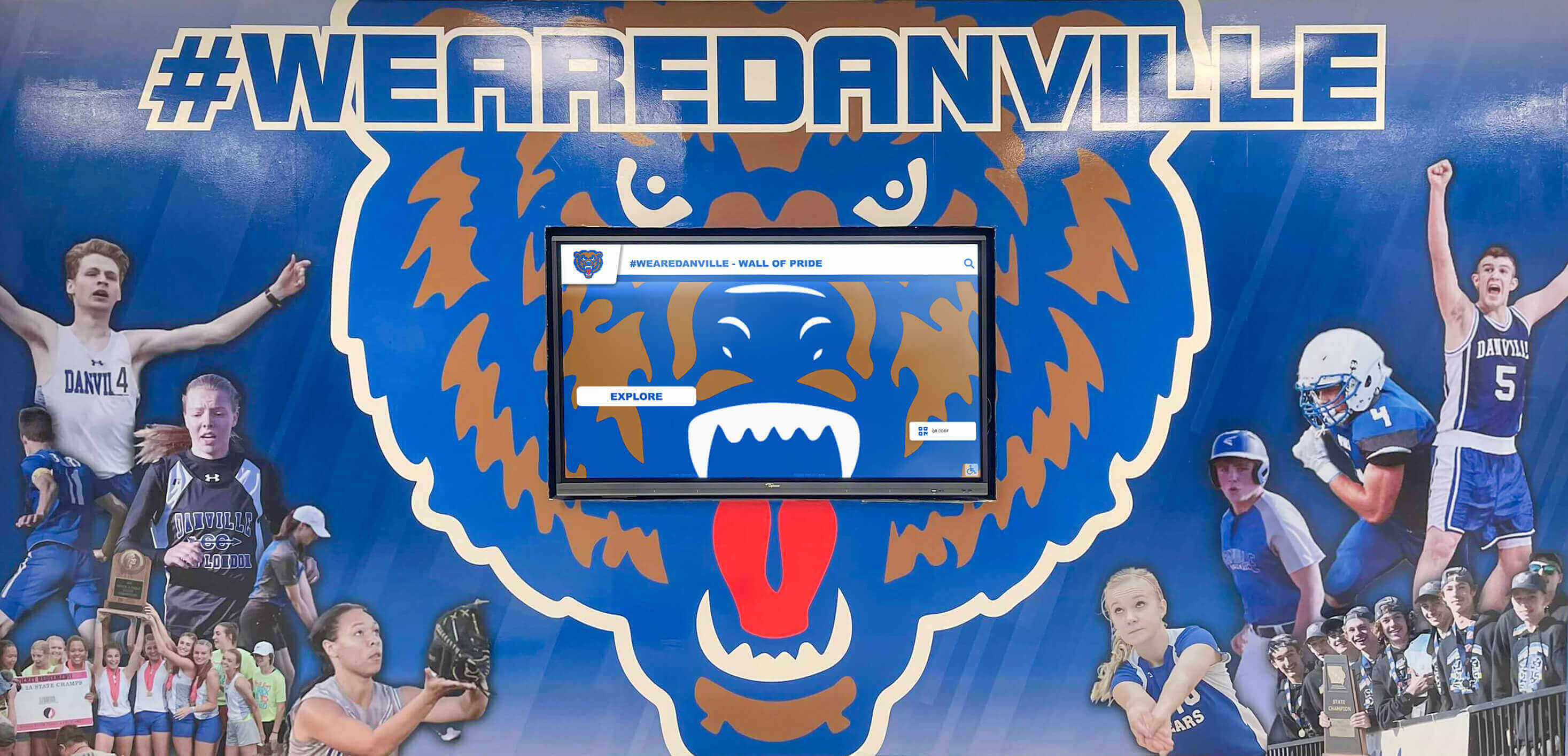
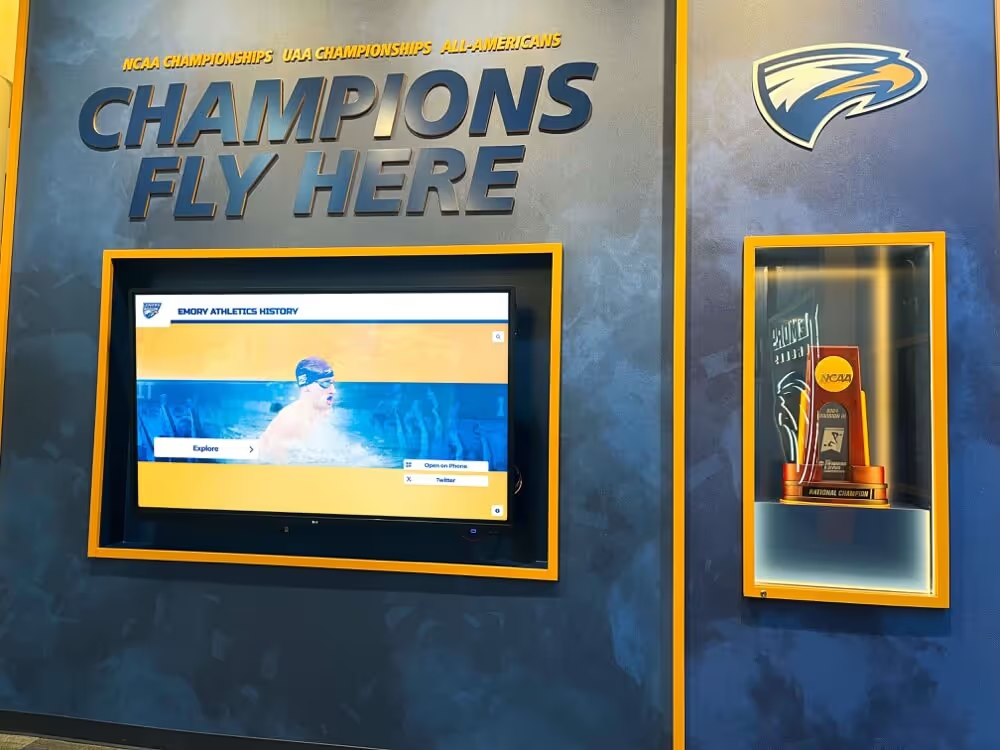
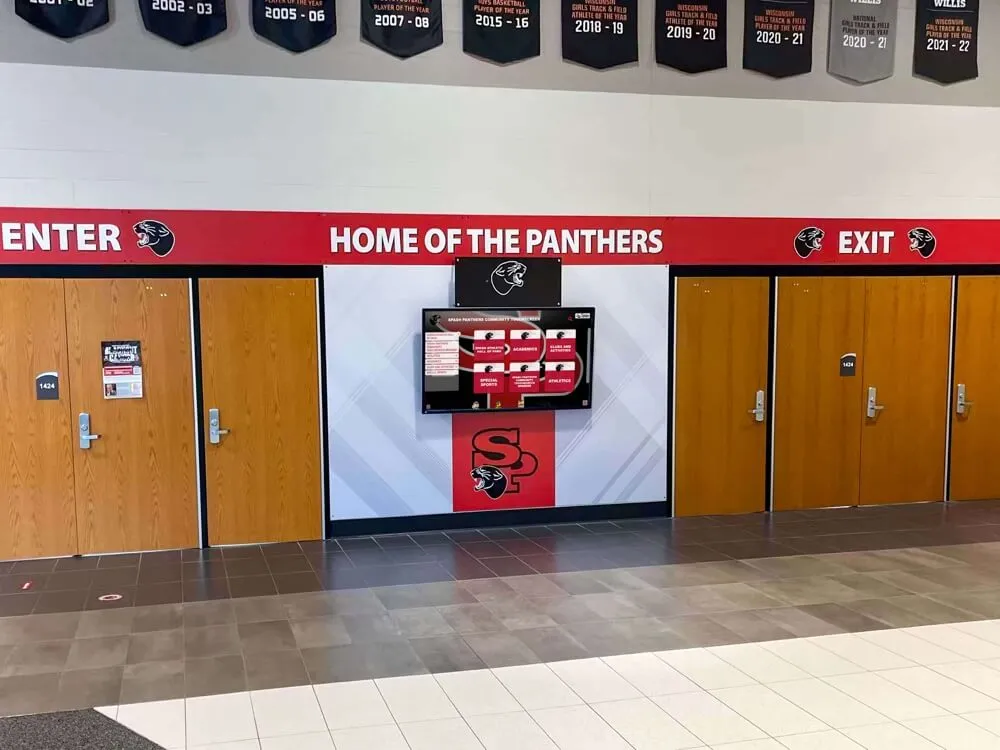
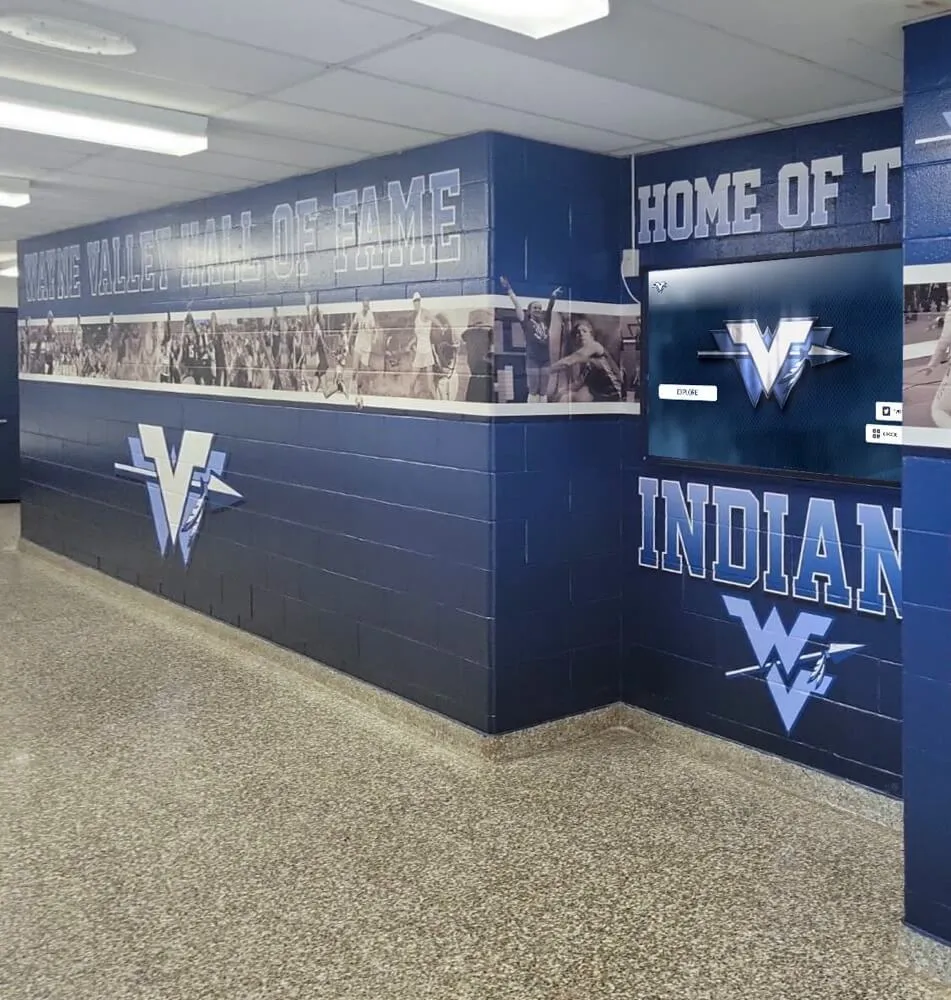
Recognition systems integrate seamlessly with school environments, celebrating commencement traditions alongside ongoing achievements
Security and Privacy Considerations
Protecting High-Profile Speakers
Some speakers require special security measures:
Security Assessment:
- Evaluate speaker’s public profile and risk
- Consult with local law enforcement if needed
- Plan entry and exit routes avoiding crowds
- Designate backstage secure areas
- Brief security on speaker protection protocols
- Coordinate with venue security personnel
Privacy Protection:
- Limit advance publicity if requested
- Control media access and interviews
- Restrict backstage access to essential personnel
- Establish photo and autograph protocols
- Manage student and family approach procedures
- Protect speaker’s personal information
Managing Public Interest:
- Controlled media availability if speaker agrees
- Designated photo opportunity timing
- Student interaction opportunities (carefully managed)
- Social media guidelines for attendees
- Recording and broadcast permissions
- Post-event publicity protocols
Announcing the Speaker
Strategic Communication to School Community
Announcement timing and method influence excitement:
Announcement Timing:
- Announce after contract signed and logistics confirmed
- Build anticipation with 2-4 months advance notice
- Coordinate with school’s communication calendar
- Consider surprise reveals for dramatic effect (carefully)
- Time announcement to maximize enthusiasm and attendance
Communication Channels:
- School website prominent feature
- Email announcement to families
- Social media across platforms
- Local media press release
- Student assembly revelation
- Alumni network notification
- Community partner communication
Announcement Content:
- Speaker biographical information
- Reasons for selection
- Speaker’s connection to school (if any)
- Notable accomplishments
- Quote from speaker expressing excitement
- Date, time, and location reminder
- Expression of gratitude for speaker’s participation
Schools implementing modern digital communications create engaging speaker announcements that build ceremony anticipation.
Handling Common Challenges
Solving Predictable Speaker Selection Issues
Anticipate and address frequent obstacles:
Challenge: Budget Limitations
Working With Financial Constraints
Most schools face speaker budget limitations:
Solutions:
- Focus on local leaders and alumni willing to speak for minimal costs
- Leverage relationships and connections for fee waivers
- Emphasize impact over prestige when selling to community
- Develop multi-year speaker endowment for future flexibility
- Consider virtual appearances reducing travel costs
- Build speaker costs into annual budgeting process
- Celebrate excellent free speakers rather than lamenting unavailable celebrities
Challenge: Speaker Cancellations
Managing Last-Minute Changes
Even committed speakers sometimes cancel:
Prevention:
- Written contracts specifying cancellation policies
- Regular communication confirming participation
- Backup speakers identified throughout process
- Insurance for high-cost speaker cancellations
Response Protocol:
- Immediately activate backup plan
- Honest communication with school community
- Reframe backup speaker positively rather than as disappointment
- Extract any lessons for future speaker selection
- Consider rescheduling canceled speaker for future year
Challenge: Disappointing Student Response
When Students Aren’t Excited About Selection
Sometimes selected speakers don’t generate student enthusiasm:
Addressing Concerns:
- Educate students about speaker’s significance and accomplishments
- Share videos of speaker’s previous addresses or accomplishments
- Explain selection criteria and why this speaker was chosen
- Encourage students to research speaker independently
- Frame speaker’s unique perspective as learning opportunity
- Trust that quality speakers win over audiences during delivery
Managing Expectations:
- Not every speaker will be students’ first choice
- Balance multiple constituencies in selection
- Long-term impact often exceeds immediate excitement
- Student speaker component addresses peer perspective need
Challenge: Controversial Speaker Choices
Navigating Community Objections
Sometimes speaker selections generate controversy:
Proactive Assessment:
- Thoroughly vet speakers for potential controversy
- Anticipate community objections during selection
- Weigh benefits against potential division
- Consult with key stakeholders before commitment
Responding to Concerns:
- Listen respectfully to objections
- Provide rationale for selection
- Distinguish between disagreement and inappropriateness
- Stand by selections when appropriate
- Consider accommodation for opt-out if necessary
- Learn from experience for future selections

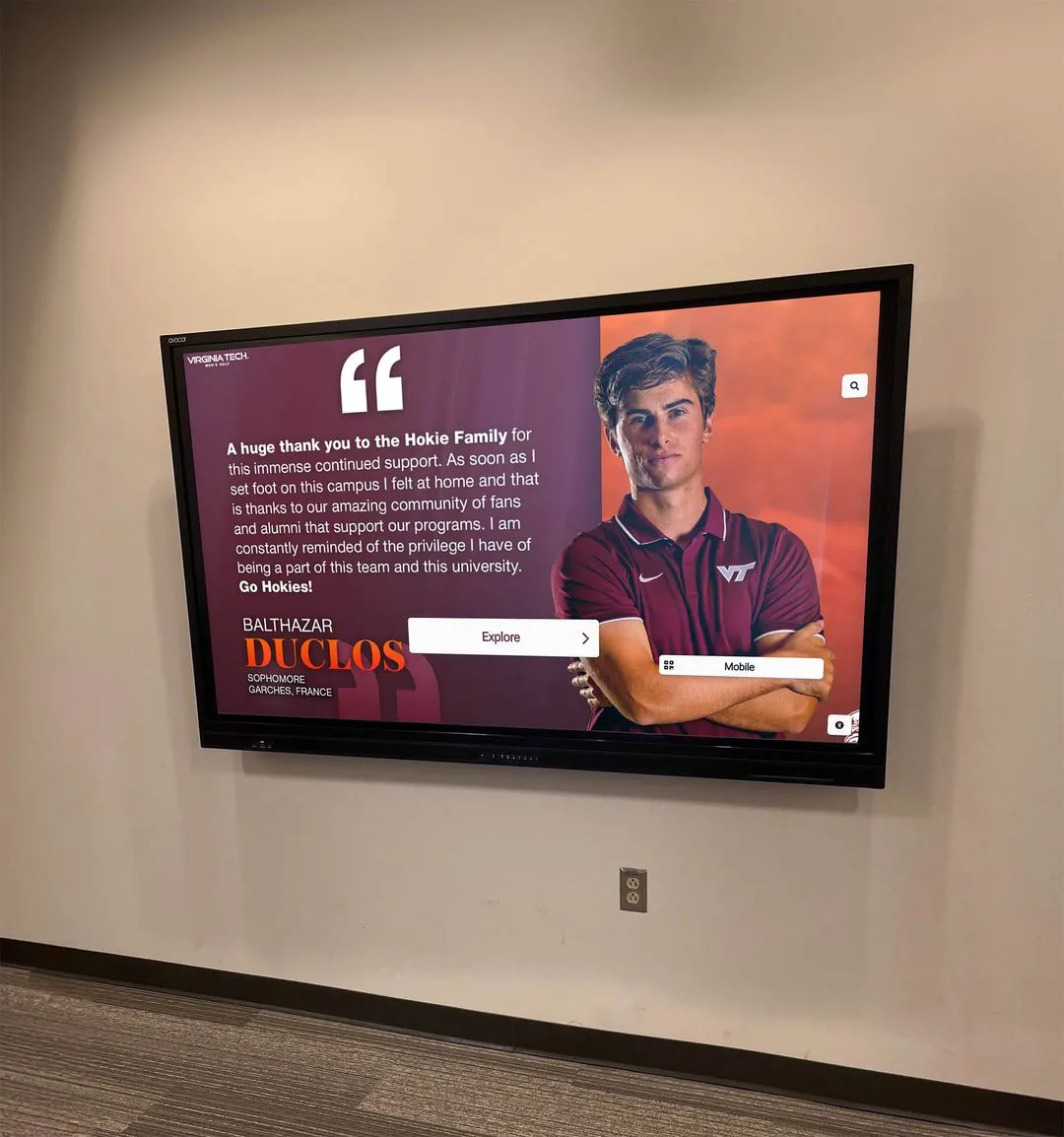
Recognition systems preserve commencement speaker messages alongside graduate achievements in accessible, engaging formats
Preserving and Sharing the Address
Creating Lasting Impact Beyond Ceremony Day
Extend speaker’s message through preservation and distribution.
Recording and Documentation
Professional Capture of Commencement Address
Quality recording preserves speech for future access:
Recording Approach:
- Professional videography with multiple camera angles
- High-quality audio recording
- Professional editing and production
- Transcript creation for accessibility
- Photography capturing key moments
- B-roll footage of audience reactions
Technical Considerations:
- Test equipment thoroughly before ceremony
- Backup recording systems preventing loss
- Proper microphone selection and placement
- Lighting ensuring video quality
- Compliance with contract terms regarding recording
- Speaker permission for recording and distribution
Digital Platform Integration
Making Speeches Accessible Long-Term
Modern schools leverage digital platforms extending speech reach:
Distribution Channels:
- School website graduation section
- YouTube channel with organized playlists
- Social media highlights and excerpts
- Alumni network platforms
- Email sharing with graduates
- Digital yearbook integration
Solutions like Rocket Alumni Solutions enable schools to integrate commencement addresses with comprehensive digital yearbooks, creating searchable archives where graduates can revisit speeches alongside their personal profiles and class memories years after graduation.
Benefits of Digital Preservation:
- Alumni access speeches years later when messages gain new relevance
- Prospective families evaluate school culture through ceremony quality
- Current students explore previous years’ addresses
- Community members unable to attend experience ceremony virtually
- Institutional archive documents graduation traditions
- Media and researchers access historical addresses
Creating Ceremonial Recognition
Honoring the Speaker’s Contribution
Thoughtful recognition demonstrates gratitude:
Recognition Approaches:
- Honorary degree or institutional award
- Named program or scholarship in speaker’s honor
- Commemorative gift reflecting school identity
- Public expression of gratitude during ceremony
- Thank you letter from graduating class
- Permanent recognition in school’s speaker archive
Follow-Up:
- Thank you note immediately after ceremony
- Share recording and photos with speaker
- Report on ceremony success and impact
- Maintain relationship for future engagement
- Feature speaker in school publications
- Periodic updates on graduates’ accomplishments
Building a Speaker Legacy
Creating Multi-Year Excellence in Commencement Addresses
Successful schools develop speaker traditions enhancing institutional identity.
Establishing Speaker Criteria and Traditions
Defining Your School’s Commencement Identity
Consistency in speaker selection builds recognizable tradition:
Pattern Development:
- Alumni speakers in particular years or cycles
- Thematic approaches rotating annually
- Local focus emphasizing community connections
- Academic excellence through scholar speakers
- Diversity in speaker backgrounds and perspectives
- Balance between inspiration and intellectual substance
Documenting Best Practices:
- Maintain speaker selection handbook
- Record lessons learned from each year
- Share institutional knowledge across transitions
- Train new committee members on process
- Continuously refine selection criteria
- Build on successful approaches
Creating Speaker Archives
Preserving Institutional Memory
Comprehensive archives celebrate speaker tradition:
Archive Components:
- Complete video recordings of all addresses
- Transcripts and written versions
- Speaker biographical information
- Photos and ceremony documentation
- Student and community feedback
- Media coverage and publicity
Access and Integration:
- Public website section featuring archives
- Search capability by speaker, year, or theme
- Integration with digital recognition displays throughout school
- Educational use in classrooms and programs
- Alumni engagement through historical exploration
Schools implementing comprehensive digital recognition infrastructure create permanent celebration of graduation traditions including commencement speakers, building institutional pride while inspiring current students.

Modern recognition technology provides permanent commencement celebration accessible to families and community members year-round
Conclusion: The Art of Speaker Selection
Selecting a commencement speaker represents one of the most consequential decisions schools make each year—creating either memorable milestone experiences that inspire graduates throughout their lives or disappointing ceremonies that feel like missed opportunities. The difference lies not in celebrity or budget, but in thoughtful selection processes balancing competing priorities while maintaining focus on what matters most: creating meaningful moments that honor graduate achievement while launching them confidently toward future possibilities.
The strategies explored throughout this guide—from forming diverse selection committees to establishing clear criteria, from conducting thorough speaker evaluation to managing complex logistics, from preparing speakers effectively to preserving addresses permanently—provide frameworks for schools to develop consistent excellence in commencement speaker selection regardless of budget or institutional size.
Most importantly, remember that the best commencement speakers aren’t necessarily the most famous or expensive. They’re the speakers who genuinely connect with your specific graduating class, who honor the journey completed while inspiring the journey ahead, who balance celebration with challenge, who speak authentically from personal experience while addressing universal themes, and who create shared moments your graduates reference decades later when remembering this milestone.
Preserve Your Commencement Traditions Permanently
While planning your graduation ceremony, discover how digital recognition solutions help schools honor commencement speakers and graduate achievements permanently through engaging displays and searchable archives. Transform graduation from momentary celebration into lasting institutional documentation accessible to alumni, families, and community members for decades.
With intuitive platforms designed specifically for educational recognition, Rocket Alumni Solutions helps schools preserve commencement addresses alongside comprehensive student profiles, ceremony photos, and achievement documentation—creating permanent archives that strengthen school culture while inspiring future graduates.
Explore Recognition Solutions that extend graduation celebration beyond single ceremonies, building lasting institutional memory while honoring achievement meaningfully.
Begin your speaker selection process by forming a diverse committee representing key stakeholders, establishing clear evaluation criteria aligned with institutional values, developing realistic timelines providing adequate planning time, creating comprehensive candidate lists balancing diverse options, and building systematic processes you can refine and improve annually. Whether this represents your first speaker selection or you’re refreshing established practices, thoughtful planning creates commencement experiences worthy of the achievement being celebrated.
Your graduates have completed remarkable journeys earning this recognition. Honor their accomplishment by selecting speakers who inspire them, represent them, challenge them, and launch them toward futures filled with purpose and possibility. The right speaker at the right moment can shape identity, inspire action, provide comfort during challenge, and create memories lasting lifetimes—that’s the power of commencement speakers selected thoughtfully and presented professionally.
Ready to enhance graduation recognition throughout the year? Explore how schools implement digital recognition walls preserving commencement traditions alongside ongoing student achievements, or discover comprehensive approaches to student celebration programs honoring accomplishment systematically throughout educational careers.