Every fall Saturday, college football fans witness more than just competitive games—they watch the continuation of century-old traditions that bind communities, alumni generations, and entire regions through shared rivalry and mutual respect. College football trophy games represent the highest expression of this tradition, transforming regular-season matchups into must-win battles where bragging rights extend far beyond the final score. These prized trophies—from century-old oaken buckets to bronze buffalo statues—serve as physical manifestations of athletic excellence, institutional pride, and the enduring rivalries that make college football uniquely compelling.
Unlike professional sports where trophies primarily recognize championships, college football trophy games celebrate rivalry itself. The annual contest becomes the trophy’s purpose—not merely a means to claim it. Schools display these rivalry trophies prominently in athletic facilities, creating year-round reminders of triumph or motivation for redemption. For athletic directors, these trophy games demonstrate how tangible recognition elevates competition significance, strengthens alumni engagement, and preserves institutional history across generations.
This comprehensive guide explores the most significant college football trophy games, the historic rivalries they commemorate, and the traditions that surround them. You’ll discover how these rivalry trophies inspire school pride, preserve athletic heritage, and offer valuable lessons for building recognition programs that celebrate excellence at every level of competition.
College football’s trophy games transform ordinary rivalries into legendary annual traditions that define athletic programs and unite entire communities. Understanding these historic competitions reveals how effective recognition systems create lasting impact.

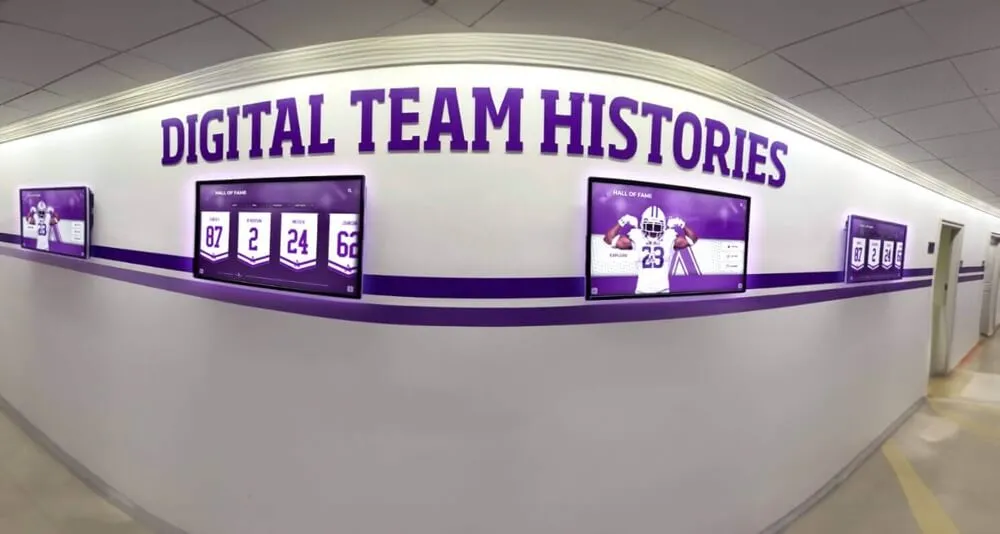
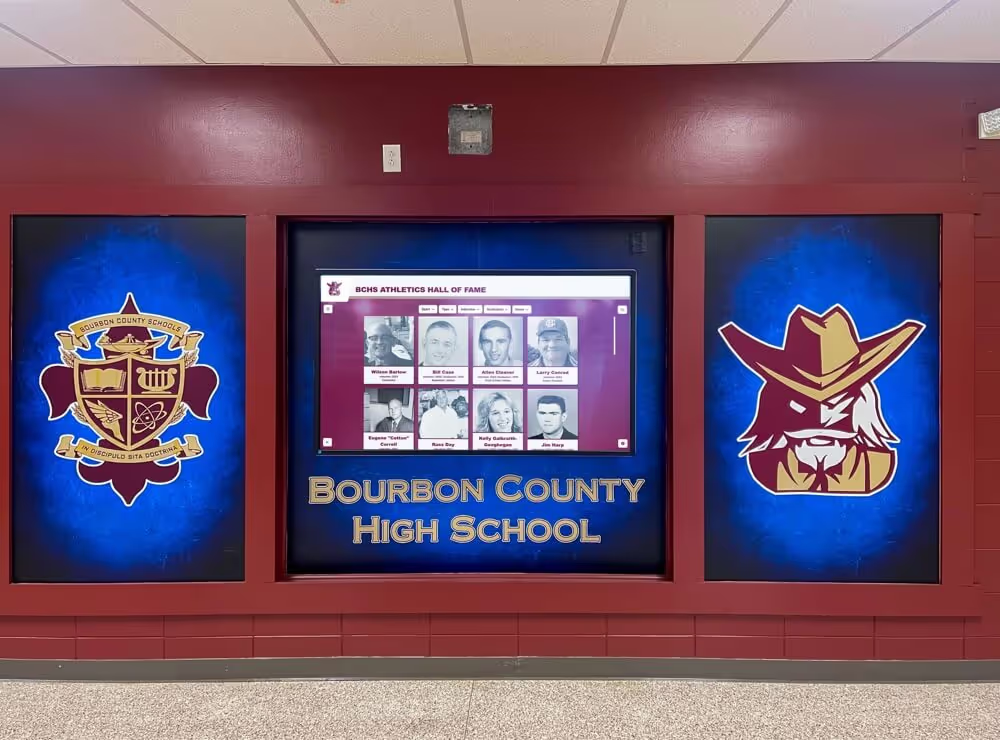
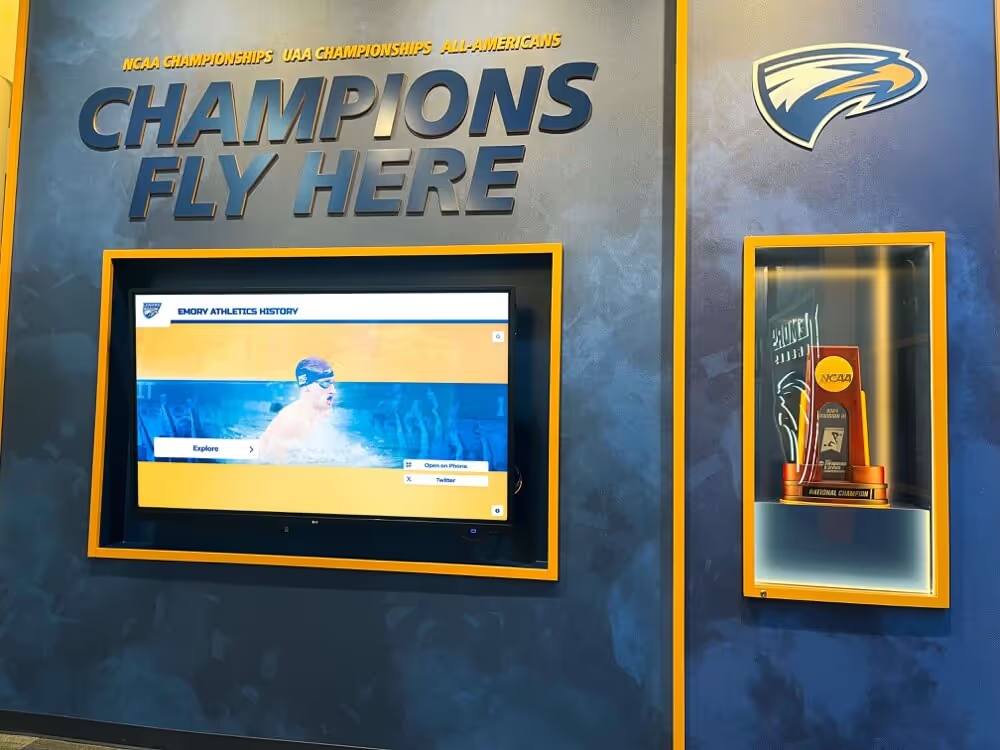
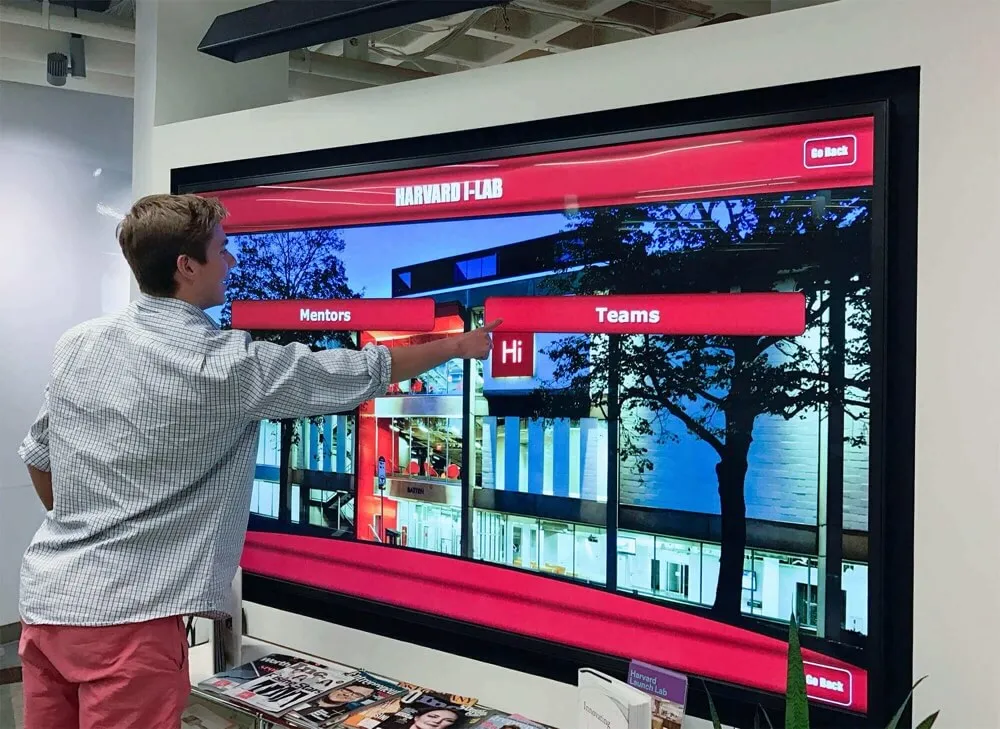
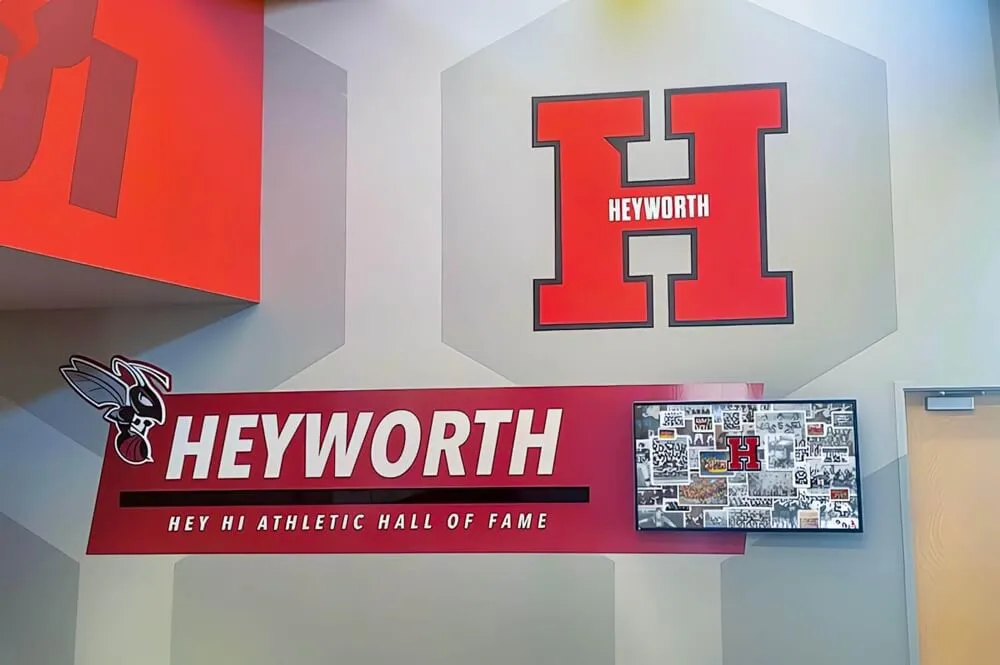
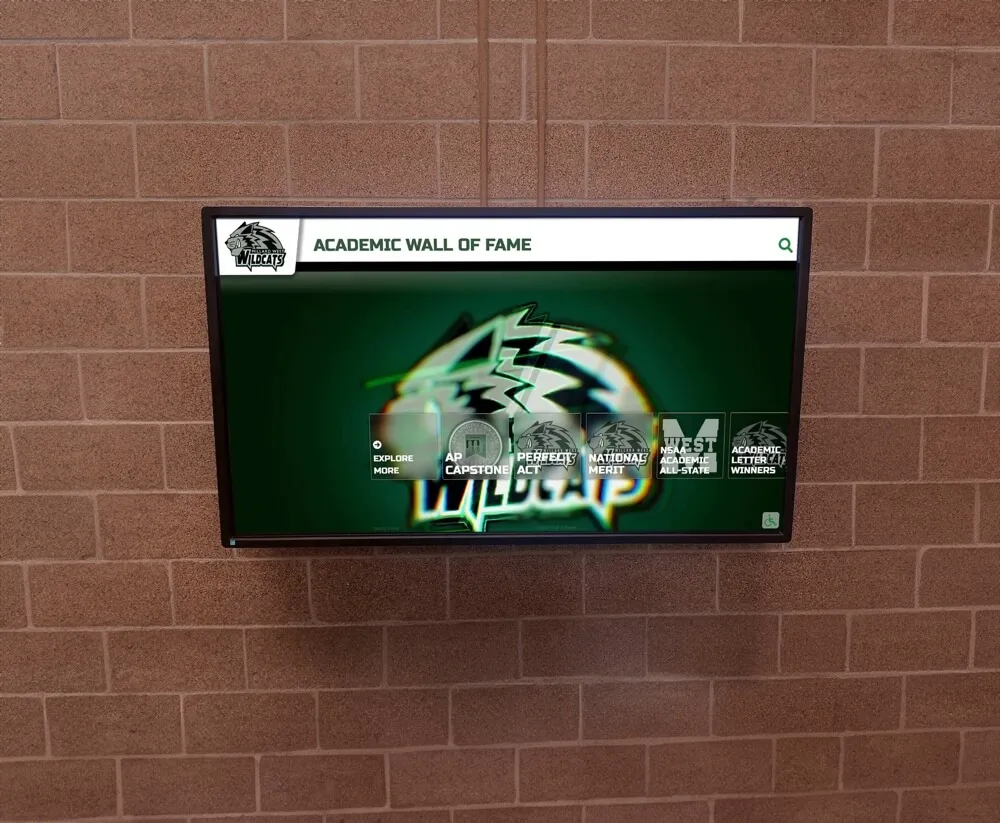
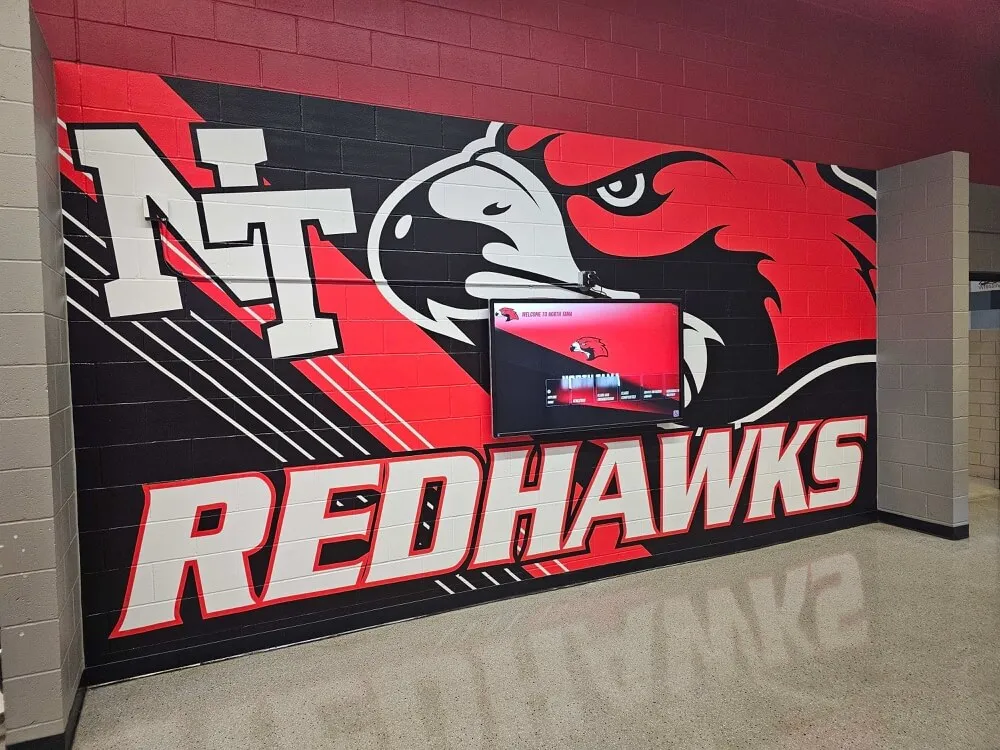
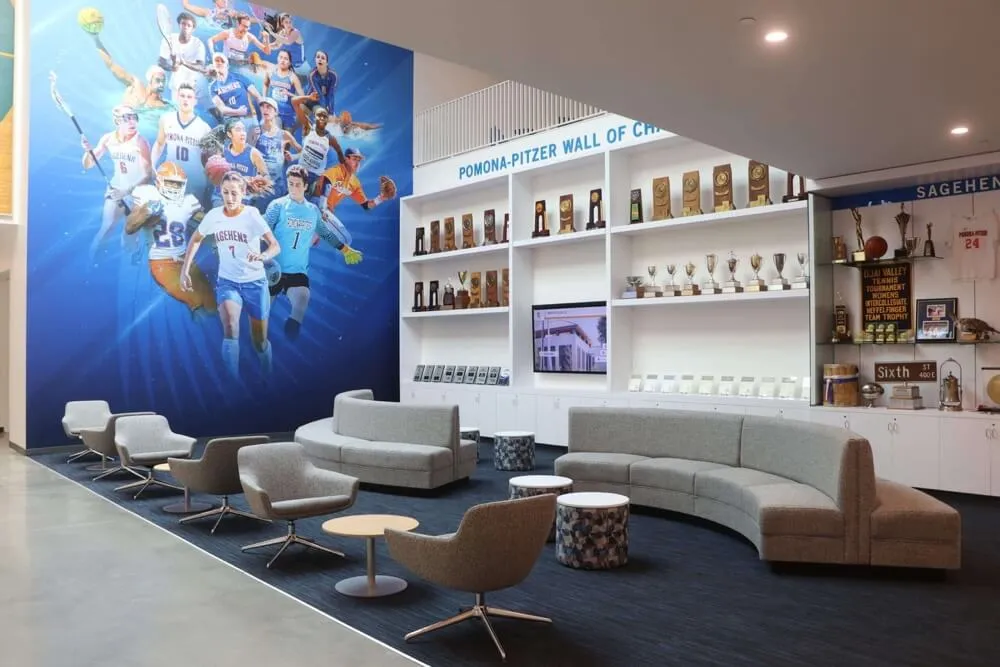
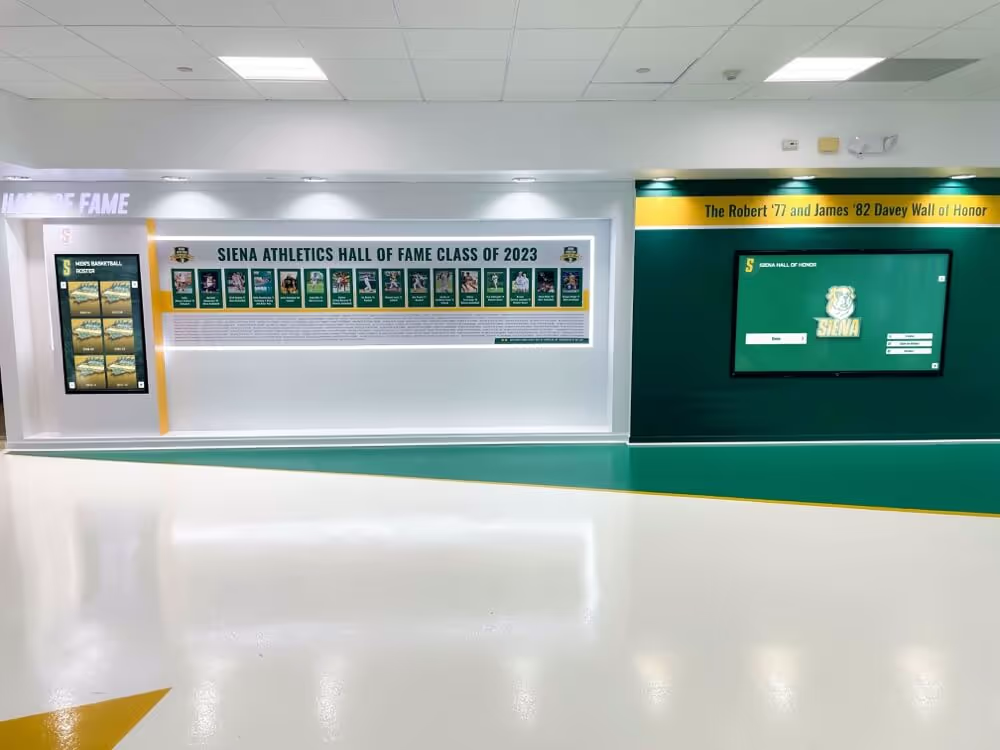
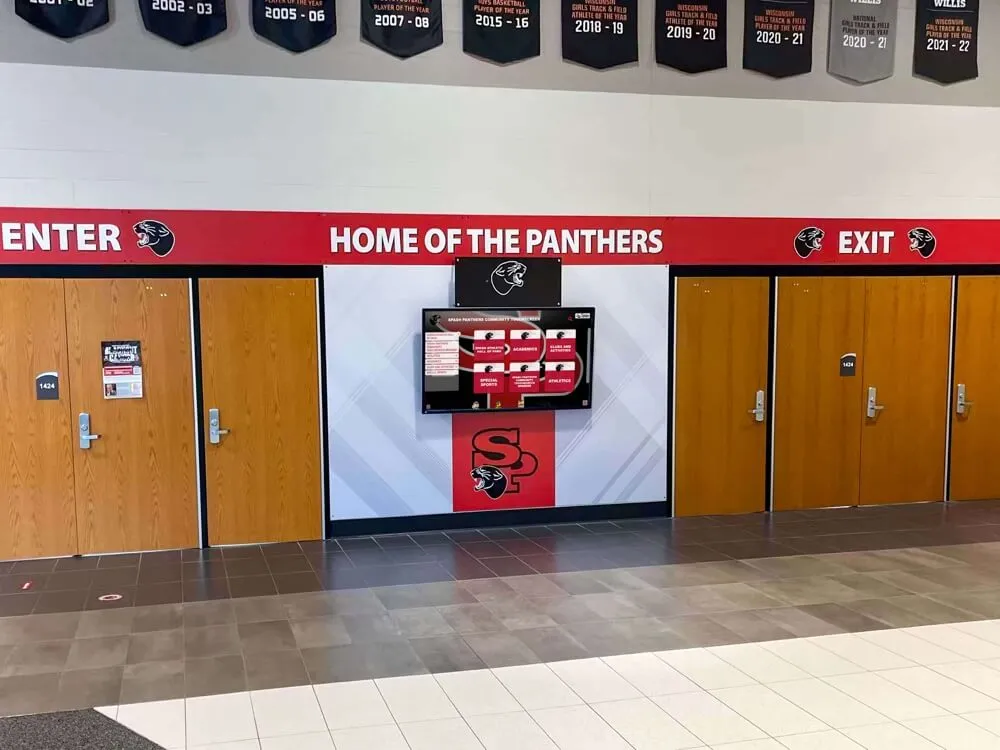
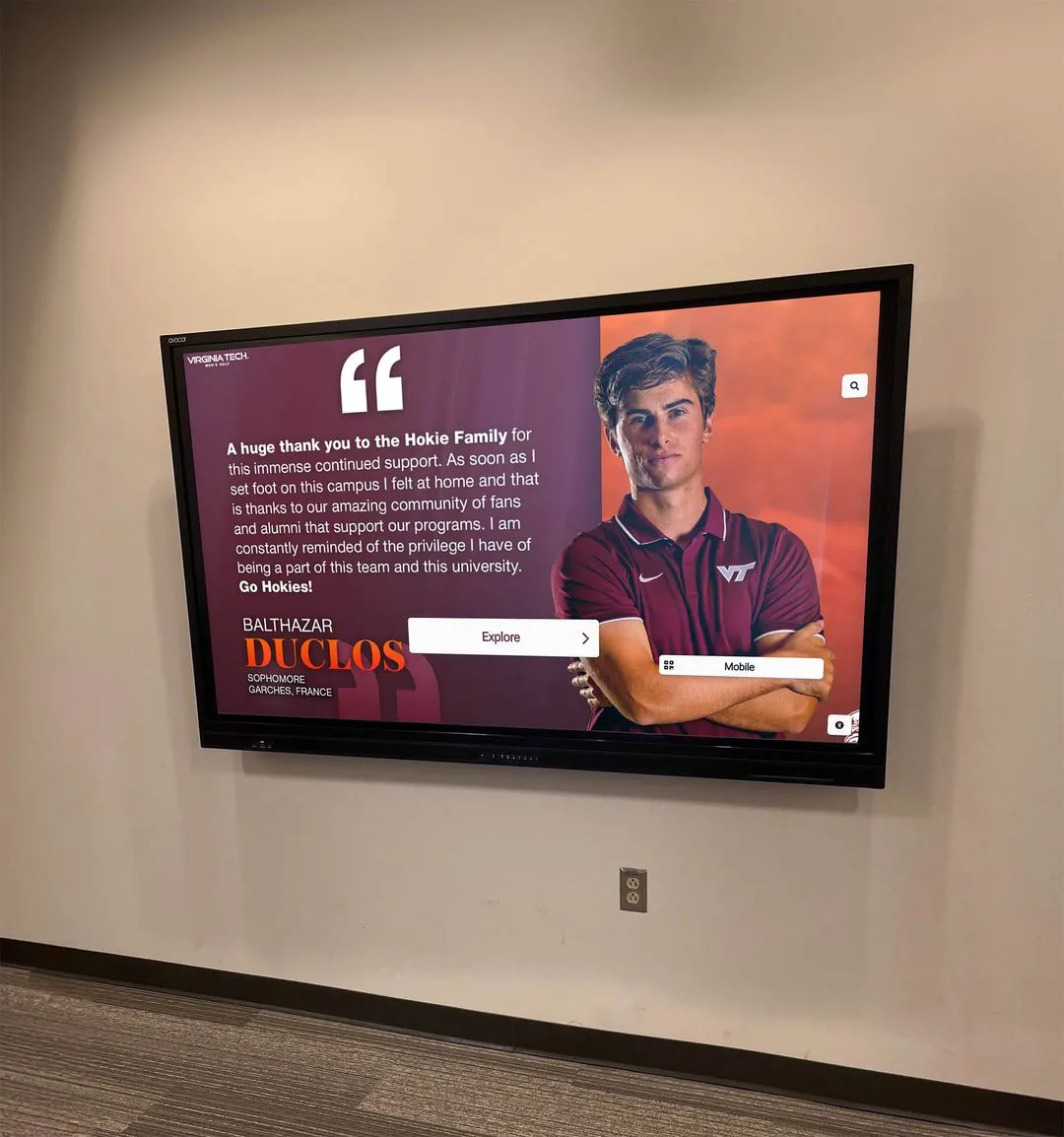
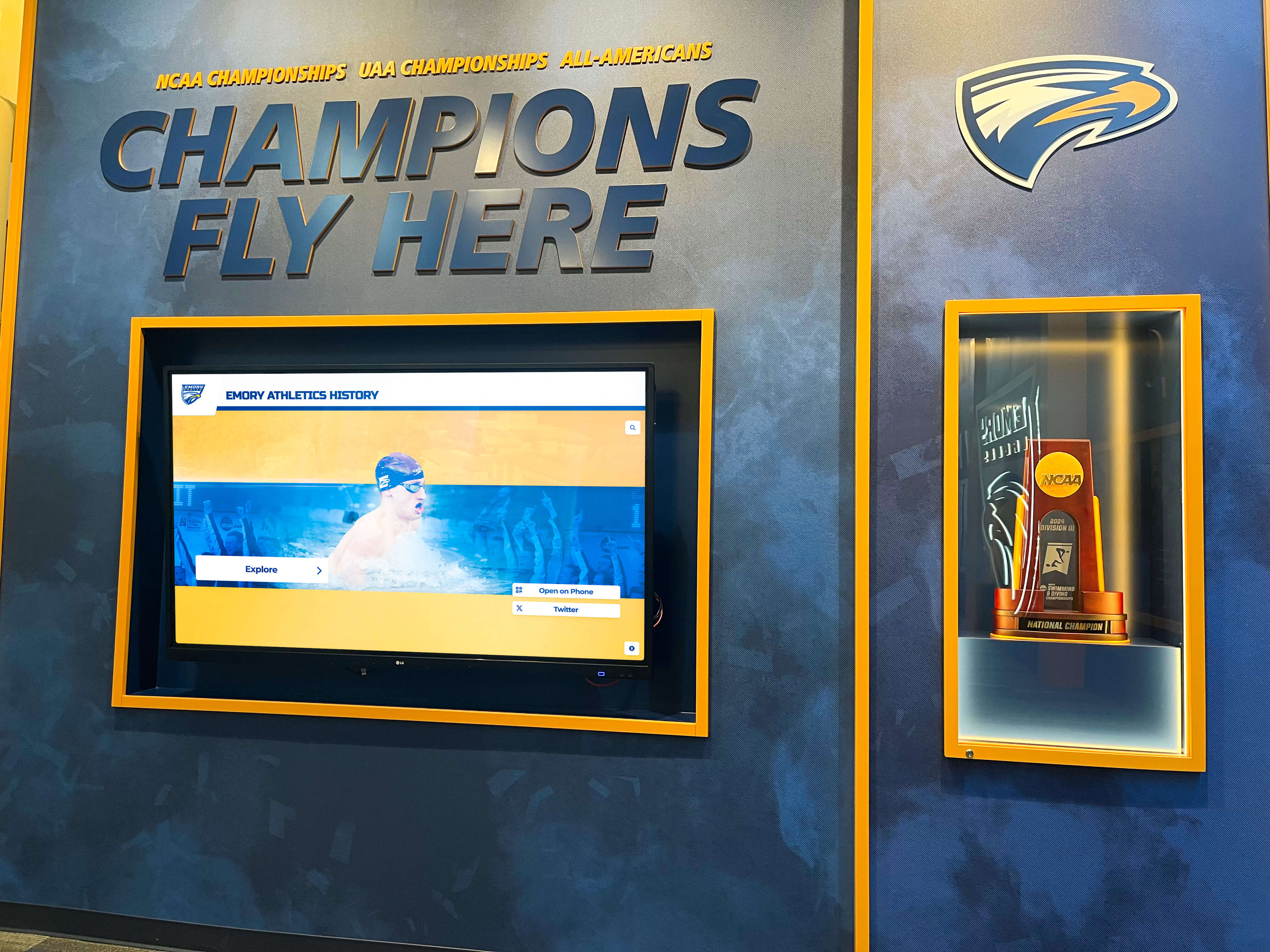
Championship trophies and rivalry recognition create powerful visual statements that inspire current athletes while honoring past achievements
The History and Significance of College Football Trophy Games
College football trophy games emerged in the early 20th century as schools sought tangible symbols to commemorate their most intense rivalries.
Origins of Trophy Game Tradition
The tradition of awarding trophies in college football rivalries began organically as communities and alumni groups created physical symbols to commemorate annual matchups:
Early Trophy Development (1890s-1920s)
- Student organizations and alumni associations commissioned rivalry trophies
- Local businesses and boosters sponsored trophy creation and presentation
- Schools recognized value of tangible symbols beyond win-loss records
- Trophies provided permanent recognition of annual rivalry outcomes
- Physical awards created additional incentive and emotional significance
- Trophy presentation ceremonies became tradition unto themselves
The Little Brown Jug, contested between Michigan and Minnesota since 1903, stands among college football’s oldest trophy games—originating from a water jug Michigan’s team inadvertently left at Minnesota after an unexpected 6-6 tie.
Trophy Game Expansion Era (1930s-1960s)
- Conference expansion and television increased rivalry visibility
- More matchups received trophy designations commemorating history
- Corporate sponsors began commissioning new rivalry trophies
- Trophy games created marketing opportunities and media attention
- Schools recognized trophies’ role in building program identity
- Permanent trophy display became priority in athletic facilities
Why Trophy Games Matter
Beyond their decorative appeal, rivalry trophies serve multiple strategic purposes for athletic programs:
Building Program Identity and Tradition
- Trophies create visual symbols representing program values and heritage
- Annual competition provides consistent narrative arc across seasons
- Trophy possession becomes point of pride displayed prominently
- Rivalry traditions unite alumni generations through shared experience
- Trophy games often define coaching tenures and athlete legacies
- Physical awards provide permanent connection to program history
Many football programs consider rivalry trophy losses more devastating than overall season records—the tangible symbol of defeat remains visible in opponent facilities until redemption arrives.
Enhancing Fan Engagement and Alumni Connection
- Trophy games drive attendance, media coverage, and community interest
- Alumni return to campus specifically for rivalry week celebrations
- Trophy status elevated matchups beyond regular season games
- Social media amplifies trophy game excitement and aftermath
- Victory celebrations focus on trophy presentation and possession
- Trophy displays in campus facilities maintain year-round visibility
Schools with digital athletic recognition displays showcase trophy game history alongside individual player achievements, creating comprehensive narratives that connect current athletes to program tradition.
Creating Competitive Excellence Benchmarks
- Trophy games provide clear, public success metrics
- Annual rivalry outcomes define coaching effectiveness
- Trophy possession influences recruiting conversations
- Rivalry records become permanent legacy markers
- Trophy games often determine conference championship paths
- Success in trophy games elevates program national perception
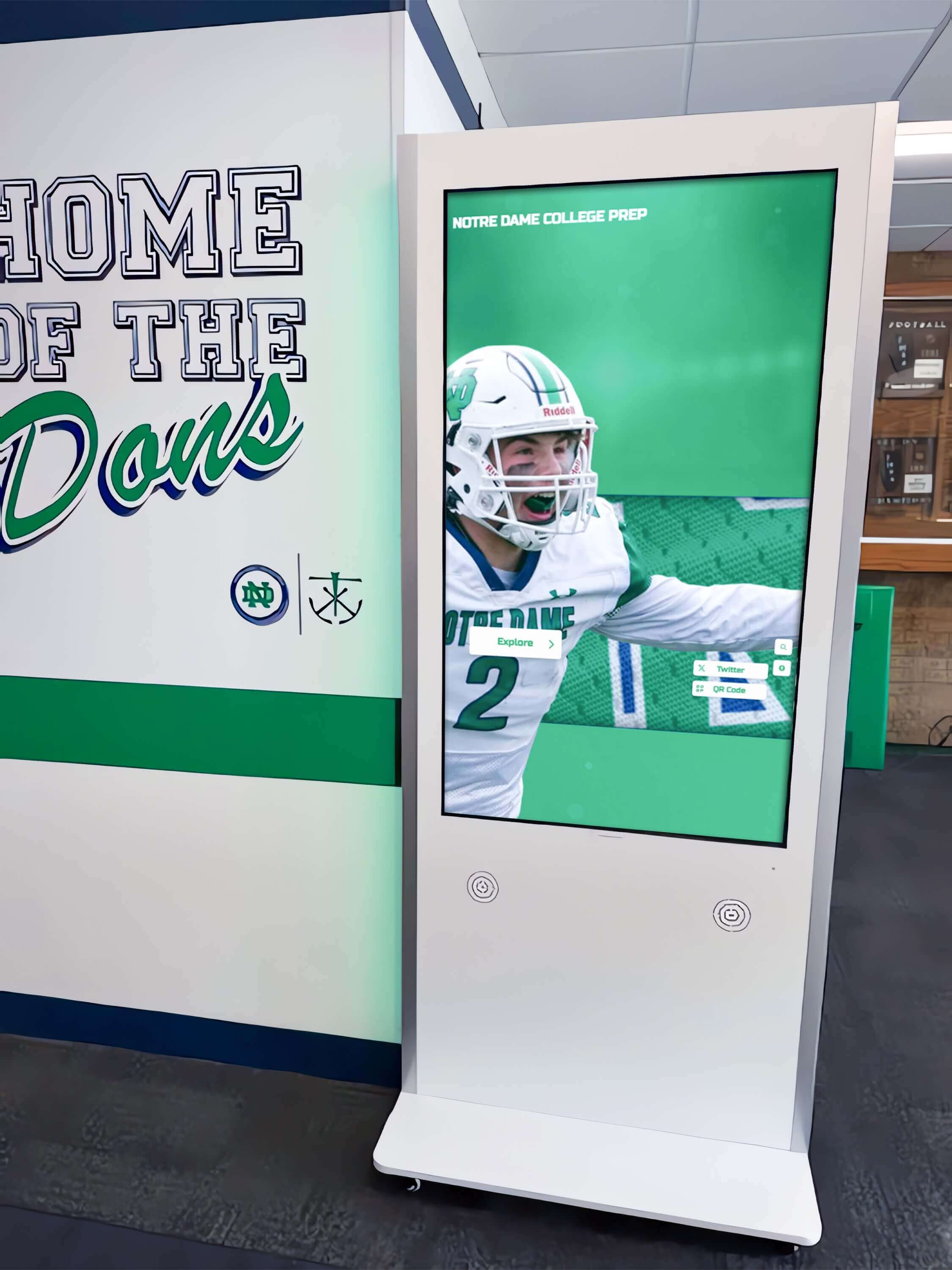
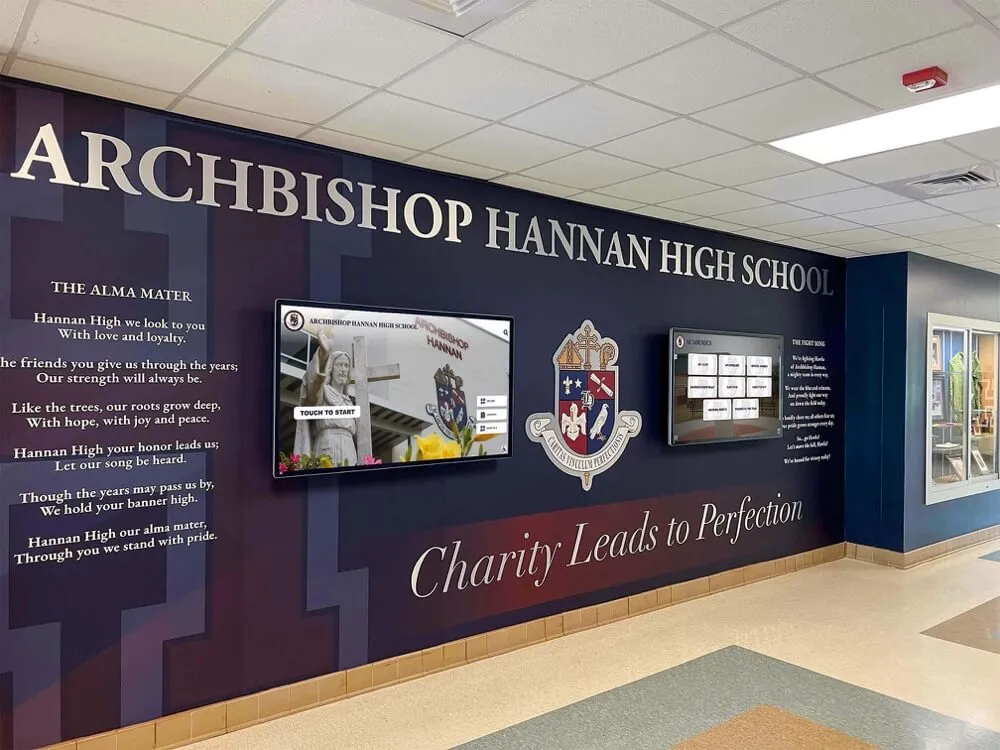
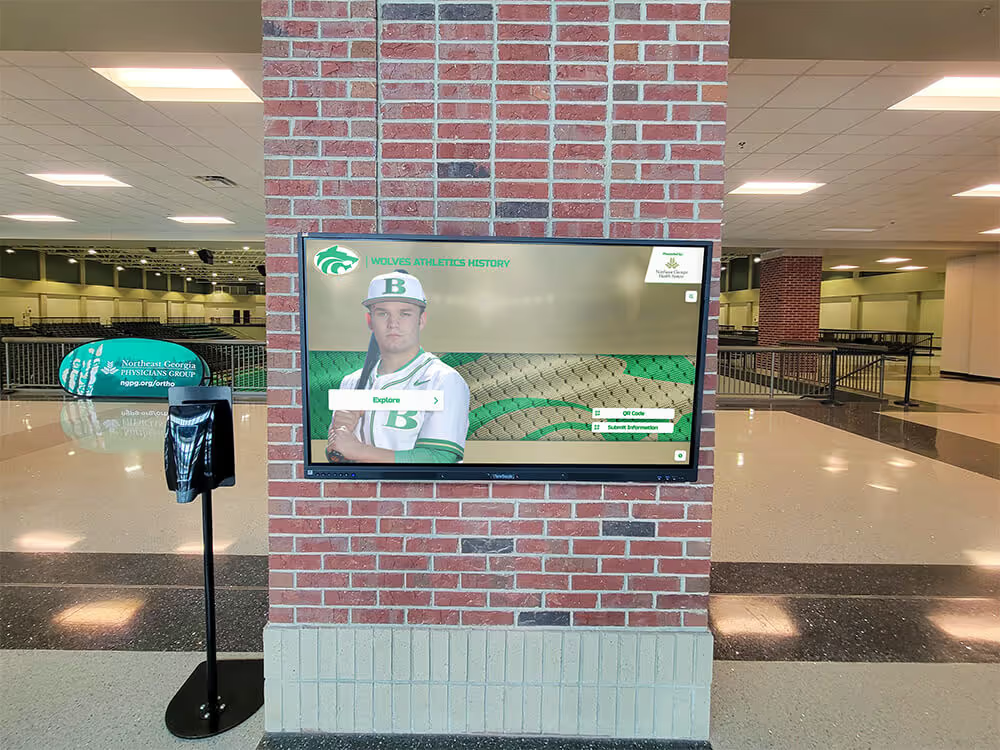
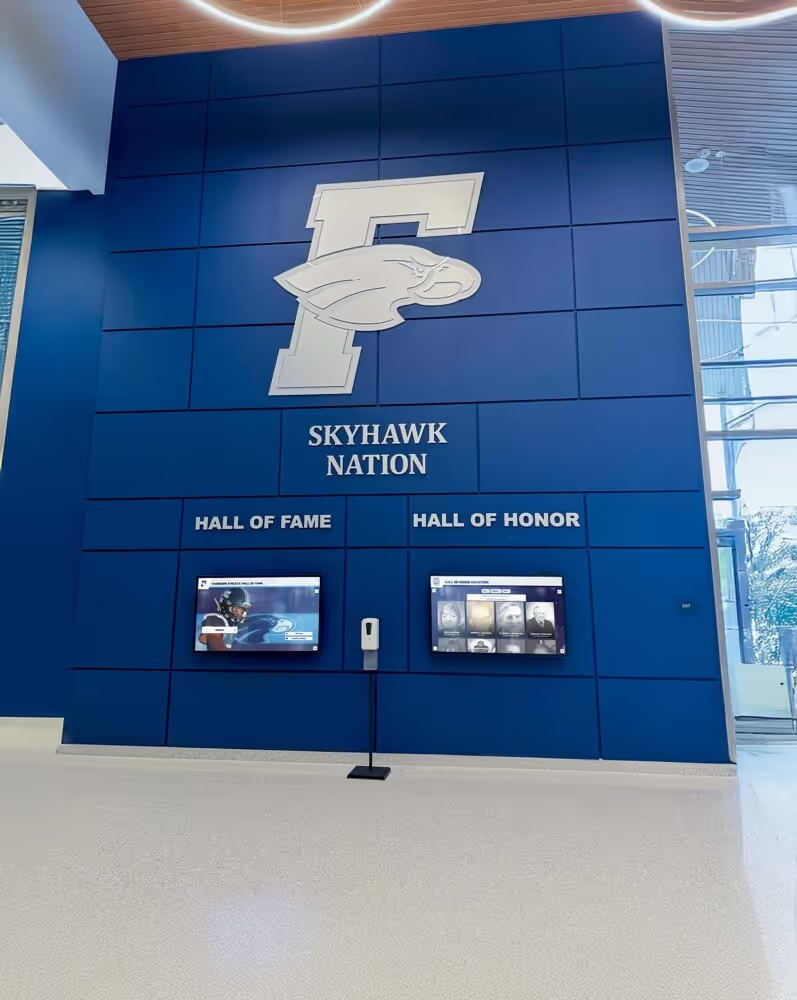
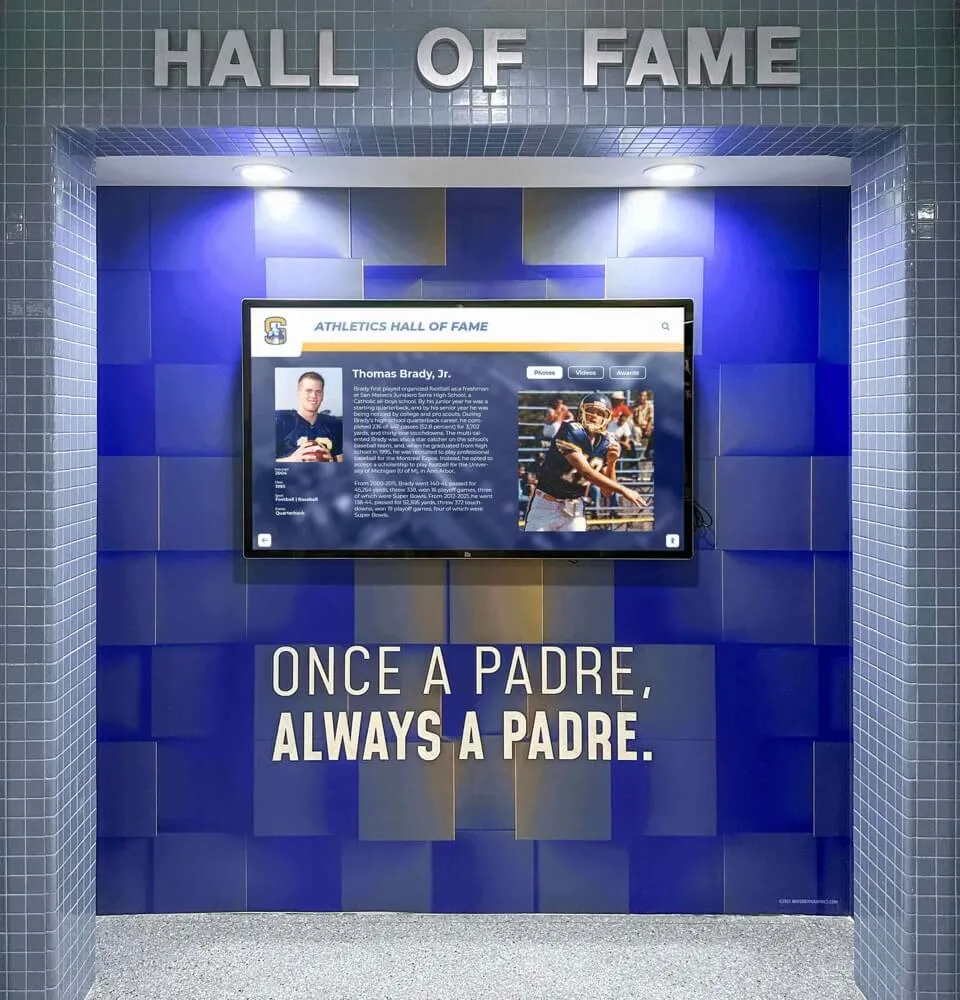
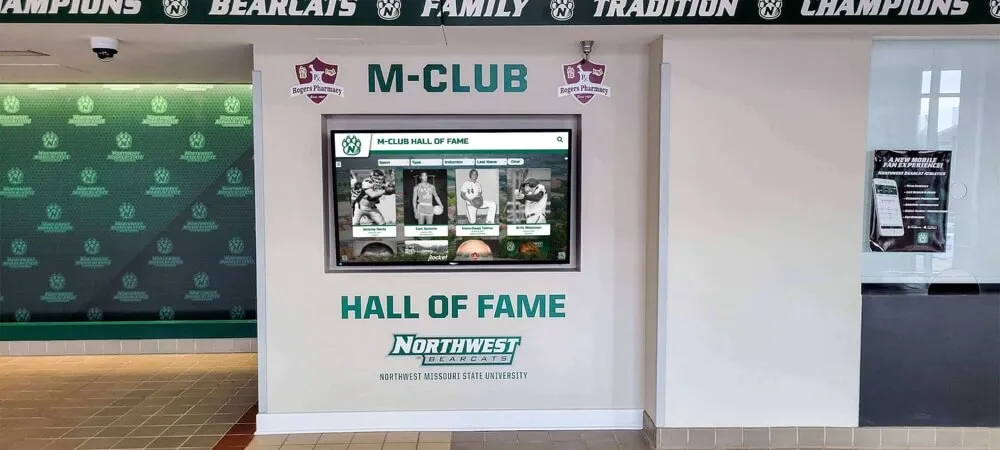
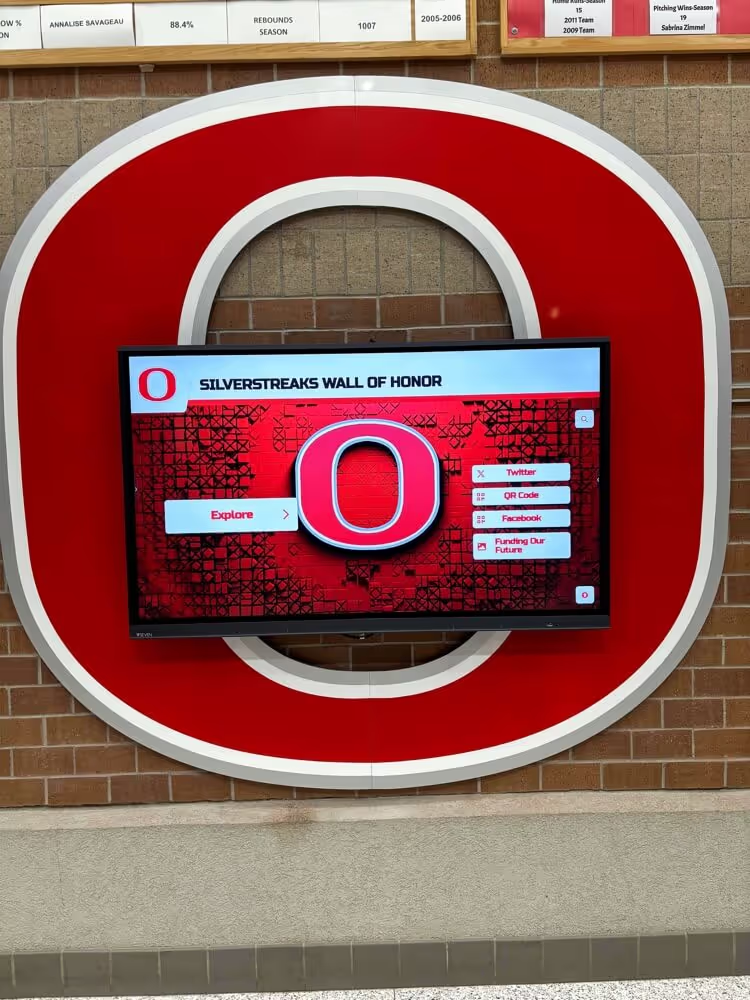
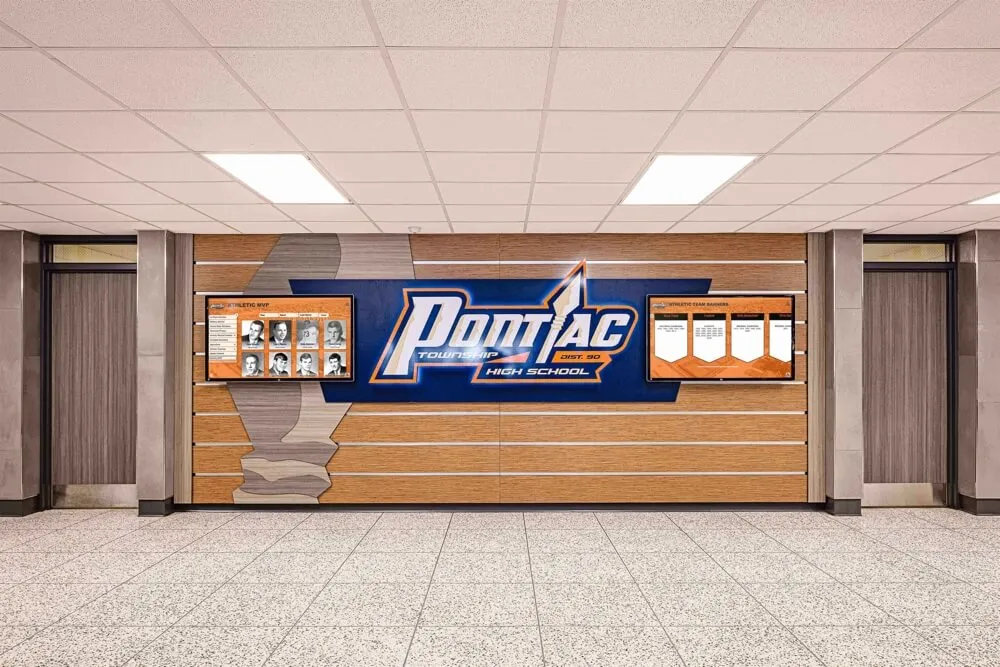
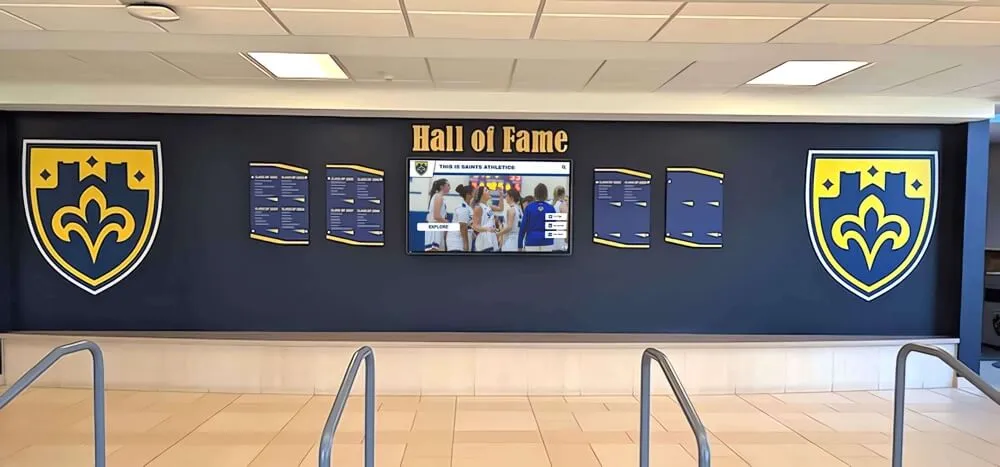
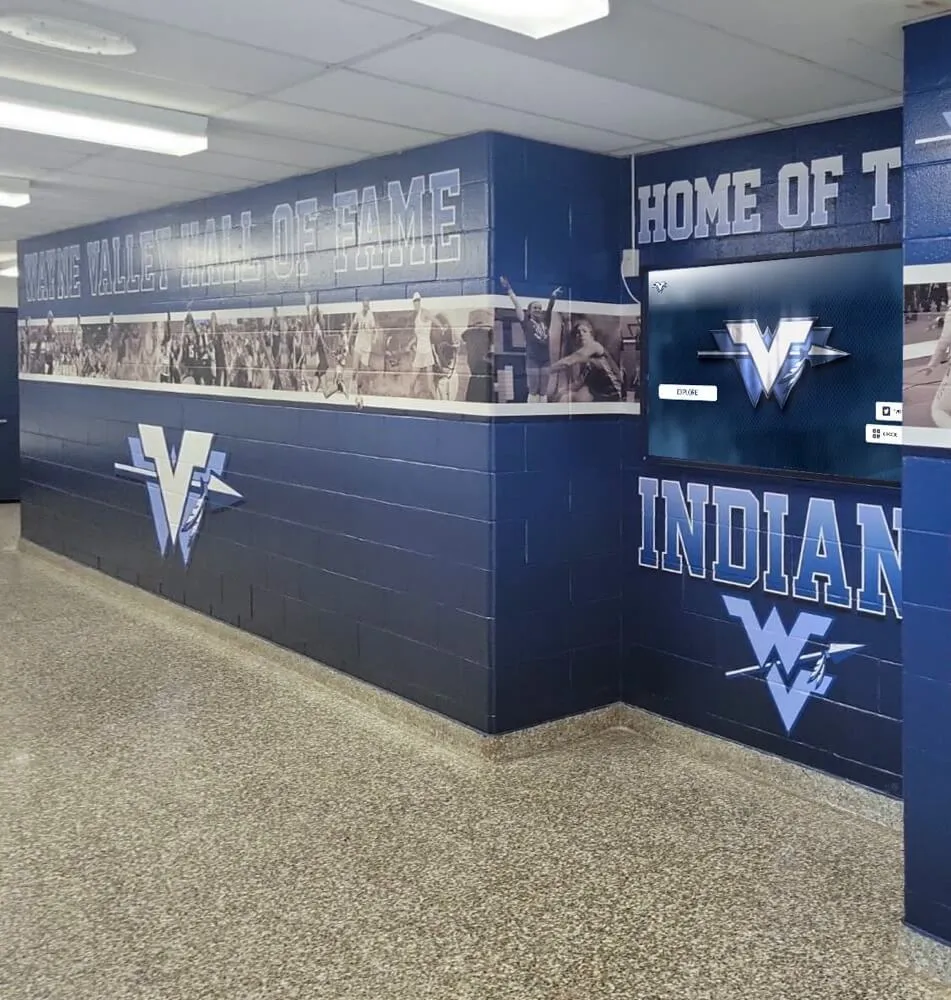
Modern recognition systems preserve rivalry traditions while making athletic history accessible through interactive digital displays
The Most Historic College Football Trophy Games
Dozens of college football rivalries feature trophy presentations, but certain matchups have achieved iconic status through history, tradition, and competitive significance.
The Big Ten Conference Trophy Games
The Big Ten Conference leads college football with the highest concentration of trophy games, many dating back nearly a century.
The Paul Bunyan Trophy (Michigan vs. Michigan State)
The Paul Bunyan Trophy has symbolized Michigan’s in-state rivalry since 1953:
- Four-foot wooden trophy depicting legendary lumberjack Paul Bunyan
- Michigan leads the all-time series but rivalry remains intensely competitive
- Trophy originally created by Michigan State student government
- Annual presentation occurs on field immediately following game conclusion
- Winner displays trophy prominently in football facility year-round
- Trophy represents broader battle for state recruiting dominance
This rivalry demonstrates how athletic recognition systems can preserve competitive history while celebrating both programs’ contributions to the sport’s tradition.
The Old Oaken Bucket (Indiana vs. Purdue)
Among college football’s most distinctive trophies, the Old Oaken Bucket commemorates one of the sport’s longest-running rivalries:
- Actual wooden bucket from Indiana-Purdue border county farm
- Each year’s winner receives chain link attached to bucket handle
- Rivalry dates to 1891 with trophy presentation beginning 1925
- Winner’s letter (I or P) and year inscribed on each chain link
- Trophy provides immediate visual representation of rivalry history
- Both schools display bucket proudly when possession changes hands
The Old Oaken Bucket’s simple elegance proves effective recognition need not be elaborate—meaningful symbols carry power through tradition and authenticity.
The Floyd of Rosedale Trophy (Minnesota vs. Iowa)
This bronze pig statue represents one of college football’s most unusual and beloved rivalry trophies:
- Created in 1935 following bet between state governors during Depression
- Trophy depicts actual prize pig named Floyd of Rosedale
- Annual competition remains fiercely contested with trophy highly prized
- Bronze statue weighs 21 pounds and stands 15 inches tall
- Trophy’s quirky origin story enhances rivalry’s distinctive character
- Both universities feature Floyd prominently in athletic facility displays
The Little Brown Jug (Michigan vs. Minnesota)
College football’s oldest traveling trophy continues defining one of the sport’s most significant rivalries:
- Five-gallon earthenware jug left behind after 1903 game
- Minnesota athletic director refused to return jug without rematch
- Trophy has been contested in every game since initial incident
- Simple inscription: “Michigan Jug — Captured by Oscar, October 31, 1903”
- Trophy represents college football’s earliest rivalry commemoration
- Both schools consider jug possession point of extreme pride
Southeastern Conference Trophy Games
While the SEC features fewer designated trophy games than the Big Ten, those that exist carry significant regional importance.
The Egg Bowl Trophy (Mississippi State vs. Ole Miss)
Mississippi’s Egg Bowl Trophy represents one of college football’s most intense in-state rivalries:
- Golden football-shaped trophy called the “Golden Egg”
- Rivalry dates to 1901 with trophy introduced in 1927
- In-state recruiting implications make annual outcome crucial
- Trophy originally commemorated Thanksgiving Day game tradition
- Both programs display trophy in athletic facilities during possession year
- Rivalry has occasionally included field confrontations and controversy
The Battle for the Golden Boot (Arkansas vs. LSU)
This trophy celebrates the competitive border rivalry between two proud football programs:
- Trophy depicts 24-karat gold-plated boot standing four feet tall
- Weighs 200 pounds, making it one of college football’s largest trophies
- Trophy introduced in 1996 but rivalry dates to 1932
- Boot design represents geographical boot shape of Louisiana
- Annual competition carries significant SEC West division implications
- Both schools feature trophy prominently during possession year
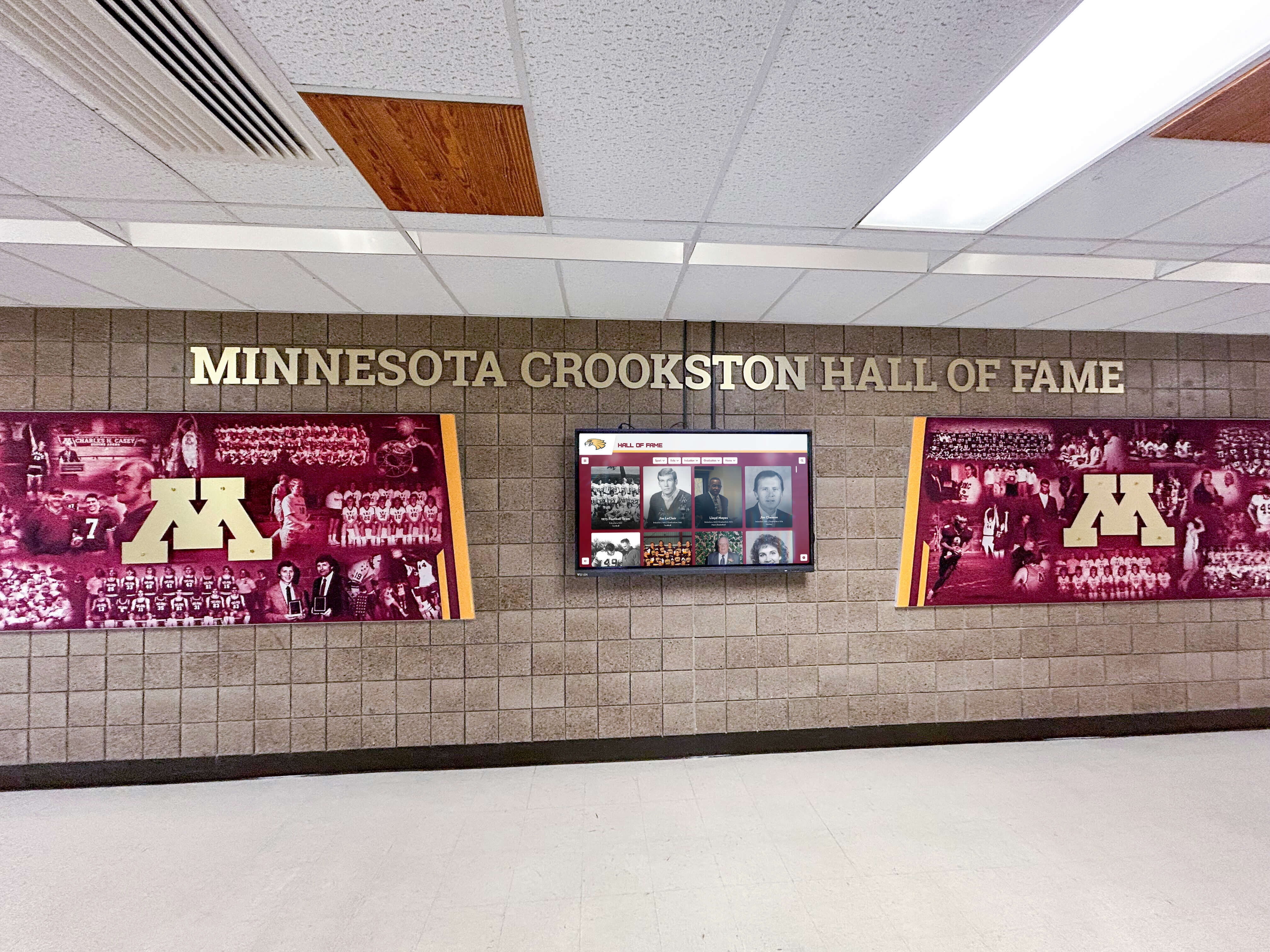
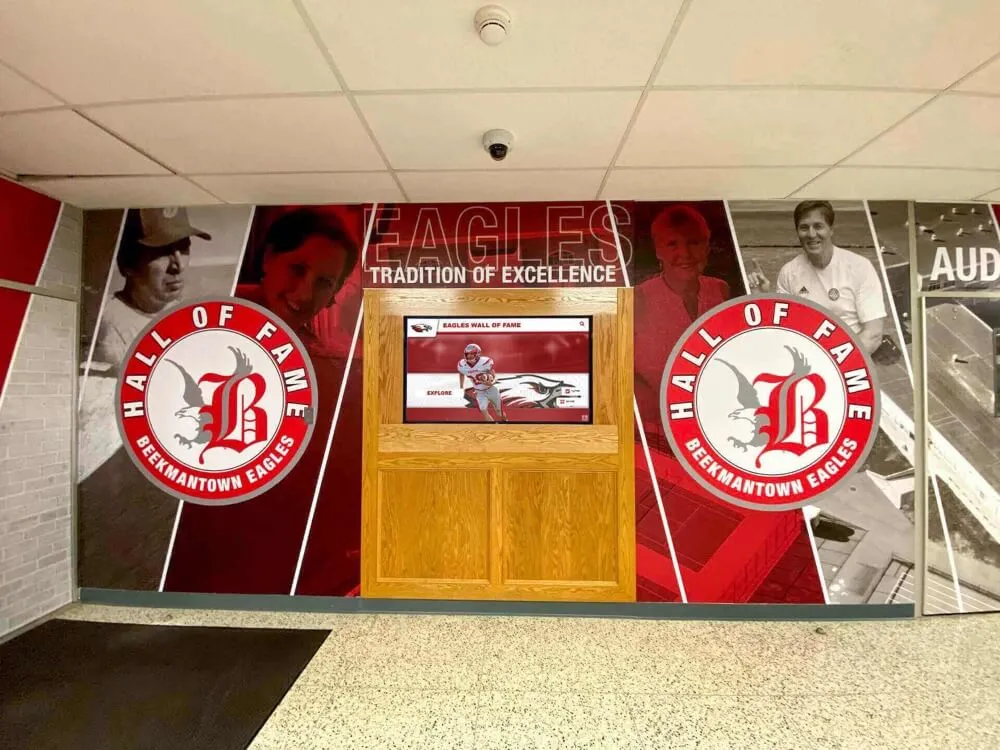
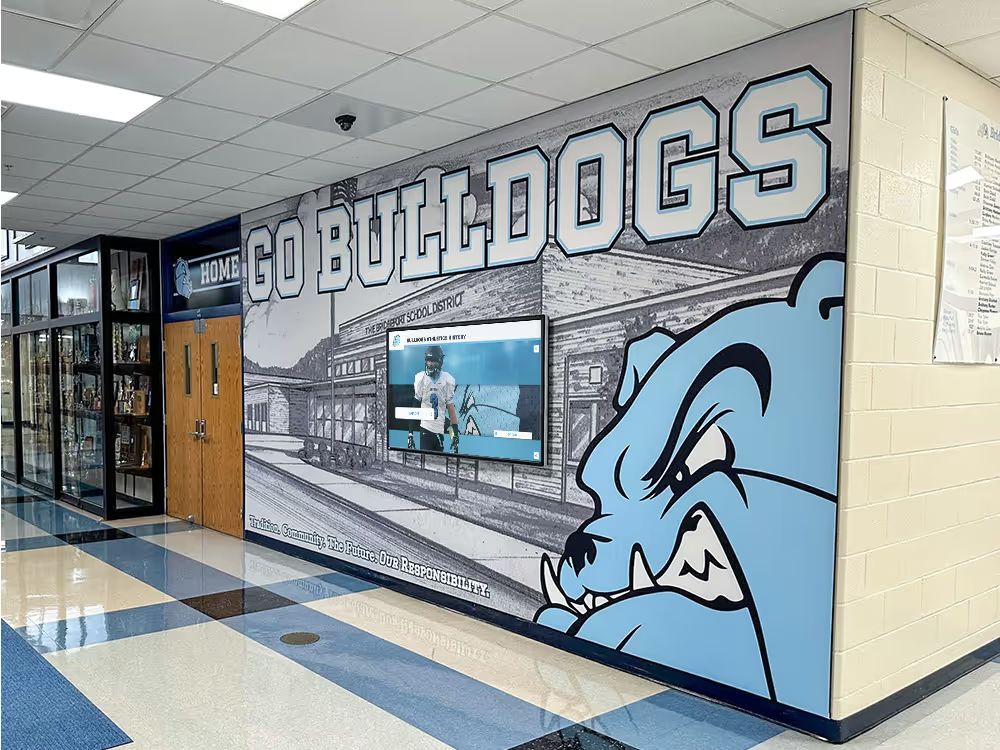
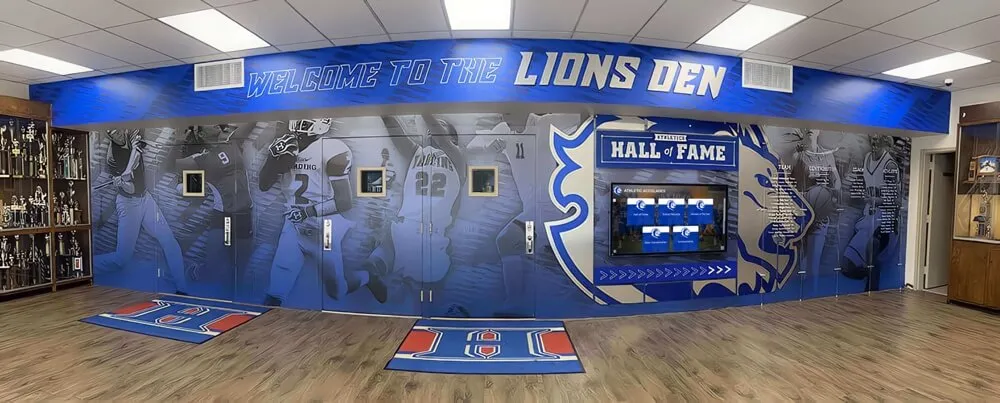
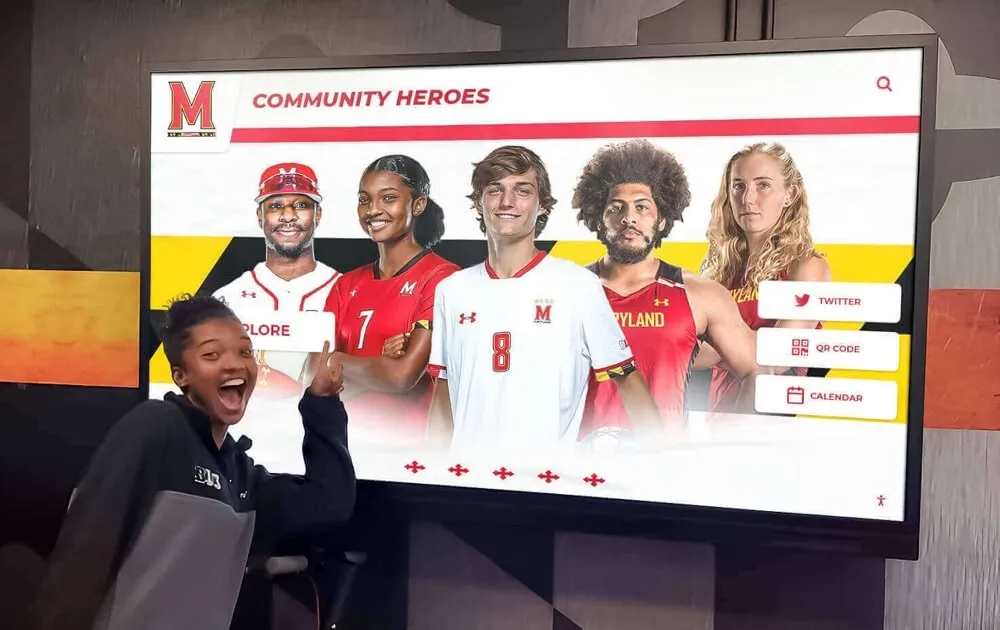
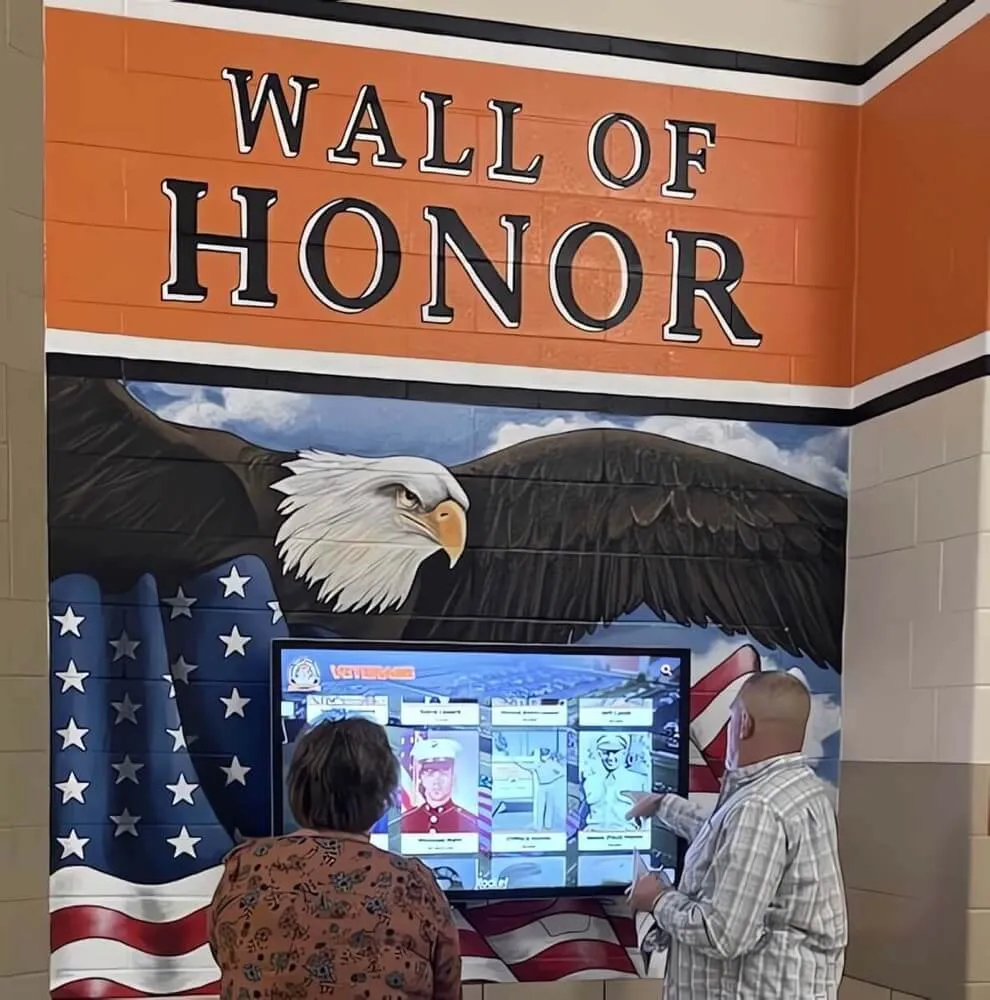
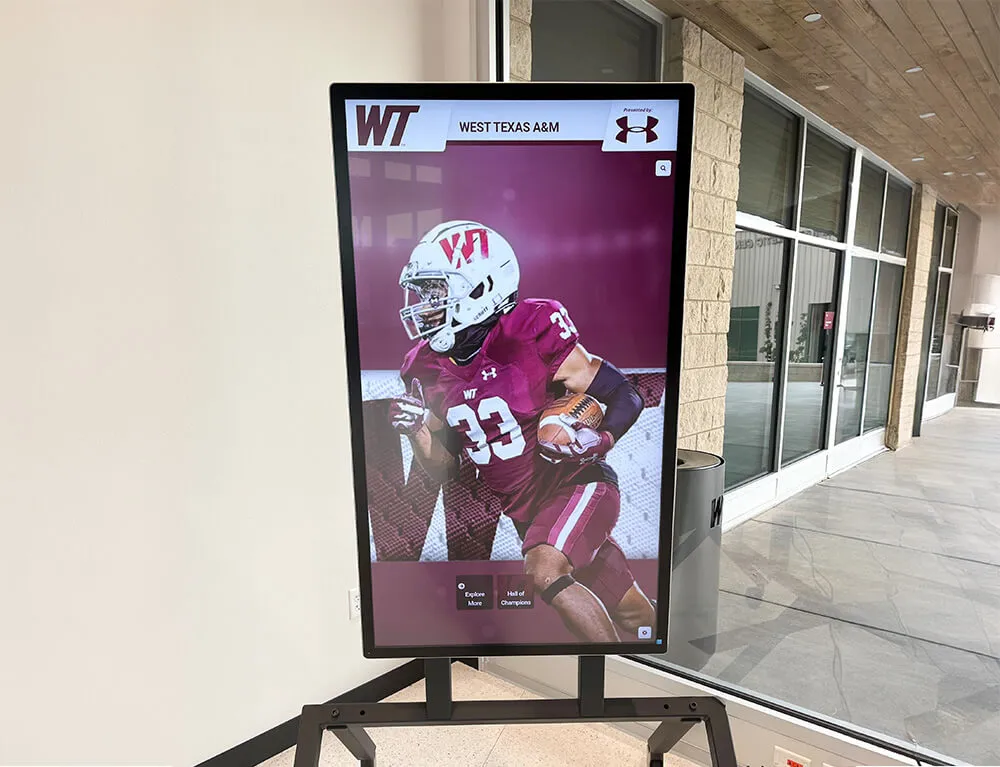
Comprehensive athletic displays combine physical trophies with digital recognition systems to celebrate complete program history
National Rivalry Trophy Games
Several trophy games transcend conference boundaries, representing nationwide competitive significance.
The Commander-in-Chief’s Trophy (Air Force vs. Army vs. Navy)
Unique among college football trophy games, this three-way competition celebrates military academy excellence:
- Established in 1972 by President Richard Nixon
- Three-sided trophy design represents all service academies equally
- Academy winning both games against other two claims trophy
- If all three split games, previous year’s winner retains possession
- Trophy represents broader military service excellence competition
- Service academy rivalry extends beyond athletics into institutional mission
This trophy demonstrates how recognition can honor organizational values and institutional identity beyond pure athletic achievement.
The Jeweled Shillelagh (USC vs. Notre Dame)
One of college football’s most prestigious rivalries features an appropriately distinguished trophy:
- Elaborate jeweled Irish walking stick with emeralds representing victories
- Rivalry dates to 1926 and ranks among sport’s most significant
- Trophy introduced in 1952 by Notre Dame student government
- Ruby jewels added for each USC victory, emeralds for Notre Dame
- National championship implications often at stake in matchup
- Trophy represents intersection of college football’s most tradition-rich programs
The Victory Bell (UCLA vs. USC)
The crosstown Los Angeles rivalry between UCLA and USC centers on an actual brass bell:
- 295-pound brass bell from railroad locomotive
- Winning team paints bell in school colors and displays on campus
- Trophy changes hands frequently in competitive rivalry
- Bell ringing on campus follows each victory
- Trophy represents Los Angeles collegiate supremacy
- Both schools display bell prominently during possession year
Regional and Historic Trophy Games
Dozens of additional trophy games celebrate regional rivalries and conference competition:
The Civil War Trophy (Oregon vs. Oregon State)
- Platypus Trophy recognizes in-state Oregon rivalry
- Trophy rotates annually regardless of game outcome originally
- Modern version awards trophy to game winner as typical
- In-state recruiting implications create high-stakes atmosphere
The Iron Skillet (TCU vs. SMU)
- Cast-iron skillet represents Dallas-Fort Worth metroplex rivalry
- Trophy dates to 1946 with rivalry beginning 1915
- Conference realignment hasn’t diminished rivalry intensity
- Both schools feature skillet prominently in athletic facilities
The Wagon Wheel (Akron vs. Kent State)
- Rivalry dates to 1923 with trophy introduced 1946
- Represents Ohio regional competition
- Winner displays wagon wheel prominently on campus
- MAC conference rivalry maintains strong local following
These regional trophy games demonstrate how recognition traditions create meaning and tradition at every competitive level—not just among college football’s most prominent programs.
Modern Trophy Game Traditions and Presentations
Trophy game traditions extend far beyond the on-field competition, creating comprehensive ritual that defines rivalry week.
Pre-Game Trophy Traditions
Schools develop elaborate customs surrounding rivalry week preparation:
Trophy Display and Protection Rituals
- Defending champion displays trophy prominently on campus all year
- Some schools place trophy under guard during rivalry week
- Trophy tours visit campus locations building game week excitement
- Student organizations create social media content featuring trophy
- Alumni groups host trophy viewing events and photo opportunities
- Trophy becomes focal point of pep rallies and spirit celebrations
Many schools feature their rivalry trophy displays alongside other athletic achievements in comprehensive recognition installations that celebrate complete program history.
Media Coverage and Promotional Activities
- Trophy games receive enhanced media coverage and broadcast windows
- Schools produce special promotional content highlighting rivalry history
- Former players who excelled in trophy games return to campus
- Trophy’s physical presence features in promotional photography and video
- Rivalry statistics and trophy possession records publicized extensively
- Corporate sponsors often create trophy game-specific marketing campaigns
Student and Community Engagement
- Trophy-themed merchandise becomes available exclusively rivalry week
- Student sections plan coordinated displays and chants
- Community businesses decorate in school colors
- Alumni associations host special trophy game gatherings
- Trophy presentation predictions dominate campus conversation
- Rivalry week activities build toward game day culmination
Trophy Presentation Ceremonies
The post-game trophy presentation represents the rivalry’s emotional climax:
Immediate Post-Game Presentations
- Trophy presented on field immediately following game conclusion
- Winning coach, team captains, and players celebrate with trophy
- Photography and videography document trophy presentation moment
- Trophy often carried on victory lap around stadium
- Media interviews feature trophy prominently in background
- Immediate presentation maximizes emotional impact and television coverage
These public presentations create defining images that appear in media coverage, recruiting materials, and alumni communications throughout the following year.
On-Campus Victory Celebrations
- Trophy arrives on campus accompanied by team and supporters
- Trophy displayed at student union or athletic facility entrance
- Victory rallies feature trophy as centerpiece
- Students photograph with trophy creating social media content
- Trophy remains accessible for campus community interaction
- Display location receives increased foot traffic during possession year
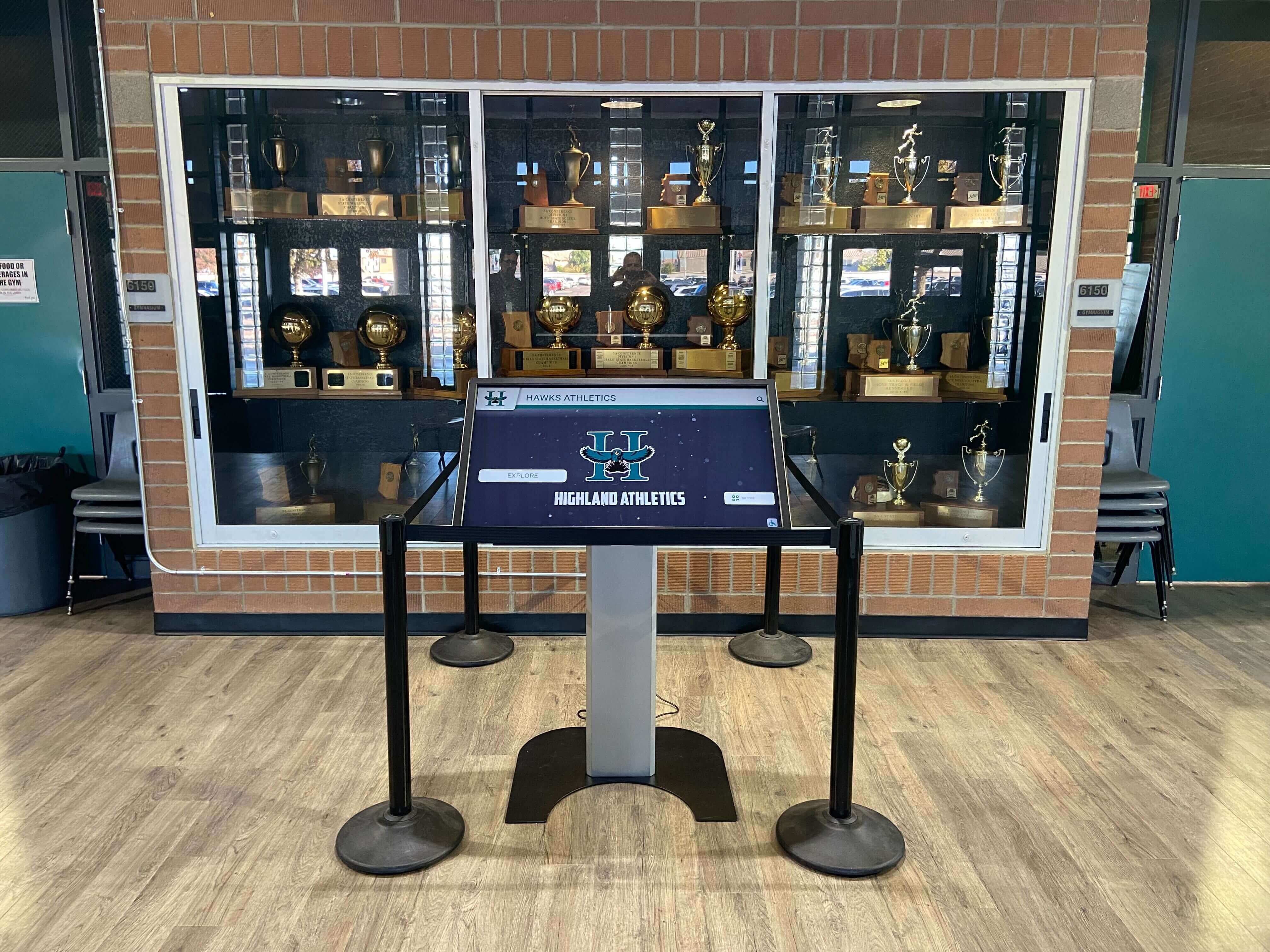
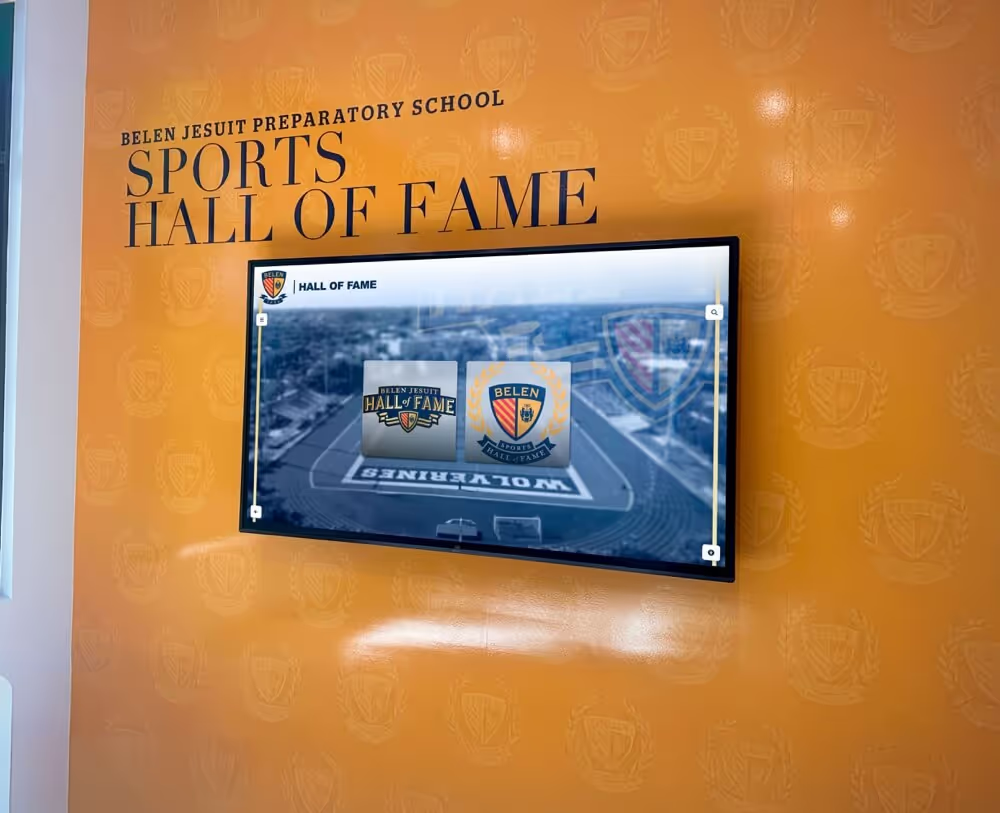
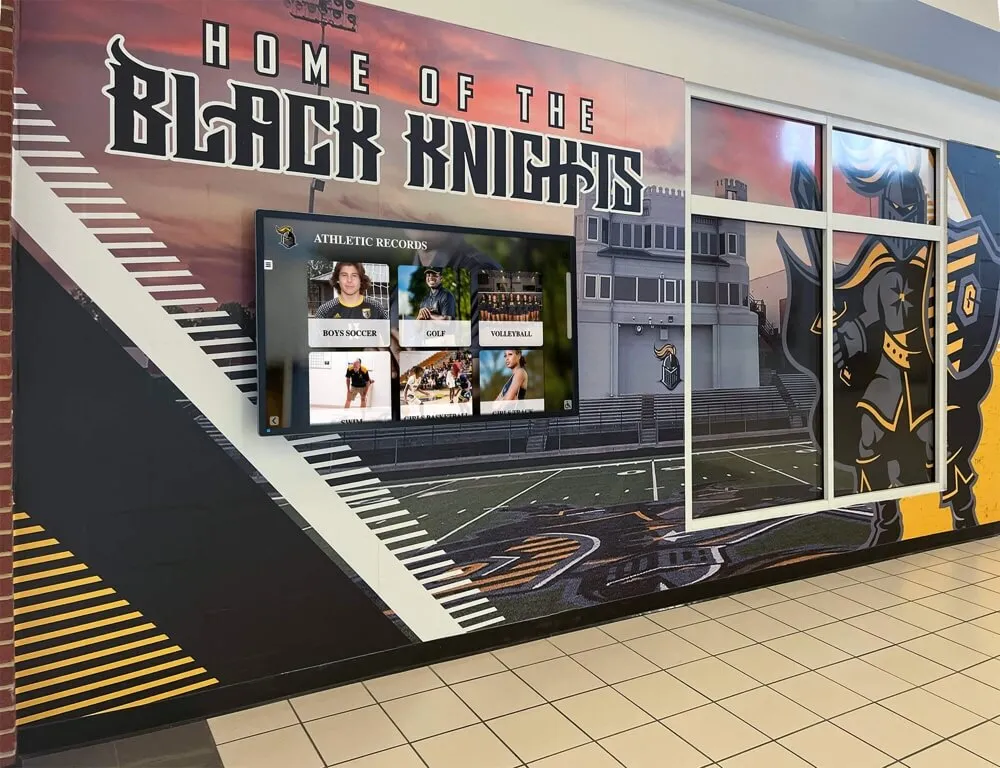
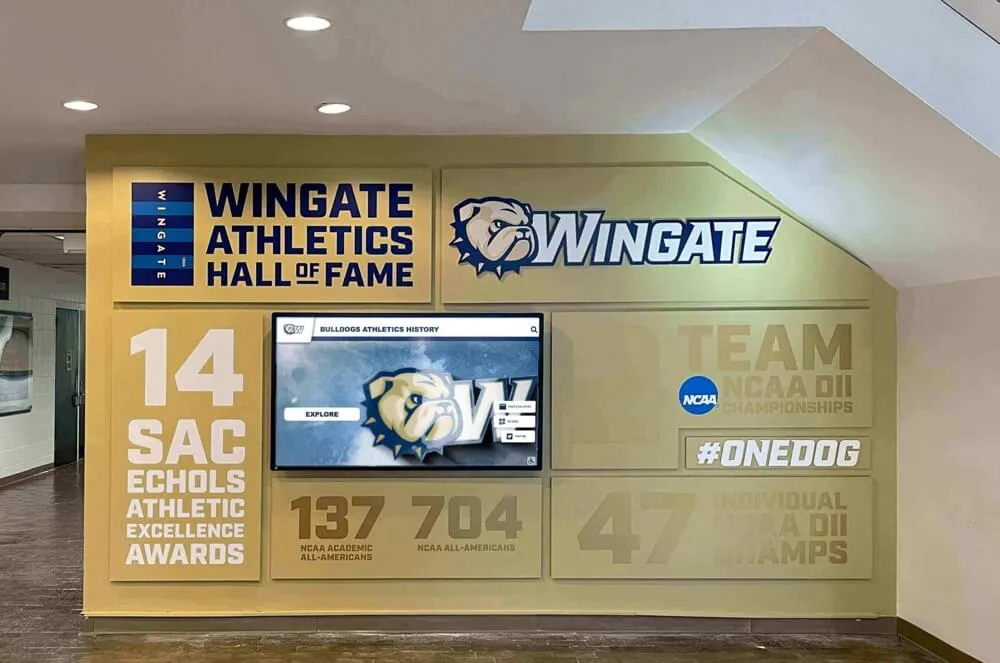
Modern athletic facilities integrate traditional trophy displays with interactive technology for comprehensive program storytelling
Year-Round Trophy Display
Trophy display strategy during possession year reinforces victory significance:
Athletic Facility Display
- Trophy receives prominent placement in football facility entrance
- Display includes rivalry history, game photos, and contextual information
- Lighting and presentation design emphasize trophy importance
- Recruits see trophy during facility tours
- Trophy becomes talking point in recruiting conversations
- Display reminds current team daily of what’s at stake
Campus-Wide Visibility
- Some schools rotate trophy to different campus locations
- Trophy appears at alumni events, donor gatherings, and celebrations
- Trophy features in campus tours and orientation programs
- Trophy becomes institutional symbol beyond just athletics
- Campus newspaper and media regularly reference trophy status
- Trophy possession influences broader campus morale and pride
Schools increasingly integrate rivalry trophies into comprehensive digital recognition systems that tell complete program stories through combination of physical artifacts and interactive digital content.
Lessons from Trophy Games for Athletic Recognition Programs
College football trophy games offer valuable insights applicable to athletic recognition at all competitive levels.
Creating Meaningful Recognition Traditions
The most successful trophy games share common characteristics that any program can adapt:
Physical Symbols Create Lasting Impact
- Tangible trophies provide permanent recognition of achievement
- Physical awards create focal points for celebration and tradition
- Permanent displays maintain year-round visibility and motivation
- Trophy quality and design reflect achievement significance
- Physical recognition transcends digital acknowledgment alone
- Awards become institutional artifacts connecting generations
High schools, youth leagues, and other programs can establish their own trophy games—creating traditions that build program identity and community engagement regardless of competitive level.
Annual Tradition Builds Cumulative Meaning
- Consistent annual competition creates anticipation and tradition
- Long-term rivalry history accumulates emotional significance
- Each year’s outcome connects to broader competitive narrative
- Tradition passes from generation to generation
- Annual cycle creates rhythm that alumni and community embrace
- Consistency builds meaning that one-time events cannot achieve
Public Recognition Amplifies Achievement Value
- Trophy presentations create ceremonial moments
- Public display demonstrates institutional pride in achievement
- Visibility inspires current athletes while honoring past winners
- Recognition extends beyond immediate participants to broader community
- Documented presentations create permanent records and memories
- Public acknowledgment validates athletic excellence
Implementing Trophy Recognition at Your School
Athletic programs at any level can create meaningful trophy traditions:
Establish Rivalry Trophy Games
- Identify most significant annual competitions in your schedule
- Commission trophy creation with meaningful design and symbolism
- Develop presentation traditions and display protocols
- Create media and promotional content highlighting trophy significance
- Involve alumni and community in trophy tradition development
- Build ceremony and ritual around annual trophy competition
Create Comprehensive Recognition Systems
- Develop digital athletic displays showcasing trophy history alongside individual achievements
- Integrate physical trophies with digital storytelling
- Preserve rivalry history through photos, statistics, and narratives
- Make recognition systems accessible to students, alumni, and community
- Update recognition regularly maintaining current relevance
- Design displays that inspire while honoring tradition
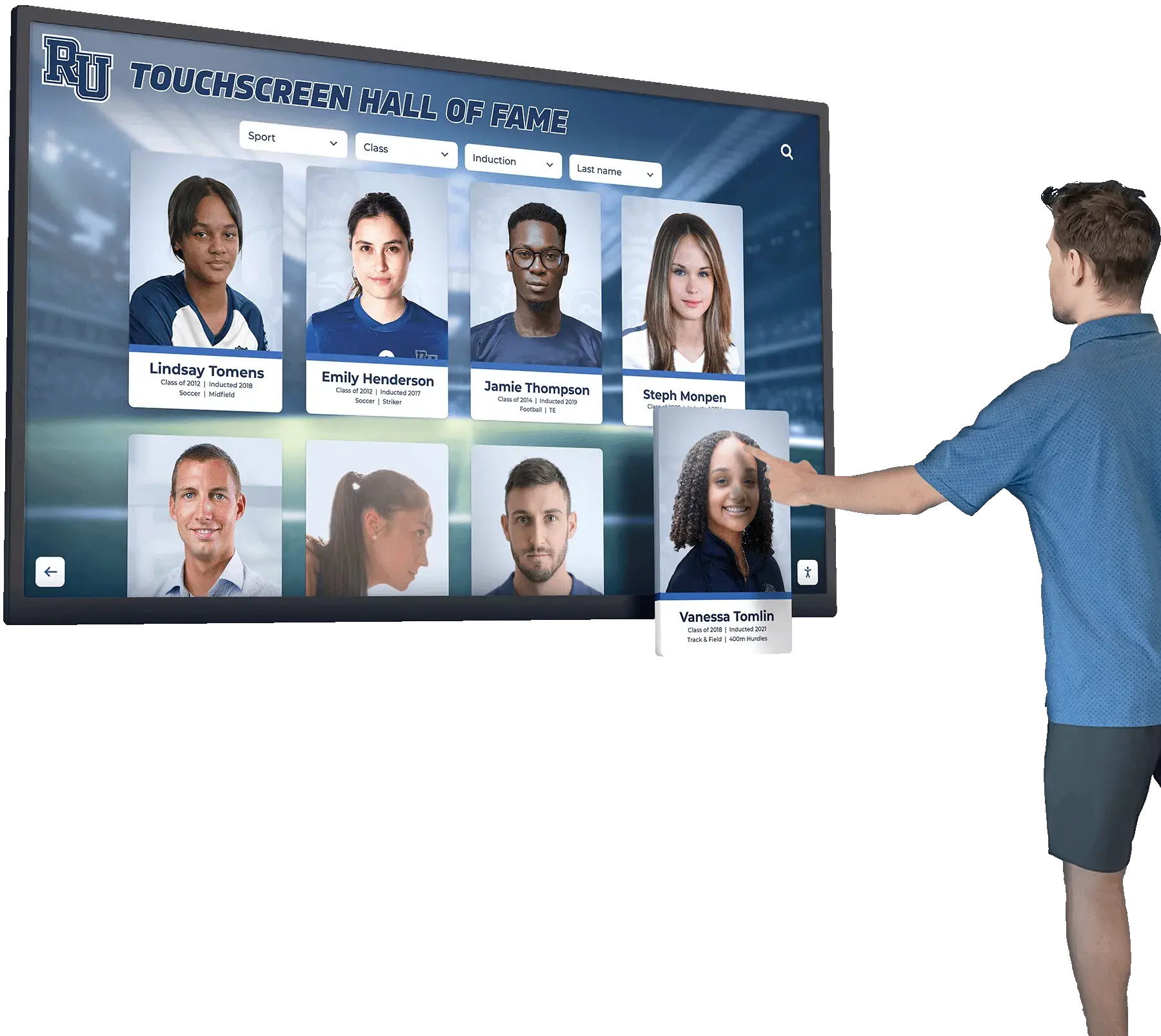
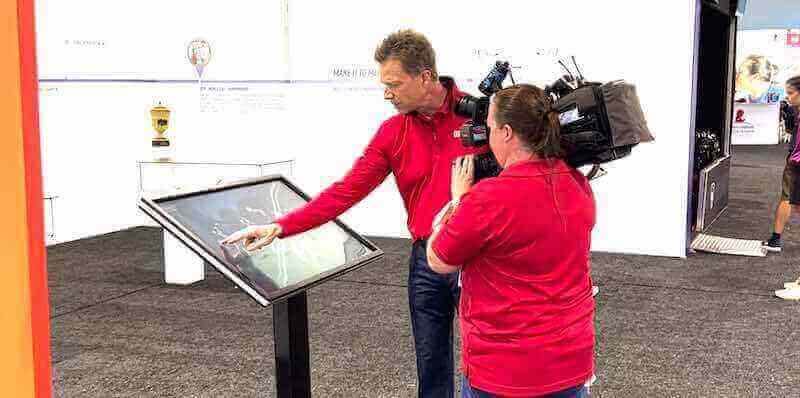
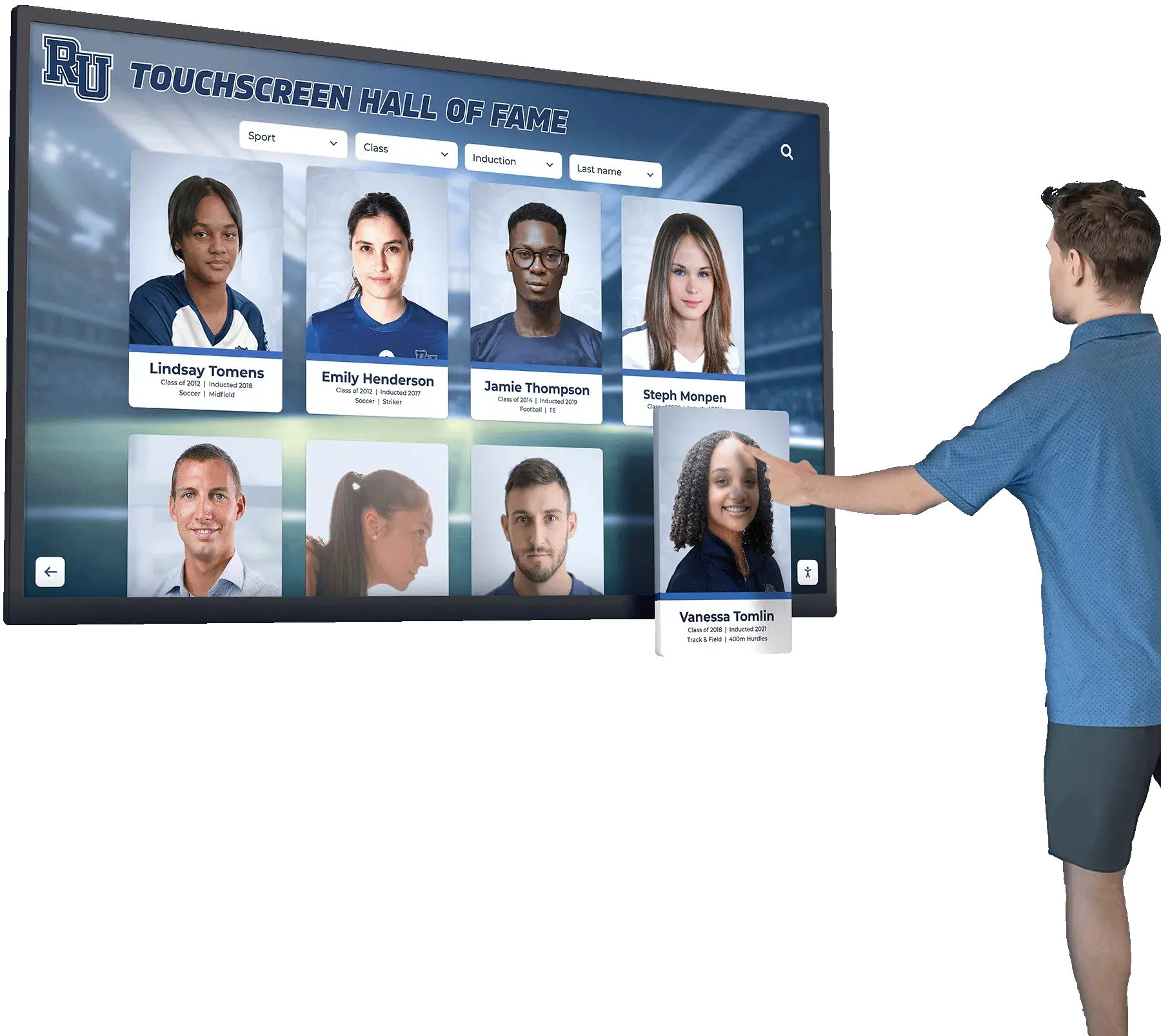
Interactive digital displays allow schools to showcase trophy game history, rivalry statistics, and individual player achievements in engaging formats
Preserve and Celebrate Athletic Heritage
- Document trophy game history through archived photos and media
- Record oral histories from coaches and athletes who competed for trophies
- Create digital archives making history accessible to future generations
- Feature historic trophy games in facility displays and tours
- Connect current athletes to tradition through storytelling
- Build institutional memory that transcends individual seasons
Modern recognition solutions like Rocket Alumni Solutions enable schools to preserve trophy game traditions through digital displays that combine physical trophy showcases with interactive content, statistics, and historical narratives—creating comprehensive recognition systems that honor the past while inspiring current and future athletes.
Balancing Tradition and Innovation
The best recognition programs honor tradition while embracing new technology:
Preserve Core Traditions
- Maintain trophy presentation ceremonies and rituals
- Continue physical trophy display in prominent locations
- Honor historical significance of established rivalries
- Protect authentic traditions that define program identity
- Resist unnecessary changes to well-established customs
- Recognize tradition itself carries intrinsic value
Embrace Technological Enhancement
- Use digital displays to provide context and history
- Create interactive experiences exploring rivalry traditions
- Leverage social media to amplify trophy game excitement
- Develop mobile applications providing access to rivalry history
- Produce video content preserving oral traditions
- Make recognition accessible beyond physical campus boundaries
Integrate Physical and Digital Recognition
- Display physical trophies alongside digital storytelling
- Use technology to enhance rather than replace tradition
- Create touchscreen displays featuring trophy history and statistics
- Develop comprehensive recognition systems celebrating all forms of achievement
- Enable remote access to trophy displays for alumni
- Design recognition that works across multiple platforms
Trophy Games and Athletic Program Development
Rivalry trophy games demonstrate broader principles applicable to building successful athletic programs.
Building Program Identity
Trophy games show how consistent traditions create distinctive program identity:
Traditions Define Program Character
- Annual competitions create predictable rhythms athletes embrace
- Rivalry traditions become part of program recruitment narrative
- Trophy games distinguish programs in crowded competitive landscape
- Traditions create shared experiences connecting athlete generations
- Program identity attracts athletes valuing tradition and heritage
- Distinctive traditions create marketing and media opportunities
Athletic directors can apply these principles by establishing recognition programs that celebrate excellence consistently while building unique program identity.
Recognition Motivates Excellence
- Trophy games provide clear, public success benchmarks
- Tangible awards increase competitive motivation
- Recognition creates achievement culture within program
- Public acknowledgment validates athletic dedication
- Trophy possession becomes recruiting advantage
- Recognition systems demonstrate program’s values and priorities
Creating Alumni Engagement
- Trophy games provide annual opportunities for alumni return
- Rivalry traditions connect alumni to current program
- Trophy status drives alumni social media engagement
- Former athletes who competed for trophies remain invested
- Trophy game weekends become alumni reunion focal points
- Shared rivalry experiences create cross-generational bonds
Enhancing Athletic Facilities
Trophy displays transform athletic facilities from functional spaces into inspiring environments:
Facility Design Incorporating Recognition
- Trophy displays receive prominent placement in facility design
- Recognition installations create points of pride for recruits
- Facilities tell comprehensive program story through displays
- Trophy cases and digital displays combine physical and digital recognition
- Thoughtful design integrates recognition into building architecture
- Recognition installations elevate facility atmosphere and culture
Creating Inspiring Environments
- Trophy displays remind current athletes of program standards
- Recognition installations connect athletes to program history
- Visible acknowledgment of excellence motivates achievement
- Facilities become museums preserving institutional athletic heritage
- Digital recognition systems enable comprehensive storytelling in limited space
- Inspiring facilities become recruiting advantages
Maximizing Recognition Investment
- Quality recognition systems serve multiple purposes simultaneously
- Displays benefit current athletes, recruits, alumni, and community
- Recognition installations increase facility utilization and engagement
- Well-designed systems remain relevant across decades
- Technology integration enables regular content updates
- Recognition systems enhance rather than compete with athletic budgets
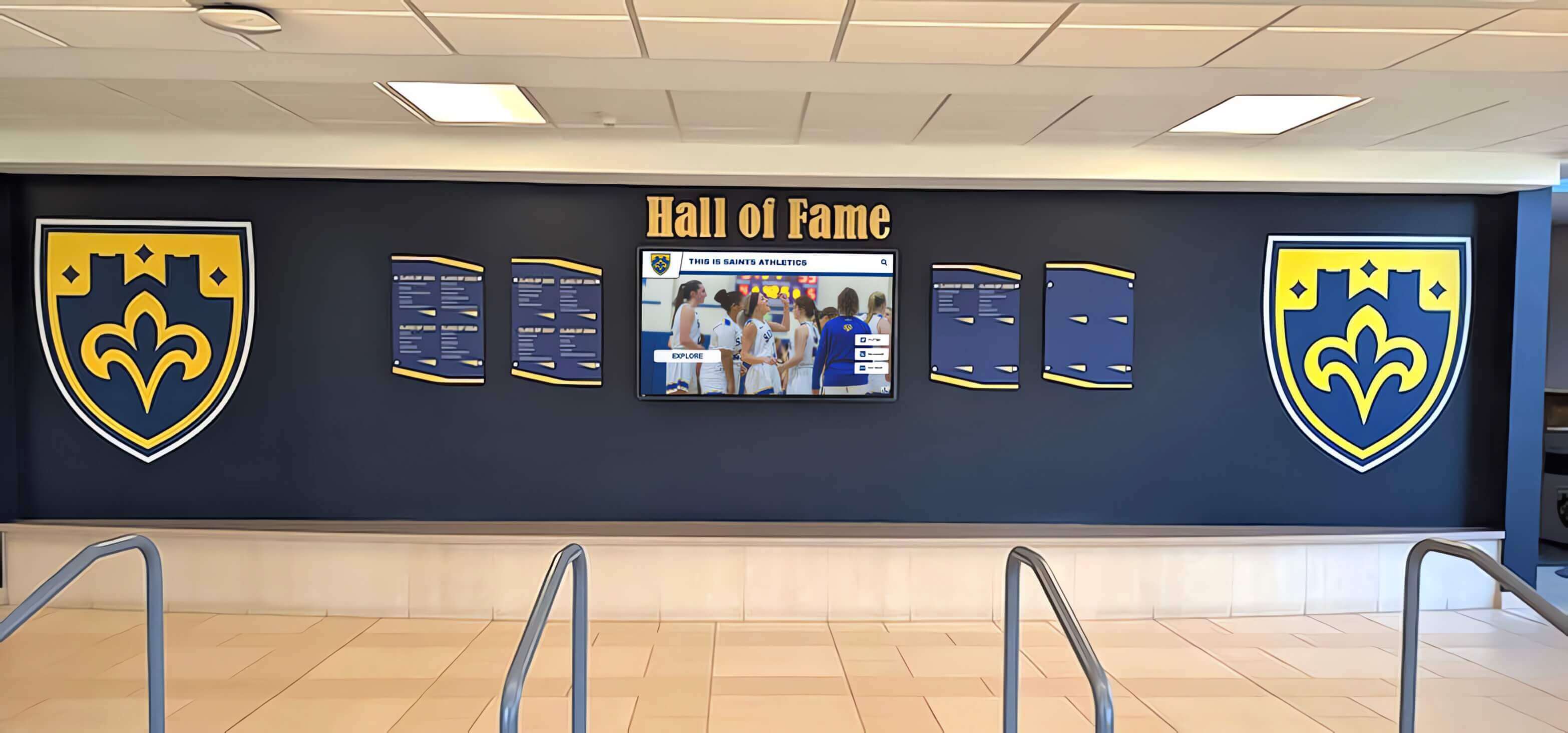
Combining traditional recognition elements with modern digital displays creates comprehensive systems that honor history while remaining relevant for current generations
Creating Your School’s Trophy Game Traditions
Schools at any competitive level can establish meaningful trophy game traditions that build program identity and community engagement.
Identifying Trophy Game Opportunities
Consider which annual competitions could benefit from trophy designation:
Natural Rivalry Candidates
- Geographic rivalries between neighboring schools
- Conference competitions with historical significance
- Matchups with balanced competitive history
- Games drawing strongest community and alumni interest
- Competitions with playoff or championship implications
- Matchups defining your competitive calendar annually
The best trophy games emerge from authentic rivalries rather than manufactured marketing—focus on competitions that already carry meaning for your community.
Considering Multiple Sports
- Trophy games work across all sports, not just football
- Basketball, soccer, baseball, and other sports benefit from rivalry recognition
- Multi-sport trophies can recognize overall athletic program excellence
- Consider which rivalries carry most significance in your community
- Some schools create omnibus trophies tracking multiple sport outcomes
- Expanding trophy games spreads recognition across entire athletic program
Trophy Design and Creation
Effective trophy design reflects rivalry character and institutional identity:
Meaningful Symbolism
- Incorporate elements representing both schools or geographic region
- Reference historical events or traditions defining rivalry
- Consider functionality for display and presentation
- Balance dignity with distinctive character
- Ensure design quality reflects competition significance
- Work with artists or craftspeople creating lasting quality
Practical Considerations
- Trophy must be durable enough for annual handling and display
- Size should be substantial but manageable for presentation
- Design must work in multiple display contexts
- Consider security and preservation requirements
- Budget for trophy creation through booster support or sponsorship
- Plan for trophy maintenance and restoration if needed
Community Involvement
- Engage alumni associations in trophy design process
- Consider student design competitions
- Involve local businesses or craftspeople in creation
- Seek input from coaches and athletic department
- Document trophy creation process building anticipation
- Create unveiling ceremony generating excitement
Establishing Trophy Game Traditions
Successful trophy games require intentional tradition development:
Creating Ceremony and Ritual
- Establish consistent presentation protocols
- Develop trophy display traditions during possession year
- Create media and promotional traditions surrounding game
- Build pre-game and post-game trophy-centered activities
- Involve student organizations in tradition development
- Document traditions ensuring consistency across years
Building Community Engagement
- Promote trophy games through enhanced marketing
- Create trophy game-specific promotional materials and merchandise
- Organize alumni events surrounding trophy competitions
- Engage community businesses in trophy game promotions
- Use social media to amplify trophy game excitement
- Develop educational content explaining trophy history and significance
Maintaining Long-Term Tradition
- Document trophy game history through archived results
- Preserve photographs and media from trophy presentations
- Create digital records making history accessible
- Update recognition displays featuring trophy game history
- Connect current athletes to tradition through storytelling
- Protect core traditions while allowing organic evolution
Modern digital recognition systems make preserving and presenting trophy game history more accessible than ever. Solutions like Rocket Alumni Solutions enable schools to create interactive displays combining physical trophy showcases with rich digital content—statistics, photographs, video highlights, and narrative history that bring rivalry traditions to life for current students, recruits, and alumni.
Trophy Games in the Digital Age
Technology transformation impacts how schools display, promote, and preserve trophy game traditions.
Digital Recognition and Trophy Displays
Modern recognition technology enhances traditional trophy displays:
Interactive Digital Displays
- Touchscreen installations adjacent to physical trophies provide context
- Digital systems showcase rivalry statistics and historical results
- Interactive displays feature photographs and video from past trophy games
- Technology enables regular content updates maintaining current relevance
- Digital recognition systems make comprehensive history accessible in limited space
- Integration of physical and digital creates optimal recognition experience
Virtual Access and Remote Engagement
- Digital systems enable trophy display access beyond physical locations
- Alumni anywhere can explore trophy game history through online platforms
- Mobile applications provide trophy game information and notifications
- Virtual displays maintain connection for remote community members
- Technology extends recognition reach to global alumni networks
- Digital access complements physical displays rather than replacing them
Content Management and Updates
- Cloud-based systems enable easy content updates after each trophy game
- Athletic staff can maintain current information without technical expertise
- Automated updates can integrate game results and statistics
- Digital systems scale easily as trophy game history accumulates
- Technology reduces long-term maintenance burden
- Regular updates maintain recognition system relevance
Social Media and Trophy Game Promotion
Digital platforms amplify trophy game excitement and tradition:
Pre-Game Promotion
- Trophy photographs and history generate social media engagement
- Alumni share memories and predictions building game anticipation
- Digital content educates newer fans about rivalry significance
- Trophy game countdowns create excitement throughout rivalry week
- Historical content introduces younger audiences to tradition
- Promotional campaigns emphasize trophy stakes increasing interest
Real-Time Engagement
- Trophy presentation moments generate significant social media activity
- Fans share celebration or disappointment in real-time
- Trophy-centered content achieves high engagement rates
- Winning team showcases trophy through social channels immediately
- Trophy images and video dominate post-game conversation
- Real-time content extends trophy game reach far beyond attendees
Year-Round Connection
- Trophy status remains social media topic throughout year
- Throwback content featuring historic trophy games generates engagement
- Trophy display location and condition creates ongoing content
- Anniversary commemorations of historic trophy games build tradition
- Social media keeps trophy top-of-mind for alumni and fans
- Digital engagement maintains interest between annual competitions
Preserving Trophy Game History
Digital technology enables comprehensive historical preservation:
Digital Archives
- Scan and preserve photographs from trophy game history
- Digitize newspaper clippings and media coverage
- Capture oral histories from coaches and athletes
- Create video compilations documenting trophy presentation moments
- Build searchable databases of trophy game statistics and results
- Ensure historical materials remain accessible to future generations
Storytelling and Narrative Development
- Produce documentary content exploring trophy game tradition
- Create written narratives preserving rivalry history
- Develop educational materials for current athletes and students
- Share alumni perspectives on trophy game significance
- Build comprehensive content libraries supporting multiple platforms
- Use storytelling to connect current athletes to program heritage
Conclusion: Building Recognition That Lasts
College football trophy games demonstrate enduring power of tangible recognition combined with authentic tradition. From the Old Oaken Bucket to the Paul Bunyan Trophy, these rivalry trophies prove that physical symbols create emotional connections that transcend individual seasons—building program identity, inspiring excellence, and uniting communities across generations.
The lessons from these historic rivalries apply at every competitive level. Schools don’t need century-old traditions or Power Five budgets to create meaningful recognition that celebrates athletic excellence, preserves program history, and inspires future achievement. What matters is authenticity—establishing traditions that reflect your community’s values, honoring competitions that genuinely matter to your athletes and fans, and committing to recognition systems that endure beyond individual seasons.
Modern technology enables schools to preserve and present trophy game traditions more effectively than ever before. Digital recognition displays combine physical trophy showcases with interactive content, creating comprehensive systems that honor the past while engaging current students, attracting recruits, and maintaining alumni connections. These integrated recognition solutions ensure that today’s trophy game victories become tomorrow’s inspiring traditions—preserving athletic excellence for generations to come while creating the compelling visual environments that define championship programs.
Whether you’re considering establishing your school’s first trophy game or modernizing how you display and preserve existing rivalry traditions, the principle remains constant: meaningful recognition creates lasting impact. Trophy games work because they transform competition into tradition, achievement into heritage, and athletic excellence into institutional pride that entire communities embrace and celebrate.