Every successful athletic program has coaches who invest countless hours developing skills, building character, and inspiring excellence in their student-athletes. These dedicated professionals arrive early for morning practices, stay late reviewing game film, spend weekends at tournaments, and consistently put their teams first. Yet too often, coaching contributions receive acknowledgment only during brief championship celebrations or retirement ceremonies, leaving years of dedicated service underrecognized between those milestone moments.
Coach Appreciation Day—typically celebrated on the first Tuesday after Mother’s Day in May—provides an annual opportunity to honor the coaches who shape student-athletes and build winning programs. Beyond this designated day, forward-thinking schools create comprehensive recognition systems ensuring coaching excellence receives ongoing celebration rather than occasional acknowledgment. These permanent recognition approaches transform coaching appreciation from single-day gestures into sustained institutional culture honoring the professionals who define athletic program quality and character.
This comprehensive guide explores effective strategies for celebrating Coach Appreciation Day and building year-round recognition systems that honor coaching staff contributions meaningfully while creating lasting documentation preserving their legacy beyond active coaching careers.
Successful coach recognition accomplishes multiple objectives simultaneously—providing meaningful acknowledgment for coaching dedication and achievement, building institutional culture that values staff contributions alongside student accomplishments, creating permanent documentation ensuring coaching legacies remain visible across generations, and inspiring current student-athletes by demonstrating program appreciation for the leaders who develop their skills and character.

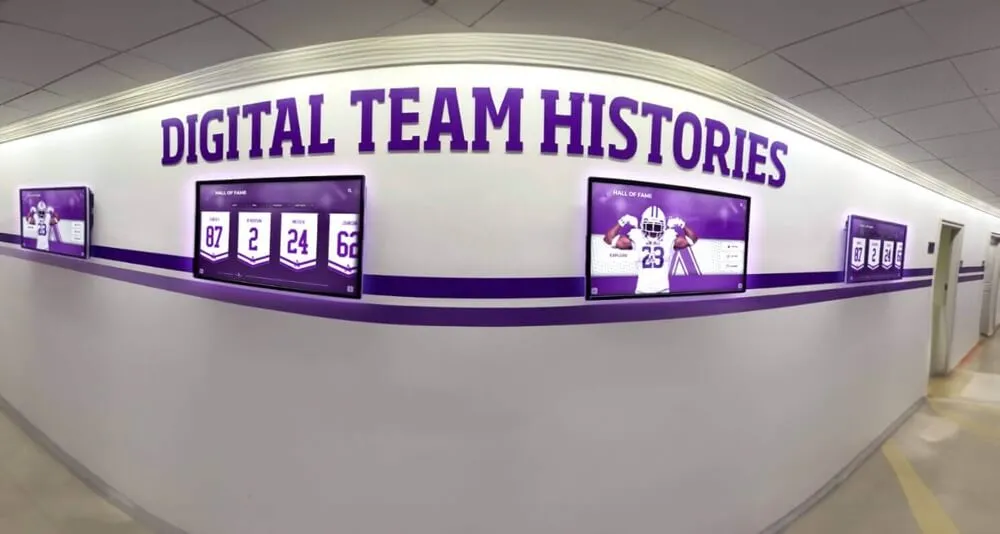
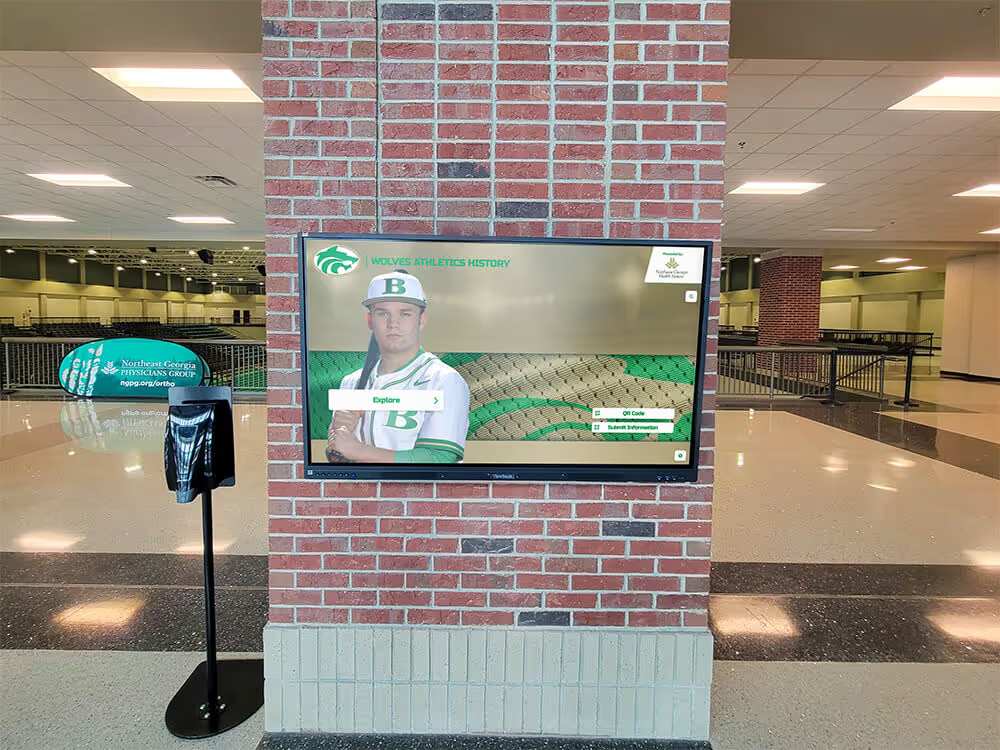
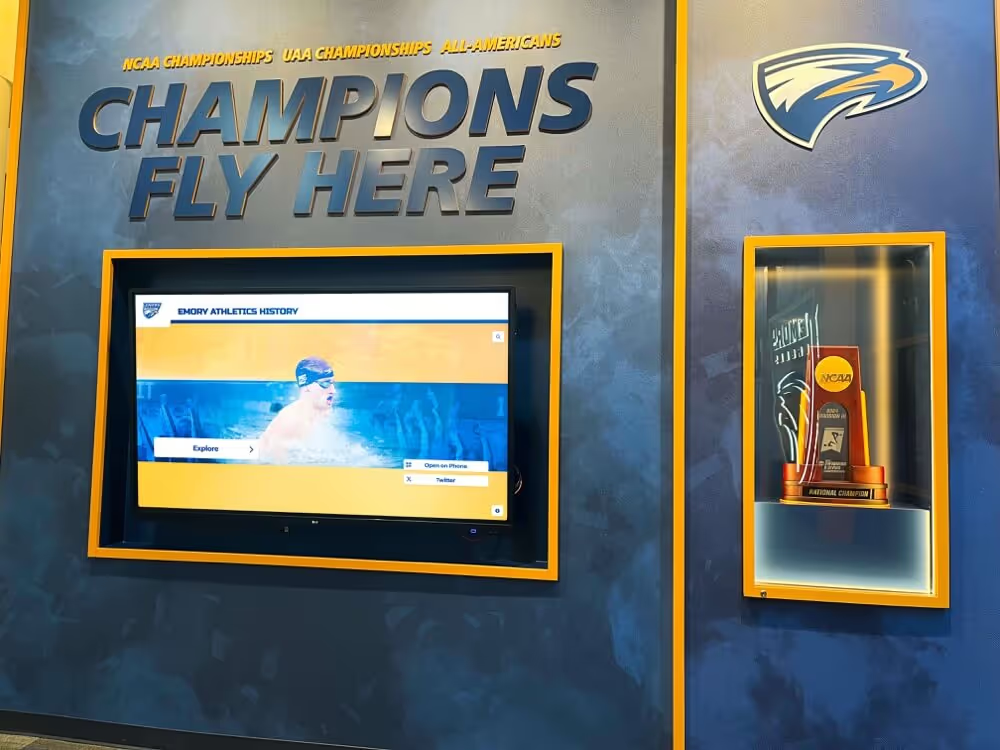
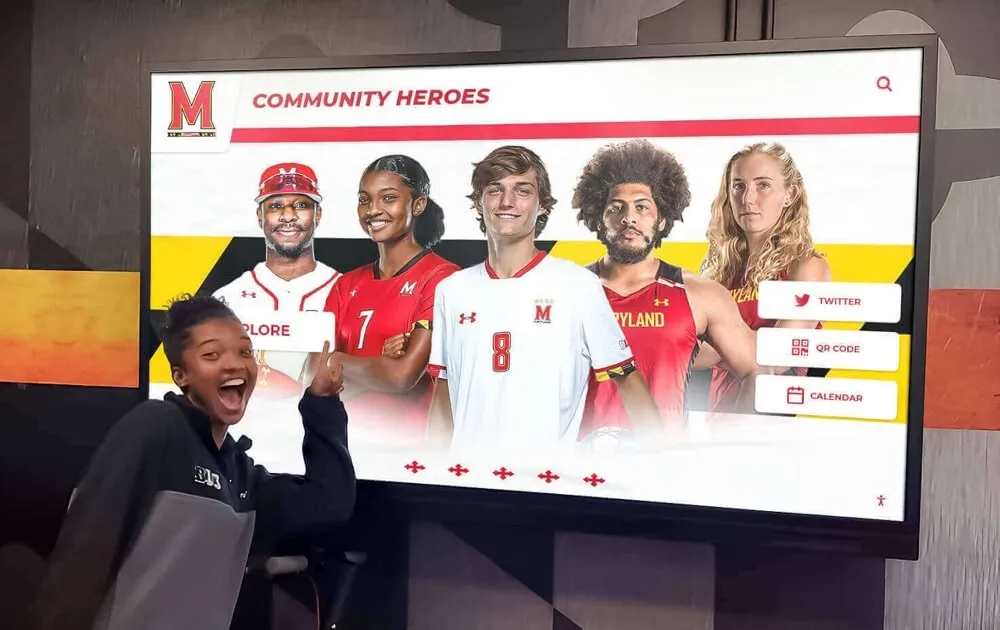
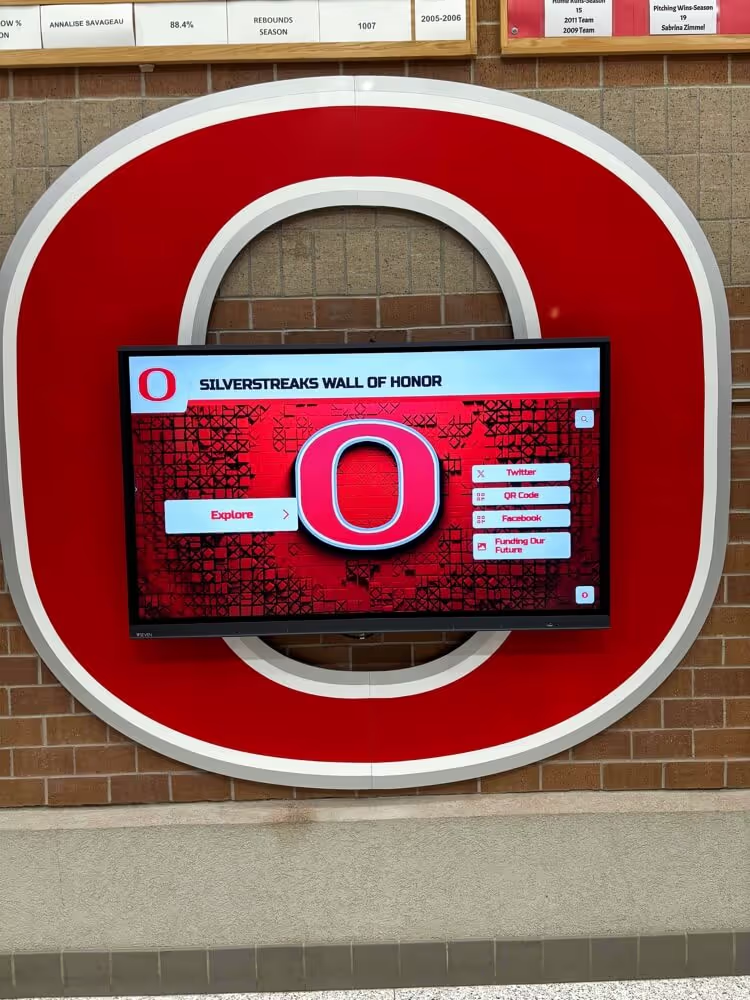
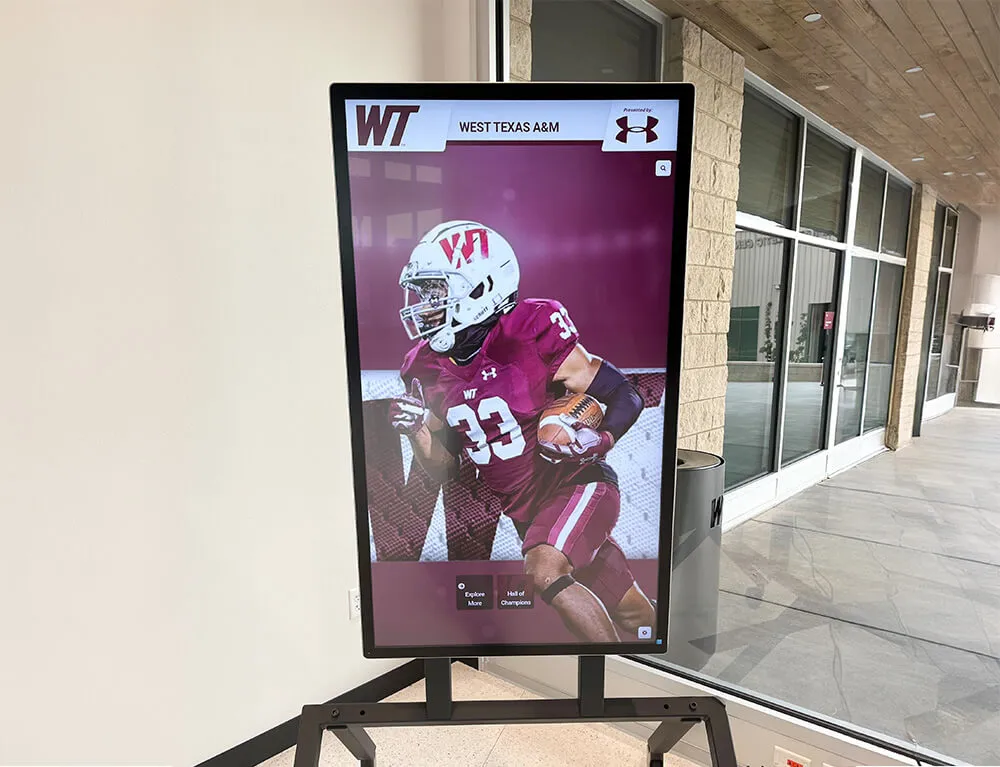
Modern recognition displays celebrate coaching staff alongside student-athletes, ensuring program leaders receive visibility matching their contributions
Understanding Coach Appreciation Day and Its Significance
Before planning specific recognition approaches, understanding the purpose and history of Coach Appreciation Day ensures celebrations align with the day’s intended meaning while addressing real coaching needs.
The Origins and Purpose of Coach Appreciation Day
Coach Appreciation Day emerged from grassroots efforts recognizing that coaching professionals rarely receive acknowledgment proportionate to their contributions:
Historical Development
The concept of a national Coach Appreciation Day gained momentum in the 1990s as youth sports organizations, school athletic associations, and parent groups recognized persistent gaps in coaching recognition. While championship banquets celebrated winning seasons and retirement events honored long careers, the day-to-day dedication of coaching professionals across all sports and competition levels frequently went unacknowledged. This recognition gap proved particularly acute for assistant coaches, junior varsity staff, and coaches of non-revenue sports who contributed significantly to student development while receiving minimal public visibility.
Professional coaching associations formally established Coach Appreciation Day observance, encouraging schools, sports organizations, and athletic programs nationwide to dedicate specific time each year to honoring coaching contributions. The timing—early May following Mother’s Day—positions recognition near season conclusions for spring sports while preceding summer vacation dispersal, creating a natural moment for comprehensive coaching acknowledgment across programs.
Core Objectives of Coach Appreciation Day
The designated day serves multiple important purposes:
- Public acknowledgment of coaching dedication and time investment
- Recognition that coaching involves far more than visible game-day leadership
- Appreciation for character development and mentorship extending beyond athletic skill instruction
- Validation that coaching excellence matters to institutions, families, and communities
- Motivation through demonstrated appreciation reinforcing continued commitment
Research consistently demonstrates that recognition significantly impacts professional satisfaction and retention—particularly important in coaching where time demands often exceed financial compensation and public acknowledgment. Thoughtful appreciation programs help retain quality coaching professionals while attracting talented individuals to coaching opportunities.

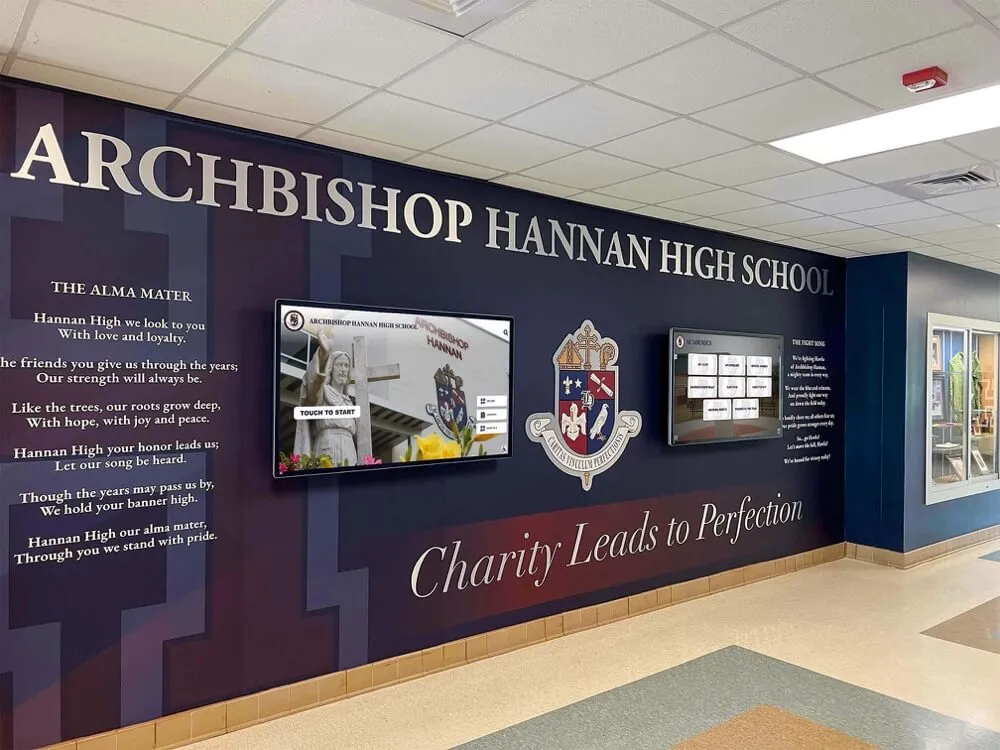
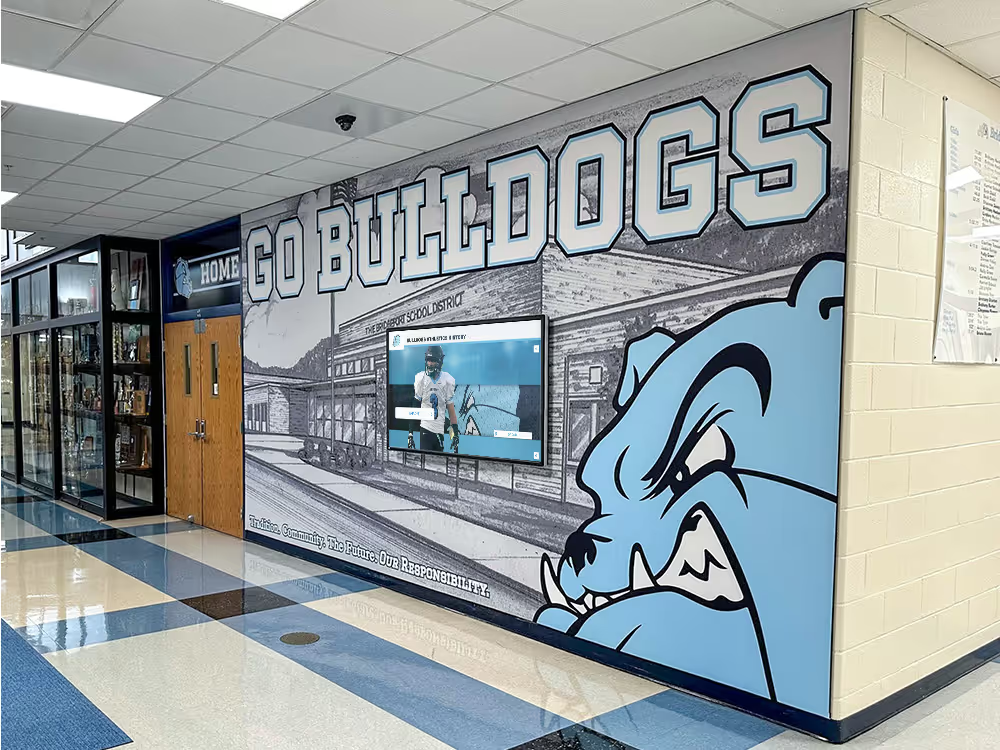
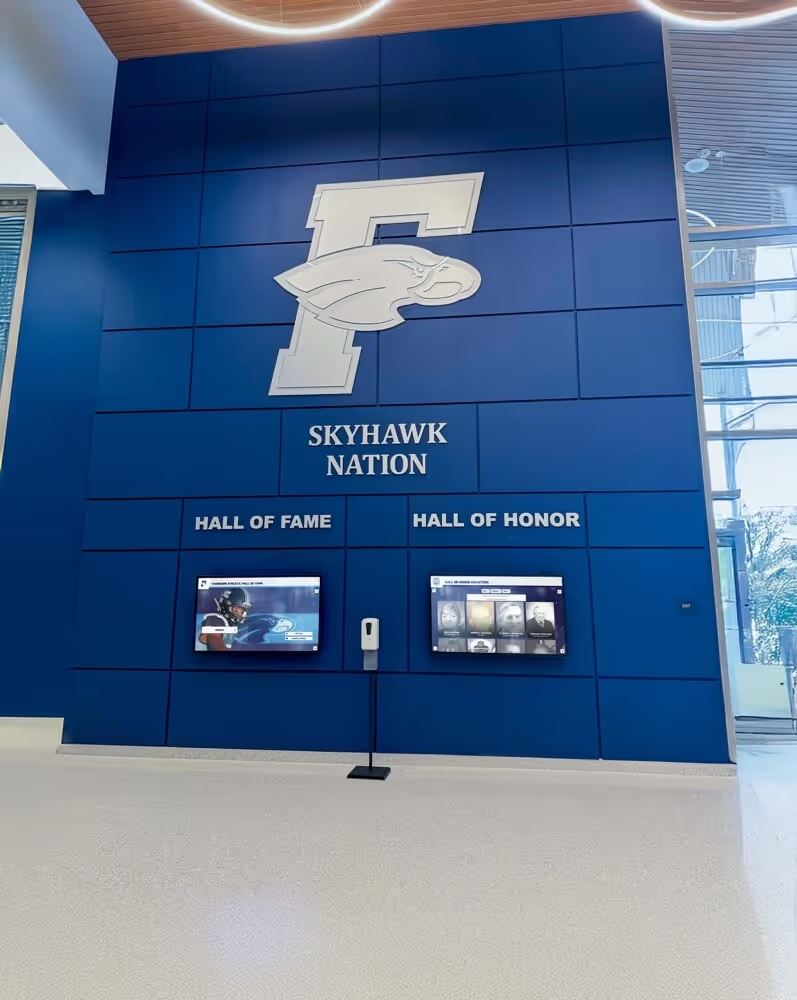
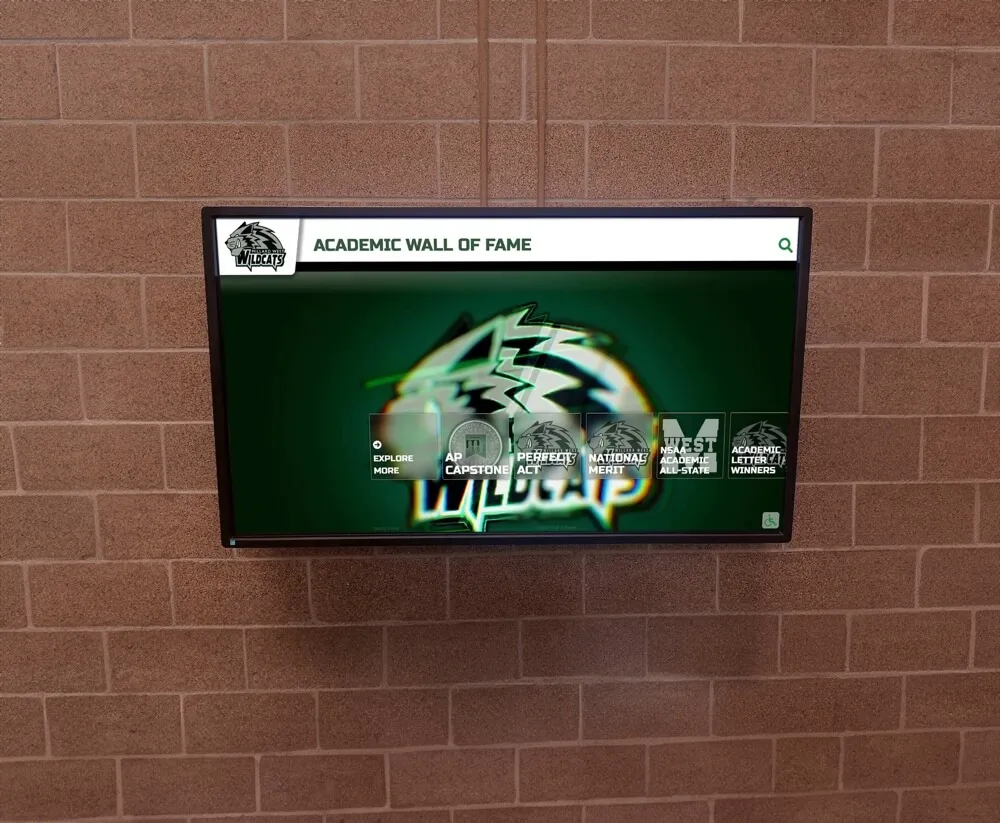
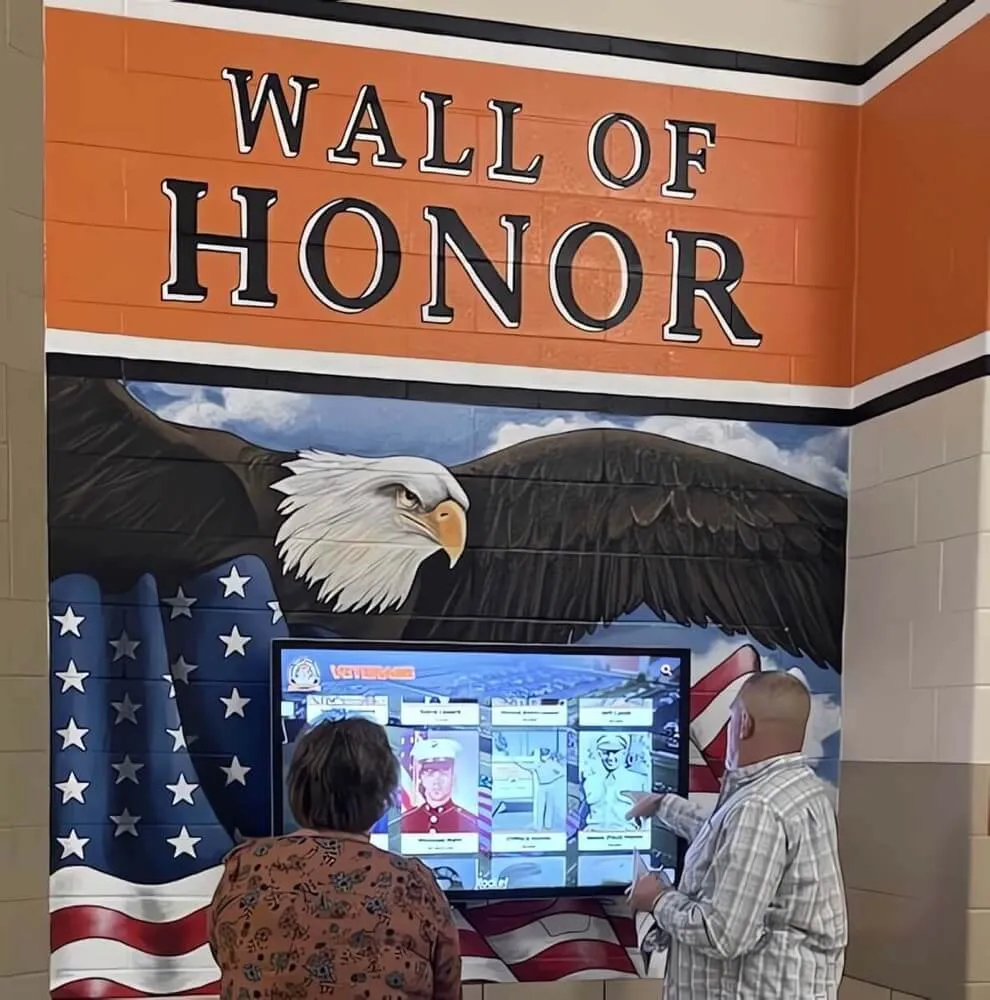
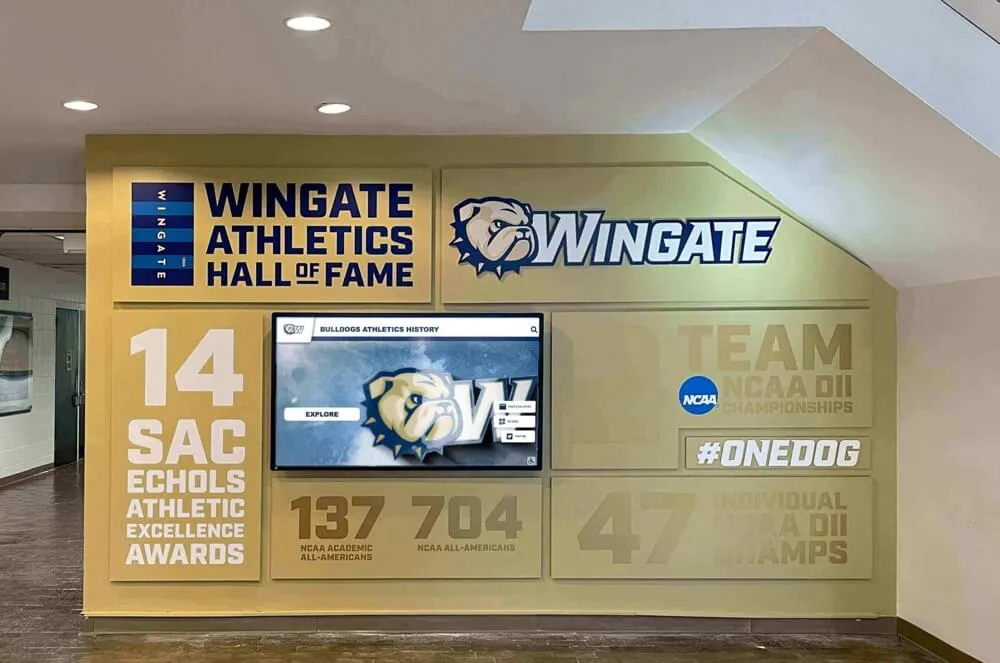
Comprehensive recognition systems preserve coaching legacies alongside athlete achievements, demonstrating institutional appreciation for program leadership
Why Coaching Recognition Matters: Impact Beyond Wins and Losses
While championship banners and winning records provide obvious coaching recognition moments, the most significant coaching contributions often occur outside public view:
Skill Development and Athletic Growth
Coaches invest countless hours developing fundamental skills, teaching advanced techniques, and helping athletes reach potential:
- Individual skill sessions addressing specific technique needs
- Practice planning and implementation creating progressive development
- Film study and strategy sessions building tactical understanding
- Off-season training programs preparing athletes for competition
- Injury rehabilitation support helping athletes return safely to competition
Most athletes remember these developmental moments more vividly than individual game results, yet traditional recognition rarely acknowledges the patient, consistent skill-building that defines coaching excellence.
Character Formation and Life Lessons
Beyond athletic instruction, coaches profoundly influence character development:
- Teaching work ethic, discipline, and commitment through athletic participation
- Modeling integrity, sportsmanship, and ethical competition
- Developing leadership capabilities through team roles and responsibilities
- Building resilience and mental toughness through challenge and adversity
- Creating community and belonging through team culture development
Former athletes frequently cite coaches among the most influential figures in their development—impact that extends throughout lives and careers long after final seasons conclude. Recognition systems acknowledging this character-building dimension honor coaching’s true scope.
Mentorship and Lasting Relationships
Quality coaches create relationships extending beyond player-coach dynamics:
- Academic support and accountability ensuring eligibility and educational success
- College recruitment assistance and recommendation letters
- Career guidance and professional network connections
- Personal counsel during challenging life circumstances
- Lifelong mentorship continuing decades after graduation
Athletes often return years later to share life accomplishments with former coaches—evidence of lasting impact that formal recognition should acknowledge and celebrate.
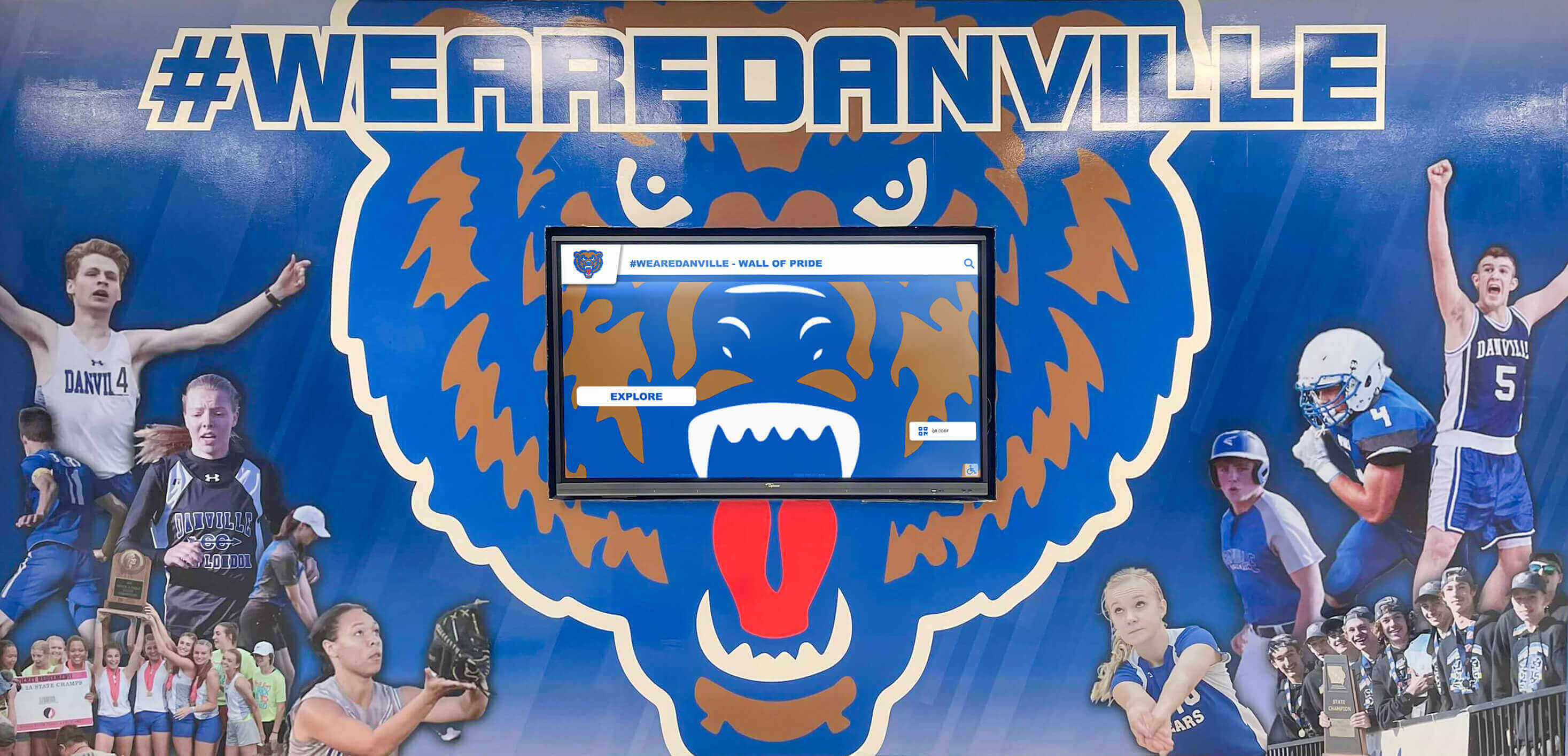
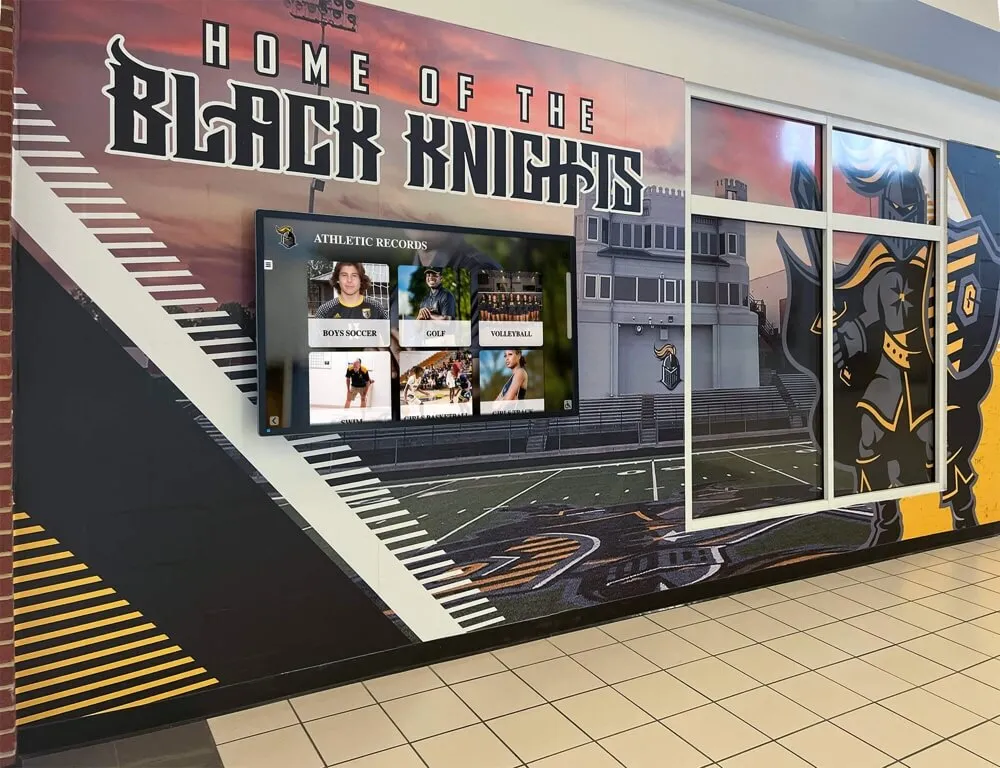
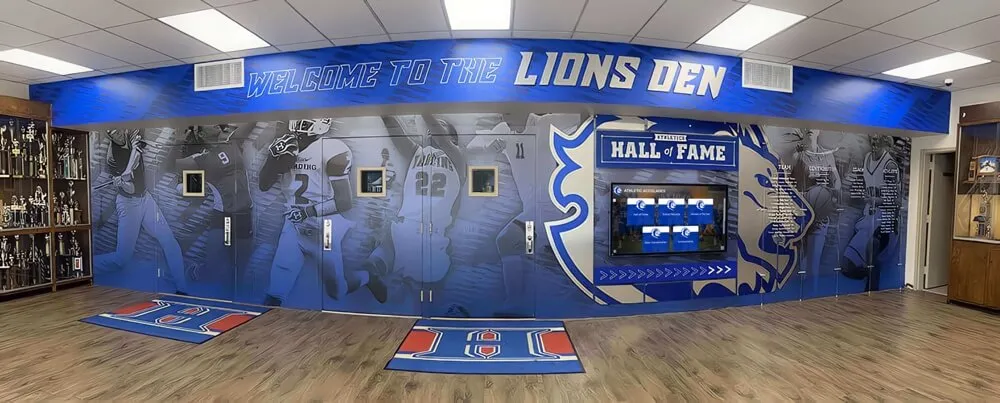
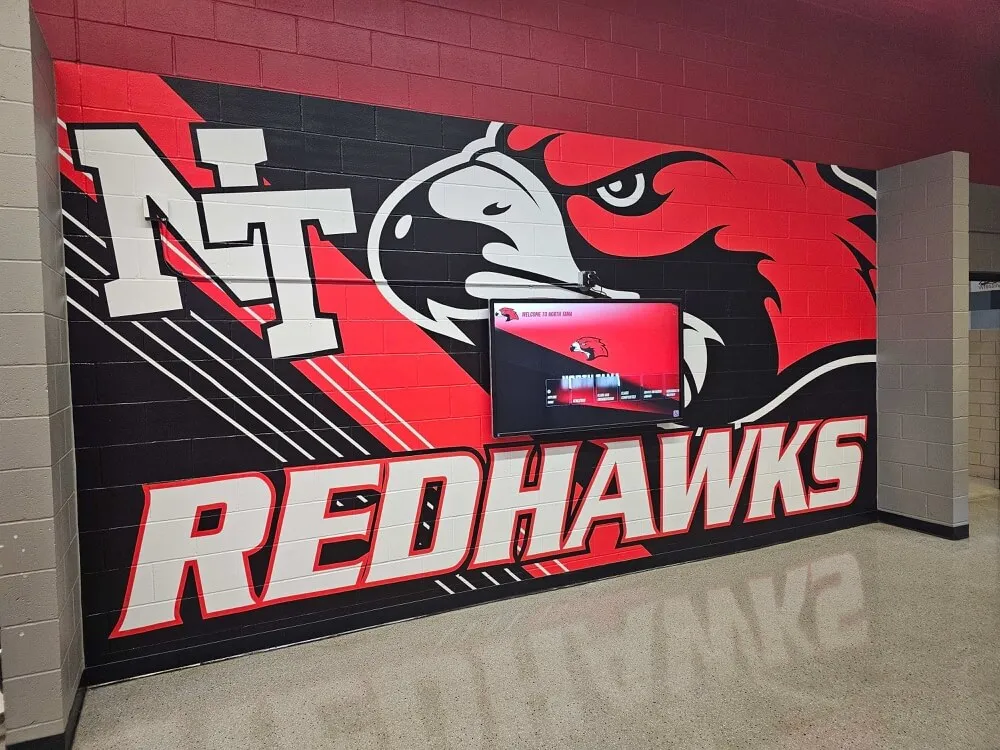
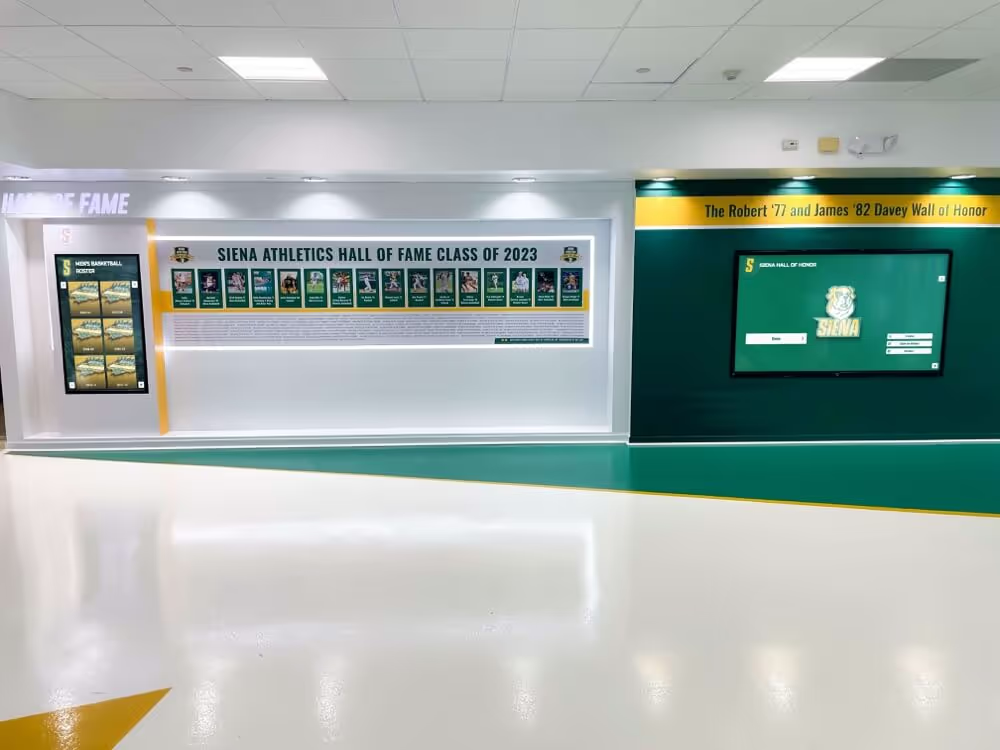
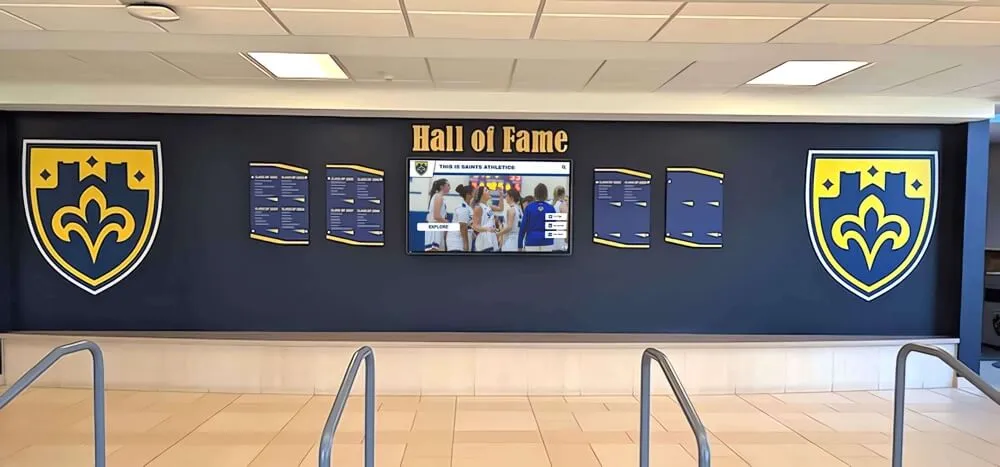
Strategic recognition placement in athletic facilities ensures daily visibility for coaching accomplishments and program traditions
Program Building and Institutional Excellence
Successful coaches build sustainable programs transcending individual seasons:
- Establishing team culture, values, and traditions across athlete generations
- Developing feeder programs and youth sport connections
- Building community support and booster engagement
- Creating program visibility attracting quality athletes and community investment
- Training assistant coaches and developing future program leaders
These program-building contributions create lasting institutional value extending far beyond any individual coaching tenure, deserving recognition that acknowledges comprehensive impact rather than only win-loss records.
Coach Appreciation Day Celebration Ideas: Meaningful Recognition Approaches
Effective Coach Appreciation Day celebrations balance public acknowledgment with personal meaning, ensuring coaches feel genuinely valued rather than receiving perfunctory gestures.
Student-Athlete Led Recognition Initiatives
Appreciation from athletes themselves carries particular meaning for coaching professionals:
Personal Thank-You Letters and Messages
Encourage athletes to express specific appreciation:
- Handwritten notes describing particular ways coaches impacted development
- Video messages recorded individually or compiled into tribute presentations
- Social media posts with photos and appreciation captions (using appropriate hashtags like #ThankACoach or #CoachAppreciationDay)
- Team-signed cards or posters displayed publicly
- Specific memory sharing identifying memorable coaching moments
Generic appreciation lacks impact—encouraging athletes to identify specific instances when coaches made difference creates meaningful, memorable recognition.
Recognition During Practice or Team Activities
Surprise acknowledgment during normal routines:
- Team-organized presentations during practice time
- Athlete speeches sharing appreciation publicly to coaching staff
- Special team activities honoring coaches (team photos, signed equipment, commemorative items)
- Parent attendance at practices specifically to acknowledge coaching dedication
- Pre-game or post-practice celebrations with refreshments and recognition programming
Learn more about comprehensive teacher recognition programs that inform coaching appreciation approaches.
Athlete-Created Media and Tributes
Creative expressions demonstrating appreciation:
- Highlight videos showcasing coaching contributions and program moments
- Photo collages featuring coaches with teams across seasons
- Social media campaigns coordinated across team members
- Athlete testimonial compilations featuring diverse team members
- Performance or artistic tributes (poems, songs, skits) created by athletes
These creative approaches allow athletes to demonstrate appreciation in personal ways matching team culture and individual talents.
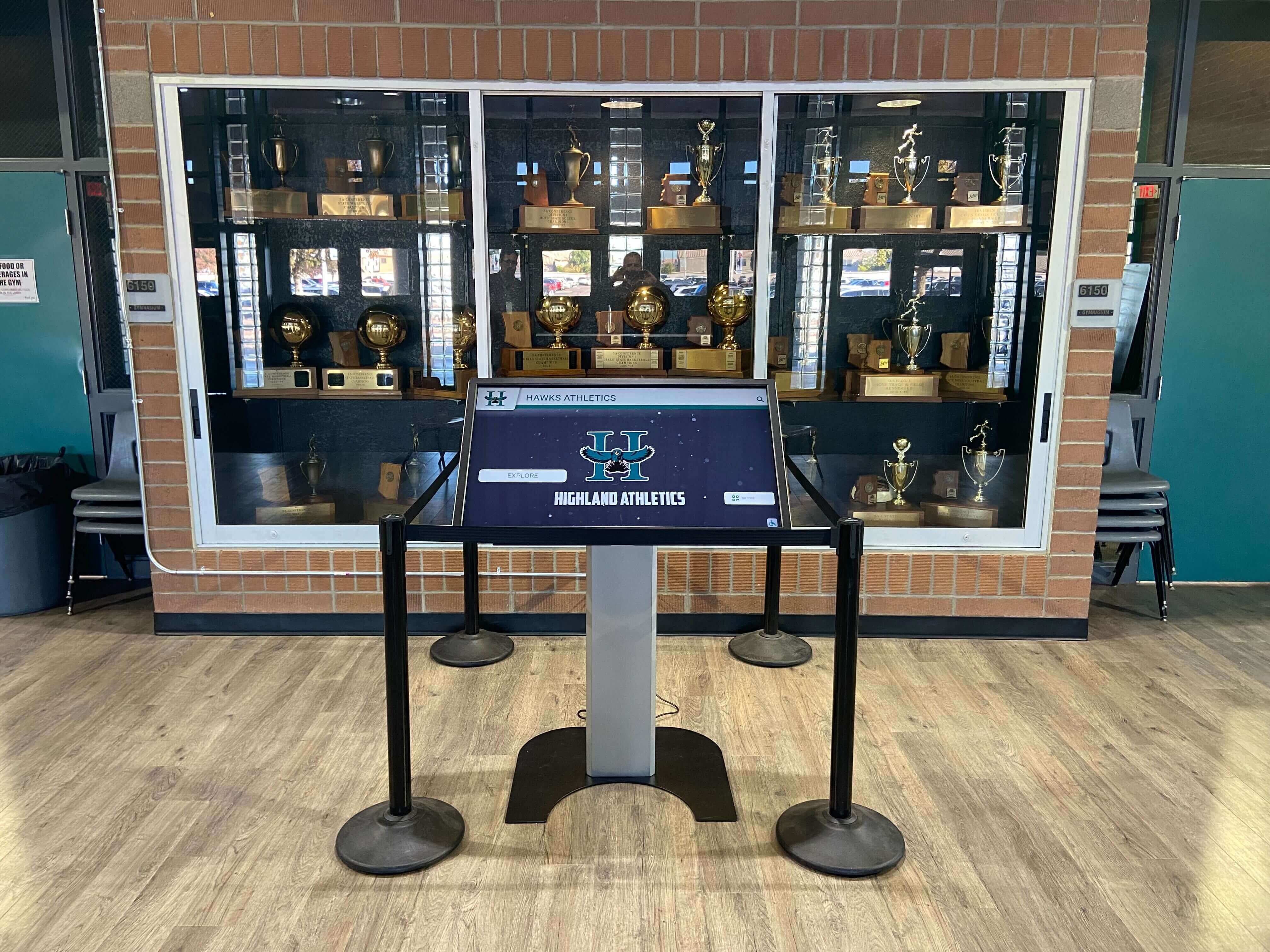
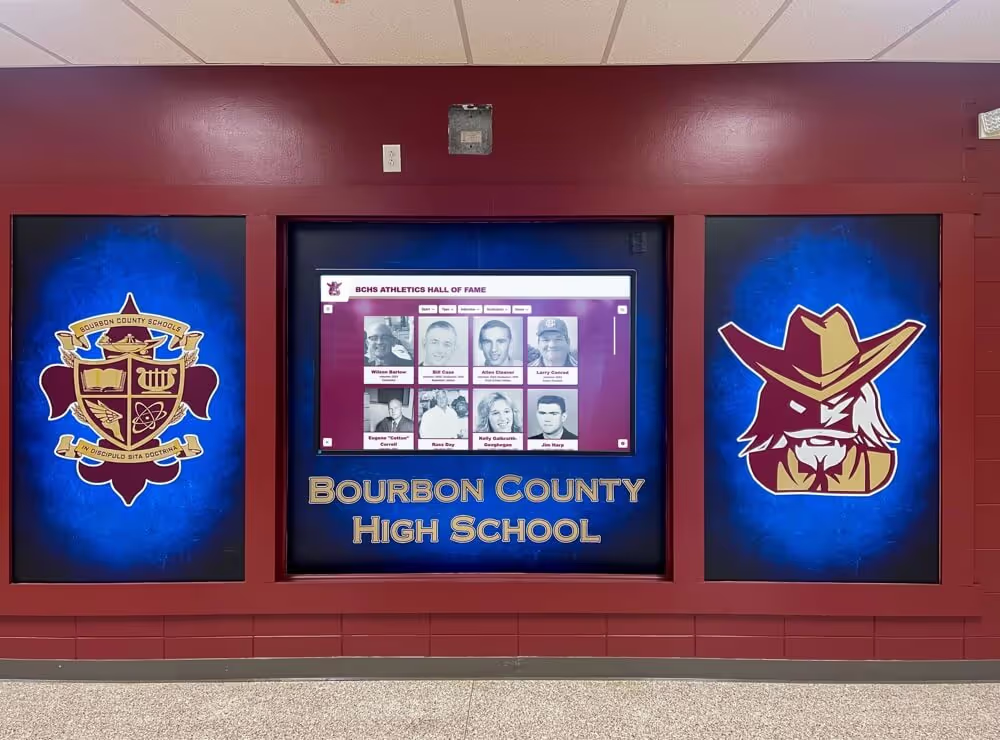
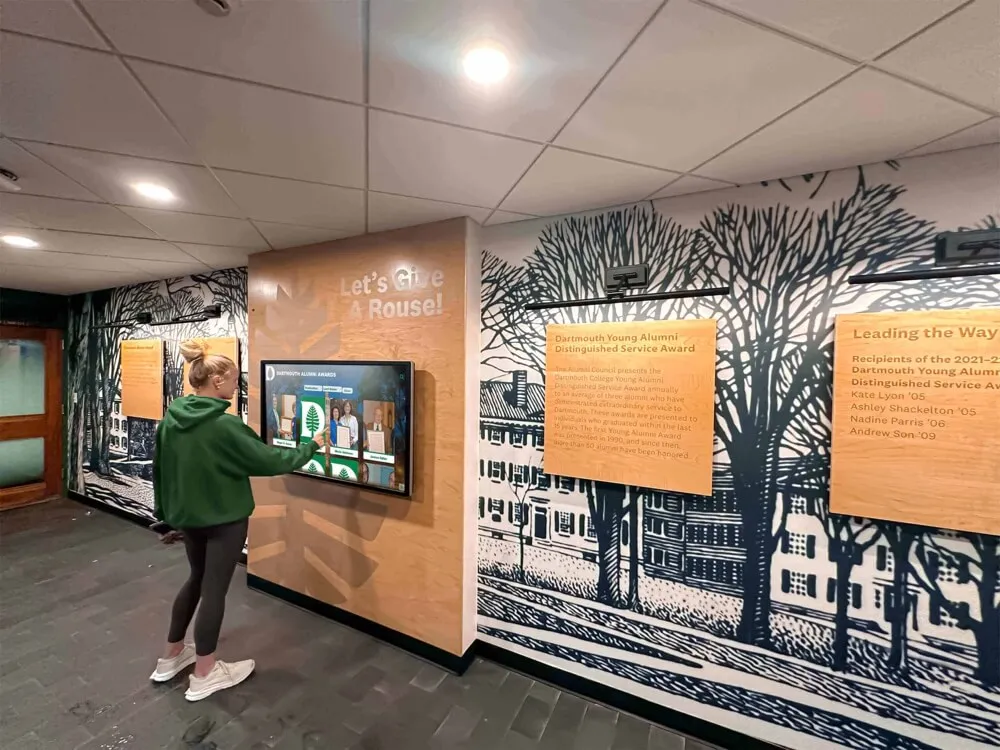
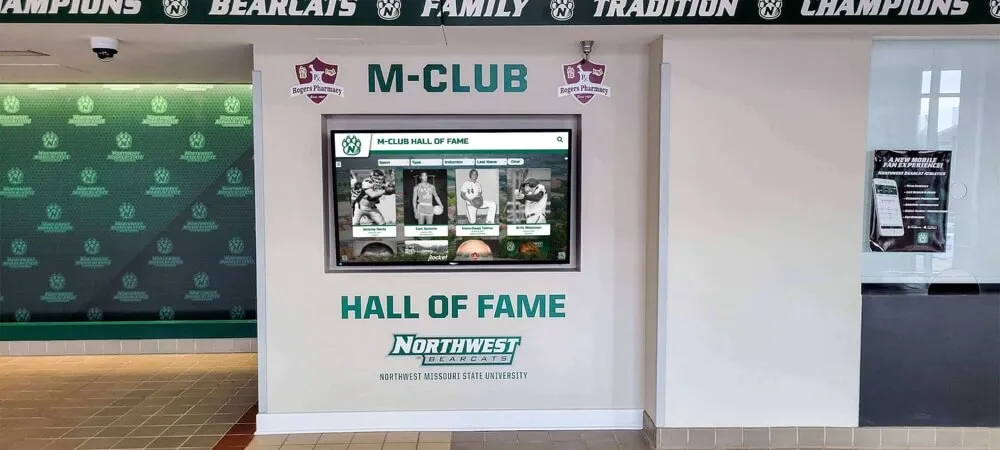
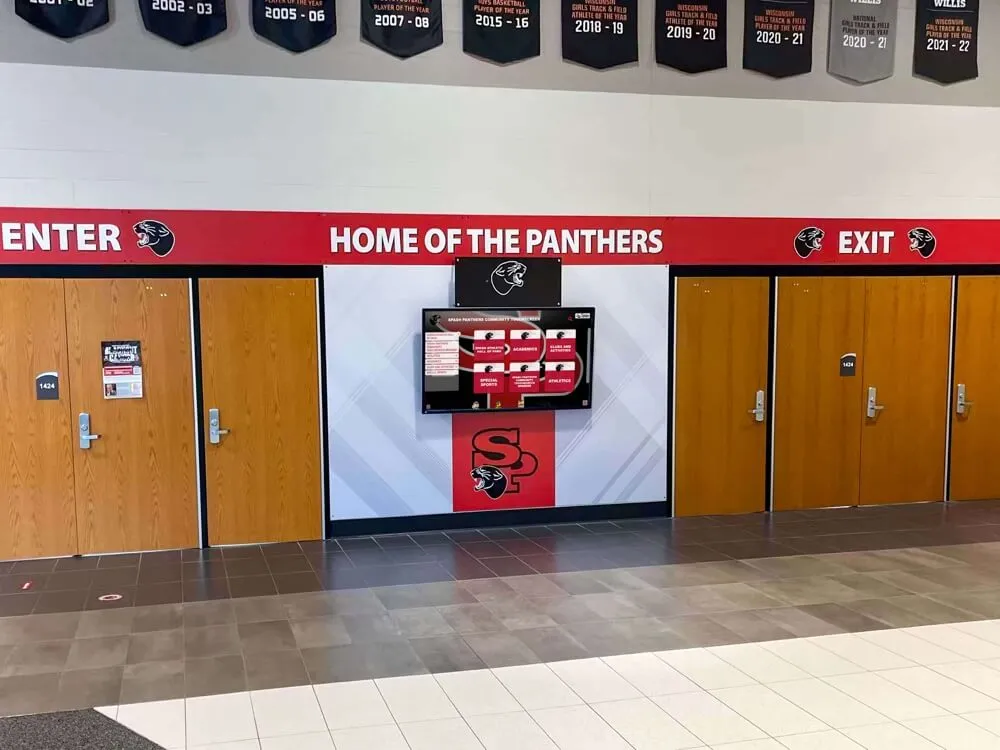
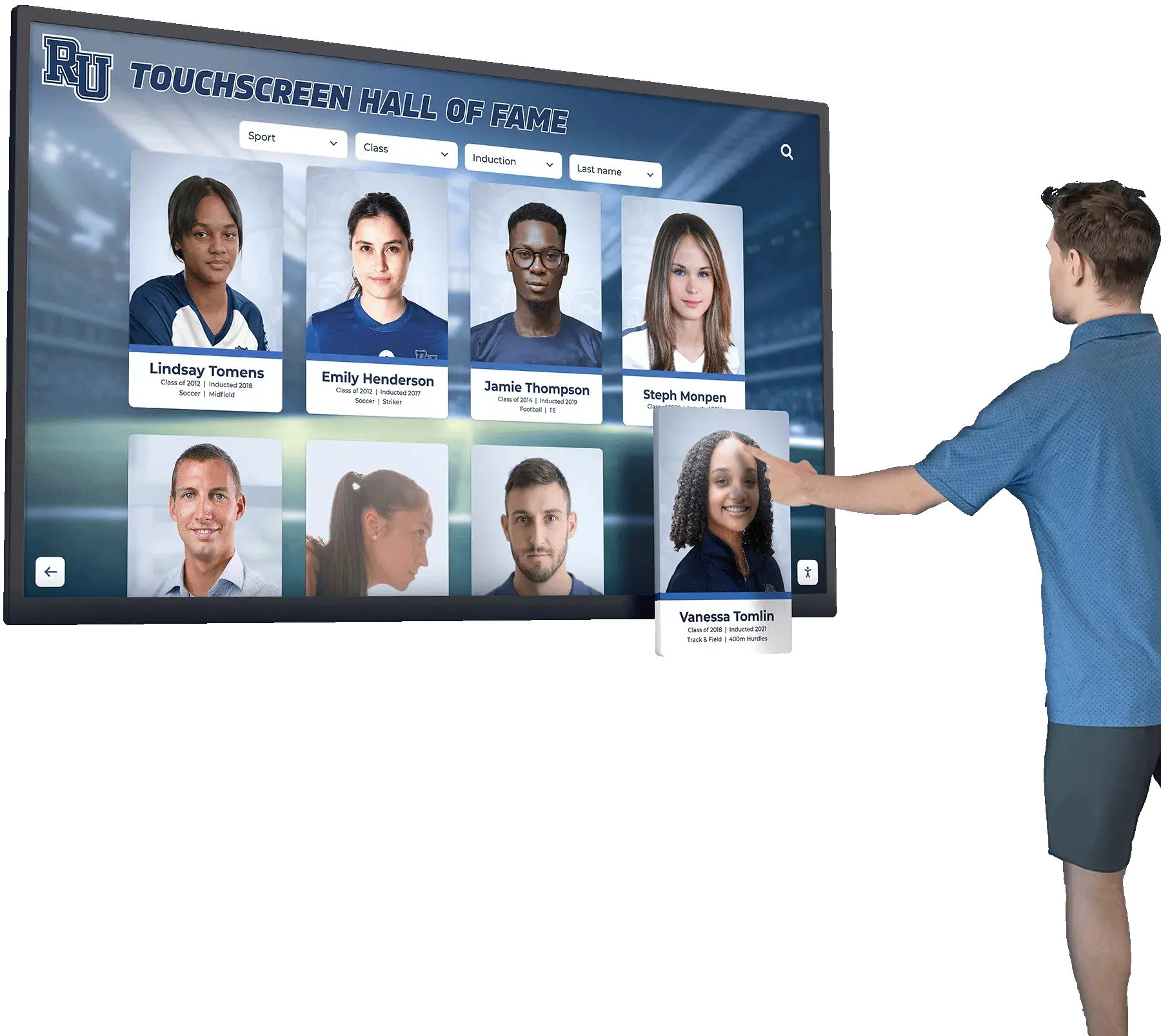
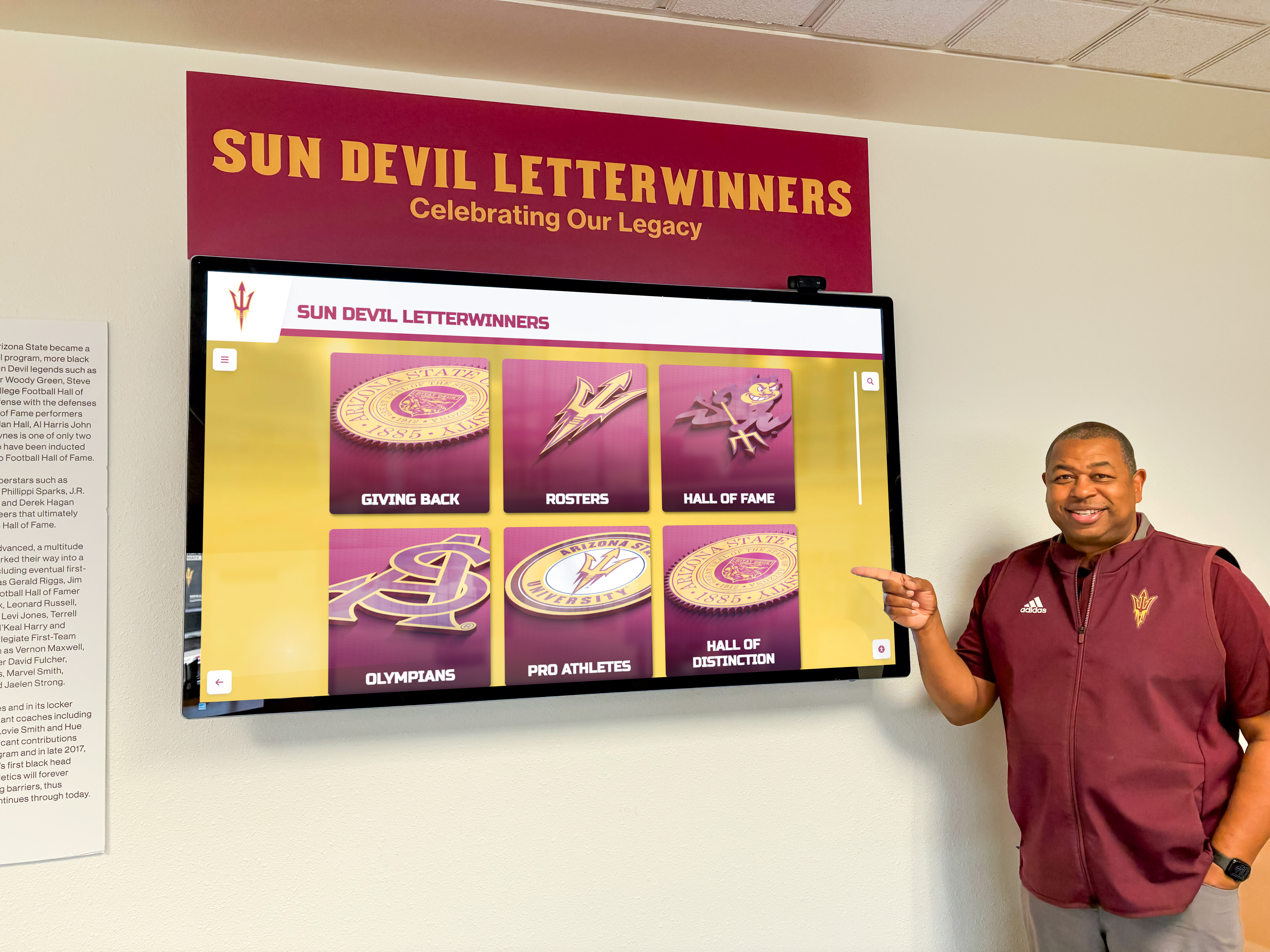
Touchscreen recognition systems provide engaging platforms for showcasing coaching histories and staff accomplishments year-round
School and Athletic Department Recognition Programs
Institutional acknowledgment demonstrates organizational appreciation:
Public Announcements and Communications
Formal recognition through official channels:
- Morning announcement recognition on Coach Appreciation Day
- Social media posts from school and athletic department accounts
- Website features highlighting coaching staff and contributions
- Press releases to local media acknowledging coaching excellence
- Newsletter articles celebrating specific coaches and accomplishments
- Parent communication encouraging family appreciation participation
Institutional recognition validates coaching contributions while demonstrating organizational priorities valuing staff alongside student achievement.
Special Events and Appreciation Ceremonies
Dedicated celebration programming:
- Coach appreciation breakfasts or luncheons hosted by athletic departments
- Recognition segments during spring athletic banquets or award ceremonies
- Special assemblies featuring coaching staff acknowledgment
- Community appreciation events involving broader school populations
- Integration of coaching recognition into existing school celebration traditions
Explore how senior recognition programs can include coaching appreciation components.
Tangible Gifts and Recognition Items
Physical appreciation tokens:
- Personalized items featuring school branding and coach names
- Team-signed equipment or memorabilia
- Gift cards or certificates supporting coach interests
- Apparel or gear specific to coached sports
- Framed team photos or season highlight compilations
- Books, professional development materials, or sport-specific resources
While tangible gifts shouldn’t replace genuine relationship-based appreciation, thoughtful items demonstrate concrete investment in coaching staff value.
Parent and Booster Organization Appreciation Efforts
Family and community supporter recognition:
Parent-Organized Appreciation Activities
Coordinated family efforts:
- Potluck meals or catered events honoring coaching staffs
- Group gifts funded through parent contributions
- Decorations in coaches’ offices or team spaces
- Coordinated appreciation cards signed by families
- Video compilations featuring parent testimonials
Parents often observe coaching impacts families don’t see daily—their appreciation perspectives provide meaningful recognition dimensions.
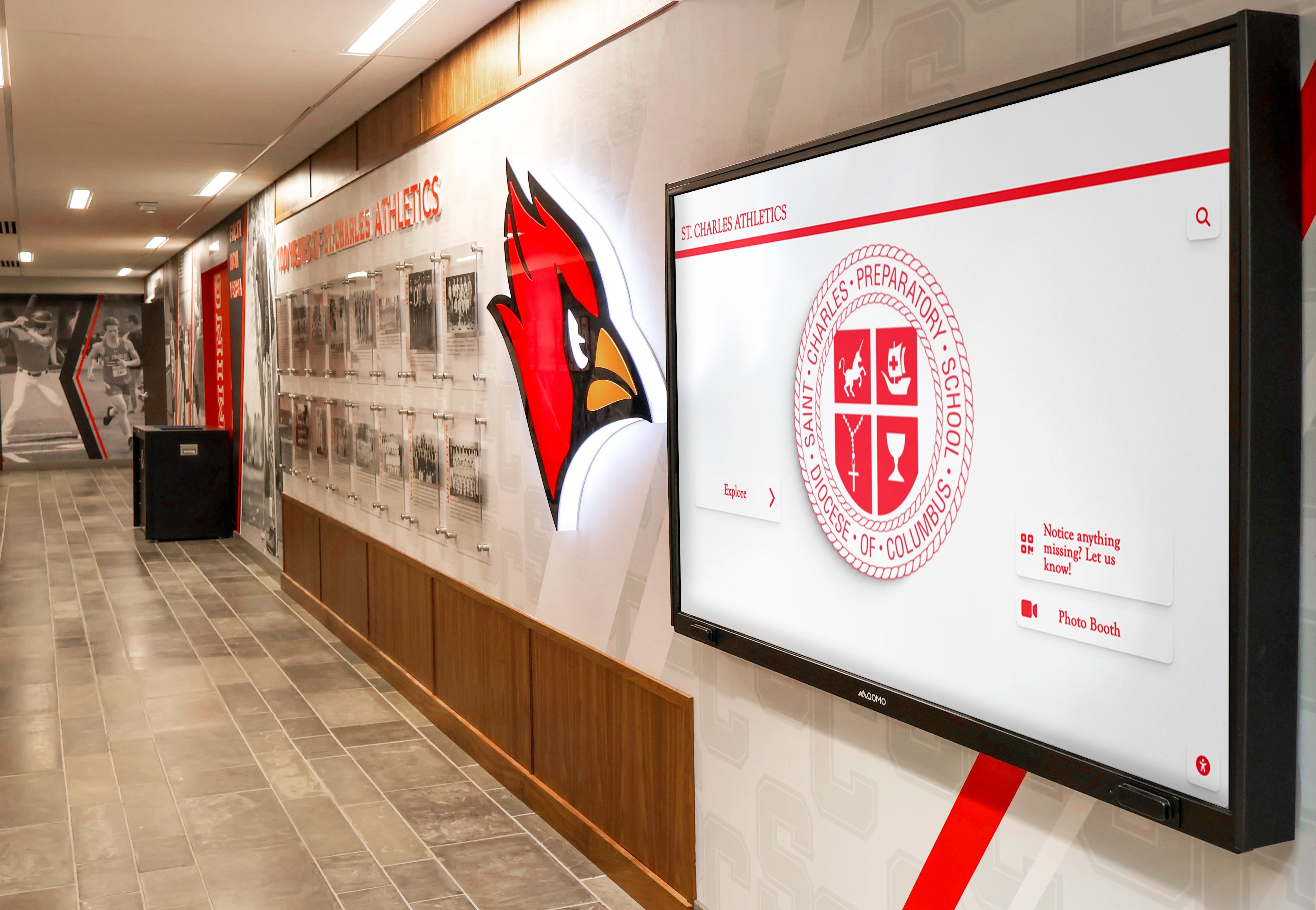
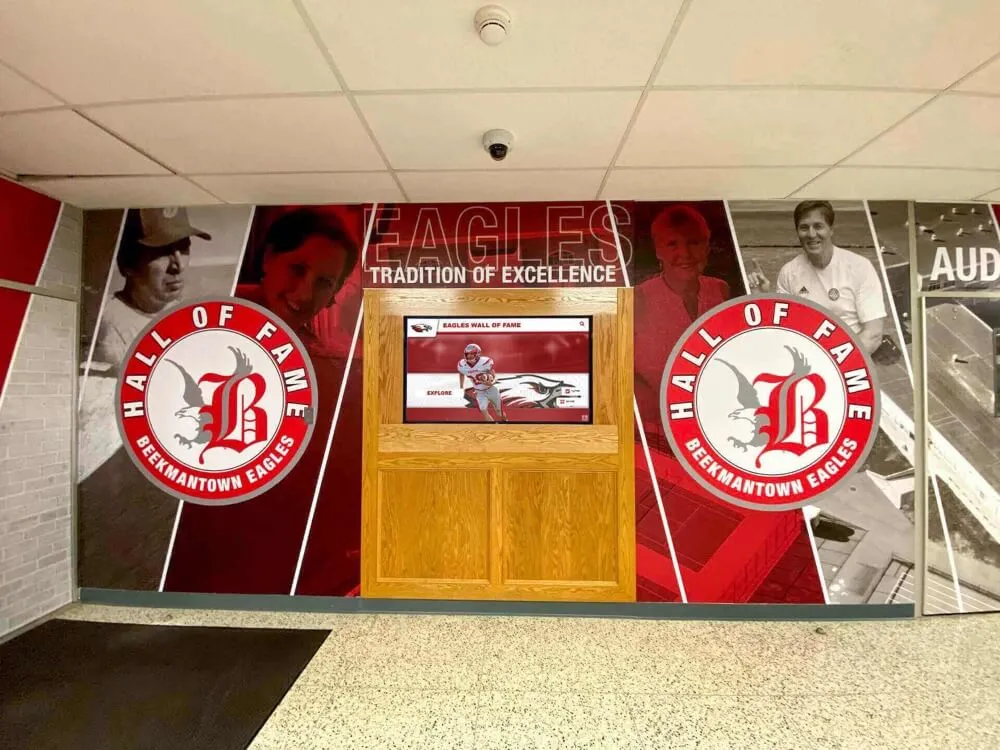
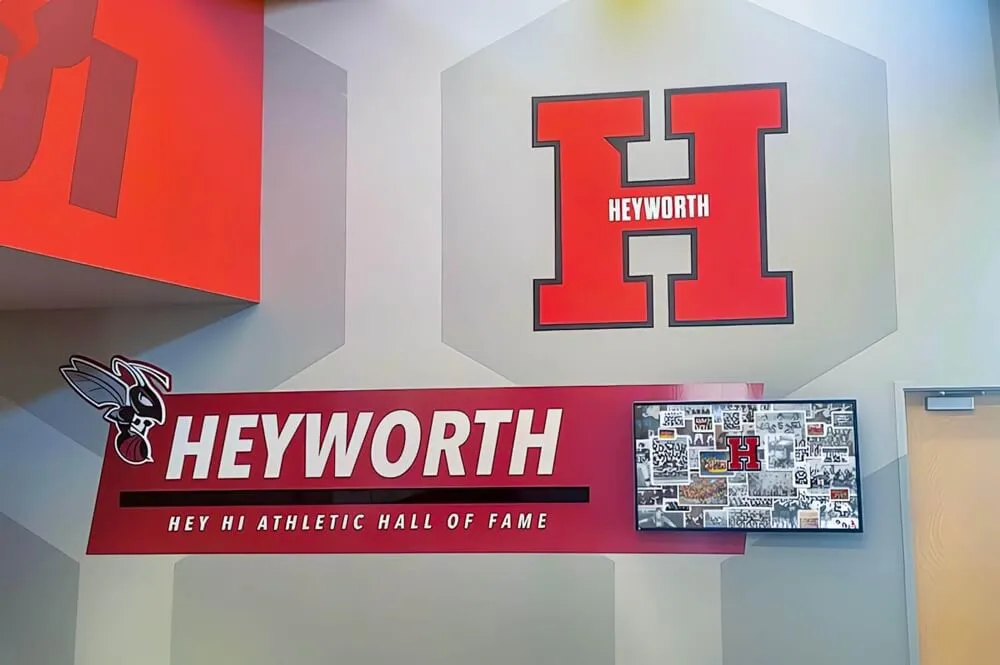
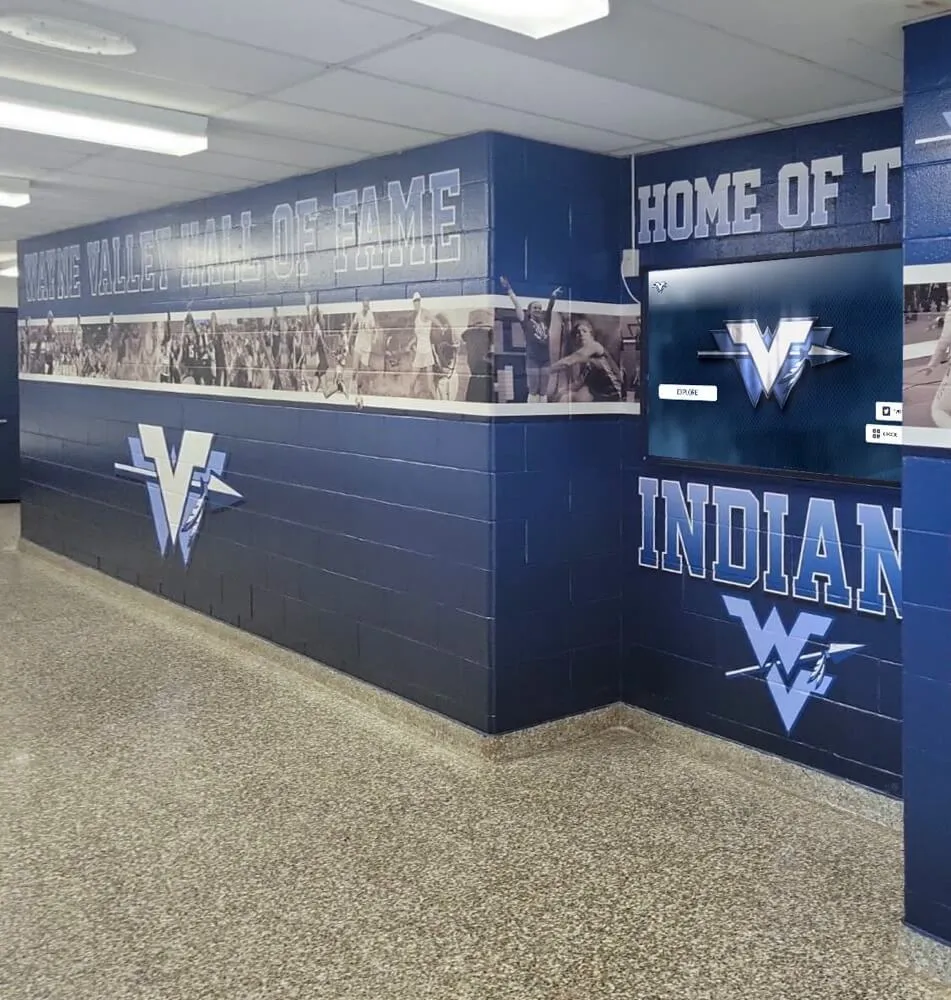
Hallway recognition displays ensure coaching contributions receive ongoing visibility rather than only brief appreciation moments
Booster Club Recognition Programs
Formalized organizational acknowledgment:
- Annual coaching appreciation awards with selection criteria
- Monetary gifts or bonuses funded by booster organizations
- Professional development funding supporting coaching growth
- Equipment or facility improvements benefiting coached programs
- Public acknowledgment at booster meetings and functions
Discover booster club fundraising ideas that support comprehensive appreciation programs.
Community Recognition Initiatives
Broader community appreciation:
- Local business sponsorships supporting coach recognition
- Community service awards acknowledging coaching contributions to youth development
- Media features in local newspapers or broadcasts celebrating coaching professionals
- Civic organization recognition at community functions
- Business partnerships providing appreciation dinners or events
Community recognition demonstrates that coaching impact extends beyond athletic facilities into broader community youth development and character formation.
Creating Permanent Recognition: Coaching Walls of Honor and Legacy Documentation
While Coach Appreciation Day provides important annual acknowledgment, permanent recognition systems ensure coaching excellence receives ongoing celebration extending throughout and beyond coaching careers.
The Value of Permanent Coaching Recognition
Temporary appreciation gestures, while meaningful, lack lasting impact:
Limitations of Single-Day or Seasonal Recognition
Traditional approaches create visibility challenges:
- Appreciation concentrates in brief moments before disappearing from institutional memory
- No systematic documentation preserving coaching careers and contributions
- Recognition disappears when coaches retire or transition to other positions
- Limited visibility for assistant coaches and staff in non-headline positions
- No mechanism connecting current teams to coaching traditions and program history
These limitations mean many coaching professionals retire with minimal lasting acknowledgment of decades-long contributions—a missed opportunity both for individual recognition and institutional culture development.
Benefits of Permanent Documentation Systems
Comprehensive recognition approaches offer significant advantages:
- Ongoing visibility ensuring coaching excellence receives year-round celebration
- Historical preservation documenting program leadership across generations
- Cultural reinforcement demonstrating institutional values honoring staff contributions
- Inspiration for current athletes seeing coaching dedication acknowledged permanently
- Recruitment advantage showcasing program appreciation and professional environment
- Alumni connection points enabling former athletes to honor coaches who shaped their development
Schools implementing permanent coaching recognition consistently report stronger program cultures, improved coaching retention, and enhanced community pride in athletic excellence extending beyond win-loss records.
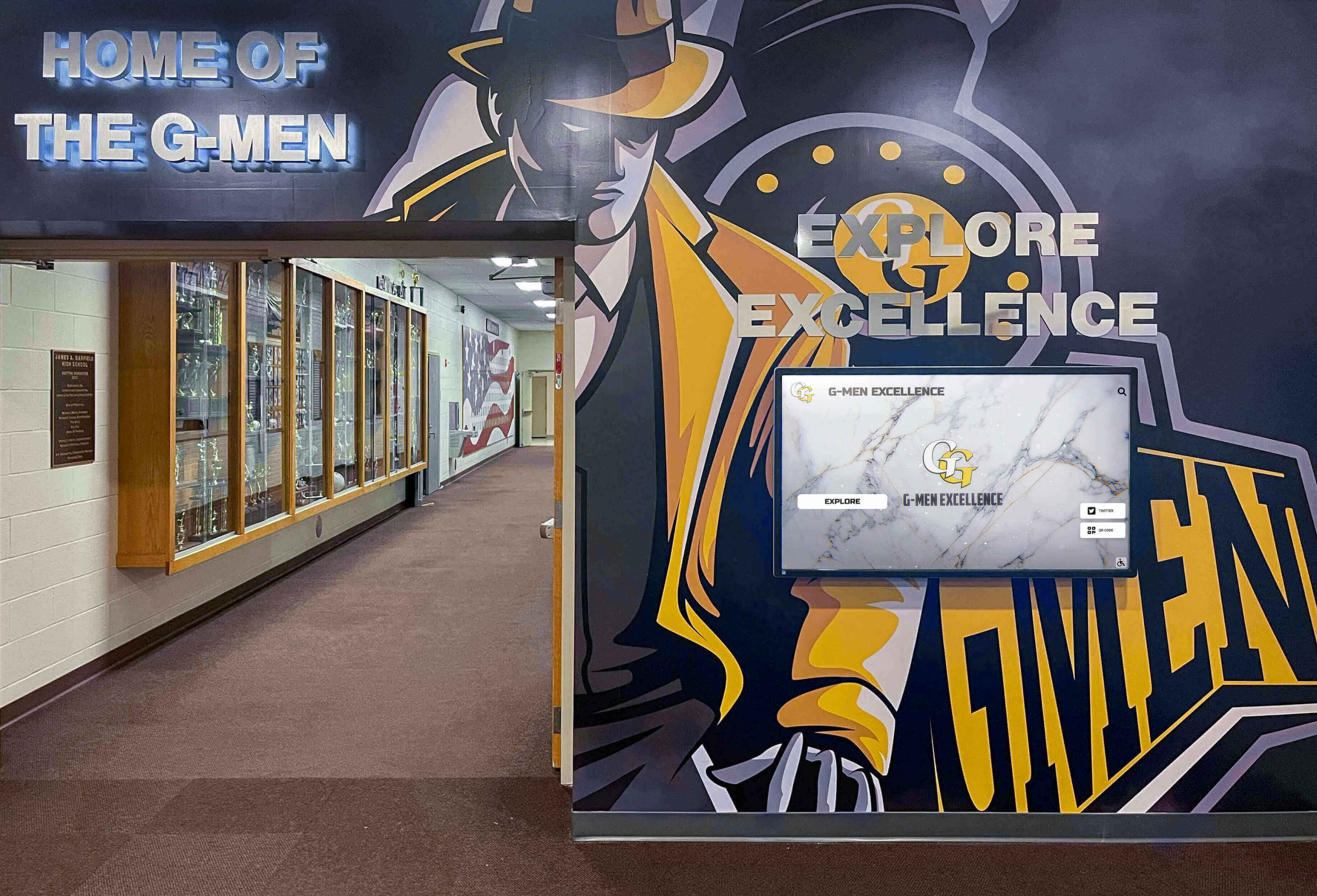
Integrated recognition systems celebrate coaching staff alongside championship achievements, honoring complete program excellence
Traditional Physical Recognition Approaches
Conventional coaching recognition formats remain valuable when implemented thoughtfully:
Coaching Wall of Fame or Honor Wall
Dedicated physical displays:
- Plaques featuring coach names, sport, and tenure years
- Photographs documenting coaching careers and milestone moments
- Championship seasons and significant achievements
- Career statistics and program accomplishments
- Quote or motto selections reflecting coaching philosophy
Physical walls create focal points in athletic facilities, gyms, or school hallways ensuring daily visibility for coaching contributions. However, space constraints limit comprehensive recognition as coaching staffs grow and programs expand over decades.
Championship and Achievement Recognition
Competition-based acknowledgment:
- Championship banners including coach names alongside years
- Trophy case plaques recognizing coaching leadership during title seasons
- Conference or state coach of the year awards displayed prominently
- Milestone achievement markers (win totals, consecutive seasons, program records)
- Facility naming opportunities honoring legendary coaching careers
These traditional approaches effectively highlight pinnacle moments while sometimes undervaluing consistent excellence and character-building that occur regardless of championship frequency.
Retired Jersey or Number Recognition
Symbolic honor for exceptional coaching careers:
- Coaching “jersey retirement” ceremonies similar to athlete recognition
- Numbered plaques representing coaching tenure or achievements
- Symbolic items displayed permanently (whistles, playbooks, equipment)
- Memorial recognition for coaches who passed away
- Legacy items donated by retiring coaches preserved in displays
While meaningful, these selective approaches typically honor only head coaches and longest-tenured staff, potentially overlooking assistant coaches and professionals in shorter but impactful roles.
Modern Digital Recognition Solutions
Technology-enabled platforms solve traditional recognition limitations while enhancing capabilities:
Unlimited Capacity and Comprehensive Documentation
Digital systems eliminate space constraints:
- Accommodate every coaching staff member regardless of tenure length or role
- Include head coaches, assistants, volunteer staff, and support professionals
- Document complete coaching careers with unlimited detail impossible in physical displays
- Preserve historical coaching rosters showing program evolution across decades
- Ensure no coaching professional disappears from institutional memory due to space limitations
Learn about digital hall of fame solutions designed for comprehensive staff recognition.

Interactive exploration enables detailed coaching profiles impossible with traditional physical recognition approaches
Rich Multimedia Coaching Profiles
Enhanced storytelling capabilities:
- Comprehensive biographical information including education and coaching background
- High-resolution photographs across coaching careers showing program evolution
- Career statistics and milestone achievements with context
- Philosophy statements and coaching approach descriptions
- Video interviews or highlight compilations showcasing coaching style
- Award histories and recognition received throughout careers
- Links to championship teams, notable athletes coached, and program accomplishments
Digital platforms enable storytelling depth that traditional plaques cannot accommodate, creating meaningful recognition that honors complete coaching contributions rather than only headline achievements.
Interactive Exploration and Discovery
Engagement features enhancing recognition impact:
- Search functionality finding specific coaches across decades
- Filter by sport, tenure years, or achievement type
- Browse features enabling casual discovery of coaching history
- Timeline visualizations showing program evolution
- Comparison tools highlighting program growth across coaching eras
- Social sharing enabling former athletes to celebrate coaches who influenced their development
Touchscreen kiosks placed in athletic facilities, school lobbies, or recreation areas create engaging recognition experiences impossible with static physical displays.
Sustainable Long-Term Management
Cloud-based platforms ensuring ongoing viability:
- Remote updates from any device enabling easy annual additions
- Intuitive content management requiring no technical expertise
- Bulk import tools for historical coaching rosters and data
- Automated backup preventing data loss
- Role-based permissions allowing appropriate staff access
- Mobile-responsive web access extending recognition beyond physical facilities
Solutions like Rocket Alumni Solutions provide purpose-built platforms designed specifically for educational institution recognition needs—offering functionality generic digital signage cannot match while remaining accessible for athletic directors and staff without technical backgrounds.
Integration with Comprehensive Recognition Systems
Connecting coaching to complete institutional excellence:
- Athletic staff recognized alongside student-athlete achievements
- Academic coaching (debate, academic bowl, robotics) included comprehensively
- Performing arts directors and instructors celebrated equally
- Administrative staff and support professionals acknowledged
- Donor and volunteer recognition for complete community documentation
This integrated approach positions coaching recognition within broader institutional culture valuing all contributors to student success and program excellence.
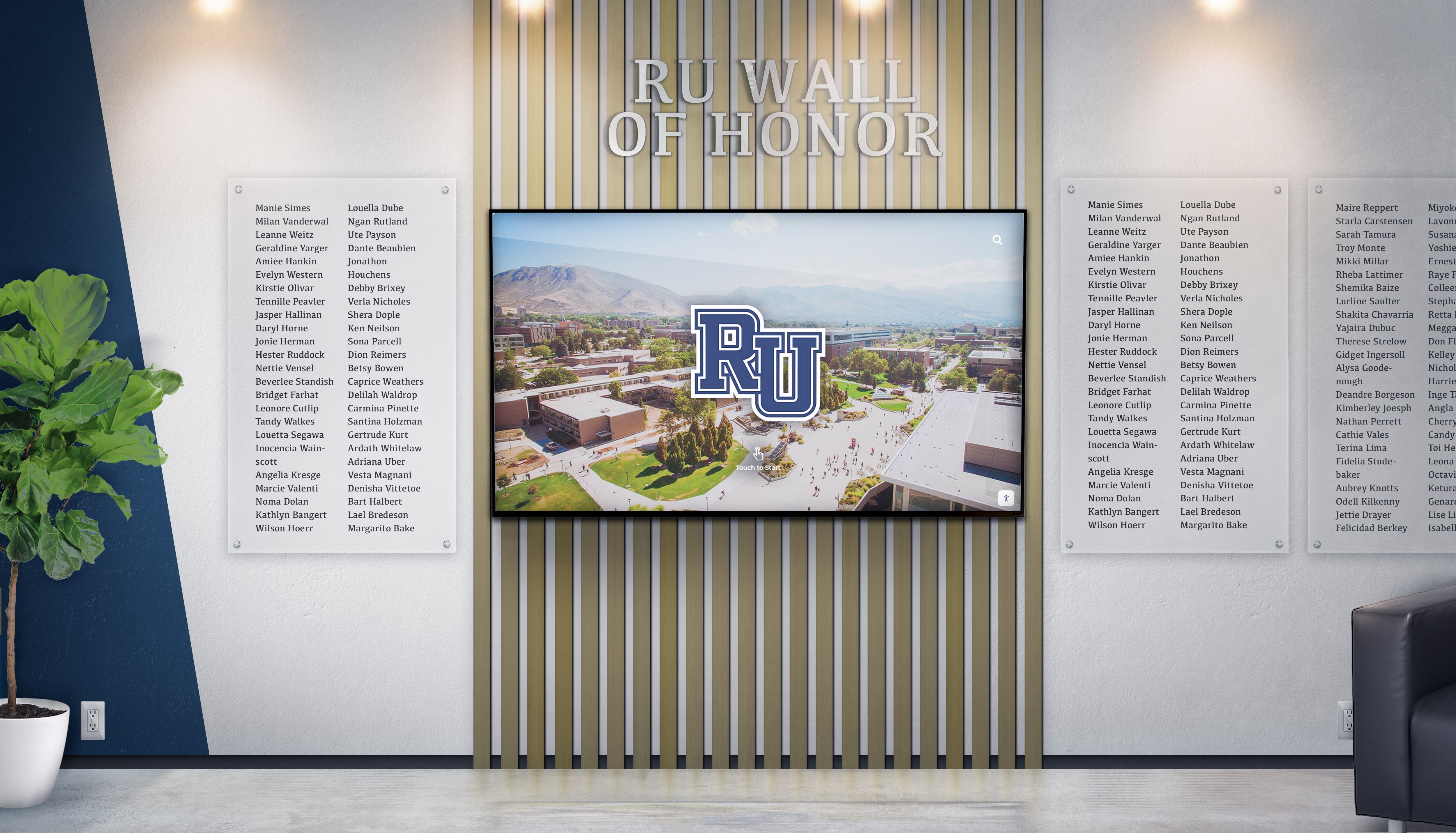
Hybrid recognition systems preserve traditional physical plaques while solving capacity limitations through digital integration
Implementing Comprehensive Coach Recognition Programs
Building effective recognition systems requires strategic planning and sustained commitment:
Initial Planning and Program Design
Stakeholder Engagement
Involve diverse perspectives in recognition planning:
- Athletic directors providing institutional perspective and budget guidance
- Current coaching staff sharing recognition priorities and preferences
- Retired coaches offering historical context and tradition awareness
- Student-athletes identifying meaningful recognition approaches
- Parents and booster organizations committing support resources
- School administration ensuring alignment with institutional values
Collaborative planning creates buy-in ensuring recognition programs receive necessary support while addressing actual coaching needs rather than assumed preferences.
Recognition Criteria and Categories
Define comprehensive recognition approaches:
- Tenure milestones (5-year, 10-year, 20-year coaching anniversaries)
- Achievement-based recognition (championships, coach of year awards, milestone wins)
- Character and culture builders regardless of competitive records
- Assistant coaches and support staff receiving equal acknowledgment
- Historical coaching staff ensuring complete program documentation
- Retired and emeritus coaches maintaining ongoing visibility
Clear criteria ensure equitable recognition across coaching roles, sports, and achievement types while preventing recognition systems that disproportionately favor headline sports or championship seasons.
Explore academic recognition programs for additional staff appreciation approaches.
Budget and Resource Allocation
Determine sustainable funding:
- Physical display construction or digital platform investment
- Annual maintenance and content development
- Coach Appreciation Day event and celebration funding
- Gift or award budgets for milestone recognition
- Photography and media production for coaching documentation
Typical comprehensive coaching recognition programs require $2,000-8,000 initial investment for digital platform implementation or physical construction, with $500-2,000 annual maintenance supporting ongoing updates, Coach Appreciation Day celebrations, and milestone acknowledgments.
Content Development and Historical Documentation
Current Coaching Staff Profiles
Comprehensive documentation of active coaches:
- Professional biographies and coaching backgrounds
- Current role descriptions and responsibilities
- Coaching philosophy statements
- Notable achievements and awards
- High-quality photographs in coaching contexts
- Contact information when appropriate for recruiting or communication
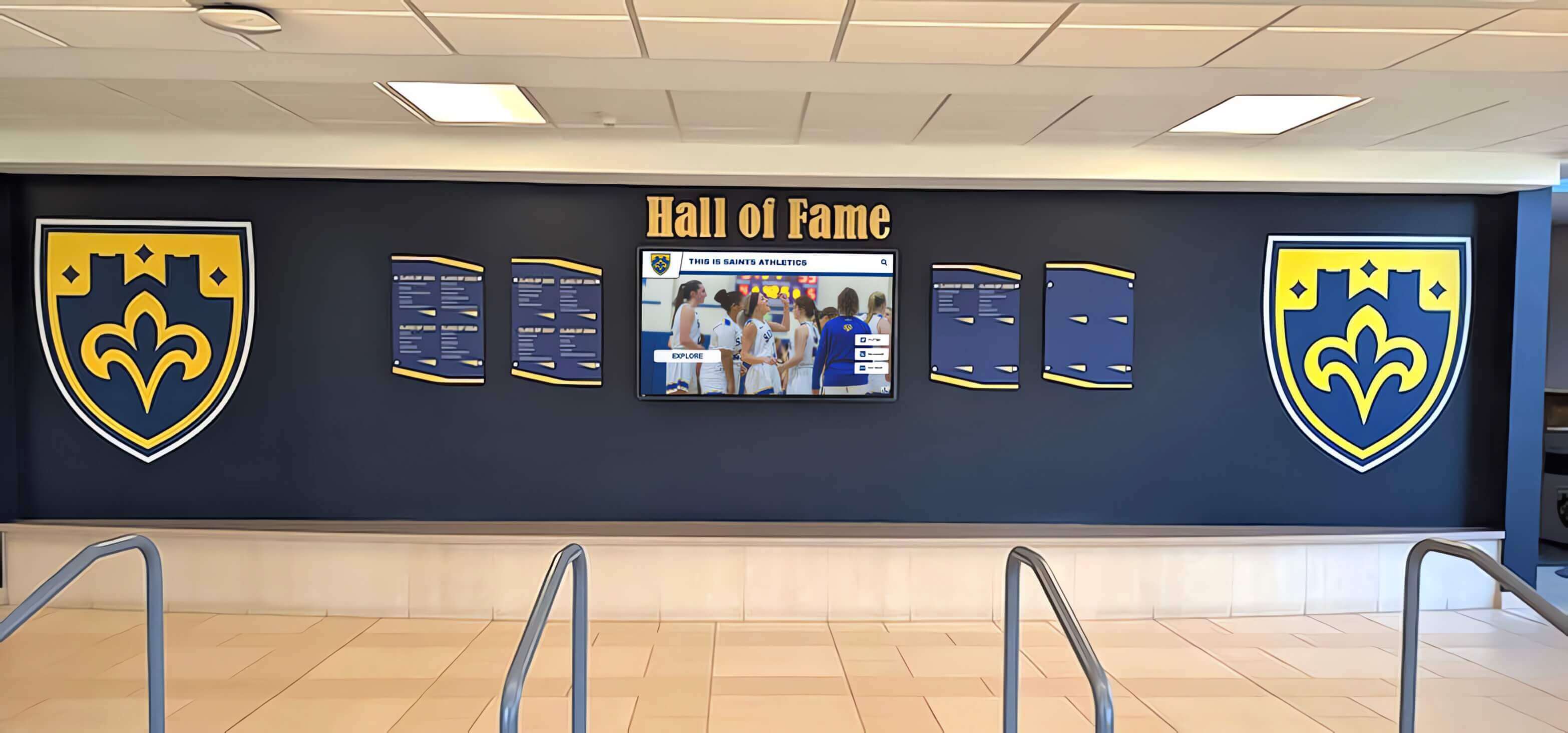
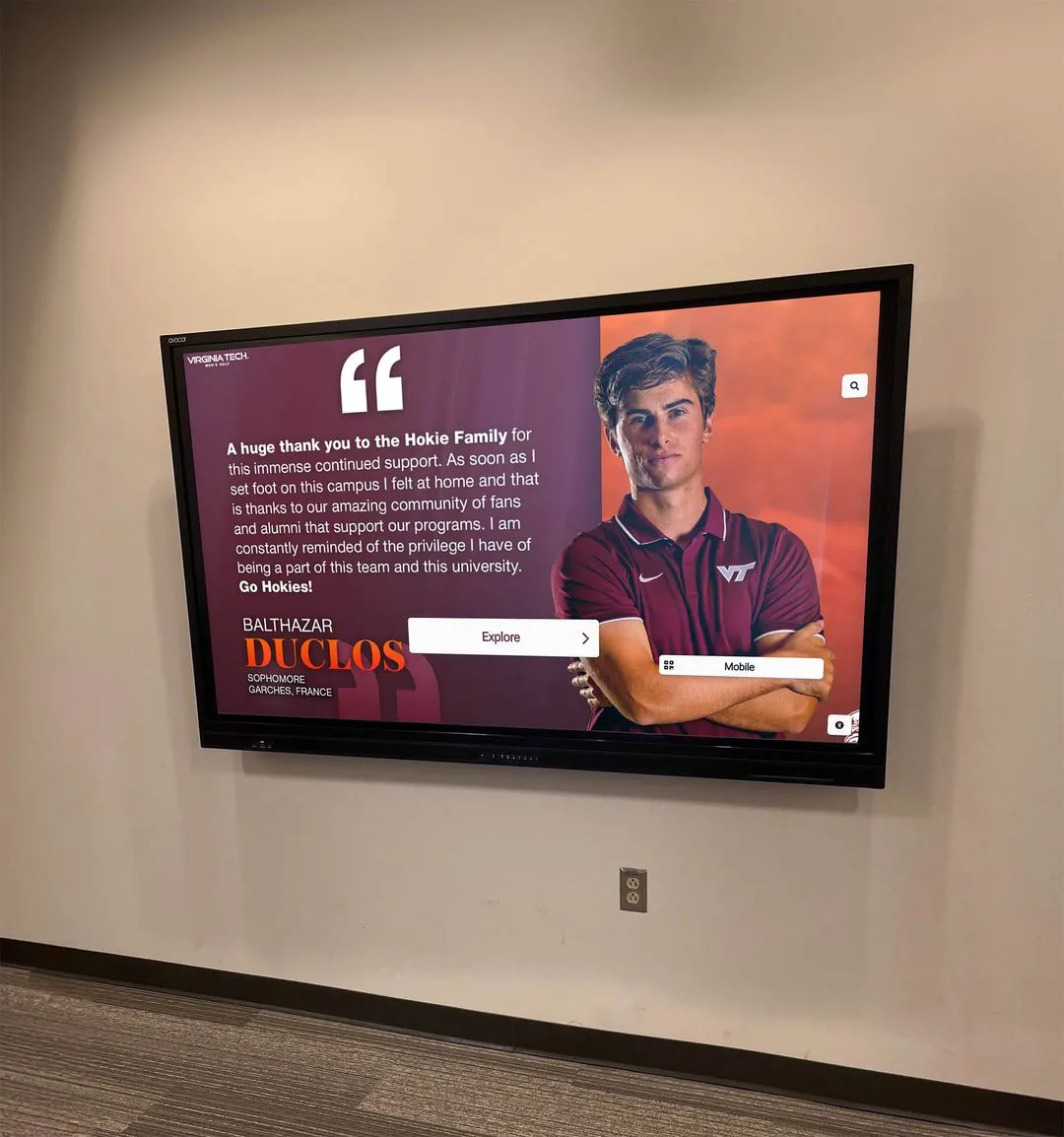
Prominent lobby placement ensures coaching recognition receives visibility from students, families, and community visitors
Historical Coaching Records
Preserving program leadership history:
- Research historical coaching rosters through archives and yearbooks
- Document tenure years and sports coached
- Gather available photographs from historical periods
- Identify championship seasons and notable achievements
- Interview retired coaches collecting oral histories and memories
- Compile statistics and records when available
Historical documentation creates complete institutional memory connecting current programs to traditions and excellence established by predecessor coaches.
Multimedia Content Development
Enhanced recognition through varied media:
- Professional photography sessions with current coaching staffs
- Video interview recordings exploring coaching philosophy and approach
- Highlight compilation videos showcasing coaching moments
- Audio recordings when video isn’t feasible
- Document scanning preserving historical materials digitally
- Social media content creation supporting ongoing visibility
Quality content development requires time investment but creates recognition assets valuable for years—supporting recruitment, fundraising, alumni engagement, and institutional pride beyond immediate recognition purposes.
Launch and Ongoing Management
Formal Unveiling and Celebration
Public recognition system introduction:
- Dedication ceremony during Coach Appreciation Day or athletic banquet
- Formal presentation explaining recognition program and selection criteria
- First inductees or initial honorees recognized publicly
- Media coverage of recognition program launch
- Community invitation ensuring broad awareness
Formal launch events create momentum and awareness while demonstrating institutional commitment to coaching recognition as organizational priority.
Sustained Visibility and Engagement
Maintaining recognition program relevance:
- Annual additions during Coach Appreciation Day celebrations
- Monthly social media features spotlighting individual coaches
- Newsletter articles celebrating coaching milestones and achievements
- Recognition integration into banquets, parent nights, and community events
- Alumni outreach encouraging former athletes to explore and share coaching recognition
Discover donor recognition approaches that inform comprehensive staff appreciation strategies.
Regular Review and Continuous Improvement
Program refinement over time:
- Annual assessment of recognition comprehensiveness ensuring no coaching staff overlooked
- Content enhancement adding detail and multimedia to existing profiles
- Technology updates maintaining platform current and accessible
- Criterion review ensuring recognition remains equitable across sports and roles
- Stakeholder feedback collection informing program improvements
Recognition programs require ongoing attention remaining relevant and comprehensive—annual review ensures systems continue serving intended purposes while adapting to program evolution and stakeholder needs.
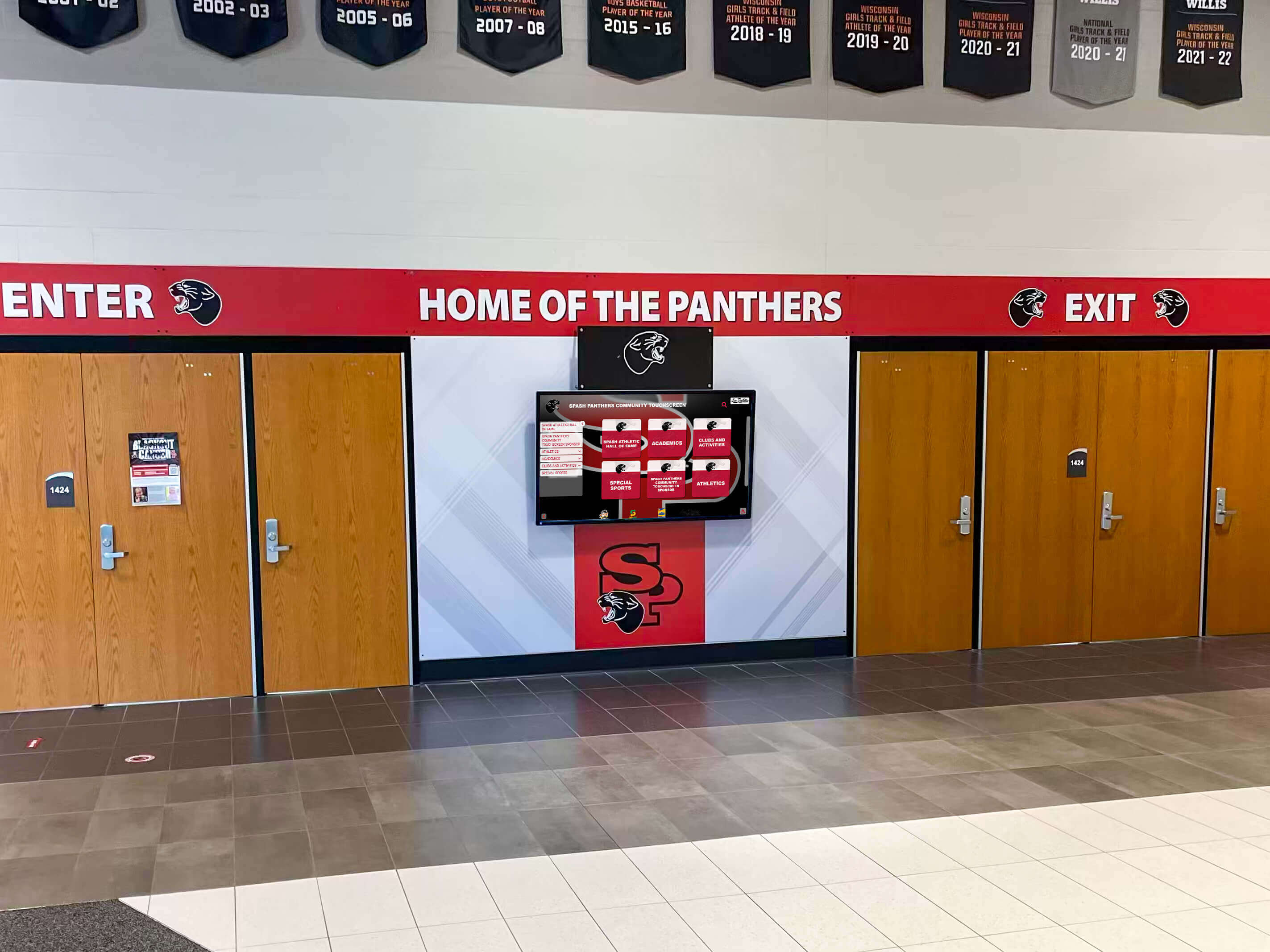
Strategic entrance placement ensures maximum visibility for coaching recognition while creating positive first impressions for facility visitors
Special Considerations: Coaching Recognition Across Different Contexts
Recognition approaches should adapt to institutional characteristics and program structures:
Head Coaches vs. Assistant Coaches
Ensure comprehensive staff recognition:
Head Coach Recognition
Primary program leadership acknowledgment:
- Prominent profile placement reflecting lead responsibilities
- Program building and culture development emphasis
- Win-loss records and competitive achievements when appropriate
- Alumni testimonials highlighting mentorship and impact
- Philosophy and approach documentation
Assistant Coach Recognition
Equal visibility for supporting coaching professionals:
- Specialized role descriptions highlighting specific contributions
- Position coaching excellence and skill development emphasis
- Behind-the-scenes work acknowledgment often invisible publicly
- Career progression documentation showing professional development
- Equal profile comprehensiveness regardless of title
Recognition systems that disproportionately favor head coaches while minimizing assistant contributions miss significant coaching value and create cultural messages undervaluing collaborative program leadership.
Volunteer and Parent Coaches
Acknowledging unpaid coaching contributions:
Youth Feeder Program Coaches
Recognizing developmental program leadership:
- Youth program coaching documentation
- Feeder system building creating program pipelines
- Community volunteer service acknowledgment
- Long-term impact on high school program success
- Partnership recognition between youth and school programs
Parent Volunteer Coaches
Honoring family contributions:
- Assistant coaching and volunteer staff roles
- Team manager and support positions
- Transportation and logistics coordination
- Fundraising and booster leadership
- Behind-the-scenes contributions enabling program success
Comprehensive recognition includes all contributors regardless of compensation status—volunteer coaches often invest equivalent time and passion deserving equal acknowledgment.
Learn about staff training for digital displays supporting coaching recognition systems.
Multi-Sport and Specialist Coaches
Diverse coaching role recognition:
Multi-Sport Head Coaches
Honoring coaching breadth:
- Multiple sport coaching documentation in single profiles
- Seasonal distinctions showing diverse contributions
- Athletic director or coordinator roles alongside coaching
- Career statistics across all coached sports
- Year-round program commitment acknowledgment
Specialized Coaching Roles
Recognizing focused coaching contributions:
- Strength and conditioning coaches
- Athletic trainers and sports medicine professionals
- Position-specific coaches (pitching, goalkeeping, etc.)
- Mental performance and sport psychology coaches
- Academic advisors and student-athlete support staff
Modern comprehensive programs involve diverse specialized professionals beyond traditional head coach structures—recognition systems should honor complete coaching ecosystems rather than only visible game-day leaders.
Academic and Arts Coaching Recognition
Expanding coaching recognition beyond athletics:
Academic Coaching Professionals
Celebrating intellectual competition leadership:
- Debate and forensics coaches
- Academic bowl and quiz bowl directors
- Robotics and STEM competition coaches
- Science Olympiad and Math League advisors
- Mock trial and Model UN program leaders
These coaching professionals dedicate equivalent time and passion developing student excellence in intellectual competitions deserving recognition matching athletic coaching acknowledgment.
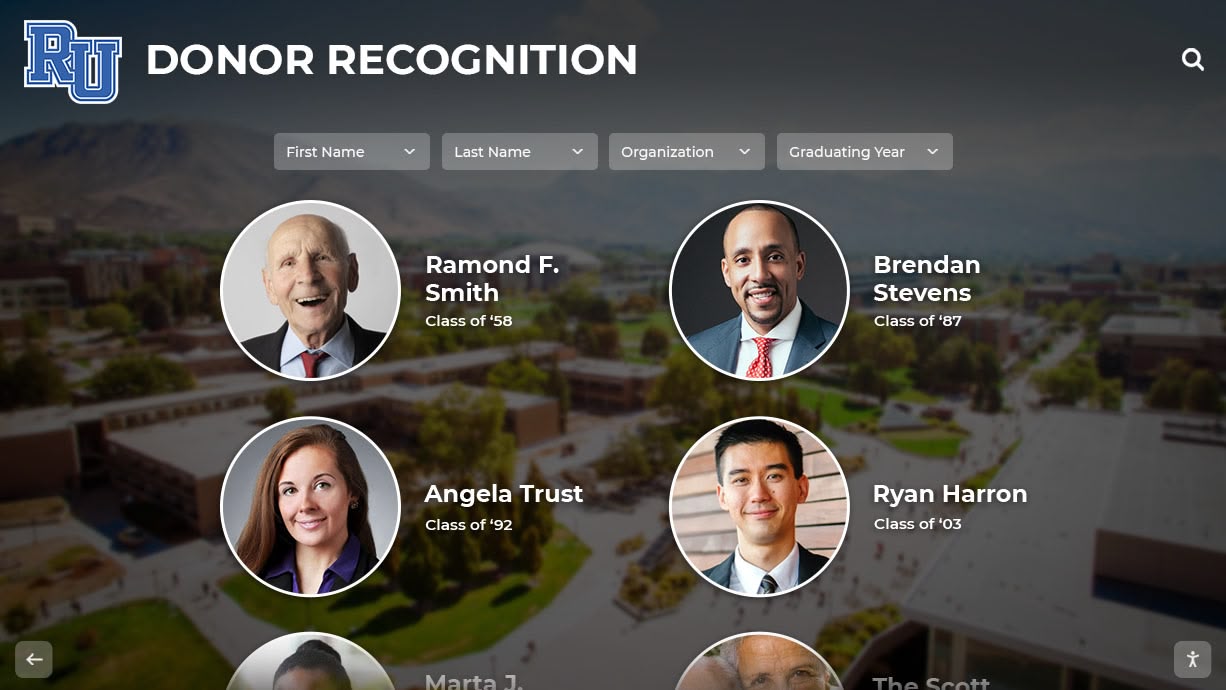
Outdoor and campus-wide recognition placement extends coaching appreciation beyond athletic facilities
Performing Arts Directors and Coaches
Honoring artistic program leadership:
- Theatre directors and drama coaches
- Choral directors and vocal coaches
- Band directors and music instructors
- Dance team coaches and choreographers
- Visual arts instructors and competition advisors
Comprehensive institutions recognize “coaching” extends beyond athletic contexts—all professionals who develop student skill, build program culture, and create competitive excellence merit equivalent recognition regardless of whether competitions occur on fields or stages.
Alumni Engagement Through Coaching Recognition
Former students value opportunities honoring coaches who shaped their development:
Alumni-Led Appreciation Initiatives
Former athlete recognition efforts:
Class or Team Reunion Integration
Connecting alumni gatherings with coaching appreciation:
- Invitation of former coaches to reunion events
- Organized appreciation presentations from reunion attendees
- Fundraising campaigns supporting coaching recognition or program needs
- Shared memory sessions honoring coaching impact on alumni lives
- Group gifts or endowments honoring influential coaches
Alumni reunions create natural opportunities for coordinated appreciation from former athletes whose lives coaches influenced.
Social Media Campaigns and Digital Sharing
Online coaching appreciation:
- Alumni sharing of coaching recognition profiles on social platforms
- Coordinated appreciation posts during Coach Appreciation Day using program hashtags
- Comment sections enabling former athletes to add personal appreciation messages
- Photo sharing of alumni with coaches across decades
- Virtual appreciation events enabling remote alumni participation
Digital tools enable appreciation from geographically dispersed alumni populations unable to return physically for recognition events.
Financial Support for Recognition Programs
Alumni funding of coaching appreciation:
- Donations specifically supporting permanent recognition system development
- Endowed coaching awards named for legendary program leaders
- Scholarship funds honoring coaches by supporting current student-athletes
- Facility improvement projects dedicated to coaching legacies
- Professional development funding supporting current coaching staff growth
Alumni often seek meaningful ways supporting programs that shaped their development—coaching recognition and support provide compelling giving opportunities connecting alumni to current program success.
Explore alumni engagement strategies that incorporate coaching recognition components.
Digital Platforms Enabling Alumni-Coach Connection
Modern recognition systems facilitate ongoing relationships:
Interactive Comment and Message Features
Enabling alumni appreciation expression:
- Comment systems allowing former athletes to share specific memories
- Private message capabilities sending appreciation directly to coaches
- Testimonial submission forms adding alumni perspectives to coaching profiles
- Rating or endorsement features demonstrating alumni appreciation breadth
- Story submission encouraging detailed memory sharing
These interactive features transform static recognition into living tributes growing richer as alumni add perspectives over time.
Searchability and Discovery Features
Helping alumni reconnect:
- Search tools finding coaches by name, sport, or era
- Timeline browsing enabling exploration across graduation years
- Related content linking coaches to teams and individual athletes
- Alumni directory integration connecting former teammates and coaches
- Notification systems alerting coaches when alumni view their profiles
Digital recognition creates connection points enabling relationships that might otherwise fade as decades pass and populations disperse geographically.
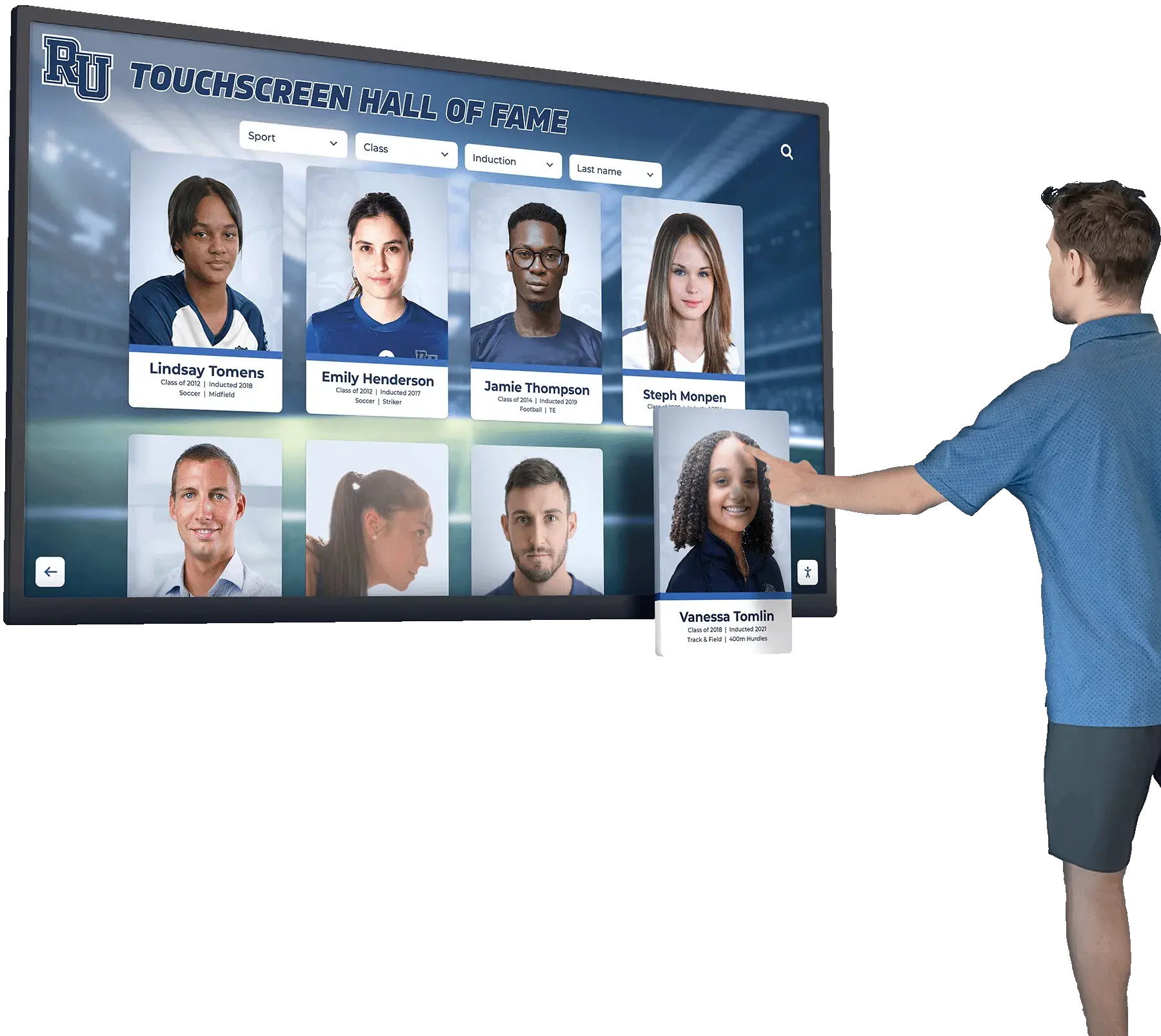
Interactive systems enable deep exploration of coaching careers and achievements while facilitating alumni connection opportunities
Budget-Conscious Coach Appreciation Strategies
Meaningful recognition doesn’t require significant financial investment:
No-Cost and Low-Cost Appreciation Approaches
Effective recognition within tight budgets:
Relationship-Based Recognition
Personal acknowledgment creating significant impact:
- Handwritten thank-you notes from athletes and colleagues
- Public verbal appreciation during team activities or school functions
- One-on-one conversations expressing specific gratitude
- Social media shout-outs requiring no financial investment
- Time investments (extra volunteer help, assistance with coaching tasks)
Authentic personal appreciation often means more to coaches than expensive gifts lacking genuine relationship connection.
Institutional Recognition Without Financial Cost
Organizational acknowledgment:
- Morning announcements and public address recognition
- Website and social media features requiring only time investment
- Press release submission to local media (free publicity)
- Hallway or classroom poster campaigns created by students
- Assembly or event recognition with no additional programming costs
Schools with minimal budgets can still create meaningful recognition through creative use of existing communication channels and platforms.
Community Coordination and Crowdsourcing
Leveraging collective contributions:
- Small individual contributions from many families creating meaningful group gifts
- Donated services from businesses (meals, printing, photography)
- Student-created appreciation items (artwork, videos, compiled messages)
- Volunteer time replacing paid services (parent photographers, videographers)
- In-kind donations of recognition materials or appreciation event supplies
Creative resource coordination enables quality appreciation programs when direct institutional budgets can’t support comprehensive initiatives.
Discover memorial wall ideas that inform legacy recognition approaches for coaching professionals.
Phased Recognition Program Development
Building comprehensive systems over time:
Year One: Foundation and Current Staff
Initial focus areas:
- Coach Appreciation Day celebration establishing annual tradition
- Current coaching staff recognition with basic profiles
- Simple physical recognition or initial digital platform implementation
- Photography and content collection for active coaches
- Stakeholder communication establishing recognition priorities
Year Two: Historical Documentation Addition
Expansion phases:
- Research and documentation of recent retired coaches
- Photograph collection and profile development for historical staff
- Enhanced content development for existing profiles (video, statistics, achievements)
- Alumni outreach encouraging participation and memory sharing
- Recognition system promotion increasing awareness and engagement
Year Three: Comprehensive Program Maturity
Complete system development:
- Full historical coaching documentation across program history
- Rich multimedia content across all profiles
- Established annual update processes during Coach Appreciation Day
- Integration with alumni engagement and fundraising initiatives
- Regular visibility through social media, events, and community outreach
Phased development prevents overwhelming initial implementation while building toward comprehensive recognition over manageable timeframes and budget cycles.
Measuring Recognition Program Impact
Assessment ensures recognition achieves intended outcomes:
Qualitative Impact Indicators
Coaching Staff Feedback
Direct input from recognized coaches:
- Satisfaction with recognition approaches and comprehensiveness
- Perception that contributions receive appropriate acknowledgment
- Feelings of institutional appreciation and value
- Suggestions for recognition program improvements
- Comparison to recognition at other institutions or previous positions
Regular feedback collection ensures recognition addresses actual coaching needs rather than assumed preferences.
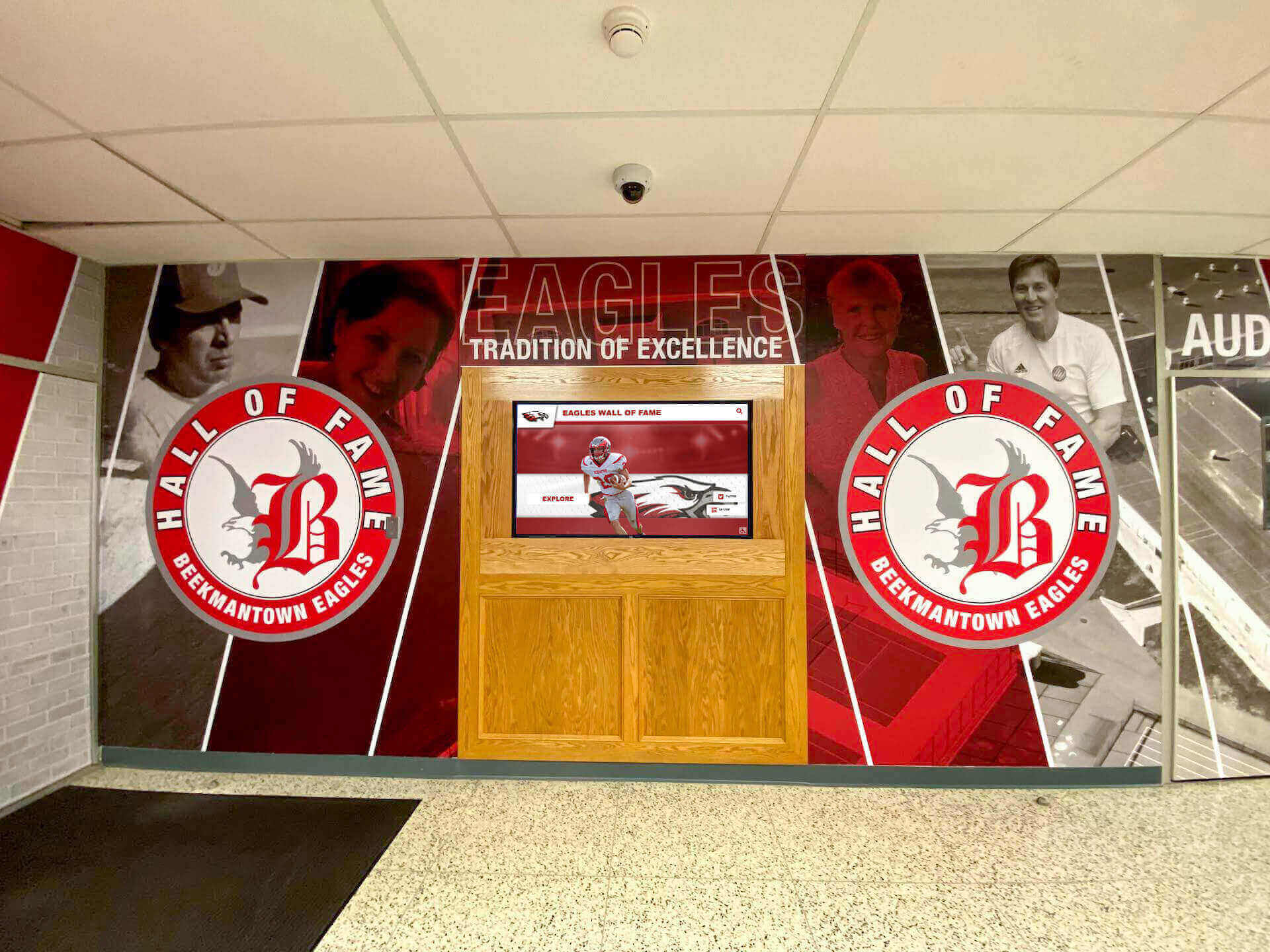
Comprehensive recognition displays create institutional pride while demonstrating program tradition and coaching excellence
Alumni and Community Response
Broader stakeholder perspectives:
- Alumni engagement with coaching recognition platforms
- Former athlete appreciation expression through comments and sharing
- Community awareness and pride in coaching quality
- Parent satisfaction with coaching appreciation culture
- Media coverage and public recognition of coaching excellence
Positive community response indicates recognition creates intended cultural impact valuing coaching contributions appropriately.
Recruitment and Retention Outcomes
Practical program impacts:
- Coaching staff retention rates and career longevity
- Quality of coaching applicants for open positions
- Athlete recruitment advantages citing coaching quality and appreciation
- Professional references to recognition demonstrating career satisfaction
- Reduced coaching turnover and associated program disruption
Recognition contributes to coaching retention and program stability—measurable outcomes demonstrating recognition’s practical value beyond symbolic importance.
Quantitative Assessment Metrics
Recognition System Usage
Digital platform engagement data:
- Profile views and user session frequency
- Search patterns identifying most-accessed coaching profiles
- Geographic reach showing alumni access from diverse locations
- Time-on-site indicating engagement depth
- Social sharing frequency demonstrating recognition spread
Analytics demonstrate recognition system value while identifying popular content informing future development priorities.
Participation Rates
Engagement in recognition activities:
- Athlete participation in Coach Appreciation Day activities
- Alumni contribution to coaching profiles through comments or testimonials
- Family attendance at coaching recognition events
- Community involvement in appreciation initiatives
- Financial support for recognition program development
Growing participation over time indicates increasing recognition culture and stakeholder appreciation for coaching professional value.
Program Comprehensiveness
Recognition scope metrics:
- Percentage of current coaching staff with complete recognition profiles
- Historical coaching documentation completeness across program history
- Balance of recognition across sports and coaching roles
- Frequency of recognition updates and annual additions
- Content richness (average photos, videos, achievements per profile)
These metrics ensure recognition remains comprehensive and equitable rather than concentrating on select coaches or prominent sports.
Conclusion: Building Cultures That Honor Coaching Excellence
Coaches shape student-athletes, build winning programs, and create lasting legacies through daily dedication that often occurs outside public view. While championship celebrations acknowledge pinnacle moments, the most significant coaching contributions—skill development, character formation, mentorship, and program building—deserve recognition matching their profound impact on student lives and institutional excellence.
Coach Appreciation Day provides valuable annual opportunities for concentrated acknowledgment, creating focus on coaching professional value during designated national observance. Yet the most meaningful recognition extends beyond single days or seasonal celebrations, creating comprehensive systems ensuring coaching excellence receives ongoing visibility throughout careers and permanent documentation preserving legacies beyond retirement.
Create Lasting Recognition for Your Coaching Staff
Discover how digital recognition solutions help schools honor every coaching professional through comprehensive platforms providing unlimited capacity, engaging interactive exploration, and permanent documentation ensuring no coaching contribution disappears from institutional memory.
With intuitive content management enabling athletic directors and staff to update systems easily, multimedia capabilities bringing coaching stories to life, and web integration extending recognition beyond physical facilities, modern platforms solve the fundamental challenges limiting traditional plaque and trophy case approaches to coaching appreciation.
Explore Coaching Recognition Solutions to see how permanent staff recognition can preserve your complete coaching history while creating engaging experiences traditional physical displays cannot deliver.
Implementation begins with understanding coaching recognition’s purpose—validating professional dedication, acknowledging contributions extending beyond visible wins, and building institutional cultures valuing the people who shape student development and program excellence. From there, schools can develop comprehensive approaches balancing Coach Appreciation Day celebrations with permanent recognition systems documenting complete coaching histories while engaging alumni and communities in ongoing appreciation.
Modern digital platforms eliminate the space constraints and accessibility limitations that have plagued traditional physical recognition approaches. Rather than choosing which coaches receive continued visibility as trophy cases fill, comprehensive systems document every coaching professional across all sports, roles, and tenures—ensuring assistant coaches receive equal acknowledgment alongside head coaches, volunteer staff alongside paid professionals, and academic coaching alongside athletic programs.
Your coaches’ contributions—skill development, character formation, mentorship relationships, and program building—deserve recognition systems providing lasting celebration rather than temporary acknowledgment disappearing after brief appreciation moments. Through thoughtful Coach Appreciation Day celebrations, permanent recognition documentation, and cultural commitment to honoring coaching excellence, you can create appreciation that matches coaching impact while building institutional cultures where professionals thrive.
Start today by assessing your current coaching recognition approaches, gathering input from coaching staff and stakeholders about appreciation priorities, exploring recognition solutions enabling permanent documentation traditional approaches cannot provide, and planning this year’s Coach Appreciation Day celebration ensuring coaches receive acknowledgment matching their contributions. Every coaching professional deserves recognition enduring throughout and beyond their careers—modern comprehensive systems make that achievable reality.
Ready to honor your coaching staff? Explore end-of-year awards programs that include coaching recognition components, or discover athletic recognition best practices creating comprehensive celebration of program leadership and student achievement together.