The class ring ceremony marks one of the most meaningful traditions in a student’s high school experience. This milestone celebration represents far more than simply distributing jewelry—it symbolizes students’ commitment to their educational journey, their connection to school legacy, and their place in a community of learners that spans generations.
Yet many schools struggle to create ring ceremonies that feel truly special and memorable. Default approaches—brief announcements during lunch periods, rings distributed in homeroom, or ceremonies that feel rushed and impersonal—fail to capture the significance of this moment. Students deserve ceremonies that honor their achievements, celebrate their belonging, and create lasting memories they’ll associate with their class rings throughout their lives.
This comprehensive guide provides practical class ring ceremony ideas and planning strategies that transform this tradition into one of your school’s most anticipated annual events. From thoughtful themes and engaging activities to meaningful recognition elements and lasting documentation, these approaches help schools create ceremonies students will remember long after graduation.
Class ring ceremonies work best when they balance formality with celebration, tradition with creativity, and individual recognition with collective school pride. Schools excelling at ring ceremonies understand these events serve multiple purposes: honoring student commitment, strengthening class unity, connecting current students with alumni traditions, and creating shared memories that define the high school experience.

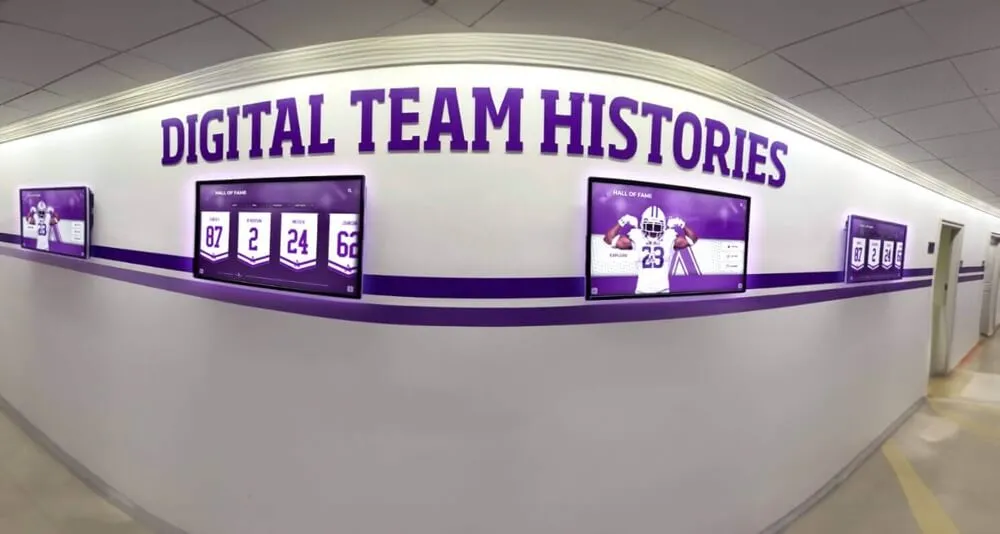
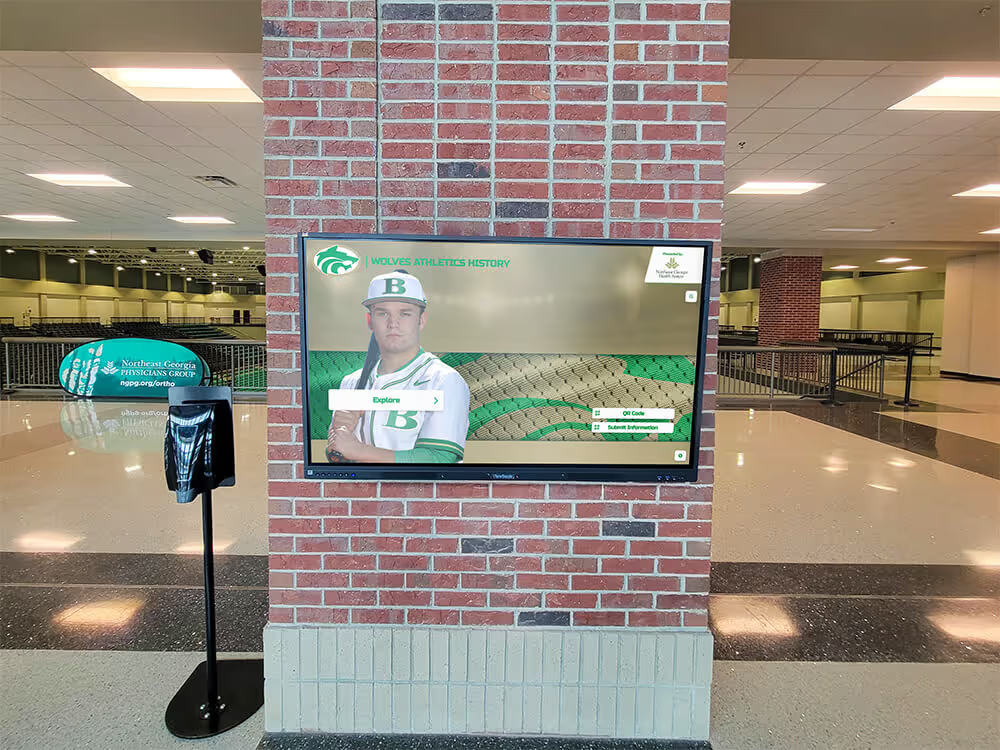
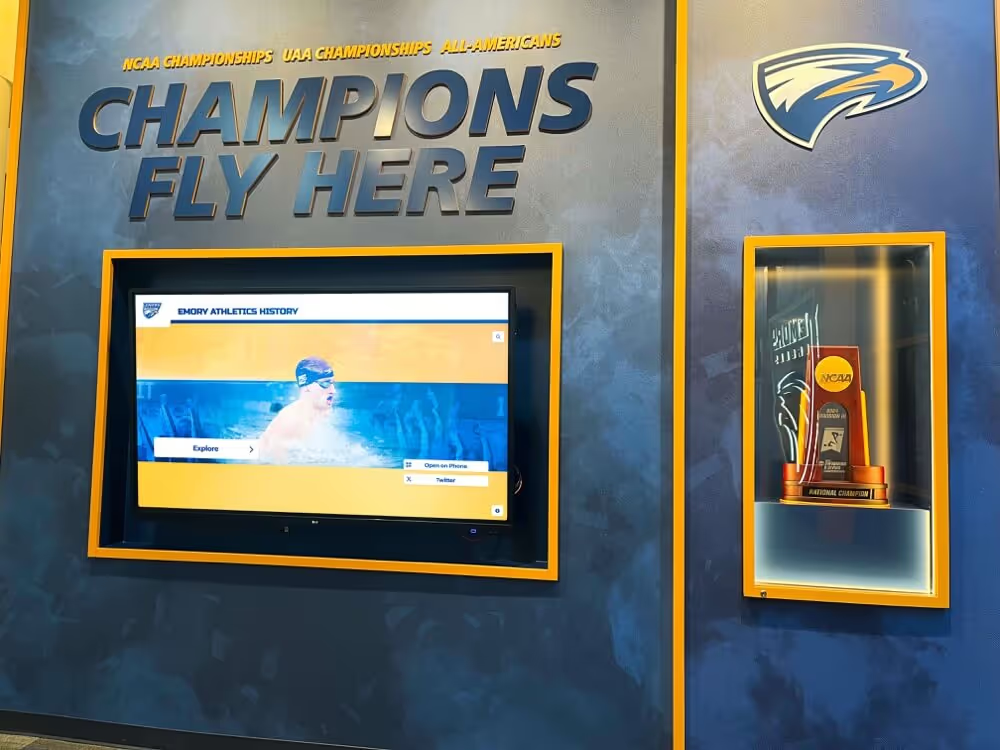
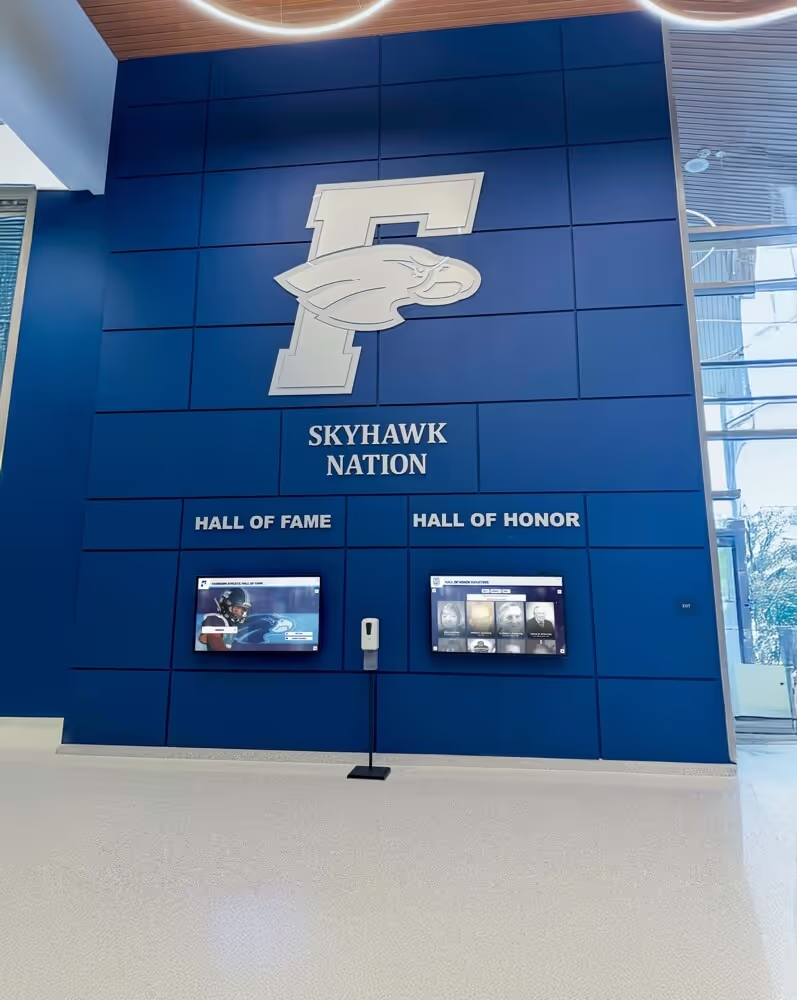
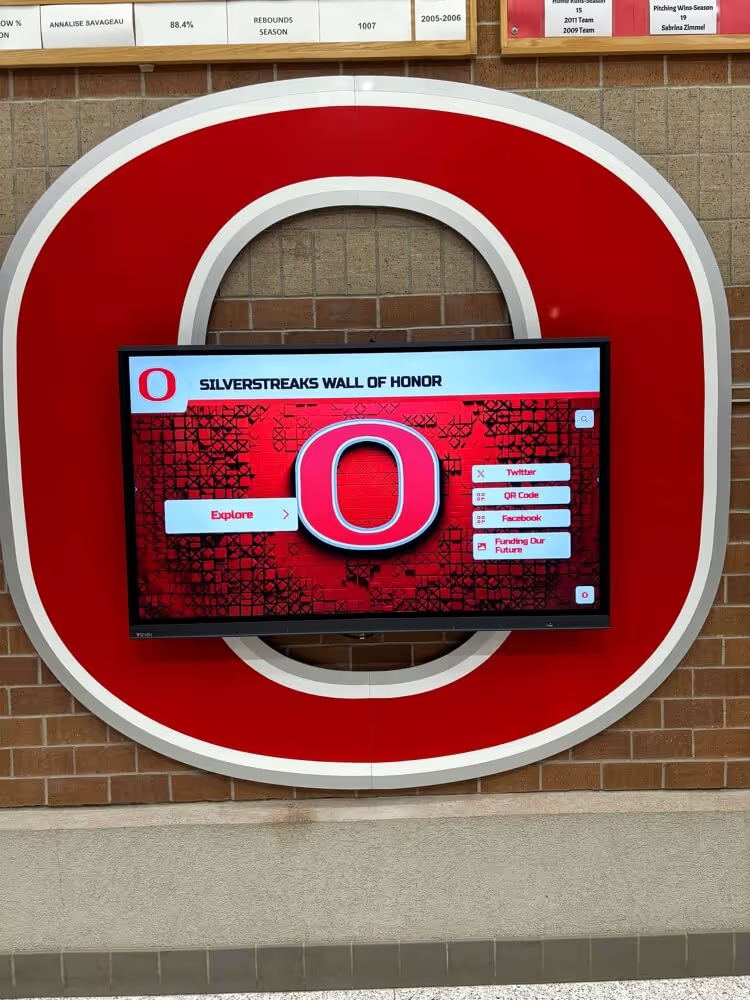
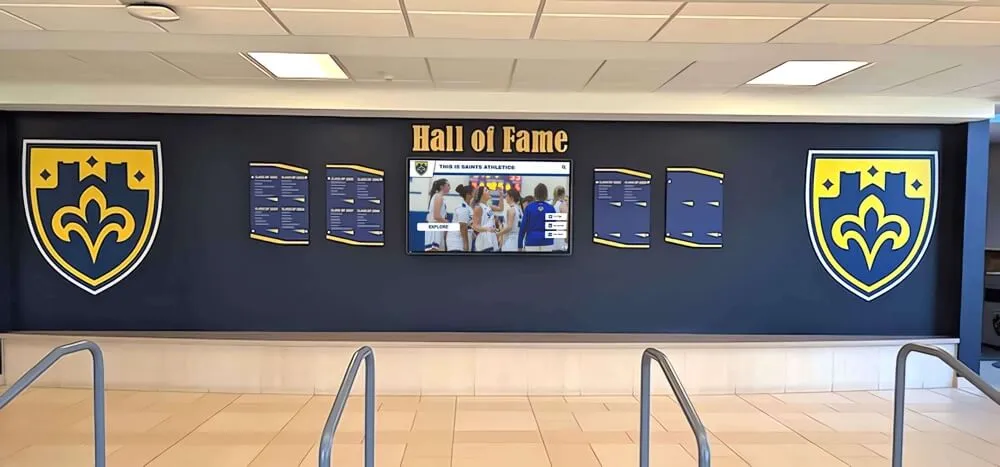
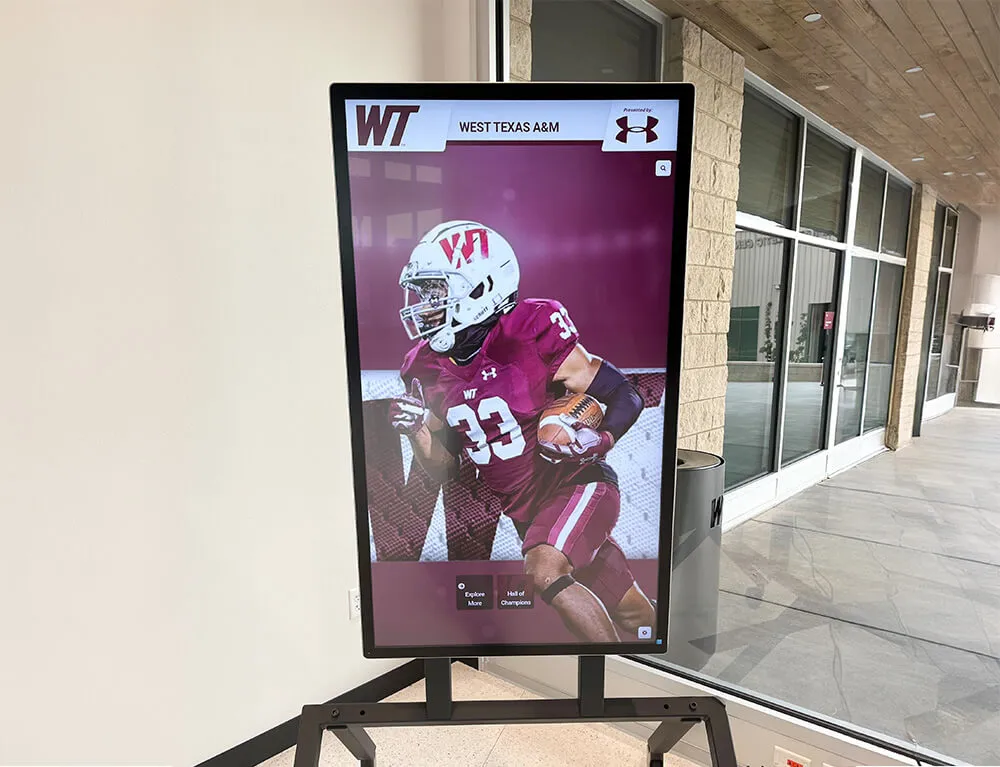
School lobbies and common areas provide ideal settings for ring ceremonies when designed to showcase institutional pride and tradition
Understanding the Purpose of Class Ring Ceremonies
Before diving into specific planning ideas, schools should clarify why class ring ceremonies matter and what they’re designed to accomplish.
The Significance of Class Rings
Class rings carry deep symbolic meaning throughout educational communities:
Personal Achievement Milestone
- Tangible representation of academic progress and perseverance
- Physical reminder of commitment to educational goals
- Symbol students can wear daily connecting them to their school
- Personal keepsake commemorating high school experience
- Generational tradition linking students to family members who wore similar rings
- Customized design reflecting individual interests and accomplishments
For many students, receiving their class ring represents the first major milestone recognizing they’re approaching graduation and transitioning toward adulthood.
School Community Connection Class rings strengthen institutional identity:
- Visible symbol of belonging to school community
- Shared tradition connecting students across graduating classes
- Recognition element alumni encounter when meeting fellow graduates
- Pride indicator students display in their educational environment
- Conversation starter building connections with other ring wearers
- Lifetime link to school regardless of where life takes graduates
When alumni meet decades after graduation, class rings often spark immediate recognition and connection—powerful testament to how these symbols strengthen school community bonds.
Ceremony Goals and Outcomes
Well-planned ring ceremonies achieve multiple important objectives:
Creating Memorable Experiences Ceremony quality determines lasting impact:
- Formal recognition acknowledging students’ achievements and growth
- Emotional moments students associate with their rings permanently
- Shared experience creating class unity and collective memory
- Family involvement honoring support systems behind student success
- Photographic documentation preserving milestone moments
- Stories students share when asked about their class ring’s significance
Schools consistently report that students who experience meaningful ring ceremonies develop stronger emotional connections to their rings, increasing likelihood they’ll wear them throughout college and beyond.
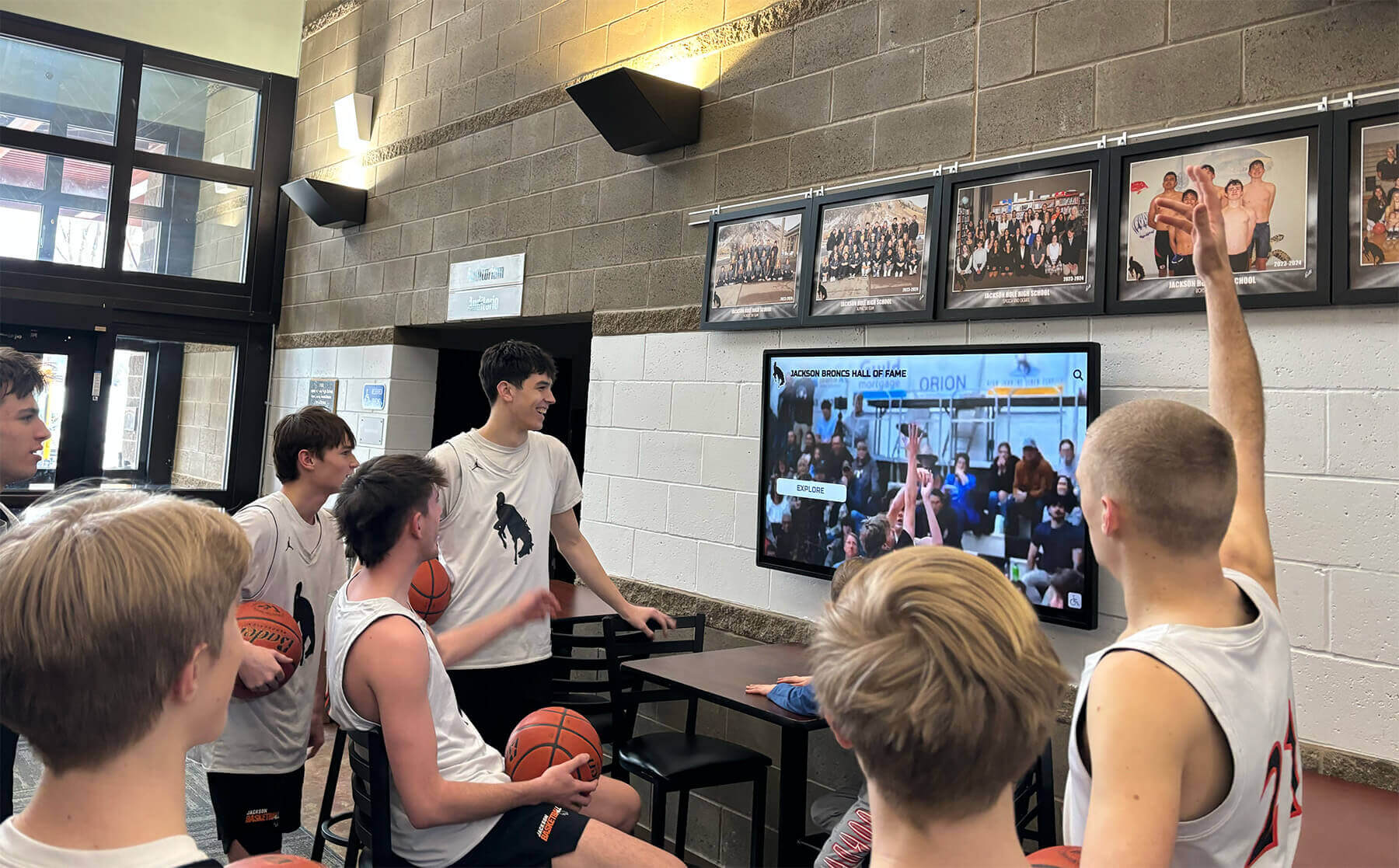
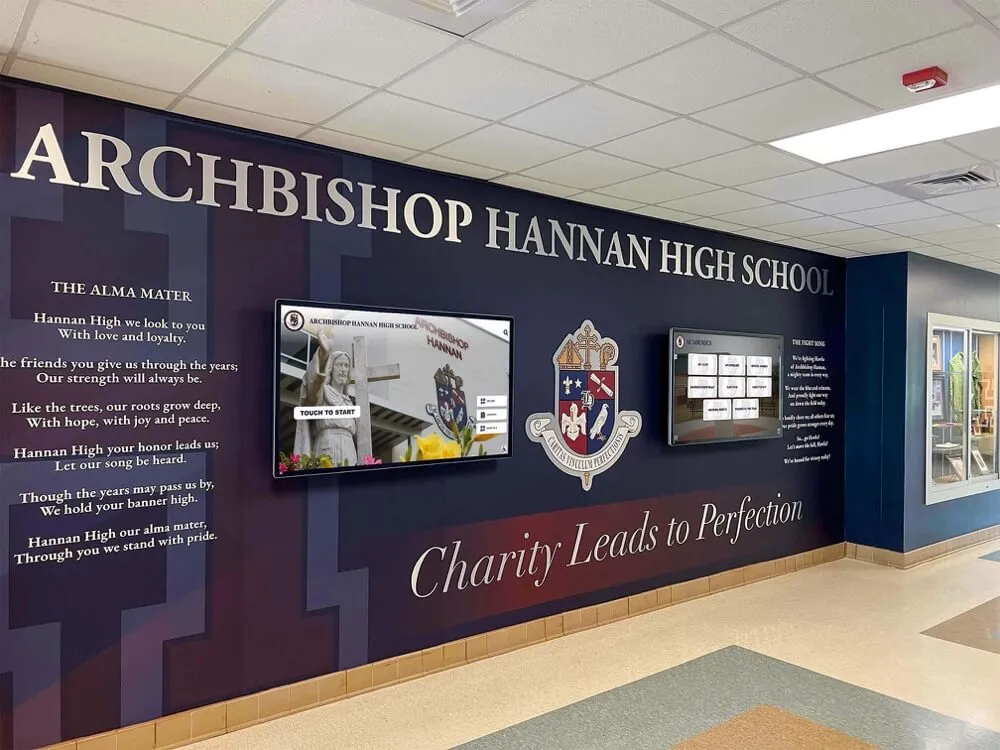
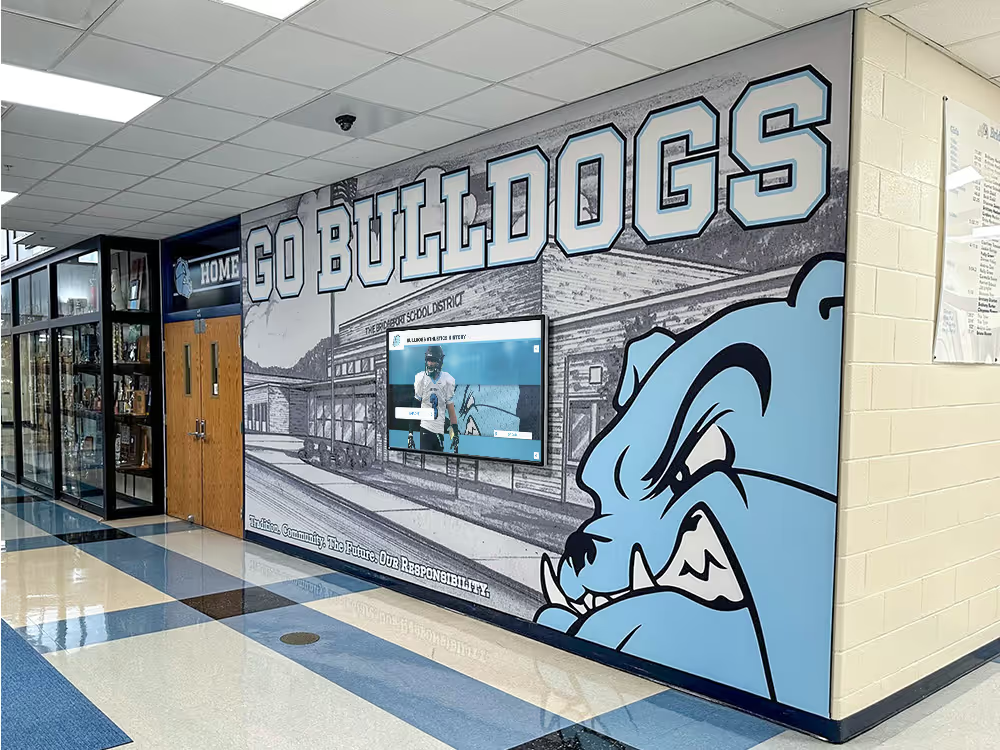
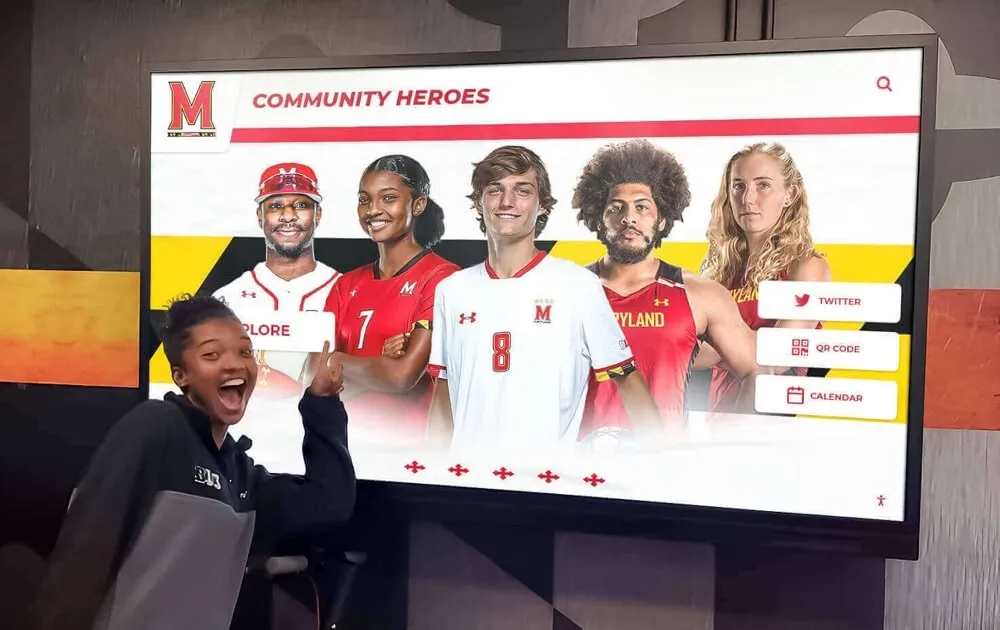
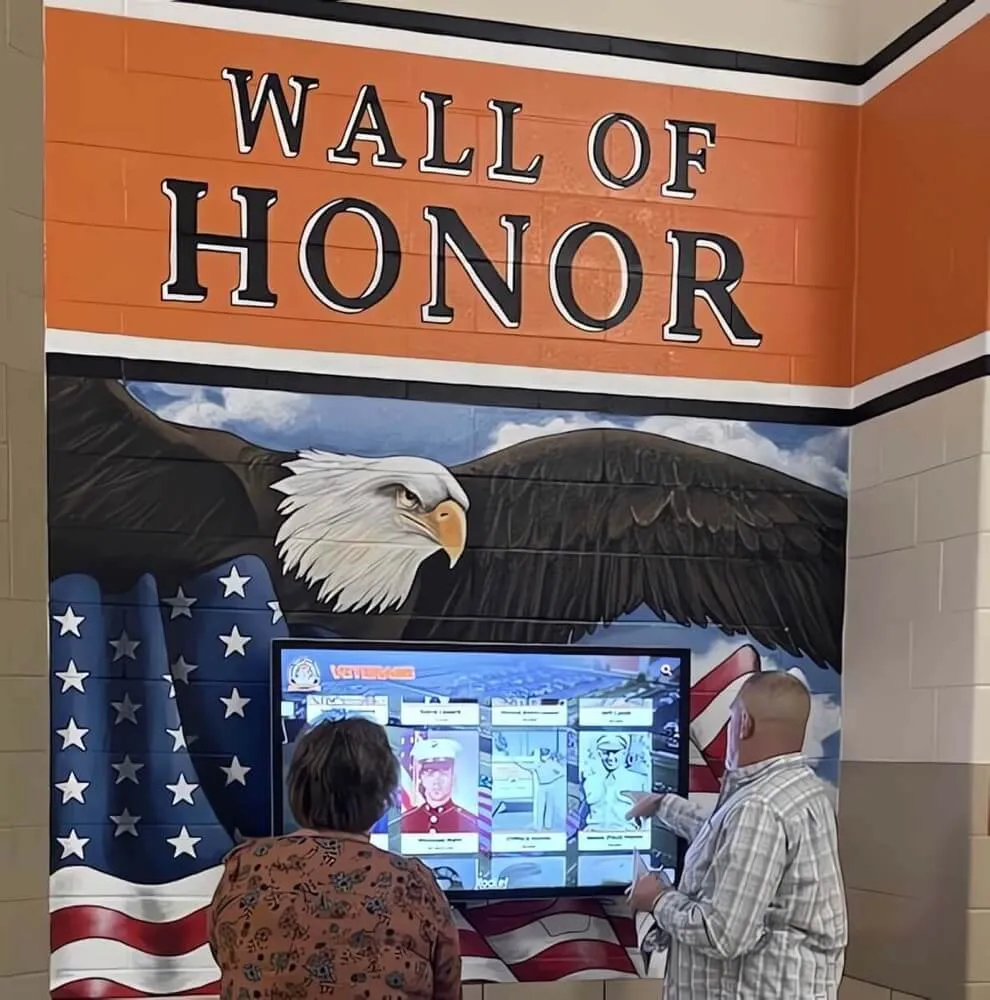
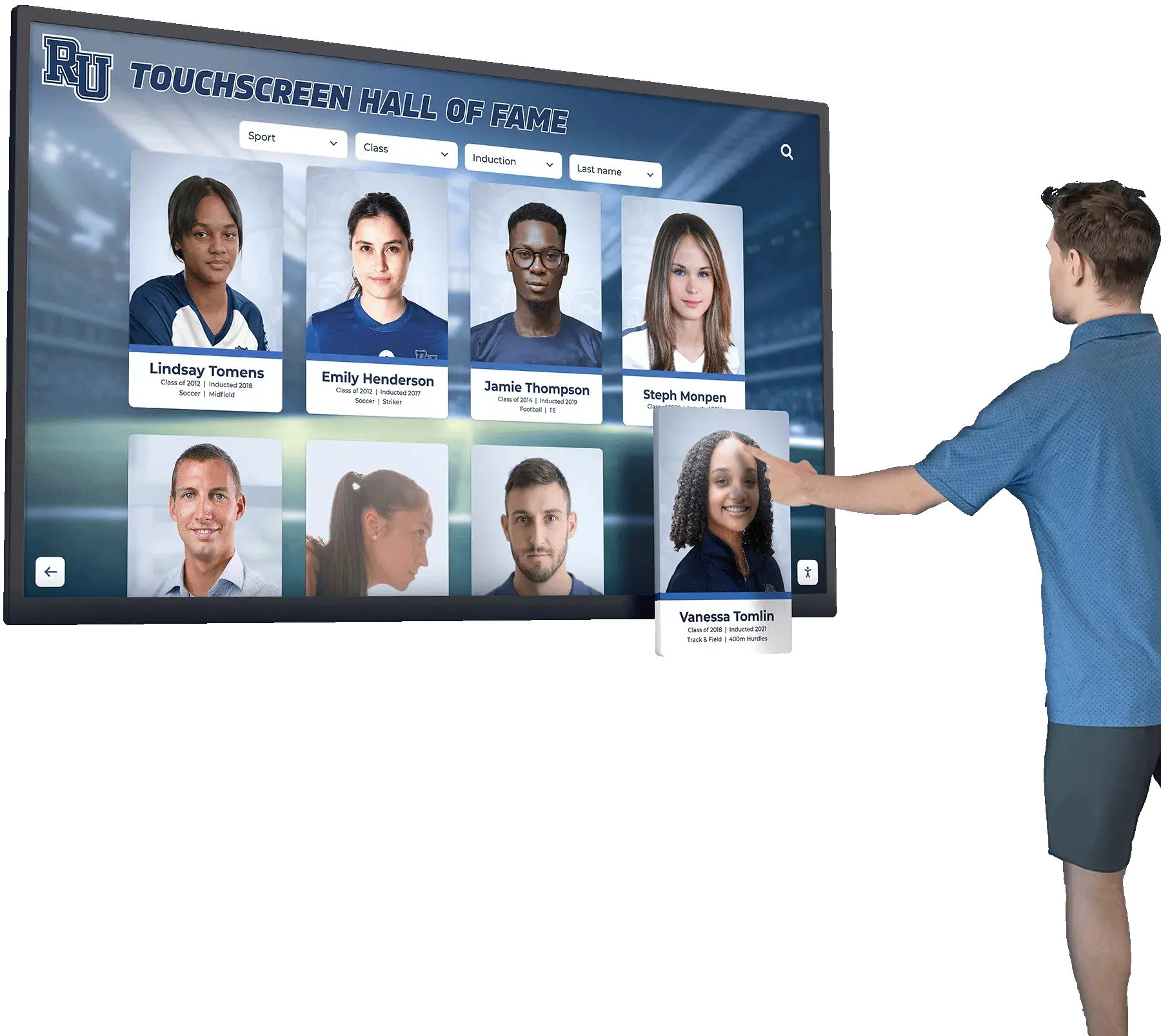
Engaging students through interactive experiences creates memorable moments that strengthen ceremony impact
Building School Traditions Ceremonies contribute to institutional culture:
- Annual events students anticipate throughout high school careers
- Traditions younger students observe and look forward to experiencing
- Alumni connections when graduates return for ceremonies
- Parent engagement as families participate in school milestones
- Faculty involvement celebrating student achievement
- Legacy building as ceremonies evolve and improve over years
Similar to how schools plan pep rally ideas to build spirit, ring ceremonies create traditions that define school culture and strengthen community bonds.
Planning Timeline and Logistics
Successful ceremonies require systematic planning well in advance of the actual event:
Timeline Development
Work backward from ceremony date to ensure adequate preparation:
3-4 Months Before Ceremony Initial planning establishes foundation:
- Form planning committee including students, faculty, and administrators
- Select ceremony date coordinating with ring delivery timeline
- Reserve venue and schedule facilities
- Determine ceremony format and approximate length
- Establish preliminary budget and identify funding sources
- Create initial theme or concept for ceremony approach
- Begin communication with ring vendor about delivery and logistics
- Send save-the-date information to families
Early planning prevents last-minute scrambling while allowing time for creative development.
6-8 Weeks Before Ceremony Detailed planning takes shape:
- Finalize ceremony program including all elements and speakers
- Confirm student participation and address any concerns
- Arrange for audio-visual equipment and technical needs
- Plan decorations and thematic elements
- Coordinate refreshments or reception if included
- Create invitation design and distribute to families
- Arrange for photography and videography
- Recruit student volunteers and assign ceremony roles
- Develop backup plan for weather if outdoor elements involved
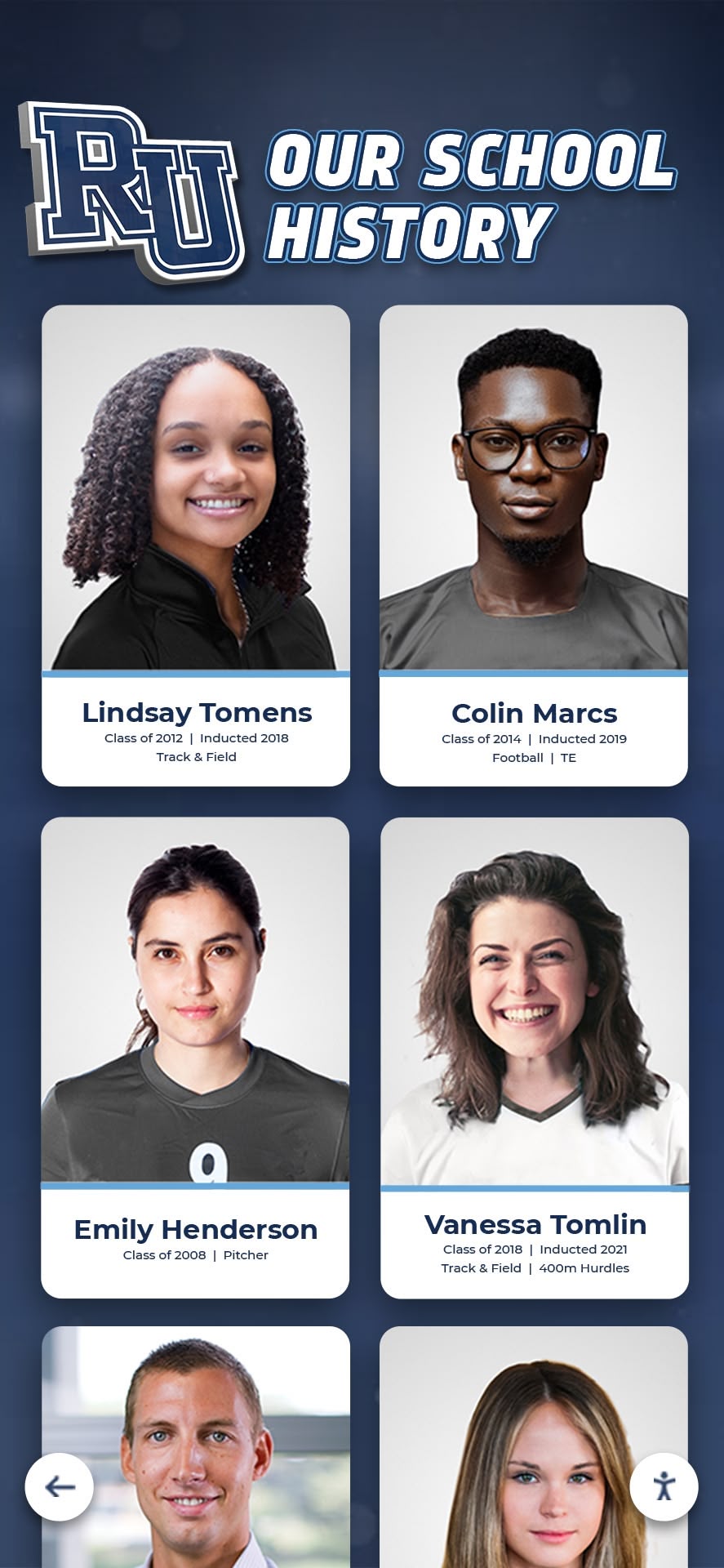
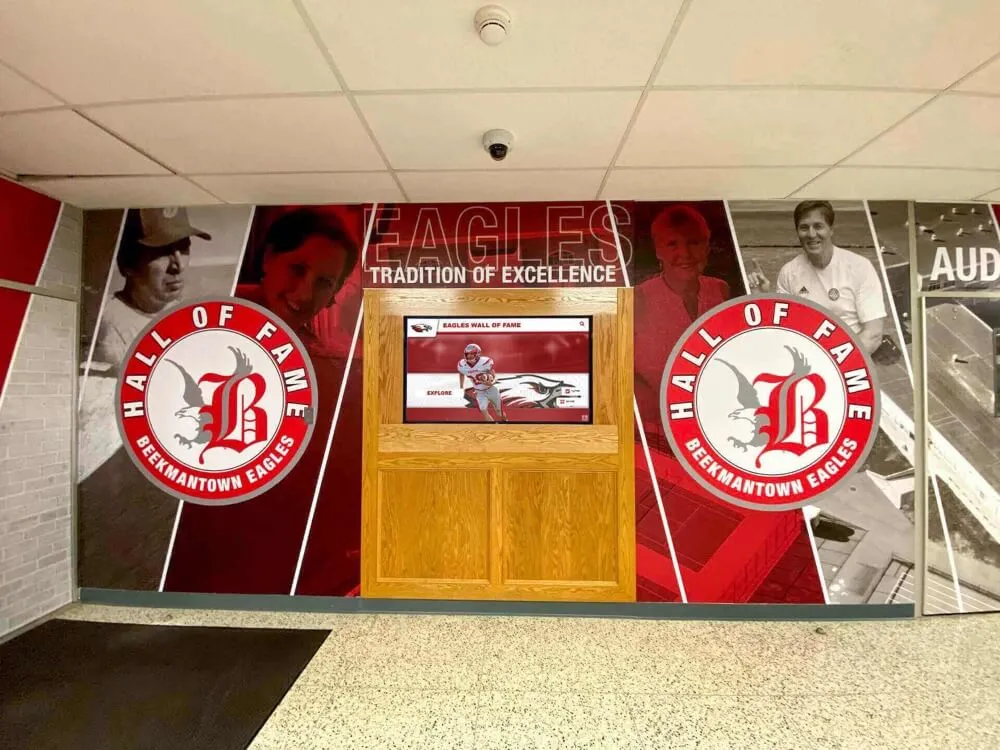
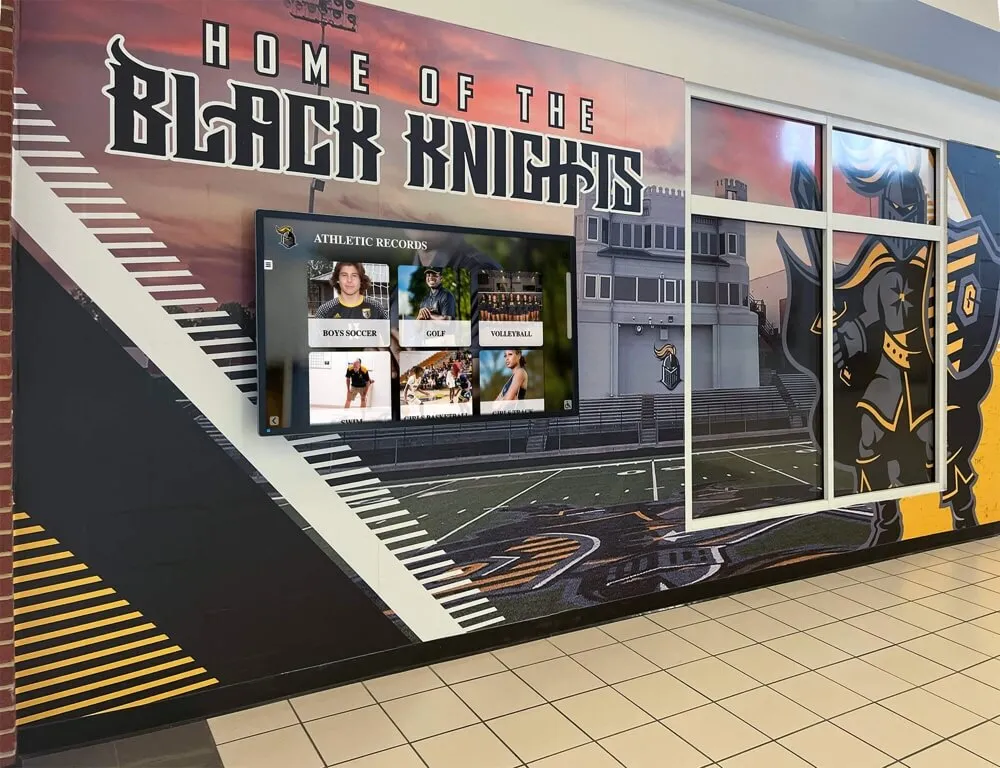
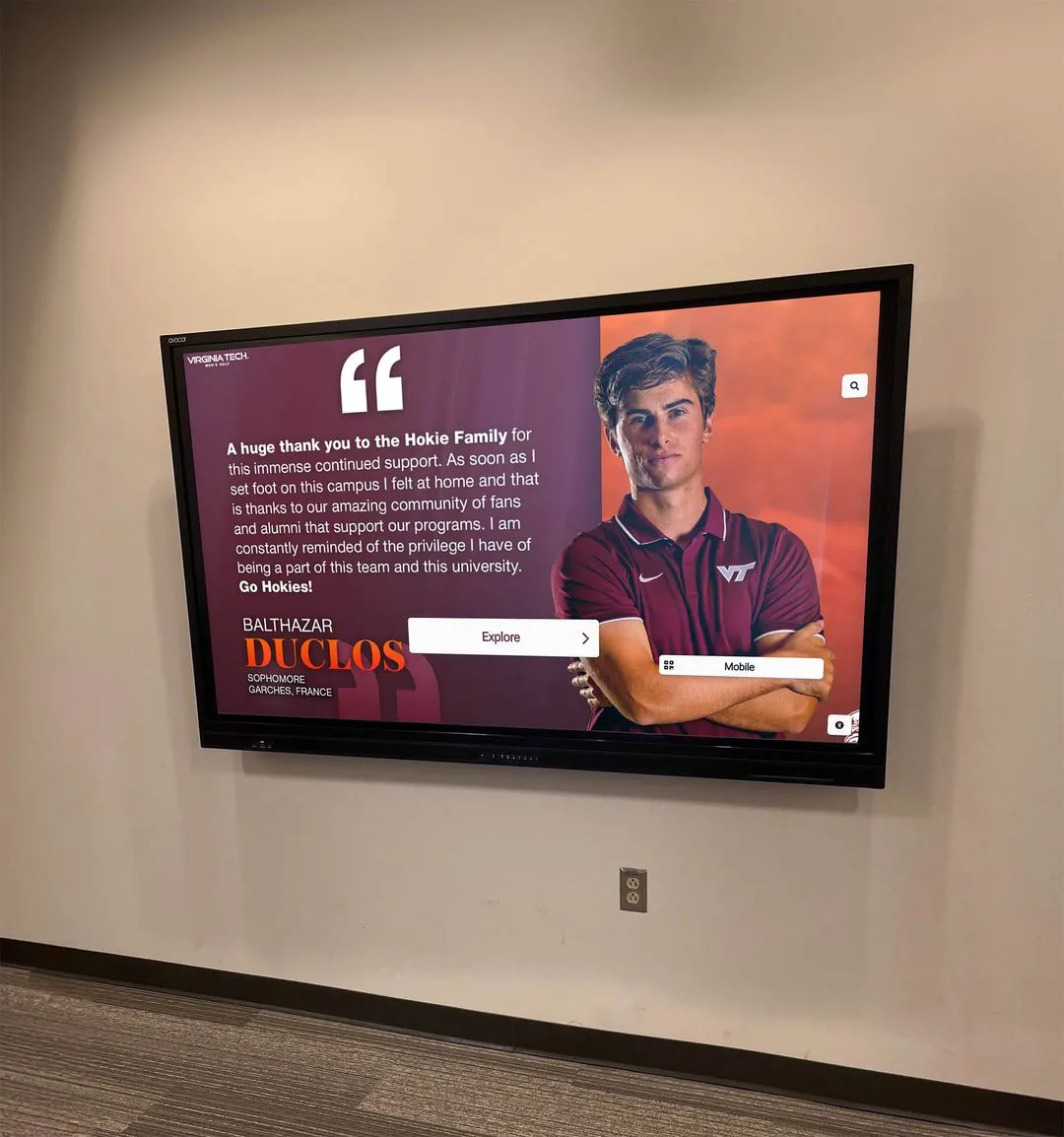
Documenting ceremonies through professional photography creates lasting records of this important tradition
2-3 Weeks Before Ceremony Final preparations and confirmation:
- Conduct venue walk-through confirming setup details
- Confirm ring delivery and inspect for quality issues
- Hold rehearsal with students explaining ceremony flow
- Print programs and prepare any handout materials
- Brief all staff and volunteers on roles and responsibilities
- Test all audio-visual equipment and presentations
- Finalize seating arrangements and logistics
- Confirm catering and refreshment details
- Send final reminder communication to families
Week of Ceremony Final coordination and setup:
- Confirm all vendor deliveries and services
- Set up venue with decorations and technical equipment
- Prepare rings for distribution (arranged by name if applicable)
- Brief student speakers and participants
- Conduct final walk-through with planning team
- Communicate any last-minute details or changes
Systematic timeline management ensures nothing falls through cracks while distributing work across appropriate timeframe.
Venue Selection and Setup
Location significantly impacts ceremony atmosphere and experience:
Appropriate Venue Options Consider these common and creative ceremony locations:
- School auditorium providing formal atmosphere and seating capacity
- Gymnasium transformed with decorations for large gatherings
- Cafeteria or commons area for more casual but significant feel
- Library or media center creating intimate academic environment
- Outdoor courtyard or field (weather permitting) for memorable setting
- Historic school location connecting to institutional tradition
- Partner venues like community centers or houses of worship if school facilities insufficient
Venue should accommodate expected attendance comfortably while providing appropriate acoustics, lighting, and climate control.
Creating Ceremony Atmosphere Transform chosen space through thoughtful design:
- School colors displayed prominently through draping and decorations
- Graduation year signage making class identity central
- Historical photos showing previous ring ceremonies and traditions
- Class motto or theme integrated into visual elements
- Professional lighting creating elevated atmosphere
- Stage or focal point for presentation moments
- Designated photography areas with appropriate backdrops
- Reception space for post-ceremony gathering and refreshments
Atmospheric elements signal to students that this ceremony deserves the formal treatment and careful planning it receives.
Creative Ceremony Themes and Formats
While tradition provides foundation, creative approaches make ceremonies uniquely memorable:
Theme Development
Cohesive themes tie ceremony elements together meaningfully:
Legacy and Tradition Themes Connecting past, present, and future:
- “Joining the Circle” emphasizing addition to alumni community
- “Linked Through Time” highlighting generational connections
- “Building Our Legacy” focusing on contributions students will make
- “Tradition Continues” celebrating ongoing school heritage
- “Past, Present, Future” acknowledging complete timeline
- “One Ring, One Community” emphasizing collective belonging
Legacy themes work particularly well when incorporating alumni recognition displays showing previous graduating classes, creating visible connection between current students and those who came before.
Achievement and Success Themes Celebrating accomplishments:
- “Earned Through Excellence” recognizing work required
- “Symbols of Success” highlighting what rings represent
- “Achievement Unlocked” using gaming metaphor current students appreciate
- “The Journey to This Moment” acknowledging path traveled
- “Commitment to Excellence” emphasizing ongoing dedication
- “Rising Together” celebrating collective class achievements
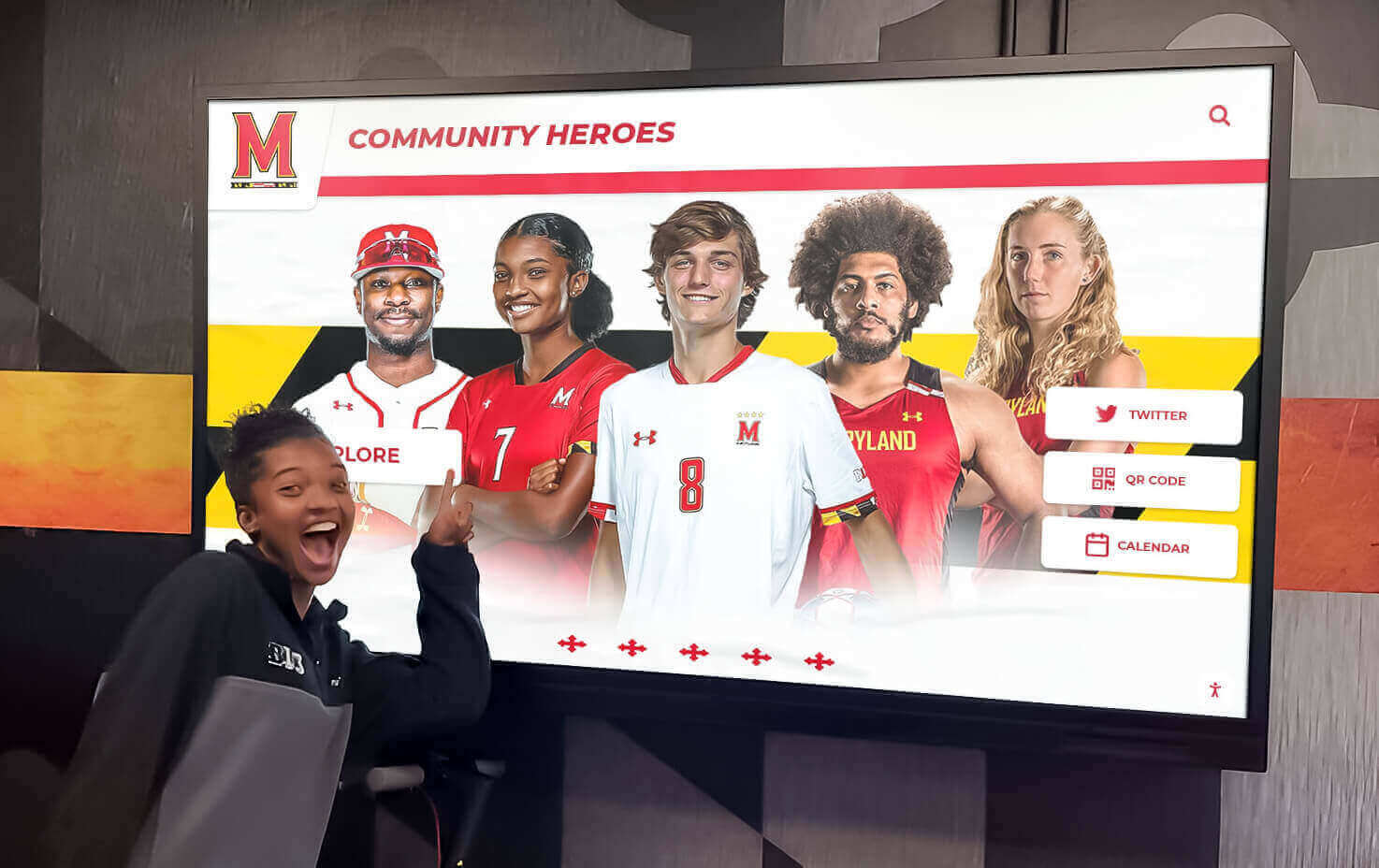
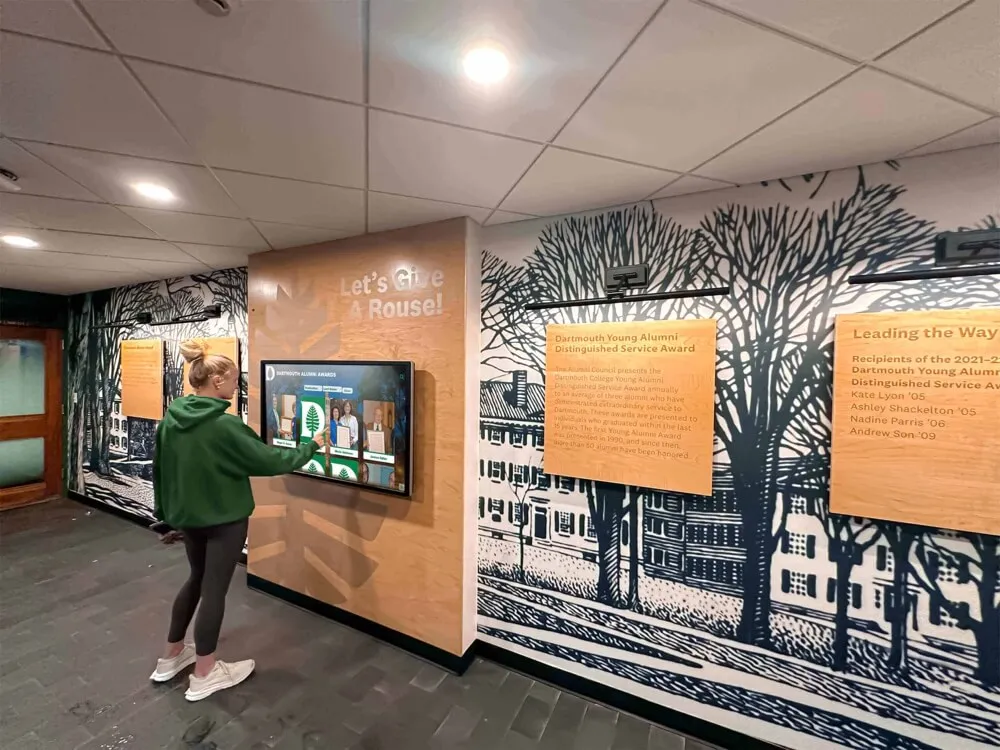
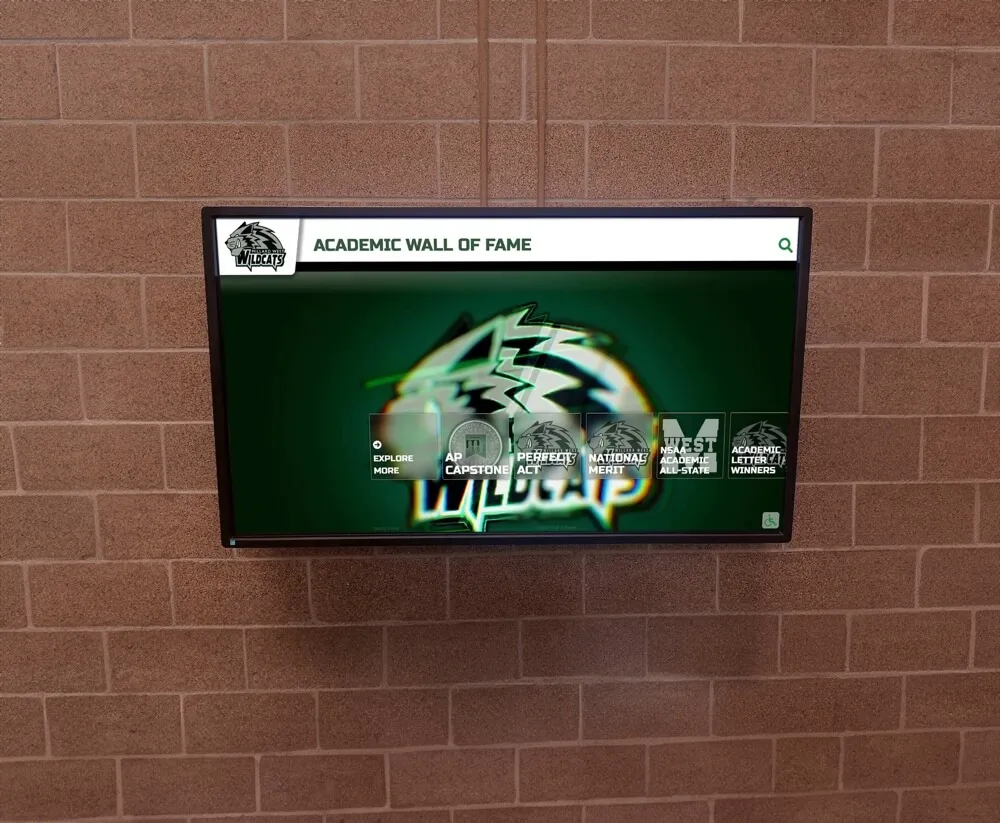
Interactive recognition displays engage students while documenting achievements and milestones throughout their educational journeys
School Pride Themes Amplifying institutional identity:
- School mascot integration throughout ceremony
- Historic moments from school history highlighted
- Notable alumni accomplishments celebrated
- School values and mission statement incorporated
- Athletic and academic achievements showcased
- Community impact and service emphasized
Pride themes strengthen connection between rings and specific school identity, making rings more meaningful as symbols of particular institution.
Ceremony Format Options
Structure should match school culture while creating meaningful experience:
Traditional Formal Ceremony Classic approach with elegant execution:
- Processional entrance with dignity and formality
- Welcome remarks from principal or ceremony coordinator
- Keynote address from distinguished speaker
- Class history presentation reviewing shared experiences
- Individual or small group ring presentation
- Ring blessing or dedication (if appropriate to community)
- Student speaker reflections on class journey
- Recessional to conclude ceremony formally
- Reception for informal celebration and photographs
Formal format works well for schools with strong ceremonial traditions and communities appreciating structured events.
Interactive Celebration Format Dynamic approach emphasizing engagement:
- Station-based activities students rotate through
- Ring presentation at central ceremony moment
- Classmate connections through activities and games
- Memory sharing stations collecting ceremony reflections
- Photo booth areas with props and backdrops
- Video montage screenings showing class journey
- Refreshments served throughout venue
- Music and entertainment creating festive atmosphere
- Recognition moments woven throughout event
Interactive formats appeal to schools valuing celebration and community building alongside formal recognition.
Outdoor Evening Ceremony Atmospheric option creating special ambiance:
- Sunset or evening timing for dramatic lighting
- Decorative lighting creating magical environment
- Bonfire or luminaries (if safely possible)
- Acoustic music performances
- Informal seating arrangements
- Ring presentation under stars
- Reflection moments in outdoor setting
- S’mores or similar refreshments
- Weather contingency plan prepared
Evening outdoor ceremonies create unique memories distinct from typical school events, though require excellent weather backup planning.
Meaningful Ceremony Elements and Activities
Specific components make ceremonies resonate emotionally with students:
Opening Elements
Strong beginnings set appropriate ceremony tone:
Student Procession Options Entrances creating impact:
- Alphabetical entrance with individual name announcement
- Small group entrances by homeroom or advisory
- Random order creating surprise and spontaneity
- Paired entrance with ceremony partner or friend
- Entrance through alumni or family honor guard
- Processional to meaningful school song or fight song
Whatever format chosen, processional should make each student feel individually recognized while building collective energy.
Welcome and Context Setting Opening remarks framing significance:
- Principal or administration welcome establishing importance
- Brief history of class ring tradition at school
- Explanation of ring symbolism and meaning
- Recognition of families and supporters present
- Acknowledgment of planning committee and contributors
- Overview of ceremony flow and what to expect
Effective openings help attendees understand they’re participating in meaningful tradition deserving full attention and engagement.
Ring Presentation Approaches
Distribution method significantly impacts ceremony memorability:
Individual Name Announcement Personal recognition for each student:
- Students called forward individually or in small groups
- Name announcement with brief personal recognition
- Handshake or embrace from presenter
- Photo opportunity as ring received
- Return to seat wearing new ring
- Adequate time for each student without rushing
While time-intensive for large classes, individual presentations ensure every student experiences personal recognition moment.
Symbolic Group Presentation Collective moment emphasizing unity:
- All students stand together
- Simultaneous placement of rings
- Recitation of class pledge or commitment
- Group declaration or affirmation
- Moment of silence for reflection
- Celebratory response following placement
- Collective photo opportunity
Group approaches work well for large classes or when emphasizing community over individual achievement.
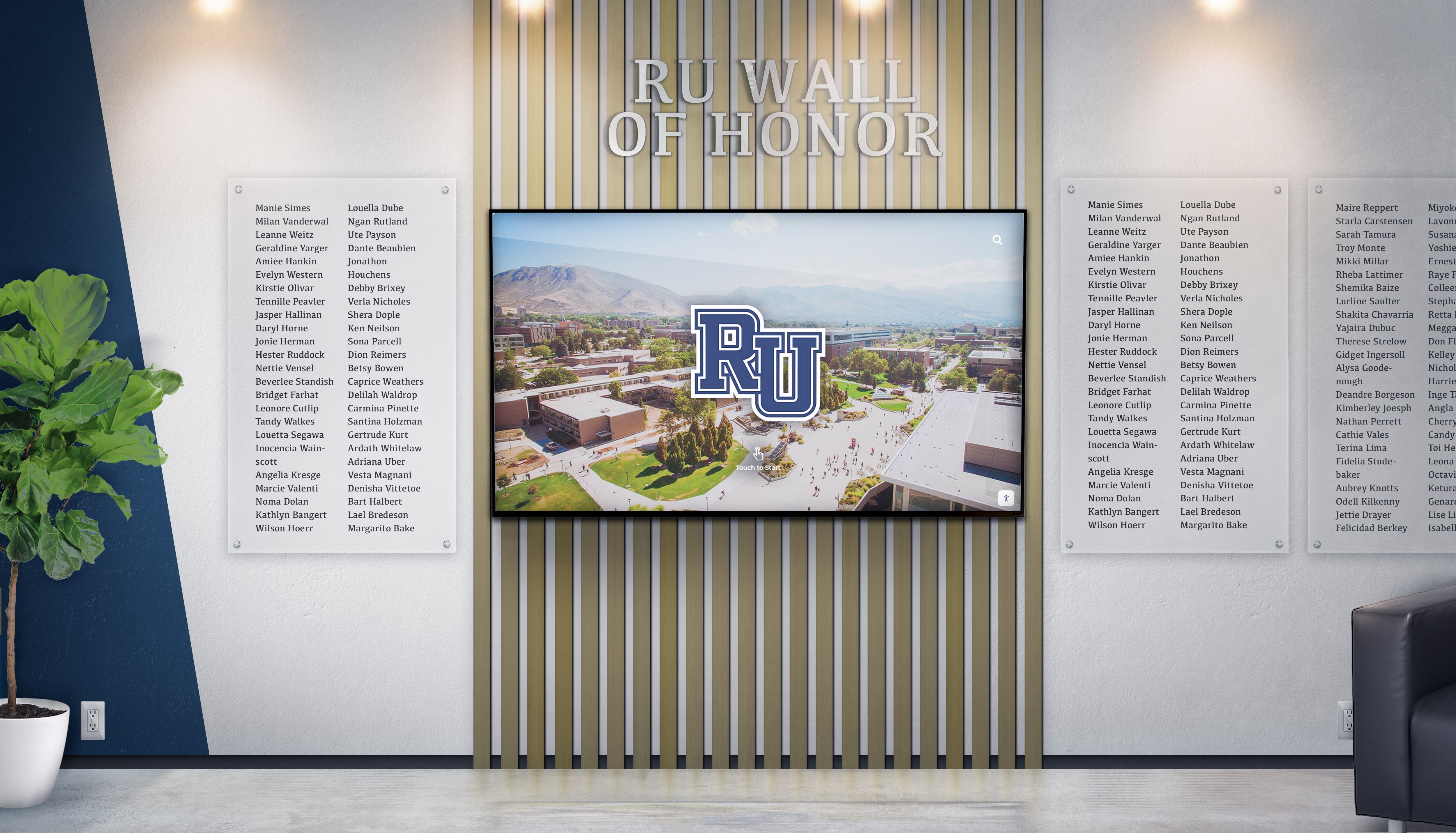
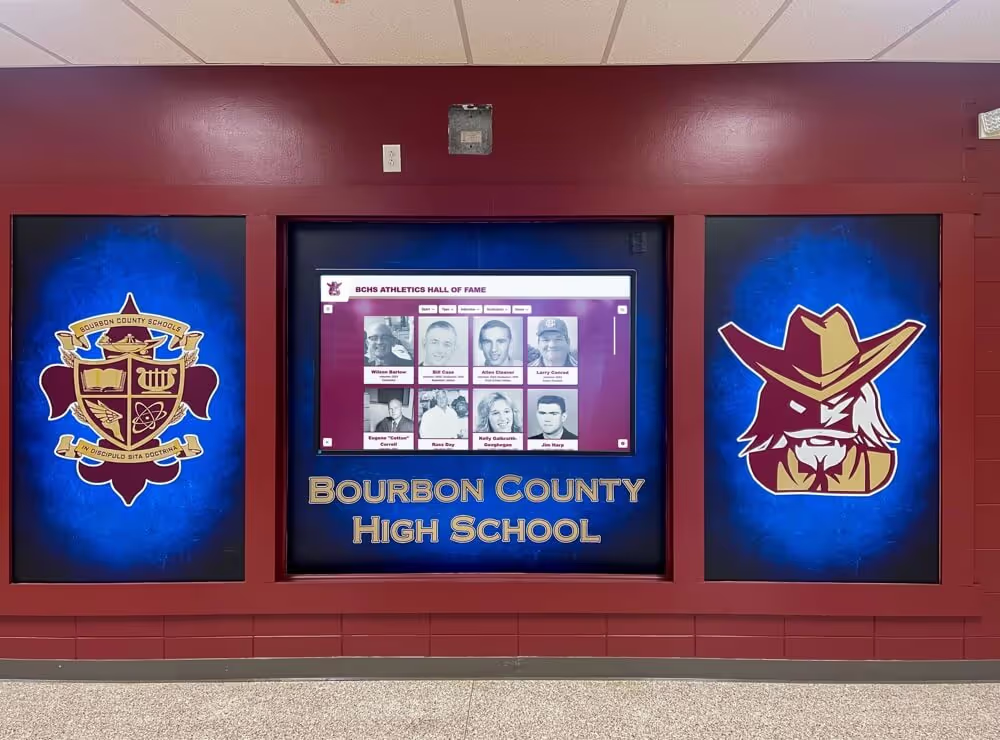
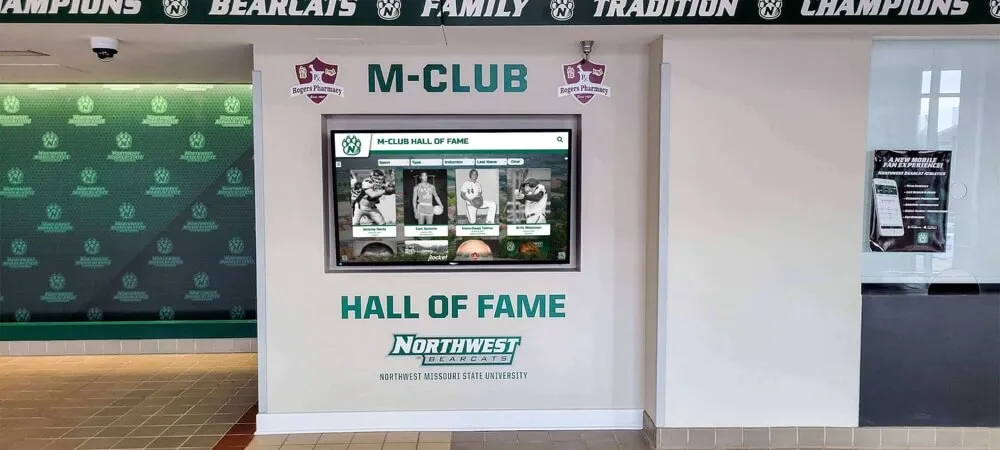
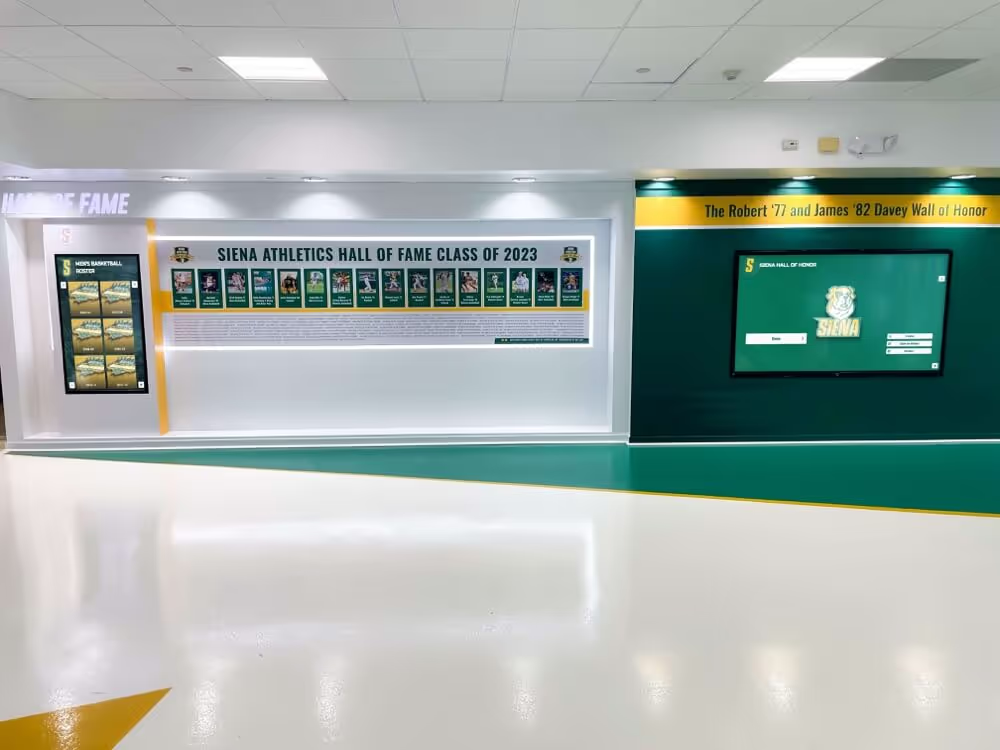
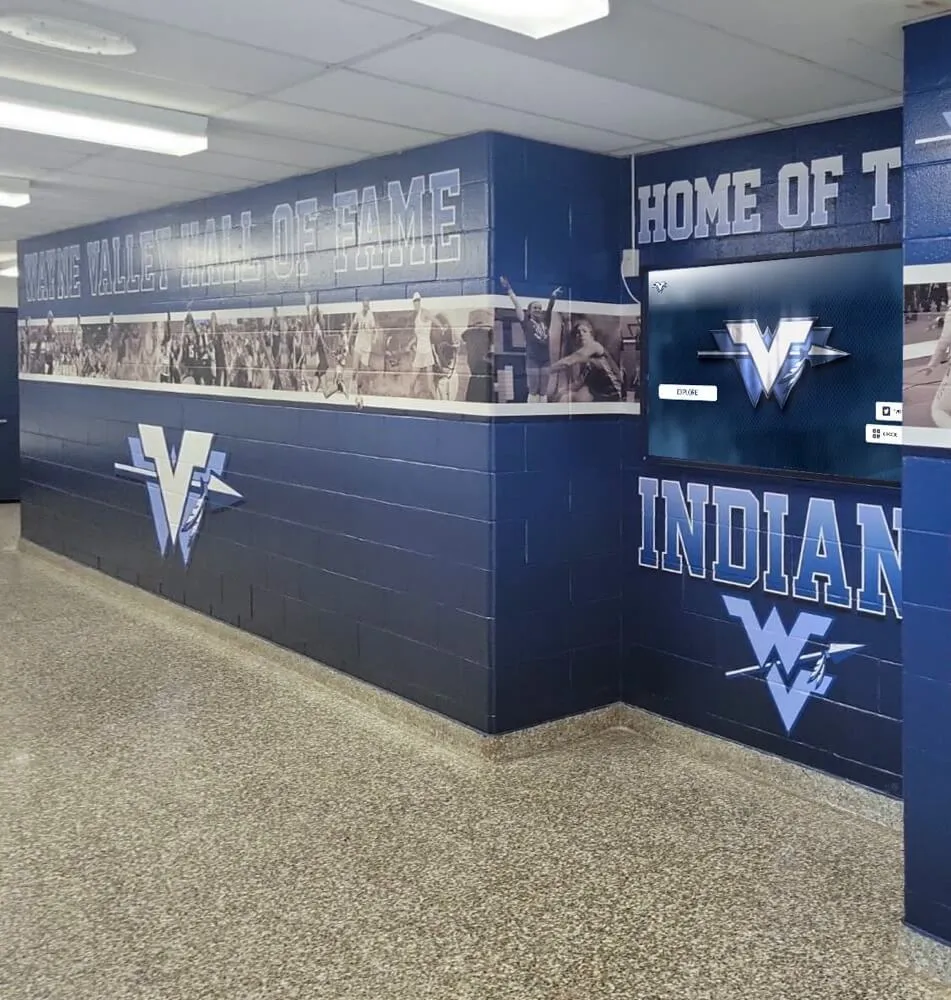
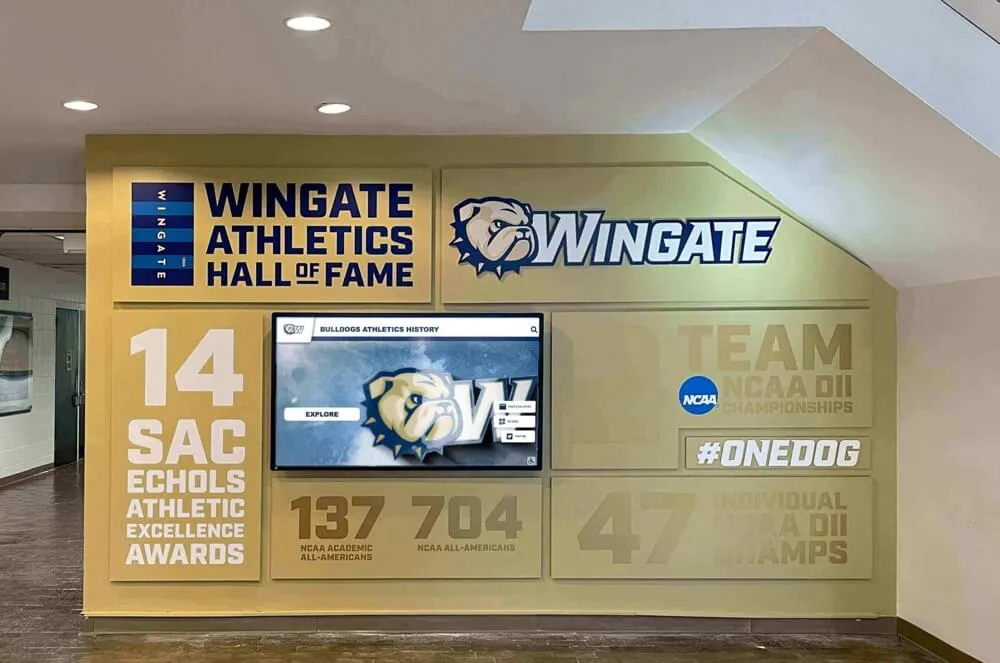
Recognition walls honoring student milestones create lasting tributes to achievements and ceremonies
Family Presentation Option Involving supporters directly:
- Family members called forward with students
- Parent or guardian places ring on student’s finger
- Brief remarks about meaning to family
- Photo opportunity capturing family moment
- Recognition of family support and sacrifice
- Emotional connection strengthening ceremony impact
Family involvement creates particularly meaningful moments students remember, though requires coordination about family circumstances.
Student Participation and Speeches
Peer voices add authenticity and connection:
Class Representative Speeches Student perspectives on ring significance:
- Class president reflecting on shared journey
- Student council representatives offering leadership perspective
- Randomly selected students sharing personal meaning
- Valedictorian candidates discussing academic journey
- Student-athletes connecting to team mentality
- Arts students expressing creative interpretation
- Multiple brief speeches rather than single long address
Student speeches should balance humor with sincerity, personal experience with universal themes, and nostalgia with forward-looking optimism.
Collective Class Elements Activities involving all ceremony participants:
- Class pledge or commitment recitation together
- School song or alma mater performed
- Poetry reading or literary piece meaningful to class
- Video presentation students created collaboratively
- Time capsule sealing with class predictions or wishes
- Group photo arrangements spelling class year or forming school symbol
Collective elements remind students they’re part of larger community sharing this milestone together.
Special Recognition and Documentation
Ceremonies should create lasting records while honoring special circumstances:
Commemorative Materials
Tangible items extending ceremony beyond single event:
Ceremony Programs Keepsake documentation including:
- Complete ceremony schedule and participant list
- Student names organized by homeroom or alphabetically
- Ring design images and symbolism explanation
- Class motto, colors, and identifying information
- Historical information about school ring traditions
- Quotes or messages from class officers or administration
- Sponsor recognition and appreciation
- Professional design matching ceremony theme
Quality programs become keepsakes families preserve alongside rings themselves.
Certificates or Proclamations Formal documentation of milestone:
- Personalized certificate commemorating ring receipt
- School seal and official signatures
- Date of ceremony and graduation year
- Space for student signature or commitment
- Frame-worthy design suitable for display
- Optional alumni association information
- QR code linking to digital ceremony documentation
Certificates provide formal recognition some families deeply value.
Photography and Videography
Professional documentation preserves memories:
Professional Photography Services Comprehensive coverage capturing moments:
- Processional and entrance photos
- Ring presentation moments for each student
- Family photos with students wearing new rings
- Candid shots throughout ceremony
- Group class photo with rings displayed
- Venue and decoration photography
- Speaker and special moment coverage
- Social media ready images for school promotion
Professional photographers ensure quality documentation families will treasure.
Video Documentation Moving images capturing ceremony atmosphere:
- Full ceremony recording for absent family members
- Highlight reel suitable for social media sharing
- Interview segments with students about ring meaning
- Time-lapse showing venue setup and ceremony progress
- Live streaming for family members unable to attend
- Archived footage for future ceremony planning reference
- Compilation with photos creating complete documentation
Schools can archive ceremony videos similar to how they preserve athletic achievements, creating comprehensive documentation of school traditions.
Digital Recognition Extensions
Modern platforms extend ceremony impact beyond single event:
Interactive Recognition Displays Permanent celebration of milestone:
- Digital displays showcasing ring ceremony photos
- Searchable databases showing ceremony participants
- Historical display showing ring ceremonies across years
- Before-and-after transformation from freshman to ring ceremony
- Student testimonials about ceremony meaning
- Video clips from ceremony available on-demand
- Alumni connections showing graduates wearing rings decades later
Solutions like Rocket Alumni Solutions provide touchscreen displays that can document class ring ceremonies alongside other milestone events, creating comprehensive visual histories accessible to entire school community.
Social Media Integration Amplifying celebration across platforms:
- Dedicated ceremony hashtag for photo sharing
- Facebook event page with ceremony details and updates
- Instagram stories highlighting ceremony moments
- Live tweet coverage during ceremony
- Student takeover of school accounts documenting experience
- Alumni engagement through ceremony posts
- Digital photo album accessible to all attendees
- Video highlights posted across channels
Digital extension ensures ceremonies receive visibility throughout school community while creating shareable content alumni can revisit.
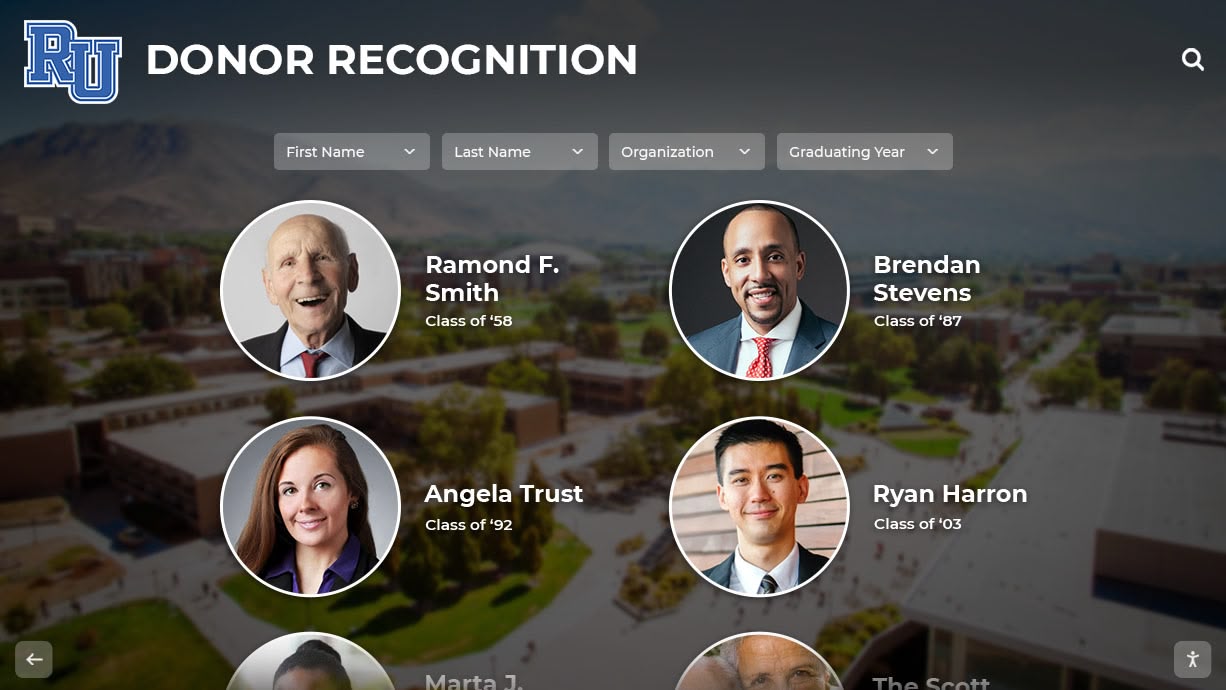
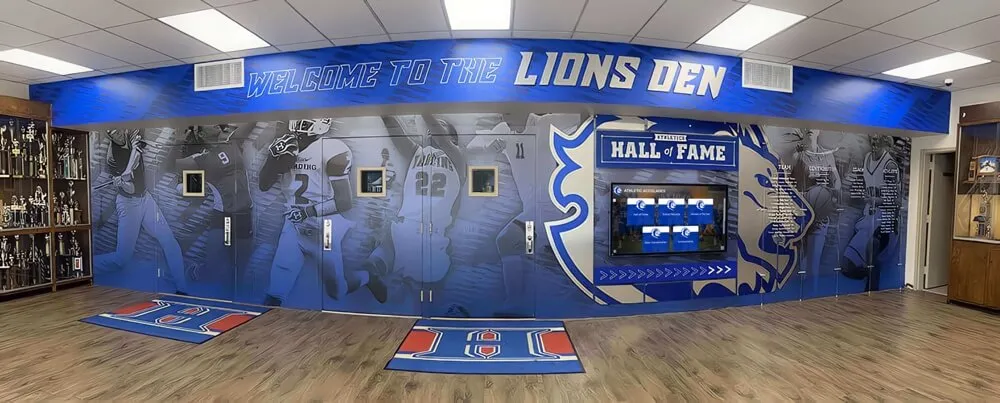
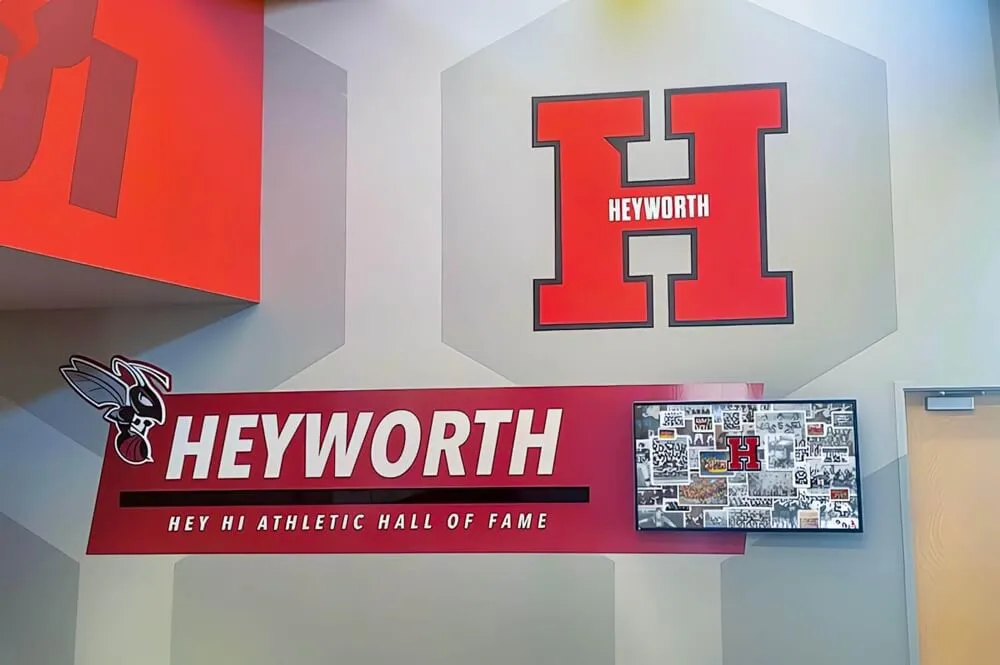
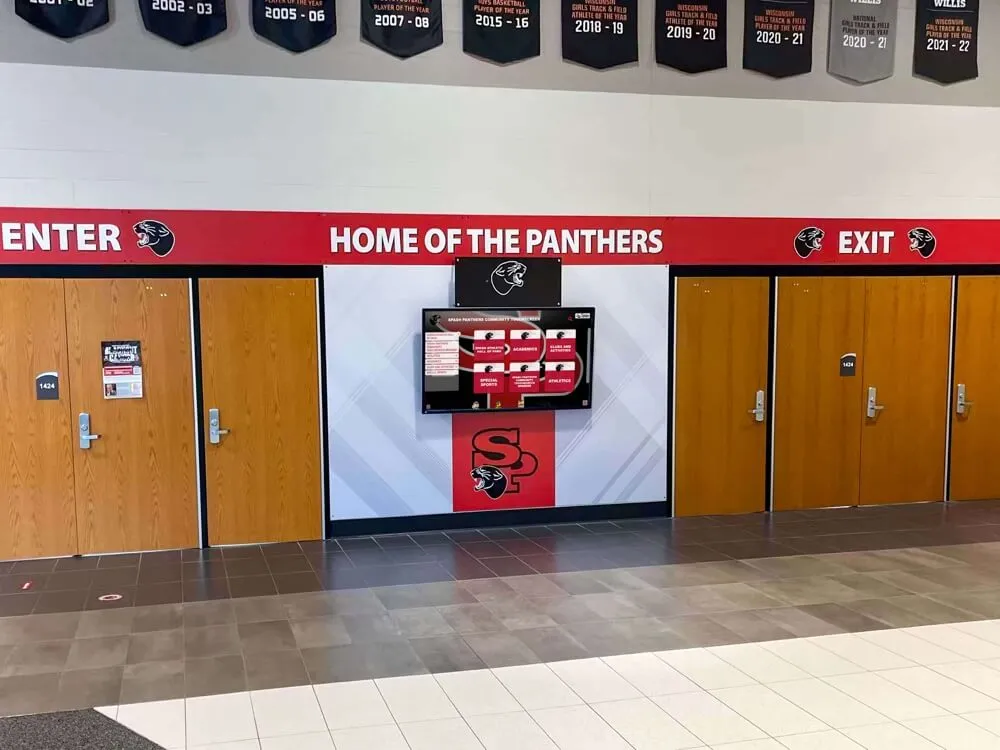
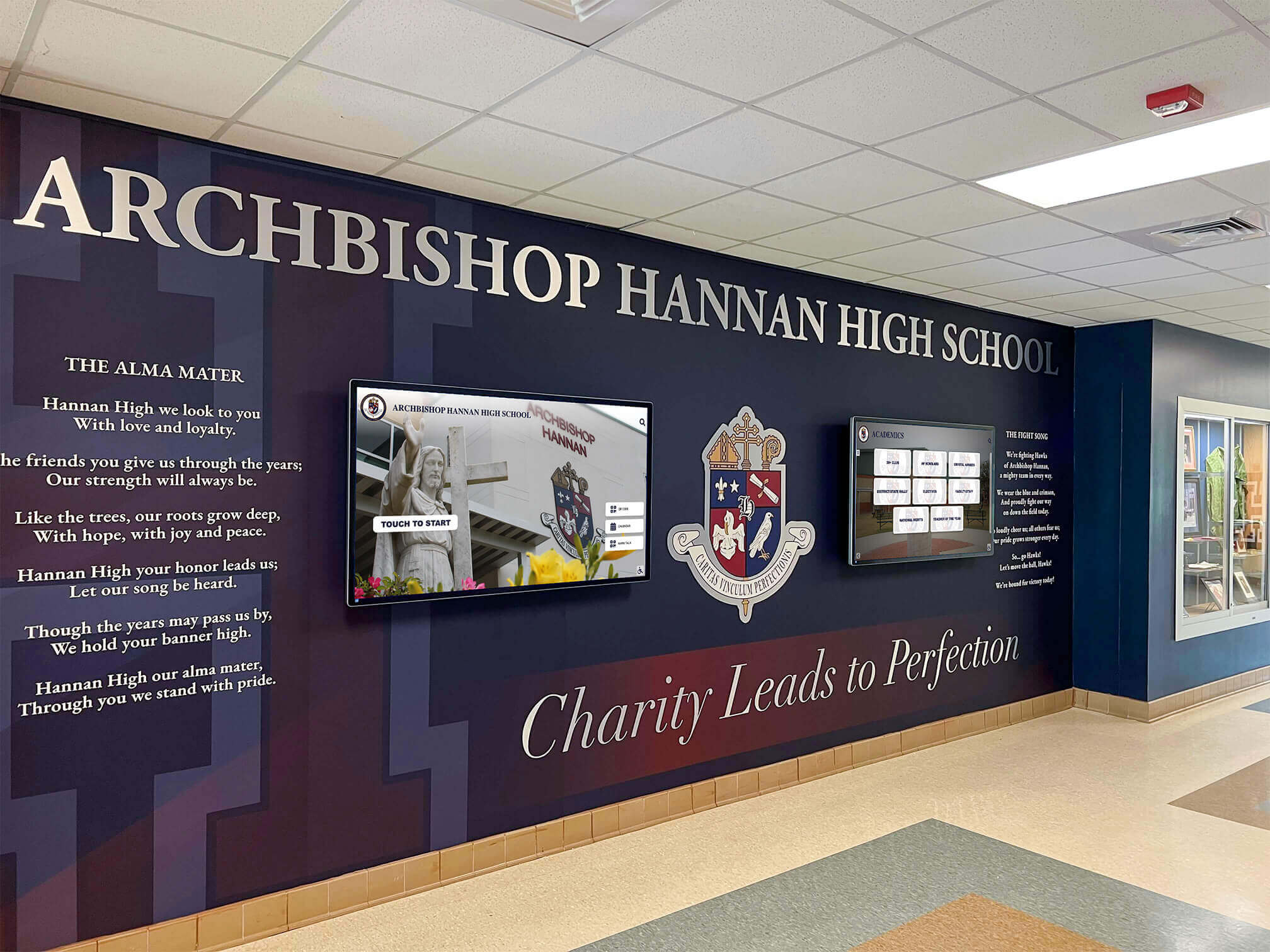
Permanent recognition displays celebrating milestones and ceremonies strengthen institutional traditions while honoring participant achievements
Incorporating School Traditions and Culture
Most effective ceremonies weave existing school identity throughout event:
Connecting to Other School Milestones
Ring ceremonies should integrate with broader recognition ecosystem:
Academic Excellence Connections Linking to achievement traditions:
- Recognition of National Honor Society members receiving rings
- Acknowledgment of academic achievements preceding ceremony
- Valedictorian and top student special mentions
- Connection to senior academic awards coming later in year
- Integration with academic recognition programs school operates
- Scholarship recipient acknowledgment if timing aligns
Academic connections remind students rings symbolize educational commitment and achievement.
Athletic and Extracurricular Recognition Celebrating diverse accomplishments:
- Team accomplishments achieved by class members
- Championship recognition for class contribution
- Arts program achievements and performances
- Club leadership and participation highlights
- Community service hour milestones
- Letterman jacket traditions comparison and connection
- Special talent showcase during ceremony
Comprehensive recognition ensures all students see themselves reflected in ceremony regardless of primary school involvement area.
Alumni Involvement and Connection
Bridge between current students and graduate community:
Alumni Guest Speakers Graduates sharing ring significance:
- Recent graduates discussing college ring experiences
- Distinguished alumni reflecting on career connections to high school
- Multi-generational families sharing ring traditions
- Alumni who returned to school as teachers or staff
- Alumni who achieved notable success in relevant fields
- Graduates who maintained strong school connection throughout life
Alumni perspectives help current students understand rings’ lasting value beyond immediate high school context.
Generational Ring Displays Visual connection across decades:
- Display cases showing rings from different graduation years
- Alumni photos wearing rings at various life stages
- Stories about rings reuniting alumni
- Class ring evolution showing design changes over time
- Multi-generational family photos with rings
- Alumni testimonials about ring meaning years later
Historical displays create powerful visual reminder that current students join long tradition.
Handling Special Circumstances and Considerations
Thoughtful planning addresses various situations requiring accommodation:
Financial Accessibility
Ensuring all students can participate regardless of economic circumstances:
Reducing Financial Barriers Making rings accessible to all:
- Offering multiple ring price points and design options
- Establishing scholarship or sponsorship fund for ring purchases
- Fundraising opportunities helping students earn ring cost
- Payment plan options spreading cost over time
- Used or donated ring programs for students facing hardship
- Focusing ceremony on symbolism rather than ring expense
- Ensuring ceremony attendance free regardless of ring purchase
Schools should ensure financial circumstances never prevent student from receiving ring or attending ceremony.
Inclusive Recognition
Honoring diverse circumstances and identities:
Accommodating Various Family Structures Ensuring everyone feels included:
- Flexible family presentation options for non-traditional families
- Recognition that “family” includes various support systems
- Sensitivity to students without family able to attend
- Buddy system pairing students with supportive adults if needed
- Language inclusive of diverse family configurations
- Multiple support person options rather than assuming parents
- Teacher or mentor participation for students desiring alternative
Inclusive approach ensures all students experience meaningful ceremony regardless of family circumstances.
Cultural and Religious Sensitivity Respecting diverse backgrounds:
- Avoiding religious language in secular school contexts
- Offering alternative to blessing or religious dedication if used
- Timing considerations for religious observances and holidays
- Cultural tradition integration when appropriate to community
- Multilingual communication for diverse families
- Dietary accommodations for refreshments
- Recognition of various cultural milestone traditions
Sensitivity ensures ceremonies feel welcoming and appropriate for entire diverse school community.
Post-Ceremony Activities and Follow-Up
Extending celebration beyond ceremony itself:
Reception and Celebration
Informal gathering strengthening community bonds:
Reception Elements Post-ceremony gathering components:
- Light refreshments and beverages for attendees
- Music creating festive atmosphere
- Multiple photo opportunity areas with various backdrops
- Memory book for students to sign and share reflections
- Slideshow or video loop showing ceremony highlights
- Ring-related games or activities
- Class unity activities similar to spirit week celebrations
- Informal mingling time for families and students
Receptions provide space for connection impossible during formal ceremony.
Ongoing Recognition and Tradition Building
Ceremony should launch ongoing celebration rather than singular event:
Year-Long Ring Recognition Continued acknowledgment throughout junior and senior years:
- Special ring days where wearing encouraged or required
- Ring incorporated into other school ceremonies and events
- Senior night celebrations acknowledging ring class status
- Graduation ceremony ring significance acknowledgment
- Senior privileges connected to ring receipt
- Leadership opportunities for ring class students
- Ring class service projects or fundraising initiatives
Ongoing acknowledgment reinforces ceremony significance while maintaining momentum through graduation.
Documentation and Reflection Preserving ceremony for future planning:
- Comprehensive planning documentation for next year’s committee
- Student survey collecting feedback and suggestions
- Budget analysis and vendor evaluation
- Timeline refinement based on actual experience
- Photo and video archiving for historical record
- Thank you communications to volunteers and contributors
- Sharing success stories and improvements needed
- Building on tradition while evolving for continuous improvement
Systematic documentation ensures each ceremony improves while maintaining core traditions.
Technology Integration for Modern Ceremonies
Contemporary tools enhance traditional ceremonies when thoughtfully implemented:
Presentation and Display Technology
Technical elements elevating ceremony experience:
Audio-Visual Enhancements Professional presentation quality:
- Projection screens showing ceremony elements and visuals
- Wireless microphones ensuring all attendees hear clearly
- Professional lighting creating appropriate atmosphere
- Video playback of class history or student-created content
- Live camera feed to screens ensuring visibility for all attendees
- Music systems providing appropriate ceremony soundtrack
- Presentation slides with ceremony program and information
- Technical support ensuring smooth operation
Quality technical execution prevents distractions while enhancing professional feel.
Virtual Participation Options
Technology enabling broader attendance:
Hybrid Ceremony Approaches Including remote participants:
- Live streaming for family members unable to attend
- Virtual photo booth options
- Online guestbook for remote well-wishes
- Social media real-time engagement during ceremony
- Recorded ceremony available for viewing afterward
- Virtual reception elements for remote family
- Online photo galleries shared post-ceremony
Hybrid options particularly valuable for military families, separated parents, or relatives unable to travel.
Planning Resources and Budget Considerations
Practical guidance for ceremony implementation:
Budget Development
Understanding financial requirements and opportunities:
Common Ceremony Costs Typical expense categories:
- Venue rental if off-campus location used (or facility fees)
- Audio-visual equipment rental if not school-owned
- Decoration materials and thematic elements
- Professional photography and videography services
- Program printing and specialty paper
- Certificate or proclamation creation and printing
- Reception refreshments and catering
- Rental items like chairs, tables, staging if needed
- Guest speaker honorarium or travel if applicable
- Contingency fund for unexpected expenses
Schools report effective ceremonies ranging from minimal cost (volunteers and donated items) to several thousand dollars (professional vendors and elaborate productions).
Funding Sources Options for ceremony support:
- General student activities budget allocation
- Class fundraising throughout high school years
- Ring vendor contribution or sponsorship
- Parent organization or booster support
- Local business sponsorships
- Alumni association funding
- Student government budget allocation
- Per-student ceremony fee if appropriate
- Grant funding for special programming
Combining multiple sources reduces burden while increasing ceremony quality possibilities.
Planning Committee Structure
Organizing effective team:
Key Committee Roles Distributing responsibilities appropriately:
- Overall coordinator managing timeline and communication
- Venue and logistics manager handling setup and technical needs
- Program and ceremony content developer
- Student liaison gathering input and organizing participation
- Communications coordinator managing invitations and promotion
- Budget manager tracking expenses and funding
- Decoration and theme implementation team
- Documentation coordinator managing photography and archiving
- Day-of-ceremony coordinator managing flow and troubleshooting
Clear role assignment with defined responsibilities prevents confusion while ensuring comprehensive coverage.
Conclusion: Creating Ring Ceremonies Students Will Remember
Class ring ceremonies represent opportunities to transform simple distribution events into meaningful traditions students carry throughout their lives. When schools approach these ceremonies thoughtfully—balancing tradition with creativity, formality with celebration, and individual recognition with collective pride—they create experiences that strengthen student connection to education, deepen school spirit, and build lasting memories associated with these symbolic rings.
The strategies explored throughout this guide provide comprehensive frameworks for planning ceremonies matching your school’s unique culture and resources. From strategic timeline development and creative theme selection to meaningful recognition elements and lasting documentation approaches, these components combine to create ceremonies worthy of the milestone they celebrate.
Document Your School Traditions and Milestones
Discover how modern digital recognition solutions can help you celebrate class ring ceremonies and other important traditions, creating lasting documentation that strengthens school community and preserves institutional heritage.
Explore Recognition SolutionsImplementation begins with forming your planning committee, establishing ceremony date aligned with ring delivery timelines, clarifying ceremony goals reflecting school values, and building systematic plan incorporating the ideas most relevant to your community. Whether planning an intimate formal ceremony or elaborate celebration involving hundreds of students and family members, every element contributing to meaningful recognition strengthens tradition’s impact.
Digital recognition displays make ceremony documentation permanent and accessible through interactive touchscreen platforms, unlimited photo capacity, easy content management, and web integration extending reach beyond physical campus. Schools implementing comprehensive recognition systems report that ceremonies gain additional significance when students know their milestone moments become part of lasting institutional record accessible to entire community.
Similar to how schools carefully plan award ceremonies and school dances, ring ceremonies deserve the same careful attention and systematic planning that honors their significance in student experience. When schools commit to creating meaningful ring ceremonies, they invest in traditions that strengthen school culture while honoring students’ commitment to their educational journeys.
Start where you are with ceremonies you can implement immediately using existing resources, then systematically enhance to create comprehensive celebrations your students deserve. Every improvement in ceremony quality creates more meaningful memories students associate with their class rings throughout their lives. Your students’ achievements and commitments deserve recognition equal to the significance these milestone moments represent in their educational journeys.