Winning a state championship or conference title represents the pinnacle of high school athletic achievement—the culmination of countless early morning practices, team bonding, strategic preparation, and competitive excellence. Yet the moment when that final buzzer sounds or championship trophy is raised shouldn’t mark the end of celebration. The most successful athletic programs recognize that championship victories create opportunities to build lasting school pride, strengthen community connections, honor athlete dedication, and inspire future generations through thoughtful, comprehensive celebration strategies.
Many athletic directors and administrators struggle with making championship recognition both immediate and enduring. Post-game celebrations naturally happen in the moment—emotional locker room scenes, spontaneous school assemblies, excited social media posts—but these ephemeral moments fade quickly without intentional plans to preserve achievements, recognize individual and team contributions comprehensively, engage the broader school community, and create permanent institutional memory of championship success.
This comprehensive guide explores proven championship celebration ideas that schools use to honor state and conference winners—from immediate post-victory recognition through permanent legacy displays that celebrate championship achievement for decades. Whether you’re preparing for an anticipated championship run or seeking better ways to recognize athletic excellence, these strategies will help you create celebration experiences worthy of your champions’ dedication and achievement.
Championship victories transform school culture and community identity in powerful ways. Students who weren’t at games suddenly wear team colors proudly, alumni reconnect to share memories and celebrate current success, local media spotlight your program and institution, and prospective student-athletes notice winning culture and excellence. Effective championship celebrations capitalize on this momentum while creating permanent recognition that sustains pride long after trophy presentations conclude.

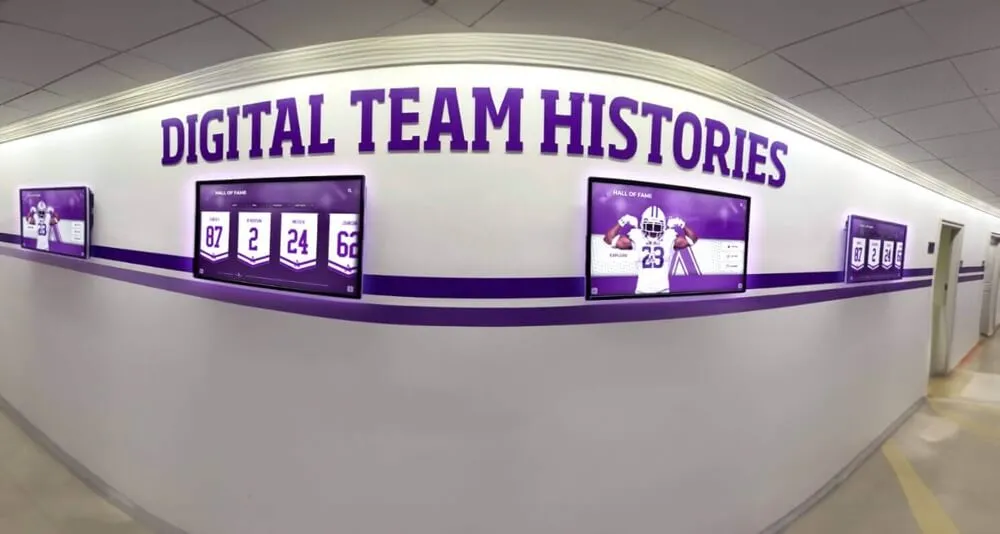
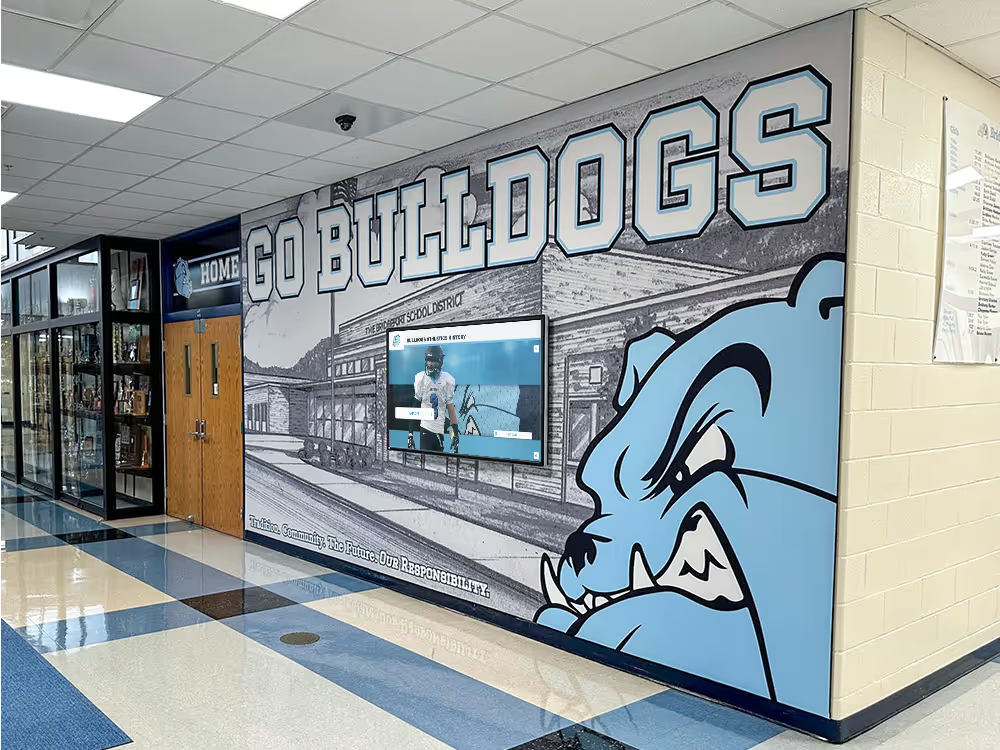
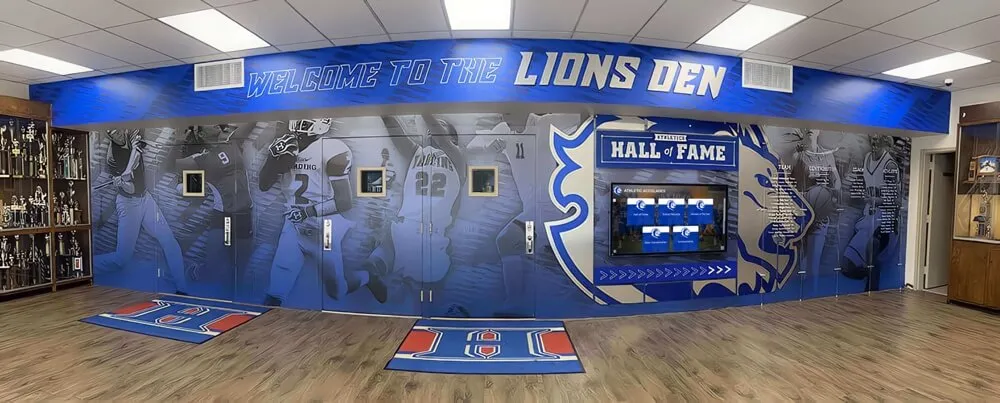
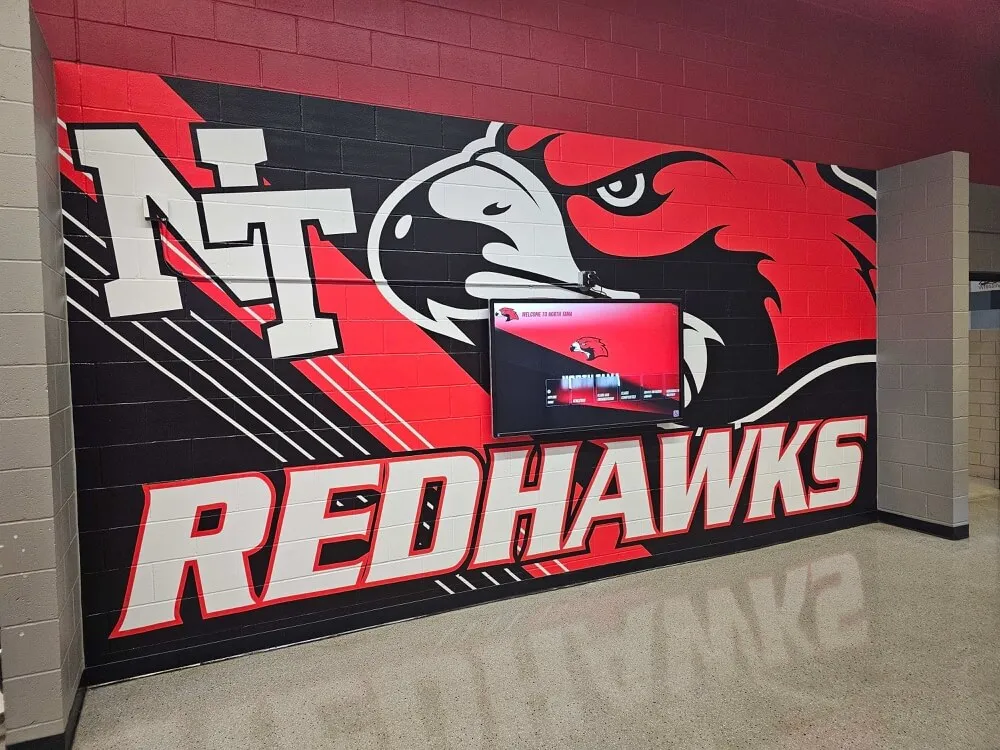
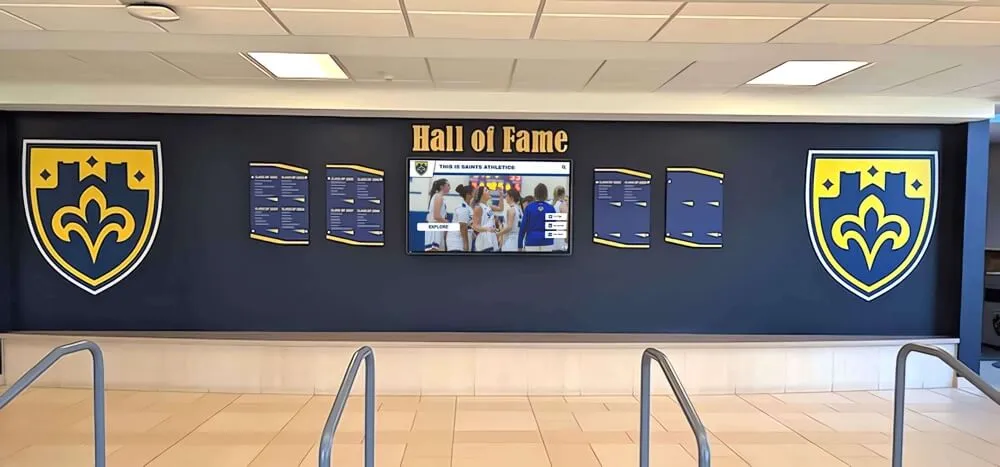
Championship recognition spaces serve as permanent reminders of athletic excellence, inspiring current athletes while honoring championship teams and individual contributors
Immediate Championship Celebration Strategies
The moments immediately following championship victories set the tone for how your school community experiences and remembers championship success.
Victory Celebrations and Homecomings
Schools create memorable immediate celebrations through several proven approaches:
Championship Homecoming Welcomes When teams win championships at distant tournament sites, coordinating homecoming welcomes creates powerful community moments. Fire truck escorts from city limits to campus, gathering crowds of students and community members at the school, welcoming remarks from administrators and community leaders, and opportunities for athletes to display championship trophies and medals all demonstrate community pride and appreciation. These celebrations work particularly well for state championship victories where entire communities feel invested in team success.
The key to successful homecoming celebrations lies in advance planning despite outcome uncertainty. Designate a celebration coordinator who can activate predetermined logistics if championships are won, establish communication trees to notify students and community members quickly, coordinate with local police or fire departments for escort services, and prepare simple recognition elements like congratulatory signs or school color decorations that can be deployed rapidly.
Championship Assembly Programs School-wide assemblies provide forums for entire student bodies to celebrate championship teams. Effective championship assemblies balance celebration with inspiration—recognizing achievement while emphasizing the work, dedication, and values that produced championship results. Include championship team introductions and trophy presentations, coach remarks about season journey and team character, brief athlete reflections on meaningful season moments, and administrative recognition of the championship accomplishment’s significance to school history and community.
These assemblies create emotional moments that resonate across the student body, not just athlete participants. Students who attended championship games relive excitement, students who couldn’t attend experience championship celebration directly, and younger athletes see tangible examples of what dedication and excellence can achieve within your program.
Social Media Celebration Campaigns
Digital platforms extend championship celebrations beyond those physically present at games or school events:
Multi-Platform Championship Content Strategic social media campaigns amplify championship recognition through diverse content types: championship game action photos and video highlights, locker room celebration footage capturing authentic emotional moments, championship trophy and medal presentation images, athlete and coach interview clips, and statistical graphics highlighting championship season achievements. This varied content provides repeated engagement opportunities as community members share, comment, and relive championship moments.
Community-Generated Celebration Content Encouraging students, parents, and community members to share their own championship content exponentially expands reach and engagement. Create championship hashtags specific to your school and sport, feature user-generated content on official school accounts, run photo or video contests celebrating championship support, and encourage athletes to share personal championship reflections. This participatory approach transforms championship celebration from institution-to-community broadcast into genuine communal experience.
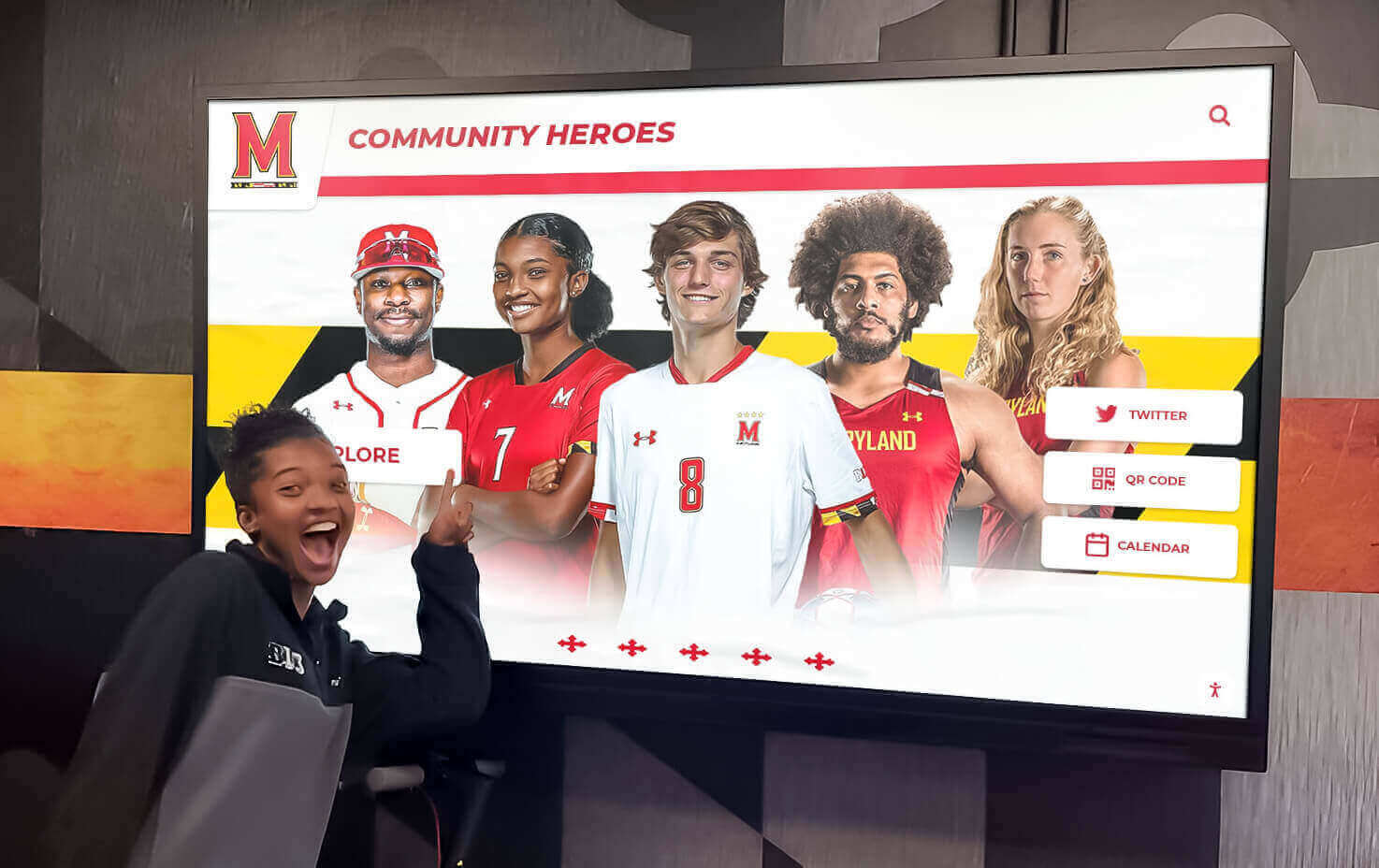
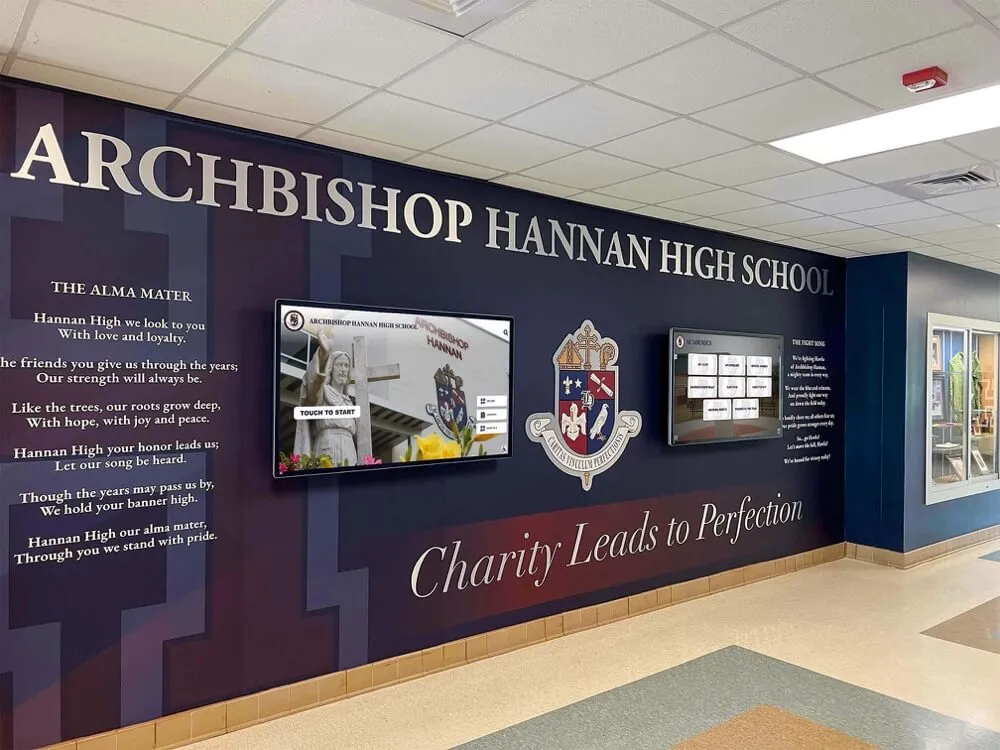
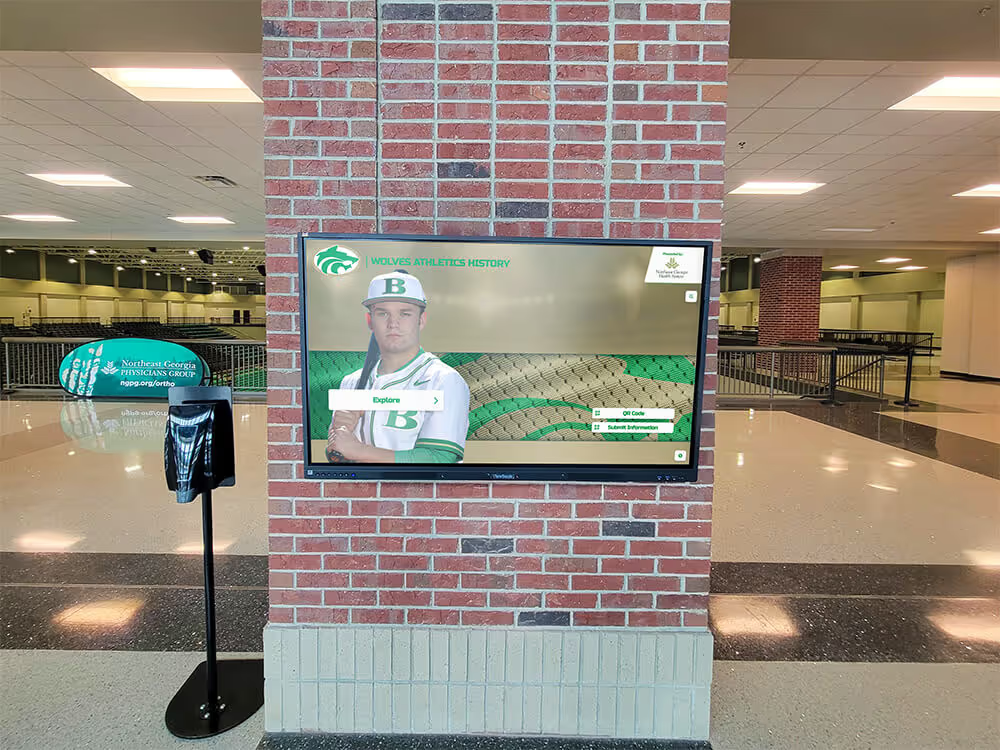
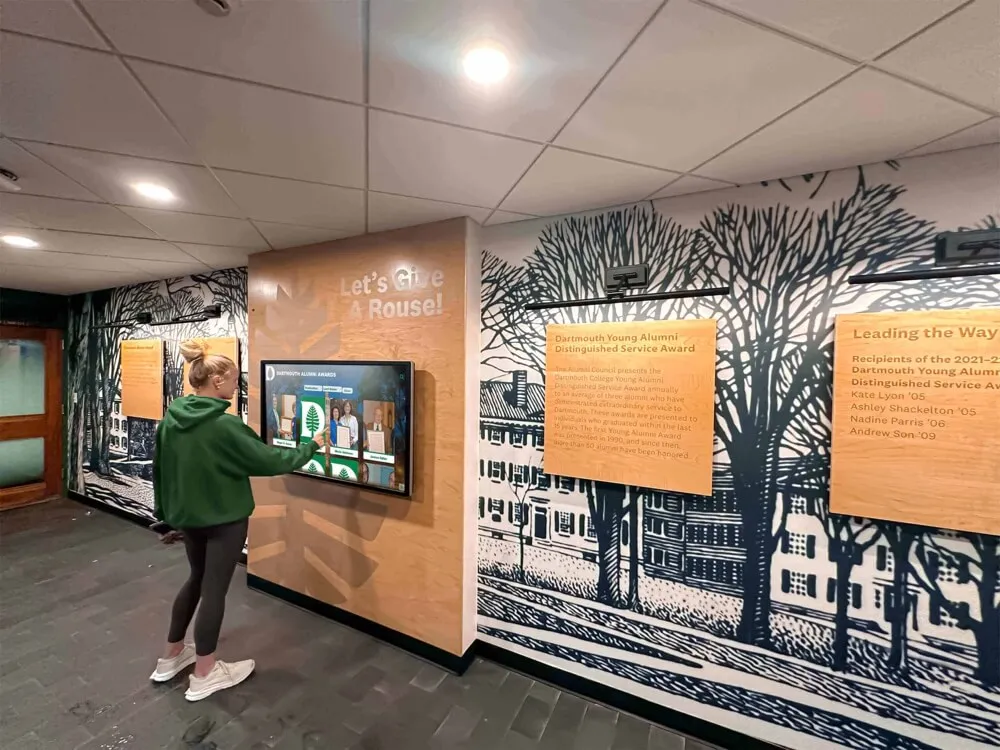
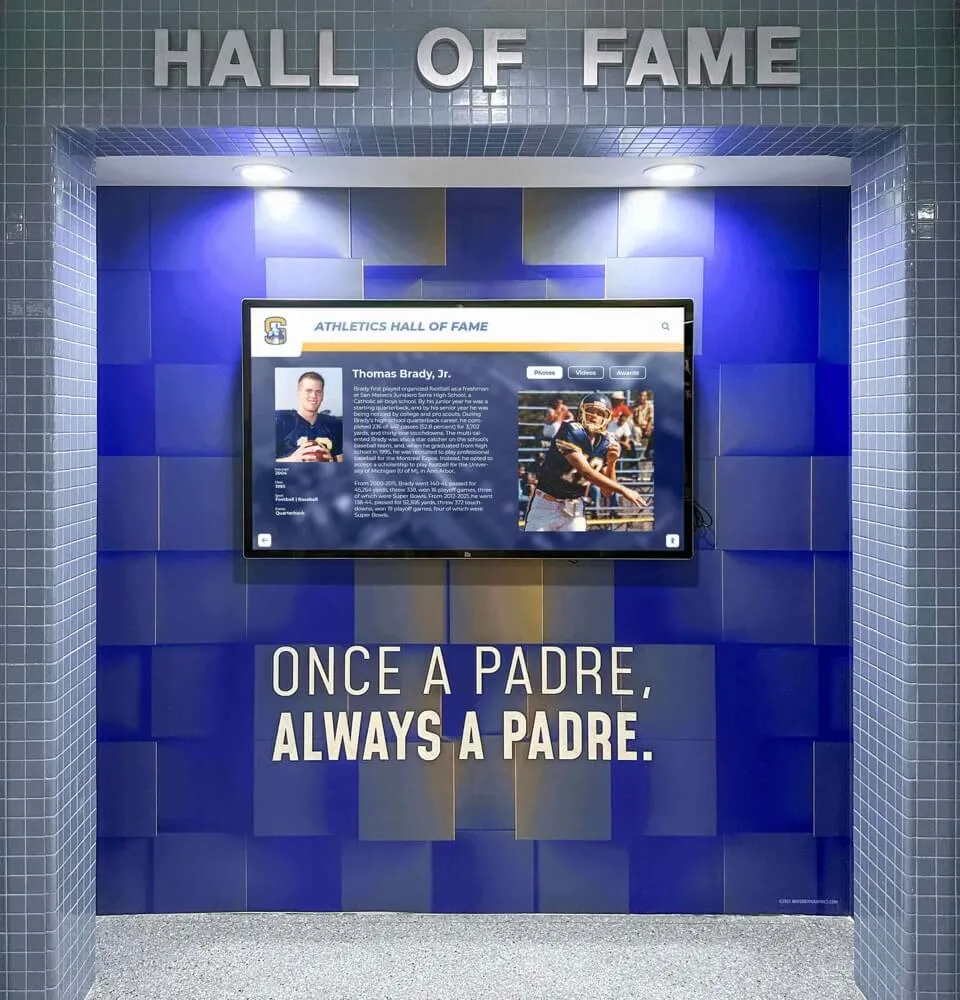
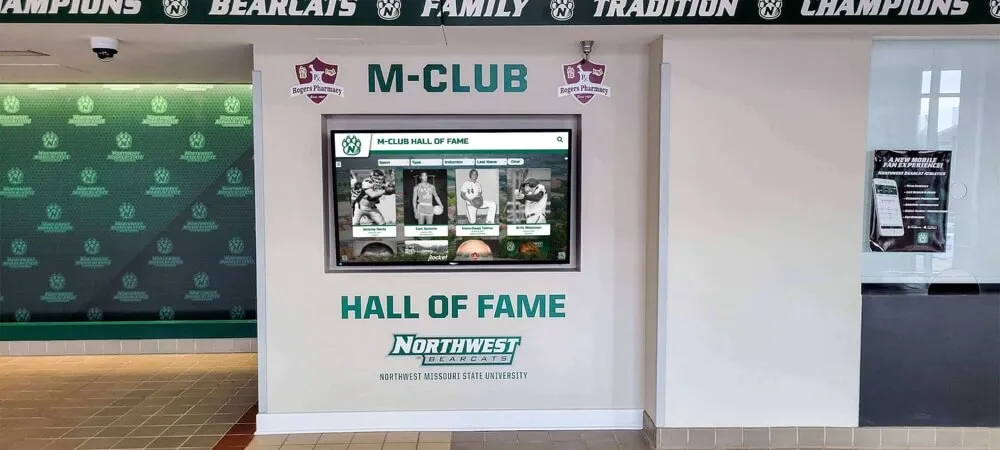
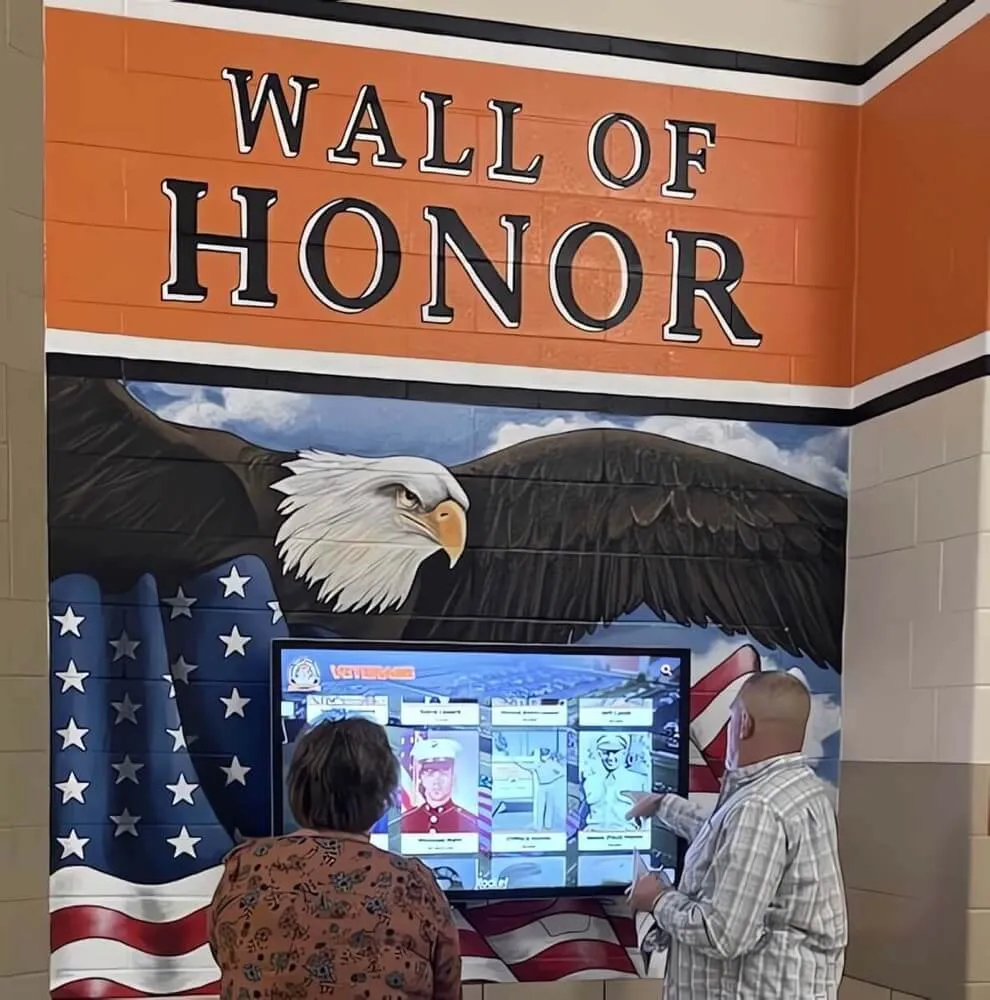
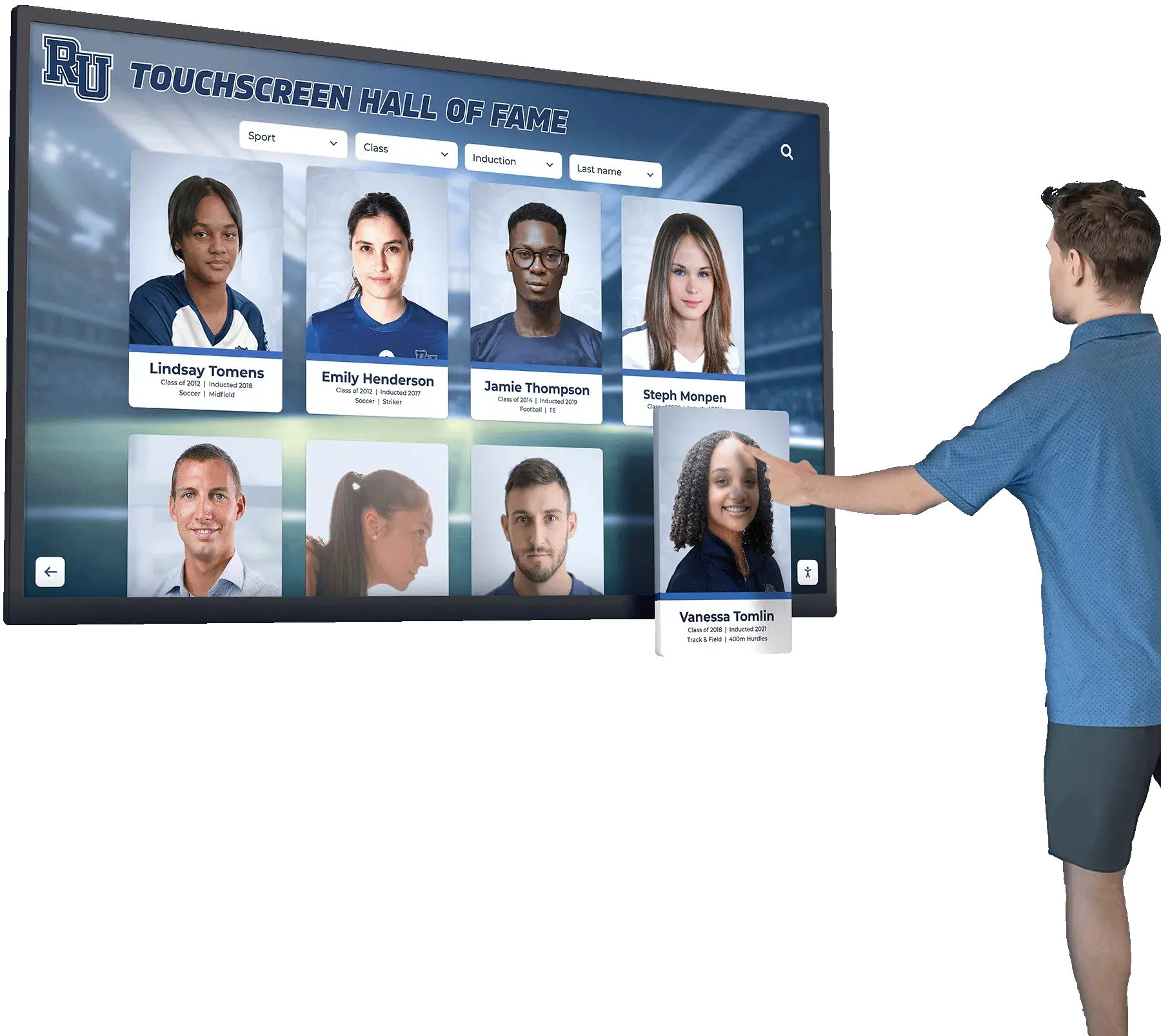
Digital recognition platforms enable ongoing championship celebration where students can explore detailed athlete profiles, season statistics, and championship game highlights
Traditional Championship Recognition Elements
Certain championship recognition traditions carry significant meaning and create tangible symbols of athletic excellence.
Championship Banners and Gym Recognition
Championship banners represent one of the most visible and traditional forms of athletic recognition:
Banner Design and Placement Traditional fabric championship banners typically include sport identification, championship year, championship level (state, conference, regional), team record or notable achievements, and school colors and branding elements. Many schools maintain consistent banner design templates across sports and years, creating visual cohesion as banner collections grow over decades.
Banner placement carries symbolic significance. Gymnasiums represent natural locations where championship banners hang prominently during games and practices, providing constant visual reminders of program excellence. Strategic placement ensures visibility from main entrances, spectator seating areas, and team bench locations. Some schools create designated “championship walls” where all sport banners display together, while others place sport-specific banners in relevant facility areas.
However, physical banner limitations create challenges for programs with extensive championship success. Gymnasium wall space fills completely after decades of championships, banner colors fade from sun exposure through windows, and older banners deteriorate from environmental conditions. Schools facing these challenges increasingly complement traditional banners with modern championship recognition solutions that preserve unlimited championship history without physical space constraints.
Conference Championship Recognition Conference championships deserve recognition distinct from but complementary to state championship banners. Some schools create smaller conference championship banners, maintain separate conference championship displays in different facility locations, or use championship plaques that require less wall space than traditional banners. The key consideration involves maintaining visible recognition while distinguishing championship levels—ensuring state championships receive prominence while still honoring conference excellence.
Championship Rings and Awards
Individual championship recognition through rings, medals, and awards provides athletes with personal mementos of championship achievement:
Championship Ring Programs Championship rings serve as lasting personal recognition that athletes carry beyond their school careers. Ring programs involve significant investment—typically $200-500 per ring depending on customization and materials—but create meaningful individual recognition. Rings typically feature school name and logo, sport and championship year, athlete name and position or jersey number, and championship level (state, conference).
Budget considerations often determine ring distribution. Some schools provide rings to all varsity team members, others limit rings to seniors or starters, while some programs ask families to purchase rings individually. Booster clubs frequently organize ring fundraising campaigns where championship ring costs are covered through donations, sponsorships, or special fundraising events.
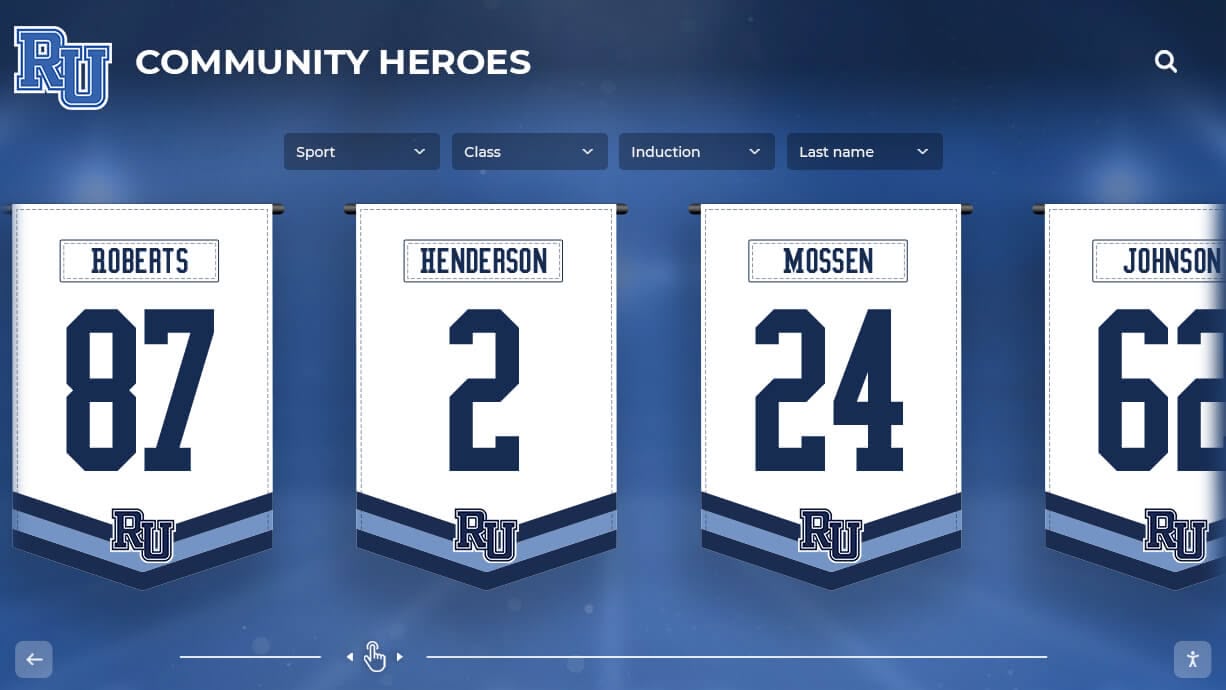
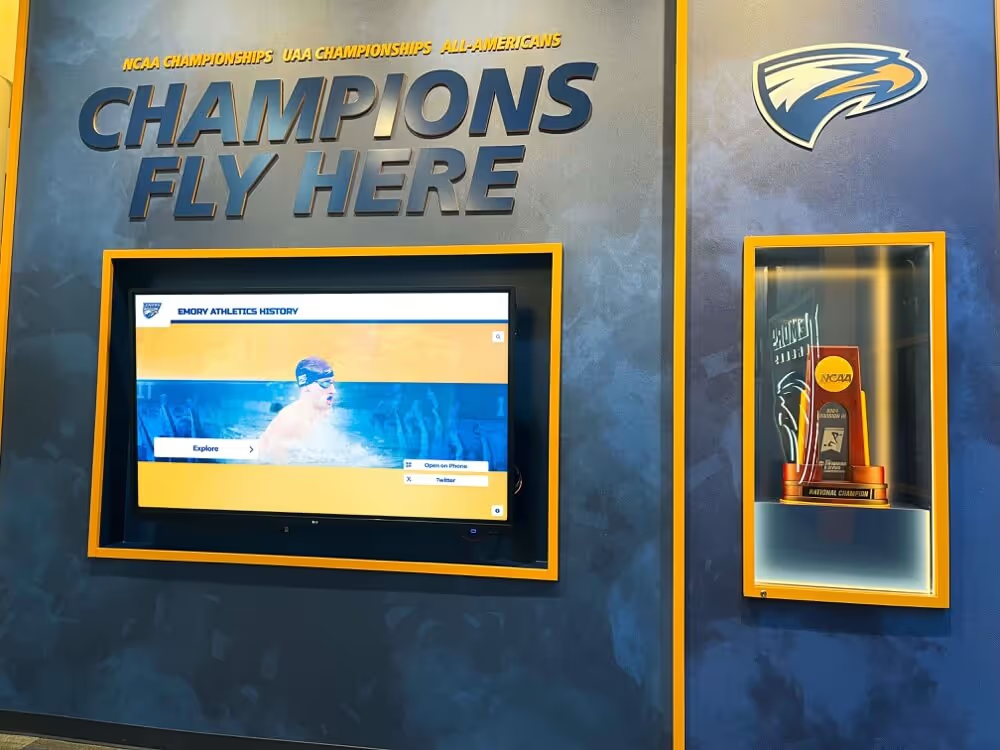
Traditional championship banners create visual legacy of program excellence while jersey displays honor individual contributors to championship success
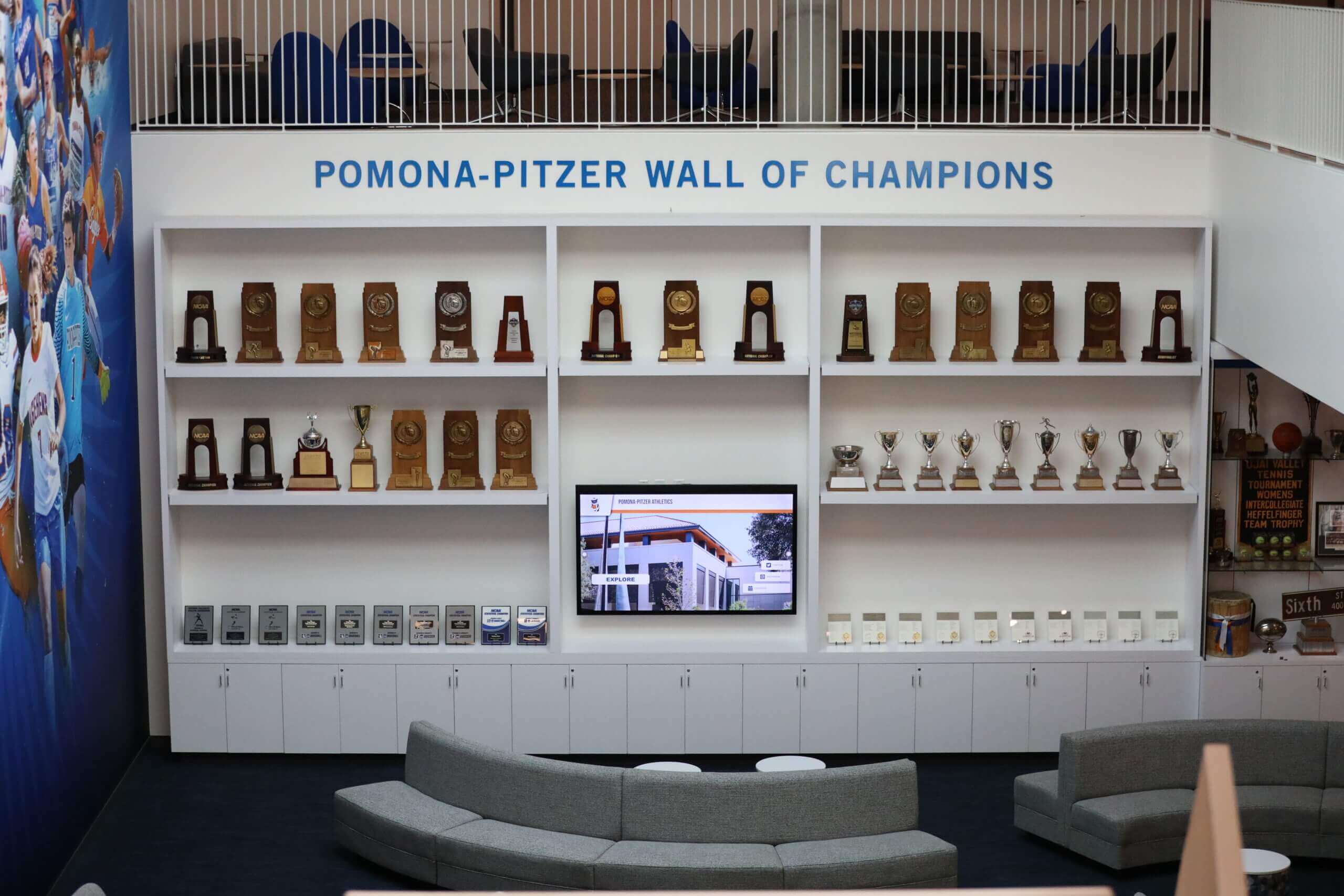
Championship Medals and Trophies State athletic associations typically provide championship medals to team members and coaches, along with championship trophies for schools. Individual athlete medals serve as personal recognition while team trophies require permanent display considerations. Trophy cases in school entrances, athletic facility lobbies, or administrative areas provide visible locations for championship trophy display, though space limitations eventually emerge as trophy collections grow.
Championship Team Photos and Recognition Boards
Photographic documentation preserves championship team composition and creates visual records of championship moments:
Traditional Championship Photo Displays Framed championship team photos typically include full team and coaching staff, championship trophy or medals, game action images from championship contests, and plaques identifying sport, year, championship level, and final record. These framed displays often hang in athletic facility hallways, creating chronological visual histories of program championship success.
Space and maintenance challenges mirror those facing championship banner programs. Wall space fills over time, photo quality deteriorates from sun exposure and environmental conditions, and updating displays requires manual effort and physical access. Many schools find that recognition wall strategies combining traditional displays with digital platforms provide optimal balance of visual impact and unlimited preservation capacity.
Championship Celebration Events
Dedicated events create forums for comprehensive championship recognition while building community connections and program culture.
Championship Banquet Programs
Post-season banquets provide opportunities for formal championship recognition beyond immediate post-game celebrations:
Banquet Planning and Structure Championship season banquets typically occur several weeks after championships conclude, allowing time for ring orders, video highlight production, and comprehensive award preparation. Effective banquet programs include welcome and season reflection from athletic directors or administrators, coach remarks reviewing season journey and championship achievement, individual award presentations recognizing statistical leaders and special contributors, senior recognition honoring graduating athletes, championship ring or medal distribution, and video highlight presentations documenting championship season.
Venue selection influences banquet atmosphere and community engagement. On-campus locations in gymnasiums or cafeterias reduce costs but may feel utilitarian, while off-campus venues at hotels or event centers create special occasion atmosphere but increase expenses. Many programs find that alternating between modest regular season banquets and elevated championship season celebrations allows appropriate recognition without unsustainable budget expectations.
Athletic directors seeking comprehensive banquet planning guidance often reference resources like celebration planning strategies that translate across different recognition contexts while maintaining focus on meaningful honoring of achievement.
Community Banquet Integration Championship banquets create natural opportunities for broader community recognition. Inviting school board members, district administrators, local elected officials, and community business leaders demonstrates institutional pride while building community support for athletic programs. Brief remarks from community leaders acknowledging championship achievement and broader student-athlete excellence reinforce that athletic success matters beyond team and school contexts.
Pep Rallies and School-Wide Recognition
School-wide pep rallies build championship excitement before tournaments while post-championship celebrations allow entire student bodies to participate in recognition:
Championship Preparation Pep Rallies Pre-tournament pep rallies generate school-wide excitement and support. Effective championship pep rallies introduce team members and acknowledge their season achievements, feature brief coach remarks about tournament preparation and team readiness, include student section leader coordination to plan game attendance and support, and build energy through traditional school cheers, fight songs, and spirit activities.
These events serve dual purposes: demonstrating support that motivates competing athletes while creating campus-wide awareness and pride in championship opportunities. Students who might not typically follow specific sports gain awareness and connection, potentially converting into attending fans or engaged supporters.
Post-Championship Victory Celebrations Following championship victories, rapid response celebration assemblies capture immediate excitement while entire student bodies remain engaged. Unlike planned pep rallies, post-championship assemblies require flexible planning where schools prepare assembly logistics that can activate quickly if championships are won. This preparation allows schools to hold victory celebrations within days of championship games rather than waiting weeks when initial excitement has dissipated.
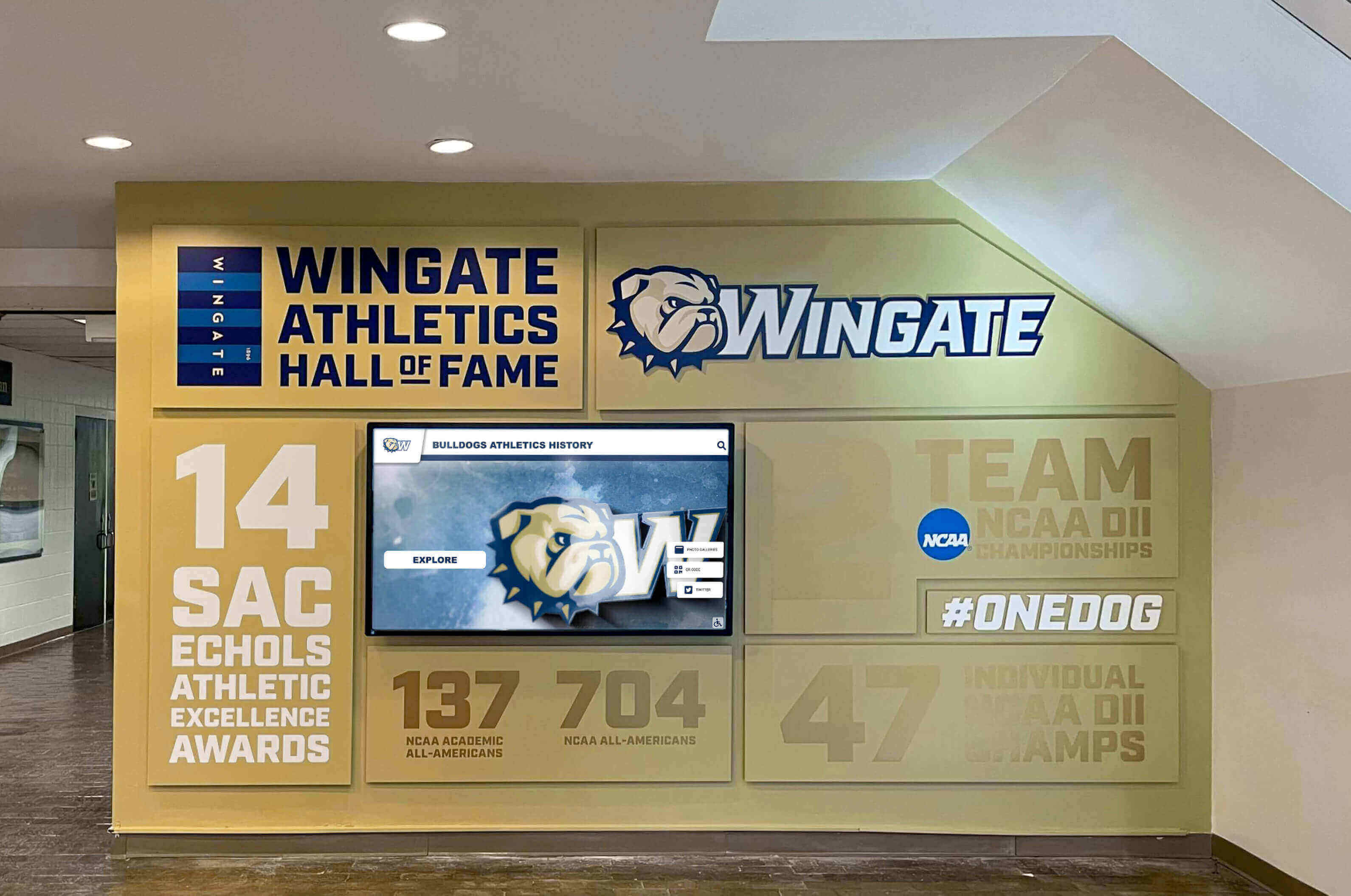
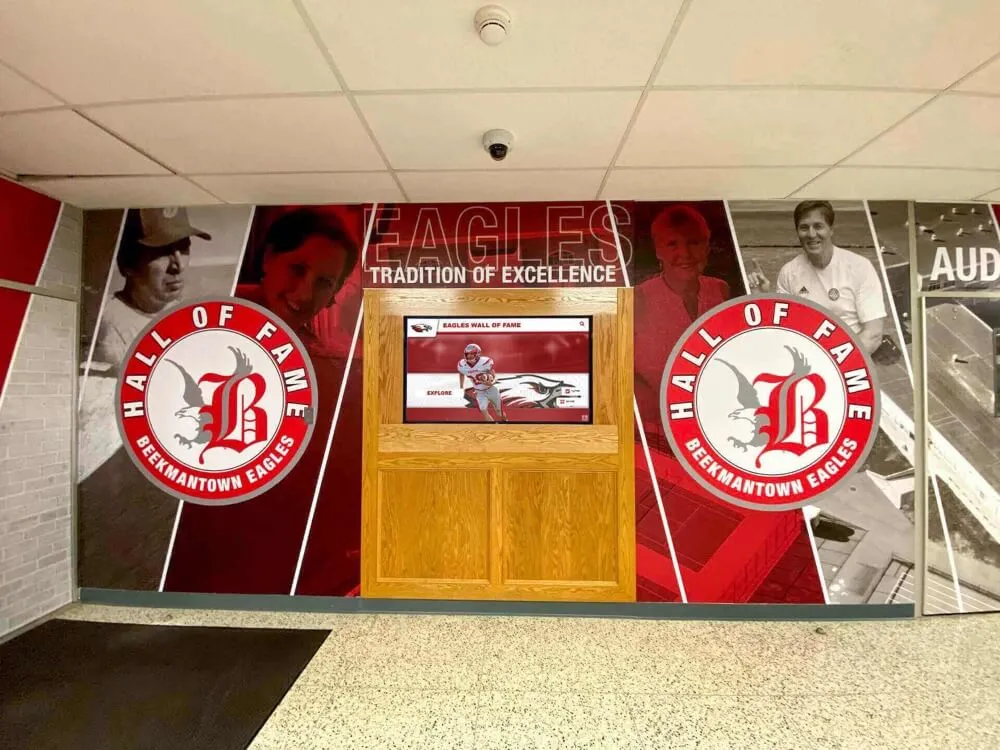
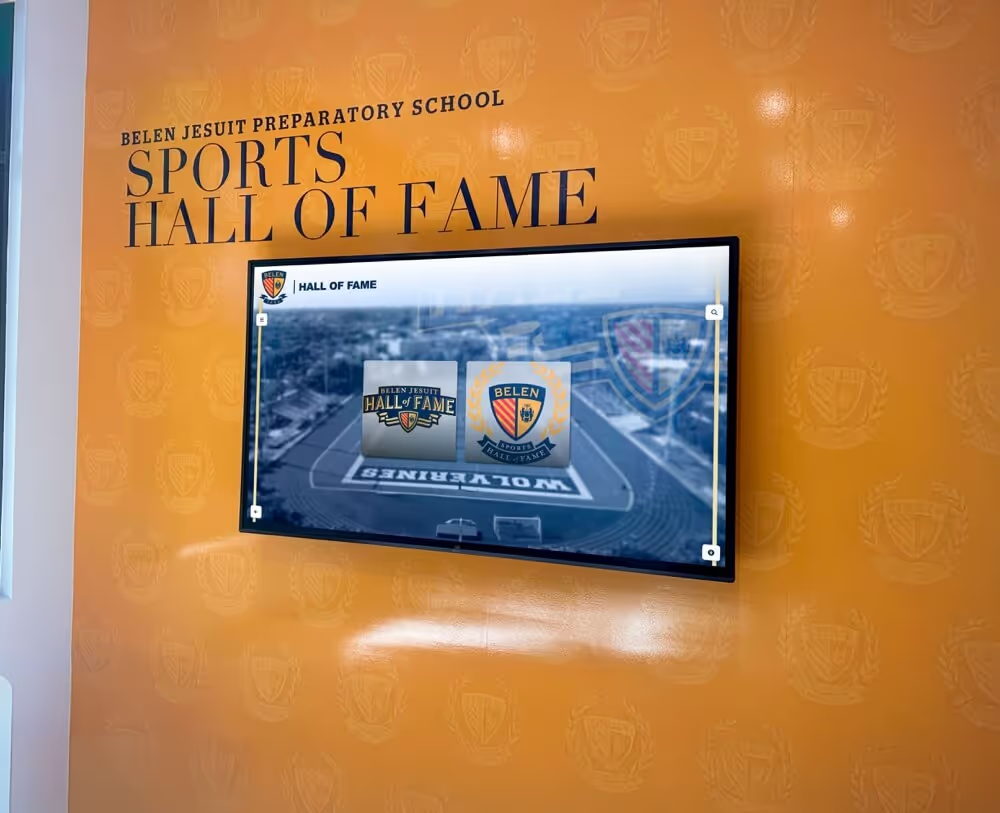
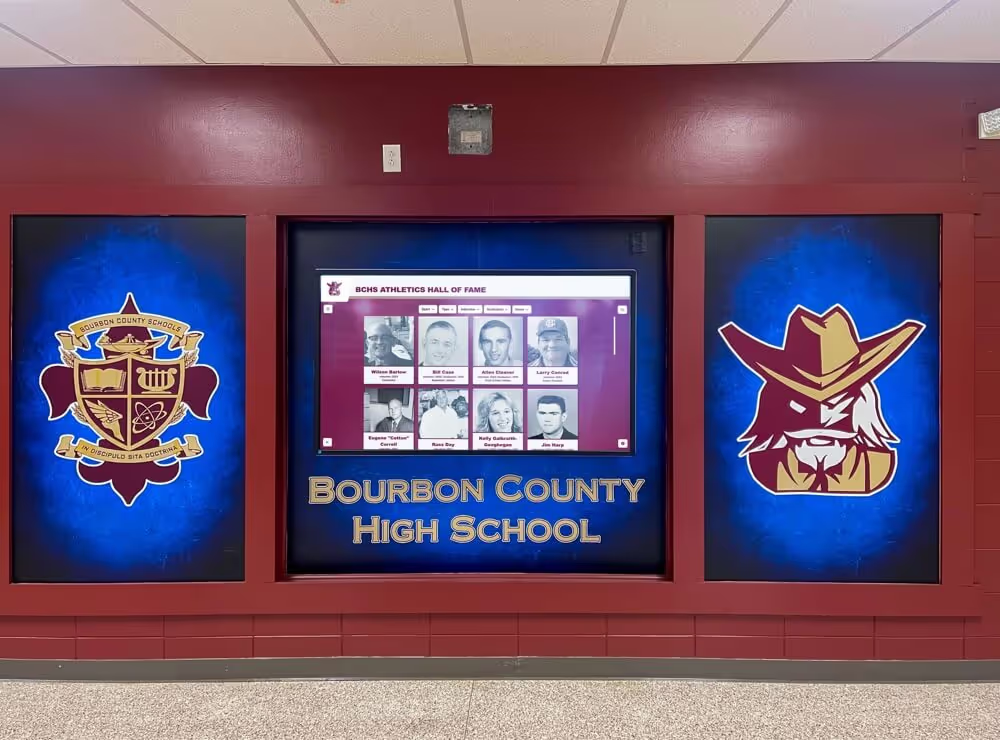
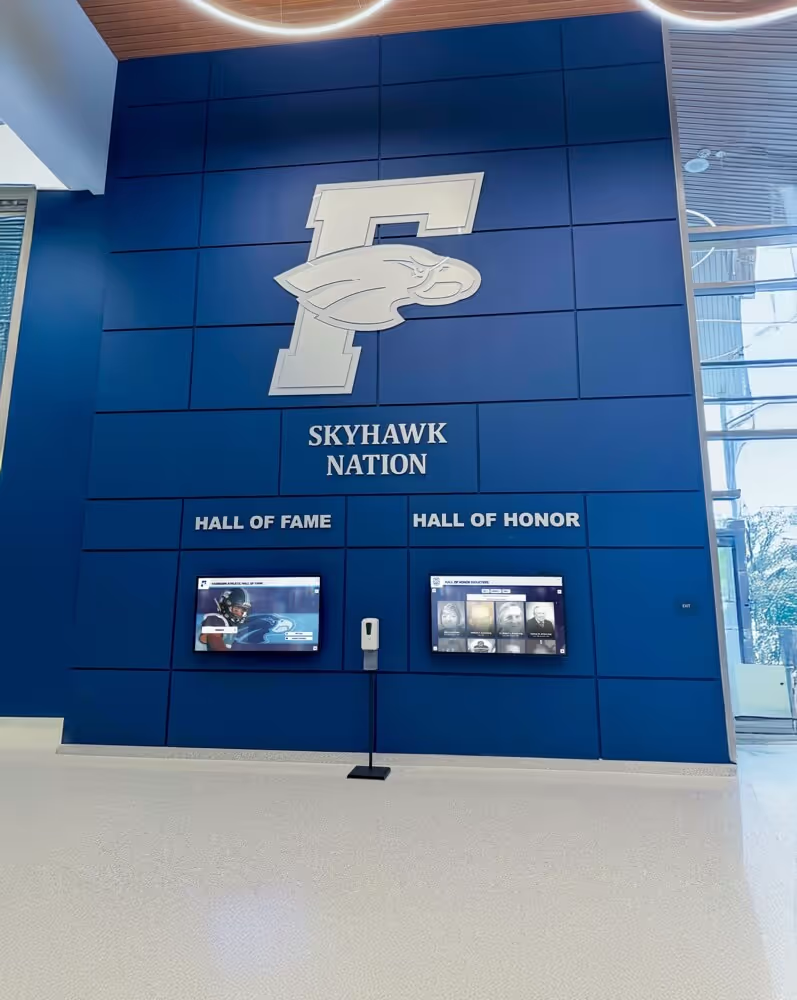
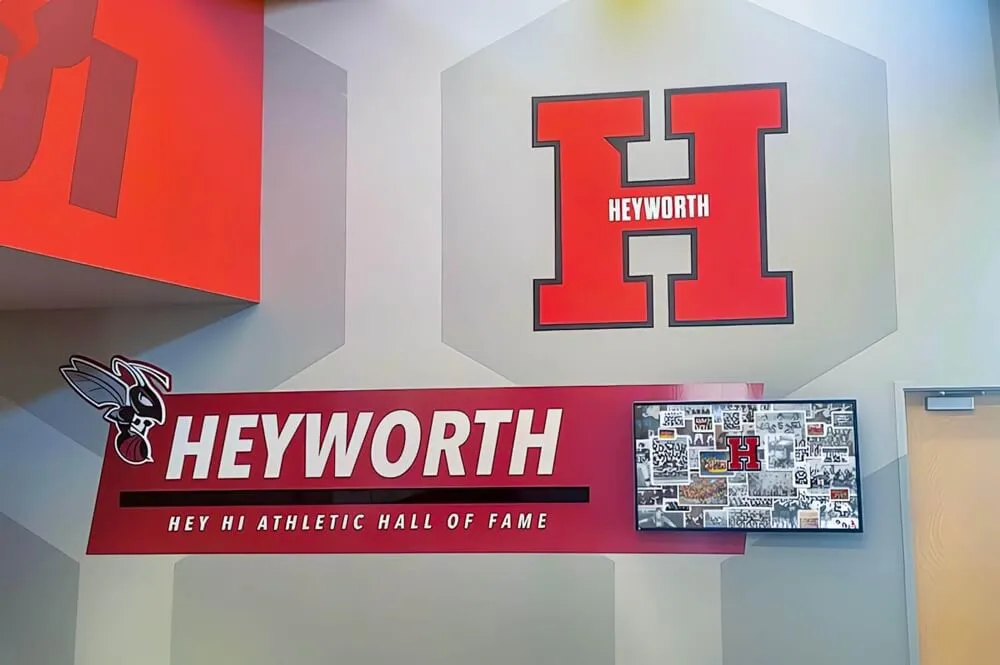
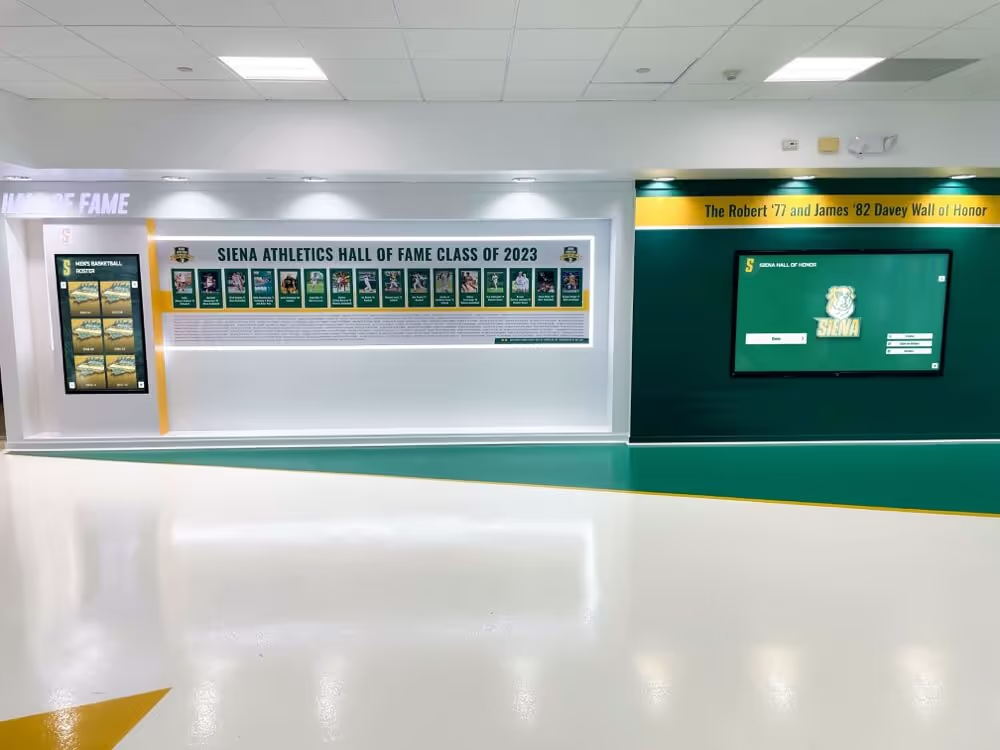
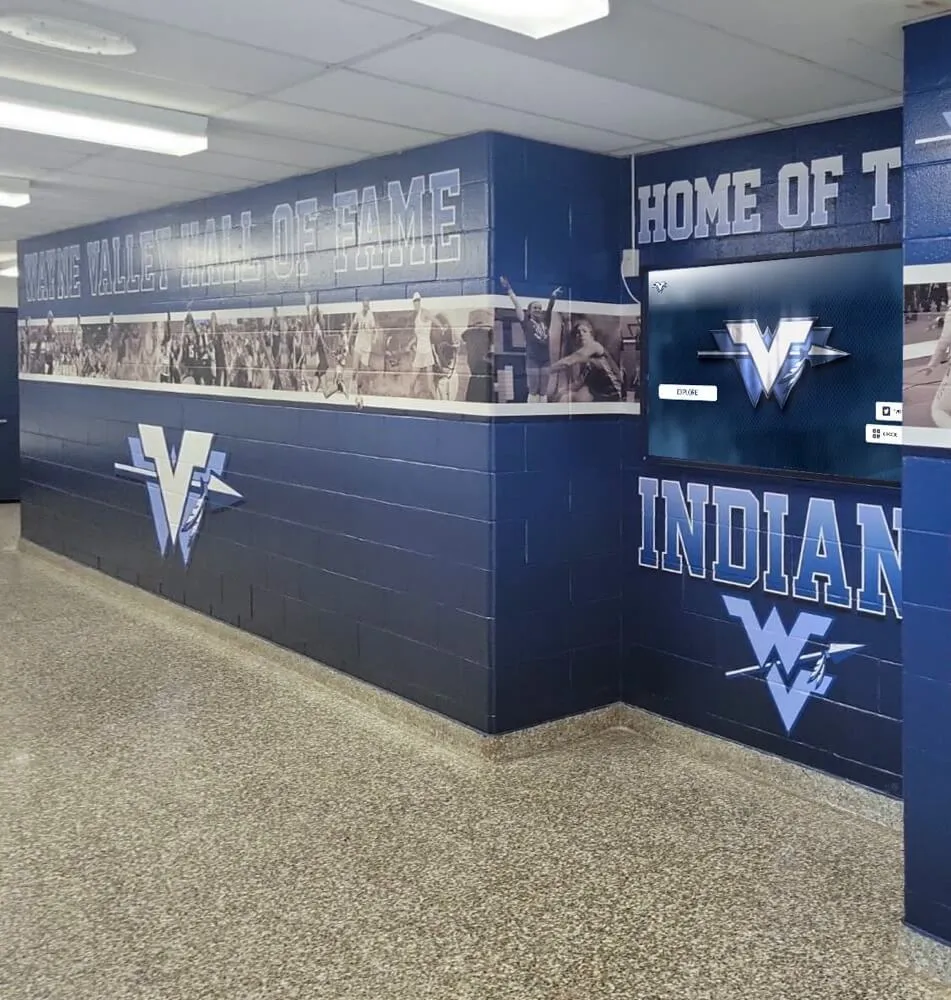
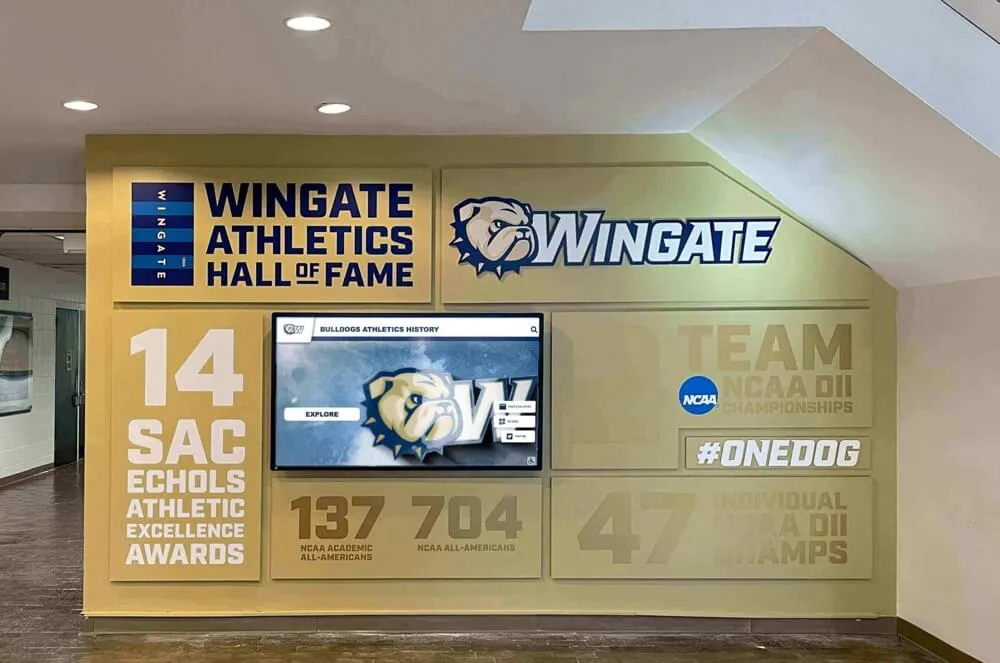
Athletic hall of fame installations provide permanent championship recognition while honoring individual athletes, coaches, and teams that built program excellence over decades
Permanent Championship Recognition and Legacy
The most effective championship celebrations extend beyond immediate moments through permanent recognition that honors achievement for decades.
Digital Championship Recognition Platforms
Modern recognition technology addresses fundamental limitations of physical championship displays while expanding engagement and preservation capabilities:
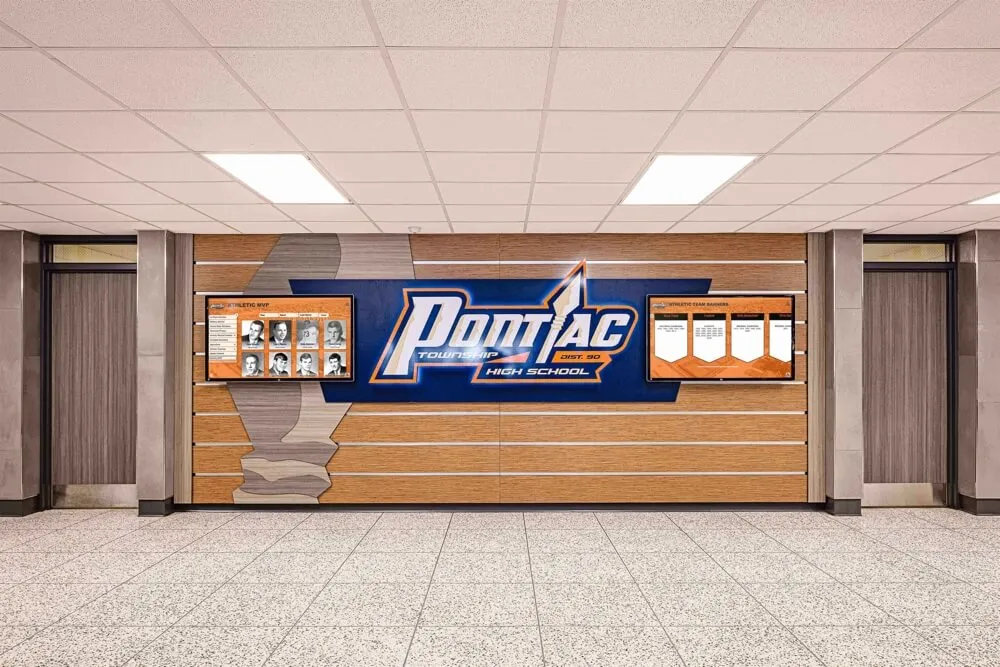
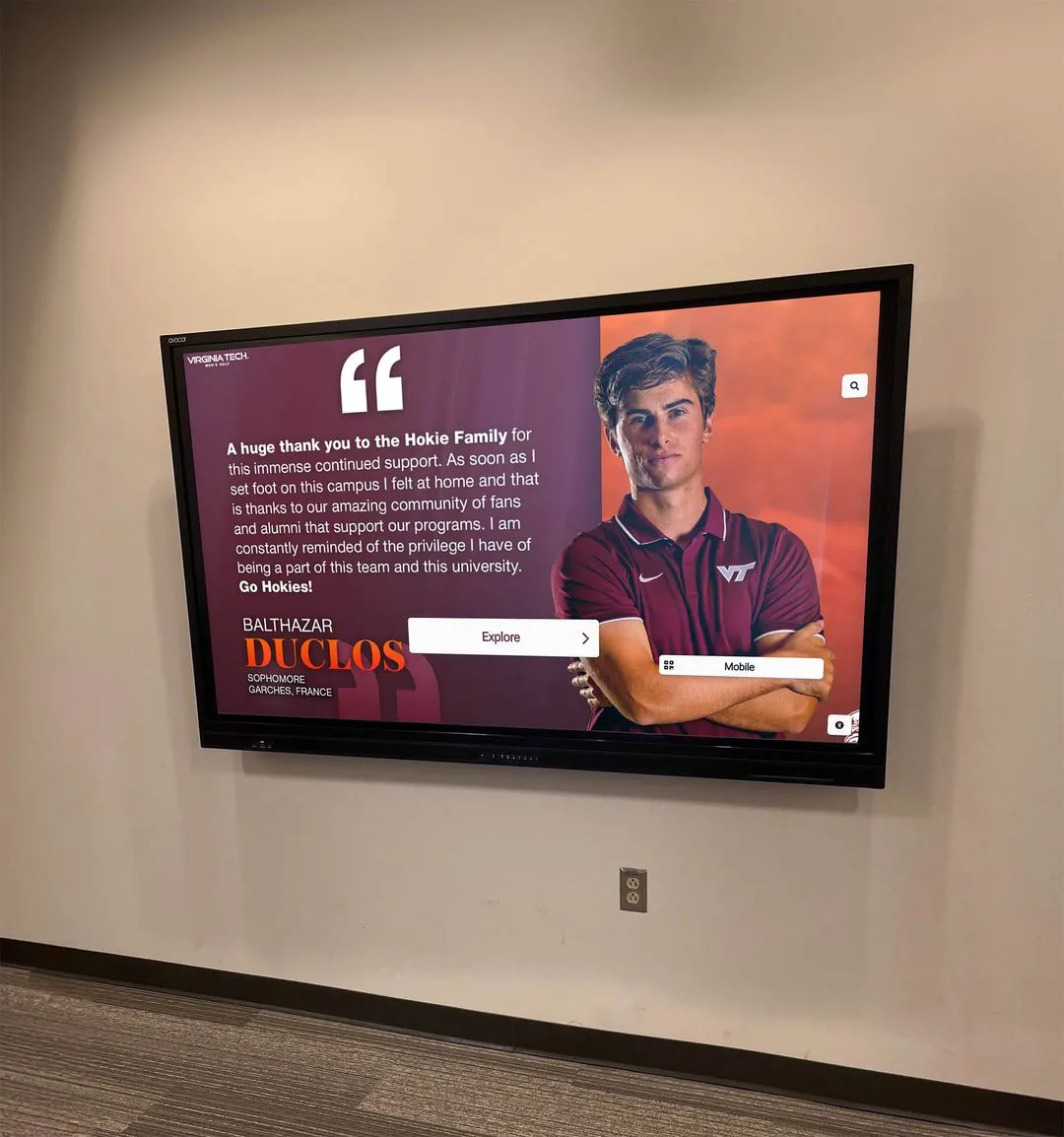
Interactive Championship Displays Digital recognition platforms like those provided by solutions like Rocket Alumni Solutions enable unlimited championship preservation without physical space constraints. Interactive touchscreen displays allow students, visitors, and community members to explore comprehensive championship information including complete team rosters with individual athlete profiles, season statistics and championship game box scores, photo galleries from championship seasons and specific games, video highlights of championship moments and athlete interviews, and historical context showing championship within broader program success.
These platforms transform championship recognition from static displays that people walk past into engaging experiences where users actively explore achievement details. A student might discover that a championship athlete shared their position or hometown, alumni can locate themselves in historical championship records, and prospective student-athletes can see comprehensive program championship tradition.
Unlimited Growth Capacity Unlike physical trophy cases or banner walls that eventually fill completely, digital platforms accommodate unlimited championship additions indefinitely. Schools can preserve every championship team throughout institutional history, add new championships immediately after victories occur, include comprehensive information impossible to fit on physical plaques or banners, and update historical records as additional context or media becomes available.
This unlimited capacity proves particularly valuable for schools with long athletic traditions. Rather than choosing which historic championships to display or removing older recognition to accommodate recent success, comprehensive digital platforms preserve and showcase complete championship histories accessible to current and future school communities.
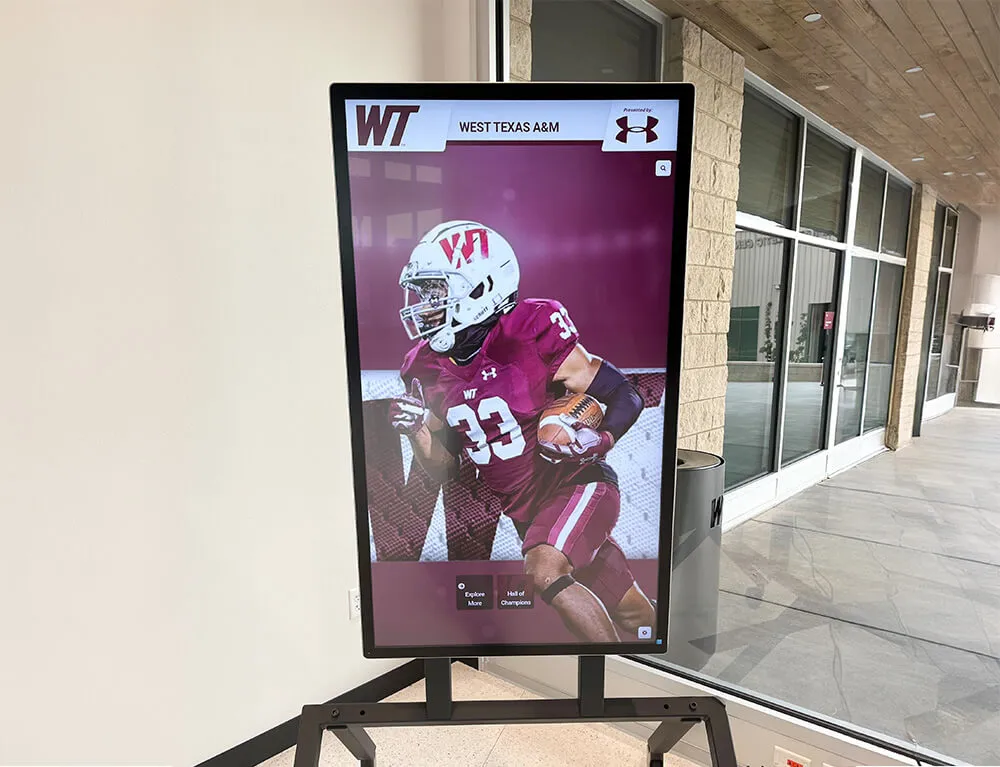
Multi-Location Access Physical championship displays exist in single locations—typically athletic facilities or school entrances—limiting who can access and engage with championship recognition. Digital platforms extend access through multiple pathways: large touchscreen displays in high-traffic campus locations, web-accessible platforms that alumni and community members can explore from anywhere, mobile-responsive designs that allow smartphone and tablet access, and social media integration that shares championship content across community networks.
This expanded access means championship recognition reaches far beyond students walking hallways between classes. Alumni across the country can explore championship teams they remember from their school years, prospective families researching schools see championship tradition before campus visits, and community members who rarely visit campus can engage with athletic excellence directly.
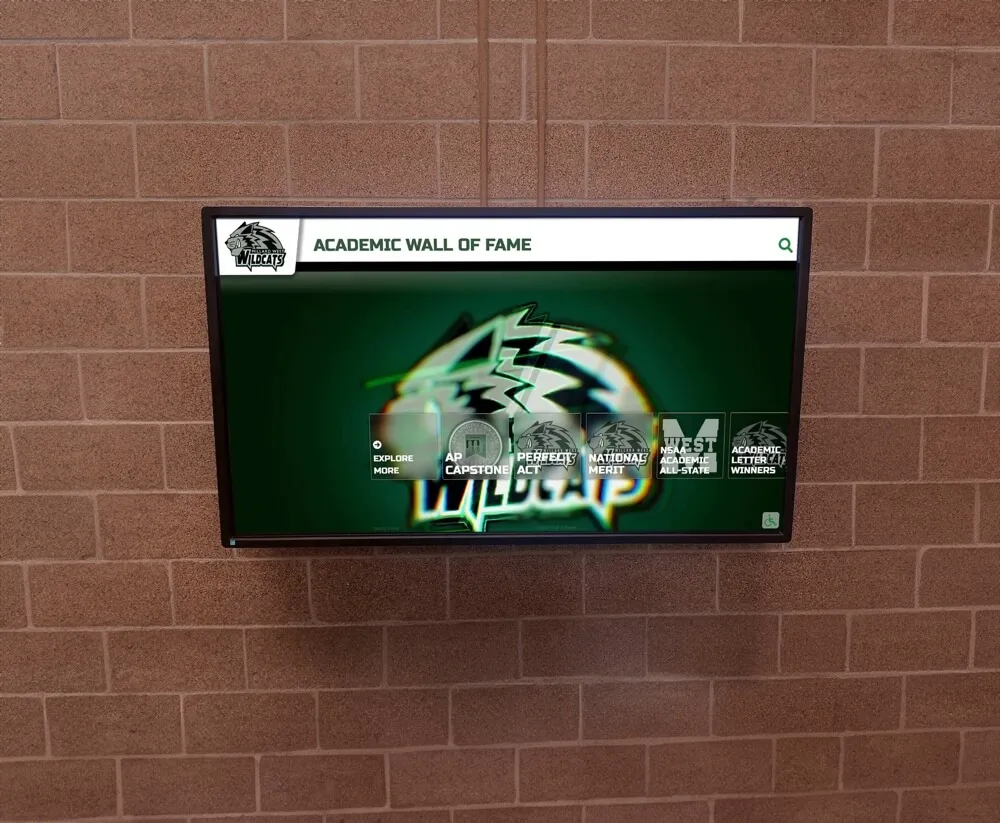
Programs implementing comprehensive student achievement recognition find that digital platforms serve championship teams while providing frameworks for recognizing academic excellence, arts achievement, and other student success beyond athletics.
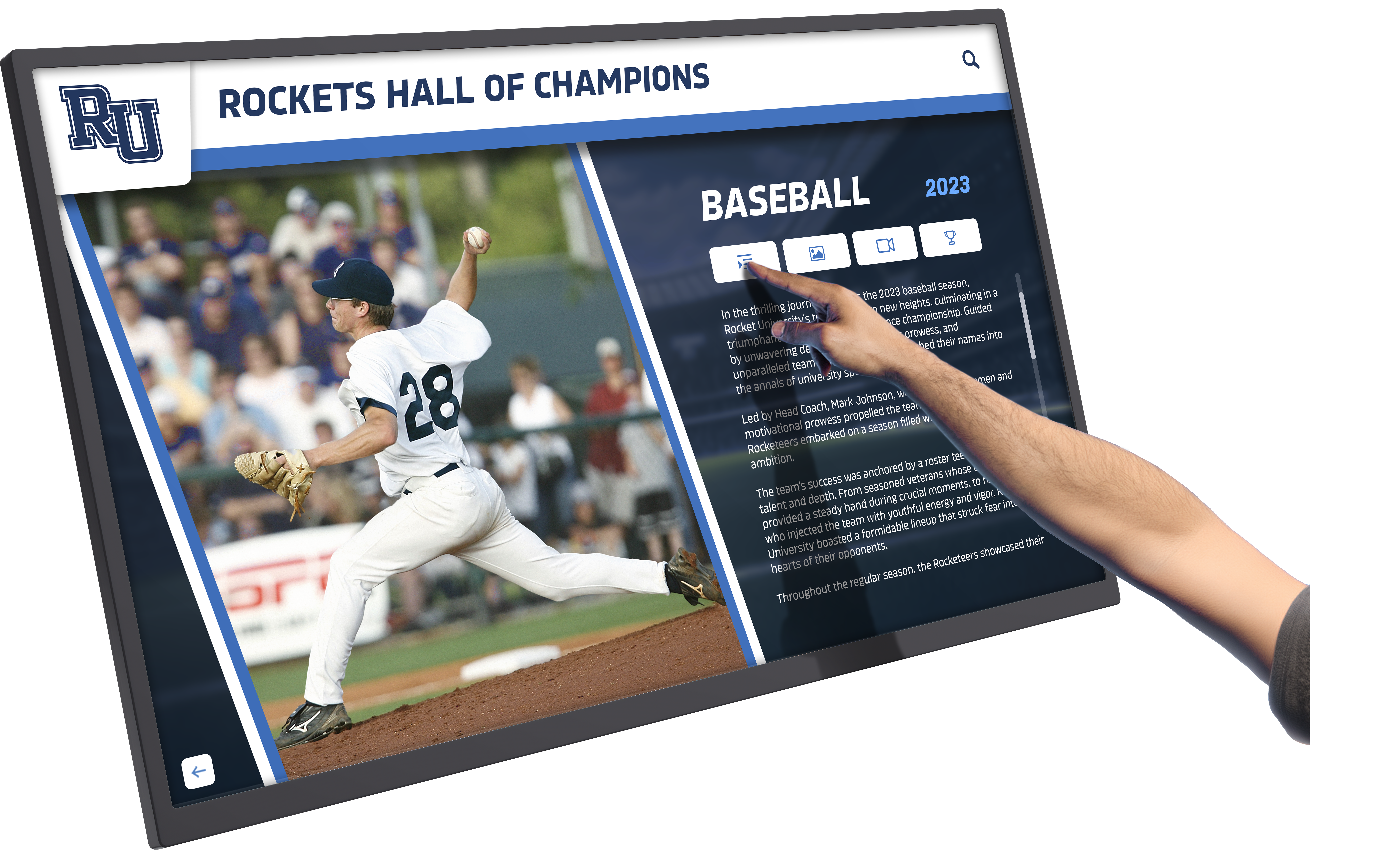
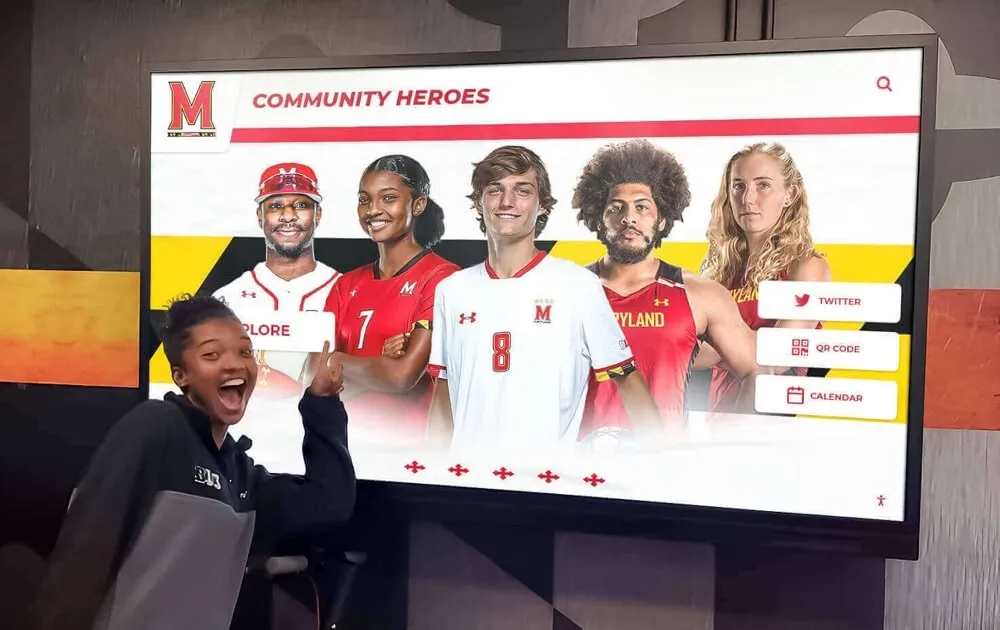
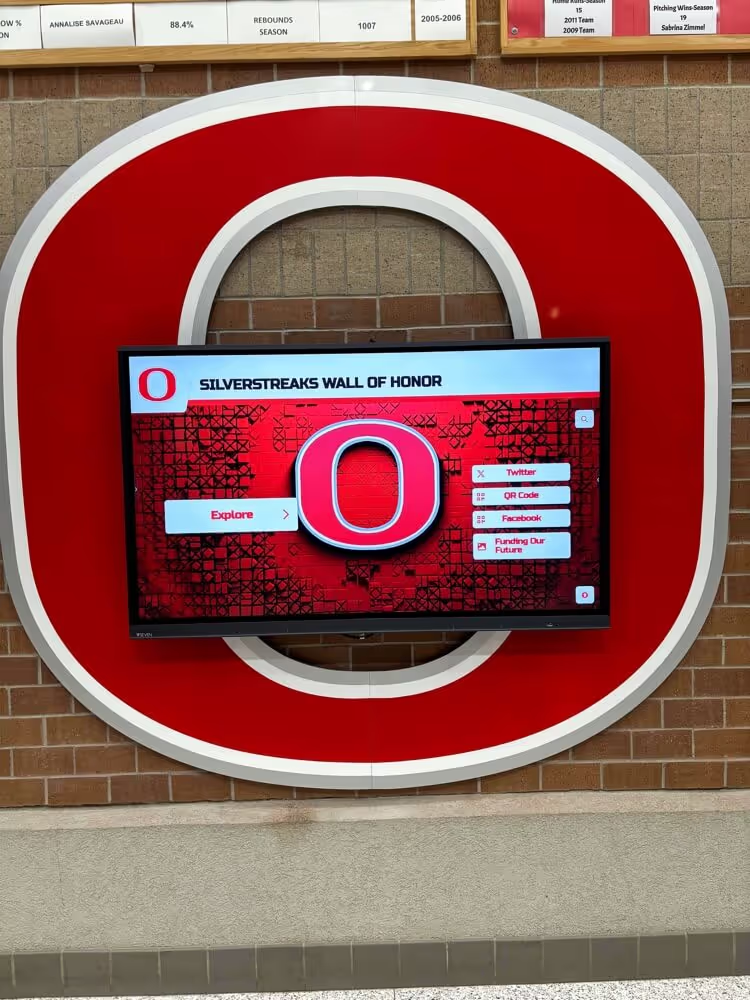
Interactive championship recognition enables deep exploration of athlete achievements, statistics, and championship moments through engaging touchscreen experiences
Championship Legacy Integration
Championship recognition gains additional significance when integrated with broader program history and institutional traditions:
Multi-Sport Championship Recognition Schools with championship success across multiple sports face decisions about unified versus sport-specific recognition. Unified championship recognition that celebrates all sport championships together demonstrates comprehensive athletic excellence and institutional commitment across programs, builds school-wide athletic identity beyond individual sport loyalty, and creates efficient recognition systems that serve all programs consistently.
Sport-specific championship recognition within dedicated facilities or spaces acknowledges unique sport cultures and traditions, provides deeper focus on individual program histories and achievements, and allows sport alumni and supporters to engage specifically with relevant championships. Many schools implement hybrid approaches—central championship displays showing all sports with deeper sport-specific recognition in relevant facilities.
Coaching and Individual Contributor Recognition Championship teams reflect collective achievement, but individual coaches and athletes often play decisive roles in championship success. Comprehensive championship recognition acknowledges head coach leadership and strategic excellence, assistant coach contributions in specific areas or with position groups, individual athlete achievements like tournament MVP awards or statistical leadership, and supporting contributions from team members beyond statistical leaders.
This individual recognition complements team celebration while providing specific acknowledgment of exceptional contributors. Many championship recognition platforms include individual profile capabilities where coaches and athletes receive dedicated recognition linked to championship teams, similar to coach appreciation strategies that honor coaching excellence across seasons and career milestones.
Historical Championship Context Current championships gain deeper meaning when placed in institutional context. Effective championship recognition shows how current teams compare to historical program success, identifies championship winning patterns or droughts across decades, celebrates milestone championships like first-ever titles or consecutive victories, and honors championship traditions unique to specific programs or schools.
This historical framing helps current students understand the significance of championships they’re witnessing, demonstrates program excellence trajectories over time, and connects past and present generations through shared championship tradition.
Community Championship Recognition
Championship recognition extends beyond campus boundaries into broader community celebration:
Municipal and Business Recognition Local communities often celebrate school championships through various recognition forms including city council proclamations declaring championship recognition days, business marquee signs congratulating championship teams, local media special coverage highlighting championship achievement, and community organization acknowledgments at regular meetings or events.
Schools can facilitate this community recognition by proactively communicating championship victories to city officials, providing championship details and team information to local media outlets, sharing high-quality photos for community publication use, and inviting community leaders to school championship celebrations.
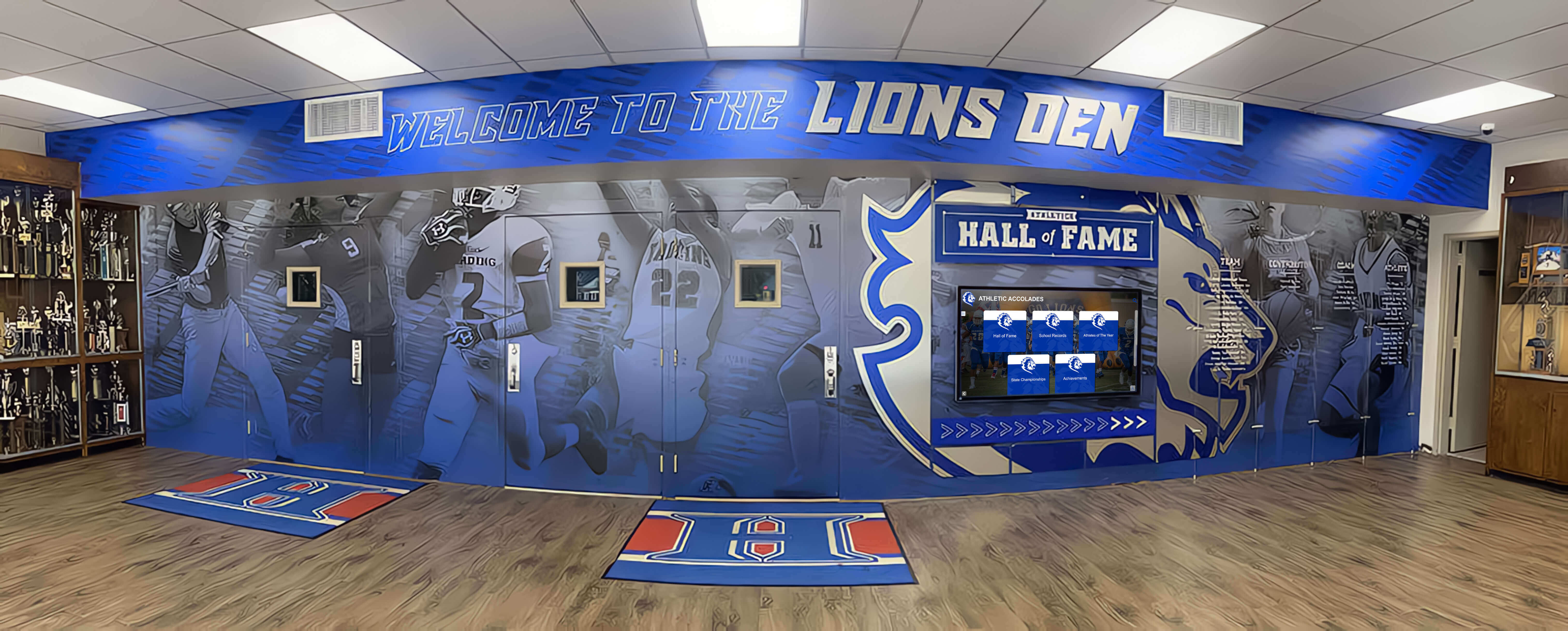
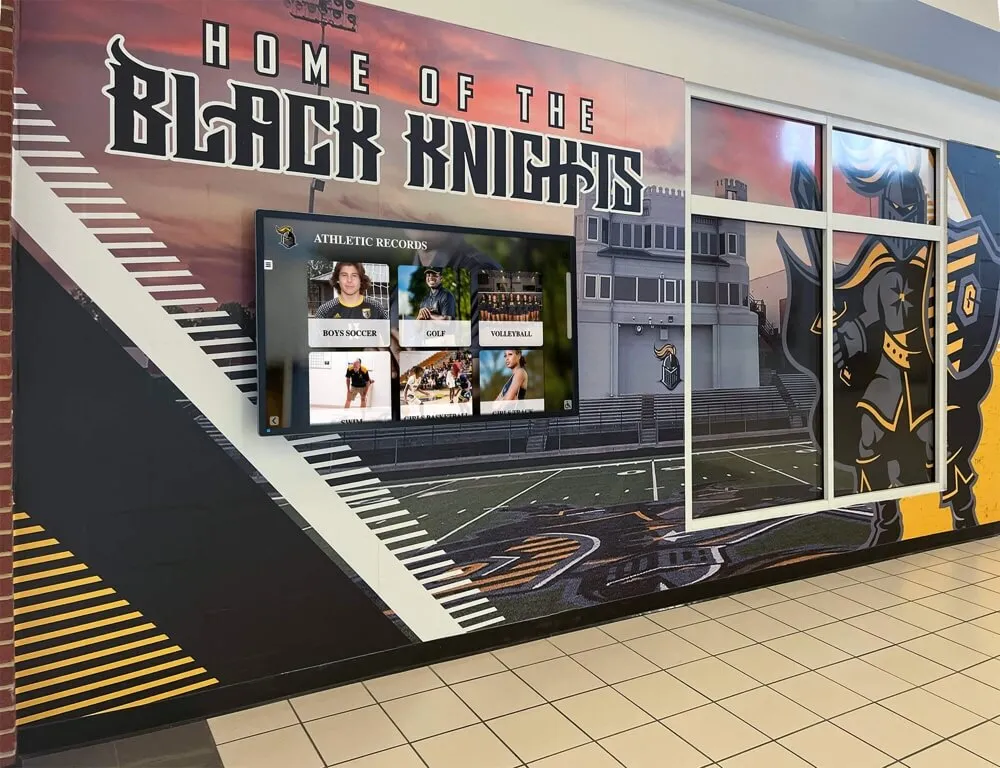
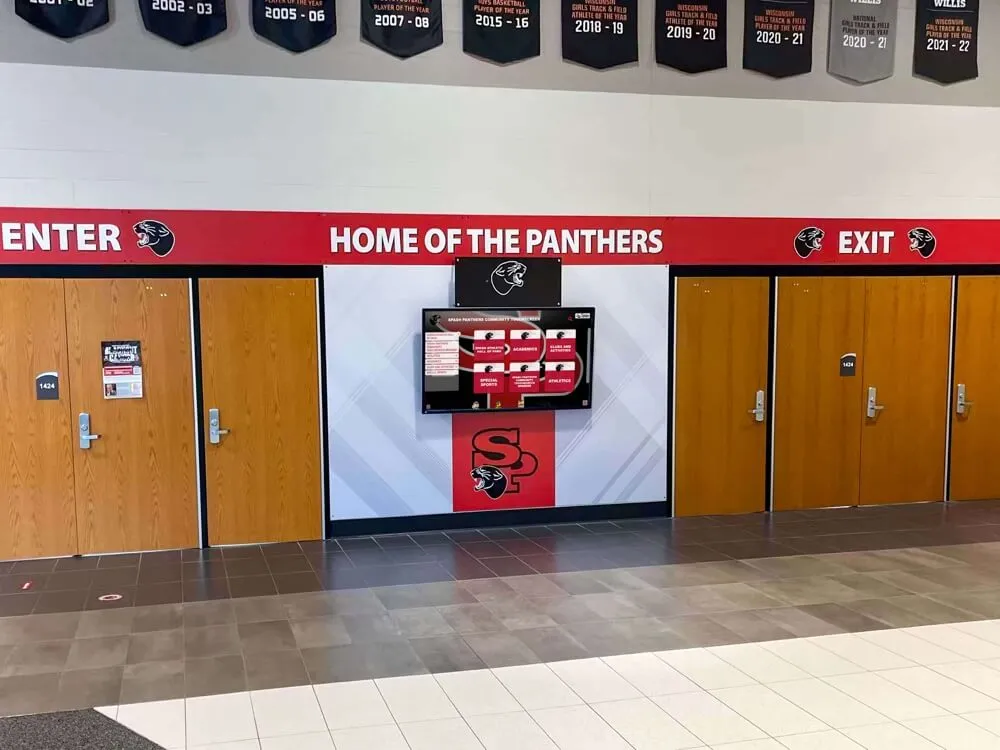
Physical trophy displays create impressive visual impact in high-traffic areas while serving as constant reminders of championship excellence and program tradition
Alumni Championship Engagement Championship victories create natural opportunities for alumni reconnection. Schools leverage championships for alumni engagement through championship season highlight emails to alumni lists, social media campaigns encouraging alumni to share memories of past championships, invitation to championship celebration events where alumni can meet current championship teams, and alumni contribution campaigns supporting championship recognition or future program needs.
Alumni who experienced championships during their school years feel particularly connected to current championship success, often expressing pride that programs they were part of continue excellent traditions. This emotional connection creates opportunities for deeper alumni engagement beyond single championship moments.
Championship Recognition Budget and Planning
Comprehensive championship celebration requires strategic planning around resources and priorities:
Budget Allocation Strategies
Championship recognition expenses vary dramatically based on scope and approach:
Immediate Celebration Costs Post-championship immediate celebrations involve relatively modest expenses including homecoming welcome decorations and coordination, championship assembly audio/visual needs for presentations and video display, social media campaign graphics and content creation, and initial championship merchandise like t-shirts for team members. Most schools manage these immediate celebrations within $500-2,000 budgets depending on scale and school size.
Traditional Recognition Elements Physical championship recognition involves more substantial investment including championship banners at $200-800 per sport, championship rings at $200-500 per athlete if provided by school, trophy display cases at $1,000-5,000 for quality installations, and framed team photos at $100-400 depending on size and framing quality.
These traditional elements create one-time expenses per championship, though costs accumulate as programs win multiple championships across seasons and sports. Schools often designate championship budgets within athletic department allocations or rely on booster club fundraising to support championship recognition.
Permanent Digital Recognition Digital championship recognition platforms involve different cost structures including initial platform setup and installation, ongoing annual subscription or maintenance fees, and content management for adding championships and updating information. While initial investments may appear higher than individual banner or plaque costs, long-term value calculations often favor digital platforms given unlimited growth capacity, expanded access and engagement, reduced physical maintenance needs, and multi-purpose utility beyond just championship recognition.
Many athletic directors find that recognition program implementation frameworks help evaluate total cost of ownership across traditional and modern recognition approaches while considering engagement impact and long-term preservation value.
Advance Preparation Planning
Championship recognition planning should begin before championships are won:
Pre-Season Planning Elements Effective championship recognition programs establish frameworks during pre-seasons including championship celebration protocols and designated coordinators, budget allocations for potential championship recognition, vendor relationships for banners, rings, or other recognition elements, and digital content collection systems for capturing championship season media.
This advance preparation allows rapid response when championships are won rather than scrambling to organize recognition after victories occur. Teams rarely win championships without intention, preparation, and excellence—recognition systems should reflect similar planning and excellence.
Flexible Scalability Recognition plans should acknowledge uncertainty while establishing scalable frameworks. Not every season produces championships, so recognition systems should function across various achievement levels including conference championships, regional tournament success, individual athlete state recognition, and program milestones like winning records or playoff appearances. This scalability ensures recognition infrastructure serves programs consistently while celebrating exceptional championship achievement appropriately when it occurs.
Measuring Championship Recognition Impact
Effective championship recognition creates measurable impacts across multiple dimensions:
School Culture and Spirit Indicators
Championship recognition influences broader school culture through observable changes including increased student attendance at athletic events across sports, growth in student section participation and organized support, expanded athletic program participation as younger students aspire to championship success, and elevated school pride measures through surveys or observable behaviors.
Athletic directors and administrators can track these indicators over time, comparing pre- and post-championship metrics to understand recognition impact beyond just celebrating immediate victories.
Community Engagement Metrics
Championship recognition extends into community connections measurable through various indicators including alumni engagement rates with championship content and events, local media coverage volume and sentiment regarding championship success, community member attendance at championship celebrations and recognition events, and booster club membership or contribution growth following championship seasons.
These metrics demonstrate championship value extending well beyond individual team achievement into broader institutional reputation and community relationship strengthening.
Recruitment and Program Development
Championship success and comprehensive recognition create recruitment advantages including increased interest from prospective student-athletes in championship programs, improved athlete quality in recruiting pools as excellent athletes seek championship environments, elevated program reputation within athletic conferences and state associations, and enhanced recruitment of quality coaches attracted to championship traditions.
Schools implementing high school wall of fame systems report recruitment advantages where prospective athletes and their families specifically reference comprehensive recognition during campus visits as factors influencing their school selection decisions.
Special Consideration: Multi-Championship Seasons
Schools experiencing multiple championship victories within single years face unique celebration considerations:
Unified Championship Recognition
When multiple sports win championships in single academic years, schools must decide between sport-specific celebrations and unified multi-sport recognition. Unified approaches demonstrate comprehensive athletic excellence across programs, create efficient celebration logistics managing single large events rather than multiple small programs, and build cross-sport community where athletes from different programs celebrate each other’s successes.
However, unified celebrations risk diluting individual sport recognition or creating overly large, impersonal events that lack the intimate team celebration atmosphere that resonates emotionally with athlete participants.
Celebration Timing and Scheduling
Championship seasons occur across different calendar periods—fall sport championships conclude before winter sports begin, winter championships may overlap with spring season starts, and spring championships often occur during summer months when school isn’t in session. This timing creates scheduling challenges for recognition events and celebrations, particularly when attempting unified approaches across sports.
Strategic planning involves coordinating with academic calendars and considering whether immediate post-championship or end-of-year consolidated recognition better serves your school community and championship teams. There’s no universal right answer—contexts vary and schools should prioritize approaches that create meaningful recognition while managing logistical realities.
Creating Your Championship Celebration Strategy
Athletic directors and administrators can develop comprehensive championship recognition through structured planning:
Assessment of Current Recognition
Begin by evaluating existing championship recognition including inventory of current championship displays and their conditions, review of recent championship celebrations and their effectiveness, surveys of athletes, coaches, and community members about recognition experiences, and identification of gaps between current recognition and ideal comprehensive celebration.
This assessment provides baseline understanding of what’s working well, what needs improvement, and where significant opportunities exist for enhanced recognition.
Priority Identification and Phased Implementation
Comprehensive championship recognition doesn’t require implementing every possible element simultaneously. Identify highest-priority recognition elements based on your school’s specific context, budget realities, championship history and frequency, community expectations, and available staff capacity for managing recognition systems.
Many schools implement phased approaches: establishing baseline traditional recognition like banners and assemblies initially, adding enhanced elements like championship rings or expanded banquets as budgets allow, and progressively implementing comprehensive digital recognition that ultimately provides unlimited championship preservation and engagement.
Stakeholder Engagement and Planning
Effective championship recognition involves multiple stakeholders including athletic department staff, school administrators, booster club leadership, student government representatives, and community partners. Engaging these stakeholders in planning ensures recognition approaches reflect diverse perspectives, builds support for implementation and funding, creates volunteer capacity for executing celebration elements, and establishes sustainable systems beyond single individuals or positions.
Recognition planning shouldn’t fall entirely on athletic directors—building collaborative planning teams distributes work while improving outcomes through diverse input and shared ownership.
Transform Championship Recognition with Comprehensive Digital Platforms
Championship victories represent years of dedication, countless hours of practice, and exceptional team achievement. These accomplishments deserve recognition systems that preserve championship excellence permanently while engaging your entire school community.
Digital recognition platforms provide unlimited championship preservation capacity, interactive exploration that transforms static displays into engaging experiences, multi-location access that extends recognition beyond campus boundaries, and comprehensive athlete and coach profiles that honor individual contributions within team success.
Rocket Alumni Solutions specializes in interactive digital recognition systems designed specifically for schools, athletic programs, and educational institutions. Our touchscreen platforms and web-accessible solutions enable you to celebrate championship teams comprehensively while building lasting athletic tradition that inspires current and future generations. Discover how leading schools create championship recognition that matches the excellence of their championship teams.
Conclusion
Championship victories create defining moments in athletic program histories and school community identities. The celebrations, recognition, and permanent preservation systems you implement around championship success determine whether these defining moments fade into distant memory or inspire excellence for generations.
The most effective championship recognition balances immediate celebration that captures excitement and emotion while building permanent legacy systems that preserve championship achievement indefinitely. Traditional elements like banners, rings, and trophies provide tangible symbols that resonate emotionally, while modern digital platforms solve fundamental preservation and engagement challenges that physical displays face.
Your championship teams invested years developing the skills, dedication, and excellence that produced championship results. Your recognition systems should reflect similar intentionality and excellence—celebrating achievement comprehensively while building institutional tradition that strengthens program culture, inspires future athletes, and creates lasting school pride that extends well beyond final buzzers and trophy presentations.
Championship recognition isn’t about participation trophies or excessive celebration of routine achievement. It’s about appropriately honoring genuine excellence in ways that respect athlete dedication while inspiring others to pursue similar excellence. When championship recognition achieves this balance, schools create self-reinforcing cultures where excellence is celebrated meaningfully, tradition inspires current participants, and championship success becomes institutional identity rather than isolated exception.