



Digital donation touchscreens are transforming how Catholic parishes facilitate giving in an increasingly cashless society. As fewer parishioners carry cash or checkbooks, churches face a practical challenge: how to make giving as convenient and accessible as the digital payment methods people use daily for everything else.
Yet many parishes struggle with this transition. Traditional collection baskets still dominate Sunday Mass, even as cash usage has declined dramatically. Online giving platforms exist but often require parishioners to remember to visit a website or download an app before arriving at church. Meanwhile, younger generations accustomed to tap-to-pay technology find traditional giving methods increasingly disconnected from how they manage their finances.
This comprehensive guide explores how digital donation touchscreens provide practical solutions for Catholic parishes, enabling convenient giving at the moment of inspiration while maintaining the dignity and intentionality that makes charitable contributions meaningful. We’ll examine benefits, implementation strategies, best practices, and how these technologies support your parish’s mission and ministry.
Digital donation technology for churches isn’t about replacing the spiritual act of giving—it’s about removing barriers that prevent parishioners from supporting their faith community in ways that align with how they live their daily lives. When implemented thoughtfully, touchscreen giving kiosks complement traditional methods while welcoming those who prefer or require digital payment options.

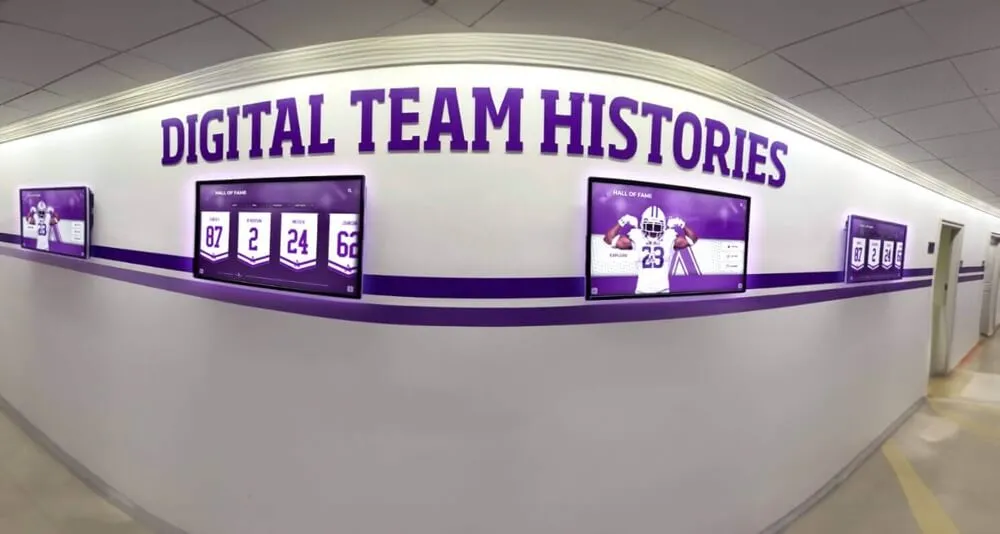
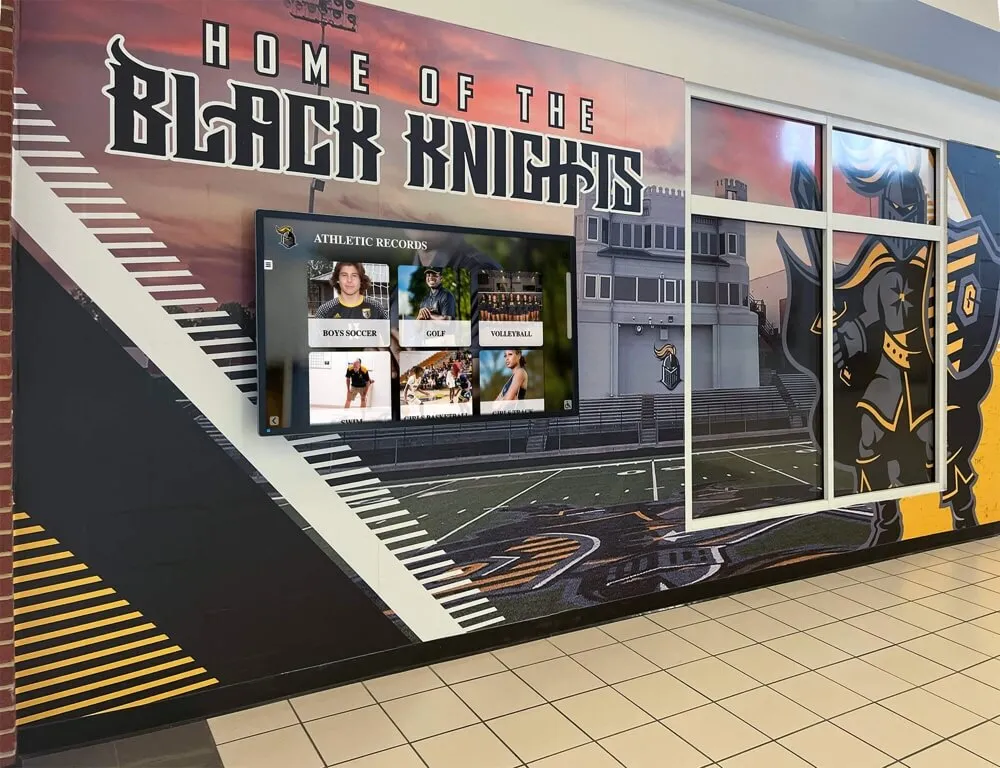
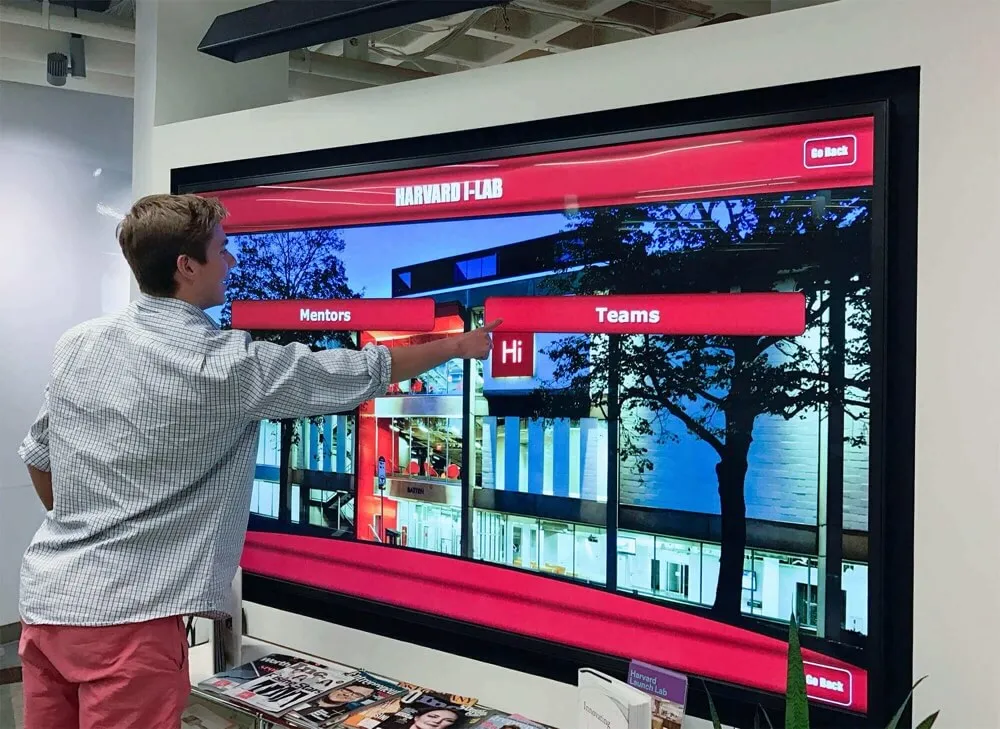
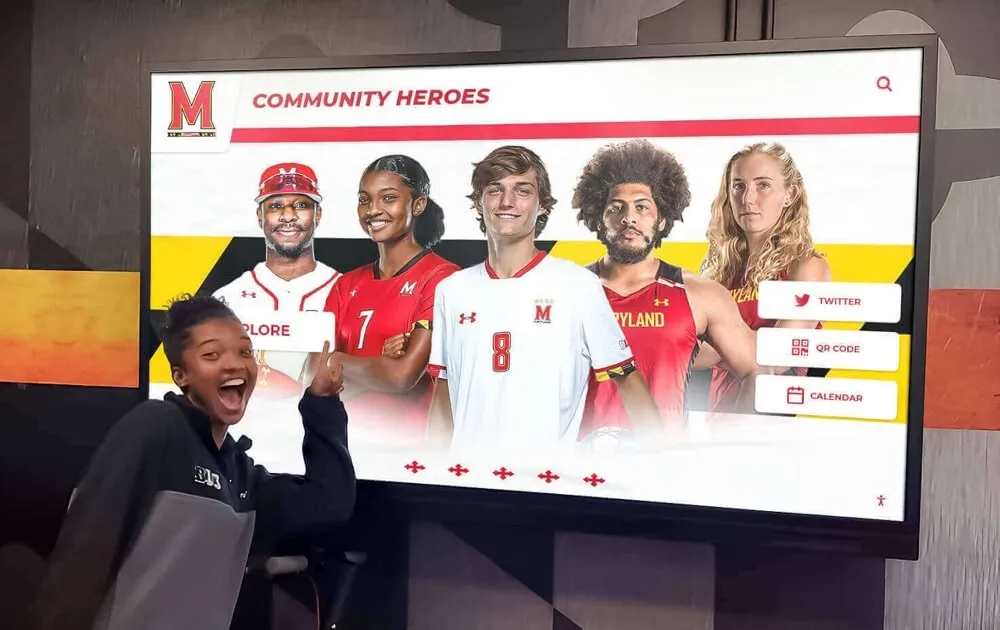
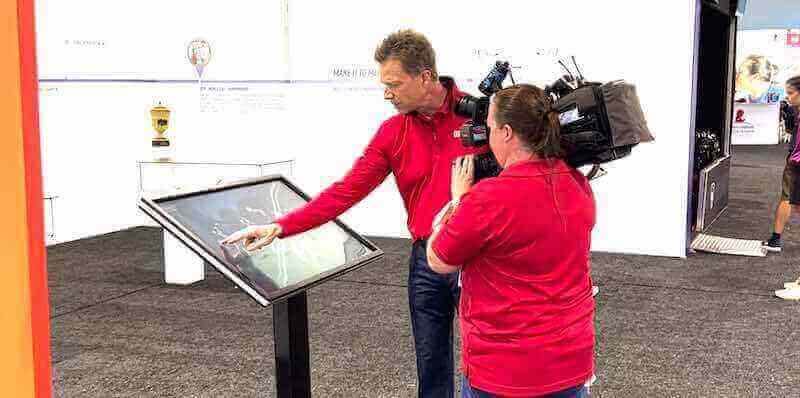
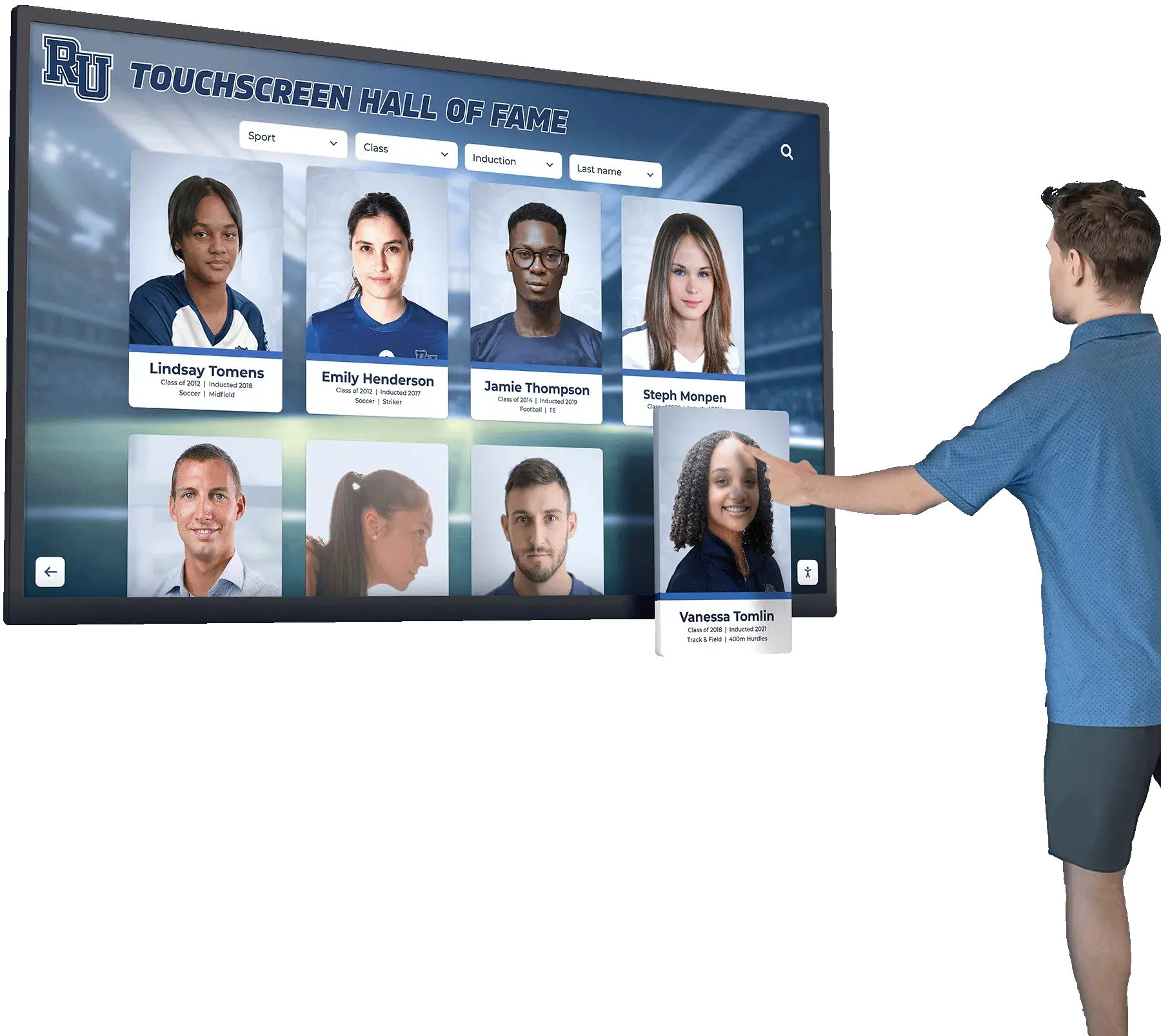
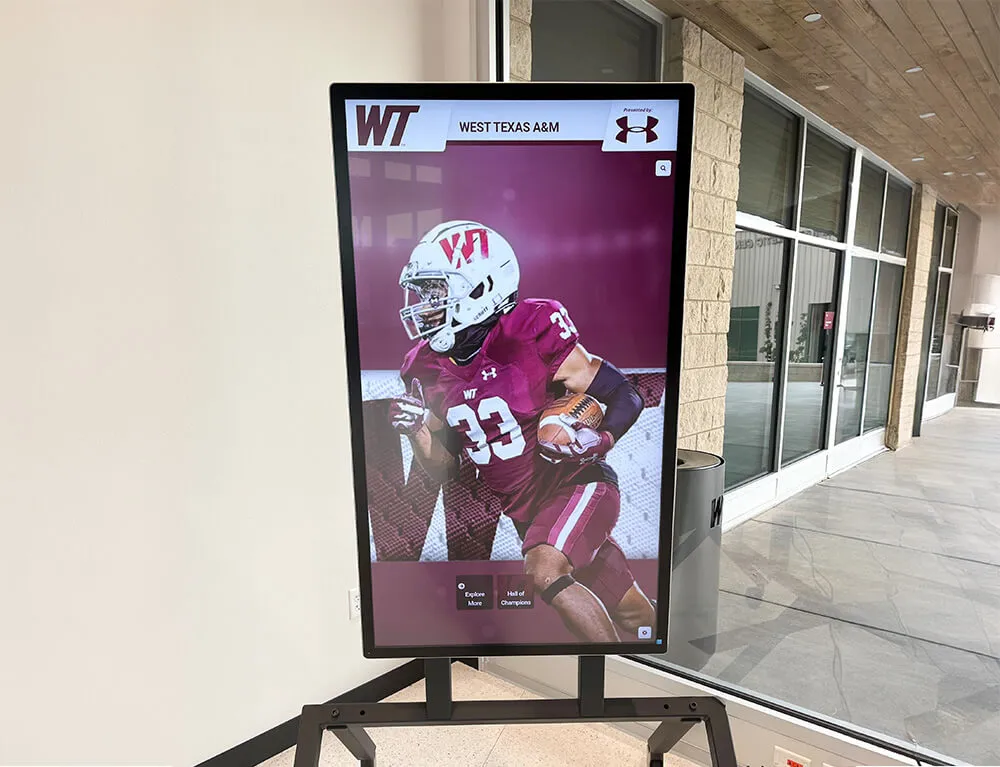
Interactive touchscreen technology creates intuitive, accessible giving experiences that meet parishioners where they are
Understanding the Shift to Digital Giving in Catholic Parishes
The movement toward digital donation options reflects broader societal changes in how people manage money and make charitable contributions.
The Decline of Cash and Check Usage
Financial payment patterns have transformed dramatically over the past decade:
Cash Usage Statistics
- Cash transactions declined from 40% of all payments in 2012 to approximately 18% by 2024
- Younger generations (Millennials and Gen Z) use cash for less than 10% of transactions
- Many people regularly attend Mass without any physical currency
- COVID-19 pandemic accelerated contactless payment adoption significantly
- According to Federal Reserve payment studies, digital payments now dominate retail transactions
Check Usage Decline
- Check usage dropped by more than 50% over the past 15 years
- Younger parishioners often don’t carry checkbooks or maintain check-writing habits
- Envelope-based giving systems increasingly misaligned with how people manage finances
- Processing physical checks creates administrative burden for parish staff
These trends create practical challenges for parishes relying primarily on traditional collection methods. Parishioners who genuinely want to contribute simply don’t have the payment methods the church traditionally accepts readily available when the collection basket arrives.
The Growth of Digital Charitable Giving
Charitable organizations across sectors have adapted to changing donor preferences:
Nonprofit Digital Adoption
- Over 60% of charitable donations now occur through digital channels
- Recurring monthly giving increased 40% with digital payment options
- Mobile giving apps facilitate immediate contributions at moments of inspiration
- Contactless giving appeals particularly to younger donors
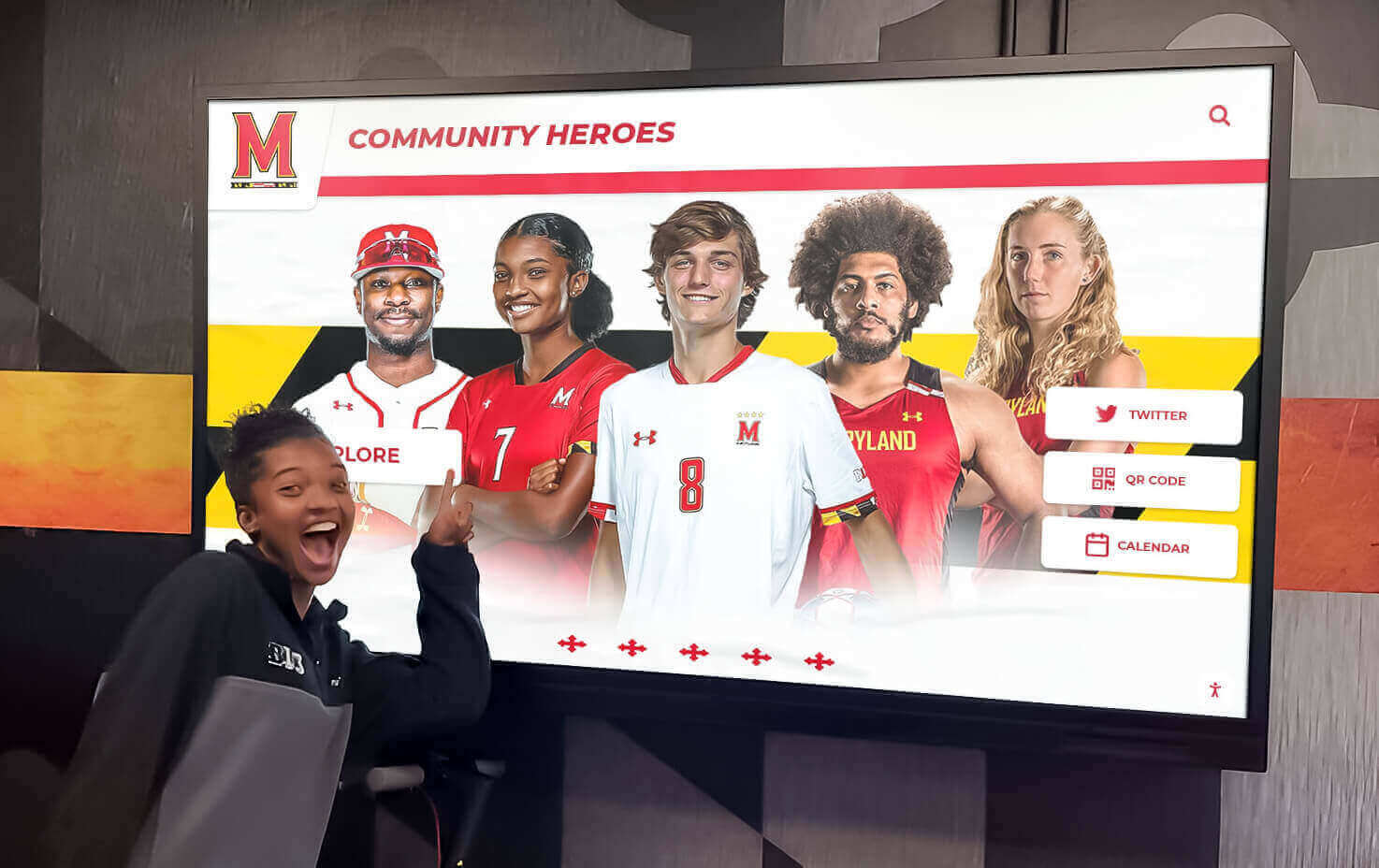
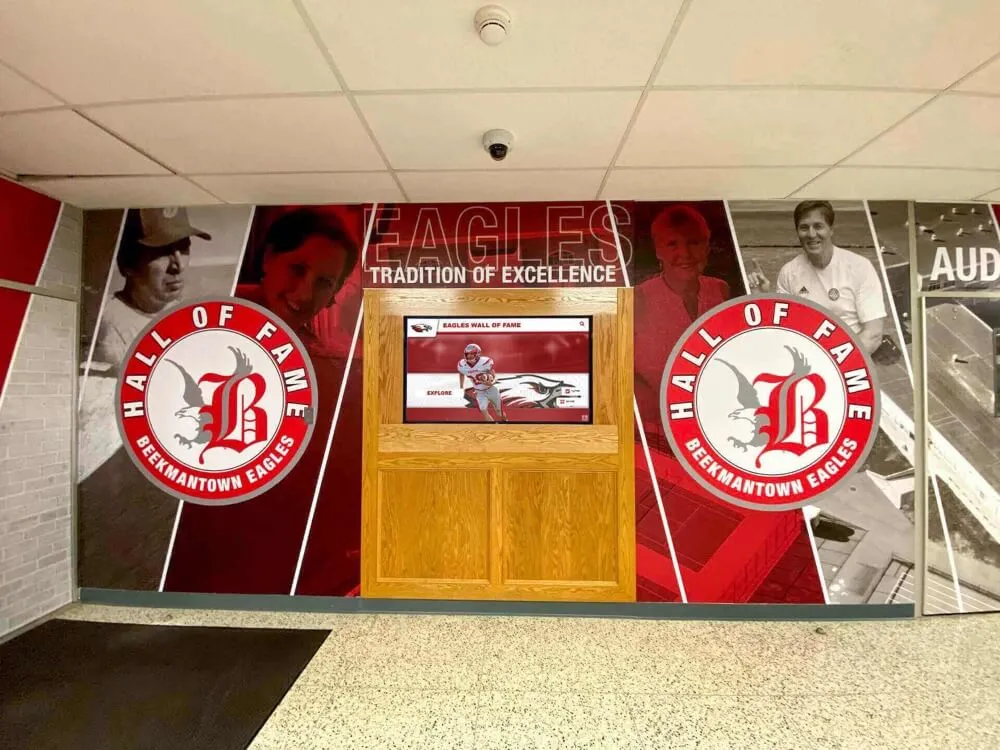
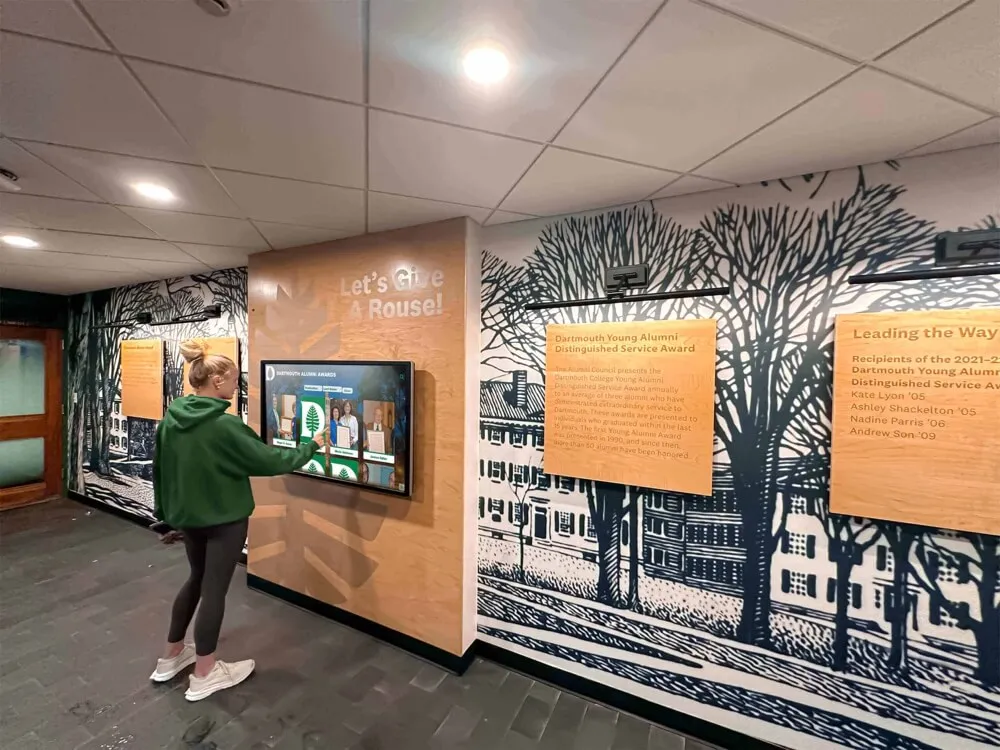
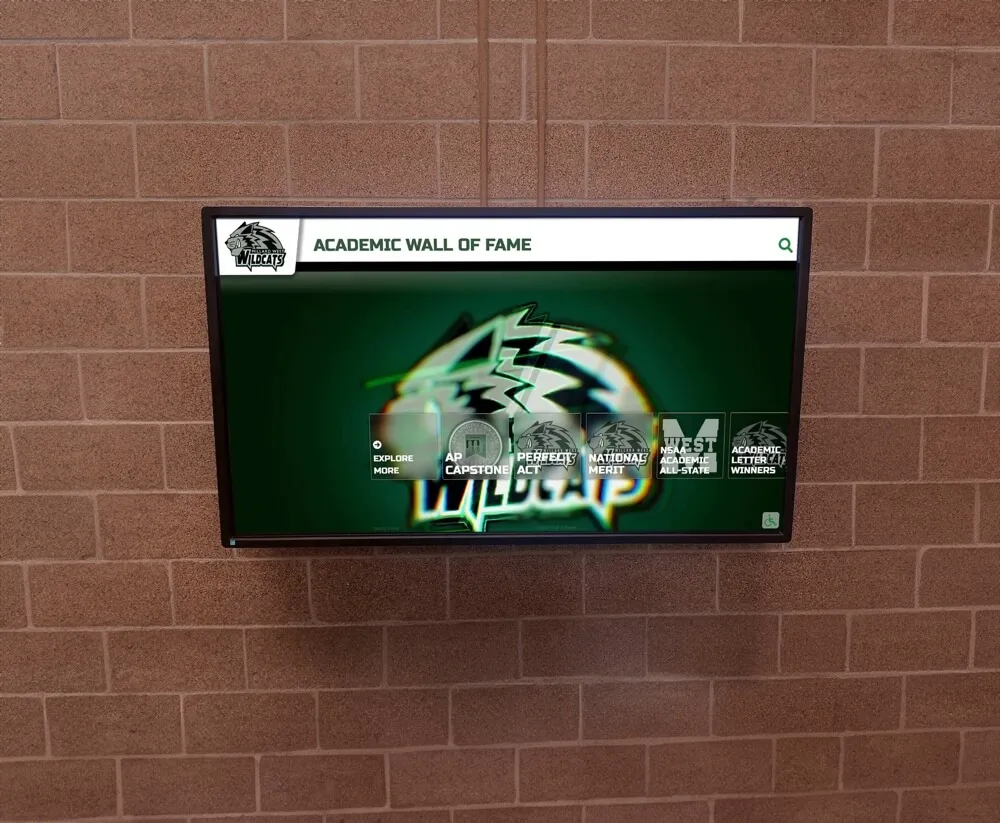
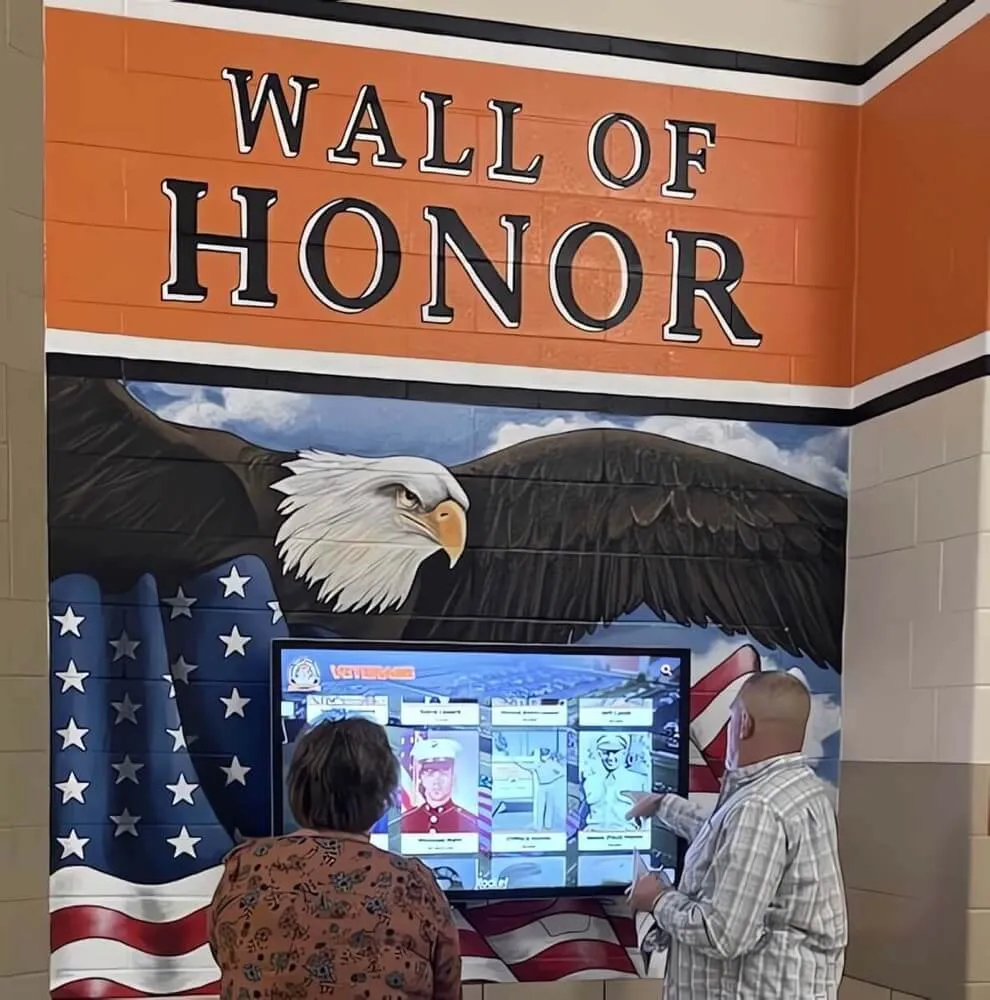
Intuitive touchscreen interfaces make digital engagement accessible to users of all ages and technical abilities
Catholic Church-Specific Trends According to research from Catholic organizations focused on parish stewardship, parishes offering multiple giving methods—including digital options—see 15-25% higher overall contributions compared to those relying solely on traditional collection methods. This increase stems not from individual donors giving more, but from capturing contributions from parishioners who previously attended Mass without means to contribute.
Digital giving particularly impacts occasional attendees—those at Christmas Mass, Easter services, weddings, funerals, or visiting from other parishes—who rarely carry cash specifically for collection but would willingly contribute if convenient options existed.
What Are Digital Donation Touchscreens for Churches?
Digital donation touchscreens are specialized kiosk systems designed specifically for nonprofit and religious giving environments.
Core Components and Functionality
Church giving kiosks typically include several integrated elements:
Hardware Components
- Large touchscreen display (typically 15-32 inches) with intuitive interface
- Secure payment processing equipment accepting credit cards, debit cards, and contactless payments (Apple Pay, Google Pay, tap-to-pay cards)
- Receipt printer providing immediate donation confirmation
- Protective enclosure suitable for church environment
- Network connectivity (WiFi or ethernet) for secure payment processing
- Optional features: camera for giving receipts via text/email, accessibility accommodations
Software Features Digital giving platforms provide functionality addressing church-specific needs:
- Designated giving: Allow donors to specify where contributions should be directed (general fund, building fund, missions, specific ministries, special collections)
- Amount selection: Preset amounts plus custom entry options
- Recurring giving setup: Enable donors to establish ongoing monthly contributions
- Multiple payment methods: Accept various credit/debit cards and mobile payment systems
- Donor information capture: Collect contact information for tax receipts and stewardship
- Integration capabilities: Connect with church management software and donor databases
- Security compliance: PCI-DSS compliant processing protecting sensitive payment information
These systems differ significantly from generic payment kiosks—they’re purpose-built for the charitable giving context with features reflecting how churches operate and donors think about contributions.
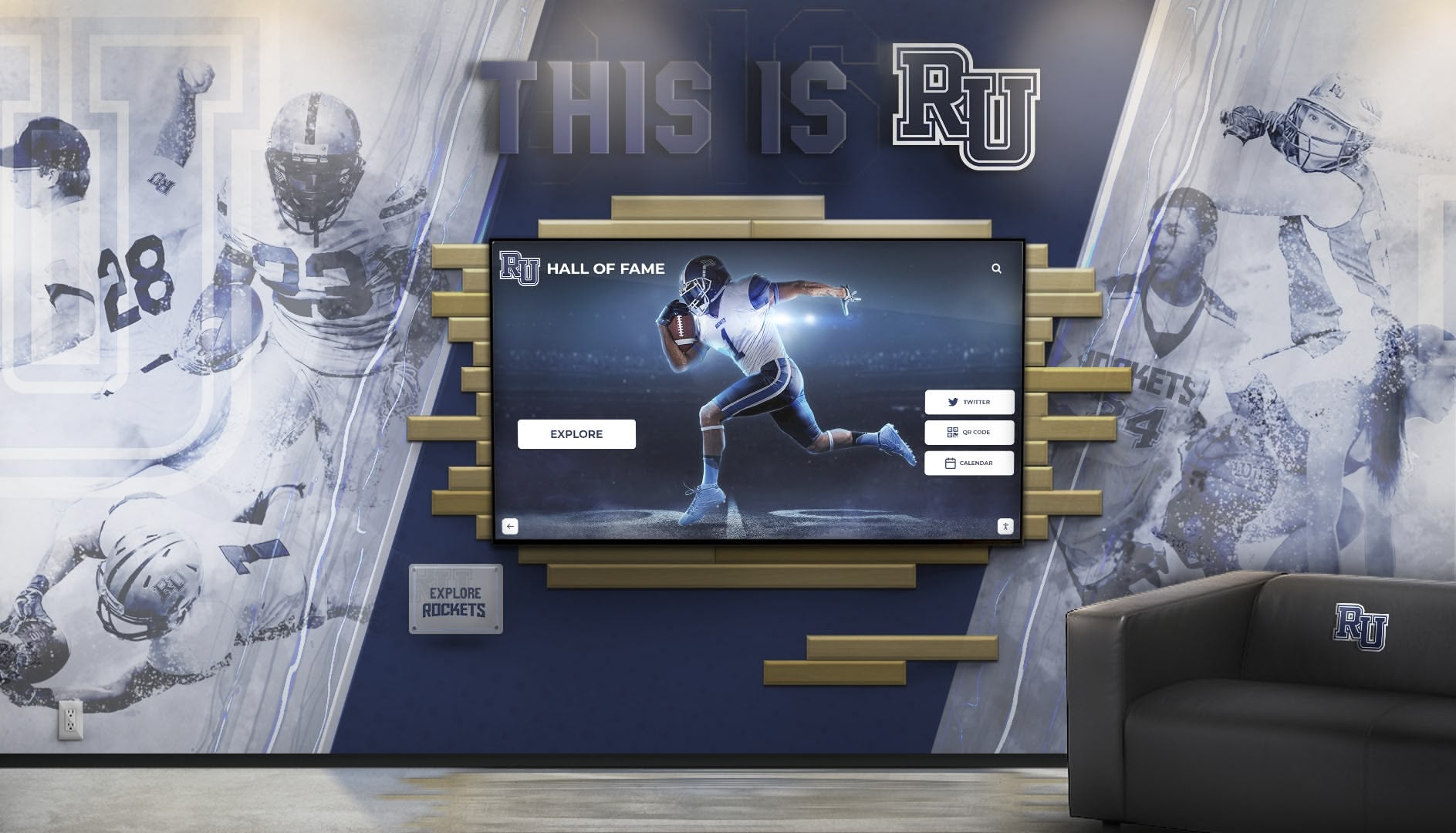
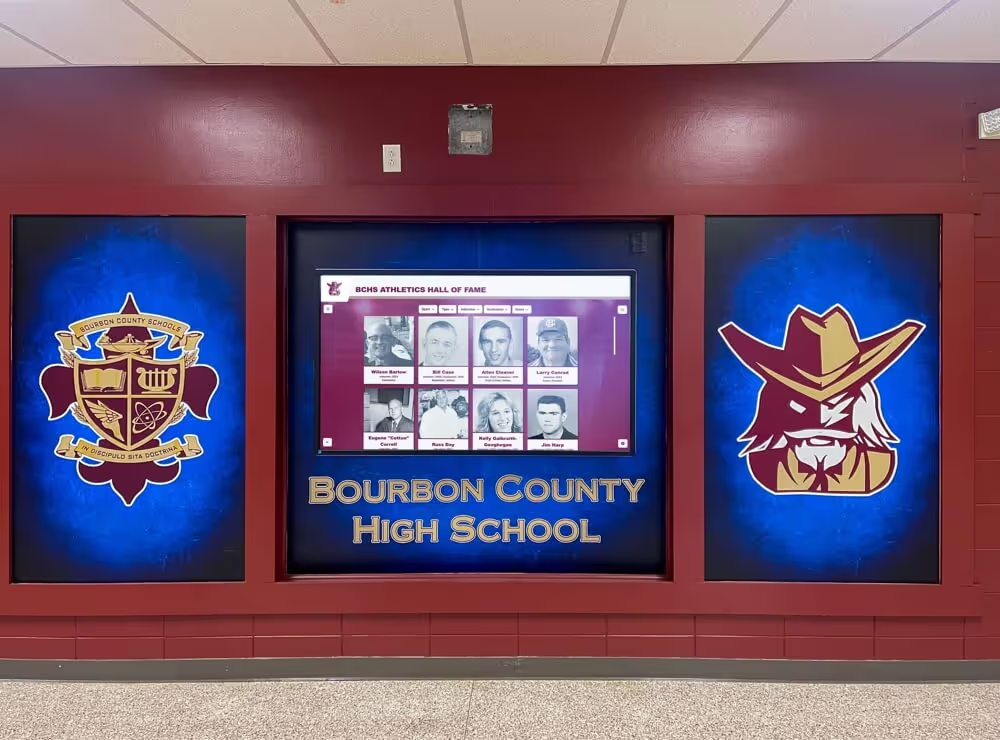
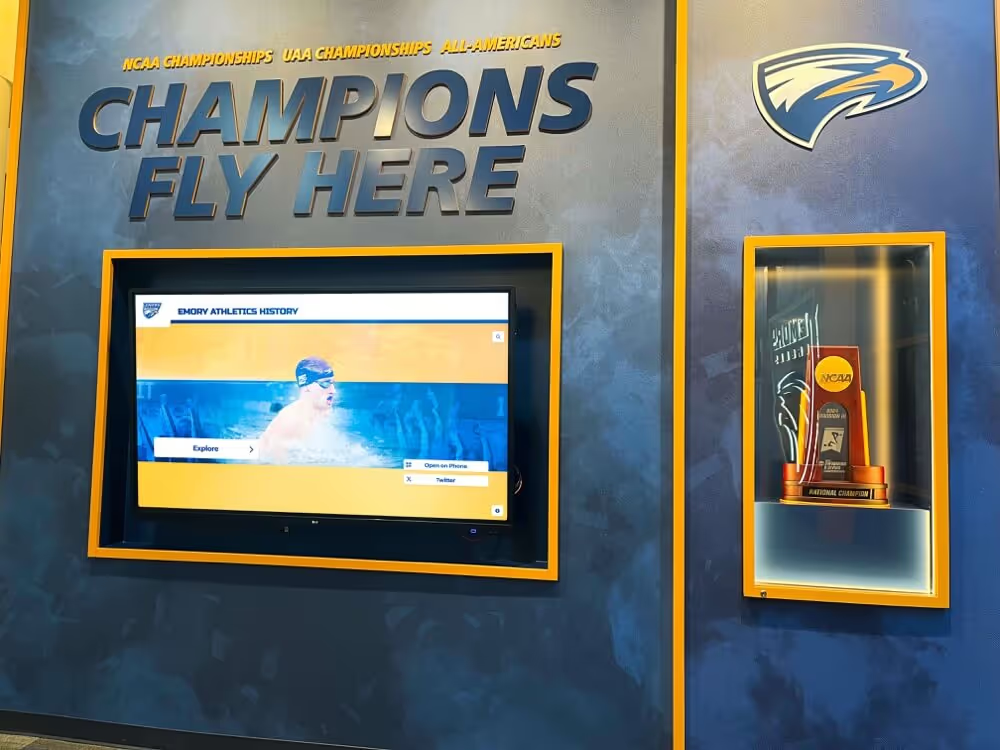
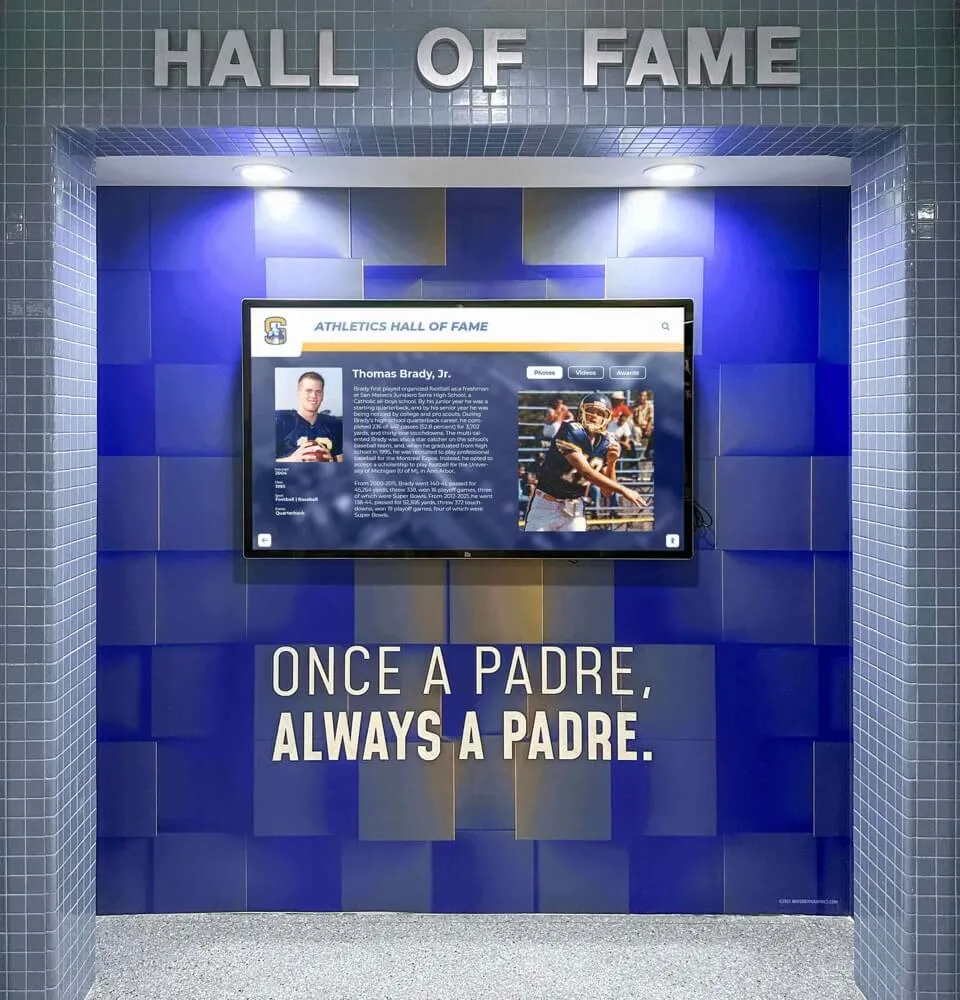
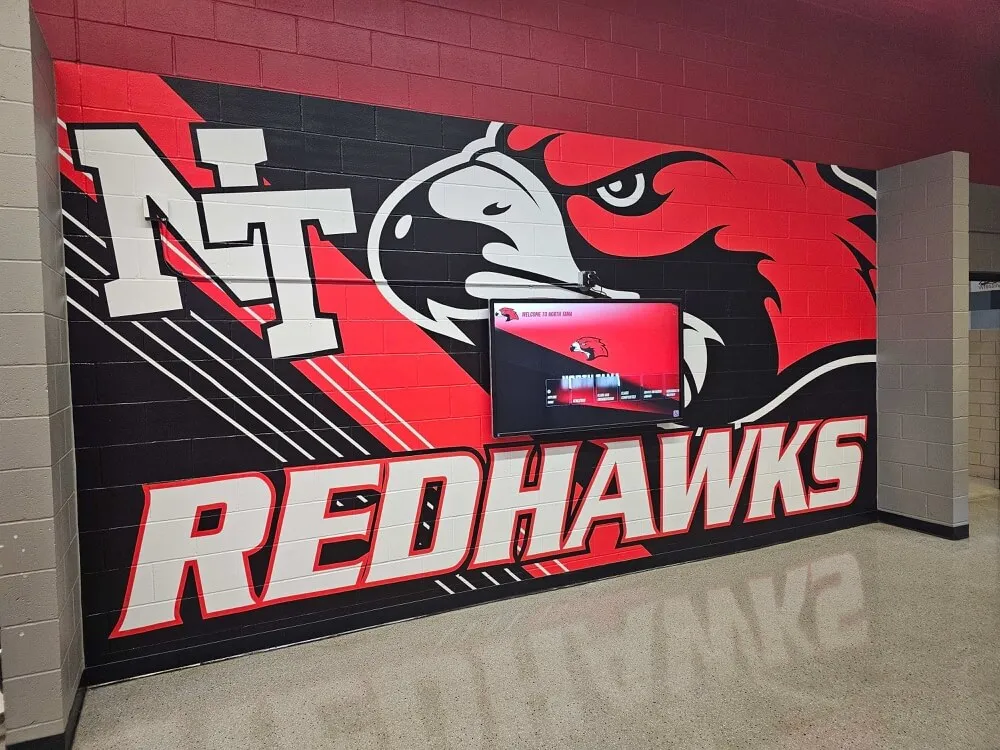
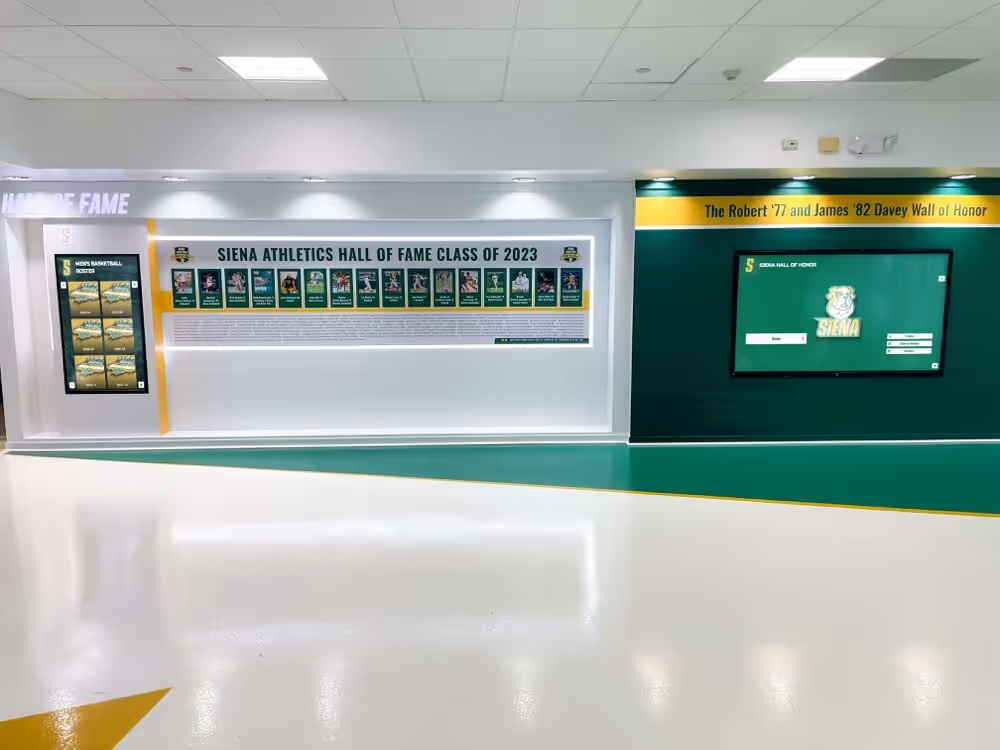
Professional installation integrates digital technology seamlessly with existing church architecture and design
Types of Digital Giving Solutions for Churches
Catholic parishes can choose from several digital giving approaches:
In-Church Giving Kiosks Physical touchscreen stations placed strategically in church buildings:
- Located in narthex, gathering spaces, or near exits
- Allow giving before or after Mass at donor convenience
- Serve visitors and occasional attendees who don’t use online giving
- Provide immediate donation option at moment of inspiration
- Create visible reminder that digital giving options exist
Tablet-Based Collection Systems Portable devices used during traditional collection:
- Passed along pews alongside or instead of collection baskets
- Allow parishioners to tap credit cards or phones for contactless donation
- Maintain familiar collection ritual while offering digital option
- Less expensive than permanent kiosk installations
- Require volunteer operation during each Mass
Online Giving Platforms Web and mobile-based donation systems:
- Accessible from anywhere at any time
- Enable recurring monthly giving setup
- Serve as primary giving method for many regular parishioners
- Lack the in-moment, in-person convenience of physical kiosks
- Require donors to remember to access platform proactively
Mobile Giving Apps Smartphone applications for parish communities:
- Text-to-give options enabling immediate contributions
- Parish-specific apps integrating giving with other church engagement
- Appeal particularly to younger, tech-comfortable parishioners
- Require download and setup creating adoption barrier
Many parishes find that a comprehensive approach—combining permanent kiosks for in-church convenience, online platforms for recurring giving, and mobile options for tech-comfortable donors—maximizes accessibility across their diverse parish community. Solutions like Rocket Alumni Solutions provide integrated digital display technologies that can be adapted for various church applications beyond just giving kiosks.
Benefits of Digital Donation Touchscreens for Catholic Parishes
Implementing giving kiosks provides numerous advantages for parishes and parishioners alike.
Increased Giving Convenience and Accessibility
Digital touchscreens remove barriers preventing willing donors from contributing:
Meeting Donors Where They Are
- Parishioners without cash can contribute using payment methods they carry
- No need to remember to bring checkbook or envelope to Mass
- Immediate giving option available at the moment when inspired by homily or liturgy
- Visitors from other parishes can easily support the hosting church
- Special event attendees (weddings, funerals, baptisms) have convenient giving options
Accommodating Different Giving Preferences Modern parishioners have diverse comfort levels with technology and giving methods:
- Traditional donors can continue using collection baskets and envelopes
- Digital-first individuals gain options matching their payment preferences
- Younger generations see church embracing practical aspects of contemporary life
- Elderly parishioners who no longer drive to banks find digital options more convenient than obtaining cash
- Families can involve children in selecting giving amounts and designations
Research from parish stewardship organizations indicates that giving accessibility—providing options matching how people manage finances—significantly impacts overall contribution levels, particularly among occasional attendees and younger demographic groups.
Enhanced Donor Experience and Engagement
Digital kiosks create positive giving experiences reinforcing parish connection:
Transparency and Control
- Donors see exactly where contributions will be directed
- Immediate receipts provide confirmation and records for tax purposes
- Clear communication about how funds support parish mission
- Ability to split donations across multiple purposes in single transaction
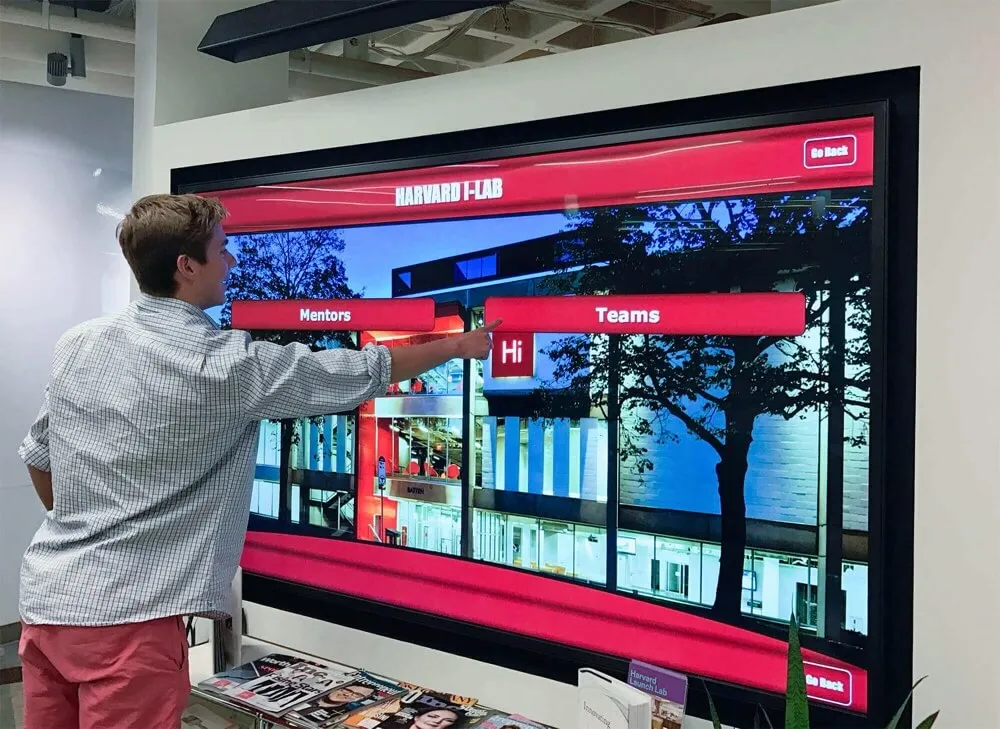
Touchscreen interfaces provide intuitive navigation allowing users to explore options and make informed choices
Encouraging Thoughtful Giving Well-designed kiosks facilitate intentional stewardship:
- Time to consider various parish needs and ministry opportunities
- Information about specific projects or initiatives requiring funding
- Suggestions for monthly giving amounts based on attendance frequency
- Stories about impact donations make in parish and broader community
- Connection to church teaching about stewardship and generosity
Digital platforms can incorporate messaging about the theology of giving, scripture references, and explanations of how contributions support sacramental life, education, outreach, and operations—elements difficult to communicate through collection baskets alone.
Improved Financial Sustainability for Parishes
Digital giving systems positively impact parish financial health:
Increased Overall Contributions Churches implementing digital giving typically experience measurable improvements:
- 15-25% increase in total contributions from expanded donor accessibility
- Higher average donation amounts through thoughtful preset suggestions
- Captured contributions from visitors and occasional attendees previously unable to give
- Reduced seasonal variability as digital options enable giving during absences
- According to studies of church giving patterns, parishes with multiple giving channels consistently outperform those with limited options
Recurring Giving Growth Digital systems particularly excel at facilitating sustainable monthly contributions:
- Easy signup during kiosk interaction or online
- Automated processing eliminating need for donors to remember monthly contributions
- Higher retention rates compared to annual pledge systems
- Steady cash flow supporting better parish budget planning
- Recurring donors give 42% more annually on average than one-time contributors
Administrative Efficiency Digital giving reduces staff workload:
- Automated deposit processing versus manual check and cash handling
- Integrated tax receipt generation
- Accurate tracking of designated gifts to specific funds
- Reduced bank deposit trips and associated time
- Better data for stewardship analysis and planning
These efficiencies particularly benefit smaller parishes with limited administrative staff where the business manager or parish secretary handles multiple responsibilities.
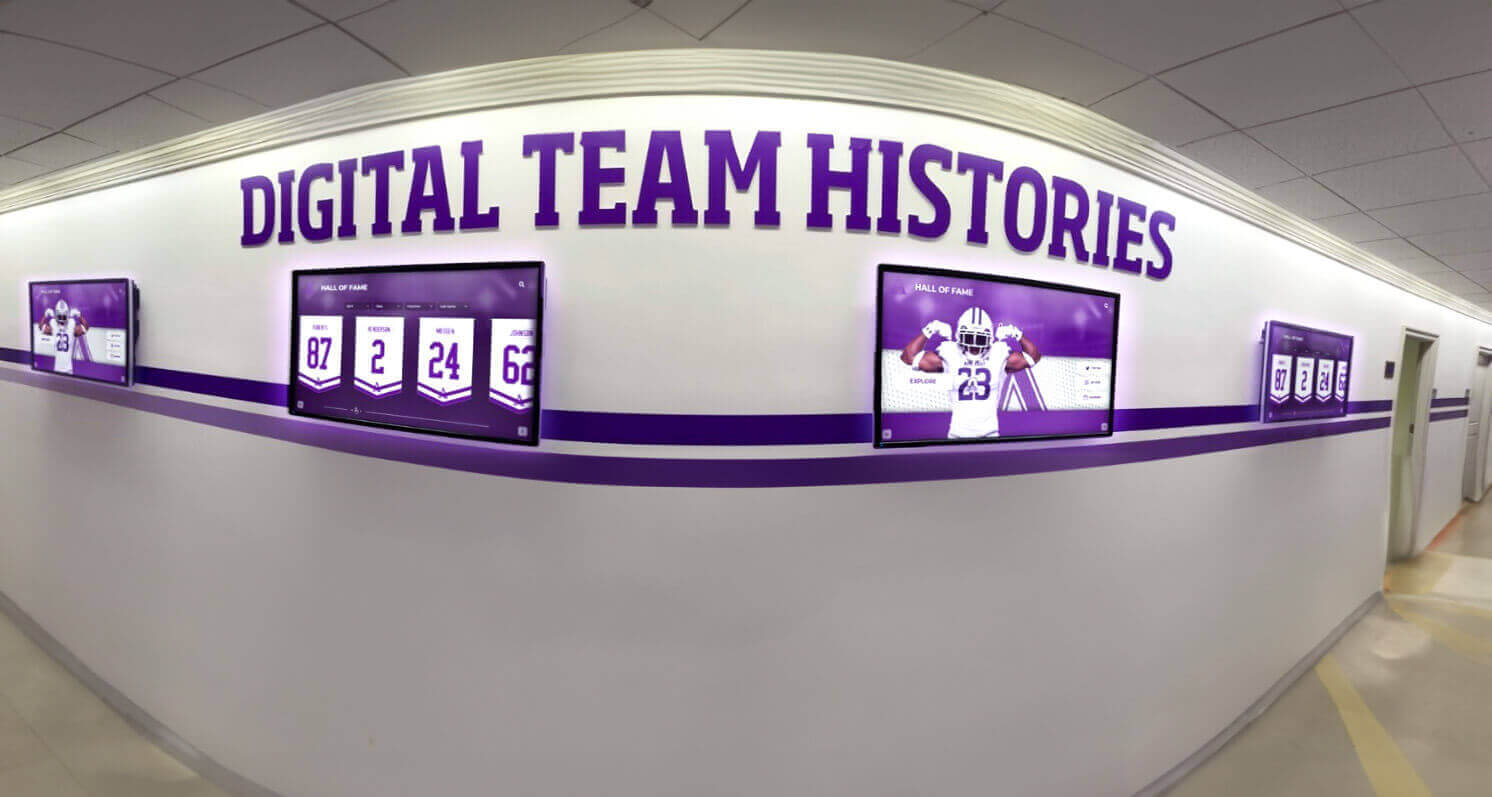
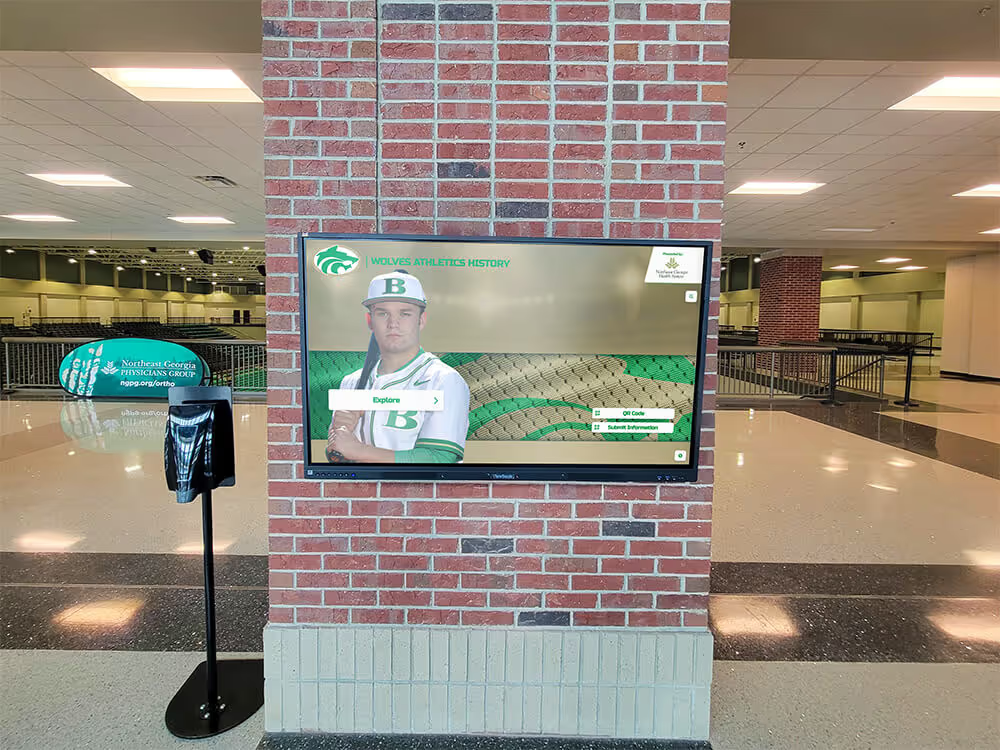
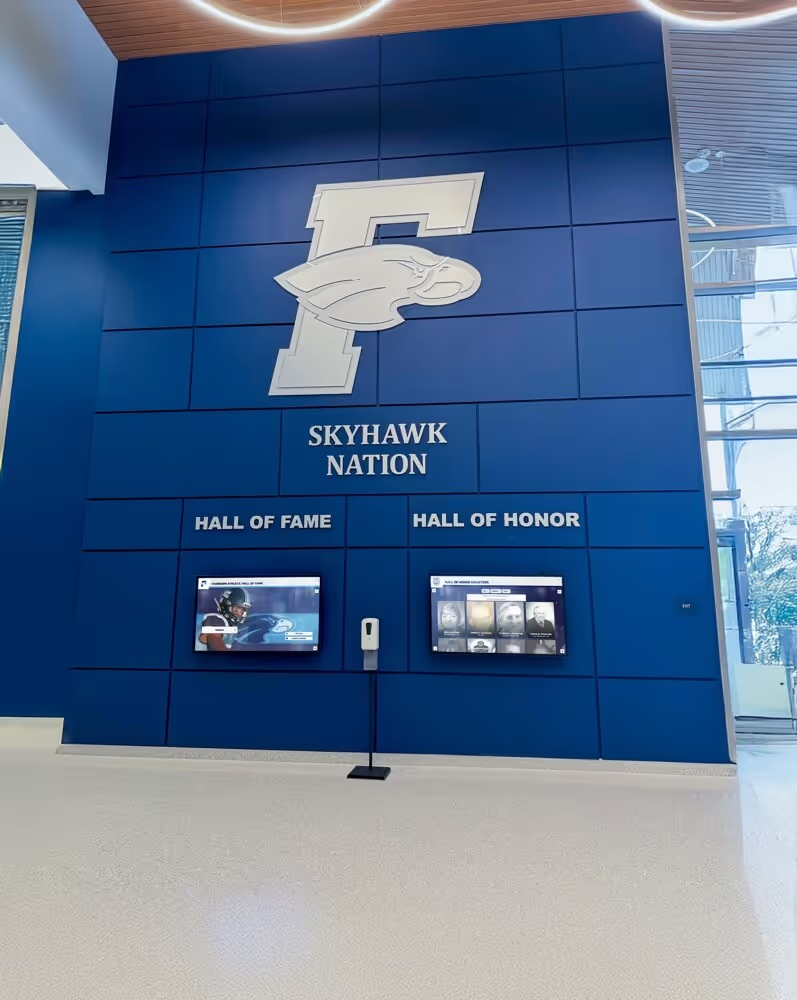
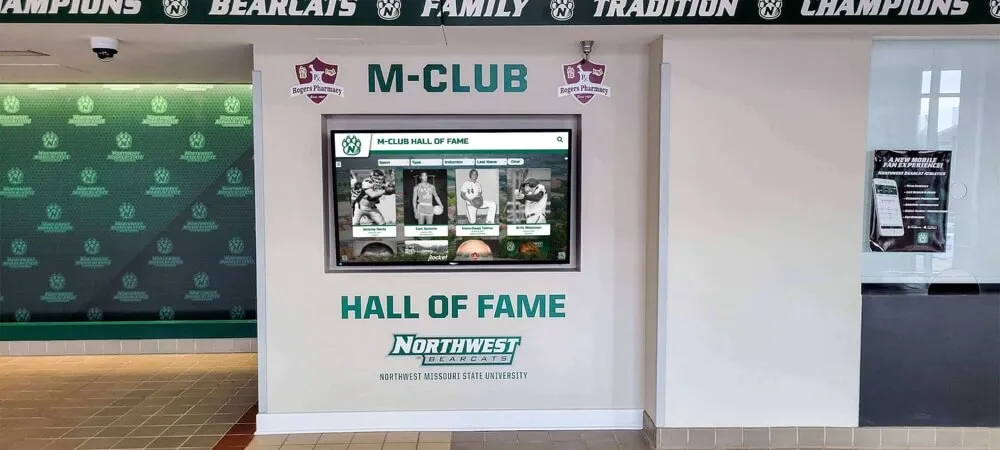
Digital display technology can serve multiple purposes in church spaces, from giving kiosks to ministry information
Security and Compliance Benefits
Digital donation systems provide robust security protecting both donors and parishes:
Payment Security Modern giving platforms incorporate comprehensive safeguards:
- PCI-DSS compliance ensuring payment card data protection
- Encrypted transmission of all sensitive information
- Tokenization preventing storage of actual card numbers
- Secure payment processor partnerships with established financial institutions
- Regular security audits and updates addressing emerging threats
These security measures typically exceed what parishes can achieve handling cash and checks, which create risks of theft, counting errors, and lack of documentation.
Financial Accountability Digital systems create clear audit trails:
- Complete transaction records for every contribution
- Timestamped data showing exactly when and how donations occurred
- Detailed reports for financial reviews and audits
- Automated reconciliation with bank deposits
- Transparent tracking of designated gifts to restricted funds
This documentation supports good stewardship practices and provides accountability to the parish community about how contributions are received and allocated.
Donor Privacy Protection Digital platforms can be configured to respect donor confidentiality:
- Option for anonymous giving when appropriate
- Secure storage of donor contact information
- Compliance with data protection regulations
- Limited staff access to sensitive information based on role requirements
- Clear privacy policies informing donors how information is used
Implementing Digital Donation Touchscreens in Your Parish
Successful implementation requires thoughtful planning addressing both technical and pastoral considerations.
Assessing Parish Needs and Readiness
Begin by evaluating whether digital giving makes sense for your specific parish context:
Congregation Demographics and Preferences Consider your parishioner population:
- Age distribution and general technology comfort levels
- Current giving patterns and payment method preferences
- Feedback from previous surveys about desired giving options
- Presence of younger families and professionals in congregation
- Proportion of regular attendees versus occasional visitors
Financial and Operational Capacity Assess practical implementation factors:
- Budget available for hardware, software, and ongoing transaction fees
- Physical space suitable for kiosk installation
- Technical infrastructure (internet connectivity, electrical access)
- Staff capacity to manage system setup and maintenance
- Integration needs with existing church management software
Pastoral Goals and Vision Align implementation with broader parish objectives:
- Stewardship education priorities and giving culture development
- Desire to increase participation among underrepresented demographic groups
- Plans for capital campaigns or special fundraising initiatives
- Overall vision for welcoming and engaging parishioners
- Teaching opportunities about technology serving religious mission
Many parishes begin with online giving platforms before adding physical kiosks, using initial implementation to assess demand and refine approaches before investing in hardware installations. Learn about touchscreen software options that can support various church applications.
Selecting the Right Digital Giving Platform
Choose systems matching your parish’s specific needs:
Essential Features to Evaluate
- Payment method acceptance: Credit/debit cards, Apple Pay, Google Pay, contactless cards
- Designated giving: Ability to direct funds to specific purposes
- Recurring gift setup: Easy monthly contribution enrollment
- User interface: Intuitive design accessible to all age groups
- Receipt options: Email, text, and printed receipt capabilities
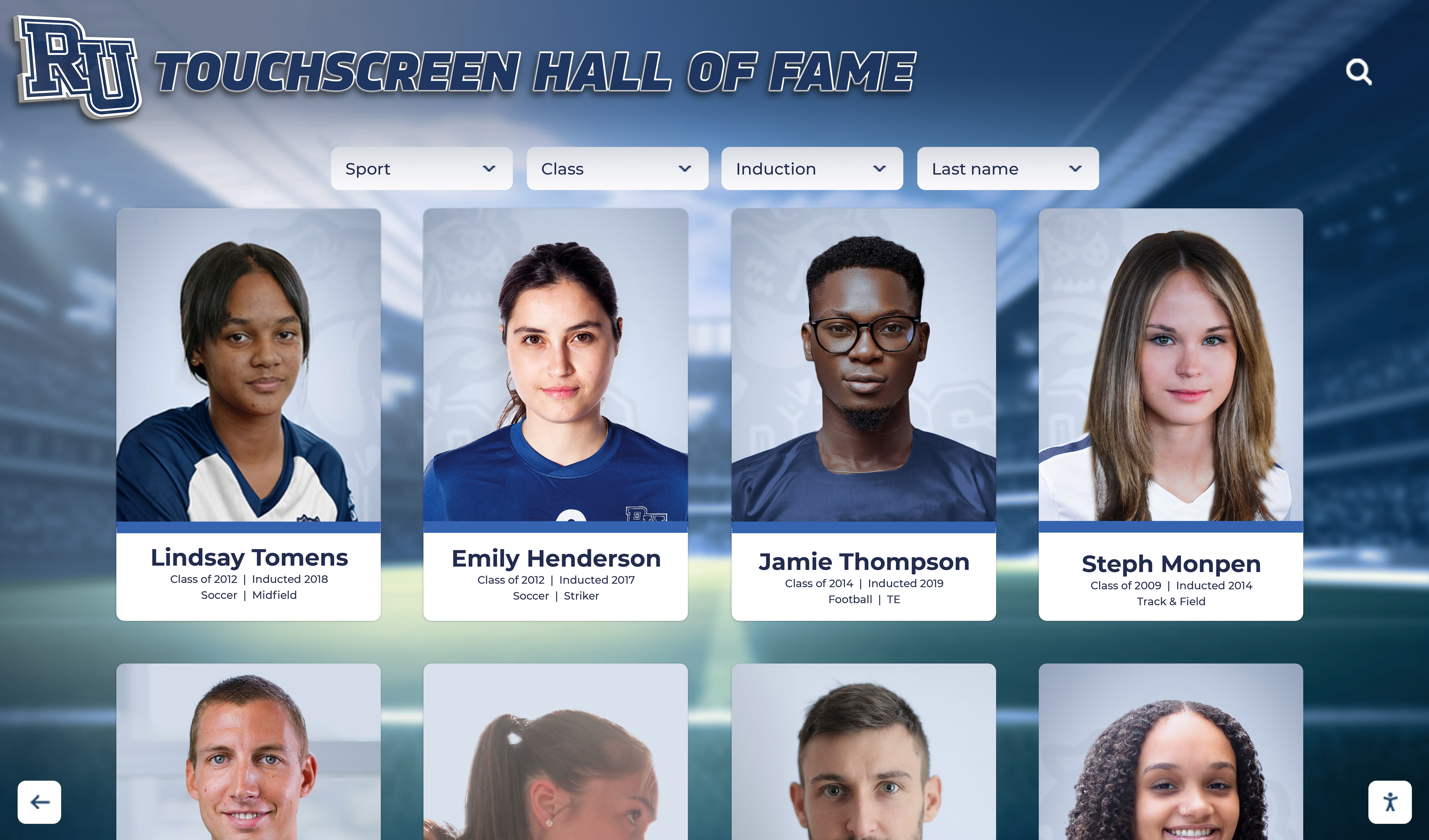
Well-designed interfaces organize information clearly, making navigation simple even for first-time users
Integration and Management Capabilities
- Connection with church management systems (ParishSOFT, eCatholic, Flocknote)
- Donor database integration for tracking and stewardship
- Report generation for financial and engagement analysis
- Remote management allowing updates from any internet-connected device
- Multi-location support if implementing across parish campus
Provider Evaluation Criteria
- Company reputation and experience in faith-based sector
- Customer support quality and availability
- Transaction fee structures and ongoing costs
- Hardware quality and durability for church environment
- Training and implementation support provided
- References from other Catholic parishes using system
Take time to demo multiple platforms and speak with parishes that have implemented systems you’re considering. Many providers offer trial periods or pilot programs enabling evaluation before full commitment.
Installation Planning and Logistics
Thoughtful installation ensures kiosks serve their intended purpose effectively:
Location Selection Strategy Choose placement maximizing accessibility and usage:
Narthex and Gathering Spaces
- Primary location most parishioners pass through before or after Mass
- Natural flow makes kiosks discoverable without seeming intrusive
- Space allowing privacy while donors complete transactions
- Visibility ensuring parishioners know digital giving option exists
Near Church Exits
- Captures giving from those who didn’t contribute during collection
- Allows convenient donation from visitors attending special services
- Provides option for those who prefer giving after experiencing Mass
- Less congested than entrance areas during arrival times
Parish Offices or Welcome Centers
- Convenient for those conducting other parish business
- Staffed areas providing assistance if donors have questions
- Appropriate for kiosks serving multiple purposes (giving, event registration, information)
Consider installing multiple kiosks if parish size and budget allow, ensuring convenient access regardless of which doors parishioners use or when they choose to contribute. Explore digital display implementation strategies applicable to church environments.
Accessibility Considerations Ensure kiosks accommodate all parishioners:
- ADA-compliant mounting heights for wheelchair accessibility
- Screen contrast and text size supporting visual accessibility
- Audio guidance options for visually impaired users
- Multilingual interfaces serving diverse parish communities
- Adequate lighting without glare making screens difficult to read
Technical Installation Requirements Plan for necessary infrastructure:
- Electrical outlets providing reliable power
- Network connectivity (hardwired ethernet preferred over WiFi for security and reliability)
- Appropriate mounting hardware for wall or floor installations
- Cable management maintaining clean, professional appearance
- Security considerations protecting equipment from theft or vandalism
Professional installation ensures proper mounting, secure connections, and equipment configuration. Many digital giving providers include installation as part of implementation packages or can recommend qualified local installers.
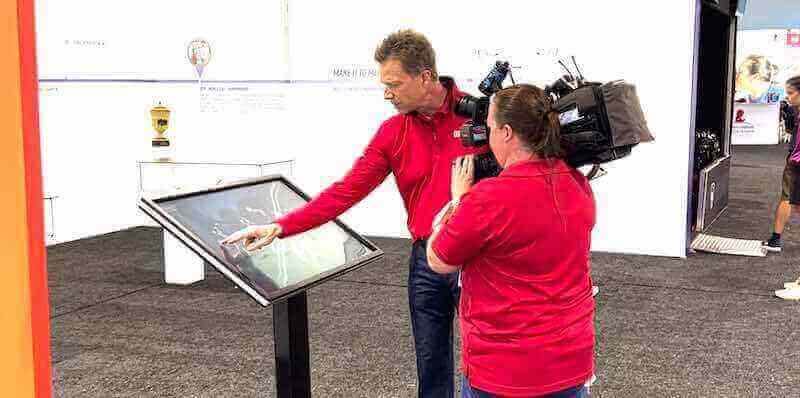
Professional presentation of digital kiosks signals quality and trustworthiness, encouraging parishioner adoption
Parishioner Education and Launch Strategy
Successful adoption requires clear communication and ongoing education:
Pre-Launch Preparation Build awareness and anticipation before kiosks become active:
Pastoral Introduction
- Homily or bulletin message from pastor explaining new giving options
- Connection to church teaching on stewardship and generosity
- Framing technology as serving parish mission rather than replacing spiritual aspects
- Addressing concerns some may have about digital giving
- Emphasizing that traditional methods remain available
Communication Campaign
- Bulletin announcements describing new kiosks and their benefits
- Website and social media posts with photos and instructions
- Email to parish database explaining giving options
- FAQ document addressing common questions about fees, security, and usage
- Signage near kiosk locations explaining features
Launch Event and Demonstration Create positive first experiences with new systems:
- Designated volunteers available to assist during initial weeks
- Live demonstrations during coffee hour or parish events
- Pastor and staff using kiosks visibly to model adoption
- Highlight features like designated giving and recurring gift setup
- Celebrate launch as enhancement to parish stewardship culture
Ongoing Education and Encouragement Maintain awareness ensuring continued adoption:
- Periodic bulletin reminders about giving options
- Include kiosk usage in new parishioner orientation
- Share statistics about adoption and impact
- Gather and address feedback about user experience
- Seasonal campaigns around special collections using digital options
The goal is helping parishioners understand that digital giving supports the same generous spirit as traditional collection—it simply removes barriers that prevented some from participating fully in parish life through financial stewardship.
Best Practices for Digital Giving in Catholic Churches
Maximizing effectiveness requires attention to both technical and pastoral dimensions.
Maintaining the Dignity and Meaning of Giving
Technology should enhance rather than diminish the spiritual aspects of charitable contribution:
Preserving Intentionality Digital systems can support thoughtful, prayerful giving:
- Design interfaces encouraging reflection rather than rushed transactions
- Include inspirational messages or scripture about generosity
- Provide information about parish ministries and their needs
- Allow time for donors to consider various giving designations
- Option to dedicate gifts in memory of loved ones or for specific intentions
Avoiding Commercialization Maintain appropriate tone distinguishing charitable giving from retail transactions:
- Language emphasizing stewardship and mission support rather than “purchasing” or “buying”
- Avoiding excessive advertising or promotional messaging
- Respectful design aesthetic fitting church environment
- No pressure tactics or aggressive solicitation
- Clear communication that giving is voluntary response to God’s blessings
Integrating with Formation and Education Connect technology with broader stewardship development:
- Teaching about Christian stewardship in religious education
- Homilies addressing relationship between faith and generosity
- Testimonials from parishioners about why they give and how they give
- Annual stewardship renewals incorporating digital options
- Youth engagement in discussing technology serving religious values
Digital giving works best when embedded in comprehensive stewardship culture rather than treated as purely financial or technological initiative.
Optimizing User Experience
Design choices significantly impact whether parishioners adopt digital giving:
Interface Simplicity Make giving as easy as possible:
- Minimize steps between opening screen and completed transaction
- Preset giving amounts reducing decision friction
- Clear navigation with obvious next-step prompts
- Error prevention through validation and confirmation
- Help button providing assistance without leaving interface

Clear organization and intuitive design make digital systems accessible to users of varying technical comfort levels
Transaction Speed Respect donors’ time:
- Quick processing enabling completion in 60-90 seconds
- Contactless payment options allowing tap-and-go convenience
- Optional account creation rather than requiring registration
- Efficient receipt delivery avoiding extended wait times
- Performance optimization preventing lag or freezing
Visual Design Create welcoming, trustworthy experience:
- Clean, uncluttered layouts reducing cognitive load
- Parish branding maintaining consistent identity
- Professional appearance building confidence in system
- Appropriate imagery reflecting church mission
- Accessibility features supporting users with visual challenges
Regular observation of parishioners using kiosks reveals friction points and improvement opportunities ensuring systems remain effective over time.
Addressing Security and Privacy Concerns
Proactively address understandable concerns about digital transactions:
Transparent Communication About Security Help parishioners understand protection measures:
- Explain PCI compliance and what it means for payment protection
- Describe encryption and tokenization in accessible language
- Identify reputable payment processor partnerships
- Compare digital security favorably to cash and check risks
- Provide clear contact for questions about security
Privacy Protections Respect donor confidentiality:
- Allow anonymous giving option when appropriate
- Clear privacy policy about information collection and use
- Limited staff access to donor data based on legitimate need
- Opt-in approach for communication rather than automatic inclusion
- Compliance with applicable data protection regulations
Financial Accountability Demonstrate responsible stewardship:
- Regular financial reports to parish community
- Transparent allocation of designated gifts
- Disclosure of transaction fees and processing costs
- Independent audits and financial reviews
- Parish finance council oversight of digital giving systems
Building trust requires ongoing communication demonstrating that digital systems serve parish mission while protecting donor interests.
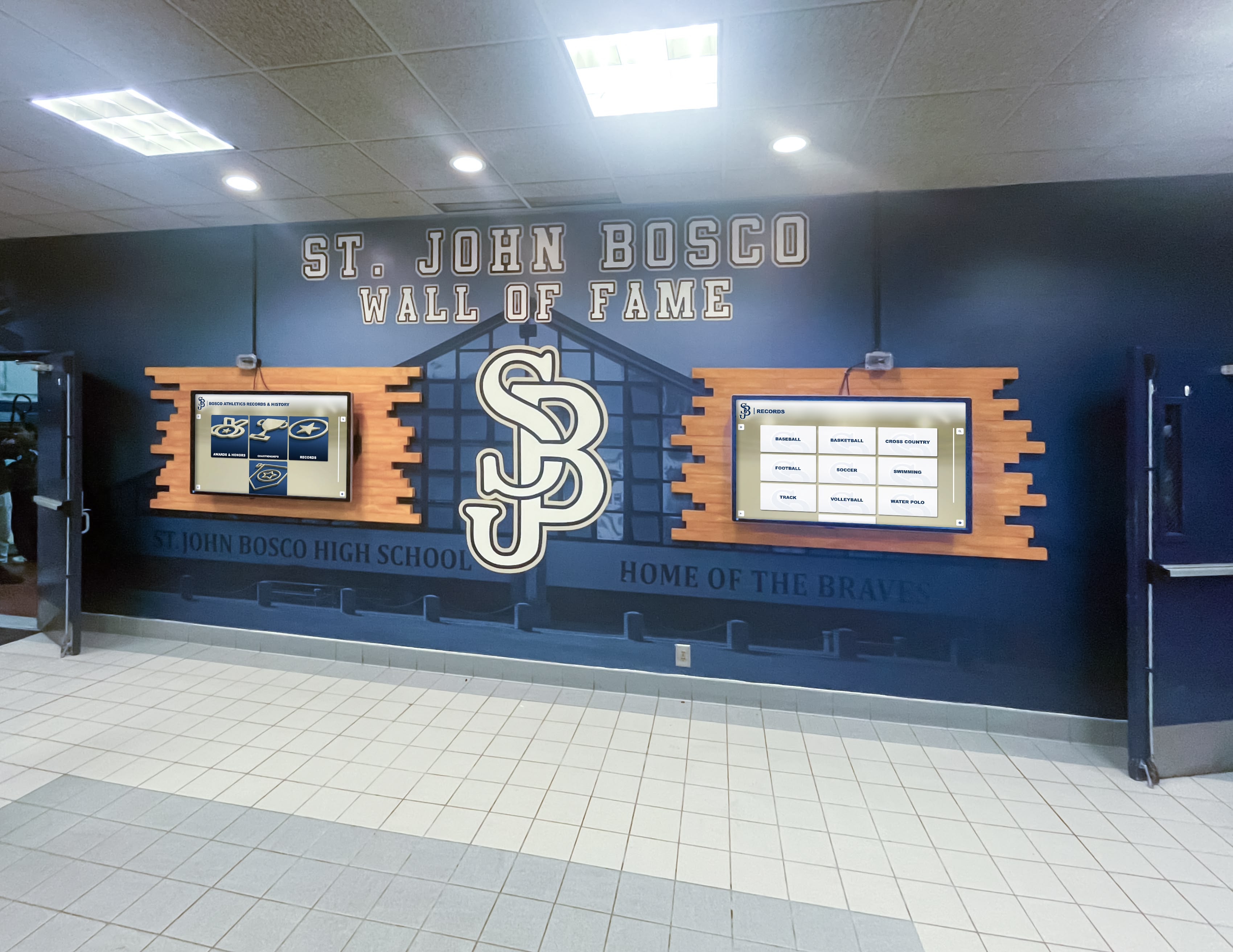
Coordinated digital systems create comprehensive communication and engagement infrastructure serving multiple purposes
Beyond Donation Kiosks: Additional Digital Display Applications in Churches
Once digital touchscreen infrastructure exists, parishes can leverage this technology for additional purposes beyond giving.
Digital Recognition and Storytelling
Interactive displays can celebrate parish life and history:
Ministry and Volunteer Recognition
- Profiles of long-serving parishioners and their contributions
- Spotlights on various ministries and volunteer opportunities
- Recognition of sacramental milestones (confirmations, first communions, marriages)
- Alumni from parish school or religious education programs
- Historical figures significant to parish development
Learn about donor recognition approaches that can adapt to church contexts.
Parish History Archives Digital systems preserve and share institutional memory:
- Historical photos of church buildings, events, and clergy
- Timeline of parish development and significant milestones
- Stories of parish response to community needs over decades
- Evolution of ministries and programs
- Connections to diocese and universal Church history
These archives create engagement opportunities, educate newer members about parish heritage, and preserve stories that might otherwise be lost as longtime parishioners age.
Mission and Outreach Storytelling Visual displays bring parish mission to life:
- Photos and videos from mission trips and service projects
- Impact stories showing how parish contributions make difference
- Profiles of community organizations parish supports
- Upcoming opportunities for engagement and service
- Connection between parish giving and tangible ministry outcomes
Interactive Parish Information and Communication
Touchscreens serve practical information-sharing needs:
Event Registration and Information
- Upcoming parish events, retreats, and programs
- Online registration for religious education, youth ministry, and adult formation
- Mass times, confession schedules, and special liturgies
- Building usage calendar and space reservations
- Digital bulletin and announcements
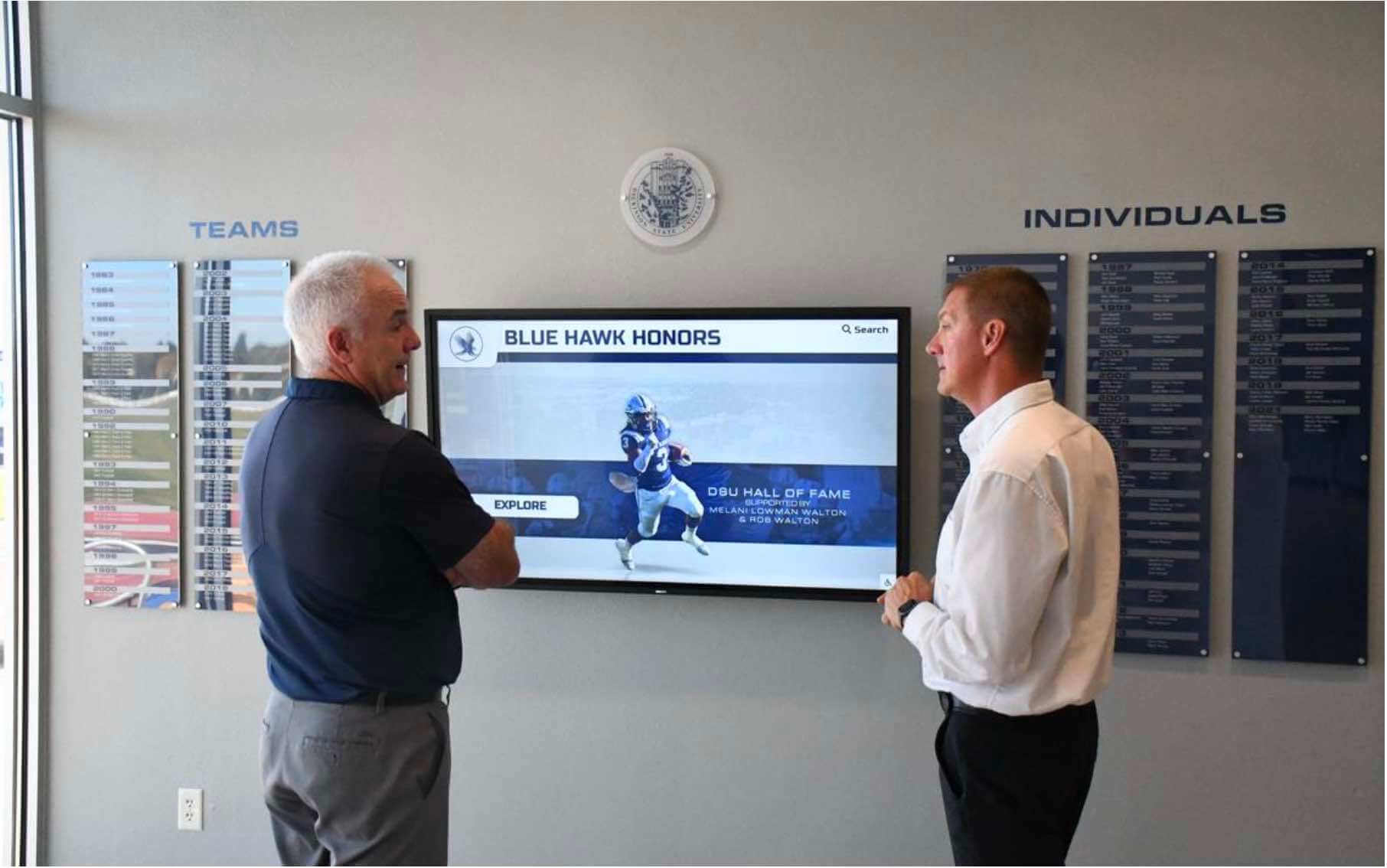
Interactive displays create gathering points where parishioners can explore parish information and connect with community
Ministry and Staff Directories
- Contact information for parish staff and clergy
- Ministry leader profiles and contact methods
- Committee and council membership
- Office hours and best contact approaches
- Integration with parish database systems
Formation and Educational Resources
- Catechetical materials and faith formation resources
- Videos and presentations from parish programs
- Connection to diocese resources and communications
- Book recommendations and study group information
- Links to Catholic media and formation websites
By serving multiple purposes, digital infrastructure provides greater return on investment while creating comprehensive engagement tools supporting various aspects of parish life. Explore religious worship touchscreen applications for additional implementation ideas.
Financial Considerations and Total Cost of Ownership
Understanding complete costs enables informed decision-making about digital giving implementation.
Initial Investment Requirements
Hardware Costs
- Touchscreen kiosk systems: $2,000-$8,000 depending on size, features, and enclosure quality
- Tablet-based portable systems: $500-$1,500 per device
- Installation costs: $500-$2,000 for professional mounting and connection
- Network infrastructure upgrades if needed: Variable based on existing systems
Software and Setup
- Digital giving platform setup fees: $0-$1,000 (varies by provider)
- Customization and branding: $250-$1,000
- Integration with church management systems: $200-$1,000
- Training for staff and key volunteers: Included to $500
Total initial investment typically ranges from $3,000-$12,000 depending on hardware choices, number of kiosks, and implementation complexity.
Ongoing Operational Costs
Transaction Fees Digital payment processing involves per-transaction costs:
- Typical rates: 2.0-3.5% of transaction amount plus $0.20-$0.30 per transaction
- Nonprofit rates often slightly lower than commercial processing
- Monthly minimums: $0-$25 depending on provider
- ACH/bank transfer fees typically lower (0.5-1.0%) for recurring giving
A sample calculation: Parish receiving $5,000 monthly through digital channels with average 2.5% + $0.25 fee structure would pay approximately $180 monthly in processing fees. When compared to increased contributions from expanded accessibility, most parishes find net financial impact positive.
Software and Maintenance
- Platform subscription fees: $30-$150 monthly depending on features and parish size
- Hardware warranty and support: $200-$600 annually
- Software updates and technical support: Often included in subscription
- Internet connectivity: Marginal cost if infrastructure already exists
Total ongoing costs typically range from $500-$2,500 annually depending on transaction volume and platform selection.
Quality equipment and professional implementation ensure long-term reliability and positive user experiences
Return on Investment Considerations
Most parishes implementing digital giving see positive financial outcomes:
Increased Contribution Revenue
- 15-25% increase in overall giving from expanded accessibility
- Higher average gifts through thoughtful preset amount suggestions
- Captured contributions from visitors and occasional attendees
- Improved consistency through recurring monthly giving growth
Operational Savings
- Reduced staff time counting and depositing cash and checks
- Lower bank service charges for check and cash deposit processing
- Automated tax receipt generation
- Better financial tracking and reporting
Example ROI scenario: Parish with $300,000 annual offertory implementing digital giving at $5,000 initial cost plus $1,500 annually in ongoing fees. If digital options generate 18% overall giving increase (bringing in additional $54,000 annually minus approximately $1,800 in transaction fees), net annual benefit approximates $50,700. The initial investment pays for itself in approximately 5-6 weeks, with substantial ongoing net positive impact.
Beyond direct financial returns, digital giving supports other parish goals—welcoming younger families, demonstrating technological competence, improving financial stability—that provide additional value difficult to quantify purely financially.
Addressing Common Concerns and Objections
Parishes considering digital giving often encounter similar questions and concerns requiring thoughtful responses.
“Digital Giving Lacks the Personal Touch”
Response: Digital options complement rather than replace traditional methods, and can actually enhance the personal dimension of giving:
- Parishioners choose which giving method aligns with their preferences
- Digital systems allow designated giving creating personal connection to specific ministries
- Ability to include memorial dedications or gift messages
- Traditional collection continues for those who prefer physical contribution
- Technology serves personal act of stewardship rather than replacing it
Many parishes find that digital giving enables more personal connection—donors can easily direct funds to ministries they care about most, something difficult with undifferentiated cash in collection baskets.
“Our Parish Is Too Traditional for This”
Response: Even traditional parishes serve parishioners living in modern society:
- Digital giving doesn’t change liturgy, theology, or parish character
- Technology addresses practical barrier (lack of cash) not spiritual dimension
- Many traditional parishes have successfully implemented digital options
- Starting with simple online giving or single kiosk tests concept without major commitment
- Framing as accommodation for practical needs rather than modernization mandate
The most traditional aspect of parish life—supporting church through financial stewardship—benefits from removing practical barriers preventing willing donors from contributing.
“Transaction Fees Mean Donated Money Doesn’t Go to Church”
Response: Comprehensive cost analysis shows net benefit:
- Transaction fees typically 2-3% versus often higher costs of cash handling (staff time, deposit trips, security, counting errors)
- Digital giving captures contributions that wouldn’t occur otherwise
- Net increase in total revenue far exceeds transaction costs
- Many donors willing to cover processing fees when given option
- Fees enable security, convenience, and accountability worth the cost

Professional digital infrastructure creates modern, welcoming environments while serving practical parish needs
Alternative framing: Transaction fees are investment in parish accessibility and growth, similar to costs of maintaining buildings, printing bulletins, or other operational necessities enabling ministry.
“Older Parishioners Won’t Use Technology”
Response: Implementation experience contradicts this assumption:
- Many older adults use digital payments regularly for retail, bills, and online shopping
- Well-designed interfaces accommodate varying technical comfort levels
- Availability of assistance during initial adoption periods
- Traditional giving methods remain available alongside digital options
- Often older parishioners without cars find digital giving more convenient than obtaining cash
Successful implementation includes diverse parishioners using kiosks—age correlates less strongly with adoption than expected, while payment method availability matters more.
“We Should Wait Until More People Request It”
Response: Proactive implementation generates demand that doesn’t manifest otherwise:
- Parishioners don’t ask for solutions to problems they view as their responsibility to solve
- Many simply attend without contributing rather than requesting new giving methods
- “If you build it they will come” applies—availability drives adoption
- Early implementation positions parish as forward-thinking and welcoming
- Learning curve means earlier adoption provides longer benefit
Parishes that wait for overwhelming demand often miss years of increased contributions and improved donor accessibility that implementation would have provided.
Measuring Success and Impact
Regular evaluation ensures digital giving achieves intended goals and identifies improvement opportunities.
Quantitative Metrics to Track
Adoption and Usage Data
- Number of transactions through digital channels
- Total dollar amount contributed digitally
- Average digital gift size compared to traditional methods
- Percentage of total contributions coming through digital channels
- Number of unique donors using digital systems
- New recurring giving enrollments through digital platforms
Overall Financial Impact
- Year-over-year changes in total parish offertory
- Contribution increases from occasional attendees
- Recurring monthly giving growth
- Special collection participation through digital channels
- Designated giving patterns showing donor interests
Technical Performance
- System uptime and reliability
- Transaction processing speed and error rates
- User interface navigation patterns (where donors spend time or encounter difficulty)
- Receipt delivery success rates
- Integration accuracy with church management systems
Qualitative Feedback and Observations
Parishioner Feedback Gather input about experiences and preferences:
- Surveys asking about giving method preferences
- Informal conversations after Mass about kiosk experiences
- Feedback forms near kiosks inviting suggestions
- Comments during stewardship events or meetings
- Observation of how different demographic groups use systems
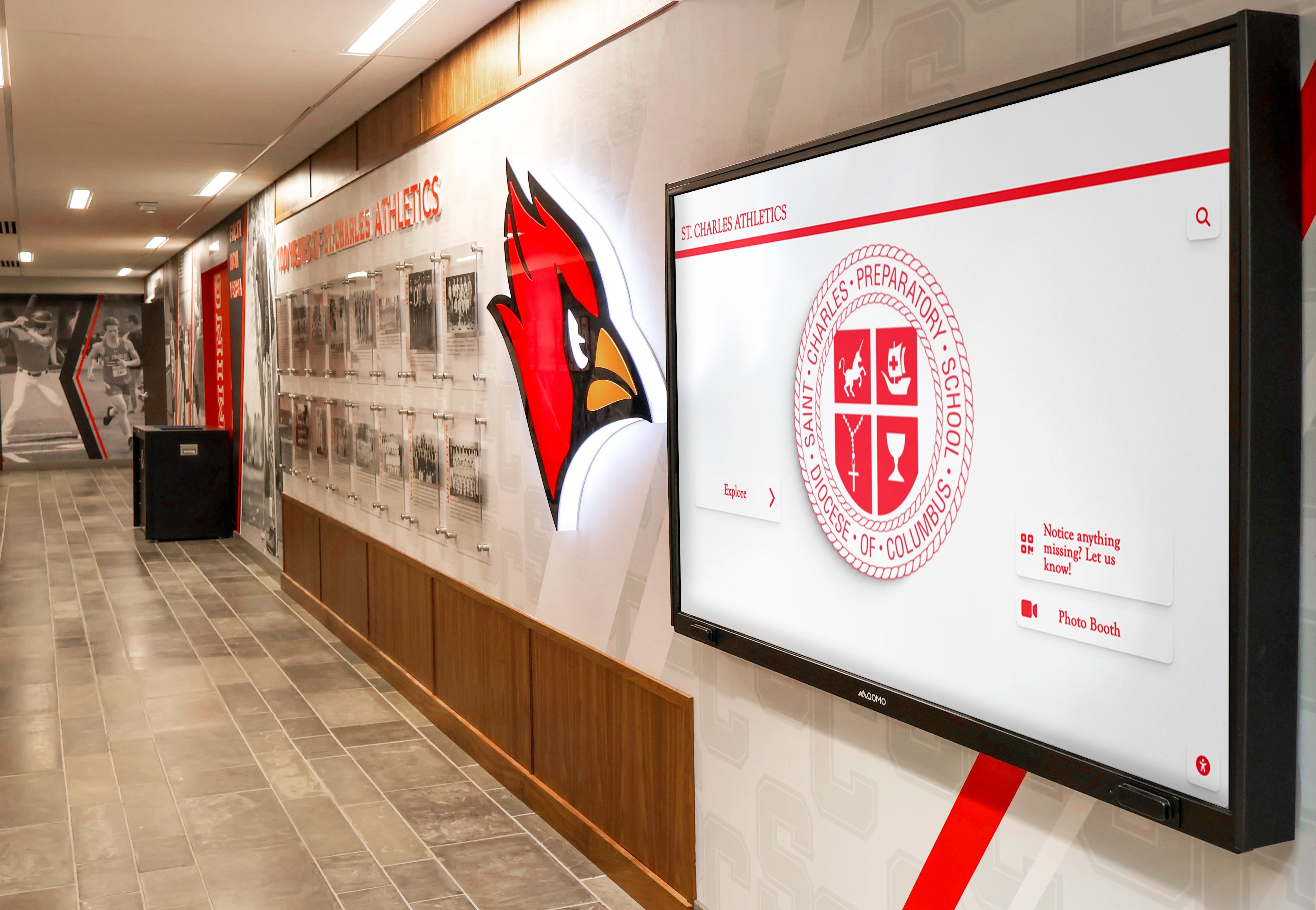
Observing how parishioners interact with digital systems provides insights for continuous improvement
Staff and Volunteer Perspectives
- Administrative burden reduction from automated processing
- Questions or assistance requests indicating user confusion
- Technical issues encountered and resolution effectiveness
- Integration with other parish systems and workflows
- Training adequacy and ongoing support needs
Pastoral Observations
- Changes in stewardship culture and parish giving conversations
- Connection between digital giving availability and overall engagement
- Testimonials about how technology enabled increased participation
- Impact on special collections for missions, diocesan appeals, and capital campaigns
- Youth and family responses to technology in church context
Regular assessment enables continuous improvement ensuring digital giving systems remain effective and aligned with parish mission over time. Organizations like church sports recognition programs demonstrate how churches successfully implement various touchscreen applications.
Future Trends in Church Digital Technology
Digital giving represents just one application of technology serving religious communities.
Expanding Digital Engagement
Future implementations will integrate multiple functions:
Comprehensive Parish Engagement Platforms
- Single touchscreen system serving giving, event registration, ministry information, and recognition
- Integration with mobile apps providing portable access to same features
- Connection to live-streaming and online ministry participation
- Unified communication reaching parishioners through preferred channels
- Data integration creating holistic view of parish engagement
AI and Personalization
- Intelligent suggestions matching donor interests with ministry needs
- Personalized giving recommendations based on participation patterns
- Automated thank-you communications and impact updates
- Predictive analytics identifying parishioners at risk of disengagement
- Chatbot assistance answering questions about parish life
Cryptocurrency and Digital Asset Donations Emerging payment methods gaining traction:
- Acceptance of cryptocurrency donations for tax-advantaged giving
- Digital wallet integration beyond current mobile payment systems
- International donation facilitation for missionary parishes
- Stock and security transfer through digital platforms
While some features remain emerging, parishes implementing digital infrastructure now position themselves to adopt additional capabilities as they mature and become relevant to parish contexts.
Explore Digital Solutions for Your Parish
Discover how interactive digital displays and touchscreen technology can transform giving, recognition, and engagement in your faith community while supporting your mission and ministry.
Learn More About Digital SolutionsConclusion: Embracing Technology in Service of Mission
Digital donation touchscreens for Catholic parishes represent practical solutions to real challenges facing churches in increasingly cashless society. When implemented thoughtfully with attention to both technical functionality and pastoral sensitivity, these systems remove barriers preventing willing parishioners from supporting their faith communities through financial stewardship.
The goal isn’t replacing traditional collection or diminishing the spiritual significance of giving—it’s ensuring that the practical act of contribution remains accessible regardless of which payment methods individuals carry. Just as parishes adapted when checkbooks began replacing cash decades ago, digital giving represents contemporary adaptation to changing financial practices while maintaining timeless theology of generosity and stewardship.
Successful implementation requires clear communication framing technology as serving parish mission, thoughtful system selection matching parish needs and capacities, strategic placement ensuring accessibility, and ongoing education supporting adoption. When parishes approach digital giving holistically—as component of comprehensive stewardship culture rather than purely financial initiative—they create welcoming environments where all parishioners can participate fully in supporting ministries and mission they value.
Solutions like Rocket Alumni Solutions demonstrate how digital display technology serves multiple purposes in religious communities—from giving kiosks to ministry recognition displays, historical archives, and community engagement platforms. Parishes investing in digital infrastructure gain versatile tools supporting various aspects of parish life while providing foundation for future technology adoption as needs and opportunities evolve.
Start where you are: assess your parish’s specific needs and parishioner preferences, research options matching your context and budget, plan implementation thoughtfully with attention to pastoral dimensions, and launch with clear communication and adequate support. Even simple digital giving options—beginning with online platform before adding physical kiosks, or starting with single kiosk as pilot—provide immediate benefits while creating learning opportunities informing future expansion.
Every parish serves parishioners navigating contemporary life while seeking to live their faith authentically. Digital donation touchscreens represent one practical way technology can serve rather than distract from religious mission—removing barriers, expanding accessibility, and enabling generous hearts to support the Church communities that sustain their spiritual lives.
Your parishioners want to give. Technology simply ensures that the practical ability to contribute keeps pace with the spiritual desire to support parish mission and ministry serving your community and beyond.
Ready to explore digital giving for your parish? Learn about comprehensive touchscreen solutions or discover effective digital recognition approaches applicable to church contexts.