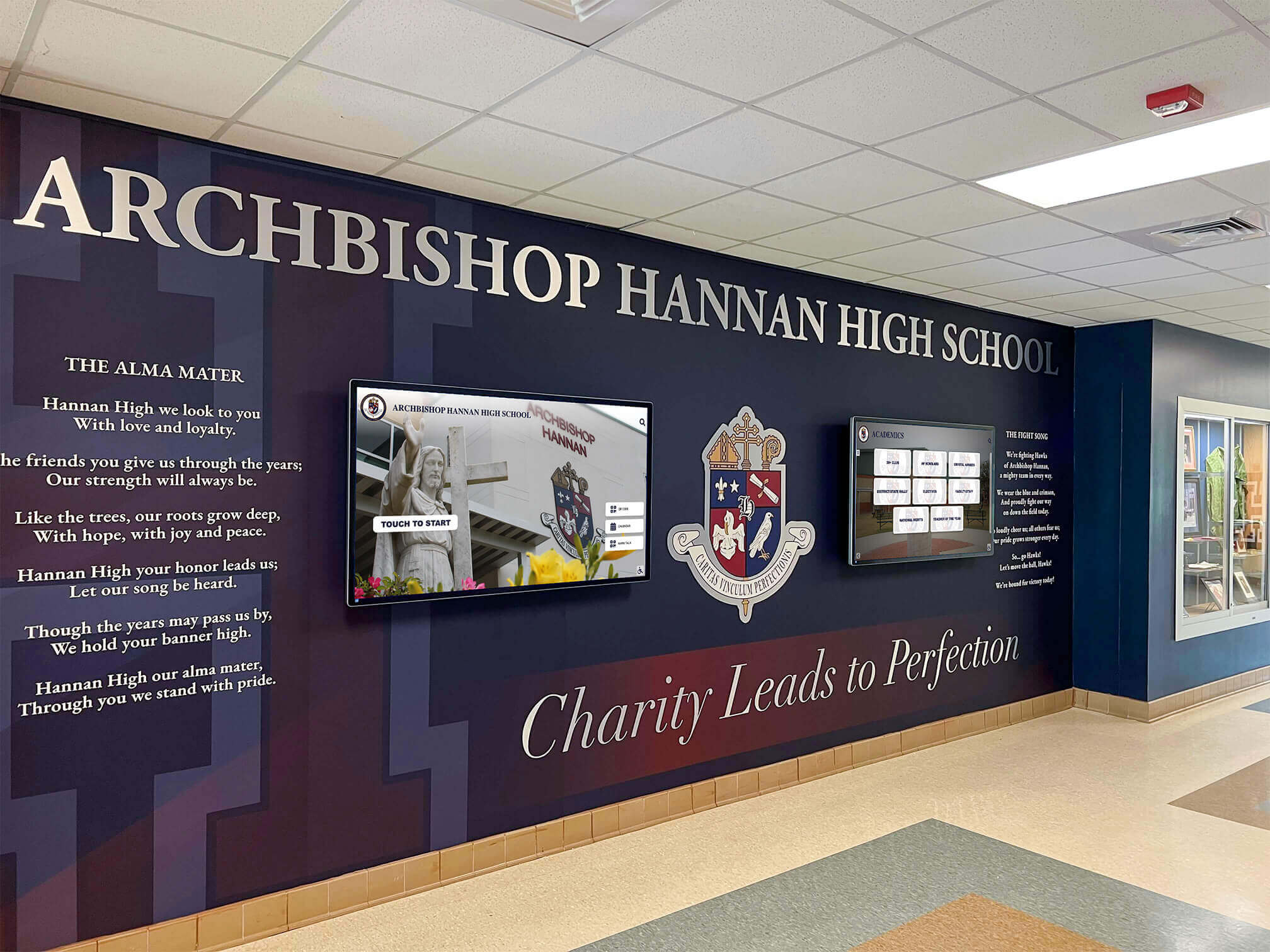
Opening a new school building represents a milestone achievement—the culmination of years of planning, fundraising, construction, and community support that expands educational capacity and creates spaces where students will learn, grow, and create memories for generations. A building dedication plaque transforms this accomplishment into permanent recognition, acknowledging the donors, administrators, board members, architects, and community leaders whose vision and commitment made the project possible.
Yet many school administrators face uncertainty when planning building dedication recognition. What should the plaque say? How formal should the wording be? Should recognition include individual names or broader acknowledgment? What size and placement work best? And increasingly, schools wonder whether traditional engraved plaques remain the most effective approach for honoring contributions while preserving flexibility as campaigns evolve and donors continue supporting future phases.
This comprehensive guide explores building dedication plaque ideas specifically for schools—from traditional wording templates and design considerations through modern digital alternatives that solve common limitations of static plaques. Whether dedicating a new athletic facility, academic building, performing arts center, or campus expansion, these strategies ensure your recognition honors contributors appropriately while creating lasting institutional memory.
Schools dedicating new facilities report that thoughtful recognition programs strengthen donor relationships, build community pride, inspire future giving, and create tangible expressions of gratitude that reinforce the collaborative achievement building projects represent—making dedication planning a strategic investment in institutional advancement beyond ceremonial obligation.

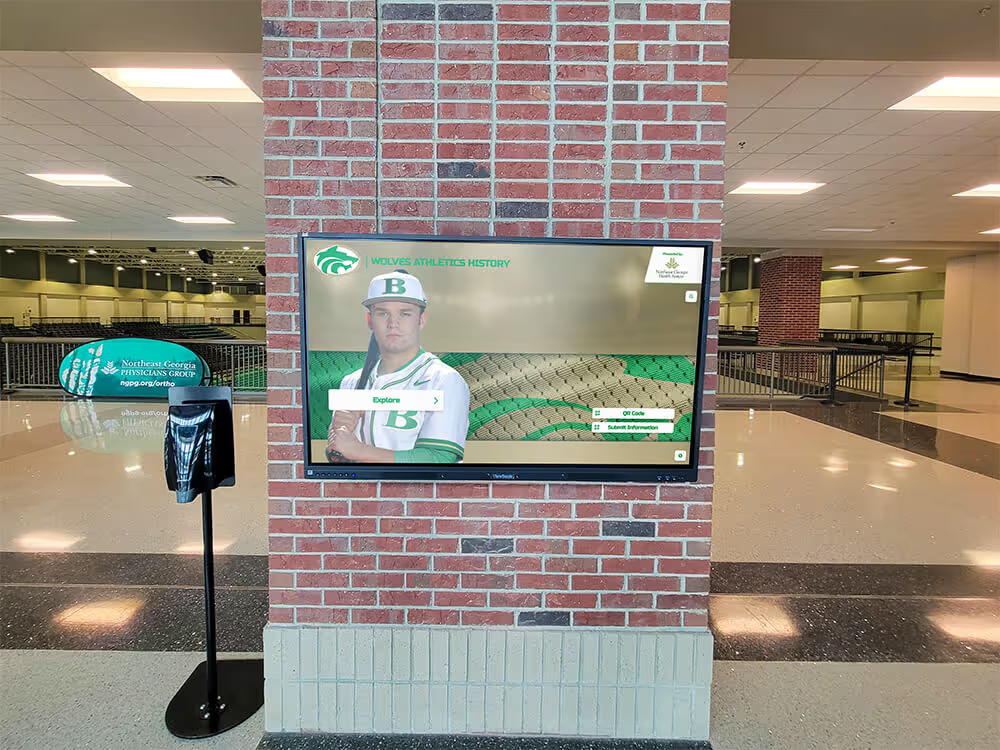
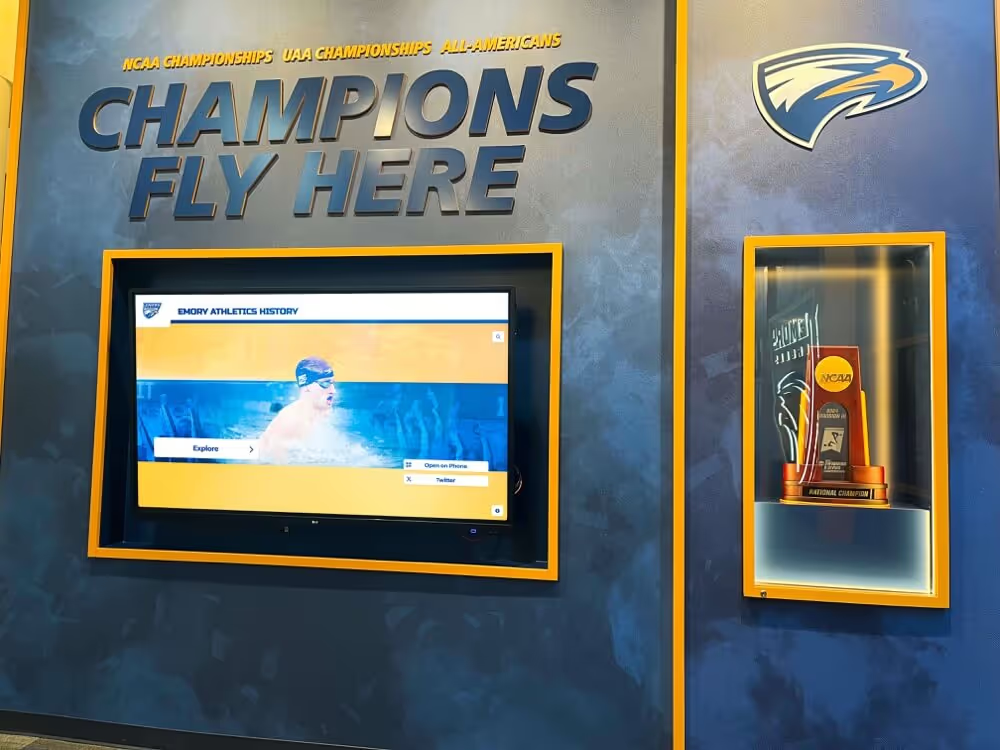
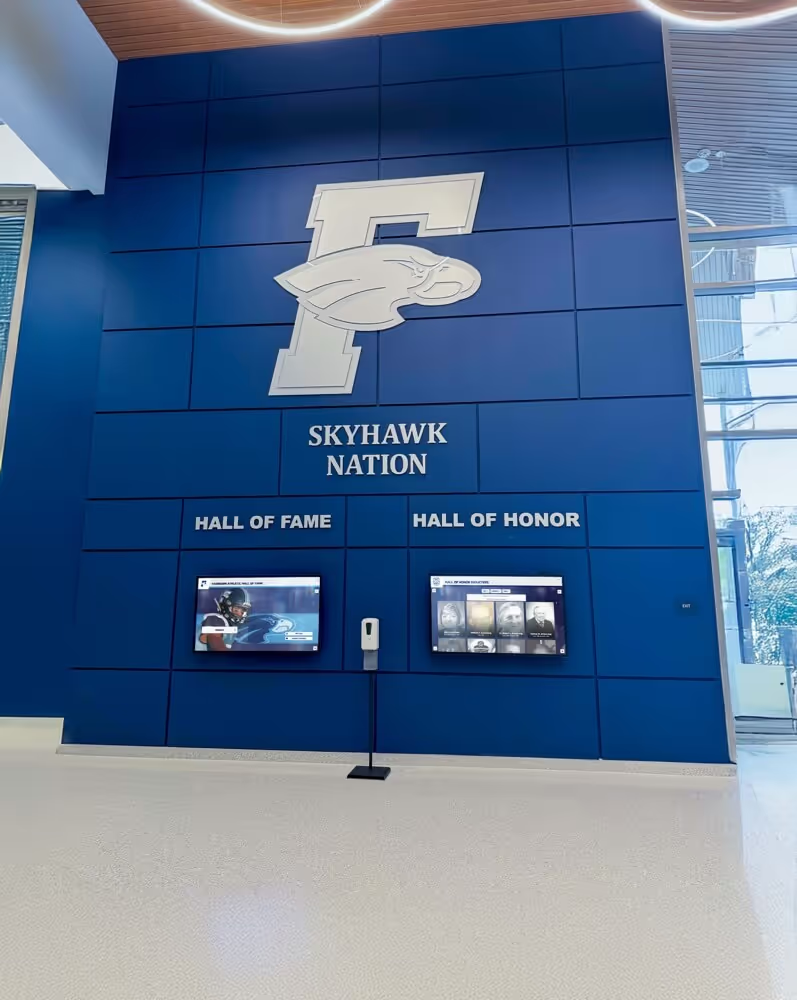
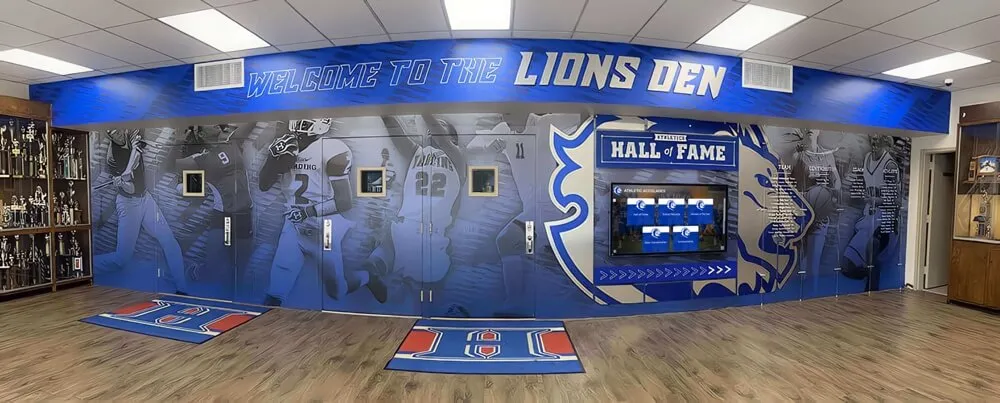
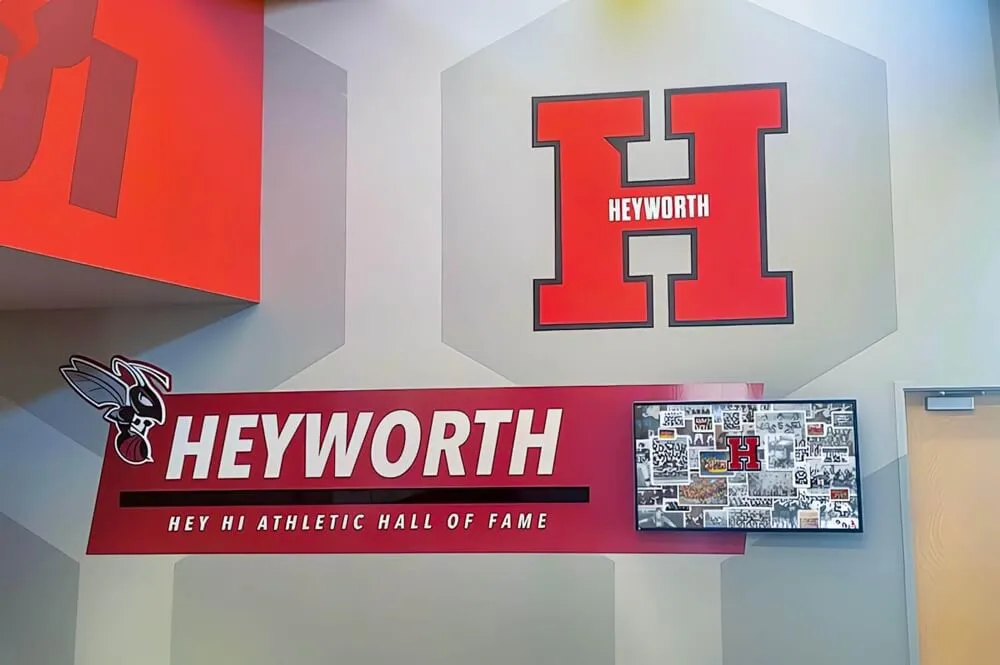
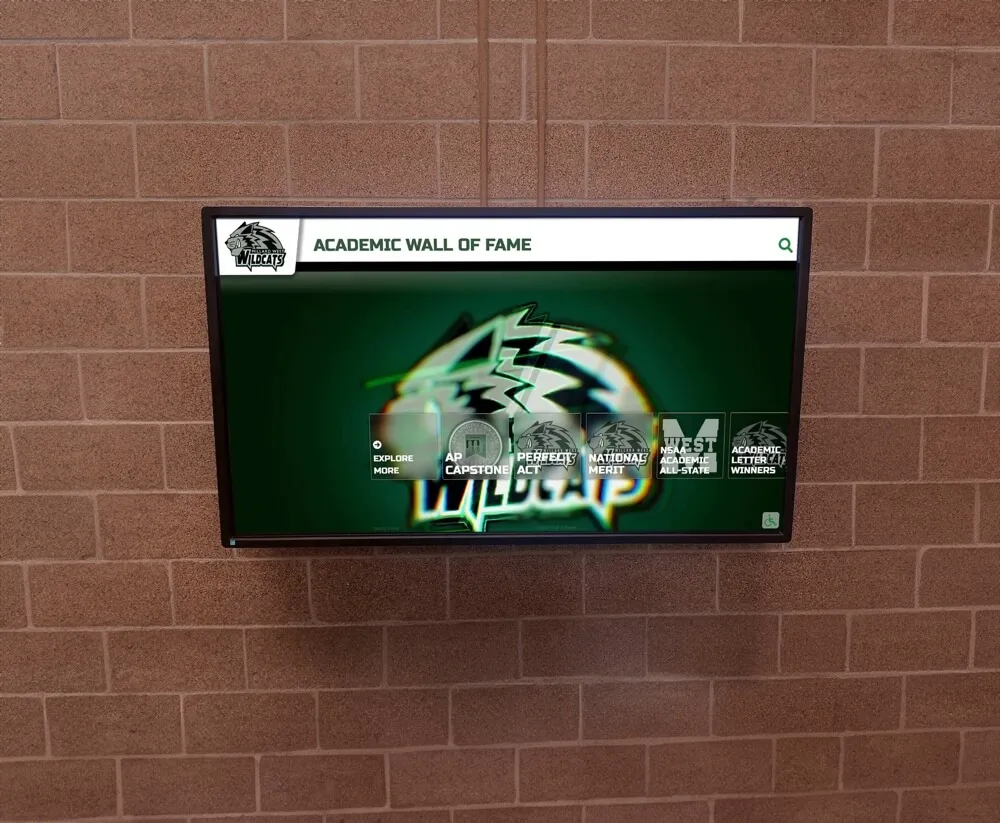
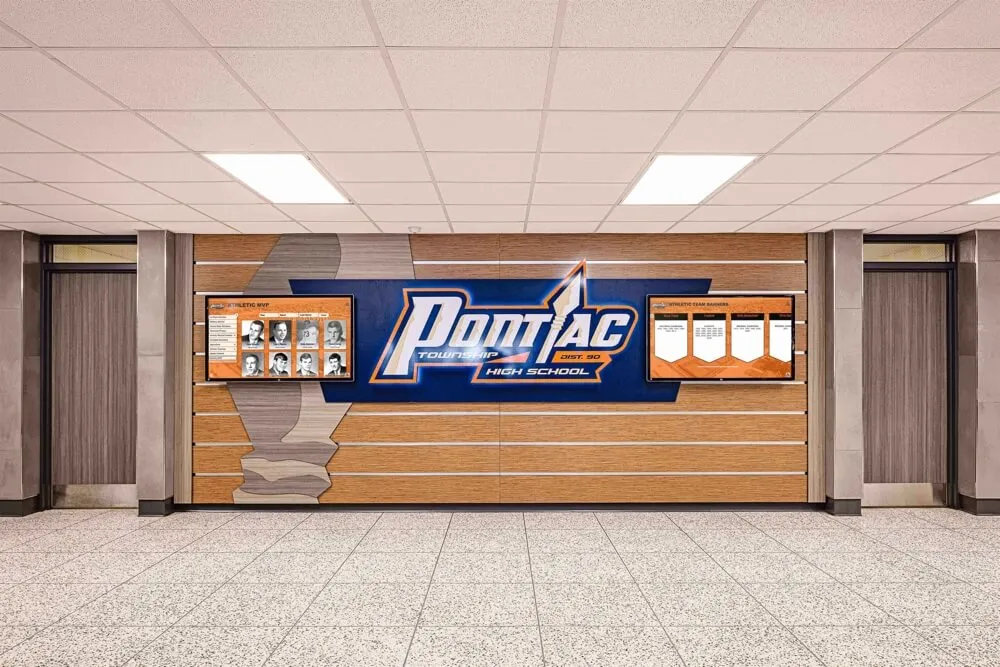
Building dedication recognition combines architectural integration with donor acknowledgment creating lasting tribute to facility achievements
Understanding Building Dedication Plaques for Schools
A building dedication plaque is a permanent marker acknowledging the individuals, organizations, and circumstances surrounding a facility’s construction or renovation. In educational contexts, these plaques serve multiple purposes: honoring major donors whose financial contributions enabled projects, recognizing board members and administrators who led initiatives, commemorating community campaigns reflecting collective support, documenting institutional history for future generations, and creating visible expressions of gratitude reinforcing stewardship values.
Effective building dedication goes beyond simple acknowledgment. The recognition becomes part of institutional narrative—telling stories about how communities came together to invest in education, demonstrating priorities through the buildings they chose to construct, and inspiring future generations by connecting them to the vision and sacrifice that created their learning environments.
Traditional Building Dedication Plaque Formats
Schools typically use several standard plaque approaches:
Primary Dedication Plaques Large-format plaques mounted prominently near building entrances acknowledging the facility’s dedication, major donor recognition, and key dates. These primary plaques typically measure 24x36 inches or larger, use bronze or other durable materials, and include formal wording appropriate for permanent architectural installation.
Donor Recognition Plaques Comprehensive listings acknowledging all campaign contributors organized by giving levels. These may appear alongside primary dedication plaques or in building lobbies, creating complete donor acknowledgment systems. Traditional approaches use multiple individual plaques for different giving tiers or single large plaques listing all contributors.
Schools implementing donor recognition programs discover that systematic donor acknowledgment extending beyond naming rights creates broader community engagement and support.
Room and Space Naming Plaques Individual plaques throughout facilities acknowledging donors who funded specific spaces—classrooms, laboratories, performance venues, athletic spaces, or common areas. These smaller plaques (typically 8x10 or 12x16 inches) create distributed recognition throughout buildings while providing tangible connection between contributions and resulting spaces.
Key Elements of Effective Building Dedication
Successful dedication plaques balance several components:
Clarity and Readability Recognition should communicate clearly at typical viewing distances. Font sizes should be legible from 6-10 feet, text should contrast sharply with backgrounds, and information should organize hierarchically guiding viewers through content logically.
Appropriate Formality Wording should match institutional culture and building significance. Major academic buildings warrant formal language, while athletic facilities or student centers might use slightly more casual tone. The key is ensuring dignity without excessive formality that feels impersonal.

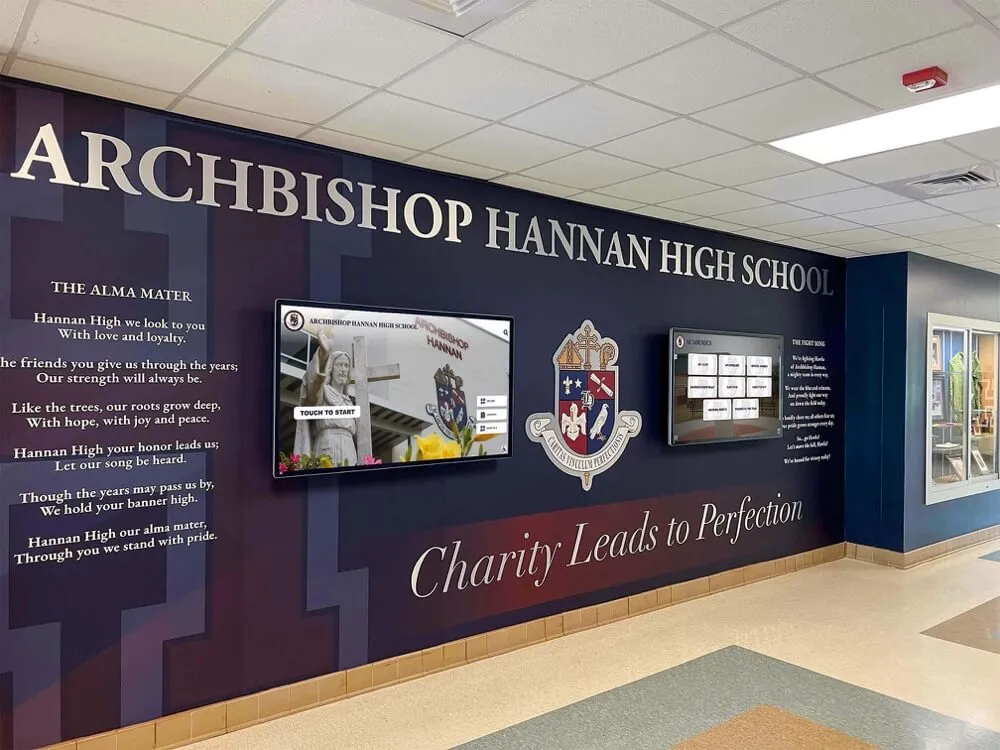
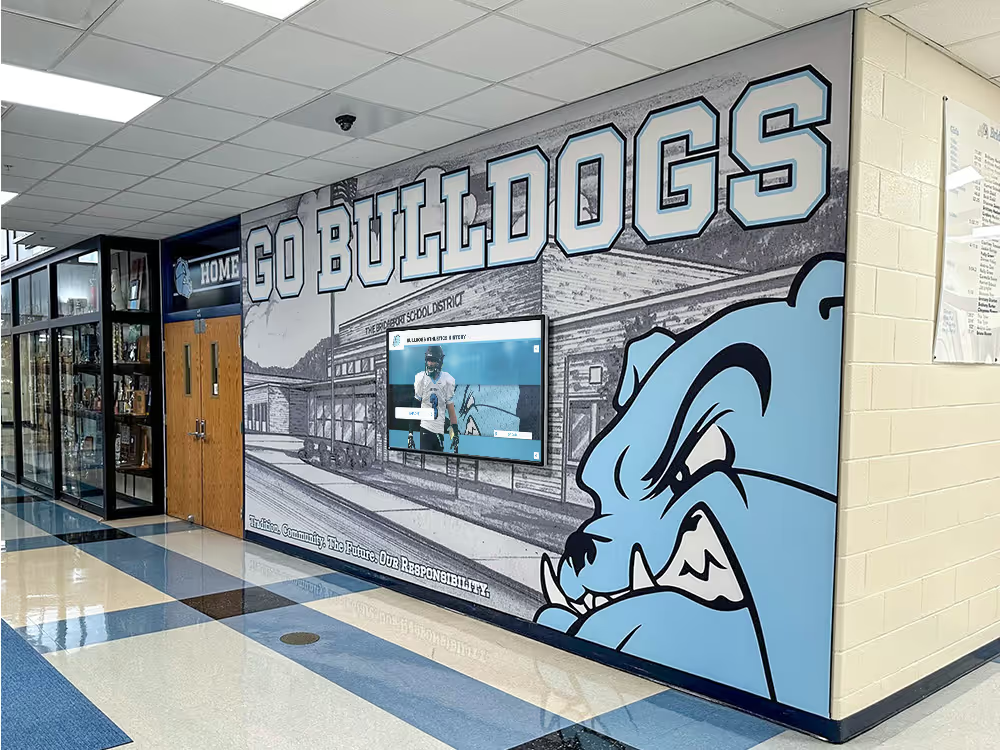
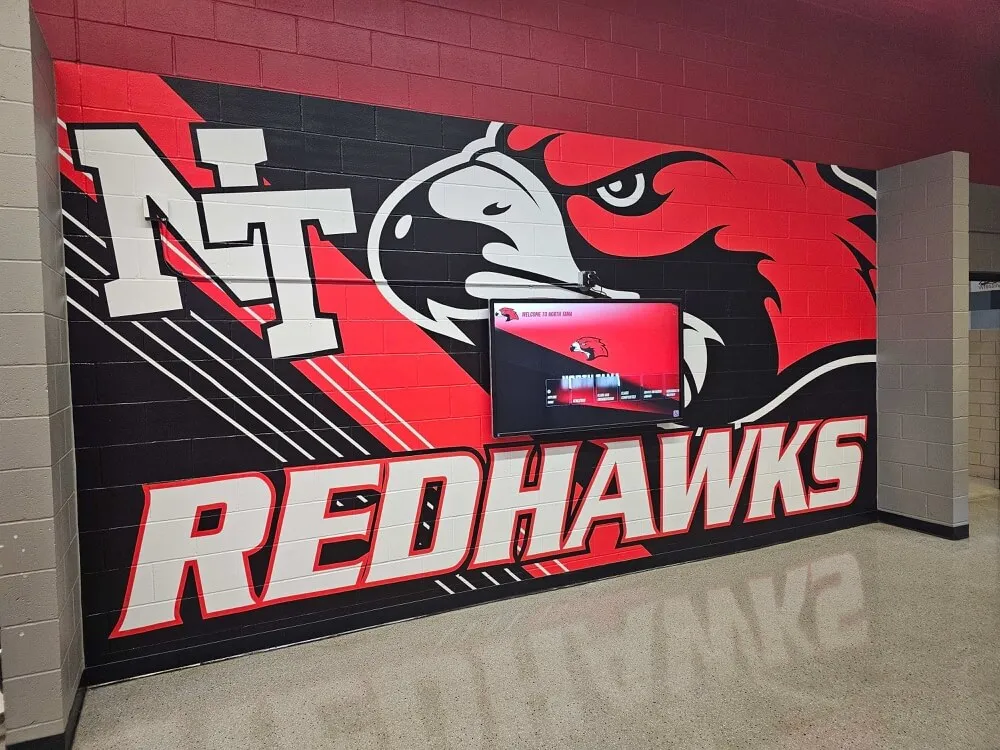
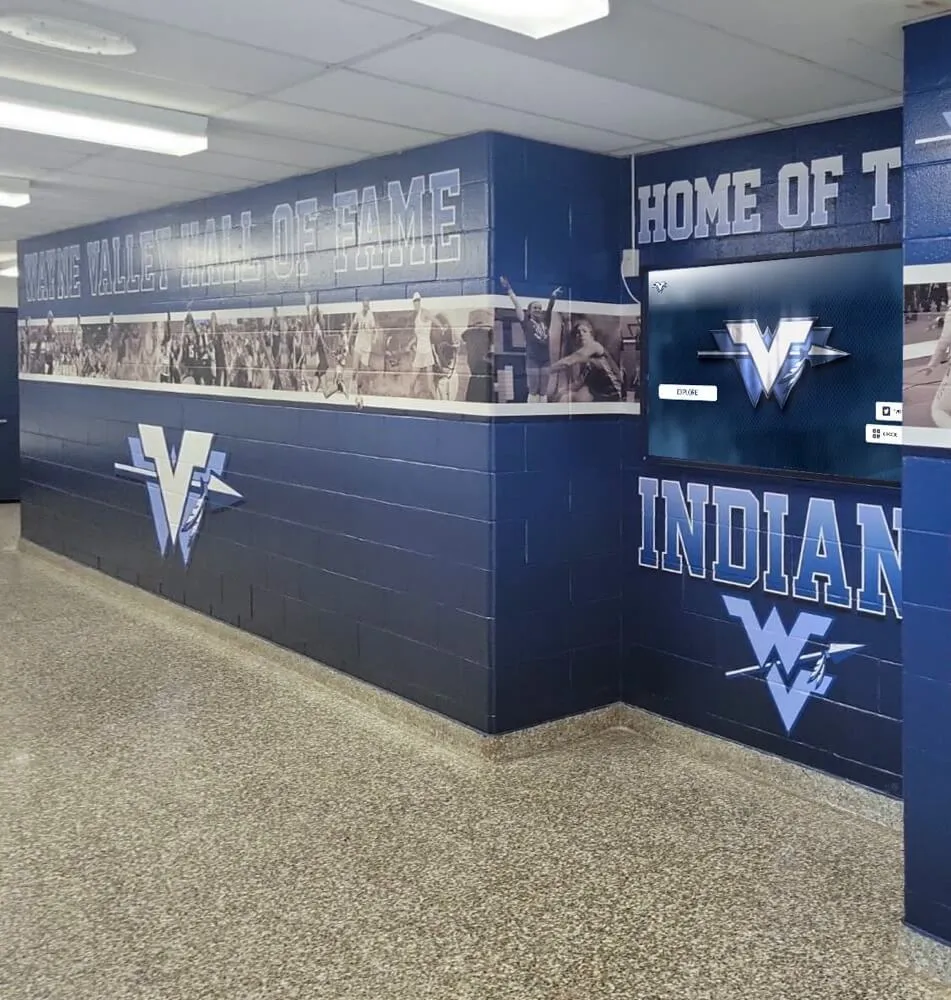
Building recognition integrates institutional branding with donor acknowledgment creating cohesive facility identity
Durability and Quality Materials should withstand decades of exposure appropriate to location. Indoor plaques need different specifications than outdoor installations facing weather. Quality construction signals that institutions value the contributions being recognized—cheap-looking plaques undermine recognition intent regardless of thoughtful wording.
Strategic Placement Location dramatically affects recognition impact. Primary dedication plaques should appear near main entrances where all visitors pass, at eye level (approximately 60 inches center height), with adequate lighting, and in architecturally appropriate positions that feel integrated rather than afterthought additions.
Building Dedication Plaque Wording Ideas for Schools
The right wording balances recognition with institutional voice while creating messages that remain meaningful for generations.
Formal Building Dedication Wording Templates
Standard Academic Building Dedication
This building is dedicated to the advancement of learning and the pursuit of knowledge. Made possible through the generous support of [DONOR NAME(S)] and the commitment of our entire school community.
Dedicated [DATE]
[SCHOOL NAME] Board of Education: [Board Member Names]
Administration: [Superintendent/Principal Names]
This format works well for classroom buildings, libraries, or general academic facilities emphasizing educational mission while acknowledging key contributors.
Named Building Dedication
[BUILDING NAME]
This facility is dedicated in honor of [HONOREE NAME], whose vision, leadership, and commitment to education have inspired generations of students and enriched our entire community.
Made possible by [DONOR NAME(S)] and supporters of the [CAMPAIGN NAME].
Dedicated [DATE]
Named buildings often honor long-serving administrators, distinguished alumni, major donors, or community leaders who exemplified institutional values.
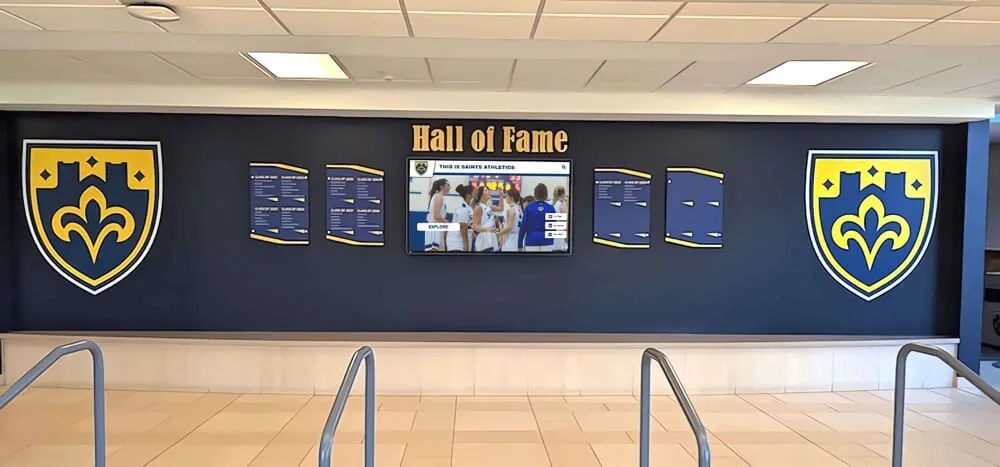
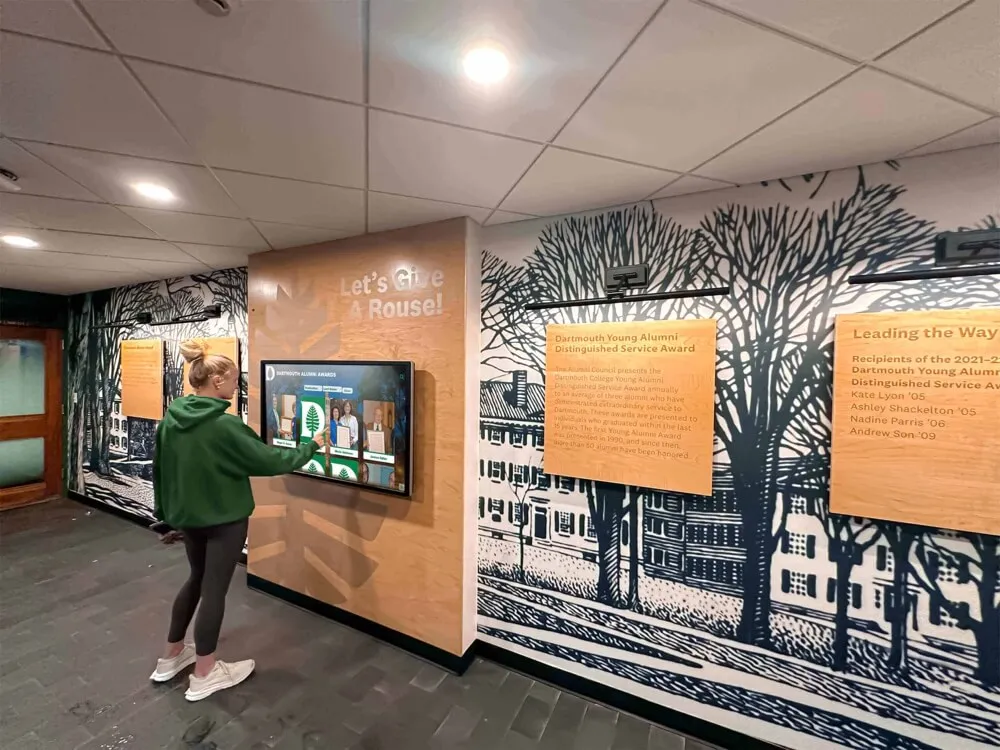
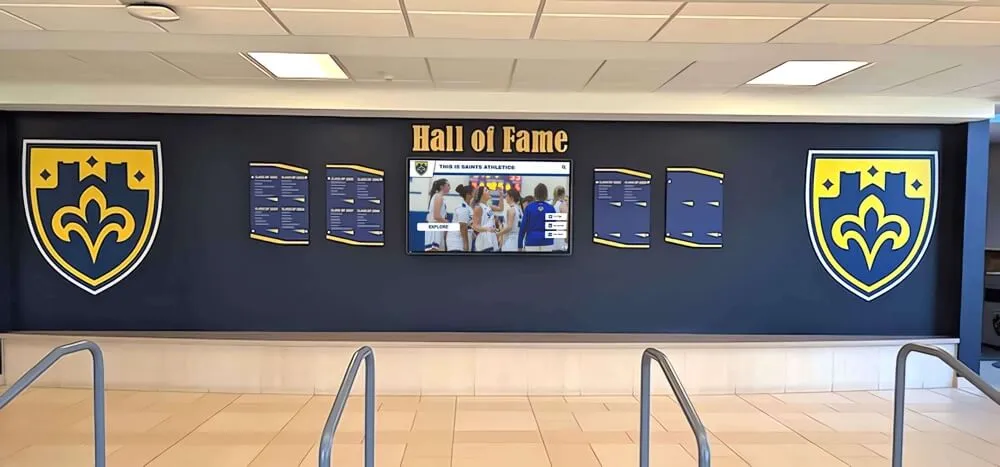
Hybrid recognition approaches combine traditional design elements with modern digital capabilities
Campaign-Based Dedication
[BUILDING NAME]
Constructed through the [CAMPAIGN NAME], this facility represents the collective commitment of our community to provide exceptional educational opportunities for present and future generations.
We gratefully acknowledge: [MAJOR DONOR RECOGNITION]
And all campaign supporters whose generosity made this building possible.
Groundbreaking: [DATE] Dedication: [DATE]
[SCHOOL NAME]
Campaign-focused wording emphasizes community collaboration while acknowledging major contributors without extensive individual listings on primary plaques.
Athletic Facility Dedication Wording
Athletic buildings often use slightly less formal language reflecting the competitive spirit and community gathering nature of sports facilities:
Athletic Complex Dedication
[FACILITY NAME] Home of the [MASCOT/TEAM NAME]
Dedicated to the student-athletes, coaches, and supporters who exemplify excellence, sportsmanship, and dedication to [SCHOOL NAME] athletics.
Made possible through the leadership gift of [MAJOR DONOR] and the generosity of the entire [MASCOT] community.
Dedicated [DATE]
Athletic facility wording often emphasizes tradition, competition, and community pride while maintaining appropriate recognition for funding sources.
Schools planning athletic facility recognition should consider how dedication plaques integrate with broader athletic recognition programs including halls of fame and achievement displays.
Stadium or Field Dedication
[FIELD/STADIUM NAME]
In recognition of [DONOR/HONOREE NAME], whose unwavering support of [SCHOOL NAME] athletics has created opportunities for countless student-athletes to compete, grow, and excel.
[MEANINGFUL QUOTE OR PHRASE]
Dedicated [DATE]
Outdoor athletic facility plaques often include inspirational quotes or phrases reflecting athletic values while acknowledging specific contributors.
Performing Arts and Special Purpose Facility Wording
Creative spaces deserve wording reflecting their unique educational missions:
Performing Arts Center Dedication
[CENTER NAME]
Where creativity, expression, and artistic excellence inspire our community and enrich our world.
Dedicated to nurturing the artistic talents of [SCHOOL NAME] students through the vision and generosity of [DONOR NAME(S)] and all who support arts education.
Dedicated [DATE]
Arts facilities often emphasize creativity, expression, and cultural contribution while acknowledging that arts education requires community commitment and financial support.
Science and Innovation Building
[BUILDING NAME]
Dedicated to advancing discovery, fostering innovation, and preparing [SCHOOL NAME] students to solve tomorrow’s challenges through rigorous inquiry and collaborative learning.
Made possible by [DONOR NAME(S)] and supporters committed to excellence in STEM education.
Dedicated [DATE]
Science facilities emphasize innovation, discovery, and future-focused learning while recognizing that cutting-edge educational spaces require significant investment.
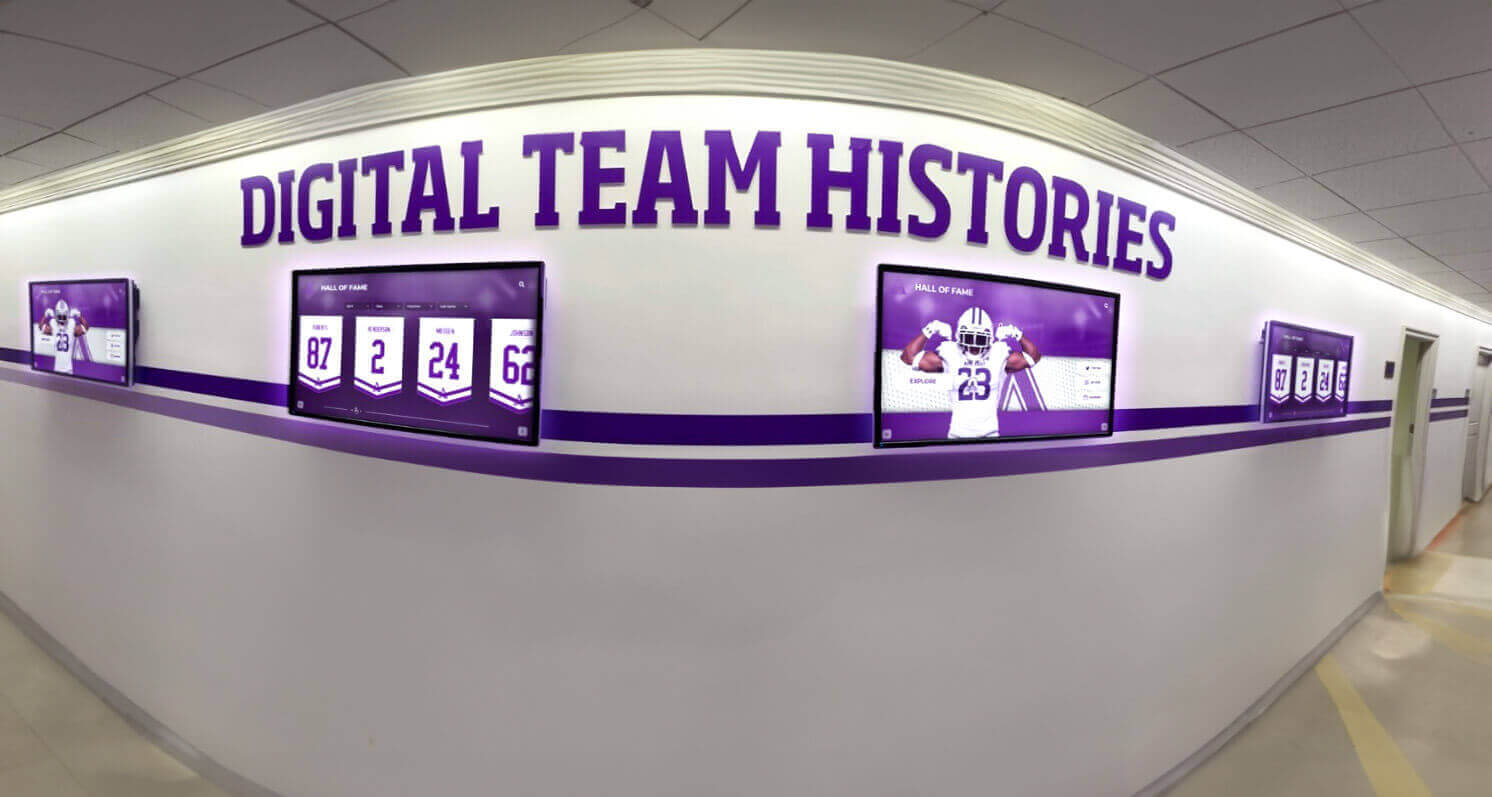
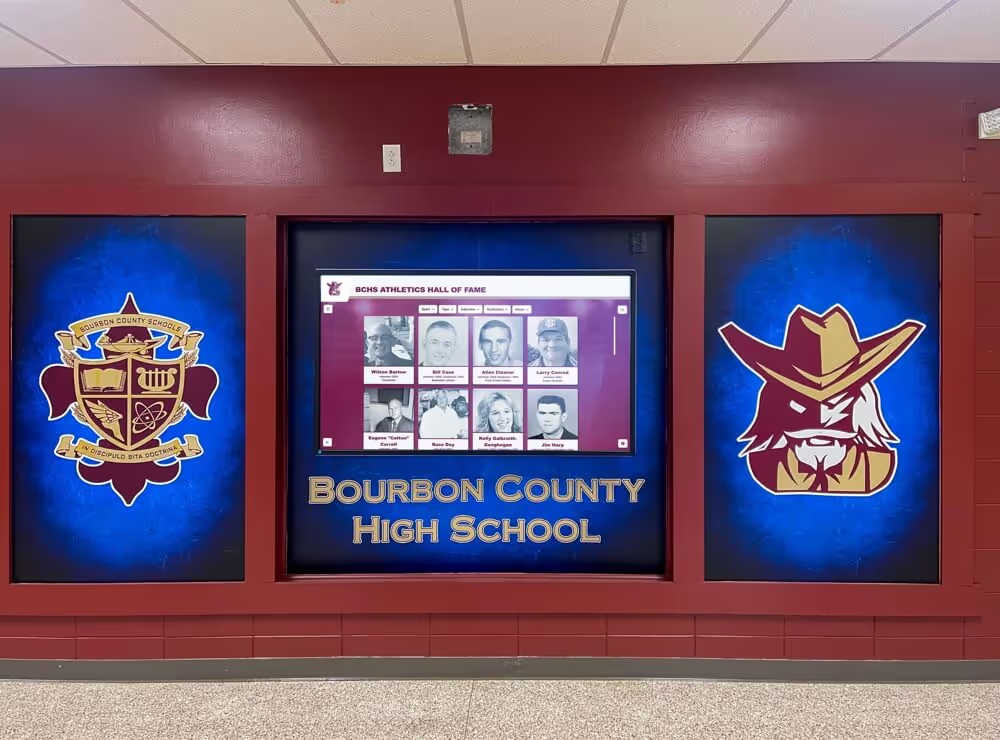
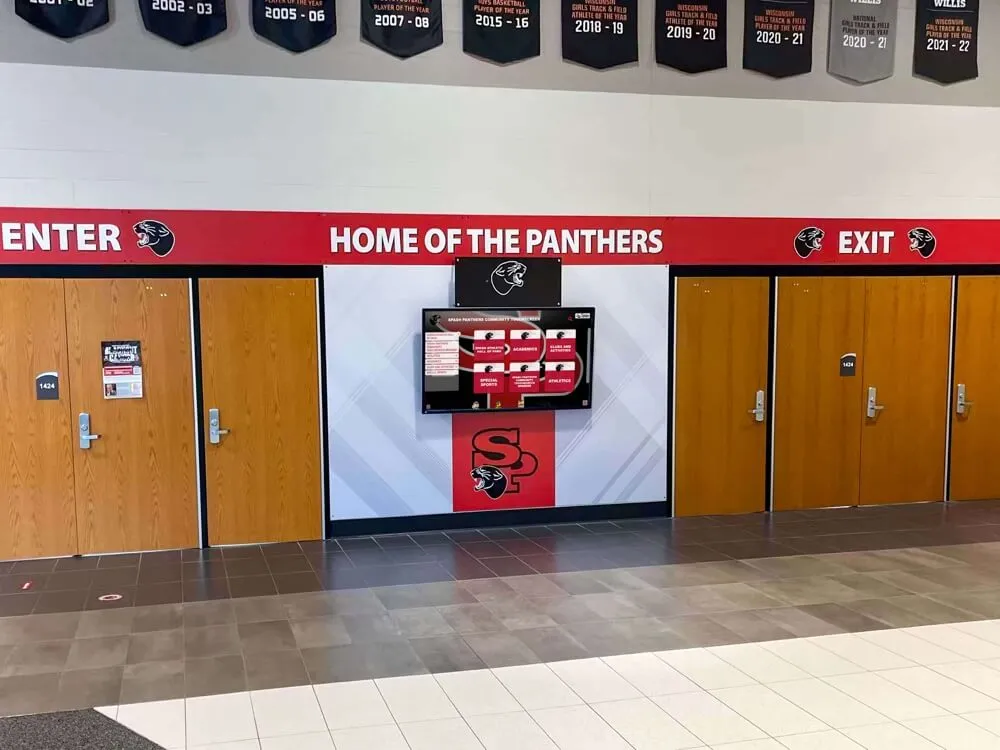
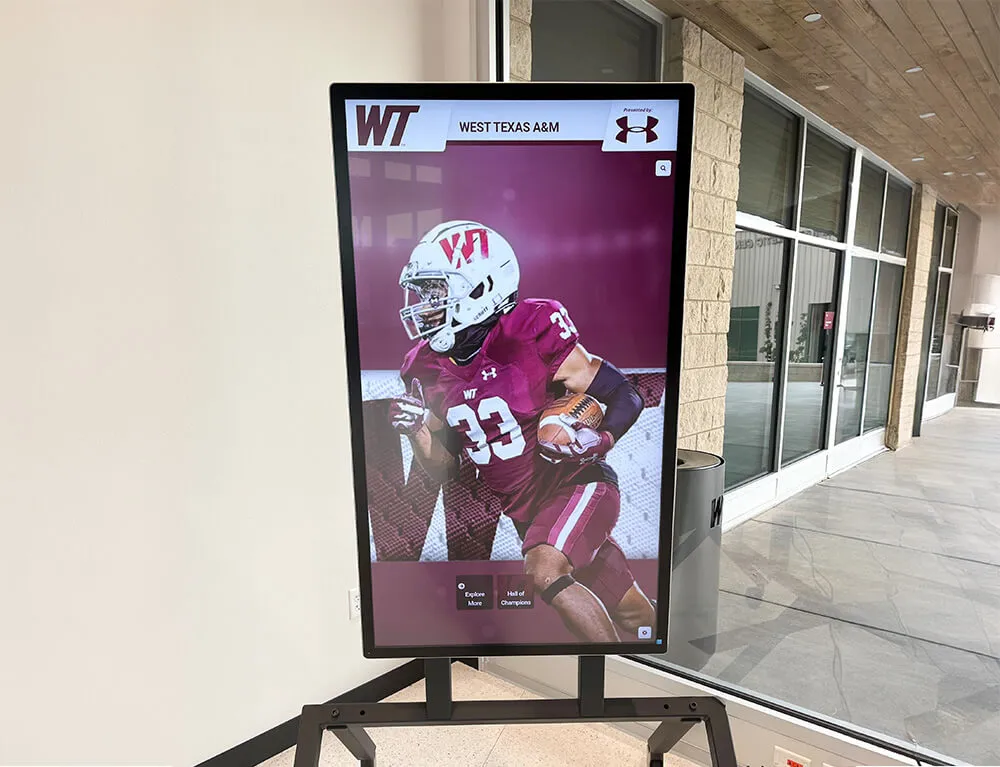
Distributed digital displays provide comprehensive recognition capacity throughout facilities
Room and Space Naming Plaque Wording
Individual space recognition uses more concise wording:
Classroom Dedication
[ROOM NAME/NUMBER]
In honor of [NAME] [BRIEF DESCRIPTION OF HONOREE]
Given by [DONOR NAME] [YEAR]
Laboratory or Specialized Space
The [SPACE NAME]
In grateful recognition of [DONOR NAME], whose commitment to [RELEVANT FIELD/SUBJECT] education enables hands-on learning and discovery for generations of [SCHOOL NAME] students.
[YEAR]
Memorial Dedication
In loving memory of [NAME] [YEARS]
[BRIEF MEANINGFUL DESCRIPTION]
This space honors their legacy of [RELEVANT QUALITIES]
Memorial dedications require particular sensitivity, often developed in collaboration with families to ensure wording captures appropriate tribute.
Design Considerations for Building Dedication Plaques
Beyond wording, design elements significantly impact recognition effectiveness and longevity.
Material Selection for Educational Environments
Bronze Plaques Traditional choice offering durability, elegant appearance, formal aesthetic appropriate for institutional recognition, weather resistance for outdoor installation, and aging characteristics that develop distinguished patina over time. Bronze plaques typically cost $200-600 for standard sizes, with larger installations ranging $1,000-5,000+ depending on dimensions and complexity.
Cast Aluminum More affordable alternative providing good durability, lighter weight simplifying installation, rust-resistant composition, modern appearance, and versatility for various finishes and colors. Aluminum plaques generally cost 30-50% less than comparable bronze while delivering similar longevity.
Stainless Steel Contemporary option offering sleek modern aesthetic, excellent durability and weather resistance, minimal maintenance requirements, and appropriateness for buildings with modern architectural styles. Stainless steel plaques cost similar to bronze but project more contemporary character.
Stone or Granite Natural material providing distinctive appearance, exceptional durability, integration with stone architectural elements, and permanent character appropriate for major dedications. Stone plaques typically cost $500-3,000+ depending on size, with installation costs potentially exceeding materials due to weight and mounting complexity.
Typography and Layout Best Practices
Font Selection Plaques should use highly legible serif or sans-serif typefaces avoiding decorative fonts that sacrifice readability. Traditional plaques often use Times New Roman, Garamond, or similar serif faces for formal character. Modern buildings might use clean sans-serif options like Helvetica or Futura for contemporary appearance.
Text Hierarchy Information should organize visually guiding viewers through content:
- Building name or primary message (largest text)
- Dedication statement (medium text)
- Donor recognition and details (smaller but still legible text)
- Dates and supplementary information (smallest acceptable text)
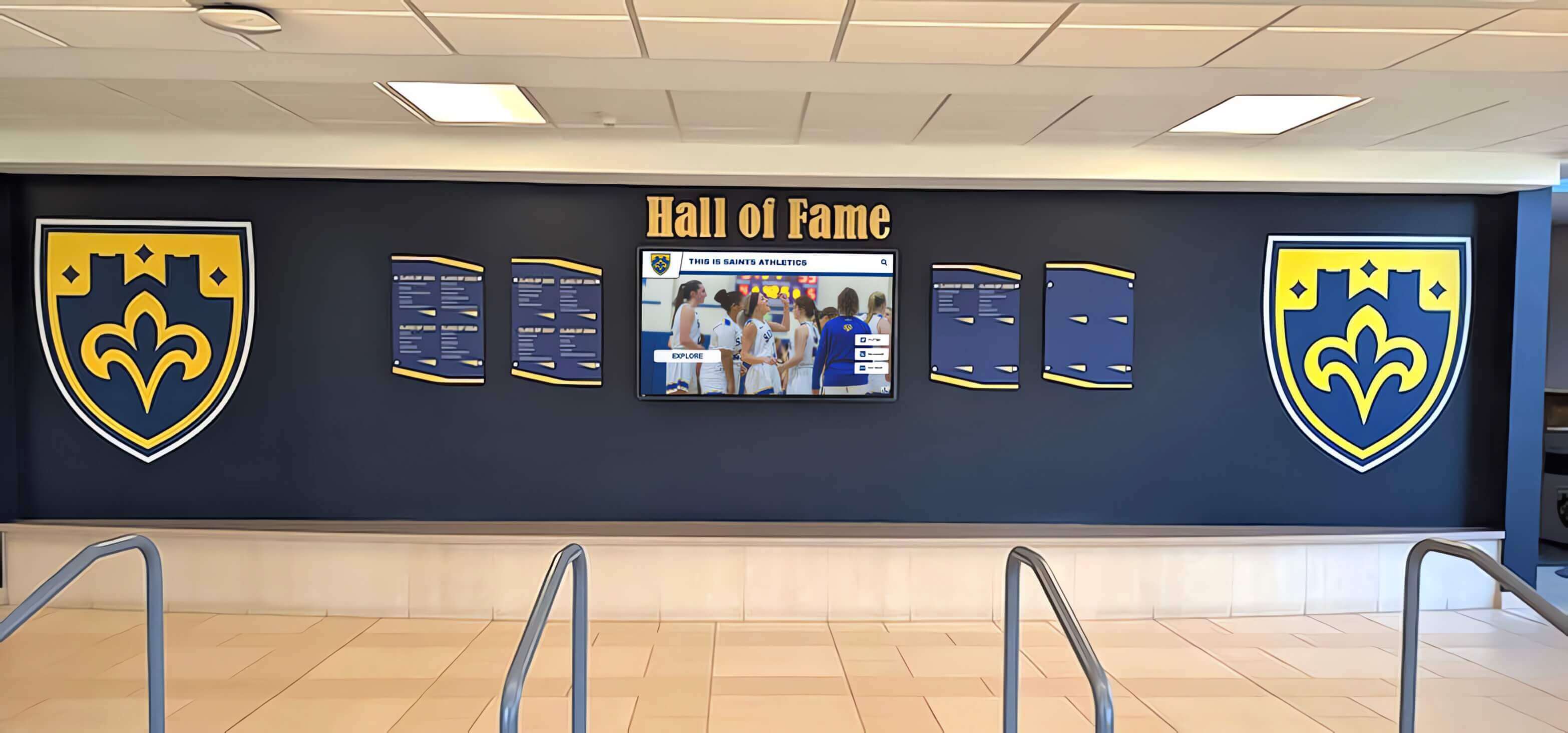
Building entrances provide optimal visibility for dedication recognition
Spacing and Margins Adequate white space prevents cramped appearance affecting readability. Text should not extend to plaque edges, groupings should separate clearly through spacing, and overall composition should feel balanced rather than crowded.
Text Size Requirements Minimum recommendations for legibility:
- Primary text (building name): 2-3 inch letter height
- Secondary text (dedication statement): 1-1.5 inch height
- Body text (donor lists, details): 0.5-0.75 inch height
- Supplementary text (dates, titles): 0.375-0.5 inch height
These sizes ensure readability from 6-10 feet—typical viewing distances for wall-mounted plaques.
Color and Finish Options
Traditional Bronze Finish Classic brown-gold patina creating warm, distinguished appearance appropriate for traditional architecture. Bronze develops natural patina over time that many schools value for historical character.
Polished or Brushed Metal Contemporary finishes offering modern aesthetic, higher contrast for easier reading, and clean appearance coordinating with modern architectural finishes. These finishes require more maintenance preventing oxidation but maintain consistent appearance indefinitely.
Painted or Powder-Coated Surfaces Custom color options enabling coordination with school colors, higher design flexibility, modern appearance, and cost-effective finishing. Painted finishes require higher maintenance but offer greatest color flexibility for brand coordination.
Contrasting Elements Many plaques combine finishes—brushed backgrounds with polished text, or raised polished letters against dark matte backgrounds. High contrast between text and background dramatically improves readability while creating visual interest.
Installation and Mounting Considerations
Wall Mounting Most indoor plaques mount directly to finished walls using concealed fasteners or adhesive systems. Consider wall composition (drywall requires backing support, masonry allows direct anchoring), plaque weight determining mounting hardware requirements, and accessibility for installation and potential future removal.
Freestanding Installations Heavy plaques or those in landscaped settings might use freestanding mounting—posts, pedestals, or integrated site features. Freestanding installation provides flexibility for outdoor locations while creating prominent recognition.
Integrated Architectural Mounting New construction offers opportunities for plaques integrated into architectural features—recessed into walls, incorporated into entry designs, or mounted on specially designed surfaces. This integration creates seamless appearance but requires coordination during construction.
Protective Considerations High-traffic areas might require protective measures—recessed mounting preventing damage from carts and equipment, protective glazing for valuable historic plaques, or elevated mounting placing plaques above potential damage zones.

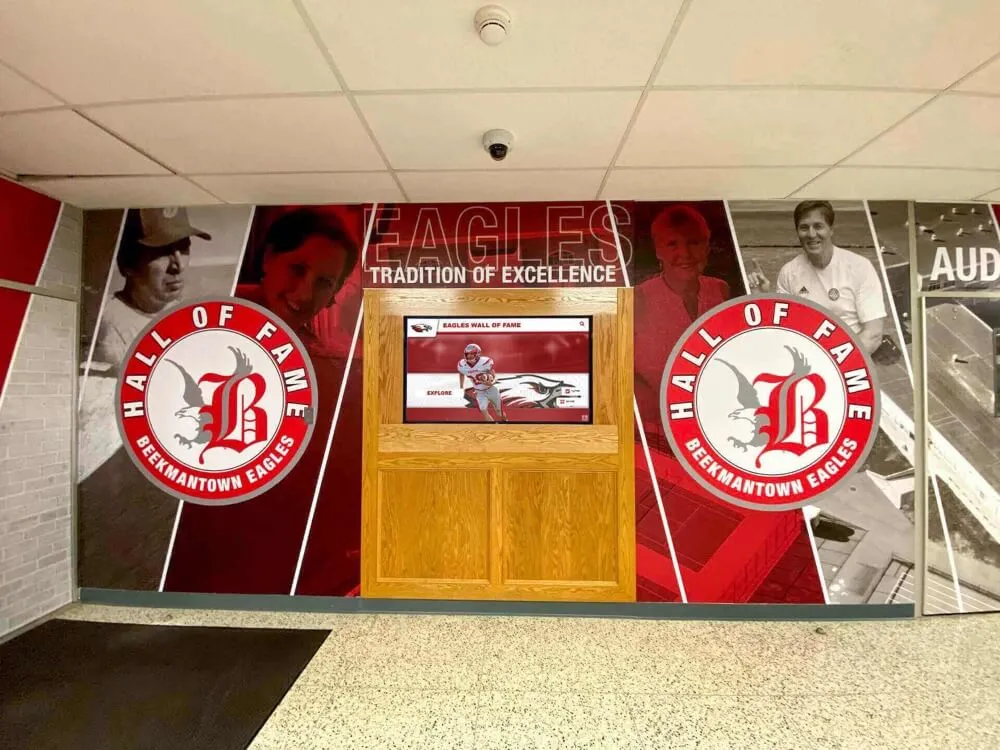
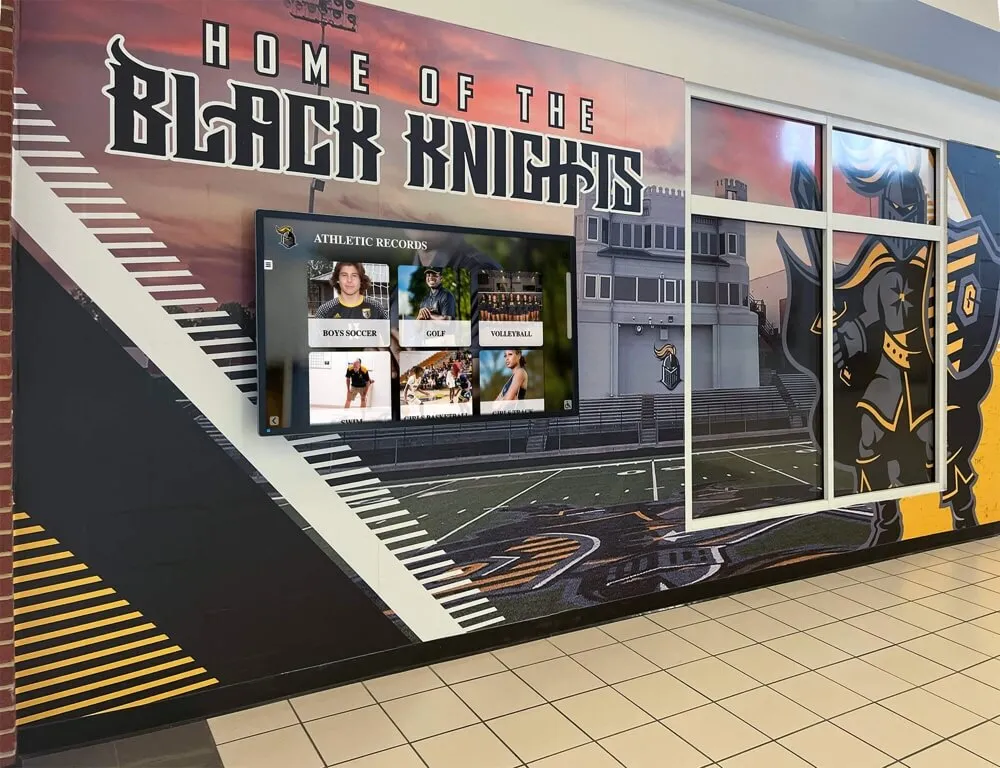
Athletic facilities integrate dedication recognition with program celebration and gathering spaces
Modern Digital Alternatives to Traditional Dedication Plaques
While traditional engraved plaques serve dedication purposes, schools increasingly explore digital recognition addressing limitations of static plaques.
Challenges with Traditional Building Dedication Plaques
Before examining digital alternatives, understanding traditional plaque limitations helps schools make informed decisions:
Limited Space Constraints Physical plaques accommodate finite information. Comprehensive donor lists quickly exceed reasonable plaque sizes, forcing difficult decisions about recognition thresholds and who receives visibility. As capital campaigns continue or facilities receive ongoing support, adding names requires expensive plaque replacement or awkward supplementary plaques.
Inflexibility and Update Challenges Engraved information becomes permanent—corrections require complete plaque replacement at substantial cost. Name spellings, titles, dates, or other details fixed at installation cannot change regardless of errors discovered later. This permanence creates pressure for perfection that delays installation while details are verified exhaustively.
Static Information Limitations Traditional plaques provide only text—names, dates, and brief statements. They cannot tell donor stories, explain campaign context, show facility transformation through photos, or create engaging experiences beyond reading engraved words. This limitation means recognition lacks depth that builds emotional connection and understanding.
Single Location Accessibility Physical plaques serve only those physically present at specific locations. Alumni, donors who’ve relocated, or community members unable to visit campus cannot see recognition. This geographic limitation reduces acknowledgment impact and accessibility.
Long-Term Cost Accumulation While individual plaques seem affordable, total costs accumulate as programs expand. Each new recognition requires purchasing, engraving, and installing additional plaques. Over decades, schools may spend tens of thousands on incremental plaque additions—costs that often go unbudgeted when evaluating initial dedication decisions.
Digital Recognition Displays for Building Dedication
Modern digital solutions address traditional limitations while expanding recognition capabilities:
Interactive Touchscreen Recognition Systems
Large-format touchscreen displays installed in building lobbies provide dynamic dedication recognition through searchable donor databases, multimedia donor profiles including photos and biographical information, campaign history and building development documentation, unlimited capacity accommodating all contributors regardless of giving level, real-time updates adding new supporters instantly, and web integration extending access worldwide beyond physical locations.
Schools implementing interactive recognition displays report that digital systems provide 10-20 times the recognition capacity of equivalent traditional plaques while creating significantly more engaging visitor experiences.

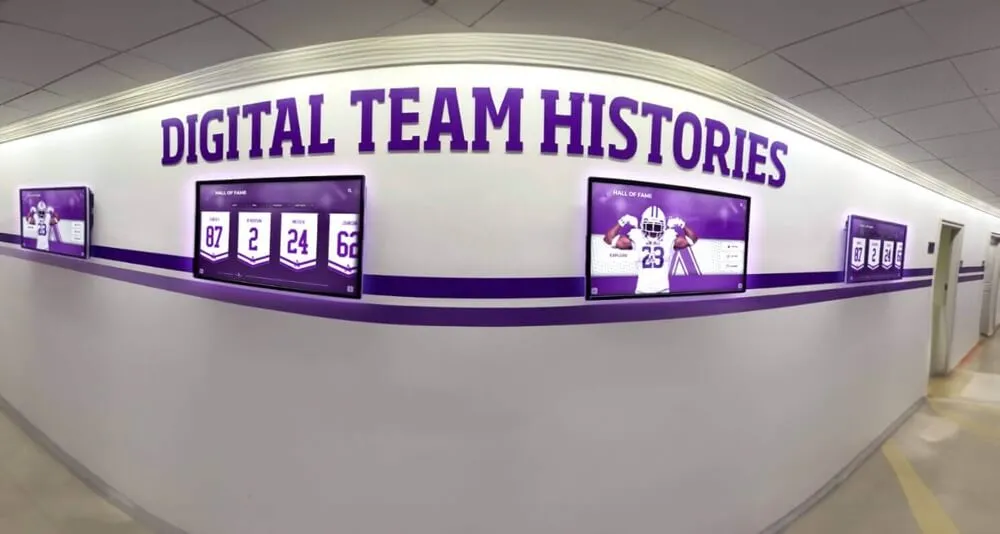
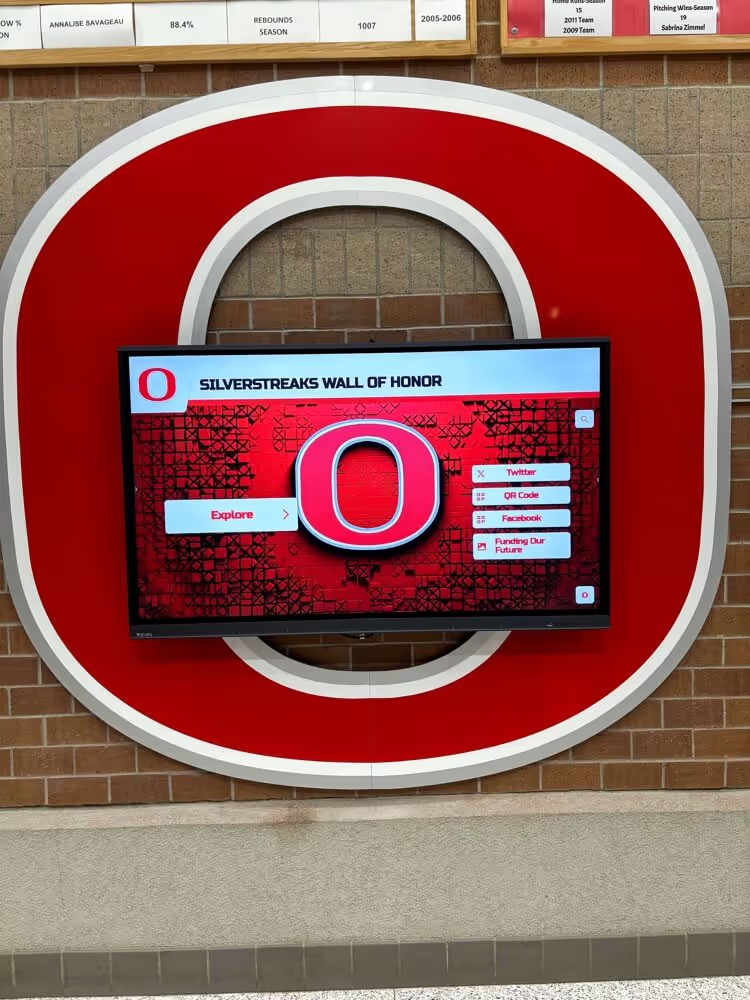
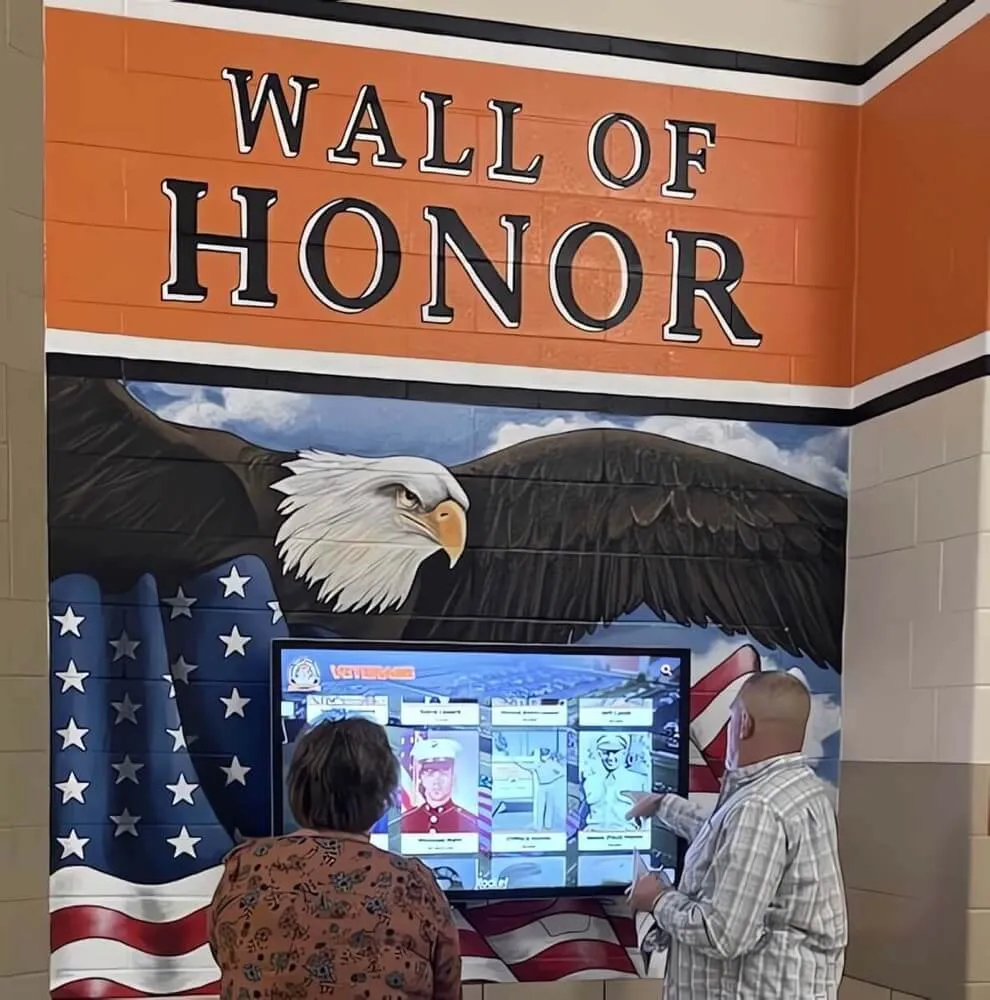
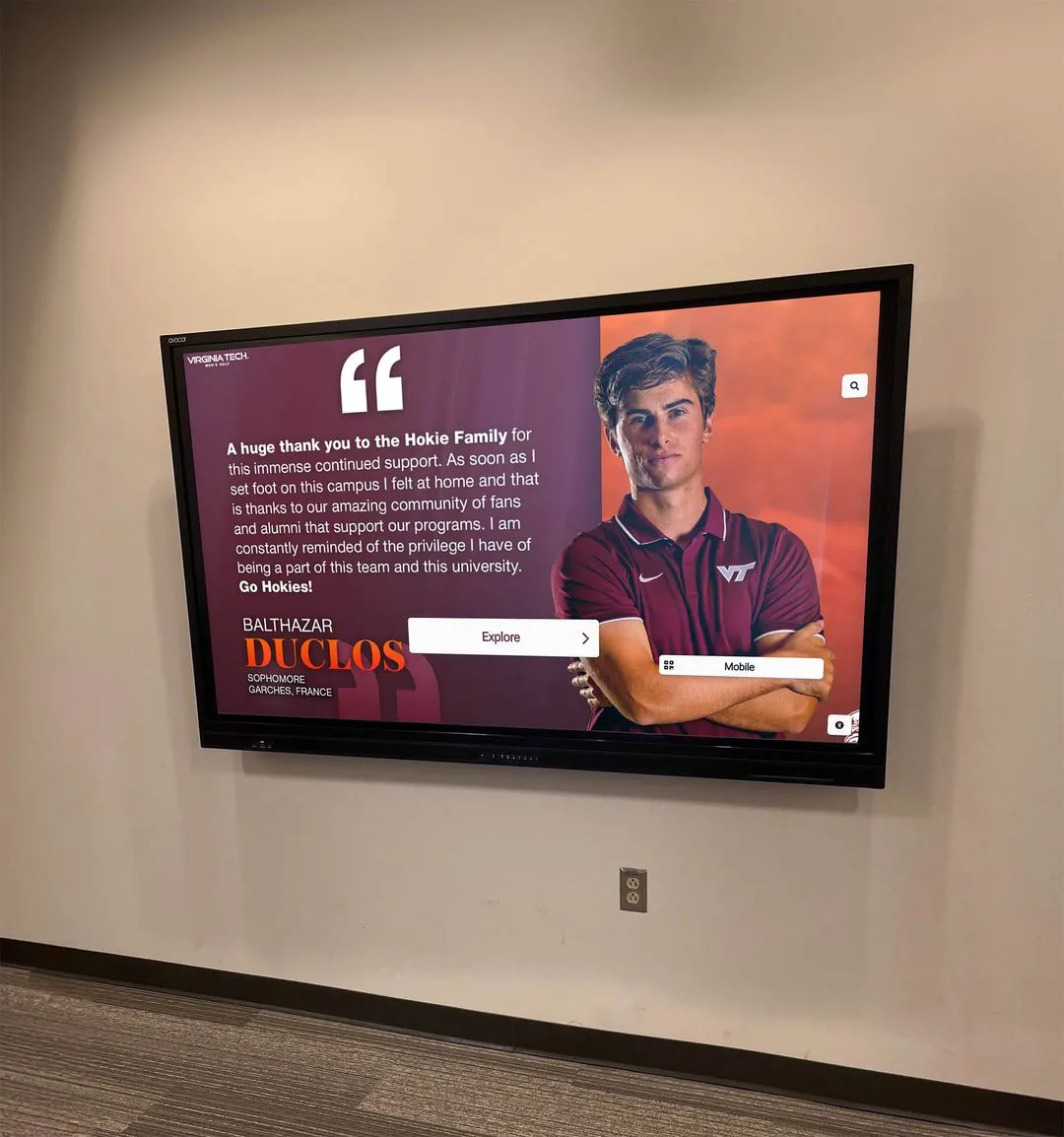
Interactive digital displays transform building dedication from static plaques to engaging recognition experiences
Key Advantages for Building Dedication
Digital recognition solves specific dedication challenges:
- Unlimited Donor Capacity: Recognize every contributor regardless of giving level without space constraints
- Rich Storytelling: Include photos, videos, and narratives explaining how buildings came to be
- Easy Updates: Correct errors, add new supporters, or update information instantly through cloud-based management
- Cost-Effective Expansion: Add unlimited donors without purchasing additional hardware
- Multi-Location Display: Show same recognition in multiple building locations or across campus
- Web Accessibility: Extend recognition to donors, alumni, and community members anywhere
Implementation Considerations
Schools planning digital building dedication should consider display placement in high-traffic building entrances, appropriate screen sizes for viewing distances (typically 43-55 inches for lobbies), power and networking requirements, content management responsibility, integration with existing donor recognition systems, and coordination with traditional elements schools wish to maintain.
Many schools implement hybrid approaches—traditional dedication plaques acknowledging building naming and primary donors, with digital displays providing comprehensive campaign recognition and ongoing supporter acknowledgment. This combination respects tradition while embracing modern capabilities.
Creating Engaging Digital Dedication Content
Digital platforms enable rich content impossible with traditional plaques:
Campaign Story Documentation
- Timeline showing project progression from concept through completion
- Before/after photos documenting facility transformation
- Video tours highlighting facility features and capabilities
- Architectural renderings and planning documents
- Community celebration photos from groundbreaking and dedication events

Interactive exploration enables visitors to discover campaign stories and donor contributions
Comprehensive Donor Profiles
- Photos and biographical information
- Personal statements explaining giving motivations
- Connection to institution or community
- Recognition across multiple giving categories and campaigns
- Family or organizational giving history
Building Impact Documentation
- Student testimonials about new facility experiences
- Faculty perspectives on enhanced educational capabilities
- Academic or athletic achievement improvements linked to facilities
- Community use and engagement metrics
- Future expansion plans and continued support opportunities
This comprehensive content creates meaning beyond simple name listings, helping current and future community members understand the sacrifice, vision, and commitment that created their facilities.
Web-Based Building Dedication Recognition
Beyond physical displays, web-accessible platforms extend dedication recognition globally:
Online Donor Walls Web-based recognition systems provide searchable databases accessible from any device, mobile-responsive designs enabling smartphone access, social sharing features encouraging supporters to share recognition, integration with school websites, and preservation of institutional memory accessible forever regardless of physical plaque condition.
Schools implementing digital donor recognition report 5-10 times more donor engagement compared to physical-only recognition—alumni browse recognition regularly while physical visits happen rarely.
Virtual Building Tours Digital platforms can integrate building dedication recognition with virtual facility tours—allowing website visitors to explore buildings online while learning about donors who made spaces possible. This integration creates powerful stewardship storytelling connecting contributions to resulting impact.
Archive and Historical Documentation Digital systems preserve building dedication information as permanent institutional record—ensuring campaign documentation, donor recognition, and facility history remain accessible even if physical plaques deteriorate, buildings are renovated, or spaces are repurposed generations later.

Web-based recognition provides worldwide access enabling donors to view acknowledgment from anywhere
Planning Your Building Dedication Recognition
Successful dedication requires systematic planning coordinating recognition with broader building projects.
Timing Dedication Planning Within Building Projects
Early Capital Campaign Phase Recognition planning should begin during fundraising—not after construction completes. Early planning enables clear communication to prospective donors about how contributions will be acknowledged, creates recognition tier structures guiding contribution asks, documents donor preferences and specifications, and ensures budget allocation for dedication elements.
Delayed recognition planning often results in hasty decisions, inadequate budget, missed donor input opportunities, and less effective acknowledgment than thoughtful early planning would achieve.
Construction Phase Coordination Building projects should accommodate dedication recognition through architectural integration opportunities, electrical and networking infrastructure for digital displays, wall space reservation for plaque mounting, lighting design emphasizing recognition areas, and coordination with contractors ensuring proper installation timing.
Post-Completion Dedication Events Most schools schedule formal dedication ceremonies 3-6 months after building occupancy—allowing operational issues to resolve, enabling meaningful occupancy before celebration, providing time for recognition installation, and creating appropriate timeline for honoree scheduling and event planning.
Working with Donors on Recognition Decisions
Managing Donor Expectations Clear communication prevents misunderstandings:
- Provide recognition examples showing typical formats and locations
- Explain approval processes and timelines for custom requests
- Clarify what aspects donors can customize versus institutional standards
- Set realistic expectations about visibility, prominence, and permanence
- Document agreements in writing preventing future disputes
Accommodating Naming Rights and Special Requests Major donors receiving naming rights often have specific recognition preferences:
- Involvement in dedication wording development
- Approval of architectural integration and placement
- Photography and biographical information for digital recognition
- Guest lists and participation in dedication ceremonies
- Memorial designation specifications when honoring deceased individuals
Balance donor preferences with institutional standards—customization should feel personalized without creating inconsistent recognition undermining overall program quality.
Anonymous and Sensitive Dedications Some donors prefer privacy or memorial situations require sensitivity:
- “Anonymous Donor” or “A Friend of [SCHOOL NAME]” designations
- Deceased honoree recognition developed with family input
- Recognition coordinated with estate settlement and family timelines
- Modest acknowledgment respecting donor humility despite gift size
Schools implementing memorial recognition programs should develop sensitive approaches honoring departed individuals and their families appropriately.

Strategic placement throughout facilities ensures broad visibility for dedication recognition
Budgeting for Dedication Recognition
Traditional Plaque Budget Planning Comprehensive costs include plaque materials and fabrication ($500-5,000+ depending on size and complexity), professional design services ($300-1,500), installation labor and materials ($200-1,000), architect coordination if architectural integration ($500-2,000), and ceremony costs ($1,000-5,000+ for formal events).
Schools should budget 0.5-1% of total building costs for comprehensive dedication recognition—percentage decreasing for larger projects while increasing for smaller facilities.
Digital Recognition Investment Modern systems typically include display hardware ($3,000-8,000 for commercial touchscreens), software platform subscriptions ($1,200-3,600 annually), installation and configuration ($800-2,000), content development ($1,500-4,000 for initial setup), and ongoing content management (staff time allocation).
While digital systems require higher initial investment than individual plaques, they provide dramatically greater capacity and eliminate incremental costs as donor recognition expands. Schools recognizing 50+ donors achieve cost parity within 3-5 years while accommodating unlimited future additions.
Funding Recognition Through Capital Campaigns Most schools include dedication costs in building campaign budgets—ensuring recognition planning receives adequate resources rather than becoming unfunded afterthought. Include recognition line items in campaign budgets, communicate to major donors that their gifts fund both facilities and appropriate recognition, and potentially secure dedicated recognition sponsorships from donors specifically funding acknowledgment systems.
Best Practices for Building Dedication Recognition
Learning from successful programs helps schools avoid common pitfalls:
Inclusive Recognition Philosophy
Honor All Contributors Appropriately Effective dedication balances major donor prominence with inclusive acknowledgment of broader support. Leadership donors receiving naming rights or primary plaque recognition deserve special prominence—their transformational gifts made projects possible. But comprehensive campaigns succeed through combined efforts of many supporters deserving acknowledgment.
Digital recognition systems excel at tiered acknowledgment—prominent featured profiles for leadership donors, standard recognition for major contributors, and inclusive listing of all campaign supporters regardless of giving level. This comprehensive approach builds community engagement while honoring major gifts appropriately.
Equity Across Building Projects Schools should maintain consistent recognition standards across facility types—avoiding perception that athletic facilities receive more elaborate recognition than academic buildings, or that certain programs receive preferential acknowledgment based on booster strength rather than institutional priority.
Consistent standards demonstrate that all educational facilities matter equally regardless of community visibility or fundraising ease.
Long-Term Recognition Maintenance
Planning for Updates and Additions Recognition systems should anticipate future needs:
- Reserve space for additional plaques as campaigns continue
- Select digital systems allowing unlimited expansion
- Document recognition standards for future consistency
- Establish processes for adding donors and correcting information
- Budget ongoing recognition maintenance and updates
Physical Plaque Maintenance Traditional plaques require periodic maintenance:
- Annual cleaning removing dirt and environmental deposits
- Polishing metal surfaces preventing excessive oxidation
- Repairing damaged mounting or protective elements
- Replacing plaques when deterioration affects readability
- Documenting condition for historic preservation
Schools should assign facilities staff or outside vendors specific responsibility for plaque maintenance preventing neglect that undermines recognition intent.
Digital Content Management Modern systems require different maintenance:
- Regular content updates adding new donors and information
- Periodic content refresh keeping displays current and relevant
- Software updates maintaining security and functionality
- Hardware cleaning and technical troubleshooting
- Analytics review understanding engagement and optimizing content
Assign specific staff responsibility with adequate training ensuring digital recognition receives consistent attention maintaining quality and relevance.
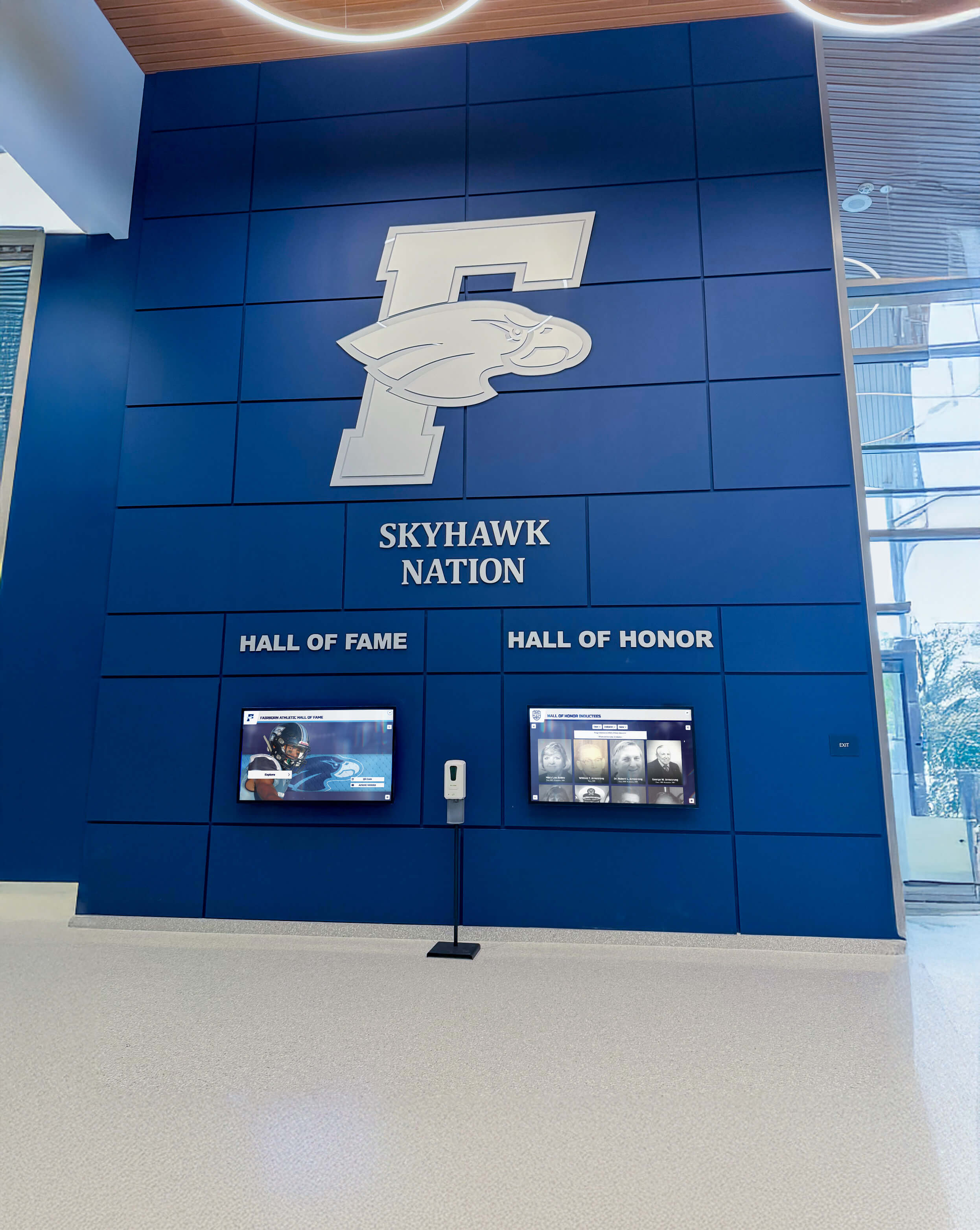
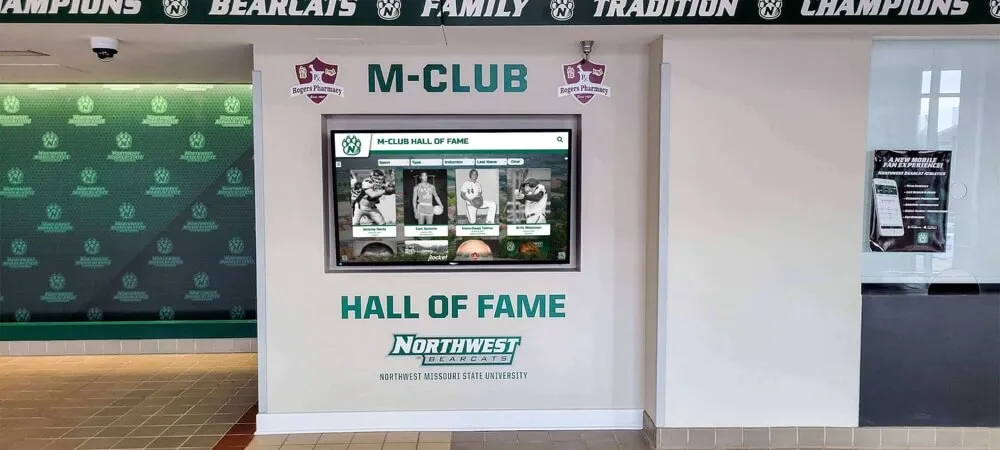
Building lobbies provide ideal locations for comprehensive dedication and recognition displays
Coordinating Dedication with Broader Recognition Programs
Building dedication often integrates with comprehensive school recognition:
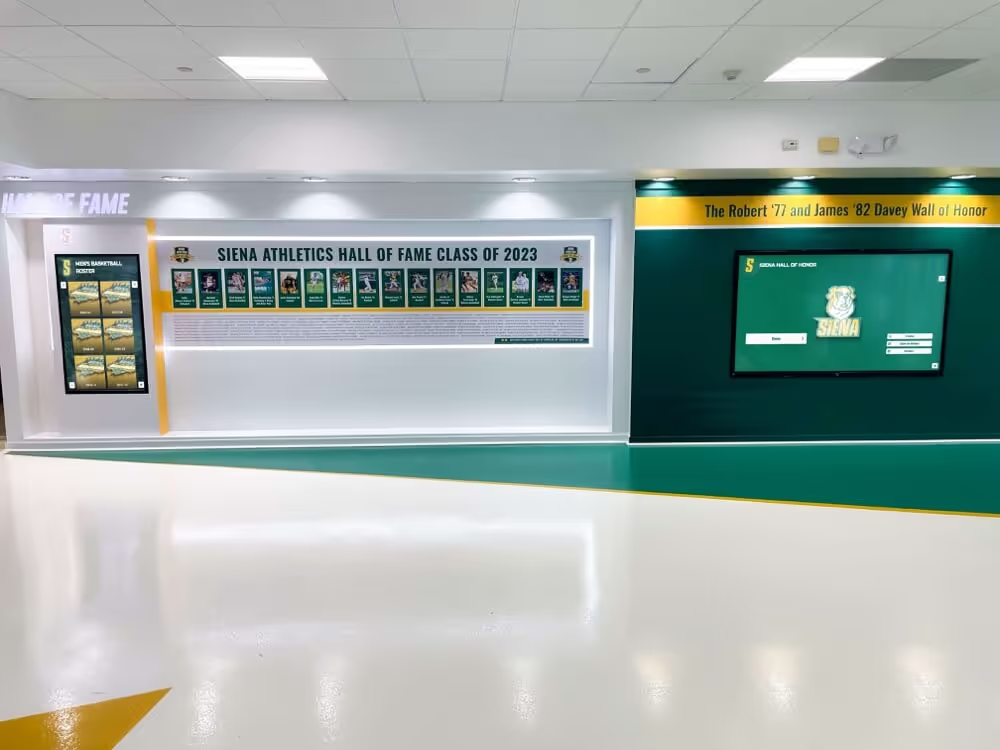
Athletic Facility Coordination Athletic buildings should coordinate dedication plaques with hall of fame displays, championship recognition, record boards, and team history displays creating cohesive recognition environments celebrating both facility development and athletic achievement.
Academic Building Recognition Classroom and academic facilities can integrate building dedication with academic achievement recognition, distinguished faculty acknowledgment, notable alumni spotlights, and historical institutional documentation creating comprehensive environments celebrating educational mission.
Campus-Wide Recognition Consistency Schools with multiple buildings should maintain consistent approaches across campus:
- Unified design standards creating cohesive campus character
- Similar recognition formats regardless of building type
- Coordinated traditional and digital elements
- Centralized web-based recognition connecting all facilities
- Brand consistency reinforcing institutional identity
This coordination creates professional appearance demonstrating institutional commitment to comprehensive recognition rather than ad hoc acknowledgment varying by project.
Building Dedication Ceremony Planning
Recognition plaques complement but don’t replace ceremonial dedication events creating community celebration and donor recognition moments.
Typical Dedication Ceremony Elements
Program Components Formal building dedications typically include:
- Welcome and context from head of school or board president
- Campaign history and recognition acknowledging fundraising journey
- Major donor recognition and speaking opportunities
- Honoree remarks if building named for individuals
- Student or faculty testimonials about facility impact
- Formal dedication moment and unveiling if applicable
- Building tours and reception enabling guests to explore facility
Ceremonies typically last 30-60 minutes with receptions extending another 1-2 hours.
Timing and Logistics Schedule dedications considering donor and honoree availability, weather (for outdoor components), adequate building occupancy demonstrating facility use, coordination with academic calendars avoiding conflicts, and media availability for coverage amplifying recognition reach.
Schools implementing school event strategies can apply similar planning approaches ensuring successful dedication ceremonies celebrating building achievements.
Documentation and Promotion Dedications create valuable content:
- Professional photography documenting ceremony and facility
- Video recording for archives and promotional use
- Social media coverage engaging broader community
- Press releases and local media engagement
- Alumni magazine and school publication features
- Website dedication stories and donor spotlights
This documentation extends dedication impact beyond attendees while creating permanent record of facility development and community celebration.
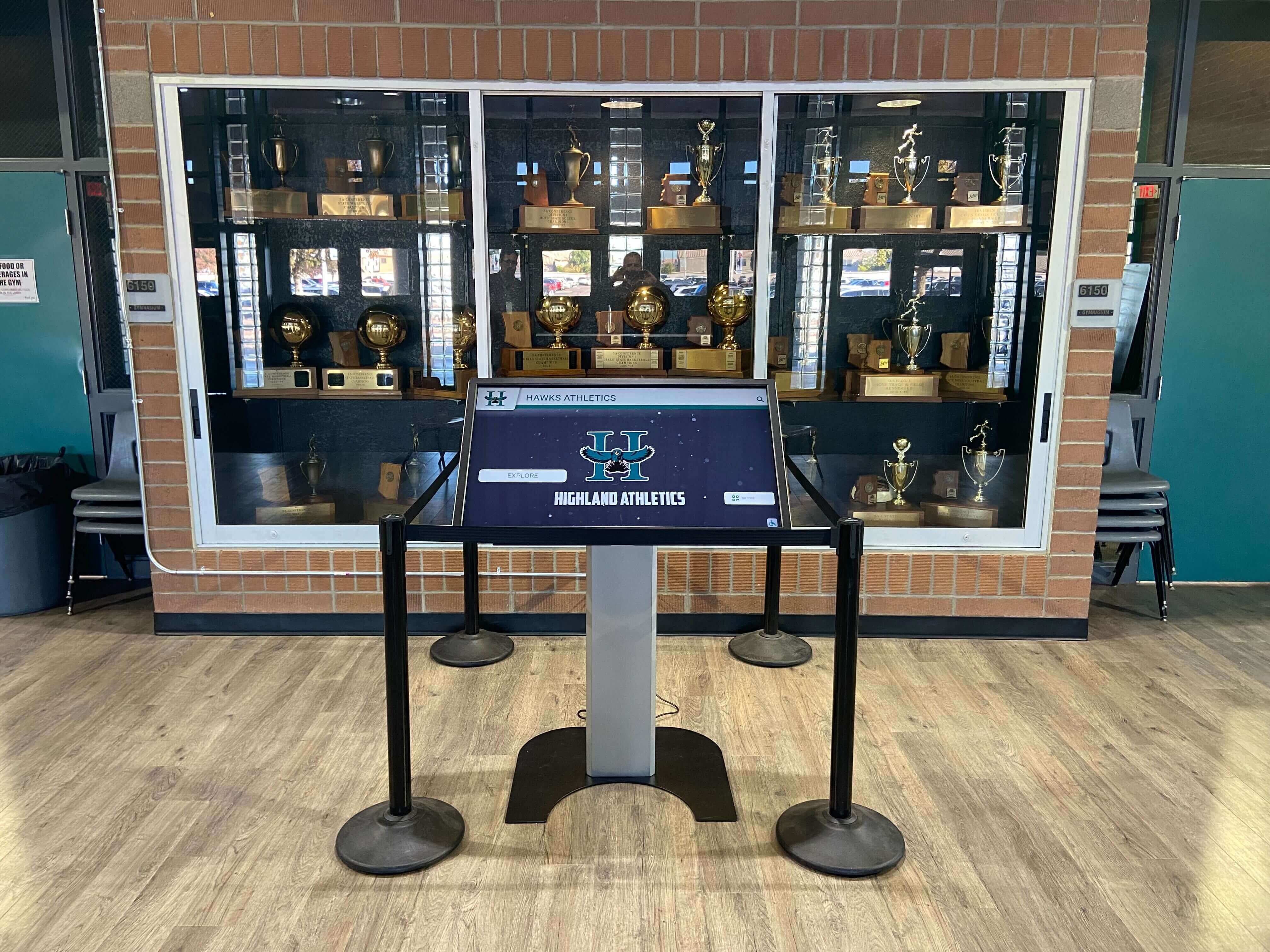
Modern recognition integrates with existing trophy cases providing unlimited capacity
Conclusion: Creating Meaningful Building Dedication Recognition
Building dedication recognition transforms construction projects into community achievements while honoring the individuals and organizations whose vision and generosity made facilities possible. Thoughtful dedication planning—from carefully crafted wording through strategic design decisions and modern recognition technology—ensures that acknowledgment serves its full purpose: expressing genuine gratitude, building lasting donor relationships, documenting institutional history, and inspiring future generations.
Traditional engraved plaques have served schools well for generations, providing dignified permanent recognition appropriate for many dedication contexts. Yet modern digital recognition systems address fundamental limitations of static plaques while expanding capabilities dramatically—unlimited donor capacity, rich multimedia storytelling, instant updates accommodating campaign evolution, web accessibility extending recognition worldwide, and long-term cost effectiveness as recognition needs grow.
Transform Your Building Dedication Recognition
Discover how modern digital recognition solutions can help your school create comprehensive building dedication acknowledgment that honors every contributor while telling compelling facility development stories.
Explore Recognition SolutionsMany schools find hybrid approaches optimal—traditional dedication plaques acknowledging building names and primary donors while digital systems provide comprehensive campaign recognition, ongoing donor acknowledgment, and engaging facility storytelling. This combination respects institutional tradition while embracing modern capabilities that solve practical limitations of purely traditional approaches.
Whether selecting traditional plaques, modern digital recognition, or hybrid systems combining both, successful building dedication reflects institutional values through the care invested in acknowledgment. Schools dedicating new facilities should plan recognition as carefully as they plan educational programming within those buildings—recognizing that thoughtful donor acknowledgment represents strategic investment in relationships, community engagement, and institutional advancement extending far beyond ceremonial obligation.
Your building dedication recognition will remain visible for decades, serving generations of students, faculty, and community members who will learn from and create memories in the spaces you’re opening. Invest the time, resources, and thoughtful planning ensuring that recognition honors contributors appropriately while telling the facility development story in ways that inspire future community members to support continued educational excellence.
Begin planning today by reviewing recognition options appropriate for your building type, developing wording that captures your institutional voice and community achievement, coordinating dedication recognition with broader building timelines and budgets, engaging donors in recognition planning ensuring their preferences and expectations align with plans, and exploring both traditional and modern recognition technologies to determine optimal approaches for your community and circumstances.
Ready to start? Explore comprehensive approaches in school lobby design ideas that integrate recognition with facility planning, learn about digital recognition implementation applicable to educational settings, or discover donor recognition best practices ensuring comprehensive acknowledgment programs.
The contributors who made your building possible deserve recognition equal to the impact their gifts created. With thoughtful planning, appropriate recognition approaches, and genuine gratitude expressed through every acknowledgment detail, you can create building dedication programs that honor every supporter while strengthening your school’s capacity to continue building the facilities future generations need to thrive.