Booster clubs are the financial lifeline of school athletic programs, bridging the gap between limited school budgets and the resources student-athletes need to compete, grow, and excel. Whether you’re funding new uniforms, upgrading facilities, covering travel costs, or supporting coaching development, effective fundraising determines what opportunities your athletes receive.
Yet booster club leaders consistently face the same challenges: fundraising fatigue among core supporters, difficulty attracting new donors, competition from numerous other school and community fundraisers, and the administrative burden of organizing successful events. Traditional fundraising approaches that worked a decade ago often yield diminishing returns as communities grow saturated with asks and donors expect more sophisticated engagement.
This comprehensive guide presents proven booster club fundraising ideas spanning traditional events, modern digital campaigns, corporate partnerships, and donor recognition strategies. Whether you’re launching a new booster organization or revitalizing an established program, these approaches help you build sustainable revenue streams that support athletic excellence for years to come.
Athletic booster clubs at well-supported schools typically raise $50,000-$250,000 annually, with highly engaged organizations at larger schools generating $500,000 or more through diversified fundraising portfolios that balance events, sponsorships, annual giving, and capital campaigns.

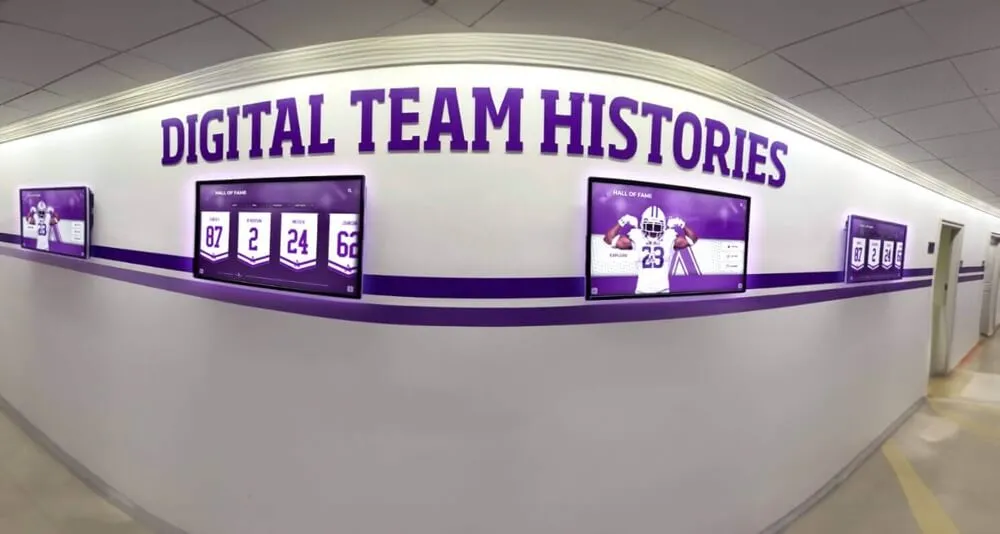
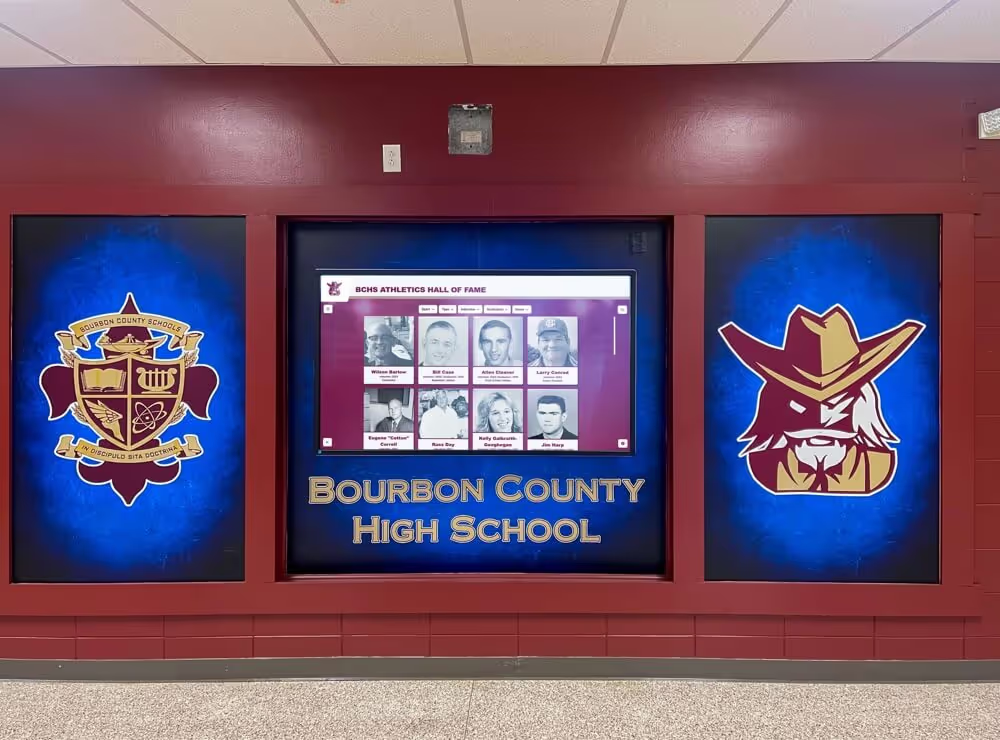
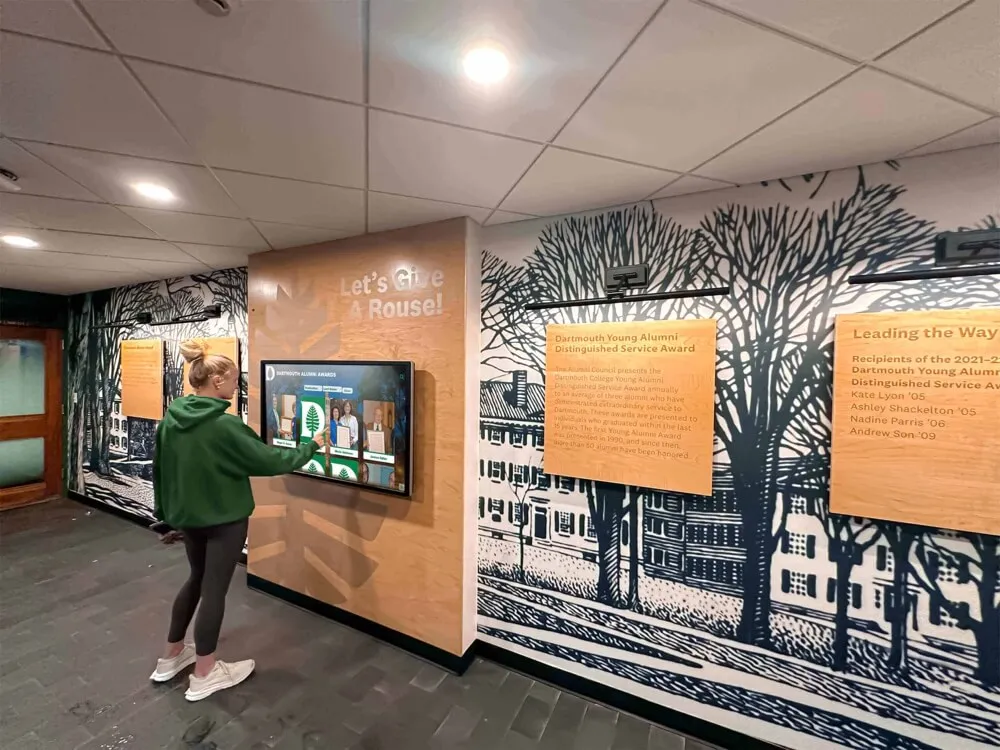
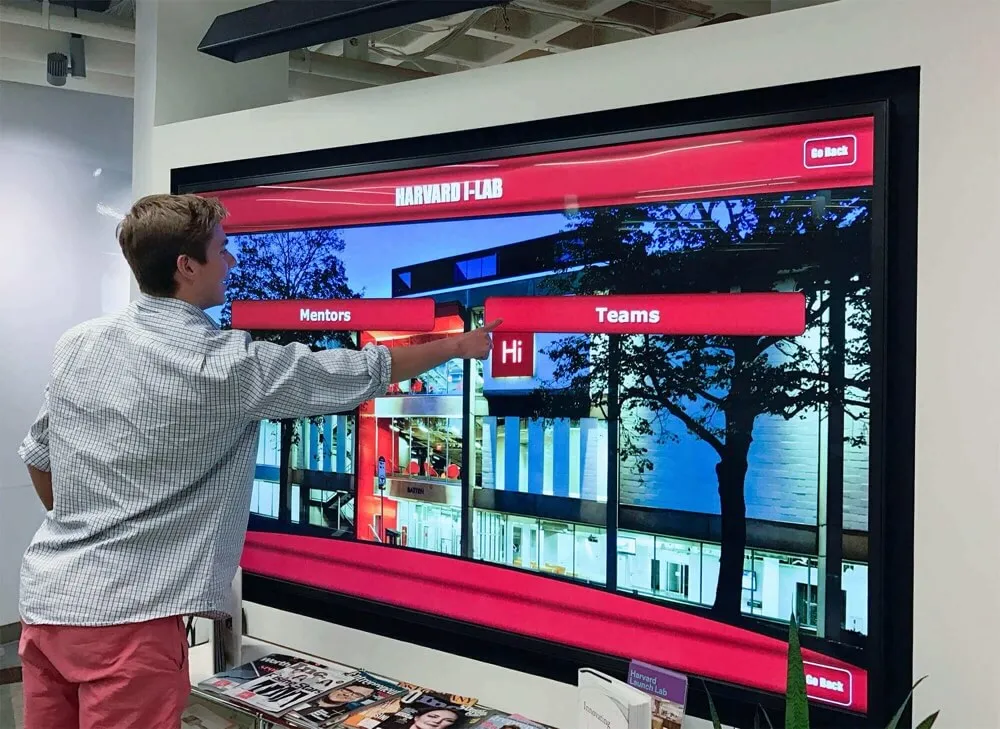
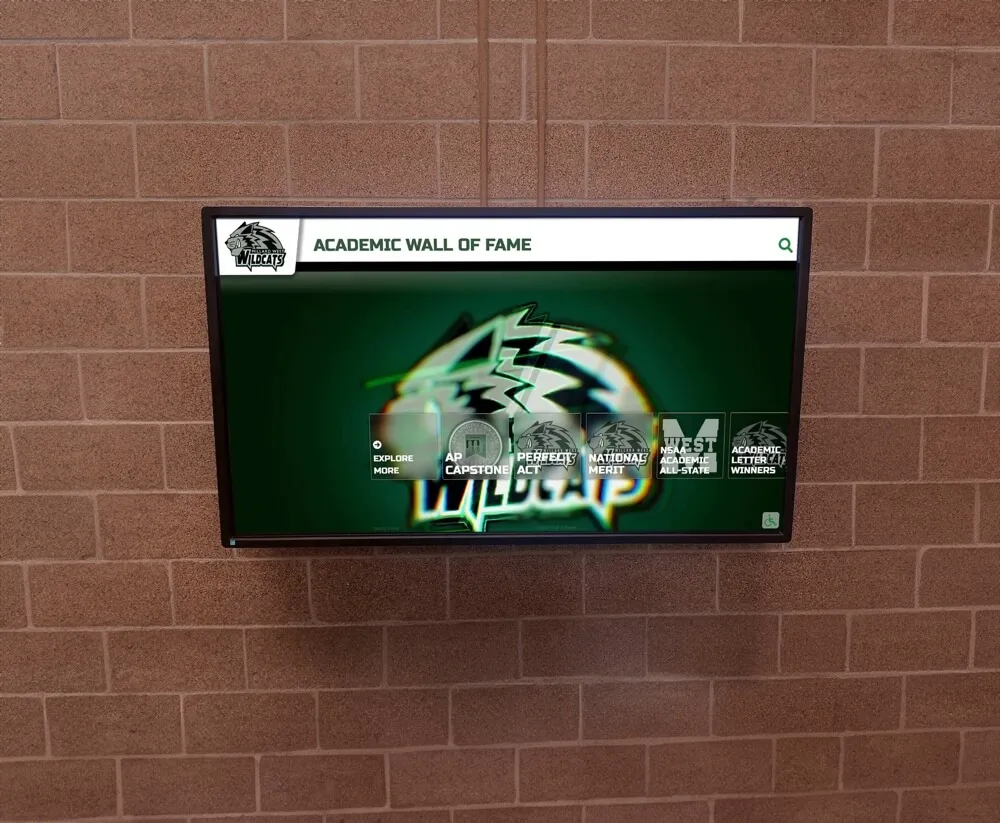
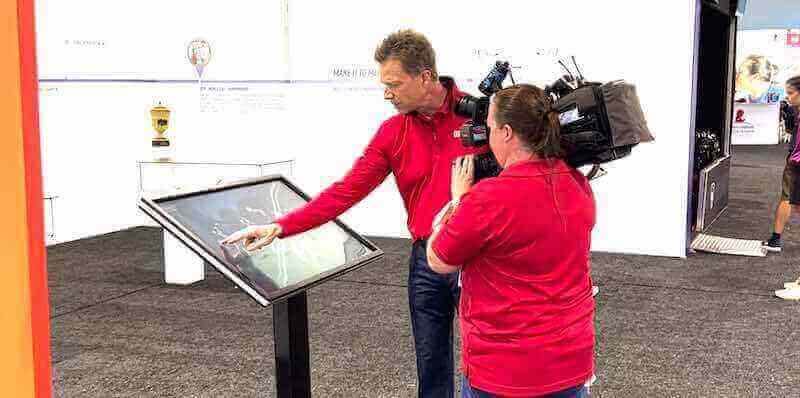
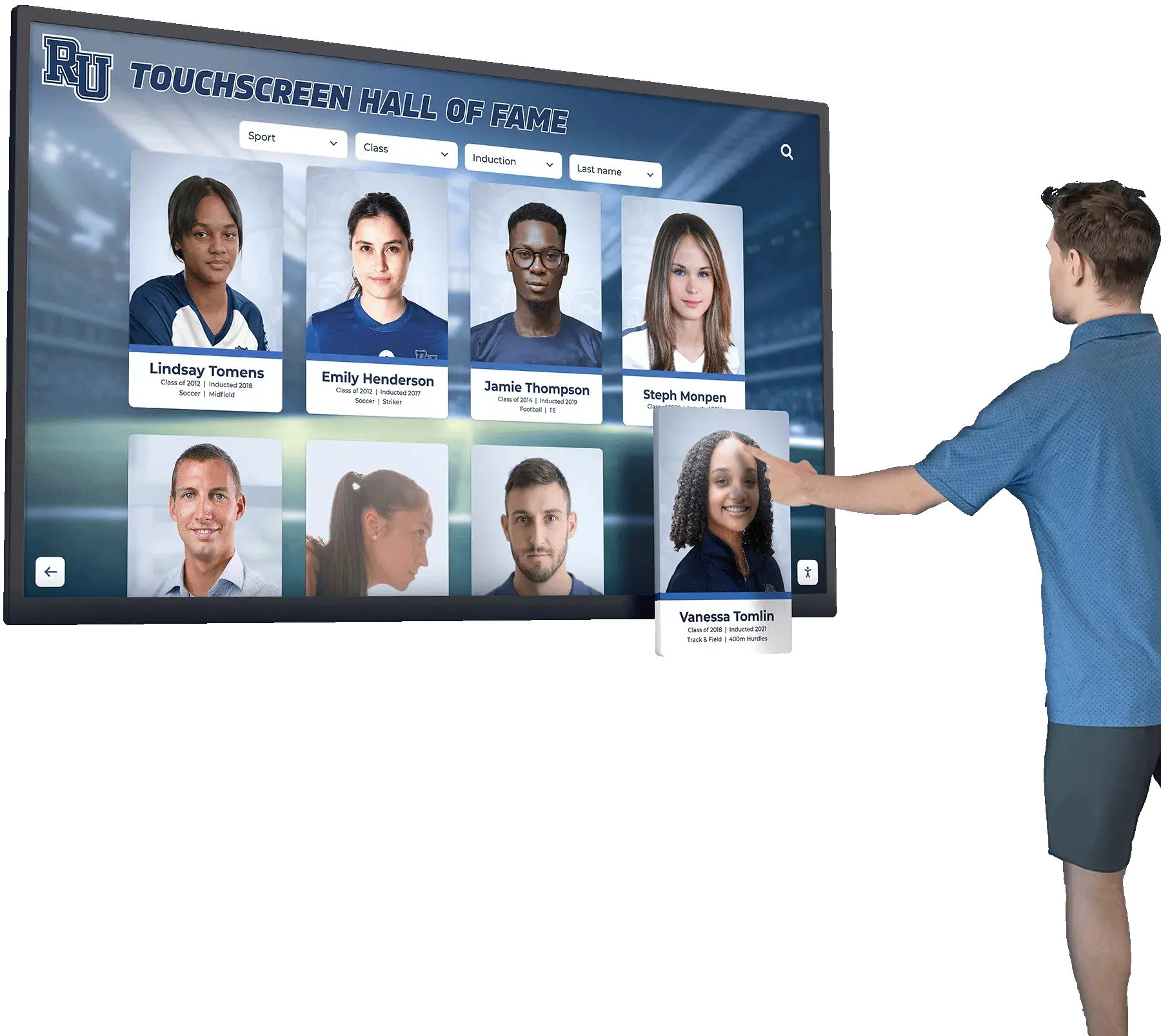
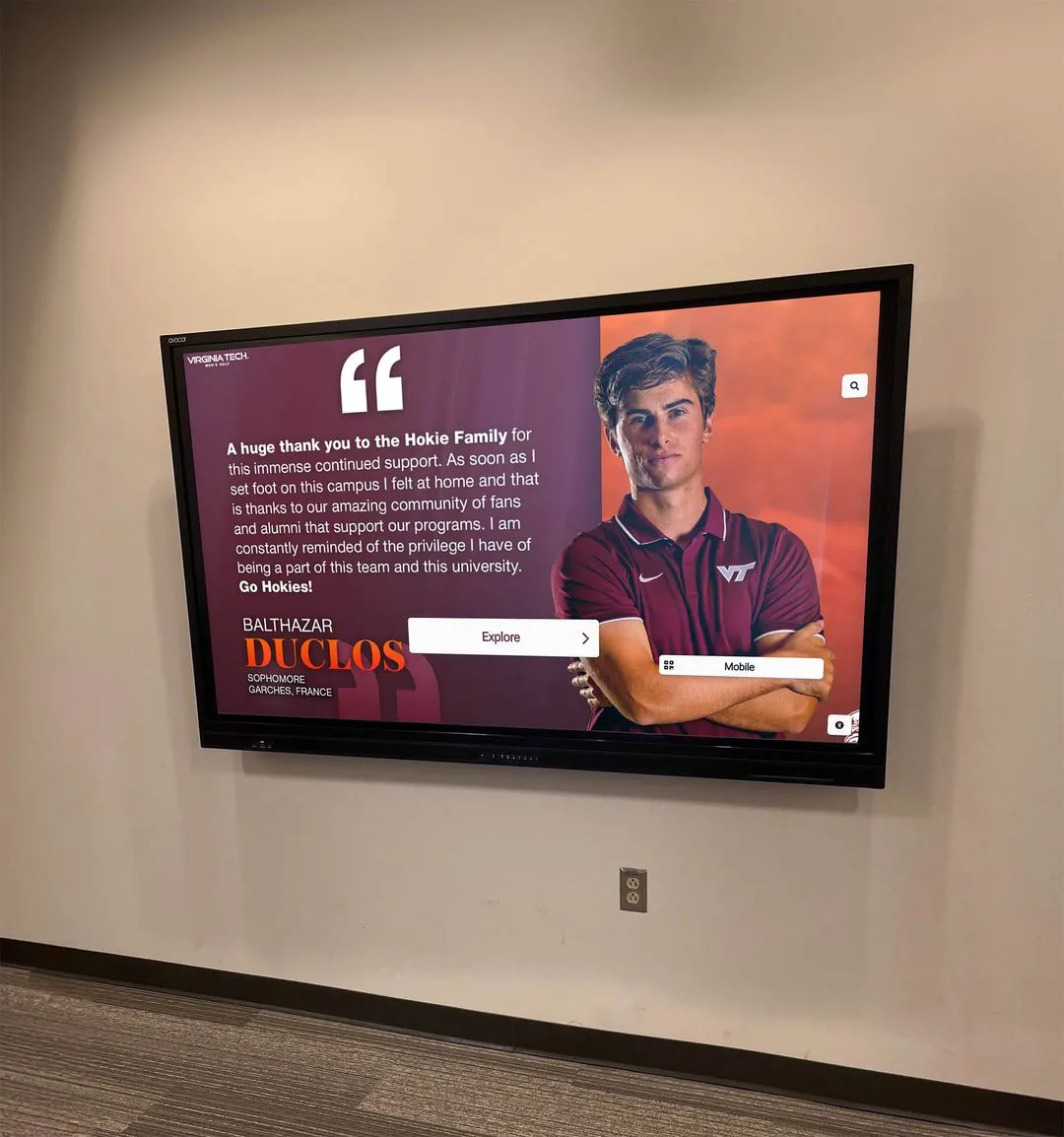
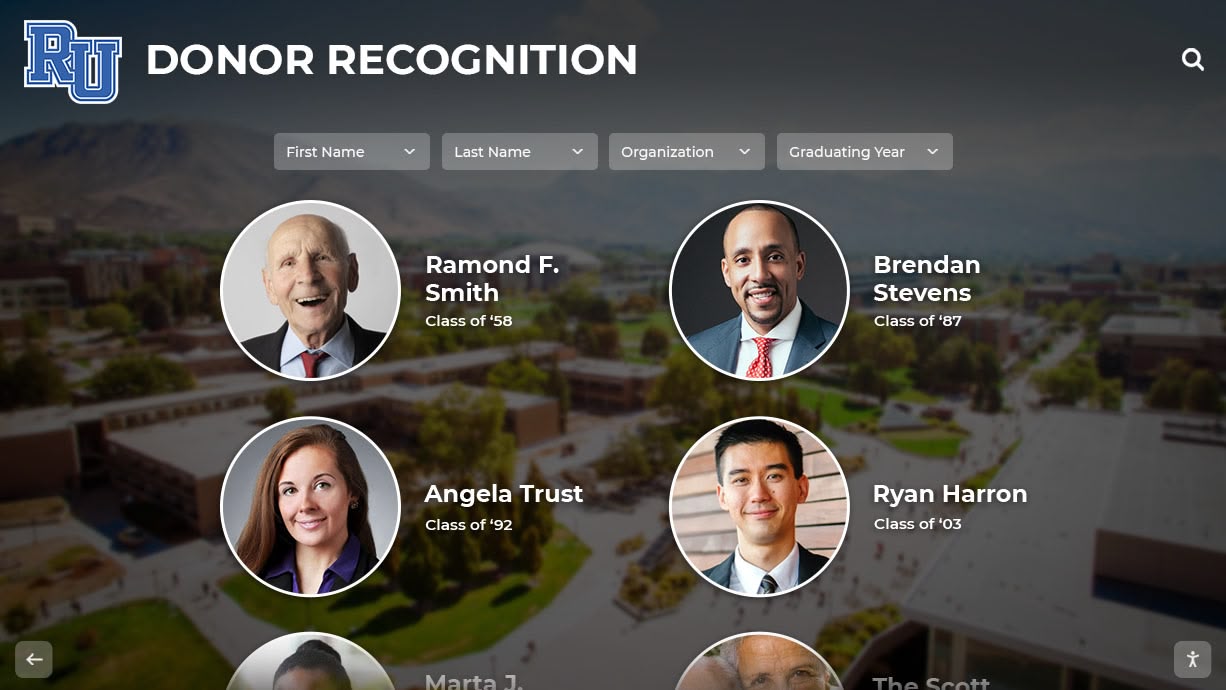
Modern donor recognition systems transform one-time contributors into engaged, repeat supporters by honoring their impact on student-athletes
Understanding Your Booster Club’s Fundraising Foundation
Before diving into specific fundraising ideas, establishing organizational fundamentals ensures sustainable success.
Building Your Donor Base
Parent and Family Engagement
Current athlete families represent your most natural supporter base:
- Season kickoff meetings introducing booster membership
- Team-specific fundraising efforts where parents support their athlete’s sport
- Parent volunteer opportunities that build investment beyond financial contributions
- Family recognition systems acknowledging cumulative support across multiple children
- Sibling discount programs encouraging multi-year family commitment
The most successful booster clubs recognize that parent engagement begins with clear communication about where funds go and how contributions directly benefit student-athletes. Transparency about budget allocation builds trust that converts casual supporters into committed advocates.
Alumni Athlete Outreach
Former athletes maintain emotional connections to programs that shaped their development:
- Homecoming weekend alumni reunions and recognition events
- Decade reunion fundraising challenges (10-year, 20-year, 30-year classes)
- Career milestone cultivation (promotions, retirements, achievements)
- Digital recognition displays showcasing athletic program history that reconnect alumni to tradition
- Social media campaigns sharing “where are they now” stories
Alumni giving programs produce particularly strong results when combined with recognition opportunities—former athletes value seeing their achievements honored while supporting current student-athletes following in their footsteps.
Corporate and Business Partnerships
Local Business Sponsorship Tiers
Structured sponsorship packages create win-win partnerships:
- Bronze/Silver/Gold/Platinum levels with clear benefit packages
- Logo placement on uniforms, banners, programs, and digital displays
- Social media recognition and promotion to booster community
- Season passes and premium seating access
- Business appreciation events and networking opportunities
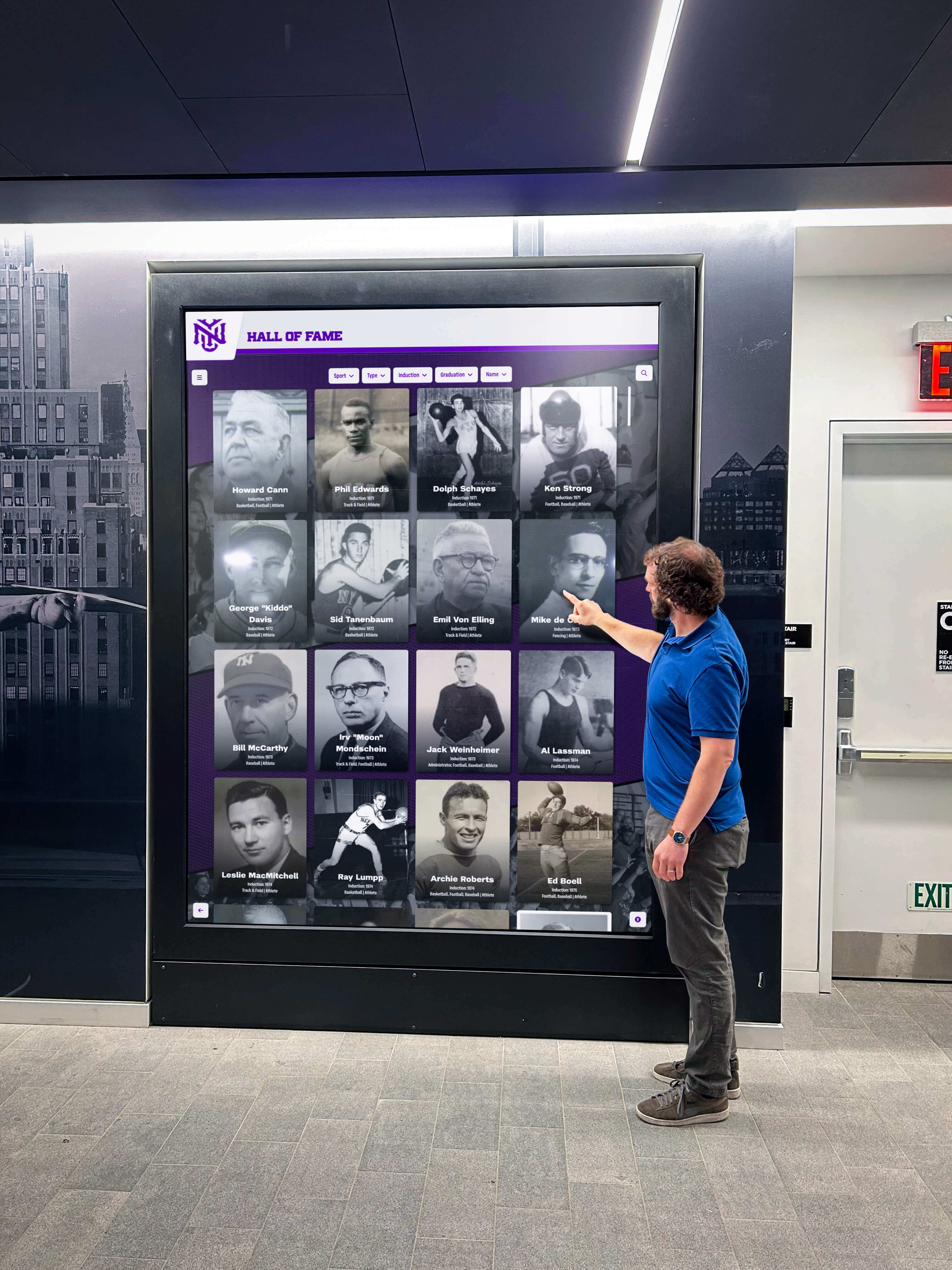
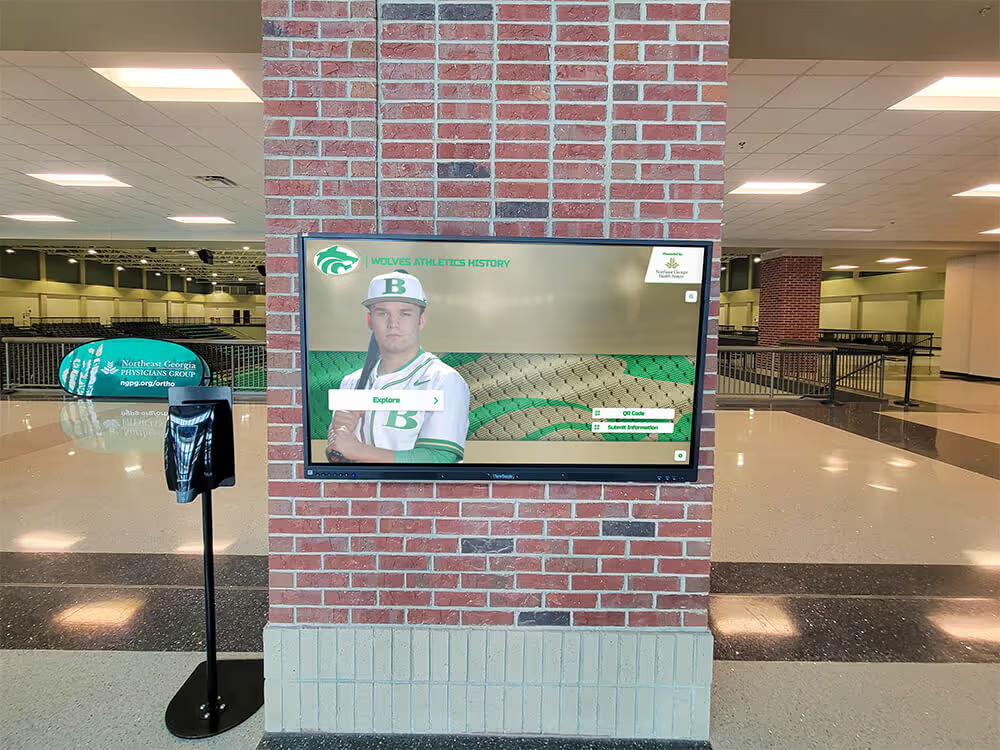
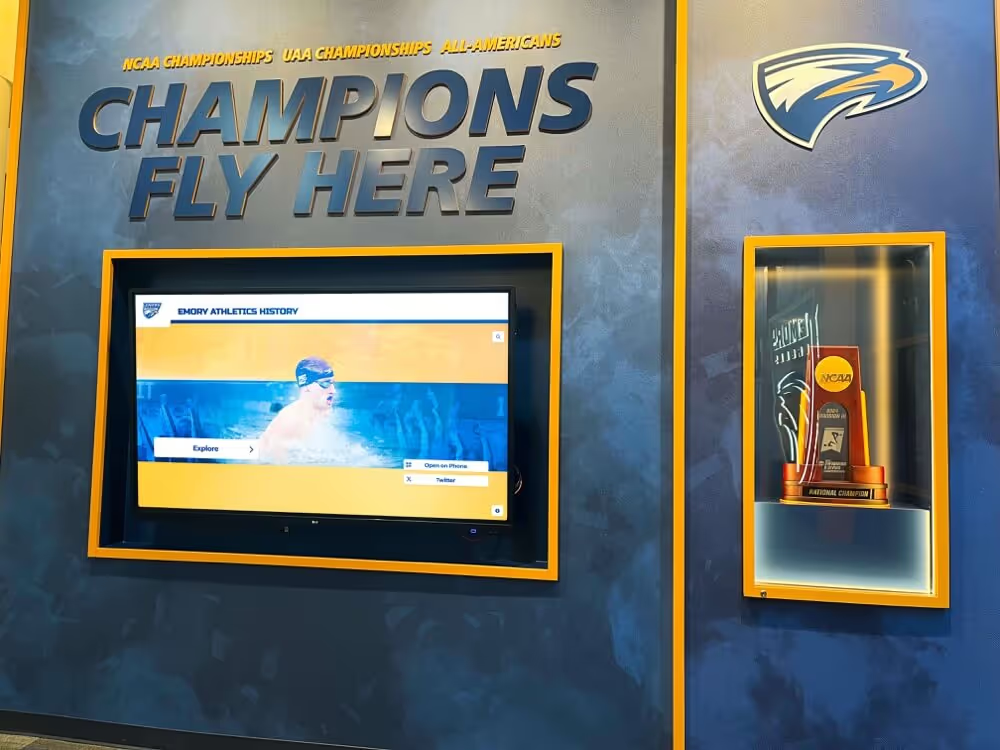
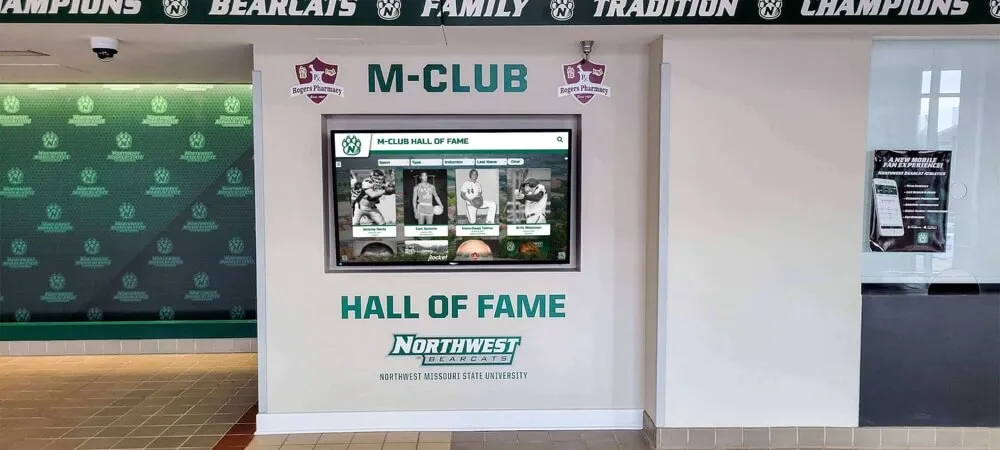
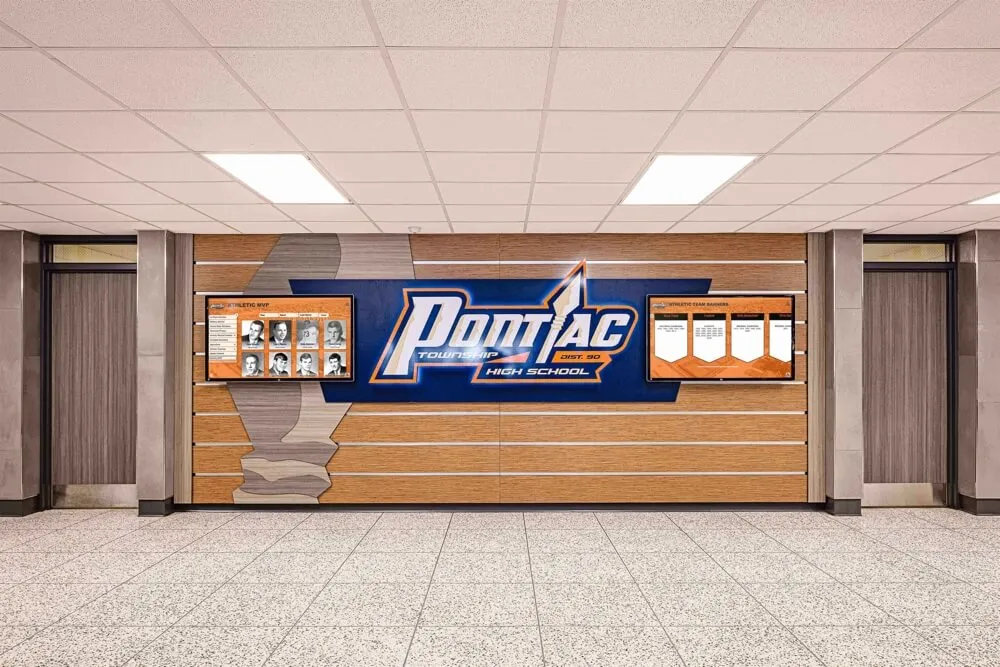
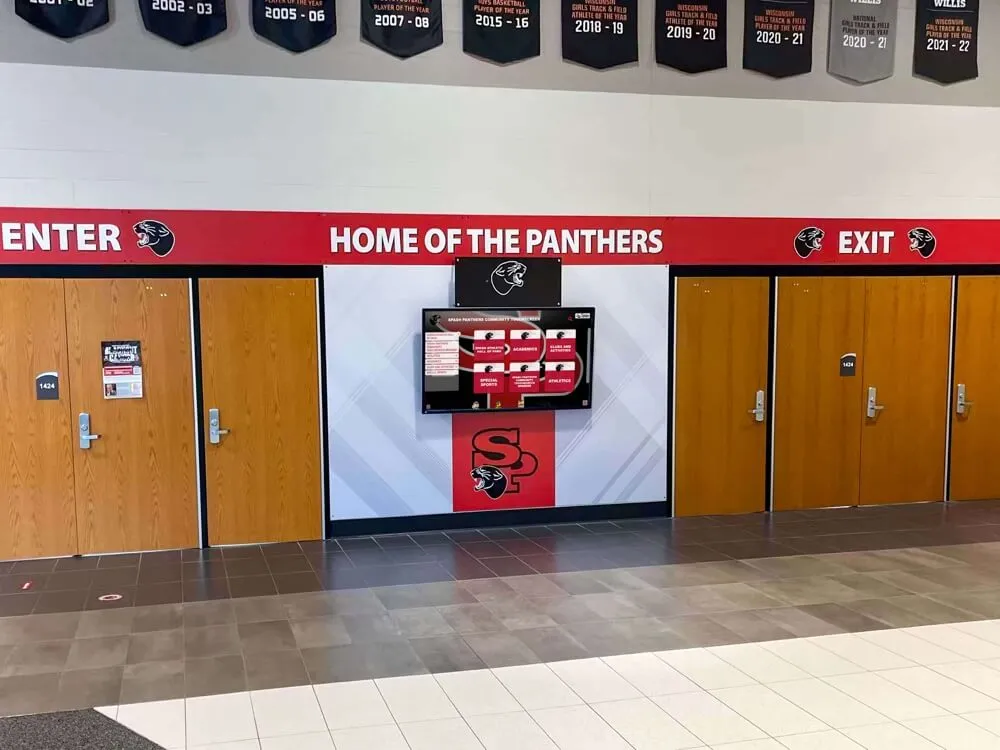
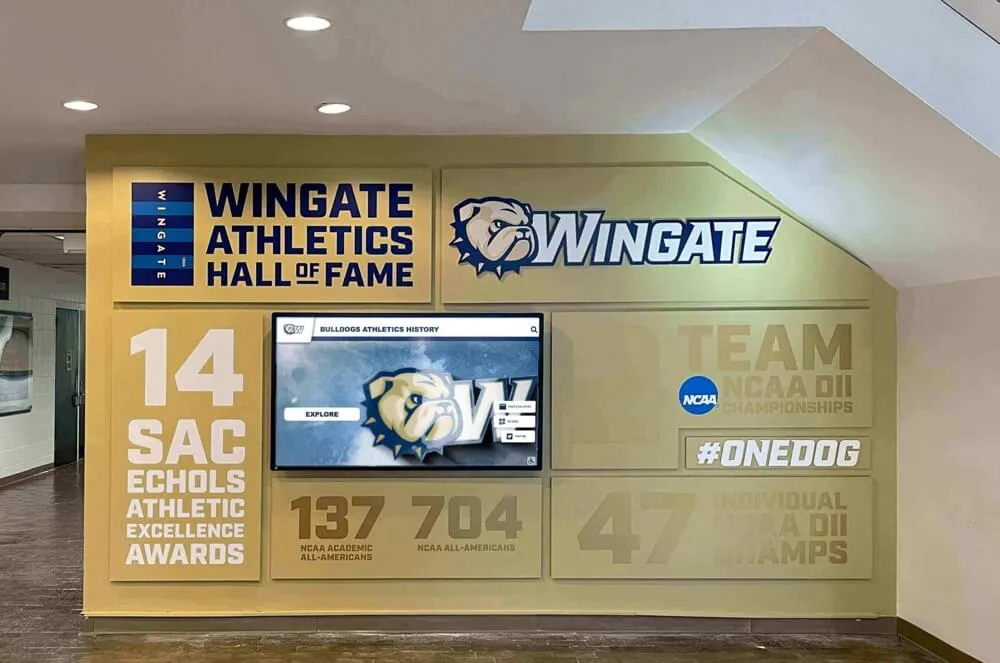
Digital recognition systems provide valuable visibility for business sponsors while engaging visitors with athletic program history
Corporate Matching Programs
Many employers match employee charitable contributions:
- Database of common employers with matching programs
- Step-by-step instructions helping donors access matching funds
- Follow-up reminders ensuring parents complete matching submissions
- Recognition systems crediting both individual donor and matching company
- Annual reports highlighting matching program success to encourage participation
Corporate matches effectively double donation impact without additional donor cost—yet remain dramatically underutilized because boosters don’t systematically promote matching opportunities.
Traditional Booster Club Fundraising Events
Time-tested events continue generating substantial revenue when executed effectively.
Banquets and Gala Events
Annual Athletic Awards Banquets
Celebration events that honor achievement while generating revenue:
- Ticket sales to families, alumni, and community supporters
- Corporate table sponsorships providing premium seating and recognition
- Program advertising from local businesses
- Silent and live auctions featuring donated items and experiences
- Athlete video tributes and coaching presentations
- Recognition moments celebrating season achievements and standout performers
Successful banquets balance celebration with fundraising—attendees expect to honor athletes first, with revenue generation feeling like natural extension rather than primary focus.
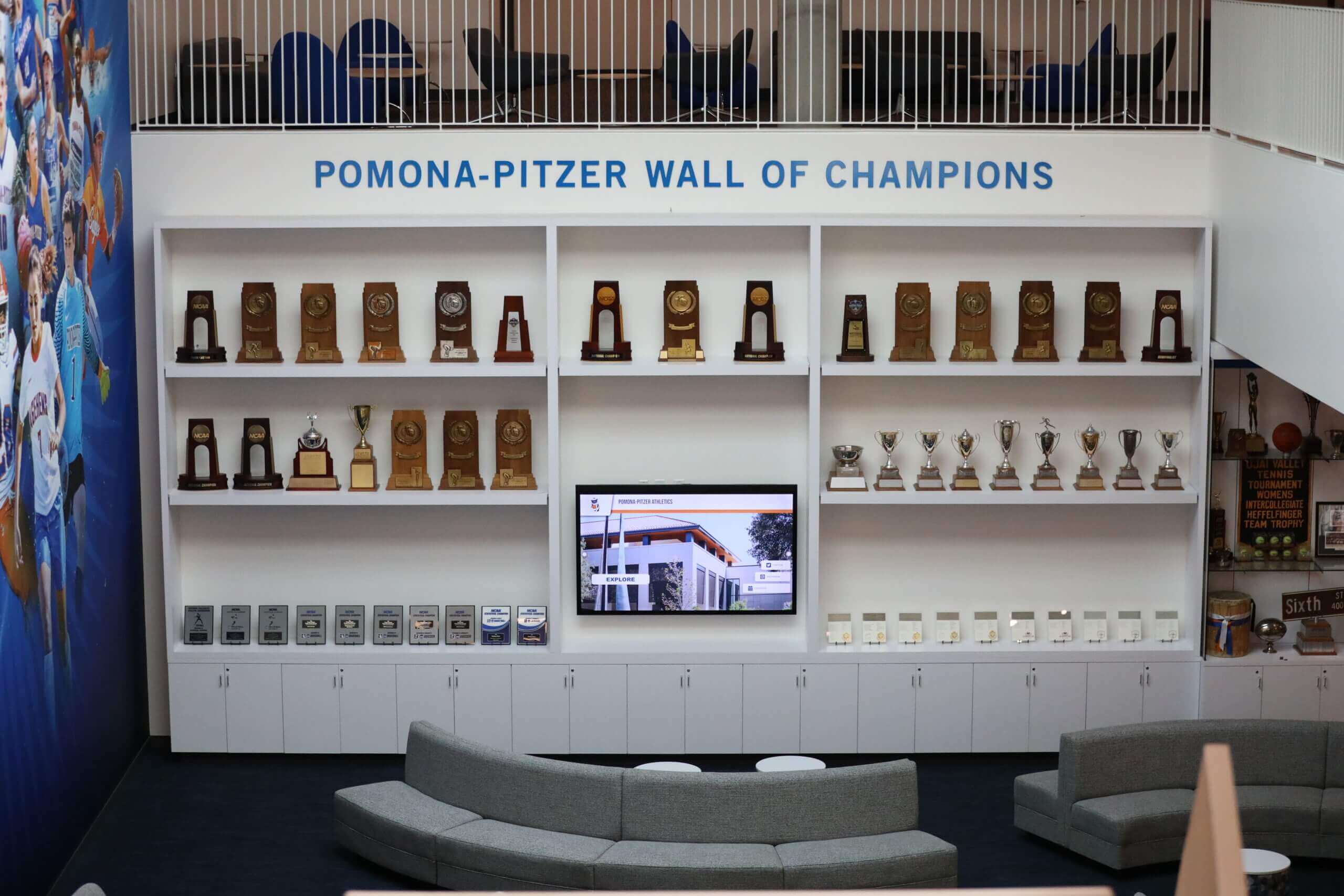
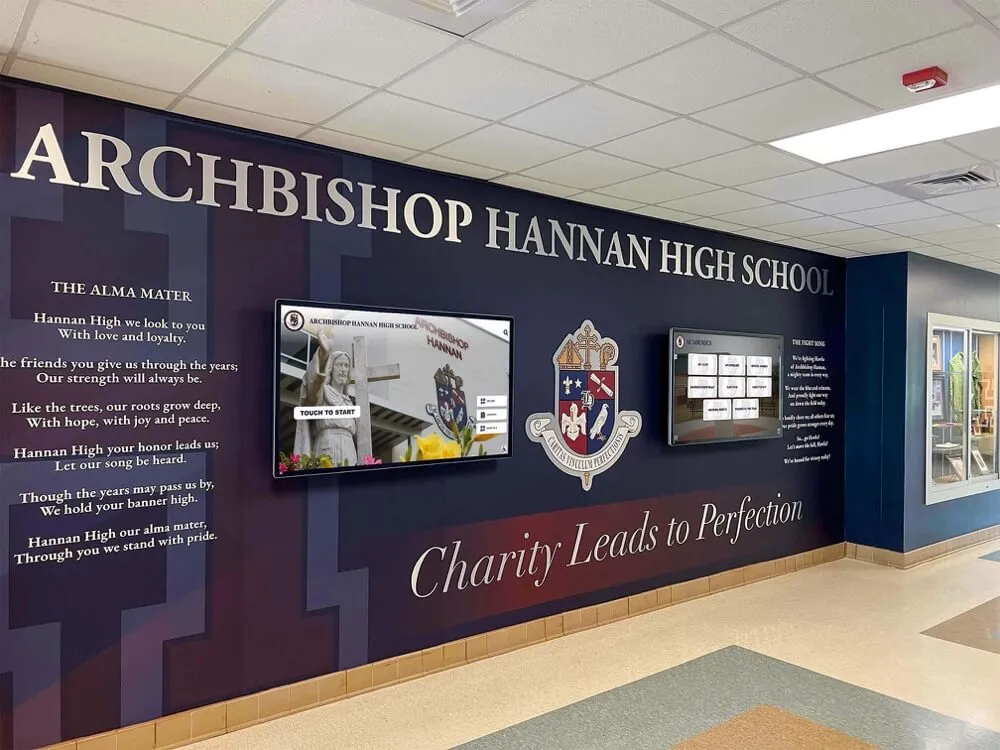
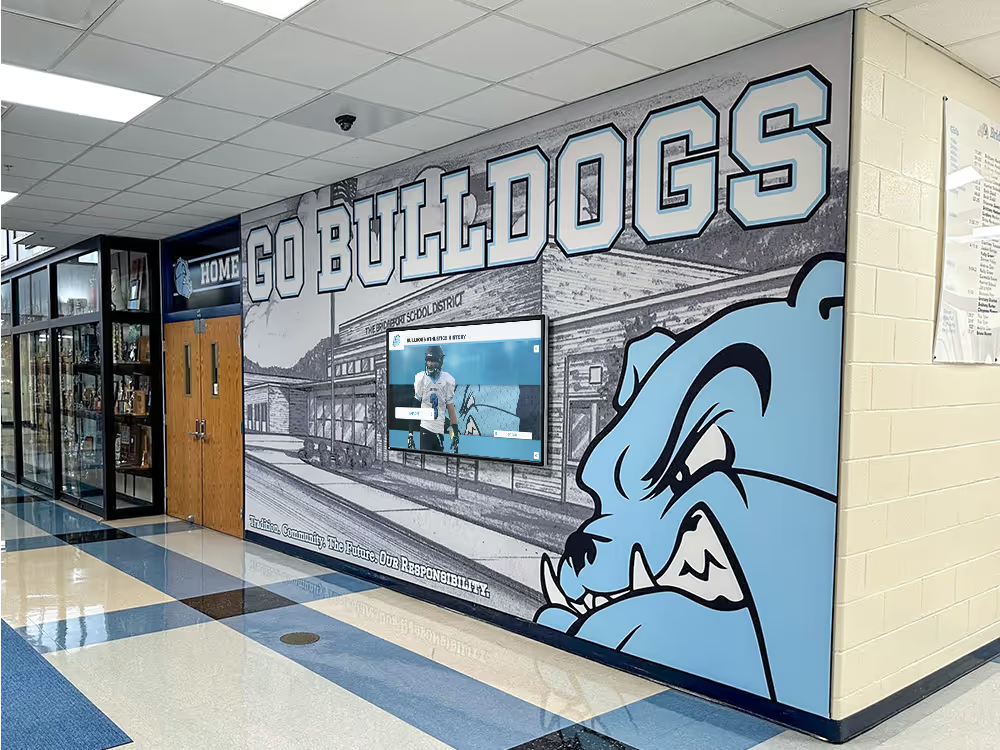
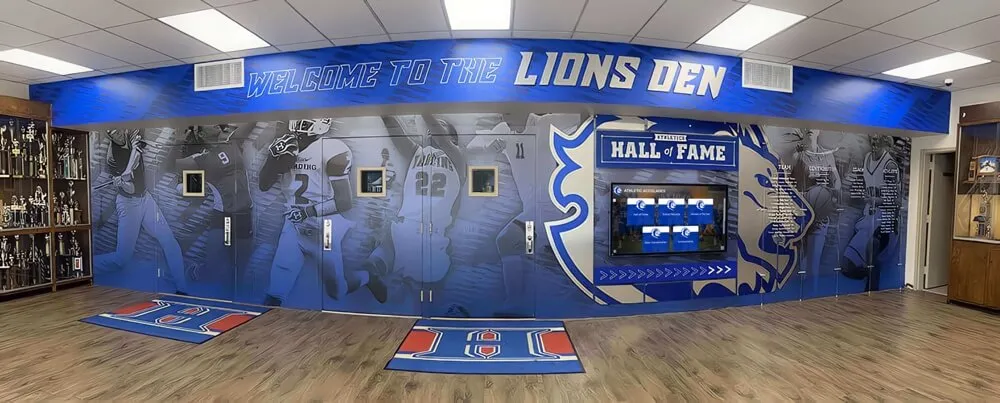
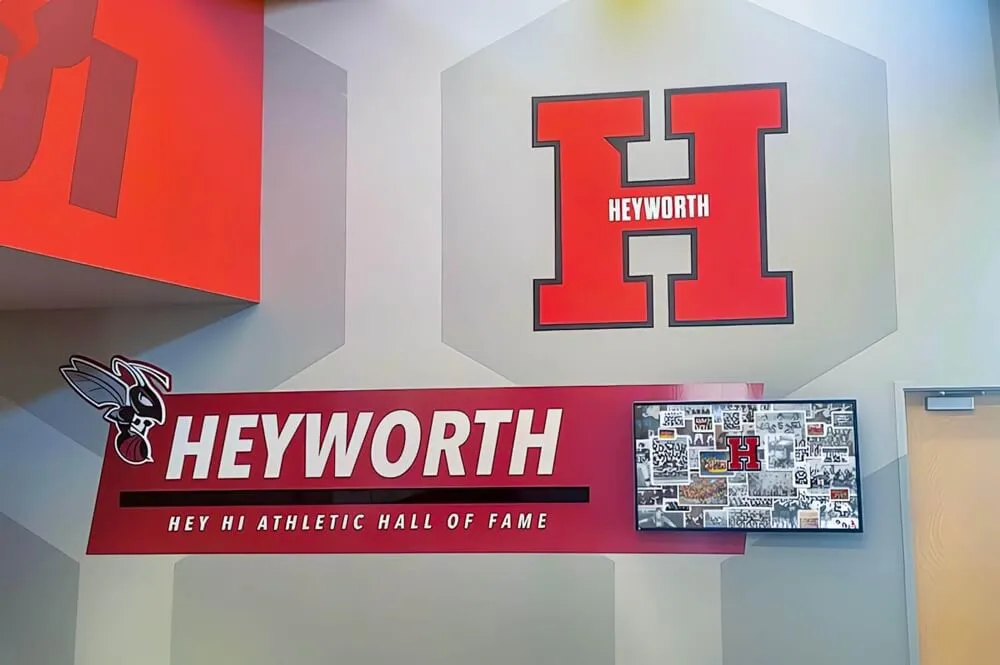
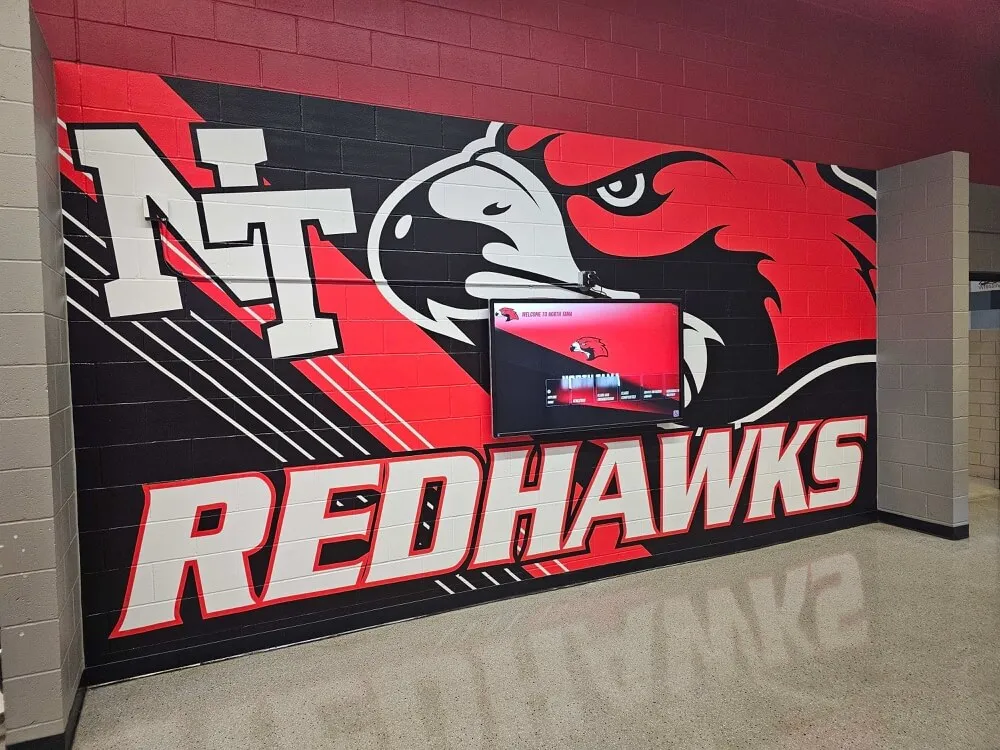
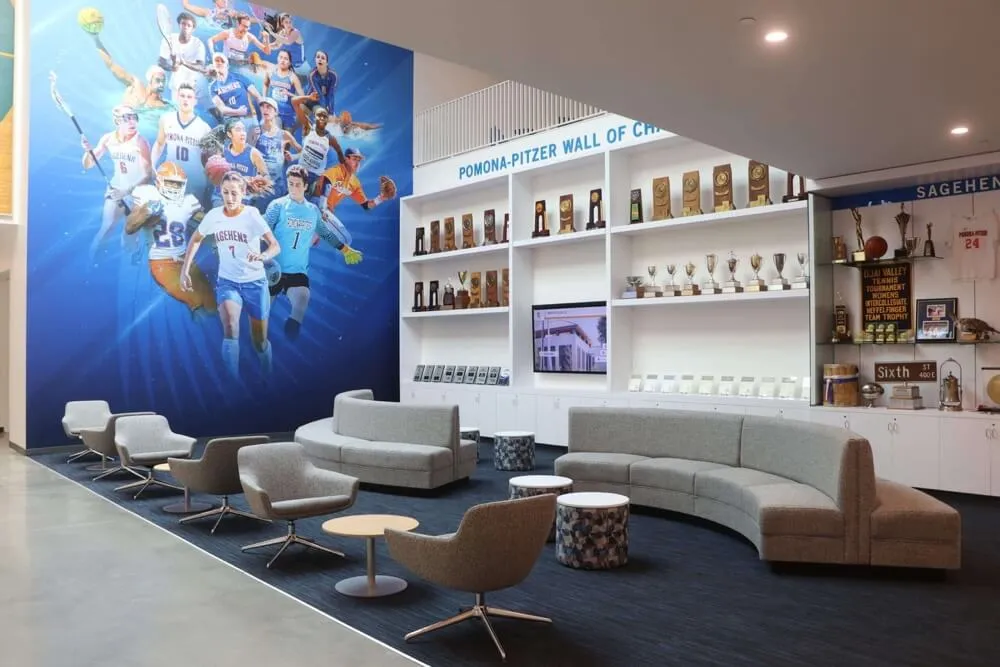
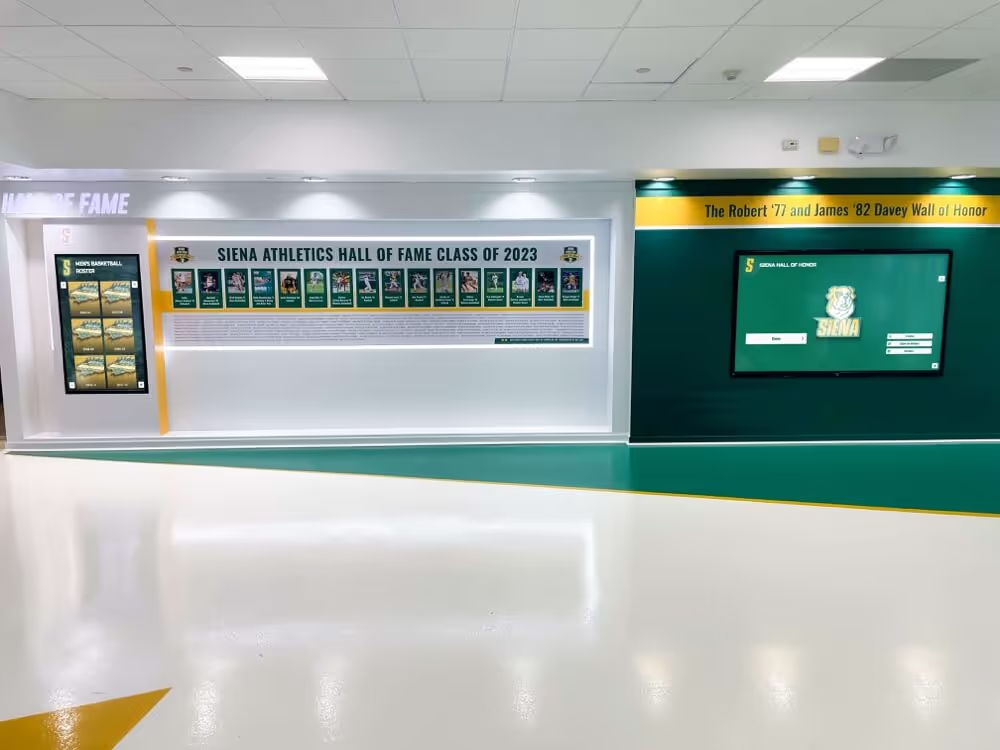
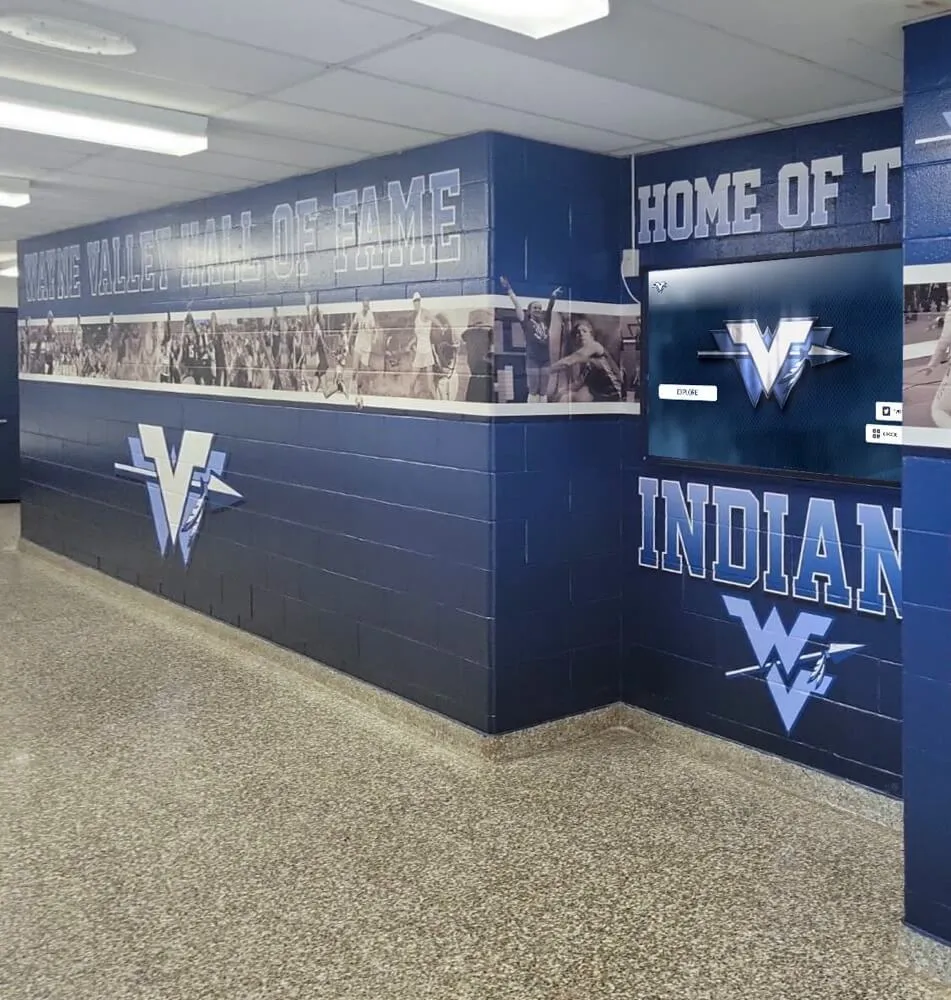
Recognition spaces create compelling backdrops for fundraising events where supporters gather to celebrate athletic achievement
Themed Fundraising Dinners
Specialized events generating excitement and attendance:
- BBQ cookoffs with amateur chef competitions
- Italian dinner nights with local restaurant partnerships
- Breakfast with champions featuring athlete and coach panels
- Tailgate parties before major games or rivalry matchups
- Decade-themed events (80s night, 90s throwback) encouraging costume participation
Themed events reduce competition with other fundraisers by offering unique experiences rather than generic asks for support.
Athletic Competition Fundraisers
Golf Tournaments
Classic booster fundraising events with strong corporate appeal:
- Foursome registration fees generating base revenue
- Hole sponsorships providing business recognition
- Raffle ticket sales and door prizes
- Closest-to-pin and longest-drive contests
- Silent auction items displayed during reception
- Corporate lunch sponsorships
- Beverage cart sponsorships
Golf tournaments attract business professionals and community leaders comfortable with higher contribution levels—often reaching demographics other fundraisers miss.
5K Runs and Fun Walks
Community participation events with broad appeal:
- Entry fee registration for competitive runners
- Family-friendly walking categories encouraging broad participation
- T-shirt sales with commemorative event designs
- Business sponsorship of different race elements
- Corporate team challenges encouraging workplace participation
- Kids’ dash and youth events expanding family involvement
- Virtual participation options for distant supporters
Running events build community visibility while engaging health-conscious supporters who appreciate active fundraising alternatives to another dinner or dessert sale.
Auction Events
Silent Auctions
Ongoing bidding throughout events:
- Donated items from local businesses and artisans
- Athlete experiences (signed memorabilia, lunch with coach, facility tours)
- Vacation packages and weekend getaways
- Spa services and restaurant gift packages
- Season ticket packages and premium game experiences
- Athletic equipment and branded merchandise
- Parent-donated talents and professional services
Silent auctions work particularly well as components of larger events rather than standalone fundraisers—captive audiences with time to browse generate competitive bidding.
Online Auctions
Digital platforms expanding participation:
- Extended bidding periods reaching busy families
- Mobile access enabling anytime, anywhere participation
- Automatic outbid notifications encouraging competition
- Broader item selection without physical display constraints
- Alumni and distant supporter participation
- Integration with email and social media promotion
- Lower volunteer coordination requirements
Online auctions democratize participation—supporters unable to attend in-person events can still contribute while expanding total donor pool.
Modern Digital Fundraising Strategies
Technology enables efficient, scalable fundraising approaches complementing traditional events.
Annual Giving Campaigns
Membership Drive Programs
Structured giving levels creating predictable revenue:
- Friend of Athletics ($100-$250)
- Bronze Supporter ($250-$500)
- Silver Champion ($500-$1,000)
- Gold Benefactor ($1,000-$2,500)
- Platinum Guardian ($2,500-$5,000)
- Elite Circle ($5,000+)
Tiered membership systems work because donors understand exactly where they stand and what recognition they’ll receive. Clear level structures remove ambiguity while encouraging contributions just above threshold amounts.
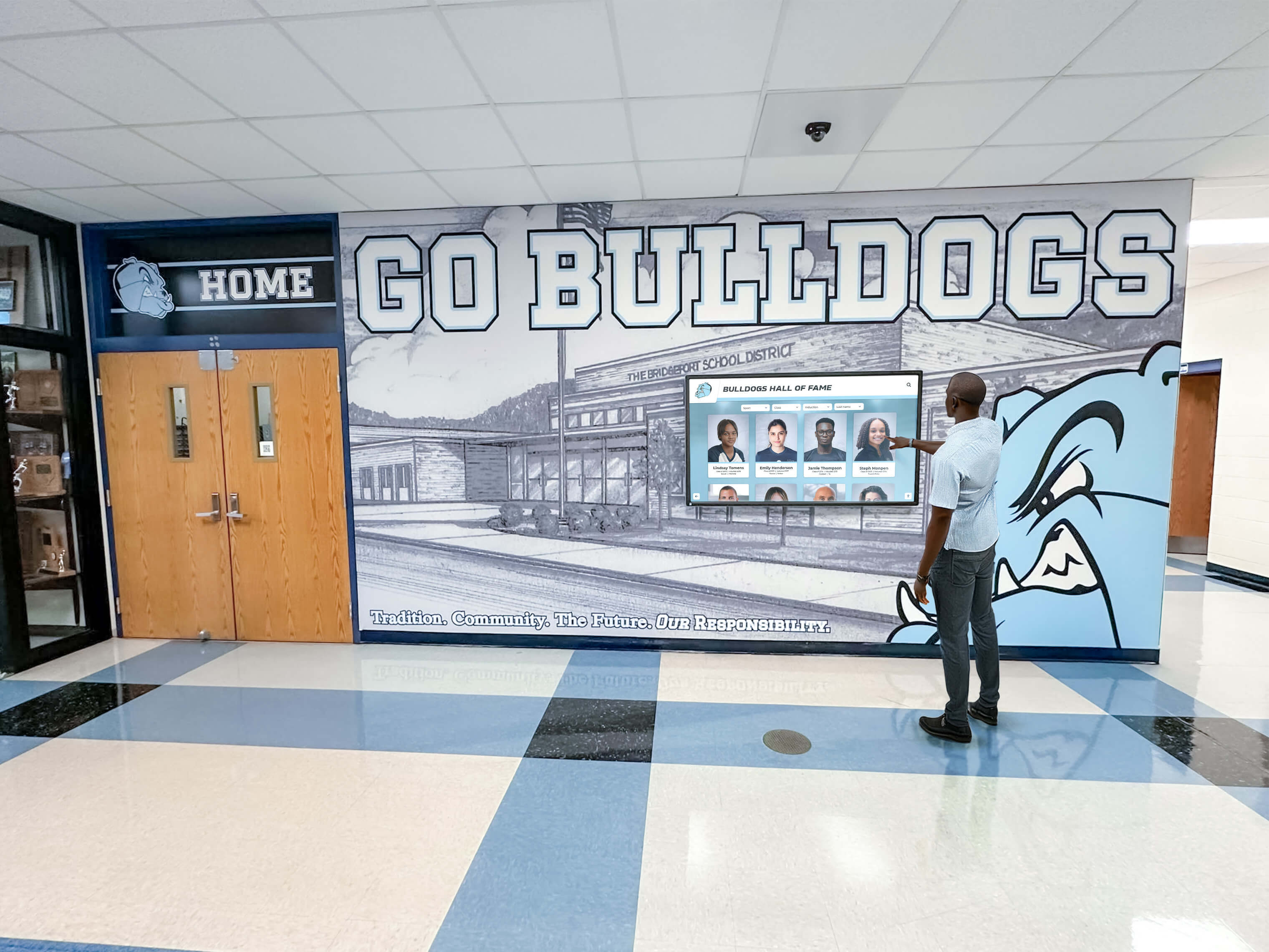
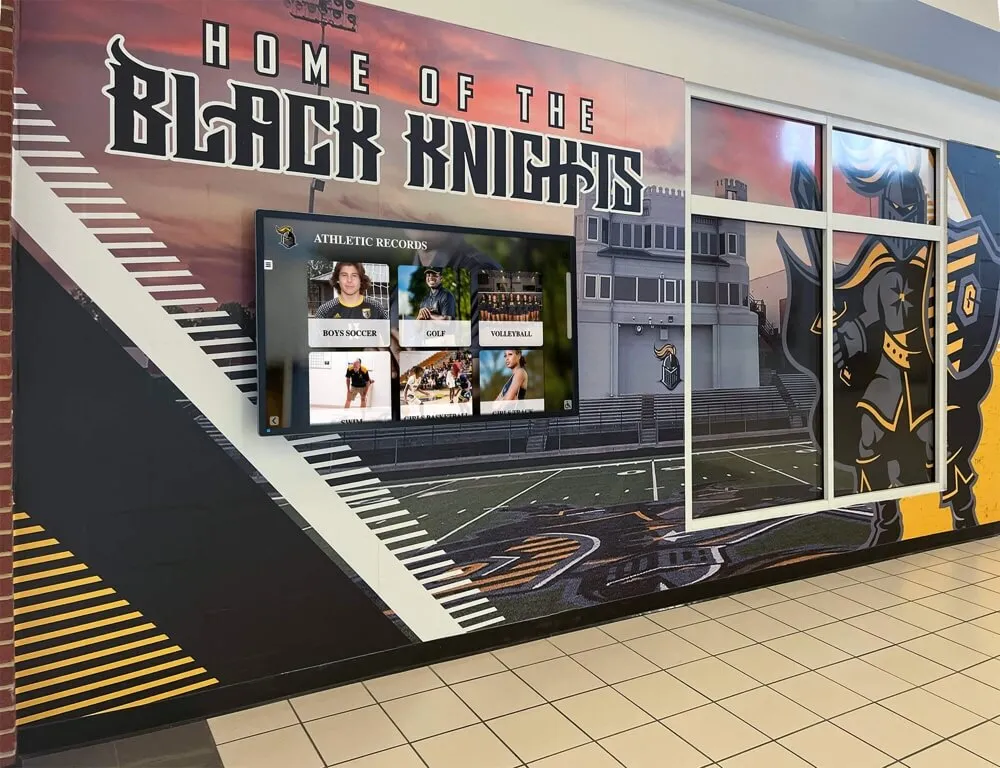
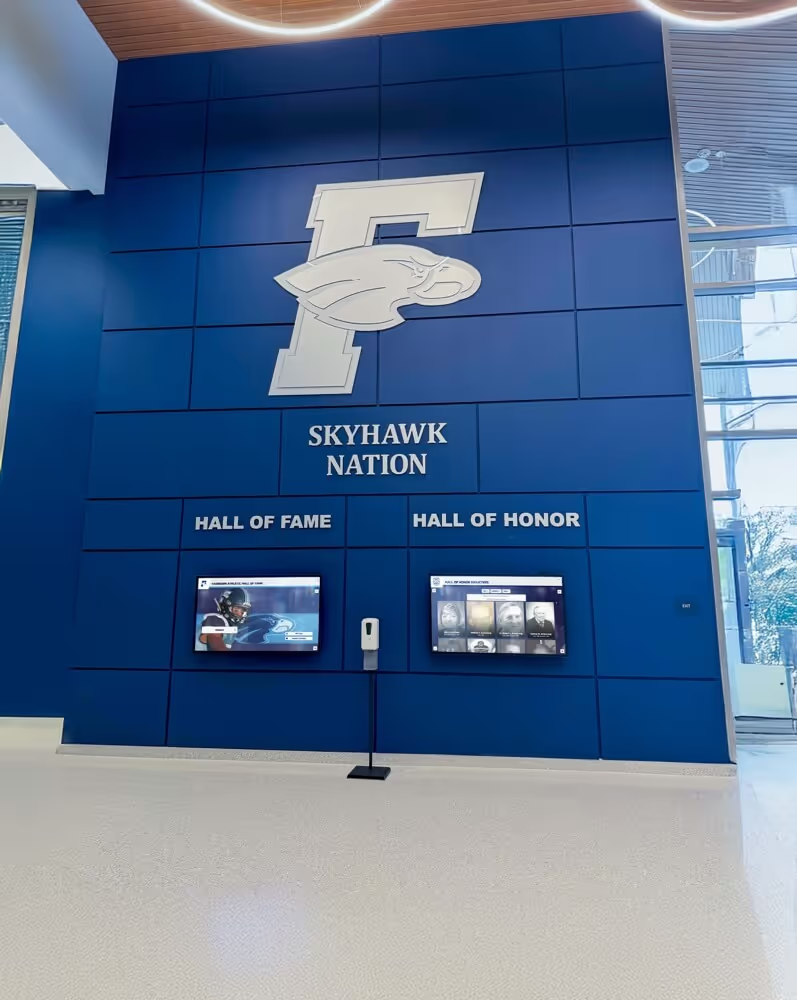
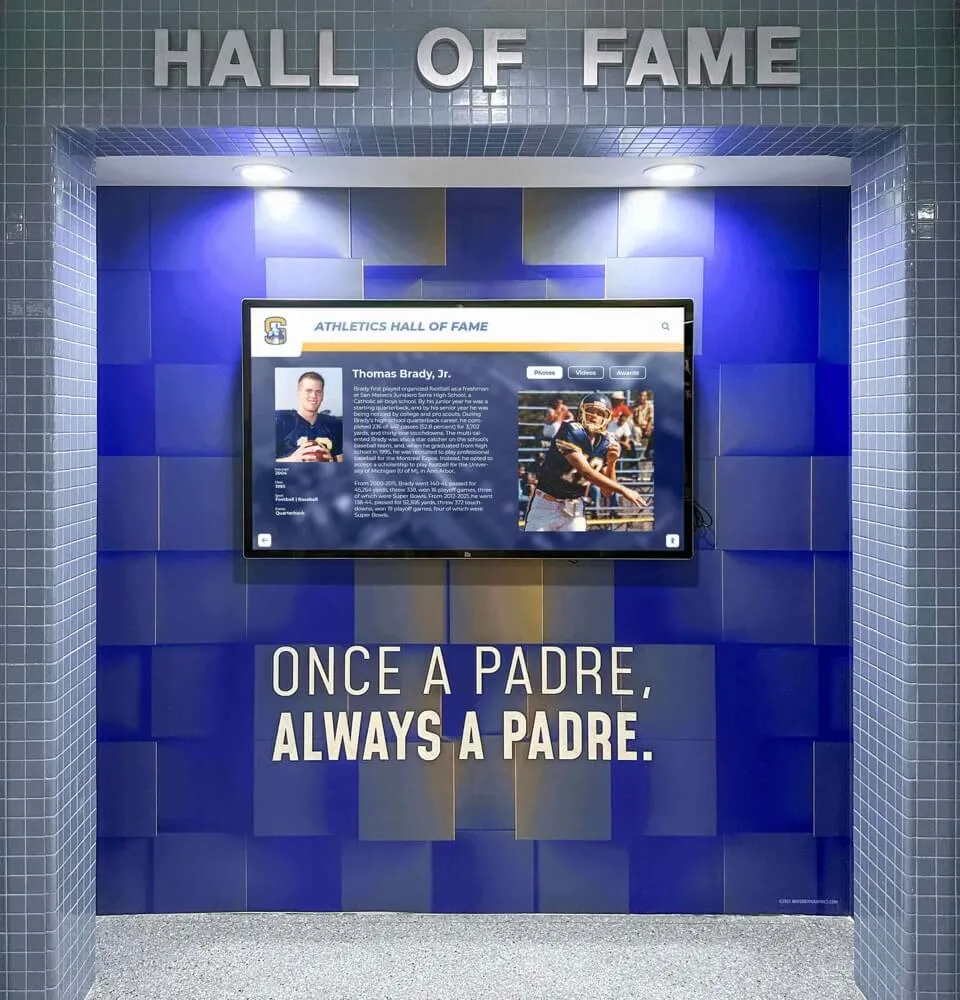
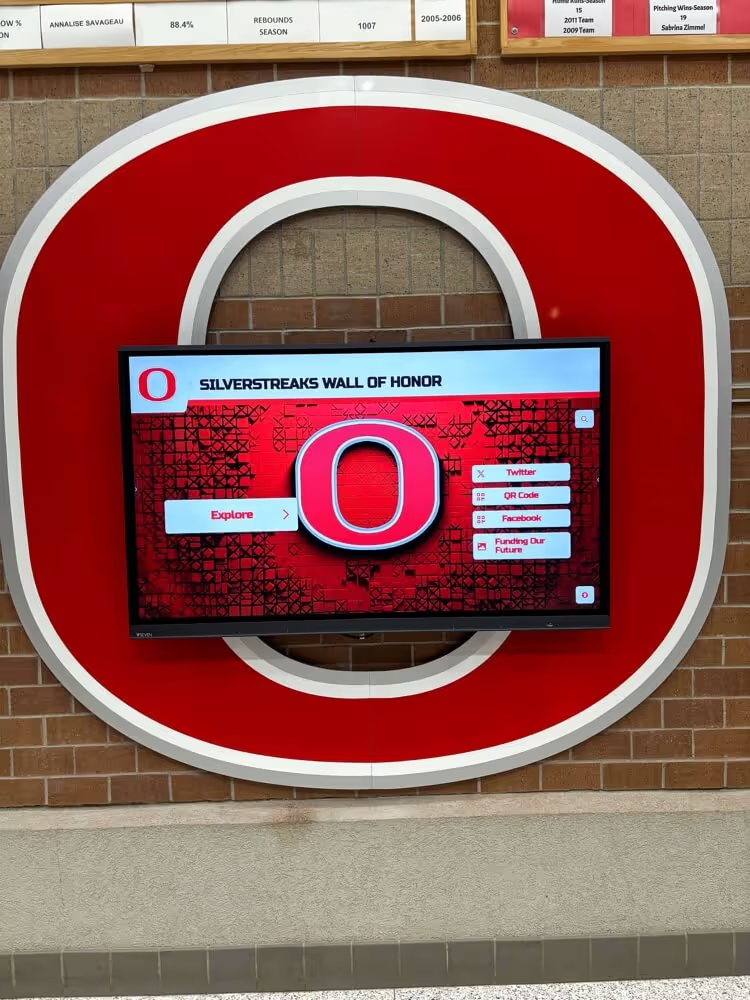
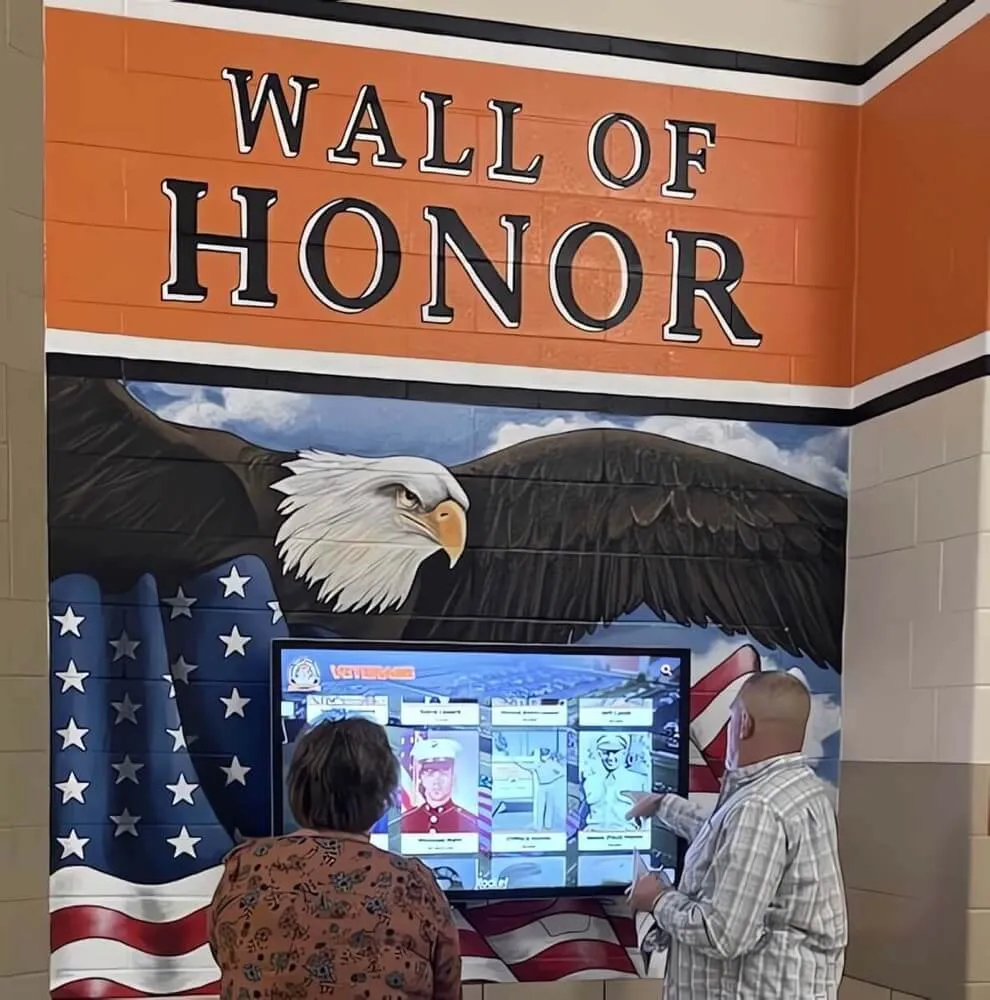
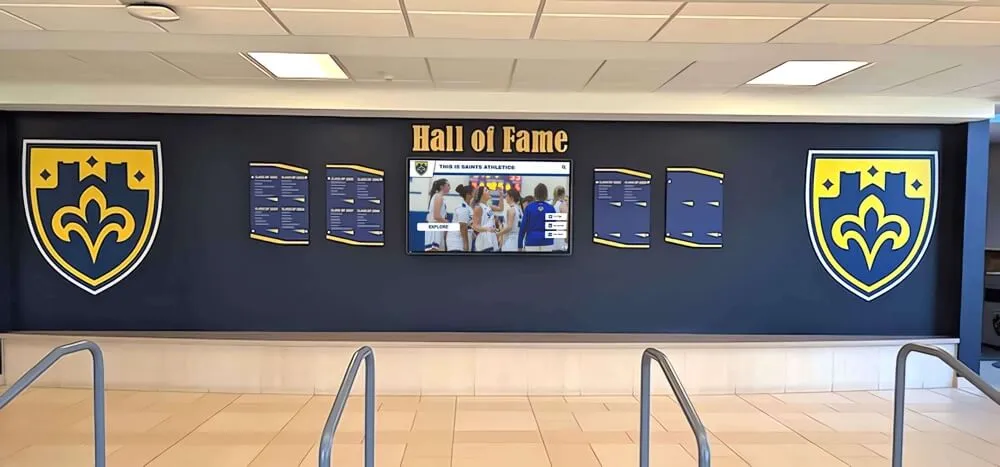
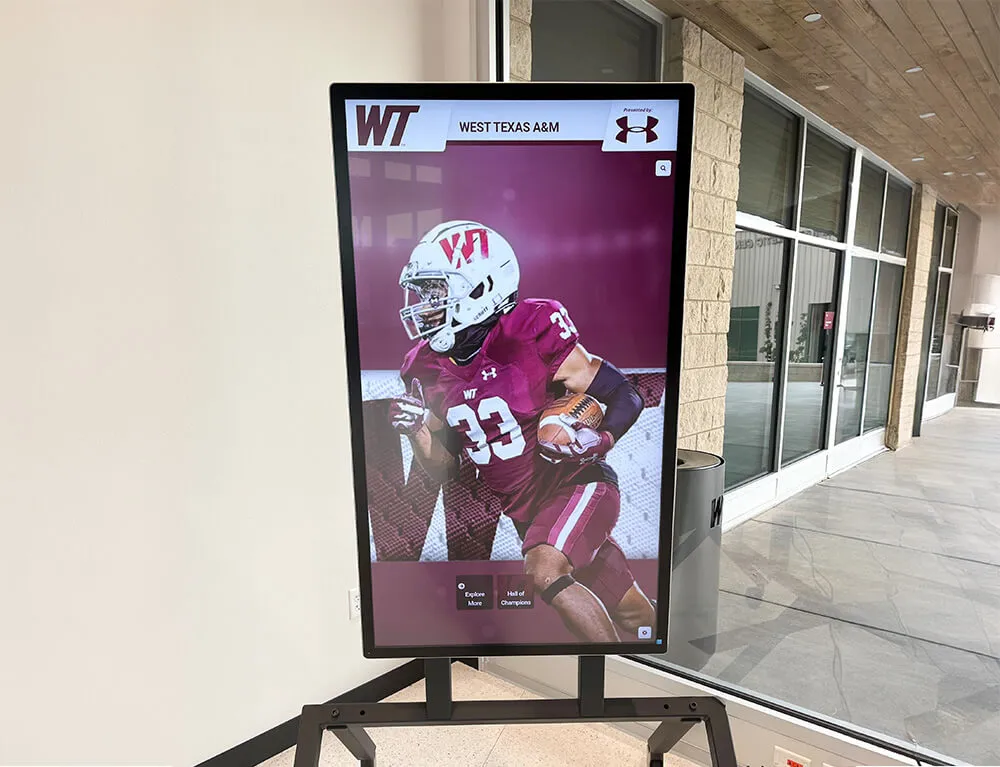
Interactive displays showcasing donor-funded achievements help supporters see their impact on student-athlete success
Monthly Giving Programs
Recurring contributions building sustainable funding:
- Automated monthly credit card or bank transfers
- Smaller per-month amounts reaching $500-$1,000+ annually
- Set-it-and-forget-it convenience reducing ask fatigue
- Predictable cash flow supporting budget planning
- Premium recognition for sustained commitment
- Easy online enrollment and management
Monthly giving programs dramatically increase lifetime donor value—a $50/month commitment generates $600 annually with single enrollment rather than requiring multiple successful asks throughout the year.
Crowdfunding and Peer-to-Peer Campaigns
Team-Specific Fundraising
Individual sport campaigns creating competition and engagement:
- Football team fundraiser toward new uniforms
- Basketball program raising funds for tournament travel
- Soccer team campaign for goal-keeping equipment
- Wrestling fundraiser supporting training room upgrades
- Volleyball team driving toward new nets and standards
Team-specific campaigns leverage existing social networks—athletes naturally promote their sport’s needs to family and friends, multiplying reach beyond core booster membership.
Athlete Ambassador Programs
Student-athletes as fundraising advocates:
- Senior athletes sharing personal impact stories
- Captain leadership groups organizing peer outreach
- Video testimonials explaining how booster funds enable opportunities
- Social media campaigns amplifying ask across athlete networks
- Direct athlete appeals to family friends and community connections
Athlete involvement personalizes fundraising—potential donors respond more powerfully to students explaining direct impact than to generic organizational appeals.
Digital Recognition and Donor Engagement
Interactive Donor Walls
Modern recognition systems honoring all contribution levels:
- Digital donor displays showcasing supporter names and giving levels
- Searchable databases enabling donors to find their recognition
- Cumulative giving tracking acknowledging multi-year support
- Corporate sponsor logo displays with visibility to school visitors
- Integration with athletic achievement displays connecting funding to results
- Web-accessible recognition extending visibility beyond physical location
- Automated updates as new donors join or advance giving levels
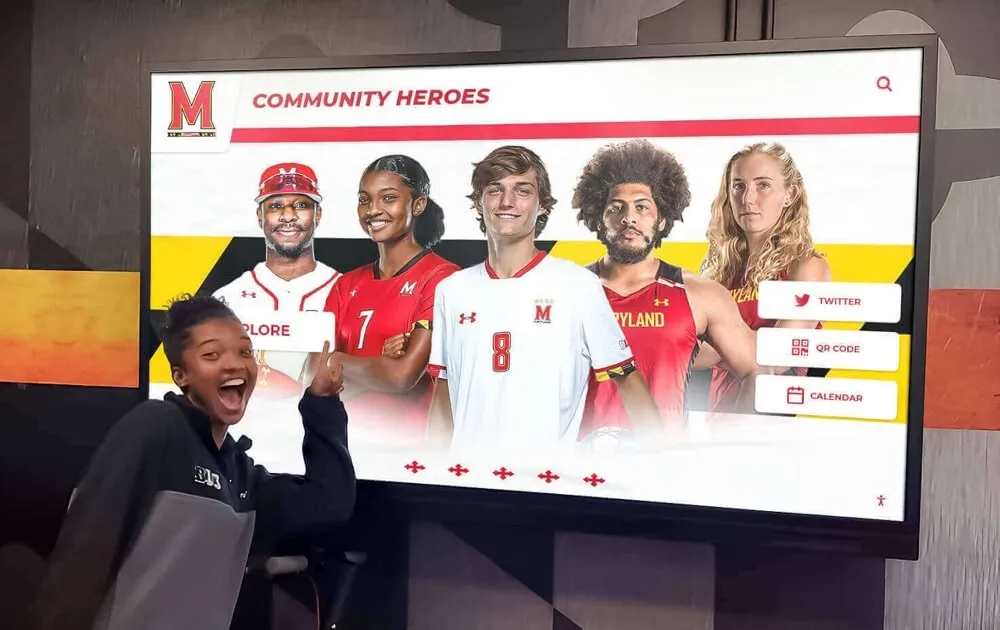
Digital recognition systems address traditional donor wall limitations—infinite capacity eliminates space constraints while automated updates ensure current information without manual plaque replacement.
Social Media Donor Appreciation
Ongoing recognition maintaining engagement:
- Weekly donor spotlights featuring supporter stories
- Thank-you videos from athletes addressing contributors
- Impact reports showing specific accomplishments booster funds enabled
- Behind-the-scenes content demonstrating daily program operations
- Season highlights connecting on-field success to supporter investment
- Milestone celebrations (500th donor, $100K raised, championship achievement)
Consistent appreciation between formal asks keeps donors engaged with programs and reminded of their importance to student-athlete success.
Product Sales and Ongoing Revenue Streams
Continuous fundraising supplements event-based campaigns.
Spirit Wear and Merchandise
School Apparel Sales
Ongoing revenue from community pride:
- Team-specific apparel for each sport
- Generic athletic department spirit wear
- Seasonal clothing (hoodies, performance tees, winter gear)
- Accessories (hats, bags, water bottles, car decals)
- Online stores enabling 24/7 ordering
- Pop-up sales during major events and game days
- Custom team orders for athletes and families
Merchandise sales generate revenue while building program visibility—community members wearing athletic apparel provide free advertising that reinforces program support.
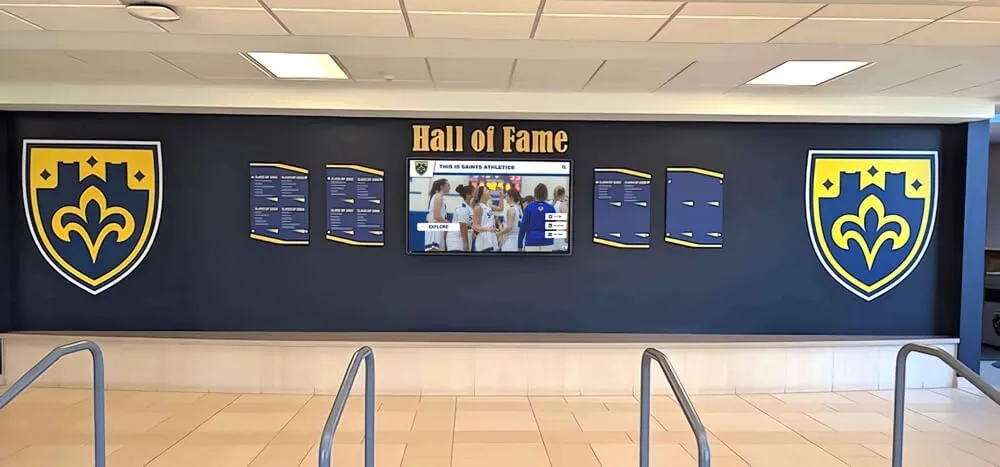
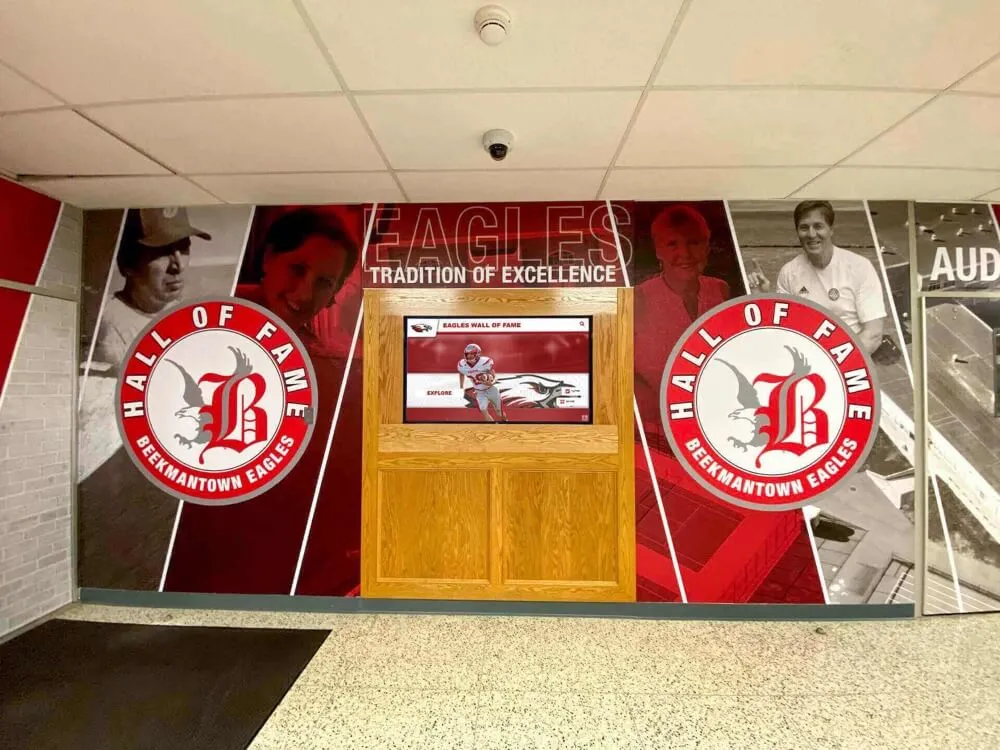
Recognition displays funded through booster support demonstrate impact while inspiring continued donor engagement
Commemorative Items
Special products creating keepsake appeal:
- Senior athlete yard signs celebrating graduating players
- Team photo products (mugs, mouse pads, ornaments)
- Commemorative coins or challenge coins
- Championship celebration merchandise
- Milestone season items (100th win, program anniversary)
- Limited edition items creating scarcity and urgency
Commemorative products succeed because buyers value items beyond utility—emotional connection and memory preservation justify premium pricing while creating natural marketing as items appear throughout community.
Game Day Revenue
Concession Stand Operations
Event-based sales generating consistent income:
- Home game concessions for every athletic event
- Premium offerings beyond standard candy and chips
- Specialty items (themed nachos, signature snacks)
- Beverage sales including bottled water, sports drinks, and coffee
- Pre-game and halftime promotions
- Volunteer staffing keeping labor costs minimal
- Inventory management maximizing margins
Concession operations require upfront coordination but generate reliable revenue throughout athletic seasons with built-in customer traffic requiring minimal additional marketing.
Program and Advertising Sales
Print materials generating dual revenue:
- Game programs featuring rosters, schedules, and opponent information
- Business advertising within programs
- Season program sales versus single-game purchases
- Digital program versions reducing printing costs
- Sponsor recognition pages
- Athlete spotlight sections
- Historical retrospective content
Program sales work particularly well for premier sports (football, basketball) where attendance justifies production costs and fans value detailed game information and rosters.
Capital Campaigns and Major Gifts
Large-scale fundraising for significant projects.
Facility Improvement Campaigns
Targeted Infrastructure Projects
Compelling cases for major giving:
- Stadium lighting upgrades enabling night games
- Synthetic turf field installations
- Scoreboard and video display systems
- Press box and announcer booth facilities
- Training room equipment and technology
- Locker room renovations
- Weight room expansions and equipment
Facility campaigns attract major gifts because impact remains visible for decades—donors appreciate lasting legacy projects where their contribution creates permanent improvement.
Recognition Opportunities
Naming rights and permanent acknowledgment:
- Field and facility naming for transformational gifts
- Building component recognition (locker rooms, training areas, conference rooms)
- Equipment naming for substantial donations
- Recognition plaques at improved facilities
- Donor walls honoring capital campaign contributors
- Digital displays showcasing campaign supporters
- Permanent record of transformational philanthropy
Naming opportunities create compelling incentives for lead gifts—major donors value visibility demonstrating community leadership while supporting causes meaningful to them personally.
Endowment Building
Sustained Funding for Long-Term Stability
Permanent funds generating ongoing support:
- General athletic endowments supporting all programs
- Sport-specific endowments for particular teams
- Scholarship endowments supporting student-athletes
- Equipment replacement funds ensuring regular upgrades
- Facility maintenance endowments covering long-term costs
- Coaching excellence funds supporting professional development
Endowments provide financial stability reducing year-to-year fundraising pressure—investment returns create perpetual funding streams that compound benefits across generations of student-athletes.
Legacy Giving Programs
Long-term planned gifts:
- Estate gift commitments through wills and trusts
- Life insurance policy designations
- Retirement account beneficiary designations
- Charitable gift annuities providing donor income
- Donor advised fund recommendations
- Real estate and appreciated asset donations
Legacy programs reach donors unable to make major current gifts but willing to include athletics in estate plans—often producing substantially larger contributions than annual giving while creating no immediate financial impact on donor.
Corporate Partnership Strategies
Business relationships extending beyond one-time sponsorships.
Multi-Year Sponsorship Packages
Comprehensive Partnership Agreements
Long-term relationships with escalating benefits:
- Three to five-year commitment agreements
- Annual sponsorship amounts with built-in increases
- Exclusive category rights within sponsor type
- Premier placement and recognition priority
- First right of refusal for renewal
- Partnership planning meetings ensuring mutual value
- Activation opportunities beyond logo placement
Multi-year agreements reduce annual sales efforts while providing budget predictability—businesses appreciate reduced decision-making frequency while boosters secure committed revenue streams.
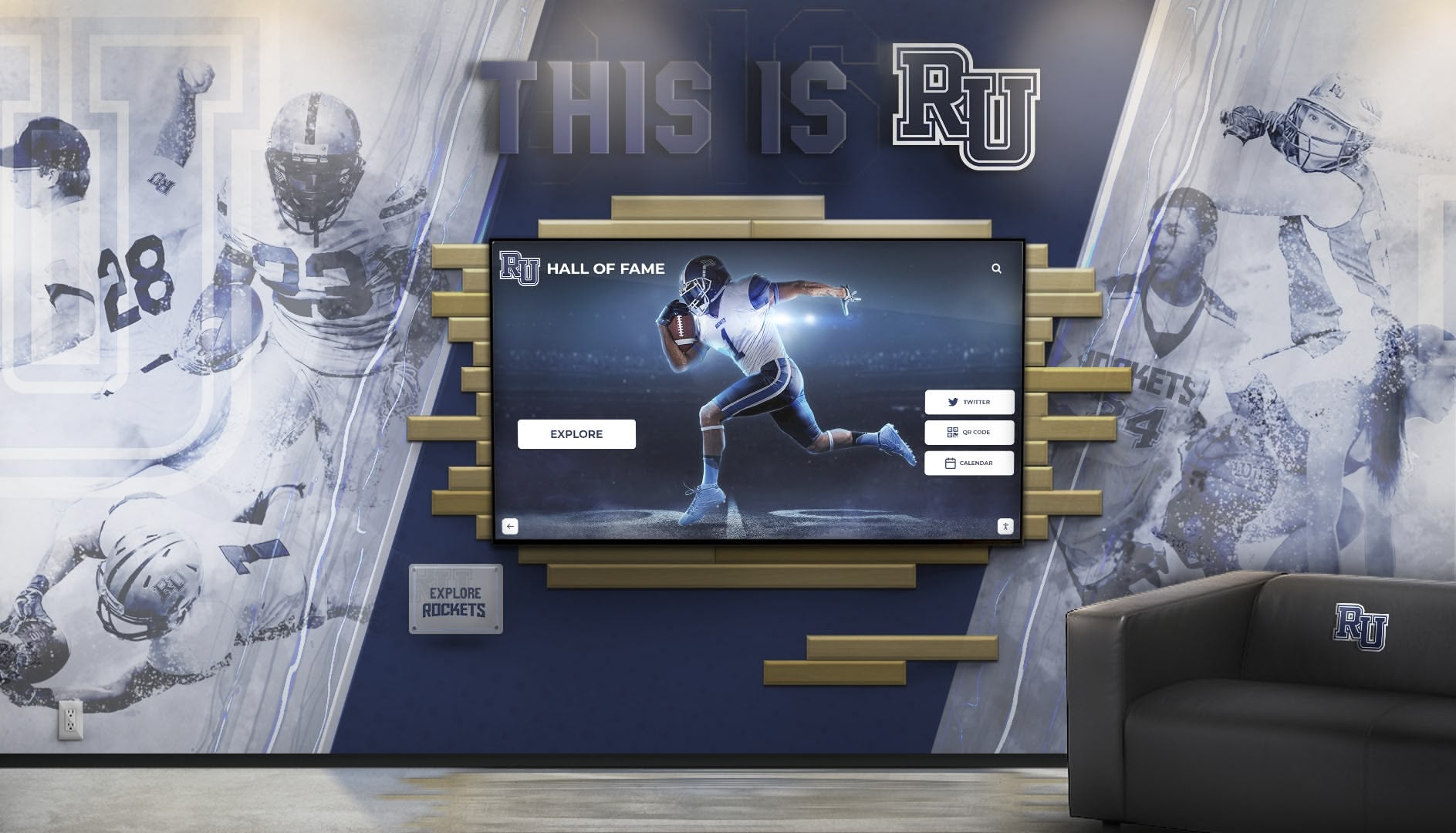
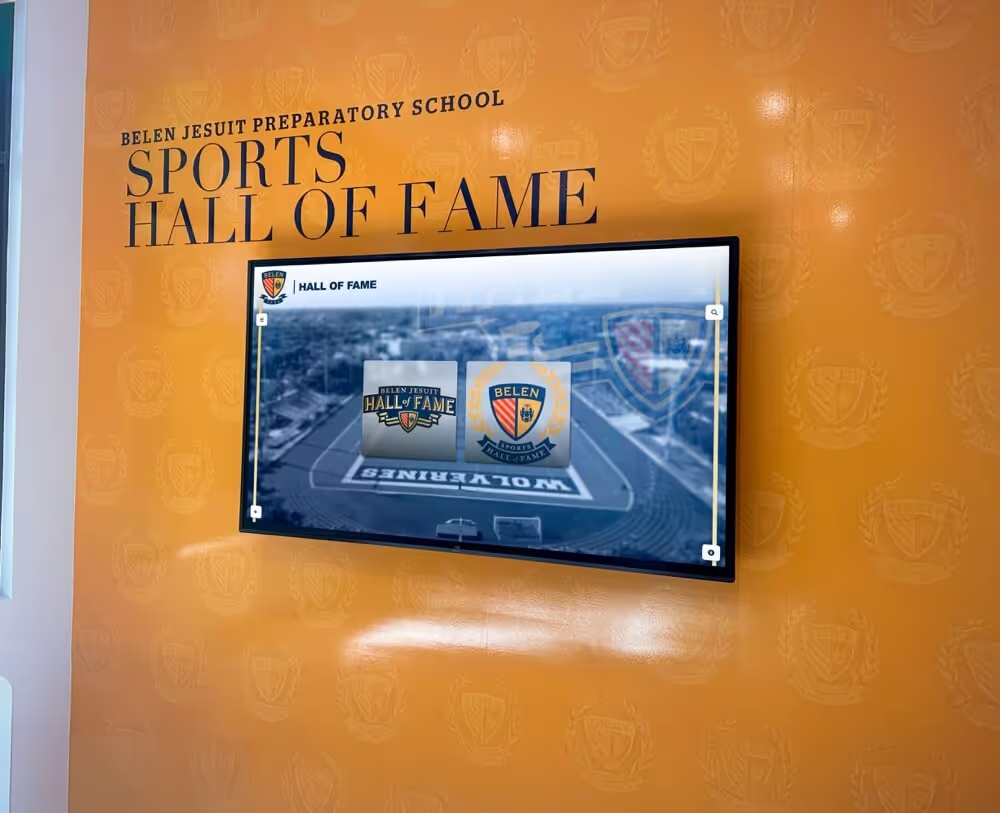
Prominent recognition displays provide valuable visibility to corporate sponsors while celebrating athletic achievement and tradition
Sponsor Activation and Value Delivery
Beyond Logo Placement
Creating meaningful business value:
- Social media promotion to booster community (amplifying reach)
- Email campaign inclusion reaching engaged supporter base
- Website homepage sponsor features with business links
- Community event presence connecting sponsors to customers
- Customer appreciation nights bringing clients to athletic events
- Business-athlete appearances for grand openings or promotions
- Digital display advertising providing extended visibility
Sophisticated sponsorship approaches demonstrate business value beyond charitable contribution—sponsors who see customer acquisition and community goodwill remain committed long-term partners.
Maximizing Donor Recognition and Retention
Converting one-time gifts into sustained support.
Comprehensive Recognition Systems
Multi-Channel Acknowledgment
Appreciation across touchpoints:
- Immediate email confirmations with tax receipts
- Personalized thank-you communications from leadership
- Athlete-written appreciation notes
- Public recognition at athletic events
- Social media spotlights featuring donor stories
- Annual impact reports demonstrating fund usage
- Digital recognition displays honoring all contribution levels
Comprehensive recognition matters because donors who feel appreciated give repeatedly—strategic acknowledgment systems convert transactional contributions into lasting philanthropic relationships.
Impact Reporting and Transparency
Demonstrating Results
Clear communication about fund usage:
- Pre-season budget presentations explaining planned expenditures
- Mid-year progress reports showing funds raised and deployed
- End-of-season impact summaries connecting donations to achievements
- Specific project updates (equipment purchased, facility improved, travel funded)
- Financial transparency reports with clear expense categorization
- Student-athlete outcome data (college commitments, championship results, participation growth)
- Visual storytelling showing tangible program improvements
Transparency builds donor confidence essential for repeated giving—contributors who see clear connections between their support and student-athlete success remain engaged long-term supporters.
Donor Progression Strategies
Moving Supporters Up the Giving Ladder
Strategic cultivation toward increased commitment:
- Annual giving level advancement suggestions
- Impact stories demonstrating need for higher support
- Special opportunities matching donor capacity and interests
- Major gift conversations with demonstrated leadership donors
- Multi-year pledge options spreading larger commitments
- Monthly giving conversions building cumulative support
- Capital campaign participation leveraging annual giving relationships
Donor development approaches recognize that most major gifts come from existing supporters with demonstrated commitment—systematic cultivation moves engaged donors toward transformational philanthropy over time.
Building Your Fundraising Calendar
Strategic timing maximizing results while avoiding saturation.
Annual Fundraising Planning
Balanced Campaign Scheduling
Strategic distribution throughout year:
Fall Season (August-November)
- Season kickoff membership drive
- Homecoming alumni engagement campaign
- Golf tournament (early fall optimal weather)
- Corporate sponsorship renewals for upcoming year
- Giving Tuesday digital campaign
Winter Season (December-February)
- End-of-year tax advantage appeals
- Athletic banquet and awards celebration
- Basketball game day fundraisers
- Corporate partnership cultivation meetings
- Capital campaign quiet phase major gift solicitations
Spring Season (March-May)
- 5K run/walk community event
- Online auction and virtual fundraiser
- Senior recognition and graduation giving
- Year-end impact reporting to current donors
- Next-year budget planning and case development
Summer Season (June-July)
- Major gift follow-up and stewardship
- Event planning and volunteer recruitment
- Facility project work windows
- New family onboarding and orientation
- Strategic planning and board development
Strategic calendar planning prevents fundraising fatigue while ensuring consistent revenue throughout year rather than concentrated stress during compressed timeframes.
Implementing Modern Recognition Technology
Digital solutions that scale with your program.
Digital Recognition Display Benefits
Why Modern Boosters Choose Digital Recognition
Solutions like Rocket Alumni Solutions provide booster clubs with powerful recognition capabilities that traditional approaches cannot match:
Unlimited Recognition Capacity Digital displays eliminate space constraints limiting physical donor walls—every contributor receives appropriate acknowledgment regardless of giving level, removing difficult decisions about whose recognition appears and whose doesn’t.
Automated Updates New donors, giving level advancements, and cumulative contribution milestones update automatically without manual plaque orders or installation—keeping recognition current while reducing administrative burden.
Enhanced Engagement Interactive touchscreen displays enable visitors to explore donor communities, search for specific names, view giving histories, and understand the broader supporter network funding athletic excellence. This engagement creates positive associations encouraging both current and prospective donors.
Integrated Athletic Recognition Combining donor recognition with athletic achievement displays demonstrates direct connections between supporter generosity and student success—donors see precisely how their contributions enable the championships, records, and opportunities celebrated throughout recognition systems.
Web Accessibility Digital recognition extends beyond physical installations to web-accessible platforms where alumni, distant family members, and prospective donors can explore supporter communities from anywhere—dramatically expanding recognition visibility and impact.
Corporate Sponsor Visibility Business sponsors receive prominent, dynamic recognition with logo displays, company information, and clickable website links providing genuine marketing value beyond charitable contribution acknowledgment.
Recognition Best Practices
Creating Meaningful Acknowledgment
Effective donor recognition follows consistent principles:
- Accuracy: Names, giving levels, and contribution histories must be absolutely correct—recognition errors damage relationships rather than building them
- Timeliness: Recognition appearing soon after contributions demonstrates appreciation while donor’s gift remains top-of-mind
- Proportionality: Acknowledgment intensity should match contribution significance—major donors deserve substantial recognition while all contributors receive appropriate appreciation
- Inclusivity: Recognition systems should honor every donor regardless of giving level—cumulative small gifts often exceed major contributions when properly cultivated
- Accessibility: Recognition should be easily discoverable by donors seeking to see their acknowledgment—searchable systems eliminate frustration of finding specific names
- Permanence: Appropriate recognition should remain visible long-term rather than disappearing after brief periods—sustained visibility demonstrates lasting appreciation
Measuring Fundraising Success
Tracking performance driving continuous improvement.
Key Performance Metrics
Critical Data Points
Monitor these indicators throughout campaigns:
Donor Acquisition Metrics
- New donor count and growth rate
- First-time donor average gift size
- Acquisition cost per new donor
- Conversion rate from prospects to donors
- Donor demographic diversity
Donor Retention Metrics
- Year-over-year donor retention percentage
- Multi-year donor progression rates
- Lapsed donor reactivation success
- Donor lifetime value calculations
- Giving level advancement frequency
Campaign Performance Metrics
- Total revenue by campaign type
- Revenue per event attendee or participant
- Corporate sponsorship renewal rates
- Online versus offline giving ratios
- Month-by-month contribution patterns
Engagement Metrics
- Event attendance trends
- Volunteer participation rates
- Email open and click-through rates
- Social media engagement and reach
- Website traffic and donation page visits
Regular metric review identifies what’s working, what needs adjustment, and where to focus resources for maximum impact.
Continuous Improvement Strategies
Learning and Adapting
Successful boosters systematically improve:
- Post-event debriefs capturing lessons learned
- Donor surveys understanding satisfaction and preferences
- Competitive analysis observing peer organization approaches
- Board development and leadership training
- Technology adoption keeping pace with donor expectations
- Process documentation enabling volunteer transitions
- Recognition of high-performing volunteers and leaders
Organizations that view fundraising as continuous learning process rather than fixed approach consistently outperform those repeating same activities without strategic refinement.
Getting Started: Your First 90 Days
Practical implementation roadmap.
Month One: Foundation Building
Organizational Infrastructure
- Formalize booster club structure and leadership roles
- Establish bank accounts and financial procedures
- Secure 501(c)(3) nonprofit status if not already obtained
- Create donor database system
- Develop brand identity and communication templates
- Build email list and social media presence
- Recruit initial volunteer committee
Month Two: Campaign Planning
Strategic Development
- Assess immediate athletic program funding needs
- Set realistic first-year revenue goals
- Select 2-3 primary fundraising activities
- Create annual fundraising calendar
- Develop donor recognition system
- Design membership/giving level structure
- Prepare marketing materials and donation platforms
Month Three: Campaign Launch
Active Fundraising
- Execute membership drive with all current families
- Launch corporate sponsorship outreach
- Plan first major fundraising event
- Implement recognition system for early donors
- Begin regular communication with supporters
- Track metrics and donor engagement
- Celebrate early wins and build momentum
Conclusion: Building Sustainable Athletic Support
Effective booster club fundraising combines traditional relationship-building with modern technology and strategic donor development. The most successful organizations diversify revenue streams across events, annual giving, corporate partnerships, and major gifts while maintaining excellent stewardship that converts one-time contributors into committed, long-term supporters.
Recognition remains central to sustainable fundraising—donors who feel genuinely appreciated for their impact on student-athletes become advocates recruiting additional supporters while increasing their own commitment over time. Modern digital recognition systems enable comprehensive acknowledgment at every giving level, eliminating space constraints while providing engaging, accessible platforms that honor all contributors appropriately.
By implementing the strategies outlined in this guide—from foundational annual giving programs to sophisticated capital campaigns, from traditional events to digital engagement, from corporate partnerships to legacy giving—your booster club can build the financial foundation your athletic programs need to provide excellence for every student-athlete.
The student-athletes in your community deserve programs equipped to help them develop skills, compete successfully, and create memories lasting lifetimes. Your booster club’s fundraising makes that possible. Start with approaches matching your current capacity, track results consistently, recognize donors meaningfully, and build systematically toward the comprehensive, sustainable fundraising operation your programs deserve.
Ready to implement a modern donor recognition system that honors every contributor while building stronger fundraising results? Discover how Rocket Alumni Solutions helps booster clubs create engaging digital recognition displays that inspire giving, celebrate impact, and support athletic excellence for generations to come.