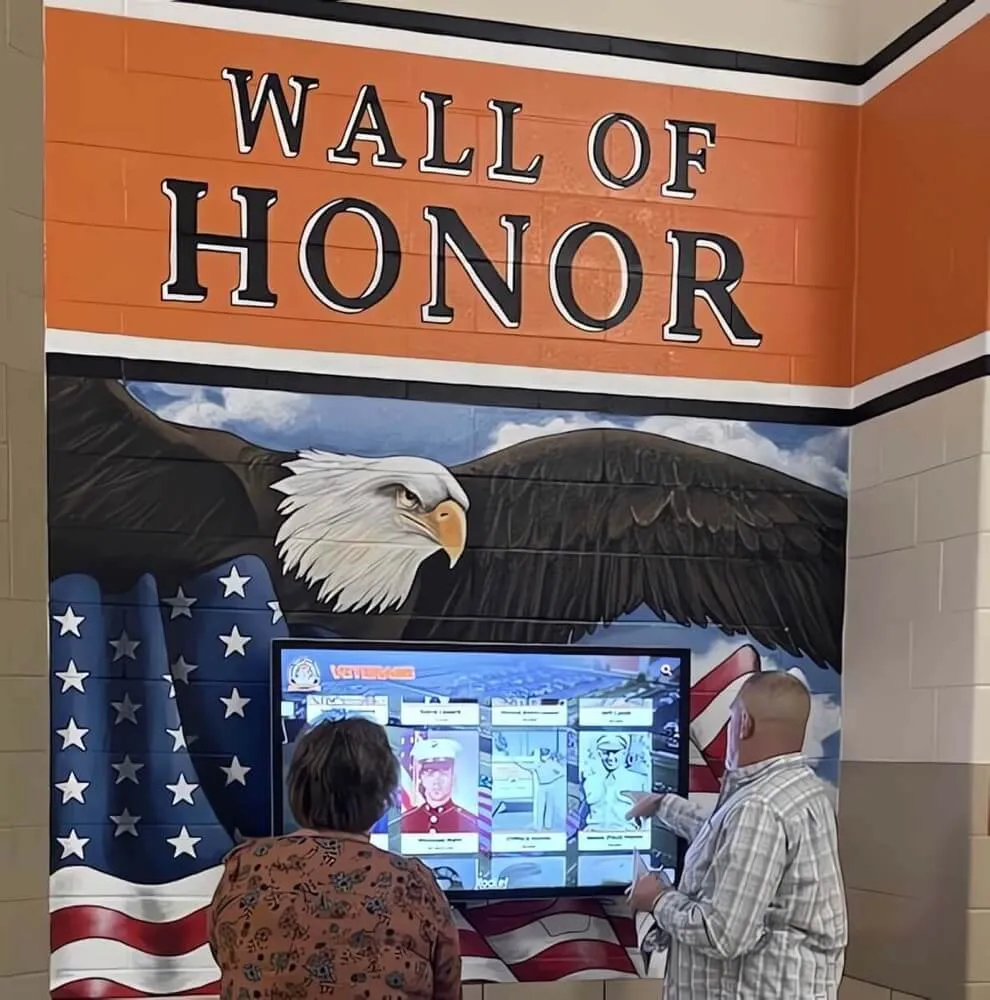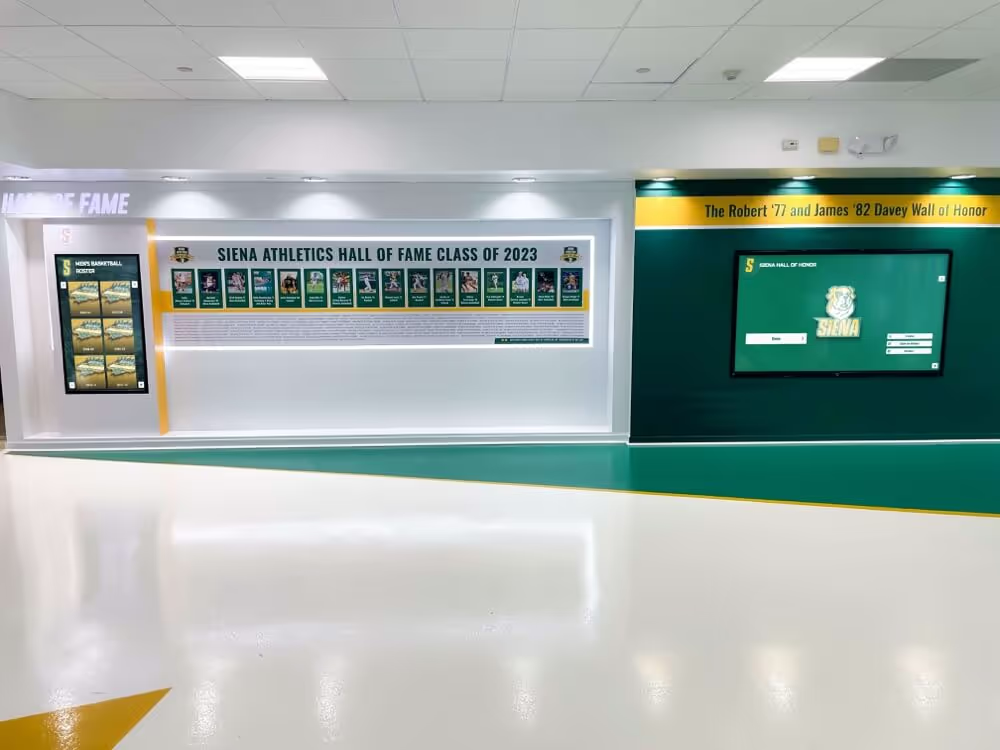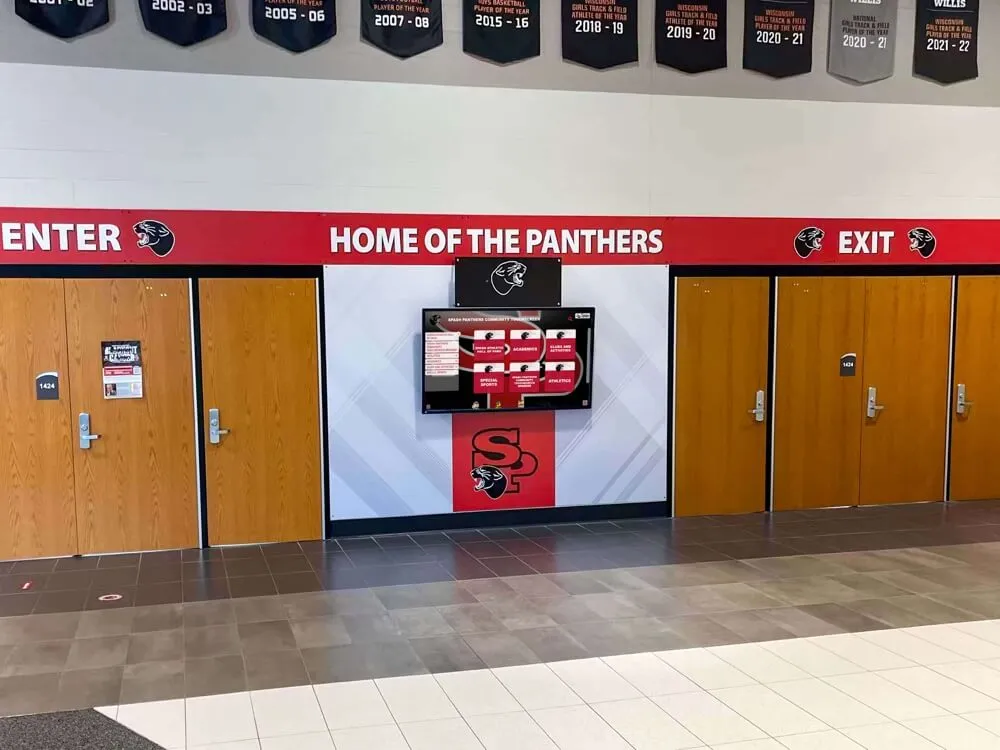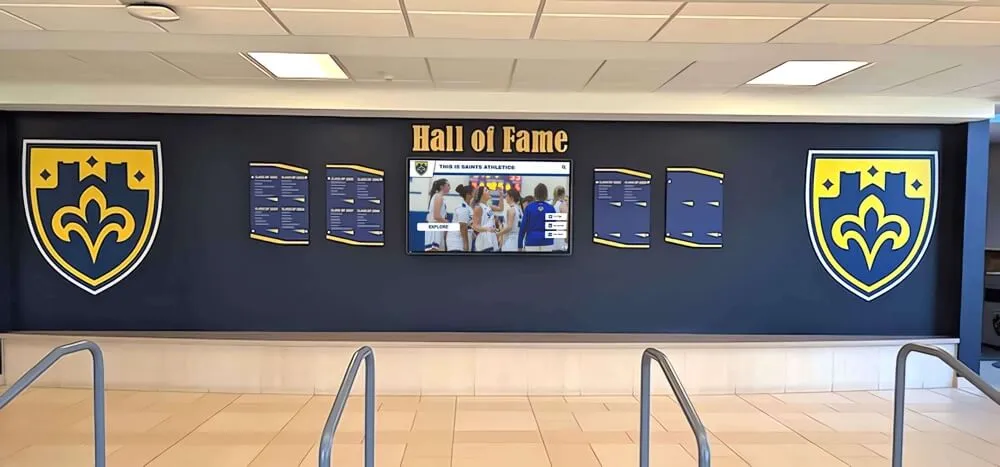




Athletic achievement awards represent countless hours of dedication, physical training, competitive excellence, and personal sacrifice. From state championship trophies and all-conference selections to individual scoring records and academic all-American honors, these accomplishments deserve recognition that matches their significance. Yet athletic directors and coaches across thousands of schools face the same frustrating challenge: how to properly showcase decades of athletic excellence when trophy cases overflow, wall space fills up, and traditional display methods fail to tell complete achievement stories.
Walk through any school athletic facility and you’ll encounter the limitations of conventional award displays. Trophy cases jammed with awards stacked behind one another where only front-row accomplishments remain visible. Championship banners fading after years hanging from gymnasium rafters. Static plaques providing minimal context beyond names and dates. Physical displays requiring facilities staff, engraving orders, and installation coordination every time new achievements need recognition. No search functionality helping visitors find specific athletes or awards. Zero accessibility for alumni and community members unable to visit campus physically.
This comprehensive guide explores proven strategies for showcasing athletic achievement awards digitally—transforming recognition from space-constrained static displays into dynamic, searchable, unlimited platforms that celebrate every accomplishment while making athletic excellence accessible to entire communities. Whether you manage a small rural high school athletic program or oversee a comprehensive university sports department, these approaches help you honor achievements properly while building program pride that attracts future talent and strengthens community support.
Athletic achievement awards deserve celebration that extends beyond forgotten trophies collecting dust in crowded cases. Modern digital recognition platforms solve traditional display limitations while creating engaging experiences where athletes, families, alumni, and community members can explore accomplishments, watch highlights, understand achievement context, and connect with athletic program heritage in ways physical plaques never enabled.

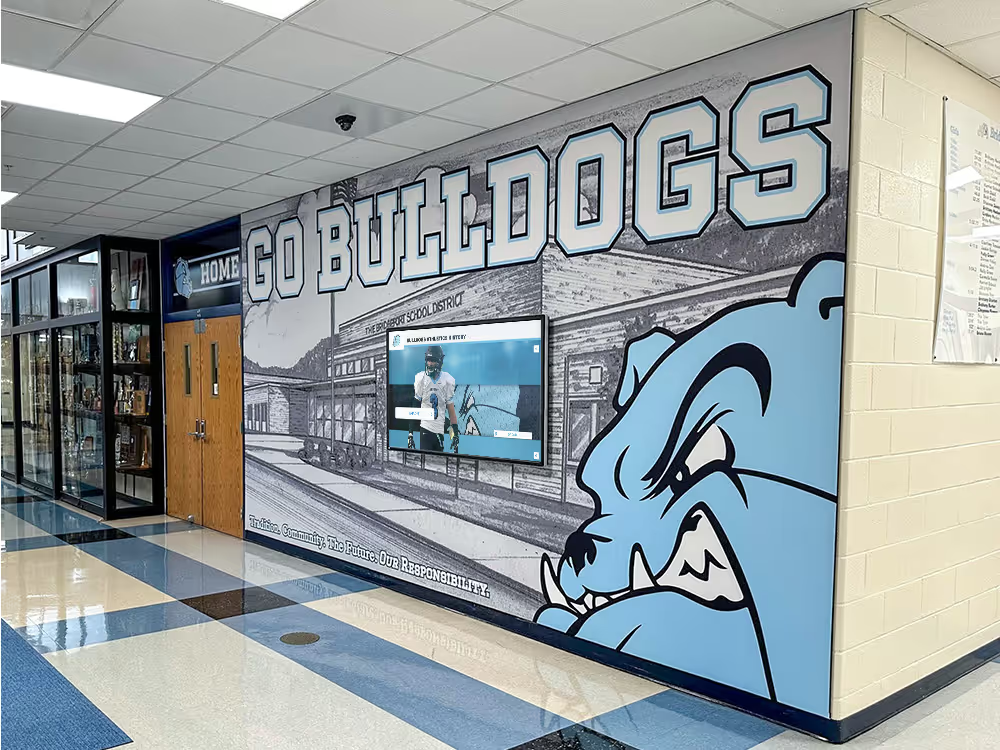
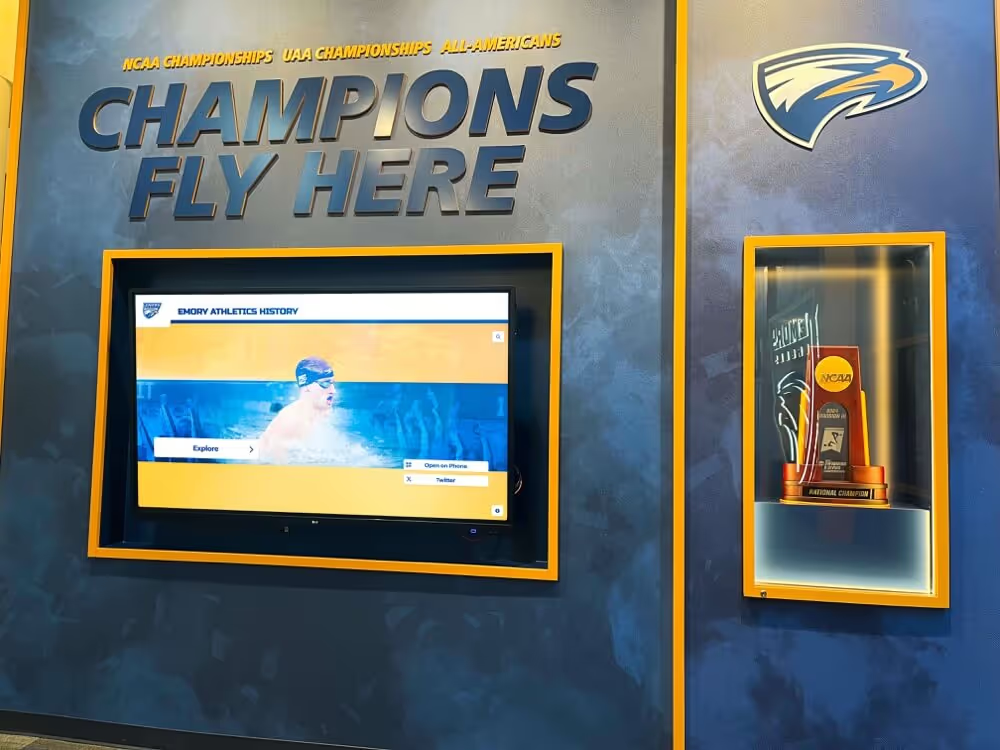
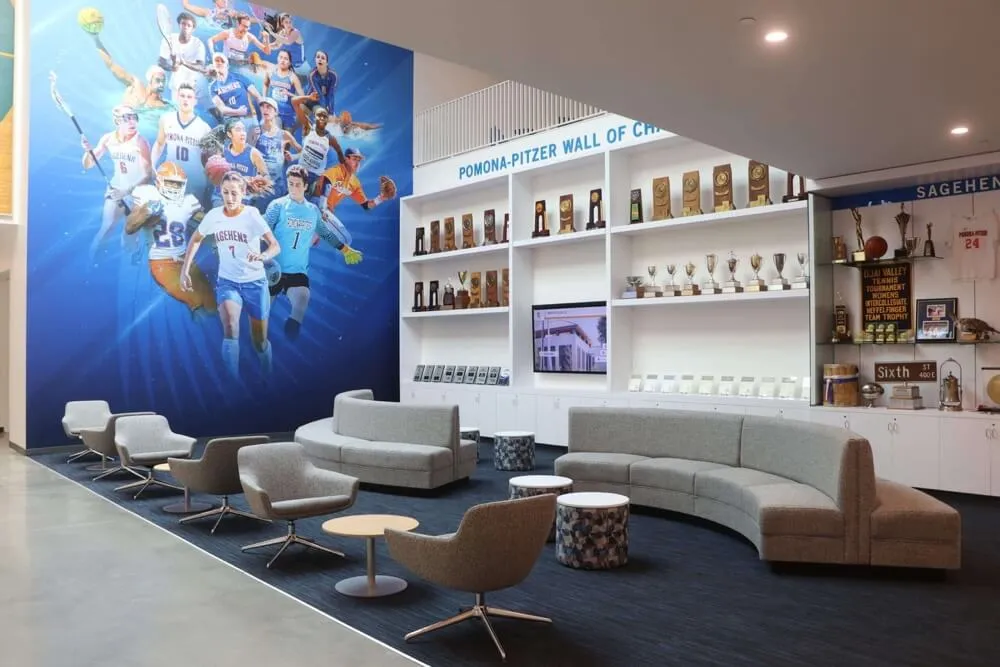
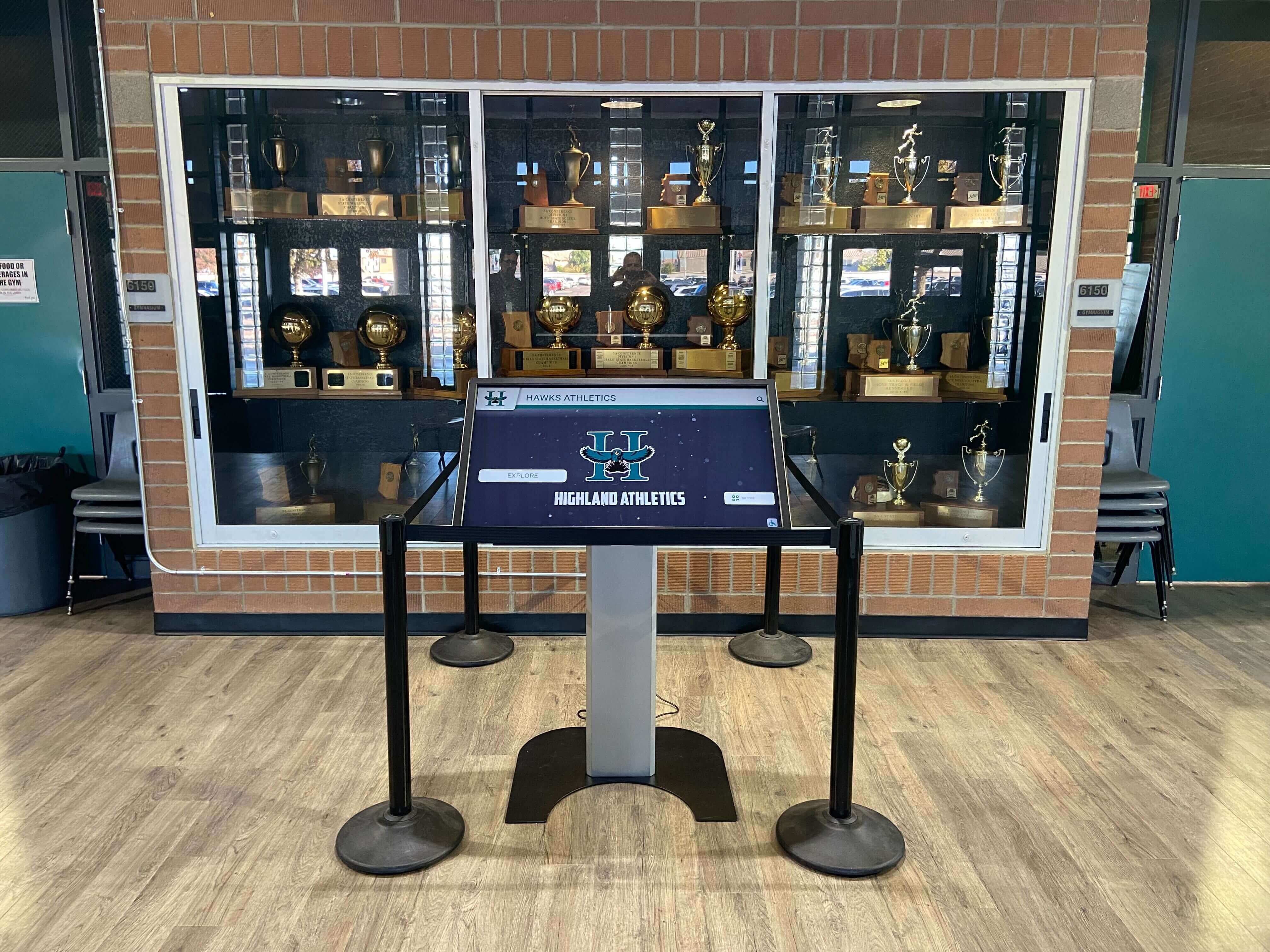
Digital touchscreen systems integrate seamlessly with existing trophy cases, extending recognition capacity while maintaining traditional physical displays athletes and communities value
Understanding the Challenges of Traditional Athletic Award Displays
Before exploring digital solutions, recognizing traditional display limitations helps athletic programs understand why digital transformation delivers substantial value beyond simple technology adoption.
Space Limitations and Physical Constraints
Physical trophy cases and wall-mounted displays impose hard limits on recognition capacity:
Trophy Case Overflow Problems
- Fixed shelf space accommodating only limited awards before becoming overcrowded
- New achievements requiring removal of older awards to create space
- Stacking trophies behind one another where back awards become invisible
- Difficult decisions about which accomplishments deserve limited display space
- Renovation costs when programs need expanded recognition capacity
Athletic programs celebrating 50+ years of competitive excellence accumulate hundreds or thousands of individual and team awards. A standard 8-foot trophy case holds perhaps 50-80 trophies maximum before appearing cluttered and disorganized. Programs either stop adding new awards, remove historical accomplishments, or invest thousands in additional physical cases.
Wall Space Exhaustion Traditional plaque-based recognition faces similar constraints:
- Limited hallway and lobby wall space for mounting plaques
- Visual clutter when dozens of plaques cover available surfaces
- Facility constraints preventing additional plaque installation
- Historical plaques appearing dated beside newer recognition
- Inconsistent plaque styles accumulated over decades
Schools implementing comprehensive athletic recognition programs discover that space limitations force painful choices between honoring new achievements and preserving historical recognition—or expensive facility renovations.
Limited Context and Minimal Information
Physical awards provide minimal information beyond basic facts:
Trophy and Plaque Information Constraints
- Name, date, and achievement type only
- No statistics, game highlights, or performance context
- Missing biographical information about athletes
- No connection between individual awards and team achievements
- Zero multimedia content like photos, videos, or articles
A plaque reading “John Smith, All-State Basketball, 2018” communicates basic recognition but provides no context about scoring average, team success, career trajectory, or achievement significance. Visitors see the name without understanding the excellence it represents.
Lack of Searchability and Discovery Physical displays offer no organized exploration:
- No alphabetical searching to find specific athletes
- Cannot filter by sport, year, or achievement type
- Difficult comparing achievements across different eras
- No related content connections
- Frustrating experience for alumni seeking their own recognition
These limitations mean physical displays function poorly for their primary audience—the athletes, families, and alumni who most value recognition but struggle to find specific awards among hundreds of trophies and plaques.
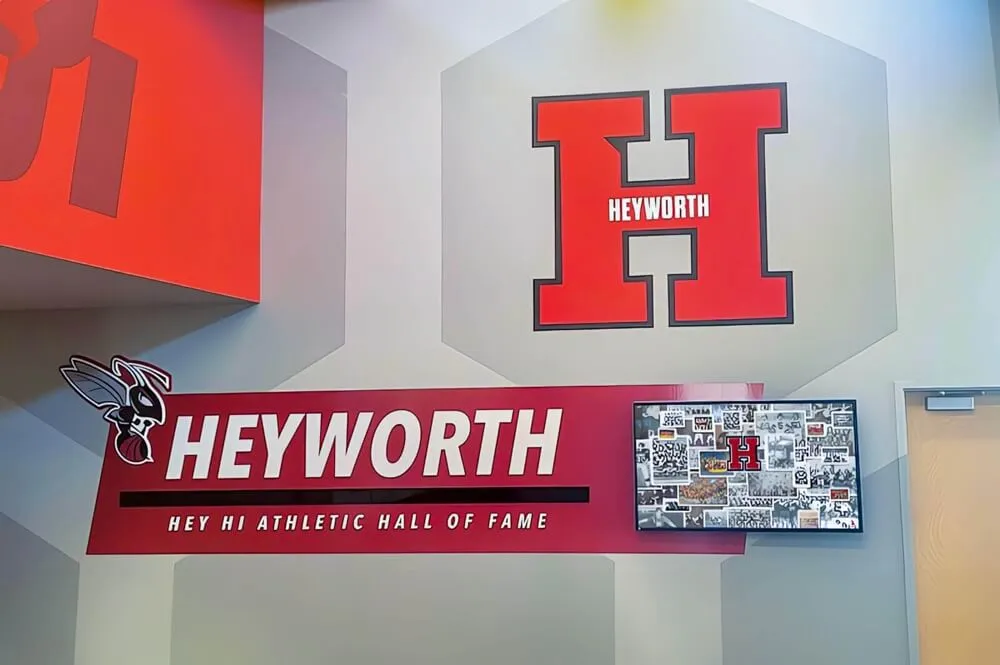
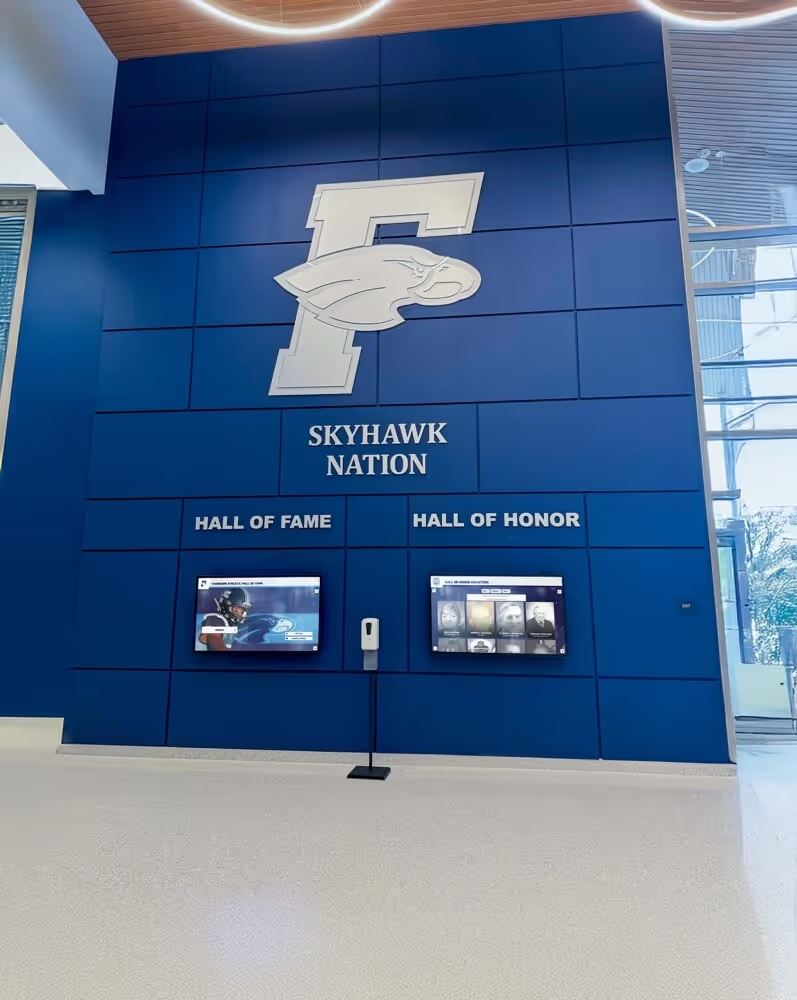
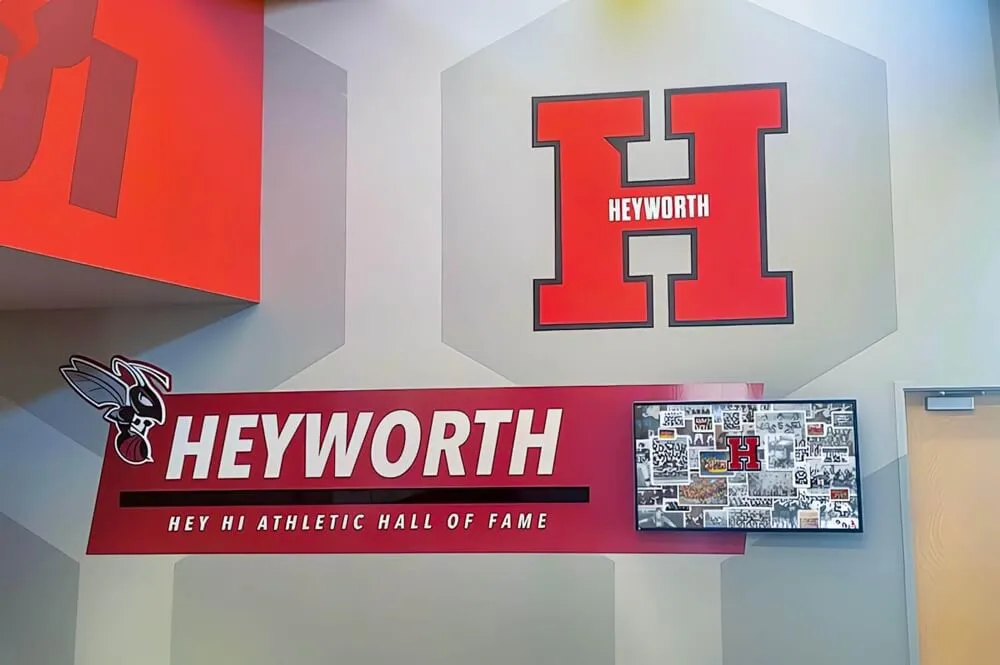
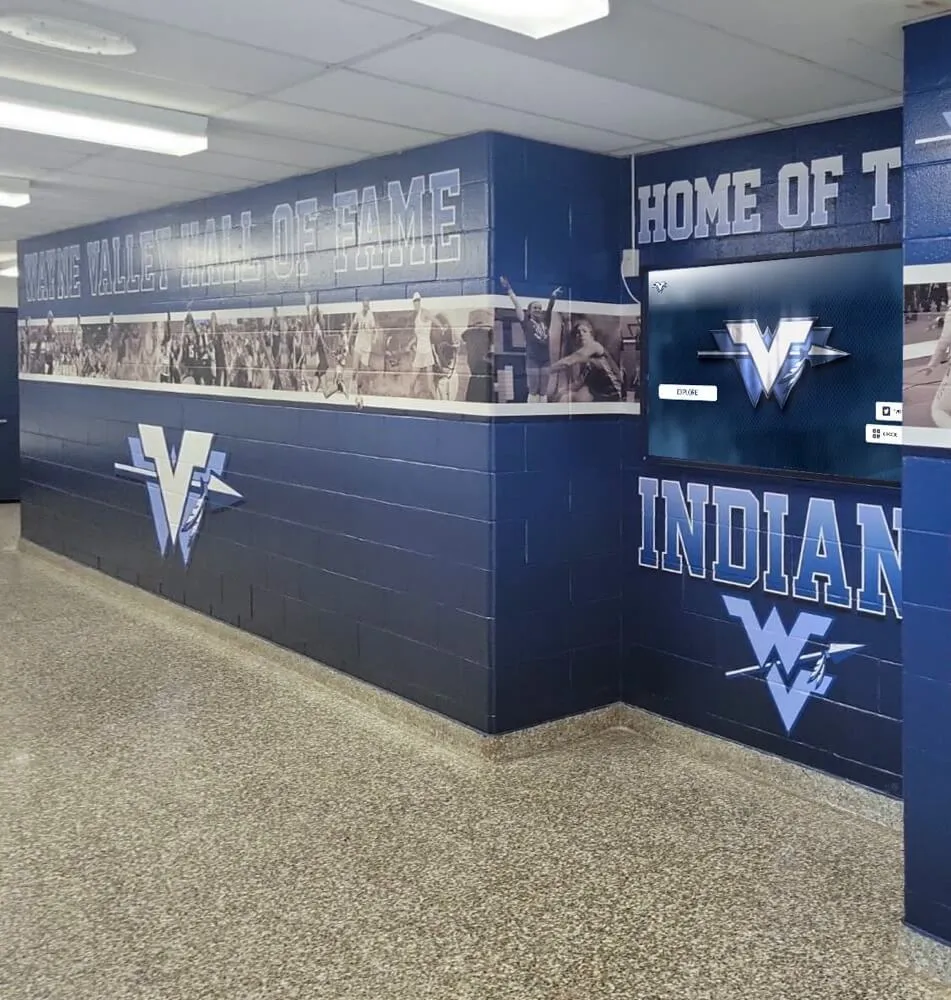
Traditional hall of fame walls honor athletic excellence but face space constraints and provide limited context about achievements and athlete accomplishments
Maintenance Challenges and Update Difficulties
Physical award displays require ongoing maintenance and face practical management challenges:
Physical Maintenance Requirements
- Regular cleaning of trophy cases and awards
- Polishing tarnished metal trophies and plaques
- Replacing broken or damaged display elements
- Facility staff time for physical display management
- Security concerns preventing public interaction with valuable awards
Update Complexity and Costs Adding new recognition to physical displays involves multiple steps:
- Ordering custom plaques or engraving (weeks of lead time)
- Coordinating with engraving vendors and suppliers
- Scheduling facilities staff for installation
- Costs of $100-300 per plaque or custom display element
- Delayed recognition when ordering and installation take weeks or months
By the time physical recognition appears, the achievement moment has passed and celebration feels delayed rather than immediate. Errors in engraving require expensive reordering rather than simple digital corrections.
Accessibility and Reach Limitations
Physical displays serve only those physically present in specific locations:
Geographic Access Barriers
- Alumni living distant from campus cannot view recognition
- Parents attending away games miss award displays
- Community members with mobility limitations face access challenges
- No remote access during school closures or facility renovations
- Missed engagement opportunities with dispersed athletic communities
Limited Engagement Opportunities Static displays provide passive viewing only:
- No interaction or exploration beyond looking
- Cannot share accomplishments on social media
- Missing opportunities for digital storytelling
- No analytics showing which achievements generate interest
- Wasted potential for building athletic program brand online
Athletic programs implementing digital recognition extensions discover that web accessibility dramatically increases recognition reach and engagement compared to location-dependent physical displays.
Core Benefits of Digital Athletic Award Displays
Understanding specific advantages helps athletic programs prioritize digital recognition investments and make compelling cases to administrators and stakeholders.
Unlimited Recognition Capacity
Digital platforms eliminate space constraints entirely:
Showcase Every Achievement
- Single touchscreen displays hundreds or thousands of awards
- No removal of historical accomplishments to accommodate new recognition
- Unlimited categories including individual awards, team championships, academic honors, and coach milestones
- Comprehensive archives preserving complete athletic program history
- Recognition capacity growing with program achievements rather than limiting them
Schools report that removing space constraints fundamentally changes recognition philosophy. Instead of selective display reserved for exceptional achievements only, digital systems enable comprehensive celebration including all-conference athletes, regional qualifiers, academic all-Americans, and program contributors who never would have qualified for space-limited physical displays.
A single 55-inch touchscreen occupying the same wall space as 20-30 physical plaques can showcase detailed profiles for 200-500+ recognized athletes and coaches—with no practical limit on continued additions.
Rich Multimedia Storytelling
Digital platforms enable comprehensive achievement documentation:
Multiple Media Types
- Photo galleries showing athletes competing
- Video highlights and game footage
- Statistical performance data and records
- News articles and press coverage
- Biographical narratives and personal stories
- Career progression and post-athletic accomplishments
This multimedia approach transforms recognition from basic name-and-date listings into engaging storytelling bringing athletic excellence to life. Visitors don’t just read that someone earned all-state honors—they watch highlight reels, see statistics, learn personal backgrounds, and understand achievement significance within program history.
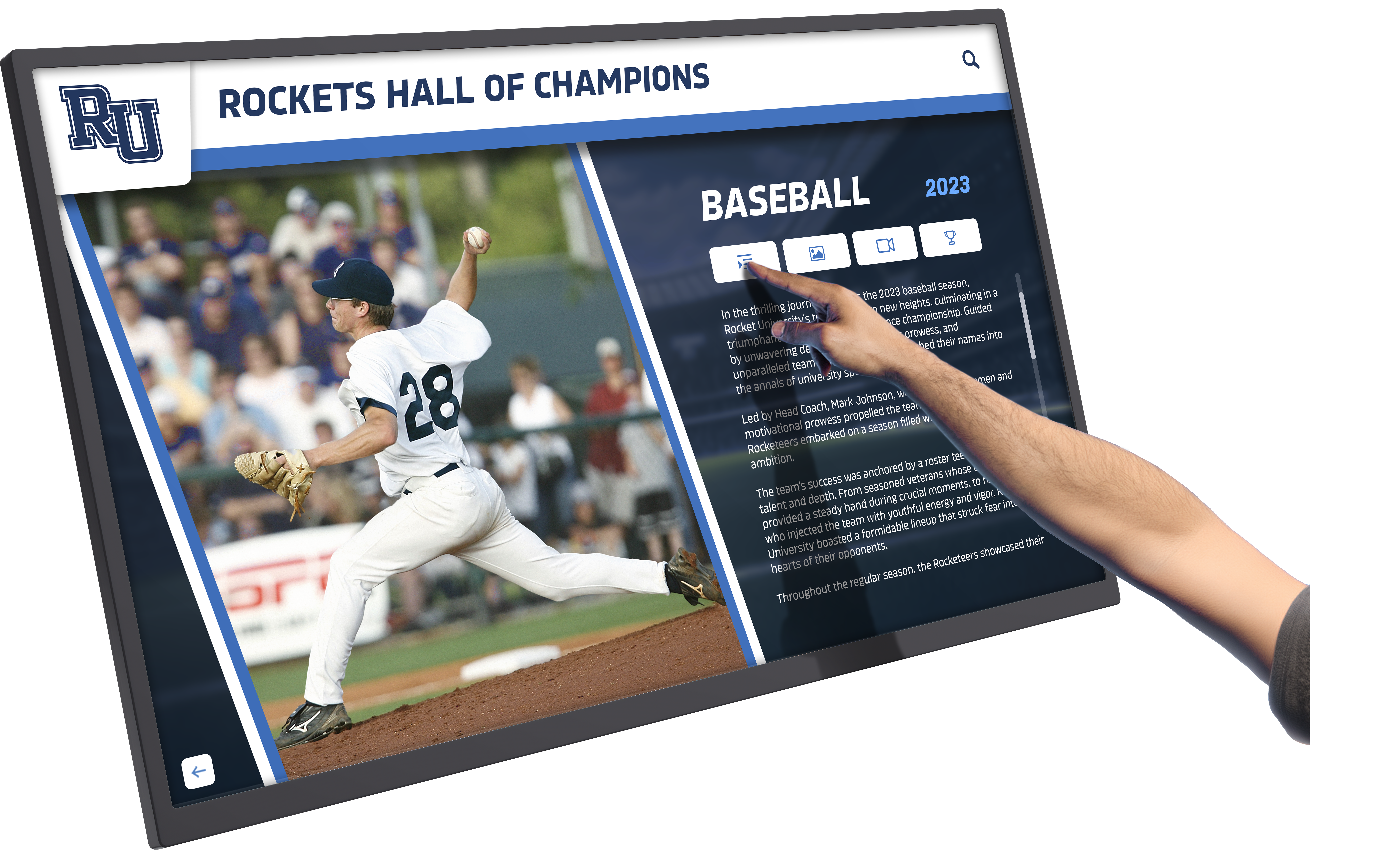
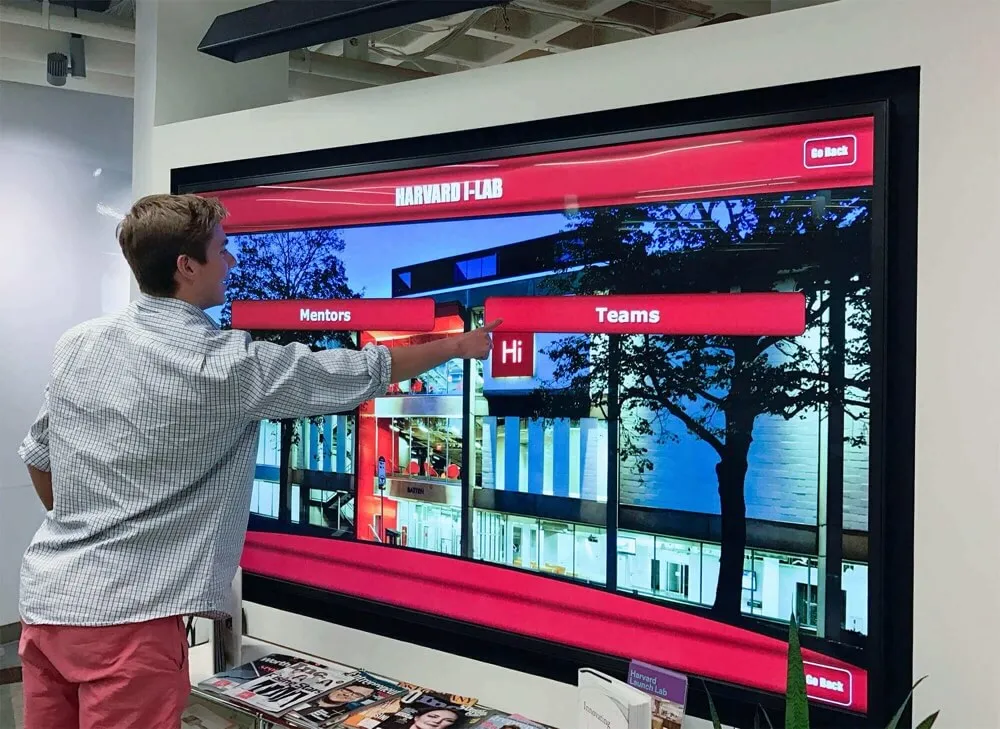
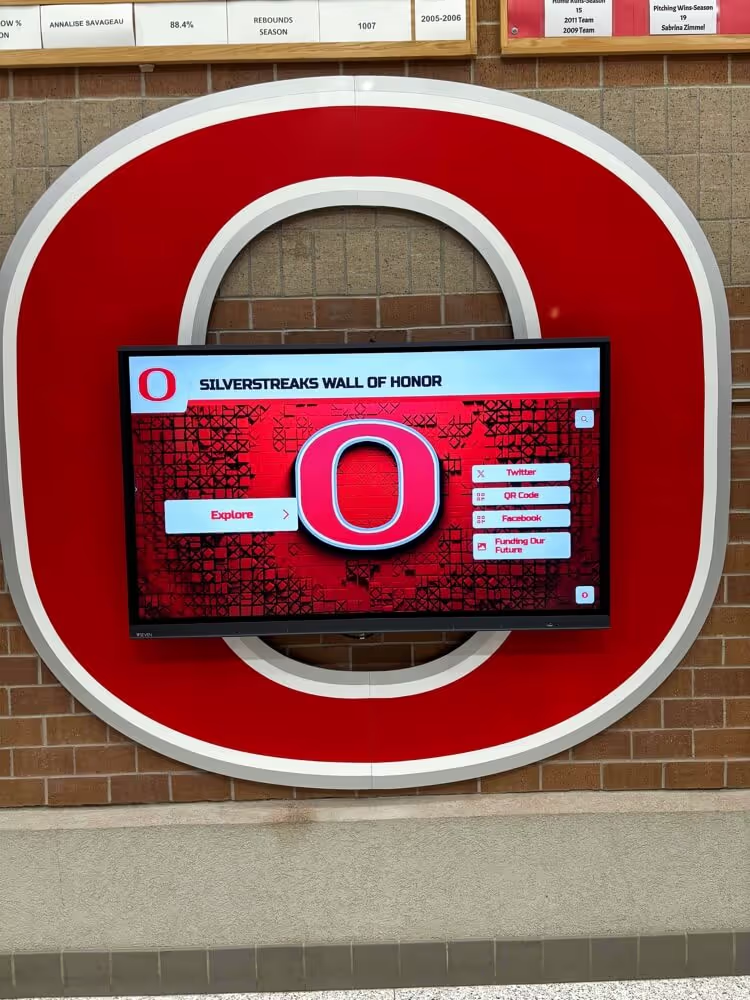
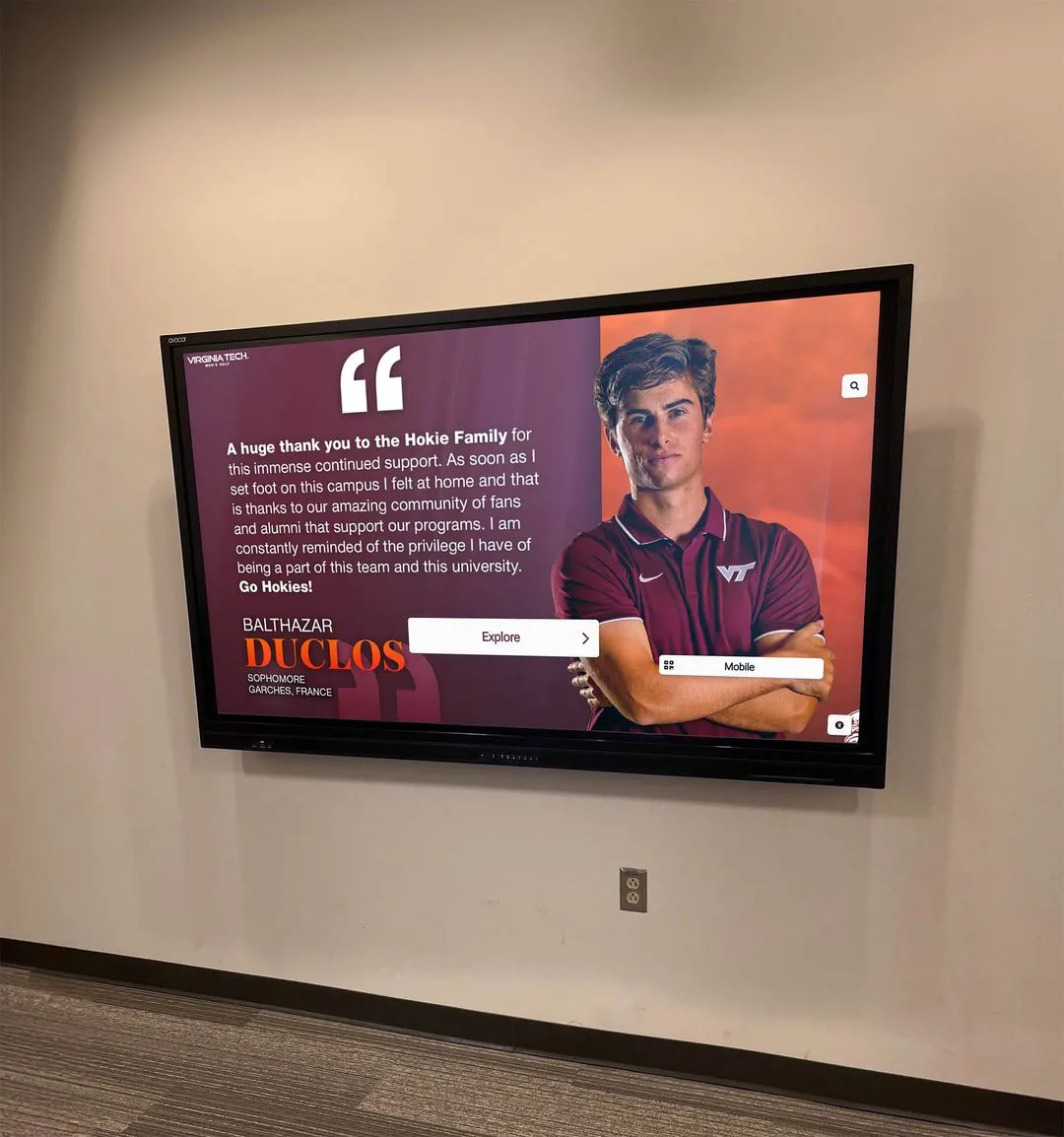
Interactive touchscreen systems enable exploration of detailed athlete profiles with photos, statistics, videos, and achievement context impossible in static displays
Instant Updates and Dynamic Content
Digital systems provide immediate recognition:
Real-Time Content Management
- Add new awards within minutes through cloud-based dashboards
- Update information instantly across all displays and platforms
- Correct errors immediately without physical plaque reordering
- Seasonal updates reflecting current team achievements
- Timely recognition maintaining relevance and excitement
When championship victories happen, selection to all-conference teams gets announced, or individual records break, digital recognition can appear immediately—celebrating achievements while excitement remains high rather than waiting weeks for physical plaque production and installation.
Athletic directors implementing modern digital recognition systems report 80-90% reduction in administrative time spent maintaining athletic recognition while achieving more comprehensive, current displays.
Enhanced Accessibility and Community Reach
Digital recognition extends far beyond physical campus:
Web-Based Access
- Online platforms enabling worldwide exploration
- Mobile optimization for smartphone access
- Social sharing features letting athletes share achievements
- QR codes connecting printed materials to digital profiles
- 24/7 access regardless of facility hours or geographic location
Expanded Audience Engagement
- Alumni exploring achievements from anywhere globally
- College recruiters reviewing athlete accomplishments and statistics
- Local media accessing information for coverage
- Community members connecting with local athletic excellence
- Families sharing accomplishments with extended networks
This expanded reach transforms recognition from serving hundreds of annual facility visitors to potentially thousands of online viewers—dramatically amplifying recognition impact and athletic program visibility.
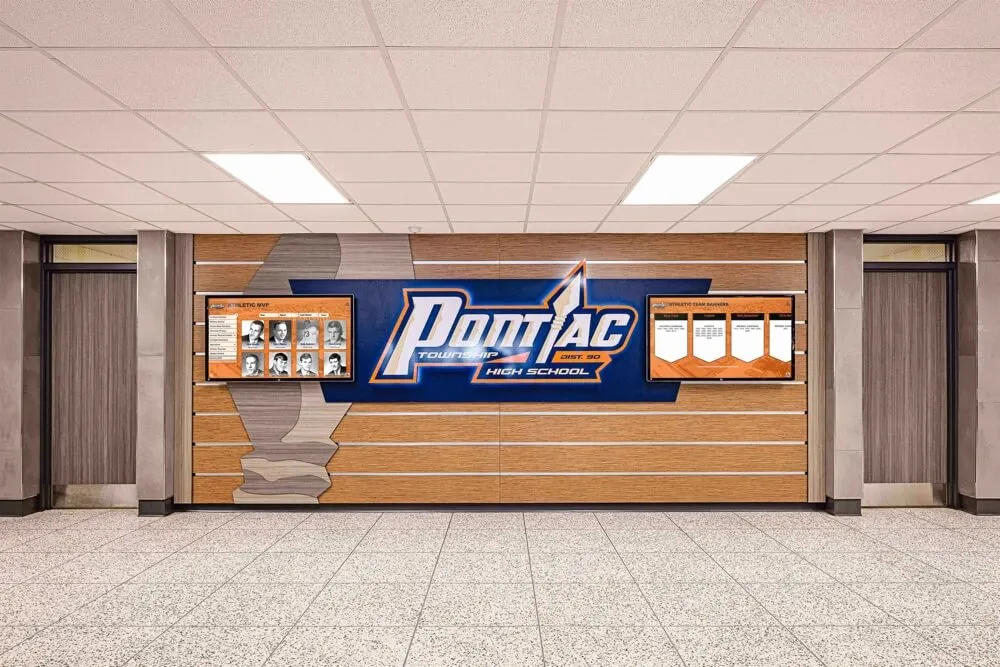
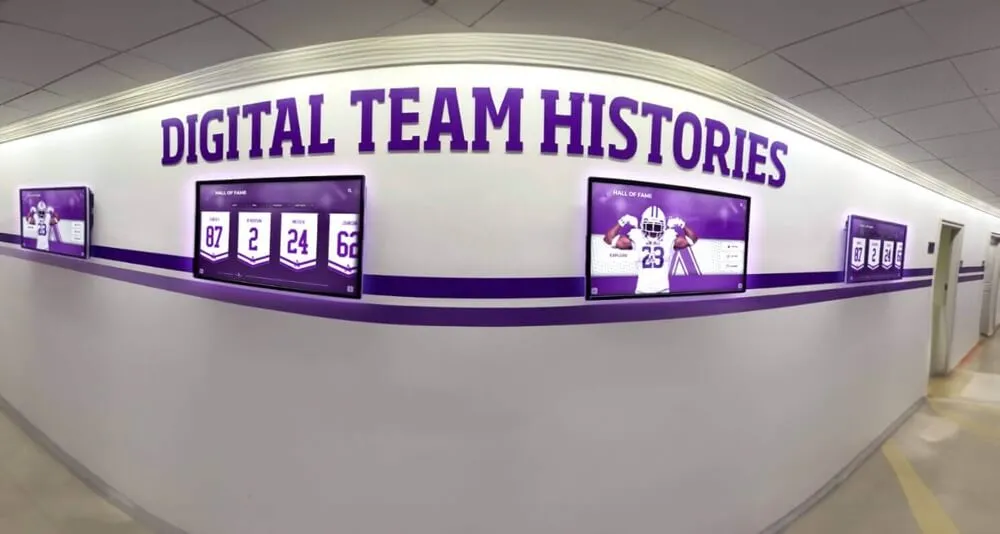
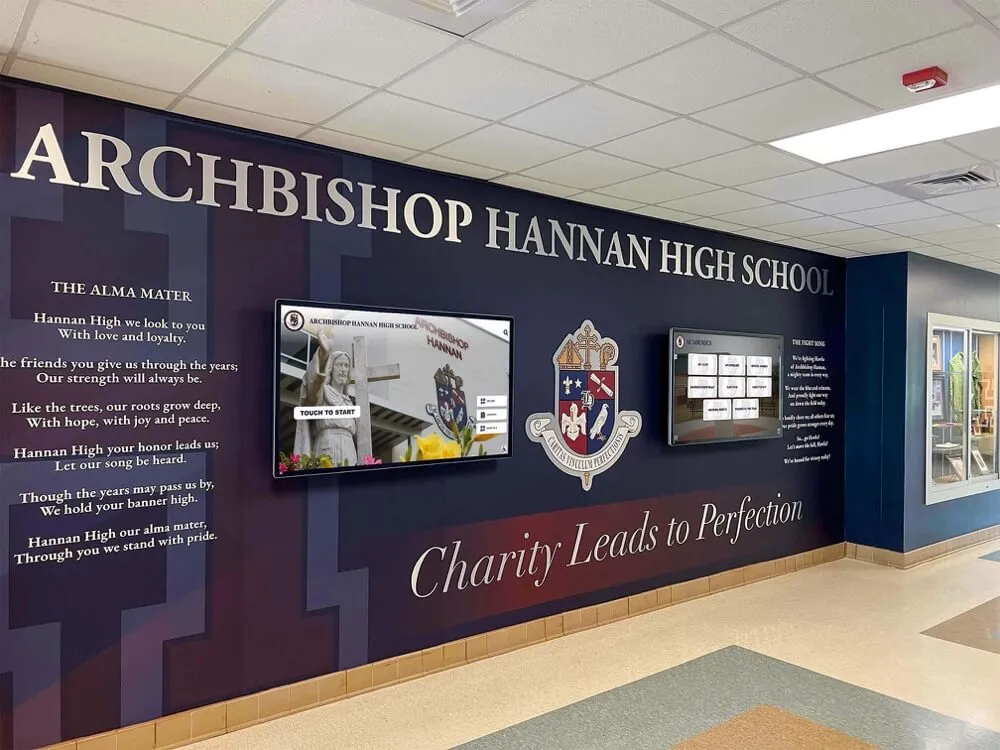
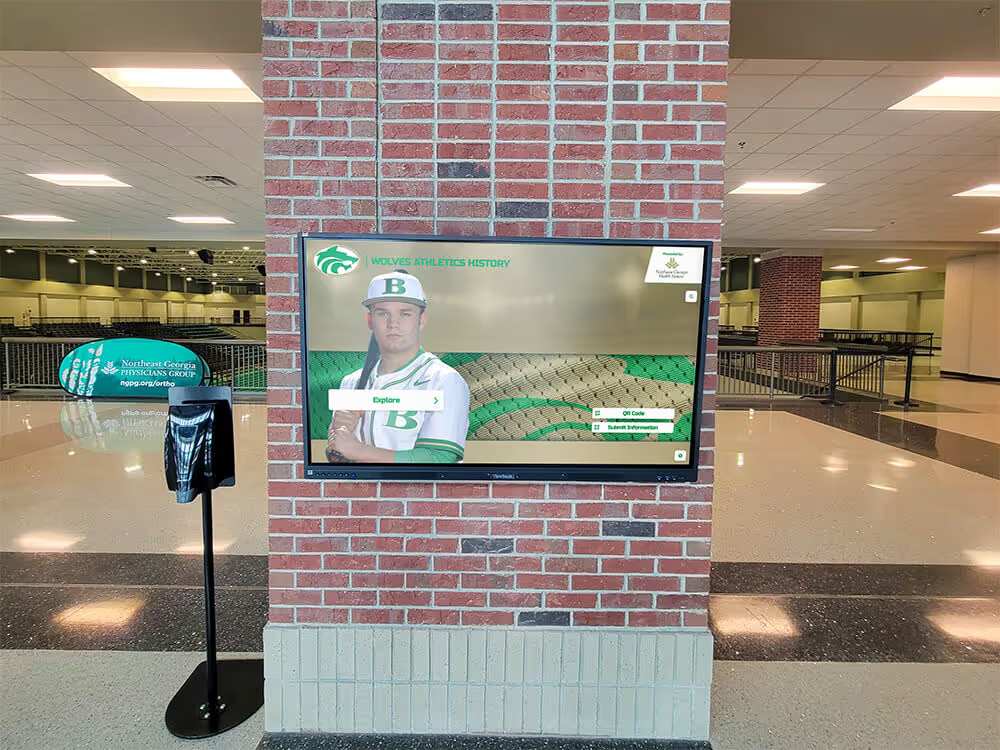
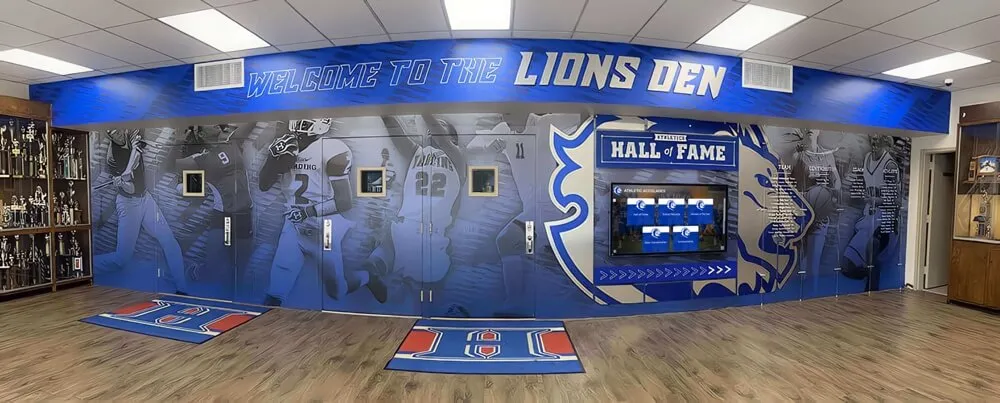
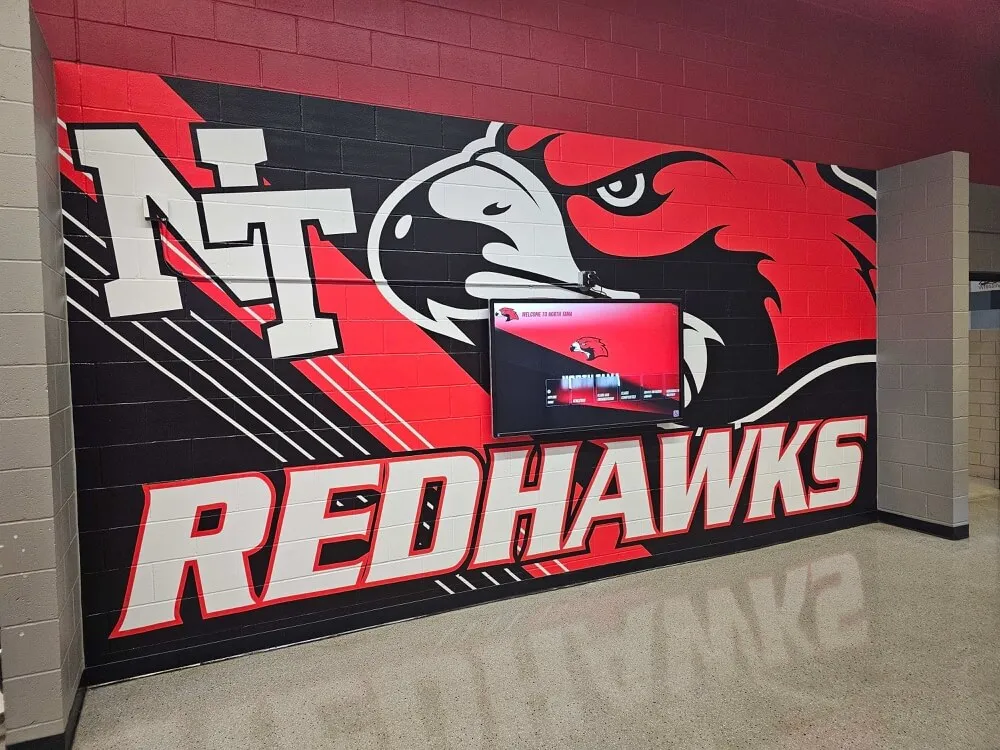
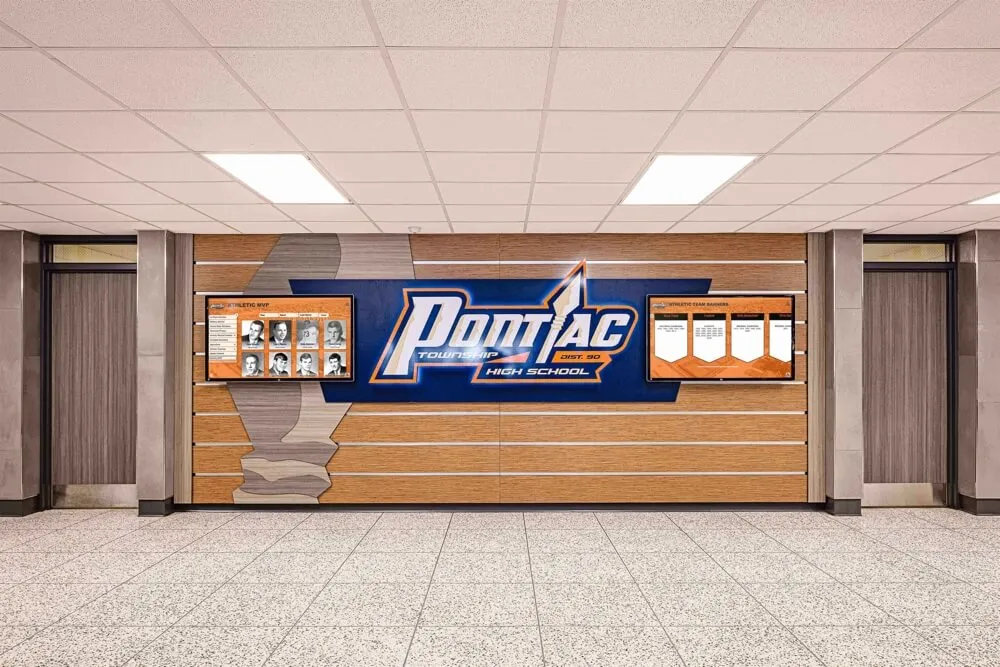
Strategic placement of digital recognition in high-traffic hallways ensures athletic achievements receive visibility throughout school communities while creating pride moments during daily campus life
Essential Features of Effective Digital Athletic Award Systems
Evaluating digital recognition platforms requires understanding key features determining long-term satisfaction and program success.
Intuitive Content Management Interfaces
Content management ease determines whether athletic staff will maintain active, current recognition:
No-Code Management Platforms Quality systems provide:
- Visual editors with real-time previews
- Drag-and-drop photo and video uploads
- Template-based profile creation
- Bulk import tools for loading historical awards efficiently
- Role-based permissions enabling appropriate staff access
Athletic directors and coaches shouldn’t need technical expertise or IT department support for routine recognition updates. Test content management during evaluation by actually creating sample profiles. If the process feels complicated or requires specialized knowledge, staff won’t maintain content consistently after implementation.
Flexible Award Categories and Organization
Athletic programs need diverse recognition types beyond single award categories:
Multiple Recognition Categories
- Individual athlete awards and honors
- Team championships and seasonal success
- Statistical records and milestone achievements
- Academic all-American and scholar-athlete recognition
- Coach milestone achievements and career records
- Retired numbers and special tributes
- Hall of fame inductions and legacy recognition
Quality systems support unlimited custom categories with independent designs, flexible templates accommodating different information needs, customizable fields capturing category-specific data, and navigation structures helping visitors explore different recognition types easily.
Schools implementing comprehensive recognition approaches benefit from platforms supporting diverse achievement types rather than single-purpose athletic award systems.
Robust Search and Discovery Features
Effective navigation enables visitors to find specific awards and explore achievements systematically:
Essential Search Capabilities
- Full-text search across all profile content
- Advanced filtering by sport, year, achievement type, or custom criteria
- Alphabetical browsing for systematic exploration
- Timeline views showing chronological program development
- Related content suggestions connecting similar achievements
- Featured content rotation highlighting significant accomplishments
Poor search frustrates users and limits engagement. The difference between finding yourself in three seconds versus three minutes dramatically impacts satisfaction and likelihood of sharing the experience with others.
Programs implementing digital hall of fame touchscreen systems report that search and filter functionality represents the most frequently used feature after initial profile viewing.

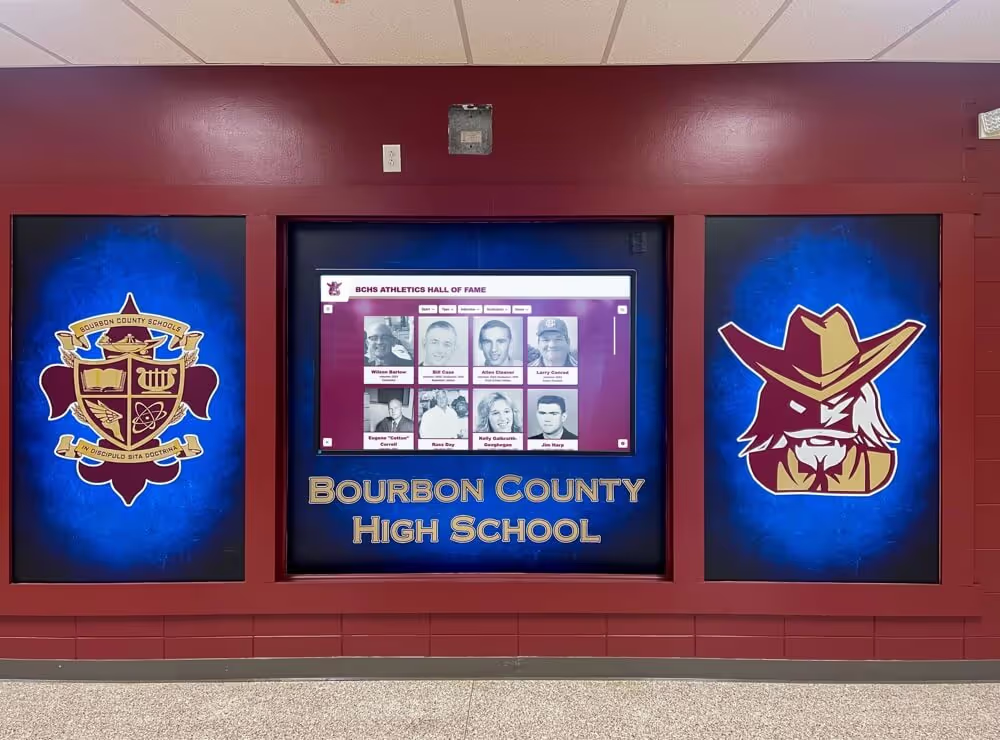
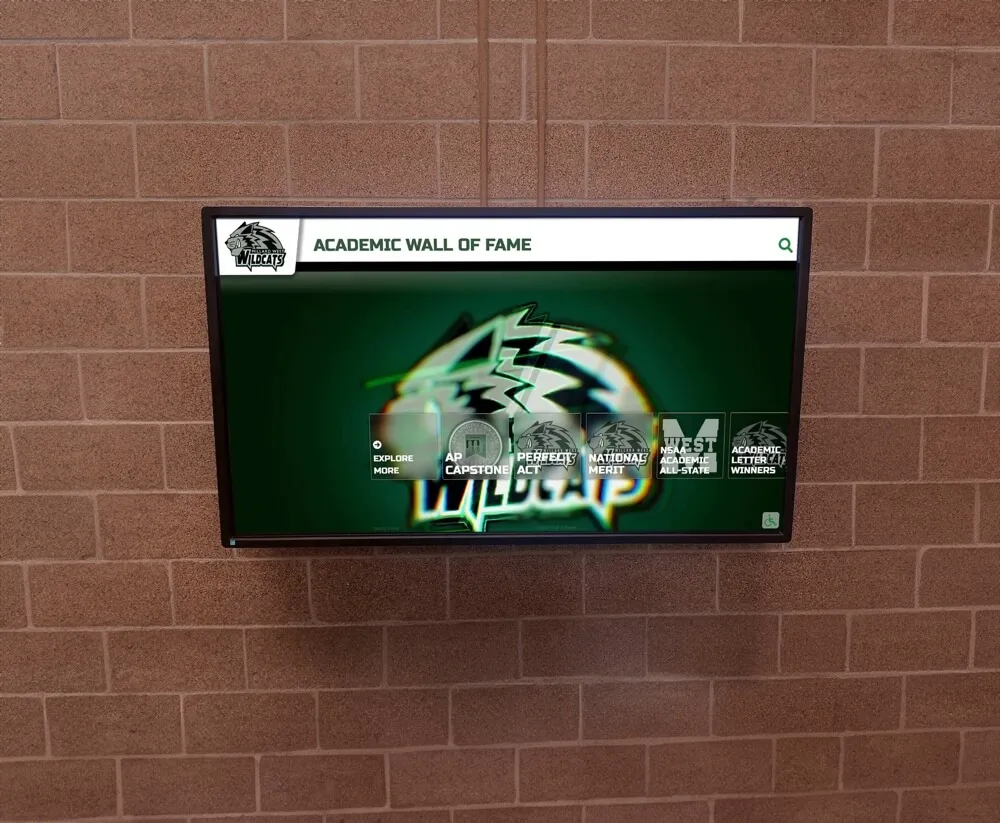
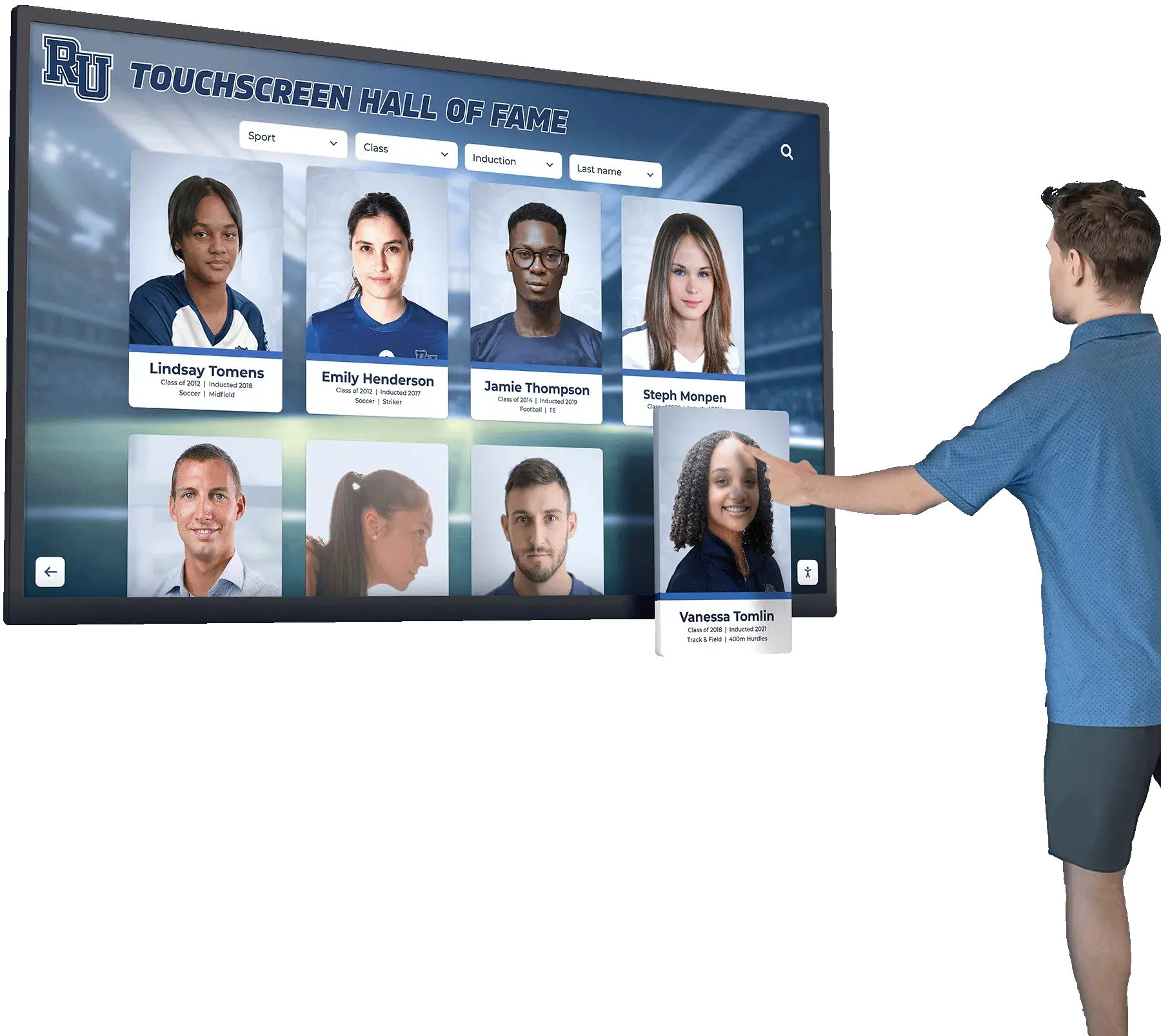
Card-based profile layouts enable intuitive browsing while maintaining visual appeal and organized presentation of athletic achievements across multiple sports and categories
Multimedia Integration and Storage
Comprehensive storytelling requires combining multiple media types:
Media Support Requirements
- Unlimited photo galleries with high-resolution images
- Video hosting and streaming for highlights and interviews
- PDF document embedding for news articles and programs
- Audio integration for announcements and retrospectives
- Sufficient storage capacity (ideally unlimited or very high limits)
Consider whether storage is built into platform subscriptions or requires separate cloud storage services adding complexity and cost. Solutions like those from Rocket Alumni Solutions include comprehensive media storage eliminating dependencies on external services like Google Drive or Dropbox.
Hardware Flexibility and Display Options
Some providers require purchasing specific proprietary hardware creating vendor lock-in, while others support flexible hardware choices:
Hardware Compatibility Considerations
- Works with standard commercial displays versus requiring specialized equipment
- Supports various screen sizes and orientations
- Accommodates both touchscreen and non-touch displays
- Allows hardware upgrades without software changes
- Provides clear hardware specifications and recommendations
Hardware flexibility becomes particularly valuable as technology evolves—programs shouldn’t need to replace entire systems because a specific discontinued display model no longer works with proprietary software.
Organizations implementing digital signage solutions should prioritize platforms offering hardware independence rather than locked ecosystems requiring expensive proprietary equipment.
Analytics and Engagement Tracking
Understanding how people engage with athletic recognition informs content strategy and demonstrates value:
Essential Analytics Features
- Display interaction rates and session duration
- Most-viewed profiles and popular content
- Search queries revealing what visitors seek
- Geographic distribution of web access
- Device types and platform usage (touchscreen versus web)
- Peak usage times and seasonal patterns
Athletic programs implementing recognition display technology use engagement data to optimize content, identify recognition gaps, and justify additional investments in comprehensive athletic recognition.
Comprehensive Implementation Strategies for Digital Athletic Award Displays
Successful digital athletic recognition requires systematic planning addressing content strategy, technical requirements, stakeholder engagement, and implementation timelines.
Planning Phase and Needs Assessment
Begin by evaluating current recognition and defining digital recognition goals:
Current State Assessment
- Inventory all existing awards, trophies, and recognition
- Identify awards currently displayed versus those in storage
- Document space limitations and physical display challenges
- Survey athletes, alumni, and stakeholders about recognition priorities
- Review budget available for digital recognition investment
Goal Definition Clear objectives guide implementation:
- Comprehensive achievement documentation preserving complete program history
- Enhanced accessibility extending recognition beyond physical campus
- Improved athlete recruitment showing program tradition and excellence
- Increased alumni engagement through accessible recognition
- Reduced administrative burden compared to physical display maintenance
Athletic directors implementing digital athletic recognition systems report that clear upfront goal-setting ensures digital investments deliver anticipated value while maintaining stakeholder support.
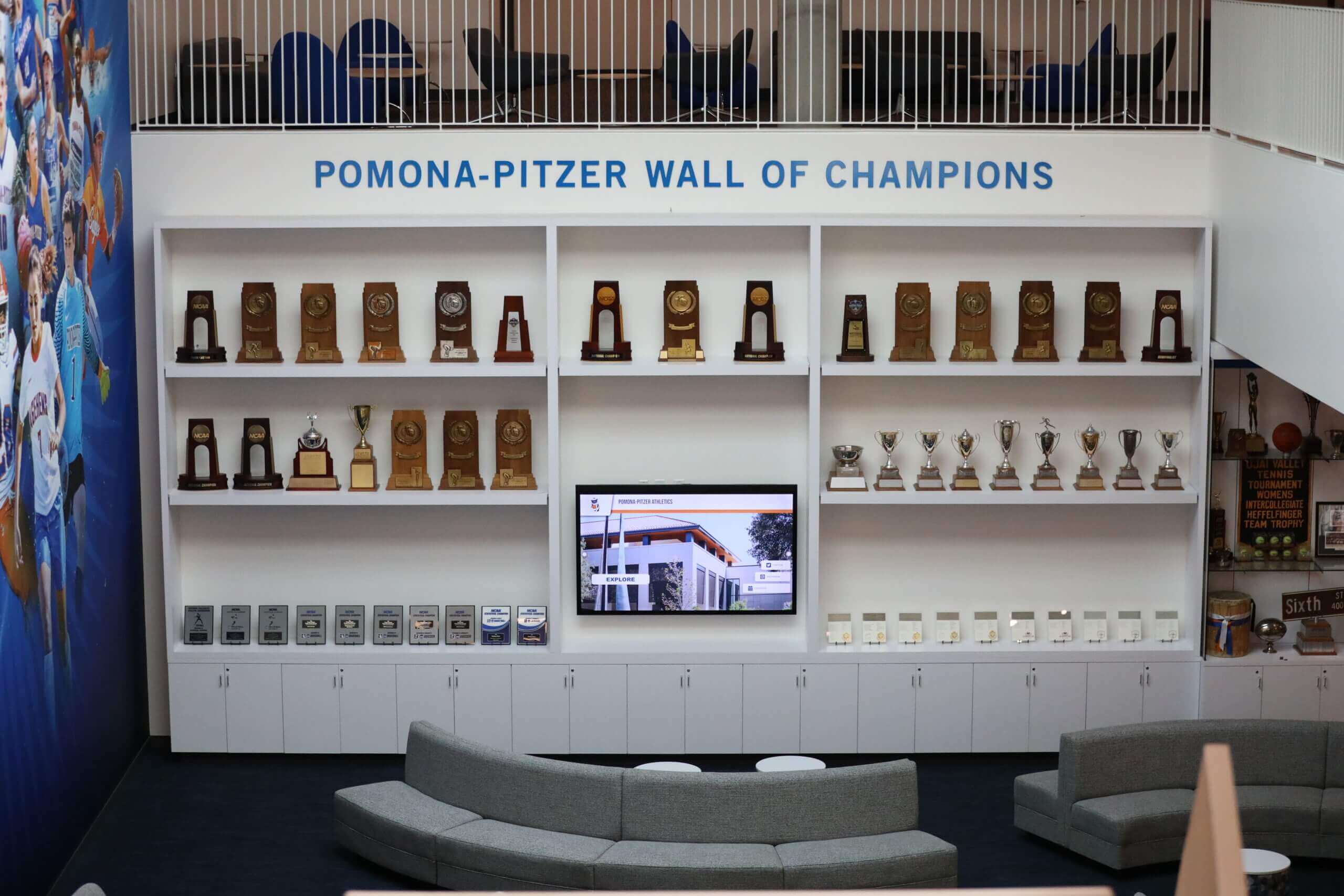
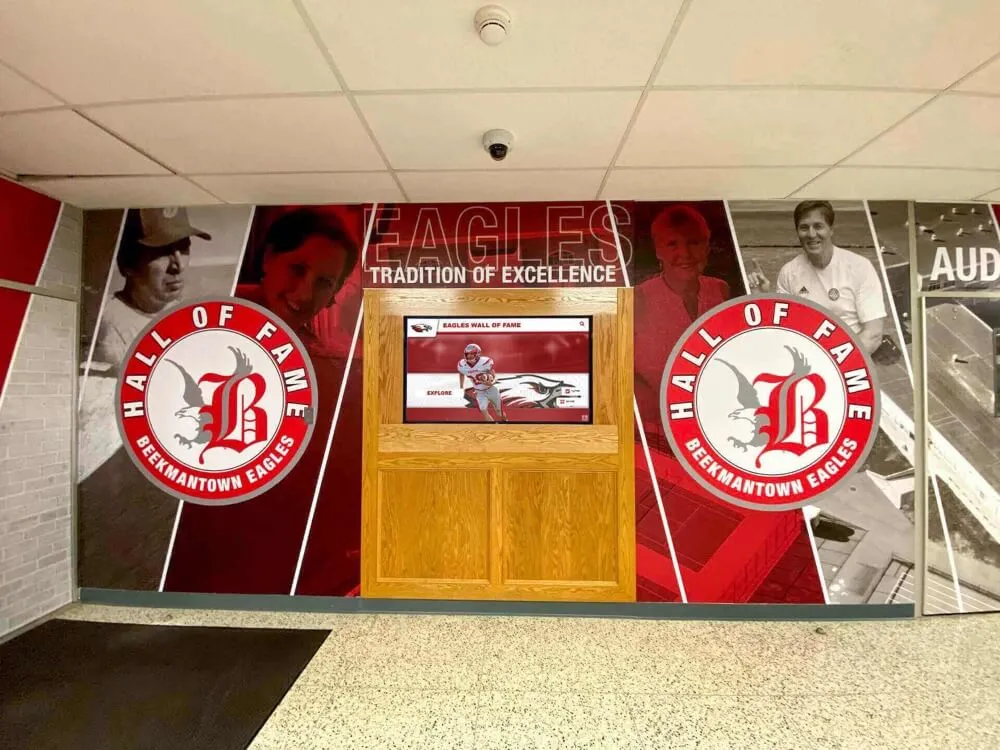
Recognition installations create gathering spaces where athletic communities celebrate achievements, view highlights, and build program tradition connecting past excellence with future aspirations
Content Collection and Organization Strategy
Digital recognition quality depends on comprehensive content:
Historical Content Sources
- Existing trophy case awards and plaques providing baseline information
- Yearbook archives offering photos and biographical details
- Athletic department records and statistics databases
- Media guides and programs from past seasons
- News archives and press coverage
- Coach records and team documentation
- Alumni office files and biographical data
Ongoing Content Collection Establish systematic processes for future recognition:
- Post-season award ceremonies generating comprehensive information
- Athlete questionnaires capturing biographical details
- Systematic photography at games and events
- Video highlight compilation workflows
- Statistics tracking and records documentation
- News monitoring for press coverage
- Alumni updates and career accomplishments
Schools implementing comprehensive digital archives establish content collection as routine processes rather than one-time projects, ensuring recognition remains current and complete.
Budget Development and Funding Sources
Comprehensive digital athletic recognition budgets include:
Implementation Costs
- Display hardware (touchscreens, mounts, cables): $3,000-8,000 per display
- Software platform licensing: $1,000-3,000 annually
- Initial content development: $2,000-5,000 (or internal staff time)
- Installation and technical setup: $500-2,000
- Training and onboarding support: Often included in software licensing
Typical total implementation costs range from $8,000-15,000 for comprehensive systems with ongoing annual software costs of $1,000-3,000.
Funding Source Options
- Athletic booster clubs and support organizations
- School foundation grants and allocations
- Corporate and local business sponsorships
- Alumni fundraising campaigns
- Capital improvement budgets
- Grant opportunities for educational technology
Athletic programs implementing donor recognition displays often bundle athletic recognition with broader booster fundraising—positioning digital displays as permanent tributes to athletic excellence that honor donor support.
Technical Implementation and Integration
Successful technical implementation requires systematic approach:
Hardware Selection and Placement
- Determine optimal display sizes for available spaces
- Select touchscreen versus non-interactive displays
- Plan mounting (wall-mount versus freestanding kiosks)
- Ensure proper lighting avoiding screen glare
- Verify power and network connectivity availability
Software Platform Selection Evaluate platforms based on:
- Athletic recognition-specific features and templates
- Content management interface ease of use
- Web platform quality and mobile optimization
- Customer support availability and quality
- Integration capabilities with existing systems
- Long-term platform development roadmap
Content Migration and Launch
- Load historical award information into management system
- Upload photos, videos, and supporting media
- Configure navigation and organizational structures
- Customize designs with school branding and colors
- Conduct comprehensive content review and quality assurance
- Train athletic staff on content management procedures
Athletic directors should plan 3-4 months for comprehensive implementation from platform selection through public launch—allowing adequate time for content development without rushing quality.
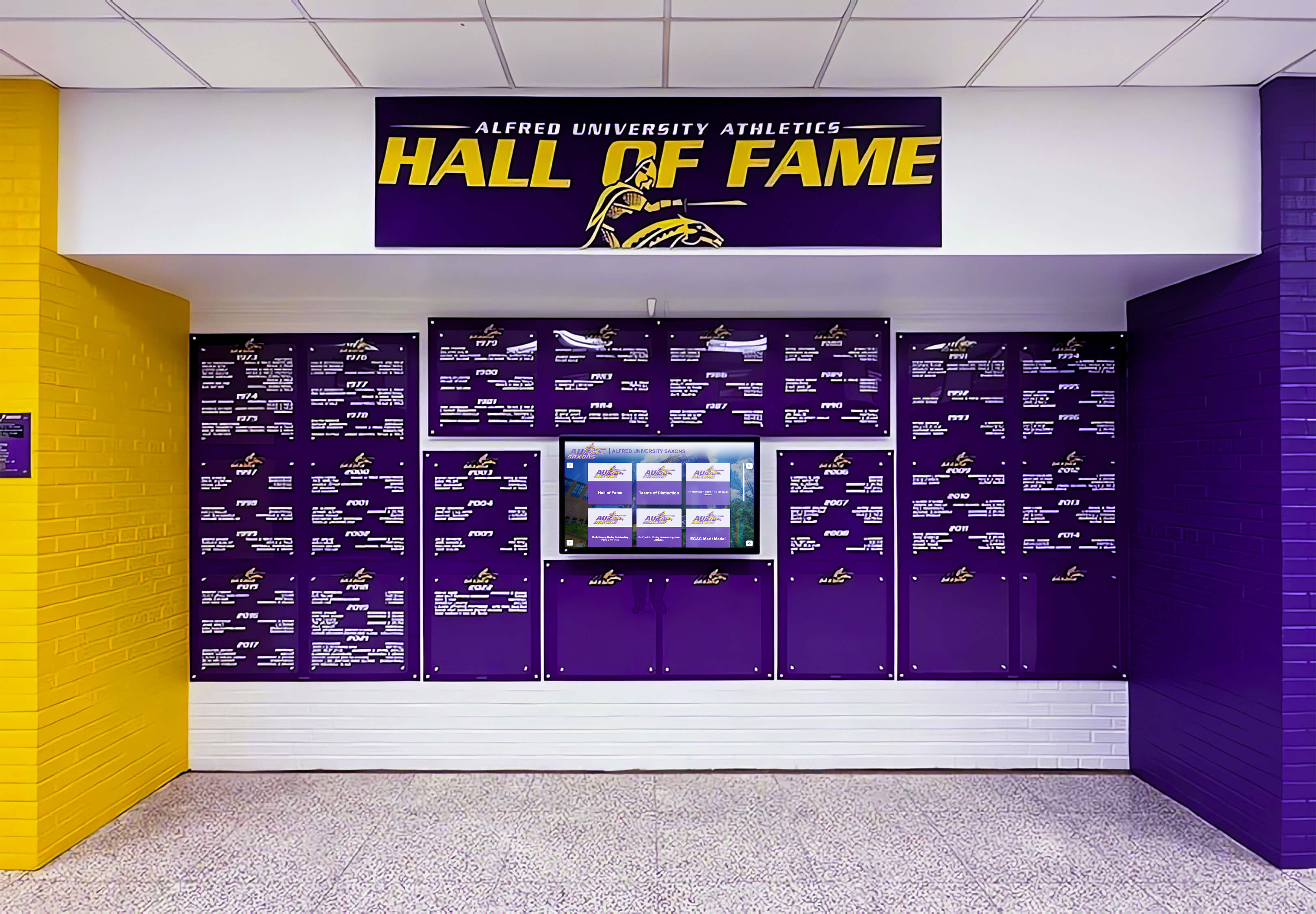
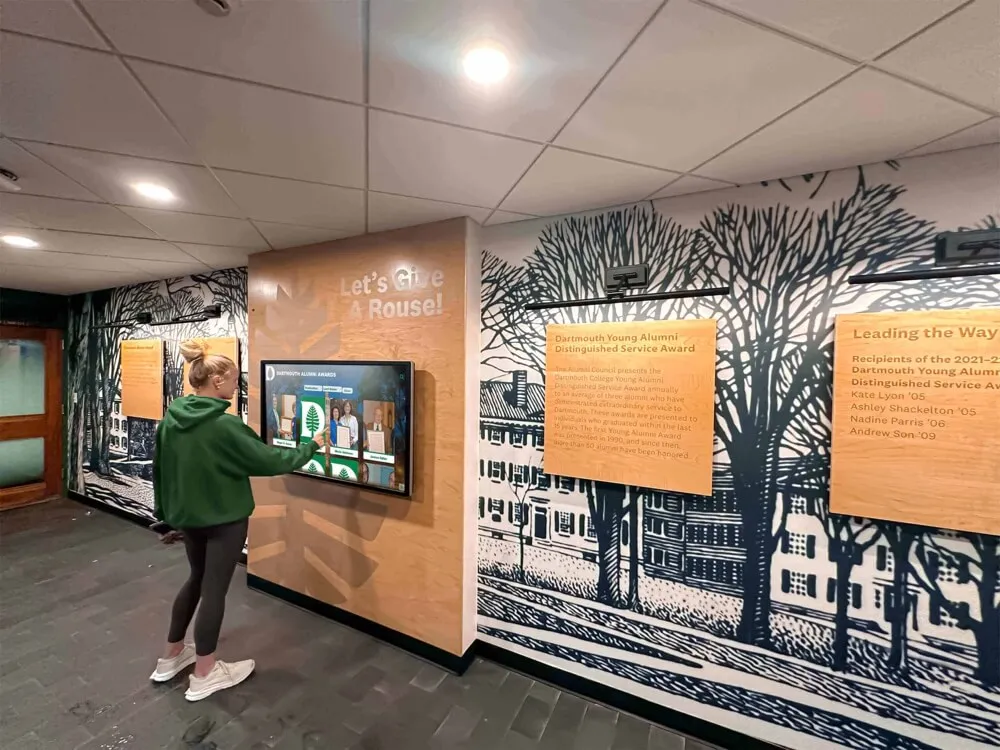
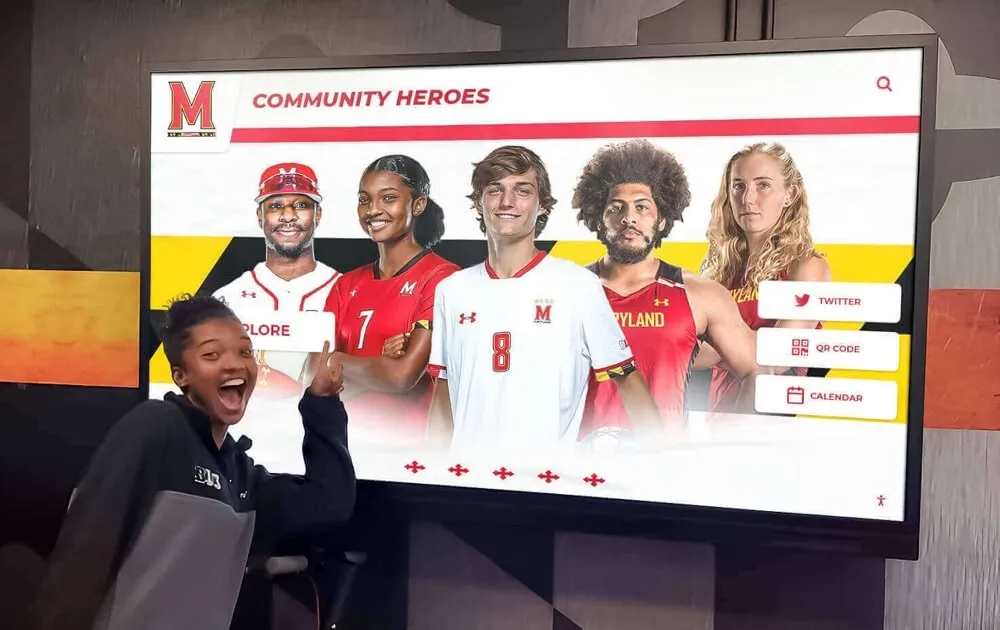
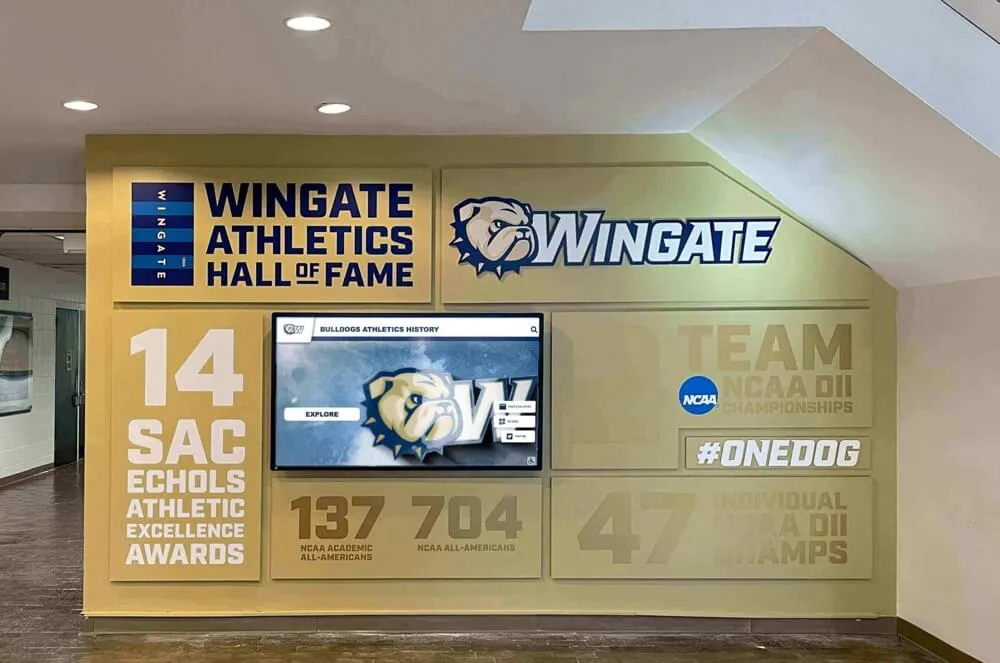
University athletic recognition installations integrate institutional branding while celebrating comprehensive sports program excellence across multiple teams and achievement categories
Best Practices for Creating Compelling Athletic Award Content
Technology platforms enable recognition, but content quality determines engagement and emotional impact.
Writing Effective Athletic Achievement Profiles
Strong profiles go beyond basic award listings to tell achievement stories:
Profile Structure Elements
- Compelling headline summarizing primary achievement
- Years of athletic participation
- Sport and position information
- Statistical achievements and career highlights
- Awards, honors, and special recognition received
- Team success and championship participation
- Personal background and athletic journey
- Post-graduation athletic or career accomplishments
- Quotes from coaches, teammates, or athletes
- Fun facts and interesting details
Vary profile length based on achievement significance and available information. Hall of fame inductees warrant comprehensive profiles, while single-season award recipients may receive shorter recognition focused on specific accomplishments.
Sourcing and Optimizing Visual Content
Visual content drives engagement more powerfully than text:
Photo Quality and Selection Prioritize:
- Action photos showing athletes competing
- Award ceremony and recognition event photos
- Team photos establishing context
- Candid shots capturing personality
- Historical photos connecting past and present
- Consistent photo quality within profiles
Technical Photo Requirements
- 1920x1080 minimum resolution for primary photos
- Compressed images balancing quality and file size (100-300KB optimal)
- Standardized aspect ratios for visual consistency
- Edited for consistent brightness and contrast
- Cropped to focus attention on subjects
Schools implementing comprehensive visual recognition report that photo quality dramatically impacts perceived recognition value—professional-looking images communicate program quality while reinforcing achievement significance.
Incorporating Video Highlights and Multimedia
Video dramatically increases engagement and session duration:
Effective Video Content Types
- Game highlight reels (2-3 minutes maximum)
- Championship game clips and critical moments
- Career retrospective compilations
- Award ceremony and recognition events
- Interview footage with athletes and coaches
- Documentary-style program history content
Keep videos concise—engagement drops significantly beyond 2-3 minutes. Many platforms work best with videos under 100MB file size, requiring compression without excessive quality loss.
Athletic programs implementing video content strategies discover that even simple smartphone-captured highlight clips significantly increase profile engagement compared to photo-only recognition.
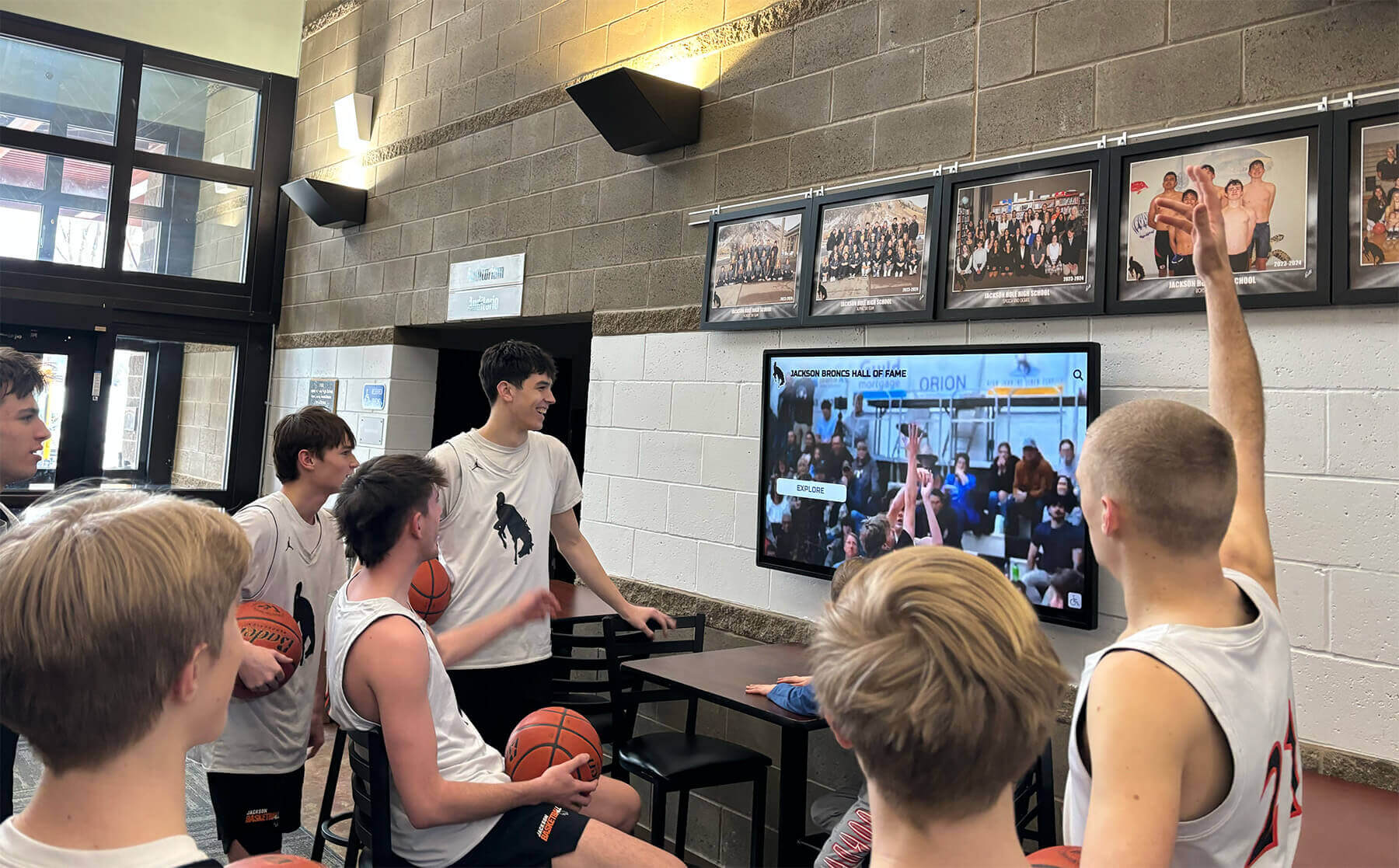
Video integration enables athletes and fans to relive championship moments and career highlights, creating emotional connections impossible with static text and photos alone
Advanced Digital Recognition Features and Strategies
Beyond basic digital displays, sophisticated features maximize recognition impact and program benefits.
Social Media Integration and Sharing
Enable recognition to amplify program visibility:
Social Sharing Features
- One-click sharing of athlete profiles to social networks
- Customized share text highlighting achievements
- Automated posting of new recognition additions
- Hashtag strategies for athletic program branding
- Instagram-optimized visual templates
- Twitter/X integration for real-time updates
When athletes and families share digital recognition on social media, they extend athletic program visibility to networks potentially including college recruiters, local media, and prospective athletes considering program options.
Schools implementing social media recognition strategies report that shareable digital content generates significantly more organic reach than traditional physical display photos posted manually.
Alumni Engagement and Networking Features
Digital recognition creates alumni connection opportunities:
Alumni-Focused Features
- Alumni profiles including current careers and accomplishments
- “Where Are They Now” updates for former athletes
- Alumni message boards and communication forums
- Reunion coordination and alumni event promotion
- Mentorship connections between alumni and current athletes
- Alumni giving campaigns tied to athletic recognition
Athletic programs with strong alumni engagement see benefits including volunteer coaching, financial support, recruiting assistance, and career mentorship for current athletes. Digital recognition serves as foundation for systematic alumni connection programs.
College Recruiting Support Features
Help athletes advance to collegiate athletics:
Recruiting-Focused Content
- Detailed statistical databases for college coach evaluation
- Video highlight access for recruiting communications
- Contact information for recruiting inquiries
- College placement tracking showing program success
- Academic achievement emphasis for scholar-athlete recruiting
- Coach recommendation integration
Athletic directors implementing college recruitment digital strategies report that comprehensive digital athlete profiles significantly reduce time spent responding to college coach information requests while providing more professional presentation than email attachments.
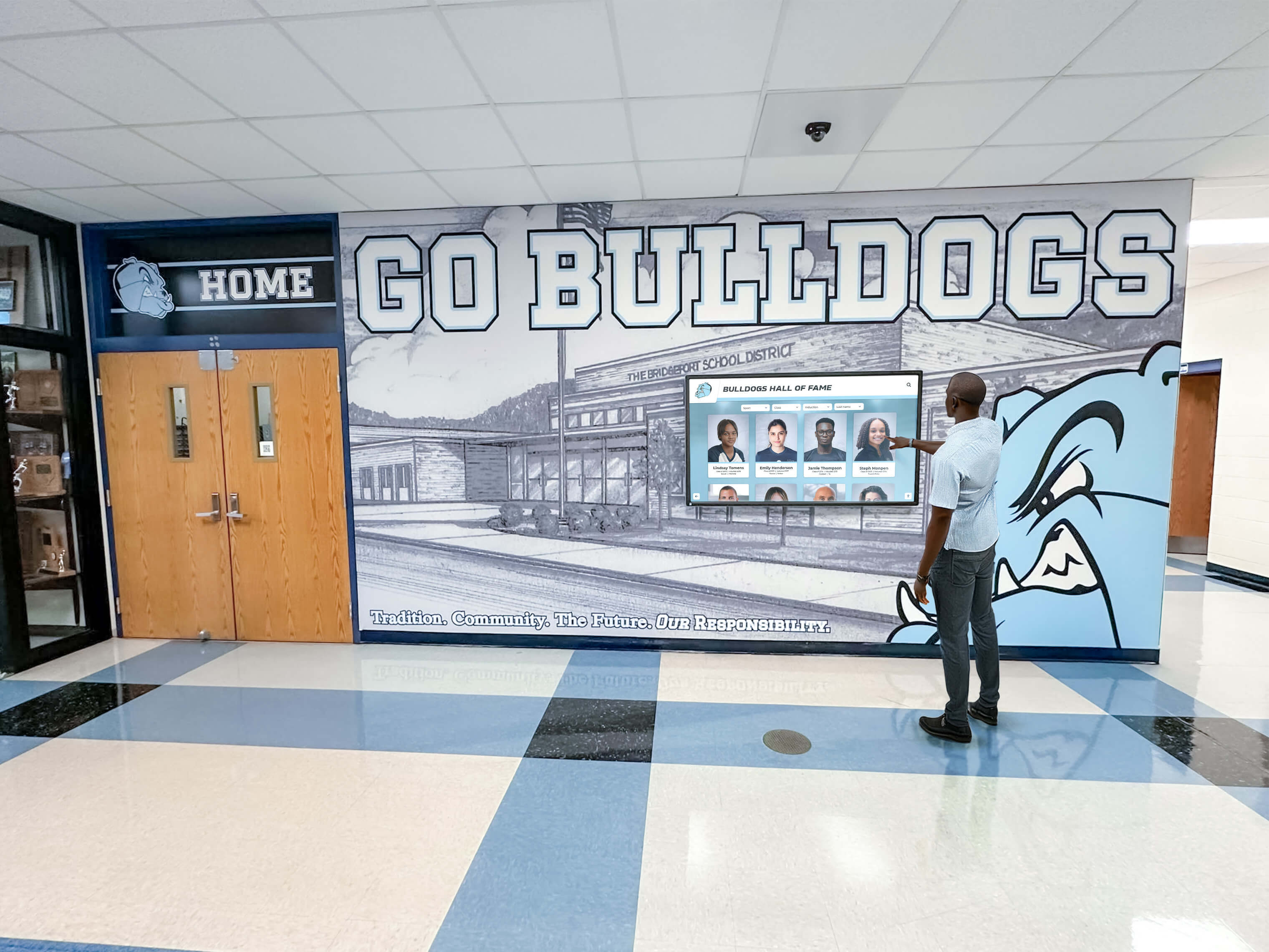
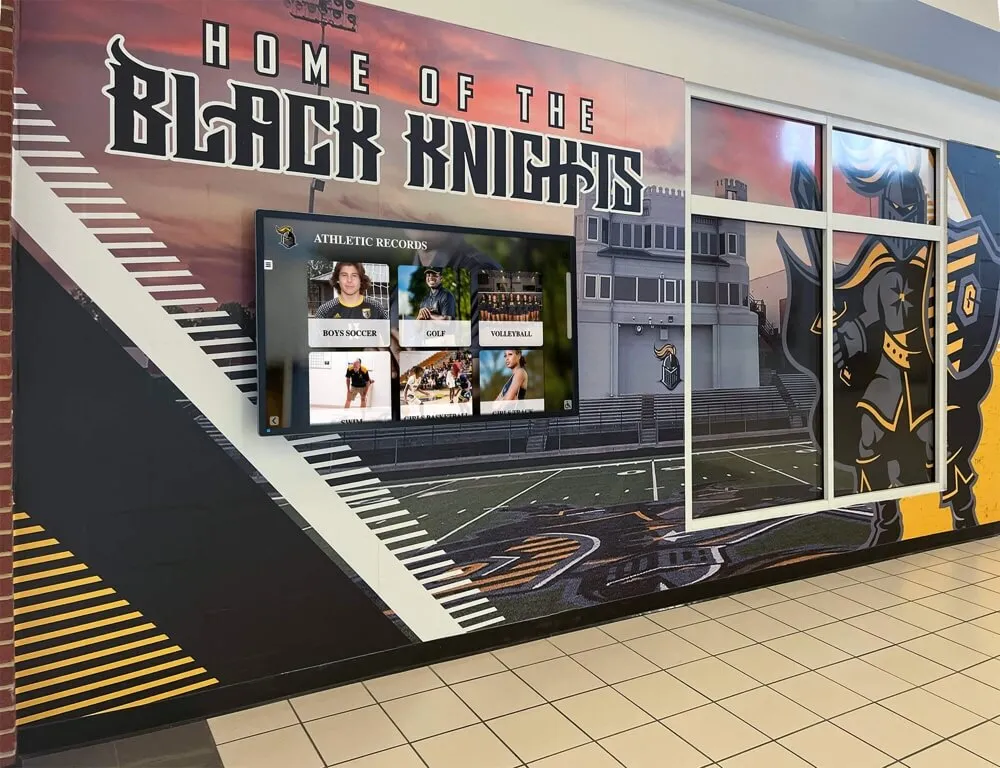
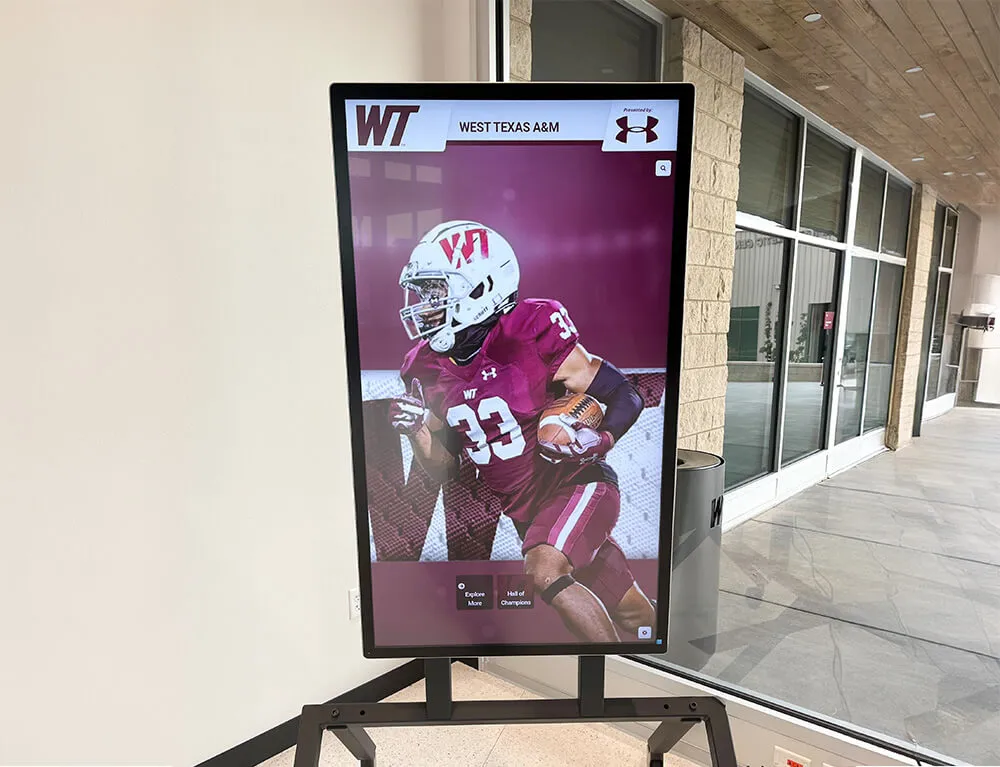
Strategic positioning of interactive displays in athletic facility corridors ensures high visibility while providing convenient exploration during games, practices, and campus visits
Hybrid Approaches: Combining Digital and Physical Recognition
Many athletic programs benefit from integrated strategies preserving traditional physical displays while adding digital enhancement.
Complementary Display Strategies
Digital and physical recognition serve different purposes:
Maintaining Physical Trophy Displays
- Trophy cases showcasing select championship trophies and major awards
- Championship banners hanging in gymnasiums
- Retired jerseys and special tributes in prominent locations
- Physical plaques for hall of fame inductees and major milestones
- Traditional elements athletes and alumni value
Digital Display Enhancement
- Comprehensive digital archives documenting all awards beyond trophy case capacity
- Detailed athlete profiles with statistics and multimedia
- Historical context and achievement stories
- Searchable databases enabling exploration
- Web accessibility extending recognition beyond physical location
This hybrid approach respects tradition while embracing modern capabilities—a balanced strategy many stakeholders prefer over complete replacement of physical displays.
QR Code Integration Connecting Physical and Digital
Bridge physical and digital recognition:
QR Code Applications
- QR codes on trophy cases linking to comprehensive digital archives
- Printed programs with QR codes to athlete profile pages
- Facility signage directing visitors to web-based recognition
- Awards and plaques with QR codes to extended content
- Game programs linking to season highlights and statistics
This integration enables physical displays to serve as gateways to comprehensive digital content rather than functioning as isolated elements.
Schools implementing integrated recognition approaches report that QR codes effectively bridge generational preferences—maintaining physical displays older stakeholders value while providing digital access younger audiences expect.
Multi-Location Display Networks
Distribute recognition across athletic facilities:
Primary Display Locations
- Main gymnasium lobby for comprehensive interactive recognition
- Athletic office lobby for recruiting and administrative access
- School main entrance for broader community visibility
- Athletic hall of fame room for dedicated recognition space
Secondary Display Locations
- Individual sport team rooms and locker facilities
- Practice facilities and training areas
- Concession stands and public gathering spaces
- Outdoor digital signage for community visibility
Multi-location networks ensure recognition reaches diverse audiences throughout athletic facilities rather than concentrating in single locations that some visitors never encounter.

Gymnasium installations position recognition in the heart of athletic competition spaces where athletes, families, and fans naturally gather for events and activities
Measuring Success and Demonstrating ROI
Demonstrating digital athletic recognition value justifies initial investments and supports requests for expansion.
Key Performance Indicators
Track specific metrics showing engagement and program impact:
Usage and Engagement Metrics
- Touchscreen interactions per week/month
- Web platform sessions and unique visitors
- Average session duration and pages viewed
- Most-viewed athlete profiles and popular content
- Search queries indicating what visitors seek
- Social media shares and engagement
Community Impact Indicators
- Alumni feedback and testimonials about recognition
- Media coverage mentioning athletic recognition
- Recruiting visit feedback about displays
- Community event attendance at recognition ceremonies
- Booster organization membership trends
Operational Efficiency Measures
- Time required for recognition updates versus previous processes
- Cost per addition compared to physical plaques
- Staff satisfaction with content management
- Frequency of recognition updates
Athletic directors implementing analytics-driven recognition strategies use engagement data to optimize content, demonstrate value to administrators, and build cases for program expansion.
Collecting Stakeholder Feedback
Systematic feedback collection provides qualitative insights:
Feedback Collection Methods
- QR codes on displays linking to quick surveys
- Email campaigns to alumni asking about web platform
- In-person interviews during games and events
- Social media monitoring for mentions and reactions
- Focus groups with athletes, parents, and coaches
- Staff observations of visitor interactions
Document compelling stories and quotes for presentations to administrators, board reports, booster campaigns, and future project justifications.
Creating Executive Reports
Translate data and feedback into concise reports:
Report Components
- Implementation overview and investment summary
- Usage statistics with compelling visualizations
- Community feedback highlights and testimonials
- Engagement comparisons to previous recognition approaches
- Operational benefits and efficiency gains
- Recruiting or fundraising impacts
- ROI analysis comparing costs to benefits
- Recommendations for expansion or enhancement
Present reports annually or at strategic milestones, maintaining visibility of athletic recognition program value throughout school administration.
Special Considerations for Different Athletic Program Levels
Athletic recognition approaches should adapt to institutional contexts and competitive levels.
Youth and Recreational Sports Programs
Youth organizations face unique recognition considerations:
Age-Appropriate Recognition Focus
- Participation and effort alongside achievement
- Team success and collective accomplishments
- Skill development and improvement
- Sportsmanship and character development
- Inclusive recognition ensuring all participants receive acknowledgment
Youth programs should emphasize positive development rather than creating competitive pressure through excessive achievement focus. Digital platforms enable comprehensive participation recognition impossible with limited trophy budgets.
High School Athletic Programs
Secondary school recognition serves educational and athletic missions:
Multi-Sport Coverage High schools typically operate 10-20+ sports programs annually:
- Comprehensive recognition across all sports (not just high-profile programs)
- Gender equity ensuring equal recognition for boys and girls athletics
- Seasonal updates reflecting year-round competitive schedules
- Academic achievement integration for scholar-athletes
- College placement tracking supporting recruiting
Community Connection Emphasis High school athletics carry significant community meaning:
- Recognition reinforcing community pride and identity
- Intergenerational connections through family athletic traditions
- Alumni engagement for mentorship and support
- Local business sponsorship opportunities
- Community gathering events during recognition ceremonies
Schools implementing high school athletic recognition programs discover that comprehensive digital systems cost-effectively serve diverse sport programs with unified platforms rather than sport-specific physical displays.

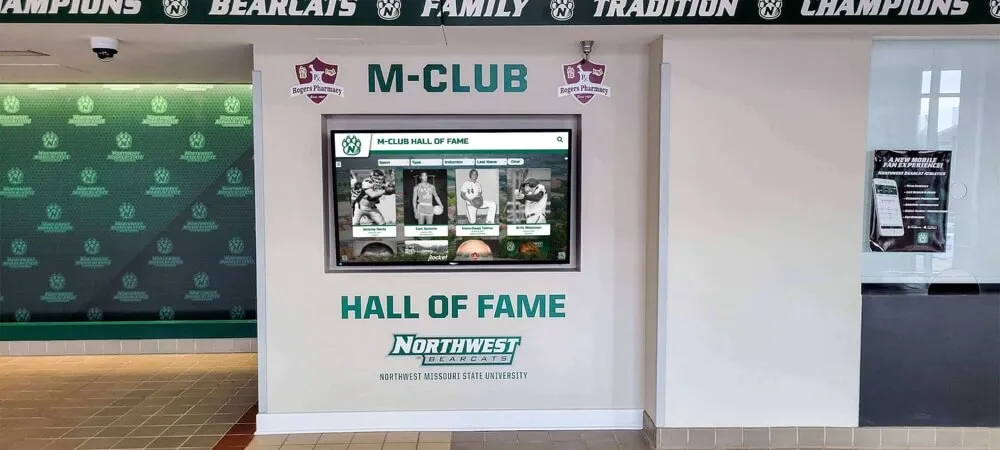
University athletic clubs and lettermen's associations use digital recognition to honor member achievements while strengthening alumni networks and program support
College and University Athletic Programs
Higher education recognition serves institutional and competitive goals:
NCAA Division-Specific Approaches
- Division I programs emphasizing national visibility and recruiting
- Division II recognition supporting regional recruitment and alumni engagement
- Division III focus on student-athlete academic achievement and well-rounded development
- NAIA and junior college programs building program prestige and transfer recruitment
Alumni Relations and Advancement Integration
- Athletic recognition supporting broader alumni engagement strategies
- Donor recognition integration for athletic facility naming and gifts
- Legacy building encouraging estate planning and major gifts
- Career networking between alumni and current student-athletes
- Reunion coordination and alumni event promotion
Universities implementing comprehensive alumni recognition systems report that athletic recognition represents particularly effective engagement tool for specific alumni constituencies who maintain strong program connections.
Conclusion: Transforming Athletic Achievement Recognition for Modern Audiences
Athletic achievement awards represent thousands of hours of dedication, competitive excellence, and personal sacrifice that deserve recognition matching their significance. Traditional trophy cases and static plaques served athletic programs well for decades but face fundamental limitations in space capacity, information depth, accessibility, and engagement that prevent proper celebration of athletic excellence in today’s connected world.
Digital recognition platforms transform athletic award displays from space-constrained static installations into dynamic, searchable, unlimited systems that celebrate every accomplishment while making athletic excellence accessible to entire communities. By eliminating physical limitations, enabling rich multimedia storytelling, providing instant updates, and extending access worldwide through web platforms, digital systems solve traditional challenges while creating new engagement opportunities.
Successful implementation requires systematic planning addressing content strategy, technical requirements, budget development, and stakeholder engagement. Athletic directors investing in thoughtful planning, quality content, and platforms designed specifically for athletic recognition needs create systems that honor achievements properly while building program pride that attracts future talent and strengthens community support.
Whether you manage a small high school athletic program or oversee comprehensive university sports departments, digital athletic recognition delivers measurable value through unlimited recognition capacity, enhanced recruitment support, increased alumni engagement, improved operational efficiency, and expanded community reach. The technology exists to showcase every athletic achievement properly—ensuring no accomplishment goes unrecognized due to arbitrary space constraints or outdated display limitations.
Your athletes’ achievements deserve celebration equal to their dedication and sacrifice. Modern digital recognition platforms make comprehensive athletic award displays practical and achievable regardless of program size or budget constraints. Start exploring how digital transformation can honor your athletic program’s past excellence, celebrate current achievements, and inspire future generations to pursue competitive excellence worthy of recognition.
Ready to transform how your athletic program showcases achievement awards? Explore how comprehensive digital recognition solutions can help you celebrate every accomplishment, preserve program history, and build lasting traditions that strengthen athletic programs and communities for decades ahead.