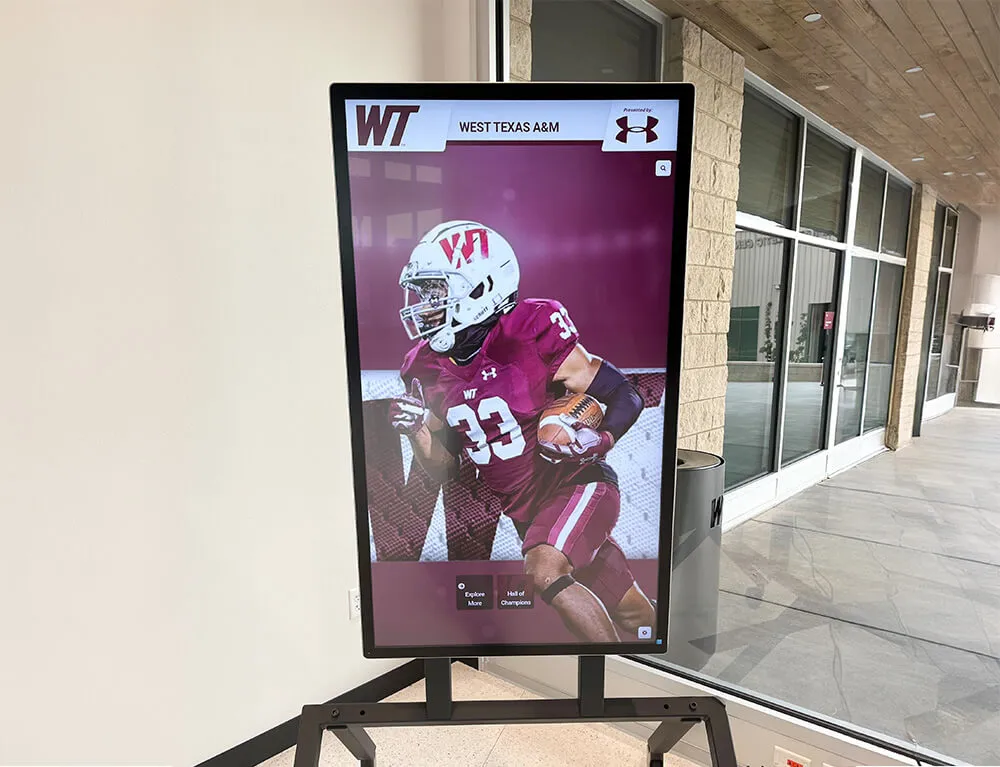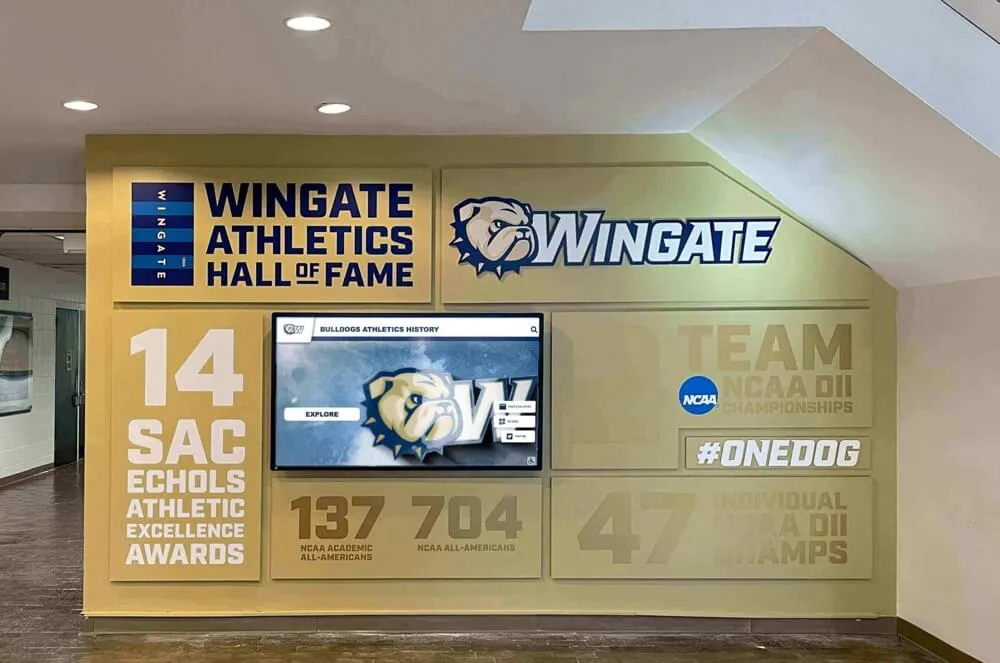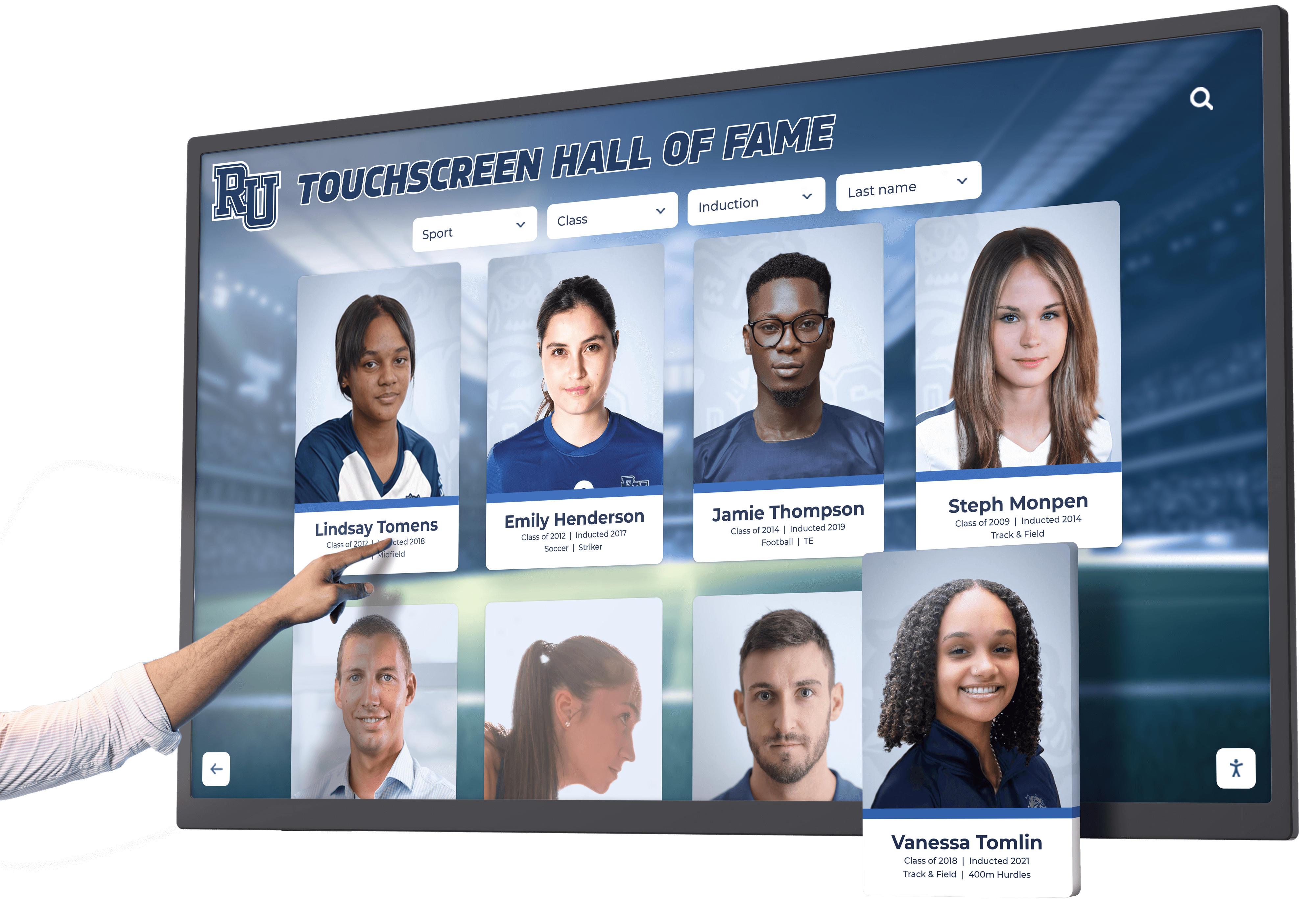
Walk through any modern high school, university athletic facility, or institutional building today and you’ll notice a striking transformation in how organizations celebrate achievements. Traditional trophy cases and static plaques are giving way to interactive touchscreen hall of fame displays—dynamic systems that engage visitors through intuitive touch interfaces while providing unlimited recognition capacity, rich multimedia storytelling, and instant content updates.
Touchscreen hall of fame displays represent more than technological upgrades to physical plaques. These interactive systems fundamentally transform recognition from passive viewing into active exploration, allowing visitors to search for individuals, discover achievement stories through photos and videos, explore institutional history through timeline visualizations, and share compelling content through social media—creating engagement patterns impossible with static displays.
For schools, universities, athletic programs, and nonprofit organizations evaluating recognition solutions in 2026, the touchscreen hall of fame market offers diverse options ranging from comprehensive turnkey platforms to budget DIY approaches. This complete buyer’s guide examines what makes touchscreen hall of fame displays effective, compares leading solutions across key evaluation criteria, provides implementation guidance, and helps organizations select systems aligned with specific needs, budgets, and technical capabilities.
Whether you’re an athletic director seeking to honor decades of sports achievements, an alumni relations professional building engagement through recognition, or an administrator evaluating modern alternatives to space-constrained trophy cases, understanding the touchscreen hall of fame market in 2026 ensures your recognition investment delivers maximum community impact while remaining sustainable for years to come.

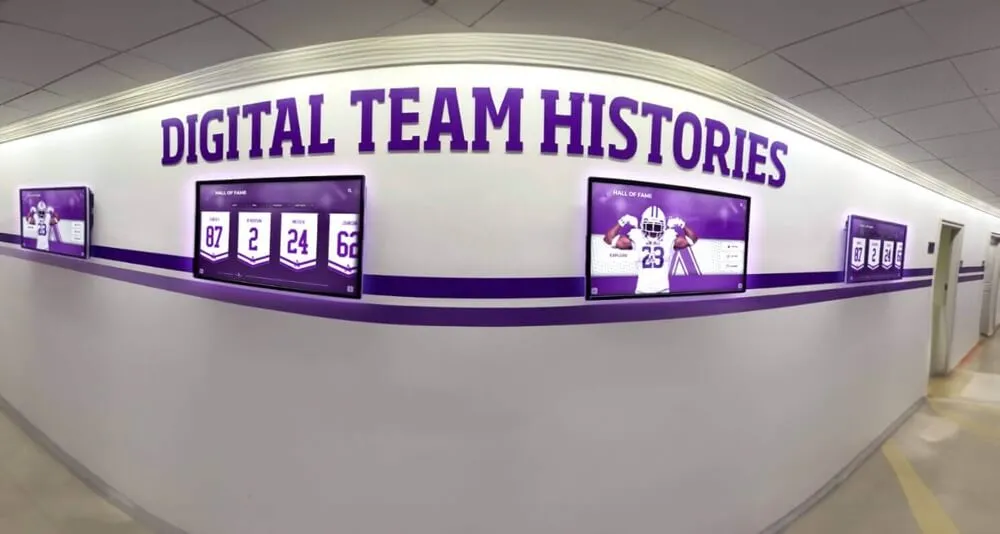
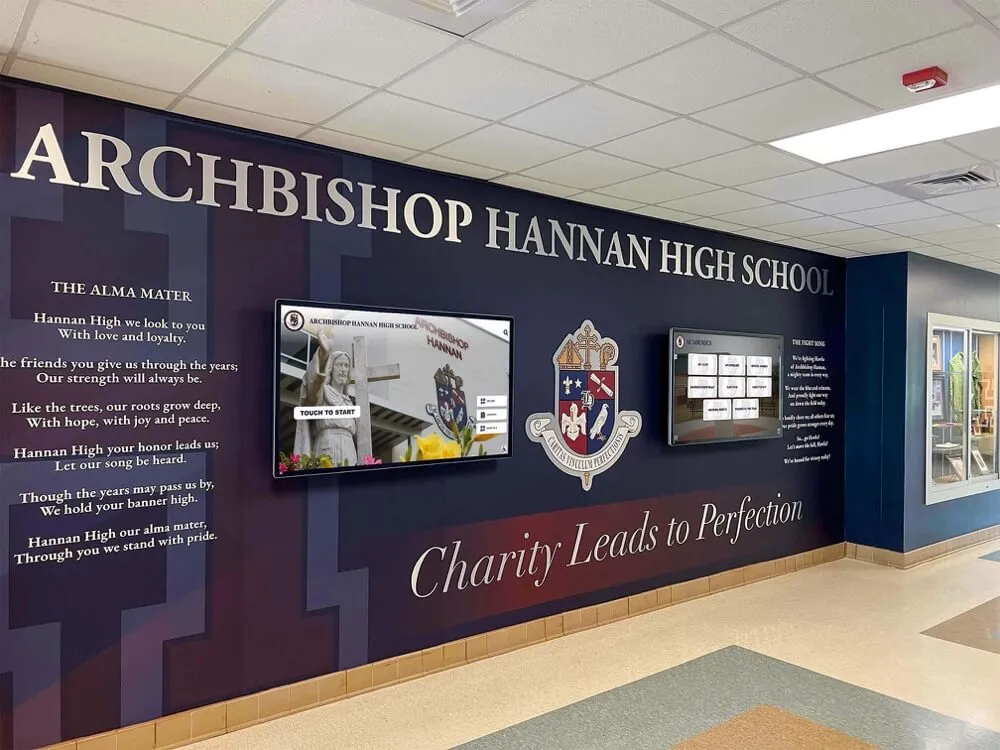
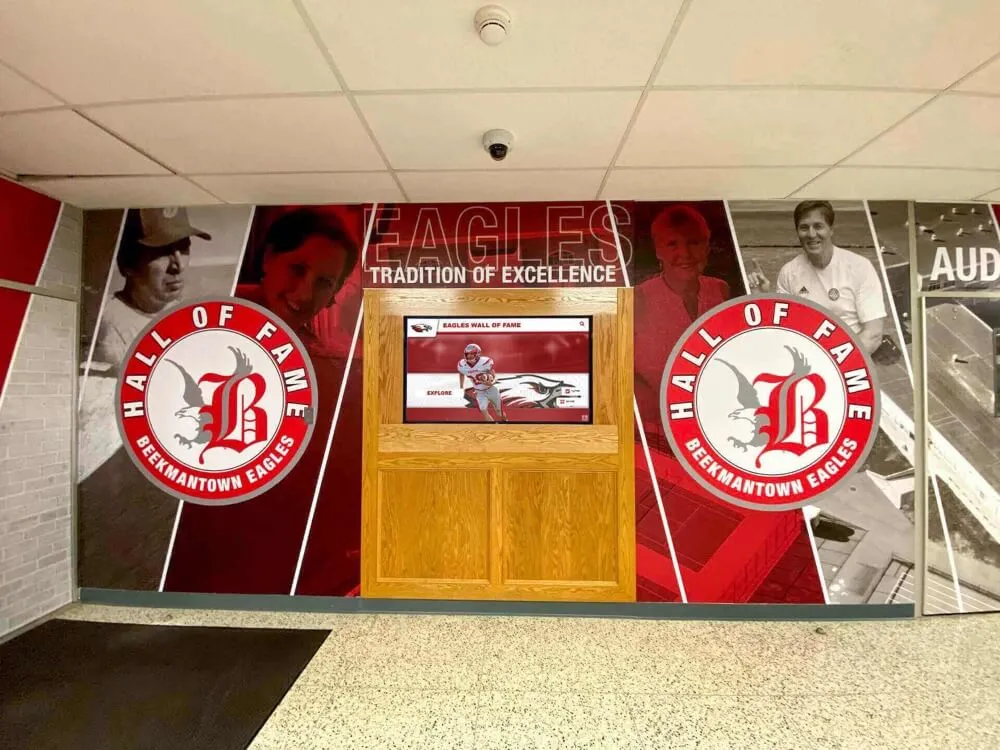
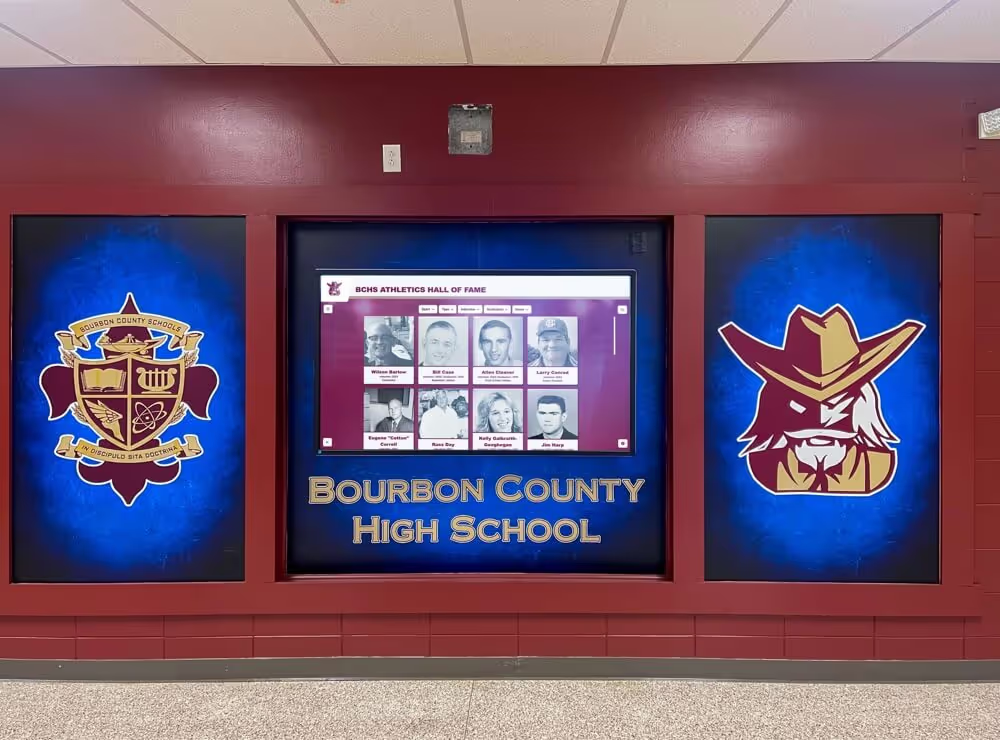
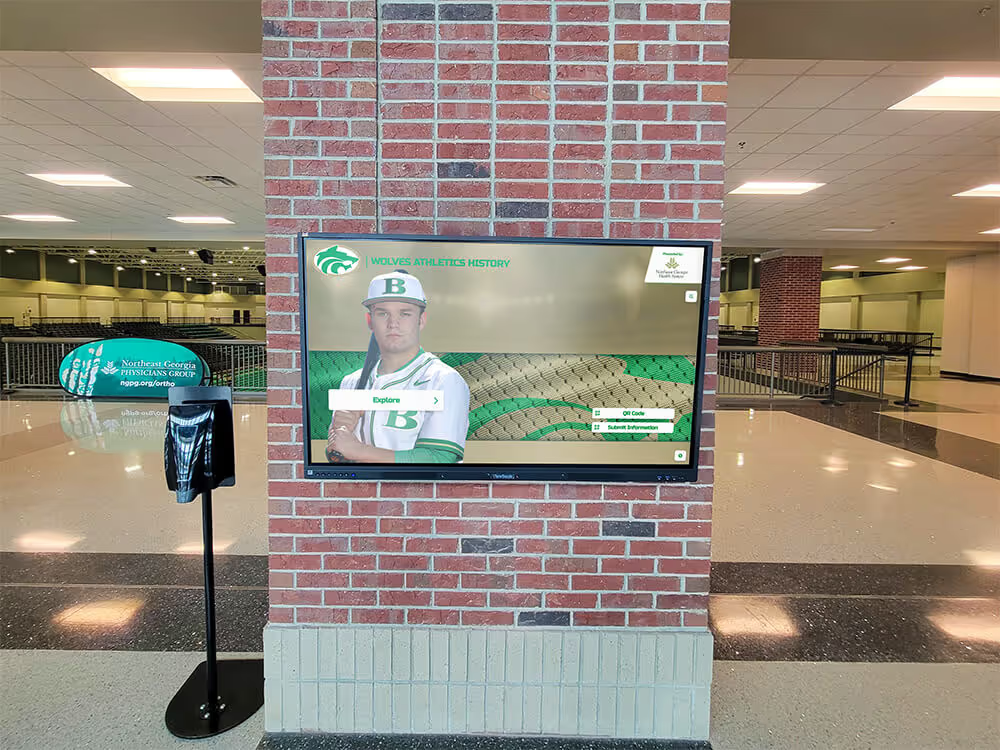
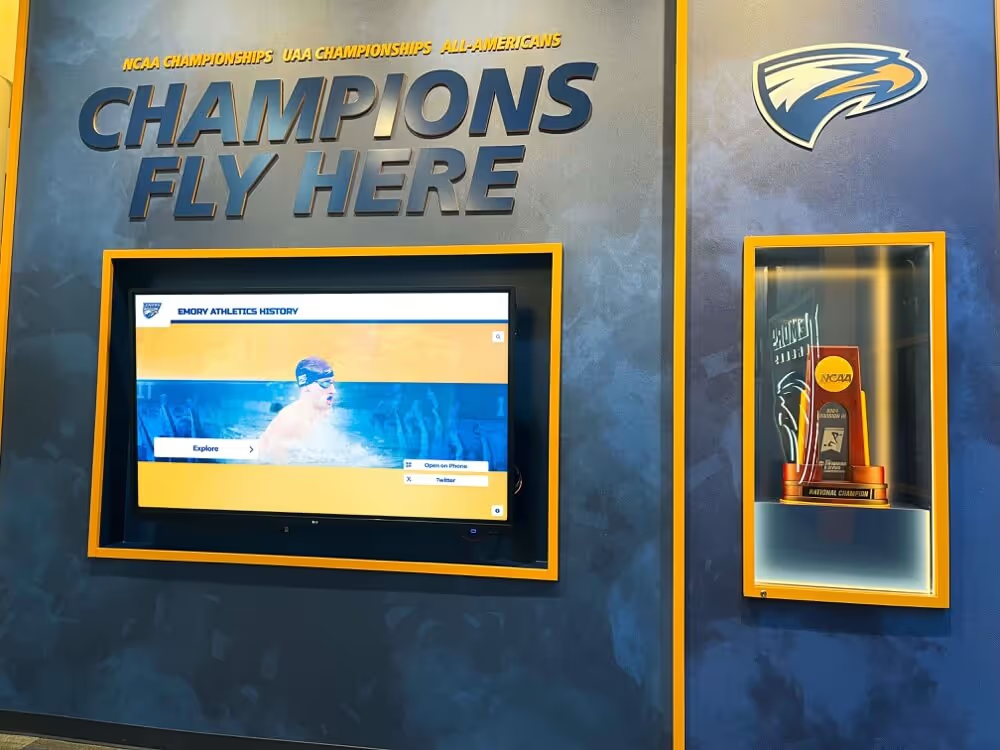
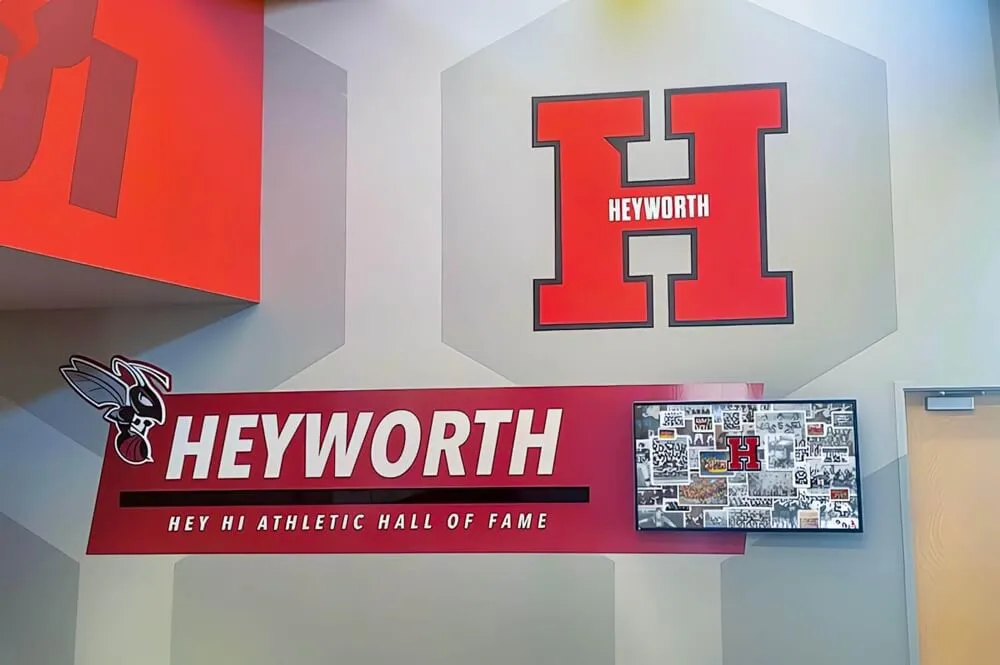
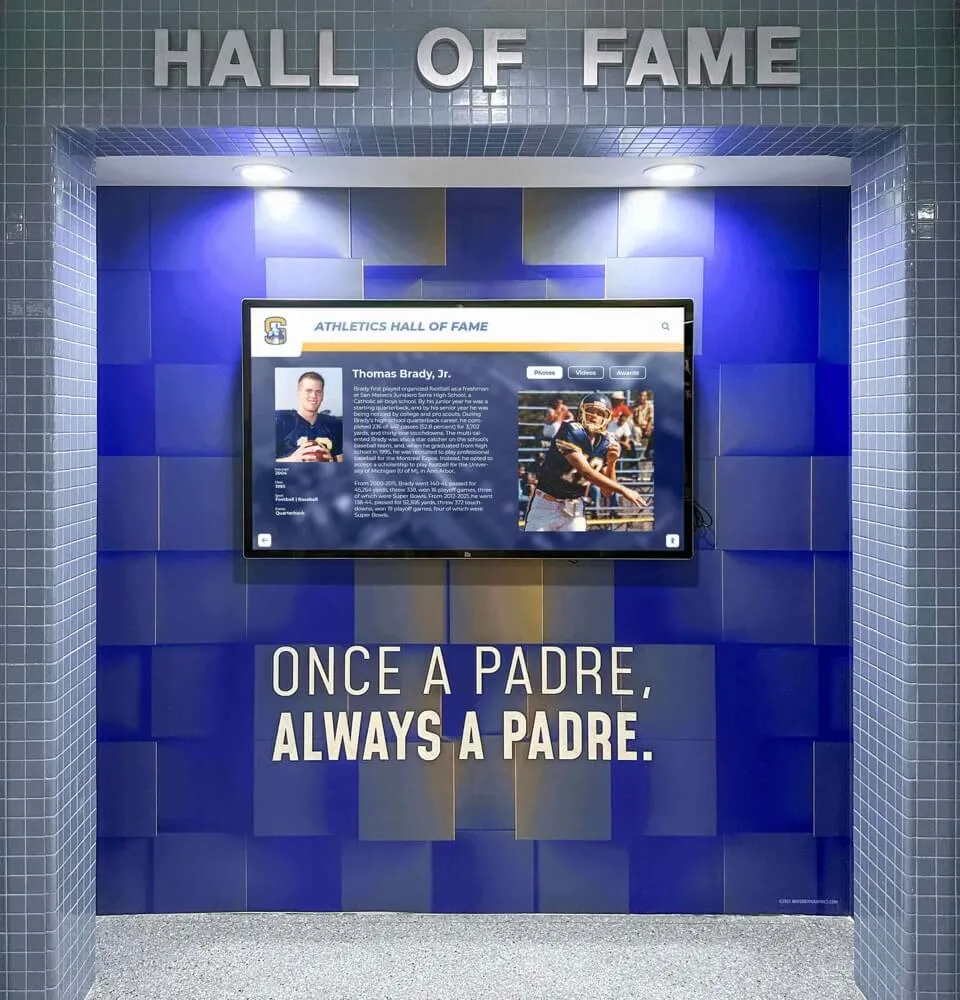
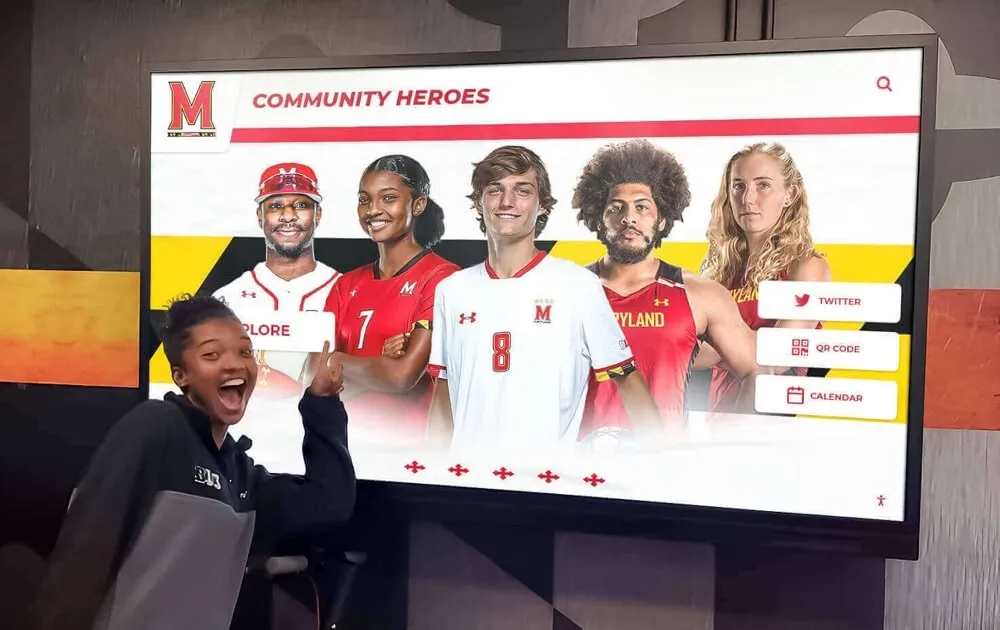
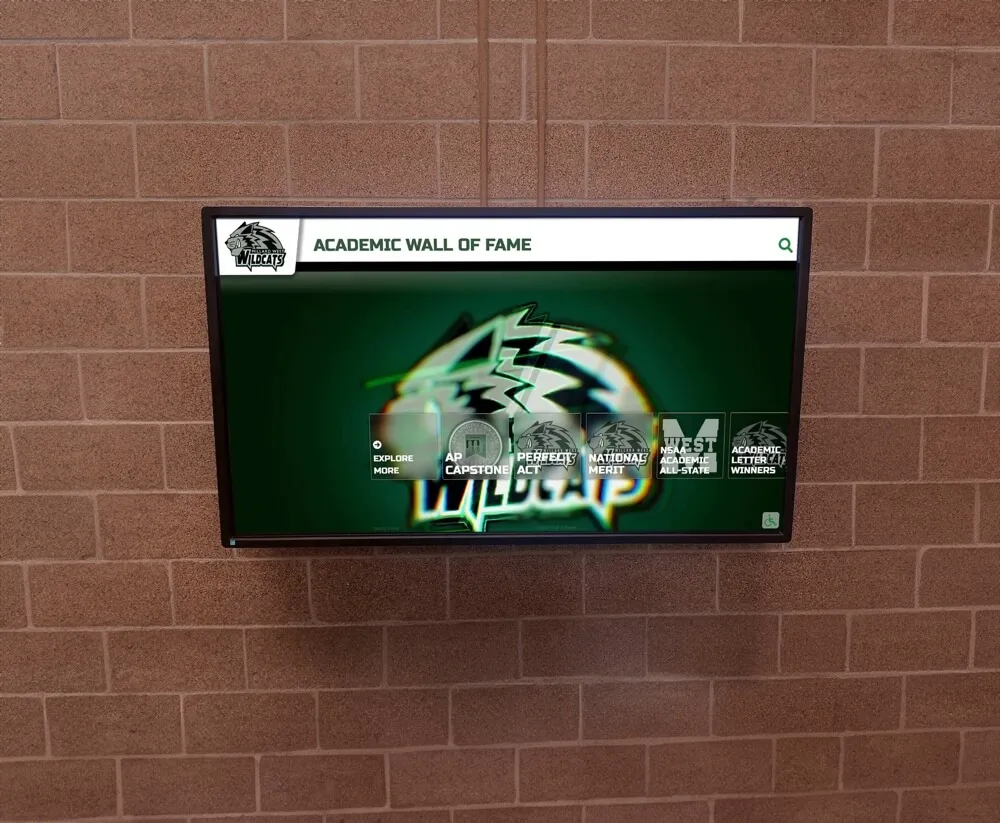
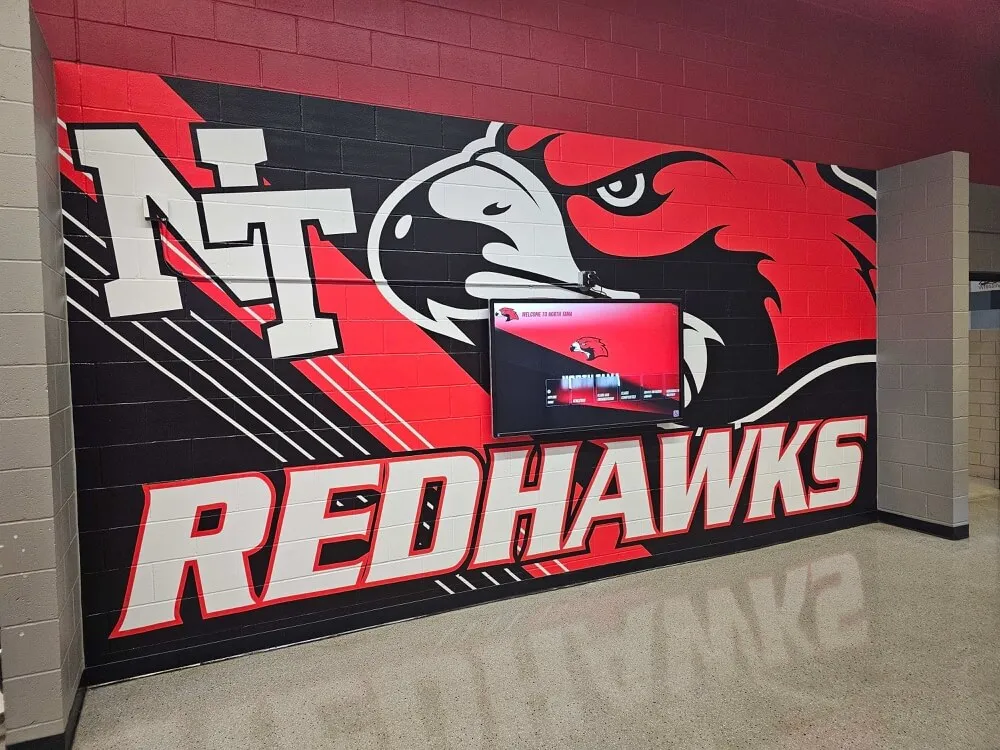
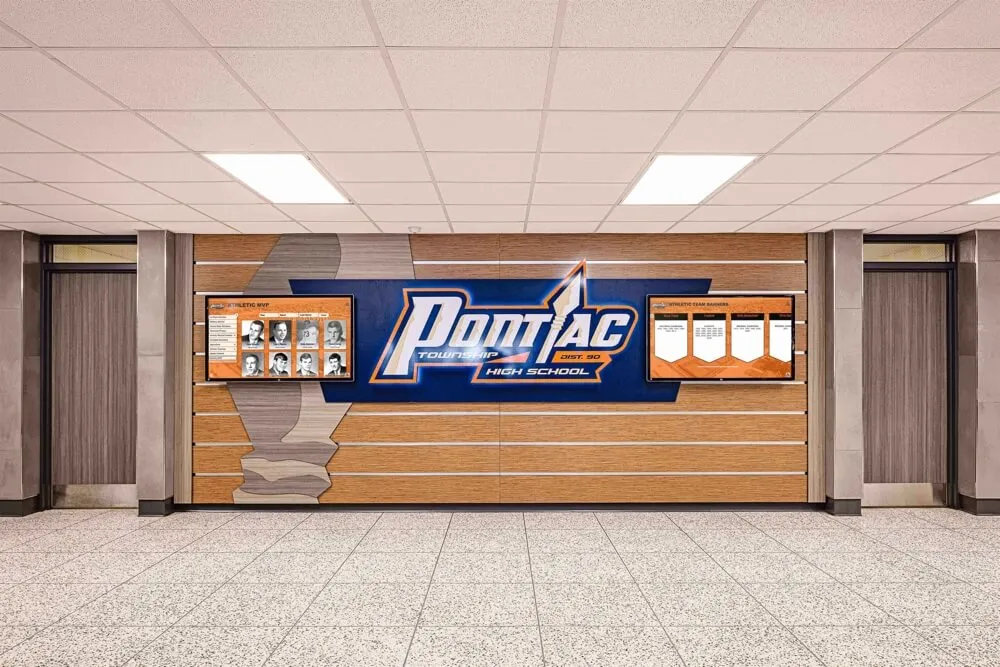
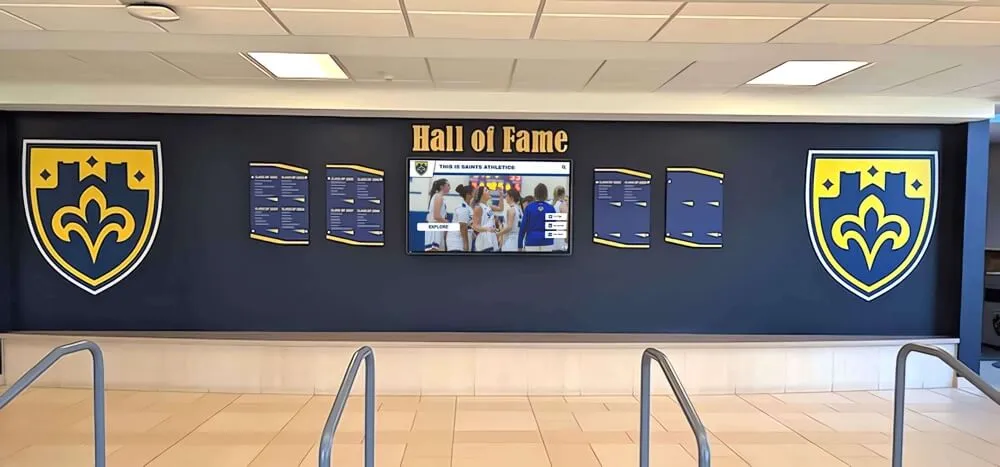
Modern touchscreen hall of fame systems transform recognition from passive displays into interactive experiences that engage visitors and celebrate achievements dynamically
Why Organizations Are Adopting Touchscreen Hall of Fame Displays
The rapid growth of touchscreen recognition systems reflects fundamental advantages over traditional plaque and trophy case approaches.
Unlimited Recognition Capacity
Physical trophy cases and wall-mounted plaques impose hard limits on recognition capacity. When space fills up, institutions face difficult choices: stop recognizing new achievements, remove older recognition to create space, or undertake expensive facility renovations expanding wall areas.
Touchscreen hall of fame displays eliminate these constraints entirely. Digital systems accommodate unlimited inductees across unlimited categories without additional hardware costs or physical expansion. Schools implementing touchscreen recognition report that removing space limitations fundamentally changes recognition philosophy—instead of selective halls of fame reserved for exceptional achievements, organizations celebrate broader accomplishments including all-conference selections, academic honors, notable alumni across diverse fields, and community contributors who would never qualify for space-limited physical displays.
This unlimited capacity proves particularly valuable for athletic hall of fame programs managing decades of achievements across multiple sports and recognition categories.
Interactive Engagement and Discovery
Traditional plaques display minimal information—typically names, dates, and brief achievement descriptions. Visitors pass by static displays with limited engagement beyond reading basic text.
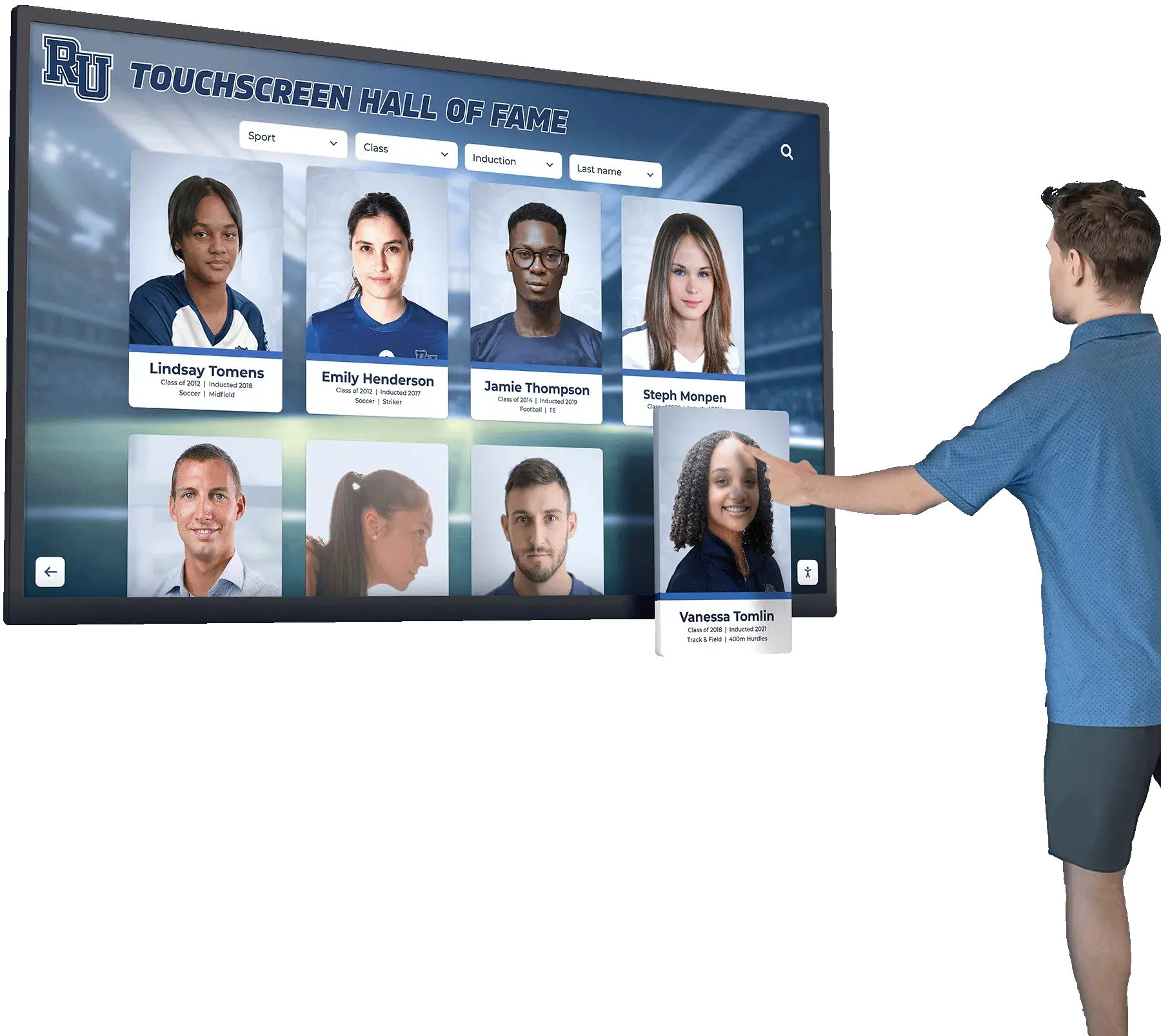
Touchscreen systems enable active exploration through intuitive interfaces. Visitors can search for specific individuals by name, filter achievements by sport or category, browse alphabetically through complete databases, explore timeline views showing institutional evolution, watch video highlights and interviews, view photo galleries documenting careers, and share profiles through social media. This interactivity transforms recognition from passive viewing into engaging discovery experiences where visitors spend 8-12 minutes exploring content compared to seconds glancing at static plaques.
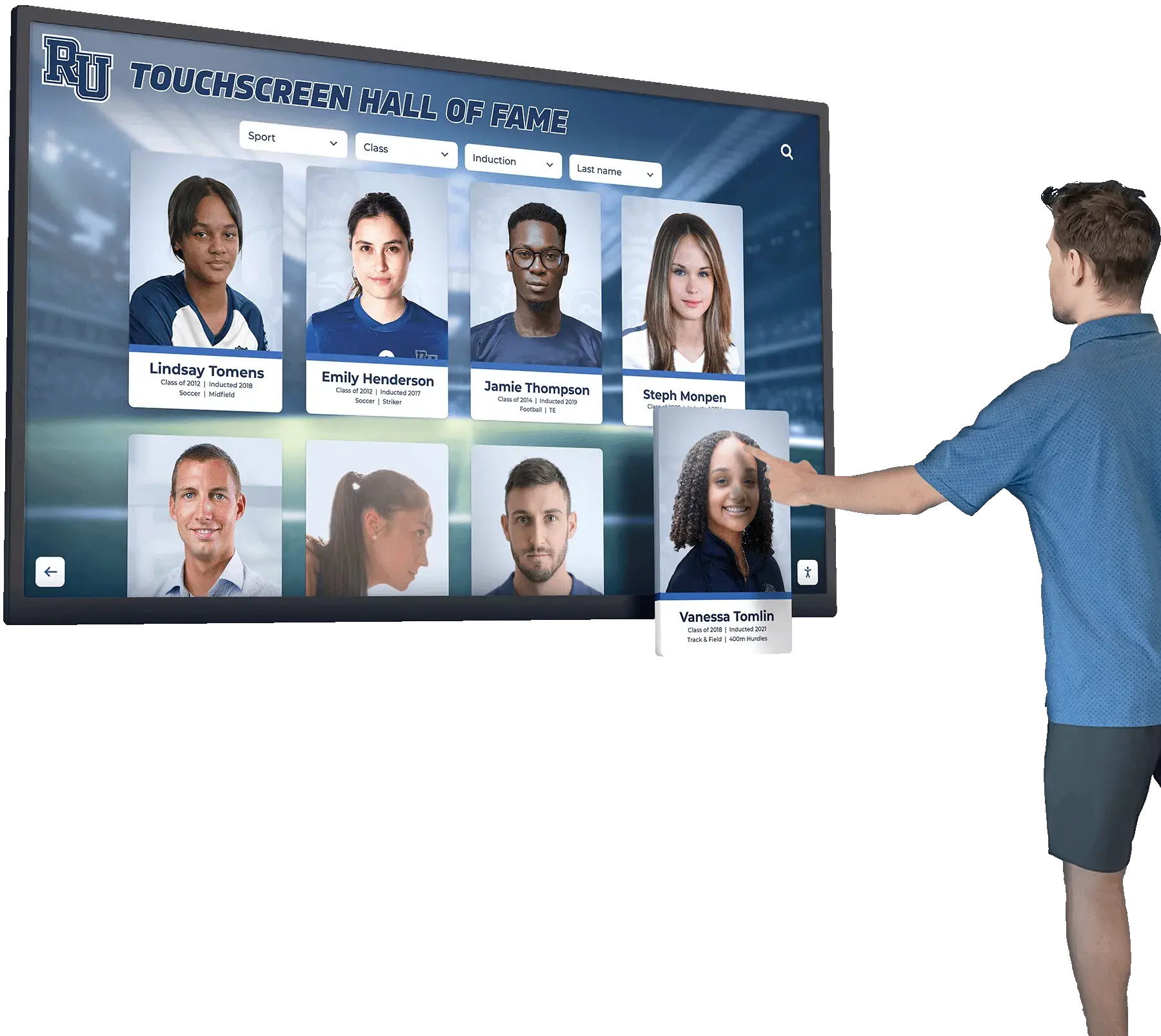
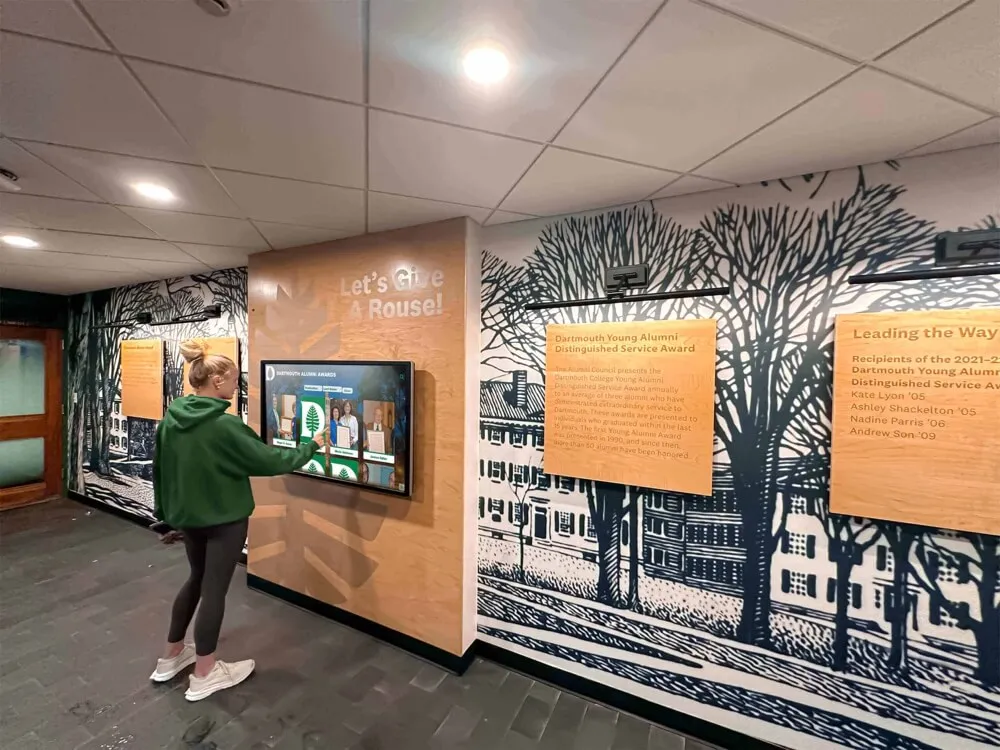
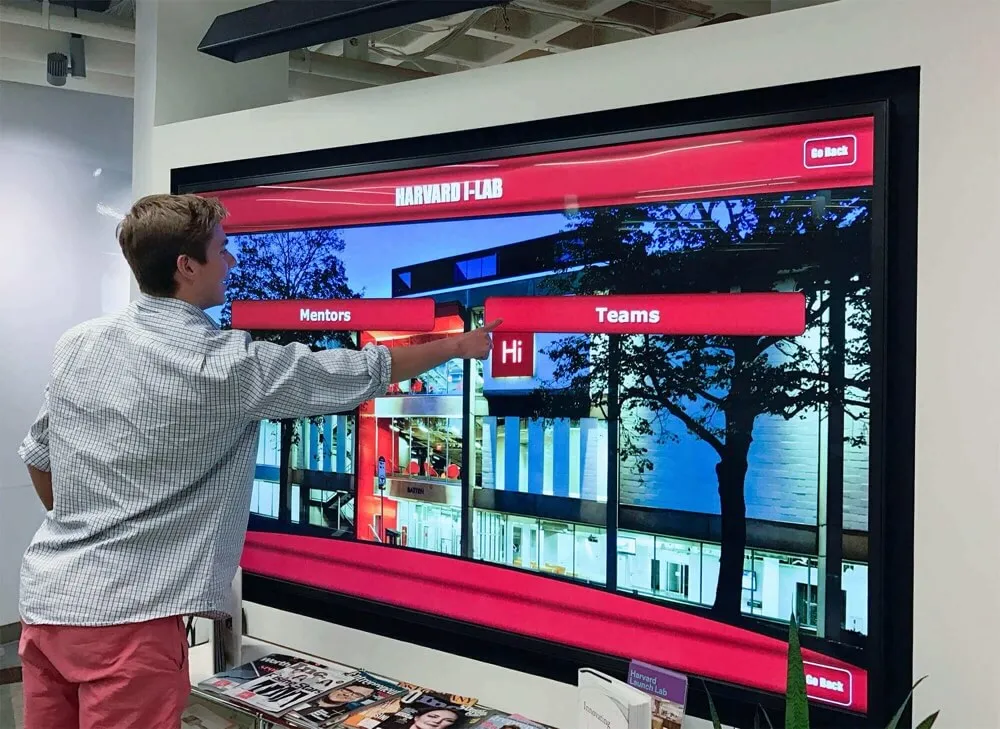
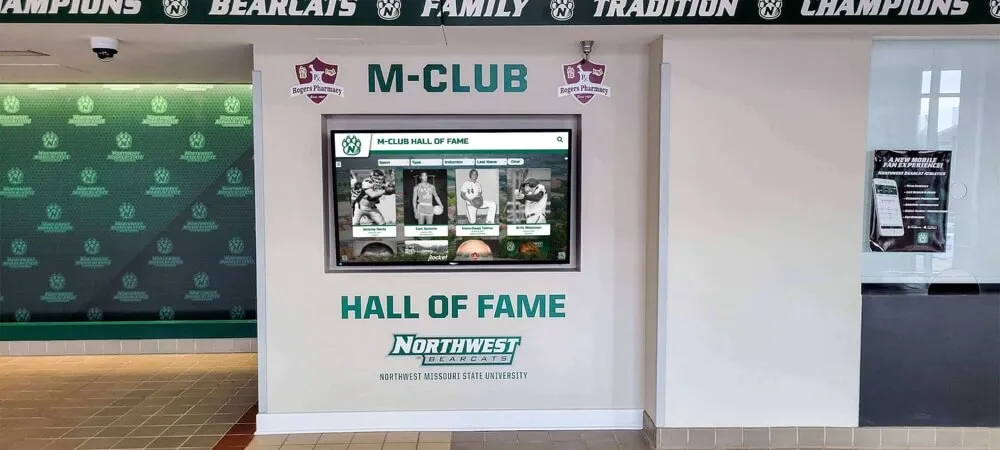
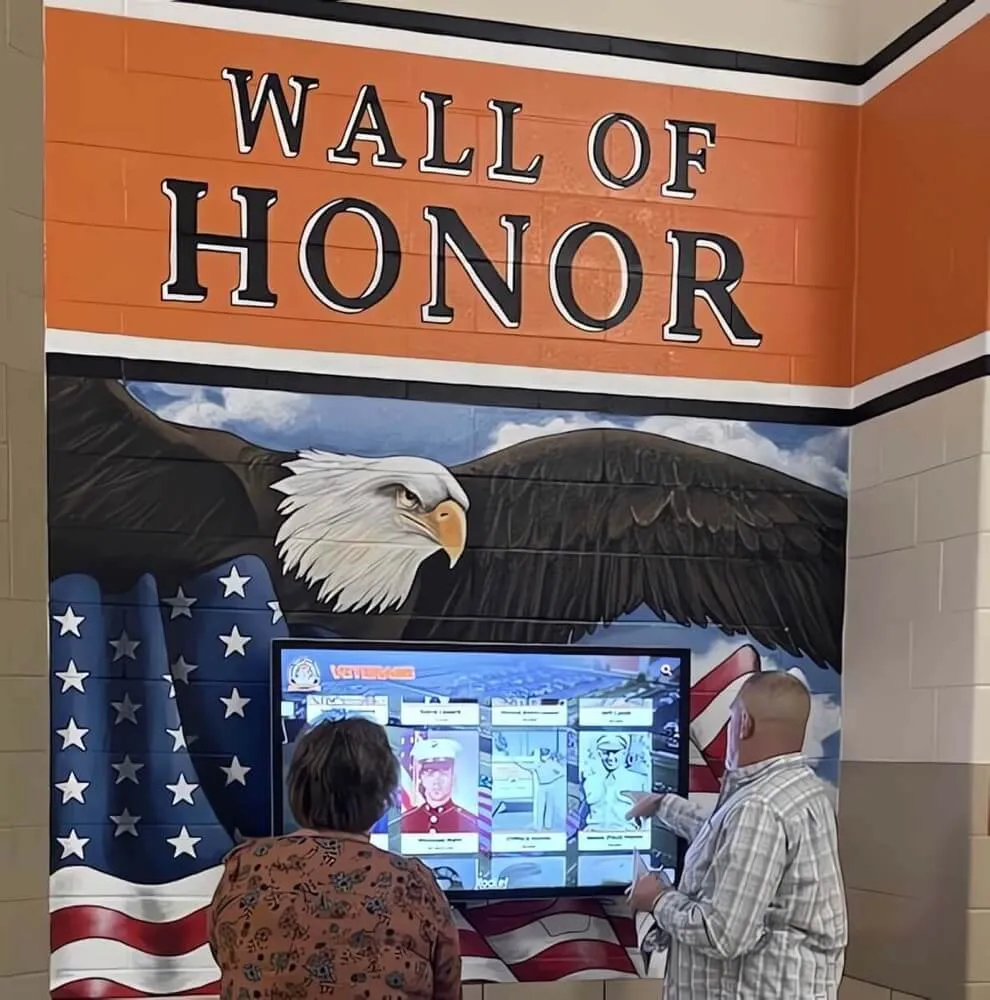
Intuitive touchscreen navigation makes discovering achievements natural and engaging, encouraging visitors to explore stories they might never encounter on static displays
Rich Multimedia Storytelling
Physical displays offer limited space for context beyond basic facts. Touchscreen platforms enable comprehensive storytelling through multiple photos showing athletes in action, biographical narratives explaining journeys and accomplishments, video highlights capturing signature moments, statistics and performance data, historical documents and news articles, and links connecting related achievements or team pages.
This multimedia depth creates emotional connections impossible with name plaques. Visitors don’t just read that an athlete scored 1,000 career points—they watch highlight reels, learn background stories, examine statistics, understand achievement significance within program history, and share compelling content with family and friends.
Organizations implementing touchscreen hall of fame displays consistently report that multimedia content dramatically increases visitor engagement and recognition program impact.
Instant Updates and Dynamic Content
Adding recognition to physical displays requires ordering plaques (weeks of lead time), scheduling installation (coordinating with facilities staff), and paying incremental costs for each addition. By the time physical recognition appears, achievement excitement has faded.
Touchscreen systems enable immediate updates through cloud-based content management dashboards. When championships are won, records are broken, or inductees are announced, recognition appears instantly across all displays and web platforms—maintaining relevance while celebrating achievements during peak excitement periods.
This immediacy extends beyond new additions. Organizations can correct errors immediately, update biographical information as alumni careers progress, add historical context to older inductees, create special milestone anniversary features, and respond to privacy concerns instantly rather than living with permanent physical installations requiring removal and replacement.
Professional Presentation and Modern Image
Recognition quality reflects institutional values and priorities. Aging trophy cases with inconsistent plaques accumulated over decades communicate dated approaches and insufficient investment in celebrating achievements.
Touchscreen hall of fame displays provide consistently professional presentations through unified design templates incorporating institutional branding, modern interfaces showing visitors that organizations invest in recognition, customizable themes maintaining visual coherence across categories, professional layouts making all content look polished, and flexible designs adapting to various achievement types while maintaining brand consistency.
This professional presentation matters particularly during admissions tours, athletic recruiting visits, and donor cultivation events when institutional image significantly influences perceptions and decisions.
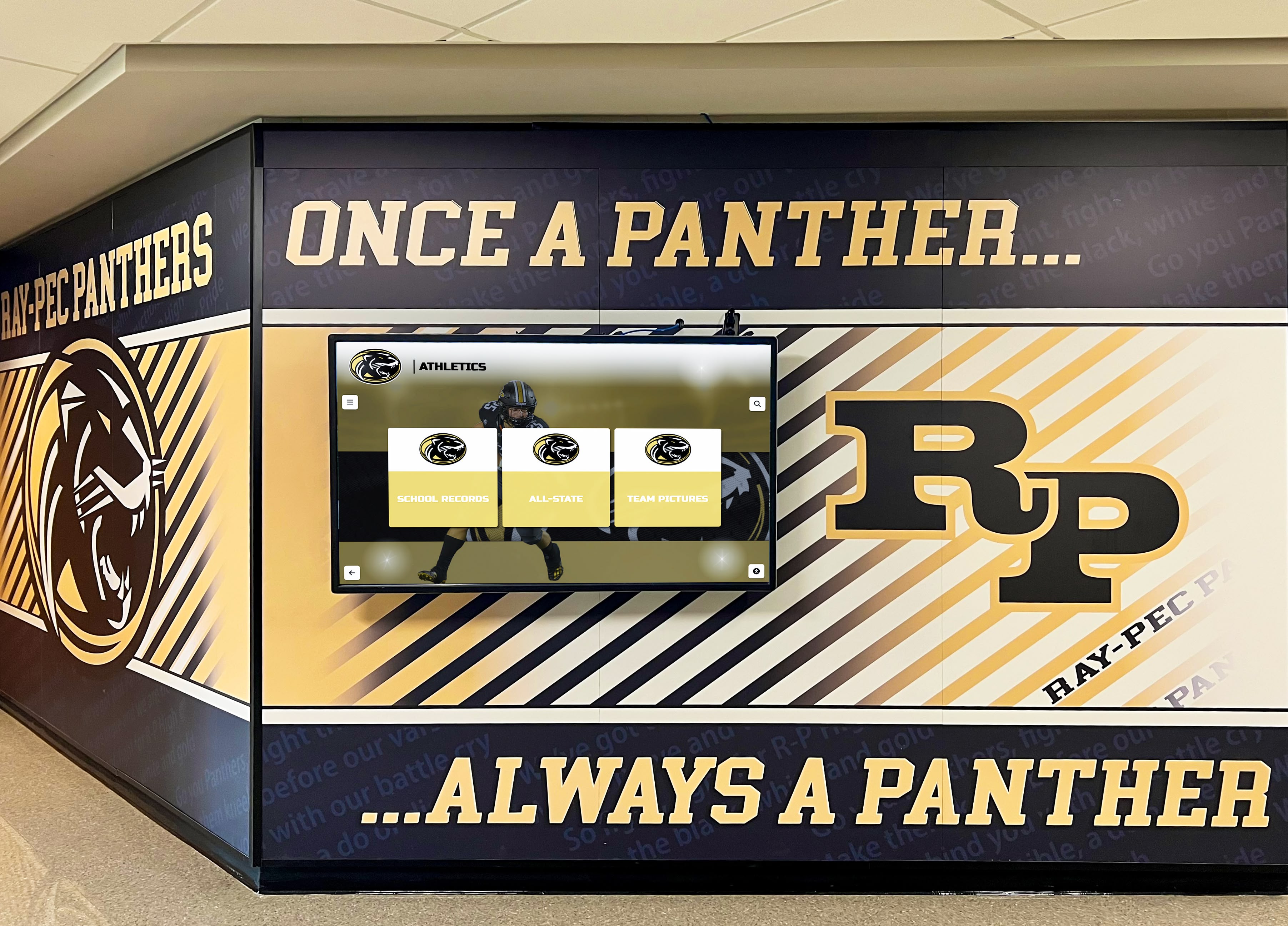
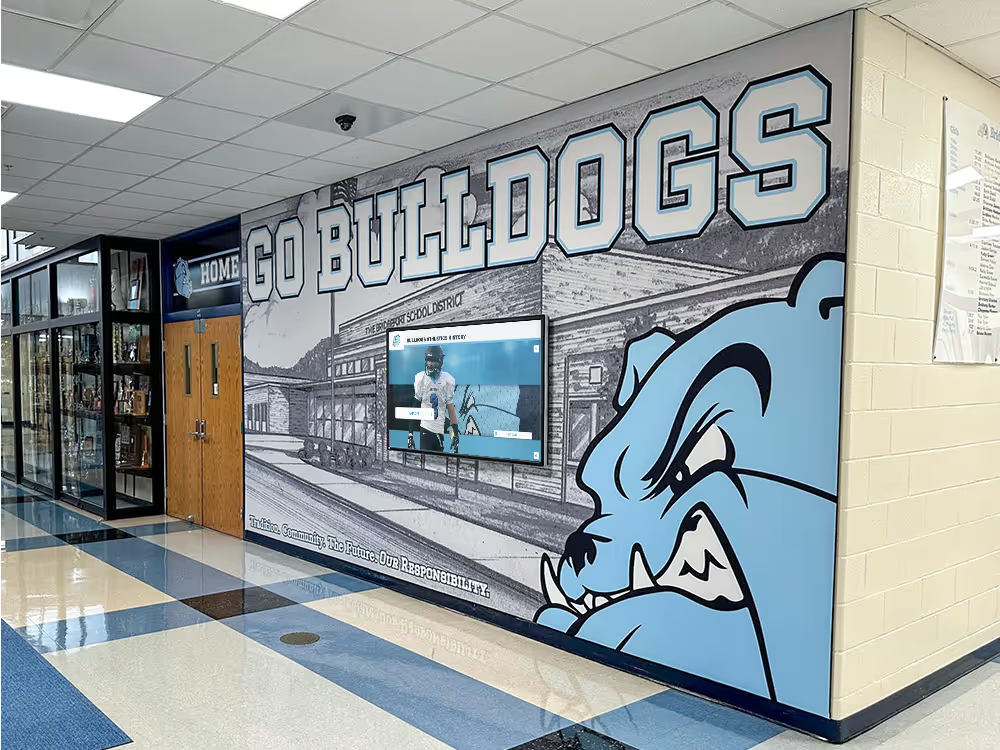
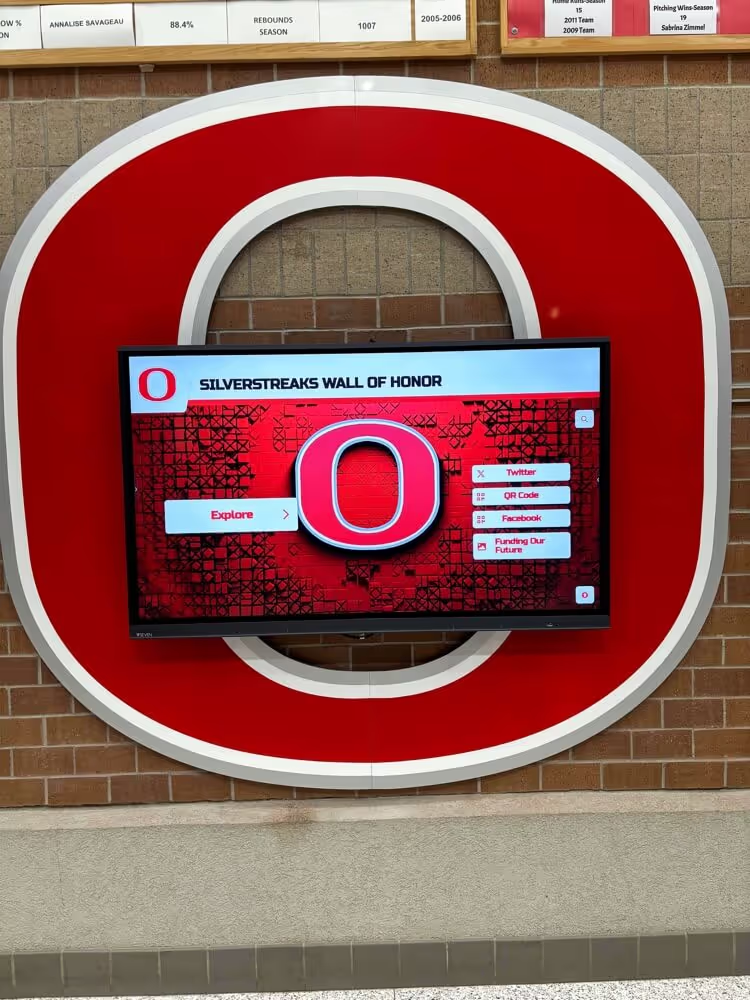
Professional touchscreen installations complement existing school branding while providing modern recognition infrastructure that reflects institutional quality
Essential Features of Quality Touchscreen Hall of Fame Systems
Not all touchscreen hall of fame solutions offer equivalent capabilities. Evaluating potential systems requires assessing specific features determining long-term satisfaction and success.
Intuitive Touchscreen Interface Design
User experience determines whether visitors engage meaningfully or abandon frustrated after brief interactions. Quality touchscreen interfaces provide large, touch-friendly buttons and navigation elements, clear visual hierarchy guiding attention, responsive feedback confirming touch interactions, intuitive search and filtering workflows, fast performance without lag or delays, and accessibility features supporting users with disabilities.
Test interface usability during evaluation by having diverse users attempt common tasks like finding specific individuals or browsing categories. If navigation feels confusing or requires instructions, visitor engagement will suffer significantly.
Cloud-Based Content Management
Ease of content management determines whether staff will maintain current, active recognition or whether systems will stagnate with outdated information. Quality platforms provide web-based dashboards accessible from any device, visual editors showing real-time content previews, drag-and-drop media uploads, template-based profile creation reducing design decisions, bulk upload capabilities for efficiently adding multiple inductees, and no-code interfaces requiring no technical expertise.
Organizations implementing touchscreen recognition solutions benefit most from platforms that non-technical staff can manage confidently without ongoing IT support dependencies.
Flexible Recognition Categories and Customization
Diverse organizations need various recognition types beyond traditional halls of fame: athletic achievements across multiple sports, academic honors and scholarships, notable alumni spotlights, employee or volunteer recognition, donor acknowledgment, historical timelines, and championship teams or special achievements.
Quality systems support unlimited custom categories with independent designs, flexible profile templates accommodating different information needs, customizable fields capturing category-specific data, and navigation structures helping visitors explore different recognition types easily.
Multimedia Integration and Unlimited Storage
Effective storytelling requires combining multiple media types without artificial limitations. Evaluate platforms on photo galleries with generous image capacity per profile, video hosting and streaming capabilities, PDF document embedding for articles or programs, audio integration for oral histories or interviews, and sufficient storage capacity (ideally unlimited or very high limits).
Consider whether storage is included in platform subscriptions or requires separate cloud storage services adding complexity and cost. The best solutions include comprehensive media storage eliminating dependencies on external services.
Responsive Web Access and Mobile Optimization
Recognition impact extends far beyond touchscreen kiosk locations. Quality touchscreen hall of fame platforms provide synchronized web platforms extending access worldwide, responsive designs adapting to any screen size, touch-optimized mobile interfaces, fast loading times even on cellular networks, mobile-friendly search and navigation, and social sharing capabilities optimized for smartphone sharing patterns.
Test web platforms on multiple devices during evaluation. If navigation feels awkward or content doesn’t display well on smartphones, alumni engagement will suffer dramatically.
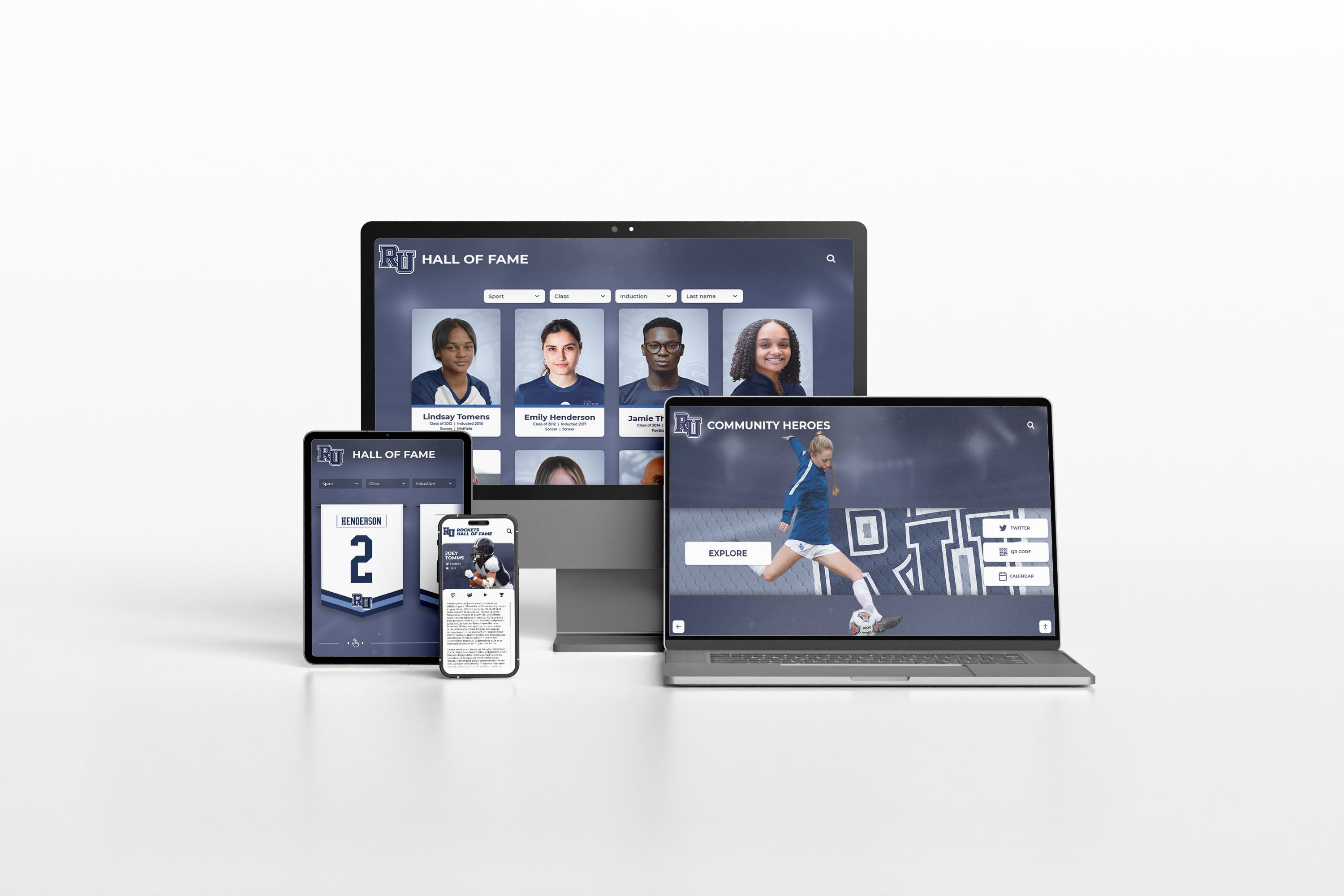
Comprehensive touchscreen solutions include web platforms that extend recognition globally, allowing alumni to explore achievements from any device anywhere
Robust Search and Discovery Capabilities
Visitors approach touchscreen hall of fame displays with specific goals—finding themselves, searching for classmates, exploring particular sports or eras, or browsing achievements systematically. Support these diverse needs through full-text search across all profile content, advanced filtering by sport, year, achievement type, or custom criteria, alphabetical browsing for systematic exploration, timeline views showing chronological development, featured content highlighting significant achievements, and related content suggestions connecting similar inductees.
Poor search functionality frustrates users and limits engagement. The difference between finding yourself in three seconds versus three minutes dramatically impacts satisfaction and likelihood of sharing experiences with others.
Hardware Flexibility and Compatibility
Some touchscreen hall of fame providers require purchasing specific proprietary hardware creating vendor lock-in and limiting options. Others support flexible hardware choices allowing organizations to use existing displays, purchase from preferred vendors, or upgrade hardware independently of software.
Evaluate whether systems work with standard commercial displays or require specialized equipment, support various screen sizes and orientations, accommodate both wall-mounted and freestanding kiosk configurations, allow hardware upgrades without software changes, and provide clear hardware specifications and recommendations.
Hardware flexibility becomes particularly valuable as touchscreen technology evolves—organizations shouldn’t need to replace entire systems because specific discontinued display models no longer work with proprietary software.
Professional Implementation Support
Launching touchscreen hall of fame displays involves significant work: collecting historical photos and biographical information, organizing content into appropriate categories, creating consistent profiles across potentially hundreds of inductees, configuring layouts and customizing branding, setting up hardware and network connectivity, and training staff on content management systems.
Quality providers offer comprehensive onboarding support including initial content creation assistance, template setup and customization guidance, staff training and documentation, hardware installation support or coordination, and ongoing technical support ensuring problems get resolved quickly.
Compare provider support offerings carefully. The cheapest platform may become expensive if you must hire consultants for implementation or struggle without adequate technical assistance.
Analytics and Engagement Insights
Understanding how people engage with touchscreen recognition informs content strategy and demonstrates value to stakeholders. Look for platforms tracking visitor interactions and popular content, session duration and engagement depth, search queries revealing discovery patterns, web platform geographic access data, device types and platform usage patterns, and exportable reports for presentations and decision-making.
Organizations implementing interactive display technology use engagement data to optimize content, identify recognition gaps, and justify additional investments in recognition programs.
Leading Touchscreen Hall of Fame Solutions for 2026
Several approaches serve organizations seeking touchscreen recognition, each offering distinct advantages for specific contexts and priorities.
Comprehensive Turnkey Platforms
Best For: Schools and organizations prioritizing ease of use, professional results, and comprehensive support
Purpose-built touchscreen hall of fame platforms like Rocket Alumni Solutions provide integrated systems combining hardware, software, content management, and implementation support into unified solutions. These comprehensive platforms offer professionally designed templates ensuring polished appearances, intuitive content management interfaces enabling non-technical staff to maintain recognition easily, unlimited recognition capacity without storage limits or per-profile fees, robust analytics tracking engagement and usage patterns, white-glove implementation support reducing institutional workload, and hardware flexibility supporting various display configurations.
Organizations selecting comprehensive platforms value time savings, professional presentation quality, minimal technical burden on internal staff, scalability supporting recognition program growth, and proven track records with hundreds of successful implementations.
Typical investment for comprehensive touchscreen hall of fame platforms ranges from $8,000-$15,000 for complete systems including hardware, software, and implementation support, with annual software subscriptions typically $1,000-$3,000 covering hosting, updates, and ongoing support.
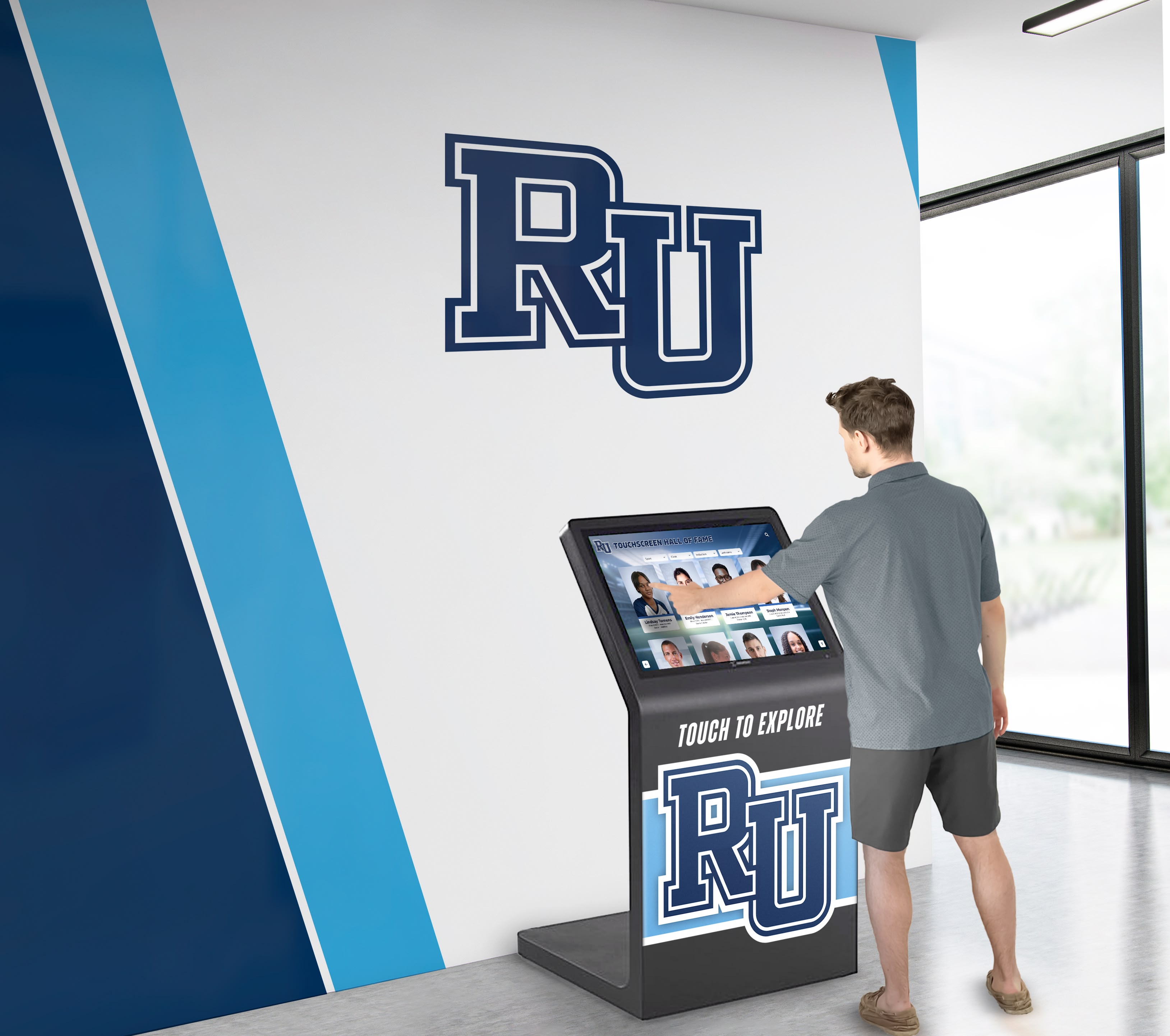
Comprehensive touchscreen solutions include professional hardware, intuitive software, and implementation support that removes technical burden from institutional staff
Custom Development Solutions
Best For: Large institutions with unique requirements and substantial budgets
Organizations requiring fully custom touchscreen experiences beyond template-based platforms can engage specialized firms providing custom interactive development. Custom solutions offer completely branded interfaces matching institutional design systems, integration with existing databases and information systems, unique functionality beyond standard hall of fame features, wayfinding and campus information alongside recognition, and enterprise-grade hardware for high-traffic environments.
Custom development typically requires significant initial investment ($25,000-$75,000+), longer implementation timelines (3-6 months), and ongoing technical support relationships. Organizations pursuing custom approaches typically integrate touchscreen recognition with broader campus information systems or wayfinding networks serving multiple purposes beyond achievement celebration.
Adapted Digital Signage Platforms
Best For: Budget-conscious organizations with technical staff willing to customize general platforms
Some schools adapt general digital signage software for touchscreen hall of fame purposes. Platforms like Rise Vision, ScreenCloud, or OptiSigns provide basic content display capabilities at lower costs than purpose-built recognition systems.
Digital signage adaptation requires significant customization work creating profile structures, search functionality, biographical databases, and navigation systems—features built into purpose-built platforms but absent from general signage software. Organizations pursuing this approach must invest substantial staff time in setup, customization, and ongoing management to achieve hall of fame functionality.
Digital signage platforms work best for simple slideshow-style recognition without true interactivity or biographical database requirements. Schools seeking genuine touchscreen exploration typically find general signage platforms insufficient for creating engaging recognition experiences.
DIY Website-Based Approaches
Best For: Organizations with web development capabilities and minimal budgets
Budget-constrained institutions sometimes create basic touchscreen hall of fame displays using custom websites displayed on consumer touchscreen monitors. This approach minimizes software costs but requires in-house web development expertise, custom database creation, touchscreen-optimized interface design, content management system setup, and ongoing technical maintenance.
DIY approaches offer maximum flexibility but require substantial technical capabilities that many schools lack. Organizations pursuing DIY recognition should honestly assess whether internal staff have sufficient web development skills, available time for initial build and ongoing maintenance, and commitment to long-term system management before pursuing this path.
Evaluating Touchscreen Hall of Fame Providers
Selecting the right touchscreen hall of fame solution requires systematic evaluation across multiple dimensions.
Define Recognition Scope and Requirements
Begin by clearly defining what achievements your touchscreen hall of fame will recognize, which categories require distinct designs or templates, how many historical inductees require initial content creation, what multimedia types (photos, videos, documents) you’ll include, and whether recognition integrates with other campus systems or functions.
Organizations implementing comprehensive hall of fame programs benefit from documenting requirements early to ensure selected platforms accommodate all recognition needs.
Request Demonstrations and References
Most touchscreen hall of fame providers offer demonstrations or trial access. Test actual content creation workflows with your staff, evaluate ease of use for non-technical administrators, assess design quality and customization options, examine support quality and responsiveness, and gather feedback from current customers about satisfaction and challenges.
Request references from organizations similar to yours in size, type, and use case. Ask about implementation experience, ongoing satisfaction, support quality, and whether they would select the same solution again.
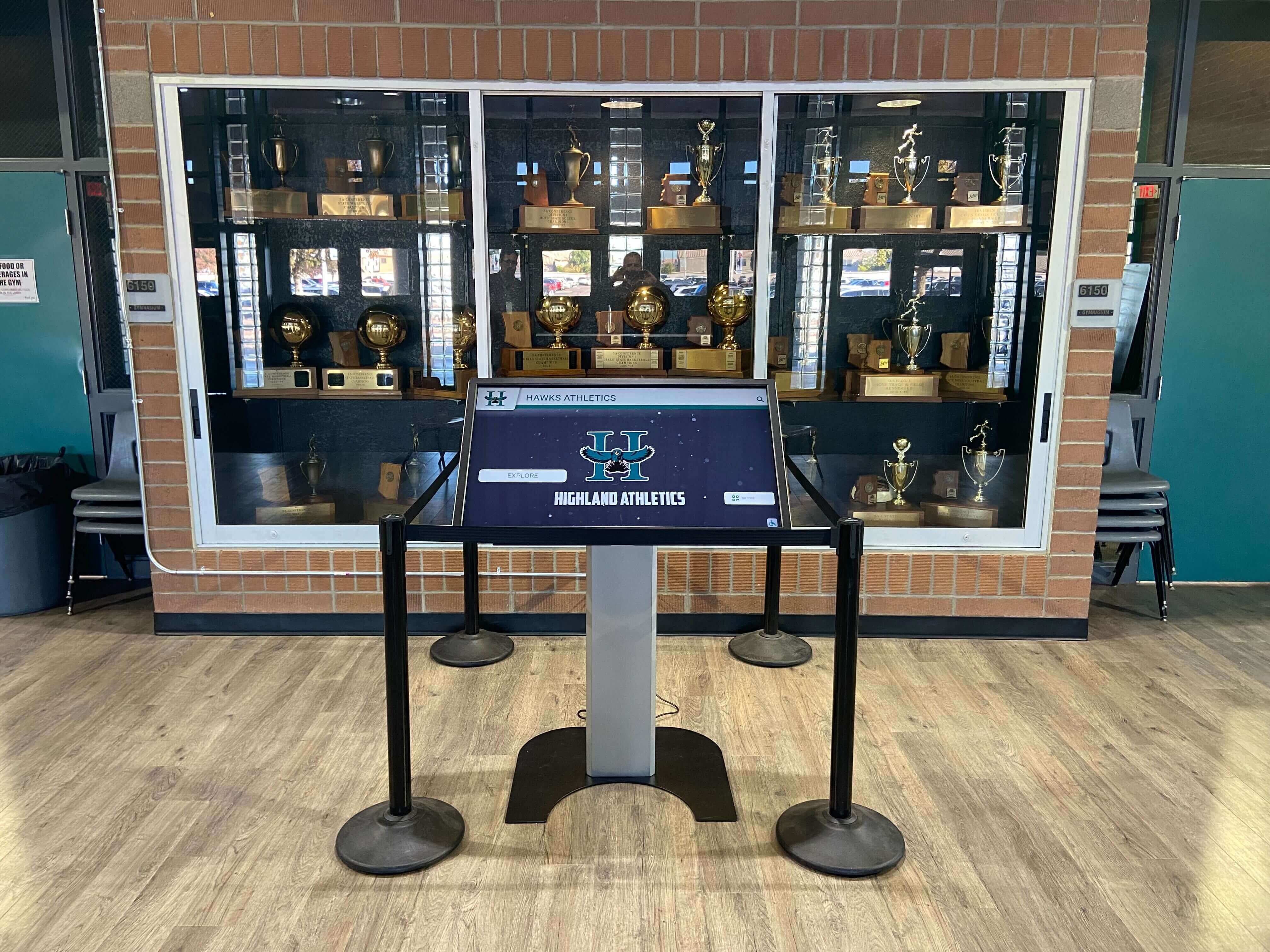
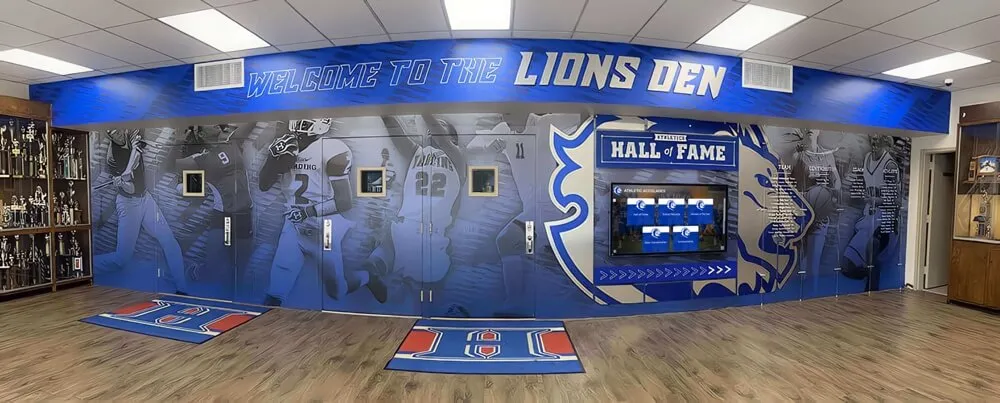
Effective touchscreen installations complement existing recognition infrastructure while providing enhanced interactive capabilities traditional displays cannot offer
Calculate Total Cost of Ownership
Look beyond initial purchase prices to calculate complete costs over 3-5 years. Factor in hardware expenses (displays, mounts, media players, cables, installation), software licensing (typically annual subscriptions), implementation and setup services (content creation assistance, training, configuration), staff time for content management (both initial and ongoing), technical support and maintenance, and expected hardware refresh or upgrade costs.
Organizations comparing touchscreen hall of fame options often find that seemingly expensive comprehensive platforms deliver lower total cost of ownership than budget alternatives requiring substantial staff time investments and ongoing technical management.
Assess Long-Term Scalability and Growth
Recognition programs evolve over time. Choose touchscreen platforms that can accommodate increasing inductee numbers without capacity limitations, support adding new recognition categories as programs expand, allow expanding to additional display locations campus-wide, provide flexibility for changing designs and layouts over time, and integrate with evolving institutional technology ecosystems.
Platforms that seem adequate for initial implementations but lack scalability force organizations into expensive system replacements or limitations on recognition program growth.
Evaluate Provider Stability and Partnership
Touchscreen hall of fame systems represent multi-year commitments. Research provider history and track record in recognition technology, review customer testimonials and satisfaction data, assess development roadmap and innovation commitment, examine contract terms and vendor lock-in factors, and consider responsiveness and support quality during evaluation process.
The best technology becomes worthless if providers go out of business or fail to support installations adequately. Select partners demonstrating long-term viability and commitment to customer success.
Implementation Best Practices for Touchscreen Hall of Fame Displays
Successful touchscreen hall of fame launches require systematic planning addressing content strategy, technical requirements, stakeholder engagement, and realistic timelines.
Develop Comprehensive Content Strategy
Content quality determines recognition program success regardless of platform capabilities. Plan systematic approaches for gathering historical photos and biographical information, conducting alumni outreach for missing details, establishing consistent profile structures and standards, creating compelling narratives beyond basic statistics, capturing high-quality photos and videos, and implementing ongoing content collection processes.
Organizations implementing digital recognition displays achieve best results by treating content creation as ongoing programs rather than one-time projects.
Select Strategic Installation Locations
Touchscreen placement significantly impacts engagement and usage. Install displays in high-traffic areas with appropriate dwell time—building lobbies and entrances, athletic facility waiting areas, cafeterias and gathering spaces, near gymnasium or auditorium entrances, and alumni center or development office areas.
Avoid locations where visitors rush past without pausing (narrow hallways, stairwell landings) or areas lacking foot traffic. The best touchscreen locations naturally encourage stopping and exploration rather than requiring visitors to make special trips to engage with recognition.
Plan Technical Infrastructure Requirements
Touchscreen displays require adequate technical infrastructure. Ensure locations have reliable electrical power sources, network connectivity (wired Ethernet preferred, WiFi acceptable for many systems), appropriate mounting surfaces or floor space for kiosks, adequate lighting for screen visibility, and climate control protecting equipment from extreme temperatures.
Coordinate with IT and facilities staff early in planning to address infrastructure requirements before hardware arrives, preventing implementation delays.
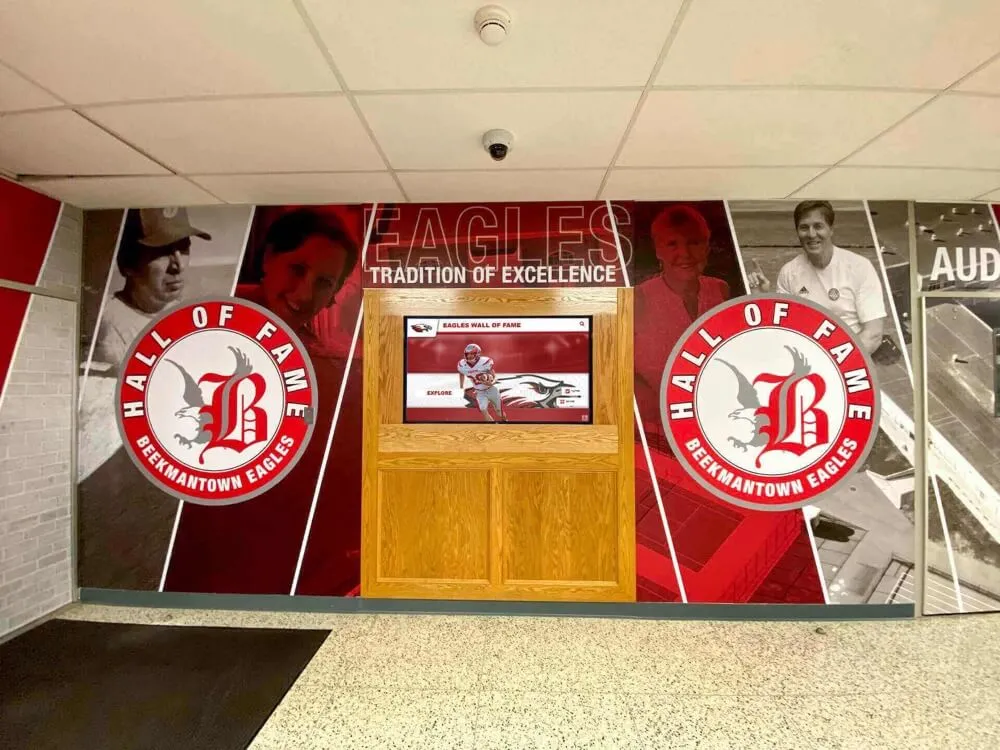
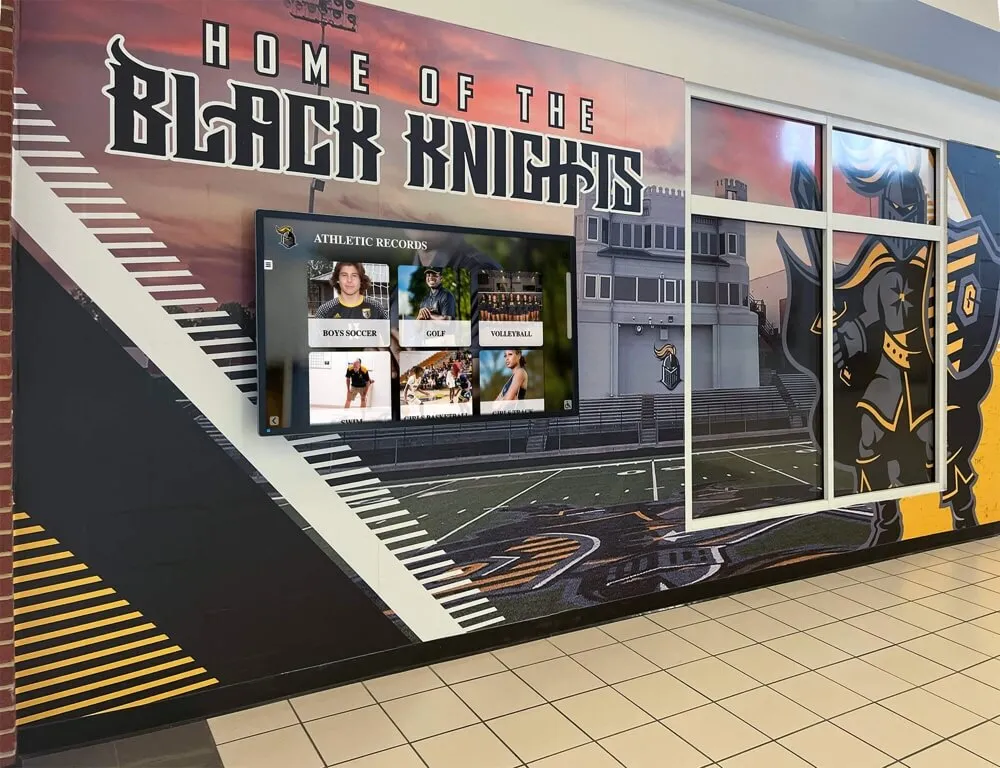
Thoughtful installation locations ensure touchscreen hall of fame displays reach maximum audiences while complementing existing athletic recognition spaces
Create Launch and Promotion Strategy
Even excellent touchscreen recognition remains ineffective without visibility. Plan launch events showcasing new displays, alumni communication campaigns promoting web platform access, social media content highlighting featured inductees, press releases generating local media coverage, incorporation into admissions and recruiting visits, and ongoing promotion through newsletters and communications.
Launch momentum creates initial engagement patterns that continue as word spreads through communities about new recognition capabilities.
Establish Ongoing Maintenance and Content Update Processes
Assign clear staff responsibility for content updates and system management, establish procedures for adding new inductees promptly, schedule periodic content review and refresh cycles, implement quality control verification processes, plan regular hardware cleaning and maintenance, and monitor analytics to optimize content and features.
Touchscreen hall of fame displays require ongoing attention maintaining relevance and accuracy. Organizations treating implementation as one-time projects rather than ongoing programs see engagement decline as content becomes outdated.
Touchscreen Hall of Fame Use Cases Across Different Organizations
Touchscreen recognition systems adapt to diverse institutional contexts and recognition needs. Understanding how different organizations use these displays helps inform implementation approaches.
High School Athletic Programs
High schools commonly implement touchscreen hall of fame displays celebrating sports achievements across decades. These installations recognize all-state selections and championship teams, individual record holders and milestone achievements, coaching accomplishments and career victories, retired numbers and special honors, and team recognition programs honoring seasonal accomplishments.
Athletic recognition displays often anchor school lobbies or gymnasium entrances, creating pride-building focal points that inspire current athletes while honoring program history.
University Athletic Facilities
Universities with extensive athletic programs implement larger-scale touchscreen systems managing recognition across multiple sports, dozens of championship teams, hundreds of individual honorees, and decades of institutional history. These comprehensive installations support filtering by sport, era, and achievement type, enabling visitors to navigate vast content libraries efficiently.
University systems often integrate with online recognition platforms extending access to alumni worldwide, maintaining engagement long after graduation.
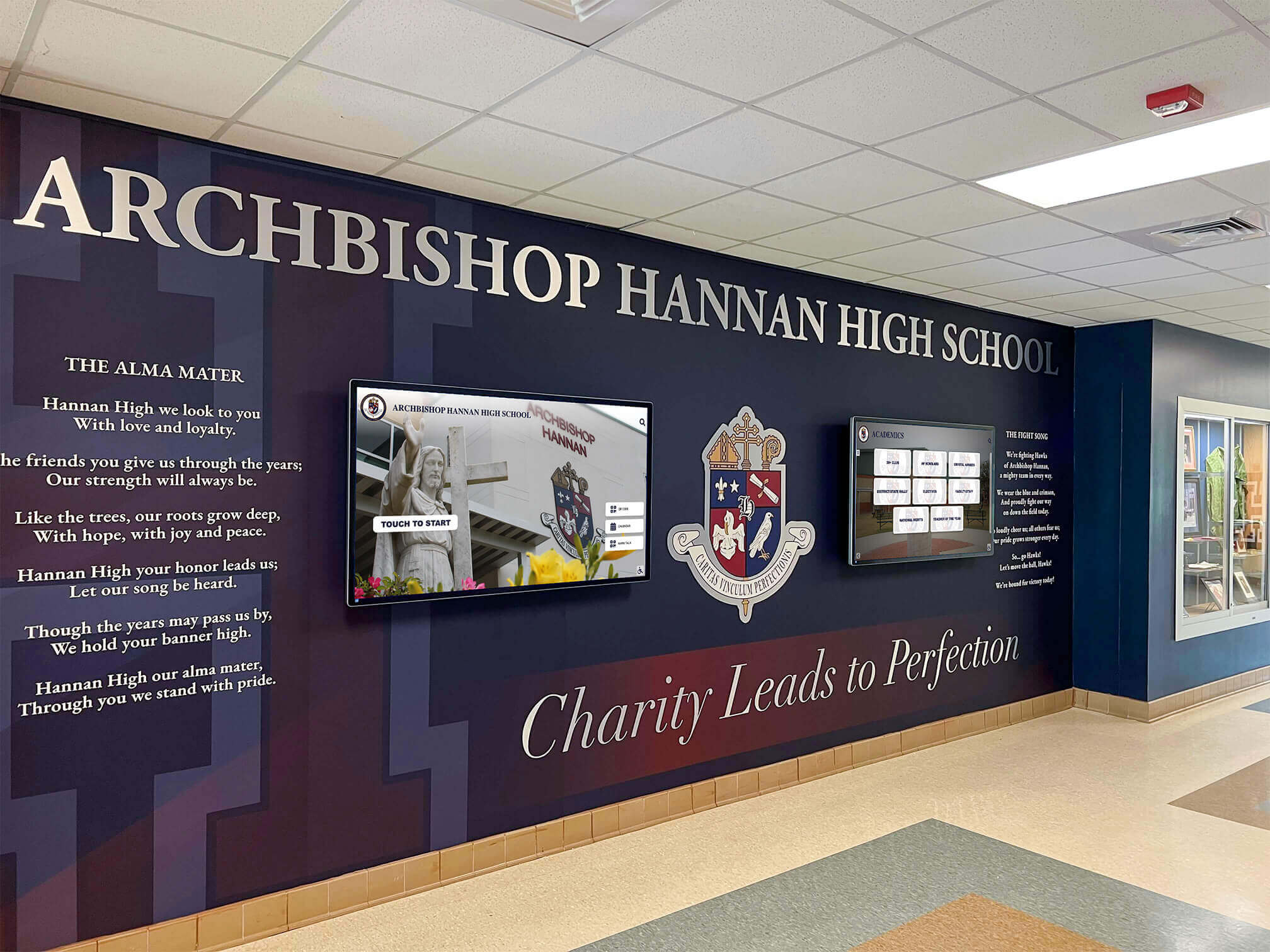
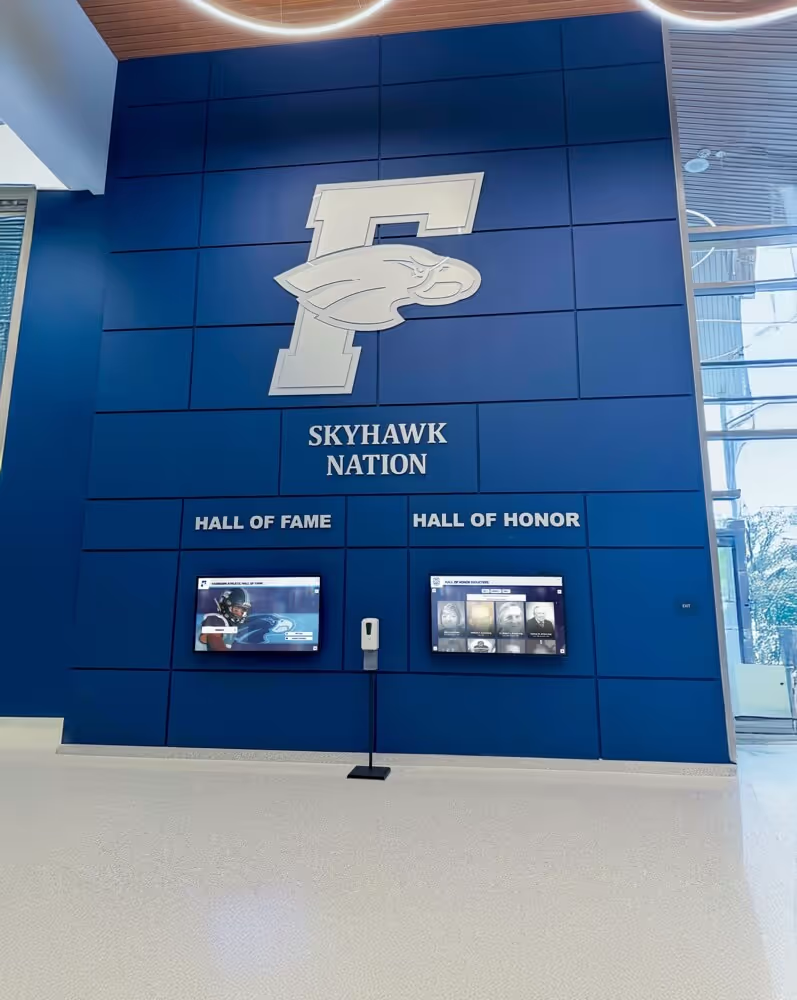
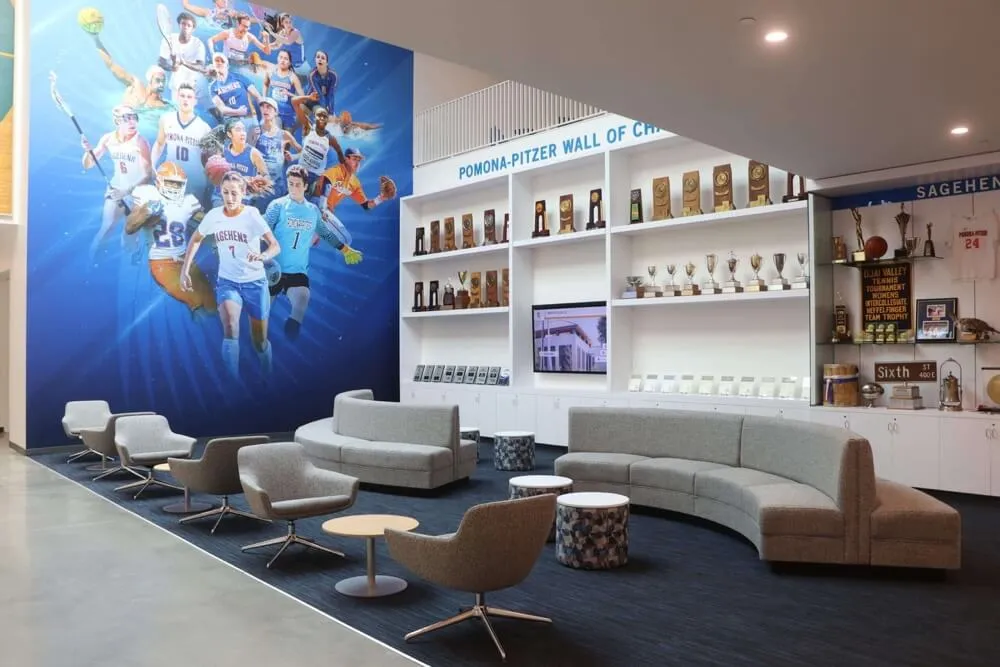
Professional lobby installations integrate touchscreen recognition with architectural design and institutional branding, creating cohesive spaces celebrating achievement
Alumni Centers and Development Offices
Alumni relations professionals use touchscreen displays to showcase notable alumni career achievements, celebrate milestone reunion classes, recognize major donors and supporters, highlight alumni engagement programs, and share institutional history and traditions. These installations strengthen alumni connections while supporting fundraising and development initiatives.
Organizations can implement alumni spotlights featuring career updates and accomplishments, maintaining ongoing relationships with graduates across all eras.
Nonprofit Organizations and Community Centers
Nonprofit organizations adapt touchscreen recognition for acknowledging major donors and capital campaign contributors, celebrating volunteer service and contributions, recognizing board members and organizational leaders, showcasing community impact stories, and preserving organizational history and milestones.
These installations support development efforts by providing visible appreciation for supporters while demonstrating organizational professionalism and stability to prospective donors.
Maximizing Touchscreen Hall of Fame Investment Value
Beyond selecting and implementing appropriate systems, organizations maximize recognition program impact through strategic approaches to engagement and utilization.
Integrate with Broader Recognition Ecosystems
Touchscreen displays function most effectively as components of comprehensive recognition strategies. Connect touchscreen content with social media celebrating achievements, printed programs and materials at events, digital yearbook platforms preserving institutional history, alumni engagement initiatives, and fundraising and development programs.
Integrated approaches create reinforcing touchpoints where achievements receive celebration through multiple channels, maximizing community impact and engagement.
Use Analytics for Continuous Improvement
Engagement data reveals valuable insights about community interests and content effectiveness. Regularly review which inductees generate most interest, what search terms visitors use most frequently, when displays receive peak usage, how long visitors typically engage, and which content types drive deepest engagement.
Use these insights to identify recognition gaps, optimize content priorities, demonstrate program value to stakeholders, and guide future recognition investments.
Expand Recognition Beyond Athletics
While athletic recognition often drives initial touchscreen hall of fame adoption, comprehensive programs expand to celebrate diverse achievements. Add academic excellence recognition, notable alumni career achievements, arts and performing arts accomplishments, community service and leadership, employee and volunteer contributions, and donor acknowledgment and philanthropy.
Broader recognition programs serve entire communities while maximizing touchscreen investment value through increased content and engagement opportunities. Schools can integrate donor recognition displays alongside athletic halls of fame, creating comprehensive recognition ecosystems celebrating multiple types of contributions.
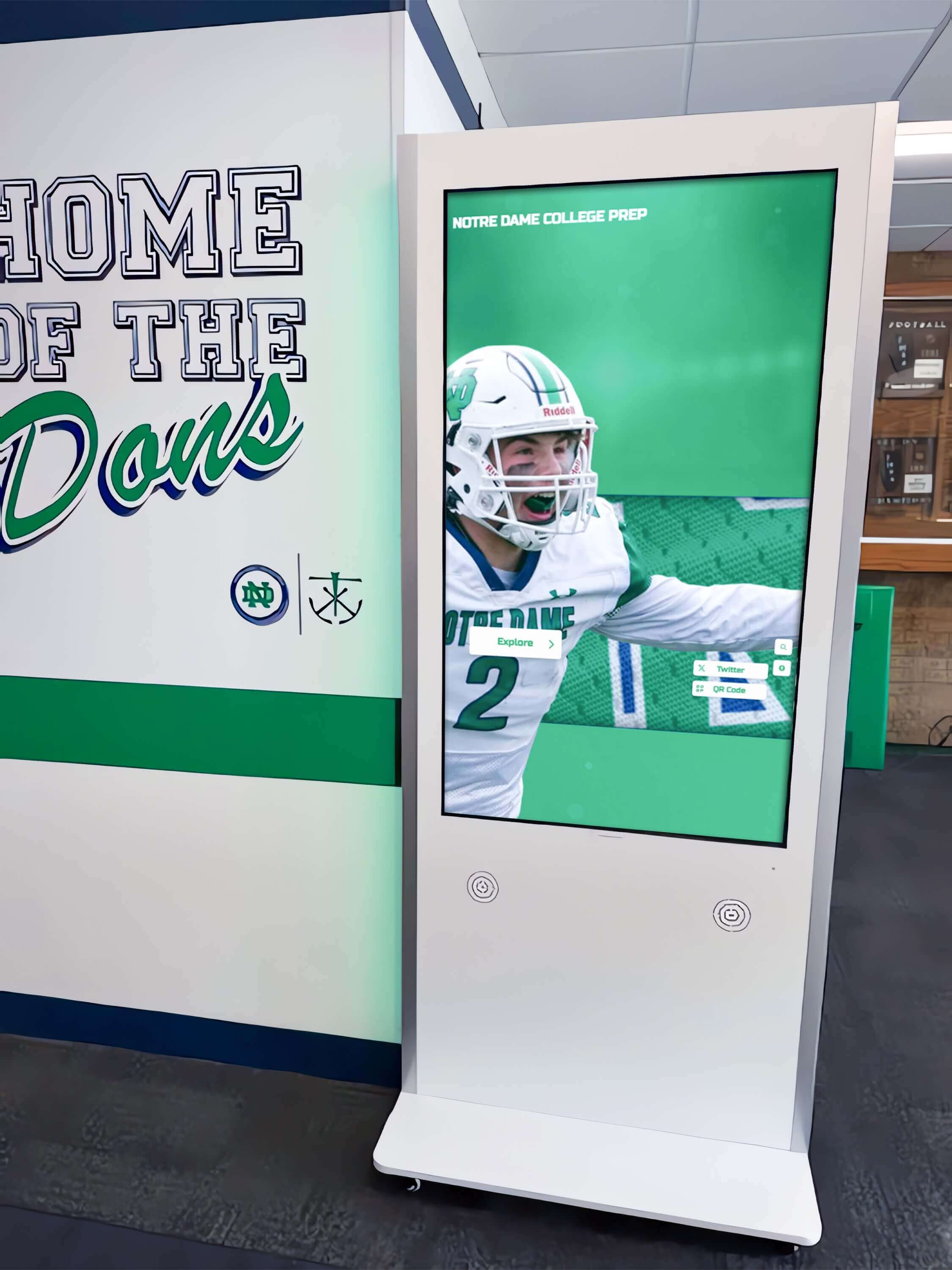
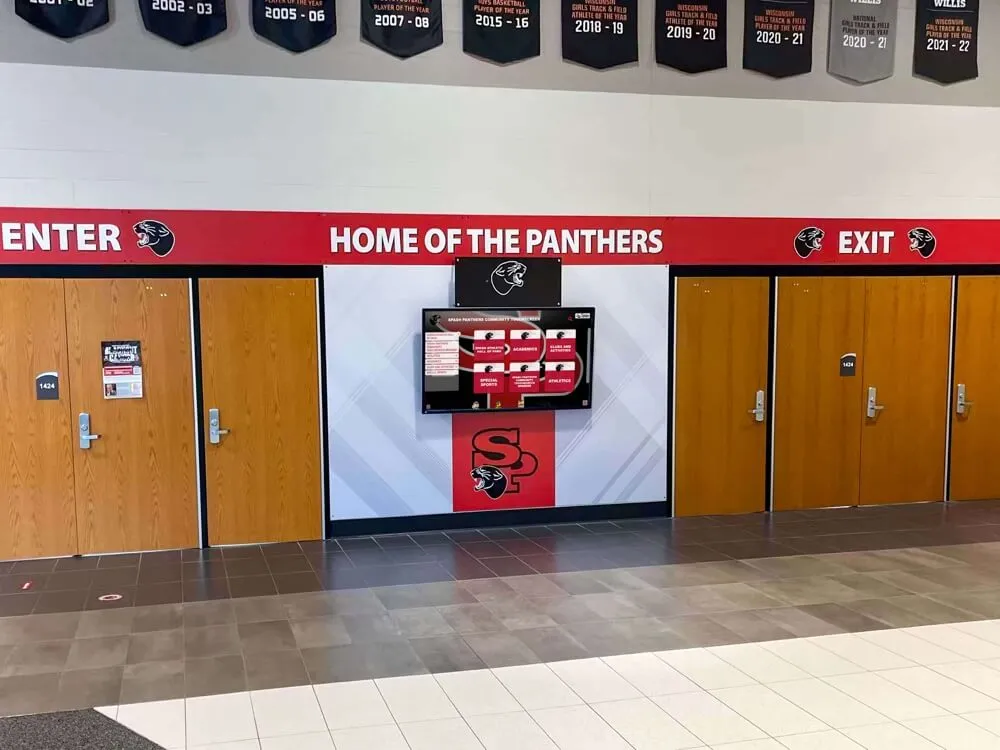
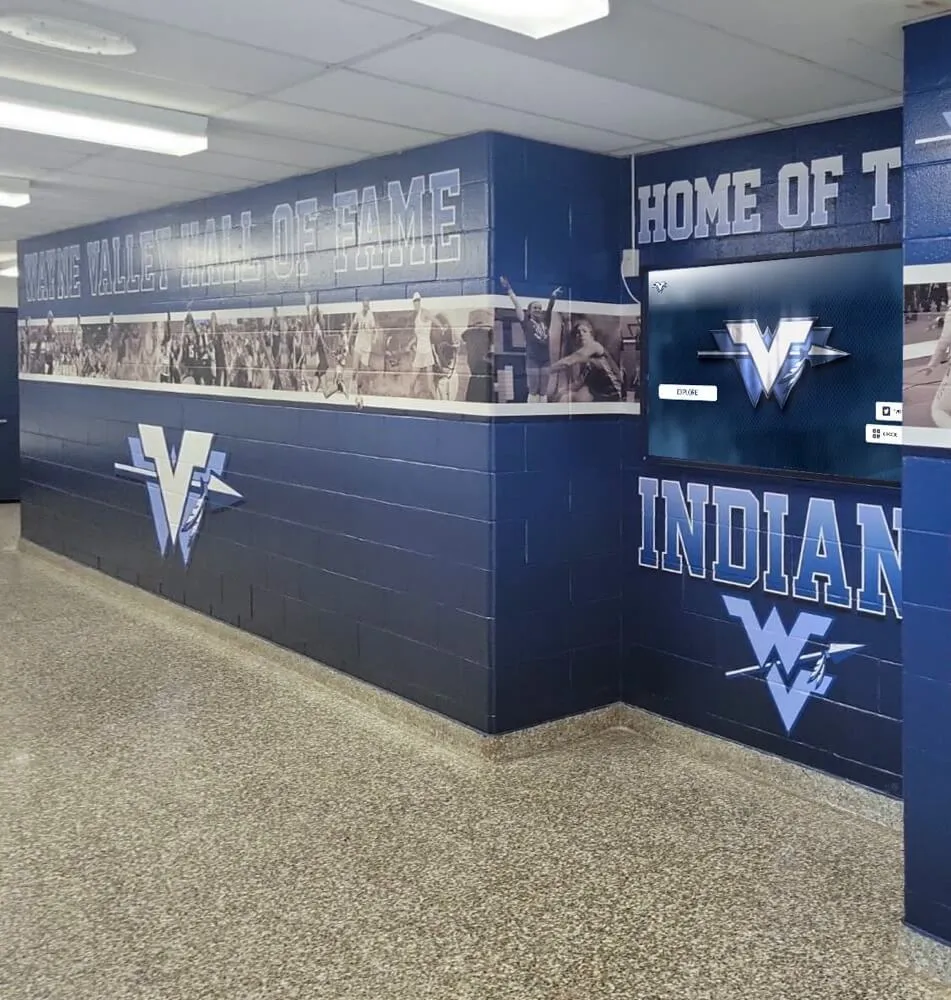
Strategic hallway placement ensures touchscreen hall of fame displays reach students, visitors, and community members throughout daily campus activities
Maintain Fresh, Current Content
Recognition program vitality depends on regular content additions and updates. Establish rhythms for adding new inductees promptly after selections, updating biographical information as alumni careers progress, creating special features for anniversaries and milestones, refreshing homepage featured content regularly, and adding historical content discovered through ongoing research.
Active, current content signals that organizations value recognition sufficiently to invest ongoing effort, encouraging continued community engagement and participation. Schools implementing award ceremony programs can incorporate touchscreen displays into celebration events, showcasing new inductees during high-visibility gatherings.
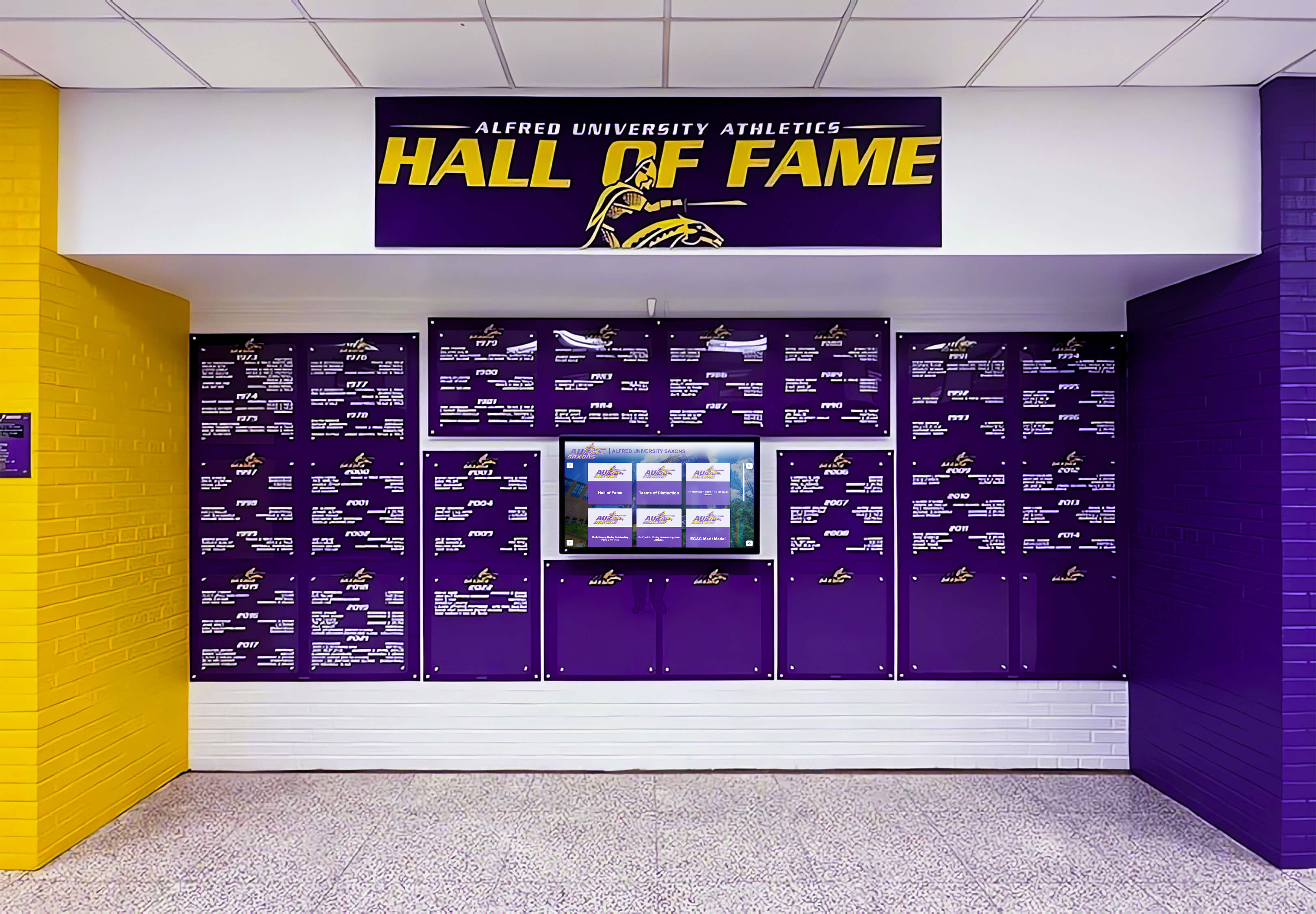
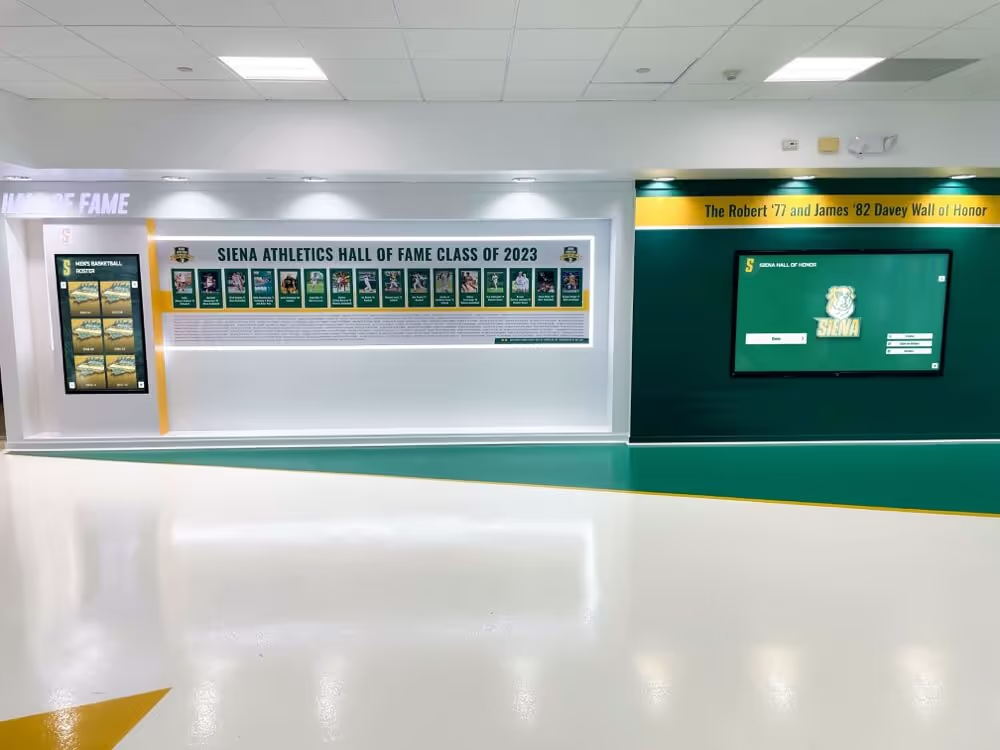
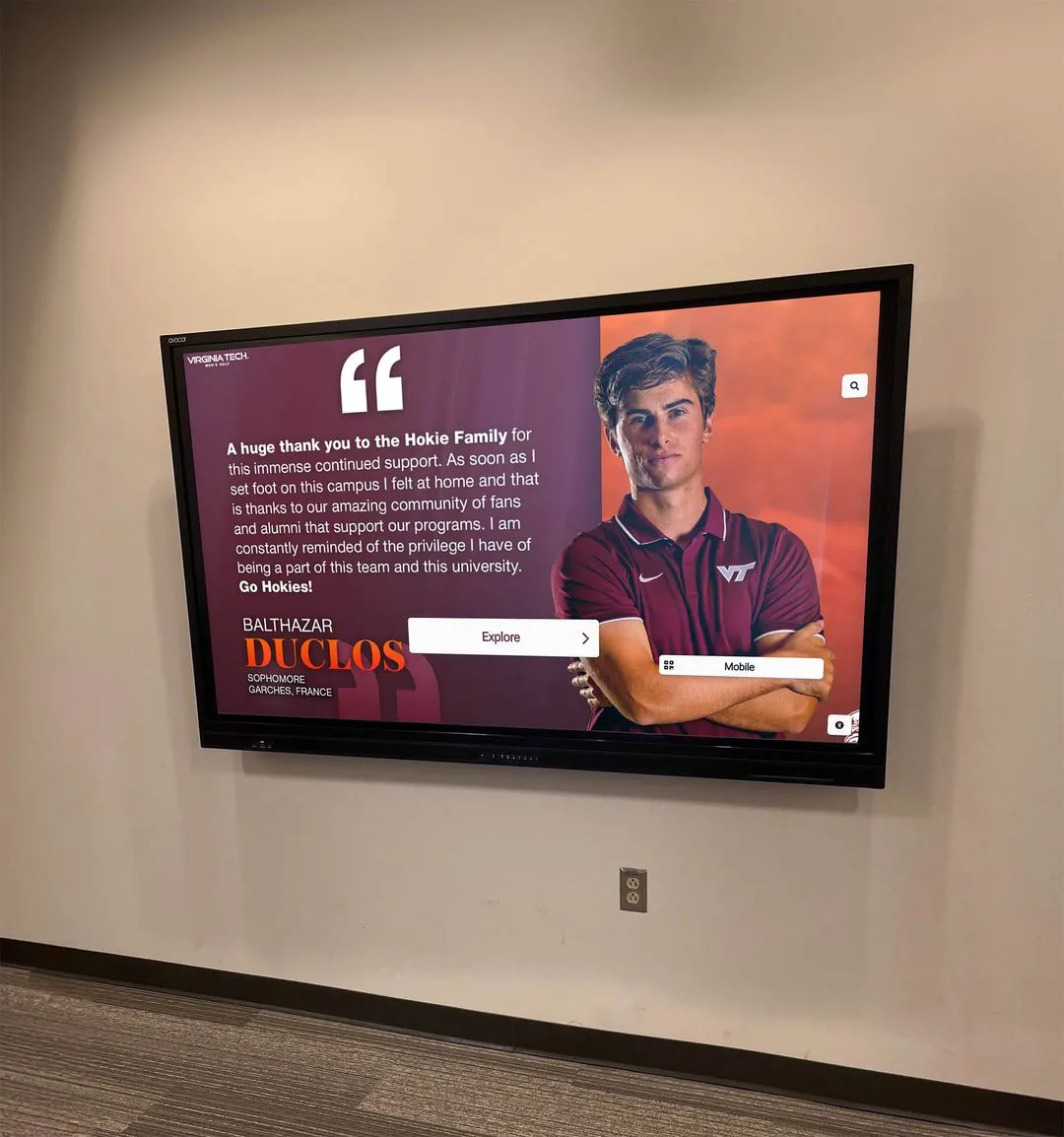
University-level touchscreen installations demonstrate the professional impact possible with quality hall of fame systems that celebrate athletic excellence comprehensively
Conclusion: Selecting the Best Touchscreen Hall of Fame for Your Organization
The touchscreen hall of fame market in 2026 offers solutions spanning comprehensive turnkey platforms, custom development approaches, adapted digital signage, and DIY website implementations—each serving different organizational contexts, budgets, technical capabilities, and recognition priorities.
For most schools, universities, and nonprofit organizations, purpose-built touchscreen hall of fame platforms like Rocket Alumni Solutions deliver optimal combinations of professional results, ease of use, comprehensive features, implementation support, and long-term value. These integrated solutions remove technical burden from capacity-constrained staff while providing recognition capabilities that genuinely engage communities and celebrate achievements effectively.
Organizations with unique requirements, substantial budgets, and long timelines may benefit from custom development delivering fully branded experiences and specialized functionality beyond template-based platforms. Budget-conscious institutions with significant technical capabilities can explore adapted digital signage or DIY approaches, recognizing these paths require substantial staff time investments and ongoing technical management.
The “best” touchscreen hall of fame ultimately depends on your specific organizational context—available budget, technical capabilities, recognition scope, support needs, and long-term growth plans. Select systems aligned with both current requirements and future expansion, ensuring recognition investments deliver value for years to come.
Ready to transform how your organization celebrates achievements and preserves institutional heritage through modern interactive recognition? Explore comprehensive touchscreen hall of fame solutions designed specifically for schools and organizations seeking to honor every deserving individual while building engaged communities that drive institutional success.