Every baseball program accumulates treasures worth preserving—championship balls signed by title teams, game-used bats from record-breaking performances, jerseys retired to honor program legends, tournament brackets documenting playoff runs, and photographs capturing unforgettable moments. These artifacts represent more than physical items; they embody dedication, excellence, and tradition that define program identity across generations.
Yet many athletic directors, coaches, and facility managers struggle with effective display strategies. Traditional trophy cases overflow with awards competing for limited space, valuable memorabilia deteriorates in improper storage conditions, static displays fail to provide context explaining significance, and recognition becomes inaccessible to alumni living distant from campus who contributed to program history.
This comprehensive guide explores proven baseball display case ideas that preserve memorabilia effectively while creating engaging experiences celebrating your program’s achievements. From traditional physical displays to innovative digital solutions, you’ll discover approaches that honor every championship, player, and milestone while solving the fundamental challenges limiting conventional recognition methods.
Effective baseball displays accomplish multiple objectives simultaneously—protecting valuable memorabilia from damage and deterioration, providing educational context that brings achievements to life, creating visually compelling presentations that capture attention, and building program tradition that inspires current and future players while strengthening community connections.

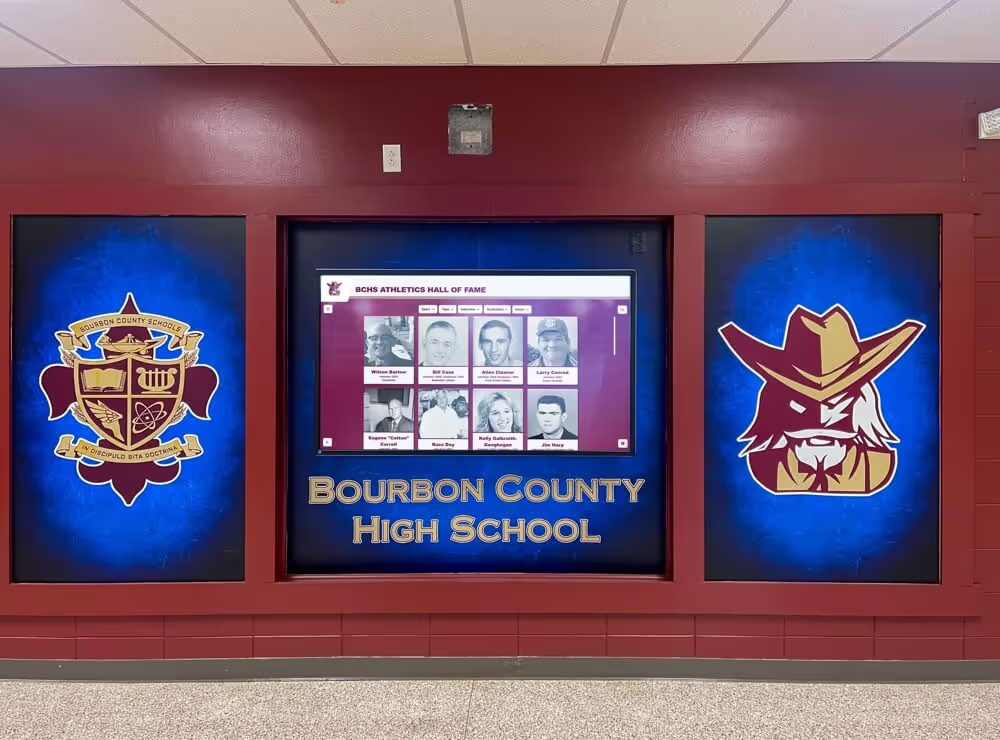
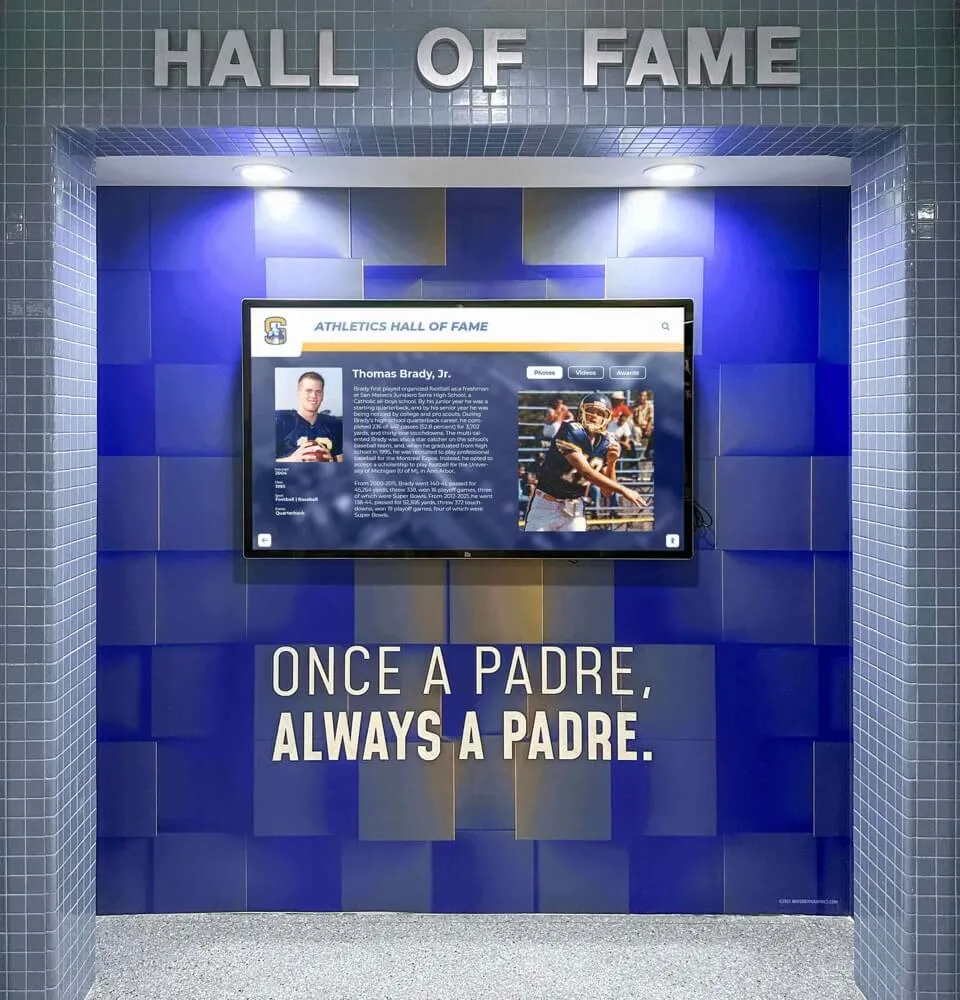
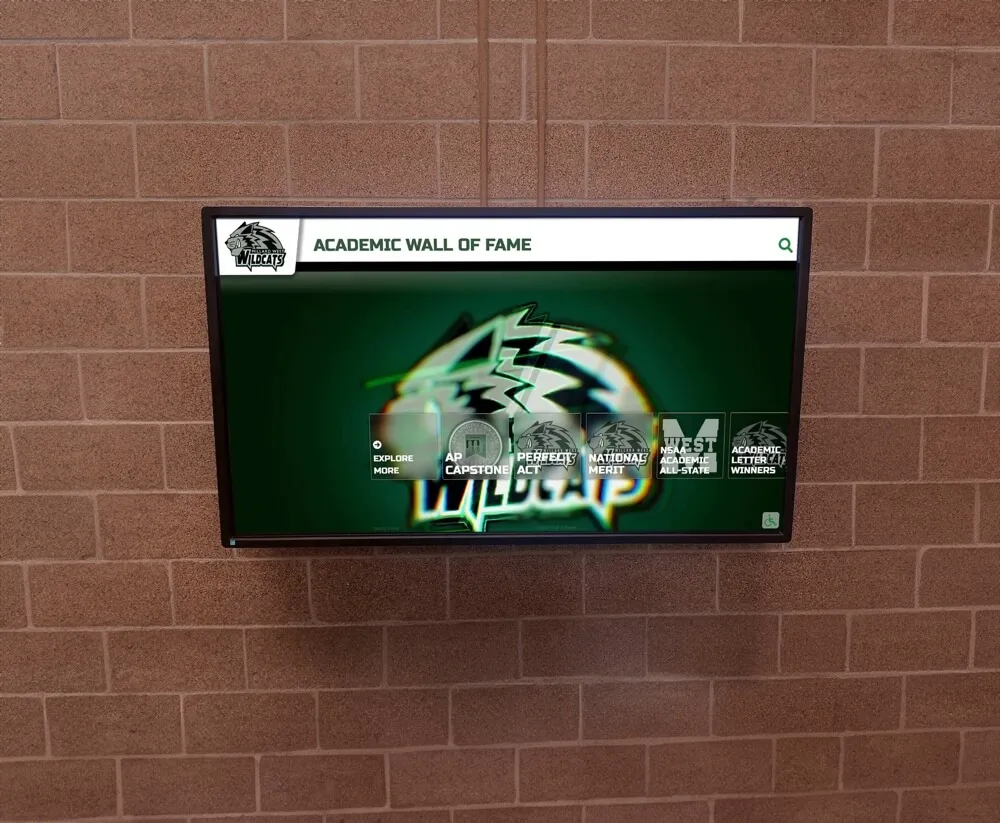
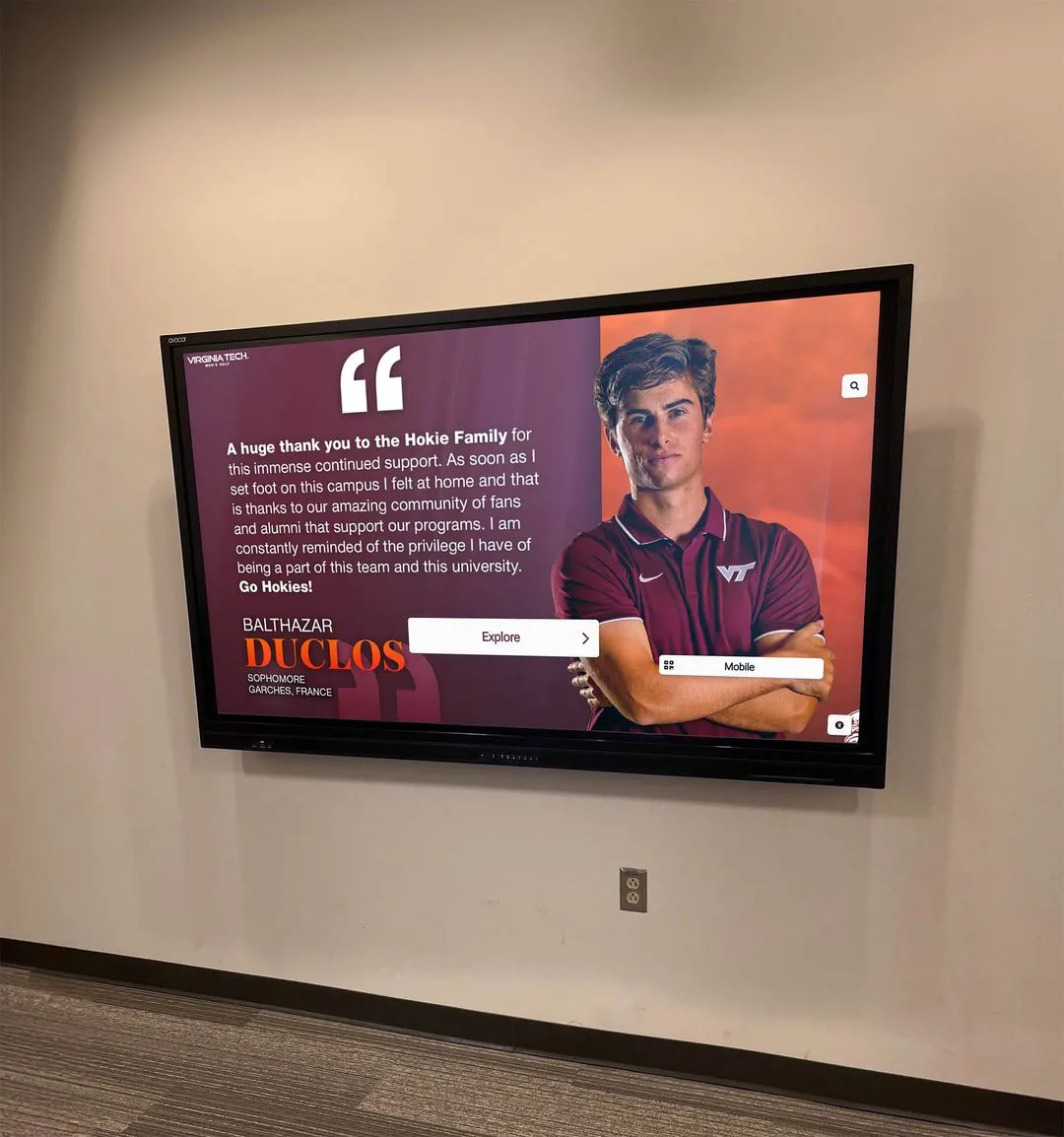
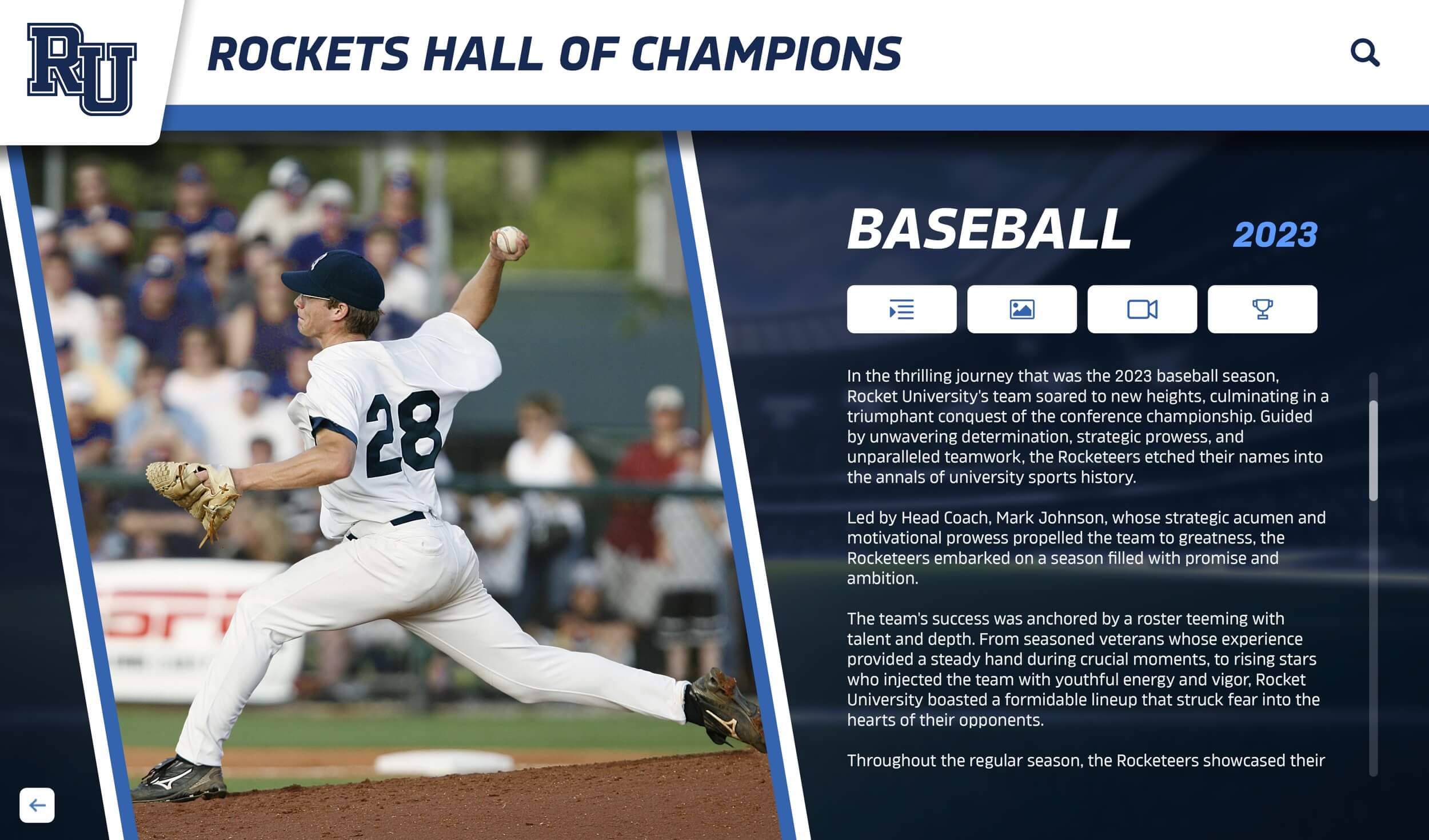
Modern recognition systems preserve baseball achievements through detailed player profiles, statistics, and multimedia content impossible with traditional display cases
Traditional Baseball Display Case Options
Physical display cases remain popular choices for showcasing baseball memorabilia across programs of all levels.
Wall-Mounted Display Cases
Vertical displays maximize visibility while conserving floor space:
Standard Trophy Case Designs Traditional wall-mounted cases provide versatile display options:
- Glass-fronted cabinets with adjustable shelving accommodating various memorabilia sizes
- Locking mechanisms protecting valuable items from theft or tampering
- Internal lighting highlighting displayed items and improving visibility
- Wood or metal frames matching facility aesthetics and institutional branding
- Multiple size options from compact single-shelf units to expansive multi-section installations
Wall-mounted cases typically cost $800-3,500 depending on size and quality, with custom installations reaching $5,000-10,000+ for extensive systems.
Shadow Box Displays Individual framed cases create focused presentations:
- Single-item showcases for championship balls or signed equipment
- Jersey display frames with mounting systems preventing fabric stress
- Bat display cases with brackets securing equipment safely
- Photograph and document frames with archival-quality materials
- Custom arrangements grouping related items from specific seasons or achievements
Shadow boxes work particularly well for rotating displays—seasonal showcases highlighting current team achievements before transitioning to permanent locations or storage.
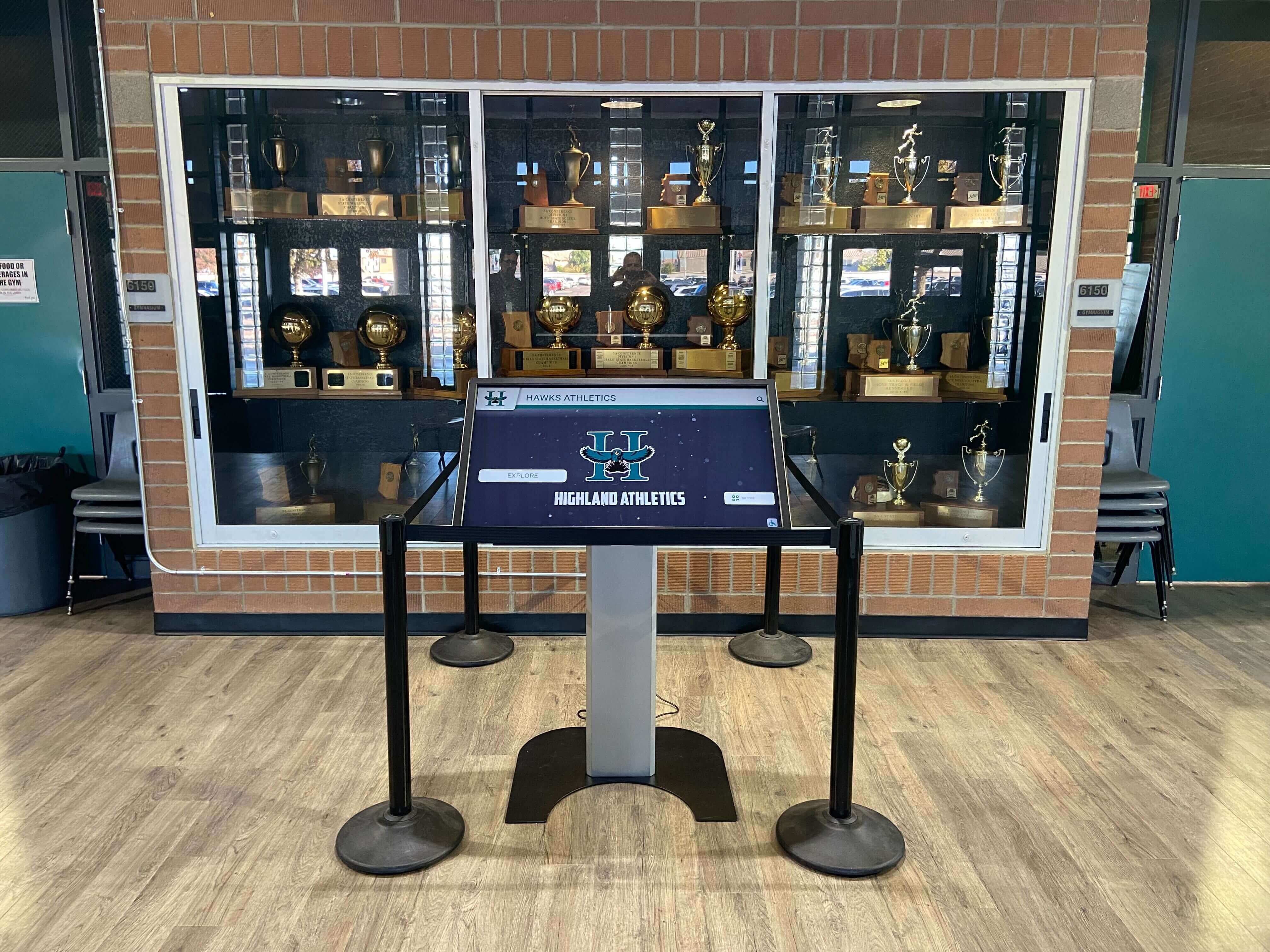
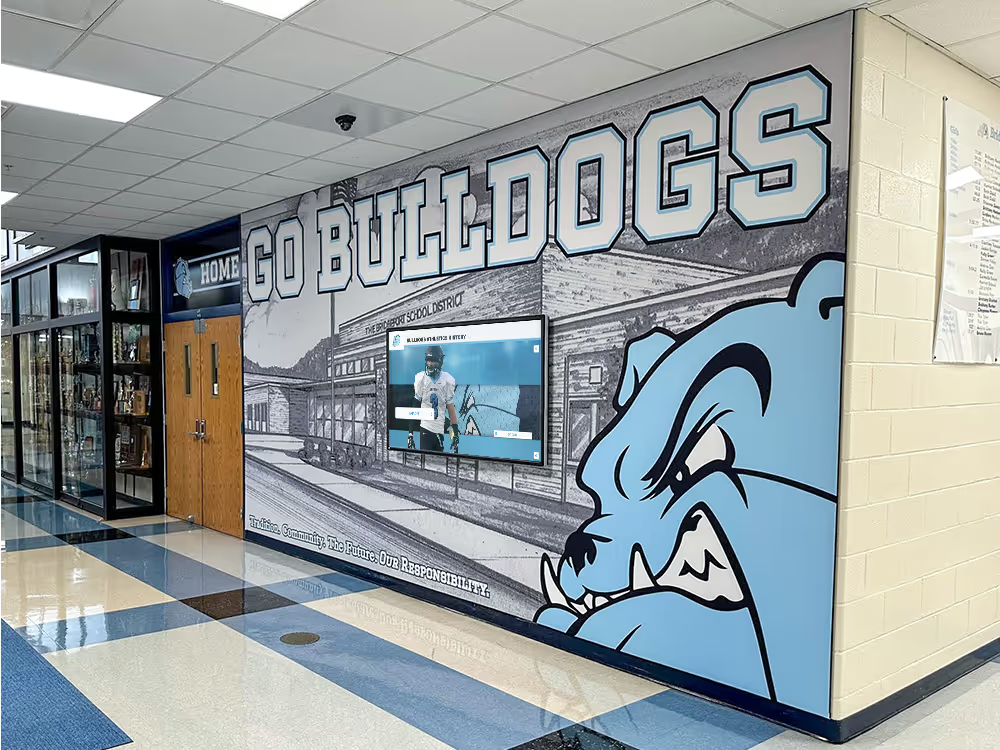
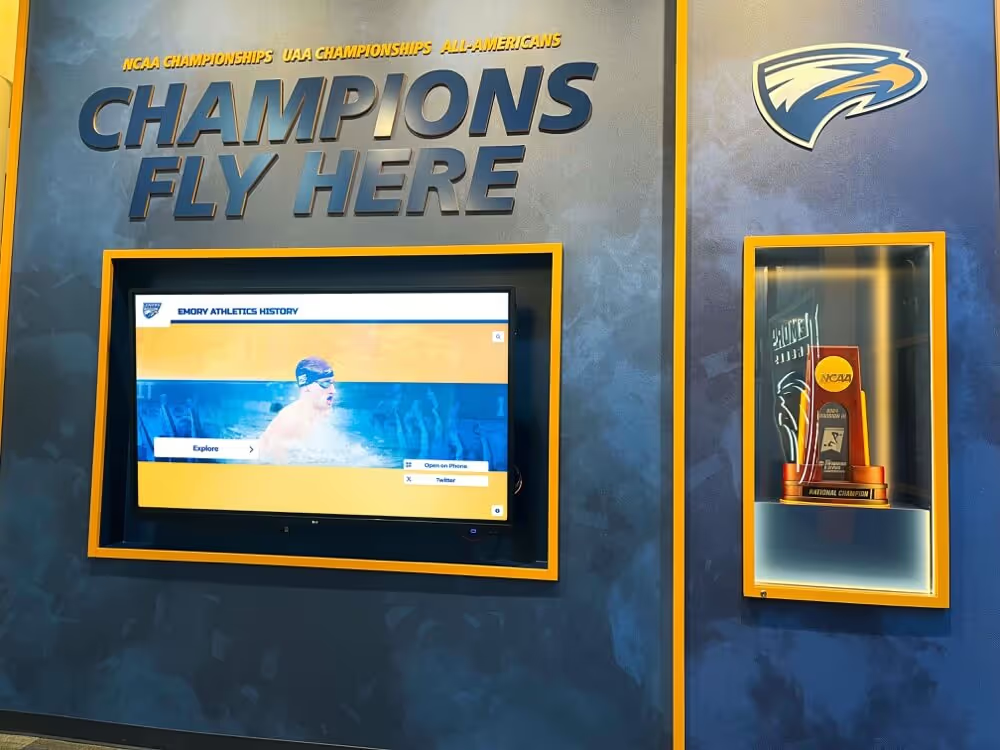
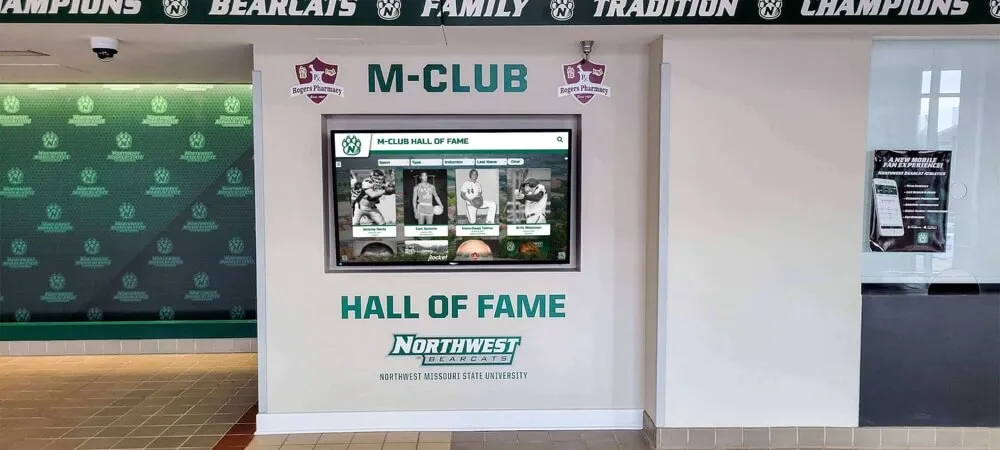
Integrating interactive displays with traditional trophy cases provides comprehensive recognition combining physical memorabilia with digital storytelling
Hallway Display Cases Corridor installations create engaging recognition experiences:
- Recessed displays built into walls during construction or renovation
- Surface-mounted cases along high-traffic hallways
- Sequential displays telling chronological program history
- Distributed recognition throughout athletic facilities
- Wayfinding opportunities as landmarks in building navigation
Strategic hallway placement ensures consistent visibility while utilizing space that might otherwise remain purely functional. Learn about comprehensive sports banner design approaches that complement display case installations.
Freestanding Display Cases
Floor-mounted cases offer flexibility and visual prominence:
Pedestal Trophy Cases Standalone displays command attention in lobbies and gathering spaces:
- 360-degree viewing enabling appreciation from all angles
- Island placement creating focal points in large spaces
- Height variations from table-top models to full-height installations
- Rotating bases allowing display orientation changes
- Security features including locking mechanisms and alarm integration
Pedestal cases typically cost $1,500-6,000 depending on size and security features, with custom designs exceeding $10,000 for signature installations.
Tower Display Cases Vertical freestanding units maximize limited floor space:
- Multiple shelves showcasing numerous items in compact footprint
- Glass panels on multiple sides enabling viewing from various angles
- Internal lighting on each shelf level
- Modular designs allowing configuration adjustments
- Mobile options with locking casters enabling repositioning
Tower cases work well in corners or alcoves where wall mounting proves impractical while vertical design accommodates substantial memorabilia collections.

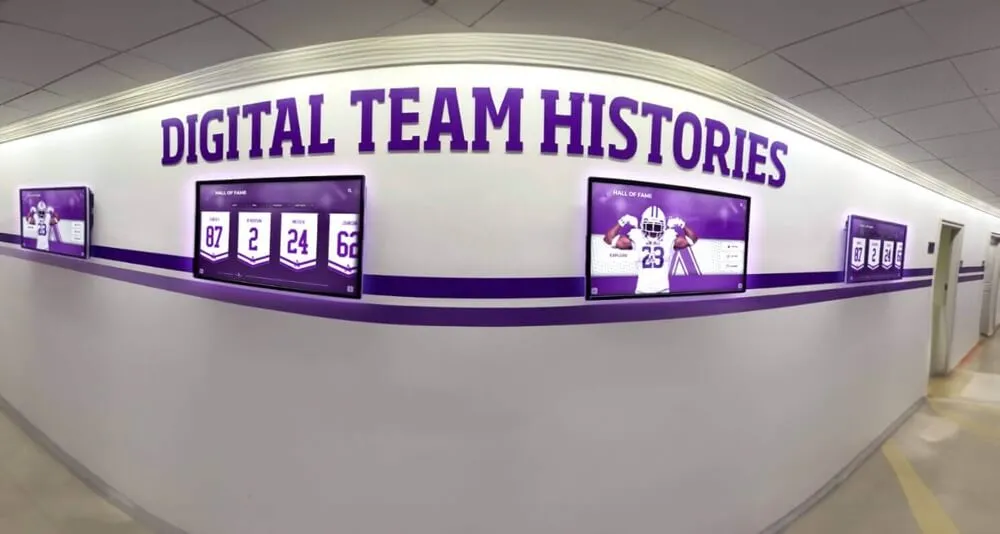
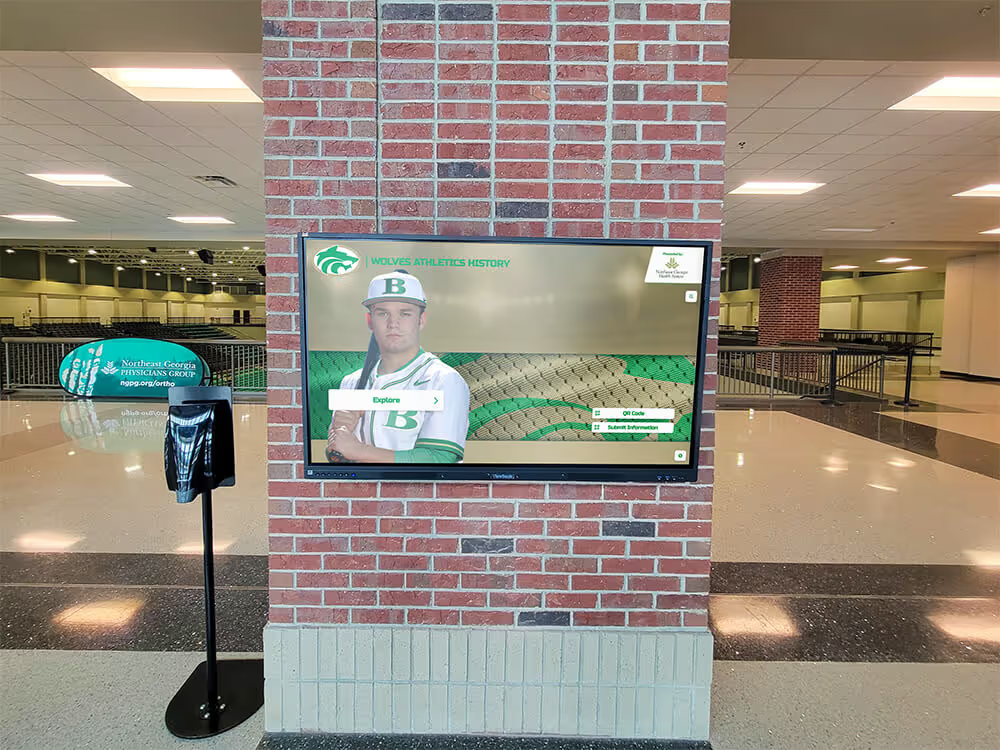
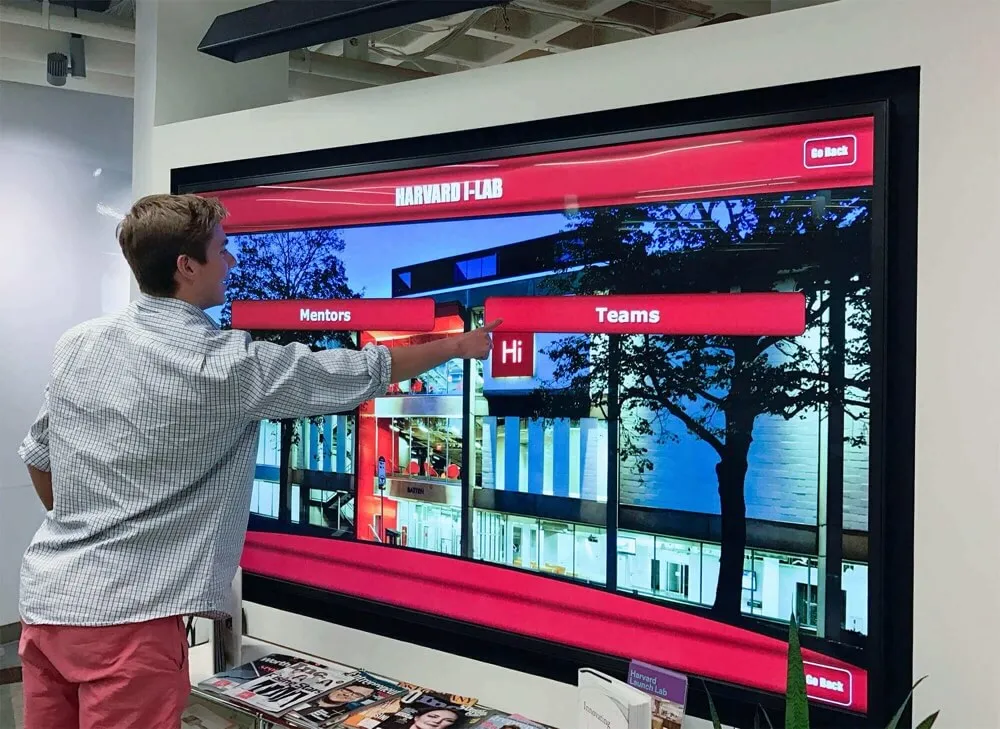
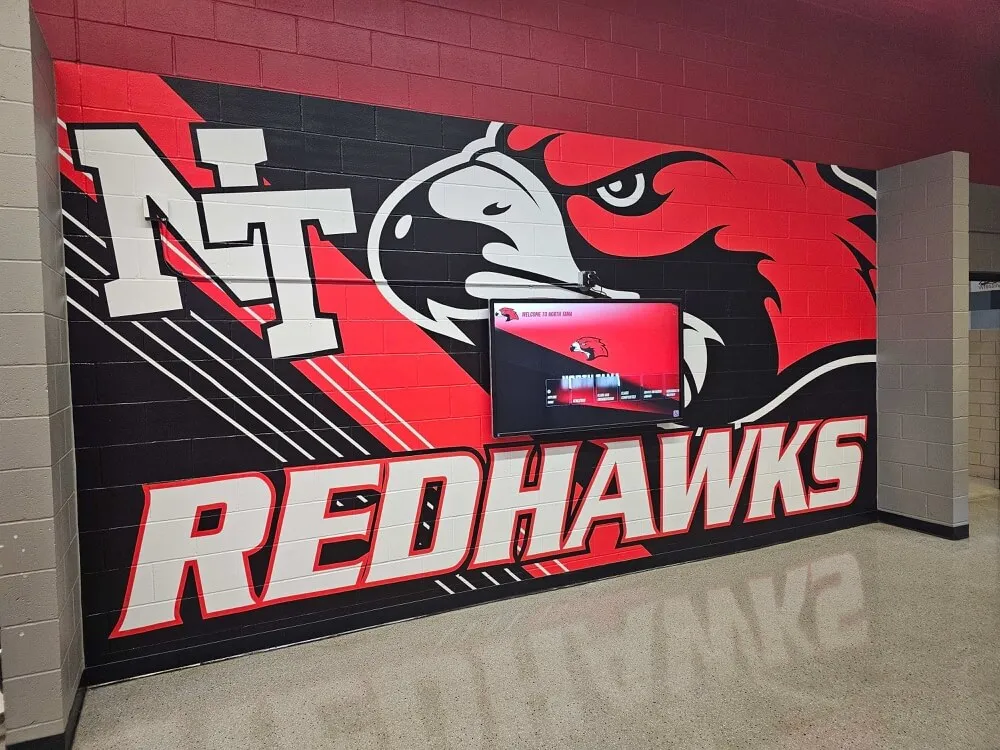
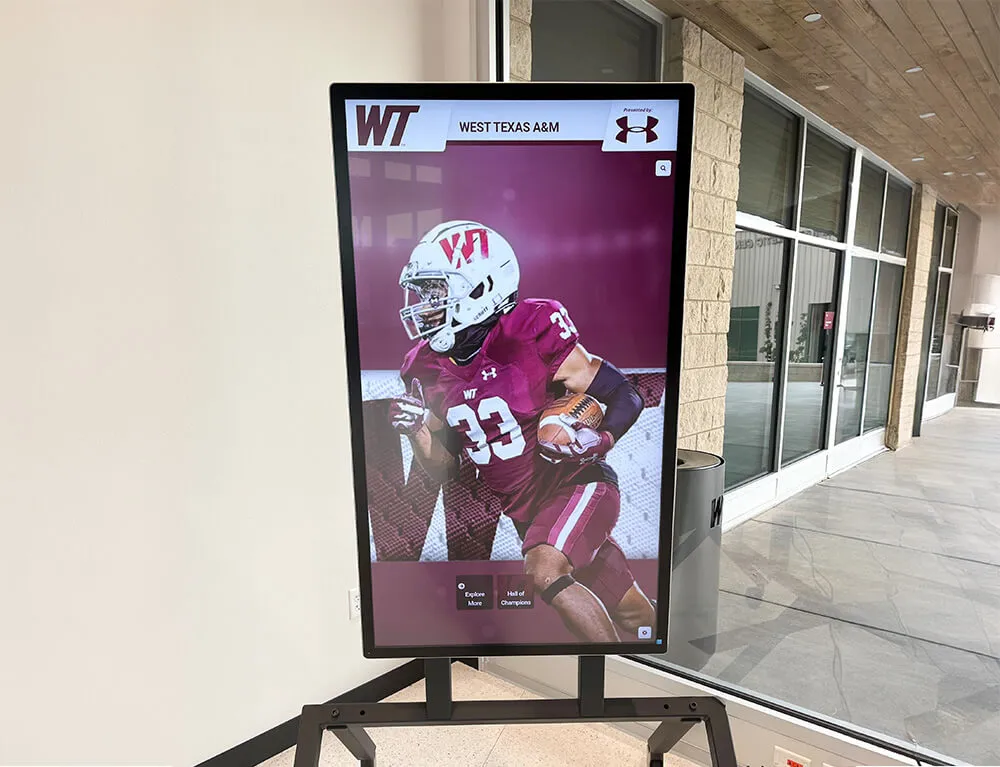
Large-format digital displays create dramatic presentations in arena lobbies and athletic facility entrances
Table Display Cases Horizontal showcases at comfortable viewing heights:
- Positioned on tables, counters, or custom stands
- Ideal for small collections or featured seasonal displays
- Portable designs enabling event transportation
- Economical options for budget-conscious programs
- Easy content rotation and rearrangement
Table cases provide accessible entry points for programs beginning recognition systems with limited budgets before expanding to permanent installations.
Creative Baseball Memorabilia Display Ideas
Beyond standard cases, innovative approaches create memorable presentation experiences.
Theme-Based Display Concepts
Organized presentations around specific concepts:
Championship Season Showcases Dedicated displays celebrating title teams:
- Game balls from championship victories
- Tournament brackets showing playoff progression
- Team photographs and roster listings
- Newspaper clippings documenting championship runs
- Championship patches, pins, and commemorative items
- Video highlights on integrated screens (for digital-enhanced displays)
Championship displays work particularly well in locations where teams gather—locker rooms, practice facilities, or team meeting spaces—providing daily inspiration.
Individual Player Tributes Focused recognition honoring program legends:
- Retired jerseys with biographical information and statistics
- Game-used equipment from record-breaking performances
- Awards and honors received during careers
- Photographs documenting playing career highlights
- Post-high school achievement updates showing continued success
- Personal memorabilia donated by featured players or families
Individual tributes create aspirational goals for current players while demonstrating program commitment to honoring excellence. Discover comprehensive athletic hall of fame approaches that inform player recognition strategies.
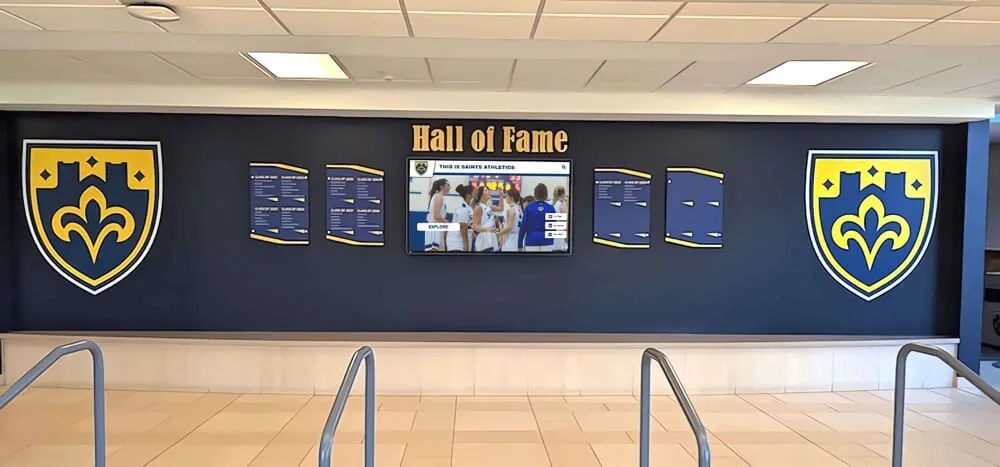
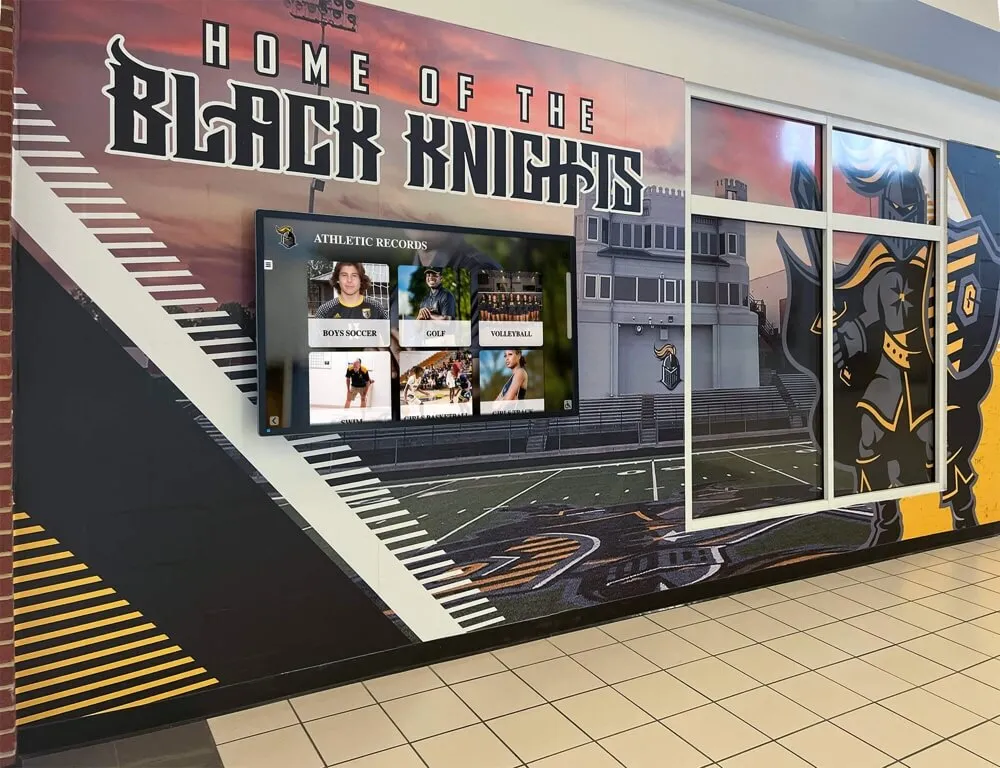
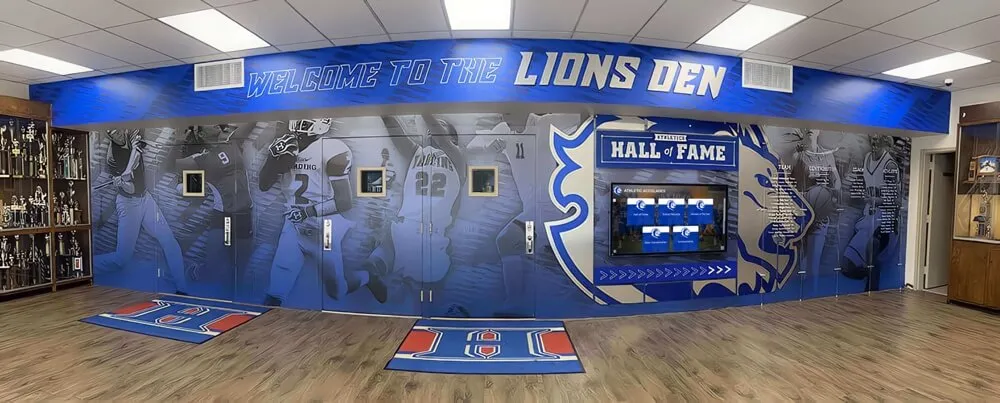
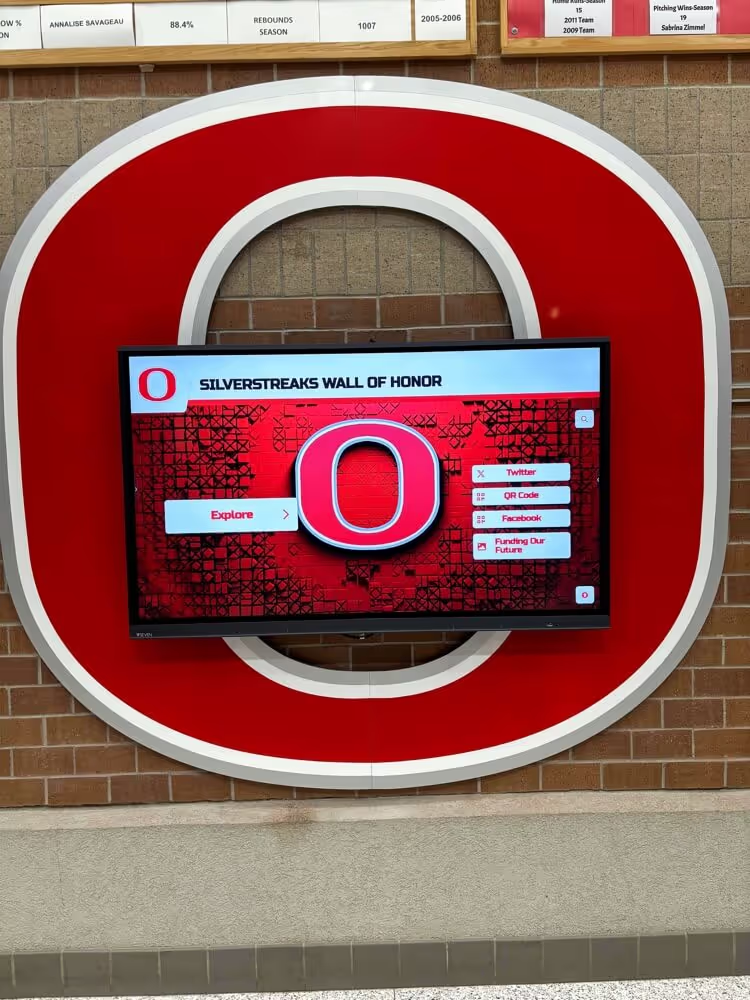
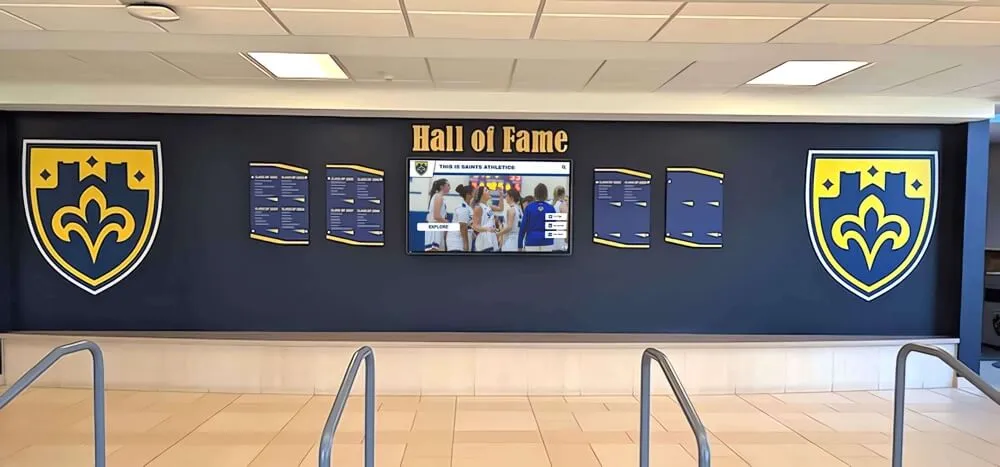
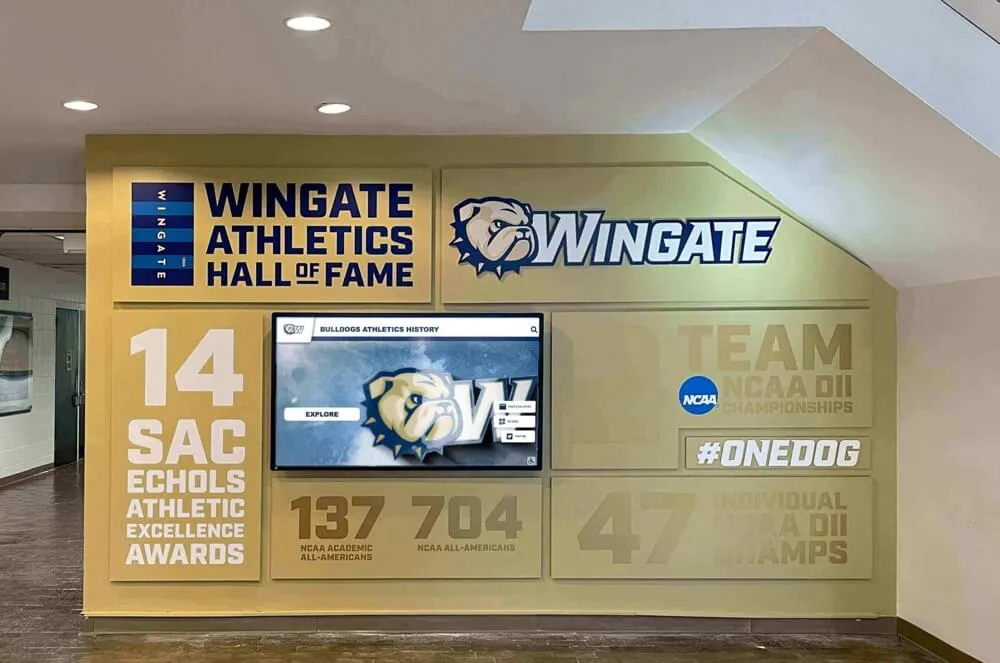
Hybrid displays combine traditional design elements with modern digital capabilities for comprehensive recognition
Record Holder Recognition Celebrating statistical excellence:
- Display bats from home run leaders
- Balls signed by pitchers achieving strikeout milestones
- Photographs of athletes setting program records
- Statistical cards documenting record-breaking performances
- Comparison displays showing historical progression of records
- Updated digital content as new records replace historical marks
Record displays motivate current athletes by establishing clear performance targets while celebrating those who achieved excellence previously.
Creative Arrangement Strategies
Visual presentation affects engagement and impact:
Timeline Displays Chronological arrangements documenting program history:
- Decade-by-decade organization showing program evolution
- Graduation year groupings creating class-based displays
- Coaching era sections highlighting different program periods
- Facility development timelines showing field and equipment improvements
- Progressive displays tracking record advancement over time
Timeline arrangements provide historical context helping viewers understand achievement within competitive environment and program development trajectory.
Position-Specific Displays Grouping memorabilia by player positions:
- Pitcher showcase featuring signed balls and strikeout leaders
- Infield display with equipment from defensive standouts
- Outfield section highlighting speed and power achievements
- Catcher recognition celebrating leadership and durability
- Position-by-position record tracking
Position displays help younger players see themselves in program tradition—infielders examining defensive legends, pitchers studying past mound excellence.
Themed Collections Curated displays around specific concepts:
- “First” collections (first championship, first all-state player, first college recruit)
- Rivalry game memorabilia from traditional competitor matchups
- Tournament excellence showcasing state playoff achievements
- Alumni success highlighting professional and college careers
- Equipment evolution displaying historical gear progression
Themed collections create narrative coherence that educates while entertaining viewers who might spend limited time with displays.
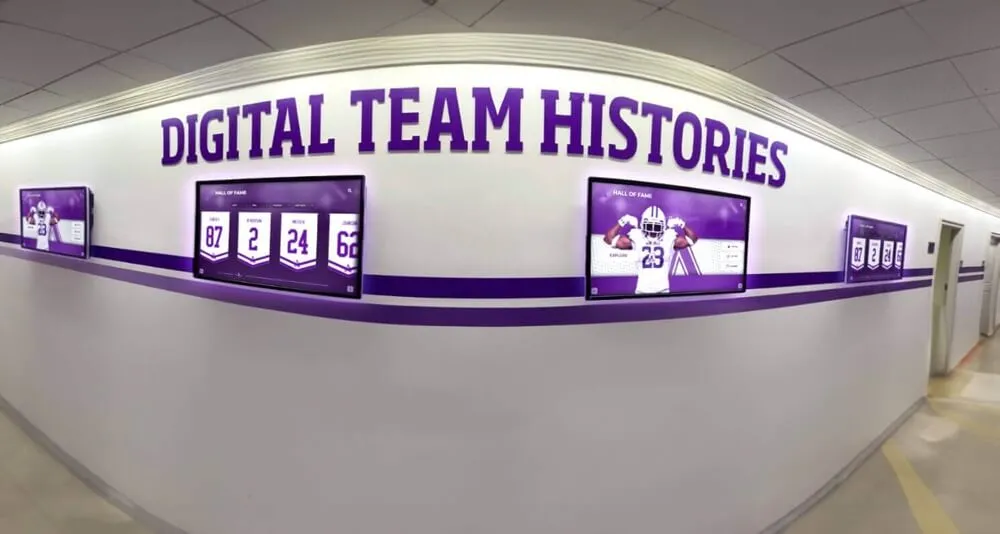
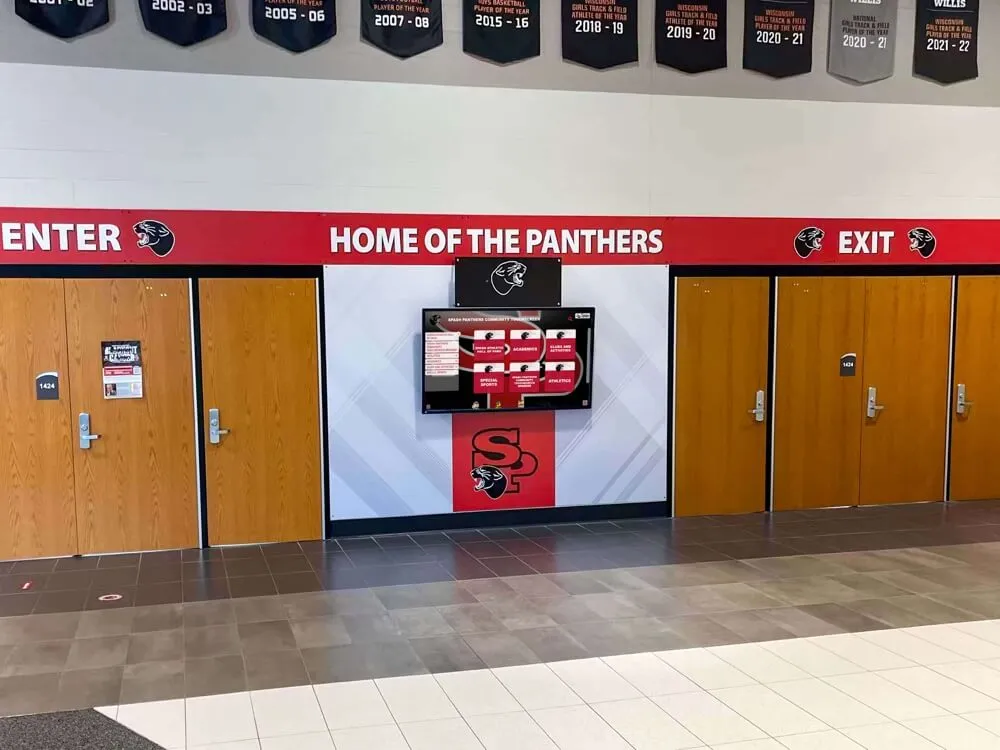
Distributed displays throughout athletic facilities ensure consistent recognition visibility while telling comprehensive program stories
Specific Memorabilia Display Techniques
Different item types require specialized display approaches ensuring preservation and presentation quality.
Baseball and Softball Display Methods
Preserving and showcasing game balls:
Individual Ball Displays Single-ball showcases for significant achievements:
- Acrylic cube holders providing 360-degree viewing
- Wooden display rings with engraved plates identifying significance
- Wall-mounted ball holders creating compact vertical displays
- Pedestal stands elevating championship balls prominently
- UV-protective cases preventing autograph fading and leather deterioration
Championship game balls, perfect game balls, and milestone achievement balls deserve individual display ensuring visibility and protection.
Multi-Ball Collection Displays Arrangements showcasing numerous baseballs:
- Tiered shelving creating stadium seating effect
- Grid patterns with individual holders in uniform arrangements
- Custom racks holding balls by season or achievement type
- Rotating carousel displays enabling viewing of entire collections
- Backlit shelving creating dramatic visual presentations
Multi-ball displays work well for programs with extensive achievement history—no-hitters, championship victories, all-conference selections, and other milestones each receiving permanent acknowledgment.
Autographed Ball Presentation Signed baseballs require careful display preventing signature damage:
- UV-protective acrylic cases preventing sun-induced fading
- Positioning balls with autographs facing forward maximizing visibility
- Archival-quality display materials preventing chemical deterioration
- Climate-controlled environments maintaining stable humidity
- Periodic rotation reducing continuous light exposure
Professional sports teams and collectors recommend replacing displayed autographed balls every 3-5 years with archival storage rotation preserving signatures long-term.
Bat Display Solutions
Showcasing game-used and commemorative bats:
Wall-Mounted Bat Racks Horizontal or diagonal mounting systems:
- Single bat displays highlighting individual achievements
- Multiple bat racks showing progression or comparison
- Angled mounting creating dynamic visual interest
- Engraved plates beneath bats identifying players and achievements
- Protective brackets preventing bat sliding or falling
Wall-mounted bat displays work particularly well above trophy cases—creating vertical space utilization while maintaining visual connection between equipment and awards.
Vertical Bat Displays Standing arrangements for freestanding cases:
- Bat holders in display case corners maximizing space efficiency
- Leaning positions creating casual authenticity feel
- Custom stands manufactured for specific bat dimensions
- Rotating displays enabling viewing of entire bat surface
- Integration with other memorabilia in themed collections
Vertical displays accommodate bats in cabinets where horizontal mounting exceeds available width.

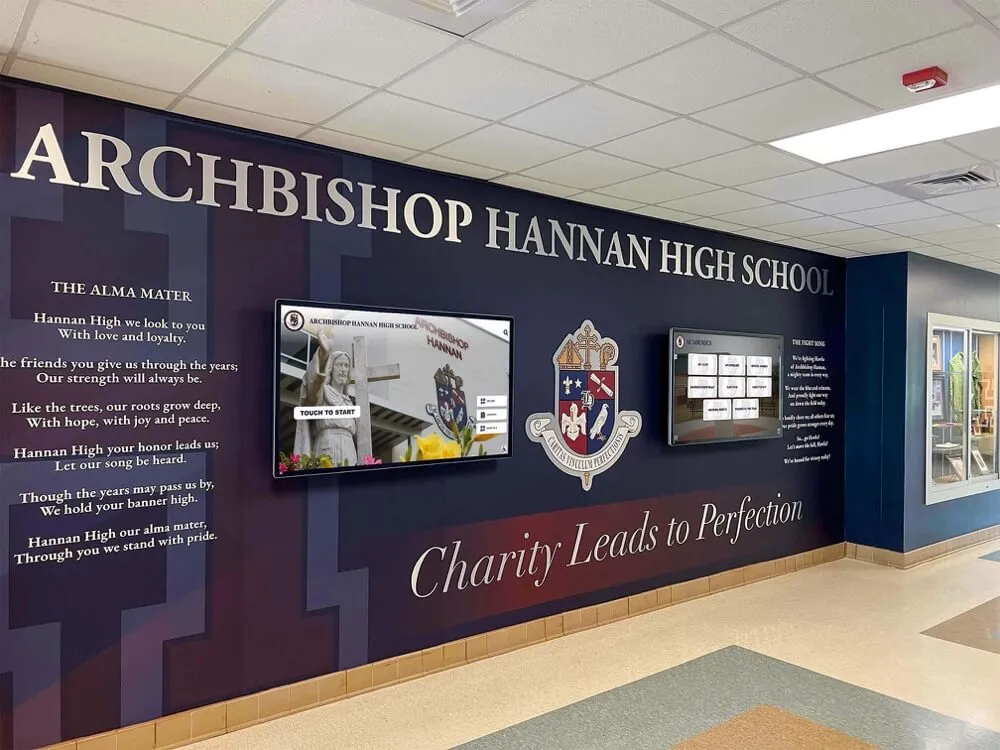
Creating dedicated recognition spaces transforms displays into destinations rather than passive corridors
Bat Display Cases Specialized enclosures protecting valuable equipment:
- Clear acrylic tubes fitting individual bats precisely
- Wall-mounted cases with internal brackets securing bats
- Freestanding pedestal displays elevating significant bats
- Multi-bat cases displaying complete collections
- Engraving or labeling identifying bat significance and provenance
Signed bats from professional players who began in your program deserve prominent individual display reflecting their significance to program tradition. Explore baseball awards ideas that complement memorabilia displays.
Jersey and Uniform Display
Preserving fabric memorabilia requires careful mounting:
Framed Jersey Displays Professional presentation preventing fabric stress:
- Museum-quality frames with UV-protective glass
- Archival mounting boards preventing acid deterioration
- Pinning techniques distributing stress across garment
- Dimensional mounting creating depth and visual interest
- Custom framing matching team colors or facility aesthetics
Jersey framing typically costs $150-500 depending on frame quality and customization, with premium museum-grade framing reaching $800-1,200.
Mannequin Displays Three-dimensional presentation creating lifelike appearance:
- Full-torso mannequins providing realistic uniform display
- Partial forms specifically designed for jersey display
- Positioning that suggests action or athletic stance
- Integration with complementary memorabilia in larger displays
- Removable uniforms enabling rotation and conservation
Mannequin displays create dramatic focal points but require substantial floor or shelf space—best suited for prominent locations or rotating featured displays.
Rotation and Conservation Strategies Fabric preservation requires periodic rest:
- Alternate displayed jerseys annually with archival storage
- Climate control preventing humidity damage and mildew
- Acid-free materials in all mounting and storage contexts
- Professional cleaning before long-term display or storage
- Documentation photographing condition enabling damage monitoring
Historic jerseys representing significant monetary or sentimental value should receive professional conservation consultation ensuring proper preservation techniques.
Modern Digital Display Integration
Technology-enhanced recognition solves fundamental limitations of physical-only approaches.
Hybrid Physical-Digital Systems
Combining traditional memorabilia with interactive technology:
Display Case Screen Integration Mounting digital displays within or adjacent to physical cases:
- Screens showing photographs and videos related to displayed items
- Interactive touchscreens providing detailed information on command
- Rotating slideshows educating about memorabilia significance
- QR codes linking physical displays to comprehensive digital archives
- Audio narration available through speakers or personal device streaming
This integration provides rich context physical displays alone cannot deliver—game highlights, athlete interviews, statistical breakdowns, and historical documentation bringing memorabilia to life.
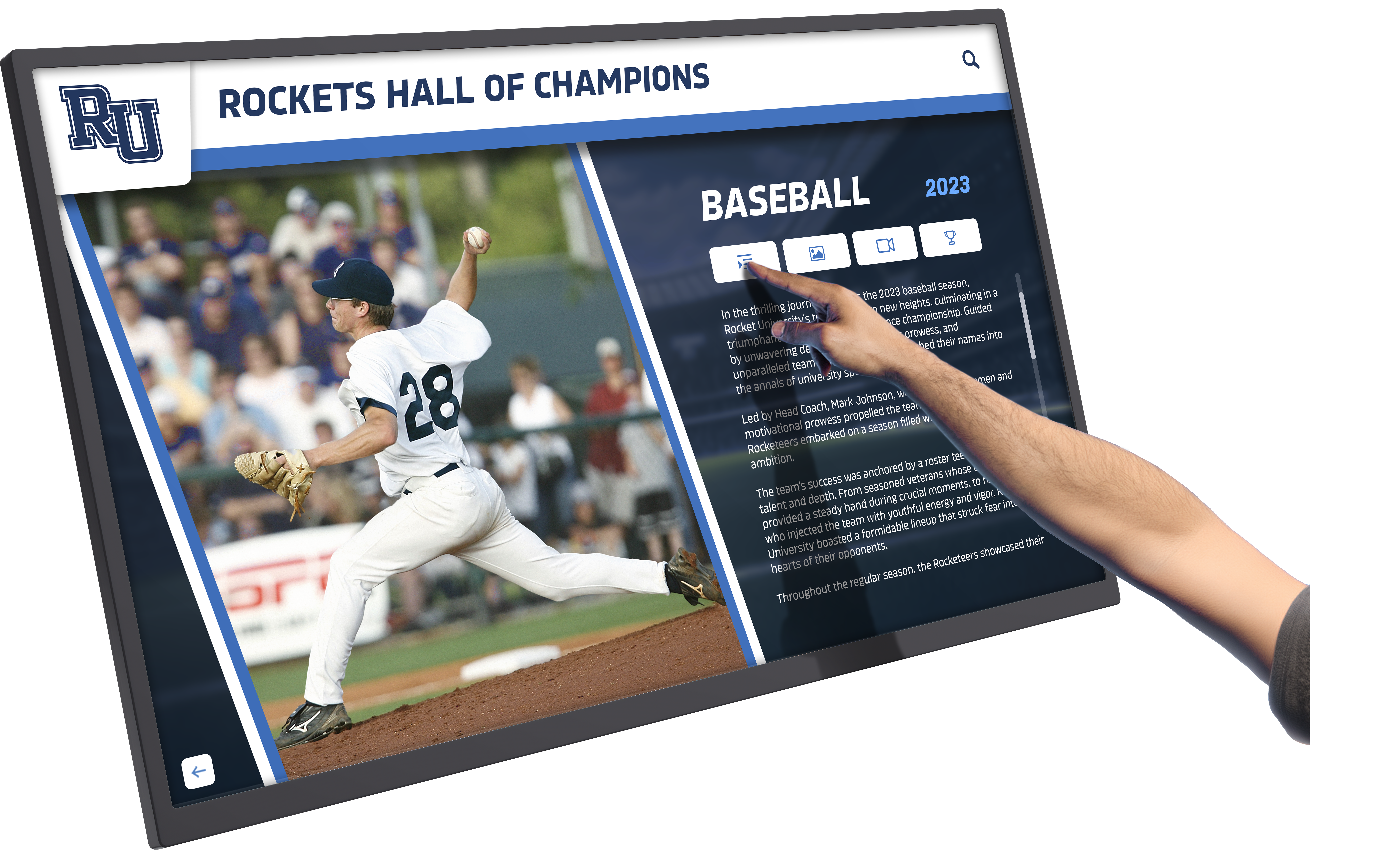
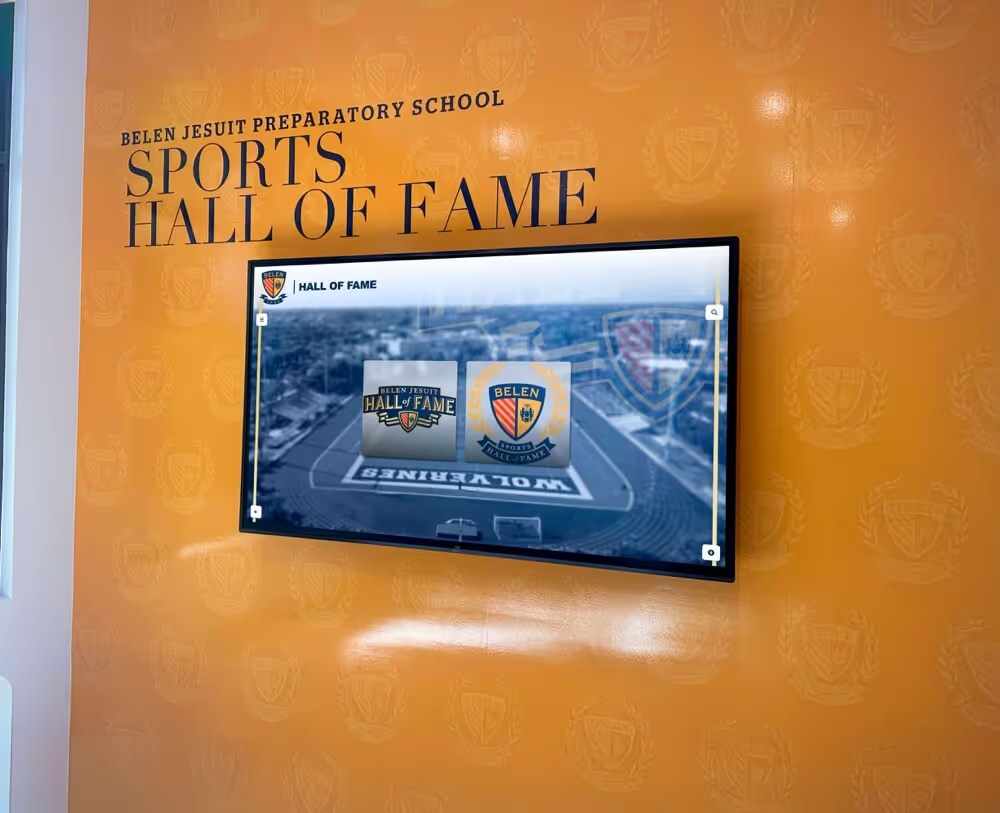
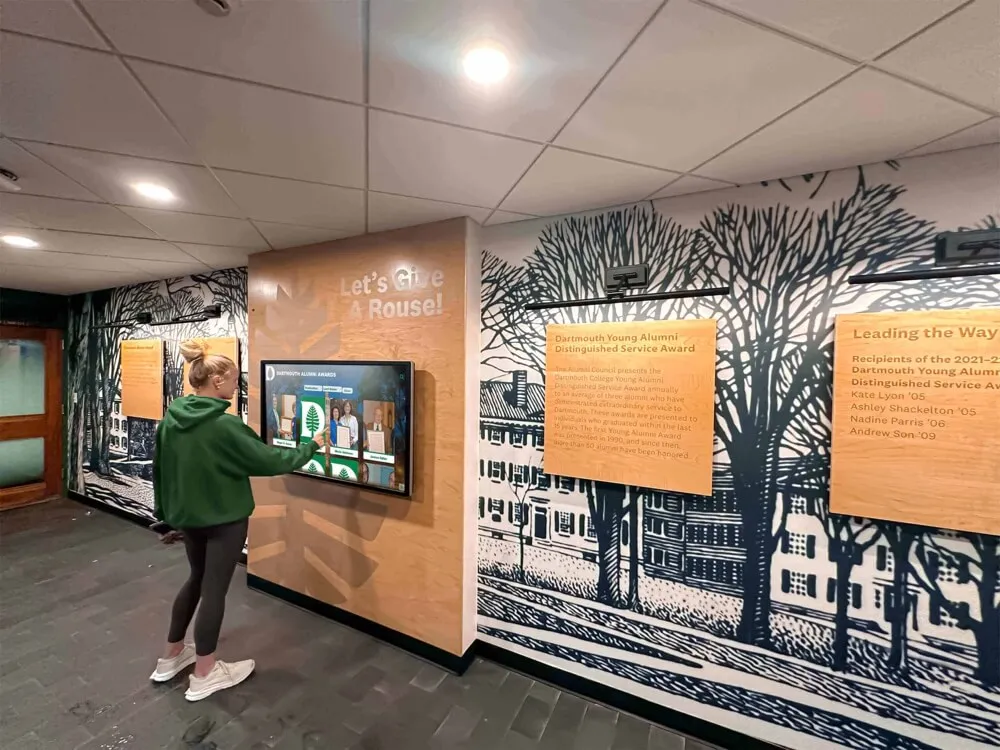
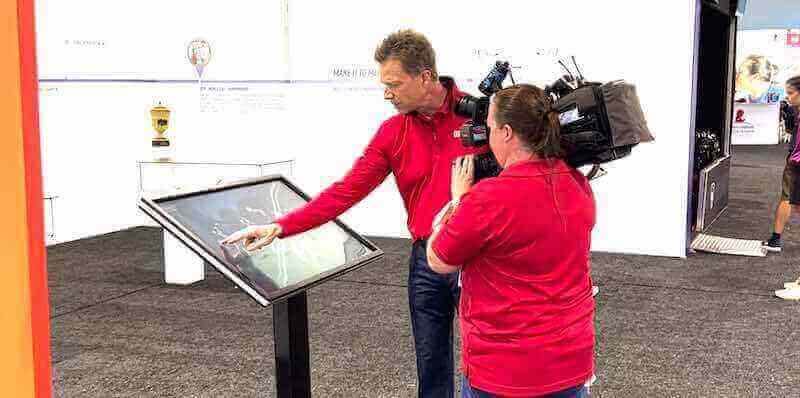
Touchscreen displays enable detailed exploration of player achievements, statistics, and career highlights impossible with static physical displays
Augmented Physical Displays Technology enhancing traditional presentations:
- Digital photo frames cycling through image collections
- LED lighting controlled by motion sensors activating displays
- Audio systems triggered by viewer proximity
- Projection mapping overlaying information onto physical memorabilia
- App integration enabling personal device interaction with displays
These augmented approaches maintain traditional memorabilia emphasis while adding engagement layers that capture attention and extend exploration time.
Learn about interactive kiosk solutions that enhance recognition experiences through technology integration.
Pure Digital Recognition Solutions
Software-based displays complement or replace physical systems:
Interactive Touchscreen Displays Wall-mounted digital recognition systems:
- Unlimited capacity displaying hundreds of players and achievements
- Searchable databases enabling name, year, or achievement queries
- Detailed player profiles with photos, statistics, and biographical information
- Video highlight integration bringing moments to life
- Remote content management enabling updates from any location
- Web integration extending recognition beyond physical facilities
Digital systems solve the fundamental space constraint plaguing physical displays—single screen provides recognition capacity equivalent to 50-100+ traditional plaques.
Content Management Advantages Cloud-based platforms simplify administration:
- Intuitive interfaces requiring no technical expertise
- Remote updates from any internet-connected device
- Automated backup ensuring preservation without IT dependency
- Role-based permissions enabling appropriate staff access
- Instant corrections without physical replacement costs
- Scalable infrastructure growing effortlessly with annual additions
Athletic directors and coaches without technical backgrounds can maintain digital recognition systems effectively—typical updates require minutes rather than hours of physical display modification.
Alumni Accessibility Benefits Digital recognition extends reach dramatically:
- Web-based access enabling worldwide viewing
- Mobile optimization for smartphone and tablet browsing
- Social sharing extending recognition throughout networks
- Search engine discovery introducing programs to prospective families
- 24/7 availability regardless of facility hours or geographic location
This accessibility creates engagement impossible with physical-only displays—alumni living across country can explore achievements regularly, share with friends and colleagues, and maintain emotional connections to programs.

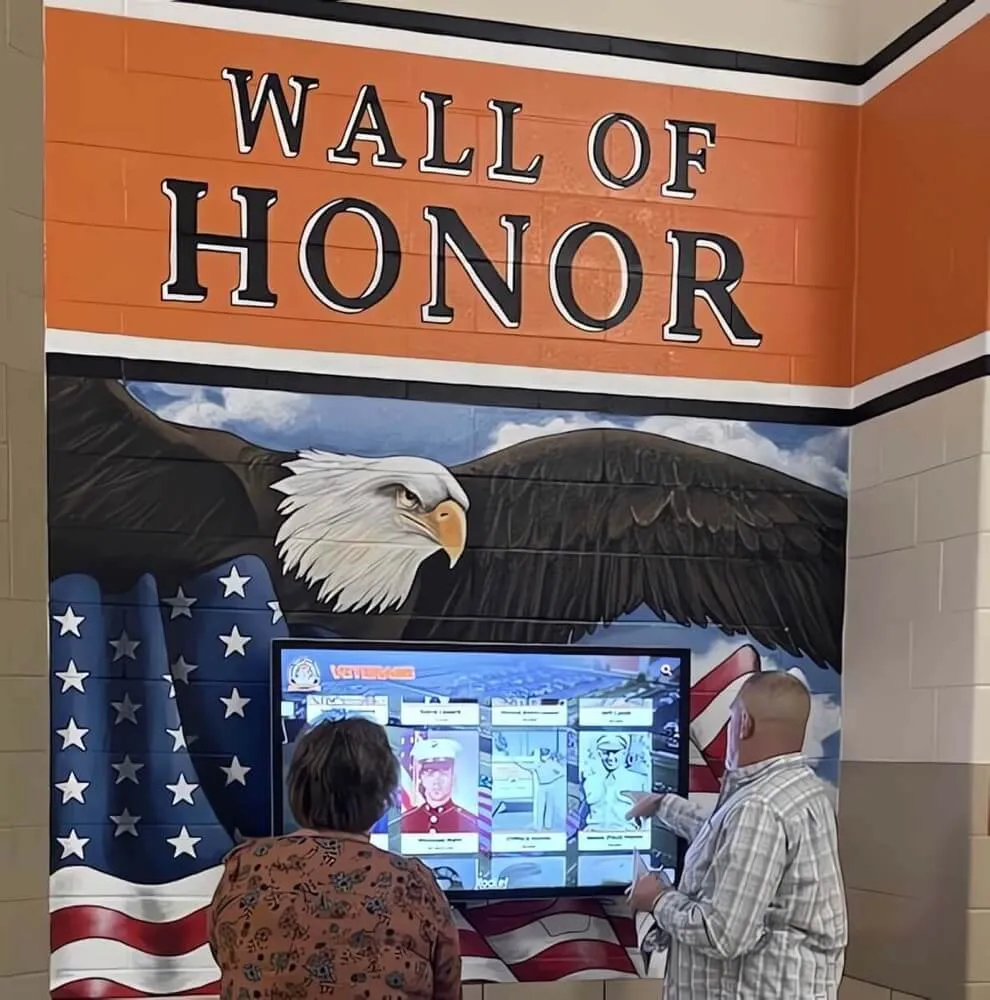
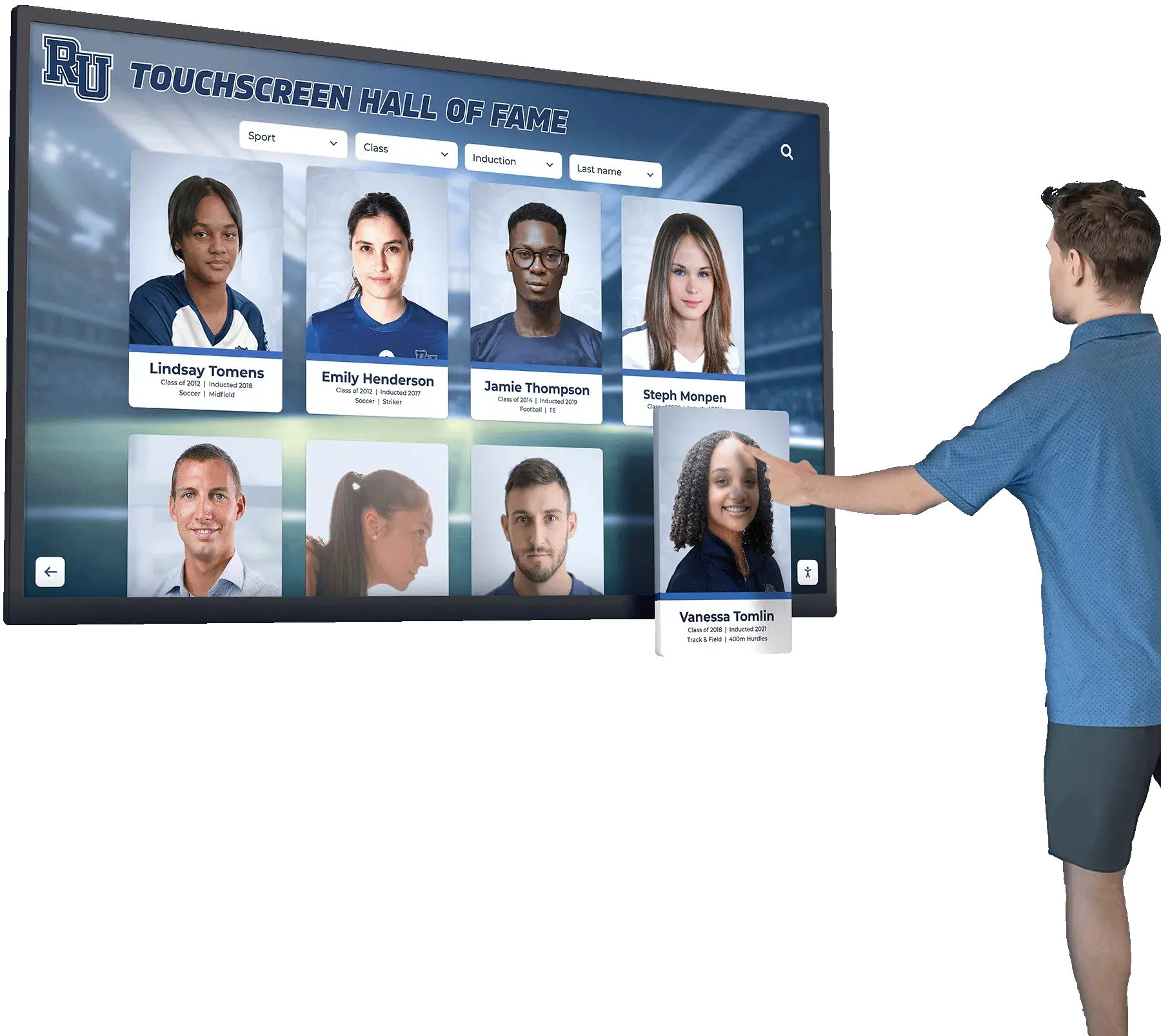
Intuitive card-based interfaces make exploring extensive athlete databases easy and engaging for all age groups
Solutions like Rocket Alumni Solutions provide comprehensive digital recognition platforms designed specifically for athletic programs—offering functionality generic displays cannot match while remaining accessible for non-technical staff.
Digital Display Content Strategies
Maximizing engagement requires thoughtful content development:
Multimedia Integration Rich content beyond static photographs:
- Video highlights from championship games and memorable moments
- Audio clips from interviews, play-by-play calls, and celebrations
- Statistical graphics visualizing career achievements and records
- Document galleries including newspaper articles and programs
- Interactive timelines showing career progression and milestones
This multimedia depth creates emotional connections and educational value static displays cannot achieve while accommodating diverse viewer preferences.
Storytelling Approaches Narrative content bringing achievements to life:
- Career retrospectives documenting player journeys
- Coach reflections providing insider perspectives
- Teammate testimonials sharing personal memories
- Historical context explaining competitive environment
- Post-baseball life updates showing continued accomplishment
Stories transform recognition from simple acknowledgment to meaningful celebration connecting current generations to program history in personally relevant ways. Discover rec sports program approaches that inform community-focused recognition strategies.
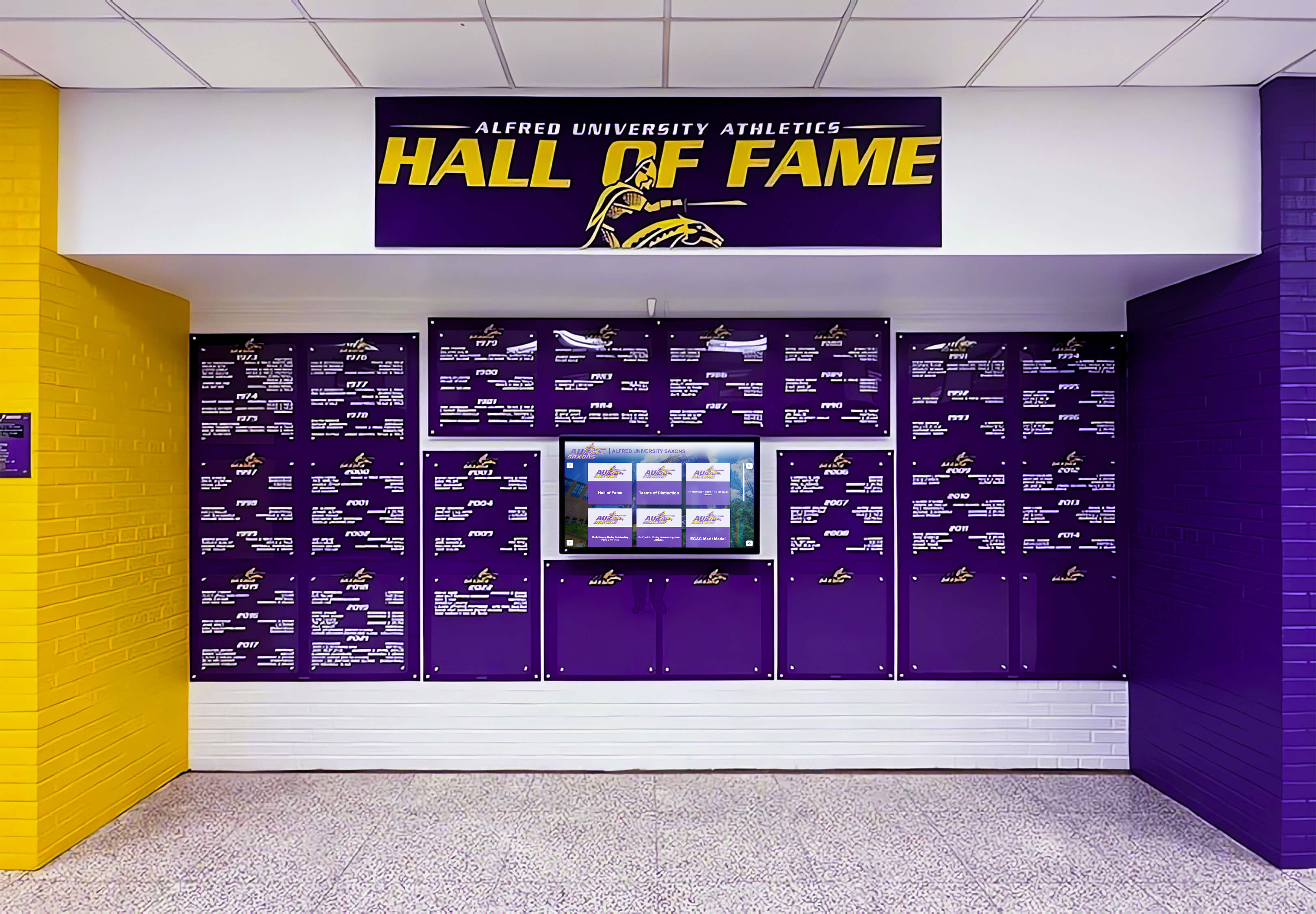
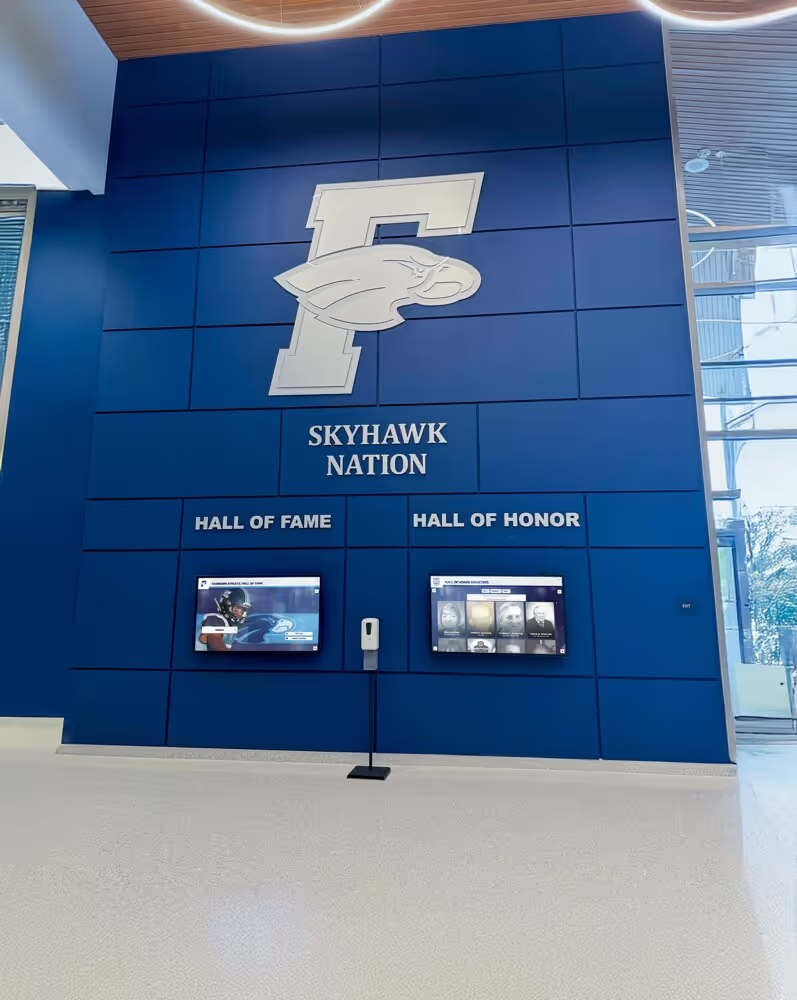
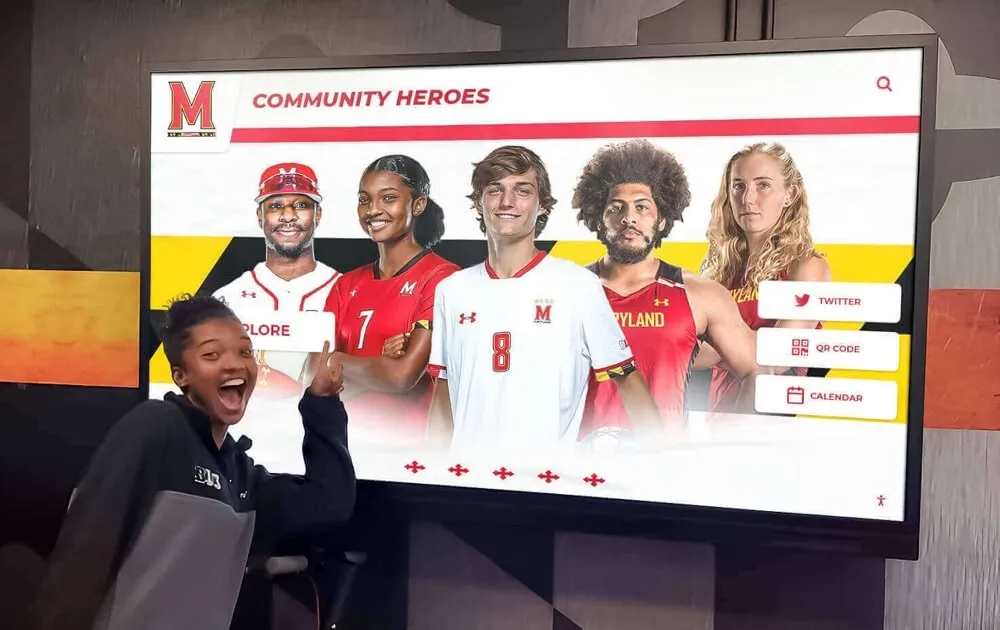
University-level recognition integrates institutional identity with athletic celebration creating cohesive facility environments
Display Case Maintenance and Preservation
Protecting memorabilia requires systematic care and attention:
Climate and Environmental Control
Preservation begins with proper environment:
Temperature and Humidity Management Stable conditions prevent deterioration:
- Temperature ranges of 65-70°F preventing material stress
- Relative humidity of 40-50% avoiding excessive dryness or moisture
- HVAC system maintenance ensuring consistent control
- Dehumidifiers in particularly humid climates or seasons
- Monitoring systems alerting to condition changes
Extreme temperature fluctuations and humidity variations cause leather cracking, fabric deterioration, and photograph damage—stable environments extend memorabilia lifespan dramatically.
Light Exposure Control UV protection preventing fading and degradation:
- UV-protective glass or acrylic in display cases
- LED lighting emitting minimal UV radiation
- Positioning displays away from direct sunlight
- Tinted windows or UV-filtering films on nearby windows
- Periodic rotation reducing continuous exposure to light
Autographed baseballs, in particular, suffer rapid signature fading under intense or prolonged light exposure—UV protection extends autograph visibility for decades.
Dust and Pollutant Protection Sealed environments maintaining cleanliness:
- Well-sealed display cases preventing dust infiltration
- Regular cleaning protocols removing accumulated particulates
- Air filtration in facilities reducing airborne contaminants
- Protective barriers preventing direct handling of items
- Archival-quality materials avoiding chemical off-gassing
Dust accumulation and air pollutants cause gradual deterioration—sealed display environments significantly extend memorabilia preservation.
Regular Maintenance Protocols
Systematic care prevents gradual degradation:
Cleaning and Inspection Schedule Routine maintenance preserving display quality:
- Monthly visual inspection identifying potential issues
- Quarterly case cleaning removing dust and fingerprints
- Annual detailed assessment checking for deterioration
- Immediate attention to any moisture, pests, or damage
- Documentation tracking condition over time
Consistent maintenance catches small problems before they become significant preservation challenges requiring expensive conservation intervention.
Item Rotation Strategies Periodic changes maintaining interest and preservation:
- Seasonal displays featuring relevant team achievements
- Annual rotation reducing continuous light exposure
- Featured item showcases bringing attention to specific memorabilia
- Thematic displays around anniversaries or special events
- Archival storage for items not currently displayed
Rotation accomplishes dual purposes—creating fresh presentation experiences while providing conservation rest periods for valuable items.
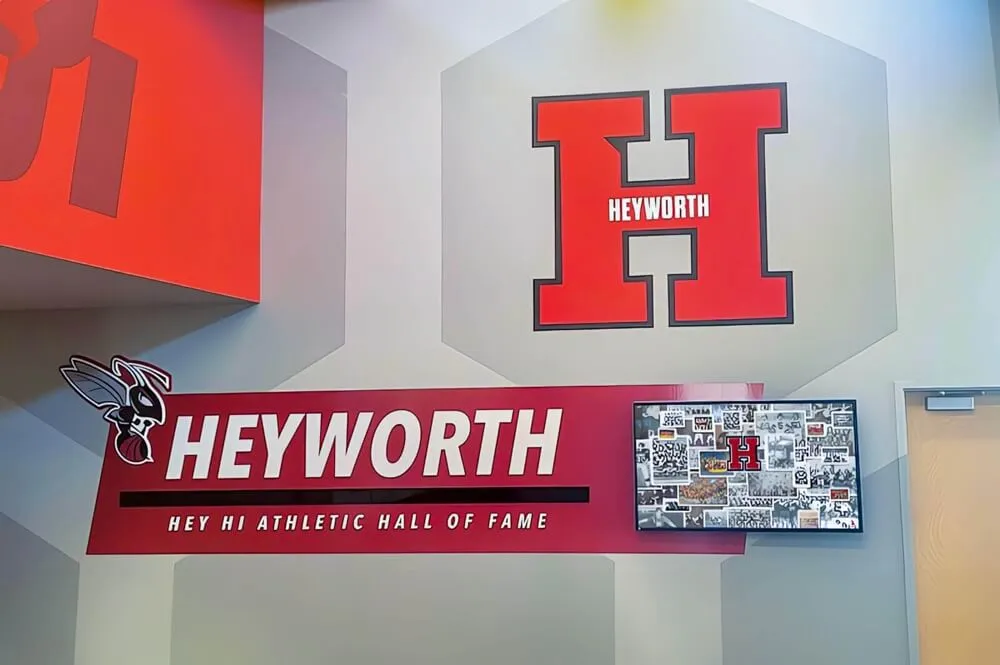
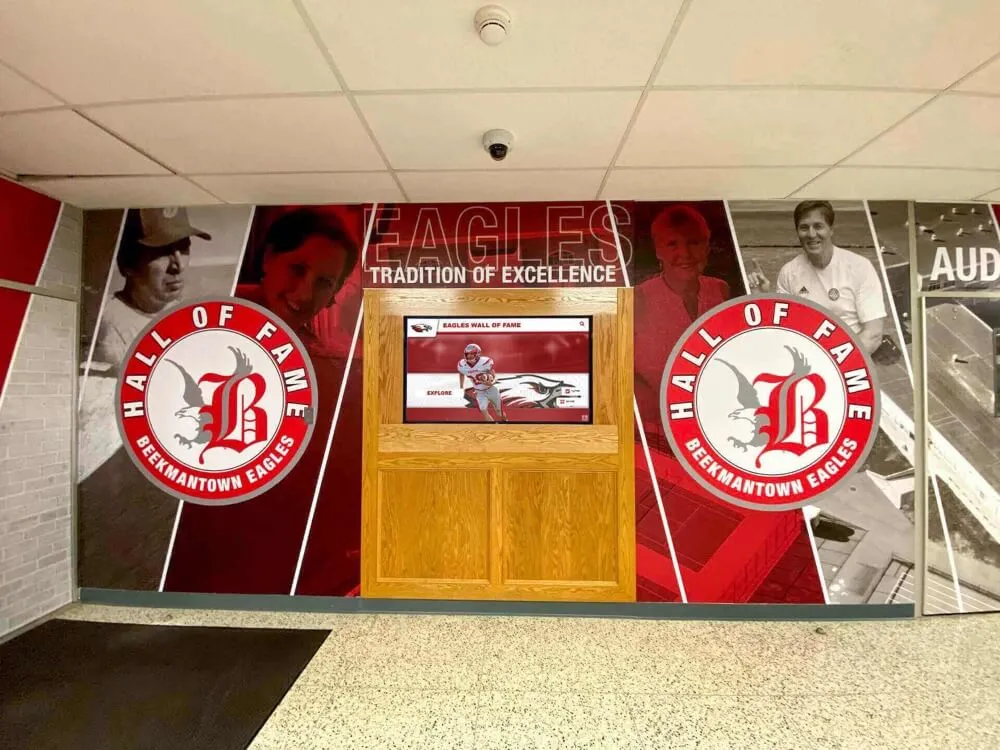
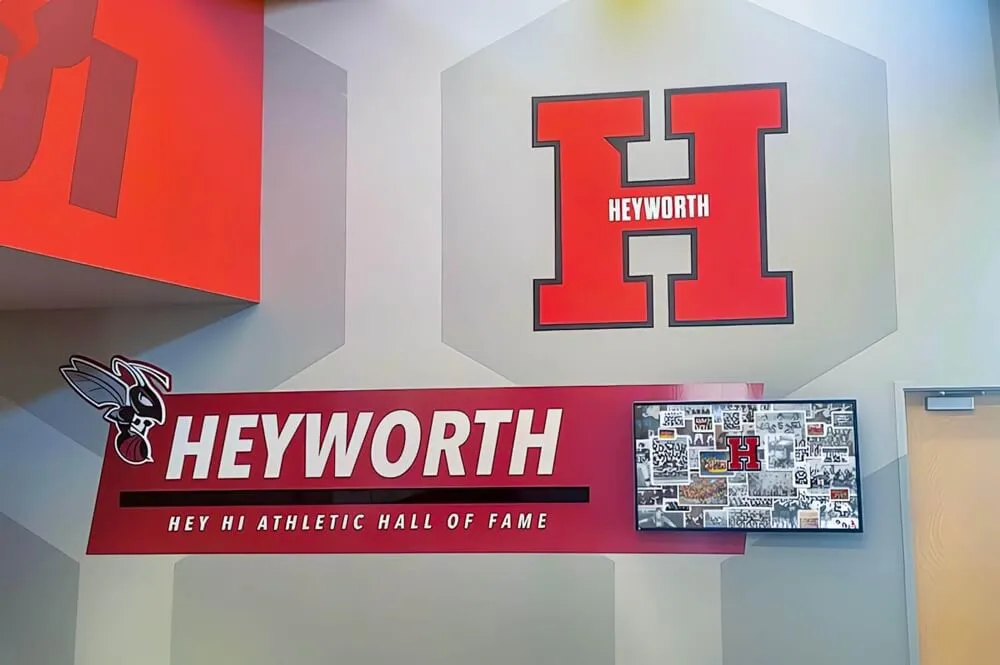
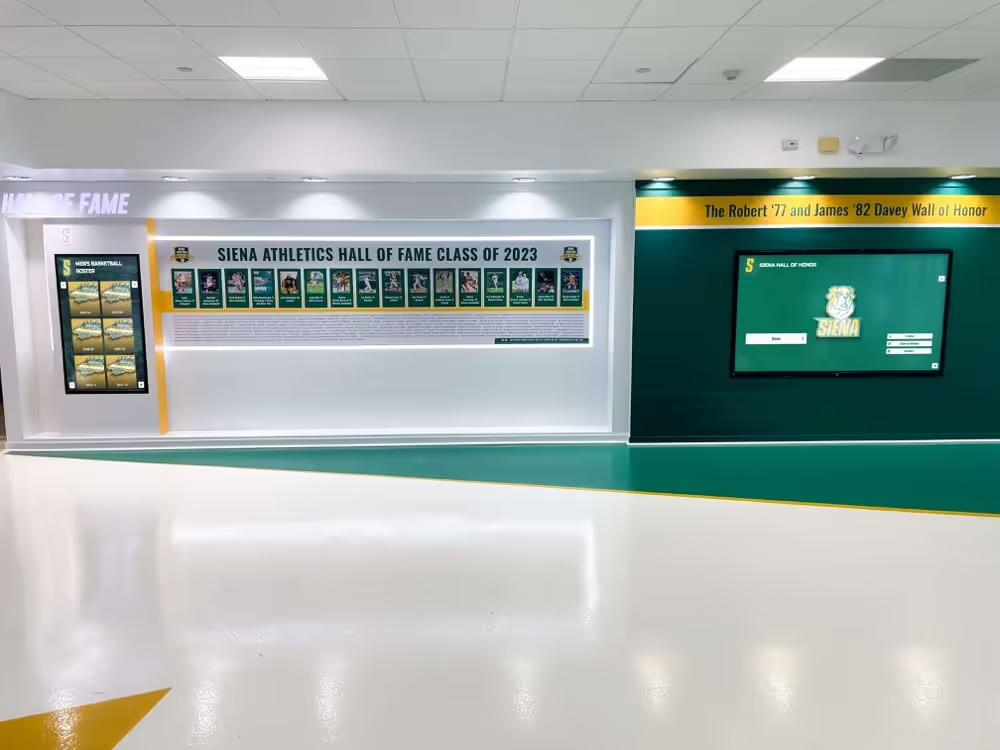
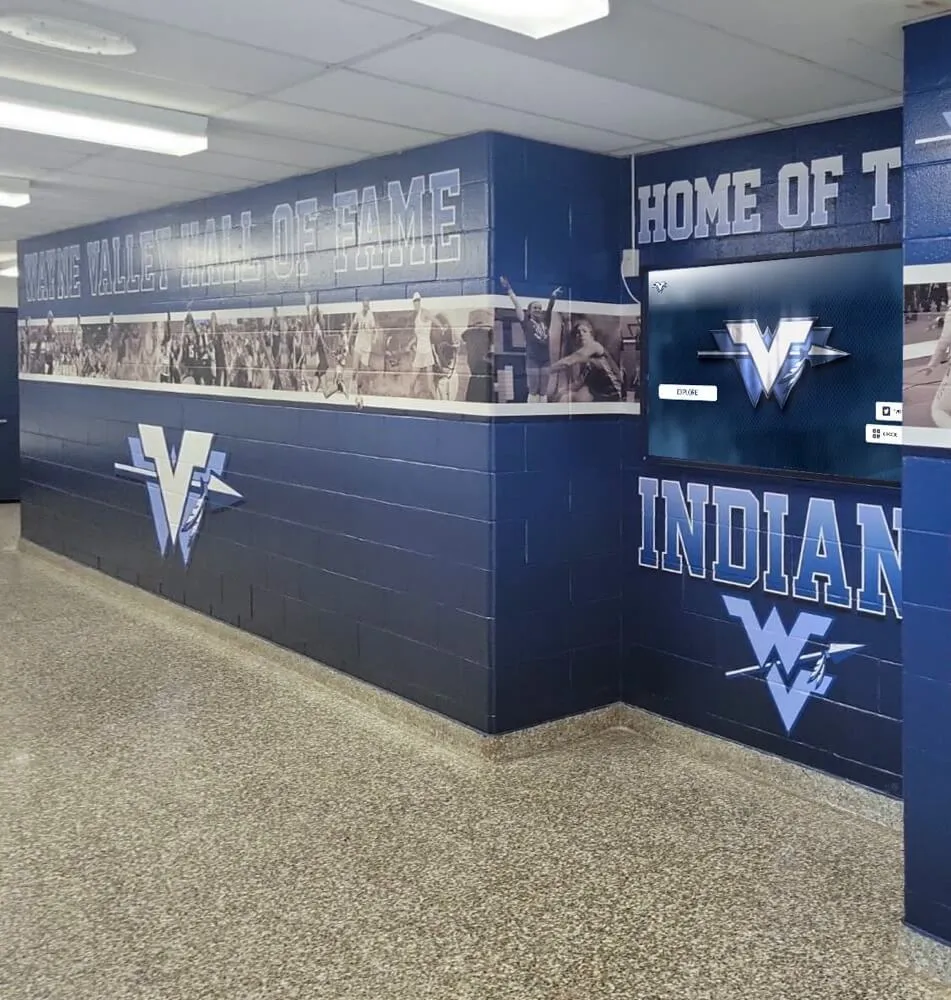
Traditional hall of fame walls create strong visual anchors in athletic facilities while establishing program identity
Professional Conservation Services Expert intervention for valuable collections:
- Periodic professional assessment of high-value items
- Conservation treatment for deteriorating materials
- Restoration services for damaged memorabilia
- Archival storage consultation for non-displayed items
- Documentation and valuation for insurance purposes
Significant collections—particularly those including professional player autographs or historic items—warrant professional conservation consultation ensuring proper long-term preservation.
Security and Protection Measures
Preventing theft and vandalism:
Physical Security Systems Protecting valuable memorabilia:
- Locking display cases with quality mechanisms
- Security camera coverage of display areas
- Motion sensors in facilities during closed hours
- Alarm integration with school security systems
- Restricted access to keys and display case interiors
High-value items—signed professional memorabilia, championship rings, or rare historical artifacts—require enhanced security beyond standard display case locks.
Insurance and Documentation Financial protection and provenance records:
- Photographic documentation of all displayed items
- Written descriptions including acquisition details and valuations
- Regular appraisals for significant collections
- Adequate insurance coverage for theft or damage
- Digital archive backups stored separately from physical items
This documentation protects against loss while providing provenance proving authenticity for significant items—increasingly important as memorabilia values appreciate over time.
Budget-Friendly Display Alternatives
Effective recognition doesn’t require excessive spending:
DIY Display Solutions
Creative approaches reducing costs:
Custom-Built Cases Skilled facilities staff can construct displays:
- Wooden frames with glass or acrylic panels
- Repurposed cabinets modified for memorabilia display
- Simple shadow boxes for individual items
- Shelving units with protective barriers
- Recycled materials providing unique aesthetic character
DIY approaches typically cost 40-60% less than commercial alternatives while enabling complete customization to specific needs and spaces.
Creative Mounting Techniques Displaying memorabilia without expensive cases:
- Wall-mounted bat racks built from wood and metal brackets
- Floating shelves with acrylic covers protecting displayed items
- Pegboard systems enabling flexible arrangement changes
- Wire grid displays in industrial aesthetic facilities
- Suspended displays hanging from ceilings
These alternative mounting approaches work particularly well for programs with limited budgets or temporary display needs before permanent installations.
Discover booster club fundraising ideas that can fund recognition displays and memorabilia showcase investments.
Rotating Display Strategies Maximizing limited space through periodic changes:
- Seasonal showcases featuring current team
- Monthly spotlight displays highlighting specific players or achievements
- Anniversary displays commemorating historic milestones
- Temporary installations during special events
- Storage rotation enabling comprehensive recognition over time
Rotation enables programs to recognize extensive achievement history using limited display capacity—every item receives visibility periodically rather than permanent displays attempting impossible comprehensive coverage.
Affordable Technology Options
Digital solutions at accessible price points:
Digital Photo Frames Simple electronic displays:
- Consumer digital frames ($50-200) displaying photo slideshows
- Wi-Fi enabled models allowing remote content updates
- USB drives storing extensive image libraries
- Inexpensive expansion option for existing physical displays
- Easy content creation using standard photo software
While lacking advanced interactivity, digital photo frames provide dynamic content at fraction of sophisticated display costs.
Tablet-Based Displays Repurposing consumer devices:
- Wall-mounted tablets displaying recognition content
- Free or low-cost apps enabling basic interactivity
- Existing devices reducing hardware investment
- Web-based content accessible from any device
- Portable displays moving between locations as needed
Tablets provide transitional technology for programs planning eventual comprehensive digital systems while delivering immediate interactive capability.
Learn about touchscreen kiosk apps that enable secure public display implementations.
Projection Systems Large-format display at moderate cost:
- Projectors displaying recognition content on walls
- Significantly larger display areas than flat screens
- Lower cost per square foot of display area
- Flexible positioning and arrangement
- Integration with existing walls requiring minimal construction
Projection works particularly well in darkened spaces—auditoriums, indoor facilities, or dedicated recognition rooms where ambient light control is feasible.
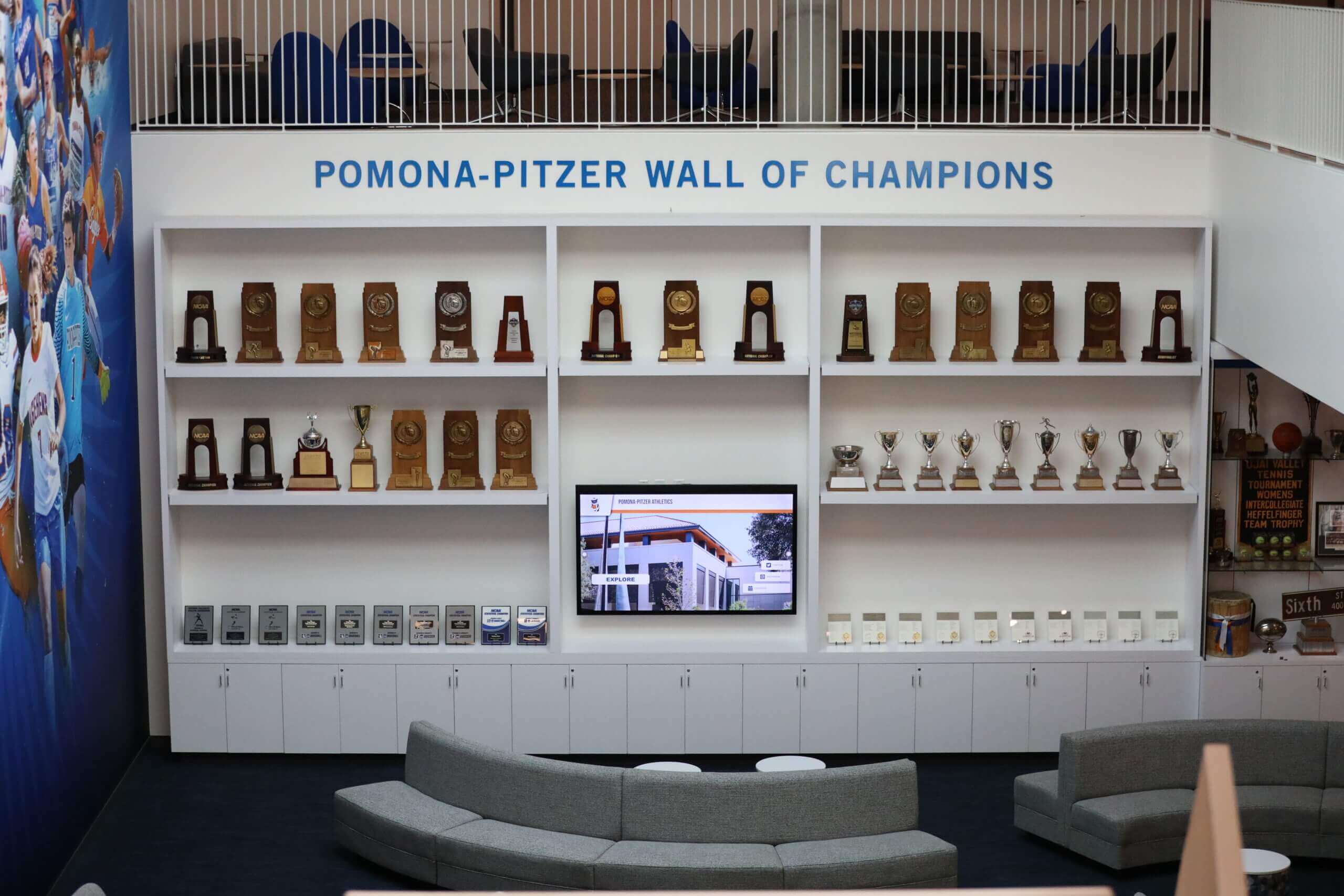
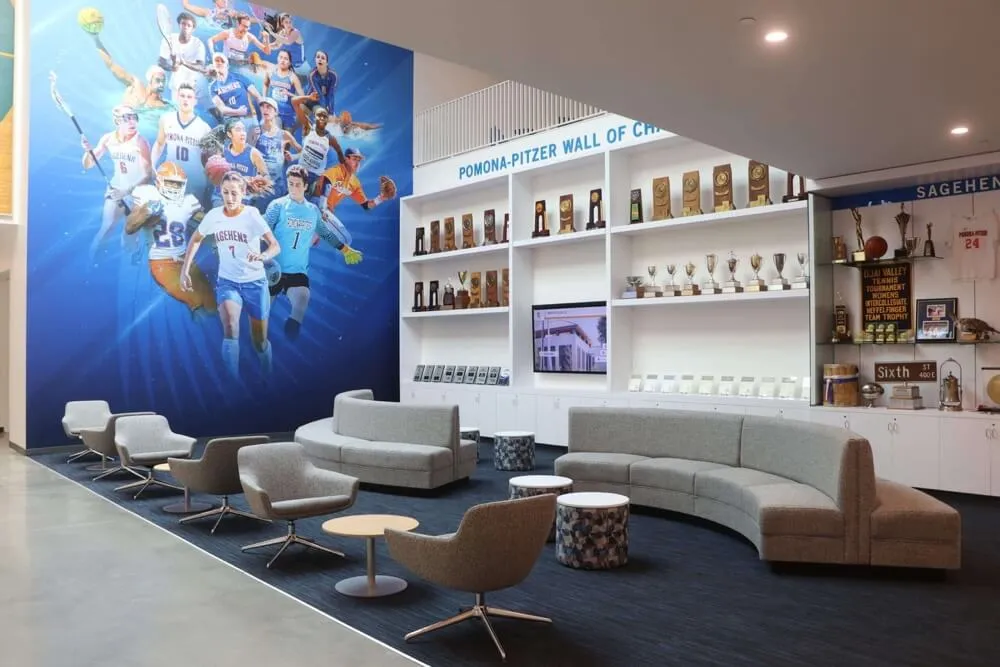
Creating recognition lounges transforms displays into gathering destinations celebrating program tradition and community
Planning Your Baseball Display Implementation
Systematic planning ensures successful outcomes:
Assessment and Goal Definition
Understanding needs and priorities:
Inventory Current Memorabilia Cataloging existing collections:
- Comprehensive list of all potential display items
- Condition assessment identifying preservation needs
- Significance evaluation determining display priority
- Documentation including photographs and descriptions
- Organization by item type, time period, or theme
This inventory provides foundation for space planning and display design ensuring accommodation of all significant memorabilia.
Identify Display Objectives Clarifying purpose and priorities:
- Motivation and inspiration for current athletes
- Alumni engagement and community connection
- Facility aesthetics and visual appeal
- Historical documentation and preservation
- Recruiting advantages showcasing tradition
- Fundraising enhancement through donor recognition opportunities
Clear objectives guide design decisions ensuring displays serve intended purposes effectively.
Assess Available Spaces Evaluating potential locations:
- High-traffic areas maximizing visibility
- Protected environments enabling secure display
- Appropriate dimensions for planned display types
- Infrastructure availability (power, networking, lighting)
- Future expansion capacity as collections grow
Space assessment prevents discovering location limitations after committing to specific display approaches.
Design and Vendor Selection
Creating effective presentations:
Display Design Development Planning visual presentation:
- Layout drawings showing item placement and flow
- Color schemes integrating with facility aesthetics
- Lighting design highlighting memorabilia effectively
- Signage and labeling providing context and identification
- Accessibility considerations ensuring universal access
Professional design consultation may cost $500-2,000 but typically improves outcomes dramatically—particularly for significant installations representing substantial investment.
Vendor Research and Comparison Selecting suppliers and contractors:
- Display case manufacturers and suppliers
- Digital system providers and integrators
- Installation contractors and electricians
- Content development services if needed
- Maintenance and support providers
Multiple quotes enable cost comparison while revealing approach variations that might better serve specific needs. Explore hardware setup reviews when evaluating digital display options.
Budget Development Comprehensive cost planning:
- Display case or technology hardware costs
- Installation labor and materials
- Content development and initial population
- Ongoing maintenance and operational expenses
- Contingency allocation for unexpected costs (typically 10-15%)
Realistic budgets prevent mid-project funding shortfalls while enabling appropriate resource allocation across implementation phases.
Implementation and Launch
Executing planned displays:
Installation Coordination Managing construction and setup:
- Scheduling coordinating with facility availability
- Protecting existing spaces during installation
- Quality inspection ensuring proper execution
- Safety verification meeting code requirements
- Documentation photographing installation for records
Professional installation typically costs 15-25% of hardware expenses but ensures proper setup preventing future problems.
Content Development and Population Filling displays with memorabilia and information:
- Physical item placement in traditional cases
- Digital content creation including photos and text
- Information accuracy verification through multiple sources
- Consistency review ensuring uniform formatting
- Launch content representing comprehensive program history
Initial content development represents most time-intensive implementation phase—realistic planning allocates sufficient resources ensuring quality launch.
Promotion and Celebration Generating awareness and engagement:
- Dedication ceremony celebrating new displays
- Media coverage raising community awareness
- Social media promotion showcasing recognition
- Alumni outreach encouraging campus visits
- Ongoing communication maintaining visibility
Launch promotion establishes displays as program priorities while generating excitement that extends throughout community.
Advanced Display Strategies
Sophisticated approaches for comprehensive programs:
Interactive Recognition Experiences
Technology-enabled engagement:
Touchscreen Exploration Systems Comprehensive digital platforms:
- Searchable databases with thousands of entries
- Filter capabilities by sport, era, achievement type
- Detailed player profiles with multimedia content
- Integration across multiple sports and recognition categories
- Alumni update submissions enabling ongoing content enhancement
- Web portals extending access beyond physical campus
Interactive systems transform recognition from passive viewing to active exploration—visitors spending 5-10 minutes discovering connections and stories rather than 30-second glances at static displays.
Programs implementing interactive touchscreen displays report dramatically increased engagement and alumni interaction compared to traditional approaches.
Augmented Reality Integration Emerging technology creating immersive experiences:
- Smartphone apps overlaying information onto physical displays
- Virtual tours enabling remote display exploration
- 3D modeling recreating historic memorabilia
- Interactive games engaging younger audiences
- Future-ready platforms accommodating technology evolution
AR represents emerging frontier in recognition technology—early adopters gain competitive advantages while establishing innovative reputations.
Multi-Sport Recognition Integration
Comprehensive athletic celebration:
Unified Display Systems Single platforms recognizing diverse programs:
- Shared technology infrastructure across sports
- Consistent design language creating cohesive facilities
- Cross-sport search enabling discovery connections
- Resource efficiency through consolidated management
- Equity ensuring appropriate recognition for all programs
Unified systems deliver better value while avoiding fragmented recognition approaches that may inadvertently create perceived hierarchies between programs.
Discover digital hall of fame guides applicable across multiple sports programs.
Sport-Specific Content Depth Customization within unified frameworks:
- Baseball-specific statistics and achievement categories
- Position-by-position recognition appropriate to baseball
- Tournament and championship documentation
- Individual and team milestone tracking
- Historical context specific to baseball program development
Unified platforms should accommodate sport-specific needs while maintaining overall system coherence and user experience consistency.
Community Engagement Features
Extending recognition impact:
Alumni Contribution Systems Enabling ongoing content enhancement:
- Submission forms for updates and corrections
- Photo and memorabilia donation processes
- Story sharing enabling personal narratives
- Reunion coordination through recognition platforms
- Fundraising integration connecting engagement to giving
Alumni contribution transforms recognition from static archives to living histories that strengthen connections while reducing administrative content development burden.
Social Media Integration Amplifying recognition reach:
- Automated sharing of featured profiles
- Anniversary recognition celebrating historic achievements
- Interactive polls and engagement campaigns
- User-generated content aggregation
- Recruitment marketing leveraging program tradition
Social integration extends recognition visibility far beyond physical displays while creating authentic engagement that resonates with modern audiences.
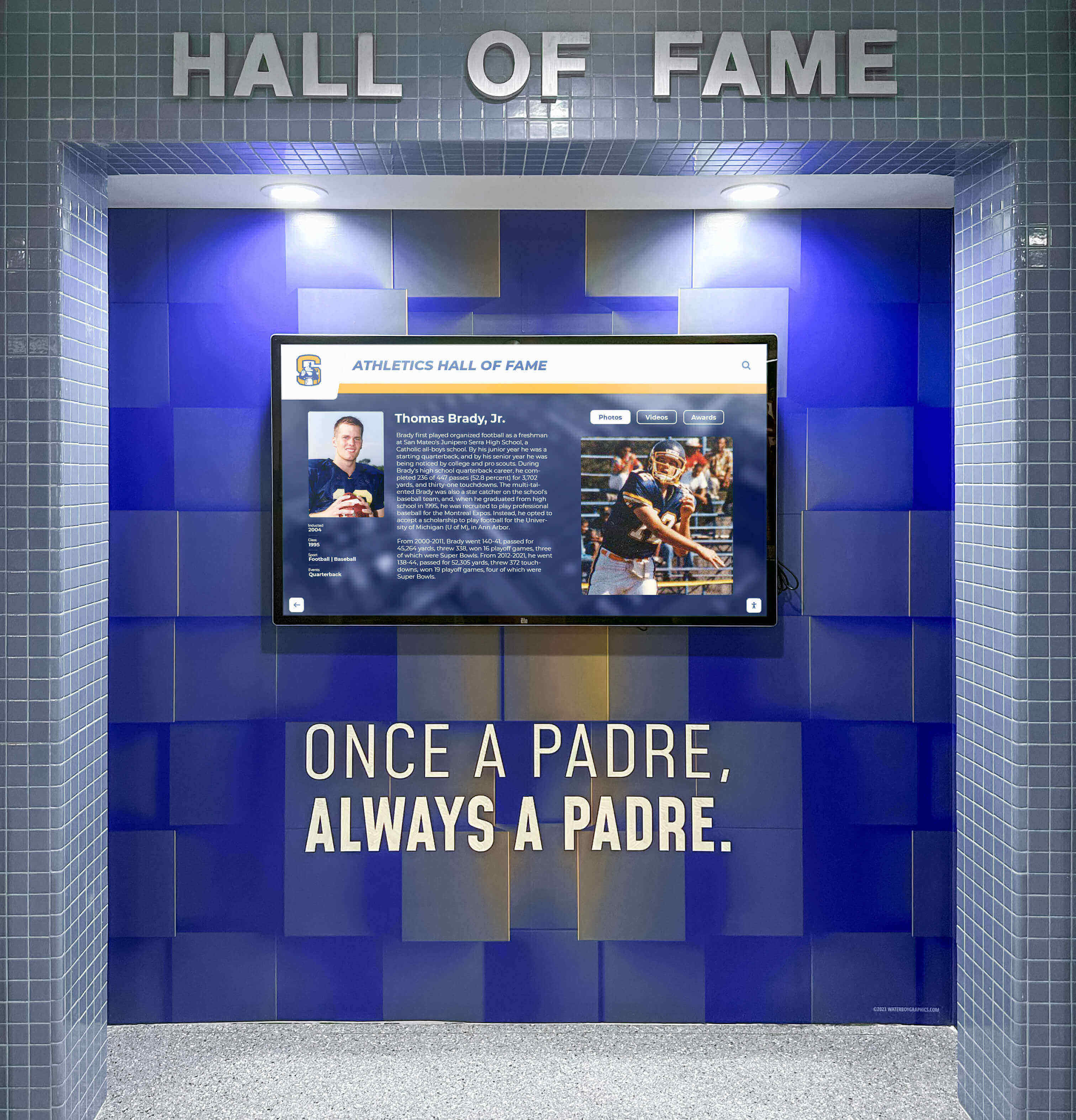
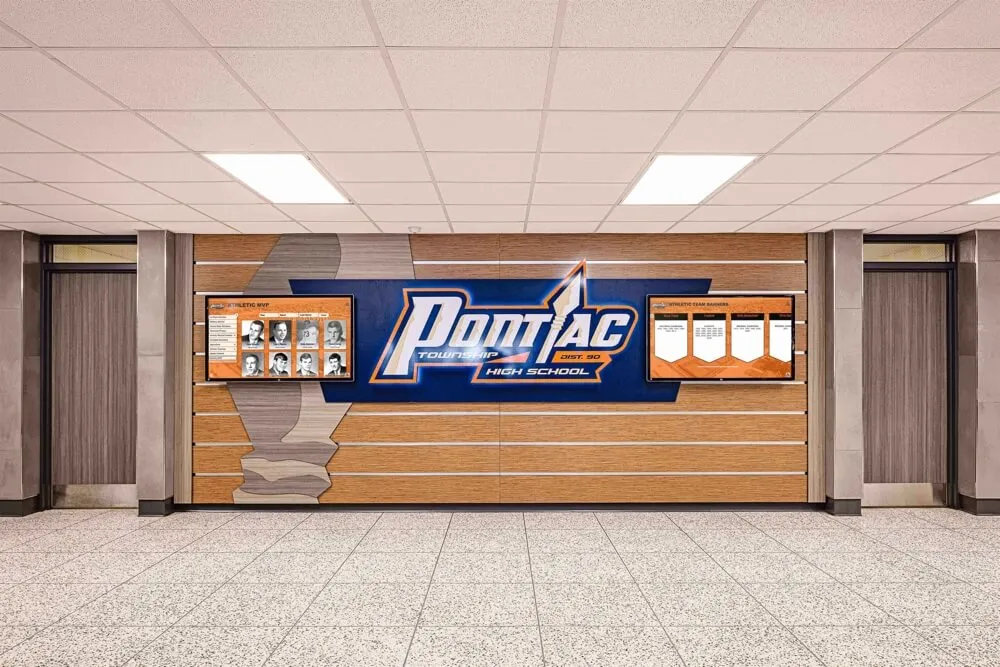
Custom architectural integration ensures recognition displays complement facility design while creating distinctive visual presence
Conclusion: Creating Lasting Baseball Recognition
Baseball display cases represent more than physical installations—they embody program commitment to honoring achievement, preserving history, inspiring future excellence, and building community connections that extend across generations. Whether showcasing championship balls, retired jerseys, record-breaking bats, or comprehensive player histories, effective displays create meaningful experiences celebrating dedication and accomplishment defining your program.
The most impactful recognition strategies balance traditional physical memorabilia with modern digital capabilities. Tangible artifacts provide emotional connections and preservation value while digital systems solve fundamental space constraints, deliver rich contextual information, enable interactive exploration, and extend accessibility to global alumni communities. This hybrid approach honors tradition while embracing innovation—typically the most effective long-term strategy.
Transform Your Baseball Recognition
Discover how comprehensive recognition solutions help baseball programs celebrate every championship, player, and milestone through platforms combining unlimited capacity, engaging interactive experiences, and permanent documentation that never disappears from program memory.
With intuitive content management enabling coaches without technical backgrounds, multimedia capabilities bringing achievements to life, and web integration extending recognition beyond physical facilities, modern platforms solve the fundamental challenges limiting traditional display case approaches.
Explore Baseball Recognition Solutions to see how permanent digital documentation preserves your complete program history while creating engaging experiences traditional physical displays alone cannot deliver.
Implementation begins with systematic planning—inventorying existing memorabilia, defining clear display objectives, assessing available spaces and budgets, researching appropriate display technologies and vendors, and developing realistic timelines ensuring quality outcomes. Programs investing thoughtful planning consistently achieve better results than those rushing into display decisions without comprehensive preparation.
Success requires ongoing commitment extending beyond initial installation. Regular maintenance preserves memorabilia and display quality, content updates keep recognition current and relevant, rotation strategies prevent staleness while accommodating growing collections, and promotion ensures community awareness maintaining visibility and engagement. Displays receiving consistent attention deliver sustained impact while those installed and forgotten quickly become outdated and overlooked.
Your baseball program’s achievements—championship victories, individual excellence, team dedication, and program building across decades—deserve recognition equal to the commitment they represent. Every signed ball tells a story, every retired jersey honors sacrifice and achievement, every championship trophy documents collective excellence, and every player profile celebrates individual contribution to program tradition. Through thoughtful display planning, appropriate technology selection, proper preservation techniques, and sustained commitment, you can create baseball recognition that honors every accomplishment while inspiring current and future generations.
Start today by assessing your current recognition situation, identifying gaps and opportunities, researching display options appropriate for your needs and budget, and developing implementation plans that transform vision into reality. Every baseball program has stories worth telling and achievements deserving celebration—modern display strategies make comprehensive recognition achievable regardless of program size or resource constraints.
Ready to enhance your baseball displays? Explore comprehensive approaches to athletic recognition programs, learn about diploma display ideas applicable to athletic memorabilia, or discover championship trophy display strategies that inform comprehensive baseball recognition approaches.