Athletic team picture day is one of the most permanent moments of any school sports season. The photographs taken that day will appear in yearbooks, line the hallways of athletic facilities, fill digital recognition displays, and show up decades later when a 40-year reunion slide deck cycles through a gymnasium projector. Yet at most schools, picture day receives less planning attention than any single road game—resulting in rushed lineups, mismatched uniforms, awkward formations, and images that do nothing to honor the athletes or the program.
Done well, athletic team picture day creates a visual legacy. Done poorly, it creates an annual regret. This guide gives coaches, athletic directors, and yearbook advisers the ideas and frameworks needed to run a polished picture day—one that produces images worthy of the athletic achievements they’re meant to represent.
Whether you’re coordinating one sport or scheduling an entire department’s photo calendar, you’ll find practical strategies for location, lighting, formation, individual portraits, props, and post-session preservation—plus guidance on connecting those photos to yearbooks and digital recognition displays where they’ll actually be seen.
Athletic team picture day serves at least three distinct audiences at once: the athletes who want images capturing their best season, the families who will print and frame every individual portrait, and the institution building a decades-long visual archive. A plan that serves all three audiences produces photos with staying power long past graduation day.

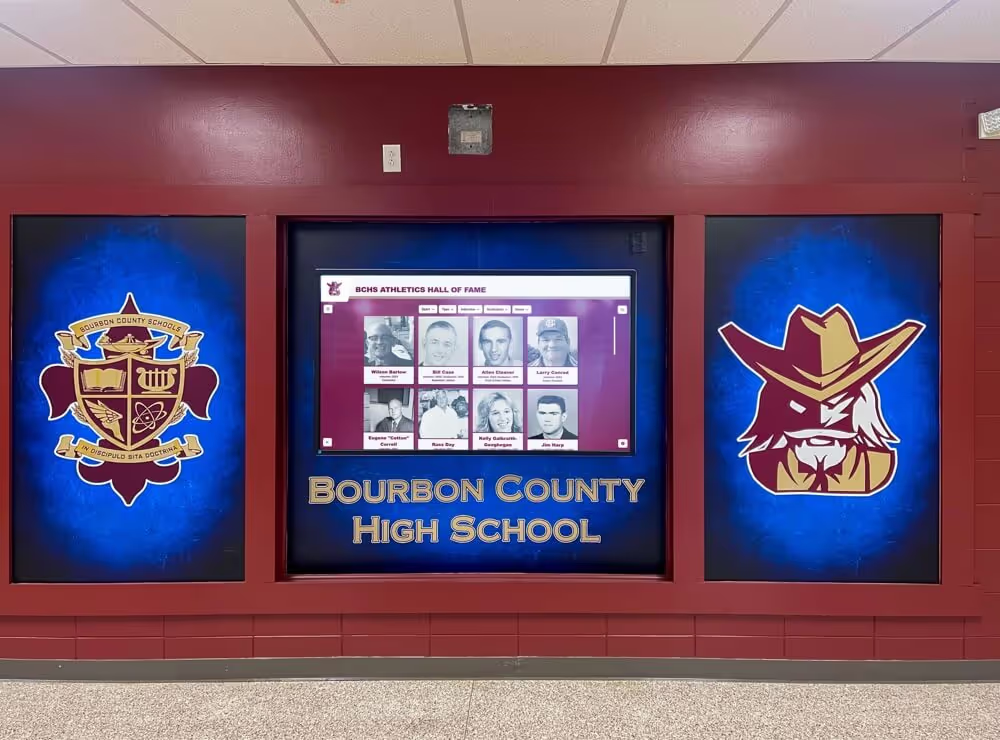
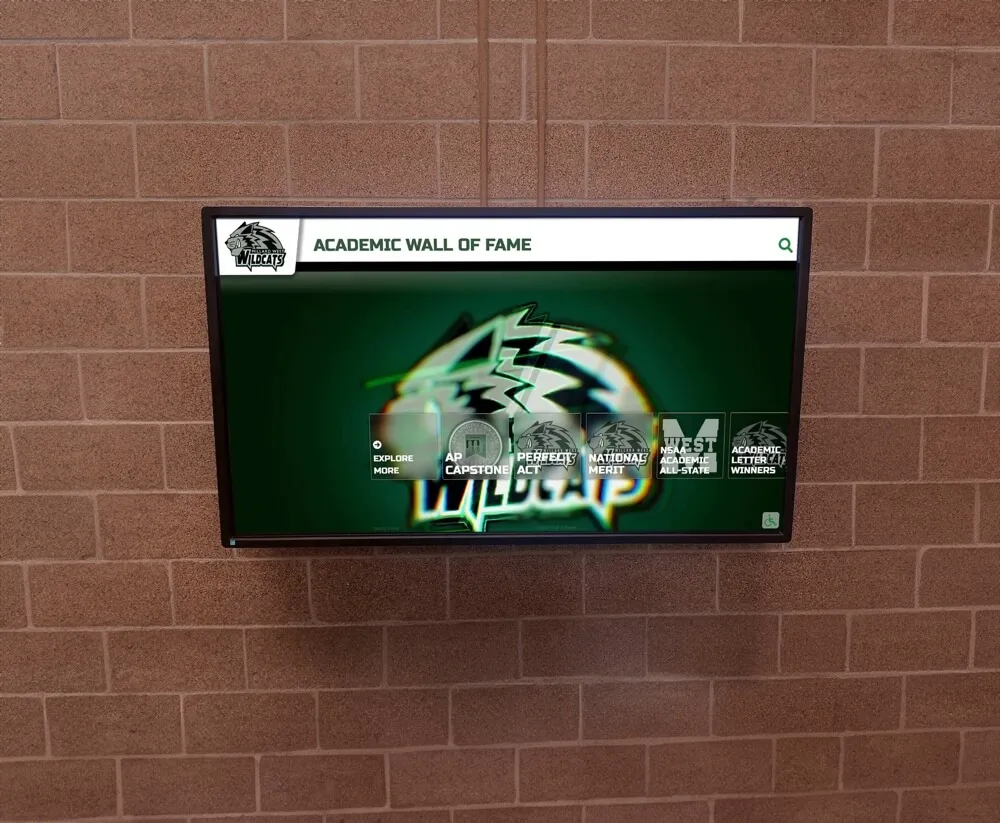
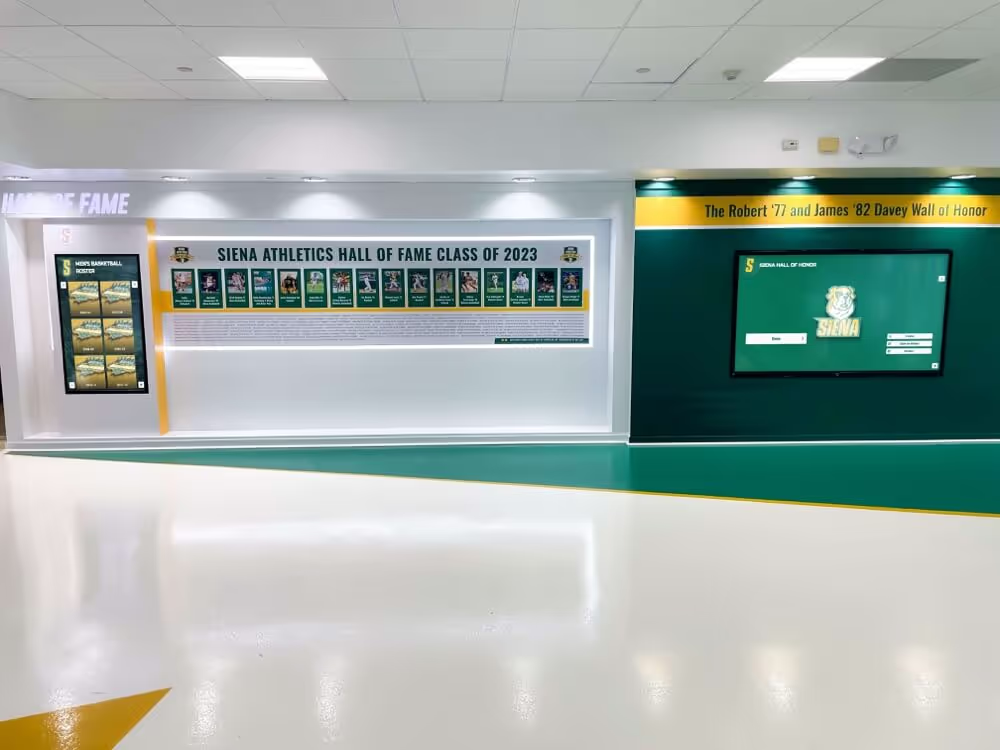
Well-planned team portraits become the foundation of athlete recognition systems—appearing in yearbooks, hallway displays, and digital archives that celebrate program history for years
Planning for Athletic Team Picture Day Success
The difference between a smooth, productive picture day and a chaotic one almost always comes down to planning that happens at least two weeks in advance.
Building Your Master Schedule
Coordinating multiple teams requires treating picture day like a production, not an afterthought:
Create a sport-by-sport time block sheet. Assign each team a 30-to-45-minute window, with 10-minute buffers between sessions for photographer setup, team transitions, and late arrivals. Large programs—football, marching band, cheer—may need 60 minutes or more.
Communicate in layers. Coaches receive the schedule three weeks out. Athletes receive reminders one week out and the night before. Establish a single point of contact on each team (usually a captain or manager) responsible for getting the group assembled on time and in the right location.
Build a makeup session into the calendar. Illnesses, injuries, and schedule conflicts mean athletes will miss their team’s session. Scheduling a 30-minute makeup window within the same week saves weeks of follow-up later.
Coordinate with the athletic director early. Athletic directors often have visibility into conflicts—away games, tournaments, spirit weeks—that coaches don’t always communicate upward. Looping in the athletic director’s digital display planning simultaneously ensures photos feed directly into facility recognition systems once they’re processed.
Pre-Day Preparation Checklist
Send athletes and coaches a one-page checklist covering:
- Clean, matching uniforms or designated picture-day jerseys
- Proper footwear (cleats or sport shoes appropriate to the sport)
- Hair and grooming expectations (especially for sports with helmets or hats)
- Props or equipment to bring (balls, bats, sticks, rackets)
- Specific meeting location and arrival time
- Weather contingency plan for outdoor sessions
The cleaner the preparation brief, the fewer surprises on picture day. Teams that show up in matching uniforms with sport-specific equipment produce noticeably more cohesive images than those assembled ad hoc. Consider making picture-day prep part of the regular team culture—the same way strong programs treat team-building activities for high school athletes as intentional program investments, not optional extras.
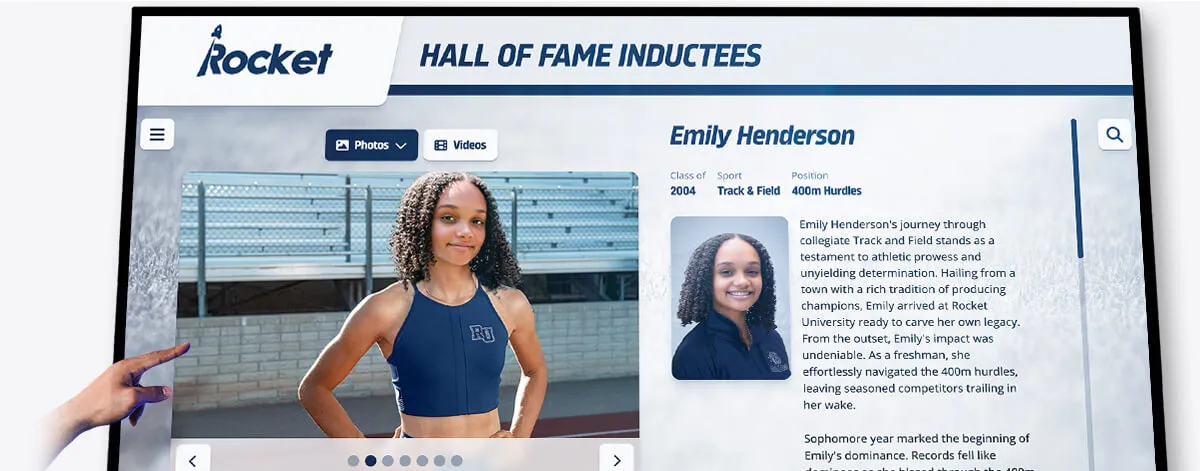
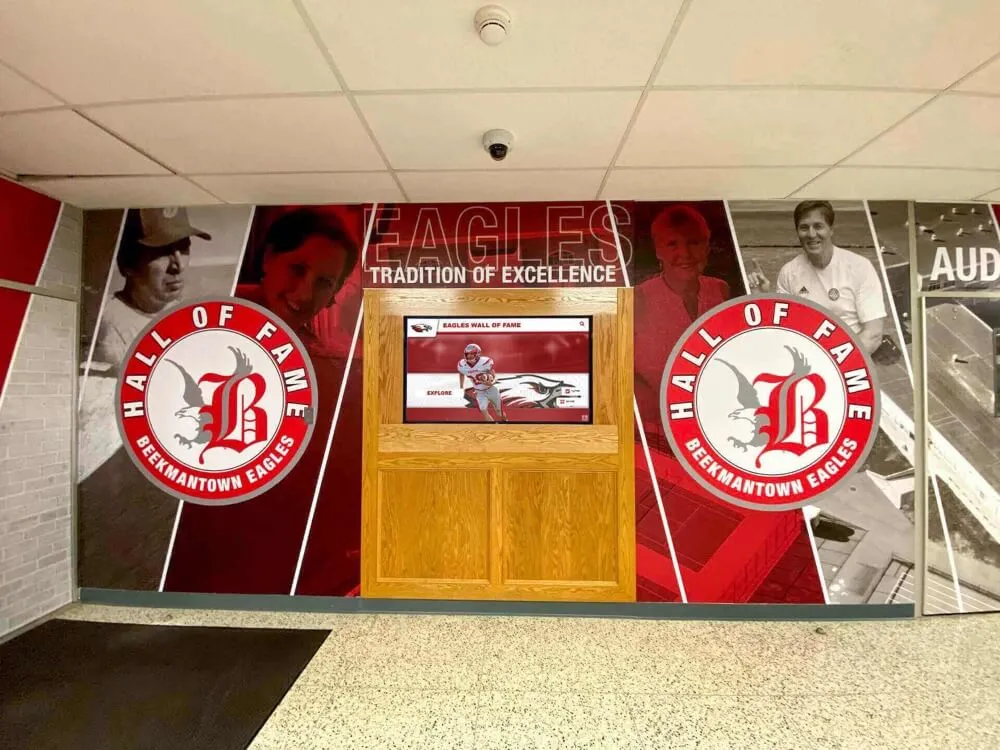
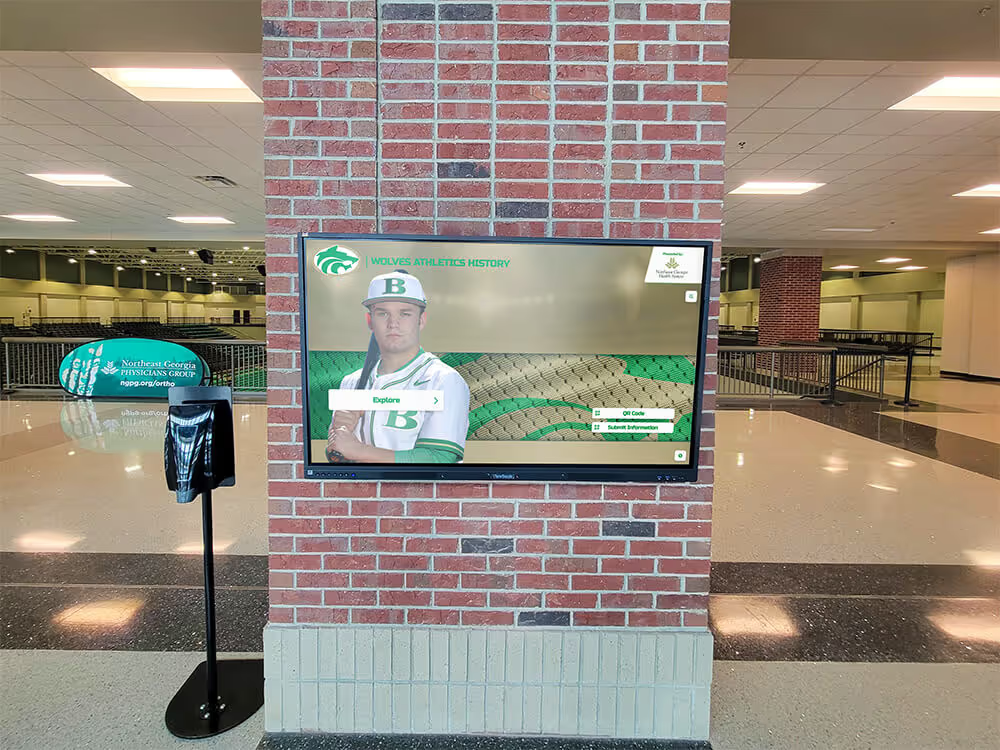
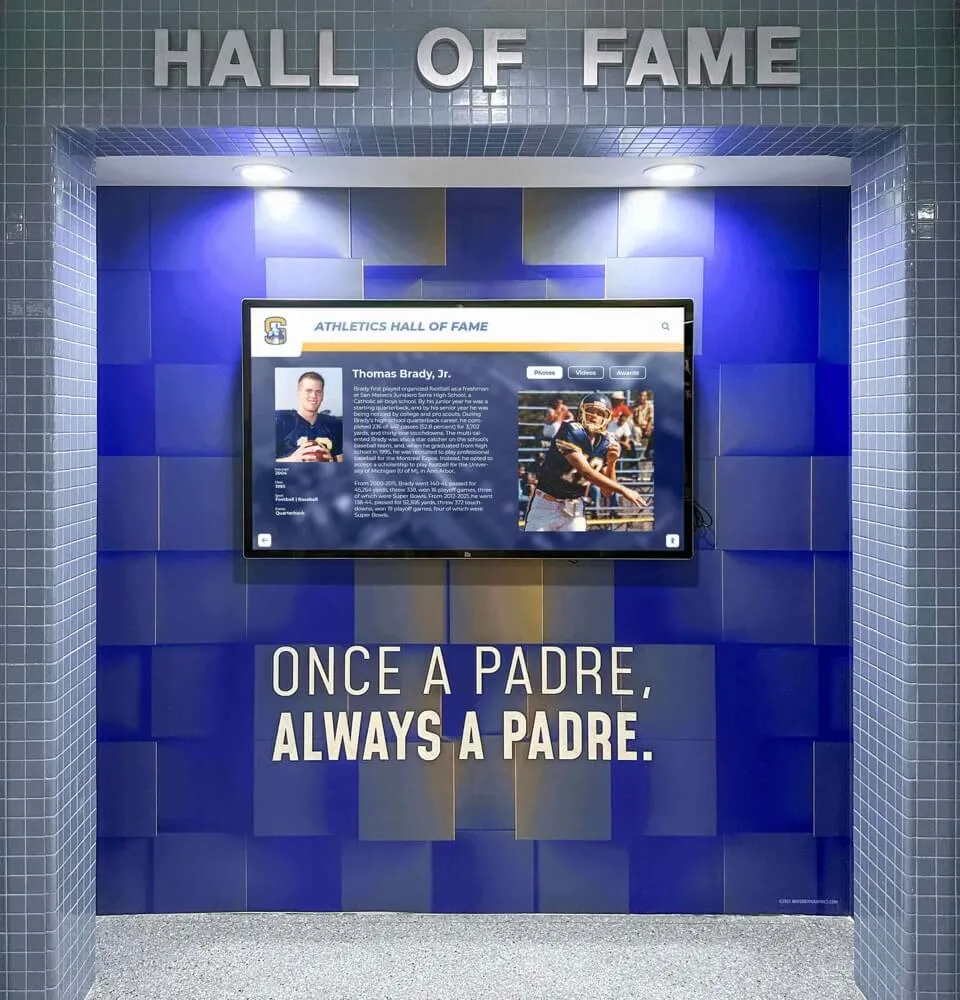
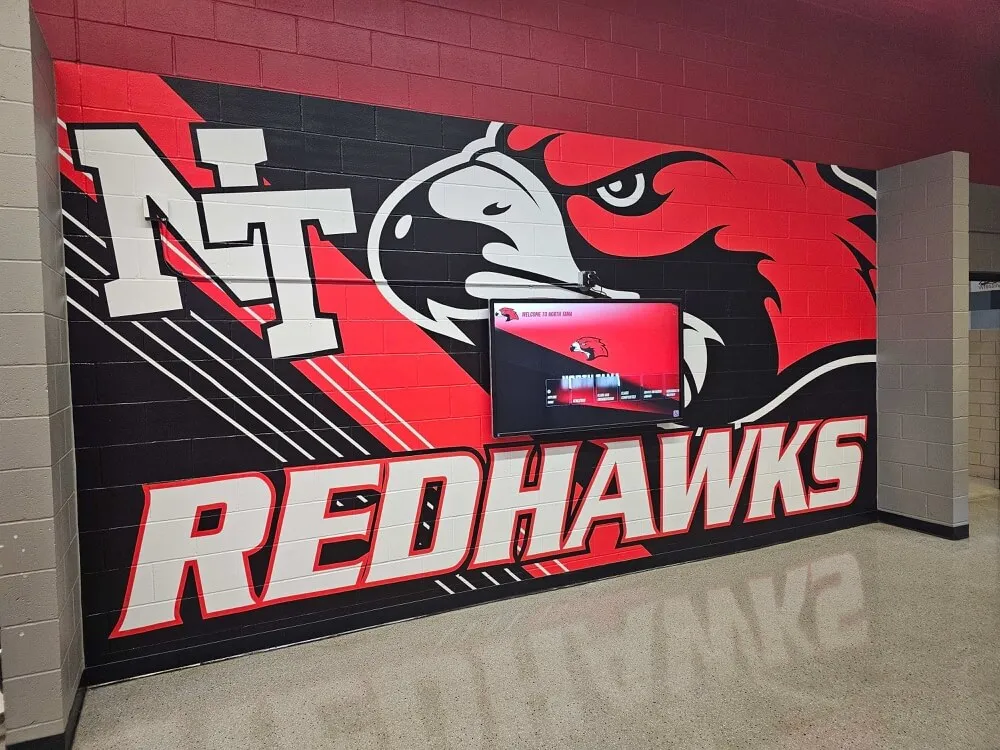
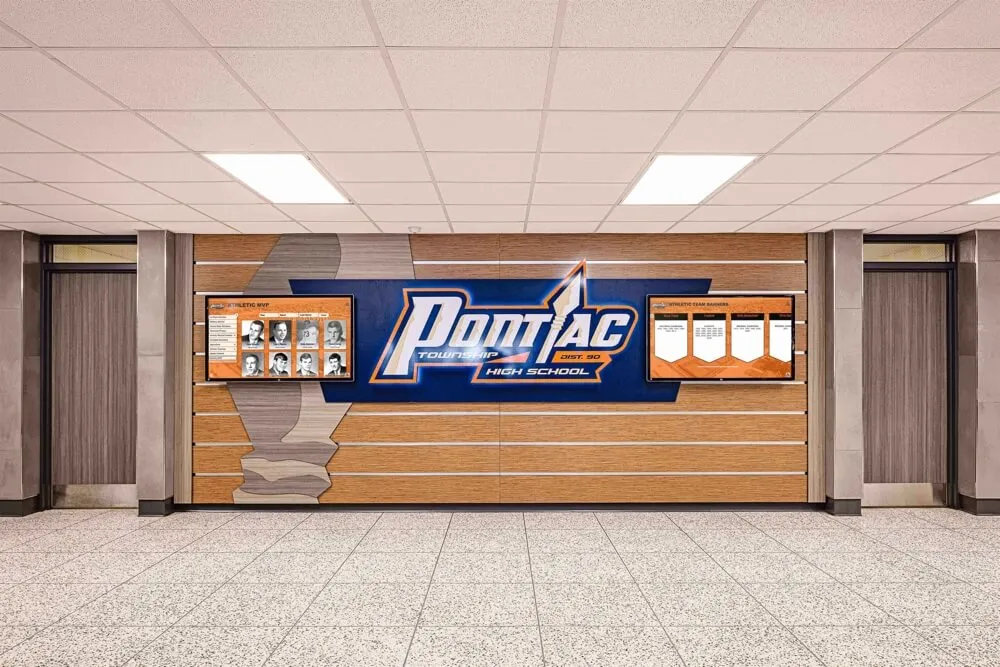
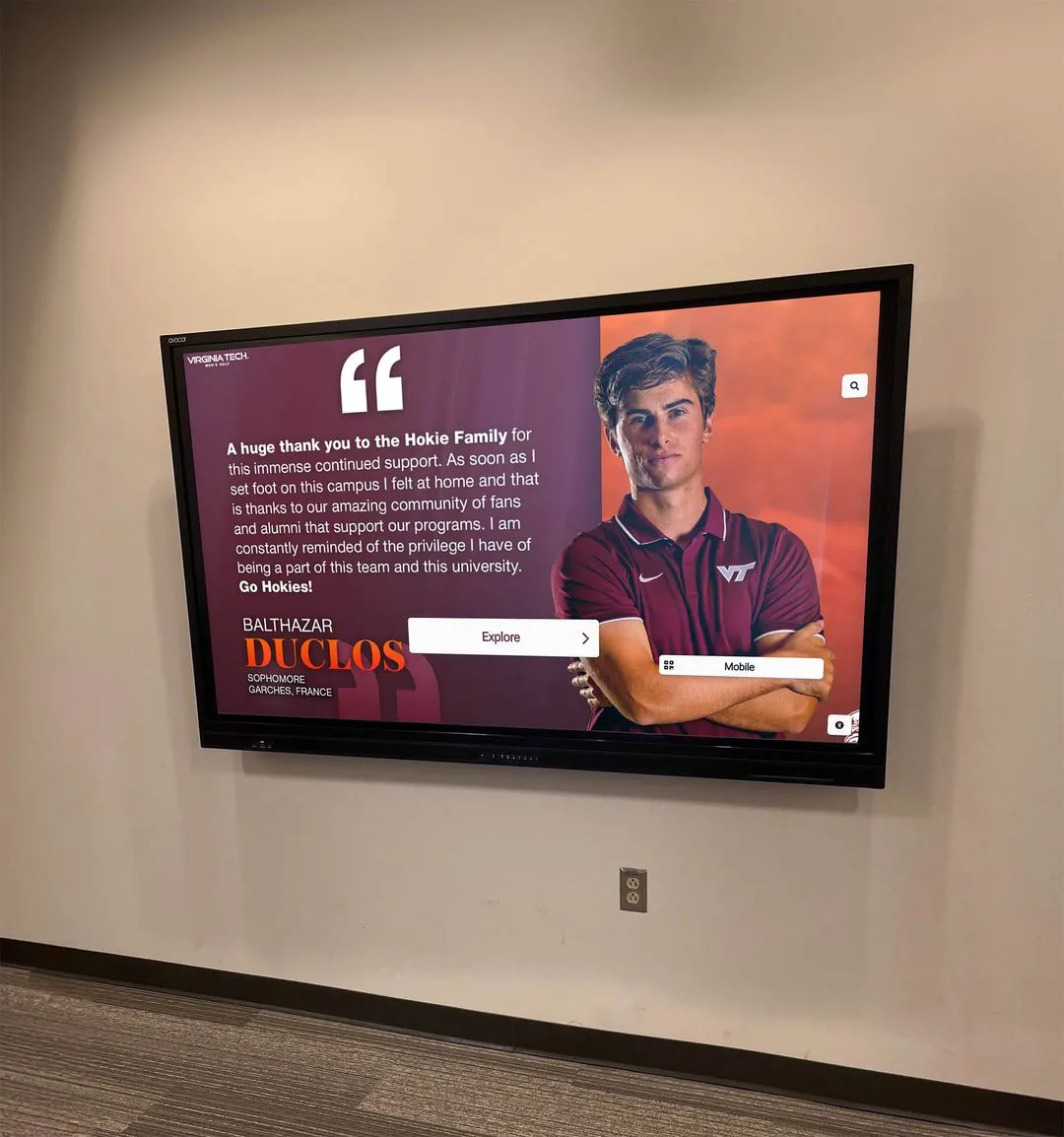
Individual athlete portraits become profile anchors in digital recognition systems, linking photos to performance records, award histories, and season highlights
Choosing the Right Setting and Background
Location does more work than most picture-day planners realize. The background of a team photograph communicates program culture, institutional identity, and competitive context all at once.
Outdoor Location Ideas
School athletic facilities are the most natural fit. Stadium bleachers or press boxes provide height variation and an obvious athletic context. A track’s starting straight, a baseball infield, or a gymnasium floor during warm-ups all say something specific about the sport being photographed.
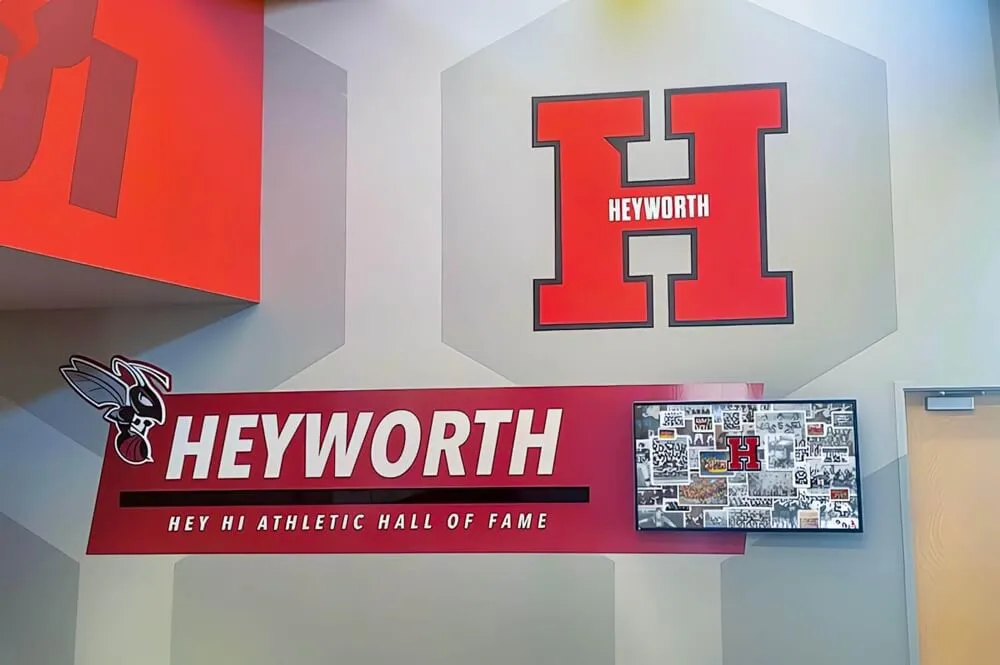
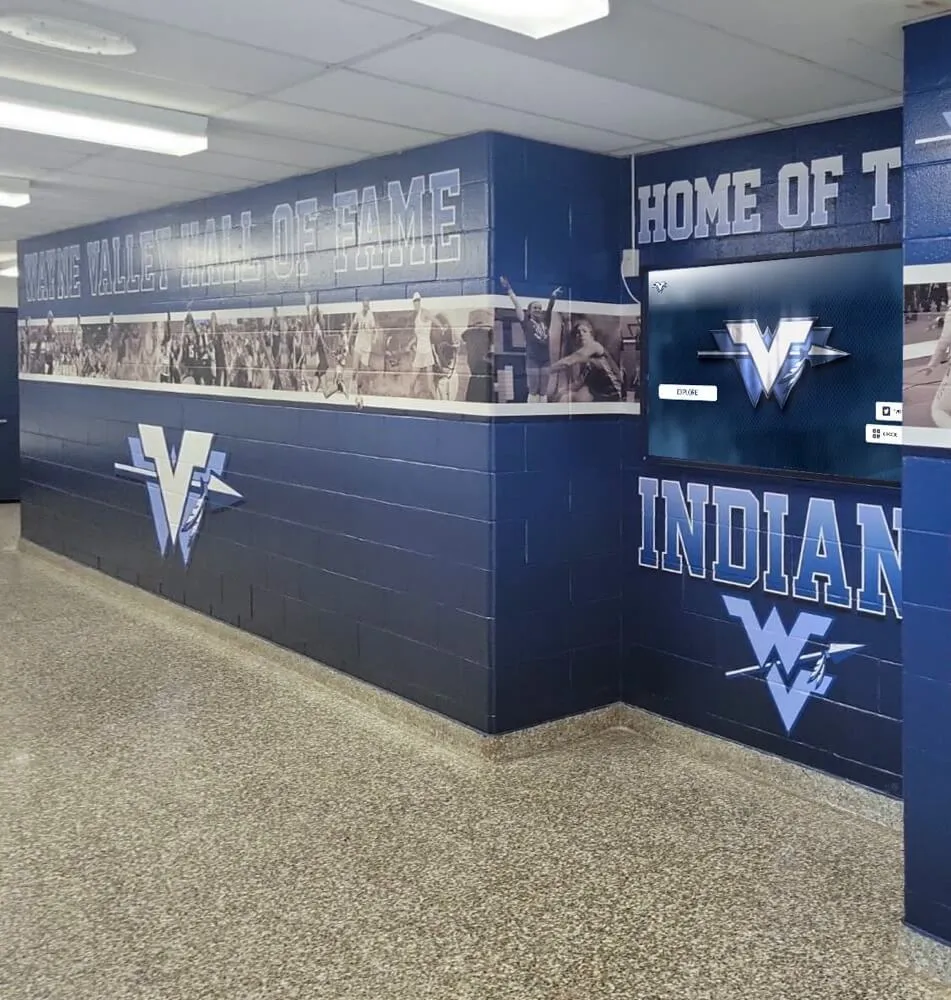
Branded walls and murals add visual identity. If your school has a painted mascot wall, a tunnel entrance, or a wall of fame corridor, these backdrops connect individual team photos to the institution’s visual language. Schools that have invested in hallway athletic murals often find these spaces more photogenic than the field itself.
Natural light environments reduce the need for supplemental lighting. Open shade on the north side of a building between 10 a.m. and 2 p.m. provides even, flattering light. Direct midday sun creates harsh shadows under eyes and helmets—schedule accordingly or use large reflectors to fill.
Considerations for outdoor shooting:
- Scout locations at the same time of day the session will occur, noting sun angle and shade availability
- Check for distracting backgrounds (parking lots, dumpsters, maintenance equipment)
- Have a backup indoor plan if weather changes
Indoor Setting Ideas
Gymnasium backdrops work well for basketball, volleyball, and wrestling—sports that live in those spaces naturally. A floor-level perspective looking up at athletes against a gymnasium backdrop creates powerful verticals.
Athletic hallways and trophy corridors provide visually rich context. If your school has a wall of fame, trophy cases, or framed championship banners along a corridor, using that hallway as a backdrop transforms a portrait session into a statement about program history.
Portable backdrop systems give photographers flexibility. Seamless paper or vinyl backdrops in school colors provide clean, professional-looking alternatives to facility backgrounds—particularly useful for individual portraits that need consistent processing.
Team Photo Arrangements and Formation Ideas
Arranging 15 to 50 athletes into a photograph that reads well, honors the sport, and photographs consistently across sessions requires more thought than a simple two-row lineup.
Classic Lineup Approaches
Traditional row formations remain effective when executed thoughtfully:
- Three-row stadium seating or bleacher format: Tallest athletes in back, kneeling row in front, standing row in between. Simple, readable, and works for any team size.
- Ground-to-standing pyramid: One or two athletes kneeling in front, a seated row, then standing rows behind. Works especially well on grass with an outdoor backdrop.
- Single-arc formation: Curved line keeping all faces equidistant from the lens, preventing the edge athletes from appearing smaller. Works for smaller teams (8–14 athletes) where individual recognition matters.
Dynamic and Sport-Specific Arrangements
Beyond the standard lineup, consider these creative options that bring energy and sport identity into the frame:
Equipment-forward formations: Football teams with helmets held at waist level in a unified gesture; soccer teams with a ball rolling or bouncing; basketball teams in a layup-approach stagger. Equipment becomes a visual repeated element that ties the photo together.
Motion-blur blur row: One row of athletes at the back in running or athletic stance, captured in mid-motion. Pairs well with a clean front row for visual contrast. Requires burst shooting from the photographer but produces images that feel alive rather than posed.
Jersey-number sequences: Arrange athletes numerically by jersey number. It’s an organizational device that also looks deliberate and creates a record-keeping function—parents can find their athlete without scanning the whole frame.
Overhead and environmental shots: Drone photography or an elevated gymnasium bleacher perspective looking down at the full team in a formation—a circle, a school letter, a number representing the graduation year—creates iconic images rarely achieved with ground-level angles. These work especially well for end-of-season celebrations. Schools documenting state championship programs often include an aerial team formation shot among the commemoration photos.
Including Coaches and Support Staff
Team photos should document the complete program, not just the roster:
- Coaches positioned centrally in the lineup signal leadership and cohesion
- Managers, athletic trainers, and team statisticians deserve inclusion—position them in the second row or flanking the coaching staff
- Senior athletes can hold small “Senior” or year-designation cards to distinguish themselves within the group frame
Individual Athlete Portrait Best Practices
Team photos preserve the group. Individual portraits preserve each athlete specifically—and are the images that appear in yearbooks, recognition walls, recruiting profiles, and family homes.
Portrait Session Fundamentals
Consistent framing across all athletes. Whether you’re photographing 12 athletes or 120, each portrait should use the same focal length, the same approximate distance, and the same backdrop. Consistency allows individual images to sit side-by-side in yearbook spreads, composite displays, and digital galleries without visual clutter.
Sport-specific poses. Each athlete should hold their primary equipment in a natural ready position—not stiffly posed, but not casually slouched. A lacrosse player holding their stick at practice-ready height; a swimmer in warmup jacket with goggles in hand; a cross-country runner in stride position. The pose communicates sport identity at a glance.
Gear checks between athletes. Designate a team captain or coach to check: jersey is tucked, number is visible, collar is flat, hair is out of the eyes. Sixty seconds of care per athlete eliminates the retouching requests later.
Expression direction. Give athletes simple direction: “Look straight at the lens, chin slightly down, natural expression—not a wide smile unless that’s authentic to you.” Many athletes default to either blank stares or forced grins; a brief direction gets genuine expressions.
Senior Athlete Portraits
Seniors deserve extended portrait sessions that capture their full athletic identity—not just a single yearbook headshot. Consider:
- Action portrait option: A second shot during the individual session in an active pose (pitching stance, jump position, blocking posture)
- Equipment variety: If the athlete is a multi-sport student, a combined portrait with gear from both sports
- Senior recognition props: Class year sign, senior banner, or small display honoring four-year participation in the program
Senior athletes who receive recognition throughout the year—including quality portrait photography—remain more connected to the program community. Teams that prioritize this find it translates into lasting alumni engagement. For ideas on extending senior recognition beyond picture day, senior night poster concepts show how individual photos can become the visual centerpiece of larger recognition moments.
Sport-Specific Picture Day Ideas
Every sport has visual elements that make its picture day opportunities unique. Lean into those specifics rather than treating all sessions identically.
Fall Sports
Football: Full pads and helmets in hand or on the field turf. Offensive and defensive unit photos (in addition to the full team) create additional yearbook content. The team tunnel or goal line provides iconic backdrop options.
Soccer: Formation shots on the pitch showing the tactical shape. Individual dribble poses with a ball in motion. Teams from strong programs often reference their school sports records archives to ensure picture-day content reflects historical context alongside current-team documentation.
Cross Country: Scenic course locations—wooded paths, open fields, bridge crossings—provide natural beauty that indoor sports can’t match. Team running shots in-stride capture the discipline’s identity.
Winter Sports
Basketball: Court-level perspectives looking up at the team. Layup lines, defensive stance rows, and jump ball recreations with the two tallest players provide dynamic options beyond the standard sideline lineup.
Wrestling: Mat-level portraits in stance. Pairing upperclassmen with lower-weight teammates in action positions communicates the sport’s dynamic range.
Swimming and Diving: Natatorium deck photos with the pool in the background. Individual portraits near starting blocks with goggles, cap, and championship suit convey competitive identity.
Spring Sports
Baseball and Softball: Diamond backdrops; positions at their natural spots on the field (catcher behind plate, infield alignment, outfield spread). Batting practice poses at home plate with bat in hitting position.
Track and Field: Event-specific portraits at the relevant location—sprinters at starting blocks, high jumpers beside the bar setup, shot put athletes at the circle. The visual variety across track events creates a rich collection of individual images.
Tennis: Net-forward photos with the team spread along both sides. Individual racket-ready poses at the service line. Courts provide clean geometric backgrounds.
Working Effectively With Your Sports Photographer
The athletic department’s relationship with its photographer shapes picture-day outcomes more than any single creative idea.
Briefing the Photographer
Provide a written brief covering:
- Total number of teams and athletes
- Scheduled time blocks
- Priority shot list for each team (team group, JV group, varsity group, coaches, individual portraits)
- Any specific creative shots requested (overhead formation, action series, senior recognition photos)
- Intended use: yearbook, digital display, website, social media, print for hallways
Photographers produce significantly better results when they understand the end destination of images. A photo intended for a digital class composite display requires different framing than one destined for a printed banner. Schools building interactive yearbook composite displays often share specific pixel dimension and aspect ratio requirements with photographers so individual portraits fit the digital layout without awkward cropping.
File Delivery and Organization
Request:
- RAW or high-resolution JPEG files for print use
- Web-optimized exports for digital display platforms
- Named files by athlete (last name, first name, sport, year) to eliminate sorting time
- Organized folders by team and date matching your institution’s archiving structure
File organization at delivery prevents the photography equivalent of a disorganized trophy room—images exist but nobody can find them when it matters.
Working With Student Photographers
Many schools have photography programs whose students can serve as official athletic team photographers. Benefits: reduced cost, educational value for students, and an invested contributor who attends games throughout the season.
Structure this arrangement carefully:
- Assign a faculty supervisor or experienced parent photographer to mentor student photographers
- Create a shot checklist students complete for each team
- Build in a quality review process before images are published
- Credit student photographers in yearbook captions and digital displays
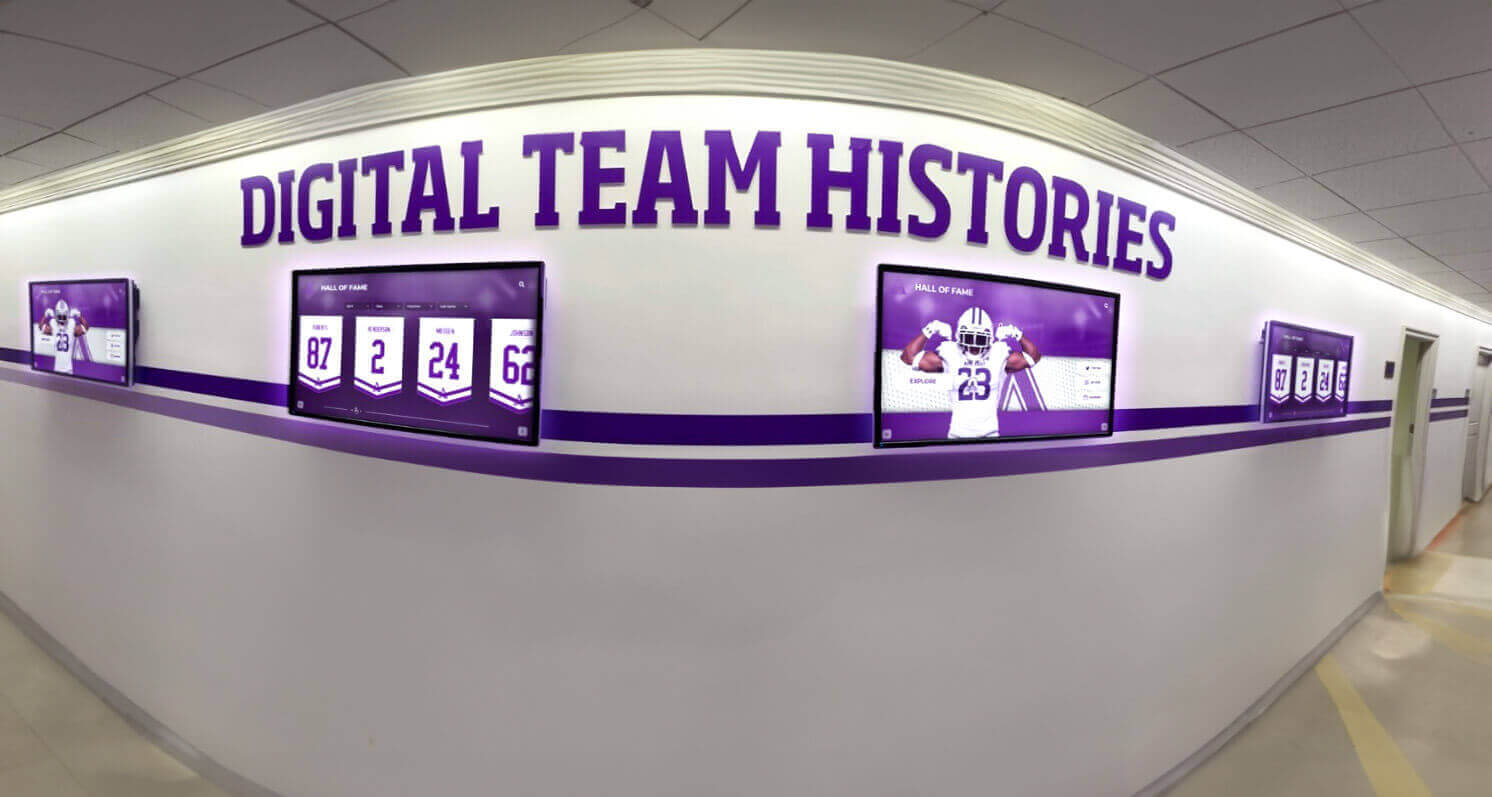
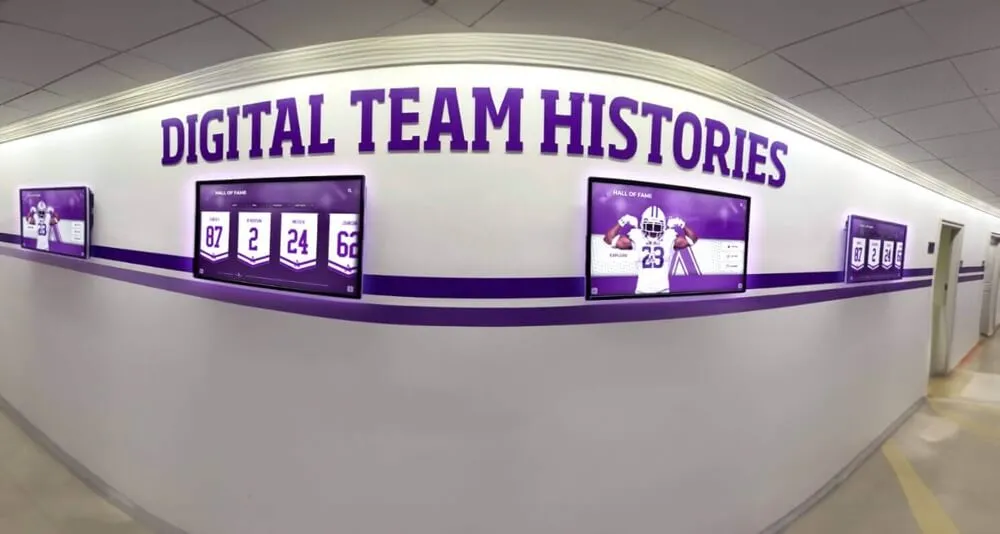
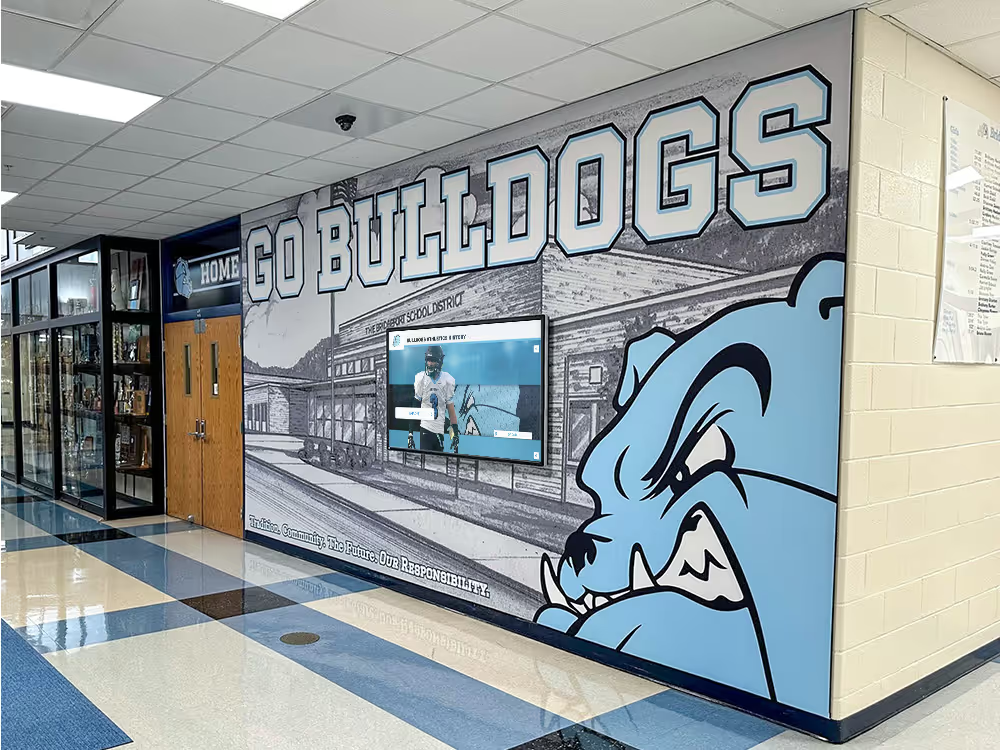
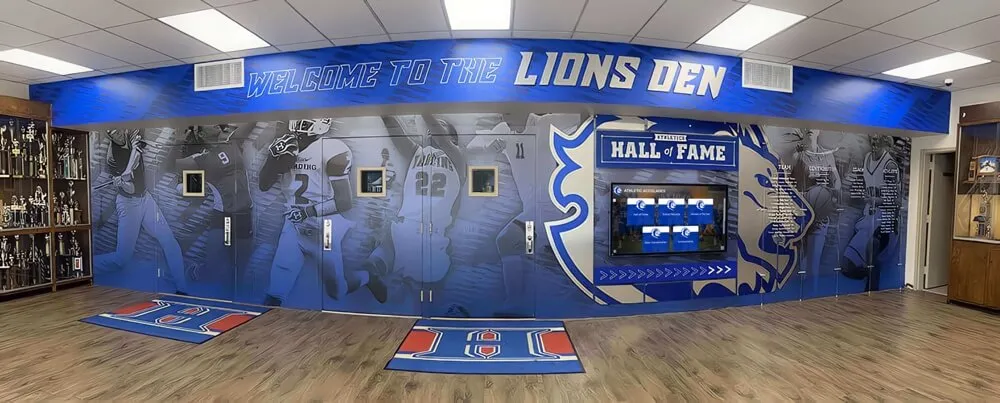
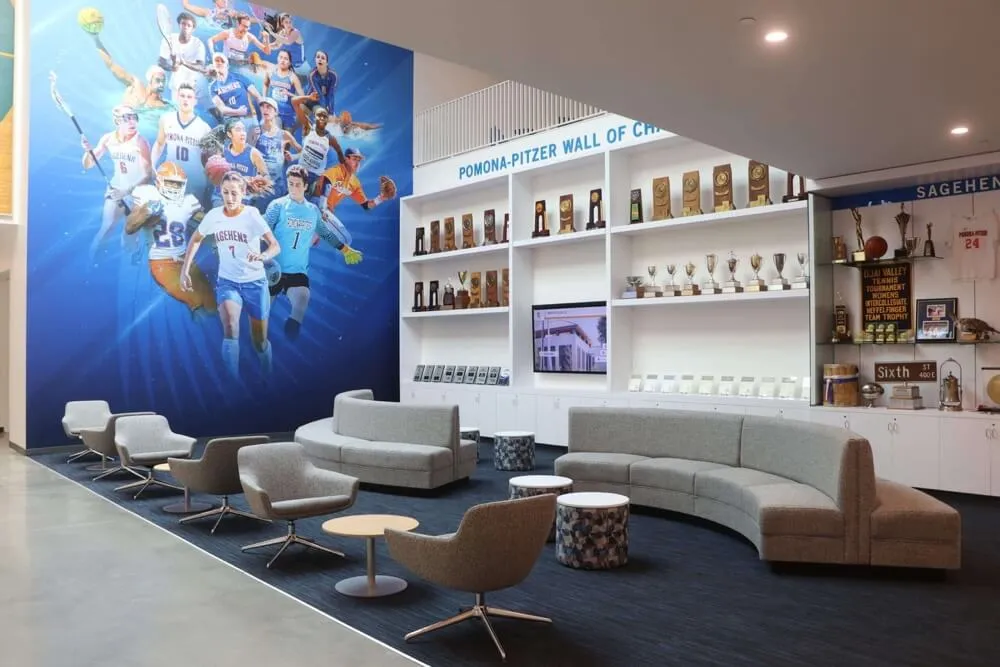
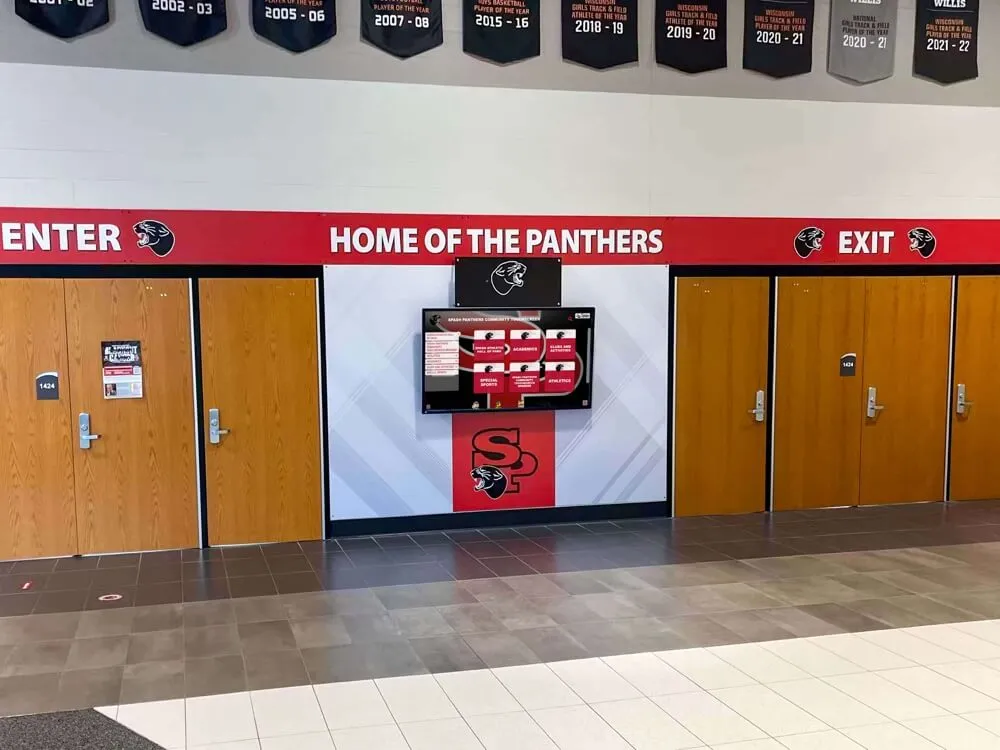
School hallways transformed into athletic team history galleries give picture-day photos a permanent, high-visibility home where athletes and visitors encounter them daily
Props, Signs, and Creative Elements
Props transform a static portrait session into a storytelling session.
Effective Prop Ideas
Custom signage: A chalkboard or whiteboard sign listing the season record, the number of seniors, the year, and the team name provides context that the photograph itself can’t communicate. The coach or a senior athlete holds it in the front center of the team photo.
Sport equipment as prop: A basketball held aloft on extended fingertips; a soccer ball balanced on the instep; a baseball tossed in the air mid-frame. Photographer timing and athlete coordination produce natural-feeling equipment props.
Championship banners and trophies: If your program has earned regional or state recognition, incorporate physical trophies and banners into the team photo. The visual connection between current athletes and previous program success creates compelling recruitment material and builds team culture. Consider how letterman jackets and varsity recognition traditions use physical symbols to connect generations of athletes to the same institutional identity—team photos work the same way.
Year and season markers: Foam number signs, graduation year placards, or simple printed “2026 Varsity” banners help future viewers instantly orient the photograph within program history.
Theme-Based Sessions
For programs with larger photography budgets or a yearbook adviser looking to differentiate this year’s book:
- Retro or throwback shoot: Athletes wear or hold vintage-style uniforms or equipment representing the program’s original years. Works especially well for programs celebrating milestone anniversaries.
- Black-and-white formal series: A high-contrast individual portrait series shot against seamless white backdrop and converted to black and white creates a unified, artistic series that reproduces well in yearbooks and digital displays.
- Night or evening session with stadium lighting: If your facility has field lighting, an after-dark session with dramatic stadium illumination produces images unlike anything taken during the day.
Organizing and Preserving Athletic Team Photos
A well-executed picture day produces hundreds to thousands of digital files. Without an organization system, those files become inaccessible within a season.
File Naming and Folder Structure
Establish a naming convention before picture day and apply it at delivery:
YYYY_SportName_TeamType_LastFirst.jpg
2026_Varsity_Basketball_SmithJordan.jpg
2026_JV_Soccer_Team.jpg
This convention makes files findable by year, sport, team level, or individual athlete—supporting both the current yearbook workflow and future archival searches. Schools documenting athletic history for long-term recognition face exactly this challenge; reliable naming conventions from the outset prevent the recovery work described in guides on finding and digitizing older school yearbook records.
Backup and Storage
- Store originals in two locations: a local server or drive AND a cloud backup
- Maintain separate archives for current-year working files and historical archives
- Back up before the yearbook staff makes any edits to original files
- Assign a specific staff member ownership of the photo archive so institutional knowledge doesn’t leave with graduating seniors
Rights and Release Documentation
Before distributing or publishing any athlete photographs:
- Confirm your school’s existing photo release covers yearbook and digital display use
- Obtain specific consent for external use (recruitment websites, social media, news outlets)
- Document opt-outs from families preferring privacy
- Follow FERPA guidelines when publishing identifying student information alongside photographs
Showcasing Team Photos in Digital Yearbooks and Recognition Displays
Producing great photographs is only half the work. Ensuring those photographs reach their intended audiences—athletes, families, alumni, and future program members—requires intentional distribution and display planning.
Digital Yearbook Integration
Athletic team photos should be woven throughout the yearbook, not relegated to a single sport section:
- Individual portraits on athlete-specific pages with stats, accomplishments, and quotes
- Team photos on dedicated sport-section openers establishing the season’s visual identity
- Season timeline spreads using a mix of team portraits, individual action photos, and candid moments to tell the narrative arc of the year
- Senior spotlight pages centering full-page or half-page treatment on graduating athletes with portraits as the visual anchor
Digital yearbook platforms that accept high-resolution imports make this distribution straightforward. Unlimited page counts mean no sport gets squeezed out for space, and remote update capability allows the yearbook adviser to incorporate late-season photos—championship game images, banquet moments, late-season individual portraits—without reprinting.
Hallway and Athletic Facility Displays

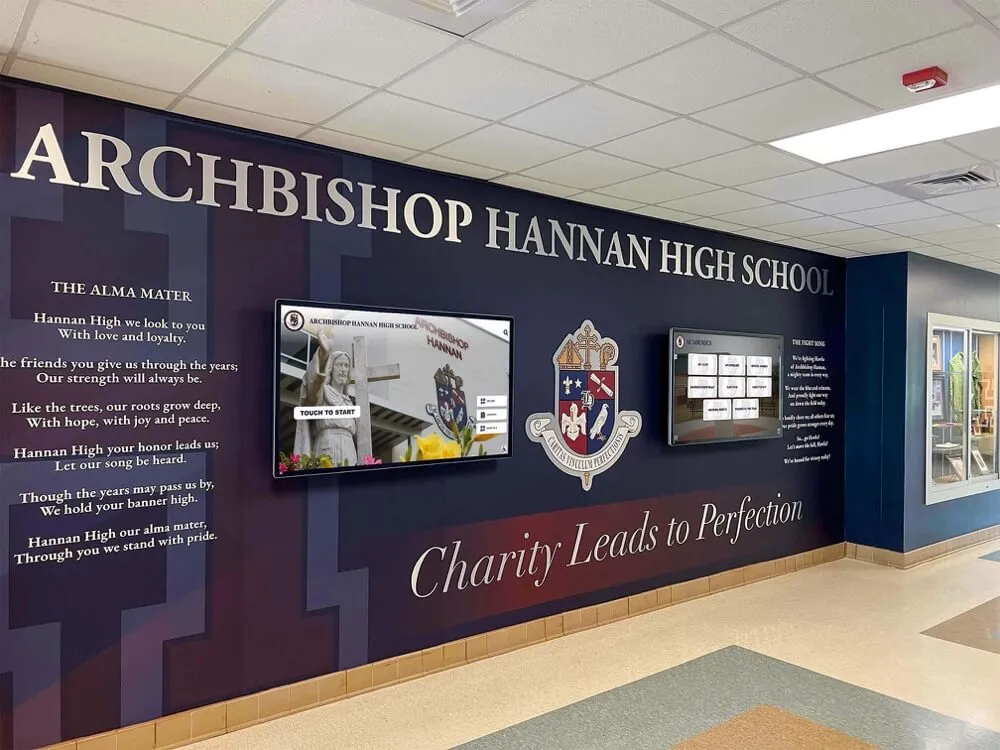
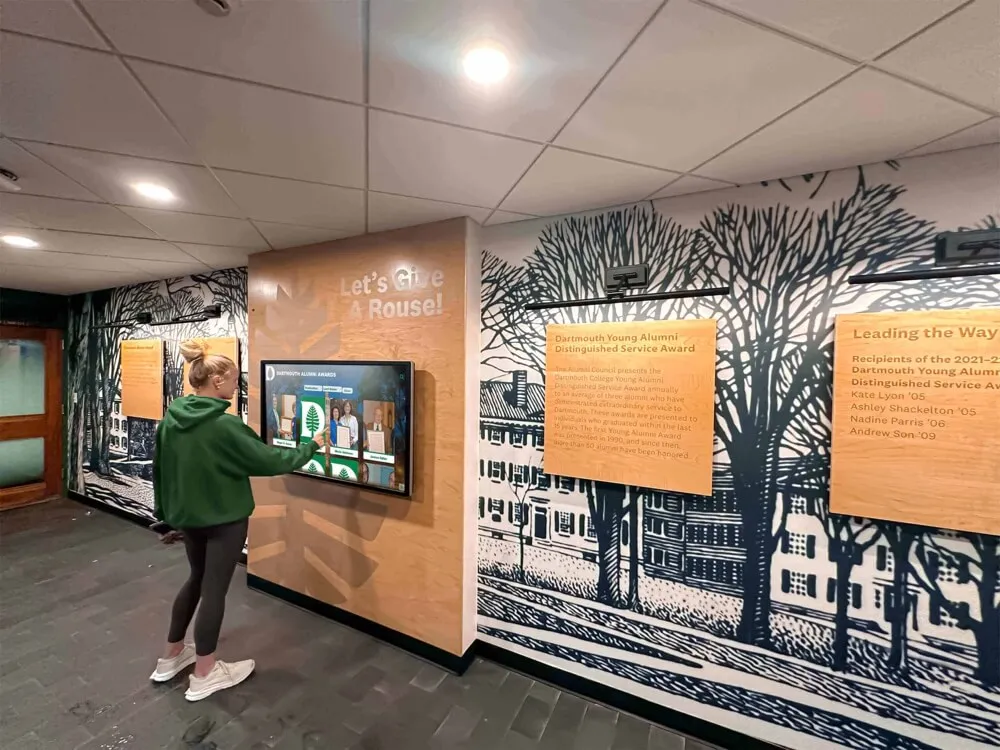
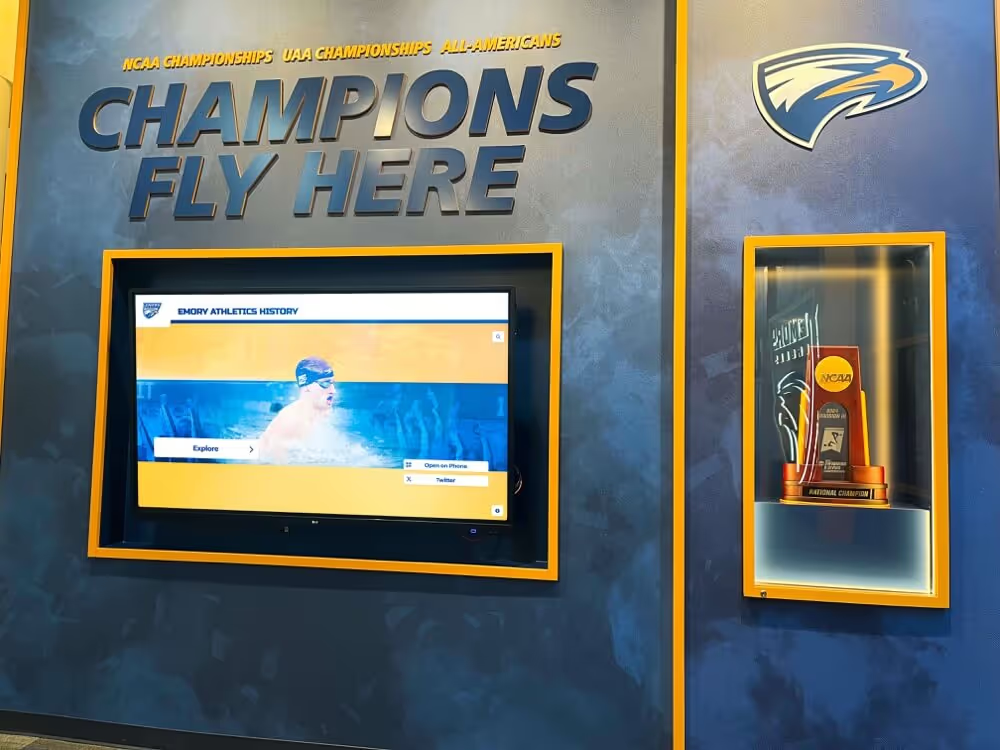
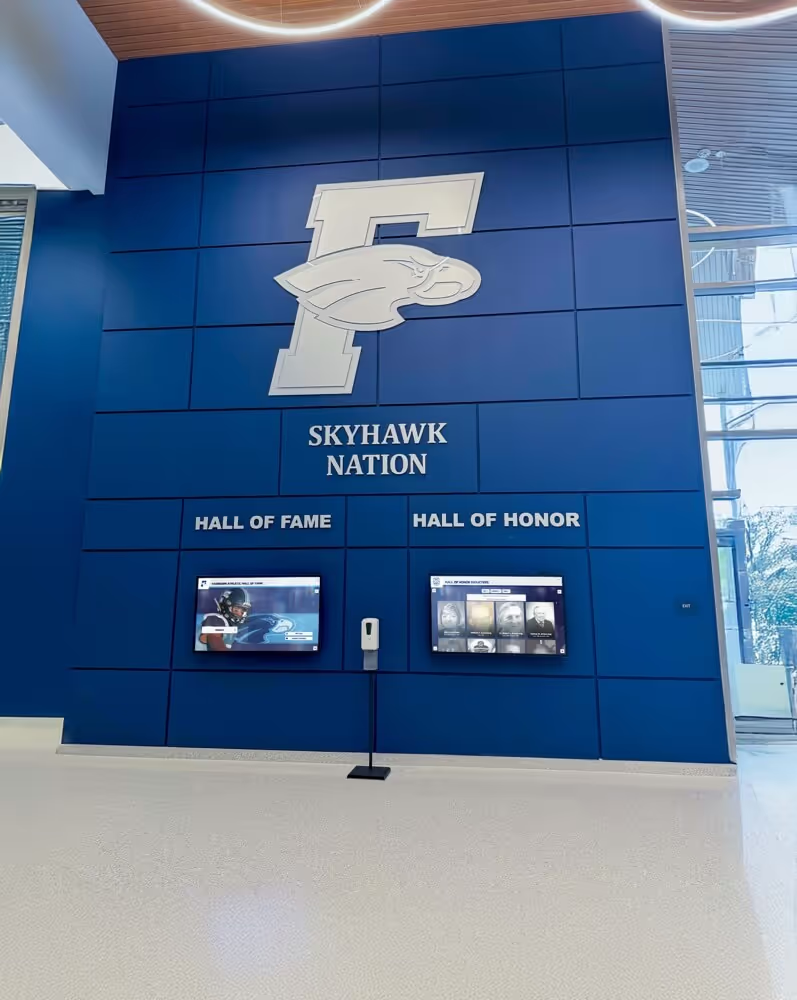
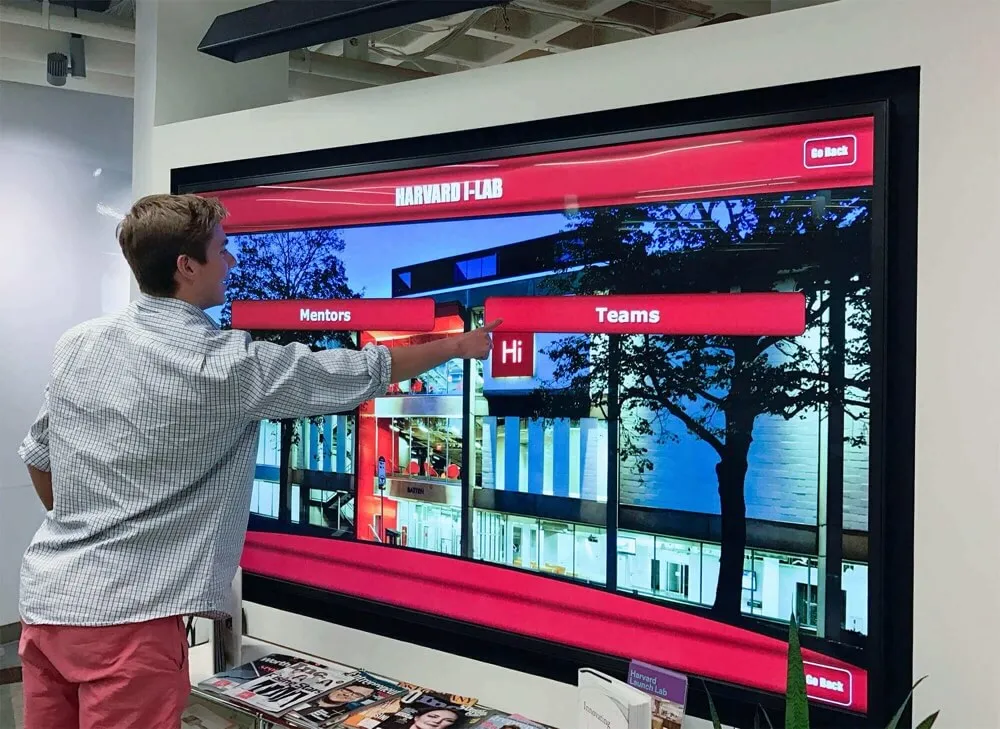
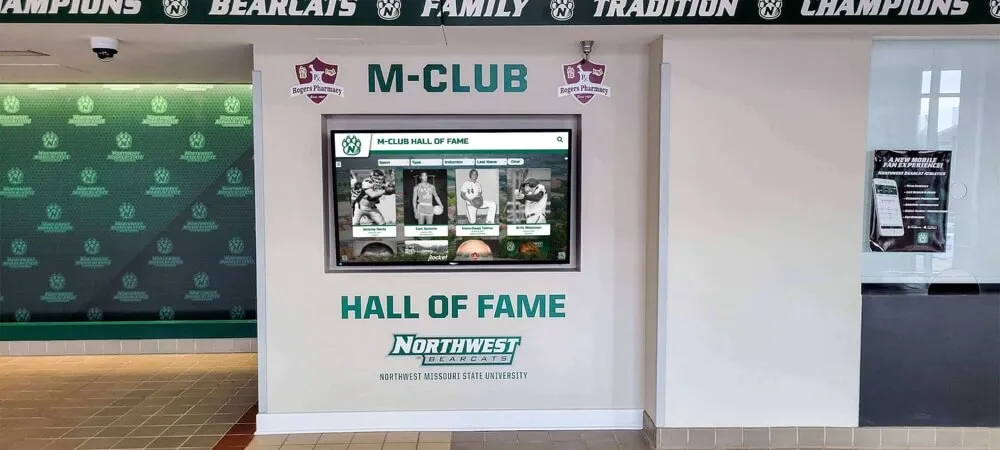
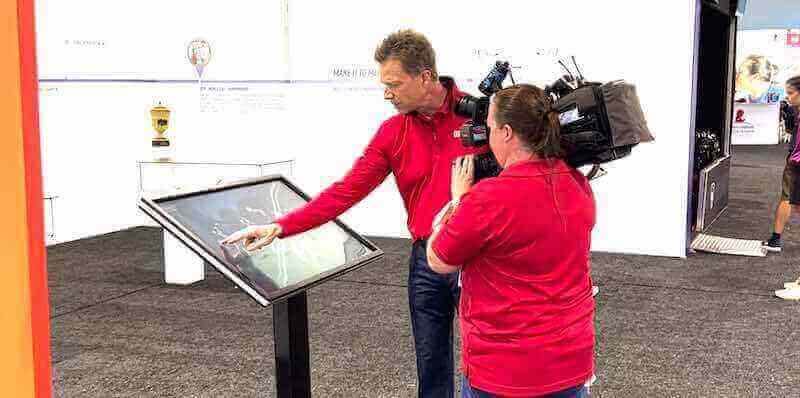
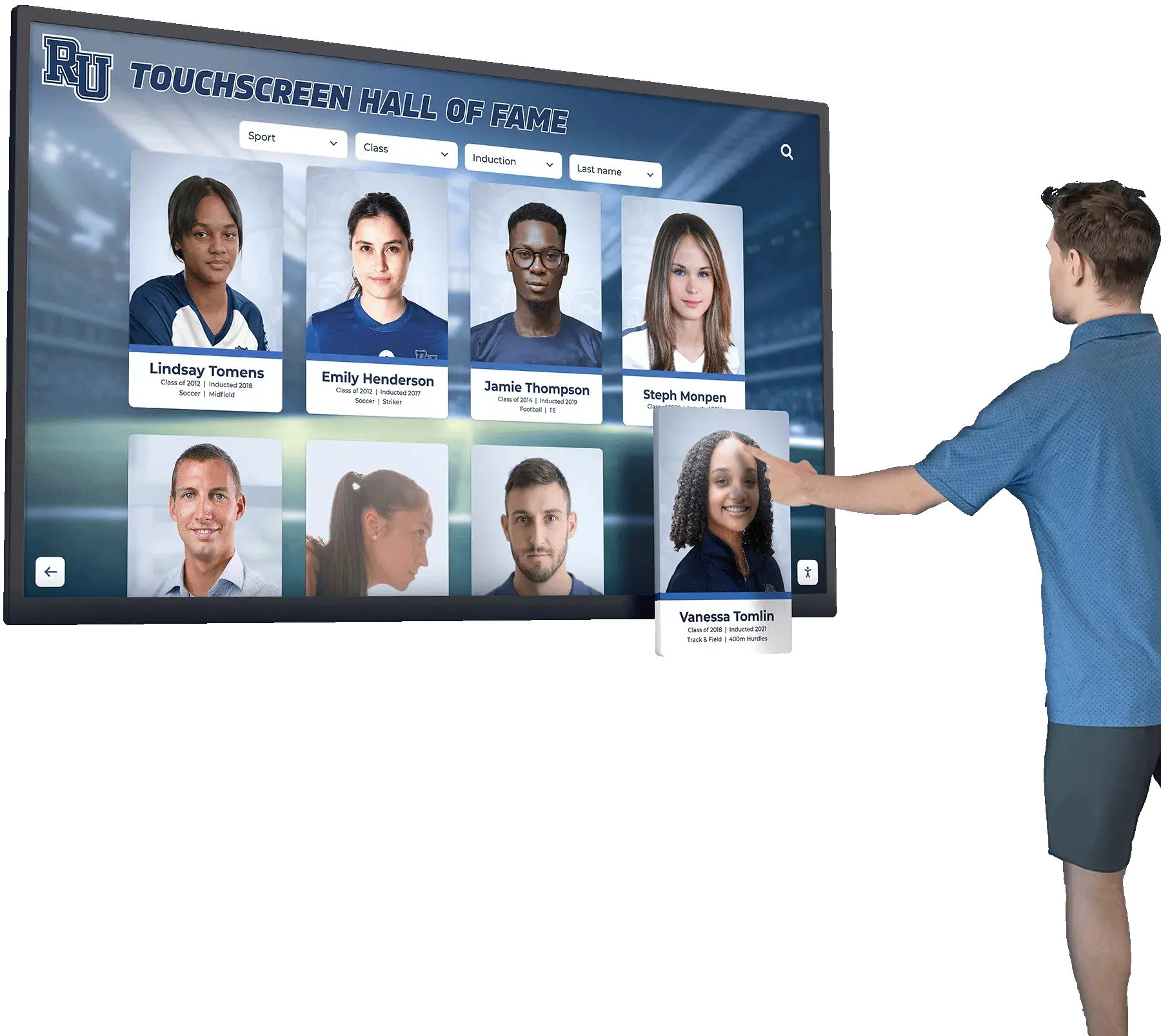
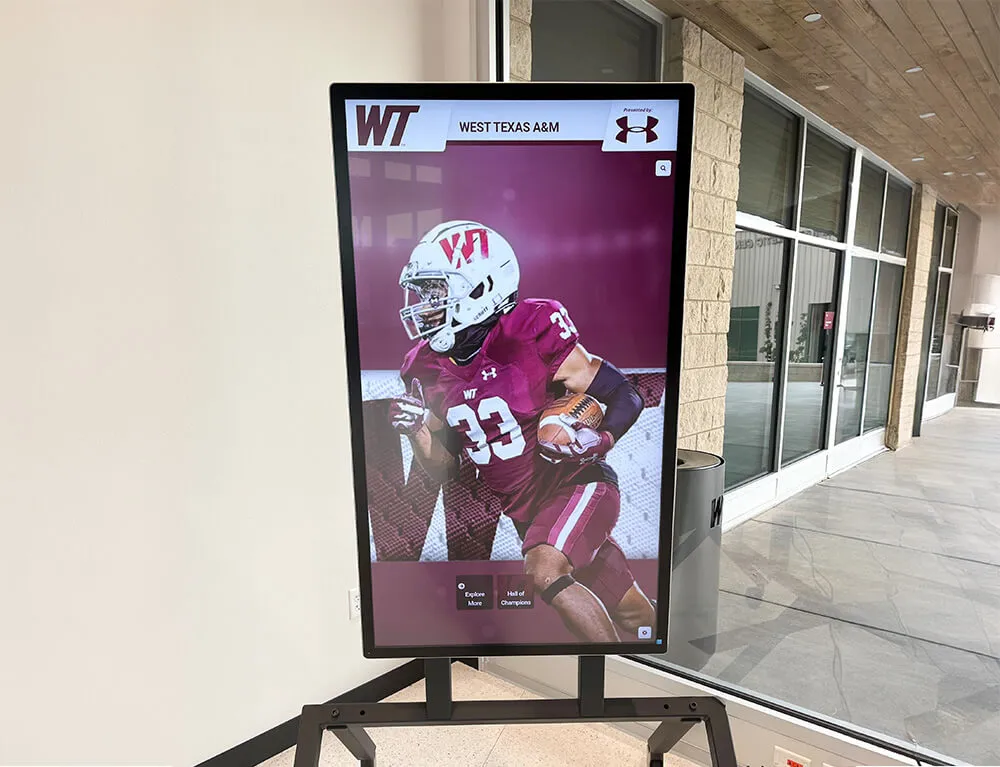
Interactive touchscreen displays turn picture-day portraits into browsable athlete profiles—giving families, current athletes, and alumni direct access to individual recognition content
Beyond the yearbook, athletic team photos deserve permanent institutional display:
Hallway composite displays lining sport-specific corridors with annual team photos create a visual timeline of program history. Athletes walking those hallways every day develop a tangible sense of the tradition they’re participating in—and graduating into.
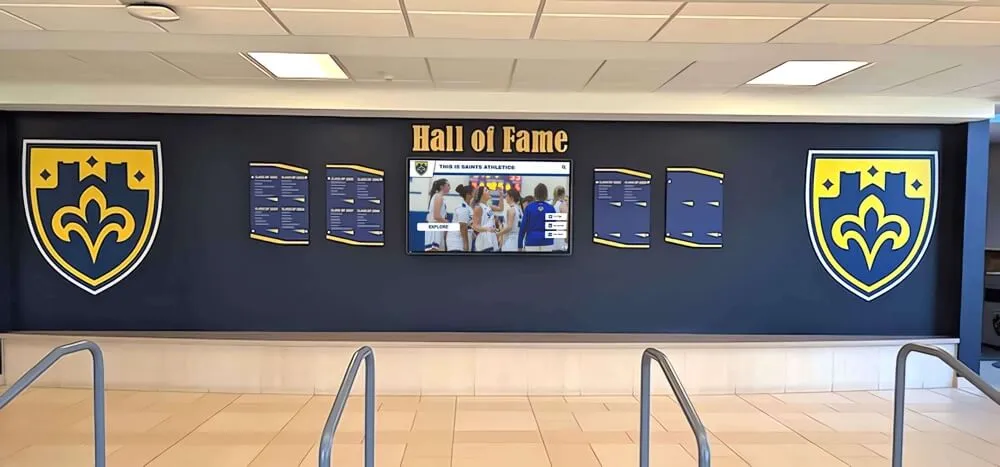
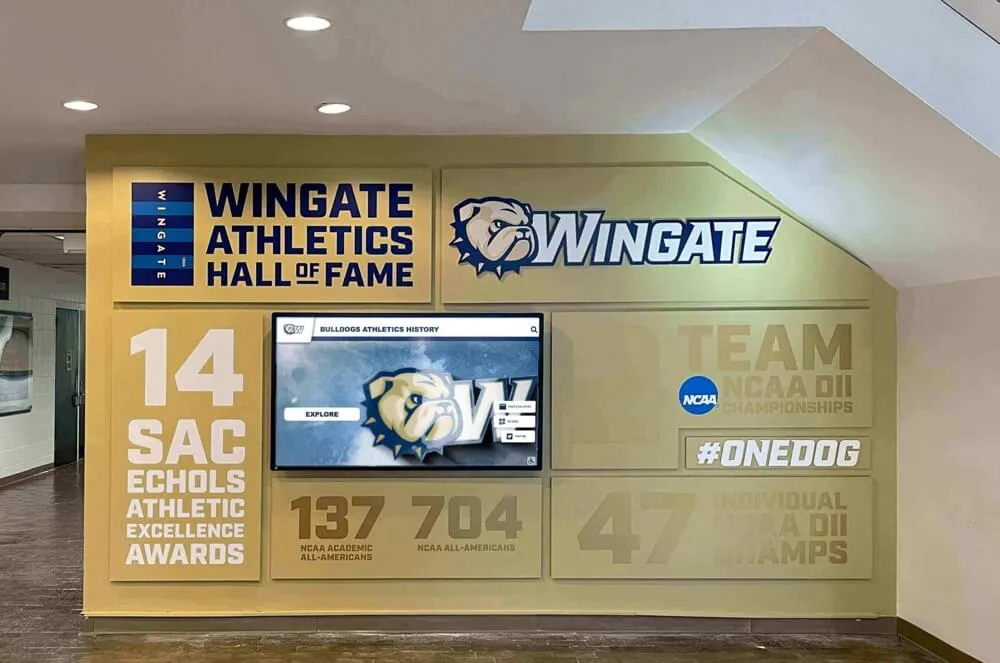
Digital display systems address the scale limitations physical composite frames can’t solve. When a school has 20+ sports programs, dozens of seasons of team photos, and hundreds of individual athlete portraits to organize, an interactive touchscreen display allows unlimited content without unlimited wall space. Athletes and visitors can browse by sport, season, or individual name—making every photo accessible rather than just the most recent.
Schools implementing these systems find that a comprehensive digital wall of fame approach dramatically increases the return on investment from picture-day photography. Photos taken in October are still being discovered and engaged with the following May by athletes, parents, and alumni—rather than disappearing into a folder on a shared drive.
Web-based athlete galleries extend visibility beyond the building:
- Athletes share profile links with college coaches during recruiting
- Families access high-resolution downloads for personal printing
- Alumni explore program history from wherever they’ve landed after graduation
- Prospective student-athletes evaluate program culture before attending an open house
Connecting Photos to Broader Recognition Programs
Team photographs become most powerful when they’re integrated with the full recognition story an athletic program is telling:
- Hall of fame nominations benefit from strong portrait photography that celebrates inductees with appropriate visual dignity
- Senior night recognition is amplified when paired with a career photo montage pulling from multiple years of individual portraits
- Record books and achievement archives feel complete when statistical records link to the athlete’s portrait and team photograph from their defining season
The best school history software platforms—reviewed in comprehensive guides covering school history recognition software—allow schools to connect portrait photographs to the full athlete record: statistics, awards, team memberships, honor society participation, and post-graduation success. This integration turns a single picture-day portrait into a permanent, enriched profile that grows in value over time.

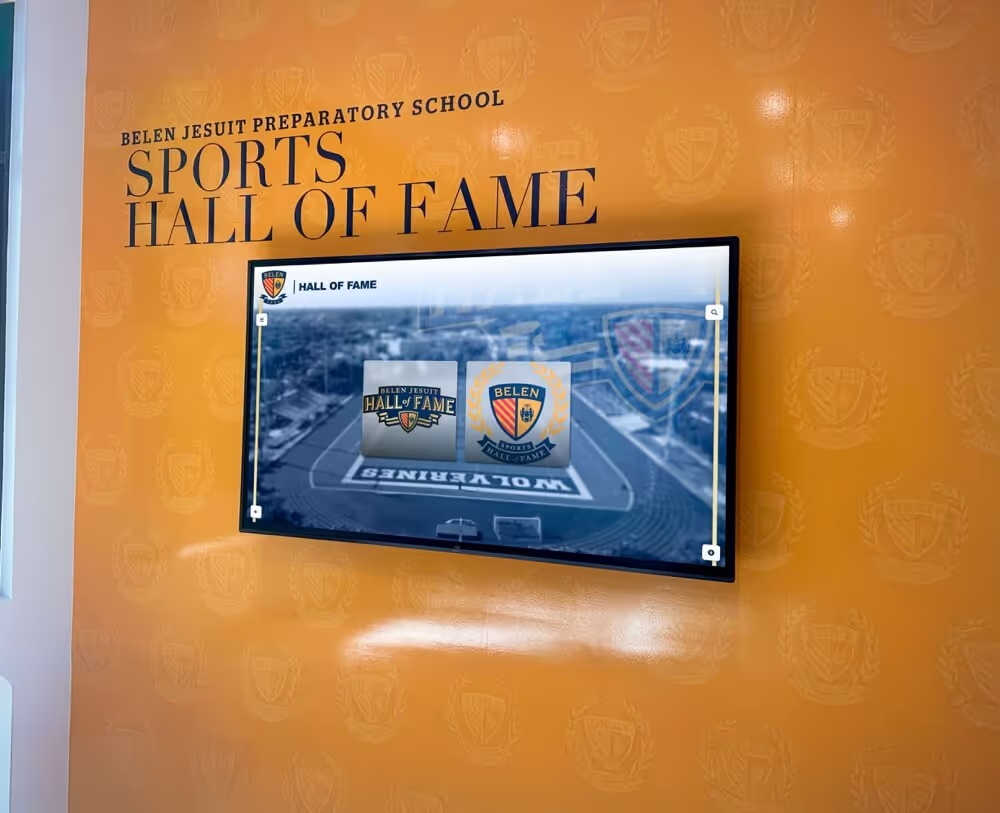
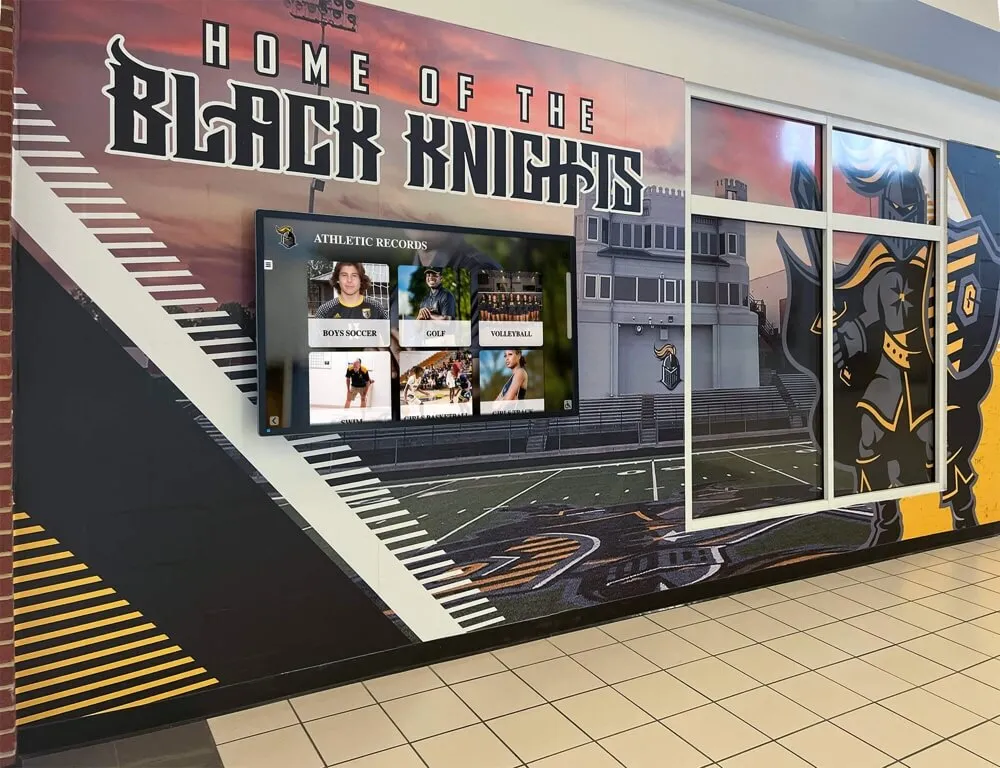
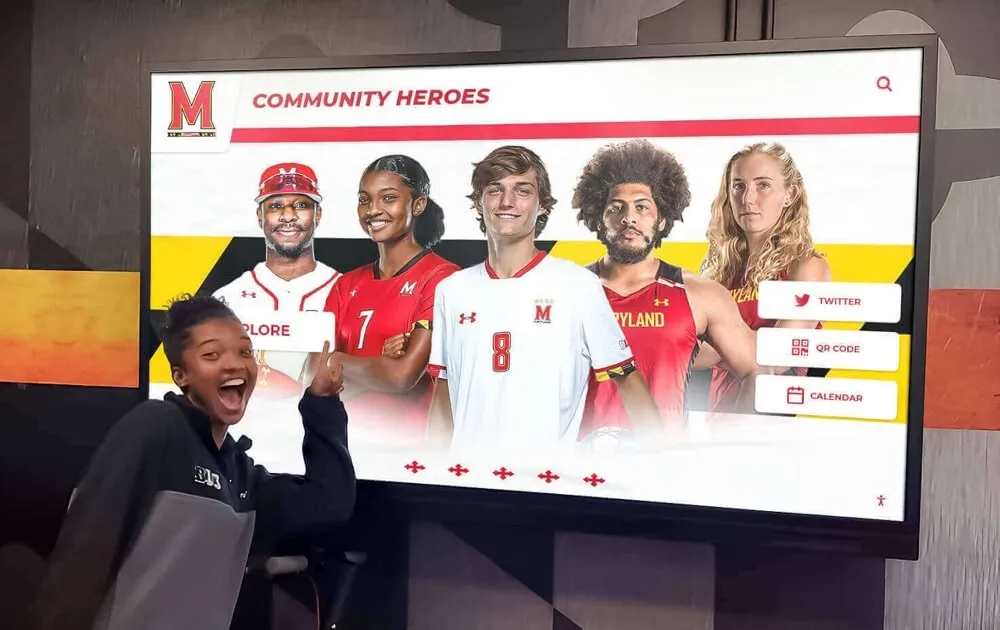
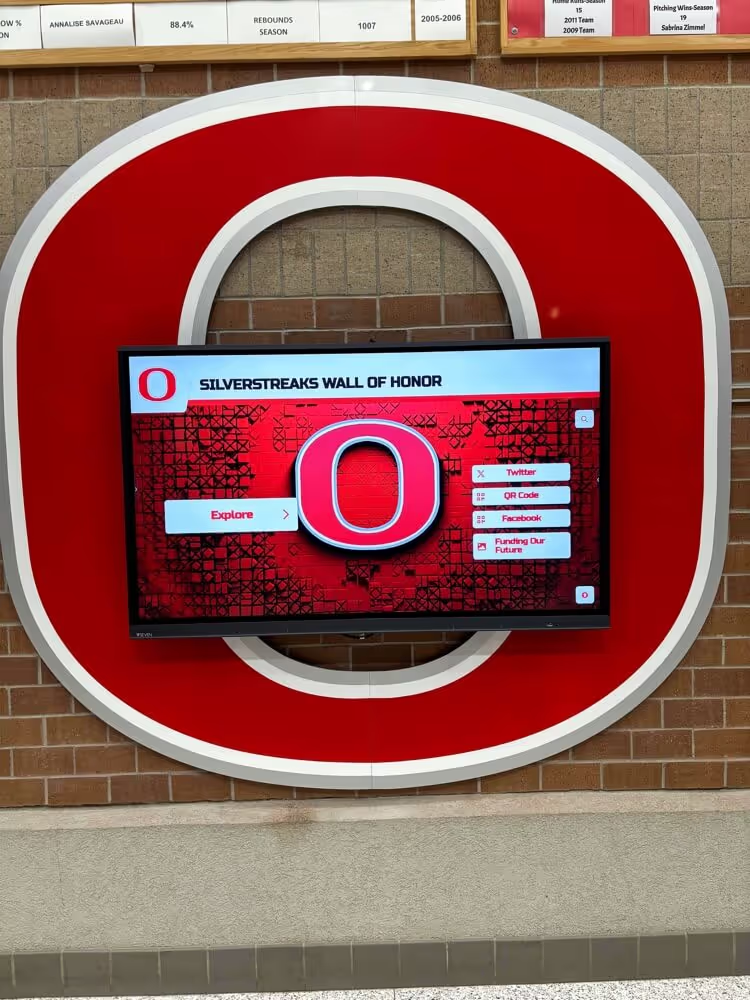
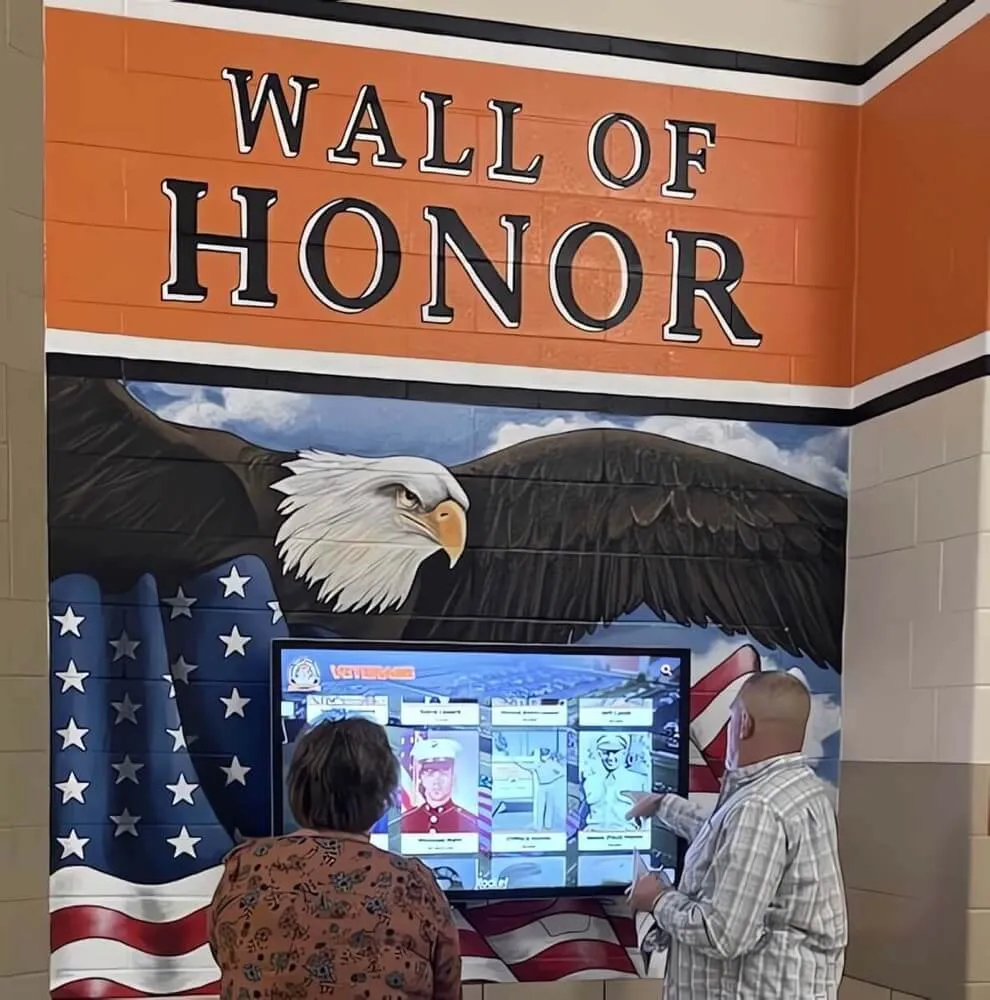
Web-accessible recognition systems bring athletic team portraits to families, alumni, and recruits on any device—extending the reach of every picture-day photograph far beyond school walls
A Picture-Day Checklist for Athletic Departments
Use this checklist to run a complete, polished picture day:
4–6 Weeks Before:
- Book photographer and confirm sport-by-sport schedule
- Notify coaches with dates, times, and location
- Brief photographer on intended uses: yearbook, digital display, website, print
- Establish file naming and delivery format agreement with photographer
1–2 Weeks Before:
- Send athlete-facing prep checklist (uniform, equipment, grooming)
- Schedule makeup session date
- Identify backdrop and location for each team; scout for lighting and distractions
- Prepare any props: signage, trophies, banners, custom signs
Day Of:
- Set up team staging area to keep waiting athletes out of active shooting area
- Brief each team on formation and poses before the camera starts
- Assign a coach or captain to manage athlete flow and gear checks
- Capture: team group, JV subgroup (if applicable), coaches, individual portraits, at least one creative/dynamic shot
After Picture Day:
- Receive and organize files according to naming convention
- Back up originals before any editing
- Distribute to yearbook staff, digital display administrator, and school website team
- Upload to digital recognition platform for athlete profile integration
- Send proofs to coaches for review before publication
Conclusion: Photos That Work as Hard as Your Athletes
Athletic team picture day is the one session in a school year where every athlete dresses their best, gathers as a complete unit, and stands still long enough to be documented. That moment is worth planning carefully—because the images it produces will outlast every score, every record, and every season in the memory of the people who lived them.
The ideas in this guide—thoughtful scheduling, intentional setting choices, creative formation planning, sport-specific individual portrait strategies, and systematic archiving—give coaches and athletic departments the tools to produce images that genuinely honor athletic achievement. Combined with digital yearbook platforms and interactive recognition displays that make those photos permanently accessible, picture day becomes the first chapter of a visual story that continues growing long after the final whistle.
Give Your Team Photos a Permanent Home
Discover how Rocket Alumni Solutions helps schools preserve athletic team photographs in interactive digital yearbooks and recognition displays—so every picture-day portrait finds the audience it deserves, from this season through every reunion to come.
Explore Digital Recognition Solutions