Managing athletic facilities represents one of the most complex operational challenges facing schools and universities today. Athletic directors and facilities managers oversee spaces ranging from gymnasiums and weight rooms to competition venues and outdoor fields—each requiring specialized maintenance, scheduling coordination, safety protocols, and technological systems that support both daily operations and championship-level events.
The stakes extend far beyond keeping lights functioning and floors clean. Well-managed athletic facilities directly impact student-athlete performance, recruitment success, community engagement, injury prevention, regulatory compliance, and institutional reputation. Meanwhile, poorly maintained facilities create safety risks, diminish competitive advantages, waste operational budgets, and undermine the student experience that athletics should provide.
Modern athletic facility management demands integrating traditional maintenance expertise with emerging technologies, balancing competing scheduling demands across multiple sports and programs, maintaining regulatory compliance with evolving safety standards, and creating environments that inspire athletic excellence while remaining financially sustainable. This comprehensive guide equips athletic directors, facilities managers, and administrators with frameworks for managing athletic spaces that serve their communities effectively for decades.
Athletic facility management impacts every aspect of athletic programs—from varsity team performance to intramural participation, from donor relations to student recruitment. Administrators who implement systematic facility management approaches create competitive advantages while protecting institutional investments worth millions of dollars.

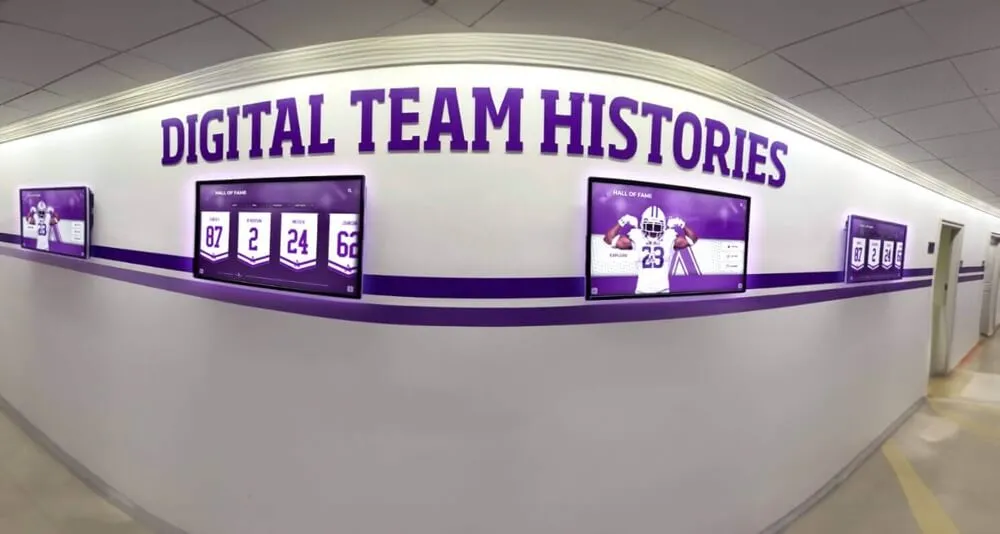
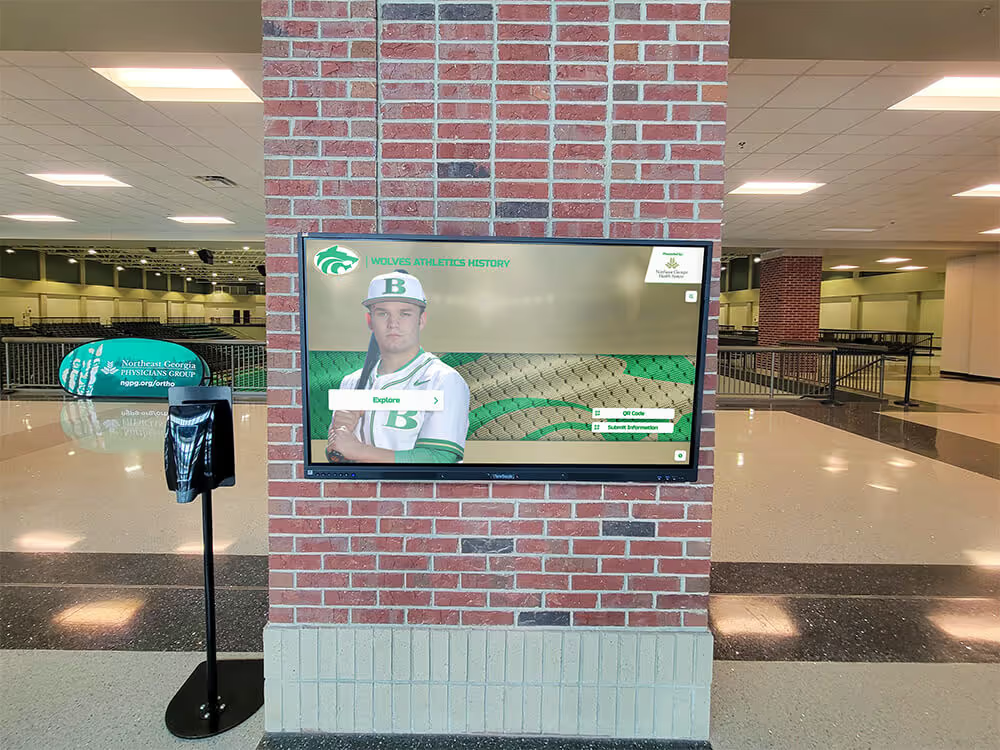
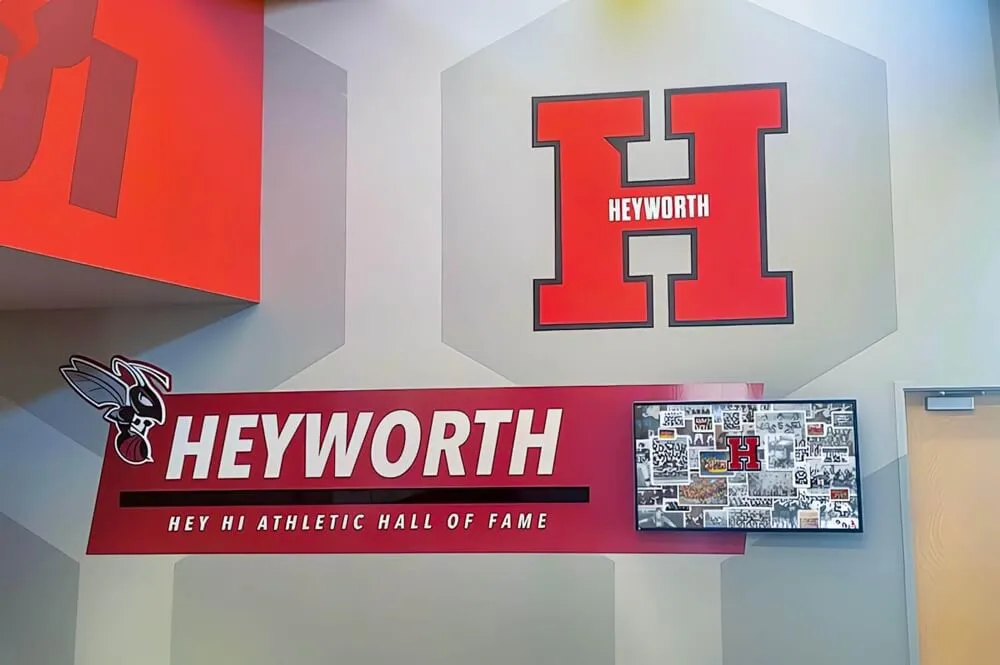
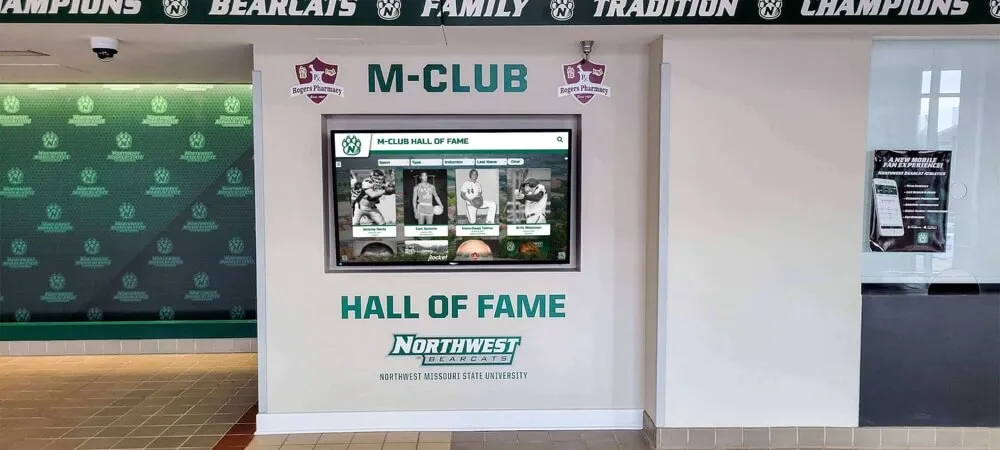
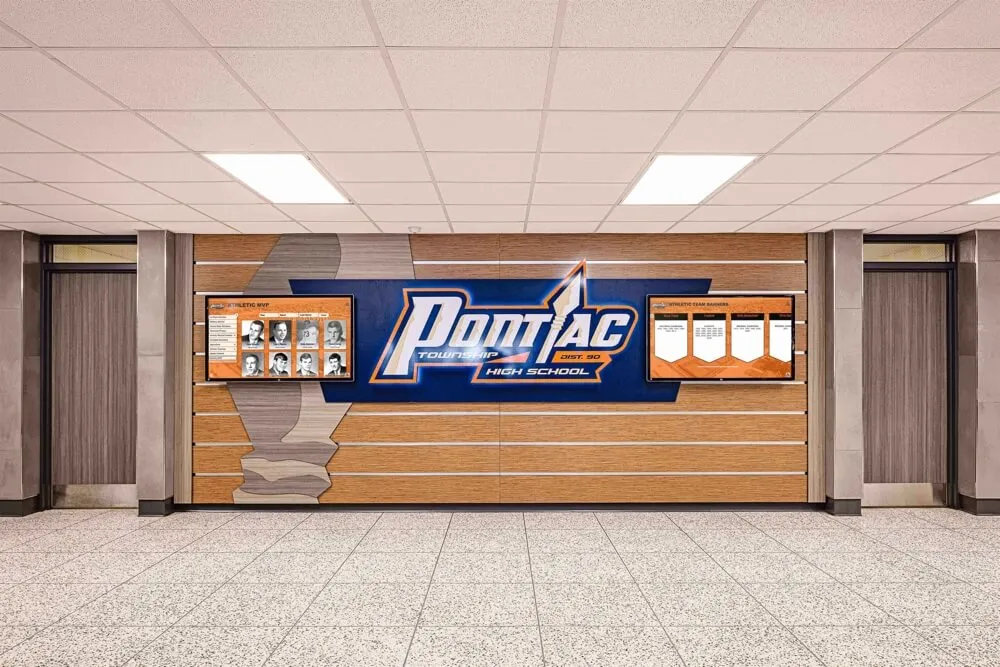
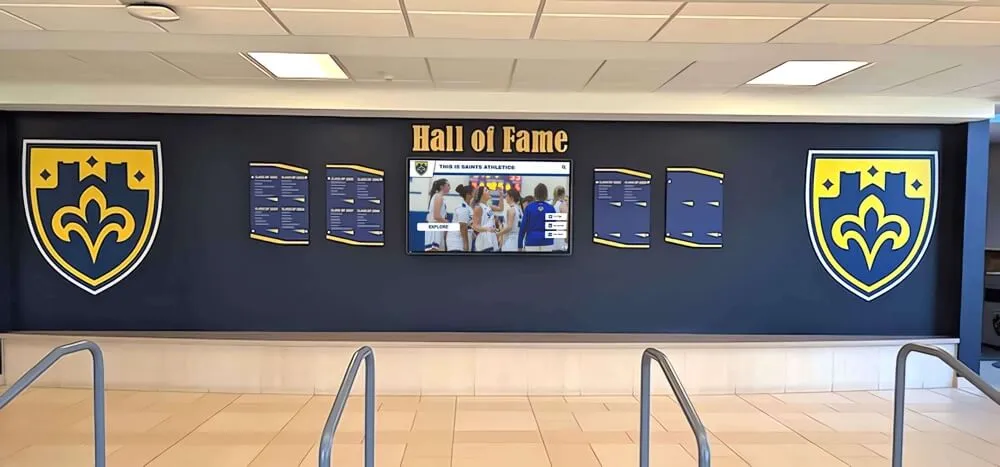
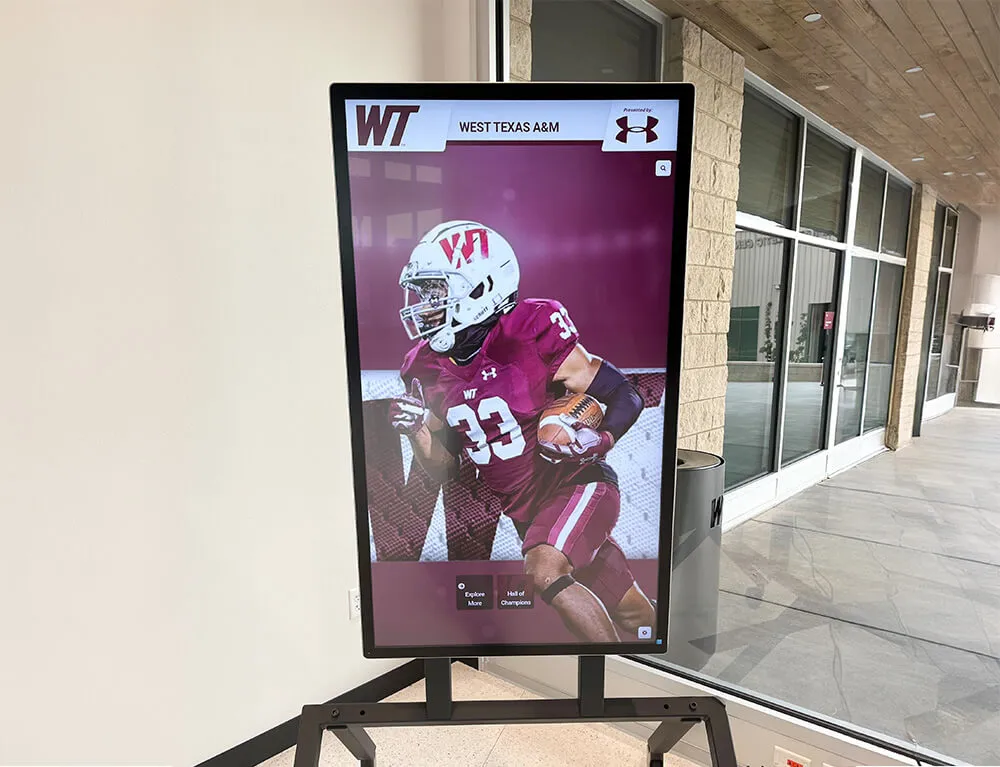
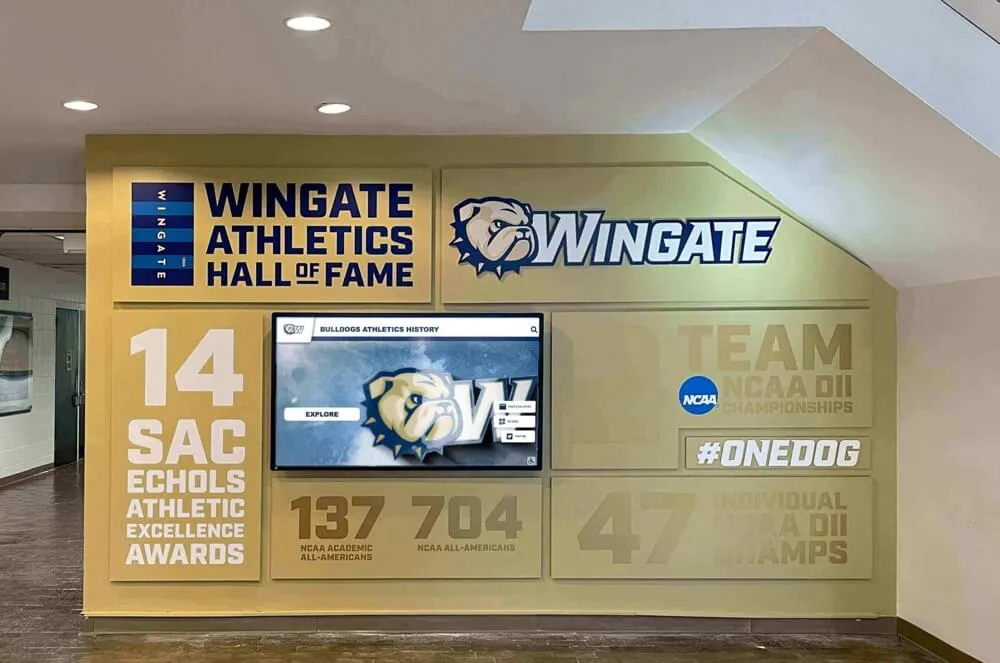
Well-designed athletic facilities integrate functional spaces with recognition displays celebrating program tradition and achievement
Understanding Athletic Facility Management Responsibilities
Effective facility management requires coordinating diverse operational areas that collectively determine facility quality and usability.
Daily Operations and Maintenance
Routine Facility Maintenance Systematic maintenance prevents minor issues from becoming major problems:
- Floor care and resurfacing for gymnasiums, courts, and wrestling rooms requiring specialized cleaning and periodic refinishing
- HVAC system management maintaining appropriate temperature and air quality for athletic performance and spectator comfort
- Lighting system maintenance ensuring adequate illumination for competition and practice while managing energy efficiency
- Plumbing and water systems serving locker rooms, training facilities, and field irrigation
- Equipment inspection and repair for goals, nets, scoreboards, and facility-specific athletic equipment
- Cleaning protocols maintaining hygiene standards in high-use spaces like locker rooms and training facilities
Athletic facilities receive substantially heavier use than typical school spaces—requiring more frequent maintenance cycles and specialized expertise for athletic-specific systems.
Preventive Maintenance Scheduling Systematic prevention reduces costly emergency repairs:
- Seasonal inspection protocols before each athletic season identifying potential issues
- Equipment lifecycle tracking scheduling replacement before failure disrupts operations
- Facility component audits assessing roofing, structural elements, and mechanical systems
- Vendor maintenance agreements for specialized systems like scoreboards and timing equipment
- Documentation systems tracking maintenance history informing future planning
Schools implementing preventive maintenance report 40-60% reductions in emergency repair costs compared to reactive-only approaches—creating significant long-term savings while improving facility reliability.
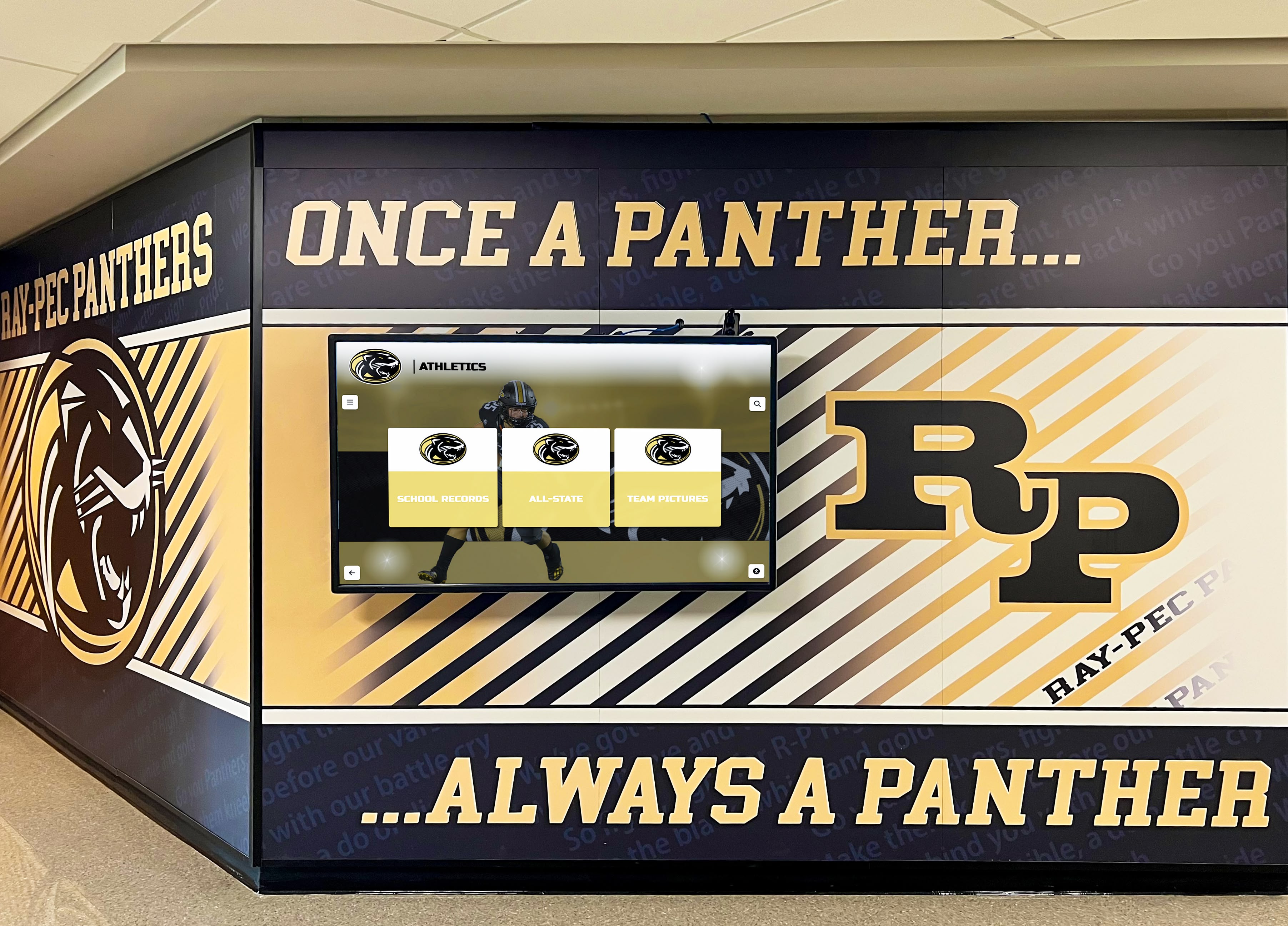
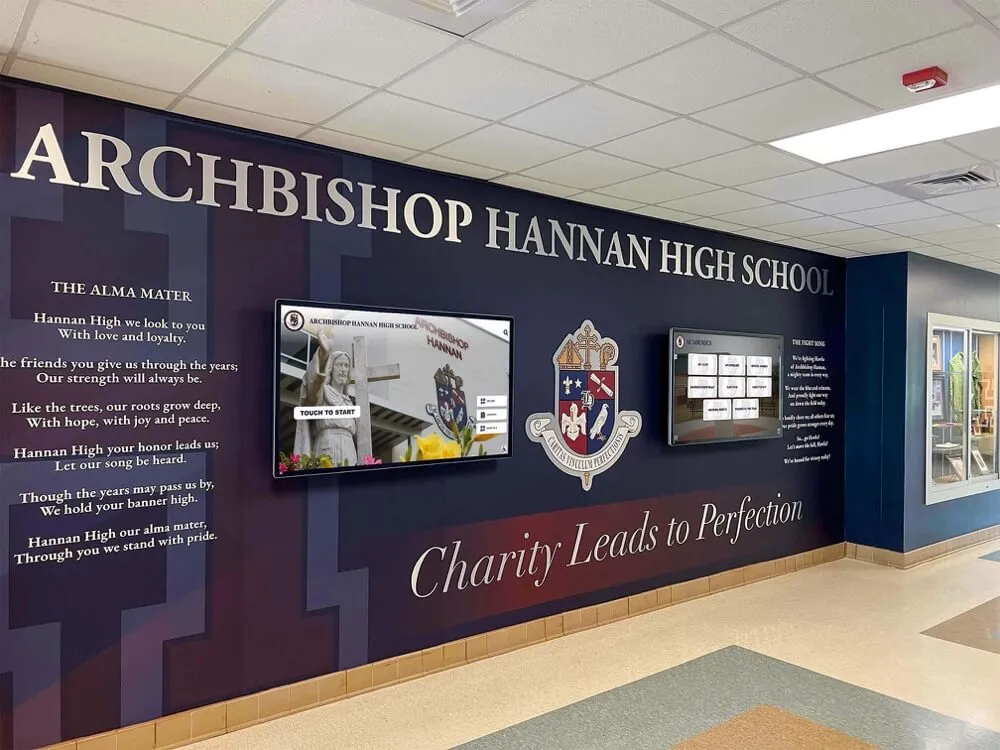
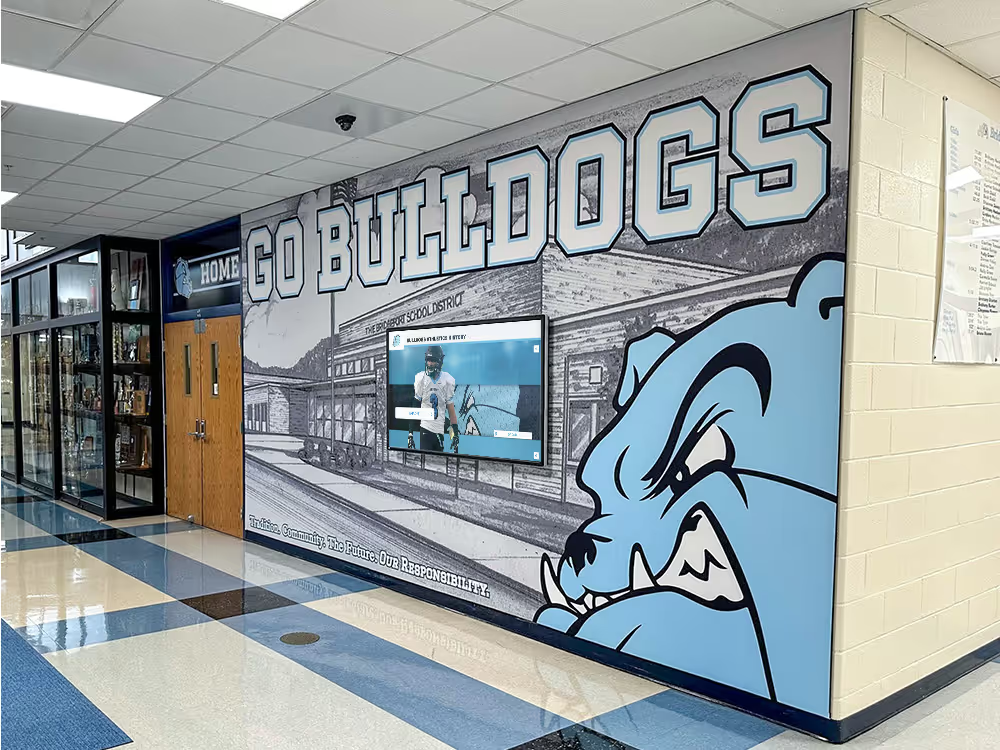
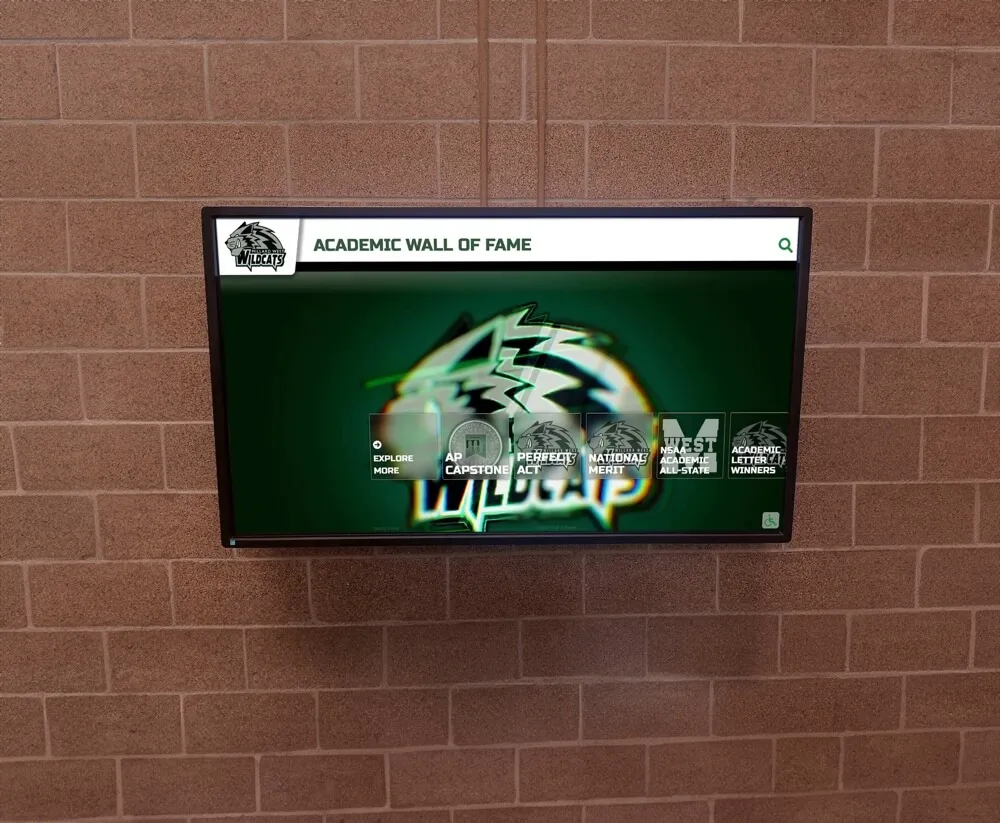
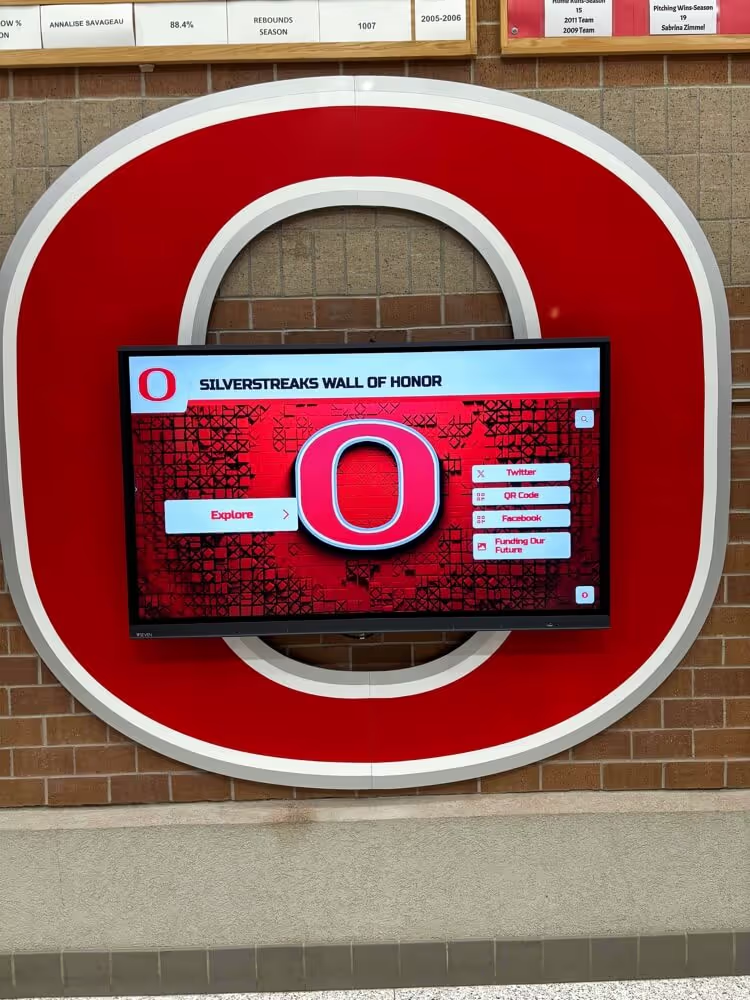
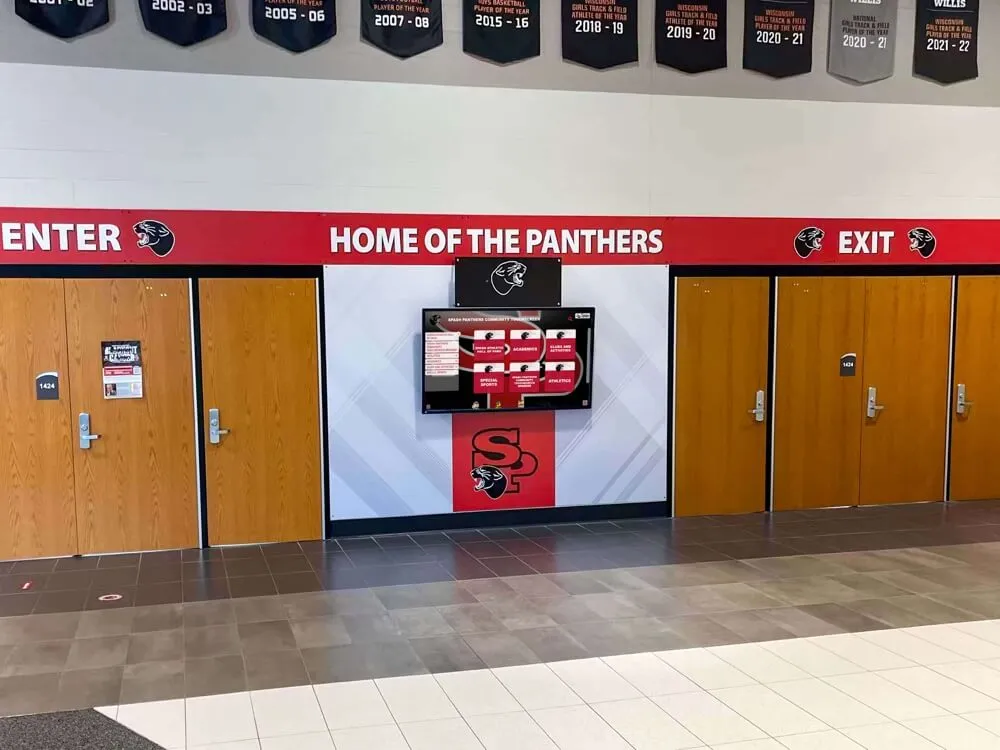
Athletic facility wayfinding and branding create professional environments that enhance student-athlete and visitor experiences
Scheduling and Space Allocation
Multi-Program Coordination Athletic facilities typically serve diverse constituencies:
- Varsity team practices and competitions requiring priority scheduling during competitive seasons
- Junior varsity and freshman programs needing adequate practice time and facility access
- Physical education classes using facilities during school hours
- Intramural sports programs serving broader student populations
- Community use programs generating revenue while serving institutional mission
- Summer camps and clinics maximizing facility utilization during off-seasons
- Special events including tournaments, ceremonies, and non-athletic functions
Effective scheduling balances these competing demands while ensuring each constituency receives appropriate facility access. Digital scheduling systems enable real-time coordination while preventing double-bookings that create conflicts.
Seasonal Transition Management Athletic calendars create predictable scheduling challenges:
- Fall-to-winter transitions converting football fields to winter sports while managing indoor space demands
- Competition venue setup transforming practice facilities for hosting events
- Equipment storage and rotation managing seasonal gear without cluttering active spaces
- Field maintenance windows scheduling turf renovation during off-seasons
- Multi-sport facility conversion efficiently reconfiguring spaces serving different activities
Schools with comprehensive scheduling systems report 25-35% increases in facility utilization compared to ad-hoc approaches—generating more value from expensive athletic infrastructure.
Safety and Risk Management
Facility Safety Protocols Protecting participants requires systematic safety management:
- Regular safety inspections identifying hazards before injuries occur
- Emergency action plans for medical incidents, severe weather, and facility emergencies
- AED placement and accessibility ensuring life-saving equipment availability
- First aid station maintenance stocking medical supplies appropriate to athletic activities
- Lighting and visibility standards preventing injuries from inadequate illumination
- Surface condition monitoring addressing slippery floors, uneven fields, and trip hazards
- Spectator safety measures managing bleachers, railings, and crowd flow
Athletic facility managers face significant liability exposure when safety protocols prove inadequate—making systematic risk management essential rather than optional.
Learn how schools implement comprehensive state championship trophy display cases that showcase achievement while maintaining facility aesthetics and safety.
Compliance and Regulatory Requirements Athletic facilities must meet multiple regulatory standards:
- ADA accessibility requirements ensuring facilities serve athletes and spectators with disabilities
- Title IX equity standards providing comparable facilities across gender-specific programs
- Building codes and fire safety maintaining compliance with local regulations
- Environmental regulations for hazardous materials, water quality, and waste management
- OSHA workplace safety standards protecting staff and volunteers working in facilities
- Sport-specific safety requirements meeting governing body standards for competition venues
Administrators should conduct annual compliance audits—identifying gaps before regulatory inspections or incidents expose violations carrying financial penalties and legal liability.
Technology Integration in Modern Facilities
Digital Recognition and Wayfinding Systems Modern athletic facilities leverage technology for enhanced experiences:
- Interactive recognition displays showcasing athletic achievements, team histories, and hall of fame inductees
- Digital wayfinding signage directing visitors to courts, fields, locker rooms, and amenities
- Live scoring and statistics displays engaging spectators with real-time competition information
- Video replay systems enhancing training and fan experience
- Digital team schedules displaying practice times, competitions, and facility reservations
Schools implementing exciting hallway displays report that digital recognition systems create more engaging athletic environments while simplifying content updates compared to static displays.
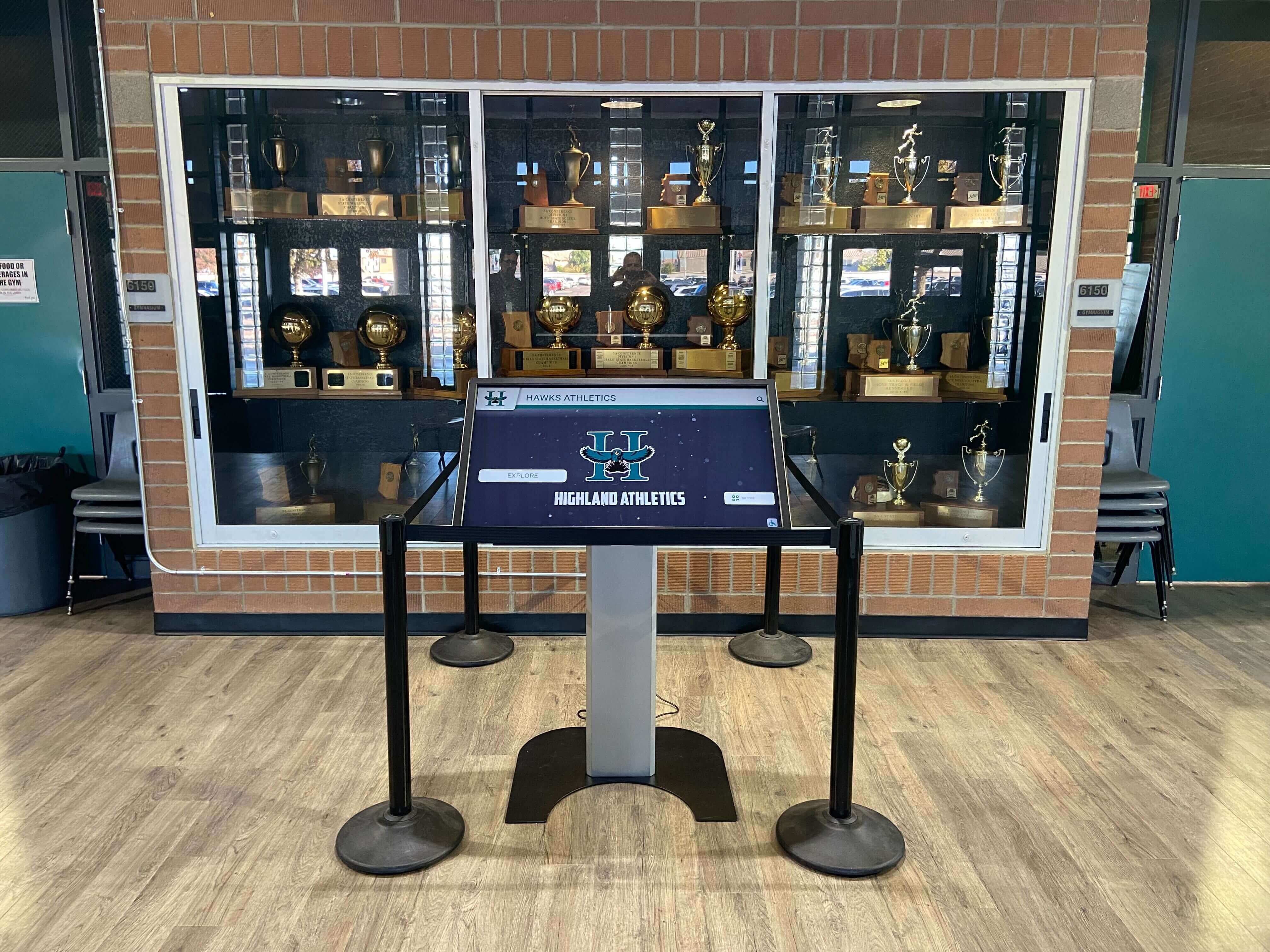
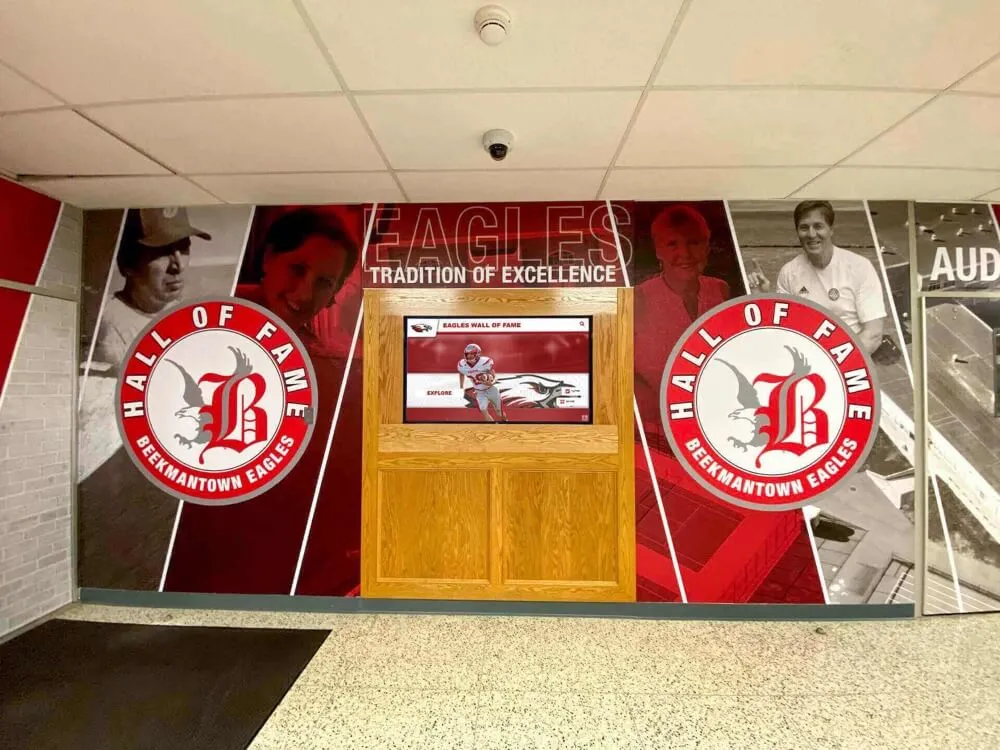
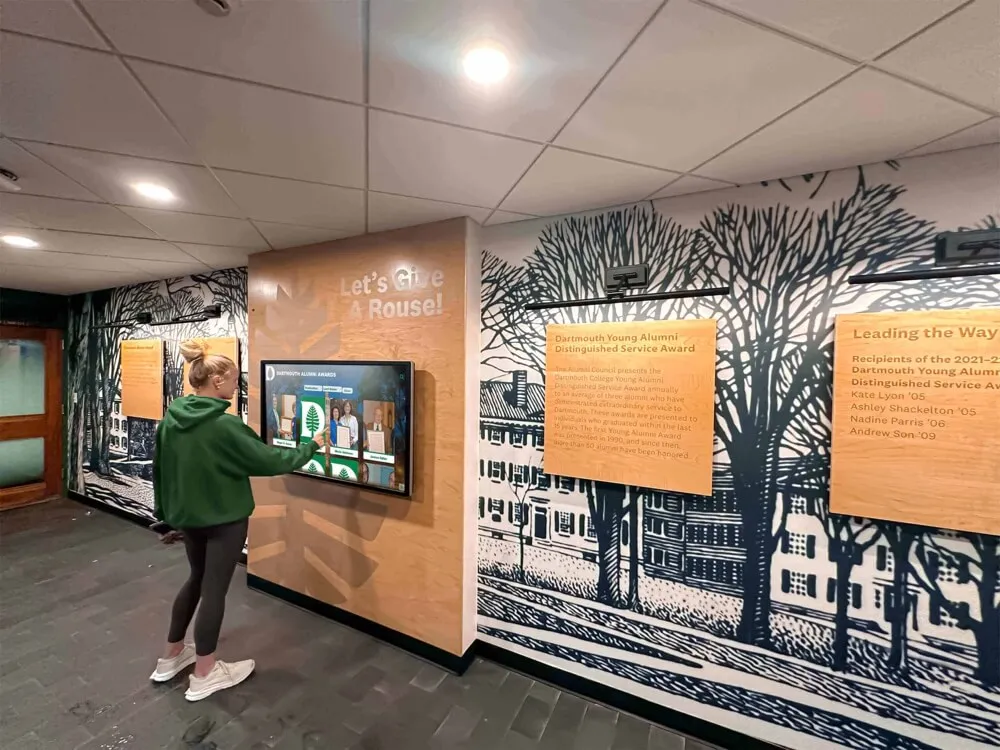
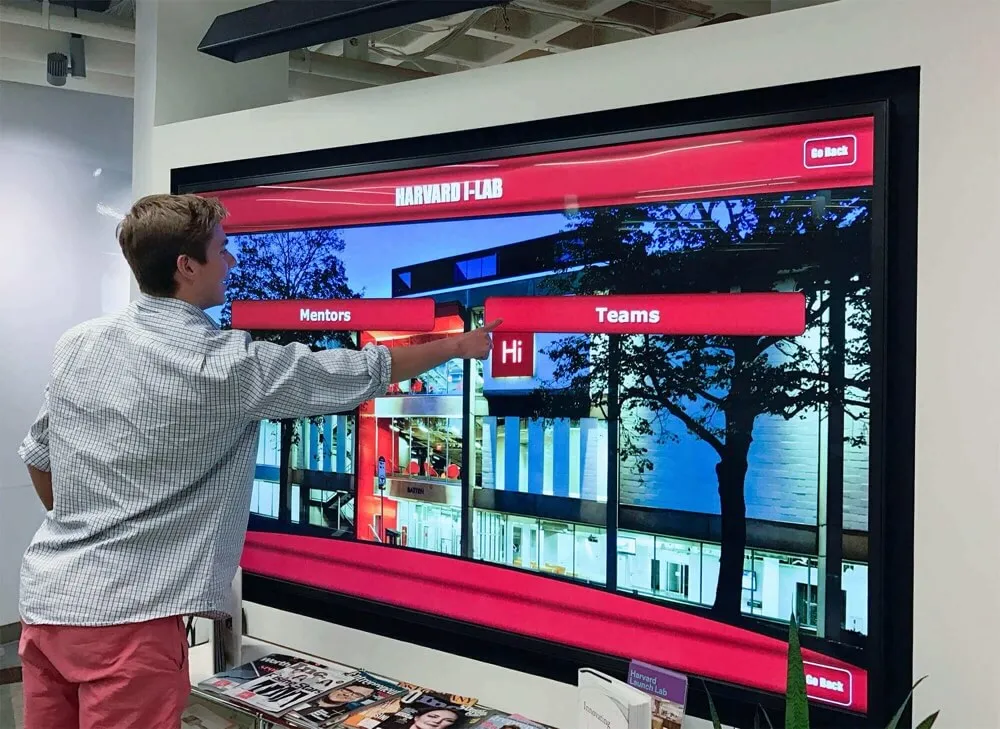
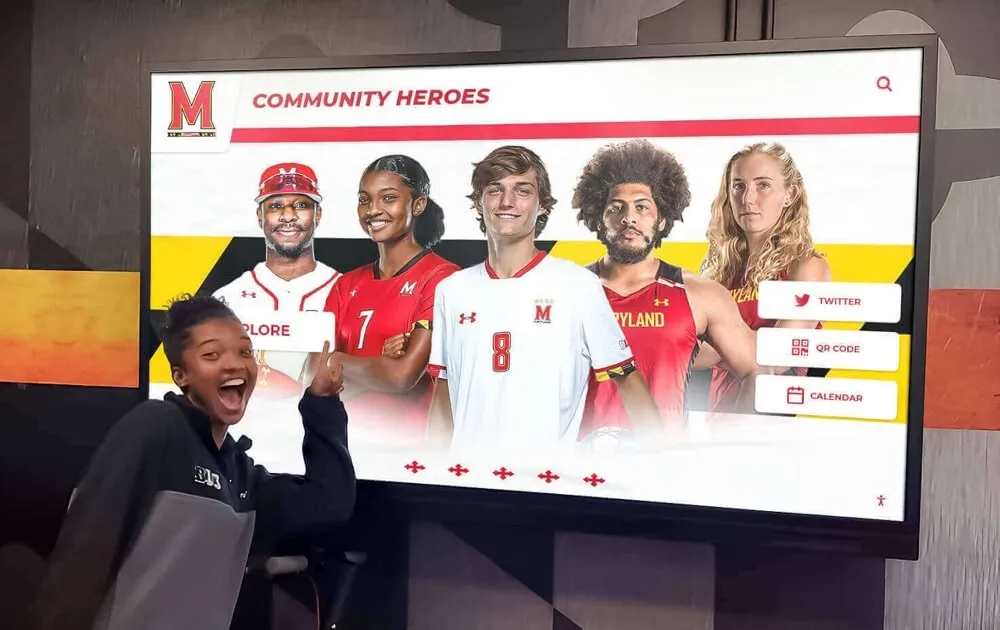
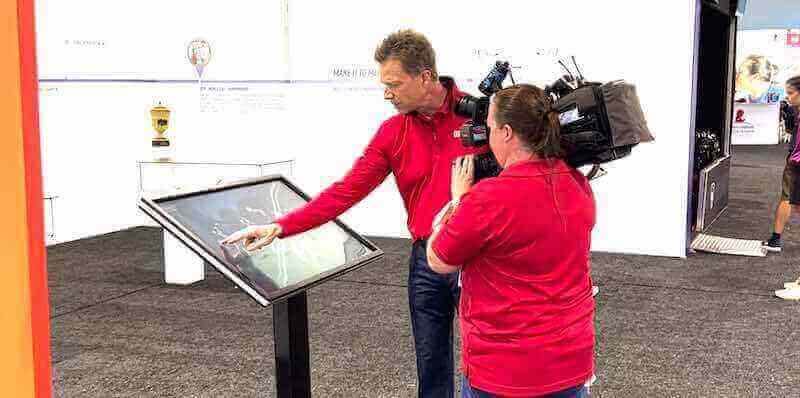
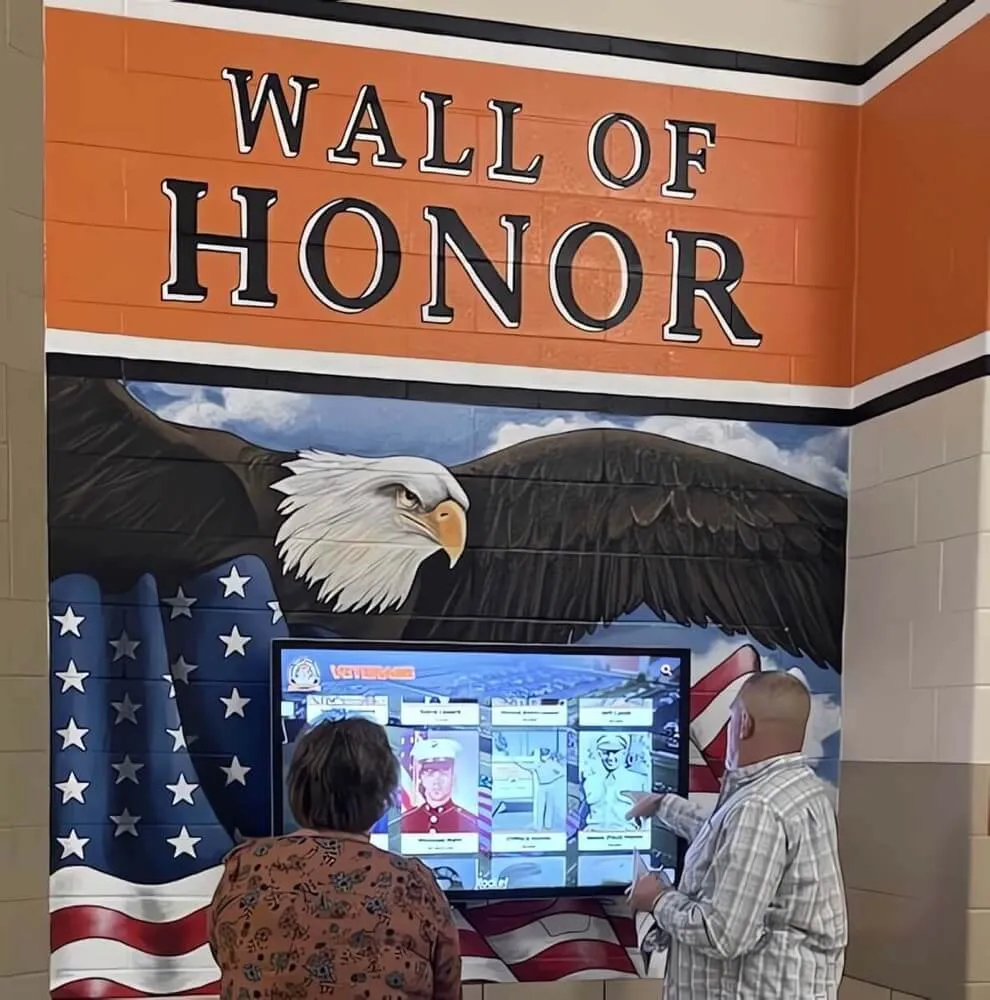
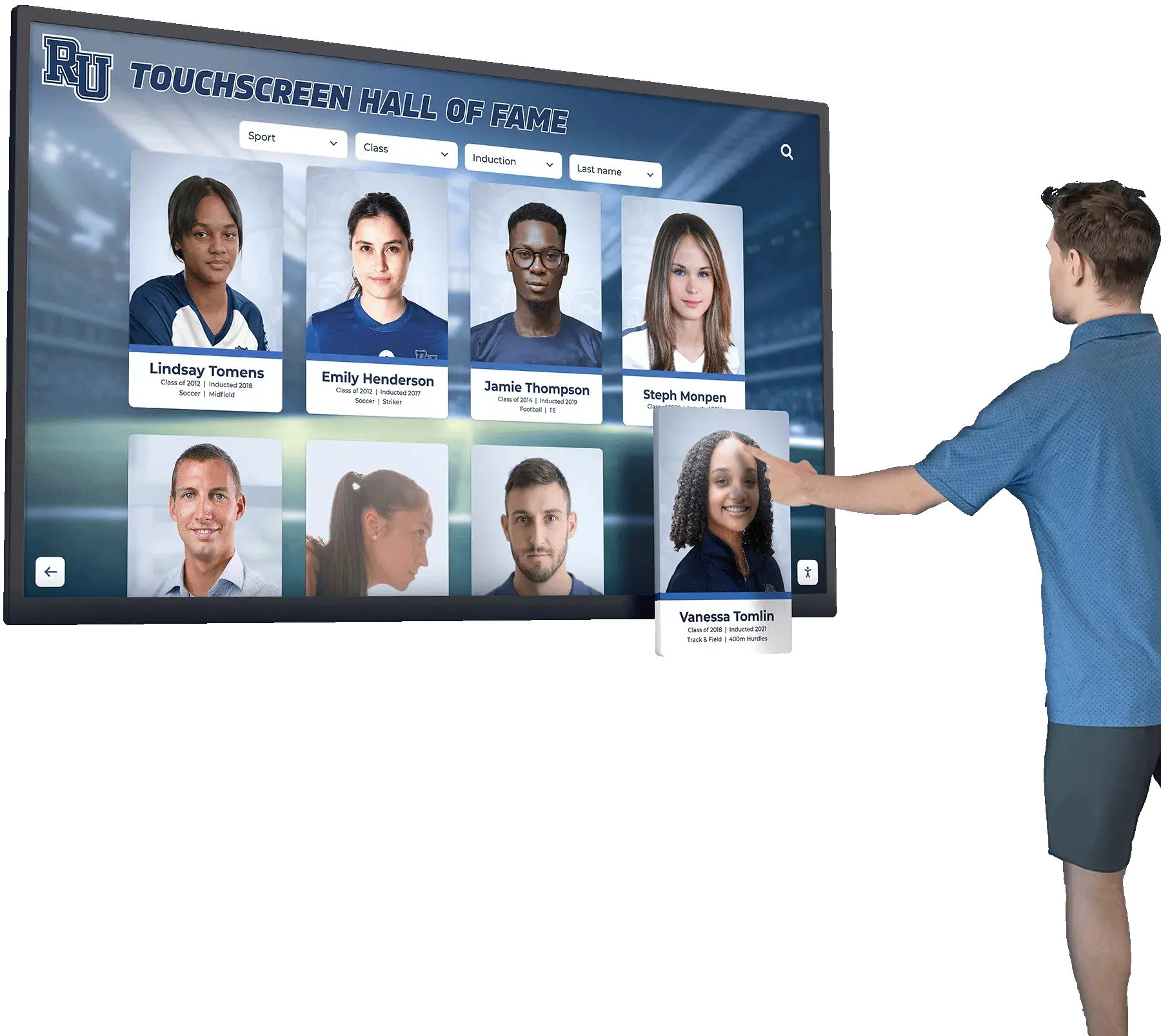
Digital kiosks modernize athletic facilities by showcasing unlimited achievements without physical space constraints
Operational Technology Systems Technology streamlines facility management:
- Access control systems managing entry authorization for different user groups
- Automated lighting controls reducing energy costs while ensuring appropriate illumination
- Climate control optimization balancing comfort with operational efficiency
- Security camera systems protecting facilities and equipment while monitoring activity
- Maintenance management software tracking work orders, scheduling tasks, and managing assets
- Reservation and scheduling platforms coordinating facility use across multiple constituents
Technology investments typically deliver 15-25% operational cost reductions through improved efficiency, energy management, and preventive maintenance—creating ROI within 3-5 years.
Facility Planning and Development
Strategic planning ensures athletic facilities meet evolving program needs while managing limited resources effectively.
Needs Assessment and Master Planning
Current State Analysis Understanding existing conditions informs planning:
- Facility condition assessments evaluating structural integrity, systems functionality, and remaining useful life
- Capacity analysis comparing facility availability against program demands
- Utilization studies identifying underused spaces and scheduling bottlenecks
- Stakeholder feedback gathering input from coaches, athletes, and administrators
- Competitive benchmarking comparing facilities against peer institutions and recruiting competitors
- Compliance gap analysis identifying areas requiring upgrades for regulatory alignment
Comprehensive assessments typically reveal that schools underutilize 20-30% of athletic facility capacity while experiencing shortages in high-demand spaces—suggesting reallocation opportunities before building expansion.
Strategic Priority Setting Limited budgets require prioritization:
- Safety-critical repairs addressing hazards and compliance violations first
- High-impact improvements targeting renovations delivering maximum benefit per dollar invested
- Multi-use enhancements preferring improvements serving multiple programs over single-sport facilities
- Revenue-generating capabilities considering projects enabling rental income or fundraising opportunities
- Recruitment advantages investing in facilities directly impacting competitive positioning
- Deferred maintenance resolution addressing accumulated backlog before escalating costs
Schools implementing hall of fame induction criteria and digital displays often find that recognition technology delivers high impact relative to cost—enhancing facility appeal without major construction.
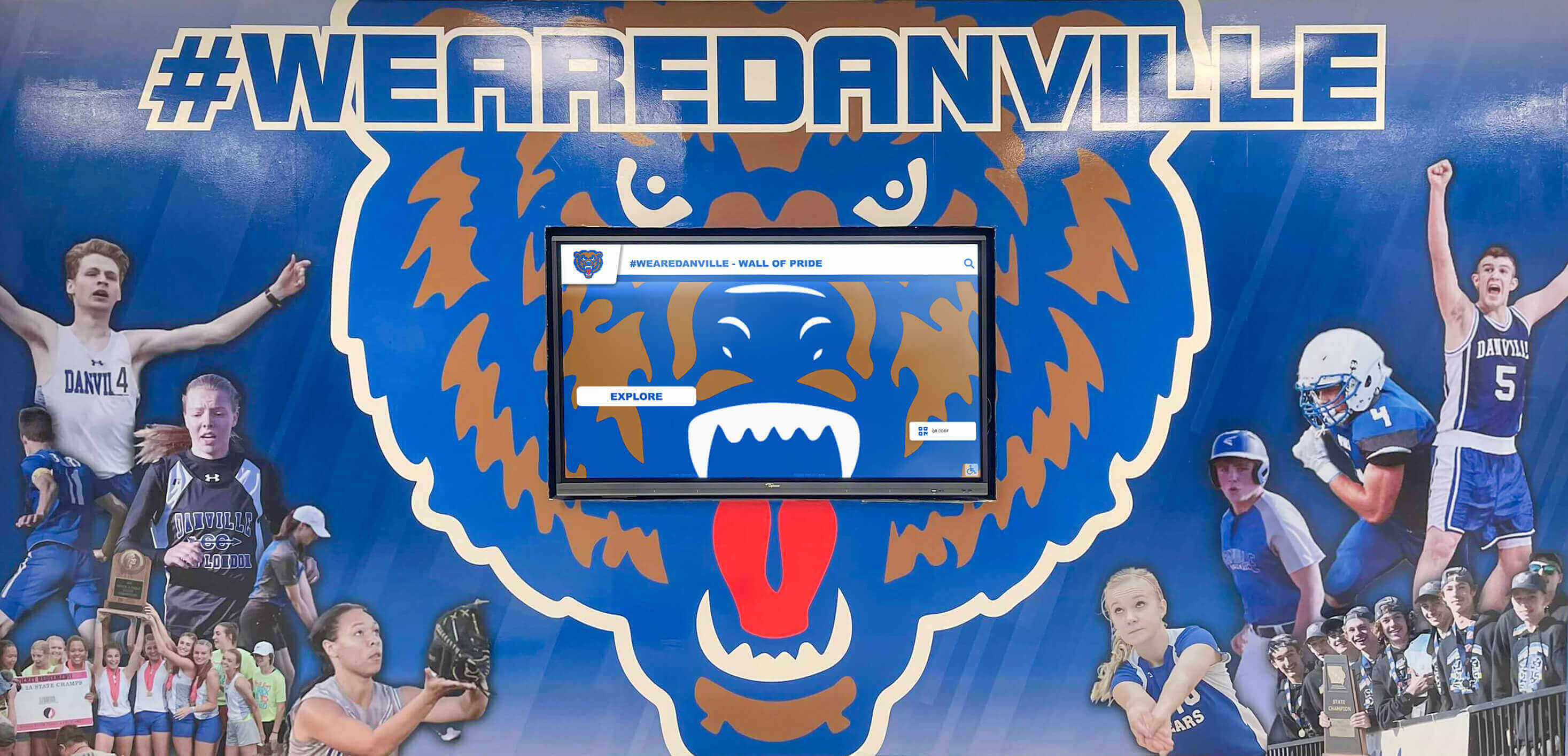
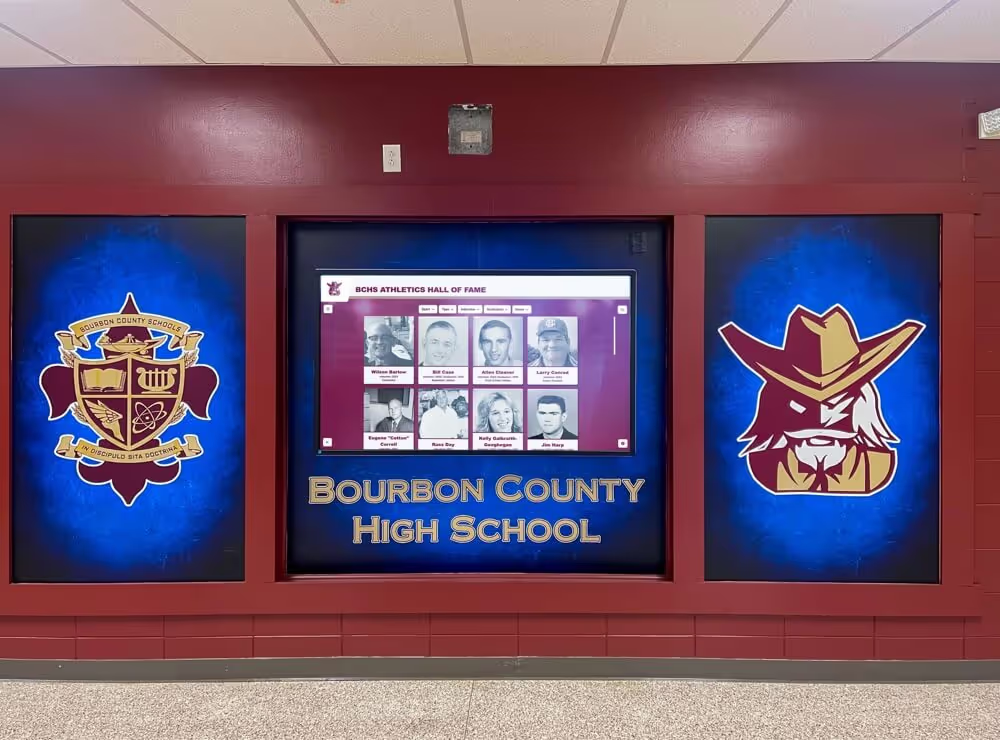
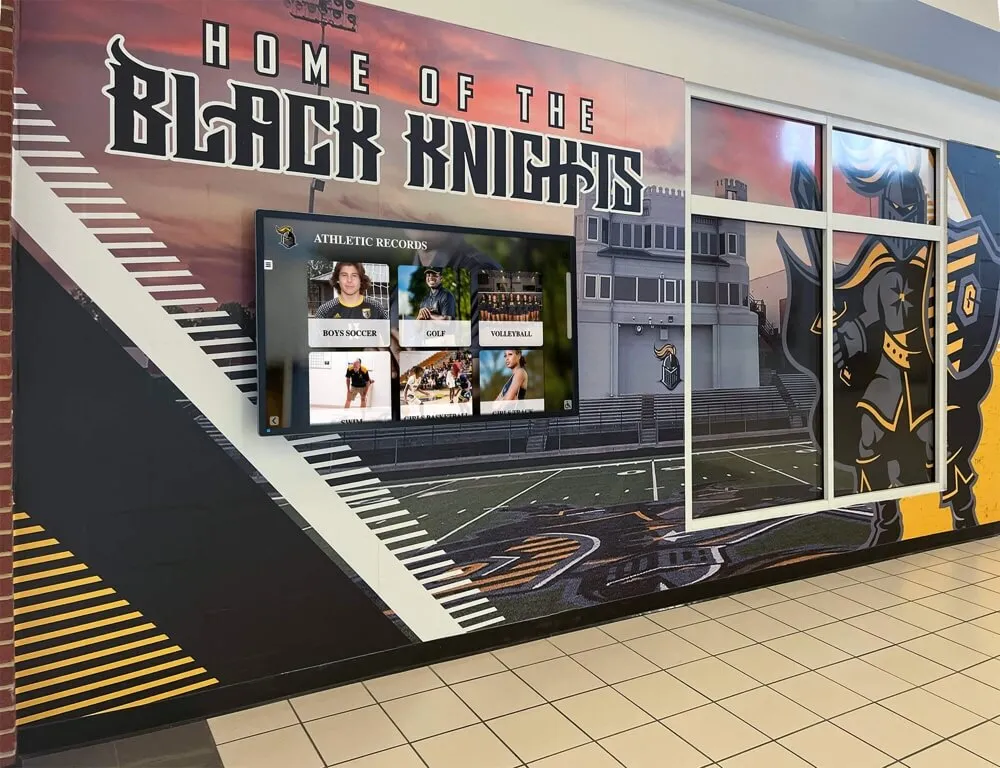
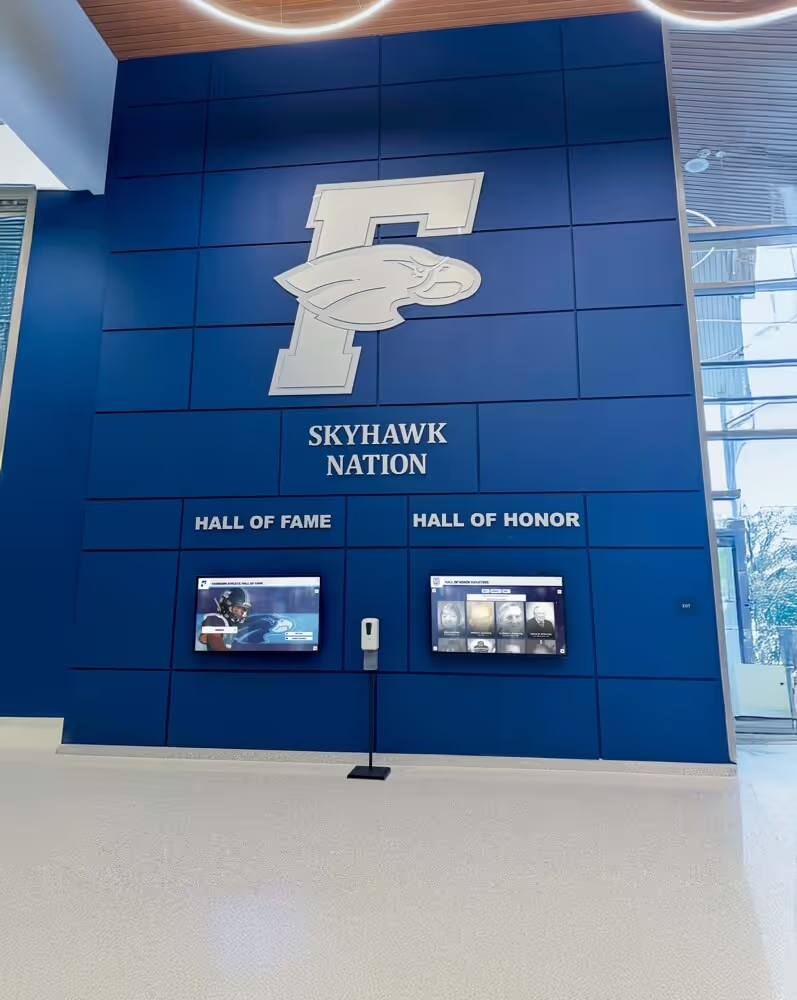
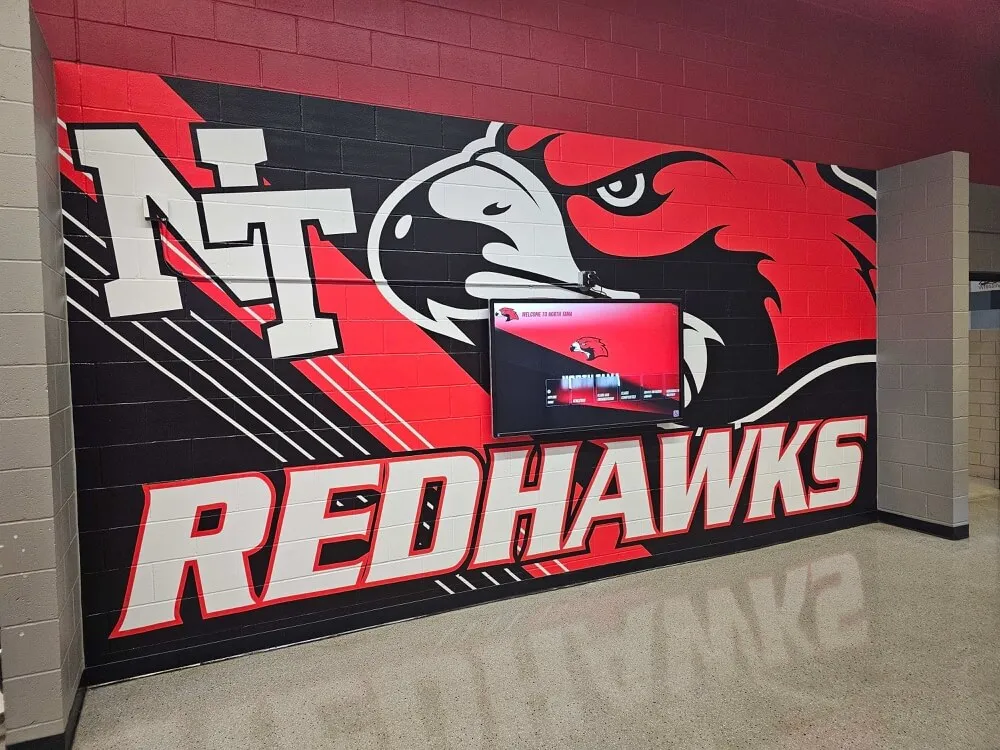
Branded athletic facility entrances create strong first impressions for recruits, visitors, and community members
Budget Management and Funding
Operating Budget Development Systematic budgeting prevents financial surprises:
- Personnel costs including facility managers, custodial staff, and maintenance technicians
- Utilities expenses covering electricity, water, gas, and waste services
- Maintenance supplies for cleaning, repairs, and routine upkeep
- Equipment replacement reserves planning for predictable lifecycle costs
- Service contracts for specialized maintenance, inspections, and repairs
- Insurance and liability coverage protecting against facility-related risks
- Technology subscriptions supporting digital systems and software platforms
Athletic facility operating costs typically range from $8-15 per square foot annually—varying based on facility age, climate, and program intensity. Administrators should budget at the higher end for aging facilities requiring more intensive maintenance.
Capital Funding Strategies Major improvements require dedicated funding approaches:
- Capital campaign integration including facility projects in institutional fundraising
- Naming opportunities offering recognition in exchange for major donations
- Booster organization support leveraging athletic support groups for facility funding
- Municipal partnerships sharing costs for facilities serving community purposes
- Grant programs pursuing athletic facility funding from foundations and government sources
- Bond initiatives financing major construction through voter-approved debt
Schools successfully implementing spring sports awards night planning often use recognition events to cultivate donor relationships supporting facility improvements.
Renovation vs. New Construction Decisions
Renovation Advantages Upgrading existing facilities offers benefits:
- Lower total costs compared to new construction for many projects
- Faster implementation avoiding lengthy permitting and construction timelines
- Preservation of location maintaining familiar, centralized facility positioning
- Operational continuity enabling phased work minimizing disruption
- Environmental sustainability reusing existing structures reducing waste and embodied carbon
Renovation makes particular sense for fundamentally sound structures requiring systems updates, aesthetic improvements, or modernization rather than structural replacement.
New Construction Considerations Building new sometimes proves more cost-effective:
- Optimized layouts designing spaces specifically for current program needs
- Modern systems installing efficient HVAC, lighting, and technology infrastructure
- Code compliance meeting current standards without retrofitting older buildings
- Expanded capacity adding space impossible within existing footprints
- Operational efficiency incorporating design features reducing long-term operating costs
Financial analysis should compare renovation and new construction holistically—including lifecycle costs over 25-30 years rather than just initial investment.
Best Practices for Specific Facility Types
Different athletic spaces require specialized management approaches.
Gymnasium and Indoor Court Management
Floor Care and Maintenance Hardwood gymnasium floors represent significant investments requiring specialized care:
- Daily dust mopping removing debris that can scratch finishes
- Proper cleaning products avoiding solutions damaging floor finish
- Humidity control preventing warping and cupping from moisture fluctuations
- Protective covering using floor mats during non-athletic events
- Periodic screening and recoating refreshing finish every 2-4 years
- Complete refinishing sanding and recoating every 8-12 years depending on use intensity
Properly maintained gymnasium floors last 40+ years—while neglected floors may require replacement after 15-20 years, representing avoidable six-figure expenses.
Multi-Sport Configuration Management Gymnasiums often serve basketball, volleyball, wrestling, and other activities:
- Equipment storage systems organizing goals, nets, and sport-specific gear
- Efficient conversion procedures minimizing setup time between activities
- Floor marking protocols using permanent and temporary lines for different sports
- Portable equipment tracking preventing loss and ensuring availability
- Setup documentation creating procedures enabling consistent, safe configuration
Schools implementing efficient conversion systems report 30-40% time savings compared to ad-hoc approaches—increasing facility availability while reducing staff workload.
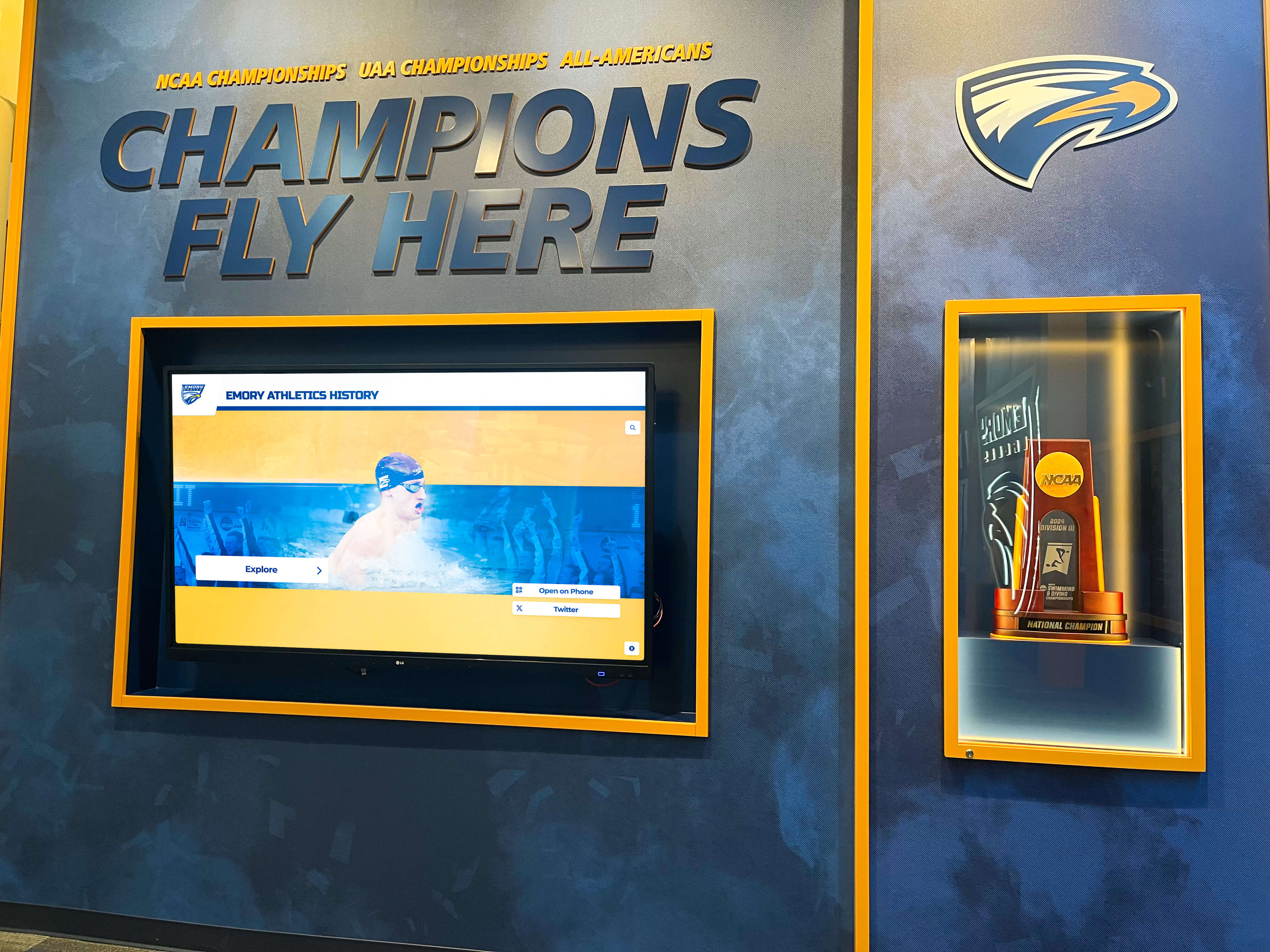
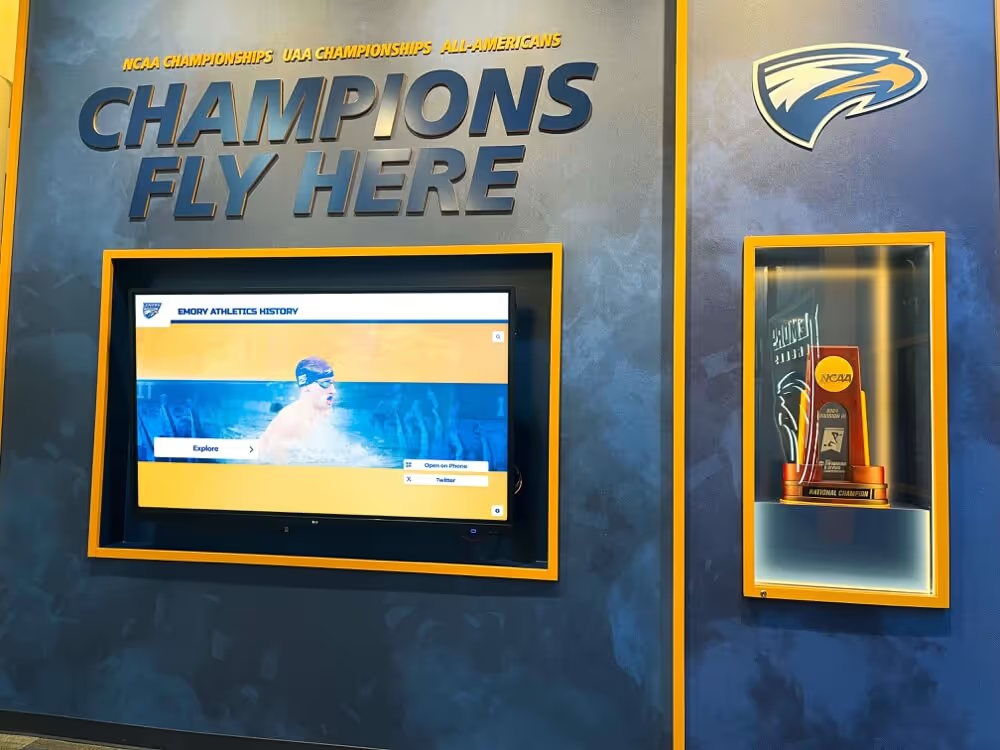
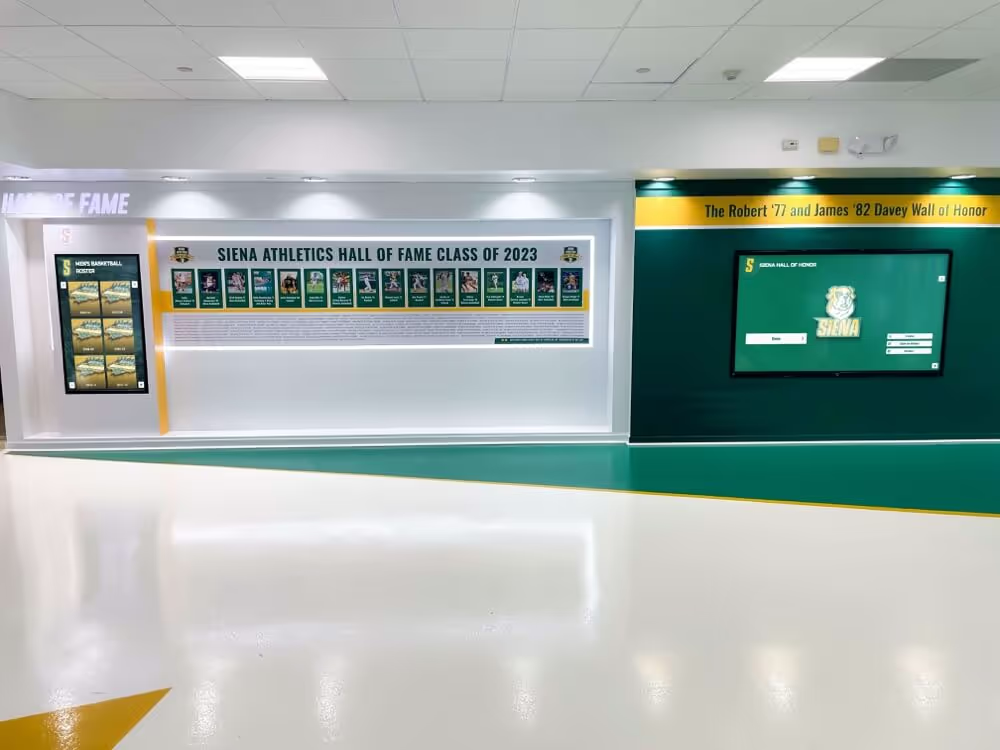
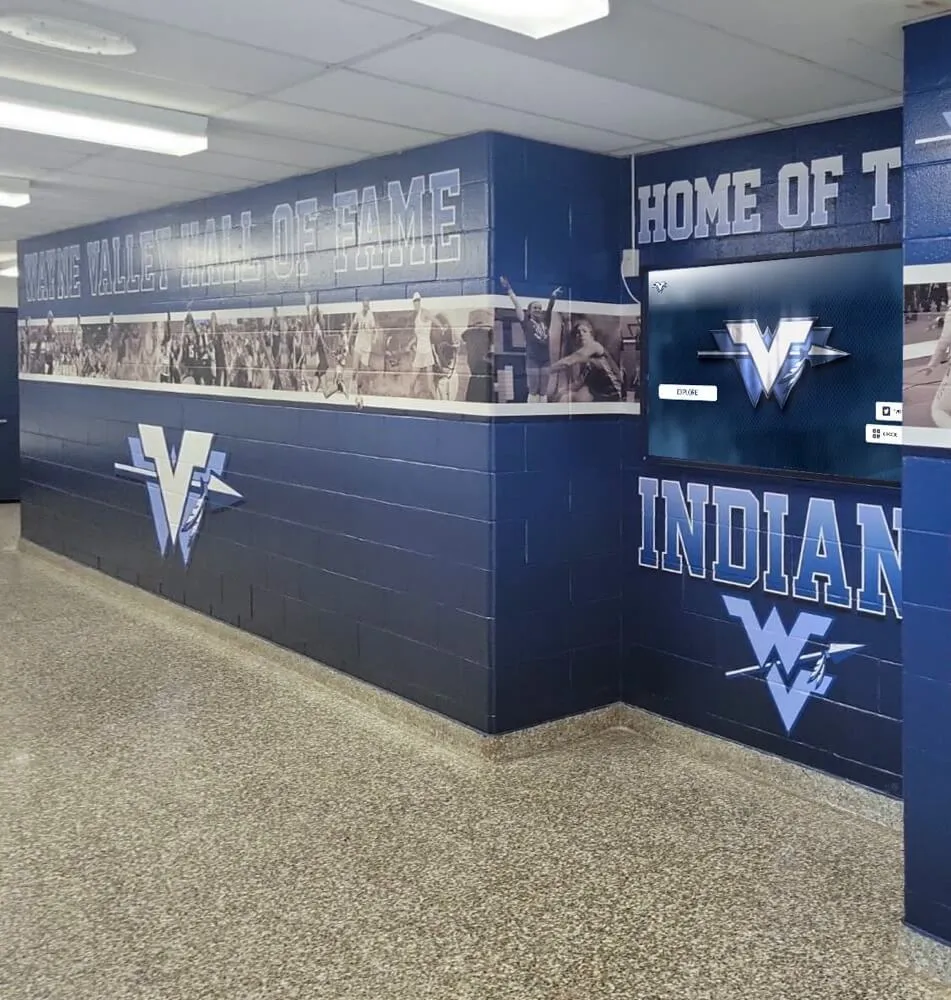
Championship recognition walls celebrate achievement while creating inspiring environments in athletic facilities
Weight Room and Fitness Facility Management
Equipment Maintenance and Safety Weight rooms require rigorous safety protocols:
- Daily equipment inspections checking cables, weights, and structural integrity
- Regular sanitization preventing disease transmission in high-touch environments
- Systematic replacement schedules retiring equipment before catastrophic failure
- Proper equipment spacing ensuring safe movement and exercise performance
- Supervision protocols maintaining qualified staff presence during facility use
- Emergency response planning preparing for injury incidents and equipment malfunctions
Weight room injuries frequently result from equipment failure or improper setup—making systematic maintenance essential for liability protection and athlete safety.
Program-Specific Design and Organization Effective weight rooms serve multiple athletic programs:
- Zone-based layouts organizing equipment by training purpose and athlete level
- Traffic flow management preventing congestion during peak usage
- Storage systems maintaining organization while maximizing training space
- Scheduled access coordinating team training times preventing overcrowding
- Progressive equipment availability providing options for different strength levels and sports
Schools implementing Division III athletics digital recognition systems often incorporate strength and conditioning achievement displays in weight rooms—motivating athletes while celebrating program culture.
Outdoor Field and Facility Management
Turf and Field Maintenance Natural and synthetic surfaces require different approaches:
Natural Grass Fields:
- Seasonal aeration and overseeding maintaining healthy turf density
- Irrigation management balancing water needs against weather conditions
- Fertilization programs supporting growth and resilience
- Pest and disease control preventing turf damage and bare spots
- Use rotation resting fields to enable recovery from heavy use
- Seasonal renovation addressing damage during off-seasons
Synthetic Turf Fields:
- Regular grooming maintaining infill distribution and fiber position
- Deep cleaning removing organic matter preventing drainage problems
- Seam inspection identifying separation requiring repair
- Infill replenishment maintaining proper cushioning levels
- UV protection monitoring tracking surface degradation from sun exposure
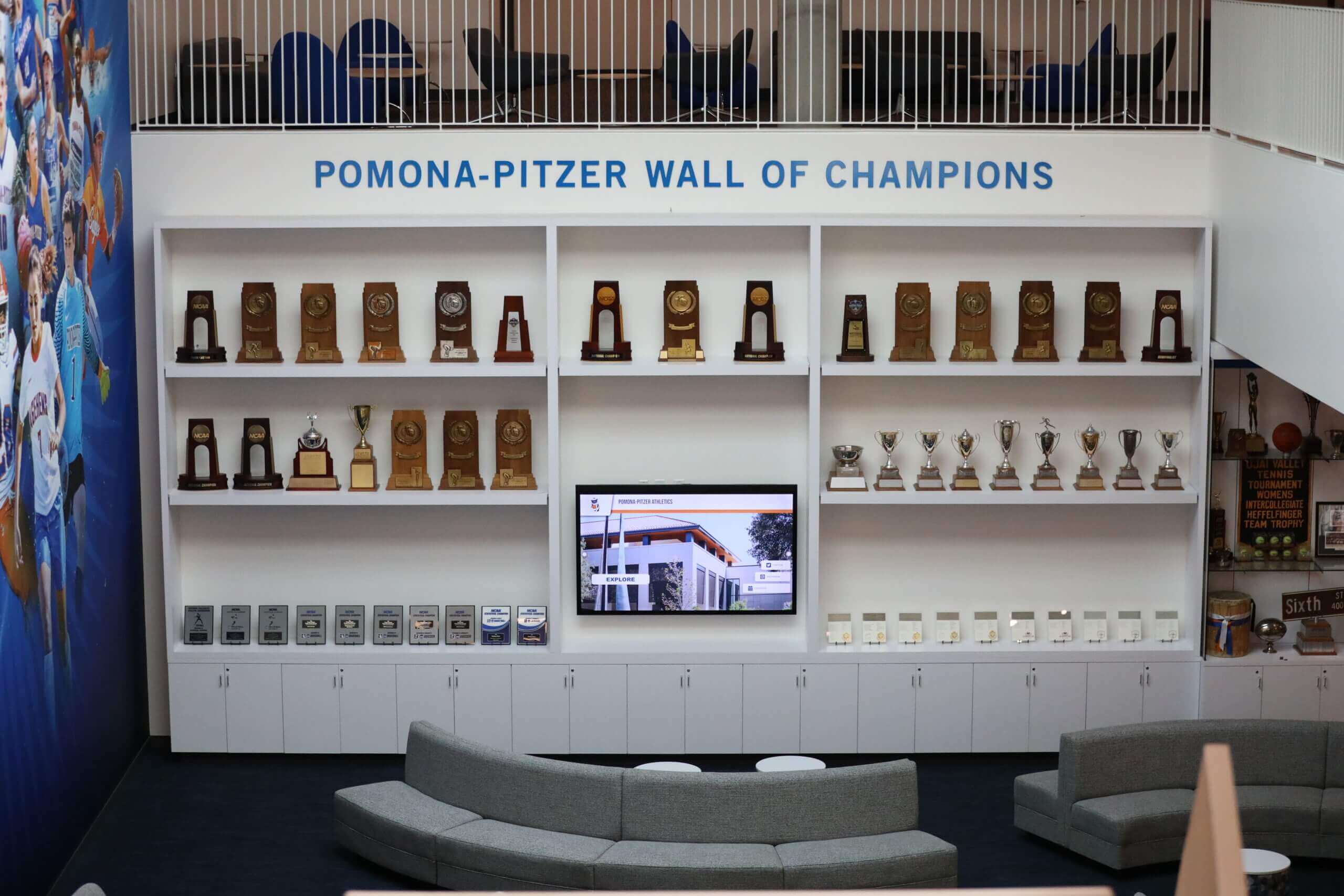
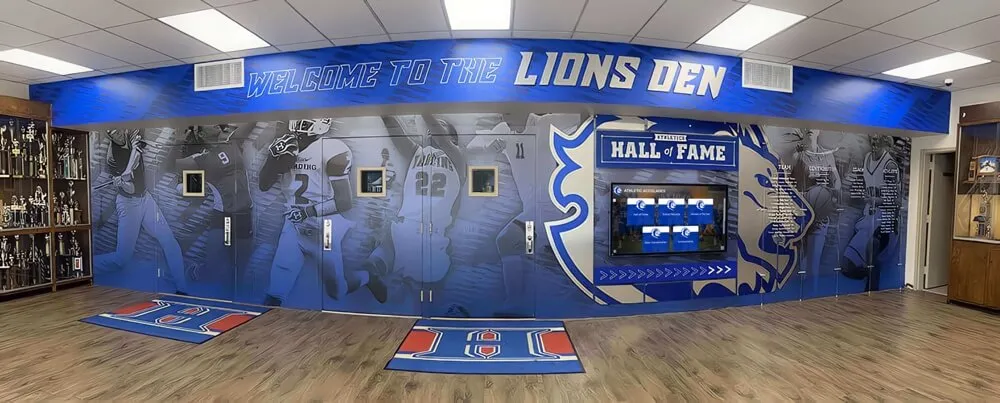
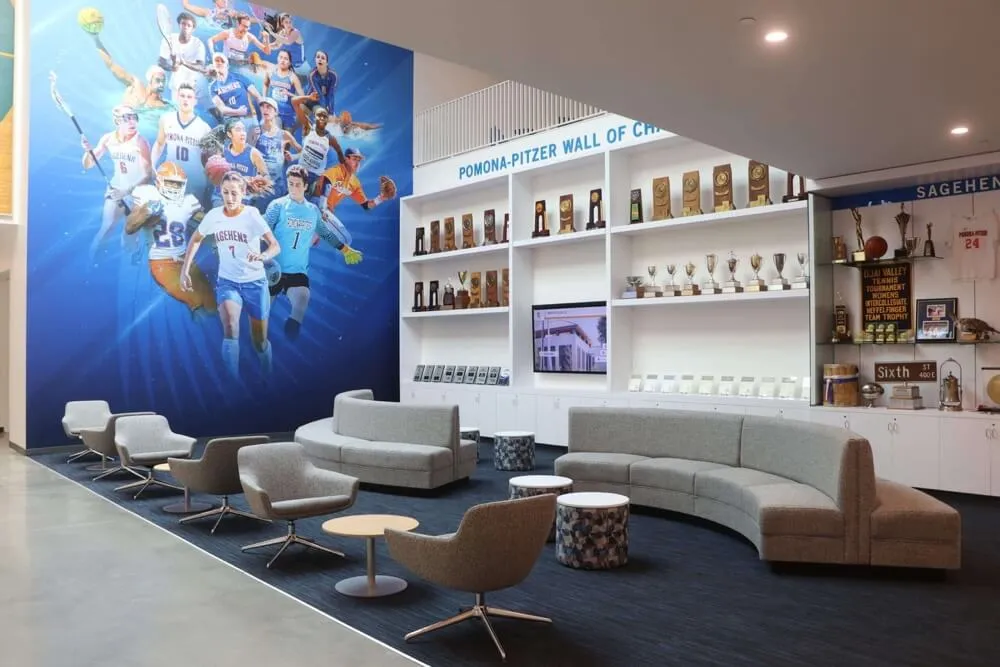
Trophy lounges combine recognition displays with functional gathering spaces for teams and supporters
Synthetic turf fields typically cost $500,000-$1,000,000 installed but eliminate ongoing maintenance expenses associated with natural grass—creating 8-12 year payback periods for high-use facilities.
Weather-Related Challenges Outdoor facilities face environmental management needs:
- Lightning detection systems enabling safe play suspension during storms
- Drainage management preventing field flooding and surface damage
- Snow removal protocols clearing facilities for winter sports and parking
- Temperature monitoring managing heat-related athlete safety concerns
- Seasonal closure decisions protecting fields from damage during unsuitable conditions
Locker Room and Team Space Management
Hygiene and Sanitation Protocols Locker rooms require intensive cleaning:
- Daily sanitization of floors, benches, and high-touch surfaces
- Shower and restroom maintenance preventing mold and bacterial growth
- Ventilation management controlling humidity and odors
- Laundry service coordination managing team uniform and towel cleaning
- Regular deep cleaning addressing areas missed during routine maintenance
- Pest control preventing infestations in spaces with food and moisture
Poor locker room hygiene creates athlete health risks while damaging recruitment—prospective athletes and families consistently cite locker room condition as facility evaluation factor.
Security and Access Control Protecting athletes and belongings requires attention:
- Locker systems providing secure storage during practices and competitions
- Access control limiting entry to authorized individuals
- Surveillance considerations balancing security with privacy expectations
- Lost and found procedures managing abandoned items
- Valuables policies educating athletes about theft prevention
Schools implementing comprehensive security measures report 60-80% reductions in theft incidents compared to open-access approaches.
Technology and Innovation in Facility Management
Modern athletic facilities leverage technology for operational efficiency and enhanced experiences.
Digital Recognition and Engagement Systems
Interactive Athletic Displays Technology transforms how facilities celebrate achievement:
- Touchscreen hall of fame systems showcasing unlimited athletes without physical space constraints
- Digital record boards updating automatically as athletes break records
- Team history displays presenting decades of program tradition accessibly
- Live statistics integration showing real-time performance data during competitions
- Social media integration displaying user-generated content celebrating athletics
Schools implementing military wall of honor and veterans recognition technology often extend similar systems to athletic facilities—creating consistent recognition approaches across campus.
Content Management and Updates Digital displays require systematic content management:
- Cloud-based platforms enabling remote updates without facility visits
- User-friendly interfaces allowing athletic staff to manage content without IT support
- Scheduled content rotation keeping displays fresh and engaging
- Multi-display coordination maintaining consistency across facility locations
- Mobile accessibility enabling content management from anywhere
Modern digital yearbook platforms reduce content management time by 70-80% compared to static display updates—enabling more frequent recognition while reducing staff workload.
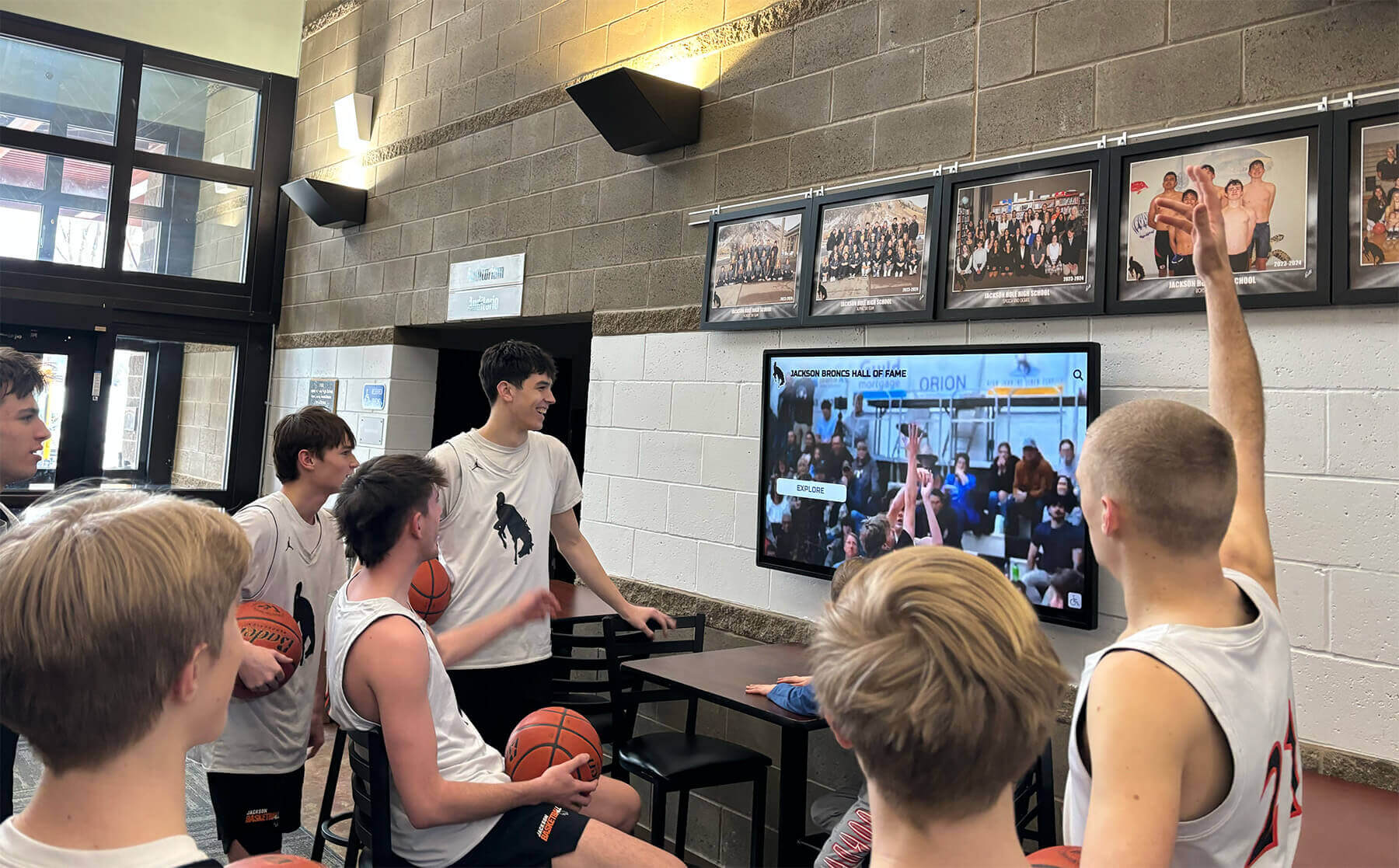
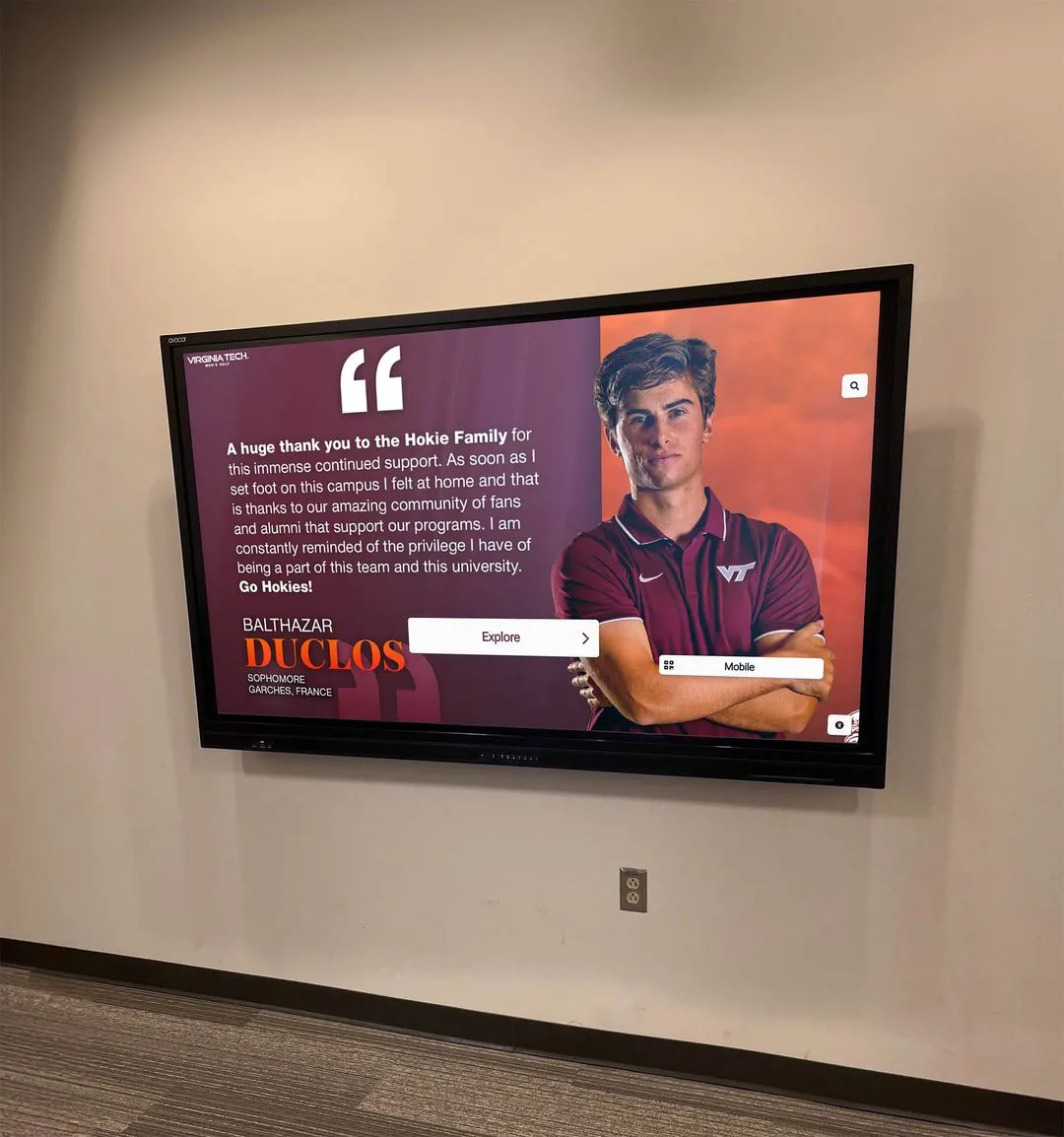
Digital displays create gathering points where students can engage with athletic content and celebrate team achievements
Facility Management Software and Automation
Integrated Management Platforms Comprehensive software streamlines operations:
- Preventive maintenance scheduling automating inspection reminders and task assignment
- Work order management tracking requests from submission through completion
- Asset tracking systems monitoring equipment location, condition, and lifecycle
- Inventory management maintaining cleaning supplies, parts, and consumables
- Vendor coordination managing service contracts and external support
- Cost tracking and reporting enabling budget management and trend analysis
Schools implementing integrated management software report 25-35% improvements in maintenance efficiency while reducing emergency repair frequency through better preventive care.
Energy Management Systems Automated controls reduce operating costs:
- Occupancy-based lighting turning lights off in unused spaces
- Programmable HVAC scheduling reducing climate control during unoccupied periods
- Real-time energy monitoring identifying inefficient systems and usage patterns
- Automated reporting tracking consumption trends informing conservation strategies
- Peak demand management avoiding utility surcharges from simultaneous high usage
Energy management systems typically deliver 15-30% reductions in utility costs—creating 3-5 year payback periods making investments financially attractive.
Staffing and Personnel Management
Effective facility management requires appropriate staffing and organizational structures.
Organizational Structure and Roles
Facility Management Team Composition Comprehensive programs typically include:
- Athletic Facility Director overseeing all facility operations and strategic planning
- Maintenance supervisors managing daily operations and technician teams
- Custodial staff performing cleaning and basic maintenance tasks
- Grounds crew maintaining outdoor fields and landscaping
- Event operations staff coordinating competition setup and management
- Technology coordinators managing digital systems and athletic technology
Staffing levels should align with facility size and program intensity—typically requiring 1 full-time equivalent per 20,000-30,000 square feet for comprehensive maintenance.
Outsourcing vs. In-House Decisions Schools must determine appropriate service delivery models:
In-House Advantages:
- Direct control over quality and scheduling
- Institutional knowledge and continuity
- Immediate responsiveness to urgent needs
- Long-term cost advantages for routine services
- Integration with school culture and mission
Outsourcing Benefits:
- Access to specialized expertise for complex systems
- Reduced benefits and administrative costs
- Flexibility to scale services based on seasonal needs
- Latest equipment and techniques
- Performance guarantees and liability transfer
Most schools use hybrid approaches—maintaining in-house staff for daily operations while outsourcing specialized services like HVAC maintenance, floor refinishing, or field renovation.
Learn how institutions implement collegiate donor wall recognition that enhances athletic facilities while supporting fundraising for operational and capital needs.
Training and Professional Development
Staff Competency Development Effective facility management requires ongoing learning:
- Safety certification programs ensuring OSHA compliance and best practices
- Equipment-specific training for specialized athletic systems and machinery
- Customer service skills improving interactions with coaches, athletes, and visitors
- Emergency response preparation conducting drills and scenario training
- Technology proficiency keeping pace with evolving facility systems
- Professional association participation staying current with industry standards
Schools investing in staff development report higher employee retention and service quality—typically seeing 20-30% reductions in turnover costs compared to organizations neglecting training.
Succession Planning Institutional knowledge requires protection:
- Documentation of procedures capturing expertise before staff departures
- Cross-training programs preventing single points of failure
- Mentorship systems transferring knowledge from experienced to newer staff
- Career development pathways retaining quality employees through advancement opportunities
Losing experienced facility managers without succession plans often costs schools 6-12 months of reduced efficiency while new staff develop facility-specific knowledge.
Sustainability and Environmental Stewardship
Modern facility management increasingly emphasizes environmental responsibility.
Energy Efficiency and Conservation
Facility Energy Audits Understanding consumption enables improvement:
- Baseline usage analysis establishing current consumption patterns
- System efficiency assessment identifying underperforming equipment
- Insulation and envelope evaluation finding heat loss and infiltration
- Lighting efficiency review comparing current systems against LED alternatives
- Utility rate analysis optimizing usage timing based on pricing structures
Energy audits typically identify improvement opportunities delivering 20-40% consumption reductions through low-cost operational changes and capital investments with 2-5 year paybacks.
Sustainable Technology Integration Modern systems reduce environmental impact:
- LED lighting retrofits cutting electricity usage 50-70% while improving illumination quality
- High-efficiency HVAC systems reducing heating and cooling costs substantially
- Solar panel installations generating renewable power offsetting utility purchases
- Smart building automation optimizing energy use based on occupancy and weather
- Water conservation systems reducing consumption through efficient fixtures and irrigation
Schools implementing digital showcase systems for class officers and athletic recognition find that modern digital displays consume less energy than traditional lighting used to illuminate static plaques and trophy cases.
Water Management and Conservation
Irrigation Efficiency Outdoor athletic fields often represent largest water consumption:
- Weather-based irrigation controllers adjusting watering based on rainfall and evaporation
- Soil moisture sensors preventing overwatering while maintaining healthy turf
- Drought-tolerant grass varieties reducing water requirements without sacrificing playability
- Efficient sprinkler systems delivering water precisely where needed
- Rainwater harvesting capturing precipitation for irrigation reducing potable water demand
Modern irrigation management can reduce water consumption 30-50% compared to traditional approaches—generating substantial cost savings while supporting environmental stewardship.
Indoor Water Conservation Locker rooms and training facilities offer conservation opportunities:
- Low-flow fixtures reducing water usage without compromising functionality
- Touchless controls preventing waste from fixtures left running
- Water heater efficiency reducing energy required for shower heating
- Leak detection systems identifying problems before significant waste occurs
- Wastewater treatment enabling water reuse for irrigation and other purposes
Community Engagement and Facility Access
Athletic facilities serve broader institutional missions beyond varsity athletics.
Community Use Programs
Facility Rental and Shared Use Athletic facilities can generate revenue while serving communities:
- Youth organization partnerships hosting recreational leagues and tournaments
- Adult recreational programs providing fitness and sport opportunities
- Tournament hosting generating rental income and community economic impact
- Summer camp programs maximizing facility utilization during off-seasons
- Non-profit organization access supporting community organizations aligned with mission
Schools generating $50,000-$200,000 annually through facility rentals often offset 10-25% of operating costs—improving financial sustainability while serving public purposes.
Access Policies and Risk Management Community use requires clear policies:
- Liability insurance requirements protecting institutions from third-party incidents
- Facility use agreements clarifying responsibilities and expectations
- Supervision and oversight ensuring appropriate facility use and safety
- Priority scheduling maintaining athletic program access while serving community
- Damage deposit systems motivating proper care and covering repair costs
Well-designed community access programs enhance institutional relationships while minimizing operational burden and risk exposure.
Recruitment and Competitive Positioning
Facility Impact on Athletic Recruitment Prospective student-athletes consistently evaluate facilities:
- First impressions matter with facility quality directly influencing school perception
- Competitive comparisons where facilities create advantages or disadvantages
- Training capability demonstration showing commitment to athletic excellence
- Safety and modernity signals indicating institutional investment in student welfare
- Recognition systems showcasing program tradition and achievement culture
Athletic directors report that facility quality ranks among top three factors influencing athlete school selection—making facility investment a recruitment strategy component.
Schools implementing varsity letterman awards displays in athletic facilities create powerful recruitment tools that demonstrate program tradition and recognition culture to prospective athletes.
Virtual Facility Tours and Marketing Technology extends facility showcase opportunities:
- 360-degree virtual tours allowing remote facility exploration
- Video highlight packages showcasing facilities during recruiting communications
- Social media facility features building awareness and excitement
- Website facility pages providing comprehensive information with professional photography
- Recruiter facility presentations enabling coaches to showcase spaces effectively
Virtual facility marketing enables recruitment impact beyond official visit opportunities—particularly important for reaching athletes who may not visit campus before commitment decisions.
Measuring Success and Continuous Improvement
Systematic assessment ensures facility management effectiveness.
Key Performance Indicators
Operational Metrics Tracking performance enables improvement:
- Preventive maintenance completion rates measuring adherence to schedules
- Emergency repair frequency indicating preventive program effectiveness
- Facility availability percentages tracking downtime from maintenance and failures
- Energy consumption per square foot monitoring efficiency trends
- User satisfaction scores assessing stakeholder experience and perceptions
- Safety incident rates measuring injury and accident frequency
- Budget variance analysis comparing actual spending against projections
Regular metric review identifies trends requiring intervention while demonstrating management effectiveness to administrators and stakeholders.
Benchmarking and Comparative Analysis Understanding peer performance provides context:
- Industry standard comparisons evaluating performance against facility management norms
- Peer institution analysis comparing against similar schools and programs
- Best practice identification learning from high-performing programs
- Cost efficiency assessment determining whether spending delivers appropriate value
- Service level comparisons evaluating whether facility quality matches program ambitions
Schools participating in facility management associations access benchmarking data enabling meaningful performance comparisons and improvement identification.
Stakeholder Feedback Systems
Multi-Constituency Input Collection Different user groups provide valuable perspectives:
- Coach and staff surveys assessing facility functionality for program needs
- Student-athlete feedback gathering user experience insights
- Event attendee input understanding spectator satisfaction and needs
- Maintenance staff surveys identifying operational challenges and improvement opportunities
- Community user feedback evaluating rental and shared use experiences
Regular feedback collection demonstrates responsiveness while identifying issues before they escalate into major problems or complaints.
Continuous Improvement Planning Systematic enhancement maintains facility quality:
- Annual facility assessments evaluating condition and identifying needs
- Priority setting processes determining improvement sequences
- Pilot program testing evaluating innovations before full implementation
- Lessons learned documentation capturing insights from projects and incidents
- Strategic plan updates aligning facility management with evolving institutional priorities
Conclusion: Building Excellence Through Facility Management
Athletic facility management represents far more than maintaining buildings and equipment—it encompasses creating environments where student-athletes develop their abilities, teams build championship cultures, communities gather to celebrate achievement, and institutions demonstrate their commitment to athletic excellence. Effective facility management delivers competitive advantages, protects million-dollar investments, ensures participant safety, and creates experiences that resonate for decades.
The most successful athletic facility management programs share essential characteristics: systematic preventive maintenance preventing costly failures, comprehensive scheduling maximizing utilization while serving diverse constituents, proactive safety protocols protecting participants and limiting liability, strategic technology integration enhancing both operations and experiences, well-trained staff delivering consistent service quality, sustainable practices reducing environmental impact and operating costs, and continuous improvement cultures that evolve with changing needs and opportunities.
Modernize Your Athletic Facility Recognition
Discover how digital recognition systems can transform your athletic facilities while simplifying content management, reducing maintenance costs, and creating engaging experiences that celebrate your program's achievements for generations.
Explore Digital Recognition SolutionsModern facility management has evolved substantially beyond traditional custodial and maintenance approaches. Today’s athletic facilities integrate sophisticated technologies for energy management, digital recognition, automated scheduling, and operational efficiency that would have seemed impossible just a decade ago. These innovations enable administrators to deliver superior facility experiences while managing costs more effectively than ever before—creating opportunities for schools at all resource levels to compete through facility excellence.
Yet technology alone doesn’t create great athletic facilities. The foundation remains systematic management approaches that prioritize safety, maintain equipment properly, schedule efficiently, budget realistically, and remain responsive to stakeholder needs. Technology amplifies good management but cannot compensate for poor fundamental practices—successful programs integrate modern tools with timeless operational principles.
Your athletic facilities represent significant institutional investments deserving professional management that protects physical assets while maximizing value delivery across multiple constituencies. Whether managing a single gymnasium or comprehensive athletic complexes, systematic approaches to maintenance, scheduling, safety, technology integration, and continuous improvement create facilities that serve student-athletes, teams, and communities effectively for decades.
Start strengthening your athletic facility management today. Conduct comprehensive facility assessments identifying maintenance needs and improvement opportunities. Implement preventive maintenance programs protecting investments while reducing emergency repairs. Leverage technology for energy efficiency, digital recognition, and operational automation. Develop staff capabilities through training and professional development. And create feedback systems ensuring facilities evolve to meet changing needs and expectations.
Your student-athletes, coaches, community members, and institution deserve athletic facilities managed with the same excellence you expect from athletic programs themselves. With thoughtful planning, systematic operations, appropriate technology integration, and genuine commitment to continuous improvement, you can create athletic environments that inspire championship performance while remaining financially sustainable and operationally excellent.
Ready to enhance your facility management? Explore how digital wall of fame systems can modernize athletic facility recognition, learn about touchscreen technology history informing facility technology decisions, or discover approaches for modernizing traditional halls of fame that can transform your athletic facilities.
The facilities you manage today shape the athletic experiences and memories students will carry throughout their lives. Through professional management, strategic investment, and unwavering commitment to excellence, you can create athletic environments worthy of the dedication your student-athletes demonstrate every day.