Every athletic season generates far more than wins and losses. Your department produces individual records, team milestones, scholarship outcomes, photos worth preserving, sponsor relationships worth acknowledging, and alumni connections worth celebrating — and at year’s end, most of that material risks being scattered across folders, inboxes, and coaches’ memories rather than assembled into something useful. An athletic department annual report changes that by capturing the full story of your program in one document that serves athletic directors, administrators, advancement staff, alumni relations teams, and communications staff simultaneously.
This guide gives you a practical template and section-by-section checklist for building an athletic department annual report that works both as an accountability document and a recognition artifact. It covers what to include, how to organize it, how to format it for different audiences, and how to connect the finished report to your department’s year-round recognition infrastructure — from record boards and hall of fame nominations to sponsor stewardship and digital archives.
The annual report is one of the few documents in a school’s athletic department that genuinely serves every stakeholder at once. Administrators use it to evaluate program health and allocate next year’s resources. Advancement teams mine it for donor stewardship content. Alumni offices use it to reconnect graduates with current achievements. Communications staff pull highlights into newsletters and social posts. The document earns its production effort many times over when those audiences actually receive it.

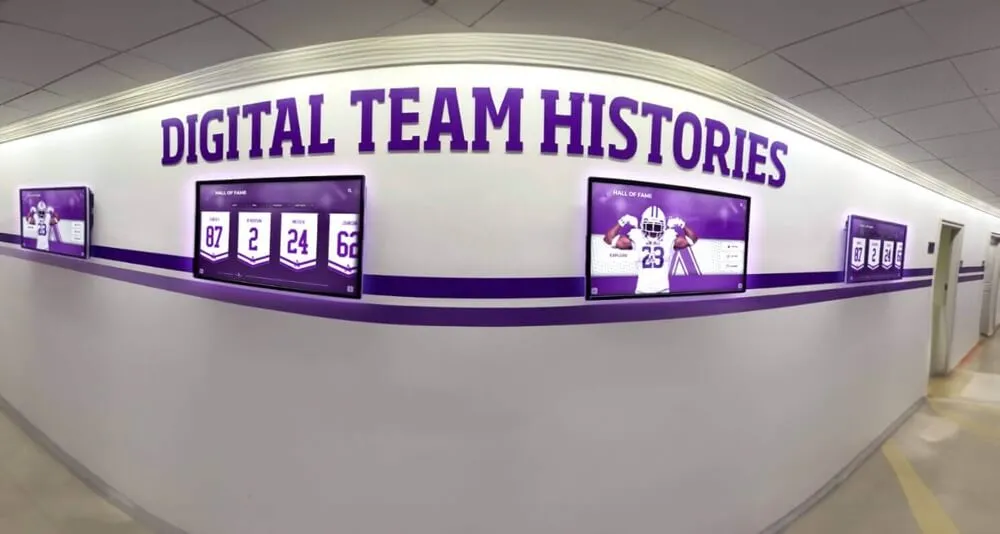
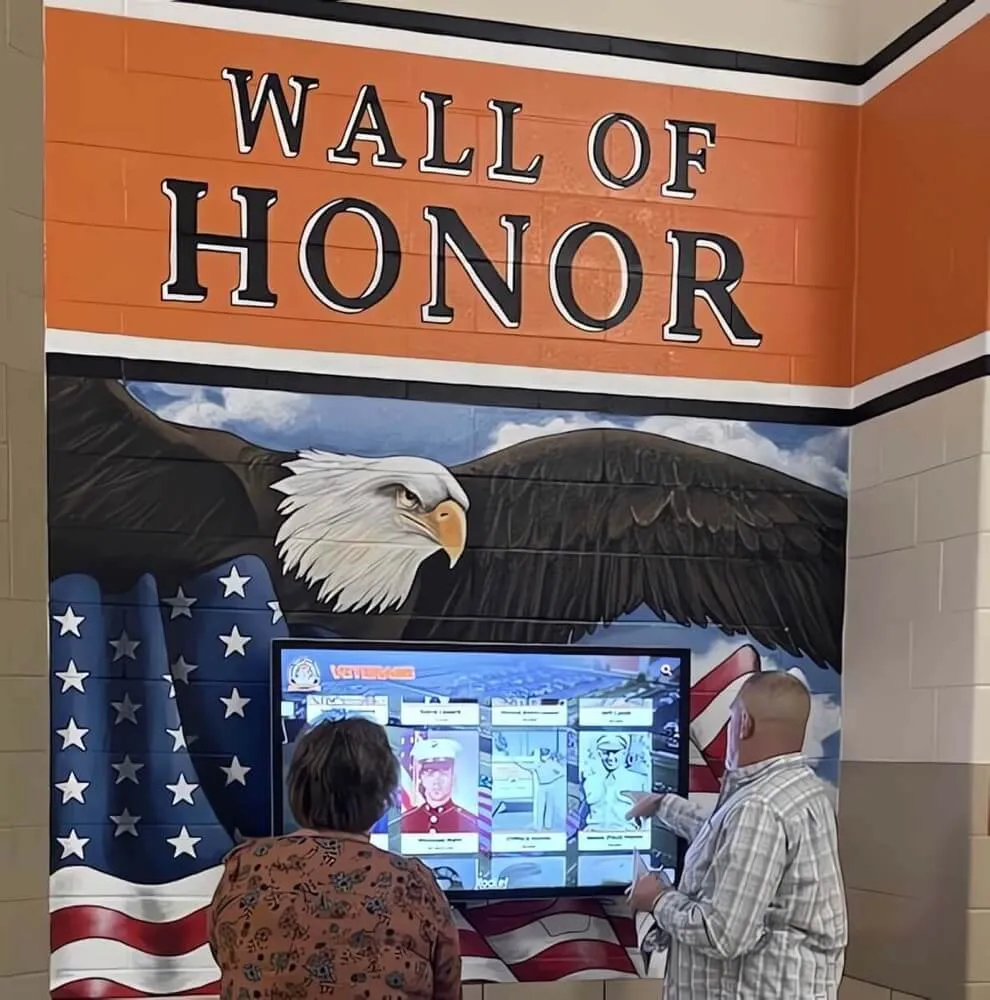
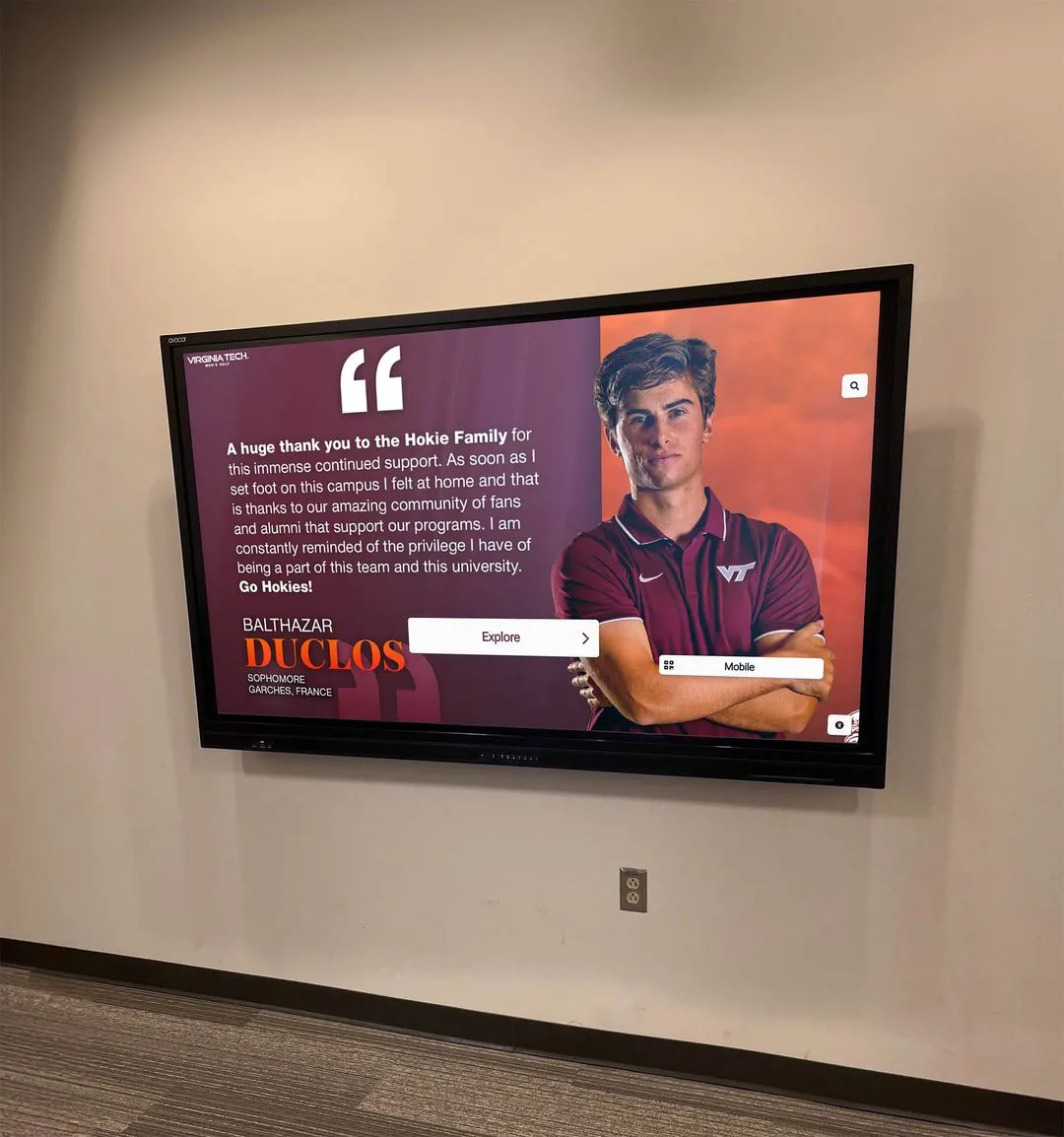
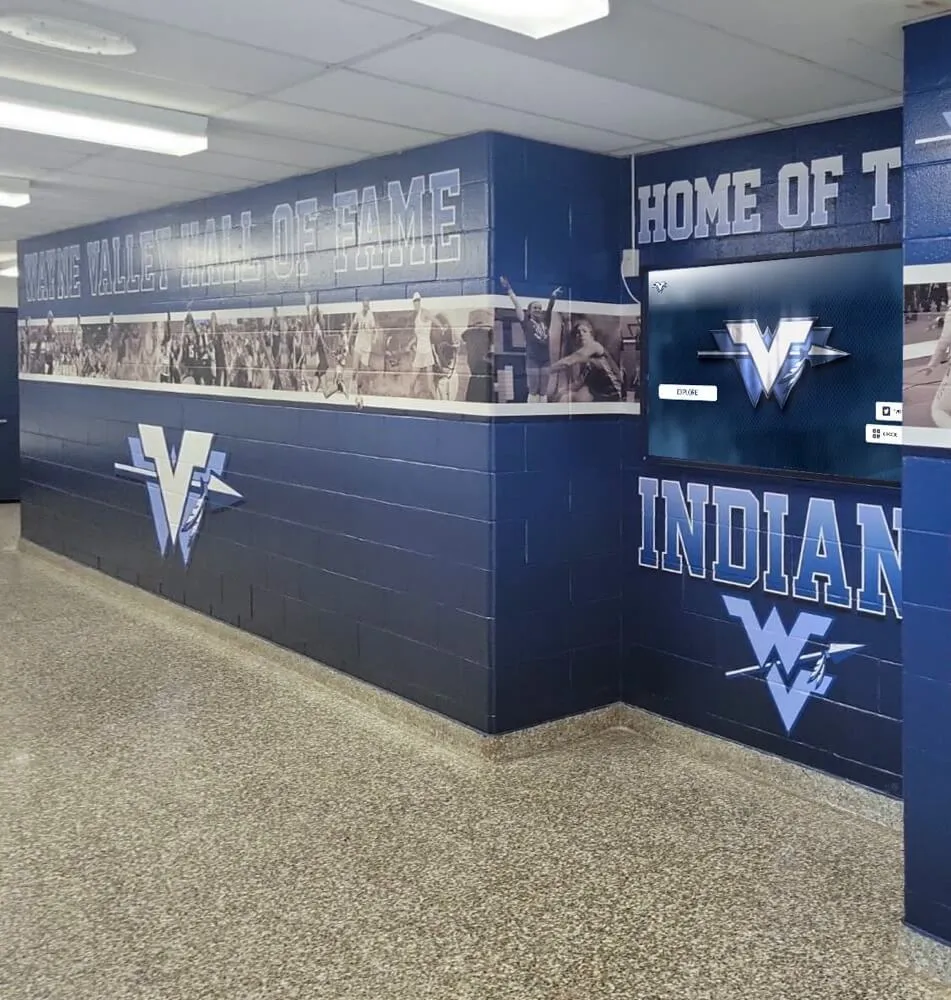
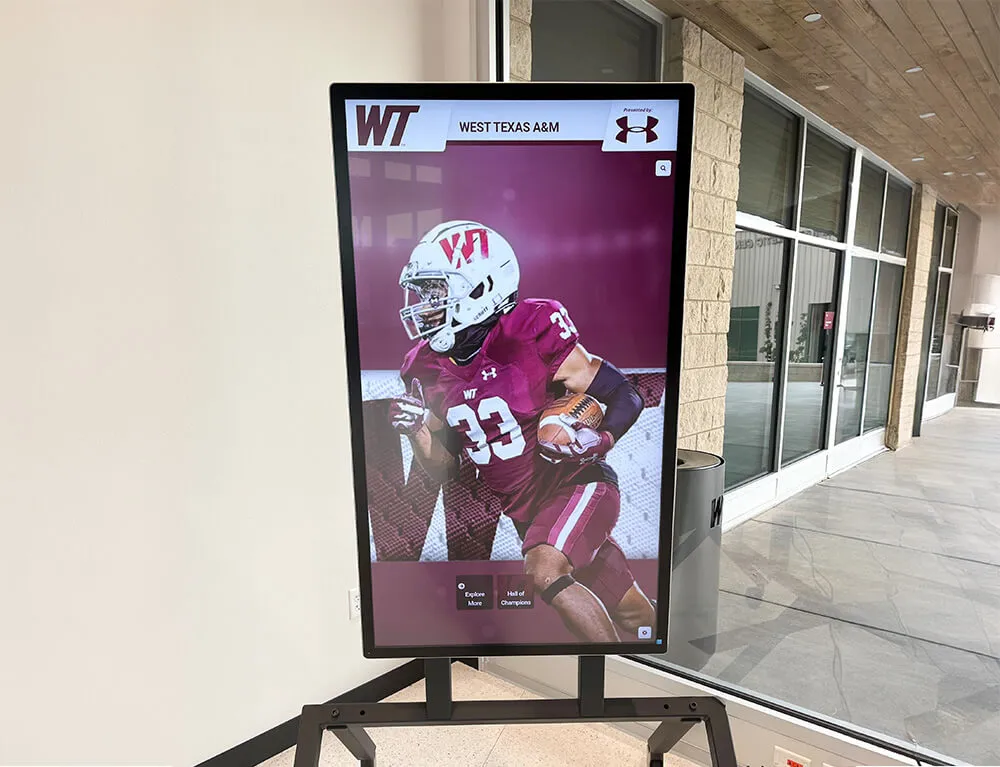
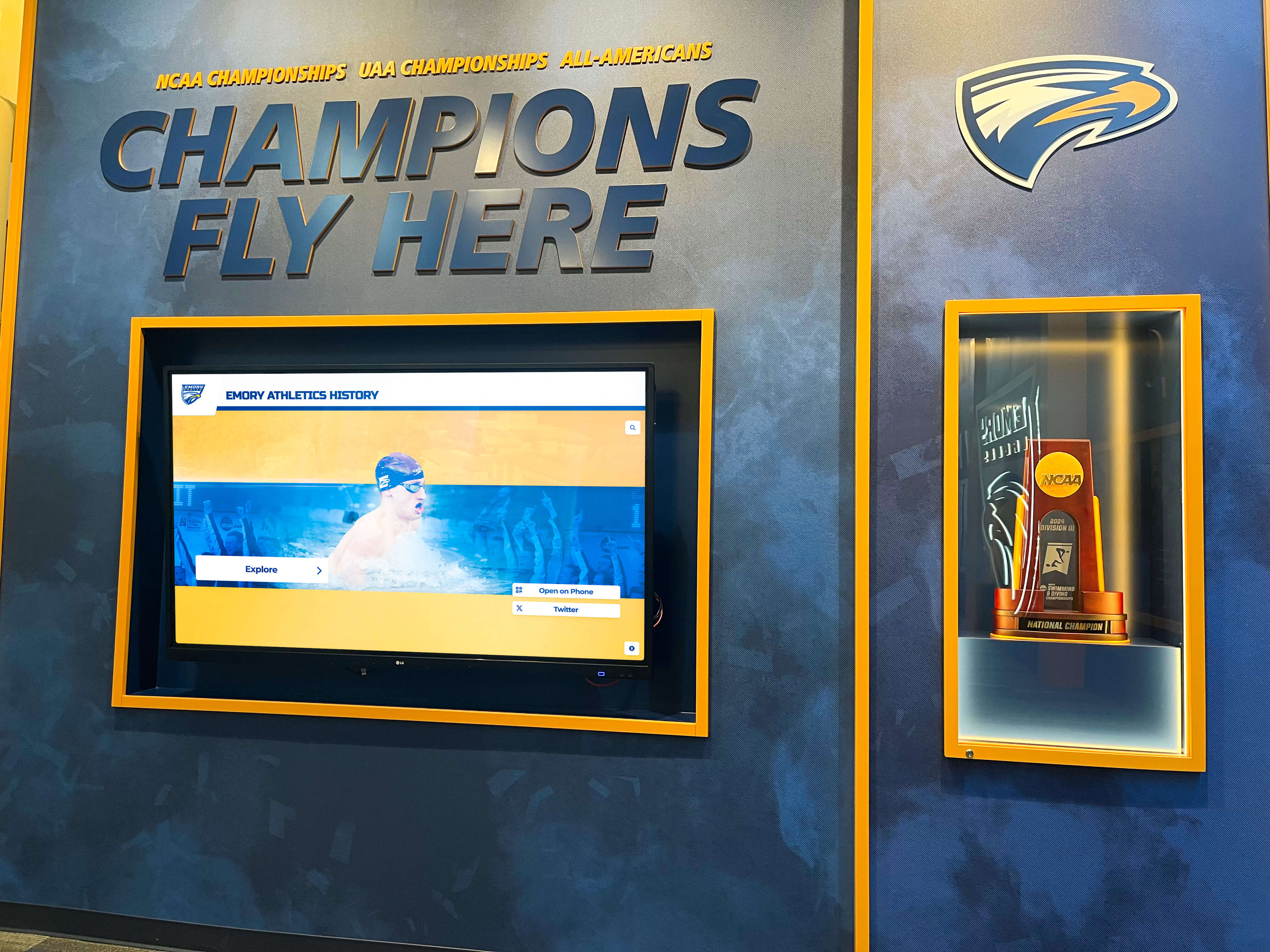
A well-curated athletic department annual report translates the season's physical achievements — championships, records, and awards — into a document that preserves institutional history and drives stakeholder engagement
Who Uses an Athletic Department Annual Report
Before assembling content, clarify which audiences will receive the report and what each needs from it. The same core document can serve multiple groups with minor presentation adjustments.
Athletic Directors and Coaches use the report to evaluate program performance across seasons, track multi-year trends in team records and athlete achievements, identify gaps in recognition or facilities, and build the case for budget requests. A strong annual report makes the next budget conversation significantly easier.
School and District Administrators need a high-level summary that connects athletic outcomes to institutional priorities — academic performance of student-athletes, community engagement, safety compliance, and financial stewardship. Keep this section concise and data-forward.
Advancement and Development Staff use annual report content to acknowledge donors and sponsors by name, demonstrate return on sponsorship investment, and identify prospects for expanded giving based on program growth. Understanding the athletic department roles responsibilities guide school leaders helps advancement teams know exactly who to coordinate with during the report-building process.
Alumni Relations Teams want content connecting current athletes to the program’s historical record — new individual bests that surpass all-time marks, first-generation achievements in a sport, and student-athletes who go on to collegiate play. This content drives alumni engagement and giving.
Communications Staff and Media pull from the annual report to generate highlights content for newsletters, social media, and local press. A report structured with clear headers, pull quotes, and a photo section makes their job substantially easier.
The Core Sections of an Athletic Department Annual Report
Use this checklist to structure your report. Not every section applies to every institution — adapt based on your program’s size, sports offerings, and audience. The checklist is organized in the order most reports present content.
Section 1: Year-End Overview
What to include:
- Message from the athletic director (1–2 paragraphs)
- Total number of sports programs offered
- Total student-athlete participation count
- Number of teams that competed in postseason or championship events
- Summary of new records set across all sports
- Notable first-time achievements (first championship in a sport, first all-state selection, etc.)
- One headline accomplishment for the academic year
Purpose: Give every reader — regardless of how closely they follow athletics — an immediate sense of the year’s scope and significance. This section appears on the cover or first page and determines whether readers continue.
Section 2: Sport-by-Sport Results
What to include:
- Final win-loss records by team and season
- League or conference standings for each program
- Postseason results (playoff rounds reached, championship placements)
- Individual and team records broken or set during the season
- Head coach name and years in position
- Senior class size and roster depth notes
Format tip: A table format works well for win-loss records and standings. Individual record achievements can appear as callout boxes alongside each sport’s section. Programs that have developed a clear athletic department structure will already have this data organized by sport and season — pulling it into an annual report is largely an aggregation task.
Section 3: Athlete and Team Recognition
What to include:
- All-conference, all-state, and all-league selections by sport
- Academic All-American or academic recognition award recipients
- Scholar-athlete designations and GPA requirements met
- Team and individual award winners (Most Valuable Athlete, Most Improved, Leadership Award, etc.)
- Letter award recipients (varsity, junior varsity, freshman)
- Senior recognition and four-year award honorees
- Post-secondary athletic commitments (college signings, scholarships)
Recognition is one of the most-read sections of any athletic annual report — athletes and families look for names. A thorough athletic awards categories creative ideas sports recognition programs framework helps you standardize awards across sports so no program’s athletes are under-recognized.
For programs with formal recognition ceremonies, include a brief summary of the awards night or banquet, including athletic letter ceremony ideas how schools honor varsity athletes year end recognition events to help future planners replicate what worked.
Section 4: Photography and Visual Documentation
What to include:
- Action photography from each sport (minimum one image per sport)
- Team photos for every program (used for archive purposes, not just the report)
- Award ceremony and recognition event photos
- Facility photos if improvements occurred during the year
- Photo credits (photographer names, date, event context)
- A note on digital photo storage location and access for staff and alumni
Why this matters: Photos transform an annual report from a data document into a story. They also function as a long-term archive resource — in five or ten years, these images document what the program looked like at a specific moment. Schools that treat photography as a deliberate documentation practice find annual report production substantially easier because the visual record already exists.
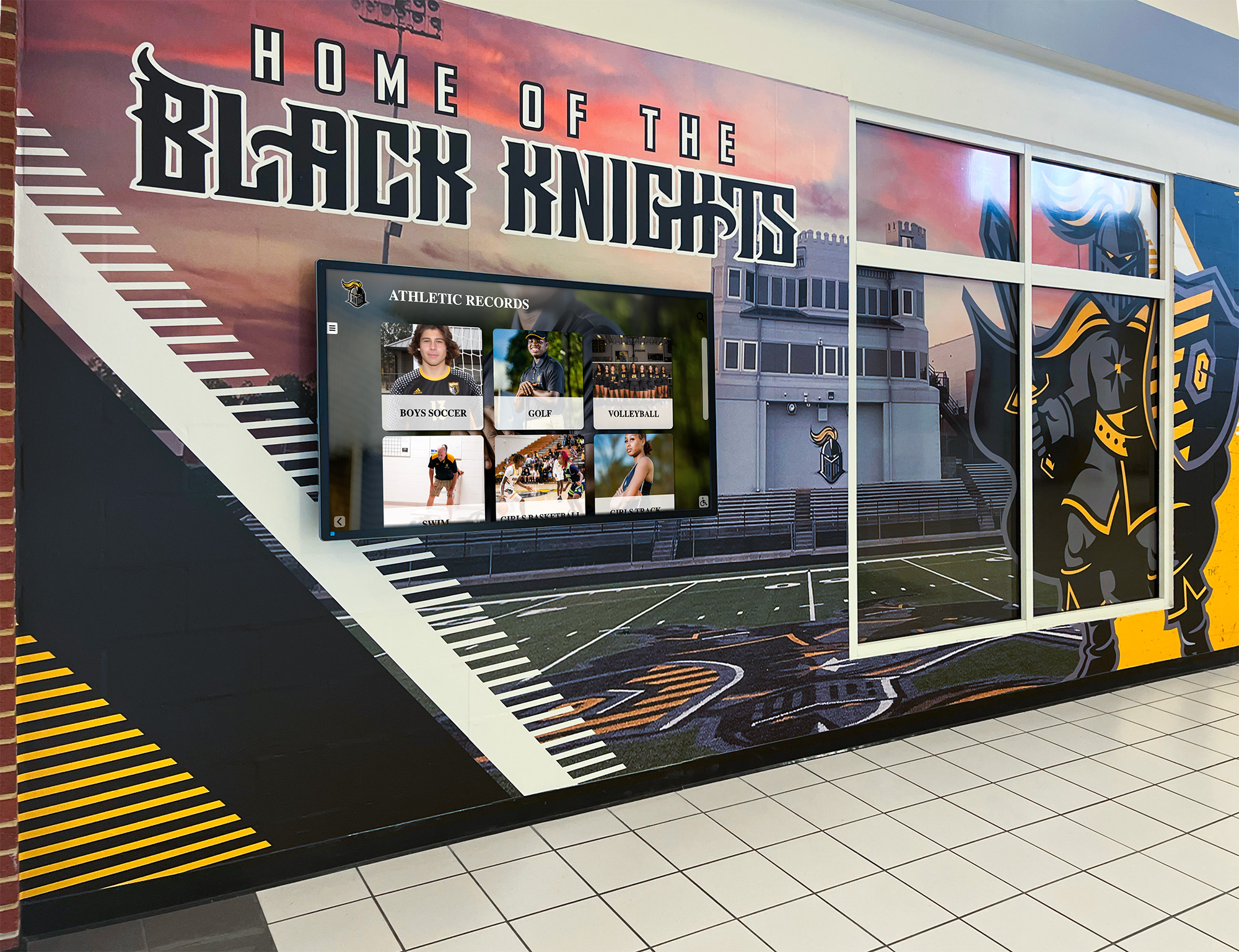
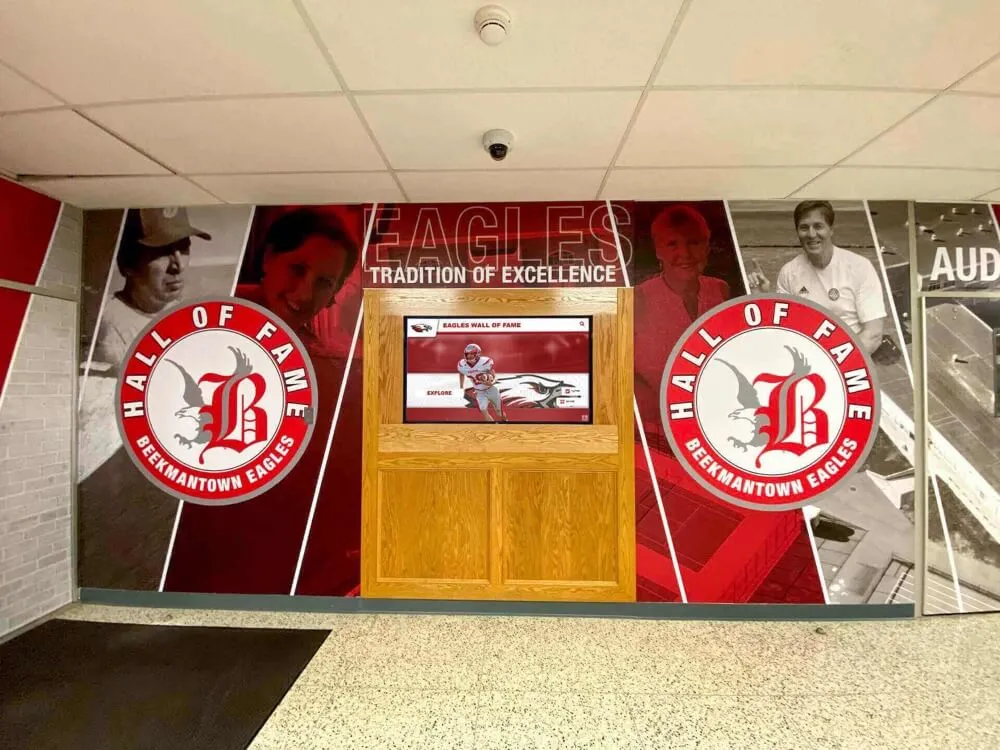
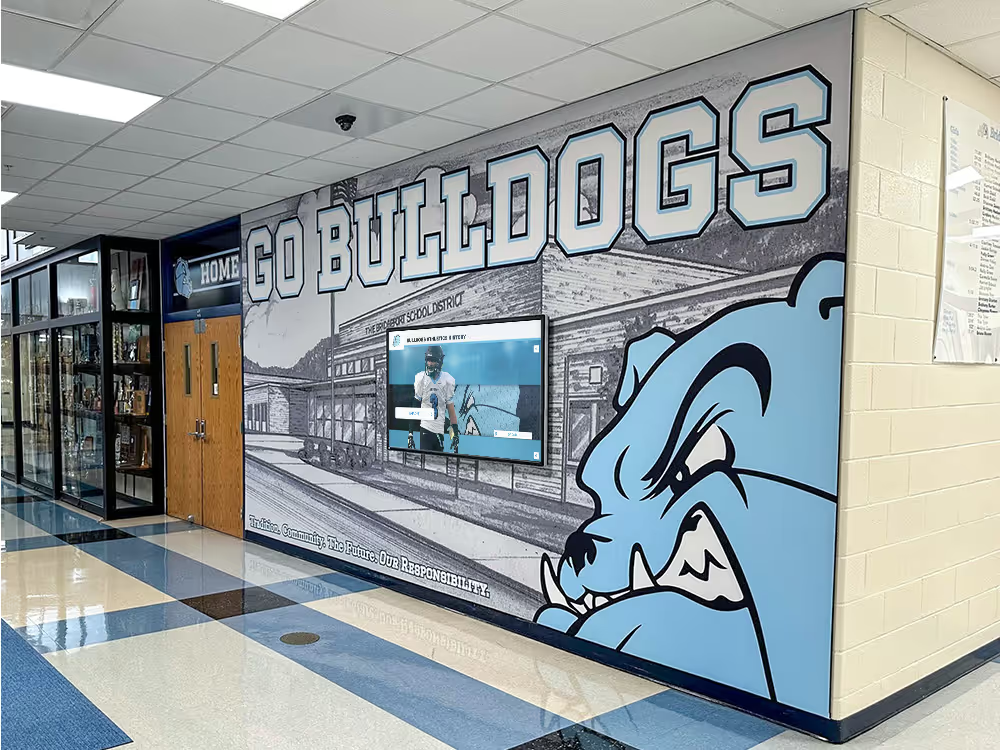
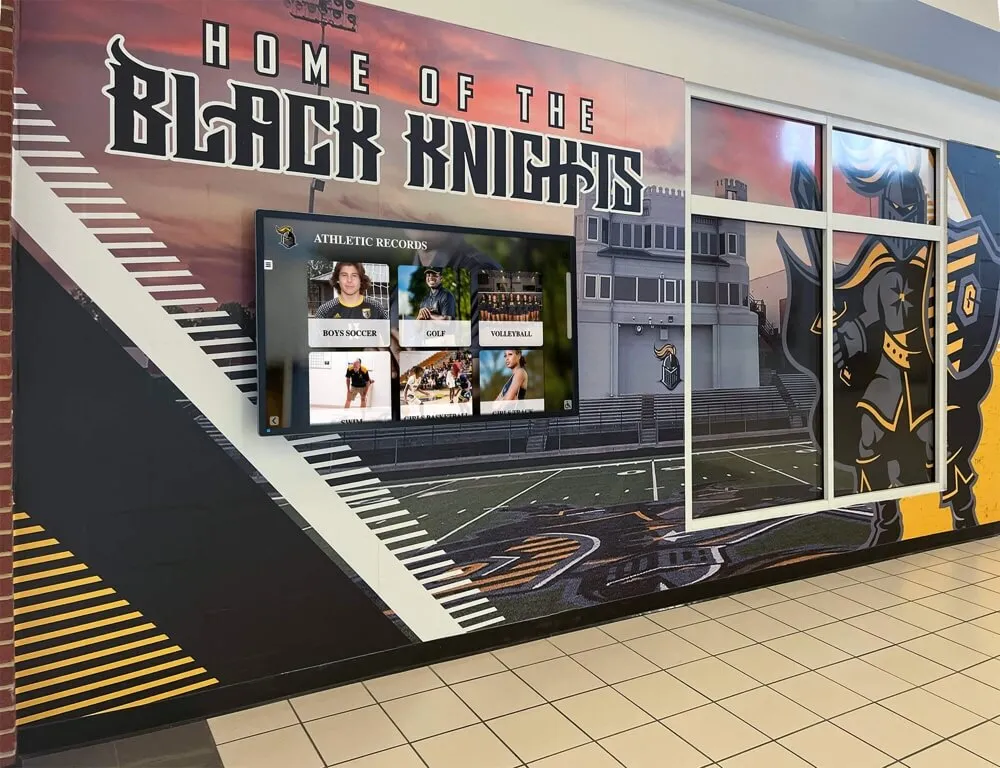
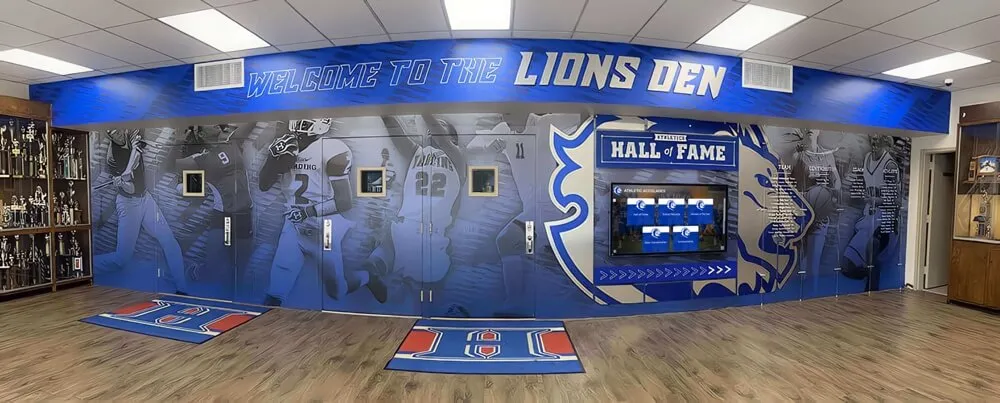
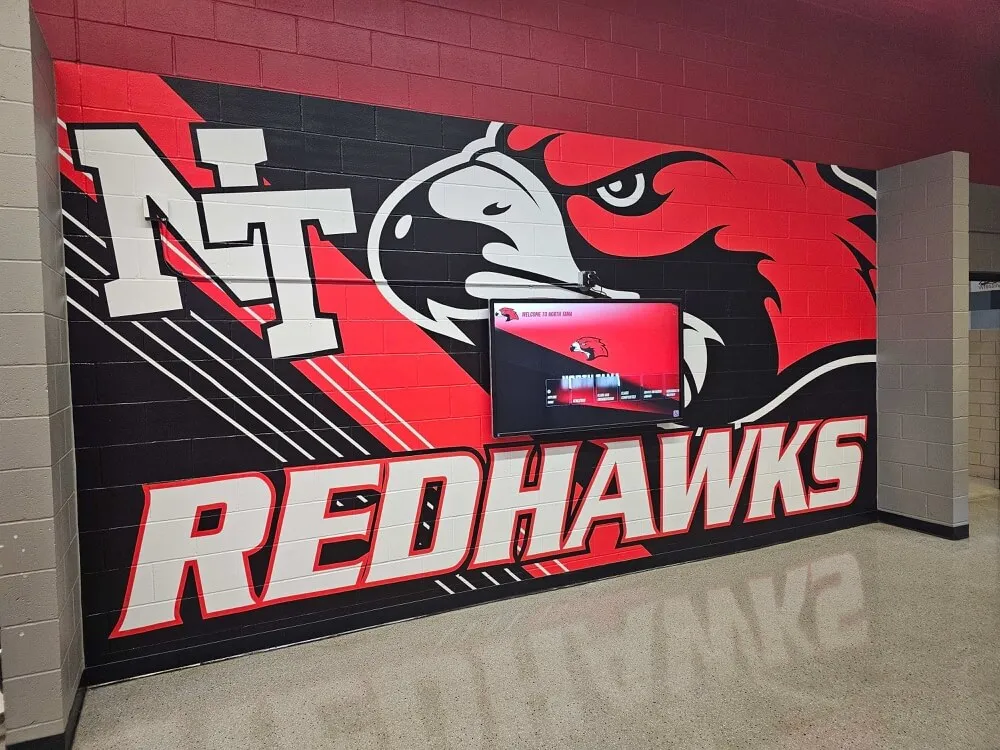
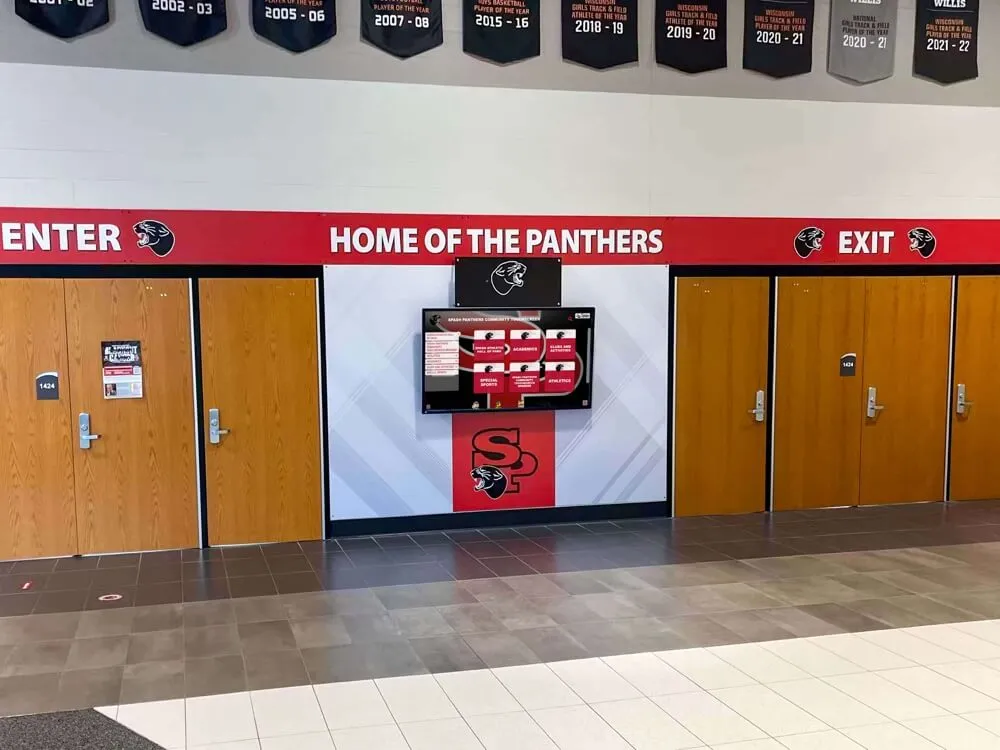
Program murals and digital record displays capture the same information an annual report documents — transforming year-end achievements into permanent hallway recognition that athletes, students, and visitors encounter daily
Section 5: Records and Historical Milestones
What to include:
- New all-time program records set during the year (individual and team)
- Records that were approached but not broken (noteworthy near-misses)
- Comparison to previous year’s records where trends are meaningful
- Cumulative records for multi-sport athletes
- Program history notes (anniversaries, milestone seasons, coaching tenures)
Records are the connective tissue between this year’s athletes and every class that came before them. For programs that maintain athletic stats display ideas showcase team player records schools, the annual report is the natural checkpoint for updating those displays. New records set during the year should flow directly from the annual report into physical or digital record boards.
Section 6: Alumni Updates
What to include:
- Notable achievements by program alumni in collegiate or professional athletics
- Alumni who returned as coaches, mentors, or volunteers
- Hall of fame inductions (school, conference, or independent organizations)
- Alumni giving highlights (scholarships funded, facility contributions)
- Alumni communications sent during the year (newsletters, reunion events)
Alumni sections create continuity between the current program and its history, which is exactly what longtime supporters respond to. Building athletic department culture building school athletic pride across decades requires treating alumni not as a legacy audience but as active stakeholders with meaningful connections to current programs.
Section 7: Sponsor and Donor Acknowledgment
What to include:
- Complete list of sponsors by giving level or sport
- Highlights of sponsor activation (signage, program ads, event presence)
- New sponsors added during the year
- Renewed sponsors and years of continuous partnership
- Named scholarship funds and scholarship recipients
- Donor-funded equipment or facility improvements
- Thank-you notes from coaches or student-athletes where appropriate
Sponsors read this section carefully — they want confirmation that their support was visible and impactful. Treating sponsorship acknowledgment as a dedicated section (not a footnote) signals that your department values those relationships. Programs exploring new revenue channels should review athletic department fundraising ideas creative ways fund school sports programs to identify opportunities for the next cycle.
For programs with formal fundraising events, include a summary of outcomes. If your department runs annual community fundraisers, a brief recap with participation numbers and proceeds strengthens the case for continued community investment — and frameworks like an annual 5k school fundraiser recognition program guide can help structure the recognition component.
Section 8: Budget and Financial Summary
What to include:
- Total athletic department budget for the year
- Breakdown by program or expense category (equipment, travel, officials, facilities)
- Revenue sources (activity fees, ticket sales, concessions, sponsorships, fundraising)
- Year-over-year budget comparison
- Capital expenditures (facility upgrades, new equipment)
- Projected needs for next fiscal year
This section is primarily for administrators and board members. Keep it factual and avoid editorializing — the numbers speak for themselves. For a section this structured, following athletic department handbook best practices high schools ensures the financial summary aligns with broader department documentation standards.
Section 9: Facilities and Equipment
What to include:
- Facility improvements or renovations completed
- New equipment purchased across programs
- Maintenance completed on existing facilities
- Facility usage statistics (if tracked)
- Planned capital improvements for next year
Optional: A brief facilities photo section showing before/after improvements, new recognition displays installed, or updated locker facilities. Visual documentation of facility investment supports future capital campaign requests.
Section 10: Looking Ahead
What to include:
- Incoming head coaches or staff changes
- Scheduled facility projects
- Conference or league schedule changes
- Program additions or modifications
- Specific goals for the coming year (team, department, recognition)
Close with a forward-looking section that gives readers a sense of momentum. This section also serves as the opening frame for next year’s annual report — the goals stated here become the results evaluated twelve months later.
How to Format the Annual Report
The format you choose should match how the report will be distributed and who will use it.
PDF Document (Most Common) A designed PDF works well for email distribution, printing, and formal presentation. Use a consistent visual template that reflects your athletic department branding — school colors, logo placement, and typography should match your other official communications. A professionally designed PDF elevates how the department is perceived by sponsors and advancement donors.
Printed Report A printed version remains appropriate for board presentations, alumni events, and sponsorship stewardship. Typical length is 20–40 pages for mid-sized programs. Print quantities do not need to be large — a smaller professional print run is preferable to a high-volume economy version.
Web or Digital Version Programs increasingly publish annual reports as web pages or interactive digital documents. Web-based reports allow embedded video, clickable sections for individual sports, and easy sharing across social channels. They are also searchable and accessible to alumni worldwide without requiring a download.
Presentation Deck For board meetings or community presentations, a condensed 10–15 slide version of the annual report content provides a more digestible format. The deck draws from the full report rather than replacing it.
Production Timeline and Process
Building an annual report is easier when production runs in parallel with the athletic season rather than entirely at year’s end.
During the Season (Ongoing)
- Collect team photos and action shots from each sport in real time
- Track records broken and award nominations as they occur
- Log sponsors and document activation (photos of signage, program ads)
- Record alumni news as it arrives
Post-Season (Weeks 1–4)
- Compile final win-loss records and standings from all sports
- Collect award selections from coaches and conference offices
- Gather scholarship and college commitment information from seniors
- Complete financial data from business office
Draft and Review (Weeks 5–8)
- Assemble first draft with all sections populated
- Circulate to coaches for accuracy review on sport-specific sections
- Circulate to advancement and alumni offices for their sections
- Design review with communications team
Distribution (Week 8–10)
- Distribute to administrators, board members, and key donors
- Post web version on school or athletic department site
- Send alumni version through athletics mailing list
- Archive final version in departmental records

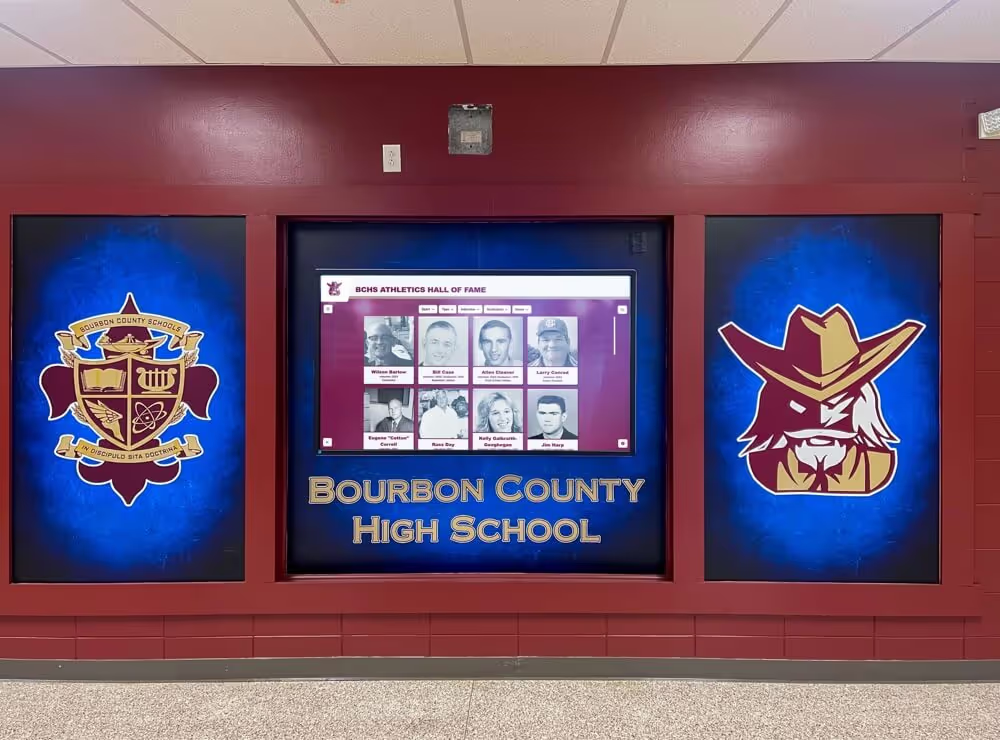
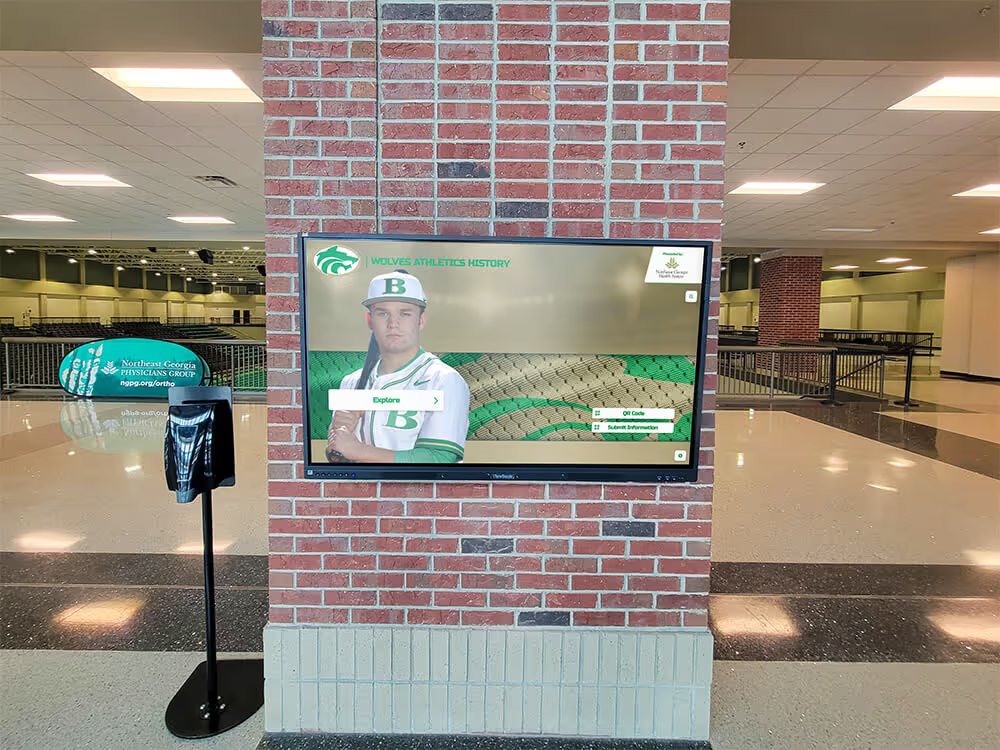
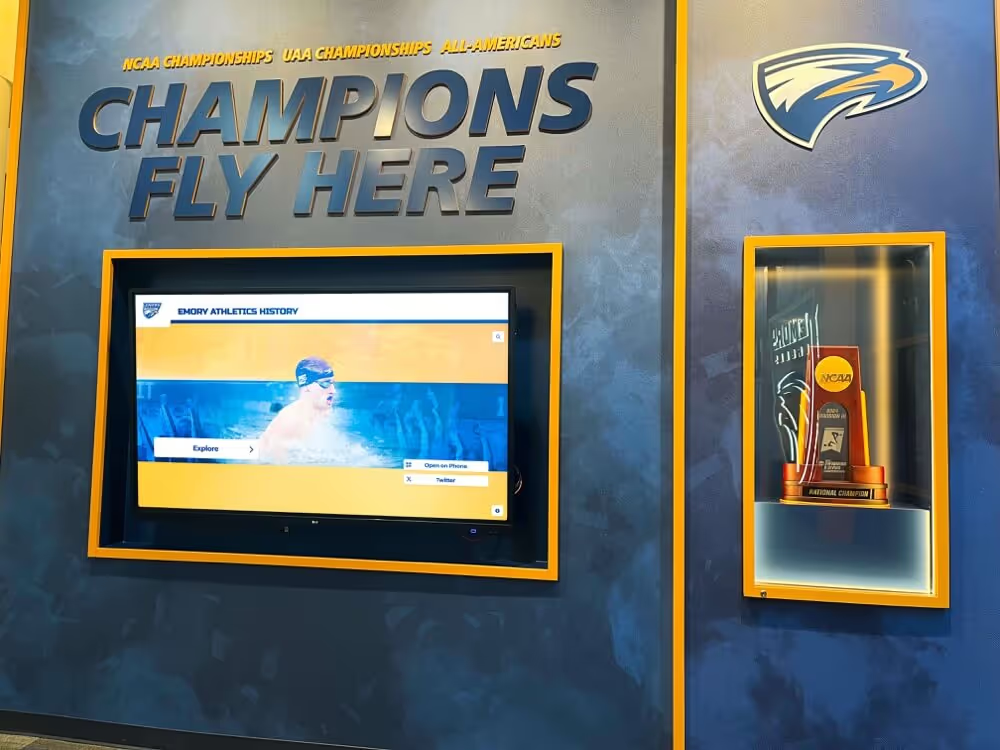
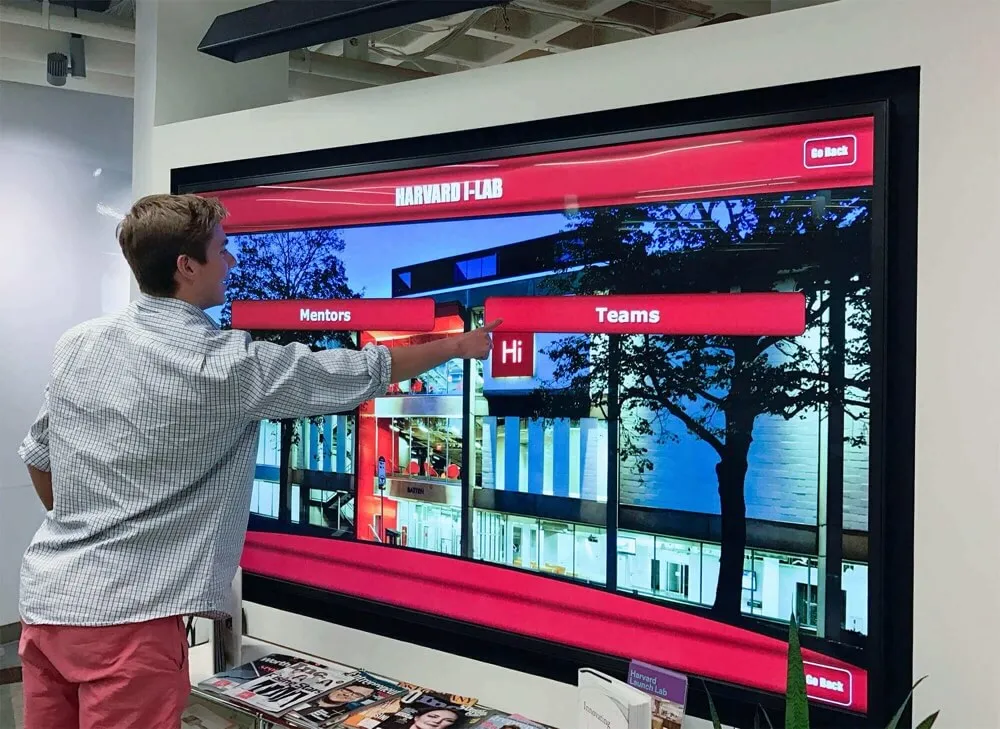
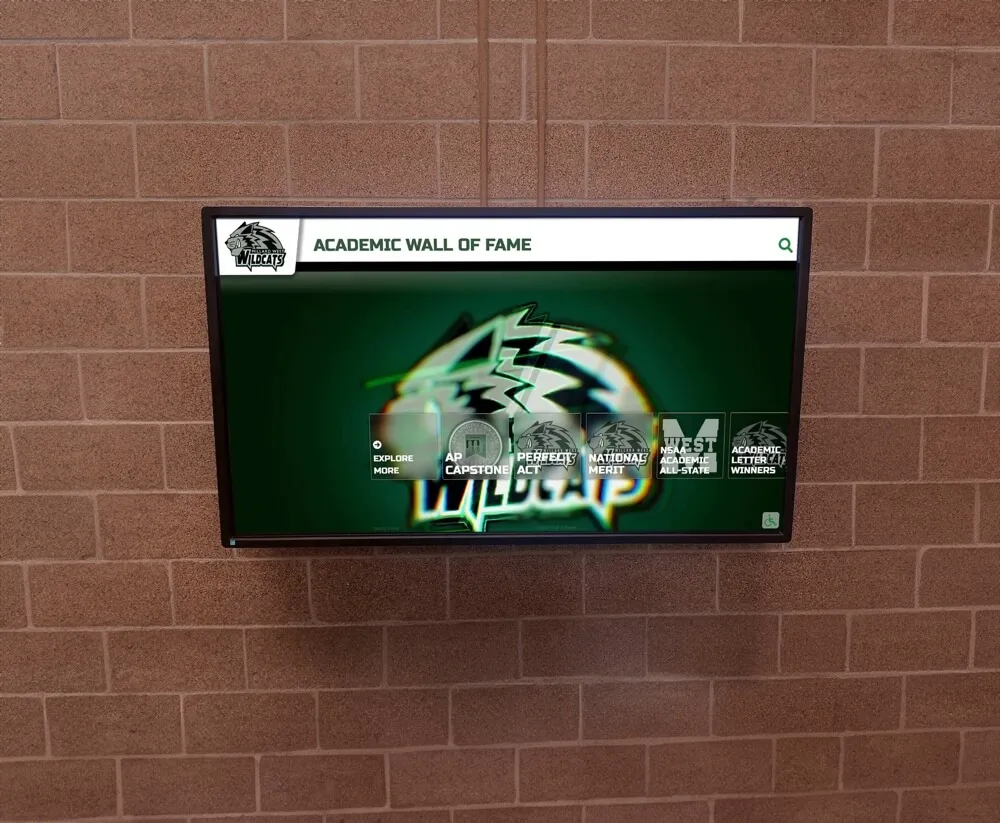
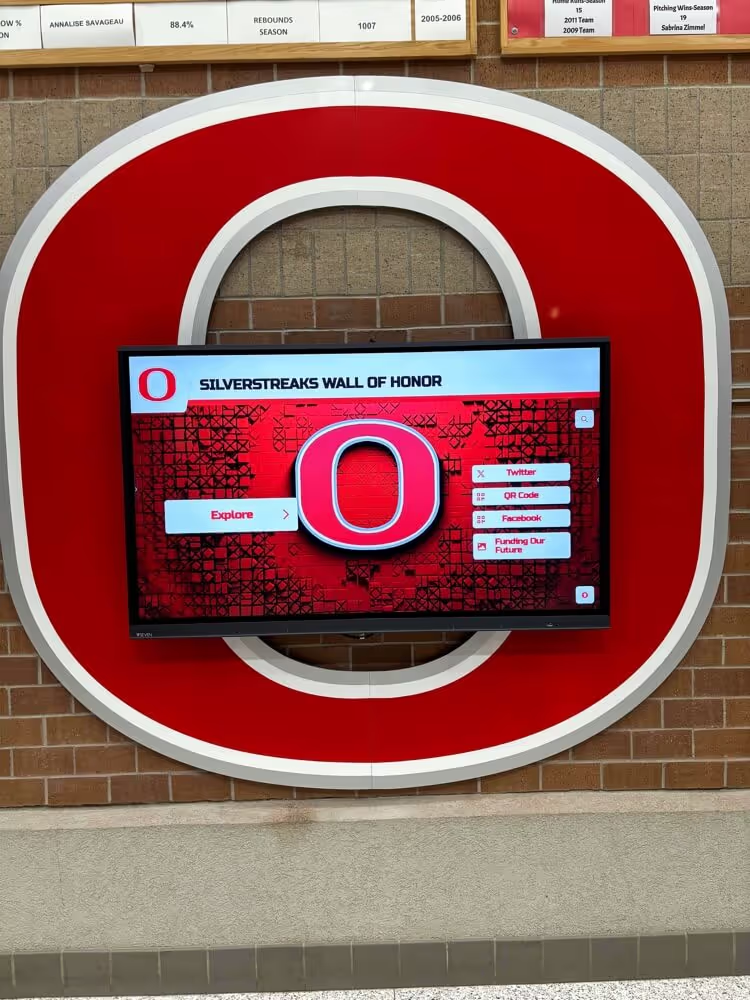
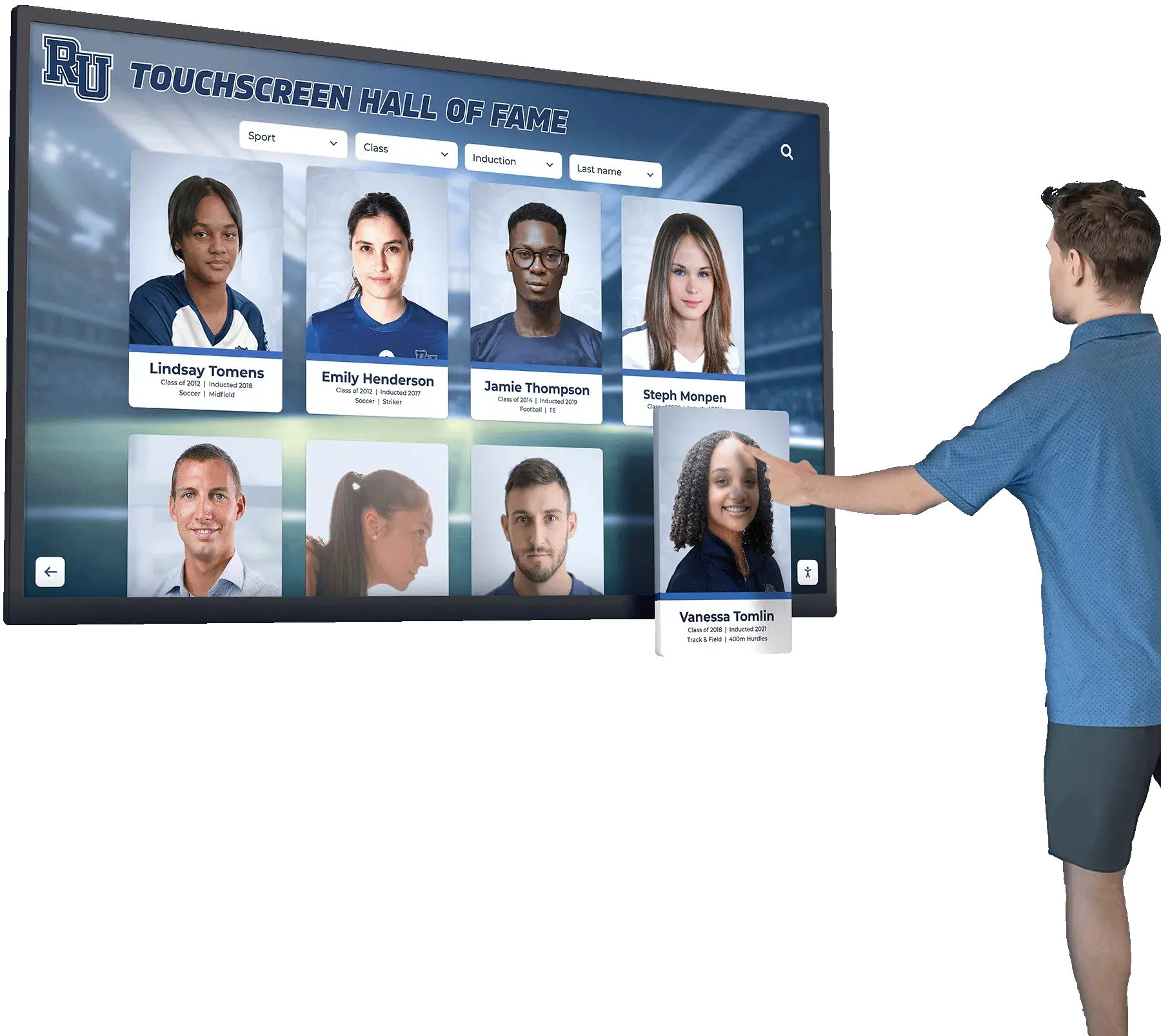
Digital recognition displays installed in athletic facilities extend annual report content into permanent, visible recognition — athletes and visitors encounter achievements in the hallways year-round, not only in a document distributed once
Connecting the Annual Report to Year-Round Recognition Infrastructure
An athletic department annual report has the most impact when it feeds into a broader recognition ecosystem rather than existing as a standalone document.
Record Boards and Display Updates Every new record documented in the annual report should trigger an update to your physical or digital record boards. Programs that maintain current record boards do not start from scratch each year — the annual report confirms what changed and what should be updated. See athletic stats display ideas showcase team player records schools for display approaches that make this update workflow sustainable.
Hall of Fame Nominations The recognition sections of your annual report surface natural candidates for hall of fame consideration — athletes with exceptional records, coaches reaching milestone tenures, and community contributors. Treating the annual report review as part of the hall of fame nomination process ensures that emerging candidates are identified systematically rather than relying on memory.
Alumni Engagement Annual report content distributed through alumni channels drives engagement because former athletes and parents connect personally with recognition of current athletes achieving milestones they remember from their own time in the program. A concise alumni edition of the annual report — focused on records, recognition, and program highlights — performs well as an email newsletter.
Sponsor Stewardship Sending sponsors a copy of the annual report with their section highlighted is one of the most effective sponsor stewardship practices available to athletic departments. It demonstrates that their investment produced documented results and that the department tracks and acknowledges their support formally.
Digital Archive Every completed annual report becomes a historical record the moment the next season begins. Schools that maintain searchable digital archives allow coaches, administrators, and alumni researchers to find information about any season without relying on institutional memory. A structured archive of annual reports is the athletic department equivalent of institutional yearbooks — each document captures a specific moment in the program’s history.
For schools exploring how regional and state programs have approached long-term athletic recognition infrastructure, texas sports hall of fame inspiring school athletic recognition offers useful context on how recognition legacies are built over decades.
Supporting Student-Athletes Beyond the Annual Report
The annual report documents what happened. Recognition programs determine how athletes experience that documentation. Schools that pair strong annual reporting with visible recognition infrastructure — digital record boards, interactive hall of fame displays, letter award ceremonies — create athletic cultures where achievement is continuously celebrated rather than acknowledged once in a document and then forgotten.
This is particularly meaningful for student-athletes pursuing post-secondary opportunities. A well-documented annual report makes it easier to support students through the athletic scholarships high school guide helping student athletes earn recognition process — coaches and advisors can reference documented records, awards, and achievements when building student profiles and recommendation content.
Similarly, programs that connect fundraising events to year-end recognition — as frameworks like the annual 5k school fundraiser digital recognition guide describe — create natural opportunities to celebrate athletes publicly in front of the community that supports them, not only in front of internal audiences.
Quick-Reference Annual Report Checklist
Use this condensed checklist for production tracking:
Content Collection
- Win-loss records from all sports
- Conference/league standings
- Individual and team records (new and all-time)
- All-conference, all-state, academic recognition lists
- Award winners from all programs
- Letter award recipients
- Senior class summary and college commitments
- Team photos and action photography
- Sponsor and donor list with giving levels
- Fundraising event outcomes
- Alumni news and hall of fame updates
- Budget summary from business office
- Facility and equipment updates
Production
- Draft assembled and reviewed by coaches
- Draft reviewed by advancement and alumni offices
- Design completed with school branding
- Proofread for accuracy (names, records, stats)
- PDF finalized and web version prepared
Distribution
- Board and administrators
- Head coaches and athletic staff
- Key sponsors and major donors
- Alumni mailing list
- School website / athletics page
- Digital archive filed
Post-Report Actions
- Record boards updated based on new records
- Hall of fame nominations reviewed
- Sponsor stewardship follow-up completed
- Next year’s production calendar set
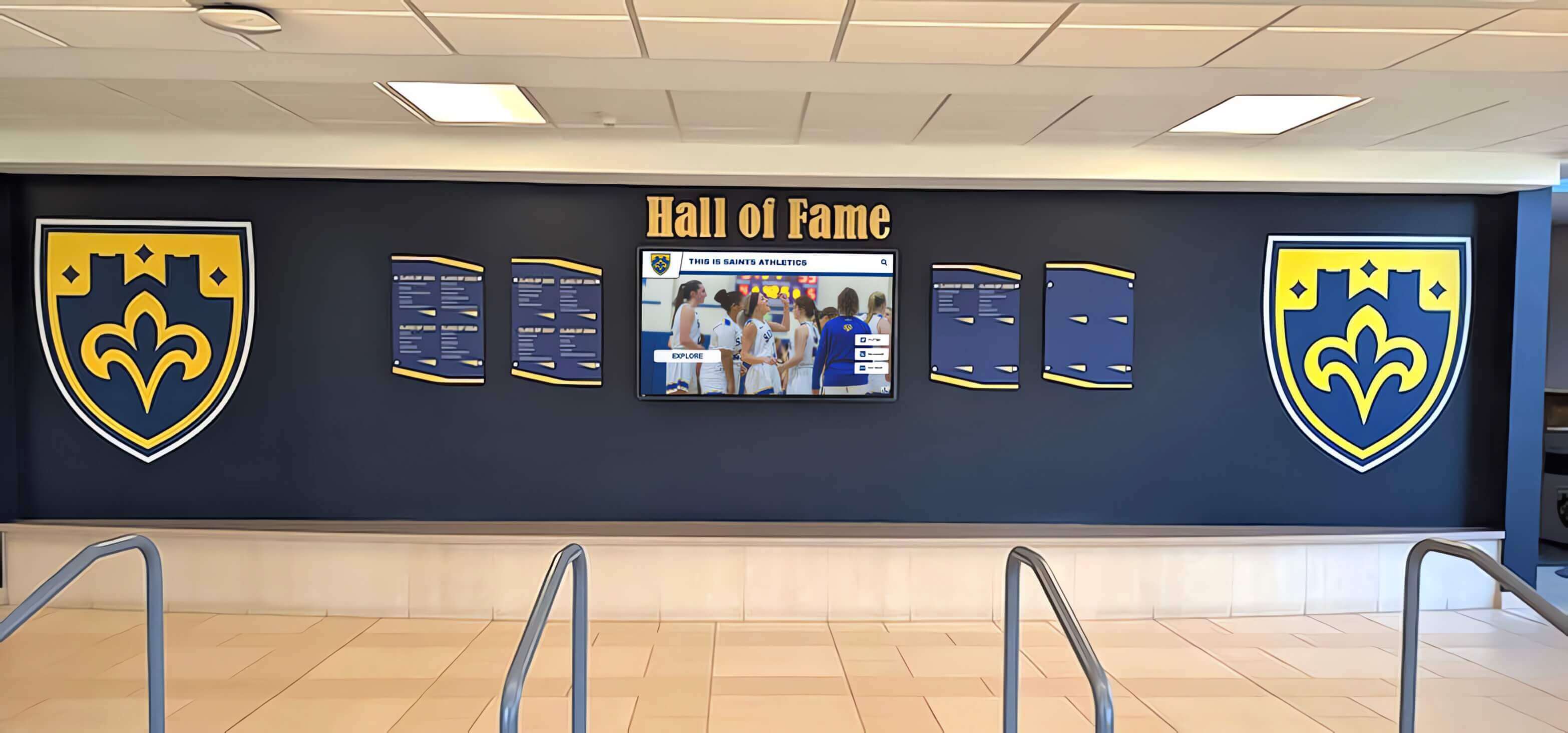
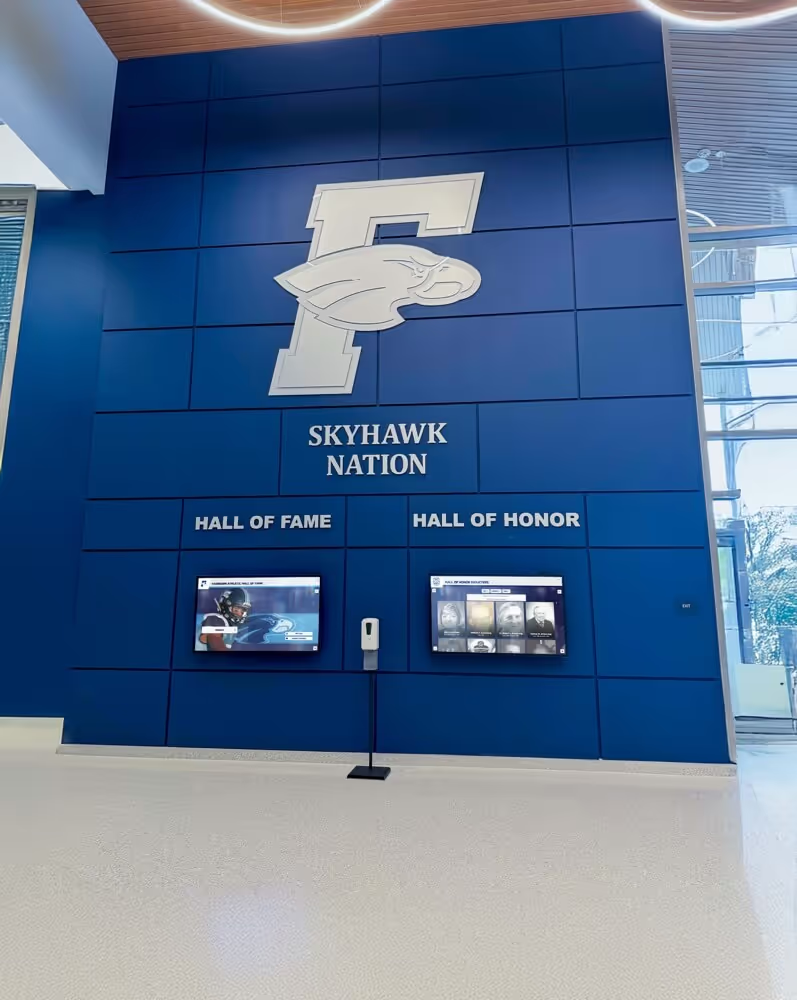
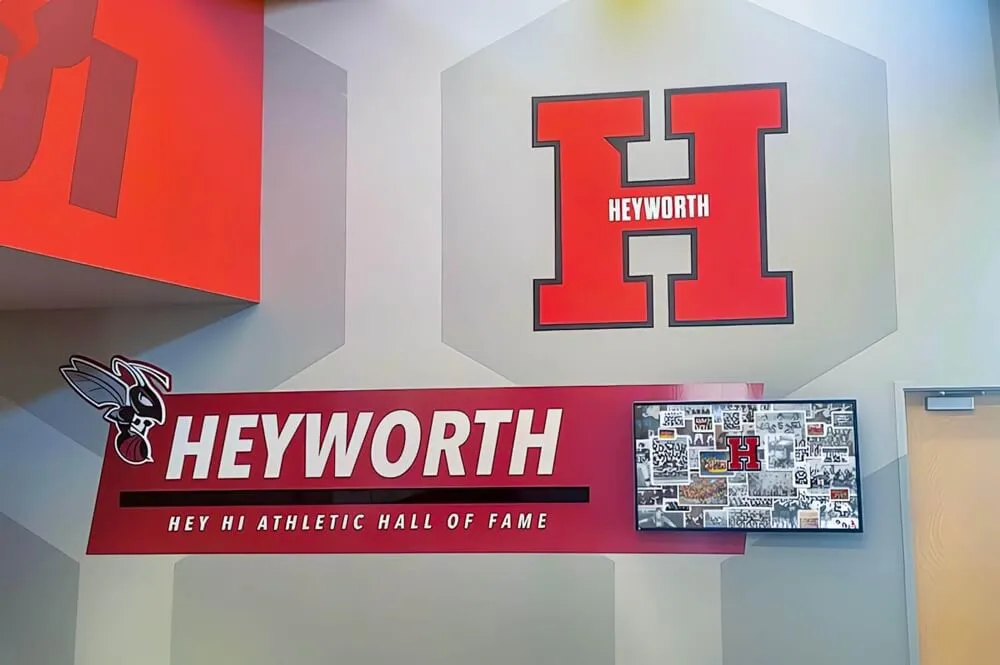
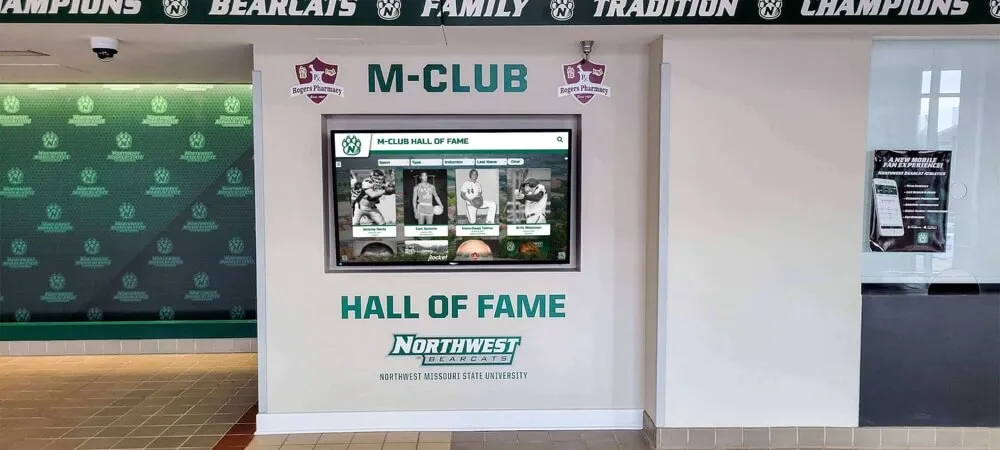
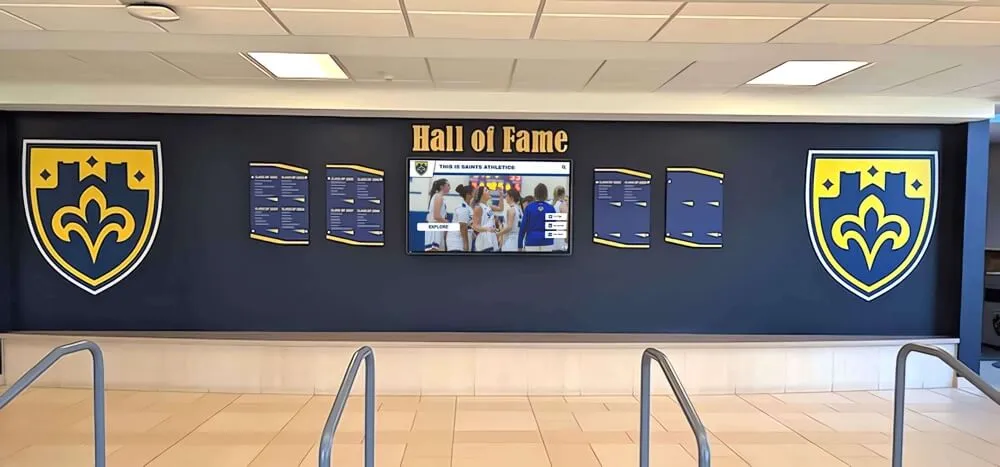
Hall of fame lobby displays that combine physical plaques with digital screens allow annual report content to remain visible and accessible to athletes, students, parents, and visitors year-round
Building the Report Your Program Deserves
An athletic department annual report is an investment that pays forward. The records you document this year become the historical benchmarks future athletes chase. The sponsors you acknowledge this year renew next year because they feel valued. The alumni you celebrate this year become donors and mentors in the years that follow. The program history you archive this year becomes the foundation that a future athletic director builds on.
Start with the checklist. Assign section ownership to coaches, advancement staff, and your business office early enough that data collection runs alongside the season rather than as a post-season scramble. Build a production calendar with clear deadlines. And treat the finished report not as an endpoint but as a content library that feeds record boards, hall of fame nominations, alumni communications, and sponsor stewardship throughout the next year.
The programs that tell their story well — in documents, in displays, and in recognition events — build the kind of athletic culture that recruits want to join, alumni want to support, and communities want to celebrate.
Ready to extend your annual report recognition into permanent digital displays? Rocket Alumni Solutions helps schools transform athletic department content — records, hall of fame profiles, award histories, and sponsor recognition — into interactive digital experiences that work in hallways, lobbies, and on the web. Schedule a custom mock-up to see what your program’s story looks like as a living, searchable recognition platform.