The championship game film sitting in your equipment room or storage closet may be deteriorating right now — and the warning sign is a smell, not a picture quality problem. Cellulose acetate film, the base material used for almost all educational and sports motion picture film produced from the 1950s through the mid-1990s, breaks down through a self-accelerating chemical process called vinegar syndrome. Once the process begins, it releases acetic acid, produces the characteristic sharp vinegar odor, and generates shrinkage, brittleness, and channel warping that make the film increasingly difficult — and eventually impossible — to digitize. An athletic archive vinegar syndrome inspection workflow is a documented, repeatable process for identifying affected reels, classifying deterioration severity, quarantining compromised film to prevent cross-contamination, recording condition accurately, and determining which reels need emergency digitization before the footage is permanently lost.
The short answer: smell each can before opening it, classify the odor and physical symptoms on a four-level scale, move affected reels out of shared storage into individual sealed containers in a cool space, document every reel in a condition spreadsheet, and digitize any reel rated Level 2 or higher before other archival work. The expanded workflow below covers every step from initial inspection through quarantine, documentation, and digitization prioritization — and explains how recovered footage connects to the recognition programs that give historic athletic film its community value.
Who This Workflow Serves
Historic game film sits in athletic departments, booster storage rooms, physical education facilities, and district media centers across the country — often without anyone assigned to monitor its condition. This guide directly benefits:
- Athletic directors responsible for multi-decade film collections donated by retired coaches or inherited when programs merged or consolidated
- Archivists and library media specialists tasked with conducting condition surveys on collections before a digitization project begins
- Facilities and IT teams managing storage environments where temperature and humidity affect film stability
- School administrators deciding which preservation projects to fund and which reels to prioritize for emergency digitization
- Communications and alumni relations staff building historic hall-of-fame recognition programs that depend on footage of championship games, record-setting performances, and coaching milestones
- Booster club leaders supporting fundraising efforts built around historical athletic footage and program heritage
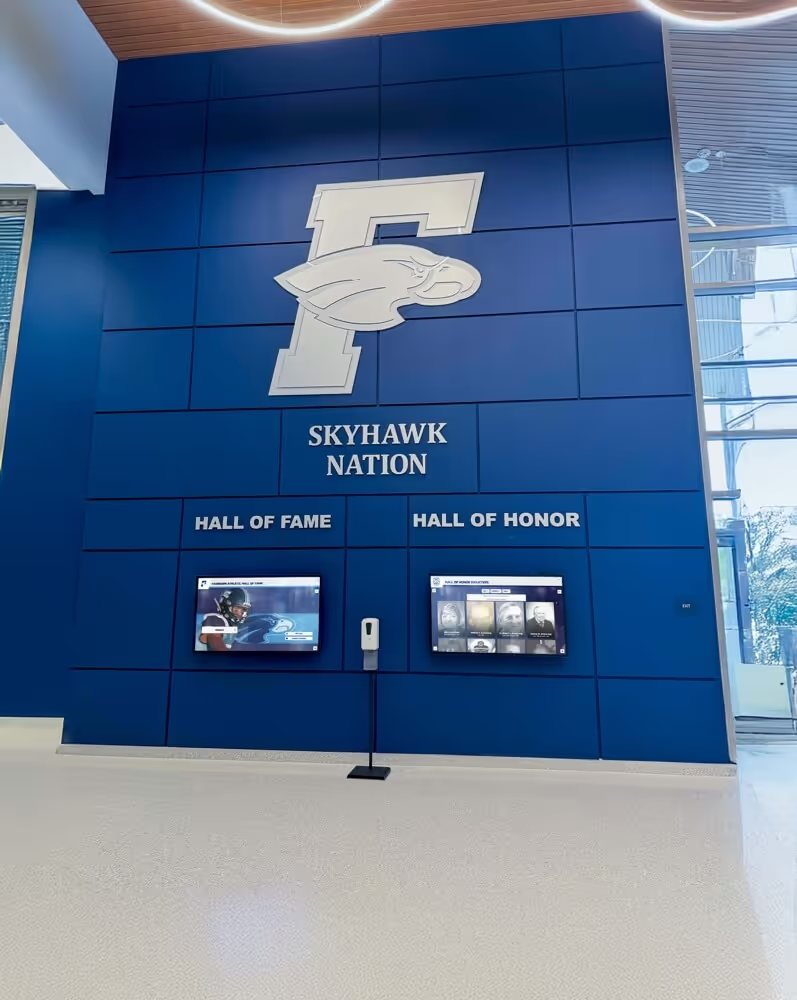
- Recognition program owners developing interactive athletic displays that surface game film alongside current athlete profiles
If your school has any 16mm, Super 8, or other acetate-based motion picture film in storage — regardless of whether you know its condition — this workflow gives you a structured, safe, and documentable way to find out what you have before it is gone.
What Is Vinegar Syndrome? A Working Definition for School Archive Teams
Vinegar syndrome is the informal name for the deterioration of cellulose acetate film, the dominant motion picture film stock used from roughly 1950 through the 1990s when polyester-base film became standard. The chemical name for the process is acetate hydrolysis: moisture in the storage environment reacts with the acetate base, producing acetic acid as a byproduct. That acid is what you smell. The process is autocatalytic — once it begins, the acetic acid it produces accelerates further breakdown, and no treatment reverses it.
| Term | Plain-Language Meaning | Relevance to School Archives |
|---|---|---|
| Cellulose acetate | The plastic base material used for most educational and sports film 1950–1990s | The material your historic game reels are almost certainly made from |
| Vinegar syndrome | The autocatalytic deterioration of cellulose acetate, marked by acetic acid production | The process that destroys game film in storage |
| Acetic acid | The volatile acid produced as acetate breaks down; the source of the vinegar smell | The first detectable indicator that a reel is deteriorating |
| A-D Strip | An acid-detection strip that measures acidity level in stored film | An inexpensive, precise severity indicator for prioritization |
| Channel warping | Lateral distortion of the film strip caused by differential shrinkage between base and emulsion layers | A physical sign that advanced deterioration has occurred |
| Shrinkage | Reduction of the film base dimension as the acetate breaks down | Causes the film to bind in projectors and digitization equipment |
| Blocking | Adhesion of film layers within a wound reel as chemical decay progresses | Advanced deterioration; affected film may be unsalvageable |
According to the Image Permanence Institute at Rochester Institute of Technology, which developed the A-D Strip system for measuring acetate film deterioration, the process is irreversible and temperature-sensitive: every 10°C reduction in storage temperature roughly doubles the remaining useful life of deteriorating film. That fact governs every storage decision in this workflow.
Step 1: Prepare Your Inspection Environment
Before opening any film cans, prepare a workspace and personal protective equipment that prevent cross-contamination and protect staff from acetic acid fumes.
Workspace requirements:
- Work in a ventilated space — a room with an open window, an exhaust fan, or access to an HVAC return is sufficient for small collections; a fume hood is preferable for large-volume inspection
- Keep a separate cart or table for suspected affected reels; do not place them back on shelves with uninspected material
- Have a supply of individual sealed storage containers — zipper-lock bags or individual small plastic containers with lids — ready to receive quarantined reels
- Keep a stack of small index cards and a permanent marker at the workspace for quick interim labeling before digital documentation
Personal protective equipment:
- Nitrile gloves (vinyl gloves are insufficient for prolonged acetate acid exposure)
- Eye protection if inspecting large quantities in a confined space
- An N95 respirator is advisable for inspecting cans with known advanced deterioration, though brief exposure at low levels is not typically harmful
Documentation tools:
- A condition spreadsheet open on a laptop or tablet (template columns are in Step 5)
- A digital camera or smartphone for photographing physical symptoms
- A flashlight or desk lamp to examine film physically without a projector
Do not use a projector to inspect suspected deteriorating film. Running brittle or warped acetate film through a projector mechanism causes irreversible mechanical damage and may jam equipment.

Assessing your school's historic athletic film collection before a digitization project requires a prepared workspace, proper documentation tools, and a structured inspection protocol applied consistently to every reel
Step 2: Visual and Olfactory Inspection
The inspection itself proceeds in two stages: an initial closed-can assessment followed by a careful physical examination of reels that show any indicators of deterioration.
Closed-Can Inspection
Before opening a film can, hold it in both hands and flex it gently — not enough to bend it, but enough to feel whether the lid has any pressure differential from off-gassing. Advanced vinegar syndrome produces acetic acid gas that accumulates inside sealed cans and creates a slight positive pressure. A can that releases a puff of sharp odor when the lid breaks the seal has a deteriorating reel inside regardless of other indicators.
Closed-can indicators to record:
- Odor at lid break: None, Faint, Moderate, Strong
- Any visible corrosion on the can’s metal interior (acetate acid corrodes metal containers)
- Rust or residue on the label indicating long-term moisture and off-gassing
Open-Reel Physical Inspection
Once a can is opened, examine the reel without removing film from the hub. Use a flashlight and examine the film edge at the outer layers.
| Physical Symptom | What It Means | Urgency Signal |
|---|---|---|
| Acetic acid smell (vinegar odor) | Active acetate hydrolysis is occurring | Begin prioritization assessment immediately |
| Yellow or amber discoloration of clear base | Early deterioration; base chemistry is changing | Level 1–2 concern depending on intensity |
| Surface haziness or cloudiness | Loss of plasticizers; base becoming brittle | Level 2–3; digitize within months |
| Visible bubbles or blisters on film surface | Gas trapped between base and emulsion layers | Level 3; digitize as soon as possible |
| Lateral warping, curling, or cupping | Differential shrinkage between base and emulsion | Level 3; requires trained handling for digitization |
| Outer layers adhering to adjacent layers | Early blocking; reel integrity compromised | Level 4; may require specialist intervention |
| Film layers fused together (blocking) | Advanced blocking; significant content likely lost | Level 4; consult a film preservation specialist before attempting digitization |
| White crystalline powder on film surface | Acetate salts precipitating from the base | Level 3–4; specialist handling required |
Record every symptom for each reel as you inspect it. Observations made during this step feed directly into the severity classification (Step 3) and condition documentation (Step 5).

Documenting the condition of historic game film — just as you would any other archival collection — is the first step toward recovering footage that cannot be re-created from any other source
Step 3: Severity Classification
After inspecting each reel, assign it to one of four severity levels. This classification drives the quarantine decisions in Step 4 and the digitization prioritization in Step 6.
| Severity Level | Indicators | Storage Response | Digitization Priority |
|---|---|---|---|
| Level 0 — No Deterioration | No odor; base clear and flexible; no physical symptoms | Return to standard cool, dry storage | Scheduled (lowest urgency) |
| Level 1 — Early Deterioration | Faint vinegar odor; slight discoloration; no physical distortion | Move to separate, sealed individual container; cool storage | Medium urgency — digitize within 1–2 years |
| Level 2 — Active Deterioration | Moderate to strong odor; haziness or surface changes; possible slight warping | Quarantine immediately in sealed individual container; coldest available storage | High urgency — digitize within weeks to months |
| Level 3 — Advanced Deterioration | Strong odor; bubbling, blistering, or significant warping; outer layers showing adhesion | Quarantine and isolate; do not handle unnecessarily; consult a preservation specialist | Emergency — attempt digitization immediately |
| Level 4 — Critical / Blocked | Extreme odor; layers fused or blocking; crystalline deposits; structural failure | Quarantine; consult a film preservation specialist before any digitization attempt | Specialist assessment required; some content may be unrecoverable |
A-D Strips provide a quantitative severity reading that supplements this visual and olfactory assessment. A-D Strips, available from archival suppliers, change color in the presence of acetic acid: a reading of 1.0 or higher indicates active deterioration, and a reading of 2.0 or higher typically corresponds to Level 3 physical symptoms. According to the Image Permanence Institute, A-D Strip readings correlate directly to remaining useful life estimates: a Level 1 strip reading suggests measurable but manageable deterioration, while a Level 3 reading indicates the film has entered rapid decay. Including an A-D Strip reading in your condition documentation (Step 5) gives any future preservation specialist a quantitative baseline.
Step 4: Quarantine Procedures
Vinegar syndrome is not contagious in the biological sense, but acetic acid gas from deteriorating film does accelerate deterioration in nearby film. Storing a Level 3 reel in the same drawer or cabinet as Level 0 reels exposes the healthy film to elevated acid concentrations that shorten its useful life. Quarantine is the physical separation of affected reels from the general collection.
Quarantine Protocol by Severity Level
Level 1 reels:
- Place each reel in an individual sealed container (a zipper-lock plastic bag is adequate as a temporary measure; a rigid sealed container is preferable for long-term storage)
- Label the exterior of the container with the reel’s ID, classification date, and severity level
- Store in the coolest, least-humid location available — ideally below 65°F and below 50% relative humidity
- Do not store Level 1 reels in the same cabinet as Level 0 material
Level 2 reels:
- Individual sealed rigid container; do not use zipper-lock bags as the sole container
- Store in the coldest accessible space — a dedicated mini-refrigerator set to 35–45°F is appropriate if a cold vault is unavailable; remove from refrigeration at least 2 hours before inspection or handling to allow the film to equilibrate and prevent condensation
- Label clearly: “DETERIORATING FILM — QUARANTINE — DIGITIZATION PRIORITY”
- Notify the staff member responsible for digitization scheduling
Level 3 and Level 4 reels:
- Sealed rigid container; place the container inside a secondary sealed bag as an additional vapor barrier
- Physically separate from all other film storage — a separate cabinet, room, or facility if possible
- Do not attempt playback or projection under any circumstances
- Contact a film preservation specialist before the digitization step; Level 3–4 film may require humidification treatment or specialized platter-based transfer equipment that standard digitization setups cannot handle safely
Quarantine Labeling Standard
Every quarantined container needs a label that any staff member can interpret without context. Include:
- Reel ID (your internal identifier, e.g., “WHS-FILM-1987-012”)
- Sport and approximate year (“Football 1987 — State Semi”)
- Severity level (“Level 2 — Active Deterioration”)
- Classification date
- A-D Strip reading if measured
- Storage requirement (“Refrigerated storage — remove 2 hours before handling”)
- Next action (“Digitization scheduled” or “Awaiting specialist”)
Emergency Quarantine: What to Do Today
If you open a film can and find strong vinegar odor, blistering, or film layers adhering, take these steps before continuing inspection:
- Close the can immediately
- Place the can inside a sealed bag without returning it to any shelf or cabinet
- Move the sealed bag to a separate location away from other film
- Wash hands after handling
- Record the reel ID and “Suspected Level 3+ — Emergency Quarantine” in your log
- Flag the reel for immediate digitization scheduling or specialist contact
Do not attempt to unwind, inspect further, or test the film in any playback equipment at this stage.
Step 5: Condition Documentation
A condition record that exists only in the inspector’s memory protects nothing. Every reel that passes through the inspection workflow needs a row in a condition spreadsheet before the reel moves to its designated storage location.
| Field | Example | Notes |
|---|---|---|
| Reel ID | WHS-FILM-1987-012 | Your internal numbering system |
| Container Label (as found) | “Football — State 87” | Transcribe exactly, even if incomplete |
| Sport | Football | |
| Estimated Year | 1987 | Confirmed from label; estimated from context |
| Film Format | 16mm | 16mm, Super 8, 8mm, other |
| Reel Diameter (inches) | 7 | Indicates approximate footage length |
| Odor at Can Opening | Strong | None / Faint / Moderate / Strong |
| Physical Symptoms | Surface haziness, slight warping outer edge | Describe all observed symptoms |
| A-D Strip Reading | 1.8 | Leave blank if not measured |
| Severity Level | Level 2 | 0–4 per classification table |
| Quarantine Action Taken | Sealed container, refrigerator shelf B | |
| Label Applied | Yes | |
| Photograph Taken | Yes — WHS-FILM-1987-012-condition.jpg | |
| Digitization Priority | High — within 3 months | |
| Specialist Referral Needed | No | |
| Inspector Name | J. Rivera | |
| Inspection Date | 2026-08-28 | |
| Follow-Up Date | 2026-11-01 | Set based on priority and digitization schedule |
Maintain this spreadsheet in a shared location accessible to the athletic director, the archivist or records staff, and the IT or media team responsible for digitization scheduling. The spreadsheet becomes the coordination tool that ensures Level 2 reels do not sit in the quarantine cabinet waiting for months because no one with digitization authority knew they were there.

Condition documentation turns an inspection result into an actionable record that connects archive staff, athletic directors, and digitization teams around a shared, prioritized work list
Step 6: Digitization Prioritization
Not all deteriorating film can be digitized immediately — budget, equipment access, and specialist availability all constrain the schedule. A written prioritization framework prevents the most urgent reels from waiting while less-critical material is processed first.
Prioritization Criteria
Assign each reel a priority score based on two axes: deterioration urgency (driven by the severity level) and content significance (driven by the irreplaceability of the footage).
| Severity Level | Content Significance | Priority Tier | Target Digitization Window |
|---|---|---|---|
| Level 3–4 | Championship, record-breaking, or unique footage | Emergency | Within days; contact specialist immediately |
| Level 3–4 | Regular-season or practice footage | Urgent | Within weeks |
| Level 2 | Championship, record-breaking, or unique footage | High | Within 1–3 months |
| Level 2 | Regular-season footage | Medium-High | Within 3–6 months |
| Level 1 | Championship, record-breaking, or unique footage | Medium | Within 6–12 months |
| Level 1 | Regular-season or practice footage | Low-Medium | Within 1–2 years |
| Level 0 | Any significance | Low | Scheduled within 2–5 year digitization plan |
Content significance indicators to look for on can labels and inspection notes:
- State or regional championship game
- School-record performance (scoring record, undefeated season, consecutive wins)
- Footage of athletes who later reached collegiate or professional levels
- Footage connected to a coach, program, or facility that no longer exists in its original form
- A year or event that appears in the school’s hall-of-fame records but has no other visual documentation
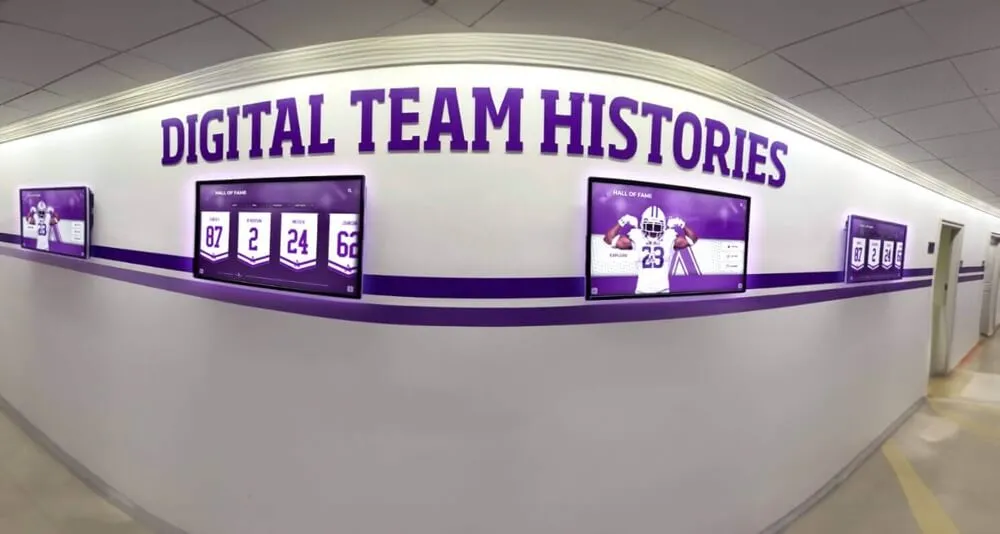
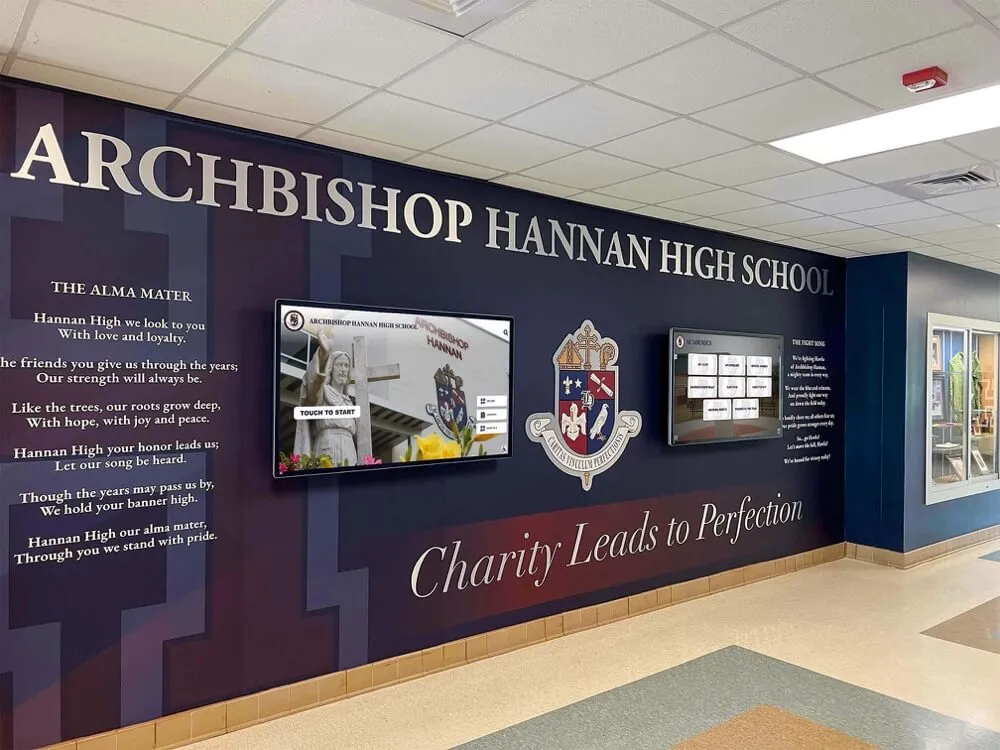
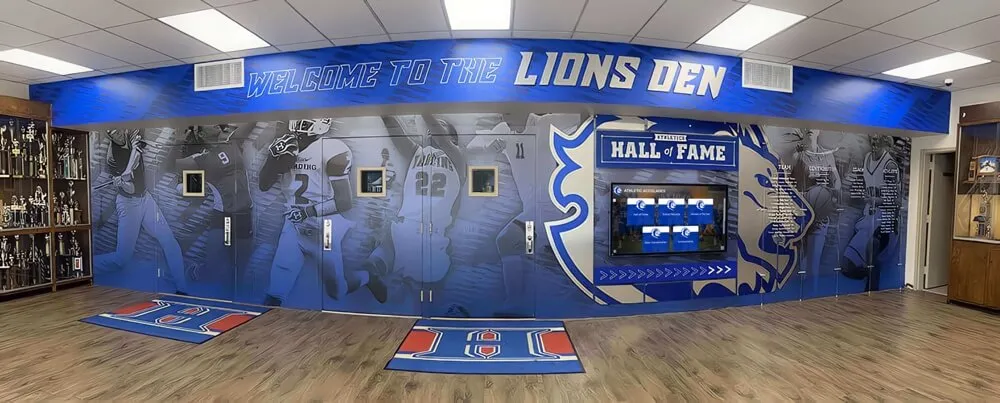
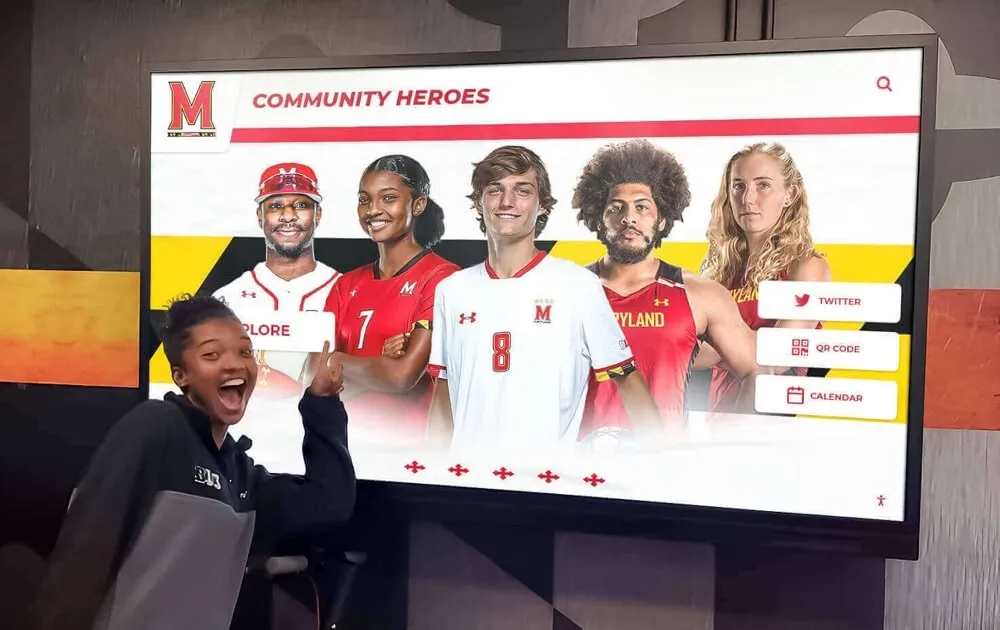
For schools that have invested in digital hall-of-fame installations or recognition programs that surface historic game moments, the content significance criteria listed here will map directly to which reels are already referenced in those programs — giving you a built-in prioritization list from your existing recognition records.
Working with a Digitization Vendor
For Level 2 and Level 3 film, in-house digitization on consumer equipment is often inadequate or risky. Film at these severity levels may:
- Bind in standard film-path mechanisms, snapping the base
- Require controlled humidification before transport through a gate
- Have shrinkage that makes standard-aperture gates incompatible without adjustment
When selecting a vendor, ask specifically:
- Do they have experience with acetate film at various deterioration levels?
- Do they perform humidification treatment for warped or brittle film?
- What is their process for handling film that breaks during transfer?
- Will they provide a digitization report documenting the condition at time of transfer?
Request a small test transfer of your most critical Level 2 reel before committing the full batch. The test transfer reveals whether the vendor’s equipment handles your specific film condition safely.
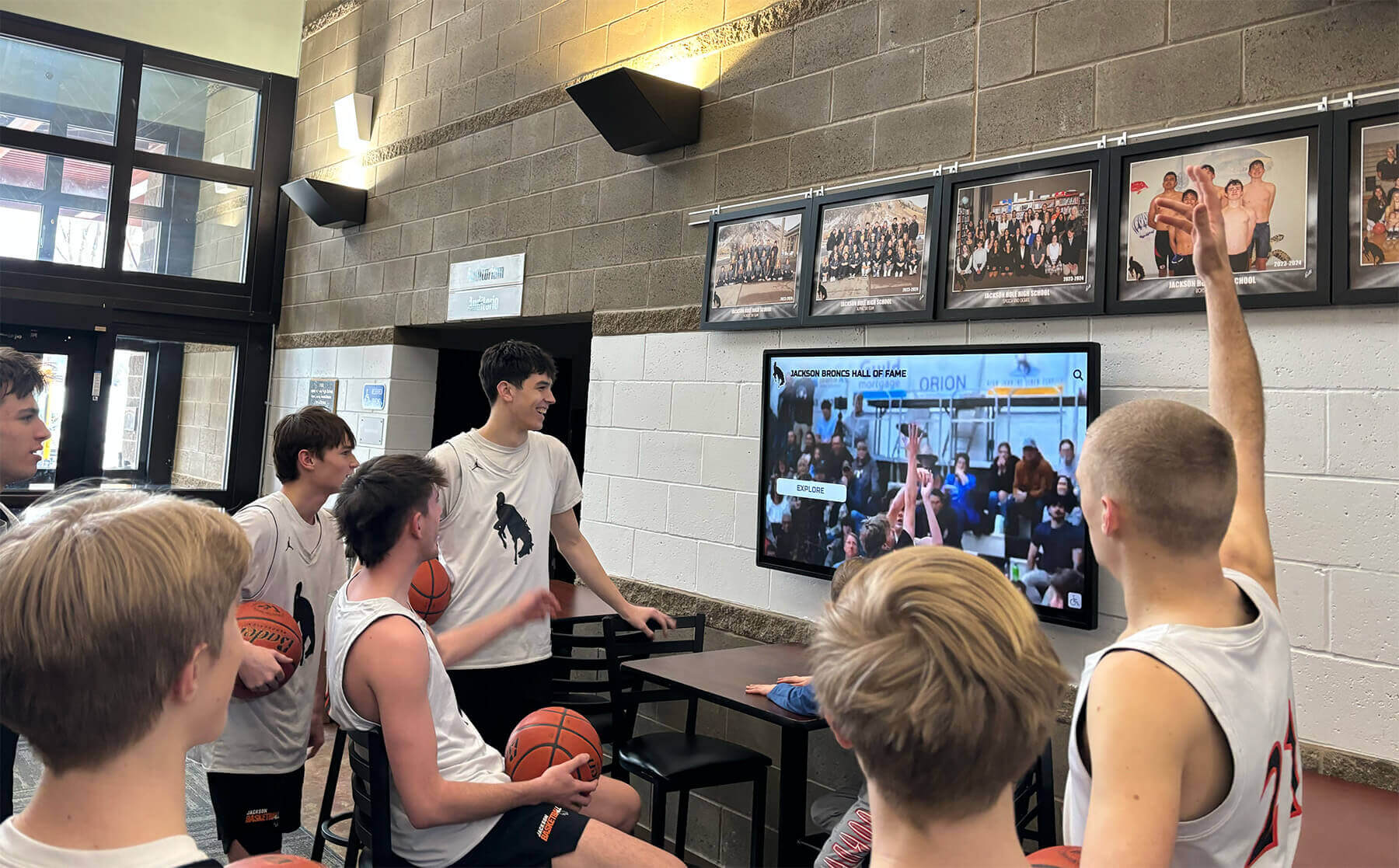
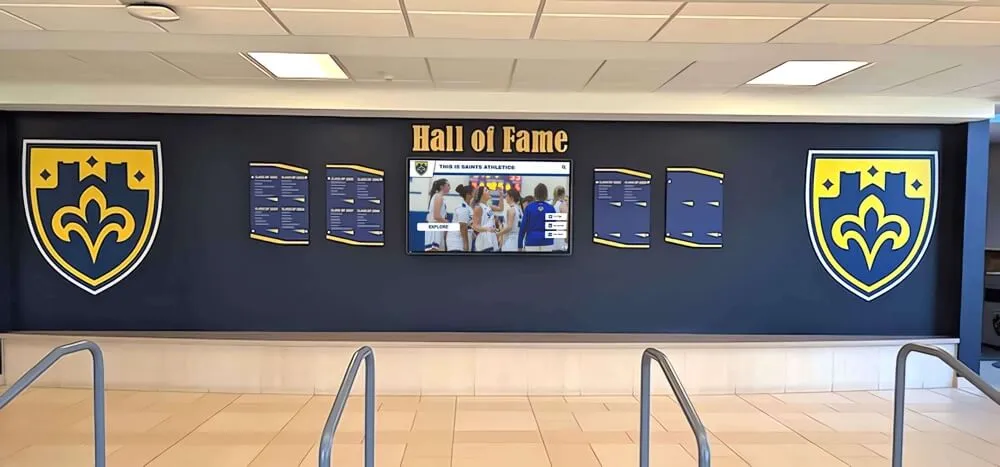
Footage that currently exists only on deteriorating acetate reels can become the game highlights visible in lobby displays — if digitization happens before deterioration makes recovery impossible
Step 7: Storage Environment Improvements
The inspection and quarantine workflow identifies what you have and how urgent the situation is. Storage environment improvements slow the deterioration of Level 0 and Level 1 reels so that more collection survives long enough to be digitized on a manageable schedule.
Temperature: The most impactful single variable. The Image Permanence Institute’s data shows that acetate film stored at 40°F deteriorates roughly 30 times more slowly than film stored at 70°F. A dedicated household refrigerator set to 40°F — not a freezer — represents a practical, low-cost improvement for priority reels that cannot be immediately digitized.
Humidity: Target 30–40% relative humidity. High humidity accelerates acetate hydrolysis; low humidity causes brittleness. A storage space with uncontrolled humidity swings is worse than a space held steadily at 50% RH.
Ventilation: Deteriorating film off-gases acetic acid. Storing reels in sealed, unventilated cabinets traps that gas and accelerates neighboring film deterioration. For cold storage environments, use ventilated containers that allow gas exchange while maintaining temperature — or remove reels from sealed cans and place them in acid-free, ventilated archival boxes.
Separation from other materials: Acetic acid corrodes metal, damages paper, and off-gasses onto nearby photographic materials. Film storage should be physically separated from paper records, photographic prints, and equipment with metal components that can rust.
Schools looking at long-term solutions for athletic facility storage — including spaces designed for both current trophy displays and archival materials — can reference how trophy display cases in school settings are designed to separate archival and display functions in the same facility.
Vinegar Syndrome Inspection and Quarantine Checklist
Use this checklist at the start of each inspection session and for each reel processed.
Pre-Session Preparation
- Workspace ventilated and clear of unrelated materials
- Separate quarantine area or cart designated
- Individual sealed containers available for affected reels
- Condition spreadsheet open and ready
- Camera or phone ready for condition photographs
- Gloves, eye protection, and respirator available
- A-D Strips available (optional but recommended)
Per-Can Inspection
- Closed-can pressure and odor assessed before opening
- Can opened carefully; initial odor classified (None/Faint/Moderate/Strong)
- Reel examined by flashlight without removing from hub
- Physical symptoms recorded for all visible indicators
- A-D Strip reading recorded if used
- Severity level assigned (0–4)
- Photographs taken of physical symptoms where present
Quarantine Action (Levels 1–4)
- Reel placed in individual sealed container
- Container labeled with Reel ID, severity level, classification date, storage requirement, and next action
- Reel moved to appropriate storage location for its severity level
- Level 3–4 reels flagged for specialist contact before any further handling
Documentation
- Full condition spreadsheet row completed
- Photograph file linked to spreadsheet row
- Digitization priority tier assigned
- Follow-up date recorded
- Inspector name and date recorded
Post-Session
- Inspection area cleaned; any residue from deteriorating film removed
- Gloves and disposable PPE discarded
- Condition spreadsheet saved and backed up
- Digitization scheduling team notified of any Level 2+ reels discovered this session
Frequently Asked Questions: Vinegar Syndrome Inspection for School Athletic Film
How do I know if a film reel is cellulose acetate and subject to vinegar syndrome?
If your school’s film was produced between approximately 1950 and the early 1990s in a standard educational or sports documentary format — 16mm, Super 8, or 8mm — it is almost certainly cellulose acetate and subject to vinegar syndrome. Polyester-base film, which is not susceptible to vinegar syndrome, became the dominant format for educational use in the mid-1990s. The simplest field test: smell the film. Polyester film has no distinctive storage odor; acetate film that is deteriorating will smell of vinegar. A reel with no odor that was produced before 1990 is most likely acetate film that has not yet begun active deterioration, not polyester film.
Can vinegar syndrome be reversed or stopped?
No. The chemical reaction that produces acetic acid is irreversible — existing acid damage to the film base cannot be repaired. What can be controlled is the rate of future deterioration: cooler, drier storage slows the process significantly. Removing a deteriorating reel from a sealed can reduces the acid concentration the film is exposed to. But neither action reverses deterioration that has already occurred. Digitization is the only way to preserve the content of a deteriorating reel before the film reaches a point where playback is mechanically impossible.
How urgent is Level 1 deterioration?
Level 1 deterioration — faint odor, no physical symptoms — indicates that the film has entered the autocatalytic phase of acetate breakdown but has not yet produced visible physical damage. At cool storage temperatures, a Level 1 reel may remain in this condition for years before progressing to Level 2 symptoms. The urgency is real but not emergency-level: move the reel to sealed individual storage, improve its storage temperature if possible, and schedule digitization within one to two years rather than treating it as an emergency. Reassess its condition every six to twelve months.
Should we attempt to digitize Level 3 film in-house?
In-house digitization of Level 3 film — with strong odor, significant warping, and possible outer-layer adhesion — carries a meaningful risk of film breakage or irreversible mechanical damage during the transfer. Consumer-grade film scanners and telecine setups are not designed to handle warped or brittle film safely. For Level 3 reels with significant content, the risk of in-house transfer causing the loss of the reel entirely is higher than the cost of engaging a specialist. Contact a film preservation service that specifically lists experience with deteriorating acetate film before attempting any Level 3 transfer.
How do A-D Strips work, and do we need them?
A-D Strips are pH indicator strips calibrated to detect acetic acid concentration in a storage environment. Place one strip in a sealed container with a reel for approximately 24 hours; the color change on the strip corresponds to an acid level that maps to a deterioration severity estimate. They are not required for the inspection workflow — the visual and olfactory assessment described in this guide is sufficient for initial classification. A-D Strips add quantitative precision that is particularly useful when comparing the severity of two reels at similar odor levels, when you want a documented baseline reading that a future inspector can compare against, or when reporting collection condition to an administrator or funding body.
How do we handle a film reel if it breaks during inspection?
If a reel breaks while you are handling it during inspection — unwinding, examining edge layers, or attempting to flatten a curl — stop handling the film immediately. Do not attempt to splice or repair it. Document the break point and the length of the broken section with a photograph. Place all sections back in the can or container, label it “Broken — Specialist Required,” and classify it at Level 4. Both sections retain potential value: a specialist can sometimes tape-splice broken sections for a single-pass transfer. Attempting a repair with consumer splicing tape applies chemicals to the emulsion and may cause additional damage.
Connecting Recovered Film to School Athletic Recognition Programs
The reason to run an athletic archive vinegar syndrome inspection workflow is not documentation for its own sake — it is to recover footage before it is gone and to make that footage visible and useful for the athletic community that the school serves.
Once game film has been digitized and basic metadata has been applied, it connects to several recognition use cases immediately:
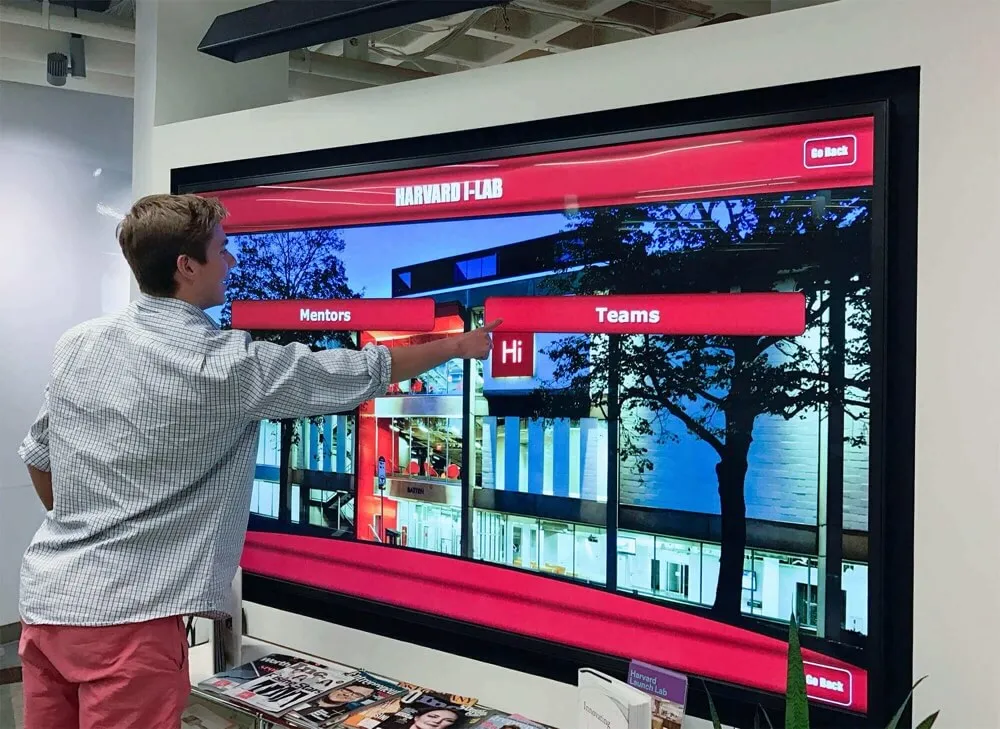
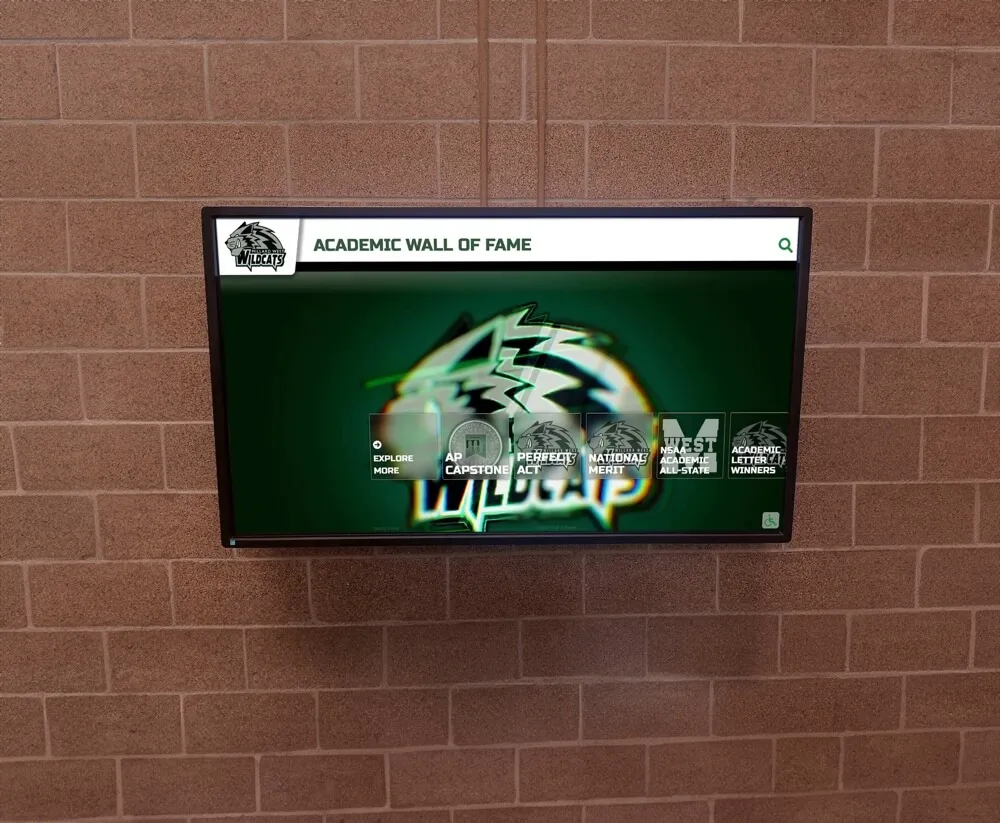
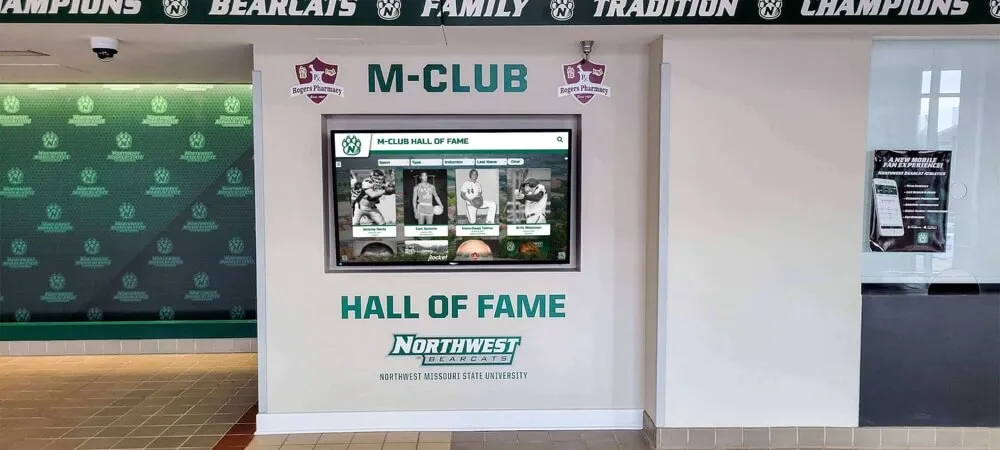
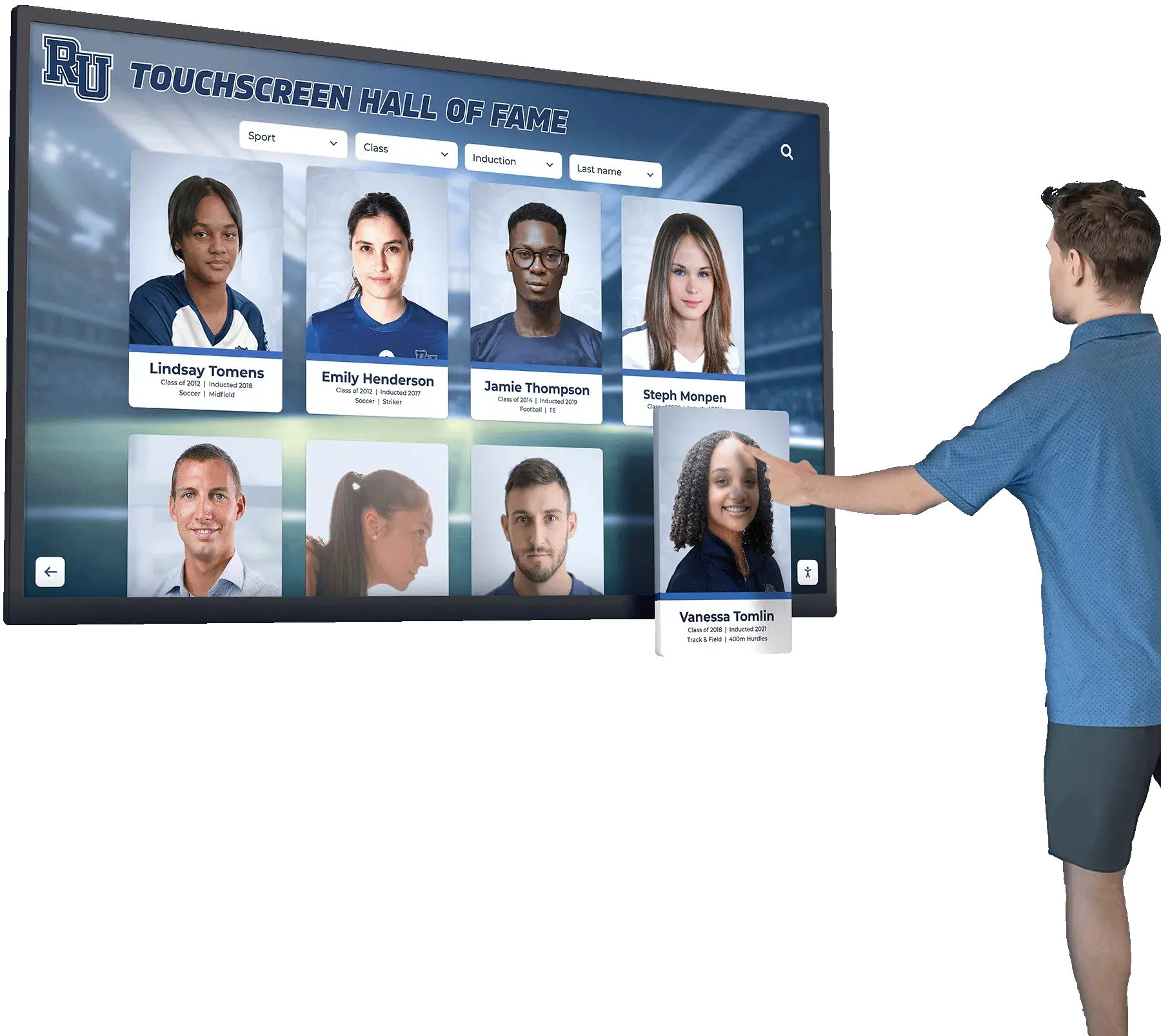
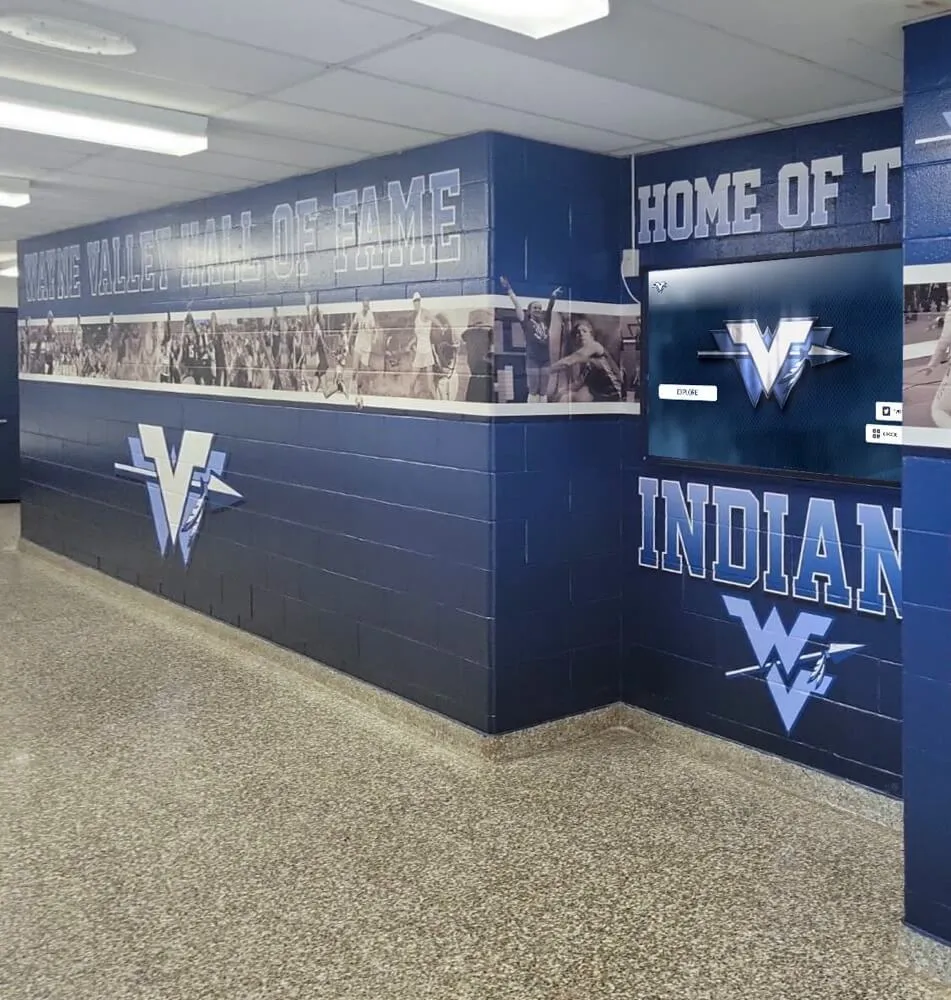
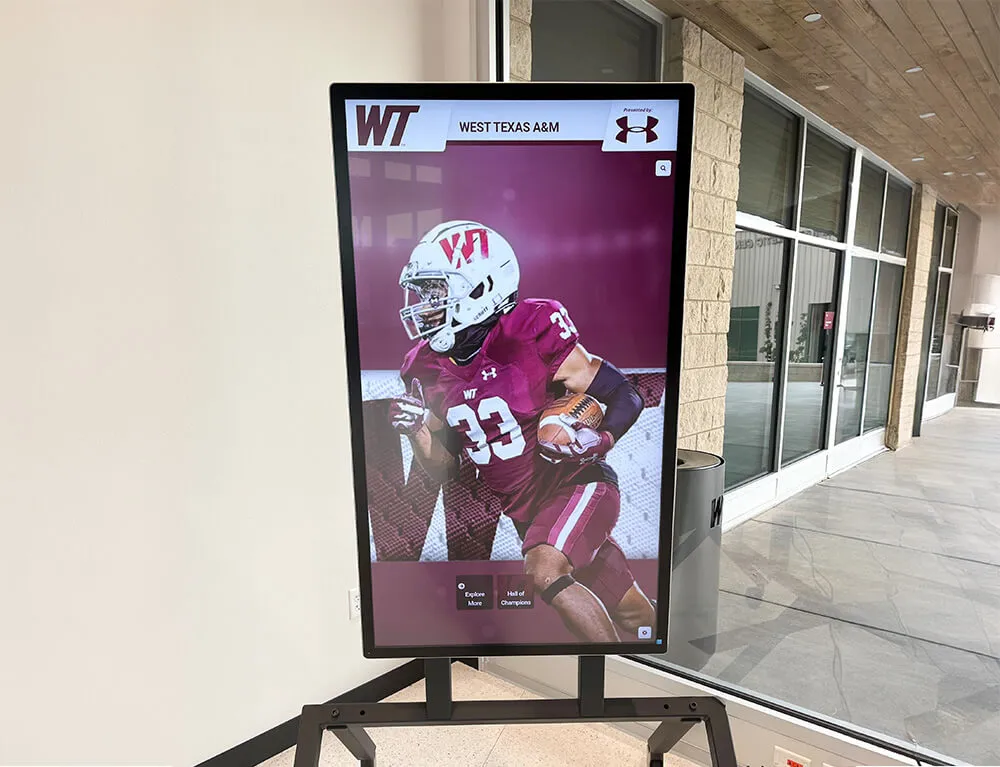
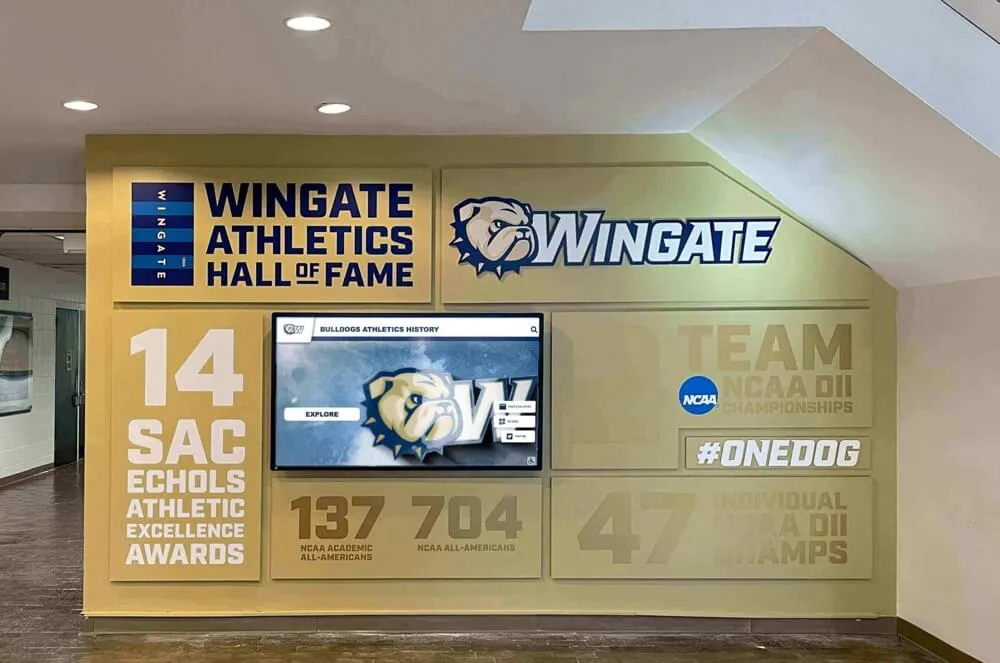
Hall-of-fame installations can surface game film clips alongside athlete profiles — a touchscreen display showing a record-breaking play from a 1979 state championship, pulled from film that sat deteriorating in a storage cabinet until an inspection workflow identified it as Level 2 urgent. Schools building school photo galleries, history timelines, and athlete profiles for interactive displays draw on exactly this kind of recovered historic footage.
Sports banquet presentations gain a historical dimension that still photography cannot provide. Moving footage from championship games, post-game celebrations, and milestone moments creates a program narrative that connects current student athletes to the coaches and graduates who built the tradition they now inherit.
Alumni engagement and donor recognition programs benefit from historic footage in ways that can directly support fundraising. Donors who played in the 1970s or 1980s respond to campaigns that include footage they recognize. Schools building donor recognition pages and alumni engagement programs find that verified historic footage dramatically increases emotional connection to campaigns, especially capital projects tied to athletic facilities.
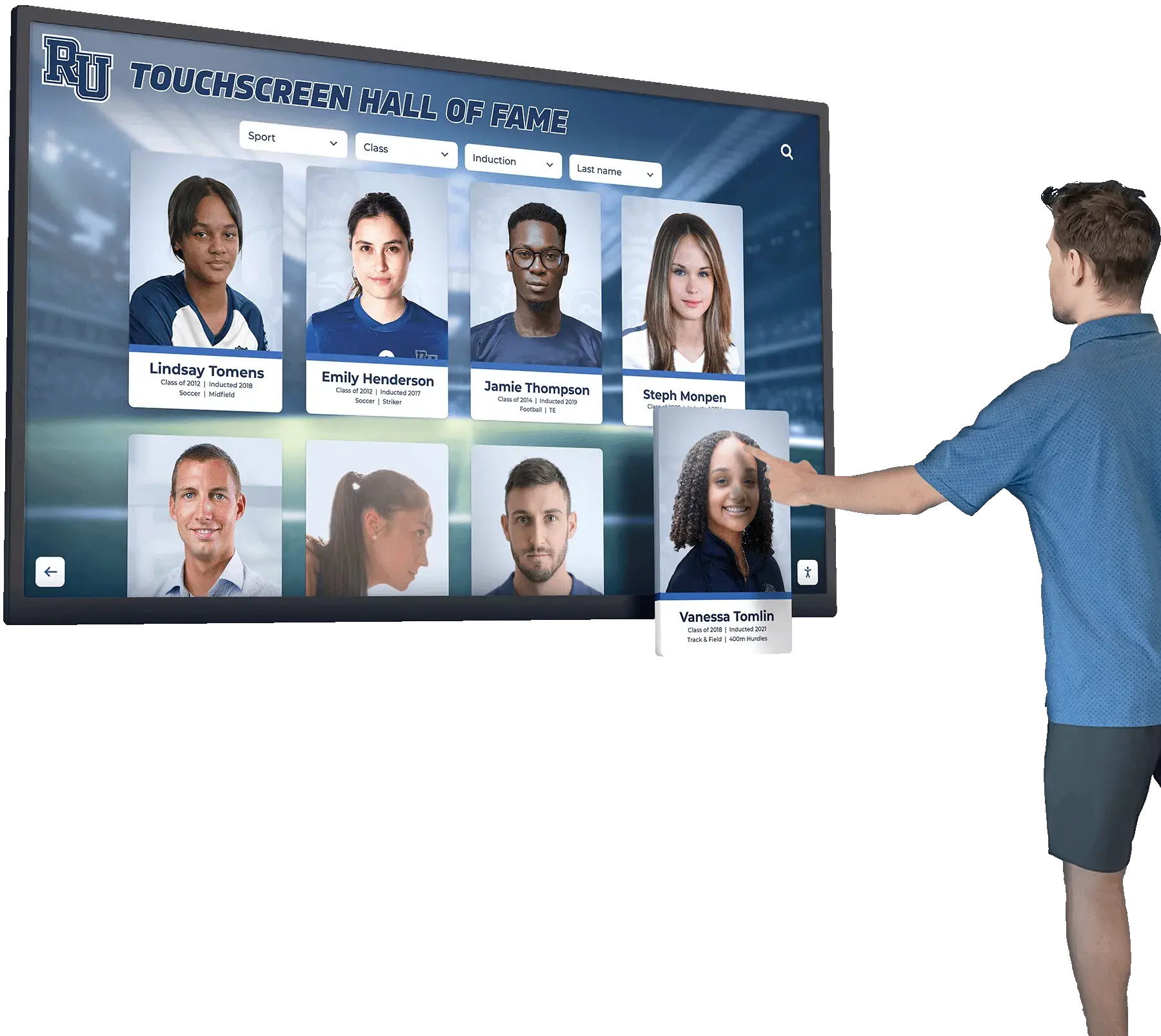
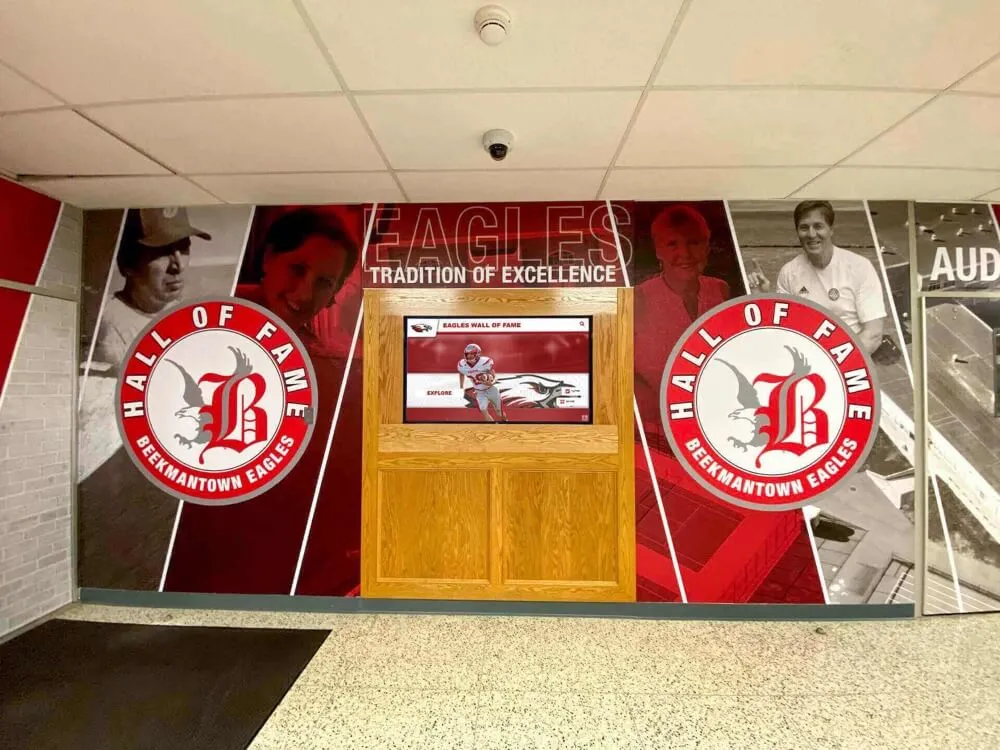
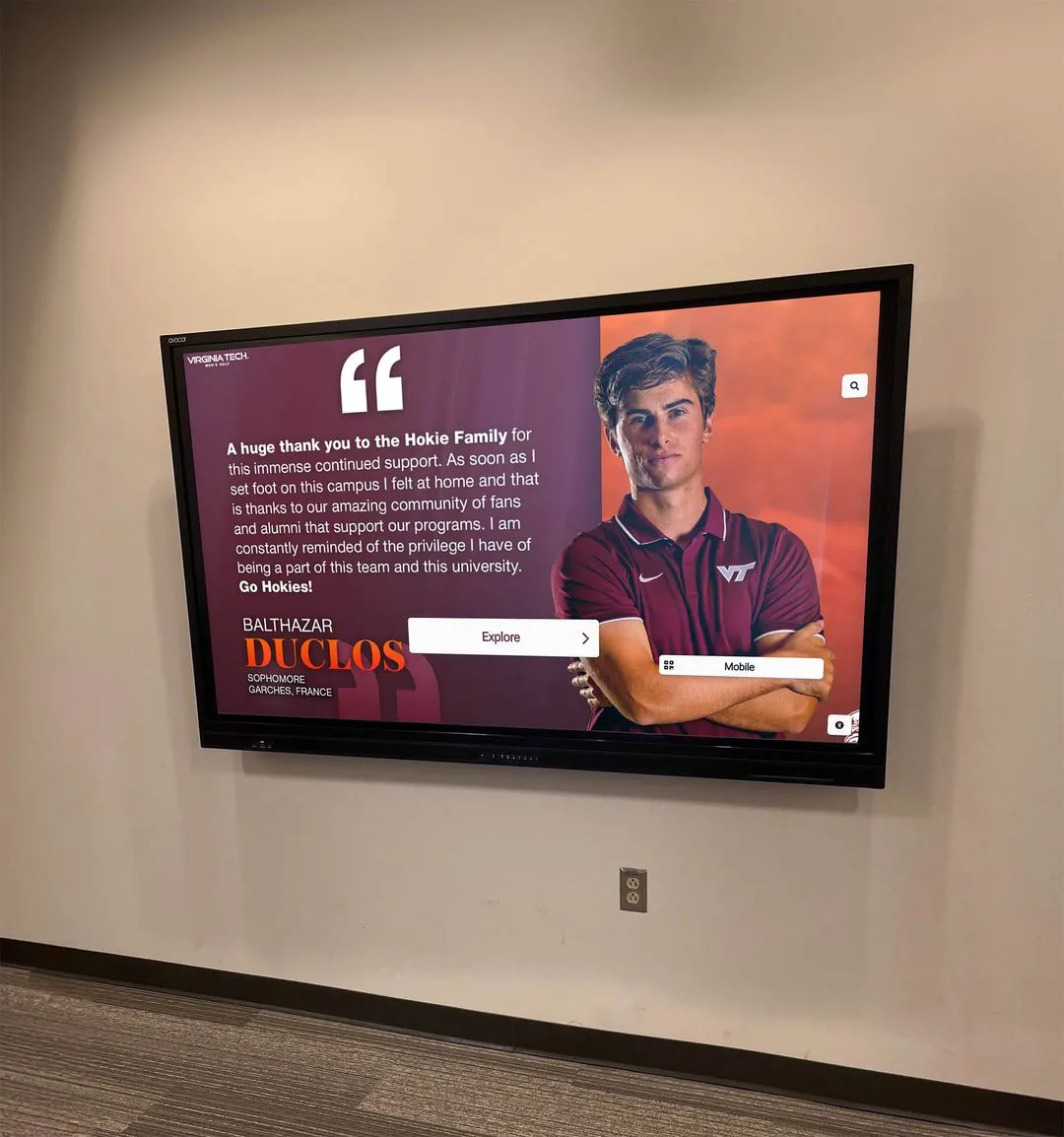
Recognition installations that surface historic game footage alongside athlete profiles are only possible when the underlying film has been identified, preserved, and digitized through a structured archival workflow
Athletic fundraisers and sponsorship campaigns also benefit from historical video content. Schools coordinating athletic fundraiser recognition programs report that presenting historic footage during campaign events creates context for the ask that statistics and photographs cannot match. A championship game clip from 1984 makes the case for a new fieldhouse more effectively than any feature sheet.
For schools building a connected archive that links digitized film to yearbook content, academic milestone records, and alumni profiles, capturing and preserving milestone moments across all school programs — athletic and academic — creates a searchable institutional memory that the entire school community can explore.
Ready to Turn Recovered Athletic Film Into a Living Recognition Program?
Rocket Alumni Solutions helps schools present digitized historic athletic footage — recovered from film reels, archival transfers, and legacy storage — through interactive recognition installations that bring that footage in front of students, alumni, and families. From touchscreen hall-of-fame displays to digital yearbook platforms, the right infrastructure makes decades of game history visible to the people who lived it.
Request Your Free DemoConclusion: Inspection as a Preservation Act
An athletic archive vinegar syndrome inspection workflow is not a technical project reserved for institutions with dedicated preservation staff — it is a structured inspection, a classification, a few sealed containers, and a spreadsheet. Any athletic director, archivist, or facilities team member can run the inspection steps described here in an afternoon, identify which reels are in danger, move them to appropriate quarantine storage, and hand a prioritized list to whoever is responsible for digitization scheduling.
The footage on those reels cannot be re-recorded. A championship game from 1974, a record-setting performance from 1988, a coaching milestone from 2001 — if the reel holding that footage reaches Level 4 before it is digitized, the content is gone regardless of how well-maintained the rest of the archive is.
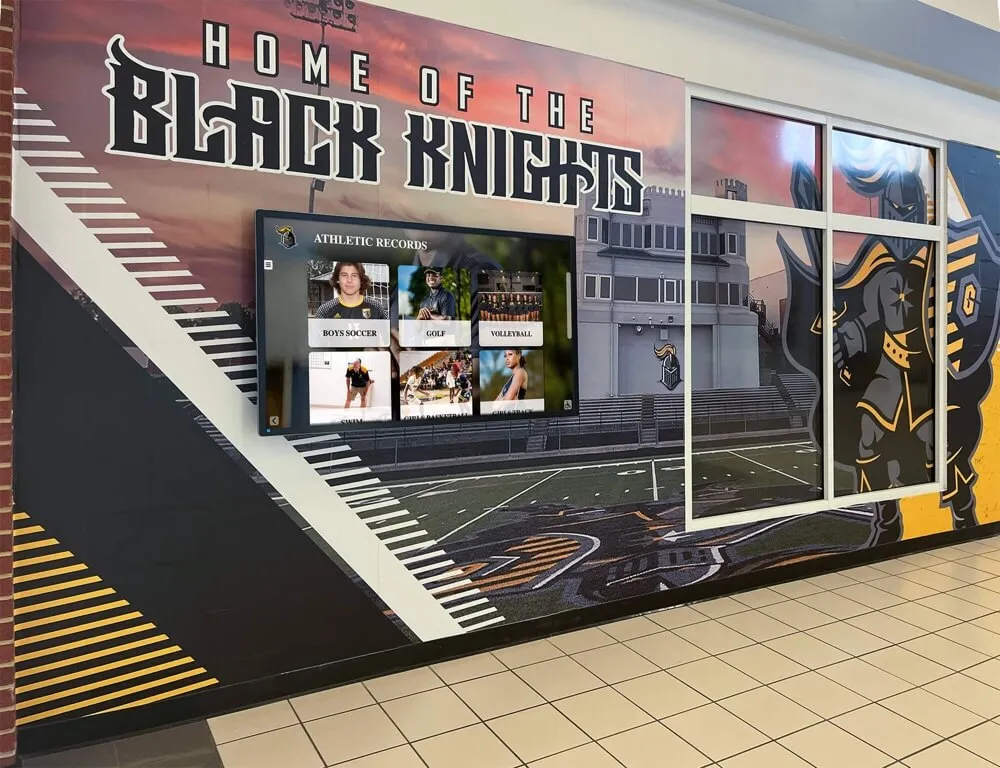
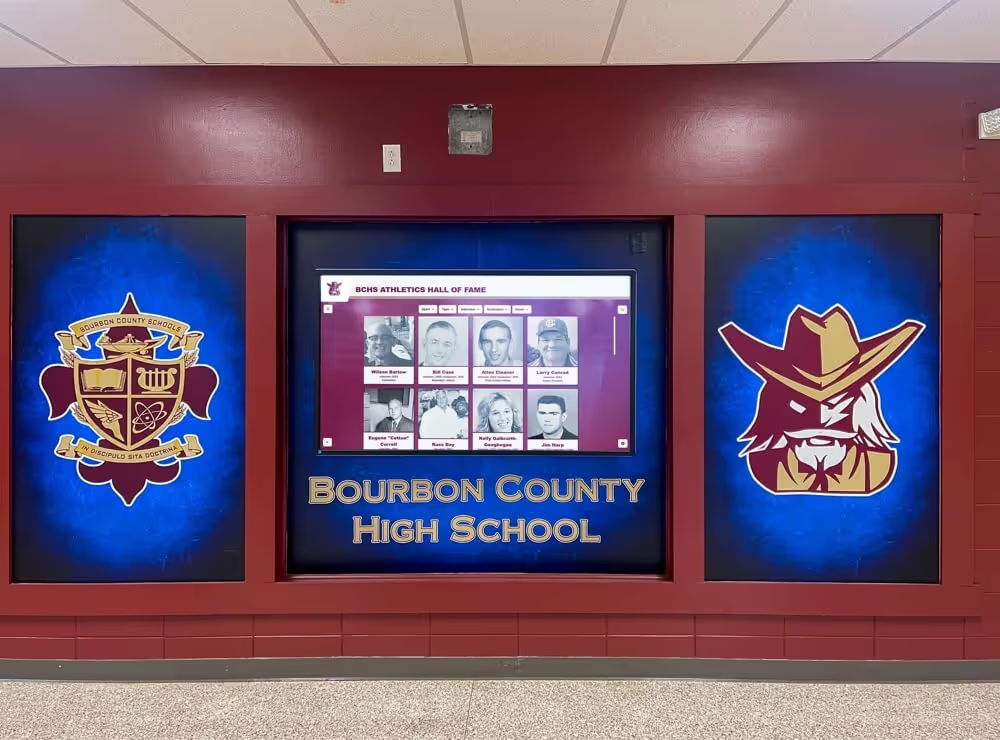
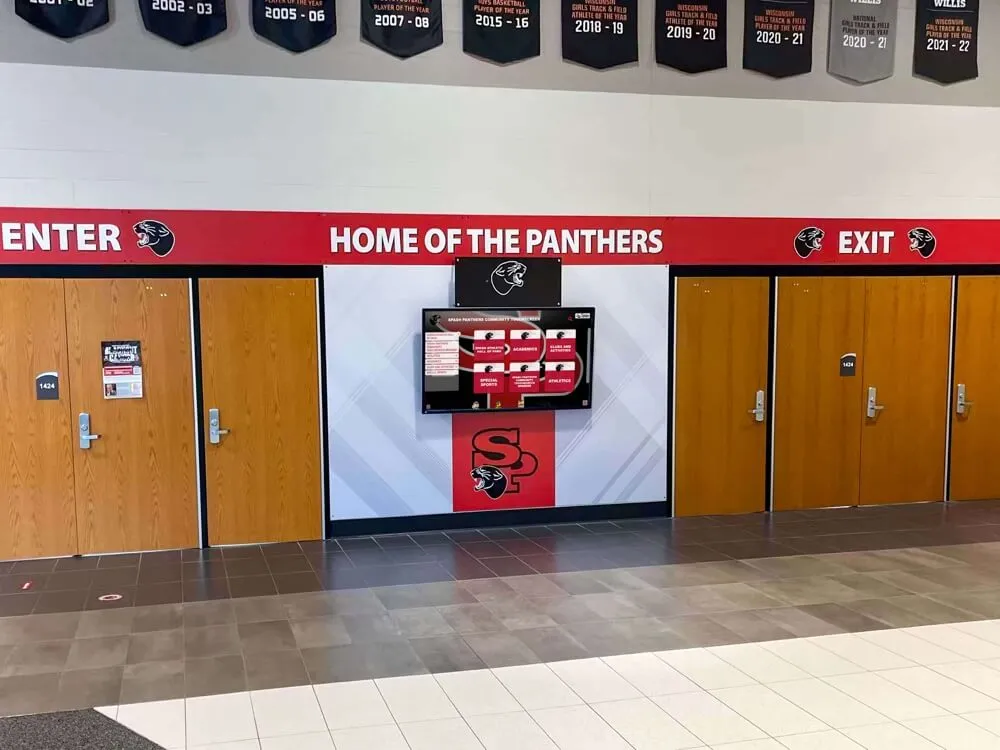
Athletic records displayed in school hallways and recognition installations draw on the historic footage and documentation that an inspection and quarantine workflow helps recover before it is permanently lost to deterioration
The steps in this guide — workspace preparation, visual and olfactory inspection, severity classification, quarantine by level, condition documentation, and digitization prioritization — form a complete workflow from a film cabinet to a digitization schedule. The tables and checklist give teams the practical tools to run the workflow consistently without relying on a single expert’s memory. The FAQ addresses the specific decisions that stall preservation projects before they begin.
Historic game film is a community asset that belongs to every student who played in those games, every coach who built those programs, and every alumnus who still remembers the season. A documented inspection workflow is the first step toward making that asset last.
Sources
- Image Permanence Institute — A-D Strip Resources and Acetate Film Deterioration — RIT’s Image Permanence Institute developed the A-D Strip system for measuring acetate film deterioration and publishes research on temperature-dependent deterioration rates
- Library of Congress Preservation Directorate — Care, Handling, and Storage of Motion Picture Film — Federal guidance on handling and storing acetate film collections
- Northeast Document Conservation Center — Preservation Leaflets: Reformatting and Film Preservation — Practical guidance on deteriorating film handling and digitization decisions
- National Film Preservation Foundation — The Film Preservation Guide — Standards-based reference for institutional film preservation workflows
- Federal Agencies Digital Guidelines Initiative — Technical Guidelines for Digitizing Cultural Heritage Materials — FADGI digitization standards applicable to motion picture film collections in educational institutions