



Walk through any vibrant school and you’ll notice artwork transforms ordinary hallways into dynamic spaces celebrating student creativity. Yet many art programs struggle to showcase student work effectively—artwork crowded onto bulletin boards that fade into the background, rotating displays changed so frequently that students never see their work publicly displayed, or beautiful pieces taken home immediately after creation without the broader school community ever experiencing them.
Art class gallery displays serve purposes beyond decoration. When schools systematically showcase student artwork through thoughtful curation, professional presentation, and strategic placement, they send clear messages that creativity matters, provide authentic audiences motivating quality work, and create visual experiences enriching entire educational communities.
This comprehensive guide explores evidence-based strategies for designing and implementing art gallery displays that celebrate diverse artistic achievements, engage students and families, and transform school environments into inspiring showcases of student creativity across all grade levels and artistic mediums.
Effective art displays extend beyond filling empty wall space—they create curated experiences honoring student creative journeys while building school culture that values artistic expression alongside academic achievement. Schools that excel at art exhibition create environments where visual creativity receives prominent visibility and celebration.

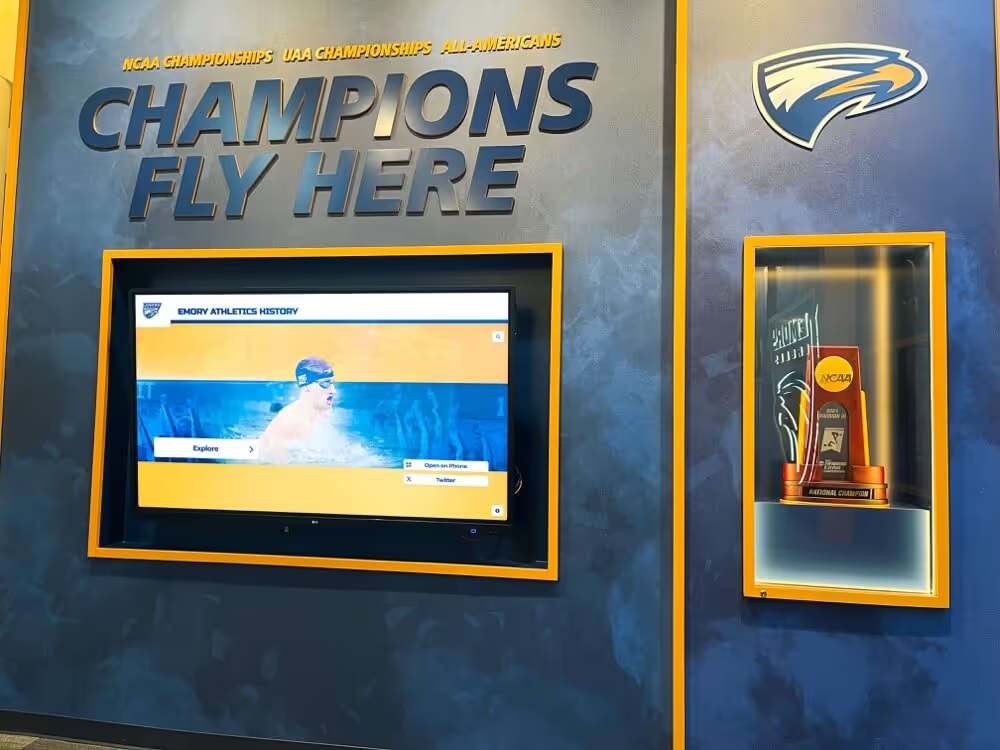
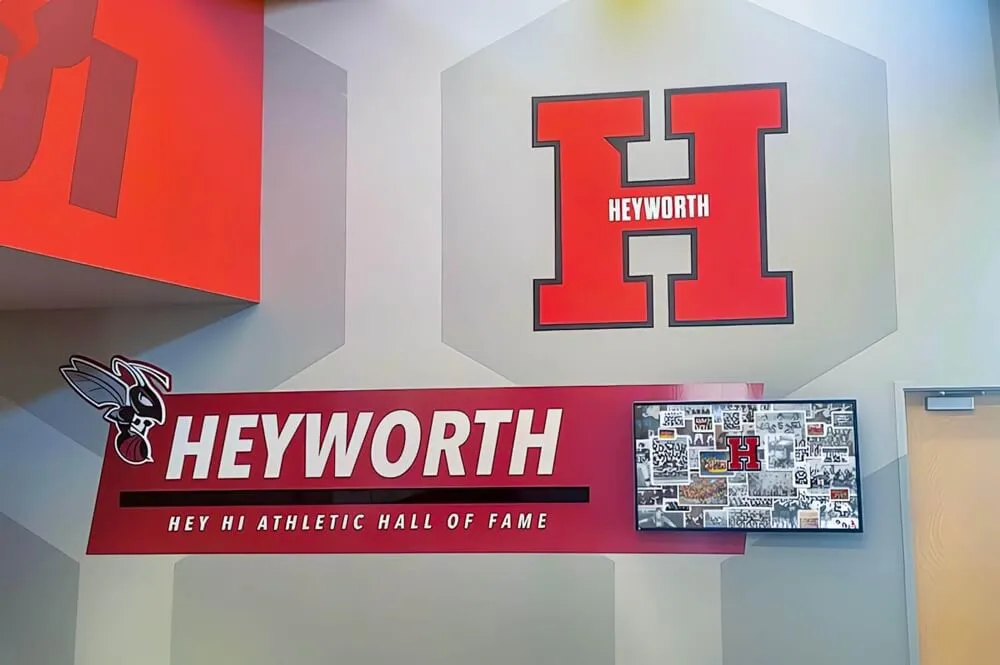
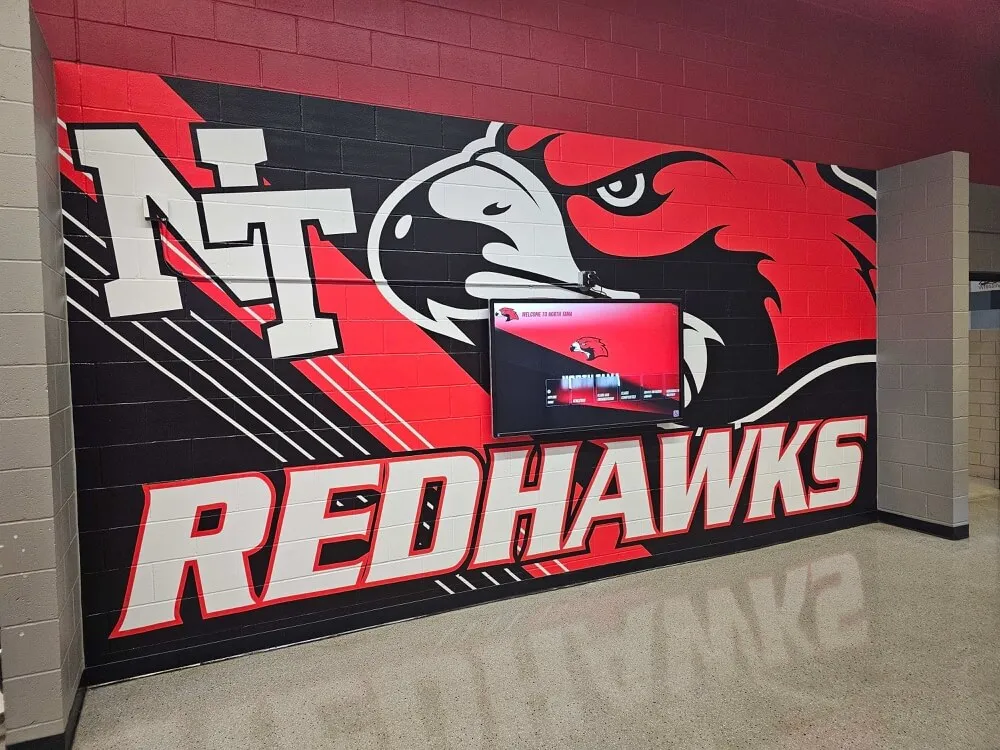
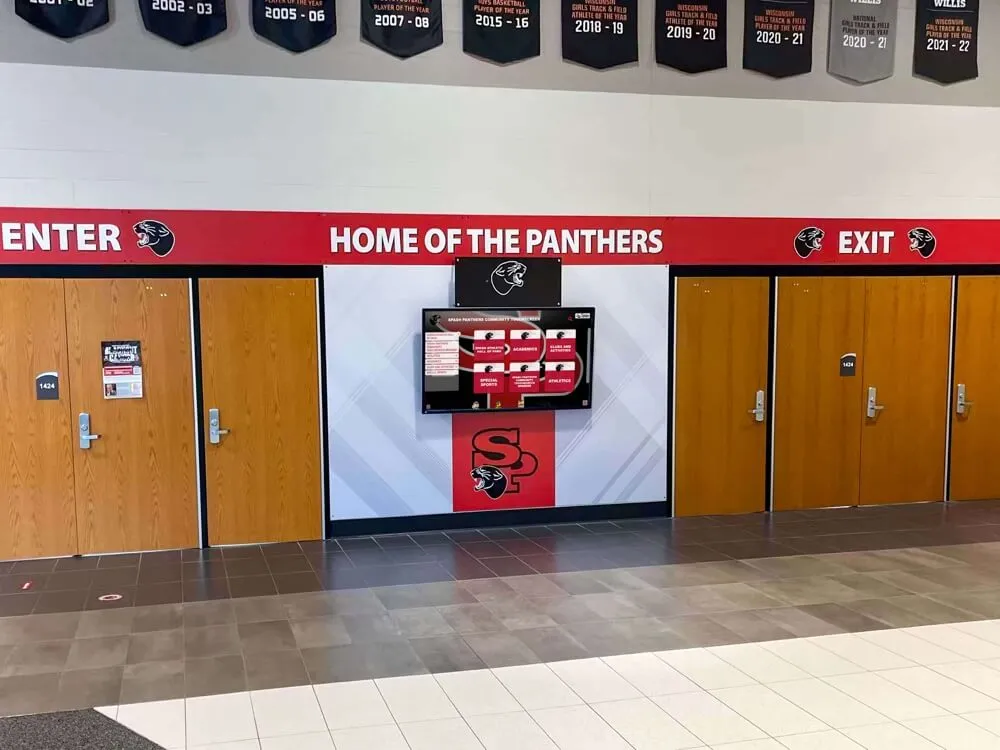
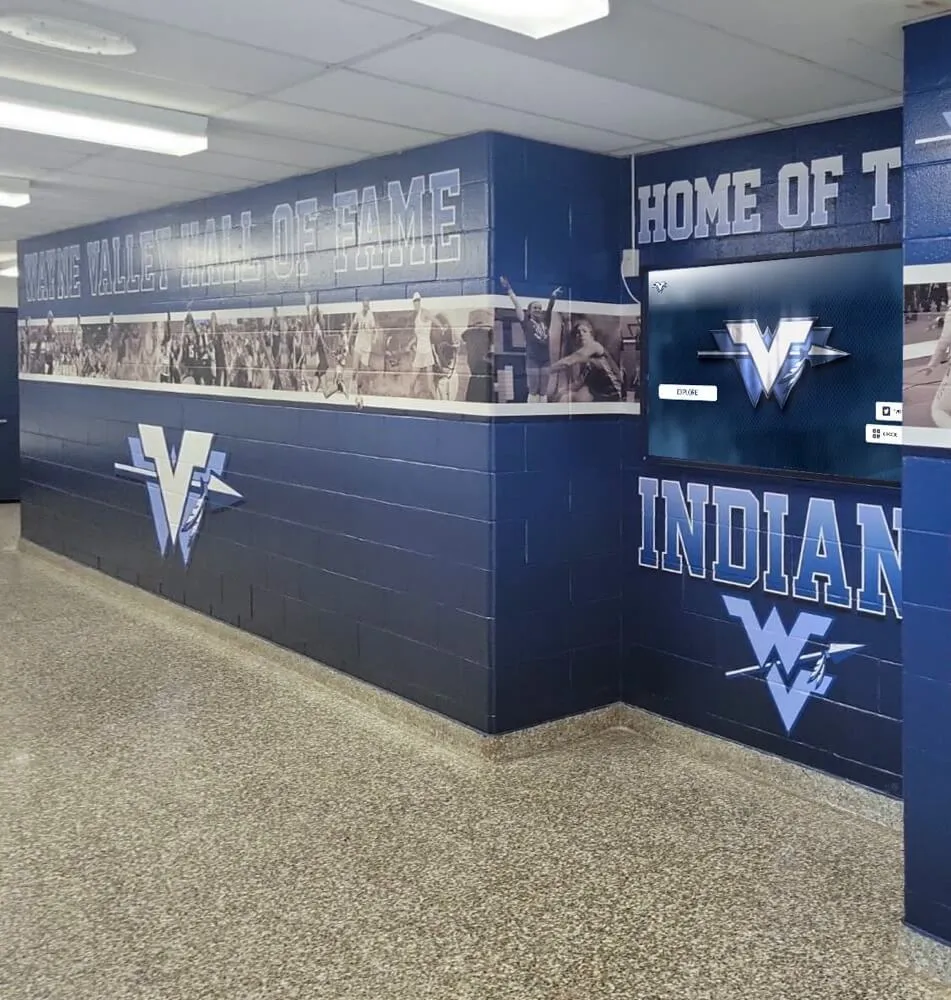
Strategic hallway displays transform everyday spaces into galleries celebrating student creative achievements
The Educational Value of Art Class Gallery Displays
Understanding how art exhibition affects student development and school culture helps educators design display programs maximizing positive outcomes.
Research-Based Benefits of Student Art Exhibition
Educational research consistently demonstrates powerful effects of displaying student artwork publicly:
Creative Confidence Building
When students see their artwork displayed professionally, they develop stronger artistic identities and creative confidence. Public recognition validates effort and talent, encouraging continued artistic exploration and risk-taking in creative work.
Research in art education indicates students whose work receives regular exhibition show significantly higher engagement in art classes and greater willingness to experiment with new techniques and mediums.
Authentic Audience Motivation
Creating artwork for public display provides authentic purpose beyond classroom requirements. Students produce higher-quality work when they know peers, families, and community members will view their creations. This authentic audience creates natural motivation for careful craftsmanship, attention to detail, and personal investment in artistic outcomes.
According to art education specialists, the presence of real audiences transforms art from isolated classroom activity into meaningful communication and expression.
School Culture Enhancement
Prominent art displays create visual richness transforming institutional spaces into welcoming environments celebrating creativity. When students, staff, and visitors encounter diverse artwork throughout campus, schools feel more vibrant, personalized, and student-centered.
Quality art displays signal that schools value creativity, individual expression, and aesthetic experiences—cultural messages extending beyond art classes to influence overall educational climate.
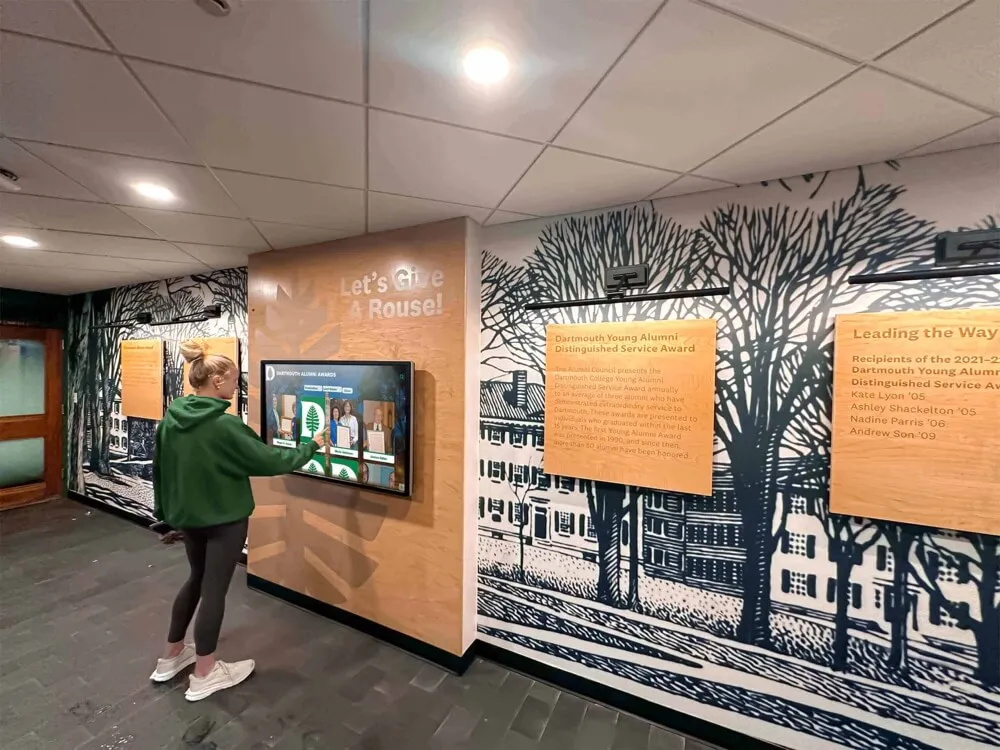
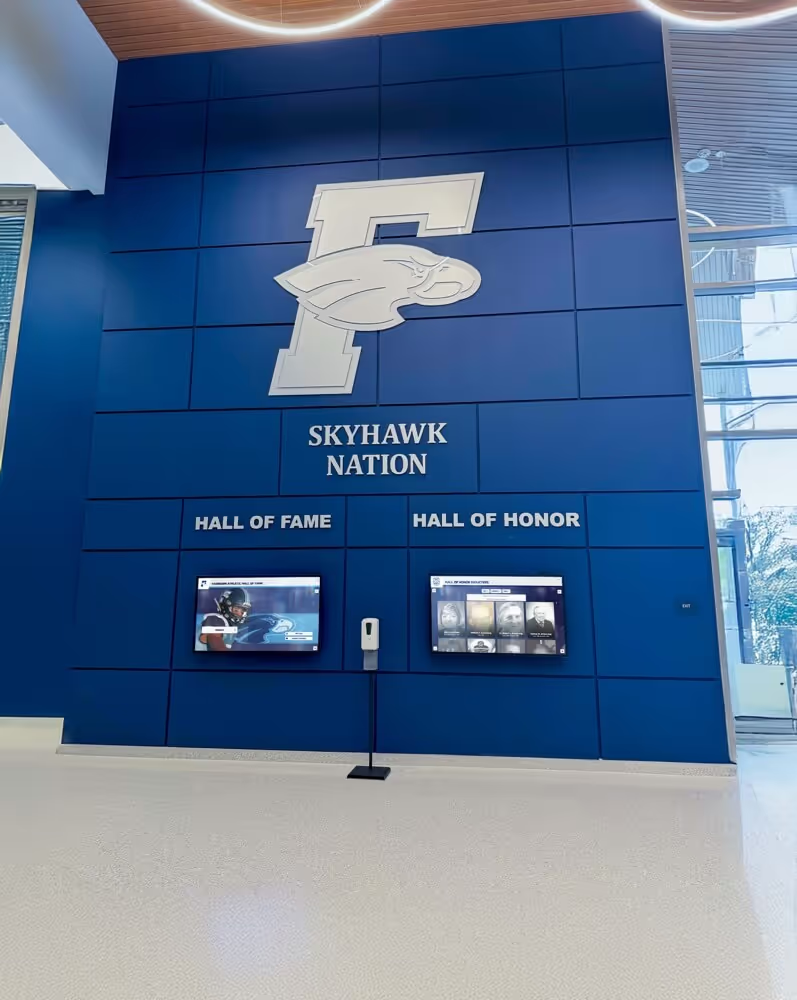
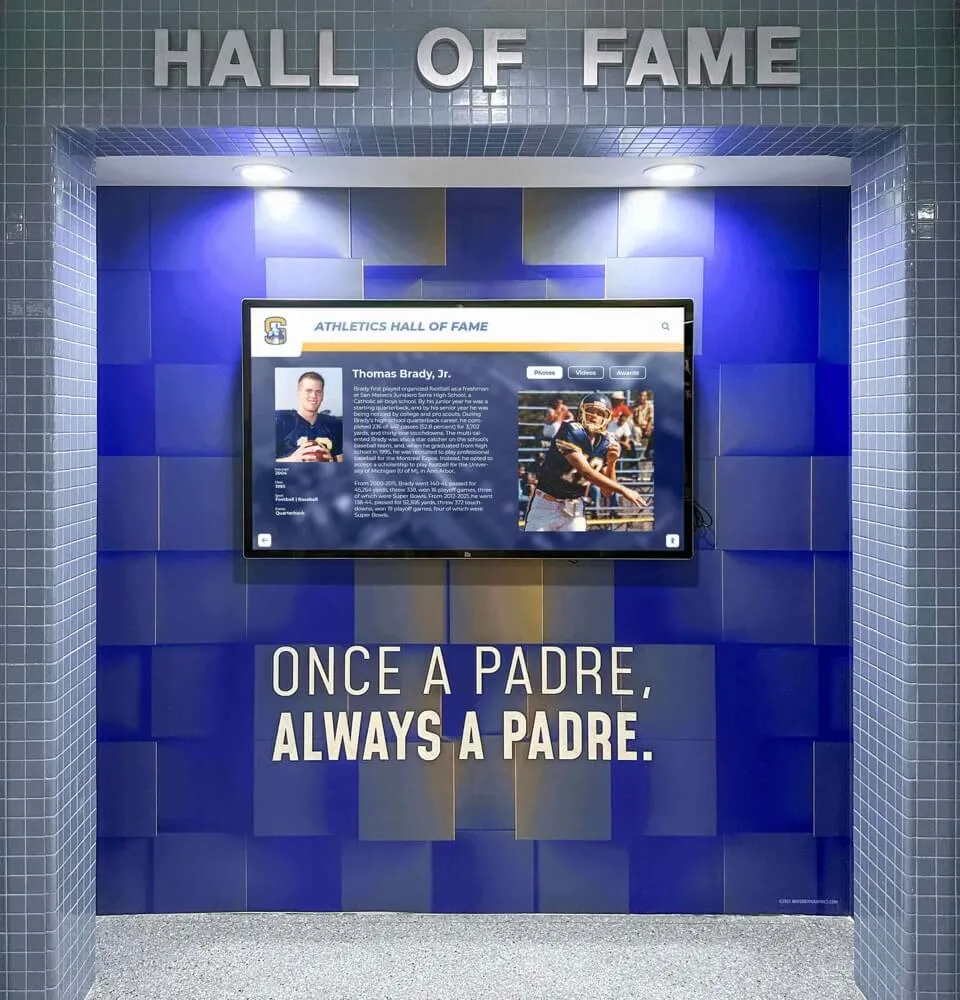
Strategic display placement ensures artwork reaches broad audiences throughout daily school life
Family Engagement Opportunities
Art displays create natural touchpoints for family involvement in education. Parents visit schools to view children’s displayed artwork, photograph pieces for family records, and discuss creative processes. These positive school visits strengthen family-school connections while celebrating student accomplishment.
Schools implementing comprehensive art display programs report increased family attendance at art shows, curriculum nights, and other school events.
Community Pride and Identity Building
Student artwork displayed throughout schools creates visual identity reflecting community values and student population characteristics. When visitors encounter diverse creative expression, schools project images as nurturing, creative, student-focused institutions.
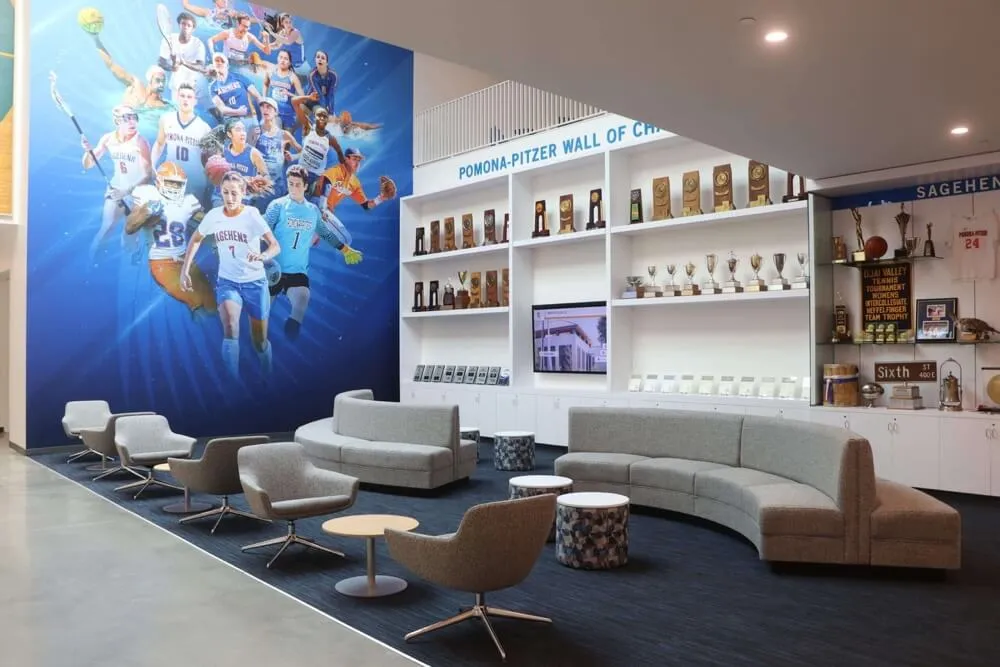
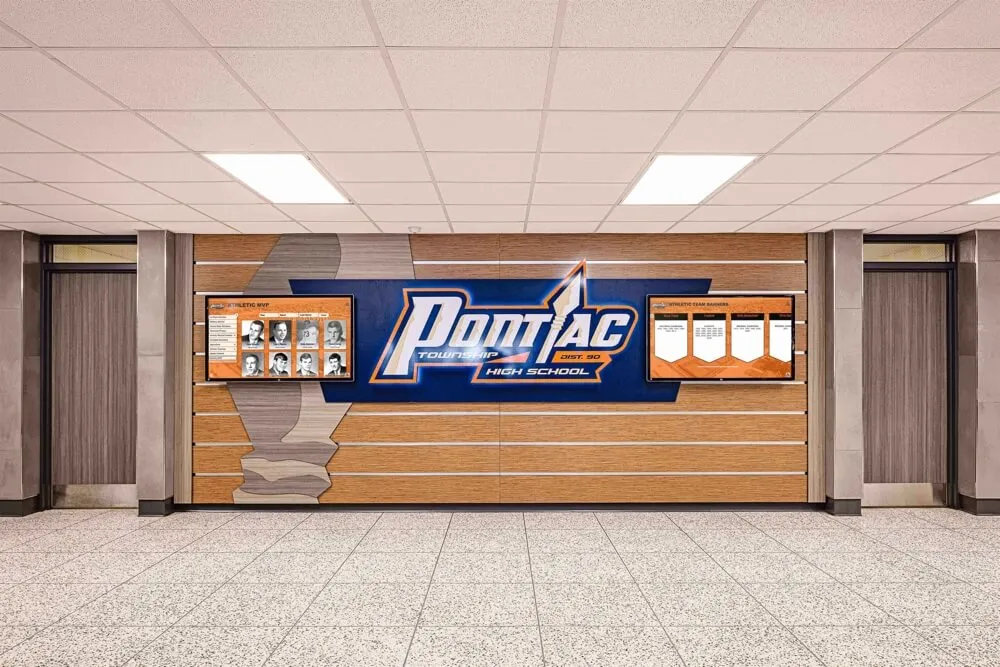
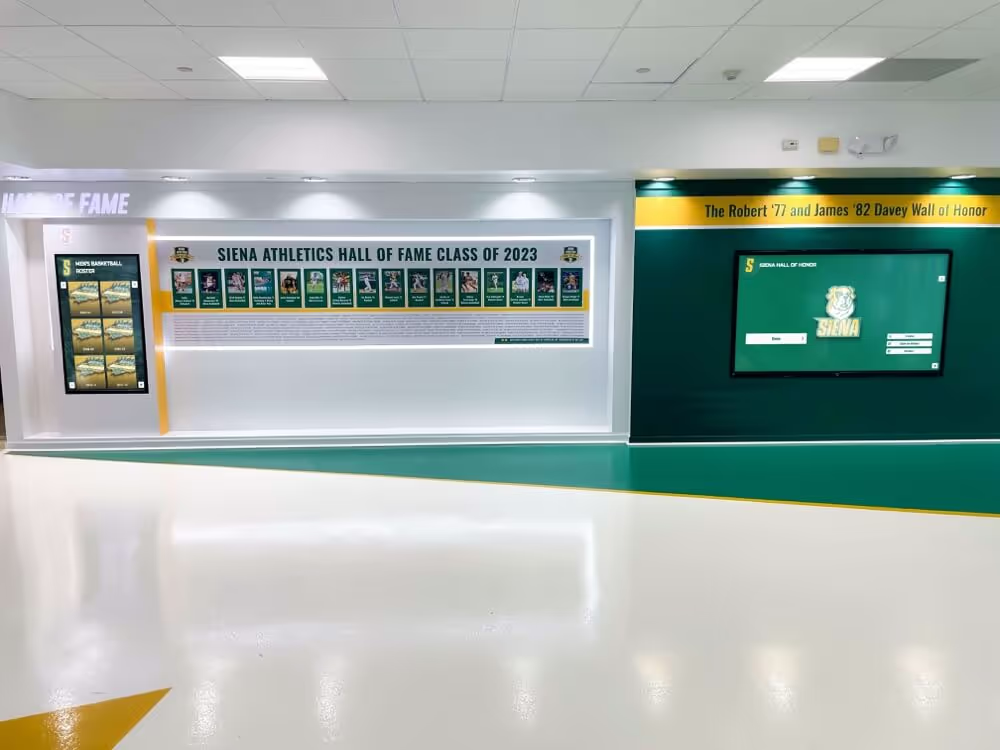
Many schools integrate student achievement displays with artistic showcases creating comprehensive recognition environments.
Core Components of Effective Art Gallery Display Systems
Successful art display programs share essential characteristics maximizing impact while remaining sustainable for art teachers and schools.
Dedicated Display Spaces and Infrastructure
Moving beyond temporary bulletin boards requires establishing permanent exhibition infrastructure:
Hallway Gallery Walls
Designated hallway sections function as ongoing galleries with consistent display systems. Professional rail mounting systems allow easy artwork rotation without wall damage, while consistent matting and labeling create cohesive presentation standards.
Quality hallway galleries require adequate lighting highlighting artwork, appropriate sight lines ensuring visibility, and protection from high-traffic damage through strategic placement or protective glazing.
Lobby and Common Area Showcases
Main building entrances, cafeterias, media centers, and administrative areas provide high-visibility locations for premier student work. These spaces receive attention from all school constituencies—students, staff, families, and visitors—maximizing exhibition impact.
Consider dedicated display cases with proper lighting for three-dimensional work, sculpture, ceramics, and portfolio presentations requiring protection while maintaining visibility.
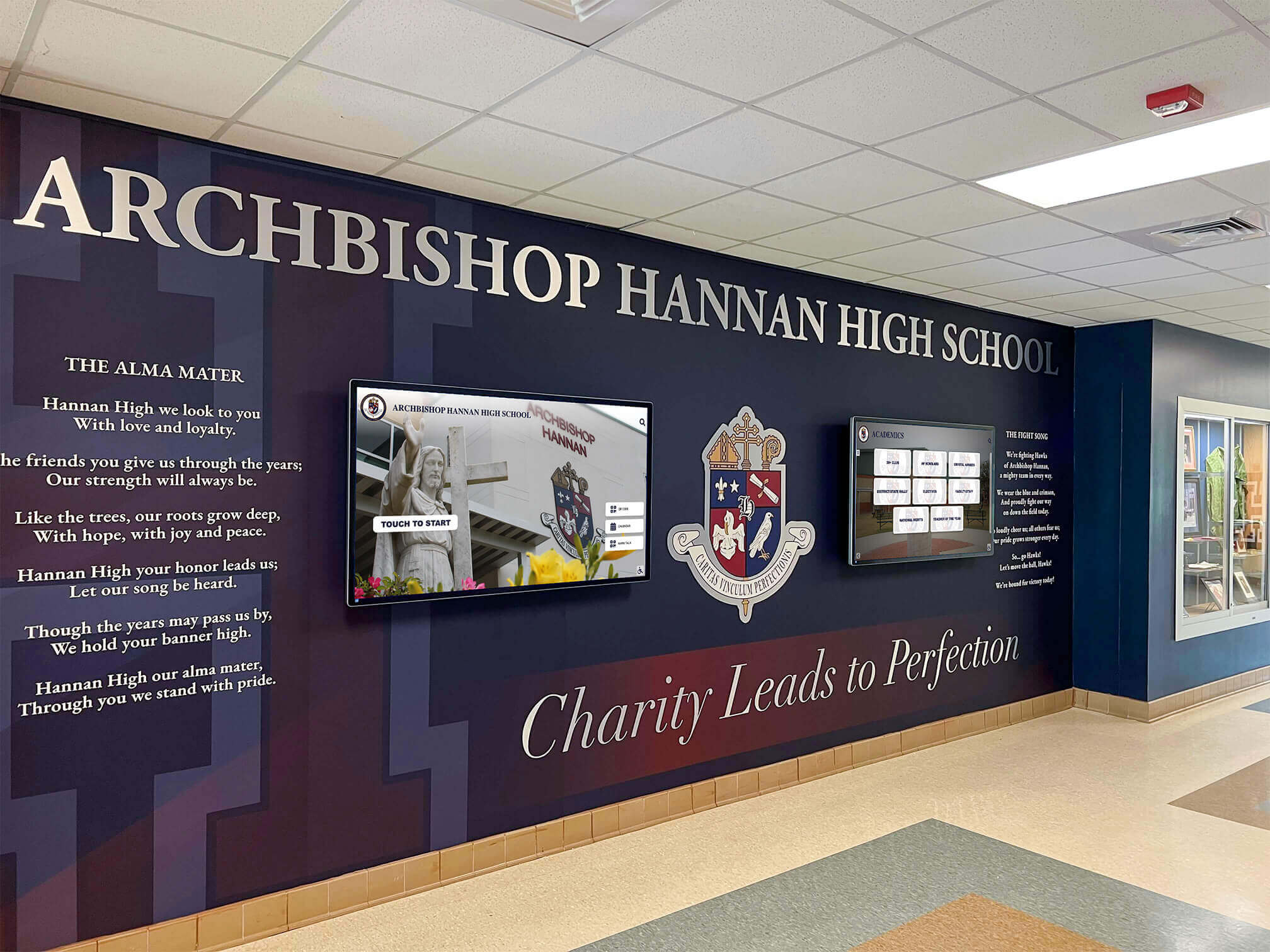
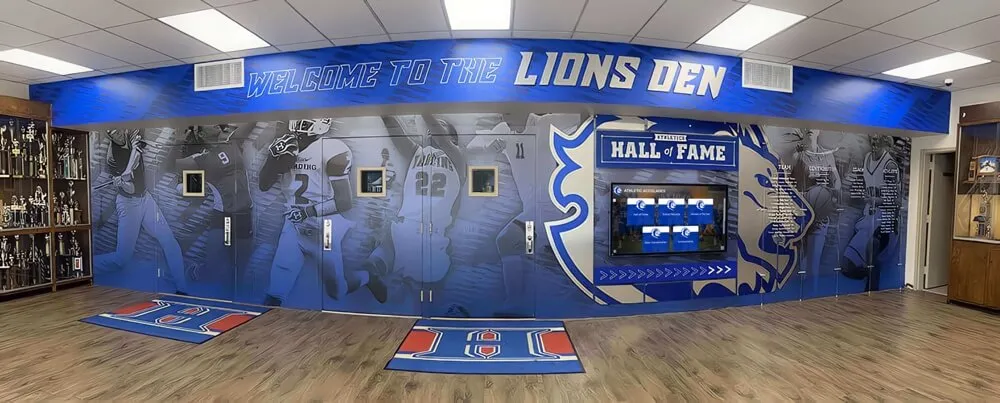
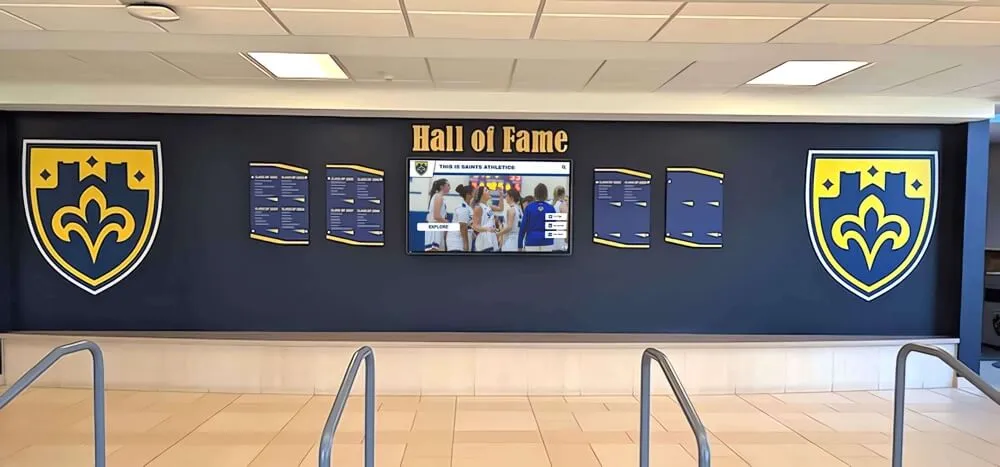
Entrance displays welcome visitors while immediately communicating that creative achievement receives recognition
Art Room Exhibition Spaces
While classrooms provide convenient display locations, dedicated exhibition areas outside art rooms ensure broader audiences encounter student work. Internal art room displays serve pedagogical purposes—demonstrating techniques, showing work progression, or highlighting exemplary solutions—while external galleries celebrate achievement for wider communities.
Digital Gallery Extensions
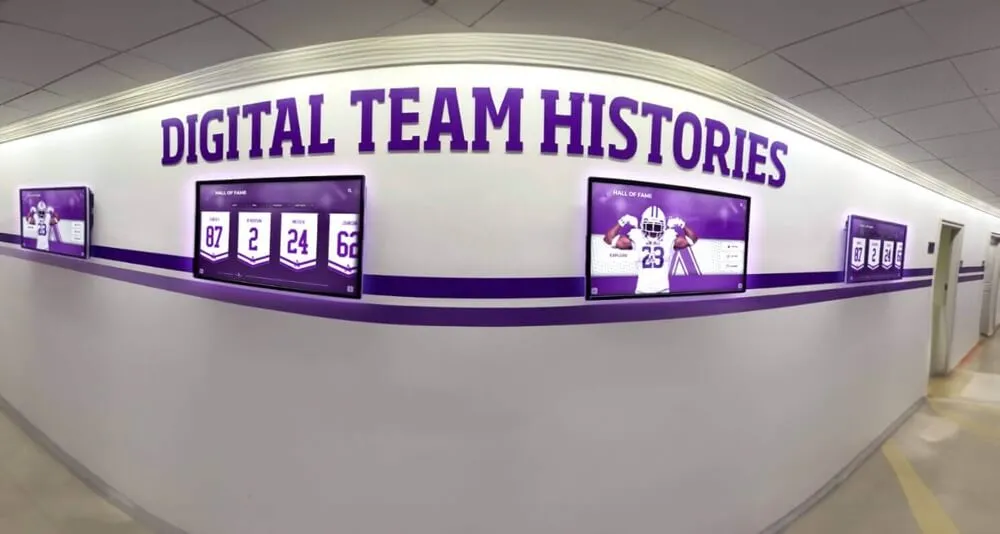
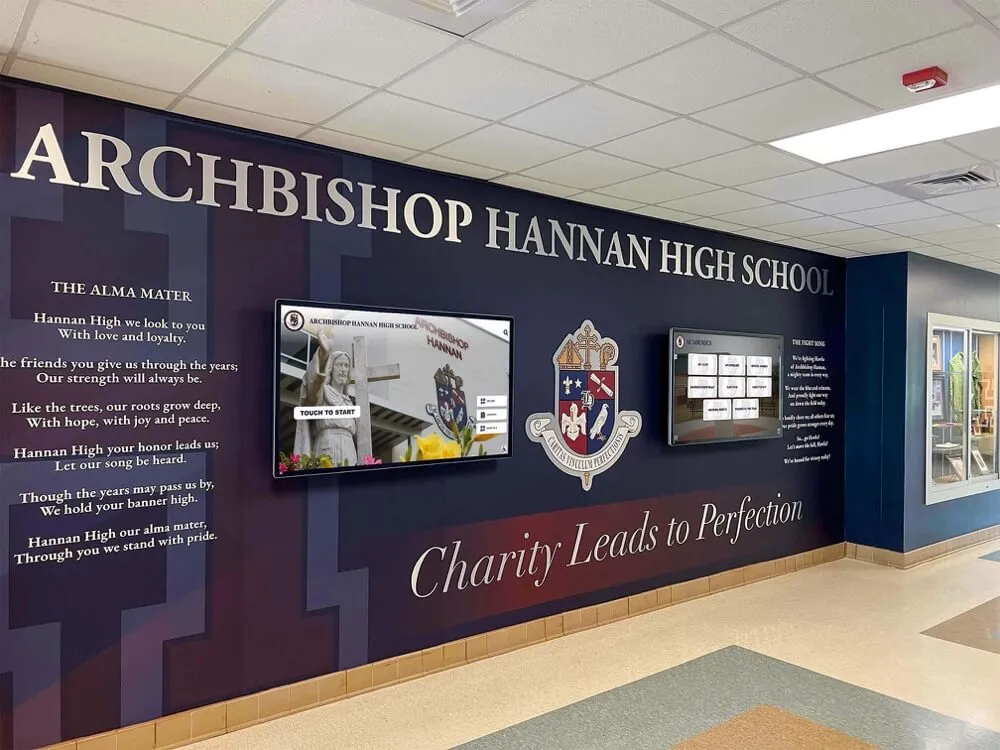
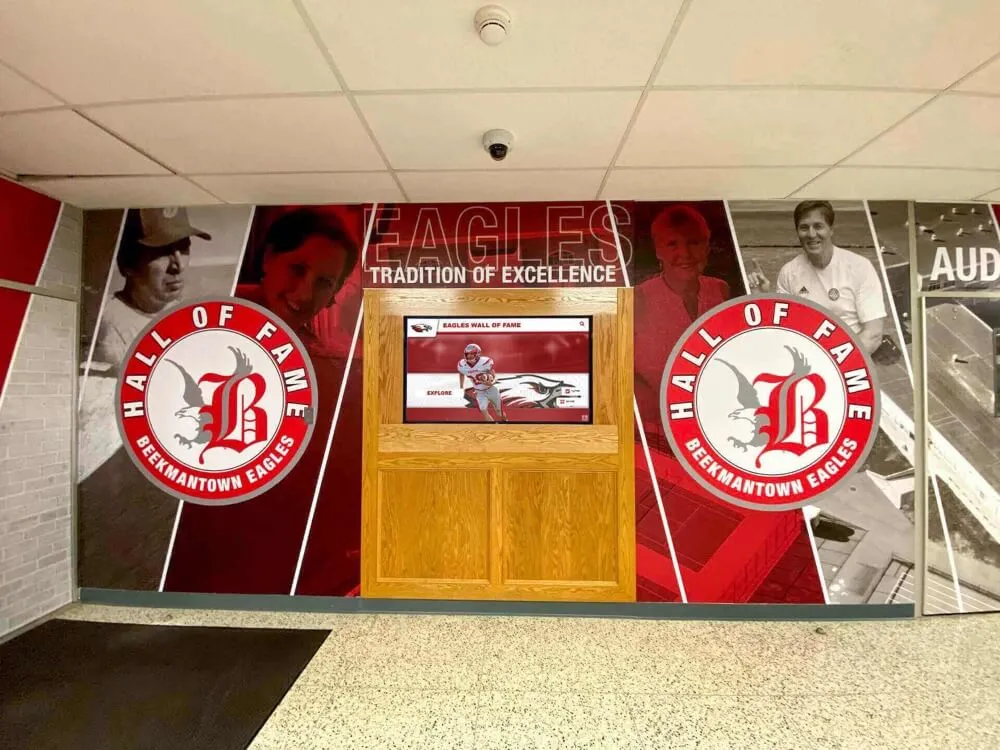
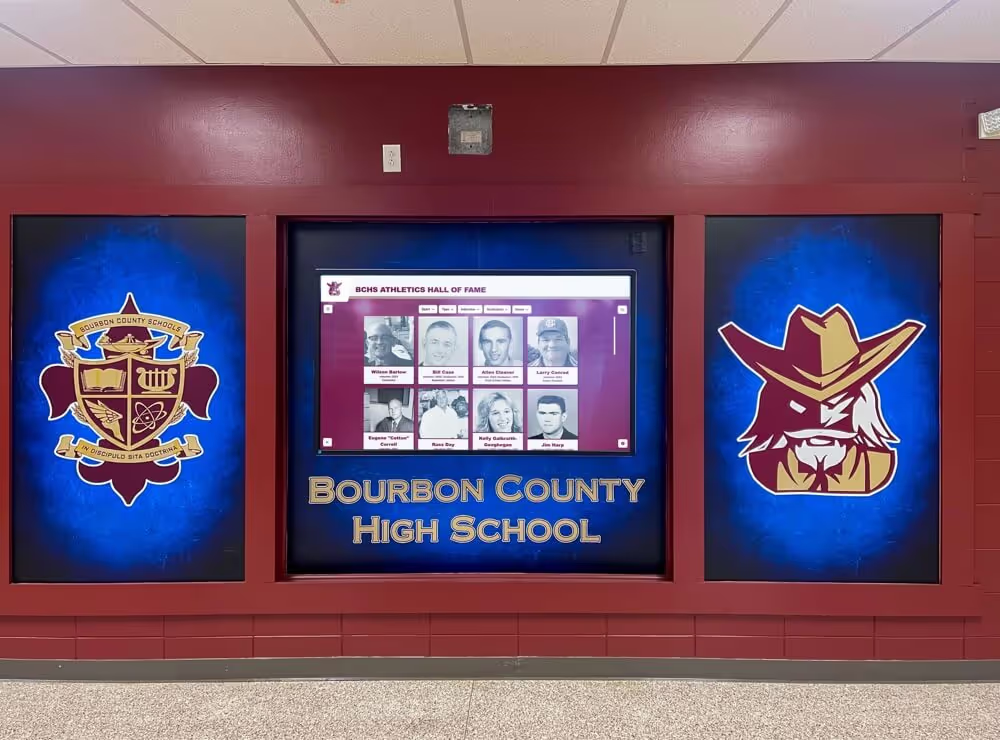
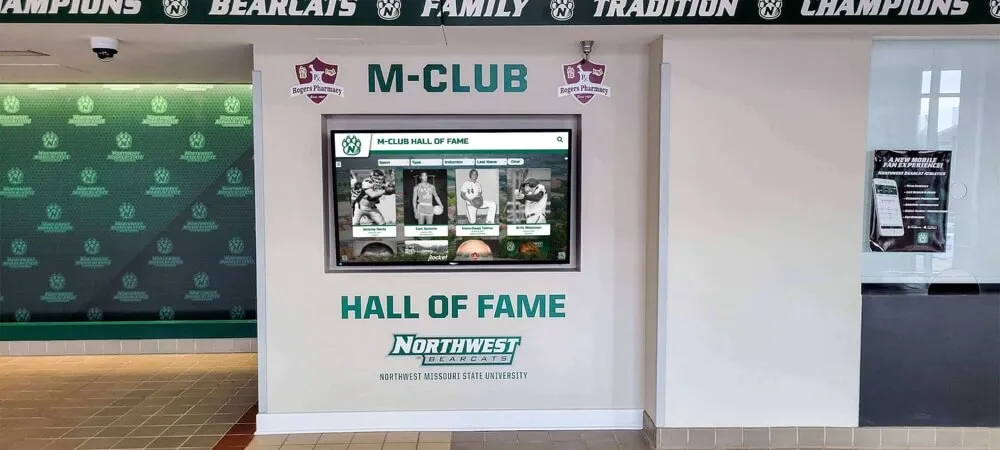
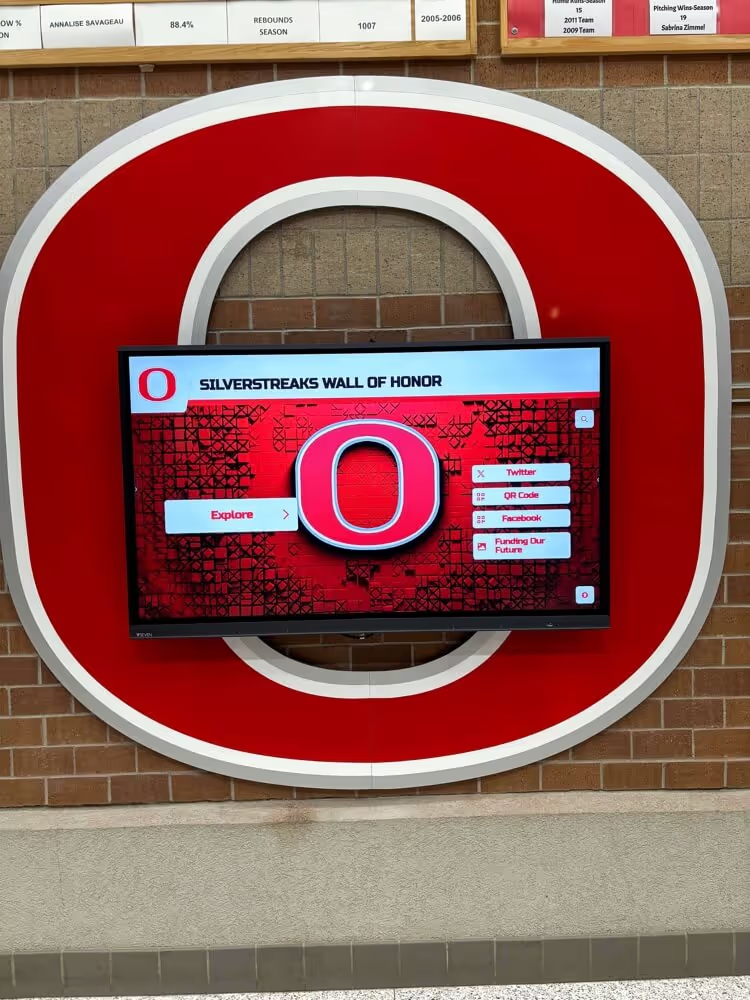
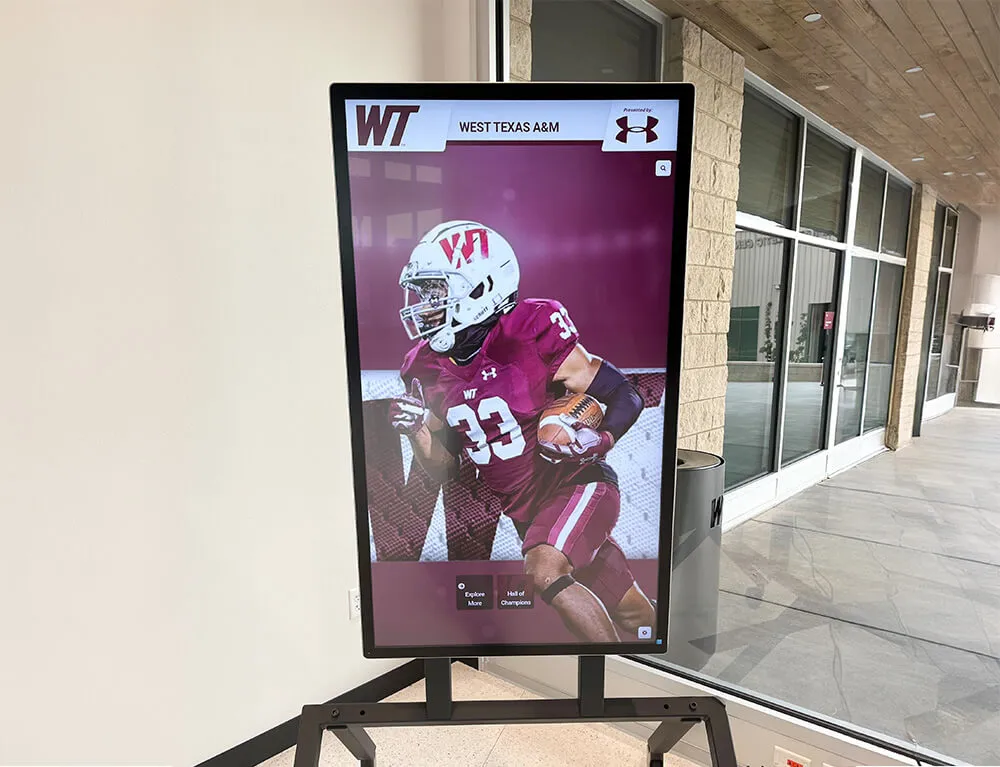
Modern art programs increasingly incorporate digital displays extending exhibition beyond physical limitations. Digital art gallery solutions allow unlimited artwork display through rotating digital exhibitions, accommodate diverse media including digital art and photography, and reach families unable to visit campus physically.
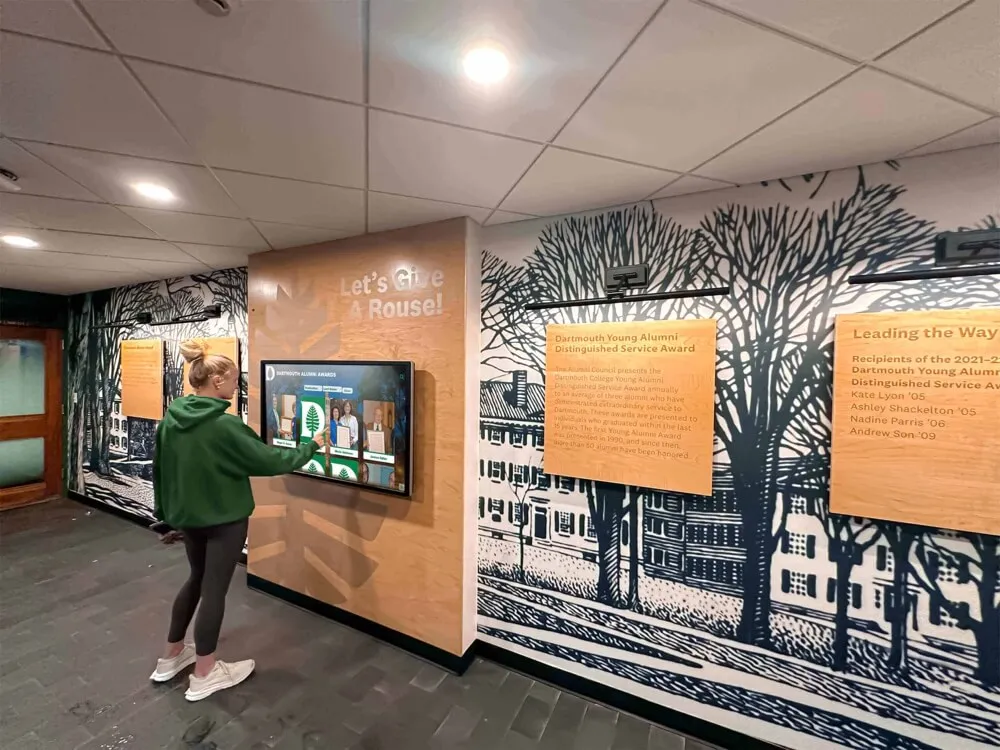
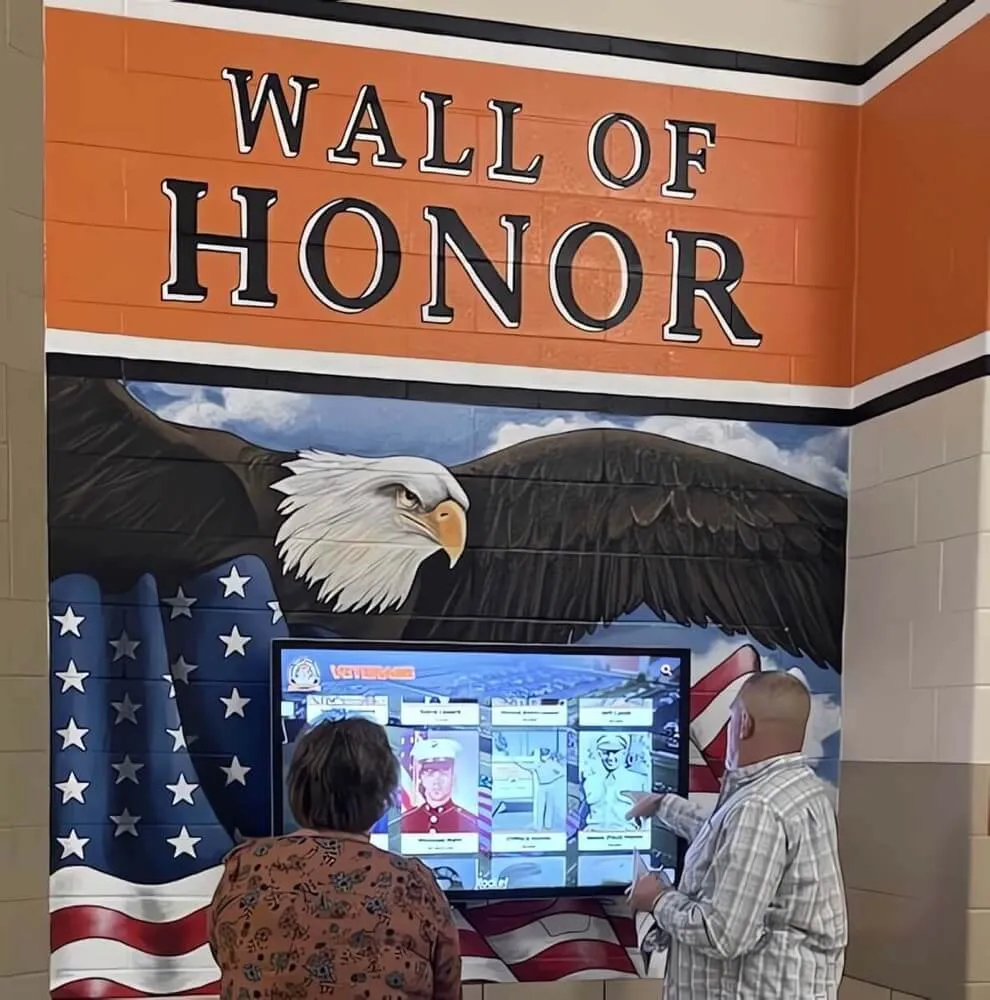
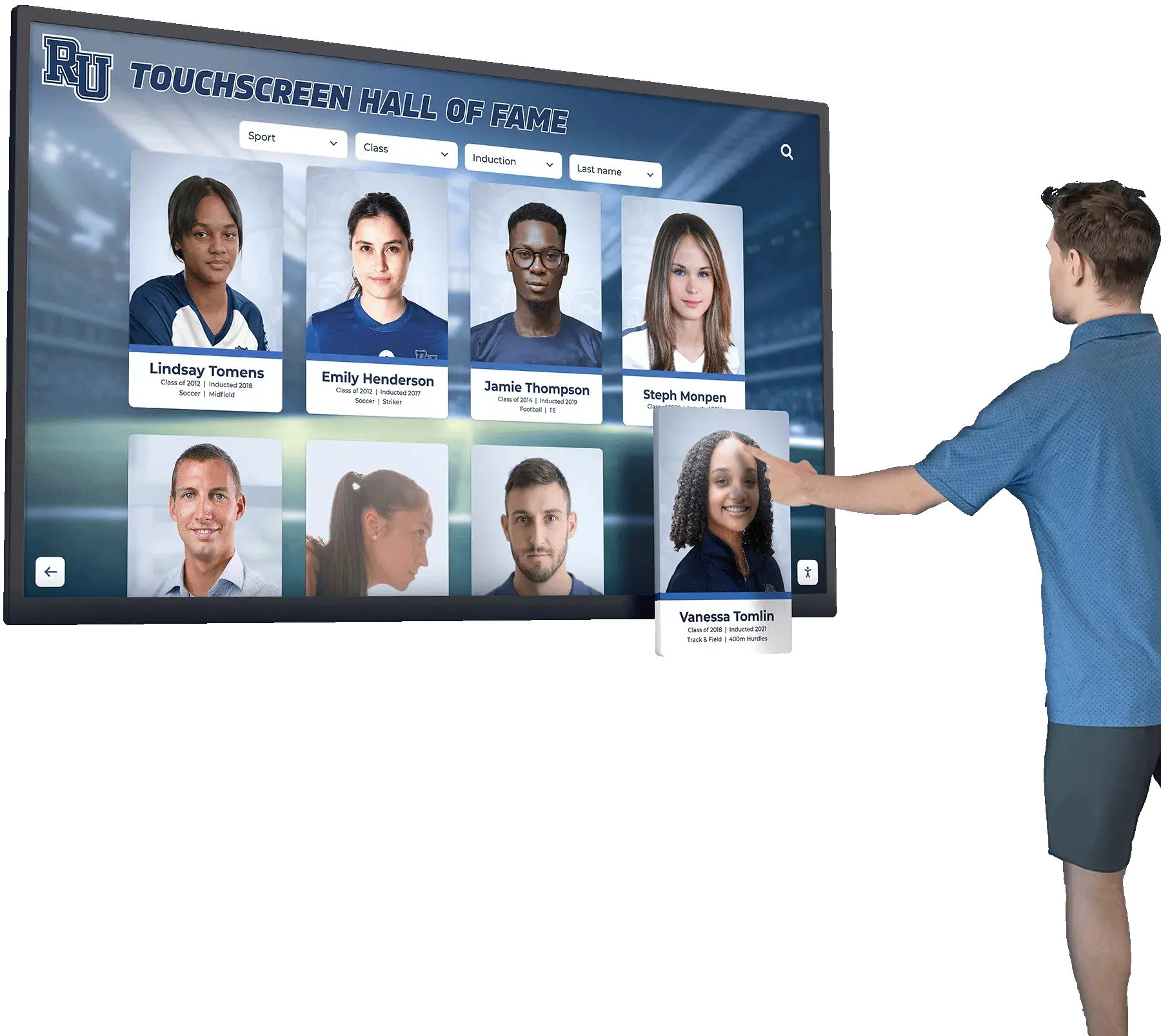
Touchscreen systems enable interactive exploration allowing viewers to zoom into details, read artist statements, or explore creative processes through documentation photos.
Professional Presentation Standards
How artwork appears significantly impacts perceived quality and respect for student creative work:
Consistent Matting and Mounting
Professional presentation elevates student artwork from classroom exercises to gallery-worthy pieces. Schools should establish consistent standards including neutral mat colors (typically white or off-white for most work), standard sizes creating visual cohesion, proper mounting preventing damage or curling, and quality materials reflecting respect for student work.
While professional matting adds cost, it dramatically improves presentation quality and signals institutional commitment to honoring student creativity.
Informative Labeling Systems
Each displayed piece deserves proper identification including artist name, grade level, artwork title, medium used, and date created. Consider adding brief artist statements describing creative intentions, techniques explored, or personal connections to work.
Labels should use consistent professional fonts, appropriate size for viewing distance, and weather-resistant materials for high-traffic areas. Many schools create standardized label templates maintaining professional appearance across all displays.
Thoughtful Curation and Arrangement
Gallery displays require curatorial decisions about artwork selection, arrangement strategies, visual rhythm and spacing, thematic organization, and inclusion balance across students and classes.
Effective curation creates cohesive visual experiences rather than random collections of unrelated pieces. Consider organizing exhibitions around themes, mediums, techniques, or grade levels creating context helping viewers appreciate work.
Proper Lighting Considerations
Appropriate lighting makes enormous difference in artwork visibility and impact. Natural light works well for temporary displays but fades artwork in long-term installations. Adjustable track lighting, LED spotlights with UV protection, and adequate ambient illumination ensure artwork receives proper presentation.
Poor lighting diminishes even exceptional student work, while proper illumination elevates modest pieces through professional presentation.
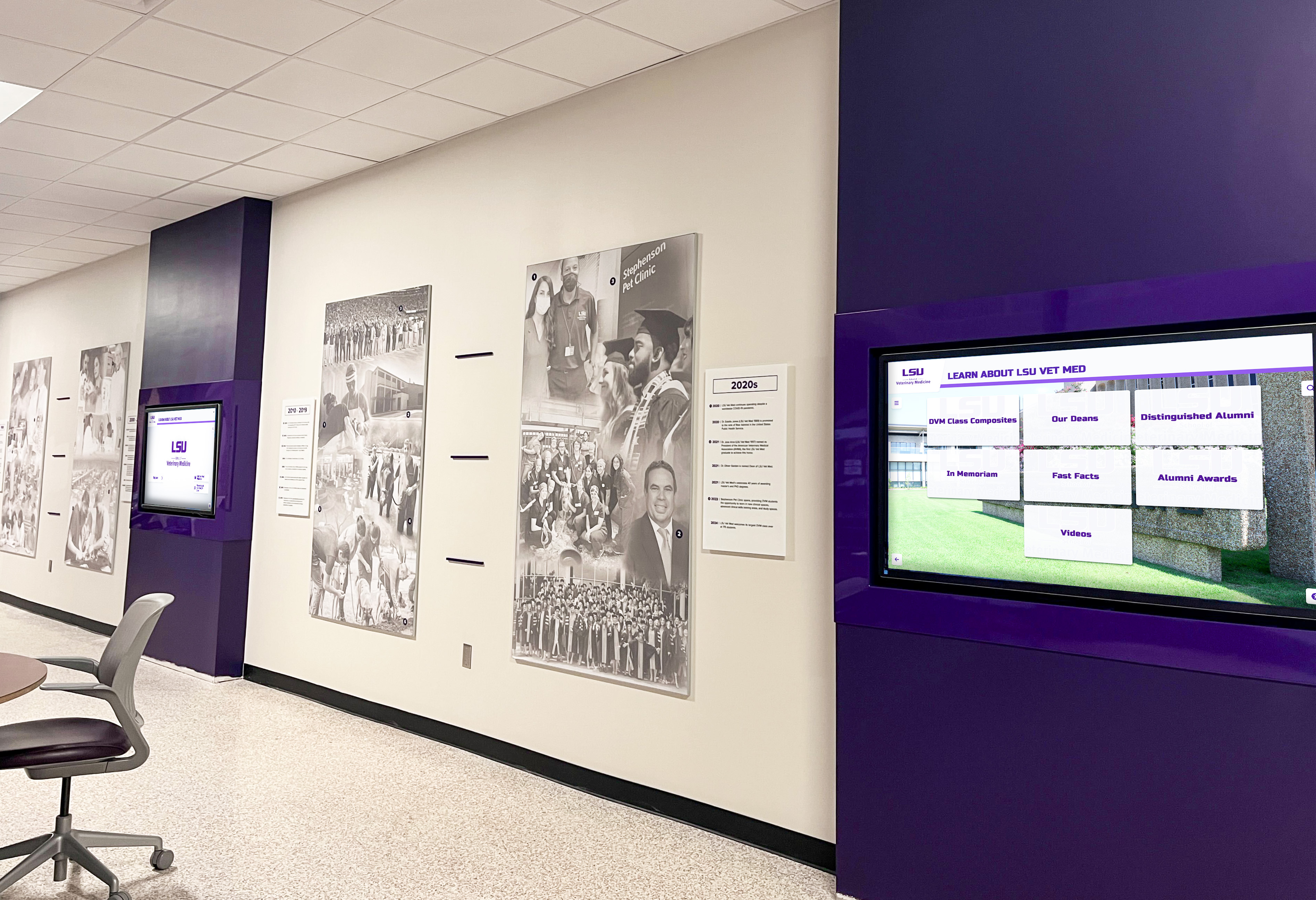
Proper lighting and professional mounting elevate student artwork to gallery-quality presentation
Inclusive Exhibition Practices
Gallery displays should celebrate diverse artistic achievements across all skill levels and artistic approaches:
Rotating Exhibition Schedules
Regular rotation ensures all students receive exhibition opportunities throughout academic years. Establish predictable schedules allowing each class or grade level dedicated display periods. Monthly or quarterly rotations balance freshness maintaining interest while providing reasonable exhibition duration.
Communicate rotation schedules clearly so students know when their work will appear and families can visit during appropriate timeframes.
Diverse Medium and Technique Representation
Ensure displays include drawing, painting, printmaking, collage and mixed media, sculpture and three-dimensional work, ceramics and pottery, digital art and photography, textile arts and fiber work, and multimedia installations.
This inclusive approach signals that all artistic expressions deserve recognition regardless of medium or technique employed.
Multiple Skill Level Celebration
Displays should honor effort, growth, and creative thinking beyond technical excellence alone. Include work demonstrating creative problem-solving, personal expression and voice, experimentation and risk-taking, technical skill development, and conceptual depth alongside polished finished pieces.
This approach ensures beginning artists and students developing skills see their work valued equally alongside advanced students producing technically sophisticated pieces.
Planning Art Class Gallery Display Programs
Systematic planning creates sustainable exhibition systems serving students and schools effectively.
Establishing Gallery Goals and Parameters
Begin by clarifying exhibition purposes and constraints:
Program Objectives
Define what you want gallery displays to accomplish including student recognition and motivation goals, school culture and environment enhancement, family engagement opportunities, curriculum demonstration for stakeholders, and community arts education promotion.
Clear objectives guide curatorial decisions, resource allocation, and program assessment determining success.
Physical Space Assessment
Survey available display locations evaluating hallway wall space availability and conditions, common area display potential, protective cases for fragile or valuable work, lighting conditions and improvement needs, traffic patterns affecting artwork safety, and accessibility for diverse viewers including wheelchair users.
Understanding space realities helps set realistic exhibition scopes and identify infrastructure improvements needed.
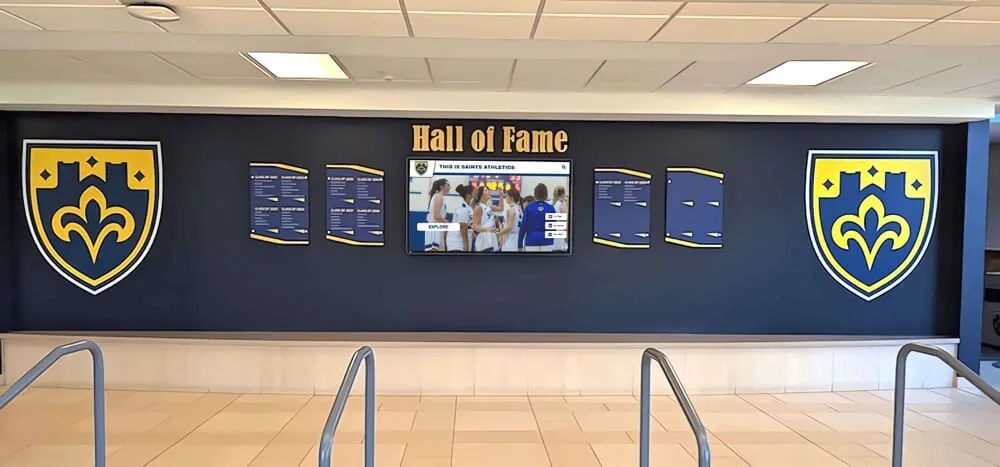
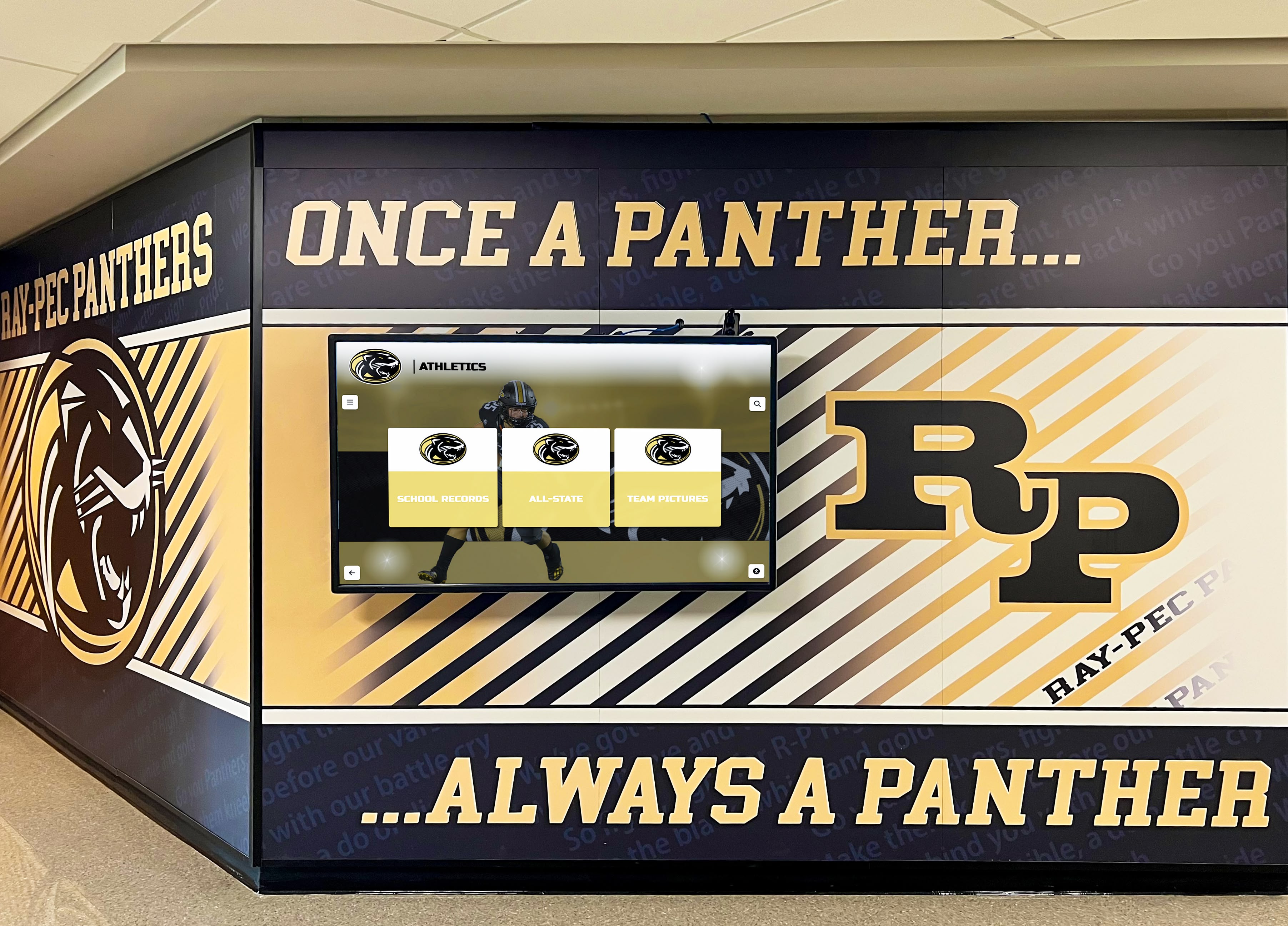
Dedicated gallery walls with proper infrastructure support ongoing exhibition programs
Resource Requirements
Develop realistic budgets addressing display hardware and mounting systems, matting and framing supplies, labeling materials and equipment, lighting improvements when needed, digital display technology for enhanced exhibitions, and ongoing supply replenishment.
Many successful programs begin modestly, expanding as benefits become evident and additional resources become available.
Creating Exhibition Workflows and Schedules
Sustainable programs require efficient processes reducing teacher workload while maintaining quality:
Student Selection Processes
Establish clear, fair approaches to choosing displayed artwork. Options include rotating opportunities ensuring all students receive exhibition, student choice allowing artists to select personal best work, teacher curation based on educational criteria, peer selection processes developing critical analysis skills, and juried exhibitions for special showcases.
Communicate selection criteria transparently helping students understand exhibition purposes and standards.
Installation Planning
Develop systematic approaches to changing displays including scheduled installation dates coordinated with academic calendar, student involvement in curation and installation developing real-world skills, volunteer assistance from parents or community members, and adequate time preventing rushed installation compromising quality.
Many art teachers designate specific class periods for exhibition installation, treating gallery work as authentic art world experience.
Documentation and Archiving
Photograph all displayed artwork creating permanent digital archives preserving student work after physical pieces return home. Digital documentation allows creating online galleries extending exhibition reach, permanent portfolio development for students, school archives documenting program quality over time, and assessment evidence demonstrating learning outcomes.
Schools implementing digital archives often include artwork alongside historical materials creating comprehensive visual records.
Specialized Art Display Approaches by Medium
Different artistic mediums require tailored display strategies maximizing presentation quality and viewer engagement.
Two-Dimensional Artwork Display
Traditional flat work including drawing, painting, and printmaking requires professional mounting and presentation:
Drawing and Painting Exhibitions
Paper-based work benefits from matting protecting edges and creating visual space around compositions. For delicate media like charcoal or pastel, consider protective glazing preventing smudging in high-traffic areas.
Arrange works considering visual rhythm, complementary color relationships, thematic connections, and size variation creating dynamic layouts rather than uniform grids.
Printmaking Displays
Prints deserve presentation emphasizing technical processes and craft. Consider displaying multiple prints from single plate showing editions, including process documentation demonstrating printmaking techniques, and grouping related works exploring theme through print medium.
Educational labels explaining printmaking techniques help viewers appreciate specialized skills and processes.
Digital Art and Photography
Digital media requires quality printing or display technology. For printed digital work, use professional print services ensuring color accuracy and archival quality. For native digital display, consider digital screens showing work as created or rotating exhibitions maximizing limited physical display space.
Many schools integrate digital art displays with traditional galleries offering comprehensive exhibition options.
Three-Dimensional Artwork Display
Sculpture, ceramics, and mixed-media work require different exhibition approaches:
Sculpture and Installation Display
Three-dimensional work needs appropriate pedestals or platforms, adequate viewing space allowing circulation around pieces, proper lighting highlighting form and texture, and secure mounting preventing damage or safety hazards.
Consider sight lines ensuring visibility without obstruction, especially for smaller sculptural work potentially lost in busy hallways.
Ceramics and Pottery Exhibition
Ceramic work requires protected display preventing accidental damage. Enclosed cases with glass fronts provide security while maintaining visibility. Proper lighting emphasizes surface qualities, glazes, and forms distinguishing ceramic art.
Group ceramic works creating coherent presentations exploring form, surface treatment, or functional pottery variations.
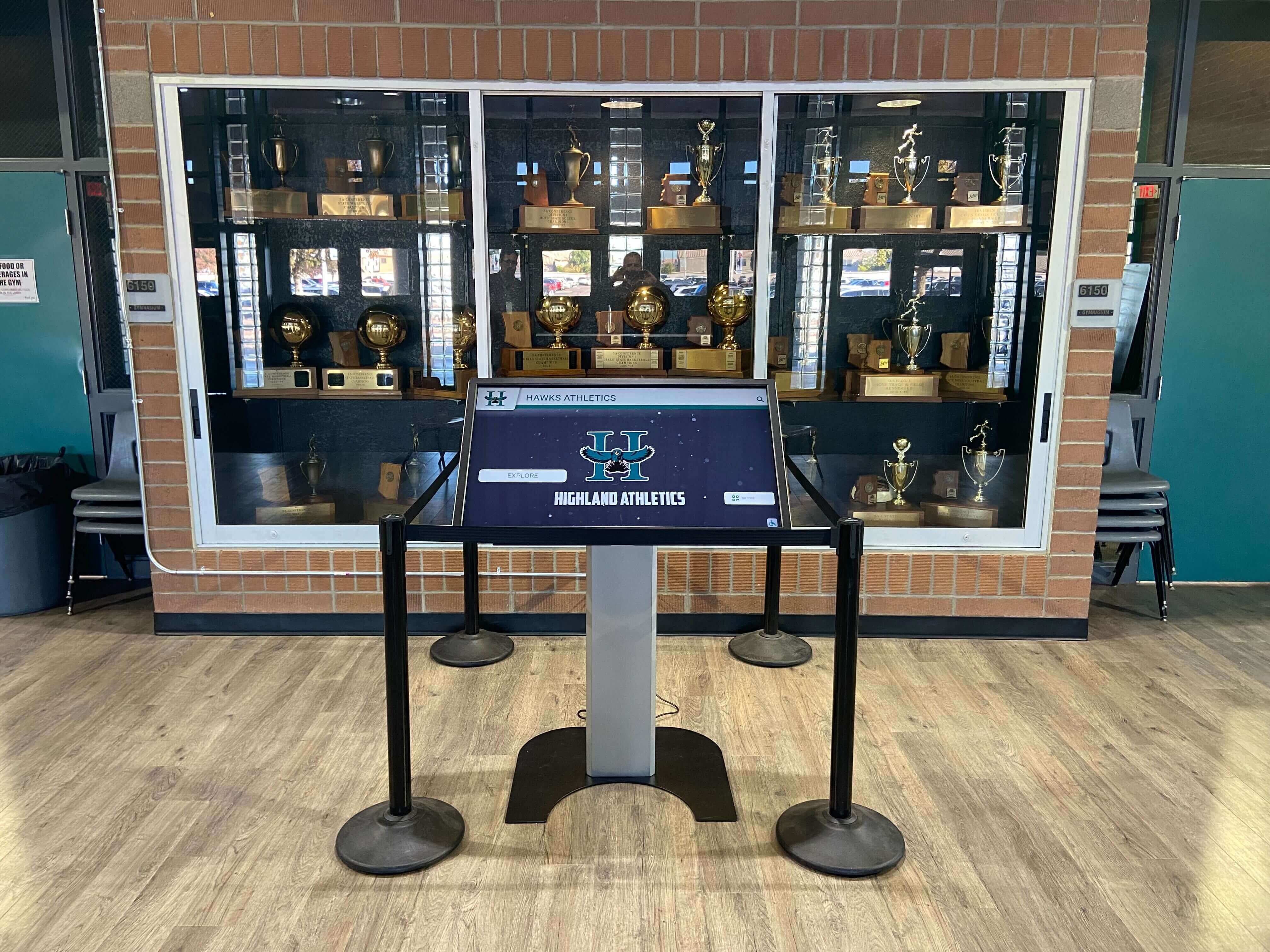
Display cases protect delicate artwork while maintaining visibility for school community viewing
Mixed-Media and Assemblage Display
Complex multimedia work requires flexible display systems accommodating non-standard sizes and formats. Wall-mounted pieces may need specialty hanging systems, while freestanding assemblages require stable platforms and adequate space.
Consider how lighting interacts with various materials in mixed-media work, potentially creating interesting shadows or reflections enhancing visual impact.
Textile and Fiber Arts Display
Fabric-based work requires specialized mounting preventing stress and damage:
Weaving and Tapestry Display
Woven work often requires hanging systems distributing weight evenly across fabric width preventing distortion. Sleeve rods or Velcro mounting systems work well for textile display. Ensure adequate lighting shows texture and pattern characteristic of woven work.
Fashion and Wearable Art Display
Garments and wearable pieces require dress forms or mannequins for proper presentation. Consider rotating displays keeping wearable art fresh and allowing multiple students exhibition opportunities throughout years.
Photography documenting garments on models or in motion contexts helps viewers appreciate design and functionality beyond static display.
Digital Enhancement of Physical Art Galleries
Modern technology extends traditional art displays through digital components and online access.
Interactive Digital Gallery Systems
Digital displays complement physical exhibitions adding dynamic elements:
Rotating Digital Exhibitions
Digital screens installed in strategic locations can showcase unlimited artwork through rotating displays. This technology particularly benefits programs with more quality student work than available physical display space.
Digital rotation allows featuring all student work over academic years ensuring everyone receives exhibition opportunities, displaying photography and digital art in native formats without printing costs, and incorporating video art, animation, and multimedia impossible in traditional displays.
Solutions like Rocket Alumni Solutions provide user-friendly systems for managing rotating digital art exhibitions alongside other student recognition programs.
Interactive Touchscreen Galleries
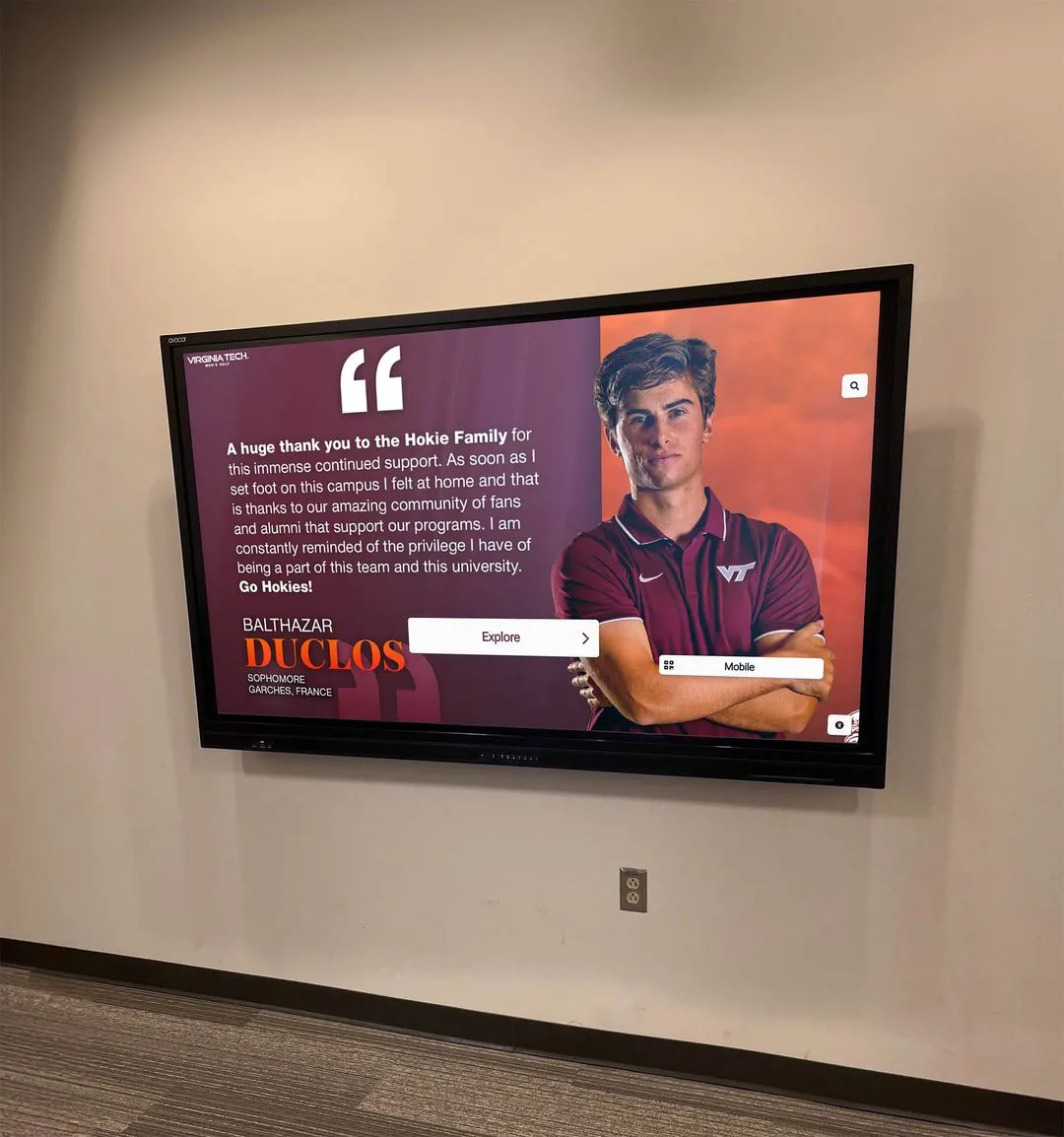
Touchscreen systems enable deeper engagement allowing viewers to explore artwork details through zoom functionality, read extended artist statements and process descriptions, view creative process documentation through work-in-progress photos, access video demonstrations of techniques used, and explore related works by same artists or similar themes.
Interactive displays transform passive viewing into active exploration creating memorable engagement with student creativity.
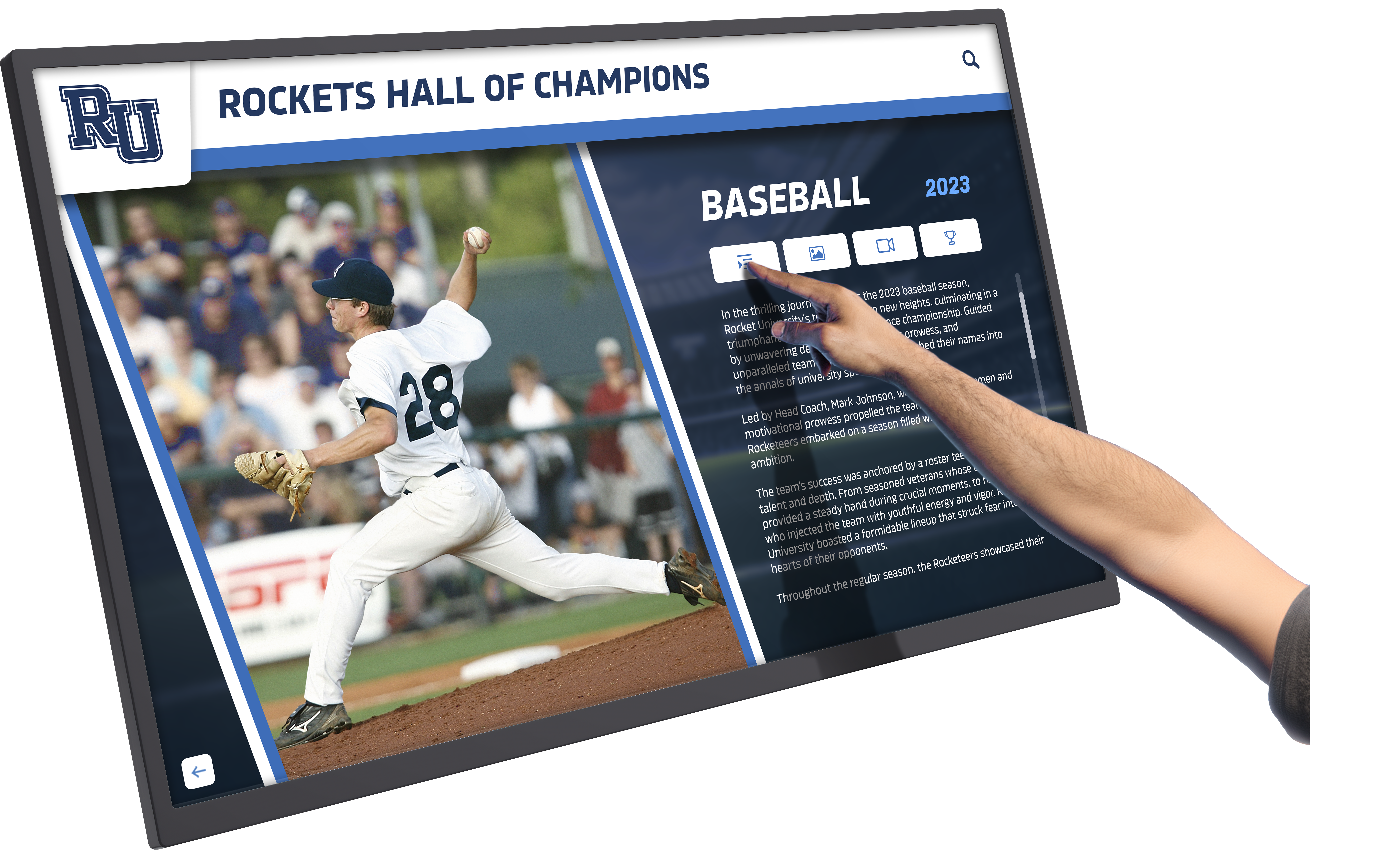
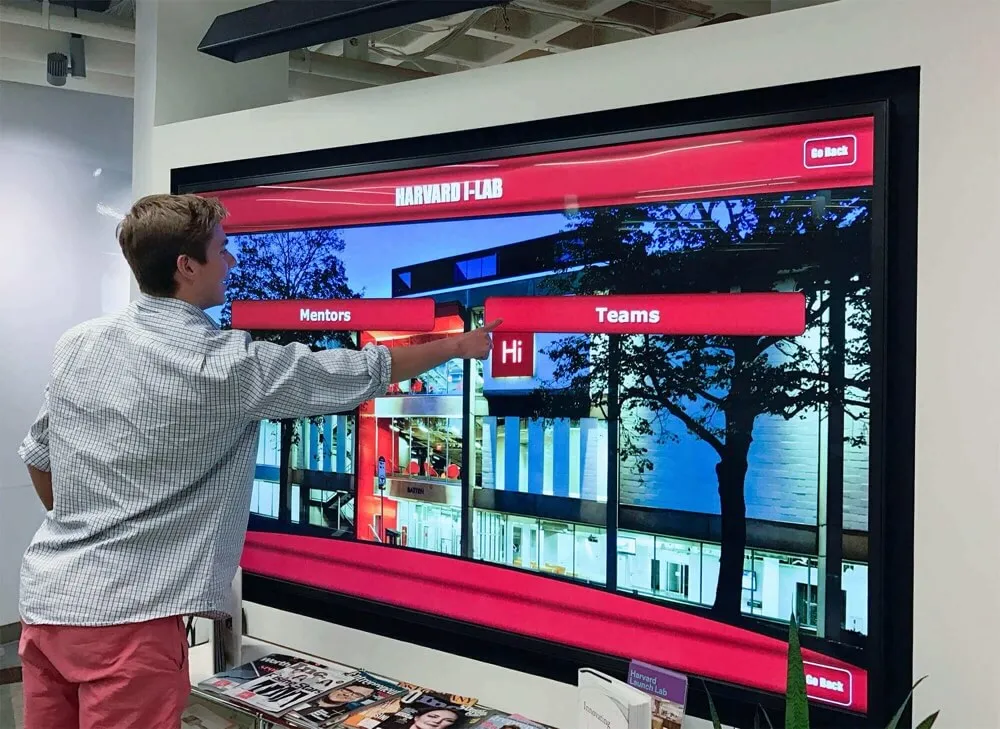
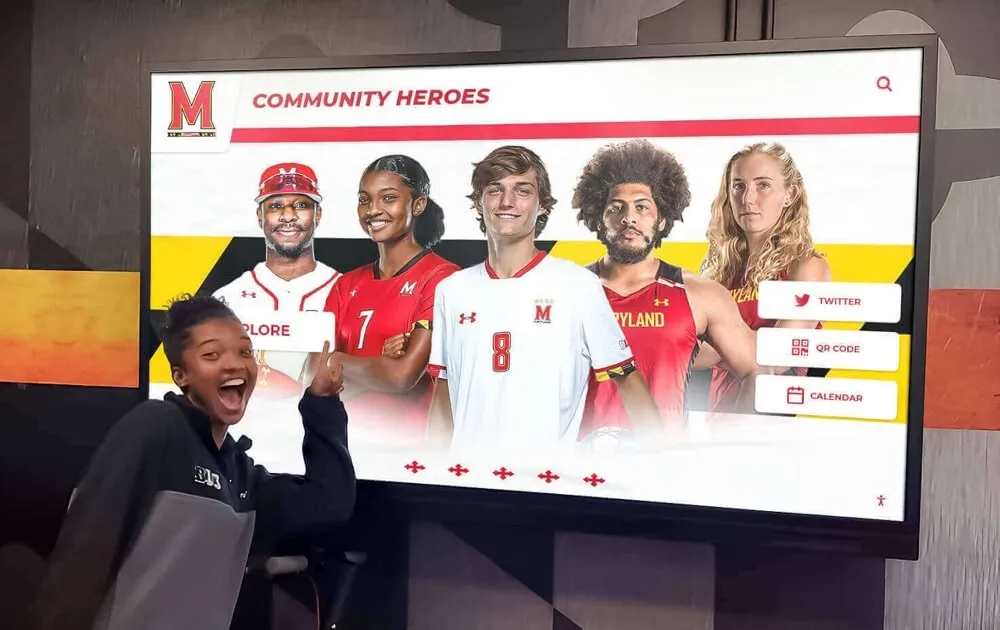
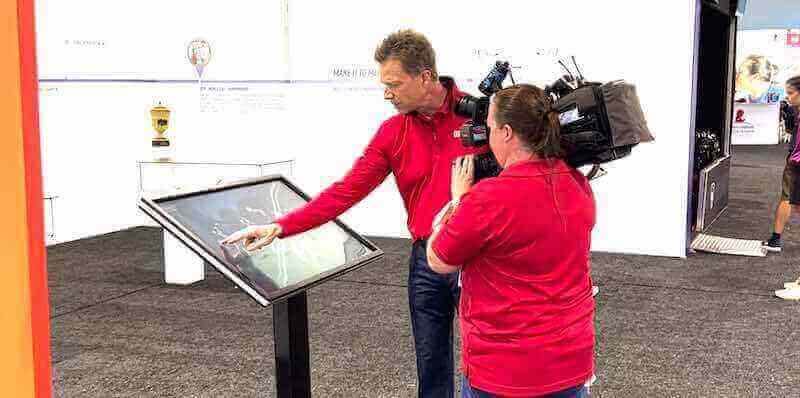
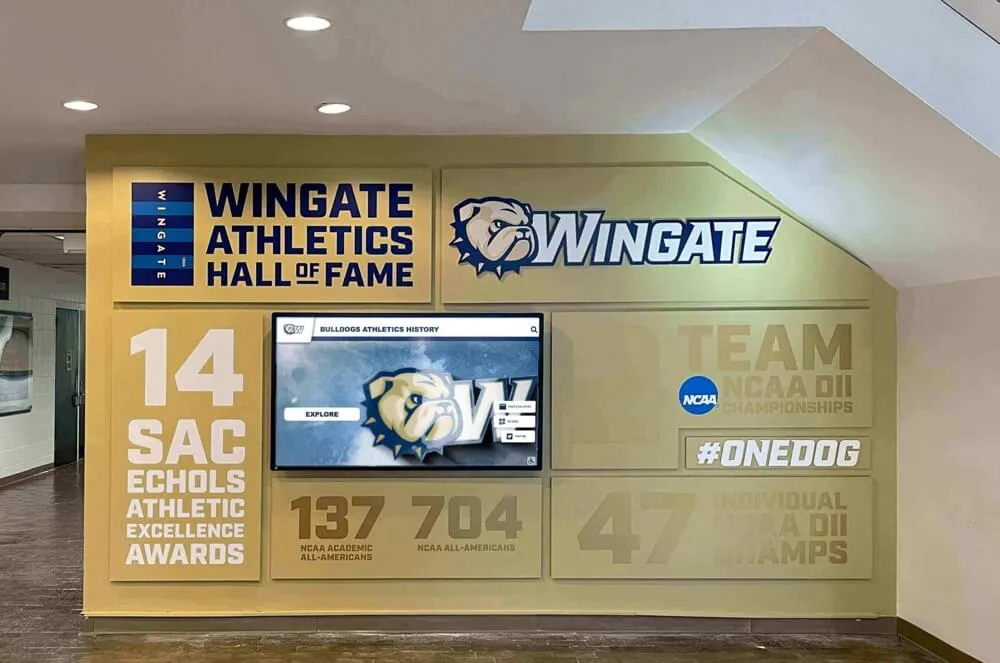
Interactive displays allow detailed exploration of artwork and creative processes beyond static presentation
Process Documentation Integration
Digital galleries excel at showing creative processes alongside finished work. Include time-lapse videos of artworks being created, photo series documenting work progression from sketch to completion, student reflections on creative decisions and problem-solving, technique demonstrations explaining skills developed, and inspirational sources connecting finished work to artists’ research and influences.
This pedagogical approach helps viewers appreciate artistic thinking and effort beyond finished products alone.
Online Gallery Extensions
Web-based galleries extend exhibition reach beyond campus boundaries:
School Website Gallery Integration
Dedicated online galleries on school websites allow families to view student work remotely, provide permanent archives preserving work after physical displays change, enable social sharing extending recognition through family networks, and demonstrate program quality to prospective families and community members.
Many schools maintain online portfolios organized by student, grade level, medium, or academic year creating comprehensive visual records of program achievements.
Virtual Exhibition Platforms
Specialized virtual gallery platforms create immersive online experiences mimicking physical gallery visits. Some systems offer three-dimensional gallery spaces where viewers navigate virtual rooms viewing artwork on digital walls, augmented reality features allowing viewers to visualize artwork in their own spaces, and interactive elements engaging viewers with artwork information and creative processes.
These advanced approaches particularly benefit distance learning situations or when families cannot visit campuses physically.
Social Media Exhibition
Strategic social media use extends gallery reach while celebrating student achievement. Regular posts featuring displayed artwork, artist spotlights sharing student perspectives on creative work, behind-the-scenes content showing art room activities and processes, exhibition announcements promoting physical gallery viewings, and community engagement encouraging comments and support all amplify traditional gallery programs.
Maintain appropriate student privacy and obtain necessary permissions before sharing student work online.
Formal Art Exhibition Events and Programs
Beyond ongoing displays, formal exhibitions create special recognition opportunities.
Annual Student Art Show Planning
Comprehensive art shows showcase entire program accomplishments:
Exhibition Scope and Organization
Annual shows typically include representative work from all students across grade levels, variety of mediums and techniques demonstrating program breadth, special features highlighting advanced or award-winning work, collaborative projects and interdisciplinary work, and historical context showing program development over time.
Organize exhibitions coherently using grade levels, mediums, themes, or courses creating logical viewer experiences rather than overwhelming unorganized collections.
Reception and Opening Events
Formal opening receptions create celebration opportunities bringing families, students, staff, and community together. Effective receptions include student artist talks or demonstrations, light refreshments creating hospitable atmosphere, docent tours led by students explaining work and processes, music or performing arts integration, and recognition ceremonies acknowledging special achievements or awards.
Opening events generate excitement while providing authentic audiences motivating student quality work throughout years anticipating exhibition.
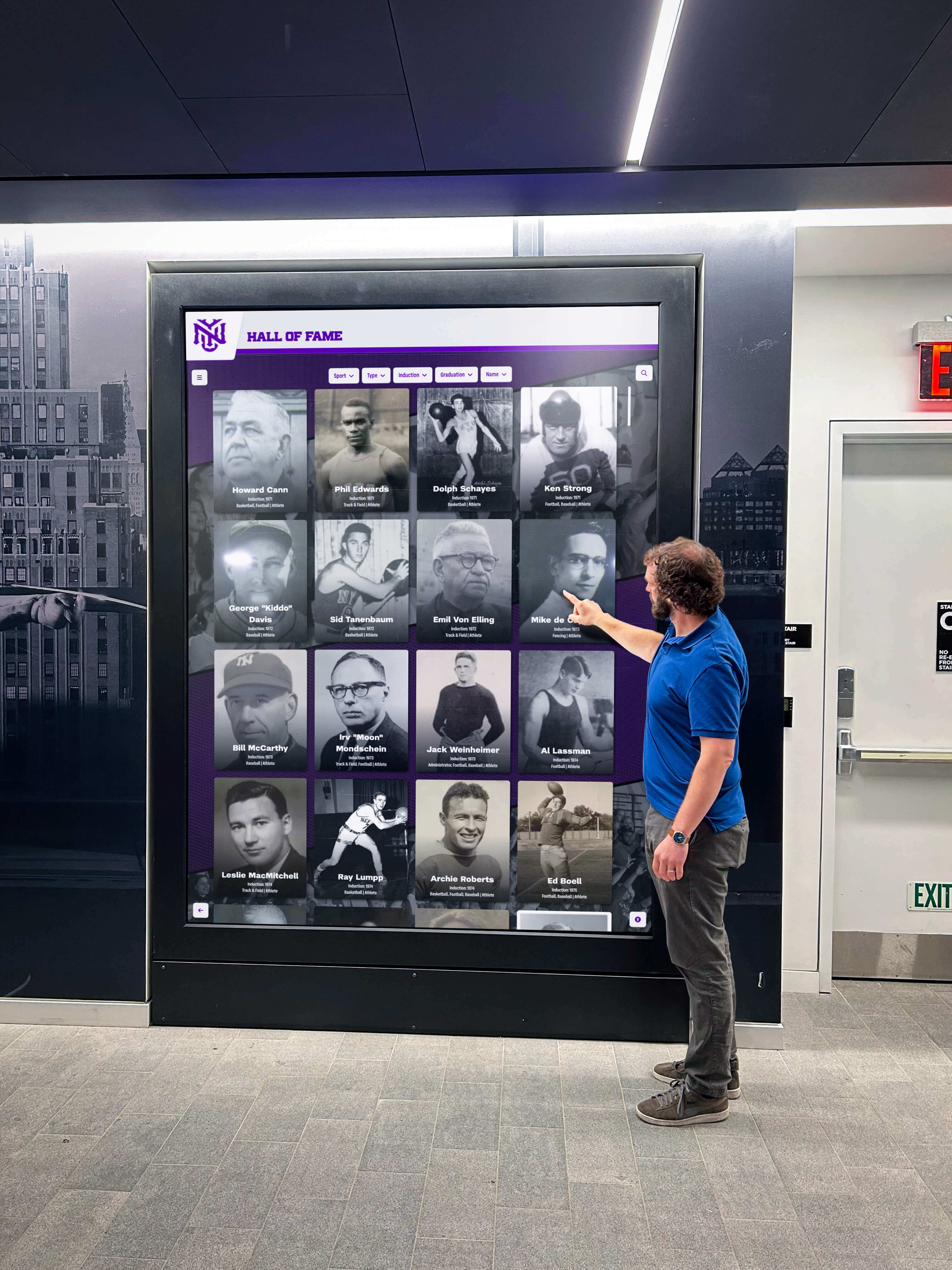
Exhibition events bring communities together celebrating student creative achievements
Award and Recognition Programs
Many art shows include recognition acknowledging exceptional work through best in show awards by medium or category, excellence awards for technical skill or creativity, honorable mentions recognizing strong work, teacher choice awards highlighting work demonstrating particular learning goals, and peer recognition allowing students to acknowledge classmate accomplishments.
Recognition ceremonies during opening receptions provide formal acknowledgment inspiring continued artistic development.
Portfolio and Capstone Exhibitions
Advanced students benefit from individual or small group focused exhibitions:
Senior Portfolio Shows
Graduating art students often present capstone exhibitions showcasing development over high school careers. These concentrated displays include artist statements explaining personal artistic journeys, curated selections demonstrating range and growth, documentation of artistic influences and research, and future plans connecting high school experience to continued artistic pursuit.
Senior exhibitions provide authentic assessment opportunities demonstrating comprehensive learning outcomes.
Thematic Group Exhibitions
Curated exhibitions around themes create cohesive presentations exploring particular concepts, mediums, or techniques. Thematic shows might focus on social justice issues explored through art, environmental themes, cultural identity expression, technical mastery of specific mediums, or interdisciplinary connections between art and other subjects.
Themed exhibitions help viewers engage more deeply with artwork through conceptual frameworks organizing individual pieces into meaningful collections.
Collaborative Exhibition Opportunities
Art displays can extend beyond school boundaries through community partnerships.
Local Business and Community Space Exhibitions
External venues provide authentic professional gallery experiences:
Community Gallery Partnerships
Many communities have dedicated gallery spaces welcoming student work exhibitions. Benefits include professional gallery environments legitimizing student work, broader community audiences beyond school constituencies, authentic art world experiences preparing students for post-secondary opportunities, and community visibility raising awareness of school arts programs.
Establish relationships with local galleries, community centers, libraries, and cultural organizations potentially interested in student exhibition partnerships.
Business Display Programs
Local businesses often welcome student artwork displays in customer spaces. Coffee shops, restaurants, banks, medical offices, and retail stores provide exhibition opportunities while businesses benefit from visual interest and community connection.
Rotating displays every few months maintain freshness while providing more students exhibition chances throughout years.
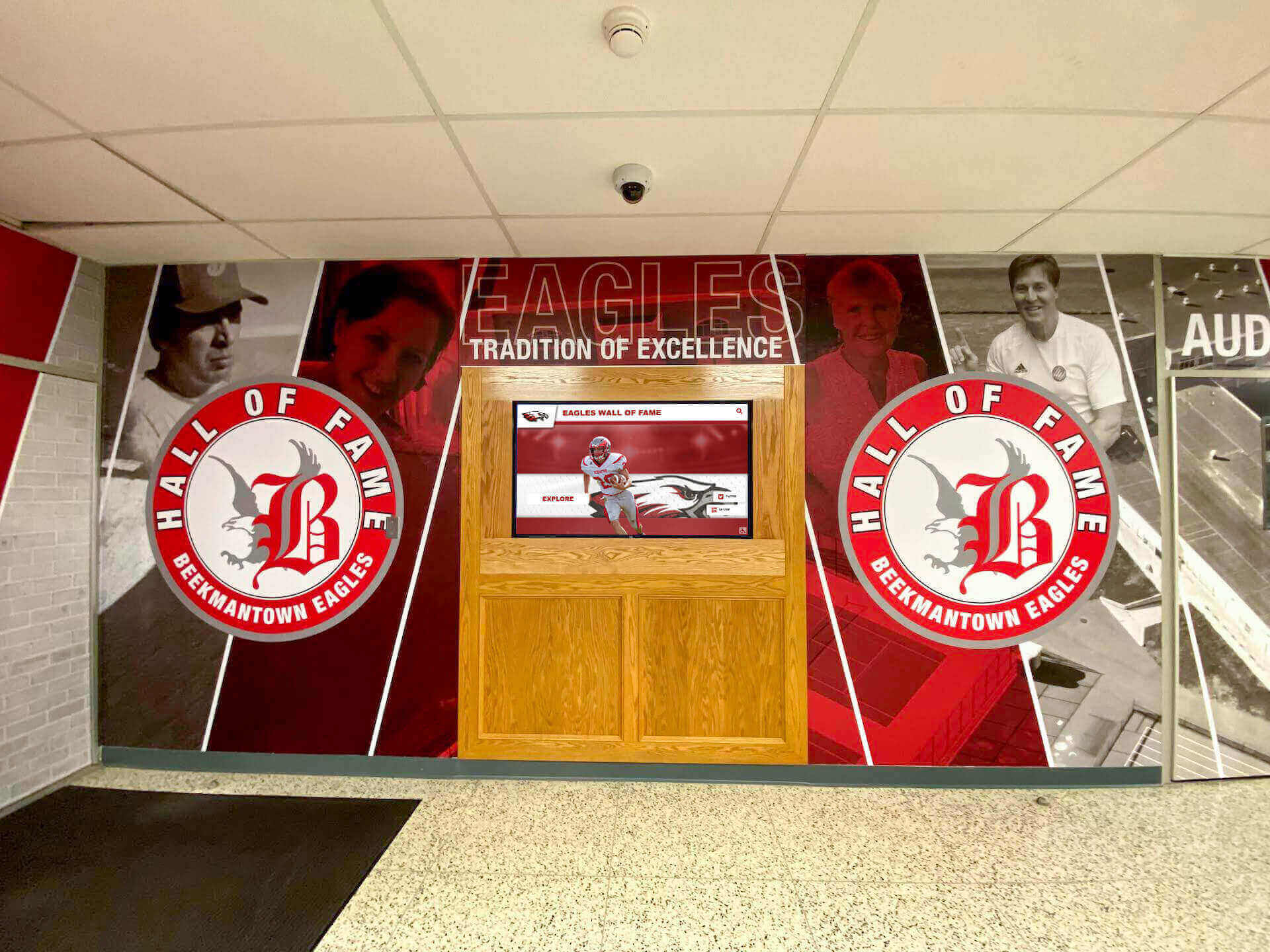
Professional-quality installations demonstrate student work deserves serious artistic consideration
Educational Institution Collaborations
Partnerships with other schools or educational organizations expand opportunities:
Feeder School Showcases
Elementary artwork displayed in receiving middle schools or middle school work in high schools creates continuity while allowing younger students to envision future opportunities. These partnerships build articulation between educational levels while celebrating student work across developmental stages.
Regional Student Art Exhibitions
Collaborative exhibitions including multiple schools provide networking opportunities while showcasing regional student artistic achievement. Regional shows often receive media attention and community support exceeding individual school capacities.
Consider consortium approaches where multiple schools share exhibition costs and logistics while benefiting from larger, more impressive collective presentations.
Addressing Common Art Display Challenges
Most schools encounter similar obstacles implementing effective art exhibition programs.
Limited Display Space Solutions
Physical constraints require creative approaches:
Maximizing Existing Space
Evaluate current space utilization identifying underused hallways, stairwells, transitional spaces near entries, unused wall space in common areas, and temporary display systems allowing flexible use.
Small spaces can showcase fewer pieces with greater impact rather than crowding excessive work into limited areas.
Vertical and Three-Dimensional Display Strategies
When wall space is limited, consider ceiling-hung display systems, freestanding portable wall units, sculpture pedestals in open areas, and window displays utilizing natural light.
These alternatives increase display capacity without permanent installation impacting building infrastructure.
Digital Display Integration
Digital screens provide unlimited exhibition capacity in minimal physical space. Single screen can showcase entire program output through rotation while large touchscreens with interactive interfaces allow viewers to explore extensive collections organized by various criteria.
This technology particularly benefits schools with strong art programs producing abundant quality work exceeding physical display capacity.
Installation Time and Workload Management
Art teachers face significant time demands installing and maintaining exhibitions:
Student Installation Participation
Involve students in exhibition installation teaching valuable skills while reducing teacher workload. Students can learn matting and mounting techniques, exhibition design and curation, lighting and presentation standards, labeling and documentation practices, and gallery maintenance responsibilities.
These authentic experiences develop professional practices while distributing labor making frequent rotation sustainable.
Volunteer and Parent Assistance
Many parents and community members willingly support art programs through exhibition assistance. Create volunteer opportunities for mounting and installation help, gallery maintenance and cleaning, reception hosting and coordination, and documentation photography.
Clear volunteer systems reduce teacher burden while building community investment in art programs.
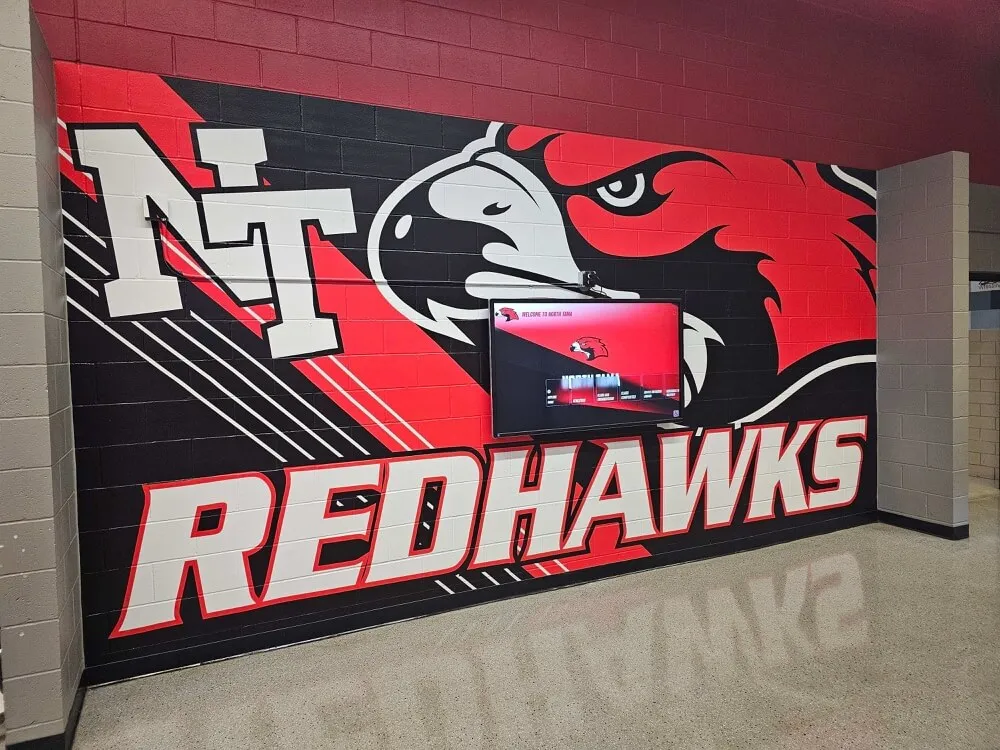
Permanent display infrastructure reduces installation time while supporting ongoing exhibition programs
Permanent Infrastructure Investment
Initial investment in quality display systems dramatically reduces ongoing installation time. Professional rail systems, standardized frames and mats, appropriate lighting, and labeled display locations all streamline rotation while improving presentation quality.
Budget for infrastructure recognizing that upfront investment yields long-term efficiency and quality gains.
Artwork Protection and Safety
Displayed artwork faces damage risks requiring preventive measures:
High-Traffic Area Protection
Hallway displays encounter greater damage risk than protected gallery spaces. Use protective glazing on valuable or delicate work, strategic placement avoiding physical contact, elevated mounting beyond casual reach, and regular condition monitoring identifying damage early.
Some schools establish artwork replacement policies accepting that high-visibility displays may occasionally sustain damage but valuing broad exhibition over perfect protection.
Security and Theft Prevention
While rare in school contexts, valuable artwork may require security measures including locked display cases for precious pieces, surveillance camera coverage in strategic locations, documented inventories tracking displayed work, and appropriate insurance coverage for special exhibitions.
Balance accessibility ensuring community members can view and appreciate work with reasonable protection preventing loss.
Assessment and Program Evaluation
Regular evaluation ensures art display programs achieve intended goals while informing continuous improvement.
Measuring Exhibition Program Success
Track indicators demonstrating program value and impact:
Quantitative Metrics
Number of students receiving exhibition opportunities, percentage of student population represented annually, quantity and diversity of artwork displayed, exhibition attendance for special events, website views for online galleries, and rotation frequency maintaining program freshness all provide measurable assessment data.
Qualitative Indicators
Student surveys about exhibition experiences and impact, family feedback on display quality and accessibility, staff observations about school culture effects, community response and engagement levels, and student portfolio development over time offer valuable qualitative insights.
Combine quantitative and qualitative data creating comprehensive understanding of program effectiveness and areas needing adjustment.
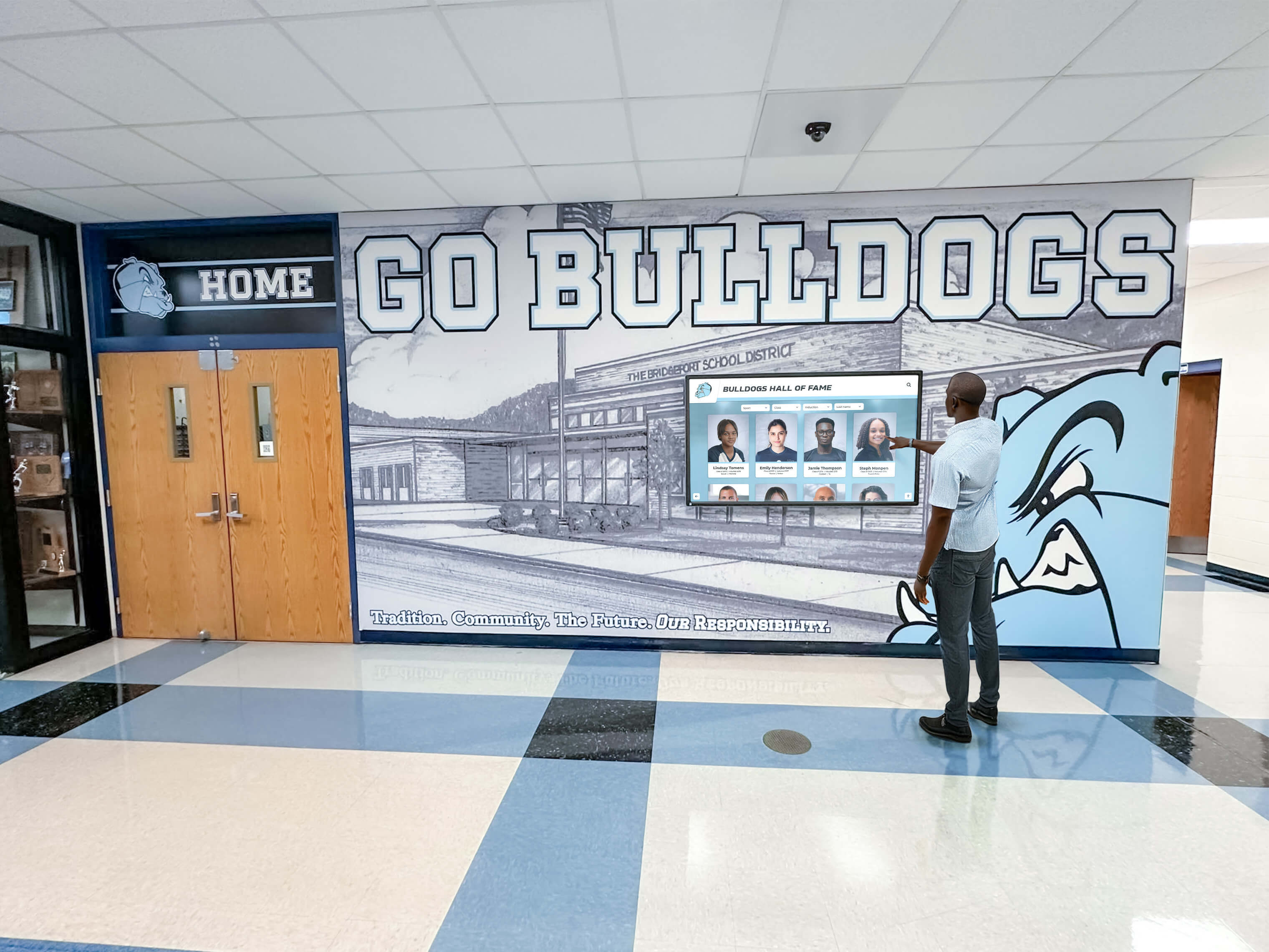
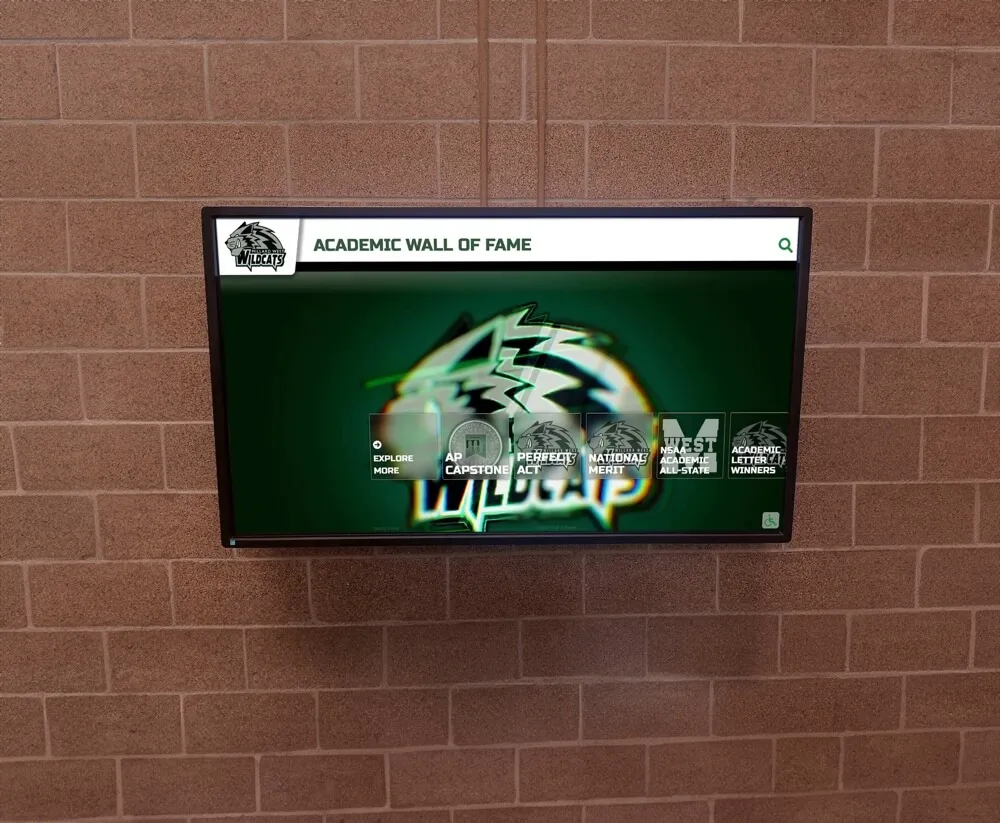
Engagement metrics help assess display effectiveness and inform continuous improvement
Continuous Improvement Strategies
Use assessment data guiding program enhancements:
Regular Program Review
Schedule annual or biannual comprehensive reviews evaluating display locations and quality, rotation systems and schedules, student representation and equity, family engagement effectiveness, and resource adequacy for program goals.
Involve stakeholders including students, families, administrators, and community members in evaluation processes gathering diverse perspectives.
Professional Development
Art teachers benefit from ongoing learning about exhibition best practices, new display technologies and systems, grant opportunities supporting program enhancement, and collaboration with museum education professionals.
Professional development opportunities help programs evolve incorporating innovation while maintaining quality standards.
Conclusion: Creating Gallery Display Programs That Celebrate Student Creativity
Effective art gallery display programs represent strategic investments in student motivation, creative confidence, and school culture development. When schools systematically showcase student artwork through professional presentation, thoughtful curation, and strategic placement, they create environments where artistic achievement receives visibility and celebration comparable to academic and athletic recognition.
The strategies explored throughout this guide provide comprehensive frameworks for building display systems honoring diverse creative achievements while remaining sustainable for art teachers and schools. From dedicated gallery walls with professional mounting systems to digital recognition displays extending exhibition beyond physical constraints, these approaches transform art display from afterthought decoration to intentional celebration woven throughout school culture.
Quality art displays signal institutional values—that creativity matters, individual expression deserves respect, and visual culture enriches educational experiences. When students encounter professional presentation of peer creative work throughout daily campus experiences, they internalize messages that artistic achievement matters and their creative contributions have value worthy of public recognition.
Transform Your Art Display Program
Discover how modern digital gallery solutions can complement traditional displays, allowing your art program to showcase unlimited student work while creating engaging experiences for your entire school community.
Explore Recognition SolutionsBuilding effective gallery displays begins with recognizing that student artwork deserves professional presentation equal to any other achievement. Start with achievable improvements to existing displays—better lighting, consistent matting, professional labeling—then systematically expand creating comprehensive exhibition programs your students and community deserve.
Every piece of student artwork displayed publicly validates creative effort and builds artistic identity. With thoughtful planning, appropriate infrastructure, and consistent implementation, you can create display systems celebrating every student’s creative journey while building positive, inspiring educational environments where artistic expression thrives alongside all other forms of learning and achievement.
Ready to enhance your art display program? Explore exciting hallway displays or learn about comprehensive student recognition approaches that integrate artistic achievement with broader celebration of student excellence.