



Annual 5K fundraiser events have become cornerstone community traditions at schools across the country—bringing together students, families, faculty, alumni, and local businesses in athletic competition that generates scholarship support, funds program needs, and strengthens institutional bonds. These race events combine fitness, fun, and philanthropy while creating memorable experiences that participants anticipate year after year.
Yet many schools struggle to maximize the recognition potential of their 5K fundraiser programs. Traditional approaches—printed race results distributed at finish lines, sponsor banners displayed only on event day, volunteer acknowledgment limited to verbal thank-yous, photo collections scattered across social media—fail to capture lasting value from months of planning and community generosity. Participants lack access to historical performance comparisons, sponsors receive limited visibility beyond race morning, and the rich story of event evolution remains undocumented.
This comprehensive guide explores strategies for transforming annual 5K fundraiser events into year-round recognition and engagement systems through digital solutions. From showcasing leaderboards across multiple race years and preserving complete event history to spotlighting sponsors with website integration, celebrating volunteer contributions, and archiving photo galleries from every race, these approaches extend fundraising impact while ensuring every participant, supporter, and contributor receives meaningful visibility.
Schools implementing comprehensive 5K fundraiser recognition systems report 35-50% improvements in event participation growth, 40-60% increases in sponsorship retention, and 30-45% stronger volunteer recruitment compared to programs relying solely on race-day acknowledgment, according to development and athletic professionals managing school fundraising events.

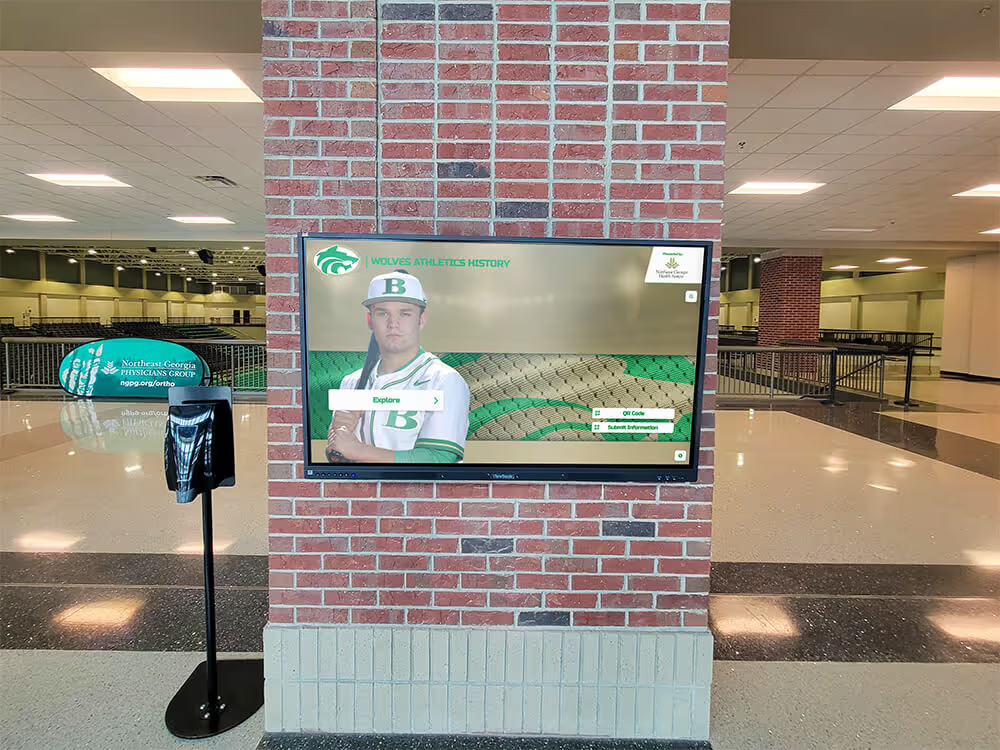
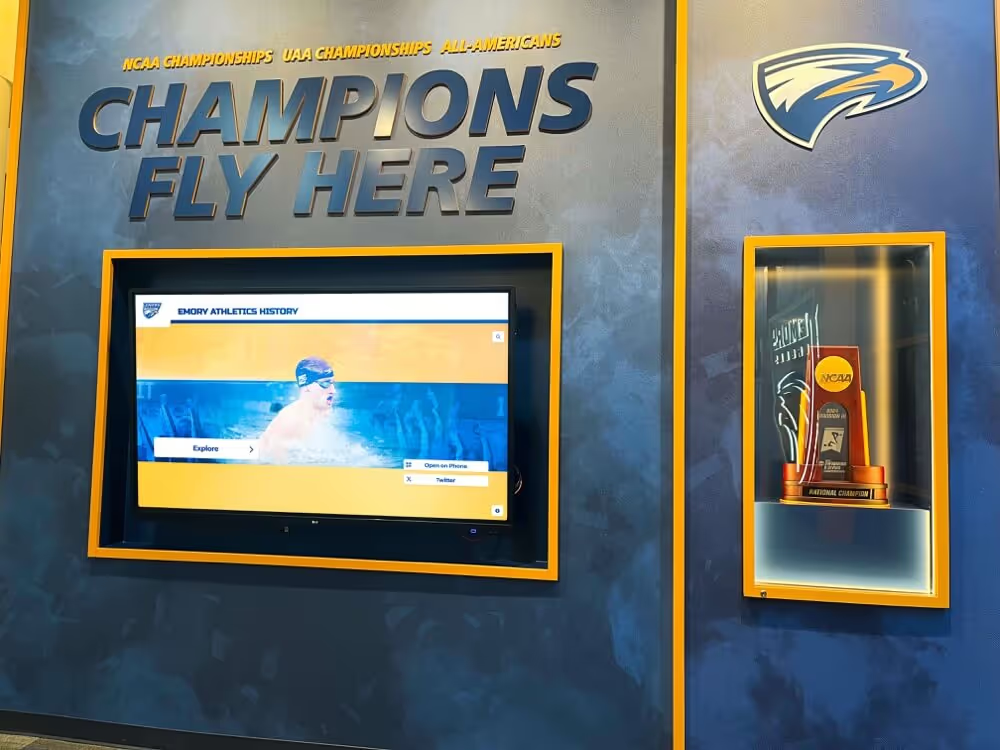
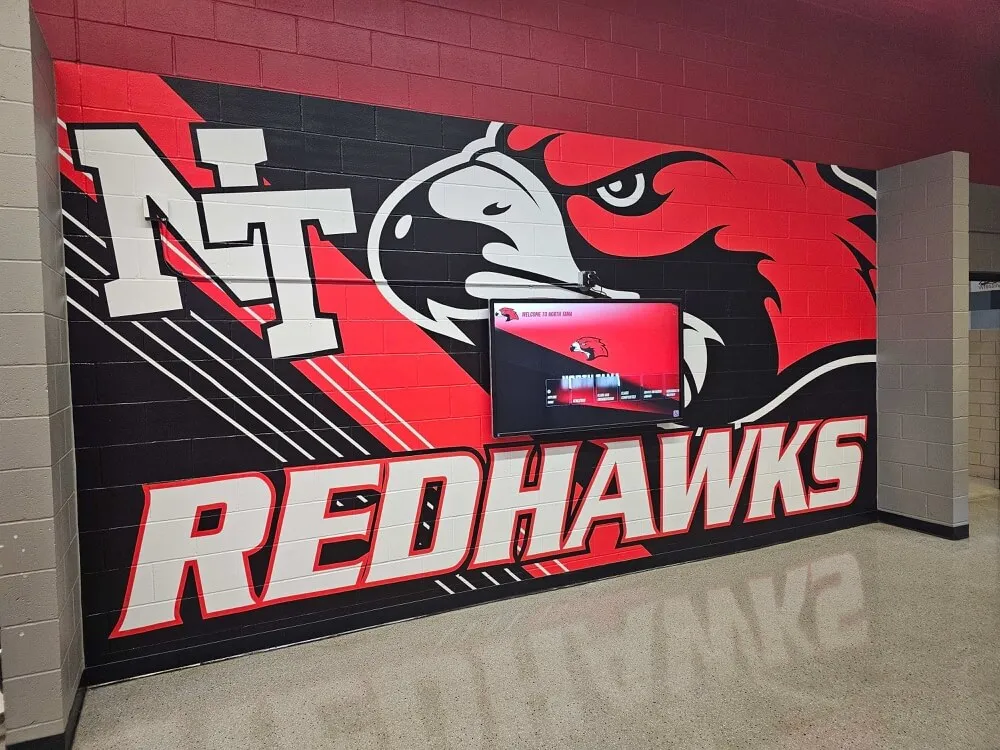
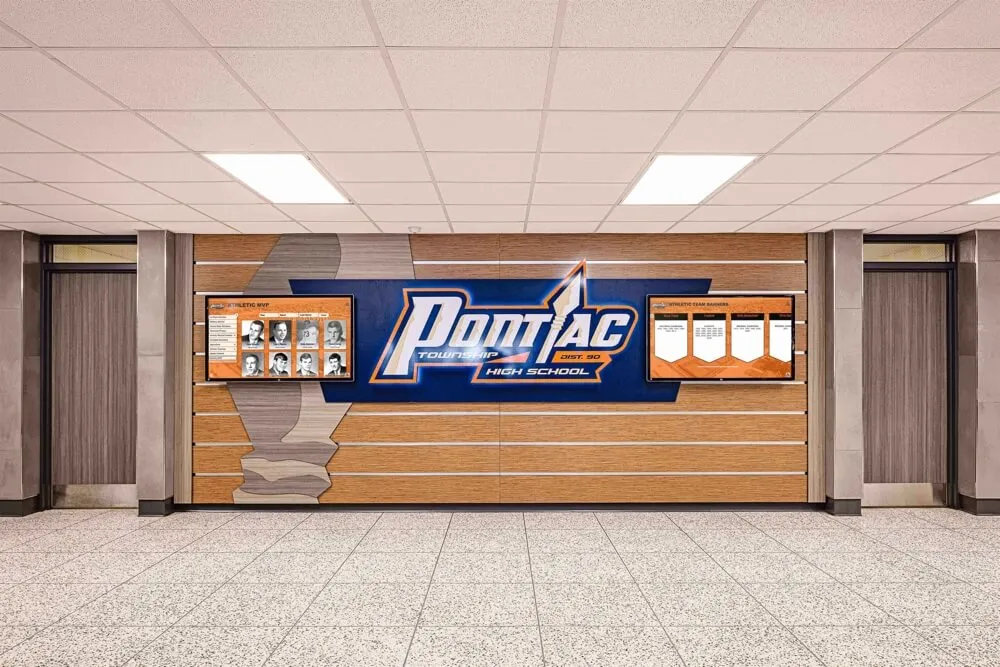
Recognition systems celebrating community participation inspire continued engagement while honoring contributors across all event roles
Understanding the 5K Fundraiser Event Landscape
Annual 5K race events serve multiple strategic purposes beyond immediate fundraising revenue generation.
Why Schools Host Annual 5K Fundraiser Events
Revenue Generation for Specific Needs
5K fundraiser events provide targeted funding for identified institutional priorities:
- Scholarship programs supporting student financial aid needs
- Athletic department equipment purchases and facility improvements
- Arts program funding for instruments, materials, and productions
- Technology infrastructure upgrades and device procurement
- Facility renovation projects and capital improvements
- Student club activities and extracurricular programming
- Teacher professional development and resource acquisition
According to fundraising professionals working with schools, well-executed 5K events commonly generate $15,000-$75,000 in net revenue depending on community size, sponsorship capacity, and participant registration fees. Established events with strong community participation and corporate sponsorship support can exceed $100,000 in annual fundraising impact.
Community Building and Engagement
5K events bring together diverse stakeholder groups:
- Current student participants competing and volunteering
- Parent and family involvement across multiple roles
- Alumni returning to campus for race participation
- Faculty and staff participation demonstrating institutional support
- Local business sponsors gaining community visibility
- Neighboring community members joining school traditions
- Prospective families experiencing campus culture
These gatherings strengthen relationships while showcasing institutional vitality to external audiences evaluating school quality and community strength.
Health and Wellness Promotion
Beyond fundraising, 5K events advance wellness objectives:
- Physical activity encouragement for students and families
- Fitness goal setting and achievement celebration
- Healthy lifestyle modeling through community participation
- Athletic program visibility and recruitment opportunities
- Physical education curriculum integration
- Student leadership development through race organization
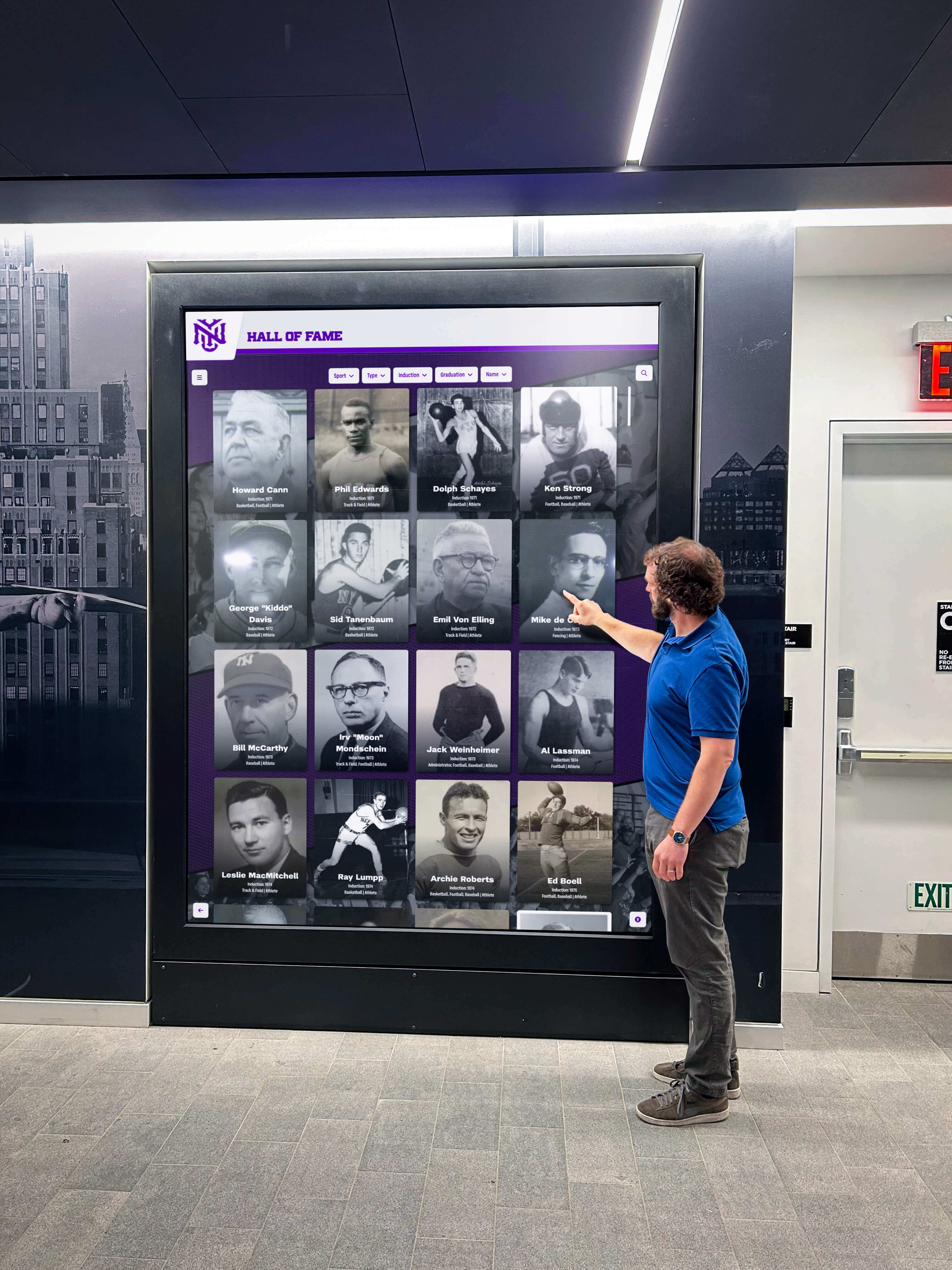
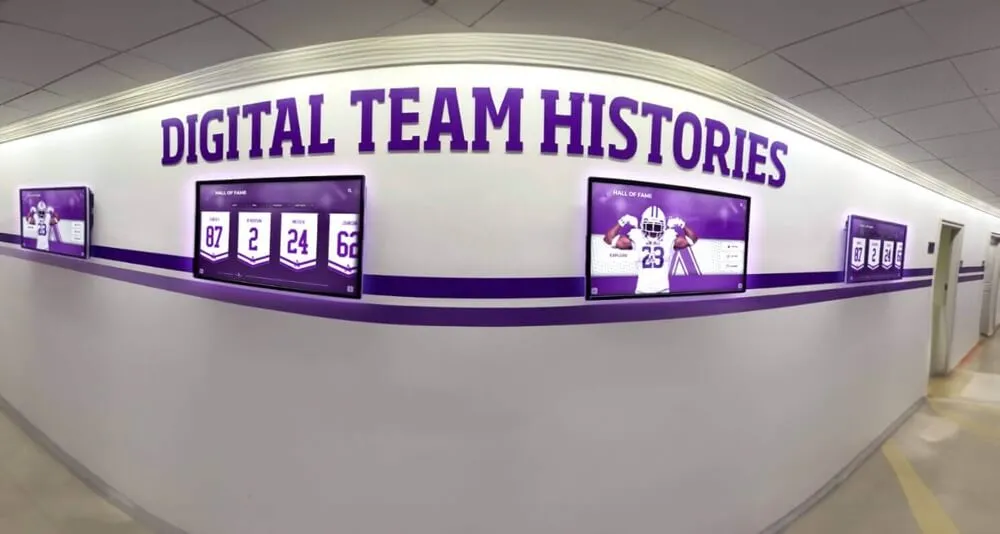
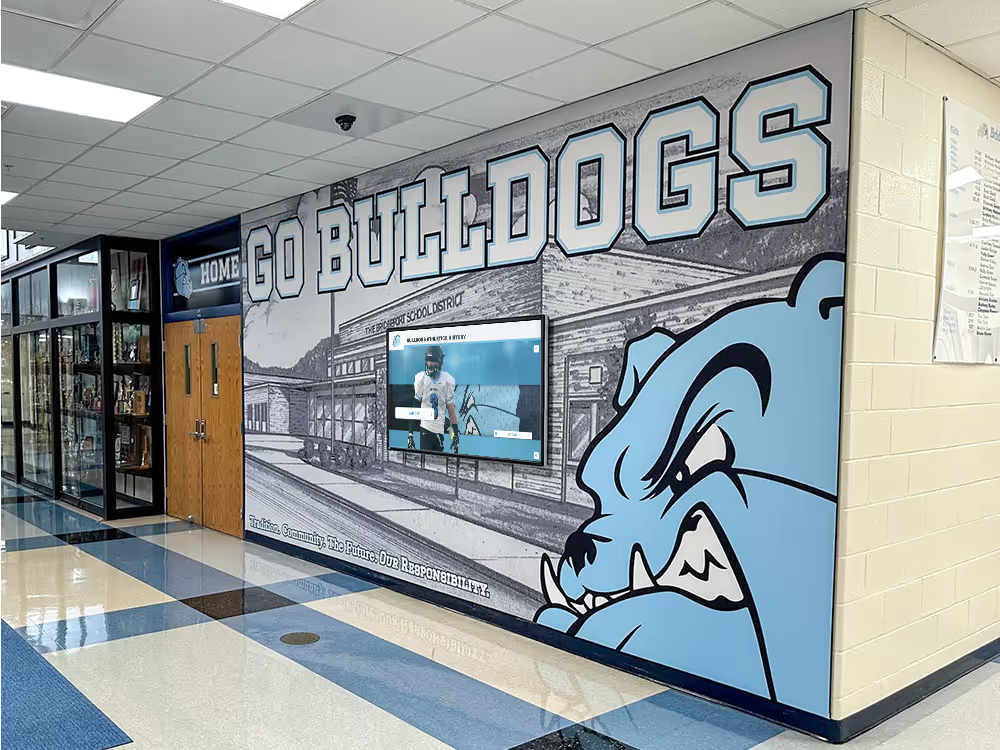
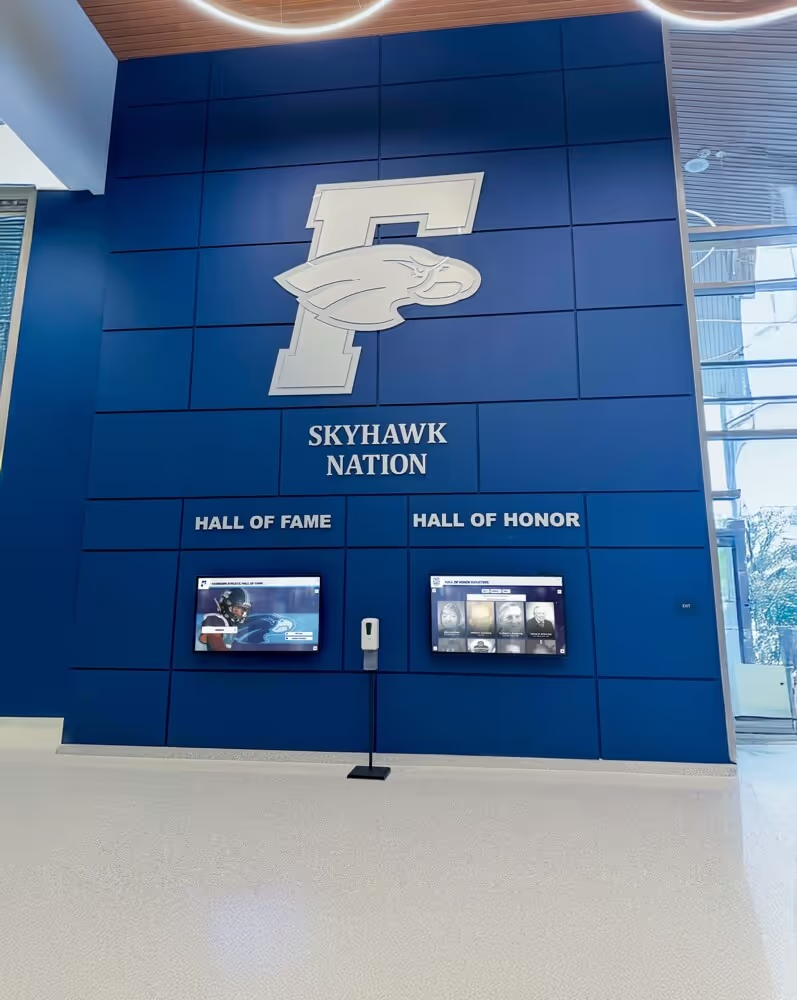
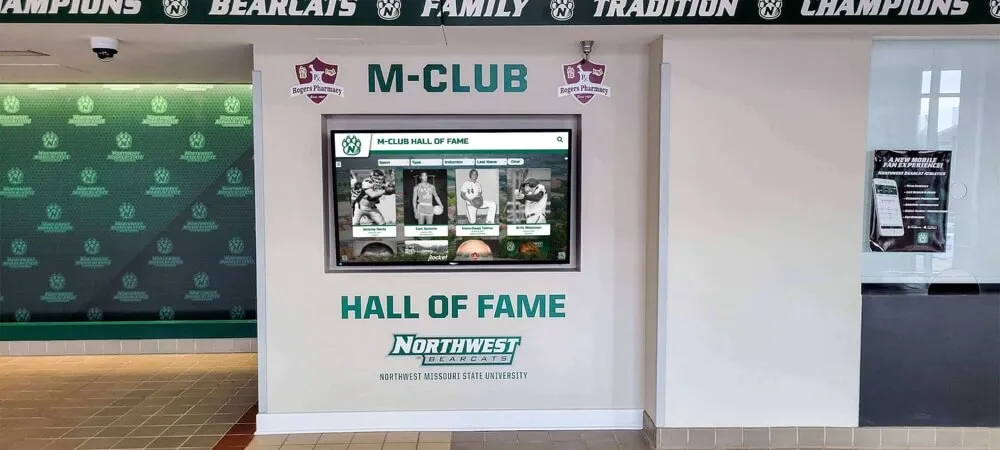
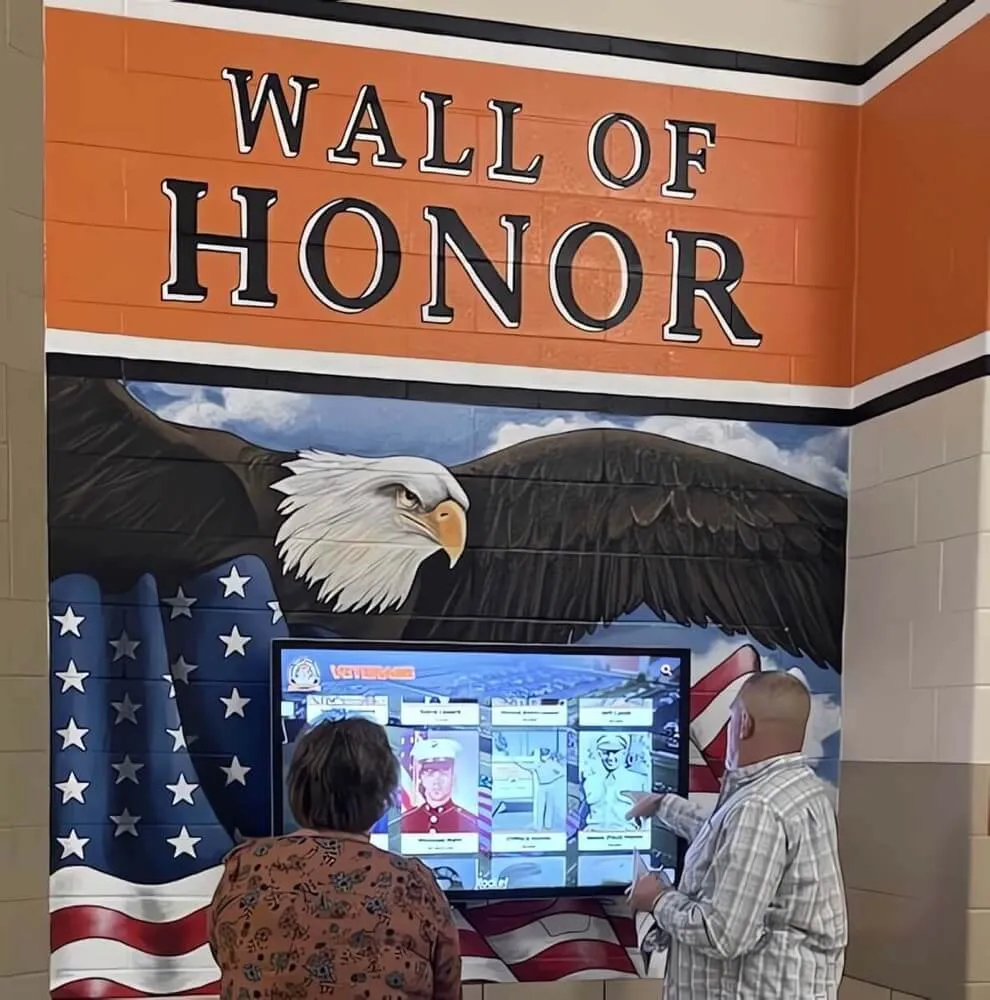
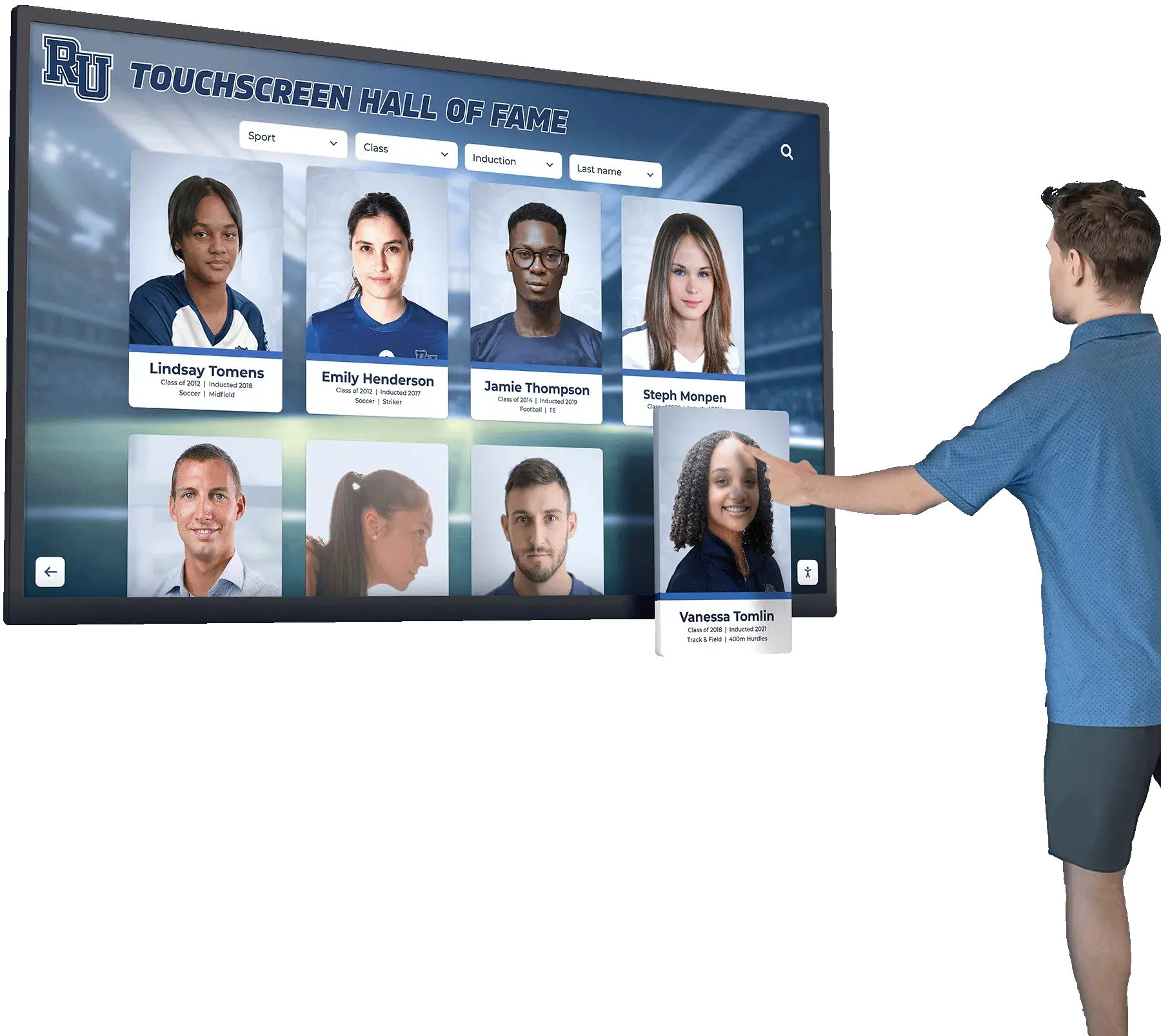
Year-round interactive displays enable participants to explore race history, compare performances, and discover sponsor contributions
Institutional Visibility and Marketing
Successful 5K events generate awareness extending beyond participant lists:
- Local media coverage highlighting school community engagement
- Social media content showcasing institutional culture
- Word-of-mouth marketing through participant networks
- Corporate sponsor visibility building business partnerships
- Alumni engagement opportunities maintaining institutional connections
- Prospective student recruitment through campus experience
Schools report that 5K fundraiser events serve dual purposes—generating immediate revenue while creating marketing value through community demonstration of institutional strength and engagement.
Common 5K Fundraiser Event Models
Schools implement various race formats based on objectives and resources:
Competitive Timed Race Events
Traditional chip-timed 5K races emphasizing athletic performance:
- Professional timing systems providing accurate results
- Age group and overall winner recognition categories
- Course certification for serious runners seeking records
- Prize packages for top finishers attracting competitive participation
- Year-over-year performance tracking enabling comparisons
- Integration with regional racing calendars
- Competitive atmosphere motivating training and preparation
These competitive events attract serious runners while generating broader participation through multiple recognition categories ensuring inclusive acknowledgment.
Fun Run and Walk Events
Community-focused events prioritizing participation over competition:
- Untimed courses encouraging walking and family participation
- Costume contests and themed participation categories
- Student grade-level or classroom participation competitions
- Family team registration encouraging group involvement
- Stroller and pet-friendly course policies
- Post-race celebration festivals with food and activities
- Emphasis on community gathering rather than athletic achievement
Fun run formats often achieve higher overall participation including families with young children, senior community members, and individuals uncomfortable with competitive racing environments.
Hybrid Race and Festival Models
Combined approaches serving diverse participant preferences:
- Competitive timed race for serious runners
- Concurrent untimed fun run/walk option
- Kids’ dash or mile event for younger participants
- Post-race festival with food, music, and entertainment
- Vendor expo featuring local businesses and organizations
- Recognition ceremonies celebrating participants across categories
- Multiple engagement points beyond running alone
Hybrid models commonly achieve highest participation and revenue by accommodating varied interest levels while creating extended event experiences justifying higher registration fees and attracting broader sponsorship support.
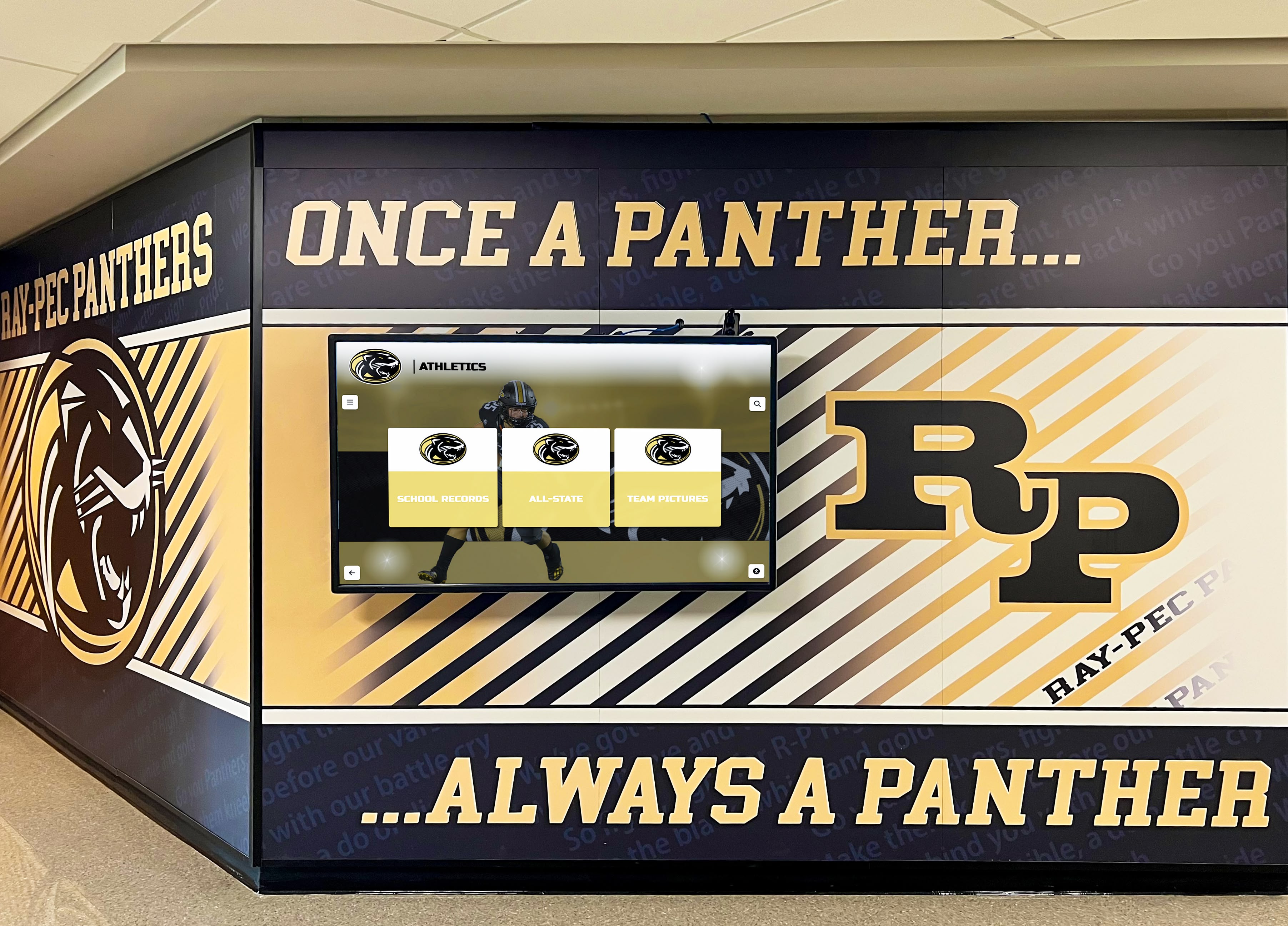
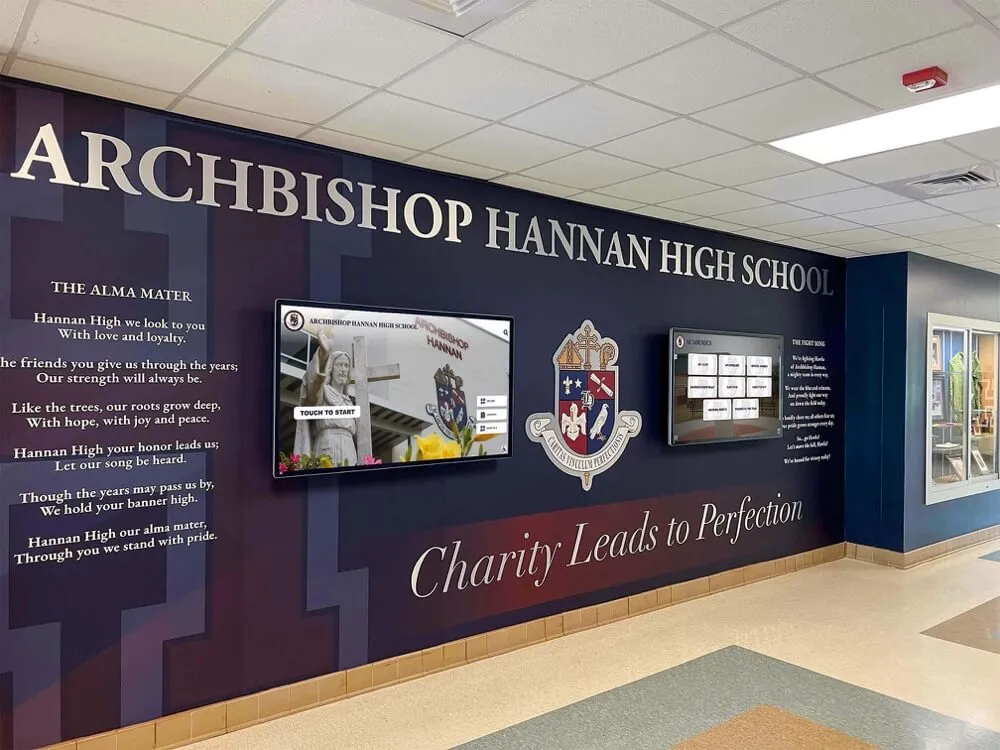
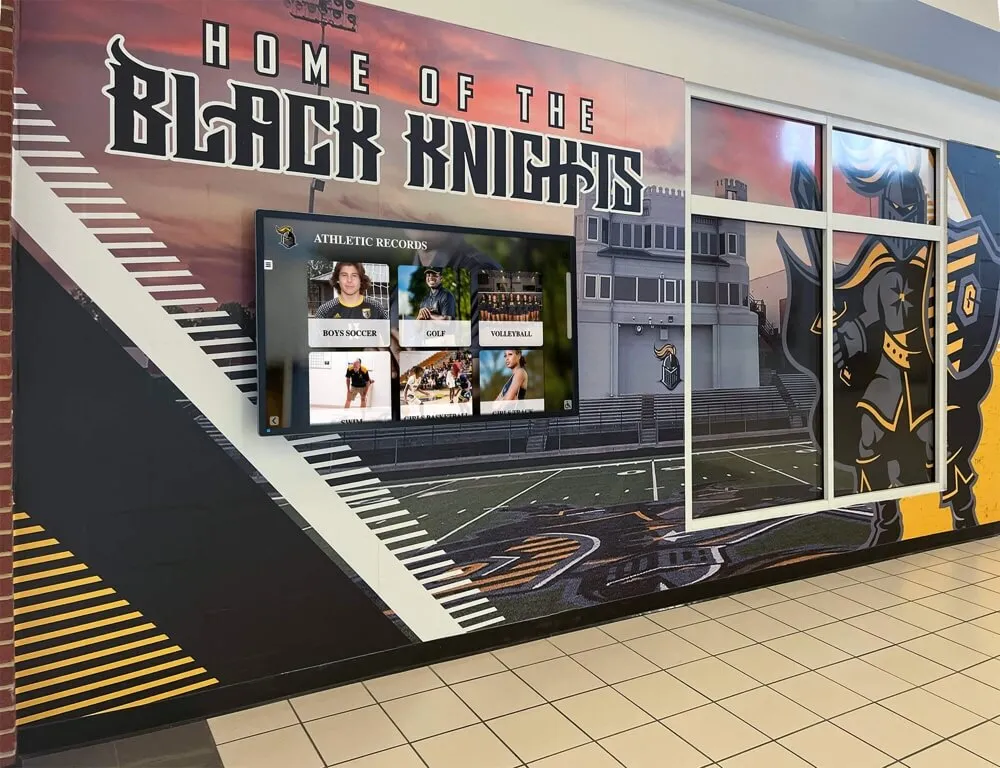
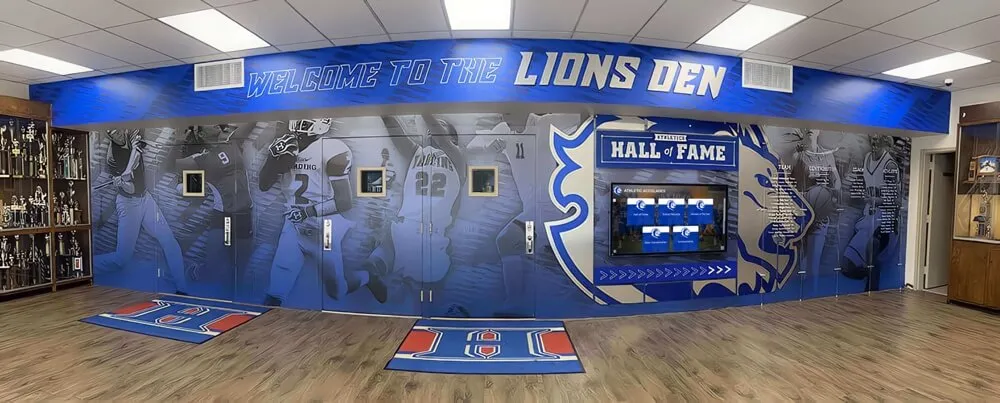
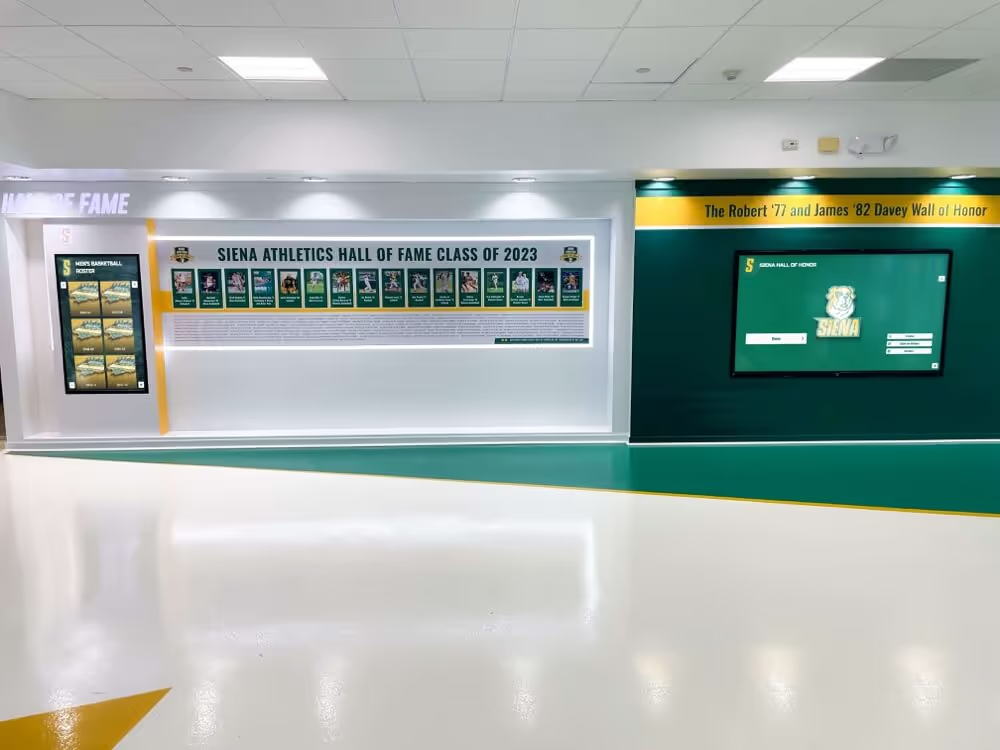
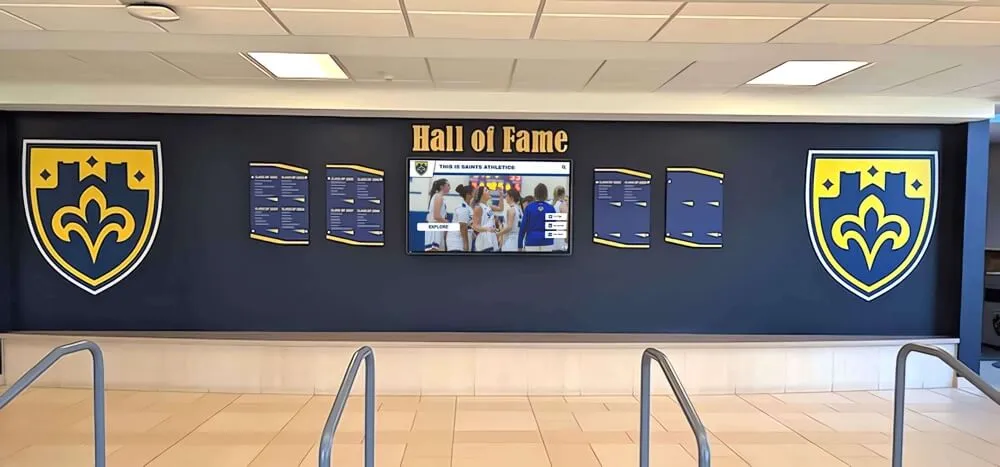
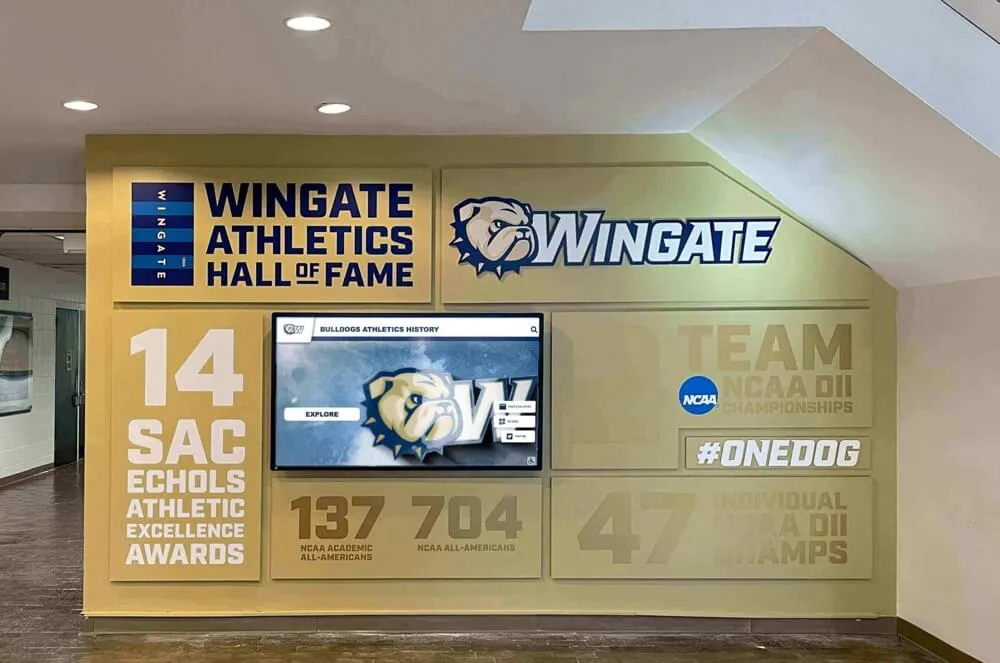
Strategic placement of recognition displays in high-traffic areas ensures year-round visibility for race achievements and sponsor contributions
The Challenge of Traditional 5K Event Recognition
Conventional approaches to race participant and supporter acknowledgment face significant limitations reducing long-term engagement impact.
Limitations of Race-Day-Only Recognition
Temporal Recognition Constraints
Traditional 5K acknowledgment occurs exclusively during event weekend:
- Race results posted immediately after events but quickly discarded
- Sponsor banners displayed only on event day, then stored
- Volunteer appreciation limited to post-race announcements
- Photo collections shared briefly via social media, then buried in archives
- Winner recognition through awards ceremonies attended by fraction of participants
- Overall race experience confined to single morning without lasting presence
This temporal limitation means recognition visibility disappears within days, eliminating opportunities for continued engagement and minimizing motivational impact for future participation.
Participant Access and Discovery Limitations
Race-day recognition materials lack accessibility:
- Printed results distributed to attendees but unavailable remotely
- Participants missing award ceremonies never receive public acknowledgment
- Historical performance comparisons require manual record searching
- Year-over-year improvement tracking depends on personal record keeping
- New participants lack context about event history and traditions
- Alumni and distant supporters cannot experience race culture
These access barriers prevent participants from fully experiencing recognition they earned while limiting the motivational impact of performance achievements.
Sponsor Visibility Constraints
Traditional sponsor acknowledgment provides minimal exposure:
- Banner visibility limited to participants present on race course
- Program book advertisements seen only by attendees
- Website sponsor logos appear on single event page
- No integration with sponsor business websites or marketing
- Limited ongoing visibility between annual race events
- Difficulty demonstrating sponsorship ROI to corporate partners
- Competitive disadvantage compared to events offering year-round exposure
Corporate sponsors increasingly expect comprehensive recognition demonstrating tangible marketing value justifying ongoing financial commitments.
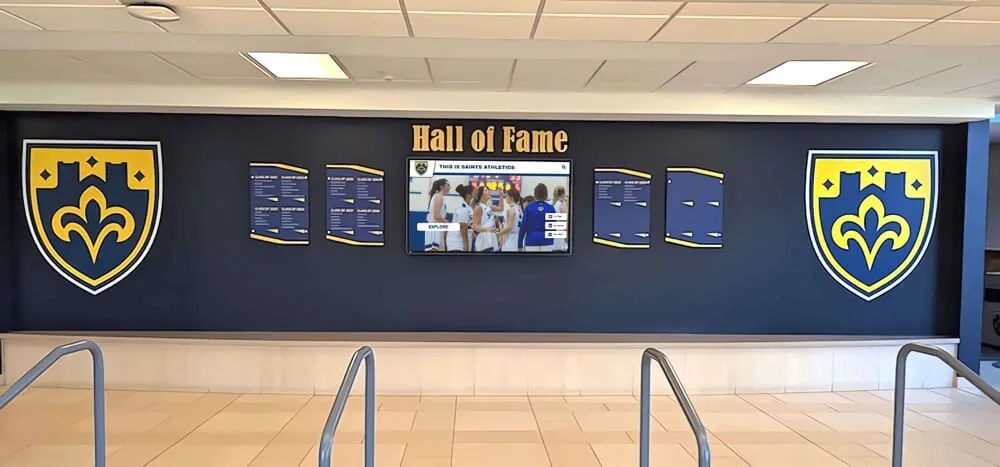
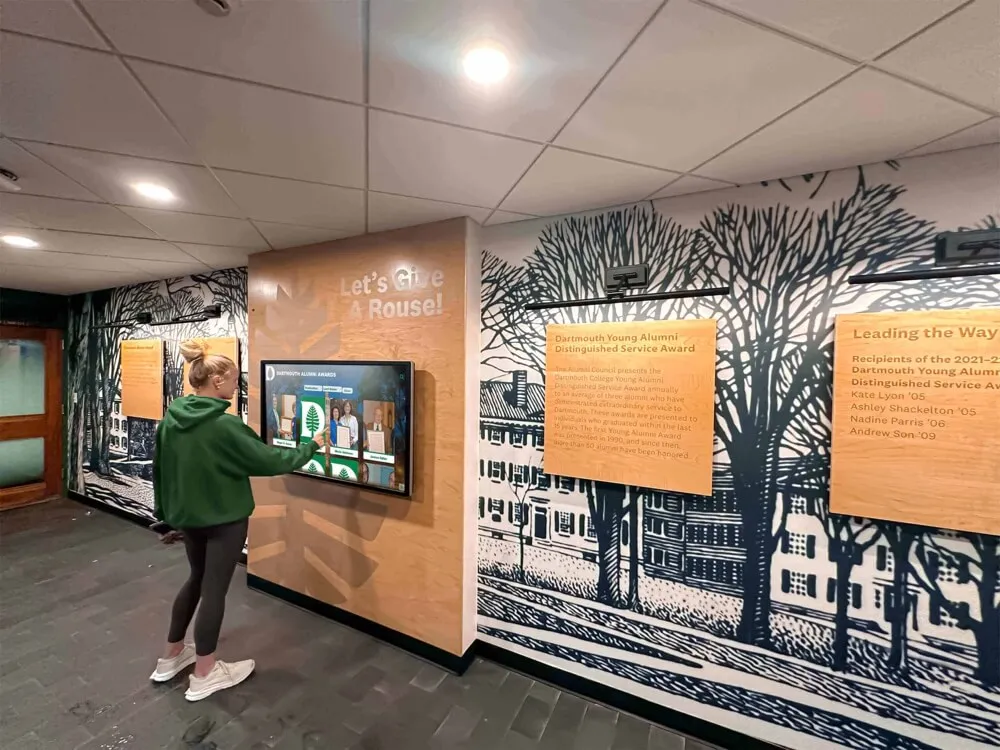
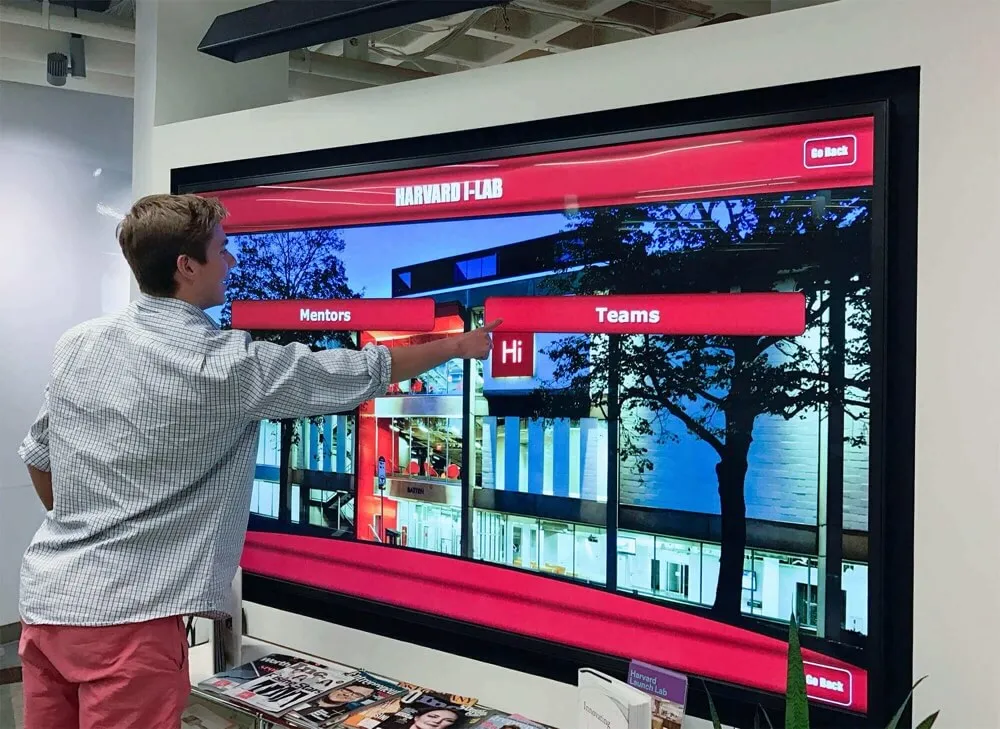
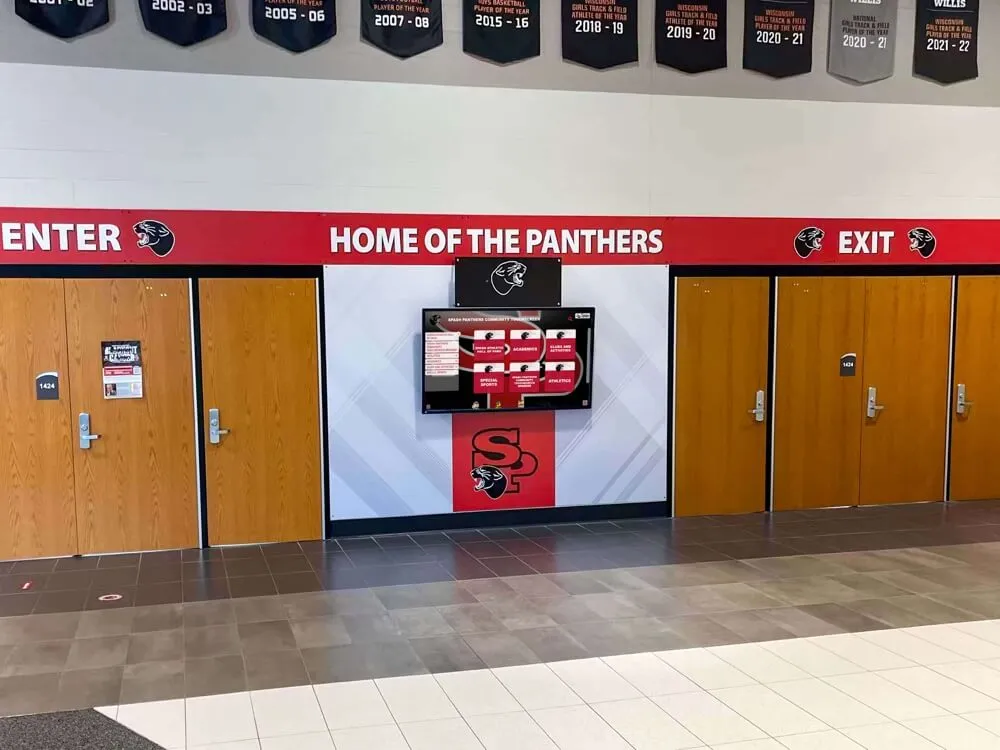
Integrated recognition systems combining physical and digital elements provide flexibility while honoring all event stakeholders
The Multi-Year Engagement Challenge
Participation Retention Obstacles
Schools report that 5K fundraiser participation commonly plateaus or declines after initial launch enthusiasm:
- First-time participant return rates often below 40% for subsequent races
- Competitive runners seeking new courses rather than repeating events
- Family participation declining as novelty wears off
- Limited differentiation between consecutive race years
- Insufficient recognition motivating continued engagement
- Minimal storytelling connecting participants to broader event legacy
Development professionals consistently cite inadequate year-round recognition as primary factor explaining participation stagnation. Participants completing races receive momentary acknowledgment, then face twelve months without connection to event community until next registration cycle.
Volunteer Recruitment and Retention Difficulties
Successful 5K events require substantial volunteer support:
- Course marshals ensuring safety and providing directions
- Registration table staff managing check-in and materials
- Water station volunteers distributing refreshments
- Finish line assistants recording times and distributing awards
- Setup and breakdown crews handling logistics
- Photography volunteers documenting event experiences
- Post-race festival workers managing activities
Schools frequently struggle recruiting adequate volunteer support, particularly for established events where initial enthusiasm has faded. Traditional recognition approaches—verbal thank-yous and post-event emails—fail to create visibility motivating community members to donate time year after year.
Showcasing Year-Over-Year Race Leaderboards
Comprehensive leaderboard displays transform single-race results into compelling multi-year narratives celebrating performance progression and establishing event traditions.
Building Historical Leaderboard Systems
Multi-Year Performance Tracking
Digital recognition platforms enable longitudinal leaderboard presentation:
Overall Winners Across Race History
- Complete lists of overall male and female winners from every race year
- Winning times documenting course record progression
- Multiple-win celebration highlighting returning champions
- Decade-by-decade winner compilations showing event evolution
- Historical context explaining course changes affecting times
- Weather condition documentation providing performance context
Age Group Leaders by Year
- Age group winners across all race years
- Category time progressions showing competitive depth evolution
- Age group record tracking celebrating exceptional performances
- Master competitor recognition for older participant achievements
- Youth participant celebration encouraging young runner development
Schools implementing interactive digital displays report that historical leaderboard access motivates competitive participants to return annually while providing context that helps recreational runners appreciate their performances relative to event history.
Individual Participant Performance Tracking
Advanced systems enable personalized performance discovery:
- Individual participant race history across multiple years
- Personal record tracking showing improvement progression
- Age-graded performance calculation accounting for aging
- Placement history within age groups over time
- Photo archives from each race year attended
- Cumulative participation badges and milestones
This personalization creates emotional connection to event while providing concrete data motivating continued participation and performance improvement efforts.
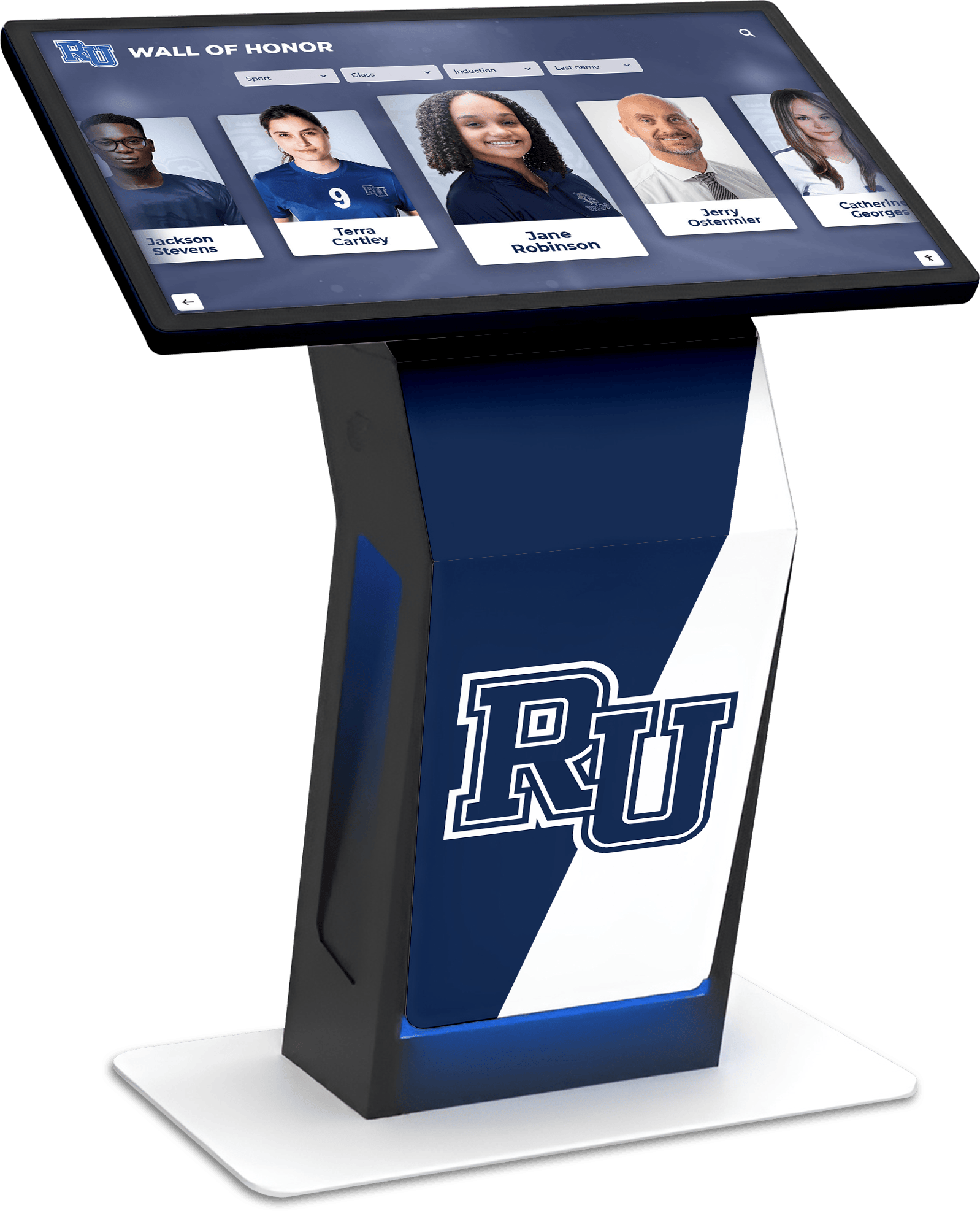
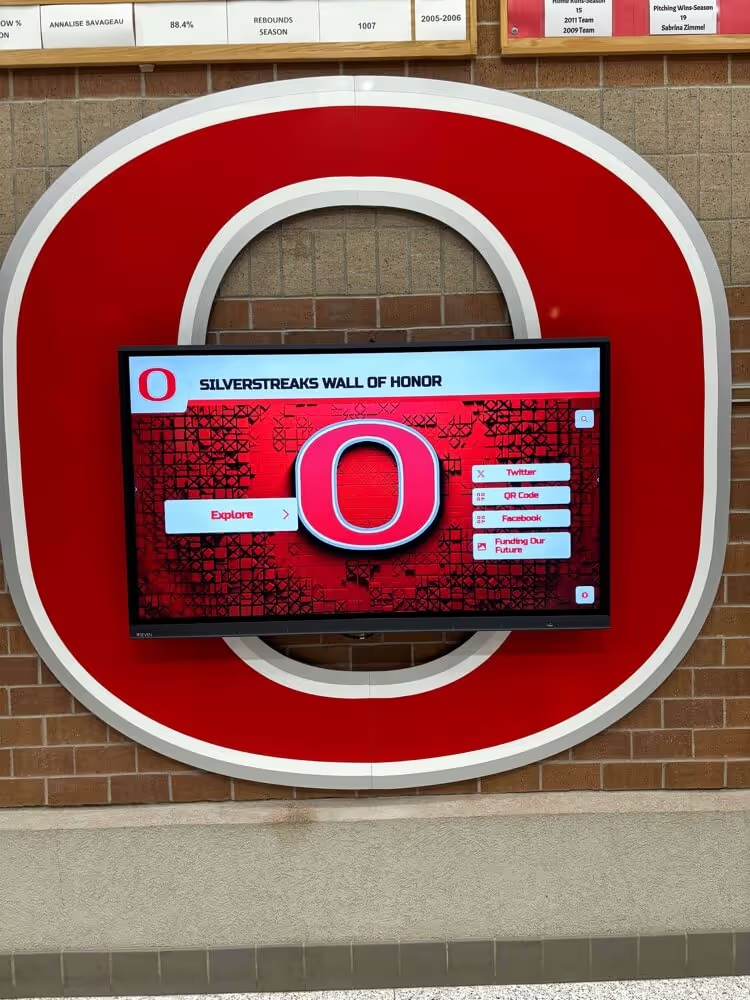
Dedicated touchscreen kiosks enable participants to search their own race history and compare performances across multiple years
Designing Compelling Leaderboard Displays
Visual Presentation Strategies
Effective leaderboard displays balance information density with visual appeal:
Traditional Results Format
- Tabular presentation with place, name, time, age group
- Clean typography ensuring readability from distance
- Color coding distinguishing categories and years
- Filtering options enabling year, age group, or gender selection
- Expandable detail views showing complete race statistics
Enhanced Visual Approaches
- Timeline visualizations showing record progression over race history
- Graphical performance comparisons between consecutive years
- Photo integration connecting faces to leaderboard names
- Course map overlays showing route evolution across years
- Weather and condition documentation providing context
Searchability and Personal Discovery Modern platforms should enable participants to find themselves:
- Full-text name search providing instant results location
- Filter by year, age group, gender, or finish time range
- “My Results” login showing personalized race history
- Related participant suggestions connecting training partners
- Social sharing enabling results posting to personal networks
Organizations implementing comprehensive recognition strategies explored in digital leaderboard systems create engaging experiences that participants return to repeatedly throughout the year.
Celebrating Participation Milestones
Multi-Year Participation Recognition
Beyond single-race performance, sustained participation deserves celebration:
Consecutive Participation Badges
- 3-year, 5-year, 10-year, 15-year consecutive finisher recognition
- Special designation for participants present at inaugural race
- Family participation acknowledgment tracking household involvement
- Student participation tracking from elementary through graduation
- Alumni return recognition celebrating continued connection
Cumulative Achievement Celebration
- Total lifetime miles completed across all race participation
- Fundraising contribution totals from registration fees
- Volunteer hour documentation alongside race participation
- Complete photo galleries documenting participant across years
- Testimonials explaining motivations for continued involvement
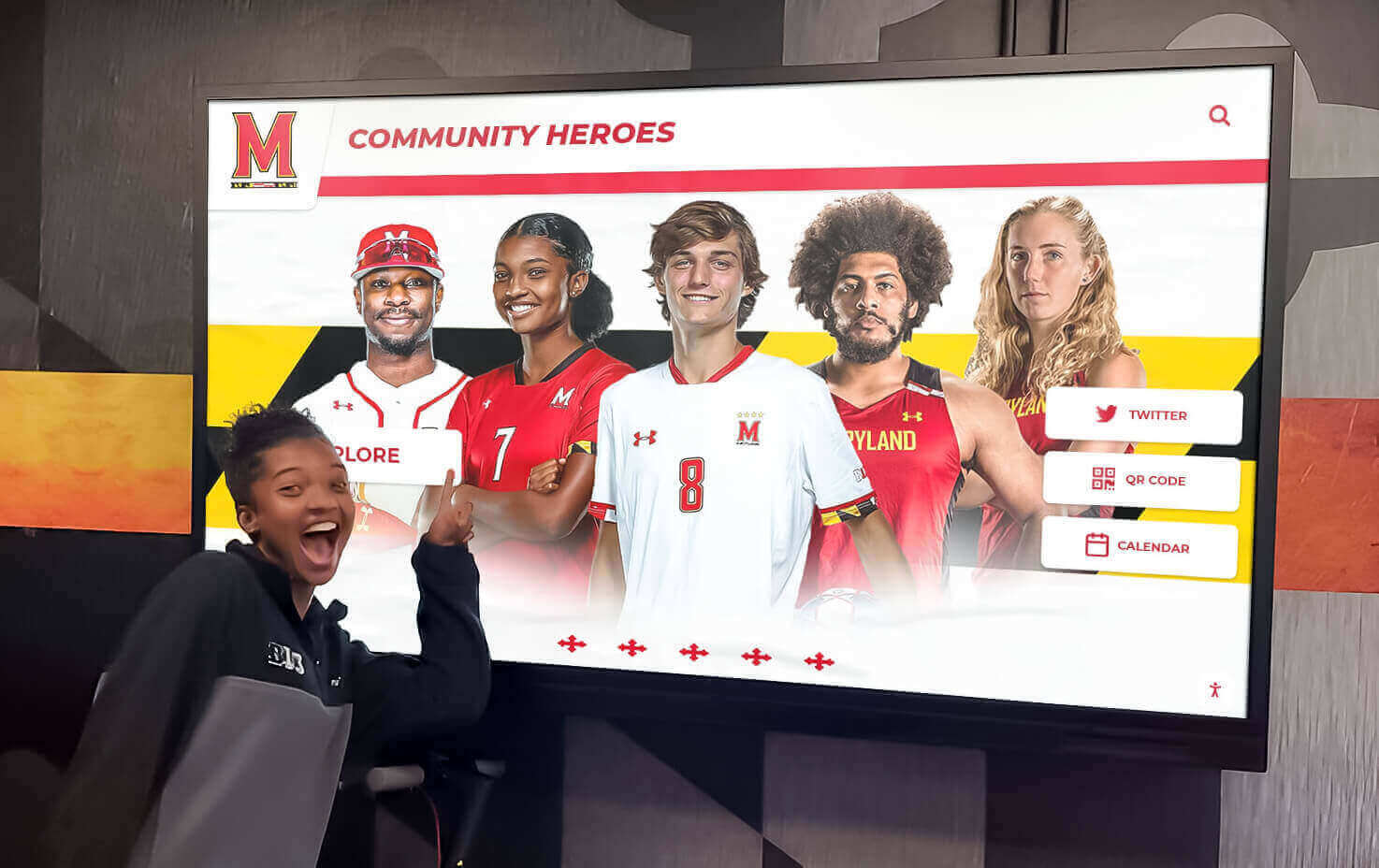
Recognition systems engaging students build long-term participation habits while celebrating community athletic achievements
Schools implementing milestone recognition report significant increases in multi-year participation rates as runners return specifically to achieve consecutive-year badges and cumulative participation milestones.
Preserving Complete 5K Event History
Systematic documentation creates institutional memory while providing compelling content for recognition displays and marketing materials.
Documenting Event Origins and Evolution
Comprehensive Historical Narrative
Complete event histories should capture:
Founding Story and Mission
- Initial motivation for establishing 5K fundraiser event
- Founding committee members and organizers
- First race details including date, participants, and funds raised
- Original beneficiary programs and funding objectives
- Early challenges and organizational learning experiences
- Evolution of event name, branding, and identity
Growth and Development Timeline
- Participation trends across race history showing growth patterns
- Revenue generation progression documenting fundraising impact
- Course changes and route evolution with explanatory context
- Format adjustments responding to participant feedback
- Sponsorship program development and major partnership additions
- Volunteer structure evolution and organizational improvements
This narrative documentation provides context that helps current participants understand their role in continuing meaningful institutional traditions. Solutions like digital timeline platforms enable schools to present rich historical content in accessible, engaging formats.
Milestone and Anniversary Commemoration
Significant event milestones deserve special recognition:
- 5th, 10th, 20th, 25th anniversary race celebrations
- Cumulative participant totals reaching round numbers (5,000 finishers, 10,000 finishers)
- Total fundraising milestones ($250,000 raised, $500,000 raised, $1 million raised)
- Record-setting performance achievements
- Largest single-year participation records
- Weather events and memorable race day stories
- Notable participant achievements (oldest finisher, youngest finisher, family participation records)
Anniversary recognition creates natural marketing opportunities while building excitement for continued event growth toward future milestones.
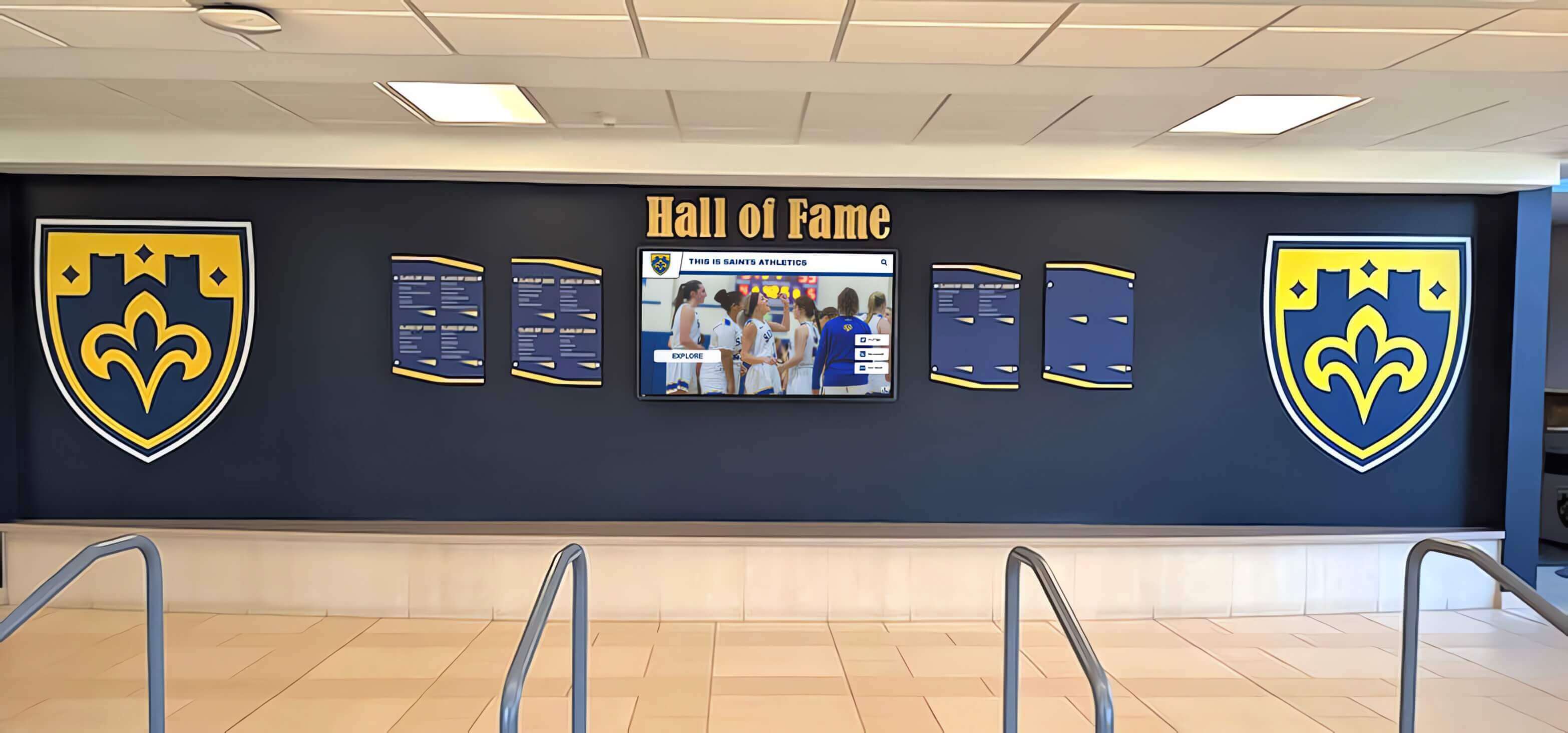
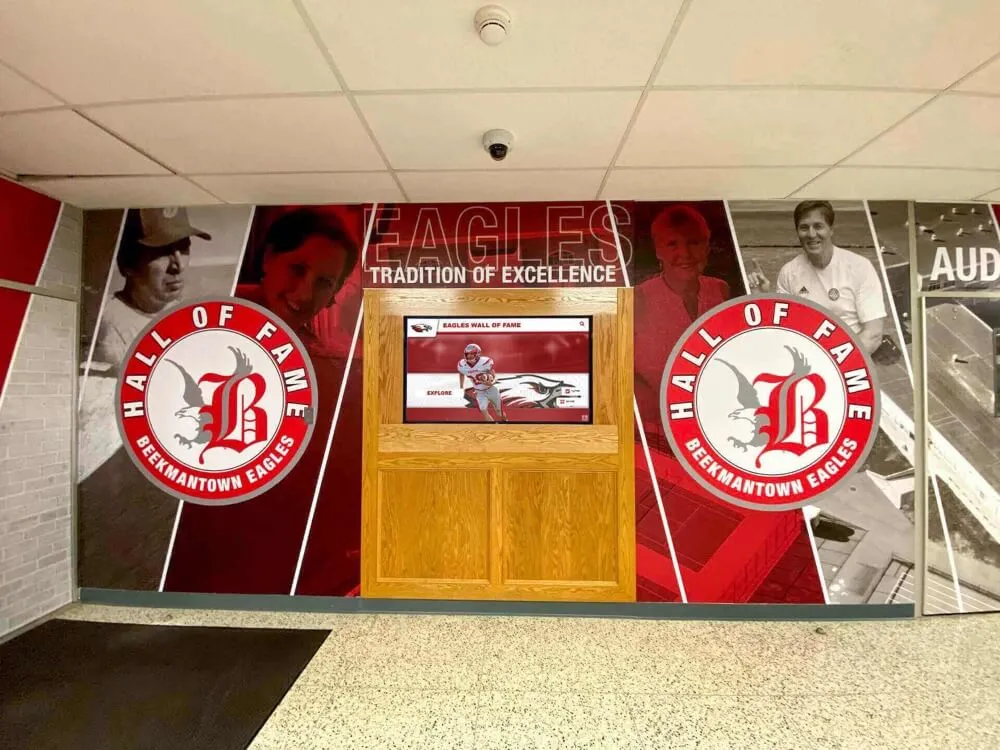
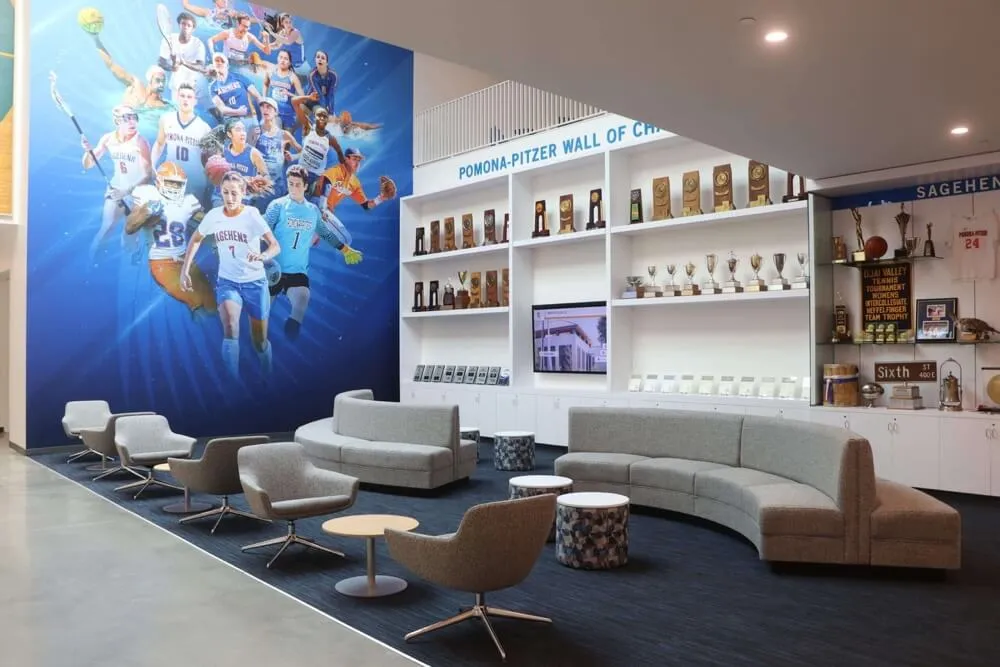
Prominent lobby displays ensure maximum visibility for race recognition while integrating with broader institutional acknowledgment systems
Archiving Event Materials and Documents
Comprehensive Material Preservation
Complete digital archives should maintain:
Race Programs and Marketing Materials
- Printed race programs from every year digitized and searchable
- Registration brochures and promotional materials
- Poster and flyer designs documenting marketing evolution
- Email campaigns and digital marketing content
- Press releases and media coverage documentation
- Social media campaign archives showing promotional strategies
Official Results and Documentation
- Complete results listings from every race year
- Official course maps showing route details
- Timing system data and split records
- Weather conditions and race day circumstances
- Participant demographic statistics tracking community engagement
- Volunteer rosters documenting support crew involvement
- Sponsorship agreements and recognition fulfillment records
Financial and Impact Reporting
- Annual revenue and expense breakdowns showing financial health
- Net fundraising totals documenting program impact
- Beneficiary program funding distribution
- Scholarship recipient lists showing supported students
- Program enhancement documentation demonstrating fund utilization
- Multi-year financial trends analysis
This comprehensive archiving serves multiple purposes. Development staff reference historical materials when cultivating sponsors and major donors. Event organizers learn from past successes and challenges. Current participants understand their role in continuing meaningful institutional traditions.
Learn about systematic approaches to preservation in academic history archiving guides applicable to athletic and fundraising event contexts.
Recognizing Sponsors with Website Integration
Corporate and business sponsors deserve comprehensive, year-round visibility that demonstrates clear return on sponsorship investment.
Multi-Level Sponsor Recognition Tiers
Structured Sponsorship Level Development
Effective programs create clear tiers with corresponding benefits:
Title Sponsor Recognition ($10,000+) Premium acknowledgment for transformative support:
- Race naming rights and prominent branding inclusion
- Logo placement on all event materials and communications
- Featured recognition on digital displays year-round
- Website homepage spotlight with company description
- Direct link to sponsor website from recognition displays
- Exclusive social media recognition posts
- Speaking opportunity at race opening or closing ceremonies
- Premier booth location at event expo or festival
- Sponsor representative presenting top awards
- VIP race experience for company executives and clients
Platinum Sponsor Level ($5,000-$9,999) Significant visibility for substantial support:
- Logo inclusion on race shirts distributed to all participants
- Prominent digital display recognition rotating throughout year
- Website sponsor page feature with logo and description
- Social media acknowledgment thanking support
- Race program full-page advertisement inclusion
- Premium expo booth placement
- Banner display at start/finish line and on course
- Recognition signage at multiple course locations
Gold Sponsor Level ($2,500-$4,999) Strong recognition for important contributions:
- Digital display inclusion in sponsor rotation
- Website sponsor page logo and listing
- Race program half-page advertisement
- Logo on event banners and signage
- Social media thank-you post
- Standard expo booth opportunity
- Email recognition to participant database
Silver and Bronze Levels ($500-$2,499) Entry-level sponsorship ensuring broad participation:
- Website sponsor page listing with logo
- Digital display inclusion in comprehensive sponsor recognition
- Race program advertisement or listing
- Logo inclusion on select event materials
- Post-event thank-you recognition
- Community business support acknowledgment
Schools should adjust dollar thresholds based on community capacity, event size, and fundraising objectives. A small elementary school 5K differs substantially from a large high school race with 2,000 participants.
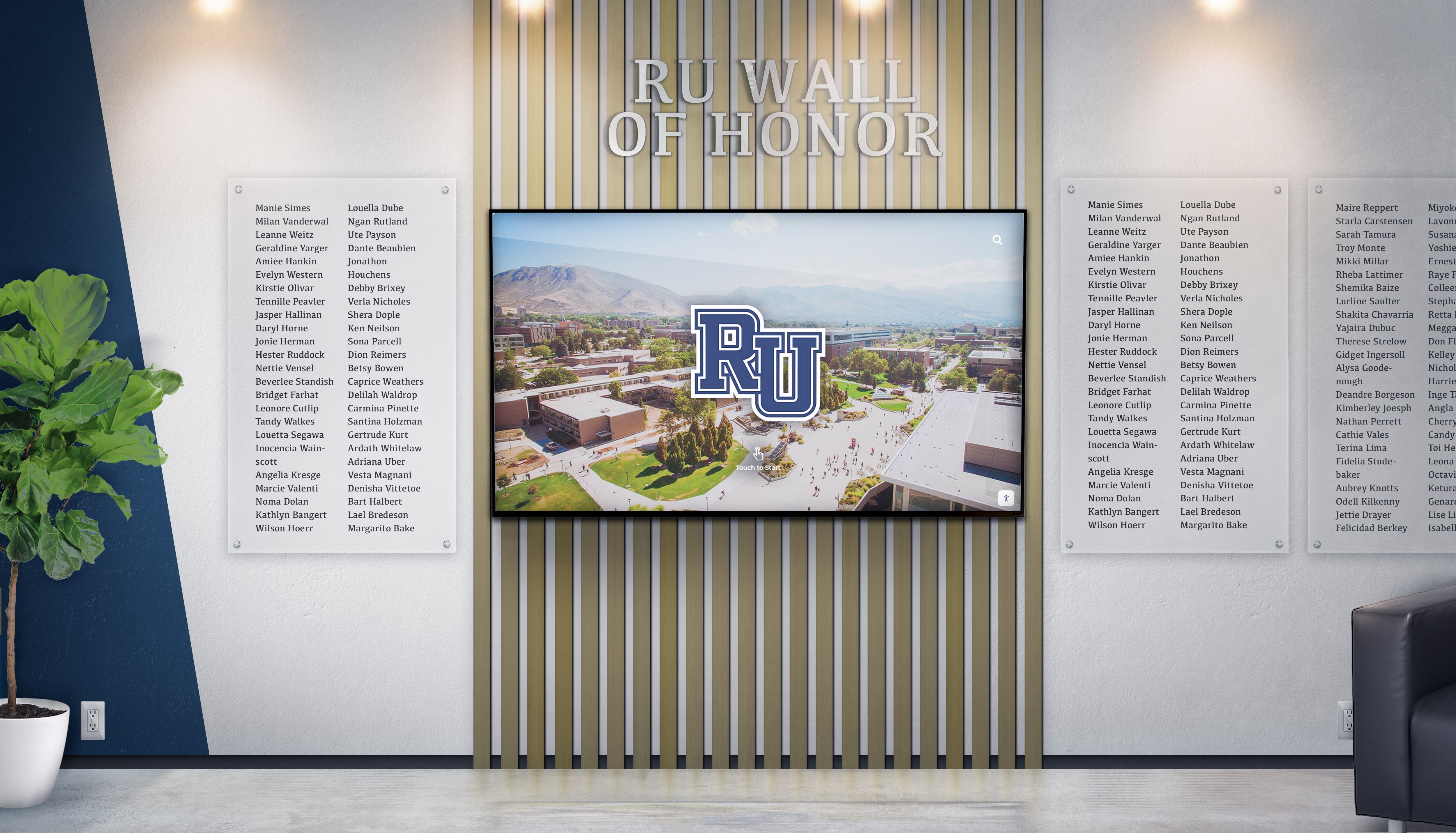
Comprehensive sponsor recognition systems integrate business acknowledgment with overall institutional recognition infrastructure
Implementing Sponsor Website Integration
Direct Link Integration Benefits
Modern digital recognition platforms enable seamless sponsor website connections:
Interactive Touchscreen Implementation
- Sponsor profile pages within race recognition displays
- Direct website links accessible via touchscreen interaction
- QR codes enabling mobile device website access
- Company descriptions explaining business offerings
- Contact information connecting potential customers
- Special offer or discount promotion opportunities for race participants
- Photo galleries showing sponsor involvement in event
Web-Based Recognition Platform Features
- Searchable online sponsor directory accessible worldwide
- Individual sponsor profile pages with rich content
- Analytics tracking sponsor page views and link clicks
- Direct measurement demonstrating sponsor visibility value
- Social sharing enabling sponsors to promote recognition
- Mobile-responsive design working across all devices
This integration provides sponsors with quantifiable marketing value. Companies can track how many people viewed their recognition profiles, clicked through to their websites, and engaged with their content—concrete metrics justifying continued sponsorship investment.
Sponsor Appreciation and Retention Strategies
Beyond visibility, comprehensive recognition supports sponsor relationships:
Recognition Report Development
- Post-event reports documenting sponsor visibility delivered
- Analytics showing profile views and website click-throughs
- Social media engagement statistics demonstrating reach
- Participant survey data measuring sponsor awareness
- Photo documentation of sponsor presence throughout event
- Media coverage quantification showing earned media value
- Testimonials from participants mentioning sponsor appreciation
Year-Round Engagement Opportunities
- Quarterly updates showing continued recognition display visibility
- Social media tag opportunities throughout the year
- Event anniversary recognition thanking multi-year sponsors
- First-right-of-refusal offers for subsequent year sponsorship
- Sponsor appreciation events or exclusive gatherings
- Recognition at other school events beyond 5K race
- Integration into broader institutional donor acknowledgment systems
Development professionals report that sponsors receiving comprehensive year-round recognition demonstrate 70-85% renewal rates compared to 40-50% retention for sponsors acknowledged only on race day.
Explore effective strategies in donor recognition approaches applicable to corporate sponsor contexts.
Celebrating Volunteer Contributions
Successful 5K fundraiser events depend on substantial volunteer support that deserves systematic recognition motivating continued service.
Documenting Volunteer Roles and Contributions
Comprehensive Volunteer Category Acknowledgment
Digital recognition should celebrate volunteers across all functions:
Event Organization and Leadership
- Race director and assistant directors coordinating overall event
- Committee chairs managing specific functional areas
- Course design and permitting coordinators
- Registration and participant communication managers
- Sponsorship acquisition and fulfillment coordinators
- Marketing and communications team members
- Finance and budget management volunteers
- Post-event evaluation and improvement planning leaders
Race Day Volunteer Teams
- Registration table staff managing participant check-in
- Course marshals ensuring safety and providing direction
- Water station volunteers distributing refreshments
- Timing system operators and finish line recorders
- Medical staff providing emergency response capability
- Photography volunteers documenting event experience
- Setup crews preparing race infrastructure
- Breakdown teams managing post-race logistics
- Post-race festival workers organizing activities
- Parking attendants directing traffic flow
Support and Behind-Scenes Roles
- Training run leaders preparing participants
- Course marking teams installing signage and direction indicators
- Sponsor liaison coordinators managing business partnerships
- Social media managers promoting event and sharing content
- Graphic designers creating promotional materials
- Website developers maintaining online registration
- Legal and insurance coordinators ensuring proper coverage
- Equipment procurement and management volunteers
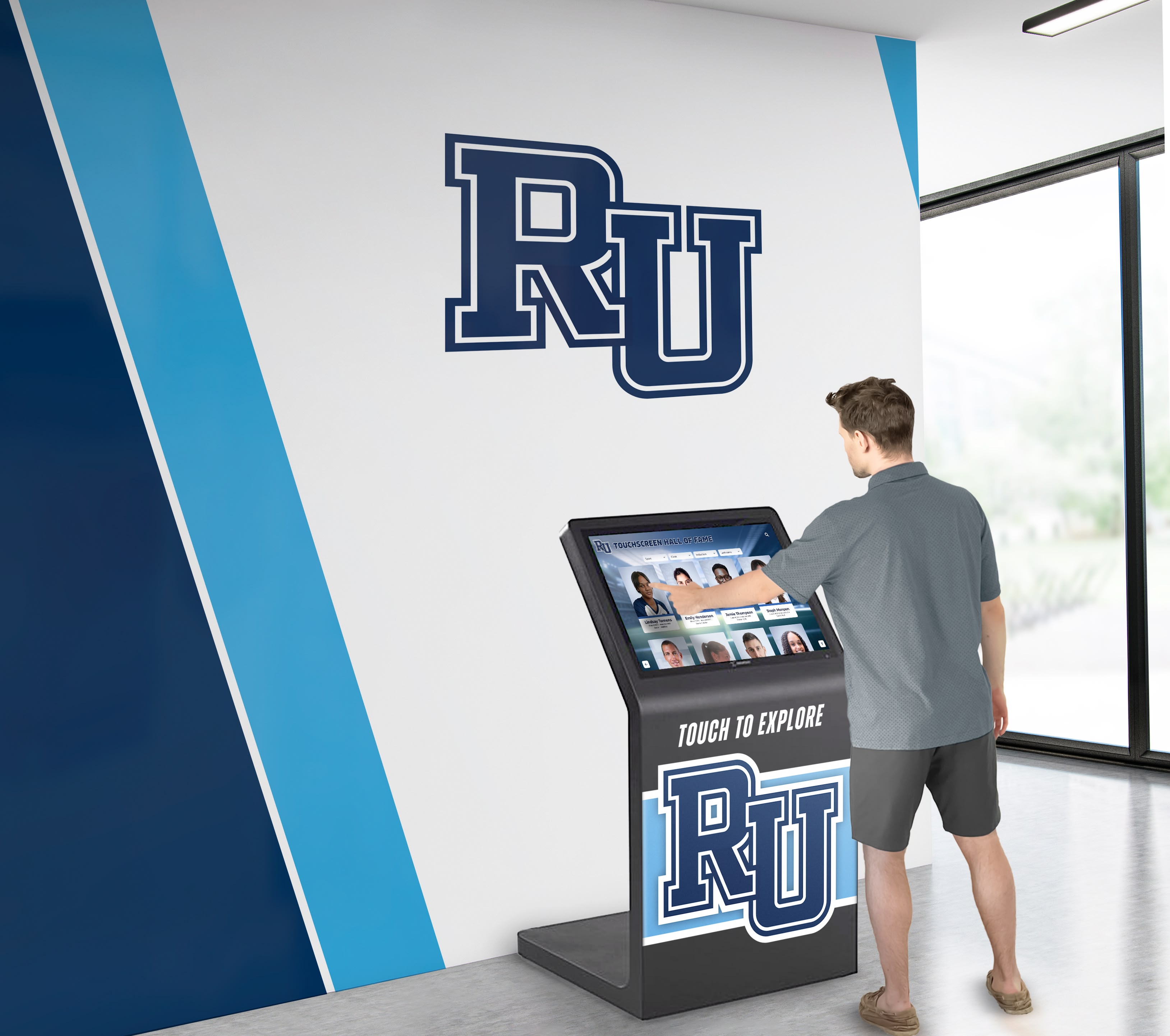
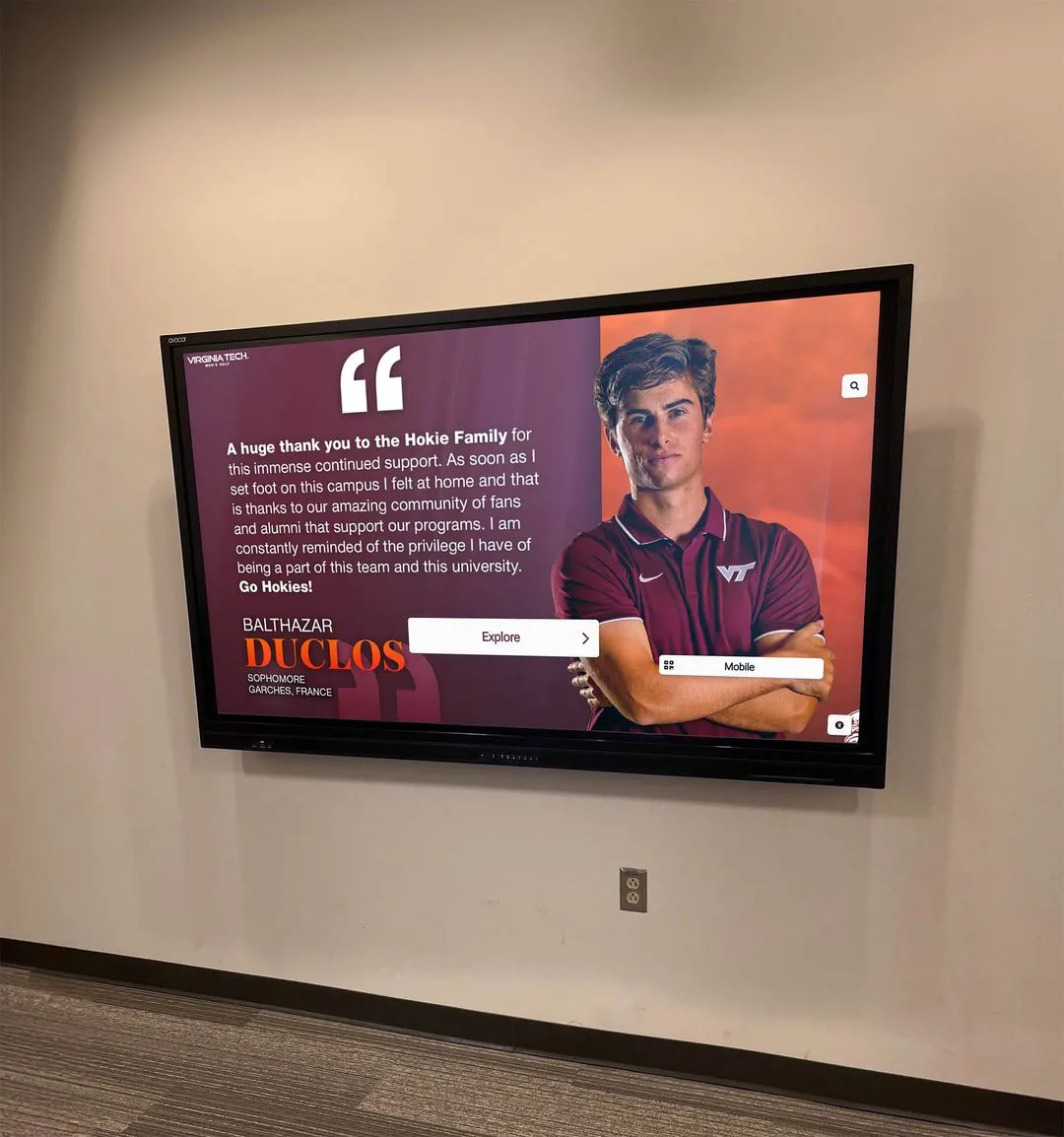
Dedicated volunteer recognition sections within event displays honor service contributions alongside race performance achievements
Creating Volunteer Recognition Profiles
Individual Volunteer Acknowledgment
Comprehensive profiles should include:
Core Volunteer Information
- Full name and affiliation with school community (parent, alumni, faculty, community member)
- High-quality photograph or group photo with volunteer team
- Specific volunteer role and responsibilities description
- Number of consecutive years volunteering for event
- Total volunteer hours contributed across event history
- Additional school volunteer activities beyond 5K race
- Quote explaining motivation for service
Impact Documentation
- Specific contributions to event success and participant experience
- Challenges overcome and creative problem-solving examples
- Volunteer team leadership and mentorship of new helpers
- Special recognition for going beyond assigned duties
- Participant testimonials appreciating volunteer support
- Connection between volunteer service and event mission
Multi-Year Service Recognition
Sustained volunteer commitment deserves milestone celebration:
- 3-year, 5-year, 10-year consecutive service acknowledgment
- Founding volunteer designation for inaugural event participants
- Leadership role progression documentation showing increased involvement
- Special achievement recognition for exceptional contributions
- Family volunteer tradition celebration tracking household participation
- Student volunteer recognition building service culture
- Alumni volunteer appreciation maintaining institutional connection
Schools implementing volunteer recognition systems report 40-60% improvements in volunteer recruitment and retention rates compared to programs relying solely on race-day thank-yous.
Volunteer Recruitment Through Recognition
Visibility Creating Participation Inspiration
Comprehensive volunteer recognition serves recruitment purposes:
- Community members discovering volunteer opportunities through displays
- New families understanding volunteer culture expectations
- Students identifying service leadership possibilities
- Current volunteers feeling appreciated motivating continued engagement
- Public acknowledgment creating social proof normalizing participation
- Specific role descriptions helping potential volunteers identify fits
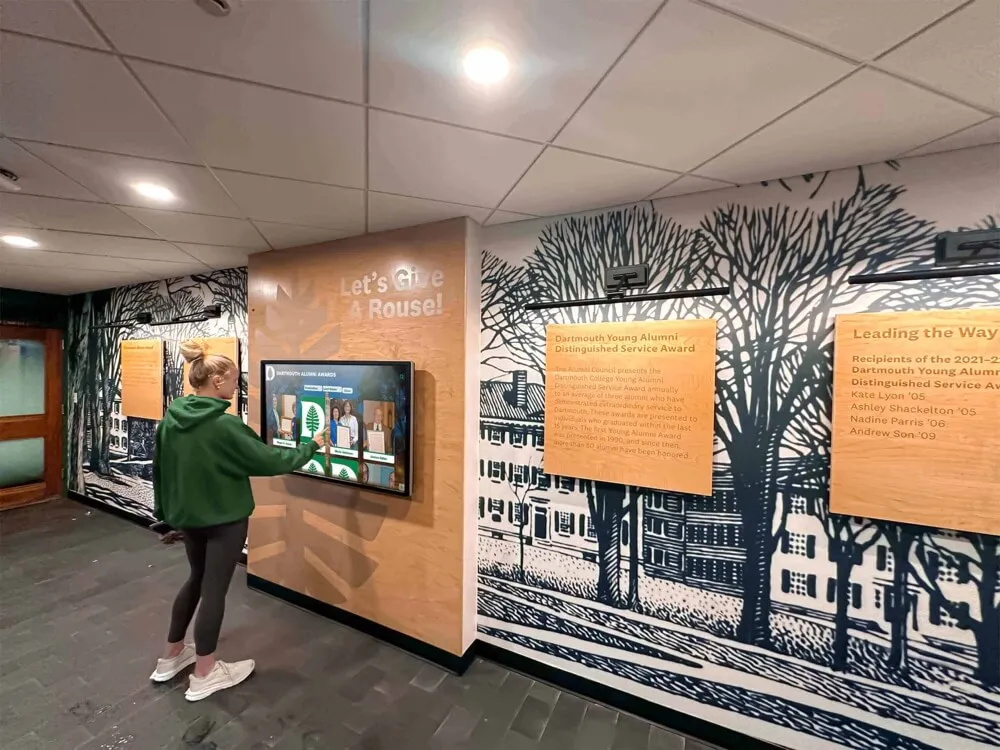
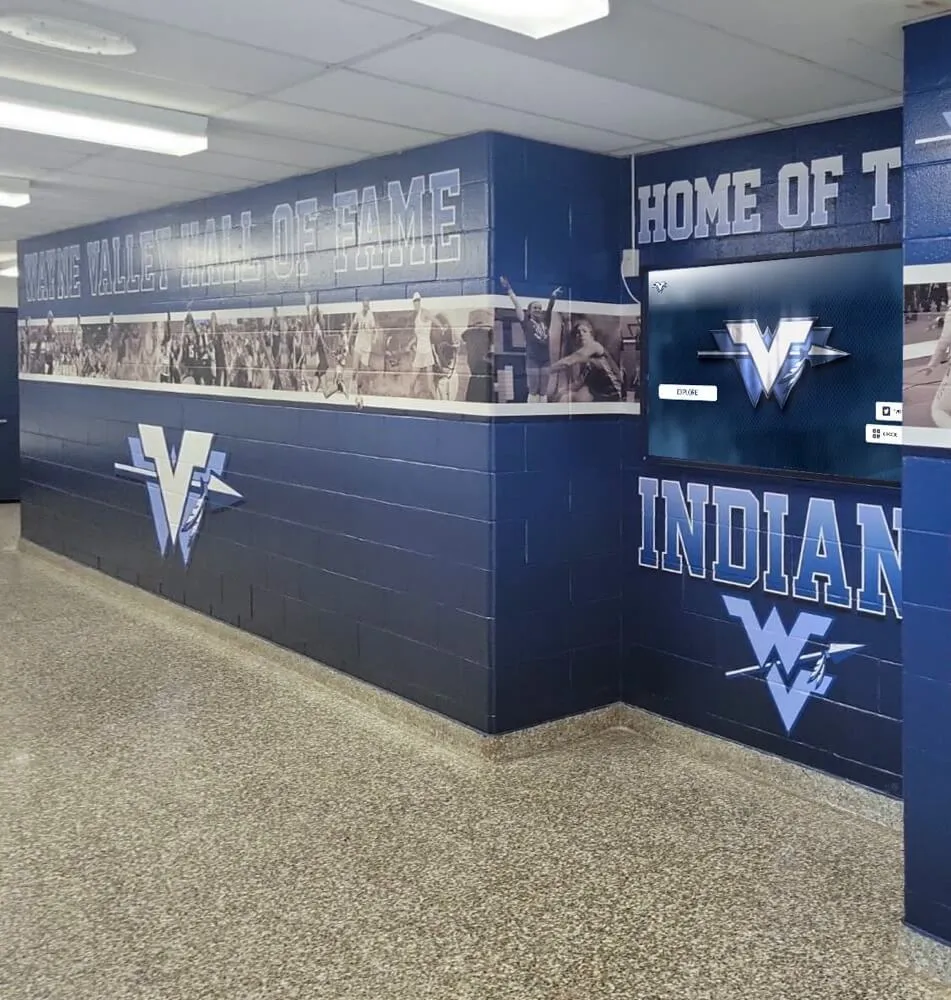
Strategic hallway placement ensures volunteer recognition reaches maximum audiences while inspiring future service participation
Year-Round Volunteer Engagement
Beyond single-event recognition, ongoing acknowledgment maintains relationships:
- Quarterly spotlight features on individual volunteers
- Social media recognition posts thanking continued support
- Invitation to exclusive volunteer appreciation events
- First-access opportunities for premium volunteer roles
- Recognition at other school events beyond 5K race
- Integration into broader school volunteer acknowledgment systems
- Career networking opportunities connecting volunteers with school community
This sustained engagement transforms transactional event-day volunteering into meaningful ongoing relationships that benefit both volunteers and institutional community.
Showcasing Photo Galleries from Every Race Year
Visual documentation creates emotional connection to event history while providing compelling content for recognition displays and marketing materials.
Building Comprehensive Photo Archives
Systematic Event Photography Coverage
Complete visual documentation requires:
Pre-Race and Registration
- Participant check-in and registration table activity
- Volunteer team preparation and setup
- Course marking and infrastructure installation
- Sponsor booth setup and expo preparation
- Participant warm-up and pre-race atmosphere
- Opening ceremonies and announcements
- Group photos of volunteer teams and organizing committees
Race Action Photography
- Start line energy and participant sendoff
- On-course action at multiple locations showing participant diversity
- Water station interactions with volunteers
- Course scenery and school campus backdrop
- Participant determination and competitive effort
- Community spectator support and encouragement
- Course marshal volunteers providing safety and direction
Finish Line and Awards
- Finish line crossing moments capturing achievement
- Winner celebrations and record-setting performances
- Age group award presentations
- Participant cool-down and post-race socializing
- Volunteer team recognition and appreciation
- Sponsor acknowledgment and partner celebration
- Post-race festival activities and community gathering
Candid and Behind-Scenes Documentation
- Volunteer collaboration and teamwork moments
- Participant preparation and pre-race nervousness
- Family support and multi-generational participation
- Course challenges and terrain documentation
- Weather conditions and environmental context
- Unexpected moments and memorable incidents
- Community connection and relationship-building interactions
Schools should engage multiple photographers covering different course locations and event areas simultaneously, ensuring comprehensive documentation impossible with single photographer approaches.
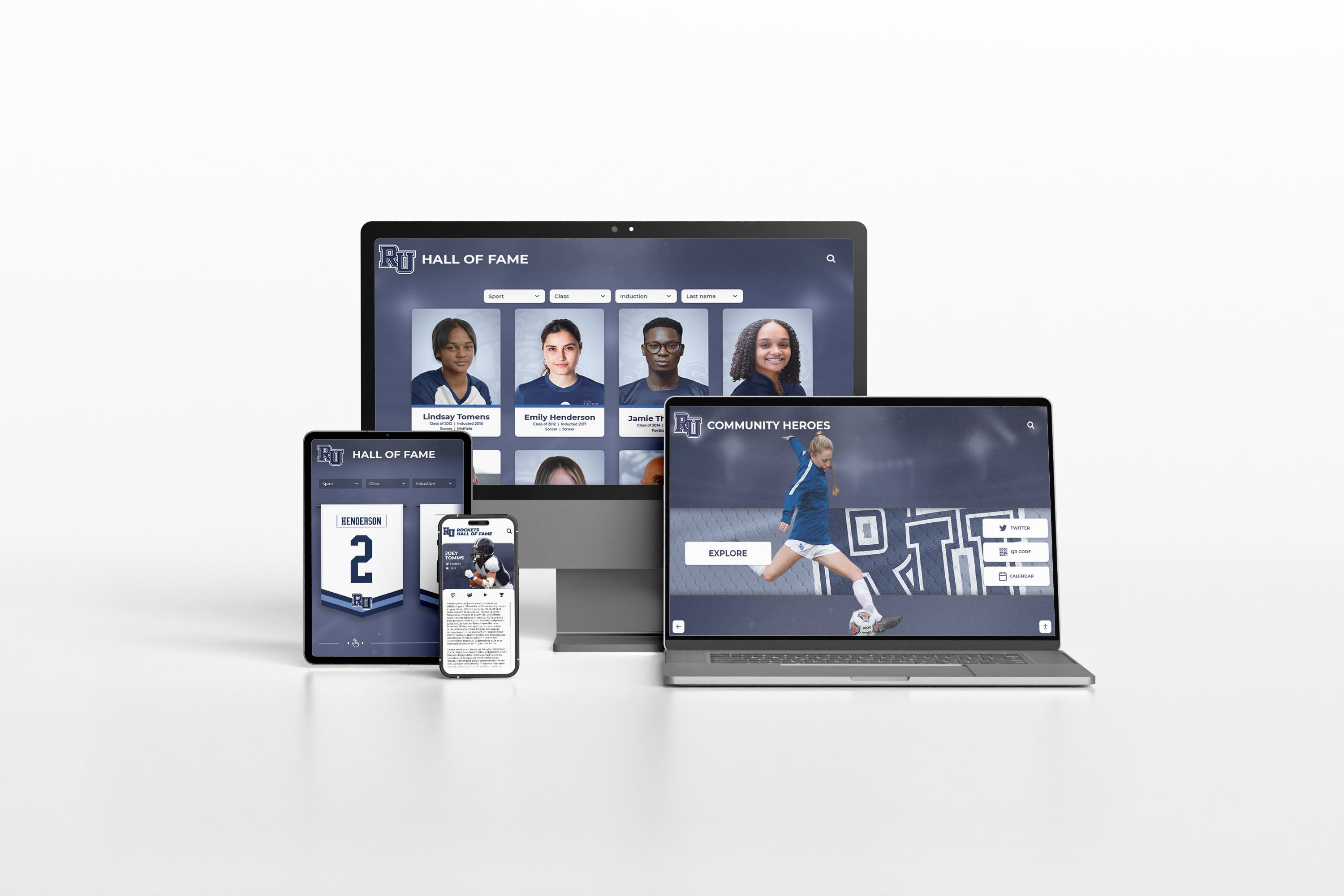
Cloud-based photo gallery platforms enable participants to access race photos from any device while sharing memories across social networks
Organizing and Presenting Photo Collections
Searchable Photo Database Implementation
Modern platforms should enable easy photo discovery:
Participant-Specific Photo Finding
- Bib number search locating all photos of specific participants
- Facial recognition technology grouping photos by individual
- Name tagging enabling text-based participant search
- Year filtering showing participant across multiple race editions
- Download capabilities allowing personal photo collection
- Social sharing buttons enabling instant posting to networks
- Print ordering integration for physical photo products
Category and Theme Organization
- Overall winners and podium finisher galleries
- Age group award winner photo collections
- Volunteer team documentation by functional area
- Sponsor visibility photos showing partnership presence
- Pre-race preparation and behind-scenes documentation
- Finish line celebration moments
- Post-race festival and community gathering images
- Historical year-by-year photo archives
Integration with Recognition Displays
Photo galleries should connect seamlessly with other recognition elements:
- Participant profile pages including race action photos
- Volunteer recognition profiles with service documentation images
- Sponsor acknowledgment pages showing partnership visibility
- Historical timeline presentations with archival photographs
- Leaderboard entries enhanced with winner photos
- Social media content automatically pulling from organized galleries
Organizations implementing comprehensive visual recognition explored in digital photo gallery systems create engaging experiences that participants return to repeatedly.
Leveraging Photos for Marketing and Engagement
Multi-Purpose Photo Asset Utilization
Event photography serves numerous strategic purposes:
Current Year Marketing and Promotion
- Social media content throughout year maintaining event visibility
- Website homepage features showcasing community participation
- Email campaign imagery attracting registration interest
- Print materials and poster designs for subsequent races
- Sponsor fulfillment reports documenting visibility delivered
- Press releases and media kits supporting coverage efforts
Historical Storytelling and Tradition Building
- Anniversary celebration materials showing event evolution
- Decade retrospectives highlighting participation growth
- Then-and-now comparisons demonstrating course or format changes
- Multi-year participant features documenting sustained involvement
- Alumni engagement content maintaining institutional connection
- Prospective family recruitment showcasing community culture
Participant Engagement and Retention
- Post-race thank-you emails including personalized photo links
- Annual recap videos celebrating year achievements
- Social media tag campaigns encouraging participant sharing
- Photo contest opportunities generating user content
- Memory preservation motivating return participation
- Download incentives capturing participant contact information
Development professionals report that races providing comprehensive, accessible photo galleries demonstrate 25-35% higher subsequent year registration rates compared to events with limited visual documentation.
Implementing Digital Recognition for 5K Events
Successful implementation requires strategic planning addressing technology selection, content development, and ongoing management.
Platform Selection and Technical Considerations
Comprehensive Recognition System Requirements
Schools should evaluate solutions based on:
Technical Capabilities
- Unlimited content storage accommodating growth across years
- Interactive touchscreen display support for physical installations
- Web-based access extending recognition beyond campus
- Mobile-responsive design working across all devices
- Search and filter functionality enabling participant discovery
- Media integration supporting photos, videos, and documents
- Real-time updating capability for immediate post-race recognition
- Analytics tracking engagement and usage patterns
Organizational Fit and Usability
- Intuitive content management requiring minimal technical expertise
- Cloud-based administration enabling updates from anywhere
- Role-based access controlling editing permissions appropriately
- Training requirements matching staff capacity and skill levels
- Vendor support quality and availability
- Pricing appropriate for organizational budget constraints
- Reference installations at similar schools and race organizations
Recognition Capacity and Flexibility
- Multi-year historical data presentation capability
- Customizable recognition categories and tier structures
- Sponsor profile pages with website integration
- Volunteer acknowledgment separate from participant recognition
- Photo gallery organization and searchability
- Results database integration with leaderboard displays
- Cumulative participation tracking across years
Solutions like Rocket Alumni Solutions provide comprehensive platforms specifically designed for school recognition needs, combining hardware, software, and implementation support optimized for fundraising event acknowledgment.
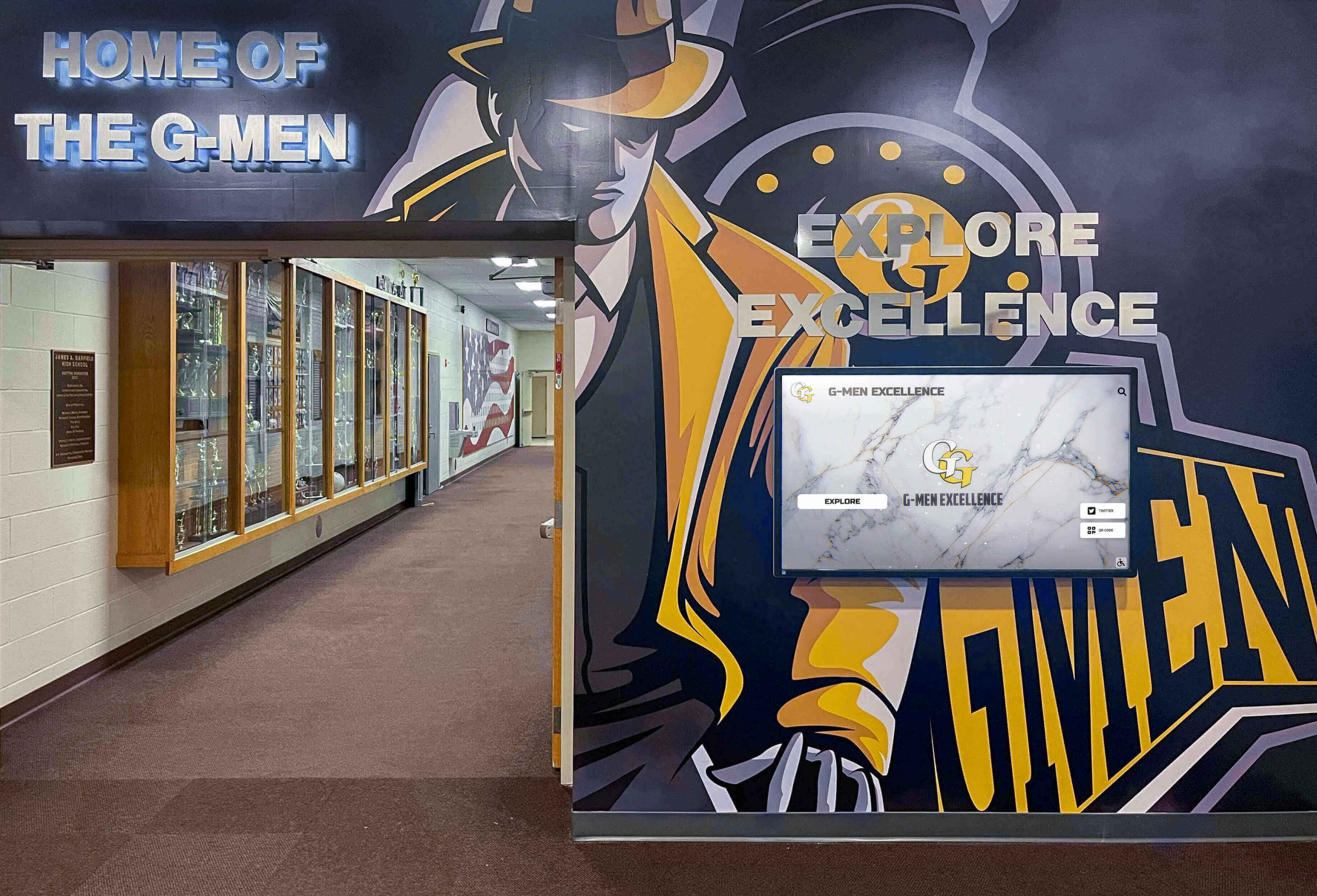
Integrated recognition environments combining digital displays with traditional elements provide comprehensive acknowledgment infrastructure
Content Development and Management
Pre-Implementation Content Preparation
Systematic content development ensures successful launch:
Historical Data Collection
- Results lists from all previous race years
- Participant demographic information and contact details
- Sponsor records documenting support across event history
- Volunteer rosters identifying service contributors
- Photo archives from previous races organized by year
- Event programs and marketing materials digitized
- Financial records showing fundraising totals and impact
Current Year Content Development
- Participant registration data export and formatting
- Official results file integration with timing systems
- Sponsor profile information and logo collection
- Volunteer role descriptions and contributor identification
- Professional race photography selection and organization
- Video content editing and optimization
- Historical narrative writing connecting past to present
Ongoing Management Protocols
Sustainable recognition requires systematic workflows:
Post-Race Update Procedures
- Results file import and leaderboard publication timeline
- Participant photo tagging and gallery organization
- Sponsor fulfillment recognition delivery confirmation
- Volunteer appreciation content development and publication
- Social media promotion announcing recognition availability
- Email notifications alerting participants to search their results
- Website feature updates showcasing current year achievements
Year-Round Maintenance
- Featured content rotation keeping displays fresh
- Historical anniversary content development at milestones
- Sponsor profile updates reflecting business changes
- Broken link monitoring and correction for sponsor websites
- Analytics review identifying popular content and gaps
- User feedback collection informing improvement priorities
Schools implementing effective content management strategies report 60-80% reduction in recognition system maintenance time after initial setup compared to traditional manual approaches requiring constant physical updates.
Measuring 5K Recognition Program Success
Regular assessment ensures recognition investments achieve desired outcomes justifying continued resource allocation.
Quantitative Success Metrics
Event Growth and Participation Indicators
Track improvements attributable to enhanced recognition:
Participant Metrics
- Year-over-year registration growth rates
- First-time participant acquisition numbers
- Return participant retention percentages
- Multi-year consecutive participation rates
- Age group participation diversity patterns
- Family registration increases
- Alumni participant engagement levels
Schools implementing comprehensive recognition typically observe 15-25% annual participation growth during first three years following system implementation, compared to 0-5% growth for programs relying solely on race-day acknowledgment.
Financial Performance
- Total registration revenue year-over-year trends
- Average registration fee per participant
- Sponsorship revenue growth and renewal rates
- Fundraising total increases benefiting programs
- Cost per participant acquisition
- Return on recognition investment calculations
Sponsor and Volunteer Engagement
- Sponsorship renewal rates by tier level
- New sponsor acquisition from recognition visibility
- Sponsor satisfaction survey scores
- Volunteer return rates consecutive years
- Volunteer hour contribution totals
- New volunteer recruitment success
Development professionals report that 5K events with year-round digital recognition achieve 70-85% sponsor renewal rates compared to 40-50% retention for events providing only race-day acknowledgment.
Recognition System Engagement Analytics
For digital platforms, measure direct usage:
- Daily interaction counts with touchscreen displays
- Average session duration indicating engagement depth
- Most frequently viewed content revealing interests
- Search query patterns showing discovery behaviors
- Web-based recognition platform traffic statistics
- Mobile versus desktop access patterns
- Social sharing frequency extending recognition reach
- Photo download volumes indicating participant interest
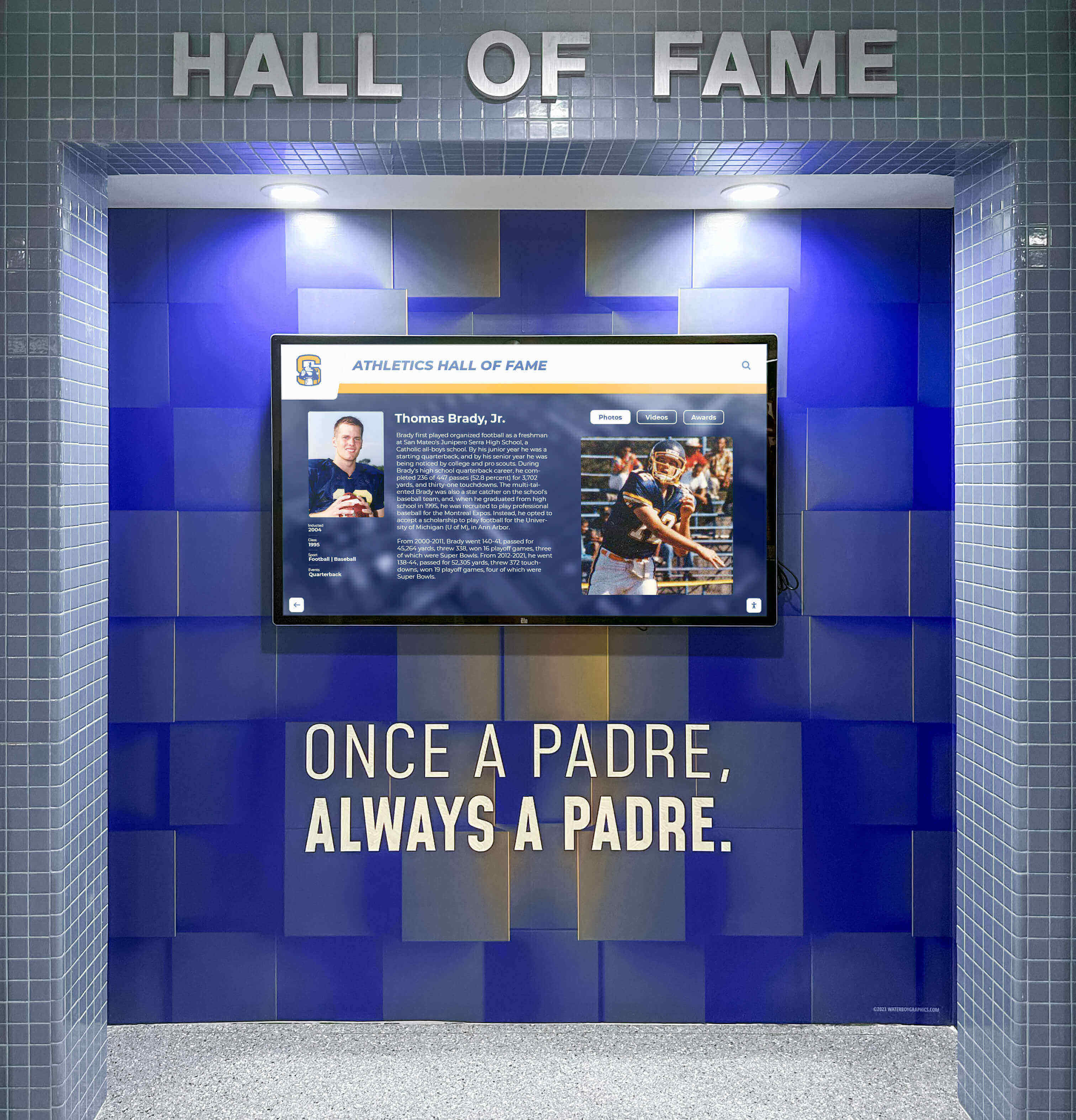
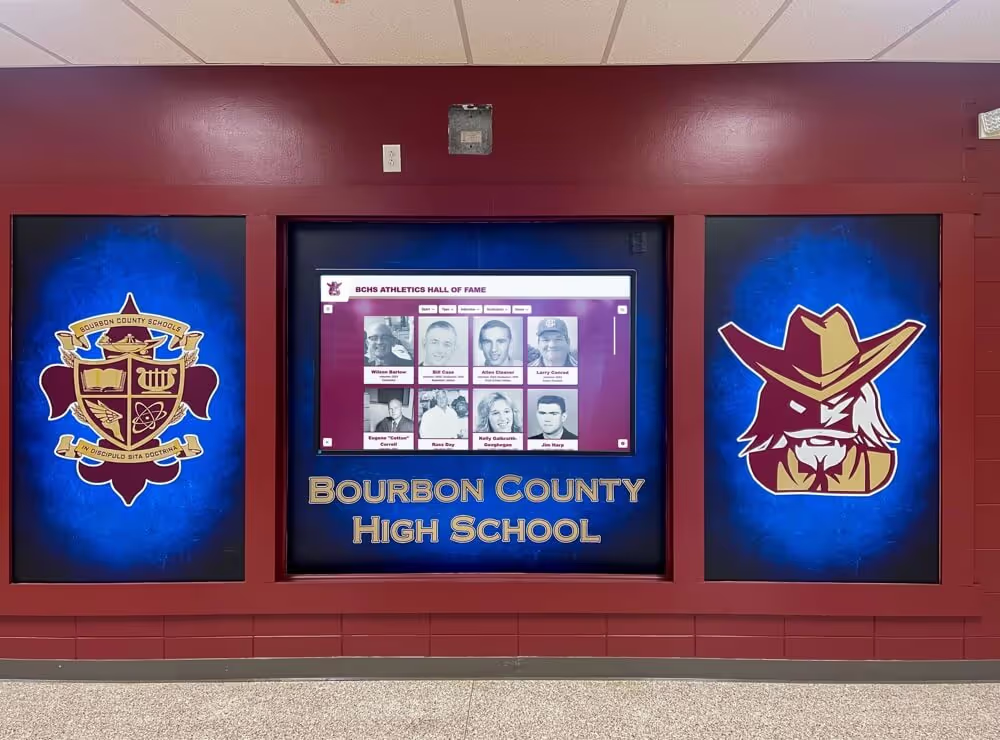
Purpose-built athletic recognition displays integrate seamlessly with school facilities while providing year-round event acknowledgment
Qualitative Assessment Methods
Stakeholder Feedback Collection
Gather narrative insights supplementing quantitative data:
Participant Survey Questions
- “How satisfied are you with race recognition and results accessibility?”
- “Did you view your race results and photos after the event?”
- “How did recognition influence your decision to register again?”
- “What recognition improvements would increase value?”
- “Have you recommended this race to others? Why or why not?”
Sponsor and Partner Feedback
- Satisfaction with recognition visibility and fulfillment
- Perceived value relative to sponsorship investment
- Specific benefits that influenced renewal decisions
- Suggestions for recognition enhancement
- Interest in expanded partnership opportunities
Volunteer Input
- Recognition adequacy and meaningfulness assessment
- Motivation factors for continued service commitment
- Suggestions for volunteer acknowledgment improvements
- Recruitment effectiveness through visible recognition
- Service experience quality and organizational support
Success Story Documentation
Collect compelling narratives demonstrating impact:
- Participants returning specifically due to historical leaderboard motivation
- Families deciding to participate after encountering recognition displays
- Sponsors increasing investment citing recognition visibility value
- Volunteers recruited through visible service acknowledgment
- Alumni reconnecting with school through race participation
- Community members joining event after discovering its history
- Students setting participation goals inspired by recognition displays
These qualitative measures provide rich context beyond numbers while supplying compelling stories for continued recognition program advocacy.
Learn about effective measurement approaches in recognition program assessment strategies applicable to fundraising event contexts.
Special Considerations for Different School Types
Recognition approaches should adapt to institutional context, community characteristics, and event scale.
Elementary School 5K Programs
Younger student participation requires age-appropriate recognition:
Family-Centered Event Emphasis
- Parent-child team recognition celebrating family participation
- Grade level competition categories encouraging classroom involvement
- Age-appropriate distance options (1K kids’ dash alongside 5K)
- Participation recognition prioritized over competitive performance
- Costume and themed run categories emphasizing fun
- Student volunteer opportunities building service culture
- Teacher participation modeling healthy lifestyle values
Community Building Focus
- Local business sponsorship from family-owned establishments
- Neighborhood resident participation fostering school connections
- Parent volunteer coordination through classroom representatives
- Post-race festival with child-friendly activities and entertainment
- Safety emphasis with comprehensive course monitoring
- Celebratory rather than competitive atmosphere
Elementary programs commonly prioritize broad participation and community relationship building over competitive athletics, requiring recognition systems emphasizing inclusive acknowledgment and family celebration.
Middle and High School Events
Adolescent and teenage participants respond to:
Competitive Performance Recognition
- Detailed age group categories recognizing achievement
- Course record tracking and historical comparison
- Training program integration with physical education
- Team competitions between grades or houses
- Personal record improvement celebration
- Regional race integration and competitive context
- College recruiting visibility for serious runners
Student Leadership Development
- Event organization opportunities for service learning
- Marketing and promotion student committees
- Day-of coordination roles building responsibility
- Photography and documentation teams
- Social media management by student communications groups
- Peer recognition creating positive culture
Secondary school programs often balance competitive athletic goals with community fundraising objectives, requiring recognition systems serving both serious runners seeking performance validation and recreational participants supporting school mission.
Independent and Private School Considerations
Tuition-based institutions emphasize:
Alumni Engagement Integration
- Geographic reunion coordination through race events
- Distinguished alumni participant recognition
- Legacy family participation celebration across generations
- Multi-year giving recognition connecting fundraising programs
- Career networking opportunities at post-race gatherings
- Historical storytelling connecting event to institutional traditions
Development Office Sophistication
- Professional advancement staff event management
- Major gift prospect cultivation through race participation
- Corporate sponsor relationship integration with annual giving
- Planned giving promotion to longtime race supporters
- Event impact reporting showing scholarship beneficiary connections
Private schools commonly host more formal, polished events requiring sophisticated recognition systems reflecting institutional prestige while demonstrating stewardship excellence to tuition-paying families and prospective students.
Overcoming Common Implementation Challenges
Schools implementing comprehensive 5K recognition systems navigate predictable obstacles requiring strategic solutions.
Budget and Resource Constraints
Addressing Cost Concerns
Digital recognition investments face financial scrutiny:
ROI Demonstration Through Projections
- Increased participation rates generating registration revenue growth
- Improved sponsor retention reducing acquisition costs
- Enhanced volunteer recruitment reducing paid staff needs
- Time savings from automated systems versus manual processes
- Multi-year amortization showing declining per-event costs
- Comparison to costs of equivalent physical recognition
Schools typically achieve positive return within 2-3 race cycles through improved participation and sponsorship revenue alone, before accounting for administrative efficiency gains.
Phased Implementation Strategies
Budget-conscious approaches:
- Start with web-based recognition requiring minimal hardware
- Implement single touchscreen display in highest-traffic location
- Expand to additional displays as budget permits
- Begin with current year content, adding historical data incrementally
- Utilize volunteer labor for content development where possible
- Seek sponsor-funded recognition system as event enhancement
Technical Capacity Limitations
Managing Implementation Complexity
Match systems to organizational capability:
Simplicity Prioritization
- Choose intuitive platforms requiring minimal technical training
- Prioritize vendor support quality over feature complexity
- Select turnkey solutions over custom development requiring IT resources
- Ensure multiple staff understand system preventing single-person dependency
- Document procedures thoroughly for knowledge retention
External Support Options
Supplement internal capacity:
- Vendor-managed service contracts handling content updates
- Student technology club partnerships managing systems
- Parent volunteer technology committees
- Outsourced content development for complex elements
- Training investments building internal capability over time
Right-sized solutions prevent recognition systems from becoming unsustainable burdens overwhelming well-intentioned but capacity-constrained teams.
Privacy and Data Management
Participant Information Protection
Ethical recognition requires privacy consideration:
Recognition Preference Options
- Public acknowledgment with full name and results
- First name or initials only for privacy-conscious participants
- Anonymous bib numbers for complete confidentiality
- Age group omission requests from sensitive participants
- Photo opt-out capabilities for those declining image sharing
- Contact preference documentation for communication
Minor Protection Protocols
Student participant recognition requires special care:
- Parental permission verification for photo publication
- Limited identifying information for minors
- Age-appropriate image selection avoiding embarrassment
- School policy alignment regarding student identification
- FERPA compliance for school-sponsored events
Schools maintaining rigorous privacy systems build trust encouraging participation while demonstrating ethical stewardship excellence.
Conclusion: Building Lasting 5K Fundraiser Recognition
Annual 5K fundraiser events represent significant investments—months of volunteer planning, substantial community engagement, and precious family time donated to support school programs. Yet traditional recognition approaches capture only a fraction of potential value from these important gatherings, limiting acknowledgment to race-day announcements and disposable printed results.
The comprehensive strategies explored throughout this guide demonstrate how modern digital recognition solutions transform 5K fundraiser events from single-day experiences into year-round engagement and stewardship systems. From interactive leaderboards celebrating performance across multiple race years to archived photo galleries preserving event memories, from sponsor recognition integrating with business websites to volunteer appreciation spotlighting service contributions, these approaches extend fundraising impact far beyond finish line celebrations.
Schools implementing systematic 5K recognition report dramatic improvements in participant retention, sponsorship renewals, volunteer recruitment, and overall fundraising outcomes—precisely the results justifying recognition program investments. More importantly, they create lasting value from community generosity, ensuring every participant, volunteer, and sponsor receives meaningful acknowledgment motivating continued engagement.
Transform Your School's 5K Fundraiser Recognition
Discover how comprehensive digital recognition systems can help you showcase race history, celebrate participants across years, honor sponsors and volunteers, and build sustained community engagement that strengthens fundraising outcomes.
Explore Recognition SolutionsSolutions like Rocket Alumni Solutions make comprehensive 5K event recognition achievable through intuitive platforms combining touchscreen displays, web accessibility, unlimited content capacity, and sophisticated search capabilities. Schools implementing these systems create acknowledgment programs that honor every participant, volunteer, and sponsor appropriately while building engaged communities committed to sustained event support.
Start where you are: assess current 5K recognition approaches, identify gaps between race-day acknowledgment and year-round engagement, clarify goals for enhanced participant and sponsor relationships, and explore systems matching your resources and community needs. Whether beginning with simple web-based results archives, launching comprehensive interactive recognition displays, or creating hybrid approaches combining traditional and digital elements, every step toward meaningful, sustained recognition strengthens event sustainability while honoring supporters whose generosity enables school programs.
Every 5K participant—from competitive runners chasing course records to families completing their first recreational walk—deserves recognition acknowledging their contribution and celebrating their commitment to students. Every sponsor deserves visibility demonstrating clear return on partnership investment. Every volunteer deserves appreciation motivating continued service. With thoughtful planning, appropriate technology, and consistent implementation, you can create recognition programs that truly honor every stakeholder while building the engaged, motivated community sustaining your school’s important fundraising work for generations to come.
Ready to begin? Explore effective fundraising event strategies in annual alumni golf event management applicable to 5K contexts, discover community recognition approaches connecting events to institutional memory, or learn about donor acknowledgment systems supporting comprehensive fundraising programs.