



Alumni mentorship programs create powerful connections between accomplished graduates and current students, transforming institutional alumni networks from passive databases into active engagement ecosystems that deliver real value to students navigating academic choices, career decisions, and professional development. Yet many schools struggle to move beyond initial enthusiasm, facing challenges coordinating busy professionals with student schedules, maintaining long-term participation, and measuring meaningful outcomes beyond surface-level metrics.
The most successful alumni mentorship programs combine structured frameworks with flexible engagement options—featuring clear expectations and goals, leveraging digital platforms that remove geographic barriers, and building sustainable processes that make ongoing participation manageable rather than burdensome for time-constrained alumni volunteers. When implemented thoughtfully, these programs create transformative relationships where students gain insider career perspectives and professional guidance while alumni strengthen institutional connections and give back meaningfully to their communities.
This comprehensive guide explores evidence-based strategies for launching and sustaining effective alumni mentorship programs—from recruitment and matching approaches to digital tools that scale engagement and measurement frameworks that demonstrate program value to stakeholders and participants.
Alumni mentorship programs serve multiple strategic purposes: they provide students with personalized career guidance and professional networking opportunities, demonstrate concrete educational value to prospective families, strengthen alumni engagement through meaningful volunteer pathways, and create lasting institutional connections that support recruitment, retention, and fundraising initiatives across the student lifecycle and beyond.

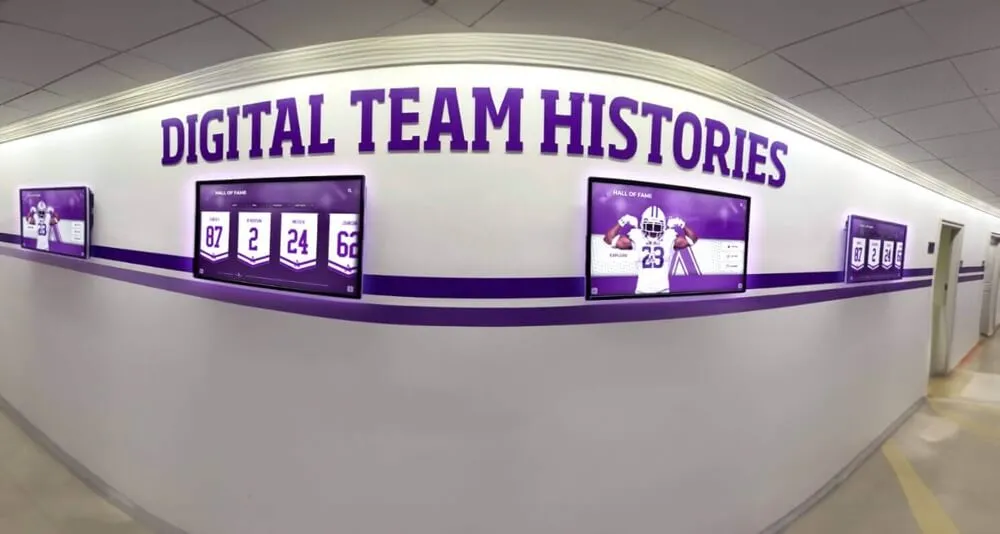
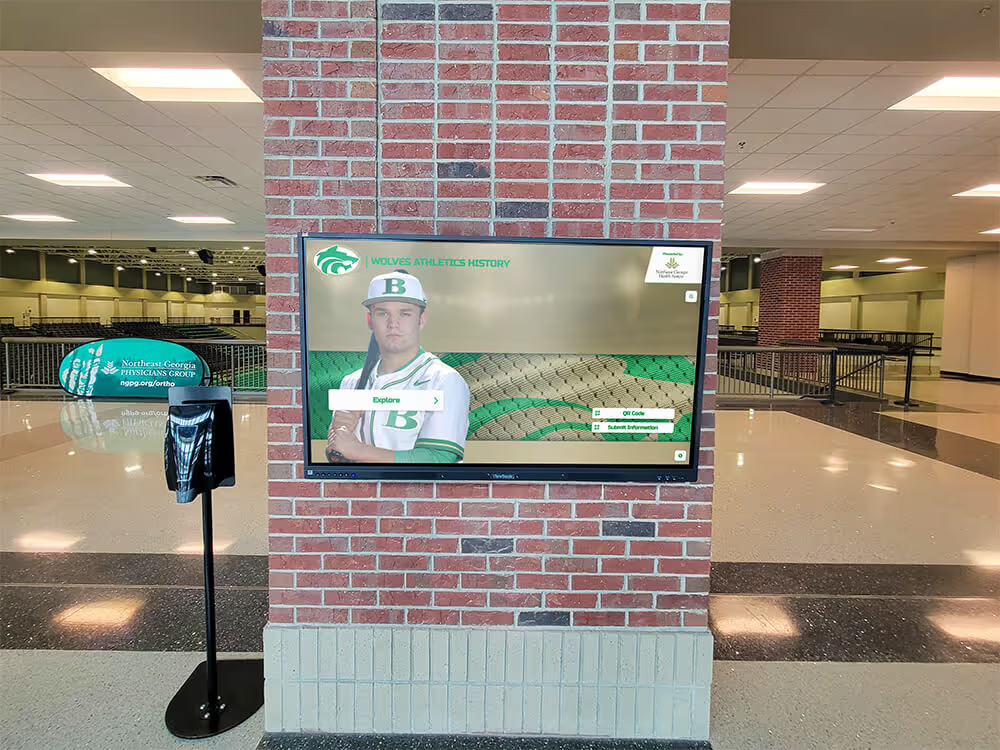
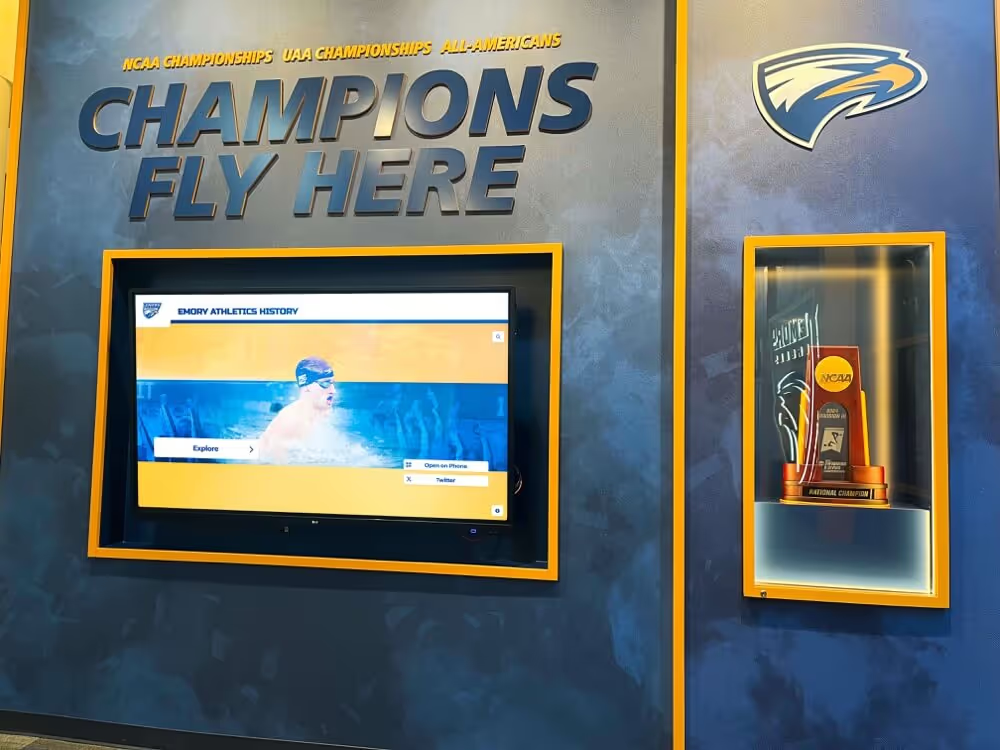
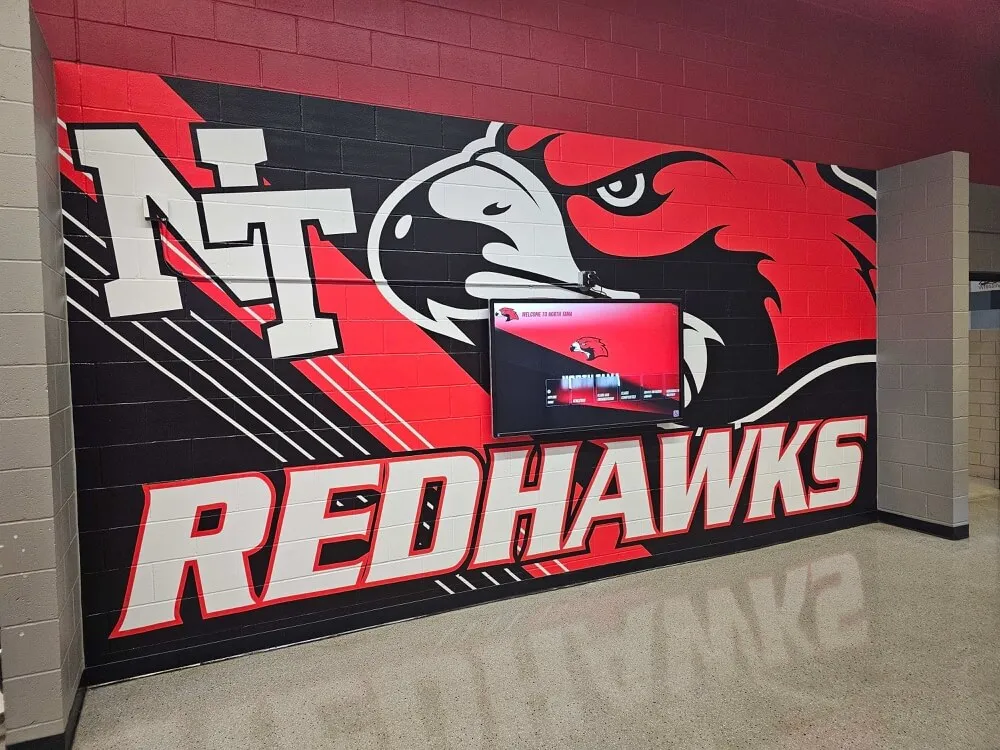
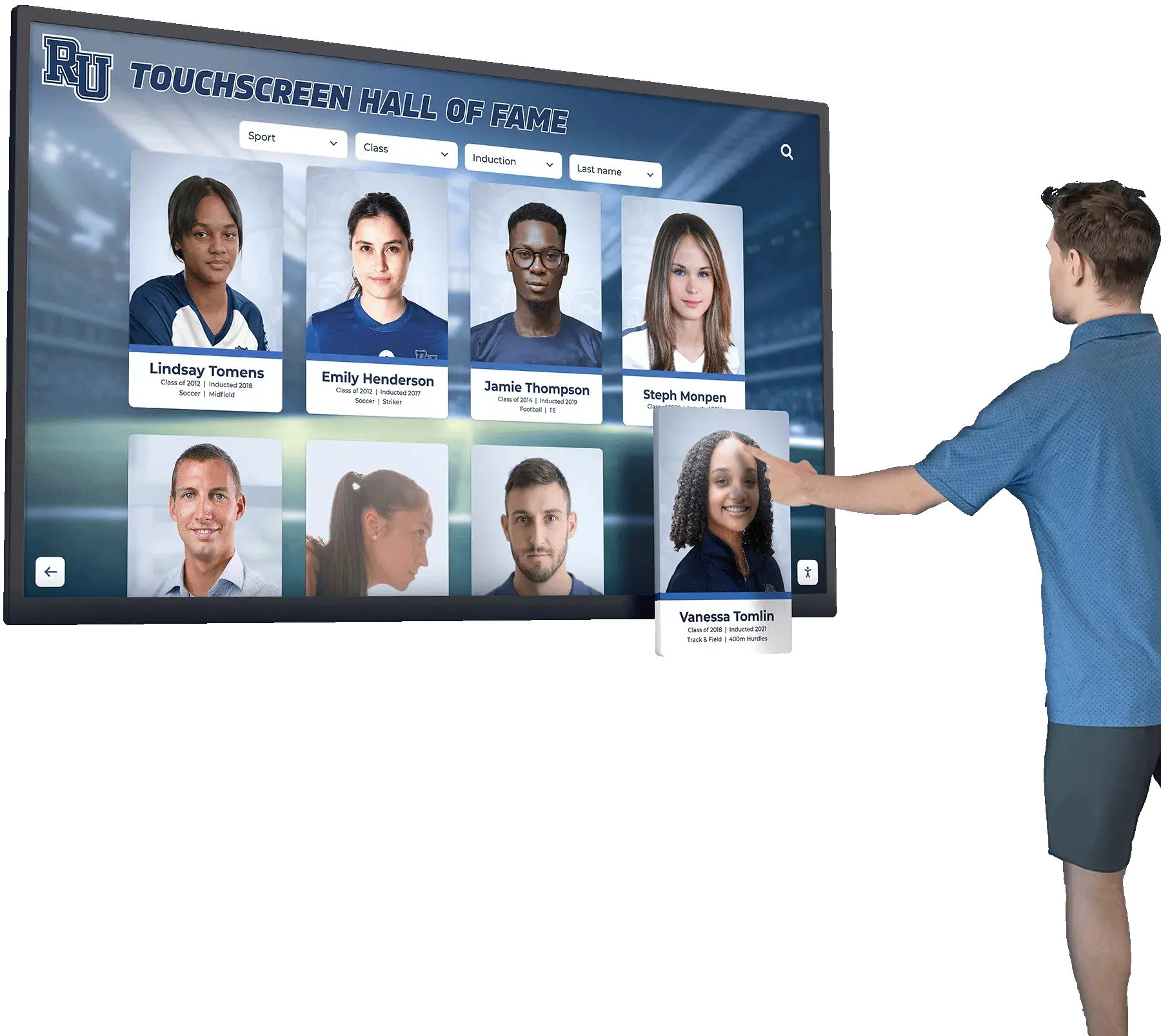
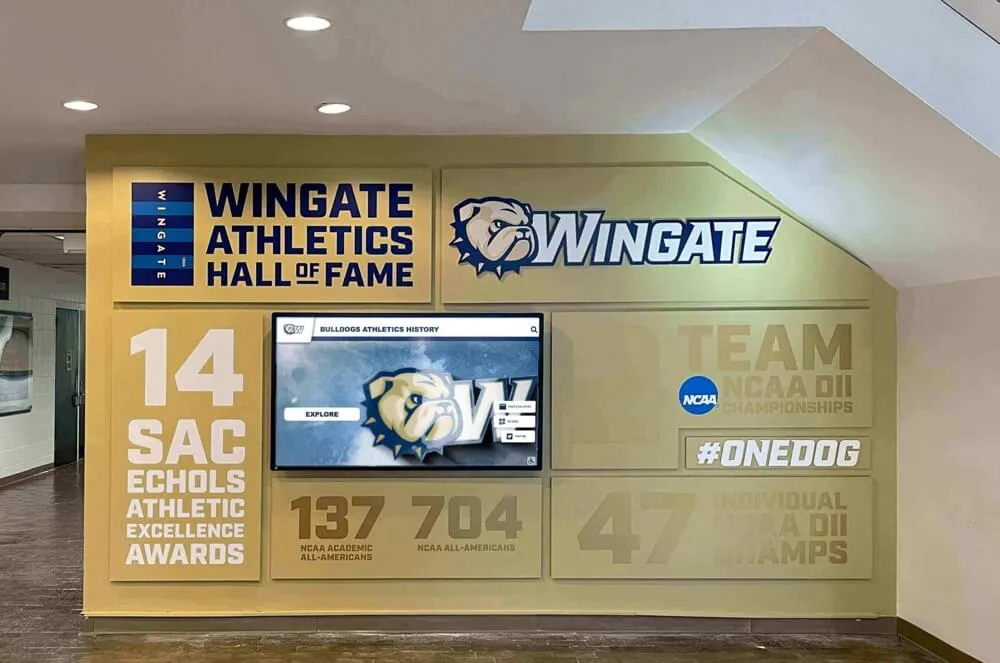
Digital alumni directories enable students to discover potential mentors based on career interests, creating organic pathways to meaningful professional connections
Understanding Alumni Mentorship Program Benefits
Before launching mentorship initiatives, schools should clarify how these programs contribute to student development and institutional strategic priorities.
Providing Students Real-World Career Guidance
Alumni mentorship fills critical gaps that traditional academic advising cannot address:
Insider Industry Perspectives Current students benefit enormously from alumni who provide authentic insights into specific career fields. A sophomore exploring healthcare careers gains realistic understanding of medical school requirements, daily physician responsibilities, and work-life balance considerations through conversations with physician alumni. An aspiring engineer discovers specialization options, industry trends, and skill development pathways through mentorship with engineering graduates working in their fields of interest.
These insider perspectives help students make informed academic and career decisions based on real-world experience rather than abstract information from career guides or generic online resources. Alumni mentors share what actually matters in their fields—which skills employers value most, how different educational pathways lead to career outcomes, and what challenges professionals face that students should prepare to navigate.
Practical Professional Development Beyond career information, alumni mentors provide practical guidance on professional skill development:
- Resume and cover letter feedback from professionals who review applications regularly
- Interview preparation and practice with alumni who conduct hiring interviews
- Networking strategies and professional relationship-building approaches
- Workplace communication and collaboration best practices
- Industry-specific technical skills and credential guidance
- Graduate school application advice from recent degree completers
- First job search strategies and early-career navigation support
This practical coaching accelerates student professional development in ways academic courses alone cannot accomplish, with research showing that mentored students demonstrate higher career confidence and more successful job placement outcomes than non-mentored peers.
Learn about connecting students with alumni through interactive alumni discovery boards that facilitate natural mentorship connections.
Building Valuable Professional Networks
Mentorship creates relationship foundations that extend far beyond school years:
Early Professional Connections Students who develop genuine relationships with alumni mentors gain professional network connections typically unavailable to early-career individuals. These connections open doors to internship opportunities, informational interviews with mentor colleagues, industry event invitations, and job referrals when students enter the workforce. Alumni mentors effectively extend their professional networks to mentees, dramatically accelerating student career development and opportunity access.
Long-Term Career Support Effective mentorship relationships often continue informally long after formal program structures end. Alumni mentors become long-term career advisors who students contact when changing jobs, considering new opportunities, or navigating professional challenges. This sustained support provides tremendous value throughout graduate career trajectories while strengthening alumni-institution bonds through ongoing engagement.
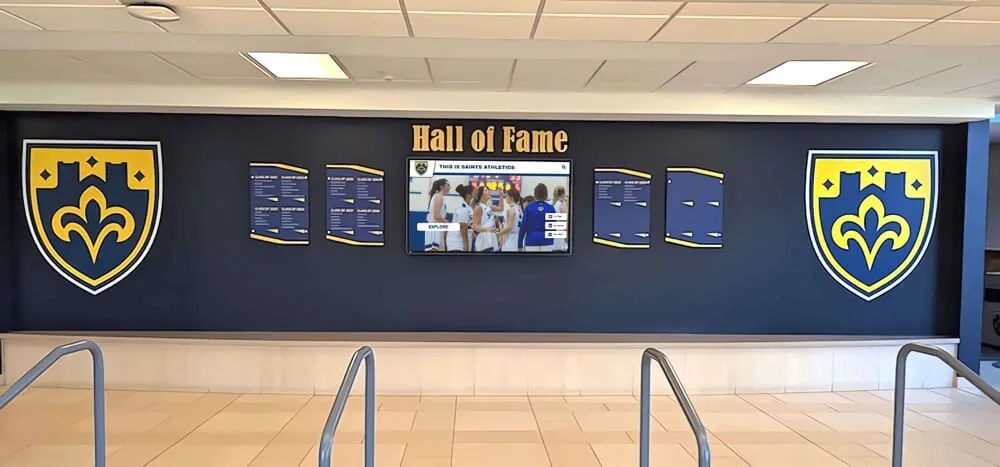
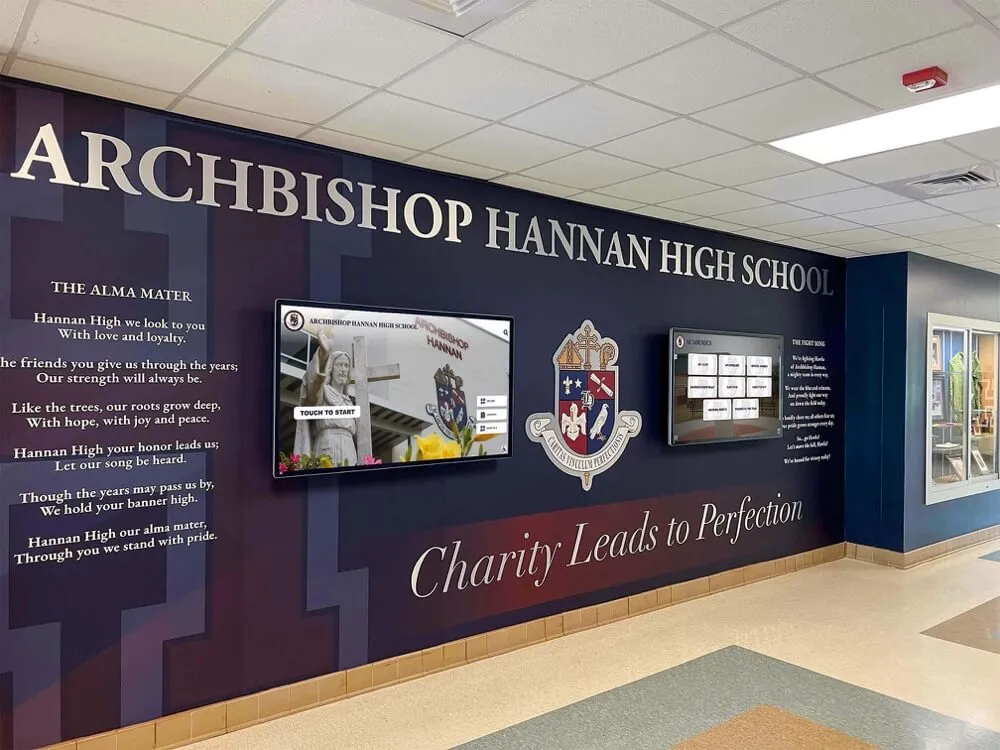
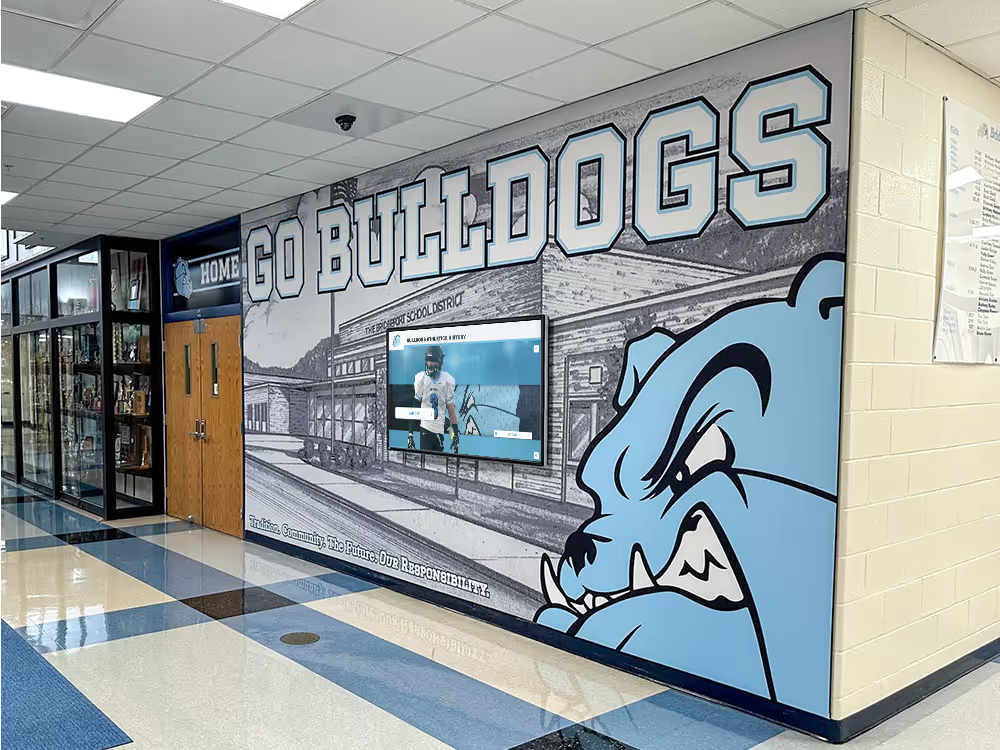
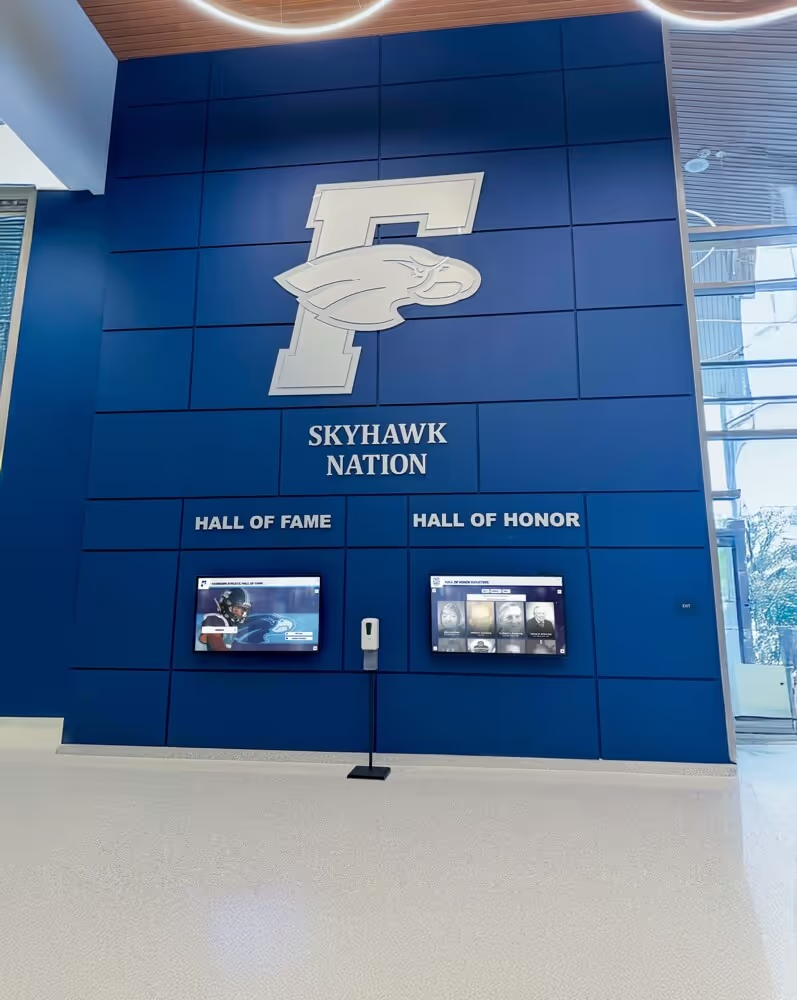
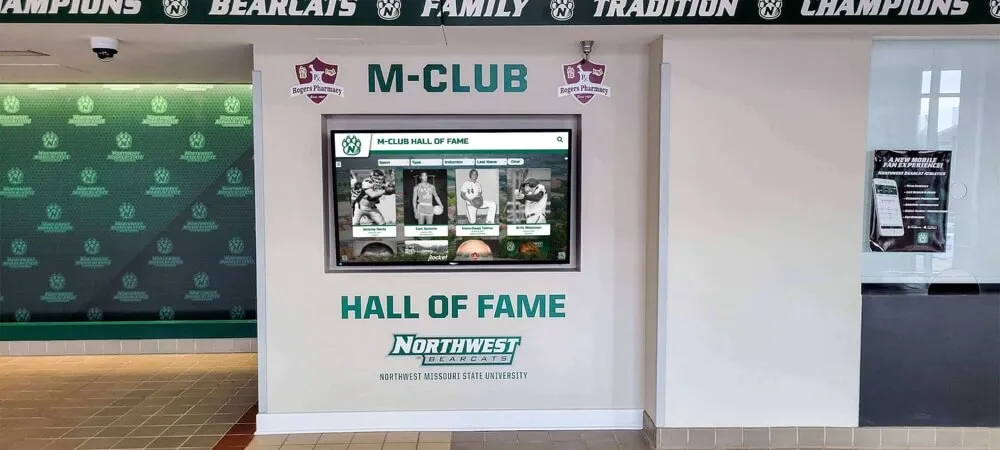
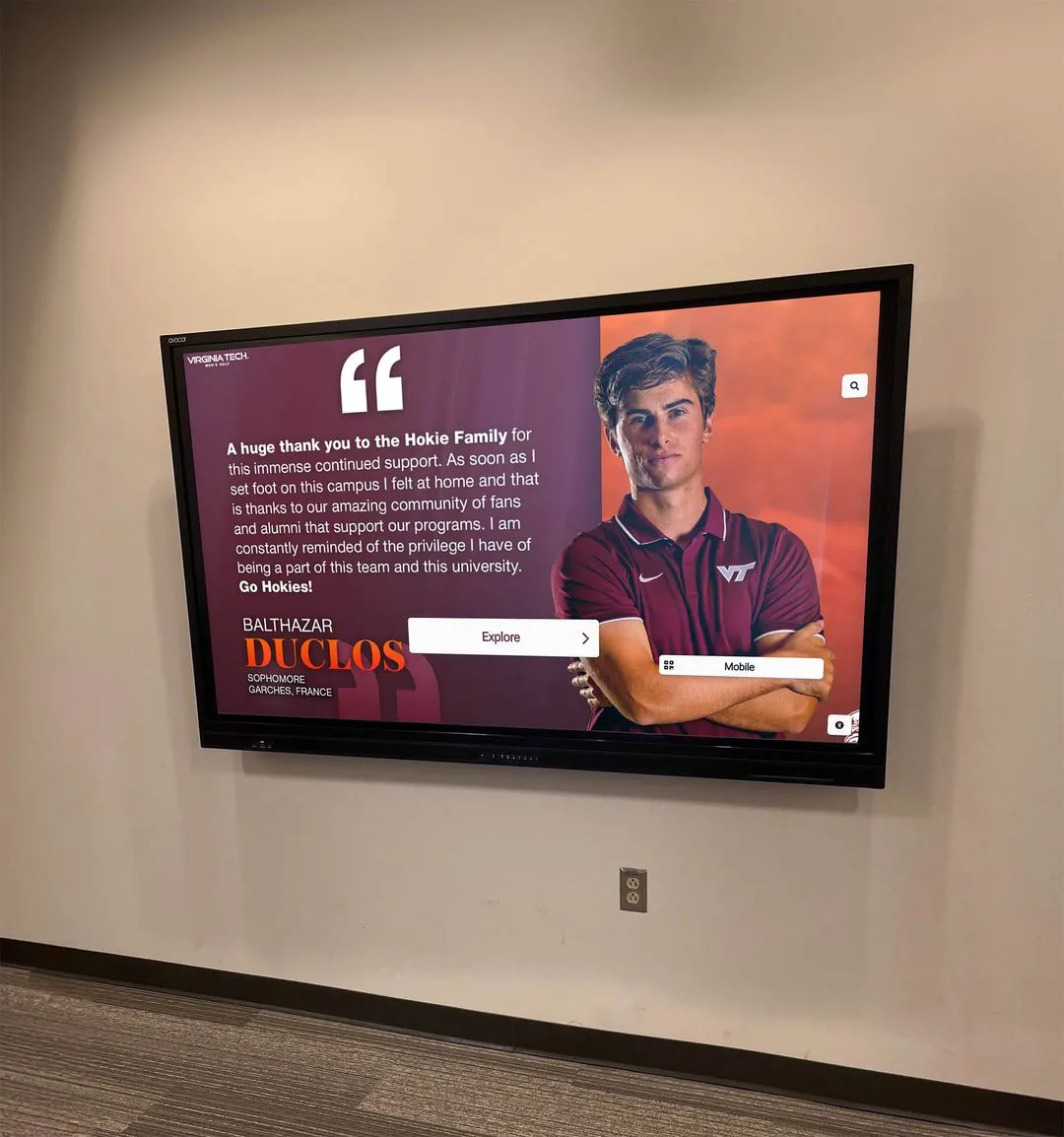
Recognition systems celebrate accomplished alumni while identifying potential mentors for student career development programs
Strengthening Alumni Engagement and Institutional Connection
Mentorship programs benefit alumni participants alongside students:
Meaningful Volunteer Opportunities Many graduates want to give back to their alma maters but struggle to find engagement opportunities matching their schedules and interests. Mentorship provides flexible, high-impact volunteer pathways where busy professionals contribute meaningfully without excessive time commitments. Alumni report that mentoring feels more personally rewarding than passive engagement like reading institutional newsletters or attending occasional events, creating emotional connections that motivate sustained participation.
Professional Development for Alumni Mentorship benefits extend bidirectionally. Alumni mentors develop leadership, coaching, and communication skills through guiding students. Many report that mentoring helps them reflect on and articulate their own career journeys, clarifying professional values and future directions. Some organizations recognize formal mentoring as professional development qualifying for continuing education credits or leadership development requirements.
Explore comprehensive alumni engagement strategies in digital alumni engagement approaches that complement mentorship programs.
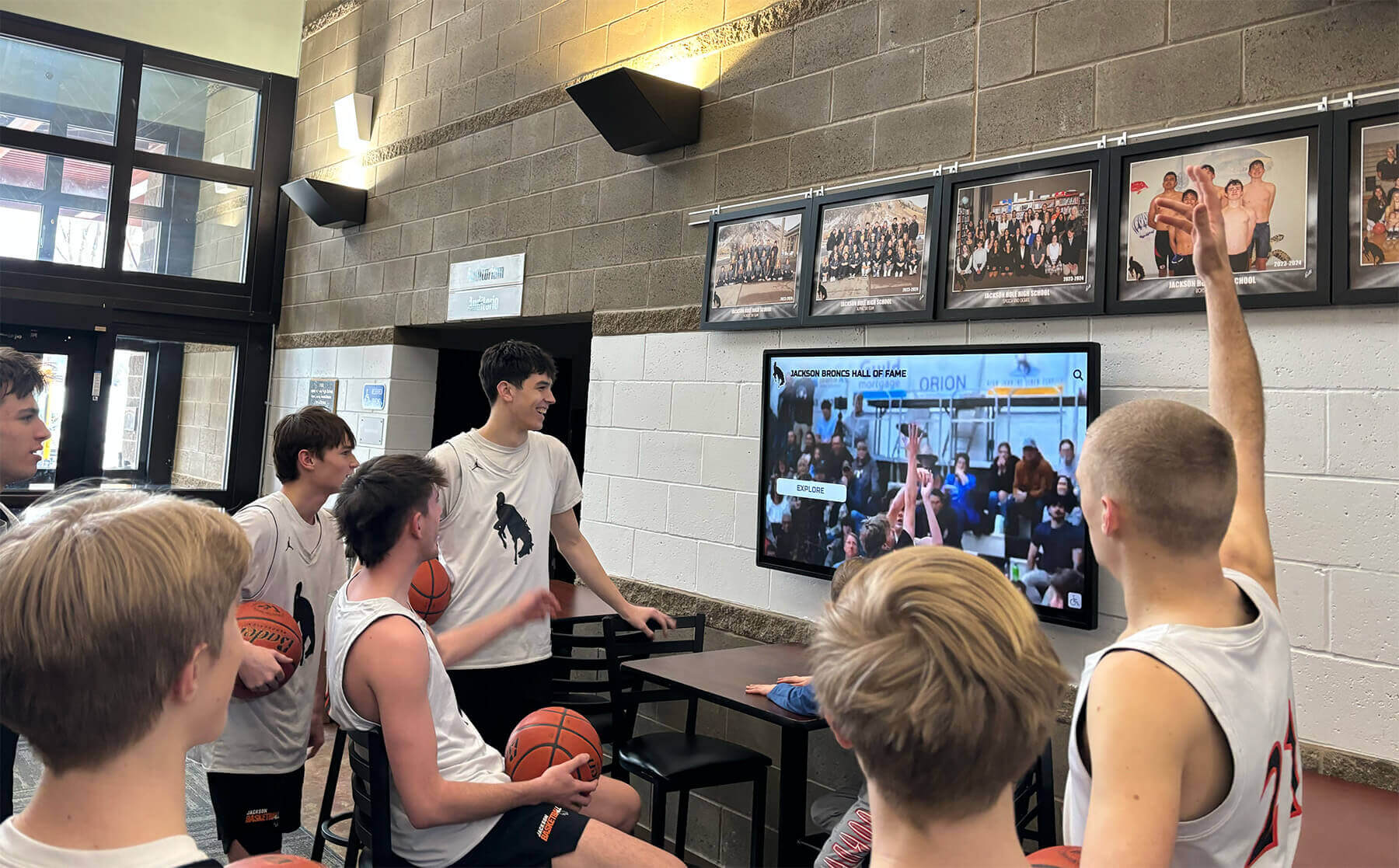
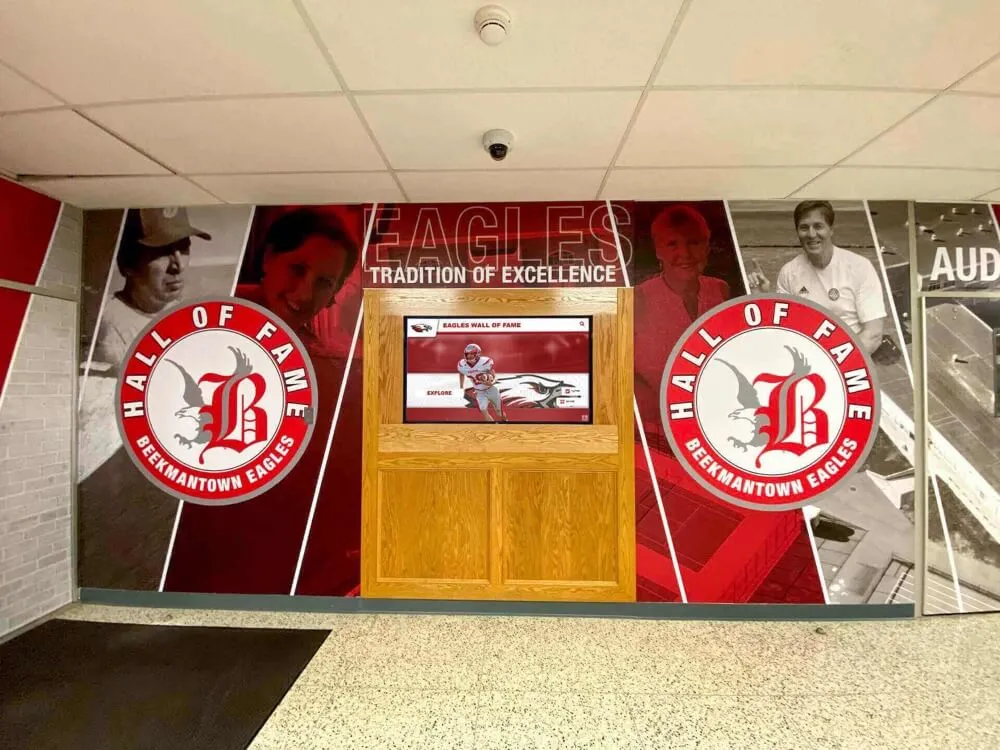
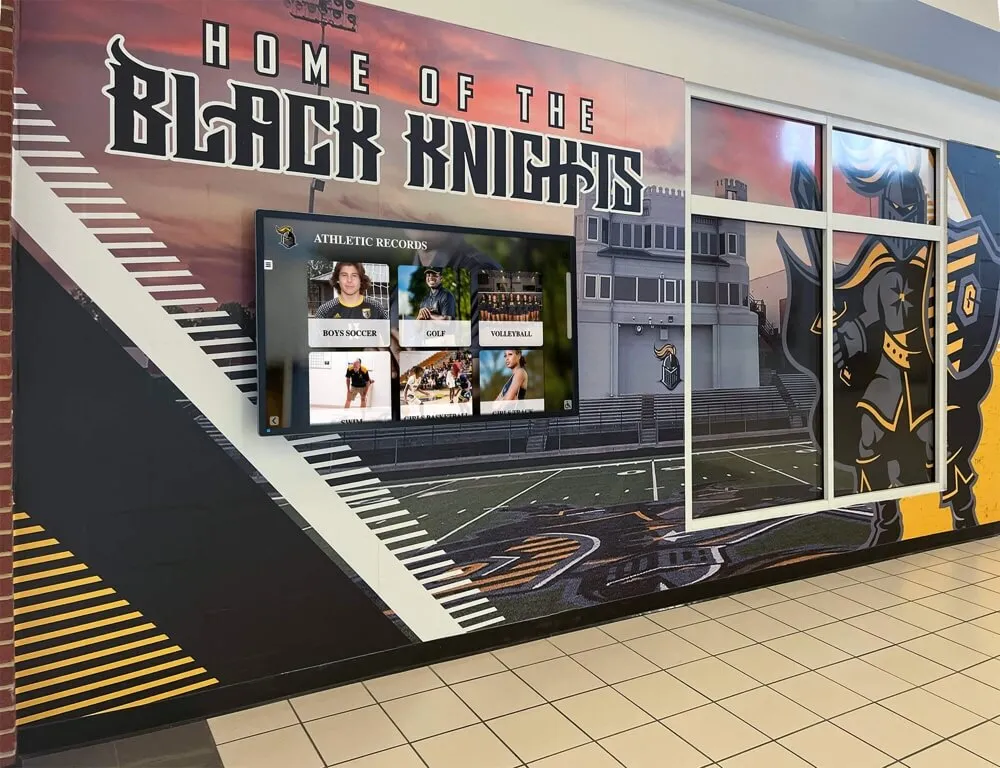
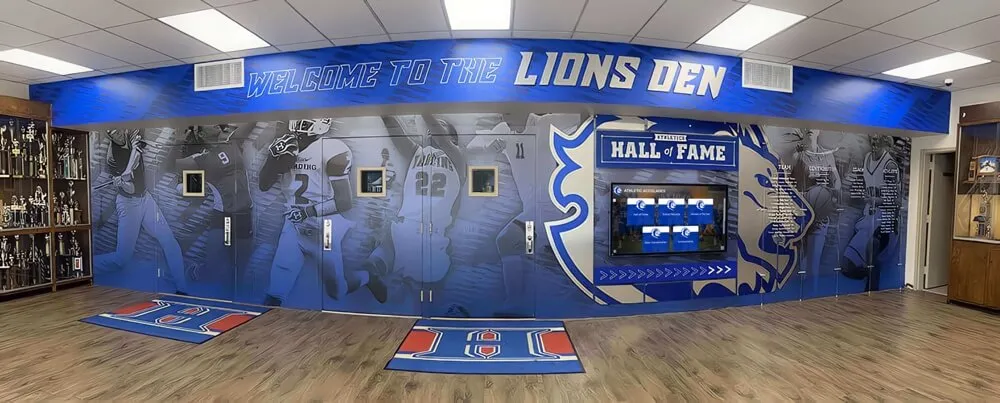
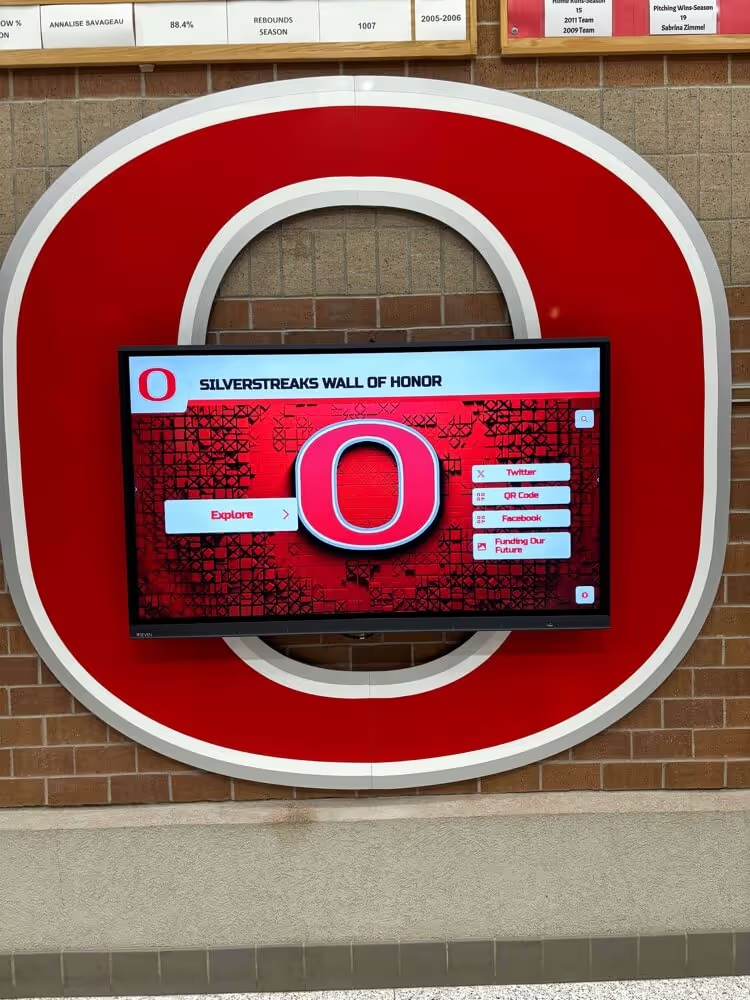
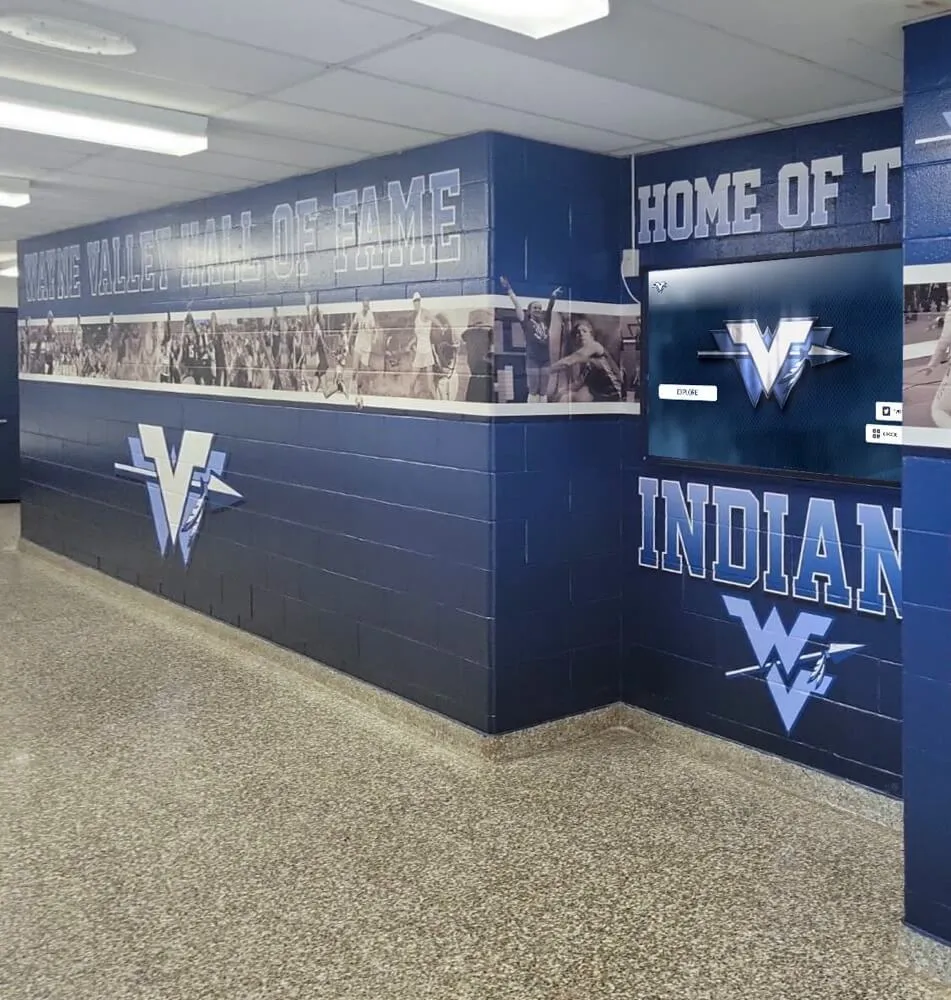
Recognition displays become natural gathering points where students discover alumni achievements and career pathways, sparking mentorship interest
Planning Your Alumni Mentorship Program
Successful initiatives require strategic planning addressing program structure, participant recruitment, matching approaches, and sustainable management frameworks.
Defining Program Goals and Structure
Clear parameters ensure programs meet stakeholder needs effectively:
Goal Setting and Success Metrics Programs should establish specific, measurable objectives guiding design decisions:
- Student outcomes (career clarity improvements, job placement rates, graduate school acceptances)
- Engagement metrics (participation rates, relationship longevity, communication frequency)
- Alumni satisfaction (volunteer fulfillment, continued participation, program recommendations)
- Institutional impact (recruitment advantages, fundraising correlations, community reputation)
- Skill development (resume quality improvements, interview performance, networking capabilities)
Defined goals enable program assessment demonstrating value while identifying improvement opportunities through systematic evaluation.
Program Format Options Mentorship programs operate through various structures balancing depth with scalability:
- One-to-One Mentorship: Traditional pairing model creating deep individual relationships with highest impact but limited scalability
- Group Mentorship: Alumni mentors work with small student cohorts (3-5 students), increasing reach while maintaining meaningful interaction
- Peer Mentorship Circles: Mixed groups including alumni mentor plus multiple students who learn from both mentor and peer conversations
- Flash Mentorship: Short-term, focused engagements around specific needs like resume review or interview prep rather than ongoing relationships
- Virtual Coffee Chats: Informal 30-minute conversations between students and alumni on career topics without formal ongoing commitments
- Panel and Workshop Programs: Alumni share expertise with larger student groups through structured presentations and Q&A sessions
Most successful programs combine multiple formats, offering both intensive one-to-one relationships for students ready to commit alongside lower-barrier entry points like flash mentorship or coffee chats that engage broader populations.
Time Commitment Expectations Clear expectations prevent participant frustration:
- Typical one-to-one mentorship: 1-2 hours monthly over academic year
- Group mentorship: 2-3 hours monthly including preparation time
- Flash mentorship: 1-3 hours total for specific deliverables
- Coffee chat programs: 30-60 minutes per interaction, frequency optional
- Panel participation: 2-4 hours annually including preparation and attendance
Flexible options accommodate diverse alumni schedules while ensuring students receive meaningful engagement regardless of format.
Learn about systematic mentorship approaches in academic recognition programs that identify potential mentors.
Recruiting and Onboarding Alumni Mentors
Program success depends on engaged, committed alumni volunteers:
Mentor Recruitment Strategies Effective outreach identifies willing, appropriate participants:
- Alumni database outreach targeting recent graduates (5-15 years post-graduation) who remember student experiences vividly
- LinkedIn and professional network campaigns highlighting mentorship opportunities
- Reunion weekend recruitment capturing alumni during high-engagement campus visits
- Industry-specific recruitment for fields with high student interest (healthcare, business, technology, education)
- Recognition program integration where distinguished alumni receive mentorship invitations as participation pathways
- Student nomination requests identifying alumni who made positive impressions during campus visits or guest lectures
- Current mentor referrals leveraging satisfied participants who recruit colleagues and friends
Multi-channel recruitment ensures diverse mentor pools representing varied career fields, graduation eras, and geographic locations matching student needs.
Mentor Screening and Selection Not all interested alumni make effective mentors:
- Professional achievement verification ensuring mentors have substantive experience to share
- Communication skill assessment through brief interviews or application essays
- Time commitment confirmation preventing over-commitment from busy professionals unable to sustain engagement
- Background checks when programs involve minor students or one-to-one unsupervised interactions
- Values alignment assessment ensuring mentor approaches match institutional mission and student development priorities
- Training requirements completion demonstrating serious commitment and appropriate preparation
Thoughtful screening protects students while ensuring mentor quality justifying student time investment.
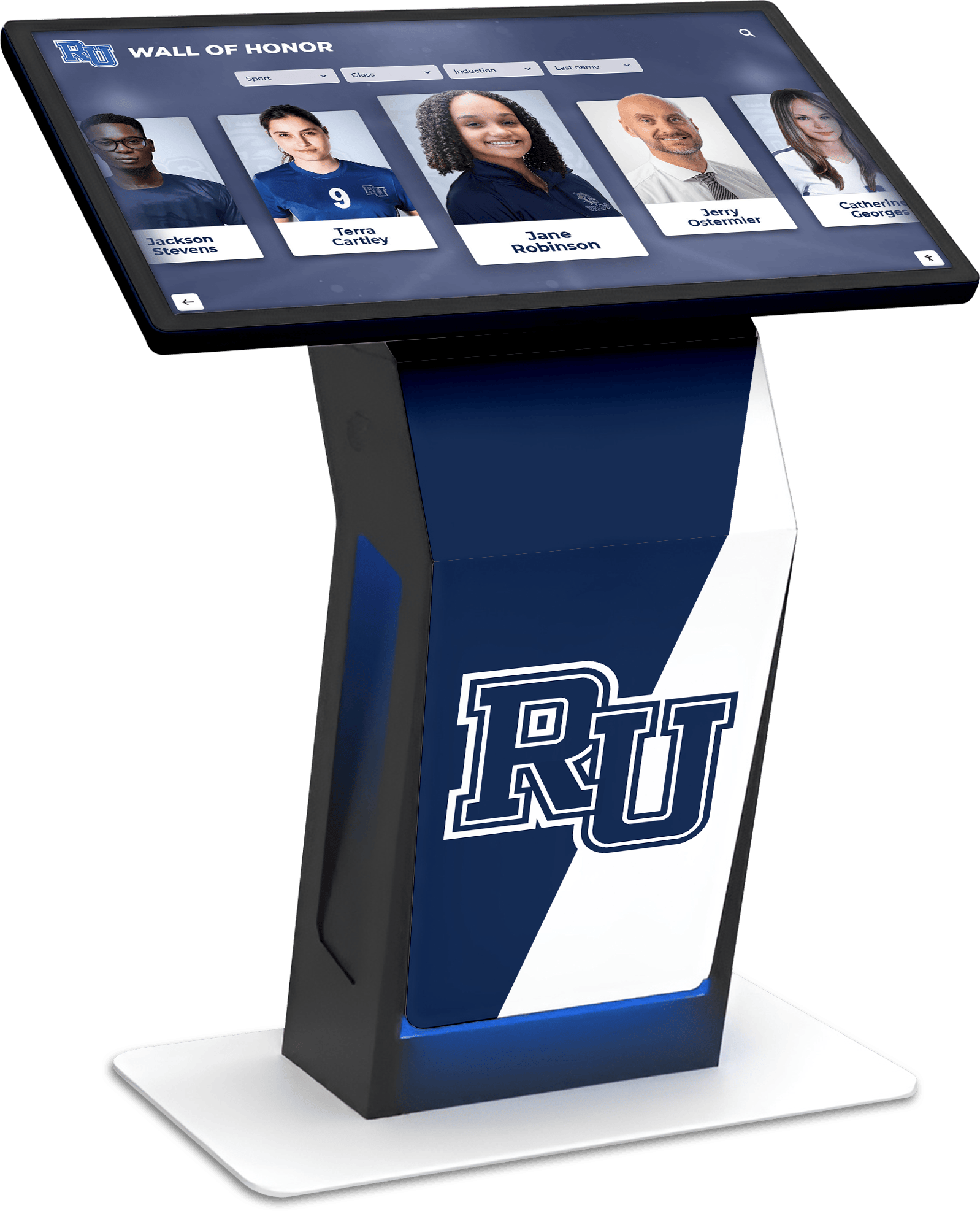
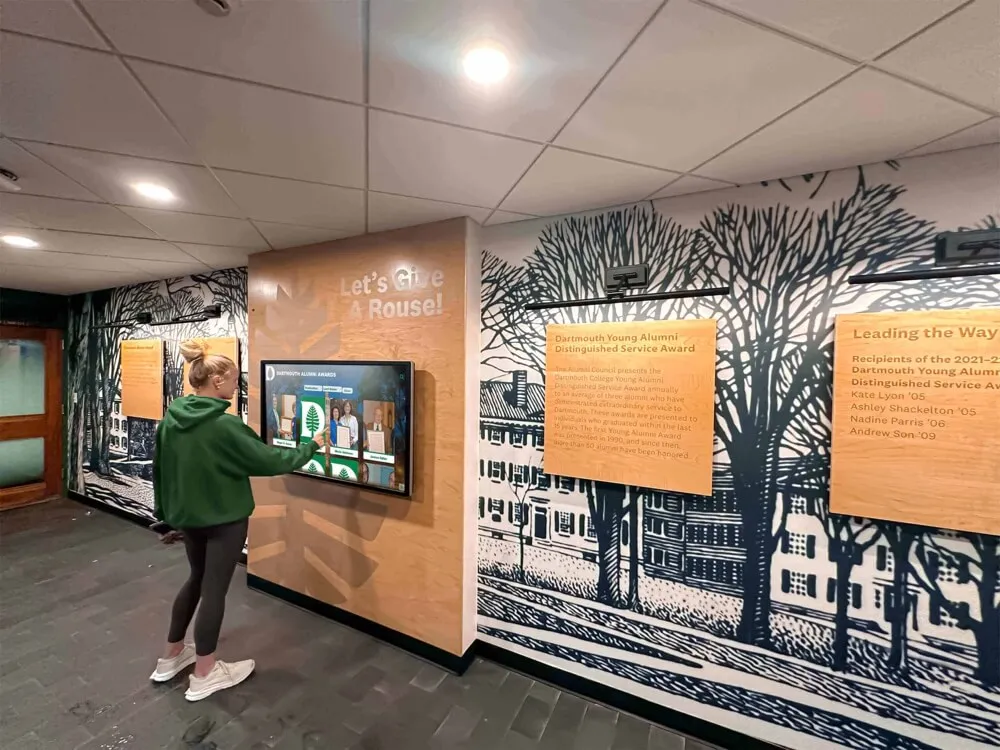
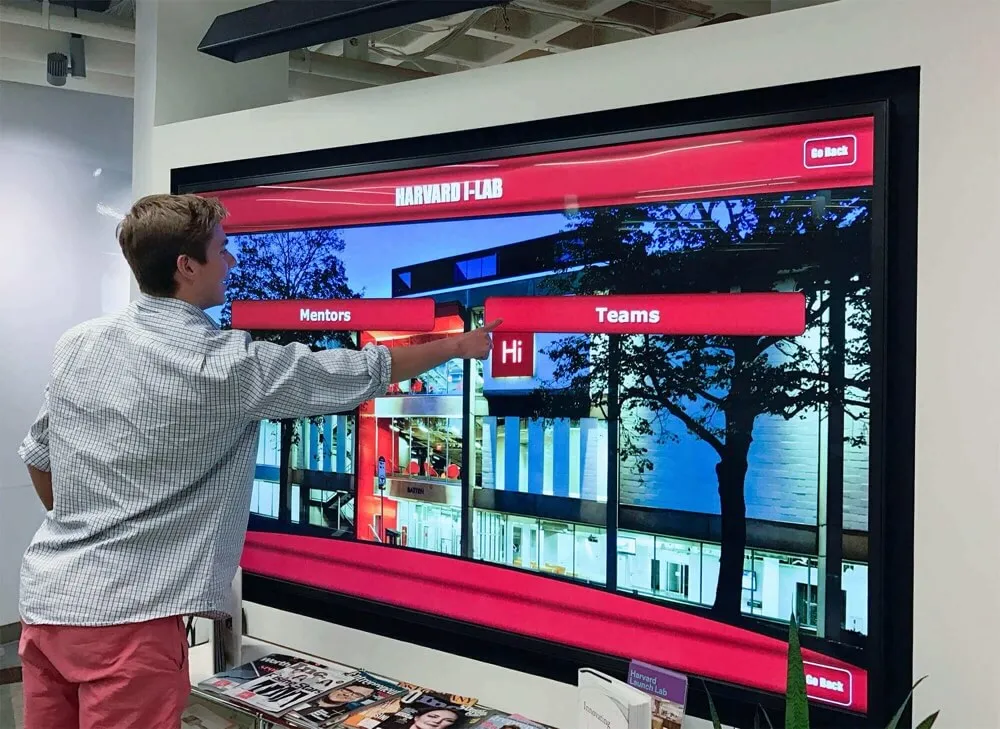
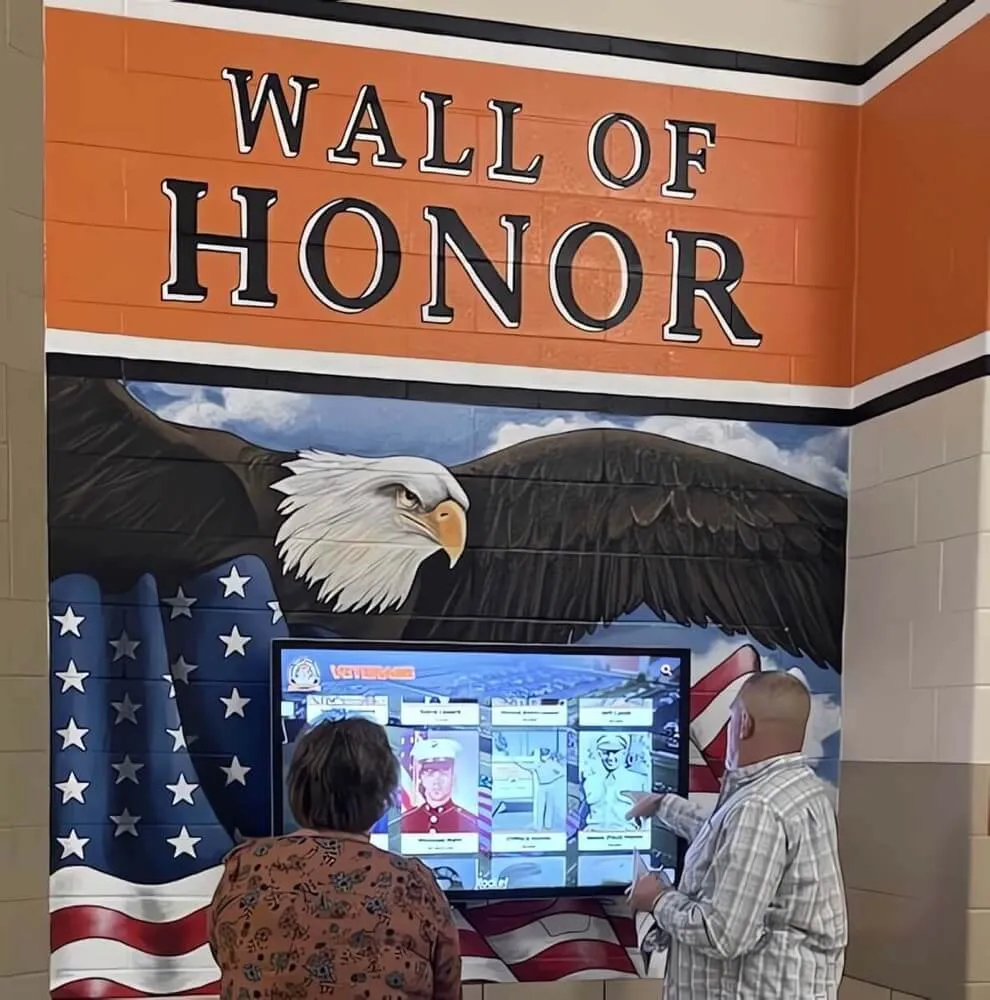
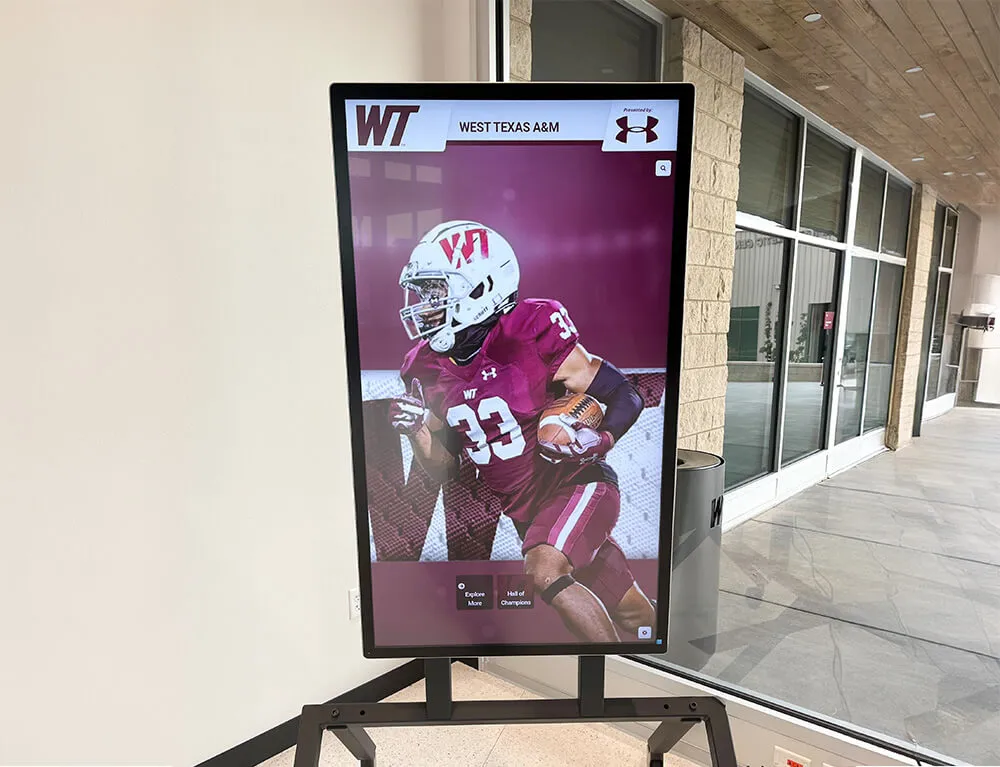
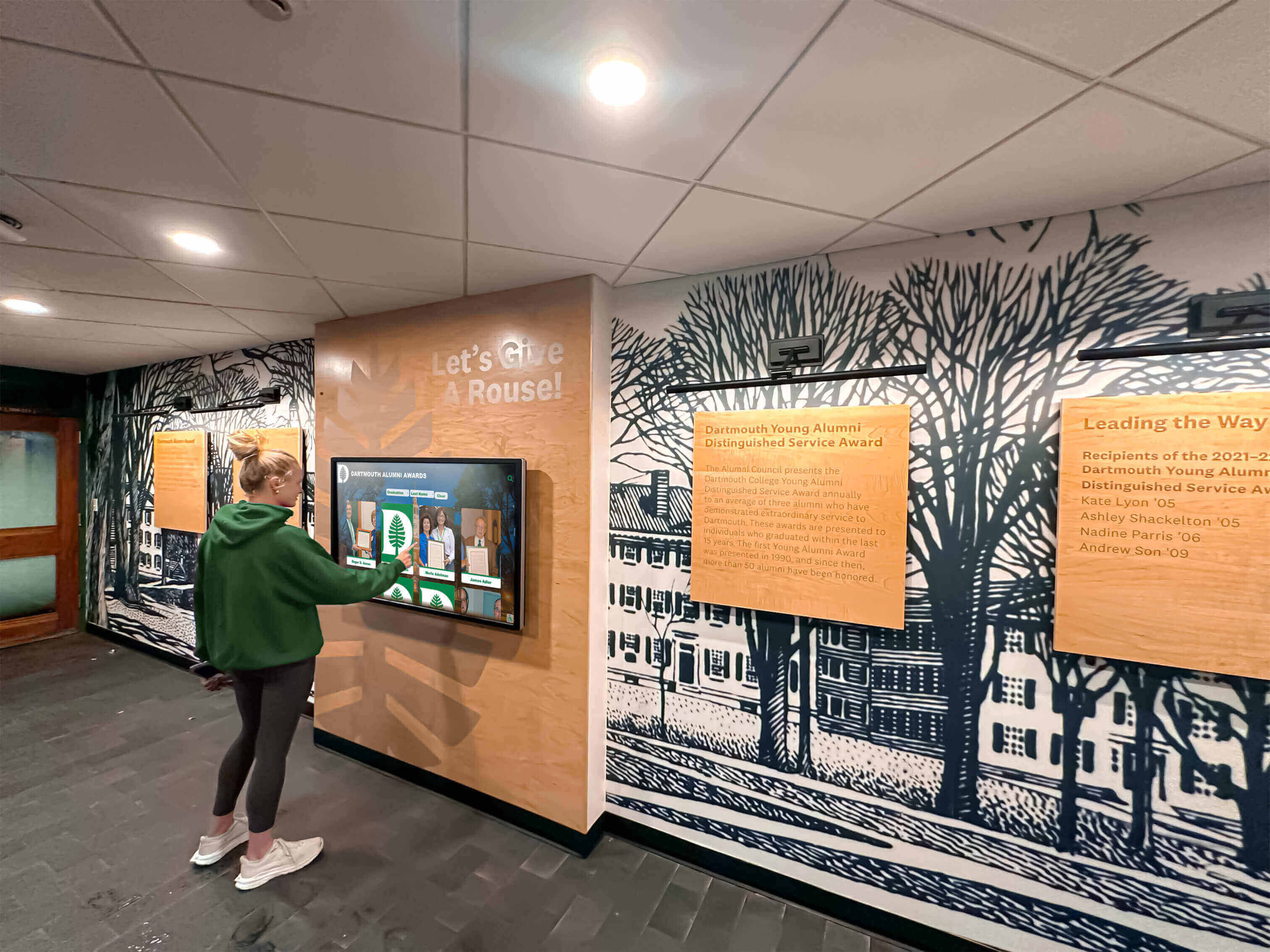
Touchscreen kiosks showcase alumni achievements while facilitating mentor discovery through searchable profiles organized by career field and industry
Mentor Training and Orientation Preparation ensures mentor effectiveness:
- Program overview sessions explaining goals, structure, and expectations clearly
- Mentoring best practice workshops covering active listening, goal setting, and professional boundary maintenance
- Resource provision including conversation starter guides, meeting agenda templates, and communication tools
- Policy training on appropriate conduct, confidentiality expectations, and reporting procedures
- Platform training for digital mentorship systems and communication tools
- Student perspective briefings helping alumni understand current student challenges and concerns
- Ongoing support systems including mentor communities, troubleshooting resources, and program coordinator access
Comprehensive training increases mentor confidence while ensuring consistent, high-quality student experiences across program.
Recruiting and Preparing Student Mentees
Student participation requires proactive cultivation:
Student Recruitment Approaches Effective outreach builds awareness and interest:
- Classroom presentations explaining mentorship benefits and participation processes
- Academic advisor integration where counselors recommend mentorship to appropriate students
- Student organization partnerships reaching leadership-interested populations
- First-generation and underrepresented student targeted outreach for populations benefiting most from mentorship
- Career center collaboration incorporating mentorship into broader career development programming
- Digital yearbook and alumni directory integration where students discover alumni organically and request connections
- Peer ambassador programs where mentored students recruit classmates through authentic testimonials
Multi-touchpoint recruitment ensures broad awareness while targeting students most likely to benefit and commit to meaningful participation.
Student Preparation and Expectation Setting Prepared students maximize mentorship value:
- Orientation sessions teaching mentee responsibilities including communication consistency and professional conduct
- Goal-setting workshops helping students identify specific developmental objectives mentors can address
- Professional etiquette training covering email communication, meeting punctuality, and appreciation expression
- Self-assessment tools identifying student interests, strengths, and development areas guiding mentor conversations
- Question preparation resources helping students drive productive mentor discussions
- Reflection frameworks encouraging students to process learning and apply mentor guidance
- Platform training ensuring students can navigate digital mentorship systems effectively
Student preparation increases engagement quality while demonstrating seriousness that motivates mentor investment.
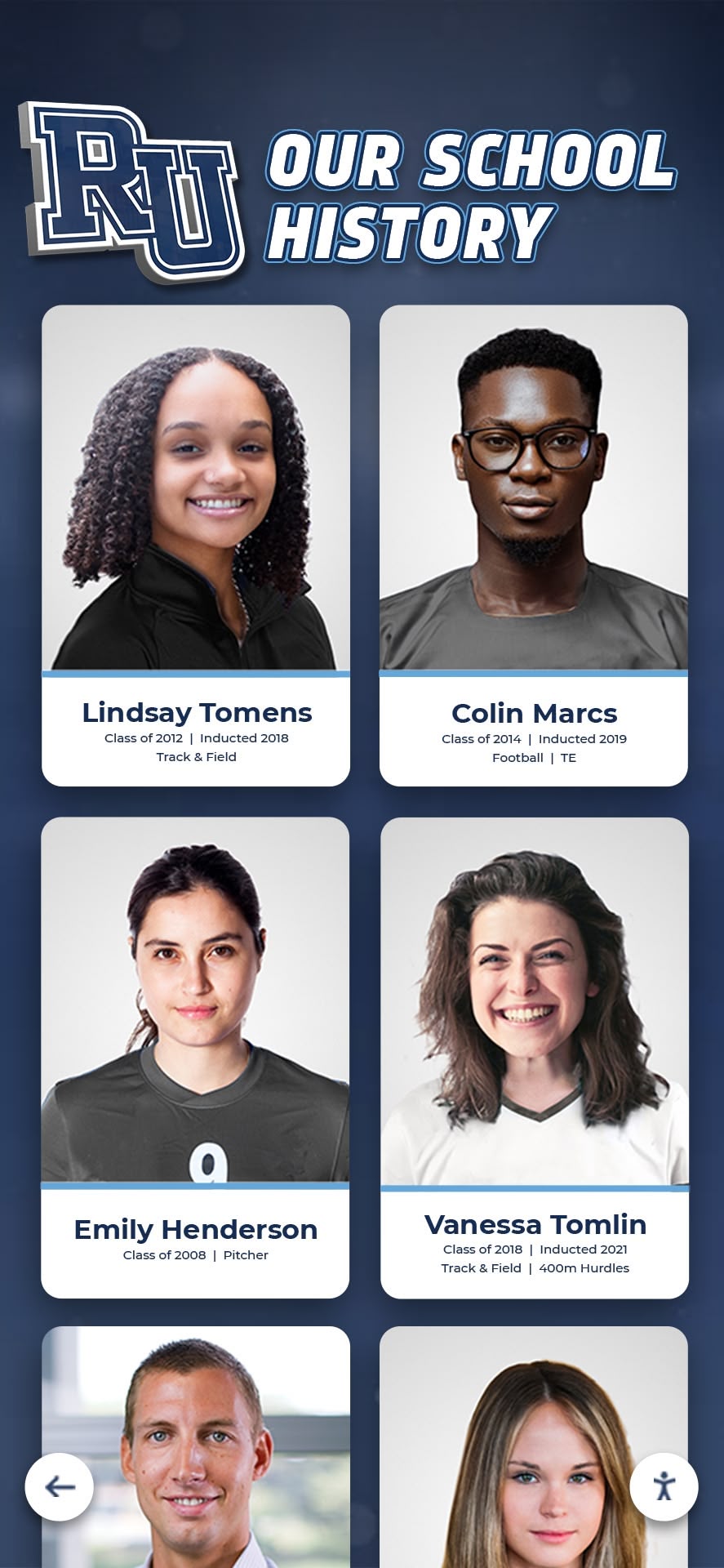
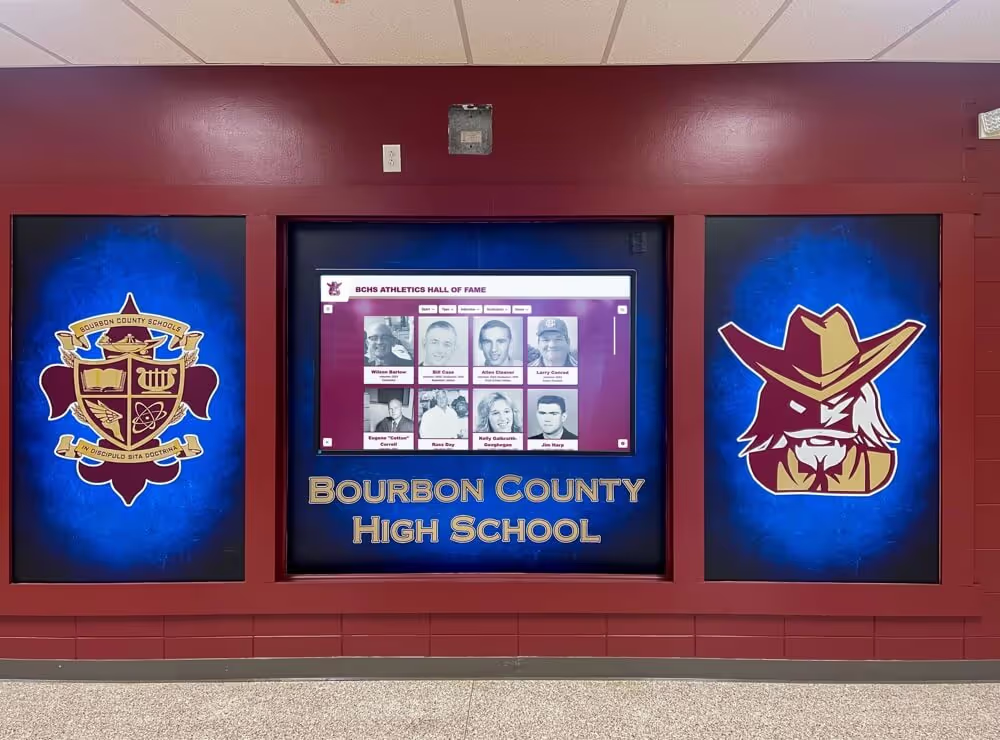
Individual profile cards showcase diverse alumni achievements and career paths, enabling students to identify mentors aligned with their aspirations
Matching Strategies for Effective Mentor-Mentee Pairs
Thoughtful matching maximizes relationship success and satisfaction:
Matching Criteria and Approaches
Multiple factors influence compatibility:
Career Interest Alignment Primary matching dimension connects students with alumni in relevant fields:
- Industry matching (healthcare students with medical professionals, engineers with technical alumni)
- Functional role alignment (marketing students with marketing alumni, researchers with academic alumni)
- Career stage consideration matching students at exploration phases with alumni who remember early decisions vividly
- Specialization matching for students with specific interests (sports medicine within healthcare, cybersecurity within technology)
Career alignment ensures mentors provide relevant, specific guidance directly applicable to student goals and questions.
Background and Identity Considerations Shared experiences create natural connection foundations:
- First-generation college student matching for navigating unique challenges
- Demographic background consideration when students specifically request mentors with shared cultural experiences
- Geographic origin connections for students from similar regions or communities
- Extracurricular activity overlap (student-athletes with athletic alumni, artists with creative professionals)
- Academic pathway similarities (community college transfers with alumni who followed similar routes)
While avoiding tokenization or reducing individuals to identity categories, thoughtful matching around shared backgrounds creates relationship foundations built on mutual understanding.
Personality and Communication Style Less tangible factors significantly impact relationship quality:
- Communication preference alignment (some students prefer structured agendas, others conversational approaches)
- Intensity matching (highly driven students with ambitious mentors, exploratory students with patient guides)
- Availability coordination ensuring schedules allow consistent connection without excessive friction
- Platform preference alignment (some prefer video calls, others excel through asynchronous messaging)
Advanced matching systems capture these nuances through detailed participant profiles enabling sophisticated compatibility algorithms.
Learn about technology-enabled matching in interactive touchscreen software systems that facilitate mentor discovery.
Matching Process Implementation
Several approaches balance automation with human judgment:
Algorithm-Based Matching Technology streamlines pairing at scale:
- Automated systems analyze participant profiles identifying high-compatibility pairs based on defined criteria weightings
- Machine learning approaches improve over time by analyzing successful relationship characteristics
- Batch matching processes all participants simultaneously rather than sequential rolling assignments
- Optimization algorithms maximize overall program compatibility rather than individual perfect matches
- Automated notification systems inform participants of matches with introduction materials
Algorithm matching works well for large programs where manual review becomes impractical, though some human oversight ensures appropriate pairings.
Staff-Curated Matching Manual approaches enable nuanced judgment:
- Program coordinators review all participant applications making thoughtful individual assignments
- Committee-based matching involving multiple reviewers increases perspective diversity
- Interview-based processes where staff speak with participants before finalizing pairs
- Mentor input opportunities where experienced alumni suggest appropriate student matches
- Student preference consideration giving weight to participant matching preferences when feasible
Curated matching requires more staff time but often produces higher initial compatibility, particularly valuable for intensive one-to-one relationships.
Hybrid Approaches Combined strategies balance efficiency with judgment:
- Algorithm systems generate recommended matches that staff review before finalizing
- Platform-based browsing where students explore mentor profiles selecting preferred connections subject to mentor acceptance
- Speed-matching events where students meet multiple alumni before indicating mutual preferences
- Phased matching starting with automated assignments that staff adjust based on early feedback
Most successful large-scale programs eventually adopt hybrid models leveraging technology efficiency while maintaining human relationship expertise.
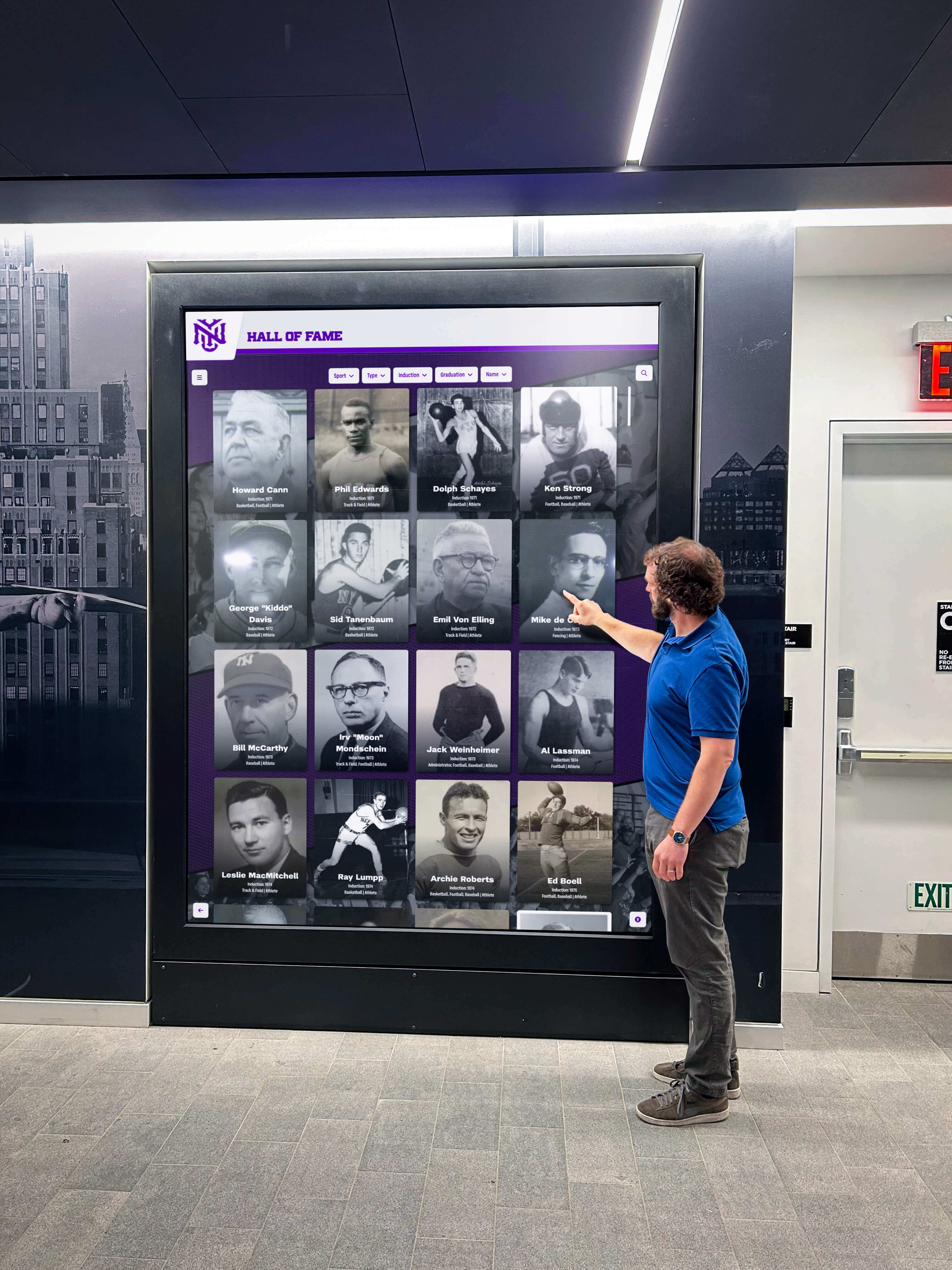
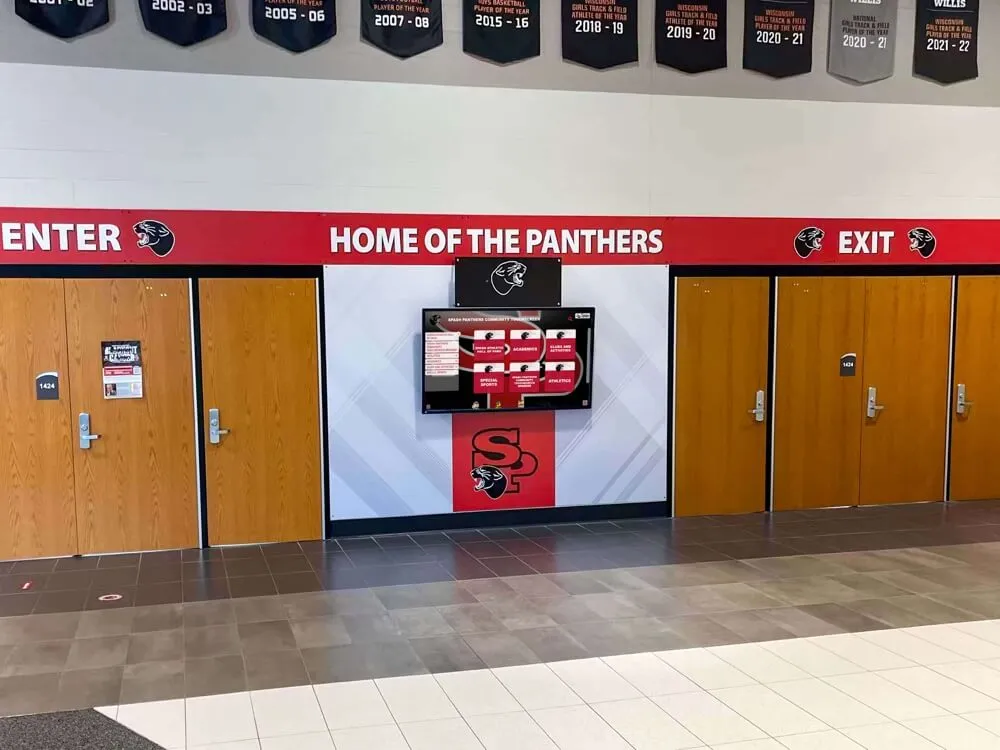
Interactive displays enable organic mentor discovery where students browse alumni profiles and request connections based on genuine interest rather than assigned pairings
Technology Platforms for Scalable Mentorship Programs
Digital tools dramatically expand program reach and sustainability:
Mentorship Platform Features and Requirements
Effective systems support relationship development and program management:
Core Platform Capabilities Essential functionality supporting mentorship operations:
- Participant profile management capturing detailed background, interests, goals, and availability
- Matching system support (algorithm-based, browsing/search, or manual assignment workflows)
- Communication tools including messaging, video conferencing integration, and meeting scheduling
- Goal tracking and progress monitoring helping pairs stay focused on developmental objectives
- Resource libraries providing conversation guides, career exploration materials, and professional development content
- Event management for group programs, workshops, and community-building activities
- Reporting and analytics tracking engagement, satisfaction, outcomes, and program health metrics
Comprehensive platforms consolidate functionality preventing participants from juggling multiple disconnected tools while giving administrators complete program visibility.
Mobile Accessibility Modern mentorship requires mobile-friendly experiences:
- Responsive web design ensuring functionality across devices
- Native mobile apps for iOS and Android when appropriate
- Push notifications reminding participants of meetings and encouraging regular engagement
- Offline access to resources and conversation guides
- Mobile-optimized video conferencing for conversations during commutes or breaks
- Quick-action interfaces enabling brief interactions without extensive navigation
Mobile optimization dramatically increases engagement by meeting participants where they naturally spend time rather than requiring desktop computer access.
Learn about comprehensive digital platforms in digital hall of fame systems that extend to mentorship functionality.
Integrating Mentorship with Alumni Recognition Systems
Unified platforms create seamless experiences:
Alumni Directory Integration Connecting recognition with mentorship:
- Digital yearbook platforms featuring alumni profiles that link directly to mentorship program participation
- Searchable directories organized by industry, graduation year, location, and availability enabling student mentor discovery
- Profile enrichment where distinguished alumni highlighted in recognition programs become mentor recruitment priorities
- Cross-platform consistency where alumni update single profiles appearing in multiple contexts (halls of fame, directories, mentorship systems)
- QR code integration on physical displays enabling instant mobile access to full profiles and mentorship connection options
Integrated systems reduce administrative burden while creating natural pathways from alumni recognition to active mentorship engagement.
Virtual and Physical Touchpoint Connections Omnichannel experiences blend digital and campus presence:
- Physical touchscreen displays in student gathering spaces showcasing available mentors with instant connection capabilities
- Virtual alumni events combining recognition celebrations with mentorship recruitment
- Hybrid programming offering both in-person shadowing opportunities and virtual ongoing mentorship
- Campus visit coordination where traveling alumni mentors schedule campus appearances meeting mentees face-to-face
- Reunion integration connecting returning alumni with current students during homecoming weekends
Blended approaches maximize accessibility while leveraging high-engagement in-person interactions when possible.
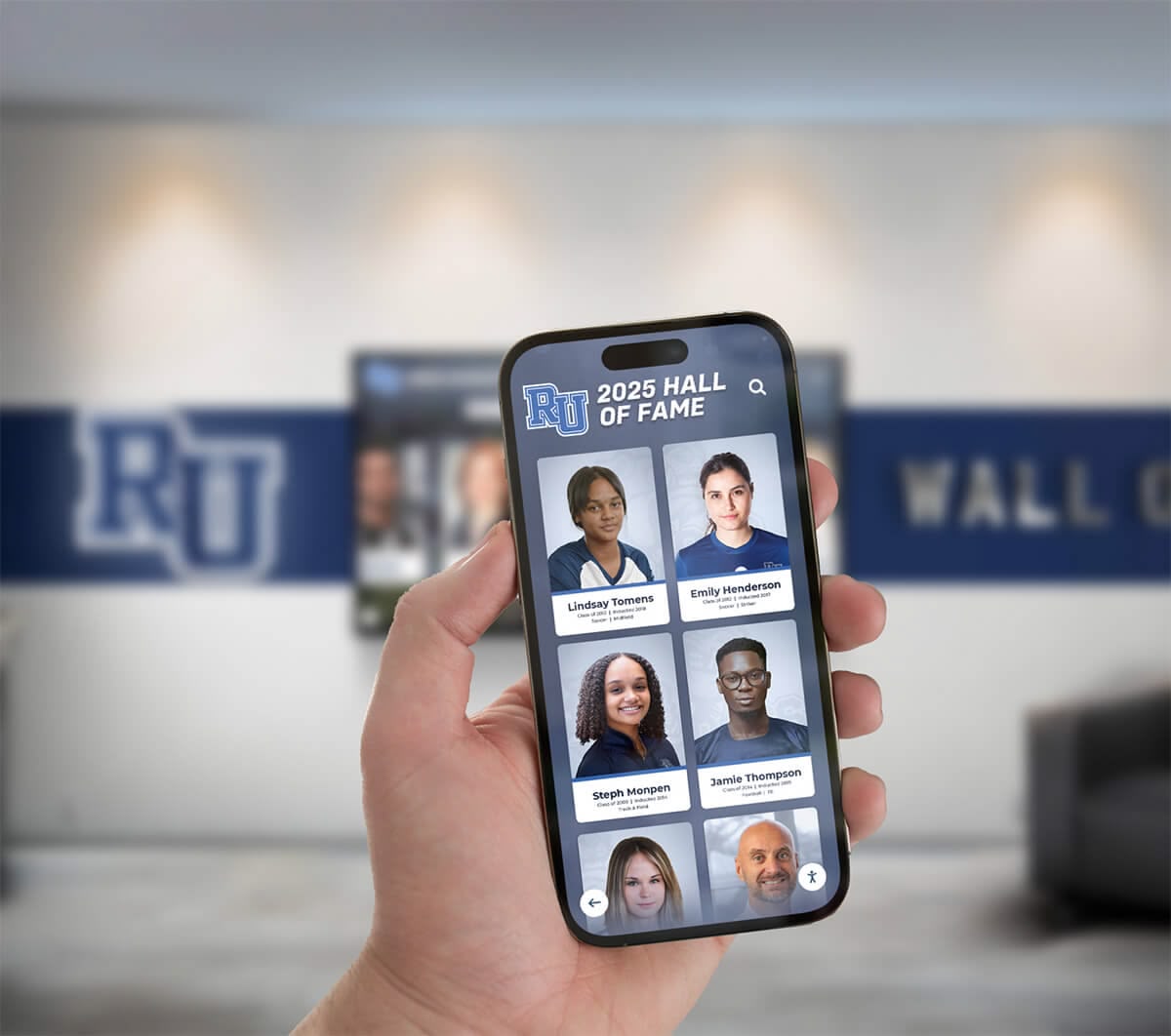
Mobile-responsive platforms enable students to explore alumni profiles and connect with potential mentors anytime, anywhere—not just when standing near campus displays
Program Management and Sustainability Strategies
Long-term success requires systematic management and continuous improvement:
Facilitating Effective Mentor-Mentee Relationships
Programs support but don’t micromanage relationships:
Structured Onboarding and Launch Strong starts increase relationship success:
- Formal introduction facilitation with icebreaker prompts and initial conversation guides
- First meeting agendas helping pairs establish rapport and set relationship expectations
- Goal-setting templates ensuring clarity about developmental objectives and success metrics
- Communication norm establishment covering preferred contact methods, response timeframes, and meeting frequency
- Relationship timeline overview helping participants understand program arc from launch through conclusion
- Resource provision including professional development materials and conversation topic libraries
Structured launches prevent awkward early interactions while establishing productive relationship patterns.
Ongoing Relationship Support Mid-relationship support prevents stagnation:
- Monthly conversation prompt emails suggesting timely topics aligned with academic calendar
- Check-in surveys capturing relationship health and surfacing issues requiring intervention
- Mentor community gatherings providing peer support and idea sharing among participating alumni
- Student cohort programming creating mentee communities for peer learning alongside individual mentorship
- Troubleshooting resources and coordinator access when relationships face challenges
- Milestone celebrations recognizing relationship longevity and achievement
- Relationship renewal processes for pairs wanting to continue beyond initial commitment periods
Active support communicates that programs value relationships while providing scaffolding that maintains engagement through busy periods.
Explore student development frameworks in academic recognition systems that complement mentorship programs.
Relationship Conclusion and Transition Intentional endings preserve value:
- Formal conclusion ceremonies celebrating relationship achievements
- Reflection prompts helping participants articulate learning and growth
- Transition support for continued informal relationship maintenance beyond formal program
- Alumni network integration connecting graduating students with broader graduate communities
- Success story collection capturing testimonials and impact examples for program marketing
- Feedback collection for continuous program improvement
- Mentor retention initiatives encouraging continued participation in subsequent program years
Thoughtful conclusions demonstrate program professionalism while gathering critical improvement insights.
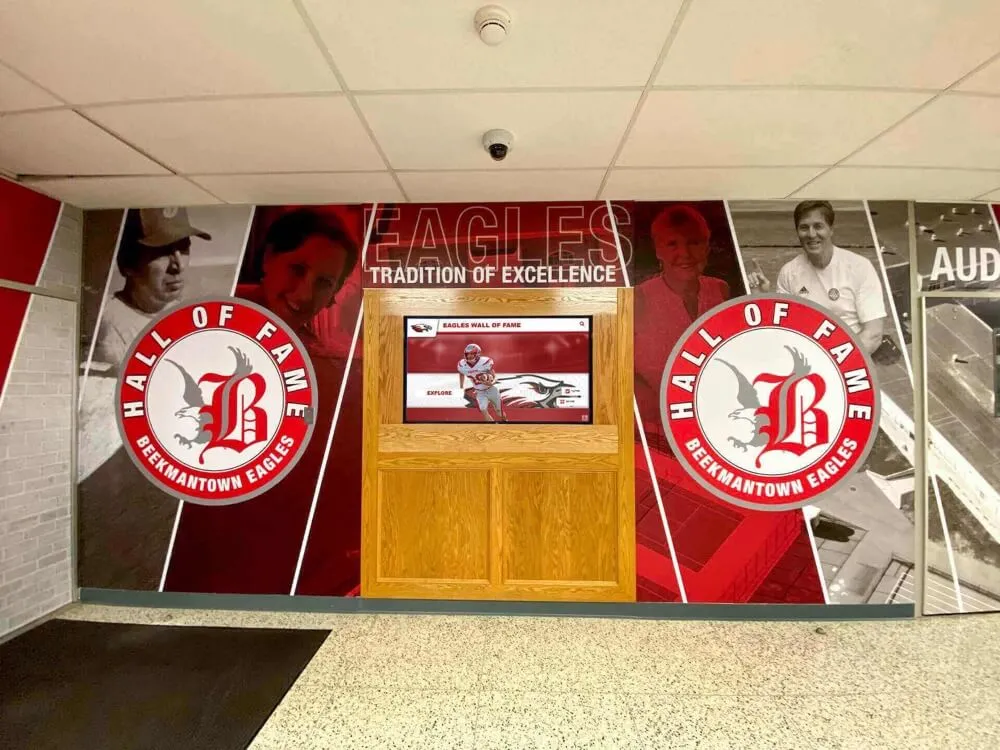
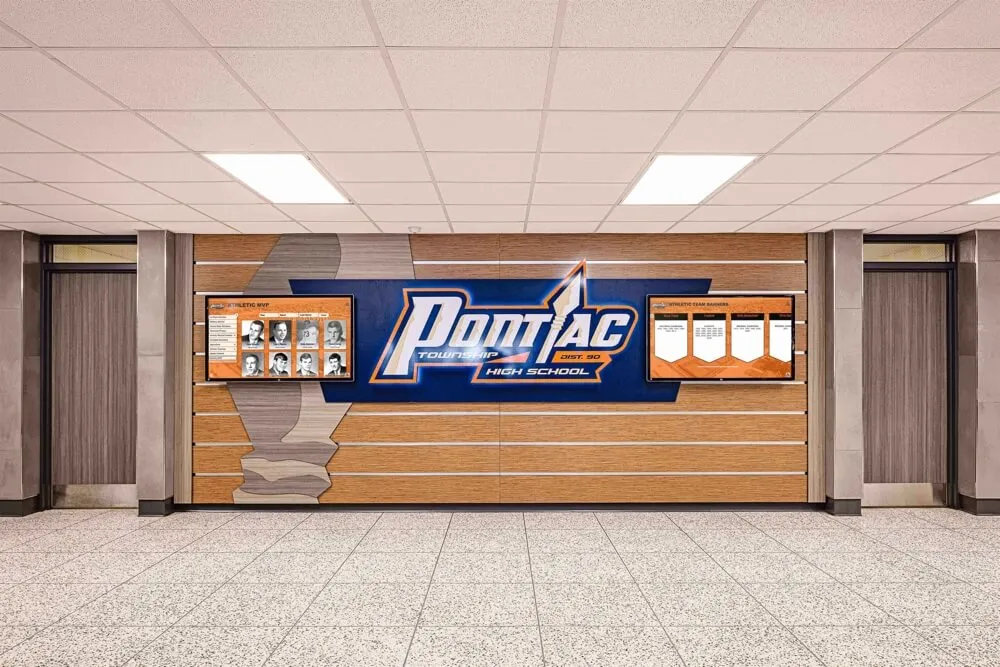
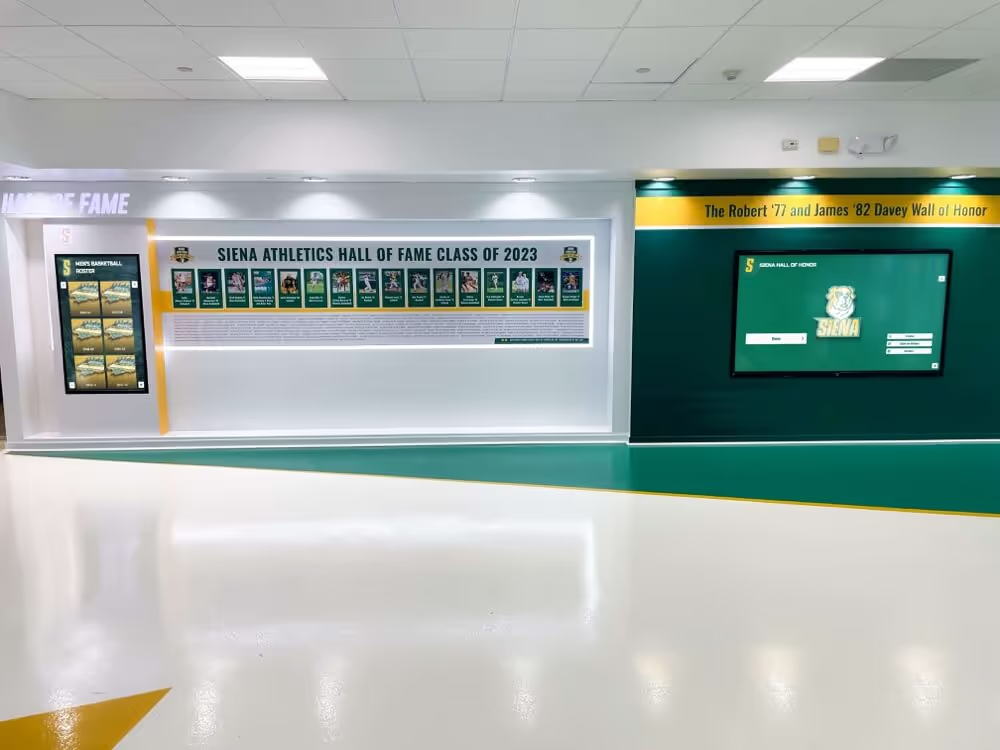
Professional recognition installations demonstrate institutional commitment to celebrating graduates while identifying mentorship candidates for student career development
Measuring Program Impact and Outcomes
Assessment demonstrates value and guides improvement:
Student Outcome Metrics Quantifiable impact indicators:
- Career clarity improvements measured through pre/post program surveys
- Job placement rates and starting salaries for mentored versus non-mentored students
- Graduate school acceptance rates among program participants
- Internship acquisition rates during enrollment
- Professional skill development self-assessments (resume quality, interview skills, networking ability)
- Institutional persistence and graduation rate correlations with mentorship participation
- Post-graduation career satisfaction measures tracked through alumni surveys
Outcome data demonstrates return on investment justifying program resources and generating stakeholder support.
Engagement and Satisfaction Metrics Process quality indicators:
- Participation rates among eligible students and alumni
- Relationship longevity and completion rates
- Communication frequency and consistency between matched pairs
- Event attendance for group programming and community gatherings
- Platform utilization rates and feature adoption
- Participant satisfaction scores through regular surveys
- Net Promoter Scores measuring recommendation likelihood
- Continued participation rates among alumni across multiple program years
Engagement metrics reveal program health while identifying improvement opportunities before outcome impacts fully materialize.
Qualitative Impact Assessment Narrative evidence complements numbers:
- Student testimonials describing specific mentorship impacts on decisions and development
- Mentor reflections on rewarding experiences and personal growth through giving back
- Case studies documenting transformative relationships and concrete outcomes
- Focus groups exploring participant experiences in depth
- Success story collection for marketing and fundraising communications
- Interview-based research understanding program elements most valuable to participants
Qualitative data brings metrics to life while providing rich evidence for program promotion and improvement.
Learn about comprehensive assessment in donor recognition systems that apply to mentorship measurement.
Sustainable Resource Planning and Funding
Financial sustainability ensures long-term viability:
Budget Components and Cost Drivers Understanding program economics:
- Technology platform costs (subscription fees, custom development, maintenance)
- Staff time (coordinator salaries, administrative support, student workers)
- Marketing and recruitment expenses (design, printing, digital advertising)
- Training and development resources (facilitator fees, materials, workshops)
- Event programming (space rental, catering, speaker fees)
- Recognition and appreciation (mentor thank-you gifts, program merchandise)
- Assessment and evaluation (survey tools, research support, data analysis)
Realistic budgeting prevents under-resourcing that compromises quality while demonstrating fiscal responsibility building stakeholder confidence.
Funding Sources and Sustainability Models Diverse revenue streams increase resilience:
- Institutional operating budget allocation demonstrating core mission alignment
- Alumni association funding leveraging engagement benefits
- Corporate sponsorships from employer partners benefiting from graduate preparation
- Foundation grants supporting education and workforce development initiatives
- Individual donor support from alumni champions believing in mentorship impact
- Student fees through career development or student activity allocations
- Endowment establishment for permanent program support
Multi-source funding reduces vulnerability to single revenue line changes while building broader stakeholder investment in program success.
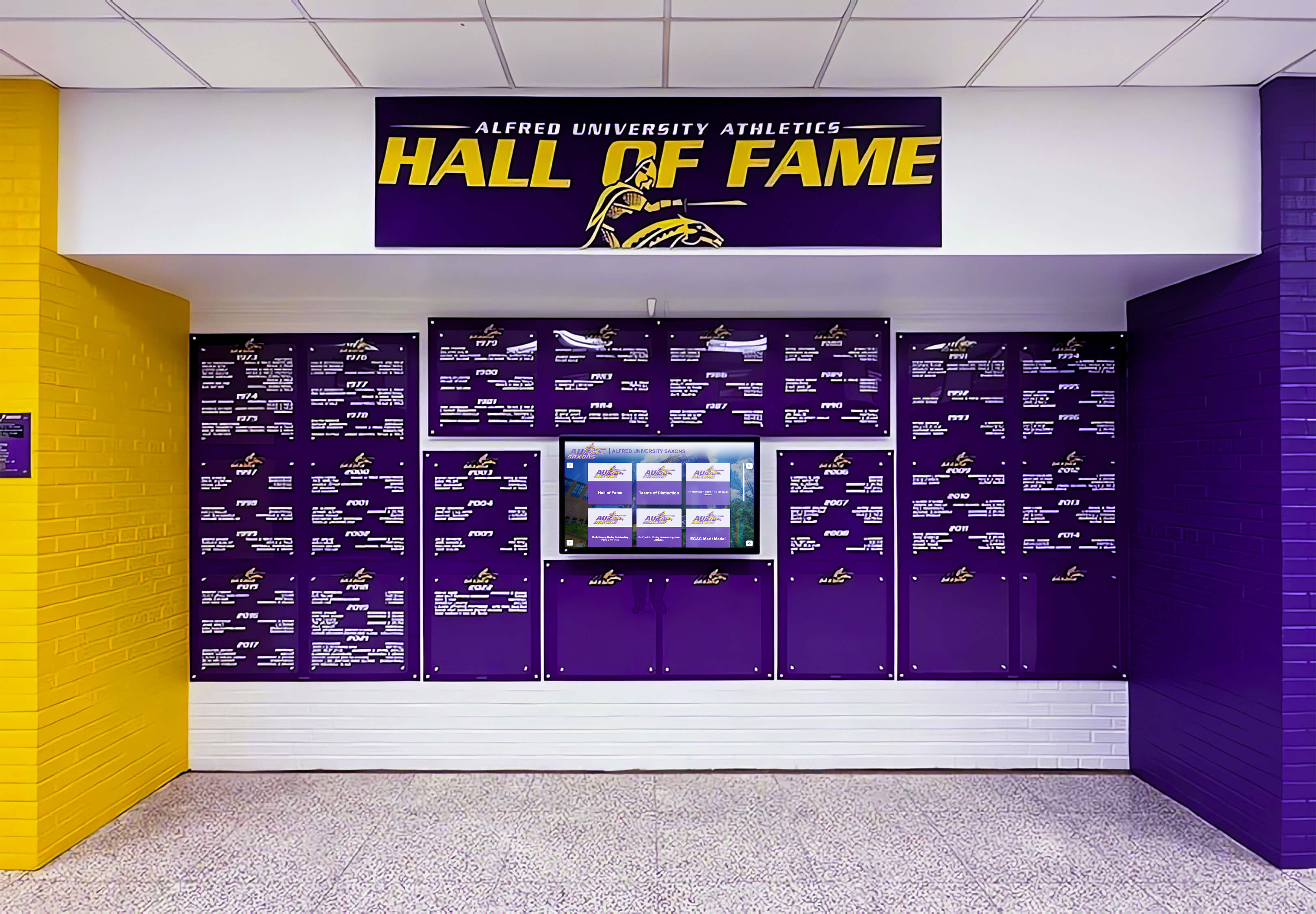
Professional institutional recognition installations celebrate graduate achievement while creating mentor recruitment pipelines for student development programs
Special Program Variations and Models
Mentorship adapts to diverse institutional contexts and student needs:
Career-Specific Mentorship Tracks
Focused programs serve specialized student populations:
Pre-Professional Program Integration Intensive mentorship for specific career paths:
- Pre-medical mentorship connecting aspiring physicians with physician alumni covering medical school applications, specialty selection, and career realities
- Pre-law mentorship with attorney alumni guiding law school preparation, legal career exploration, and professional networking
- Business school preparation with corporate and entrepreneurial alumni sharing industry insights and career strategy
- Teaching profession mentorship with educator alumni supporting licensure pathways and classroom management learning
- Technical field mentorship pairing engineering and computer science students with industry professionals
Career-specific tracks provide depth impossible in generalist programs while leveraging alumni expertise most effectively.
Industry Partnership Programs External collaborations expand mentor pools:
- Employer-sponsored mentorship where companies provide employee mentors as talent pipeline investment
- Professional association partnerships connecting students with industry members beyond alumni networks
- Chamber of commerce collaboration engaging broader business community in student development
- Startup accelerator partnerships for entrepreneurship-focused students
- Research institution connections for STEM students pursuing academic pathways
External partnerships dramatically scale mentorship reach while building community relationships benefiting recruitment and fundraising.
Learn about career development approaches in athletic recognition programs that extend to academic contexts.
Peer and Near-Peer Mentorship Models
Recent graduates provide unique value:
Young Alumni Mentorship Recent graduates (2-5 years post-graduation) offer timely perspectives:
- Fresh memory of student experiences making advice immediately relevant
- Relatability creating comfortable relationships with smaller age gaps
- Current job search experience providing up-to-date application and interview guidance
- Early career insights helping students prepare for immediate post-graduation realities
- Higher availability as young professionals often have more flexible schedules than senior executives
Young alumni programs complement traditional mentorship while engaging recent graduates during peak career development periods when guidance offers greatest impact.
Upperclass Peer Mentorship Current student mentorship supplements alumni programs:
- Academic major exploration guidance from students who recently navigated decisions
- Campus resource navigation from those currently accessing services and programs
- Course selection advice based on immediate experience
- Student organization recommendations and leadership pathway guidance
- Residence life and social integration support
- First-generation peer support from students managing similar challenges concurrently
Peer mentorship provides immediate, accessible guidance complementing alumni career mentorship through comprehensive developmental support across student experience dimensions.
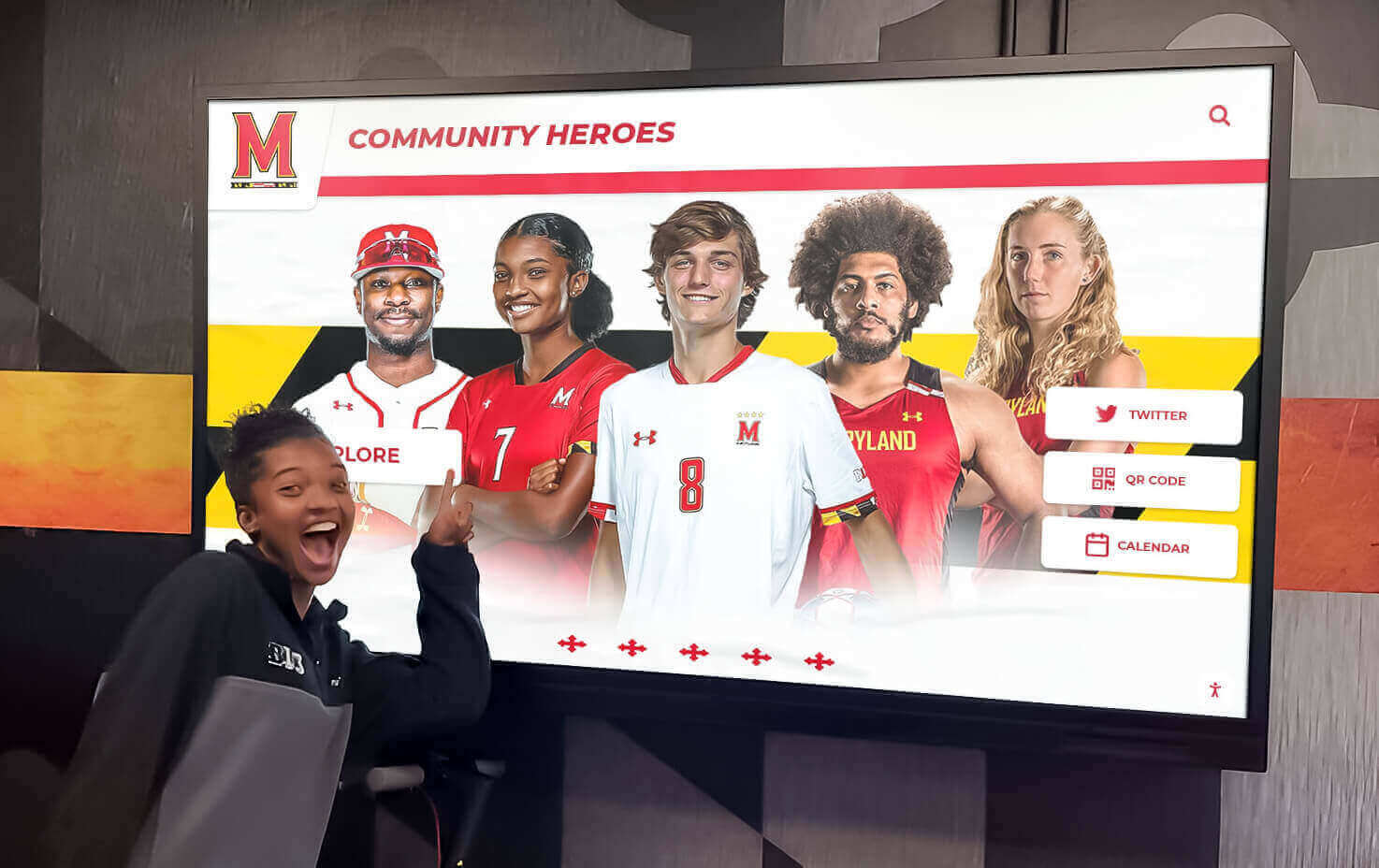
Recognition displays spark student curiosity about graduate career paths, creating natural mentorship interest and connection opportunities
Group and Cohort-Based Mentorship
Scalable models reaching broader populations:
Industry Cohort Programs Career-focused group mentorship:
- Healthcare professional cohorts bringing multiple pre-health students together with physician, nursing, and allied health alumni panels
- Technology and innovation cohorts connecting computer science and engineering students with technical professionals
- Entrepreneurship cohorts pairing business-minded students with startup founder and small business owner alumni
- Creative industry cohorts gathering arts, design, and media students with alumni working in creative fields
- Public service cohorts connecting students interested in education, government, and nonprofit careers with alumni in service fields
Cohort approaches enable broader participation while creating peer learning communities complementing individual mentorship relationships.
Leadership Development Programs Intensive developmental experiences:
- Semester-long leadership academies combining alumni mentorship with skill-building workshops
- Summer bridge programs pairing incoming students with alumni mentors supporting transition
- First-generation cohort programs providing comprehensive support for underrepresented populations
- Honors program integration where top students receive enhanced developmental opportunities
- Student-athlete leadership programs connecting athletic and academic success with professional preparation
Intensive programs deliver transformative impact for committed participants while serving as flagship initiatives demonstrating mentorship program value to stakeholders.
Promoting and Marketing Mentorship Programs
Visibility drives participation and community support:
Student-Facing Marketing Strategies
Effective outreach builds awareness and interest:
Multi-Channel Student Communication Meeting students where they engage:
- Social media campaigns featuring mentor spotlight stories and program benefits
- Digital signage in student gathering spaces showcasing mentorship opportunities
- Email marketing to targeted student segments based on academic major and career interests
- Text message campaigns for time-sensitive recruitment and engagement
- Student organization presentations reaching leadership-interested populations
- Classroom announcements in career-relevant courses
- Resident advisor training enabling peer promotion in residence halls
Multi-touchpoint approaches ensure repeated exposure building familiarity and trust that motivates participation.
Peer Testimonial and Success Stories Student voices create authentic appeal:
- Video testimonials where mentored students share specific program impacts
- Blog series documenting mentorship journeys throughout academic year
- Alumni-student interview content showing relationship dynamics and outcomes
- Before/after comparisons demonstrating career clarity and confidence gains
- Mentee-produced content where students create program promotion materials
- Student ambassador programs recruiting peers through authentic personal outreach
Peer marketing proves far more credible than institutional messaging, particularly for skeptical students evaluating time commitments.
Learn about comprehensive student engagement in digital tools that bring history to life in educational contexts.
Alumni-Facing Recruitment Marketing
Compelling outreach converts interest into commitment:
Value Proposition Articulation Clear benefits motivate participation:
- Impact emphasis showing how mentorship transforms student trajectories
- Efficiency messaging addressing time commitment concerns through flexible format options
- Professional development framing mentorship as leadership skill building
- Community connection positioning mentorship as meaningful institutional engagement pathway
- Legacy building opportunities to shape future generations
- Networking benefits connecting mentors with fellow alumni across industries
- Recognition and appreciation demonstrating institutional gratitude
Multi-dimensional value propositions appeal to diverse alumni motivations increasing recruitment effectiveness.
Targeted Alumni Outreach Strategic recruitment based on likelihood and appropriateness:
- Recent graduate campaigns (5-15 years out) when career memory remains fresh
- Reunion weekend recruitment capturing alumni during high-engagement moments
- LinkedIn and professional network campaigns highlighting alumni career success
- Employer partnership outreach recruiting multiple colleagues simultaneously
- Previous volunteer engagement leveraging alumni who already donate or attend events
- Distinguished alumni integration where recognized graduates receive mentorship invitations
Targeted approaches generate higher conversion rates than broad mass appeals while ensuring appropriate mentor qualifications.
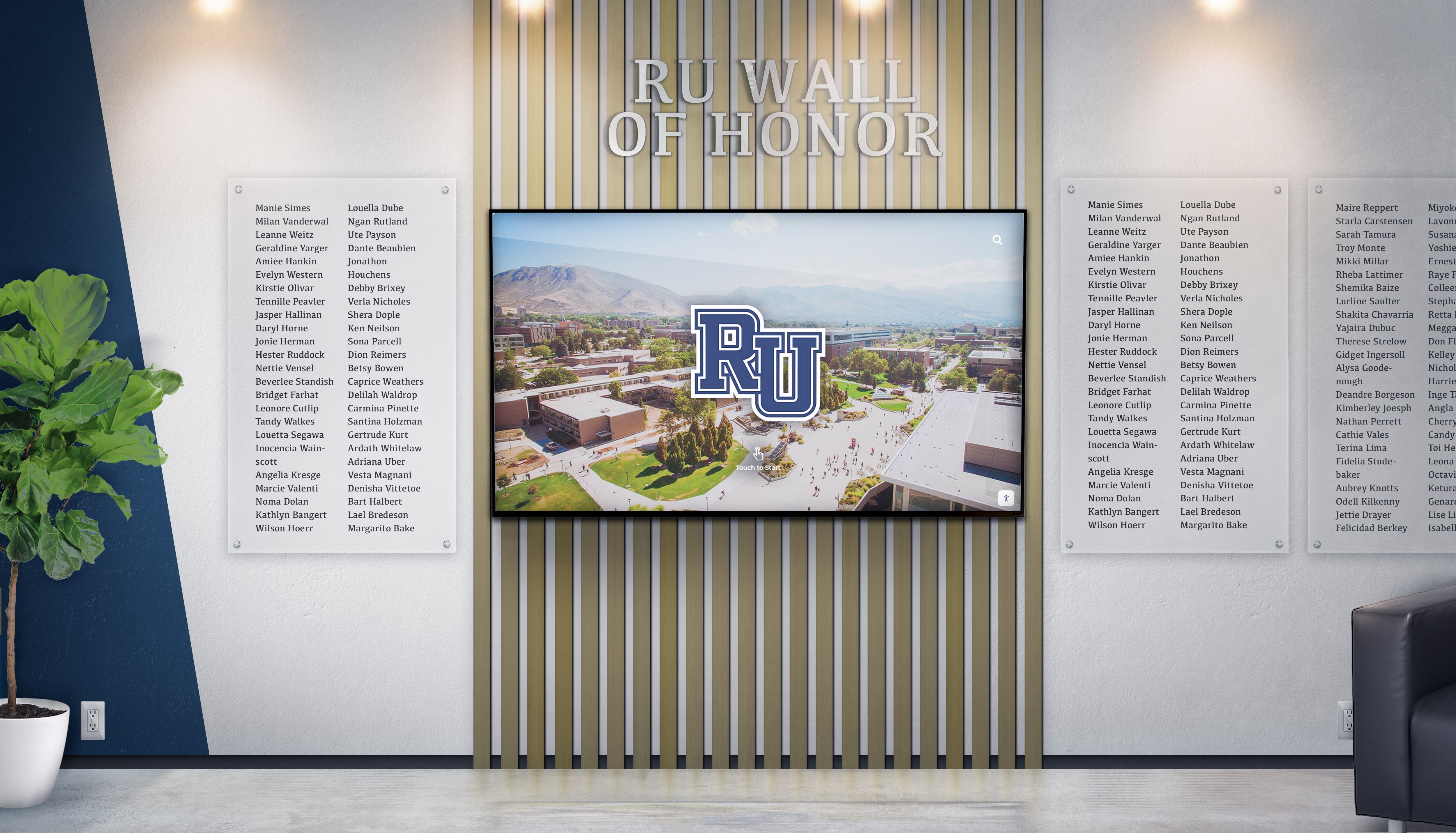
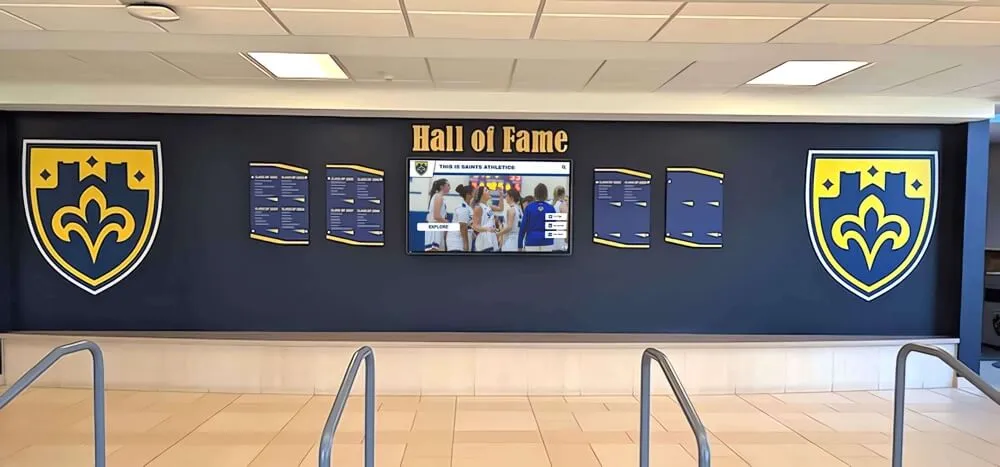
Hybrid recognition combining digital displays with traditional name plaques creates comprehensive celebration while identifying accomplished alumni for mentorship recruitment
Conclusion: Building Transformative Alumni Mentorship Programs
Alumni mentorship programs represent powerful strategies for connecting institutional past with student futures, transforming graduate networks from passive contact databases into active engagement ecosystems delivering measurable value to students, alumni, and institutions. When implemented systematically with clear goals, thoughtful matching, appropriate technology support, and sustainable management, mentorship creates transformative relationships where students gain insider career perspectives and professional networks while alumni strengthen institutional connections through meaningful volunteer engagement.
The strategies explored throughout this guide provide comprehensive frameworks for building mentorship systems that support student development effectively while remaining manageable, inclusive, and aligned with institutional mission. From recruitment and training approaches to digital platforms eliminating geographic barriers and measurement frameworks demonstrating program impact, these approaches transform alumni mentorship from occasional ad-hoc connections into permanent, strategic initiatives resonating with digital-native students and contemporary busy professionals.
Transform Your Alumni Mentorship Program
Discover how modern digital recognition solutions and yearbook platforms can help you build comprehensive alumni mentorship programs that connect graduates with students, strengthen engagement, and create lasting institutional impact through meaningful relationships.
Schedule a Digital Yearbook Mock-upImplementation begins with understanding your current alumni landscape and student developmental needs. Identify accomplished, engaged alumni willing to share expertise, evaluate existing student career development programming determining gaps mentorship can fill, and engage stakeholders building consensus around program goals, structure, and resource allocation. From this foundation, develop systematic programs starting with achievable pilot components then expanding based on experience, feedback, and demonstrated outcomes.
Modern platforms like Rocket Alumni Solutions simplify implementation through comprehensive systems managing digital yearbooks, alumni recognition, and engagement tools through unified interfaces. These purpose-built solutions support mentorship program success by maintaining updated alumni directories, facilitating mentor discovery through searchable profiles, and providing communication platforms connecting graduates with current students—all while reducing administrative burden that often limits program sustainability.
Your accomplished alumni represent powerful developmental resources for current students navigating academic and career decisions. Whether implementing comprehensive one-to-one mentorship relationships, developing scalable group mentorship models, or creating accessible flash mentorship options accommodating diverse schedules, the time to enhance alumni-student connections is now.
Start today by identifying willing mentor candidates among engaged alumni, assessing student populations who would benefit most from mentorship, and exploring platforms capable of facilitating meaningful relationships at scale. Consider how digital yearbook systems featuring comprehensive alumni profiles create natural mentorship discovery pathways while celebration and recognition initiatives identify distinguished graduates most qualified to guide emerging professionals in your community.
Ready to begin? Explore comprehensive approaches in alumni engagement best practices or discover how interactive platforms strengthen connections through digital recognition strategies that support mentorship program foundations.