Alumni engagement represents one of the most valuable yet underutilized assets for educational institutions. Graduates who maintain strong connections with their alma mater become advocates, mentors, donors, and recruitment ambassadors—creating measurable impact on institutional reputation, student success, and long-term sustainability.
Yet many schools and universities struggle to create compelling event programming that motivates busy alumni to participate. Generic networking receptions and annual homecoming celebrations reach only narrow segments of graduate populations, leaving most alumni disconnected despite genuine interest in maintaining institutional relationships.
This comprehensive guide presents 100 actionable alumni event ideas spanning diverse formats, audiences, and objectives. From intimate career mentorship sessions to large-scale reunion weekends, athletic competitions to service projects, virtual programming to campus celebrations—these strategies provide practical frameworks for building engagement across your entire graduate community regardless of institution type or resource constraints.
Strong alumni event programming accomplishes multiple objectives simultaneously: it strengthens institutional loyalty and advocacy that drives student recruitment, creates mentorship and career networking opportunities benefiting current students, builds fundraising relationships through meaningful engagement before solicitation, celebrates graduate achievements while reinforcing institutional pride, and provides social connection fulfilling human needs for belonging and community.

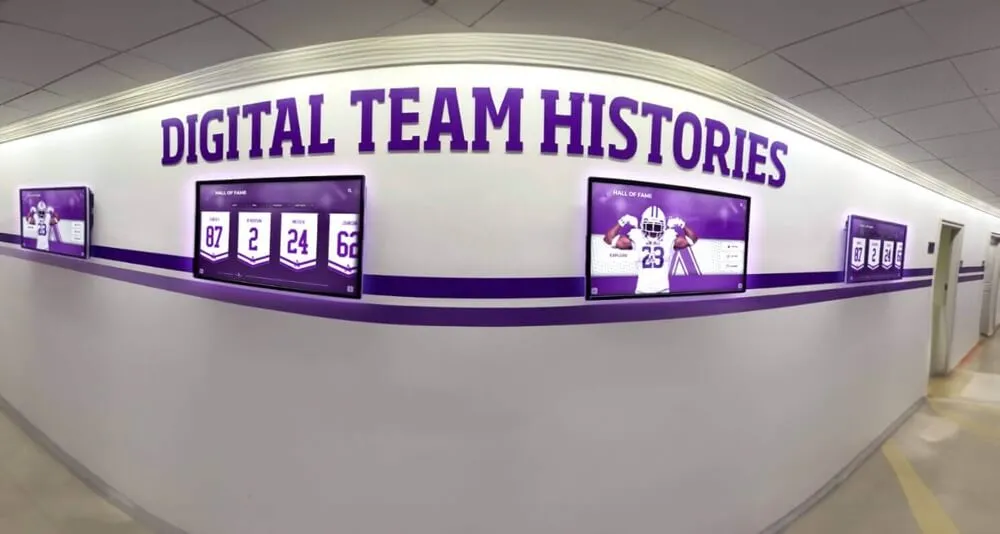
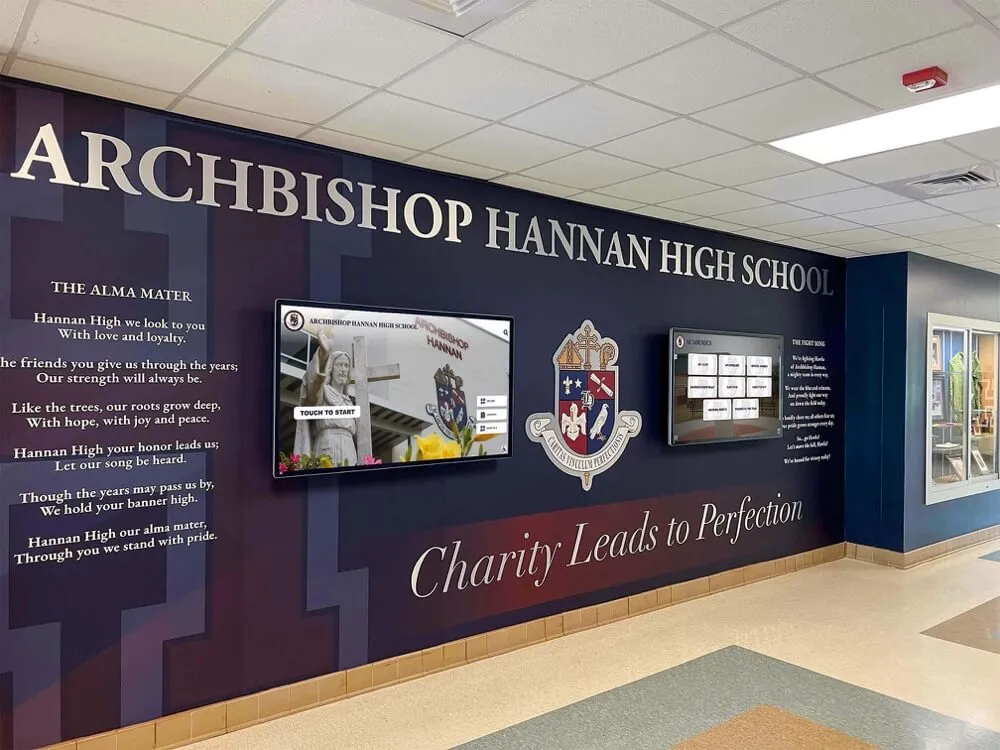
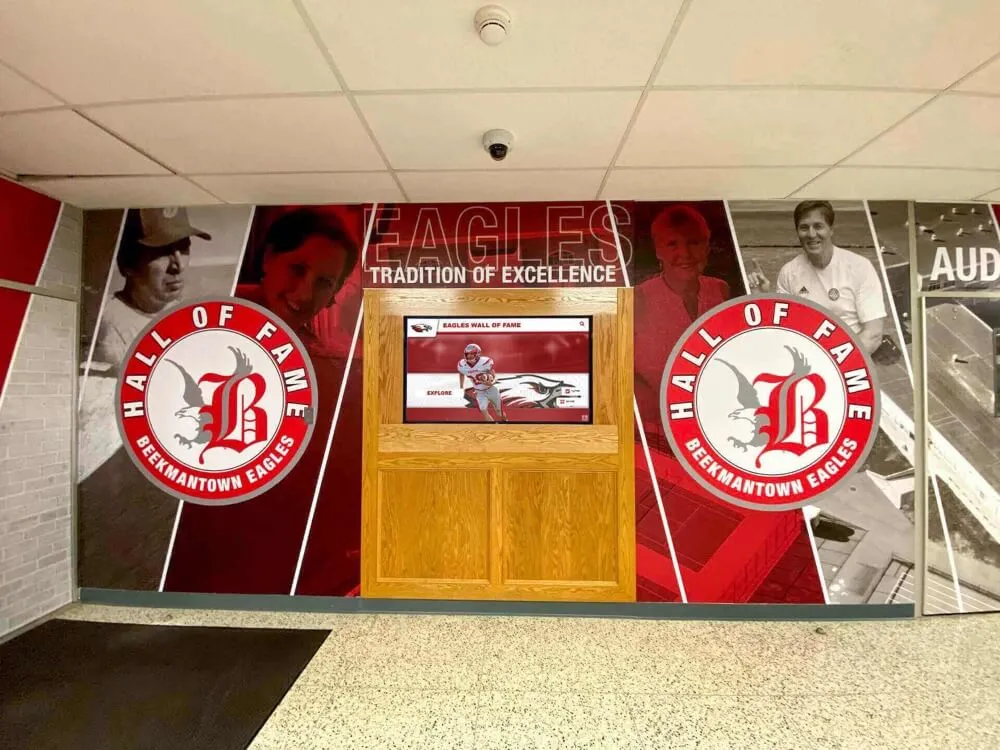
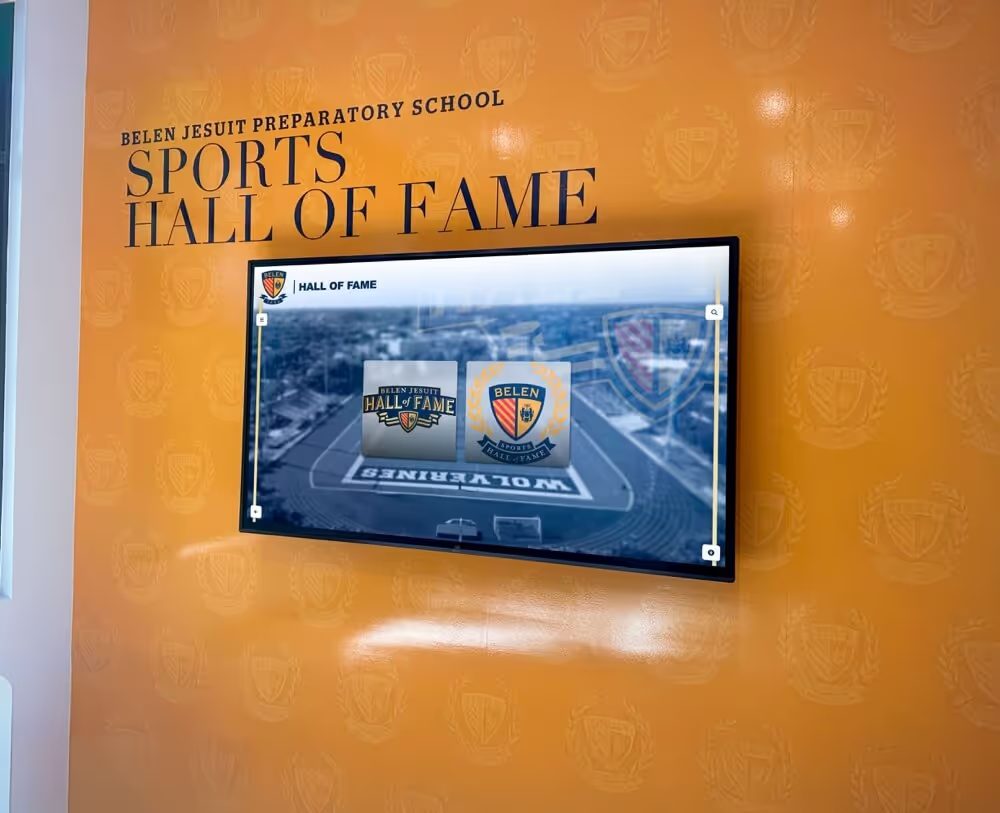
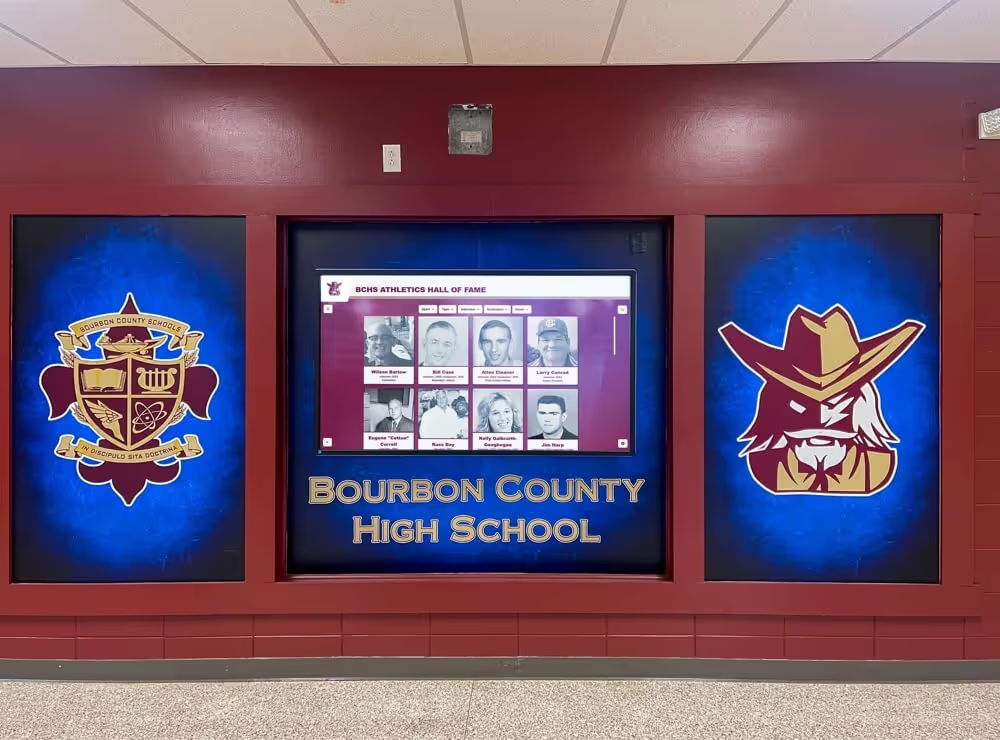
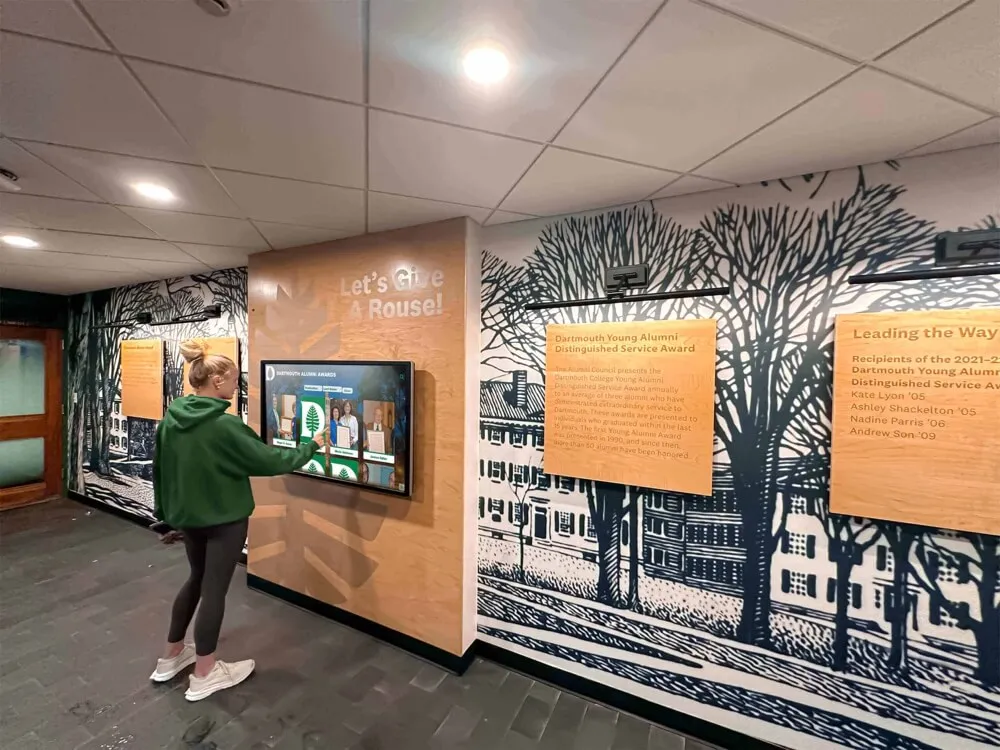
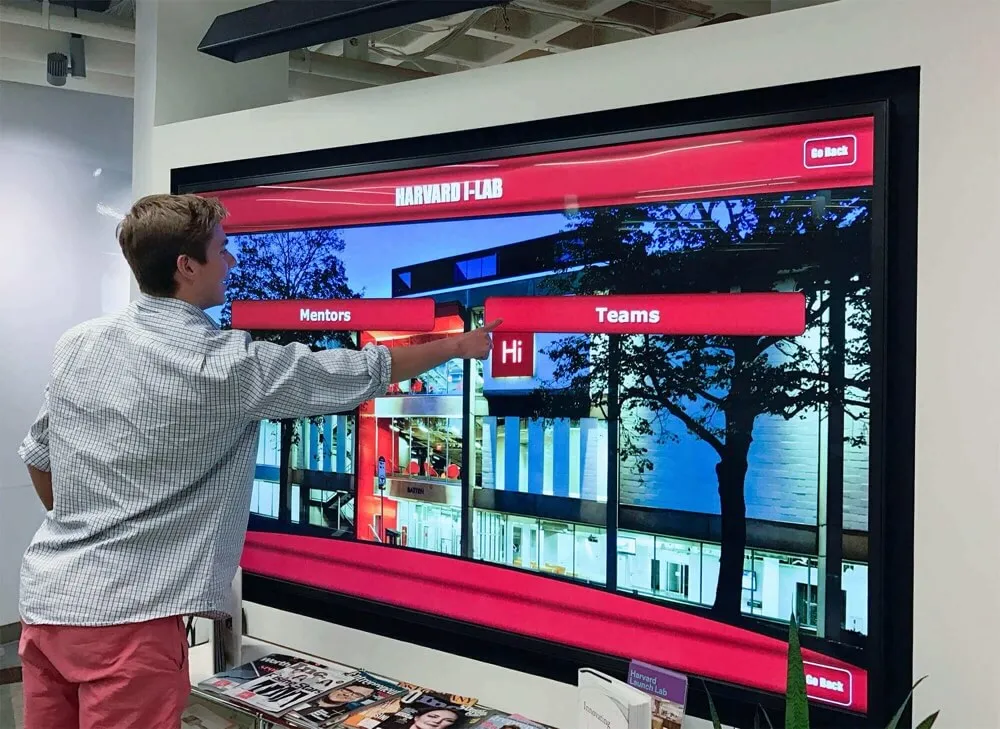
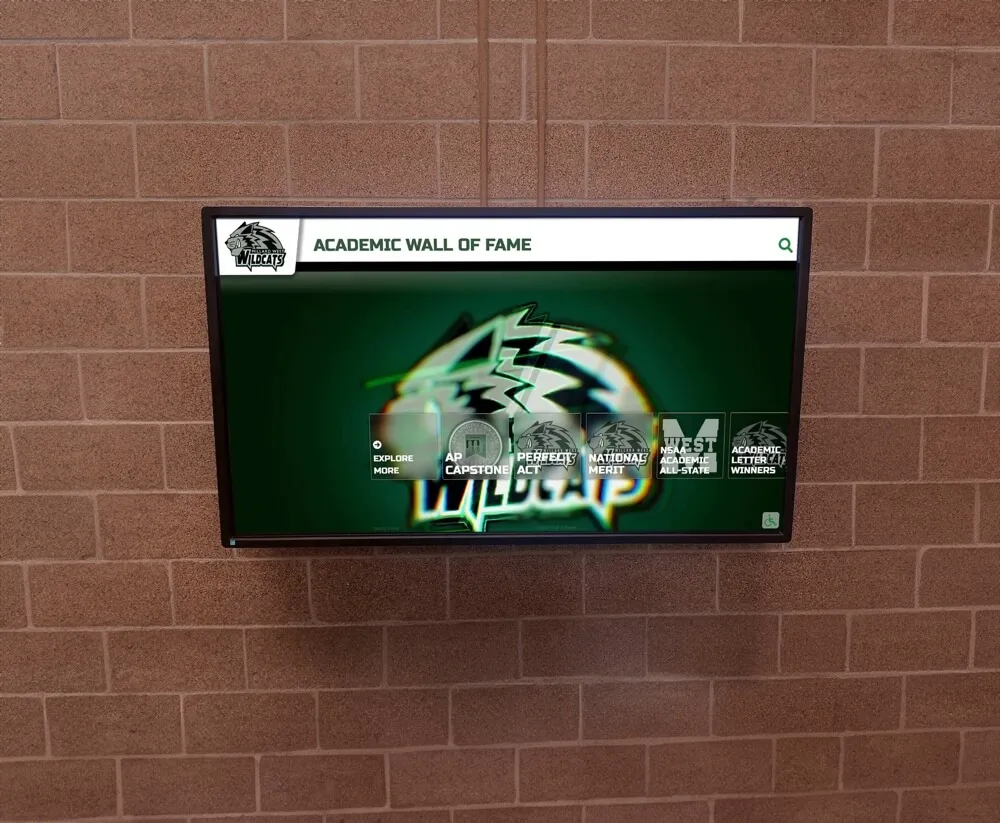
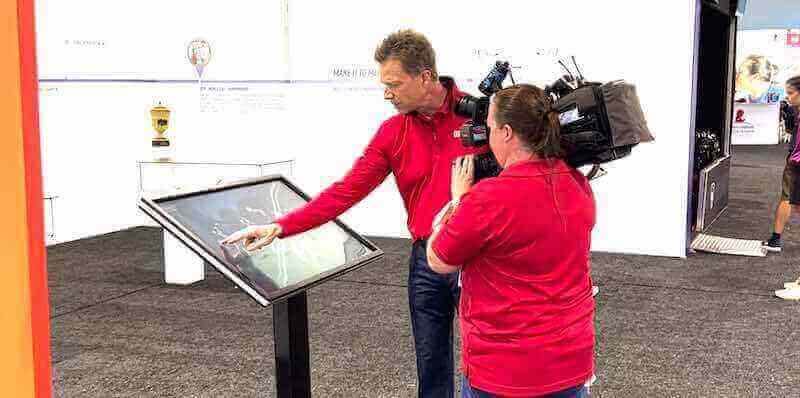
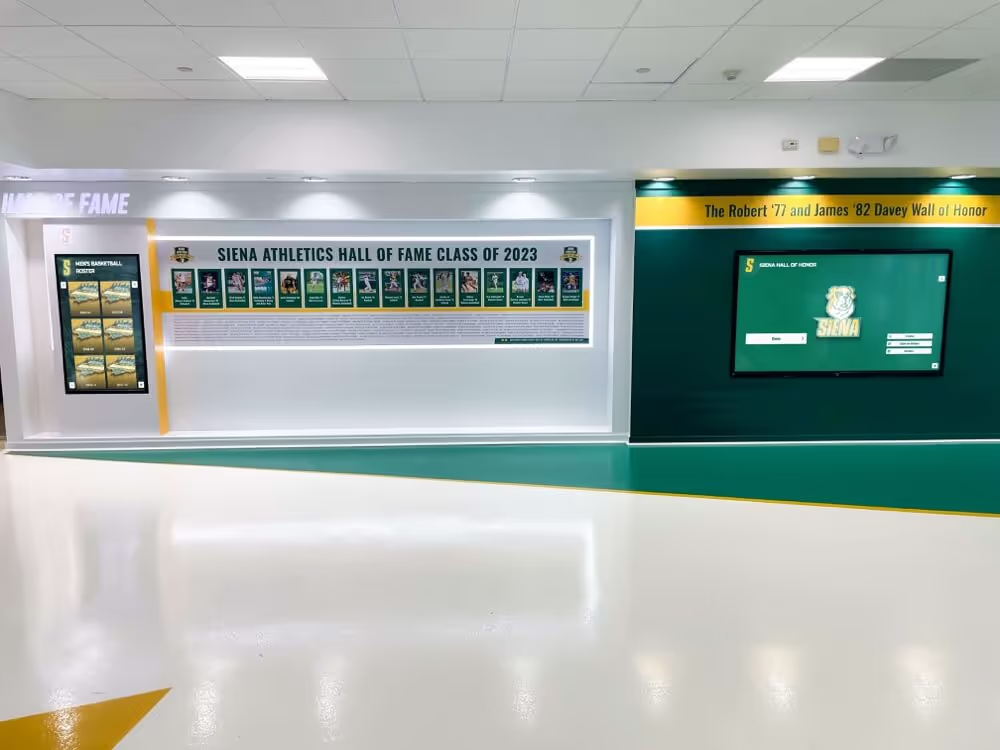
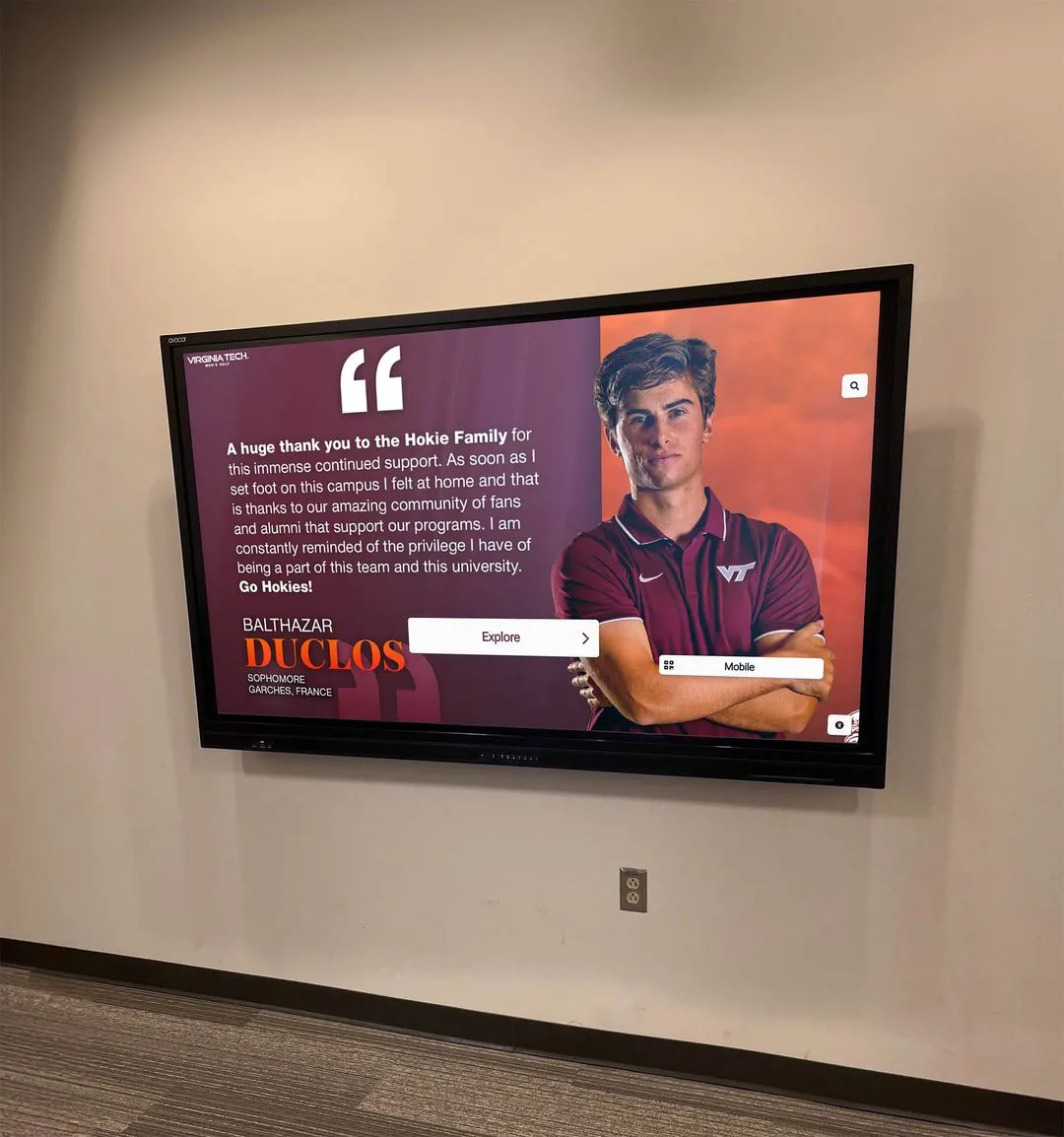
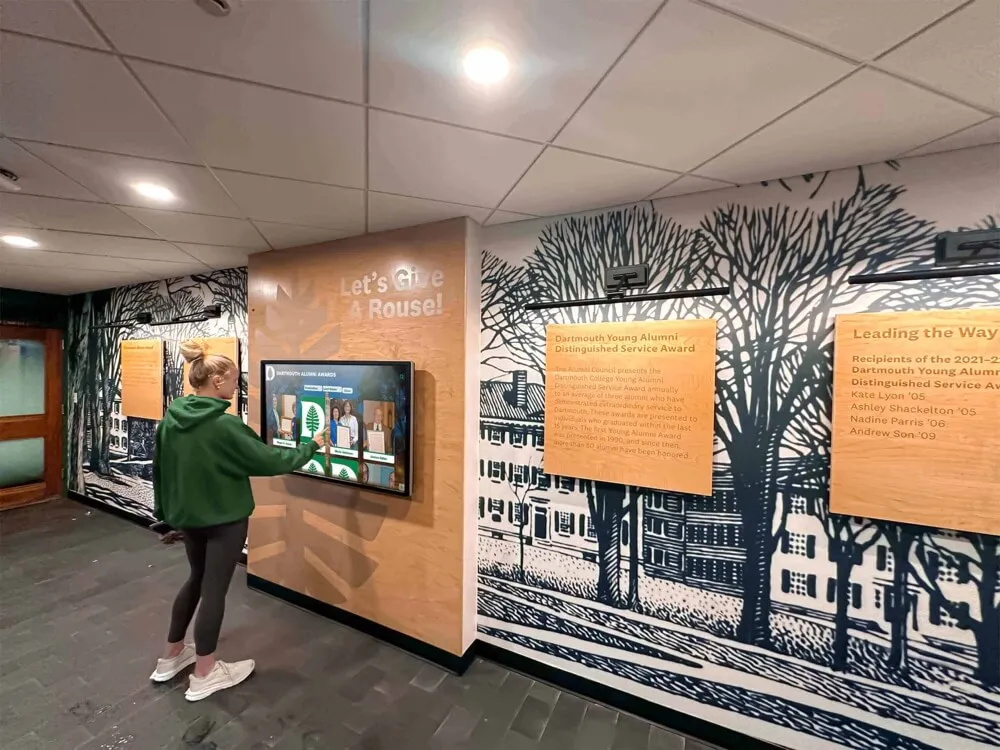
Interactive recognition displays create natural gathering points during alumni events, facilitating conversations about shared memories and institutional connections
Understanding Your Alumni Event Objectives
Before diving into specific event ideas, clarify what you’re trying to accomplish through alumni programming. Different event types serve distinct strategic purposes.
Primary Alumni Event Objectives
Relationship Building and Community
Many alumni seek connection with classmates and institutional community:
- Reuniting with friends from student years
- Building new relationships with fellow graduates
- Maintaining emotional connection to campus and institution
- Feeling part of ongoing institutional story
- Creating sense of belonging extending beyond graduation
Career Development and Professional Networking
Professional advancement motivates significant alumni engagement:
- Connecting with fellow graduates working in similar industries
- Accessing mentorship from more experienced alumni
- Discovering job opportunities through alumni networks
- Learning industry insights and professional development content
- Building business relationships and partnerships
Student Support and Giving Back
Many graduates want to contribute to current student success:
- Mentoring students navigating academic and career decisions
- Sharing industry expertise through panels and workshops
- Providing internship and employment opportunities
- Making philanthropic contributions supporting institutional mission
- Serving on advisory boards and institutional committees
Institutional Pride and Tradition
Emotional connection drives sustained engagement:
- Celebrating institutional achievements and reputation
- Participating in traditions connecting past and present
- Experiencing campus evolution and facility improvements
- Supporting athletic teams and competitive programs
- Maintaining identity as graduate of specific institution
Effective event programming addresses multiple objectives simultaneously—a homecoming weekend that combines reunion celebration, career networking, student mentorship opportunities, and athletic competition serves diverse alumni motivations within single programming framework.
Schools implementing alumni engagement strategies systematically build diverse event calendars serving varied alumni interests and life stages.
High School Alumni Events (Private, Public & Charter)
High schools often have limited alumni infrastructure but strong emotional connections and geographic alumni concentration enabling powerful engagement programming.
Reunion and Homecoming Events
- Traditional Class Reunions - Organize 5-year, 10-year, 20-year, and milestone reunions bringing classmates together
- All-Class Homecoming Weekend - Annual celebration welcoming all alumni back to campus regardless of graduation year
- Decade Reunions - Combine multiple graduation years from same decade for larger, more dynamic gatherings
- Golden Anniversary Reunion - Special recognition for 50-year graduates with tours, special seating at events, and ceremony honors
- Young Alumni Gatherings - Programming specifically for recent graduates (1-5 years out) navigating early careers
- Multi-Day Reunion Weekends - Extended programming including tours, meals, entertainment, and multiple activity options
- Virtual Reunion Options - Video conference gatherings enabling participation for geographically distant alumni
- Class Photo Recreations - Recreate yearbook photos in same campus locations decades later
- Time Capsule Opening Ceremonies - Open capsules buried at graduation and create new ones for future reunions
- Reunion Fundraising Competitions - Friendly class giving competitions supporting school while building class pride
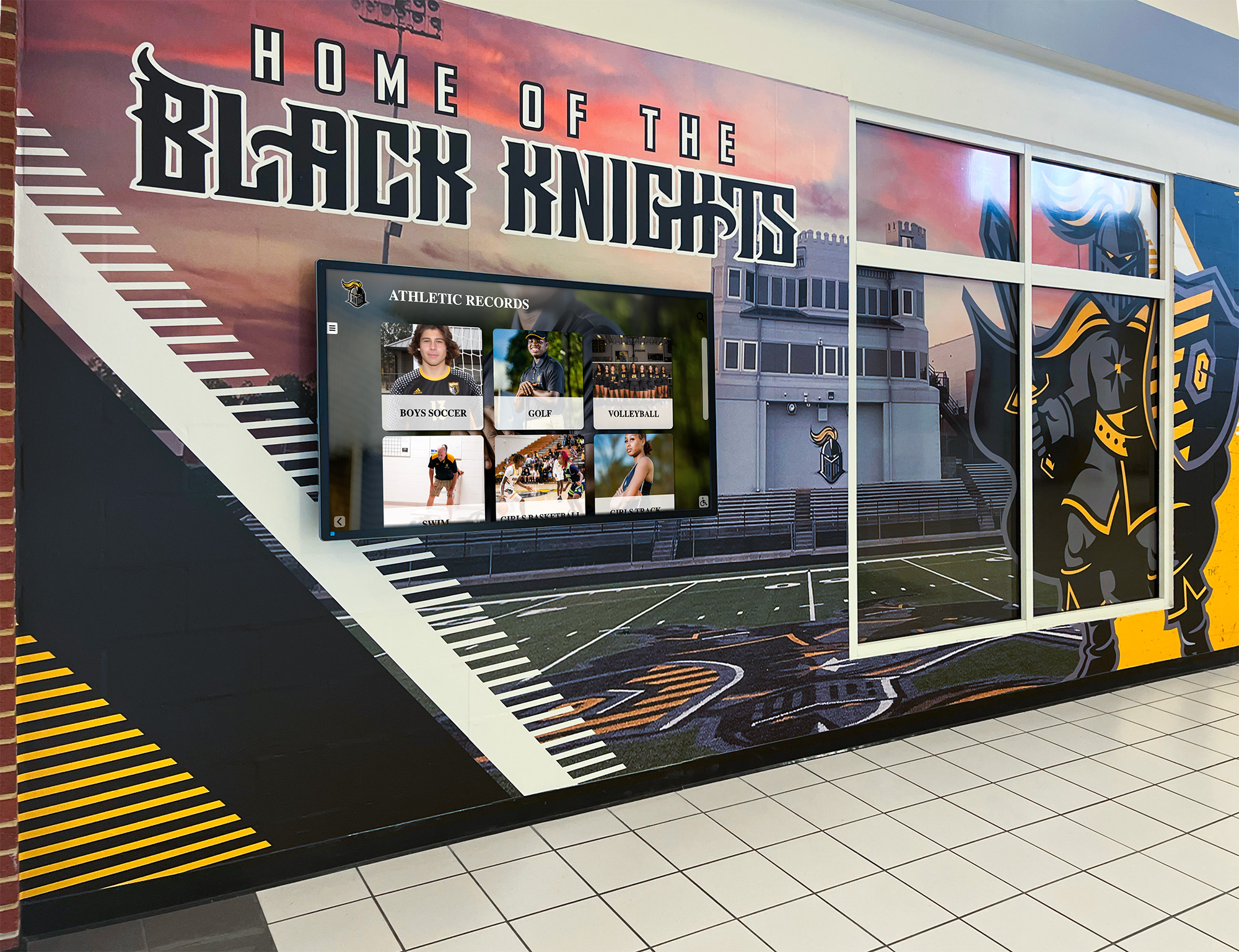
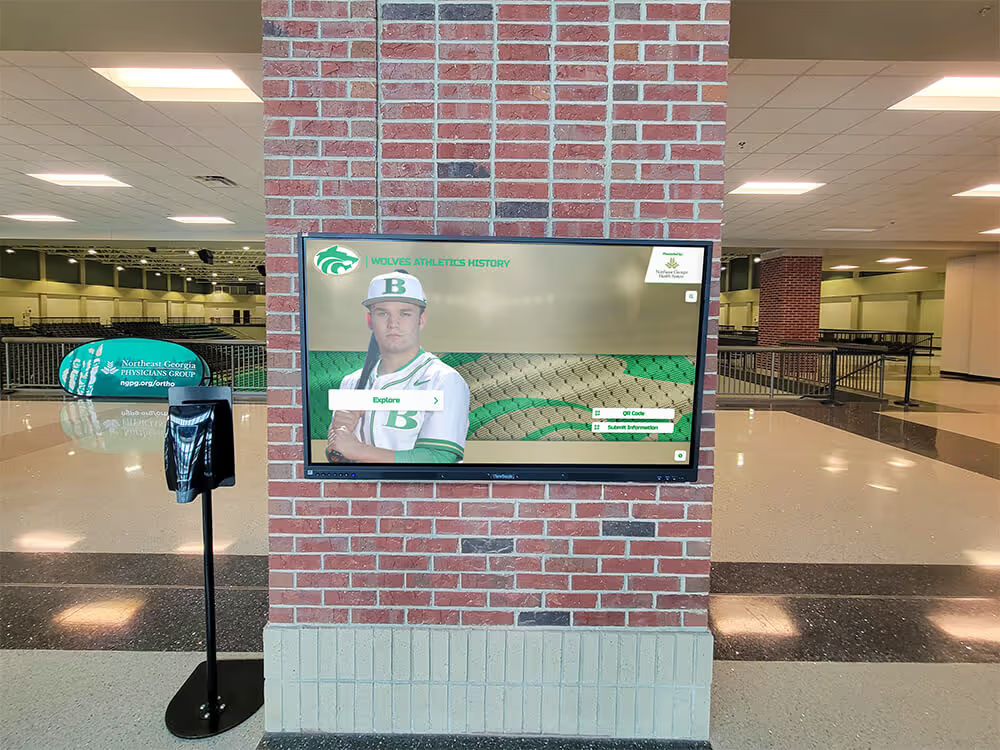
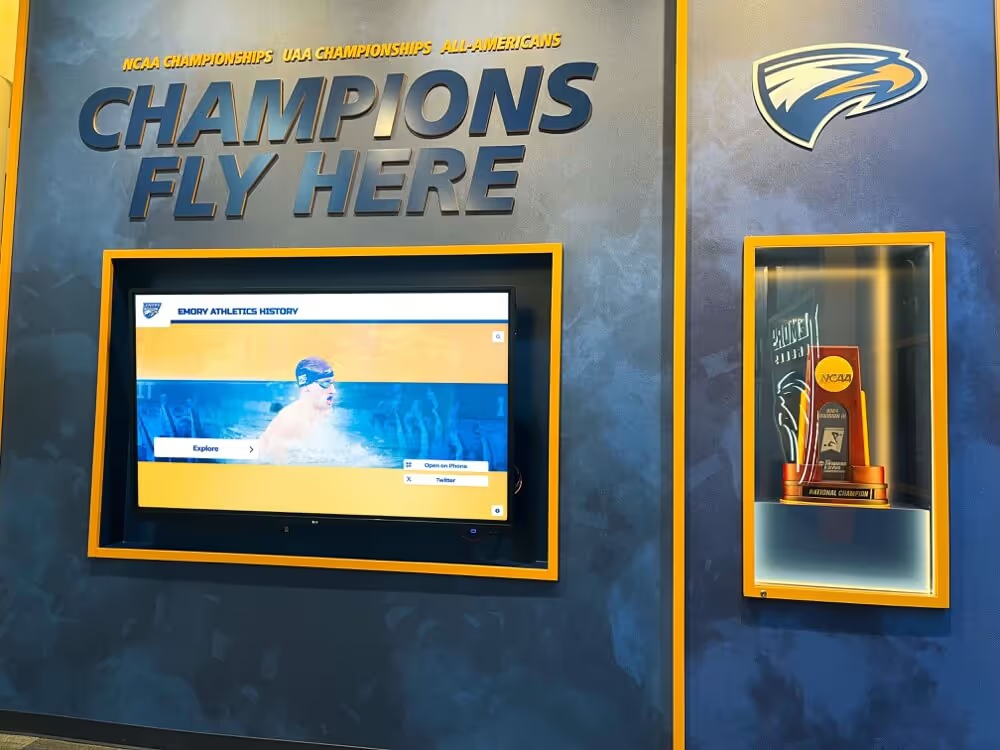
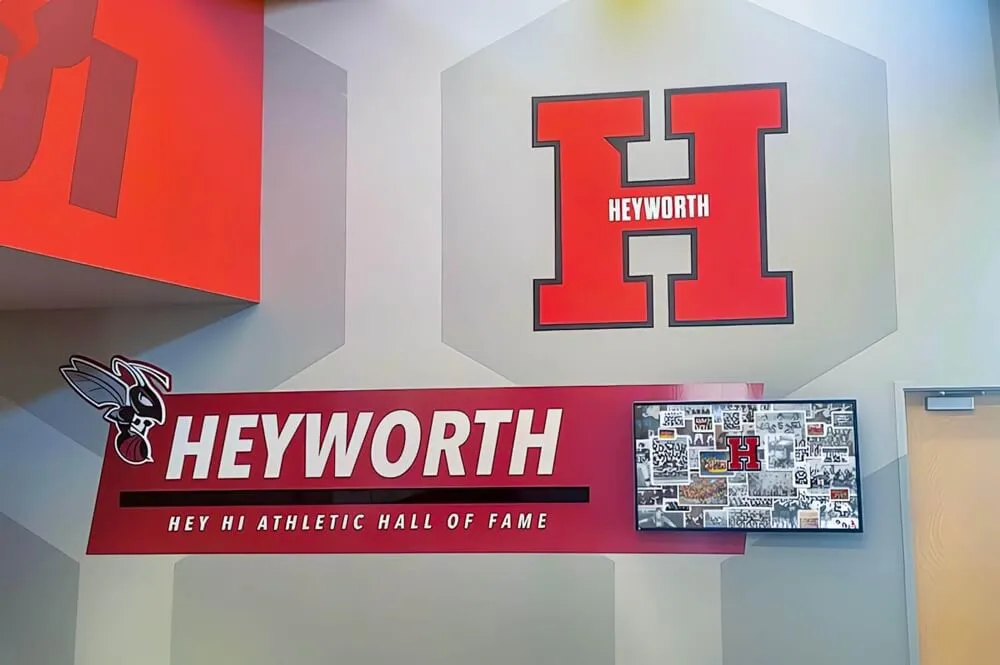
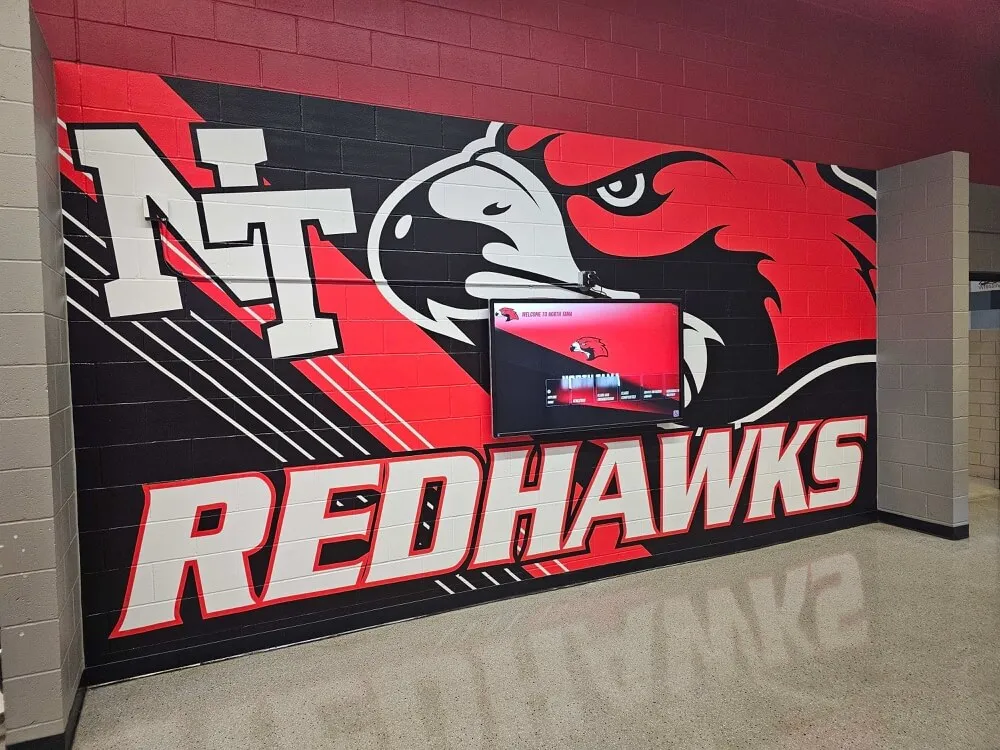
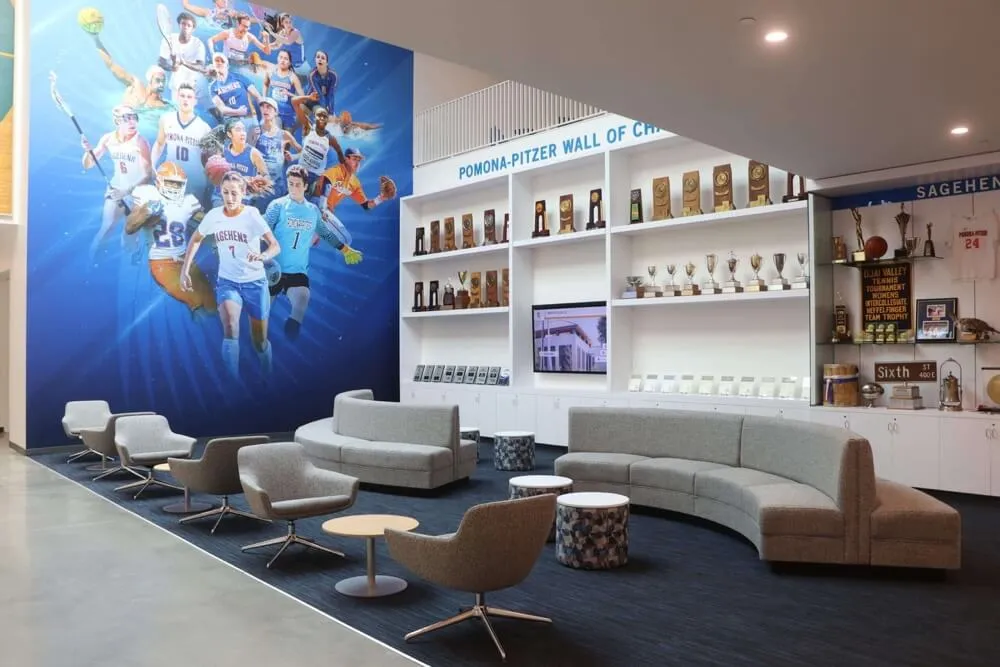
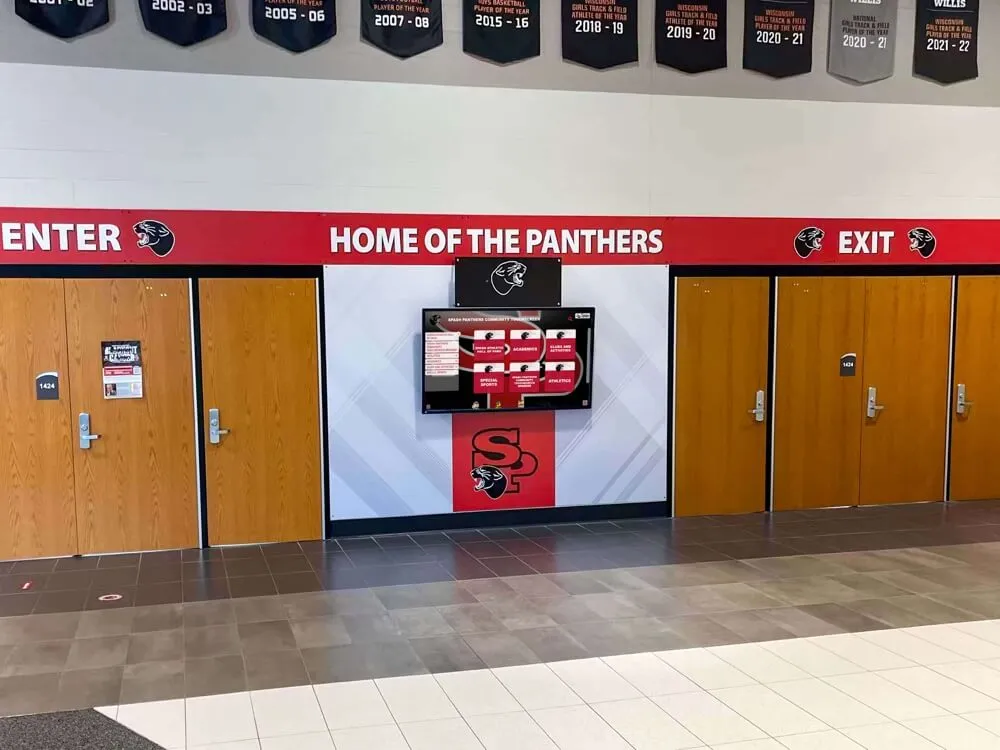
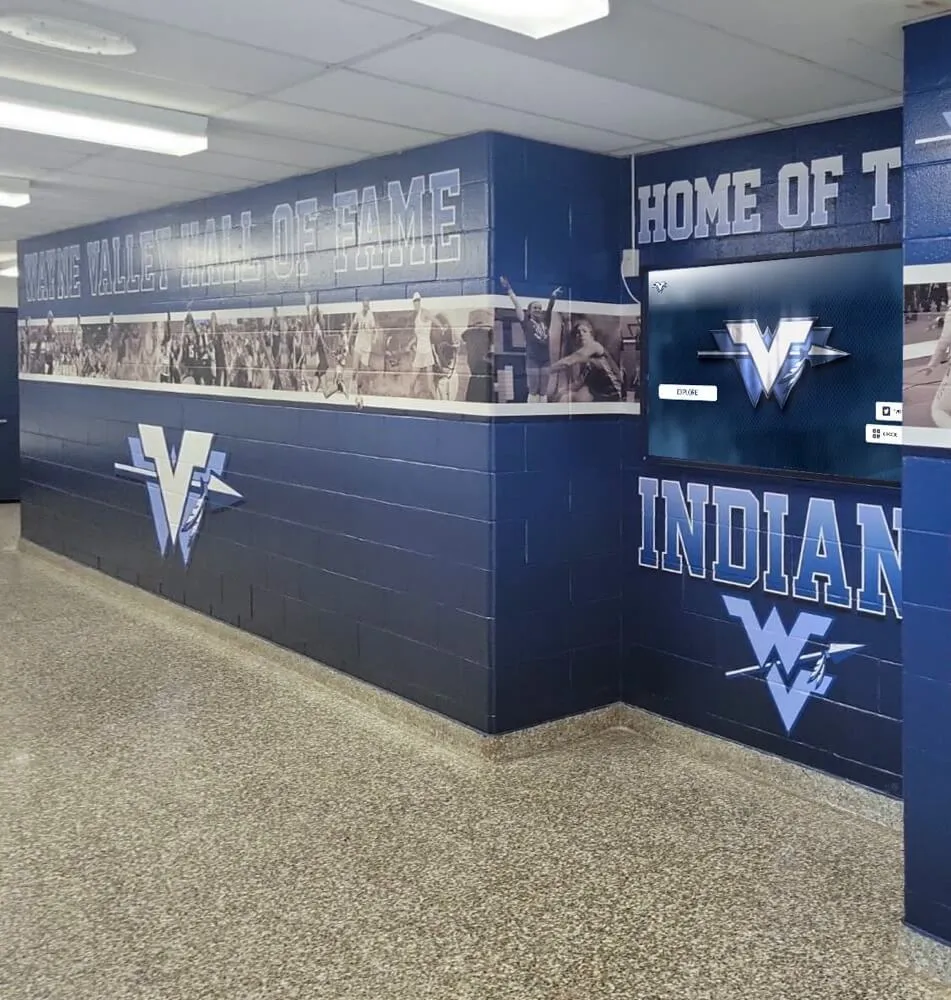
Athletic recognition displays showcase alumni achievements while creating conversation starters during reunion events and campus tours
Athletic and School Spirit Events
- Alumni vs. Varsity Games - Alumni return to compete against current teams in basketball, soccer, volleyball, or other sports
- Tailgate Parties - Pre-game gatherings before varsity football or basketball games
- Championship Game Watch Parties - Organize viewing parties when teams reach playoffs or championships
- Alumni Athletic Hall of Fame Inductions - Annual ceremony recognizing distinguished athletic alumni with digital hall of fame systems preserving recognition permanently
- Sports Skills Clinics - Alumni athletes return to teach current students and youth
- Golf Tournaments - Annual alumni golf outings combining competition with fundraising
- 5K Runs or Walk-a-Thons - Community races supporting school programs with alumni participation
- Alumni Band Performances - Former band members reunite to perform at games or concerts
- Cheerleading and Dance Team Reunions - Spirit squad alumni return for performances
- Athletic Field Dedication Ceremonies - Honor distinguished alumni with named facilities
Career and Mentorship Programs
- Career Panel Discussions - Alumni share industry insights with current students
- Speed Mentoring Events - Students rotate through short conversations with alumni professionals
- Industry-Specific Networking - Gather alumni and students working in common fields (medicine, education, business)
- Mock Interview Workshops - Alumni conduct practice interviews preparing students for college and careers
- College Application Support - Recent graduates help current seniors navigate application process
- Internship Fairs - Alumni organizations offer summer opportunities to current students
- LinkedIn Workshops - Alumni teach professional networking and personal branding
- Salary Negotiation Seminars - Career-stage alumni share compensation discussion strategies
- Entrepreneurship Panels - Business-owning alumni discuss starting companies
- Virtual Coffee Chats - One-on-one video conversations connecting students with alumni mentors
Social and Cultural Gatherings
- Young Alumni Happy Hours - Casual networking for graduates in their 20s and 30s
- Regional Alumni Chapters - City-based gatherings for alumni living in same metropolitan areas
- Alumni Book Clubs - Regular literary discussions connecting graduates through reading
- Cooking Classes - Culinary experiences bringing alumni together in interactive settings
- Wine Tasting Events - Adult social gatherings at wineries or school venues
- Alumni Theater Nights - Group attendance at professional theater productions
- Museum Tours and Cultural Outings - Educational experiences at local institutions
- Alumni Concert Series - Musical performances featuring graduate performers
- Trivia Nights - School history and general knowledge competitions
- Game Nights - Board games, card games, or video game tournaments
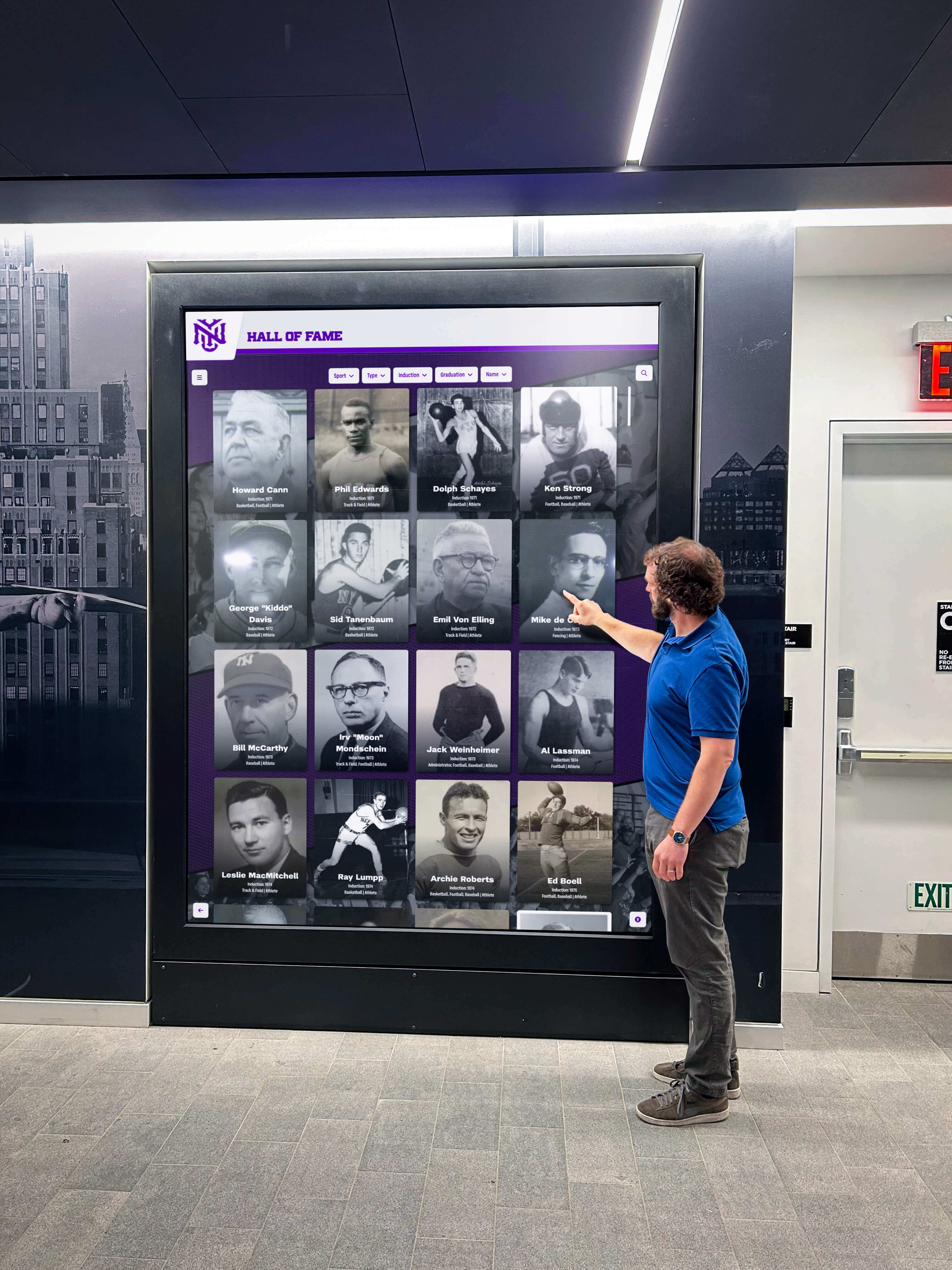
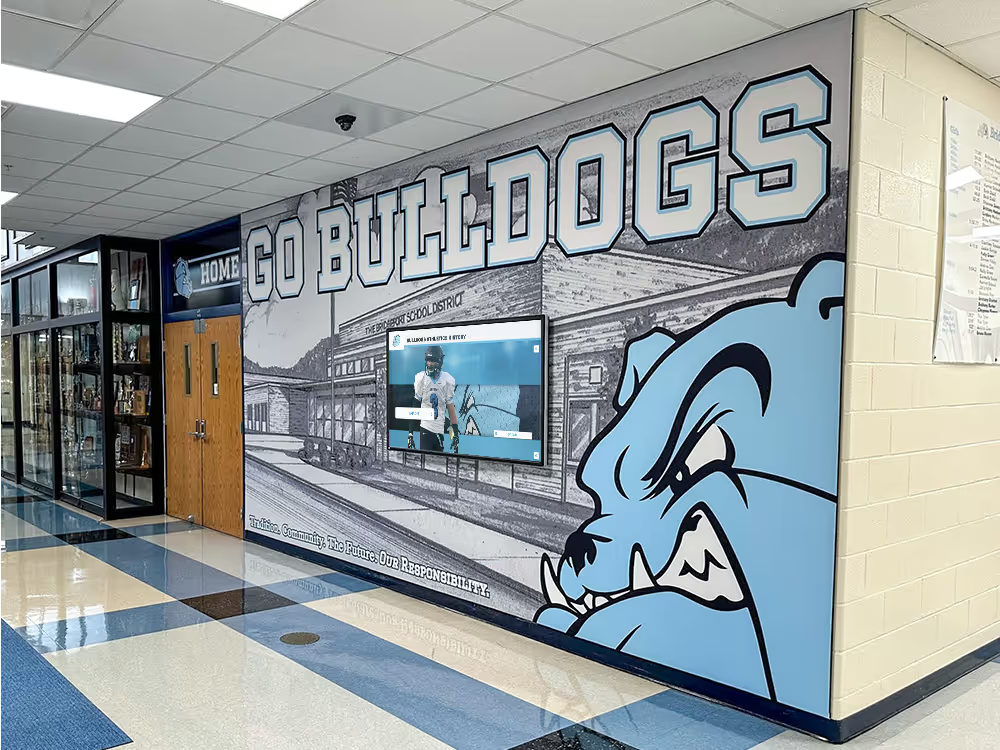
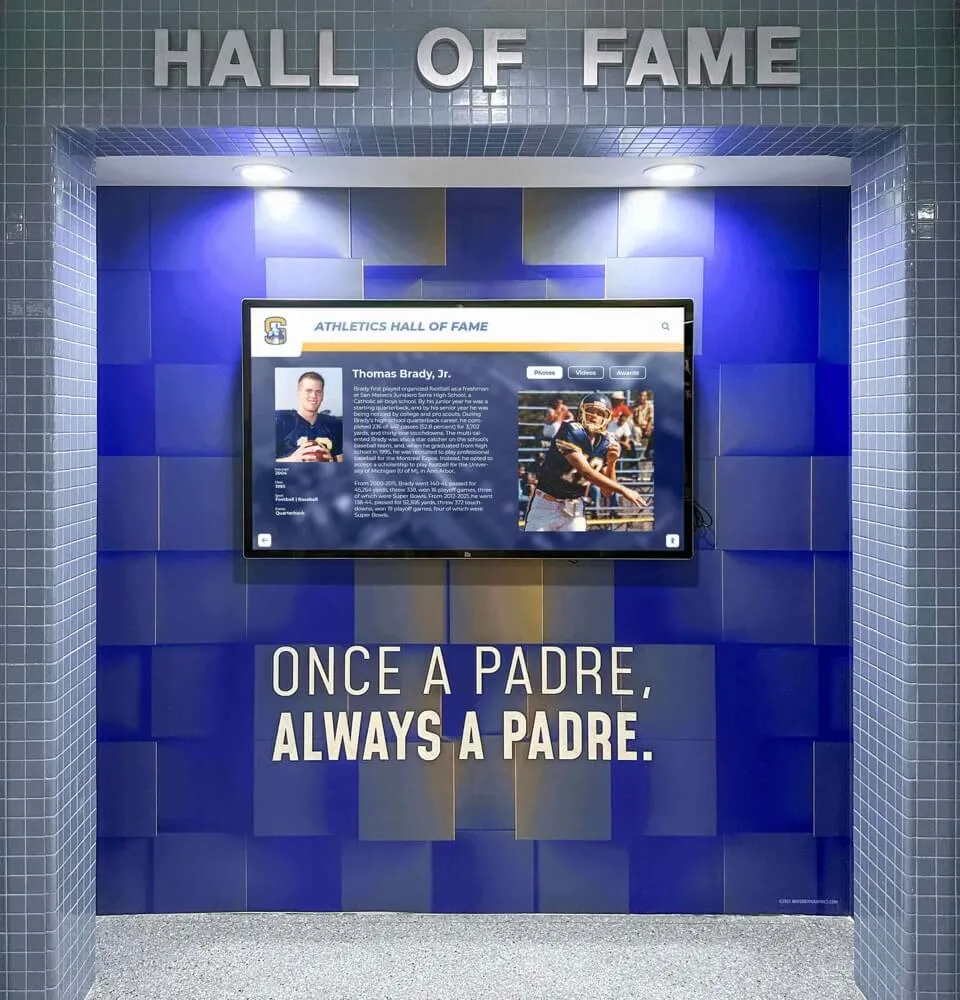
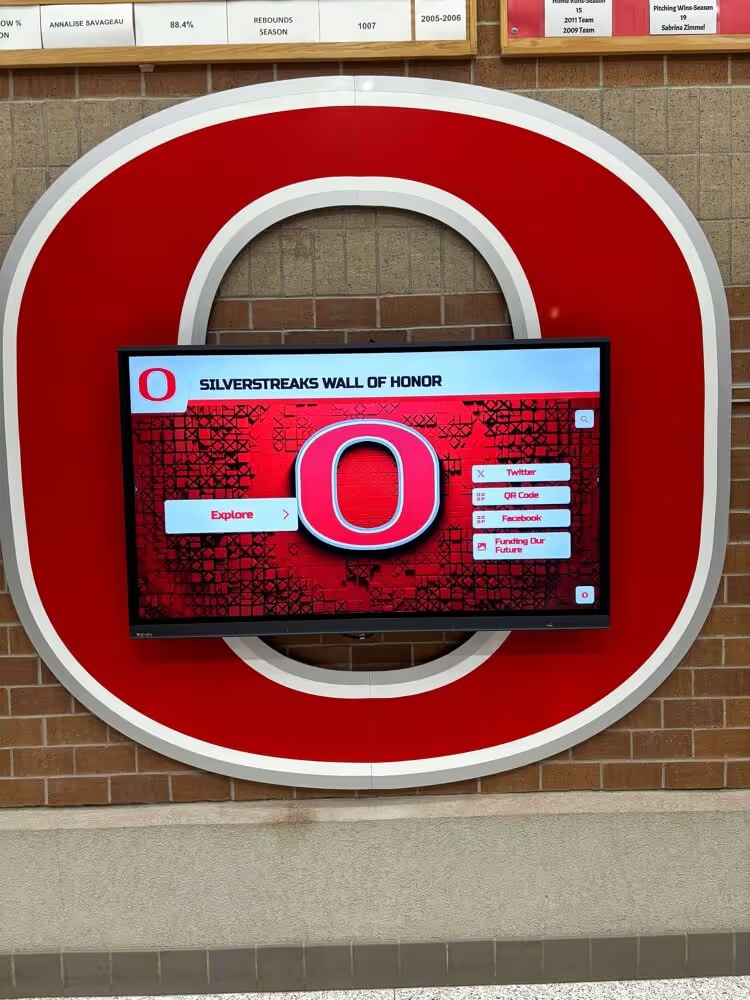
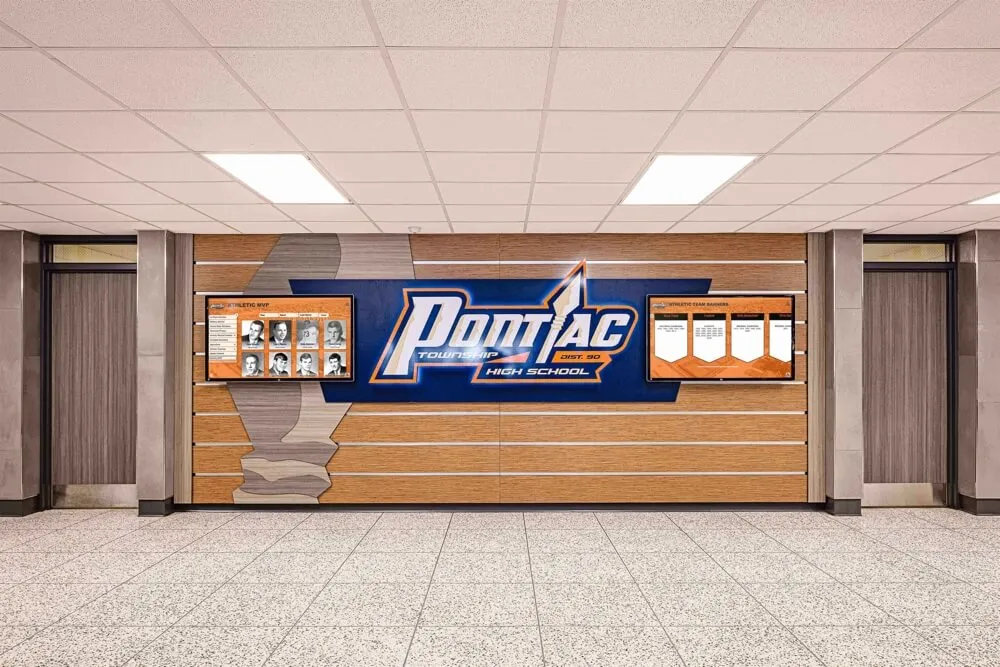
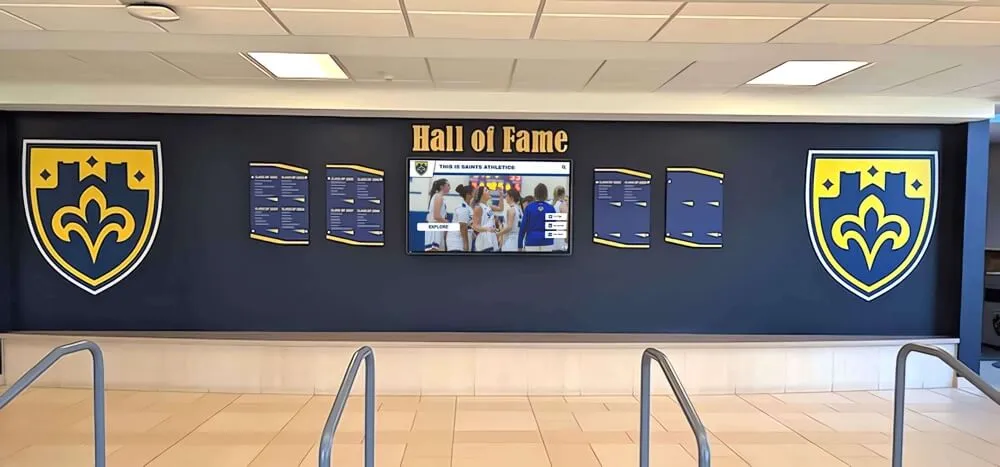
Interactive displays in high-traffic areas enable alumni to explore classmate achievements and institutional history during casual campus visits
College and University Alumni Events
Higher education institutions typically have larger alumni populations, more geographic dispersion, and greater resource capacity enabling sophisticated programming.
Academic and Intellectual Programming
- Distinguished Lecture Series - Prominent alumni return as guest speakers on campus
- Research Symposia - Graduate researchers present findings to alumni audiences
- Faculty Showcase Events - Professors share recent work with engaged alumni
- Continuing Education Workshops - Professional development sessions for alumni
- Author Book Signings - Alumni authors present and discuss recent publications
- Academic Department Open Houses - Departments host alumni showcasing program evolution
- Library Archive Tours - Special access to rare collections and institutional history
- Scientific Discovery Presentations - Research breakthrough announcements with alumni audiences
- Philosophy and Ethics Discussions - Facilitated conversations on contemporary issues
- Documentary Film Screenings - Alumni-created or relevant documentary presentations with Q&A
Professional and Career Development
- Industry Conference Sponsorships - University-hosted professional conferences in specific fields
- Executive Leadership Forums - Senior-level alumni discussions on organizational management
- Technology and Innovation Showcases - Alumni startups and tech ventures present innovations
- Legal Education Seminars - Law school alumni continuing legal education credits
- Medical Grand Rounds - Alumni physicians present clinical cases and research
- Education Policy Panels - Teacher and administrator alumni discuss educational reform
- Financial Planning Workshops - Alumni financial advisors offer retirement and investment guidance
- Real Estate Investment Seminars - Alumni real estate professionals share market insights
- Marketing and Branding Workshops - Communications alumni teach marketing strategies
- Data Science Bootcamps - Technical skills training from computer science graduates
Athletic and Recreation Events
- Alumni Varsity Sports Competitions - Full games between alumni teams and current rosters
- Intramural Sports Leagues - Regular recreational leagues for local alumni
- Fitness Classes and Wellness Retreats - Health-focused programming at campus facilities
- Marathon Training Groups - Organized running programs preparing for races together
- Outdoor Adventure Trips - Hiking, camping, or outdoor expeditions for alumni
- Sailing or Rowing Regattas - Water sport competitions for schools with programs
- Tennis or Racquet Sports Tournaments - Court sport competitions across skill levels
- Yoga and Meditation Sessions - Wellness programming in campus spaces
- Athletic Facility Tours - Behind-the-scenes access to new or renovated facilities
- Sports Analytics Workshops - Data-driven athletic analysis for sports enthusiast alumni
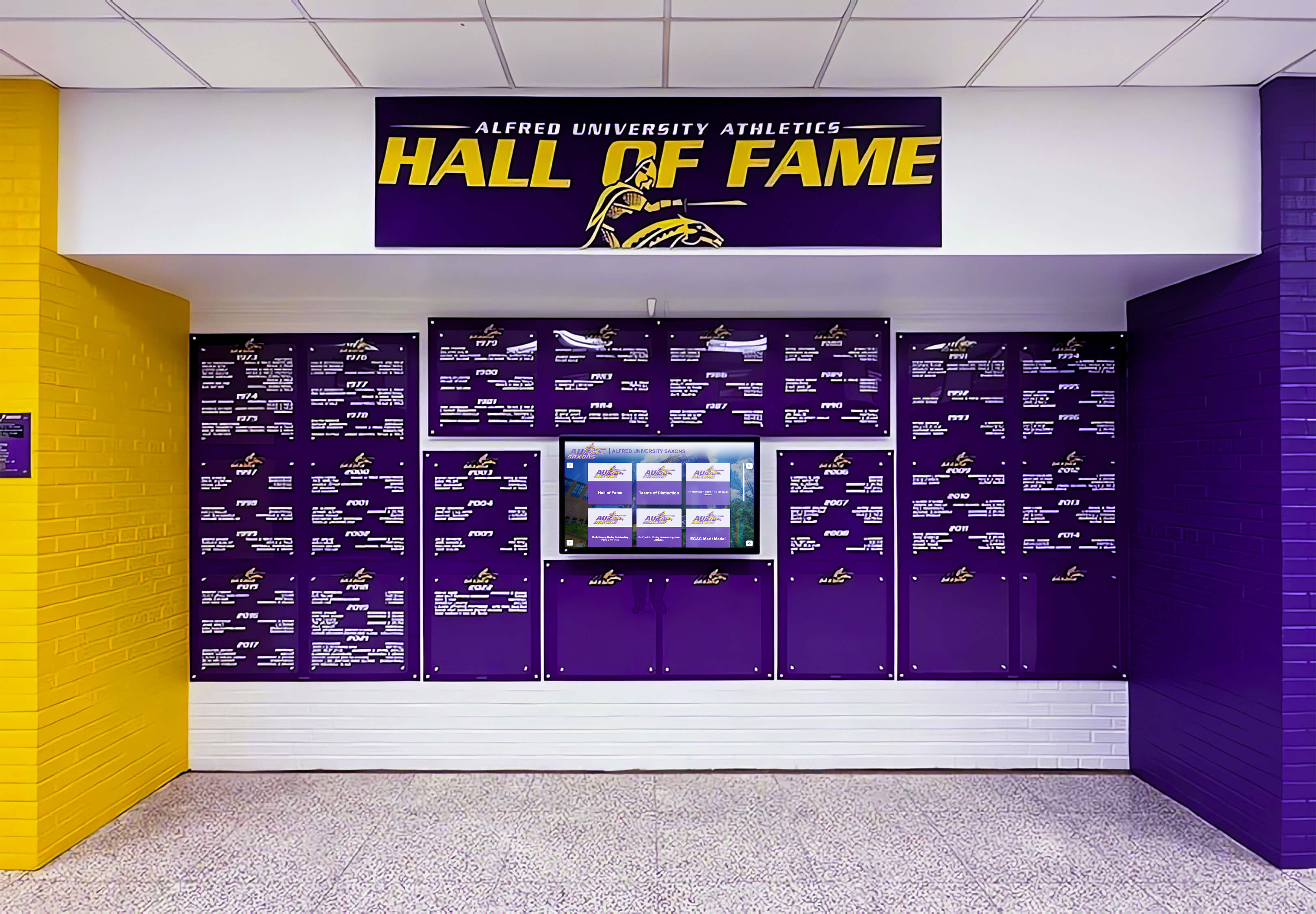
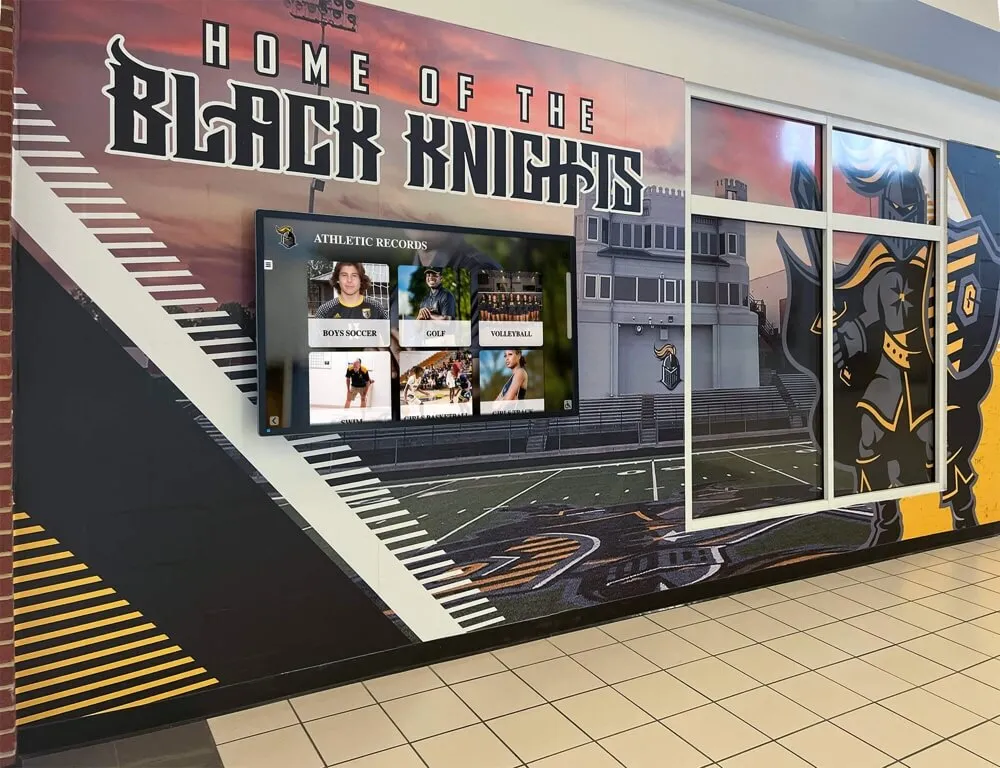
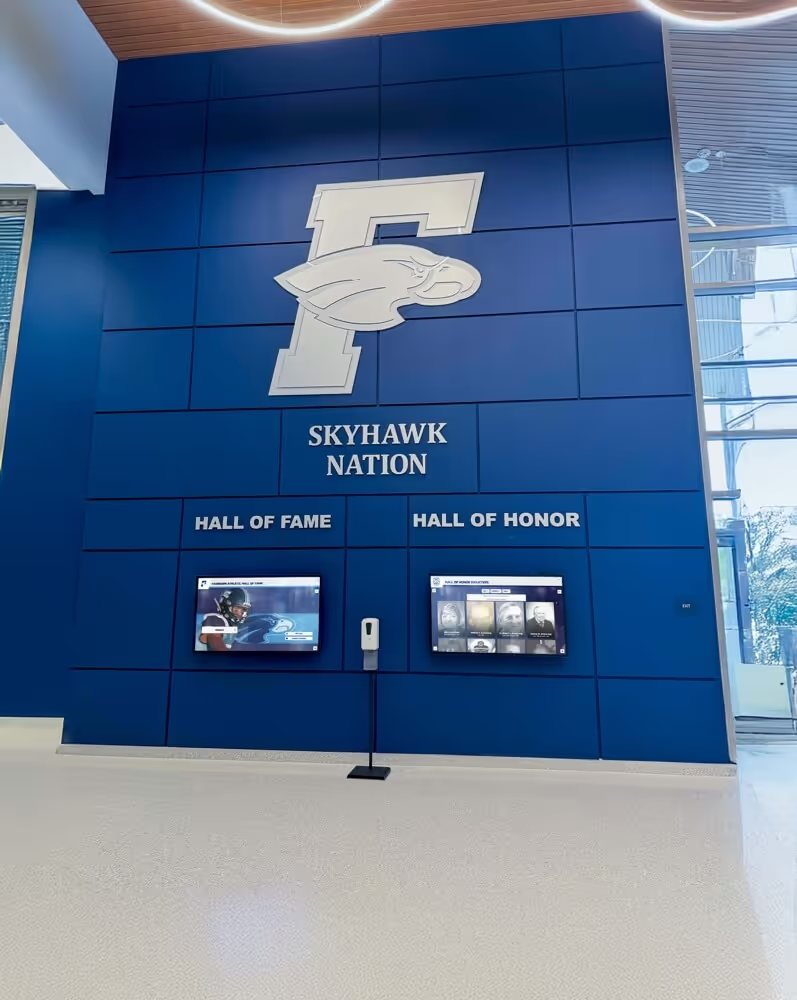
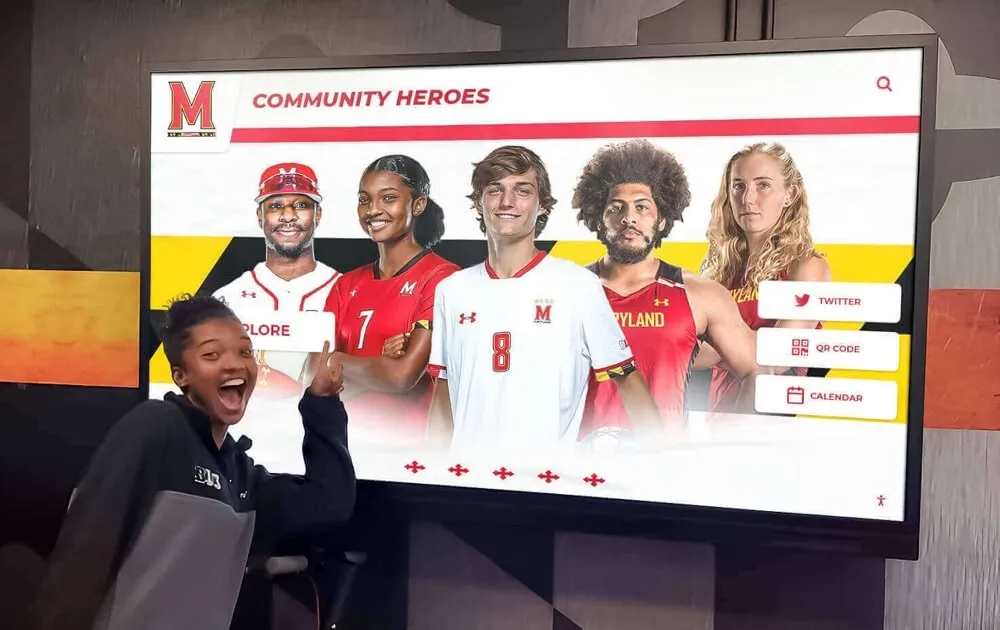
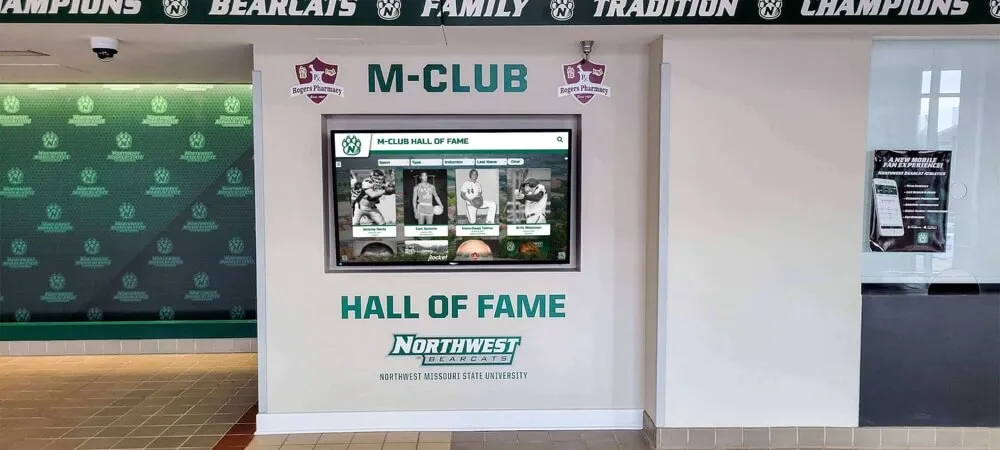
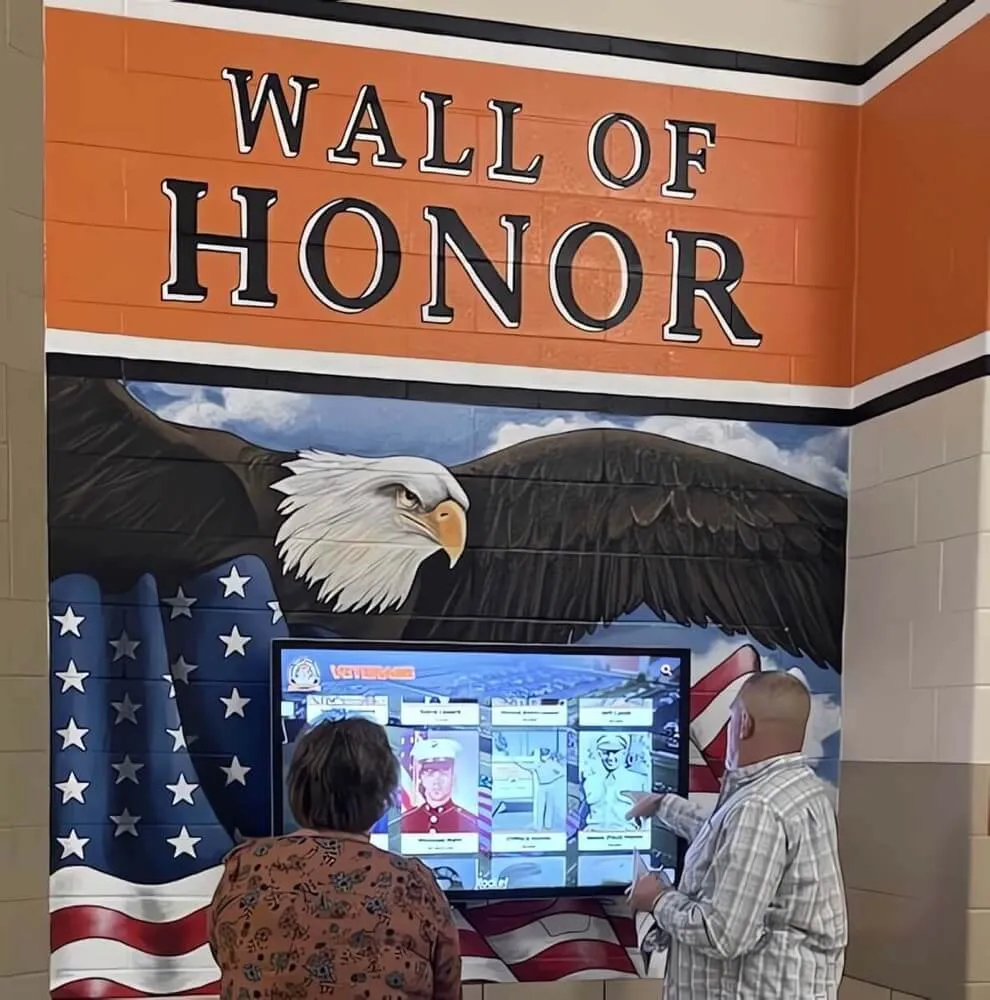
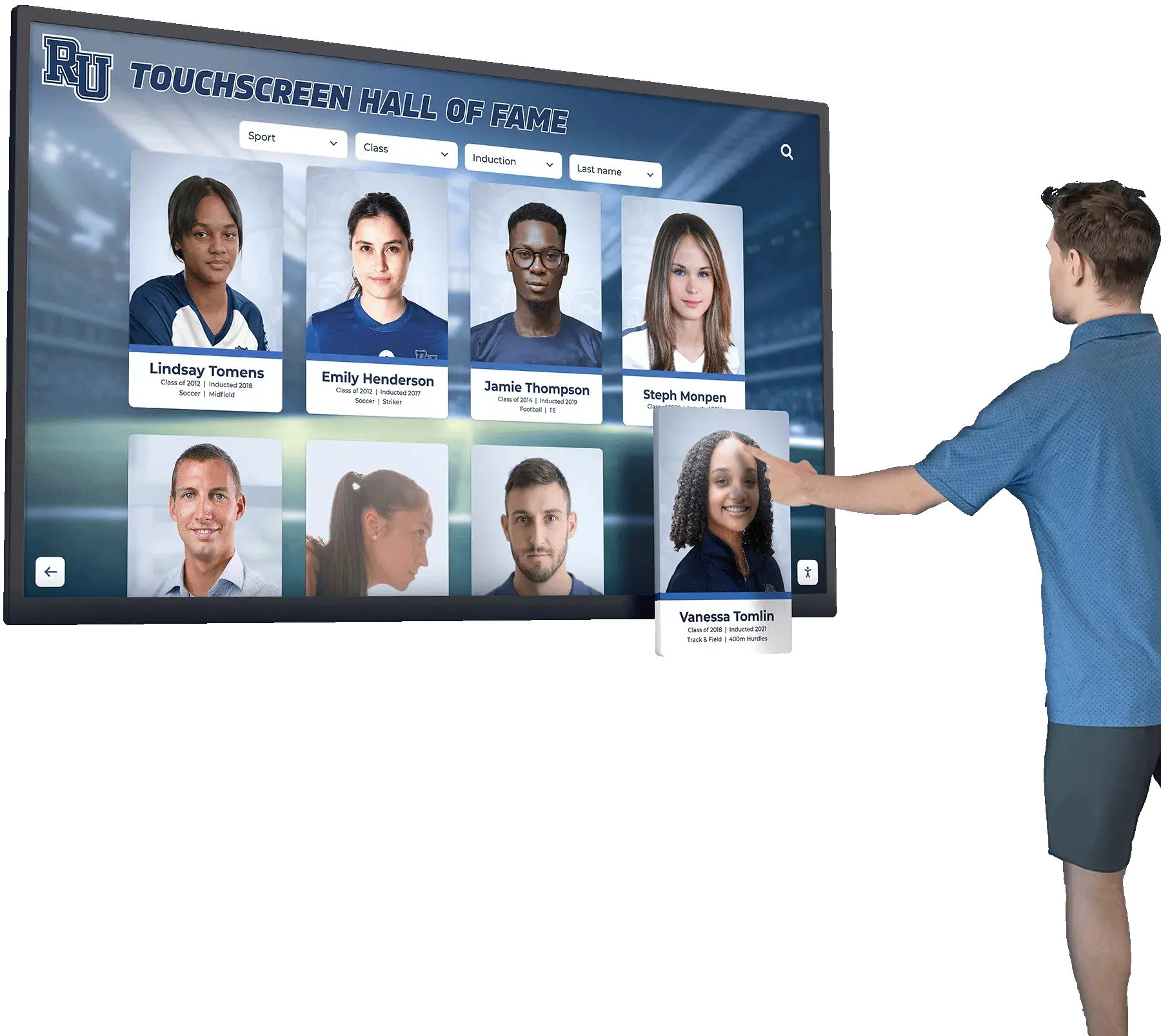
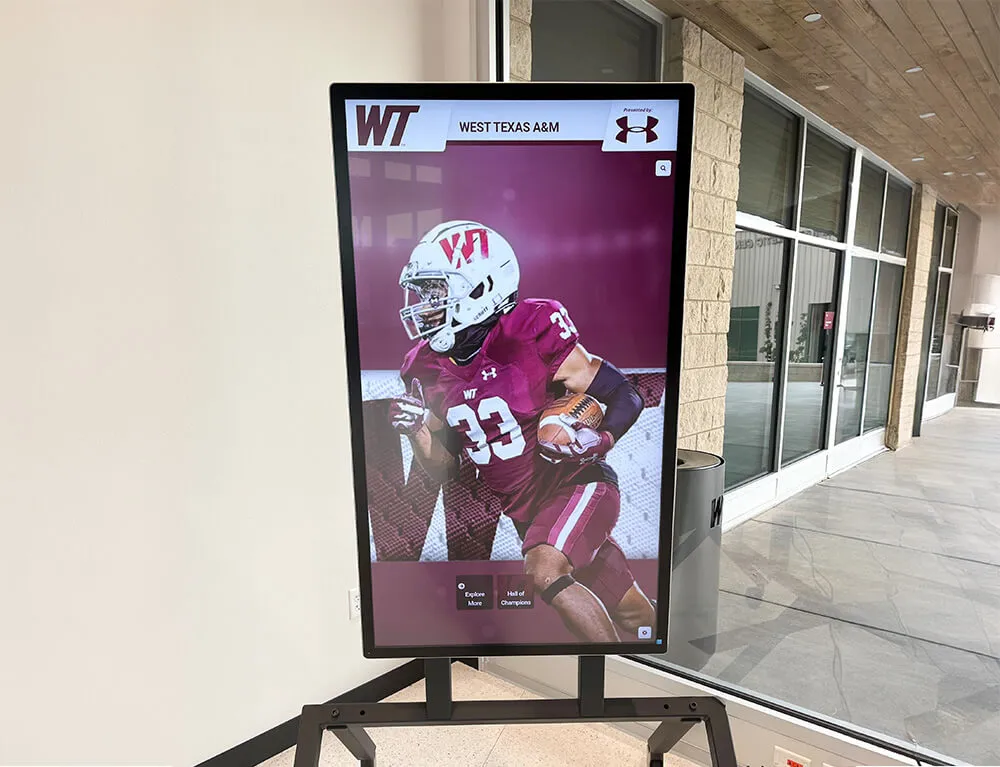
Professional recognition displays celebrate athletic excellence while providing content for social sharing that extends event impact beyond attendees
Arts and Cultural Events
- Alumni Art Exhibitions - Gallery showcases of visual art created by graduates
- Musical Concerts and Recitals - Performances by alumni musicians and composers
- Theater Productions - Full productions featuring alumni actors, directors, and crew
- Film Festivals - Screenings of alumni-created films and documentaries
- Poetry Readings and Literary Events - Creative writing alumni share work
- Dance Performances - Alumni choreographers and dancers present new work
- Photography Competitions - Juried exhibitions of alumni photography
- Architecture Tours - Campus building tours led by alumni architects
- Fashion Shows - Alumni designers present clothing and accessory collections
- Culinary Events - Alumni chefs prepare meals or teach cooking techniques
Service and Impact Initiatives
- Community Service Days - Organized volunteer projects in local communities
- Habitat for Humanity Builds - Construction projects supporting affordable housing
- Food Bank Volunteer Events - Sorting and distribution assistance at food banks
- Environmental Cleanup Projects - Park, beach, or waterway restoration efforts
- Youth Mentoring Programs - Alumni volunteer as mentors in community programs
- Literacy Tutoring Initiatives - Reading support for underserved student populations
- School Supply Drives - Collection efforts supporting under-resourced schools
- Blood Donation Campaigns - Organized blood drives with alumni participation
- Career Closet Organization - Professional clothing drives supporting job seekers
- Financial Literacy Workshops - Alumni teach money management in community settings
Schools implementing digital recognition programs find that visible celebration of alumni achievements motivates event participation and ongoing engagement.
Graduate and Professional School Events
Graduate programs serve specialized populations with advanced degrees and established careers requiring distinct programming approaches.
Professional Development and Continuing Education
- Continuing Professional Education Credits - Formal programs providing required credentials
- Certification Preparation Courses - Exam preparation for professional certifications
- Emerging Technology Training - Skills development in AI, data science, or emerging fields
- Leadership Development Intensives - Multi-session programs developing executive capabilities
- International Business Seminars - Global markets and cross-cultural business practices
- Negotiation Skills Workshops - Advanced negotiation training from experienced professionals
- Grant Writing Bootcamps - Research funding application skills for academics
- Clinical Skills Updates - Medical and health professionals maintaining current practice knowledge
- Legal Specialization Seminars - Advanced training in specific legal practice areas
- Academic Research Collaboration - Facilitated partnerships between alumni researchers
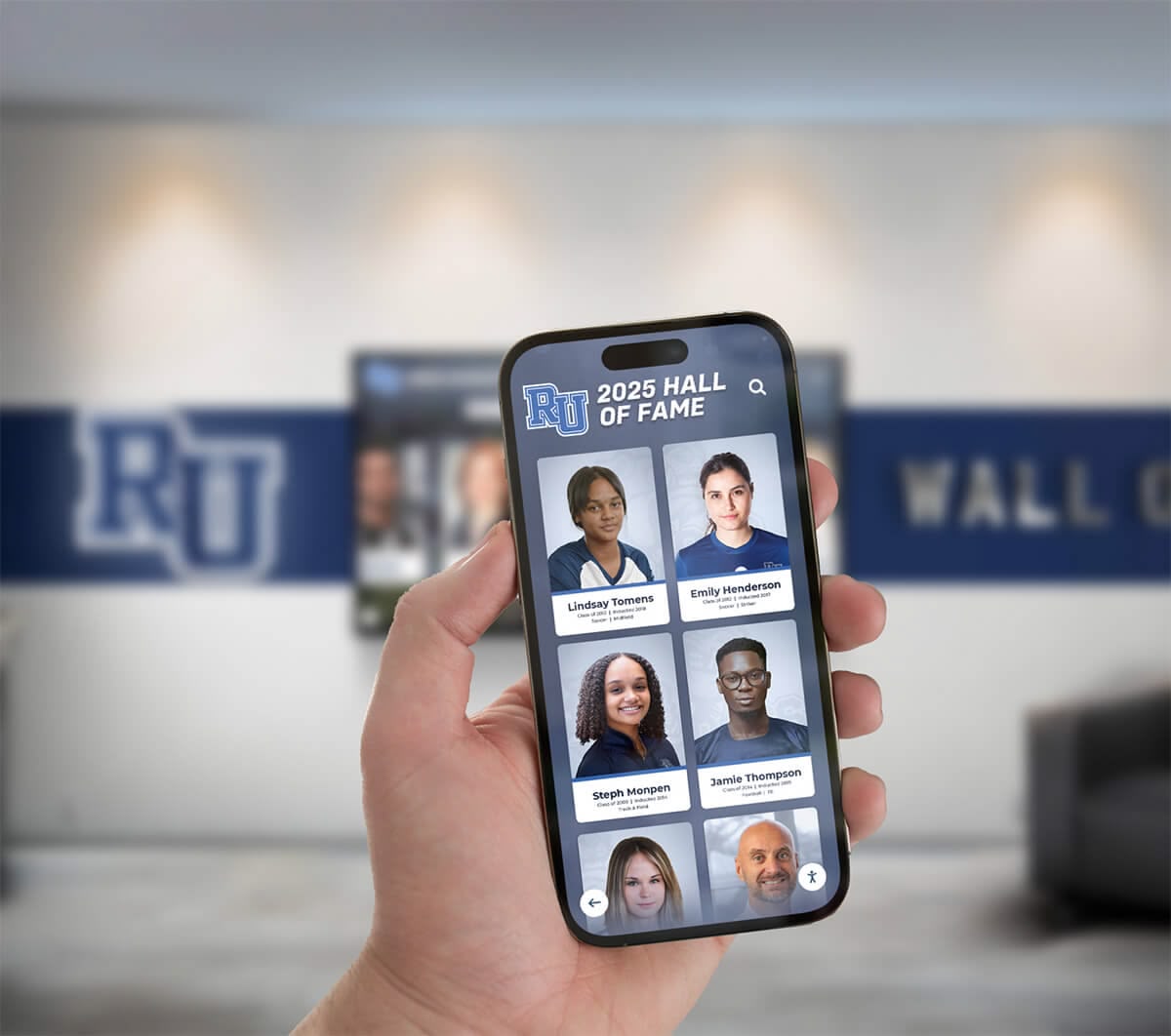
Mobile-accessible alumni platforms enable graduates to explore recognition and update profiles from anywhere, extending engagement beyond physical events
Extra Fun and Creative Alumni Event Ideas
Beyond traditional programming, consider these unique approaches that generate excitement and memorable experiences:
Unconventional Gatherings
Escape Room Challenges - Teams of alumni compete solving puzzles in themed escape rooms, building collaboration while having fun
Alumni Competitive Cooking Shows - Iron Chef-style competitions where alumni prepare dishes judged by celebrity chefs or faculty
Talent Show Extravaganzas - Alumni showcase hidden talents from singing to magic tricks to comedy routines
Murder Mystery Dinners - Interactive theater experiences where alumni play characters solving fictional crimes
Alumni Dating Events - Speed dating or mixer events specifically for single graduates seeking relationships
Outdoor Movie Nights - Large-screen film showings on campus quads or athletic fields with classic films or school-themed content
Alumni Spelling Bees - Competitive spelling competitions for adult alumni with humorous or challenging words
Karaoke Competitions - Performance contests where alumni sing favorite songs judged by audience applause
Alumni Fashion Shows - Runway events featuring alumni models wearing various era-appropriate fashions from their graduation decades
Themed Costume Parties - Decade parties, holiday costume events, or creative theme celebrations
Nostalgia-Driven Experiences
Historical Campus Time Machines - Recreate campus from specific decades with period music, food, decorations, and fashion
Yearbook Signing Parties - Bring old yearbooks and sign/update with current contact information and life updates
Locker Reunions - Alumni visit their old lockers (if still existing) and share memories
Cafeteria Food Tastings - Serve beloved (or notorious) cafeteria foods from different eras
Class Photo Booth Recreations - Professional photography recreating graduation photos with aged subjects
Old School Dance Parties - Music from graduation years played by DJs or live bands
School Memorabilia Swap Meets - Trading events for old jerseys, programs, photos, and school items
Classroom Sit-Ins - Alumni return to old classrooms for symbolic class session
Library Carrel Visits - Tour study spaces and share favorite study spot memories
Campus Scavenger Hunts - Competitive races finding locations significant to alumni experiences
Technology-Enhanced Events
Virtual Reality Campus Tours - VR experiences showing campus evolution across decades for distant alumni
Live-Streamed Reunion Concerts - Professional productions broadcast to alumni worldwide
Augmented Reality Historical Walks - AR apps overlaying historical images on current campus locations
Social Media Photo Contests - Instagram or Facebook competitions with prizes for best alumni memories
Virtual Trivia Competitions - Online quiz platforms enabling global participation
Digital Time Capsules - Collaborative online content creation for future reunion openings
Alumni TikTok Challenges - Creative video competitions showcasing school spirit
Online Gaming Tournaments - Esports competitions for video game enthusiast alumni
Podcast Recording Events - Live podcast recordings featuring distinguished alumni guests
Digital Storytelling Projects - Collaborative video or multimedia projects documenting alumni experiences
Planning and Executing Successful Alumni Events
Creating compelling alumni events requires systematic planning addressing logistics, promotion, and engagement measurement.
Event Planning Fundamentals
Define Clear Objectives
Begin with specific goals determining success criteria:
- Attendance targets based on realistic expectations
- Engagement quality measures beyond simple headcount
- Fundraising goals if financial contribution is an objective
- Specific relationship building outcomes
- Content or programming learning objectives
Understand Your Alumni Segments
Different alumni respond to different programming:
- Young Alumni (1-10 years out): Career-focused, social events, digital communication
- Mid-Career Alumni (10-25 years out): Professional networking, family-friendly programming, leadership opportunities
- Established Alumni (25+ years out): Legacy focus, reunion emphasis, mentorship roles, giving cultivation
- Geographic Clusters: Local programming serving alumni in specific regions
- Affinity Groups: Programming around shared majors, activities, or identities
Select Appropriate Formats and Scale
Match event scope to resources and objectives:
- Intimate Gatherings (10-30 attendees): Deep conversation, relationship building, high engagement per person
- Medium Programs (30-100 attendees): Balanced networking and content, manageable logistics
- Large Celebrations (100-500+ attendees): Major marquee events, broad reach, significant resources required
- Virtual or Hybrid Options: Expand geographic reach, accommodate scheduling constraints
Schools creating donor recognition displays often integrate alumni recognition into physical spaces where events occur, providing natural conversation starters.
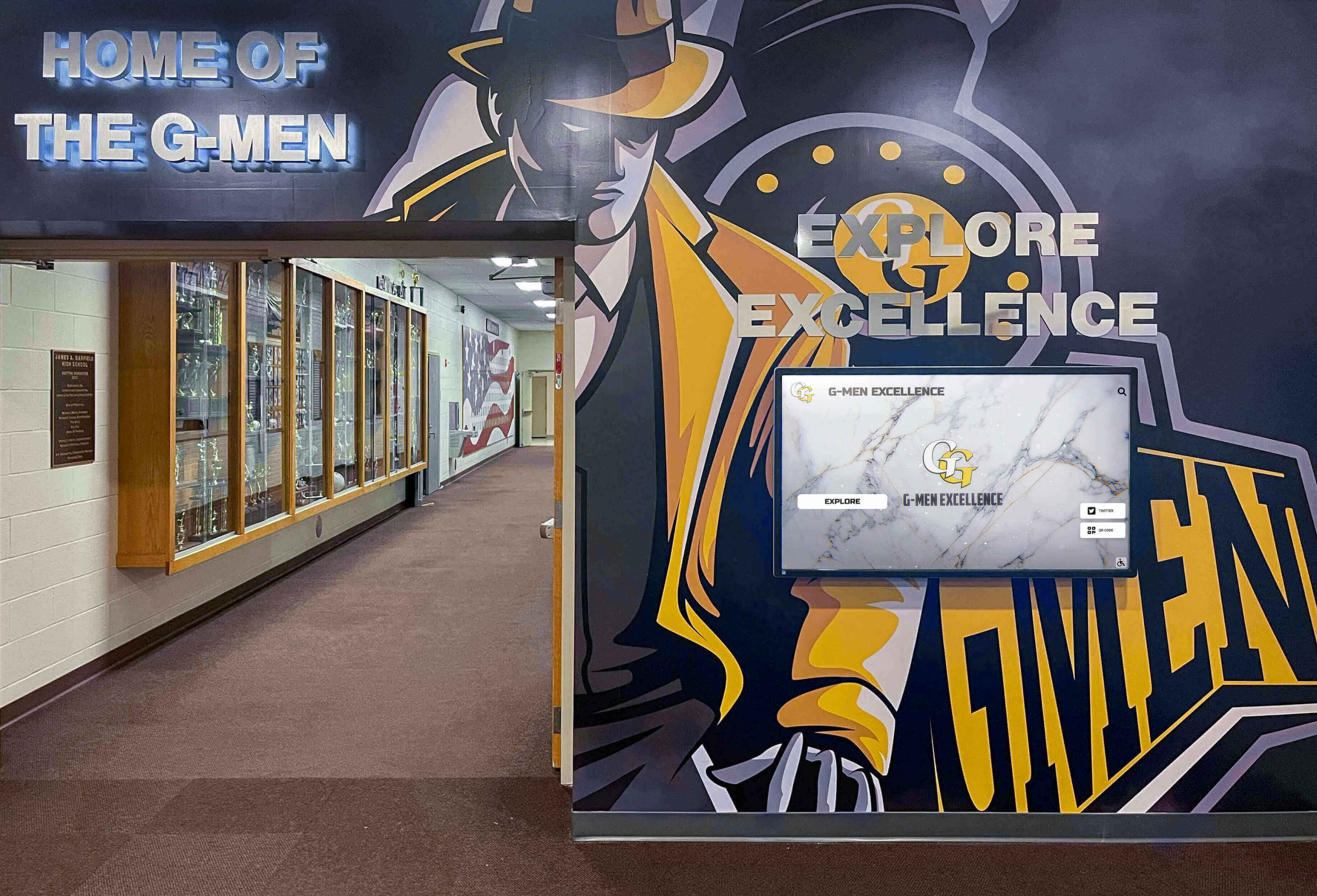
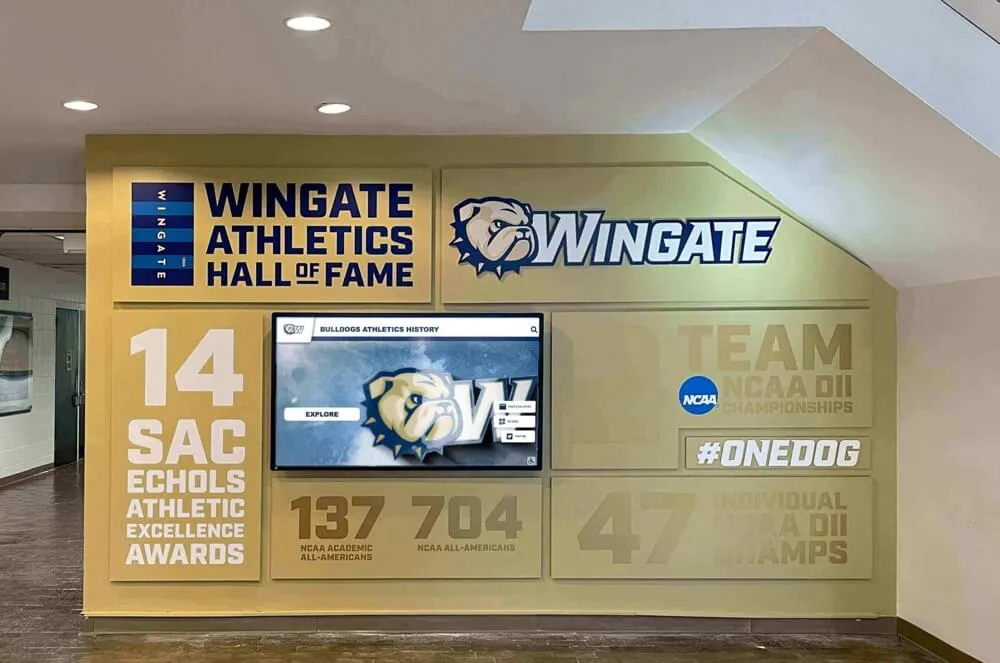
Strategic placement of recognition displays in event venues provides content that facilitates networking conversations and reinforces institutional pride
Promotion and Communication Strategies
Multi-Channel Outreach
Reach alumni through diverse communication methods:
- Email Marketing: Primary channel for formal invitations and registration
- Social Media: Event awareness, excitement building, and community discussion
- Alumni Website: Central information hub with full details and registration
- Print Mailings: Physical invitations for milestone events or older alumni preferences
- Phone Calls: Personal outreach for VIP guests or special programming
- Alumni Publications: Feature coverage in magazines and newsletters
Compelling Messaging
Create communications that motivate registration:
- Clear value proposition answering “why should I attend?”
- Specific agenda and programming details eliminating uncertainty
- Featured guests or speakers creating draw
- Registration deadlines creating urgency
- Testimonials from past participants building credibility
- Visual content showing previous event experiences
Early and Sustained Promotion
Timeline matters significantly:
- 8-12 weeks before: Initial announcement and save-the-date
- 6-8 weeks before: Full invitation with registration launch
- 4-6 weeks before: Reminder communications highlighting program details
- 2-4 weeks before: Urgency messaging as registration closes
- 1 week before: Final details and logistics for registered attendees
- Day before/of: Reminders with directions and practical information
Creating Memorable Event Experiences
Professional Execution
Quality matters for alumni satisfaction:
- Well-organized registration and check-in processes
- Professional venue setup and decoration
- Quality food and beverage appropriate to event type
- Audio-visual equipment functioning reliably
- Clear signage and wayfinding
- Adequate staffing for smooth operations
Interactive Programming
Engagement beats passive attendance:
- Structured networking activities breaking ice between attendees
- Interactive presentations with audience participation
- Small group discussions around tables or breakout rooms
- Q&A sessions with speakers or panelists
- Hands-on activities or demonstrations
- Social media integration encouraging real-time sharing
Recognition and Celebration
Honor attendees meaningfully:
- Name badges facilitating conversation and connection
- Special recognition for milestone reunion classes
- Interactive digital displays showcasing attendee profiles and achievements
- Awards or honors for distinguished graduates
- Photo opportunities with professional or social photography
- Commemorative items or favors
Post-Event Follow-Up and Measurement
Immediate Thank-You Communications
Show appreciation promptly:
- Thank-you emails within 24-48 hours
- Photo galleries sharing event moments
- Video highlights or recordings of sessions
- Social media recap posts with attendee tags
- Requests for feedback and testimonials
Impact Assessment
Measure success systematically:
- Attendance numbers against registration and goals
- Participant satisfaction surveys with specific questions
- Engagement metrics from interactive elements
- Social media reach and impressions
- Fundraising results if applicable
- Follow-up actions (volunteer signups, mentorship connections, subsequent contact)
- Cost per attendee for budget planning
Relationship Continuation
Convert event attendance into sustained engagement:
- Personalized follow-up for high-potential donors or volunteers
- Content sharing relevant to event themes or discussions
- Invitation to next programming maintaining momentum
- Connection facilitation between alumni who met
- Integration into broader alumni communication flow
Universities implementing class reunion displays provide visual content that extends event experience and enables social sharing amplifying impact.
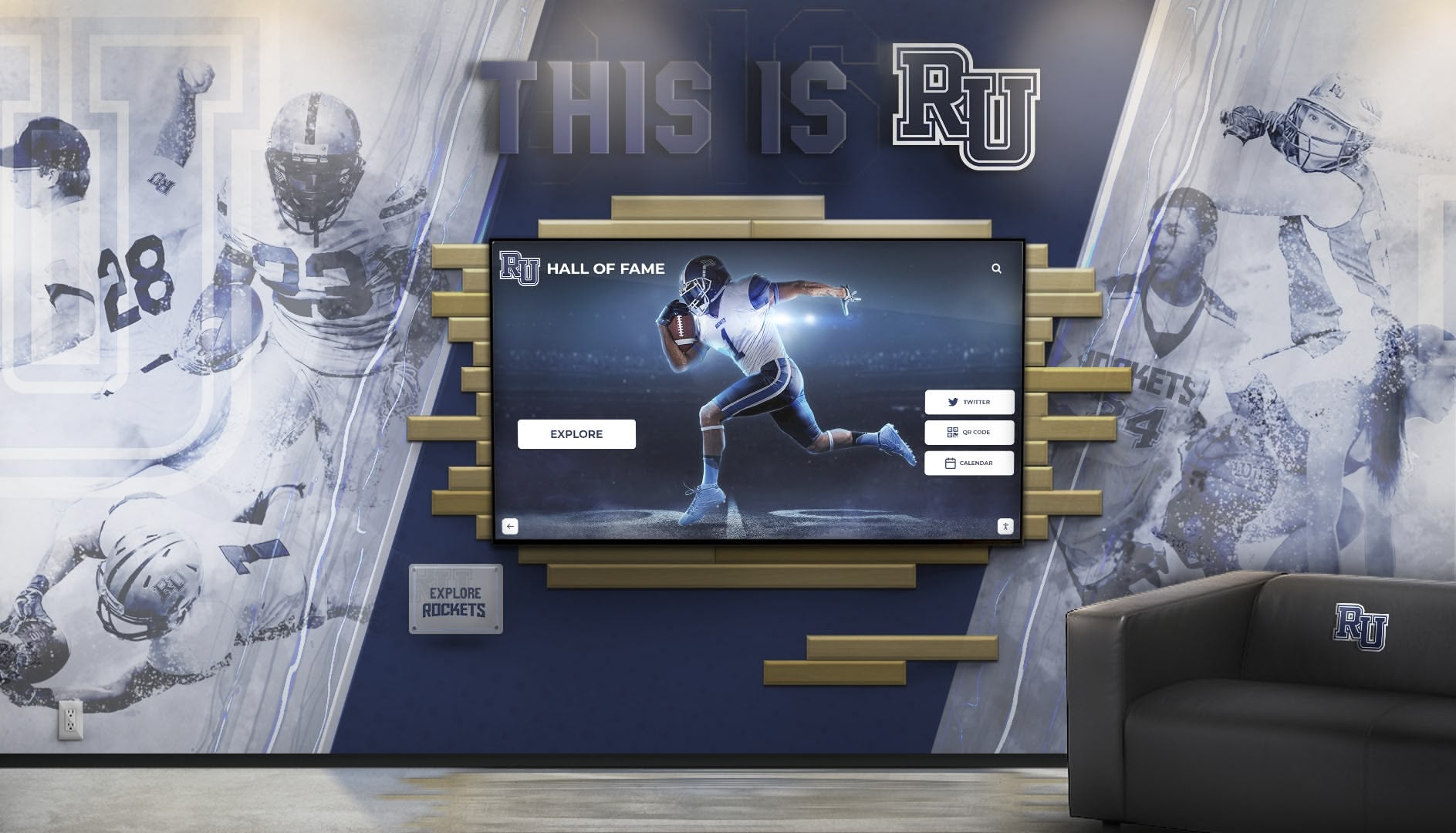
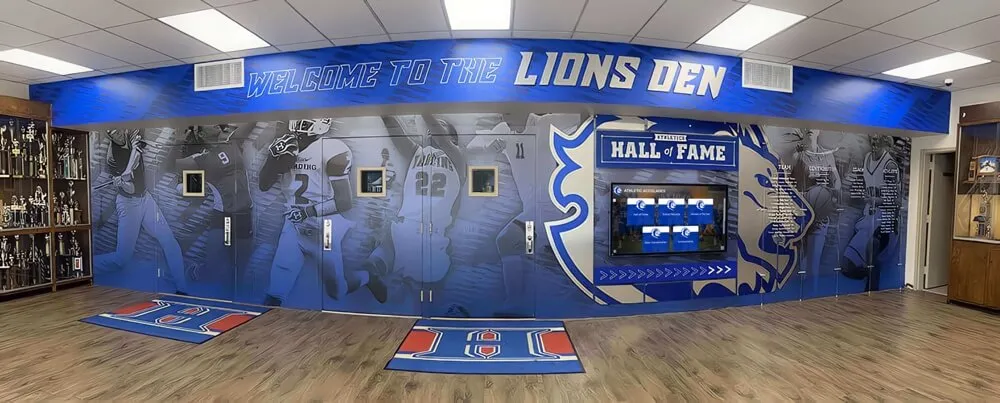
Prominent recognition installations in main campus areas ensure all event attendees encounter alumni achievements and institutional tradition
Budget Considerations for Alumni Events
Event success doesn’t require unlimited resources—strategic planning enables impactful programming across budget ranges.
Cost-Effective Event Approaches
Leverage Existing Resources
Minimize expenses through available assets:
- Campus venues eliminating rental costs
- Student volunteer labor reducing staffing expenses
- Alumni-donated food, beverages, or services
- Faculty speakers providing content without fees
- Existing audio-visual equipment avoiding rentals
- Digital platforms reducing printing and mailing costs
Sponsorship and Underwriting
Offset costs through supporter contributions:
- Alumni business sponsorships with recognition benefits
- Corporate partners supporting career-focused events
- Parent organization funding for student benefit programming
- Class fundraising where reunion attendees cover costs
- Vendor partnerships providing products or services in exchange for access
Tiered Programming Models
Create accessible options across price points:
- Free events removing financial barriers to participation
- Low-cost gatherings ($10-30 per person) covering basic expenses
- Premium experiences ($50-150) with enhanced programming or venues
- Major galas ($150-500+) as marquee fundraising events
- Scholarship or subsidy programs ensuring access for all graduates
Budget Allocation Priorities
When resources are limited, focus spending on highest-impact elements:
- Venue and Basic Logistics (40-50% of budget): Space, basic food/beverage, core operations
- Marketing and Promotion (15-25%): Communications reaching target audiences effectively
- Programming and Content (15-25%): Speakers, activities, entertainment creating value
- Recognition and Gifts (5-10%): Awards, commemorative items, tangible takeaways
- Technology and Documentation (5-10%): Registration systems, photography, video, digital displays
Building Sustainable Alumni Event Programs
Individual events create temporary engagement spikes—systematic programs build lasting connection and institutional culture.
Annual Event Calendars
Establish predictable programming alumni expect:
Marquee Annual Events
Major gatherings creating consistent touchpoints:
- Homecoming weekend every fall
- Spring reunion celebration for milestone classes
- Annual athletic competitions or tournaments
- Yearly career conference or professional development day
- Signature gala or fundraising dinner
Regular Ongoing Programming
Frequent smaller events maintaining momentum:
- Monthly young alumni happy hours in major cities
- Quarterly regional chapter gatherings
- Bi-monthly career panels or mentorship events
- Weekly virtual coffee chat opportunities
- Seasonal cultural events (theater, concerts, exhibitions)
Special Milestone Programming
Events tied to specific occasions:
- Reunion years (5th, 10th, 20th, 25th, 50th)
- Hall of fame inductions and awards ceremonies
- Capital campaign kickoffs and celebrations
- Building dedications and facility openings
- Institutional anniversaries and milestone celebrations
Growing Programs Over Time
Start modestly and expand based on demonstrated success:
Year One: Foundation Building
Focus on core programming:
- Establish homecoming or primary annual event
- Create young alumni programming for recent graduates
- Launch basic career mentorship program
- Implement regional chapter in largest alumni population center
- Build digital recognition platform documenting graduate achievements
Year Two: Program Expansion
Add breadth and depth:
- Expand to 2-3 regional chapters in additional cities
- Increase career programming frequency and specialization
- Add cultural or athletic programming based on interest
- Implement virtual options for geographically distant alumni
- Enhance communication and marketing reaching broader audiences
Year Three: Sophisticated Systems
Build infrastructure and sustainability:
- Establish full annual event calendar with diverse programming
- Create tiered engagement model serving different alumni segments
- Implement data systems tracking participation and relationship development
- Build volunteer leadership structures supporting programming
- Integrate alumni engagement with institutional fundraising and recruitment
Measuring Alumni Event Success
Systematic assessment demonstrates program value while identifying improvement opportunities.
Quantitative Metrics
Participation Data
Numbers tell important stories:
- Total attendance and registration rates
- Percentage of invited alumni attending
- Geographic representation of attendees
- Demographic diversity across age, background, and graduation year
- Repeat participation rates showing sustained engagement
- Growth trends comparing year-over-year attendance
Financial Performance
Economic measures matter:
- Total revenue from registration fees or fundraising
- Cost per attendee showing efficiency
- Sponsorship and underwriting secured
- Net profit or loss against budget
- Return on investment calculations
- Fundraising pipeline development from event connections
Digital Engagement
Online metrics complement physical attendance:
- Social media reach, impressions, and engagement
- Website traffic and registration conversion rates
- Email open and click-through rates
- Virtual participation for hybrid events
- Content sharing and viral distribution
- Post-event content consumption
Qualitative Assessment
Participant Satisfaction
Survey feedback provides critical insights:
- Overall satisfaction ratings
- Specific programming element feedback
- Likelihood to attend future events
- Willingness to recommend to other alumni
- Suggestions for improvement
- Most and least valuable aspects
Relationship Development
Engagement quality matters more than quantity:
- New volunteer commitments secured
- Mentorship relationships established
- Subsequent institutional contact initiated
- Relationship depth progression (from passive to active engagement)
- Alumni testimonials and stories
- Observed enthusiasm and energy
Institutional Impact
Connect events to strategic objectives:
- Student recruitment referrals from event attendees
- Major gift discussions emerging from events
- Positive media coverage and reputation enhancement
- Faculty or program connections established
- Board or committee service commitments
- Legacy gift intentions expressed
Schools implementing comprehensive alumni recognition strategies find that visible celebration of graduate achievements enhances event attendance and overall program effectiveness.
Taking Action: Implementing Your Alumni Event Strategy
Transform these 100 ideas into actionable programming through systematic planning and execution.
Getting Started
Assess Current State
Understand your starting point:
- Inventory existing alumni programming and participation
- Survey alumni about interests and preferences
- Evaluate available resources (budget, staff, volunteer support)
- Review institutional priorities and strategic alignment
- Identify quick wins and low-hanging fruit
Define Priorities
Focus efforts strategically:
- Select 3-5 event types matching alumni interests and institutional capacity
- Establish clear success metrics for initial programming
- Allocate realistic budget and staff time
- Build volunteer leadership to distribute workload
- Set achievable timeline for first events
Build Infrastructure
Create systems supporting sustainable programming:
- Implement registration and payment processing tools
- Establish communication platforms reaching alumni effectively
- Create digital recognition systems showcasing graduate achievements
- Develop event planning templates and checklists
- Document processes for repeatability and knowledge transfer
Continuous Improvement
Learn from Each Event
Systematic reflection drives enhancement:
- Conduct post-event debriefs with planning teams
- Analyze quantitative metrics against goals
- Review participant feedback identifying patterns
- Document what worked well and what needs improvement
- Update planning materials based on lessons learned
Stay Current with Best Practices
Alumni engagement continues evolving:
- Attend professional development conferences
- Network with peer institutions sharing ideas
- Monitor higher education and alumni relations trends
- Experiment with emerging technologies and formats
- Adapt to changing alumni preferences and behaviors
Celebrate Successes
Recognition motivates continued effort:
- Share event successes with institutional leadership
- Recognize volunteer and staff contributors publicly
- Celebrate attendance milestones and growth
- Showcase impact stories demonstrating program value
- Build momentum through visible progress
Enhance Your Alumni Engagement Programming
Discover how modern recognition platforms and event management tools help schools and universities create compelling alumni programming that celebrates graduate achievements, strengthens institutional connections, and builds lasting engagement extending far beyond graduation day.
Talk to our team to explore comprehensive solutions combining interactive digital displays, mobile-accessible platforms, and integrated communication tools designed specifically for educational institutions building sustainable alumni engagement programs.
Conclusion: Building Thriving Alumni Communities Through Strategic Events
Alumni event programming represents far more than social gathering coordination—it creates strategic opportunities for strengthening institutional relationships that deliver measurable value through recruitment advocacy, student mentorship, fundraising support, and reputation enhancement. The 100 ideas explored throughout this guide provide practical frameworks for building diverse event calendars serving varied alumni interests across institution types, geographic locations, and life stages.
Successful alumni event programs share common characteristics: clear objectives aligned with institutional priorities, diverse programming serving different alumni segments and interests, systematic planning and professional execution creating quality experiences, consistent communication promoting events and maintaining momentum, measurement systems demonstrating value and identifying improvements, and sustainable infrastructure supporting ongoing programming rather than isolated one-time gatherings.
Implementation begins with honest assessment of current alumni engagement landscape, available resources, and institutional capacity. Start with manageable programming focused on highest-potential opportunities—perhaps annual homecoming celebration, career mentorship events connecting alumni with current students, and young alumni programming serving recent graduates establishing careers. Build success progressively, expanding offerings as participation grows and volunteer leadership emerges supporting distributed workload.
Modern platforms like digital recognition solutions from Rocket Alumni Solutions enhance event programming by providing visible celebration of graduate achievements that facilitates networking conversations, creates social media content extending event reach, and demonstrates institutional commitment to honoring alumni contributions—strengthening emotional connections that motivate ongoing participation and support.
Your alumni represent powerful institutional assets whose engagement delivers strategic value across multiple dimensions. Whether planning first alumni events, expanding existing programming, or refreshing established traditions, the strategies and ideas throughout this guide provide actionable frameworks for creating experiences that honor graduate achievements while building vibrant communities extending far beyond graduation ceremonies into lifelong institutional connection and mutual support.
Ready to transform your alumni engagement programming? Explore event planning strategies through memorial service planning guides applicable to alumni remembrance, discover gala fundraising approaches for major alumni celebrations, or learn about comprehensive reunion planning frameworks ensuring successful gatherings that strengthen community bonds and institutional loyalty.