Strong alumni engagement transforms graduates from distant former students into active community members who support institutional mission through mentorship, fundraising, recruitment advocacy, and professional networking that benefits current students and strengthens institutional reputation. Yet most schools struggle to maintain meaningful connections with alumni beyond graduation weekend, watching engagement rates decline as graduates disperse geographically and establish careers, families, and competing priorities that overshadow institutional loyalty.
The most successful alumni engagement strategies combine systematic recognition programs with modern communication technologies, creating multiple touchpoints that keep graduates connected to institutions without requiring excessive time commitments. From interactive digital displays celebrating achievements to mobile-accessible alumni directories enabling networking, contemporary approaches meet alumni where they live and work rather than expecting them to maintain connections through outdated methods designed for previous generations.
This comprehensive guide explores evidence-based alumni engagement strategies that development offices, alumni associations, and institutional advancement teams can implement to build lasting graduate connections—from recognition programs and communication frameworks to technology platforms and measurement approaches that demonstrate engagement value to leadership and stakeholders.
Alumni engagement represents far more than nostalgic relationship maintenance—it creates strategic assets that deliver measurable institutional value through fundraising support, student recruitment advocacy, professional mentorship networks, and community reputation enhancement that benefits current and future students alongside institutional mission.

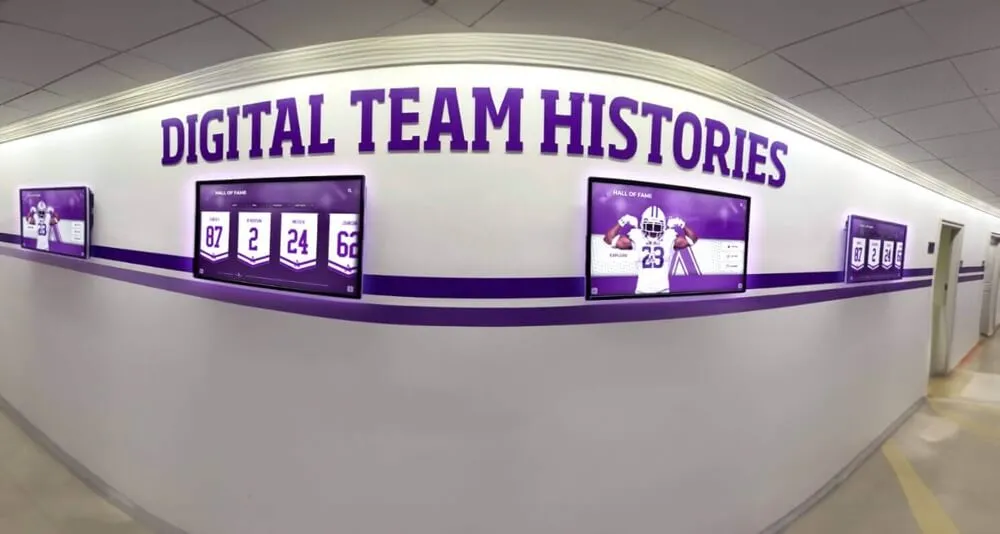
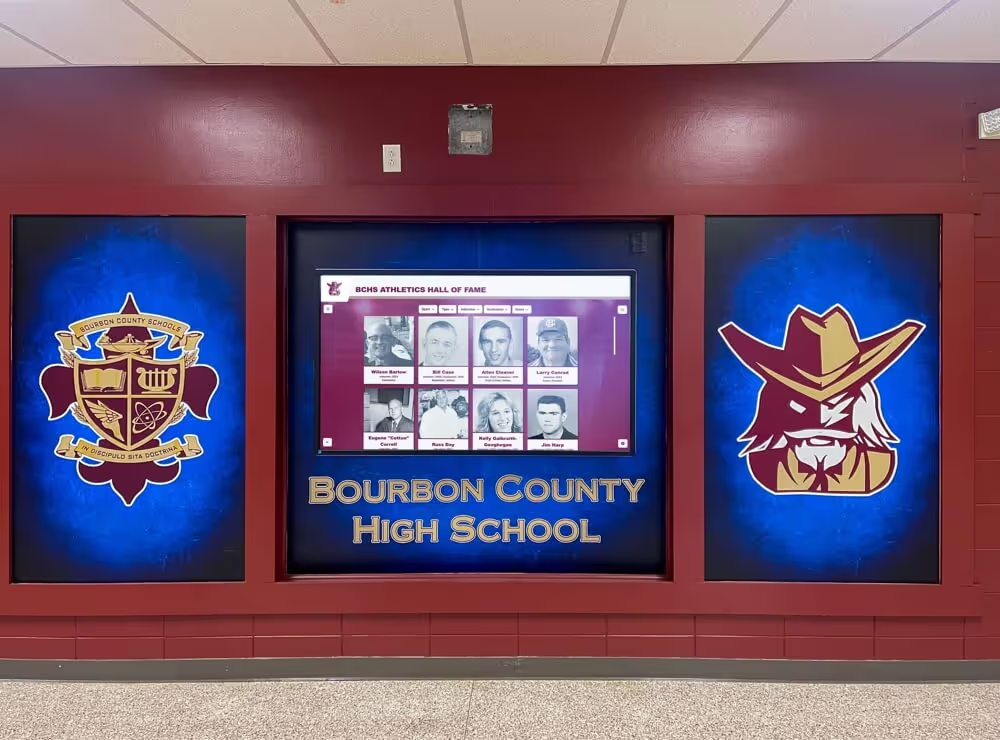
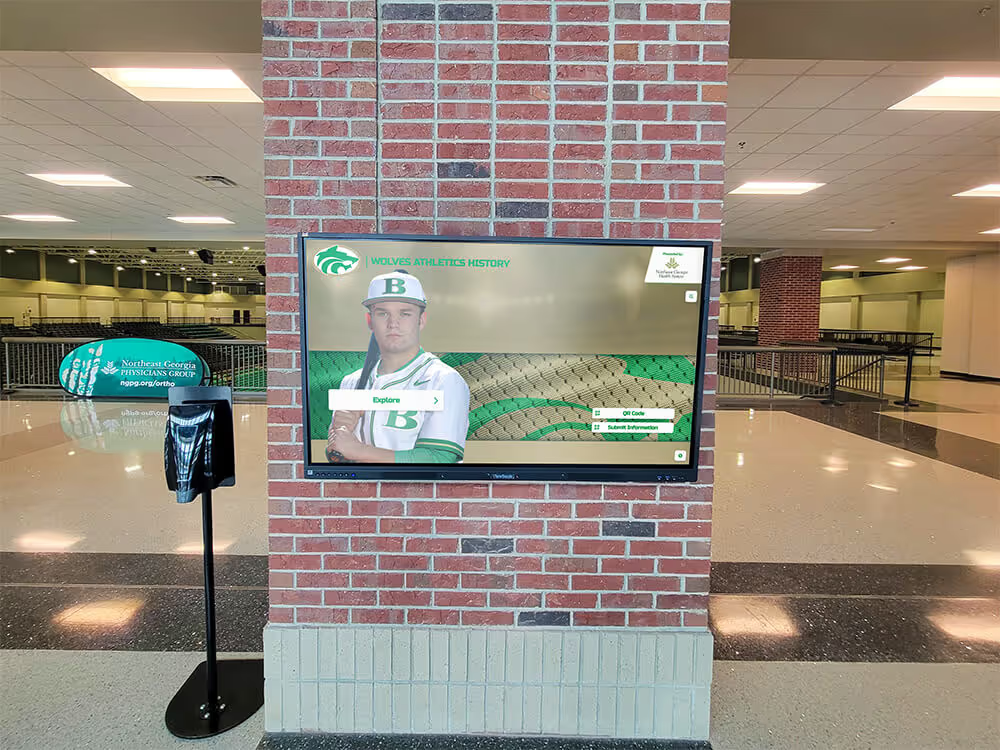
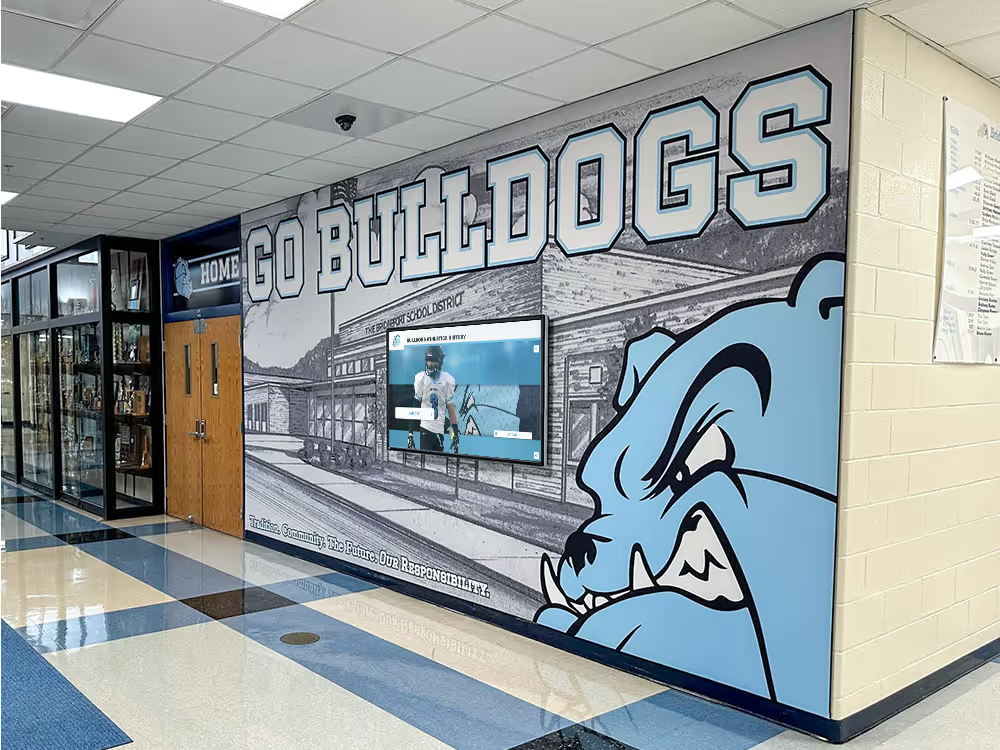
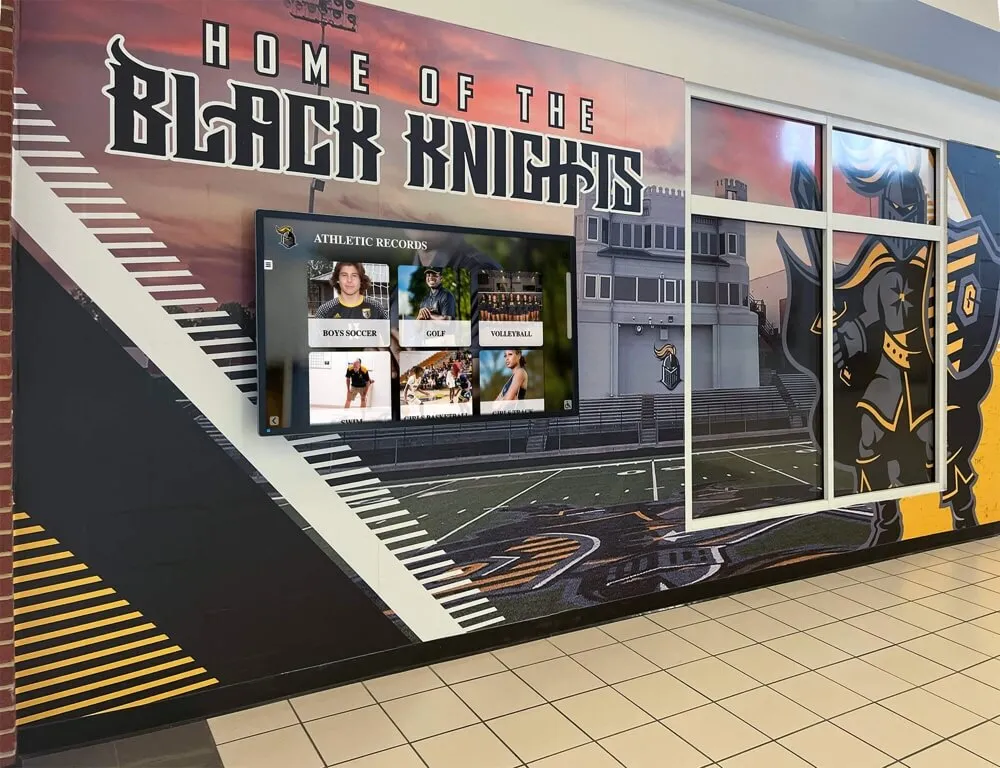
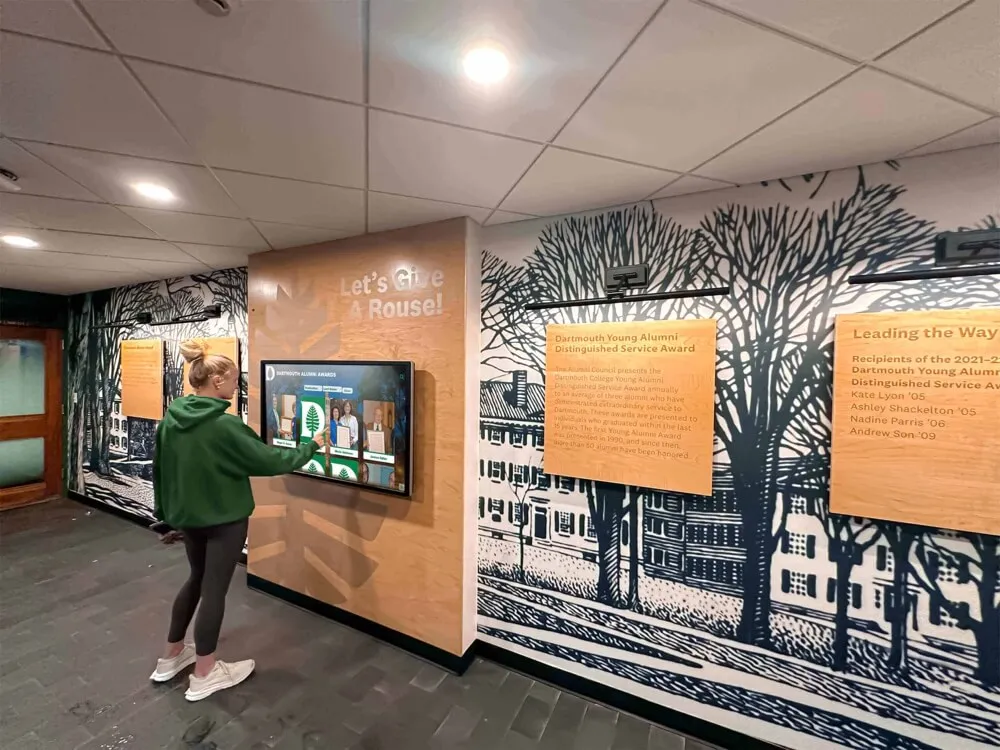
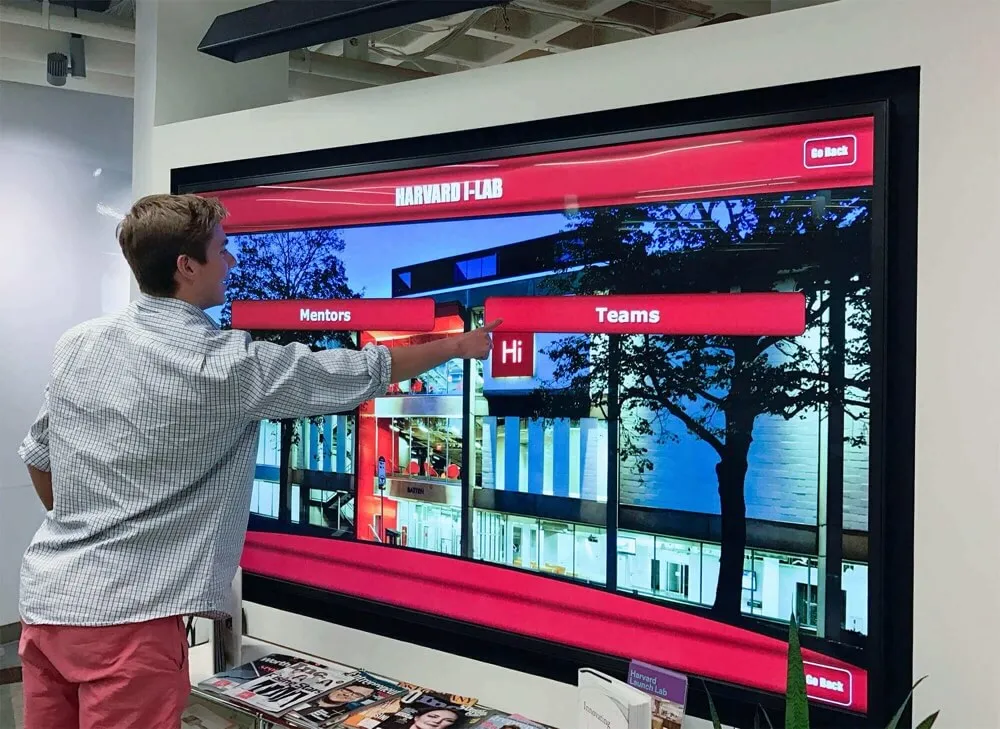
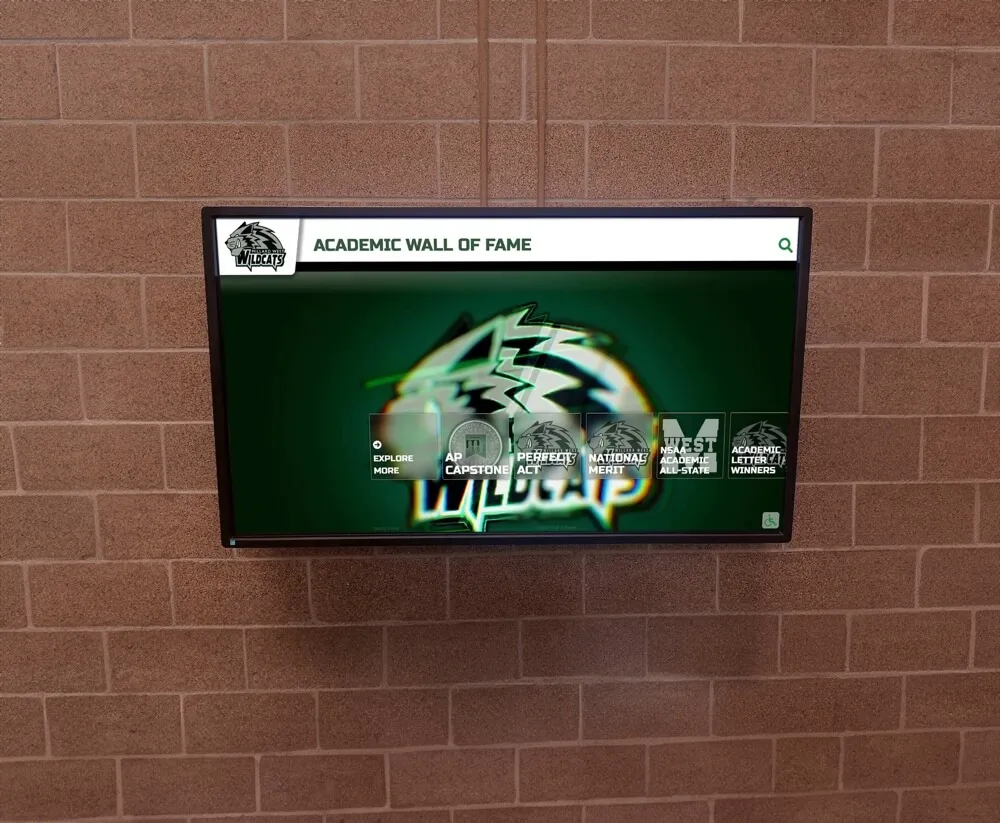
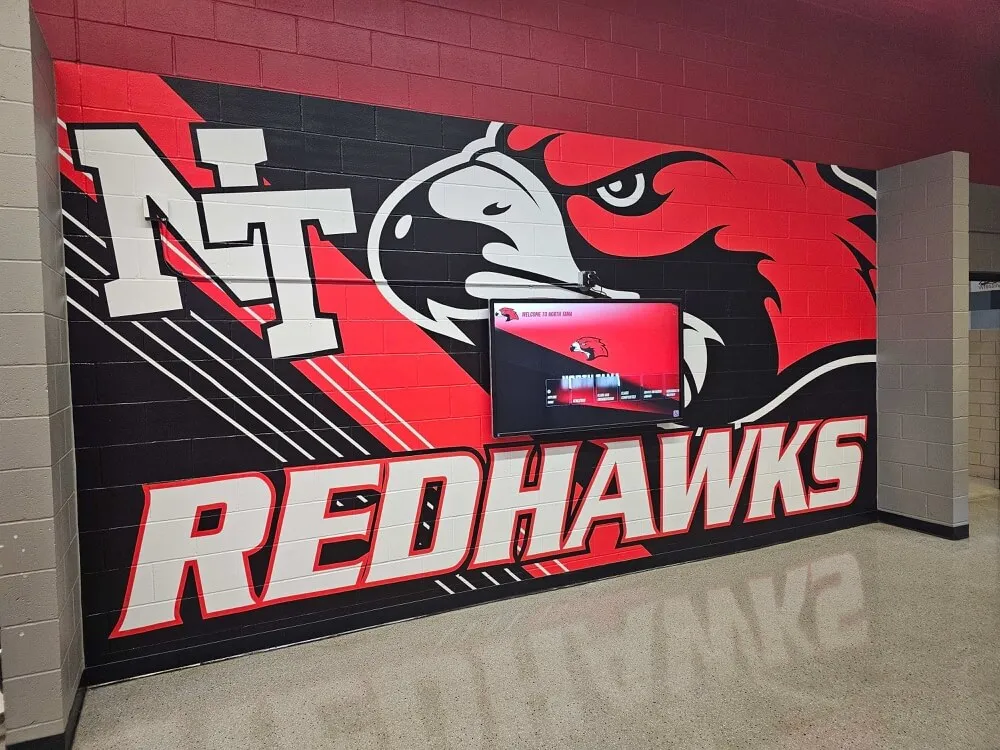
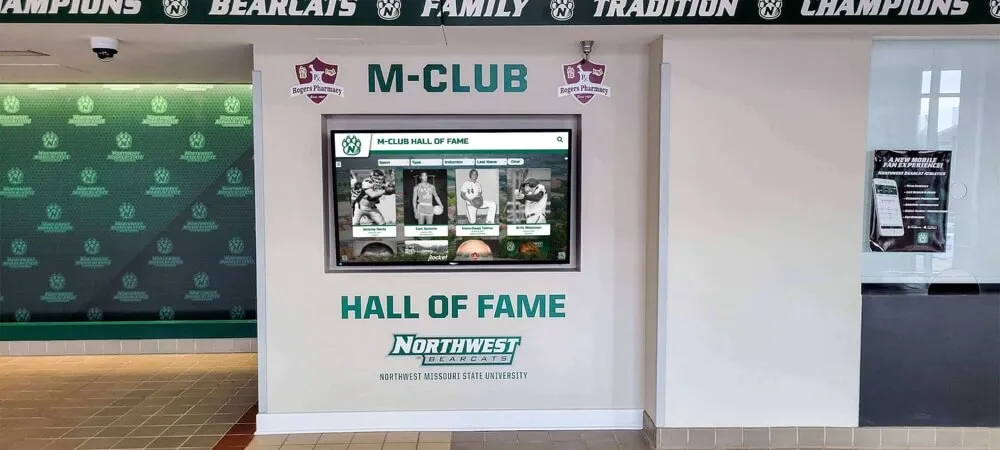
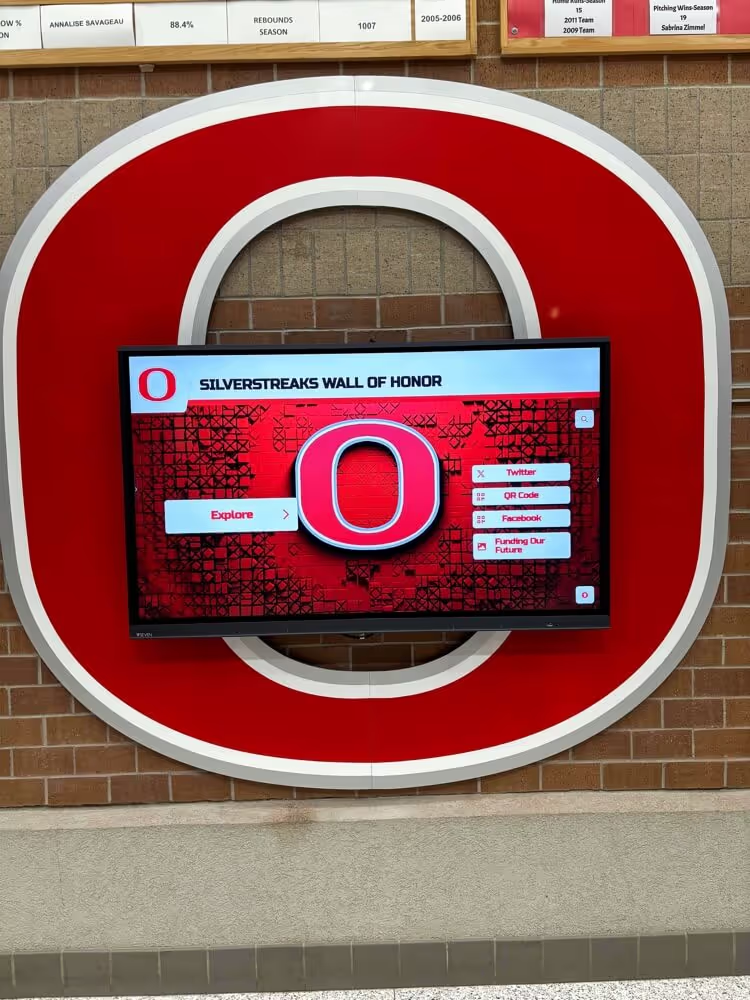
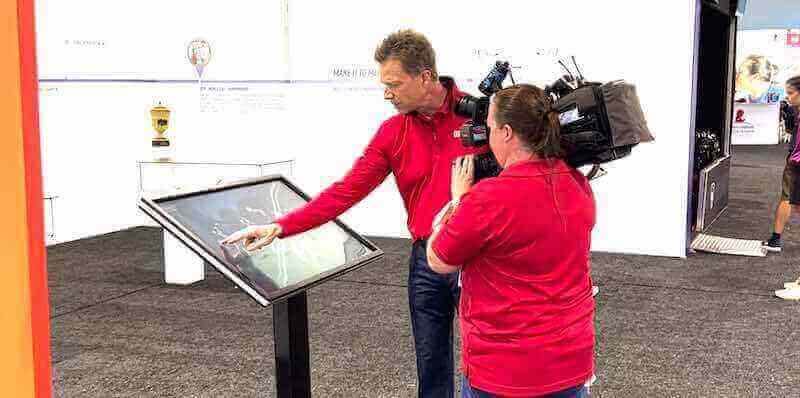
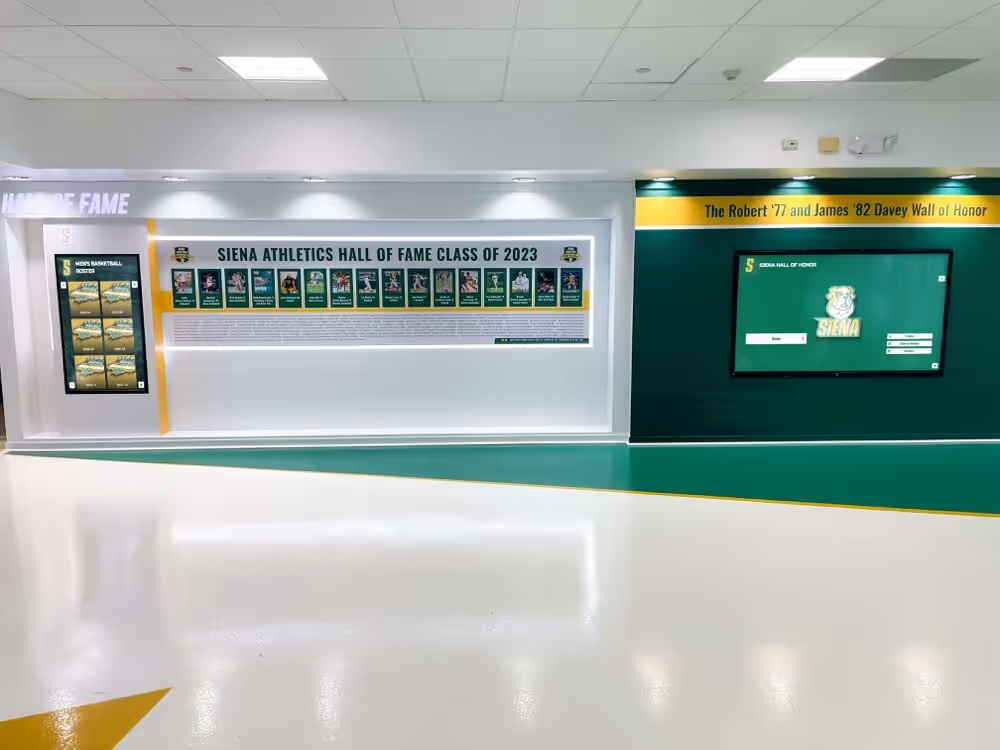
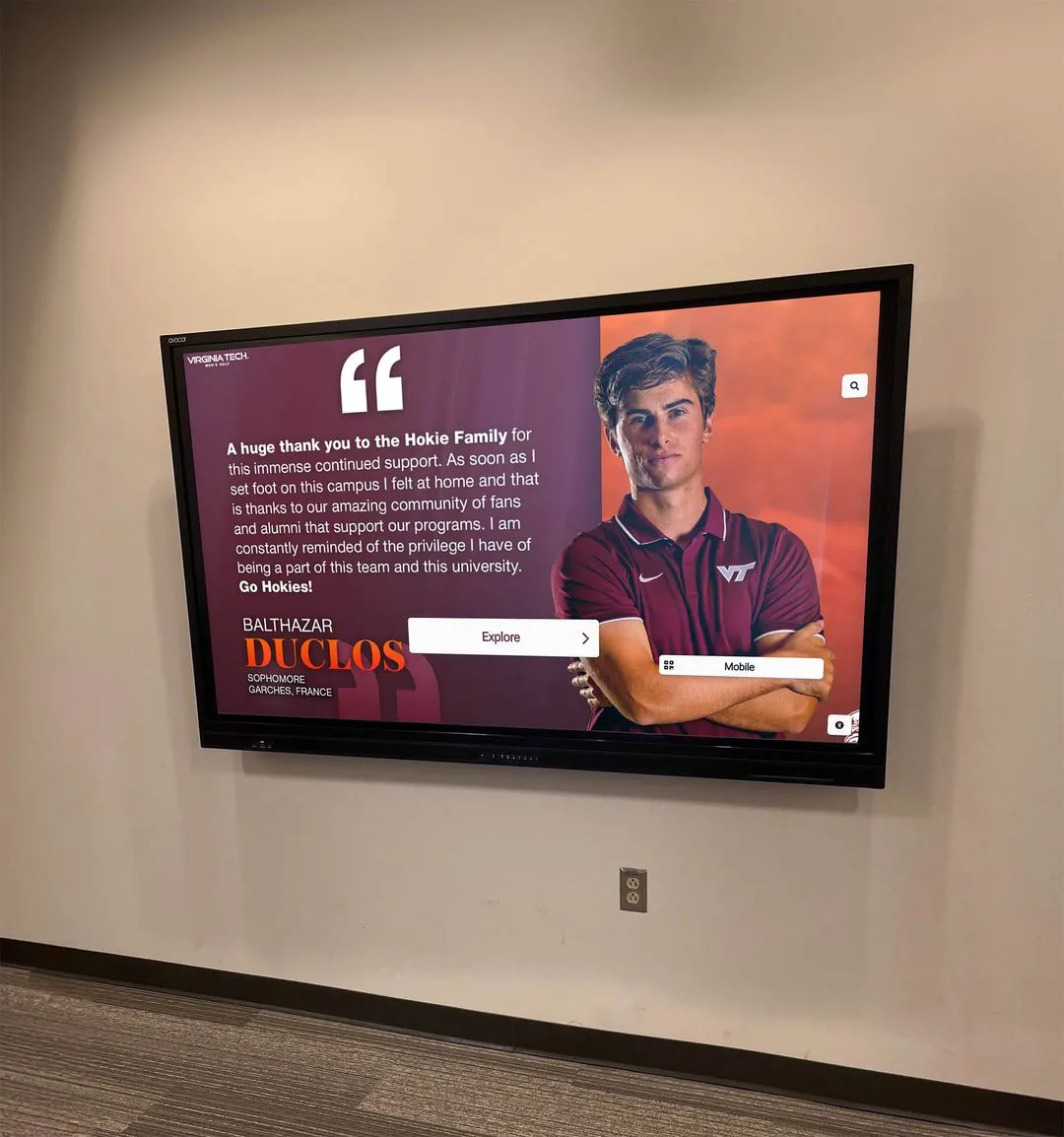
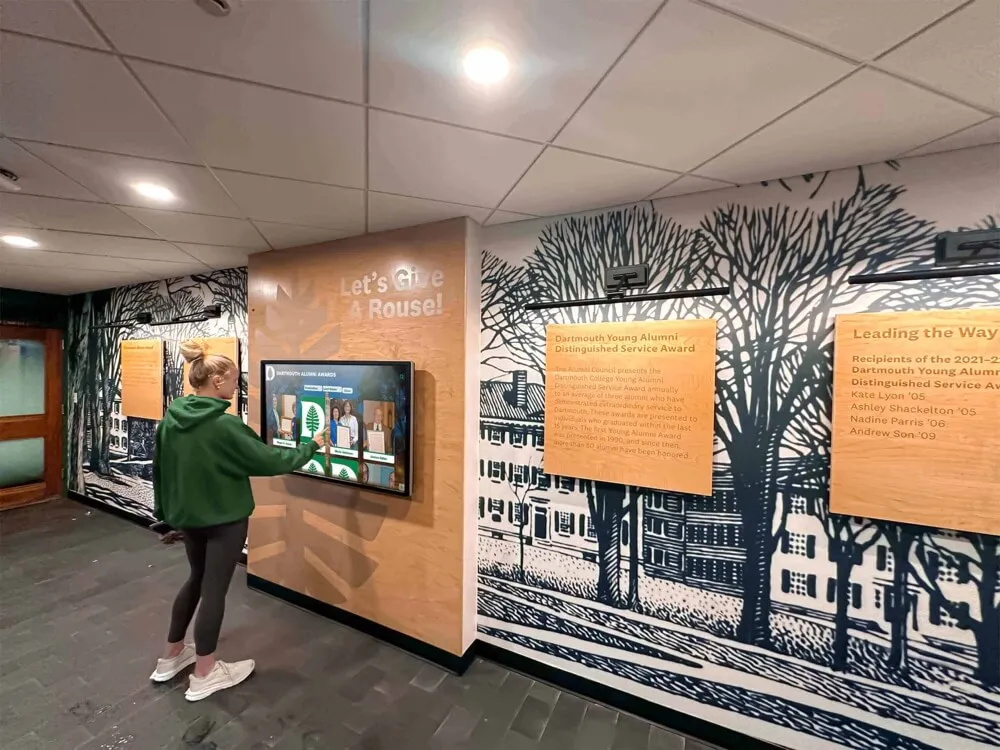
Modern alumni recognition displays create engaging touchpoints that strengthen graduate connections while celebrating achievements and institutional impact
Understanding Modern Alumni Engagement Challenges
Before implementing engagement strategies, institutions must recognize the evolving obstacles that prevent traditional alumni relations approaches from succeeding with contemporary graduates.
The Geographic Dispersion Problem
Today’s graduates scatter across regions, nations, and continents pursuing career opportunities and personal goals that rarely coincide with campus locations:
Traditional Campus-Centric Approaches Fail
Alumni programming historically centered on campus-based events—homecoming weekends, reunion celebrations, athletic competitions, and networking receptions—requiring physical attendance that only serves alumni living within reasonable travel distance. For the 70-80% of graduates who relocate beyond local areas after graduation, these campus-focused strategies create engagement barriers rather than connection opportunities.
Digital-first engagement approaches eliminate geographic constraints by bringing campus to alumni through virtual programming, web-based recognition platforms, and mobile-accessible content enabling participation from anywhere worldwide. When institutions implement interactive digital recognition systems accessible remotely alongside physical campus displays, they serve entire alumni populations rather than only local graduates.
Career Mobility Reduces Campus Attachment
Frequent career transitions characterizing modern professional trajectories mean alumni may live in five, ten, or more locations throughout careers. Each relocation weakens campus geographic connection, making traditional place-based engagement increasingly ineffective with contemporary graduates who view institutions through relationship lenses rather than location anchors.
The Generational Engagement Divide
Different alumni generations respond to dramatically different engagement approaches based on communication preferences, technology comfort, and relationship expectations:
Baby Boomer Alumni (1946-1964 Graduates)
Older alumni often prefer:
- Printed alumni magazines and newsletters
- In-person campus events and reunions
- Telephone outreach from advancement staff
- Traditional fundraising appeals via direct mail
- Formal recognition through physical plaques and named spaces
Generation X Alumni (1965-1980 Graduates)
Mid-career alumni respond to:
- Email communication with professional polish
- Hybrid virtual-physical event options
- LinkedIn networking and professional development
- Career-focused engagement opportunities
- Recognition through both traditional and digital channels
Millennial Alumni (1981-1996 Graduates)
Digital-native graduates expect:
- Social media engagement and mobile-optimized content
- Virtual programming with on-demand access
- Peer-driven community building and networking
- Cause-based engagement around social impact
- Interactive digital recognition celebrating diverse achievements
Generation Z Alumni (1997-2012 Graduates)
Newest graduates demand:
- Short-form video content and visual storytelling
- Mobile-first experiences across all touchpoints
- Authentic, transparent institutional communication
- Micro-engagement opportunities requiring minimal commitment
- Gamification and interactive experiences
Effective engagement strategies accommodate these generational preferences through multi-channel approaches rather than one-size-fits-all programming designed for single demographic segments. Solutions like digital yearbook platforms provide flexible content delivery across traditional and modern channels serving diverse alumni populations simultaneously.
The Attention Economy Challenge
Modern alumni face overwhelming demands on limited attention from employers, families, community organizations, social networks, entertainment options, and countless other competing priorities:
Breaking Through Information Overload
Average professionals receive 121 emails daily while consuming hours of digital content across social platforms, news sites, streaming services, and messaging applications. Generic alumni communications lacking personalization, relevance, or compelling value propositions get ignored in favor of higher-priority demands on attention.
Successful engagement strategies deliver immediate, tangible value through each interaction—mentorship opportunities connecting alumni with students in their industries, professional development content advancing careers, recognition celebrating achievements, or exclusive access creating status and belonging feelings that motivate sustained attention investment.
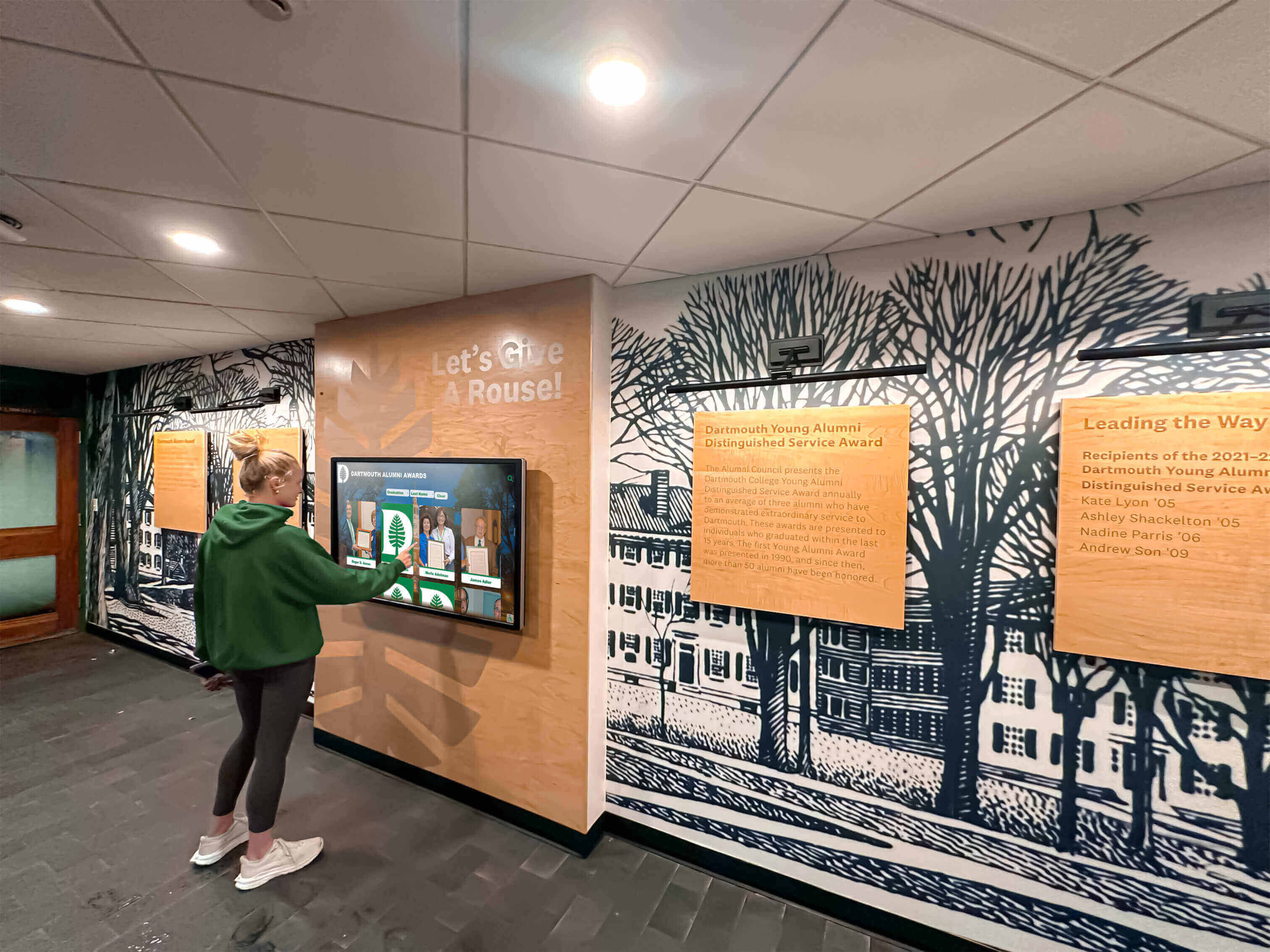
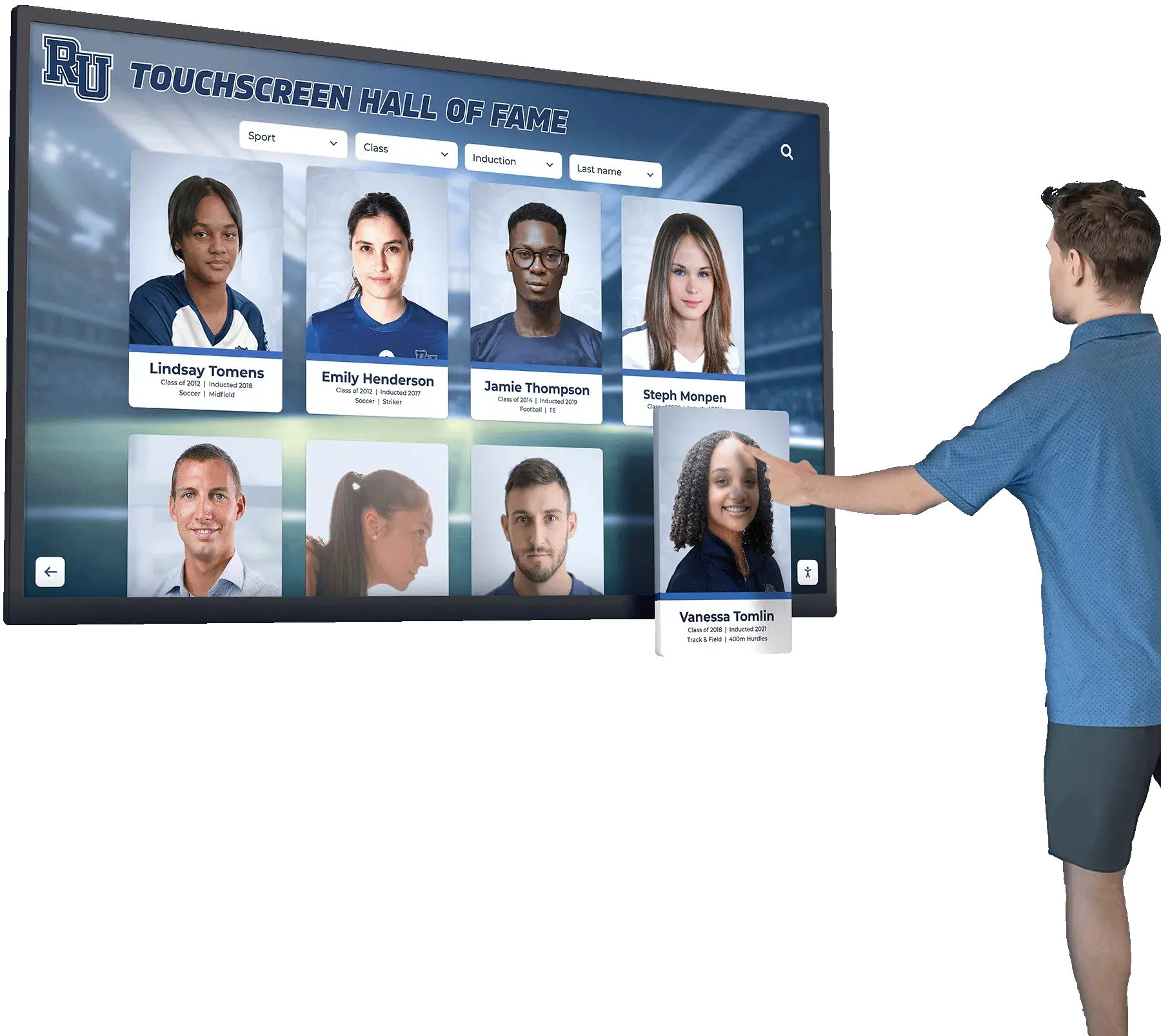
Interactive alumni directories enable students to discover graduates working in fields of interest, creating natural mentorship pathways and career exploration connections
Demonstrating Clear Value Exchange
Alumni question why they should maintain institutional connections when competing demands offer more obvious benefits. Effective engagement answers this question explicitly through programming that delivers professional networking, career advancement support, exclusive community access, meaningful giving impact, or personal fulfillment through mentorship and service—creating compelling reasons to prioritize institutional engagement over alternatives.
Building Foundational Alumni Recognition Programs
Recognition forms the cornerstone of effective alumni engagement by celebrating graduate achievements while reinforcing institutional pride and connection.
Comprehensive Alumni Halls of Fame
Systematic recognition programs honoring distinguished graduates create aspirational examples while demonstrating institutional impact:
Selection Criteria and Nomination Processes
Effective halls of fame establish clear achievement standards:
- Professional distinction and leadership in chosen fields
- Significant community, industry, or disciplinary contributions
- Exemplary character aligned with institutional values
- Sufficient career development demonstrating lasting impact (typically 10+ years post-graduation)
- Nomination accessibility enabling diverse community participation
Athletic hall of fame programs provide models for recognition extending beyond athletics to academic, professional, artistic, and service achievements creating comprehensive graduate celebration.
Multi-Channel Recognition Visibility
Maximum engagement requires recognition across multiple platforms:
- Physical Campus Displays: Interactive touchscreen installations in high-traffic locations enable students, visitors, and returning alumni to explore detailed profiles
- Web-Based Platforms: Mobile-responsive websites provide 24/7 access from anywhere worldwide
- Social Media Celebration: Regular social campaigns highlighting individual alumni generate broad visibility
- Print Publications: Alumni magazine features and newsletter spotlights reach traditional communication preferences
- Event Recognition: Formal induction ceremonies during homecoming or reunion weekends create memorable celebration experiences
Digital recognition solutions like those from Rocket Alumni Solutions provide comprehensive systems managing both physical touchscreen displays and web platforms through unified interfaces, eliminating technology complexity while maximizing recognition reach.
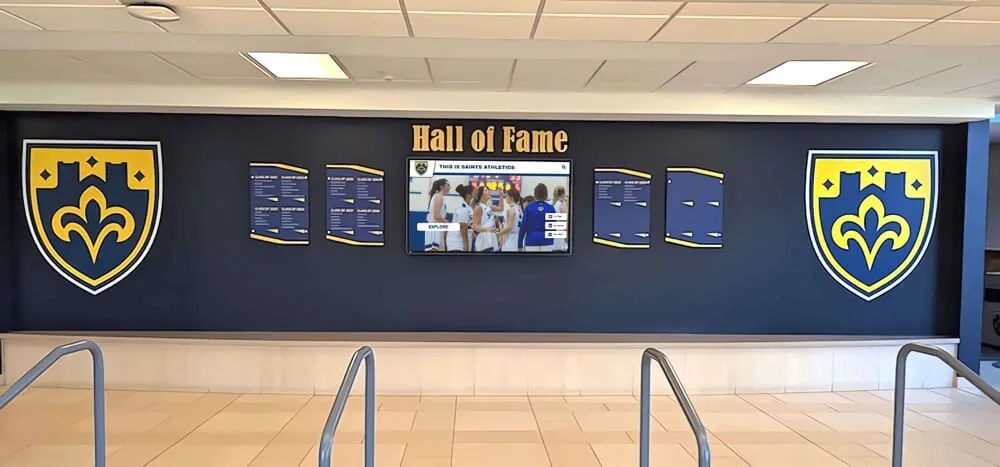
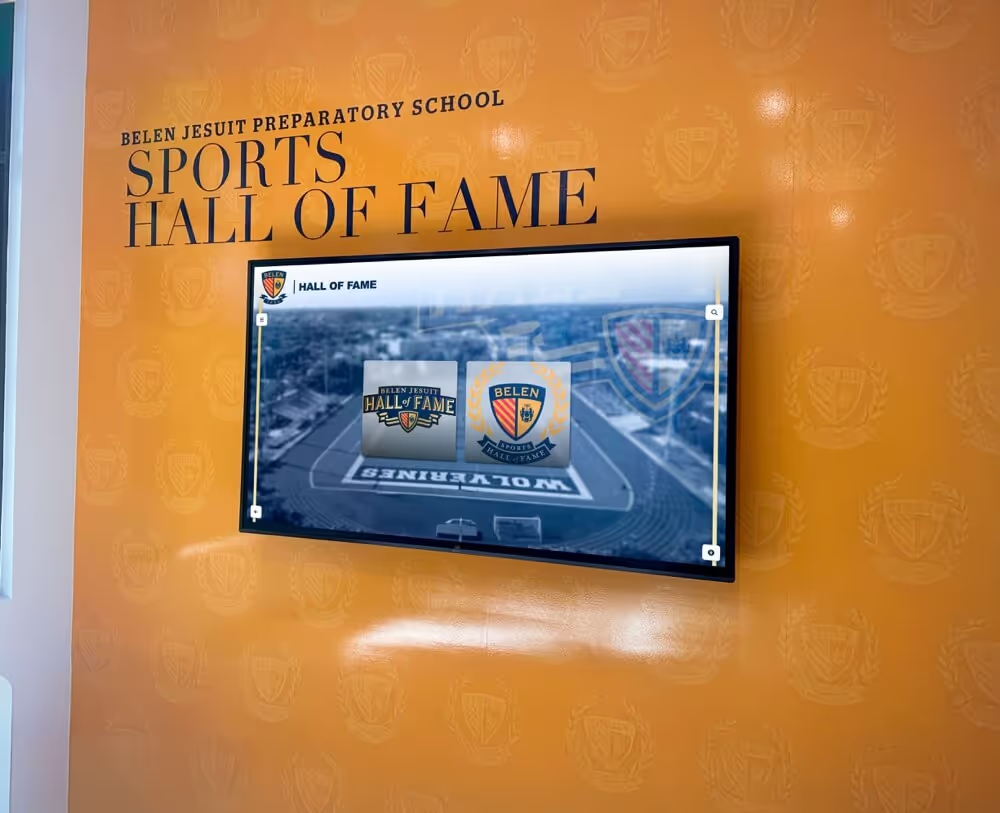
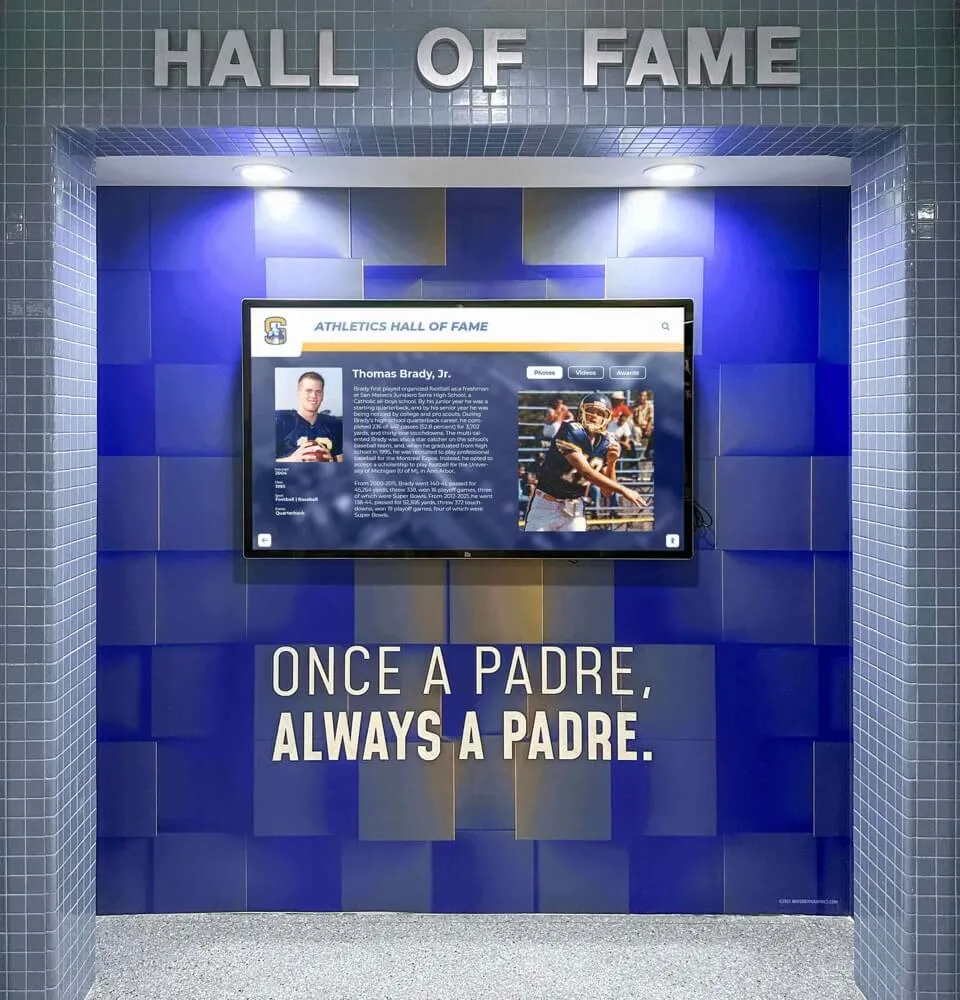
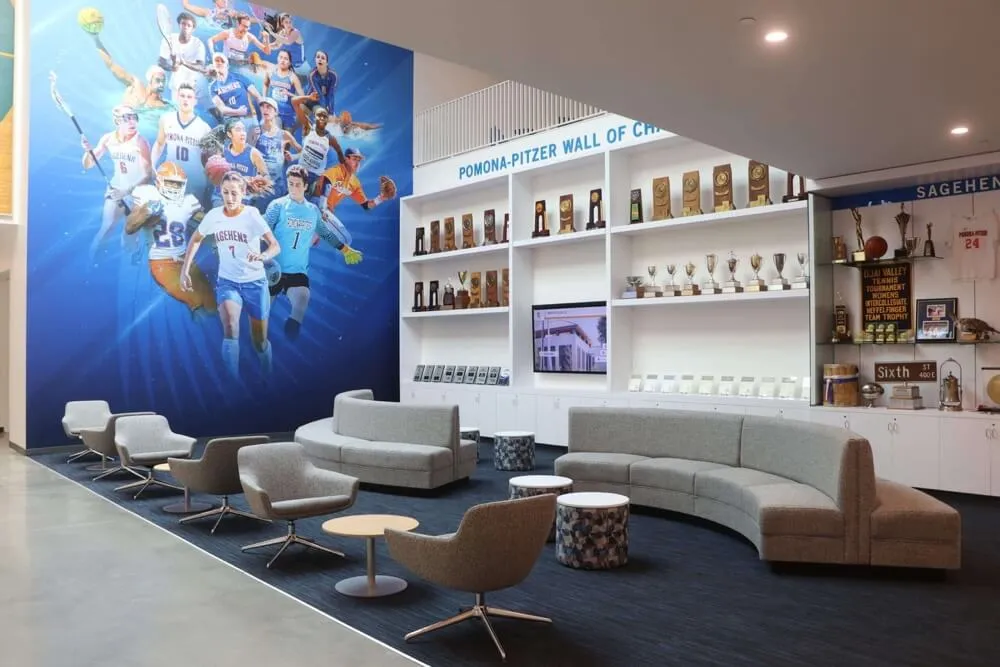
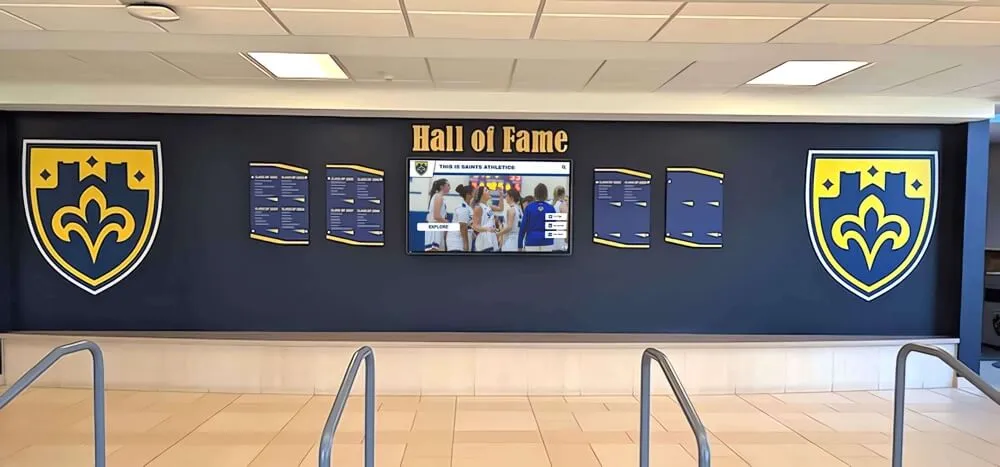
Integrated recognition combining traditional plaques with modern digital displays creates comprehensive celebration honoring all achievement types while maintaining institutional prestige
Digital Recognition Displays and Interactive Platforms
Modern technology dramatically expands recognition capabilities beyond space-constrained physical plaques:
Unlimited Recognition Capacity
Traditional wall-mounted recognition systems constrain celebration to whatever fits limited physical space—forcing institutions to exclude worthy graduates or remove older recognition accommodating new inductees. Digital displays eliminate this constraint by housing unlimited profiles accessible through intuitive navigation, ensuring every distinguished graduate receives permanent appropriate recognition.
Schools implementing digital halls of fame report recognizing 3-5 times more alumni than physical space previously allowed while reducing long-term costs compared to repeated physical expansion expenses. Learn more about recognition display capabilities in comprehensive implementation guides.
Rich Multimedia Storytelling
Static plaques listing names and dates fail to capture graduate journeys or achievements compellingly. Digital platforms incorporate:
- Photo galleries showing alumni throughout career stages
- Video interviews capturing voices, personalities, and advice
- Achievement timelines documenting career progression
- Searchable content enabling discovery by field, year, or achievement type
- Interactive elements encouraging exploration and engagement
- Social sharing capabilities extending recognition beyond campus
This multimedia approach transforms simple recognition into inspiring storytelling that resonates with digital-native students and contemporary alumni expectations for engaging content experiences.
Remote Accessibility for Global Alumni
Physical campus displays serve only visitors physically present at institutions. Web-based recognition platforms extend access to entire alumni populations regardless of location, enabling graduates living across continents to explore recognition, share profiles with family and colleagues, and maintain institutional connection through regular engagement with evolving content.
When institutions implement comprehensive digital recognition, alumni report accessing platforms 15-20 times more frequently than they would return to campus for physical recognition viewing, dramatically increasing engagement touchpoints supporting sustained connection.
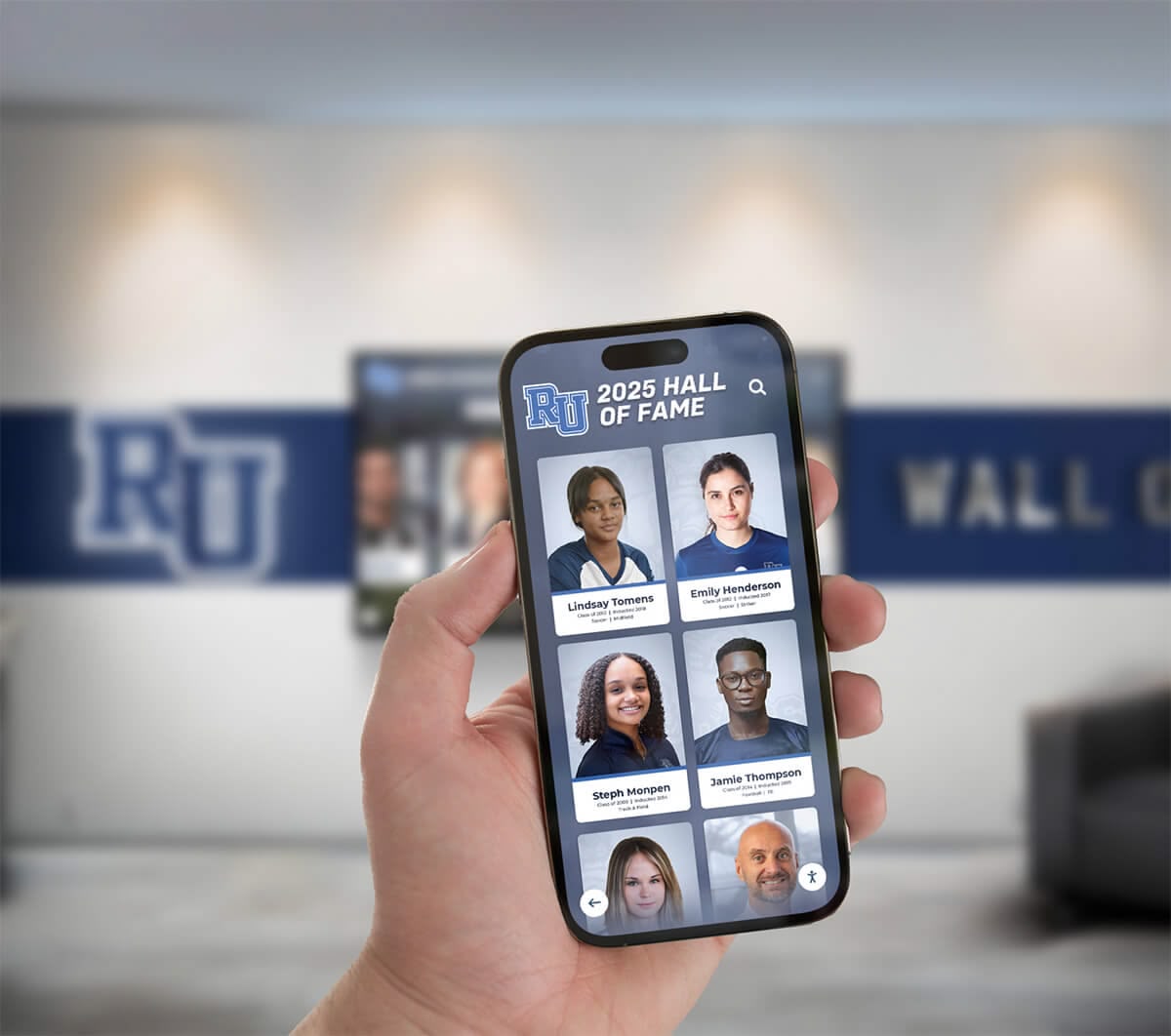
Mobile-responsive alumni platforms enable graduates to explore recognition, update profiles, and maintain institutional connection from anywhere worldwide through smartphones and tablets
Diverse Achievement Recognition Beyond Traditional Success
Comprehensive engagement requires celebrating varied accomplishment types rather than narrow traditional metrics:
Professional and Career Achievements
Recognize alumni excelling across industries:
- Business leadership and entrepreneurial success
- Medical and healthcare contributions
- Educational and academic excellence
- Legal and public service distinction
- Creative and artistic accomplishments
- Technical innovation and engineering achievement
- Research and scientific advancement
Character and Service Recognition
Honor qualities and contributions beyond career metrics:
- Community leadership and volunteer service
- Humanitarian contributions and social justice advocacy
- Environmental stewardship and sustainability leadership
- Mentorship impact on students and early-career professionals
- Institutional service through alumni boards and committees
- Philanthropic generosity supporting institutional mission
This breadth ensures alumni with diverse backgrounds, career paths, and definition of success find authentic representation in recognition programs, strengthening engagement across entire graduate populations rather than narrow segments meeting traditional achievement criteria.
Creating Multi-Channel Communication Frameworks
Effective engagement requires systematic communication approaches delivering relevant content through appropriate channels matched to alumni preferences and life stages.
Segmentation and Personalization Strategies
Generic mass communications fail to engage—contemporary alumni expect personalized outreach reflecting their specific interests, backgrounds, and relationship with institutions:
Demographic and Geographic Segmentation
Tailor content and programming to:
- Graduation year cohorts experiencing similar life stages (recent graduates navigating early careers, mid-career alumni balancing families and professional growth, retirement-age alumni exploring legacy planning)
- Geographic regions enabling local networking opportunities and programming
- Academic programs and majors connecting alumni sharing educational backgrounds and career fields
- Current location density identifying markets supporting chapters or regional events
Engagement Level Differentiation
Recognize that alumni demonstrate varying engagement willingness:
- Highly Engaged Alumni: Respond to frequent communication, attend multiple events, give regularly, and volunteer actively—deserve intensive cultivation through exclusive opportunities and recognition
- Moderately Engaged Alumni: Participate occasionally when programming interests align with availability—benefit from targeted outreach around specific interests without overwhelming frequency
- Disengaged Alumni: Rarely respond to institutional communication—require different approaches emphasizing low-barrier entry points and clear value propositions reestablishing connection
Advanced platforms provide tools segmenting audiences and personalizing communication at scale rather than requiring manual list management across disconnected systems. This automation enables small advancement teams to execute sophisticated engagement strategies typically requiring much larger staff investments.
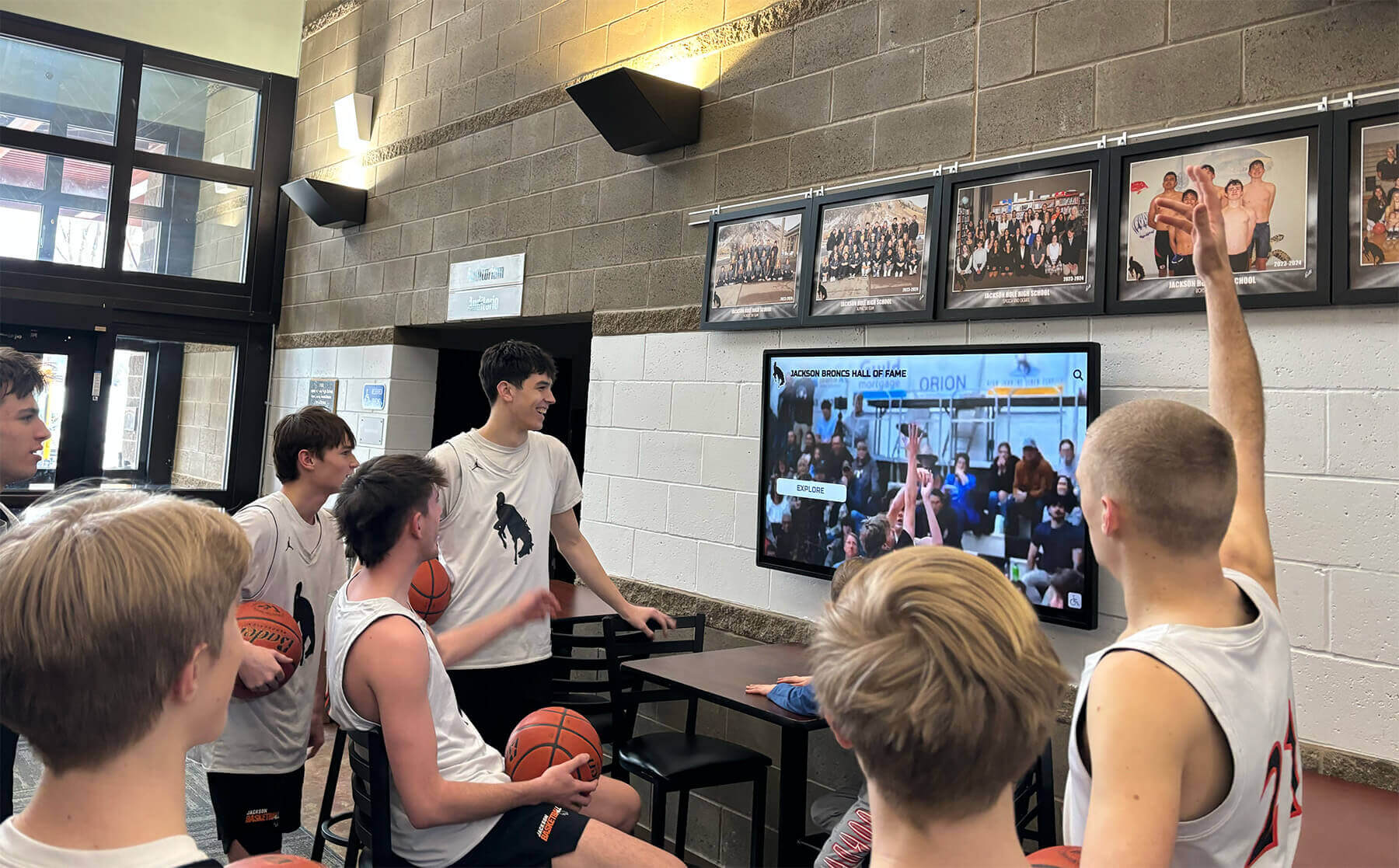
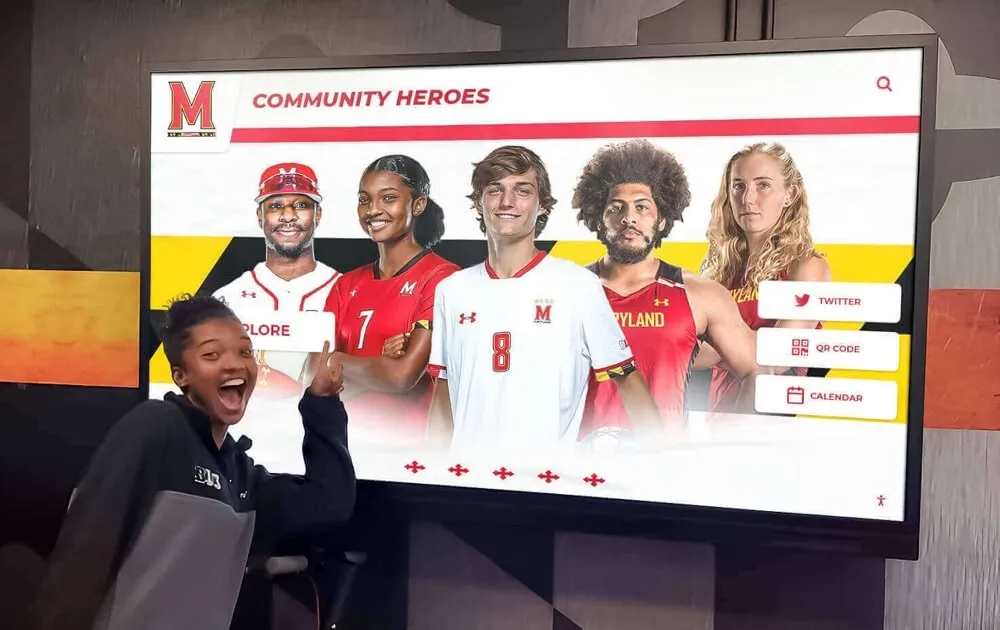
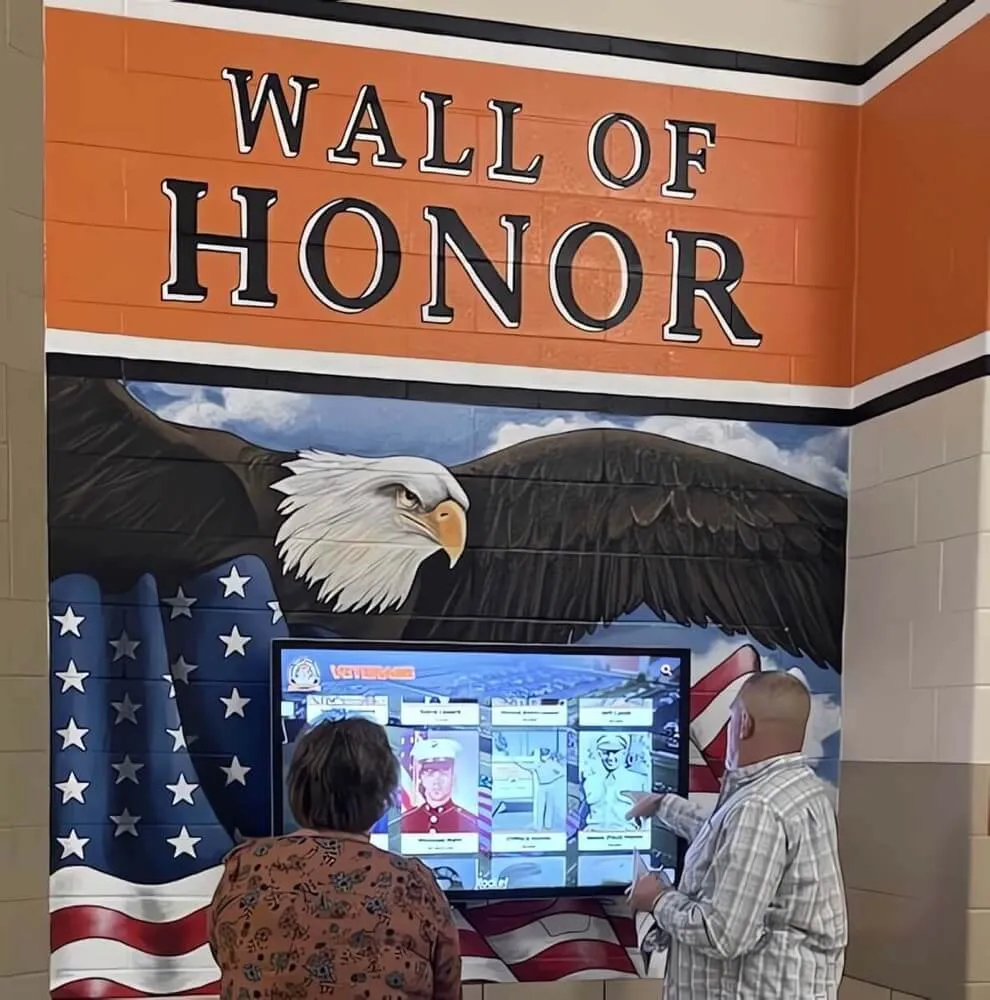
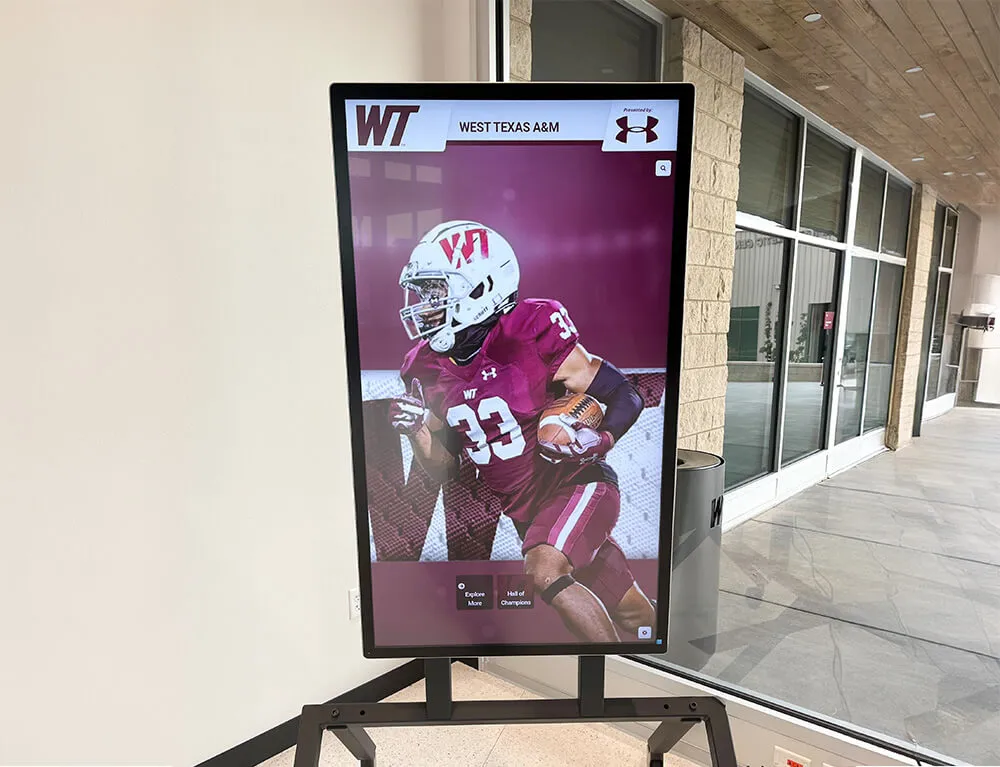
Recognition displays serve dual purposes by celebrating alumni while inspiring current students through tangible achievement examples and career pathway exploration
Content Strategy and Value Delivery
Every alumni communication should deliver clear value justifying attention investment:
Educational and Professional Development Content
Provide content advancing alumni careers and interests:
- Industry insights and trends from alumni working in various sectors
- Professional skill development webinars and resources
- Career transition support and job opportunity sharing
- Executive leadership perspectives and advice
- Continuing education offerings and credentials
Community Connection and Networking
Facilitate relationship building among alumni:
- Industry-specific networking directories enabling professional connections
- Regional chapter programming bringing local alumni together
- Alumni mentorship programs connecting graduates with students
- Class-specific reunion coordination and planning resources
- Affinity group programming around shared interests beyond graduation year
Institutional Updates and Impact Stories
Share compelling institutional developments:
- Student success stories demonstrating educational impact
- Research breakthroughs and academic achievements
- Campus facility improvements and program launches
- Alumni achievement spotlights celebrating graduate success
- Giving impact reports showing how donor support transforms student experiences
This mix ensures communication provides value beyond fundraising asks, building goodwill and engagement foundations supporting development when appropriate timing arrives.
Multi-Channel Distribution Optimization
Meet alumni through their preferred communication channels rather than forcing single-channel engagement:
Email as Primary Communication Foundation
Email remains the most effective digital communication channel for institutional alumni engagement:
- Highly targeted segmentation capabilities
- Personalization at scale through merge fields and dynamic content
- Measurable metrics tracking opens, clicks, and conversions
- Cost-effective compared to print or advertising alternatives
- Immediate delivery without postal delays
Effective email strategies include:
- Mobile-optimized responsive design ensuring readability across devices
- Compelling subject lines improving open rates
- Clear calls-to-action driving desired behaviors
- Appropriate frequency balancing visibility with inbox fatigue (typically 2-4 messages monthly for engaged segments)
- A/B testing optimizing content performance over time
Social Media Engagement
Complement email with platform-specific social strategies:
- LinkedIn: Professional networking, career content, industry insights, and alumni career milestone celebration
- Facebook: Community building, event promotion, photo galleries, and nostalgia-driven content
- Instagram: Visual storytelling, campus beauty, student life, and behind-scenes content
- Twitter/X: Real-time updates, news sharing, thought leadership, and conversation engagement
- YouTube: Video content including alumni interviews, event recordings, and educational programming
Rather than duplicating identical content across platforms, optimize each channel for platform-specific audiences and content formats maximizing engagement within each environment.
Print Publications for Traditional Audiences
While digital channels dominate modern engagement, print maintains relevance for older alumni preferring traditional communication:
- High-quality alumni magazines (2-4 times annually) providing in-depth storytelling
- Annual reports documenting institutional achievements and donor impact
- Event invitations and program materials creating tangible keepsakes
- Recognition announcements honoring distinguished graduates
Print serves as premium content channel for high-value communications while digital handles routine updates and time-sensitive information distribution.
Implementing Alumni Mentorship and Networking Programs
Career support and professional networking provide compelling value propositions motivating sustained alumni engagement while directly benefiting students:
Structured Mentorship Program Development
Systematic mentorship connects accomplished alumni with students navigating academic and career decisions:
Program Design and Structure Options
Mentorship operates through various formats balancing depth with scalability:
- One-to-One Mentorship: Traditional pairing creating intensive individual relationships with highest impact but limited reach
- Group Mentorship: Alumni work with student cohorts (3-5 students) increasing breadth while maintaining meaningful interaction
- Flash Mentorship: Short-term focused engagements around specific needs (resume review, interview prep) without ongoing commitments
- Virtual Coffee Chats: Informal 30-minute conversations enabling low-barrier alumni-student connections
- Industry Panels: Alumni share expertise with larger audiences through structured presentations
Most successful programs combine multiple formats accommodating diverse alumni availability while providing varied student engagement options. Learn more about comprehensive approaches in mentorship program guides.
Technology-Enabled Matching and Communication
Digital platforms eliminate geographic barriers while simplifying coordination:
- Searchable alumni directories organized by industry, location, and expertise
- Automated matching algorithms connecting students with appropriate mentors based on interests and backgrounds
- Integrated messaging and video conferencing facilitating remote mentorship
- Goal tracking and progress monitoring supporting relationship development
- Resource libraries providing conversation guides and professional development materials
When institutions implement digital recognition platforms that include mentorship functionality, students discover potential mentors while exploring alumni achievements, creating natural pathways from recognition to active engagement.
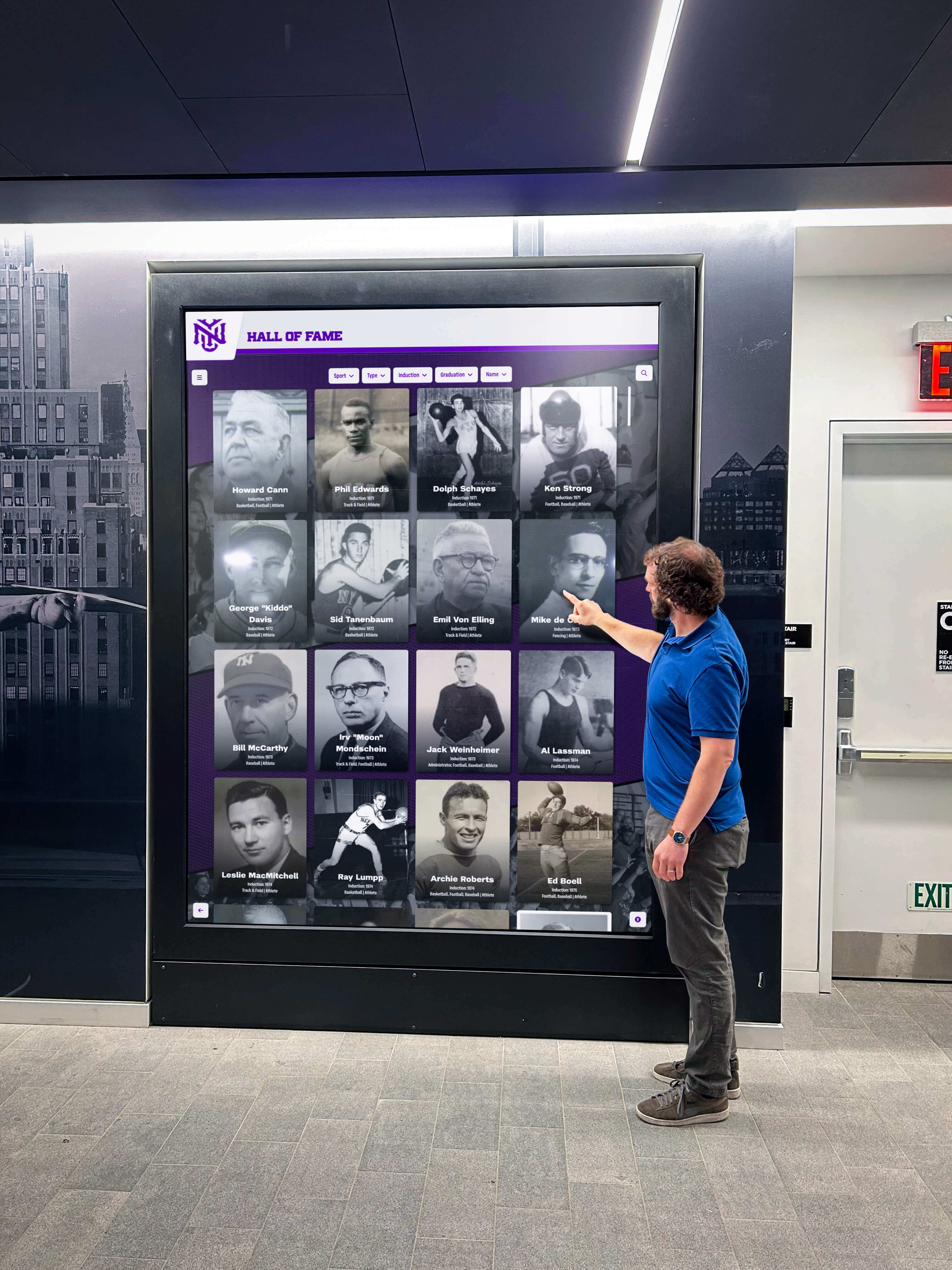
Interactive displays become gathering points during alumni visits, facilitating mentorship conversations and professional networking among graduates attending campus events
Professional Networking Infrastructure
Beyond structured mentorship, informal networking creates value for alumni throughout careers:
Alumni Directory Platforms
Comprehensive directories enable professional connections:
- Searchable profiles organized by industry, employer, location, and graduation year
- Privacy controls allowing alumni to choose visibility levels and information sharing
- LinkedIn integration displaying current professional information automatically
- Direct messaging enabling private communication between alumni
- Job posting boards where alumni share opportunities within their organizations
- Event calendars promoting networking receptions and industry gatherings
Regional Chapter Programming
Local alumni communities in major metropolitan areas provide networking and connection:
- Regular networking happy hours and professional events
- Industry-specific gatherings bringing together alumni working in common fields
- Cultural and social programming beyond purely professional networking
- Community service projects creating impact while building relationships
- Family-friendly events accommodating alumni life stage diversity
Affinity Group Communities
Interest-based communities unite alumni around shared passions:
- Academic major and program-based groups
- Athletic and extracurricular activity communities
- Identity-based affinity groups (cultural organizations, LGBTQ+ alumni, first-generation graduates)
- Professional industry groups (healthcare alumni, educators, entrepreneurs)
- Cause-based communities around shared values and service interests
These specialized communities often generate stronger engagement than general alumni programming by providing focused connection around specific shared interests creating authentic relationship foundations.
Leveraging Technology for Scalable Engagement
Modern alumni engagement requires technology infrastructure supporting personalized communication, recognition, and community building at scale:
Integrated Alumni Engagement Platforms
Comprehensive systems consolidate functionality preventing fragmentation across disconnected tools:
Core Platform Capabilities
Unified solutions should provide:
- Constituent Relationship Management: Complete alumni profiles tracking engagement history, preferences, giving, and contact information
- Communication Tools: Email marketing, social media management, and multi-channel campaign coordination
- Event Management: Registration, payment processing, attendance tracking, and post-event follow-up
- Digital Recognition: Web-based halls of fame, searchable directories, and multimedia profile management
- Fundraising Integration: Donation processing, campaign tracking, and giving history documentation
- Analytics and Reporting: Engagement metrics, communication effectiveness, and outcome measurement
Comprehensive digital yearbook and alumni platforms eliminate needs for stitching together multiple point solutions while reducing costs compared to enterprise systems requiring expensive customization and extensive IT support.
Mobile-First Design Requirements
Alumni access content primarily through smartphones requiring mobile optimization:
- Responsive web design ensuring functionality across all device sizes
- Fast loading speeds accommodating varied connection quality
- Touch-optimized navigation designed for finger rather than mouse interaction
- Streamlined information architecture prioritizing essential content
- Native app alternatives when appropriate for intensive engagement
- Push notifications enabling timely communication delivery
Mobile accessibility transforms alumni engagement from desktop-bound activity to constant-access convenience fitting naturally into busy professional lives rather than requiring dedicated time sitting at computers.
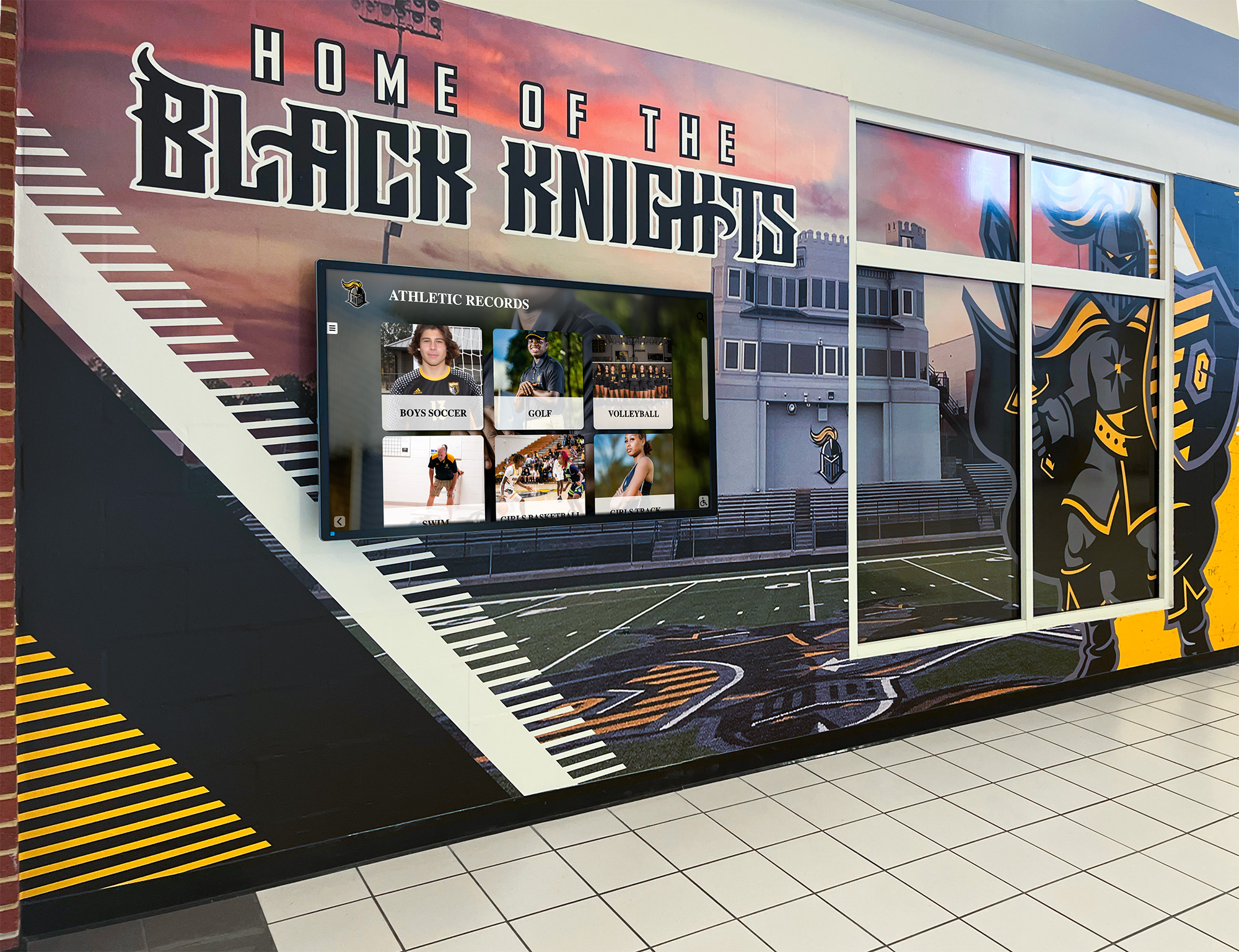
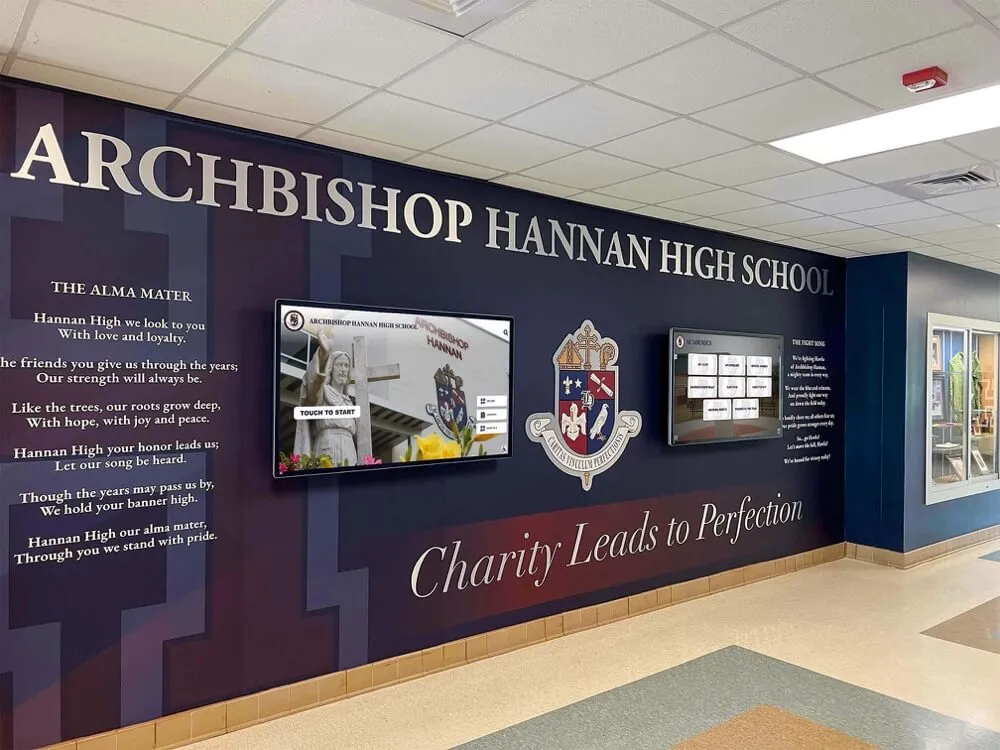
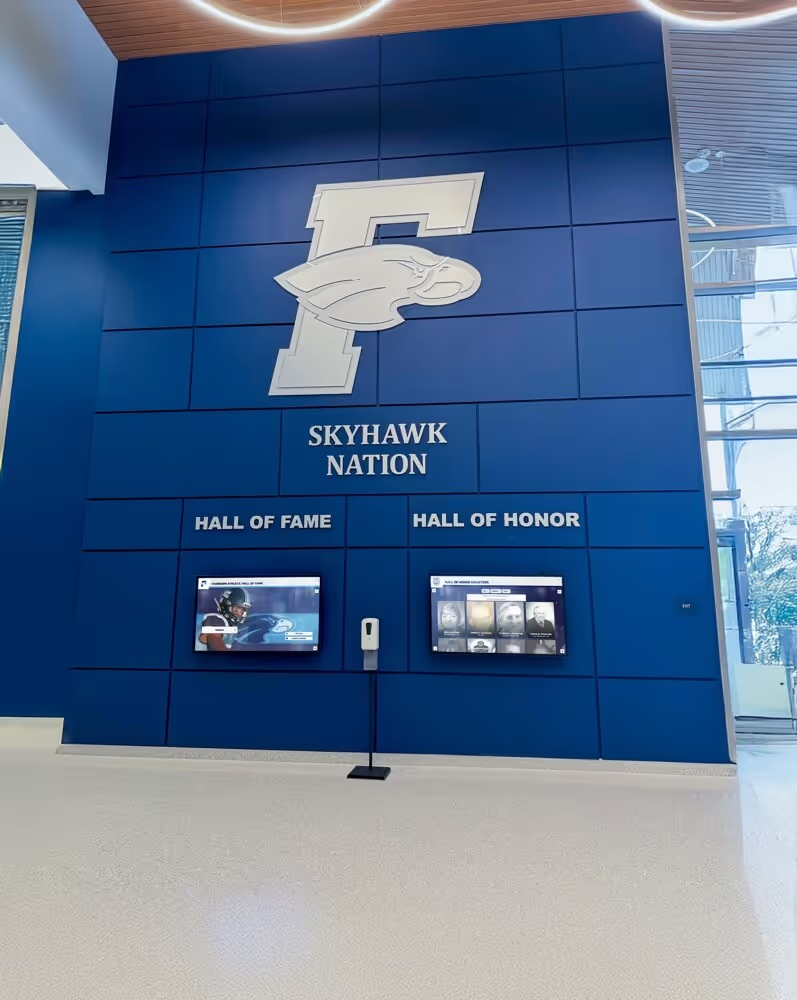
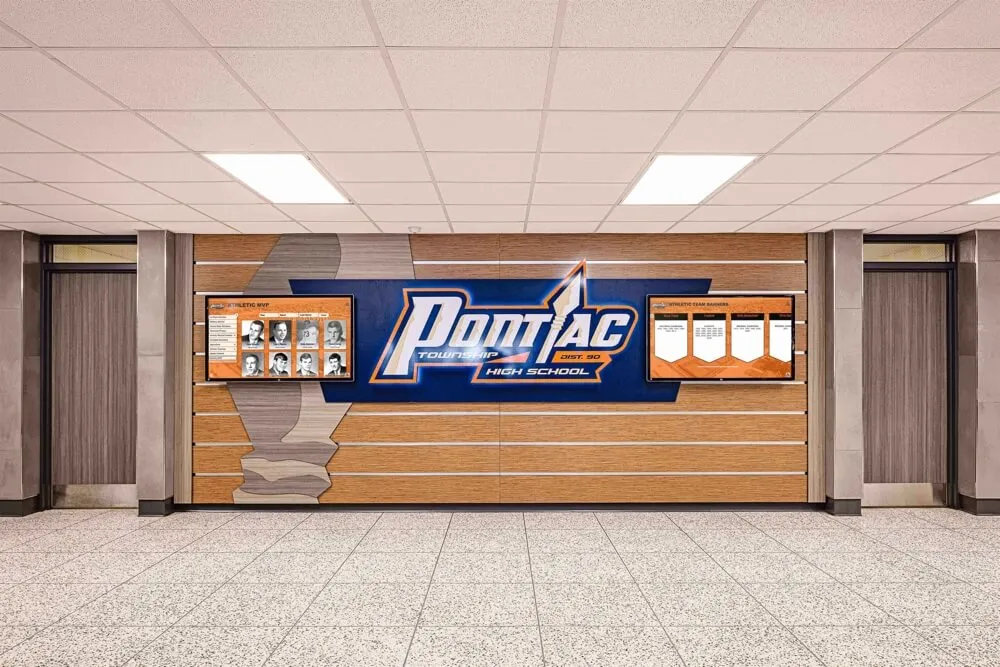
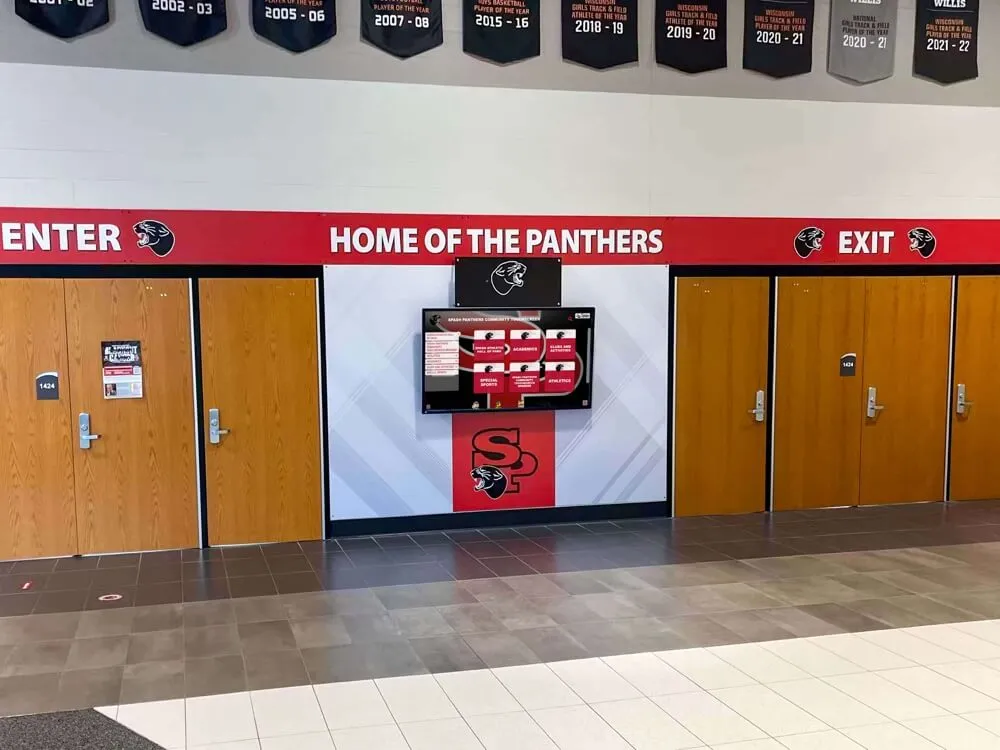
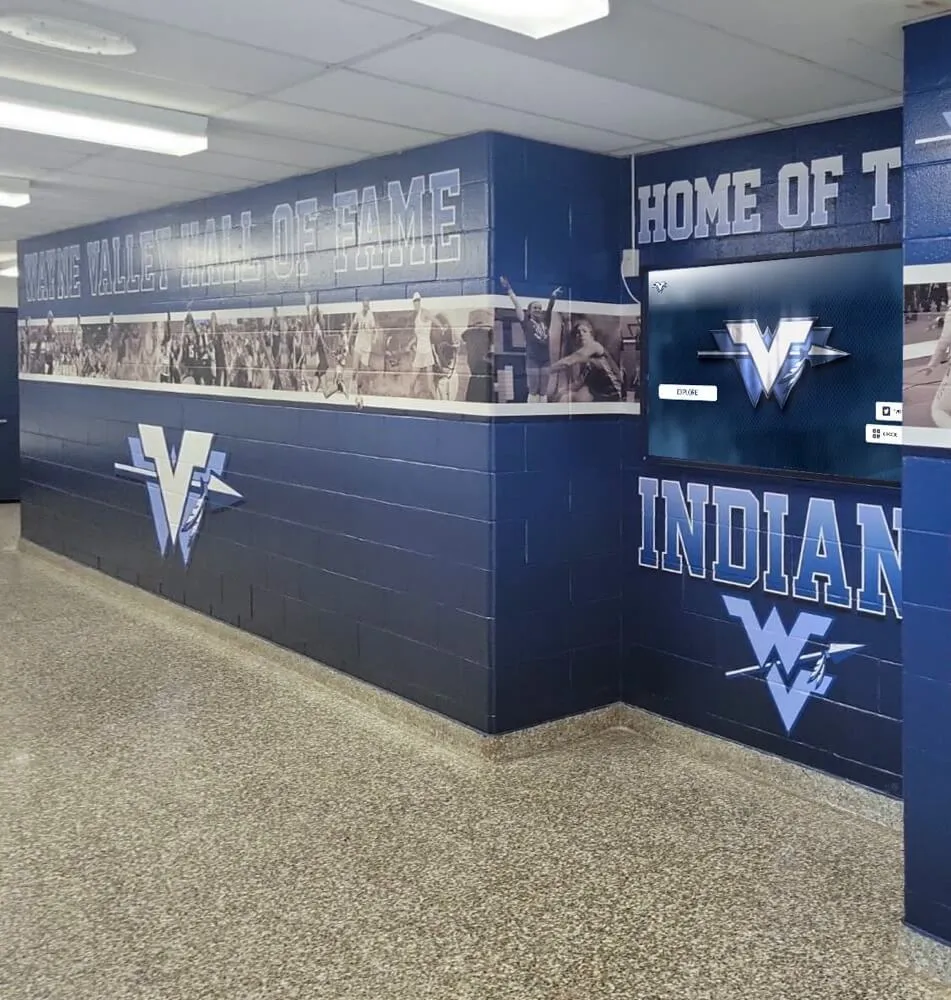
Strategic integration of digital displays with existing campus architecture and branding creates cohesive recognition systems celebrating achievements while maintaining institutional aesthetic
Data Analytics and Engagement Measurement
Technology enables sophisticated measurement informing strategy refinement and demonstrating program value:
Engagement Metrics and KPIs
Track multiple performance dimensions:
- Communication Metrics: Email open rates, click-through rates, unsubscribe rates, social media engagement, and content sharing
- Platform Utilization: Website traffic, mobile app usage, digital display interactions, and feature adoption rates
- Event Participation: Attendance rates, registration timing, no-show patterns, and satisfaction scores
- Giving Performance: Donation rates, average gifts, donor retention, and campaign response rates
- Mentorship Activity: Program participation, relationship completion rates, satisfaction measures, and outcome achievement
Predictive Analytics and Engagement Scoring
Advanced platforms use historical data predicting future behavior:
- Engagement scores rating alumni based on communication responsiveness, event attendance, giving history, and volunteer participation
- Attrition risk identification flagging disengaging alumni for retention intervention
- Major gift propensity modeling identifying alumni with capacity and inclination for significant donations
- Volunteer recruitment targeting alumni with characteristics predicting successful program participation
These insights enable proactive engagement focusing limited resources on highest-opportunity alumni rather than generic mass approaches treating all graduates identically.
Outcome Measurement and ROI Demonstration
Connect engagement activities to institutional strategic goals:
- Student recruitment correlation showing how alumni advocacy influences application and enrollment
- Fundraising attribution documenting how engagement programming builds donor pipelines
- Career placement impact demonstrating mentorship and networking program value for student outcomes
- Reputation monitoring tracking how alumni engagement influences institutional perception and rankings
This measurement demonstrates advancement office value to institutional leadership, justifying continued resource allocation while identifying high-return activities deserving expanded investment versus low-impact programming requiring refinement or discontinuation.
Event-Based Engagement Programming
While technology enables remote engagement, strategic in-person and virtual events create high-impact touchpoints strengthening community and connection:
Homecoming and Reunion Programming
Traditional marquee events remain engagement centerpieces when designed thoughtfully:
Multi-Generation Reunion Structures
Rather than isolating specific class years, comprehensive reunion programming creates cross-generational community:
- Milestone reunion years (5th, 10th, 25th, 50th) receive dedicated programming with class-specific events
- Non-milestone years participate in broader homecoming activities encouraging inter-class connection
- Affinity-based programming (major, activity, identity groups) spans graduation years around shared interests
- Family-friendly activities accommodate diverse alumni life stages from recent graduates to retirees with grandchildren
Digital recognition displays enhance reunion experiences by showcasing class-specific content during homecoming weekends then returning to general recognition after events conclude.
Virtual Participation Options
Not all alumni can attend campus events requiring hybrid approaches:
- Live streaming of marquee events (athletic competitions, speakers, ceremonies)
- Virtual networking sessions connecting remote alumni through video platforms
- On-demand event recordings accessible after live programming
- Digital memory walls where distant alumni contribute content celebrating reunion themes
- Social media engagement campaigns extending participation beyond physical attendees
This blended approach serves entire alumni populations rather than only those with geographic proximity and schedule availability enabling campus attendance.
Professional Development and Lifelong Learning
Career-focused programming provides tangible value motivating engagement:
Webinar and Workshop Series
Online educational programming delivers convenience and accessibility:
- Industry trend analysis and future outlook presentations
- Leadership development and management skill building
- Career transition guidance for alumni changing roles or industries
- Technology and digital literacy training
- Financial planning and wealth management education
- Work-life balance and wellness programming
Executive Education and Credentials
Formal continuing education creates revenue while serving alumni:
- Certificate programs in high-demand skill areas
- Executive MBA and graduate degree programs
- Professional development boot camps and intensives
- Industry-specific credential preparation courses
- Alumni tuition discounts incentivizing continued institutional education
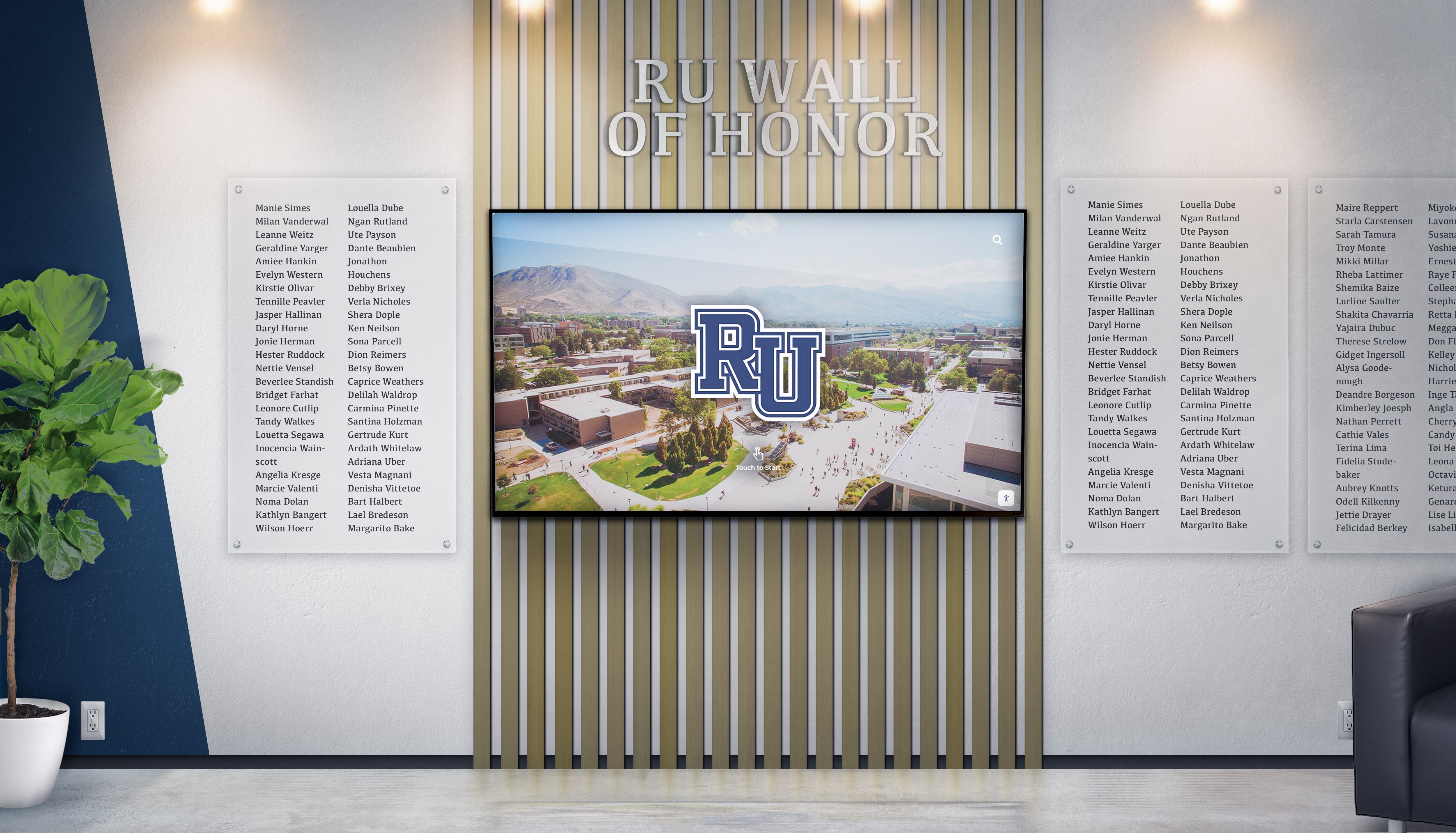
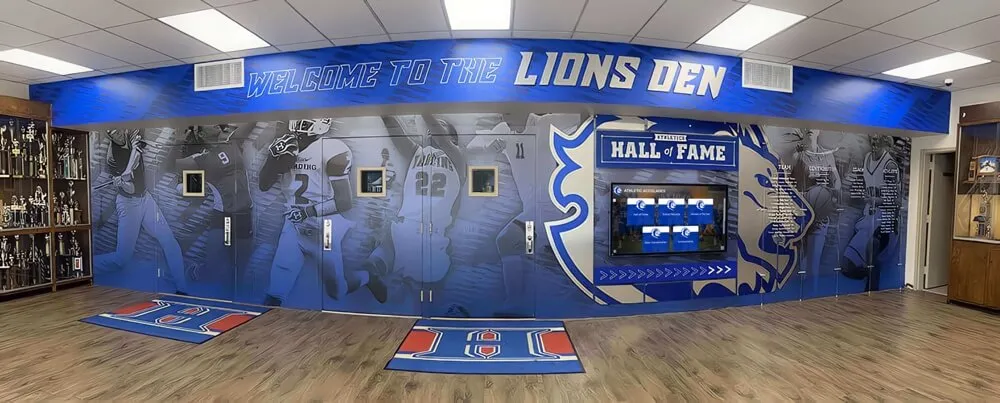
Hybrid recognition combining permanent name plaques with dynamic digital content balances tradition with modern engagement capabilities serving diverse alumni preferences
Service and Impact Programming
Meaningful giving-back opportunities create fulfillment strengthening emotional institutional bonds:
Student-Focused Volunteering
Direct student benefit opportunities appeal to alumni:
- Career panels and networking events connecting students with industry professionals
- Informational interview programs providing career exploration guidance
- Internship and job posting through alumni employer connections
- Application and interview preparation coaching from hiring professionals
- Student organization advising and board participation
Community Impact Initiatives
Collective service creates purpose-driven engagement:
- Regional service projects where alumni chapters volunteer together
- Global service trips combining travel with humanitarian contribution
- Environmental stewardship and sustainability projects
- Educational equity and access initiatives supporting underserved populations
- Alumni expertise application addressing social challenges through professional skills
When institutions create these meaningful engagement opportunities, alumni participation demonstrates donor recognition approaches that inspire giving by showing concrete impact rather than abstract institutional advancement goals.
Building Alumni Engagement into Institutional Culture
Sustainable engagement requires embedding alumni connection throughout institutional operations rather than isolating it within advancement offices:
Cross-Departmental Alumni Integration
Every institutional unit benefits from and contributes to alumni engagement:
Academic Affairs Collaboration
Faculty and academic programs leverage alumni:
- Guest lecturers bringing real-world expertise to classrooms
- Curriculum advisory boards ensuring program relevance to industry needs
- Research partnerships combining academic and professional expertise
- Capstone project sponsorship providing authentic learning experiences
- Student project mentorship from alumni in relevant fields
Student Affairs Partnership
Student life professionals facilitate early relationship building:
- Graduation year giving campaigns establishing philanthropy habits before graduation
- Senior class programming building institutional attachment during final year
- Alumni panel integration into career services programming
- Student organization alumni chapter development creating activity-based ongoing connection
- Commencement weekend events launching alumni engagement immediately post-graduation
Athletics and Activities Collaboration
Competition and performance create emotional institutional bonds:
- Former athlete recognition through digital displays and hall of fame programs
- Team reunion coordination during homecoming and milestone anniversaries
- Youth camp staffing and coaching from accomplished alumni athletes
- Athletic fundraising campaigns for facility improvements and program support
- School spirit and tradition celebration connecting current students with historical excellence
Current Student Alumni Literacy Programs
Strong engagement begins before graduation through systematic alumni education:
Alumni Awareness Integration
Help students understand institutional legacy and alumni community:
- First-year orientation sessions introducing notable alumni and achievements
- Campus alumni displays in high-traffic locations providing constant visibility
- Classroom integration where faculty reference alumni career pathways
- Student organization alumni relationship building creating activity-based connection
- Pre-graduation transition programming explaining alumni benefits and engagement opportunities
Early Engagement Habit Formation
Establish patterns continuing post-graduation:
- Young alumni programming specifically designed for recent graduates
- Class-specific social media groups launched senior year continuing after graduation
- Career milestone celebration (first job, promotions, graduate school) immediately following degree completion
- Peer fundraising campaigns where students support institutional mission before becoming alumni
- Digital platform introduction enabling seamless transition from student to alumni status
When students graduate with established institutional connection habits and clear understanding of alumni community value, post-graduation engagement rates increase 40-60% compared to institutions treating alumni engagement as entirely separate from student experience.
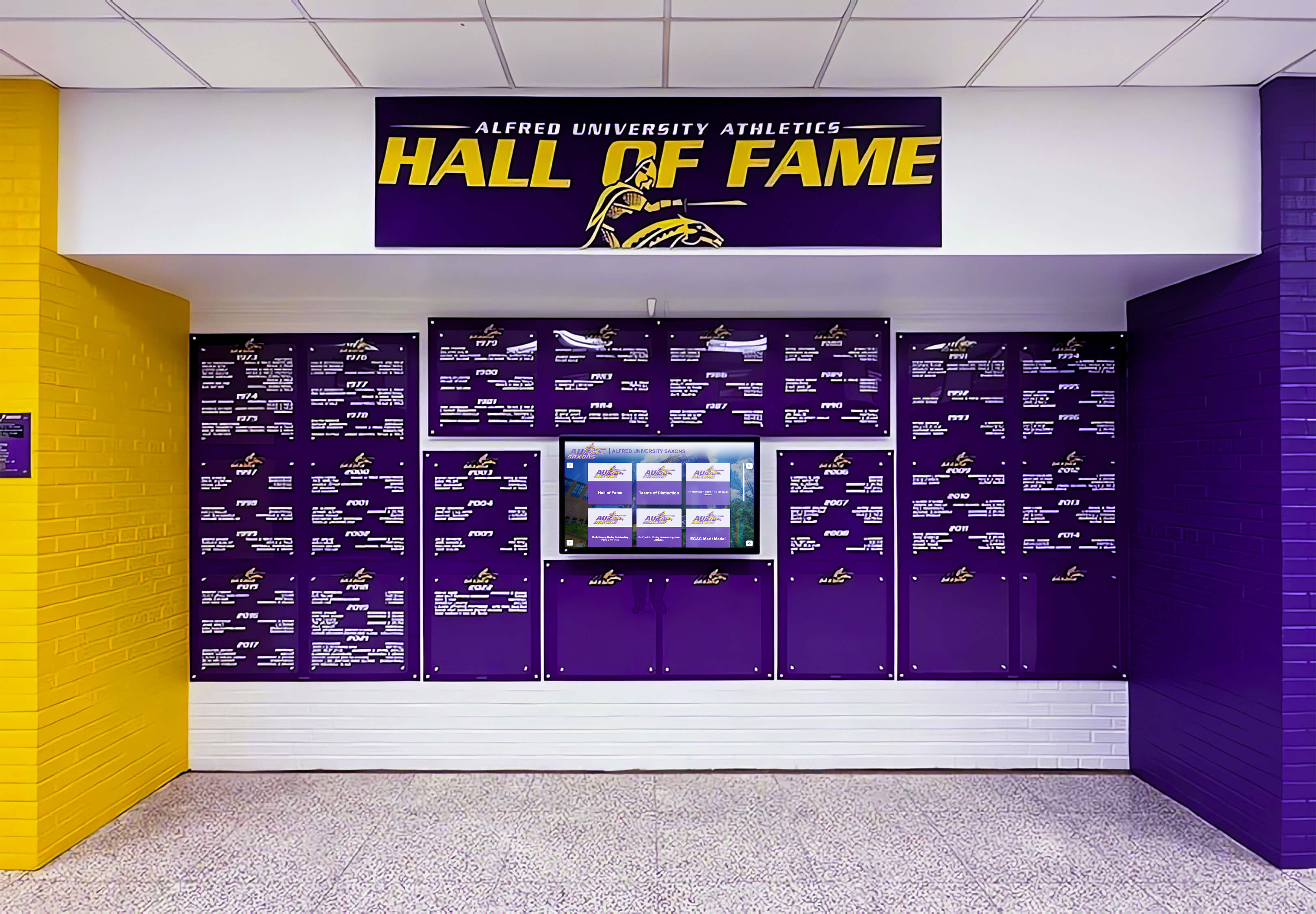
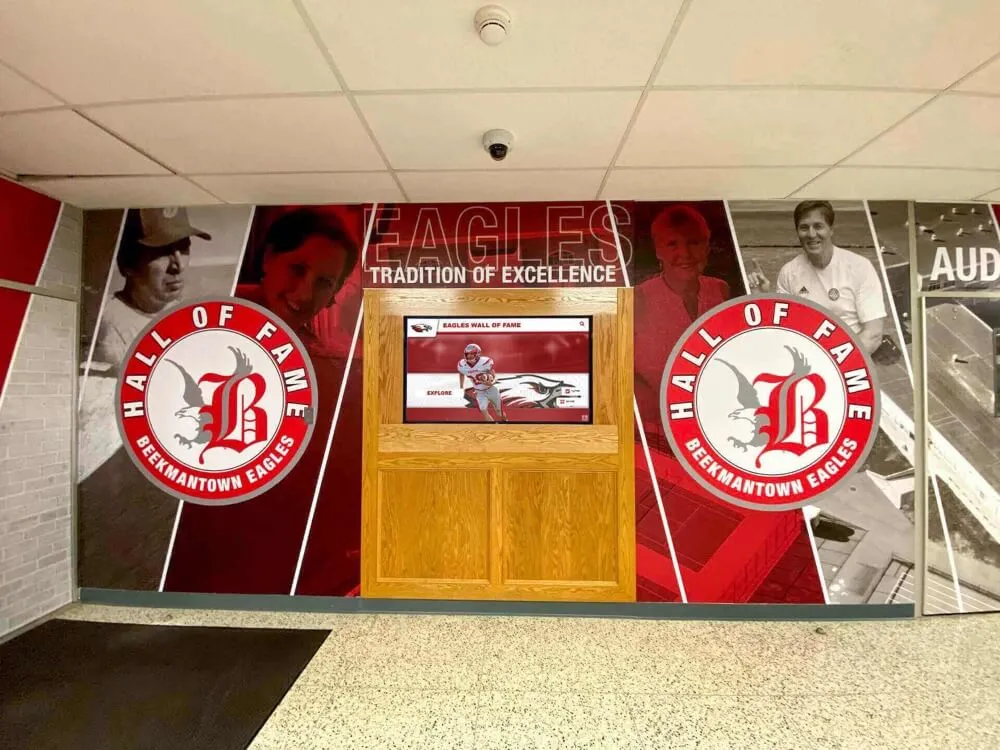
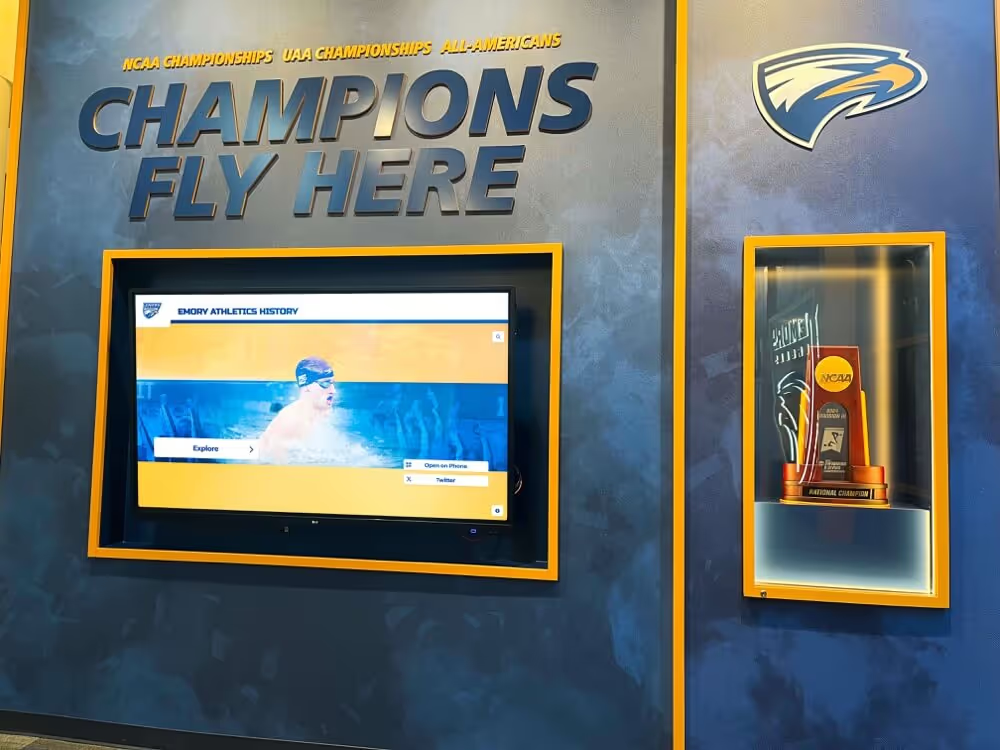
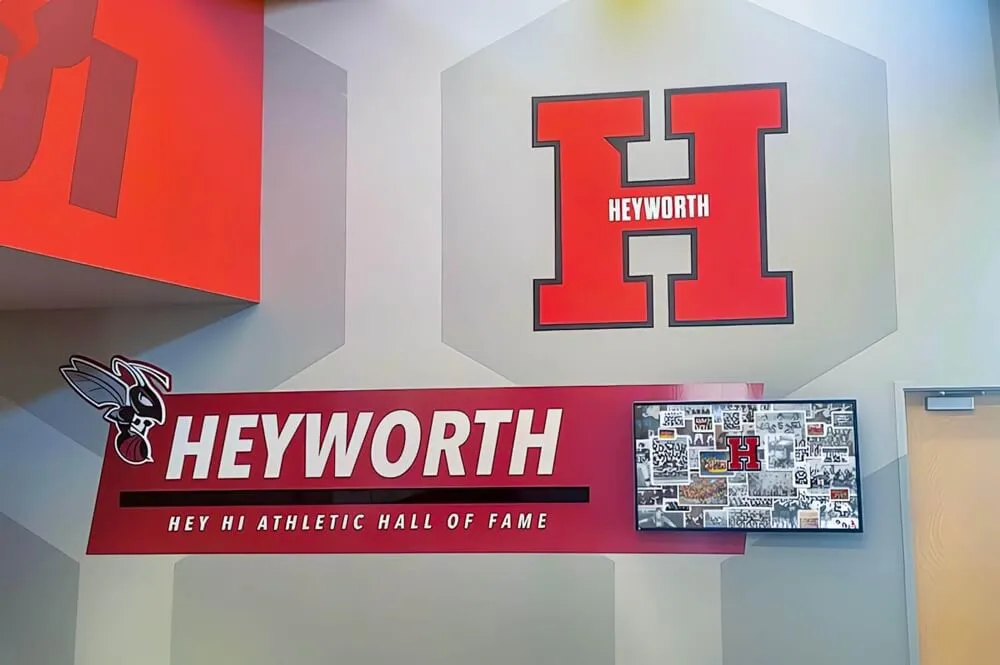
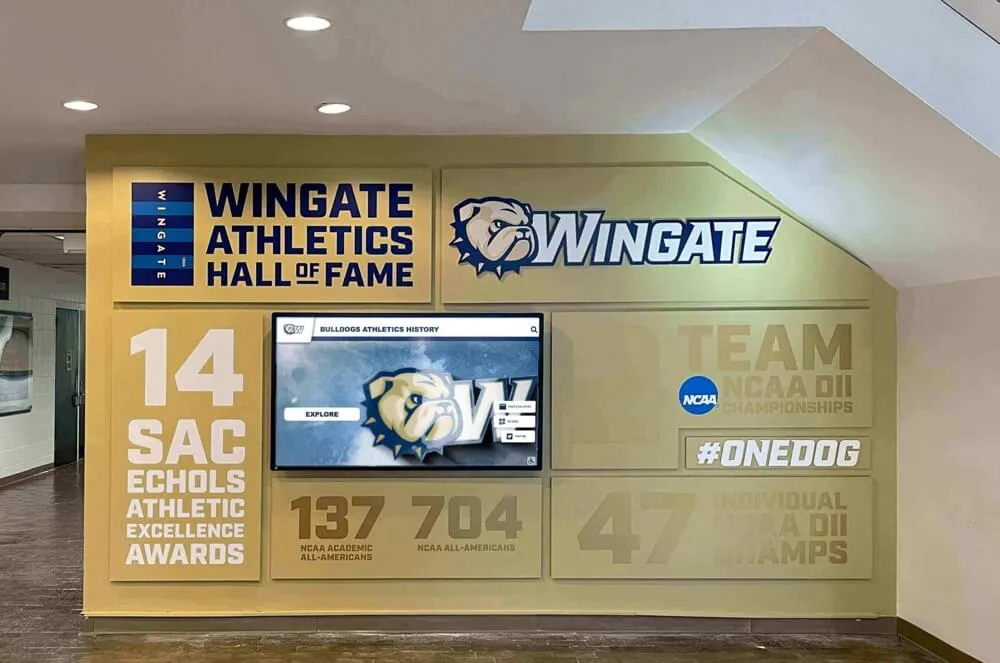
Professional institutional displays celebrating athletic excellence demonstrate commitment to recognizing achievement while creating recruitment advantages through tangible success documentation
Measuring Alumni Engagement Success
Effective programs require systematic assessment demonstrating value and identifying improvement opportunities:
Key Performance Indicators
Track metrics across multiple engagement dimensions:
Participation and Reach Metrics
Measure overall engagement breadth:
- Engagement Rate: Percentage of alumni actively participating through any channel (communication response, event attendance, giving, volunteering) annually
- Multi-Channel Participation: Percentage engaging through multiple touchpoints versus single-channel interaction
- New Engager Acquisition: Number and percentage of previously disengaged alumni participating for first time
- Engagement Depth: Average interactions per engaged alumnus showing relationship intensity
- Geographic Distribution: Participation across regions ensuring strategies serve dispersed populations
Communication Effectiveness
Assess messaging and channel performance:
- Email Metrics: Open rates (target: 25-35%), click-through rates (target: 3-5%), unsubscribe rates (target: <0.2%)
- Social Media Engagement: Follower growth, post reach, engagement rates, and sharing frequency
- Website Traffic: Unique visitors, page views, session duration, and return visitor rates
- Mobile Access: Percentage accessing content via smartphones and tablets
- Content Performance: Most popular topics, formats, and themes informing content strategy
Program-Specific Outcomes
Evaluate individual initiative effectiveness:
- Event Metrics: Registration rates, attendance rates, no-show percentages, satisfaction scores, and net promoter scores
- Mentorship Program: Participation rates, relationship completion rates, satisfaction measures, and student outcome impact
- Networking Platform: Active user percentage, connection frequency, job opportunity posting volume
- Recognition Program: Nomination volume, inductee acceptance rates, display interaction metrics
Continuous Improvement Frameworks
Use data informing ongoing refinement:
Regular Program Assessment Cycles
Establish systematic review:
- Quarterly tactical reviews examining recent campaign performance and adjusting approaches
- Annual strategic assessment evaluating overall progress toward engagement goals
- Multi-year program evaluation studying longitudinal trends and major initiative impact
- Benchmark comparisons against peer institutions and industry standards
Alumni Feedback Integration
Direct input from constituents provides critical perspective:
- Annual engagement surveys measuring satisfaction and gathering improvement suggestions
- Focus groups exploring specific initiatives in depth with diverse alumni segments
- Exit surveys when alumni disengage identifying reasons for disconnection
- Advisory board consultation leveraging engaged alumni expertise guiding strategy
Iterative Enhancement Approach
View engagement as continuous evolution:
- Pilot test new initiatives with small segments before full-scale launch
- A/B testing communication approaches, event formats, and program structures
- Rapid implementation of proven improvements rather than waiting for perfect solutions
- Willingness to discontinue ineffective programming freeing resources for higher-impact alternatives
Organizations implementing systematic measurement and continuous improvement demonstrate 25-40% engagement growth over three-year periods compared to institutions running static programs without regular assessment and refinement.
Special Considerations for Different Institution Types
Engagement strategies should adapt to institutional context, student populations, and alumni characteristics:
High School Alumni Engagement
Secondary schools face unique challenges and opportunities:
Building Foundations for Lifelong Connection
High schools often lack formal alumni infrastructure but can establish engagement frameworks:
- Young alumni programming for recent graduates navigating college and early careers
- Milestone reunion coordination (10th, 20th, 25th, 50th) bringing classes together
- Athletic and activity-based engagement leveraging strong team and club bonds
- Digital recognition systems celebrating achievements from college acceptance through career success
- Social media groups organized by graduation year creating easy connection
Leveraging Nostalgia and Tradition
High school years create powerful emotional memories:
- Homecoming celebrations bringing alumni back to campus annually
- Athletic competition attendance among former players and fans
- School history documentation through digital archives and yearbook digitization
- Tradition celebration connecting current students with historical excellence
- Building and facility improvement campaigns where alumni support campus enhancement
University and College Engagement
Higher education institutions typically have more resources but larger, more diverse alumni populations:
School and Department-Level Strategies
Large universities benefit from decentralized engagement:
- College-specific programming (business school, engineering, liberal arts) creating focused communities
- Academic department engagement around major and field-specific interests
- Professional school alumni networks (law, medicine, education) emphasizing career connection
- Research institute and center alumni highlighting collaborative work and ongoing projects
- Athletic department alumni through booster clubs and athletic hall of fame programs
Tiered Engagement Approaches
Universities serve diverse populations requiring differentiated strategies:
- Major gift prospects: Intensive personal cultivation through one-to-one relationship management
- Leadership volunteers: Advisory board service, reunion committee participation, and strategic initiative involvement
- Annual donors: Regular giving recognition, impact reporting, and exclusive community access
- Engaged participants: Event attendance, mentorship volunteering, career networking
- Passive alumni: Lower-intensity communication focused on reengagement and connection maintenance
This segmentation ensures appropriate resource allocation matching engagement level and relationship potential.
Professional and Technical Schools
Specialized institutions emphasize career-specific engagement:
Industry-Focused Programming
Career schools celebrate field-specific connections:
- Professional development programming advancing skills in program-related fields
- Industry networking events bringing alumni working in common sectors together
- Employer partnership development creating hiring pipelines and career opportunities
- Continuing education offerings supporting credential maintenance and advancement
- Recognition celebrating industry distinction and professional achievement
Outcomes-Based Engagement
Demonstrate program value through graduate success:
- Employment placement statistics documenting career outcomes
- Salary and advancement data showing economic return on educational investment
- Professional recognition and industry awards earned by alumni
- Entrepreneurial success stories featuring business founders and leaders
- Continued education tracking demonstrating commitment to lifelong learning
Conclusion: Building Sustainable Alumni Engagement Ecosystems
Alumni engagement represents strategic institutional assets delivering measurable value across recruitment, fundraising, student development, and reputation enhancement. The most effective approaches combine systematic recognition programs celebrating graduate achievements with modern communication technologies and meaningful engagement opportunities creating multiple touchpoints that maintain connection without excessive time demands on busy alumni managing competing priorities throughout career and life stages.
The strategies explored throughout this guide provide comprehensive frameworks for building engagement systems that serve diverse alumni populations effectively while remaining sustainable for advancement offices operating with limited resources. From digital recognition displays eliminating space constraints to mobile-optimized platforms enabling anywhere access, technology dramatically expands engagement possibilities while reducing administrative burden compared to traditional manual approaches.
Transform Your Alumni Engagement Strategy
Discover how modern digital recognition solutions and alumni platforms can help you build comprehensive engagement programs that celebrate graduate achievements, strengthen institutional connections, and create lasting impact through meaningful relationships extending far beyond graduation day.
Explore Alumni SolutionsImplementation begins with assessing current engagement landscape and alumni relationship strength. Conduct alumni surveys gathering feedback about current programming and desired engagement opportunities, evaluate existing communication effectiveness through metrics and response rates, inventory technology infrastructure identifying gaps requiring investment, and engage leadership building consensus around engagement priorities and resource allocation supporting comprehensive strategies.
From this foundation, develop systematic programs starting with achievable pilot initiatives then expanding based on demonstrated outcomes and available resources. Recognize that engagement transformation requires multi-year commitment rather than quick fixes—successful institutions invest consistently in relationship building while maintaining realistic expectations about timeline and trajectory.
Modern platforms like our comprehensive solutions simplify implementation by providing integrated systems managing recognition, communication, events, and community building through unified interfaces eliminating technology complexity while maximizing engagement impact. These purpose-built solutions enable small advancement teams to execute sophisticated engagement strategies typically requiring much larger staff and budget investments.
Your alumni represent powerful institutional assets whose continued engagement delivers measurable strategic value. Whether implementing comprehensive digital halls of fame, developing alumni mentorship programs connecting graduates with students, or creating multi-channel communication frameworks serving diverse populations, the time to enhance alumni relations is now.
Start today by identifying current engagement strengths and opportunity areas, exploring modern platforms capable of scaling connection while reducing administrative burden, and building stakeholder consensus around engagement value justifying continued investment in relationship building extending far beyond graduation ceremonies into lifelong community membership.
Ready to begin? Explore comprehensive engagement approaches through donor recognition strategies applicable to alumni relations, discover digital display capabilities enhancing campus recognition, or learn about comprehensive hall of fame systems celebrating achievement while strengthening institutional pride and connection.