The relationship between educational institutions and their graduates shouldn’t end at commencement—yet many schools struggle to maintain meaningful connections with alumni after they walk across the stage to receive their diplomas. Strong alumni engagement transforms former students into active community members who mentor current students, contribute to fundraising campaigns, advocate for institutional reputation, and create professional networking opportunities that benefit everyone involved.
The challenge lies in creating compelling reasons for busy alumni to stay connected amid career demands, family responsibilities, and competing priorities. Generic email newsletters and annual fundraising appeals rarely inspire the kind of enthusiastic participation that builds thriving alumni communities. Instead, successful engagement requires strategic programming that delivers genuine value while honoring the achievements and contributions of graduates.
This comprehensive guide explores proven alumni engagement ideas spanning digital recognition, events and programming, communication strategies, mentorship opportunities, and community-building initiatives. Whether you’re leading alumni relations at a small private high school, managing graduate engagement at a large university, or coordinating alumni programs for a charter school network, these strategies provide practical frameworks for strengthening connections with your institution’s most valuable ambassadors.
Alumni engagement delivers measurable benefits extending far beyond warm feelings and nostalgia. Actively engaged graduates recruit prospective students through word-of-mouth advocacy, provide career guidance and internship opportunities for current students, contribute philanthropically to capital campaigns and annual funds, serve on advisory boards offering strategic guidance, and enhance institutional reputation through their professional accomplishments and community leadership.

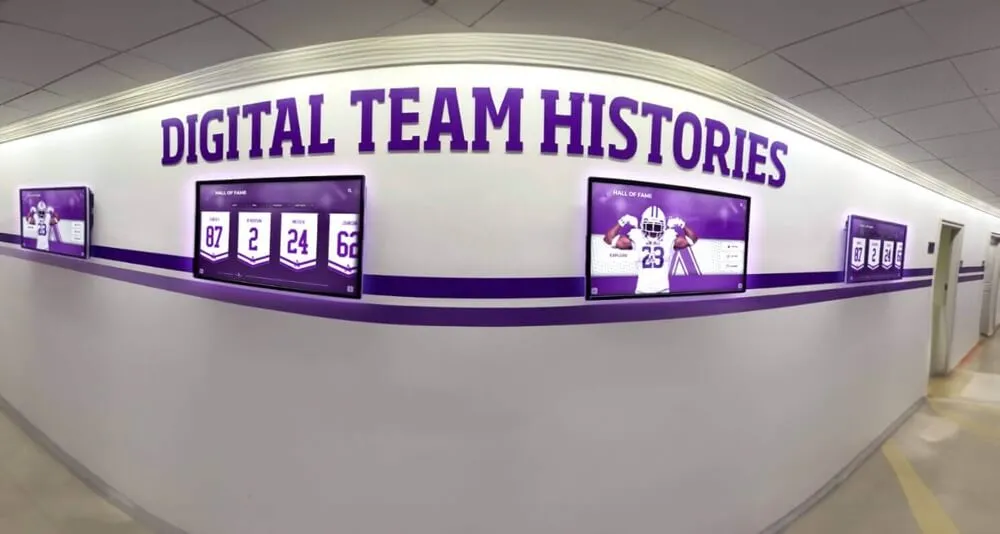
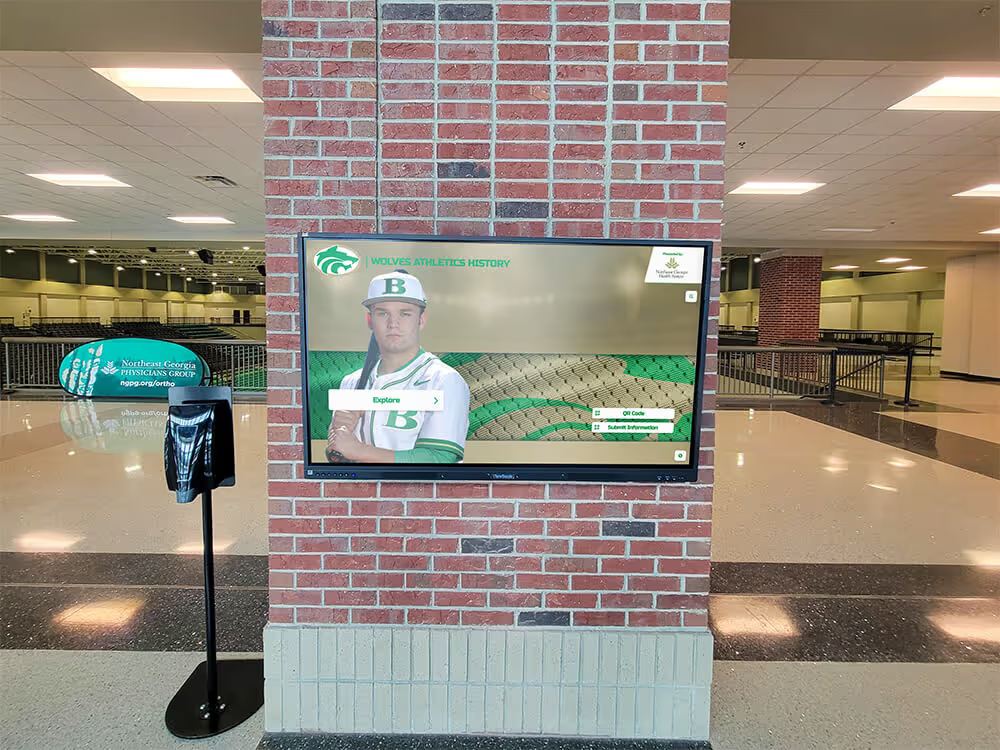
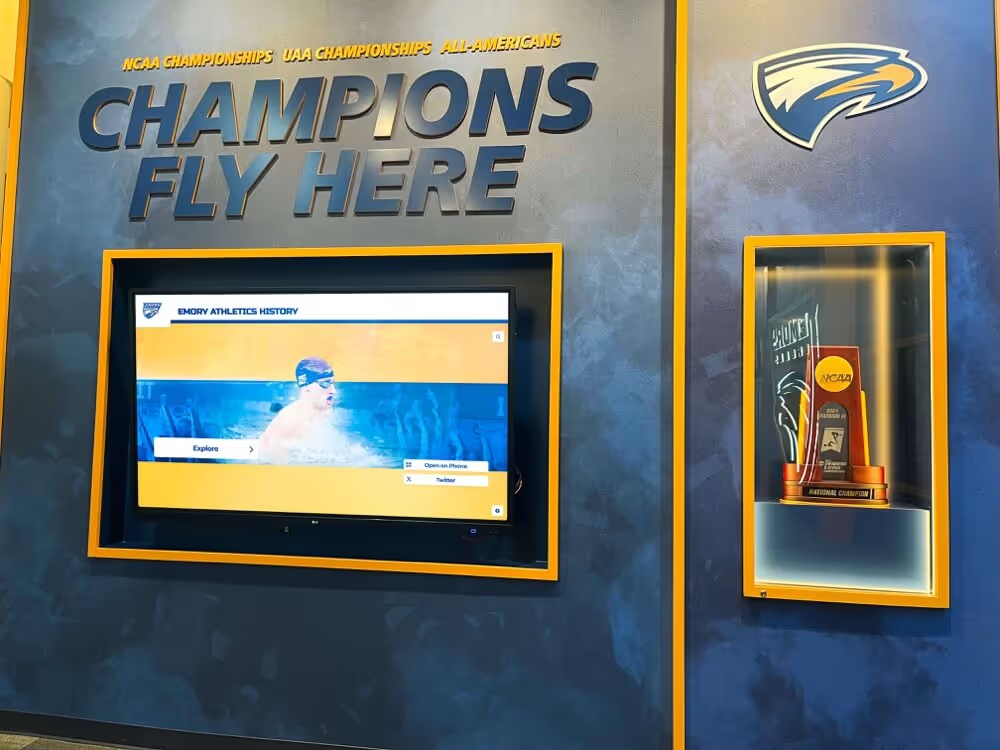
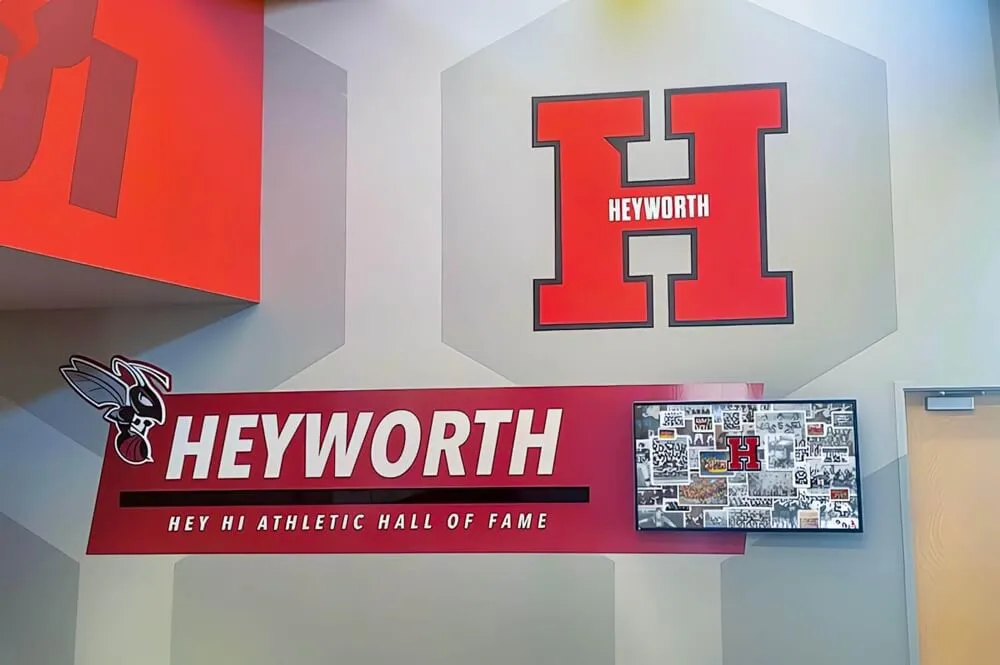
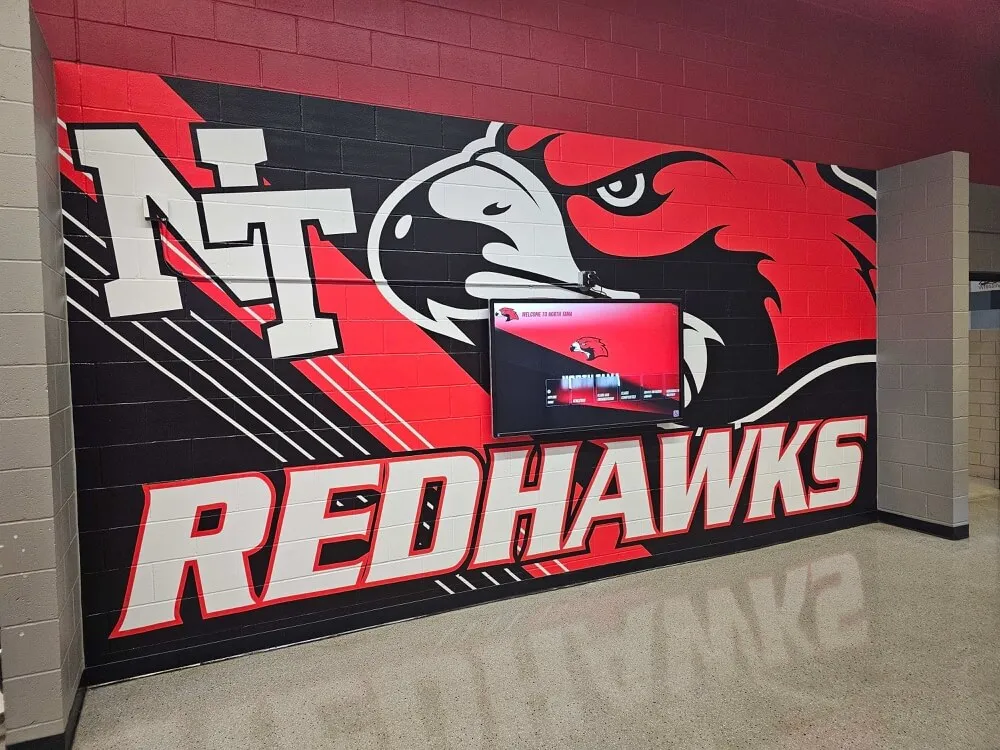
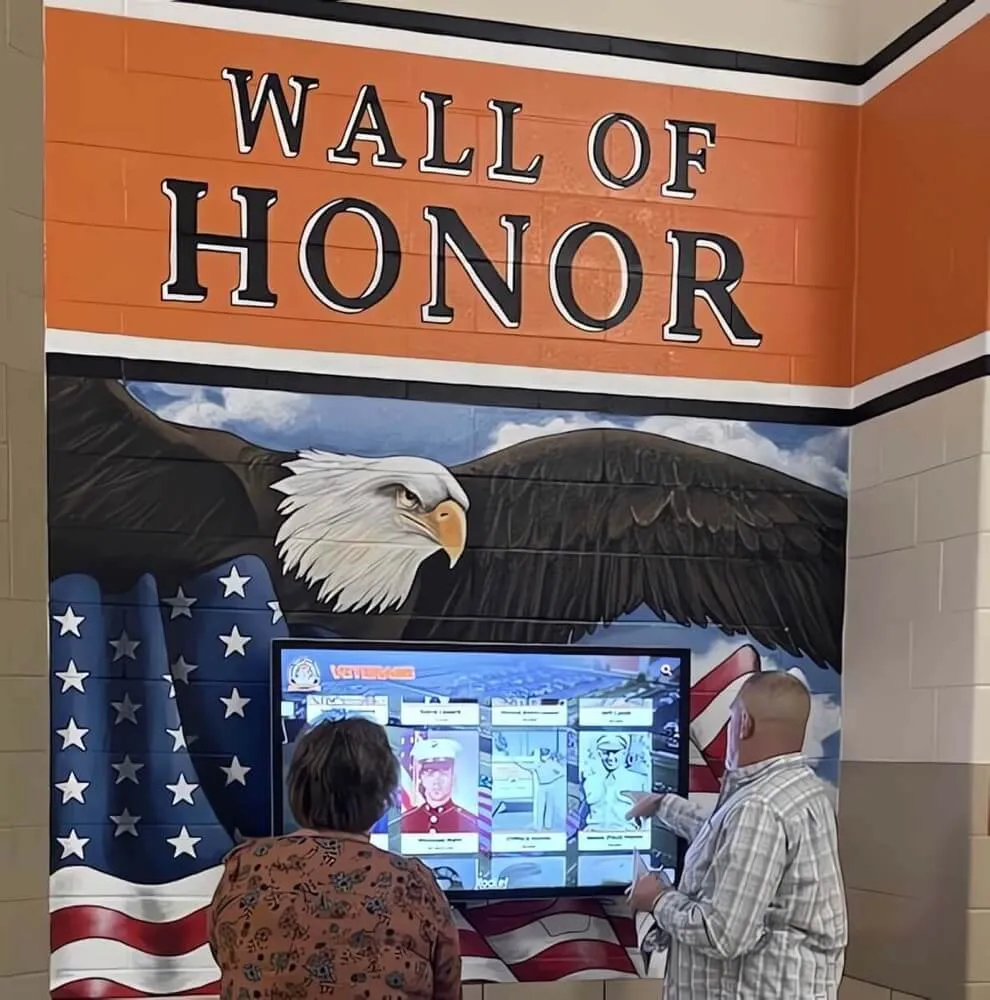
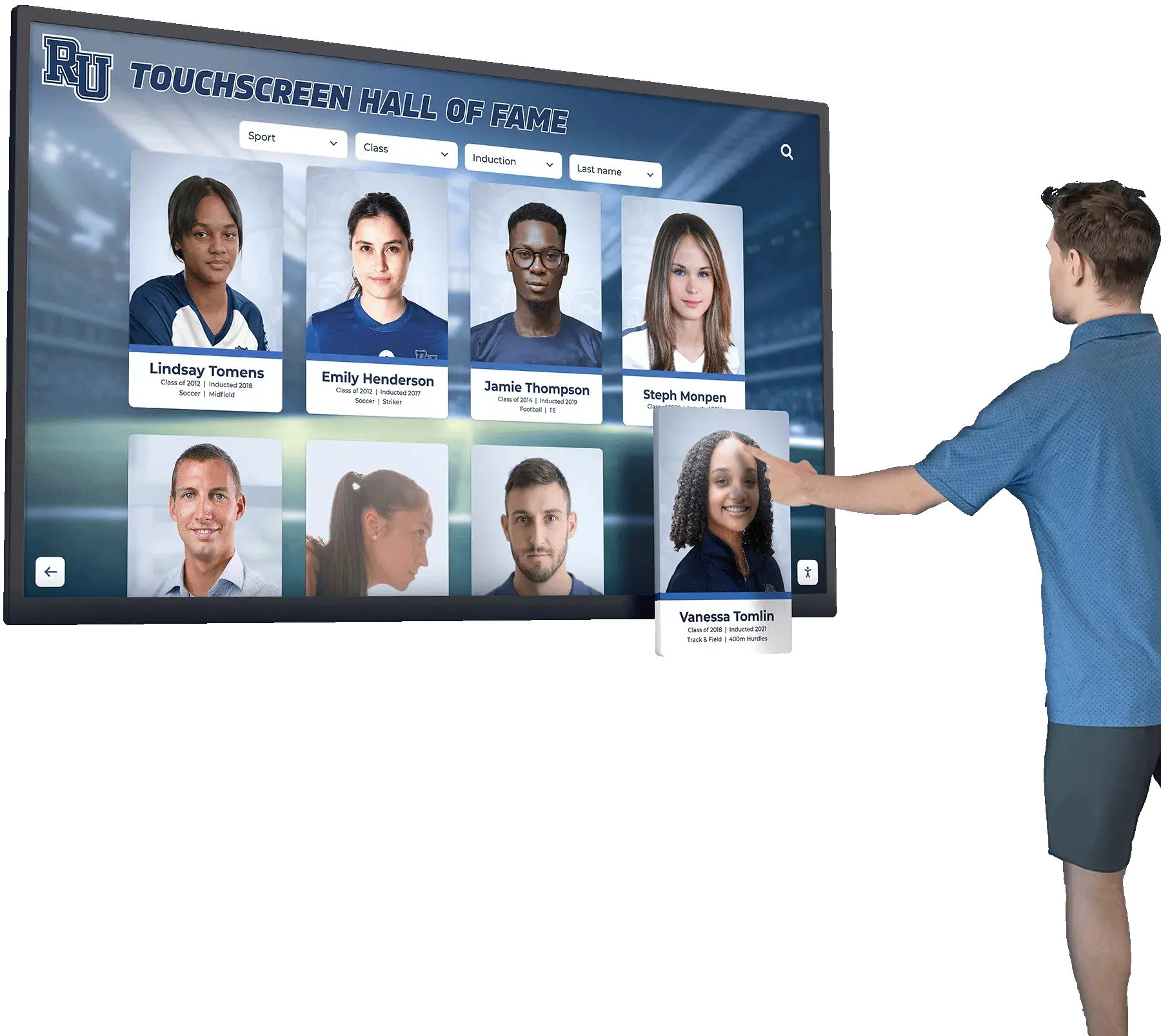
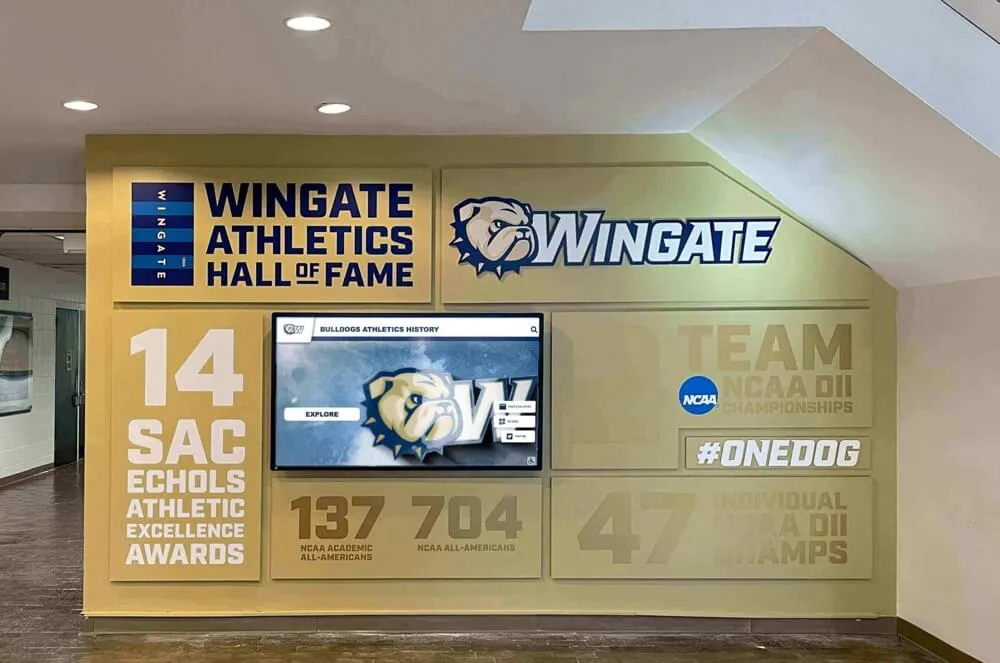
Modern recognition displays create engaging touchpoints where alumni can explore classmate achievements and institutional history
Understanding Alumni Engagement Fundamentals
Before implementing specific tactics, successful alumni relations professionals understand the core principles driving sustained graduate participation and connection.
Why Alumni Disengage Over Time
Multiple factors contribute to declining alumni participation after graduation:
Geographic Dispersion - Graduates relocate for career opportunities, scattering across regions, states, or countries and making physical campus visits impractical for most alumni.
Competing Life Priorities - Career advancement, family responsibilities, community involvement, and personal interests create time constraints limiting capacity for institutional engagement.
Lack of Perceived Value - Alumni disengage when institutions only contact them for fundraising asks without offering meaningful benefits, resources, or community connection.
Weak Emotional Connection - Graduates who had negative experiences, felt excluded during enrollment, or never developed strong institutional affinity have little motivation to maintain relationships.
Inadequate Communication - Generic mass emails, outdated contact information, irrelevant messaging, or communication gaps allow relationships to atrophy over time.
Limited Engagement Opportunities - When schools offer only annual giving campaigns or infrequent reunions, most alumni never find compelling reasons to participate actively.
Core Principles of Effective Alumni Engagement
Successful programs share common characteristics that drive sustained participation:
Reciprocal Value Exchange - Rather than treating alumni exclusively as fundraising prospects, provide genuine benefits including career resources, networking opportunities, continuing education, and community connection.
Diverse Programming - Recognize that your alumni population includes varied interests, life stages, geographic locations, and engagement preferences requiring multiple participation pathways.
Recognition and Celebration - Honor alumni achievements visibly and meaningfully, demonstrating that the institution values graduate success and maintains pride in their accomplishments.
Student Connection - Create opportunities for alumni to support current students through mentorship, career guidance, internships, and knowledge sharing that fulfill desires to give back.
Authentic Relationship Building - Move beyond transactional interactions toward genuine community development where alumni feel known, valued, and connected to institutional mission.
Accessible Participation - Remove barriers by offering virtual options, flexible timing, varied price points, and diverse formats accommodating different schedules and preferences.
Schools implementing comprehensive alumni event strategies understand that programming variety keeps different alumni segments engaged throughout their lifetimes.
Digital Recognition and Visibility Strategies
Modern technology enables institutions to celebrate alumni achievements at scale while creating interactive experiences that drive ongoing engagement.
Interactive Digital Recognition Displays
Physical campus installations create powerful alumni touchpoints when graduates visit for events, reunions, or casual campus tours.
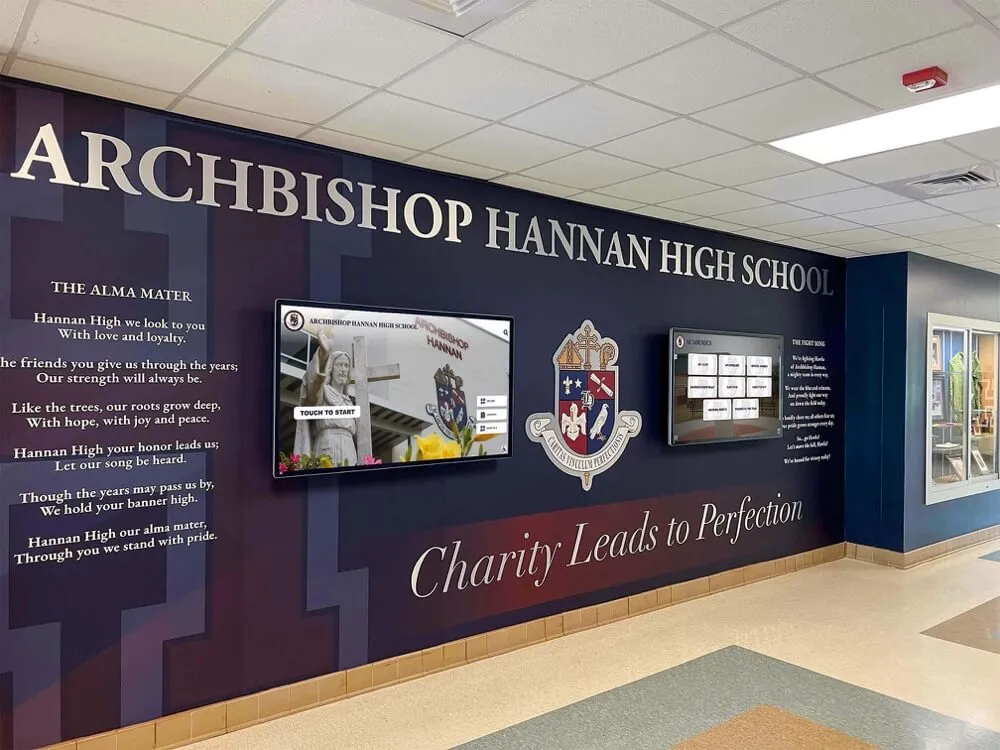
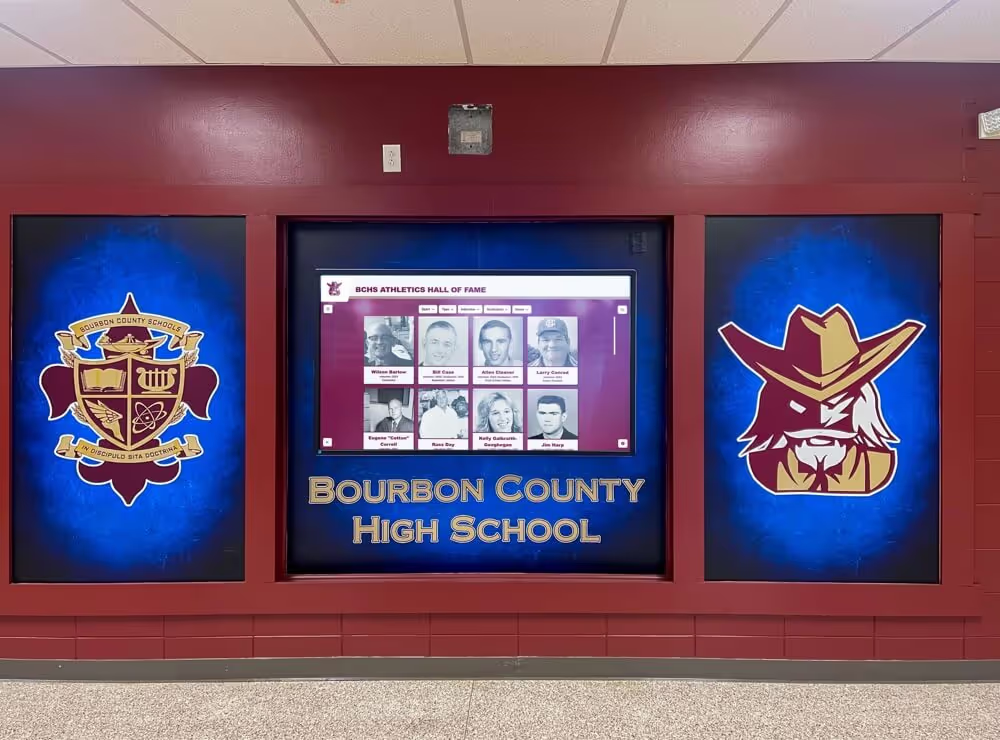
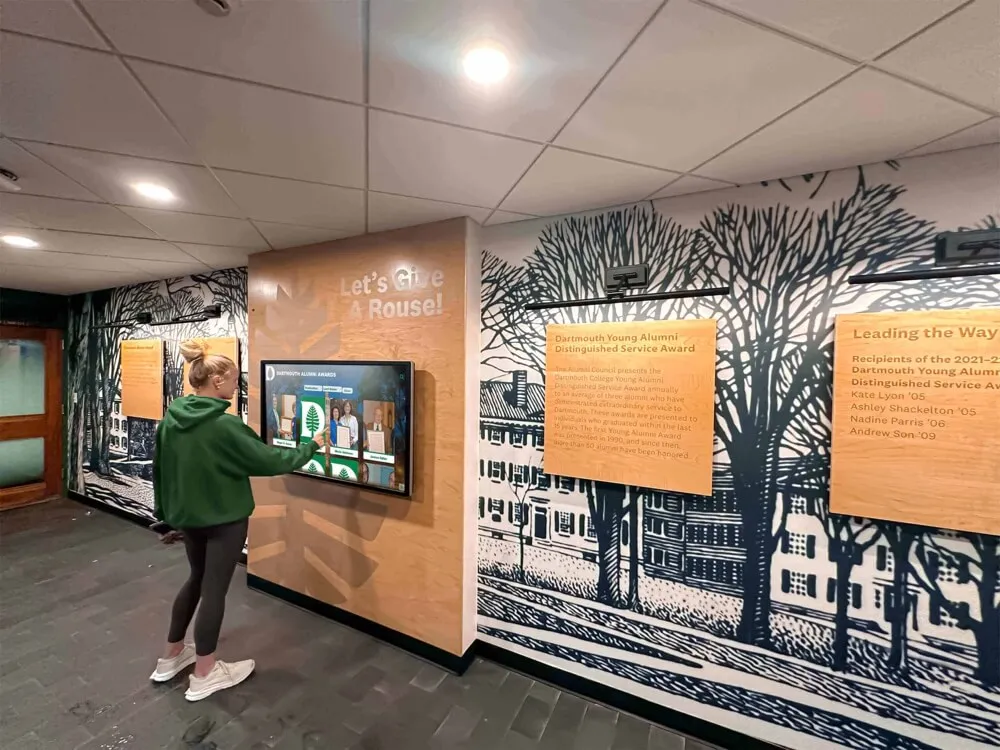
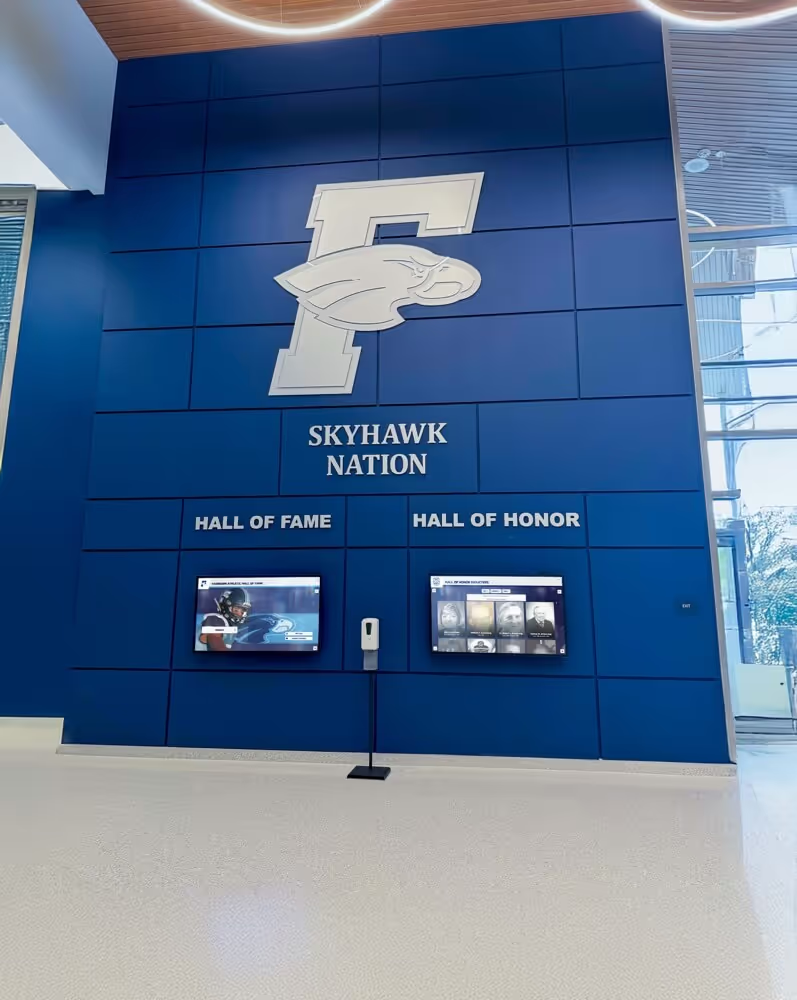
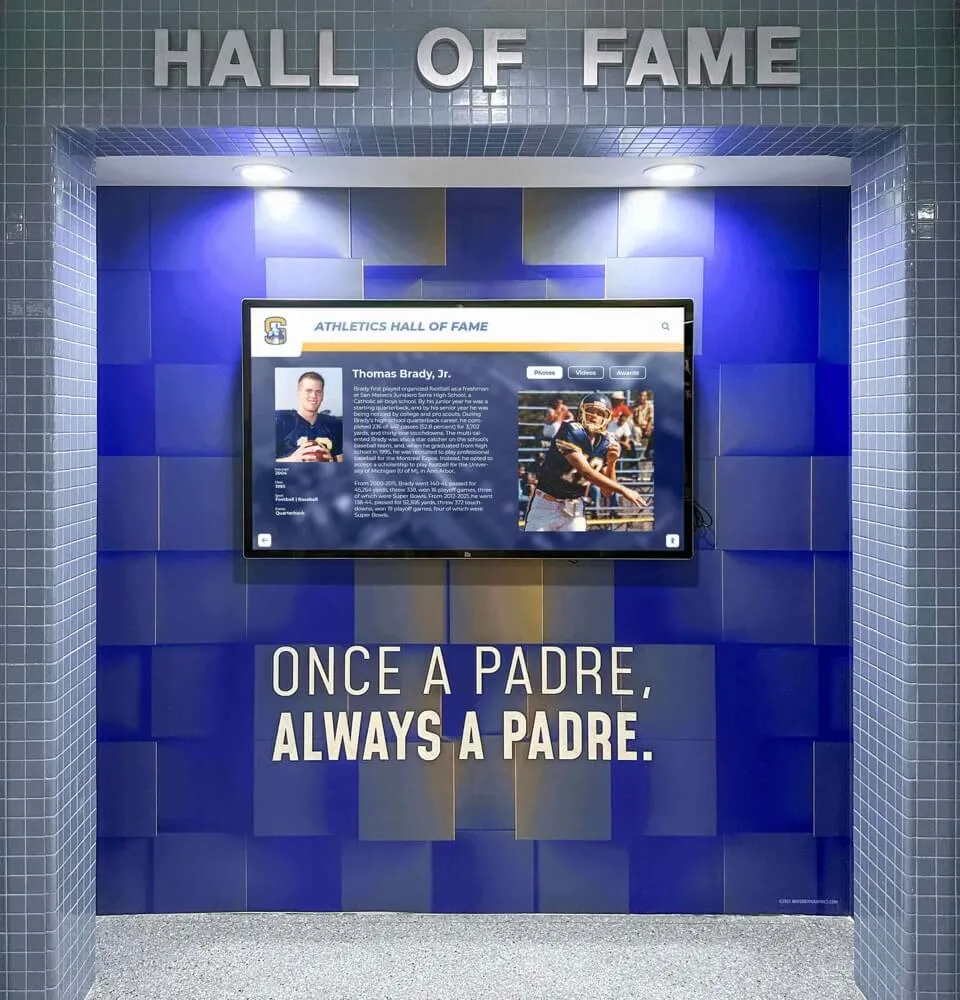
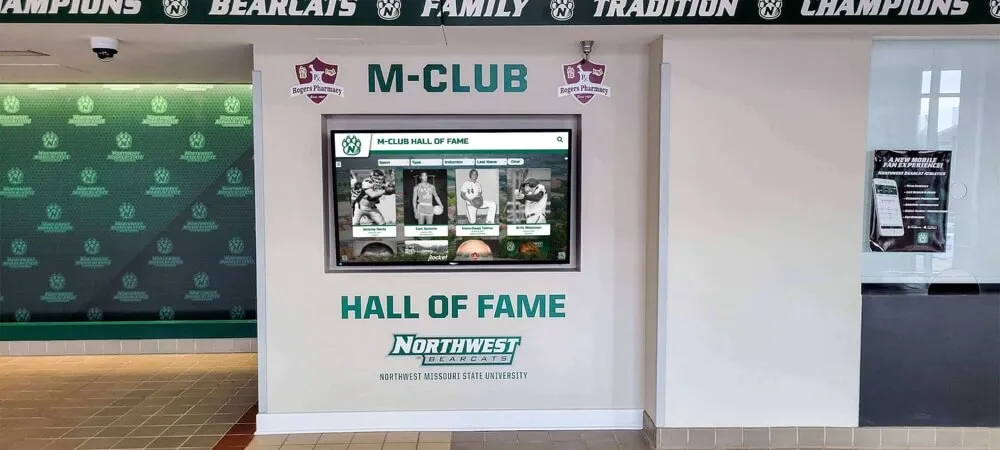
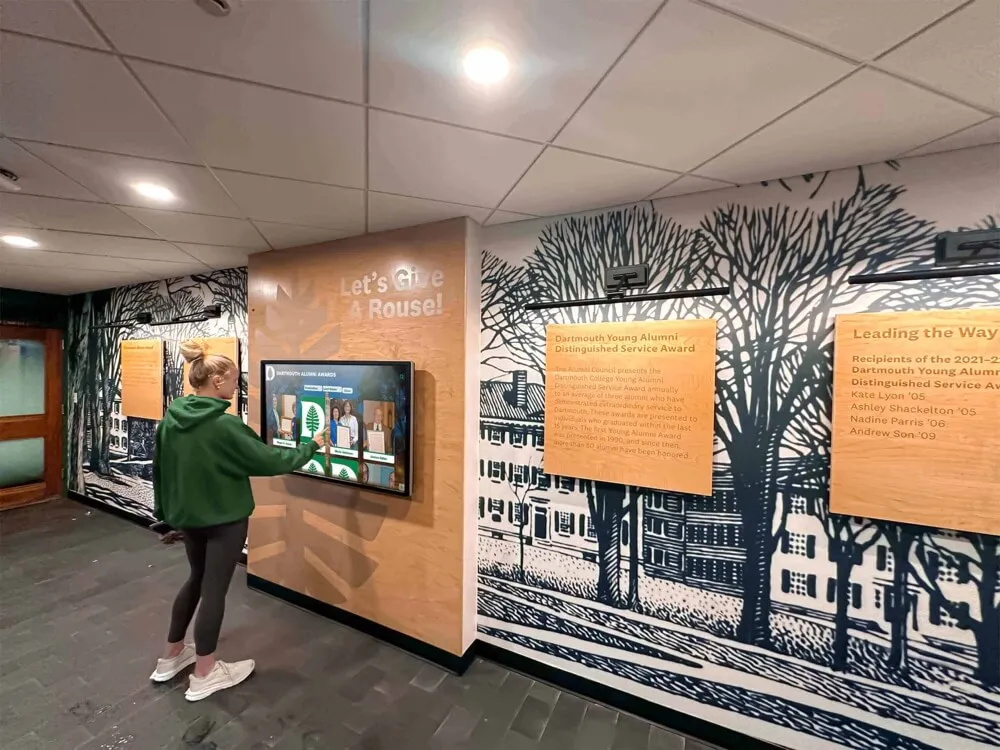
Touchscreen Hall of Fame Systems - Interactive kiosks allow visitors to explore comprehensive alumni databases featuring graduate profiles, achievements, career information, and institutional contributions searchable by name, graduation year, major, or accomplishment category.
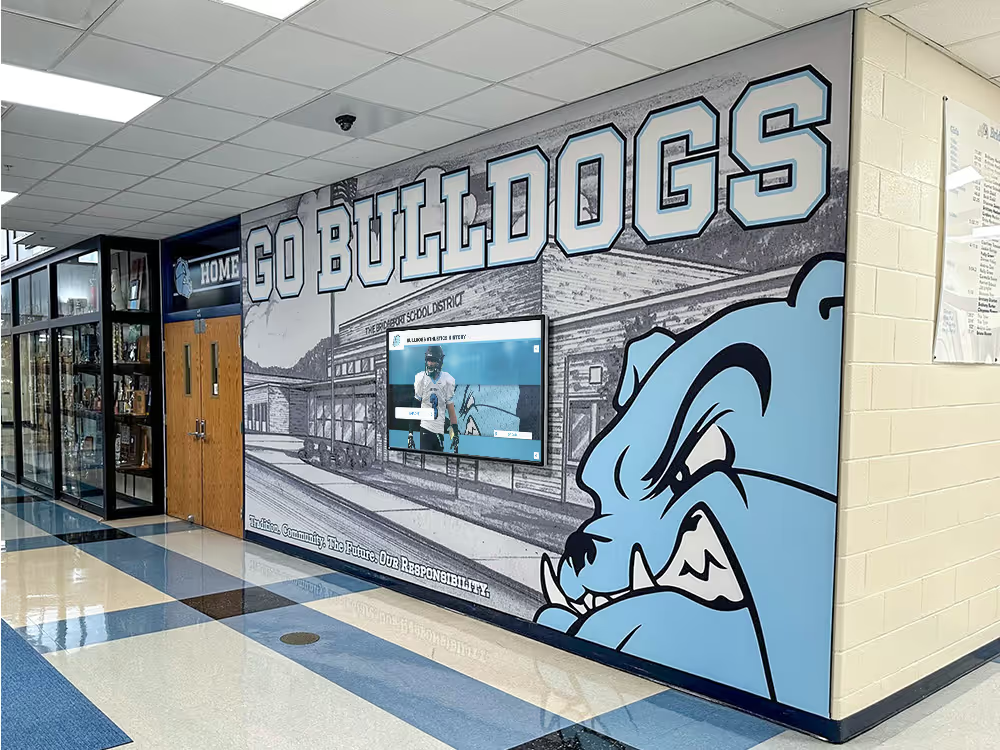
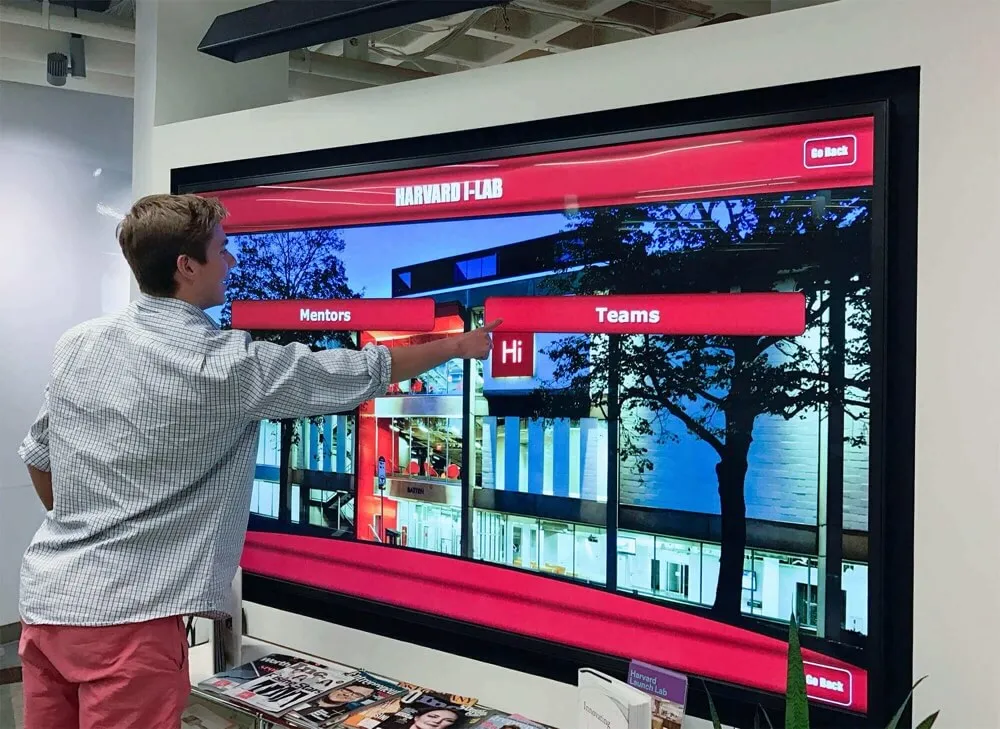
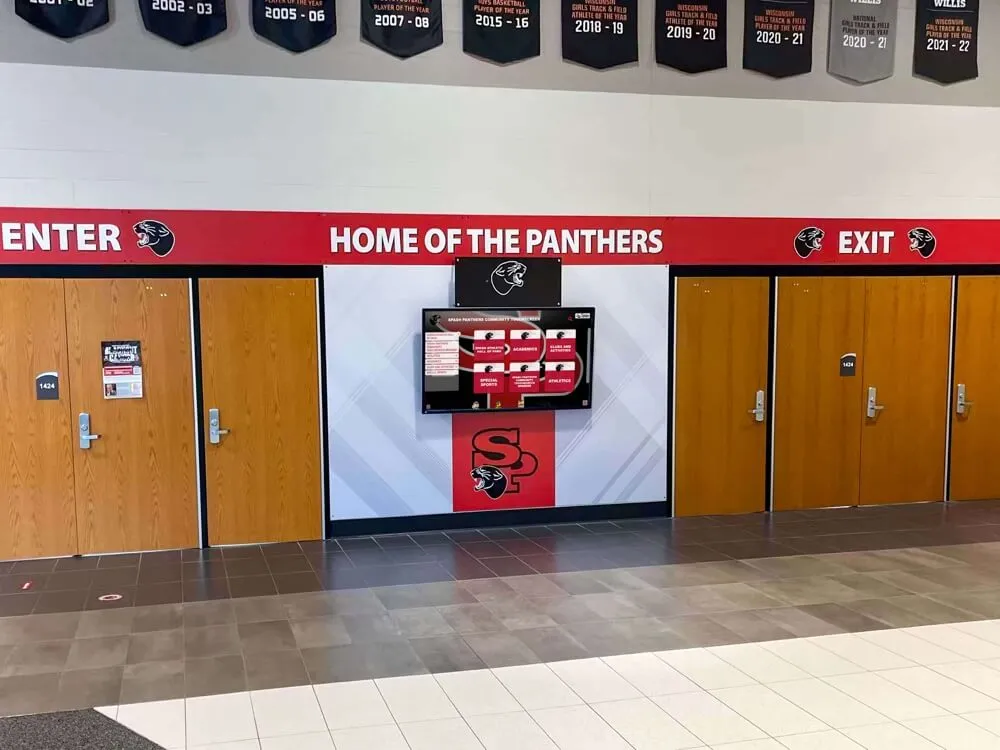
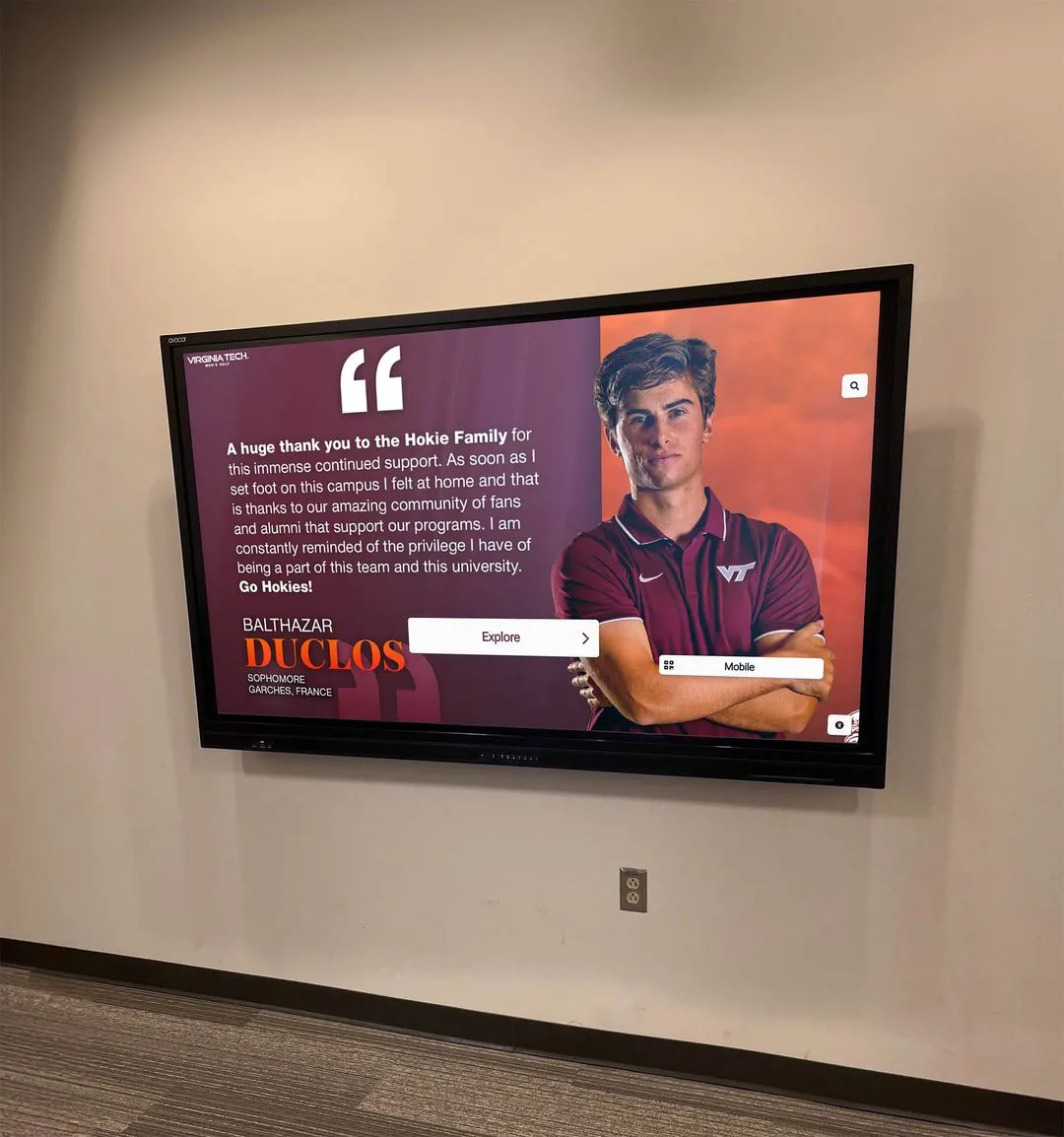
Dynamic Digital Displays - Large-format screens in high-traffic areas showcase rotating content including recent graduate achievements, alumni spotlights, reunion announcements, and historical photographs creating nostalgia and institutional pride.
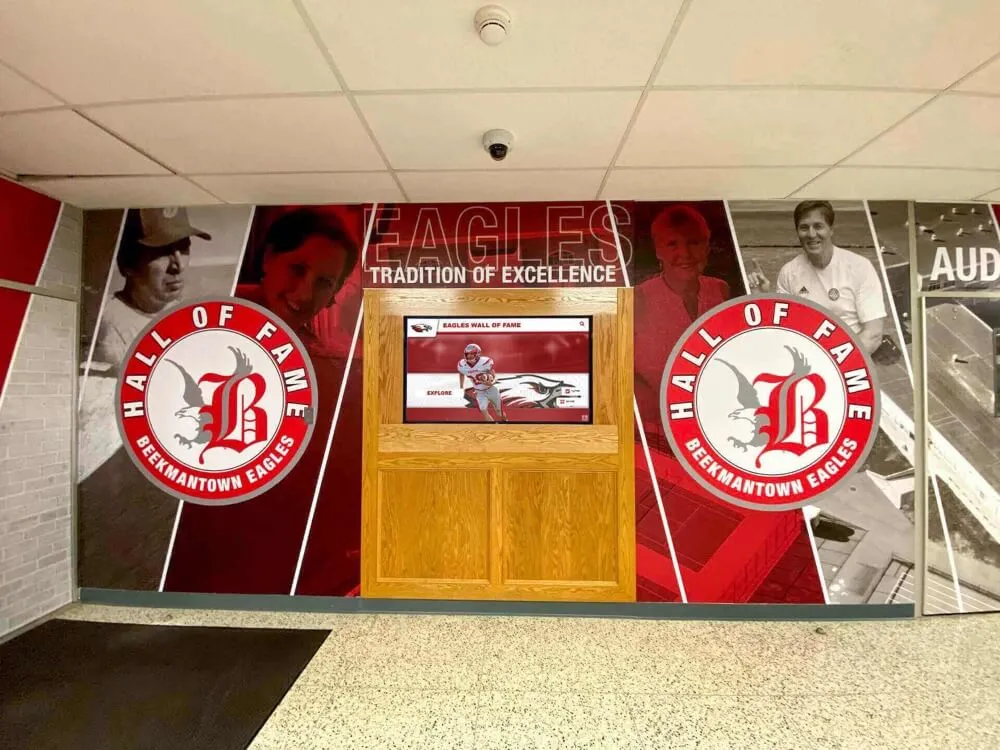
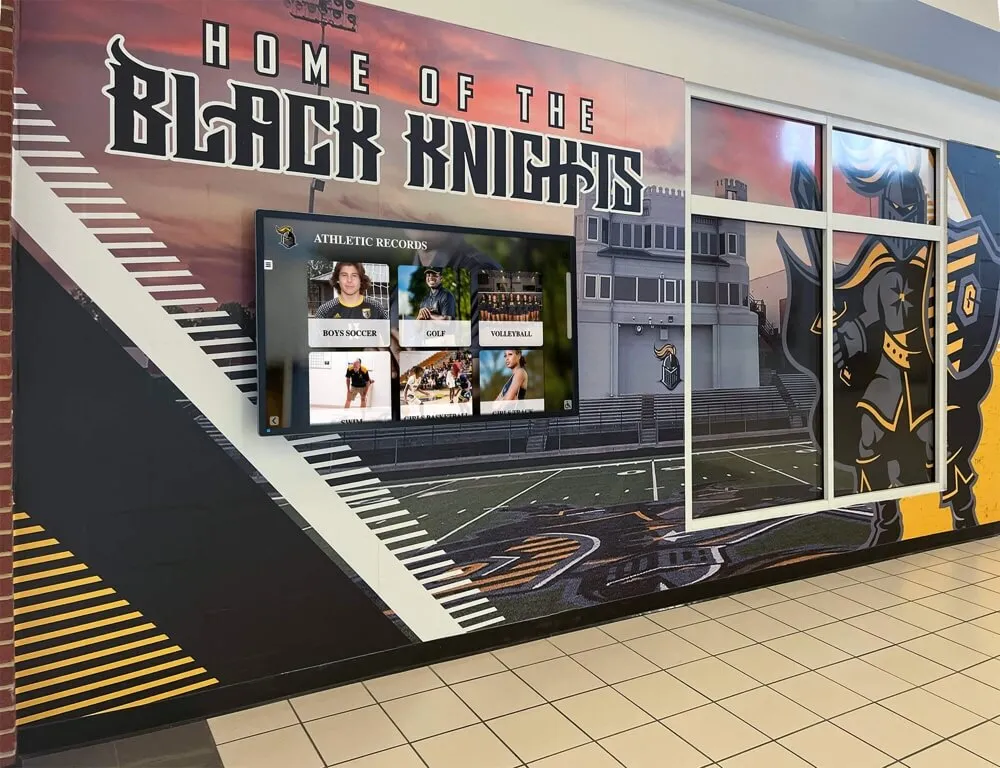
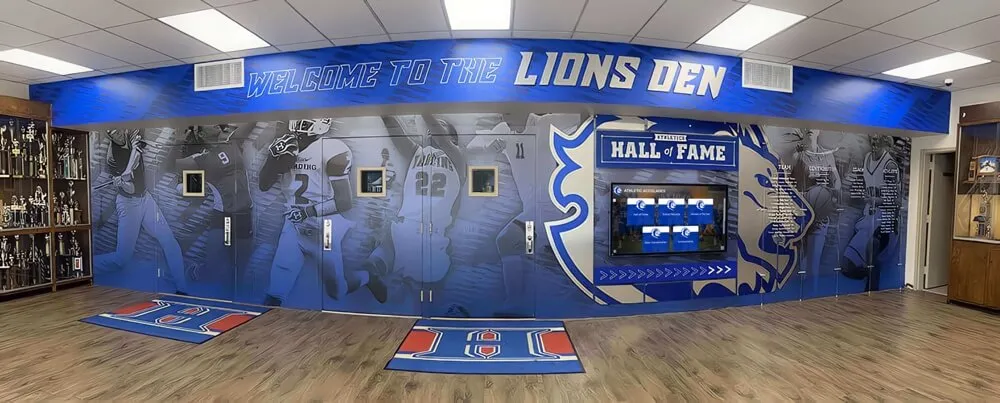
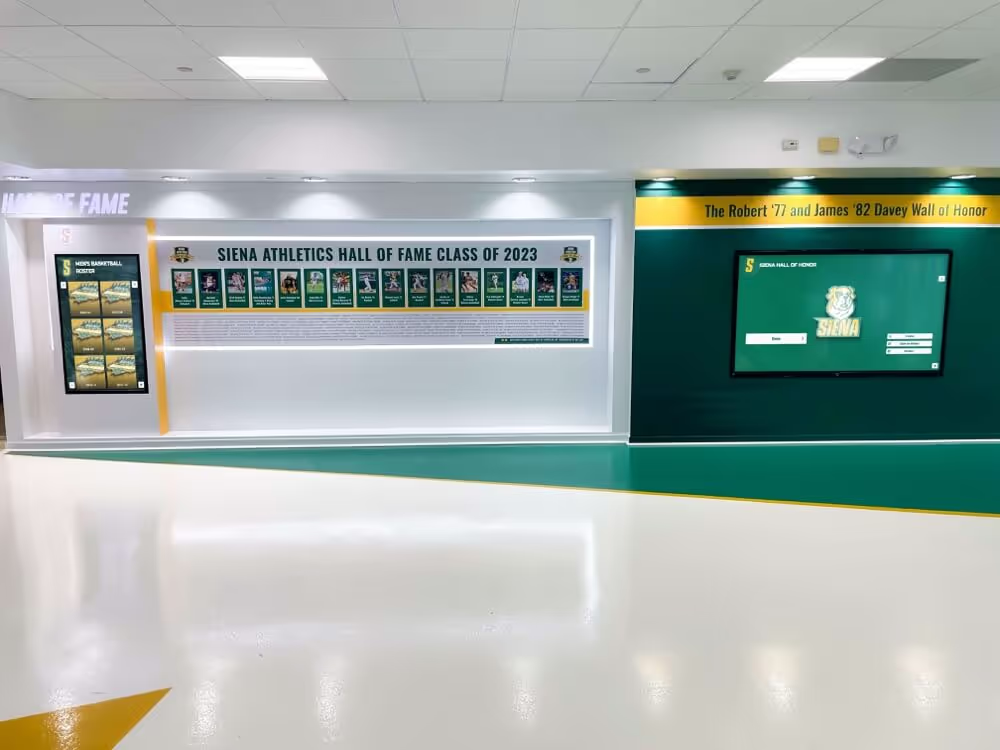
Athletic Recognition Walls - Digital systems highlighting letter winners, record holders, championship teams, and hall of fame inductees celebrate athletic alumni while providing content for social sharing during campus visits.
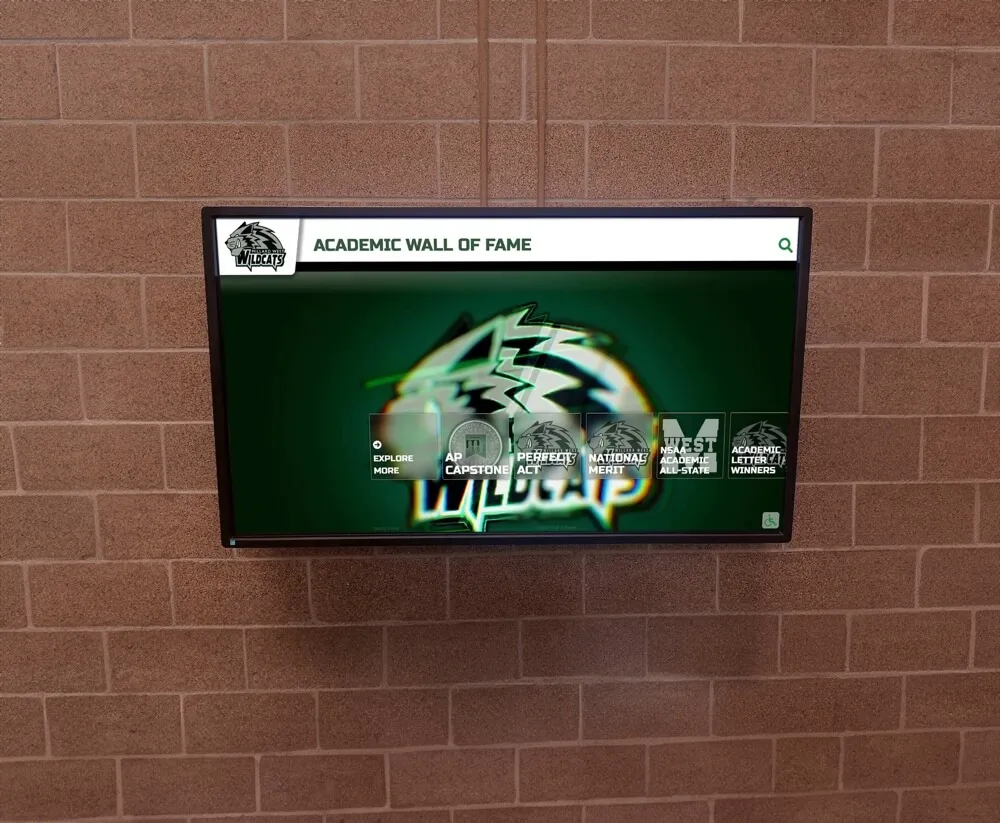
Academic Achievement Displays - Recognition installations honoring valedictorians, salutatorians, National Merit Scholars, academic all-stars, and distinguished graduates across disciplines demonstrate institutional commitment to scholarly excellence.
Career Success Showcases - Highlight alumni professional achievements including promotions, entrepreneurial ventures, published research, creative work, and community leadership demonstrating the value of your institutional education.
Solutions like Rocket Alumni Solutions provide turnkey digital recognition systems combining physical touchscreen displays with web-based platforms enabling institutions to celebrate alumni achievements both on campus and online without requiring technical expertise or ongoing maintenance burdens.
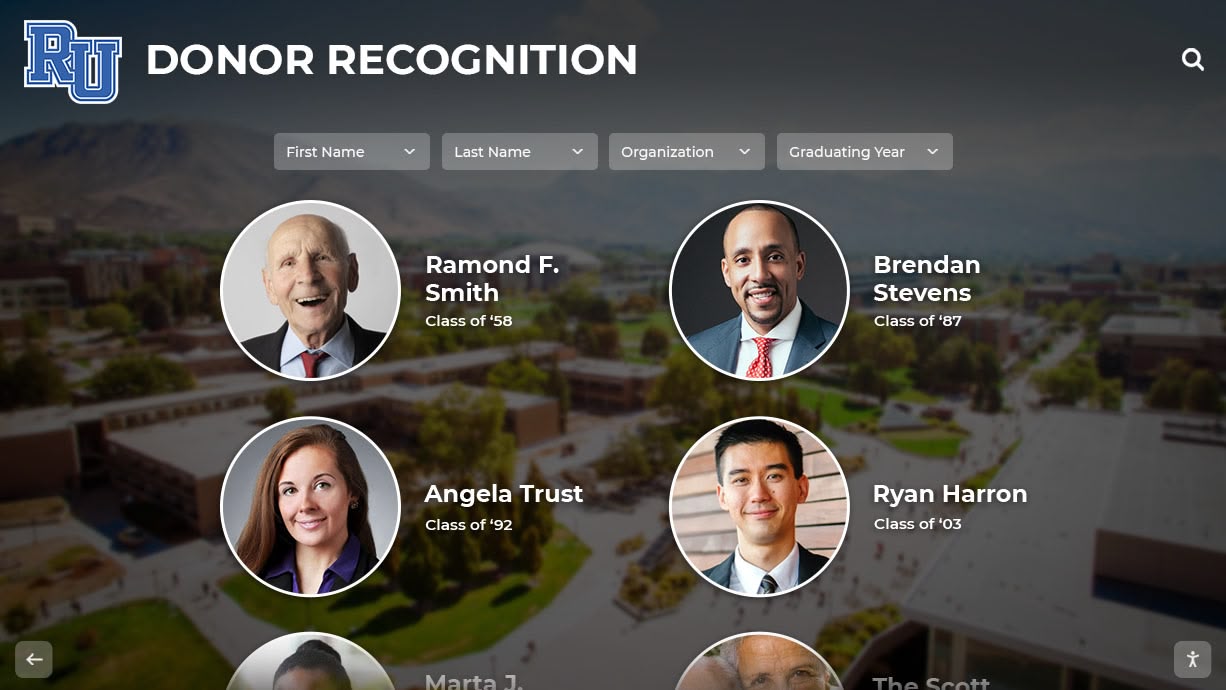
Visible recognition of alumni contributions reinforces the impact of graduate support while inspiring future giving
Online Alumni Platforms and Directories
Digital tools extend engagement beyond physical campus boundaries, enabling connection regardless of geographic location.
Searchable Alumni Directories - Password-protected online databases allow graduates to find former classmates, reconnect with friends, and build professional networks by searching based on location, industry, graduation year, or shared activities.
Alumni Career Networking Platforms - Specialized systems facilitate mentor-mentee matching, job postings, informational interviews, and professional advice sharing leveraging the collective career capital of your graduate community.
Digital Yearbook Archives - Make historical yearbooks searchable and browsable online, enabling alumni to revisit memories, find photographs, and share nostalgic content with classmates decades after graduation.
Virtual Recognition Galleries - Web-based hall of fame systems accessible from anywhere allow alumni to explore peer achievements, submit nominations, and share recognition content through social media amplifying reach.
Mobile-Responsive Access - Ensure all digital platforms function seamlessly on smartphones and tablets since most alumni interact with institutional content primarily through mobile devices.
Institutions implementing digital recognition walls create both physical and digital touchpoints maximizing alumni visibility and accessibility.
Social Media Engagement Strategies
Leverage social platforms where alumni already spend time to maintain consistent institutional presence and community connection.
LinkedIn Alumni Groups - Create official groups enabling professional networking, job sharing, and industry-specific discussions while positioning your institution as a career resource.
Facebook Alumni Communities - Facilitate casual connection, event promotion, photo sharing, and nostalgic conversations through official and class-specific Facebook groups.
Instagram Storytelling - Share visual content showcasing campus evolution, alumni achievements, student success stories, and behind-the-scenes institutional moments creating emotional connection.
Twitter Professional Updates - Amplify alumni career achievements, research publications, awards, and thought leadership positioning graduates as institutional success stories.
YouTube Video Content - Produce alumni spotlight interviews, campus tour updates, commencement speeches, and institutional milestone content providing shareable media.
Alumni Feature Series - Create regular content spotlighting different graduates, their career journeys, and advice for current students generating interest while celebrating alumni success.
Event Programming and Reunion Strategies
In-person and virtual gatherings create community connection while providing concrete reasons for alumni to maintain institutional relationships.
Traditional Reunion Programming
Classic reunion formats remain powerful engagement vehicles when executed thoughtfully with contemporary enhancements.
Milestone Class Reunions - Organize 5-year, 10-year, 20-year, 25-year, and 50-year reunions bringing classmates together with programming including campus tours, meals, entertainment, and memory-sharing opportunities.
All-Alumni Homecoming Weekends - Annual celebrations welcoming all graduates regardless of class year featuring athletic competitions, tailgate parties, campus open houses, and multi-generational gatherings.
Decade Reunions - Combine multiple graduation years from the same decade creating larger, more dynamic events with broader social networks and varied perspectives.
Golden Anniversary Celebrations - Honor 50-year graduates with special recognition, dedicated programming, commemorative gifts, and prominent seating at institutional events.
Mini-Reunions for Affinity Groups - Organize gatherings for specific teams, clubs, majors, residence halls, or activity groups maintaining specialized community bonds.
Schools implementing effective reunion planning strategies create memorable experiences that strengthen alumni bonds and motivate continued institutional engagement.
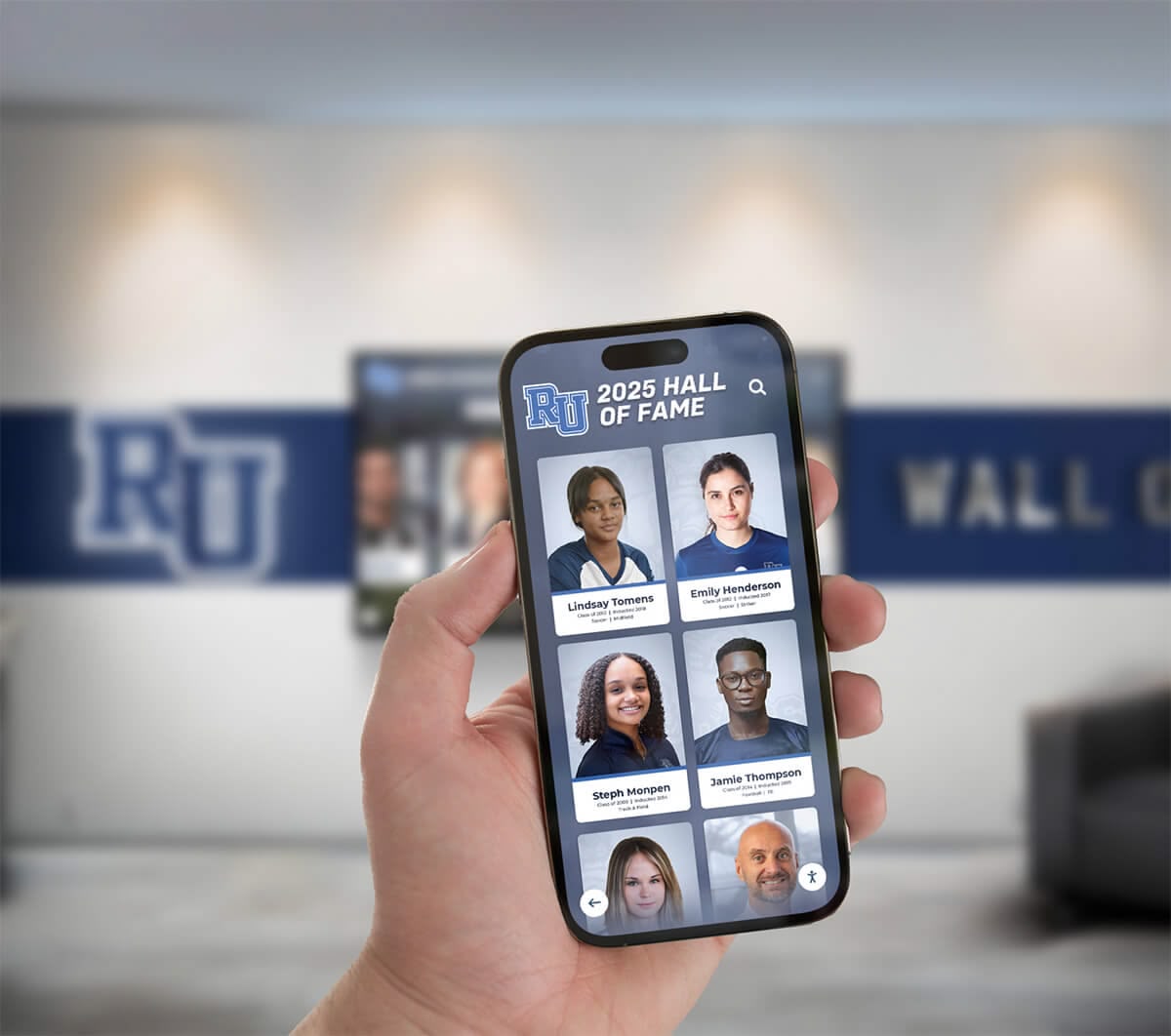
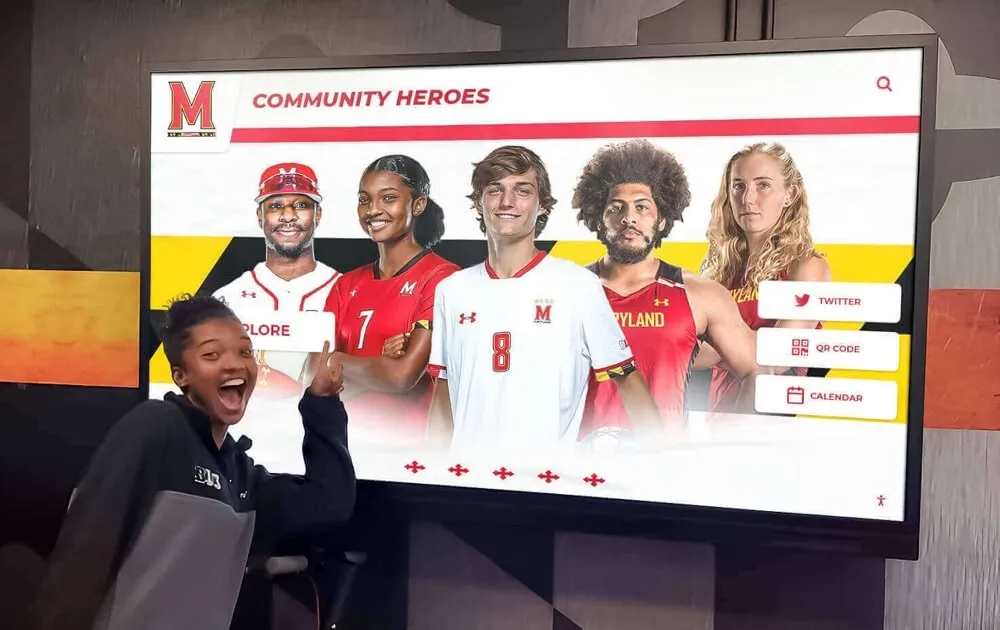
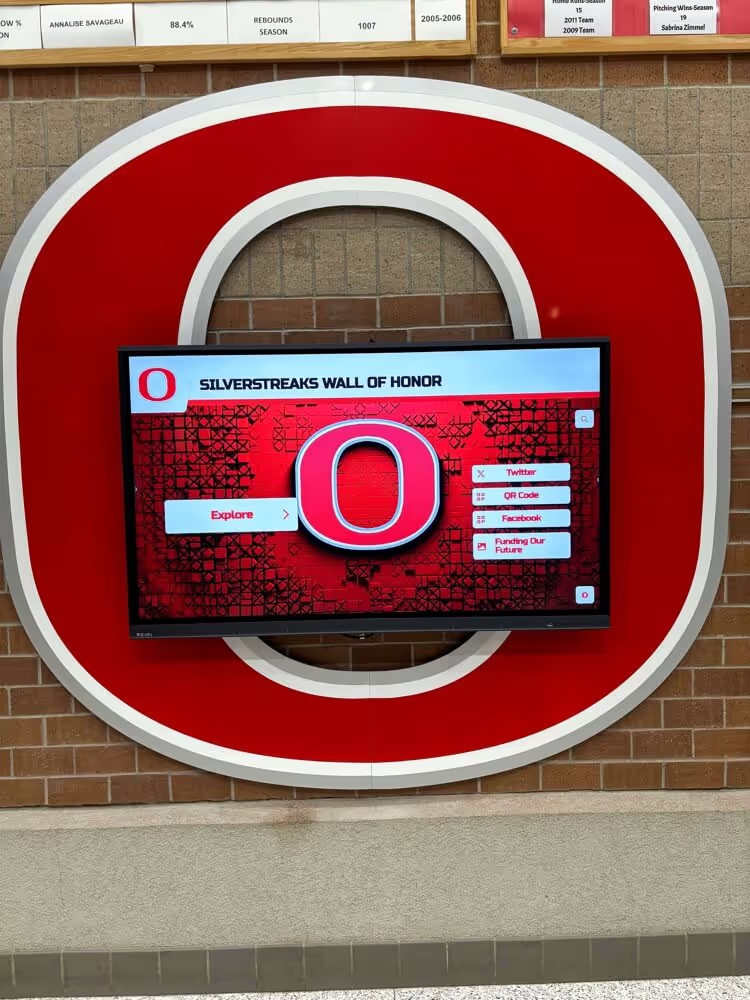
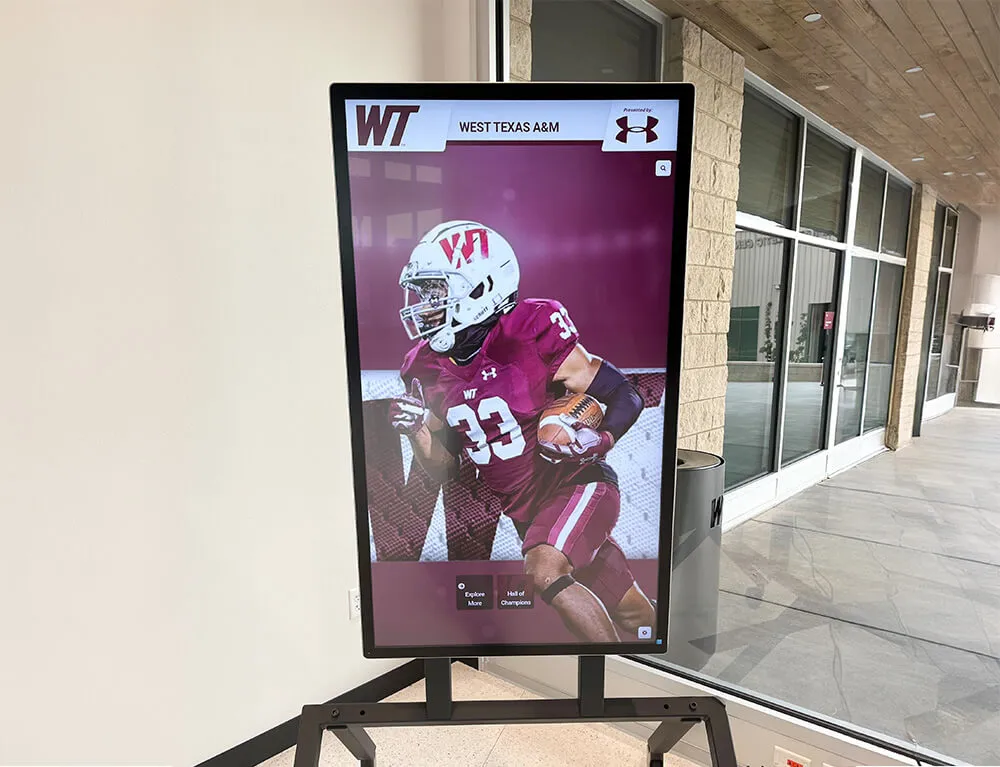
Mobile-accessible platforms enable alumni to explore recognition content and update profiles from anywhere
Contemporary Event Formats
Modern programming approaches expand traditional reunion models with innovative formats appealing to diverse alumni preferences.
Young Alumni Networking Events - Regular happy hours, coffee meetups, or casual gatherings for recent graduates (1-10 years out) building community during early career stages.
Regional Chapter Programming - City-based events in major metropolitan areas where alumni concentrate, reducing travel barriers and increasing participation frequency.
Virtual Event Options - Online programming including webinars, virtual reunions, digital networking sessions, and live-streamed campus events accommodating geographically distant alumni.
Hybrid Event Models - Combine in-person and virtual participation options maximizing accessibility for alumni with varying travel capacity and schedule flexibility.
Family-Friendly Programming - Include activities for alumni children, creating welcoming environments for graduates balancing family responsibilities with institutional connection.
Weekend Getaway Experiences - Organize destination trips, outdoor adventures, cultural excursions, or travel experiences creating memorable bonding opportunities beyond traditional campus gatherings.
Athletic and Recreational Events - Host alumni versus varsity competitions, golf tournaments, 5K races, fitness classes, or recreational leagues combining physical activity with community building.
Universities developing creative reunion programming recognize that diverse event formats accommodate varied alumni interests and life circumstances.
Professional Development and Career Programming
Career-focused events deliver tangible value while positioning the institution as an ongoing professional resource.
Industry-Specific Networking - Facilitate connections among alumni working in common fields including healthcare, education, technology, finance, or creative industries.
Executive Leadership Forums - Convene senior-level alumni for discussions on organizational management, strategic leadership, and professional challenges.
Continuing Education Workshops - Provide professional development training, certification preparation, skills updates, or emerging technology education maintaining alumni competitive advantage.
Career Transition Support - Offer resources, counseling, and peer support for alumni navigating job changes, career pivots, or entrepreneurial ventures.
Student-Alumni Mentorship Events - Create structured opportunities for graduates to guide current students through speed mentoring, panel discussions, or one-on-one matching programs.
Mock Interview Workshops - Alumni conduct practice interviews preparing students for internship and job searches while demonstrating graduate career progression.
Communication and Content Strategies
Consistent, valuable communication maintains awareness and connection between major events and initiatives.
Email Marketing Best Practices
Email remains the primary channel for most alumni communication when executed strategically rather than treated as spam delivery.
Segmented Messaging - Tailor content based on graduation year, geographic location, major, past engagement level, and demonstrated interests rather than sending identical messages to all alumni.
Value-First Content - Lead with resources, interesting stories, helpful information, or community news rather than immediate fundraising asks building goodwill before solicitation.
Mobile-Optimized Design - Ensure emails display correctly on smartphones since most alumni check messages primarily through mobile devices.
Clear Calls to Action - Include specific, single-focus requests whether updating contact information, registering for events, or viewing new content rather than overwhelming with multiple competing asks.
Consistent Send Schedule - Establish predictable communication rhythm whether monthly newsletters, weekly updates, or quarterly magazines enabling alumni to anticipate messages.
Personal Touches - Include messages from recognizable institutional leaders, alumni volunteers, or classmate contributors rather than generic institutional voice creating authentic connection.
Engagement Metrics Tracking - Monitor open rates, click-through rates, and action completion identifying what content resonates and what falls flat guiding continuous improvement.
Alumni Publications and Storytelling
Long-form content creates deeper engagement while showcasing institutional evolution and graduate success.
Alumni Magazines - Quarterly or semi-annual publications featuring graduate profiles, campus updates, research highlights, and community news delivered digitally or in print.
Email Newsletters - Regular digital communications sharing bite-sized news, upcoming events, quick reads, and visual content optimized for scanning.
Podcast Series - Audio conversations with distinguished alumni, institutional leaders, or faculty members providing portable content for commuting and exercise listening.
Video Spotlight Series - Short documentary-style features highlighting alumni career journeys, life lessons, and institutional impact shareable across platforms.
Alumni Blog - Regular written content exploring graduate experiences, advice columns, career insights, and personal narratives building authentic community connection.
Annual Impact Reports - Comprehensive overviews of institutional achievements, student success metrics, research breakthroughs, and alumni contributions demonstrating stewardship and progress.
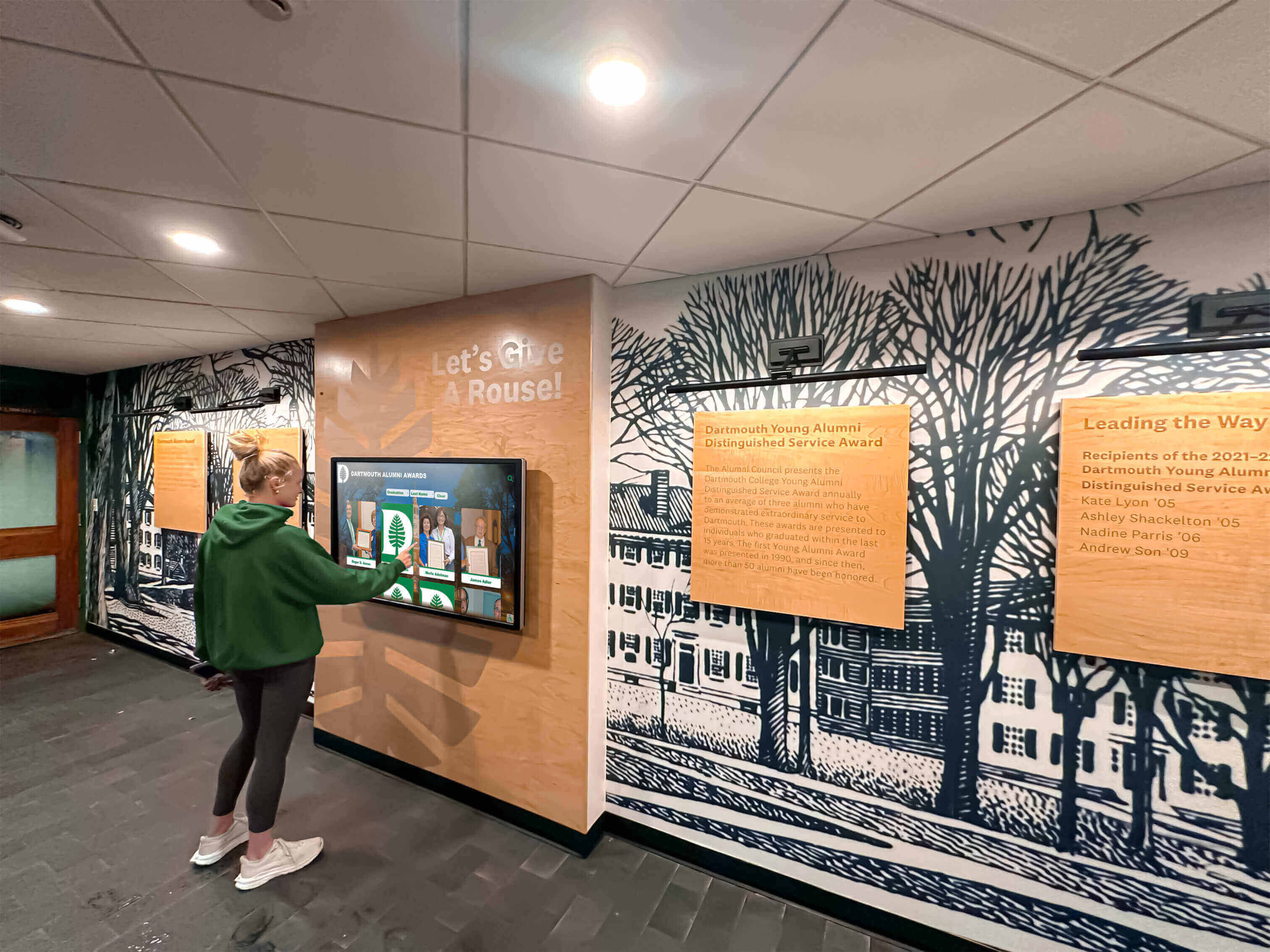
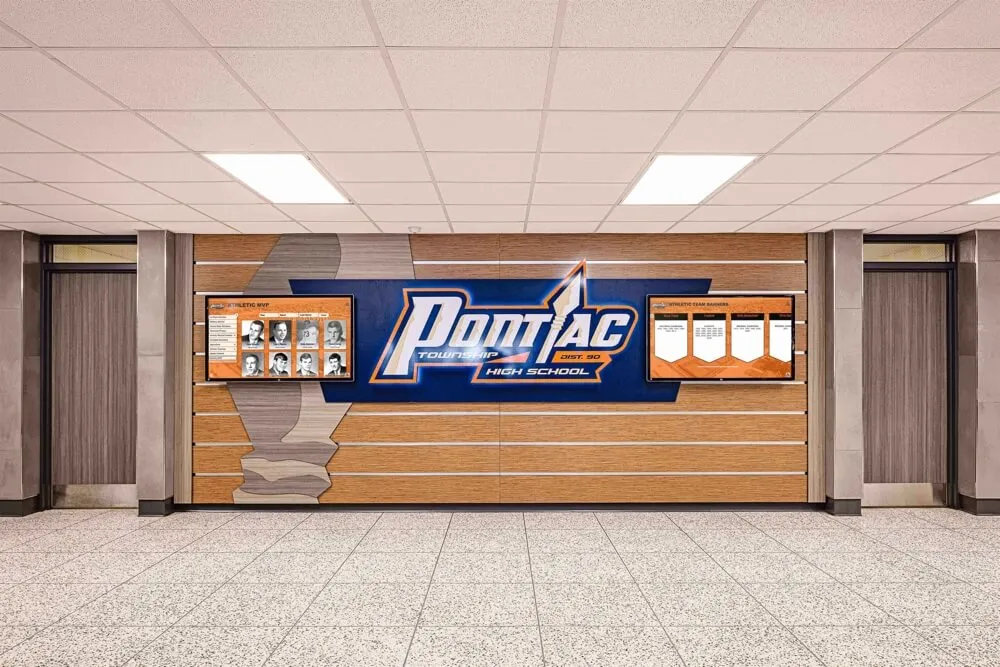
Recognition displays inspire current students by showcasing graduate achievements while serving as reunion gathering points
Mentorship and Student Connection Programs
Creating pathways for alumni to support current students fulfills graduates’ desire to give back while delivering concrete value to enrolled populations.
Structured Mentorship Programs
Formal systems connect alumni expertise with student needs creating mutually beneficial relationships.
Career Mentorship Matching - Pair students with alumni working in fields of interest for ongoing guidance, industry insights, and professional development support.
Academic Advising Networks - Connect current students with graduates who majored in similar disciplines for course selection guidance, research opportunities, and graduate school advice.
First-Generation Student Support - Match first-generation college students with alumni who navigated similar experiences providing practical guidance and encouragement.
Entrepreneurship Mentoring - Link student founders with alumni entrepreneurs for startup advice, business planning support, and potential investment connections.
Geographic Transition Assistance - Connect students relocating to new cities with local alumni offering neighborhood guidance, professional introductions, and social connections.
Virtual Coffee Chats - Facilitate low-commitment 30-minute video conversations between students and alumni removing geographic barriers to mentorship access.
Schools implementing successful alumni mentorship programs create win-win relationships strengthening both student outcomes and alumni engagement.
Guest Speaking and Classroom Integration
Direct alumni involvement in academic programming demonstrates real-world application of institutional education.
Guest Lectures - Invite alumni to speak in courses related to their professional expertise sharing industry insights and career perspectives.
Career Panel Discussions - Organize panels featuring alumni from varied career paths discussing professional journeys, decision-making, and lessons learned.
Capstone Project Advising - Engage alumni as advisors for senior projects, theses, or practical applications providing professional perspective and mentorship.
Industry Case Studies - Alumni contribute real-world business challenges as teaching cases enabling students to analyze actual problems from graduate workplaces.
Skills Workshops - Graduates teach practical competencies including interview skills, salary negotiation, professional networking, or industry-specific technical abilities.
Research Collaboration - Faculty partner with alumni on applied research projects creating knowledge while maintaining graduate intellectual engagement.
Volunteer Leadership and Service Opportunities
Converting passive alumni into active institutional contributors builds investment while distributing engagement workload.
Alumni Association Leadership
Formal volunteer structures provide meaningful roles while supporting alumni relations operations.
Board of Directors - Recruit accomplished, committed alumni to governance boards setting strategic direction, advising leadership, and modeling philanthropic support.
Regional Chapter Leaders - Appoint volunteer coordinators for geographic areas organizing local events, facilitating networking, and building community.
Class Representatives - Designate volunteers for each graduation year coordinating reunion planning, maintaining classmate communication, and driving participation.
Affinity Group Coordinators - Identify leaders for specialty groups based on shared majors, activities, identities, or interests organizing targeted programming.
Event Planning Committees - Engage volunteers in reunion logistics, homecoming coordination, gala planning, and programming development distributing workload.
Fundraising Volunteers - Train and support peer-to-peer fundraisers who solicit classmates, leverage networks, and champion annual giving campaigns.
Service and Impact Initiatives
Community service opportunities enable alumni to live institutional values while creating positive social impact.
Community Service Days - Organize volunteer projects allowing alumni to work together on Habitat builds, food bank shifts, environmental cleanup, or tutoring programs.
Professional Skills Volunteering - Match alumni expertise with nonprofit needs for marketing support, legal advice, financial planning, or technology assistance.
Student Scholarship Fundraising - Rally alumni around campaigns funding student financial aid, study abroad opportunities, or emergency assistance programs.
Campus Improvement Projects - Engage alumni in facility enhancements, garden creation, historical preservation, or beautification initiatives maintaining campus pride.
Crisis Response Support - Mobilize alumni networks during institutional challenges offering resources, advocacy, expertise, or financial support demonstrating community loyalty.
Institutions recognizing volunteer contributions meaningfully through visible appreciation sustain volunteer motivation and inspire ongoing service.
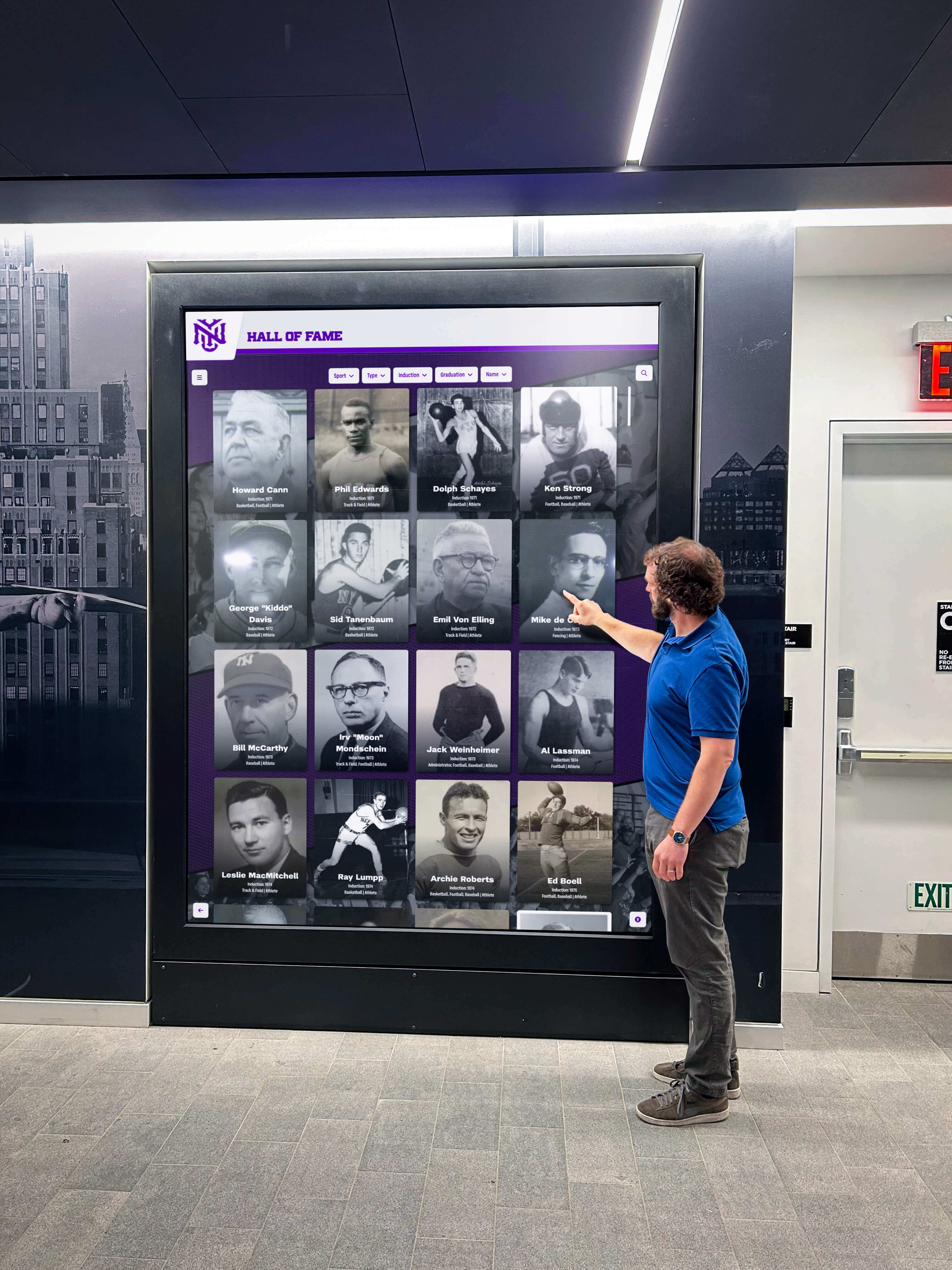
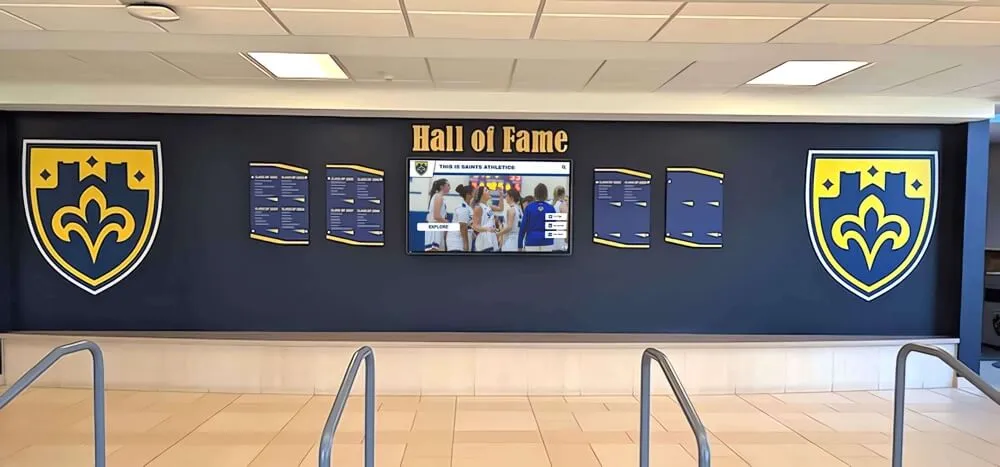
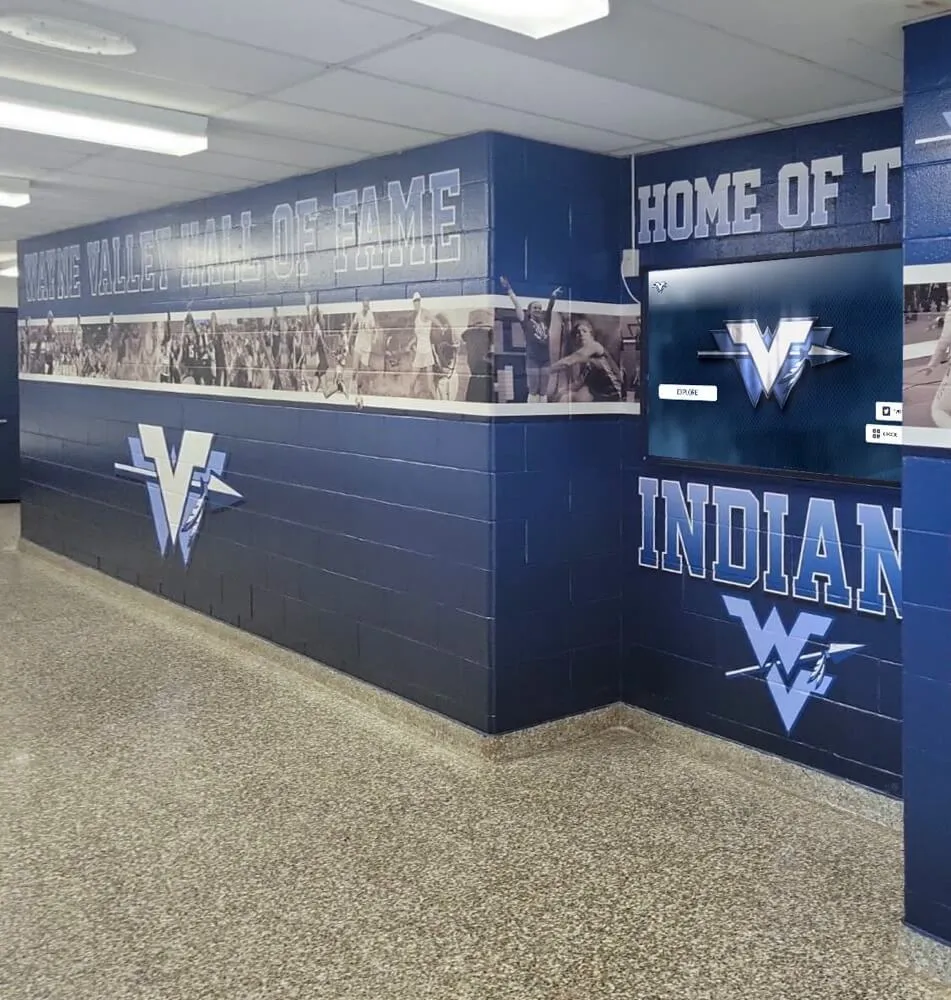
Interactive displays in prominent locations ensure alumni encounter recognition during every campus visit
Fundraising and Philanthropic Engagement
While financial support shouldn’t be the sole focus, sustainable alumni programs require philanthropic partnerships supporting institutional mission.
Annual Giving Programs
Regular unrestricted contributions provide flexible funding supporting institutional priorities.
Class Giving Campaigns - Organize fundraising efforts by graduation year creating friendly competition, peer accountability, and concentrated outreach.
Giving Day Initiatives - Host concentrated 24-hour fundraising events leveraging matching gifts, social media momentum, and community excitement driving participation.
Recurring Gift Programs - Encourage monthly or quarterly automatic contributions reducing donor friction while providing predictable revenue streams.
Young Alumni Giving Tiers - Create accessible entry points for recent graduates with limited resources including low-dollar options emphasizing participation over amount.
Donor Recognition Societies - Acknowledge giving levels through named societies, public recognition, benefits packages, and appreciation events honoring philanthropic partners.
Impact Storytelling - Share specific examples of how donations support student scholarships, faculty research, facility improvements, or program innovations demonstrating stewardship.
Major Gift Development
Strategic relationship cultivation identifies and engages alumni capable of transformational philanthropic support.
Wealth Screening - Identify alumni with major gift capacity through research, public records, and relationship intelligence focusing cultivation efforts strategically.
Individual Cultivation Plans - Develop personalized engagement strategies for high-capacity prospects including campus visits, leadership meetings, and customized communication.
Campaign Volunteer Leadership - Recruit influential alumni to campaign committees leveraging peer networks and credibility soliciting leadership gifts.
Planned Giving Education - Inform alumni about estate planning options including bequests, charitable trusts, life insurance gifts, and legacy society membership.
Naming Opportunities - Offer visible recognition for major gifts through building names, endowed scholarships, program sponsorships, or dedicated spaces.
Stewardship and Impact Reporting - Demonstrate donor impact through detailed reporting, student testimonials, and tangible evidence that gifts achieve intended outcomes.
Measuring Alumni Engagement Success
Systematic assessment enables continuous improvement while demonstrating program value to institutional leadership.
Quantitative Metrics
Numbers provide objective measures of engagement trends and program effectiveness.
Participation Rates - Track percentage of total alumni actively engaging through events, volunteering, giving, or communication interactions.
Email Engagement Metrics - Monitor open rates, click-through rates, and action completion measuring communication effectiveness and content resonance.
Event Attendance - Measure registration numbers, actual attendance, geographic representation, and year-over-year growth demonstrating programming appeal.
Volunteer Participation - Count active volunteers, hours contributed, committee service, and leadership roles indicating community investment.
Website and Platform Usage - Track logins, directory searches, profile updates, and content consumption on alumni digital platforms.
Fundraising Performance - Monitor donor counts, dollars raised, retention rates, upgrade percentages, and major gift pipeline development.
Social Media Growth - Measure follower counts, engagement rates, content shares, and community conversation volume across platforms.
Qualitative Assessment
Story-based evaluation captures emotional connection and relationship quality beyond simple numbers.
Alumni Satisfaction Surveys - Gather feedback on programming value, communication quality, recognition approaches, and overall institutional relationship.
Focus Groups and Listening Sessions - Conduct small-group conversations exploring alumni motivations, barriers to engagement, and desired programming.
Testimonials and Success Stories - Collect and share narrative evidence of program impact including career connections made, mentorships formed, and community built.
Net Promoter Scoring - Measure alumni willingness to recommend the institution to prospective students, potential employees, or community partners.
Relationship Progression Tracking - Monitor individual alumni movement from passive awareness to active engagement to volunteer leadership to major gift partnership.
Institutional Reputation Indicators - Assess how alumni engagement influences enrollment applications, employer recruiting, media coverage, and community perception.
Universities implementing comprehensive reunion planning approaches use both quantitative and qualitative measures ensuring balanced assessment of program effectiveness.
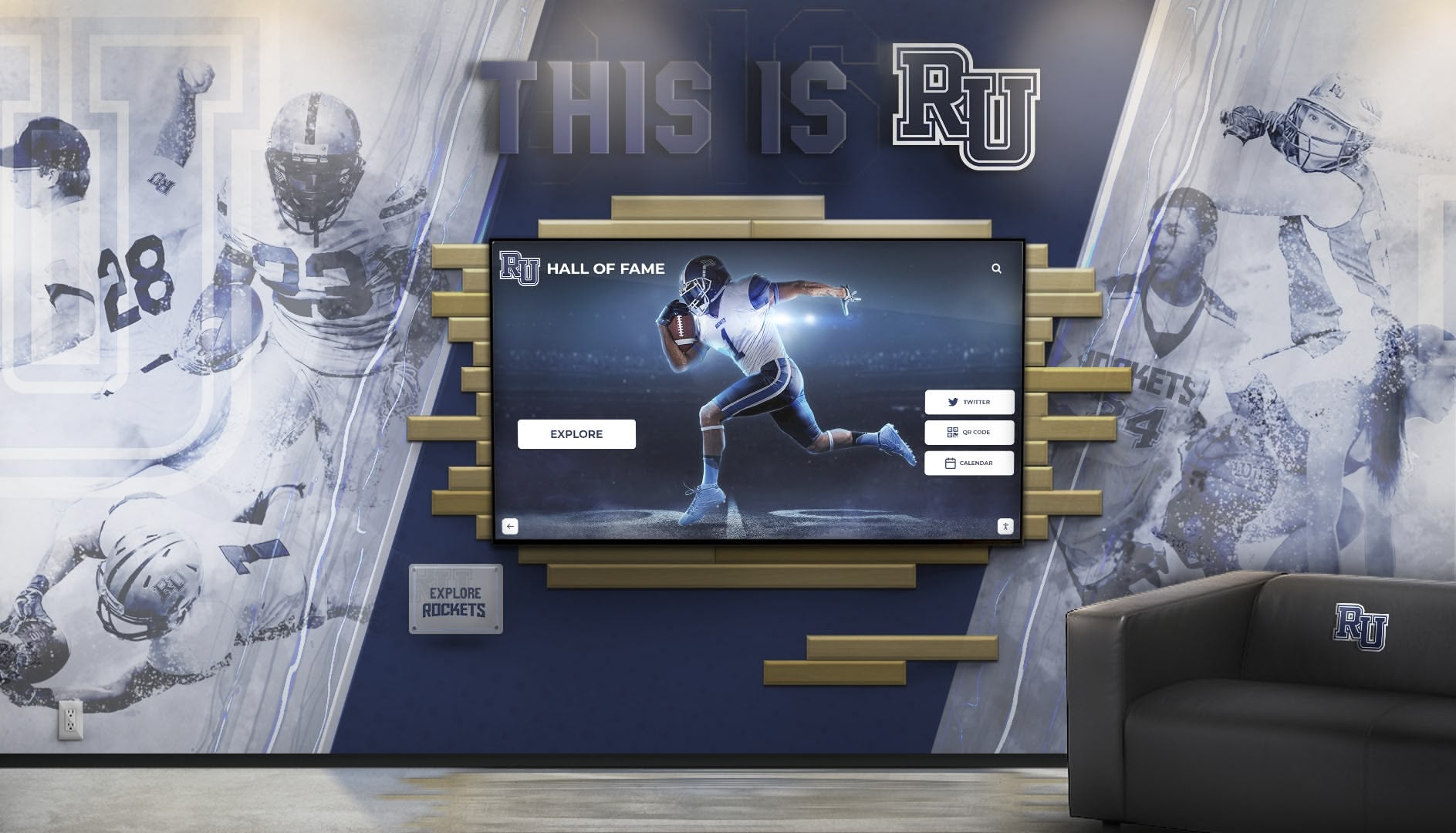
Professional recognition installations in main campus areas ensure all visitors encounter alumni achievement celebration
Building Sustainable Alumni Programs
Long-term success requires infrastructure, resources, and organizational commitment beyond individual initiatives.
Staffing and Resources
Adequate investment enables professional execution and sustained momentum.
Dedicated Alumni Relations Staff - Employ professionals focused exclusively on alumni engagement rather than treating it as someone’s additional responsibility.
Technology Platforms - Invest in constituent relationship management systems, event registration tools, digital recognition platforms, and communication software.
Program Budgets - Allocate sufficient resources for events, communication, recognition, volunteer support, and programming without total reliance on self-funding.
Volunteer Coordination - Provide staff support for alumni volunteers including administrative assistance, planning resources, and appreciation recognition.
Cross-Functional Collaboration - Integrate alumni engagement with advancement, admissions, communications, and academic affairs maximizing organizational alignment.
Data Management and Systems
Accurate information enables personalized engagement and strategic decision-making.
Current Contact Information - Continuously update email addresses, mailing addresses, phone numbers, and employment information maintaining communication accessibility.
Engagement History Tracking - Record alumni participation across events, volunteering, giving, and communications identifying relationship progression patterns.
Preference Management - Allow alumni to specify communication preferences, interest areas, volunteer capacity, and privacy settings respecting individual choices.
Analytics and Reporting - Generate dashboards showing engagement trends, program performance, and demographic participation informing strategic adjustments.
Privacy and Security - Protect alumni data through secure systems, appropriate access controls, and compliance with privacy regulations building trust.
Continuous Improvement Culture
Successful programs evolve based on feedback, assessment, and changing alumni expectations.
Regular Assessment - Systematically evaluate program effectiveness, identify improvement opportunities, and celebrate successes maintaining momentum.
Peer Institution Benchmarking - Compare performance against similar schools, attend professional conferences, and share best practices advancing collective knowledge.
Alumni Input Integration - Solicit graduate feedback through surveys, advisory committees, and direct conversation incorporating preferences into programming.
Innovation and Experimentation - Test new approaches, pilot emerging technologies, and explore creative programming accepting that some initiatives succeed while others inform learning.
Leadership Support - Maintain visible institutional leadership endorsement for alumni engagement demonstrating organizational priority and securing necessary resources.
Enhance Your Alumni Engagement Strategy
Discover how modern recognition platforms and engagement tools help schools and universities celebrate graduate achievements, strengthen institutional connections, and build thriving alumni communities that support students and institutional mission for generations.
Explore comprehensive solutions combining interactive digital displays, mobile-accessible platforms, and integrated communication tools designed specifically for educational institutions committed to building lasting alumni relationships.
Conclusion: Building Thriving Alumni Communities
Alumni engagement represents far more than fundraising cultivation or reunion coordination—it creates mutually beneficial relationships where institutions provide ongoing value to graduates while alumni support current students, enhance institutional reputation, and contribute to mission advancement. The strategies explored throughout this guide provide actionable frameworks for building comprehensive programs serving diverse alumni interests across geographic locations, life stages, and engagement preferences.
Successful implementation begins with honest assessment of current engagement landscape, available resources, and institutional capacity. Start with foundational elements including current contact information, basic communication infrastructure, and one or two high-impact initiatives such as annual homecoming programming or digital recognition systems. Build progressively as participation grows, volunteer leadership emerges, and demonstrated success justifies expanded investment.
Modern platforms like digital recognition solutions from Rocket Alumni Solutions eliminate traditional barriers to visible alumni celebration by providing turnkey systems requiring no technical expertise, ongoing maintenance, or significant staff time. These tools create both physical campus installations and mobile-accessible online platforms ensuring alumni achievements receive prominent recognition regardless of whether graduates visit campus frequently or connect primarily through digital channels.
Your alumni represent powerful institutional assets whose engagement delivers strategic value across recruitment, fundraising, student support, and reputation enhancement. Whether launching new alumni programs, expanding existing initiatives, or refreshing established traditions, the ideas and strategies throughout this guide provide practical approaches for creating experiences that honor graduate contributions while building vibrant communities extending far beyond commencement ceremonies into lifelong institutional connection and mutual support.
Ready to transform your alumni engagement programming? Implement these proven strategies today and watch your graduate community evolve from a passive contact list into an active network of ambassadors, mentors, donors, and champions advancing your institutional mission for years to come.