



Intent: Preserve & Protect — This comprehensive guide delivers actionable strategies for schools to systematically preserve academic and historical records, transforming scattered documentation into organized digital archives that protect institutional heritage while creating engaging resources for current students, alumni, and future generations.
Every school possesses invaluable historical and academic documentation worth preserving—from founding records establishing institutional identity to decades of student achievements, faculty contributions shaping educational excellence, administrative records documenting organizational evolution, and countless moments defining school culture across generations. Yet many educational institutions watch helplessly as this irreplaceable heritage deteriorates: paper records yellow and crumble in storage, photographs fade in file cabinets, yearbooks deteriorate in basement archives, and institutional memory resides solely in the minds of retiring staff members.
The greatest threat to school archives isn’t deliberate destruction—it’s benign neglect combined with insufficient resources for proper preservation. Administrators focused on current operations lack time for historical documentation. Scattered records across departments create fragmented collections. Physical materials deteriorate through natural aging and environmental exposure. Leadership transitions result in lost institutional knowledge. Without intentional archival systems, decades of educational history vanish permanently within a single generation.
Modern digital archiving technologies have eliminated barriers that once made comprehensive preservation seem impossibly complex or expensive. This guide explores proven strategies for protecting academic and historical records through systematic collection, professional digitization, secure storage, and engaging digital recognition displays that honor institutional heritage while supporting contemporary educational goals.
Who This Helps
This academic archiving roadmap serves diverse stakeholders within educational communities:
- School administrators and superintendents responsible for preserving institutional records and heritage
- Librarians and media specialists managing historical collections and archives
- IT directors evaluating digital preservation infrastructure and security
- Development and alumni relations professionals leveraging history for fundraising and engagement
- Teachers and curriculum coordinators seeking historical resources for educational programming
- School board members ensuring proper stewardship of institutional assets
- Parent organizations and volunteers supporting preservation initiatives
Whether you’re establishing your first formal archive, digitizing existing collections, or enhancing current preservation systems, this guide provides frameworks for successful implementation protecting your school’s unique story.

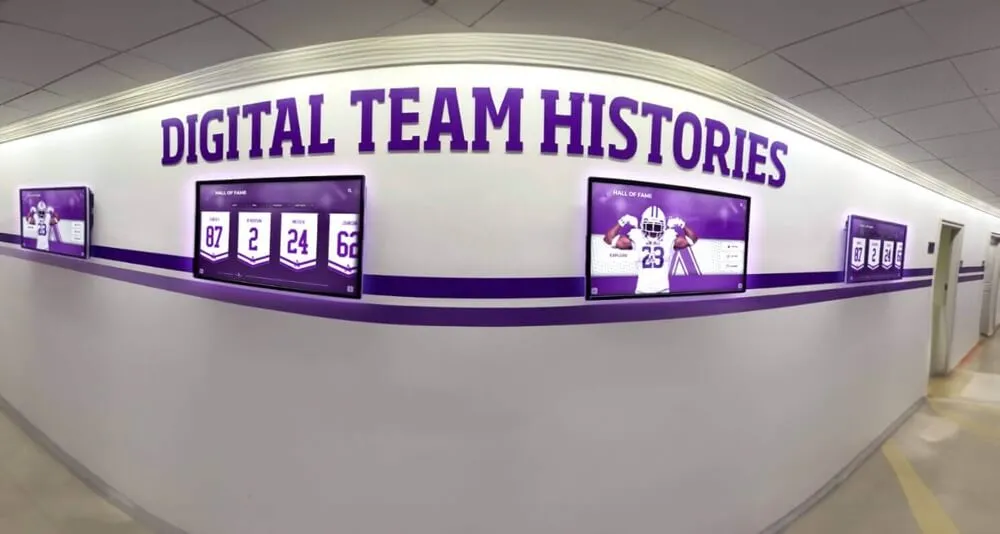
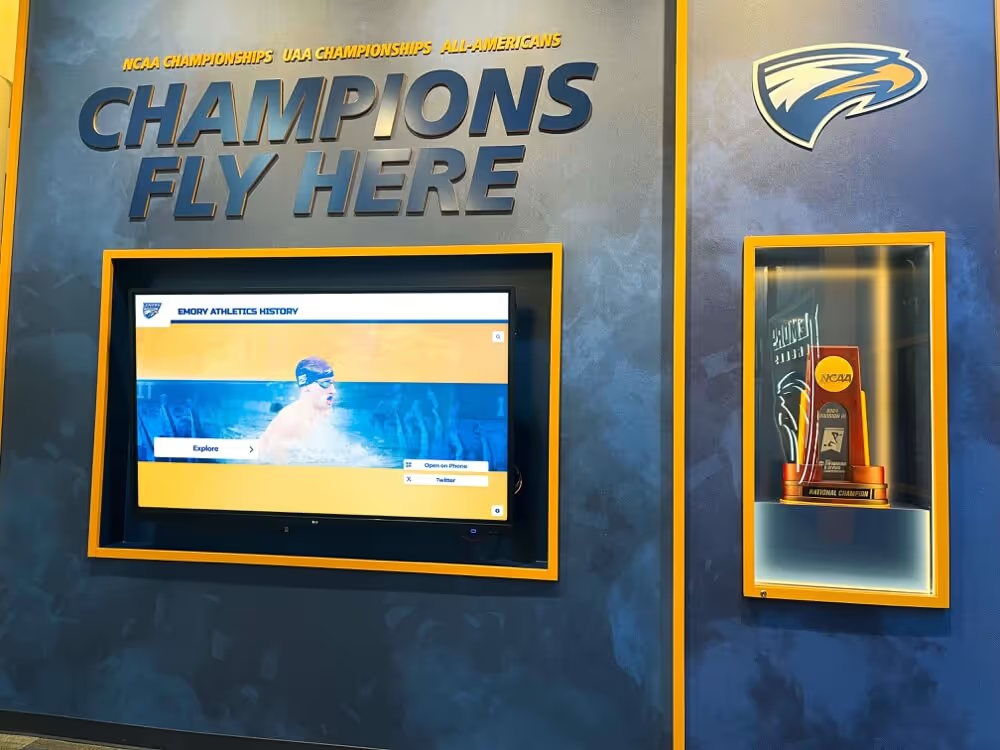
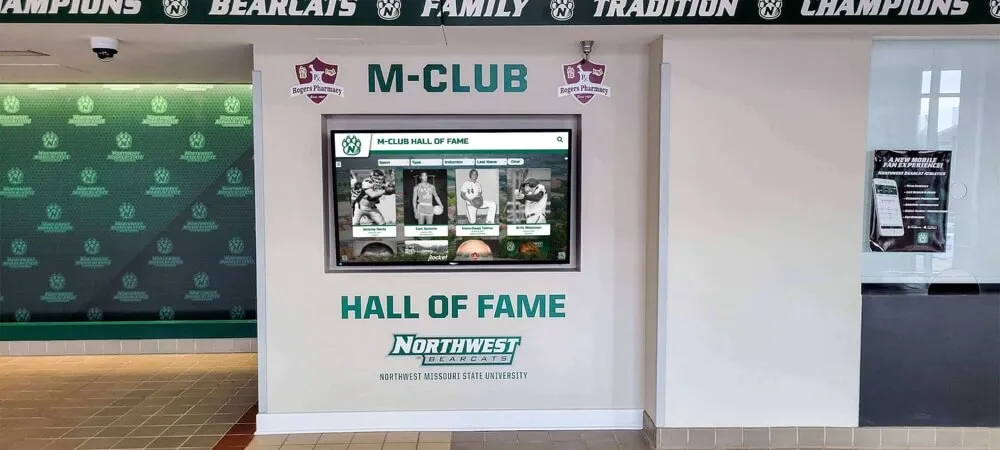
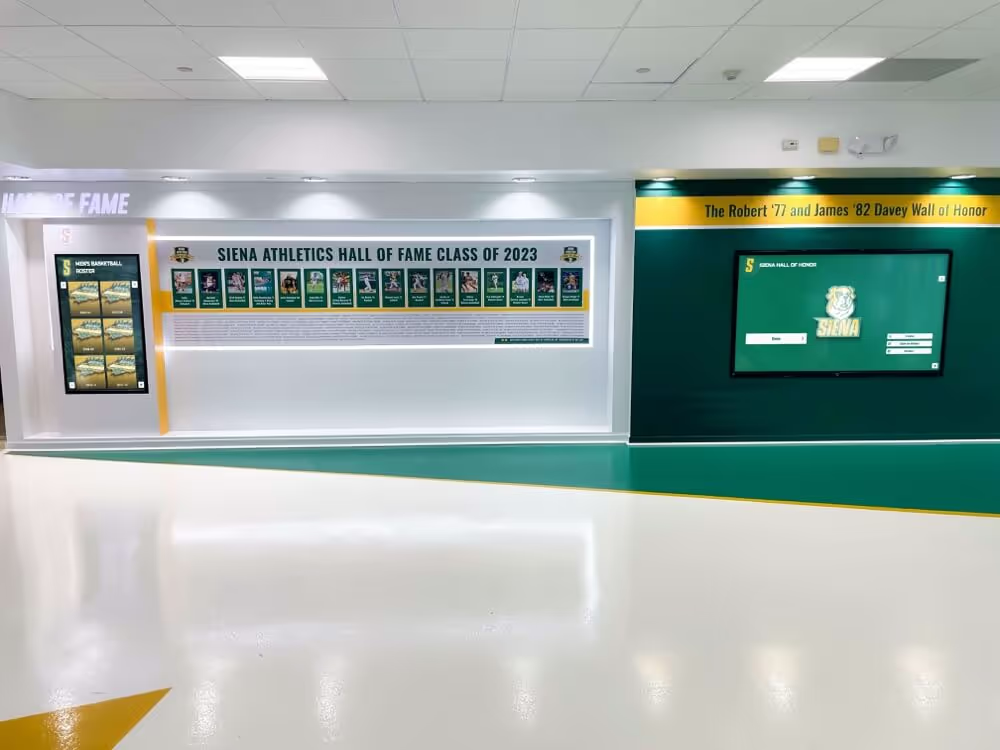
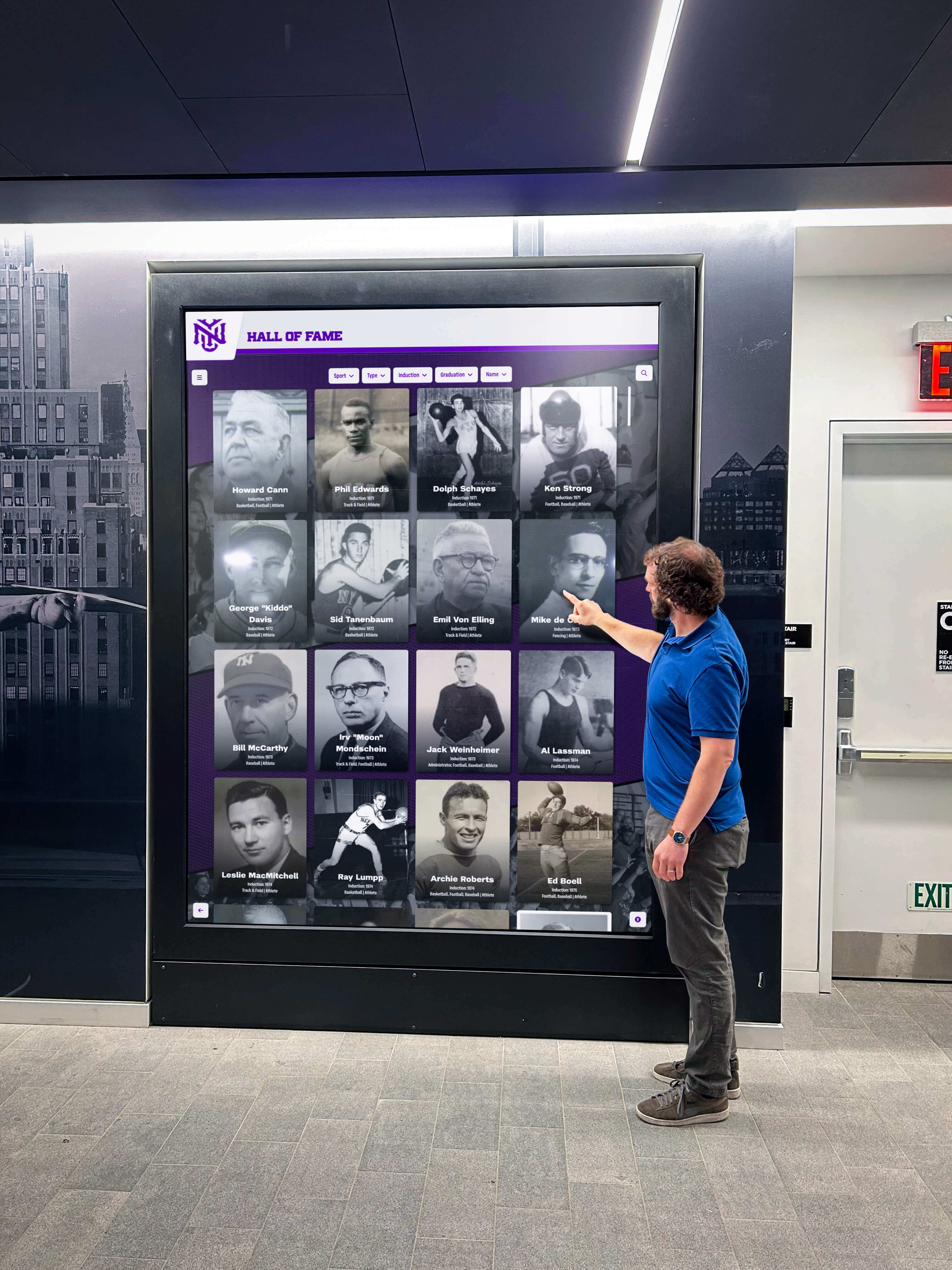
Modern archival systems transform scattered historical records into organized, searchable digital collections preserving institutional heritage for future generations
Understanding the Value of School Archives
Before implementing preservation strategies, schools should clarify why archival documentation matters and how it supports educational mission and institutional goals.
Protecting Irreplaceable Institutional Heritage
Historical records represent unique documentation impossible to recreate once lost:
Founding Documents and Early History Original charters, founding records, early board minutes, initial enrollment documents, and correspondence establishing your school preserve evidence of institutional origins—the circumstances prompting school creation, founding leaders and their vision, initial challenges overcome, community support securing establishment, and values guiding early operations.
According to the Society of American Archivists Guidelines for College and University Archives, institutions should actively preserve administrative records documenting significant decisions, policies, and operations throughout organizational history.
Student Achievement Documentation Academic records, athletic accomplishments, artistic performances, scientific competitions, leadership roles, and community service create cumulative documentation of student excellence across generations. While individual achievement matters in the moment, comprehensive archival documentation demonstrates sustained institutional commitment to student development and success.
Faculty and Staff Contributions Professional papers, curriculum materials, research documentation, innovative teaching methods, and service records preserve evidence of educator dedication shaping countless student lives. These materials document institutional knowledge and pedagogical evolution impossible to reconstruct from memory alone.
Supporting Educational and Research Purposes
Well-organized archives provide valuable resources for teaching and scholarship:
Local History Education School archives offer tangible connections to community history that textbooks cannot provide. Students researching local history through institutional records develop critical thinking skills, understand historical methodology, learn archival research techniques, and connect personally to broader historical narratives through their own school’s story.
Oral History Projects Archived materials support student interview projects documenting community experiences. Historical photographs prompt alumni memories, records provide factual foundations for personal narratives, and systematic documentation creates lasting value from student research efforts.
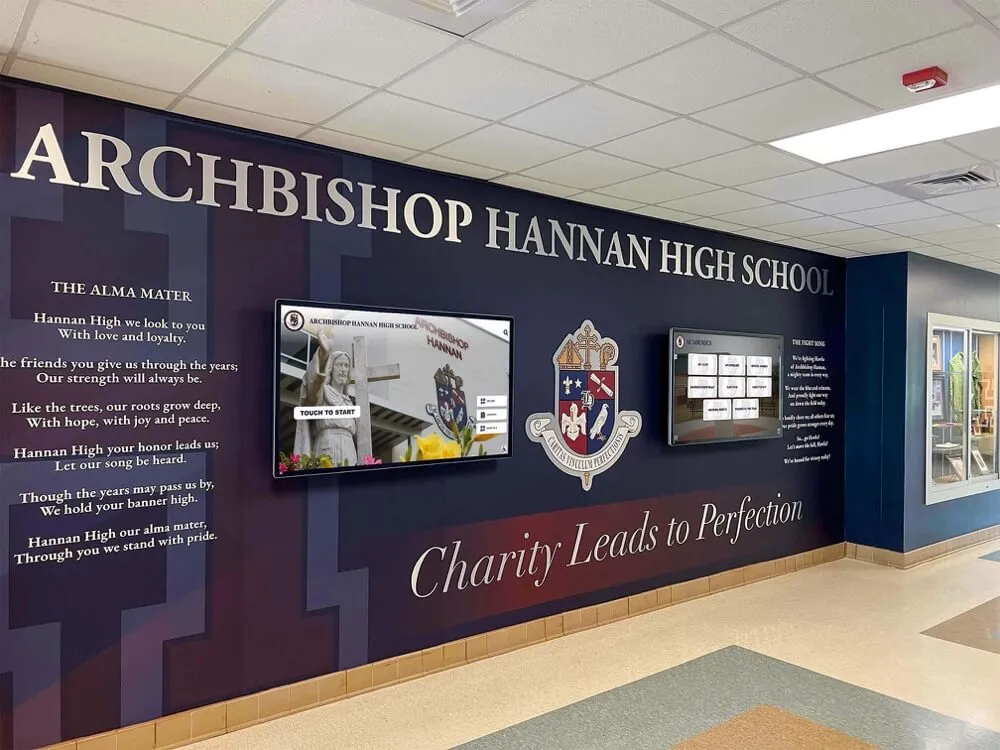
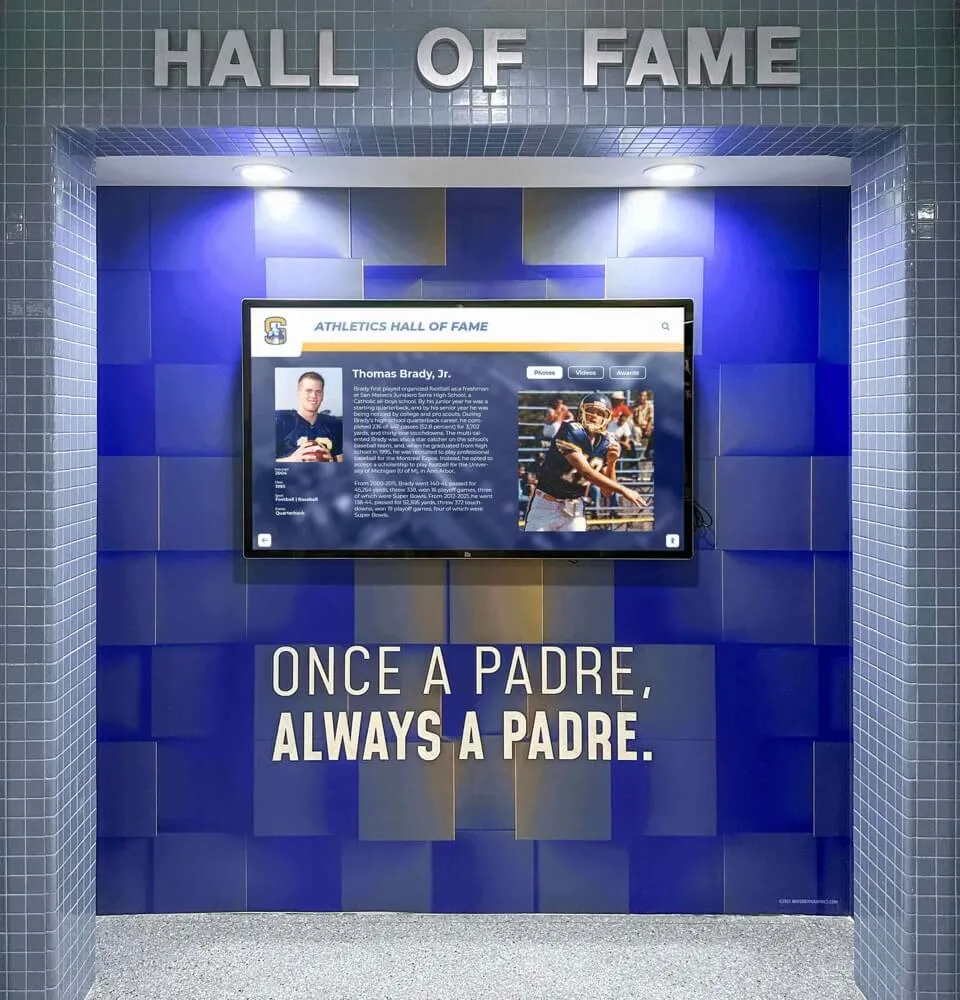
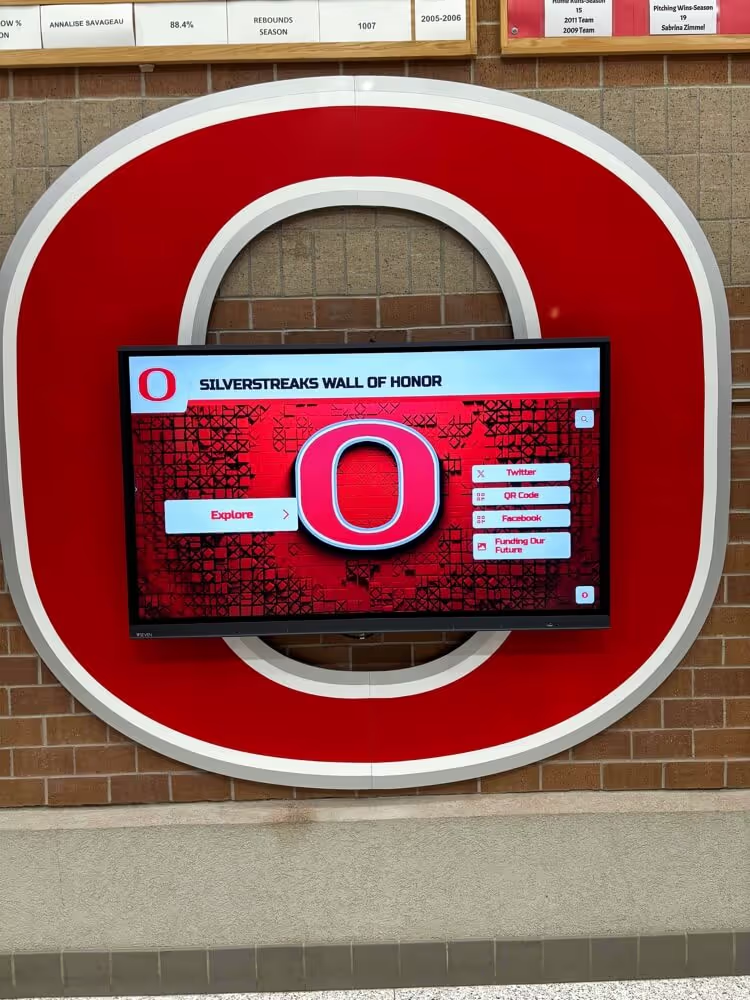
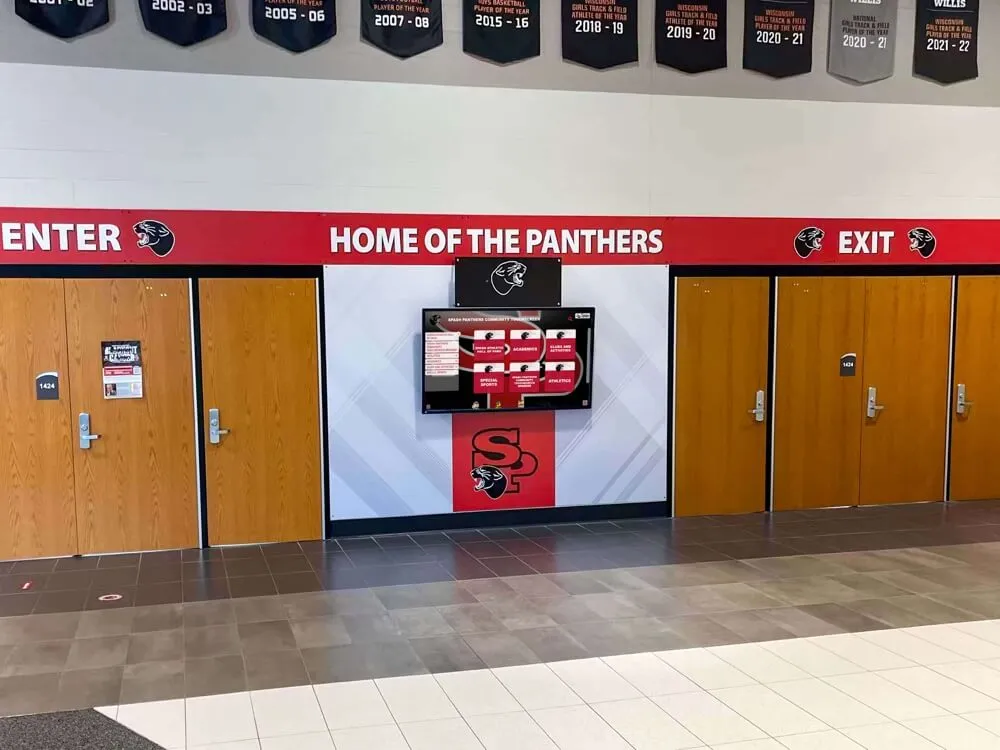
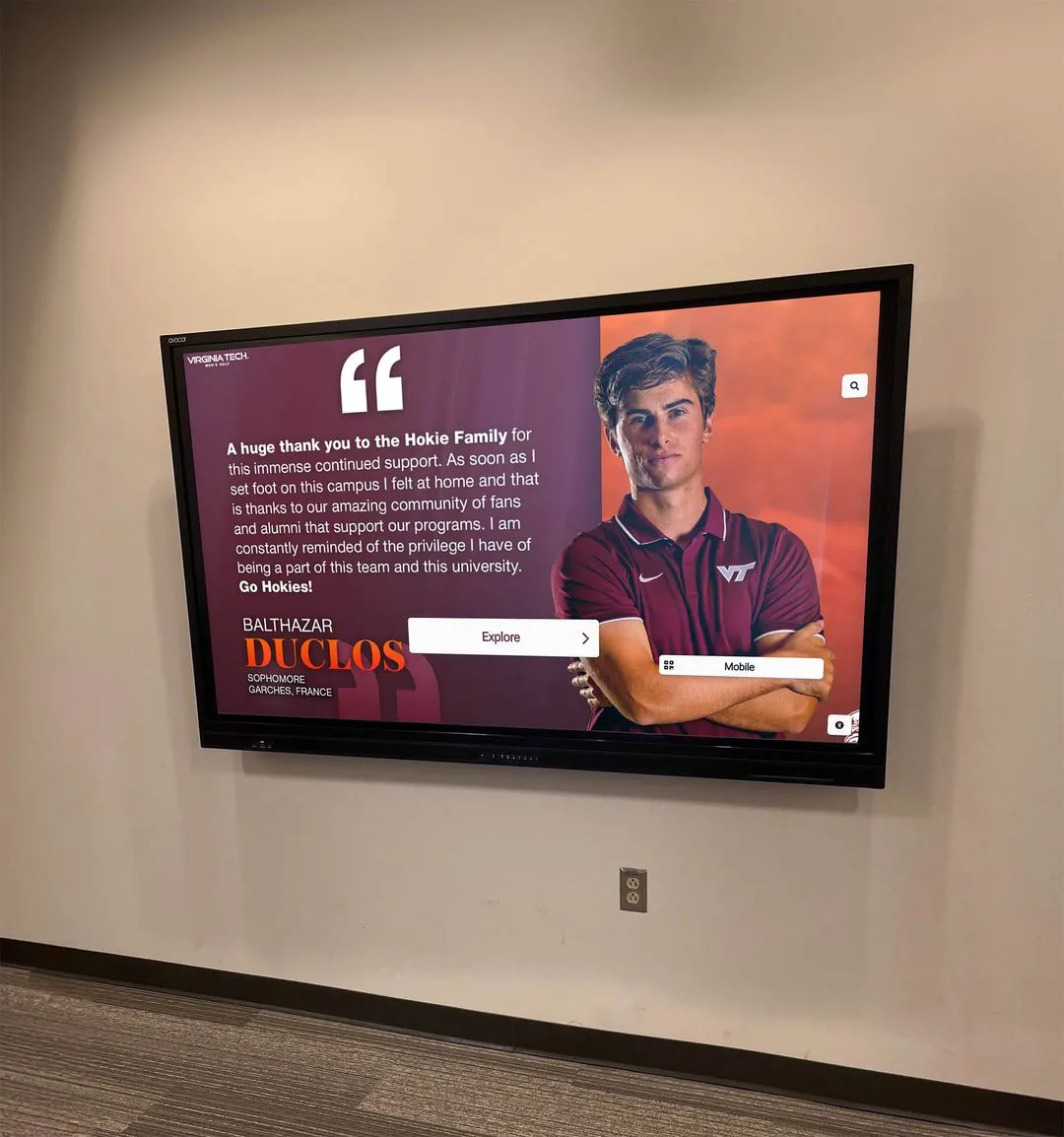
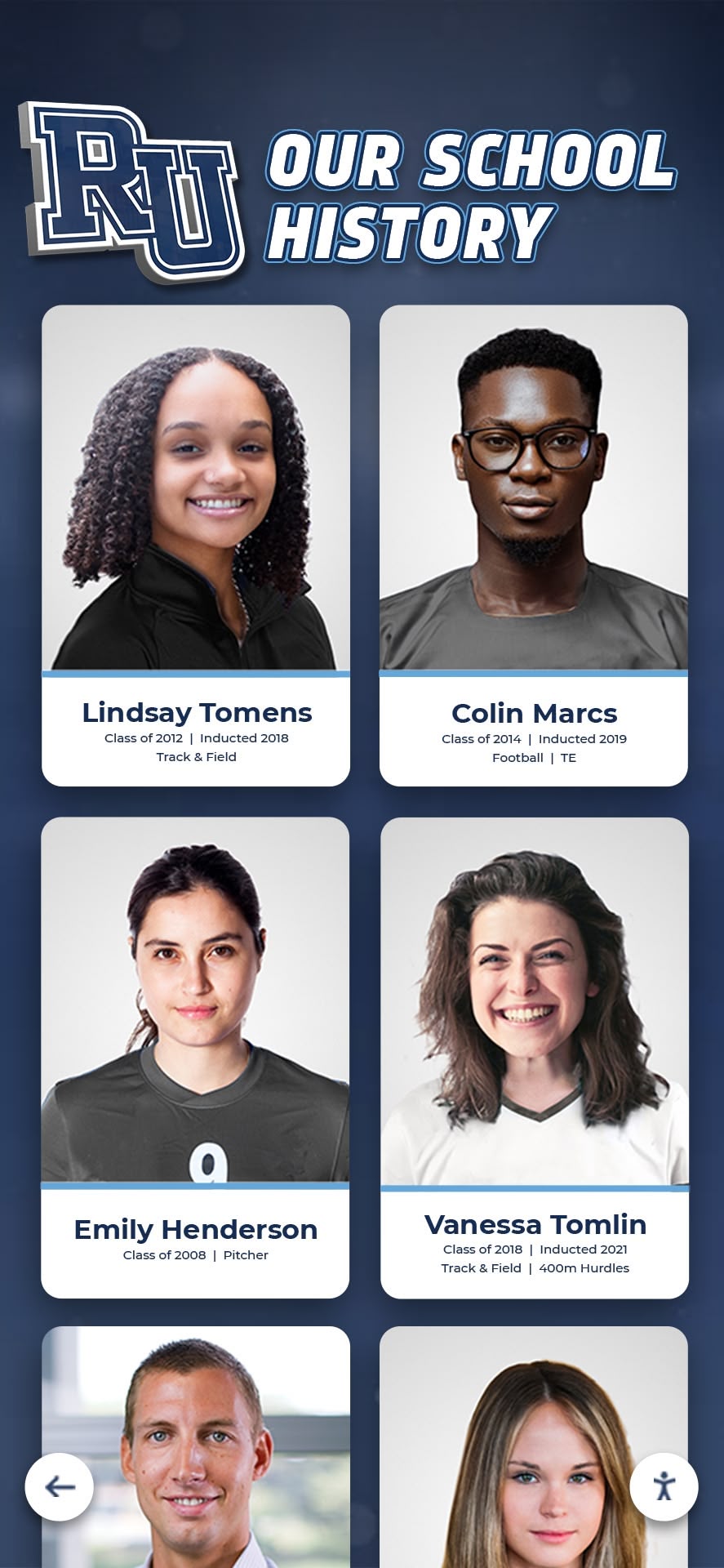
Digital archives enable intuitive exploration of school history, making institutional heritage accessible and engaging for current students
Academic Research Resources Scholars studying educational history, local communities, social change, or cultural evolution frequently rely on school archives. Accessible, well-organized collections support research contributing to broader understanding of educational development and community history.
Strengthening Institutional Identity and Community
Historical preservation creates foundations for institutional culture and stakeholder engagement:
School Pride and Tradition Students who understand institutional history develop stronger connections to their schools. When students discover—founding stories establishing core values, notable alumni who preceded them, traditions explained through historical context, achievements establishing excellence standards, and continuity connecting their experiences to generations of students—they develop deeper appreciation for their educational communities and greater motivation to contribute their own accomplishments to ongoing institutional narratives.
Research on organizational culture consistently demonstrates that institutions with strong historical narratives experience higher stakeholder engagement and loyalty. Schools implementing comprehensive historical timeline displays report students showing increased institutional pride and participation in school traditions.
Alumni Engagement Foundations Alumni connections to schools extend far beyond diploma dates. Comprehensive archives enable graduates to rediscover their own experiences, find classmates and teachers, explore how schools evolved after graduation, and maintain emotional bonds motivating continued involvement and philanthropic support.
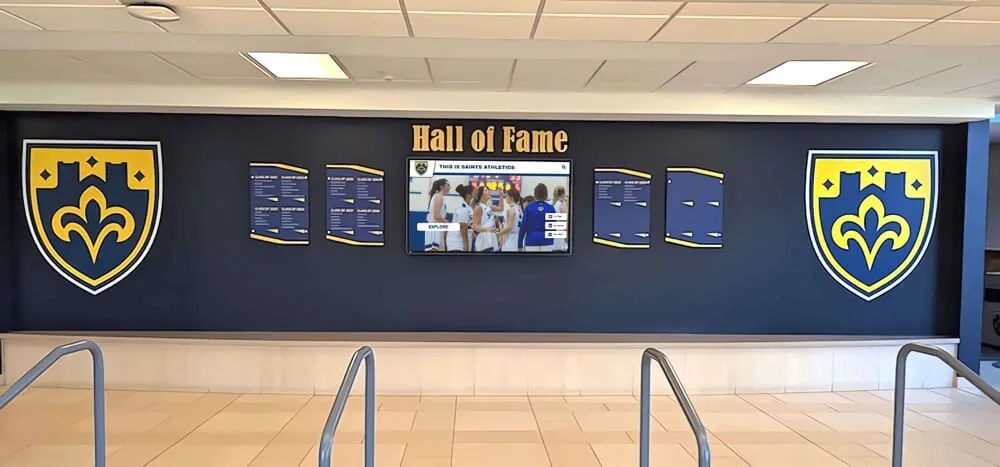
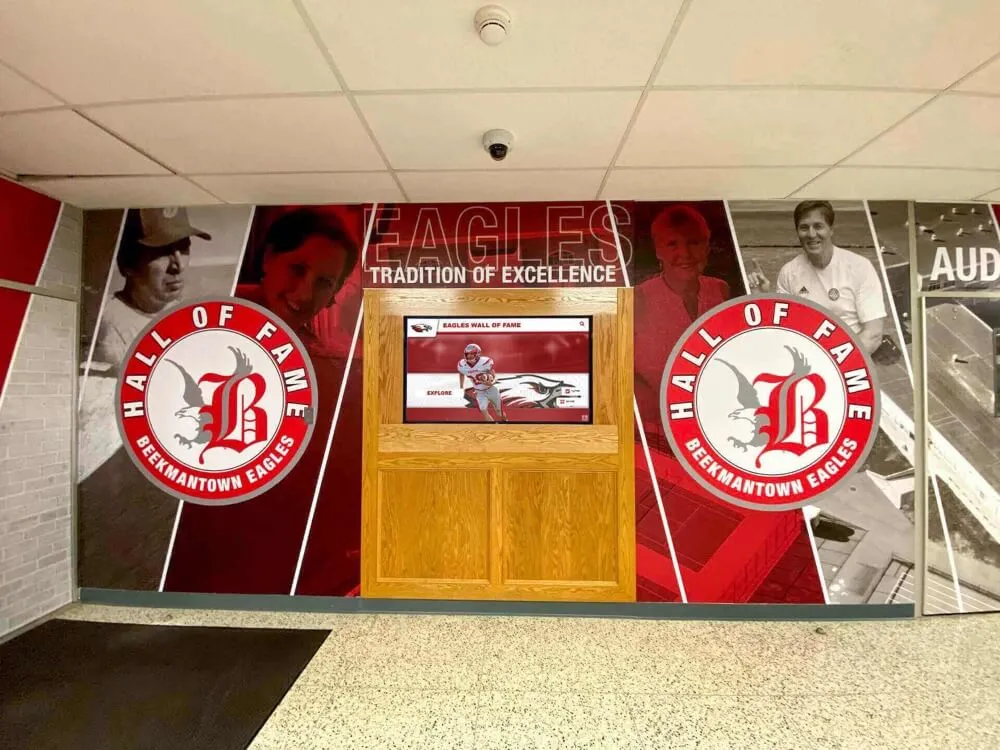
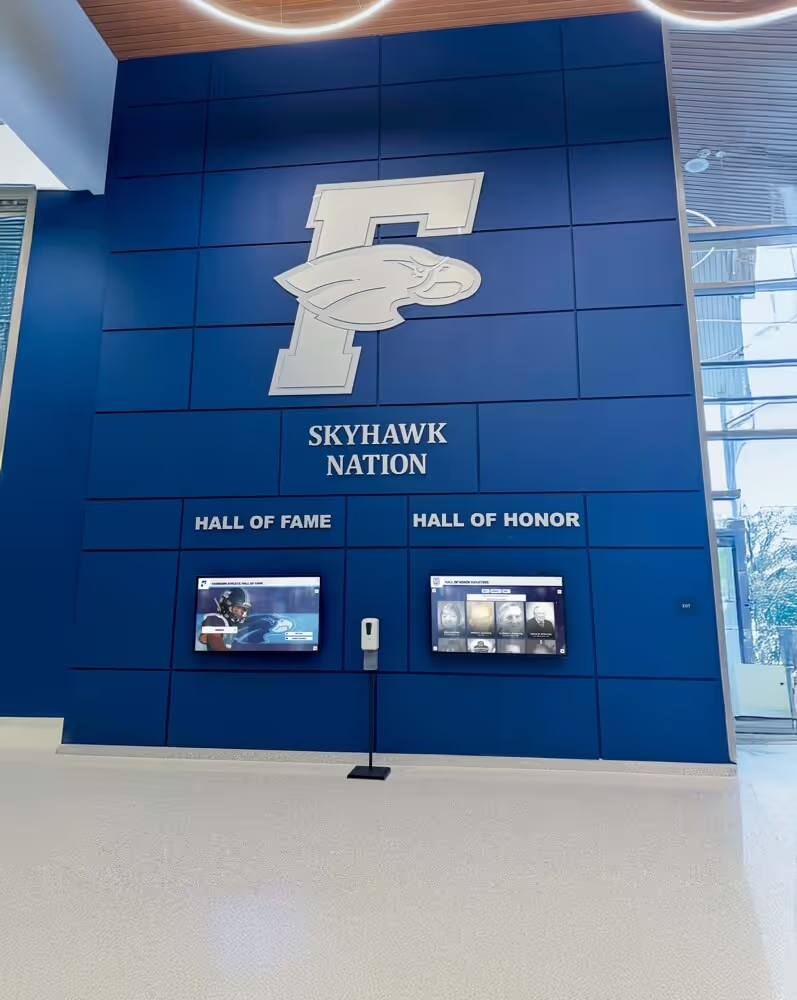
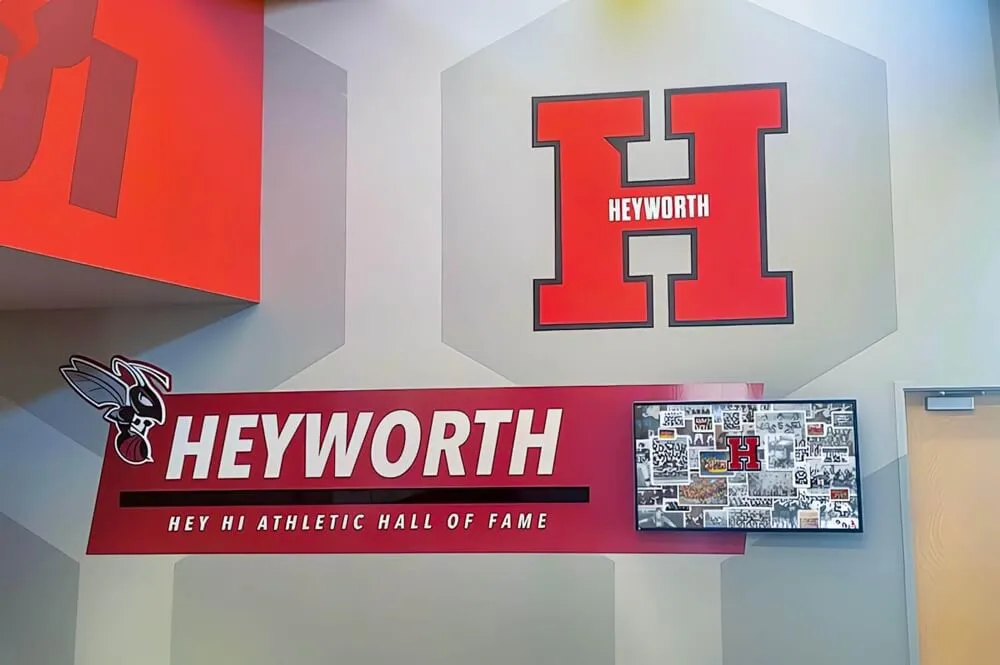
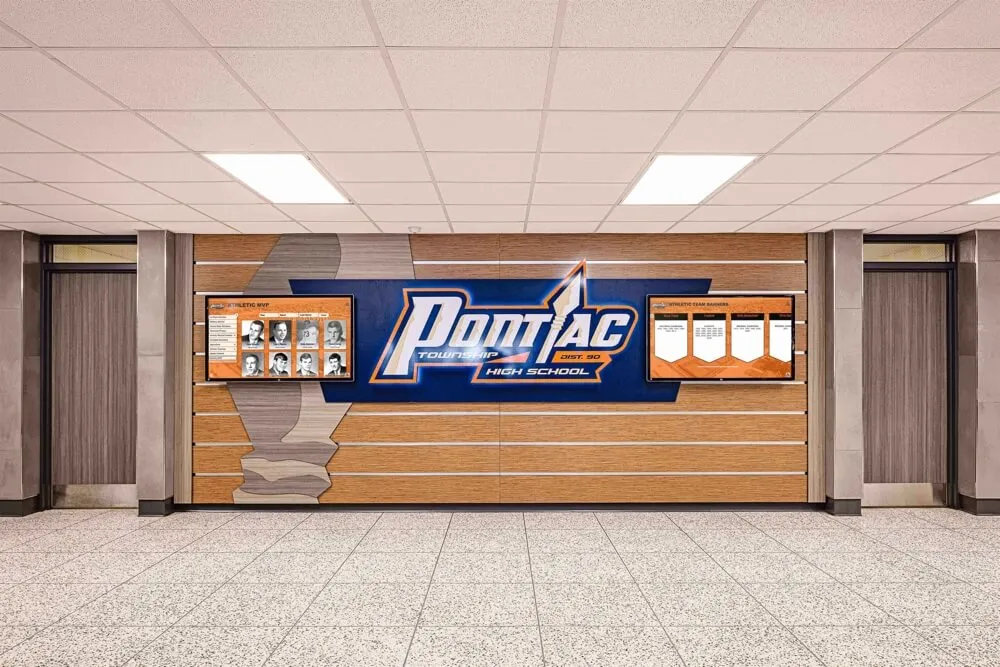
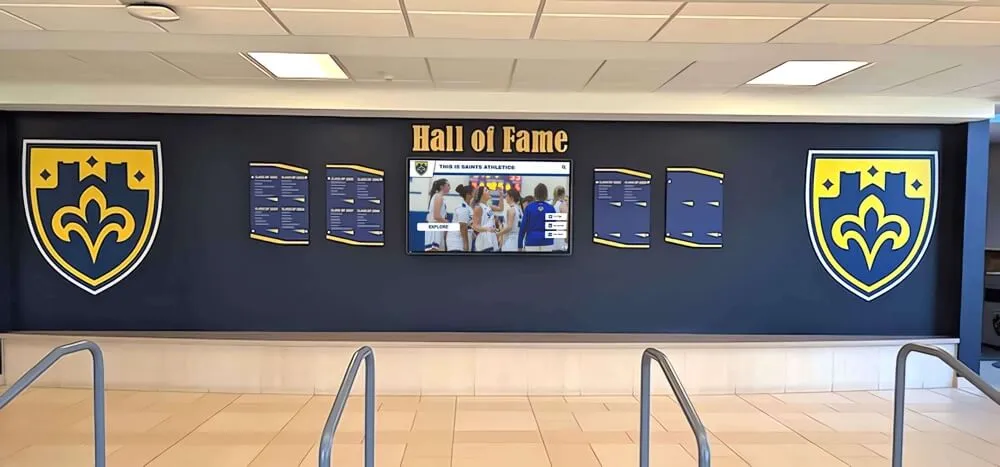
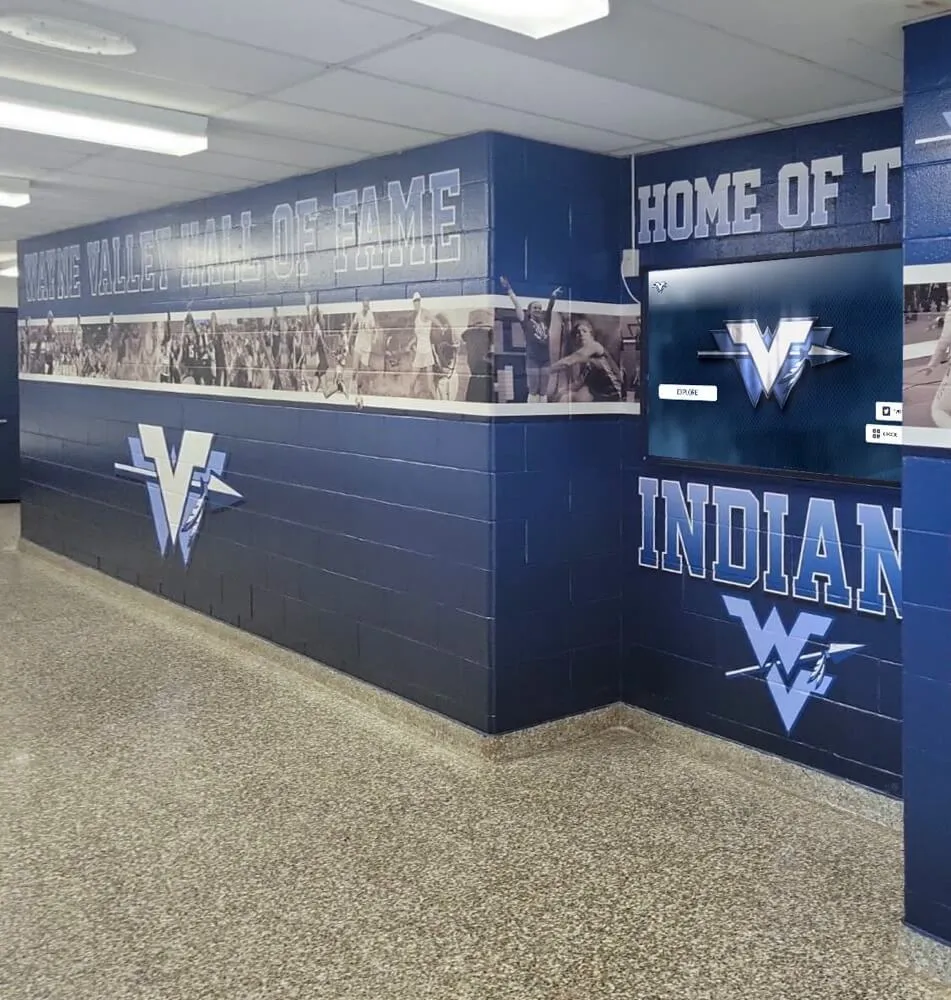
Professional recognition systems integrate historical preservation with contemporary achievement displays, creating engaging spaces celebrating institutional heritage
Practical Administrative and Development Benefits
Historical documentation supports operational needs beyond preservation alone:
Anniversary and Milestone Celebrations Major anniversaries—50th, 75th, 100th, or 150th celebrations—require historical documentation for meaningful commemoration. Schools with organized archives easily develop anniversary publications, historical presentations, recognition events, and commemorative materials that would be impossible to create from scattered, disorganized records.
Fundraising and Development Support Capital campaigns, scholarship endowments, and facility projects benefit from historical storytelling. Comprehensive archives provide—compelling case statements connecting past to future, recognition opportunities for major donors within historical context, nostalgic content activating alumni emotional connections, and evidence of institutional stability and longevity increasing donor confidence.
How to digitize old yearbooks demonstrates how preserved historical materials enhance alumni engagement and development efforts.
Accreditation and Compliance Documentation Accreditation processes require institutional history documentation. Archived records provide evidence of—organizational continuity and stability, curriculum evolution and academic standards, governance and administrative structure development, and strategic planning implementation across time periods.
Common Threats to School Historical Records
Understanding preservation challenges helps institutions implement protective measures before materials suffer irreversible damage or permanent loss.
Physical Deterioration and Environmental Damage
Historical materials face natural degradation through time and environmental exposure:
Paper-Based Record Decay Paper documents deteriorate through multiple mechanisms—acid content in paper causing yellowing and brittleness, light exposure fading text and images, temperature and humidity fluctuations accelerating chemical breakdown, insect and rodent damage destroying stored materials, mold and mildew growth in damp conditions, and physical handling wear from repeated use and filing.
According to digital preservation experts, schools face particular vulnerability because historical records often accumulate in basement storage areas, attic spaces, or inadequate filing rooms where environmental conditions accelerate deterioration.
Photograph and Film Degradation Visual historical materials prove particularly fragile. Color photographs fade within decades without proper storage. Black-and-white prints deteriorate through chemical instability. Negatives and slides deteriorate faster than prints. Film and video magnetic tape degrades within 10-20 years. Digital files on obsolete media become unreadable as technology evolves.
Composite and Display Materials Yearbook composites, award displays, historical bulletin boards, and recognition installations deteriorate through mounting methods, backing materials, adhesives, and environmental exposure. Many schools discover beloved historical displays have deteriorated to the point where restoration proves impossible.
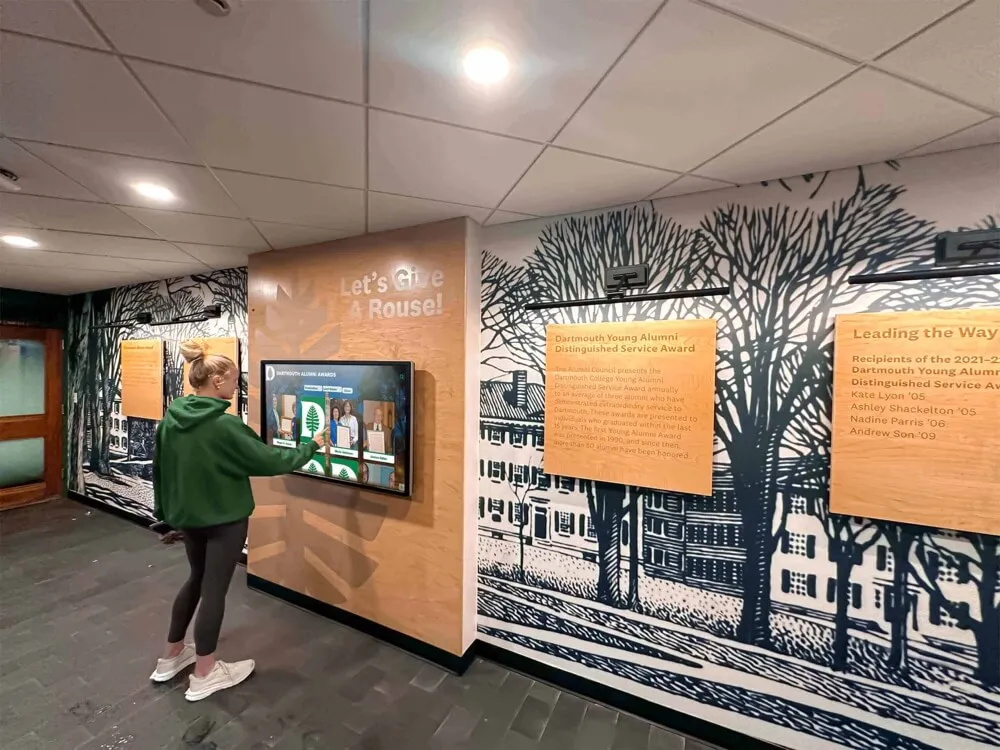
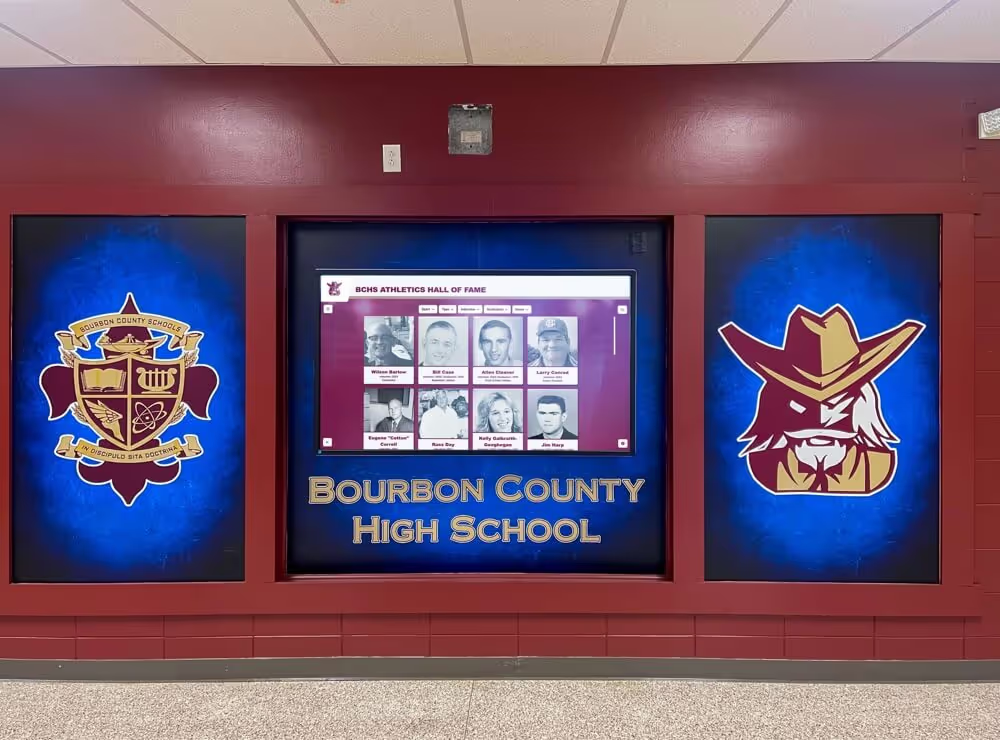
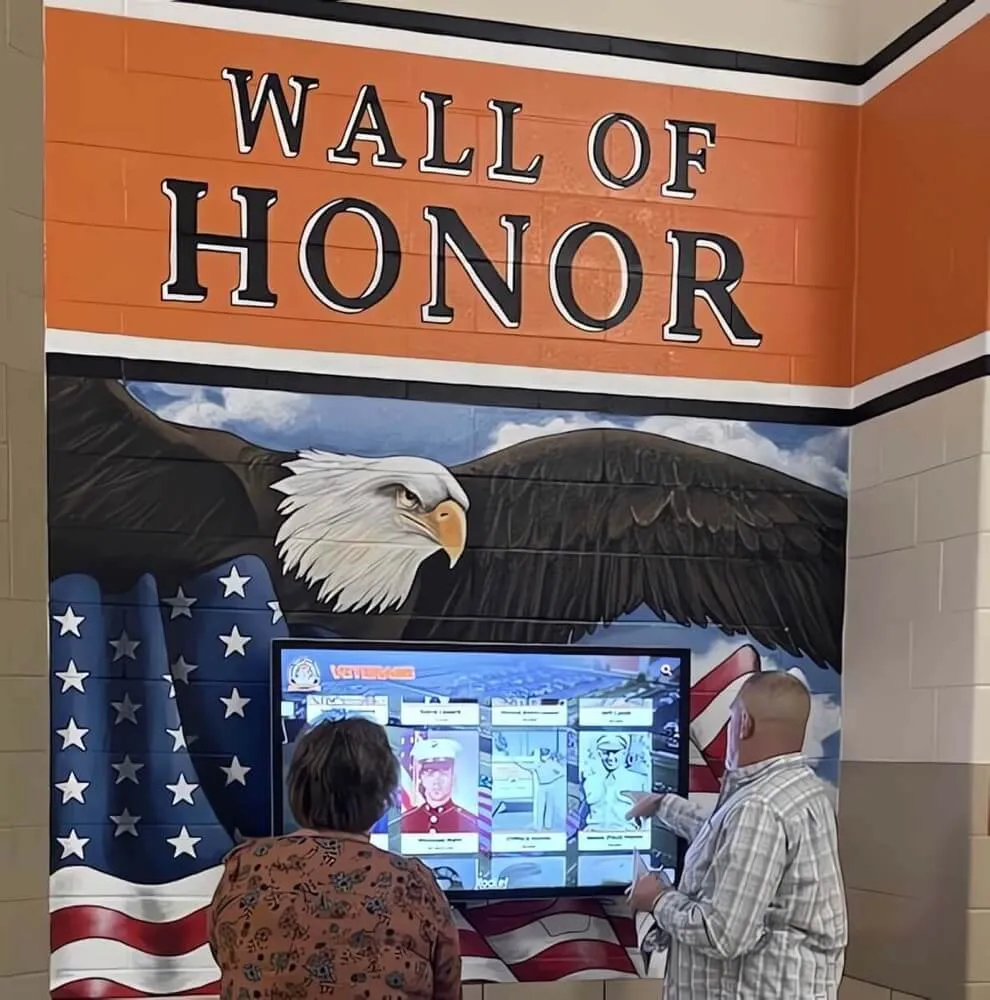
Digital preservation protects irreplaceable historical materials while creating accessible archives for all community members
Loss Through Organizational Transitions
Leadership changes and facility modifications create particular vulnerability for historical materials:
Administrative Transitions Superintendent retirements, principal changes, staff turnover, and board member transitions frequently result in lost institutional knowledge. Historical records residing in individual offices, personal filing systems, or staff members’ memories disappear unless transferred to systematic archives before transitions occur.
Facility Renovations and Relocations Building projects create significant risk for historical materials. Renovation construction damages storage areas. Space optimization leads to discarding materials perceived as clutter. Moving processes misplace boxes. Well-intentioned volunteers discard materials without recognizing historical significance.
Department and Program Changes Curriculum changes, program eliminations, department reorganizations, and administrative restructuring frequently result in discarding documentation without preservation consideration. Materials documenting discontinued programs or eliminated positions disappear unless someone recognizes archival value and ensures proper transfer to institutional archives.
Scattered Collections and Inadequate Organization
Unlike centralized institutional archives maintained by professional staff, school historical materials typically scatter across numerous locations:
Decentralized Storage Challenges School records commonly accumulate in—administrative office file cabinets, library storage rooms, athletic department facilities, counseling office archives, individual teacher collections, maintenance department storage, and retiring staff members’ personal possession.
This decentralization means no one person knows what materials exist or where they’re located. Valuable documentation gets discarded during cleanouts because no one recognizes its significance.
Lack of Professional Archival Management Most schools lack professional archivists or dedicated archive staff. Historical preservation falls to already-overburdened librarians, secretaries, or volunteers without archival training. Without professional expertise, schools struggle with—appropriate archival standards and methods, preservation techniques preventing deterioration, organization systems enabling future retrieval, digitization specifications ensuring quality, and long-term management planning.
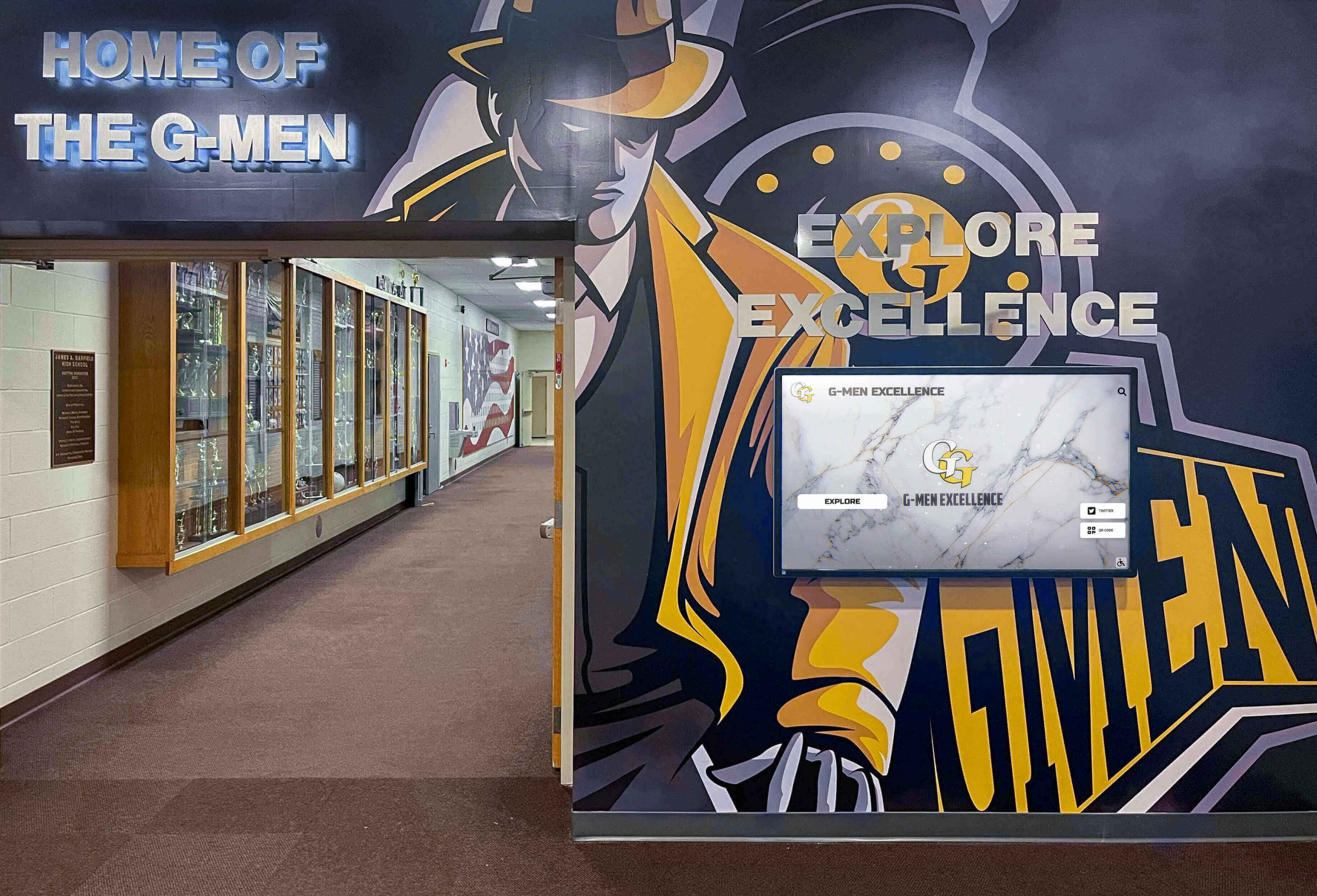
Systematic organization integrates historical preservation with contemporary recognition, ensuring comprehensive institutional documentation
Digital Records and Technology Obsolescence
Modern schools create extensive digital documentation, but digital preservation presents unique challenges:
Born-Digital Records Contemporary schools generate documentation in digital formats—administrative databases and student information systems, digital photographs and video recordings, email correspondence and electronic documents, social media content and website archives, and online learning materials and student work.
According to academic archiving best practices, institutions must address born-digital preservation challenges including format obsolescence, media degradation, software dependency, and metadata management.
Technology Migration Challenges Digital files created 10-20 years ago often prove difficult or impossible to access today. WordPerfect documents require specialized software. Early digital photographs used proprietary formats. Files stored on floppy disks, Zip drives, or early USB storage become inaccessible as hardware disappears. Legacy database systems contain valuable information trapped in obsolete software.
Without systematic digital preservation planning, contemporary records face the same loss risk as deteriorating paper materials—just through different mechanisms.
Systematic Approaches to School Archive Development
Successful preservation begins with strategic planning addressing scope, priorities, resources, and sustainable management.
Conducting Comprehensive Records Inventories
Systematic assessment identifies existing materials and establishes preservation priorities:
Physical Collection Survey Schools should conduct thorough inventories identifying all historical materials currently in possession—administrative records in central offices, library and media center collections, athletic department records and memorabilia, yearbook and school newspaper archives, photograph collections across departments, awards and recognition materials, facility and building documentation, and materials held by parent organizations or booster clubs.
For each collection identified, basic inventory should document—material types and quantities, approximate date ranges and completeness, physical condition and preservation urgency, current storage conditions and environmental factors, and immediate risk assessment identifying materials requiring urgent intervention.
Digital Asset Inventory Contemporary schools possess extensive digital materials requiring preservation consideration—student information system databases and records, digital photograph libraries across departments, website content and social media archives, video recordings of events and performances, digital yearbooks and publications, and electronic correspondence and administrative documents.
Digital inventory should assess—file formats and potential obsolescence concerns, storage locations and backup status, access methods and software dependencies, metadata quality enabling future discovery, and preservation priorities based on historical significance.

Systematic documentation creates searchable databases preserving individual achievements and comprehensive institutional history
Community Collections Outreach Valuable historical materials often reside in private collections beyond school possession—alumni personal photograph and document collections, retiring teacher and staff materials, parent organization historical records, local newspaper photograph archives, and community member collections related to school history.
Systematic outreach programs should include—alumni newsletter requests for historical materials, reunion event collection drives where attendees share materials for scanning, targeted outreach to specific individuals known to possess significant materials, and formal donation programs with clear procedures for transferring materials to school archives.
Digital scanning technology enables preserving content while returning physical originals to owners who wish to retain them, eliminating barriers to sharing that exist when donations require permanently relinquishing materials.
Establishing Archival Priorities and Phasing
Most schools cannot simultaneously preserve all historical materials and must establish strategic priorities:
Priority Categories for Preservation Systematic prioritization considers multiple factors:
Historical Significance
- Founding documents and early institutional records
- Documentation of major milestones and transformative events
- Records from particularly significant eras in school history
- Materials documenting notable individuals or achievements
- Unique documentation unavailable elsewhere
Physical Condition and Urgency
- Materials showing advanced deterioration requiring immediate intervention
- Fragile items at risk of imminent loss
- Materials in environmentally harmful storage conditions
- Items currently deteriorating that will worsen without action
- Vulnerable formats facing obsolescence
Research and Educational Value
- Materials supporting curriculum and teaching
- Records enabling student research projects
- Documentation sought by community researchers
- Archives supporting local history initiatives
- Collections enhancing institutional understanding
Community Interest and Engagement Potential
- Materials generating alumni interest and nostalgia
- Documentation from eras with large, engaged alumni populations
- Records supporting fundraising and development efforts
- Content suitable for recognition displays and public programs
- Archives enabling anniversary celebrations and commemorative events
Many schools adopt phased approaches—preserving 10-20 years of high-priority materials initially to test workflows and demonstrate value before expanding to comprehensive collections.
Developing Archival Policies and Procedures
Formal documentation ensures consistent practices across personnel transitions:
Collection Development Policy Written policies should address—materials actively collected by school archives, selection criteria for retention versus disposal, acquisition methods including donations and transfers, restrictions and privacy considerations, and deaccessioning procedures for inappropriate materials.
Academic archive guidelines recommend formal policies approved by appropriate governance bodies, ensuring archival decisions reflect institutional priorities rather than individual preferences.

Modern archive platforms provide intuitive search and discovery, making historical materials accessible to diverse users
Records Retention Schedules Systematic schedules establish retention periods for different record types—permanent retention for founding documents, board minutes, diplomas and transcripts, historical photographs, and significant achievement documentation; long-term retention for administrative records, facility documentation, curriculum materials, and program records; and defined retention periods for operational records, routine correspondence, and temporary documentation.
Privacy and Access Policies Archival policies must address confidentiality and appropriate access—FERPA compliance for student educational records, personnel file privacy protections, restricted access procedures for sensitive materials, public access provisions for appropriate historical materials, and digital access policies for web-based archives.
Schools implementing library touchscreen interactive displays should carefully consider which archival materials are suitable for public access through digital platforms versus materials requiring restricted access.
Digital Preservation Methods and Technologies
Modern technology enables preservation and access impossible through physical archival methods alone while creating redundancy protecting against material loss.
Professional Scanning and Digitization Services
High-quality digitization protects content regardless of physical deterioration:
Document Scanning Specifications Professional digitization follows archival standards ensuring long-term quality:
Resolution Standards
- Archival masters: 400-600 DPI captures fine detail suitable for any future use
- Access copies: 300 DPI provides excellent quality for screen viewing and standard printing
- OCR processing: 300 DPI represents optimal resolution for text recognition
File Format Selection
- TIFF (Tagged Image File Format): Uncompressed format preserving maximum quality for archival masters
- PDF/A: Archival PDF format designed for long-term document preservation with embedded searchable text
- JPEG: Compressed format for web-optimized access copies
According to historical records scanning experts, high-resolution scanning creates digital masters suitable for preservation while enabling creation of optimized versions for various access needs.
Photograph Digitization Best Practices Historical photographs require careful handling and appropriate scanning:
- Flatbed scanners at 600 DPI minimum for archival quality
- Higher resolution for large prints or potential enlargement needs
- Color scanning even for black-and-white photographs preserves tonal information
- Professional services for fragile materials requiring specialized handling
- Metadata capture documenting photographer, subjects, dates, and locations
Yearbook and Composite Digitization School yearbooks and composite photographs merit particular attention given their historical and community significance. High-resolution scanning preserves not only overall pages but enables extraction of individual portraits for searchable alumni databases.
Learn comprehensive approaches in digitizing old yearbooks that preserve institutional memory while creating engaging digital resources.
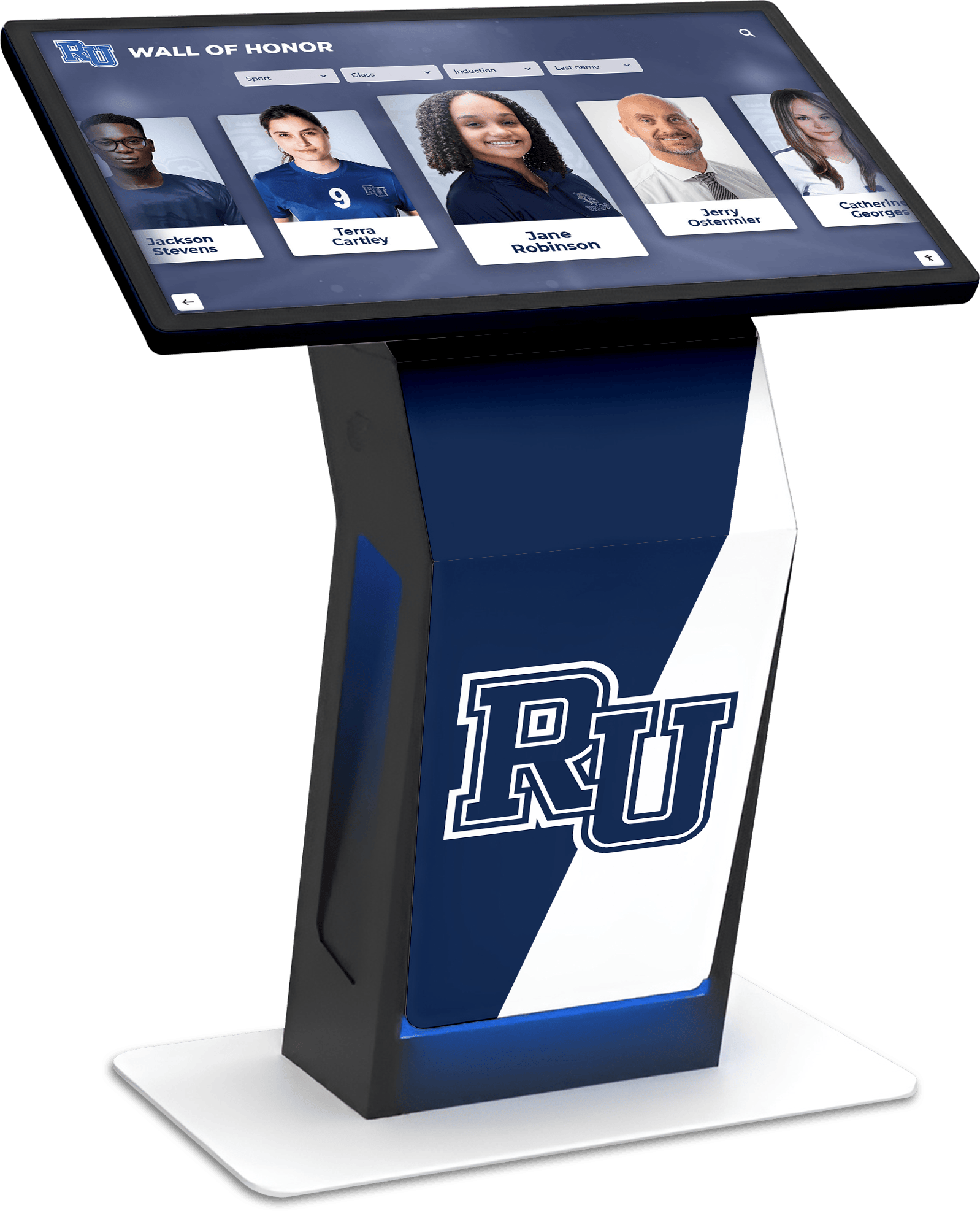
Modern digitization equipment and display platforms transform physical archives into accessible digital collections
Organizing and Managing Digital Archives
Systematic organization ensures long-term accessibility and usability:
File Naming Conventions and Folder Structure Consistent organization prevents chaos as digital collections grow:
Recommended Structure
SchoolArchives/
├── AdministrativeRecords/
│   ├── 1950s/
│   ├── 1960s/
│   └── 1970s/
├── StudentLife/
│   ├── Yearbooks/
│   ├── Composites/
│   └── Organizations/
├── Athletics/
│   ├── TeamPhotos/
│   ├── Championships/
│   └── Records/
└── Facilities/
    ├── BuildingPhotos/
    └── Construction/
File Naming Convention
SCHOOLNAME_CATEGORY_YEAR_DESCRIPTION.format
Example: LincolnHS_Yearbook_1965_Complete.pdf
Consistent naming enables sorting, searching, and automation while preventing confusion about file contents across decades of accumulation.
Metadata Creation and Standards Rich metadata transforms image collections into discoverable, searchable archives:
Essential Metadata Fields
- Title or description of material
- Date of creation or time period covered
- Creator or photographer
- Subjects or topics depicted
- People identified in materials
- Location or setting
- Physical format of original material
- Rights and restrictions information
- Relationships to other materials
Searchability Enhancement Comprehensive metadata enables powerful search capabilities—finding all materials from specific years, discovering images containing particular individuals, locating documentation of specific events or activities, filtering by department or program areas, and creating themed collections from diverse materials.
Schools implementing searchable digital archives find that thorough metadata dramatically improves usability compared to simple image galleries lacking descriptive information.
Cloud Storage and Backup Infrastructure
Digital preservation requires reliable, redundant storage protecting against data loss:
Cloud-Based Archive Platforms Modern cloud storage offers compelling advantages for schools:
Benefits
- No local server hardware purchase or maintenance
- Automatic redundant backup across multiple data centers
- Accessible from anywhere with internet connection
- Scalable storage growing as collections expand
- Professional-grade security and disaster recovery
- Automatic software updates and compatibility maintenance
Platform Options
- Amazon S3, Microsoft Azure, or Google Cloud for general storage
- Purpose-built digital preservation platforms like Preservica
- Integrated school recognition systems like Rocket Alumni Solutions providing archival storage combined with public-facing displays
Backup Strategy Requirements Digital archives need protection against multiple failure scenarios following the 3-2-1 Backup Rule:
- 3 copies of data (production plus two backups)
- 2 different media types (cloud storage plus external drives)
- 1 copy off-site protecting against local disasters
Backup Frequency
- During active digitization: daily incremental backups
- Completed collections: weekly verification backups
- Critical changes: immediate backup after significant updates
Regular backup testing verifies that restoration procedures actually work—discovering backup failures during disasters proves too late to prevent data loss.
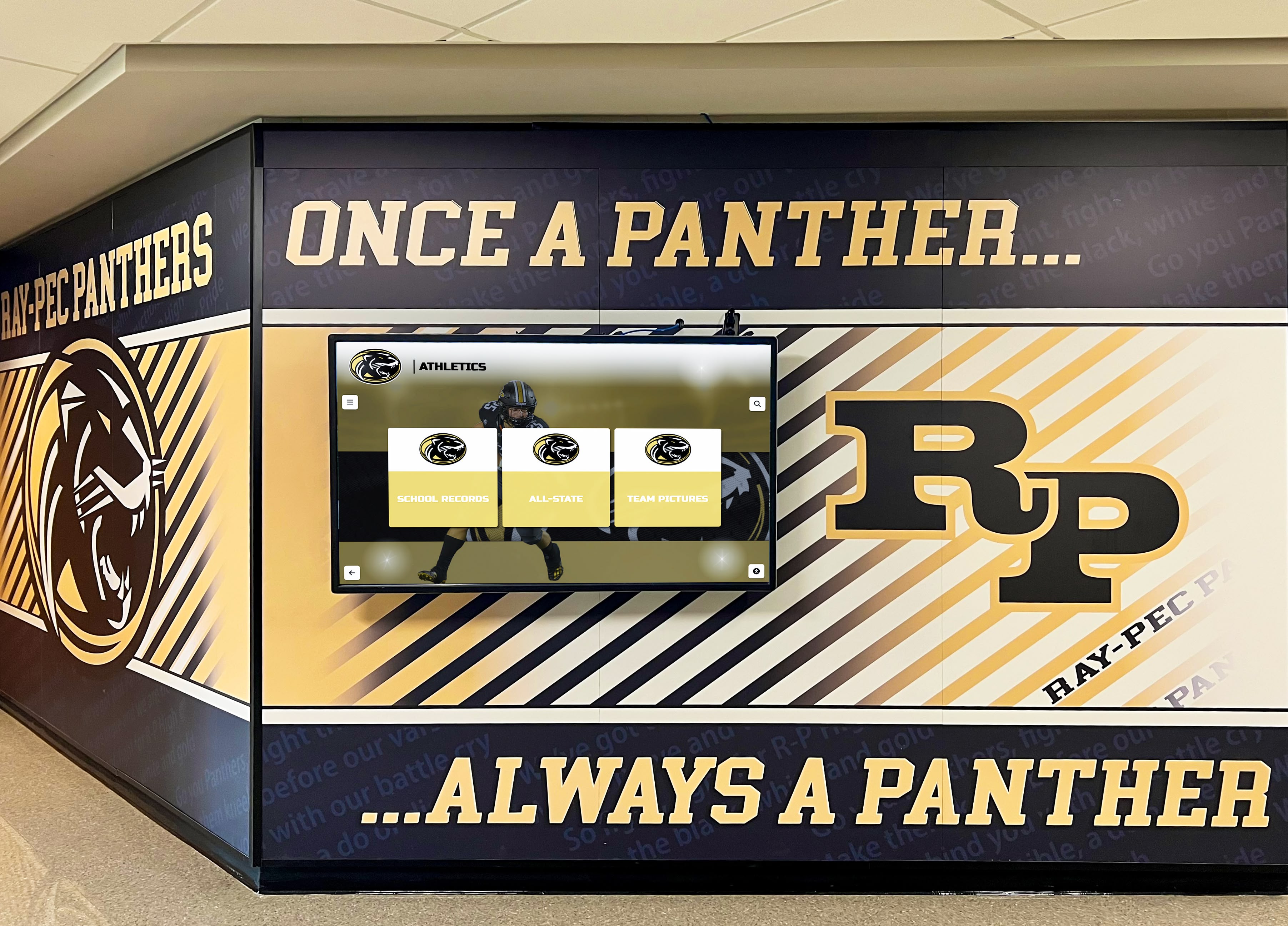
Cloud-based archives integrate with recognition displays, enabling comprehensive preservation combined with engaging public access
Modern Display Technology for School Historical Archives
Beyond preservation, schools should showcase history creating visibility and engagement for students, families, and community members.
Interactive Touchscreen Recognition Systems
Digital display platforms transform archives from storage systems into engaging institutional exhibits:
Comprehensive Content Presentation Without Space Constraints Traditional physical displays face fundamental limitations—wall space constraints forcing selective presentation, impossible decisions about what history “makes the cut,” difficulty accommodating new additions once displays are complete, and periodic expensive updates required for changes.
Solutions like Rocket Alumni Solutions eliminate these constraints through digital displays showcasing unlimited content—centuries of institutional history accessible through intuitive browsing, thousands of searchable individual profiles and biographies, comprehensive event galleries and photograph collections, detailed tradition explanations with multimedia context, and facility evolution documentation through historical photographs.
Single touchscreen installations in school lobbies or libraries provide access to archives that would require converting entire wings to museum space using traditional physical methods.
Dynamic Updates and Living Archives Physical displays require professional printing, framing, and mounting for additions or changes. Digital platforms enable instant updates—new achievement additions immediately following occurrences, historical materials incorporated as alumni donate or schools discover them, event documentation uploaded during or after activities, and continuous archive growth without physical space concerns or update delays.
Research demonstrates that interactive touchscreen displays generate 5-10 times longer engagement than static presentations, with visitors actively exploring digital content spending 8-12 minutes versus brief glances at traditional displays.
Search and Discovery Features Touchscreen functionality creates exploration impossible with static presentations:
- Full-text search finding specific names, events, or topics instantly
- Chronological browsing by decade, year, or era
- Filtering by category, program area, or achievement type
- Related content connections linking associated materials
- Featured content rotations highlighting significant history
- Social sharing enabling community members to share discoveries
Learn about comprehensive implementation in digital recognition display systems applicable to school archival contexts.
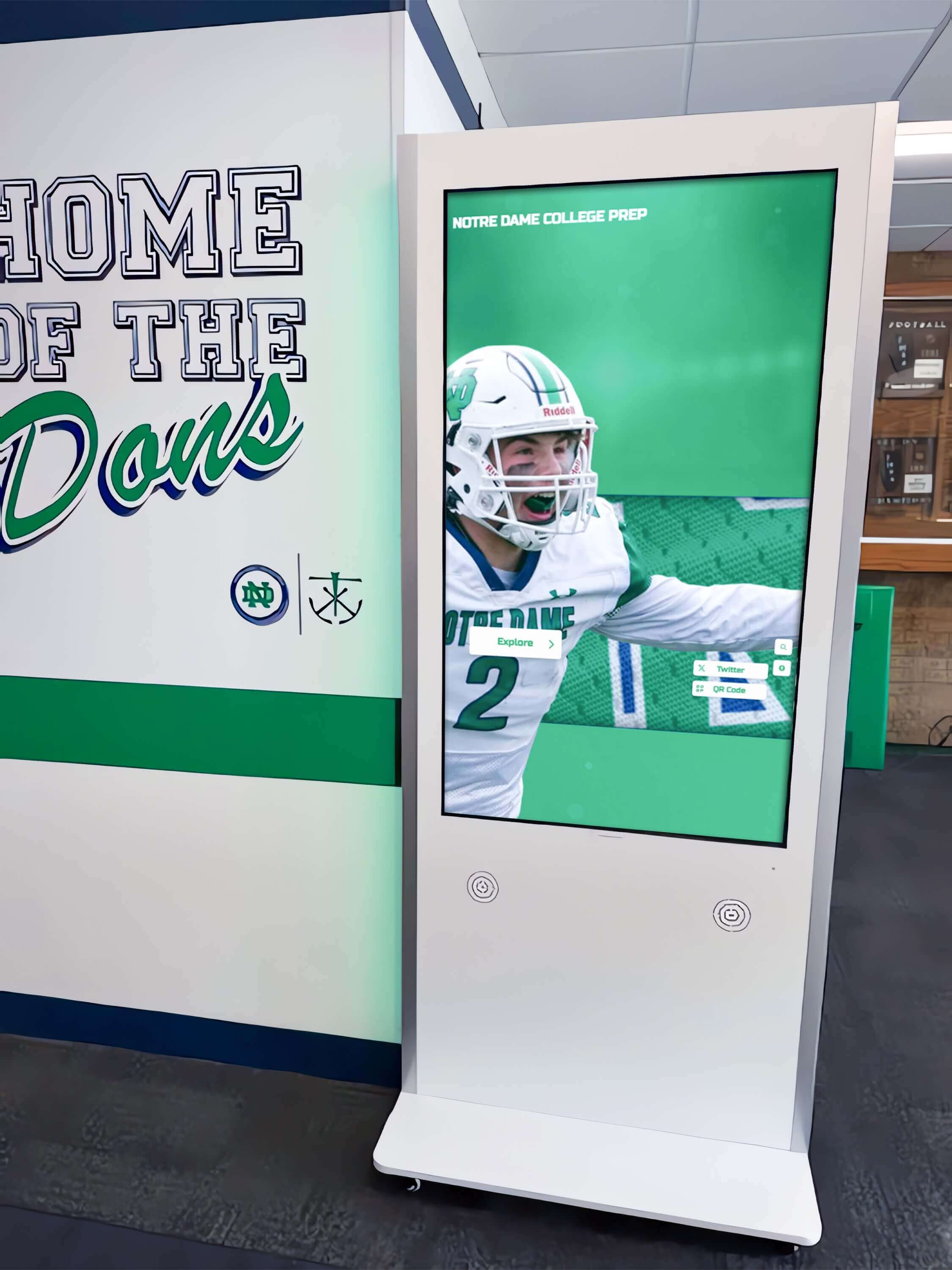
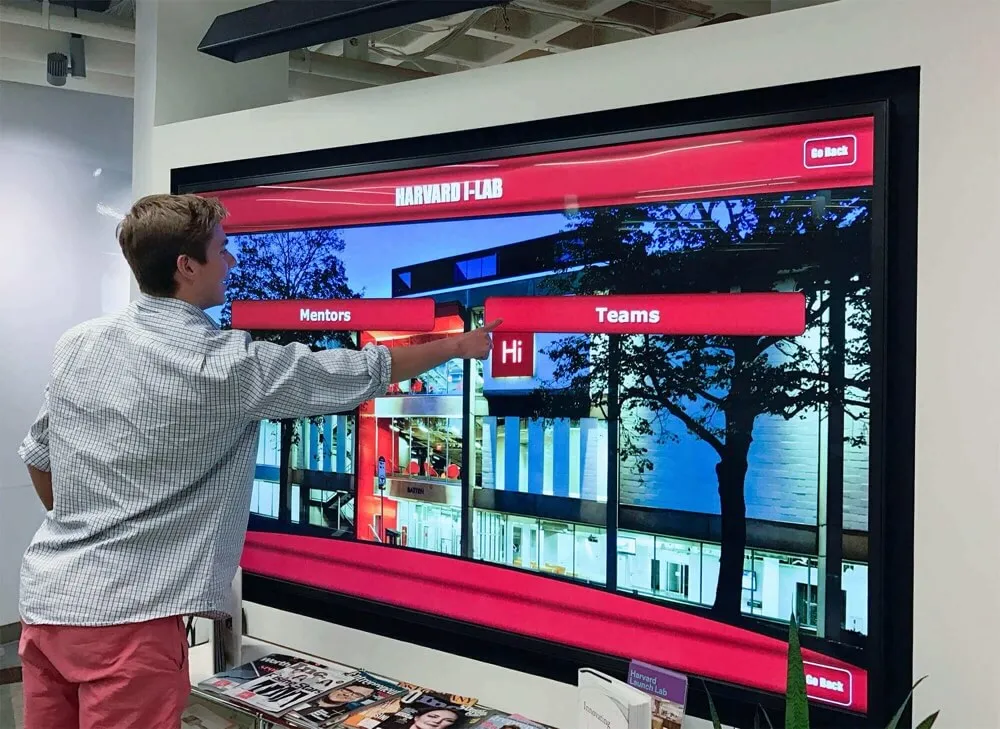
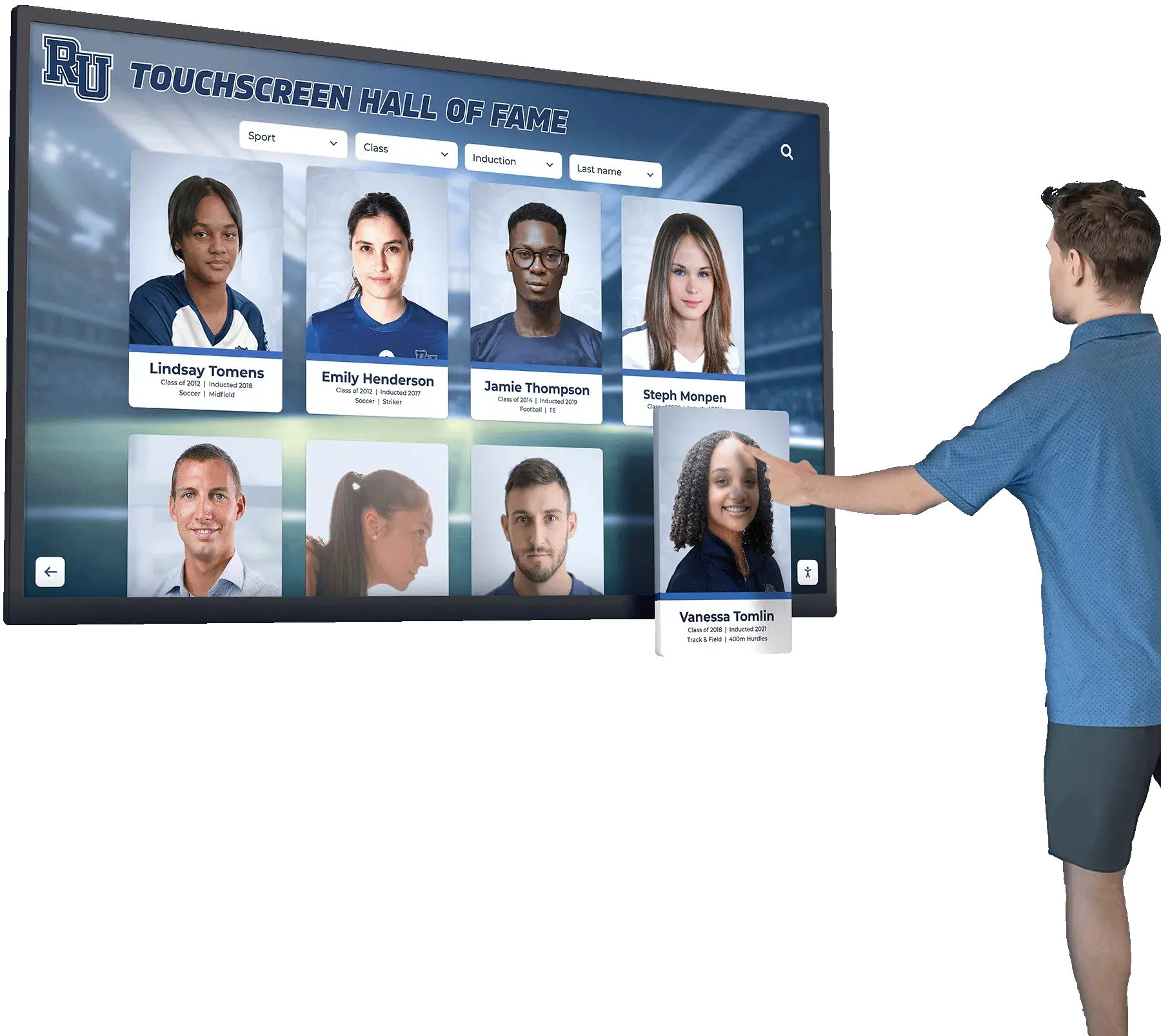
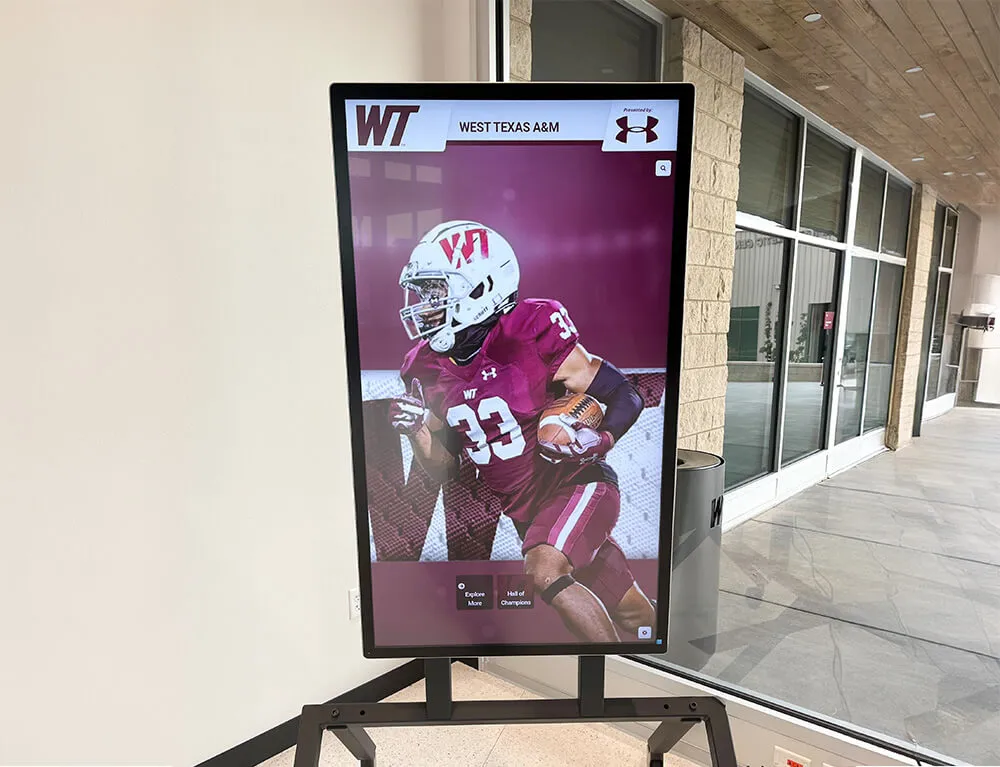
Professional touchscreen kiosks provide 24/7 access to comprehensive school archives in high-traffic campus locations
Strategic Placement for Maximum Community Impact
Display location determines archival engagement and visibility:
High-Traffic Campus Locations Placement in naturally high-traffic areas maximizes exposure—main entrances and reception areas where visitors immediately encounter school history, libraries and media centers serving as natural archive repositories, cafeterias and commons areas providing daily student visibility, administrative office corridors where families visit for meetings, and athletic facilities celebrating program history.
Multiple Installation Strategy Comprehensive approach places displays throughout campus—main lobby installation showcasing overall institutional history, athletic facility displays focusing on sports achievements, library systems emphasizing academic excellence, and performing arts spaces highlighting cultural programs.
Multiple touchpoints ensure diverse populations regularly encounter archival content rather than requiring deliberate archive visits.
Mobile and Web Access Extensions Comprehensive archival systems extend beyond physical campus touchscreens—responsive web platforms enabling alumni worldwide to explore archives, mobile-optimized interfaces supporting phone and tablet access, social media integration sharing historical content broadly, and virtual tour incorporation showing prospective families institutional heritage.
Combined approaches offering physical touchscreens, web access, and mobile compatibility maximize reach—enabling worldwide exploration while providing prominent campus presence.
Integration with Broader School Recognition Programs
Historical archives connect to contemporary recognition creating comprehensive systems:
Current Student Achievement Recognition Digital platforms showcase not just historical content but contemporary accomplishments—academic honors and scholarship recipients, athletic championships and records, performing arts achievements and competitions, student leadership and service recognition, and special awards and distinctions.
Integrating historical and contemporary content demonstrates institutional continuity while celebrating achievement across eras, helping current students understand themselves as contributors to ongoing institutional narratives.
Faculty and Staff Recognition Comprehensive systems acknowledge educator contributions—years of service milestones, teaching excellence awards, retirement tributes and career highlights, innovation and leadership recognition, and departmental achievement documentation.
Schools implementing teacher recognition displays report increased staff morale and stronger community appreciation for educator dedication.
Alumni Achievement Spotlights Historical archives provide foundations for ongoing alumni recognition—distinguished alumni career spotlights, community leadership and service recognition, continued school support and philanthropy acknowledgment, and mentorship contributions supporting current students.
Explore comprehensive approaches in alumni recognition programs building on historical foundations.
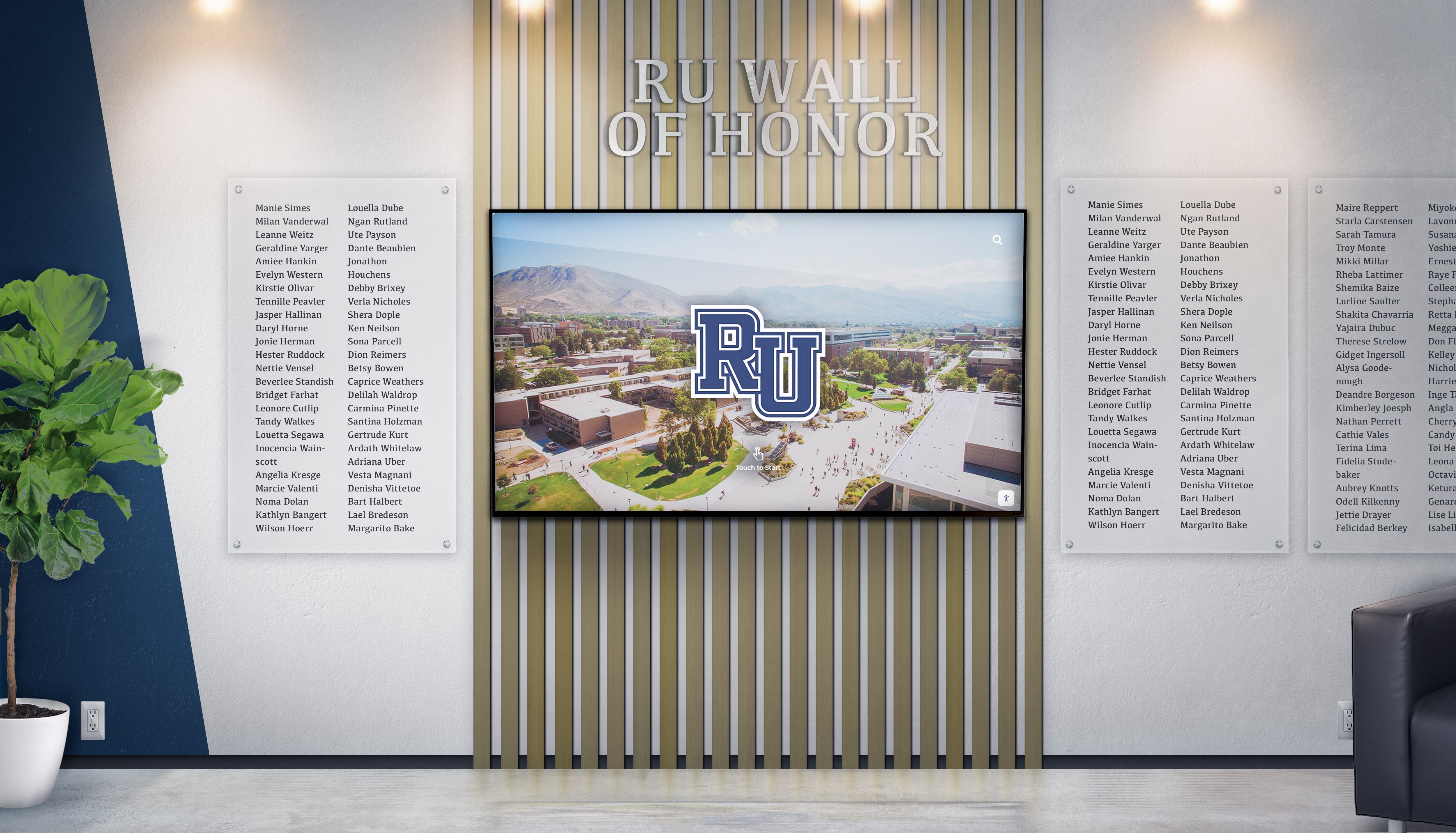
Integrated systems combine historical archives with contemporary recognition, creating comprehensive documentation of institutional excellence across generations
Special Archival Considerations for Schools
Educational institutions face unique preservation challenges requiring thoughtful approaches:
Student Records Privacy and FERPA Compliance
Student educational records require careful handling balancing preservation with privacy protection:
FERPA Requirements and Archival Access The Family Educational Rights and Privacy Act (FERPA) protects student education records. While directory information may generally be disclosed, schools must—implement appropriate privacy safeguards, provide opt-out mechanisms for students and families, restrict access to sensitive records appropriately, and maintain clear policies distinguishing public from restricted materials.
According to student records retention guidelines, institutions should establish clear retention schedules distinguishing permanent records (transcripts, diplomas) from temporary records with defined disposal dates.
Public vs. Private Content Distinctions School archives should maintain clear boundaries—public content suitable for broad sharing includes yearbooks, school newspapers, athletic records and team photographs, performing arts programs and photographs, and general school event documentation.
Private content requiring restricted access includes individual student academic records, disciplinary documentation, personal health information, standardized test scores, and materials families explicitly designated as confidential.
Digital archive platforms should enable appropriate access controls ensuring sensitive materials remain protected while appropriate content receives visibility.
Preserving Diverse Institutional Narratives
Historical preservation creates opportunities to acknowledge complete school history including difficult topics:
Comprehensive Representation Contemporary preservation should ensure—documentation of all students regardless of prominence, recognition of diverse achievements and contribution types, acknowledgment of first achievers and barrier-breakers, attention to demographic representation in featured content, and efforts to fill historical documentation gaps for underrepresented periods or populations.
Honest Historical Accounting Complete history includes acknowledging difficult periods—historical policies inconsistent with current values, challenges and conflicts throughout school history, demographic changes and their contexts, program and facility challenges overcome, and institutional evolution on inclusion, equity, and access.
This honesty demonstrates organizational maturity while providing students with complete understanding of institutional journeys rather than sanitized narratives acknowledging only positive aspects.
Academic vs. Social Historical Documentation
Comprehensive archives document multiple aspects of school life:
Curricular and Academic Archives
- Curriculum guides and course catalogs across eras
- Innovative programs and teaching methodologies
- Academic competition achievements
- Student research and special projects
- Standardized testing and assessment evolution
- Professional development and faculty scholarship
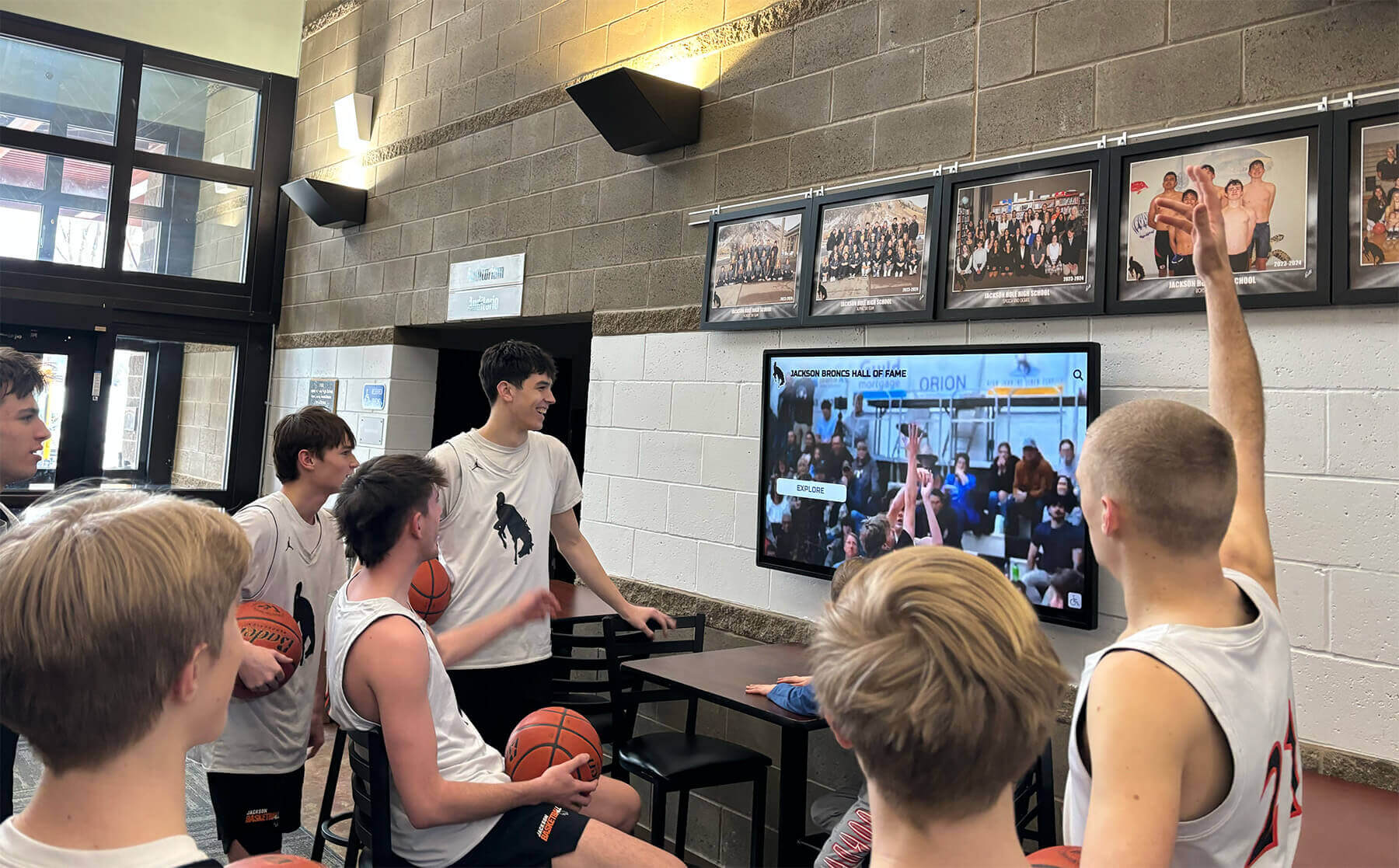
Archives documenting student life experiences create emotional connections and school pride among current students discovering institutional heritage
Student Life and Cultural Documentation
- Clubs, organizations, and extracurricular activities
- Social events, dances, and celebrations
- Tradition origins and evolution
- Student government and leadership
- School spirit and cultural moments
- Fashion, trends, and generational differences
Balanced documentation across academic and social dimensions creates richer institutional portraits than archives focusing exclusively on formal academic records.
Managing Long-Term Archive Programs
Sustainable preservation requires planning beyond initial implementation for ongoing management across personnel transitions.
Establishing Archival Roles and Responsibilities
Clear position definitions ensure consistent archival work:
Archive Management Structure Schools should formally establish—designated archive coordinator role or committee, defined responsibilities and authority levels, time allocations and workload expectations, budget provisions for supplies and services, reporting relationships to administration, and coordination with IT for digital infrastructure.
Formal structure prevents archival work from becoming informal, inconsistent activity dependent entirely on individual volunteer initiative.
Training and Succession Planning Systematic onboarding ensures continuity—written manuals documenting procedures and standards, access credentials and system training, overview of existing collections and organization, introduction to community contacts and resources, and overlapping transition periods between personnel changes.
Learn sustainable approaches in maintaining digital recognition systems applicable to archival management.
Community Engagement and Volunteer Support
Alumni and community involvement distributes workload while ensuring broader participation:
Historical Society or Archive Committee Formal groups supporting preservation efforts—alumni volunteers with historical knowledge and interest, community members passionate about local history, parent organization representatives, faculty representatives from departments, and student participants learning archival skills.
Advisory involvement provides institutional memory supplementing staff knowledge while distributing preservation workload across multiple committed individuals.
Student Participation and Service Learning Archive work creates valuable educational opportunities—service learning projects supporting preservation, research skill development through archival investigation, technology skills through digitization work, historical thinking through organizing and describing materials, and career exploration for students interested in library science or history.
Many successful school archives rely significantly on student volunteers who develop valuable skills while contributing meaningfully to institutional preservation.
Budgeting for Archival Preservation
Sustainable programs require financial planning:
Ongoing Operational Costs Annual budgets should include—archival supplies (acid-free folders, boxes, storage materials), digitization equipment or service contracts, cloud storage platform subscriptions, recognition display system maintenance, professional conservation for valuable items, and software licenses for archival databases.
While volunteer labor provides significant value, strategic funding ensures materials receive proper protection and digital systems remain operational.
Major Project Funding Significant initiatives may require special fundraising—comprehensive digitization of large collections, professional archive organization and processing, recognition display installations, anniversary celebration archival exhibits, and facility improvements for physical storage.
Alumni often enthusiastically support archival projects, viewing them as meaningful ways to honor institutional legacies and ensure their own school experiences remain preserved for future generations.
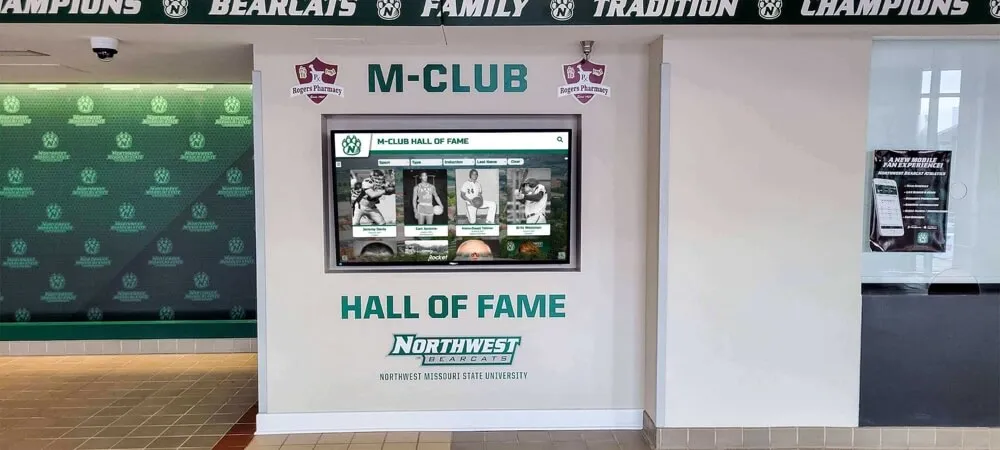
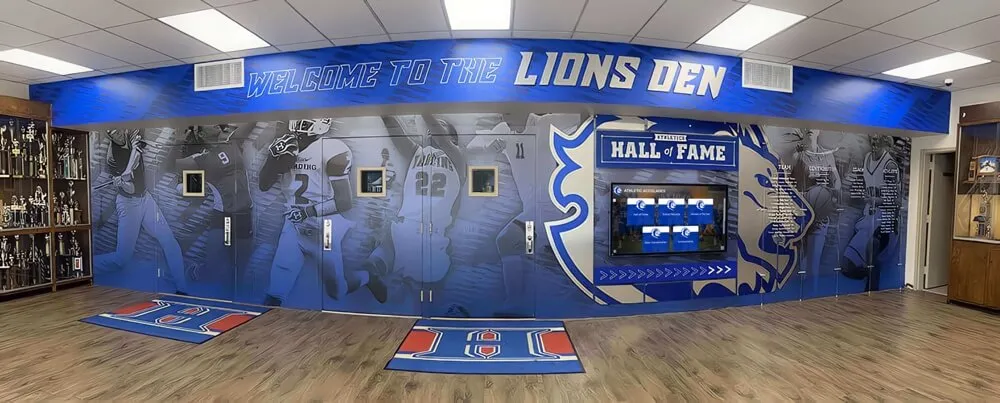
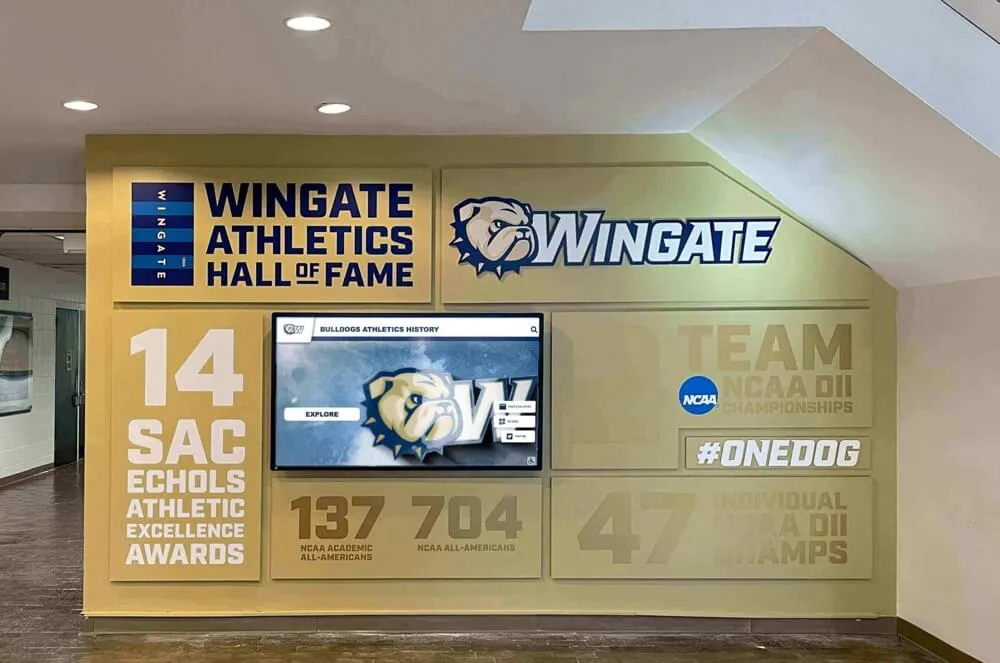
Professional installations demonstrate institutional commitment to preservation while creating impressive spaces showcasing school heritage
Leveraging Archives for Contemporary School Benefits
Preserved history provides practical value beyond nostalgia, supporting current operations and strategic goals.
Admissions and Enrollment Marketing
Institutional history appeals to prospective families evaluating schools:
Tradition and Stability as Recruitment Assets Families researching schools seek evidence of educational excellence, stability, and community. Schools presenting comprehensive historical archives during tours—featuring decades of student success, documented traditions and programs, facility evolution showing investment, and alumni achievement patterns—differentiate themselves through demonstrated institutional longevity and sustained excellence.
Virtual tours incorporating historical content reach prospective families before campus visits, extending marketing reach while showcasing institutional depth.
Alumni Legacy and Multigenerational Families Many schools enroll children or grandchildren of alumni. Historical archives highlighting family connections—legacy family documentation, multigenerational enrollment celebrations, alumni parent engagement programs, and tradition continuity across generations—strengthen these valuable recruitment pipelines while honoring family loyalty.
Development and Fundraising Applications
Historical visibility strengthens philanthropic support:
Capital Campaign Content and Impact Storytelling Major fundraising initiatives leverage historical narratives—campaign materials featuring organizational history and accomplishment, facility condition documentation showing preservation needs, impact storytelling demonstrating decades of student success, and donor recognition connecting contributions to institutional legacy.
Historical documentation proves particularly valuable for facility campaigns, where showing building evolution and maintenance needs provides concrete justification for renovation and improvement projects.
Anniversary Campaign Opportunities Major anniversaries create natural fundraising moments. Comprehensive archives enable—commemorative publications and materials, historical presentations and celebrations, special recognition opportunities tied to heritage, endowment campaigns honoring institutional longevity, and planned giving programs emphasizing legacy.
Schools approaching significant anniversaries without organized archives struggle to develop compelling commemorative programs and materials that engaged historical documentation makes straightforward.
Explore fundraising connections in donor recognition strategies that honor contributions within historical context.
Educational Programming and Community Engagement
Archives support diverse programming enhancing school-community relationships:
Historical Lecture Series and Programs Organized archives enable regular programming—alumni speaker events sharing career journeys and school memories, historical society presentations on community history, student research showcase events, reunion programming featuring era-specific content, and anniversary celebrations and commemorations.
School Museum or Heritage Center Development Some schools develop dedicated spaces for historical exhibits—permanent displays in libraries or common areas, rotating exhibits highlighting different eras or themes, interactive kiosks providing digital archive access, physical artifact displays complementing digital archives, and educational programming spaces for classes and groups.
These dedicated heritage spaces demonstrate institutional commitment to preservation while creating community gathering points celebrating shared history.
Ready to Preserve Your School's History?
Discover how modern digital archiving solutions can help you protect institutional heritage, engage your community, and create lasting connections across generations through professional preservation systems and interactive displays.
Schedule Your Archive ConsultationMeasuring Archival Program Success
Systematic assessment ensures preservation efforts achieve intended goals and justify continued investment.
Quantitative Engagement Metrics
Digital platforms provide detailed usage data:
Archive Access and Interaction Statistics
- Monthly unique visitors accessing digital archives
- Average session duration showing depth of engagement
- Search queries revealing what users seek
- Most-viewed content categories and time periods
- Geographic distribution showing reach
- Return visitor rates indicating sustained interest
Schools implementing digital archive displays typically observe significant engagement—thousands of annual interactions with touchscreen installations in high-traffic locations and substantial web-based archive access from alumni worldwide.
Community Participation Indicators
- Historical material donations from alumni and community
- Volunteer hours contributed to preservation work
- Student participation in archival projects
- Event attendance for history-focused programming
- Social media engagement with archival content
Qualitative Impact Assessment
Stakeholder Feedback Gathering perspectives on archival value—student surveys about historical awareness and school pride, alumni feedback on archive accessibility and content quality, faculty assessment of educational value, administrative evaluation of recruitment and development benefits, and community perception of institutional heritage commitment.
Cultural Impact Indicators Observable changes in institutional culture—increased awareness of school history and traditions, stronger institutional identity among students, enhanced alumni engagement and communication, greater family interest in school heritage, and community recognition of institutional longevity and stability.
Institutional Benefits Practical outcomes supporting organizational goals—improved recruitment messaging and differentiation, enhanced fundraising campaign success, stronger accreditation documentation, increased media coverage of institutional milestones, and expanded community partnerships and support.
Regular assessment enables continuous improvement, ensuring archival programs remain valuable investments serving institutions and engaging communities effectively.
Future Trends in School Archival Technology
Emerging technologies will enhance how schools preserve and present institutional heritage.
Artificial Intelligence Applications
AI technology offers exciting archival possibilities:
Automated Metadata Generation AI systems can—automatically identify people, places, and objects in photographs, generate descriptive captions for images, classify documents by type and topic, extract text from handwritten materials, and suggest relationships between related items.
These capabilities dramatically reduce manual labor required for comprehensive archival description while improving searchability and discovery.
Enhanced Search and Discovery Natural language processing enables—conversational search interfaces, semantic search understanding intent not just keywords, automatic content recommendations based on user interests, and pattern recognition identifying connections across materials.
Facial Recognition for Alumni Identification Emerging applications can—automatically identify individuals across multiple photographs, create comprehensive personal collections showing all appearances, connect alumni with classmates even when names aren’t listed, and discover unexpected relationships and connections.
While facial recognition raises privacy considerations requiring careful policy development, potential benefits for alumni engagement and archival organization prove compelling.
Augmented and Virtual Reality
Immersive technologies create engaging historical experiences:
AR Historical Overlay Applications Mobile AR enables—overlaying historical photographs on current spaces, virtual building tours showing campus evolution, QR code triggers activating location-based content, and period-appropriate visualizations of past events.
VR Historical Environments Virtual reality can create—immersive tours of historic buildings no longer standing, recreated historical events and ceremonies, first-person perspectives from different eras, and comparative experiences showing campus change over time.
These technologies transform archives from static documentation into engaging experiences particularly appealing to digital-native students.

Future archival systems will provide seamless access across devices and platforms, extending institutional heritage worldwide
Conclusion: Building Legacy Through Systematic Preservation
Academic and historical archiving represents far more than nostalgic record-keeping—it embodies institutional commitments to honoring the past while building foundations for future success. Every school possesses irreplaceable heritage worth preserving: founding documents establishing mission and values, decades of student achievements demonstrating educational excellence, faculty contributions shaping countless lives, administrative records documenting organizational evolution, and countless moments defining unique institutional culture across generations.
Without systematic preservation, this invaluable documentation faces inevitable loss through physical deterioration, organizational transitions, scattered collections, and benign neglect. Yet modern digital archiving technologies have eliminated barriers once making comprehensive preservation seem impossibly complex or expensive, enabling schools of any size to protect institutional heritage while creating engaging resources supporting contemporary goals.
The strategies explored throughout this guide provide comprehensive frameworks for schools at any preservation stage—from initial inventory and priority-setting through professional digitization, secure digital storage, and interactive recognition displays transforming archives from storage boxes into living institutional resources. Whether approaching significant anniversaries requiring historical documentation, seeking to strengthen alumni engagement and fundraising capacity, or simply recognizing that decades of educational history deserve better protection and presentation, systematic archiving creates lasting value honoring the past while supporting present operations and future growth.
Implementation begins with assessing current situations—inventorying existing materials, evaluating preservation needs, identifying immediate priorities, and developing realistic plans balancing thoroughness with available resources. From these foundations, schools can develop programs combining appropriate digitization, secure storage infrastructure, engaging public displays, and sustainable management ensuring preservation continues across inevitable personnel transitions.
Modern platforms like Rocket Alumni Solutions simplify implementation through comprehensive systems designed specifically for educational institutions. These purpose-built solutions eliminate needs for custom development while providing proven templates and workflows accelerating program launch and ensuring long-term sustainability as staff changes occur.
Your school’s history—from founding stories through decades of student experiences, educator dedication, facility evolution, and community connections—deserves preservation extending far beyond deteriorating storage boxes or scattered departmental files. Every photograph preserved, record documented, and achievement recognized adds to institutional legacy engaging future students, strengthening alumni connections, building community pride, and demonstrating enduring educational mission and values.
Start today, even with modest initial efforts. Small pilot projects demonstrate value while building expertise for larger initiatives. Engage alumni early, creating community support and volunteer assistance. Research available grants supporting historical preservation. Evaluate both professional services and in-house options finding approaches matching resources and timelines. Most importantly, begin before additional materials deteriorate beyond recovery or disappear permanently through organizational transitions.
Ready to transform scattered historical records into comprehensive digital archives celebrating your school’s unique heritage? Schedule your archive consultation to explore how modern preservation systems can protect institutional history while creating interactive experiences engaging students, alumni, and communities for generations to come.
Your school’s story matters. The students, educators, and community members who built your institution deserve recognition extending beyond fading records hidden in storage. With proper archiving and modern display technology, you can honor their contributions while inspiring current and future students to add their own chapters to your school’s continuing story.
Sources
This article incorporates research and insights from the following authoritative sources:
- Society of American Archivists - Guidelines for College and University Archives
- Digital Preservation Initiative - Library of Congress
- Academic Archiving Best Practices - Preservica
- Creating Digital Archives for Schools - Advantage Archives
- Historical Records Scanning and Preservation - SecureScan
- Guidelines for College and University Archives 2023 - SAA
- Digital Preservation - National Archives