Academic achievement awards represent one of education’s most powerful tools for motivating student success and building cultures of excellence. When schools systematically recognize students who demonstrate outstanding academic performance—whether through perfect grades, exceptional improvement, subject-specific mastery, or consistent effort—they send clear messages about institutional values while creating visible pathways to success that inspire entire communities.
Yet many schools struggle to implement recognition systems that truly resonate with students. Recognition often defaults to annual ceremonies featuring only the highest achievers, printed certificates that disappear into drawers, or outdated bulletin boards that fail to capture the full spectrum of academic excellence happening daily in classrooms. Meanwhile, students achieving significant growth from different starting points go unnoticed, and accomplishments in diverse subject areas receive inconsistent celebration.
This comprehensive guide explores evidence-based strategies for designing and implementing academic achievement awards that celebrate excellence across multiple dimensions, motivate students at all levels, and create lasting recognition that strengthens your school’s academic culture.
Effective academic achievement recognition extends beyond simply identifying top performers—it creates systematic approaches that acknowledge excellence across multiple pathways while ensuring recognition opportunities exist for students demonstrating various forms of academic success. Schools excelling at academic recognition create environments where intellectual achievement receives the same visibility and celebration traditionally reserved for athletics.

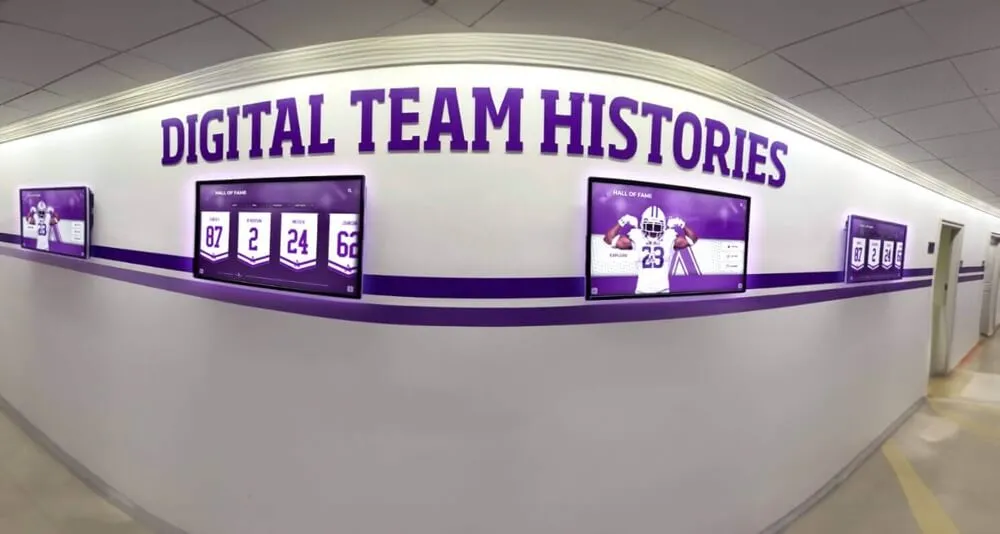
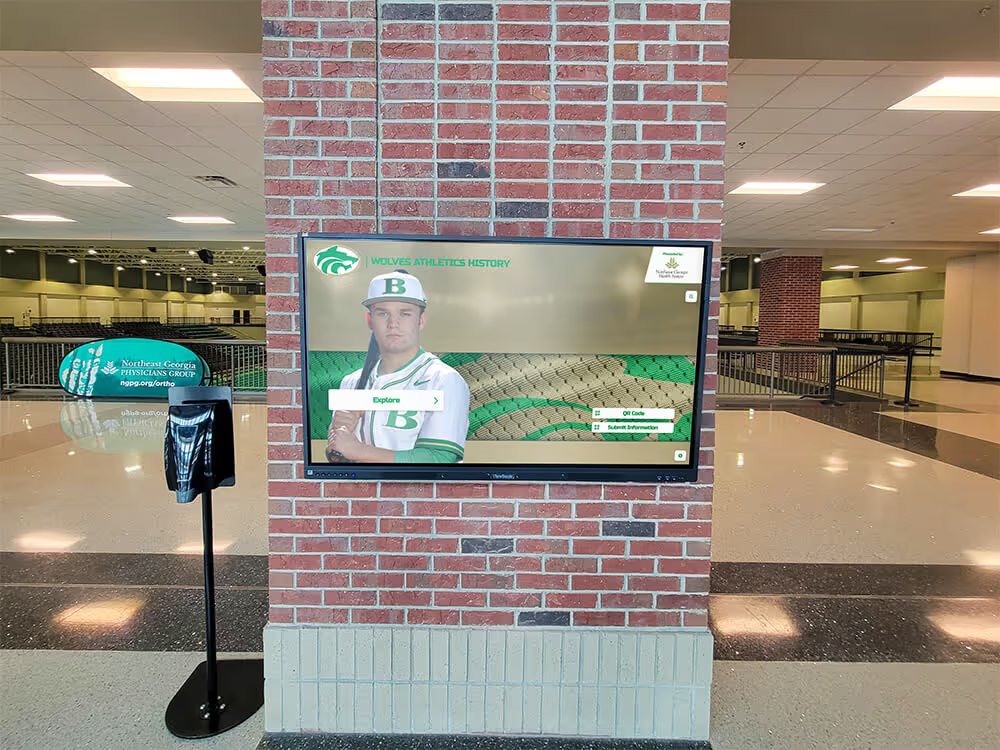
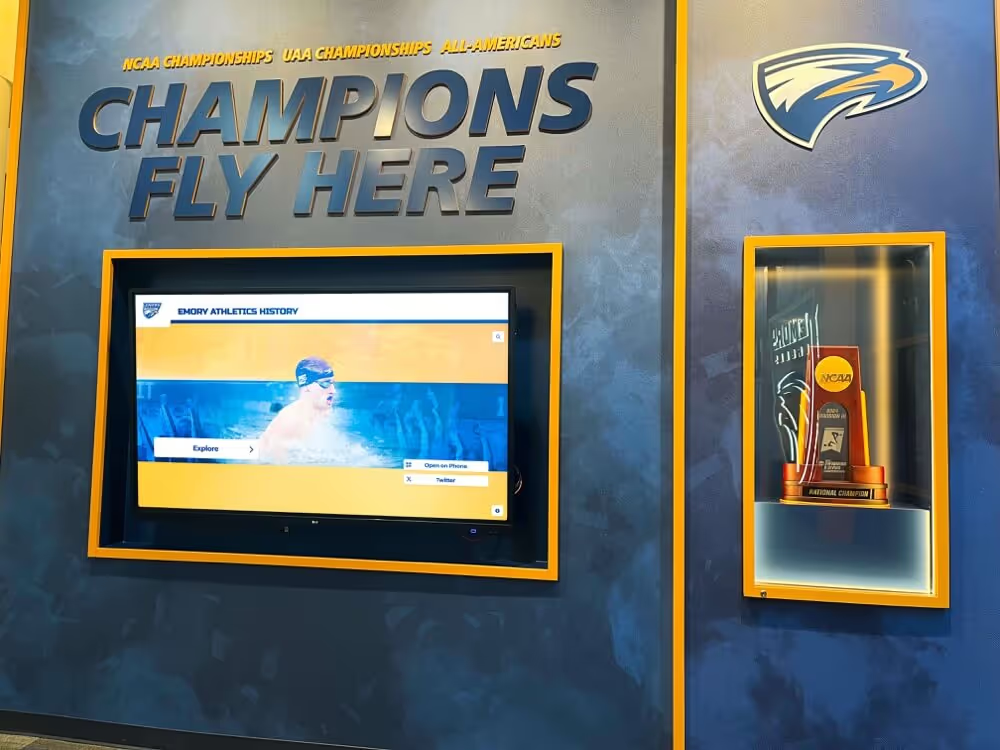
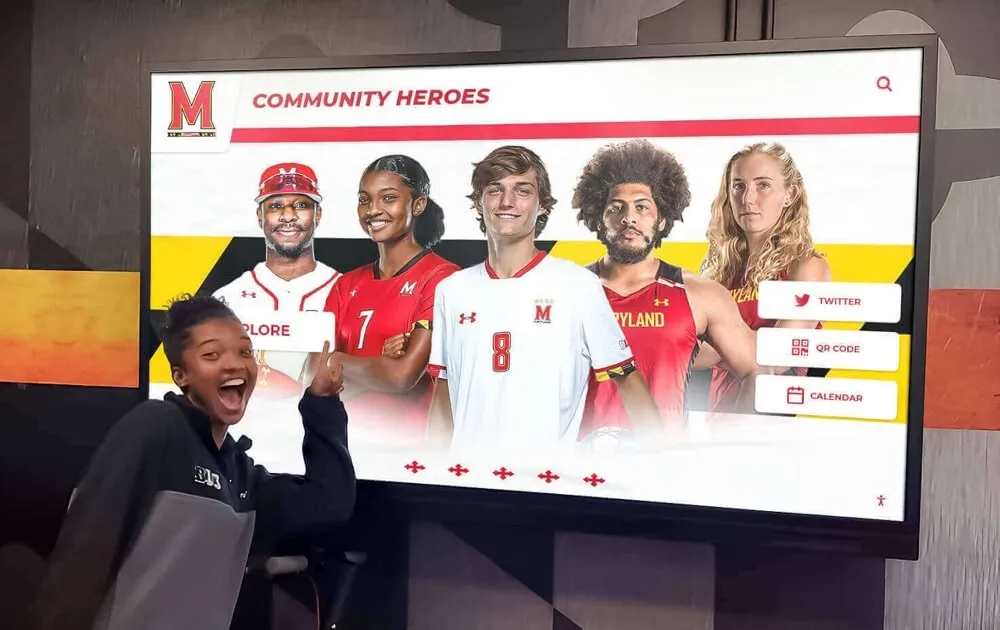
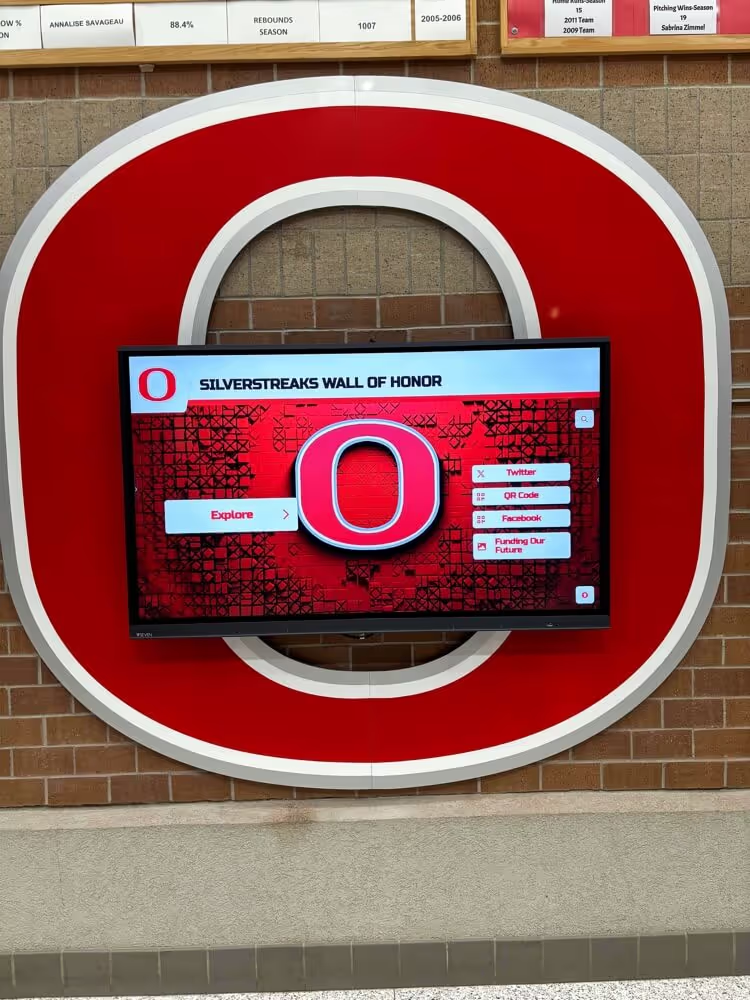
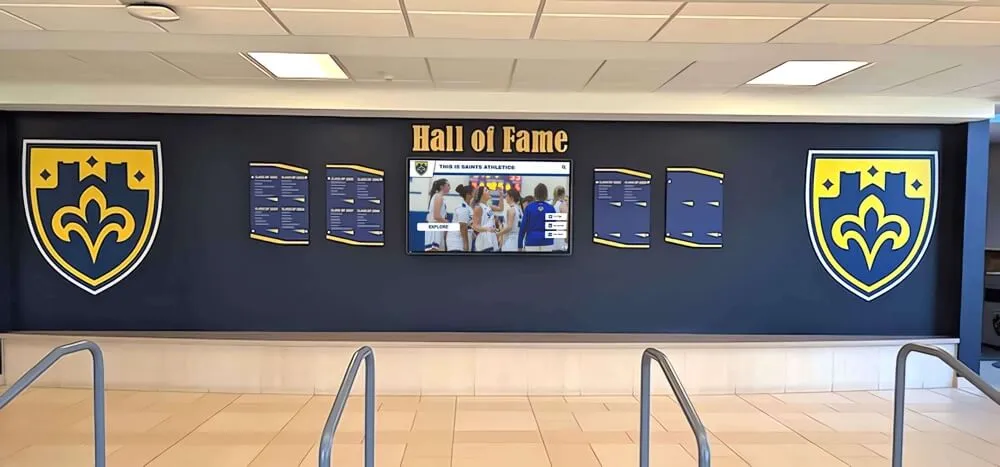
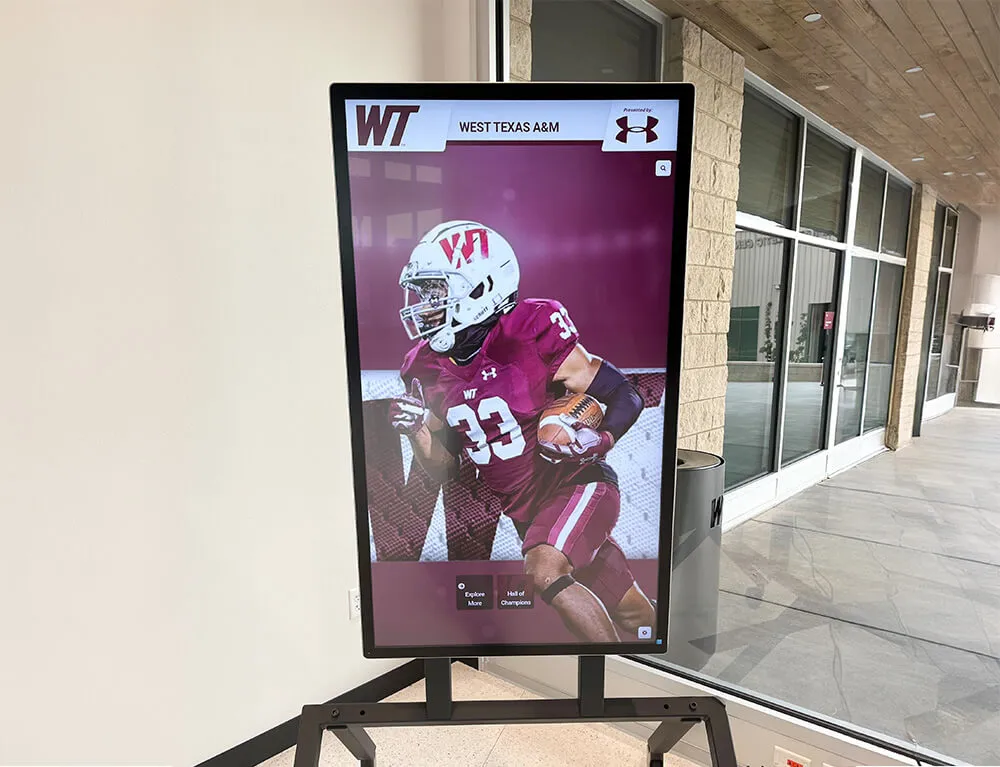
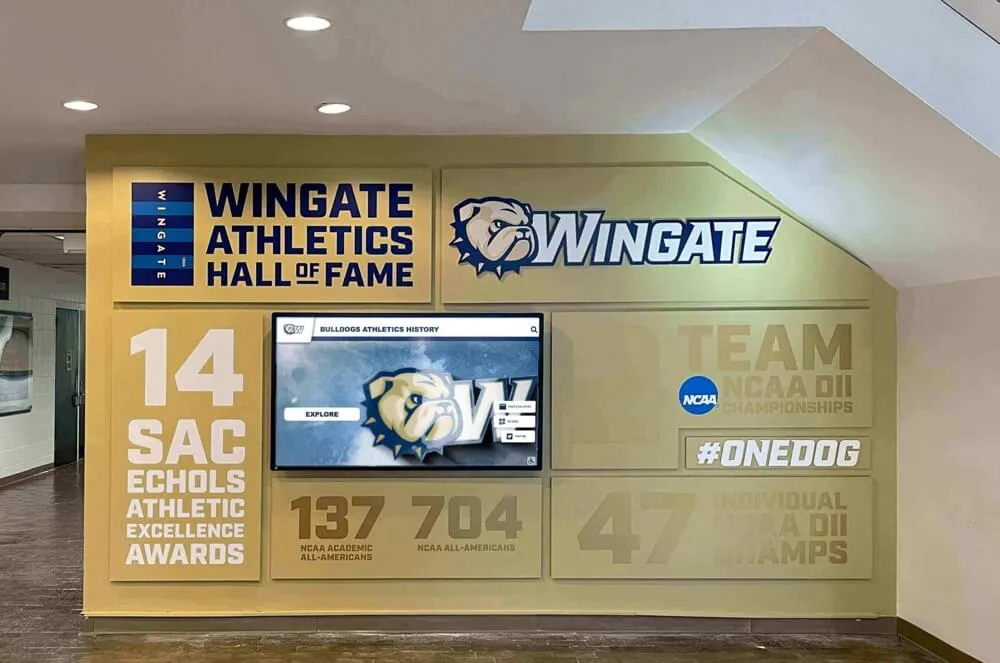
Modern academic recognition displays showcase student achievements through engaging formats that celebrate excellence across all achievement levels
Understanding Academic Achievement Awards: Purpose and Impact
Before implementing recognition programs, schools should understand how academic achievement awards contribute to educational mission and student development.
The Educational Value of Academic Recognition
Research consistently demonstrates that meaningful academic recognition produces measurable benefits throughout educational communities:
Student Motivation and Performance Enhancement
- Students receiving regular academic recognition demonstrate 15-25% higher sustained achievement compared to non-recognized peers
- Public acknowledgment creates positive peer influence encouraging academic excellence
- Visible displays of academic accomplishment normalize intellectual achievement as desirable and attainable
- Recognition reinforces specific behaviors and approaches worth repeating
- Award anticipation increases student engagement with coursework and learning activities
According to educational research published by the American Educational Research Association, students who receive systematic academic recognition are significantly more likely to pursue challenging coursework, maintain achievement trajectories through graduation, and develop positive academic identities that extend beyond school years.
Cultural and Community Impact Academic recognition shapes institutional identity and values:
- Schools with comprehensive recognition programs develop stronger achievement-oriented cultures
- Recognition criteria communicate clear expectations about academic standards
- Families engage more actively when students receive meaningful acknowledgment
- Community members understand institutional priorities through visible celebration
- Alumni connections strengthen when academic traditions span generations
Schools report that comprehensive academic recognition programs correlate with improved overall academic performance, increased parent engagement, stronger teacher-student relationships, and enhanced community perception of educational quality.
Creating Equitable Recognition Opportunities
Modern academic achievement awards must address equity considerations:
Multiple Recognition Pathways
- Absolute achievement recognition for students maintaining high performance
- Growth and improvement awards celebrating progress from all starting points
- Effort-based recognition valuing persistence regardless of outcome
- Subject-specific excellence acknowledging diverse academic strengths
- Character-based awards honoring collaboration, integrity, and intellectual courage
This multi-dimensional approach ensures recognition opportunities exist for students across different learning profiles, backgrounds, and achievement trajectories.
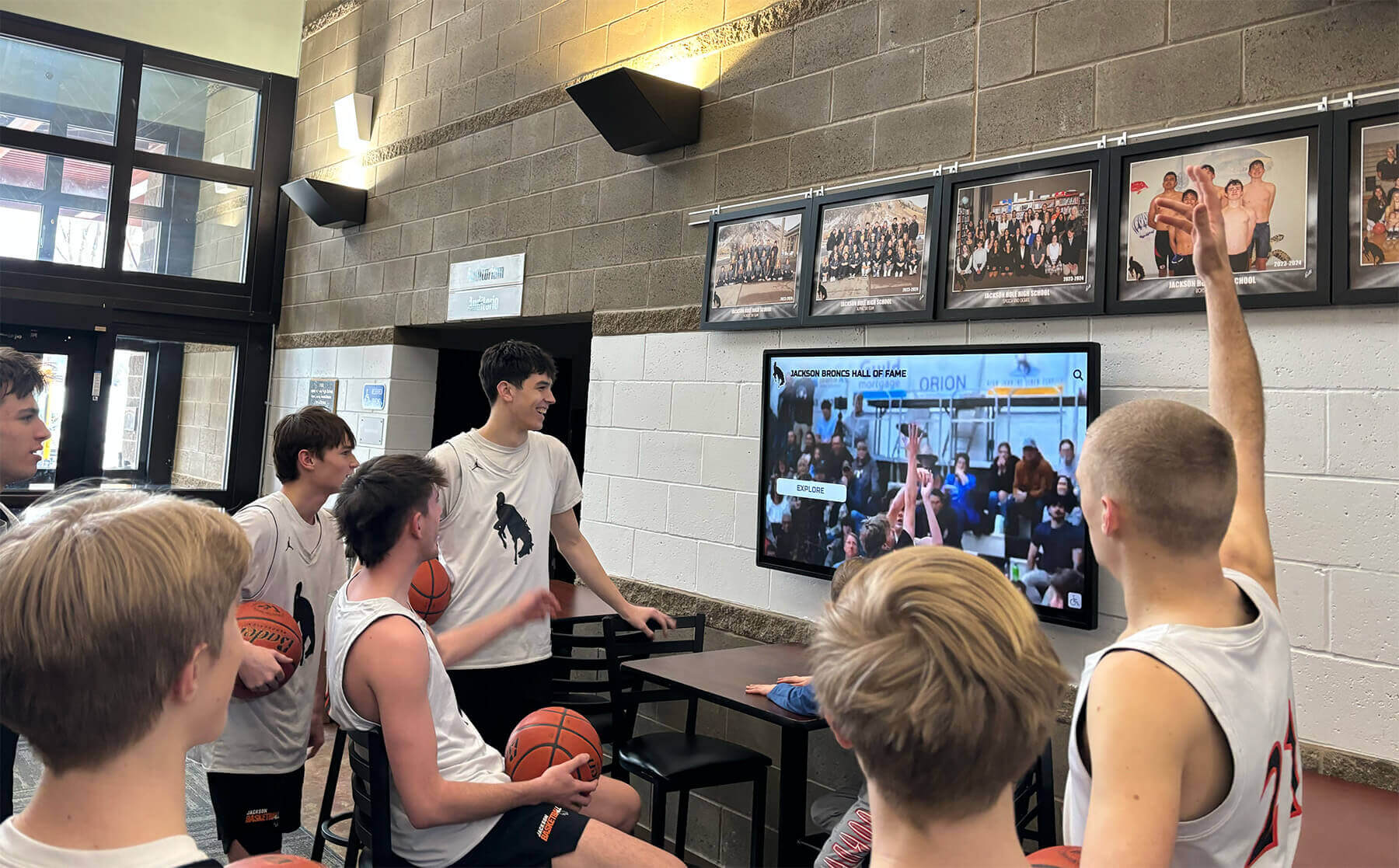
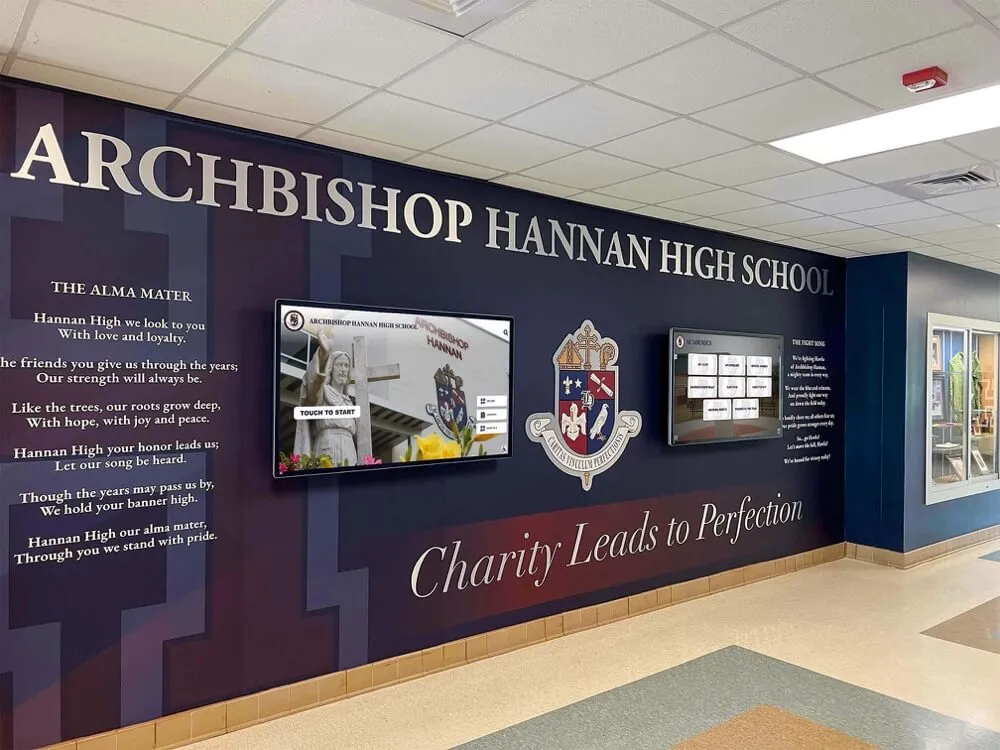
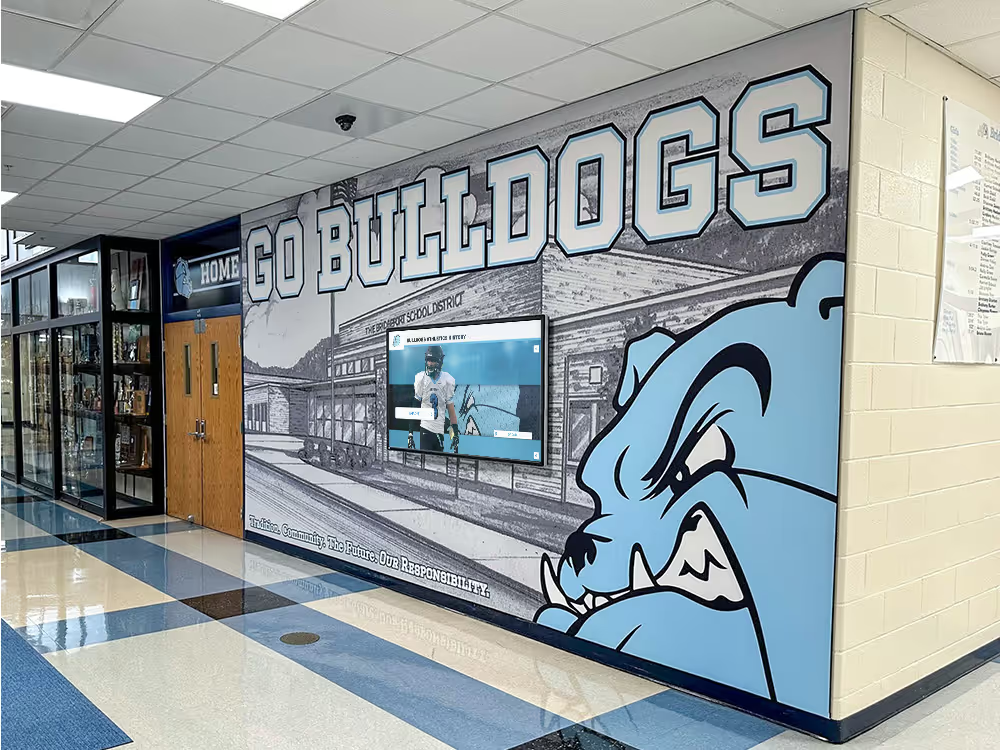
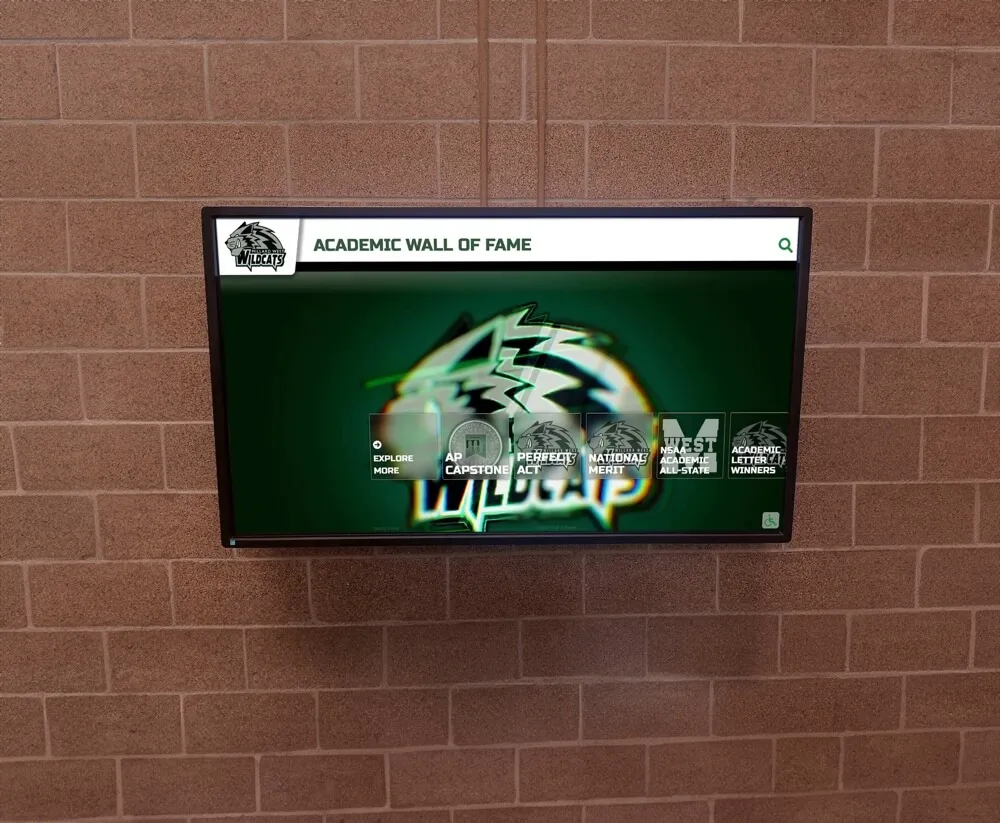
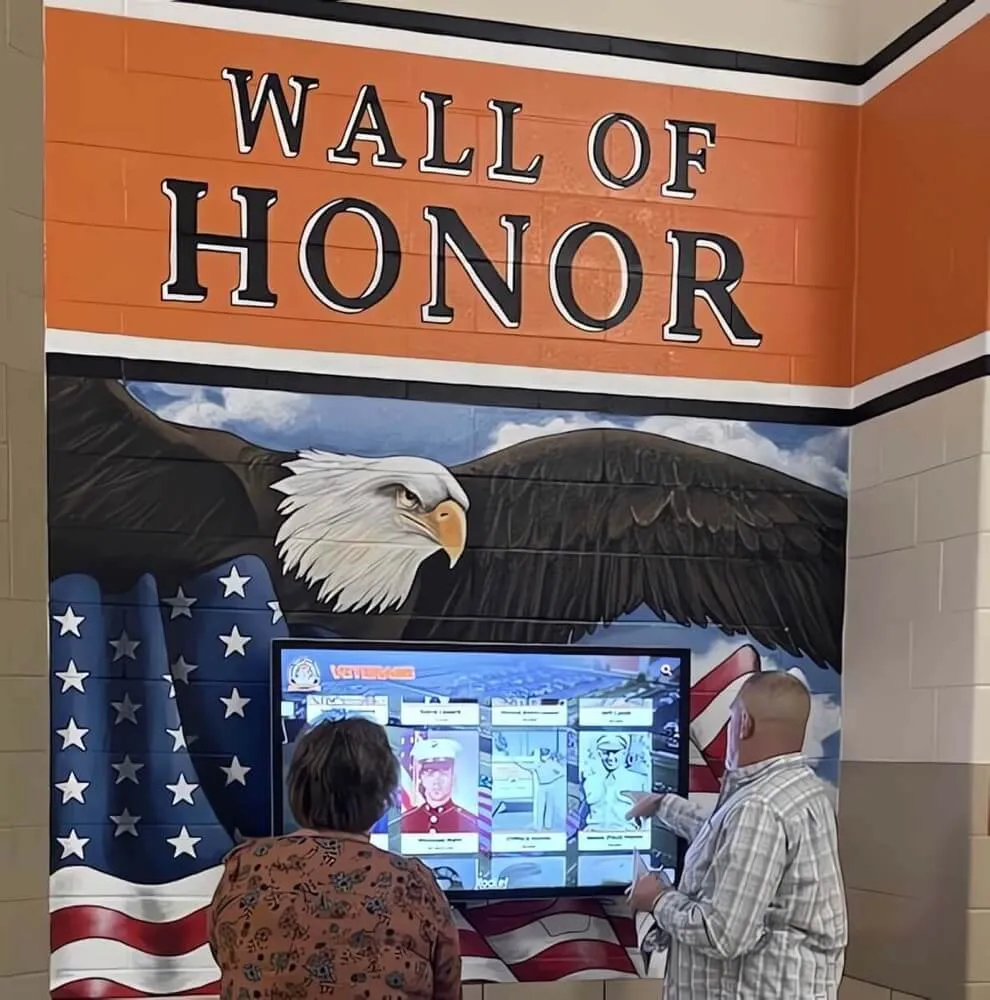
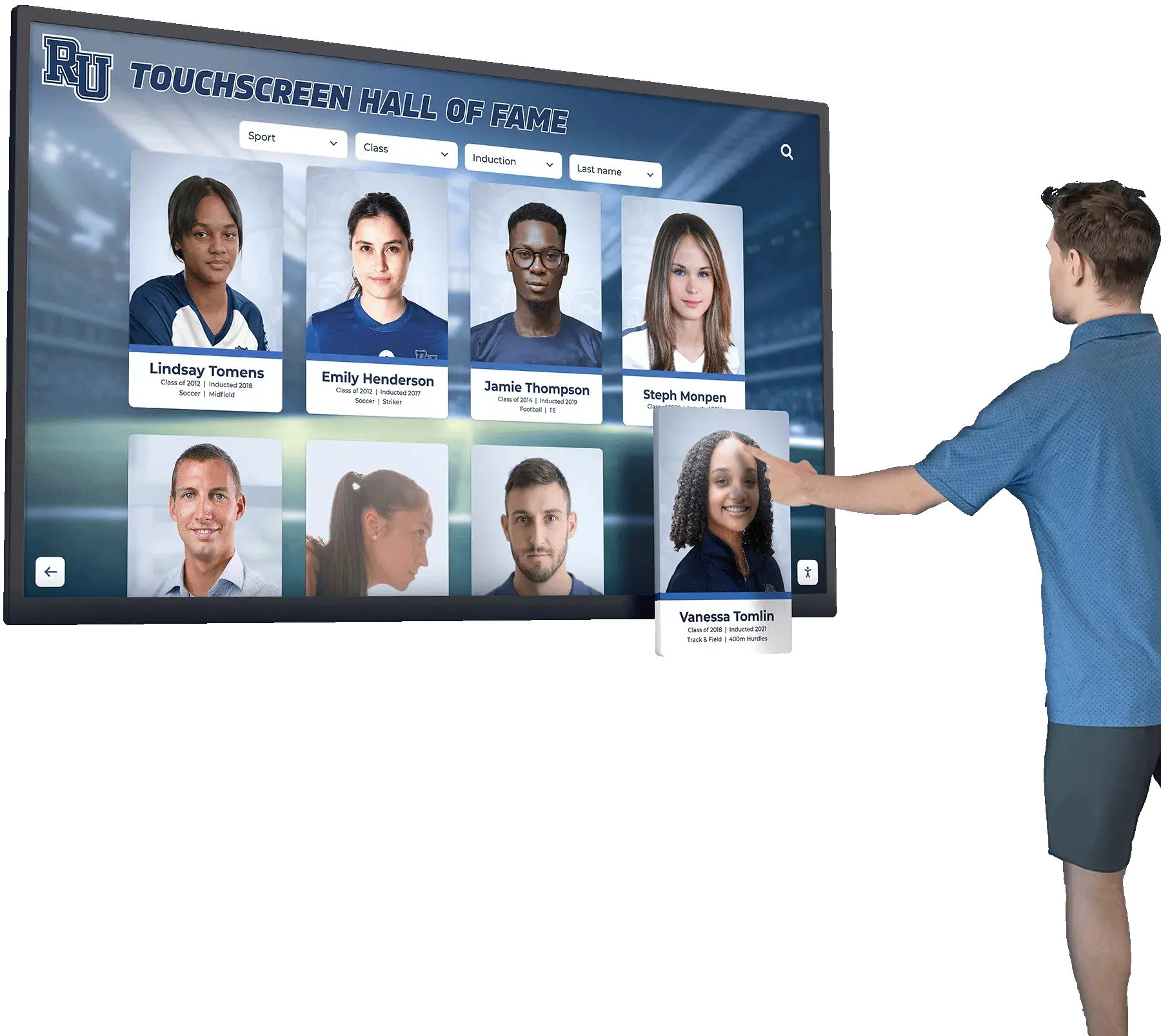
Interactive displays create opportunities for students to explore academic achievements and connect with school culture
Accessibility and Inclusion Effective programs eliminate barriers to recognition:
- Criteria focusing on achievement rather than participation requiring fees
- Recognition opportunities across all subject areas and learning styles
- Culturally responsive approaches honoring diverse backgrounds
- Multiple celebration formats accommodating different comfort levels
- Translation and multilingual support for diverse communities
Schools implementing inclusive recognition report broader participation, stronger student engagement across demographic groups, and enhanced sense of belonging among previously marginalized students.
Types of Academic Achievement Awards
Comprehensive recognition programs incorporate diverse award categories celebrating various dimensions of academic success.
Absolute Achievement Recognition
Traditional excellence awards remain valuable within balanced programs:
Honor Roll and Grade Point Average Recognition Core academic achievement categories:
- High Honor Roll for exceptional GPA performance (typically 3.75-4.0)
- Honor Roll for strong academic achievement (typically 3.5-3.74)
- Merit Roll recognizing solid performance (typically 3.0-3.49)
- Principal’s List or Dean’s List for highest achievers
- Perfect GPA recognition for maintaining 4.0 averages
- Weighted GPA honors accounting for advanced coursework rigor
These traditional categories provide familiar frameworks while ensuring multiple achievement levels receive recognition.
Learn more about comprehensive approaches in academic recognition programs that celebrate diverse excellence.
Subject-Specific Excellence Awards Recognizing achievement in particular academic areas:
- STEM Excellence Awards for mathematics and science achievement
- Humanities Awards for English, history, and social studies accomplishment
- World Language Proficiency recognition
- Career and Technical Education certification awards
- Fine Arts achievement acknowledgment
- Physical Education and health literacy recognition
Subject-specific awards ensure all academic disciplines receive equal visibility and celebration, preventing dominance of traditional “core” subjects.
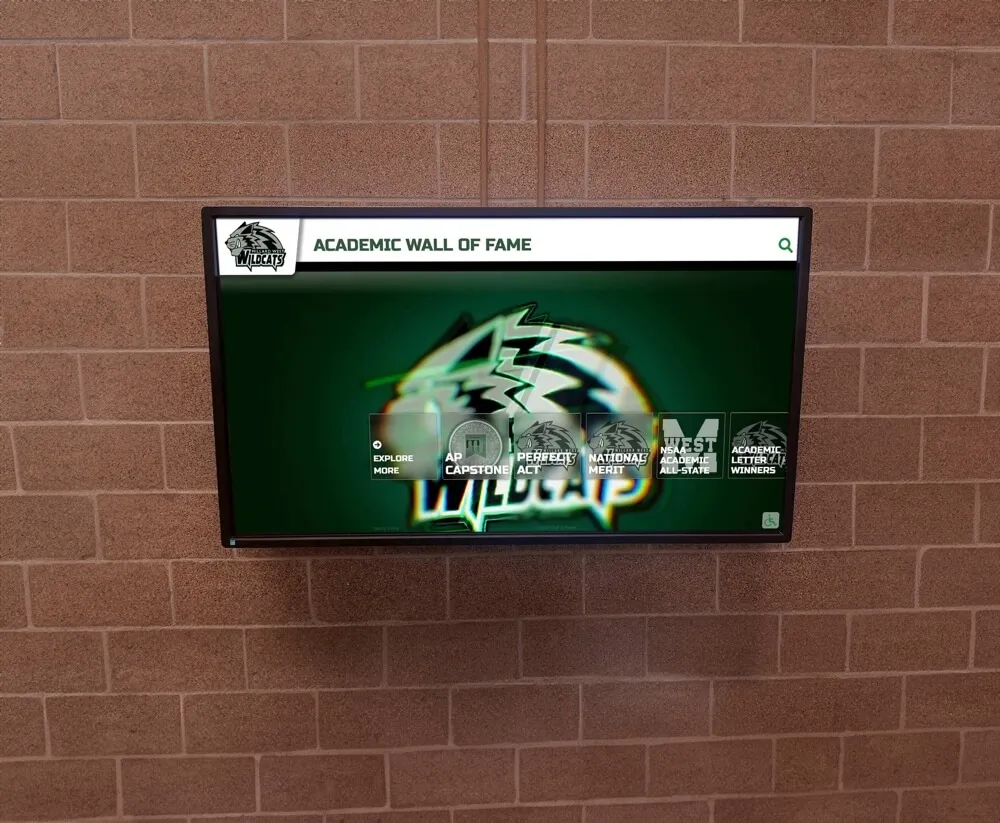
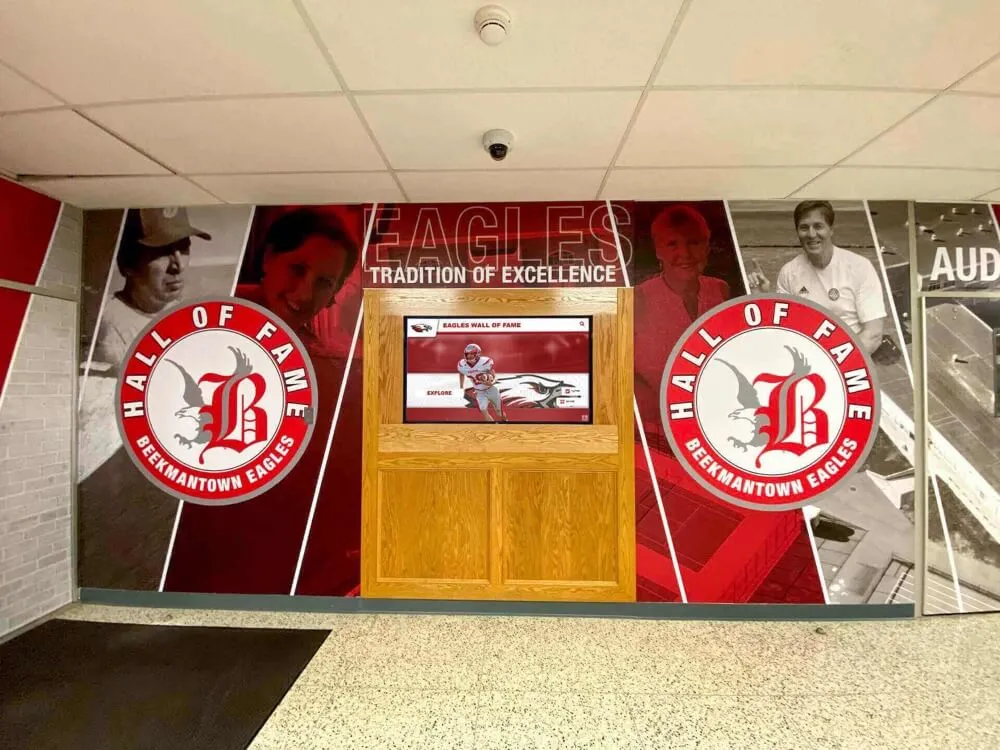
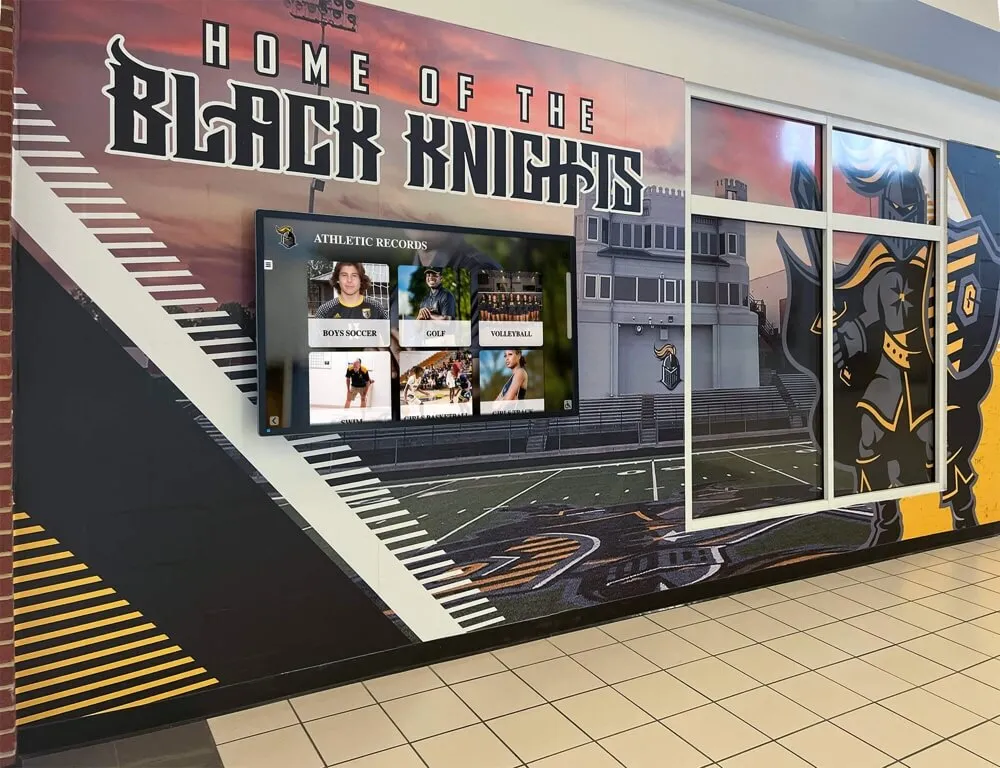
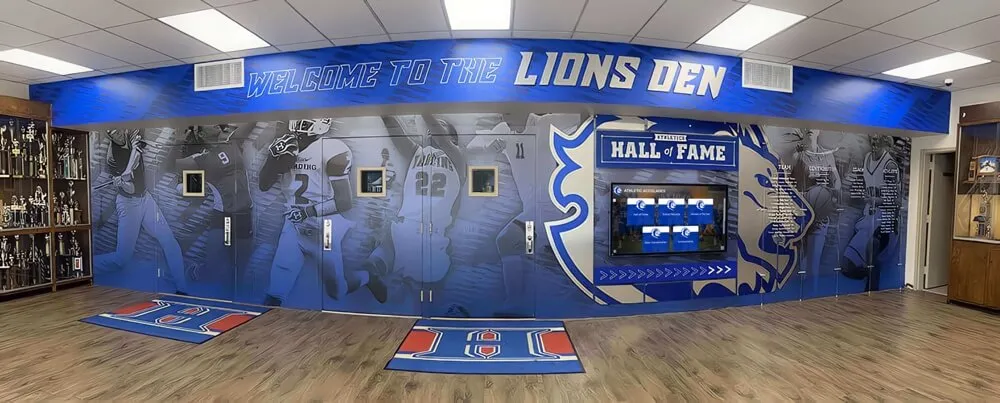
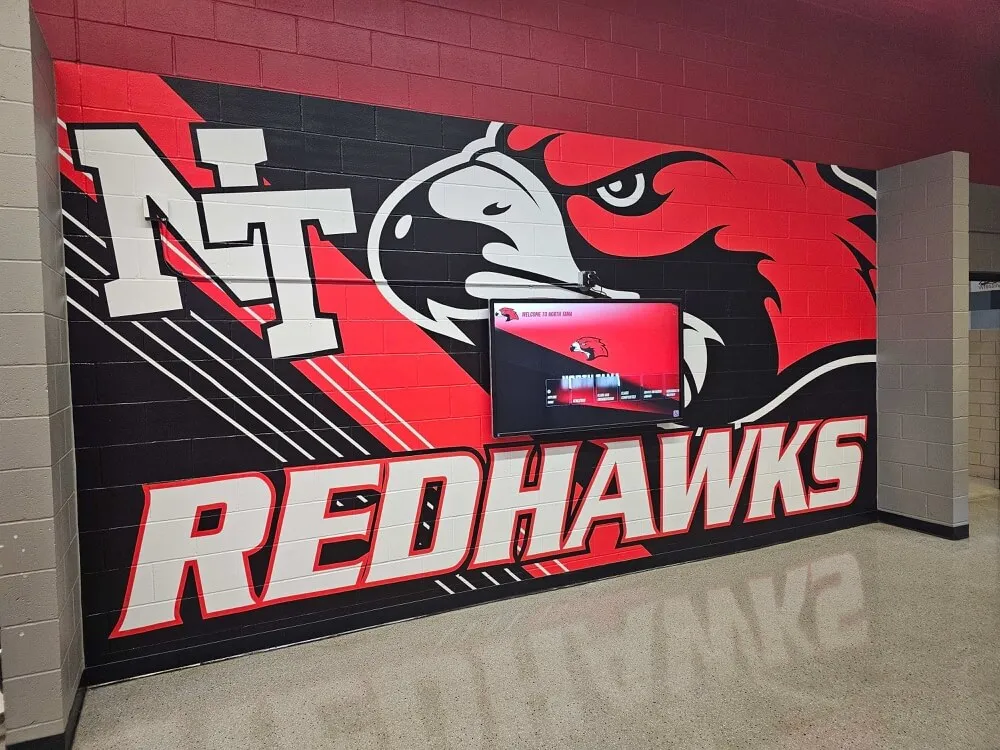
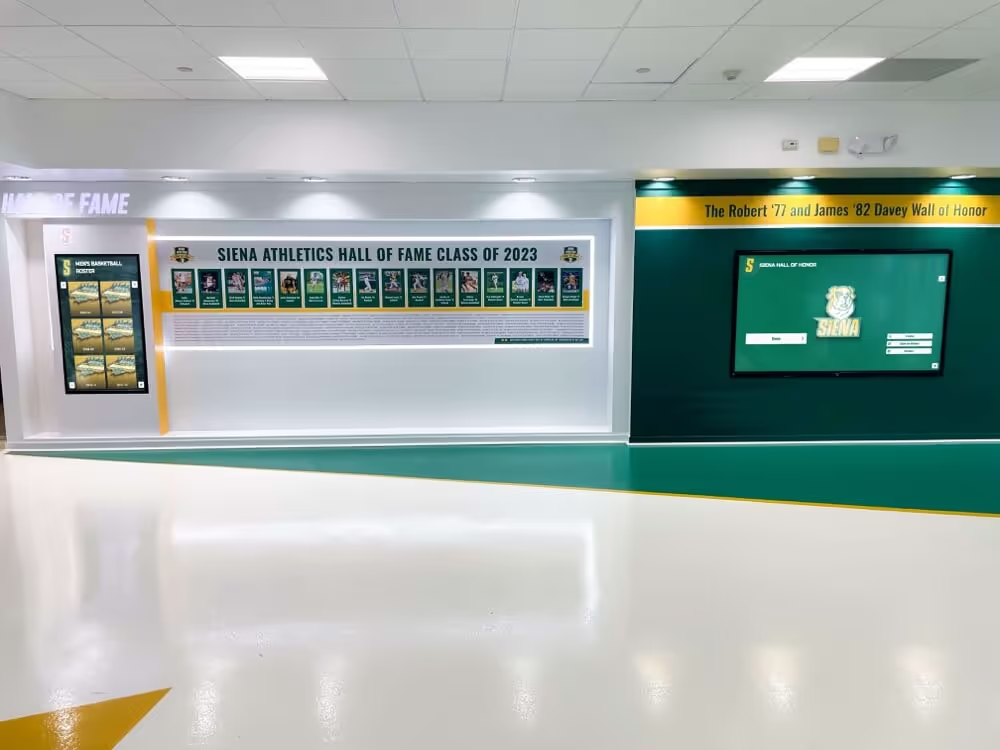
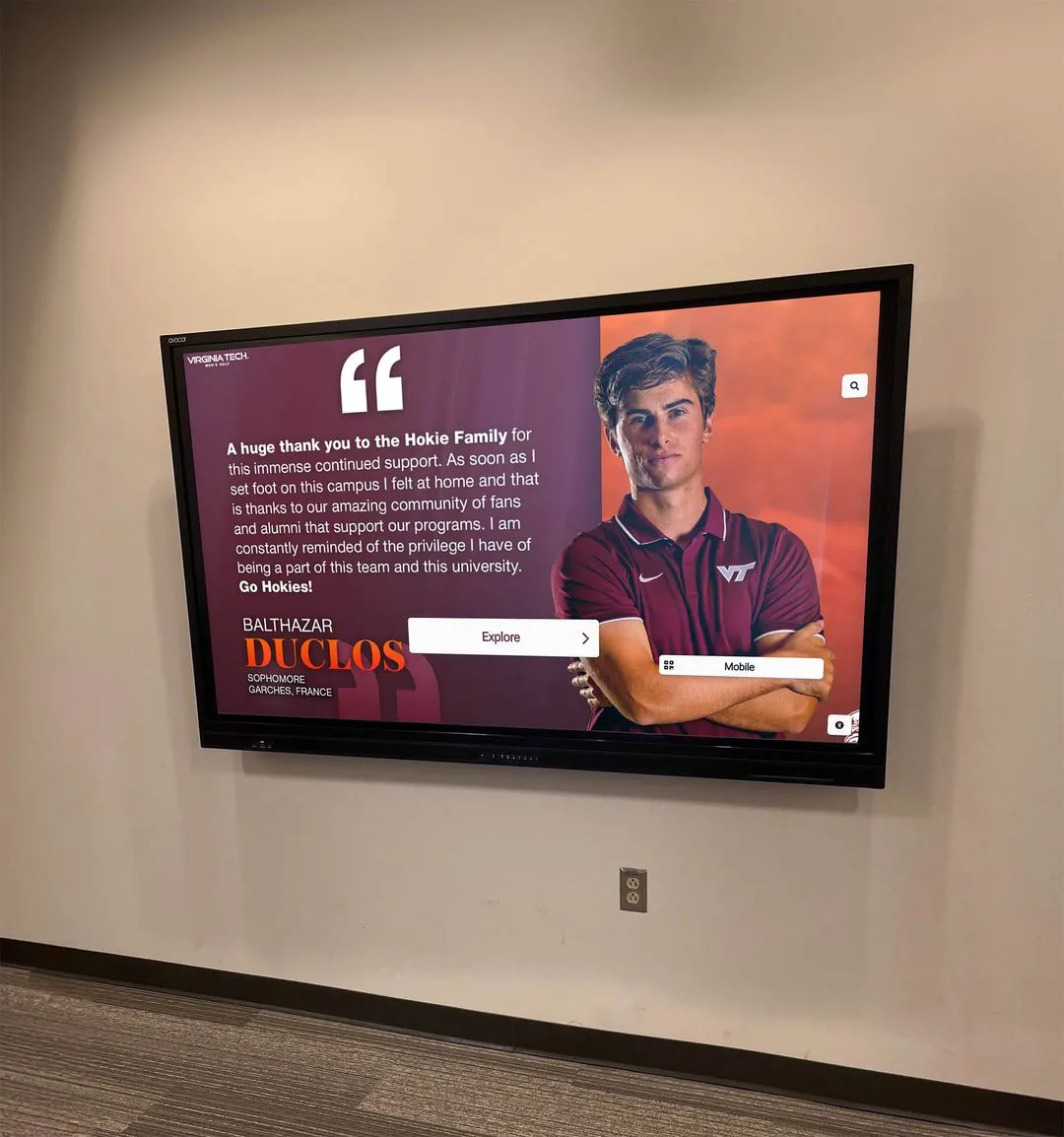
Dedicated academic recognition displays create prestigious environments celebrating intellectual achievement throughout campus
Growth and Improvement Recognition
Contemporary programs increasingly honor progress alongside absolute achievement:
Most Improved Student Awards Celebrating significant academic growth:
- Semester-over-semester GPA improvement recognition
- Grade advancement in challenging subjects
- Reading level progress and literacy milestone achievement
- Skill mastery demonstrations showing significant development
- Academic turnaround from struggling to proficient performance
- Consistent upward achievement trajectory across multiple terms
These recognition categories ensure students who may not reach traditional honor roll thresholds but demonstrate remarkable progress receive appropriate celebration.
Effort and Persistence Awards Acknowledging work ethic and determination:
- Perfect or exemplary attendance alongside academic engagement
- Outstanding homework completion rates
- Consistent class participation and contribution
- Academic perseverance through challenging coursework
- Self-directed learning and independent research
- Academic goal-setting and systematic pursuit
Effort-based recognition reinforces that sustained commitment produces results, helping students develop growth mindsets that serve them throughout educational journeys.
Learn about showcasing student achievement across multiple dimensions.
Specialized Achievement Recognition
Unique award categories celebrate accomplishments beyond traditional academics:
Competition and Contest Recognition Honoring competitive academic achievement:
- Science Olympiad medals and team accomplishments
- Math competition success at regional, state, and national levels
- Spelling bee and vocabulary competition awards
- Academic quiz bowl and knowledge competition recognition
- Debate tournament achievement
- Essay contest and writing competition honors
Competition recognition celebrates students representing schools in academic competitions, providing visibility comparable to athletic achievements.
National Recognition Program Acknowledgment Celebrating prestigious external honors:
- National Merit Scholarship recognition
- National Honor Society induction
- AP Scholar designations for Advanced Placement excellence
- College Board National Recognition Programs
- Presidential Scholars acknowledgment
- State and regional academic designation honors
Schools should systematically identify students receiving these prestigious external recognitions and celebrate them prominently through institutional programs.
Character and Citizenship Awards
Academic achievement extends beyond grades:
Academic Integrity and Ethics Recognition Celebrating responsible scholarship:
- Honest academic practices and ethical behavior
- Citation and research integrity
- Academic honor code adherence
- Peer tutoring and academic support of classmates
- Collaborative learning and team academic projects
- Responsible technology and resource usage
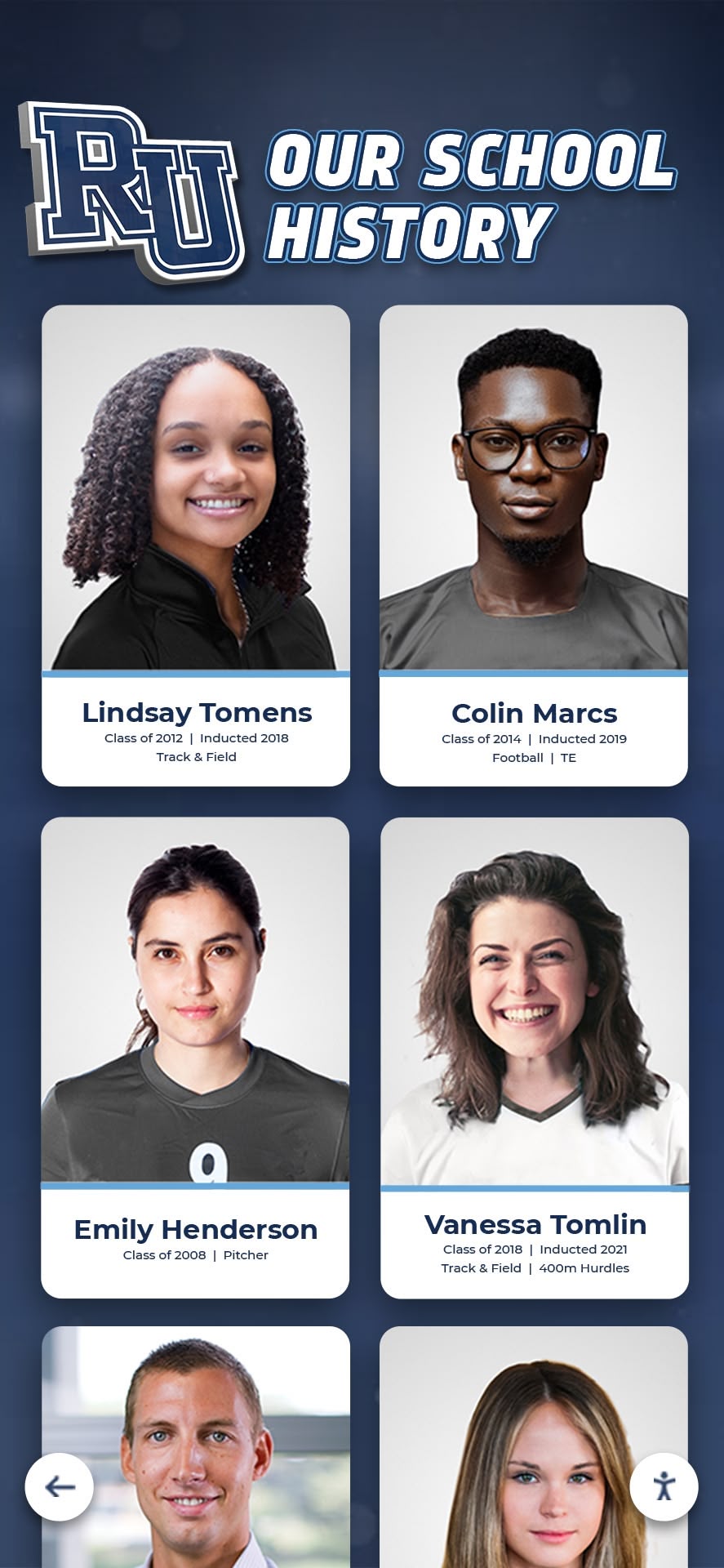
Comprehensive recognition systems document achievement journeys across academic careers, creating inspiring examples
Service and Leadership Awards Recognizing broader contributions:
- Peer mentoring and academic tutoring
- Study group leadership and facilitation
- Academic club officer positions
- Classroom helper and teaching assistant roles
- Cross-age tutoring and support
- Academic event planning and coordination
These awards acknowledge that academic communities thrive when students support one another’s learning and development.
Implementing Modern Academic Recognition Systems
Traditional recognition approaches—printed certificates and annual ceremonies—struggle to provide the visibility, engagement, and comprehensive celebration modern students need.
Digital Recognition Display Solutions
Digital yearbook platforms and recognition systems transform academic achievement awards through capabilities eliminating traditional limitations:
Unlimited Recognition Capacity Digital displays solve fundamental space constraints:
- Single touchscreen showcases unlimited students across all award categories
- No need to remove historical recognition when adding current honorees
- Comprehensive archives preserving institutional academic tradition across years
- All subject areas and achievement types receive equal display capacity
- Expandable systems growing alongside evolving recognition programs
Schools with large student populations particularly benefit from digital recognition. A single display can showcase every honor roll student, subject excellence award recipient, improvement award winner, and special recognition honoree—comprehensive celebration impossible with physical bulletin boards alone.
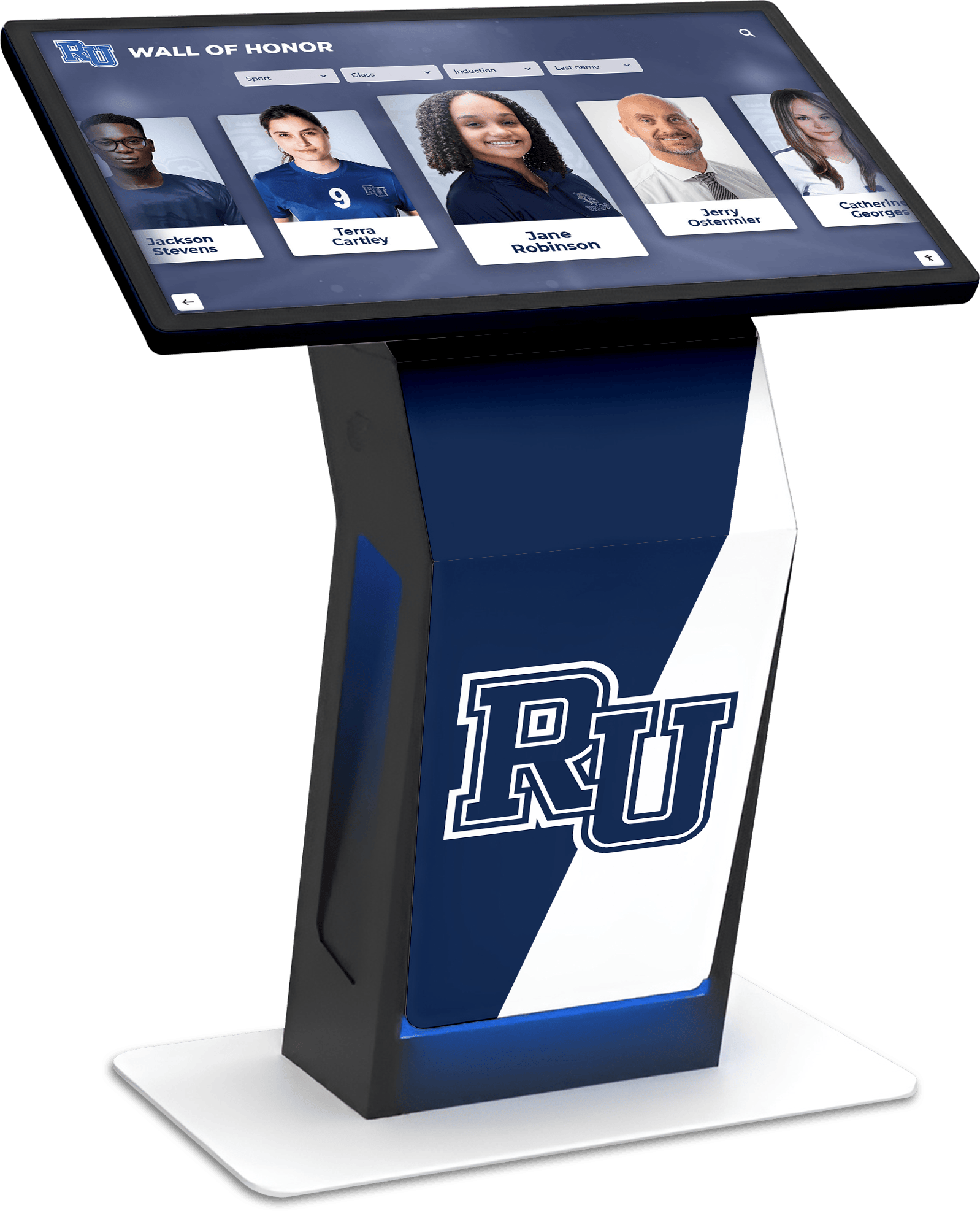
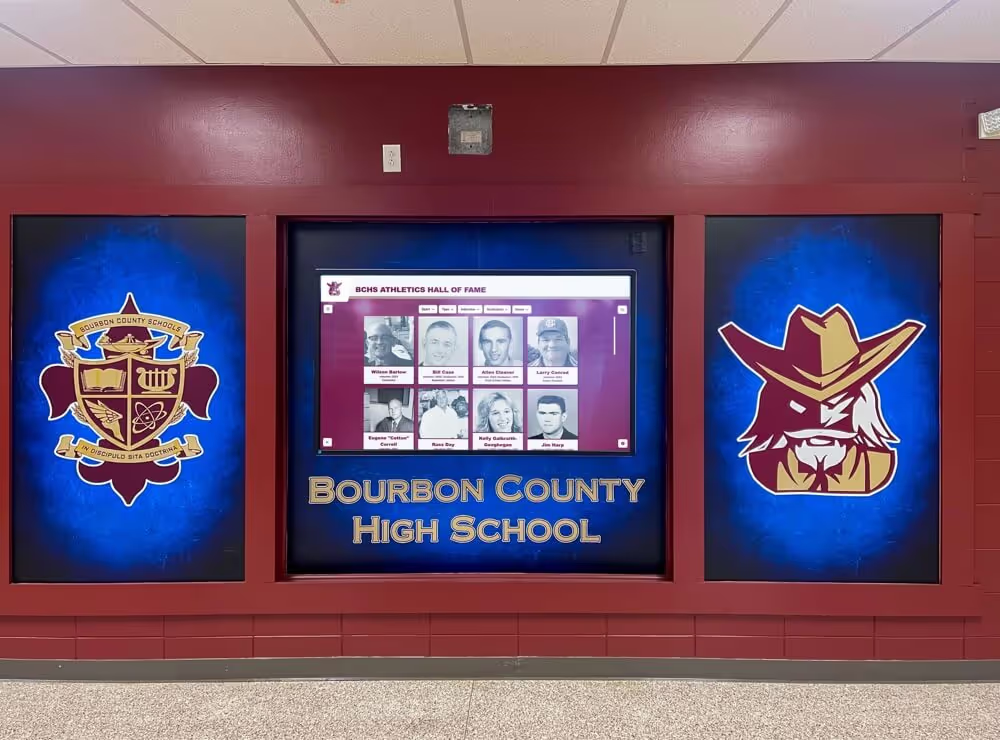
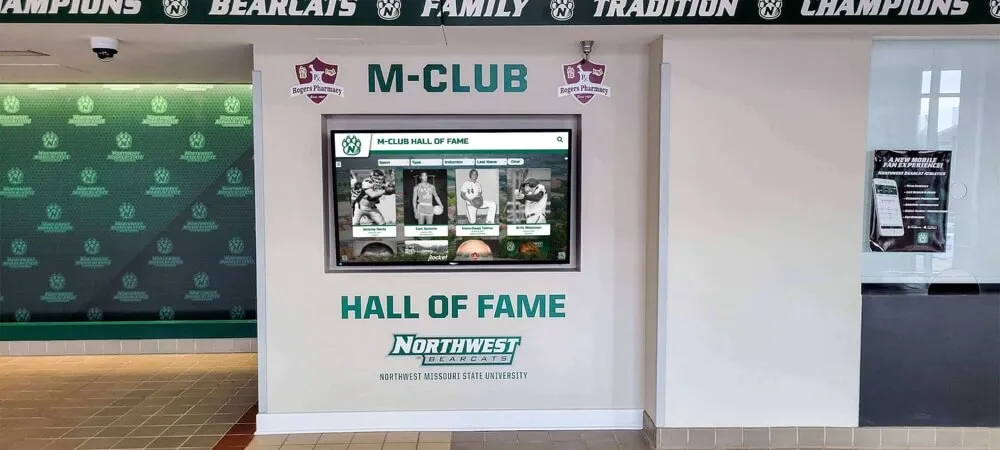
Dedicated touchscreen kiosks provide comprehensive recognition solutions combining commercial-grade displays with intuitive management
Engaging Interactive Features Touchscreen capabilities create discovery experiences static displays cannot provide:
- Searchable directories enabling students to find themselves and peers quickly
- Filtering by achievement type, subject area, grade level, or year
- Detailed profile pages documenting complete achievement stories
- Photo galleries showing students throughout academic journeys
- Video content including student reflections and advice
- Progress tracking across multiple semesters and years
- Social sharing capabilities enabling broader celebration
These interactive features transform recognition from passive observation to active exploration, increasing engagement while creating memorable experiences that strengthen recognition impact.
Explore comprehensive platforms in digital recognition solutions for schools.
Simple Content Management Cloud-based platforms eliminate administrative burdens:
- Remote updates from any internet-connected device
- Bulk import tools adding entire class lists efficiently
- Template-based design ensuring visual consistency
- Role-based permissions enabling appropriate staff access
- Scheduled publishing automation for coordinated announcements
- Real-time updates immediately visible across displays
- Analytics tracking showing engagement and popular content
- No technical expertise required for routine maintenance
Schools implementing digital recognition report 75-85% reduction in time spent maintaining academic awards compared to traditional approaches requiring manual printing, mounting, and updating.
Strategic Display Placement
Location determines recognition program visibility and effectiveness:
High-Traffic Common Areas Placement maximizing student exposure:
- Main building entrances where students enter daily
- Cafeteria and commons areas during lunch and breaks
- Library entrances and media center spaces
- Main hallway intersections with high foot traffic
- Guidance office areas where students visit regularly
- Parent pickup and drop-off zone visibility
Multiple installation locations create discovery opportunities throughout facilities while ensuring students encounter academic recognition regularly during normal daily routines.
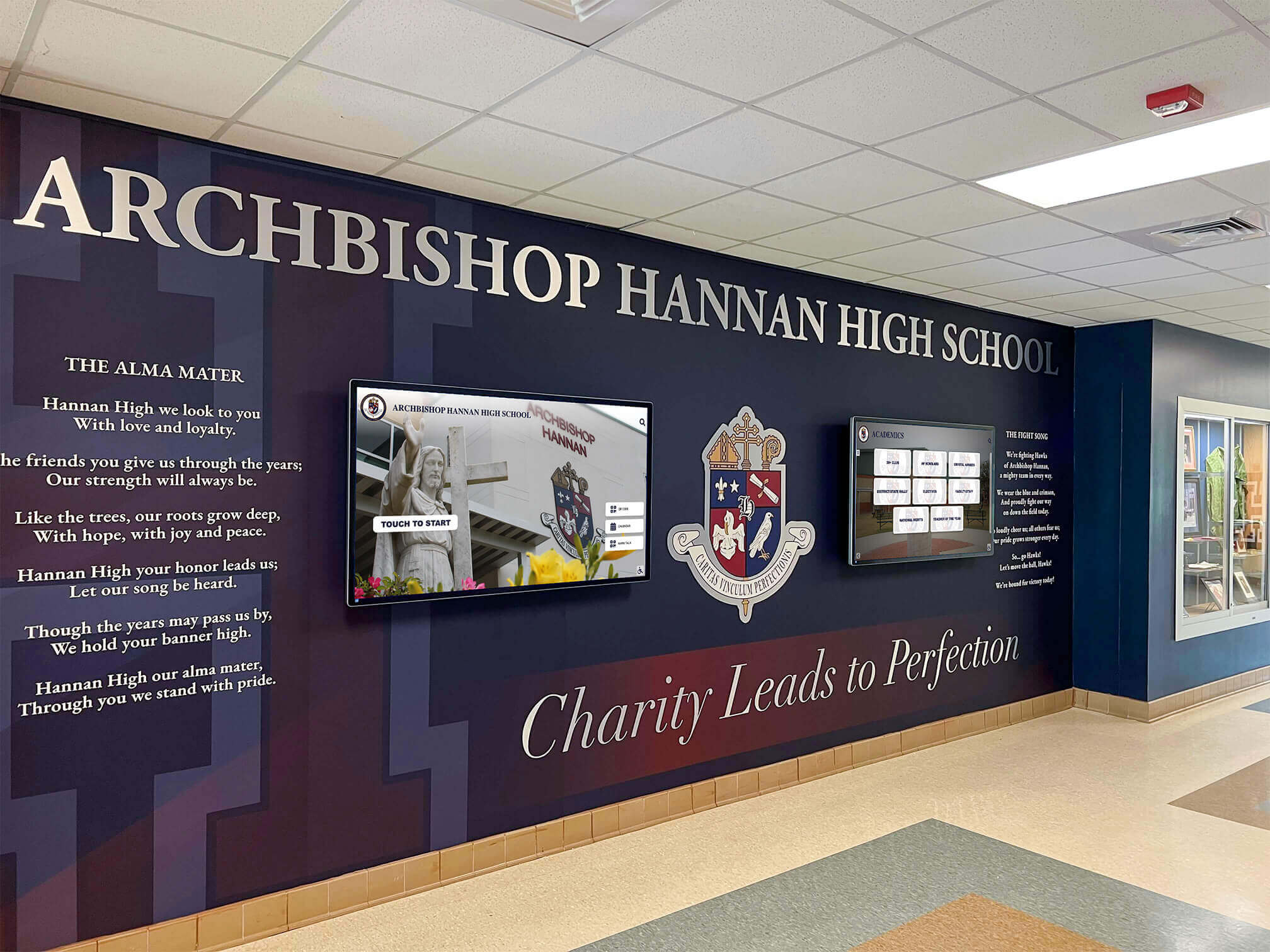
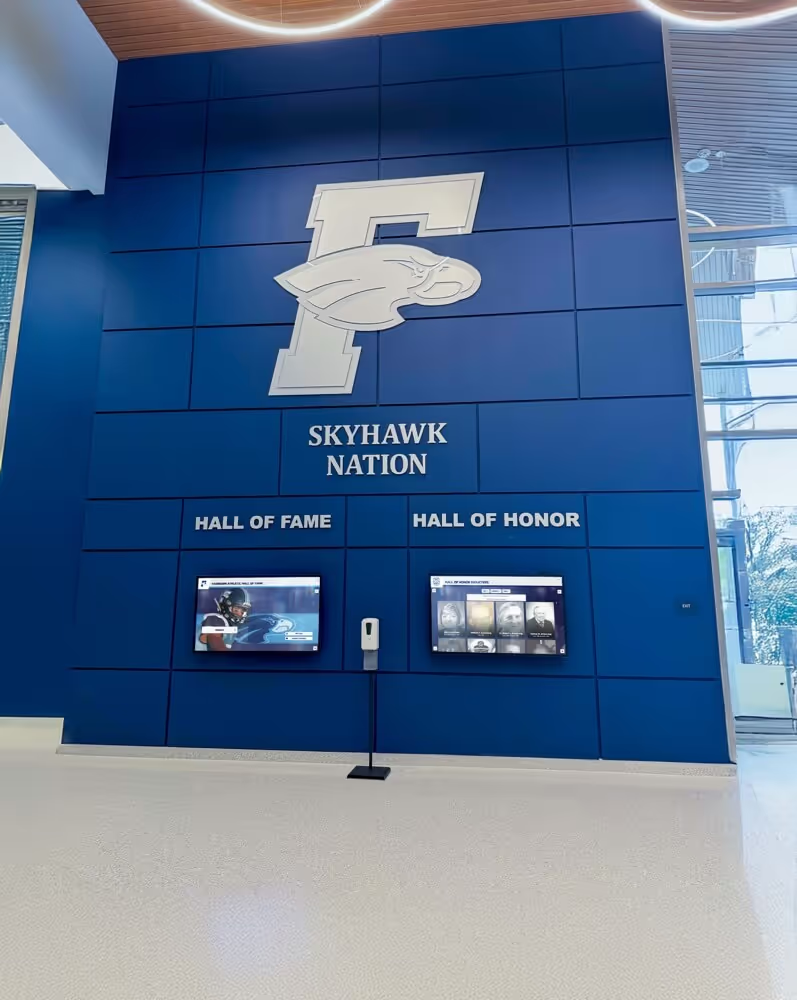
School lobbies integrate recognition displays with architectural design, creating welcoming spaces celebrating achievement
Academic Building Integration Reinforcing connection between recognition and learning:
- Classroom hallway displays near academic departments
- Academic support center and tutoring areas
- Honors program and advanced learning spaces
- Computer labs and technology centers
- Science wing and STEM program areas
- Fine arts and specialized program locations
Placement near classrooms and academic spaces reinforces that recognition directly connects to work happening in those environments.
Web and Mobile Recognition Extensions
Physical displays should integrate with online platforms extending recognition reach:
Anytime, Anywhere Access Web platforms make recognition universally accessible:
- School website sections dedicated to academic achievement
- Mobile-responsive designs ensuring smartphone accessibility
- QR codes near physical displays linking to expanded content
- Social media integration enabling sharing
- Email newsletter features spotlighting award recipients
- Alumni engagement platforms connecting past honorees
Web accessibility enables families, community members, and alumni to explore academic achievement recognition from anywhere, extending program impact beyond campus boundaries.
Learn about digital display implementation for comprehensive recognition.
Prospective Family Engagement Recognition supporting recruitment and marketing:
- Campus tour integration showcasing achievement culture
- Admissions materials featuring recognition programs
- Open house demonstrations of interactive displays
- Virtual tour integration for remote exploration
- Social media campaigns highlighting student success
- Parent information sessions emphasizing academic culture
Solutions like Rocket Alumni Solutions provide comprehensive digital recognition platforms managing both physical touchscreen displays and web-based systems through unified interfaces, ensuring content consistency while simplifying management.
Designing Effective Recognition Programs
Technology provides infrastructure, but thoughtful program design creates meaningful recognition resonating with students and communities.
Establishing Clear Award Criteria
Transparent, consistent criteria build trust and motivation:
Defining Achievement Thresholds Setting appropriate standards:
- Specific numerical cutoffs for GPA-based recognition levels
- Minimum credit hour or course load requirements
- Grade distribution rules for high achievement categories
- Weighted versus unweighted GPA considerations
- Treatment of pass/fail or incomplete grades
- Accommodations for special circumstances
Publishing criteria at the beginning of academic terms gives students clear targets while helping families understand recognition standards.
Growth-Based Recognition Formulas Measuring improvement systematically:
- Percentage or point improvement calculations from previous terms
- Grade advancement requirements in specific subjects
- Reading level progress milestones
- Skill assessment improvement thresholds
- Attendance improvement alongside academic growth
- Sustained upward trajectory requirements across multiple terms
Clear improvement criteria ensure recognition feels achievable while maintaining meaningful standards.
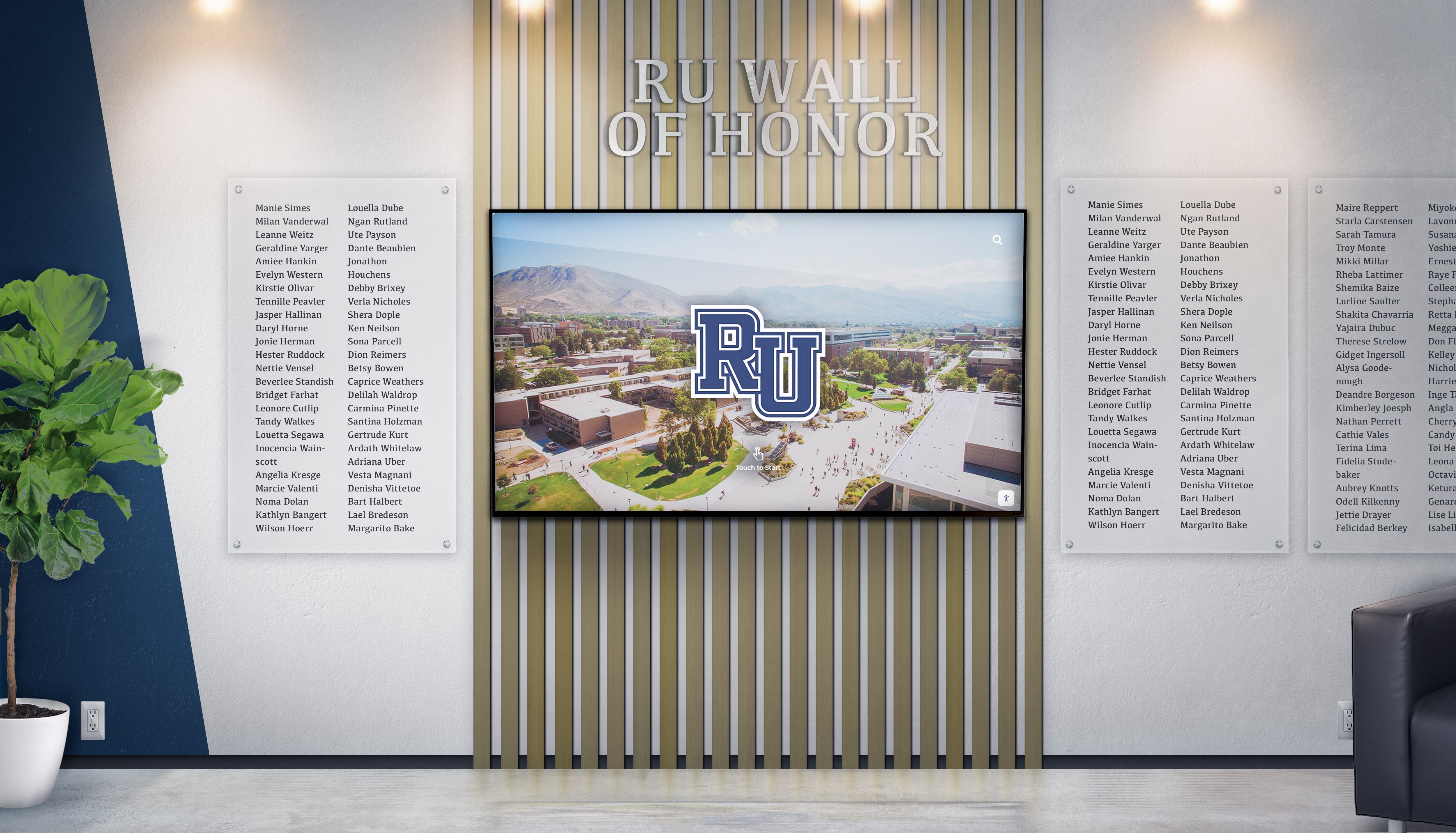
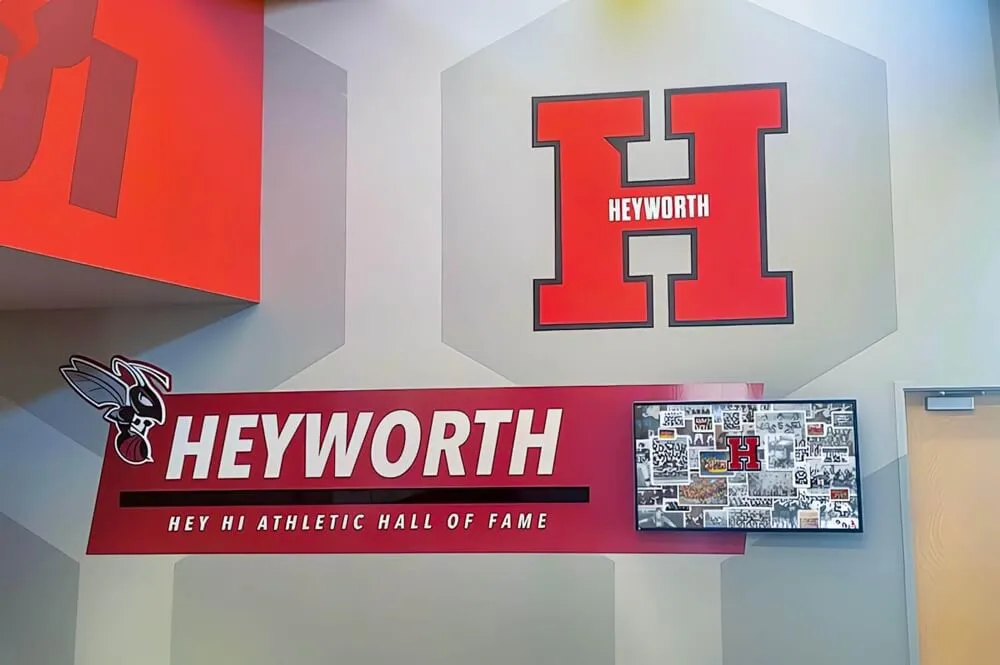
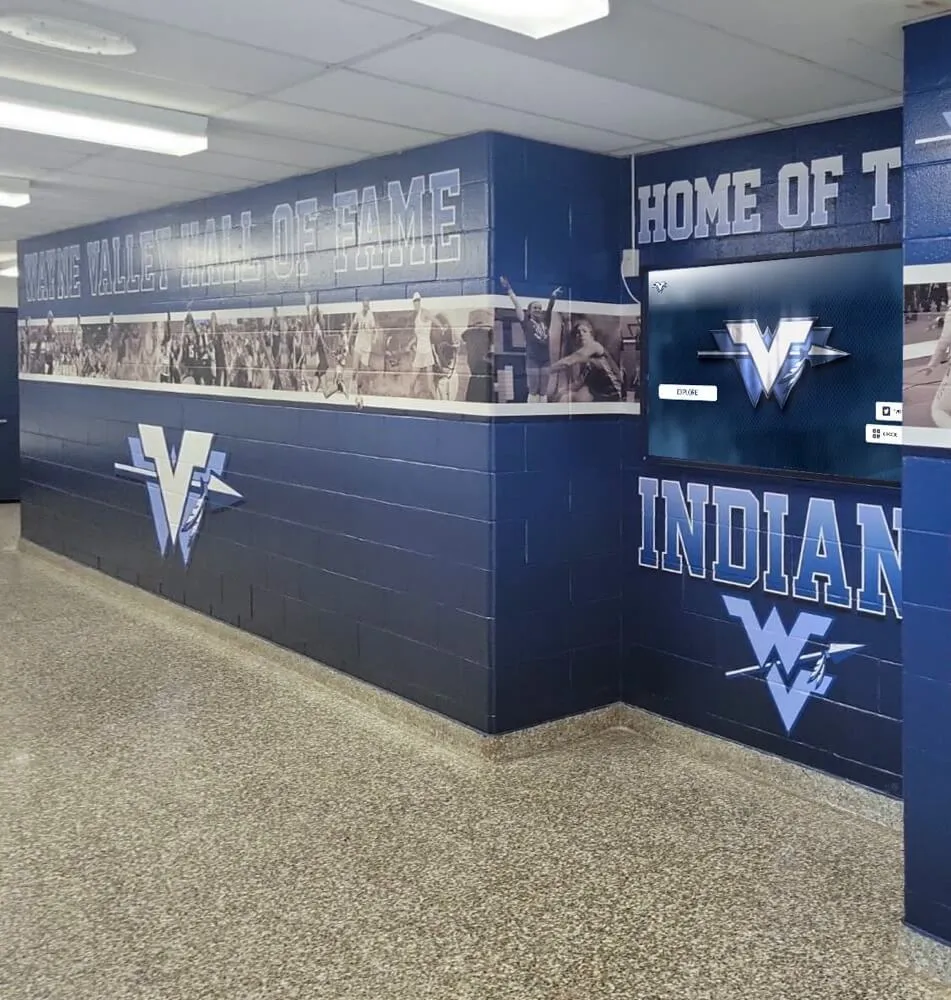
Integrated recognition systems combine digital displays with traditional elements creating comprehensive celebration spaces
Creating Compelling Student Profiles
Recognition effectiveness depends on storytelling quality:
Essential Profile Information Foundation for every award recipient:
- Student full name and current grade level
- High-quality student photograph
- Specific award received with achievement details
- Academic year and recognition period
- Grade point average or performance metrics when appropriate
- Previous recognition history showing consistency
Achievement Context and Narrative Background helping viewers understand significance:
- Academic journey and growth over time
- Challenges overcome or obstacles addressed
- Study strategies and approaches to learning
- Teacher mentorship and support received
- Favorite subjects and academic interests
- Balance of academics with extracurricular activities
- Future educational goals and aspirations
- Advice for other students pursuing academic success
These narrative elements transform credential lists into inspiring stories that create emotional connections while providing practical lessons for other students.
Learn about student recognition best practices that engage communities.
Recognition Timing and Frequency
Strategic scheduling maximizes program impact:
Regular Recognition Cycles Maintaining consistent celebration:
- Quarterly honor roll announcements each marking period
- Monthly subject-specific excellence awards
- Weekly standout student highlights
- Semester achievement ceremonies
- Annual comprehensive recognition events
Frequent recognition maintains motivation throughout academic years while ensuring achievements receive timely acknowledgment.
Special Recognition Moments Leveraging key calendar events:
- Opening school year academic goal-setting
- Parent-teacher conference displays
- Graduation recognition for cumulative achievement
- National Merit and scholarship announcement celebrations
- Academic competition victory acknowledgments
- Year-end comprehensive achievement ceremonies
Coordinating recognition with natural school calendar moments creates synergy while building traditions.
Program Management and Sustainability
Successful recognition requires systematic planning and sustainable processes:
Data Collection and Verification
Accurate recognition requires reliable information:
Automated Systems Integration Leveraging student information platforms:
- Export reports from grading systems
- Automated GPA and eligibility calculations
- Filter students meeting recognition criteria
- Cross-reference with enrollment requirements
- Generate preliminary award recipient lists
Quality Assurance Processes Preventing errors before announcements:
- Counselor verification of calculations
- Administrative review of eligibility
- Cross-check for special circumstances
- Grade change and appeal reviews
- Final approval before public recognition
Multiple verification steps prevent embarrassing mistakes while ensuring fairness and accuracy.
Staff Training and Responsibilities
Clear ownership ensures sustainability:
Assigning Program Roles Distributing responsibilities appropriately:
- Overall program coordination
- Data extraction and verification
- Content collection and creation
- Digital platform management
- Communication with students and families
- Ceremony and event planning
- Quality assurance oversight
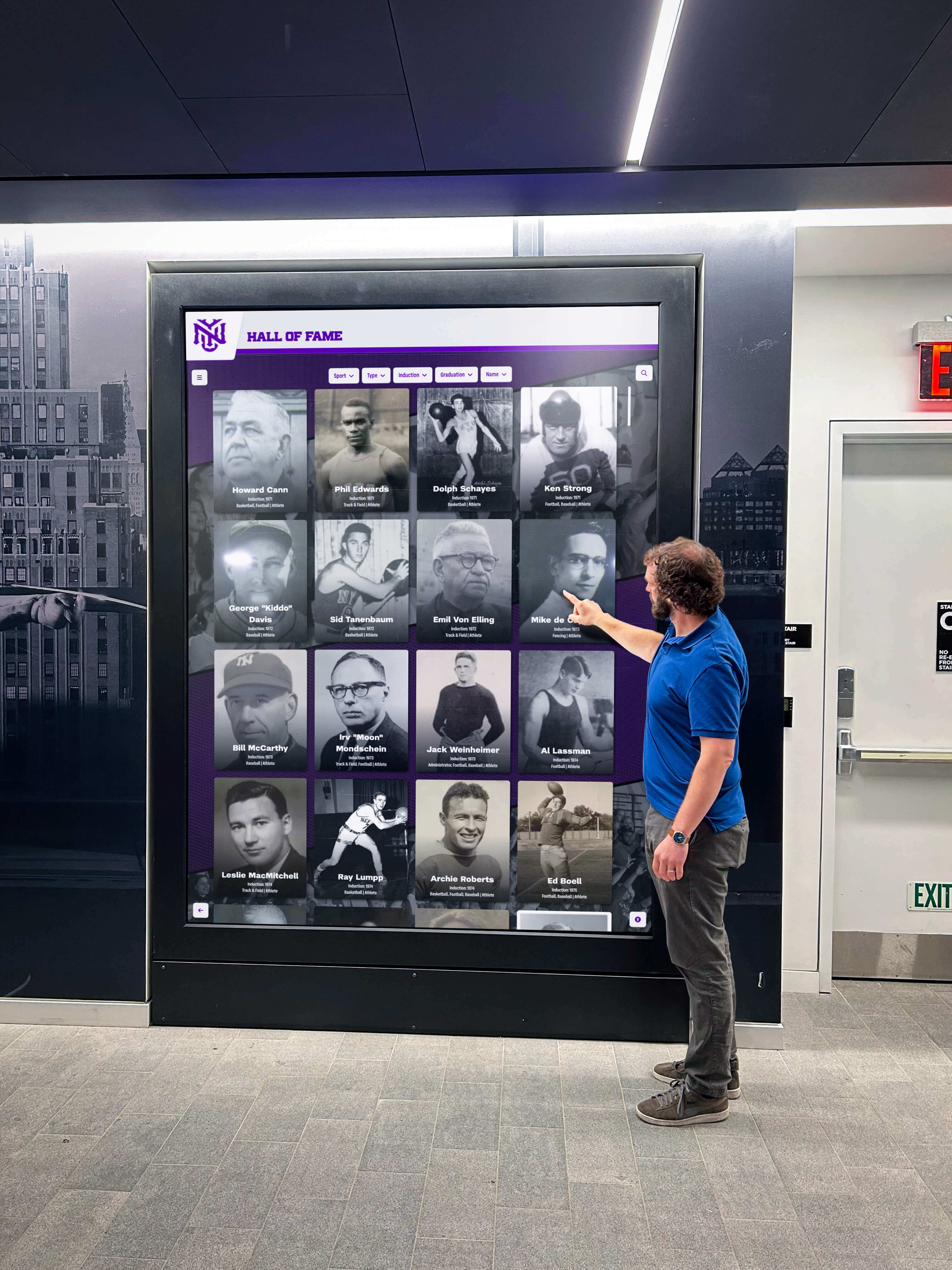
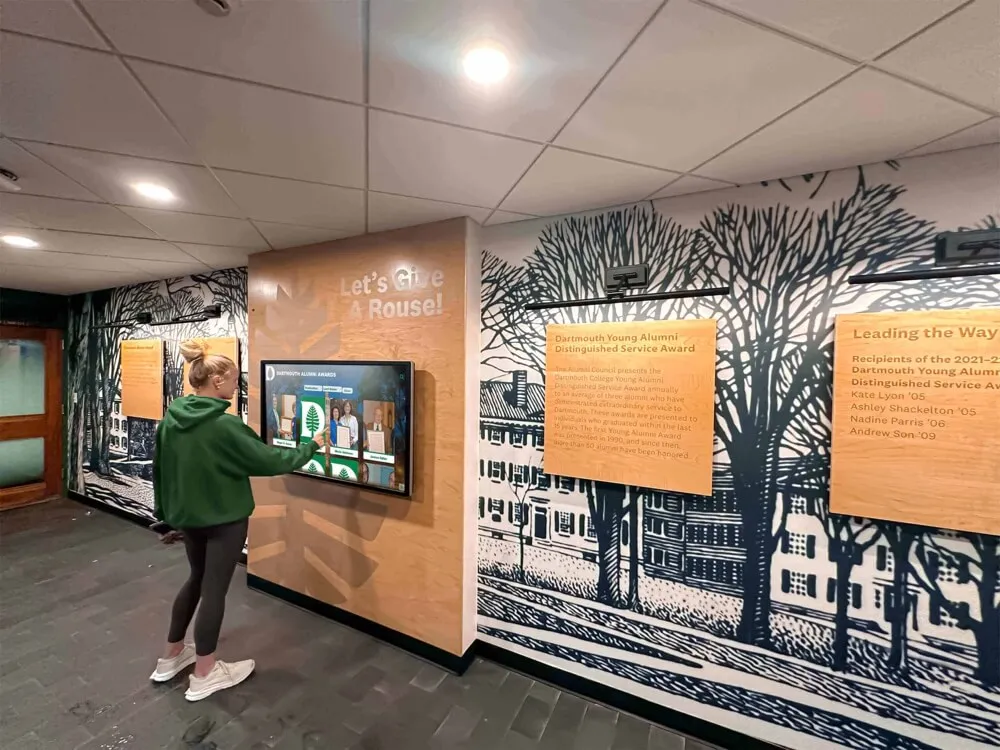
User-friendly interfaces enable students of all ages to explore academic achievements intuitively
Training Requirements Preparing staff for effective management:
- Content management system tutorials
- Best practices for collecting student information
- Photo quality standards and editing basics
- Privacy and FERPA compliance training
- Communication strategy development
- Backup staff training ensuring continuity
Thorough training ensures programs remain sustainable rather than becoming burdensome obligations staff avoid updating.
Communication Strategies
Multi-channel outreach maximizes recognition impact:
Student and Family Notification Direct communication with recipients:
- Email congratulations to award recipients and families
- Printed certificates or recognition letters
- Personal notification by teachers or counselors
- Invitation to recognition ceremonies
- Social sharing templates for family use
Personal communication makes recognition feel meaningful and valued.
Broader Community Awareness Building school-wide visibility:
- Morning announcement acknowledgments
- School website features and news stories
- Social media celebration posts
- Local media submissions for community recognition
- Newsletter features highlighting achievements
- Physical and digital display updates
Comprehensive communication ensures academic achievement receives visibility throughout school communities.
Explore recognition display strategies that maximize engagement.
Measuring Recognition Program Success
Regular assessment ensures programs achieve intended goals:
Quantitative Success Metrics
Participation and Coverage Data Measuring program reach:
- Percentage of students receiving some academic recognition
- Distribution across grade levels and demographic groups
- Recognition frequency per student
- Number of recognition categories utilized
- Year-over-year participation trends
Tracking participation ensures recognition remains inclusive while identifying underserved student populations.
Engagement Indicators Assessing interest and interaction:
- Digital display interaction rates and session duration
- Web-based recognition platform traffic
- Social media engagement with academic content
- Recognition ceremony attendance
- Family response rates to communications
Engagement metrics reveal whether recognition resonates with stakeholders or requires adjustment.
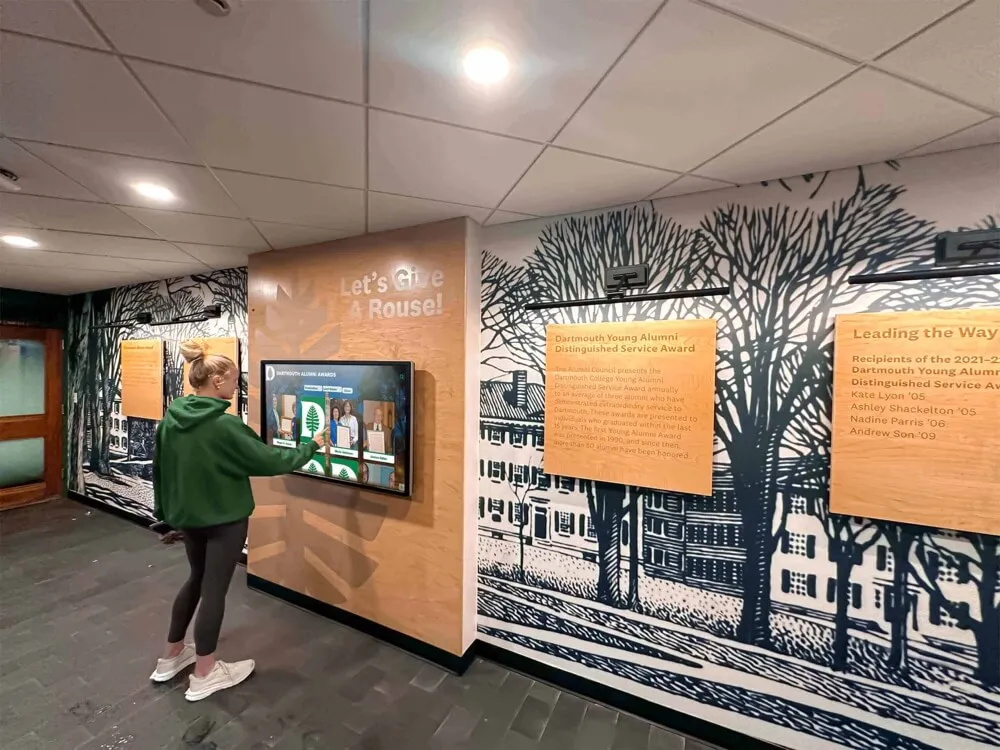
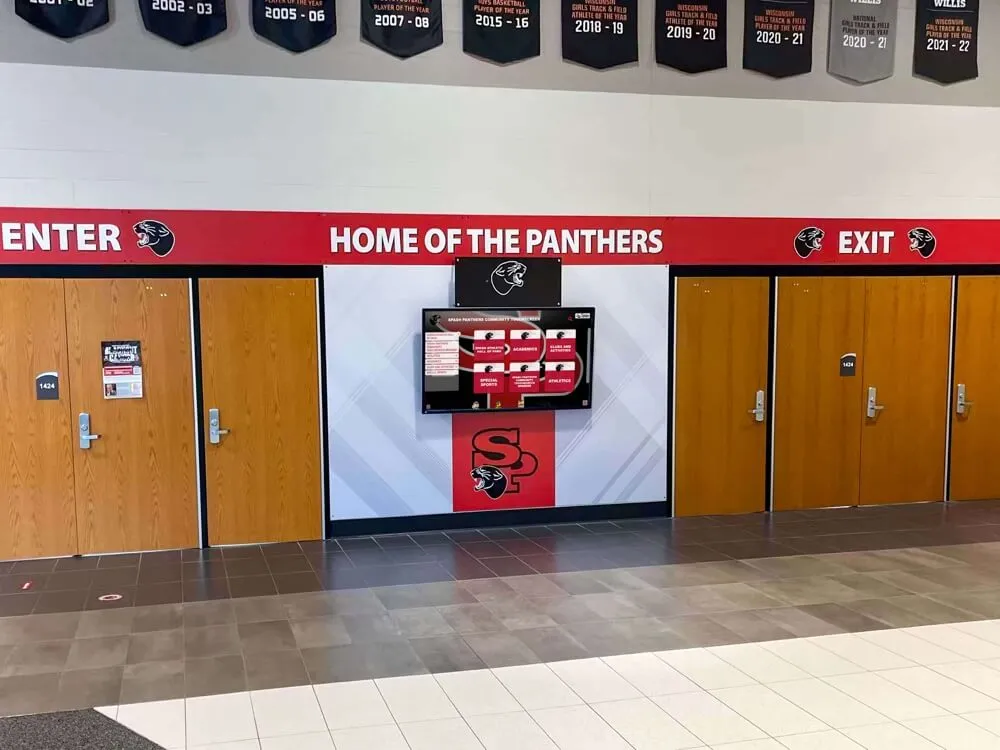
Strategic hallway placement creates natural exploration opportunities during daily campus navigation
Academic Outcome Correlation Evaluating achievement impact:
- GPA trends among recognized versus non-recognized students
- Course selection patterns following recognition
- College acceptance rates for recognized students
- Scholarship achievement among award recipients
- Long-term academic trajectory analysis
Outcome data demonstrates recognition program effectiveness while justifying continued resource investment.
Qualitative Assessment
Stakeholder Feedback Collection Gathering perception data:
- Student surveys about recognition awareness and motivation
- Family perception of program fairness and effectiveness
- Faculty assessment of program manageability and impact
- Alumni reflection on recognition influence
- Community perception of academic culture
Qualitative feedback provides context quantitative metrics cannot capture while identifying improvement opportunities.
Success Story Documentation Capturing compelling narratives:
- Students motivated by recognition to pursue higher achievement
- First-time award recipients sharing experiences
- Students crediting recognition for college admissions success
- Teachers describing student growth following acknowledgment
- Parents expressing gratitude for meaningful celebration
Stories humanize program impact while providing powerful marketing and advocacy materials.
Special Considerations for Different Educational Levels
Academic achievement recognition approaches should adapt to developmental stages:
Elementary School Recognition
Early education recognition builds learning foundations:
Age-Appropriate Approaches Recognizing young learners effectively:
- Frequent, immediate acknowledgment of academic effort
- Visual recognition systems students can understand
- Growth and improvement emphasis over absolute performance
- Inclusive opportunities ensuring all students receive recognition
- Fun, engaging celebration formats appropriate for age
- Parent partnership in recognition process
Elementary programs should emphasize that learning is rewarding while building positive academic identities.
Middle School Recognition
Transitional years require careful design:
Adolescent-Appropriate Recognition Balancing visibility with developmental needs:
- Peer-sensitive acknowledgment avoiding over-singling out high achievers
- Subject-specific recognition as students develop interests
- Team and collaborative achievement celebration
- Growth emphasis during developmental changes
- Connection between current recognition and future opportunity
Middle school programs should motivate without creating social pressure that discourages achievement.
High School Recognition
Secondary programs prepare for post-graduation success:
College and Career Connection Linking recognition to future success:
- Recognition aligned with college application enhancement
- National program participation and celebration
- Advanced coursework achievement acknowledgment
- Scholarship and opportunity connections
- Cumulative achievement tracking across four years
High school recognition should emphasize that academic achievement creates tangible opportunities while building traditions students remember.
Learn about comprehensive academic recognition across grade levels.
Conclusion: Building Excellence Through Academic Achievement Recognition
Academic achievement awards represent strategic investments in student motivation, institutional culture, and educational mission fulfillment. When schools systematically celebrate intellectual accomplishment across multiple dimensions—from absolute excellence to growth and improvement—they create environments where academic success becomes aspirational, celebrated, and central to student identity.
The strategies explored throughout this guide provide comprehensive frameworks for building recognition programs that honor diverse achievements while remaining sustainable, equitable, and aligned with educational goals. From digital recognition displays eliminating space constraints to multi-dimensional award categories ensuring recognition opportunities at all achievement levels, these approaches transform academic acknowledgment from occasional gestures to systematic celebration woven throughout school culture.
Transform Your Academic Recognition Program
Discover how modern digital recognition solutions can help you celebrate every student's academic achievements and build a thriving culture of intellectual excellence.
Explore Recognition SolutionsImplementation begins with assessing current recognition approaches, identifying gaps and improvement opportunities, clarifying goals for enhanced celebration, and exploring systems matching your resources and community needs. Whether starting with updated bulletin boards or launching comprehensive digital platforms, every step toward systematic academic recognition strengthens school culture while honoring students who work hard to achieve excellence.
Digital yearbook platforms make comprehensive recognition achievable through intuitive touchscreen displays, unlimited student capacity, easy content management, and web integration extending reach beyond physical campus. Schools implementing these solutions report dramatic improvements in recognition comprehensiveness, program visibility, and student motivation—precisely the outcomes that justify recognition program investments.
Start where you are with recognition programs you can implement immediately, then systematically expand to create comprehensive approaches your students deserve. Every student who receives meaningful recognition for academic accomplishments develops stronger connection to education and greater motivation to continue growing intellectually.
Your students’ academic achievements deserve celebration equal to any other accomplishment. With thoughtful planning, appropriate technology, and consistent implementation, you can create recognition systems that honor every achievement while building the positive, motivating educational culture where all students thrive academically.
Ready to begin? Explore student achievement recognition approaches or learn more about comprehensive academic programs that celebrate excellence across all dimensions.