



Scoring above 30 on the ACT places students in the top 7% of all test-takers nationally, representing a remarkable academic accomplishment that deserves prominent, lasting recognition. This exceptional achievement reflects years of rigorous coursework, dedicated preparation, and intellectual capability—yet many schools struggle to celebrate these exceptional scores with the visibility they merit.
Traditional recognition approaches—morning announcements, paper certificates, or static bulletin boards—fail to provide the year-round inspiration these achievements can create. Meanwhile, athletic accomplishments receive digital scoreboards, prominent displays, and community-wide celebration. The disparity sends unintended messages about what institutions truly value.
Digital leaderboards transform ACT 30+ recognition from fleeting announcements into permanent, engaging displays that inspire underclassmen, validate rigorous academic preparation, and demonstrate institutional commitment to intellectual excellence. With solutions like Rocket Alumni Solutions, schools can create searchable, interactive leaderboards showcasing not just current achievers but complete historical archives spanning decades.
Schools implementing digital ACT leaderboards report significant increases in test preparation engagement, higher PSAT/ACT participation rates, and visible cultural shifts toward valuing academic achievement. This comprehensive guide explores how to design, implement, and maintain digital leaderboard systems that maximize recognition impact while remaining sustainable and equitable.

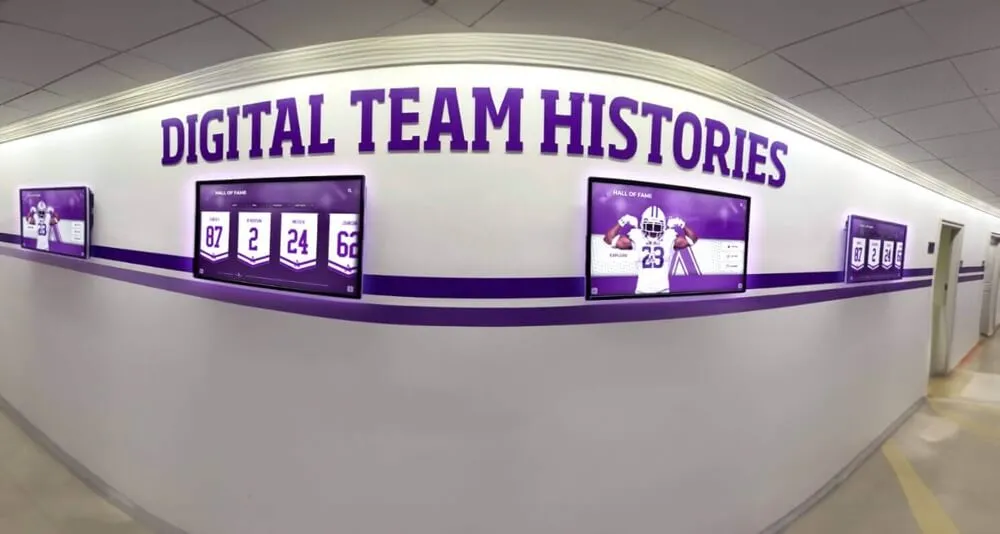
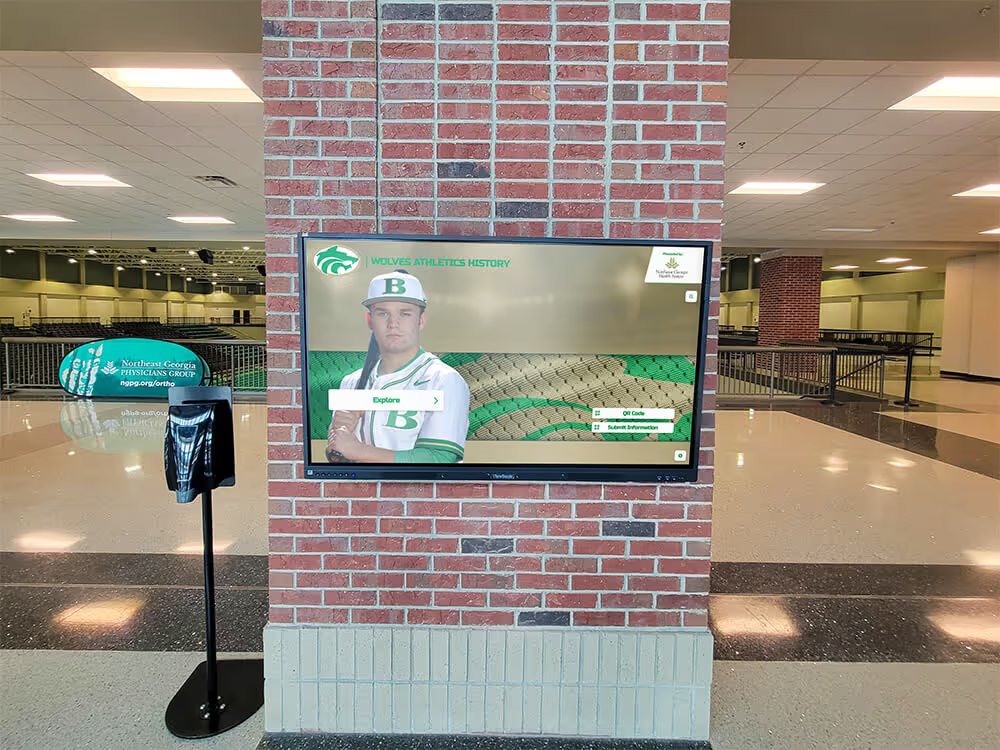
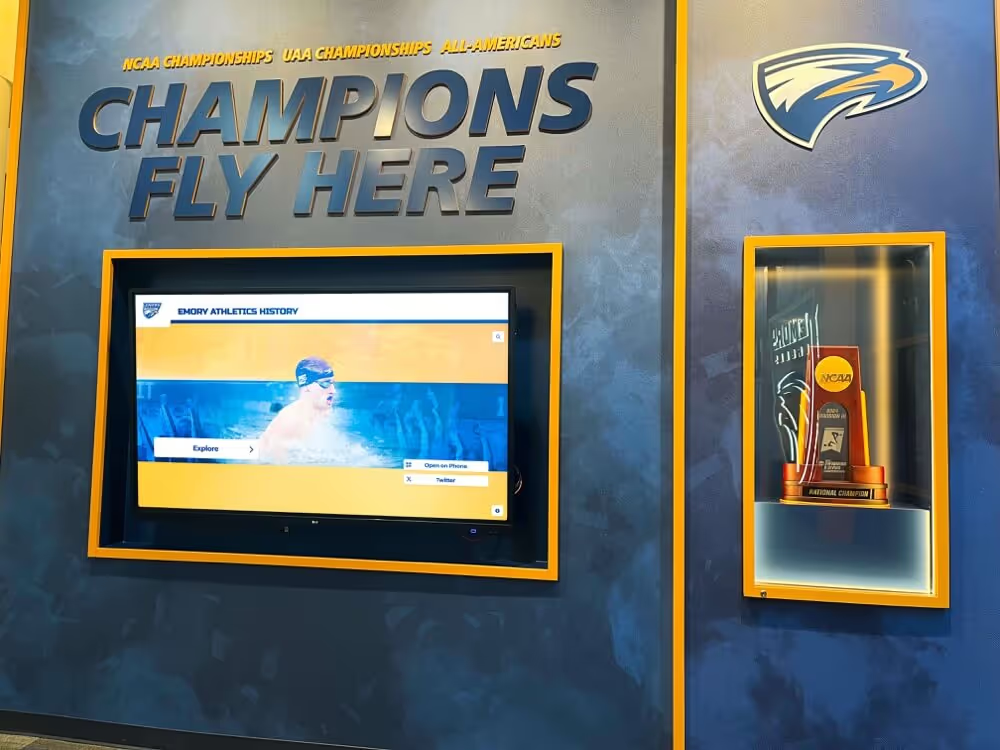
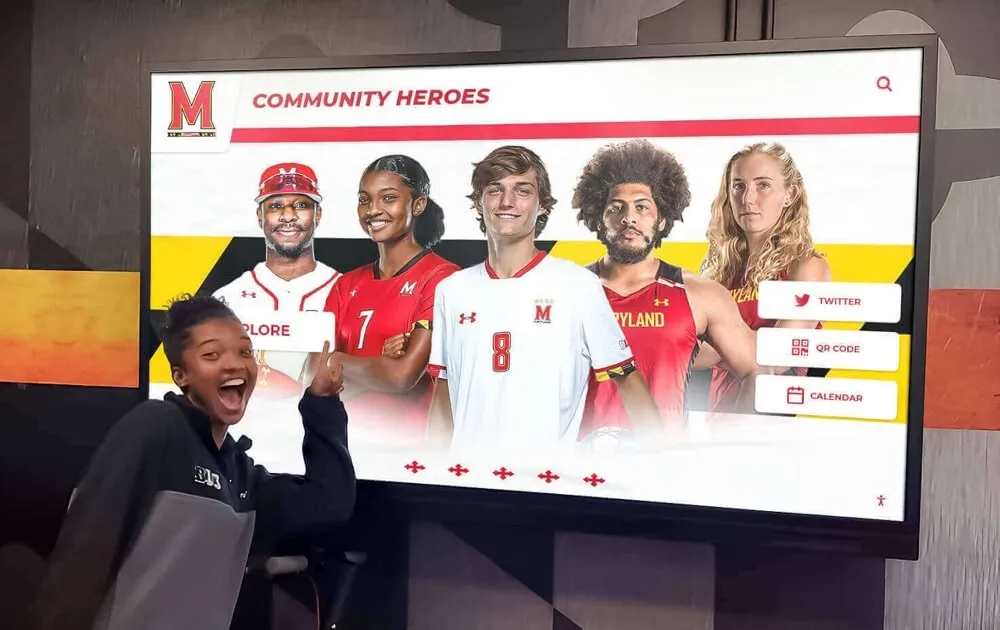
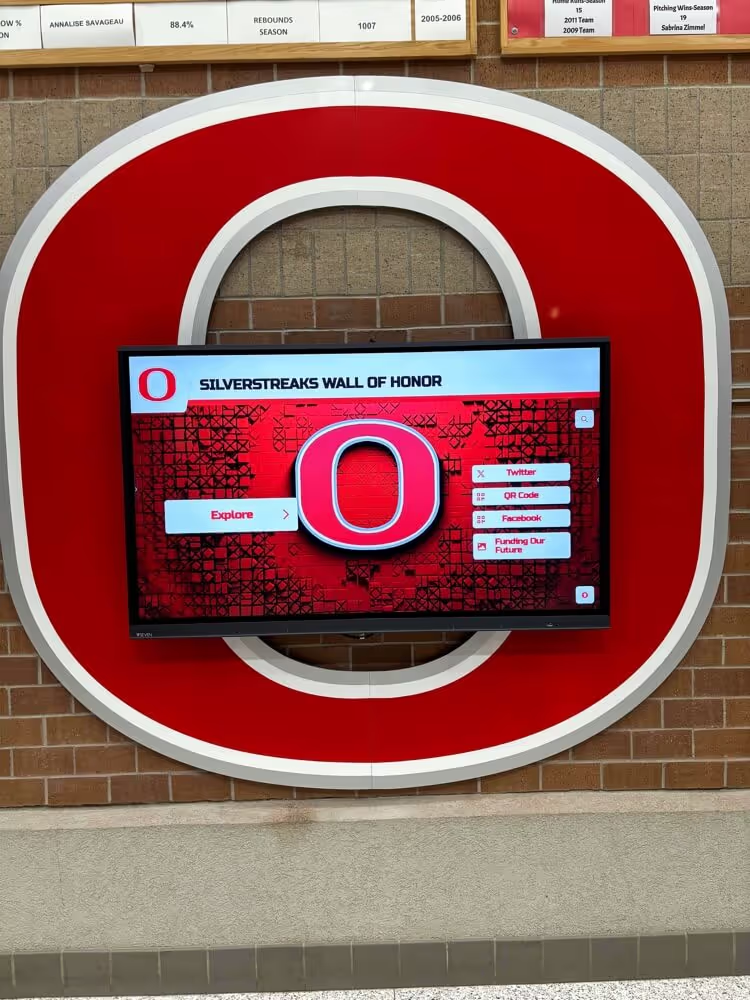
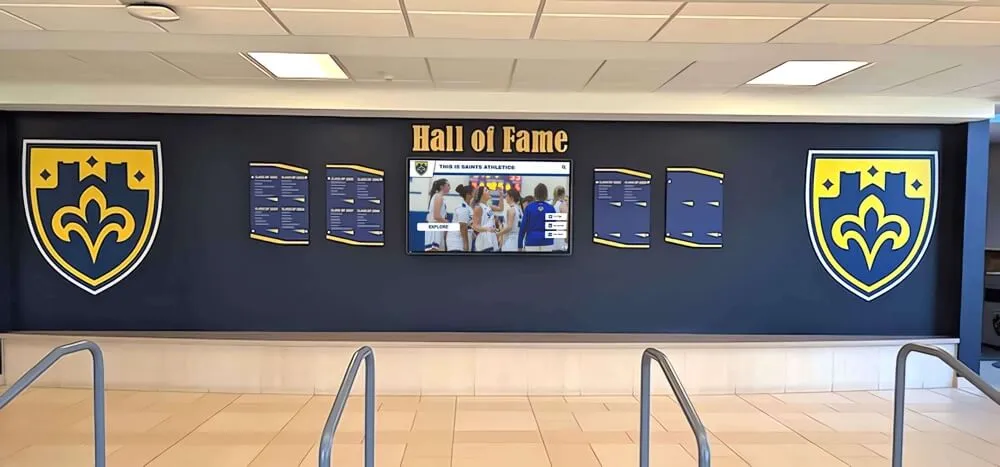
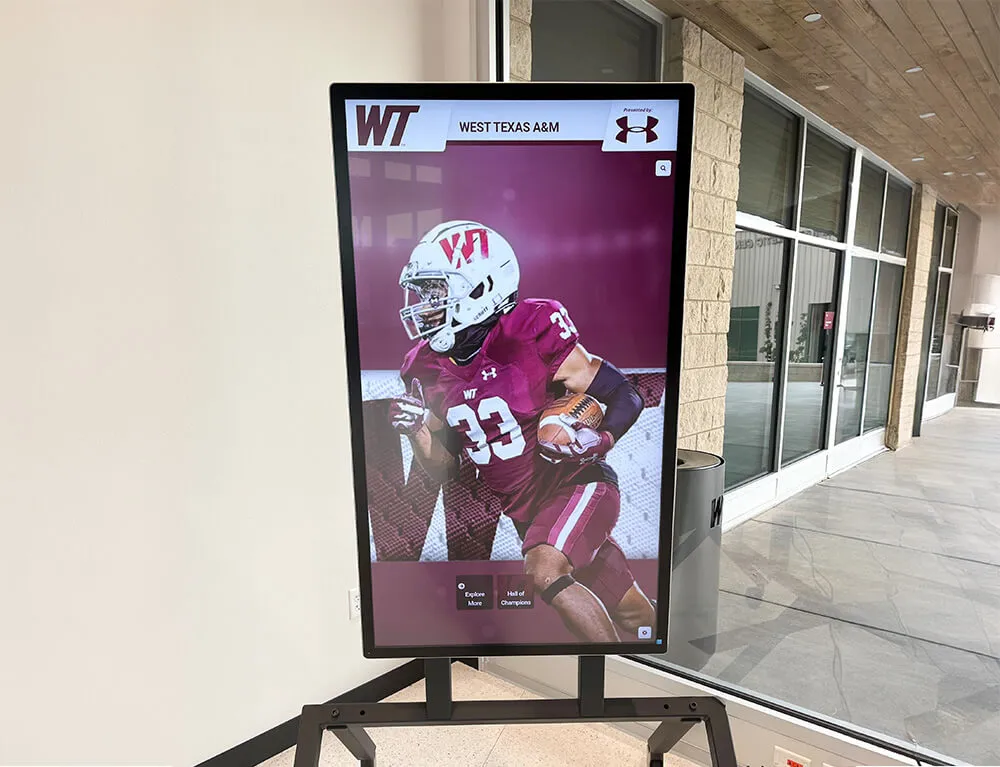
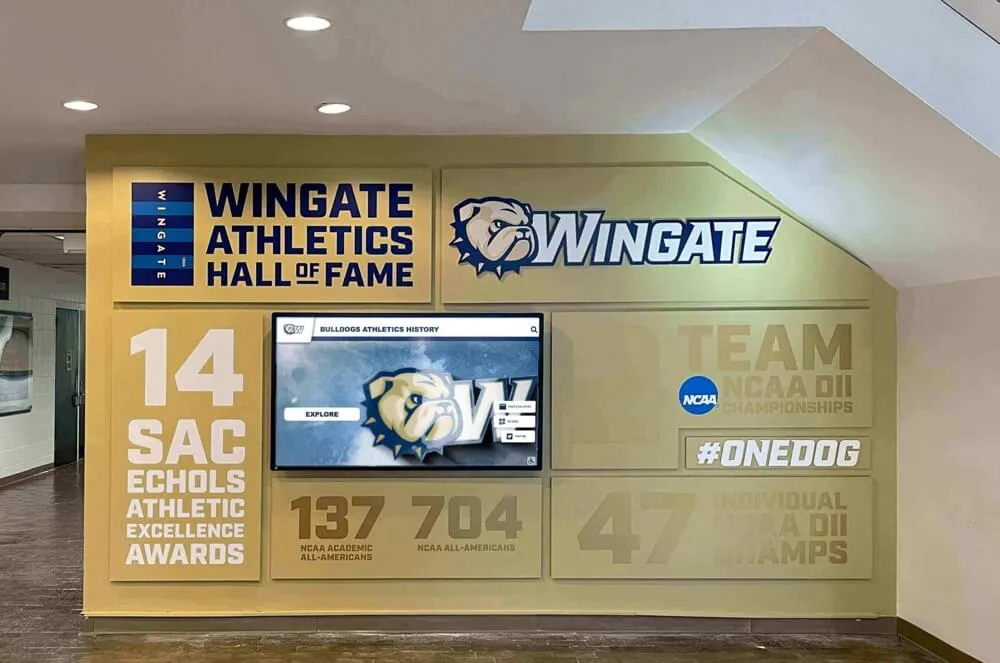
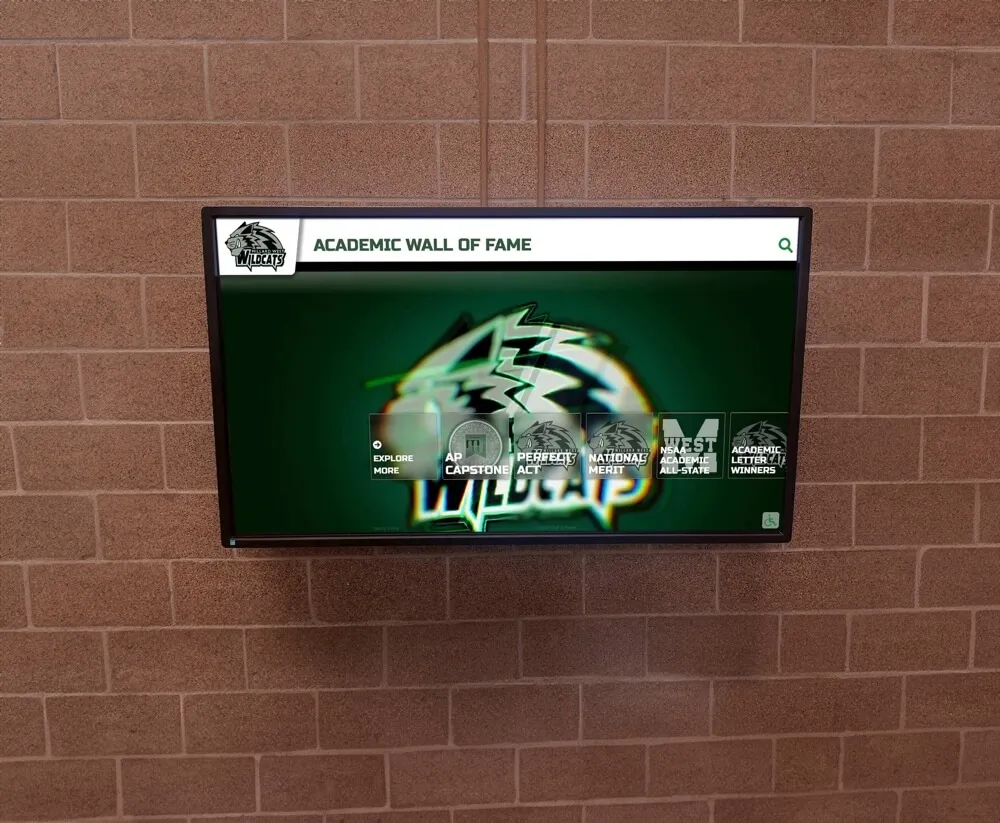
Digital leaderboards provide year-round visibility for ACT achievements, creating inspiration through accessible achievement displays
Understanding ACT 30+ Achievement Significance
Creating effective recognition requires understanding what these exceptional scores represent and why they deserve prominent celebration.
National Context and Percentile Rankings
ACT scores above 30 place students in elite academic company:
Score Distribution and Percentiles
- ACT composite scores range from 1 to 36, with the national average consistently around 20-21
- A score of 30 places students at approximately the 93rd percentile nationally
- Only 7% of the 1.8 million annual ACT test-takers achieve scores of 30 or above
- Scores of 32 and higher place students in the top 2-3% nationally
- Perfect 36 scores occur in fewer than 0.5% of test attempts
Section Performance Requirements Achieving 30+ composite scores requires exceptional performance across all four sections:
- English section mastery demonstrating grammar, punctuation, and rhetorical skills
- Mathematics achievement covering algebra, geometry, and trigonometry
- Reading comprehension showing analytical ability across diverse passage types
- Science reasoning requiring data interpretation and experimental design understanding
Unlike single-section achievements, composite scores of 30+ demonstrate well-rounded academic capability across disciplines. This comprehensive excellence deserves recognition systems reflecting the achievement’s breadth and difficulty.
Learn about comprehensive approaches to academic recognition programs that complement ACT celebration.
College Admissions and Scholarship Impact
Exceptional ACT scores create significant educational opportunities:
Admissions Advantages
- Most selective colleges consider ACT 30+ scores highly competitive
- Top-tier institutions typically have median accepted student scores in the 30-34 range
- Strong scores offset lower GPAs or less rigorous course schedules at some institutions
- Demonstrate preparation for college-level academic rigor
- Provide standardized comparison across diverse high school environments
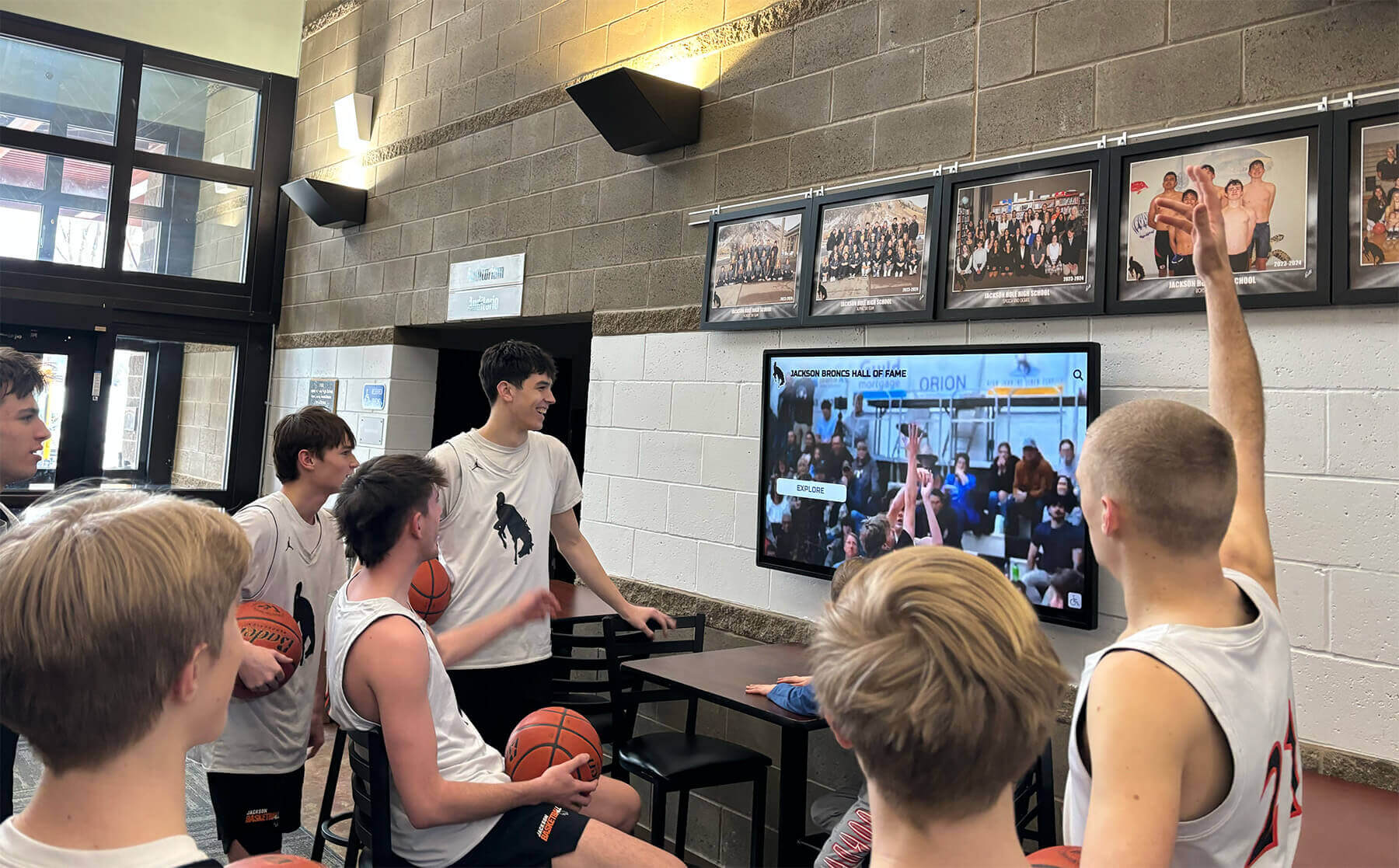
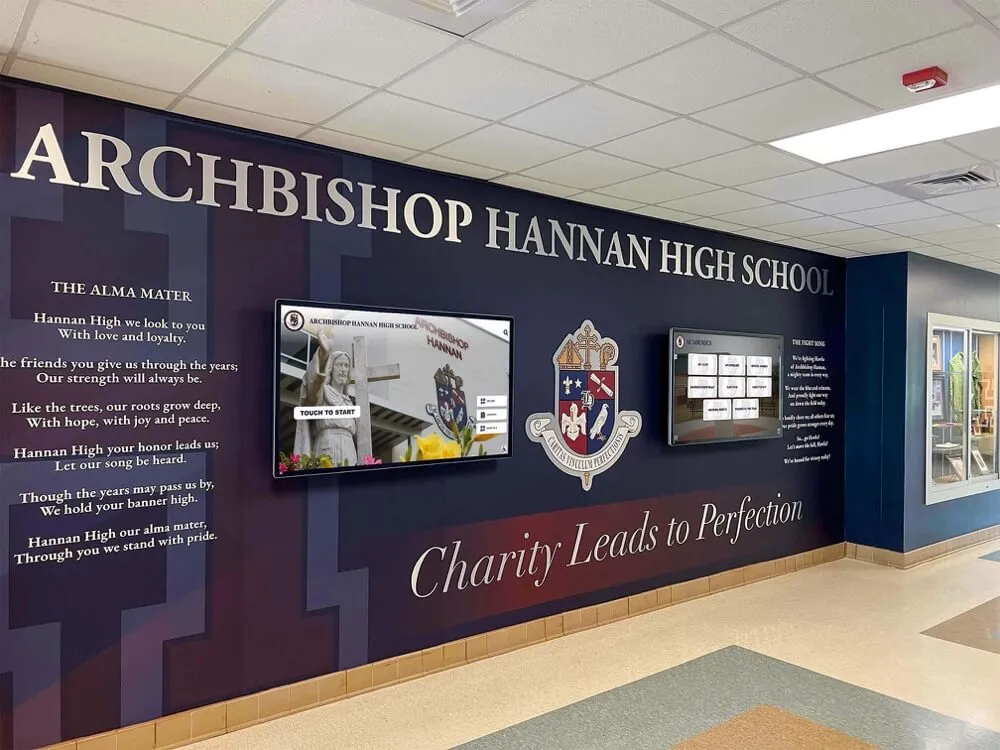
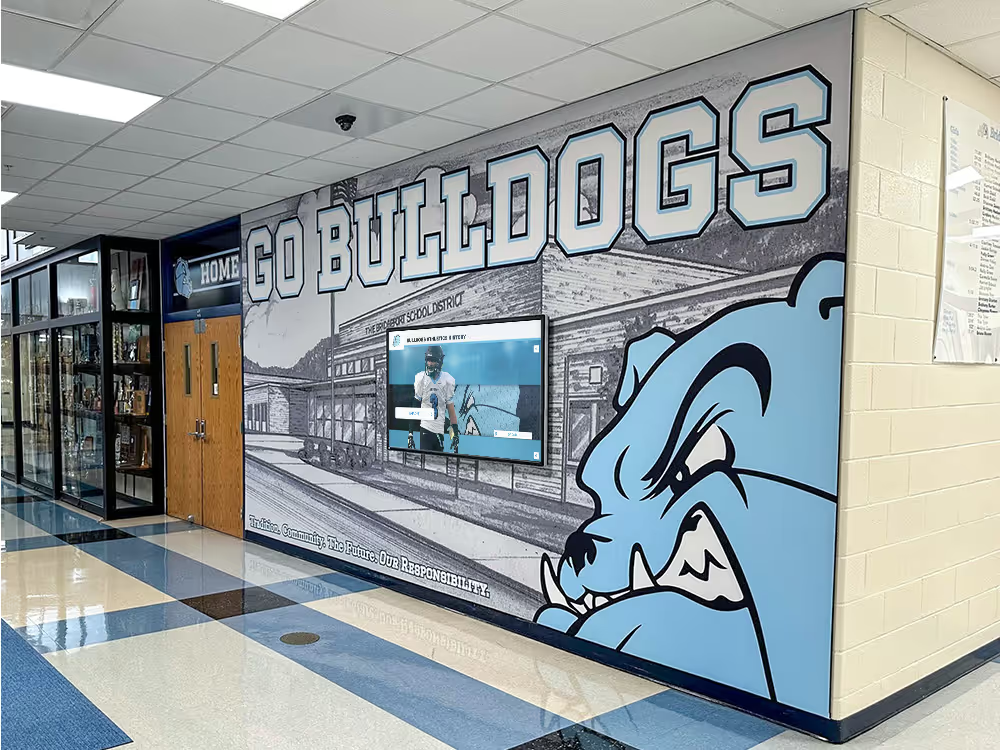
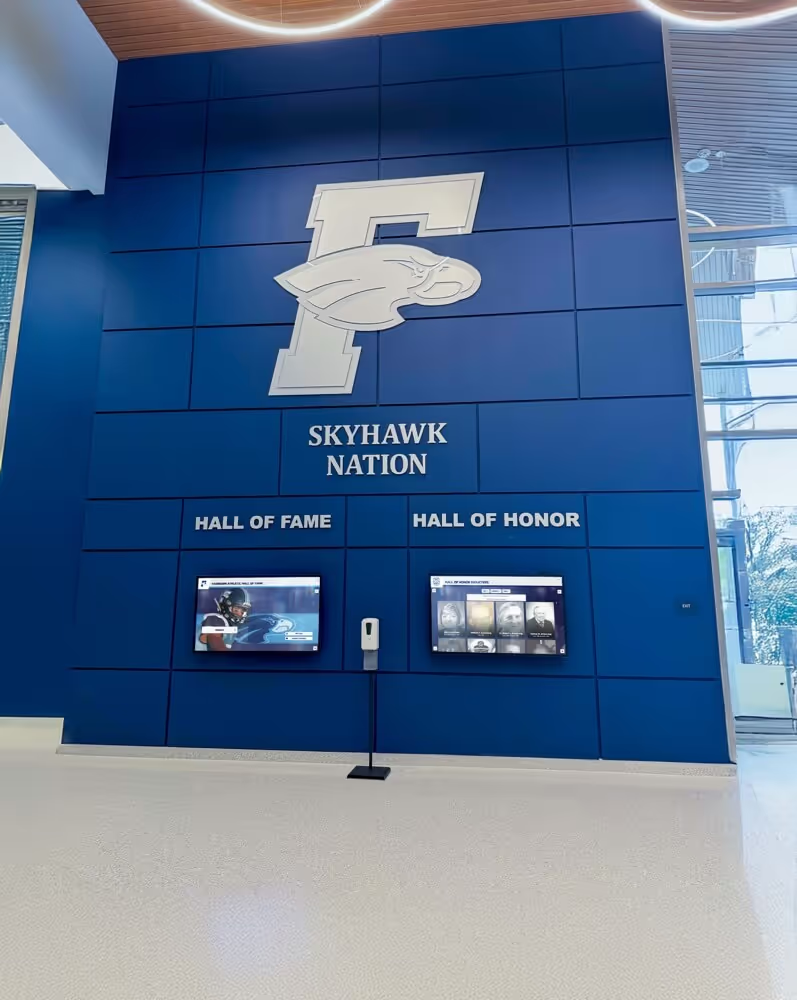
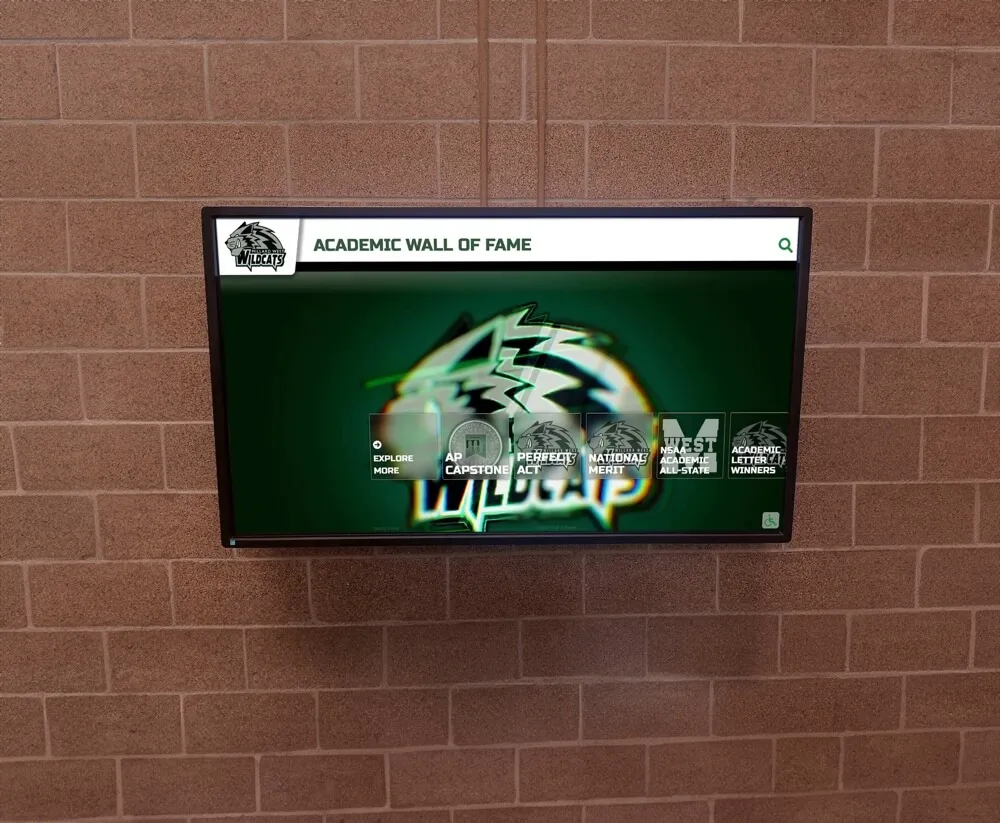
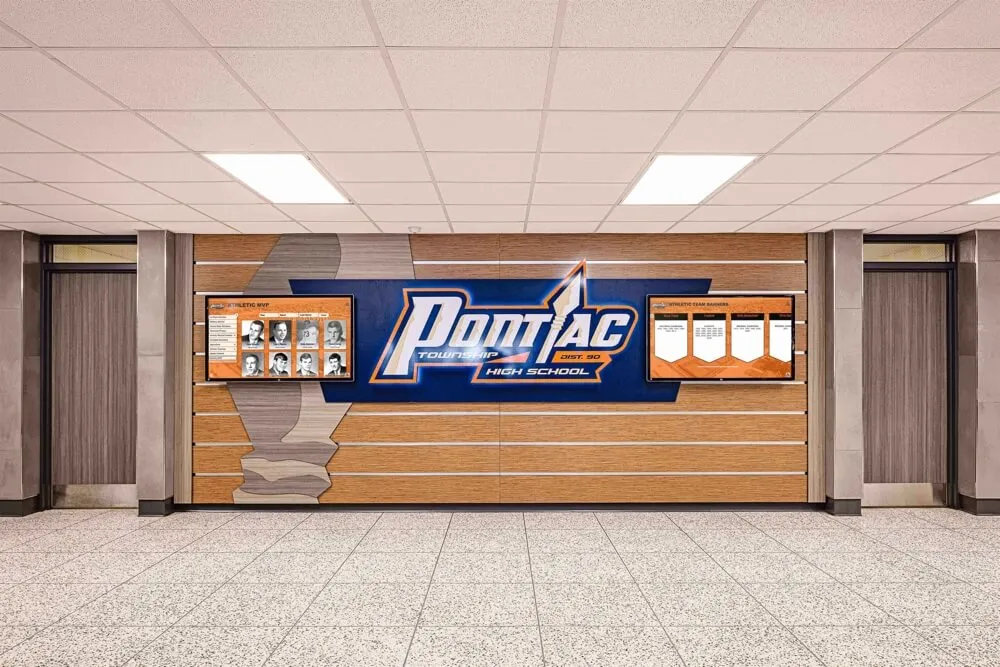
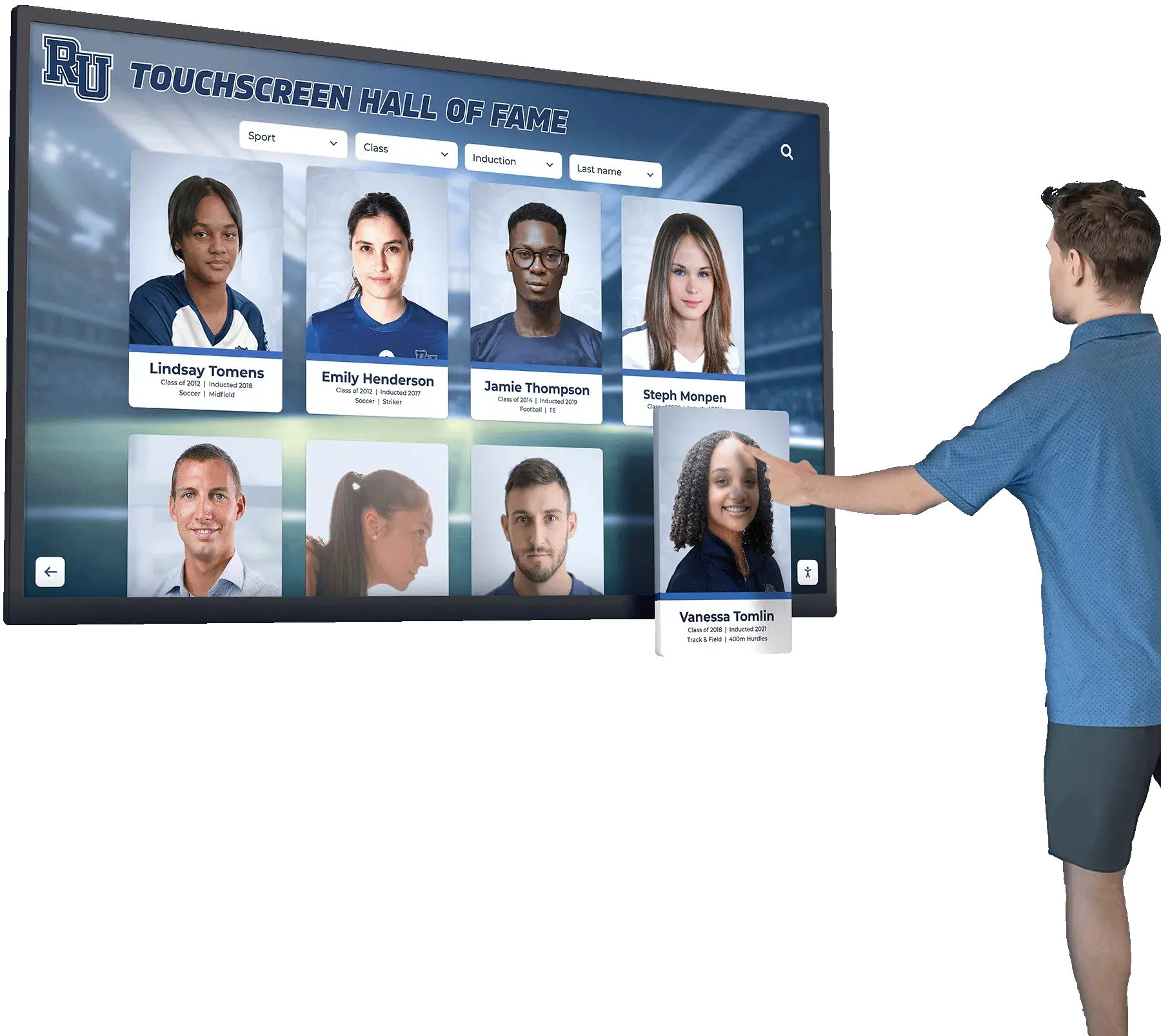
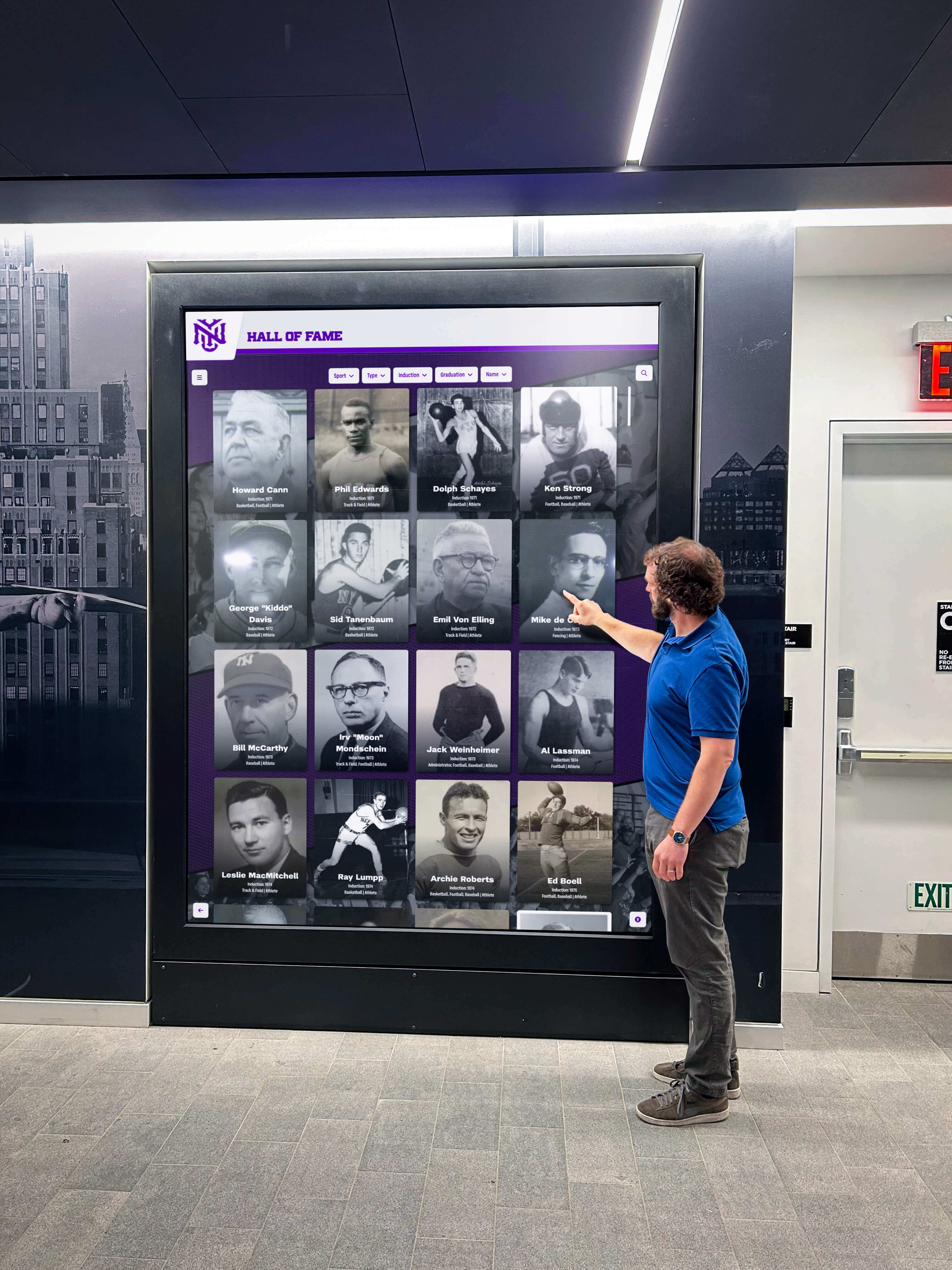
Interactive displays create opportunities for students to explore achievement pathways and identify academic role models
Scholarship Opportunities ACT 30+ scores unlock substantial financial benefits:
- Many universities offer automatic merit scholarships based on score thresholds
- Private scholarship programs frequently use ACT scores as eligibility criteria
- National Merit Scholarship Corporation programs consider ACT scores for validation
- Competitive scholarship programs evaluate ACT performance alongside other factors
- Some institutions provide full-tuition scholarships for scores above specific thresholds
According to scholarship data from major public universities, students scoring 32 or above commonly receive merit awards ranging from $10,000 to full tuition annually. These financial benefits make ACT 30+ achievement valuable beyond academic validation.
Honors Program Access Strong ACT performance facilitates admission to selective academic programs:
- Honors college eligibility at many state universities
- Specialized programs in competitive fields like engineering and business
- Research opportunities and faculty mentorship programs
- Priority registration and enhanced academic advising
- Resume credentials distinguishing candidates for internships and employment
Limitations of Traditional ACT Recognition Approaches
Understanding conventional recognition challenges clarifies why digital leaderboards provide superior alternatives.
Temporary Recognition That Disappears
Schools relying on traditional approaches encounter persistent visibility problems:
One-Time Announcement Limitations
- Morning announcements provide momentary acknowledgment that quickly fades
- Students absent during announcements miss recognition entirely
- No lasting reference point for underclassmen to discover achievers
- Impersonal list formats lacking individual achievement context
- Impossible to reference previous years’ achievers for comparison or inspiration
Bulletin Board Constraints Physical displays face severe limitations:
- Limited space accommodating only small numbers of students
- Removal of previous years’ recognition when adding current achievers
- Static displays providing no searchability or detailed information
- Deterioration of printed materials over time
- Labor-intensive annual updates requiring complete reconstruction
- Restricted to single physical location limiting viewing opportunities
Schools with ACT 30+ Club traditions spanning decades cannot feasibly display all historical achievers through traditional methods. The most recent class receives visibility while previous achievements disappear from institutional memory.
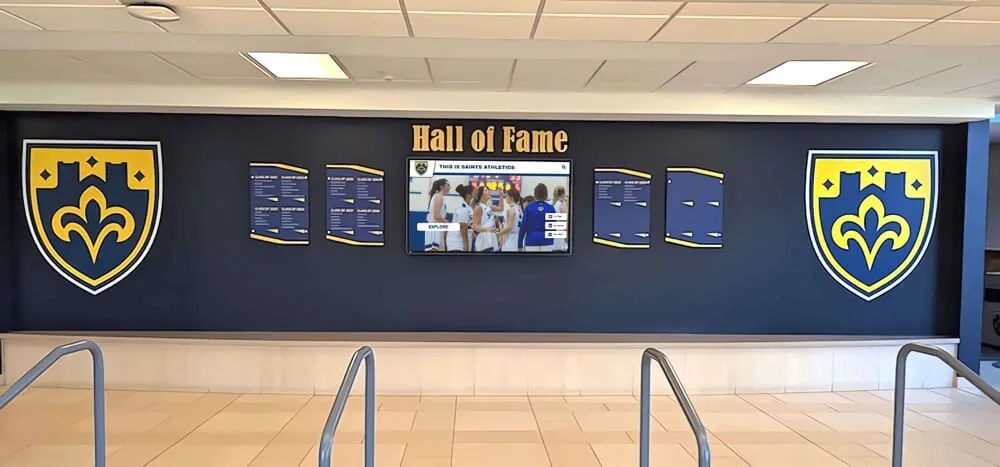
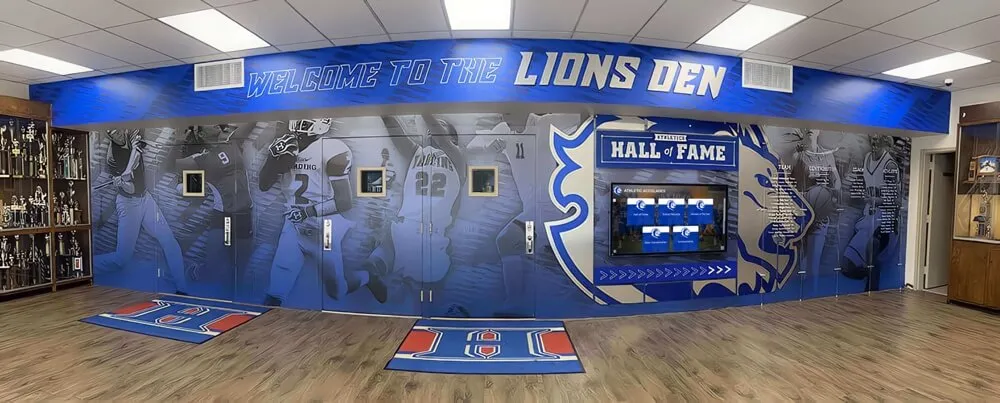
Traditional displays face capacity constraints preventing comprehensive multi-year recognition
Missing the Complete Achievement Story
Single-dimension recognition approaches overlook powerful opportunities:
Lost Context and Depth Simple name lists cannot convey:
- Test preparation strategies and study approaches that led to success
- Academic journeys including coursework rigor supporting achievement
- Multiple test attempts showing improvement and persistence
- Section score breakdowns highlighting specific strengths
- College destinations and how scores impacted admissions
- Student advice for underclassmen pursuing similar goals
- Connections to other academic achievements and honors
Inability to Inspire Through Example Static recognition lacks elements that motivate younger students:
- No mechanism for sophomores and juniors to research preparation approaches
- Missing personal stories making achievement feel attainable
- Lack of filtering capabilities to find students with similar backgrounds or goals
- No demonstration of achievement patterns or trends over time
- Absence of alumni outcome information showing long-term impact
Digital leaderboards address these limitations through comprehensive profiles, searchable databases, and unlimited historical capacity. Explore comprehensive ACT 30+ Club recognition approaches for additional implementation strategies.
Digital Leaderboard Core Features and Capabilities
Modern recognition systems provide capabilities impossible with traditional approaches.
Unlimited Capacity for Historical Archives
Digital platforms eliminate space constraints entirely:
Multi-Year Achievement Display With solutions like Rocket Alumni Solutions, schools can:
- Display every ACT 30+ scorer from all graduation years simultaneously
- Provide searchable access to decades of achievement data
- Never remove previous years’ recognition when adding current students
- Show institutional academic excellence trajectory over time
- Create complete historical record preserving academic legacy
- Archive not just names but comprehensive achievement profiles
This unlimited capacity proves particularly valuable for schools with established ACT excellence traditions. Rather than choosing whose achievements remain visible, every exceptional scorer receives permanent recognition creating complete institutional achievement archives.
Comprehensive Individual Profiles Digital systems enable rich achievement documentation:
- Student photos showing achievers as real, relatable individuals
- Composite scores and section breakdowns demonstrating specific strengths
- Multiple test attempt information highlighting improvement trajectories
- Academic context including GPA, class rank, and course rigor
- College acceptances and scholarship awards connected to ACT performance
- Student quotes about preparation strategies and study approaches
- Advice and insights for underclassmen pursuing ACT excellence
- Video testimonials sharing test-taking strategies and tips (optional)
- Timeline showing achievement in context of broader academic journey
These detailed profiles transform leaderboards from simple score lists to inspiring achievement narratives demonstrating pathways to success.
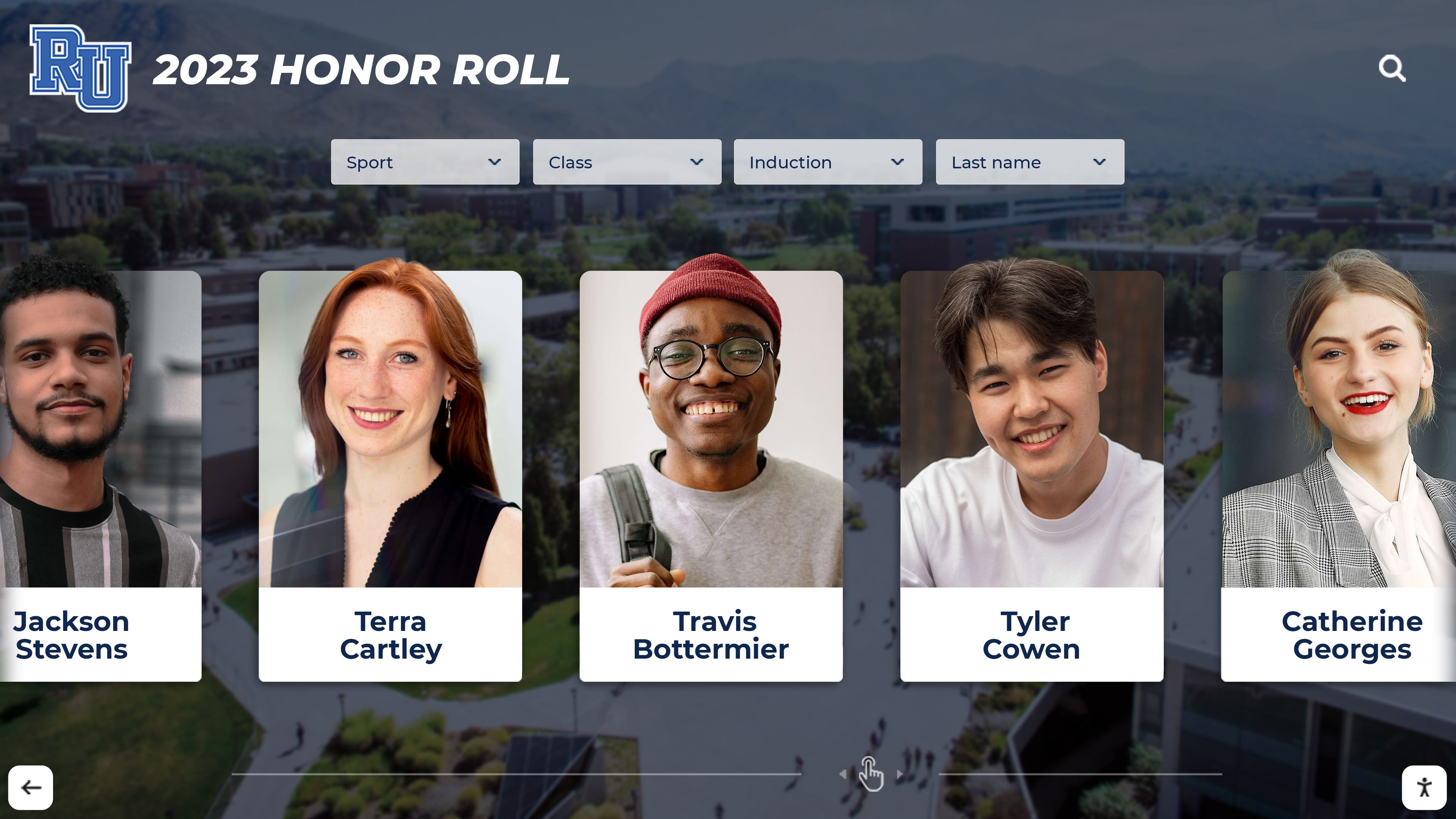
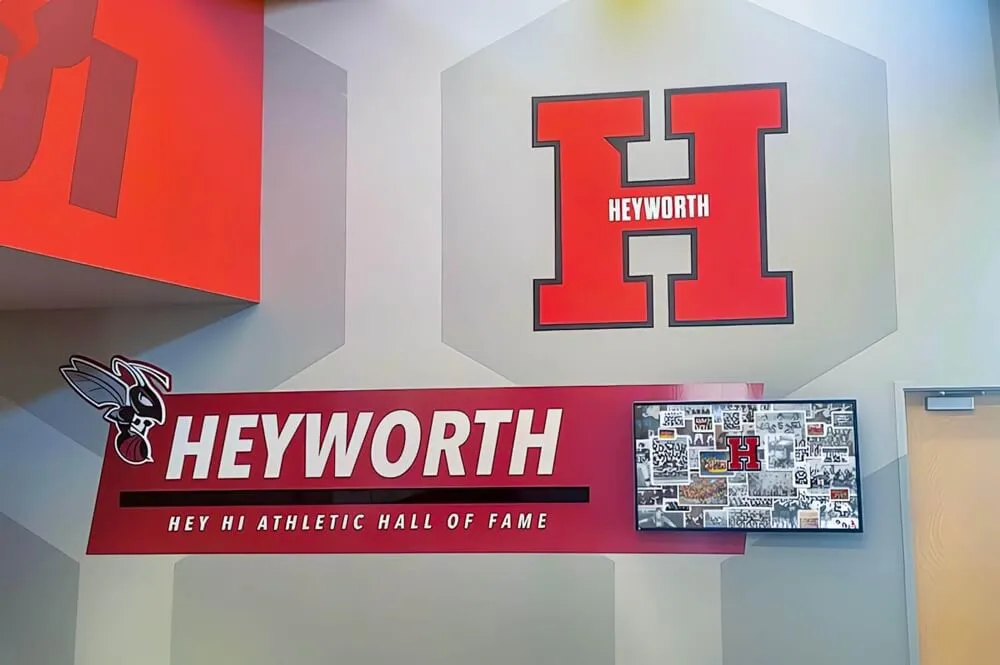
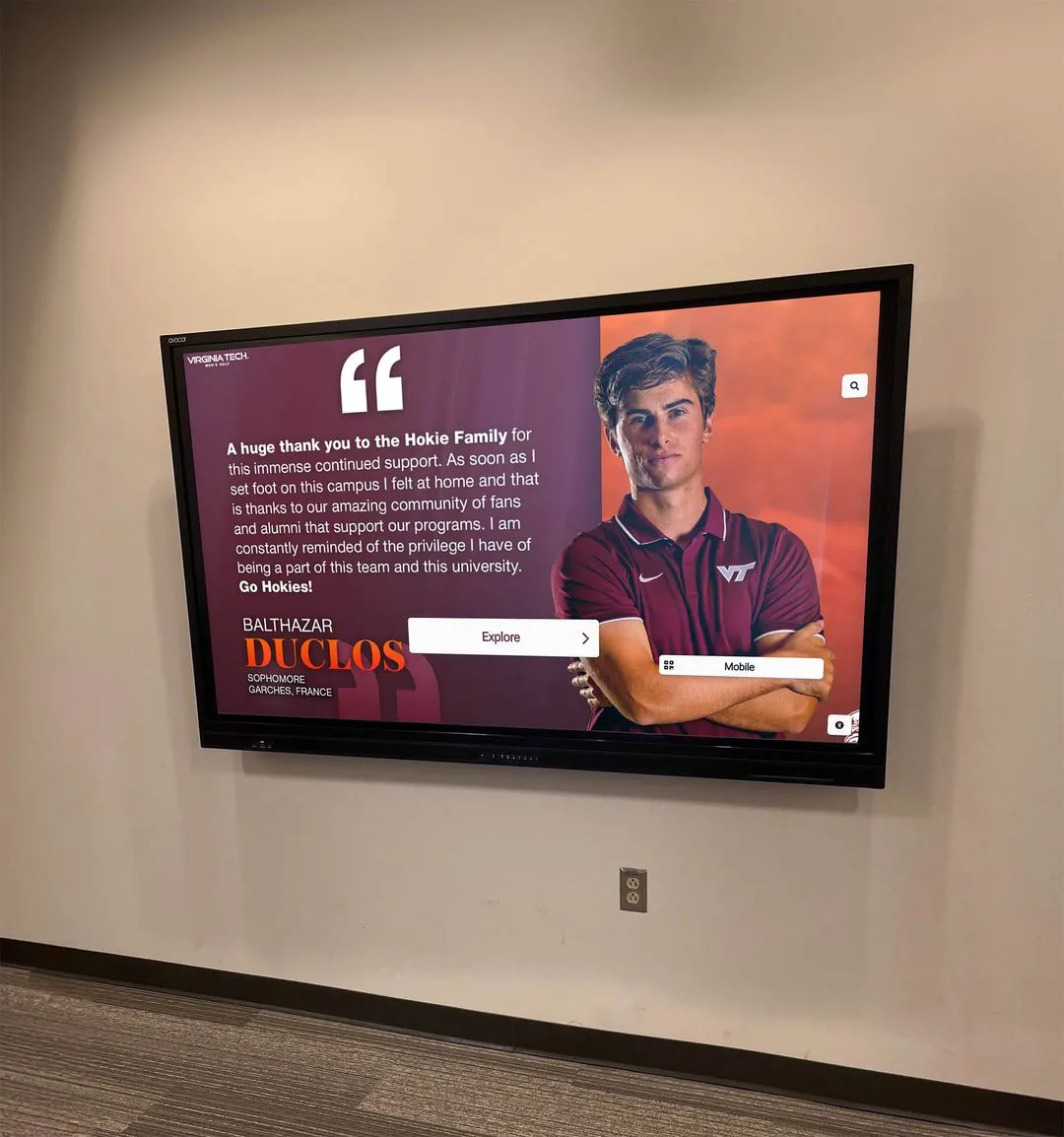
Comprehensive profiles document complete achievement journeys rather than displaying scores alone
Real-Time Updates and Flexible Organization
Digital leaderboards provide administrative efficiency alongside recognition effectiveness:
Immediate Content Management Cloud-based systems enable:
- Adding new ACT 30+ achievers immediately upon score receipt
- Updating profiles when students retake tests and improve scores
- Making edits remotely from any internet-connected device
- Scheduling content to publish on specific dates during testing cycles
- Featuring specific achievers during relevant events or celebrations
- Reorganizing display layouts to emphasize current priorities
This flexibility means recognition remains current without requiring physical access to displays or extensive manual labor for updates.
Multiple Display Configurations Present data in formats optimizing for different purposes:
- Score-ranked leaderboards showing highest to lowest composite scores
- Chronological displays organizing by graduation year
- Section strength views highlighting students with exceptional individual section scores
- Improvement showcases featuring students who increased scores across multiple attempts
- College destination groupings showing where achievers matriculated
- Grid layouts displaying entire ACT 30+ cohorts simultaneously
- Featured spotlight formats highlighting individual exceptional achievements
Different stakeholders benefit from different organizational approaches. Prospective families may appreciate score-ranked displays demonstrating excellence, while current students seeking preparation advice benefit from detailed individual profiles with searchable student insights.
Learn about highest ACT scores showcase strategies complementing leaderboard implementation.
Interactive Search and Discovery Features
Touchscreen capabilities transform passive viewing into active exploration:
Powerful Search Functionality Users can:
- Search by student name finding specific achievers instantly
- Filter by graduation year discovering cohort achievement levels
- Sort by composite score exploring highest performers
- Search by intended college or major connecting achievement to goals
- Filter by score improvement showing growth stories
- Locate students by section scores highlighting specific academic strengths
- Find students with specific characteristics or backgrounds
A sophomore preparing for the ACT can search for students who attended their target college, discovering achievers they can potentially contact for preparation advice. A parent can locate their child’s recognition instantly during campus tours. These search capabilities create engagement impossible with static displays.
Discovery and Inspiration Pathways Interactive features enable:
- Random shuffle presenting different students on each visit
- Related student recommendations connecting similar profiles
- Timeline views showing achievement progression across years
- Comparison tools enabling side-by-side profile viewing
- Social sharing allowing students to celebrate achievements
- Bookmarking favorite profiles for later reference
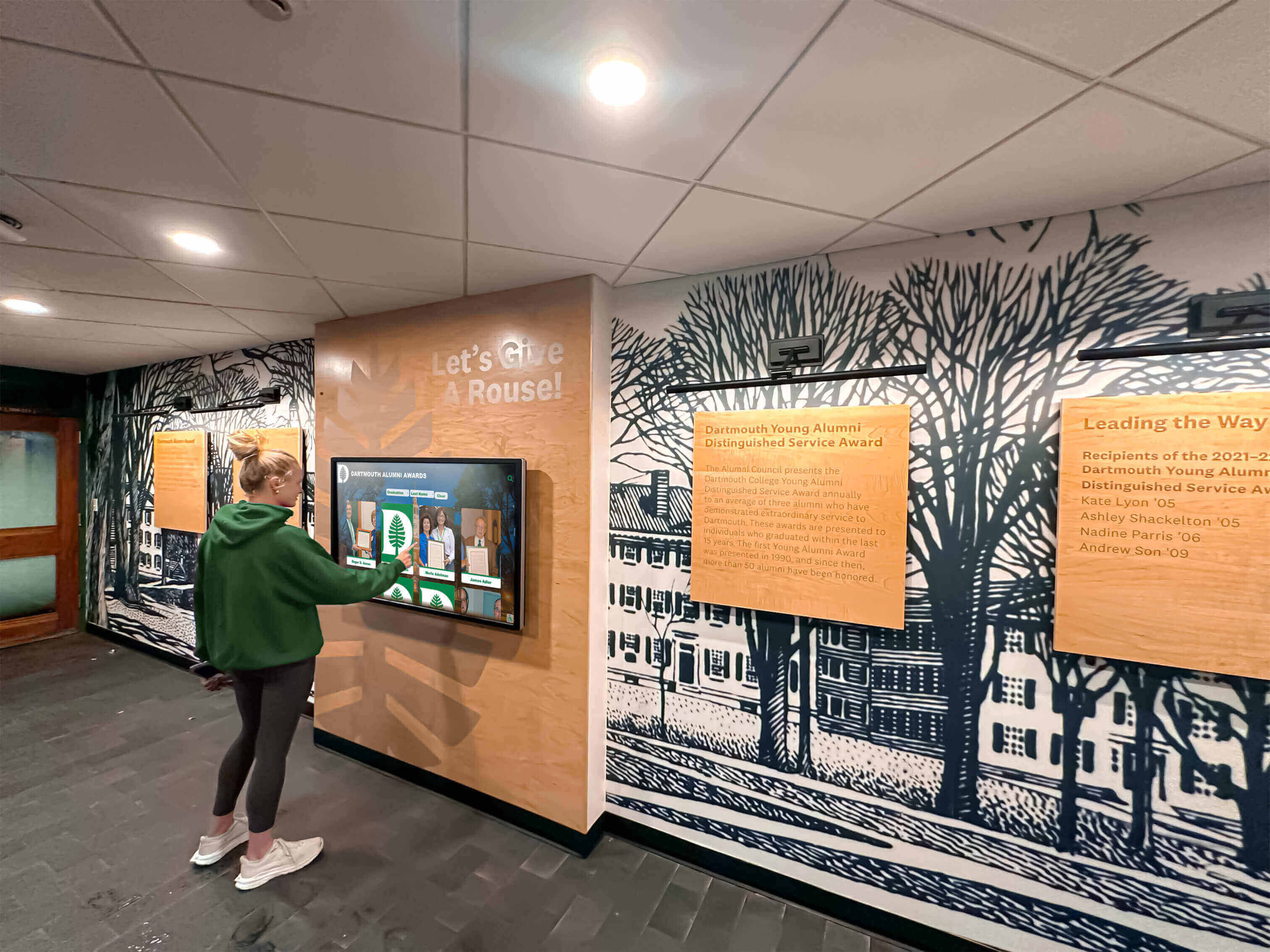
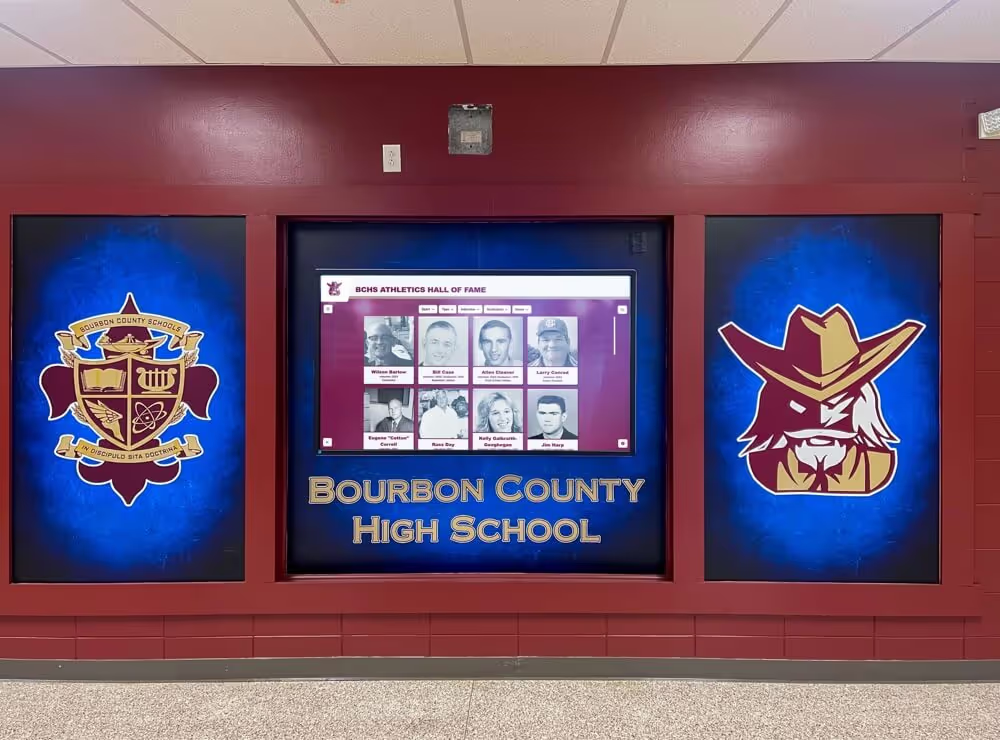
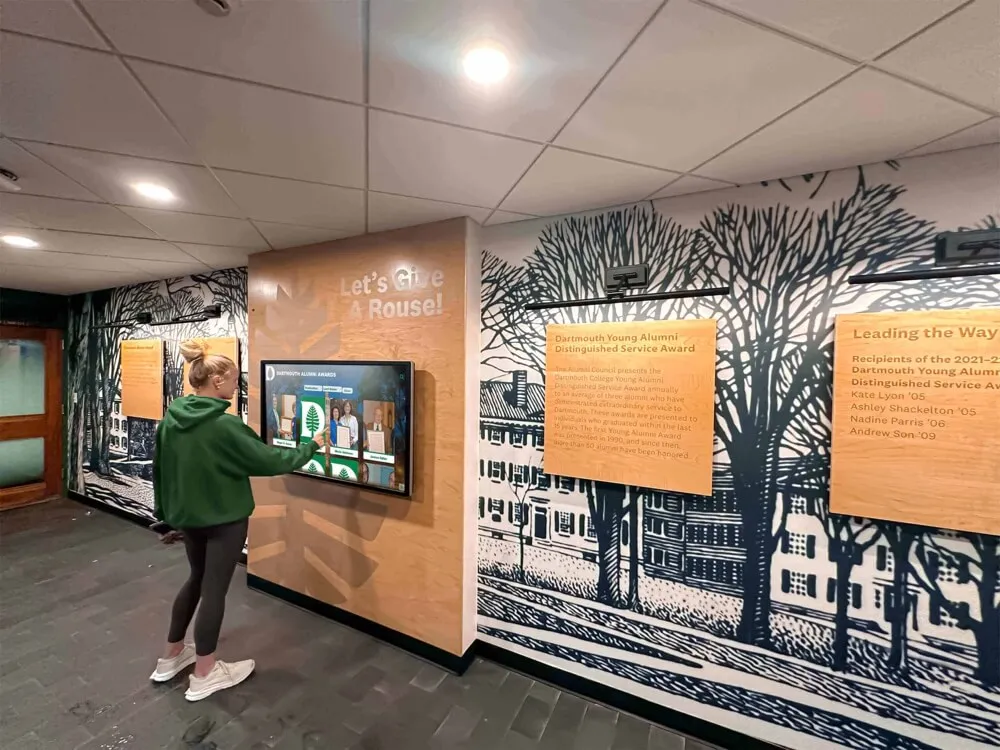
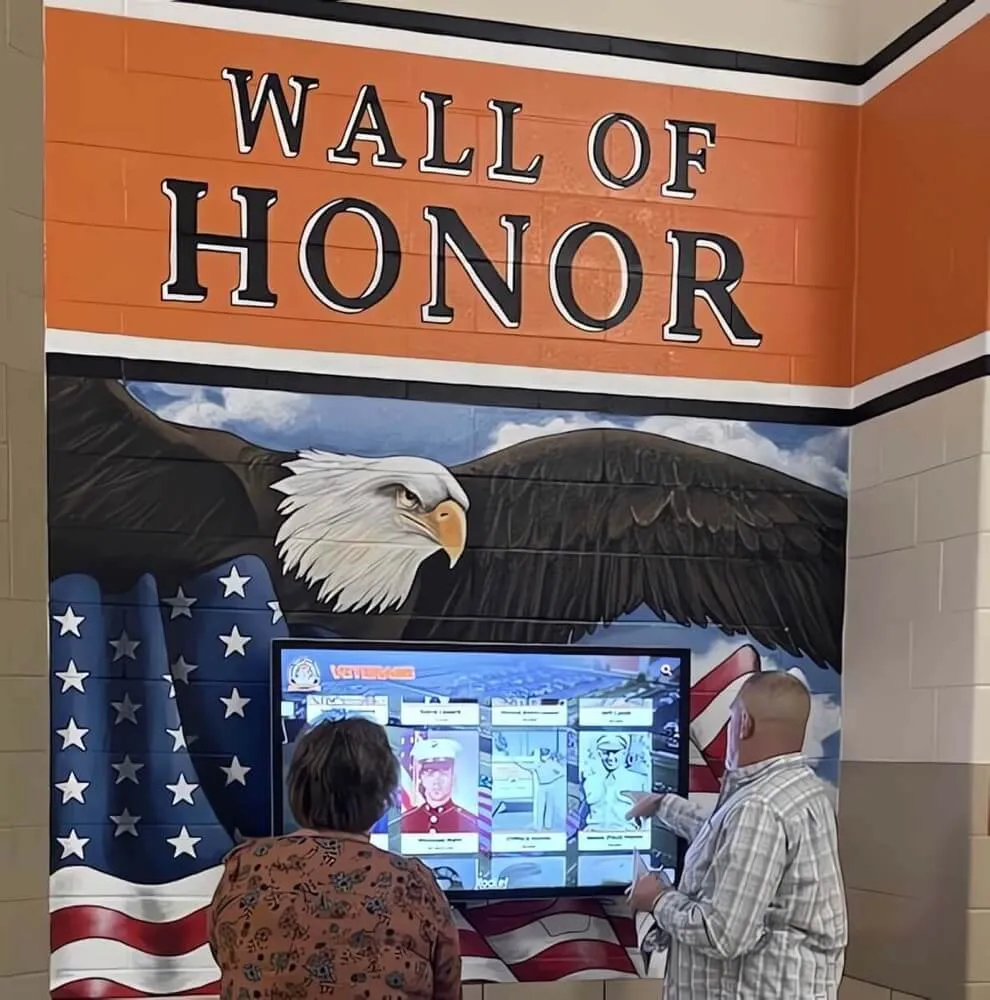
Intuitive interfaces make achievement exploration engaging for students of all technological comfort levels
These discovery features transform recognition displays from information sources into inspiration tools actively supporting student goal-setting and preparation planning. Schools report students regularly interacting with ACT leaderboards during study halls, lunch periods, and before-school hours—engagement traditional bulletin boards never achieved.
Planning Your Digital ACT Leaderboard Implementation
Successful digital recognition requires systematic planning addressing content, technology, and sustainability.
Establishing Clear Recognition Criteria
Define parameters ensuring consistent, equitable recognition:
Score Threshold Decisions Determine inclusion criteria:
- Standard ACT 30+ threshold recognizing top 7% of test-takers
- Consideration of multiple threshold levels for tiered recognition (30-32, 33-35, 36)
- Policies for students achieving thresholds through superscoring versus single test
- Whether to recognize PreACT or practice test achievements
- Treatment of students taking ACT multiple times—display all scores or only highest
- Recognition of exceptional section scores even if composite below 30
Most schools adopt straightforward ACT 30+ criteria for primary leaderboard inclusion while potentially creating separate recognition for perfect section scores (36 on individual sections) or dramatic improvement stories.
Privacy and Consent Considerations Test score recognition requires careful privacy management:
- Written student and family consent before publicly displaying specific scores
- Opt-out provisions allowing students to decline public recognition while receiving private acknowledgment
- FERPA compliance protecting educational records
- Clear communication about what information displays publicly and where
- Policies for removing recognition at student or family request
- Separate consent for web-based versus physical display recognition
Some families prefer not to publicize test scores due to sibling comparisons, privacy preferences, or concerns about peer pressure. Consent-based systems respect these preferences while maximizing participation among willing students.
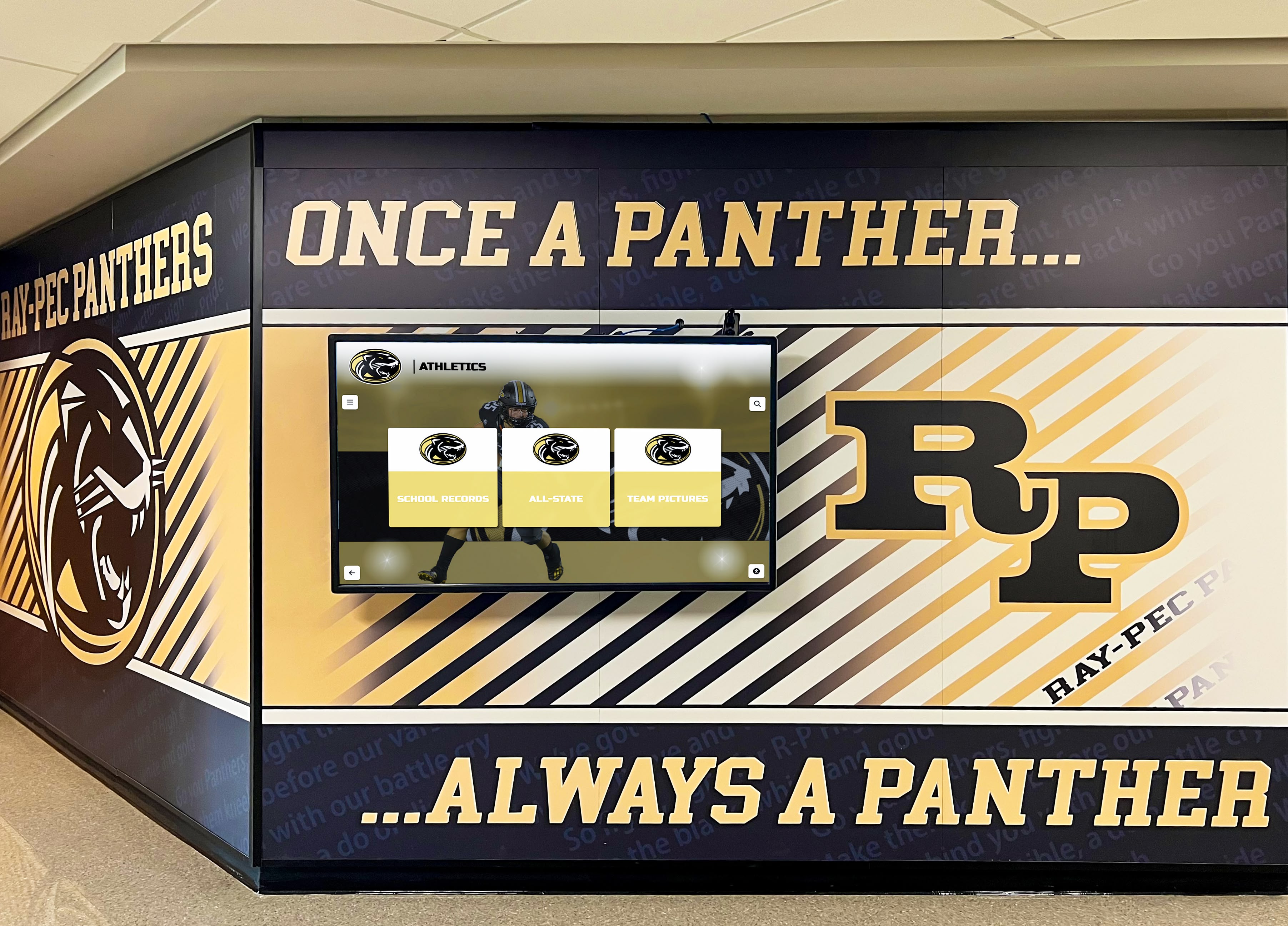
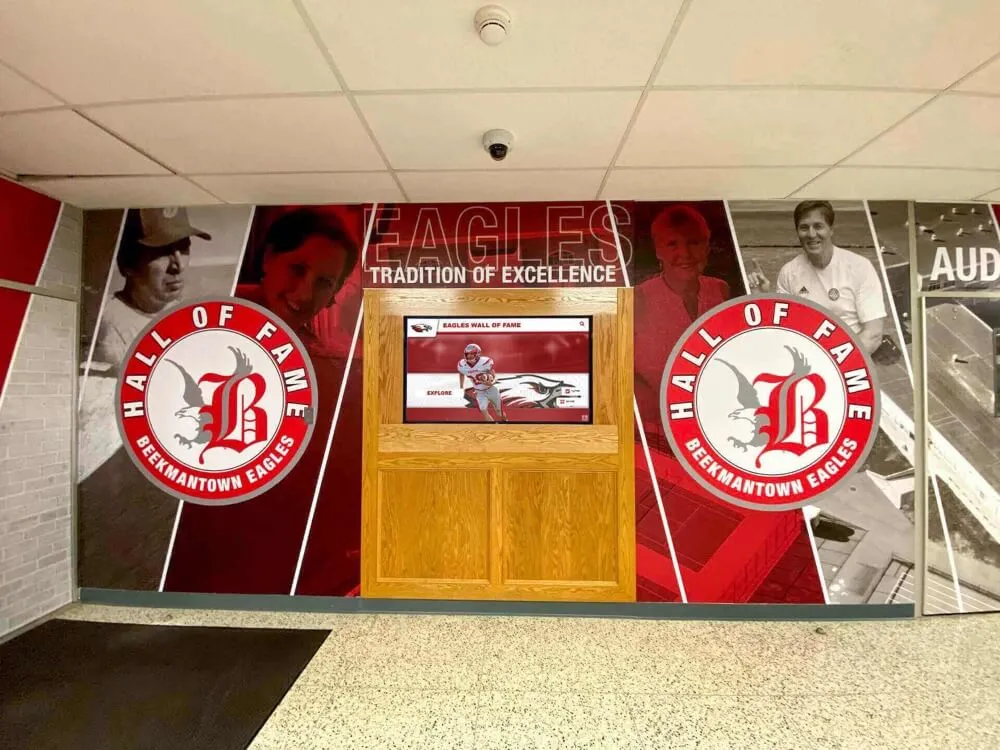
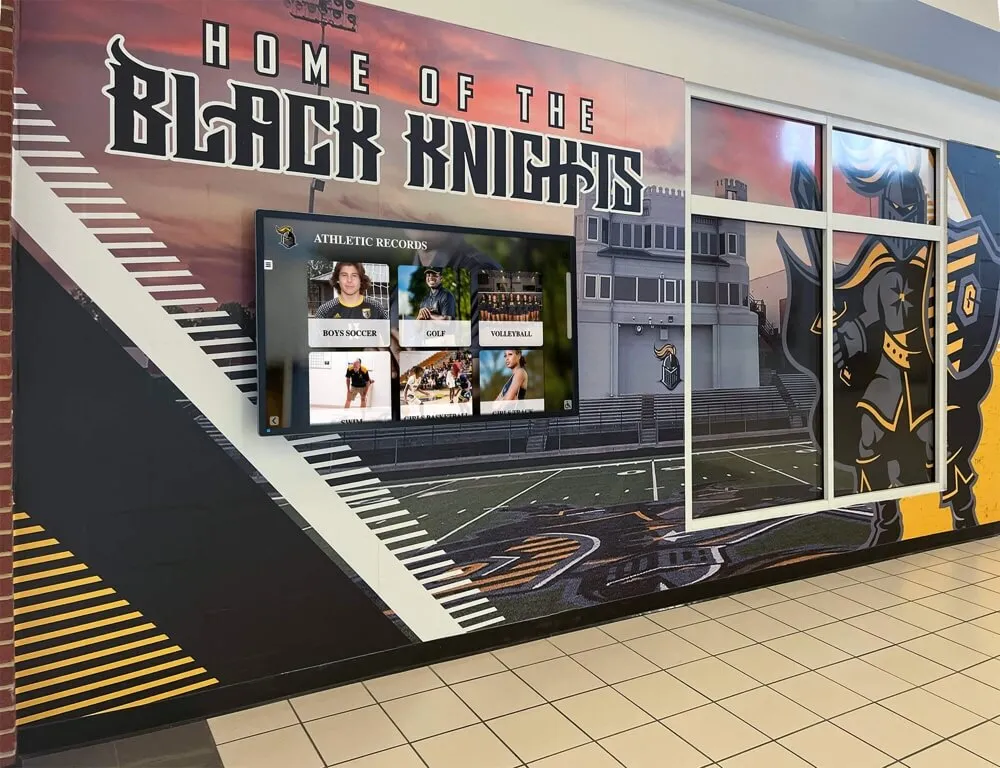
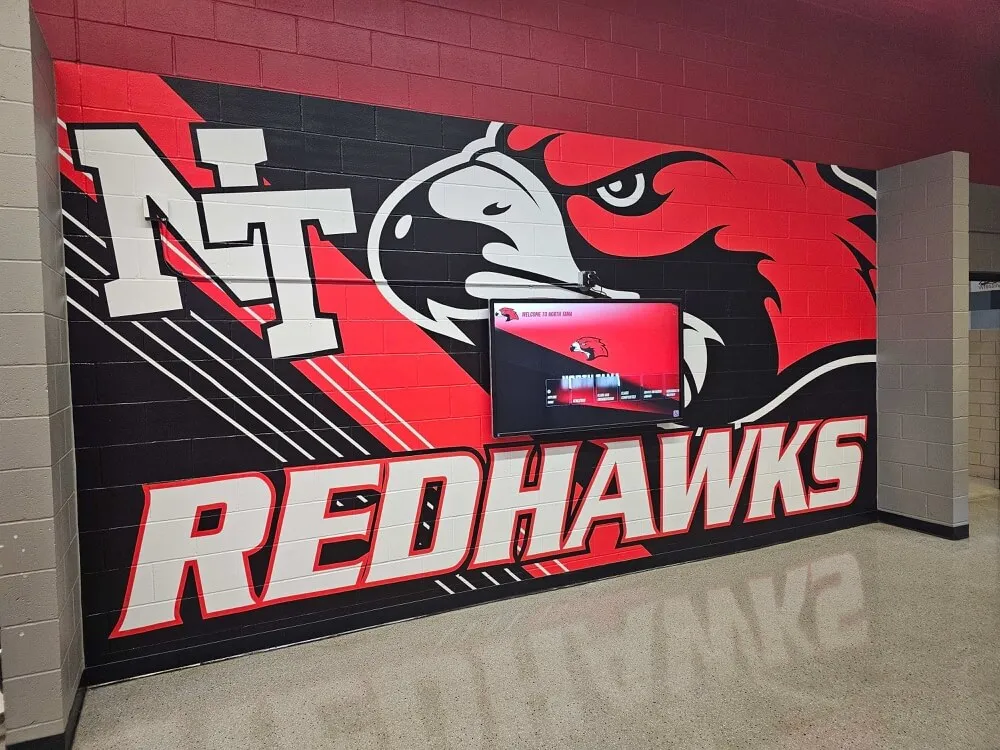
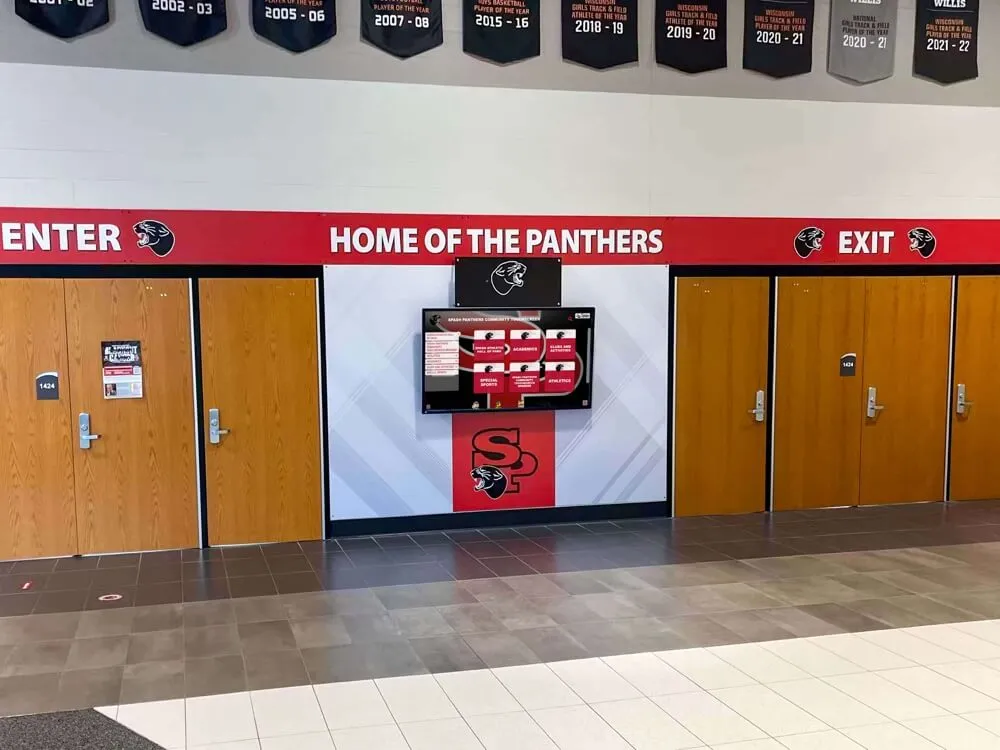
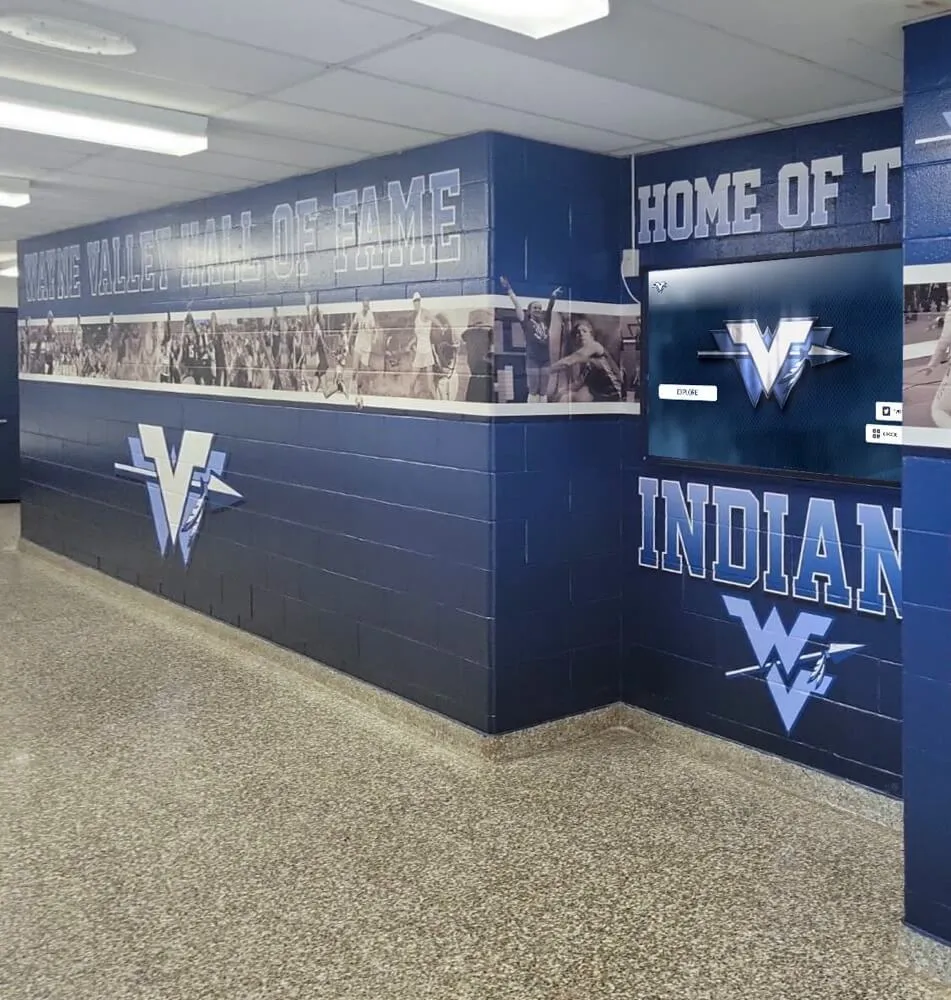
Strategic placement in high-traffic academic areas ensures maximum visibility and engagement
Content Collection and Profile Development
Systematic data gathering ensures comprehensive, accurate recognition:
Essential Information to Collect Gather details creating meaningful profiles:
- Student full name, graduation year, and current photo
- ACT composite score and test date
- Section scores (English, Math, Reading, Science) showing strengths
- Number of test attempts and score progression if applicable
- Notable academic achievements supporting preparation (GPA, class rank, honors)
- Advanced coursework (AP, dual enrollment, honors) demonstrating rigor
- College acceptance information and intended major
- Scholarship awards connected to ACT performance
- Student quotes about preparation strategies and study approaches
- Advice for underclassmen preparing for the ACT
- Acknowledgment of teachers, tutors, or programs supporting preparation
- Optional: video message sharing test-taking strategies or college planning insights
Efficient Collection Methods Streamline information gathering processes:
- Online submission forms students complete when sharing scores
- Google Forms or survey tools with photo upload capabilities
- Integration with counseling department test score tracking systems
- Rolling collection throughout school year as students receive scores
- Follow-up communications gathering college outcomes and scholarship information
- Alumni outreach for historical data from previous graduating classes
Many schools implement standing processes where counselors notify students achieving ACT 30+ scores about leaderboard opportunities, providing submission forms immediately. This proactive approach maximizes participation rates compared to passive notification methods.
Learn about comprehensive National Merit Scholar recognition systems that complement ACT leaderboards.
Implementation Timeline and Phasing
Year One: Foundation Building
Fall: Planning and System Selection
- Form planning committee including counselors and communications staff
- Research digital leaderboard platform options and capabilities
- Establish recognition criteria and privacy policies
- Determine budget and identify funding sources
- Select hardware and software solutions
- Plan physical installation locations
Winter-Spring: Data Collection and Content Development
- Communicate ACT 30+ leaderboard opportunities to all students
- Launch submission process for current achievers
- Begin gathering historical data from previous graduating classes
- Populate digital leaderboard with initial profiles
- Test system functionality and staff training
- Develop promotional materials and communication strategies
Late Spring: Launch and Celebration
- Host ACT 30+ recognition ceremony incorporating leaderboard unveiling
- Publish comprehensive profiles celebrating all current achievers
- Demonstrate interactive features and search capabilities
- Share celebration coverage through school communication channels
- Gather initial feedback for refinement
Year Two and Beyond: Expansion and Optimization
- Continue adding students achieving exceptional scores throughout testing cycles
- Expand historical archives adding previous graduating classes systematically
- Promote leaderboard during orientation for new students
- Integrate leaderboard into junior year college planning activities
- Gather usage analytics and user feedback
- Refine content strategies based on engagement data
- Expand integration with other academic recognition programs
Technology Selection and Hardware Considerations
Choosing appropriate platforms and equipment ensures sustainable, effective recognition.
Digital Leaderboard Platform Requirements
Evaluate software based on essential capabilities:
Core Functionality Needs Platforms should provide:
- Intuitive content management systems enabling non-technical staff updates
- Template systems ensuring consistent, professional presentation
- Bulk import capabilities for efficient historical data addition
- Advanced search and filtering enabling user discovery
- Photo and video management with automatic optimization
- Privacy controls protecting sensitive educational information
- Mobile-responsive web access extending reach beyond campus
- Multi-year archiving preserving complete historical recognition
- Analytics tracking engagement, popular content, and usage patterns
- Integration capabilities connecting with school websites and systems
Solutions like Rocket Alumni Solutions specifically designed for educational recognition provide these capabilities with templates and workflows optimized for academic achievement displays. Purpose-built platforms accelerate implementation while ensuring best-practice functionality from launch.
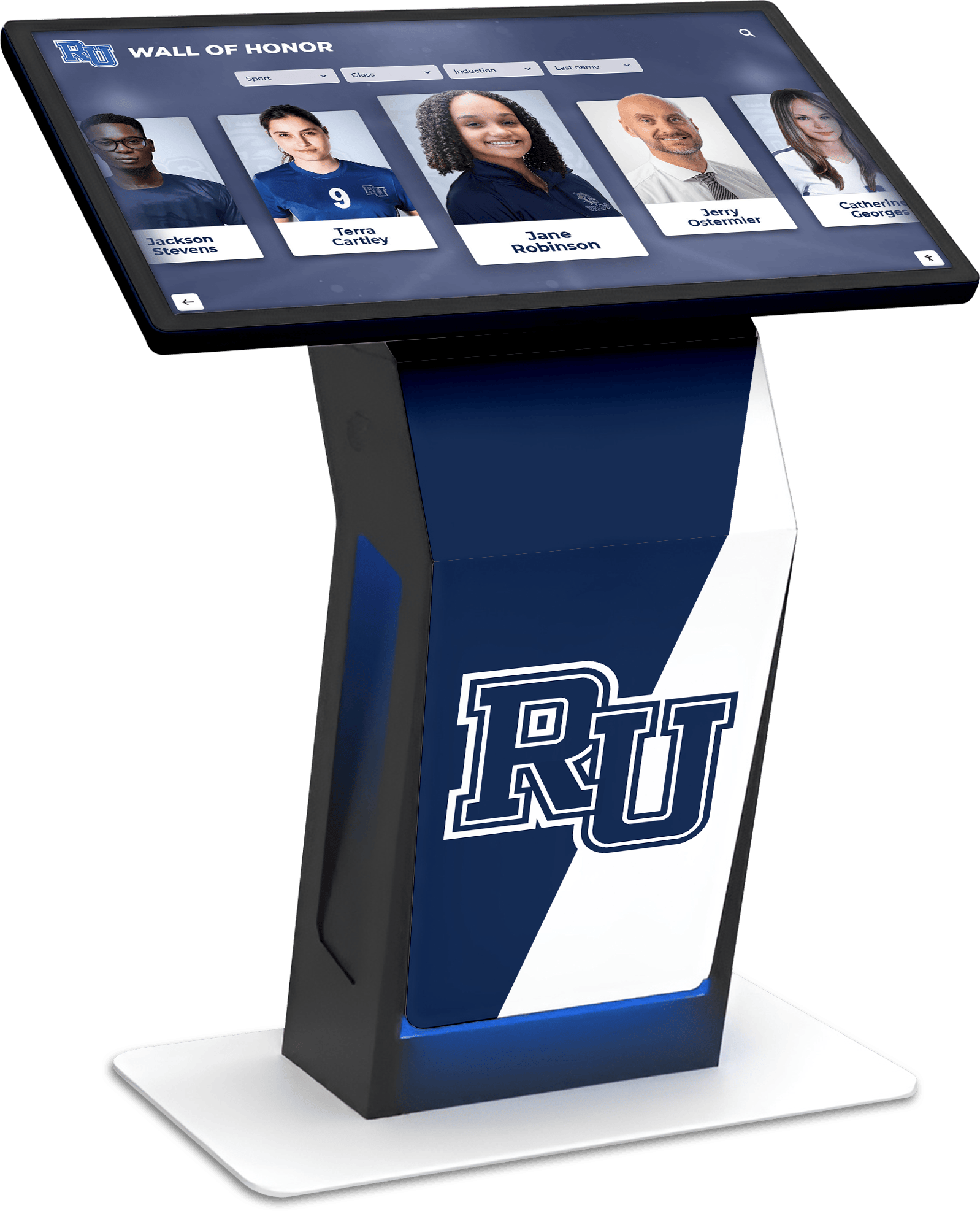
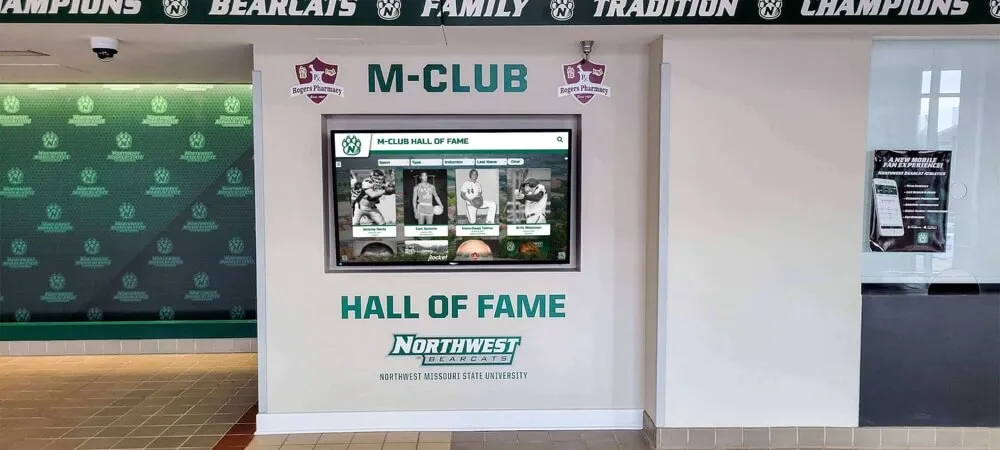
Modern recognition systems combine touchscreen displays with cloud-based management platforms
Administrative Efficiency Features Systems should minimize ongoing work requirements:
- Drag-and-drop interfaces requiring no technical expertise
- Duplicate templates streamlining profile creation for multiple students
- Scheduled publishing enabling advance content preparation
- Version control tracking changes and enabling rollback if needed
- Role-based permissions providing appropriate staff access levels
- Automated backups protecting against data loss
- Technical support ensuring rapid issue resolution
Sustainability depends on systems remaining manageable as staff members change roles. Platforms requiring specialized technical knowledge create dependencies that threaten program continuity.
Hardware Options and Physical Installation
Touchscreen Display Choices
Floor-Standing Kiosks Self-contained units offer advantages:
- Professional appearance signaling importance of academic achievement
- No wall mounting requirements simplifying installation
- Mobility enabling relocation if space needs change
- Integrated computer and display simplifying technical setup
- Protective enclosures preventing damage in school environments
- ADA-compliant heights ensuring accessibility
- Typical screen sizes: 43-55 inches for general use, 65-75 inches for large lobbies
Wall-Mounted Touchscreens Space-efficient alternatives provide:
- Integration with existing hallway walls and aesthetics
- Smaller physical footprint in tight spaces
- Various sizes available (32-86 inches) matching different areas
- Lower cost than floor kiosks for similar screen sizes
- Protective glass preventing damage in high-traffic areas
- Cleaner appearance in some architectural contexts
Large-Format Digital Signage Non-interactive displays suit specific use cases:
- Lower cost than touchscreen options
- Suitable for locations where interaction isn’t practical
- Can display rotating ACT achievements alongside other announcements
- Effective for distant viewing in large lobbies or gyms
- Simpler technical requirements and maintenance
Learn about comprehensive interactive touchscreen software options for recognition systems.
Strategic Placement Considerations
High-Traffic Academic Areas
- Main entrance lobbies where visitors immediately encounter achievements
- Guidance office areas where college-bound students gather regularly
- Media center common spaces with consistent student traffic
- Main hallway intersections ensuring broad visibility
- Academic wings celebrating intellectual achievement near classrooms
- Senior hallway areas recognizing graduating class accomplishments
Technical Requirements
- Electrical outlets and appropriate power capacity
- Network connectivity (ethernet preferred over wifi for reliability)
- Appropriate lighting avoiding glare while ensuring visibility
- Viewing angles and sight lines from natural traffic patterns
- Sufficient clearance around interactive displays for multiple users
- Environmental considerations (temperature, humidity, dust)
Professional installation ensures displays function reliably while meeting building codes and safety requirements. Many schools work with AV integration specialists familiar with educational environments and student-proof installations.
Creating Compelling Leaderboard Content
Recognition effectiveness depends on content quality beyond simple score lists.
Profile Design Best Practices
Visual Consistency and Professionalism Maintain polished presentation:
- Template-based layouts ensuring uniform appearance across all profiles
- High-quality photography showing students professionally
- Consistent typography and color schemes matching school branding
- Adequate white space preventing cluttered, overwhelming displays
- Clear hierarchy guiding viewers through information
- Accessibility considerations including font size and contrast ratios
Professional presentation signals that academic achievement deserves recognition equal to any other school accomplishment. Inconsistent, amateur designs undermine recognition value regardless of content quality.
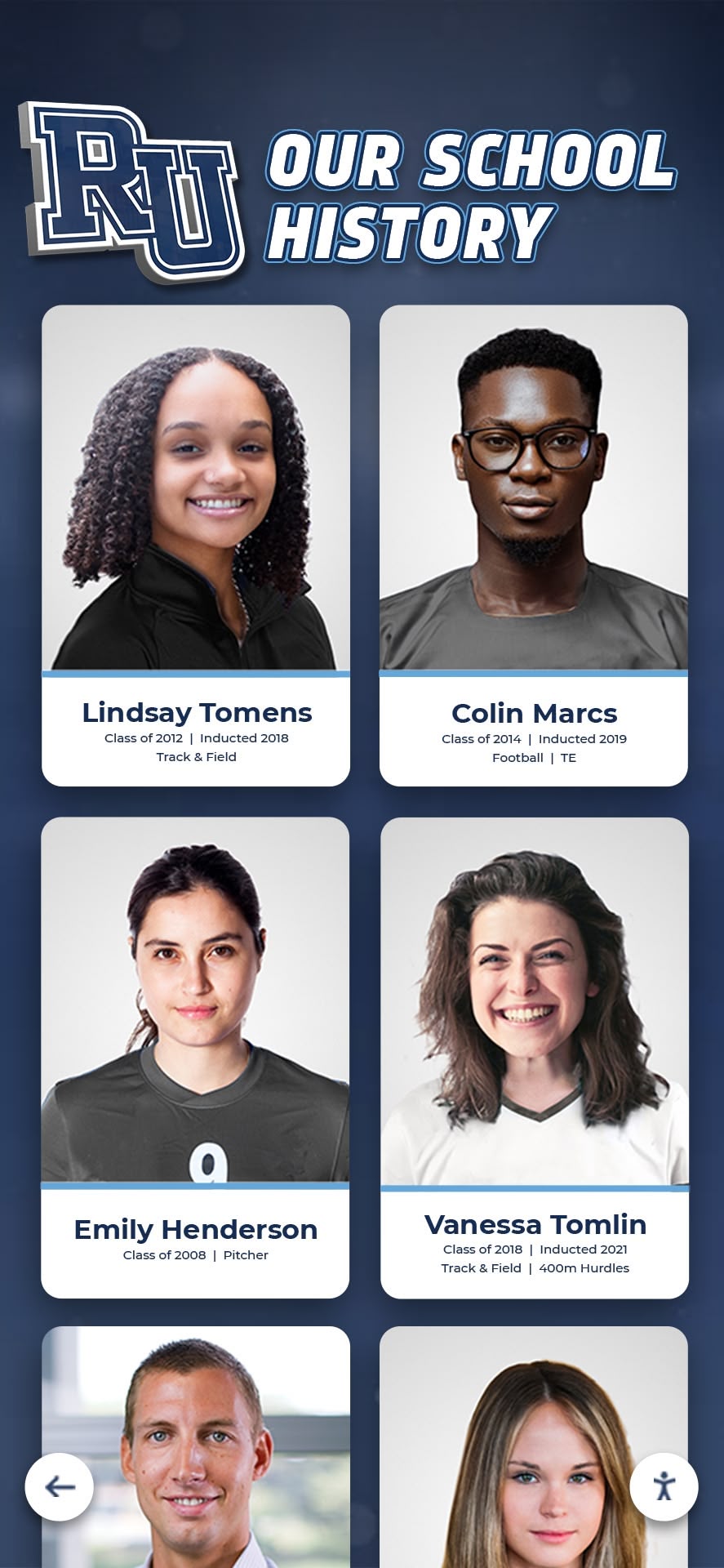
Well-designed profiles balance visual appeal with information depth creating engaging experiences
Narrative Elements That Inspire Include personal stories creating connection:
- First-person quotes about preparation approaches and challenges overcome
- Specific study strategies students found effective
- Timeline of preparation including when students began focused study
- Resources utilized including courses, tutors, or self-study materials
- Balance approaches managing test preparation with extracurriculars and commitments
- Gratitude expressions thanking supporters who contributed to success
- Encouragement for younger students pursuing similar goals
These narrative elements humanize achievers, making exceptional scores feel attainable through dedication rather than appearing as unattainable gifts reserved for naturally brilliant students. Schools report that personal story elements generate highest engagement from underclassmen researching preparation strategies.
Achievement Context and Depth Provide comprehensive perspective:
- Four-year academic journey showing coursework rigor
- GPA and class rank demonstrating broader academic performance
- Other academic achievements and honors (AP Scholar, honor roll, etc.)
- Academic competition success in quiz bowl, math competitions, or subject olympiads
- Improvement trajectory when students took ACT multiple times
- College outcomes including acceptances and scholarship awards
- Intended major and career aspirations showing achievement in context
Context transforms single test scores into indicators of sustained academic excellence, providing more complete achievement pictures that resonate with multiple audiences.
Leaderboard Organization Strategies
Multiple View Options Serving Different Purposes
Score-Ranked Leaderboard View Traditional leaderboard format showing:
- Composite scores from highest to lowest
- Student names, photos, and graduation years
- Section score breakdowns for each student
- Quick-reference format for comparing achievement levels
This view satisfies competitive interest while showcasing school’s highest achievers prominently. However, schools should balance it with other organizational approaches ensuring all ACT 30+ achievers receive equal recognition.
Chronological Graduation Year Organization Class-based display providing:
- All achievers from each graduation year grouped together
- Historical progression showing achievement trends over time
- Easy navigation for finding classmates or specific class years
- Alumni engagement enabling graduates to locate their recognition
This organization proves particularly valuable during reunions when alumni seek their own and classmates’ achievements.
College Destination Grouping Career-focused organization showing:
- Achievers attending each college or university
- Patterns revealing where high scorers successfully gained admission
- Helpful research for underclassmen targeting specific institutions
- Evidence of school’s college preparation effectiveness
Students exploring college options find this view especially valuable, discovering older students who navigated paths to target institutions successfully.
Featured Achievement Spotlights Rotating highlights showcasing:
- Most recent ACT 30+ achievers
- Students with dramatic improvement stories
- Perfect section scores (36 on individual sections)
- Seasonal features during testing windows
- Random rotation ensuring all students receive featured visibility
Rotating features maintain fresh content encouraging repeated viewing while ensuring all achievers receive spotlight moments beyond general leaderboard inclusion.
Web-Based Extensions Amplifying Recognition
Physical displays should integrate with online platforms extending reach.
Mobile-Responsive Online Leaderboards
Anytime, Anywhere Access Web platforms provide:
- Alumni worldwide viewing current students’ achievements from any location
- Families unable to visit campus regularly accessing complete recognition
- Prospective families researching schools exploring academic excellence evidence
- College admissions counselors seeing patterns of achievement from your institution
- Community members demonstrating educational outcomes supporting the district
- Students accessing information from personal devices during planning
Multi-Device Compatibility Responsive design ensures consistent experience:
- Smartphone optimization enabling easy mobile viewing during campus visits
- Tablet compatibility for classroom or counseling office use during planning
- Desktop access for detailed exploration with larger screens
- Consistent functionality and features across all platforms
- Fast loading times maintaining engagement on all connection speeds
Social Sharing and Celebration Amplification
Individual Profile Sharing Students can:
- Share personal ACT achievement profiles on social media
- Send direct links to extended family unable to attend ceremonies
- Include digital recognition in personal websites or portfolios
- Tag colleges in social posts creating connection opportunities
- Celebrate with networks beyond immediate school community
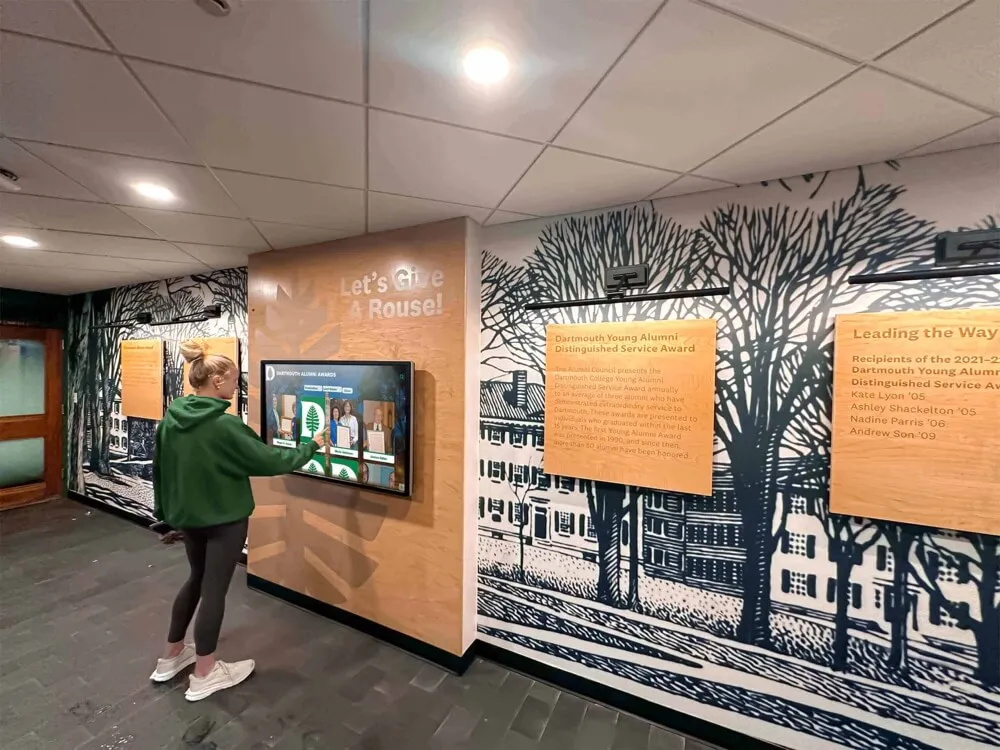
Accessible interfaces ensure recognition reaches diverse audiences including visitors and alumni
Institutional Celebration Schools can:
- Share compilation posts featuring multiple exceptional achievers
- Create hashtag campaigns aggregating student shares
- Generate video montages pulling from digital profiles
- Embed leaderboard widgets on school websites
- Link from email newsletters to individual profiles
- Distribute QR codes providing instant mobile access
Social sharing extends celebration reach exponentially beyond physical campus, generating community-wide pride and awareness while amplifying recognition value for honored students.
Analytics Informing Continuous Improvement
Digital systems provide valuable usage data:
Engagement Metrics Track effectiveness through:
- Page views and unique visitors measuring overall interest
- Time on page indicating depth of engagement
- Most-viewed profiles identifying compelling content elements
- Search patterns revealing what information users seek
- Geographic distribution of access showing reach
- Peak usage times informing promotion strategies
- Device type data guiding responsive design priorities
Content Effectiveness Assessment Identify what resonates:
- Profile elements receiving most attention (preparation advice vs. scores vs. photos)
- Optimal profile length balancing comprehensiveness with engagement
- Navigation patterns showing how users explore leaderboards
- Social sharing frequency by content type and profile characteristics
- Seasonal usage trends informing communication timing
- Correlation between content updates and engagement changes
Use insights to refine leaderboard content and presentation continuously, ensuring maximum impact and engagement year after year. Schools implementing data-driven refinement report 40-60% engagement increases within two years of initial launch.
Integration with Broader Academic Recognition
Digital leaderboards prove most effective when celebrating diverse achievements alongside test scores.
Comprehensive Academic Achievement Displays
Multiple Recognition Types on Unified Platforms Maximize infrastructure investment:
- National Merit Scholar recognition integrated with ACT achievements
- SAT exceptional scores and Subject Test accomplishments
- AP Scholar designations and individual exam scores of 4 and 5
- Honor roll achievers across all grade levels
- Academic competition successes across all subjects
- Valedictorian and salutatorian recognition
- Perfect attendance and consistent academic performance
- Subject-specific excellence awards
Integrated recognition ensures significant investment in digital infrastructure serves multiple purposes while reinforcing that excellence takes many forms. Students unable to achieve ACT 30+ scores find recognition opportunities through other academic pathways.
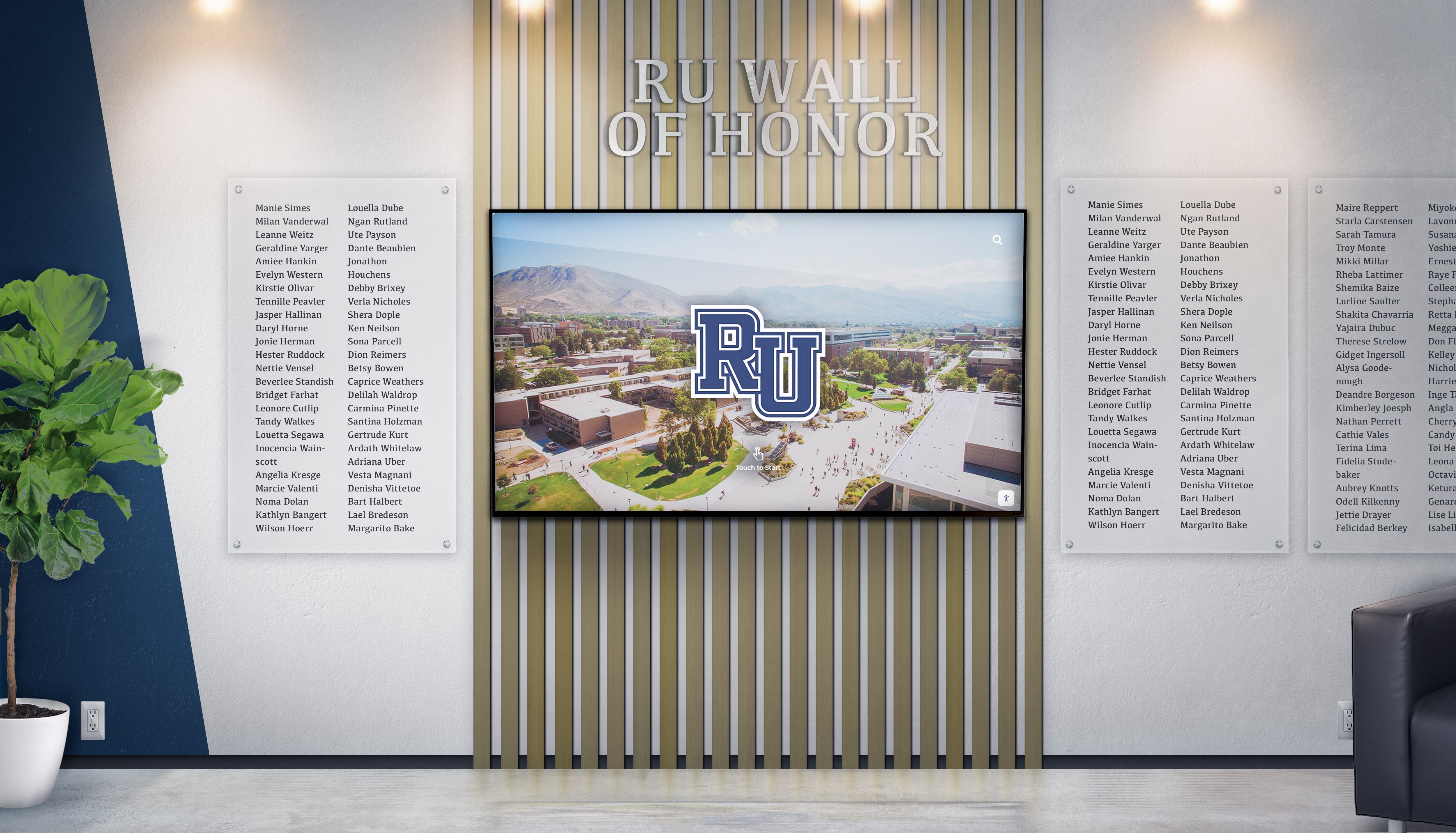
Unified recognition systems celebrate test scores, academic awards, and intellectual achievements on single platforms
Cross-Referencing and Connection Link related achievements:
- Showing students’ ACT scores alongside AP Scholar designations
- Connecting test scores to college destinations and outcomes
- Highlighting students appearing in multiple recognition categories
- Demonstrating correlation between coursework rigor and test performance
- Creating comprehensive academic excellence narratives
Cross-referencing helps stakeholders understand achievement relationships and pathways, providing richer context than isolated recognition categories.
Alumni Success Stories and Long-Term Outcomes
Post-Secondary Achievement Tracking Extend recognition beyond high school:
- College acceptances and scholarship awards connected to ACT performance
- Undergraduate academic honors and achievements
- Graduate school acceptances and advanced degrees
- Career accomplishments and professional recognition
- Entrepreneurial ventures and business leadership
- Community contributions and service
- Connection between ACT foundation and long-term success
Alumni outcome tracking transforms historical leaderboards from dated records into inspiring success stories demonstrating long-term achievement impact. Current students researching career paths benefit from discovering alumni who pursued similar fields.
Alumni Engagement Opportunities Leverage recognition for connection:
- Alumni mentor programs connecting current students with graduates
- Career panels featuring former ACT 30+ achievers
- College application advice from alumni who navigated selective admissions
- Test preparation insights from graduates sharing successful strategies
- Professional networking opportunities for current students
- Fundraising appeals emphasizing academic excellence support
Recognition creates natural engagement hooks bringing alumni back to campus and providing value to current students beyond inspiration. Schools report ACT achievers commonly participate in alumni programs at higher rates than general graduate populations.
Launch Strategy and Promotional Campaigns
Maximize awareness and adoption through systematic promotion.
Initial Launch Event Planning
Unveiling Ceremony Integration Coordinate with existing academic recognition events:
- Unveil digital leaderboard during academic awards ceremony or honors assembly
- Demonstrate interactive features and search capabilities before audience
- Create photo opportunities with featured students exploring their profiles
- Distribute access instructions for remote web-based viewing
- Generate social media buzz around launch using dedicated hashtags
- Invite local media for coverage and recognition amplification
- Engage school board members and community leaders in celebration
Launch events signal institutional investment in academic recognition while creating memorable moments for honored students. High-profile unveilings generate coverage and awareness extending far beyond immediate attendees.
Student Ambassador Programs Engage current ACT 30+ achievers:
- Student-led demonstrations of leaderboard features during orientations
- Peer testimony about preparation strategies during classroom visits
- Student management of social media promotion and engagement
- Ambassador presence during open houses and campus tours
- Tutoring or mentoring programs connecting achievers with younger students
Student ambassadors provide authentic voices promoting academic excellence more effectively than adult-led campaigns. Peers sharing their stories create relatable examples inspiring emulation.
Launch events create memorable experiences while generating awareness and community engagement
Ongoing Visibility Campaigns
Year-Round Promotional Activities Maintain awareness through consistent touchpoints:
- Orientation presentations introducing new students to leaderboard
- Classroom visits demonstrating research uses during junior year college planning
- Counseling office integration during individual student meetings
- Parent newsletter features explaining access methods and recognition purposes
- Alumni communications highlighting historical archives and legacy connections
- Open house demonstrations for prospective families
- Monthly spotlight features on social media highlighting individual achievers
- PSAT and ACT registration promotions emphasizing recognition opportunities
Consistent promotion transforms digital leaderboards from one-time implementations into integral cultural elements receiving ongoing engagement. Schools achieving greatest impact treat leaderboard promotion as continuous process rather than launch-only activity.
Strategic Timing Coordination Align promotion with natural moments:
- September promotions when PSAT registration occurs
- October visibility during PSAT testing window
- December engagement during score release periods
- February promotions before primary ACT testing dates
- April-June visibility during final testing windows and score releases
- August showcases during new student orientations
- Graduation ceremony acknowledgment of ACT 30+ seniors
Strategic timing ensures leaderboard awareness peaks when students make test-taking and preparation decisions, maximizing motivational impact.
Maintaining and Sustaining Digital Leaderboards
Long-term success requires clear processes and appropriate resource allocation.
Staff Responsibilities and Workflow Documentation
Role Assignment Distribute responsibilities appropriately:
- Program Coordinator: Overall strategy, assessment, and stakeholder communication
- Content Manager: Profile creation, updates, and quality assurance
- Data Coordinator: Score tracking, consent management, and information collection
- Technical Administrator: Platform management, troubleshooting, and technical support
- Communications Lead: Promotion, social media, and media relations
- Event Coordinator: Recognition ceremonies and celebration planning
Clear ownership prevents programs languishing from diffuse responsibility where everyone assumes someone else handles tasks. Written position descriptions with specific duties create accountability.
Documented Workflows Create sustainability through clear procedures:
- Step-by-step profile creation processes with screenshots and examples
- Information collection templates and submission forms
- Quality checklists ensuring consistency and completeness
- Timeline calendars coordinating annual cycles and regular updates
- Troubleshooting guides addressing common issues
- Training materials for new staff members
- Contact information for technical support and vendor resources
Comprehensive documentation enables continuity even when staff members change roles, preventing institutional knowledge loss that disrupts recognition programs.
Budget Planning and Resource Allocation
Initial Investment Components Startup costs typically include:
- Digital display hardware and installation ($5,000-15,000 per location)
- Software platform license or subscription (varies by provider)
- Historical content development and profile creation ($2,000-8,000)
- Professional photography for initial achiever profiles
- Launch event and ceremony costs
- Staff training and initial technical support
- Marketing materials and promotional campaign development
While initial investments may appear substantial, digital leaderboards provide unlimited capacity and decades-long utility creating value impossible with traditional approaches requiring expensive physical expansion for each new cohort.
Ongoing Operational Costs Annual budget requirements:
- Platform hosting or subscription fees ($1,500-4,000 annually typical)
- Annual achiever content development and photography
- Technical support and maintenance contracts
- Recognition event and ceremony expenses
- Promotional materials and marketing campaigns
- Hardware replacement reserves
- Professional development for staff members
Schools report digital leaderboard operational costs substantially lower than traditional recognition approaches when accounting for materials, labor, and physical display construction required annually with conventional methods.
Measuring Success and Demonstrating Impact
Regular assessment ensures leaderboards achieve intended goals and justify resource investment.
Quantitative Success Metrics
Participation and Coverage Indicators
- Percentage of ACT 30+ achievers consenting to recognition
- Time from score receipt to leaderboard profile publication
- Year-over-year trends in number of ACT 30+ achievers
- Distribution of scores within the 30+ range
- Multiple test attempt patterns and improvement rates
- Historical archive completion percentages
Engagement Measurements For digital platforms:
- Daily, weekly, and monthly interaction counts with touchscreens
- Average session duration indicating depth of engagement
- Most frequently viewed profiles and content types
- Search query patterns revealing user interests and needs
- Web platform visits and page views
- Social media engagement with shared profiles
- Geographic distribution of remote access
Motivational Impact Indicators Broader metrics showing program influence:
- Junior participation in ACT test preparation programs
- PSAT and ACT registration rates among eligible students
- Test score improvement patterns between attempts
- Student survey responses about leaderboard influence on preparation decisions
- Underclassmen reports citing recognition as achievement motivation
Schools implementing digital ACT leaderboards commonly report 15-30% increases in test preparation program participation and 10-20% increases in PSAT registration rates within two years of launch.
Qualitative Assessment Methods
Stakeholder Feedback Collection
- Student surveys about recognition program awareness and impact on motivation
- Underclassman feedback about how visibility influences preparation approaches
- Family perception of recognition meaningfulness and appropriateness
- Staff assessment of system usability and administrative sustainability
- Counselor evaluation of leaderboard’s role in college planning culture
- Alumni testimonials about continued connection to institution
Success Story Documentation Collect narratives demonstrating impact:
- Students motivated to pursue higher scores after exploring leaderboard
- Underclassmen who set ACT goals influenced by featured achievers
- Families who felt pride seeing permanent recognition
- Mentorship relationships initiated through leaderboard discovery
- College acceptances facilitated by recognized performance
- Alumni who maintained connections through recognition engagement
These qualitative indicators complement quantitative metrics, providing comprehensive understanding of leaderboard impact across multiple dimensions.
Special Considerations for Different School Contexts
Recognition approaches should adapt to institutional characteristics and community needs.
Schools Building ACT Excellence Traditions
Institutions without established ACT 30+ history face unique opportunities:
Creating Foundation for Future Success Strategic approaches include:
- Setting ACT 25+ or 28+ thresholds initially when 30+ achievers are limited
- Celebrating dramatic improvement stories alongside absolute achievement
- Highlighting first-time ACT 30+ achievers as trailblazers
- Using recognition to motivate participation in preparation programs
- Building infrastructure before achieving high achievement volumes
- Conducting alumni outreach identifying historical achievers for belated recognition
First students achieving ACT 30+ scores deserve special celebration as program founders. Their recognition creates aspirational examples while demonstrating emerging academic excellence.
Large Schools with High Achievement Volume
Schools with many exceptional test-takers face different challenges:
Managing Large Leaderboards Digital systems become essential with volume:
- Physical displays cannot accommodate dozens of achievers per year
- Bulk upload tools critical for efficient content entry
- Automated processes reducing manual work requirements
- Sub-categorization by score ranges creating additional organization layers
- Featured rotations ensuring all students receive visibility periods
- Advanced search capabilities preventing information overload
Large schools benefit most from digital recognition’s unlimited capacity. Explore digital hall of fame implementation strategies for high-volume programs.
Ensuring Equitable Recognition Access
Addressing Socioeconomic Considerations Leaderboards should not create unintended barriers:
- Recognize that test preparation access varies by family resources
- Highlight improvement stories alongside absolute scores
- Provide school-sponsored test preparation programs ensuring access
- Feature multiple achievement types beyond standardized testing
- Acknowledge different starting points in achievement narratives
- Balance test score recognition with grades, growth, and other metrics
Equitable recognition celebrates achievement while acknowledging that opportunity differences affect outcomes. Comprehensive academic recognition including diverse achievement types ensures students from all backgrounds find success pathways.
Conclusion: Building Academic Excellence Culture Through Digital Recognition
Digital ACT leaderboards represent more than modern alternatives to bulletin boards—they’re strategic investments in academic excellence culture creating year-round inspiration, validating rigorous preparation, and demonstrating institutional commitment to intellectual achievement. When schools implement comprehensive digital recognition systems showcasing not just current achievers but complete historical archives, they create visible evidence of sustained academic excellence that influences prospective families, motivates current students, and engages alumni communities.
The strategies explored in this guide provide frameworks for transforming ACT recognition from momentary acknowledgment into permanent celebration woven throughout institutional culture. Digital leaderboards eliminate space constraints while preserving complete achievement history, provide searchable interfaces helping students research preparation strategies, enable real-time updates keeping recognition current, offer year-round visibility inspiring continuous motivation, and require minimal ongoing maintenance compared to traditional approaches.
Schools implementing digital ACT leaderboards report measurable increases in test preparation engagement, higher junior year testing participation rates, visible cultural shifts toward valuing academic achievement, improved college acceptance outcomes, and enhanced community pride in academic accomplishments. These outcomes justify initial investments while creating foundations for sustained academic excellence programs.
Start where you are: define meaningful ACT recognition criteria your community values, implement digital leaderboard systems ensuring achievements receive lasting visibility, gather student information systematically throughout testing cycles, celebrate accomplishments enthusiastically during recognition ceremonies, and maintain systems through clear processes ensuring sustainability.
Every ACT 30+ score represents years of academic dedication, rigorous coursework, and disciplined preparation. These achievements deserve recognition extending far beyond announcement assemblies—recognition that inspires younger students, validates preparation approaches, builds community pride, and creates academic excellence culture where exceptional achievement becomes expected, celebrated, and attainable for motivated students.
Ready to Transform Your ACT Recognition Program?
Discover how Rocket Alumni Solutions can help you create engaging digital leaderboards celebrating every exceptional test achievement while building academic excellence culture throughout your school community. With unlimited capacity for historical archives, real-time content flexibility, and intuitive management requiring no technical expertise, Rocket makes comprehensive ACT recognition achievable and sustainable.
Book a demo to see how flexible digital leaderboards can showcase your school’s complete ACT achievement legacy.
Ready to begin? Explore perfect ACT score history displays or discover academic recognition program strategies transforming how schools honor student achievement across all categories.