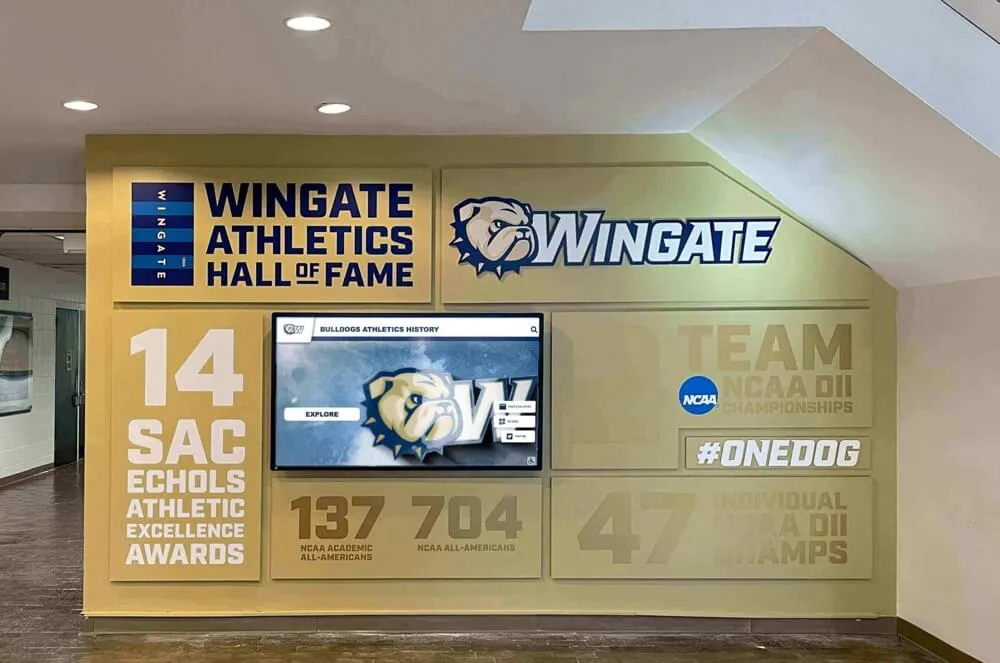




Schools, universities, nonprofit organizations, and institutions face a common challenge: honoring achievements, contributions, and historical legacies in ways that engage modern audiences while managing limited physical space and budget constraints. Traditional plaques and trophy cases reach capacity quickly, requiring expensive renovations or difficult decisions about removing older recognition to make room for new inductees.
Digital hall of fame tools solve these fundamental problems by providing unlimited recognition capacity, rich multimedia storytelling capabilities, instant updates, and accessibility from anywhere. Whether you need to celebrate athletic achievements, acknowledge donor contributions, showcase arts program excellence, or preserve institutional history, the right hall of fame tool transforms how you honor and engage your community.
This comprehensive guide examines the 10 best hall of fame tools available in 2025, evaluating platforms based on features, ease of use, customization options, support quality, and value across different recognition contexts. From comprehensive turnkey solutions to specialized platforms targeting specific use cases, we analyze what each tool does well, where it falls short, and which organizations benefit most from each approach.
Organizations implementing modern hall of fame tools report 40-60% improvements in community engagement, 35-50% increases in donor retention rates, and significant time savings compared to traditional plaque-based recognition systems. The investment in digital recognition technology generates measurable returns through enhanced stakeholder satisfaction, improved fundraising outcomes, and creation of engagement assets that actively support institutional goals for years to come.

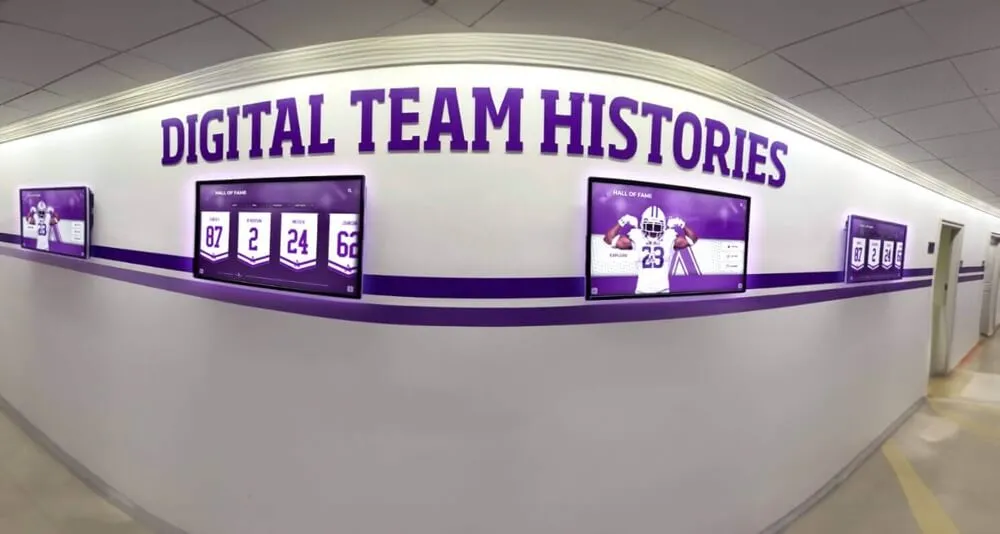
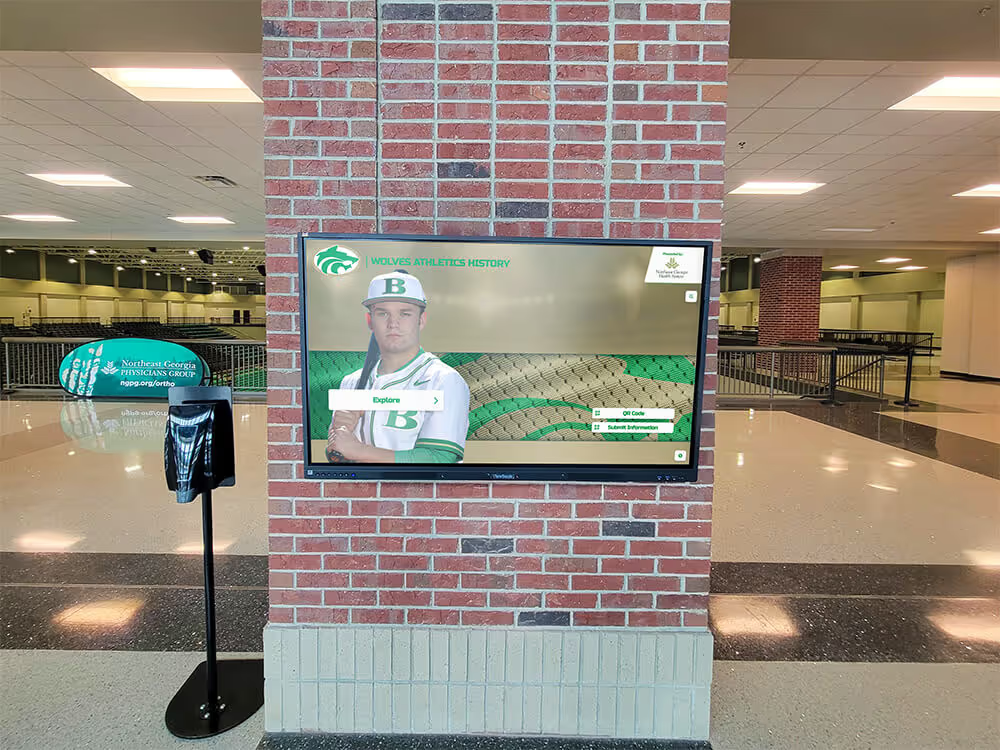
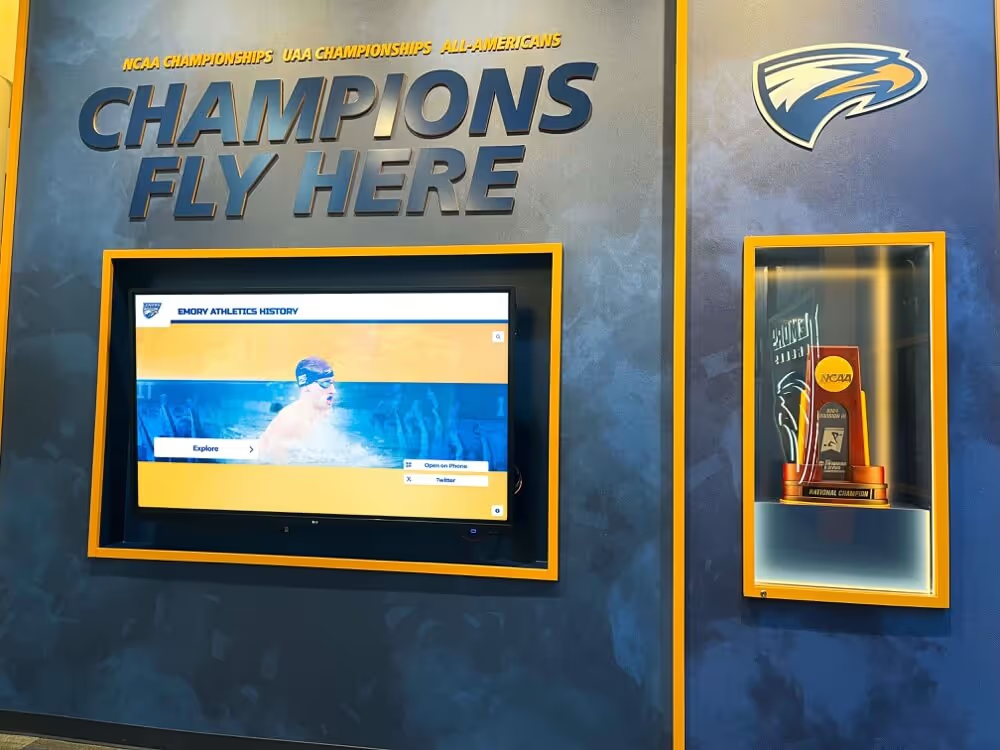
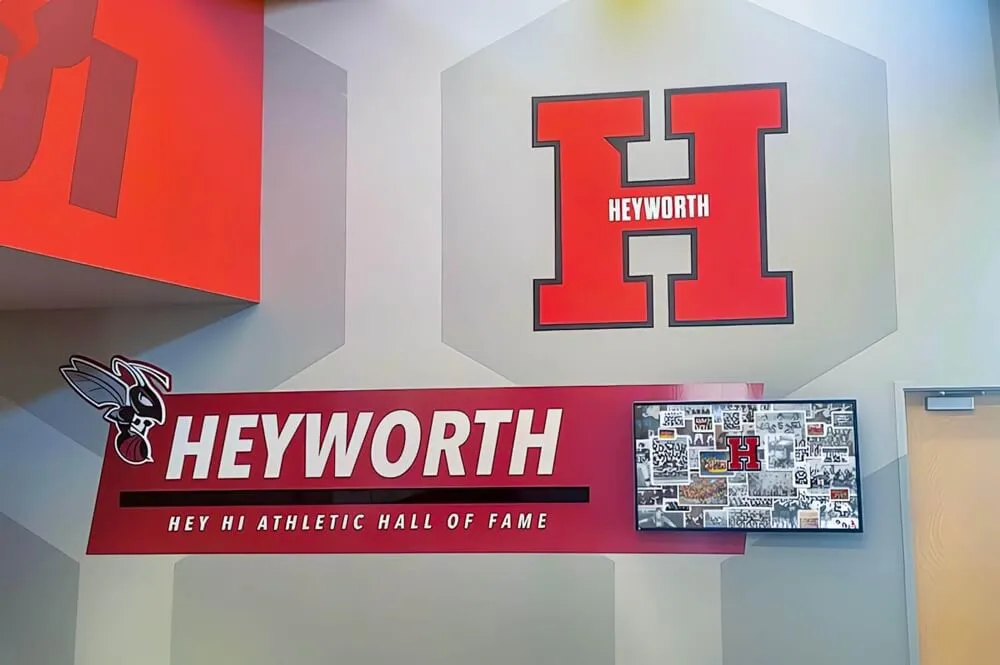
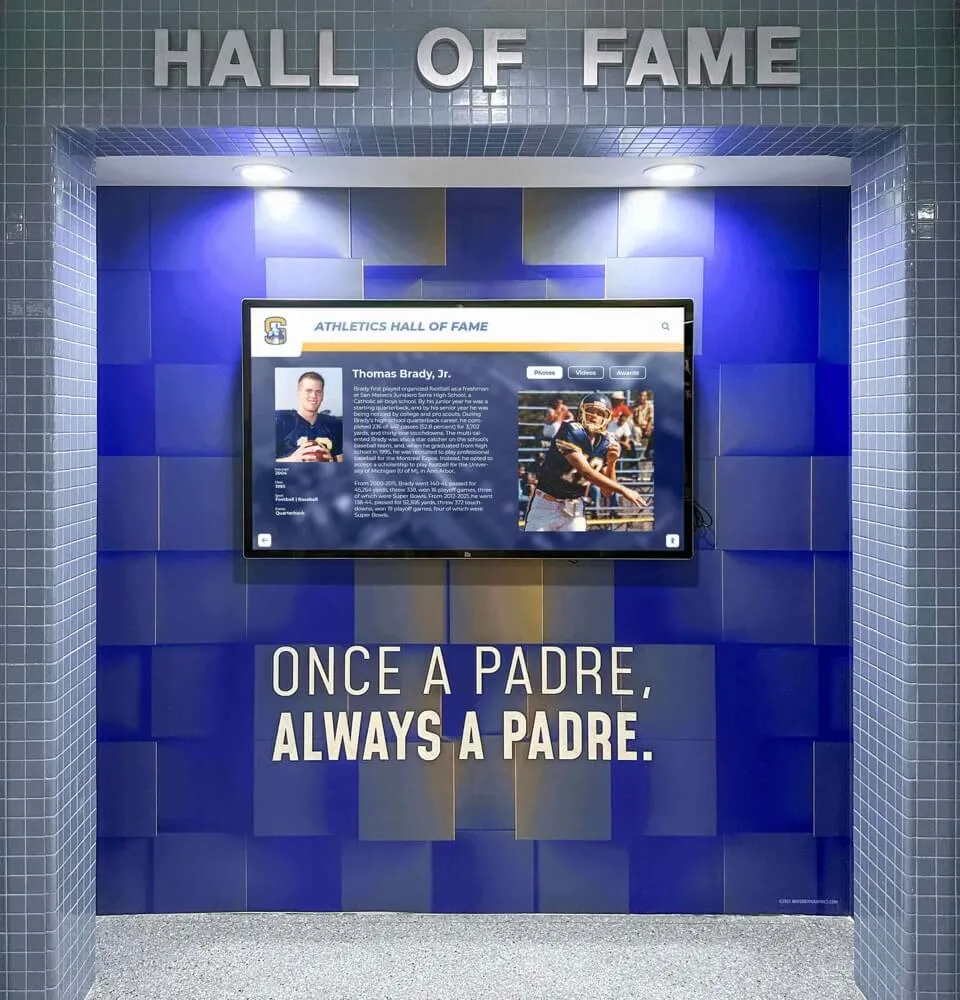
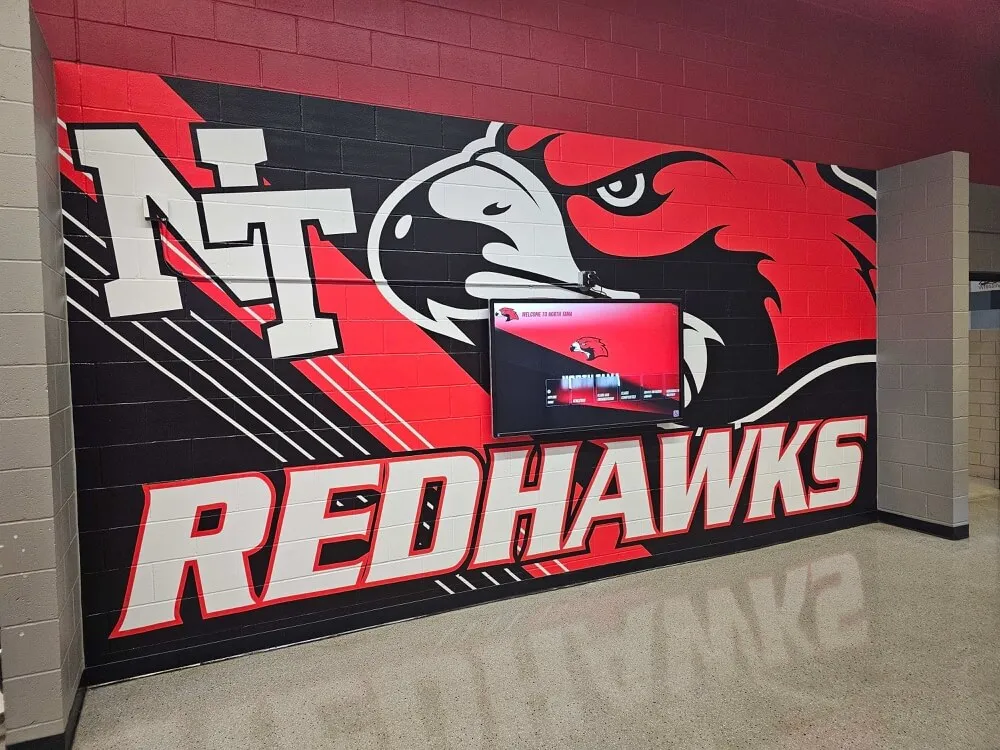
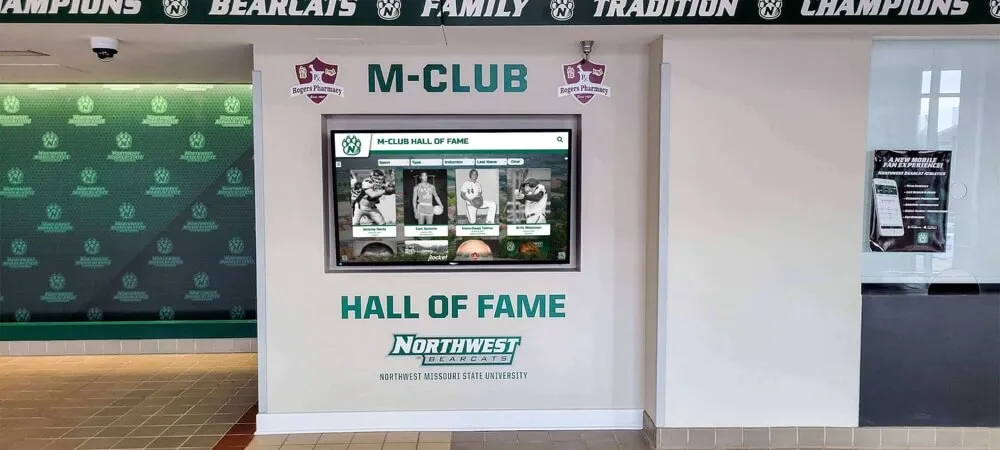
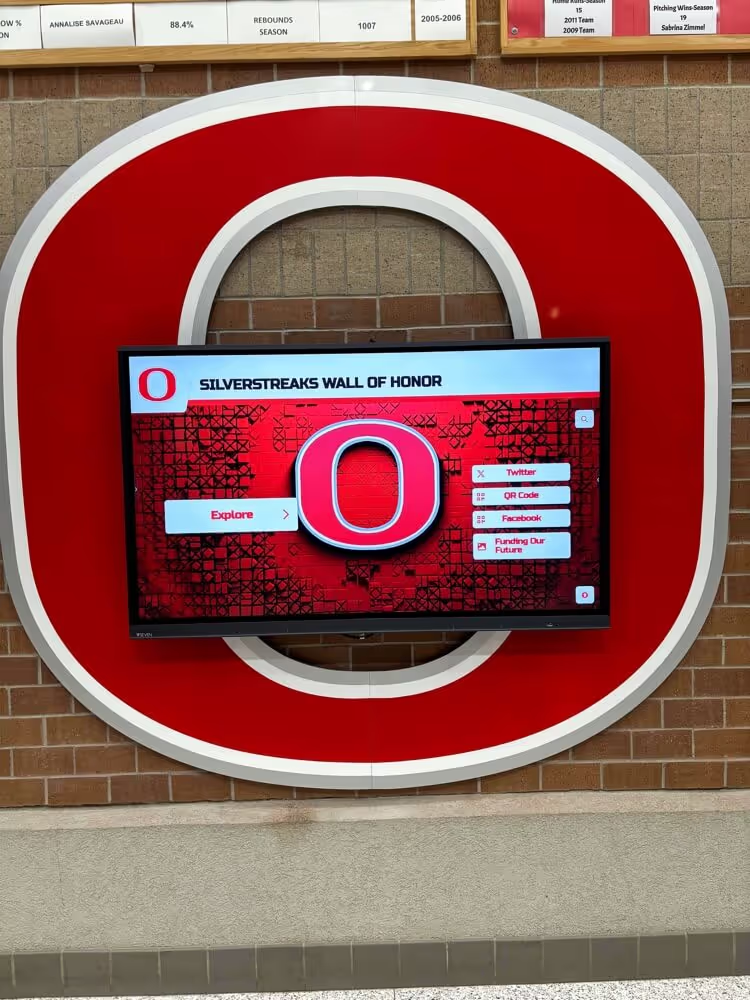
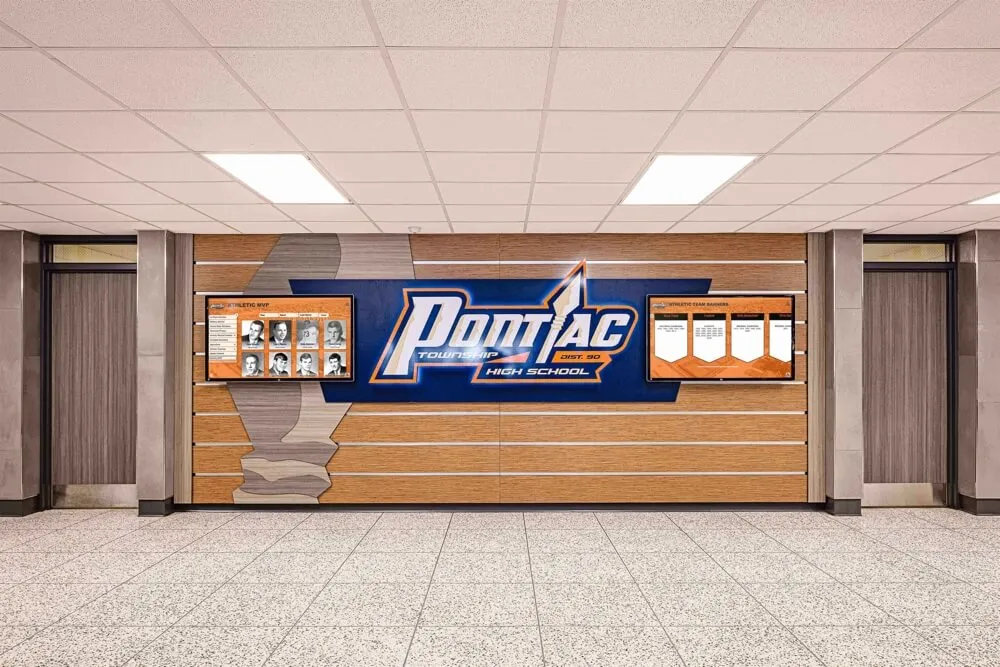
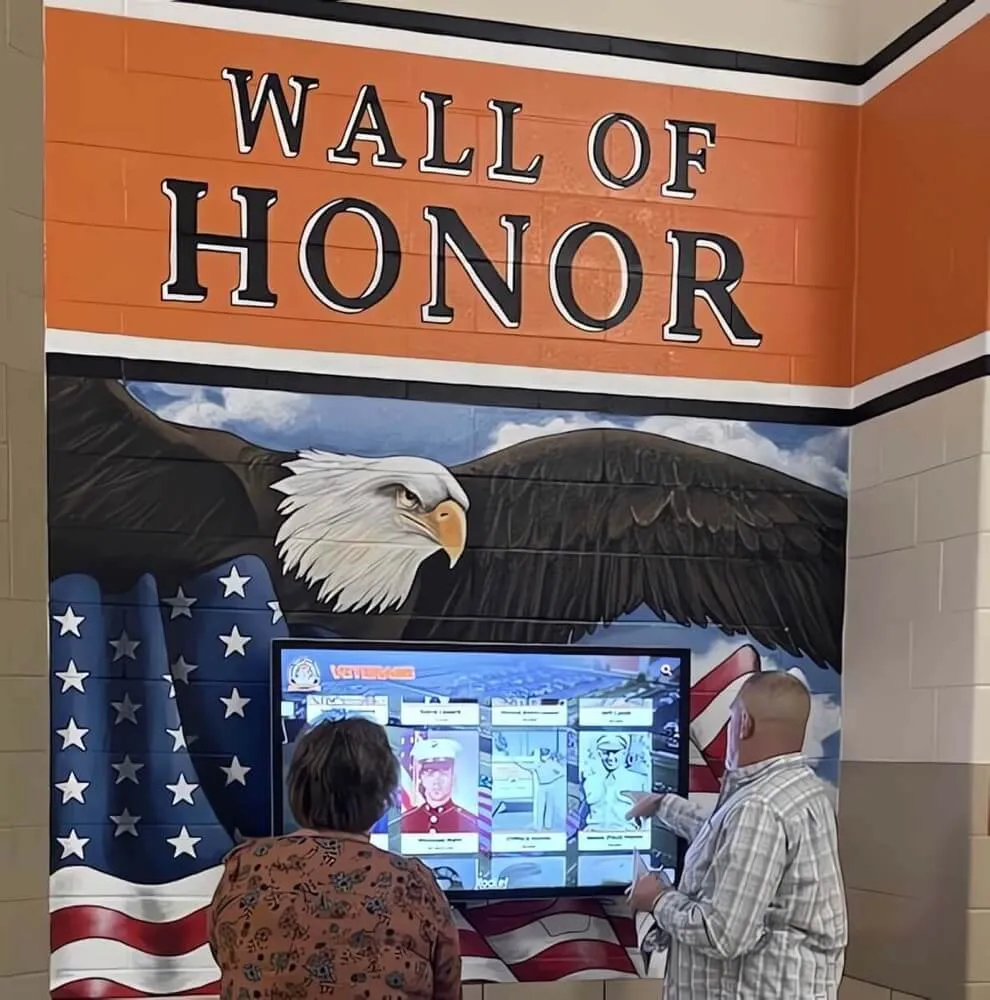
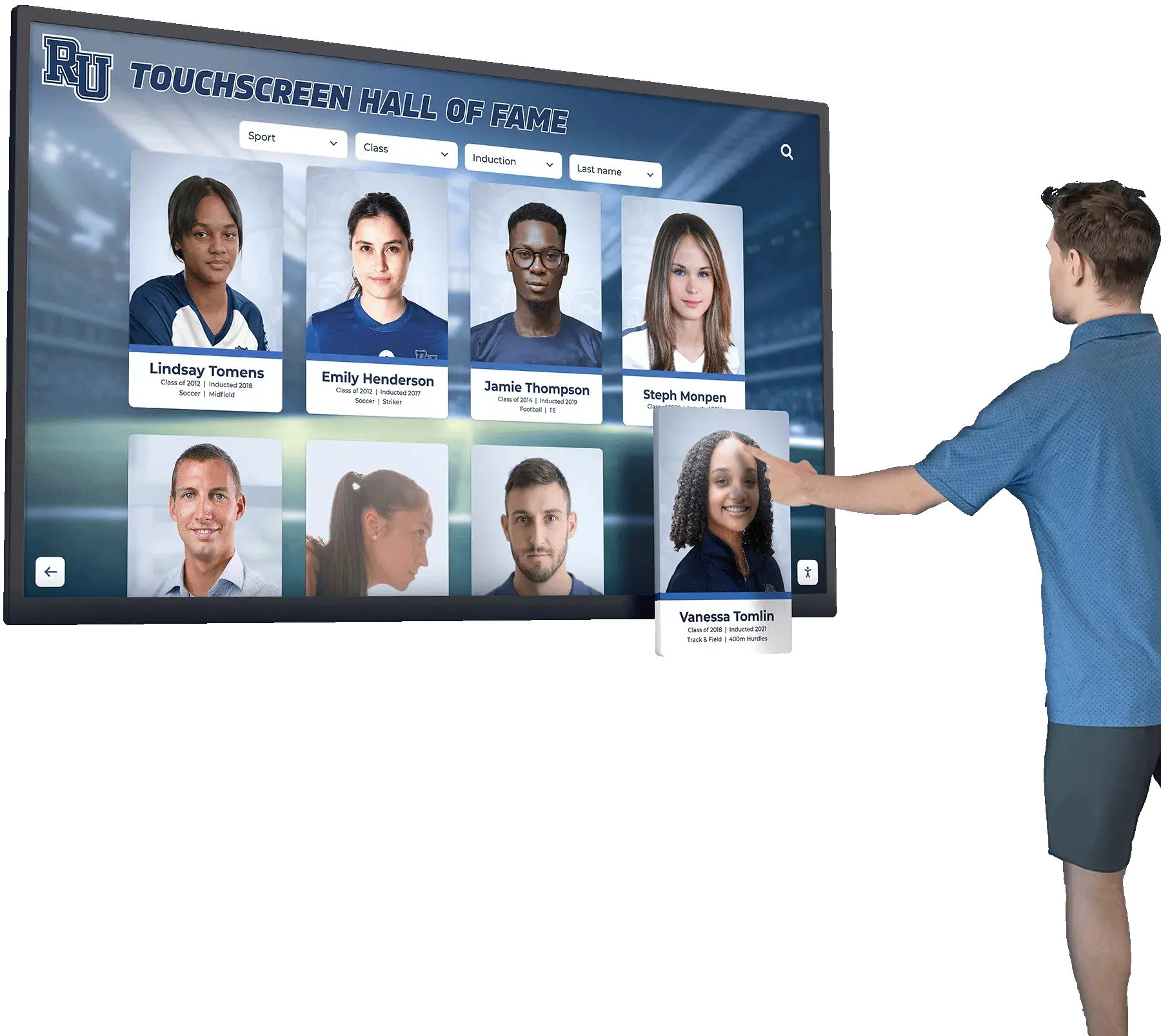
Modern hall of fame tools transform passive plaques into interactive experiences that celebrate achievements while engaging visitors through touchscreens and web platforms
What Makes an Effective Hall of Fame Tool?
Before examining specific platforms, understanding the essential features that distinguish quality hall of fame tools helps organizations evaluate options against their unique needs.
Core Platform Capabilities
Content Management System
The foundation of any hall of fame tool is its content management interface. Quality platforms provide intuitive dashboards enabling non-technical staff to add inductees, upload photos and videos, update biographical information, and manage displayed content without requiring IT support or coding knowledge. Cloud-based systems accessible from any internet-connected device offer the flexibility busy administrators need to maintain current recognition.
Multimedia Support
Effective storytelling requires combining multiple content types. The best hall of fame tools support high-resolution photo galleries, video hosting and streaming, PDF document embedding, audio integration for oral histories, and sufficient storage capacity to accommodate comprehensive media libraries without artificial limits forcing difficult deletion decisions.
Interactive Discovery Features
Static displays limit engagement to passive viewing. Digital platforms should provide full-text search across all content, advanced filtering by category, sport, year, or achievement type, alphabetical browsing for systematic exploration, timeline views showing chronological development, and related content suggestions connecting similar achievements or individuals.
Display and Access Options
Comprehensive recognition extends beyond single touchscreen installations. Quality tools offer touchscreen kiosk support for interactive on-site exploration, wall-mounted display compatibility for various installation contexts, web platform integration extending recognition worldwide, mobile optimization ensuring excellent smartphone experiences, and multi-device synchronization maintaining consistent content across all access points.
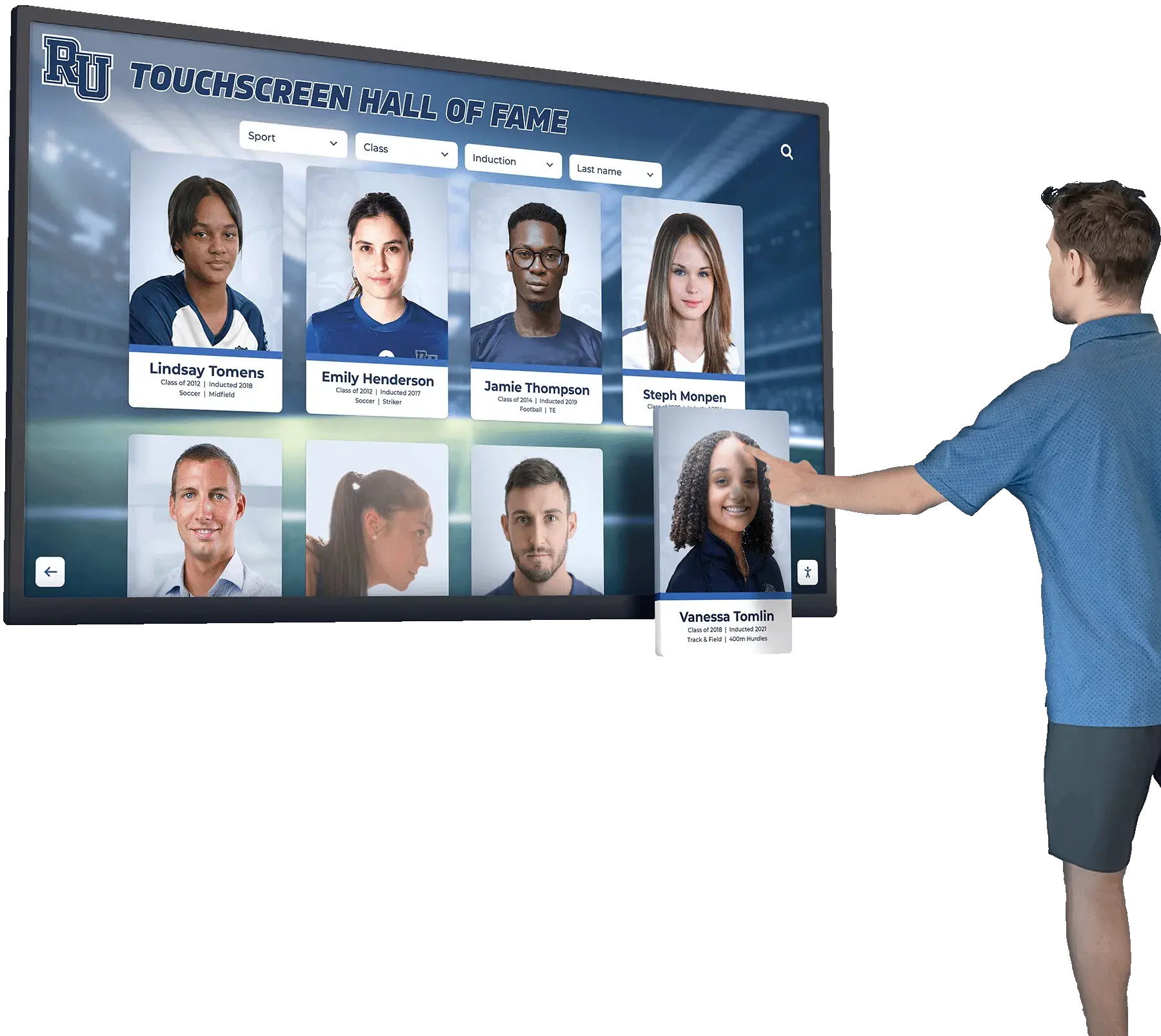
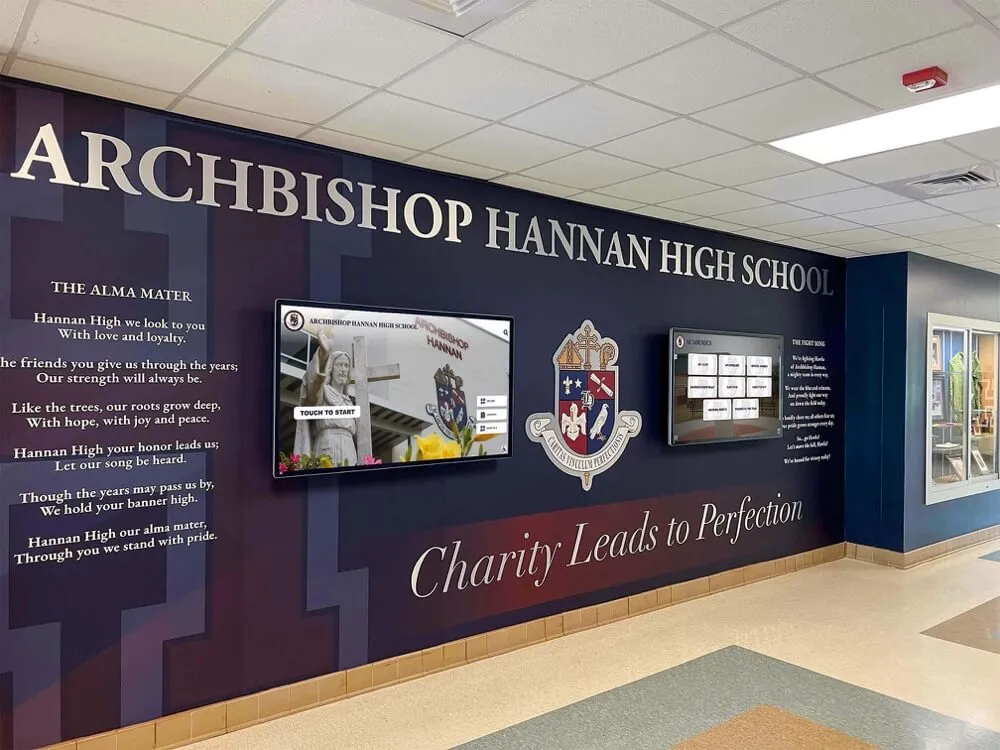
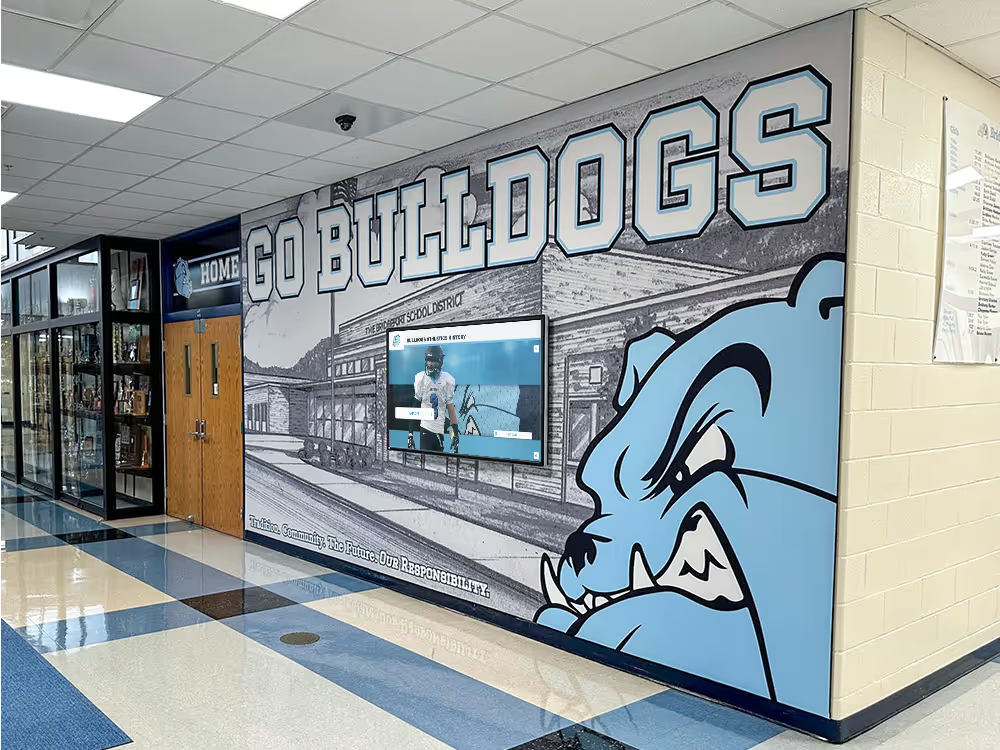
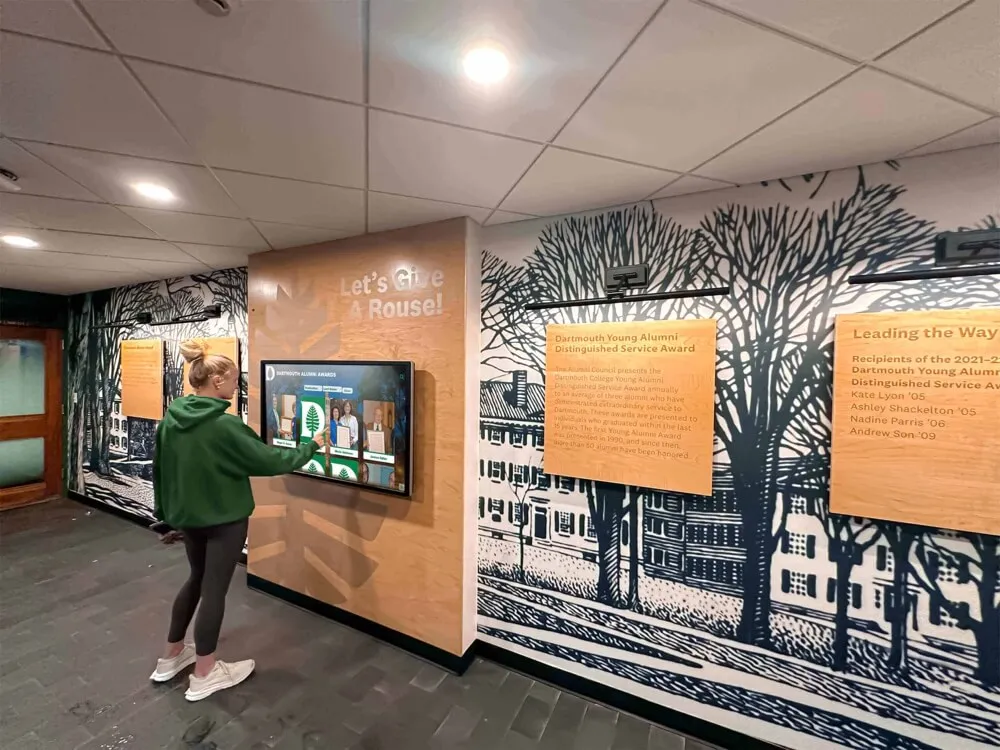
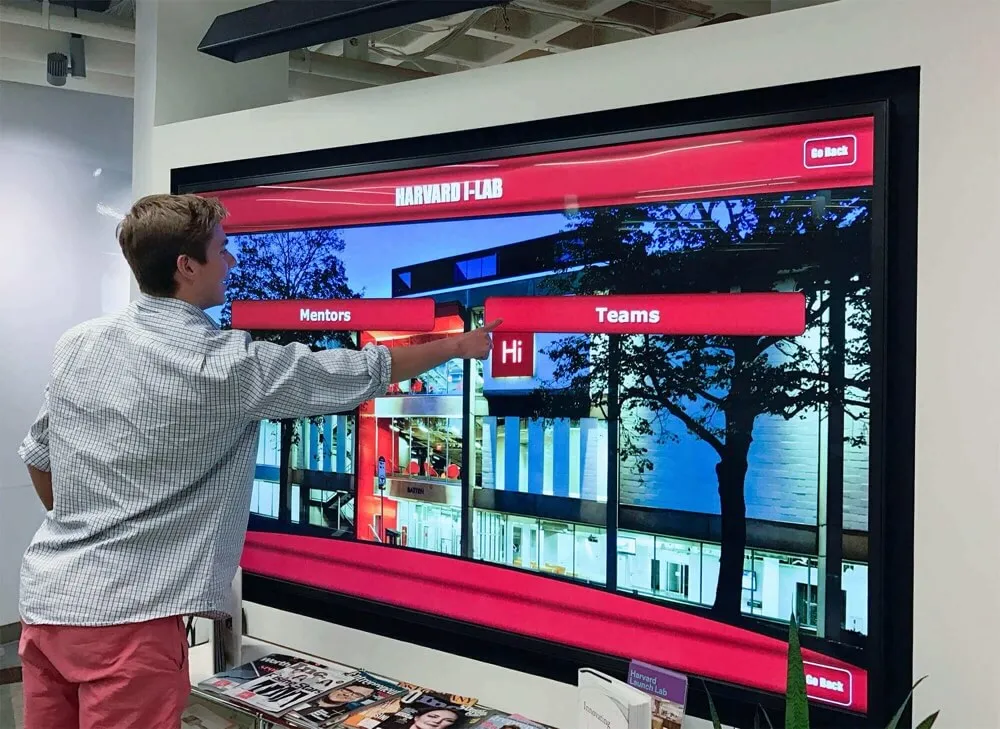
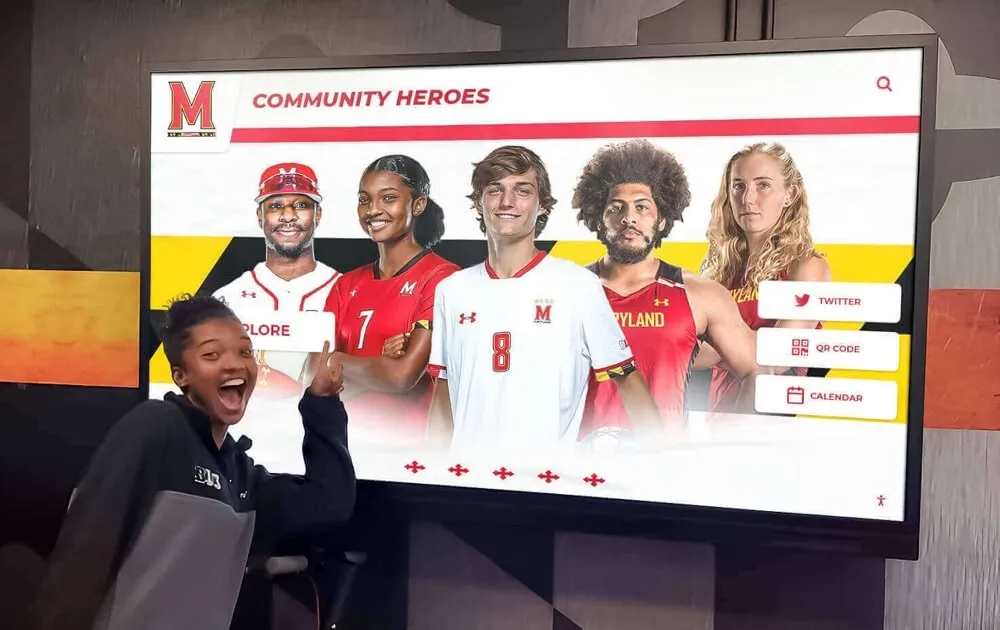
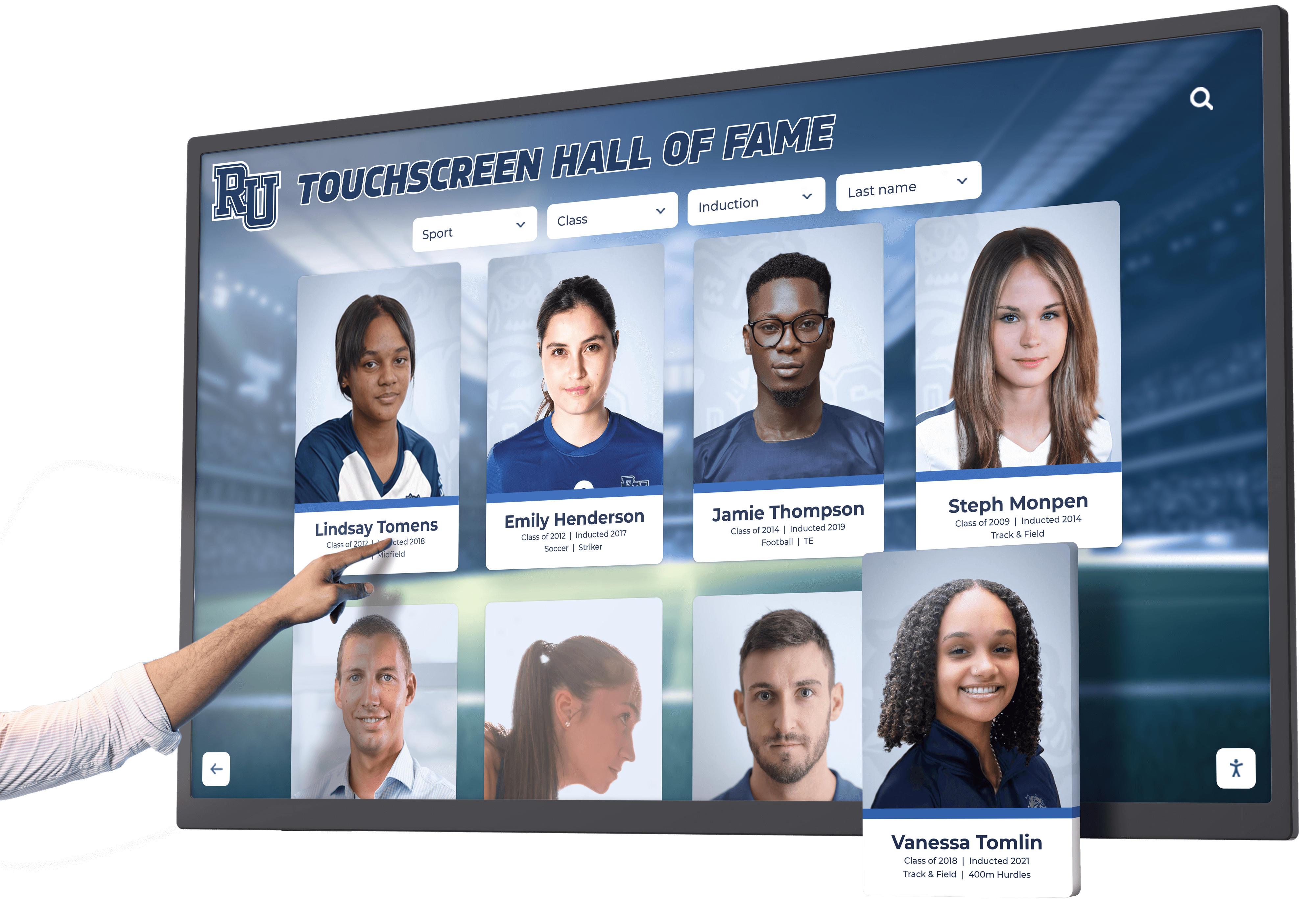
Intuitive touchscreen interfaces make exploration natural and engaging, encouraging visitors to discover stories they might never encounter on static plaques
Implementation and Support Considerations
Ease of Setup and Onboarding
Implementation complexity varies dramatically across platforms. Organizations should evaluate initial setup requirements, content migration assistance from existing systems, staff training comprehensiveness and quality, hardware installation support or requirements, and timeline from purchase to launch. The best solutions provide white-glove onboarding that removes technical burdens from institutional staff.
Ongoing Technical Support
Long-term success depends on reliable support when issues arise. Assess customer service availability and response times, documentation quality and accessibility, training resources for new staff members, software update frequency and communication, and community forums or user groups providing peer assistance.
Customization and Flexibility
Every organization has unique branding requirements and recognition approaches. Quality platforms offer design template customization matching institutional aesthetics, flexible recognition categories accommodating diverse achievement types, custom field creation capturing institution-specific information, layout control for different content presentations, and integration capabilities connecting with existing websites and systems.
Analytics and Engagement Tracking
Understanding how people interact with recognition informs content strategy and demonstrates value to stakeholders. Effective tools provide visitor interaction tracking, popular content identification, search query analysis revealing what people seek, session duration and engagement depth metrics, geographic access data for web platforms, and exportable reports for presentations to boards and leadership.
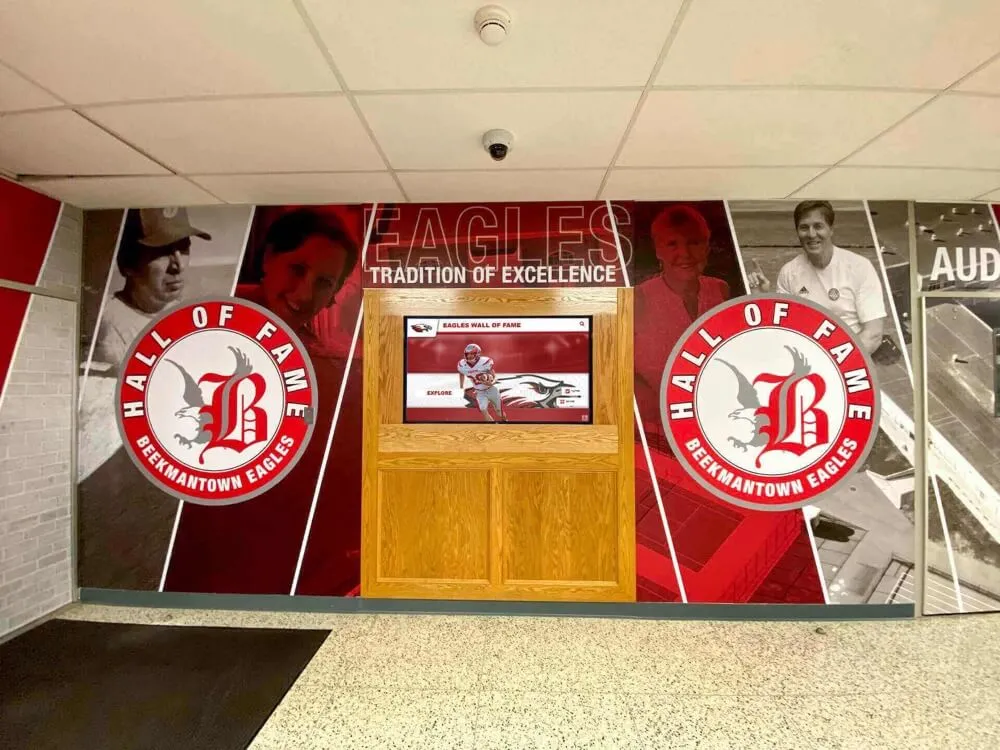
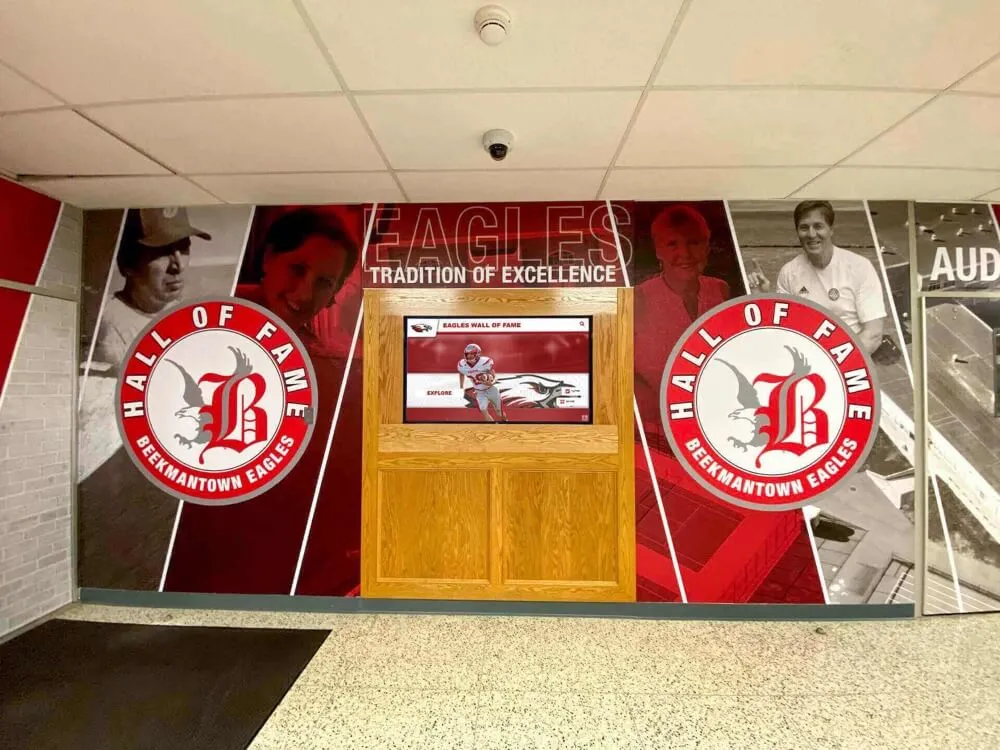
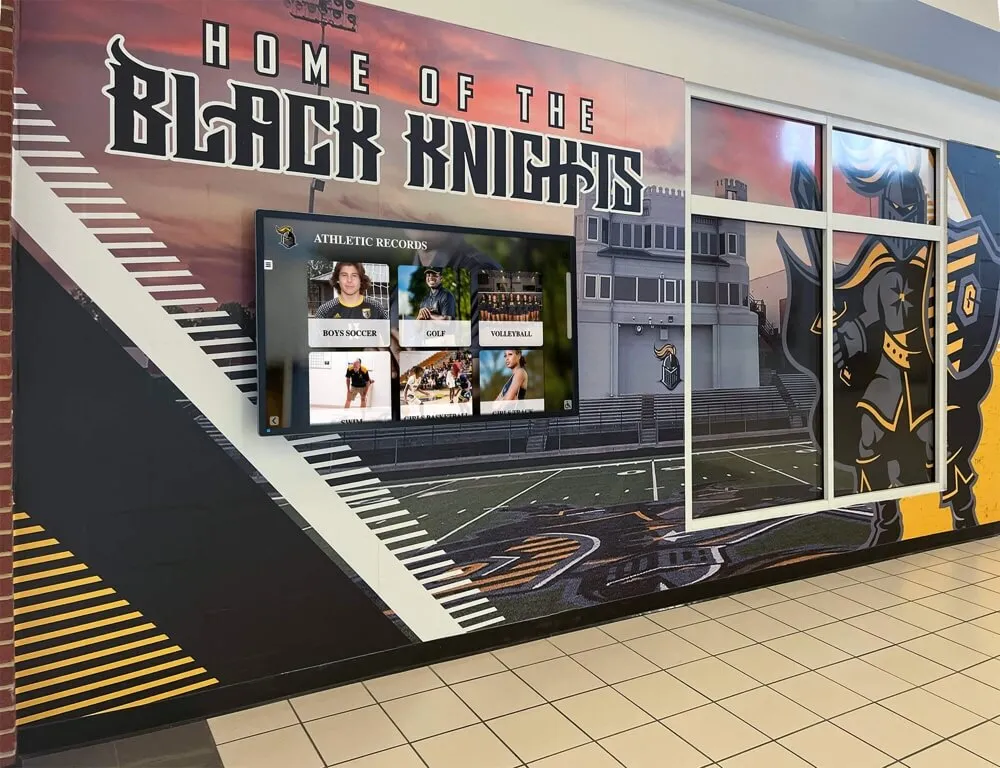
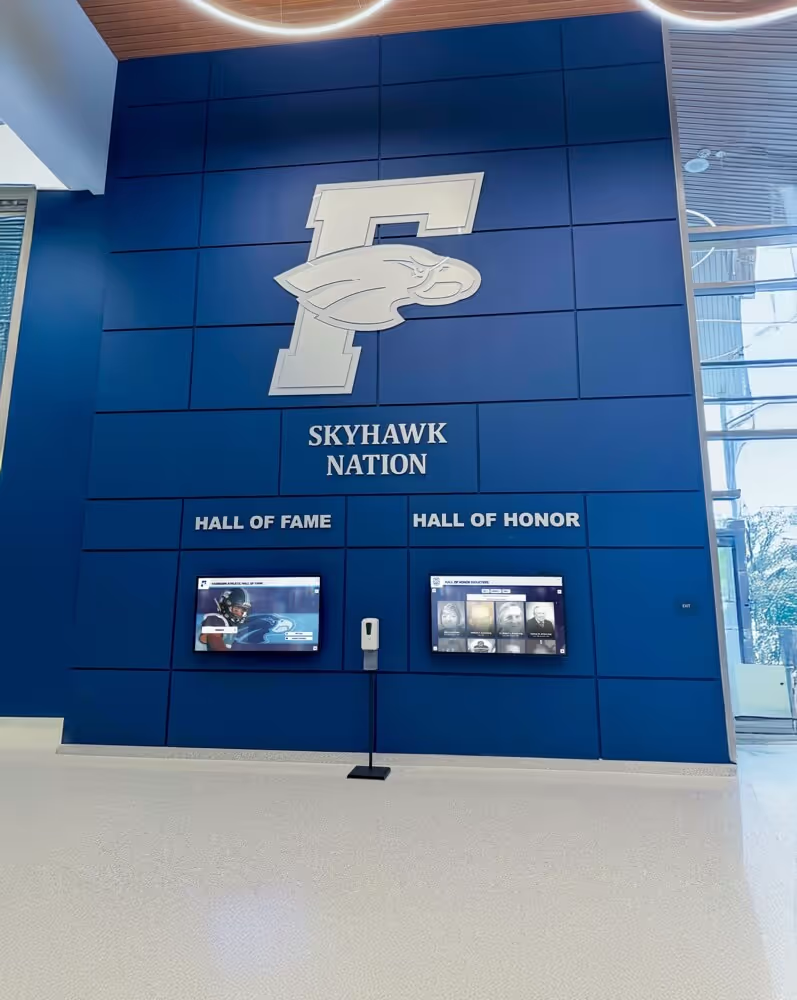
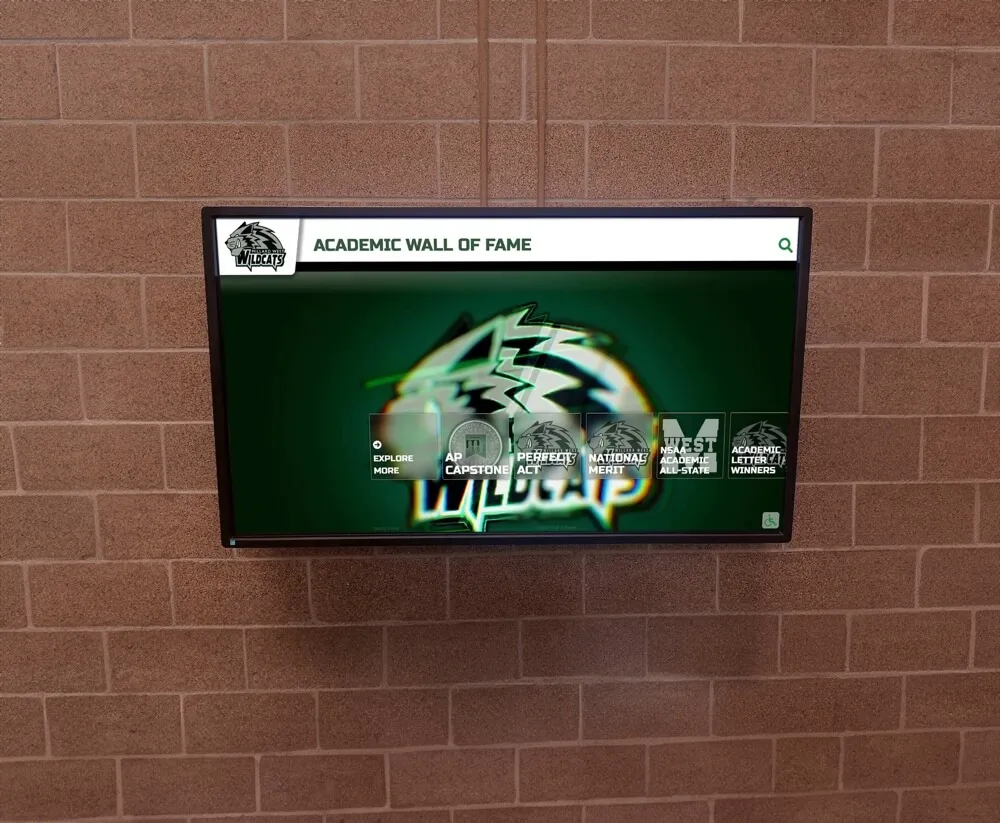
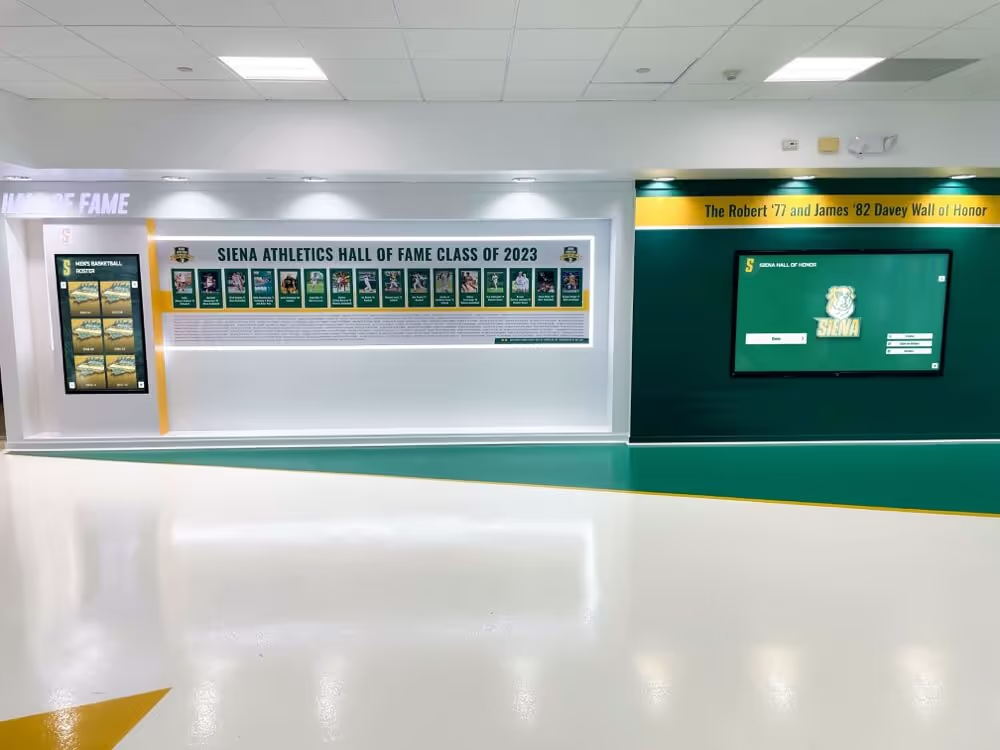
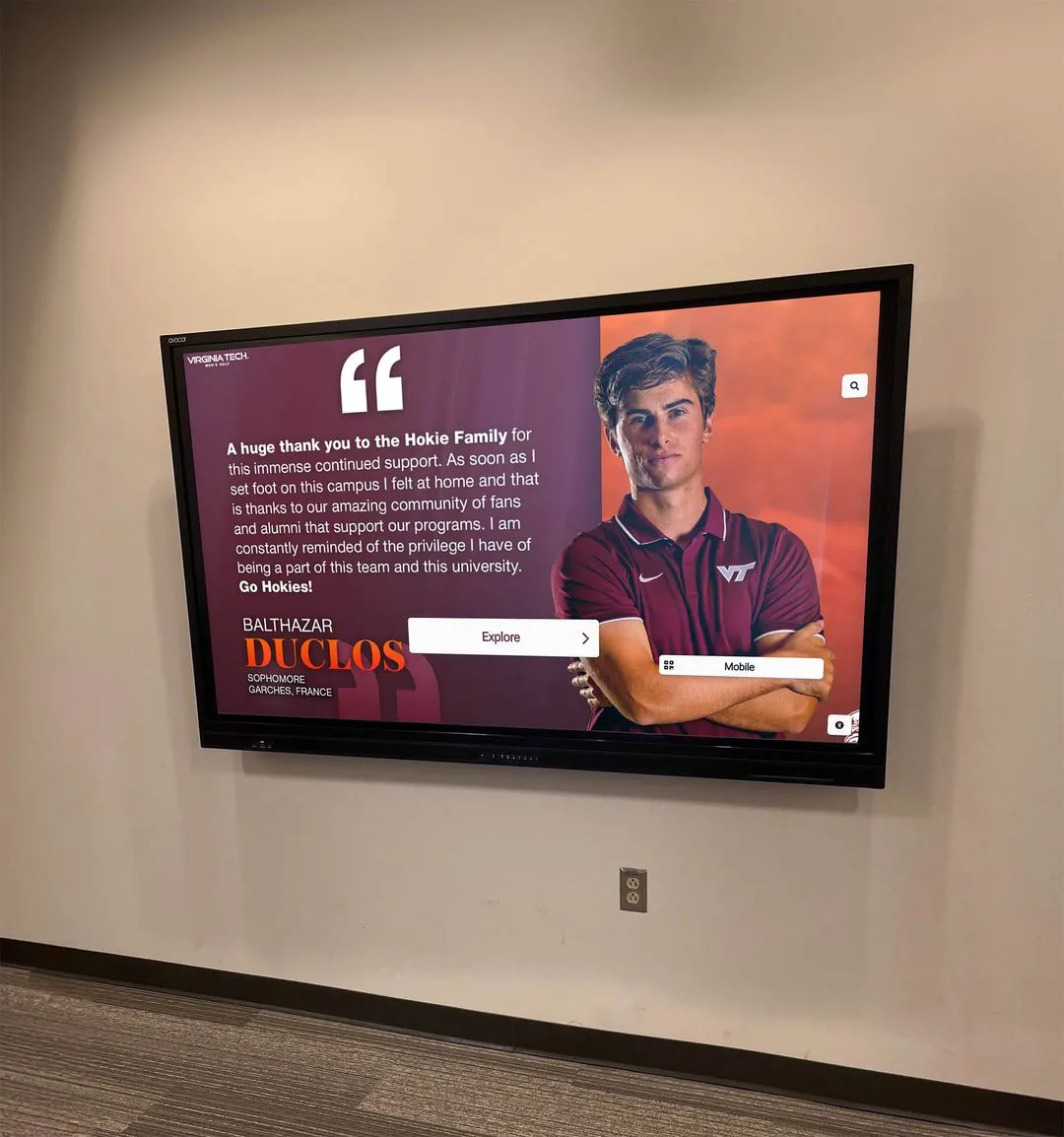
Professional hall of fame tools integrate seamlessly with existing branding, creating cohesive recognition experiences that reinforce institutional identity
Evaluation Criteria for Hall of Fame Tools
Organizations should assess platforms across these critical dimensions:
Functionality and Features – Does the platform provide all necessary capabilities for your recognition needs? Does it support multimedia content, searchability, and multiple recognition categories?
Ease of Use – Can non-technical staff manage content updates without extensive training or technical assistance? Is the interface intuitive for both administrators and end users?
Design Quality – Do provided templates look professional and modern? Can you customize designs to match your branding without external design services?
Hardware Flexibility – Can you use existing displays or must you purchase specific proprietary hardware? Does the software support various screen sizes and orientations?
Support and Training – What implementation assistance is provided? How responsive is customer support when issues arise? Are training resources comprehensive and accessible?
Scalability – Can the platform accommodate growth in both content volume and number of display installations? Are there artificial limits that require expensive upgrades as collections expand?
Total Cost of Ownership – What are the complete costs including hardware, software subscriptions, implementation services, and ongoing support over 3-5 years?
Proven Track Record – How long has the provider offered this solution? Can they provide references from similar organizations? What do customer reviews indicate about satisfaction?
With these evaluation criteria established, let’s examine the 10 best hall of fame tools for schools and organizations in 2025.
1. Rocket Alumni Solutions
Best Overall Hall of Fame Platform
Rocket Alumni Solutions stands out as the most comprehensive hall of fame tool available, offering an integrated platform combining touchscreen displays, cloud-based content management, and web accessibility specifically designed for schools, universities, and nonprofit organizations.
Key Strengths:
Purpose-Built for Recognition – Unlike general digital signage platforms adapted for recognition purposes, Rocket Alumni Solutions was developed specifically for celebrating achievements and preserving institutional history. This focus shows in features like searchable biographical databases, achievement categorization systems, timeline visualizations, and multimedia profile templates optimized for storytelling.
Unlimited Recognition Capacity – The platform accommodates unlimited inductees, photos, videos, and documents without storage limits or per-profile fees. Organizations can recognize every deserving individual across all achievement categories without capacity constraints forcing difficult selection decisions.
Professional Design Templates – Pre-built design frameworks ensure polished, professional appearances across all recognition content while maintaining institutional branding consistency. Templates adapt to different content types including athletic achievements, donor recognition, academic honors, and historical preservation.
Comprehensive Analytics – Detailed engagement tracking shows which inductees generate most interest, peak usage times and patterns, search behaviors revealing visitor priorities, session duration indicating engagement depth, and geographic distribution of web access. These insights inform content strategy and demonstrate recognition program value to stakeholders.
White-Glove Implementation Support – Rocket provides full-service onboarding including initial content creation assistance, hardware installation coordination, staff training and documentation, template customization to match branding, and ongoing technical support ensuring quick issue resolution.
Web and Mobile Excellence – Fully responsive web platforms extend recognition worldwide, enabling alumni and community members to explore achievements from anywhere. Social sharing features allow users to amplify recognition through personal networks, while mobile optimization ensures excellent smartphone experiences.
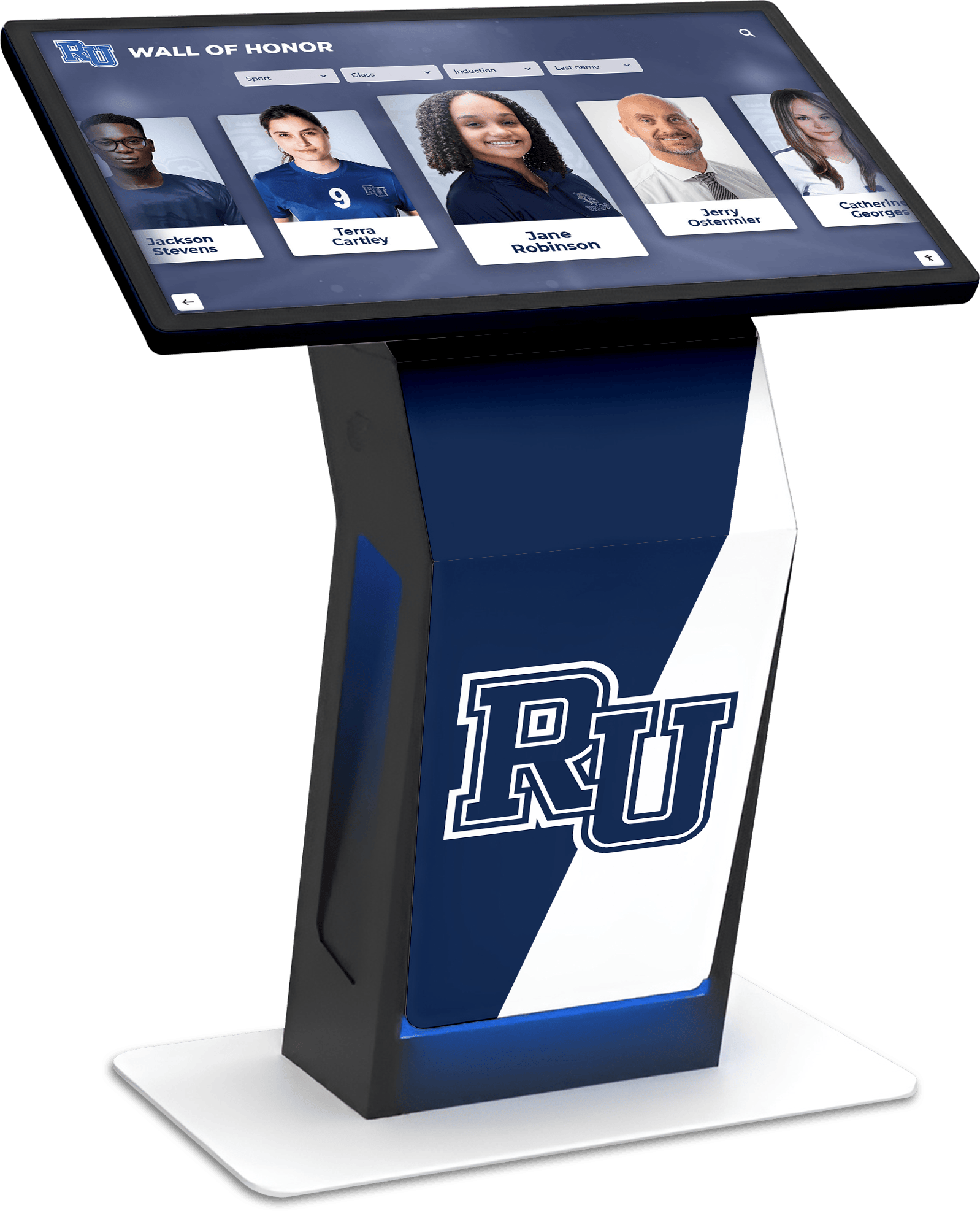
Rocket Alumni Solutions offers complete turnkey systems integrating hardware, software, and content management into unified platforms
Best For:
Schools and universities seeking comprehensive recognition platforms supporting multiple use cases (athletics, academics, donors, history), organizations prioritizing professional appearance and easy content management, institutions needing white-glove implementation support, and organizations valuing analytics and engagement tracking.
Considerations:
Higher initial investment compared to DIY approaches, annual subscription model rather than one-time purchase, and customization within established framework rather than unlimited flexibility.
Organizations implementing Rocket Alumni Solutions consistently report high satisfaction with both the technology platform and implementation support. The purpose-built approach delivers features specifically needed for recognition while maintaining ease of use that prevents systems from becoming unsustainable burdens on capacity-constrained staff.
Learn more about comprehensive recognition approaches in digital hall of fame implementation guides and touchscreen recognition systems that maximize community engagement.
2. Rise Vision
Best for Budget-Conscious Organizations with Technical Capacity
Rise Vision provides free digital signage software that organizations can adapt for hall of fame purposes, offering a cost-effective option for institutions with in-house technical expertise.
Key Strengths:
Zero Software Cost – The core platform is completely free, making it accessible for organizations with minimal budgets for recognition software. Schools already use Rise Vision for general digital signage in hallways and offices, allowing recognition content to integrate with existing infrastructure.
Template Marketplace – Pre-built templates provide starting points for content design, reducing the need for graphic design expertise. While not specifically designed for recognition, some templates can be adapted for basic hall of fame purposes.
Content Scheduling – Built-in scheduling enables rotating between different recognition categories, general announcements, and other content types on shared displays.
Google Integration – Seamless connection with Google Workspace simplifies content management for schools already using Google tools for administration and collaboration.
Considerations:
Rise Vision was not designed for interactive hall of fame experiences. Organizations must create their own recognition-specific features, biographical database structures, and search capabilities. The platform works best for passive slideshow-style recognition rather than interactive exploration. Technical staff time required for setup, customization, and ongoing management can offset software cost savings. No purpose-built hall of fame features like profile templates, achievement categories, or timeline visualizations.
Best For:
Organizations with minimal recognition budgets willing to invest staff time in customization, schools needing simple slideshow-style recognition without interactivity, institutions already using Rise Vision for general digital signage, and temporary or pilot recognition programs before investing in comprehensive platforms.
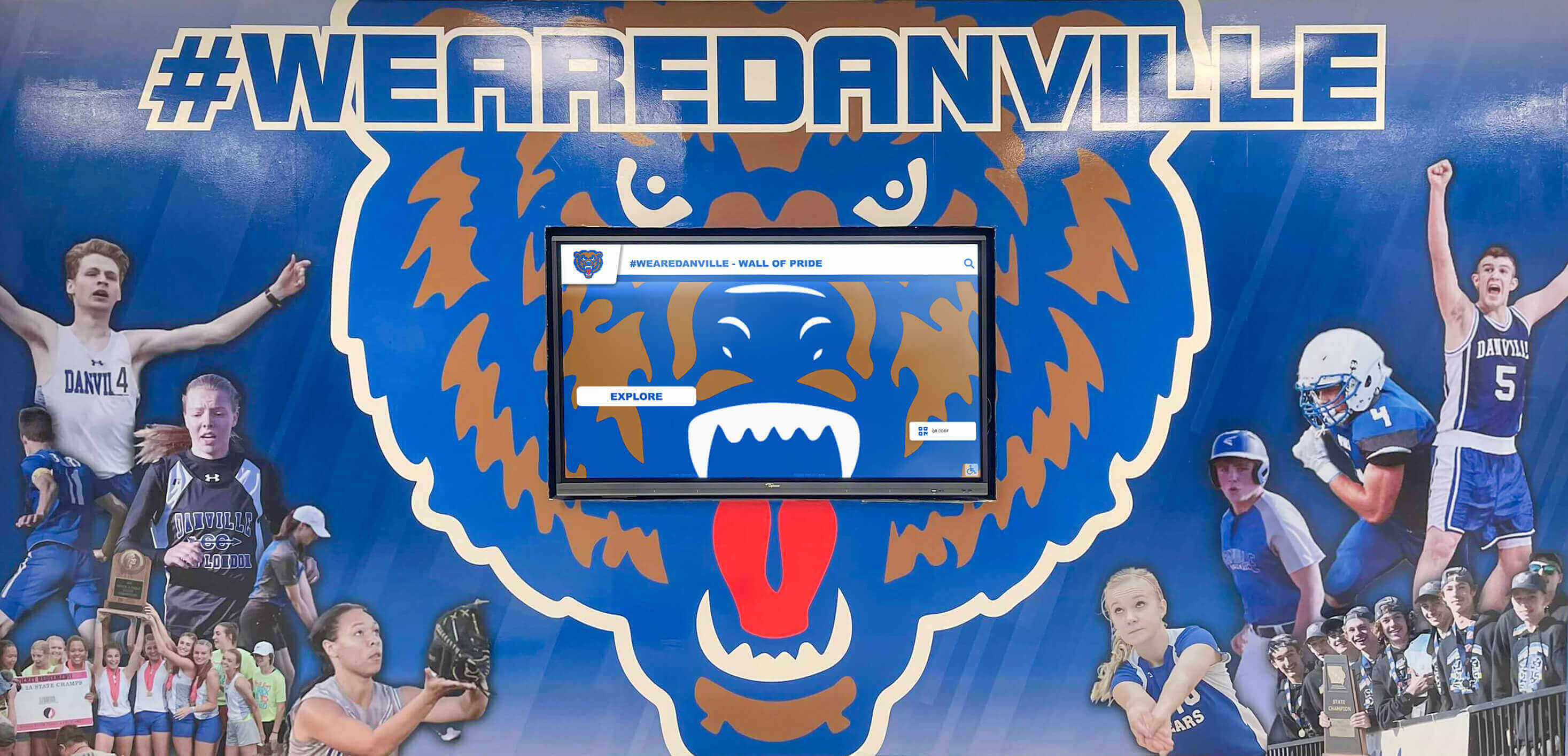
General digital signage platforms work for basic passive recognition displays but lack interactive features that drive engagement
3. ScreenCloud
Best for Multi-Purpose Digital Signage with Recognition Components
ScreenCloud offers cloud-based digital signage software that organizations use for general campus communication while incorporating recognition content as one of multiple use cases.
Key Strengths:
Cloud-Based Simplicity – Web-based management accessible from any device simplifies content updates without requiring on-site access or special software installations.
App Marketplace – Integrations with various content sources including social media feeds, news, weather, and web content enable mixing recognition with other information streams.
Content Scheduling – Time-based content rotation allows recognition displays during specific periods (games, events, reunions) while showing general information at other times.
Multi-Screen Management – Central dashboard controls content across multiple display locations throughout facilities, ensuring consistent messaging campus-wide.
Remote Display Control – IT staff can troubleshoot, reboot, and manage displays remotely without physical access, reducing maintenance burden.
Considerations:
Like Rise Vision, ScreenCloud was designed for general digital signage rather than interactive recognition. Creating searchable biographical databases, achievement categories, and profile templates requires significant customization. The platform works best for passive content display rather than touchscreen interaction. Annual subscription costs are moderate but provide general signage capabilities rather than recognition-specific features. Organizations seeking true hall of fame functionality will find limited purpose-built tools.
Best For:
Organizations needing general digital signage across campus with recognition as one component, institutions wanting to mix recognition with announcements and information, schools with technical staff able to customize general platforms, and organizations prioritizing cost control over specialized recognition features.
4. TouchSource
Best for Custom Wayfinding and Information Kiosks Including Recognition
TouchSource specializes in interactive touchscreen kiosks for campus wayfinding, directories, and information systems that can incorporate recognition elements as part of broader institutional communication systems.
Key Strengths:
Custom Interactive Experiences – Professional design and development services create tailored kiosk experiences matching specific institutional needs and branding requirements.
Wayfinding Integration – Recognition kiosks can include campus maps, building directories, event calendars, and navigation features alongside hall of fame content, providing multiple value propositions from single installations.
Enterprise-Grade Hardware – Commercial touchscreen kiosks designed for high-traffic institutional environments offer durability and reliability exceeding consumer displays.
Professional Design Services – In-house design team creates custom interfaces ensuring polished appearances that reflect institutional quality standards.
Ongoing Content Management Support – Some packages include content update services, reducing burden on institutional staff.
Considerations:
Higher cost than self-service platforms reflects custom development and professional services. Implementations typically require significant upfront investment. Setup timelines extend several months given custom development requirements. Changes to designs or features after implementation may require additional development costs. Better suited for organizations prioritizing wayfinding and information systems with recognition as secondary component rather than primary purpose.
Best For:
Large universities and institutions needing comprehensive wayfinding systems with recognition components, organizations with significant budgets for custom development, institutions prioritizing fully custom designs over template-based approaches, and facilities requiring enterprise-grade hardware for high-traffic public areas.
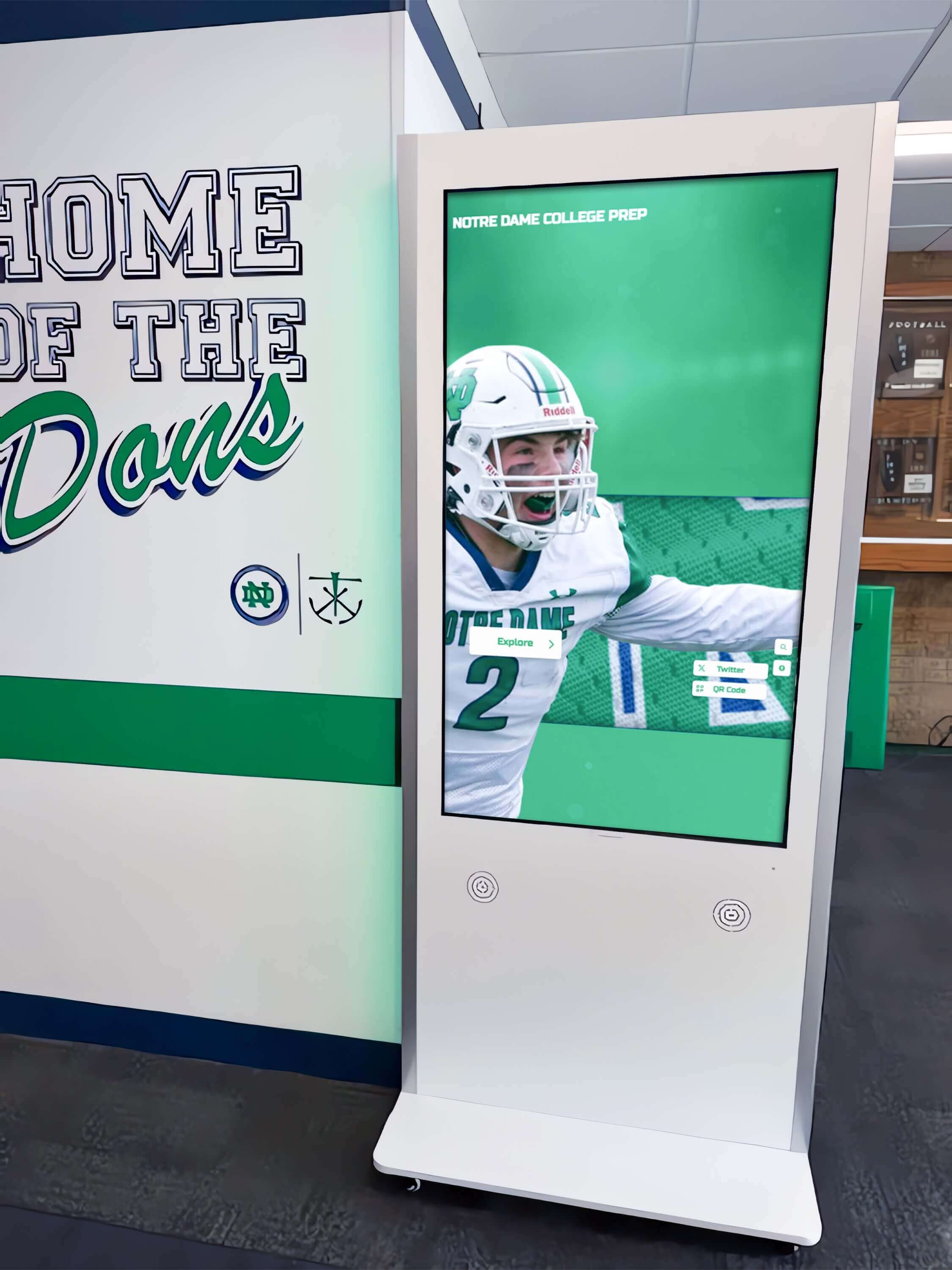
Wayfinding kiosks can incorporate recognition elements alongside maps, directories, and campus information
5. Navori QL
Best for Large-Scale Multi-Display Recognition Networks
Navori QL provides enterprise digital signage software designed for organizations managing large numbers of displays across multiple locations, offering powerful capabilities for complex recognition installations.
Key Strengths:
Scalability – Platform manages hundreds or thousands of displays from centralized dashboards, making it suitable for large university systems, multi-campus organizations, or institutions with recognition displays in numerous buildings.
Advanced Scheduling – Sophisticated content scheduling enables different recognition content at different times, locations, or based on various triggers and conditions.
Data Integration – APIs and integrations connect with existing databases, allowing recognition content to pull from institutional information systems rather than requiring duplicate data entry.
Media Management – Comprehensive digital asset management organizes photos, videos, and documents across large recognition programs managing thousands of inductees.
Performance Analytics – Detailed tracking across all displays provides engagement metrics, uptime monitoring, and system health reporting.
Considerations:
Enterprise platform complexity requires technical expertise for setup and management. Not designed specifically for recognition purposes—organizations must build hall of fame features on general signage infrastructure. Higher cost reflects enterprise capabilities that may exceed needs of single-location recognition programs. Learning curve for administrators and content managers more significant than user-friendly purpose-built recognition platforms.
Best For:
Large universities managing recognition across multiple campuses or numerous buildings, organizations with sophisticated IT departments, institutions prioritizing data integration with existing systems, and recognition programs managing extremely high inductee volumes.
6. Four Winds Interactive
Best for Combining Recognition with Broader Communication Networks
Four Winds Interactive offers digital signage and communication platforms that organizations use for campus-wide information systems, allowing recognition content to integrate with announcements, emergency notifications, and general messaging.
Key Strengths:
Communication Suite Integration – Recognition displays can also serve emergency notification, event promotion, and general campus communication functions, maximizing hardware investment value.
Content Distribution Networks – Central management distributes content across displays throughout facilities, ensuring recognition appears alongside other institutional communications.
Mobile Integration – Content created for physical displays also distributes through mobile apps and web platforms, extending recognition reach beyond fixed locations.
Multi-Level Administration – Role-based access controls allow different departments to manage their specific recognition content while maintaining central oversight and brand consistency.
Scheduling and Targeting – Content appears on specific displays at specific times, enabling targeted recognition for particular audiences or contexts.
Considerations:
General communication platform rather than purpose-built recognition tool requires customization for hall of fame features. Interactive recognition capabilities limited compared to dedicated platforms. Better suited for organizations prioritizing broad communication systems with recognition as one component. Higher complexity reflects enterprise communication features that may exceed simple recognition needs.
Best For:
Organizations seeking comprehensive communication platforms serving multiple purposes, institutions wanting to consolidate recognition with emergency notifications and general signage, universities managing communication across diverse departments, and organizations with technical staff managing complex systems.
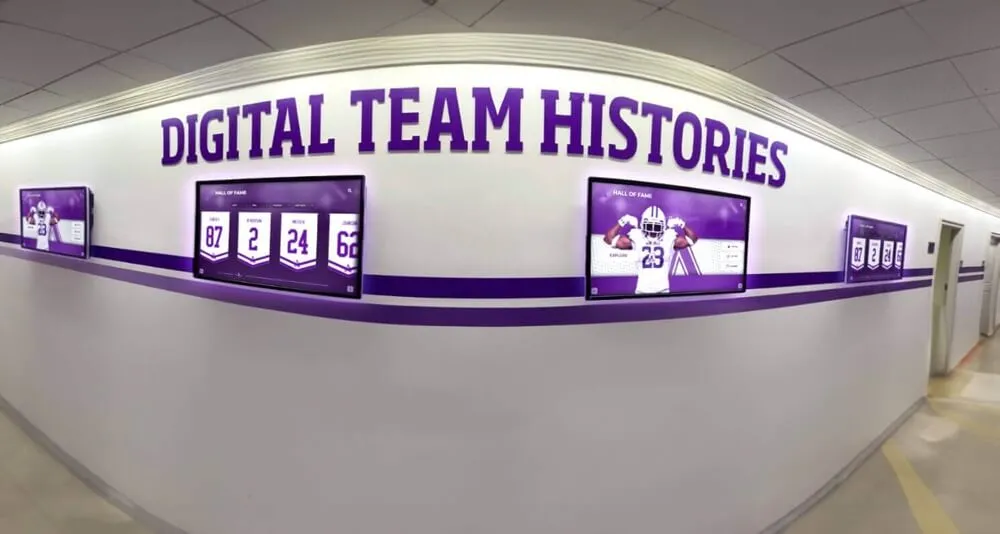
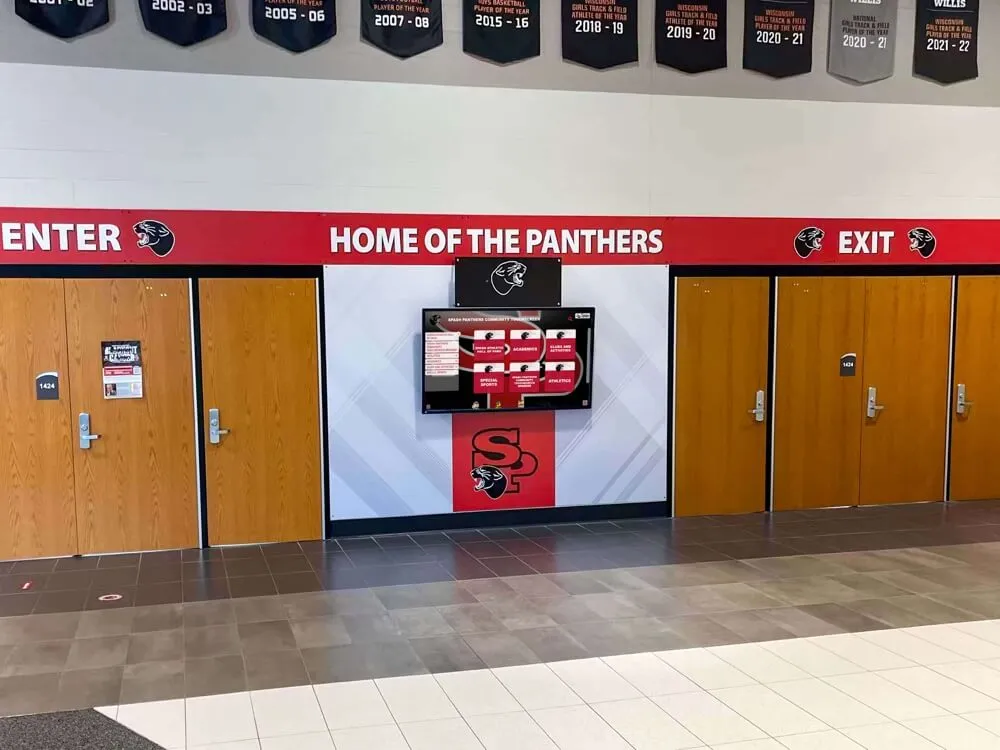
Multi-display installations coordinate recognition throughout buildings, creating immersive experiences celebrating institutional achievement
7. Cenareo
Best for Design-Focused Recognition with European Aesthetic
Cenareo provides digital signage software from France emphasizing design quality and visual aesthetics, appealing to organizations prioritizing artistic presentation in recognition displays.
Key Strengths:
Design Templates – Professionally designed templates emphasize visual quality and modern aesthetics, providing attractive recognition displays with minimal design effort.
Drag-and-Drop Interface – Intuitive content creation tools enable non-technical staff to create and update recognition content without coding or design skills.
Cloud-Based Platform – Web-based management accessible from anywhere simplifies content updates and display management for distributed teams.
Multi-Format Support – Platform displays various content types including photos, videos, PDFs, and web content, accommodating diverse recognition materials.
Reasonable Pricing – Competitive pricing for cloud-based digital signage makes it accessible for organizations with moderate budgets.
Considerations:
General digital signage platform not specifically designed for recognition purposes. Organizations must adapt signage templates for hall of fame content. Limited interactive capabilities compared to purpose-built touchscreen recognition platforms. Better suited for passive display rather than visitor exploration and discovery. Support and documentation primarily in English but company based in Europe may present time zone challenges for North American organizations.
Best For:
Organizations prioritizing visual design quality in recognition displays, institutions wanting modern aesthetic presentations, schools needing simple passive recognition displays, and organizations with moderate budgets seeking affordable cloud-based solutions.
8. OptiSigns
Best for Simple, Affordable Recognition Displays
OptiSigns offers straightforward digital signage software focused on ease of use and affordability, making it accessible for small organizations implementing recognition on limited budgets.
Key Strengths:
Low Cost – Among the most affordable digital signage platforms available, making it accessible for small schools, community organizations, and nonprofits with minimal budgets.
Simple Interface – Extremely user-friendly content management requires minimal training, enabling any staff member to update recognition content quickly.
Quick Setup – Organizations can launch recognition displays within hours rather than weeks, reducing time from decision to implementation.
Template Library – Pre-built templates provide starting points for recognition content, though not specifically designed for hall of fame purposes.
Flexible Pricing – Pay-per-screen pricing allows organizations to start with single display and add more as budget permits without large upfront commitments.
Considerations:
Very basic platform lacks advanced features including interactivity, search capabilities, and biographical database structures. Works only for simple slideshow-style recognition without visitor exploration. Limited customization compared to more sophisticated platforms. No purpose-built hall of fame features or recognition-specific tools. Better suited for basic display than comprehensive engagement experiences.
Best For:
Small organizations with minimal recognition budgets, schools needing very simple passive displays, temporary recognition programs or pilot projects, and institutions willing to sacrifice features for affordability.
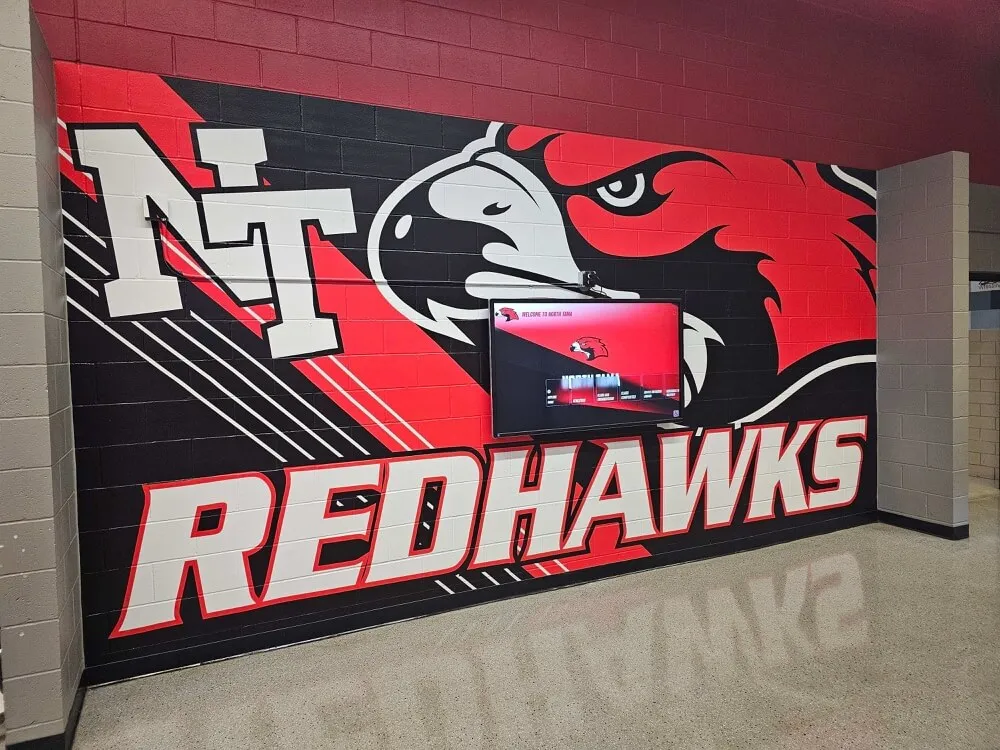
Basic digital signage provides affordable entry point for passive recognition displays though lacking interactive features
9. Yodeck
Best for Raspberry Pi-Based Recognition on Tight Budgets
Yodeck provides digital signage software optimized for Raspberry Pi micro-computers, offering extremely low hardware costs for organizations willing to assemble their own display systems.
Key Strengths:
Ultra-Low Hardware Cost – Using inexpensive Raspberry Pi computers ($35-75) instead of commercial media players dramatically reduces hardware investment, making recognition displays accessible for budget-constrained organizations.
Cloud Management – Despite low hardware cost, cloud-based content management provides remote administration and scheduling capabilities comparable to more expensive platforms.
Template Library – Pre-built layouts provide starting points for creating recognition content without design expertise.
Active Community – Large user community provides peer support, troubleshooting assistance, and shared templates through forums and resources.
Free Tier – Single display free plan enables organizations to test recognition approaches before committing to paid subscriptions.
Considerations:
Requires more technical setup than turnkey solutions given need to configure Raspberry Pi hardware and connect to displays. General signage platform not designed for interactive recognition or biographical databases. Better suited for passive slideshow displays than touchscreen exploration. Limited compared to purpose-built recognition platforms. Hardware assembly and troubleshooting requires technical comfort.
Best For:
Organizations with extremely limited budgets willing to invest technical effort, schools with technical staff or students who can assemble and configure hardware, institutions wanting to experiment with digital recognition before major investments, and simple passive recognition displays without interactivity requirements.
10. Raydiant
Best for Modern Retail-Style Recognition Displays
Raydiant offers cloud-based digital signage with modern interfaces and social media integration, bringing contemporary presentation styles to recognition displays.
Key Strengths:
Modern Design Aesthetic – Templates emphasize contemporary visual styles with clean layouts, animated transitions, and social media-inspired presentations.
Social Media Integration – Built-in connections to Instagram, Twitter, and other platforms enable incorporating social media recognition alongside traditional hall of fame content.
Real-Time Updates – Cloud synchronization ensures recognition changes appear instantly across all displays without delay or manual refreshes.
Mobile-First Management – Smartphone apps enable content updates from anywhere, providing flexibility for administrators who need to add recognition on-the-go.
Experience Platform – Beyond basic signage, Raydiant offers interactive experiences, visitor analytics, and engagement tools applicable to recognition contexts.
Considerations:
Higher price point compared to basic digital signage platforms reflects premium features and modern design. General platform not specifically designed for traditional hall of fame recognition. Better suited for contemporary, social media-influenced recognition styles than formal traditional approaches. Some organizations may find modern aesthetic too informal for dignified achievement recognition.
Best For:
Organizations seeking contemporary recognition presentations, institutions wanting to integrate social media recognition, schools with younger audiences preferring modern design styles, and organizations willing to invest more for premium features and aesthetics.
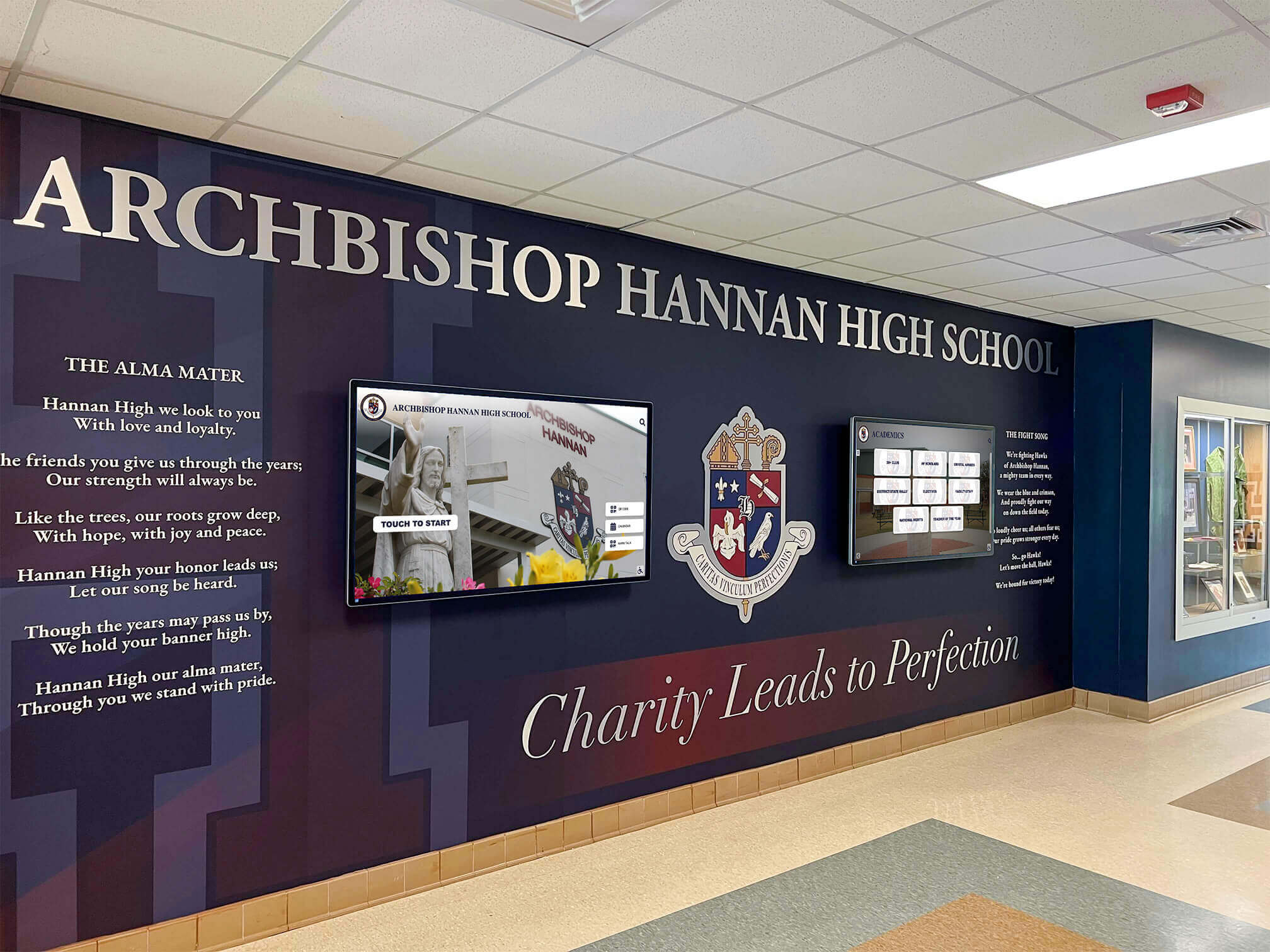
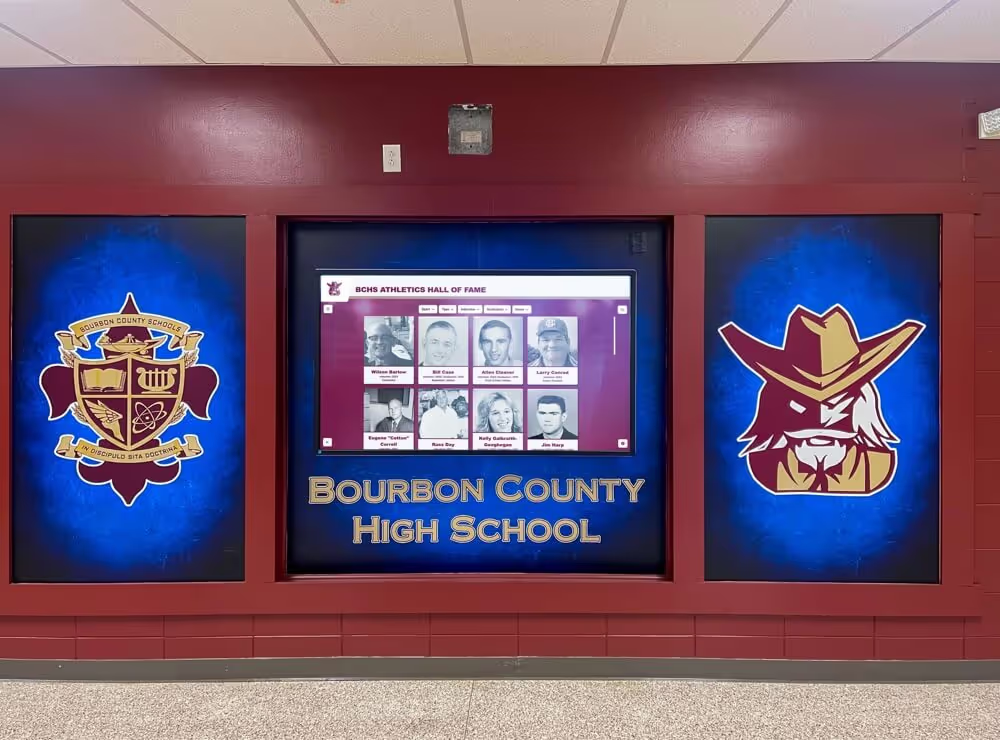
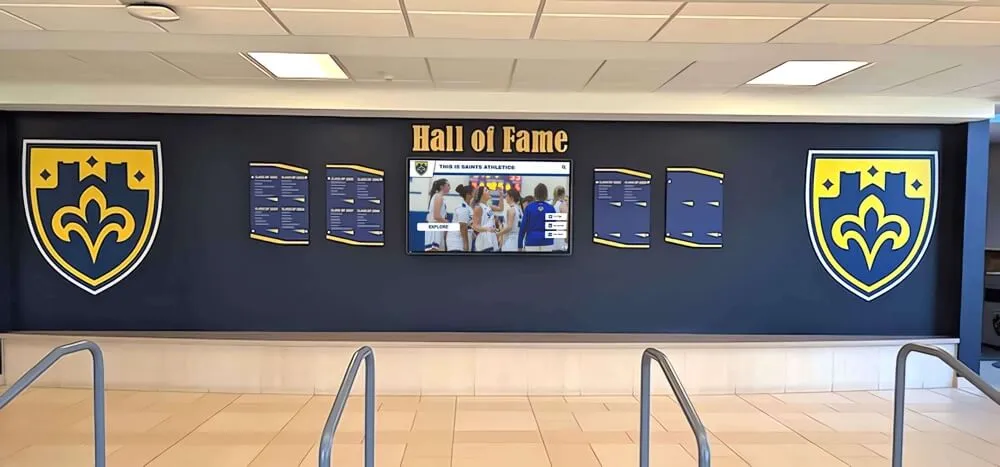
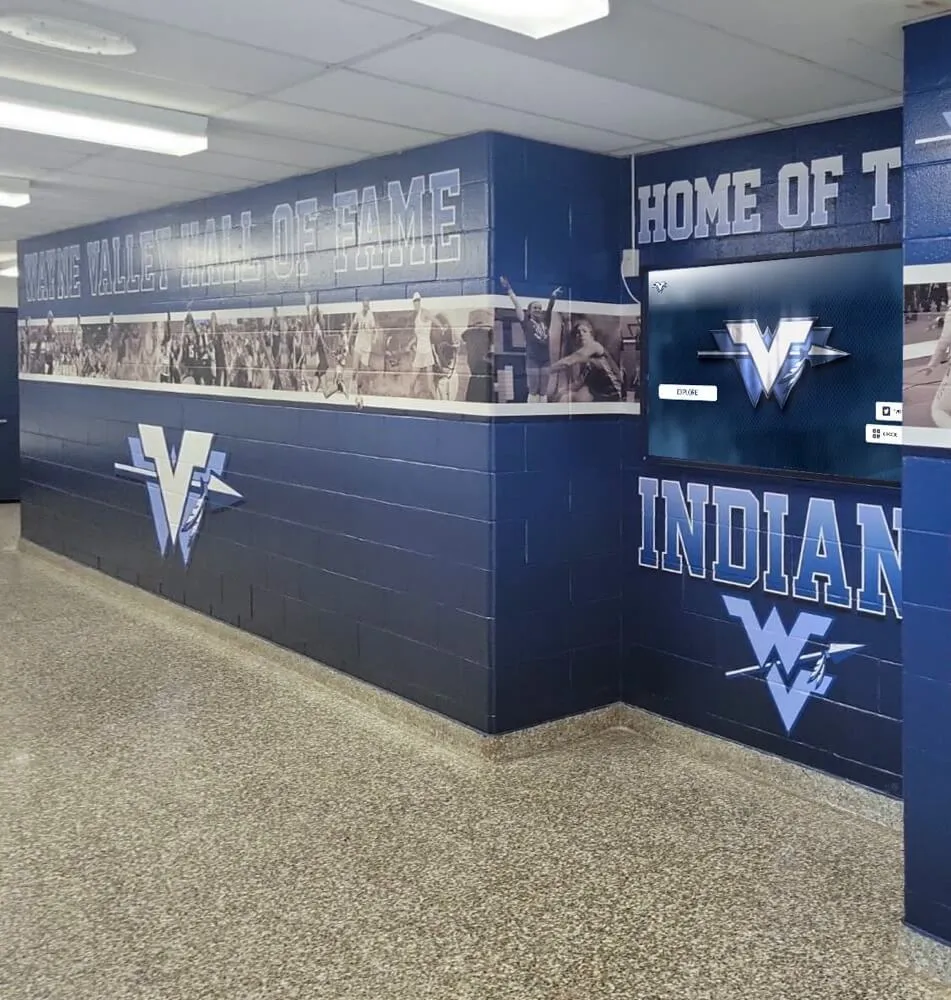
High-quality installations integrate recognition seamlessly with institutional design, creating professional environments celebrating achievement
Comparison Summary: Choosing the Right Hall of Fame Tool
Each platform serves different organizational needs, priorities, and contexts. This comparison helps identify which tools align with specific requirements:
For Comprehensive Recognition Excellence: Rocket Alumni Solutions provides the most complete purpose-built platform combining ease of use, professional design, unlimited capacity, and white-glove support. Organizations prioritizing recognition effectiveness over cost savings benefit most from this comprehensive approach.
For Budget-Constrained Organizations: Rise Vision (free), OptiSigns, and Yodeck offer affordable options for institutions with minimal budgets willing to accept limited features and invest staff time in customization and management.
For Custom Development Projects: TouchSource delivers fully custom interactive experiences for organizations with significant budgets, long timelines, and requirements for unique branded solutions beyond template-based platforms.
For Enterprise-Scale Deployments: Navori QL and Four Winds Interactive serve large institutions managing recognition across multiple campuses or numerous buildings, providing scalability and integration capabilities justifying higher complexity and cost.
For Design-Focused Organizations: Cenareo and Raydiant emphasize visual quality and modern aesthetics, appealing to institutions where recognition presentation style matters as much as content and functionality.
For Multi-Purpose Communication Systems: ScreenCloud, Four Winds Interactive, and Raydiant work well when recognition integrates with broader digital communication networks serving multiple institutional purposes beyond celebrating achievements.
Implementation Recommendations by Organization Type
K-12 Schools
Most K-12 schools benefit from comprehensive, easy-to-use platforms like Rocket Alumni Solutions that require minimal technical expertise and provide professional results without ongoing management burden. Budget-constrained schools might start with Rise Vision or OptiSigns for simple displays while planning for eventual upgrade to interactive platforms as budgets allow.
Colleges and Universities
Large universities often need scalable platforms like Navori QL or Four Winds Interactive managing recognition across multiple colleges, departments, and buildings. Smaller colleges benefit from turnkey solutions like Rocket Alumni Solutions providing comprehensive capabilities without enterprise complexity.
Nonprofit Organizations
Nonprofits typically prioritize ease of use and cost-effectiveness. Rocket Alumni Solutions offers donor recognition features specifically valuable for development teams, while budget-constrained organizations might consider Rise Vision for basic acknowledgment displays.
Athletic Facilities and Sports Organizations
Athletic recognition benefits from platforms emphasizing multimedia content, team categorization, and achievement tracking. Rocket Alumni Solutions was designed with athletic recognition as a primary use case, providing sport-specific features and templates.
Arts Organizations and Performing Arts Centers
Arts recognition requires strong visual presentation and multimedia support for showcasing performances and creative achievements. Platforms like Rocket Alumni Solutions, Cenareo, or Raydiant offering design quality and video support work well for arts contexts.
Historical Societies and Museums
Historical preservation requires robust archival capabilities, timeline features, and document management. Purpose-built platforms like Rocket Alumni Solutions provide organizational structures specifically designed for historical content, while custom solutions through TouchSource accommodate unique museum requirements.
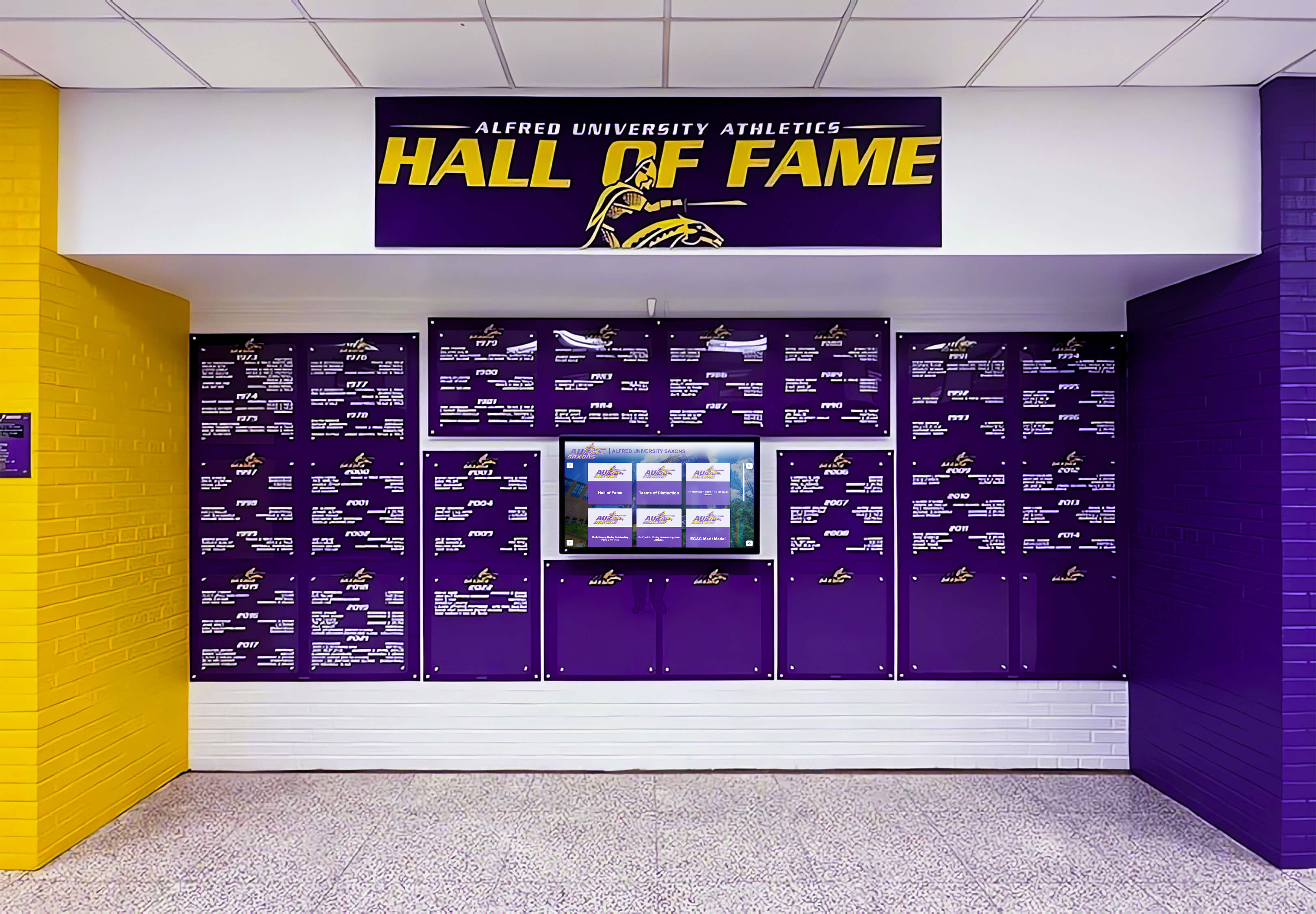
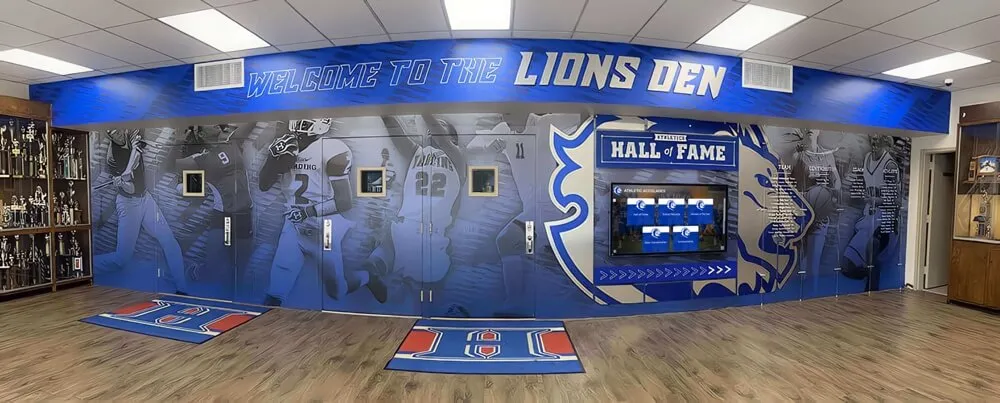
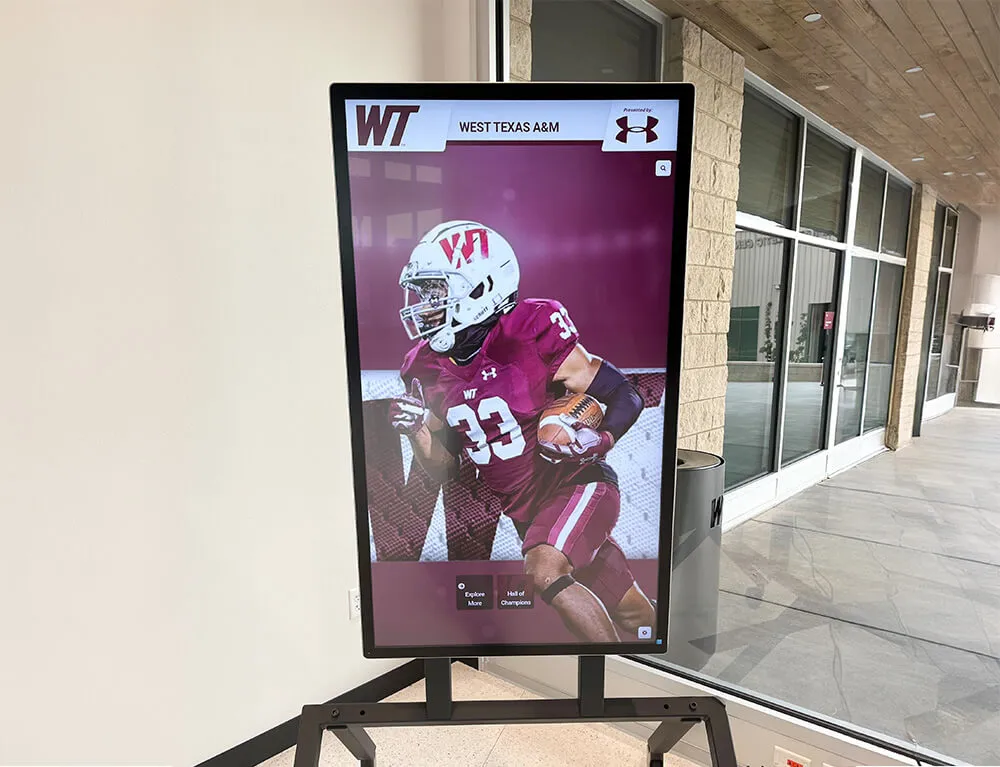
Athletic facilities benefit from hall of fame tools supporting team recognition, individual achievements, and championship celebrations
Beyond the Tool: Keys to Recognition Success
Selecting the right platform is essential, but long-term recognition program success depends on additional factors beyond technology choice:
Quality Content Creation
The most sophisticated platform can’t compensate for poor content. Invest in professional photography, thoughtful biographical writing, video production when possible, and consistent editing standards maintaining quality across all inductees.
Ongoing Content Management
Recognition systems require regular attention. Assign clear staff responsibility for content updates, establish processes for adding new inductees promptly, schedule periodic content review and refresh, and maintain accuracy through verification procedures.
Strategic Placement and Promotion
Even excellent recognition remains ineffective if poorly positioned. Install displays in high-traffic areas with appropriate dwell time, promote web platforms through multiple communication channels, incorporate recognition into campus tours and events, and encourage social sharing amplifying reach beyond physical locations.
Stakeholder Engagement
Recognition programs serve communities. Involve inductees in profile creation and review, solicit feedback from visitors and users, engage boards and leadership in recognition decisions, and celebrate launches and milestones publicly.
Measurement and Improvement
Track engagement metrics and usage patterns, collect testimonials and success stories, document return on investment for budget justification, and continuously improve content and features based on user behavior and feedback.
Organizations implementing comprehensive recognition programs supported by the right hall of fame tools create lasting value extending far beyond simple acknowledgment—they build community pride, strengthen institutional connections, inspire future contributions, and preserve heritage for generations to come.
Making Your Hall of Fame Tool Selection
Choosing among these 10 platforms depends on carefully weighing organizational priorities, available resources, technical capacity, and recognition program goals.
Start by Clarifying Requirements
Define your primary recognition purpose (athletics, donors, history, or comprehensive), identify must-have features versus nice-to-have capabilities, determine budget including both initial investment and ongoing costs, assess staff technical capacity honestly, and establish timeline for implementation and launch.
Request Demonstrations
Most platforms offer demonstrations or trial periods. Test actual content creation workflows, evaluate ease of use for your specific staff, assess design quality and customization options, examine support quality and responsiveness, and gather feedback from multiple stakeholders.
Consider Total Cost of Ownership
Look beyond initial purchase price to calculate complete costs. Factor in hardware expenses, annual software subscriptions, implementation and setup services, staff time for content creation and management, ongoing support and maintenance, and expected upgrade costs over 3-5 years.
Evaluate Long-Term Partnership
Recognition systems represent multi-year commitments. Research provider stability and longevity, review customer testimonials and case studies, assess development roadmap and innovation, examine contract terms and lock-in factors, and consider scalability as recognition programs grow.
Plan for Growth
Choose platforms that can evolve with your needs. Ensure systems accommodate increasing inductee numbers, support adding new recognition categories, allow expanding to additional display locations, provide flexibility for changing designs and layouts, and integrate with evolving institutional technology systems.
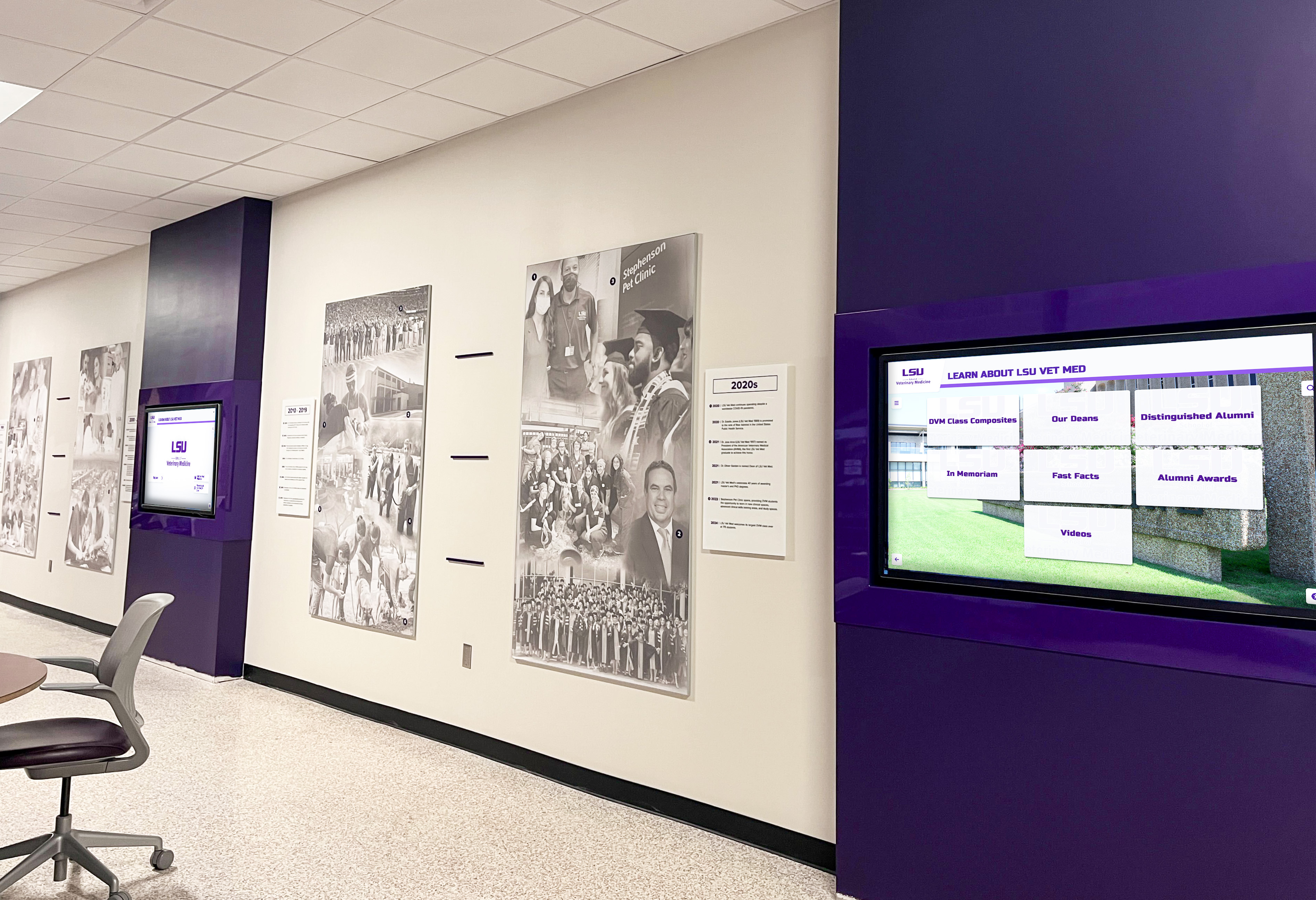
Scalable platforms accommodate growth, enabling organizations to expand recognition programs as budgets and needs evolve
Conclusion: Investing in Recognition Excellence
The 10 hall of fame tools examined in this guide represent the strongest options available in 2025, each offering distinct advantages for specific organizational contexts and priorities. From comprehensive turnkey platforms like Rocket Alumni Solutions providing white-glove implementation and purpose-built features, to budget-friendly options enabling cost-constrained organizations to transition from static plaques to digital displays, today’s recognition technology landscape offers solutions for virtually every need and budget.
Rocket Alumni Solutions stands out as the best overall choice for schools, universities, and nonprofit organizations seeking comprehensive recognition excellence. The platform’s purpose-built design, unlimited capacity, professional templates, robust analytics, and exceptional implementation support create recognition experiences that truly engage communities while remaining manageable for non-technical staff. Organizations prioritizing recognition effectiveness and long-term value consistently find Rocket Alumni Solutions delivers the best combination of features, support, and results.
However, the “best” hall of fame tool ultimately depends on your specific organizational context, budget constraints, technical capabilities, and recognition program goals. Budget-focused schools might start with free or low-cost platforms, large universities may require enterprise scalability, and custom-focused institutions might invest in fully branded solutions. The key is selecting platforms aligned with both current needs and future growth plans, ensuring recognition investments deliver value for years to come.
Ready to transform how your organization celebrates achievements, acknowledges supporters, and preserves heritage? Explore comprehensive digital recognition approaches that honor every deserving individual while building the engaged, motivated communities that drive institutional success.
Discover the Right Hall of Fame Solution for Your Organization
Learn how purpose-built recognition platforms can help your school, university, or nonprofit celebrate achievements, honor contributors, and preserve institutional history through comprehensive digital hall of fame systems designed specifically for educational and nonprofit organizations.
Book a DemoWhether you choose comprehensive platforms, budget-friendly options, or custom solutions, the transition from static physical recognition to dynamic digital celebration represents a meaningful investment in community engagement, institutional pride, and lasting legacy preservation. The right hall of fame tool transforms recognition from space-constrained retrospectives into living, growing celebrations of excellence accessible to entire communities regardless of location.
By thoughtfully evaluating platforms against your specific needs, involving stakeholders in selection processes, planning realistic implementations, and committing to quality content creation and ongoing management, you can create recognition programs that truly honor achievements while strengthening the connections, pride, and engagement that define thriving institutions.