AI Yearbook Tools: Smarter Creation, Faster Launches
Intent: Define — Understand how AI helps schools create digital yearbooks faster—without sacrificing privacy or control.
DigitalYearbook.org uses the latest AI technology to reduce manual work, improve content discovery, and help advisors launch faster. Every AI feature is optional, privacy-first, and controlled by your school.
AI Features Overview
| AI Tool | What It Does | Time Saved |
|---|---|---|
| Photo Tagging | Suggests which student appears in each photo | 70%+ reduction in manual tagging |
| Face Grouping | Groups similar faces across thousands of images | Hours of manual matching |
| Caption Assist | Suggests captions, bios, and activity descriptions | Faster first drafts |
| Smart Layouts | Recommends page layouts and photo arrangements | Fewer design decisions |
| Auto-Cropping | Intelligently crops photos for consistent sizing | No manual adjustments |
| Semantic Search | Understands natural language queries | Visitors find content faster |
| Data Cleanup | Deduplicates names, normalizes teams/activities | Cleaner, more consistent data |
| Archive OCR | Converts scanned yearbooks to searchable text | Decades of history, instantly searchable |
How AI Photo Tagging Works
- Upload: Drag and drop hundreds of photos at once
- Analyze: AI scans each image and suggests student matches
- Review: Staff reviews suggestions and approves, edits, or rejects
- Publish: Only approved tags appear in the yearbook
Privacy safeguards:
- Face data never leaves the platform
- AI tagging is opt-in—schools can disable it
- All suggestions require staff approval
- No facial recognition data is stored after processing
- Schools control who can access tagging tools
AI Caption & Profile Assistance
Writing captions and student profiles for hundreds of entries is time-consuming. AI assists by:
- Suggesting captions based on photo context (event, location, activity)
- Drafting student bio starters based on activities and achievements
- Generating activity descriptions from team rosters
- Flagging missing or incomplete entries
You stay in control:
- Staff reviews and edits all AI-generated text
- Nothing publishes automatically
- Suggestions can be ignored or modified
- AI learns from your edits to improve future suggestions
AI-Powered Semantic Search
Traditional search requires exact keyword matches. AI semantic search understands meaning:
| User Query | What AI Returns |
|---|---|
| “football championship 2019” | Championship game photos, team roster, scores |
| “Mrs. Johnson’s class” | All photos tagged with that teacher or classroom |
| “senior portraits” | Portrait photos for graduating students |
| “homecoming dance” | Event photos, even if tagged as “fall formal” |
Benefits:
- Visitors find content without knowing exact tags
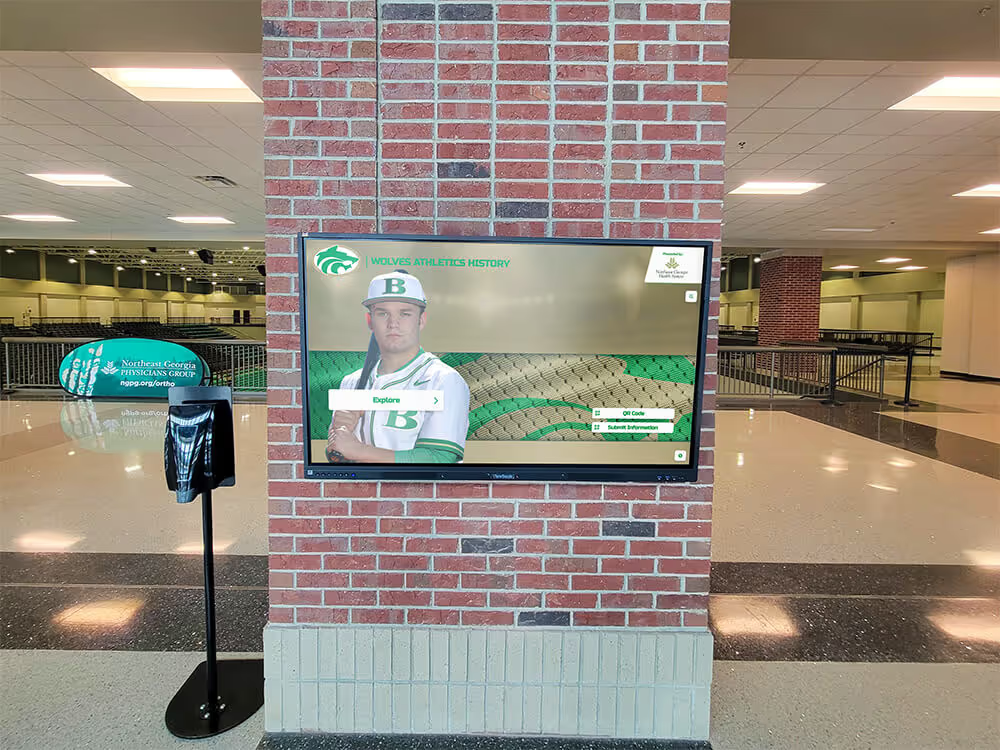
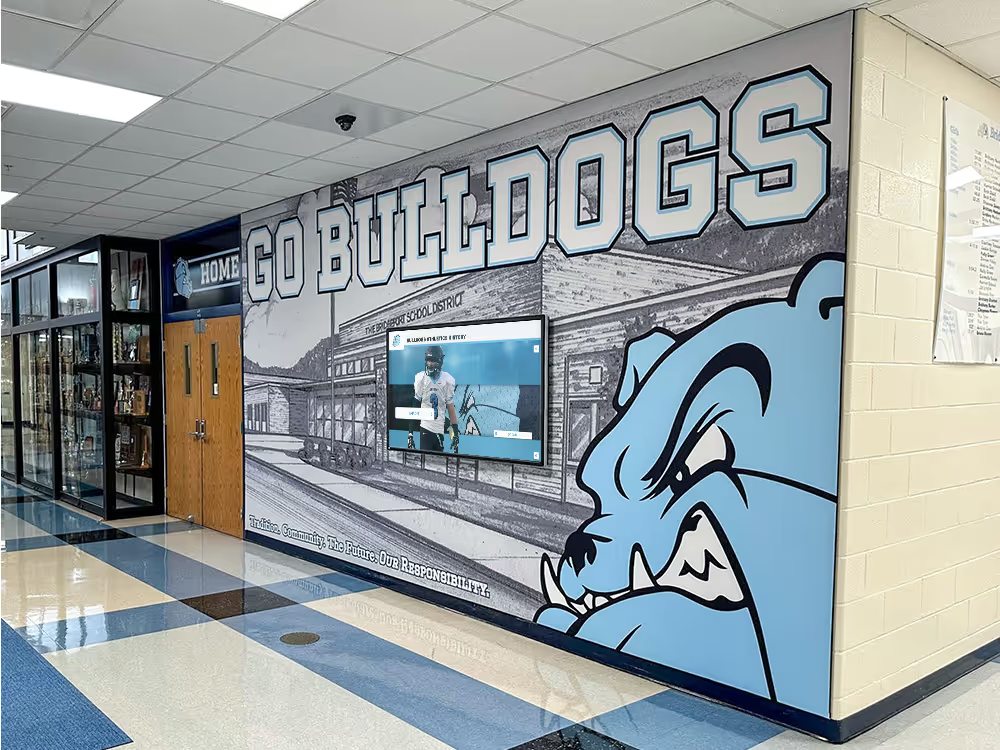
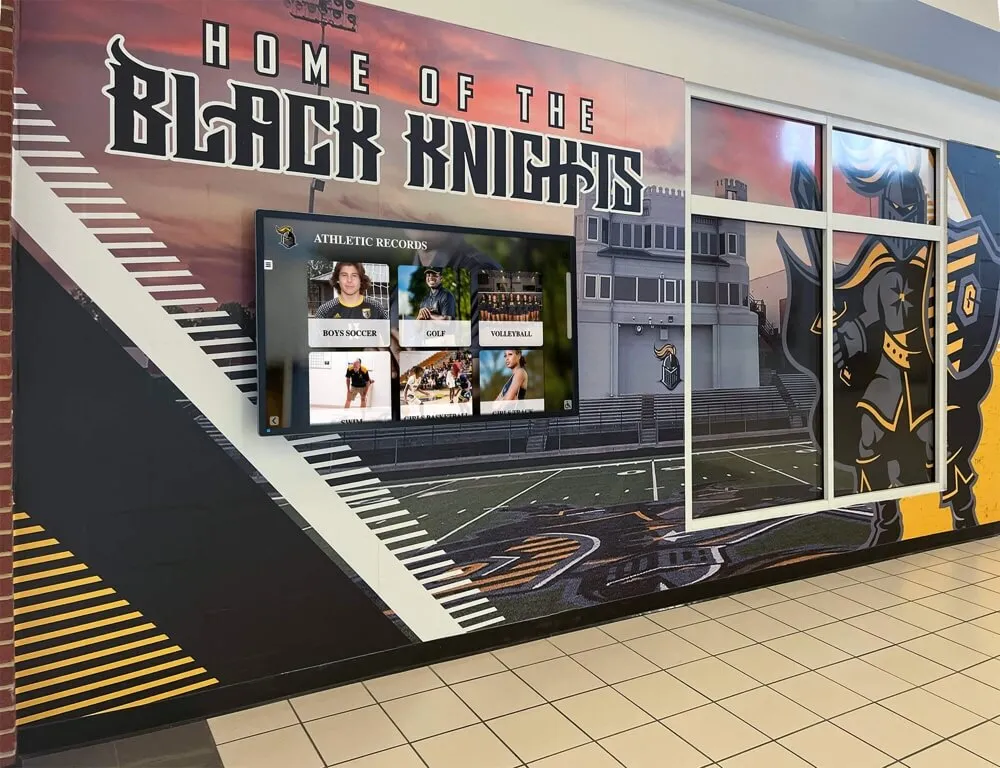
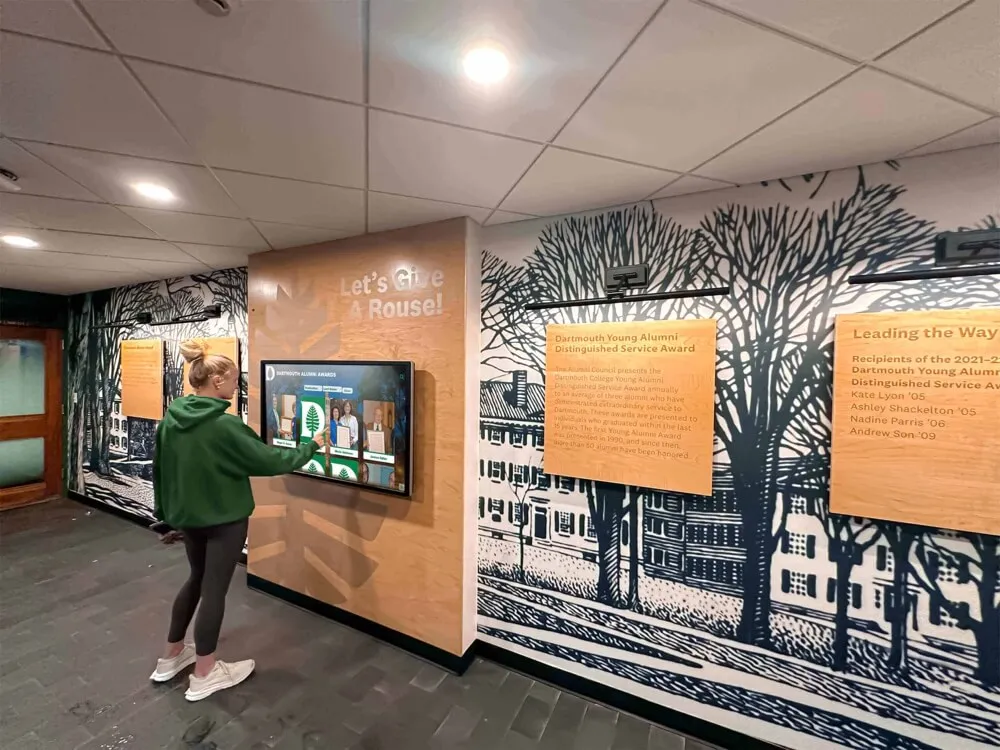
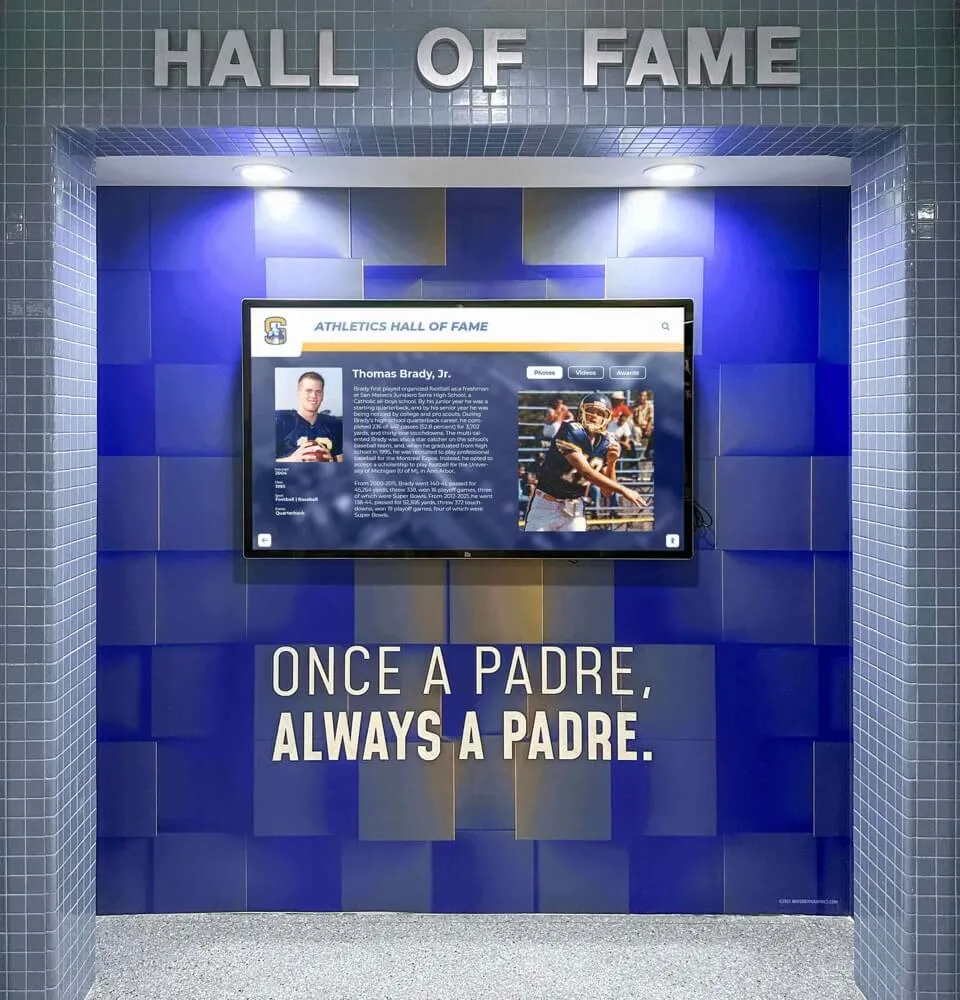
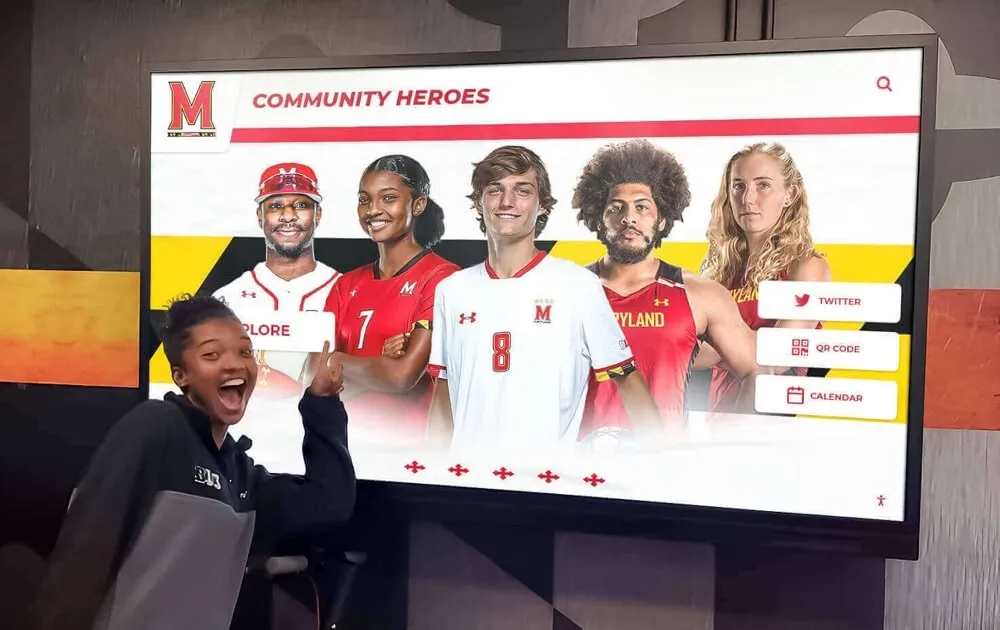
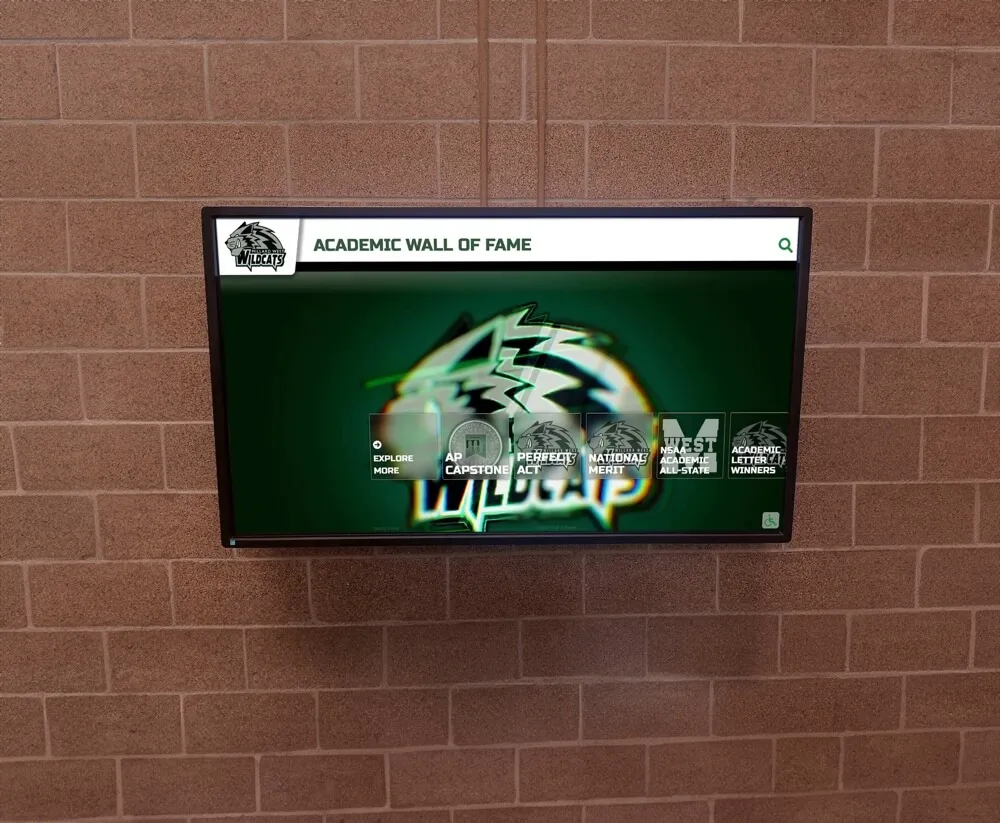
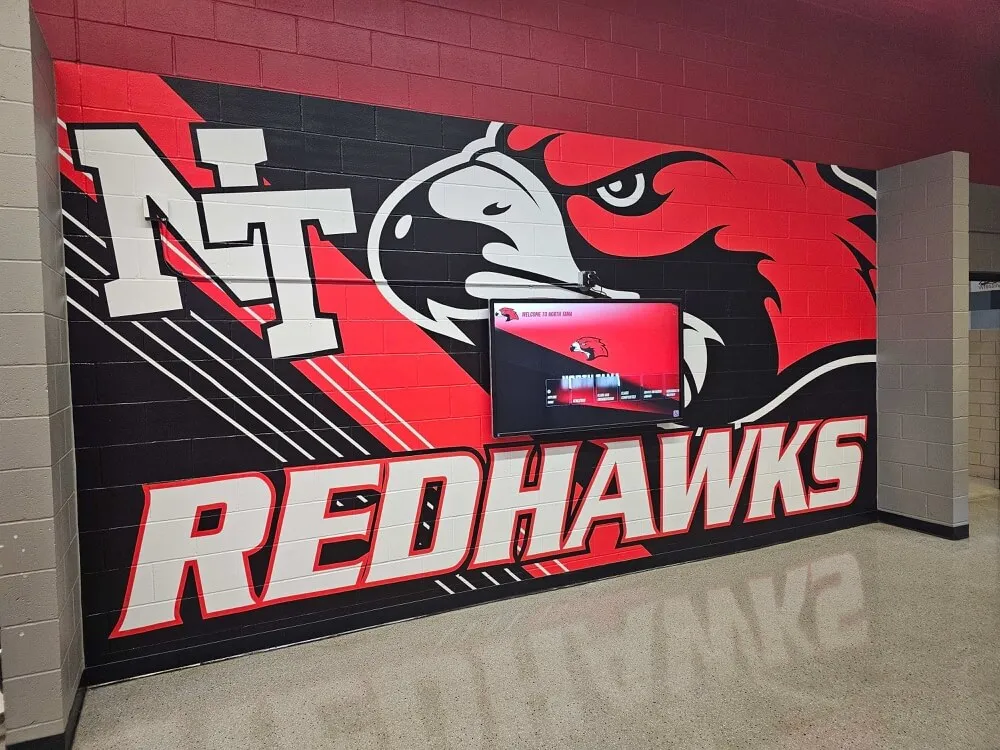
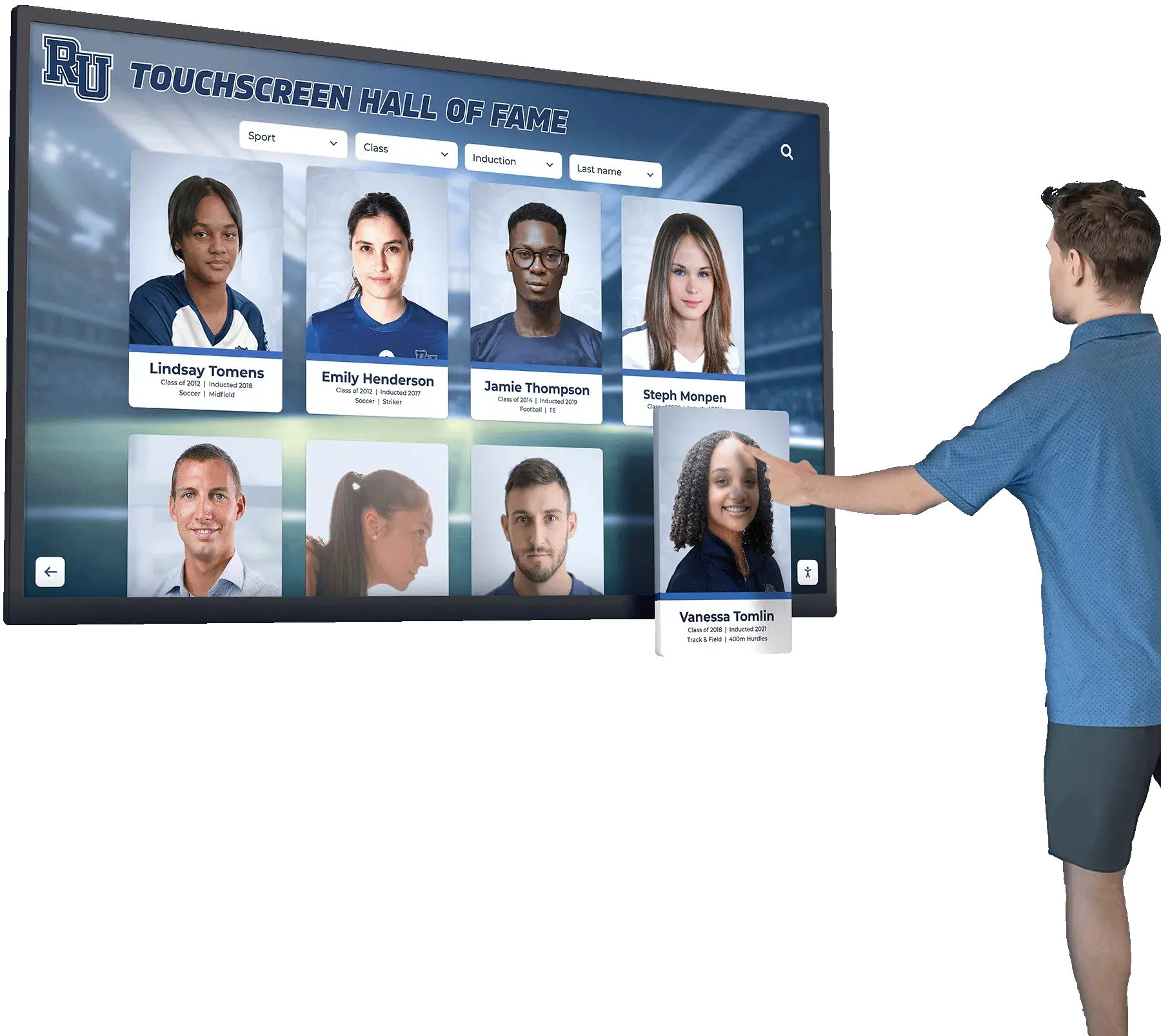
- Works on web, mobile, and touchscreen kiosks
- Respects all visibility and privacy settings
- Improves engagement and session time
AI for Archive Digitization
Many schools have decades of printed yearbooks gathering dust. AI helps bring them online:
| Step | What Happens |
|---|---|
| Scan | Photograph or scan old yearbook pages |
| OCR | AI extracts text from images |
| Tag | AI suggests student names and years |
| Index | Content becomes searchable |
| Publish | Alumni browse decades of history online |
Use cases:
- Reunion attendees search for themselves
- Genealogy researchers find family members
- Alumni relations teams engage graduates
- Schools preserve institutional history
Smart Layout Suggestions
AI analyzes your content and suggests:
- Page layouts that fit your photo count and orientation
- Photo arrangements that balance visual weight
- Cropping adjustments for consistent sizing
- Template recommendations based on content type
How it works:
- Upload content to a page
- AI suggests layout options
- Accept, modify, or ignore suggestions
- Fine-tune manually if desired
Data Cleanup & Consistency
Large yearbooks often have data inconsistencies:
| Problem | AI Solution |
|---|---|
| Duplicate student names (John Smith, J. Smith) | Suggests merges |
| Inconsistent team names (Basketball, Boys Basketball, B. Basketball) | Normalizes to single format |
| Missing graduation years | Flags incomplete entries |
| Typos in common fields | Suggests corrections |
All changes require staff approval. AI generates suggestions; humans make decisions.
Privacy & Control: You’re in Charge
Every AI feature is designed with privacy first:
| Principle | How We Implement It |
|---|---|
| Opt-In | Schools choose which AI features to enable |
| Staff Approval | All AI suggestions require human review |
| No Auto-Publish | Nothing goes live without staff action |
| Data Stays Local | Face data never leaves the platform |
| Audit Trail | All AI actions are logged for review |
| Disable Anytime | Turn off AI features with one click |
Learn more: FERPA & Student Privacy →
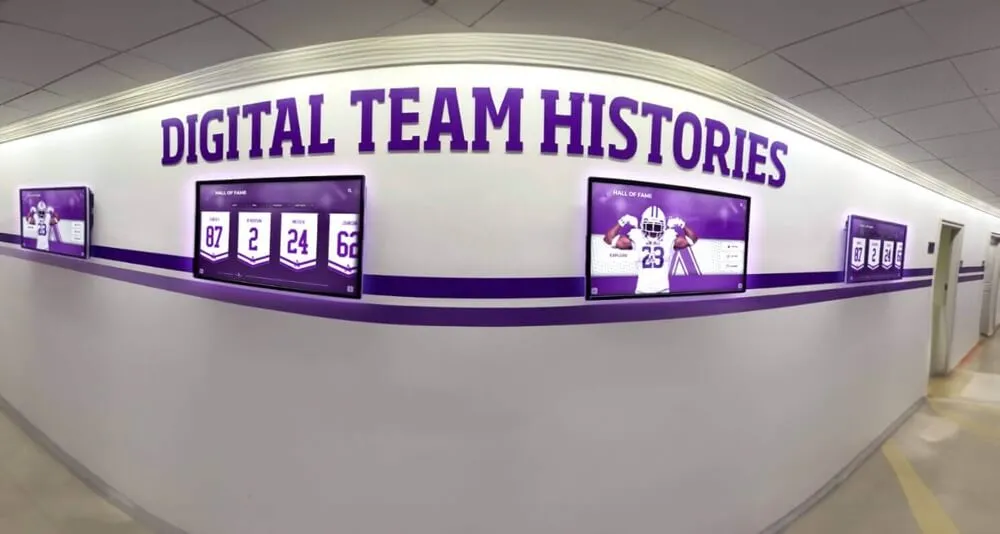
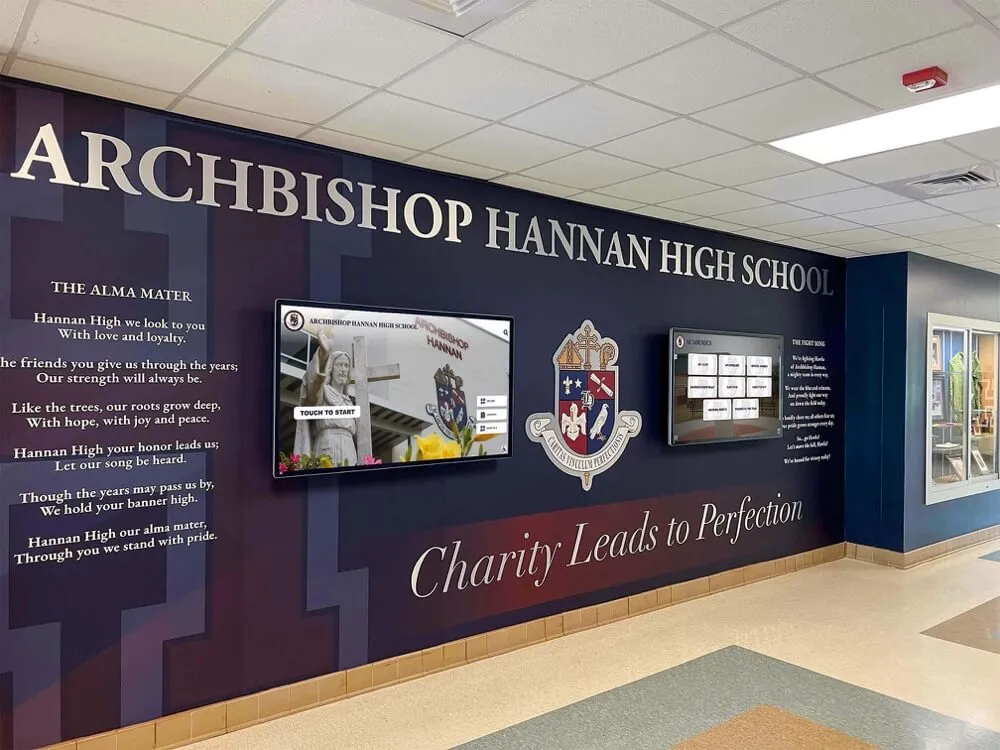
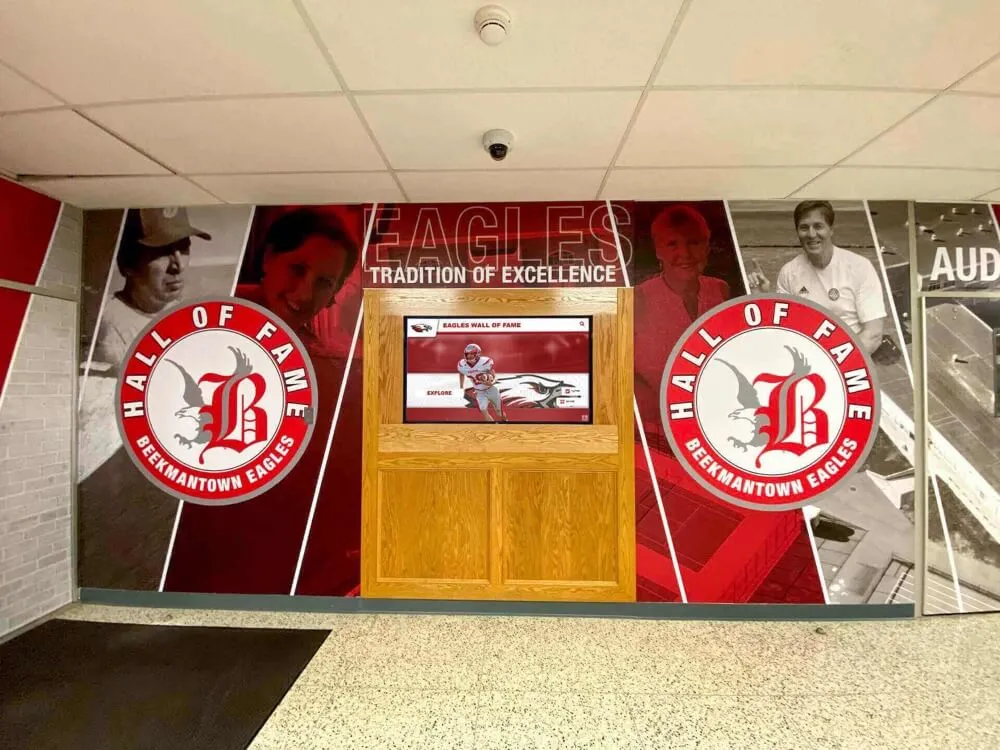
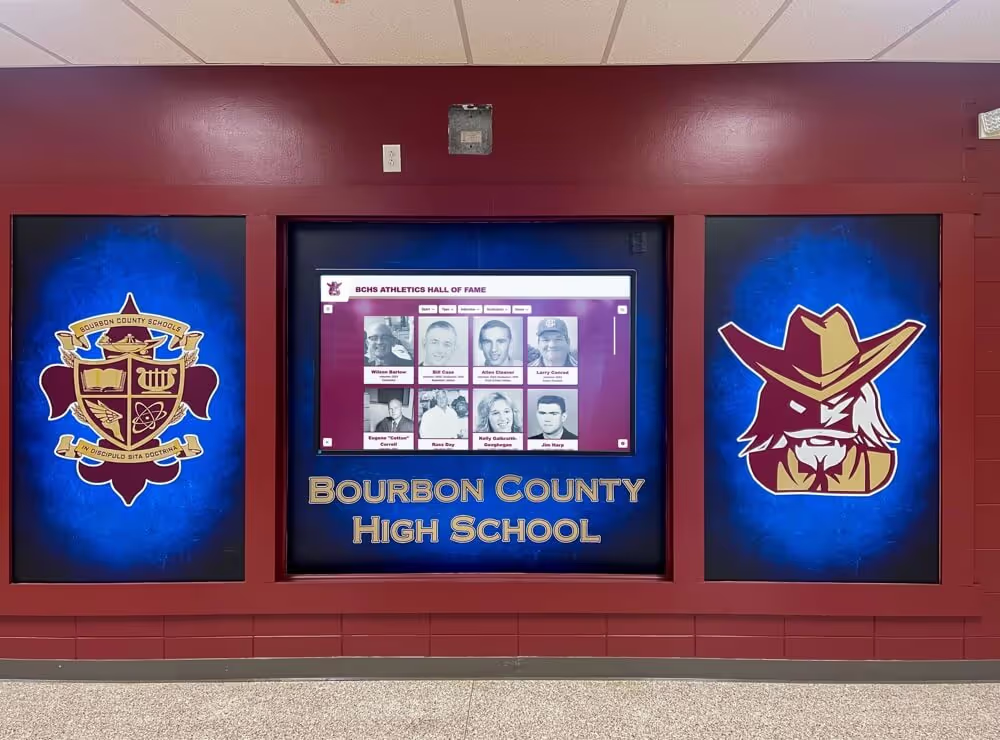
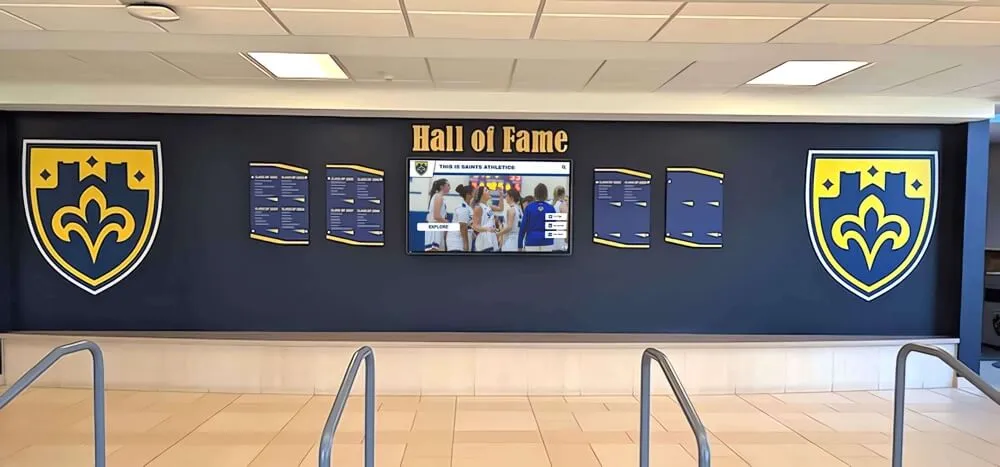
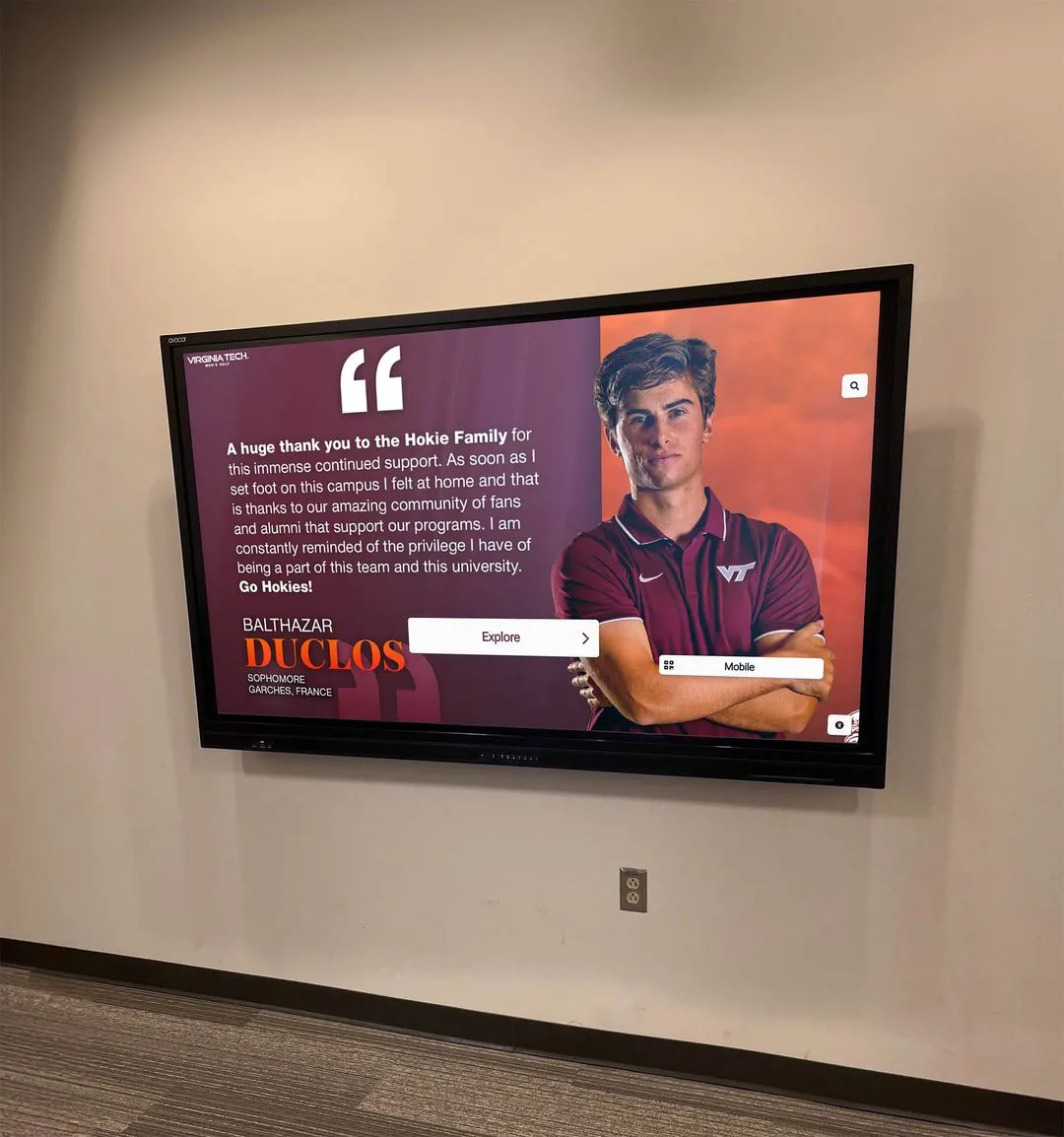
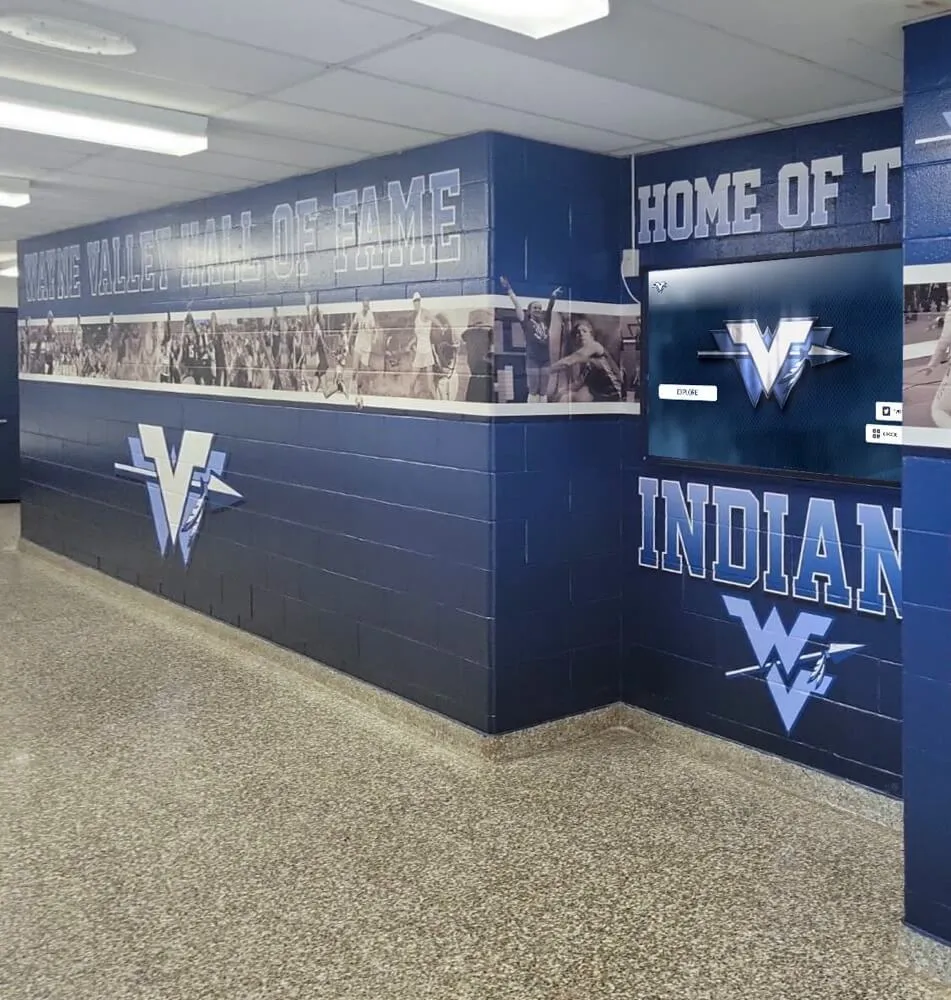
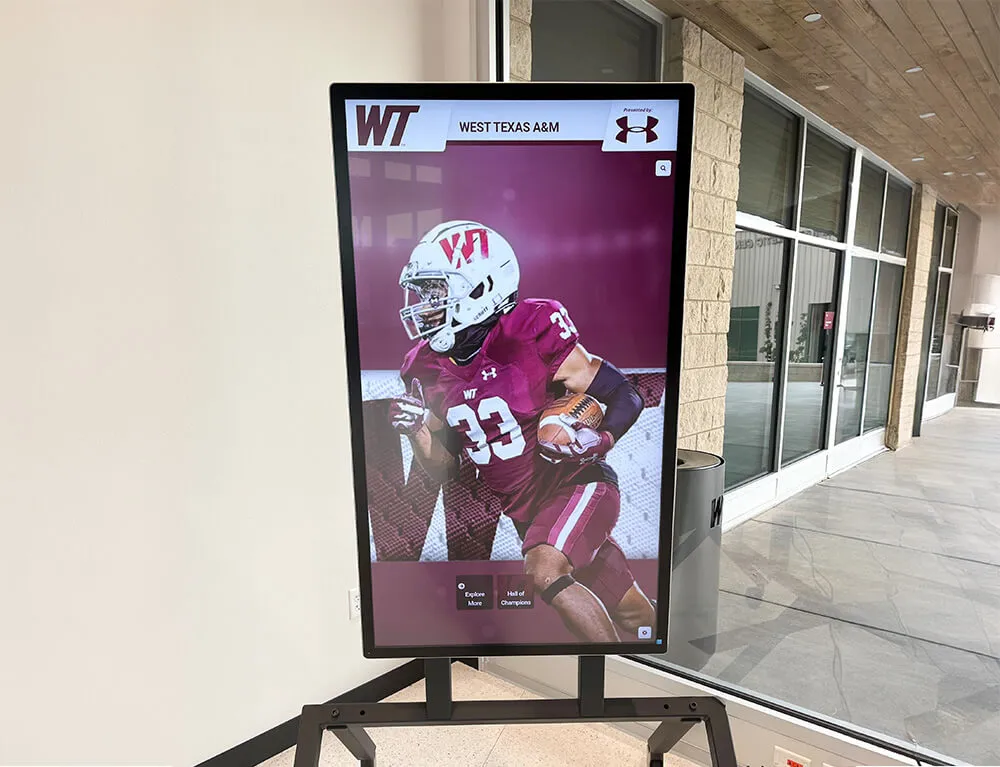
AI + Touchscreen Kiosks
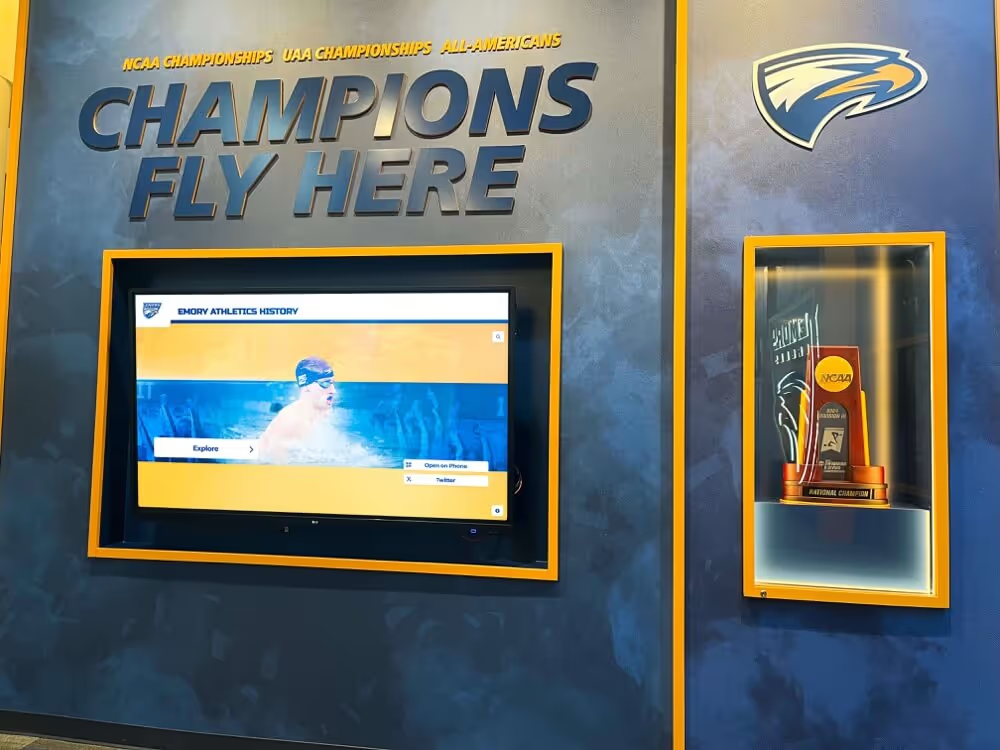
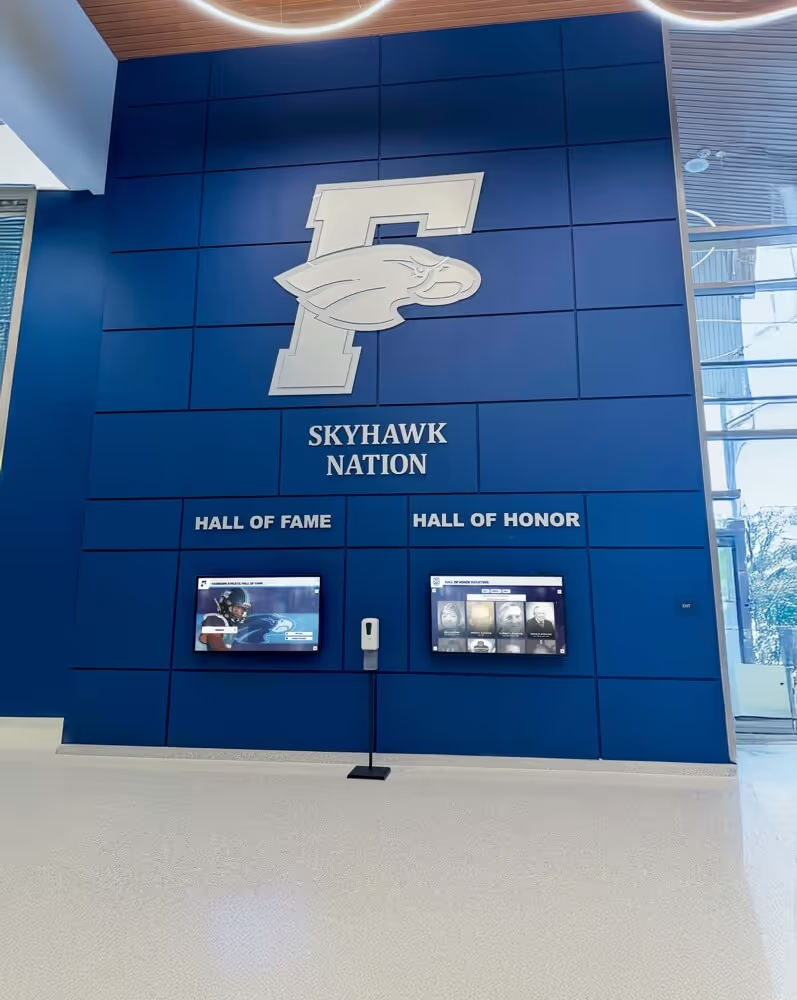
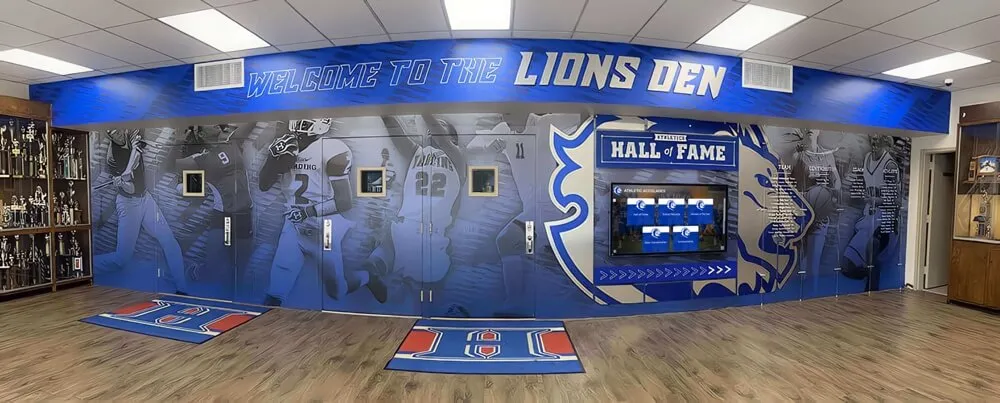
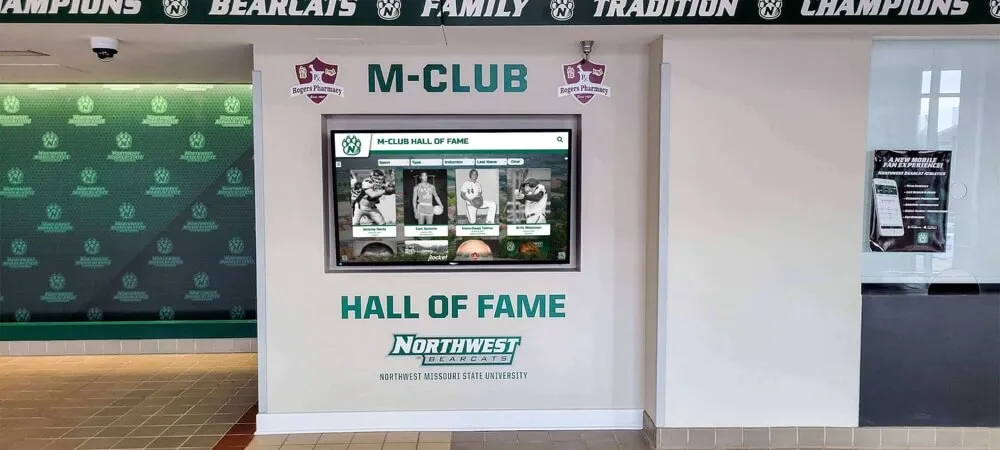
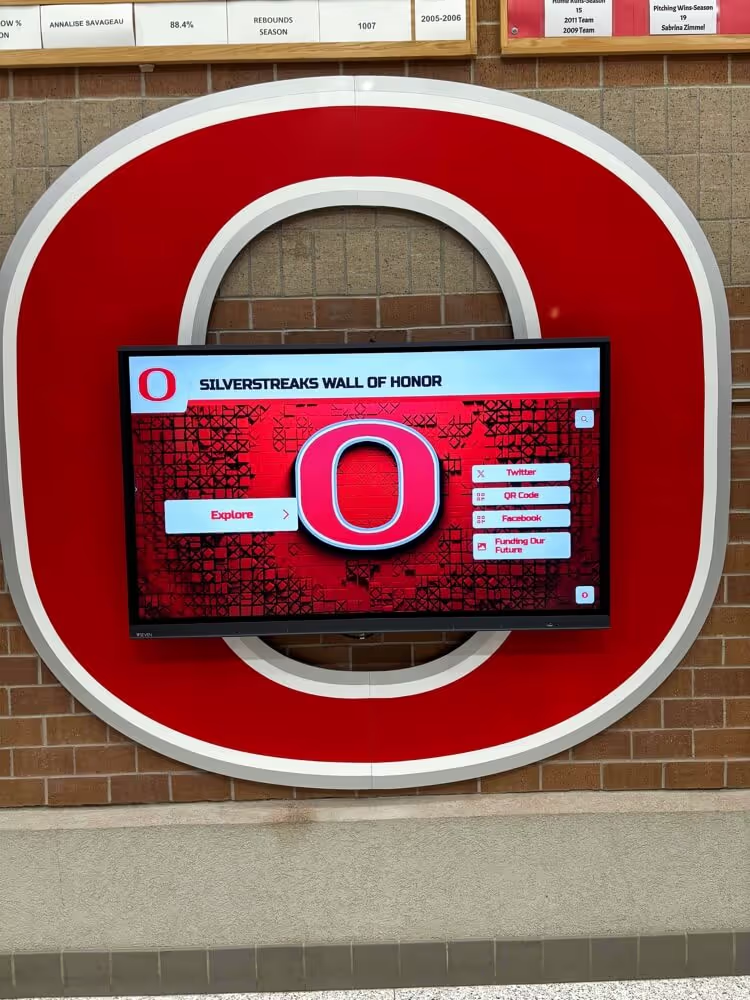
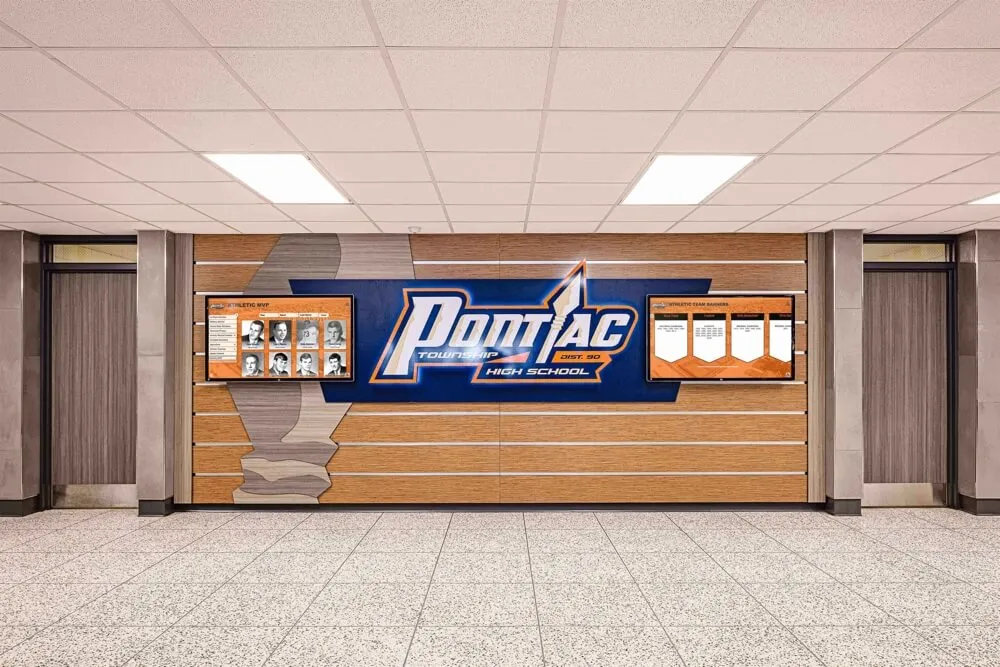
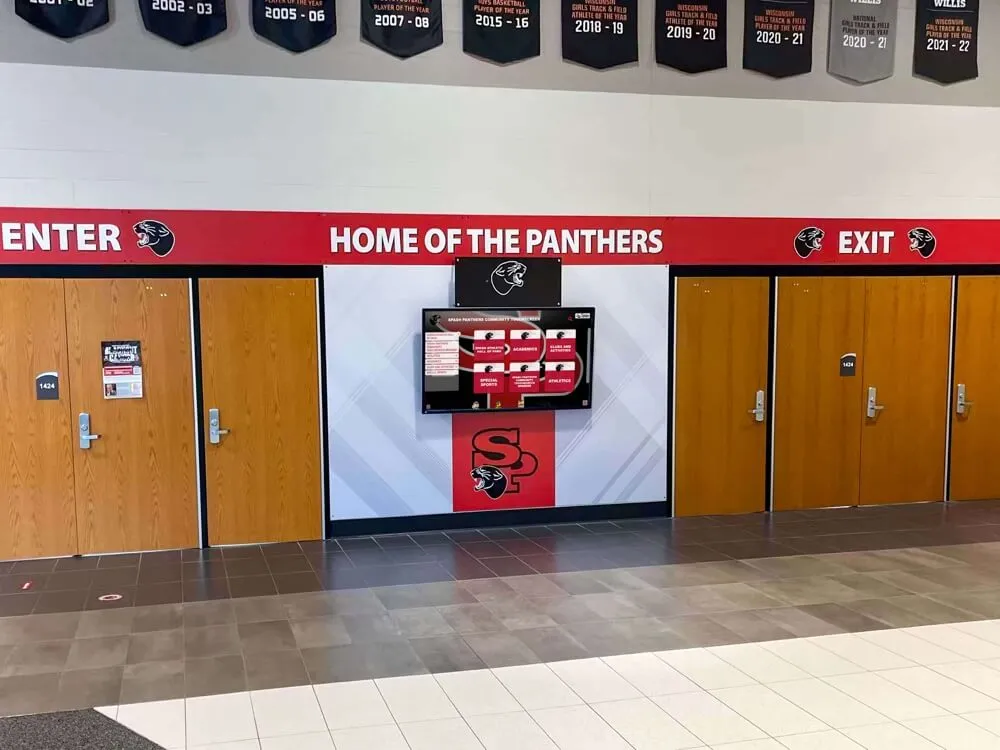
AI features enhance touchscreen yearbook displays:
- Semantic search: Visitors type natural queries and get relevant results
- Face grouping: Alumni find every photo they appear in
- Content QA: AI flags quality issues before content goes live
- Auto-tagging: Photos are discoverable across thousands of images
Learn more: Interactive Touchscreen Yearbooks →
Getting Started with AI Tools
- Request a mock-up: We’ll show you AI features with your school’s branding
- Choose features: Enable the AI tools that fit your workflow
- Upload content: Let AI suggest tags and layouts
- Review and approve: Staff controls all publishing decisions
- Launch: Go live with a polished, searchable yearbook
Related Resources
- Digital Yearbook Software →
- Interactive Touchscreen Yearbooks →
- FERPA & Student Privacy →
- Yearbook Advisor Workflow →
See AI Yearbook Tools in Action
We’ll create a custom mock-up using your school’s branding and show you how AI can speed up your yearbook workflow.
Frequently Asked Questions
FAQ
Quick answers to common questions about digital yearbooks and touchscreen displays.